There are more than 60 species of hornbills in the Bucerotidae family. They live in the tropical regions of Africa and Asia, and some islands in the South Pacific. Hornbills can be found in a variety of habitats, including forests, grasslands, and even dry, desert-like areas.
Most hornbills are omnivores, meaning they eat both plants and animals. Their diet includes fruit, insects, small birds, reptiles, and other small animals.
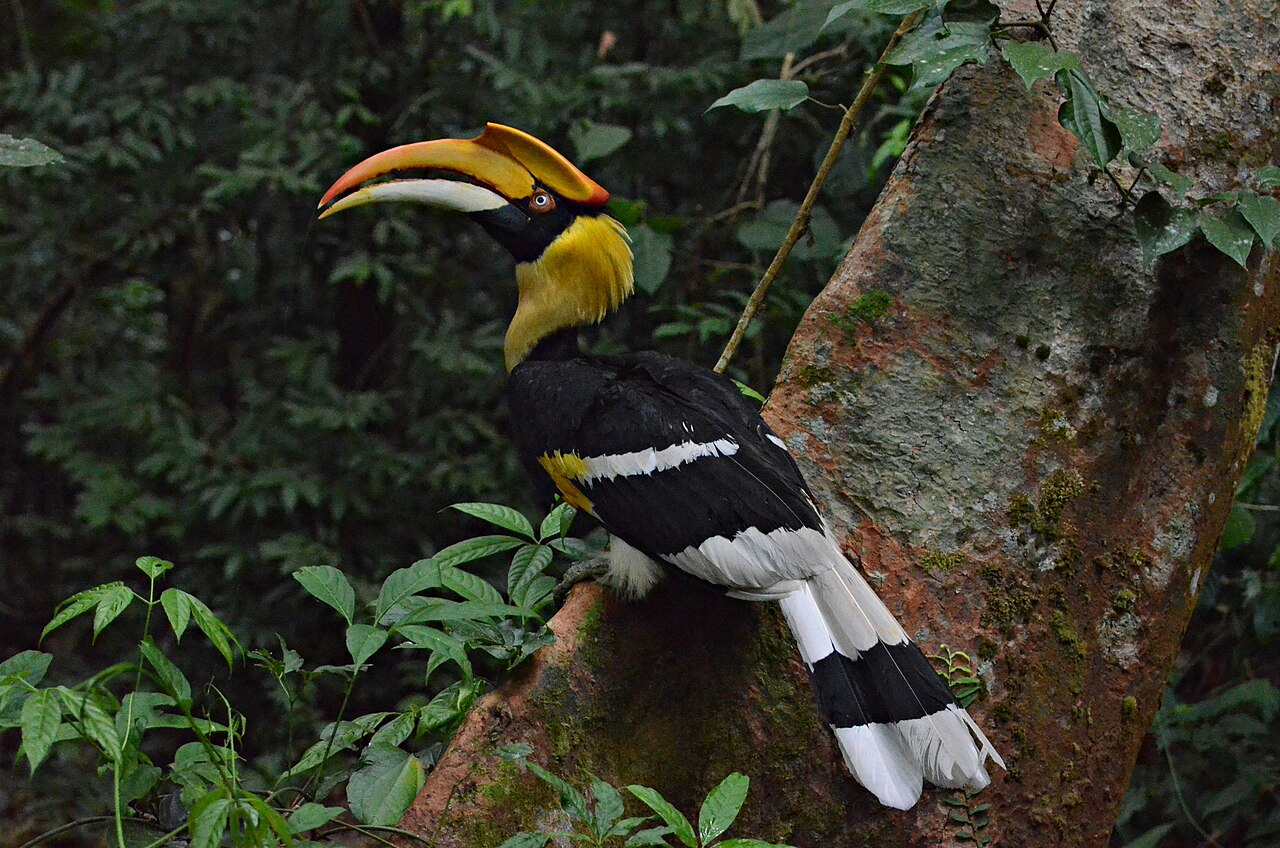
Hornbills are easy to recognize because of their large, curved bills. Many species have a casque, a hard, hollow structure on the top of their bill. Hornbills come in many sizes and colors, but most are medium to large birds.
The ancient Romans called hornbills “rhinoceros birds” because of their impressive casques. Hornbills are also known for their unusual nesting behavior. A female hornbill lays her eggs inside a natural hole in a tree or a crevice in a rock. She then seals most of the entrance with mud, leaving only a narrow slit. Through this opening, the male brings food to the female and later to the chicks. The female remains inside the nest while the eggs hatch and the young birds grow, helping to protect them from predators.
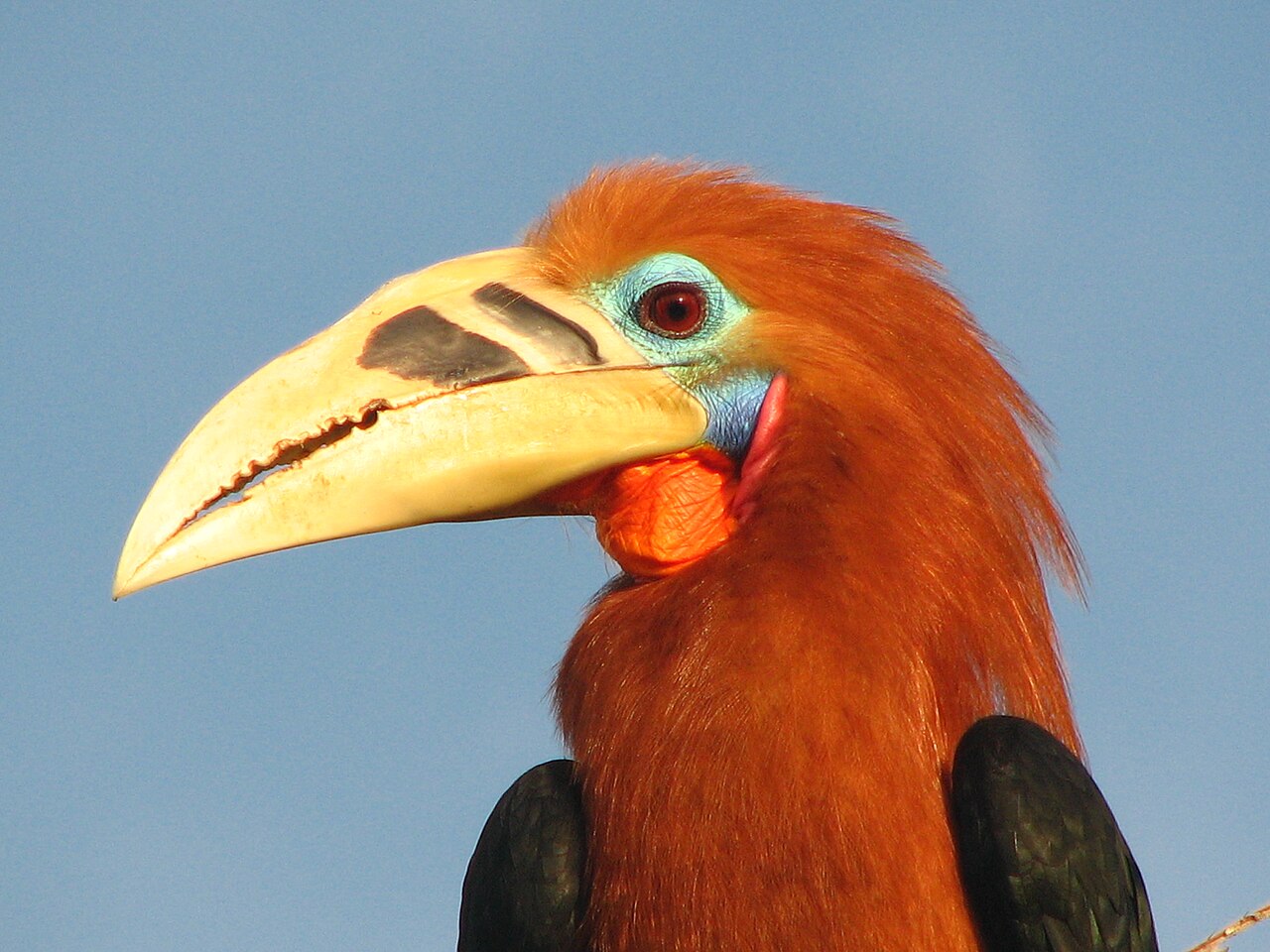
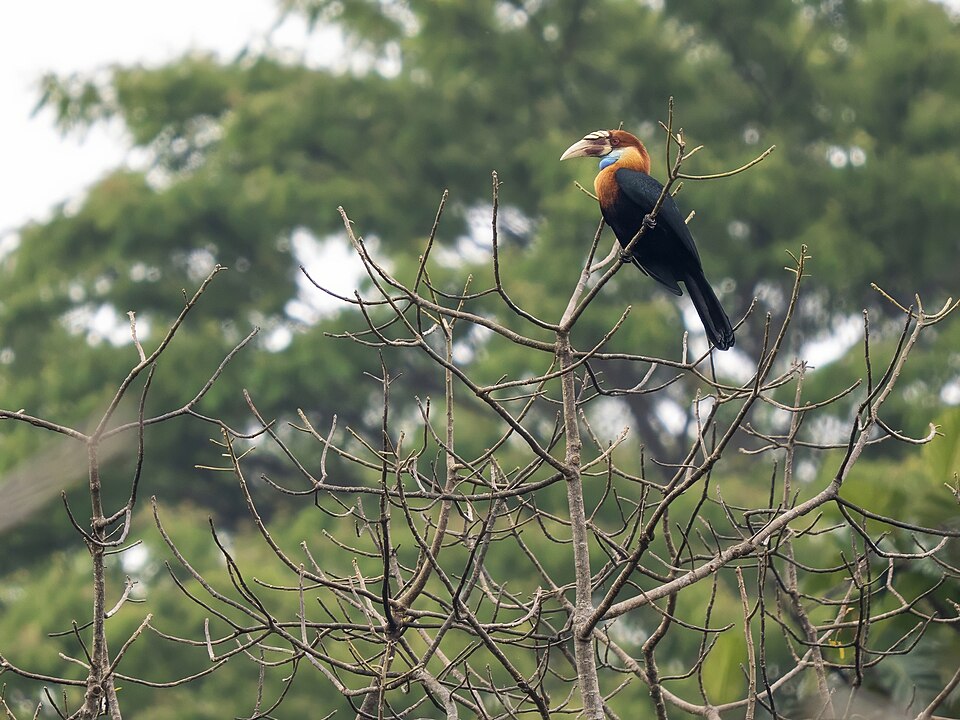
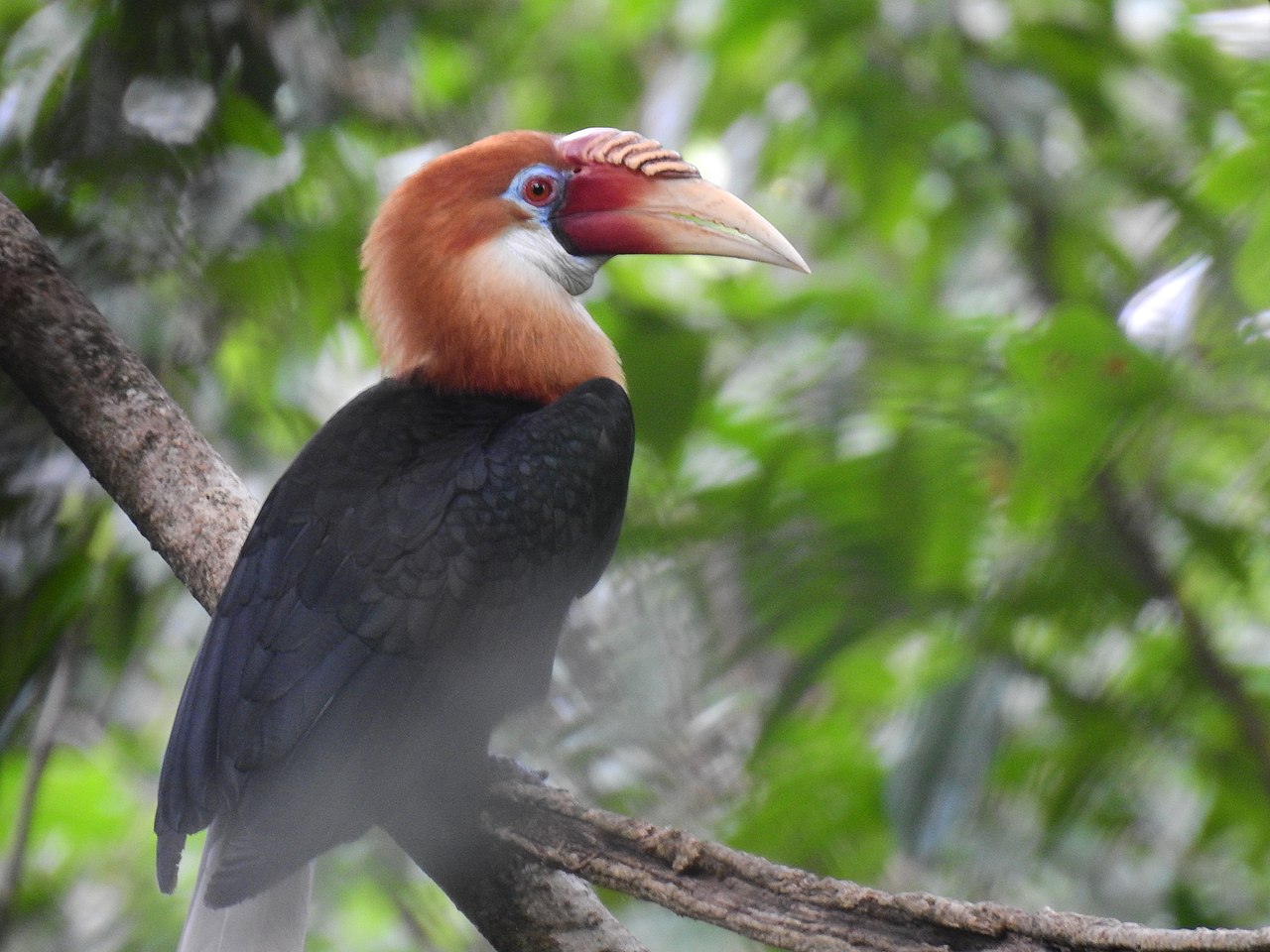
Rufous-necked Hornbill (Aceros nipalensis)
The Rufous-necked Hornbill is found in Bhutan, China, India, Lao People's Democratic Republic, Myanmar, Thailand, and Viet Nam. IUCN Redlist Status: Vulnerable
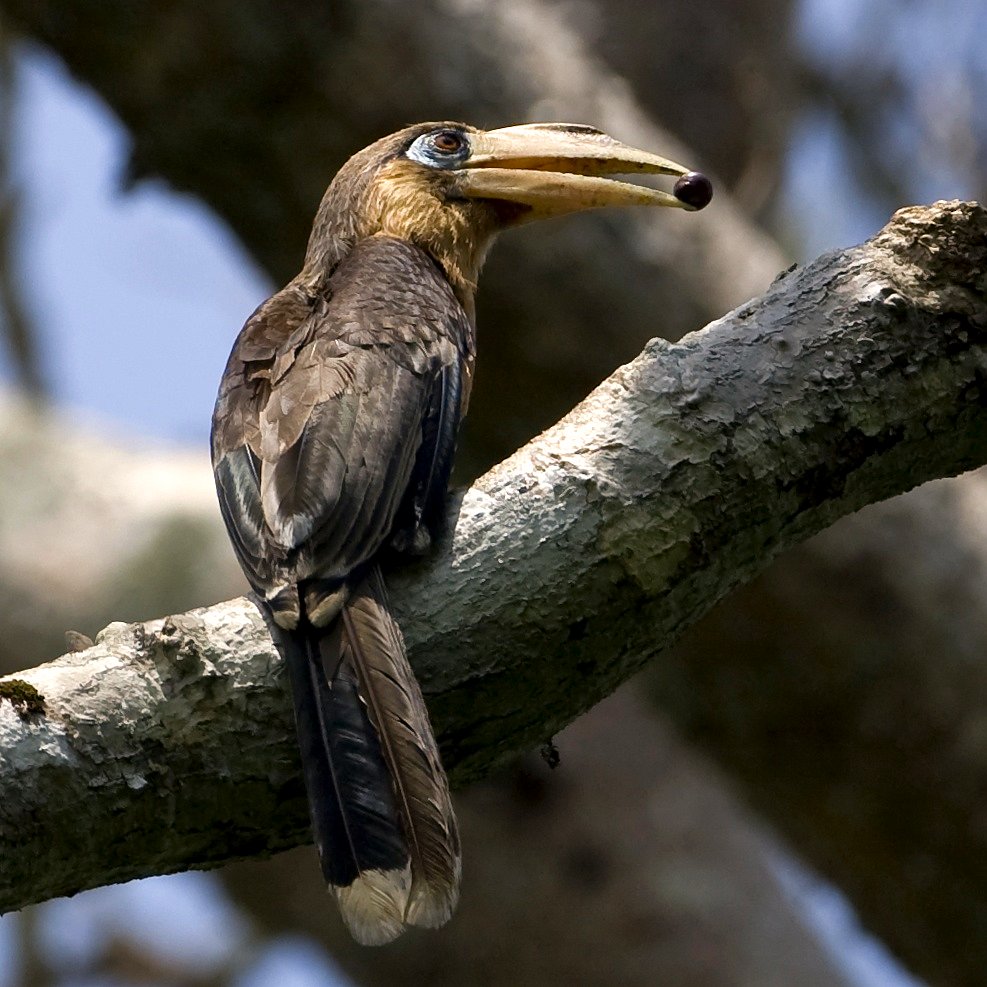
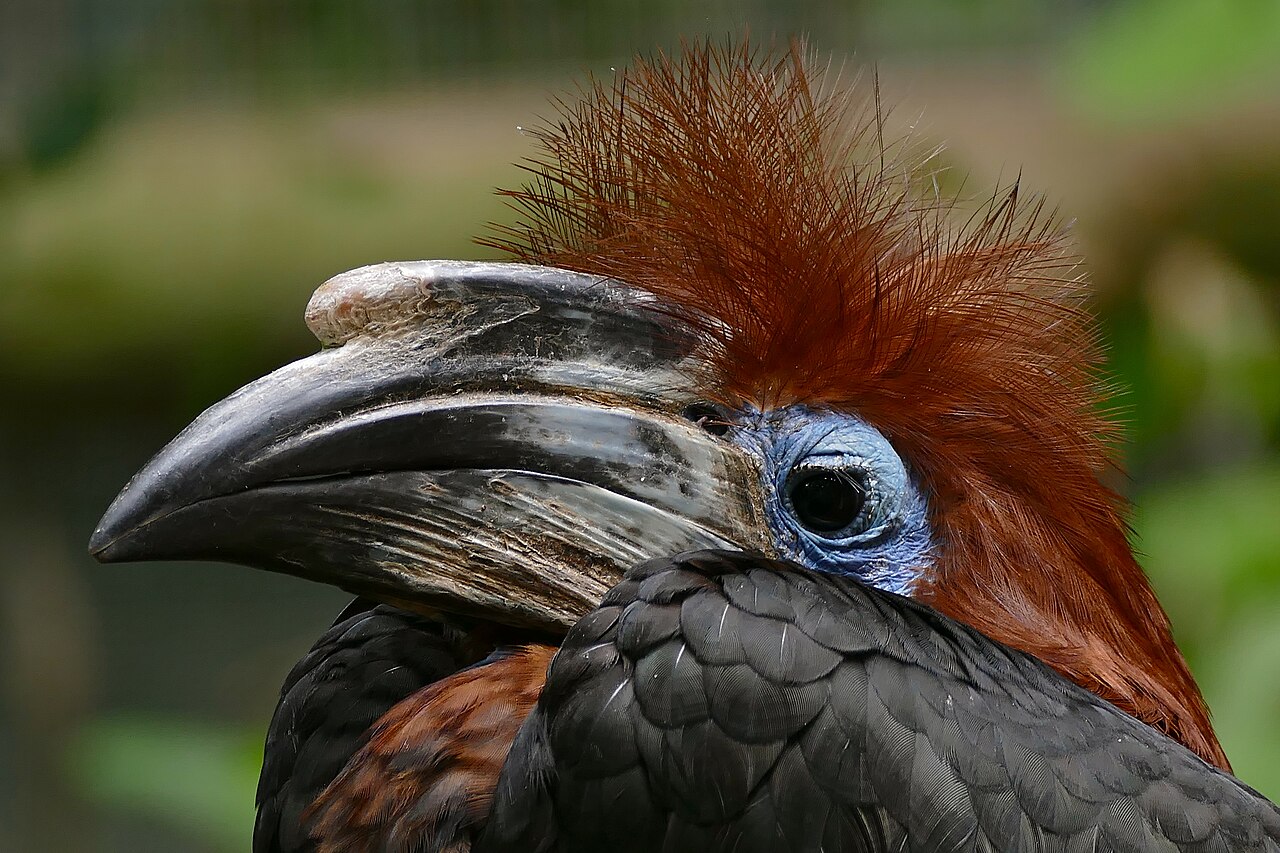
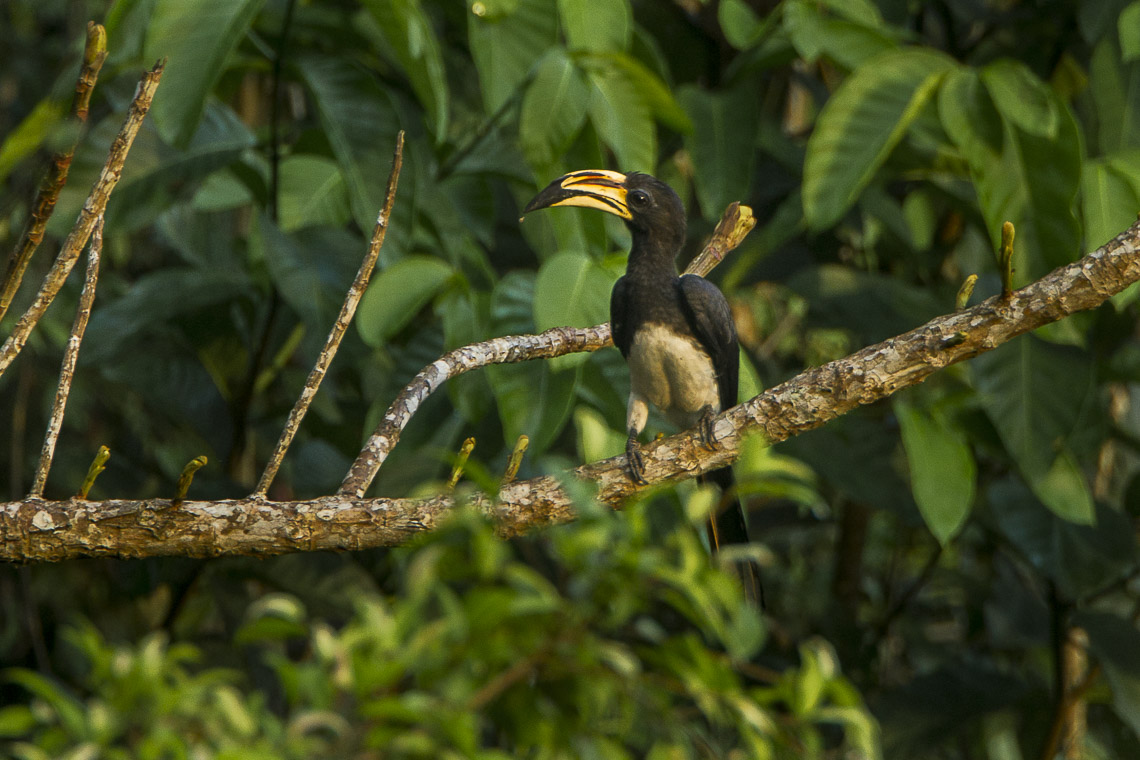
Tickell's Brown Hornbilltickelli (Anorrhinus tickelli)
Tickell's Brown Hornbill is found in forests in Burma and Thailand. IUCN Redlist Status: Near Threatened
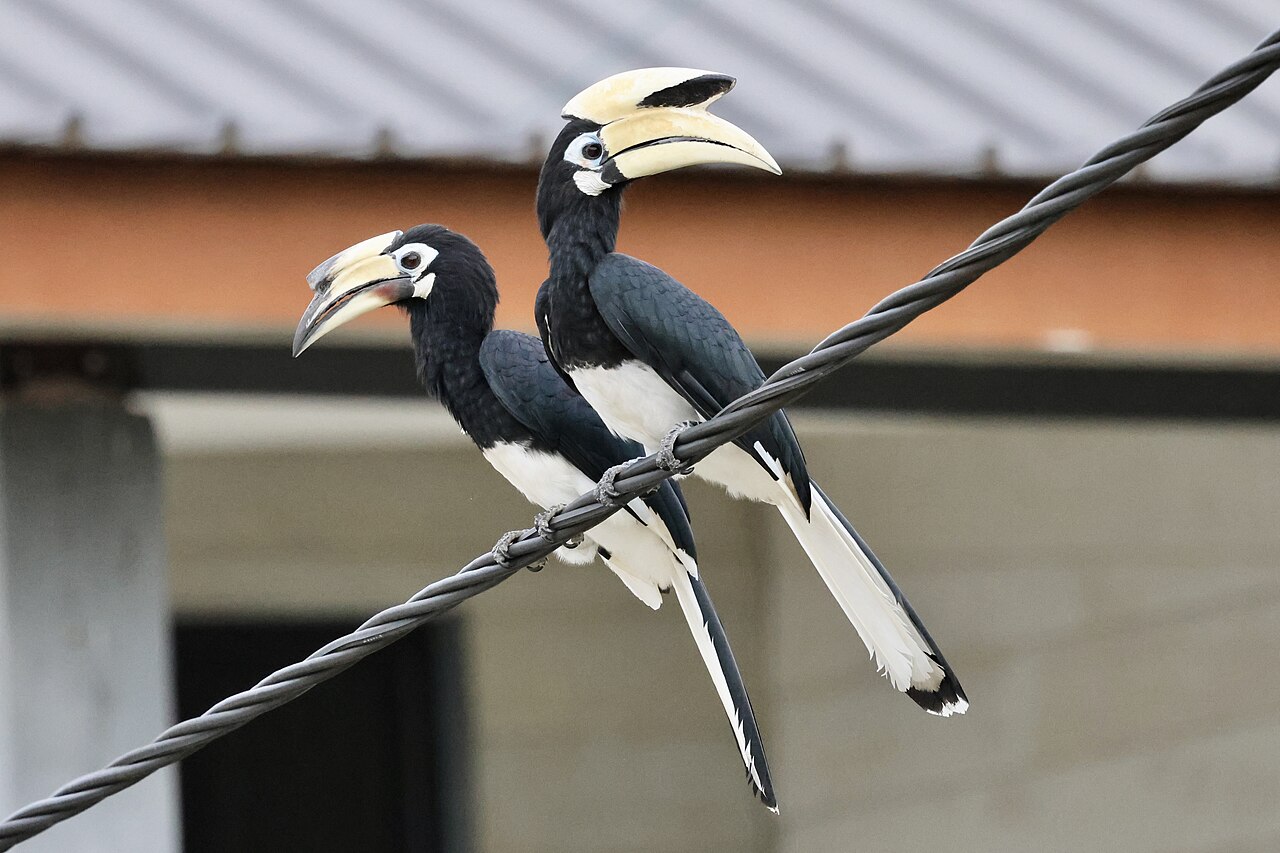
The Oriental Pied Hornbill is found in Bangladesh, Bhutan, Brunei Darussalam, Cambodia, China, India, Indonesia, Laos, Malaysia, Myanmar, Nepal, Singapore, Thailand, and Viet Nam. IUCN Redlist Status: Least Concern
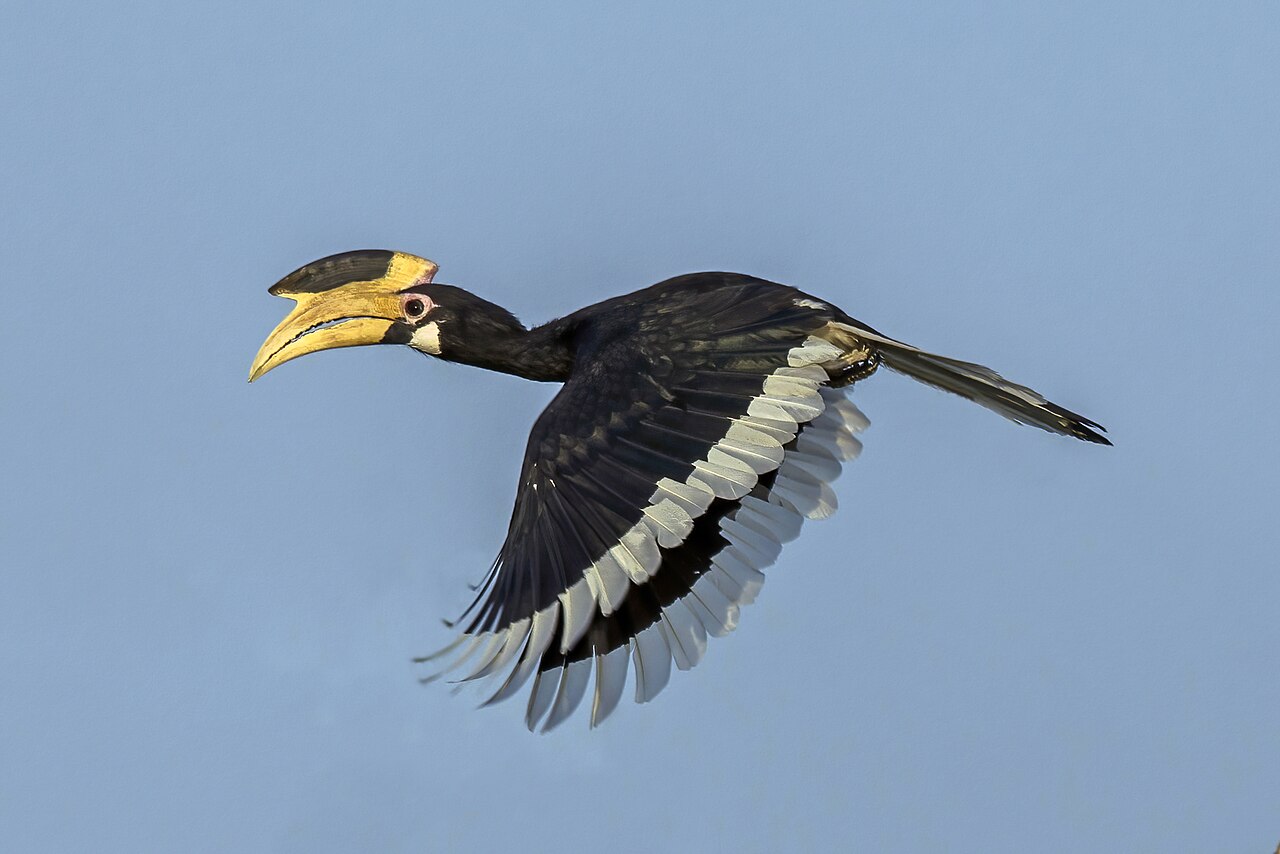
Malabar Pied Hornbill (Anthracoceros coronatus)
The Malabar Pied Hornbill is found in India and Sri Lanka. IUCN Status: Near Threatened
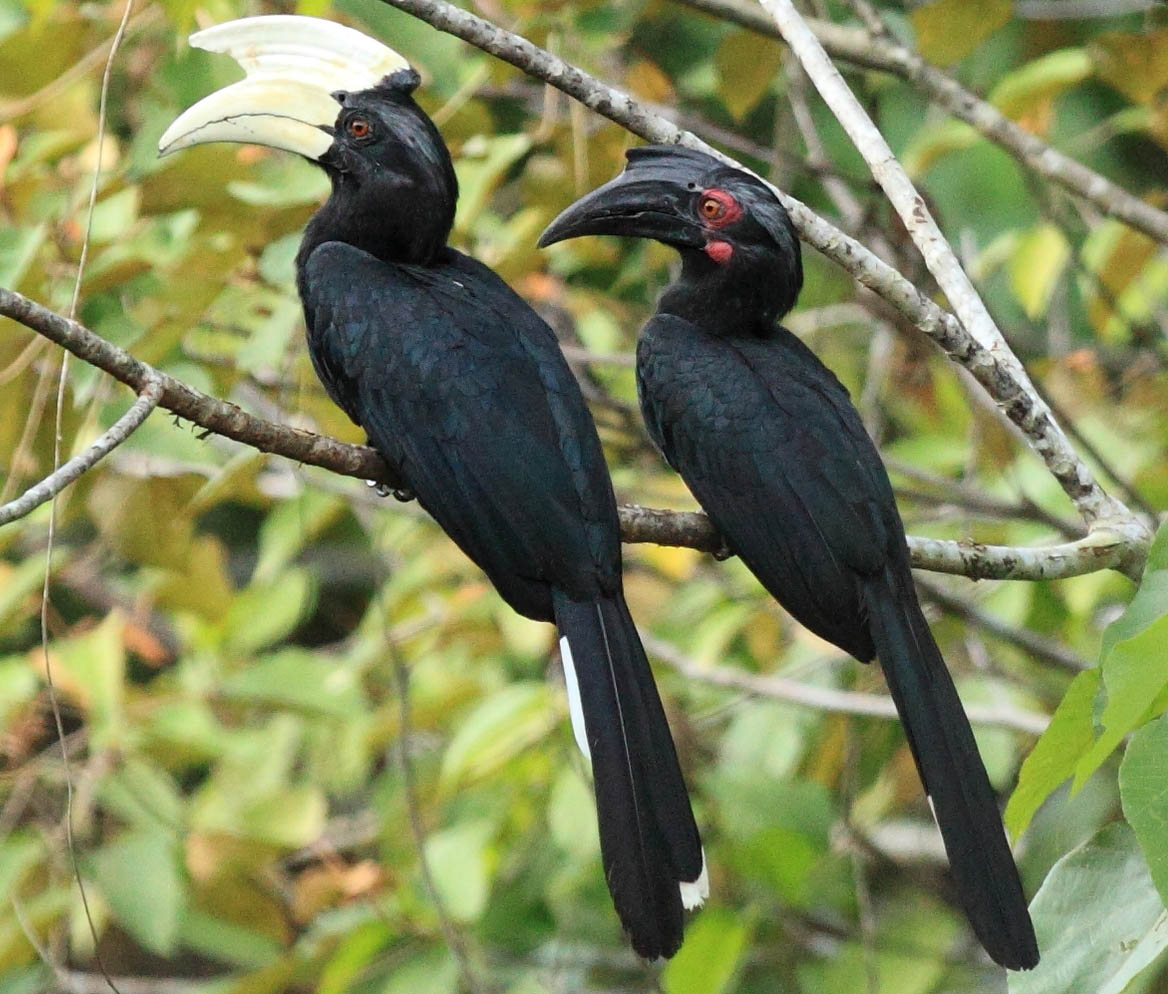
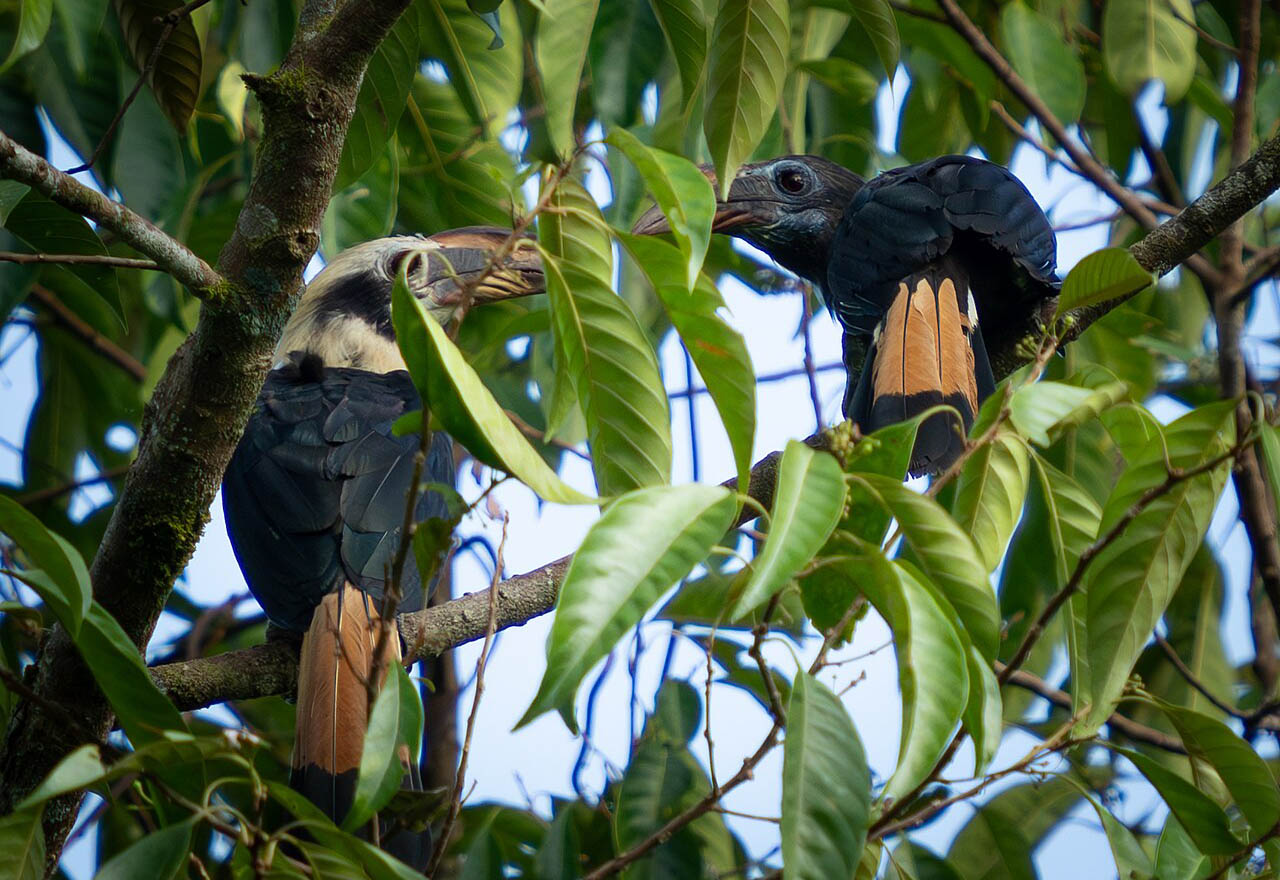
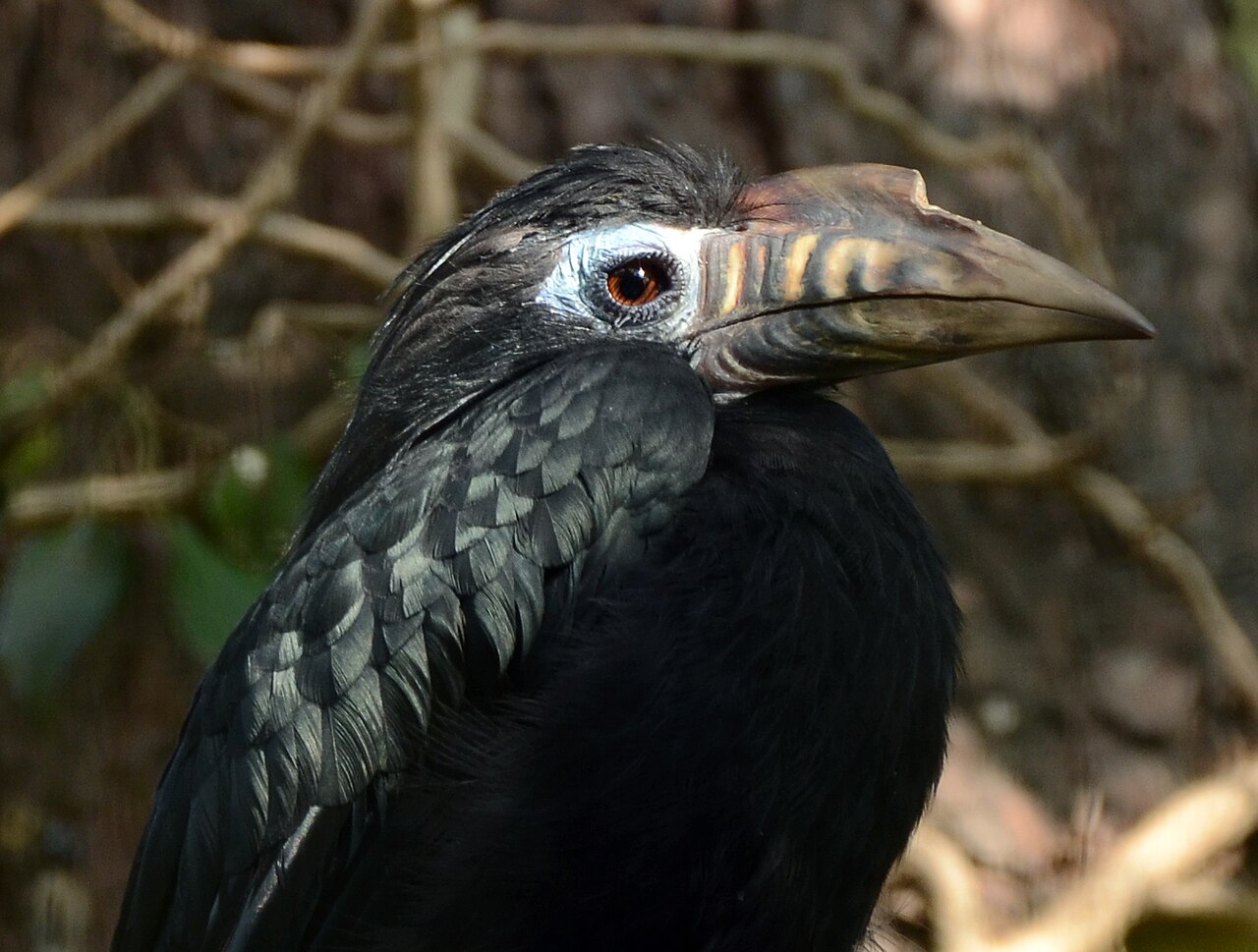
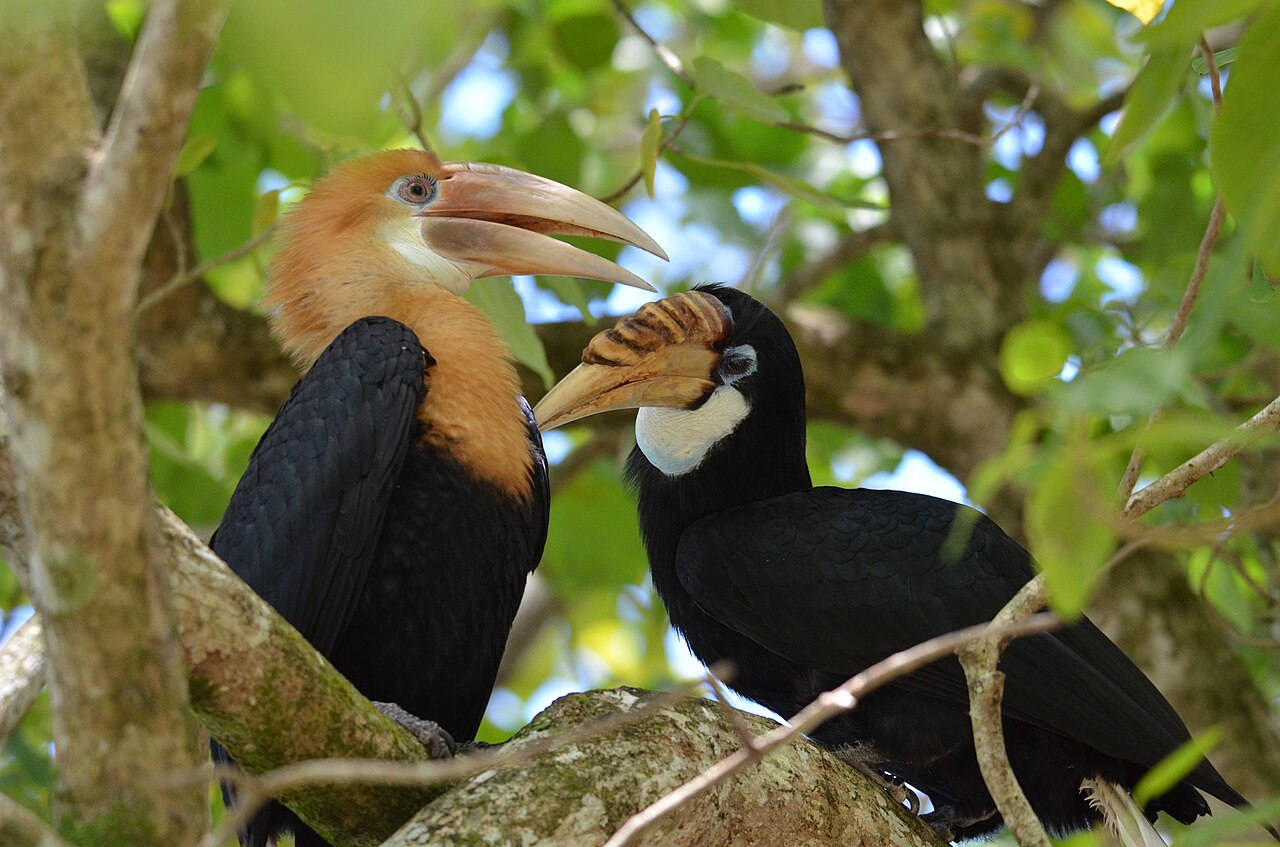
Black Hornbill (Anthracoceros malayanus)
Black Hornbill pair. The Black Hornbill is found in Brunei Darussalam, Indonesia, Malaysia, and Thailand. IUCN Redlist Status: Vulnerable
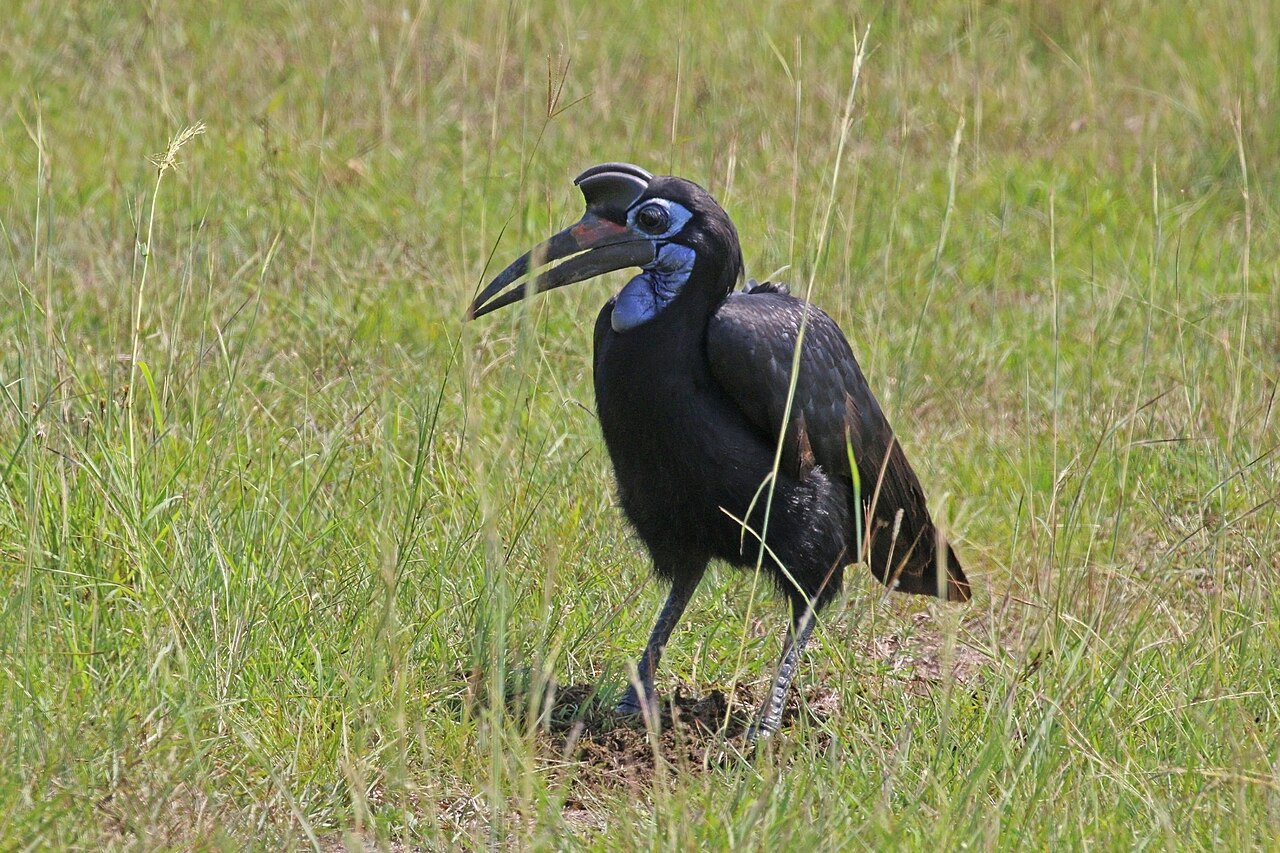
The Northern Ground-hornbill (also called the Abyssinian Ground Hornbill) is found in eastern and southern Africa. IUCN Redlist: Vulnerable
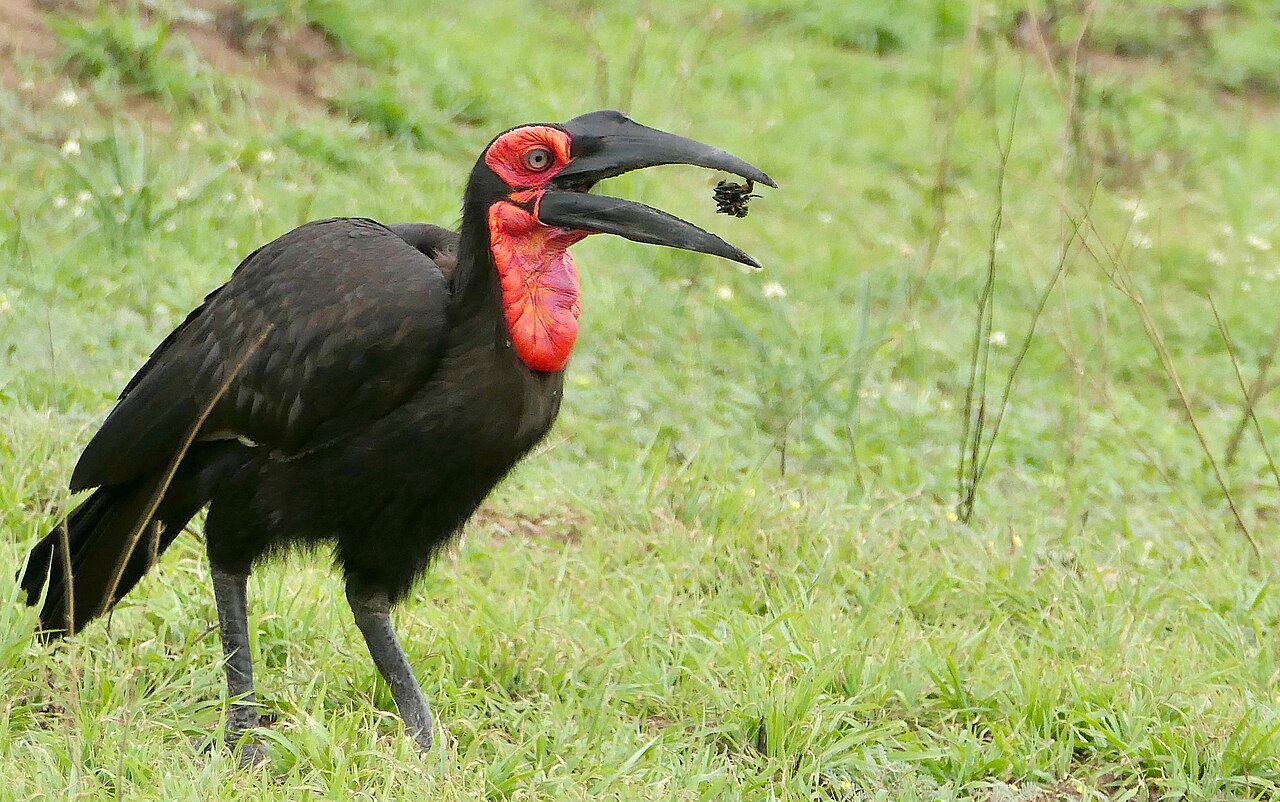
Southern Ground-hornbill (Bucorvus leadbeateri)
A male Southern Ground Hornbill eats a dung beetle. The southern Ground Hornbill is found in southern Africa. IUCN Redlist Status: Vulnerable
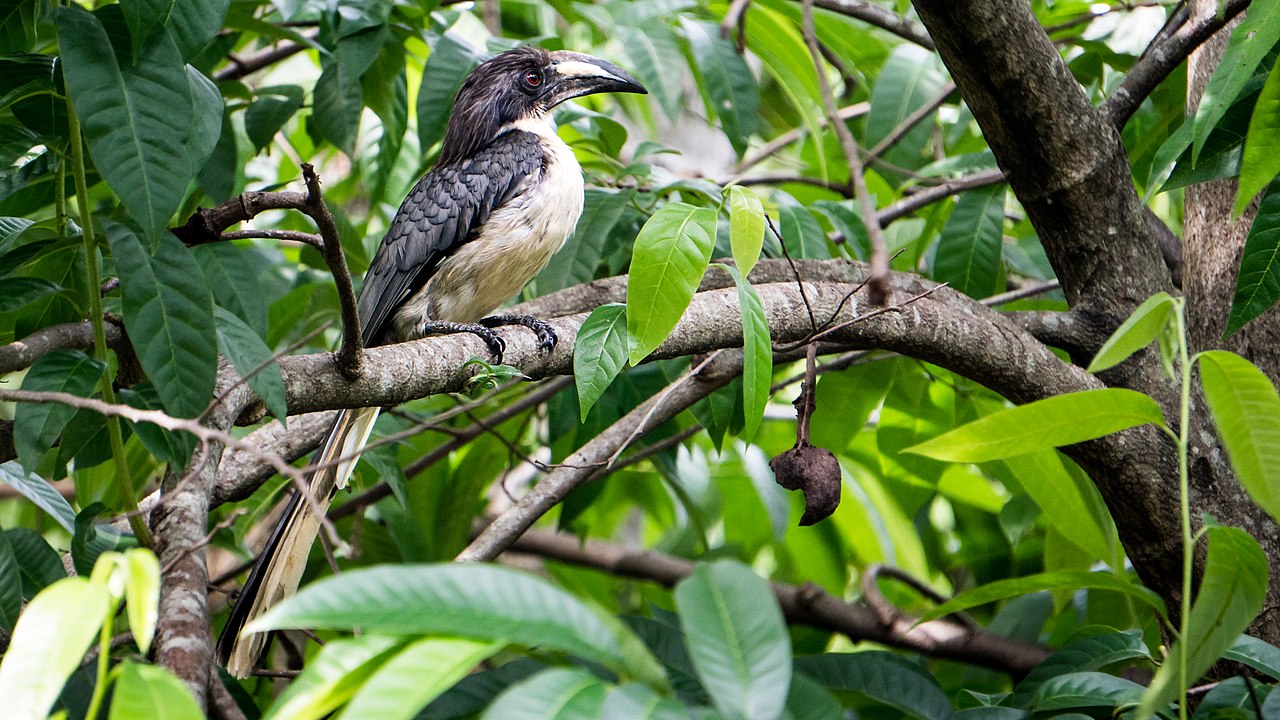
White-thighed Hornbill (Bycanistes albotibialis)
The White-thighed Hornbill is found in Angola, Benin, Cameroon, Central African Republic, Congo, The Democratic Republic of the Congo, Equatorial Guinea, Gabon, Nigeria, and Uganda. IUCN Redlist Status: Least Concern
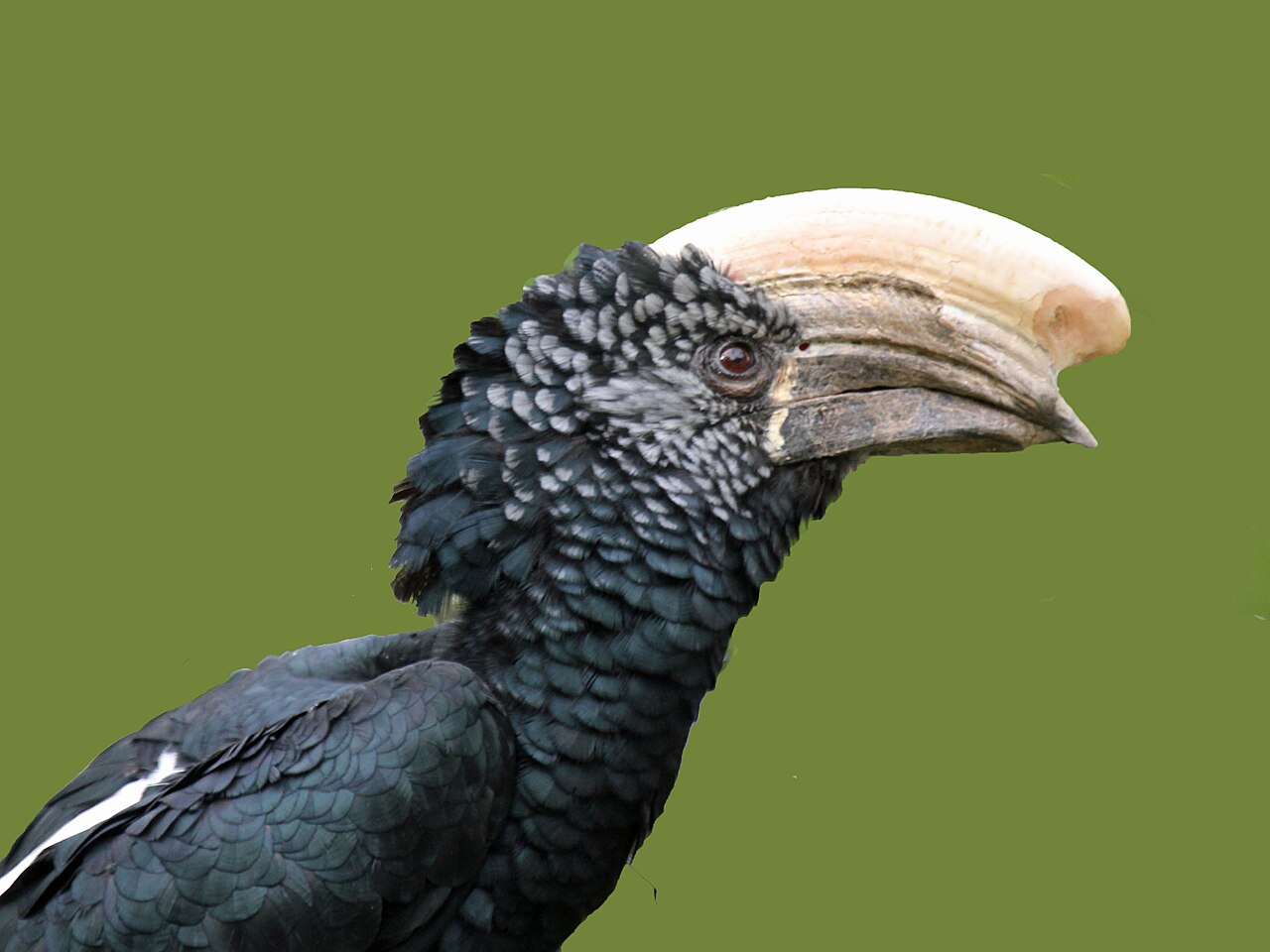
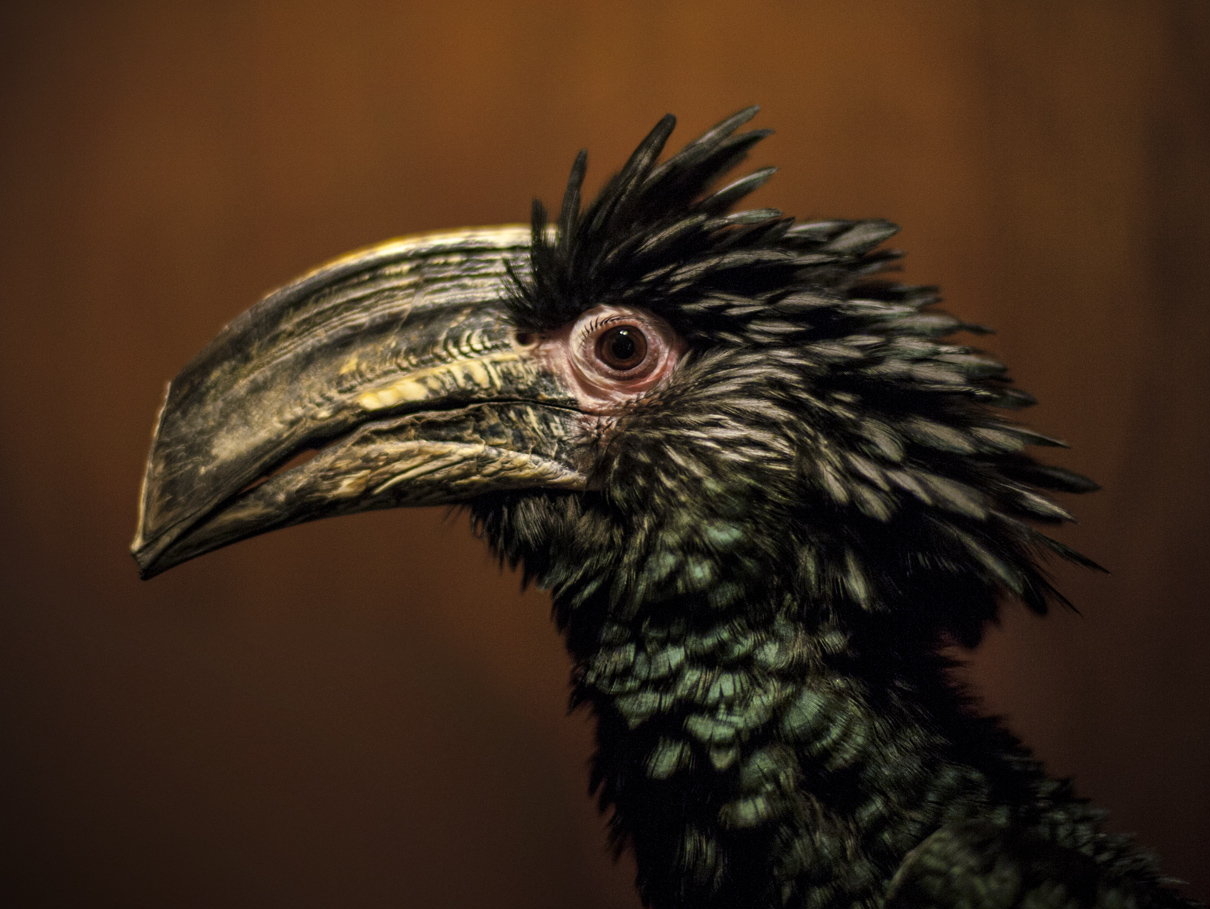
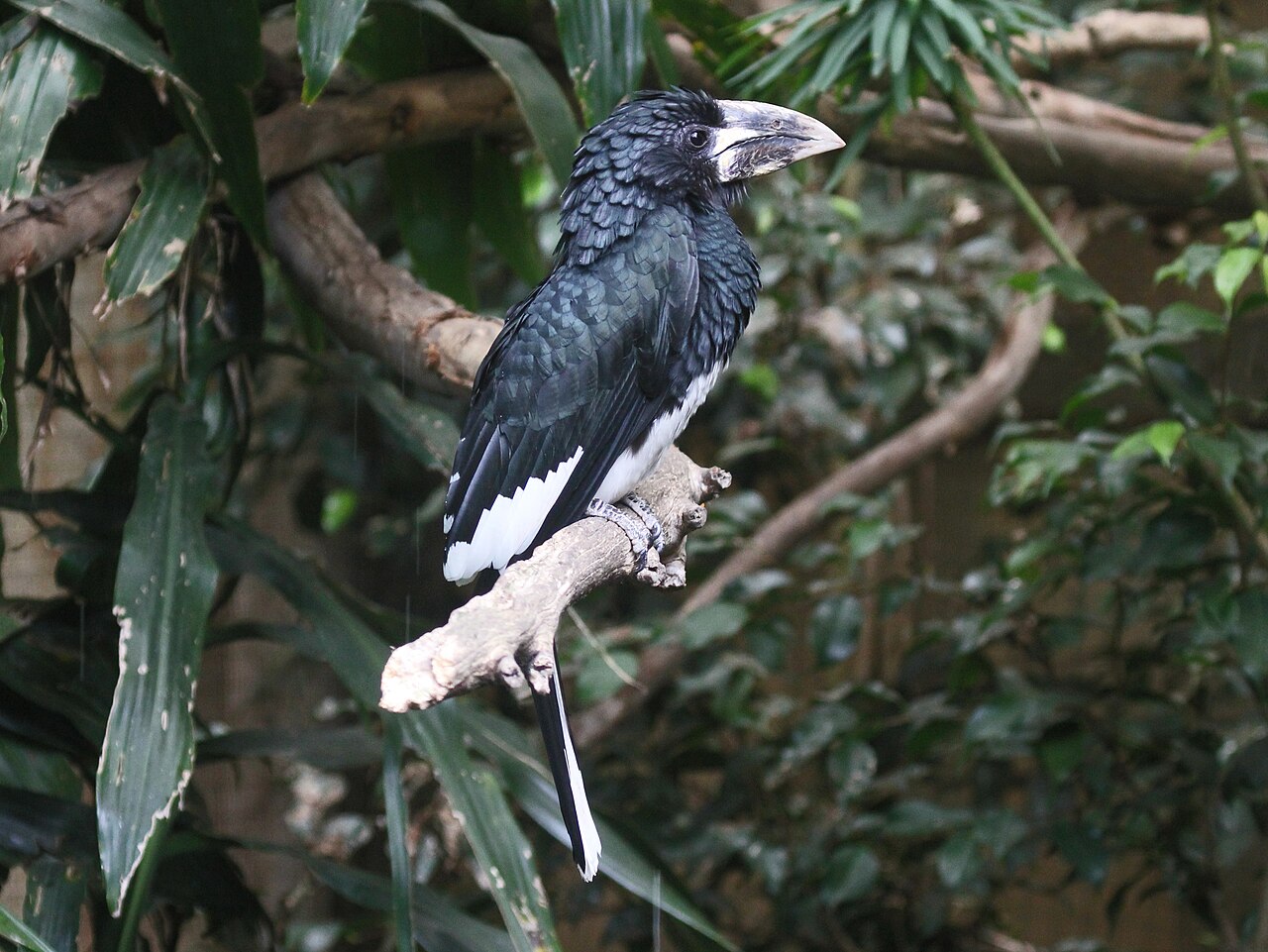
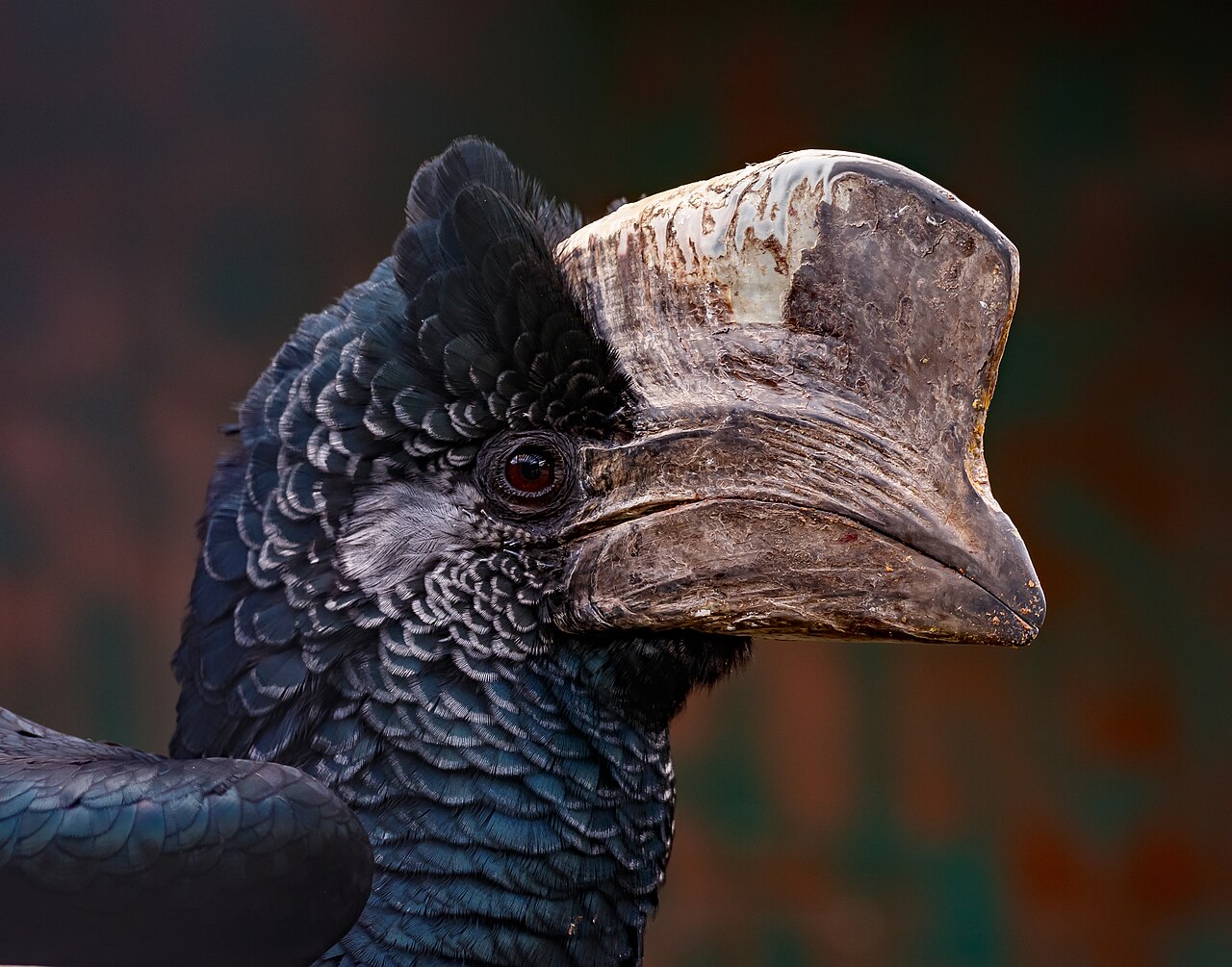
Silvery-cheeked Hornbill (Bycanistes brevis)
The Silvery-cheeked Hornbill is found in Ethiopia, Kenya, Malawi, Mozambique, South Africa, South Sudan, Sudan, Tanzania, Zambia, and Zimbabwe. IUCN Redlist Status: Least Concern
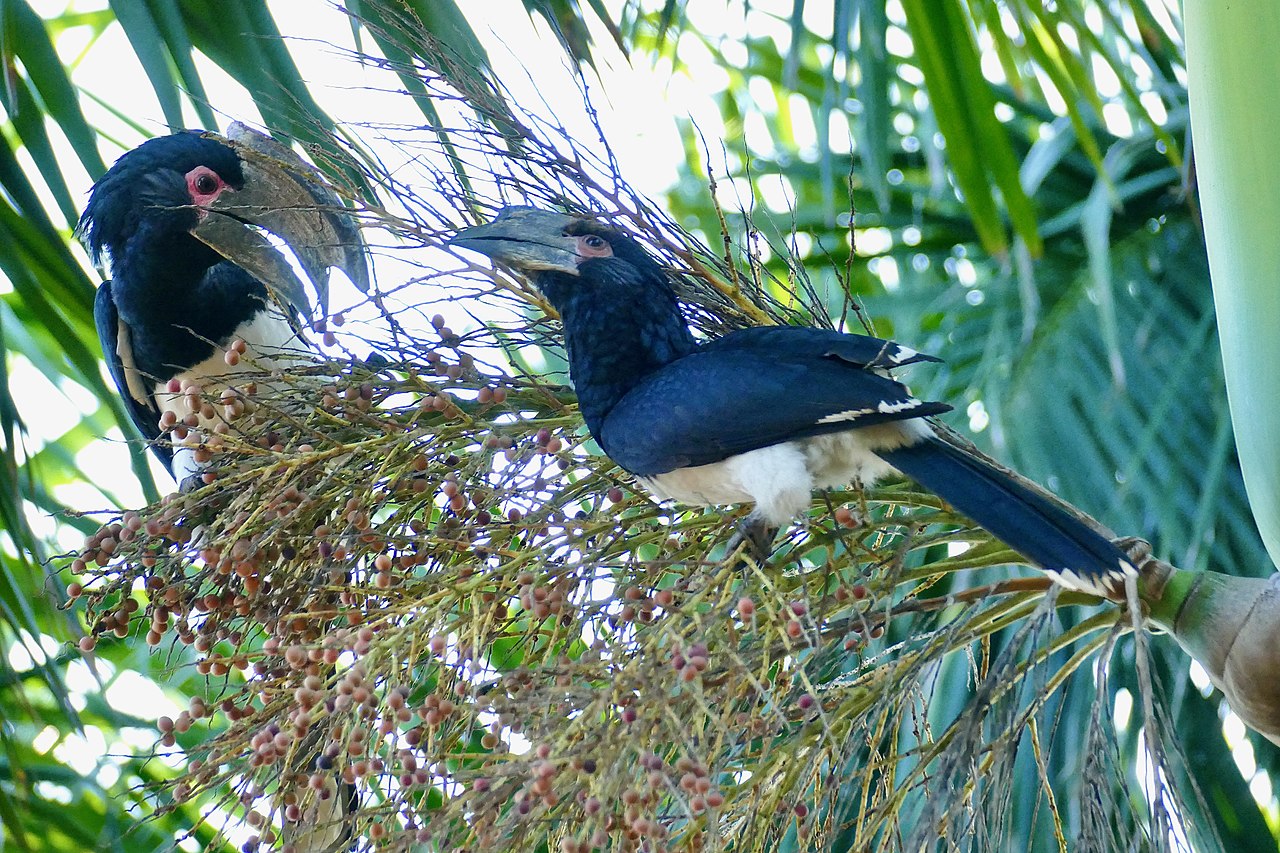
Trumpeter Hornbill (Bycanistes bucinator)
The Trumpeter Hornbill is found in Angola, Botswana, Burundi, The Democratic Republic of the Congo, Eswatini, Kenya, Malawi, Mozambique, Namibia, South Africa, Tanzania, Zambia, and Zimbabwe. IUCN Redlist Status: Least Concern
Brown-cheeked Hornbill (Bycanistes cylindricus)
The Brown-cheeked Hornbill is found in Côte d'Ivoire, Ghana, Guinea, Liberia, Sierra Leone, and Togo. IUCN Redlist Status: Vulnerable
Western Piping Hornbill (Bycanistes fistulator)
The Western Piping Hornbill is found in Benin, Côte d'Ivoire, Ghana, Guinea, Guinea-Bissau, Liberia, Mali, Nigeria, Senegal, Sierra Leone, and Togo. IUCN Redlist Status: Least Concern
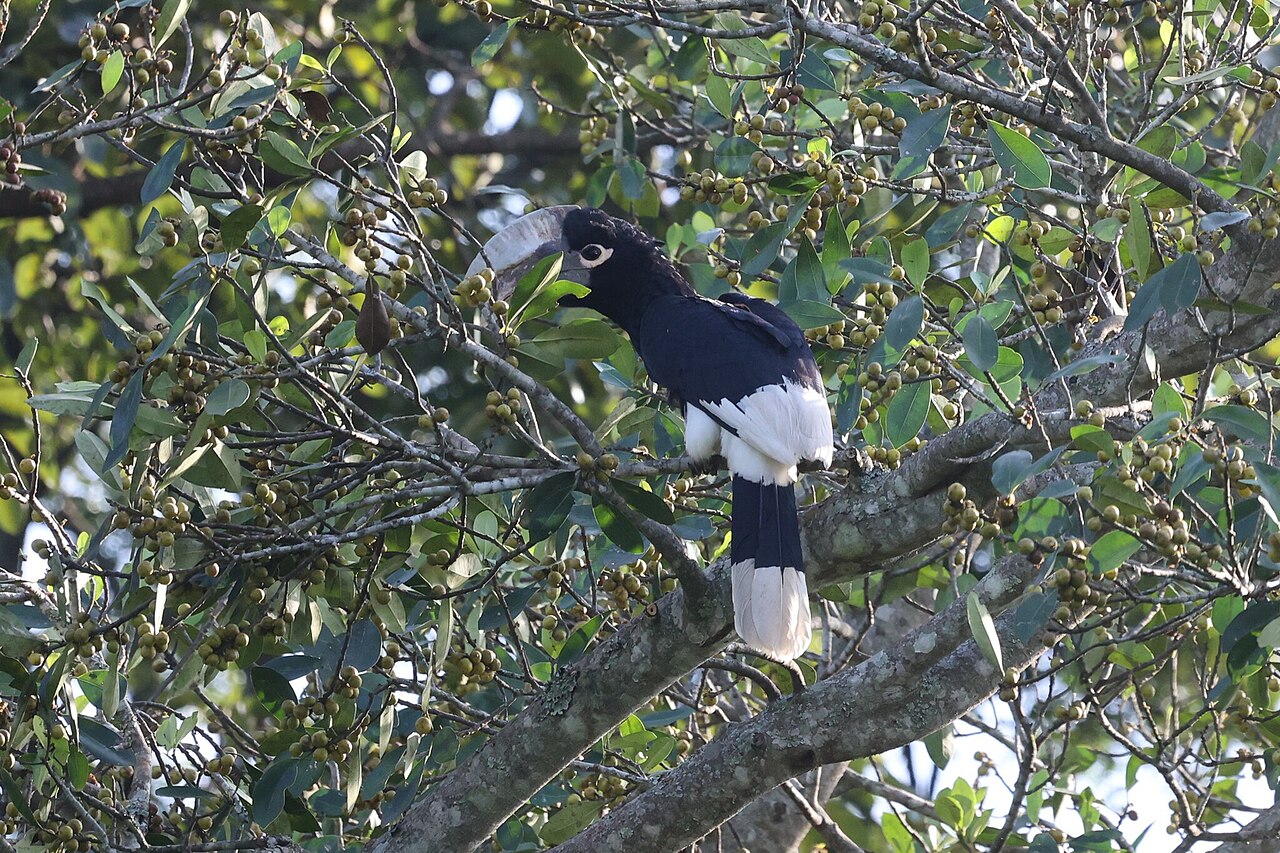
The Black-and-white-casqued Hornbill is found across West, Central, and East Africa. IUCN Redlist Status: Least Concern
Black-casqued Hornbill (Ceratogymna atrata)
The Black-casqued Hornbill is found across West and Central Africa. IUCN Redlist: Least Concern
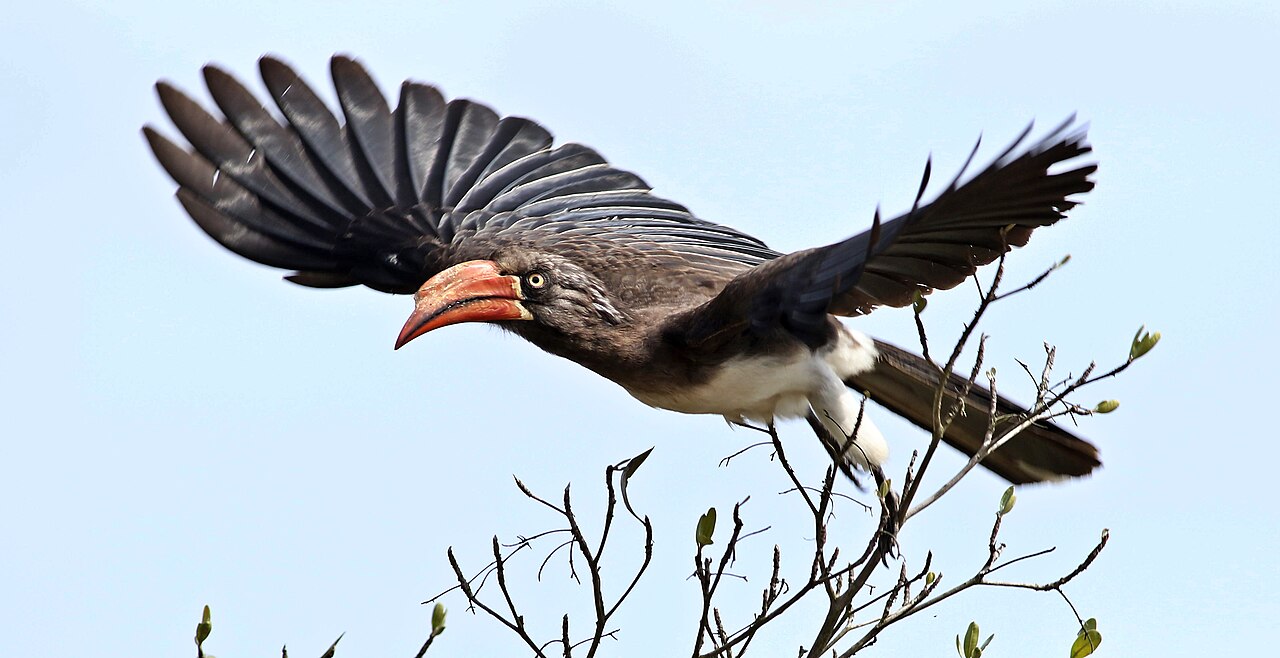
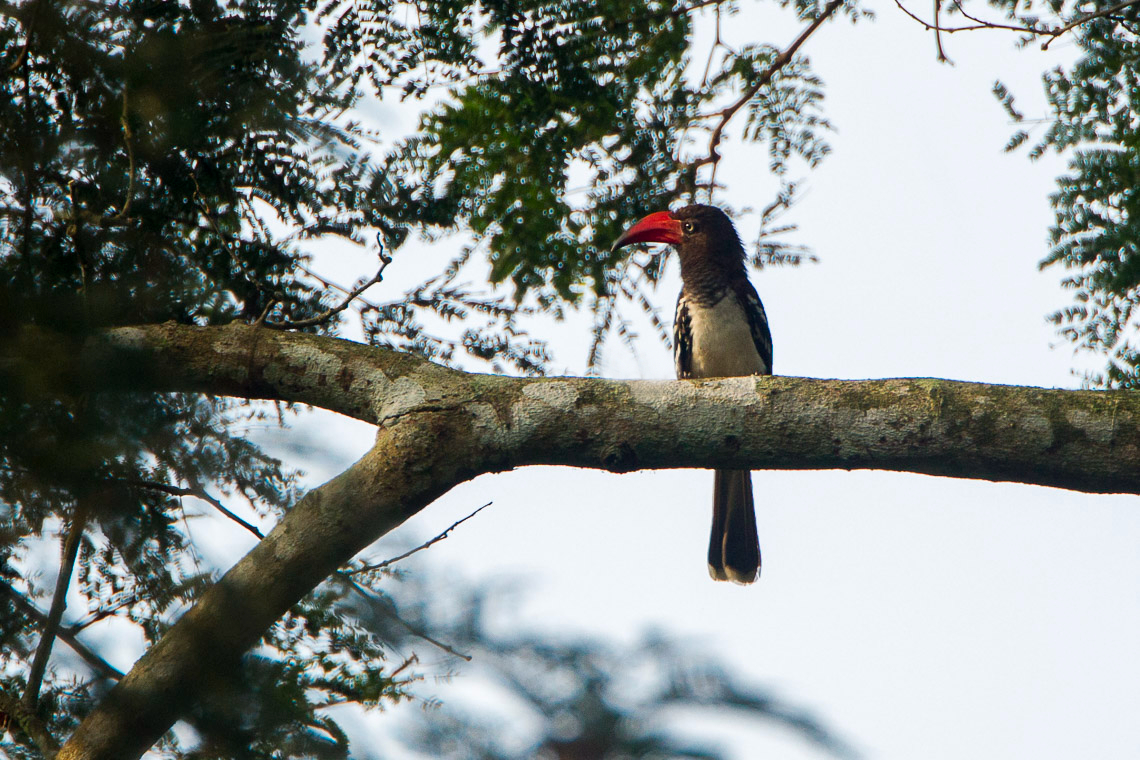
Crowned Hornbill (Lophoceros alboterminatus)
The Crowned Hornbill is found in southern Africa. IUCN Redlist Status: Least Concern
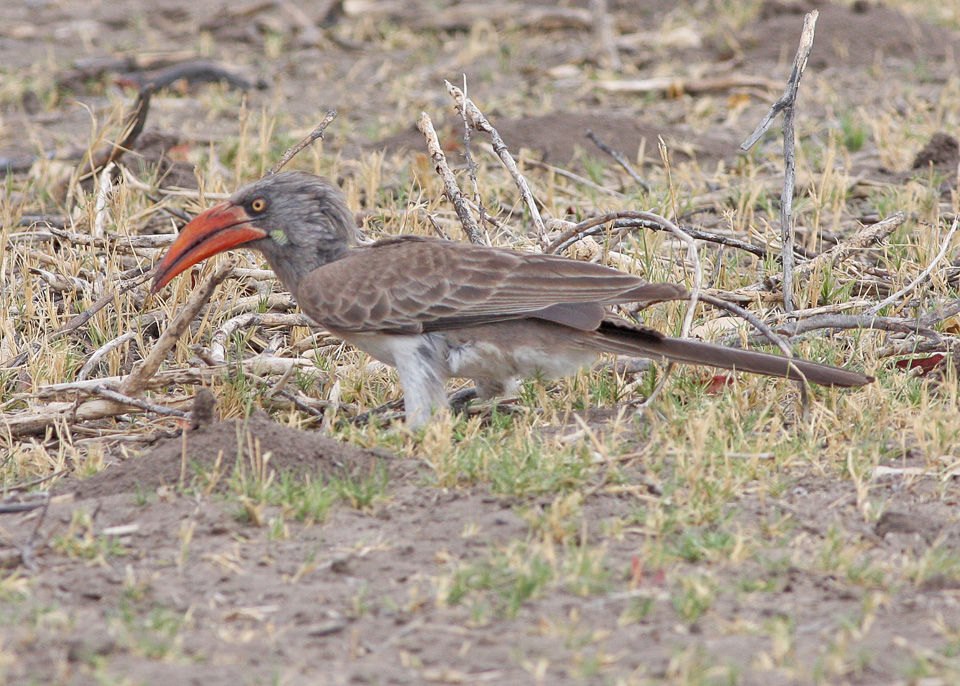
Bradfield's Hornbill (Lophoceros bradfieldi)
Bradfield's Hornbill is found in Angola, Botswana, Namibia, Zambia, and Zimbabwe. IUCN Redlist: Least Concern
Red-billed Dwarf Hornbill (Lophoceros camurus)
The Red-billed Dwarf Hornbill is found in west-central Africa. IUCN Redlist: Least Concern
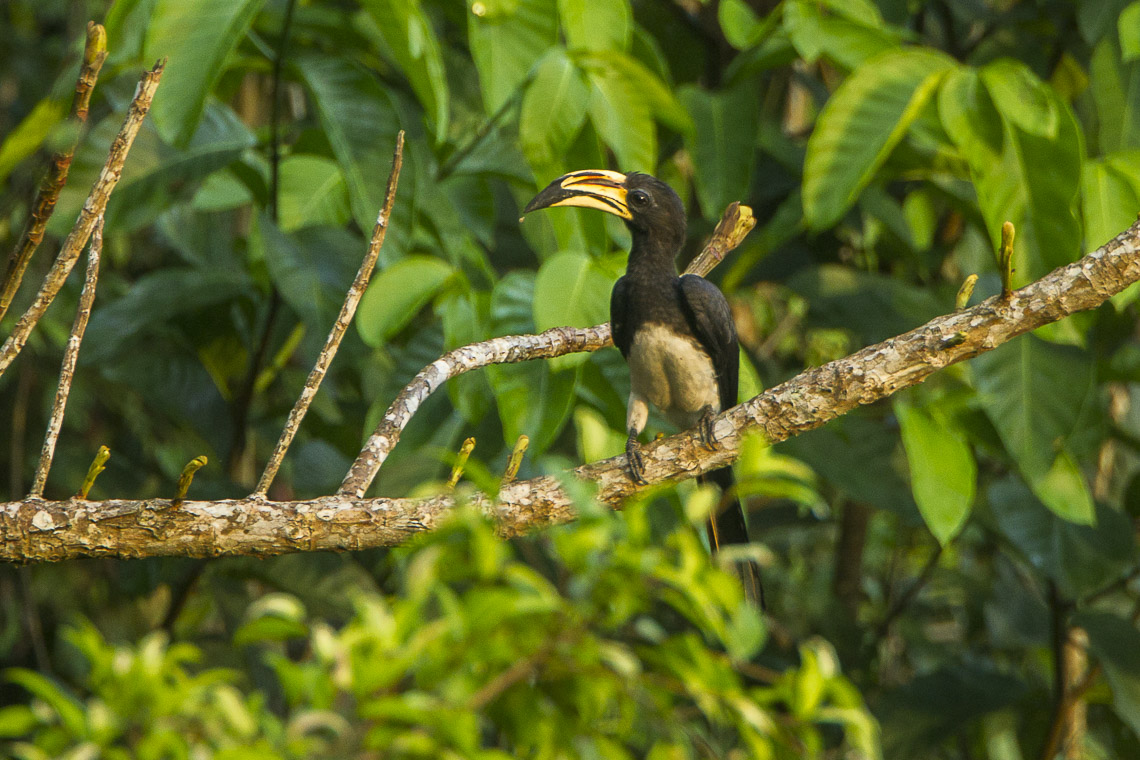
Congo Pied Hornbill (Lophoceros fasciatus)
The Congo Pied Hornbill is found in Angola, Cameroon, Central African Republic, Congo, The Democratic Republic of the Congo, Equatorial Guinea, Gabon, Nigeria, South Sudan, Sudan, and Uganda. IUCN Redlist: Least Concern
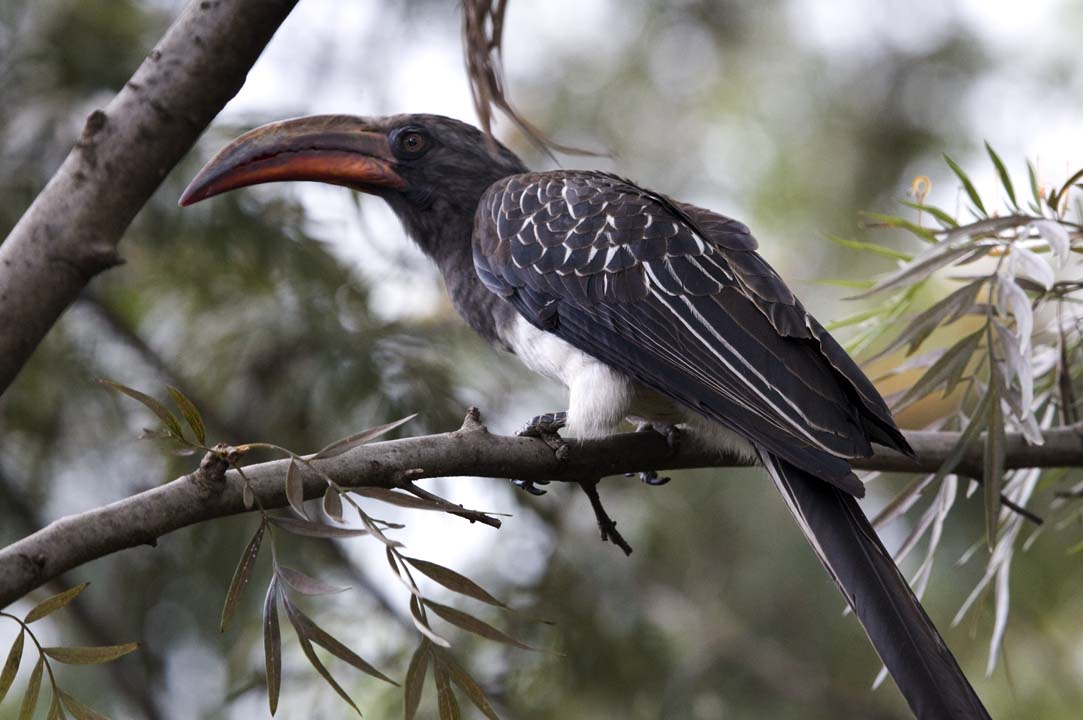
Hemprich's Hornbill (Lophoceros hemprichii)
Hemprich's Hornbill is found in Djibouti, Eritrea, Ethiopia, Kenya, Somalia, South Sudan, Sudan, and Uganda. IUCN Redlist: Least Concern
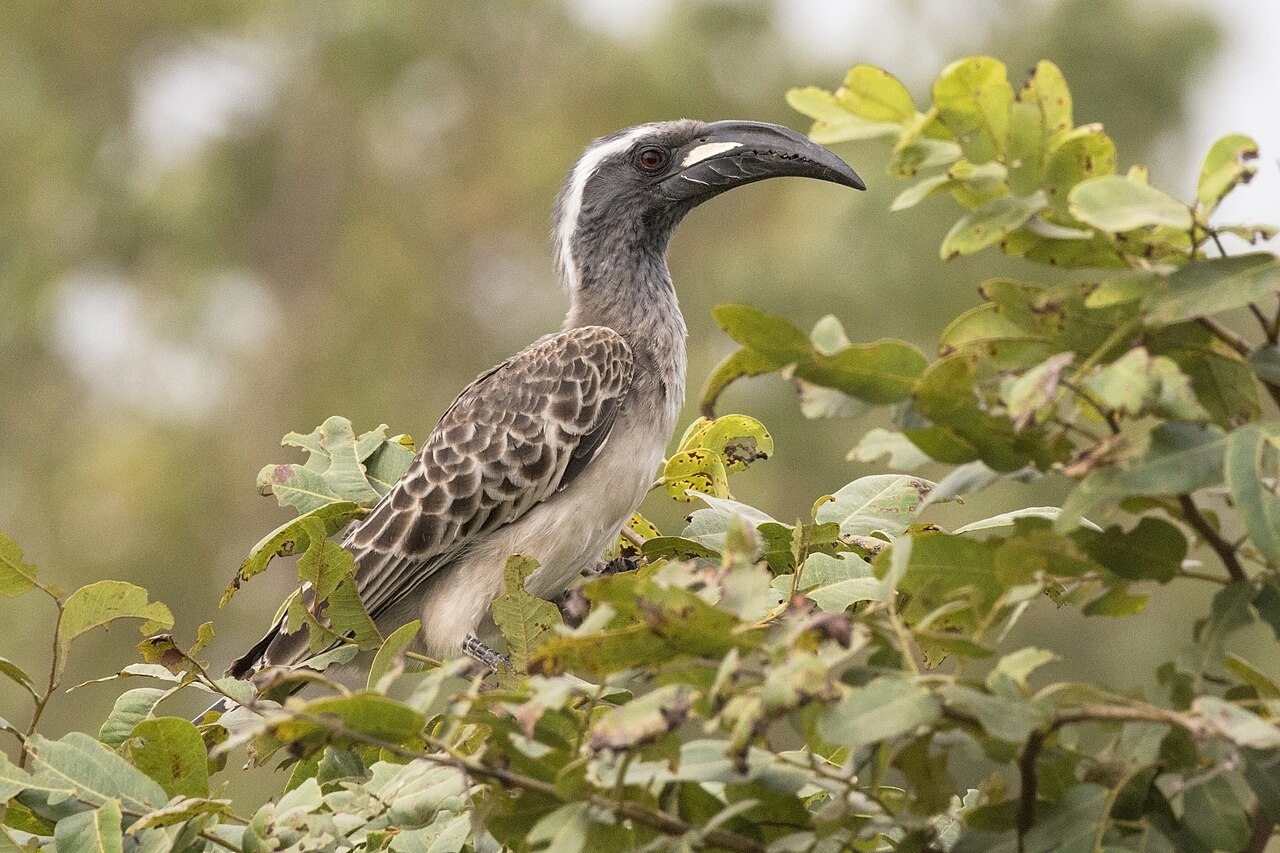
African Gray Hornbill (Lophoceros nasutus)
The African Gray Hornbill is found in sub-Saharan Africa. IUCN Redlist: Least Concern
West African Pied Hornbill (Lophoceros semifasciatus)
The West African Pied Hornbill is found in Benin, Burkina Faso, Côte d'Ivoire, Gambia, Ghana, Guinea, Guinea-Bissau, Liberia, Nigeria, Senegal, Sierra Leone, and Togo. IUCN Redlist: Least Concern
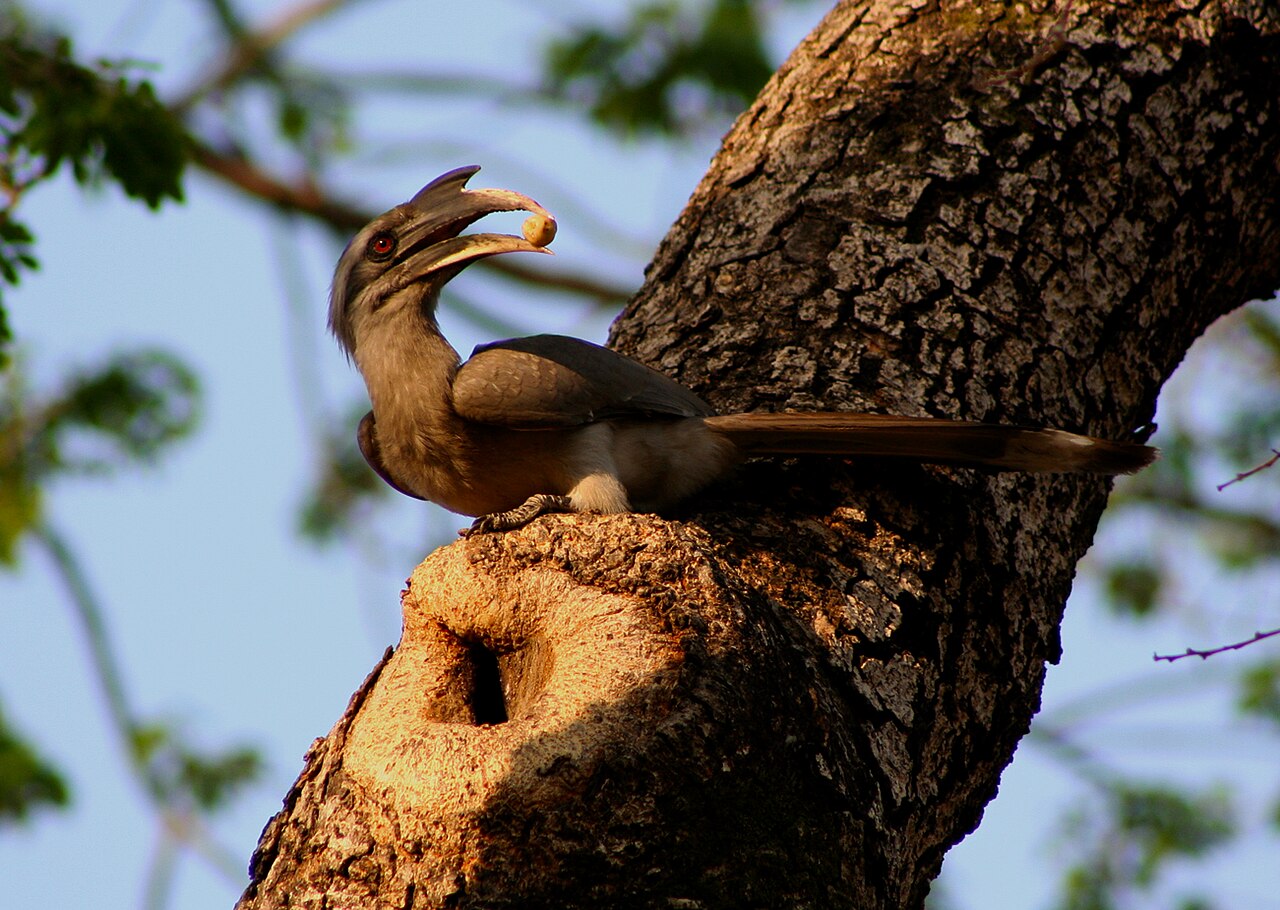
Indian Gray Hornbill (Ocyceros birostris)
The Indian Gray Hornbill is found in India, Nepal, and Pakistan. IUCN Redlist: Least Concern
Sri Lanka Gray Hornbill (Ocyceros gingalensis)
The Sri Lanka Gray Hornbill is found in Sri Lanka. IUCN Redlist Status: Least Concern
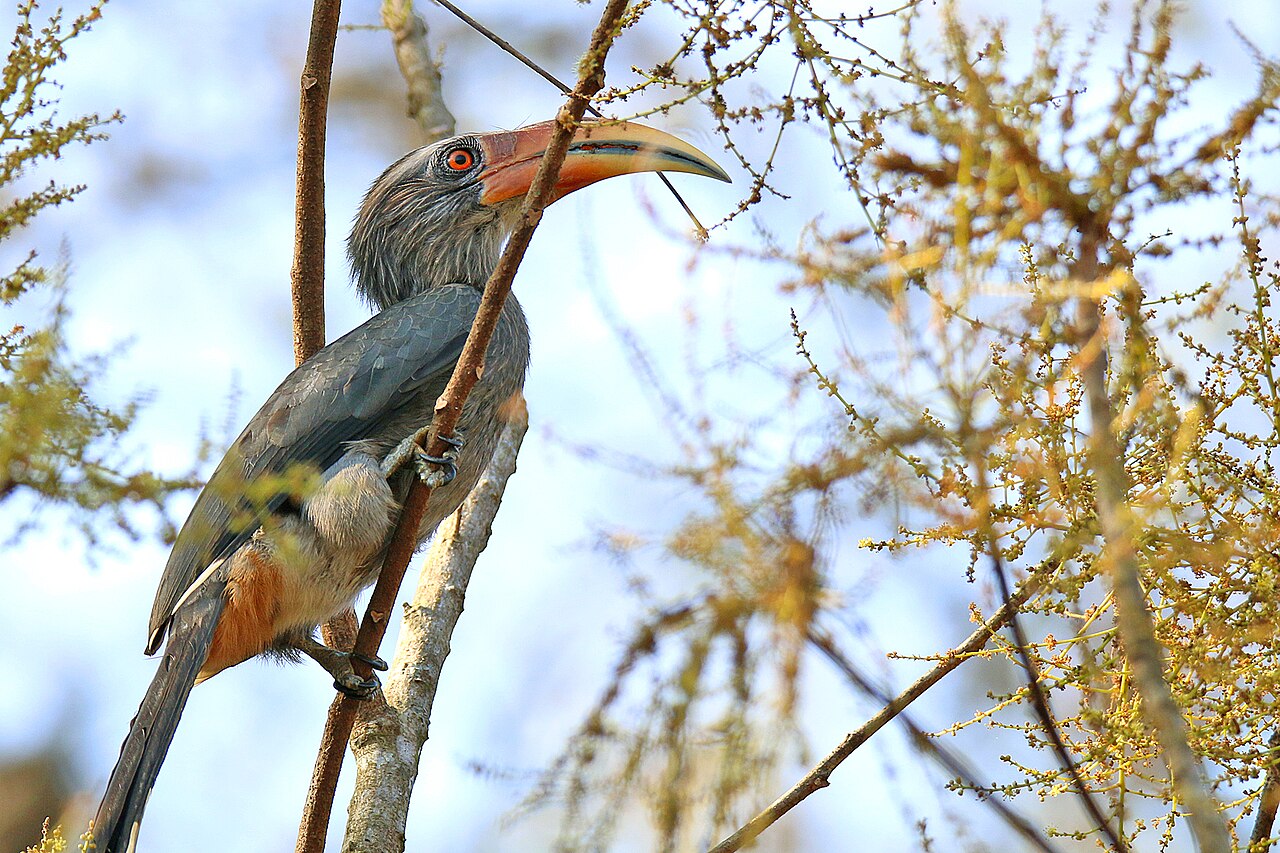
Malabar Gray Hornbill (Ocyceros griseus)
The Malabar Gray Hornbill is found in India. IUCN Redlist Status: Vulnerable
Mindanao Hornbill (Penelopides affinis)
The Mindanao Hornbill is found in the Philippines. IUCN Redlist Status: Least Concern
Luzon Hornbill (Penelopides manillae)
The Luzon Hornbill is found in the Philippines. IUCN Redlist Status: Least Concern
Mindoro Hornbill (Penelopides mindorensis)
The Mindoro Hornbill is found in the Philippines. IUCN Redlist Status: Endangered
Visayan Hornbill (Penelopides panini)
The Visayan Hornbill is found in the Philippines. IUCN Redlist Status: Endangered
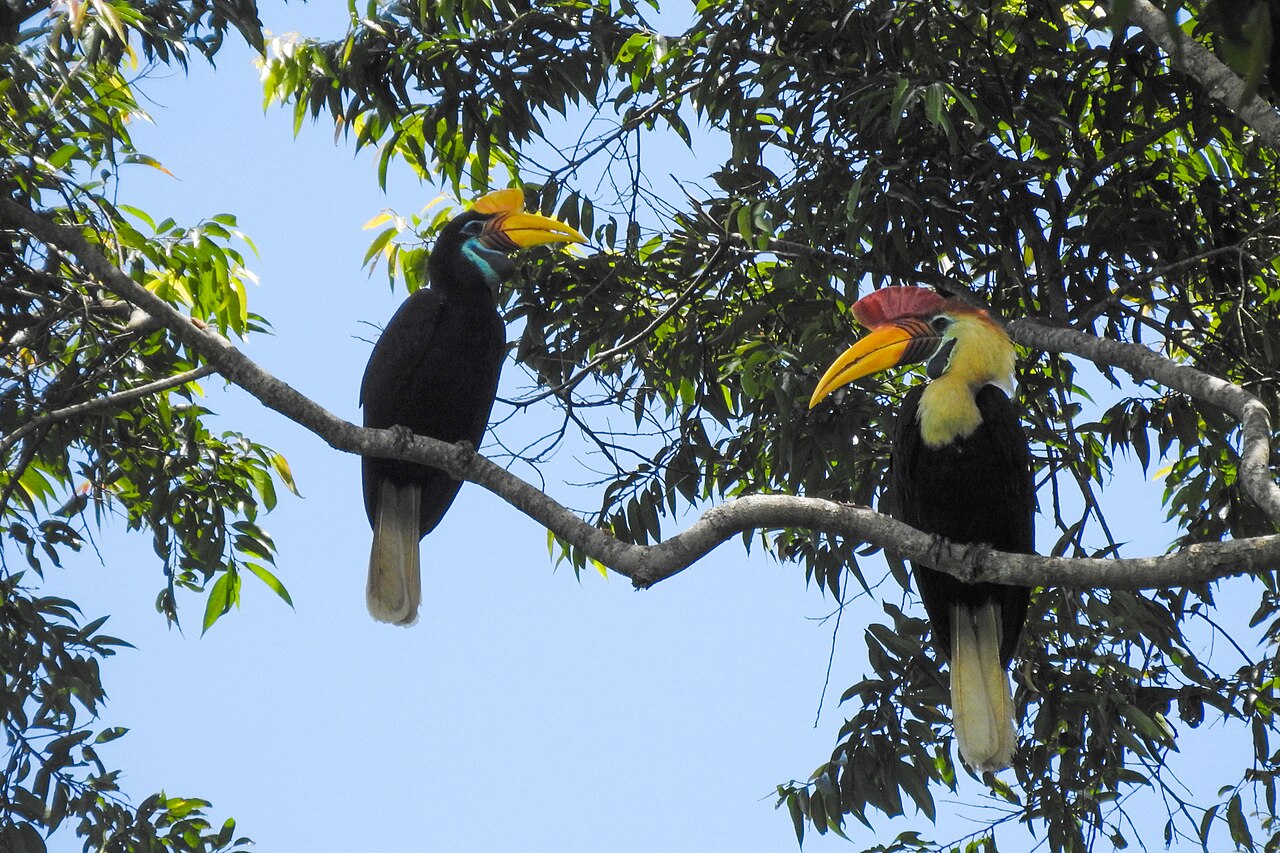
Sulawesi Hornbill (Rhabdotorrhinus exarhatus)
The Sulawesi Hornbill is found in Indonesia. IUCN Redlist Status: Vulnerable
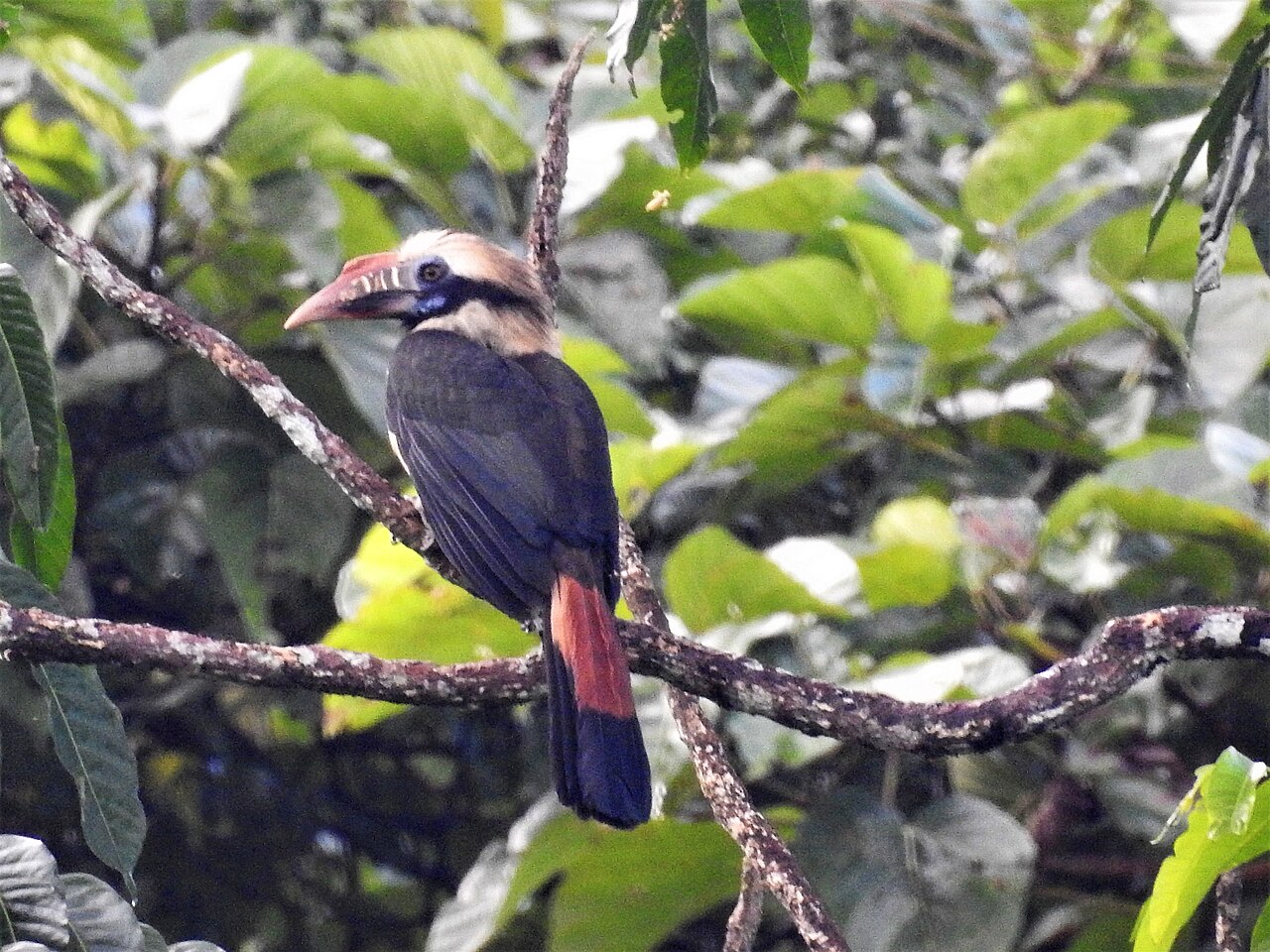
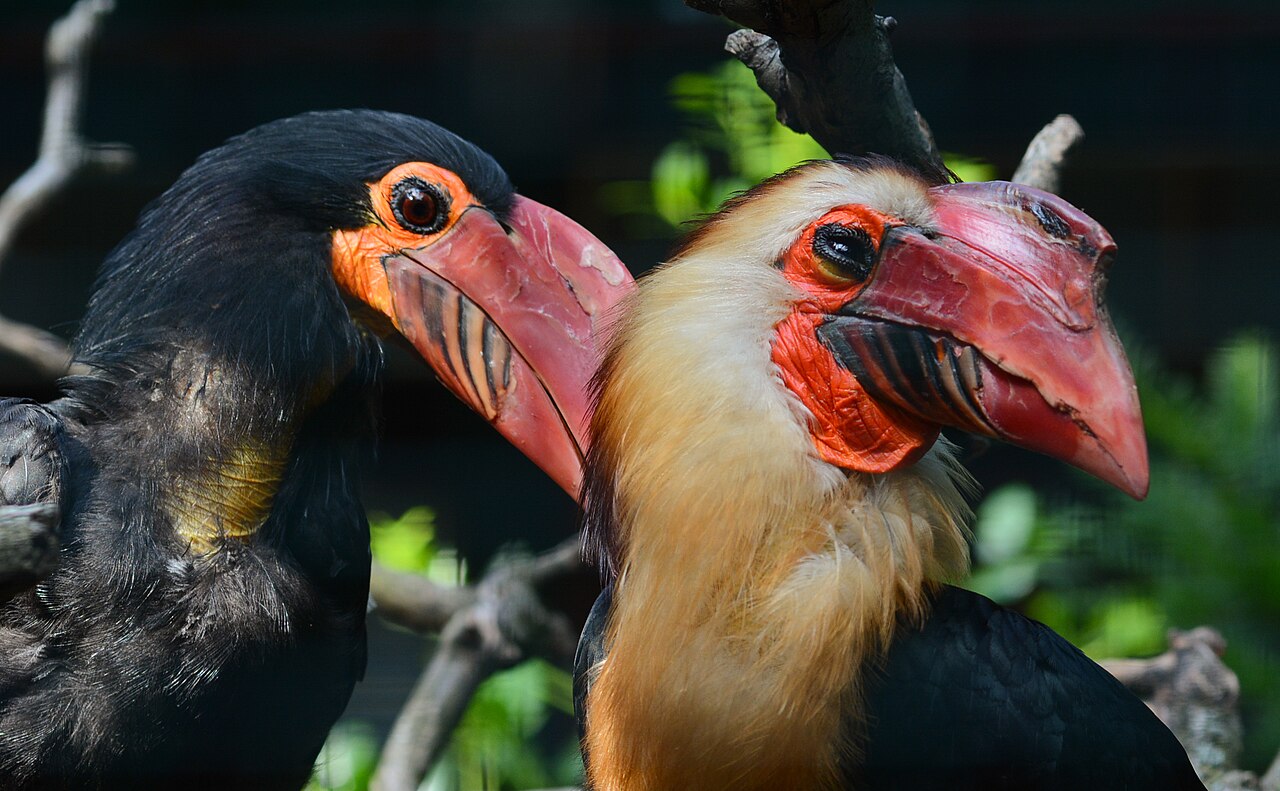
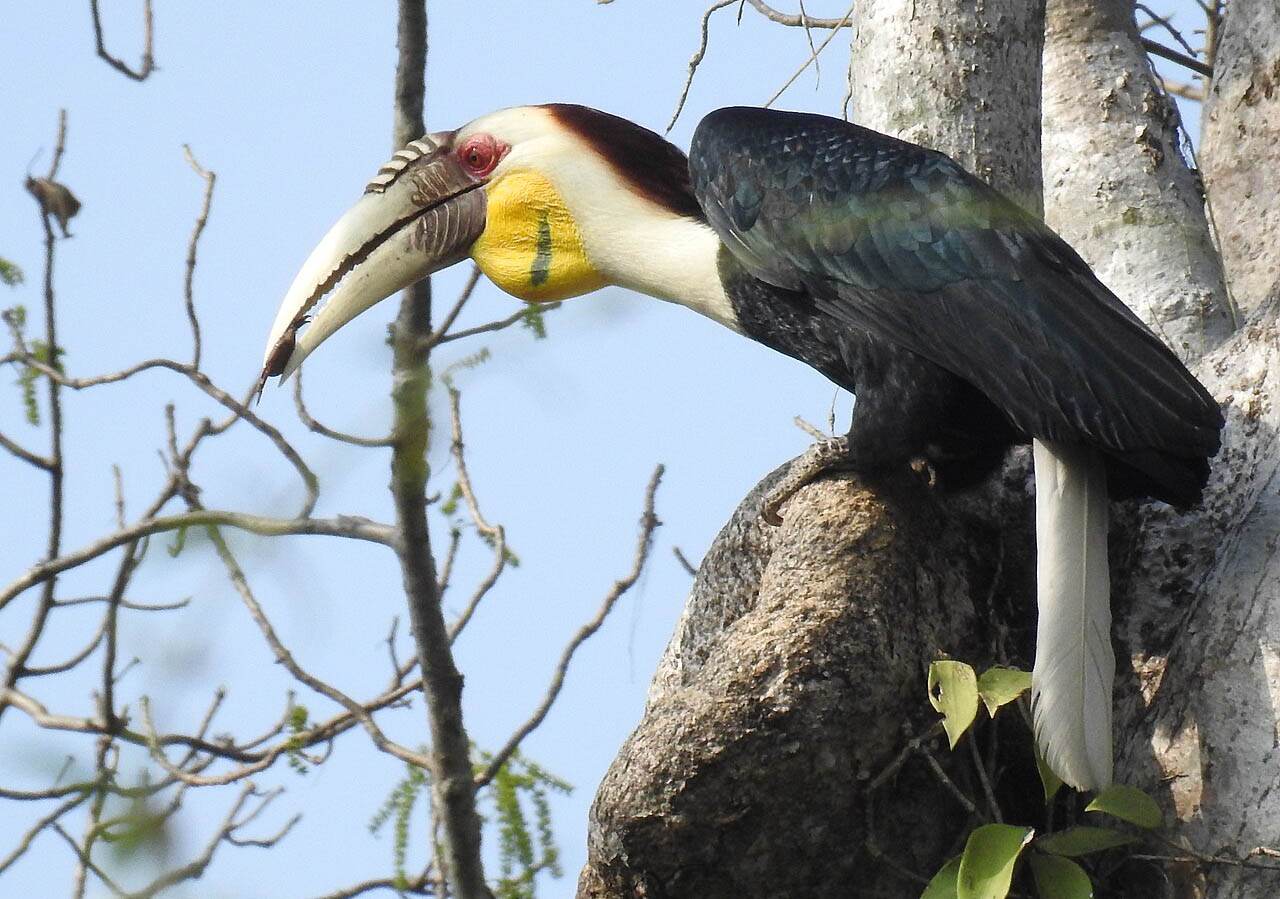
Writhed Hornbill (Rhabdotorrhinus leucocephalus)
The Writhed Hornbill is found in the Philippines. IUCN Redlist Status: Near Threatened
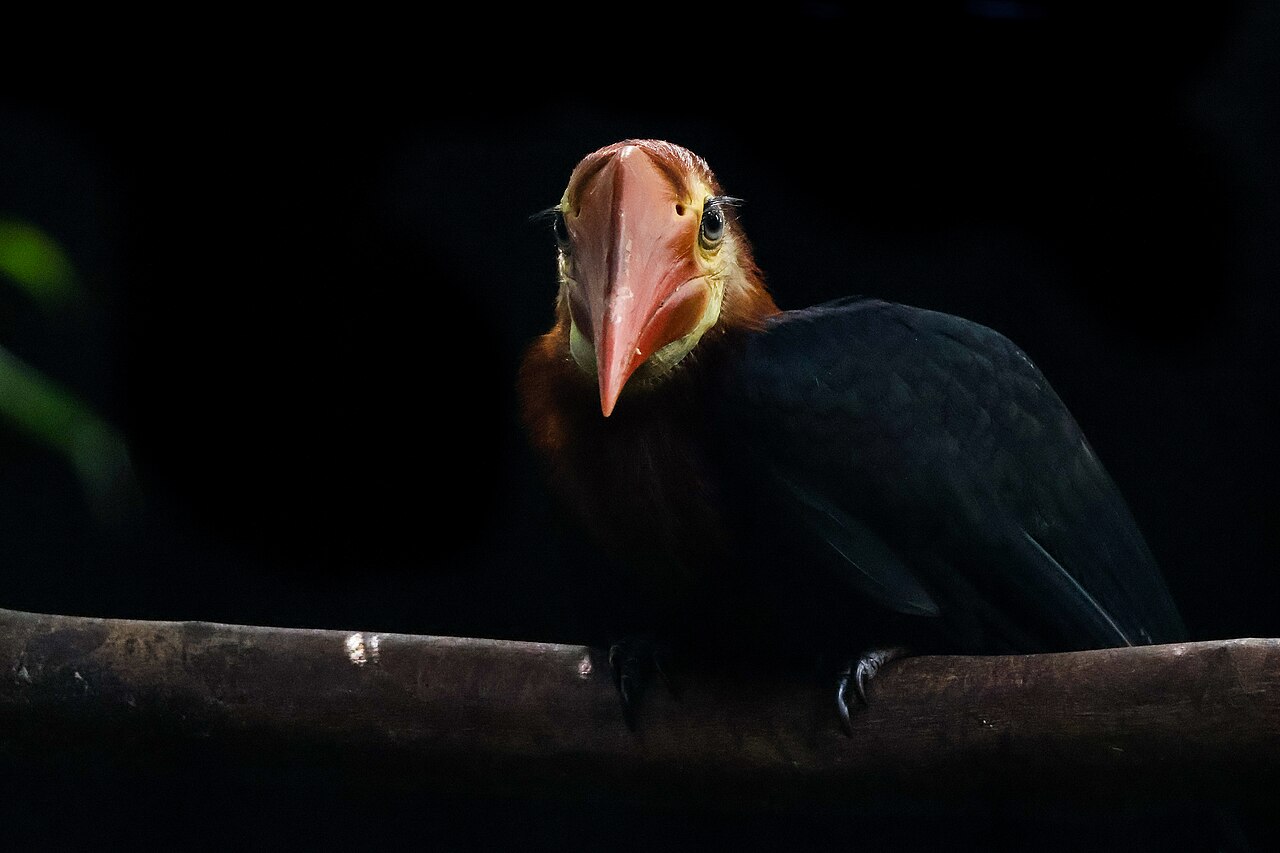
Rufous-headed Hornbill (Rhabdotorrhinus waldeni)
The Rufous-headed Hornbill is found in the Philippines. IUCN Redlist Status: Endangered
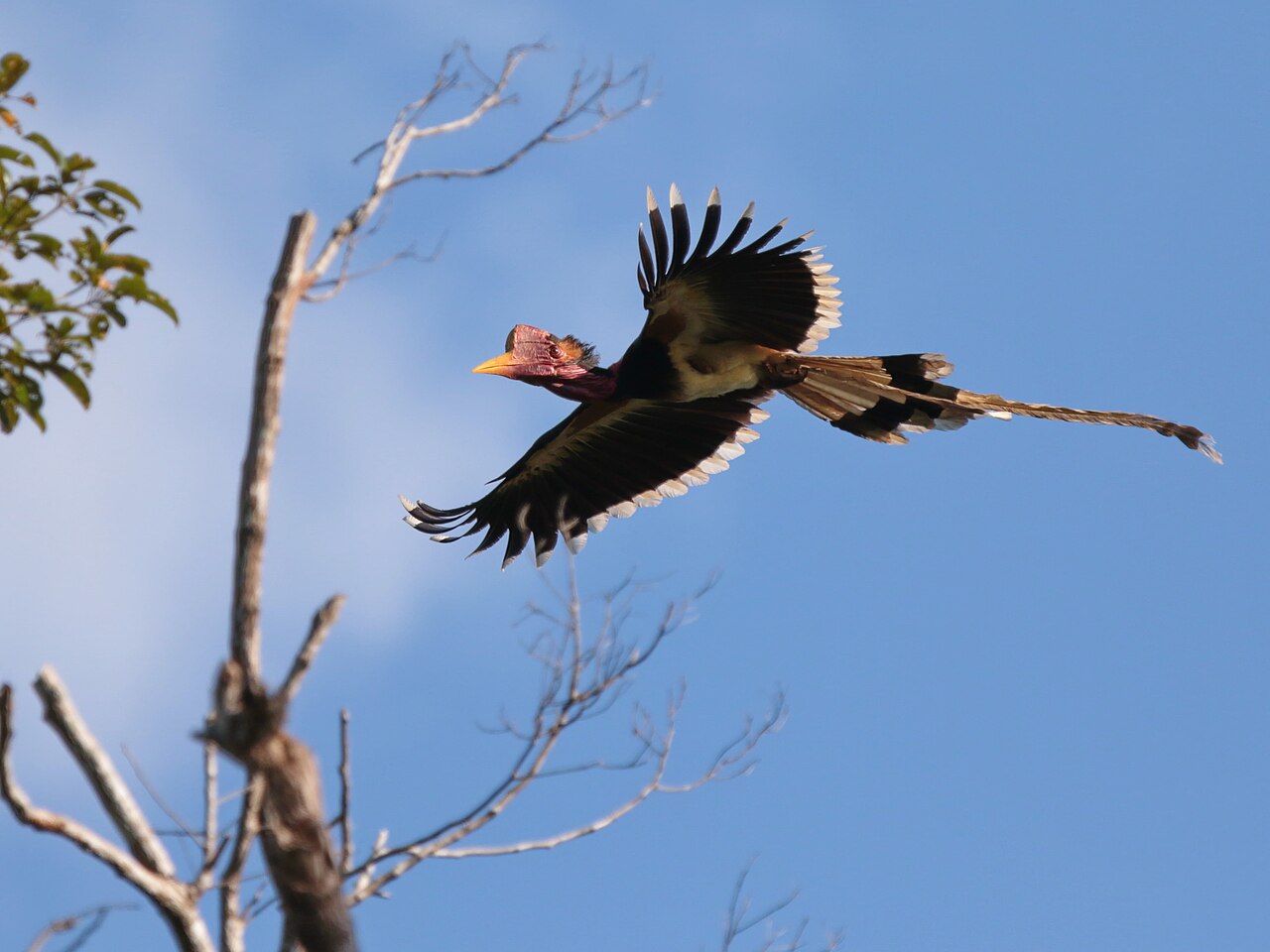
Helmeted Hornbill (Rhinoplax vigil)
The Helmeted Hornbill is found in Brunei Darussalam, Indonesia, Malaysia, Myanmar, and Thailand. IUCN Redlist Status: Critically Endangered
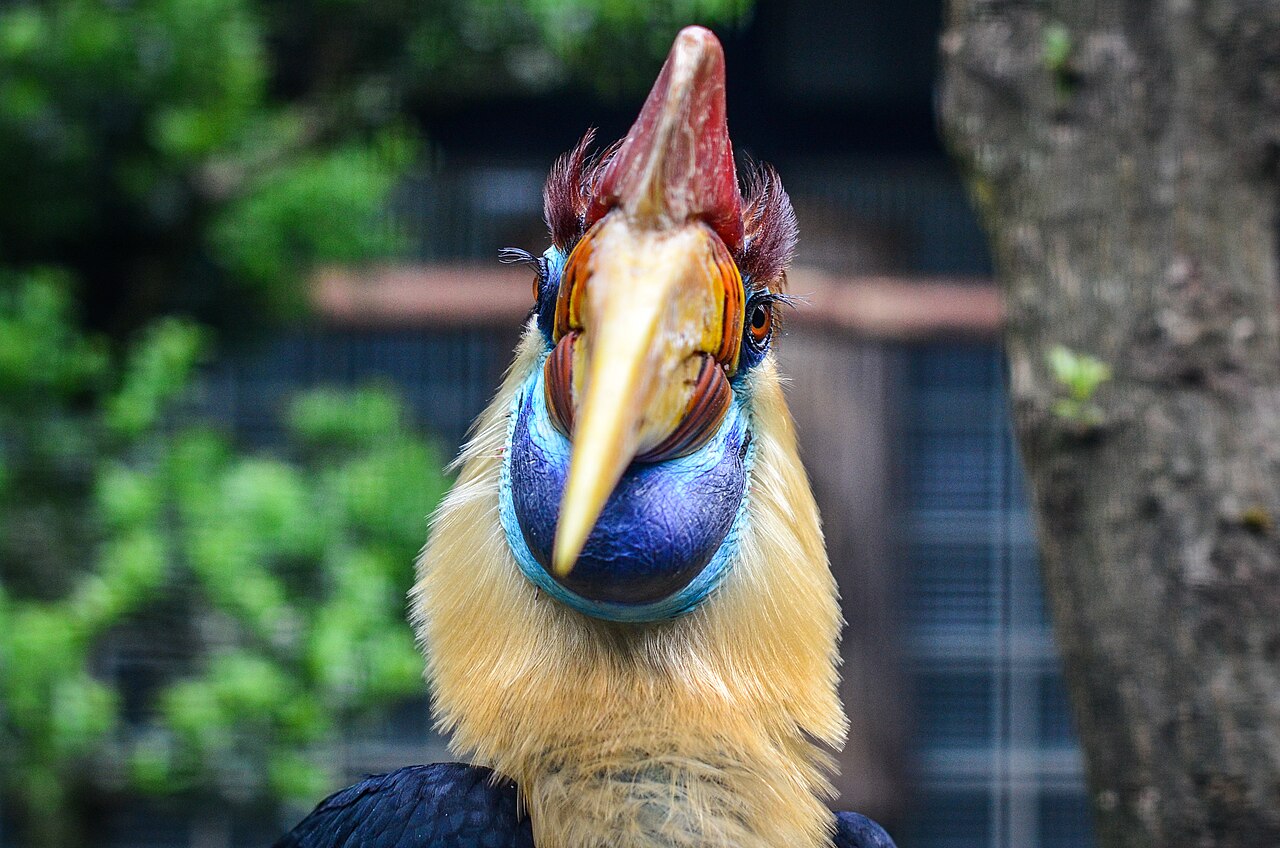
Knobbed Hornbill (Rhyticeros cassidix)
The Knobbed Hornbill is found in Indonesia. IUCN Redlist Status: Vulnerable
Sumba Hornbill (Rhyticeros everetti)
The Sumba Hornbill is found in Indonesia. IUCN Redlist Status: Endangered
Narcondam Hornbill (Rhyticeros narcondami)
The Narcondam Hornbill is found on Narcondam island in India. IUCN Redlist Status: Vulnerable
Papuan Hornbill (Rhyticeros plicatus)
The Papuan Hornbill is found in Indonesia, Papua New Guinea, and the Solomon Islands. IUCN Redlist Status: Least Concern
Wreathed Hornbill (Rhyticeros undulatus)
The Wreathed Hornbill is found in Bangladesh, Bhutan, Brunei Darussalam, Cambodia, India, Indonesia, Laos, Malaysia, Myanmar, Thailand, Viet Nam. IUCN Redlist Status: Vulnerable
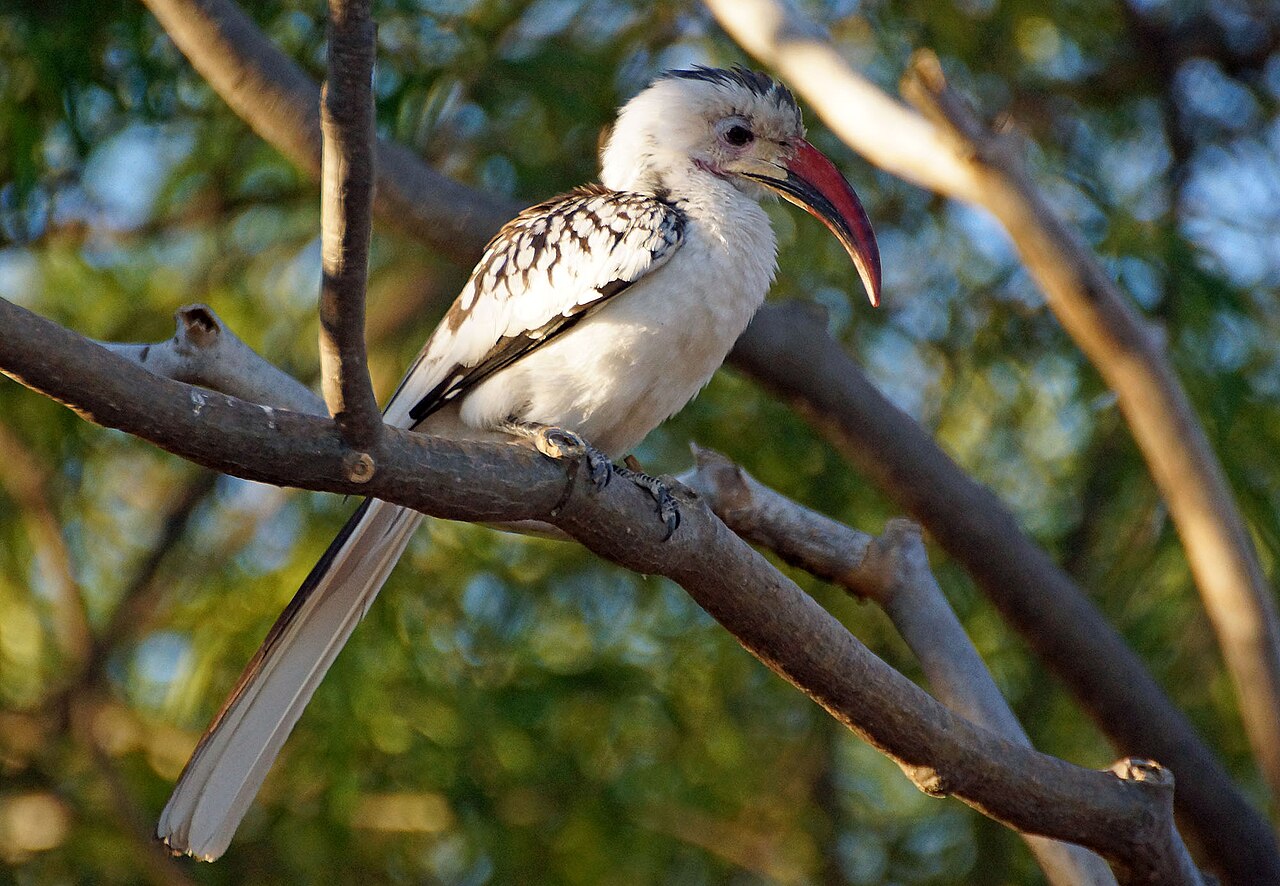
Damara Red-billed Hornbill (Tockus damarensis)
The Damara Red-billed Hornbill is found in Angola and Namibia. IUCN Redlist Status: Least Concern
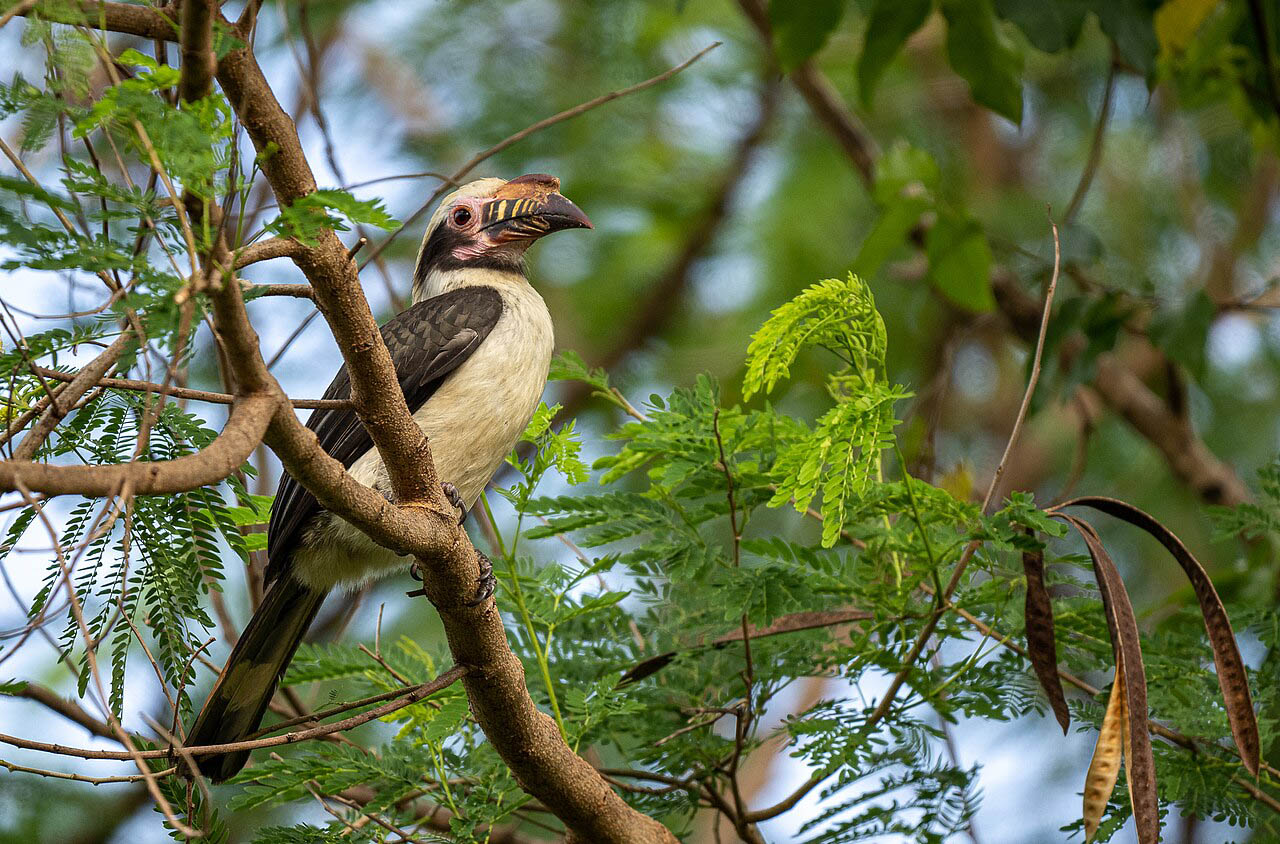
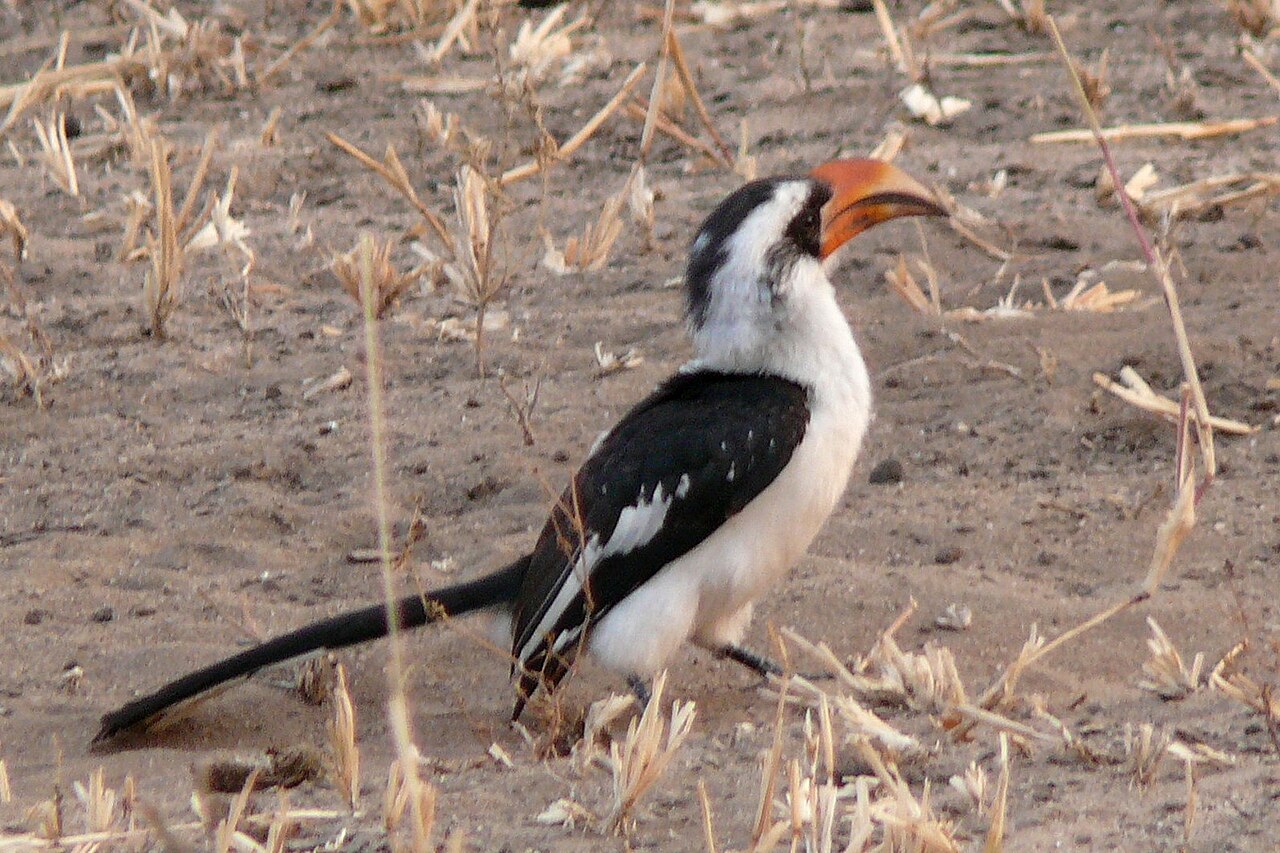
Von der Decken's Hornbill (Tockus deckeni)
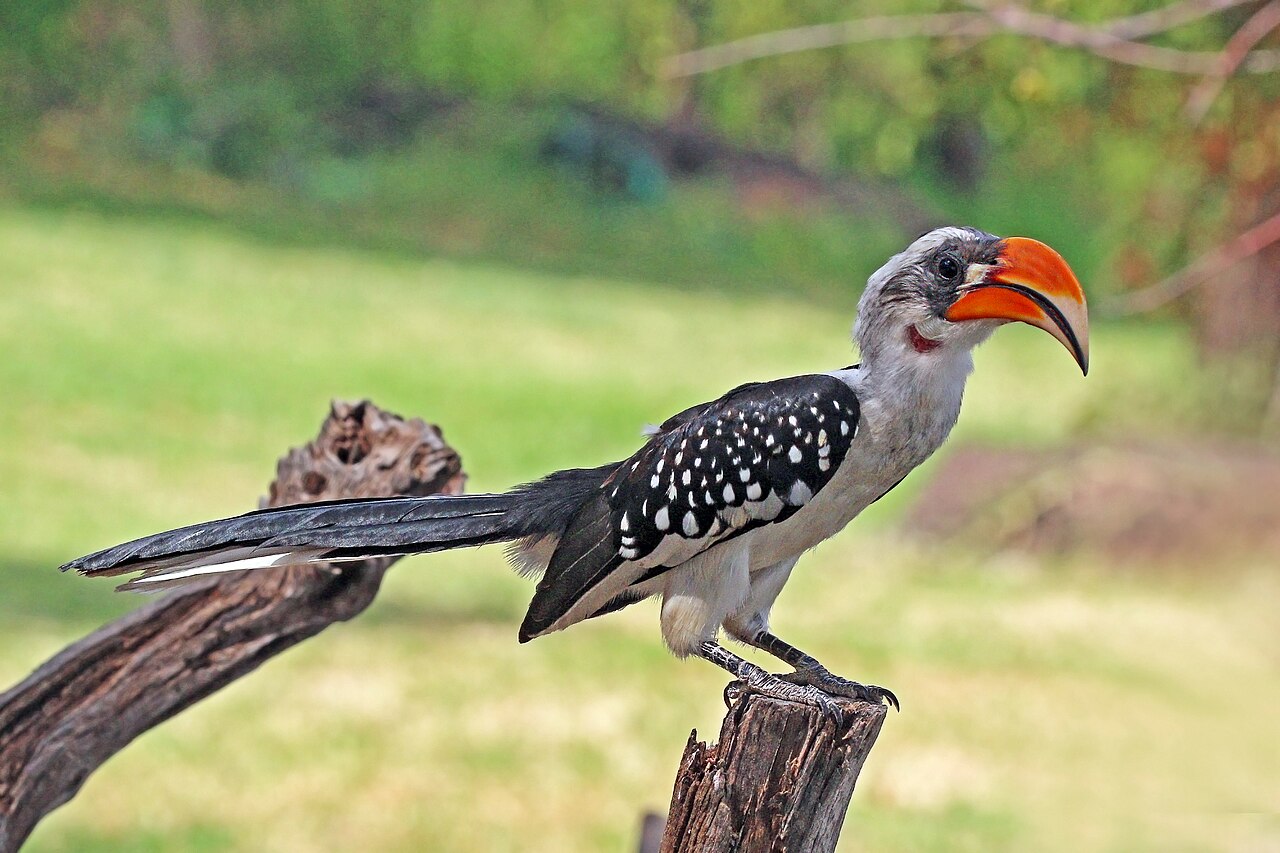
Von der Decken's Hornbill Is found in Ethiopia, Kenya, Somalia, and Tanzania. IUCN Redlist Status: Least Concern
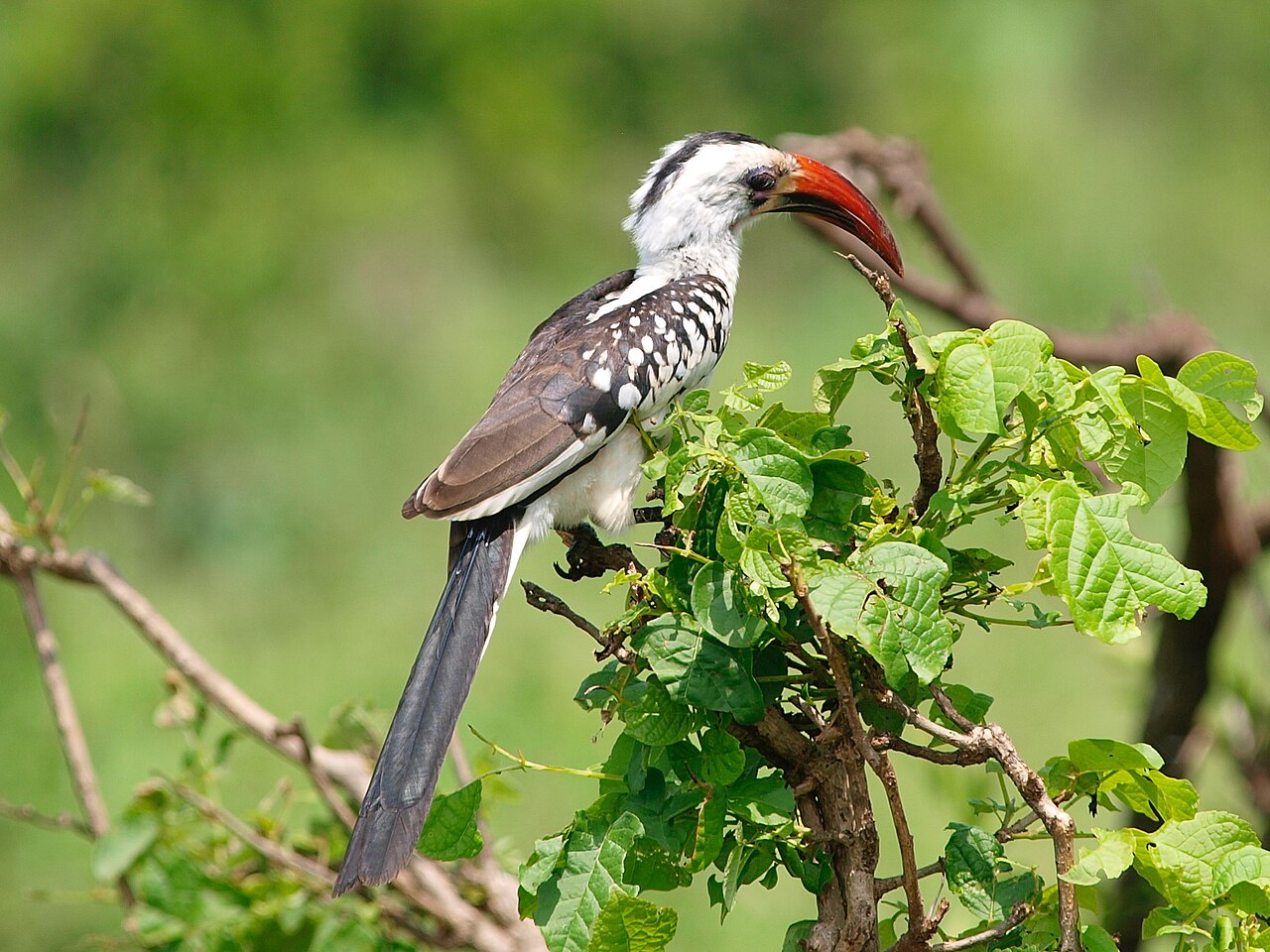
Red-billed Hornbill (Tockus erythrorhynchus)
The Red-billed Hornbill Is found in sub-Saharan Africa. IUCN Redlist Status: Least Concern
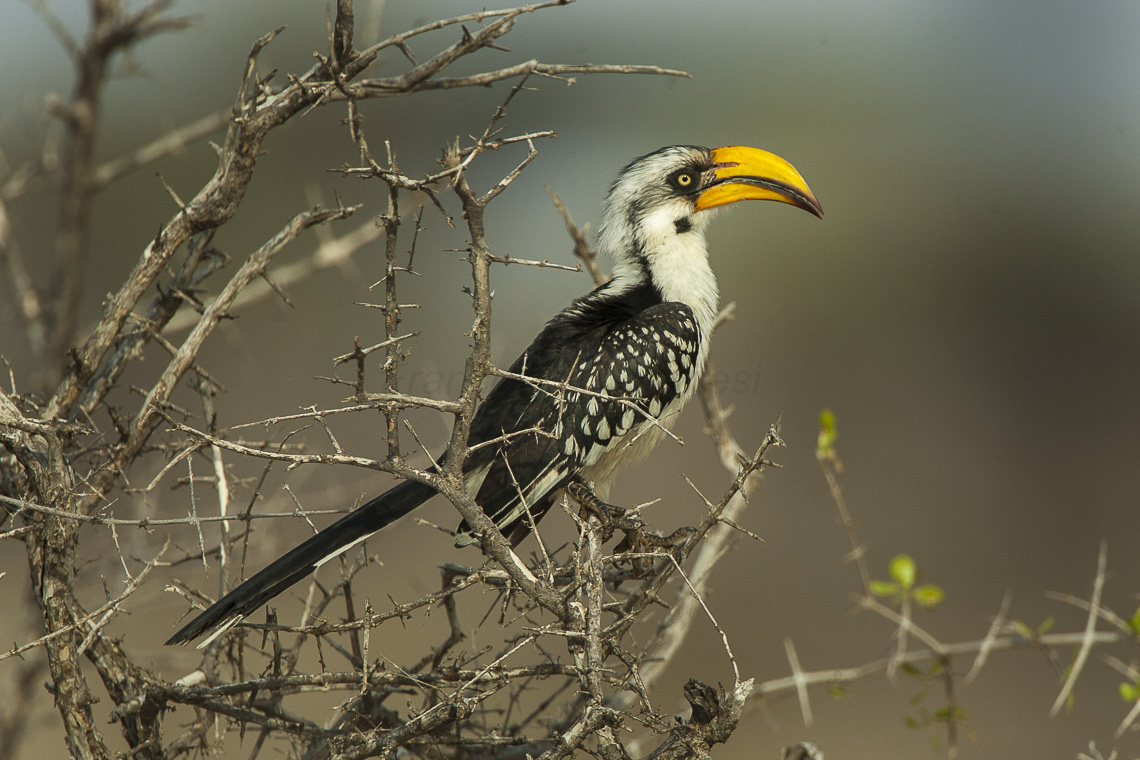
The Eastern Yellow-billed Hornbill Is found in Djibouti, Eritrea, Ethiopia, Kenya, Somalia, South Sudan, Sudan, Tanzania, and Uganda. IUCN Redlist Status: Least Concern
Jackson's Hornbill (Tockus jacksoni)
Jackson's Hornbill is found in Kenya, South Sudan, Sudan, and Uganda. IUCN Redlist Status: Least Concern
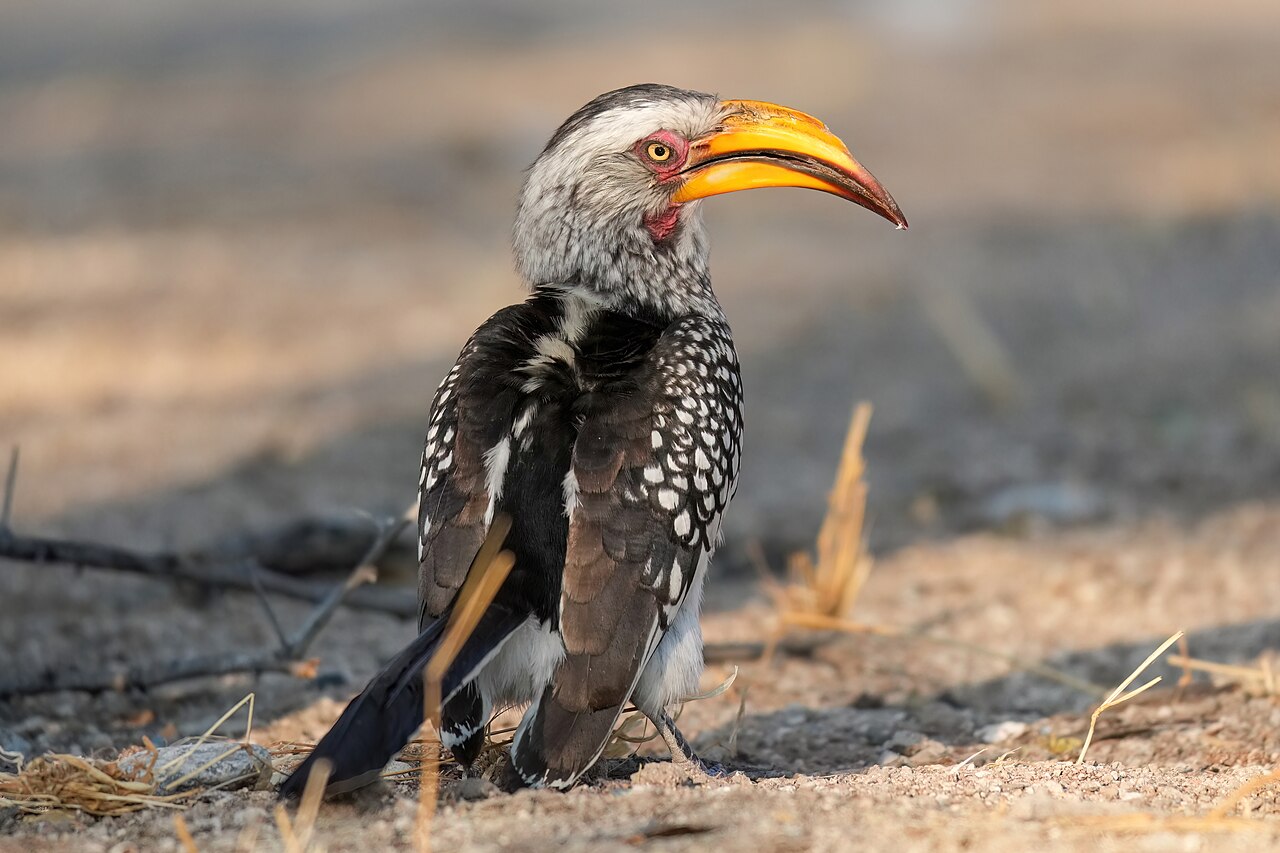
The Southern Yellow-billed Hornbill is found in Angola, Botswana, Eswatini, Malawi, Mozambique, Namibia, South Africa, Zambia, and Zimbabwe. IUCN Redlist Status: Least Concern
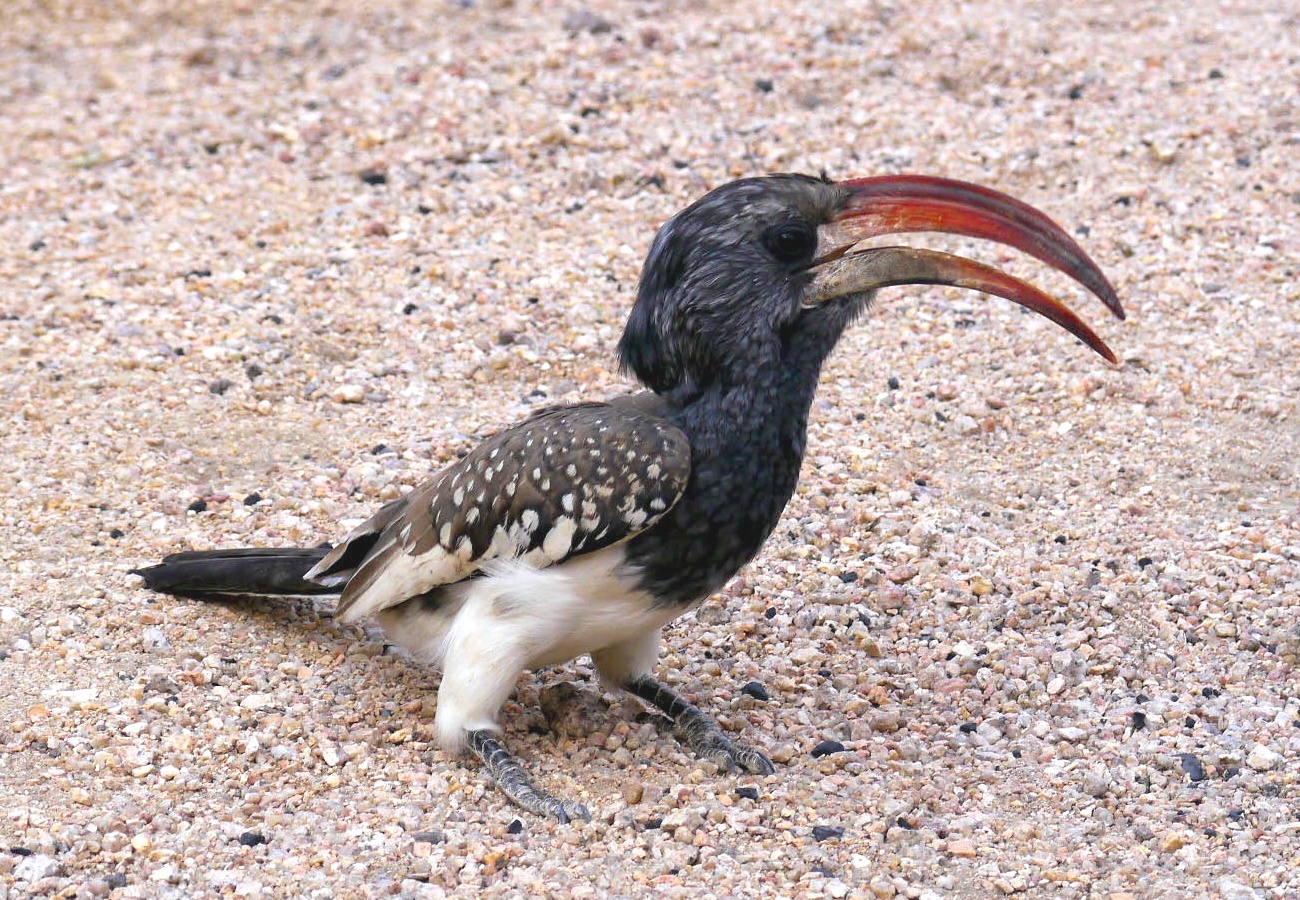
Monteiro's Hornbill (Tockus monteiri)
Monteiro's Hornbill is found in Angola and Namibia. IUCN Redlist Status: Least Concern