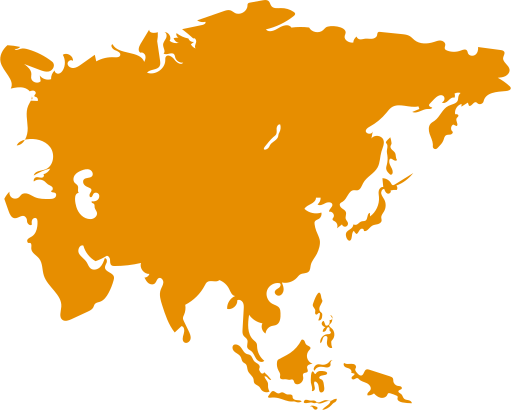
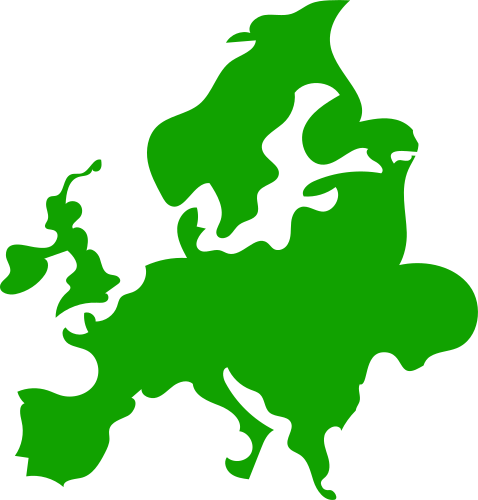
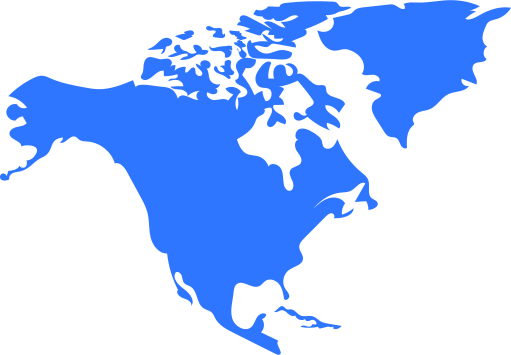
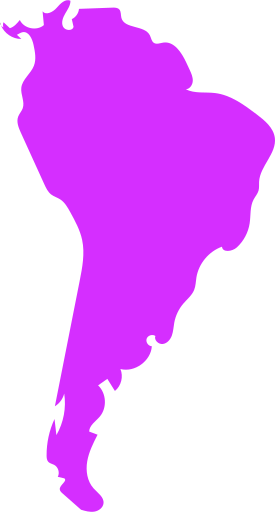
There are 36 species in this family, and they are found in all areas of the world, except for Antarctica.
Species in this family have long, pointed snouts; long legs; and padded feet with non-retractable claws. They have five toes on their front feet and four toes on their hind feet, and they walk on their toes. Most species are omnivorous, but meat is an important part of their diet.
Canidae are built for endurance, not speed. They can chase after prey and maintain a steady trot over long distances. They have four canine teeth at the front of their mouth that they use to hold prey and tear into meat.
Many species in this family live and hunt in packs. The species in this family usually kill their prey by grabbing it by the neck and shaking it until its neck is broken. Species in this family have keen hearing and eyesight and communicate with howls, yelps, growls, and barks.
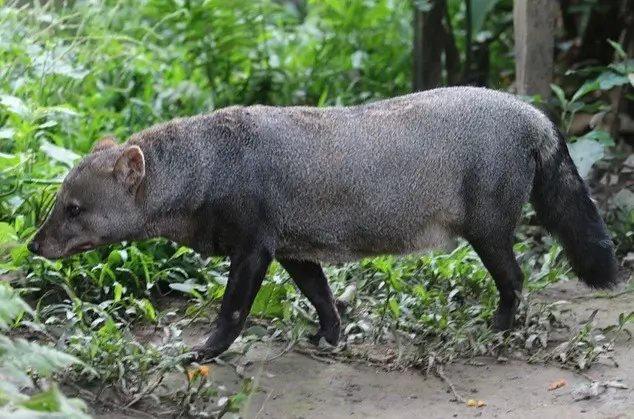
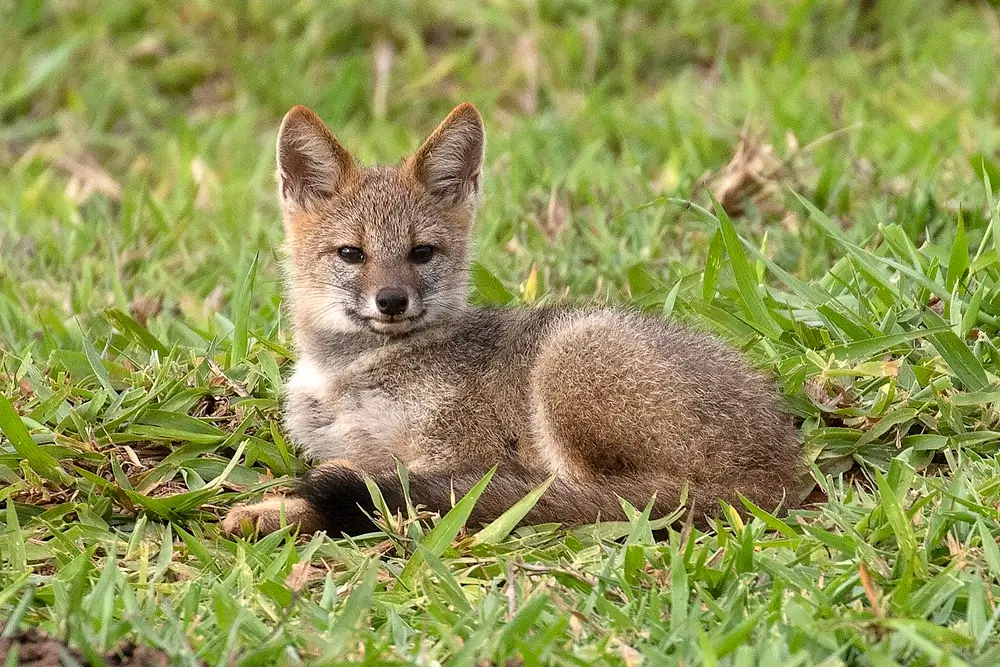
Short-Eared Dog (Atelocynus microtis)
The short-eared dog is native to the northern part of South America and is found in the Amazon basin regions of Brazil, Peru, Ecuador and Colombia. IUCN Redlist Status: Near Threatened
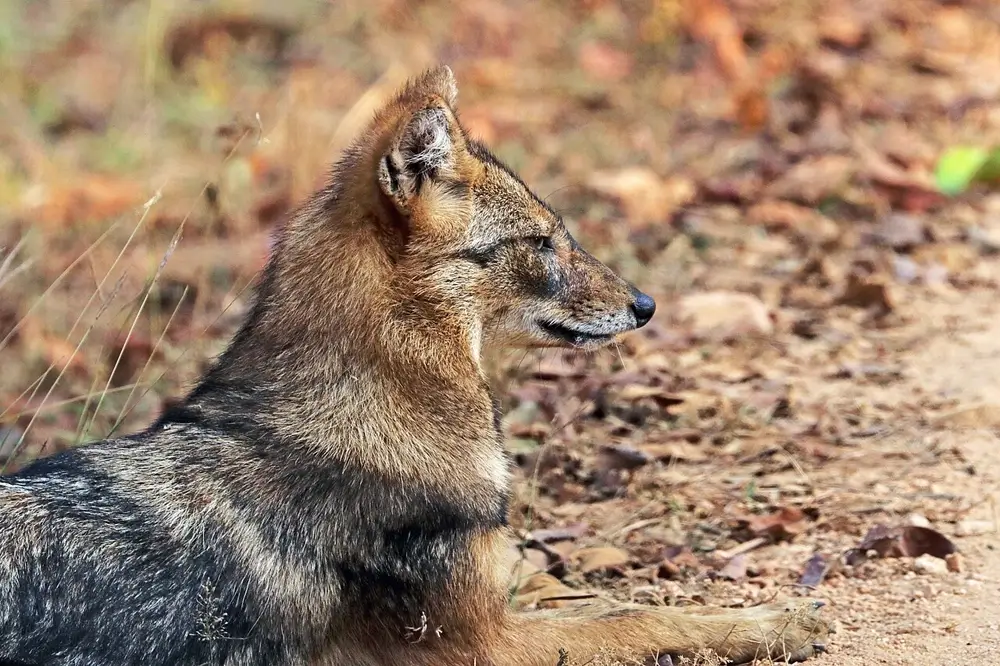
Golden Jackal (Canis aureus)
The golden jackal is found in North and East Africa, Southeastern Europe and South Asia to Myanmar. IUCN Redlist Status: Least Concern
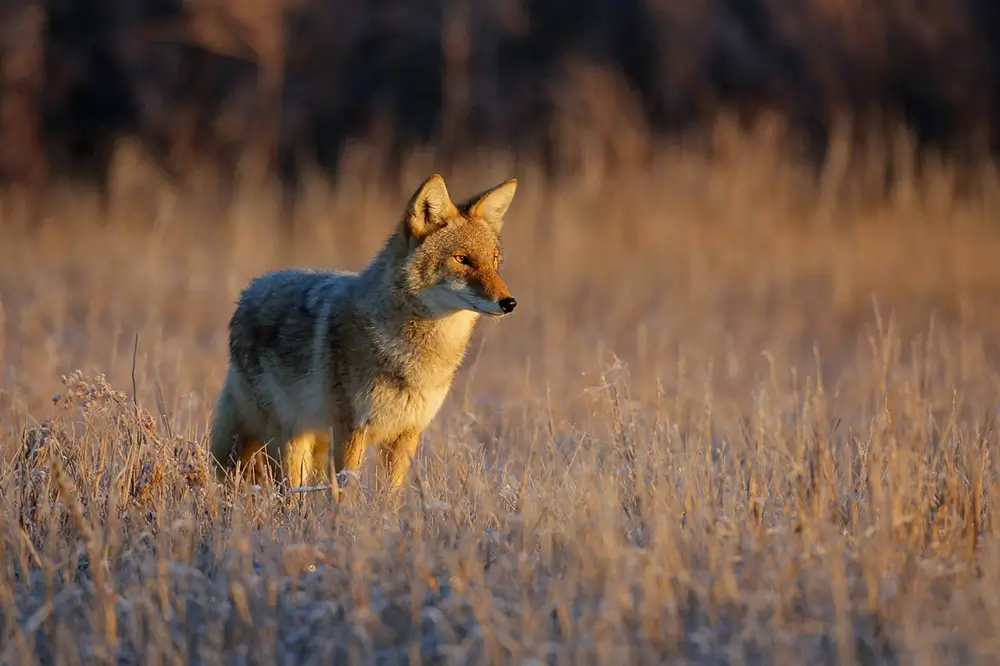
Coyote (Canis latrans)
Coyotes are found throughout North and Central America, including in New Hampshire. IUCN Redlist Status: Least Concern
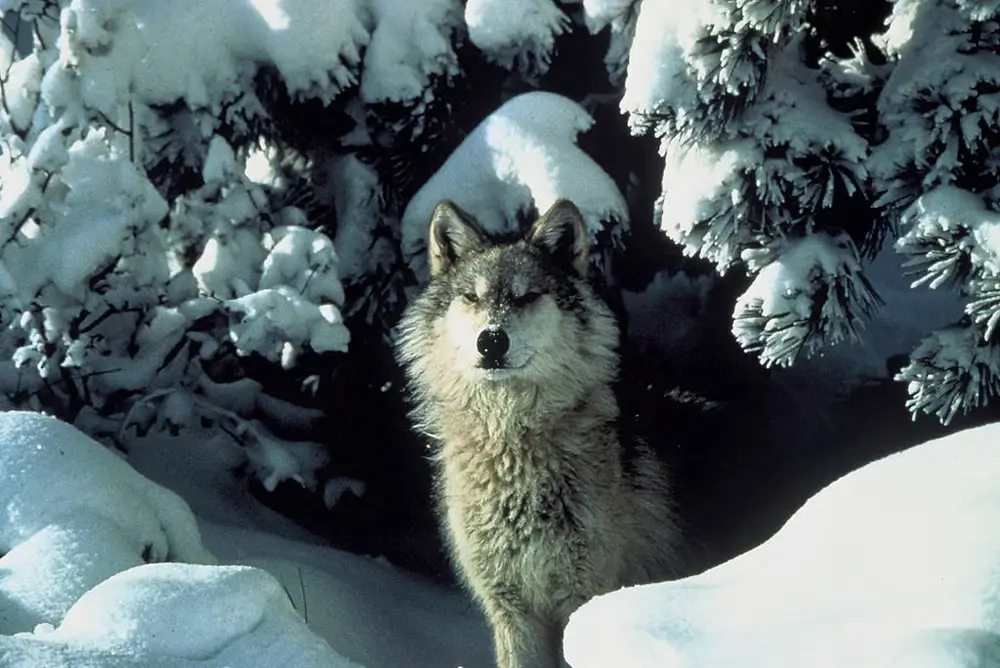
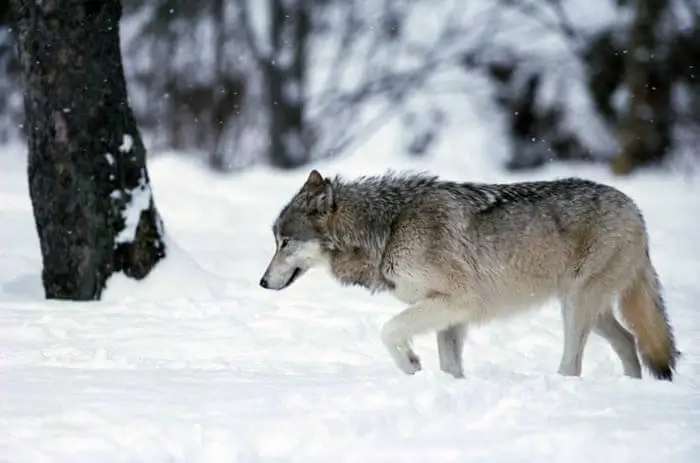
Gray Wolf (Canis lupus)
In the U.S., the gray wolf is found in Alaska, Minnesota, Michigan, and Wisconsin. It is also found in Canada, Europe, and Asia. It is an endangered species in most of the U.S. It is threatened in Minnesota. It is the largest of the canid species. IUCN Redlist Status: Least Concern
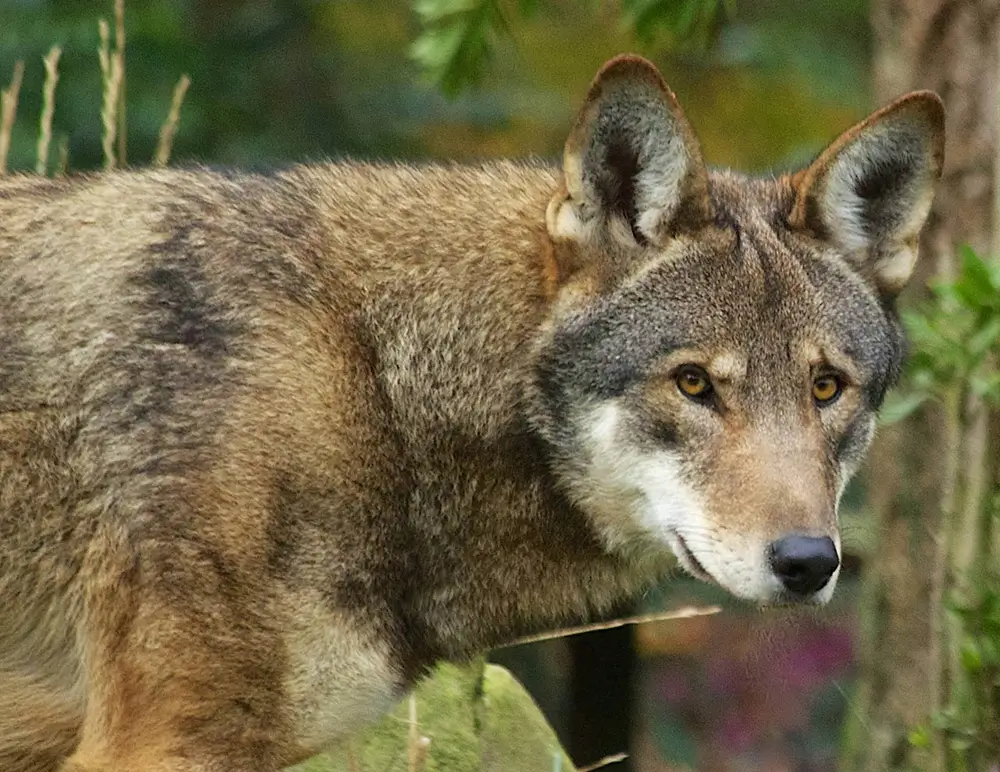
Red Wolf (Canis rufus)
The red wolf once roamed over much of the southeastern United States, but by the early 1900s it had disappeared. It is now mostly limited to coastal North Carolina where it has been reintroduced. It is listed as an endangered species in the U.S. IUCN Redlist Status: Critically Endangered
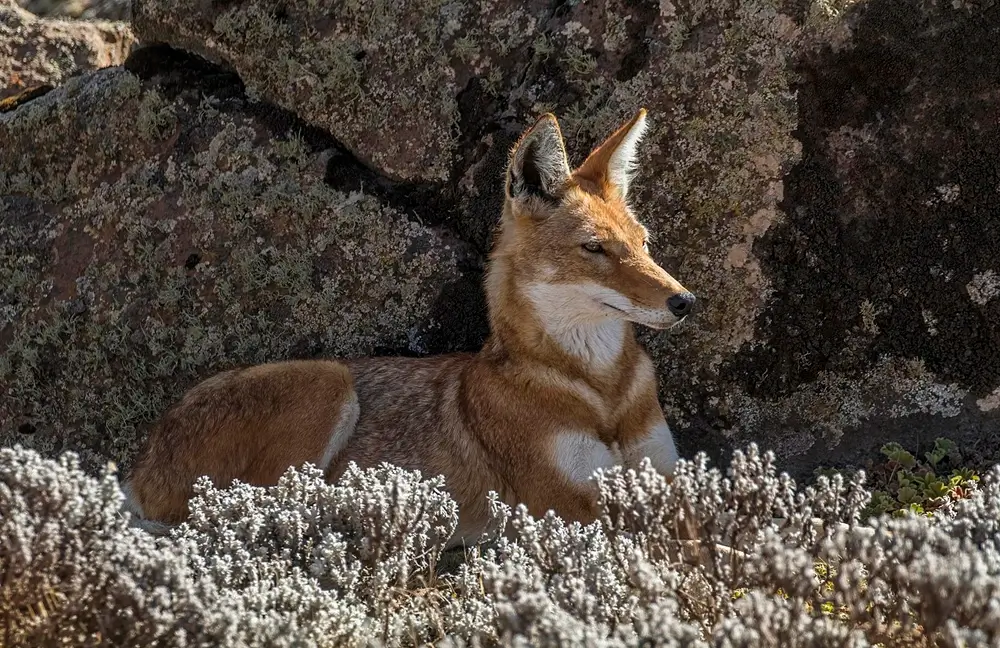
Ethiopian Wolf (Canis simensis)
The Ethiopian wolf, also known as the Simien fox or the Simien jackal, is found only in six or seven mountain ranges of Ethiopia. It is the only species of wolf found in Africa. IUCN Redlist Status: Endangered
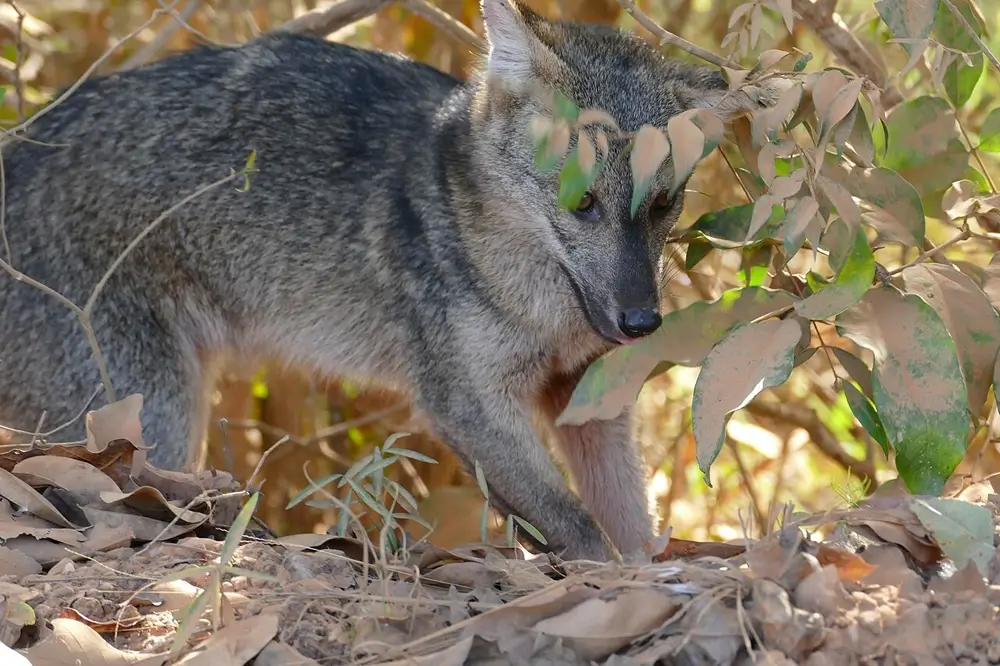
Crab-Eating Fox (Cerdocyon thous)
The crab-eating fox is found from Colombia and Venezuela south to Paraguay, Uruguay and Northern Argentina. It eats small mammals, birds, amphibians, fish, insects, and yes, crabs! IUCN Redlist Status: Least Concern
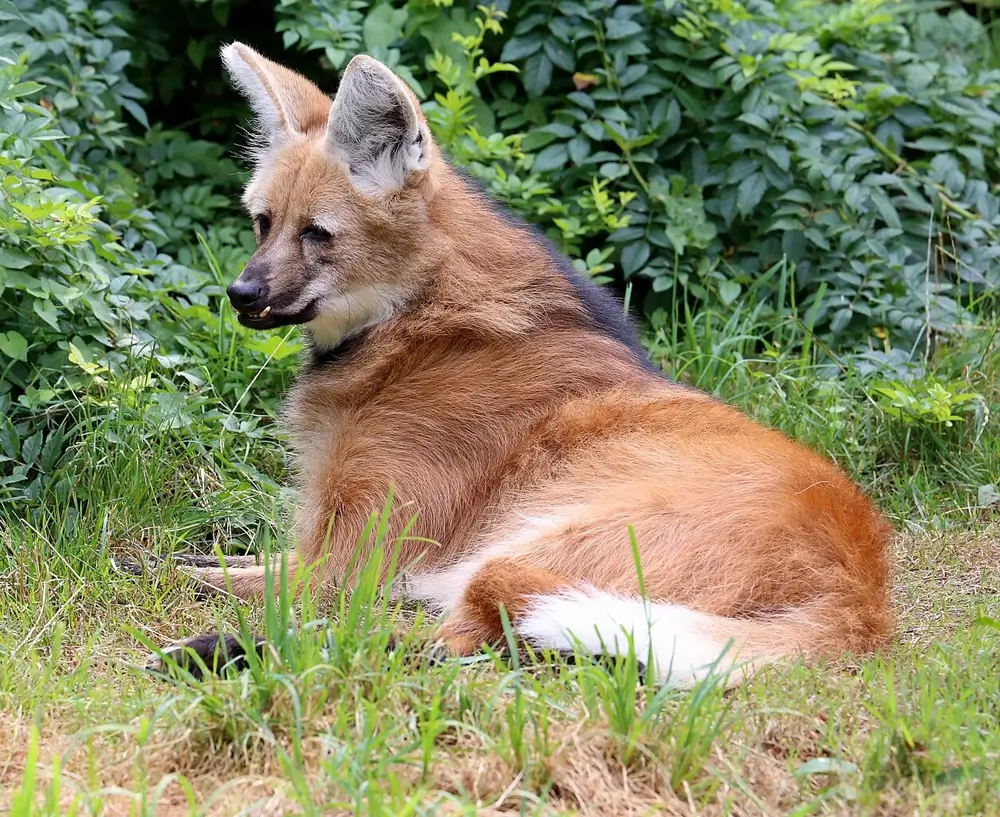
Maned Wolf (Chrysocyon brachyurus)
The maned wolf is found in the grasslands and scrub forest of central South America. It is a solitary creature, except during mating season. IUCN Redlist Status: Near Threatened
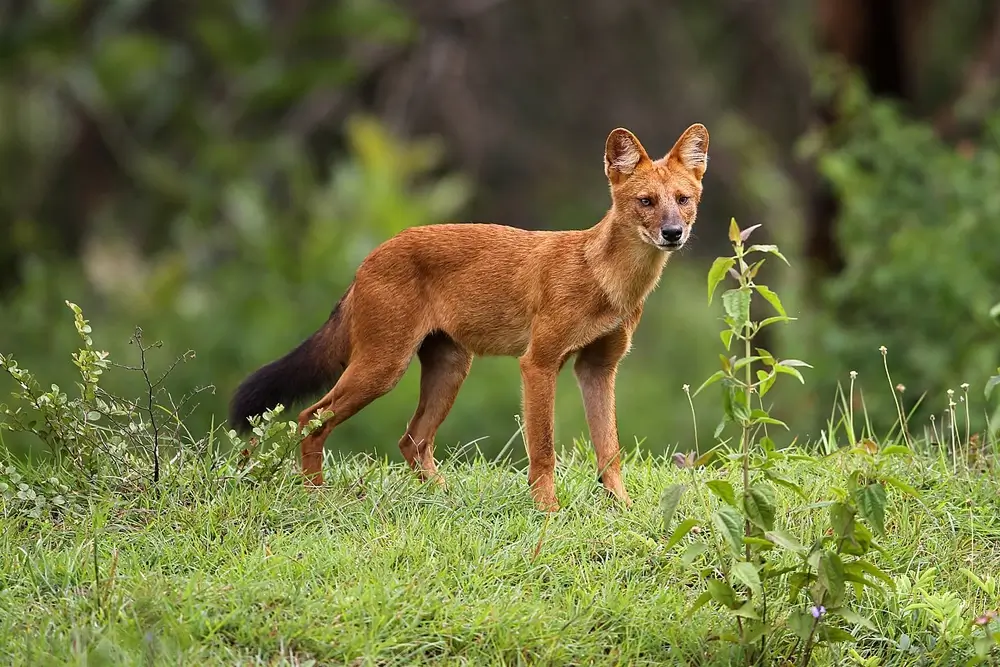
Dhole (Cuon alpinus)
The dhole is also known as the Asiatic wild dog or the red dog. It is found from the Altai Mountains in Manchuria in Central and Eastern Asia through India, Myanmar, and the Malayan Archipelago. IUCN Redlist Status: Endangered
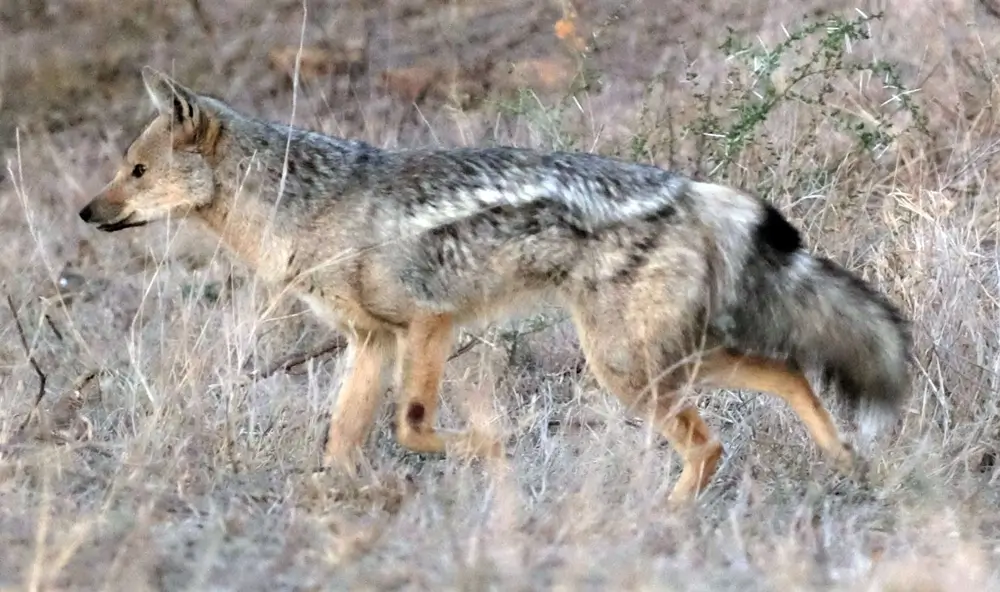
Side-Striped Jackal (Lupulella adustus)
Side-striped jackals mate for life. They are found in moist wooded areas in east, west, and central Africa. IUCN Redlist Status: Least Concern
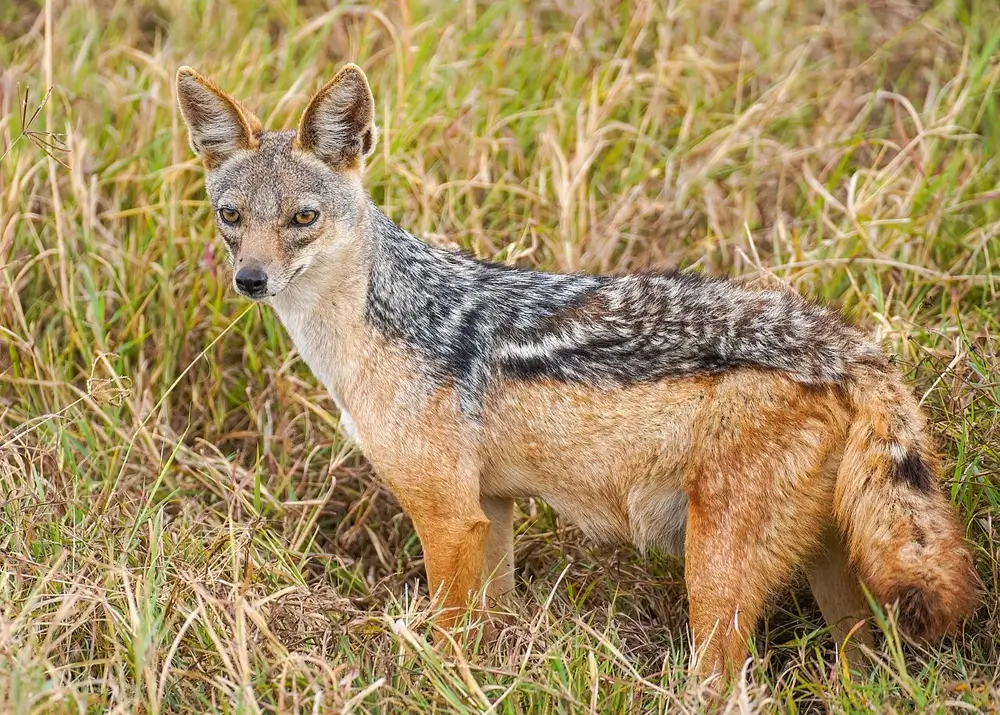
Black-Backed Jackal (Lupulella mesomelas)
The black-backed jackal is found in Africa in two population groups, one in east Africa and one in southern Africa. It usually spends the day in the brush and comes out at dusk to hunt. IUCN Redlist Status: Least Concern
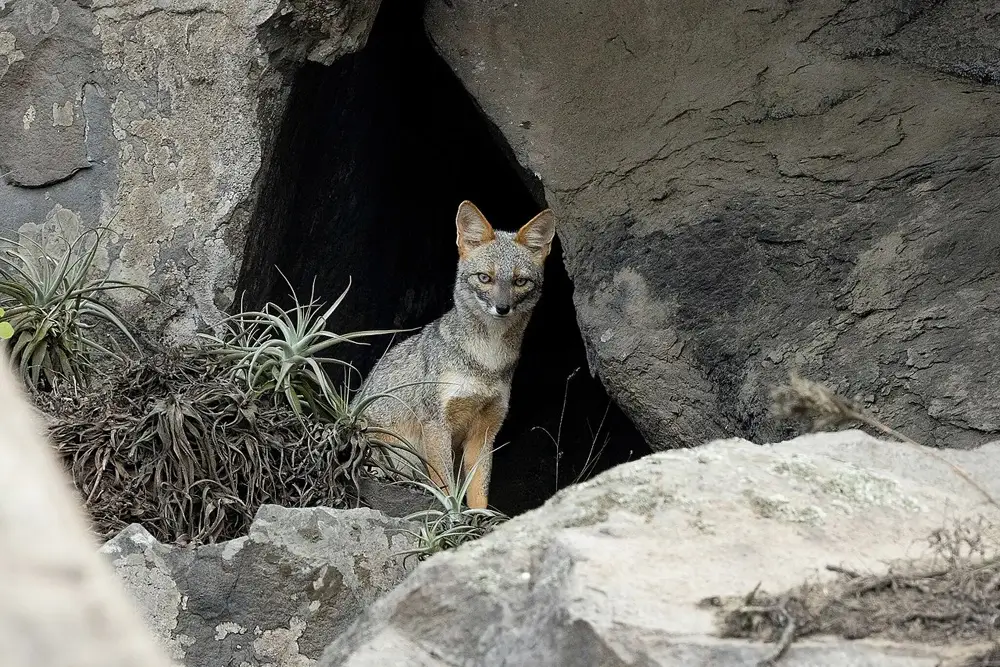
Culpeo (Lycalopex culpaeus)
Culpeos, or colored foxes, are found throughout most of the western half of South America. IUCN Redlist Status: Least Concern
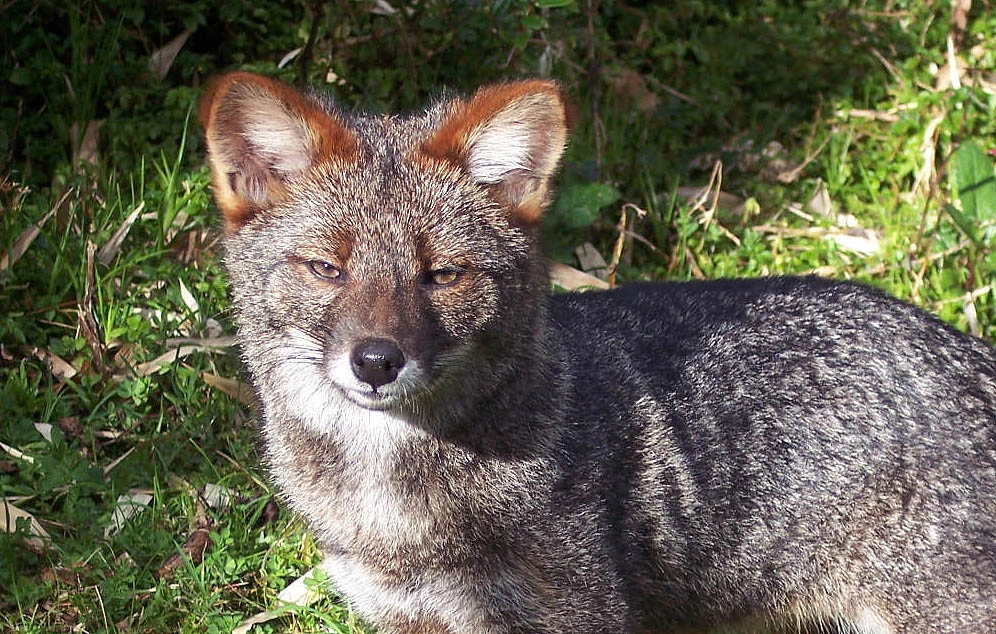
Darwin's Fox (Lycalopex fulvipes)
Darwin's foxes are found in forests in Chile. IUCN Redlist Status: Endangered
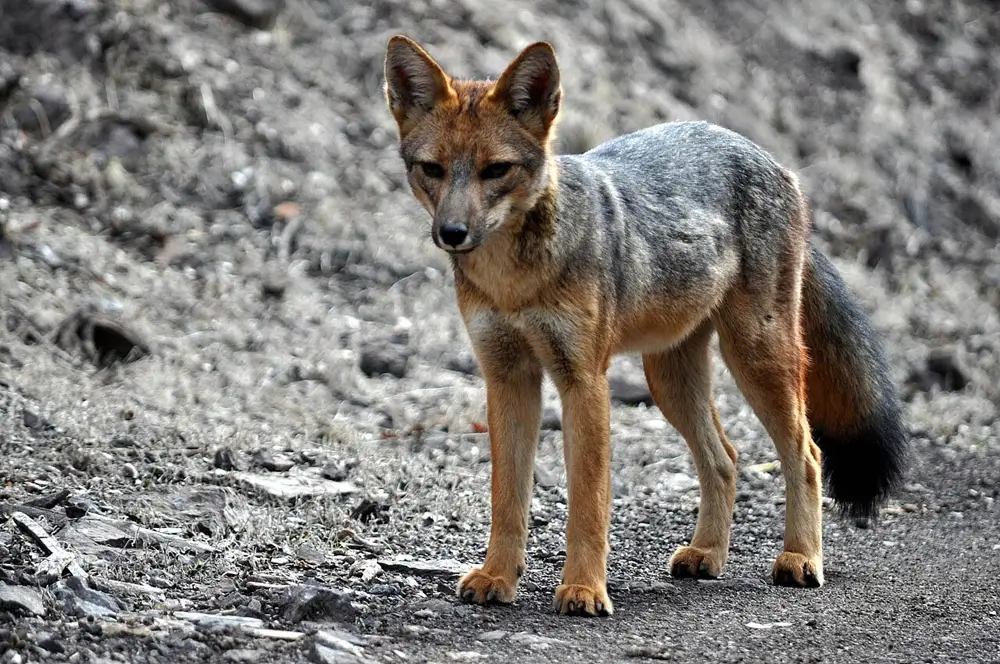
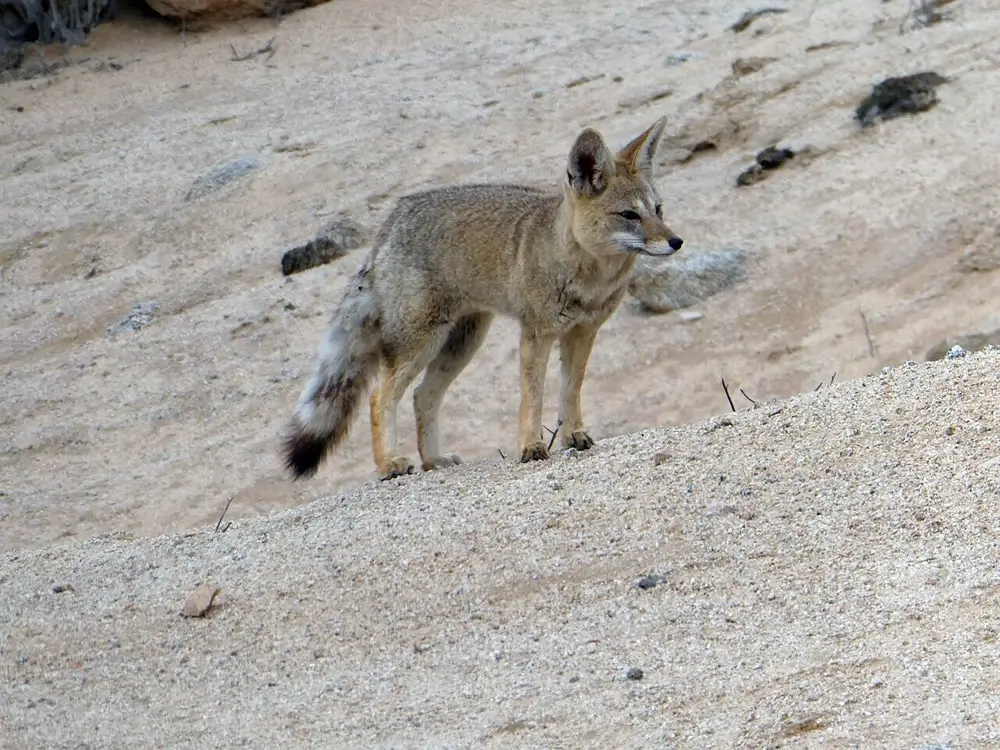
South American Gray Fox (Lycalopex griseus)
The South American gray fox, also known as the chilla or the Patagonian fox, is found throughout Patagonia and western Argentina. IUCN Redlist Status: Least Concern
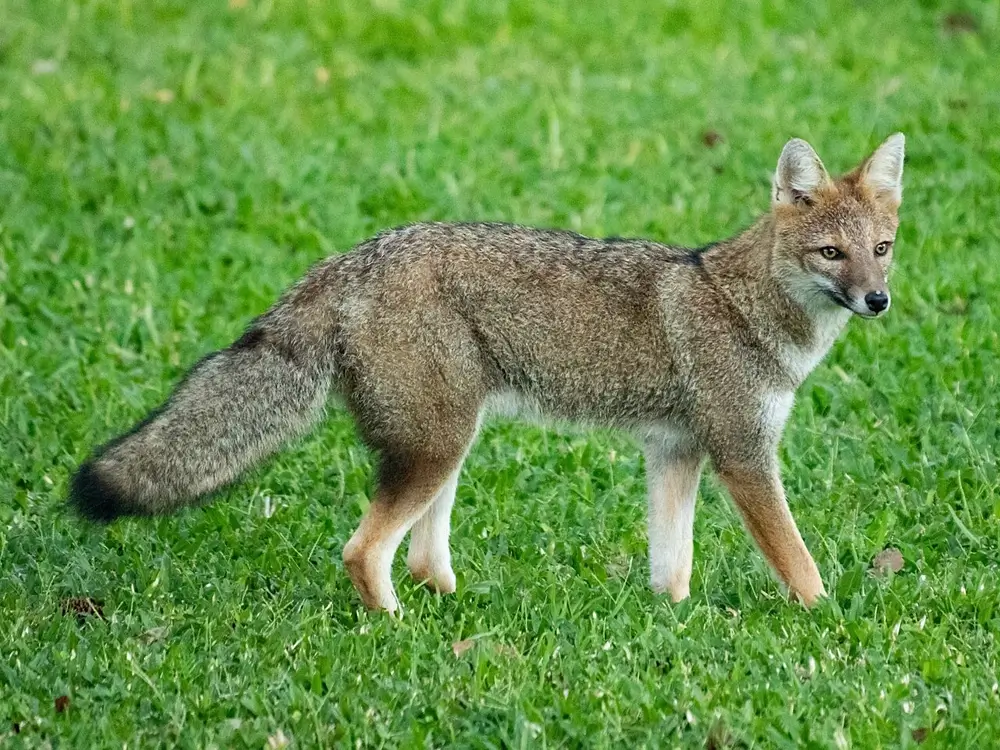
Pampas Fox (Lycalopex gymnocercus)
Pampas foxes are found in Paraguay, Uruguay, southern Brazil, eastern Bolivia and north of Rio Negro in Argentina. IUCN Redlist Status: Least Concern
Sechuran Fox (Lycalopex sechurae)
The Sechuran Fox is found in Ecuador and Peru. IUCN Redlist Status: Near Threatened
Hoary Fox (Lycalopex vetulus)
The hoary fox is found in southwestern Brazil. IUCN Redlist Status: Near Threatened
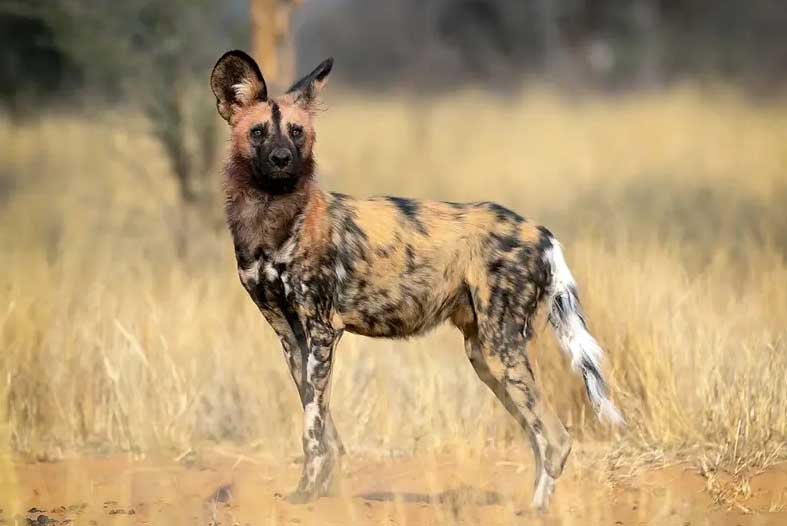
African Wild Dog (Lycaon pictus)
African wild dogs are found in Namibia, Botswana, Mozambique, parts of Zimbabwe, Swaziland, and the Transvaal. African wild dog packs can consume an entire carcass in as little as 15 minutes. IUCN Redlist Status: Endangered
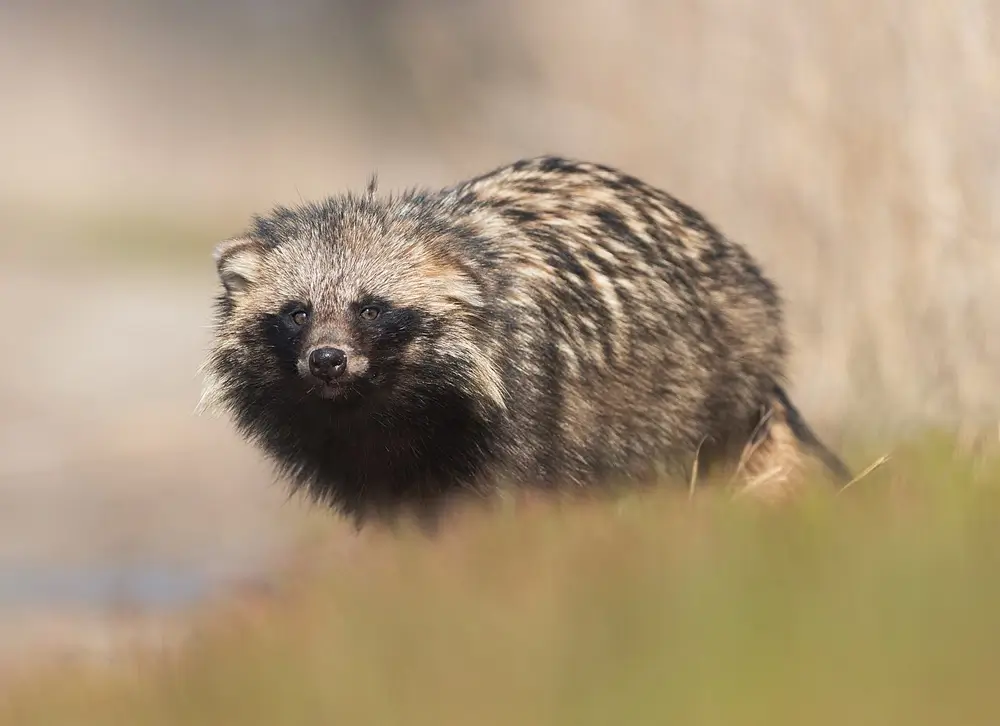
Racoon Dog (Nyctereutes procyonoides)
The raccoon dog is native to eastern Siberia, northern China, North Vietnam, Korea, and Japan. It was introduced to western Russia and is now widespread in northern and eastern Europe. It has curved claws and can climb trees! IUCN Redlist Status: Least Concern
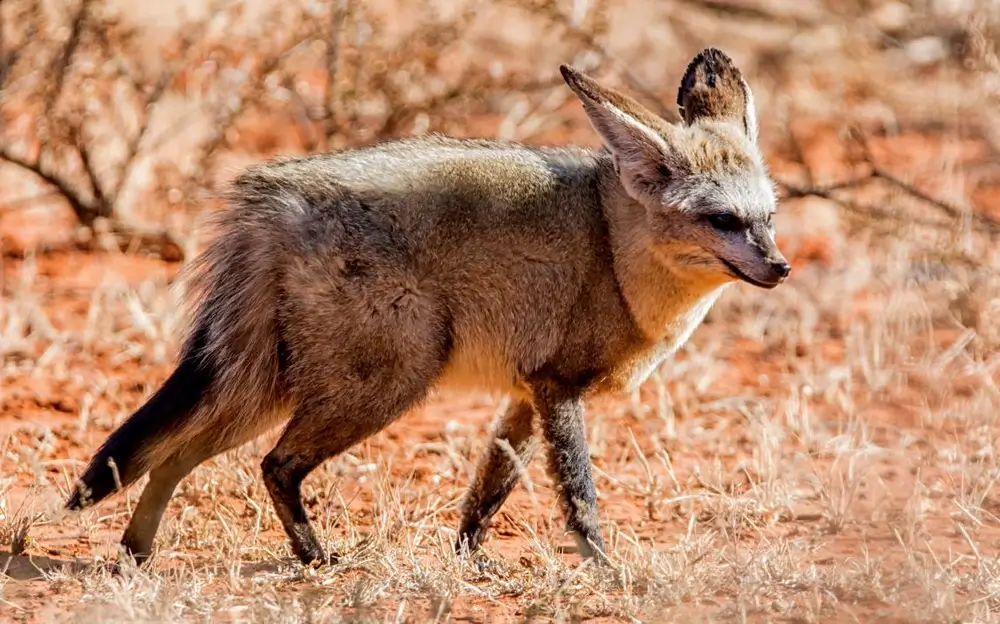
Bat-Eared Fox (Otocyon megalotis)
There are two bat-eared fox populations in Africa, one from Ethiopia and southern Sudan to Tanzania. The other is found from southern Angola and Rhodesia to South Africa. 80% of the bat-eared fox's diet is made up of insects. IUCN Redlist Status: Least Concern
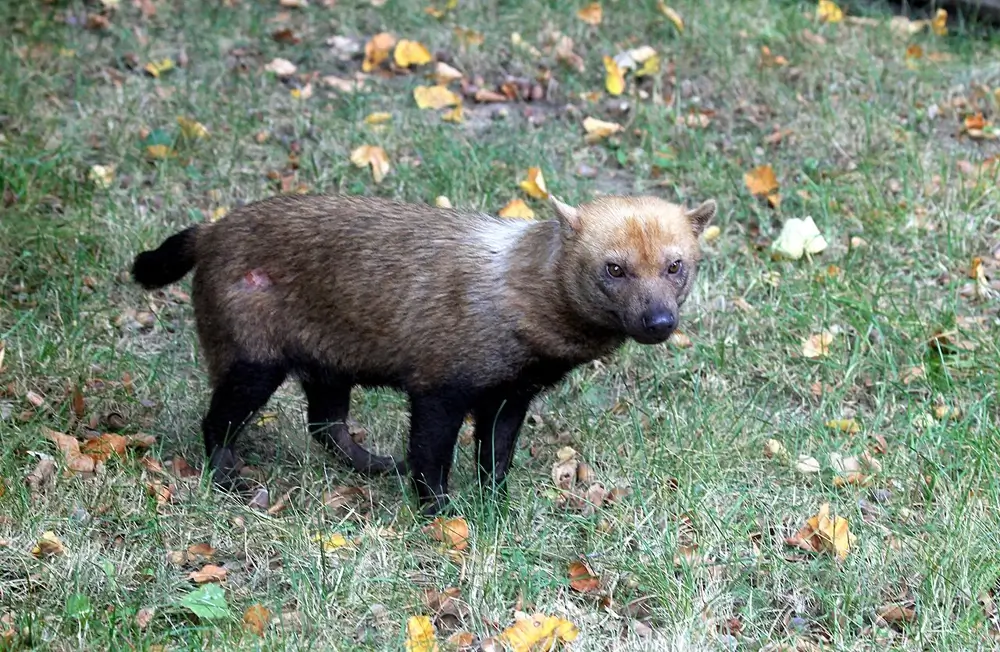
Bush Dog (Speothos venaticus)
The bush dog looks more like a badger than a dog. It is found in forests and wet savannas from Panama to the northern limits of Argentina. IUCN Redlist Status: Near Threatened
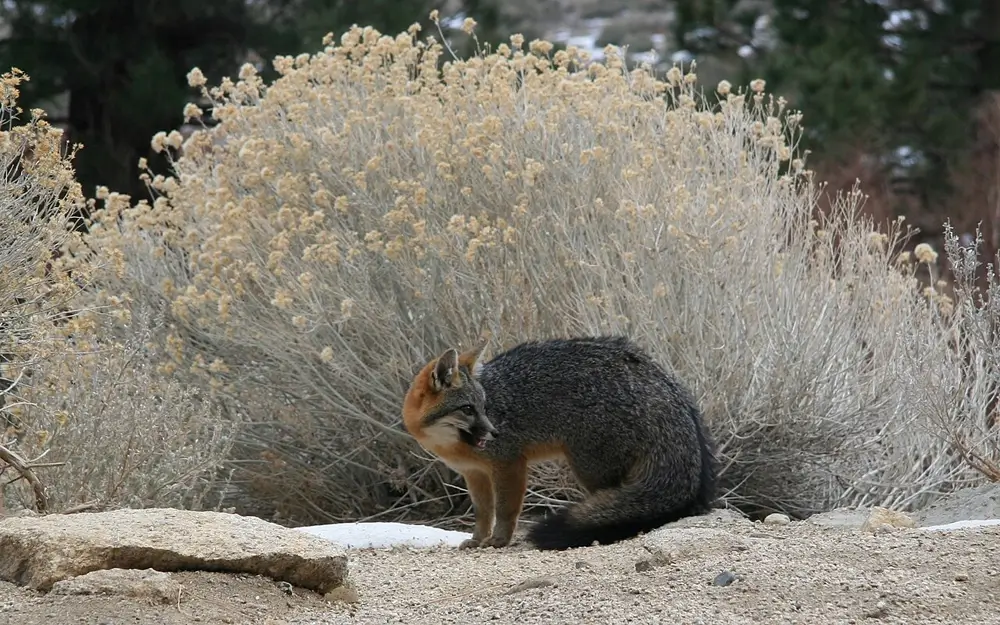
Gray Fox (Urocyon cinereoargenteus)
The gray fox is found from southern Canada to northern Venezuela and Colombia. It is found in New Hampshire. IUCN Redlist Status: Least Concern
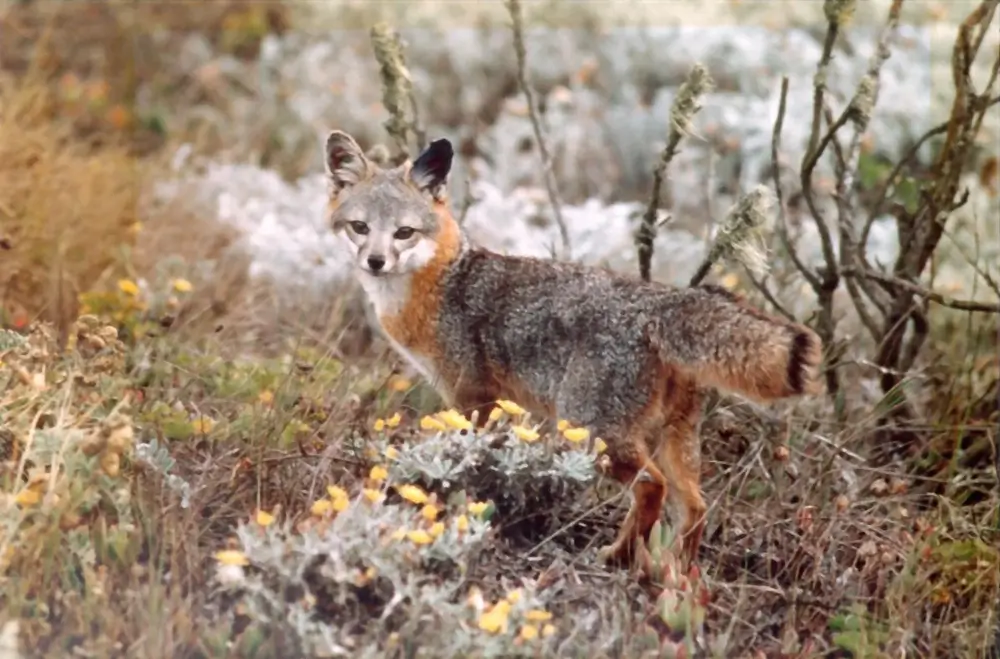
Channel Island Fox (Urocyon littoralis)
The Channel Island fox is found only on the six largest Channel Islands off the southern California coast. They are listed as an endangered species in the U.S. IUCN Redlist Status: Near Threatened
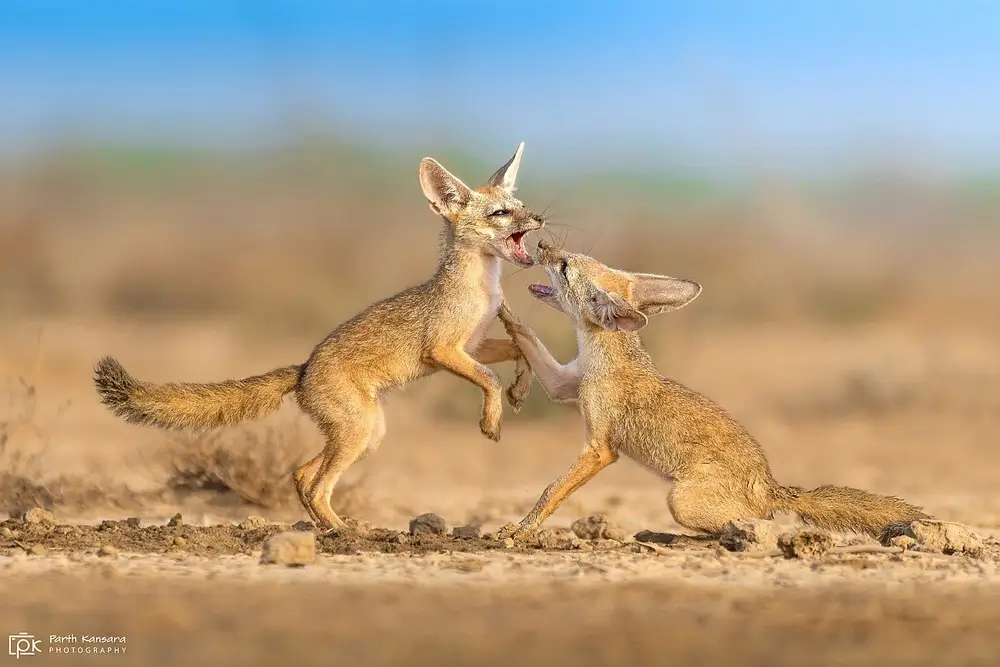
Bengal Fox (Vulpes bengalensis)
The Bengal fox, also known as the Indian fox, is found in India, Nepal and Pakistan. IUCN Redlist Status: Least Concern
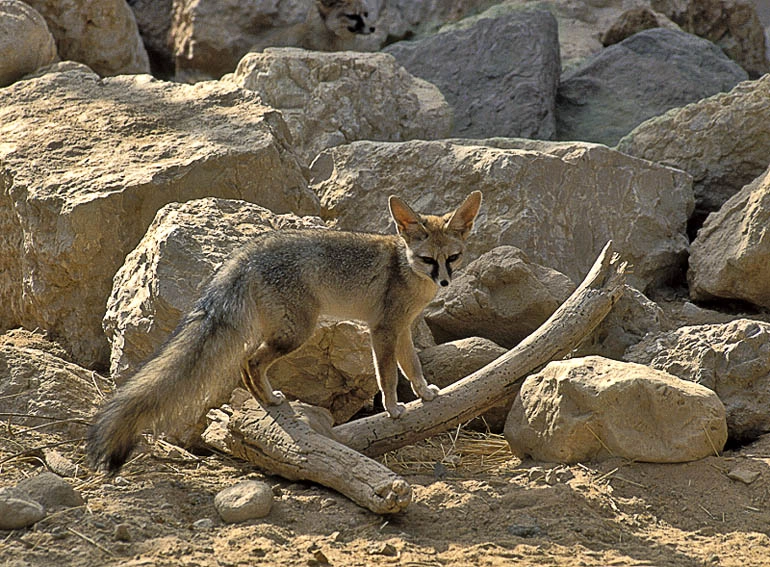
Blanford's Fox (Vulpes cana)
Blandford's fox is found from Israel throughout the mountainous regions of the middle east to Afghanistan. IUCN Redlist Status: Least Concern
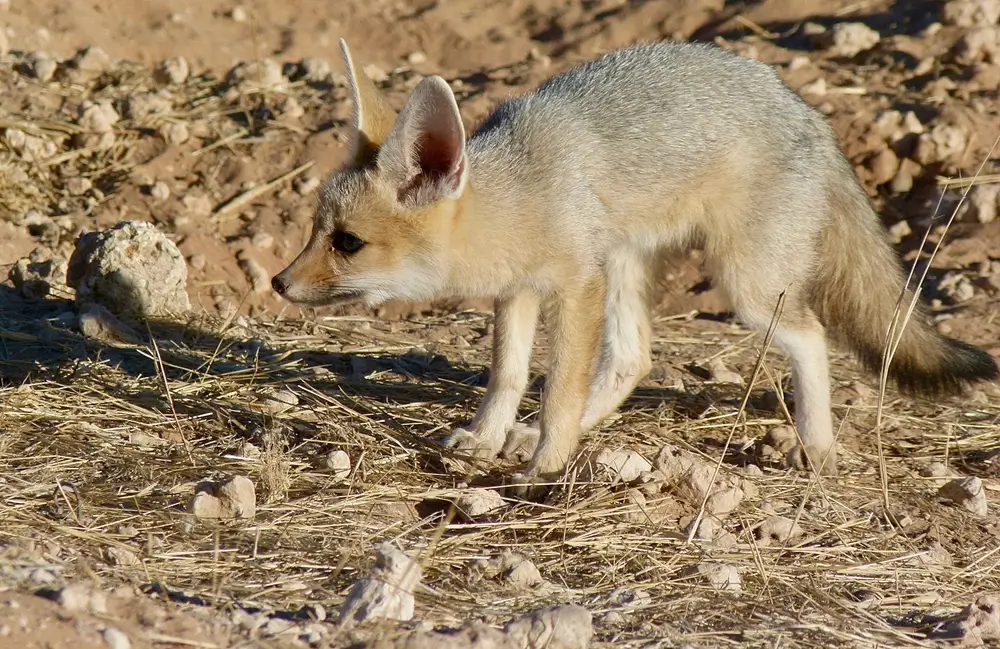
Cape Fox (Vulpes chama)
The Cape fox is found in central and western regions of southern Africa. IUCN Redlist Status: Least Concern
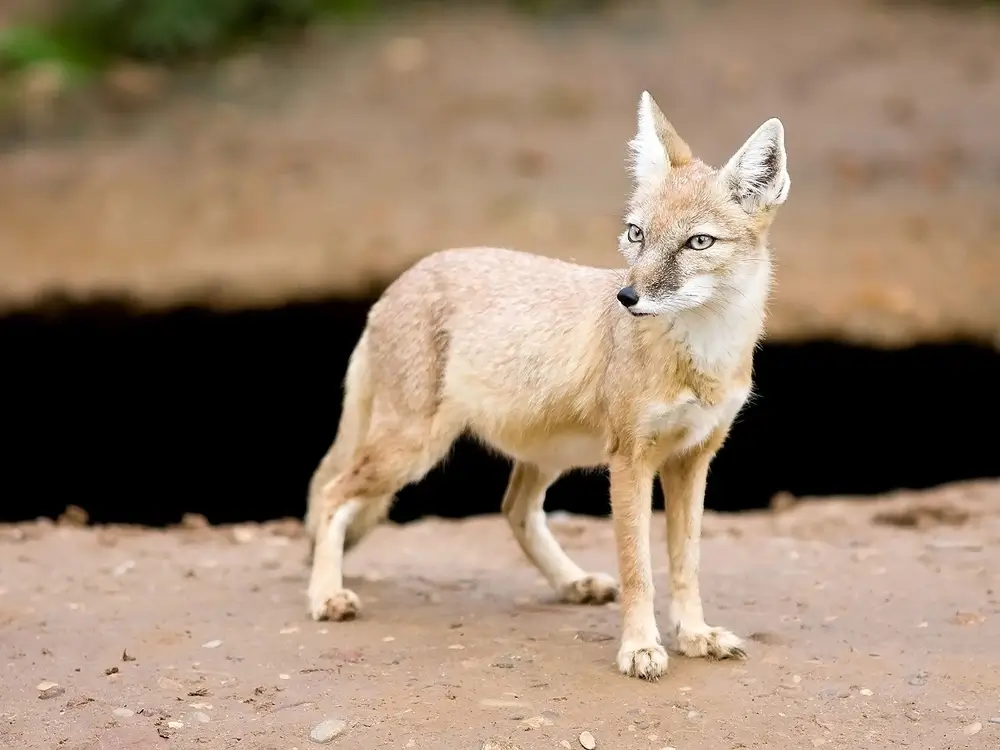
Corsac Fox (Vulpes corsac)
The Corsac is found in central Asia, ranging into Mongolia and northeastern China. IUCN Redlist Status: Least Concern
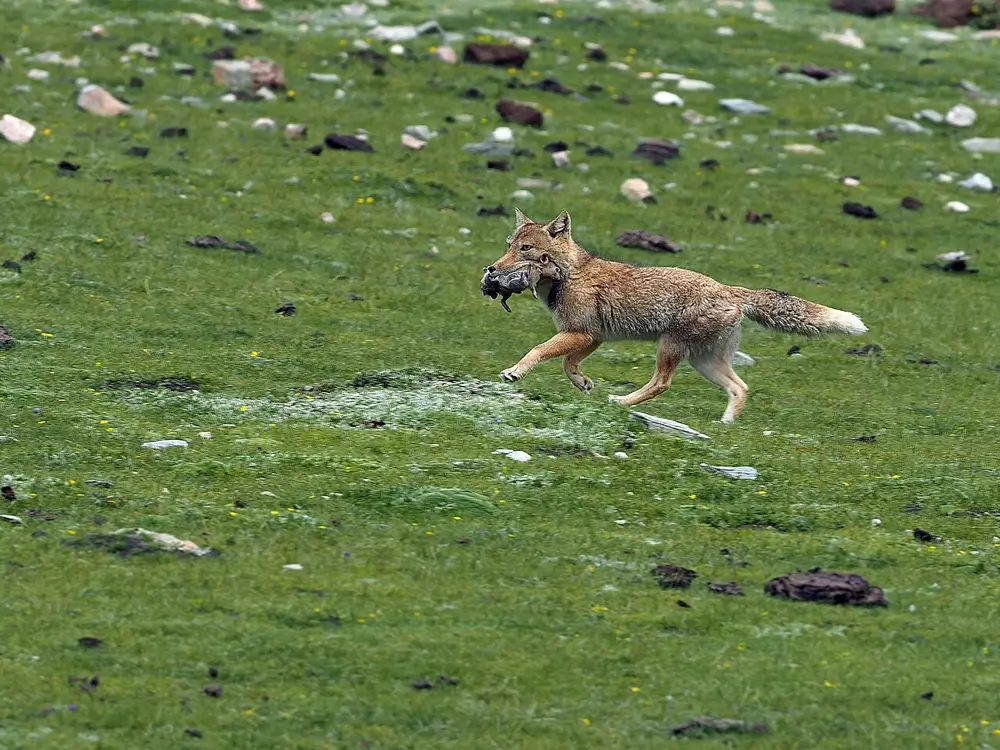
Tibetan Fox (Vulpes ferrilata)
The Tibetan fox is found in the Tibetan plateau of India, China, India, and Nepal. Pika is a favorite food. IUCN Redlist Status: Least Concern
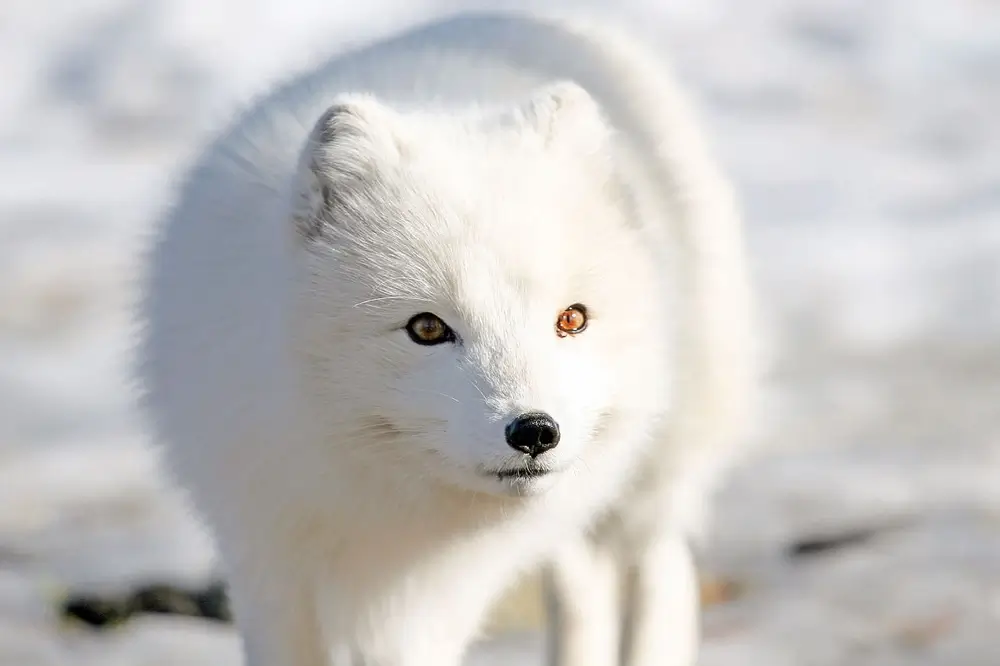
Arctic Fox (Vulpes lagopus)
Arctic foxes are found in the treeless tundra extending through the arctic regions of Eurasia, North America, Greenland, and Iceland. They are dark gray to bluish-brown in the summer. In the winter, their fur is white or creamy white. IUCN Redlist Status: Least Concern
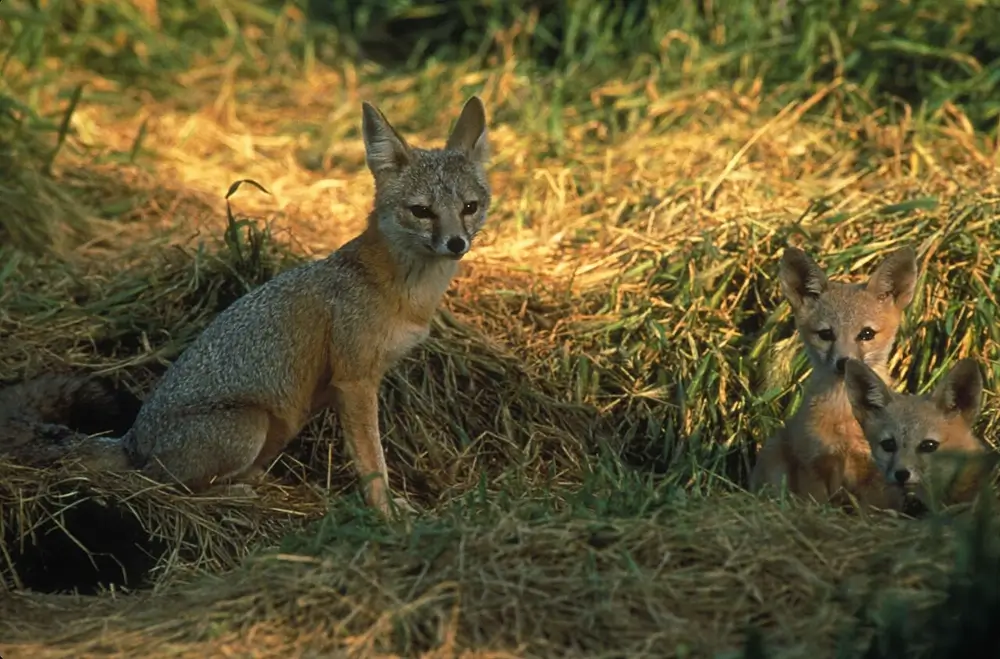
Kit Fox (Vulpes macrotis)
The kit fox is found in the southwestern part of the United States and northern and central Mexico. IUCN Redlist Status: Least Concern
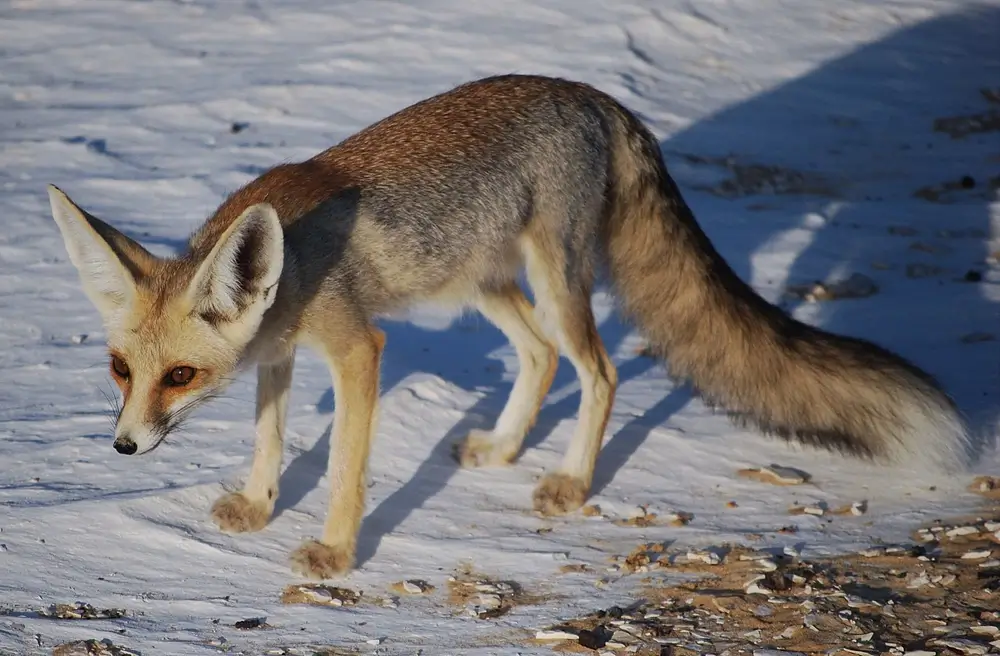
Rüppel's Fox (Vulpes rueppellii)
Rüeppell's fox is found in desert regions of North Africa and the Arabian peninsula, from as far east as Pakistan, to as far northwest as Israel and Jordan. IUCN Redlist Status: Least Concern
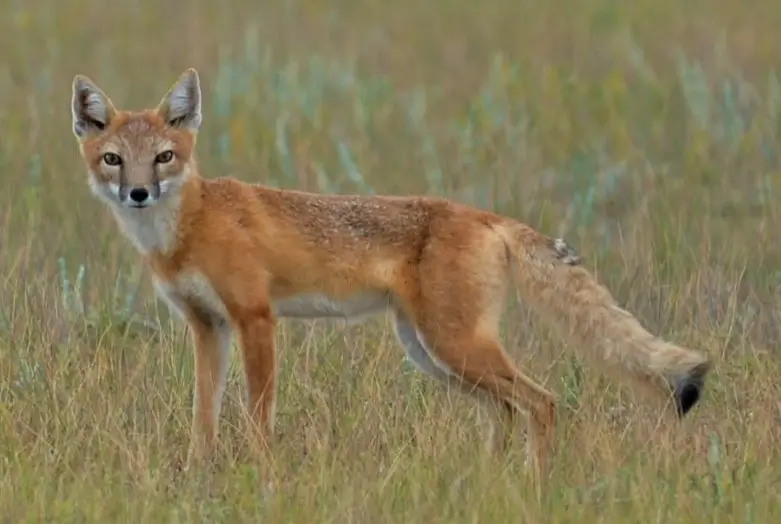
Swift Fox (Vulpes velox)
The swift fox is found on prairie grasslands just east of the Rocky Mountains. IUCN Redlist Status: Least Concern
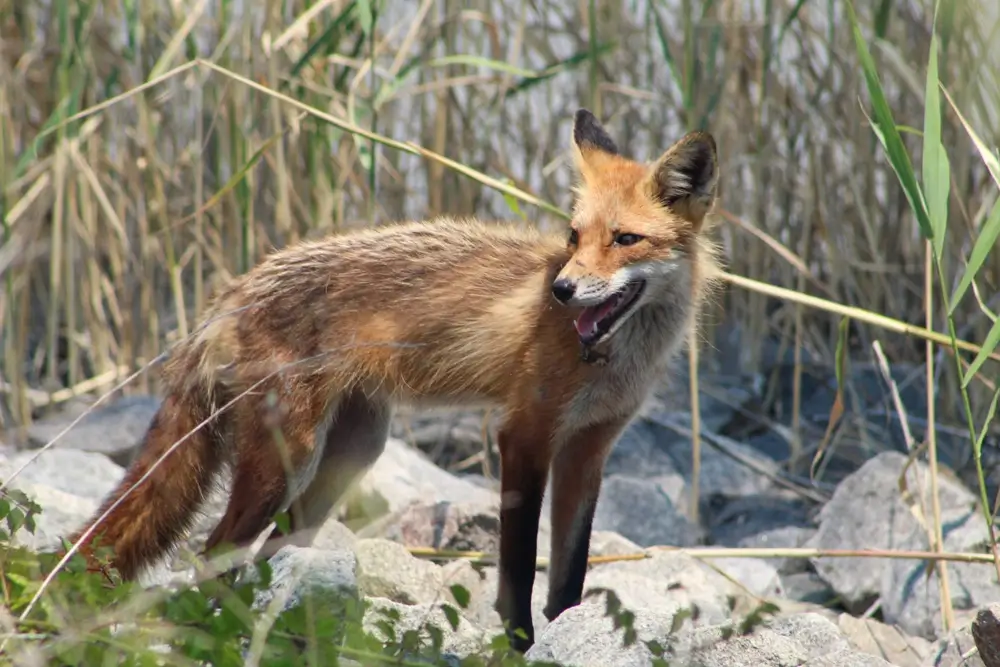
Red Fox (Vulpes vulpes)
The red fox is found in North America, Asia, Europe, and North Africa. It is found in New Hampshire. IUCN Redlist Status: Least Concern
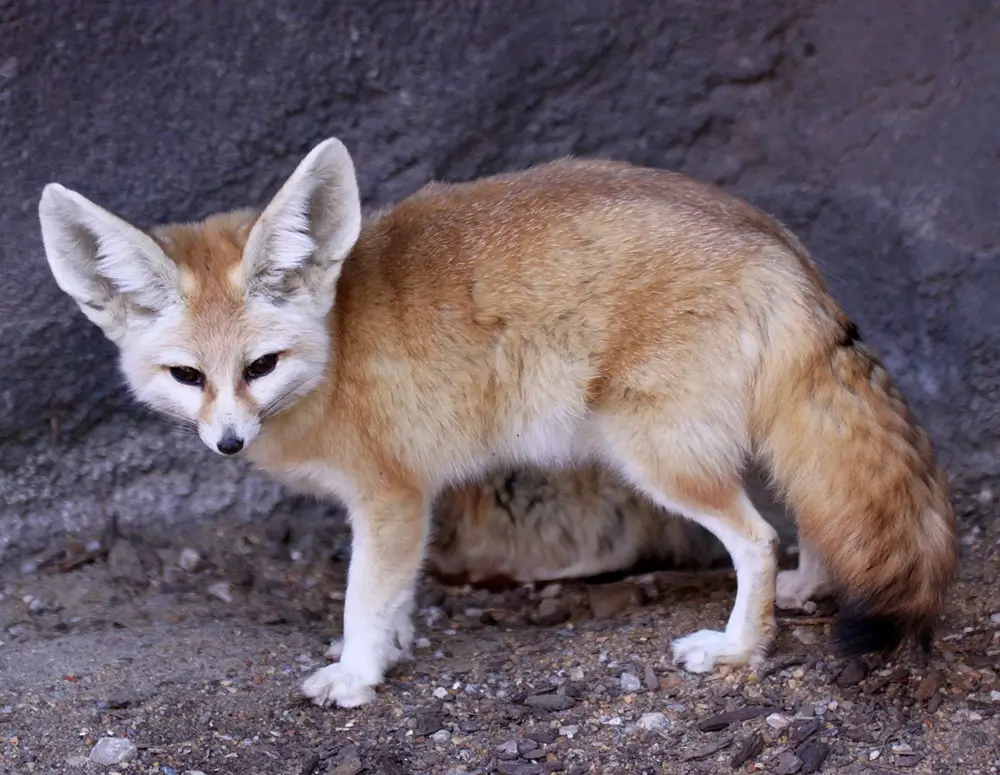
Fennec Fox (Vulpes zerda)
The fennec fox is found in Algeria, Chad, Egypt, Libya, Mali, Mauritania, Morocco, Niger, Sudan, Tunisia, and Western Sahara. IUCN Redlist Status: Least Concern