There are 55 species in this family, and they are found in all regions of the world, except for Sub-Saharan Africa, Australia, and Antarctica. The species in this family are found in a wide variety of habitats, including forests, grasslands, and the tundra.
SOMETHING TO CHEW ON
All of the species in this family are herbivores and ruminants. Ruminants chew their food, swallow it, regurgitate it, and then swallow it again. Their stomachs have four chambers. The first chamber is called the rumen. Bacteria in the rumen help break down plant matter.
BIG TO SMALL
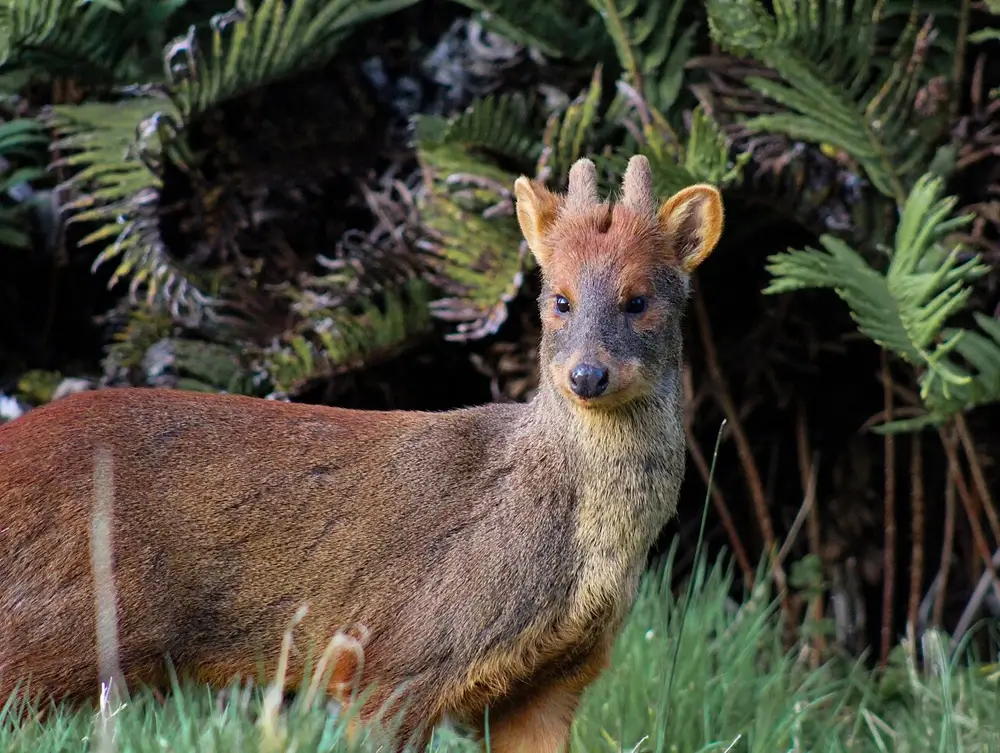
Members of this family have long legs with two toes on each of their hoofed feet. They have long heads and short tails. In most species, the males have antlers. The species in this family range in size from the tiny Andean pudu, which is only 16 inches (40.6 cm) tall and weighs 22 pounds (10 kg), to the largest member of the family, the moose, which can be six feet (1.8 m) tall and weigh up to 1,600 pounds (26 kg).
NORTH AMERICAN ENDANGERED SPECIES
In North America, there are two subspecies of deer on the endangered species list. The Key deer is a subspecies of the white-tailed deer. It is a small deer found only in the Florida Keys. The Columbian white-tailed deer is also a subspecies of the white-tailed deer. It is found in the Columbia River basin of Washington and Oregon.
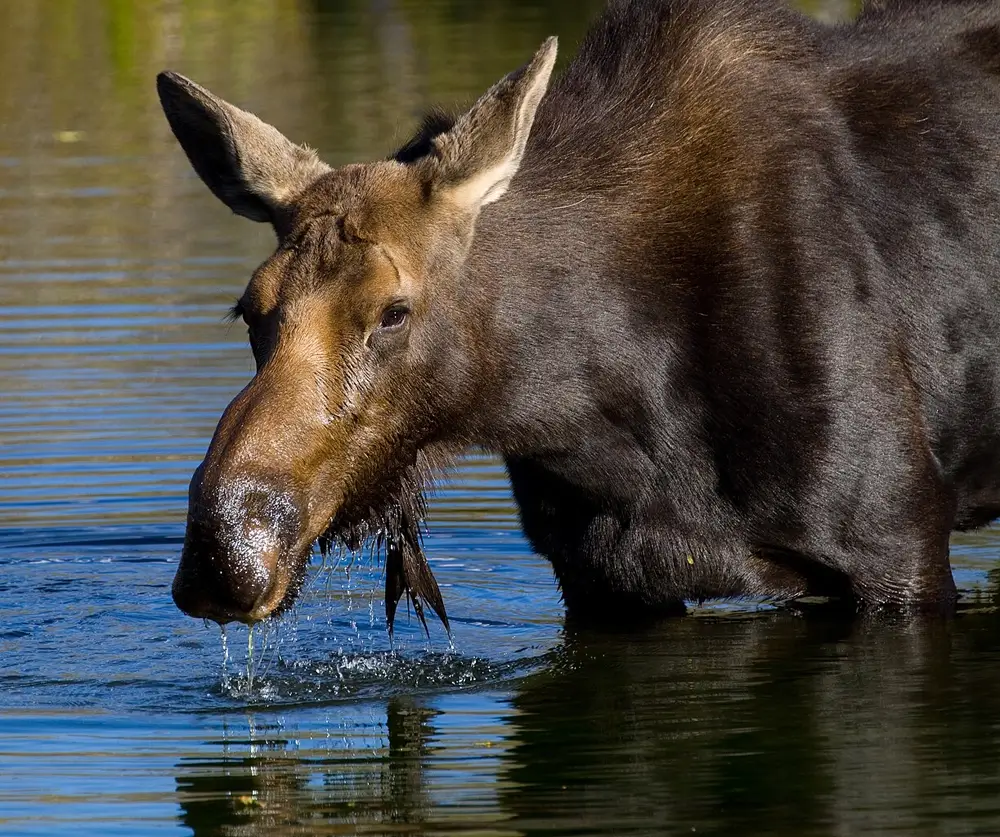
Moose (Alces alces)
Moose are found in the northern regions of North America, Europe, and Asia. They are found in New Hampshire. IUCN Red List Status: Least Concern
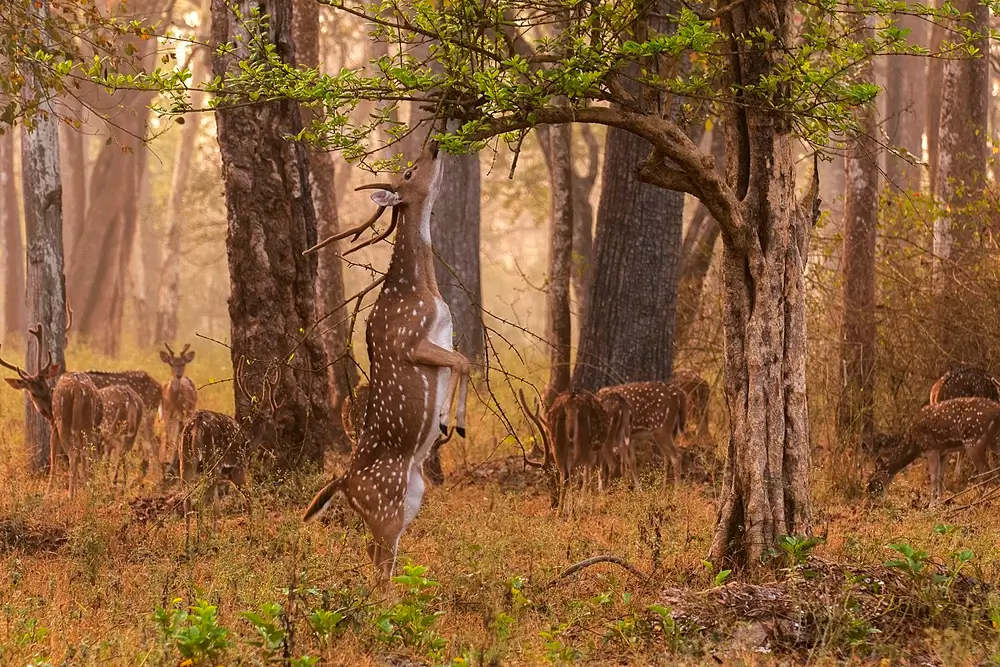
Chital (Axis axis)
The chital or axis deer is native to India and Sri Lanka. IUCN Red List Status: Least Concern
Calamian Deer (Axis calamianensis)
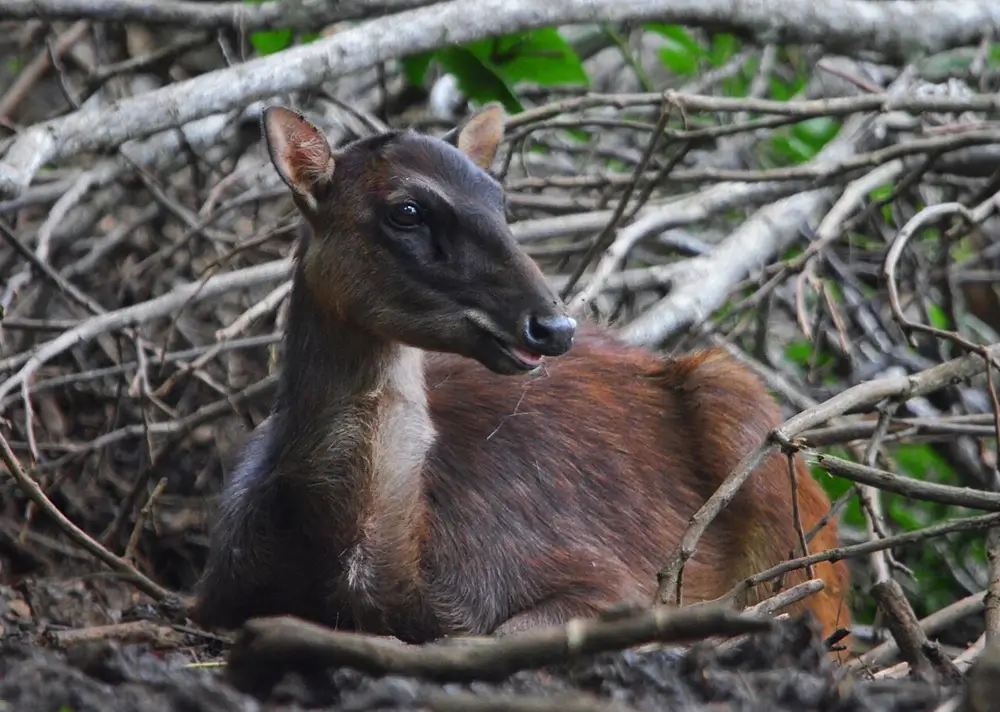
The Calamian deer is only found on the Calamian Islands, a group of islands in the Philippines. IUCN Red List Status: Endangered
Bawean Deer (Axis kuhlii)
The Bawean deer is only found on Bawean Island in Indonesia. IUCN Red List Status: Critically Endangered
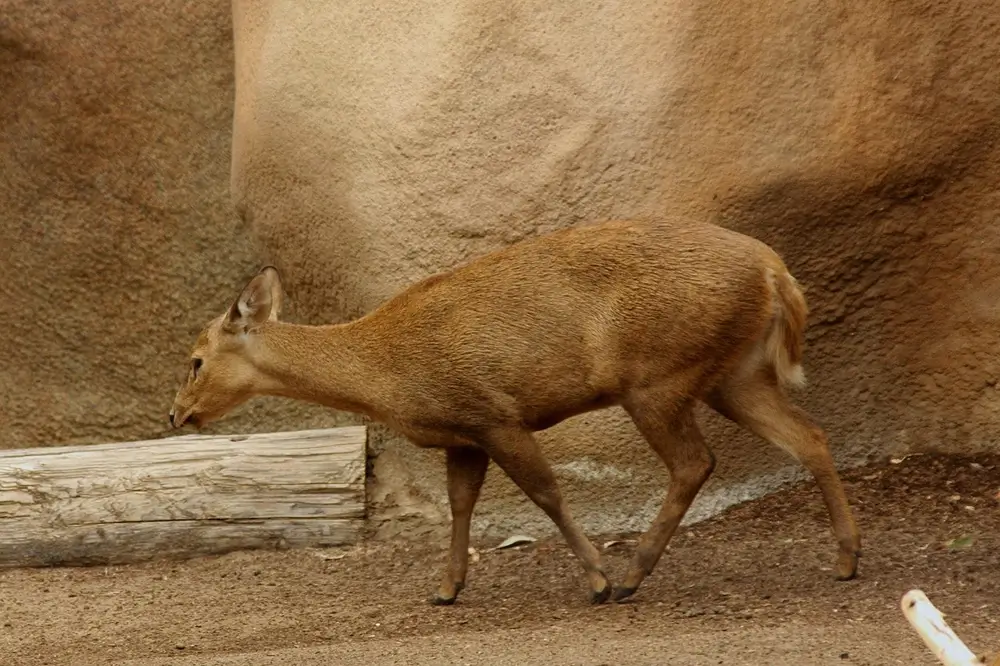
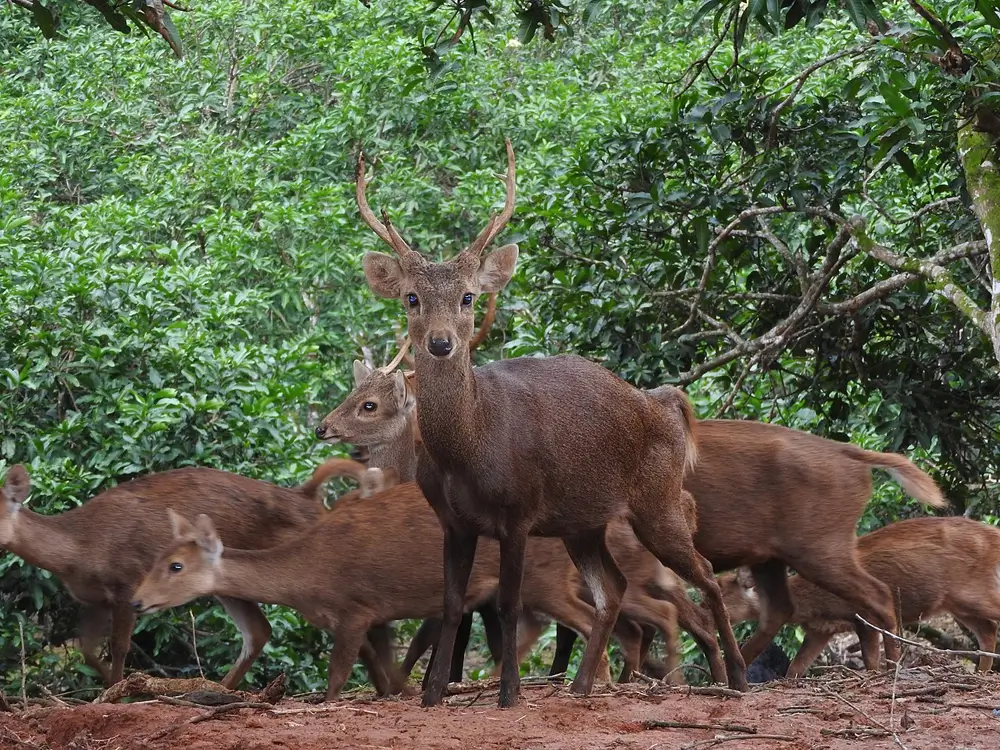
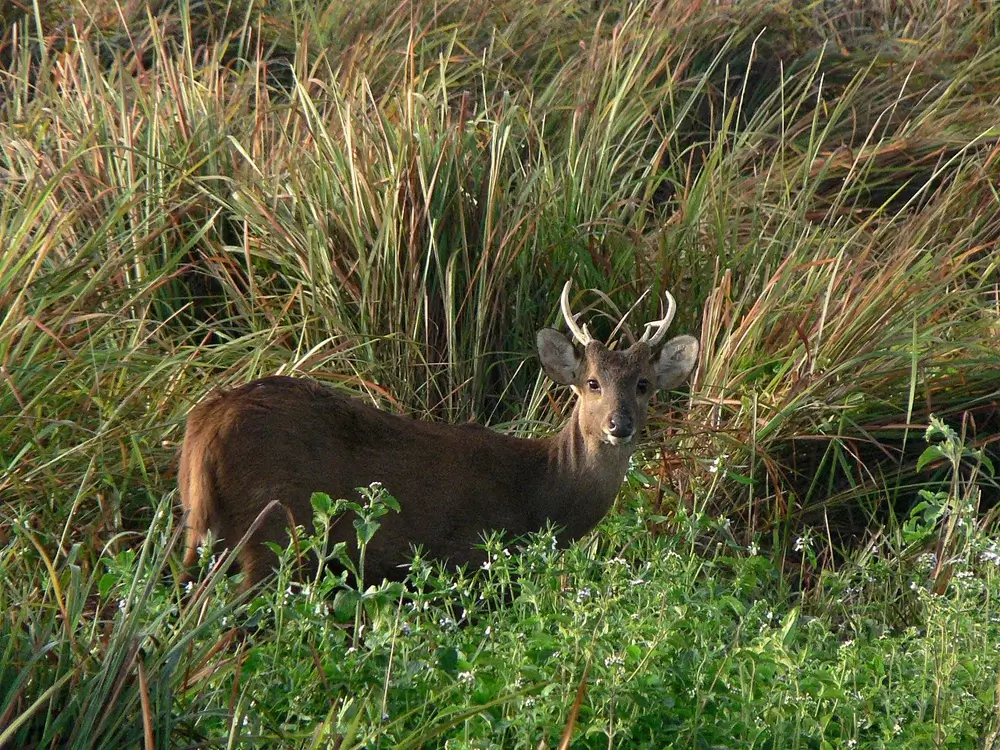
Hog Deer (Axis porcinus)
The hog deer was once found from Pakistan to China. It is now found in isolated populations in its former range. IUCN Red List Status: Endangered
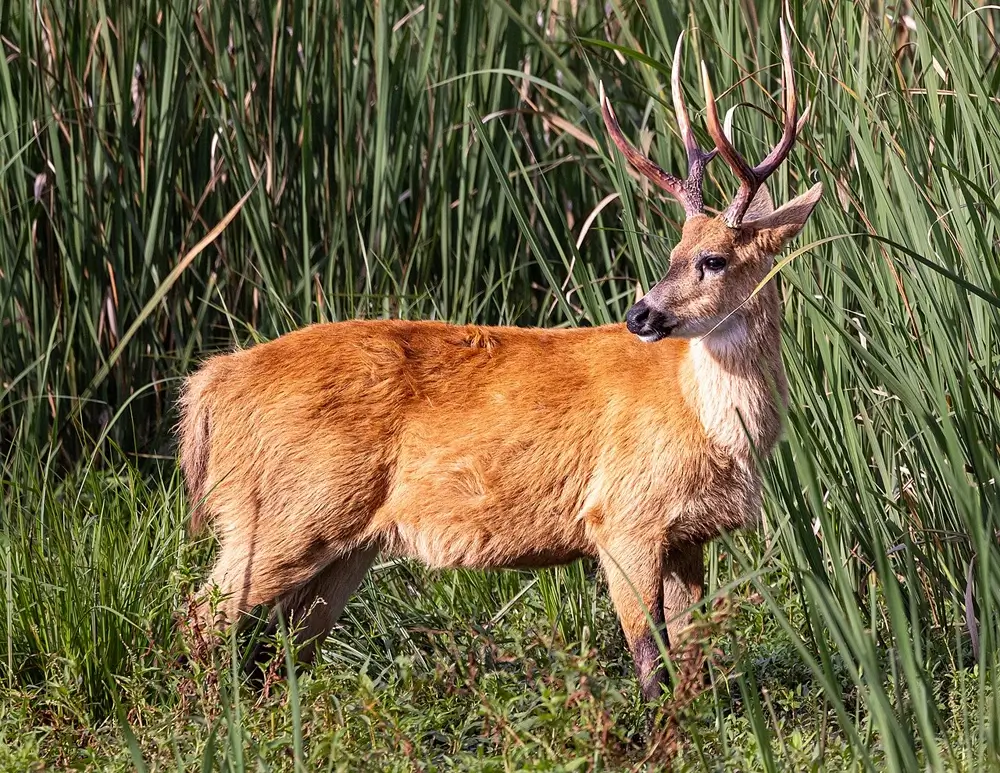
Marsh Deer (Blastocerus dichotomus)
The marsh deer is found in Peru and Brazil south through northeastern Argentina. It is the largest native deer species in South America. IUCN Red List Status: Vulnerable
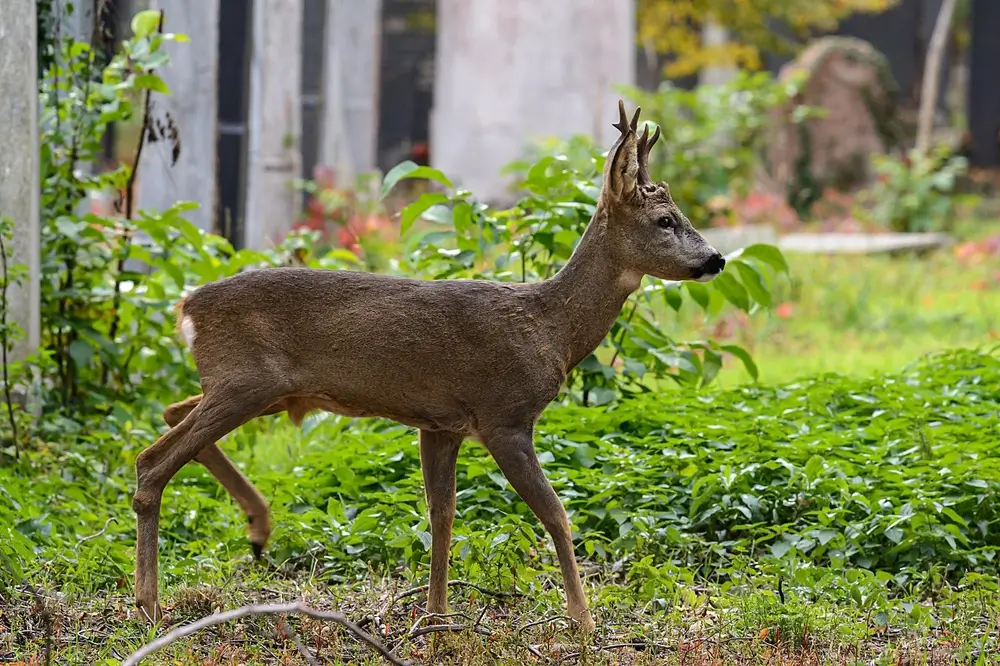
European Roe Deer (Capreolus capreolus)
The European roe deer is found across much of Europe. IUCN Red List Status: Least Concern
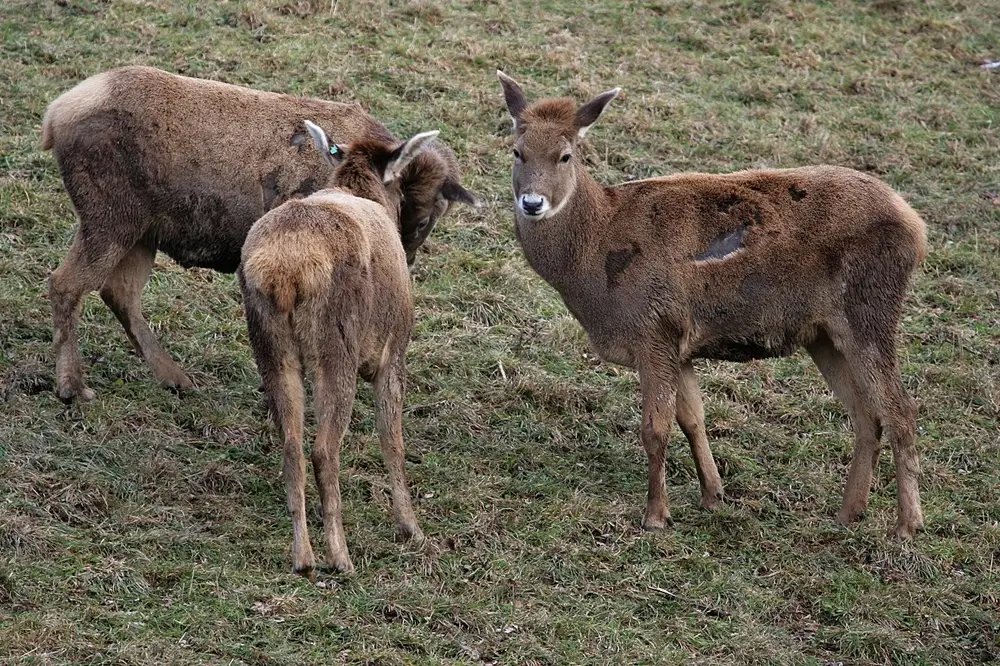
White-Lipped Deer (Cervus albirostris)
White-lipped deer are native to the Tibetan Plateau region of west central China. IUCN Red List Status: Vulnerable
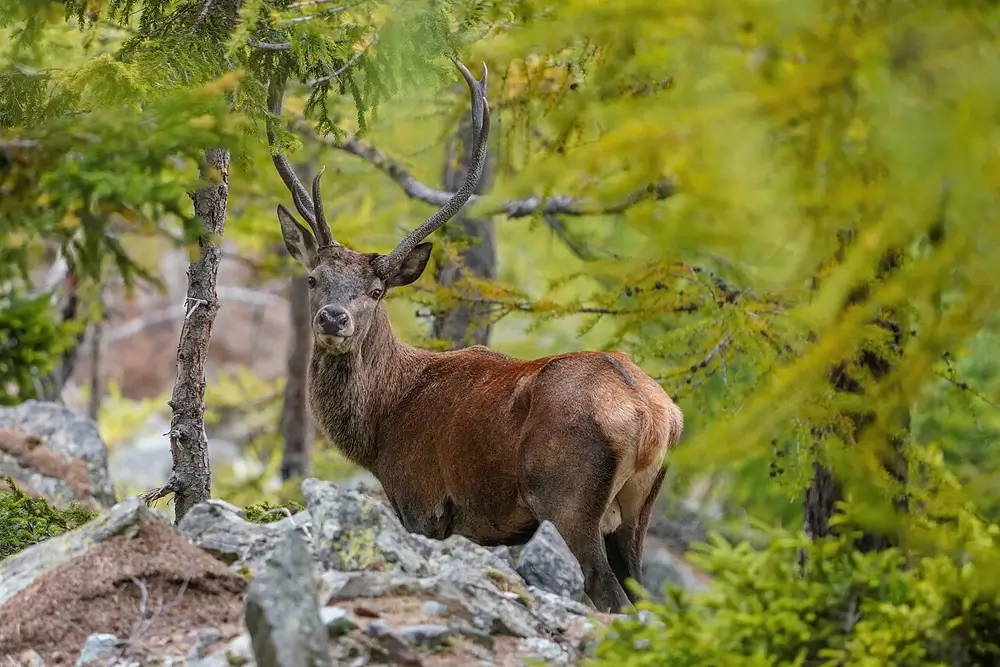
Red Deer (Cervus elaphus)
The red deer is found across much of Europe. IUCN Red List Status: Least Concern
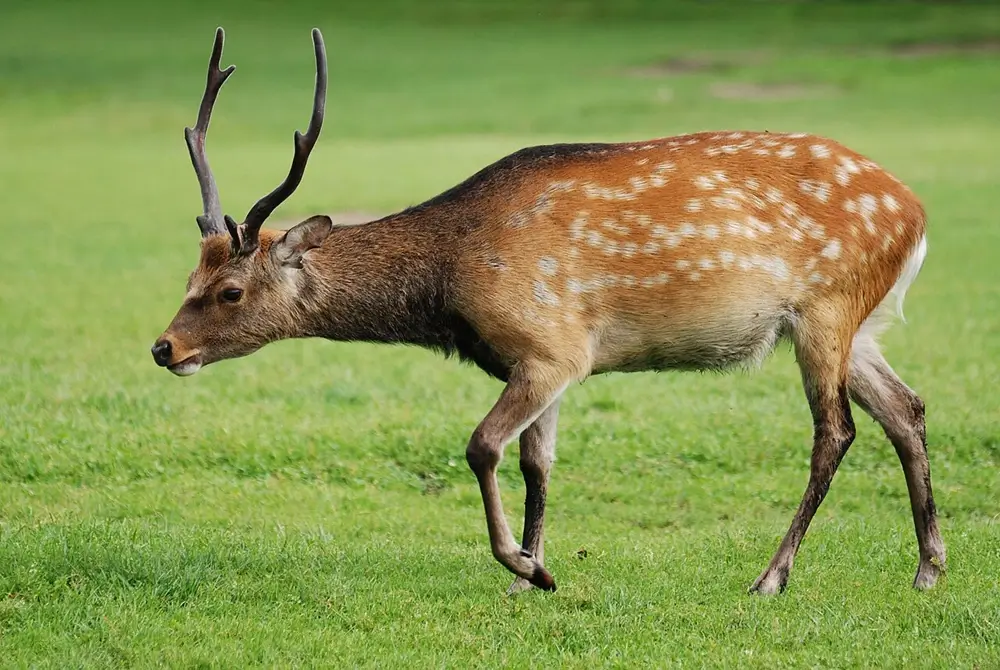
Sika Deer (Cervus nippon)
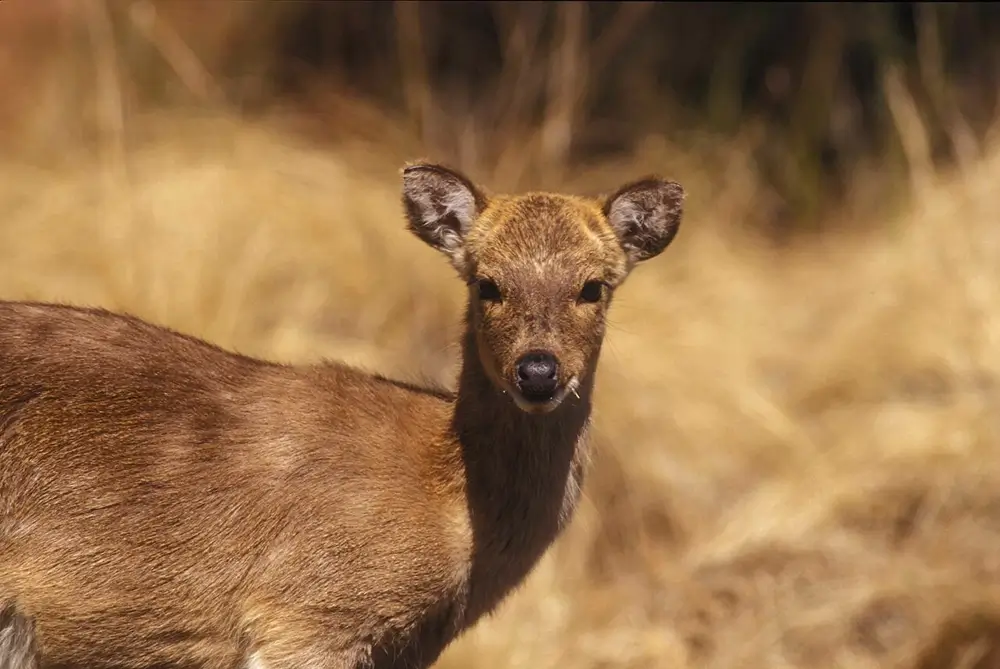
Sika deer are native to Siberia, China, Japan, Korea, Taiwan, and parts of Vietnam. They have been introduced around the world, including in the US. IUCN Red List Status: Least Concern
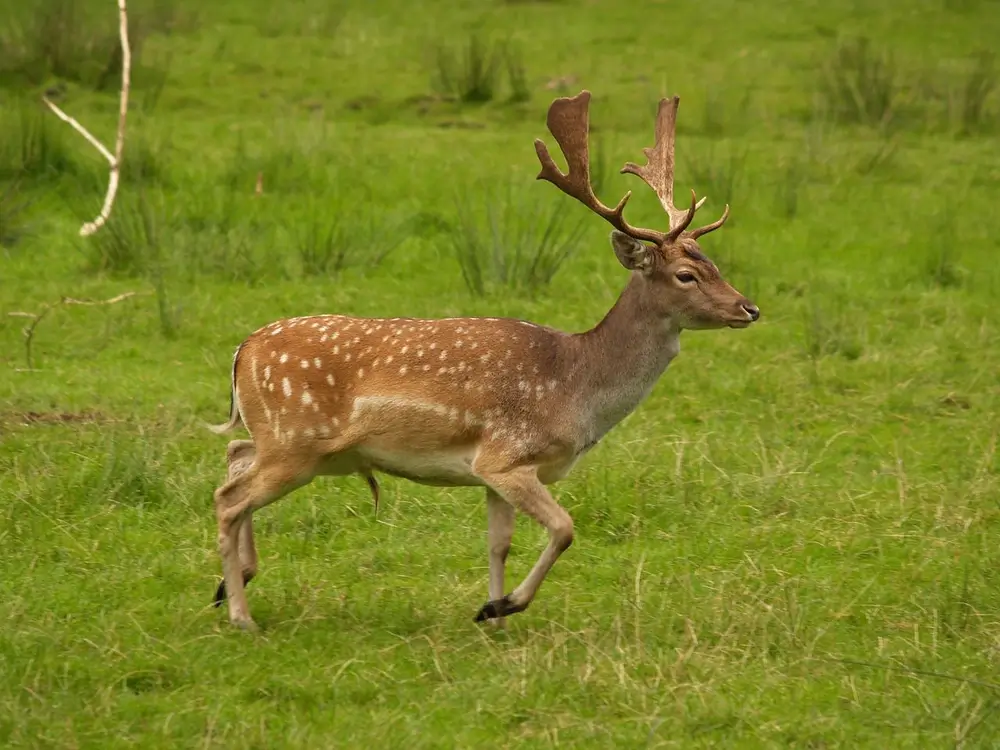
Fallow Deer (Dama dama)
Fallow deer are native to southern Europe, Asia and northern Africa. They have been introduced to locations around the world, including North America. IUCN Red List Status: Least Concern
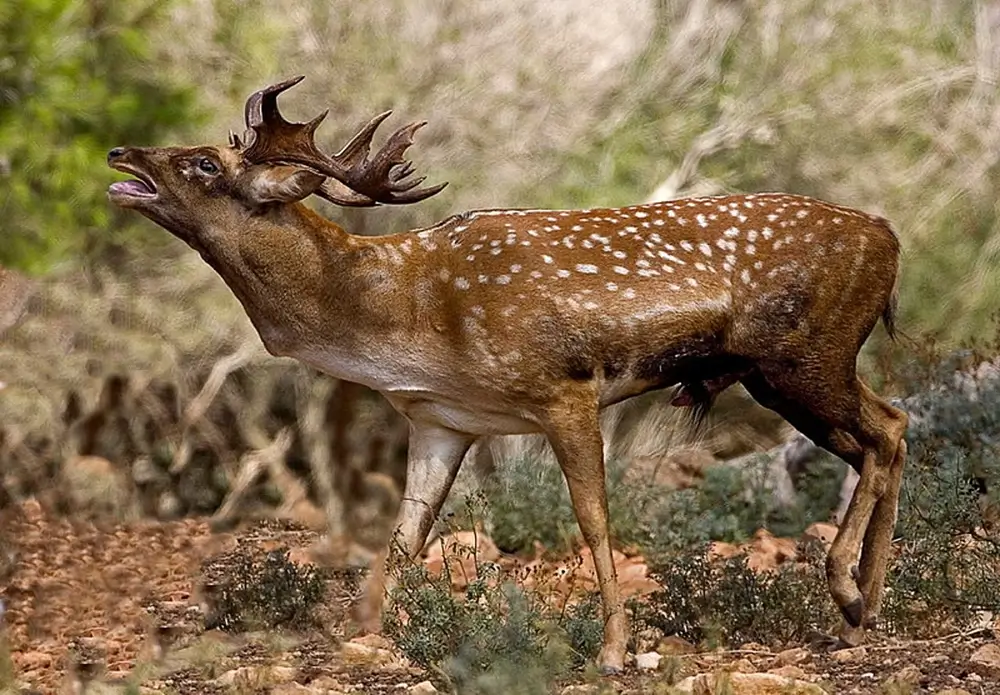
Persian Fallow Deer (Dama mesopotamica)
The Persian fallow deer is found in Iran. IUCN Red List Status: Endangered
Tufted Deer (Elaphodus cephalophus)
The tufted deer is found in northeast Myanmar and southern and central China. IUCN Red List Status: Near Threatened
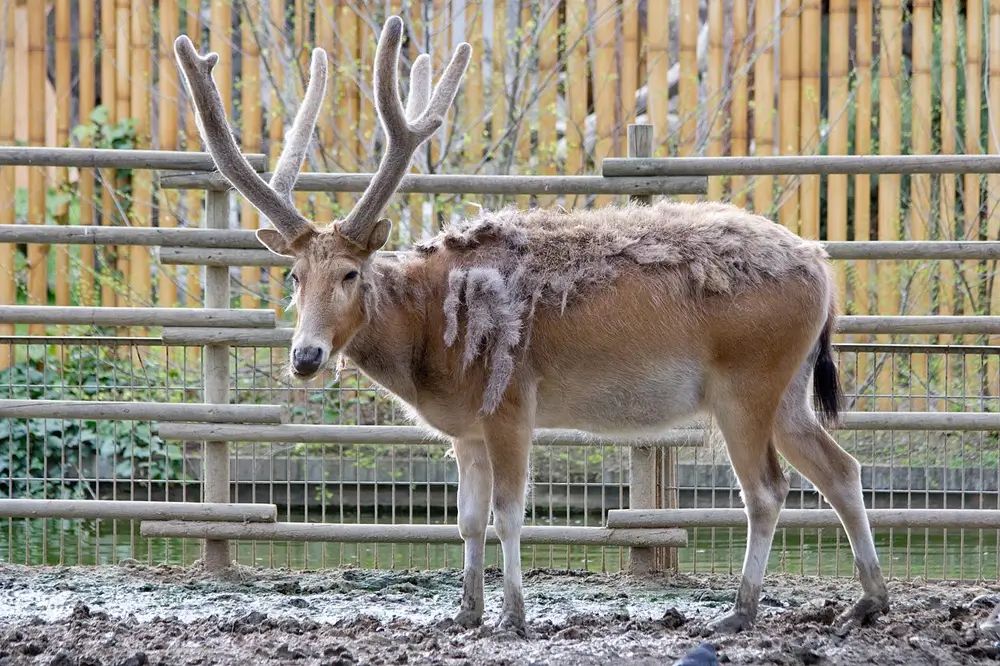
Père David's Deer (Elaphurus davidianus)
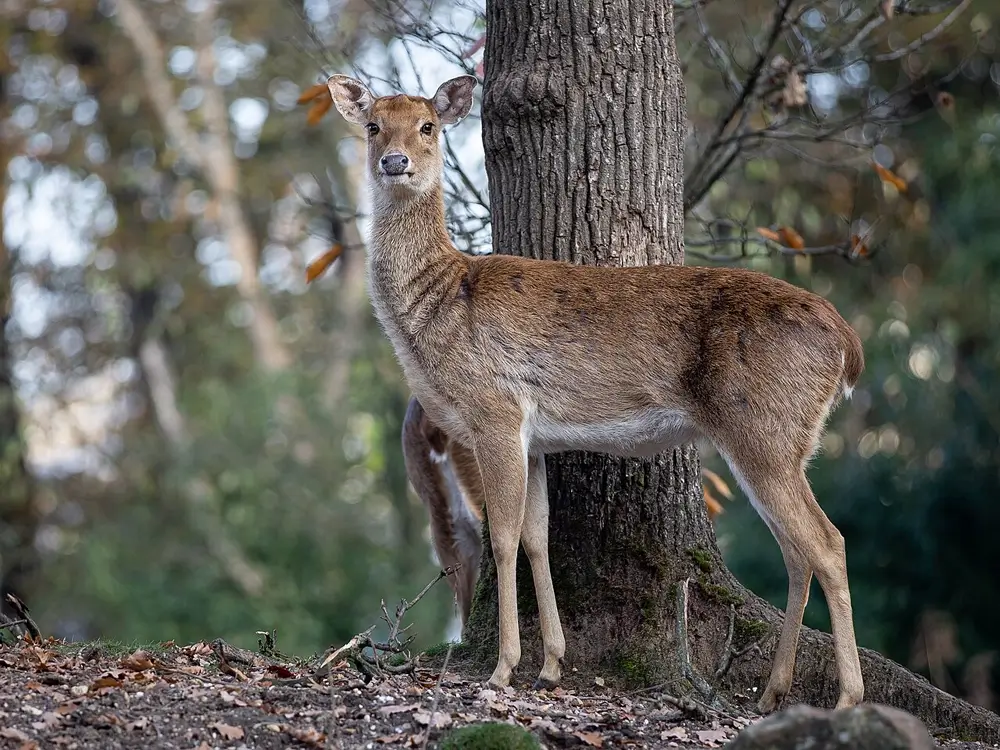
Pere David's deer is native to China. It is now extinct in the wild. It was probably extinct in the wild around the end of the Han Dynasty (AD 220), but a herd was kept in the Imperial Hunting Park south of Beijing. IUCN Red List Status: Extinct in the Wild
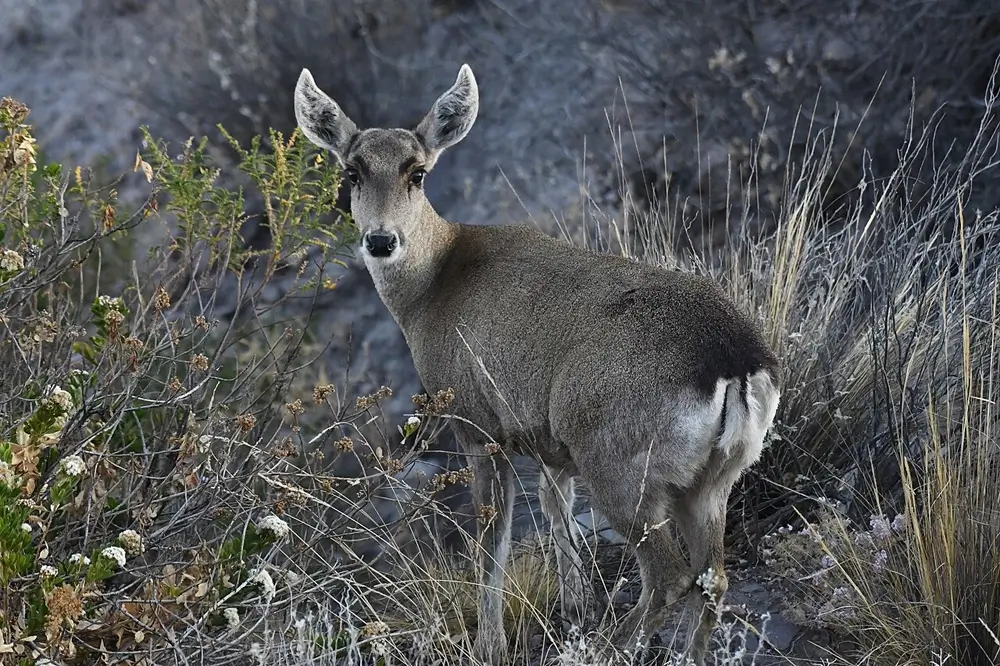
Taruca (Hippocamelus antisensis)
The taruca is also known as the Andean deer. It is found in Ecuador, Peru, Bolivia, Chile, and Argentina. IUCN Red List Status: Vulnerable
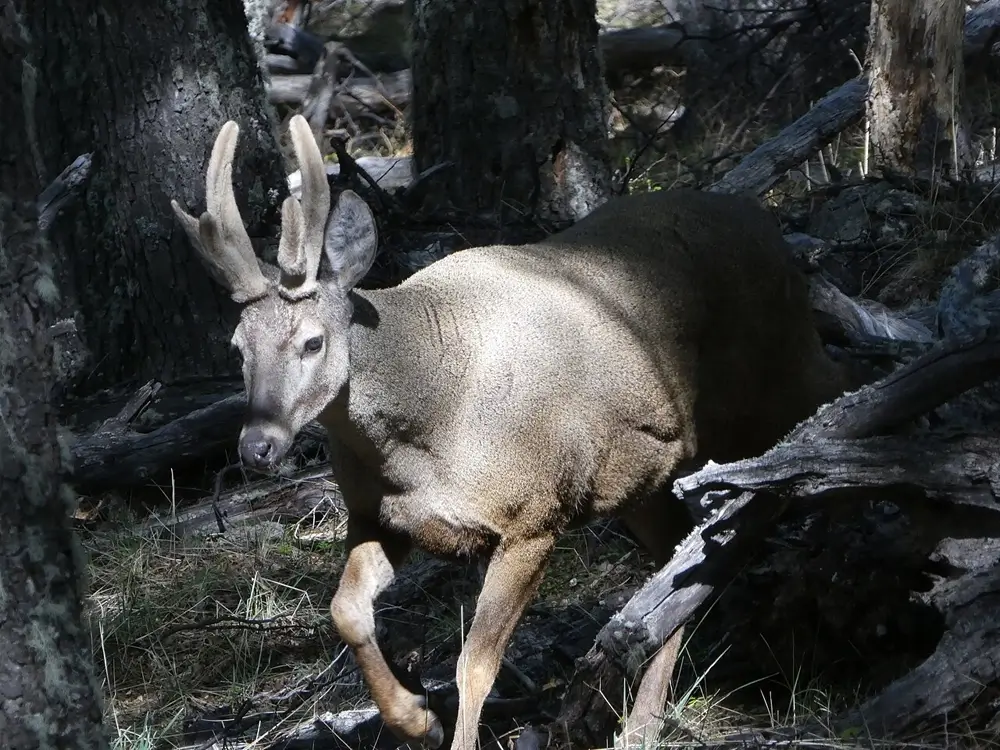
Chilean Huemul (Hippocamelus bisulcus)
The Chilean huemul is also known as the Patagonian huemul. It is found in Argentina and Chile. IUCN Red List Status: Endangered
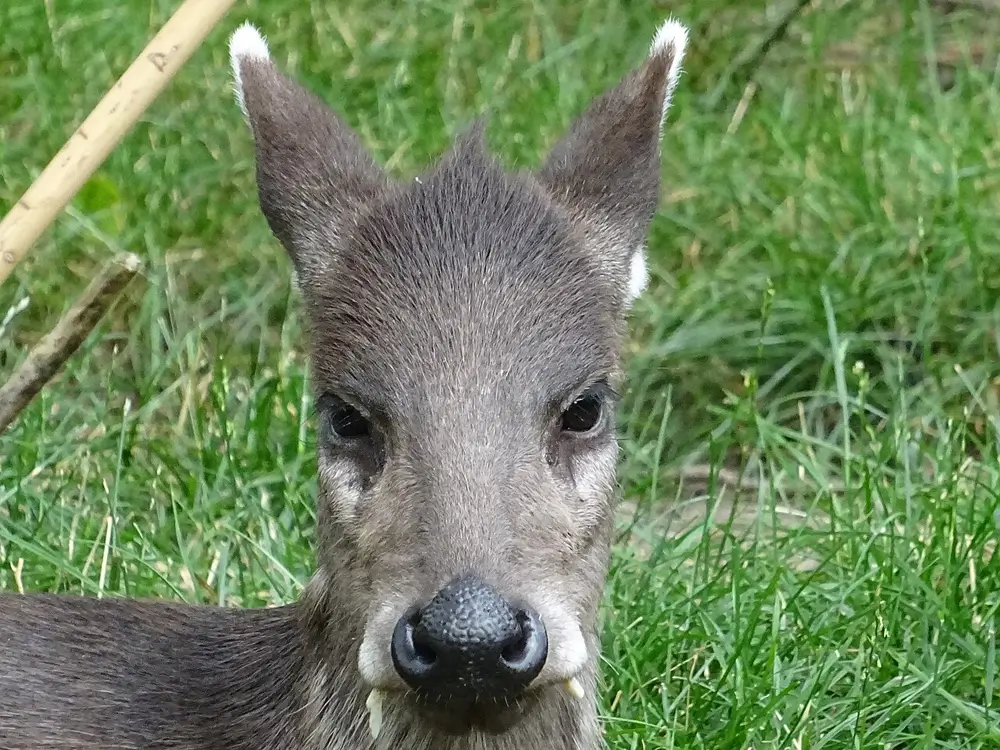
Chinese Water Deer (Hydropotes inermis)
The Chinese water deer is found in the lower Yangtze Basin of east-central China and in Korea. IUCN Red List Status: Vulnerable
Red Brocket (Mazama americana)
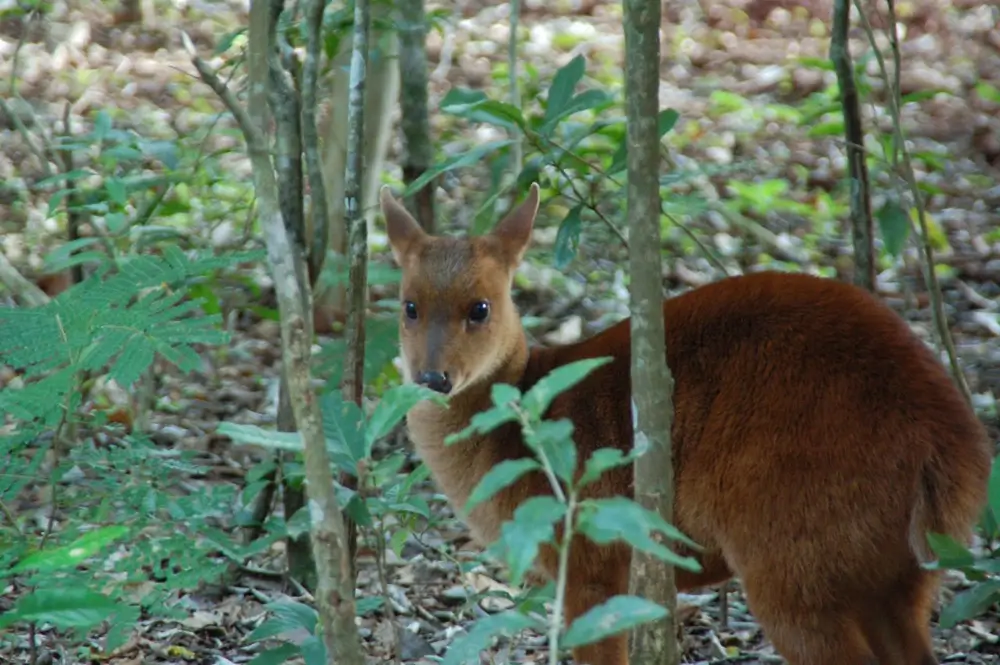
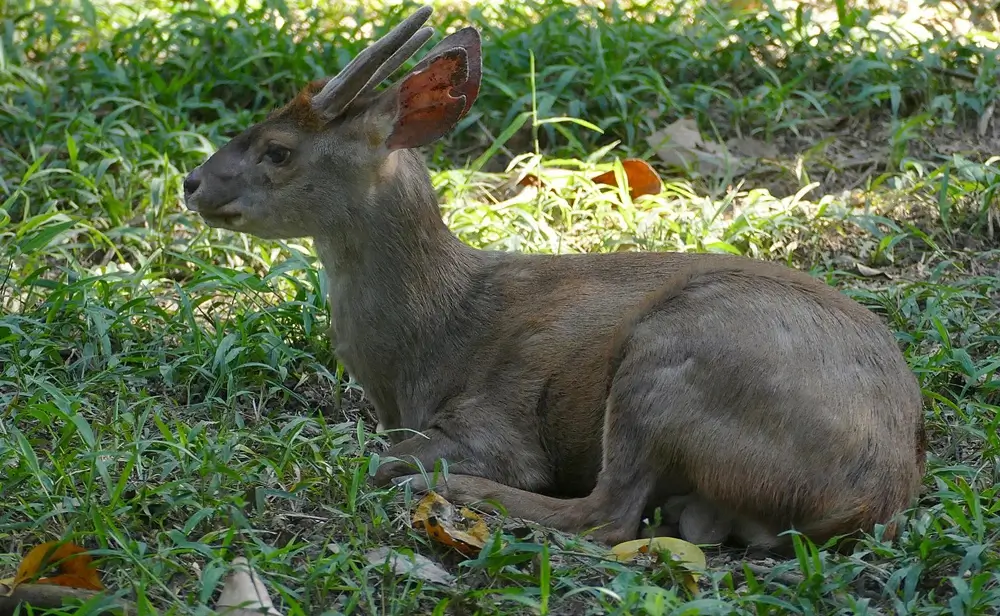
Red brockets are found from southern Mexico to northern Argentina. IUCN Red List Status: Deficient Data
Gray Brocket (Mazama gouazoubira)
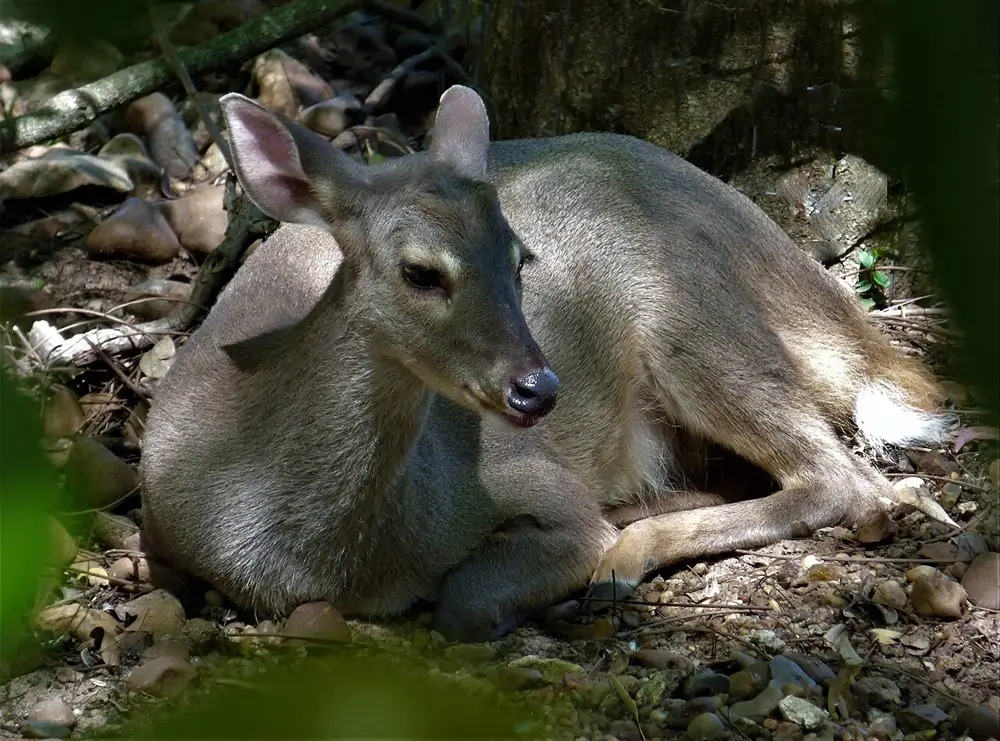
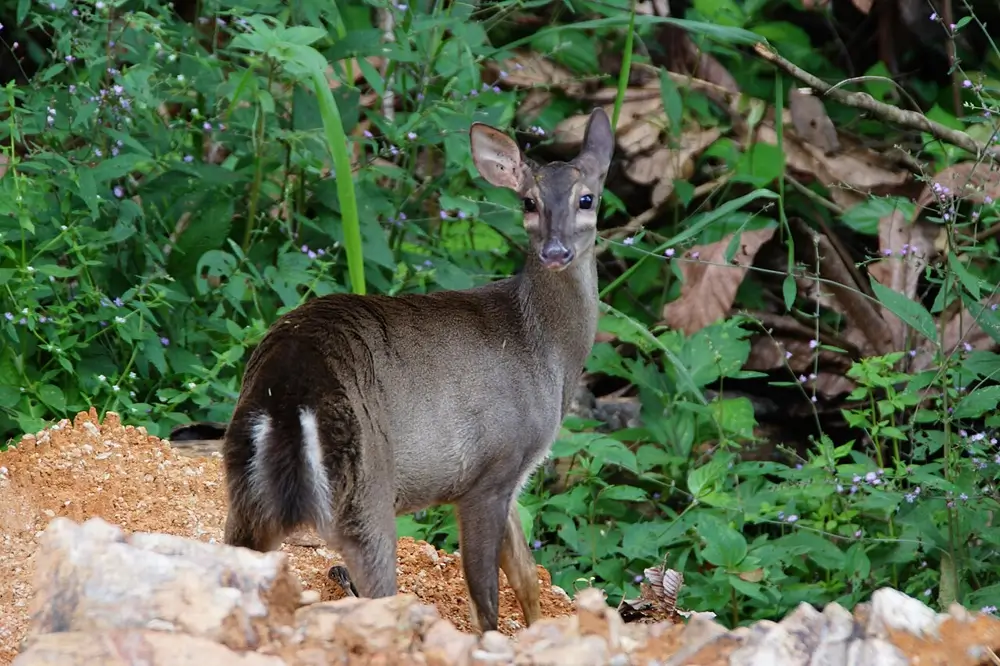
The gray brocket is found from southern Central America down through northern South America. IUCN Red List Status: Least Concern
Brazilian Dwarf Brocket (Mazama nana)
The Brazilian dwarf brocket is found in Argentina, Brazil, and Paraguay. IUCN Red List Status: Vulnerable
Amazonian Brown Brocket (Mazama nemorivaga)
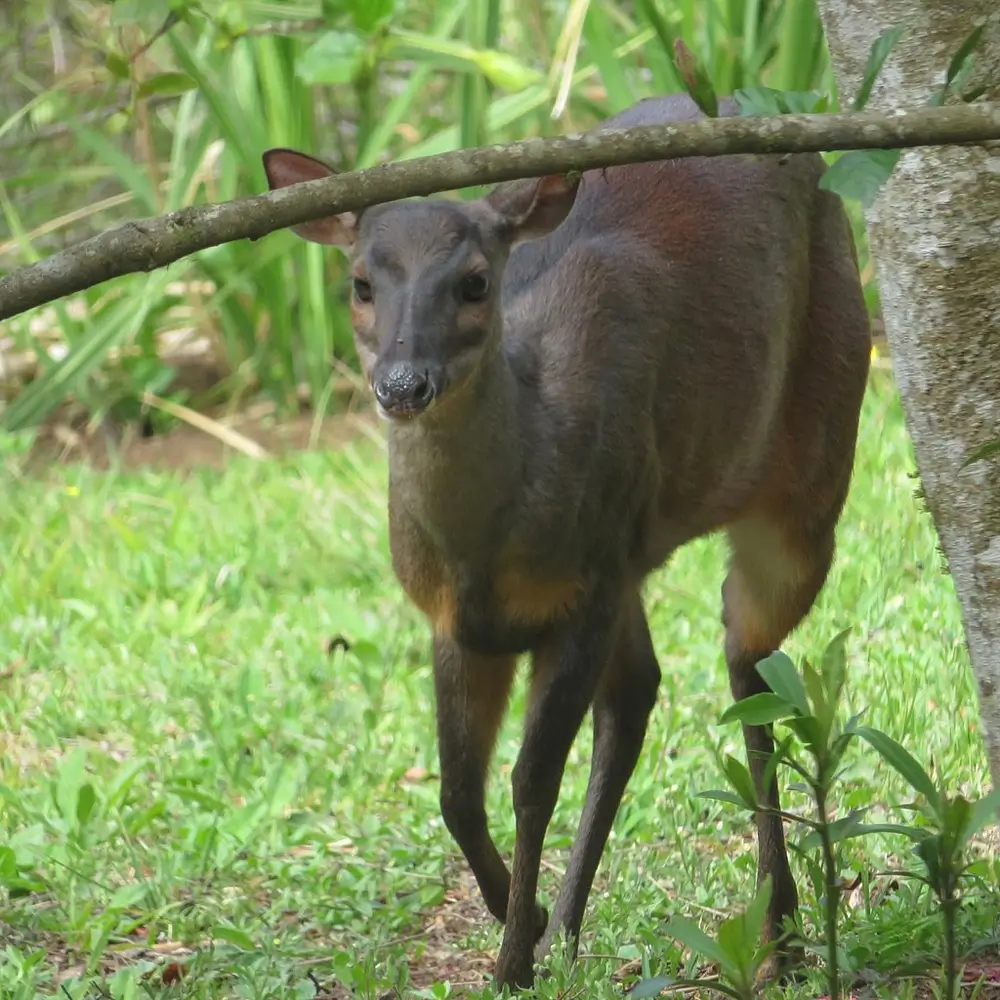
The Amazonian brown brocket is found in Brazil, Colombia, Ecuador, French Guiana, Guyana, Panama, Peru, Suriname, and Venezuela. IUCN Red List Status: Least Concern
Yucatan Brown Brocket (Mazama pandora)
The Yucatan brown brocket is found in Belize, Guatemala, and Mexico. IUCN Red List Status: Vulnerable
Dwarf Red Brocket (Mazama rufina)
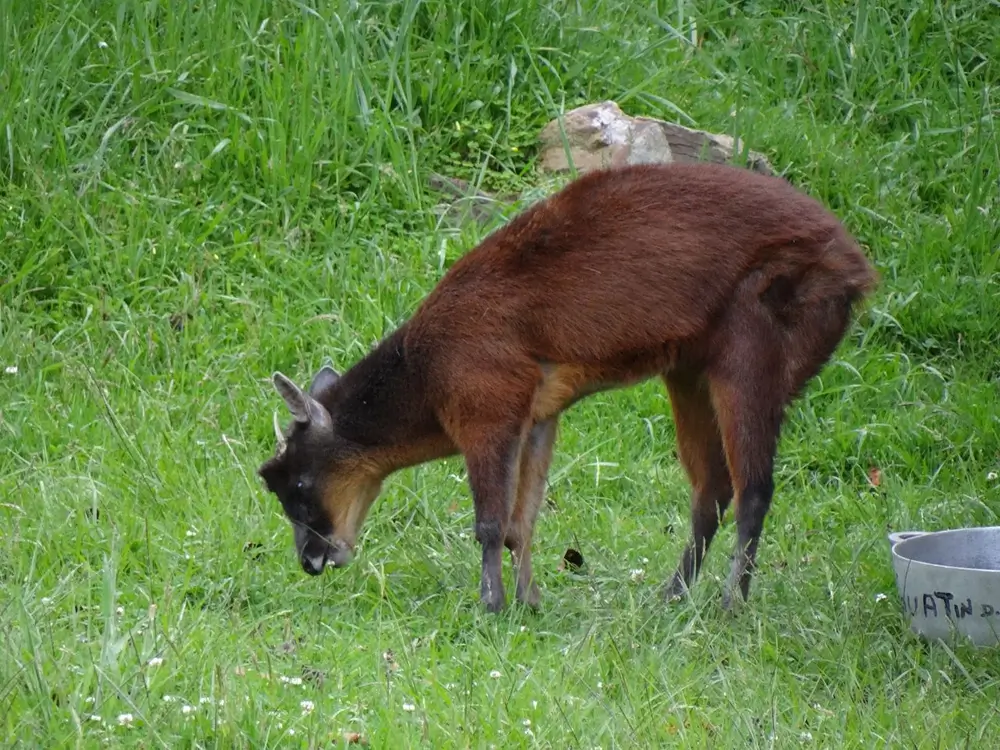
The Dwarf red brocket is found in Colombia, Peru, and Ecuador. IUCN Red List Status: Vulnerable
Central American Red Brocket (Mazama temama)
The Central American red brocket is found in Belize, Colombia, Costa Rica, El Salvador, Guatemala, Honduras, Mexico, Nicaragua, and Panama. IUCN Red List Status: Deficient Data
Fea's Muntjac (Muntiacus feae)
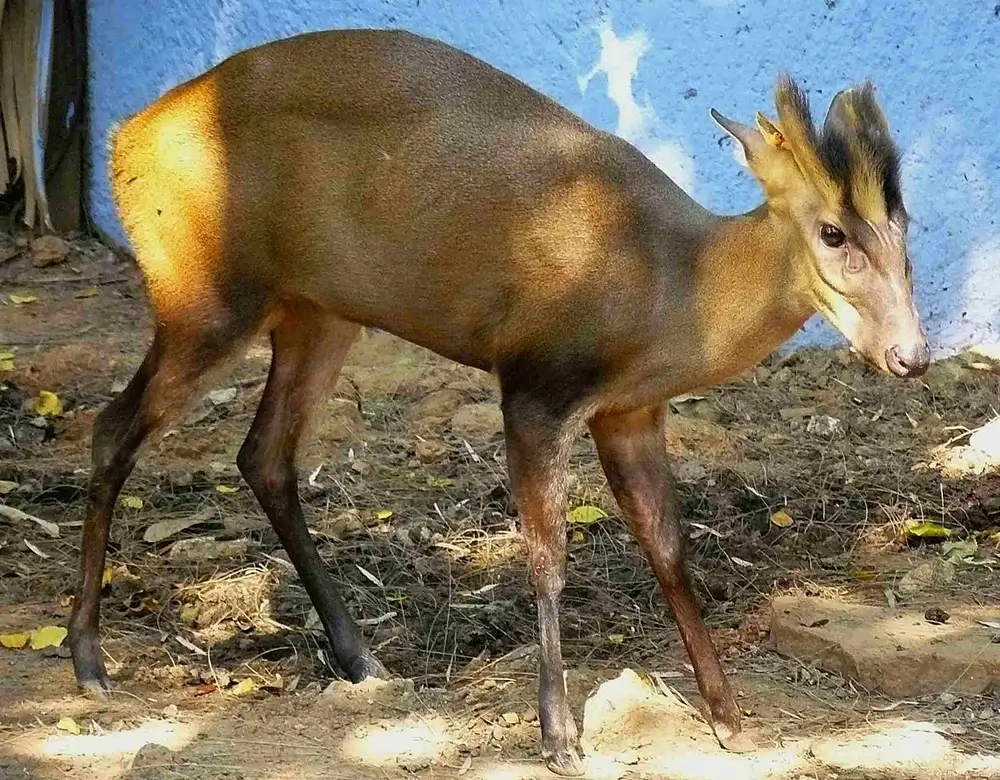
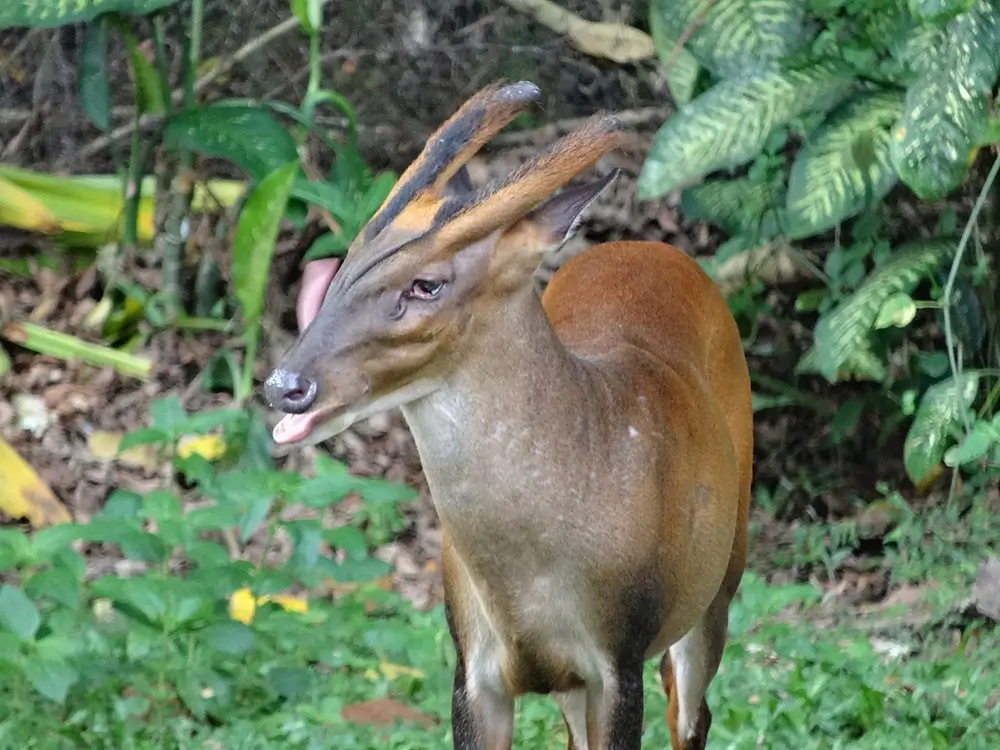
Fea's muntjacs are found in Thailand and southern Myanmar. IUCN Red List Status: Deficient Data
Southern Red Muntjac (Muntiacus muntjak)
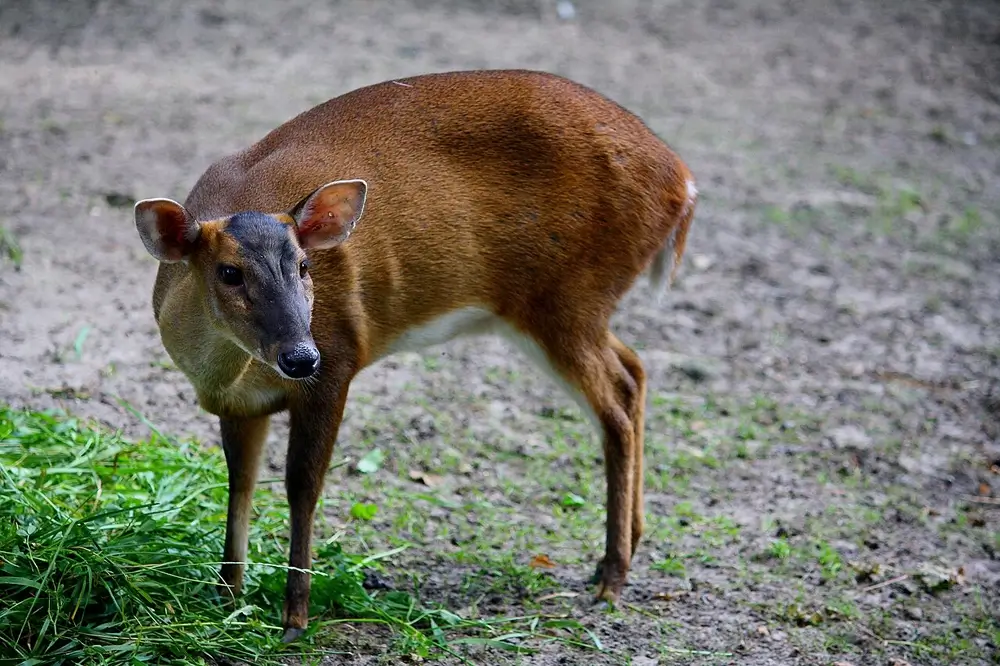
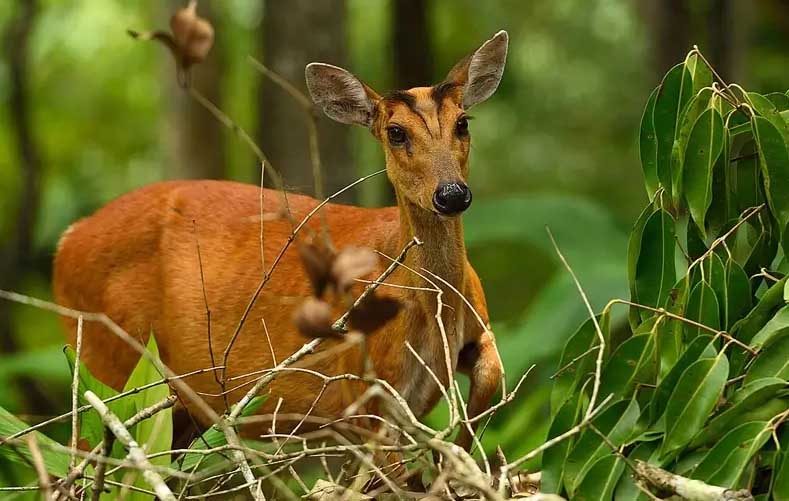
Southern red muntjacs are found in southern and southeastern Asia, from Pakistan east through India and Nepal, across southeast Asia and southern China. IUCN Red List Status: Least Concern
Reeves' Muntjac (Muntiacus reevesi)
Reeve's muntjacs are native to southeastern China and Taiwan. IUCN Red List Status: Least Concern
Northern Red Muntjac (Muntiacus vaginalis)
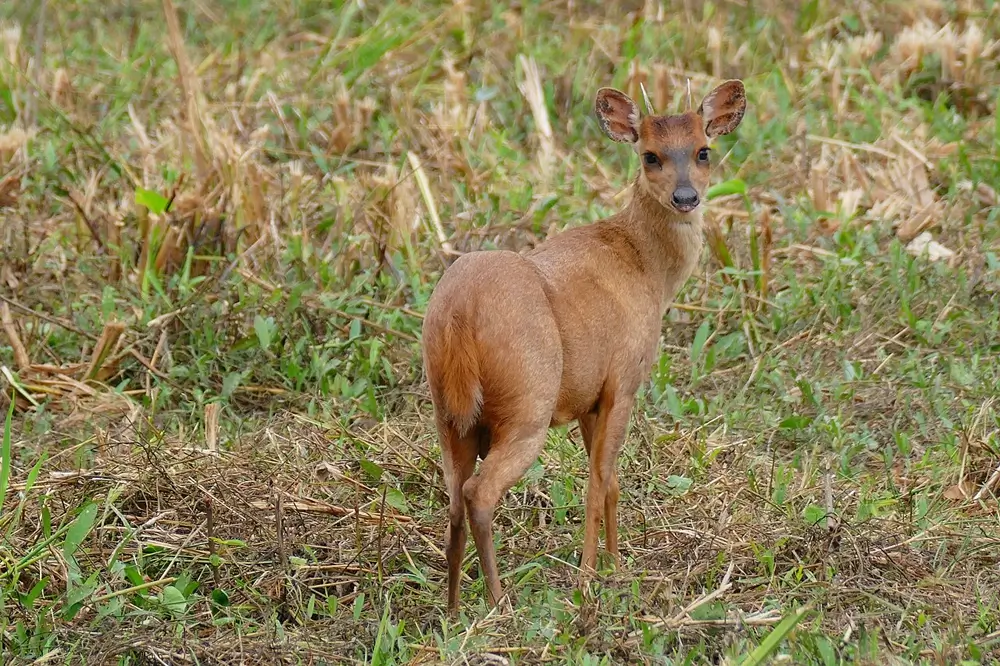
The northern red Muntjac is found in Bangladesh, Bhutan, Cambodia, China, Hong Kong, India, Laos, Myanmar, Nepal, Pakistan, Sri Lanka, Thailand, and Vietnam. IUCN Red List Status: Least Concern
Mule Deer (Odocoileus hemionus)
Mule deer are found in the western half of the US and Canada. They live in a broad range of habitats including forests, deserts, and brushlands. IUCN Red List Status: Least Concern
White-Tailed Deer (Odocoileus virginianus)
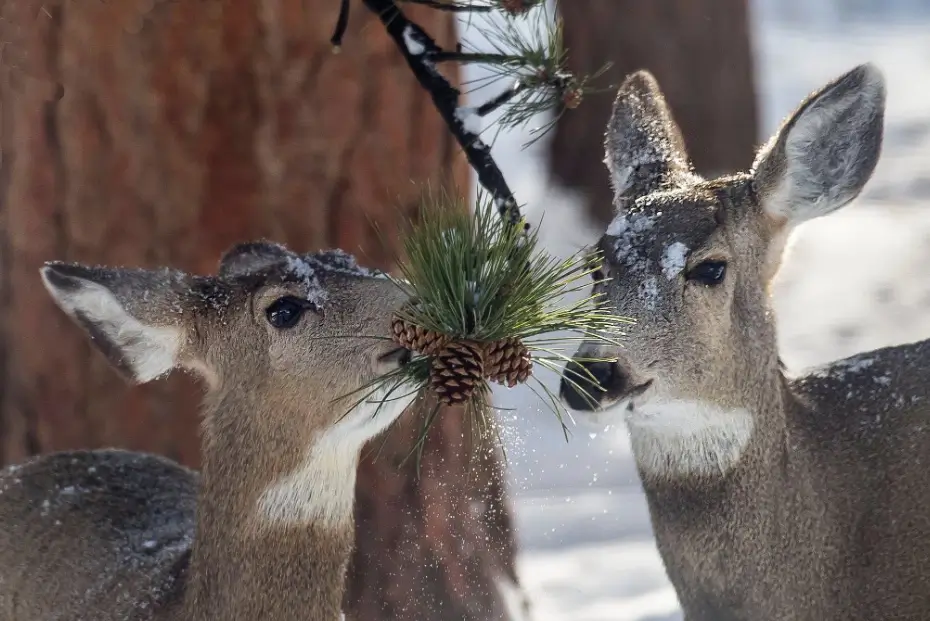
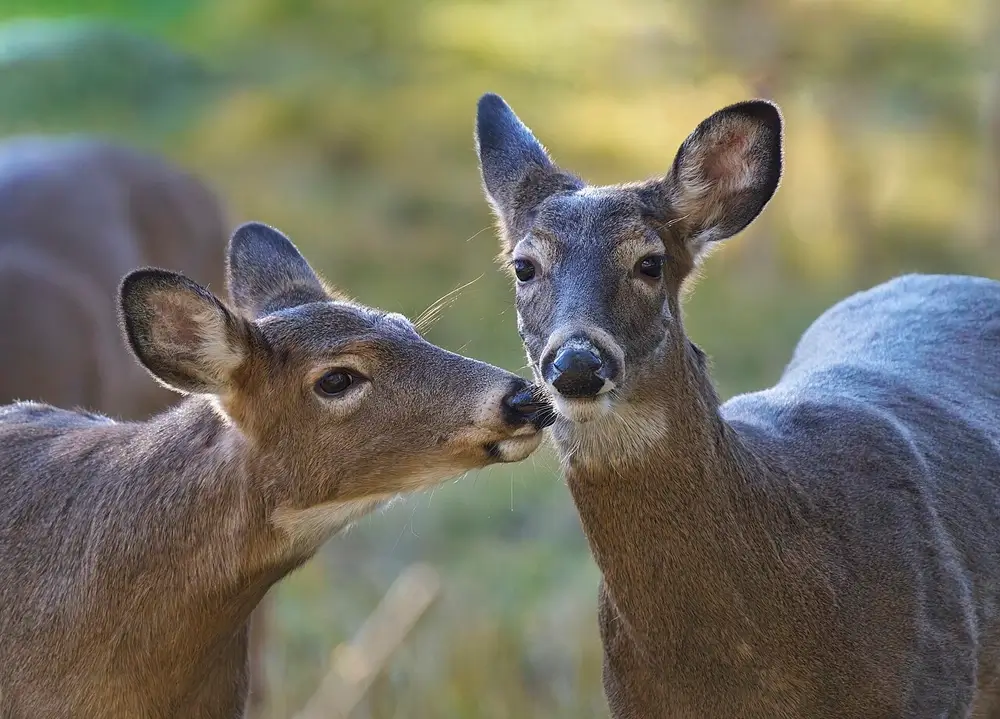
White-tailed deer are found in most of southern Canada and all of the mainland United States except two or three states in the west. Their range reaches throughout Central America to Bolivia. IUCN Red List Status: Least Concern
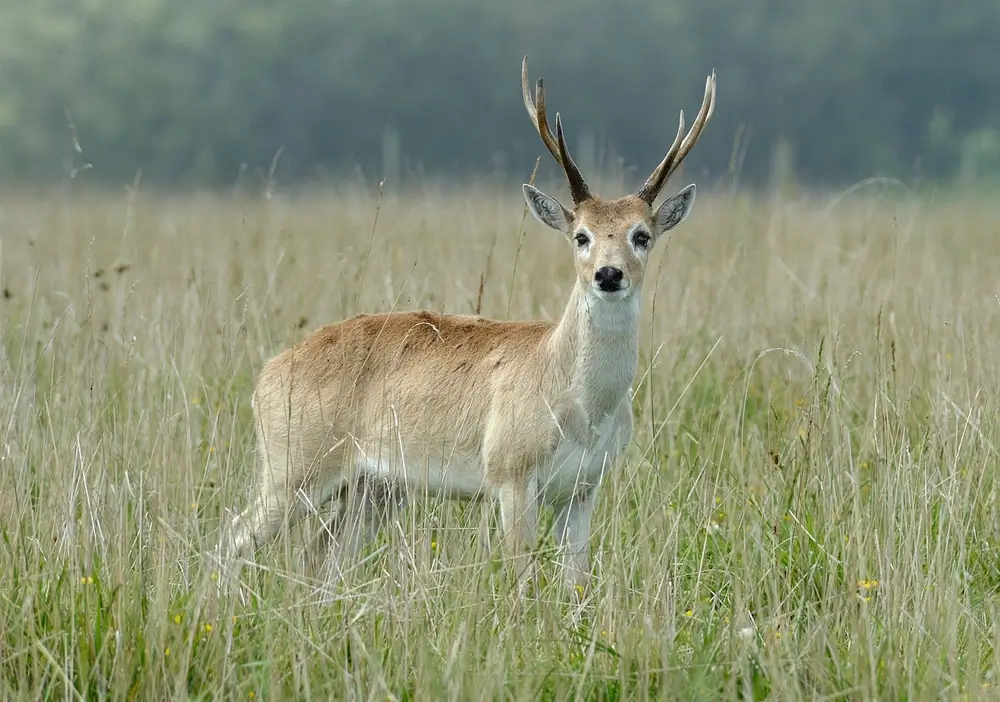
Pampas Deer (Ozotoceros bezoarticus)
The pampas deer once lived throughout the natural grasslands of eastern South America. Now the distribution is restricted to local populations. IUCN Red List Status: Near Threatened
Northern Pudu (Pudu mephistophiles)
The Northern Pudu is found in Colombia, Ecuador, and Peru. IUCN Red List Status: Deficient Data
Southern Pudu (Pudu puda)
Pudus are the smallest deer species in the world. They are the size of a small dog. Pudus are found in the rainforests in the temperate zones of Argentina and Chile. IUCN Red List Status: Near Threatened
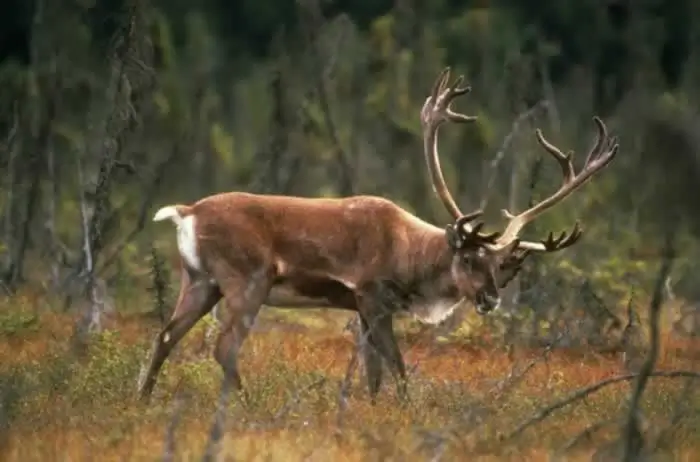
Caribou (Rangifer tarandus)
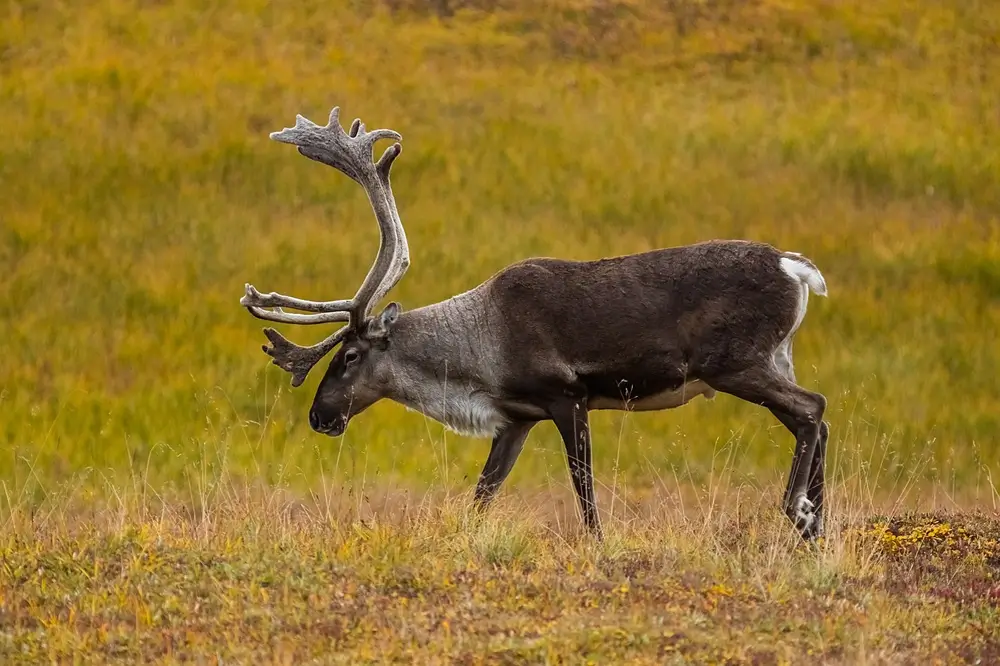
Caribou are also known as reindeer. They are a circumpolar species. That means they are found in regions around the North Pole. They were once found as far south as Maine. IUCN Red List Status: Vulnerable
Barasingha (Rucervus duvaucelii)
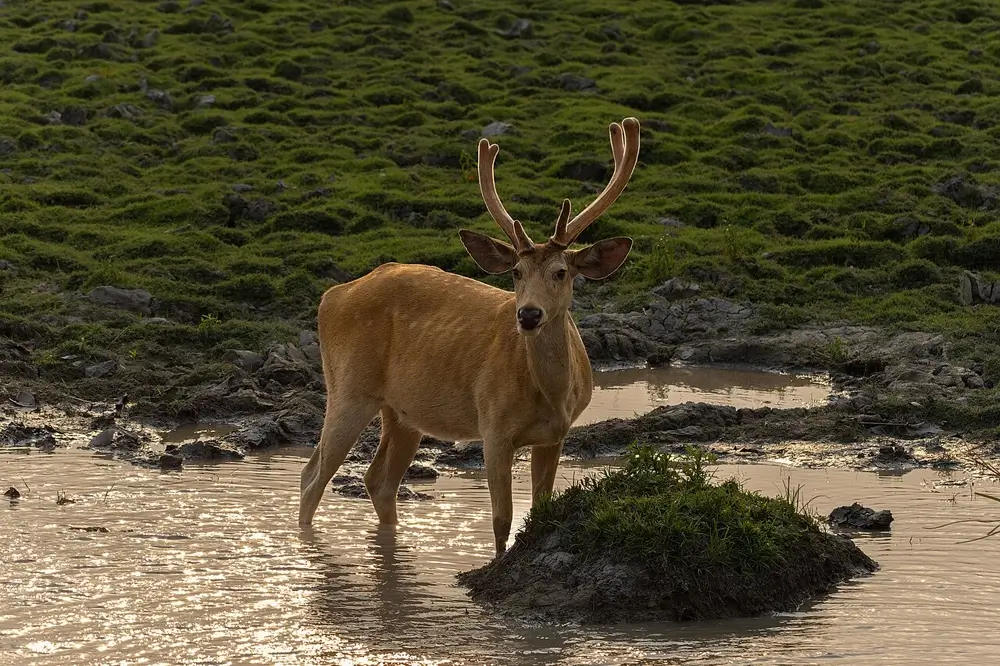
Barasingha, or swamp deer, were once distributed throughout the Indian peninsula, but today are only found in areas of central and northern India and southern Nepal. IUCN Red List Status: Vulnerable
Eld's Deer (Rucervus eldii)
Eld's deer are found in Cambodia, China, India, Laos, and Myanmar. IUCN Red List Status: Endangered
Visayan Spotted Deer (Rusa alfredi)
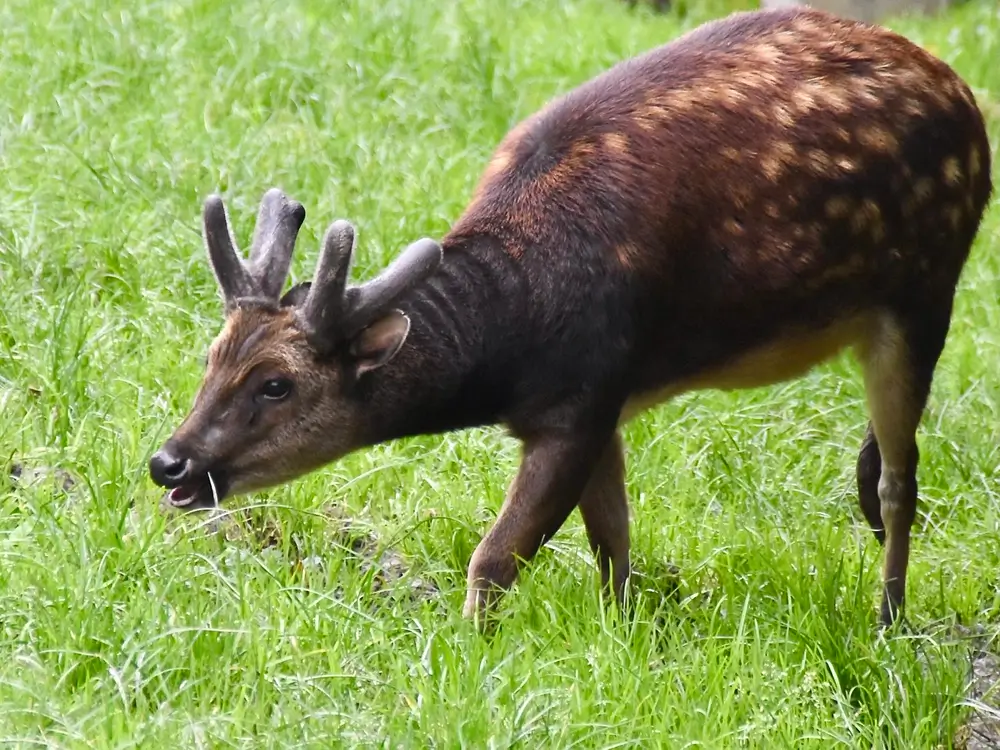
Visayan spotted deer, also known as Philippine spotted deer, are found only on the Visayan Islands in the central Philippines. IUCN Red List Status: Endangered
Philippine Deer (Rusa marianna)
The Philippine deer is found in the Philippines. IUCN Red List Status: Vulnerable
Javan Deer (Rusa timorensis)
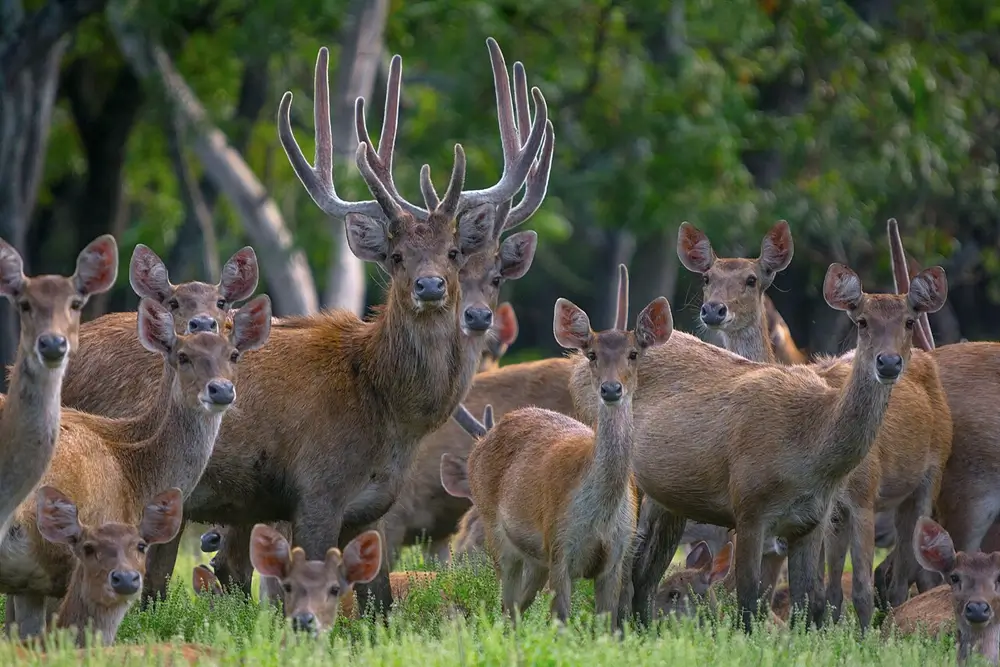
The Javan deer, also known as the Javan rusa, is found on most of the islands of Southeast Asia. IUCN Red List Status: Vulnerable
Sambar (Rusa unicolor)
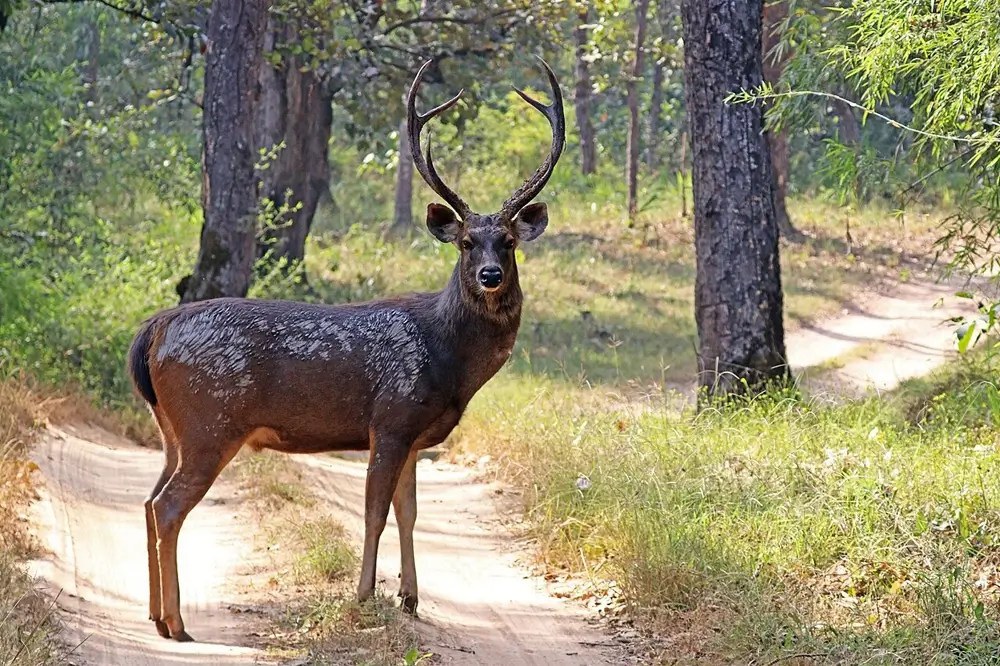
Sambars are native to India, Pakistan, Myanmar, Sri Lanka, the Philippines, southern China, Taiwan, Malaysia, Borneo, Sumatra, and Java. IUCN Red List Status: Vulnerable