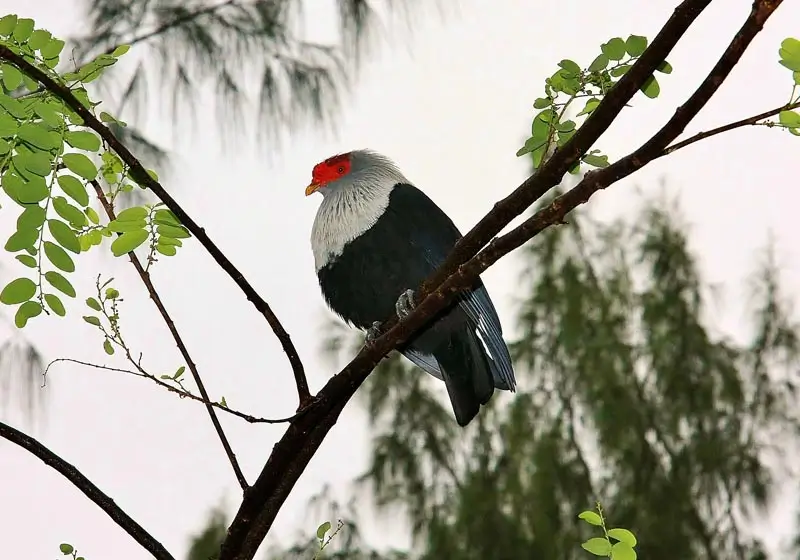
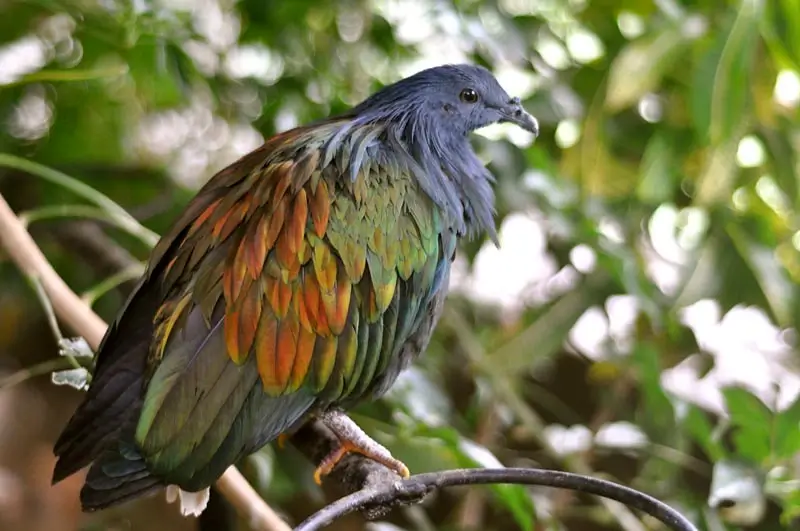
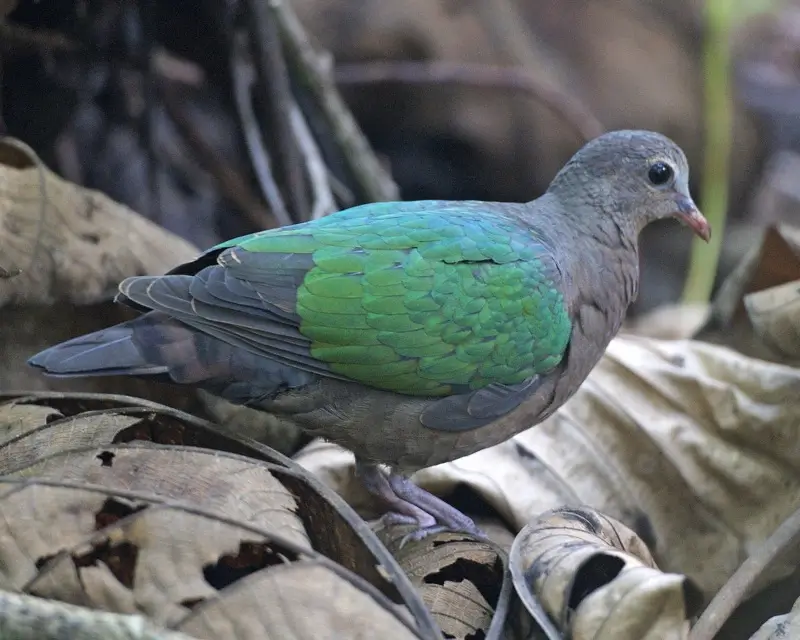
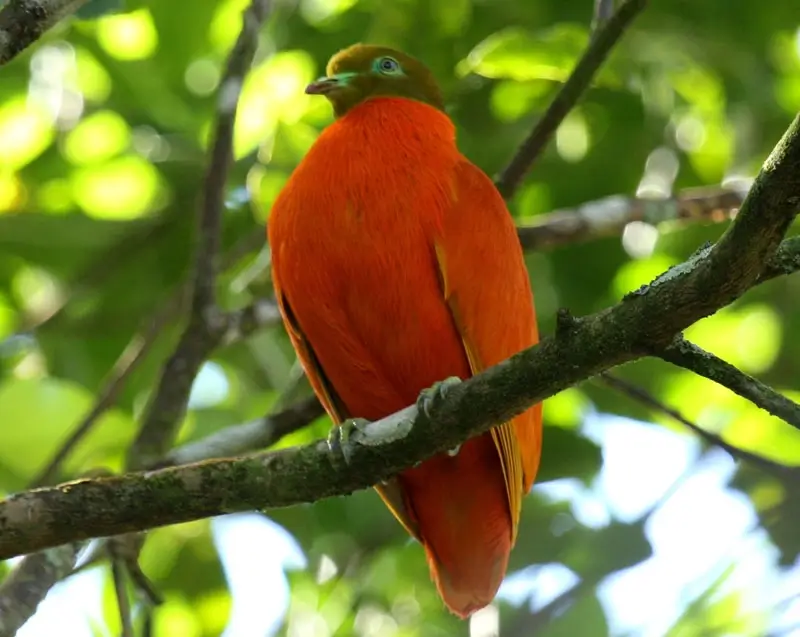
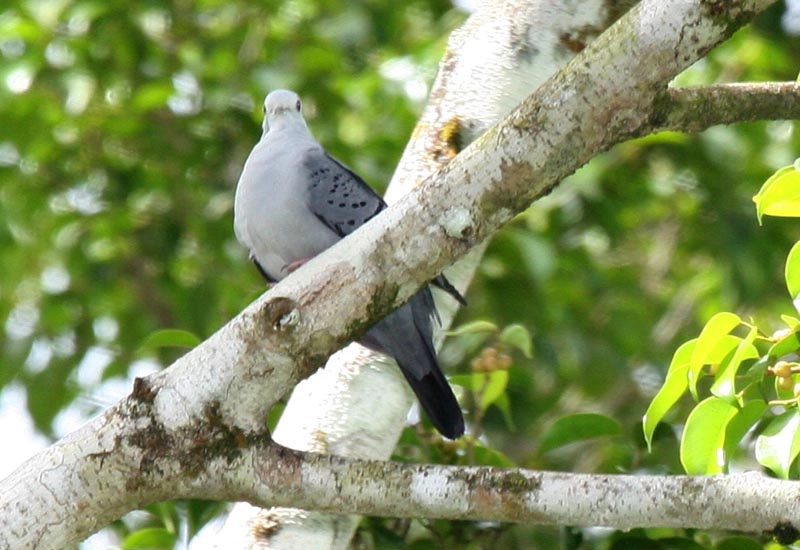
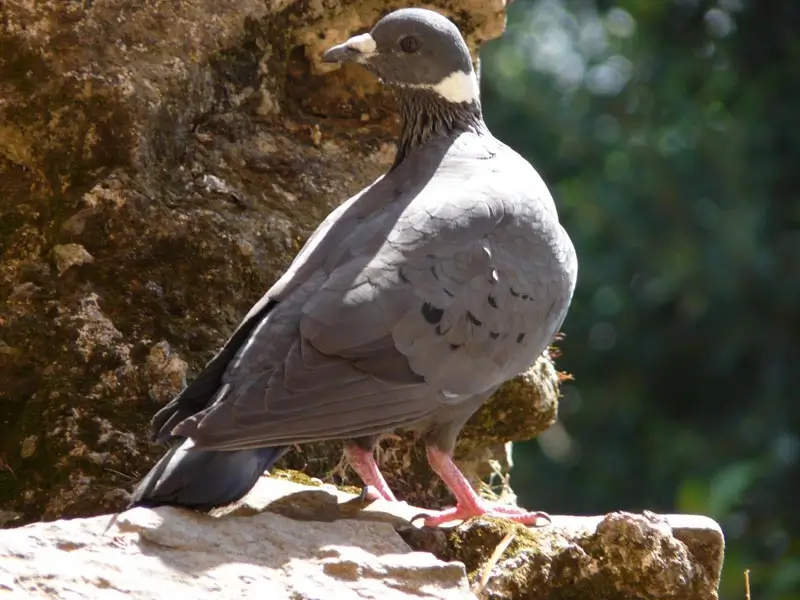
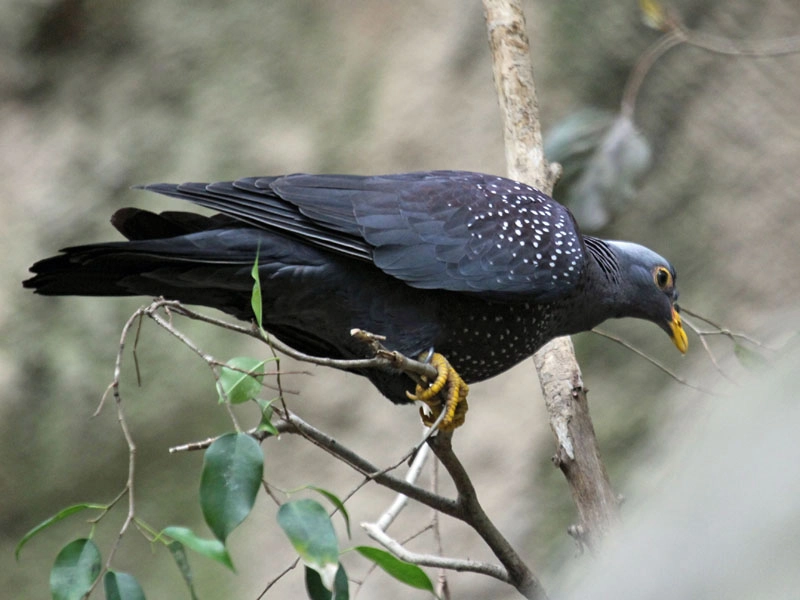
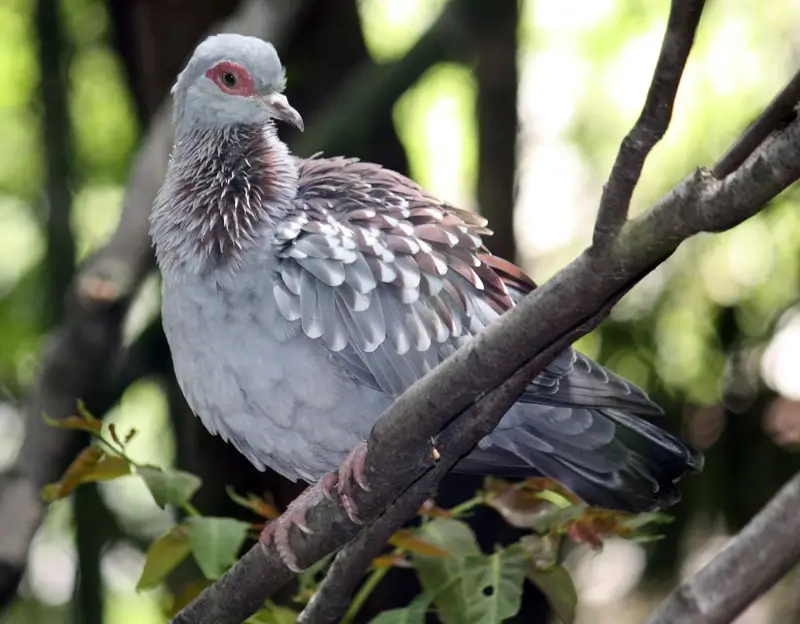
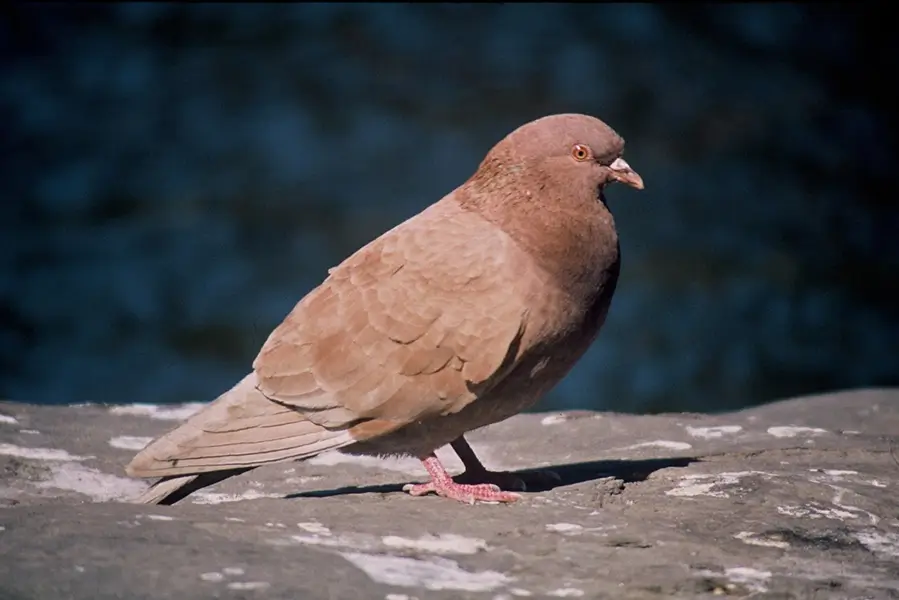
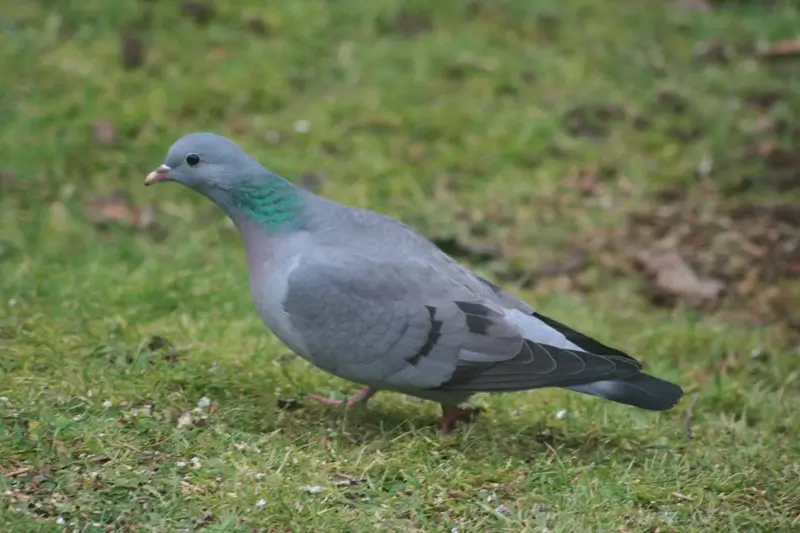
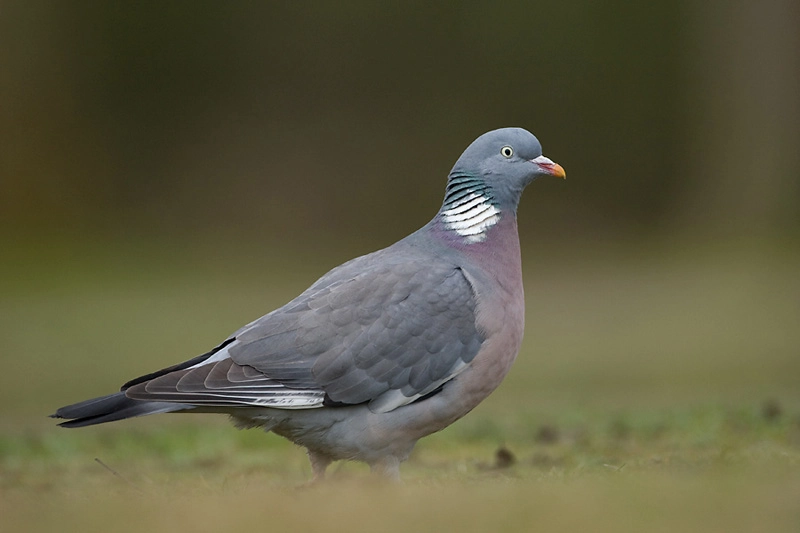
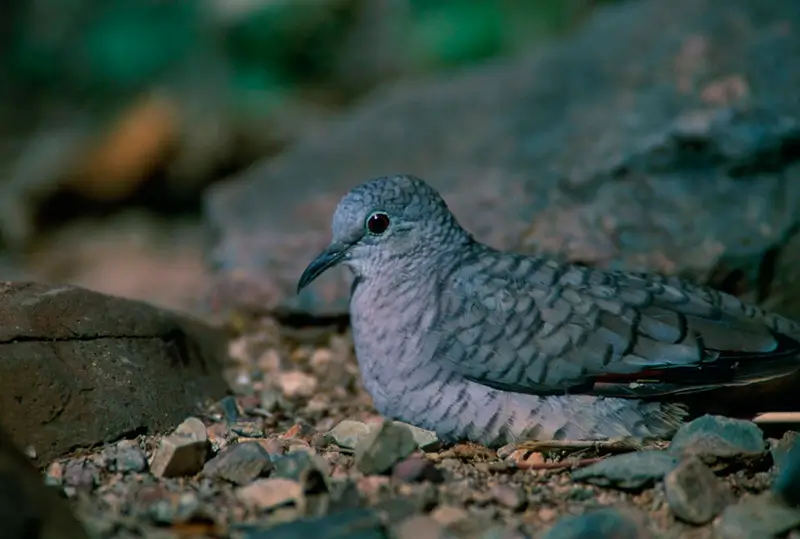
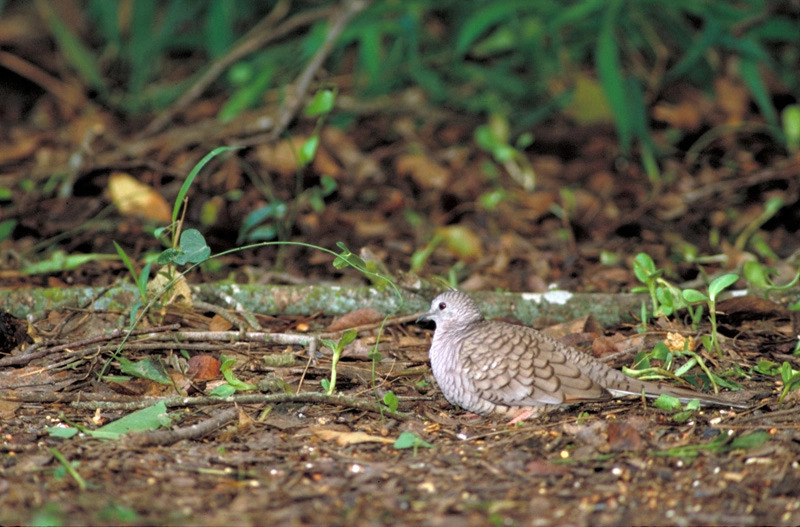
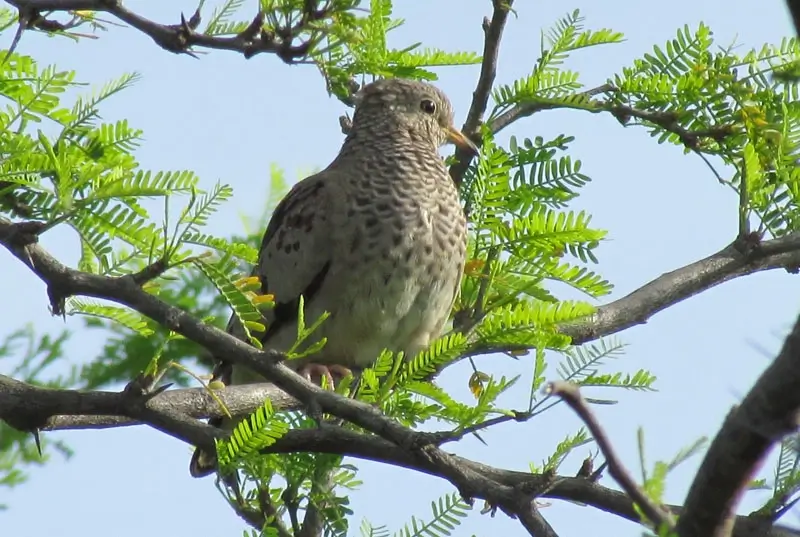
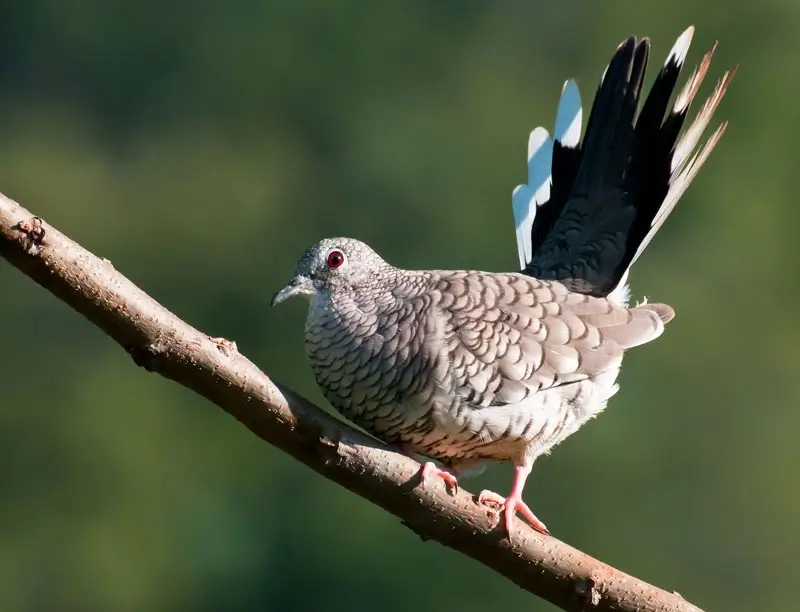
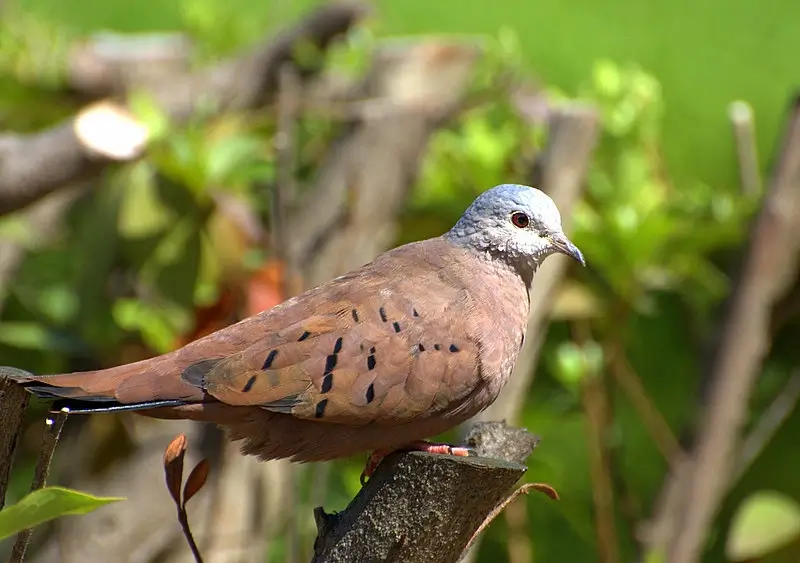
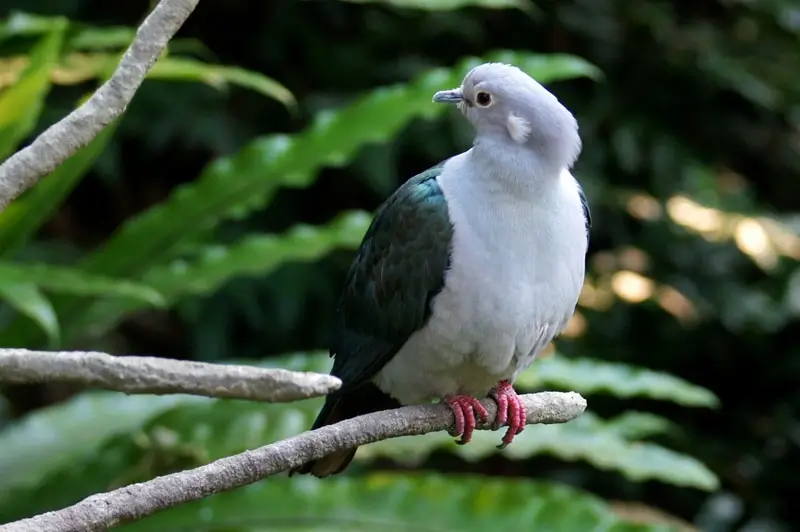
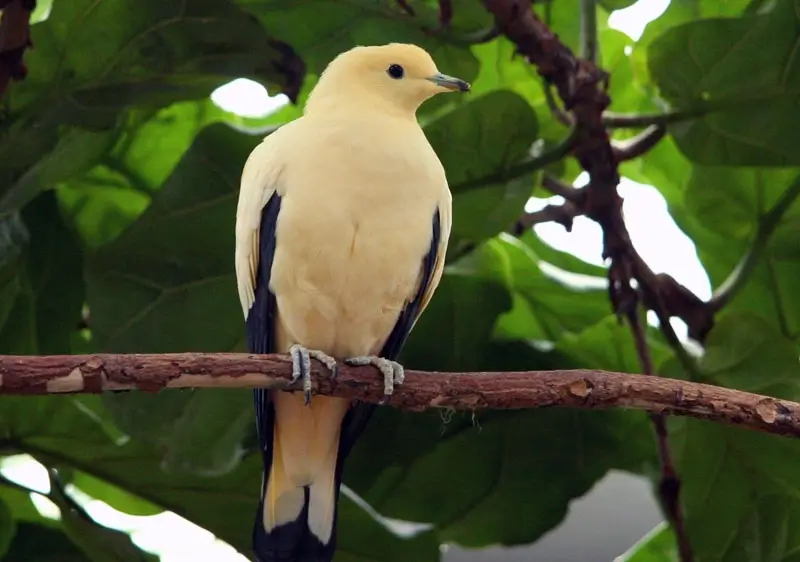
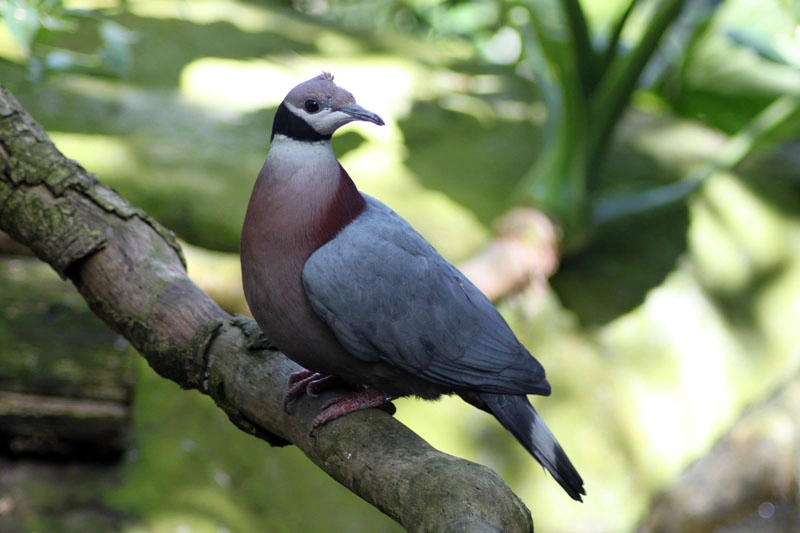
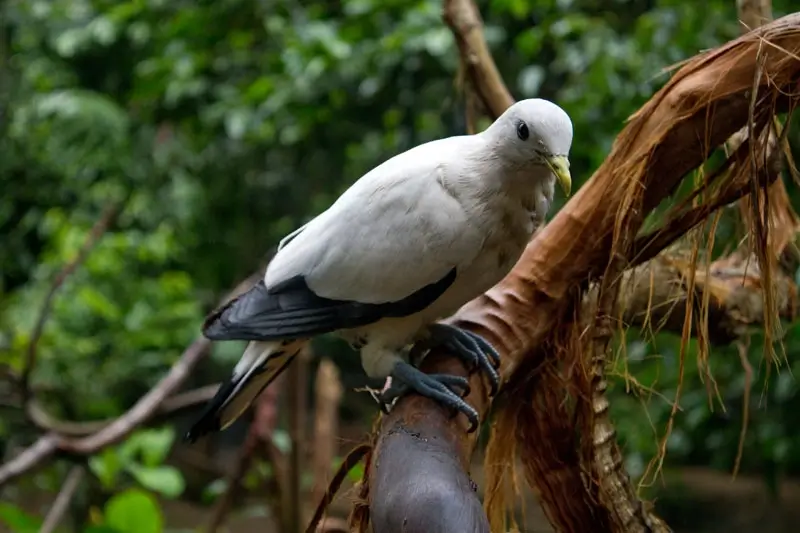
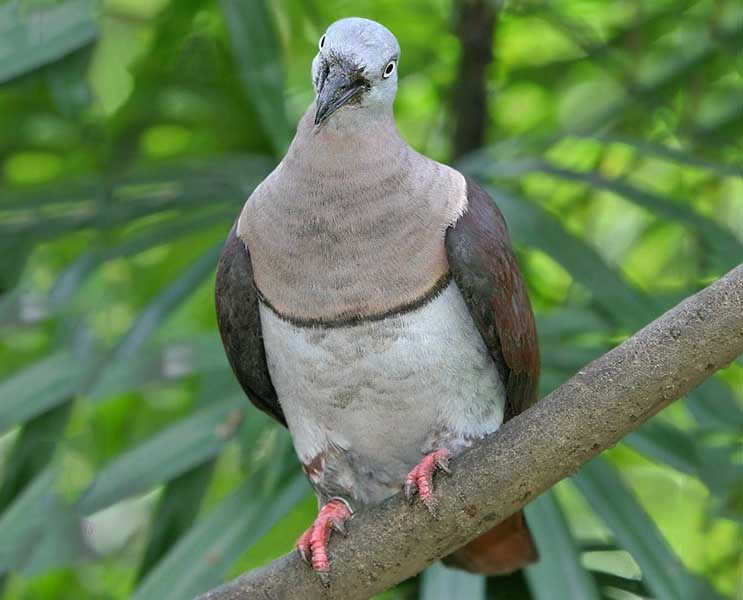
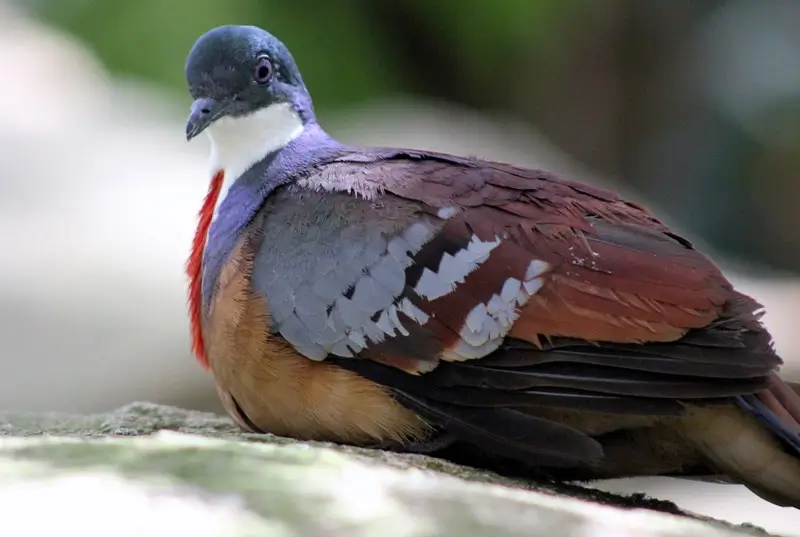
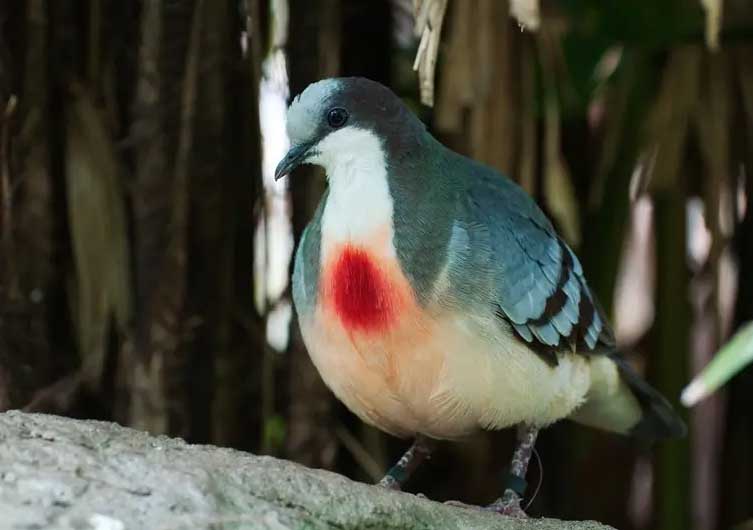
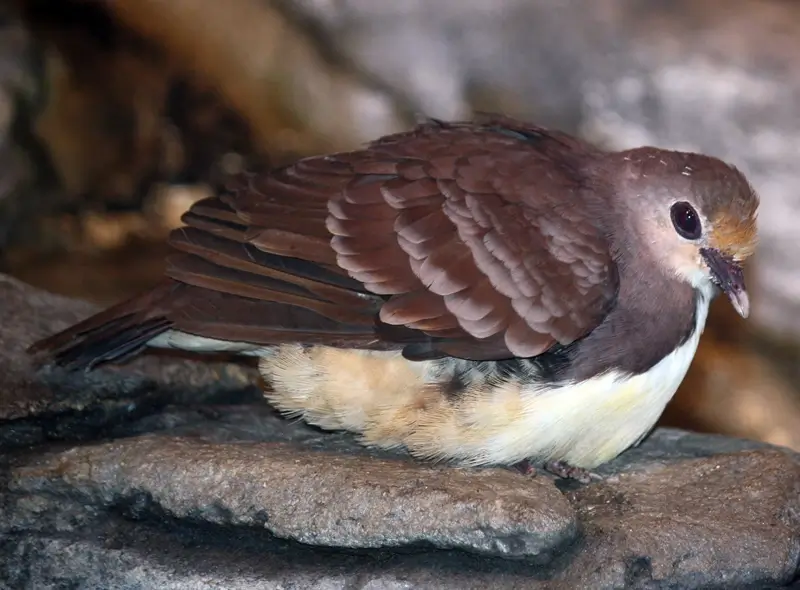
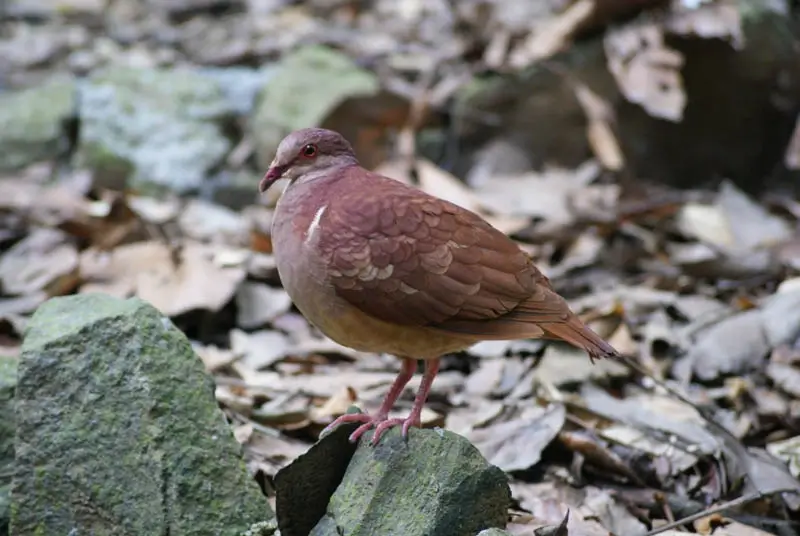
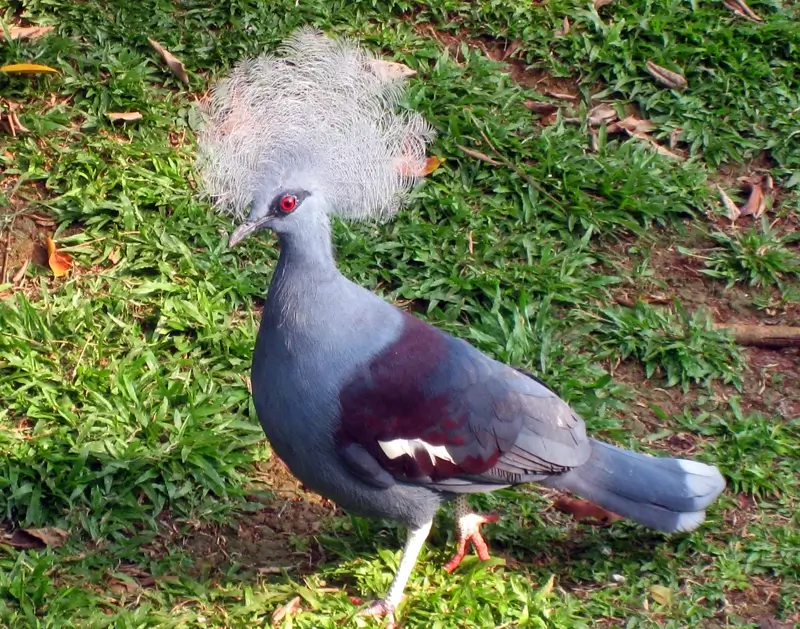
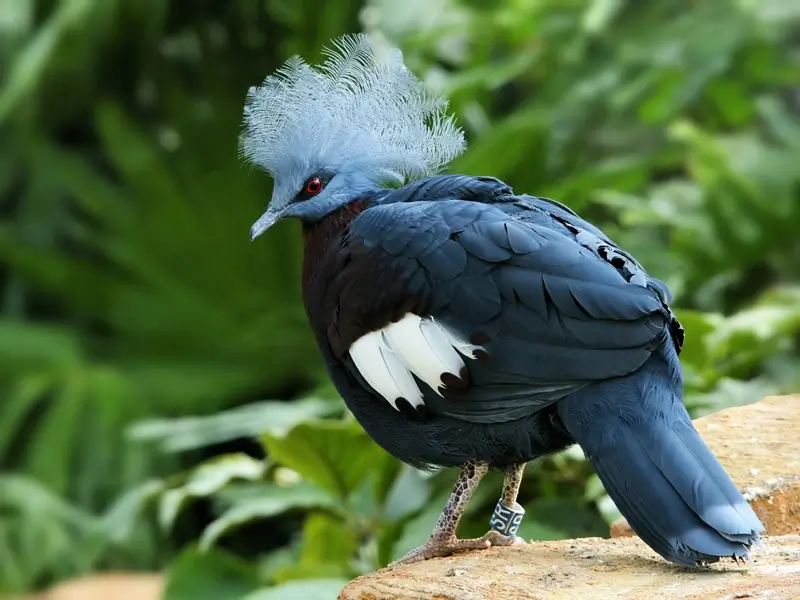
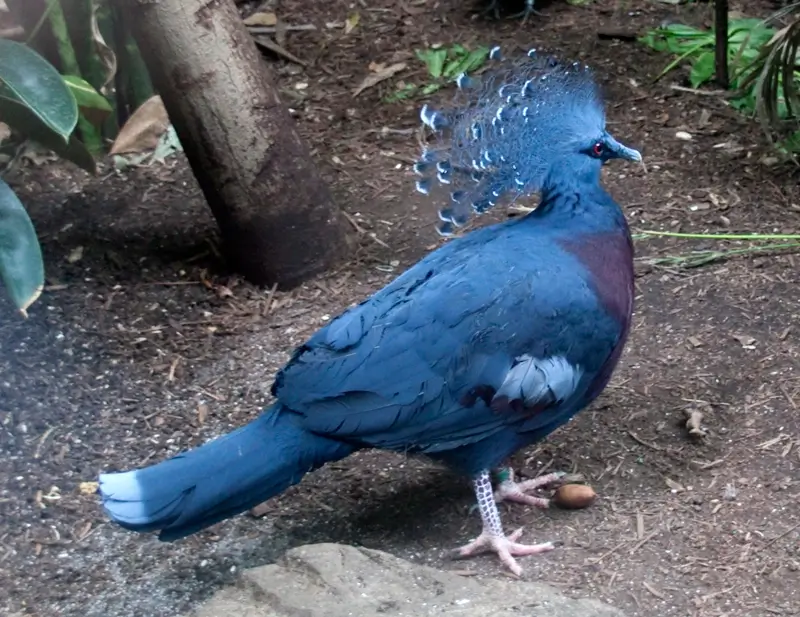
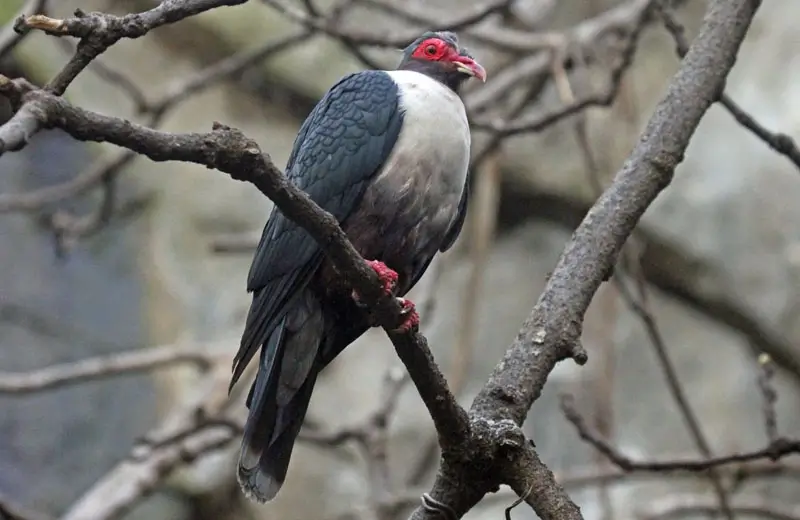
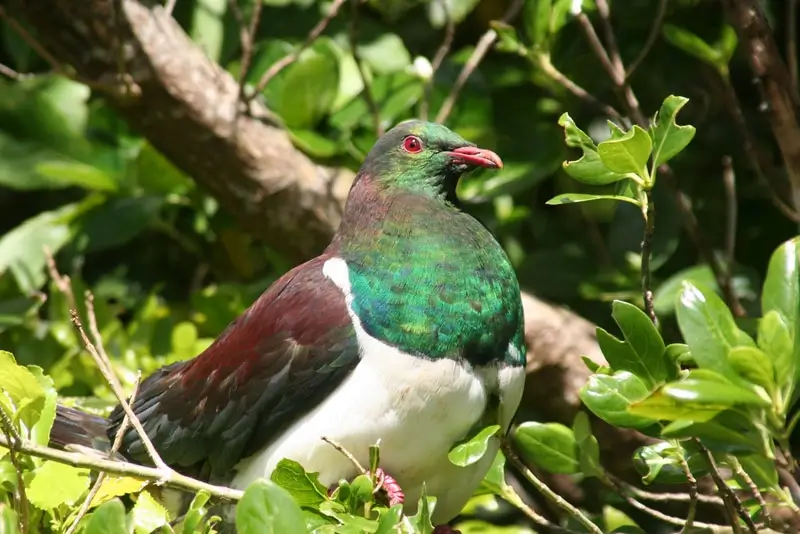
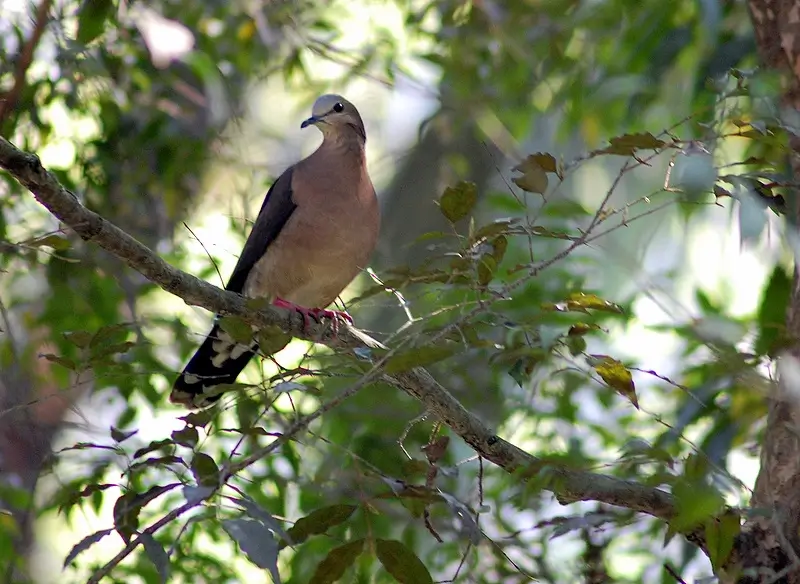
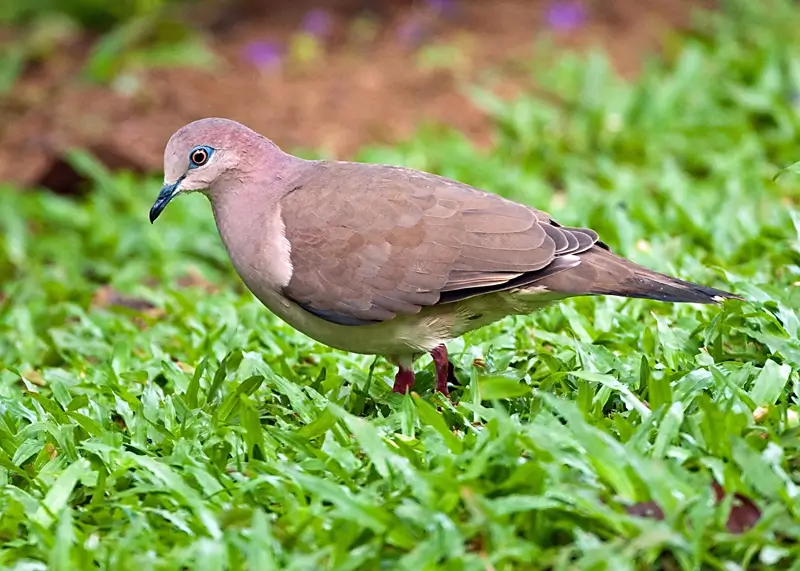
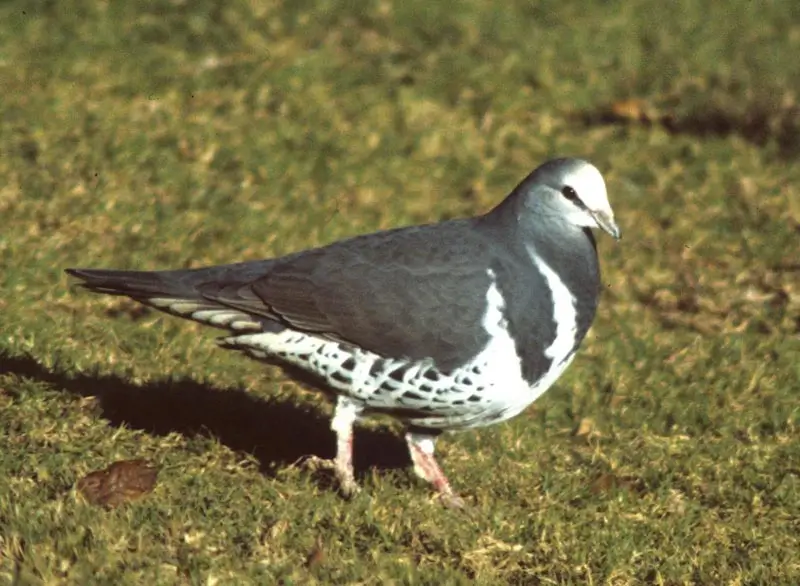
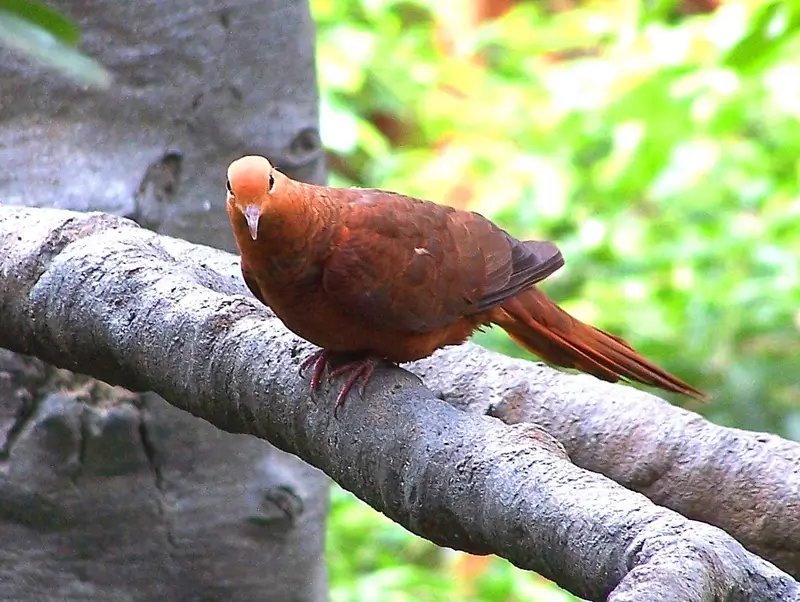
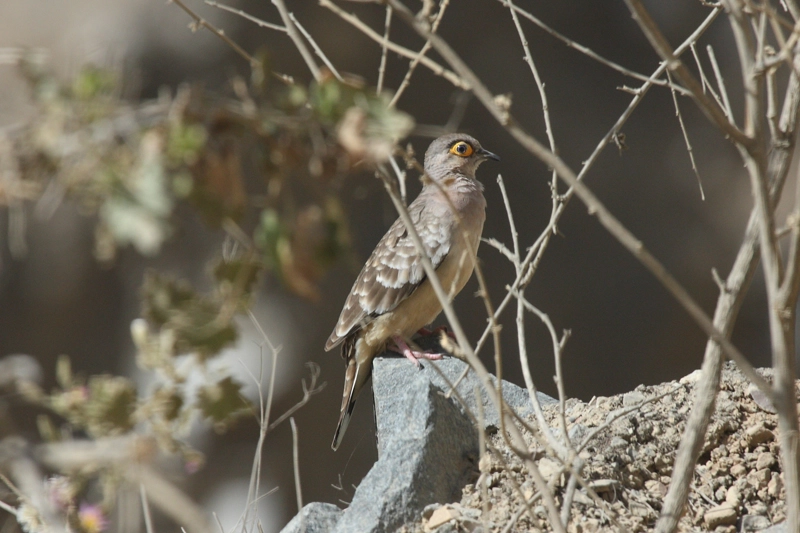
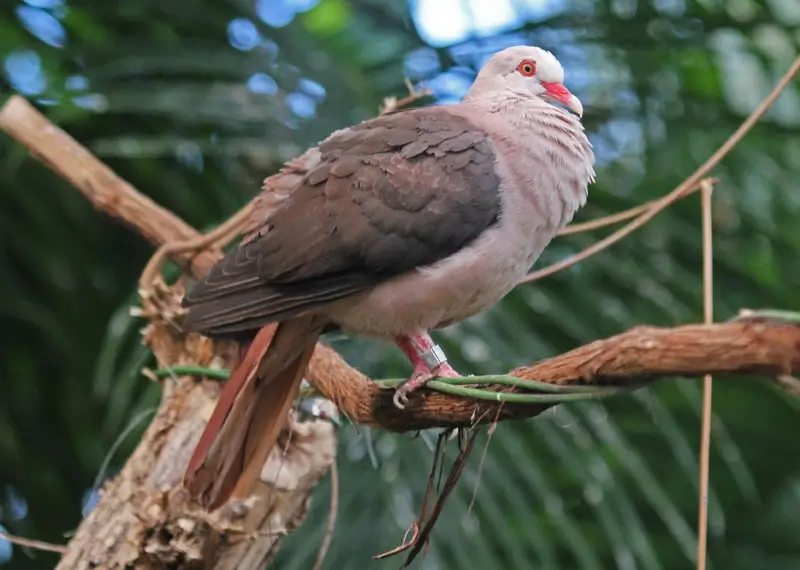
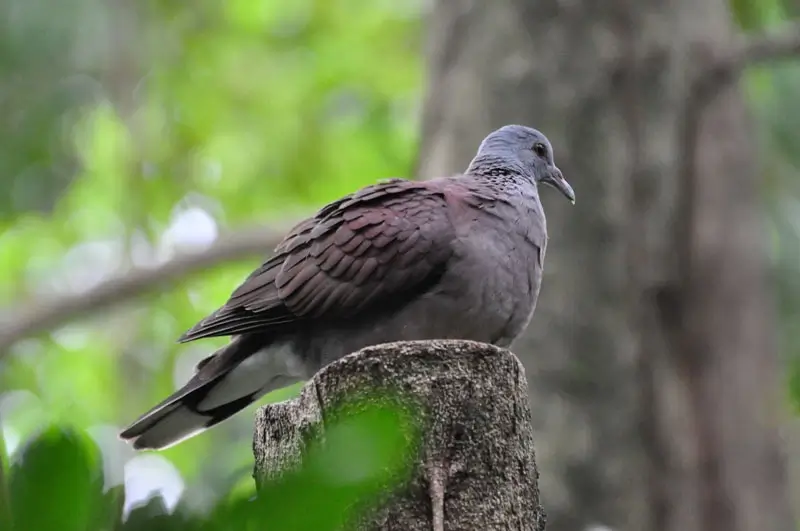
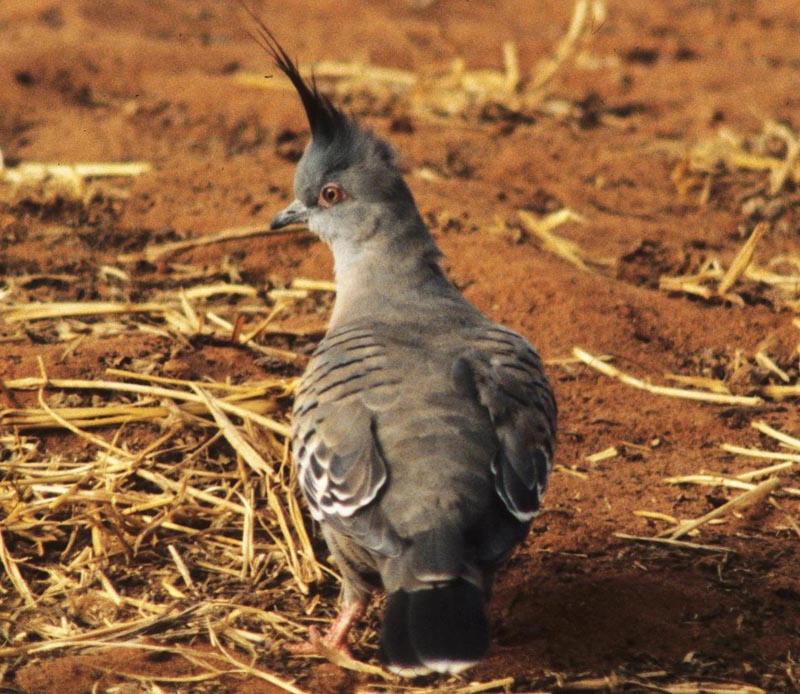
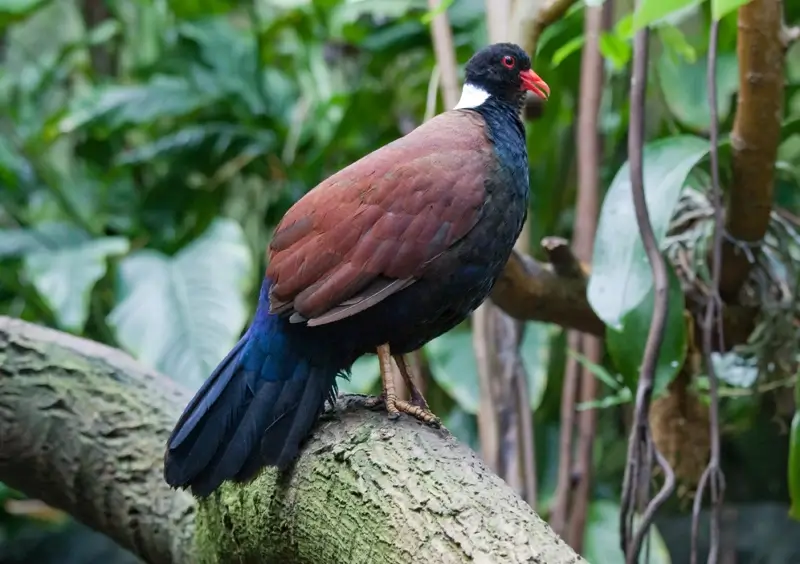
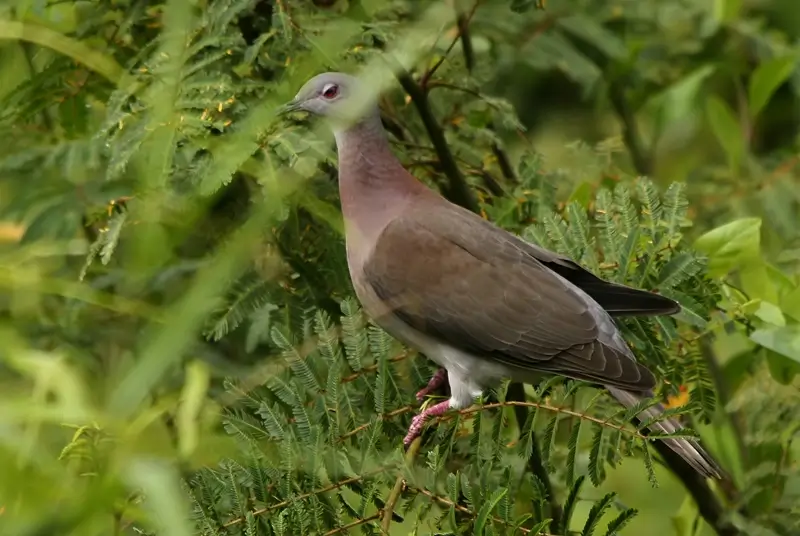
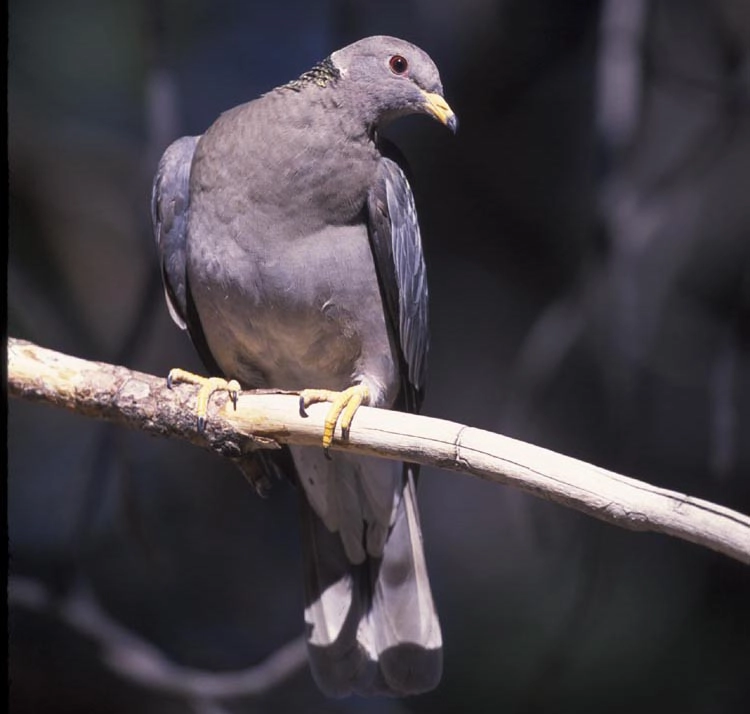
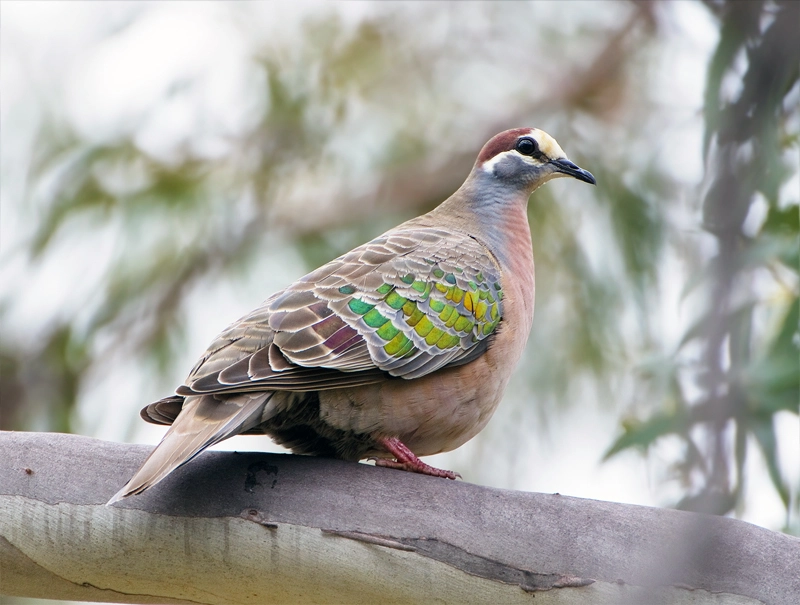
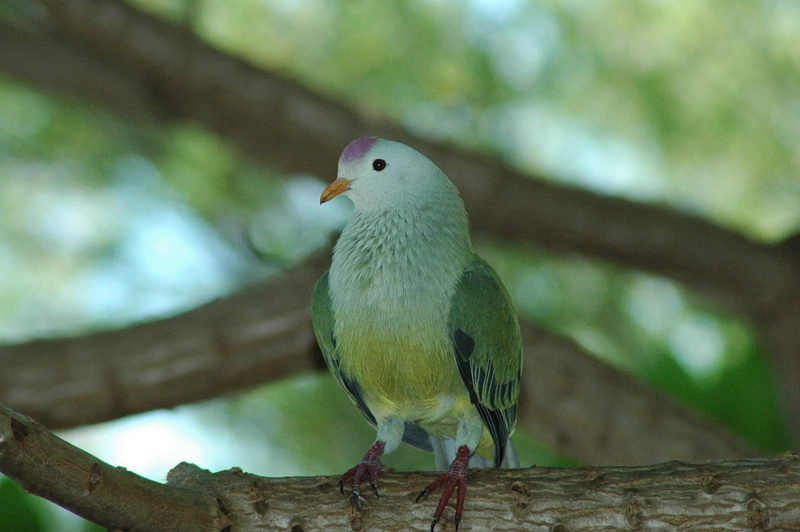
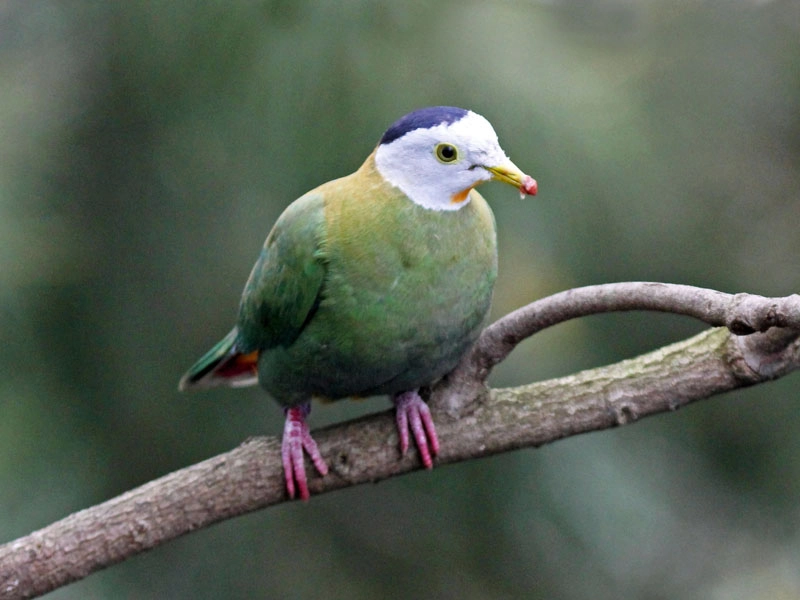
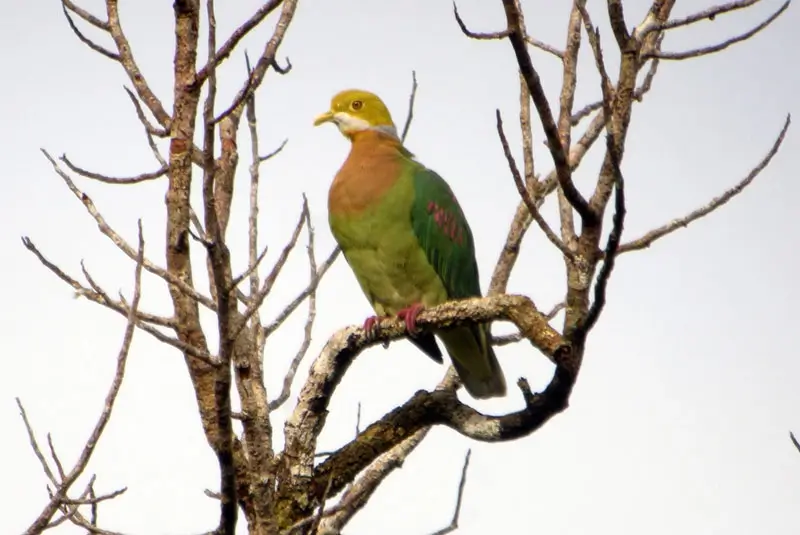
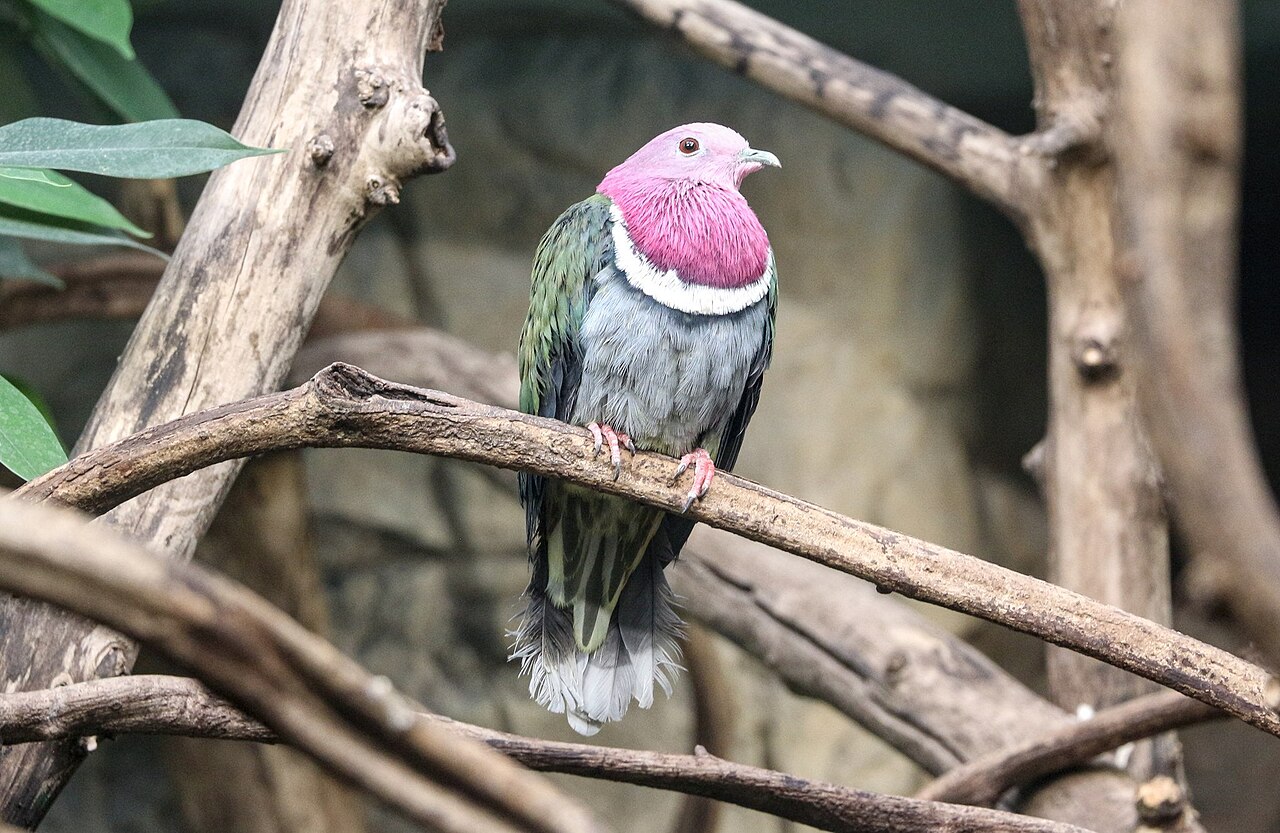
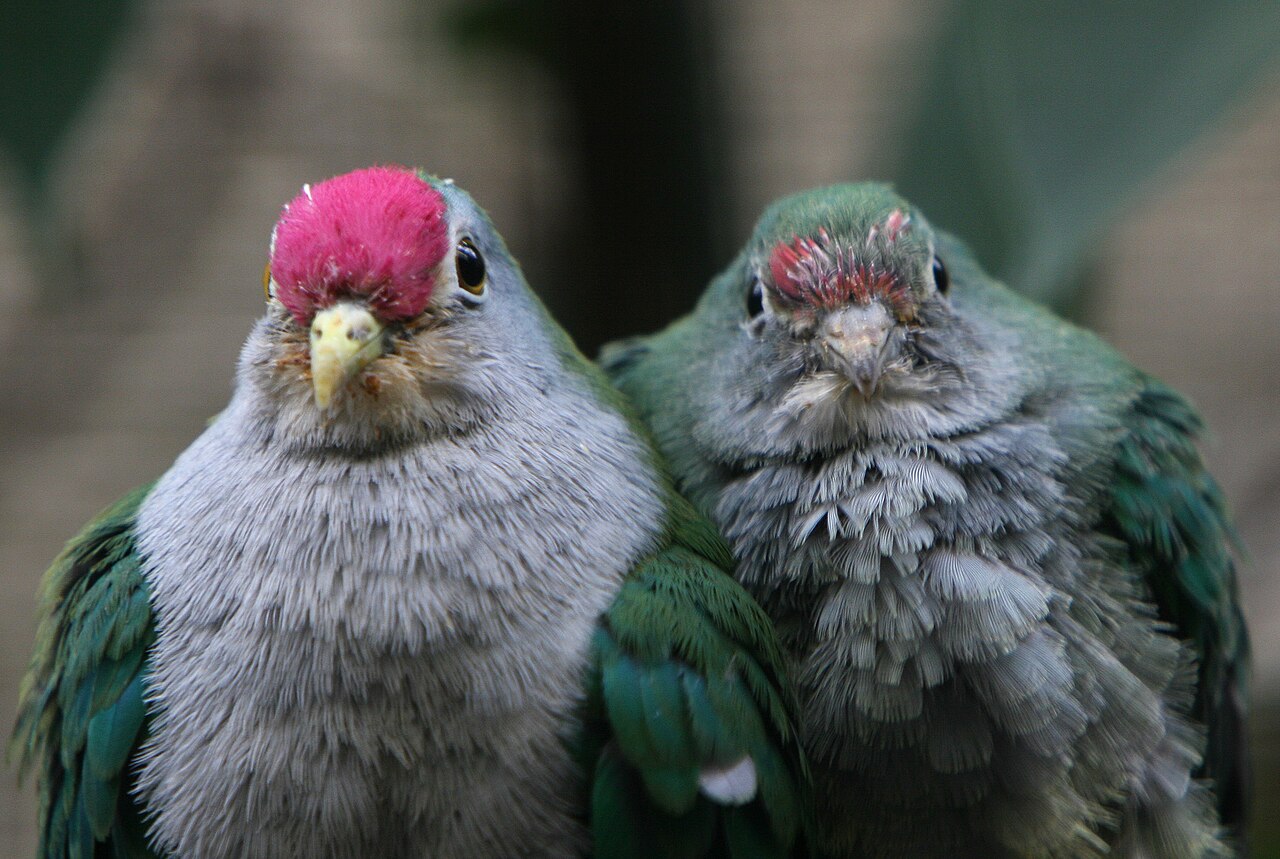
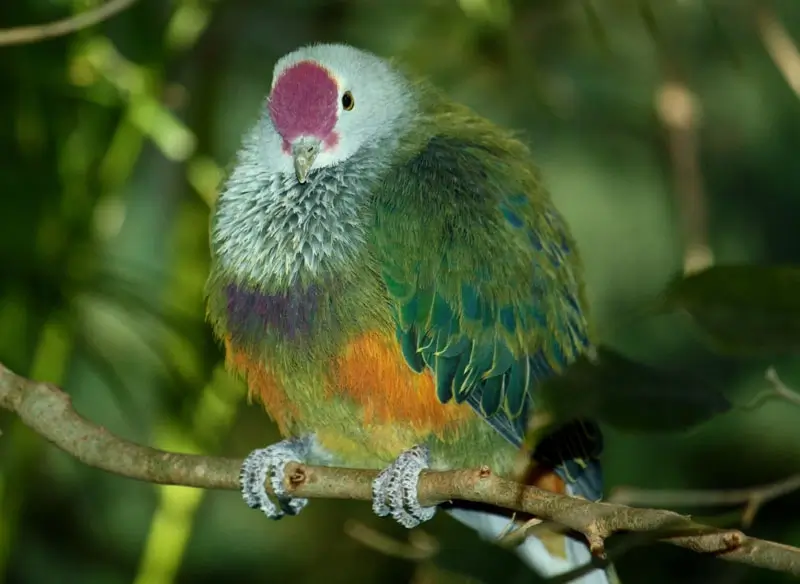
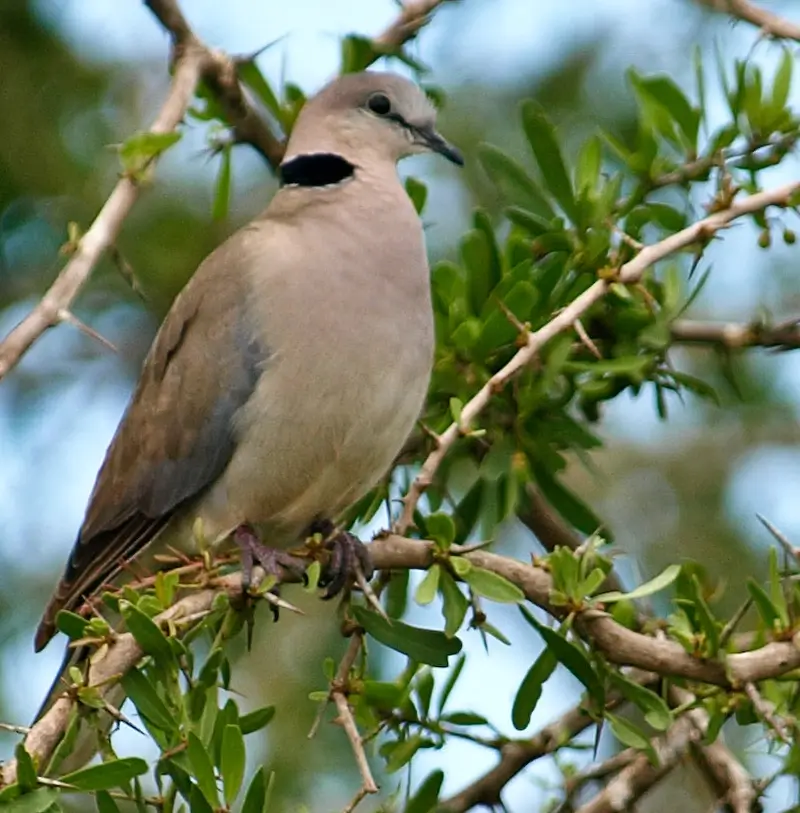
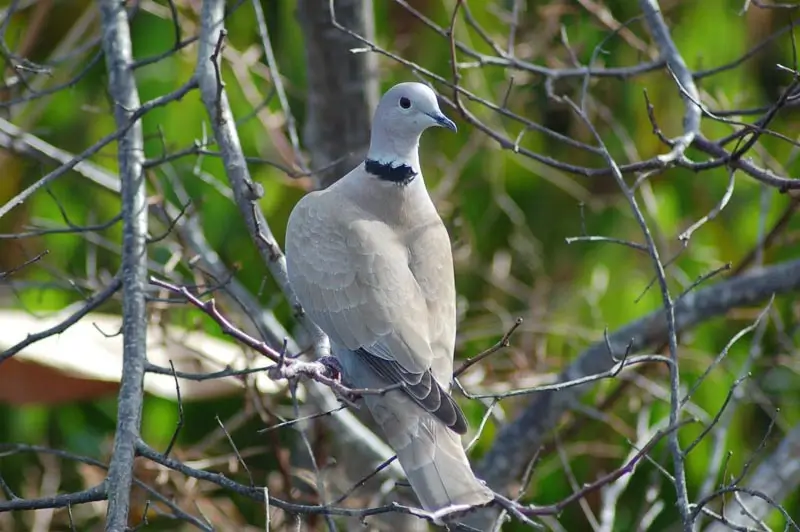
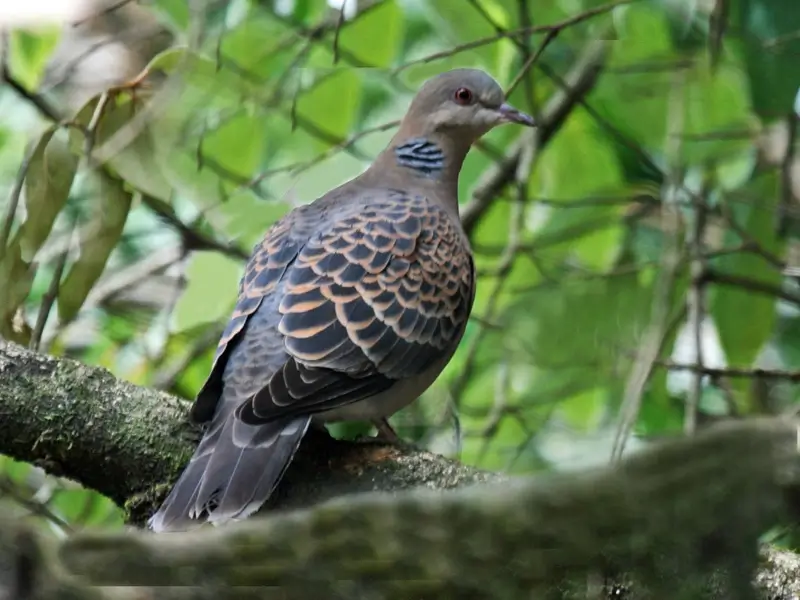
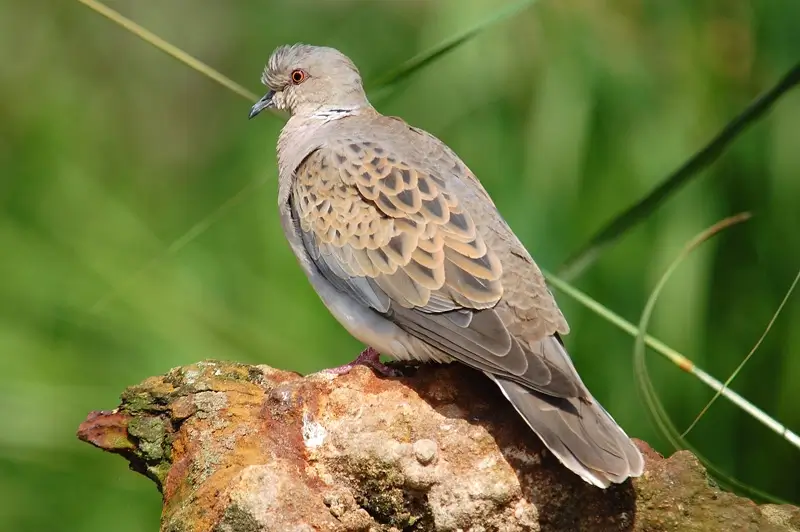
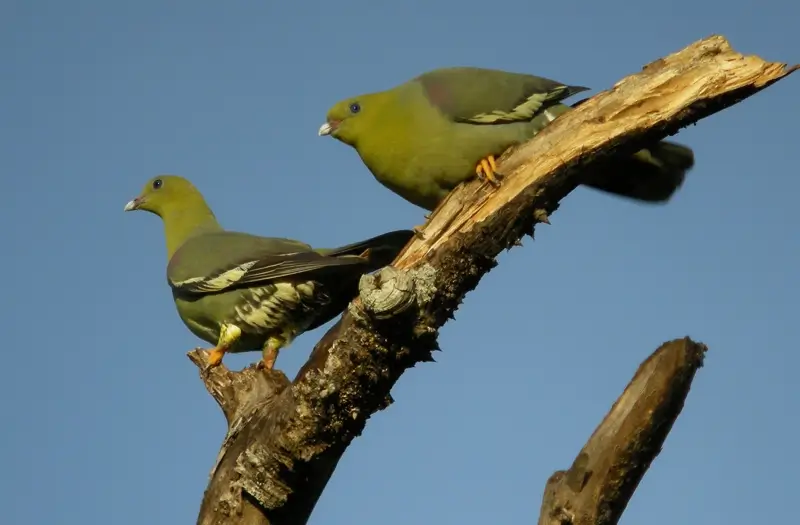
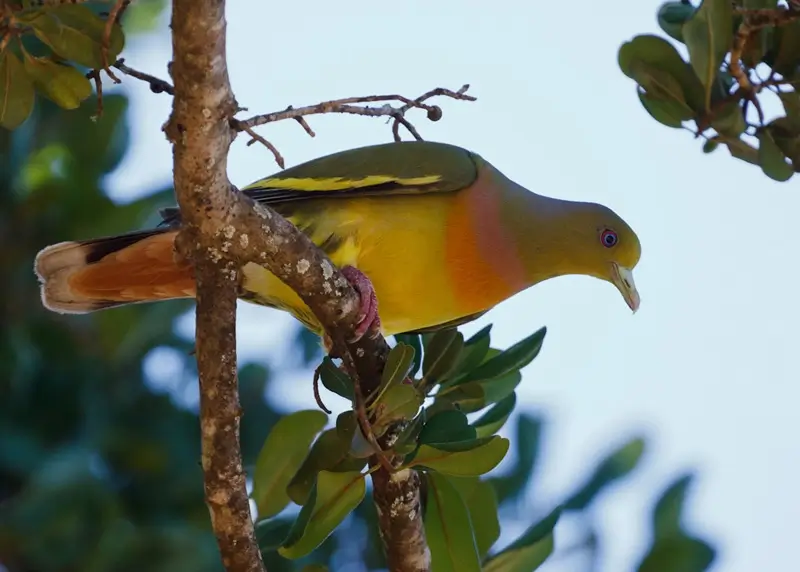
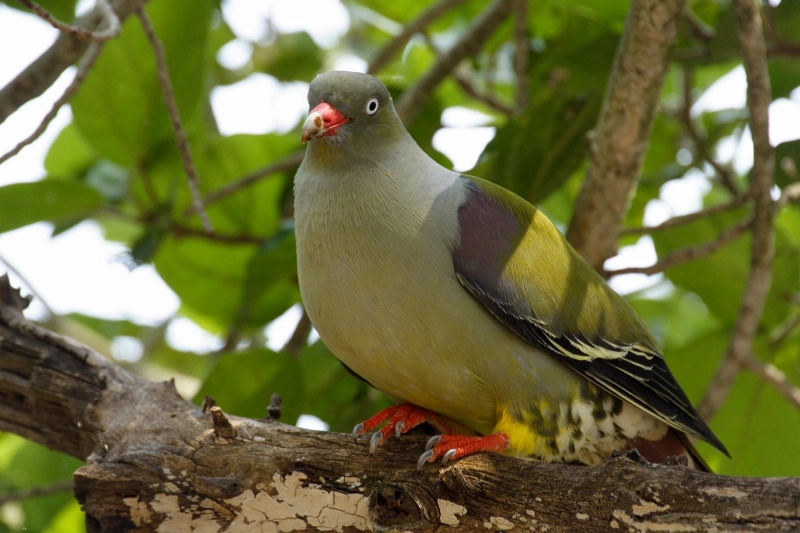
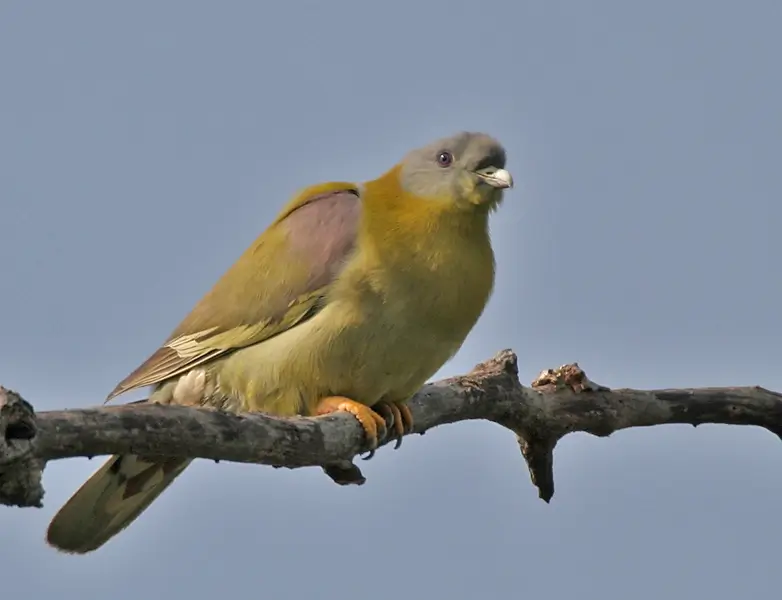
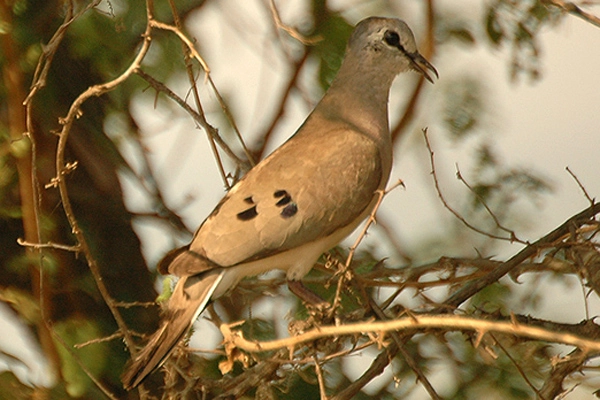
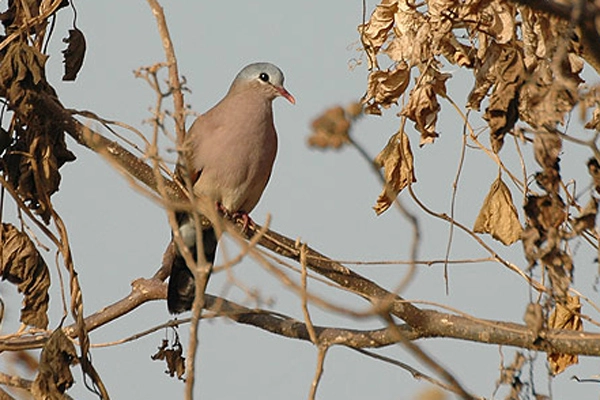
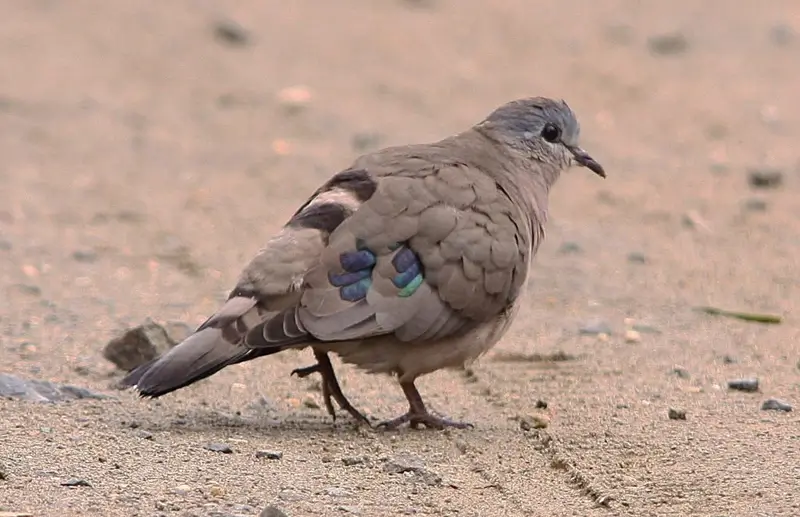
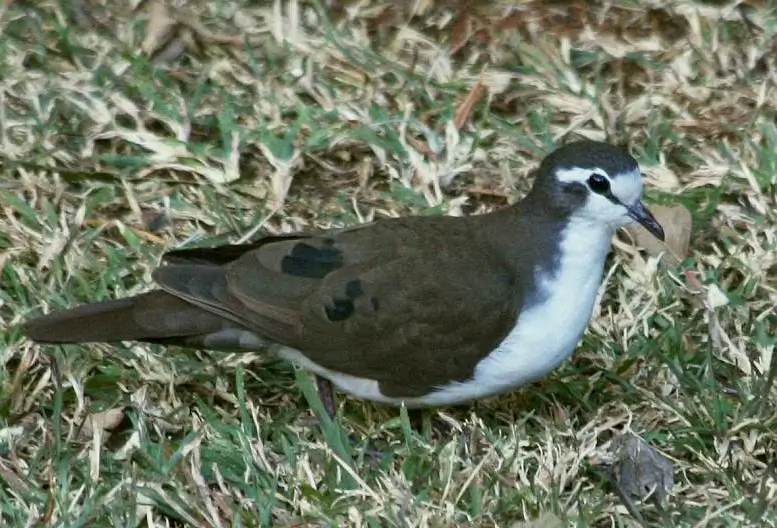
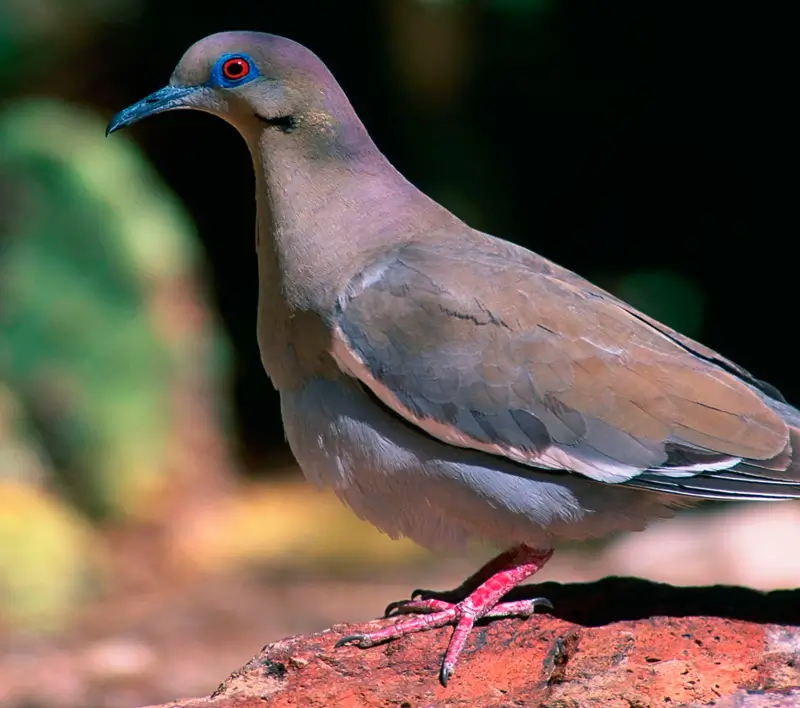
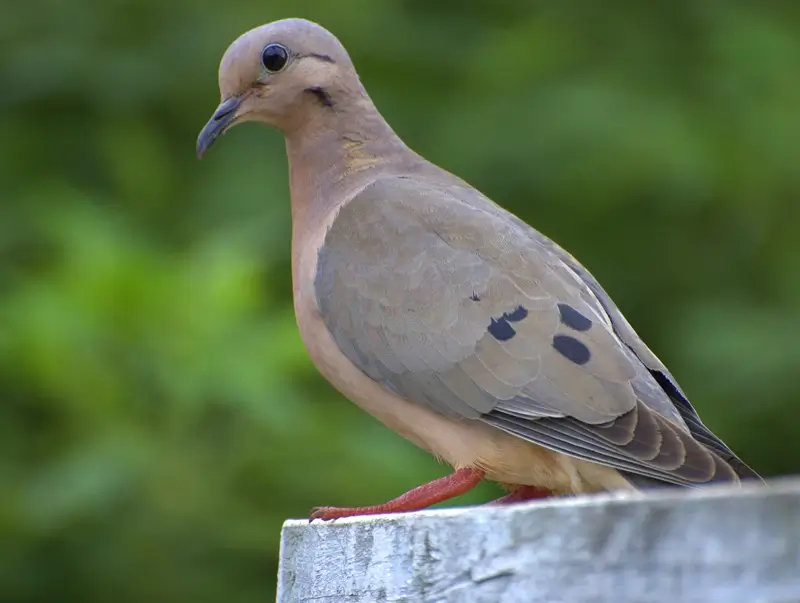
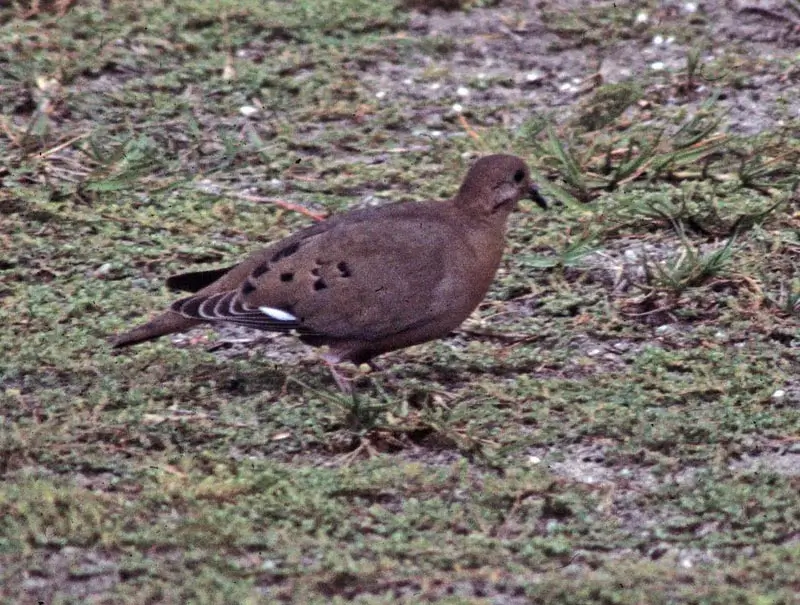
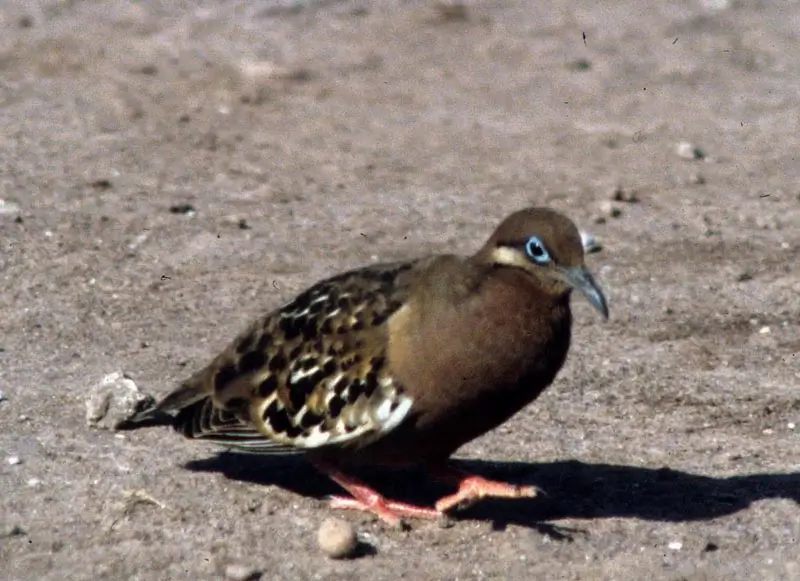
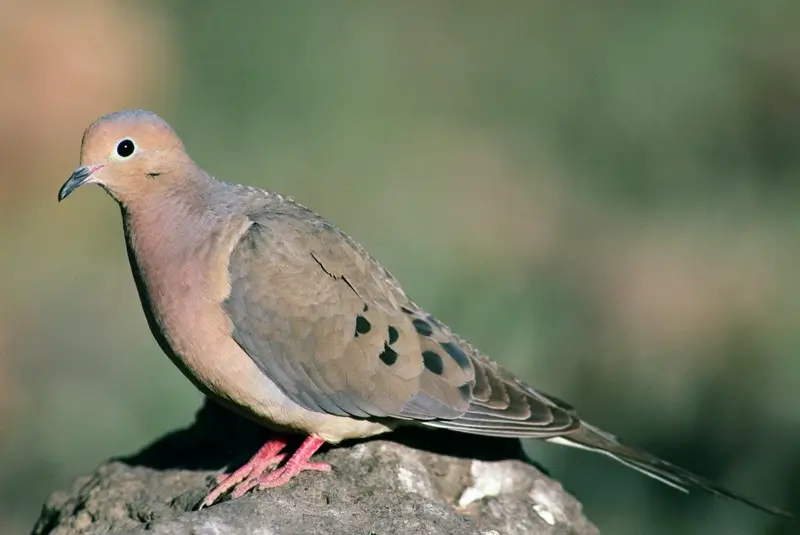
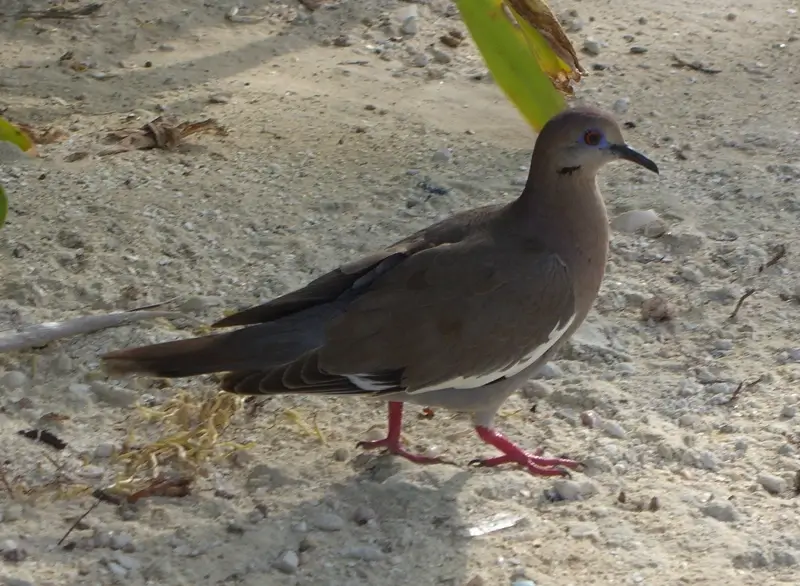
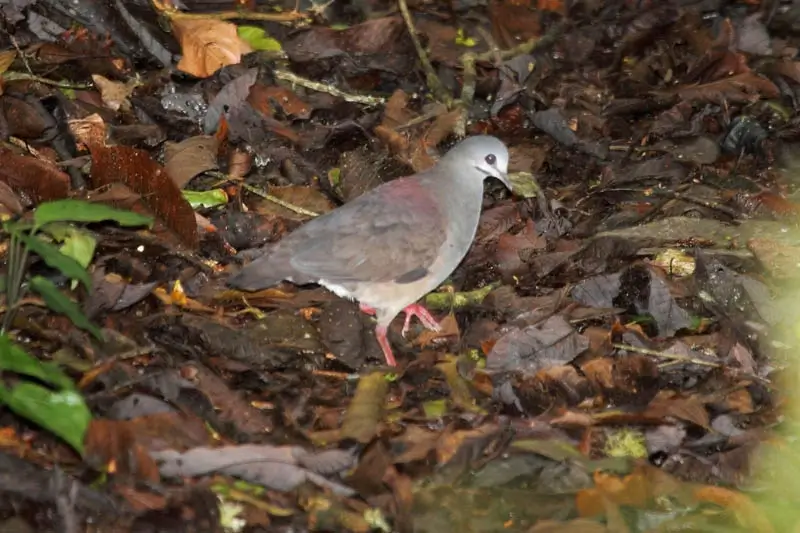
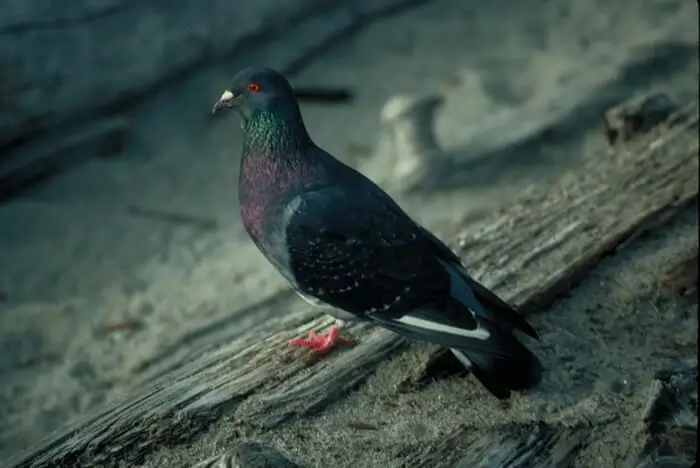
There are around 318 species of doves and pigeons found around the world, except for in Antarctica.
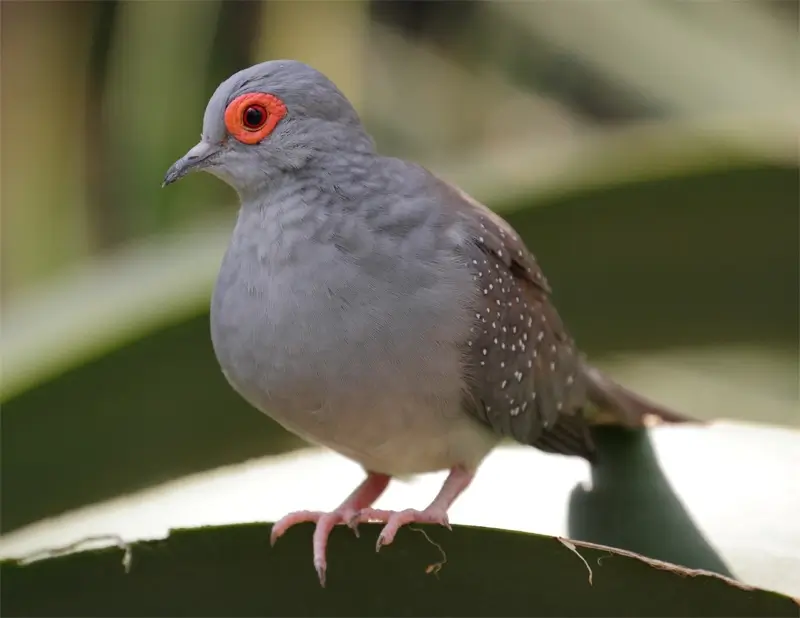
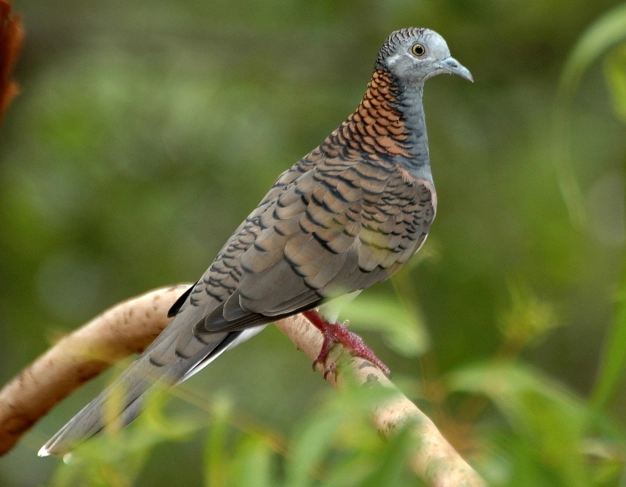
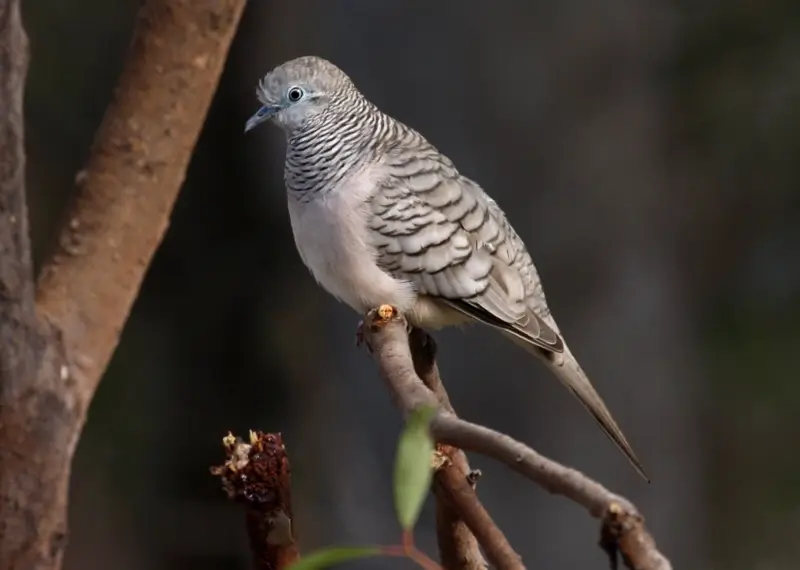
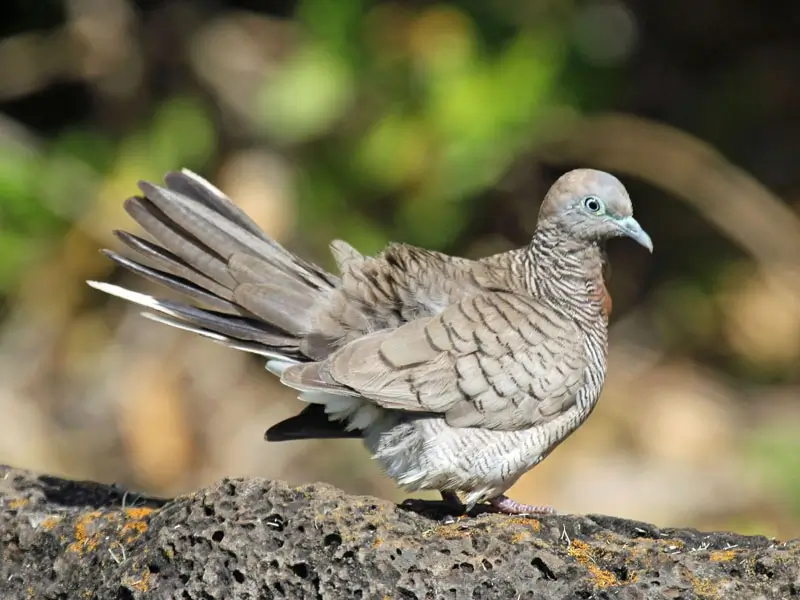
Pigeons and doves have small heads, plump bodies, short necks, and small bills with soft, fleshy covering at the base called the cere. They have a ring of skin around their eyes that can be red, yellow, blue, or white.
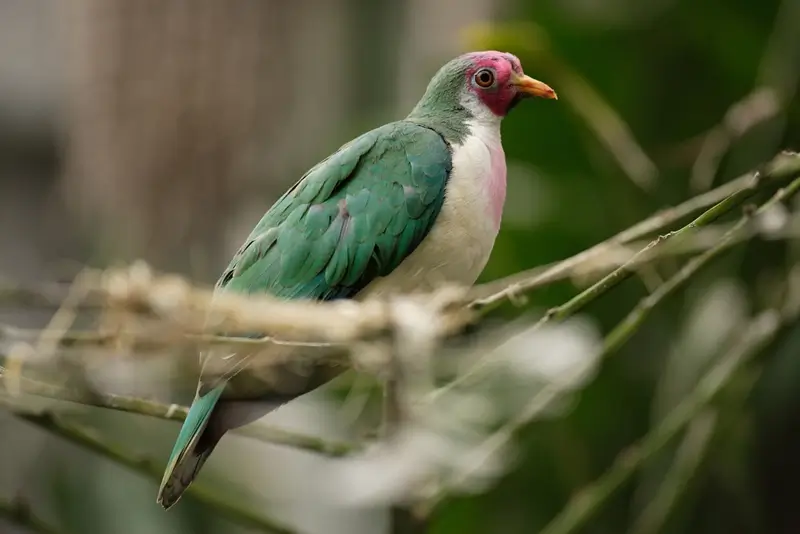
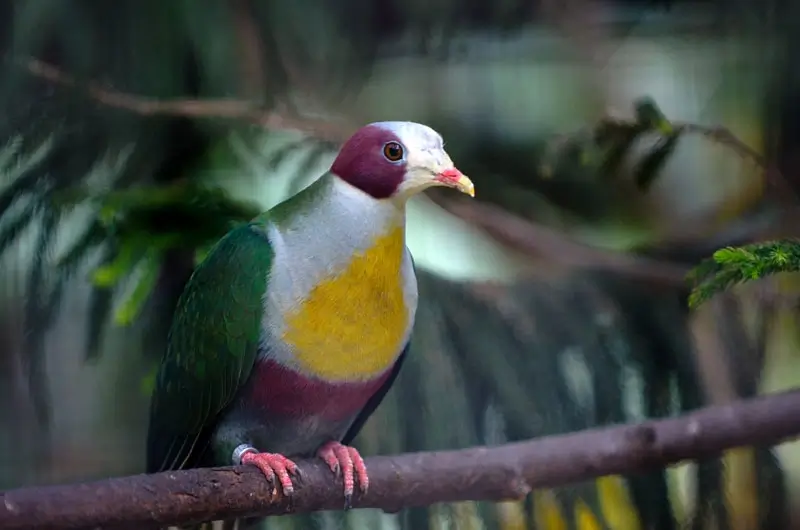
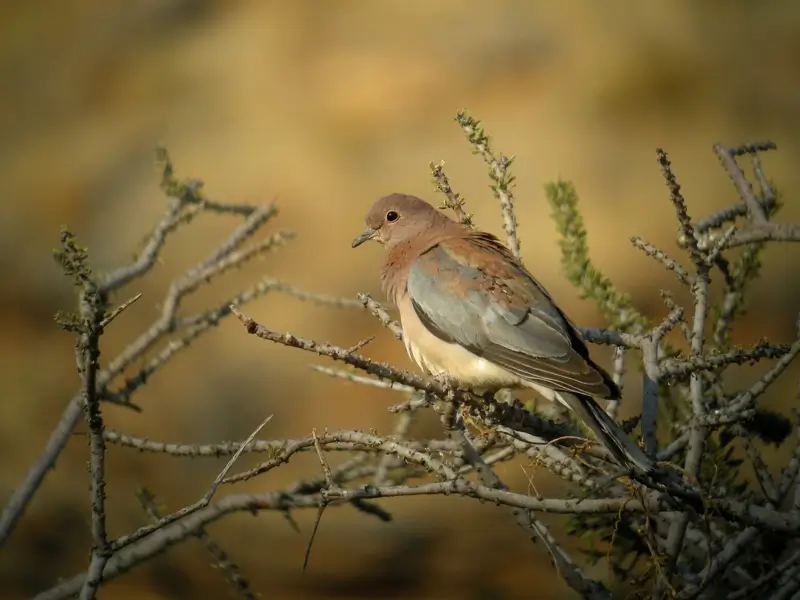
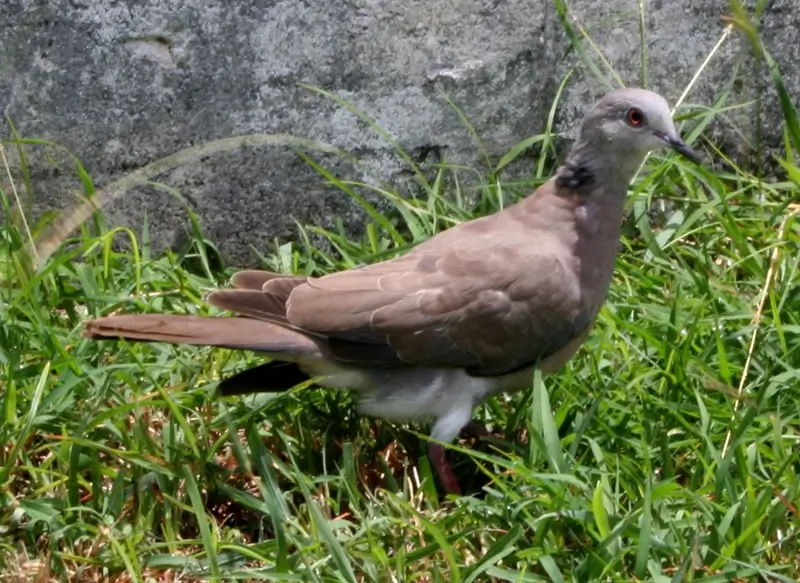
They eat seeds, fruits, and other plant matter. Doves and pigeons that eat seeds are usually gray or brown; fruit-eating species are often more brightly colored.
Doves and pigeons are found in a wide variety of habitats, including rainforests, swamps, woodlands, deserts, grasslands, and cities.
Pigeon and dove pairs stay together and mate from year to year. Pigeons and doves feed their chicks crop milk for the first few days after they hatch. Crop milk is a milky substance that comes from the bird’s crop. The crop is a special food-storage chamber that is part of the bird’s digestive system. Both males and females produce crop milk. Crop milk is high in fat and vitamins A and B, which help the chicks grow.
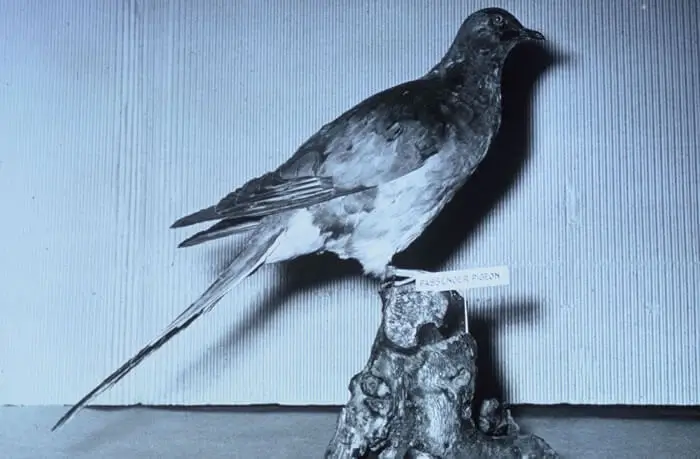
PASSENGER PIGEONS
One species in this family that was once found in North America is the passenger pigeon.
The passenger pigeon was a common bird in central and eastern North America. Scientists estimate that the population at one time may have numbered between three and five million birds. Passenger pigeons lived in large colonies.
The passenger pigeon probably became extinct from a combination of natural and man-made causes. Hunting, along with a low reproduction rate, probably led to the bird’s extinction. The last known passenger pigeon died at the Cincinnati Zoo in 1914.