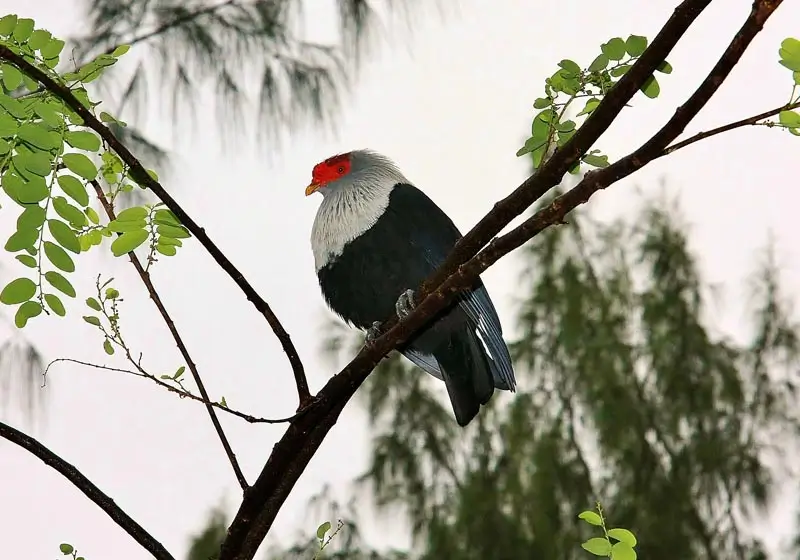
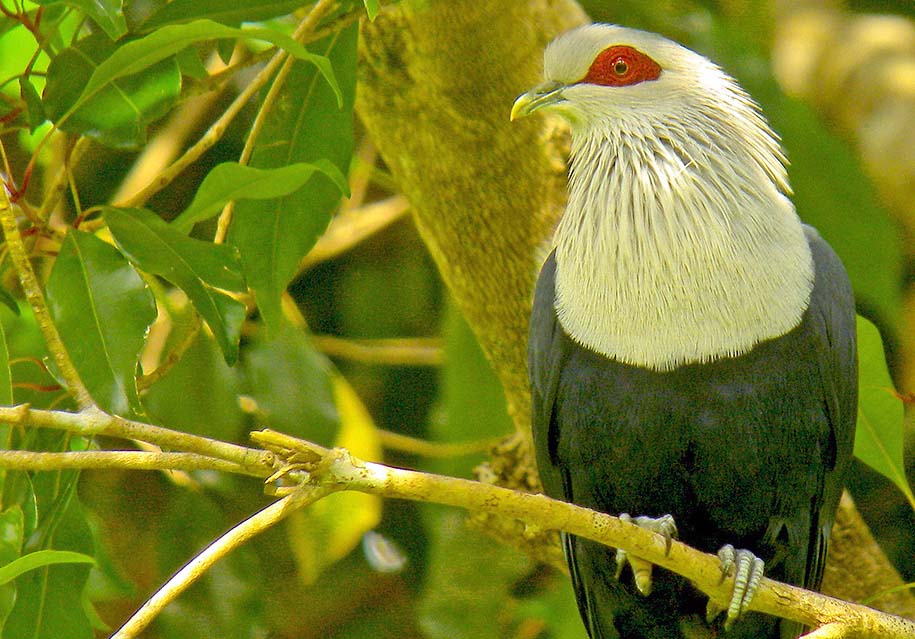
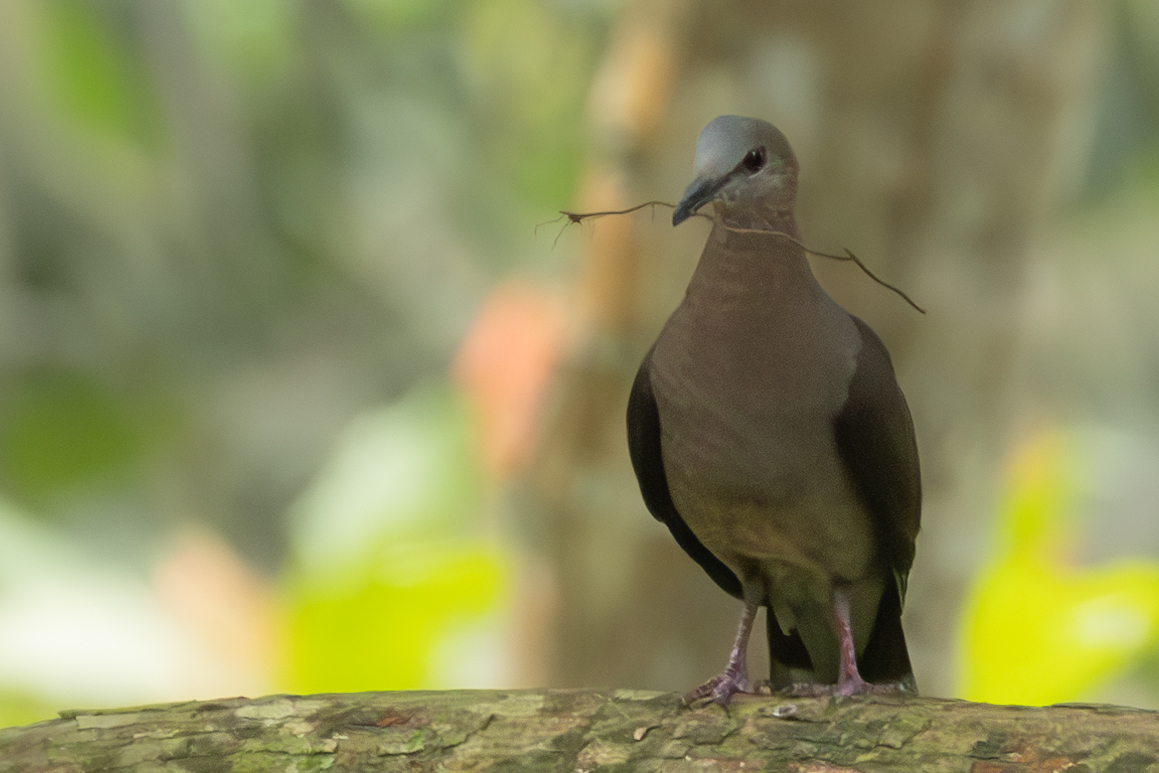
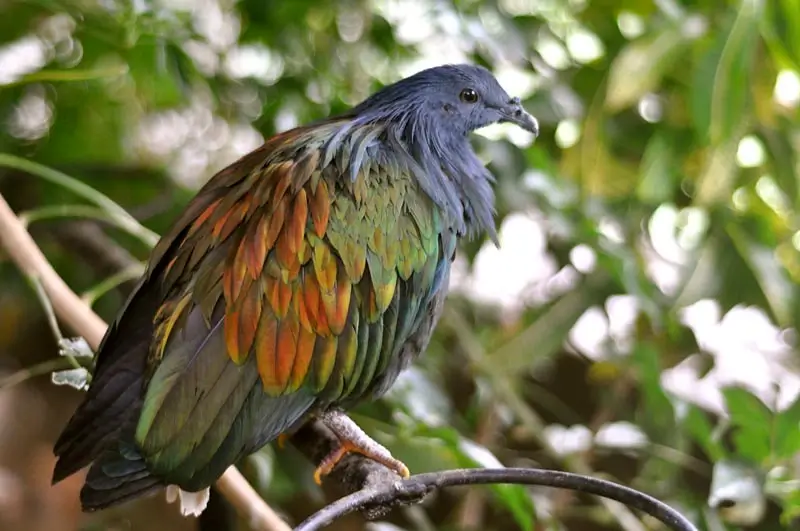
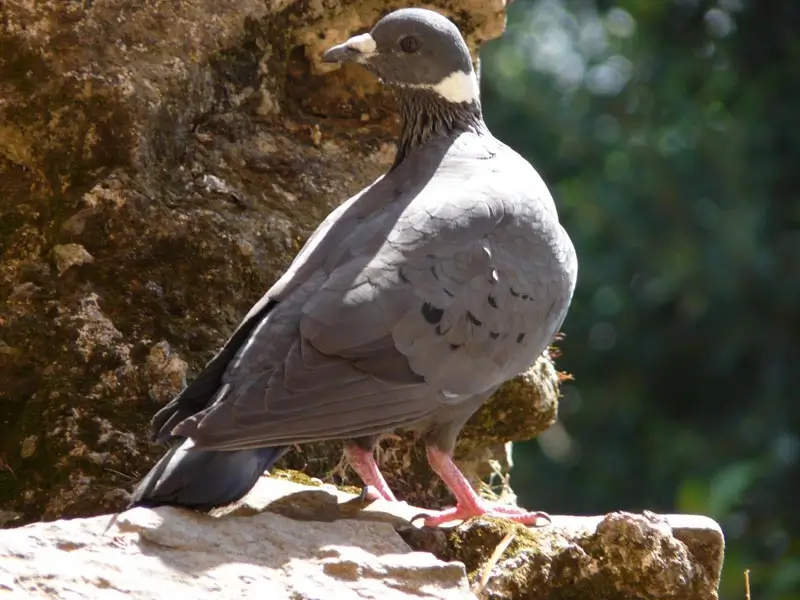
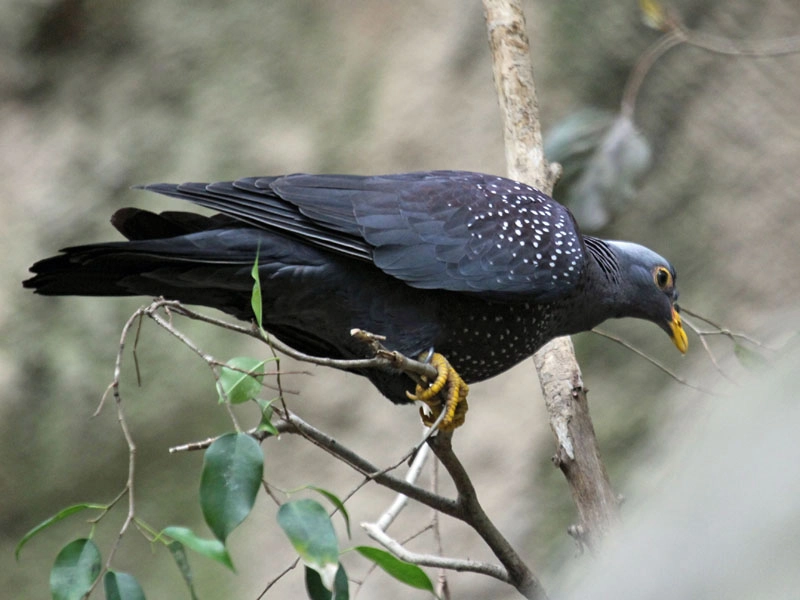
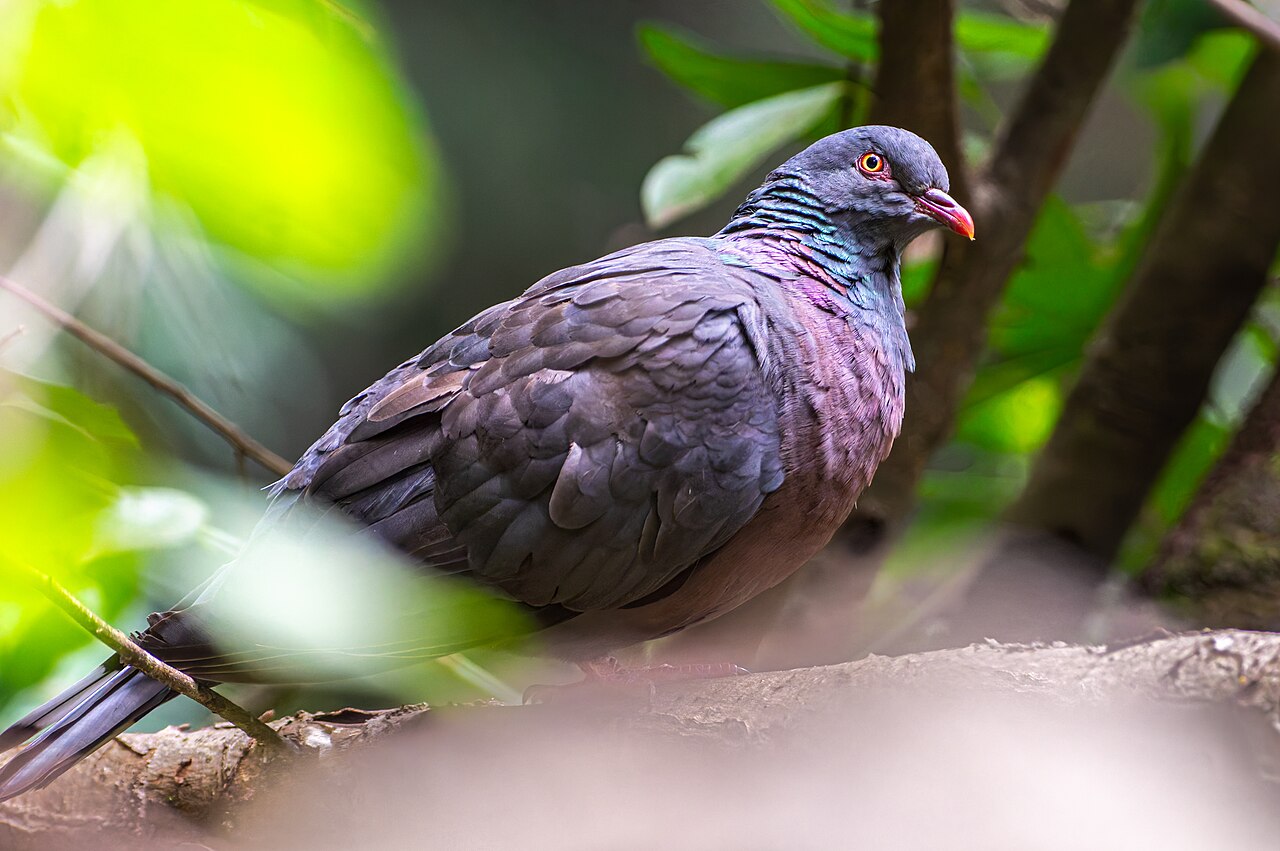
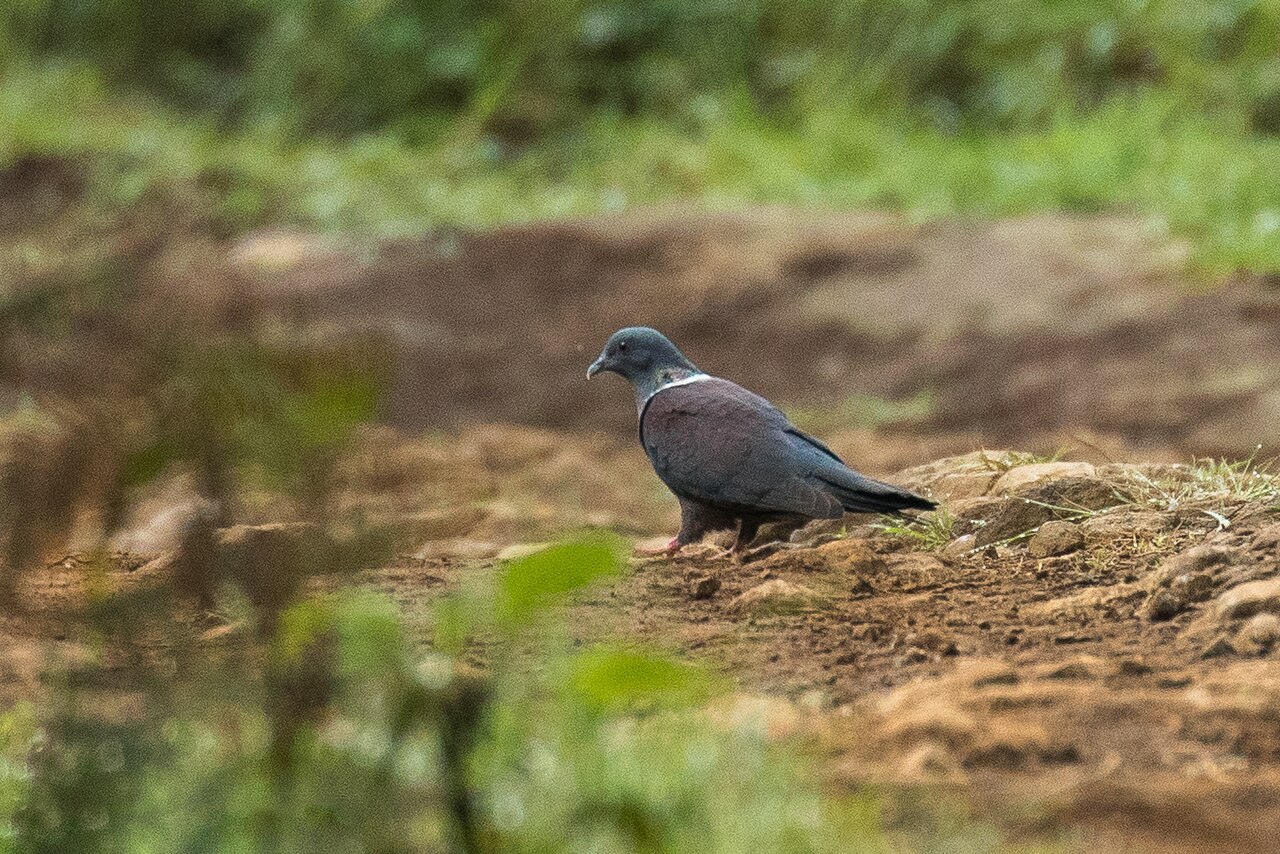
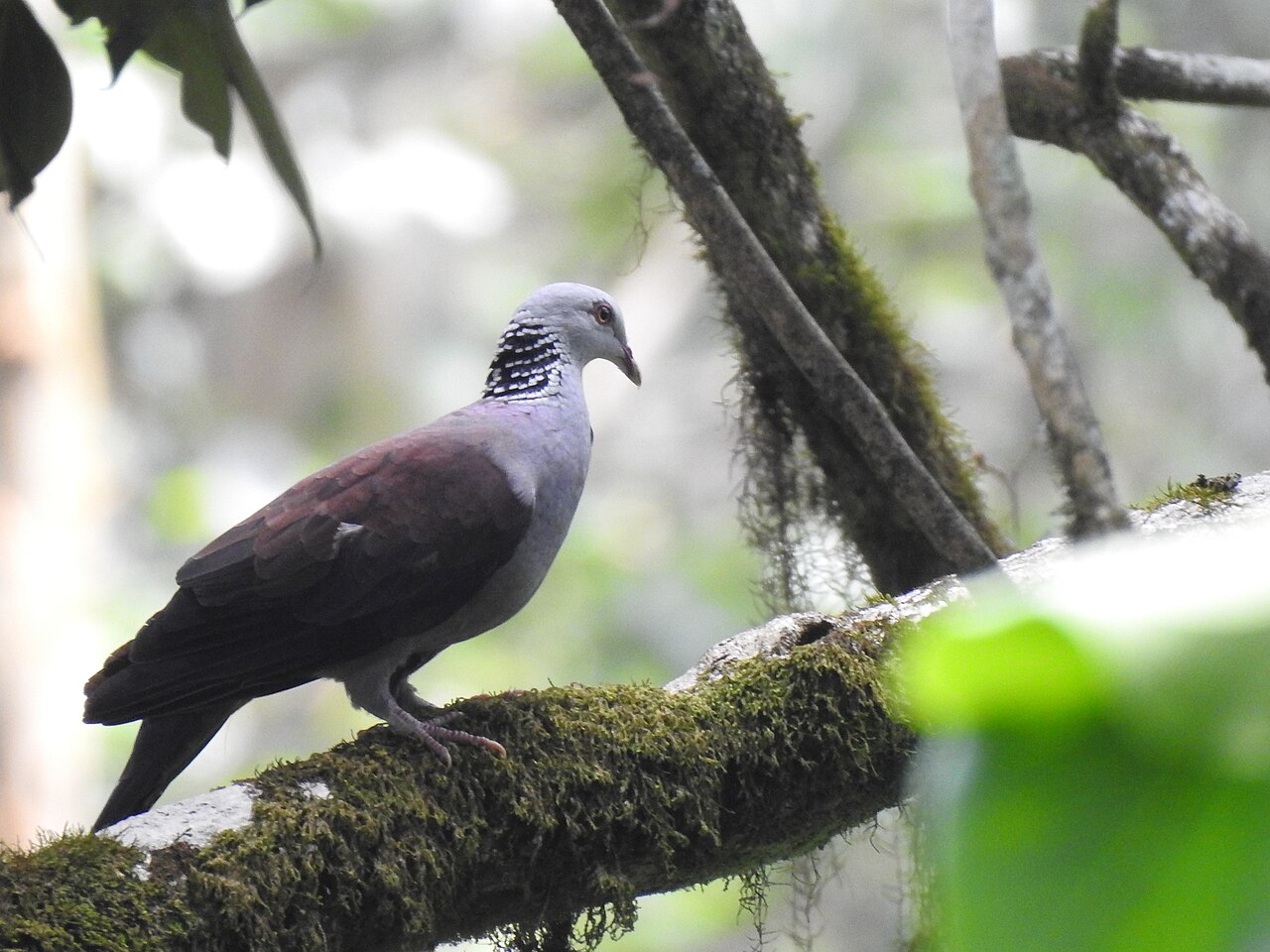
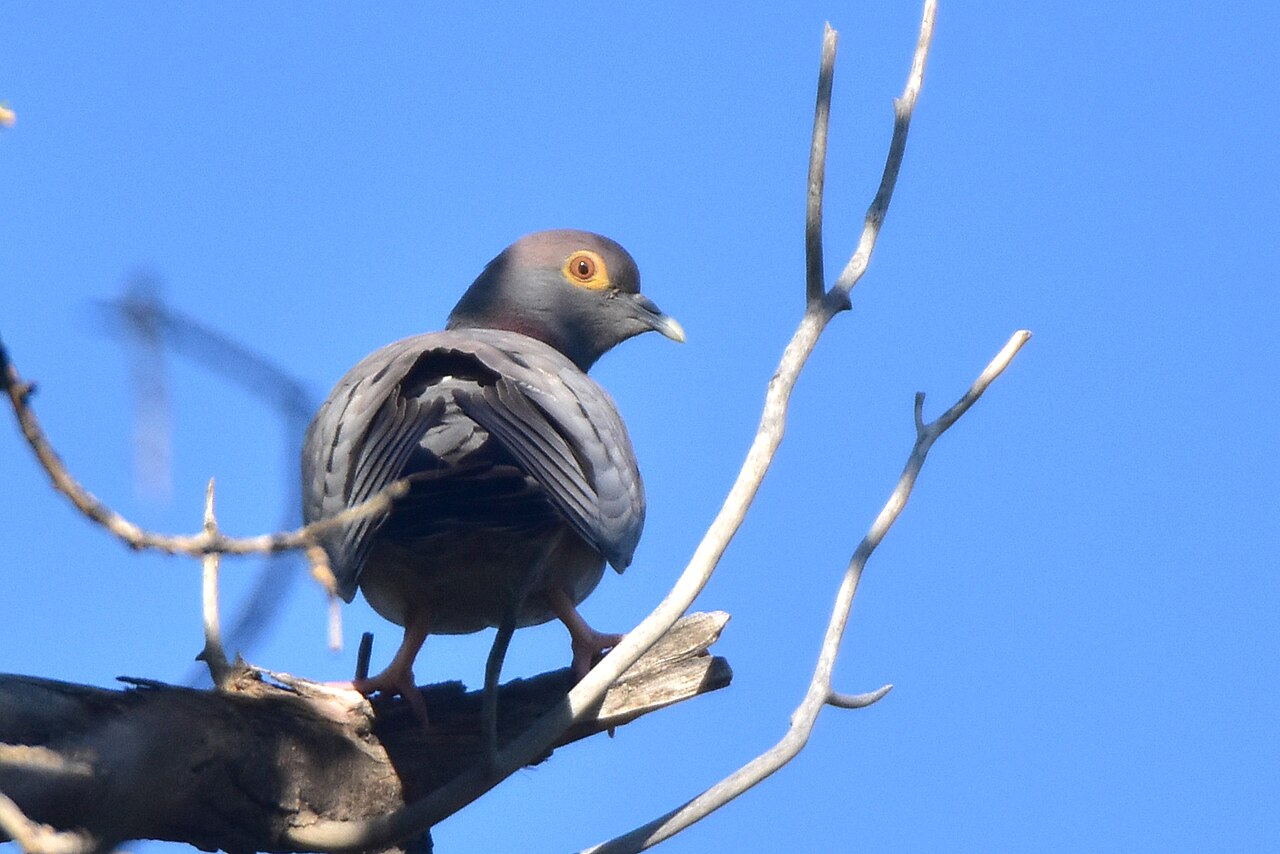
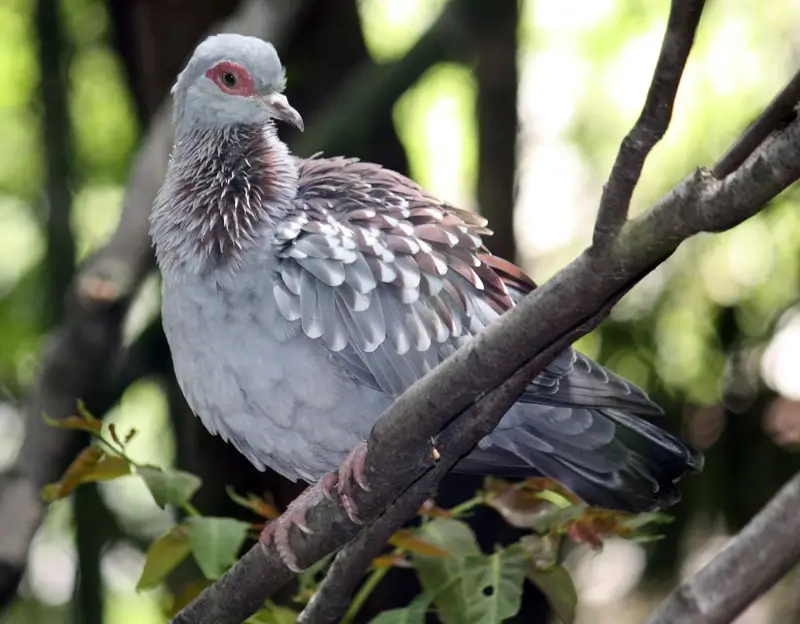
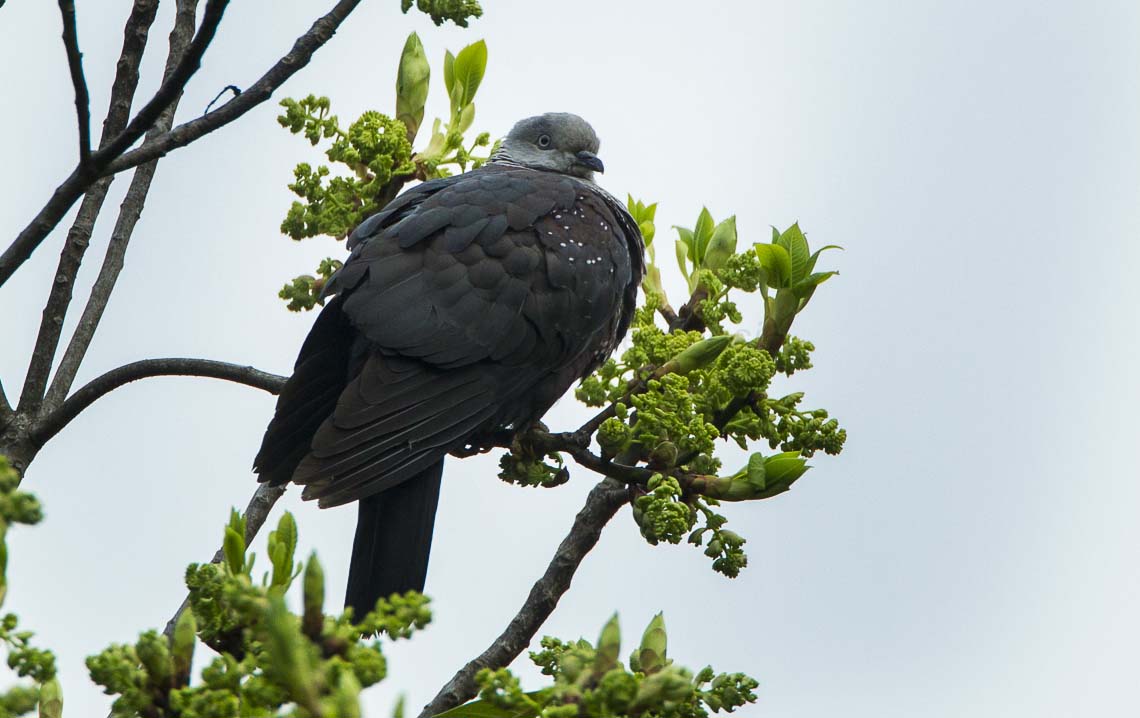
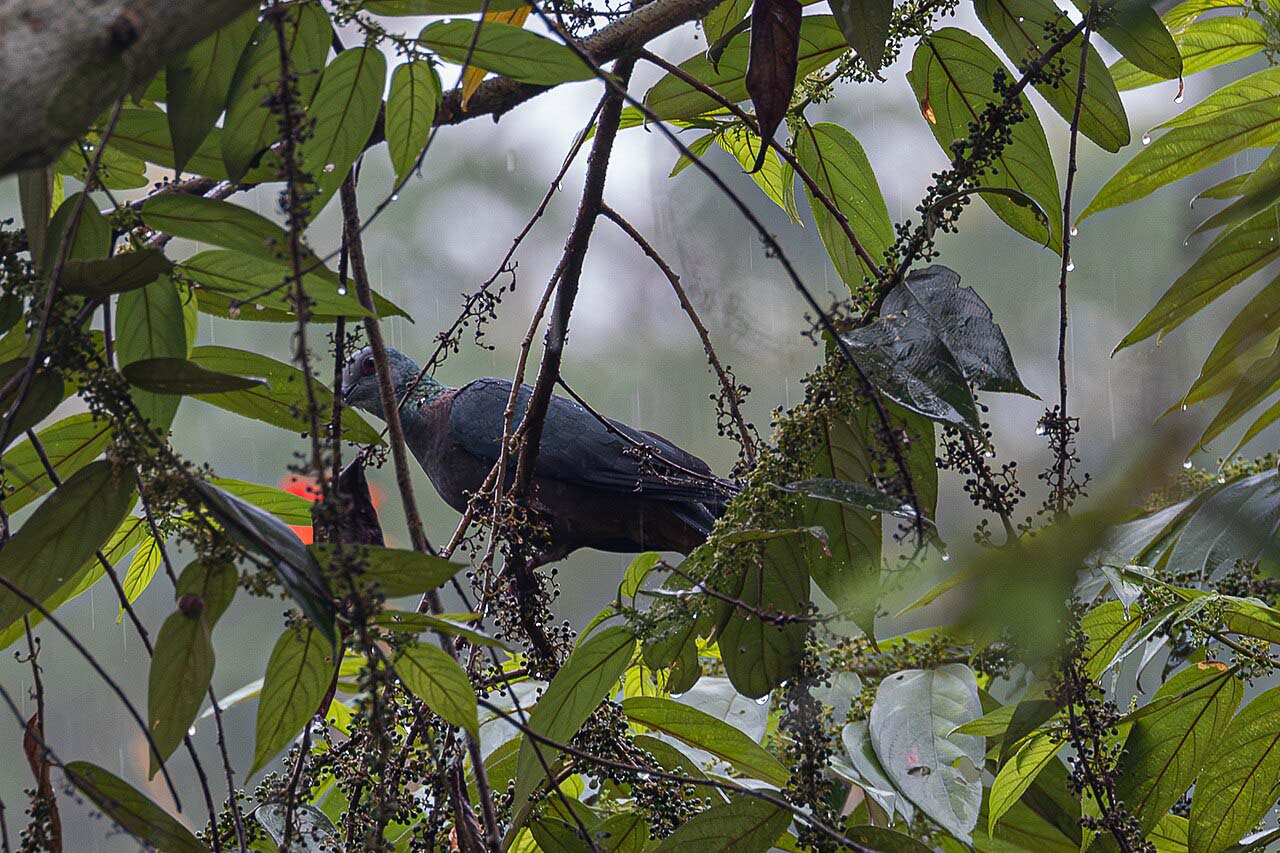
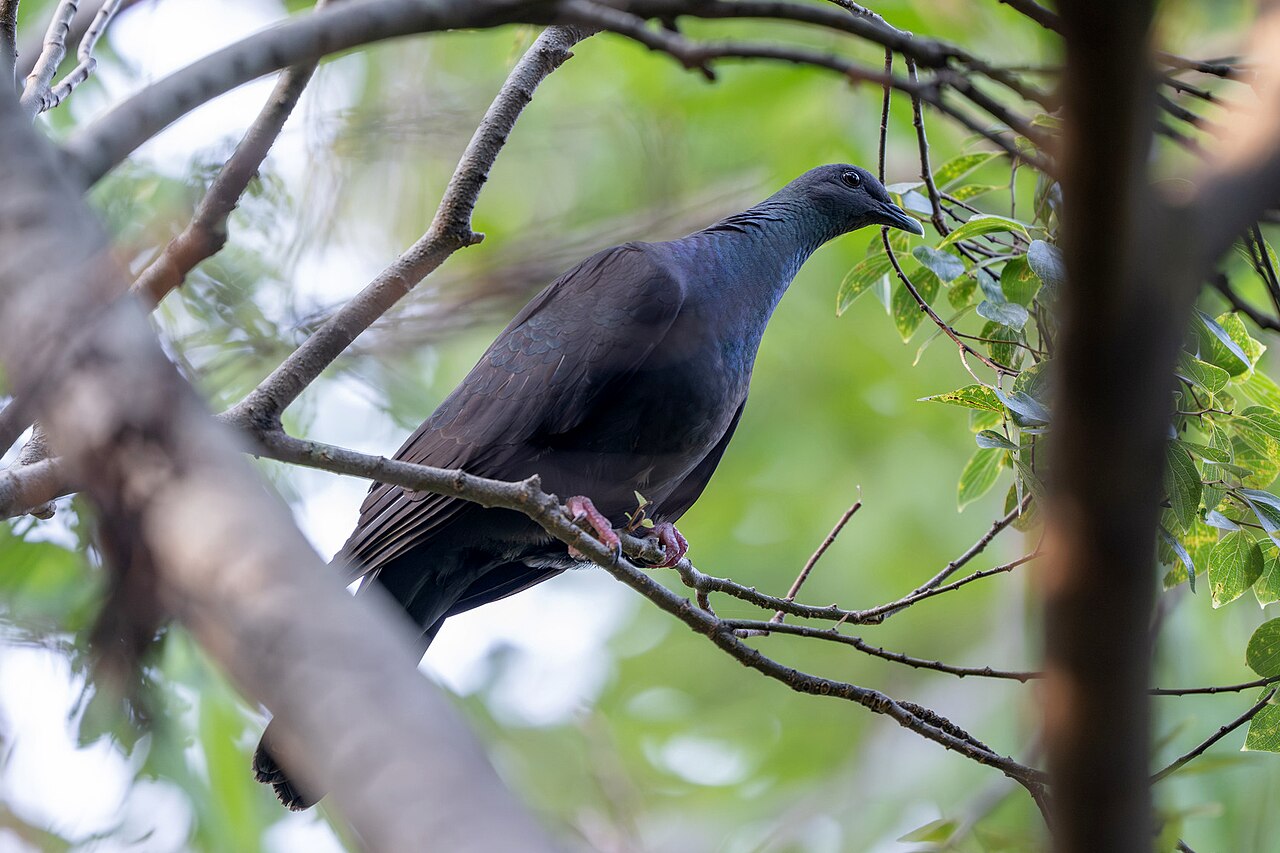
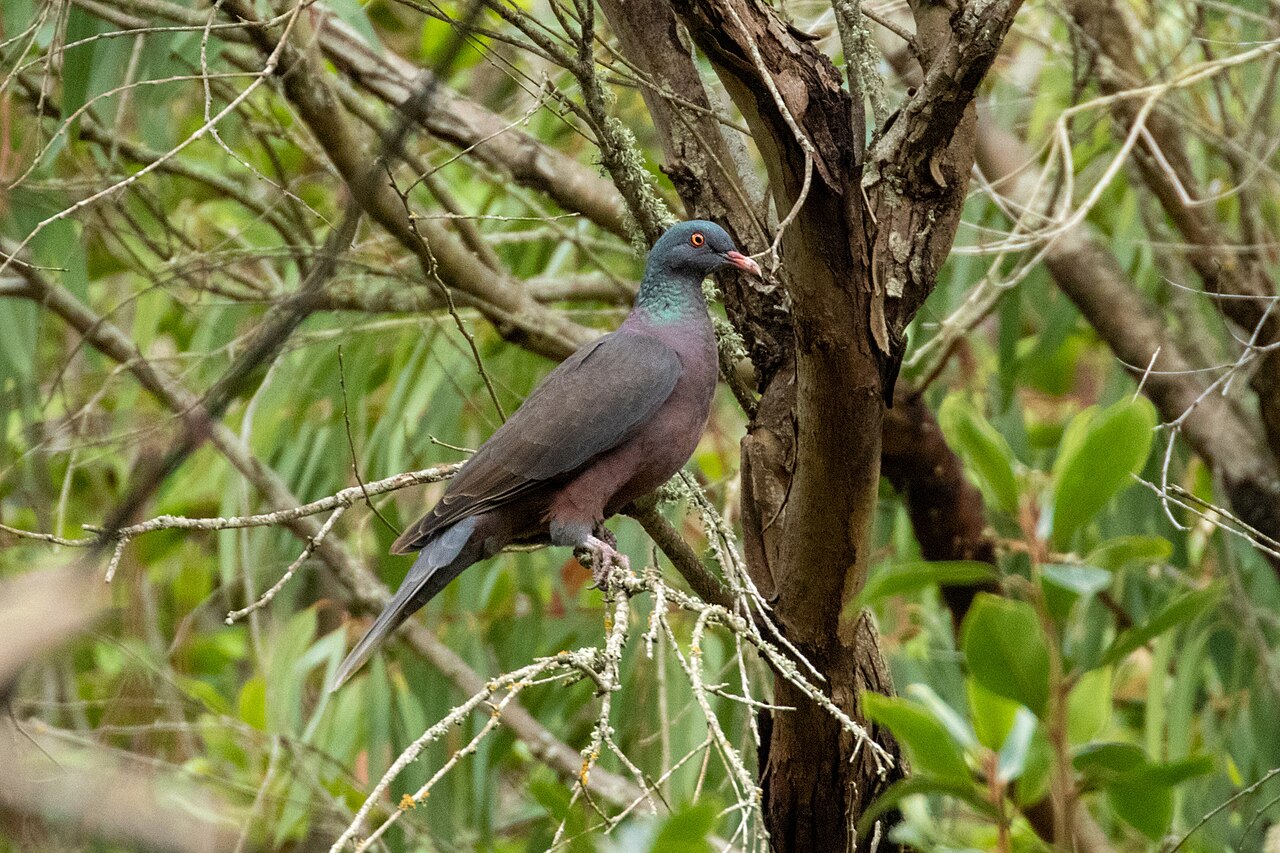
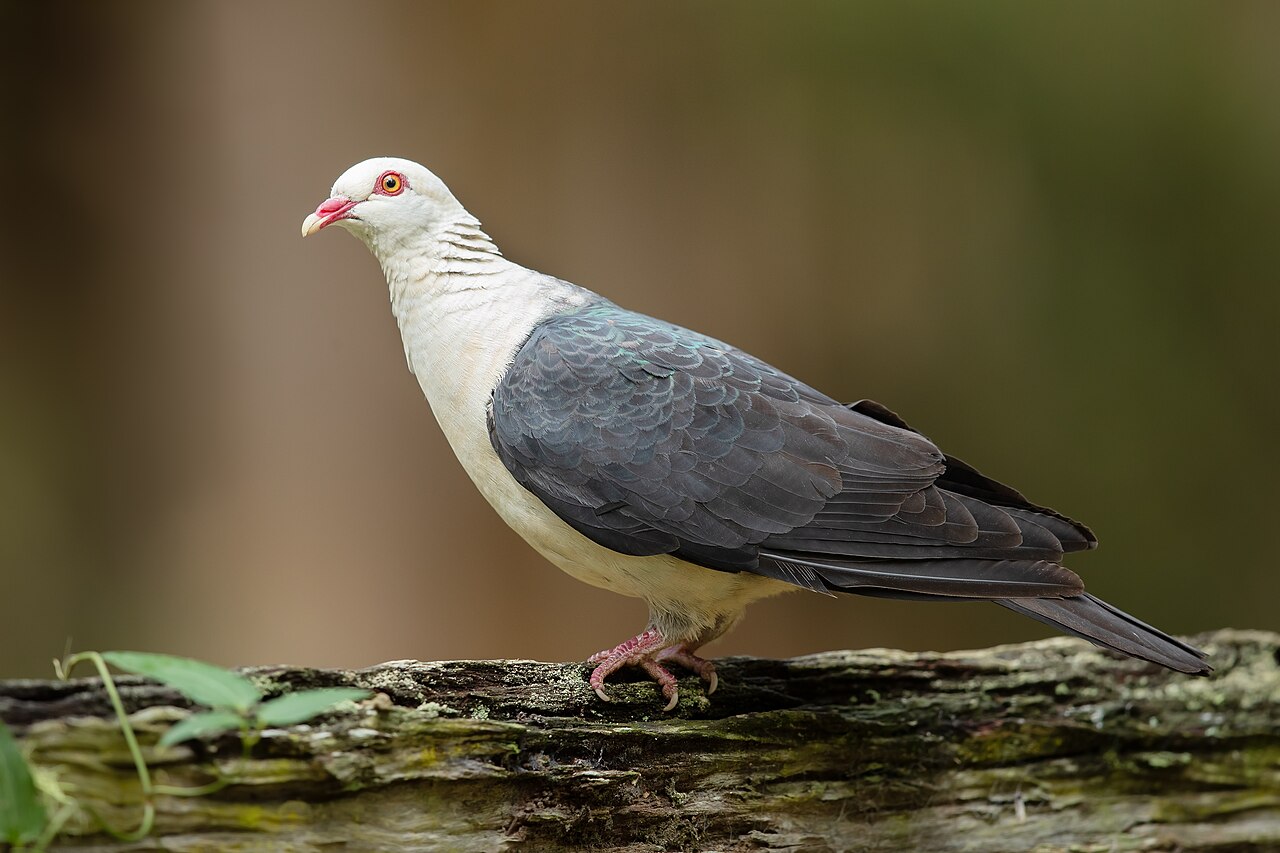
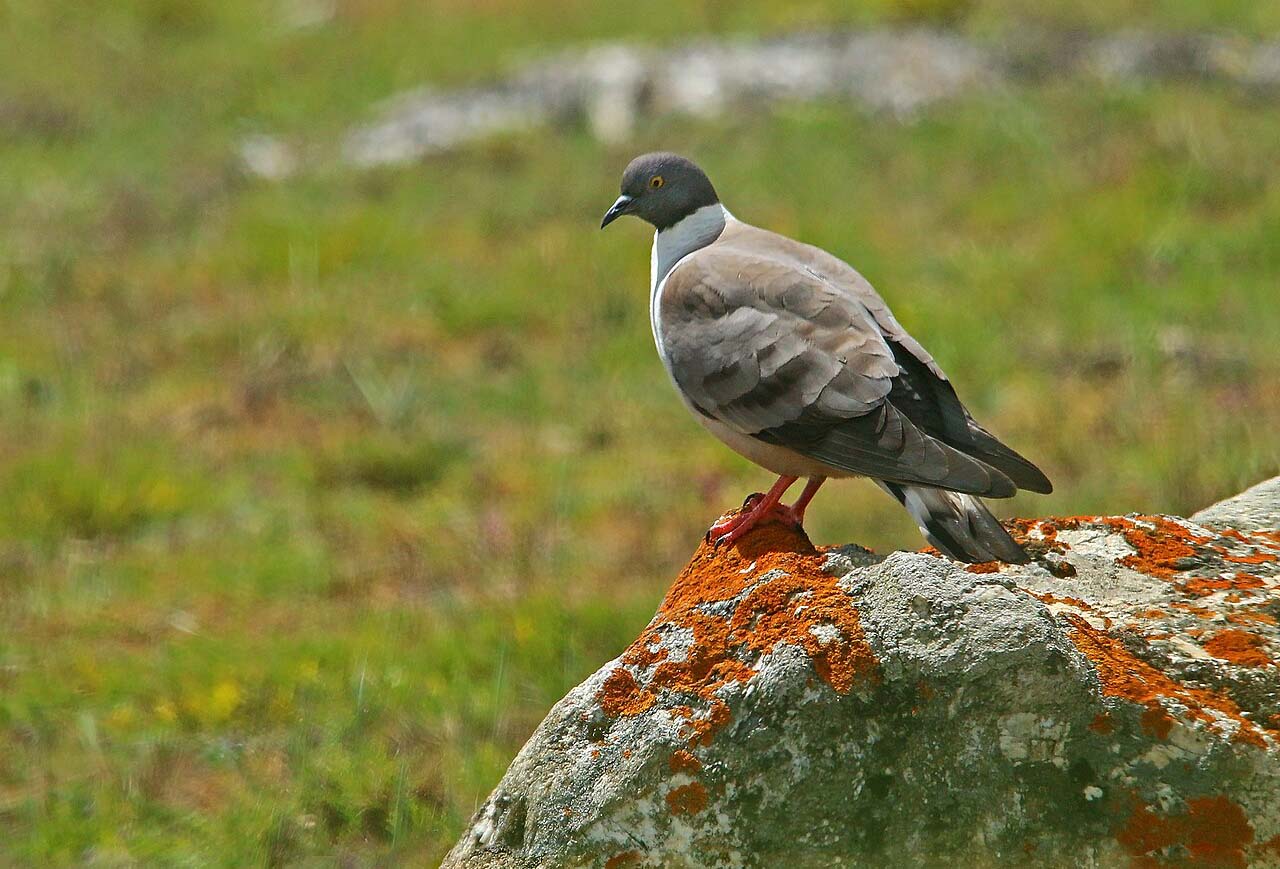
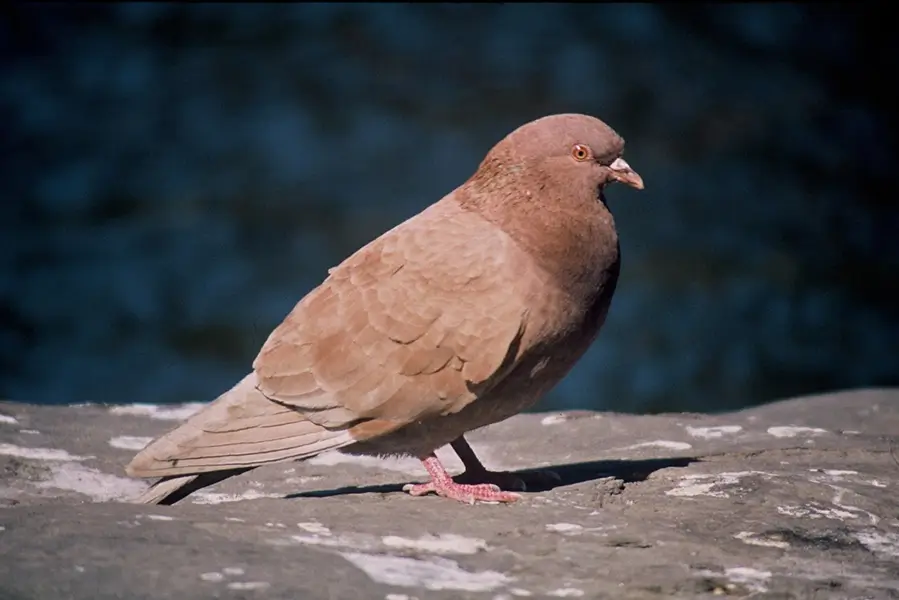
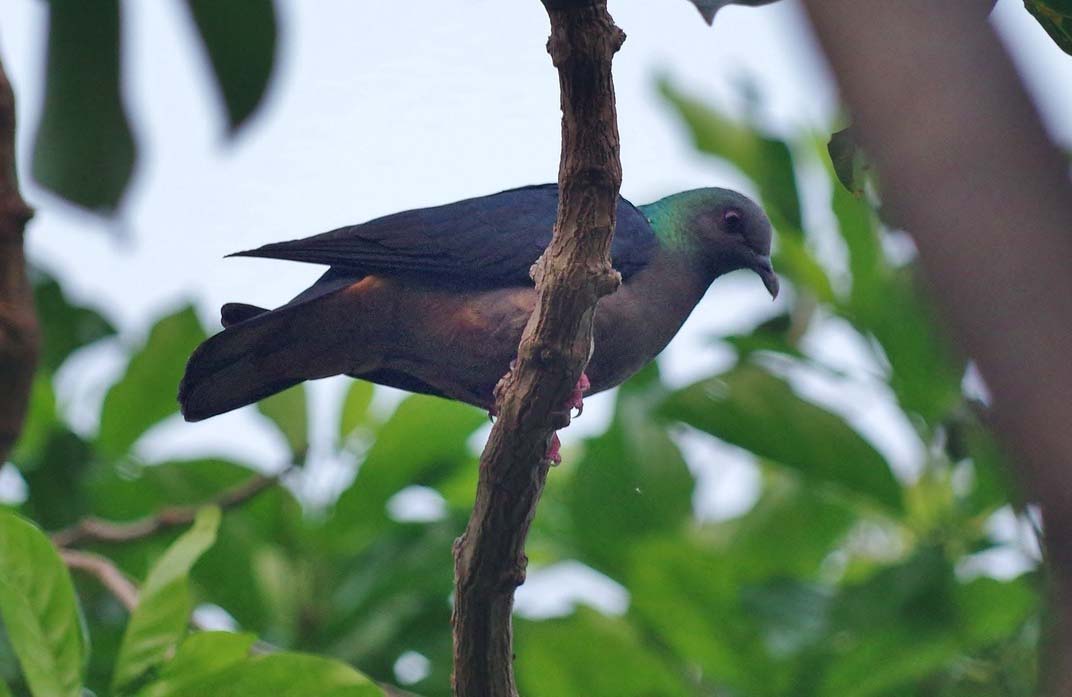
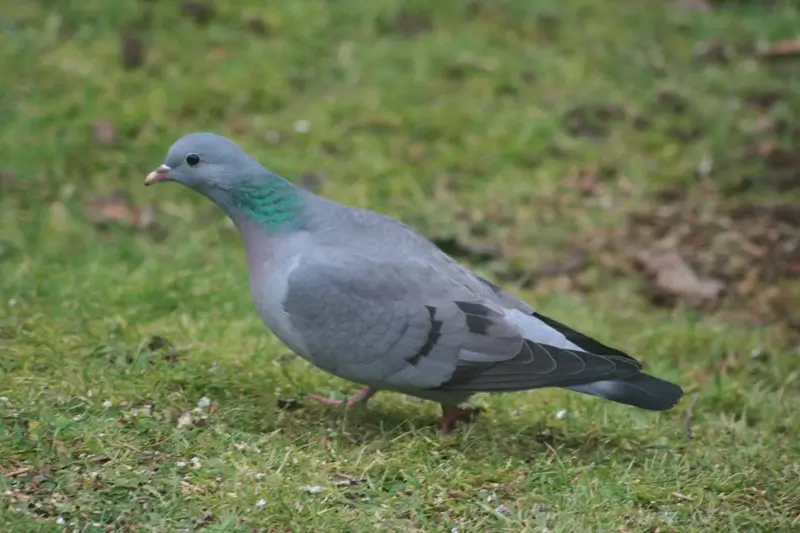
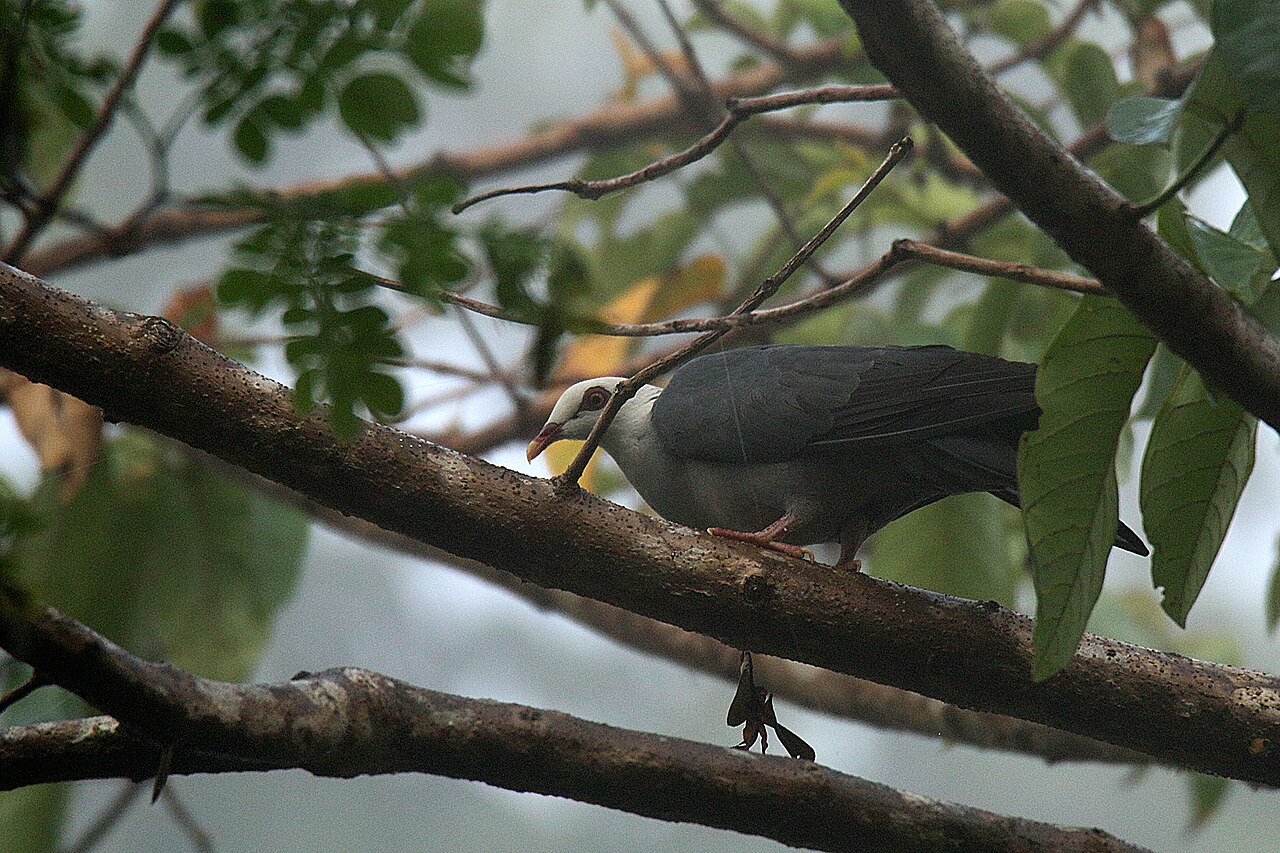
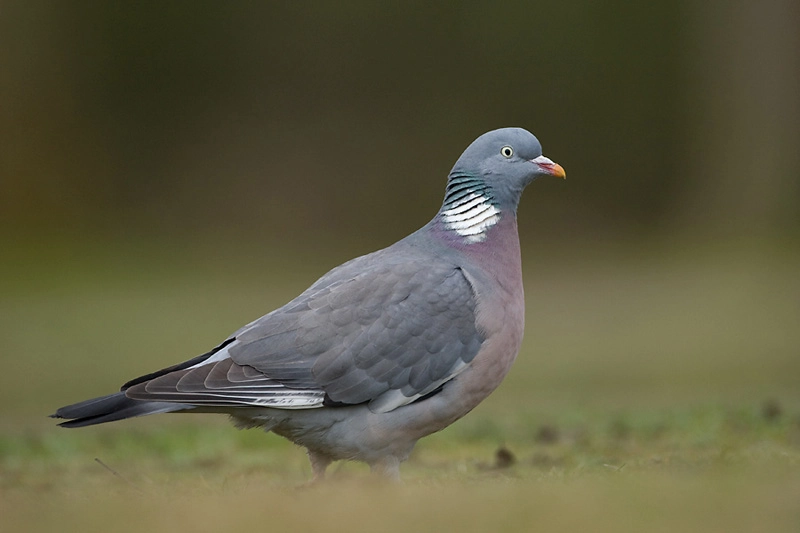
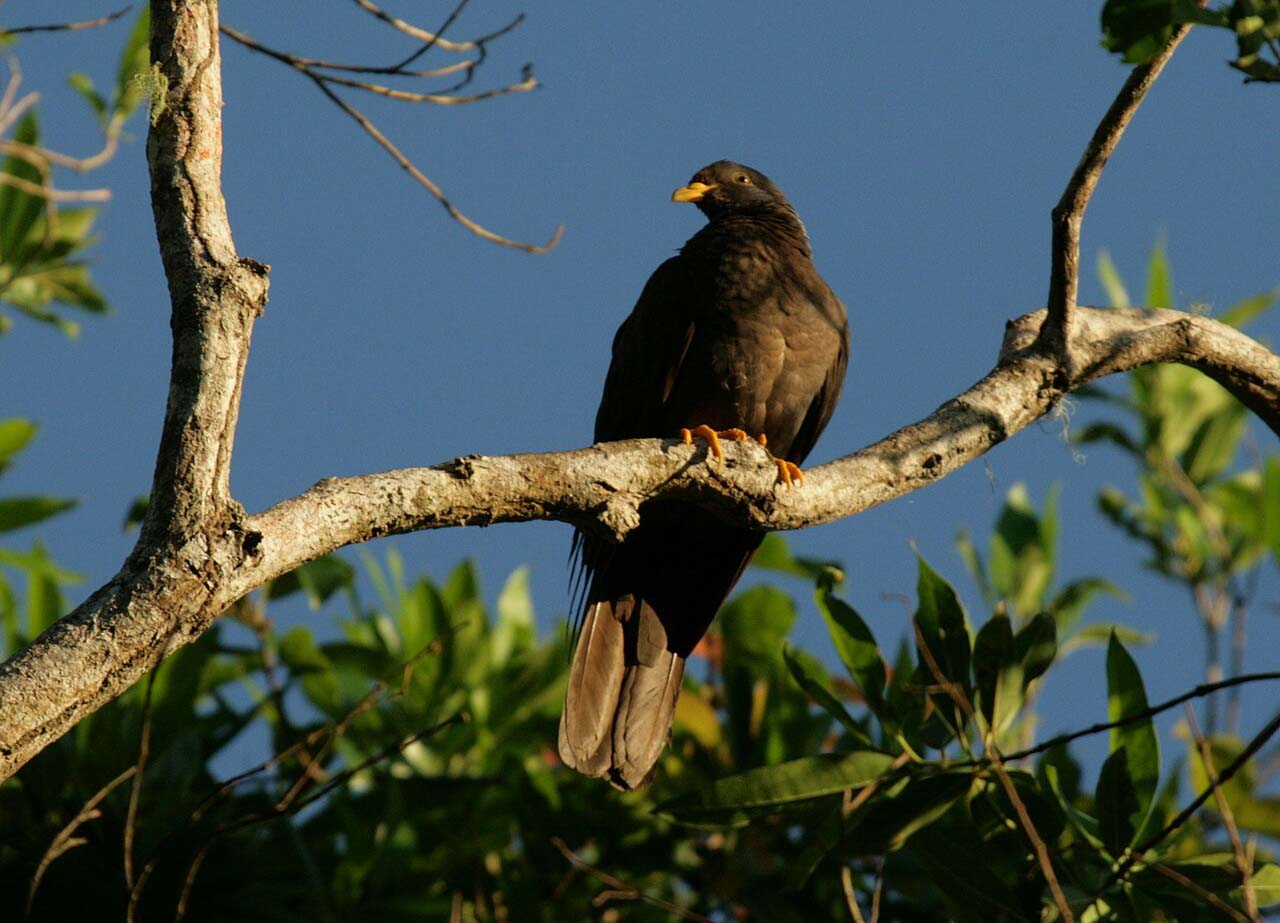
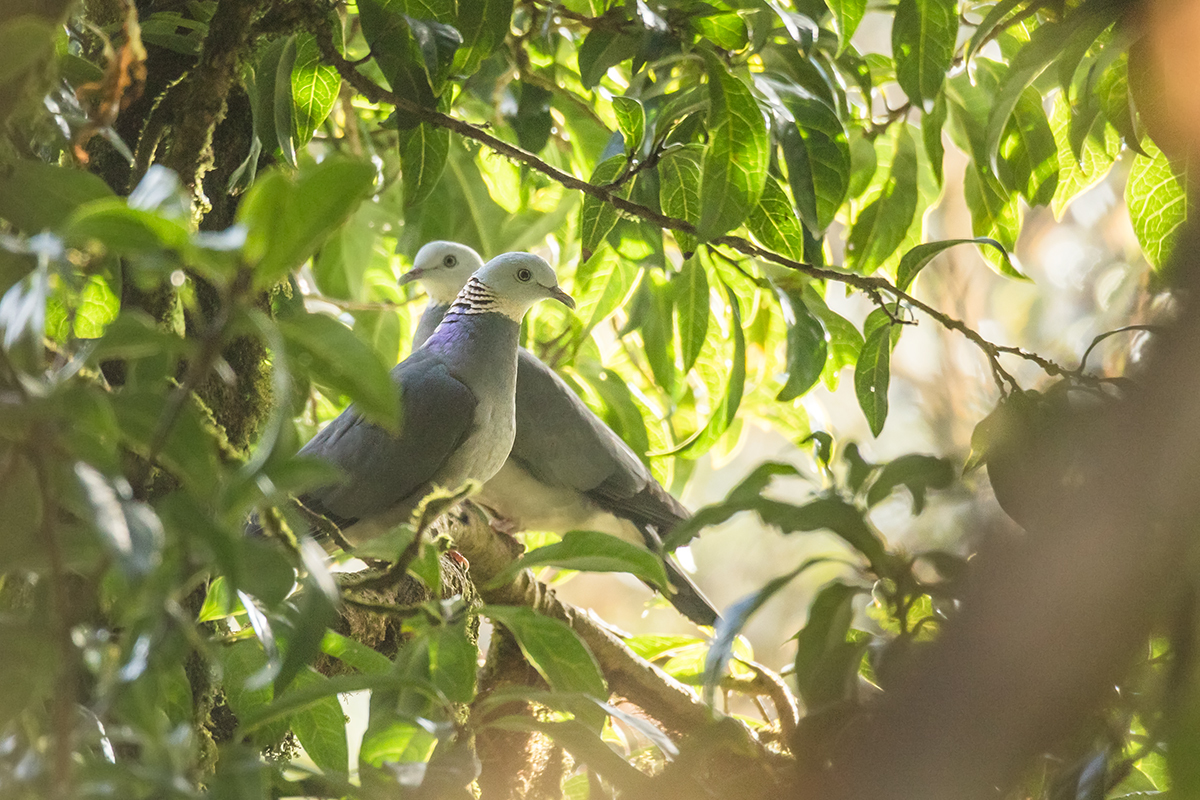
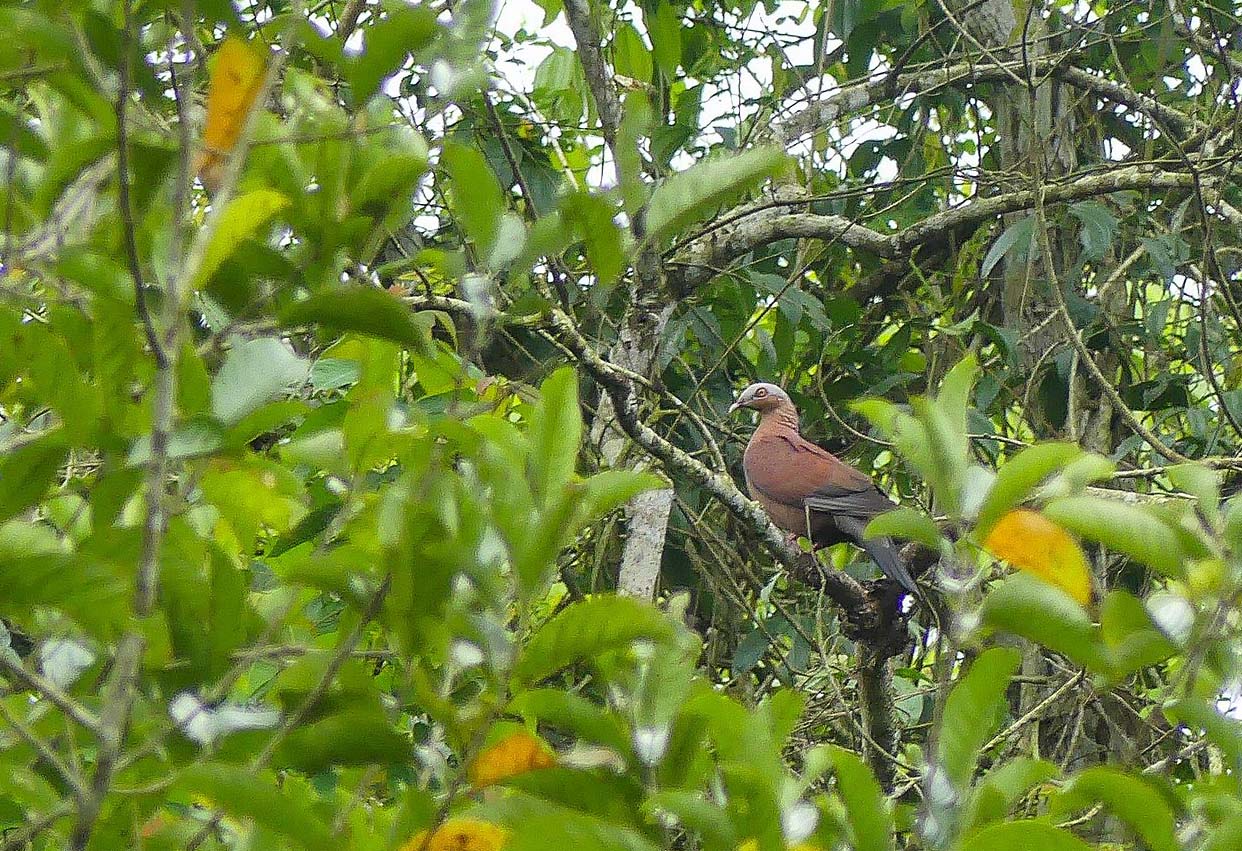
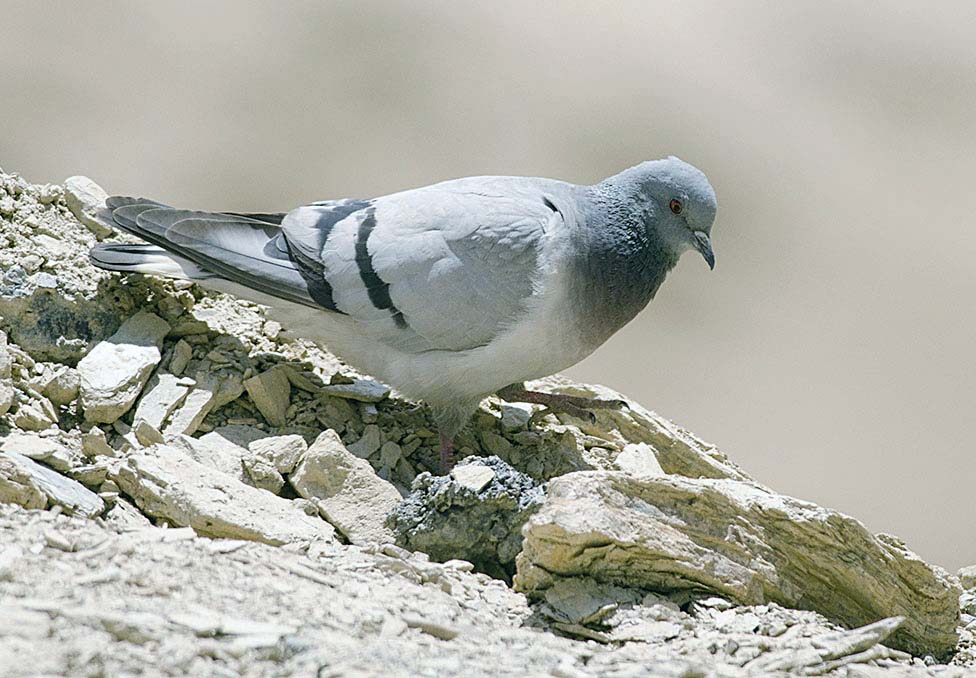
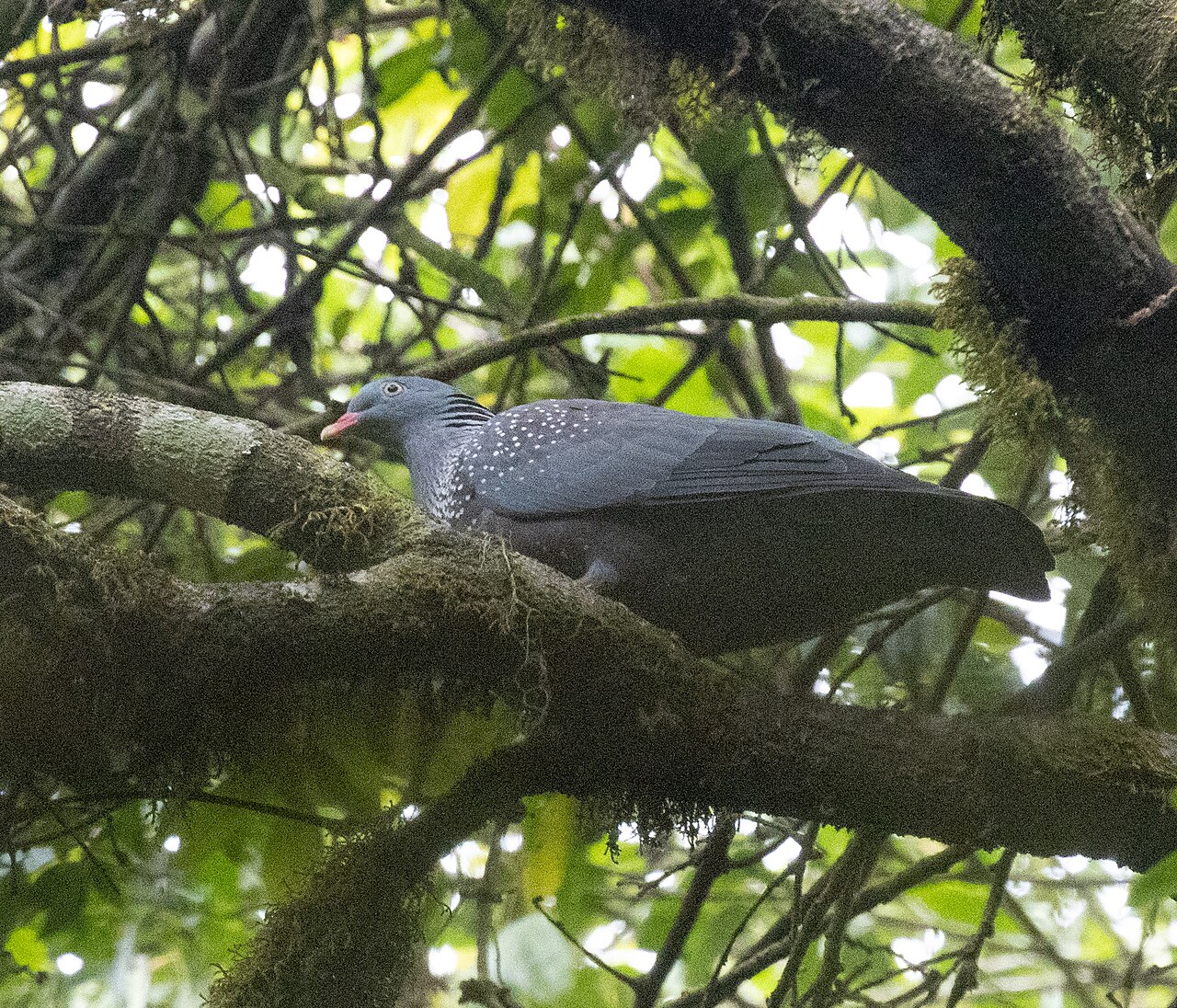
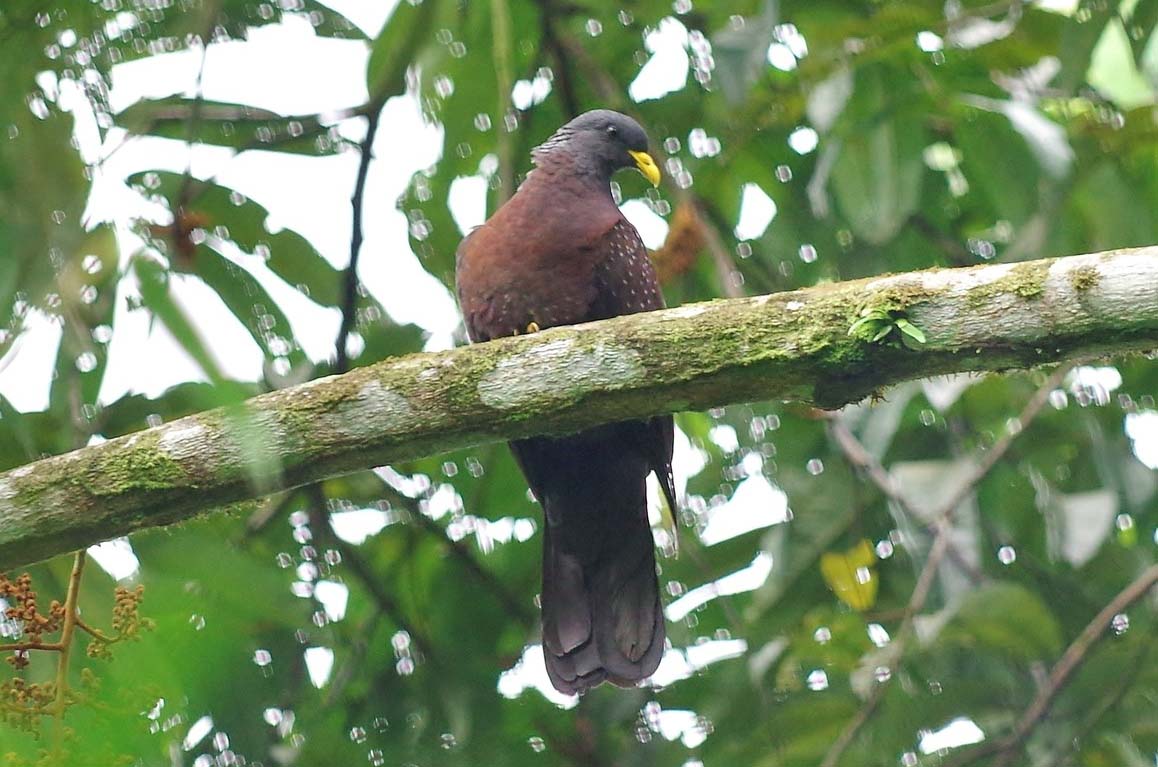
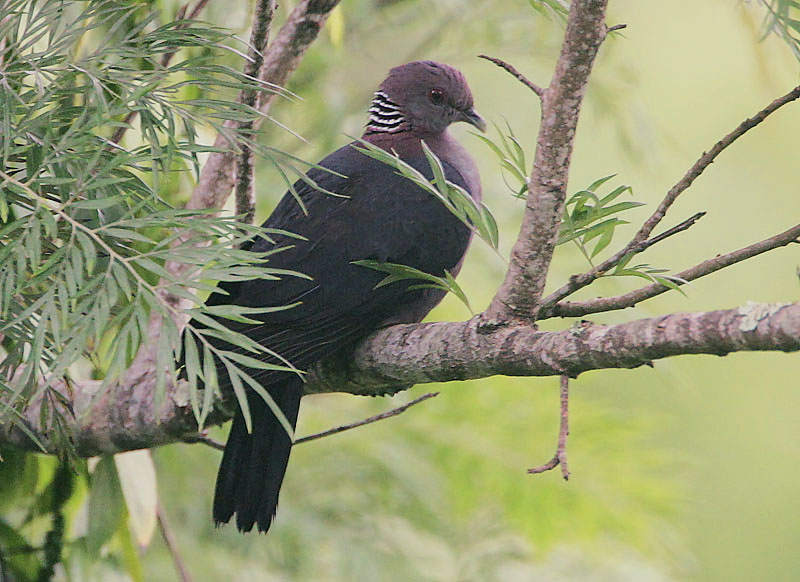
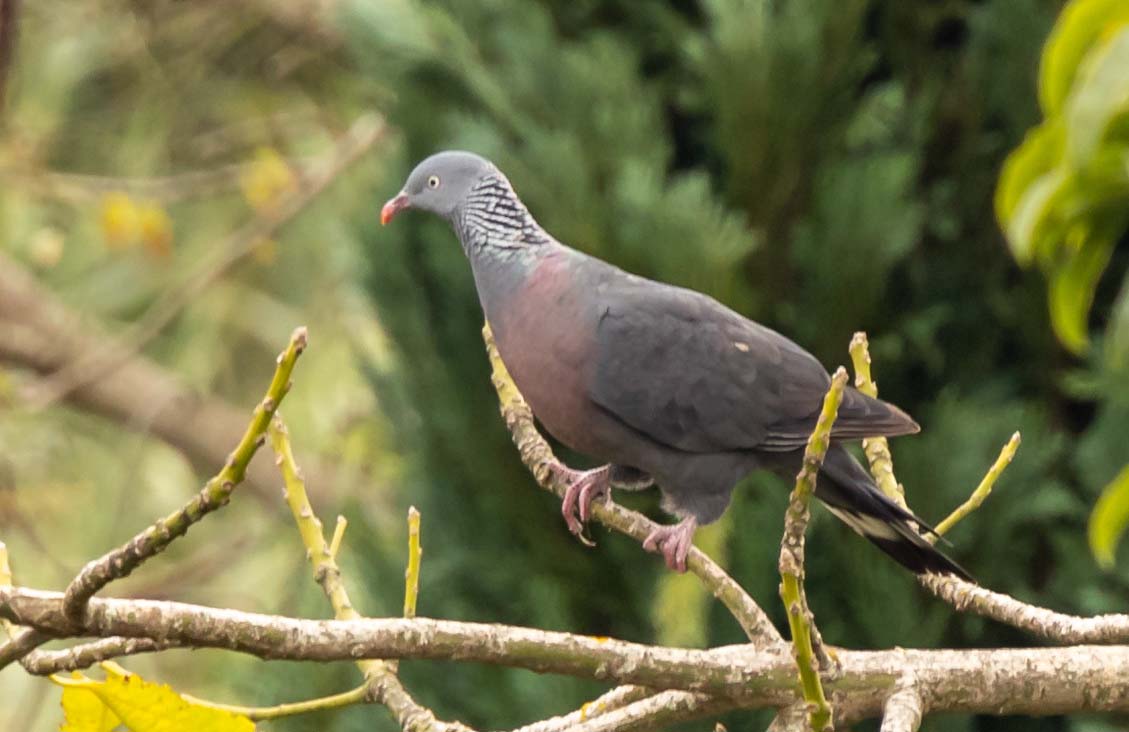
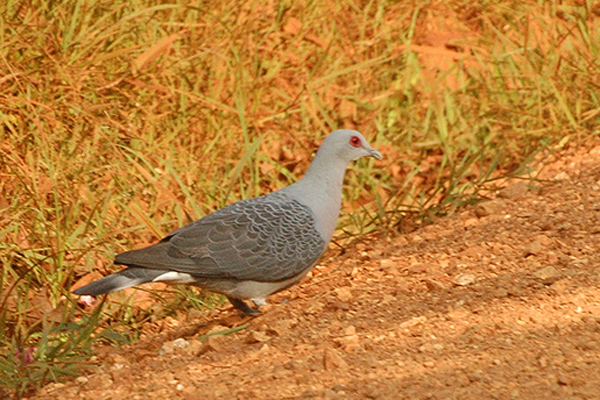
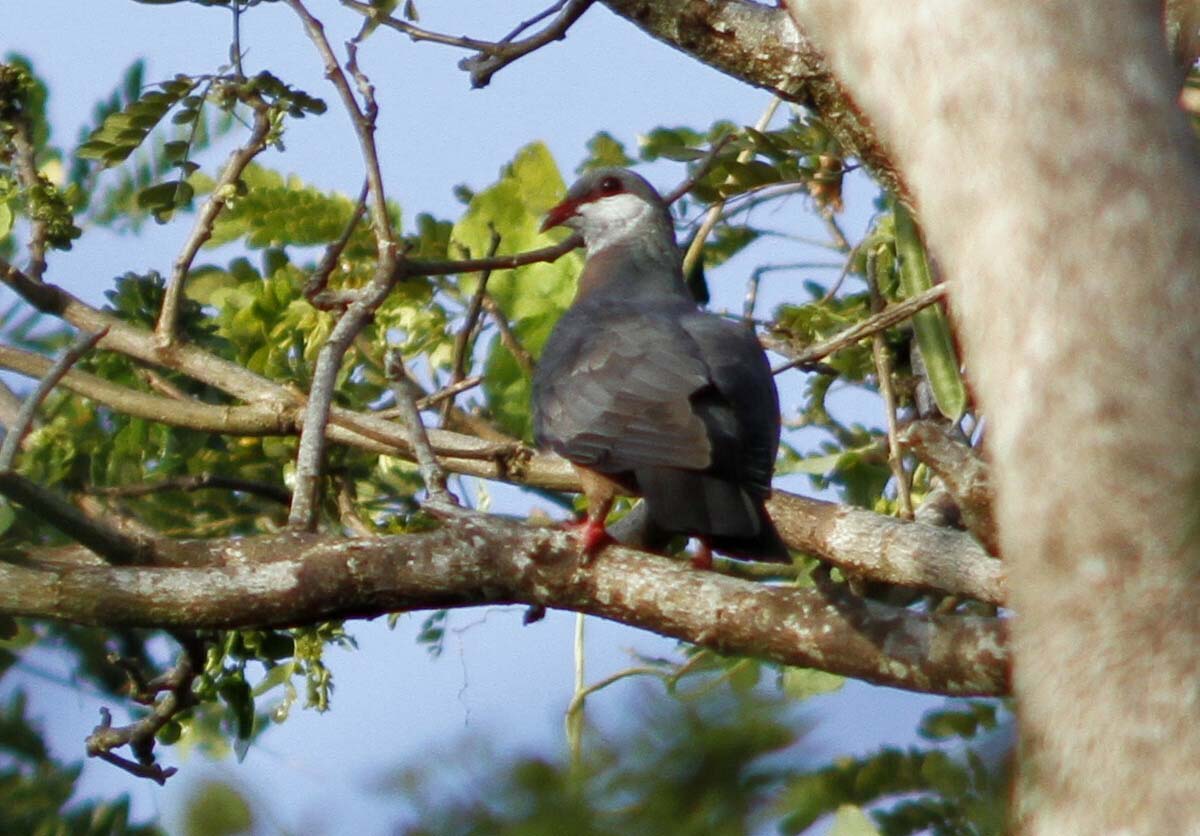
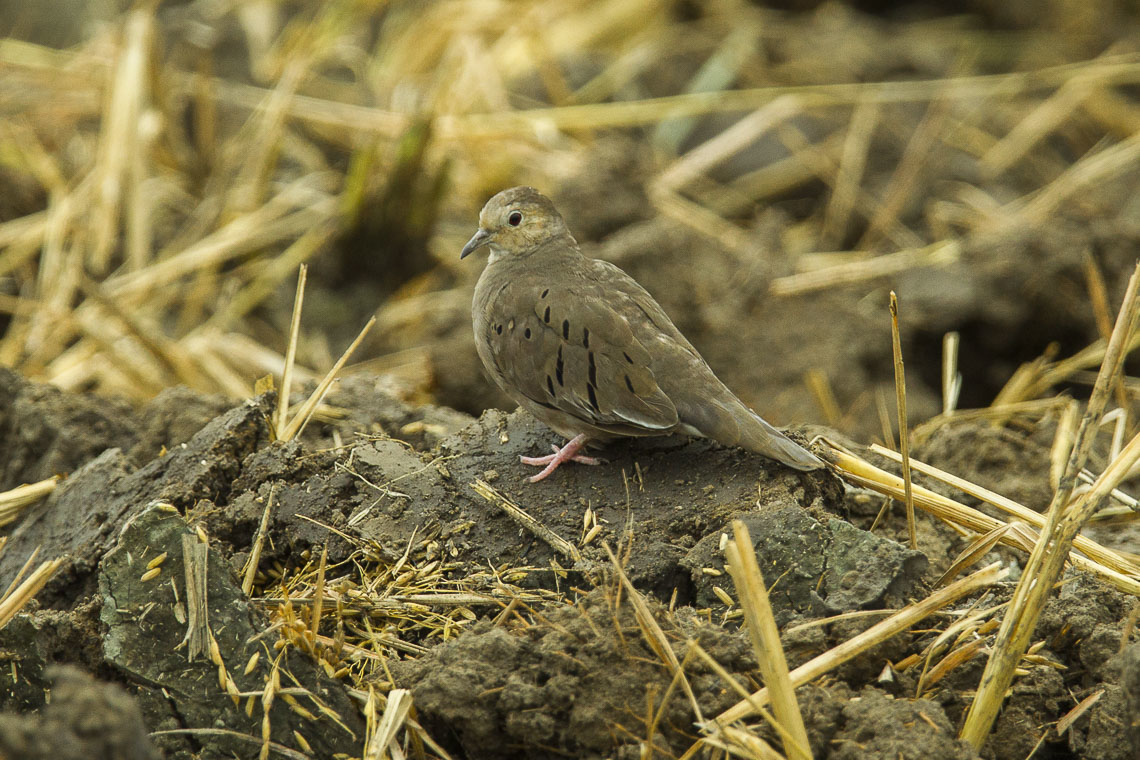
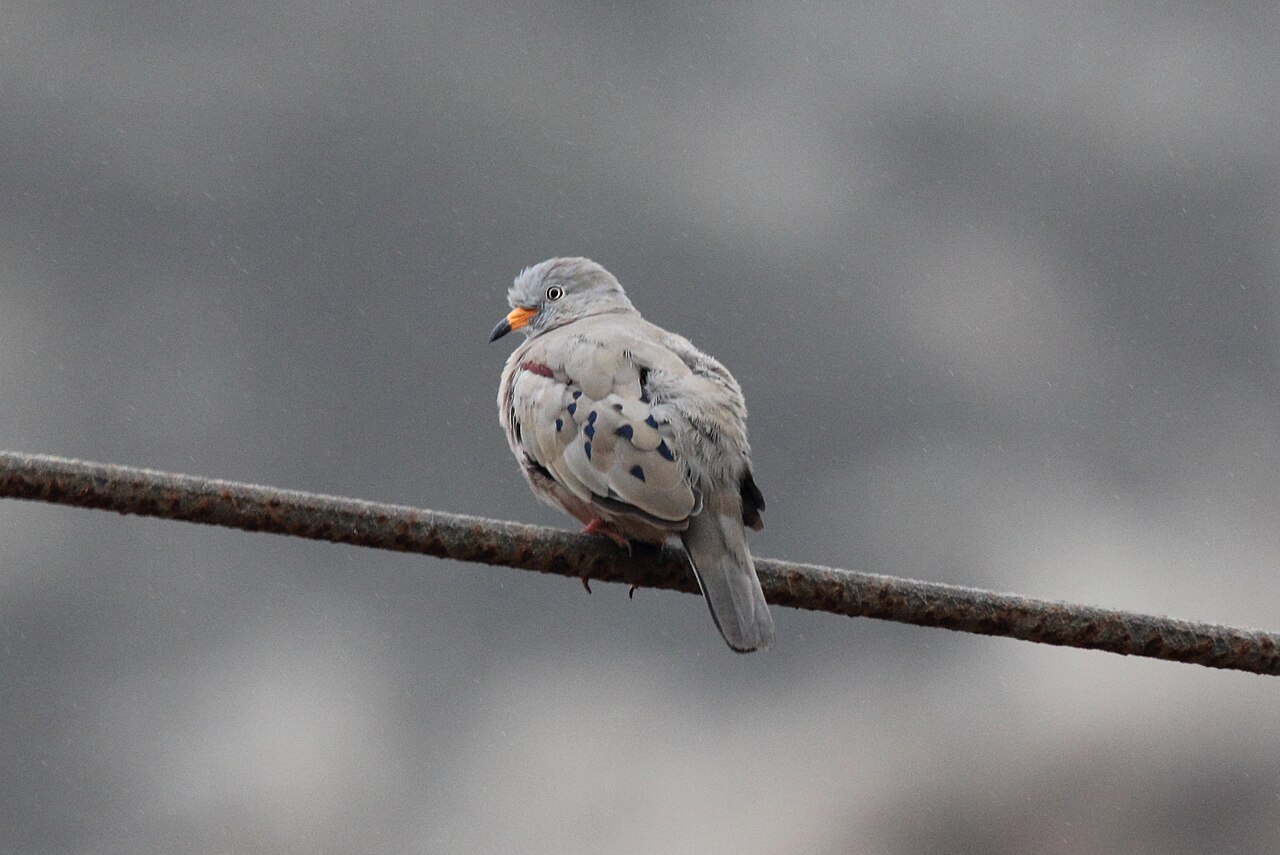
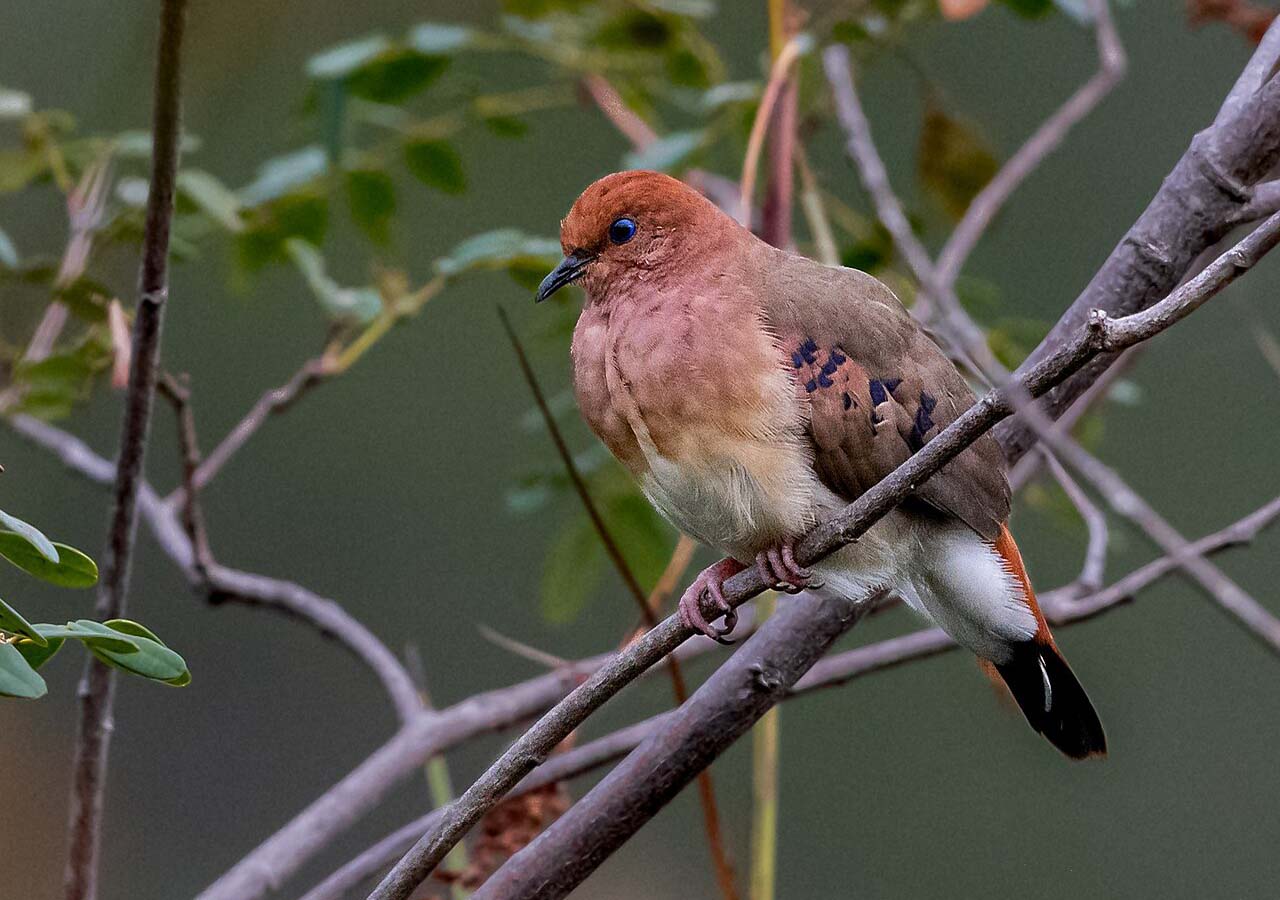
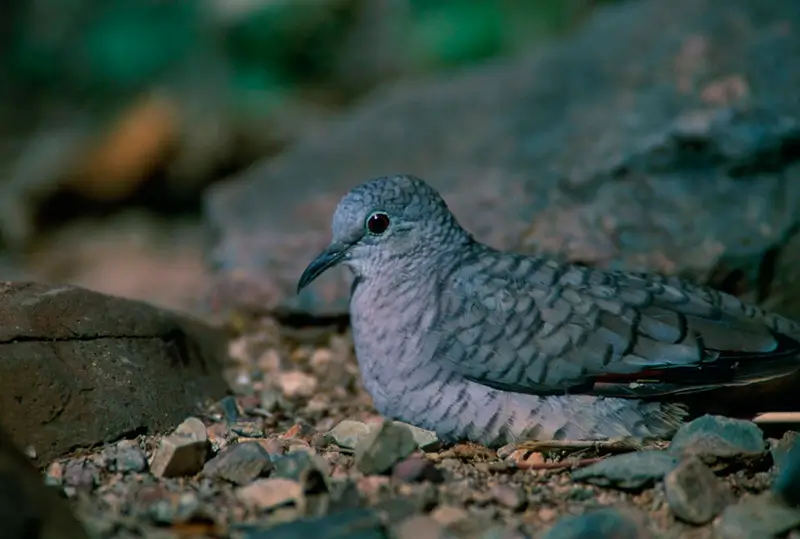
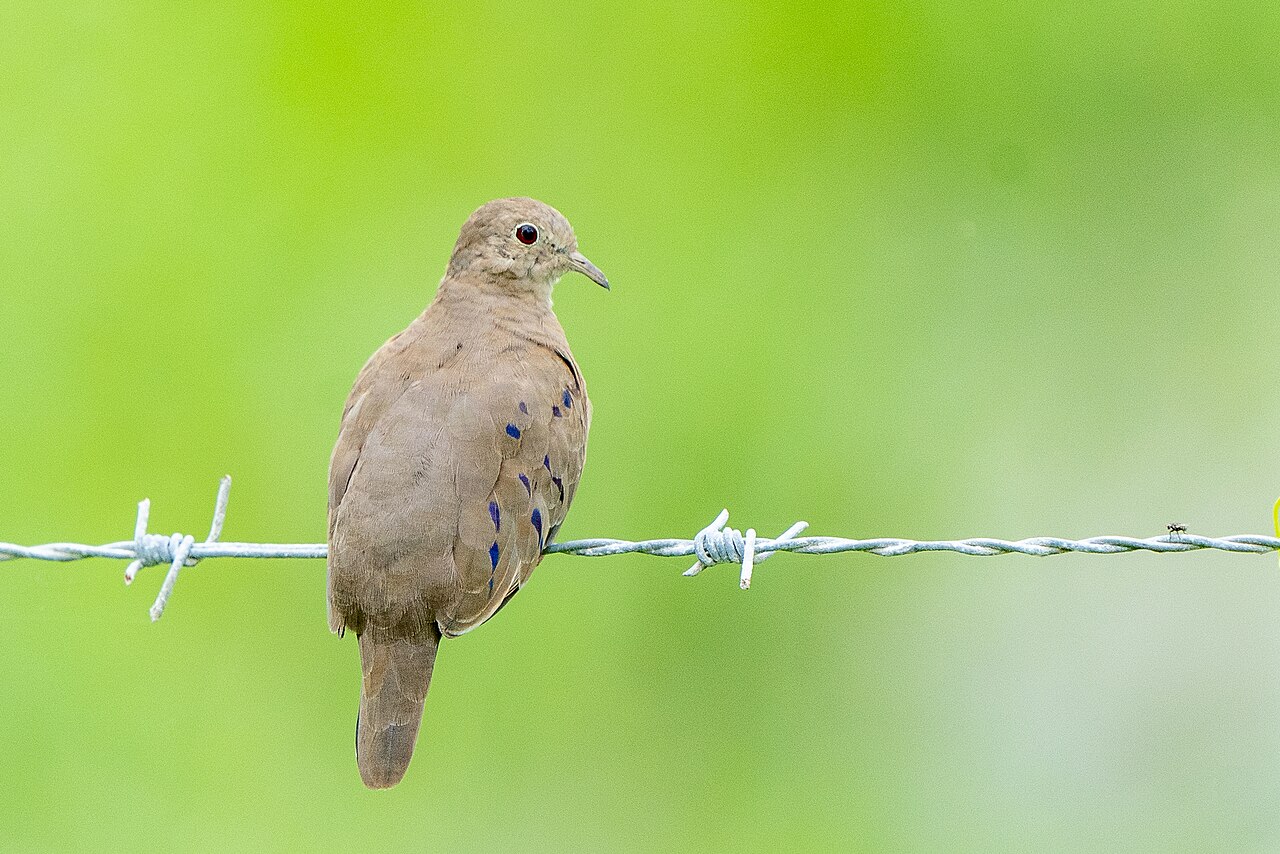
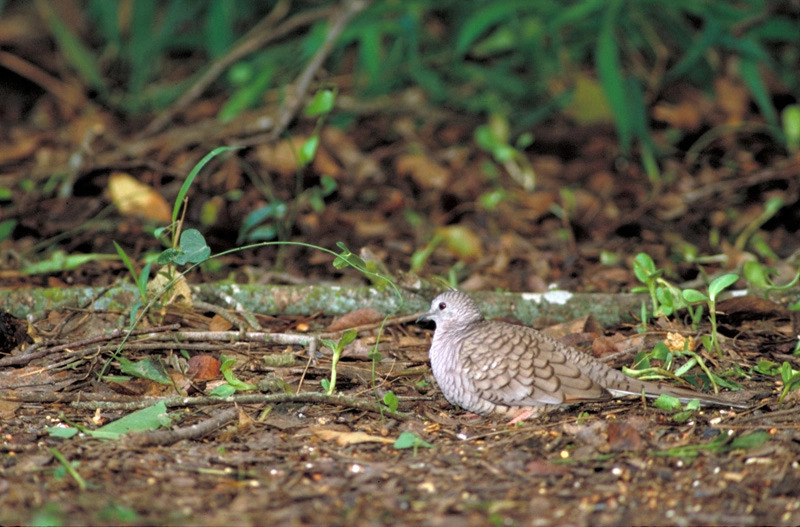
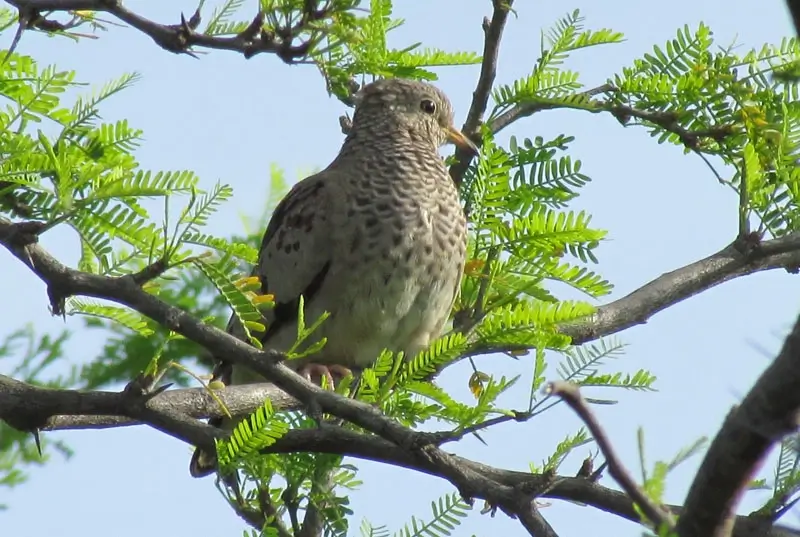
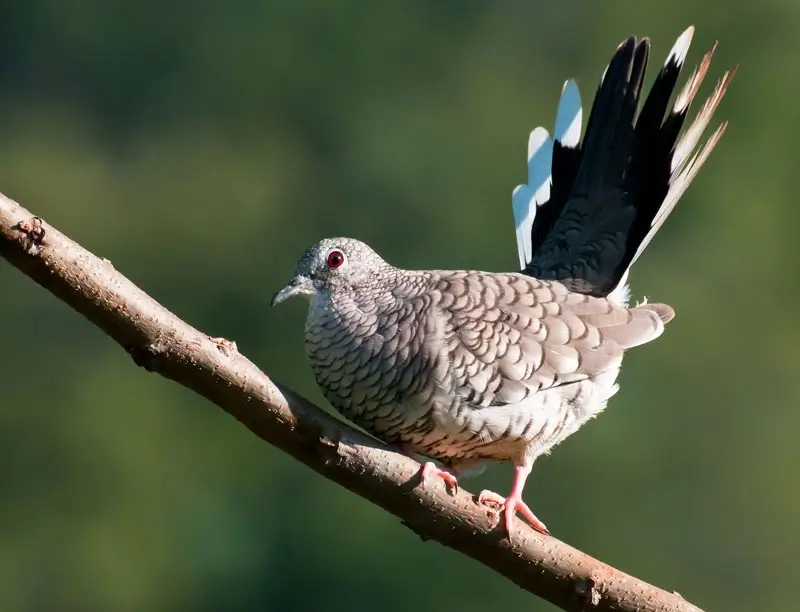
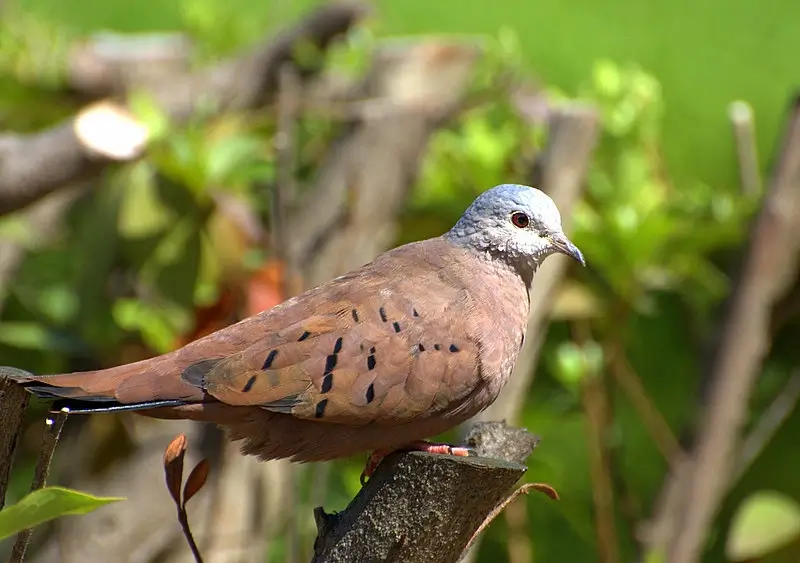
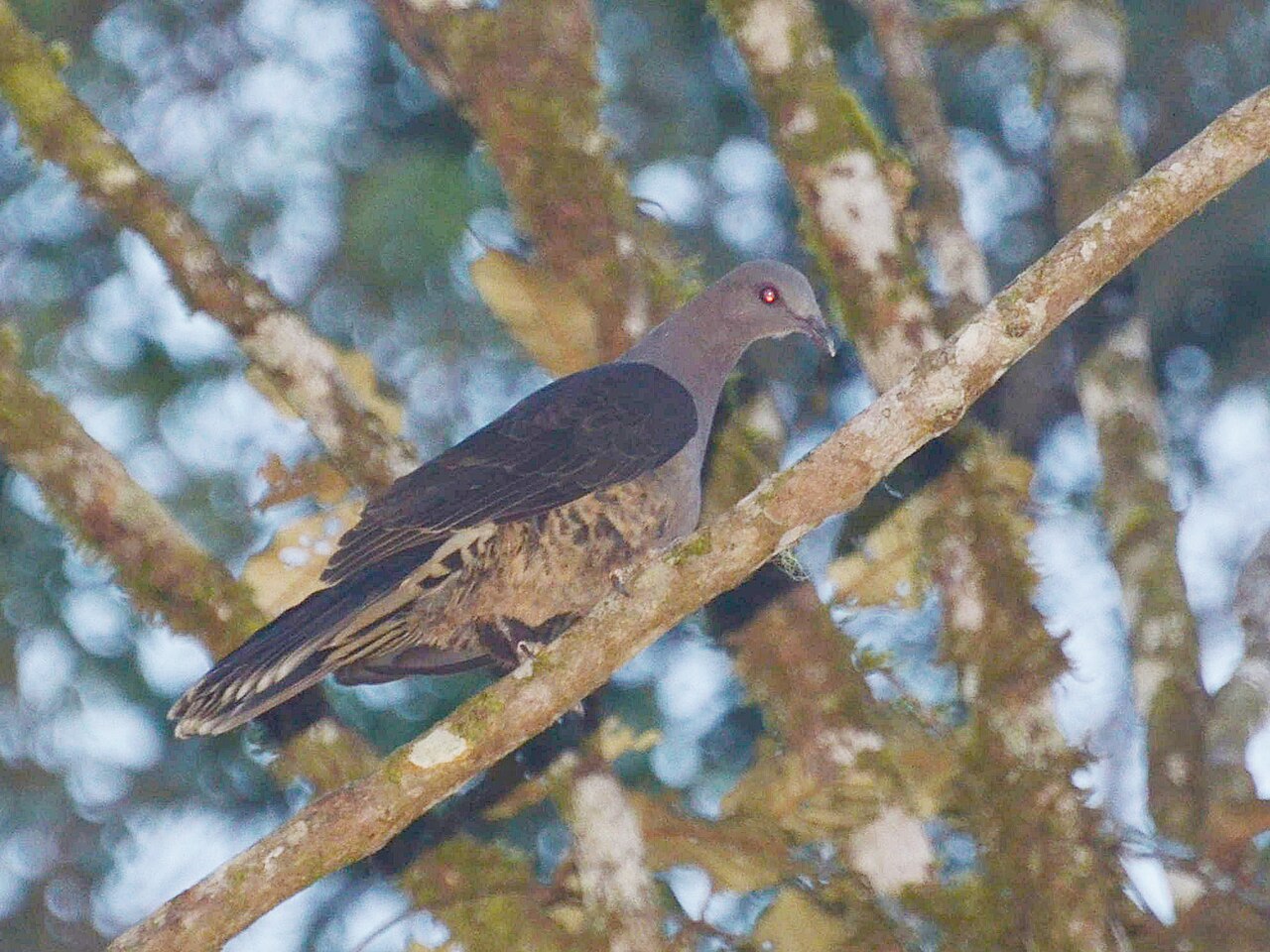
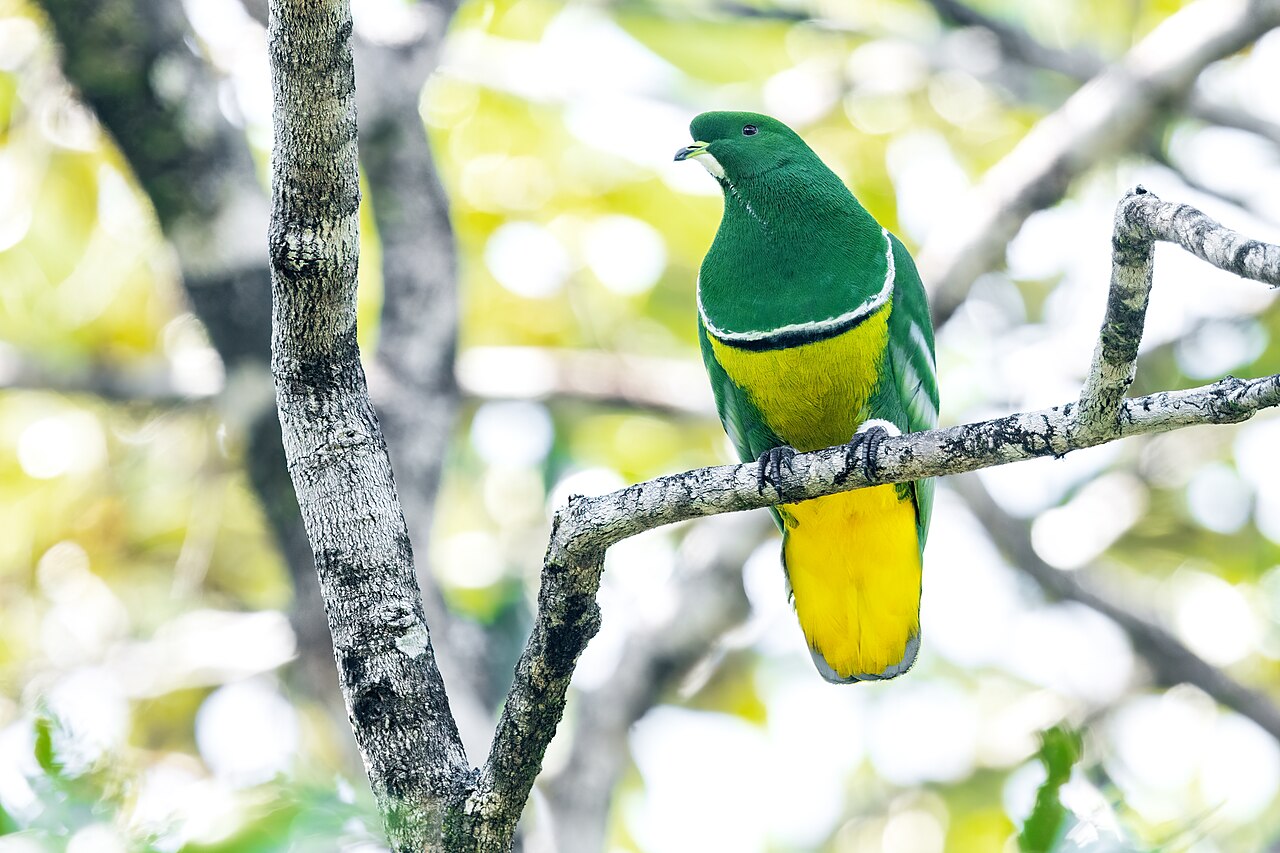
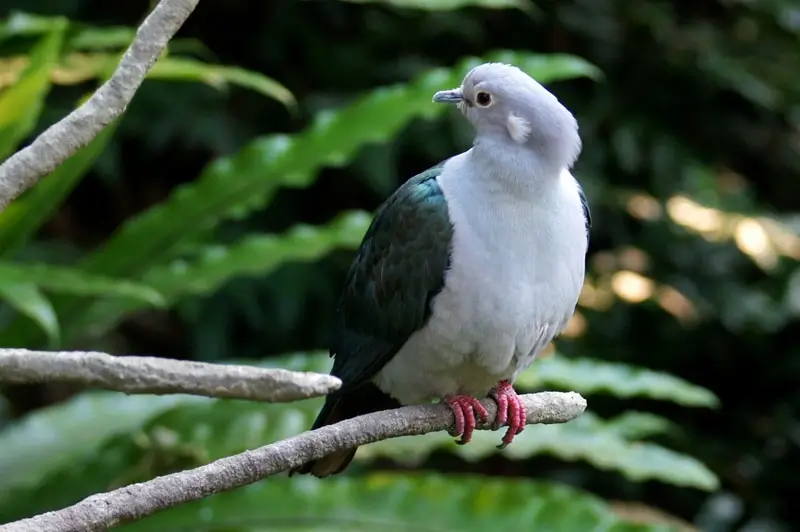
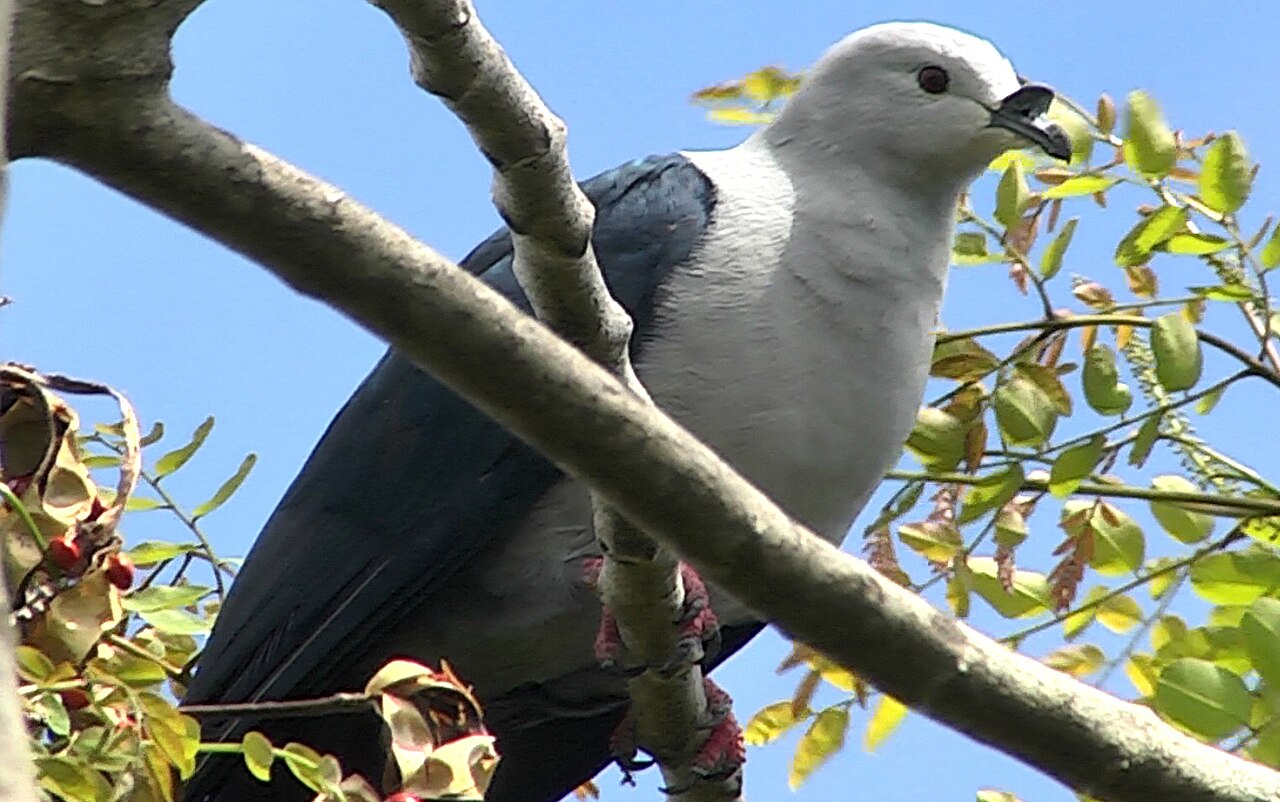
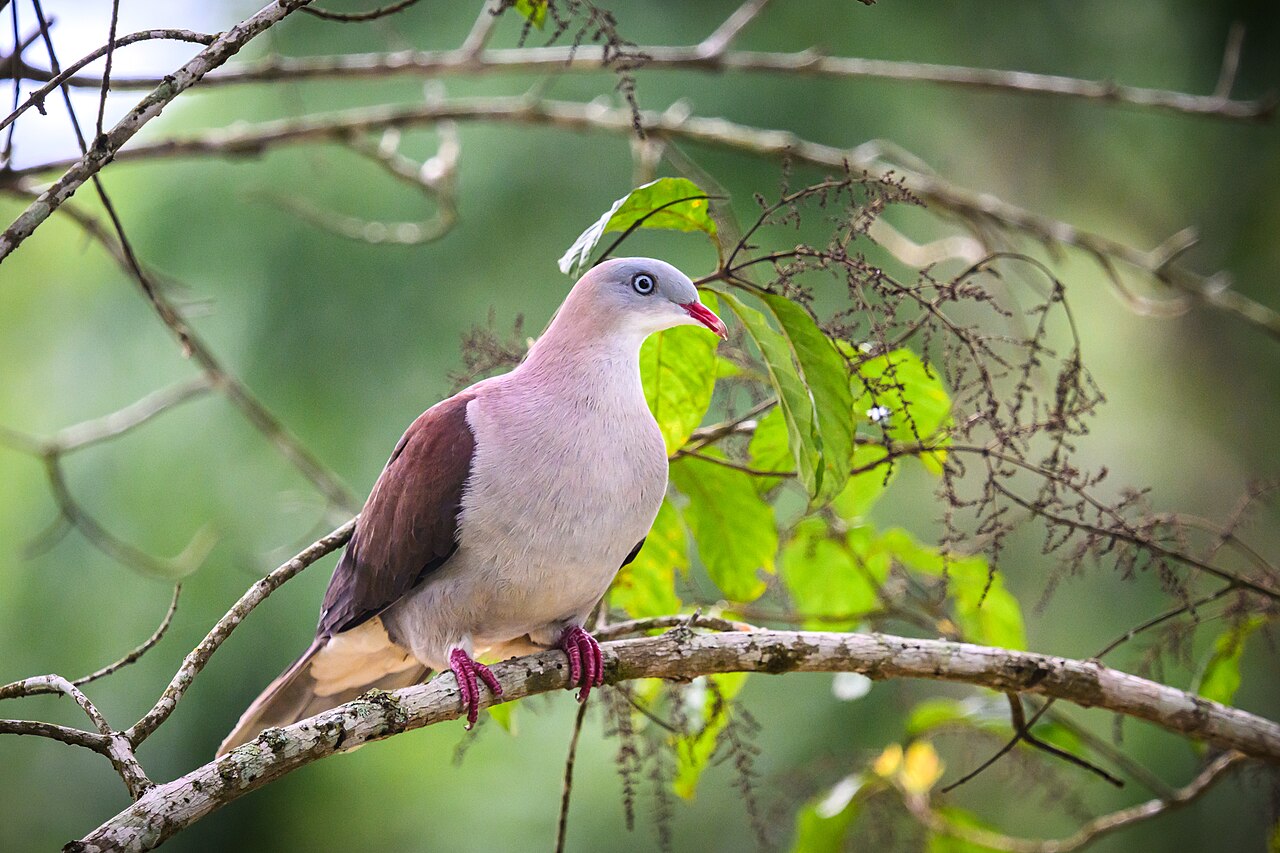
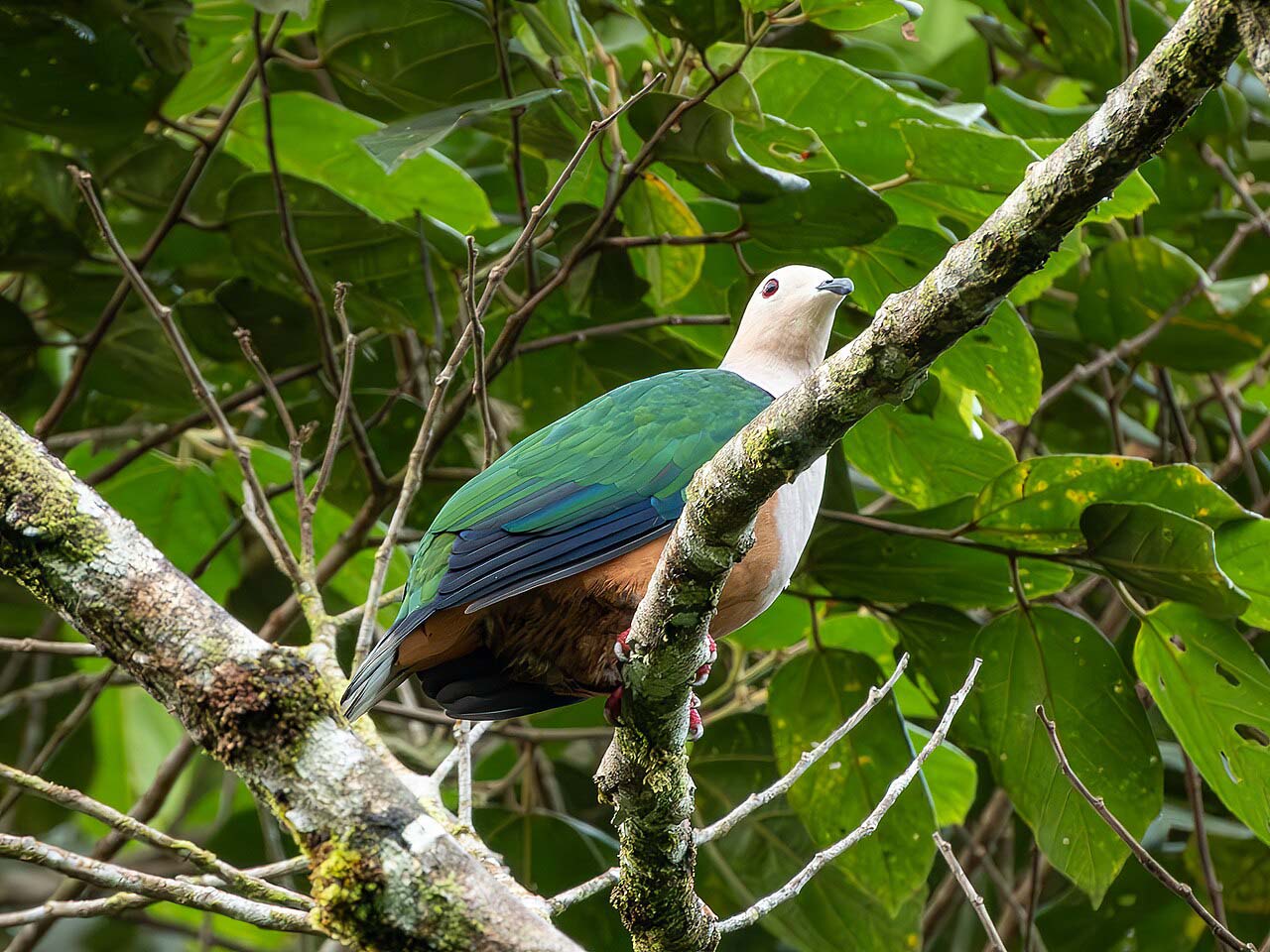
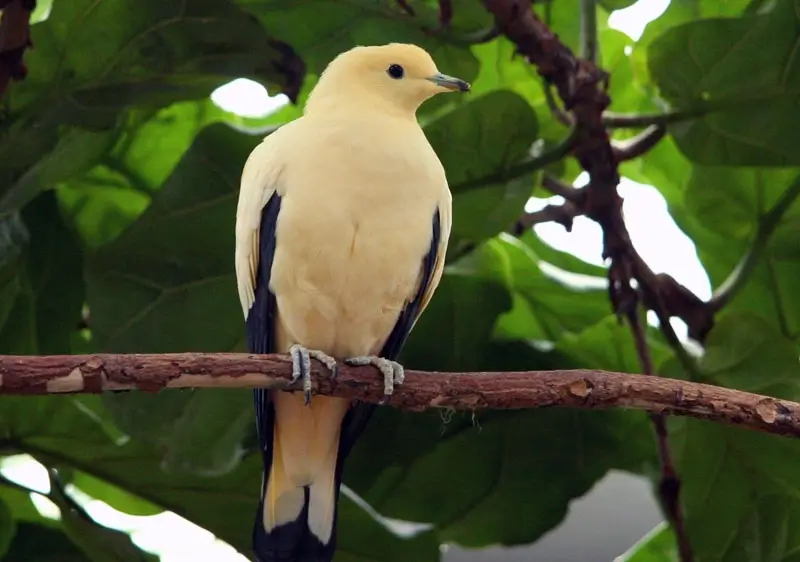
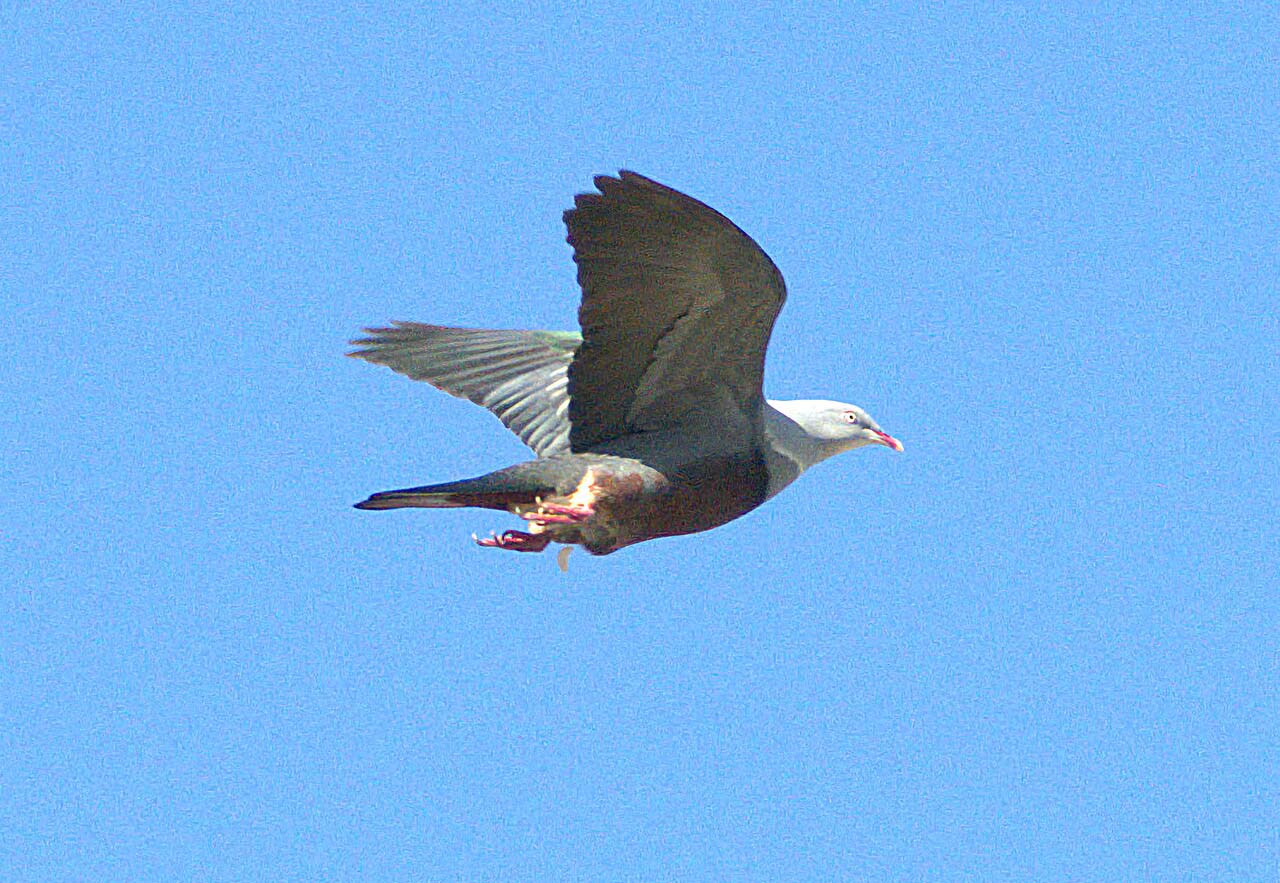
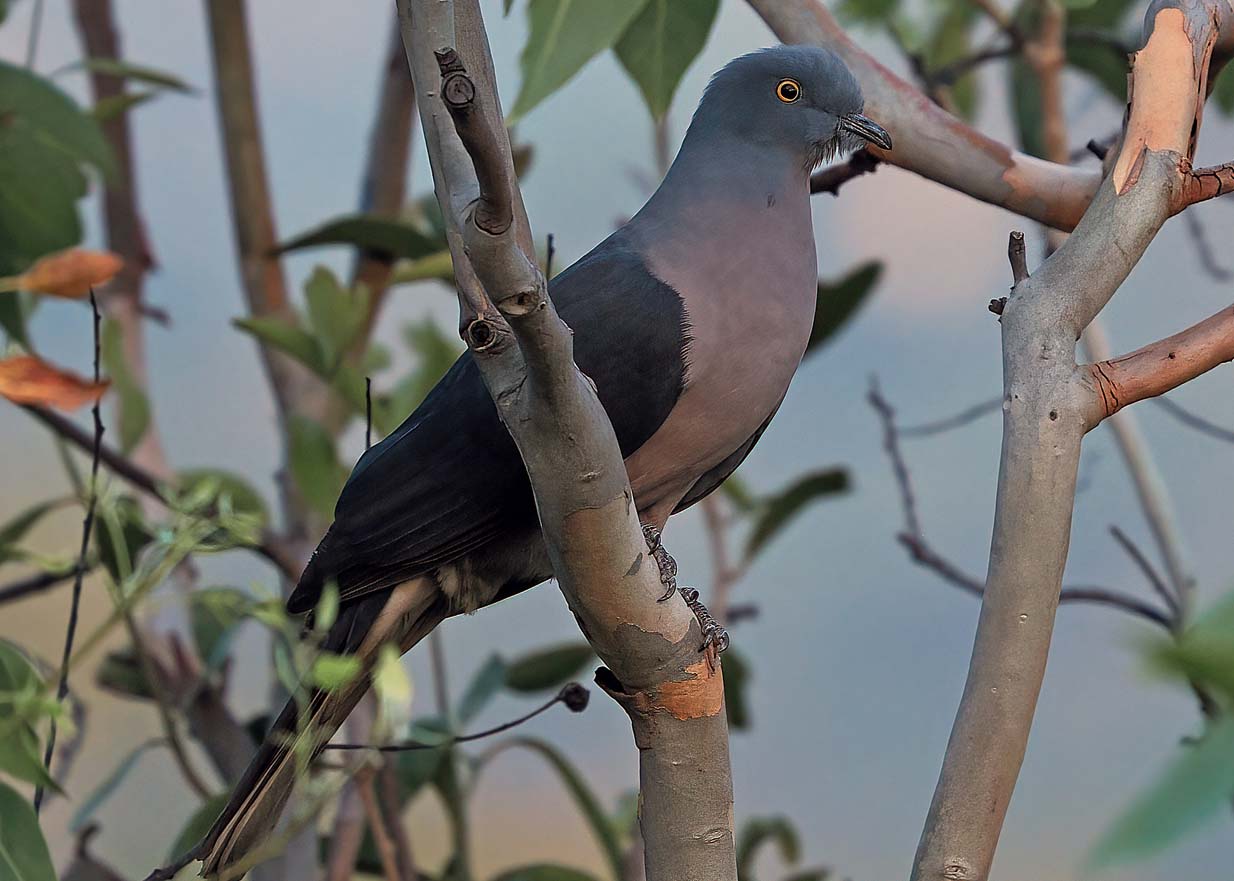
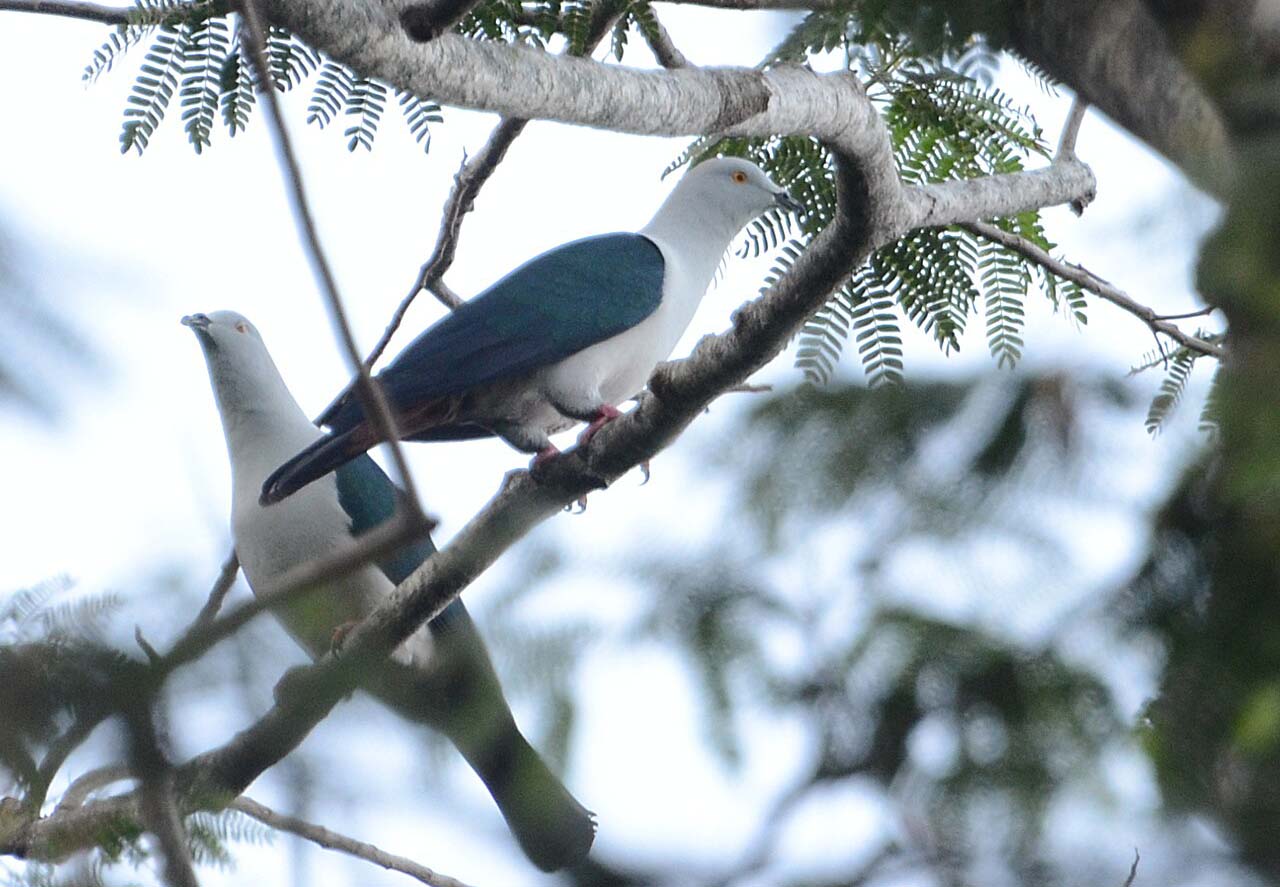
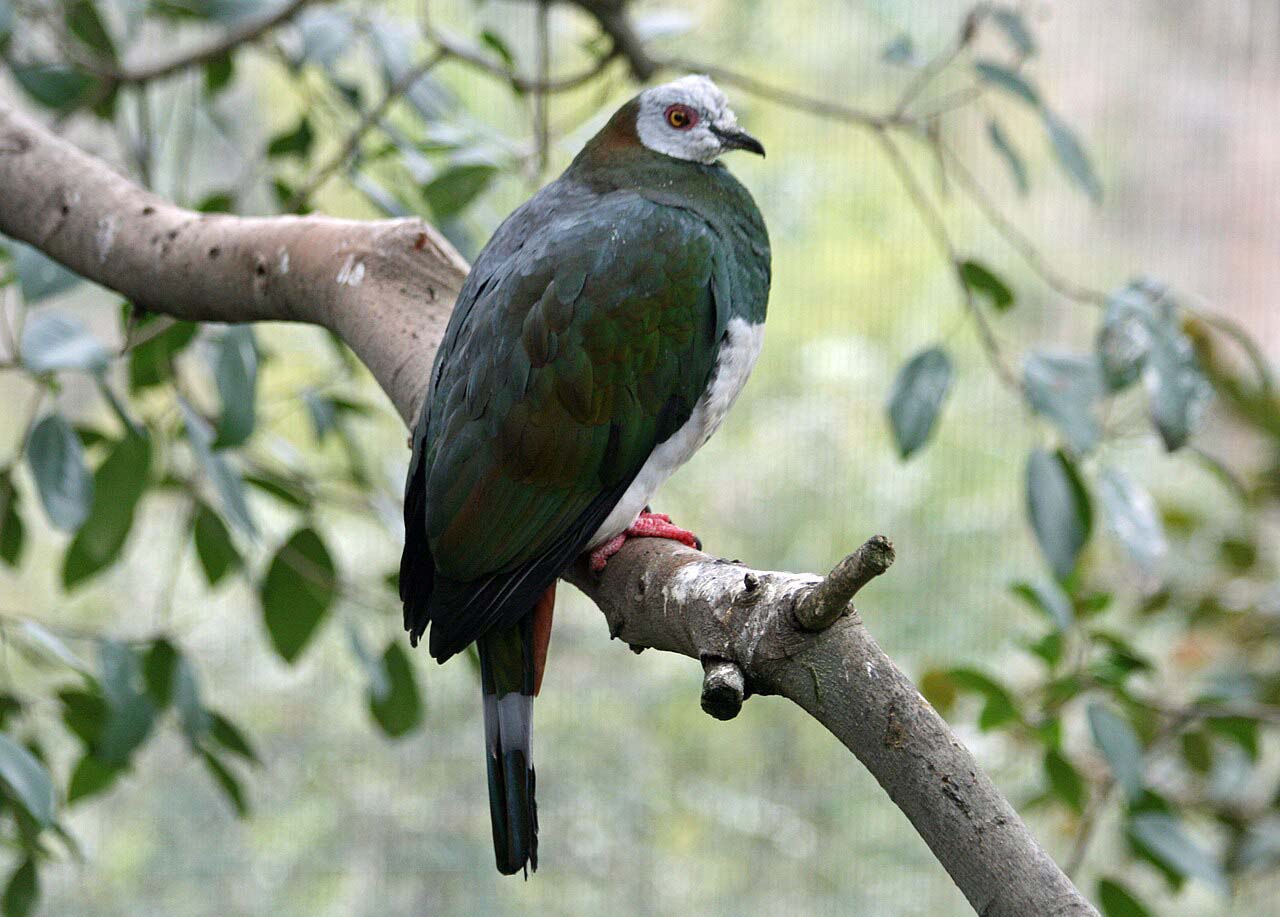
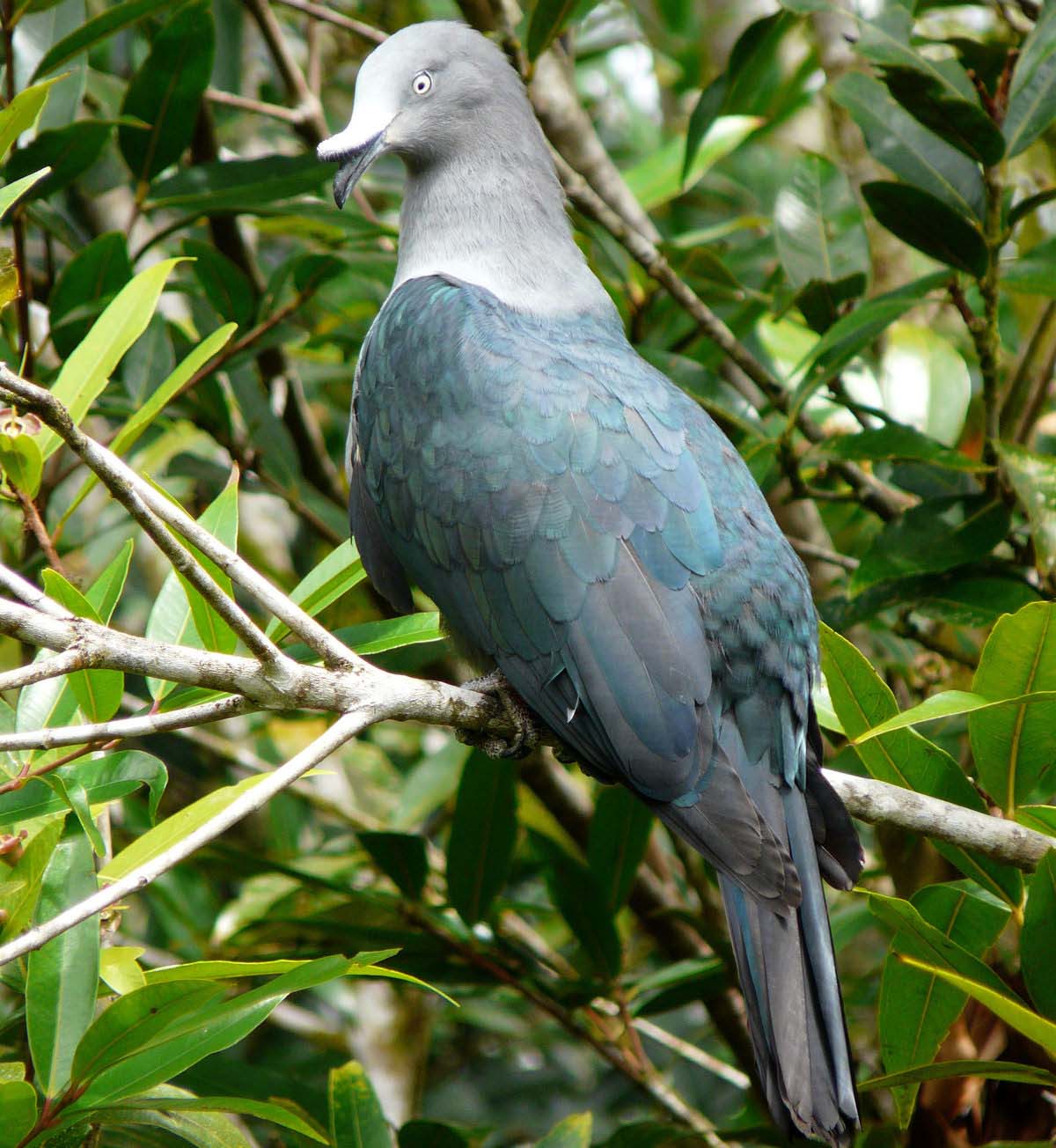
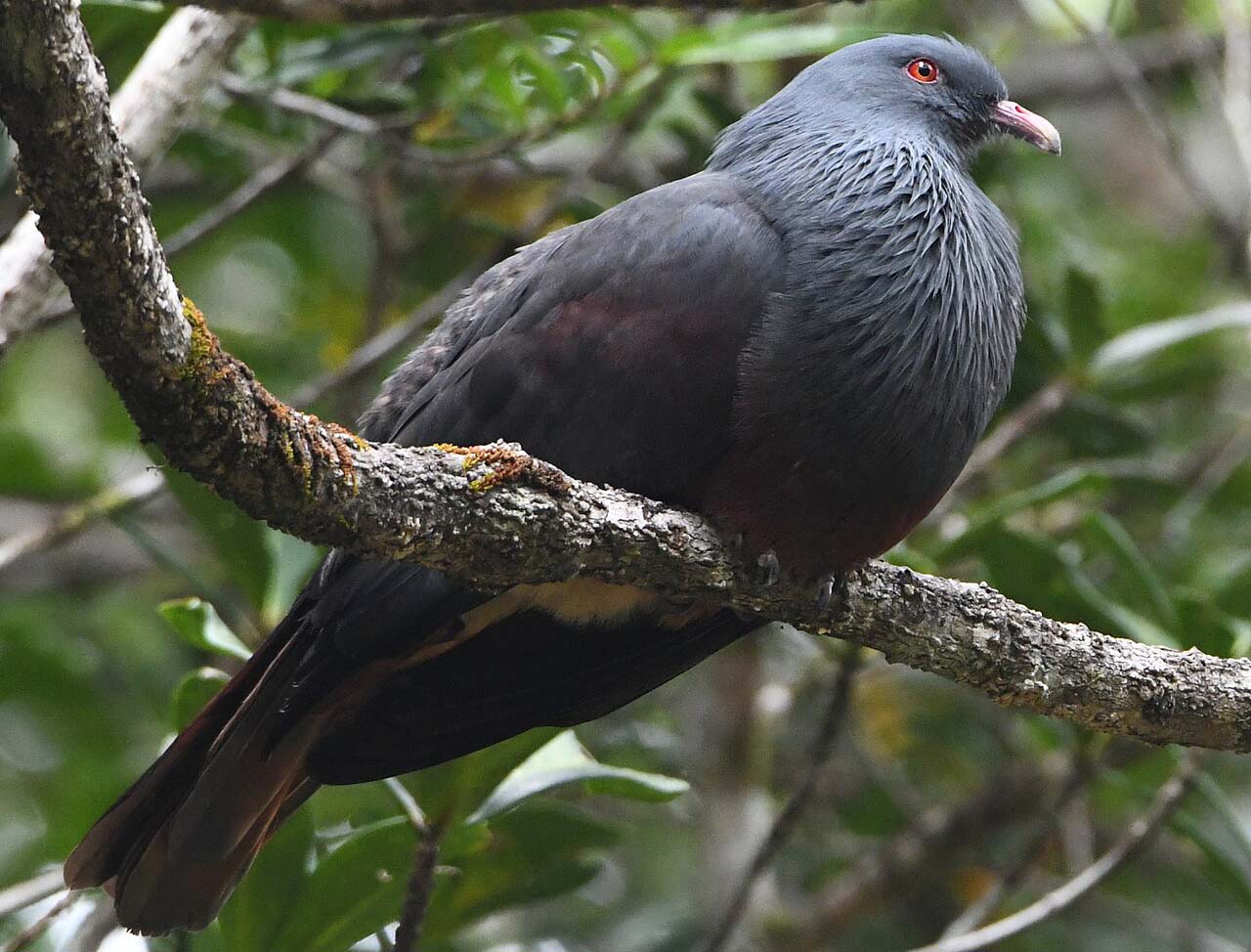
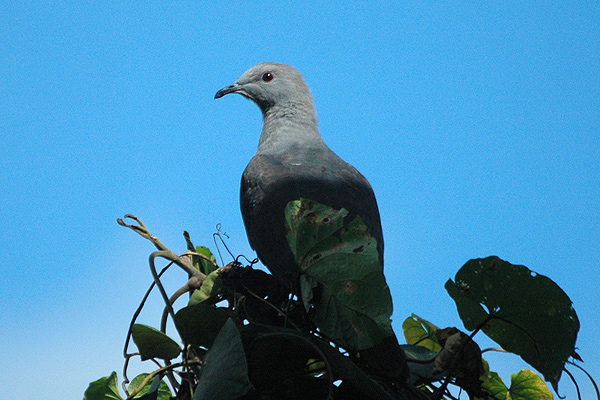
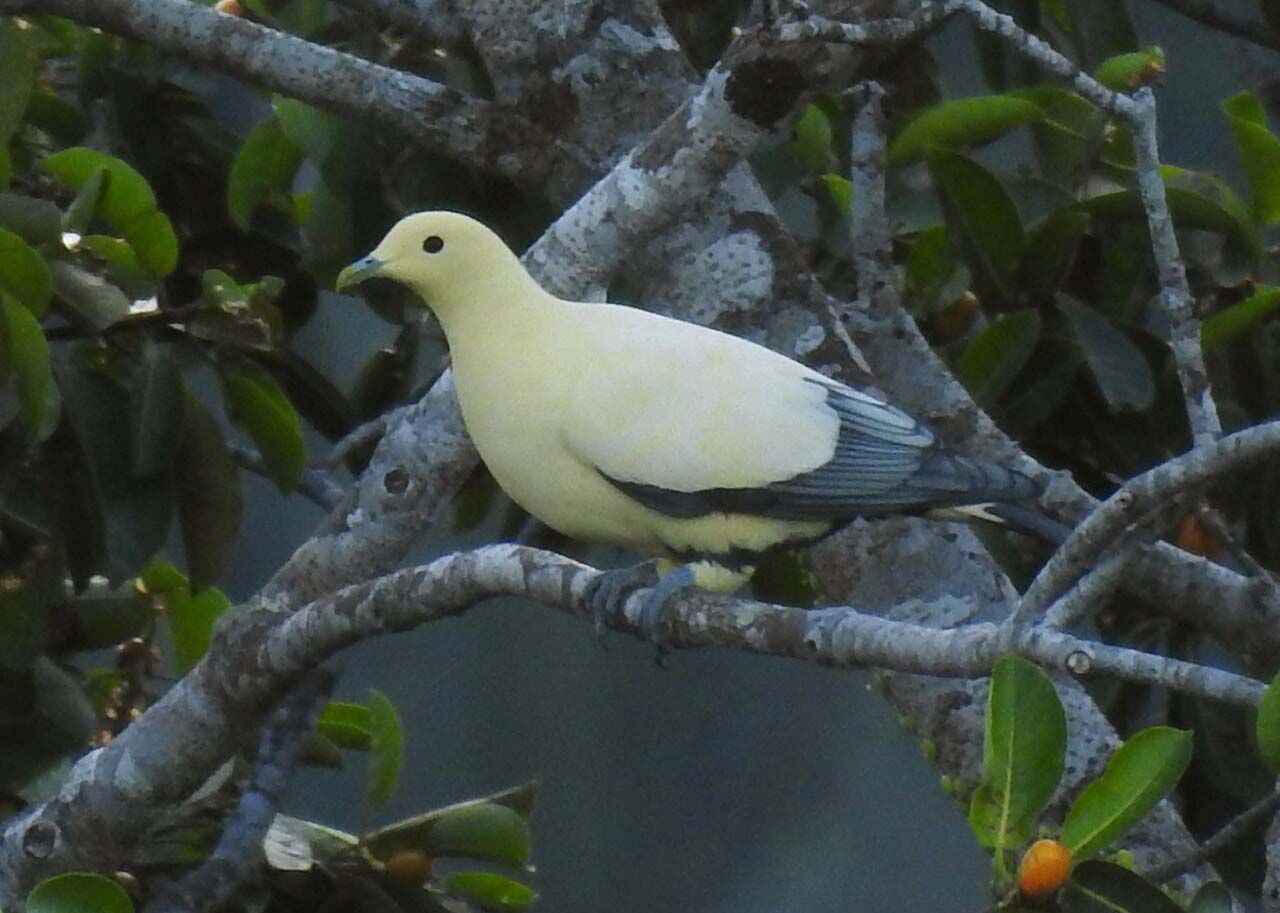
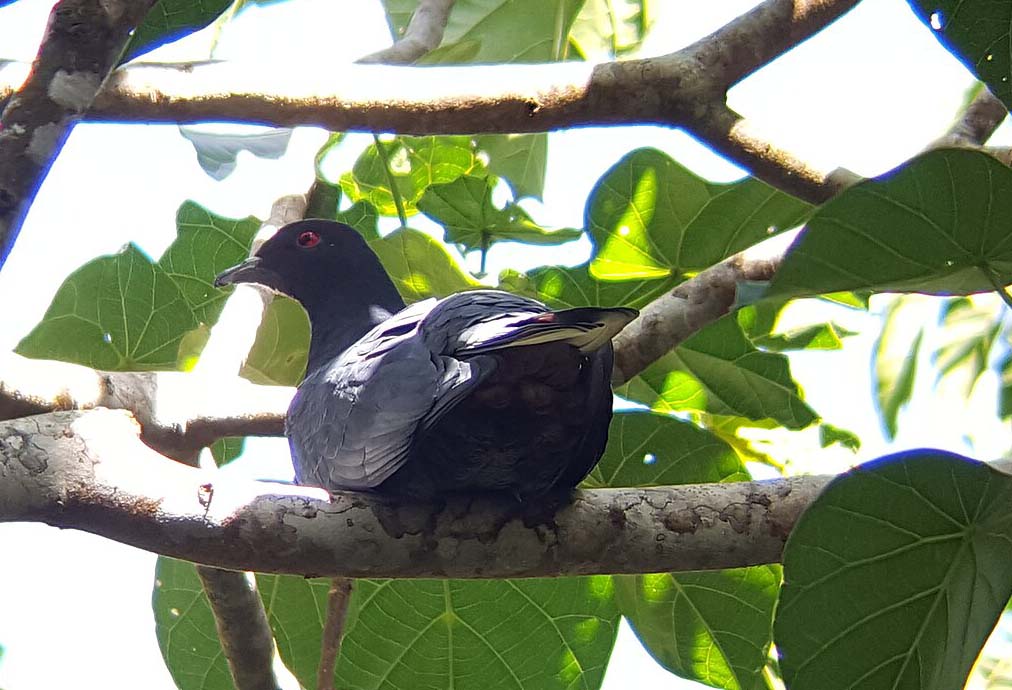
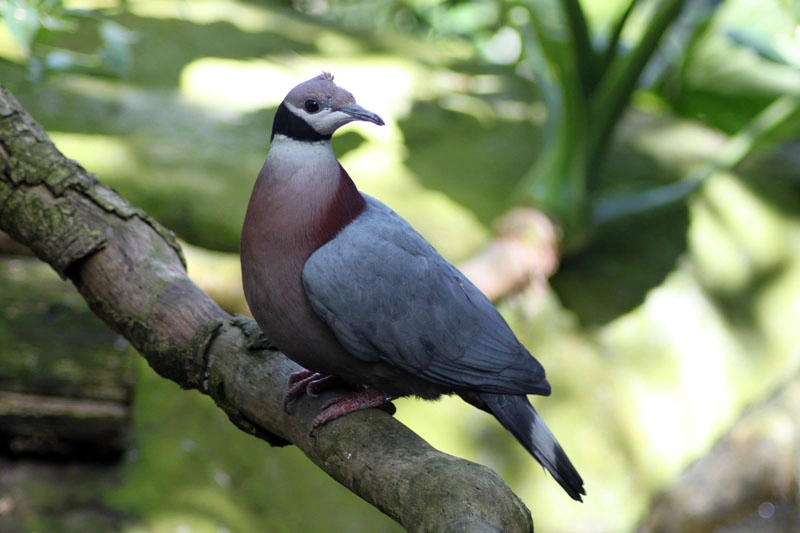
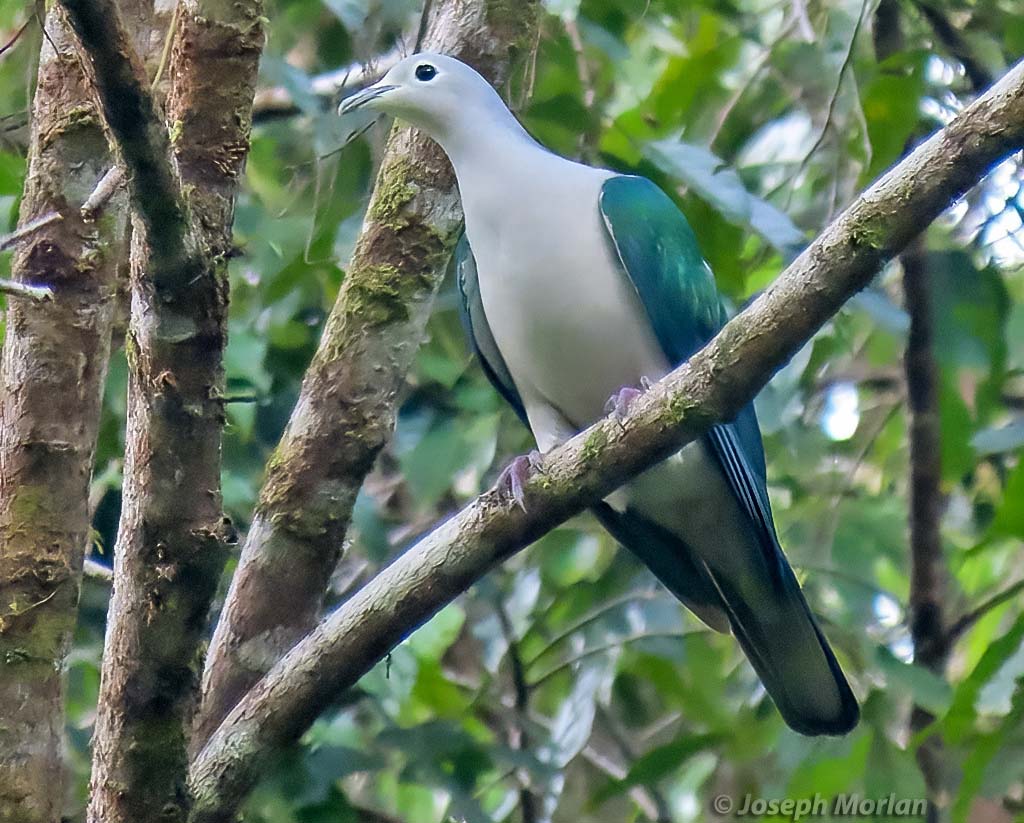
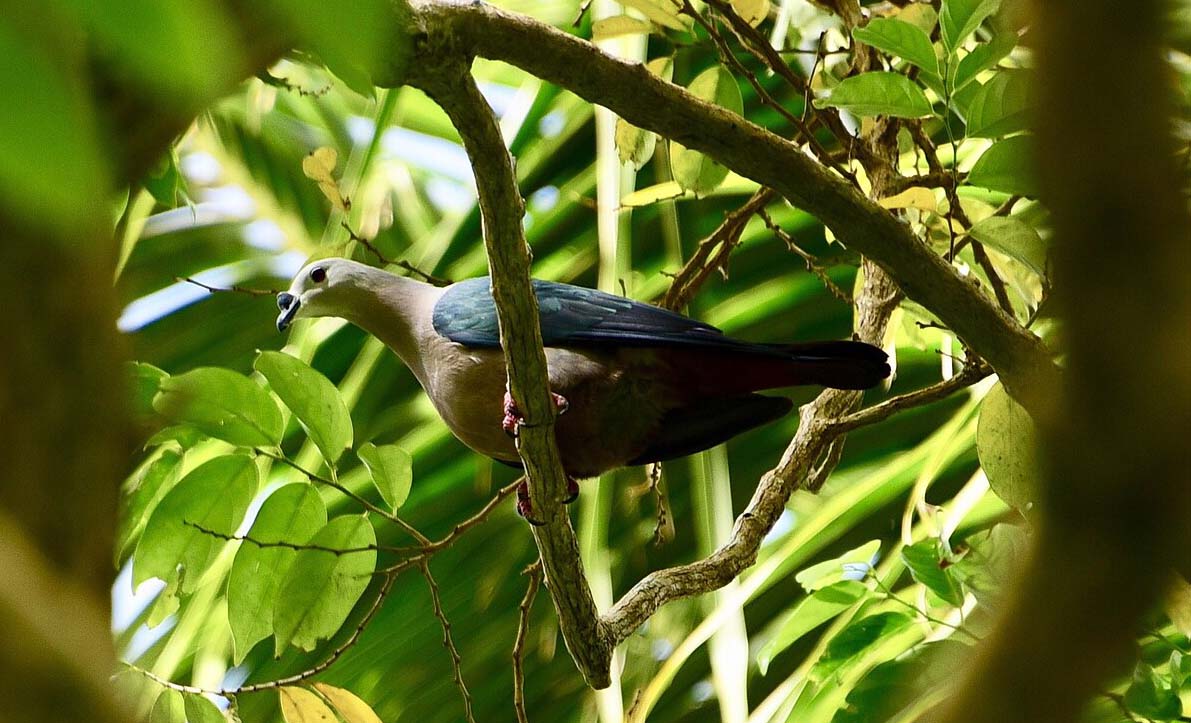
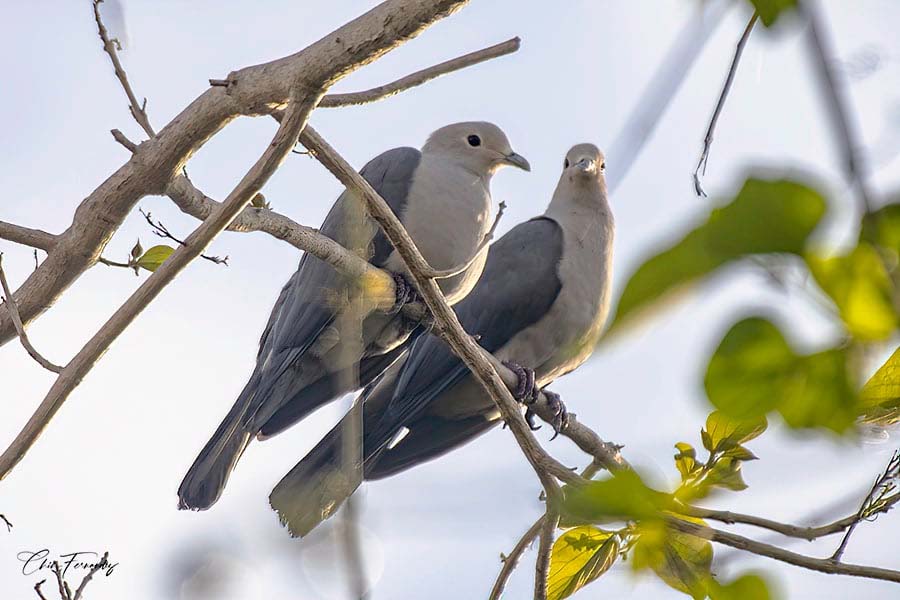
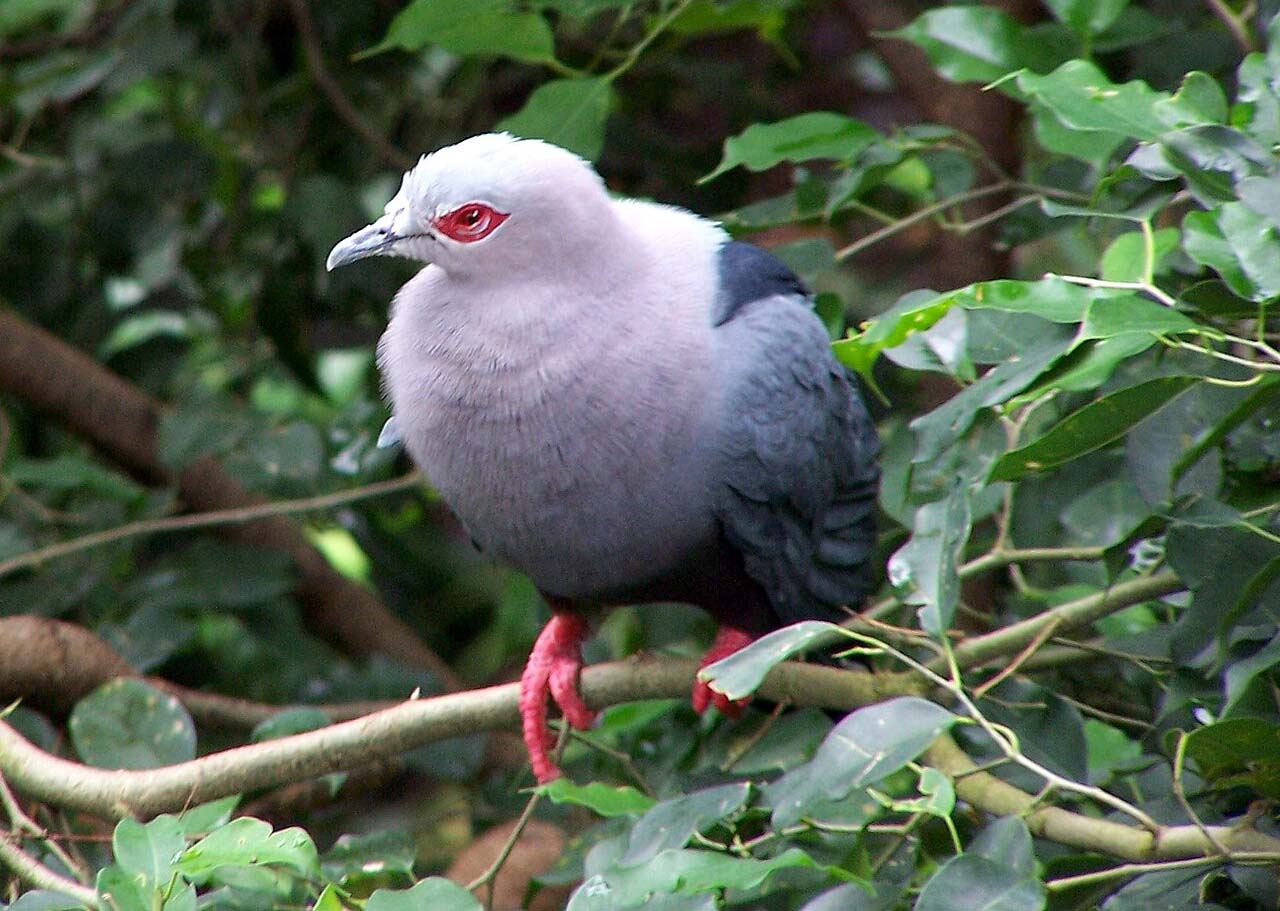
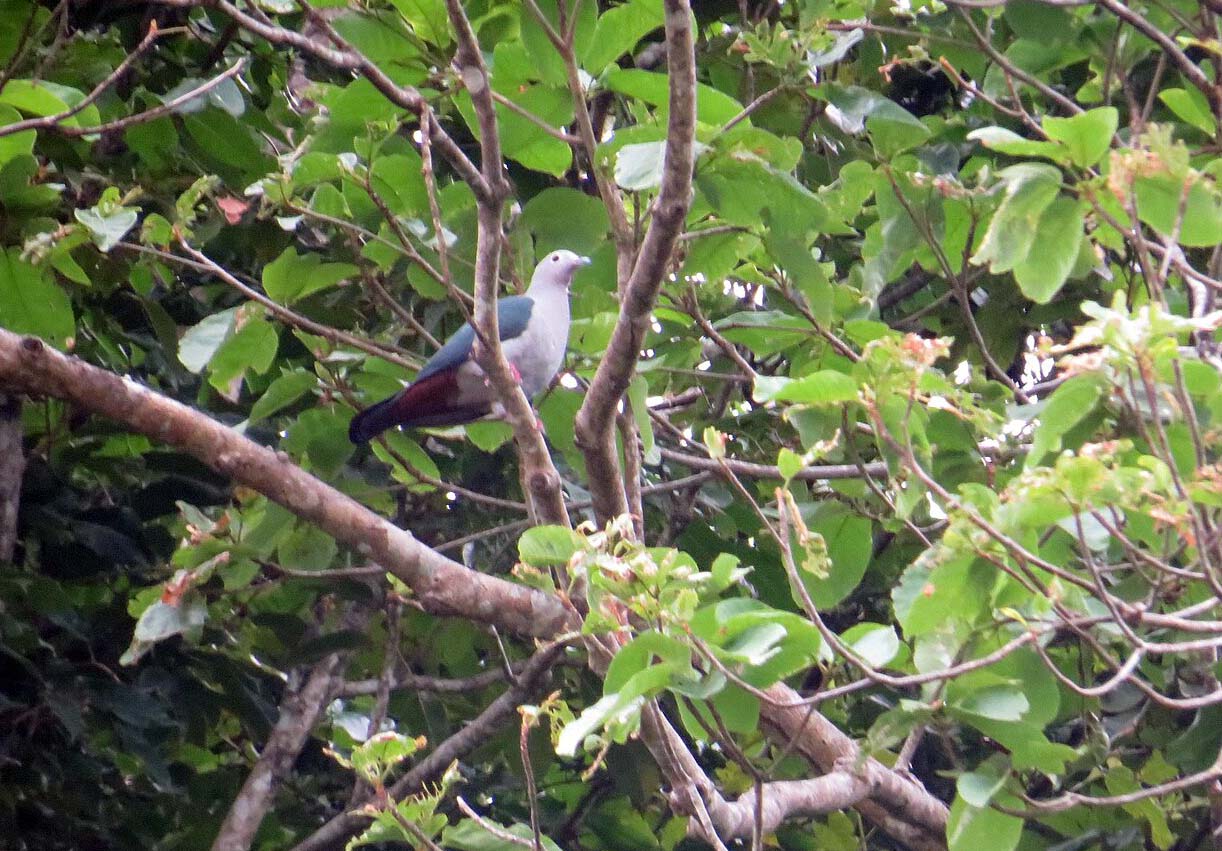
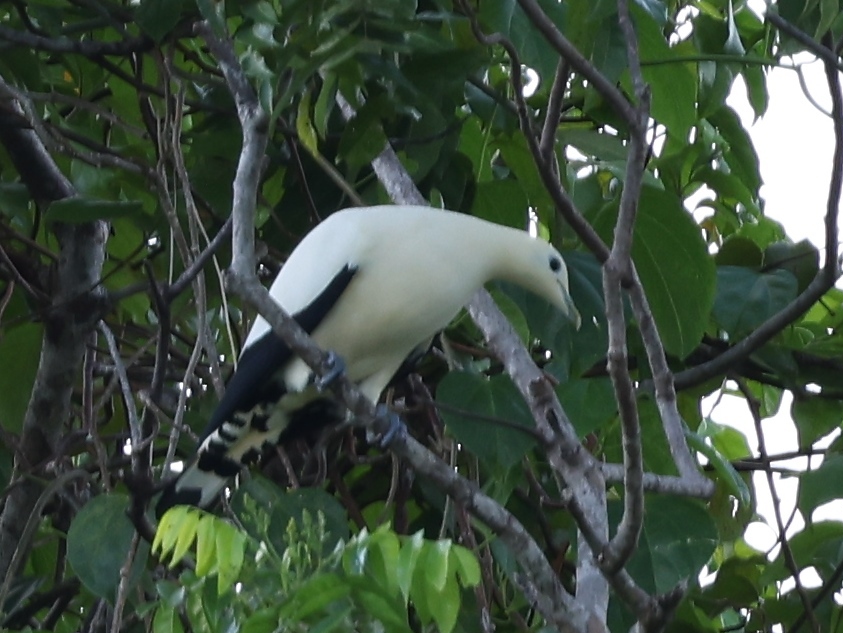
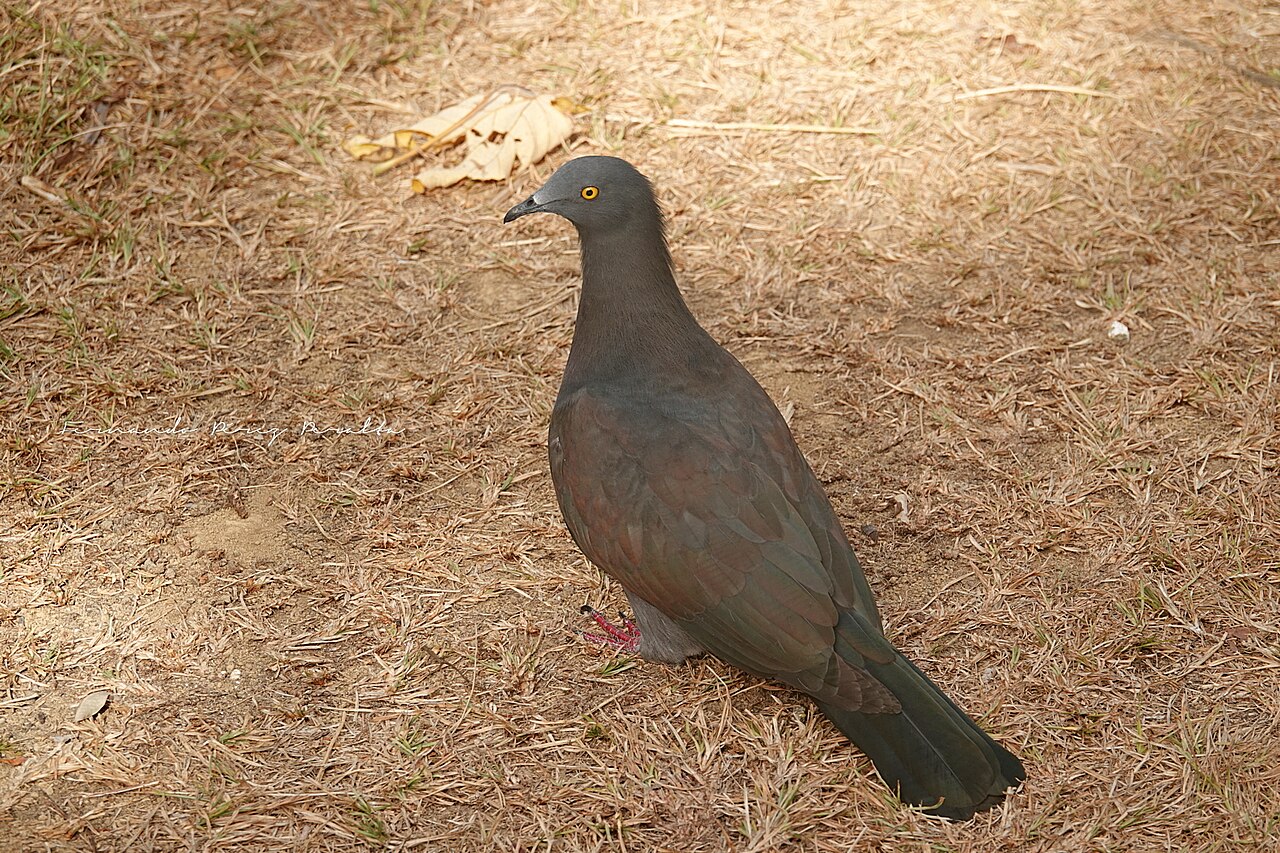
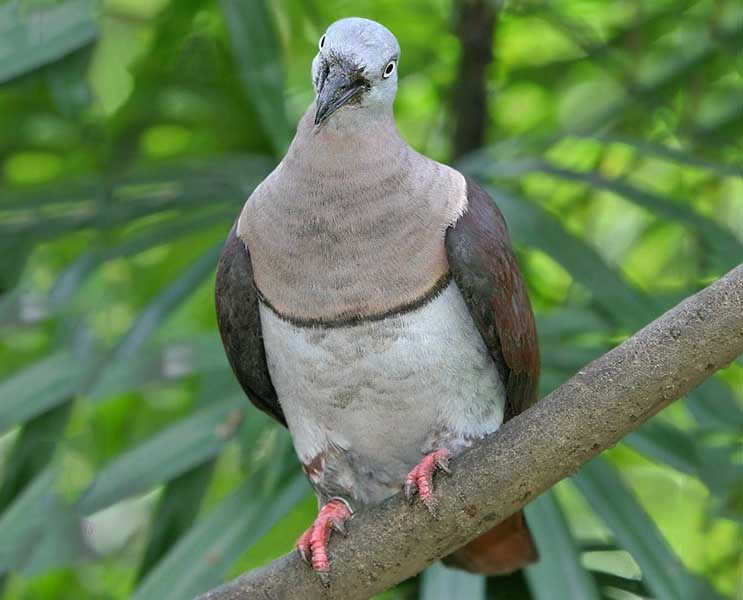
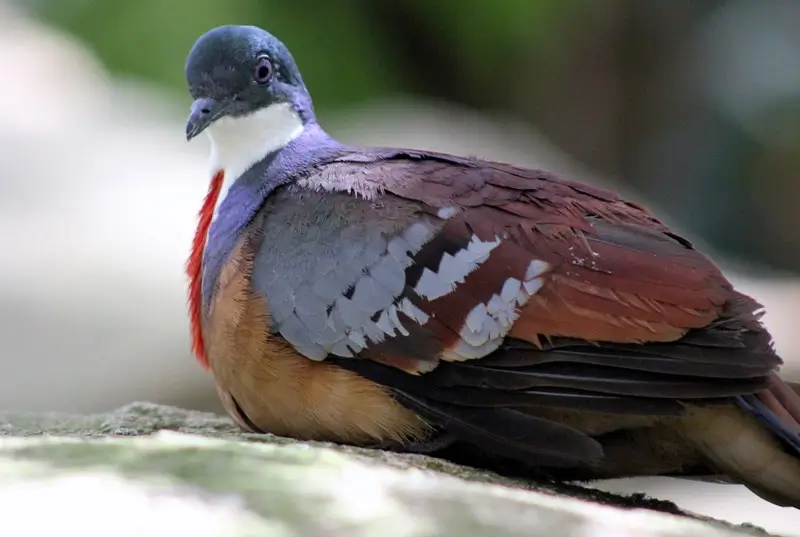
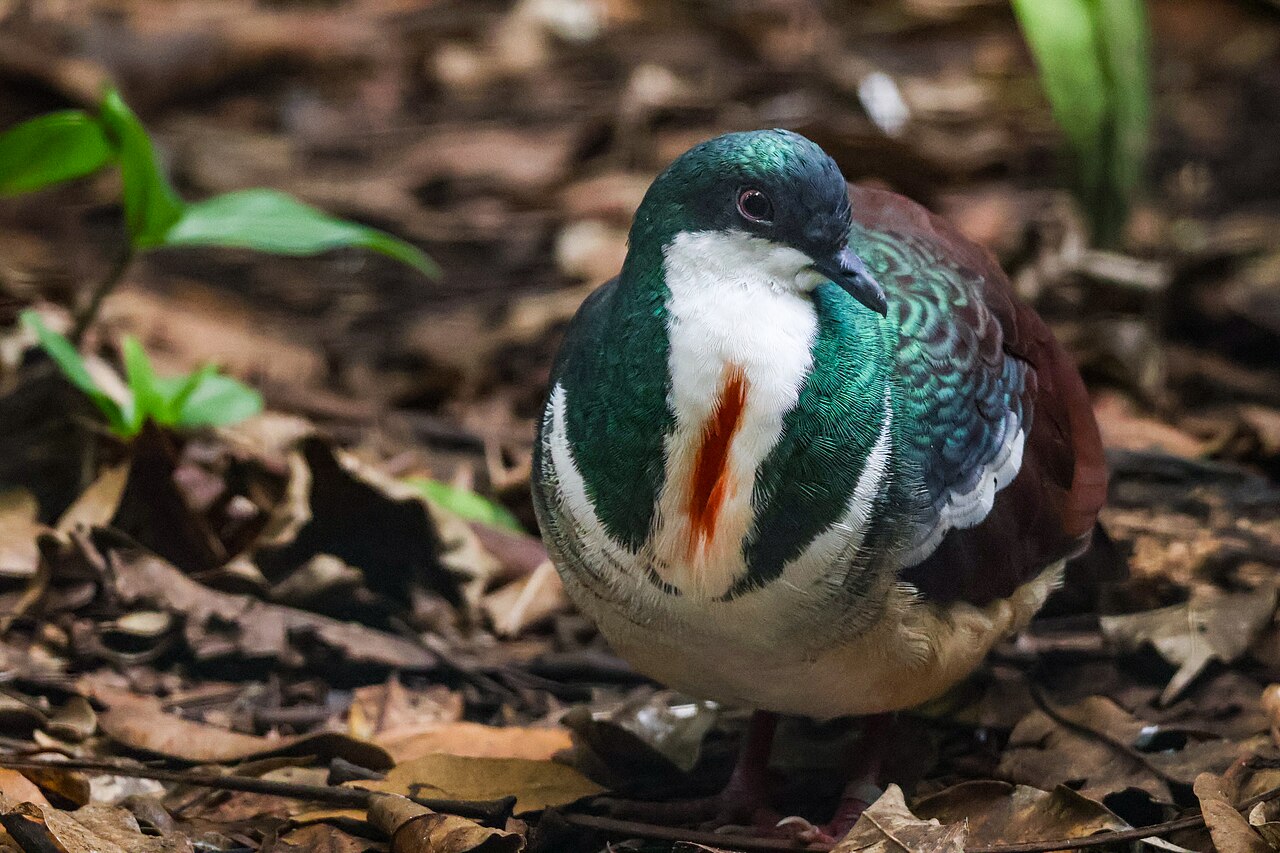
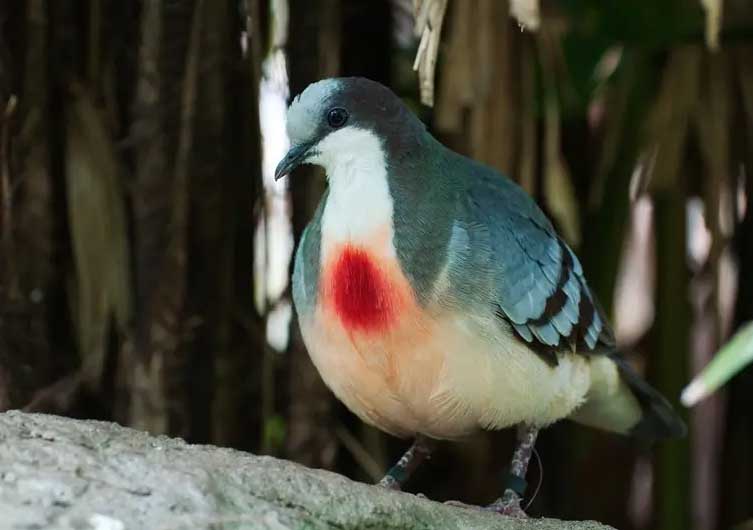
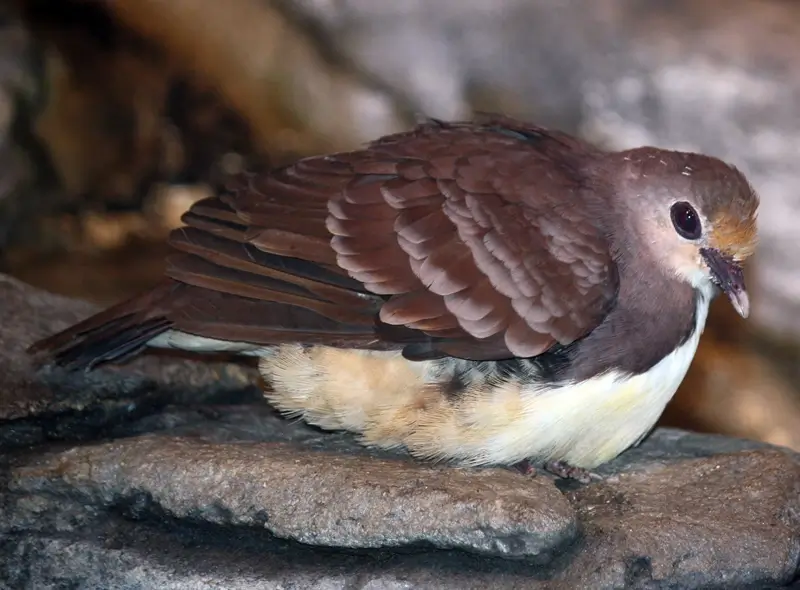
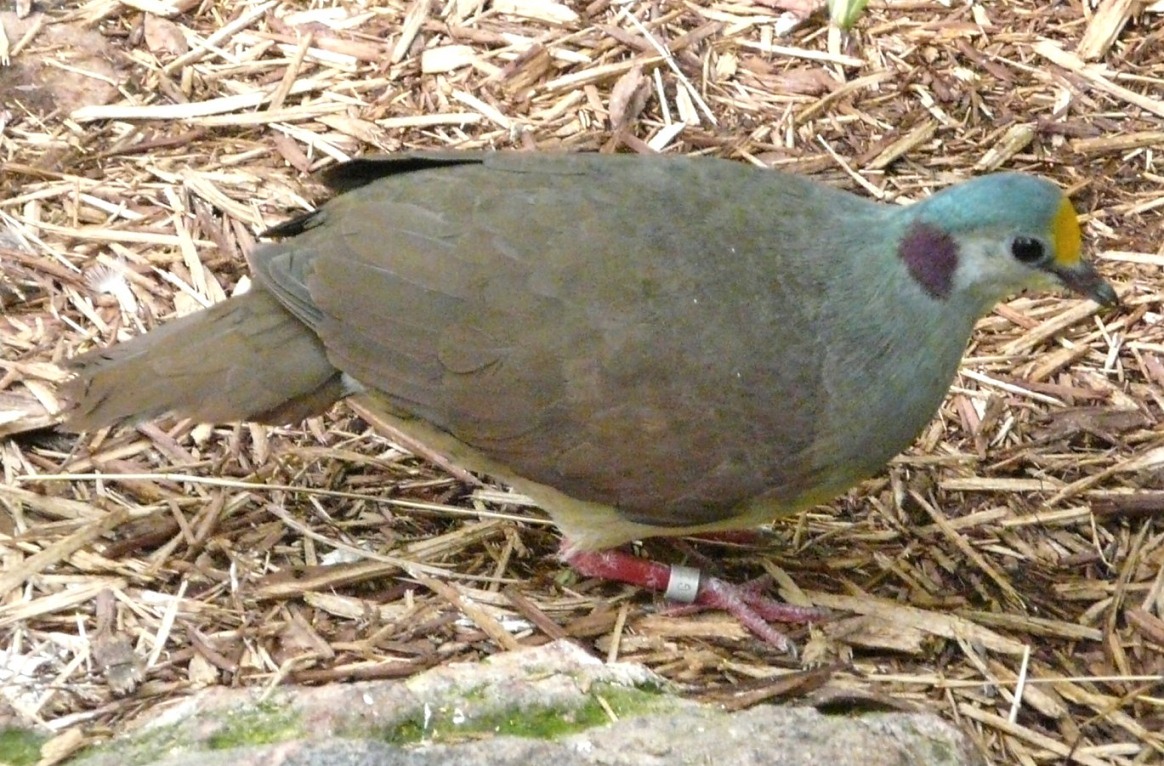
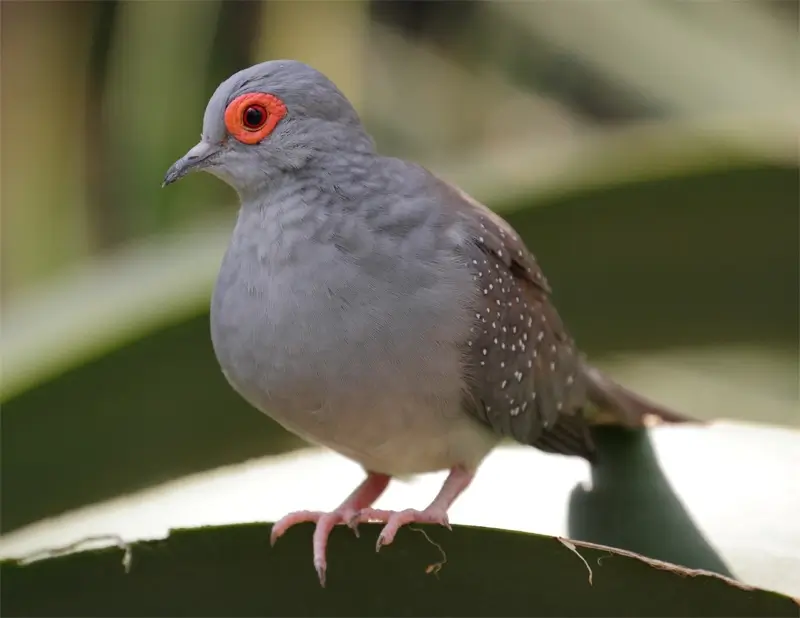
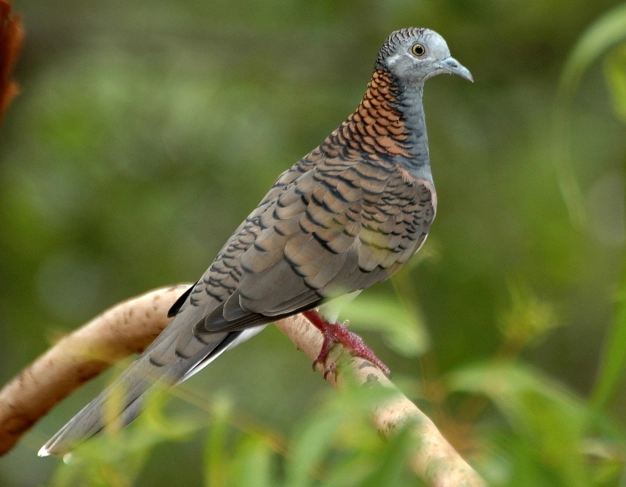
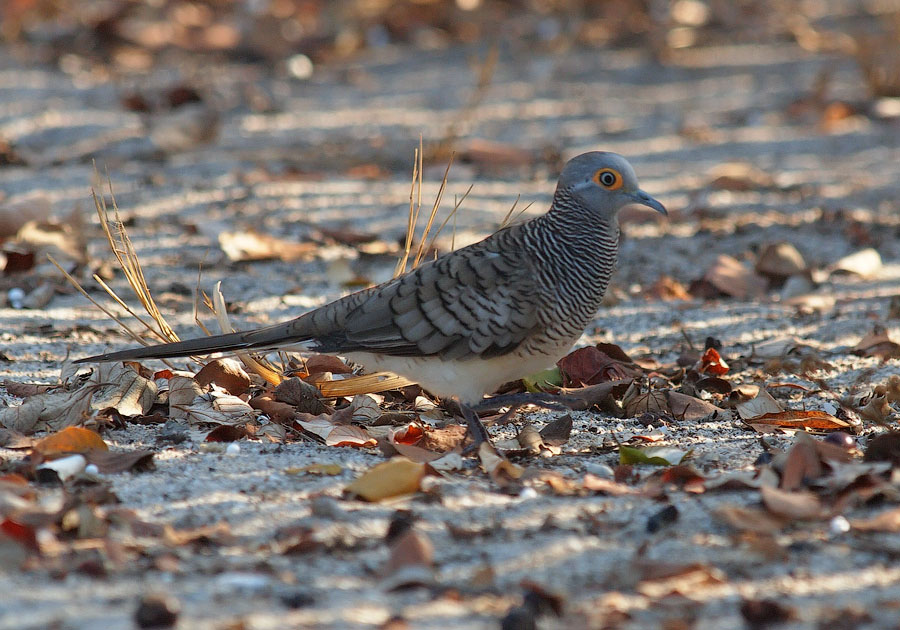
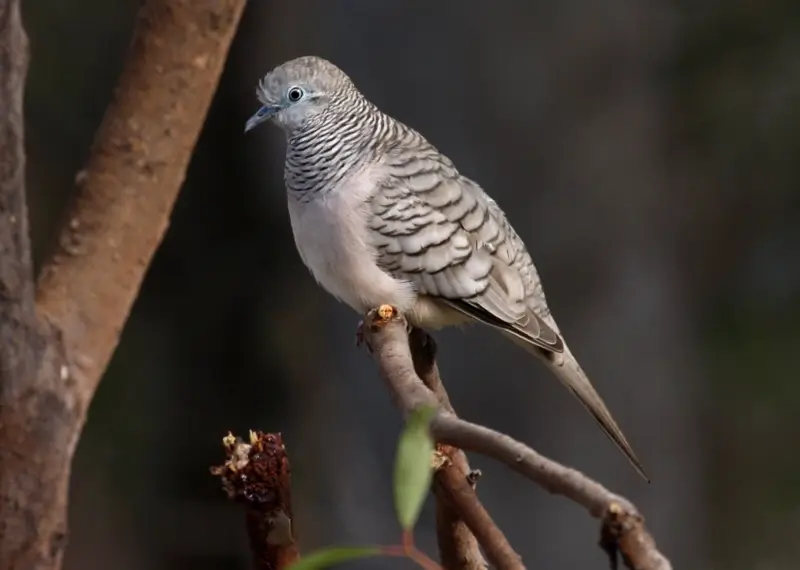
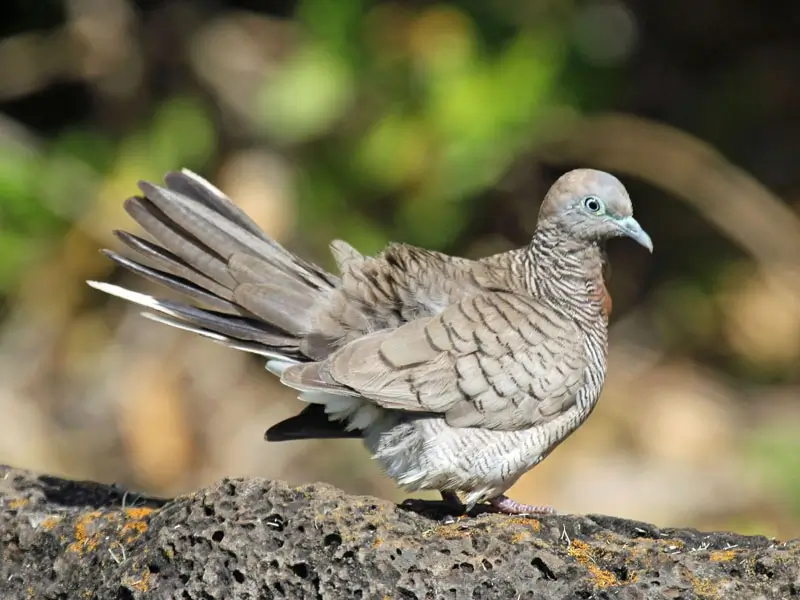
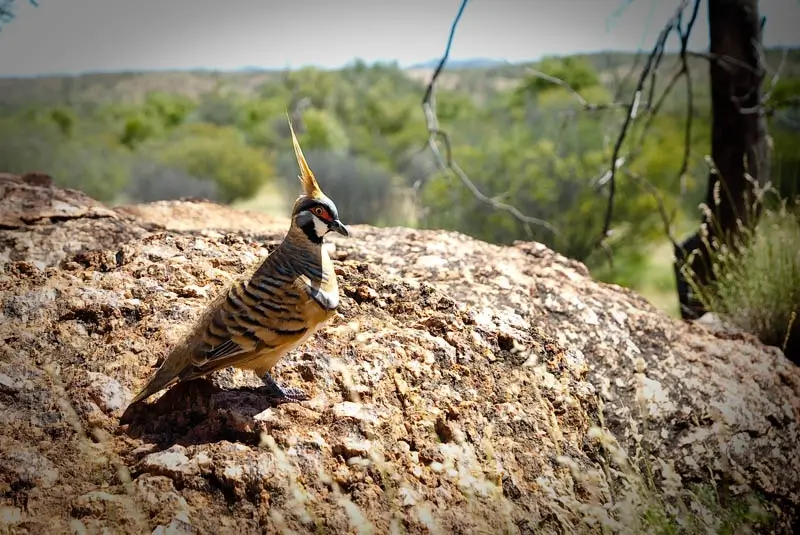
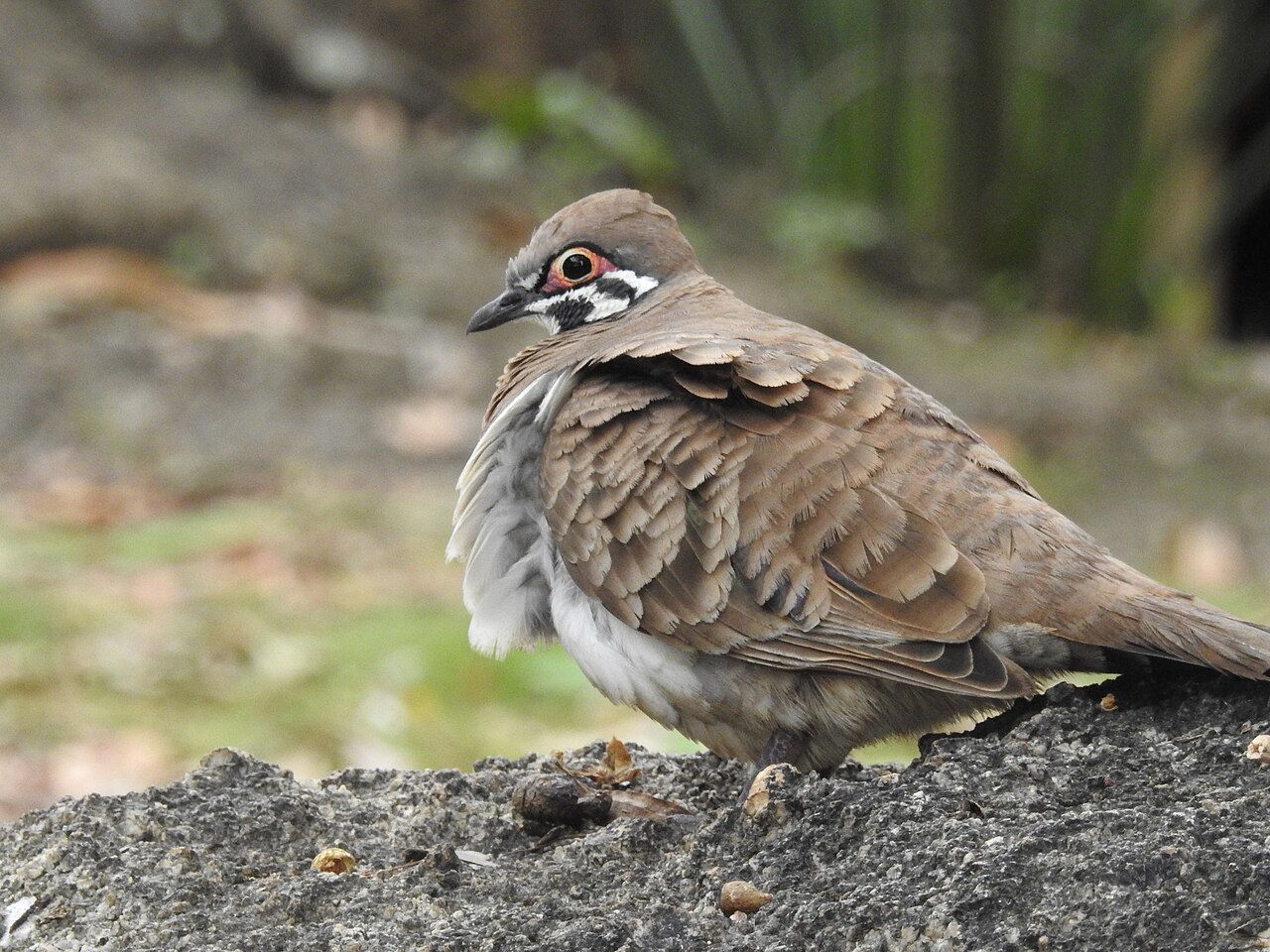
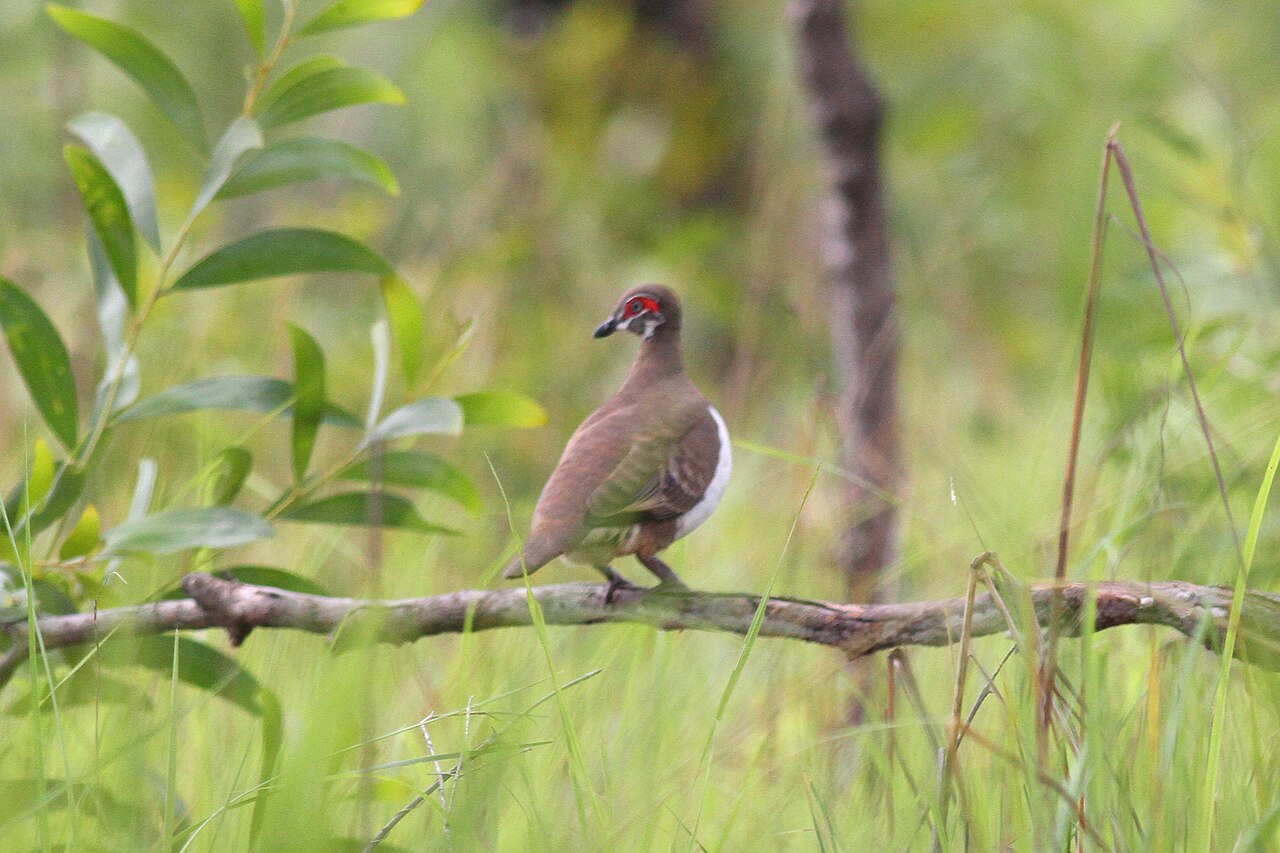
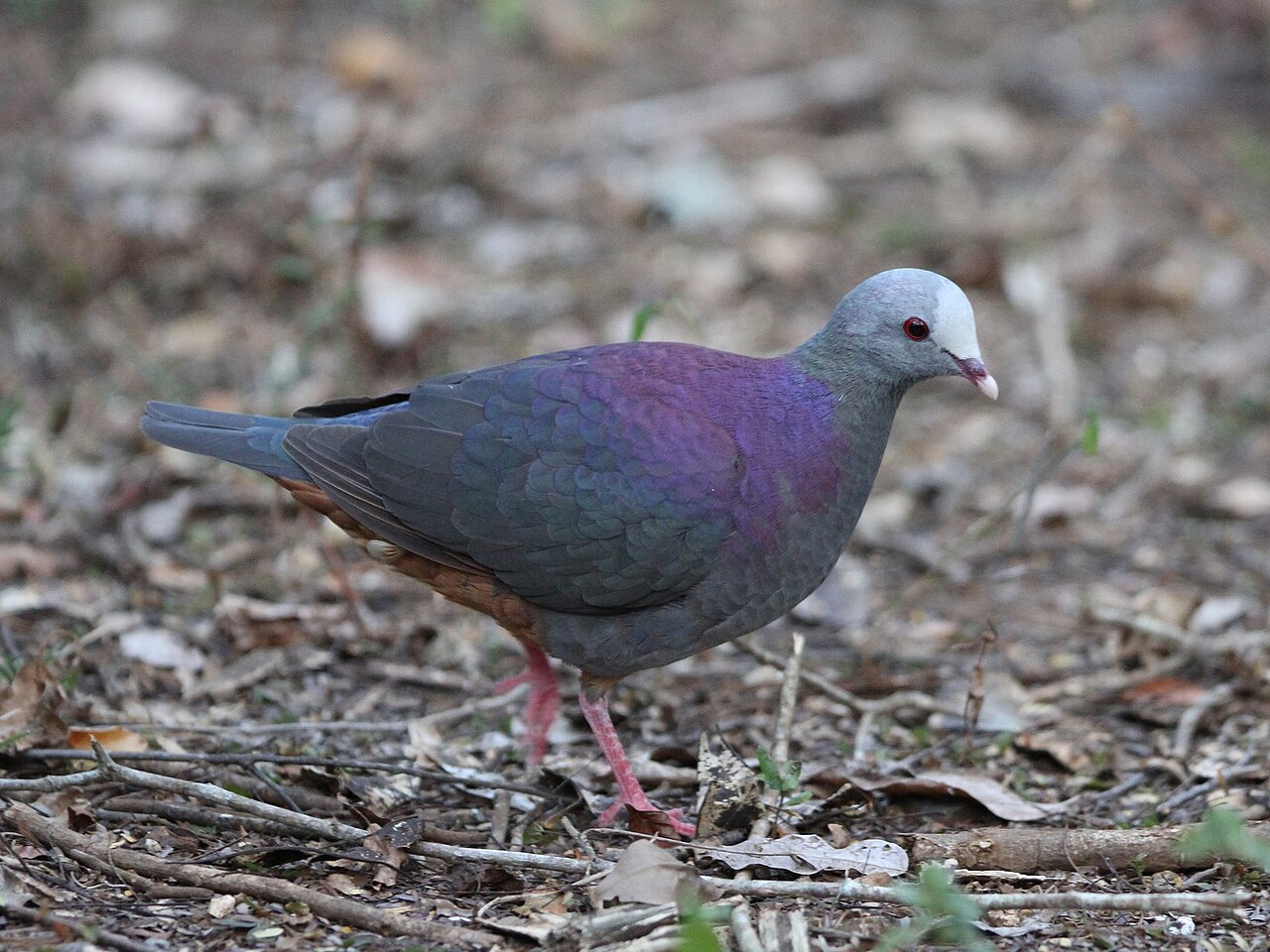
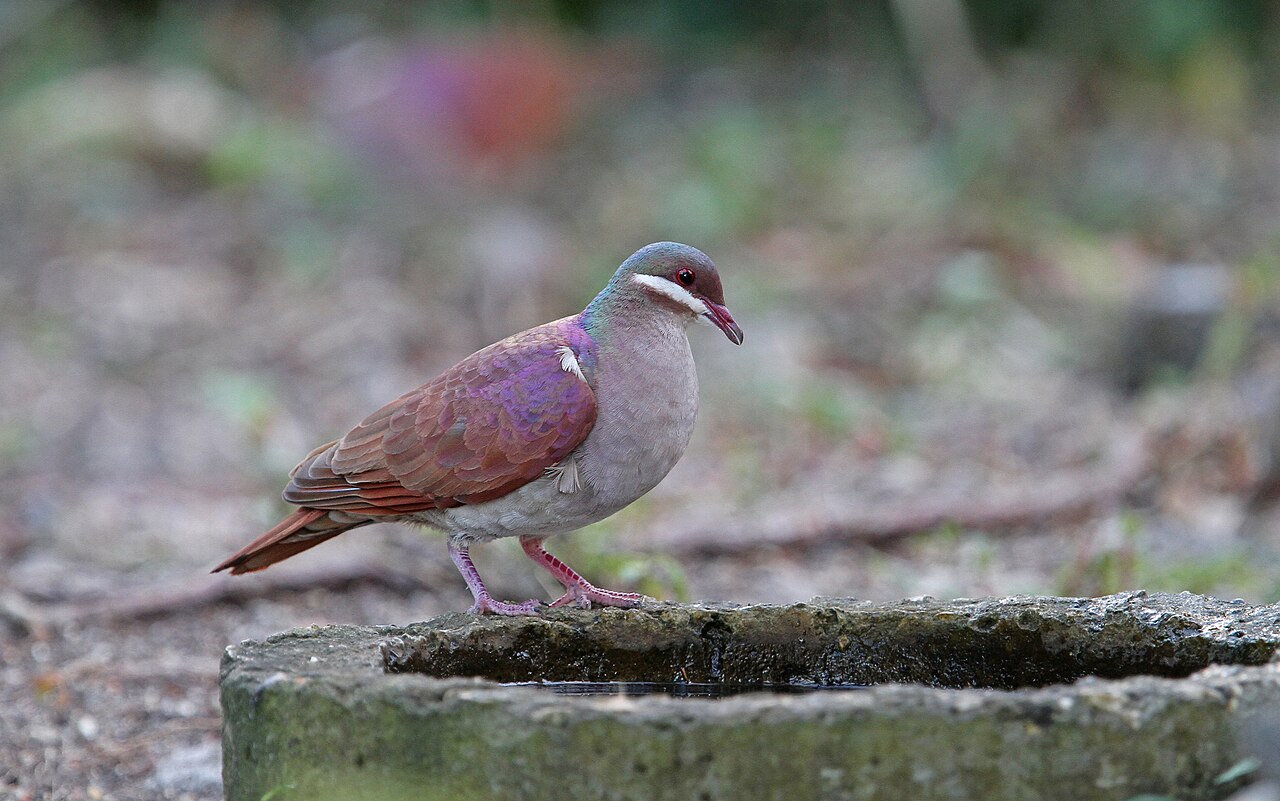
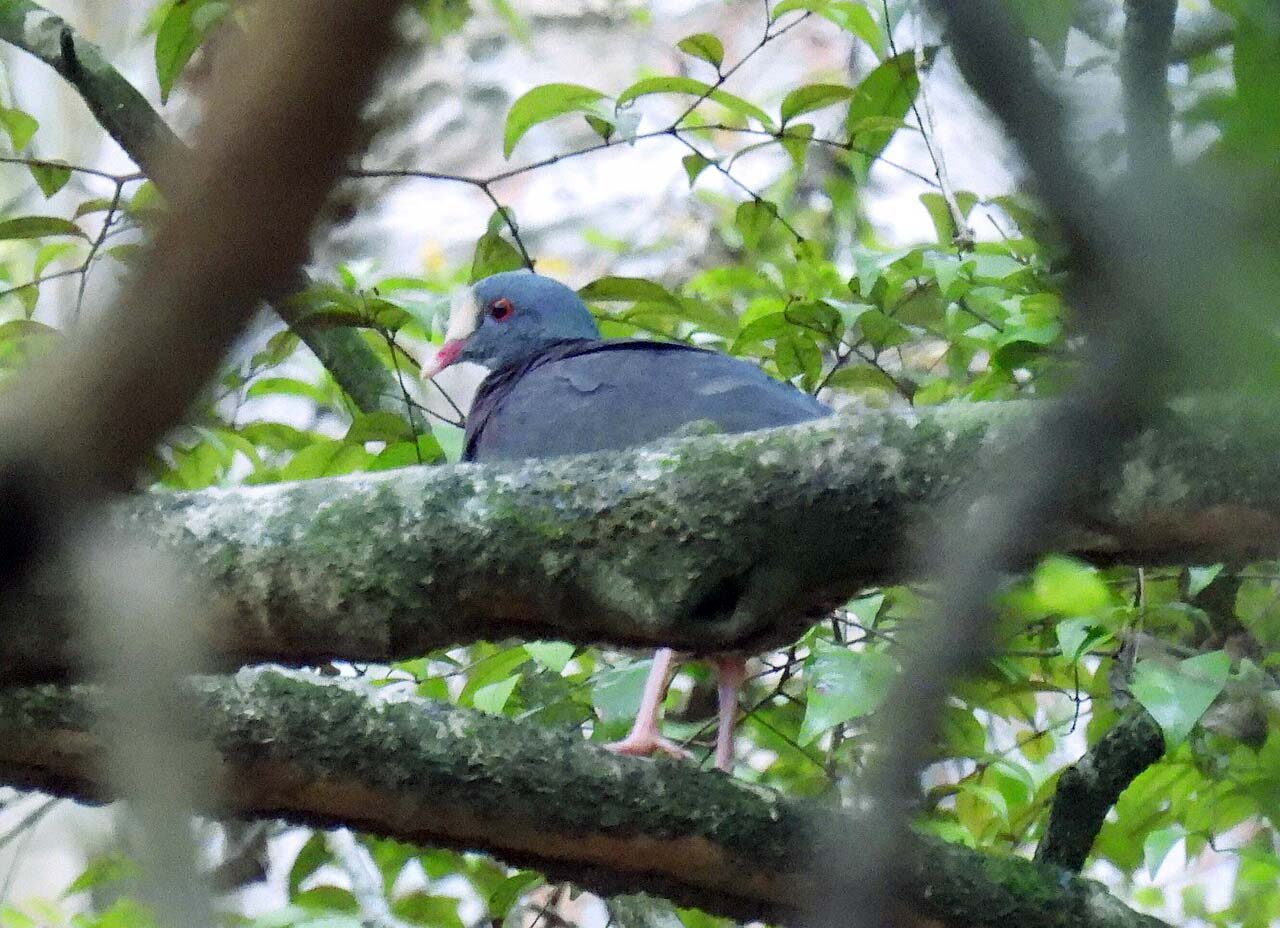
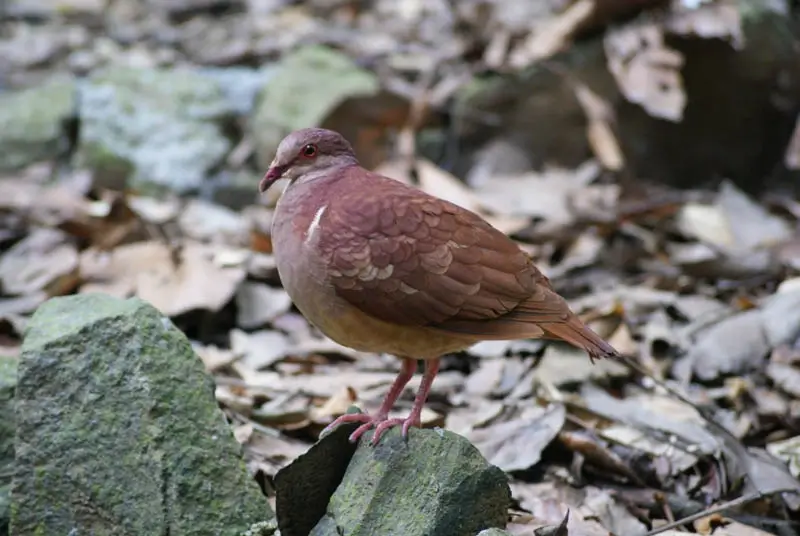
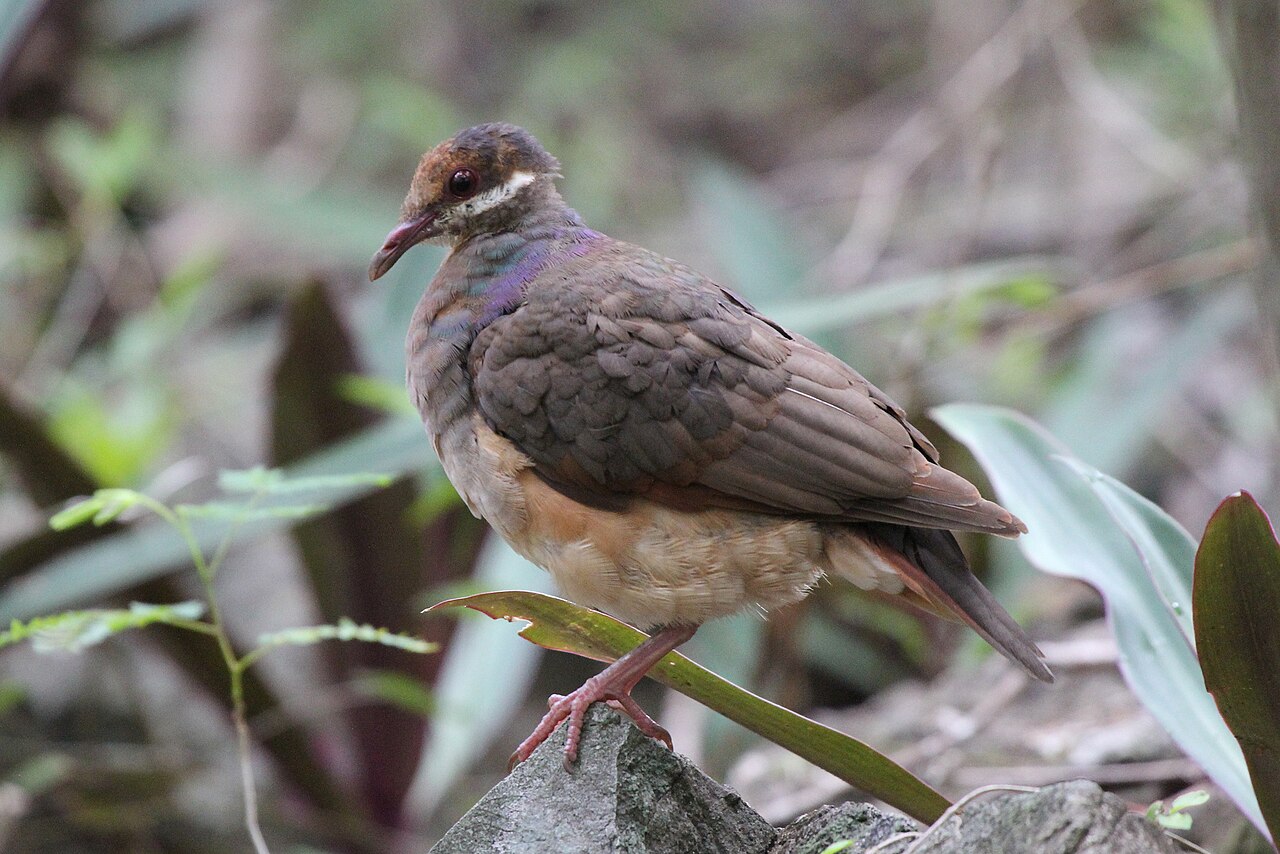
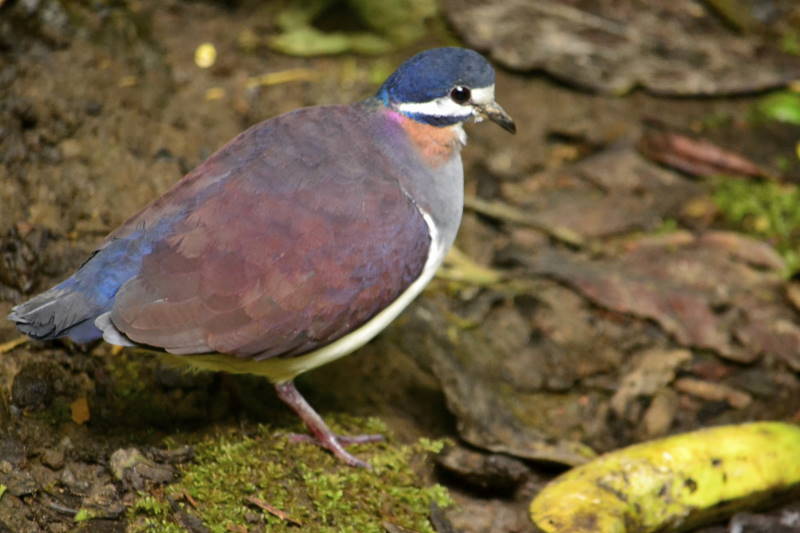
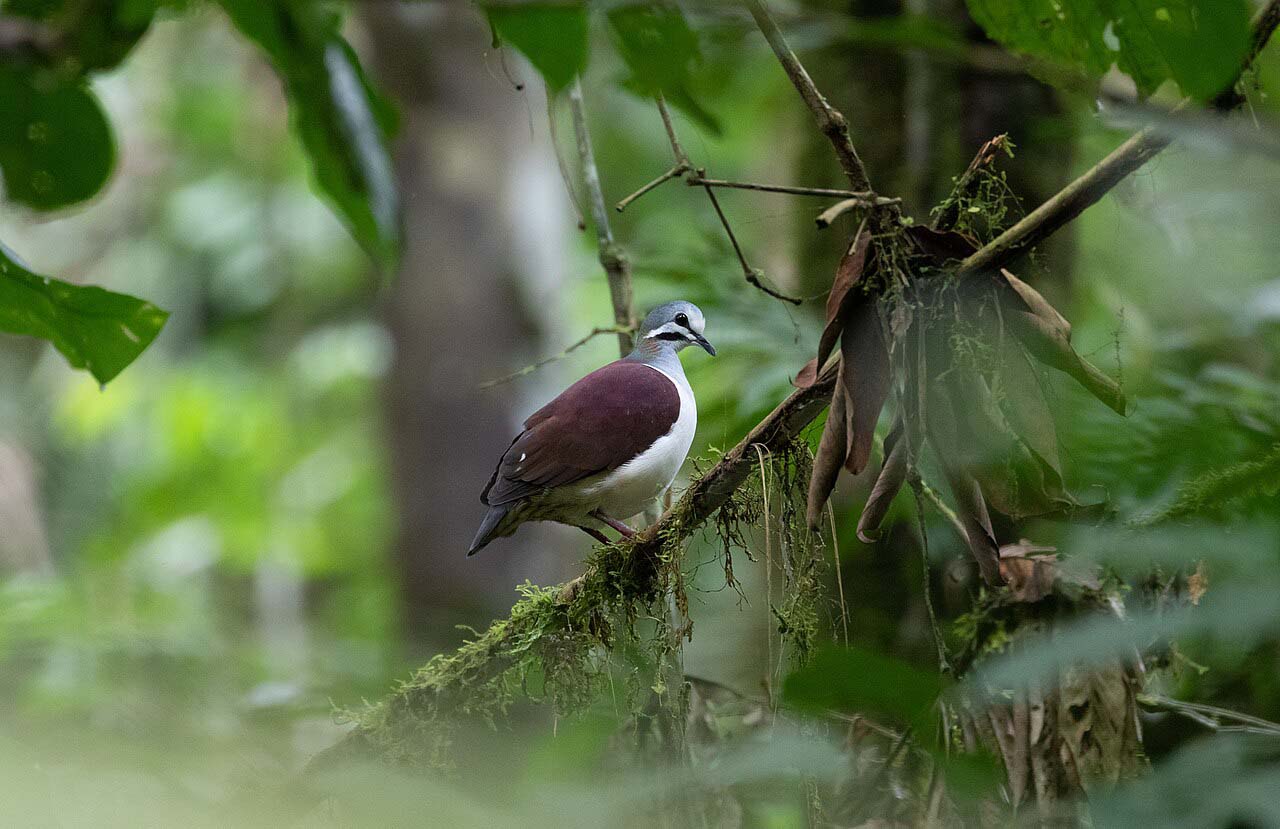
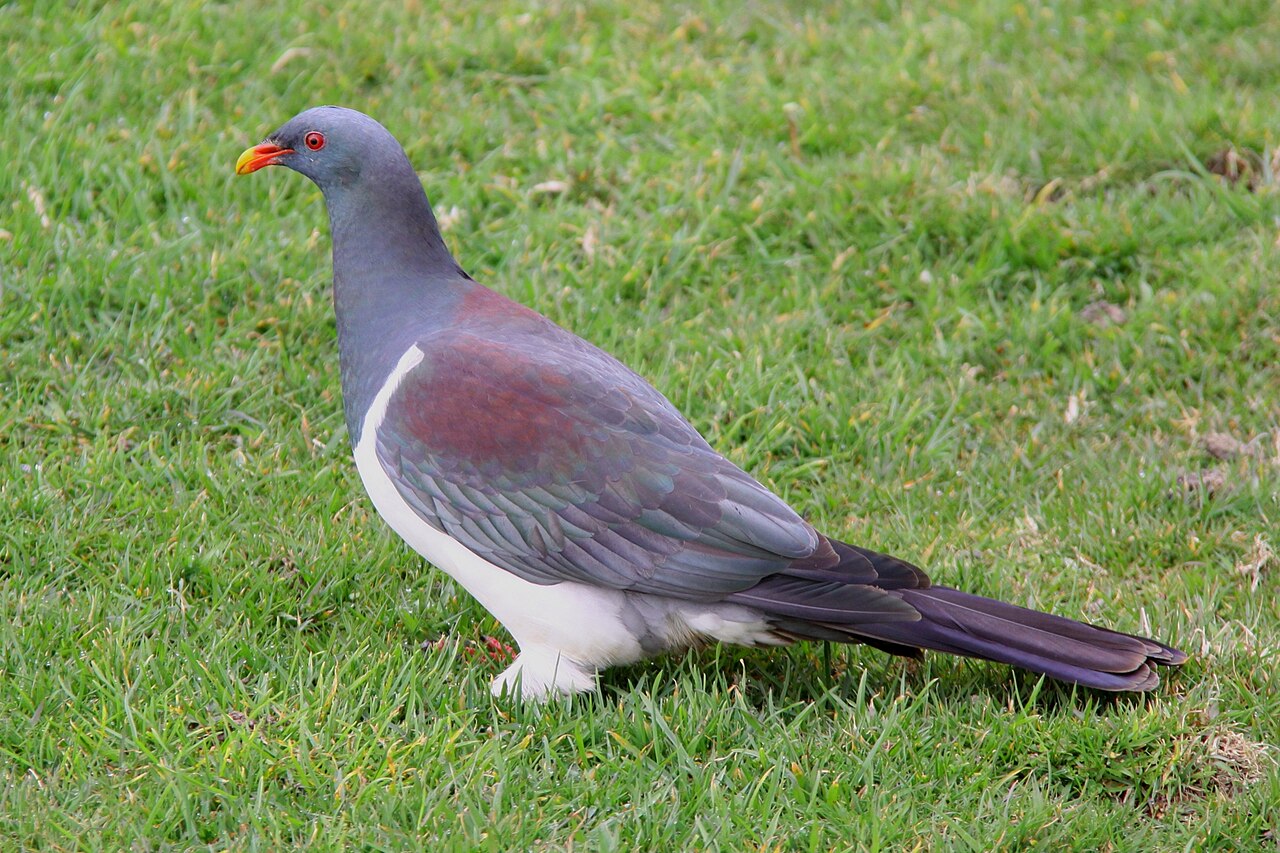
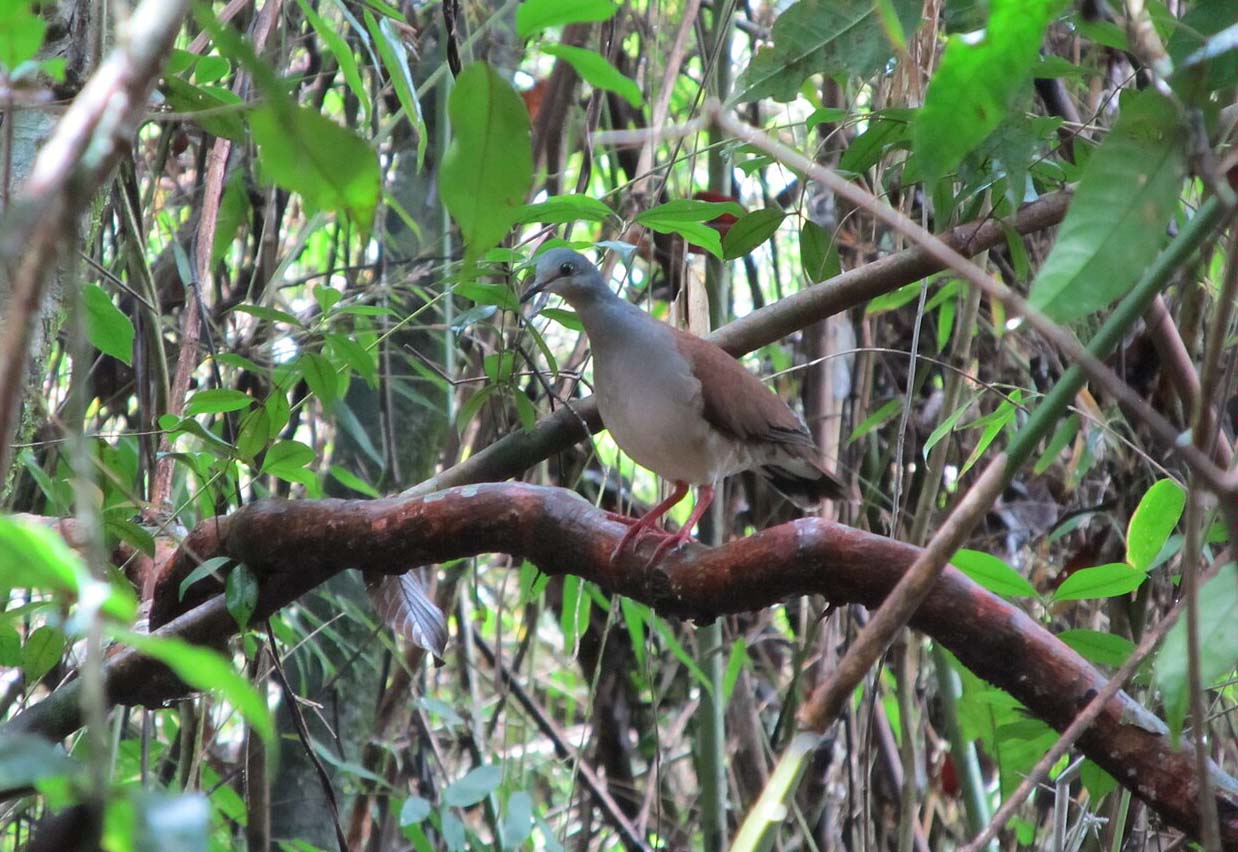
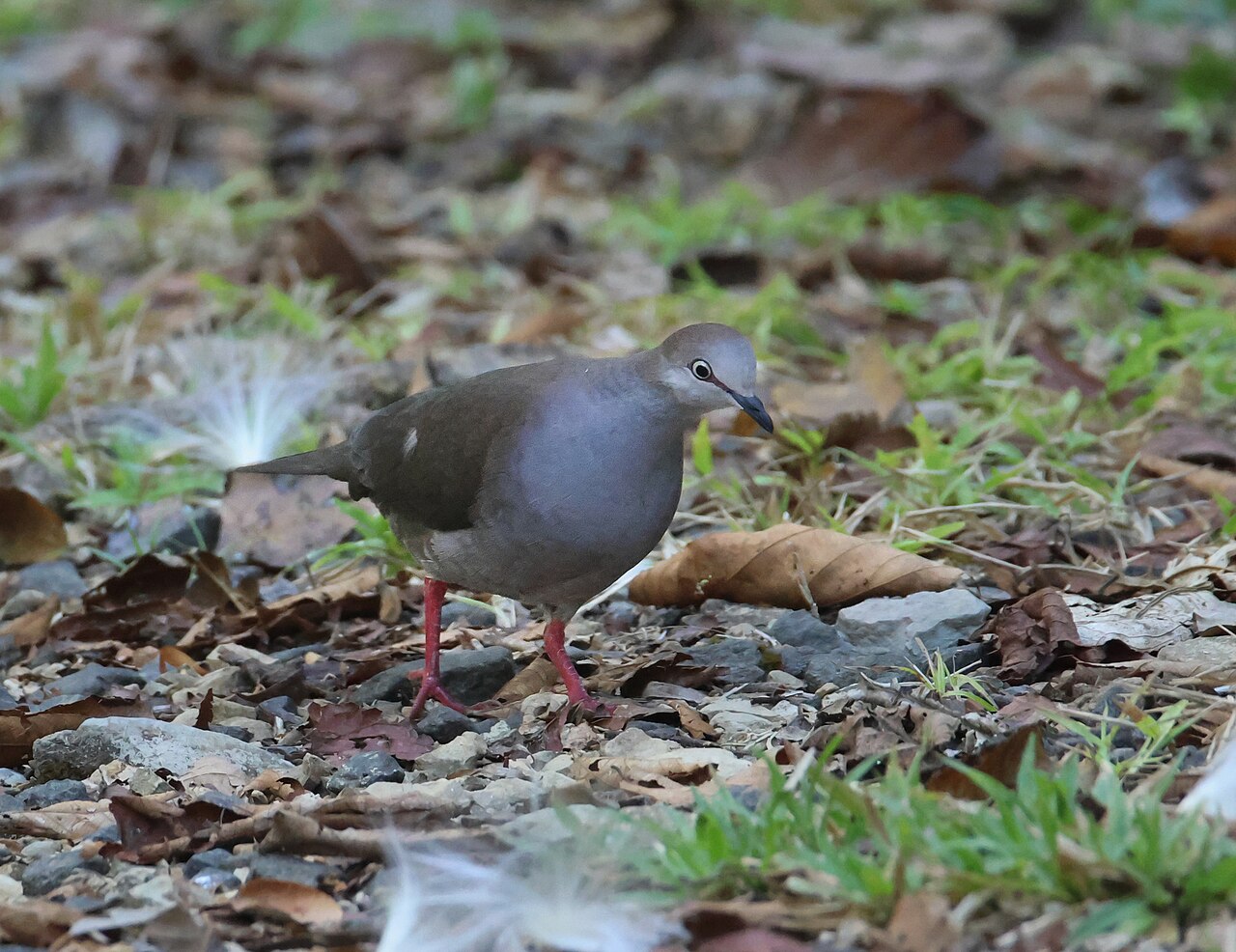
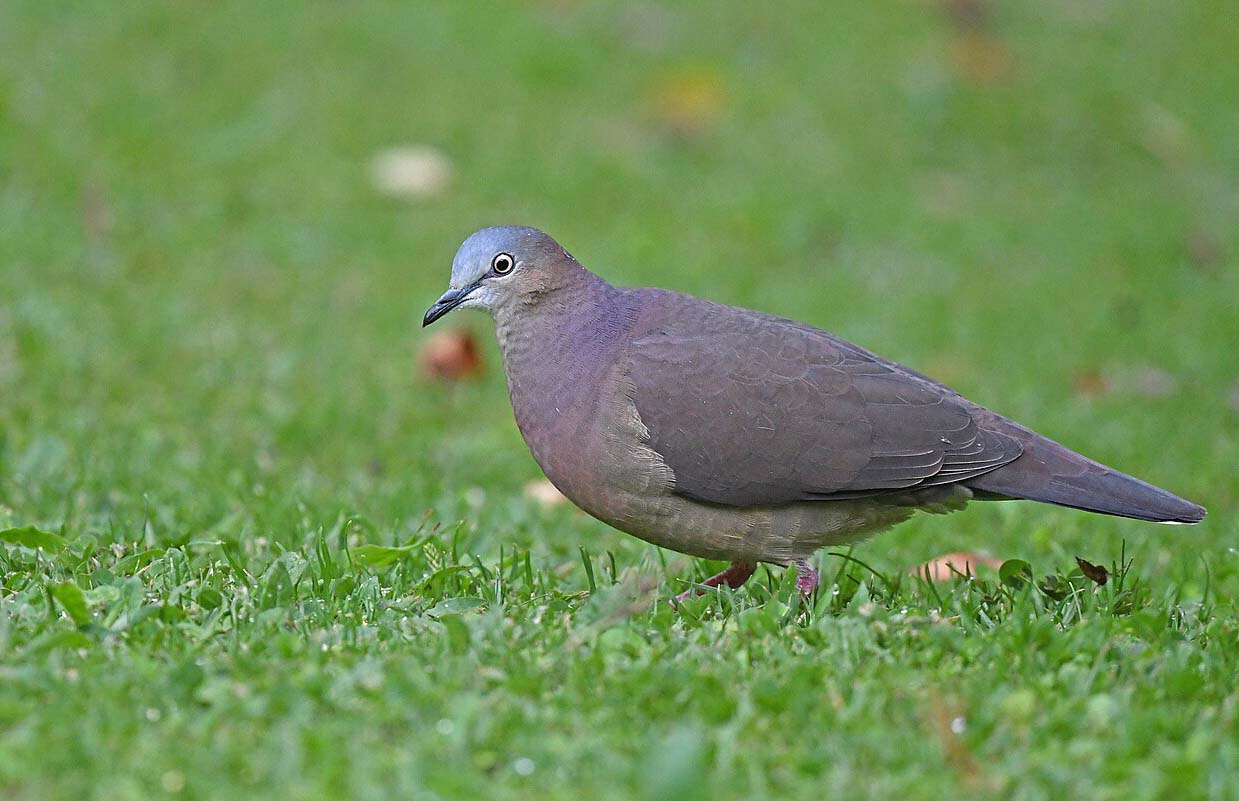
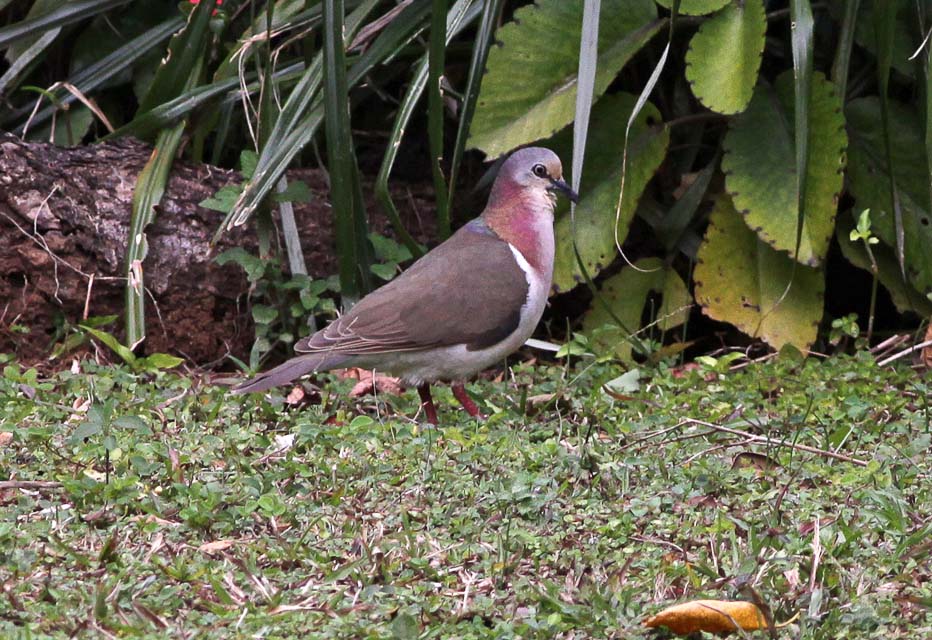
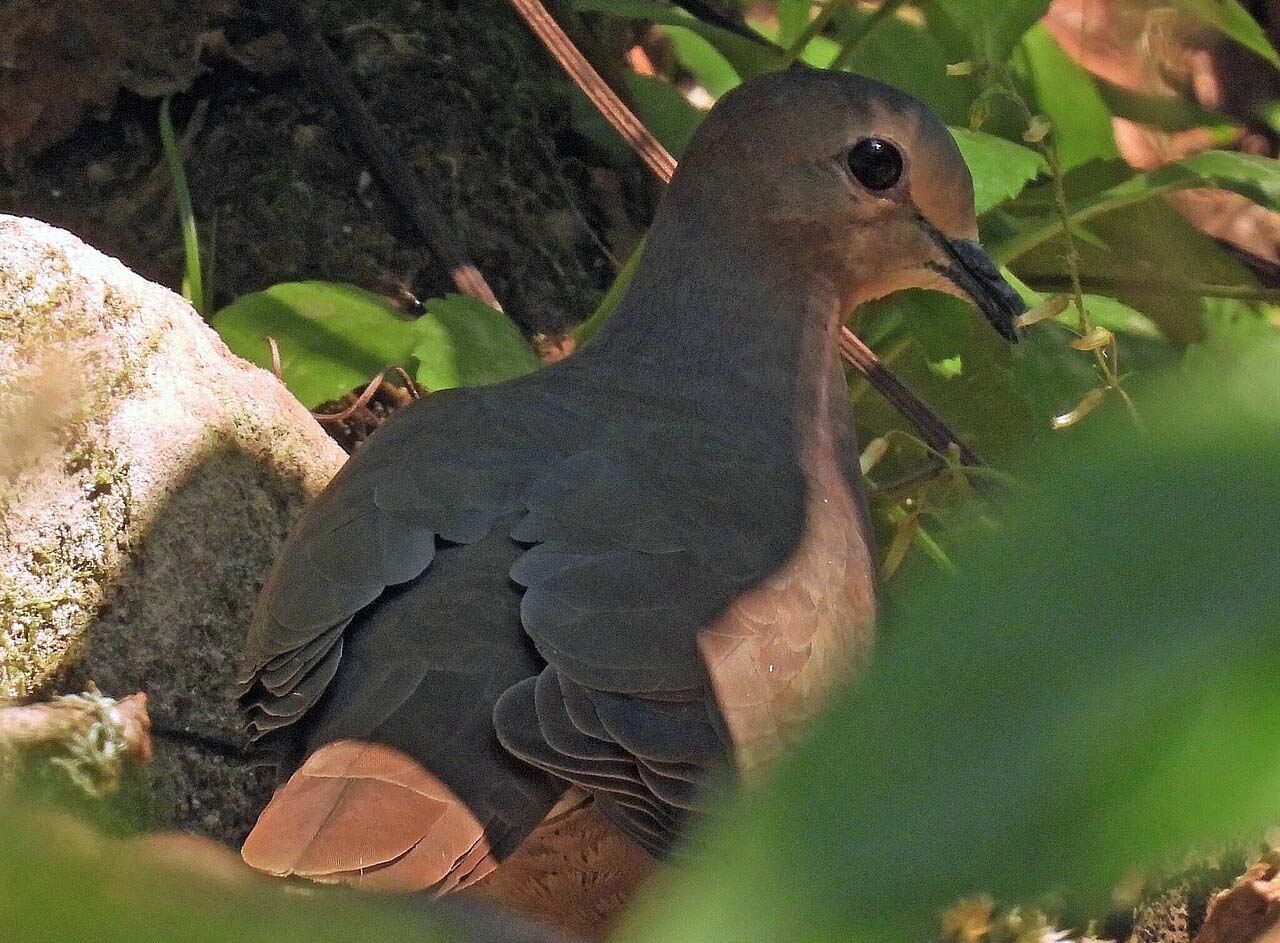
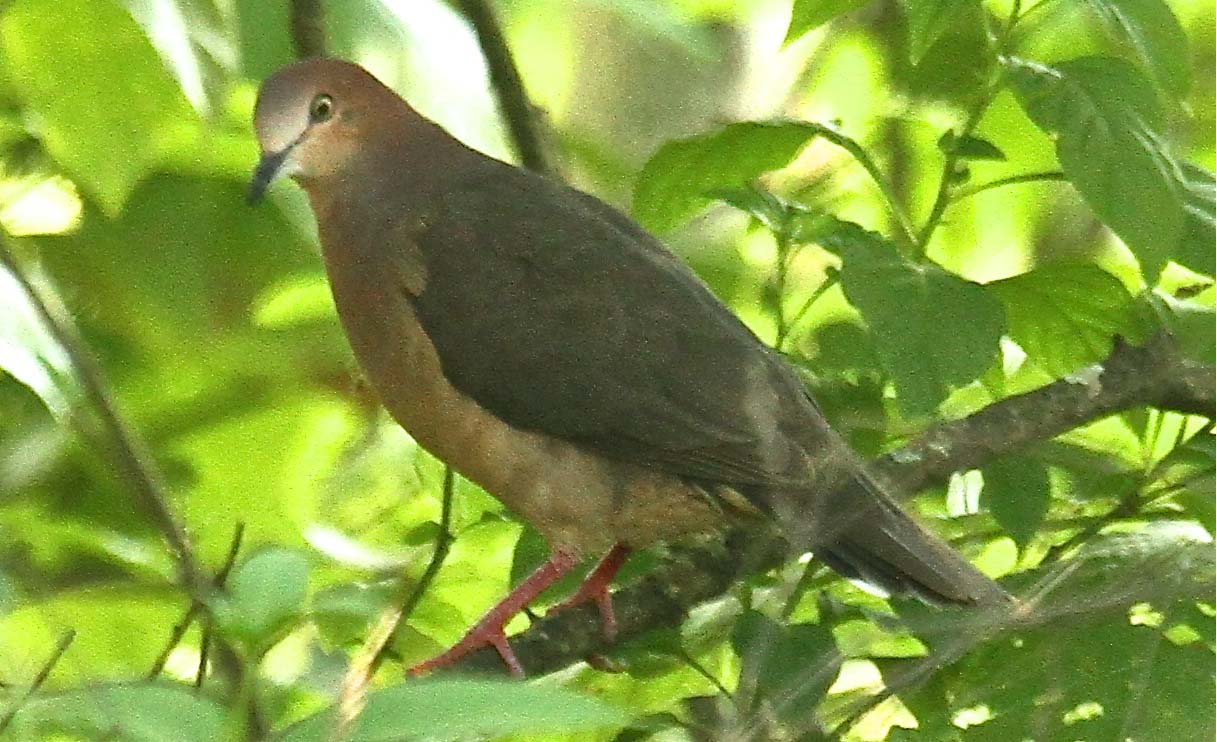
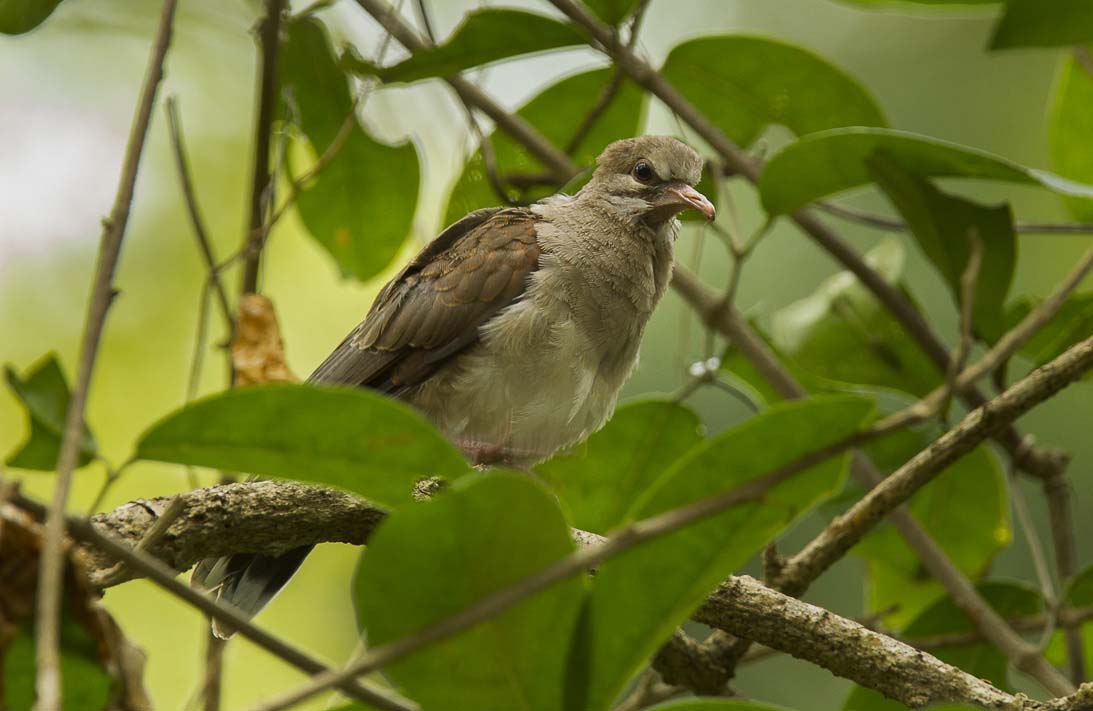
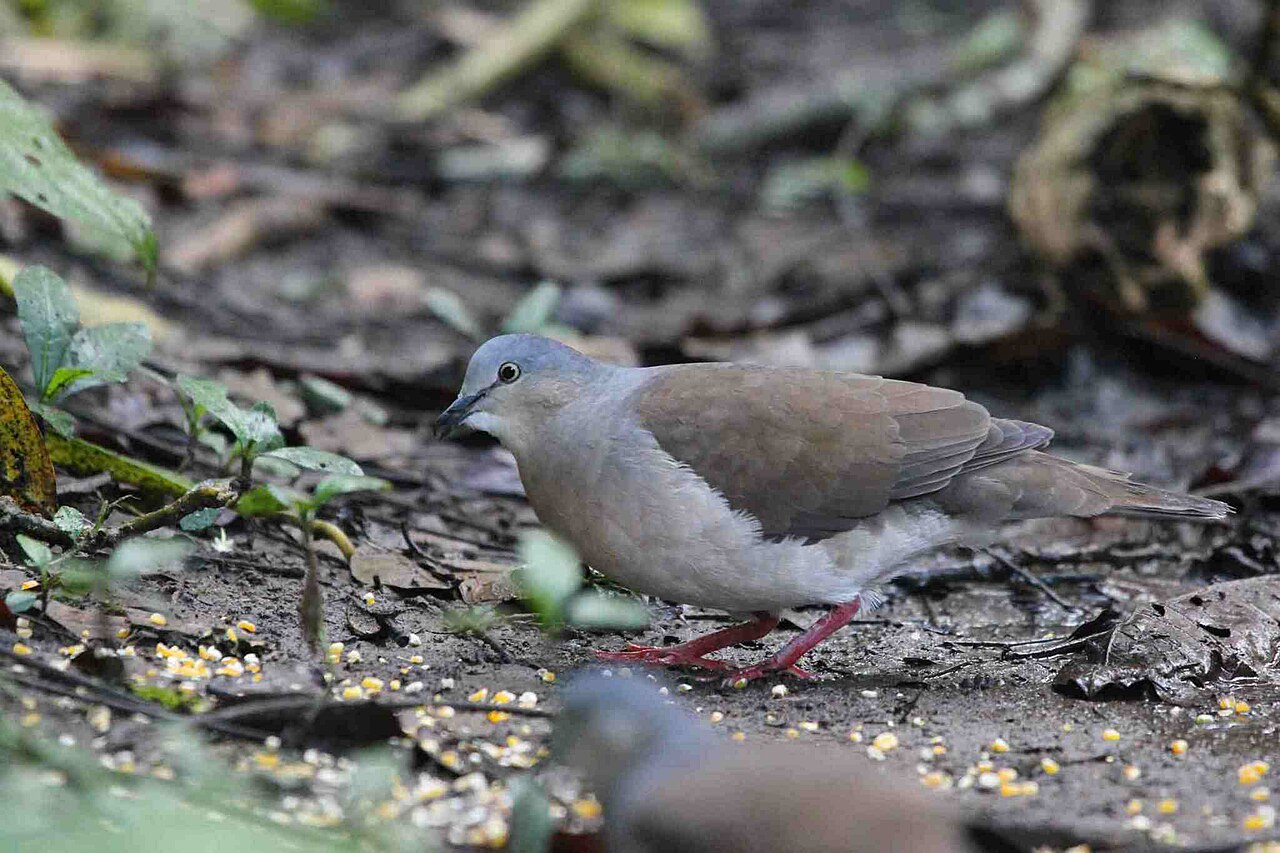
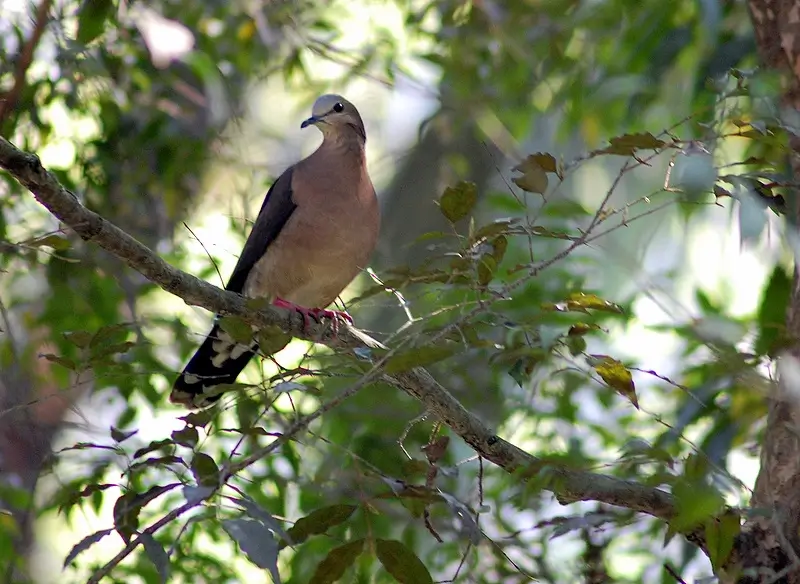
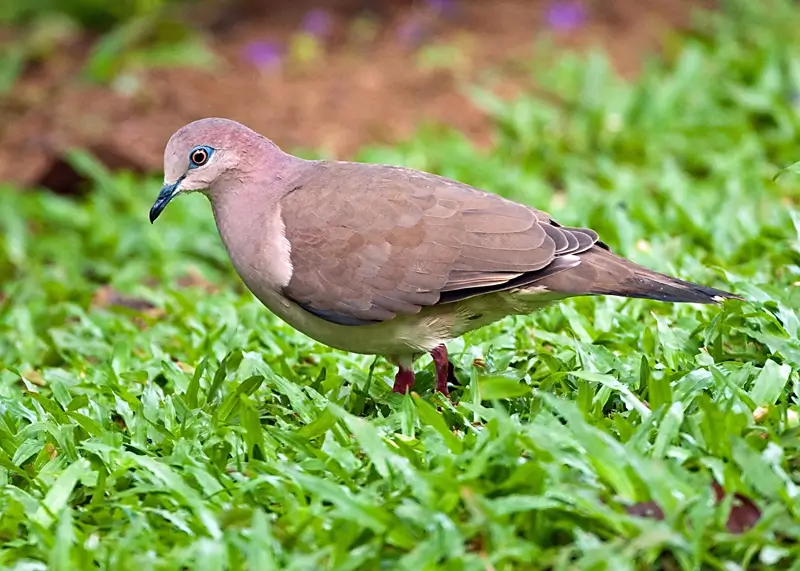
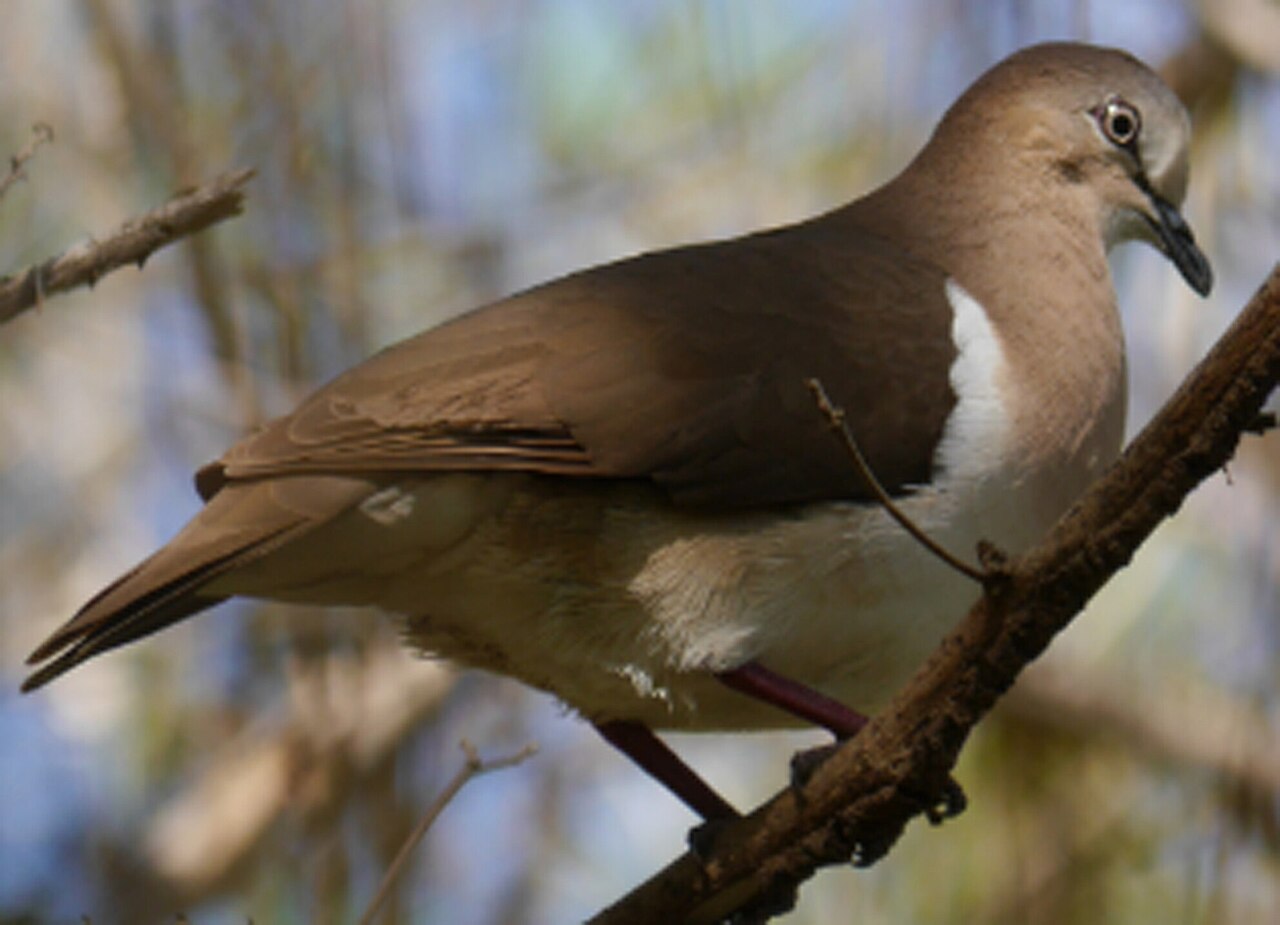
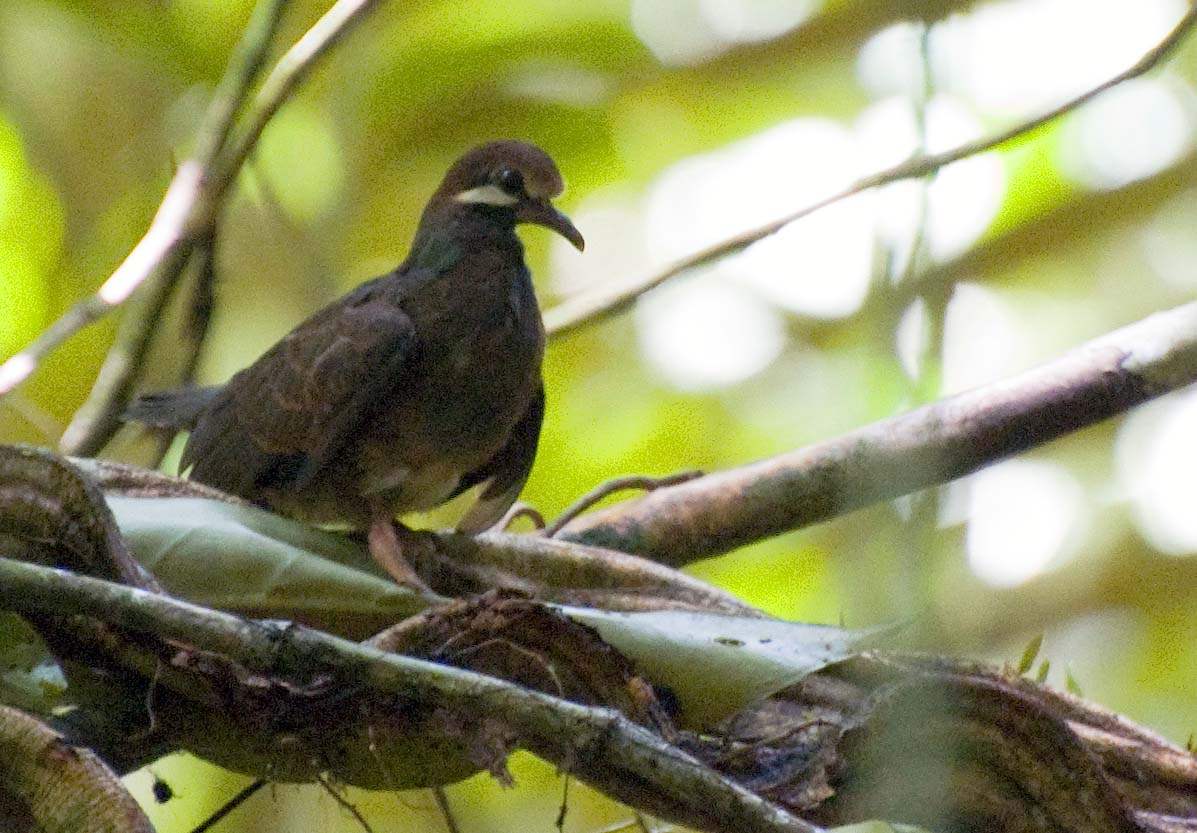
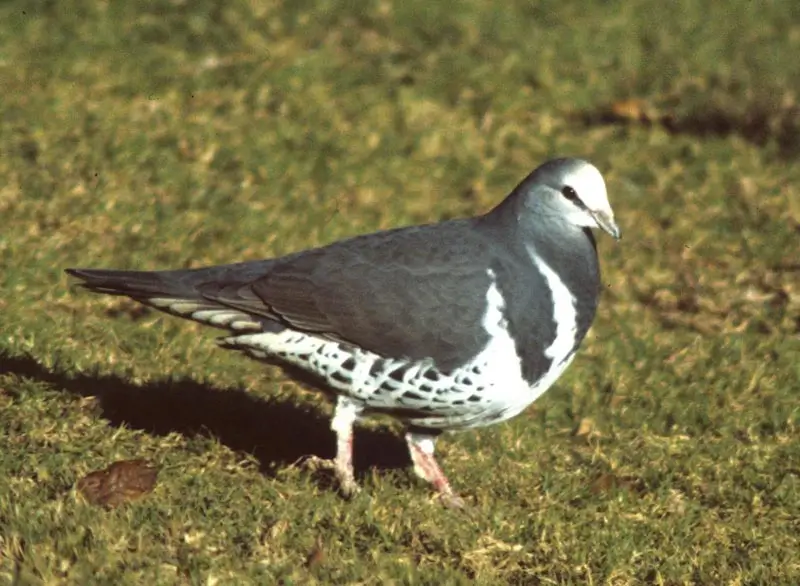
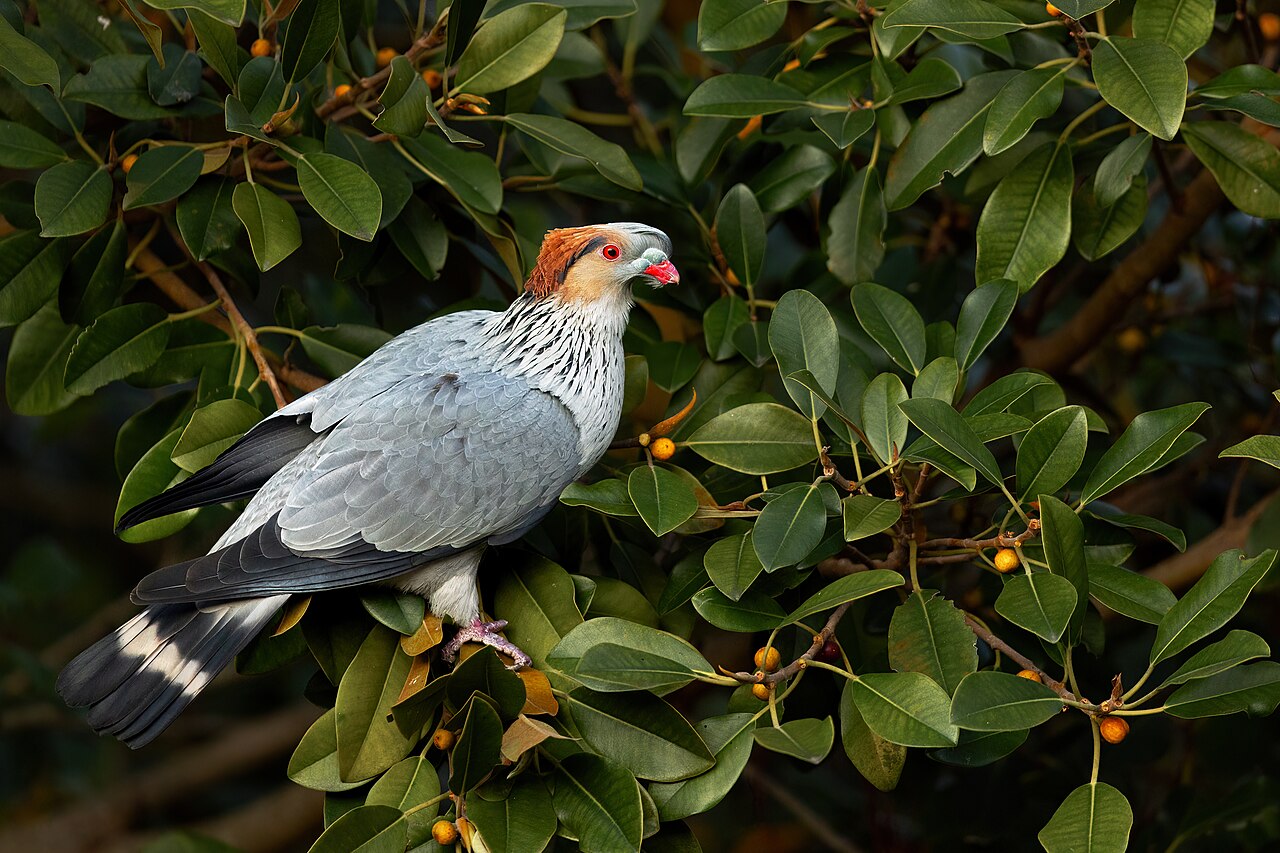
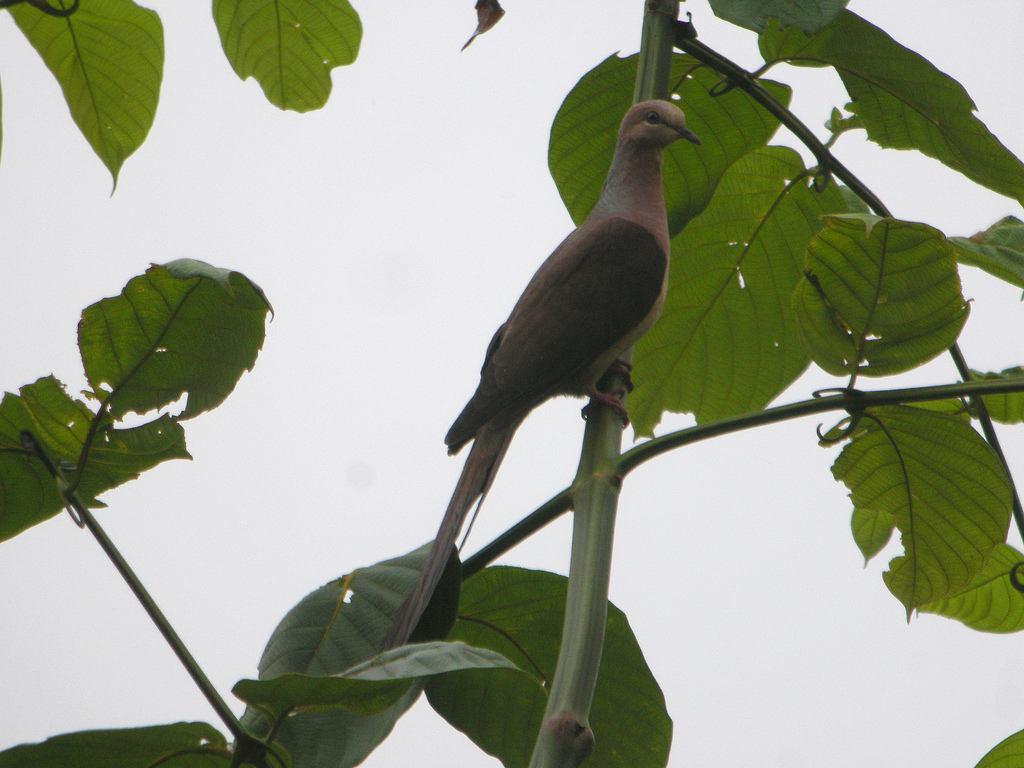
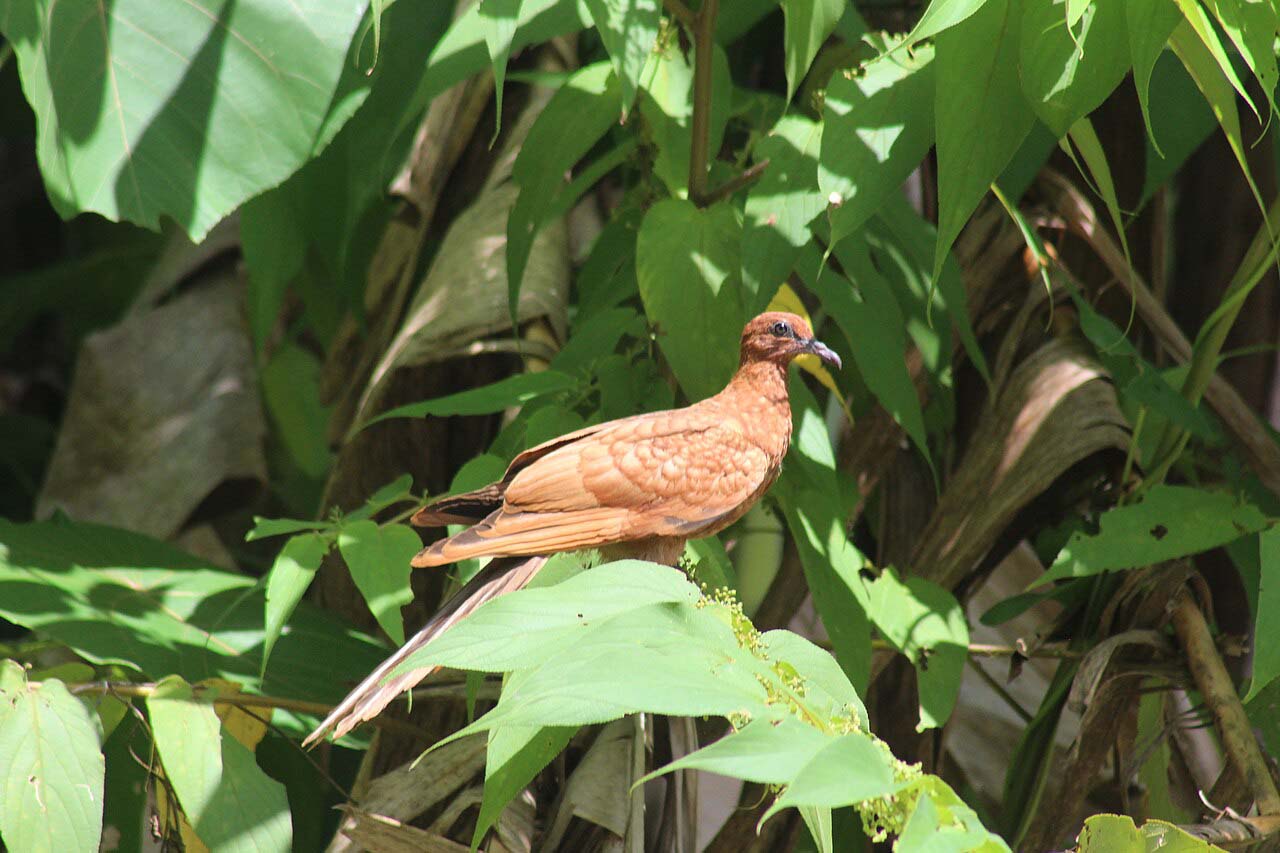
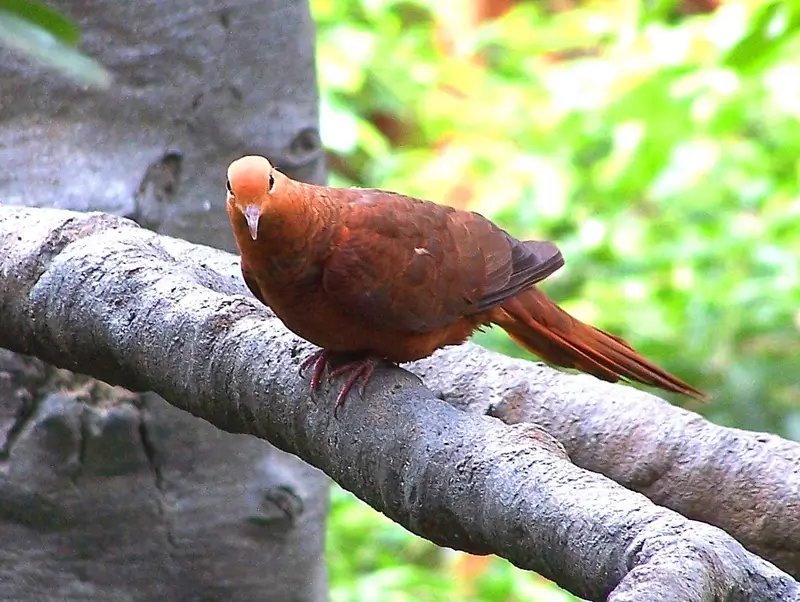
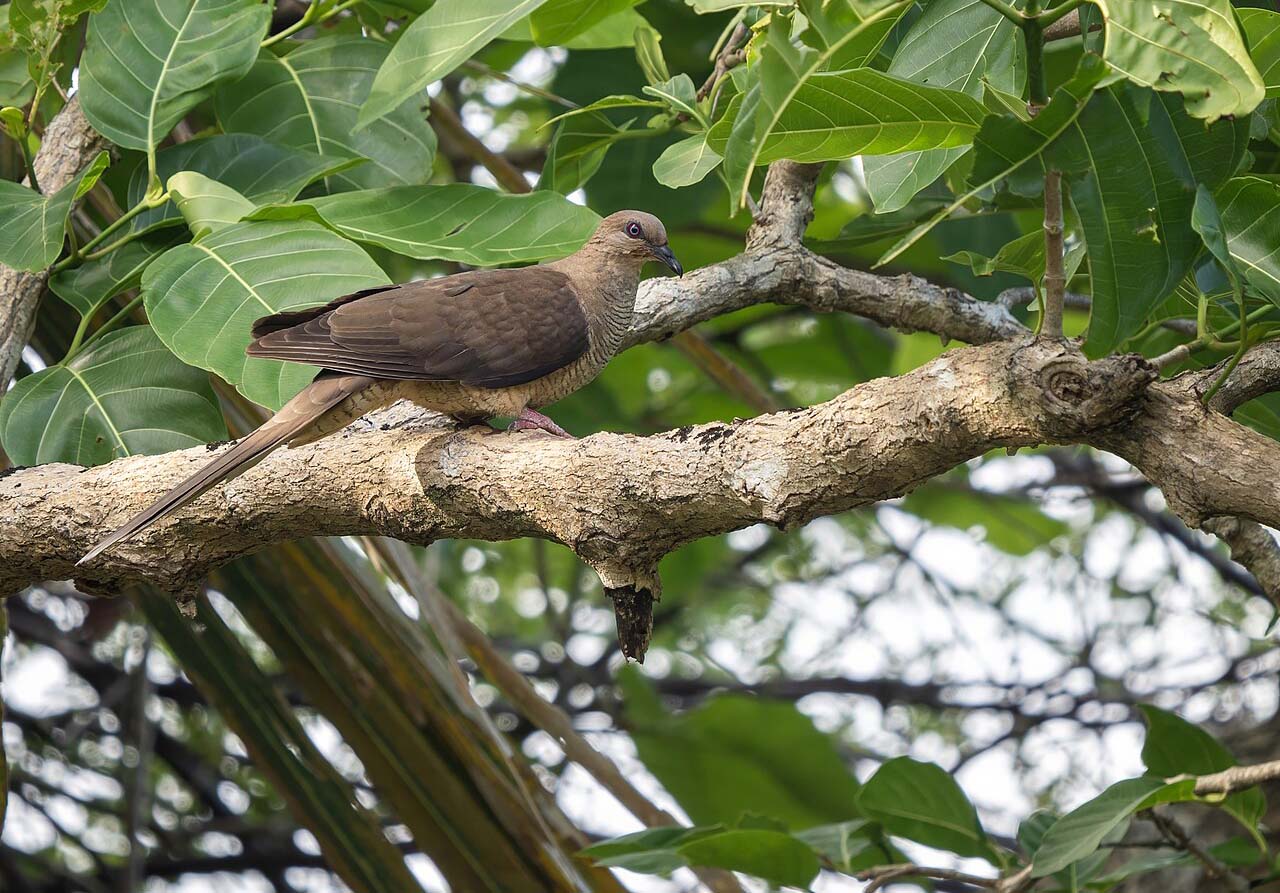
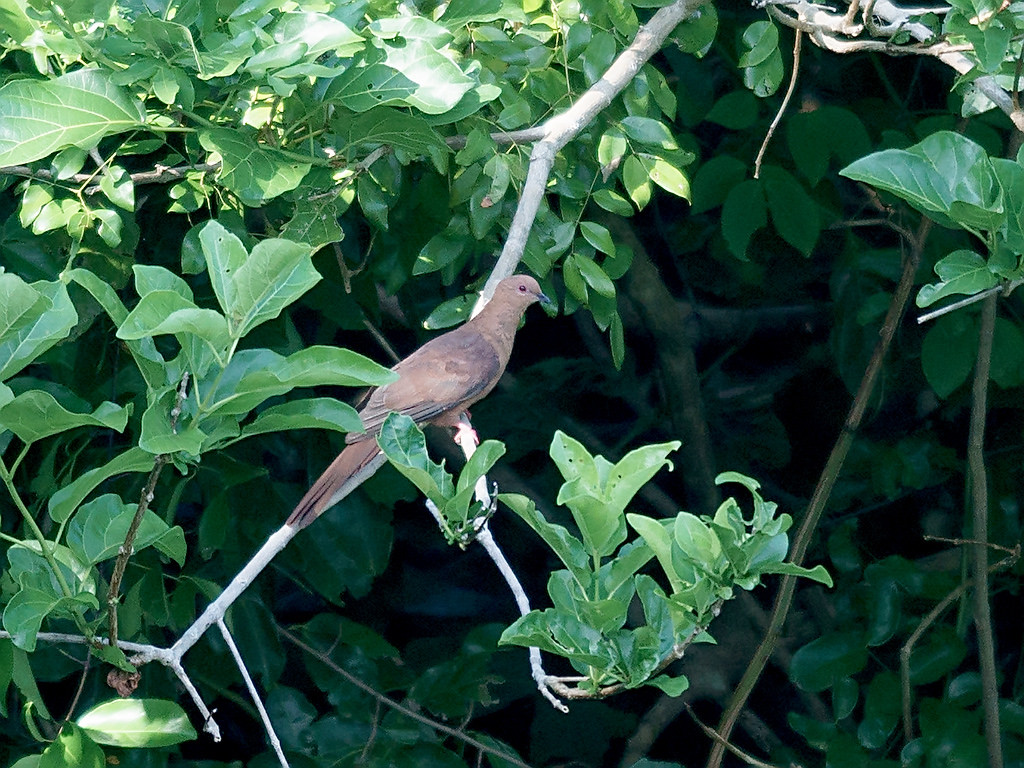
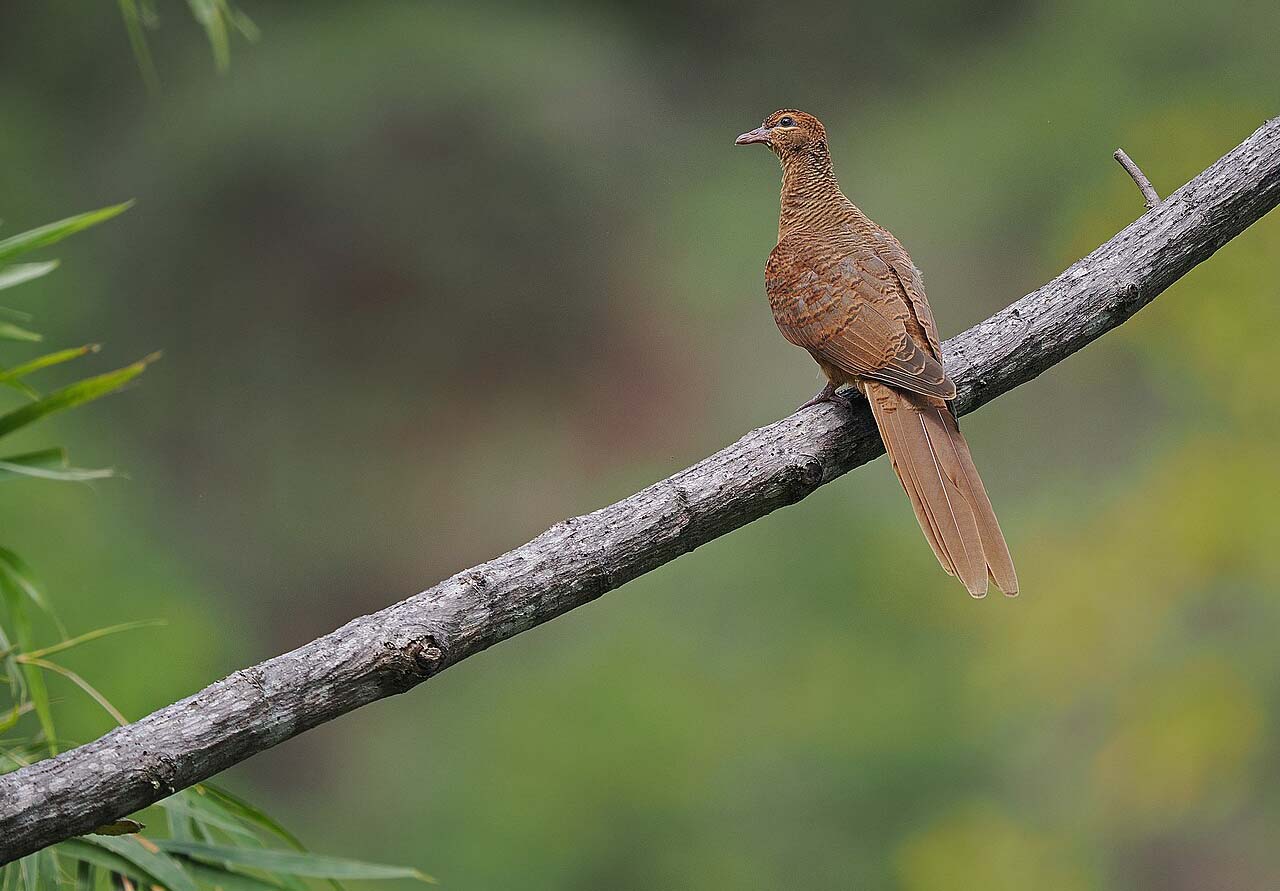
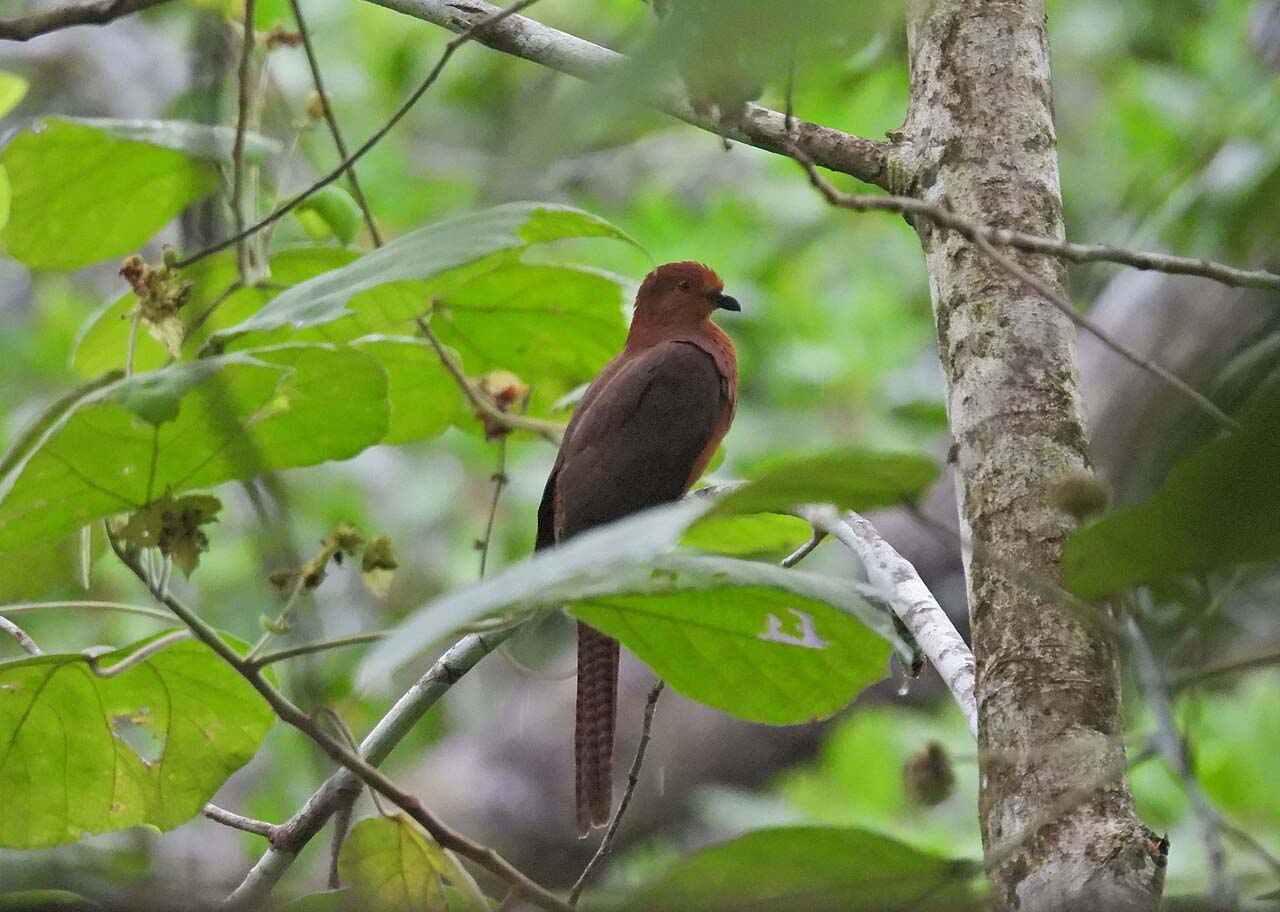
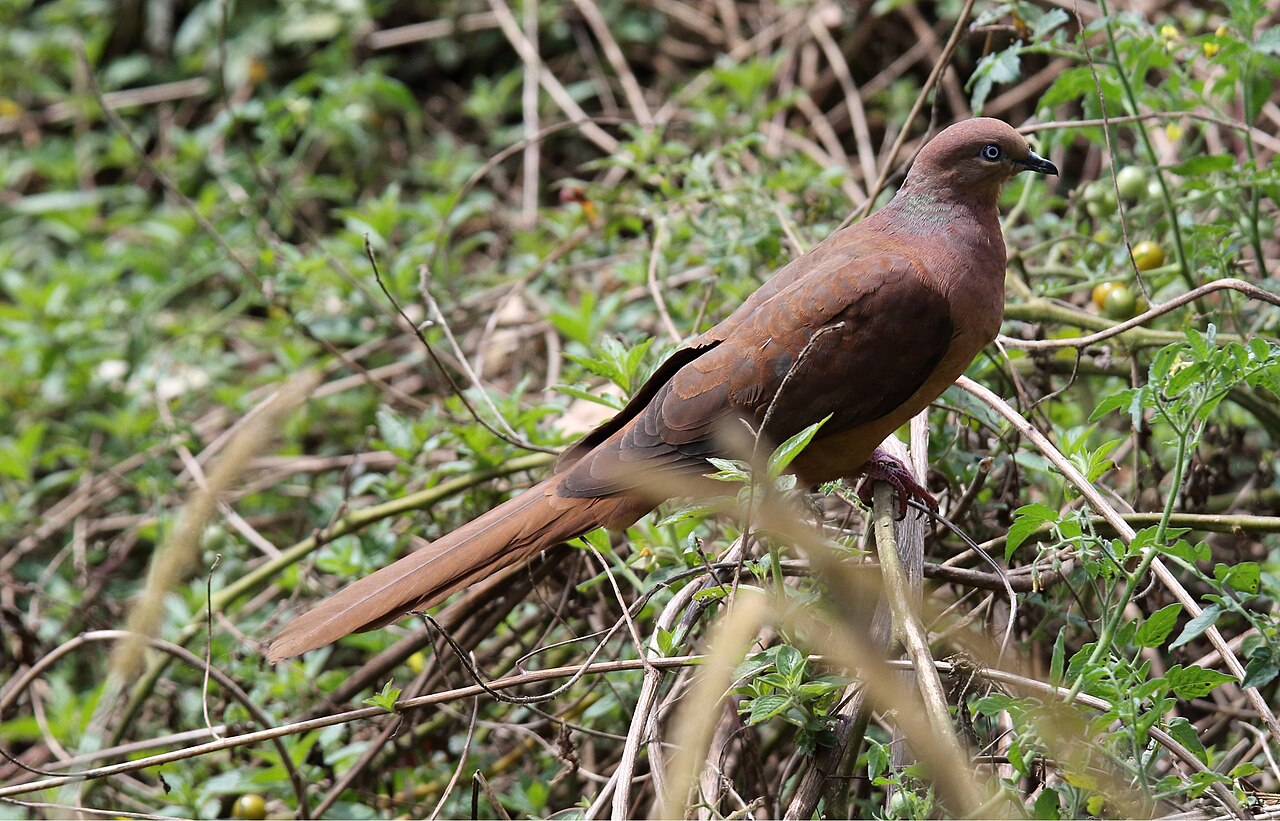
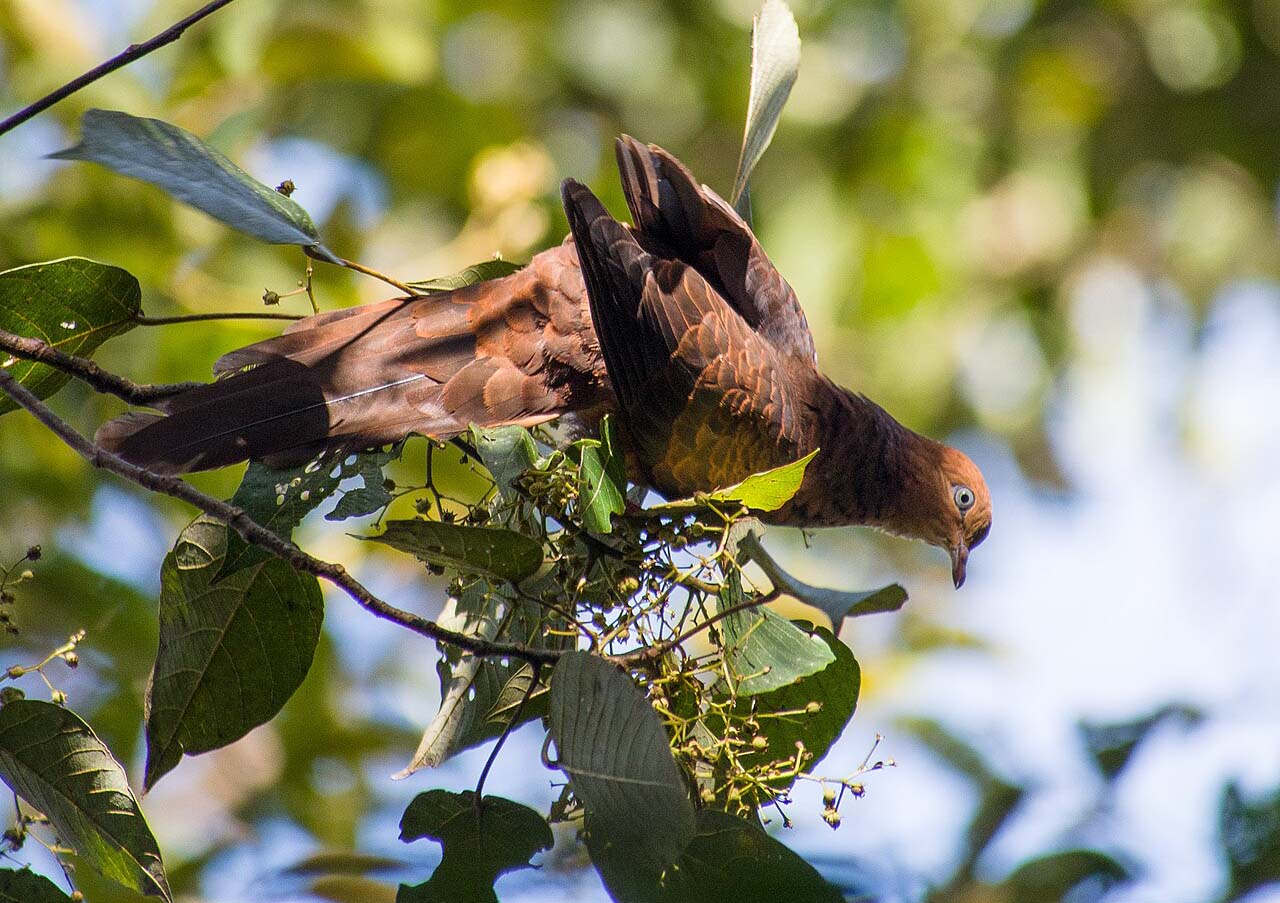
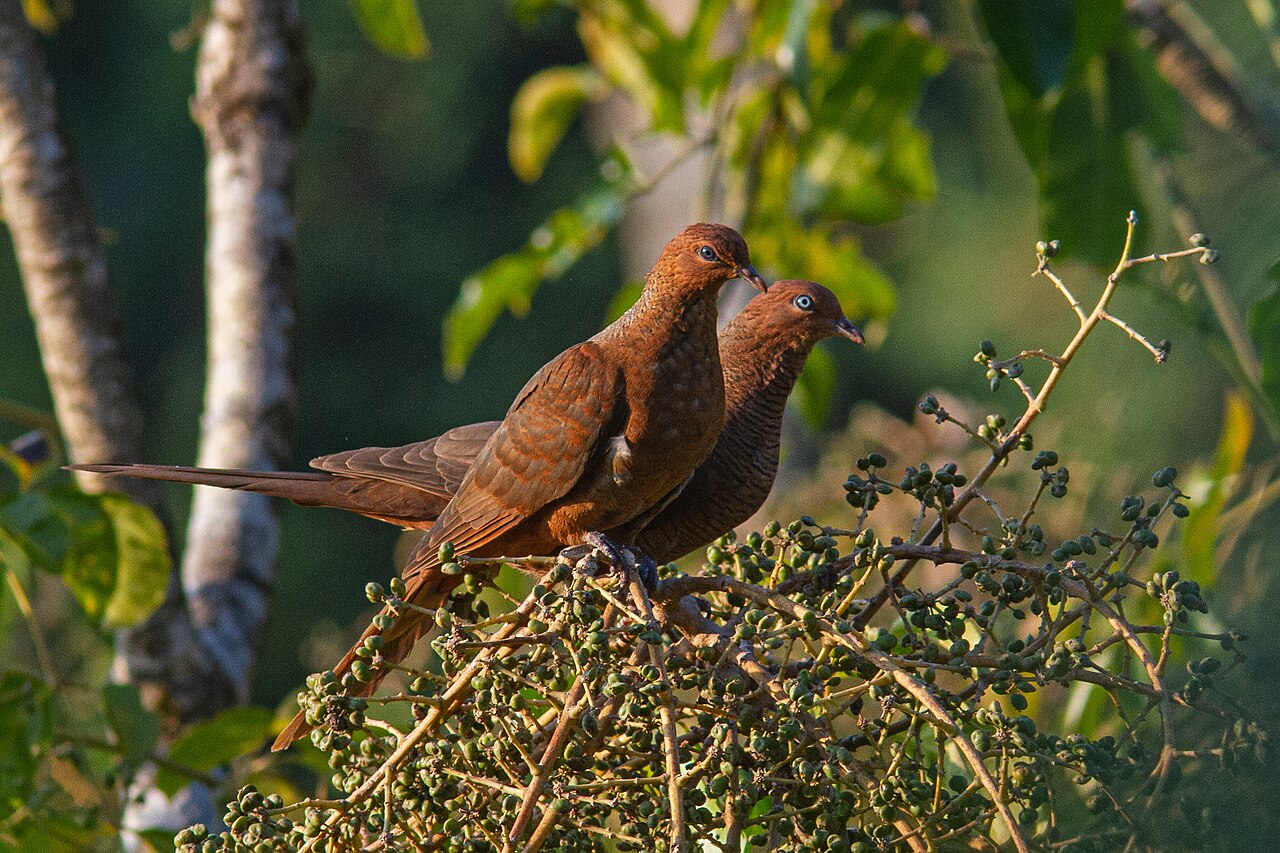
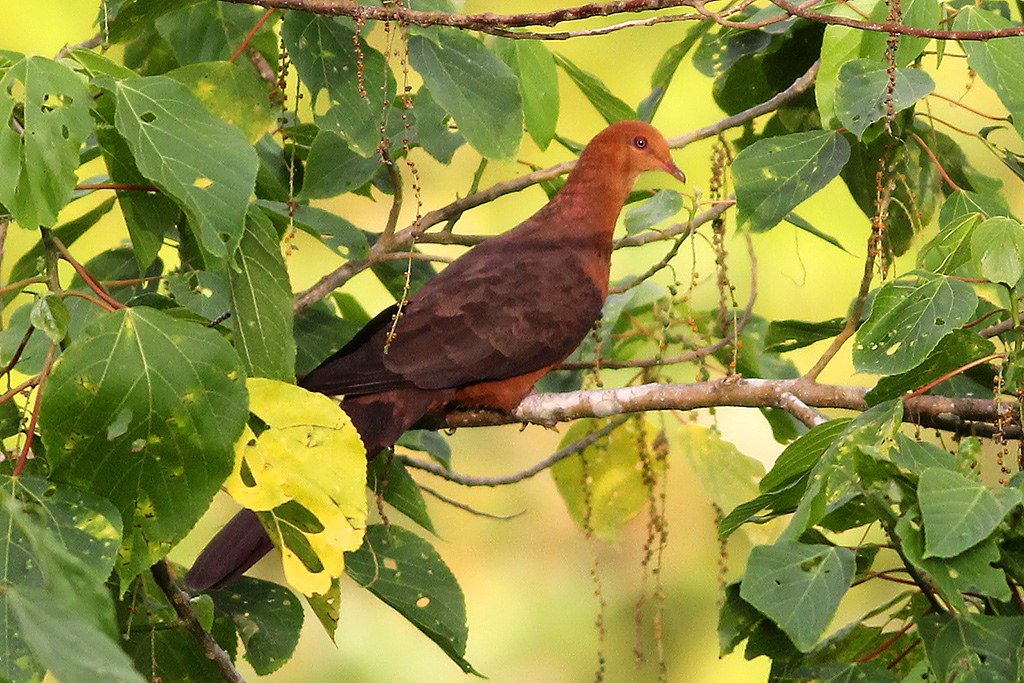
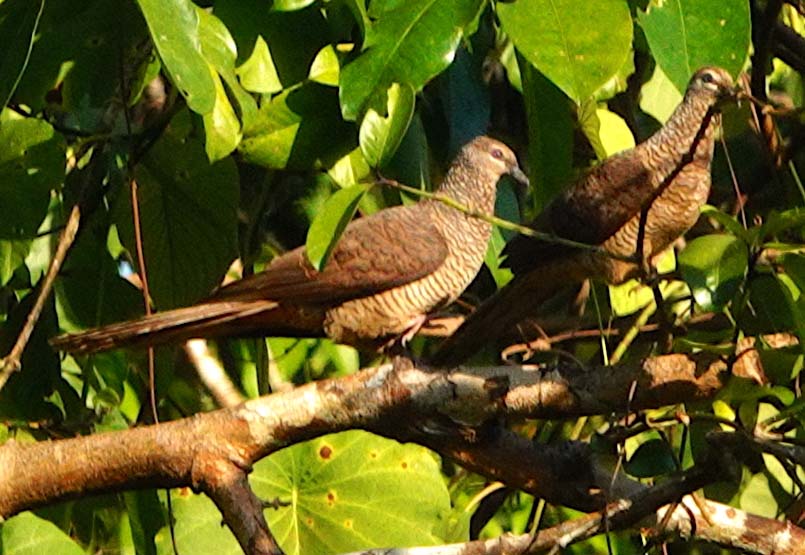
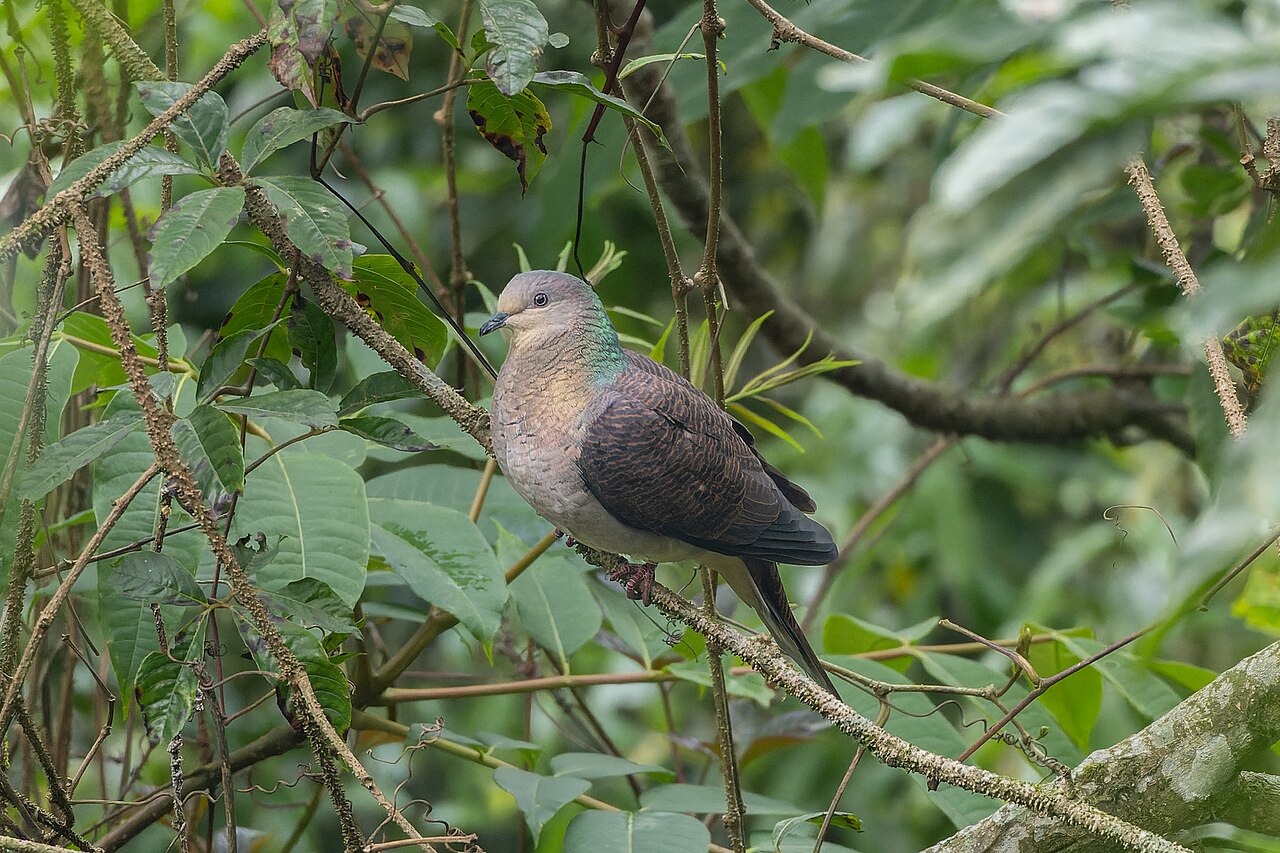
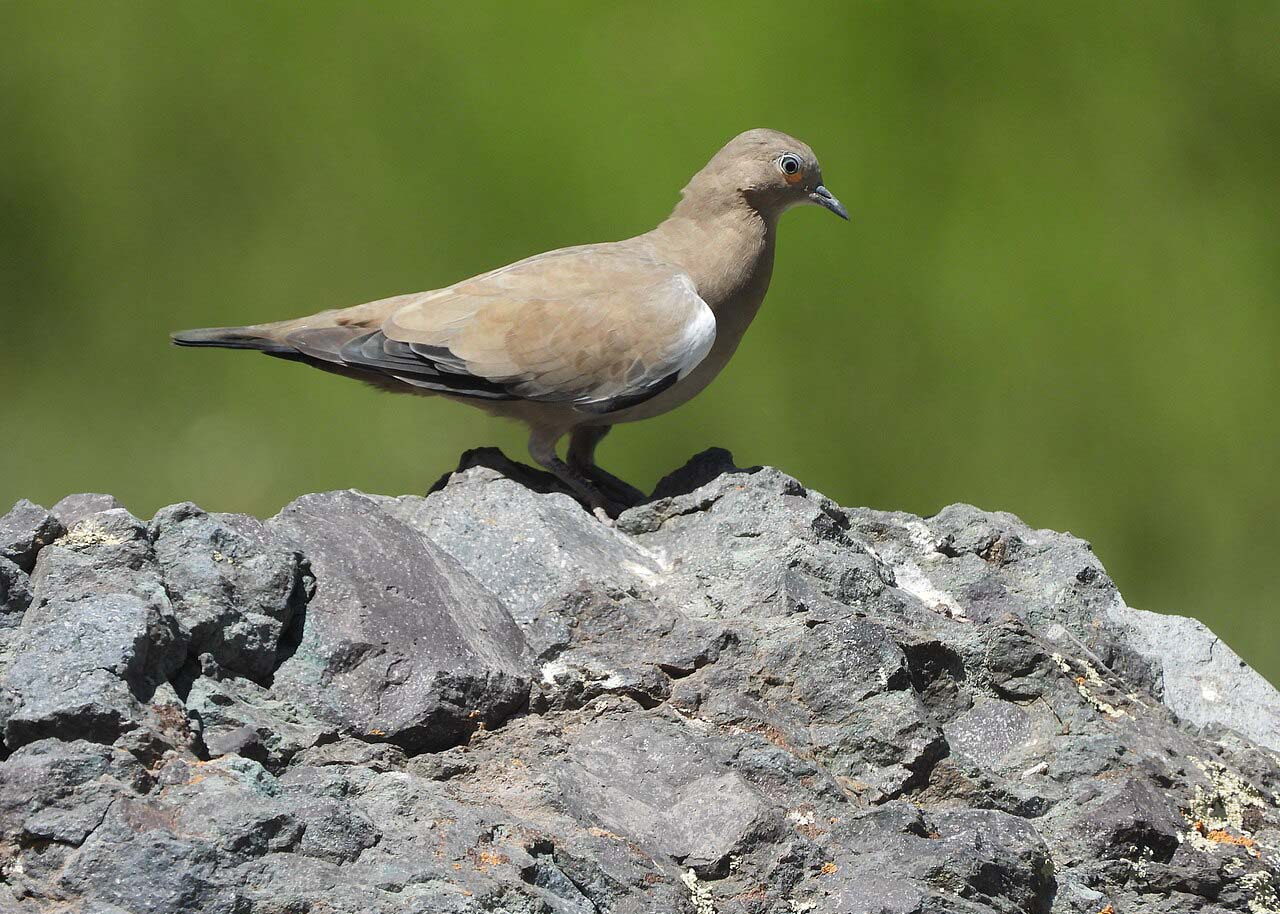
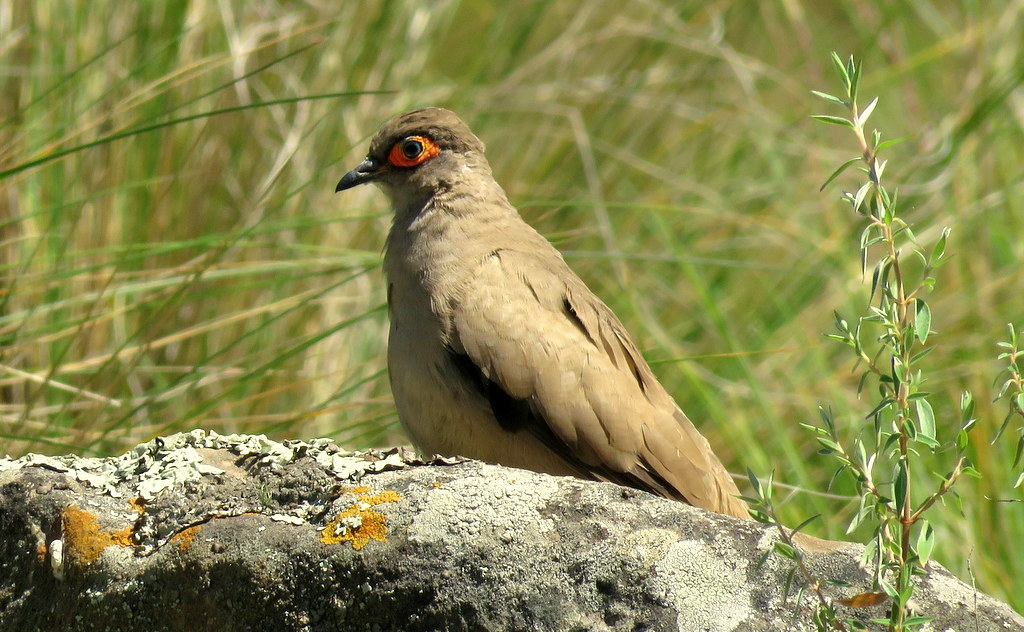
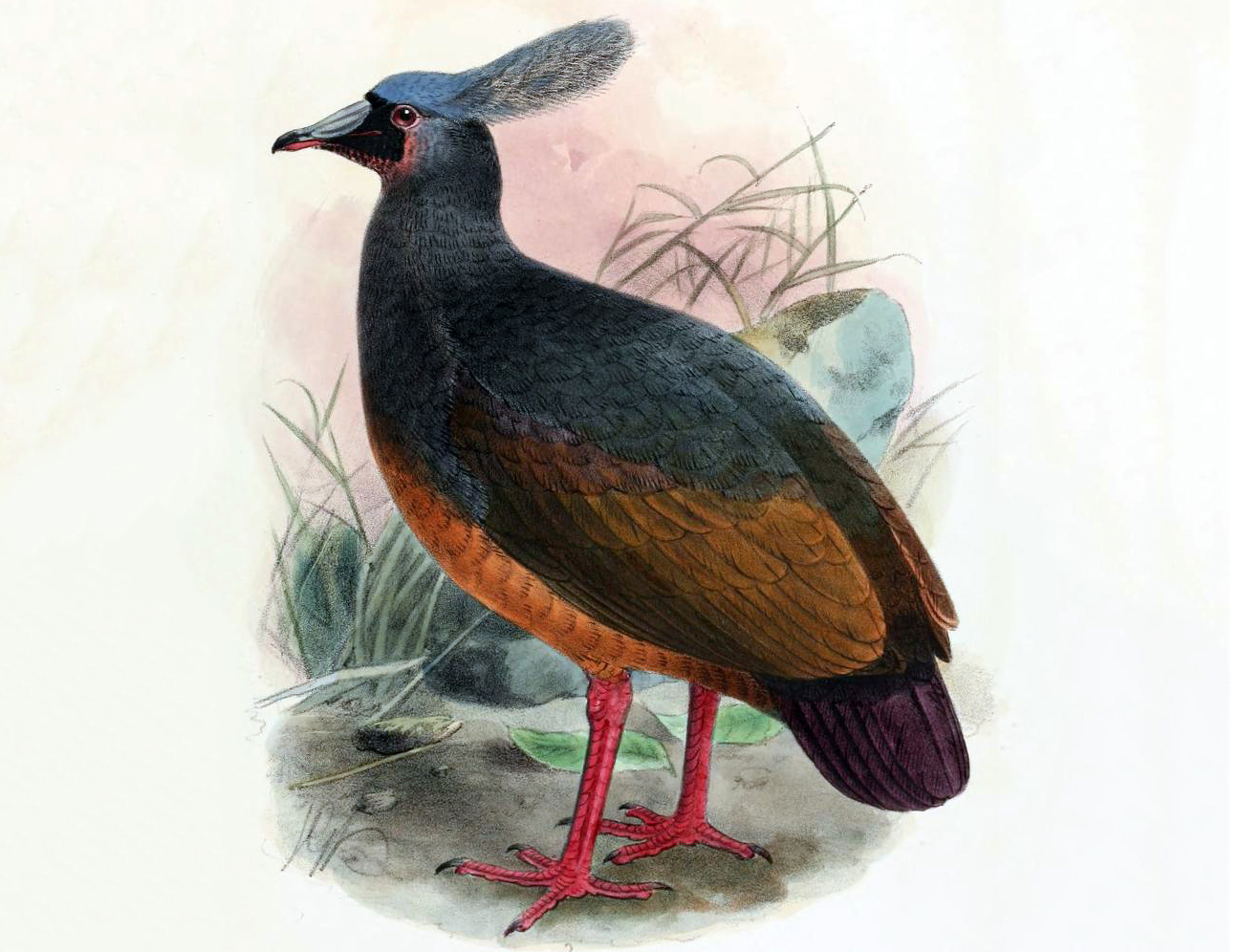
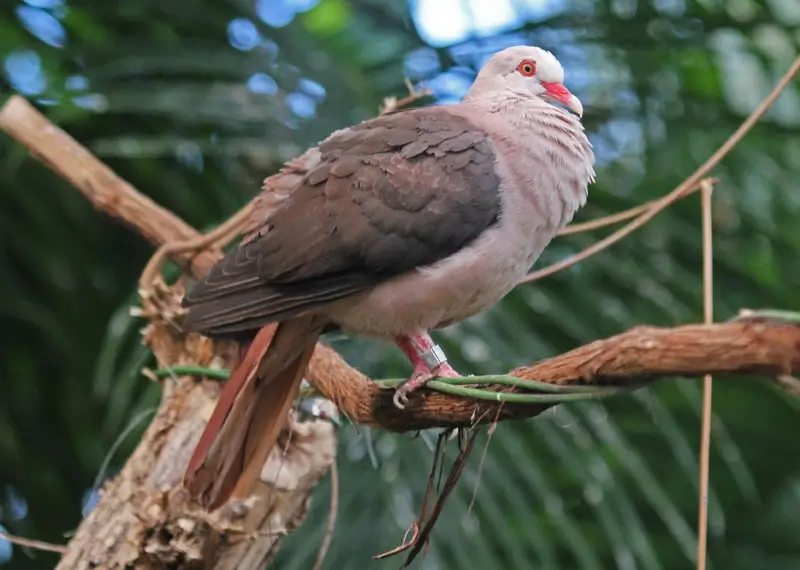
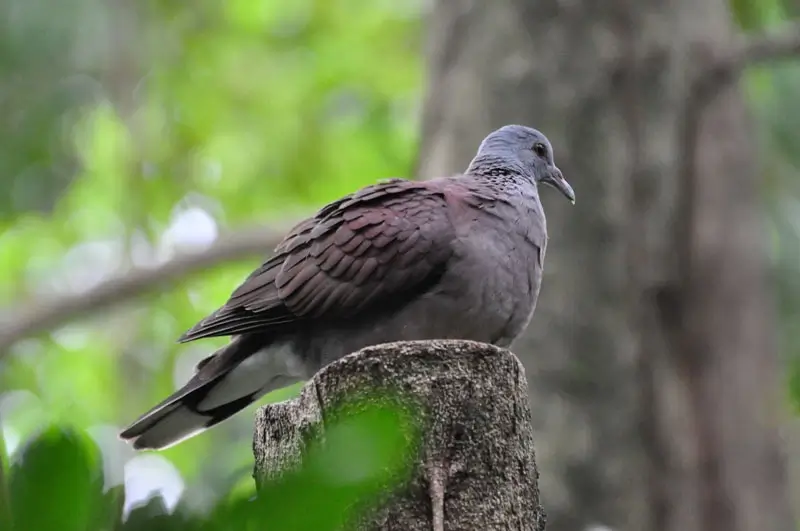
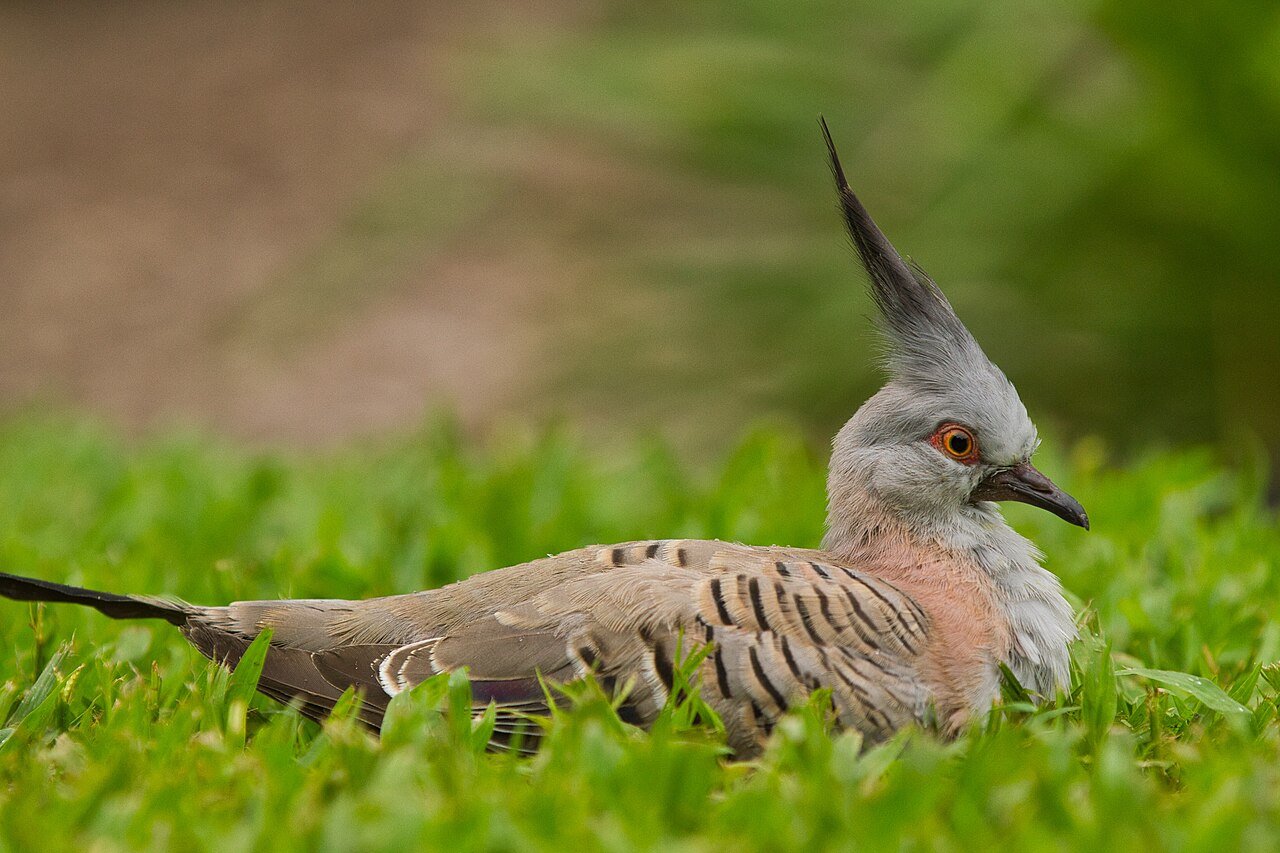
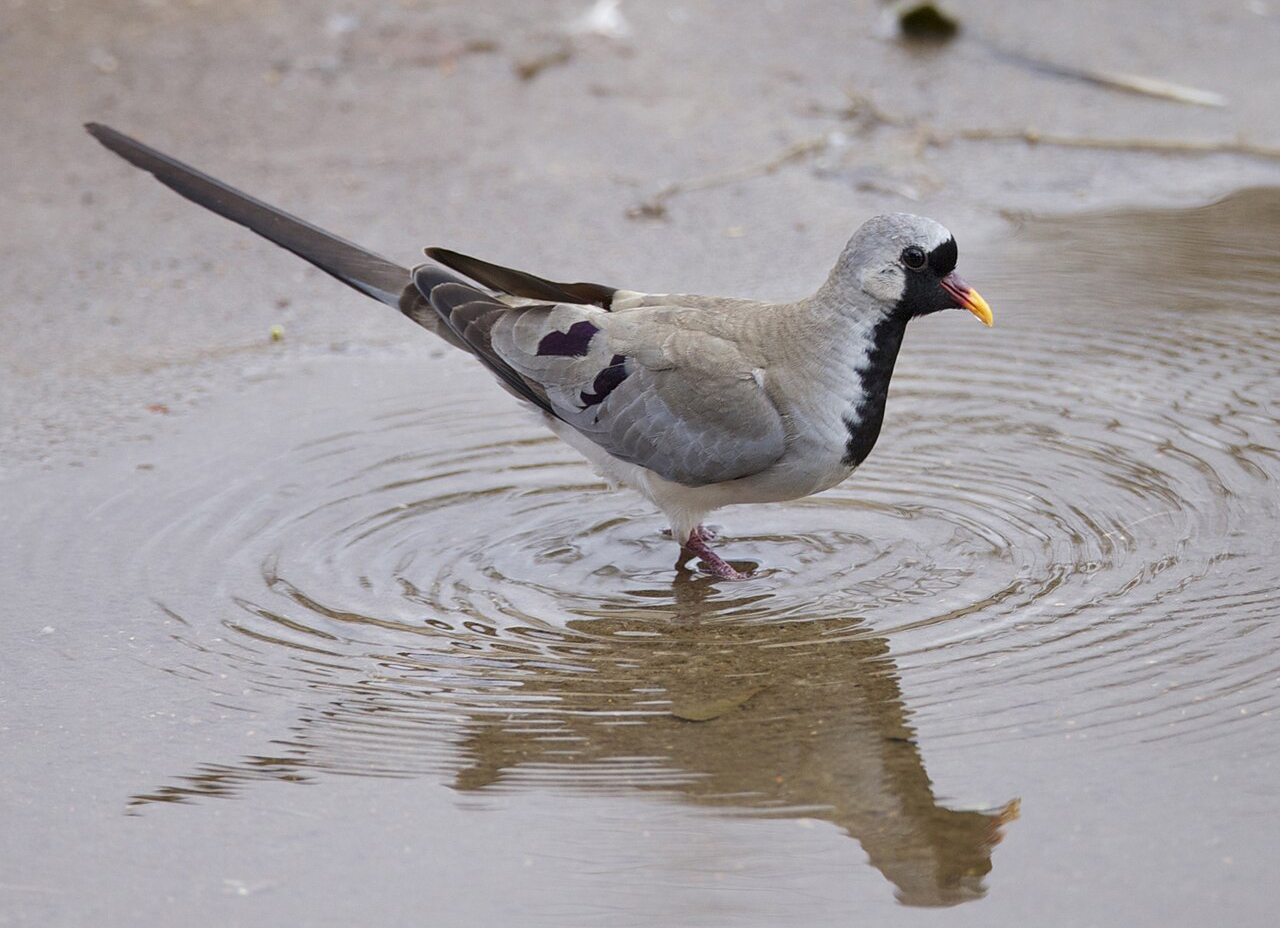
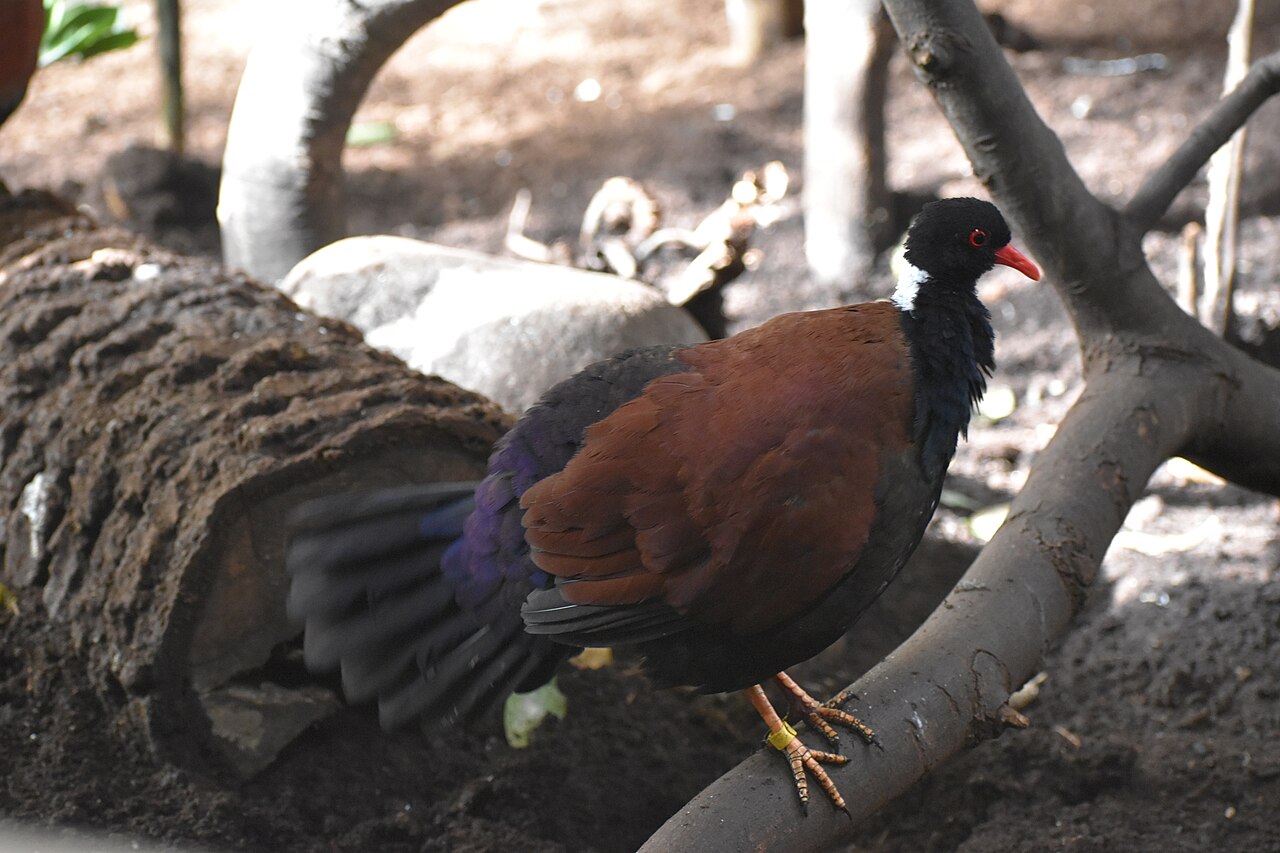
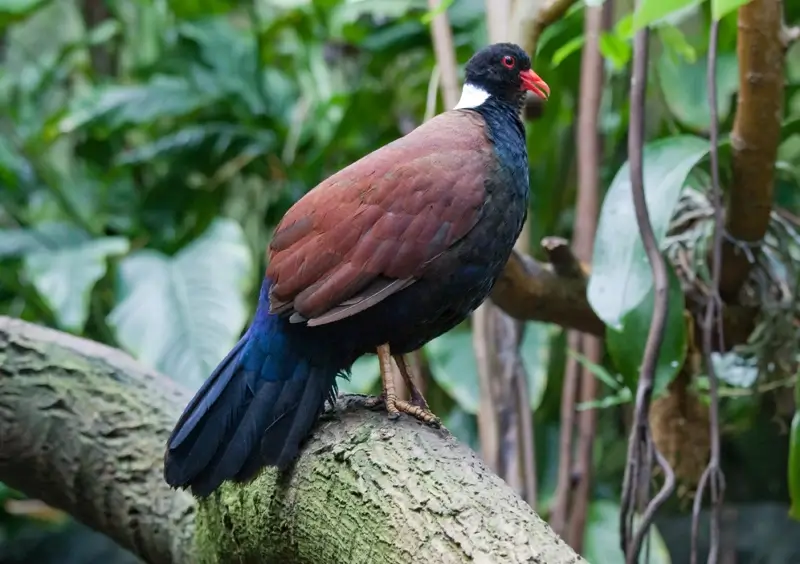
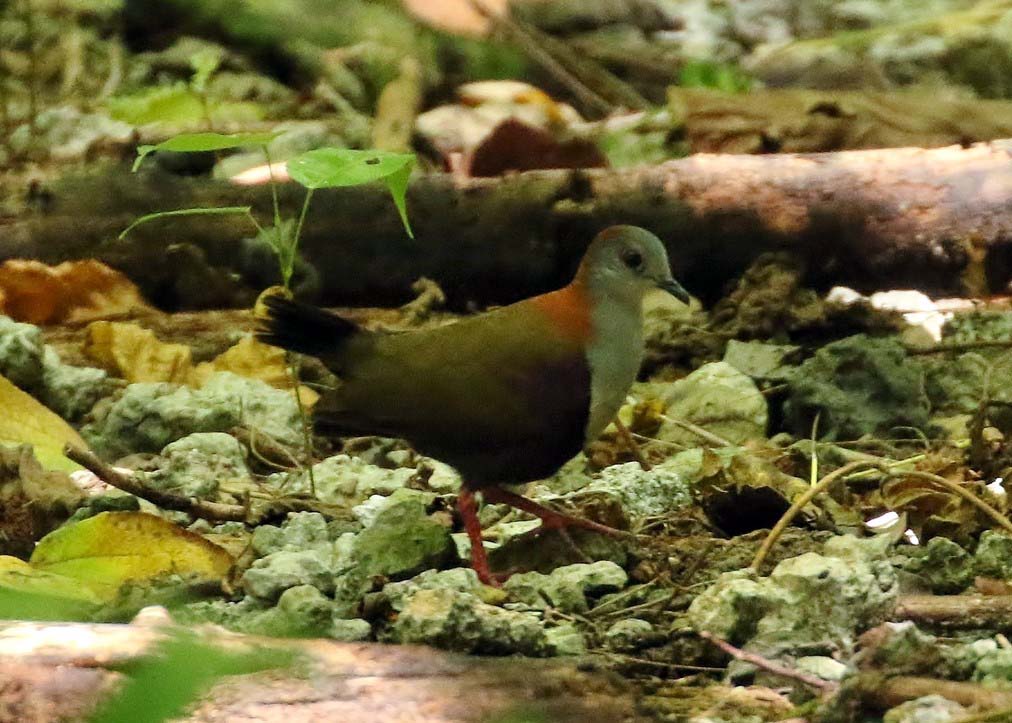
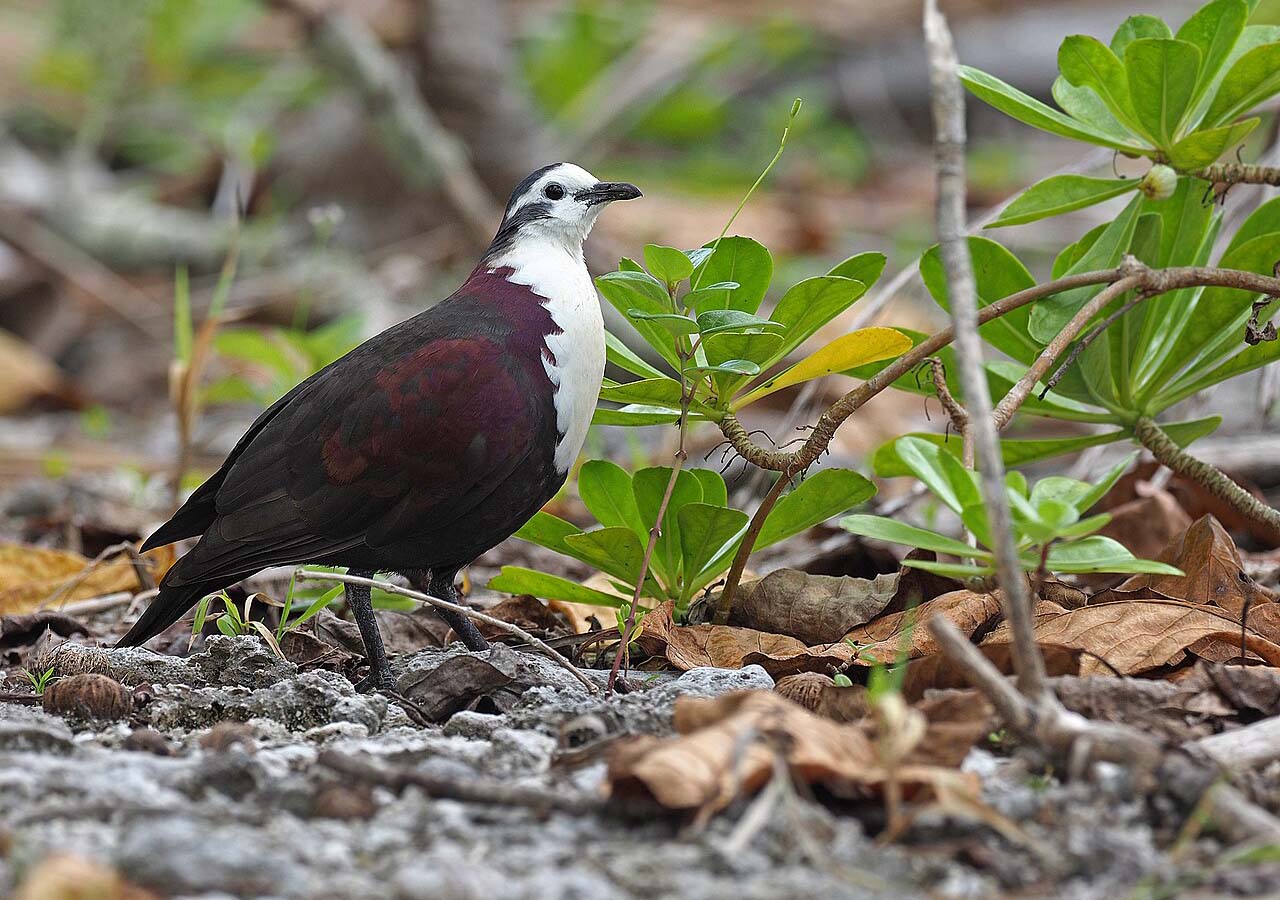
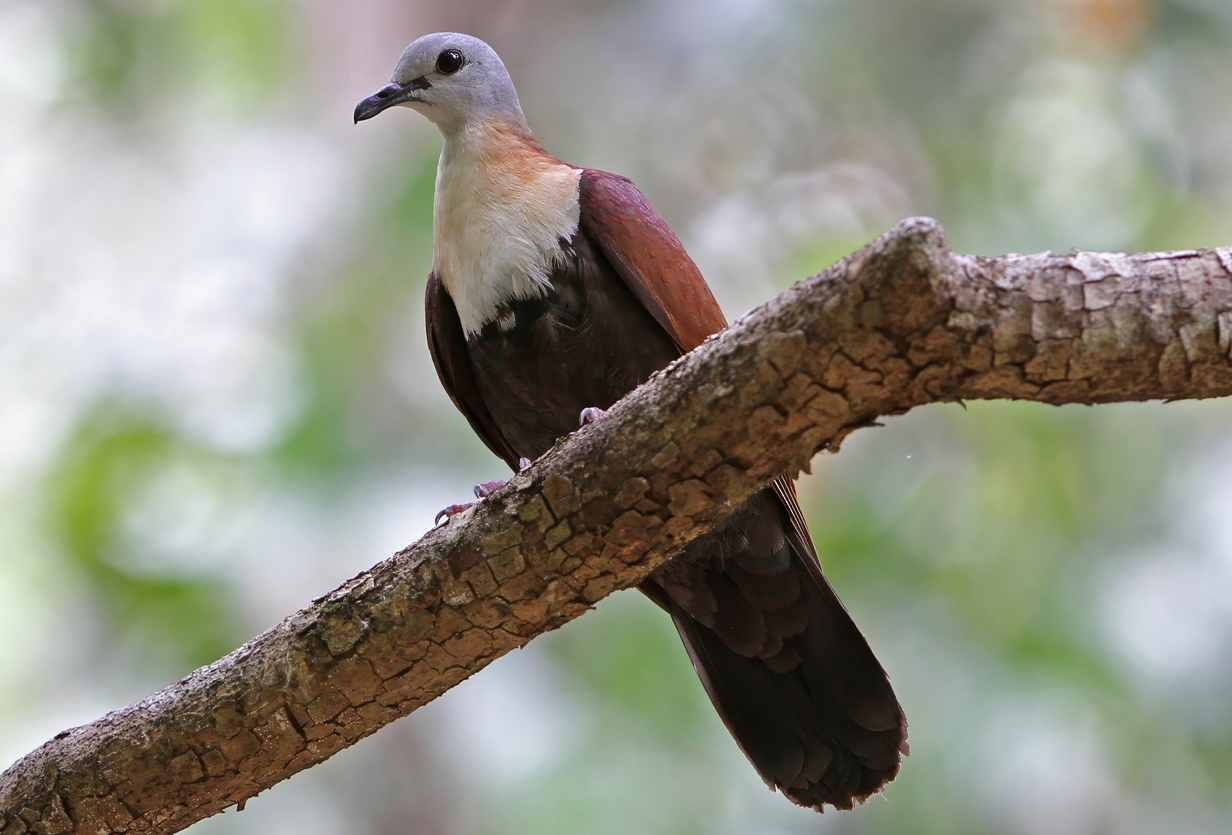
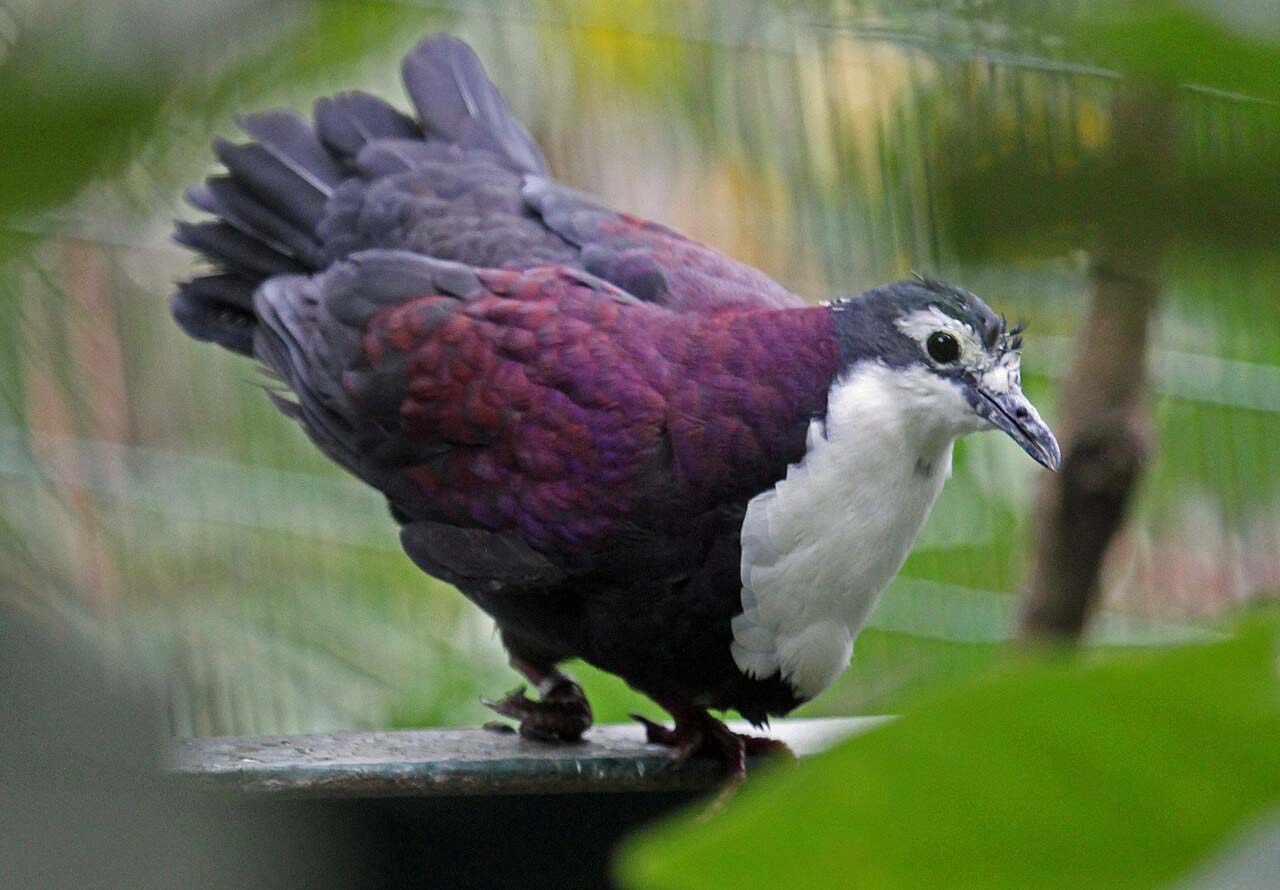
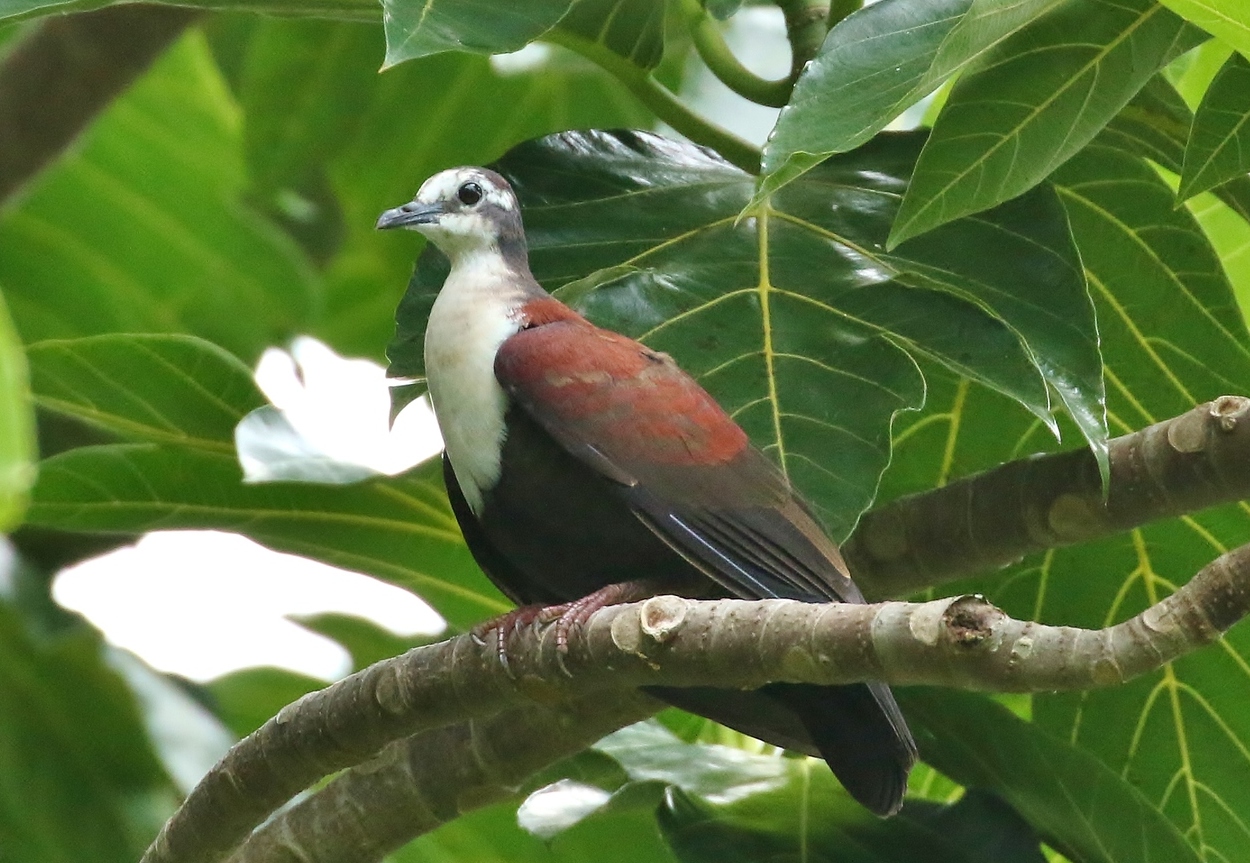
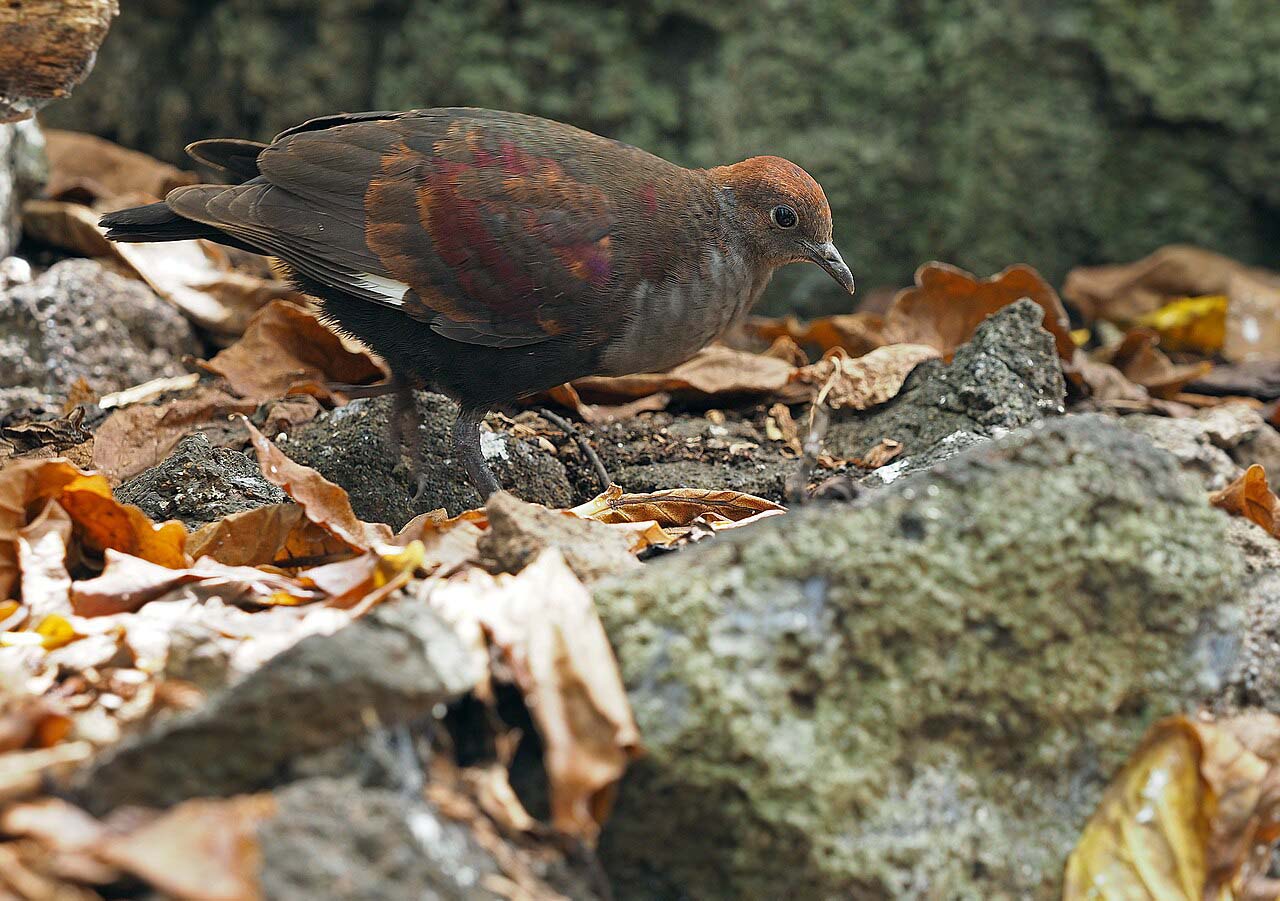
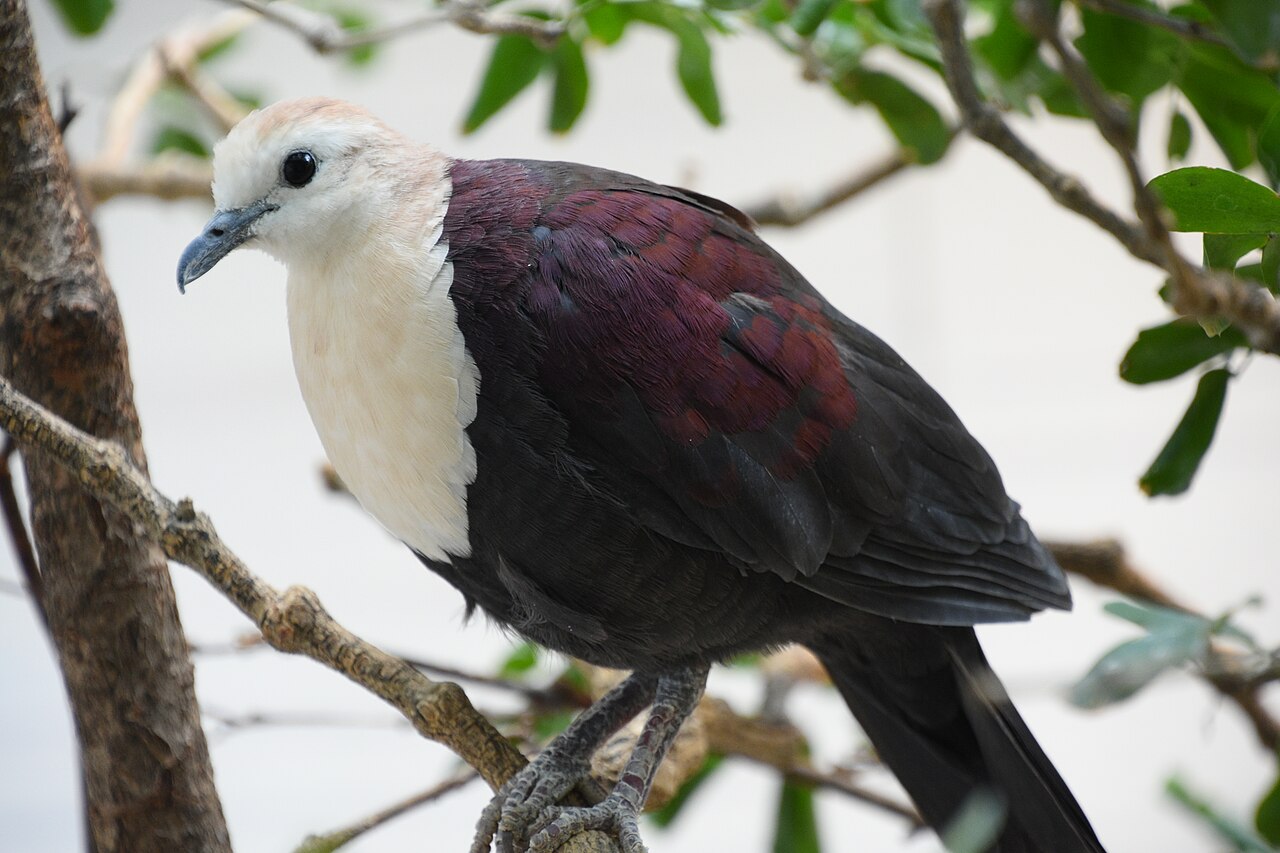
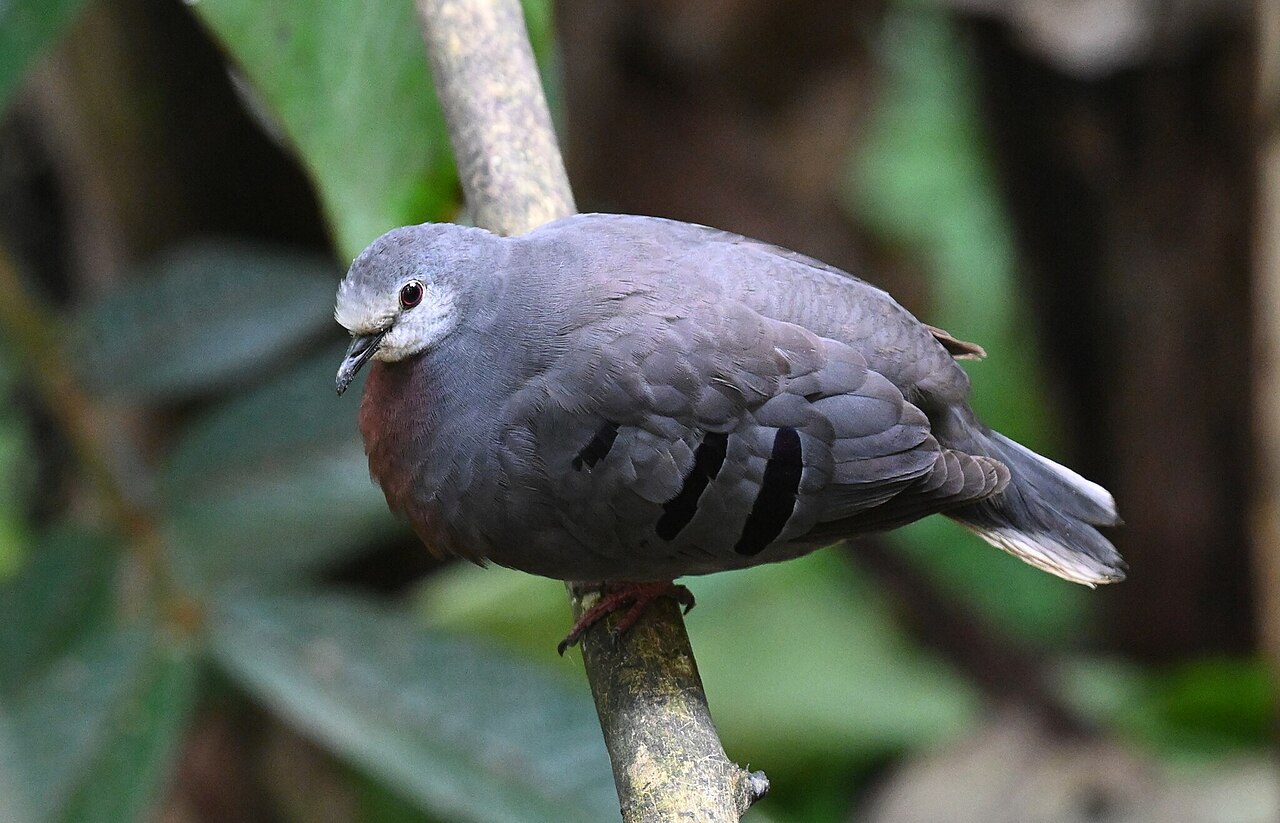
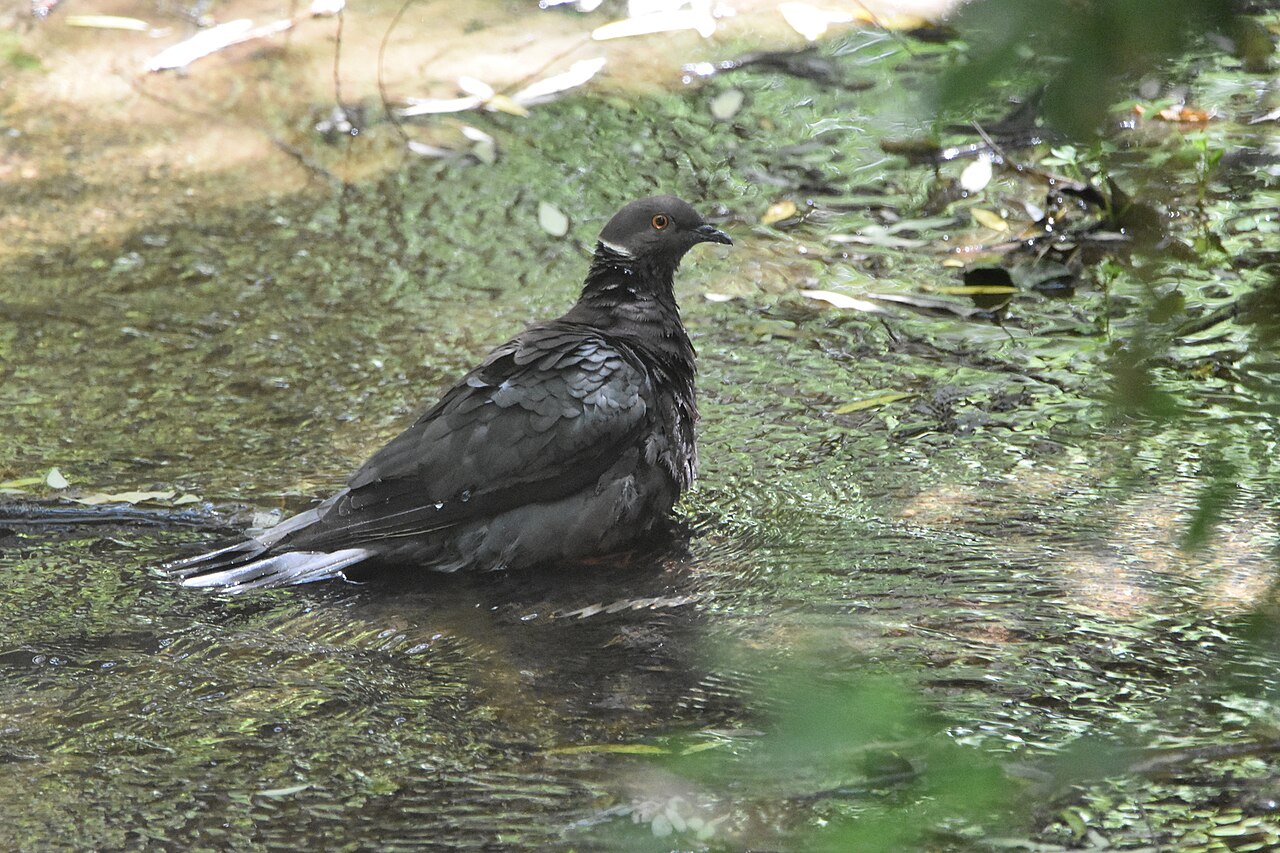
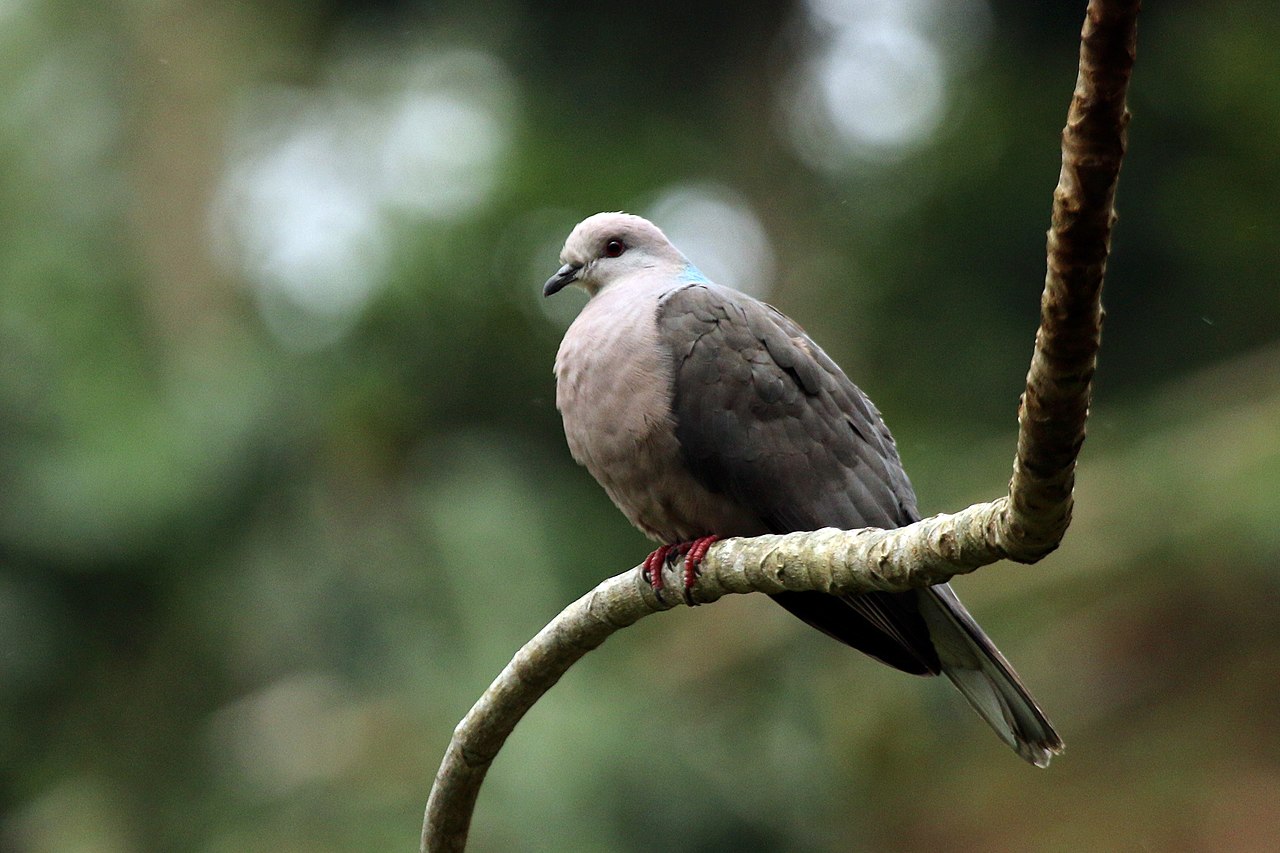
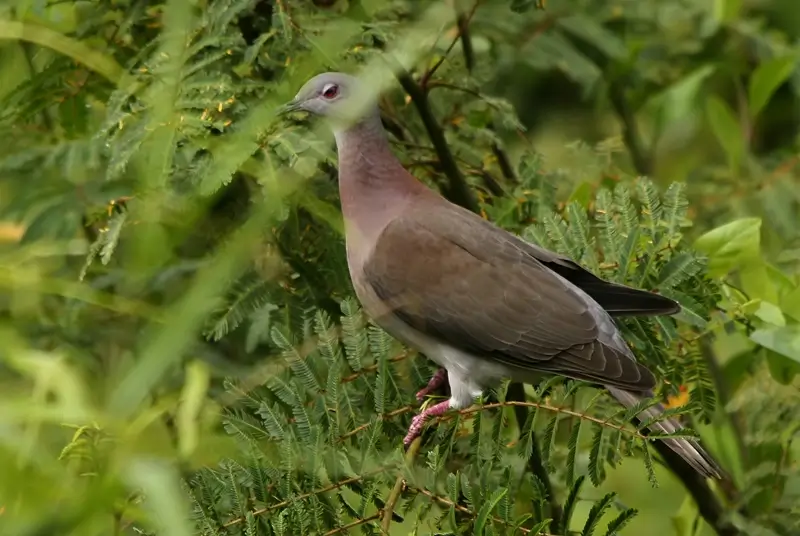
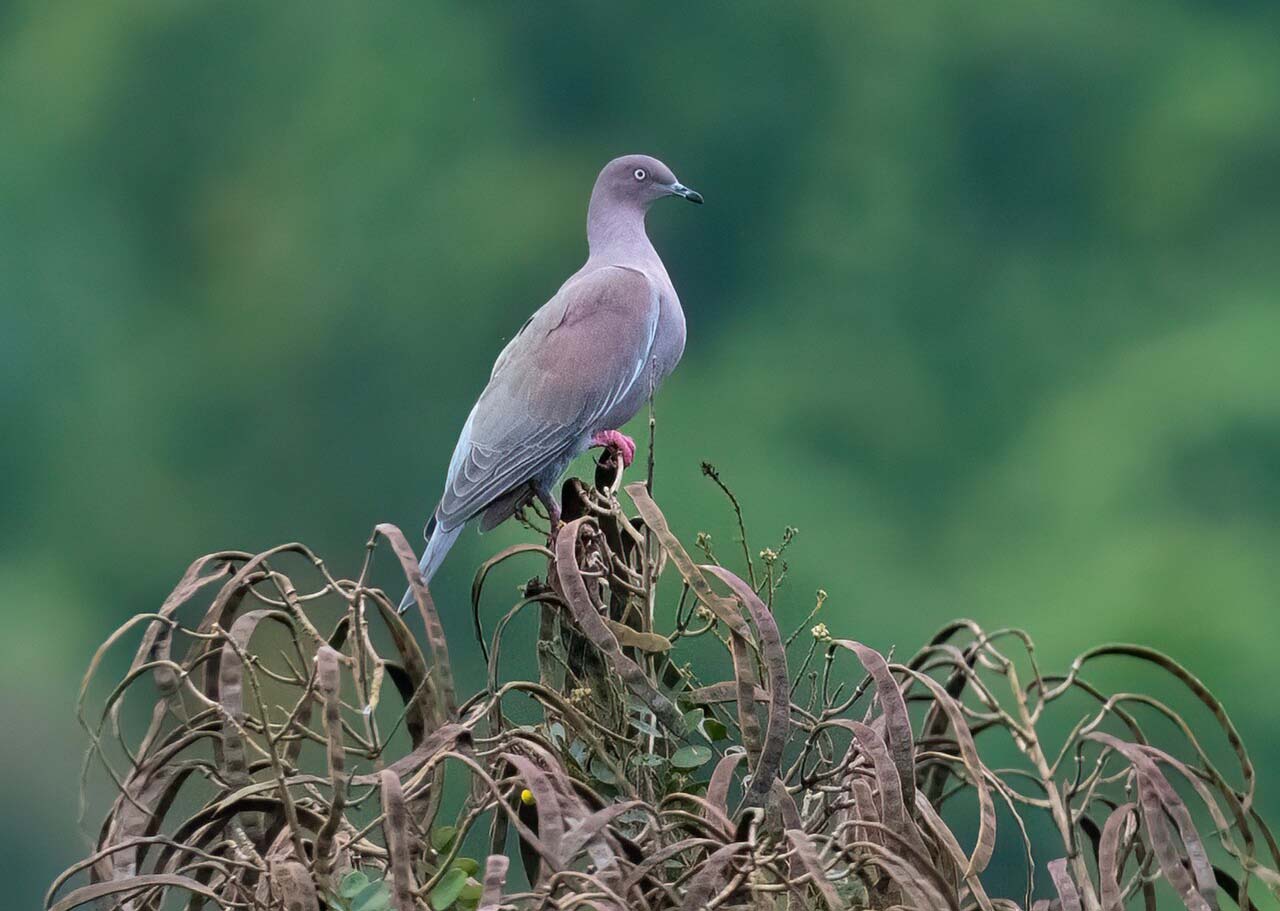
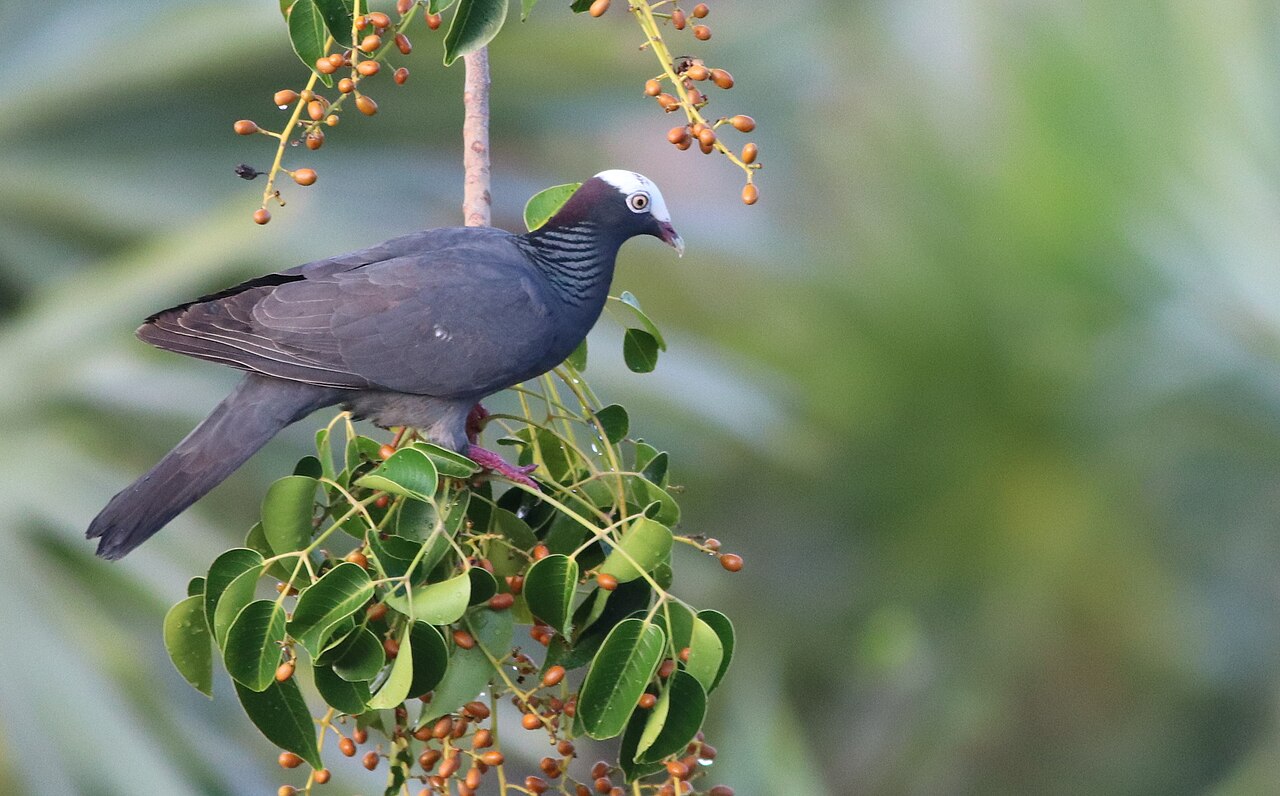
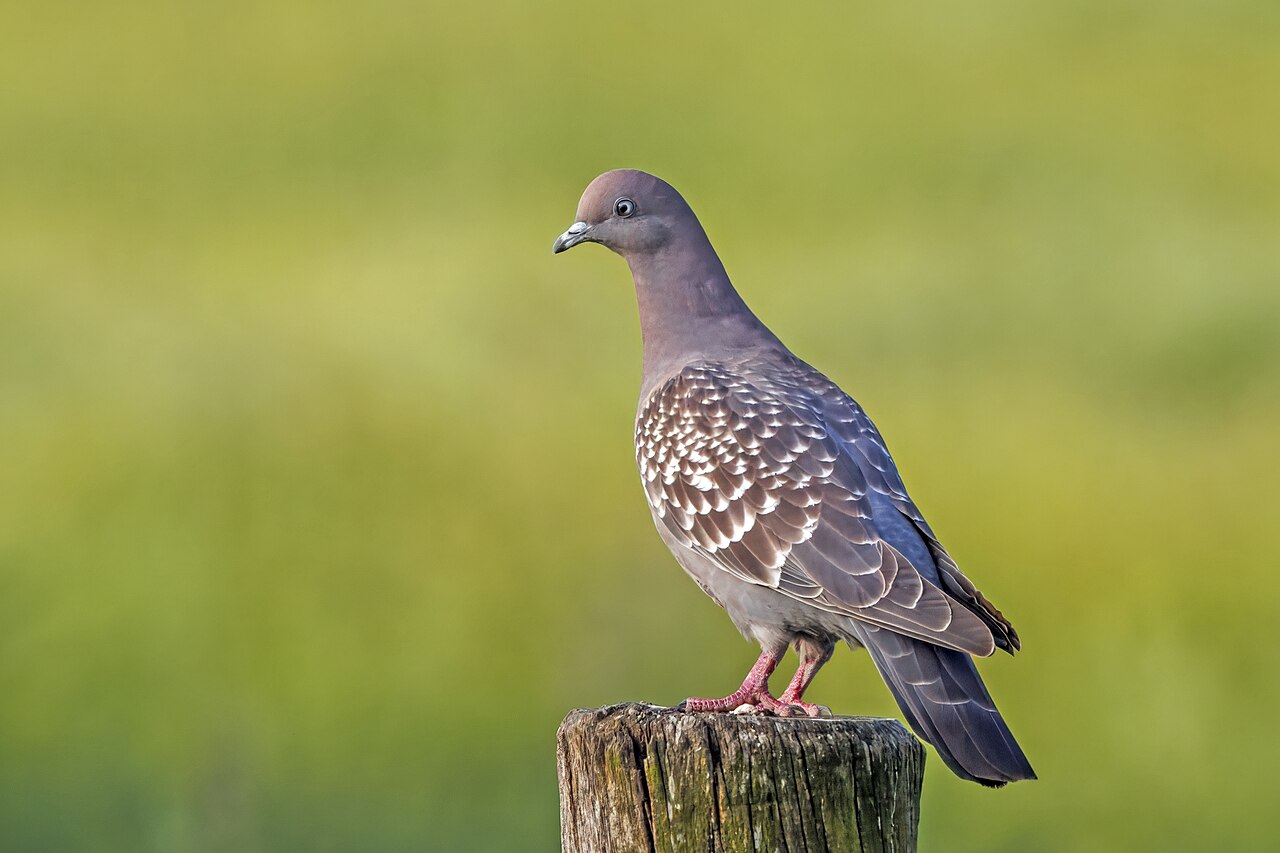
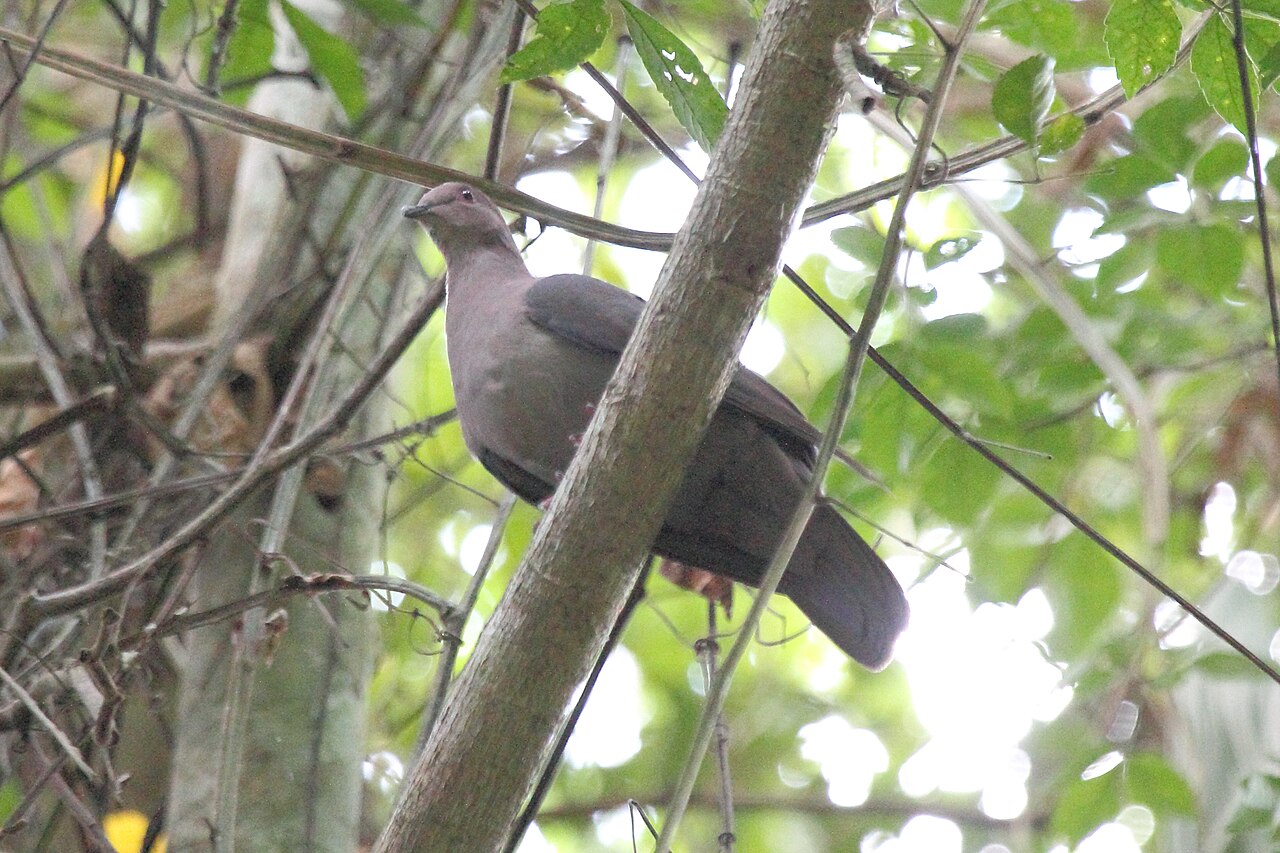
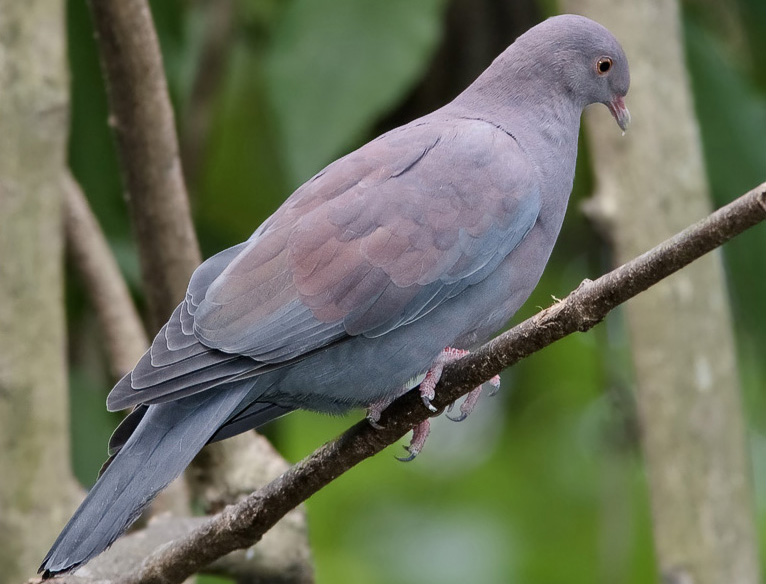
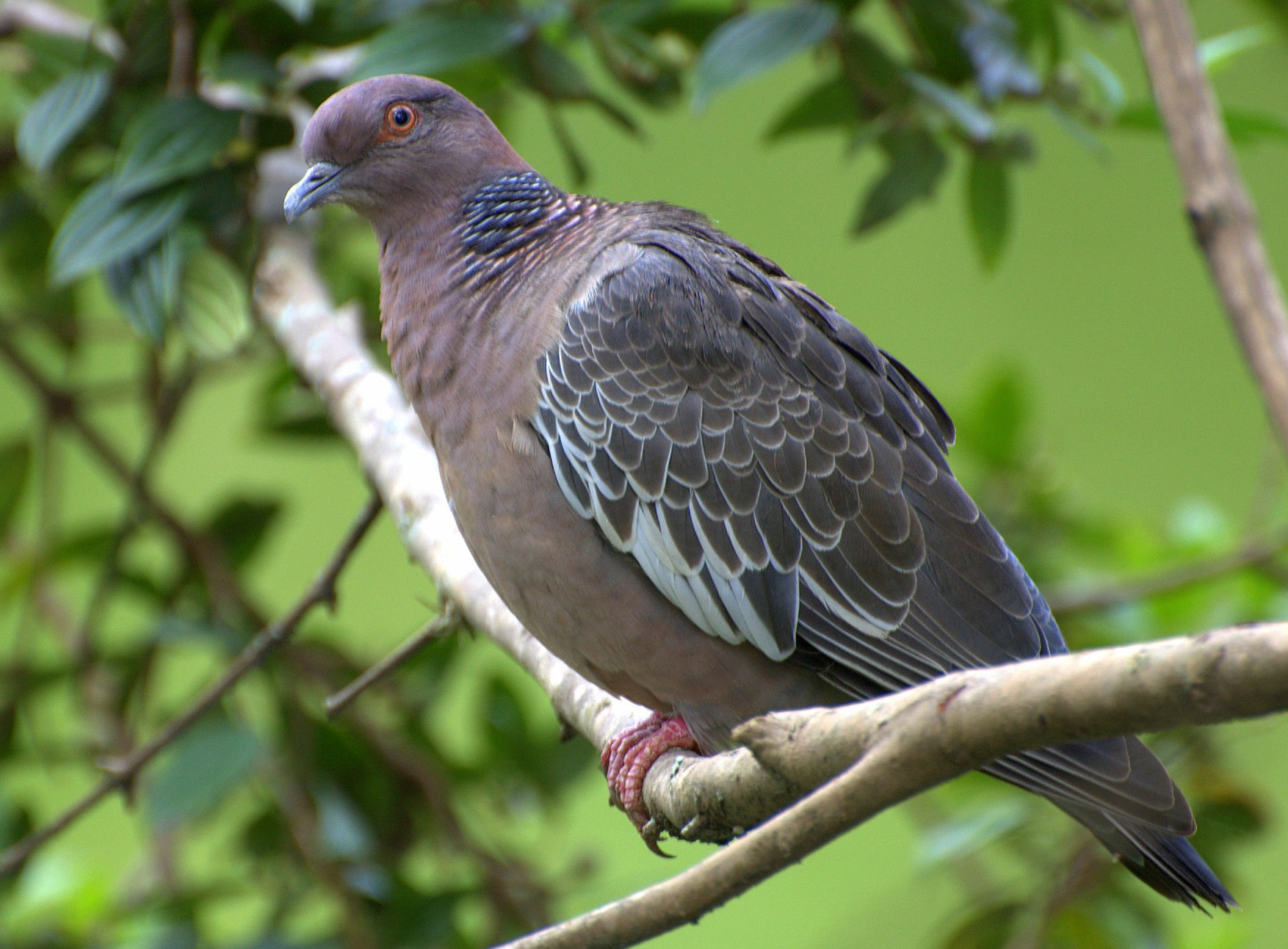
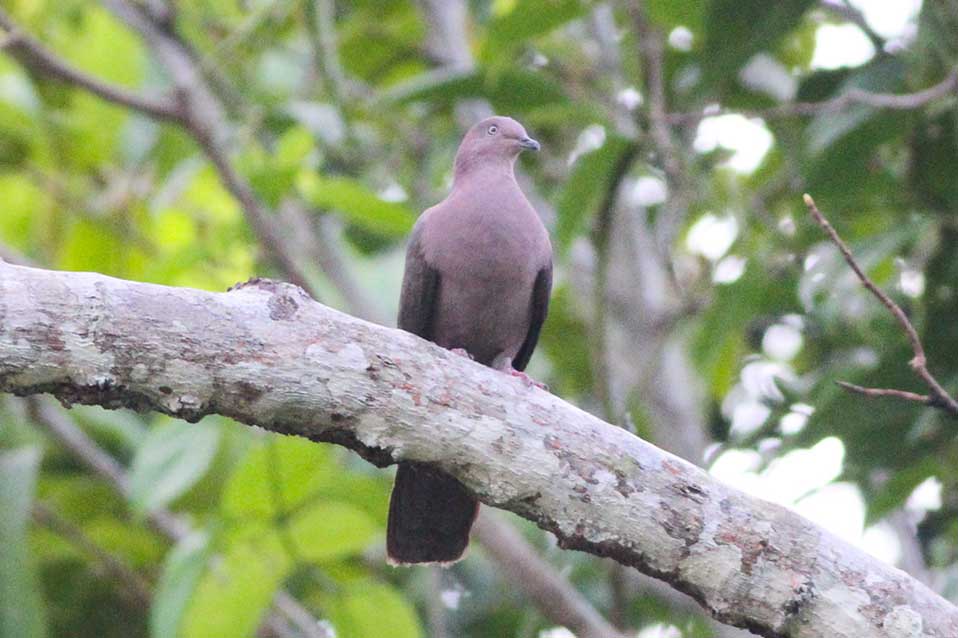
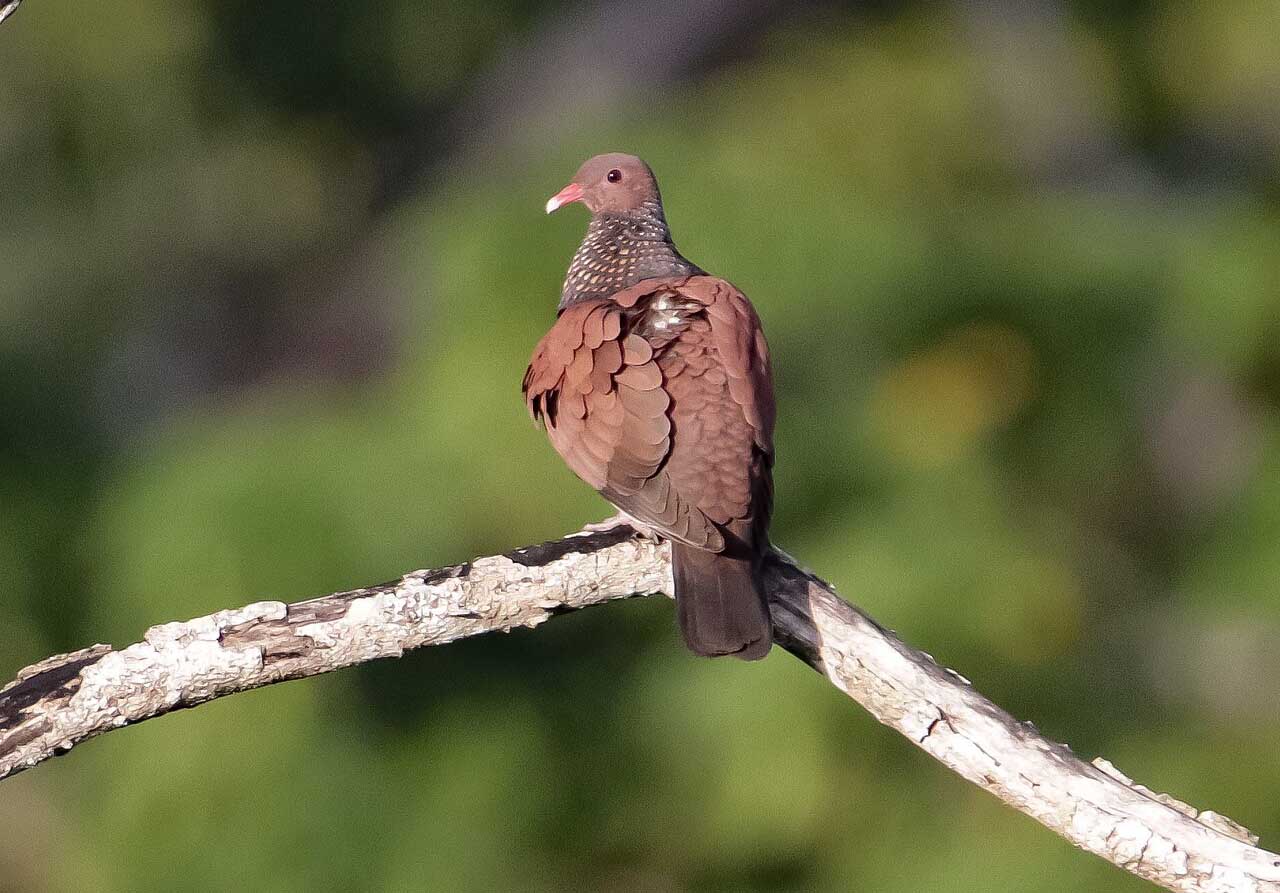
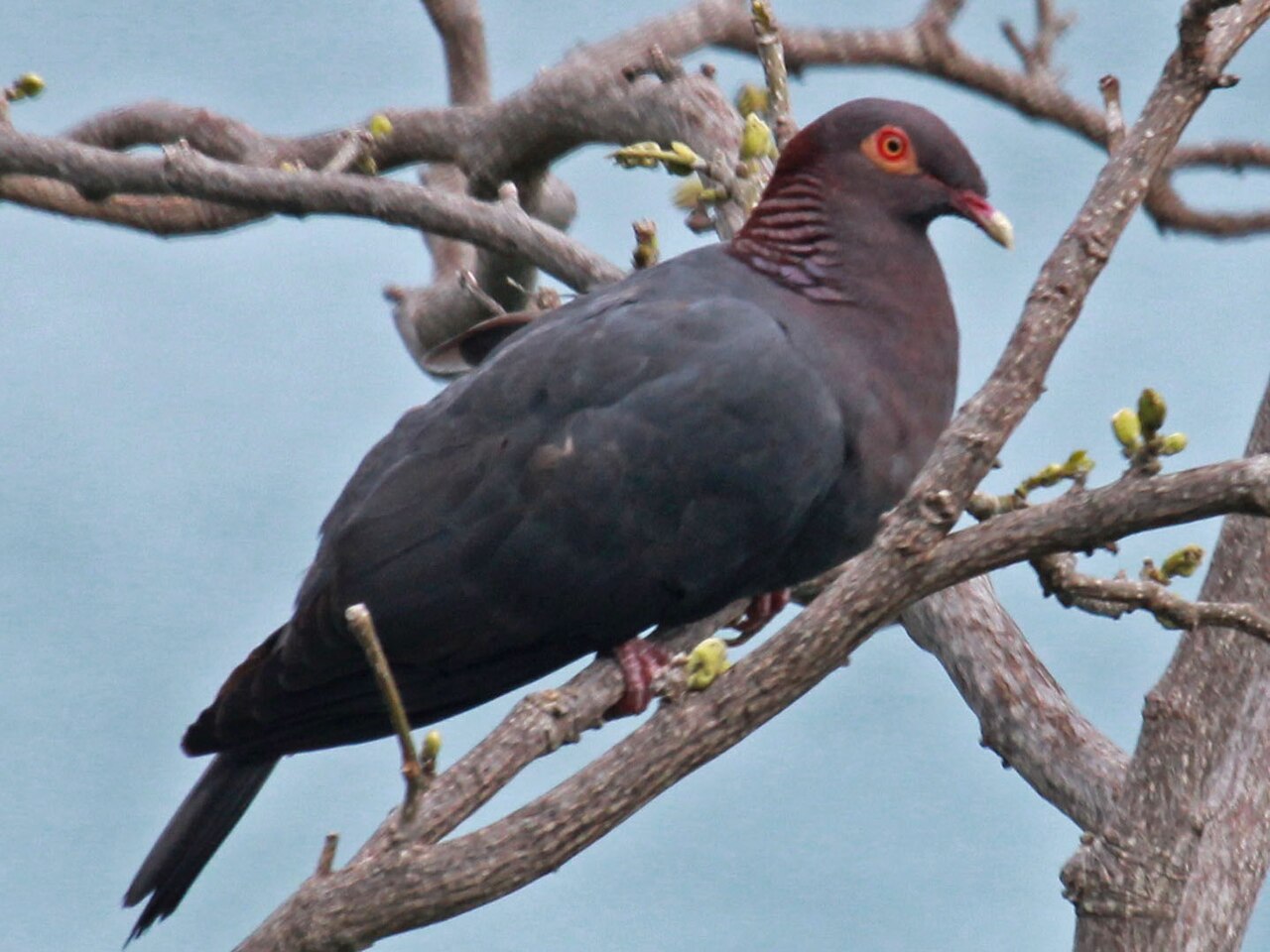
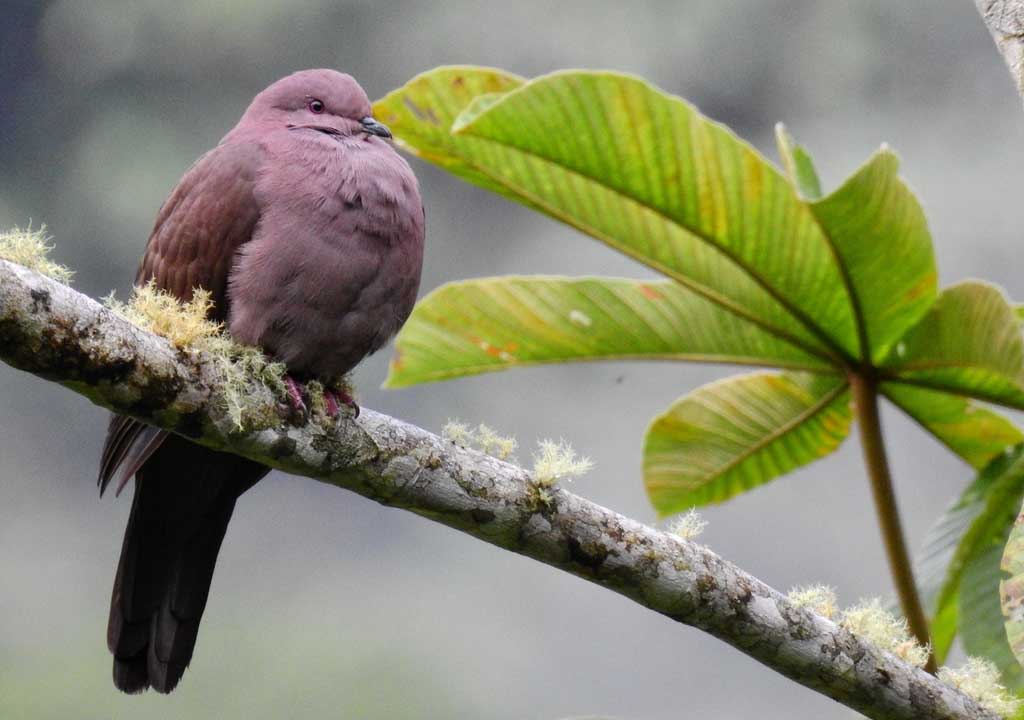
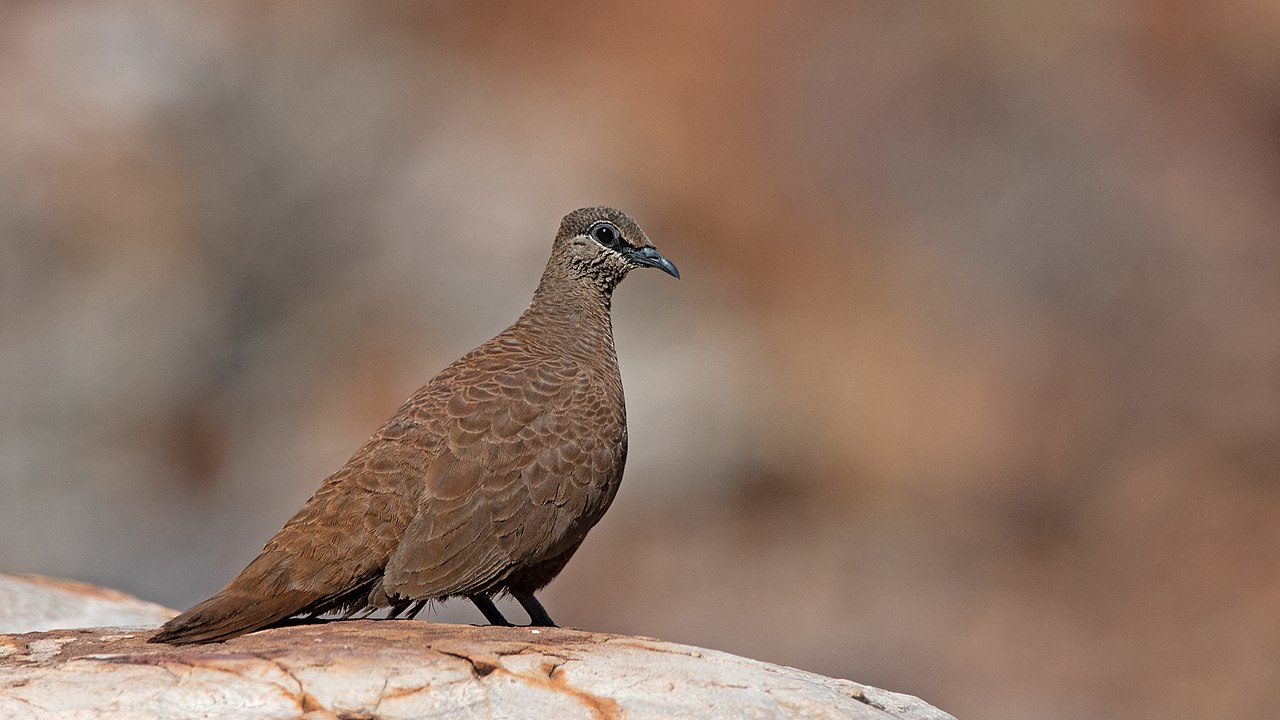
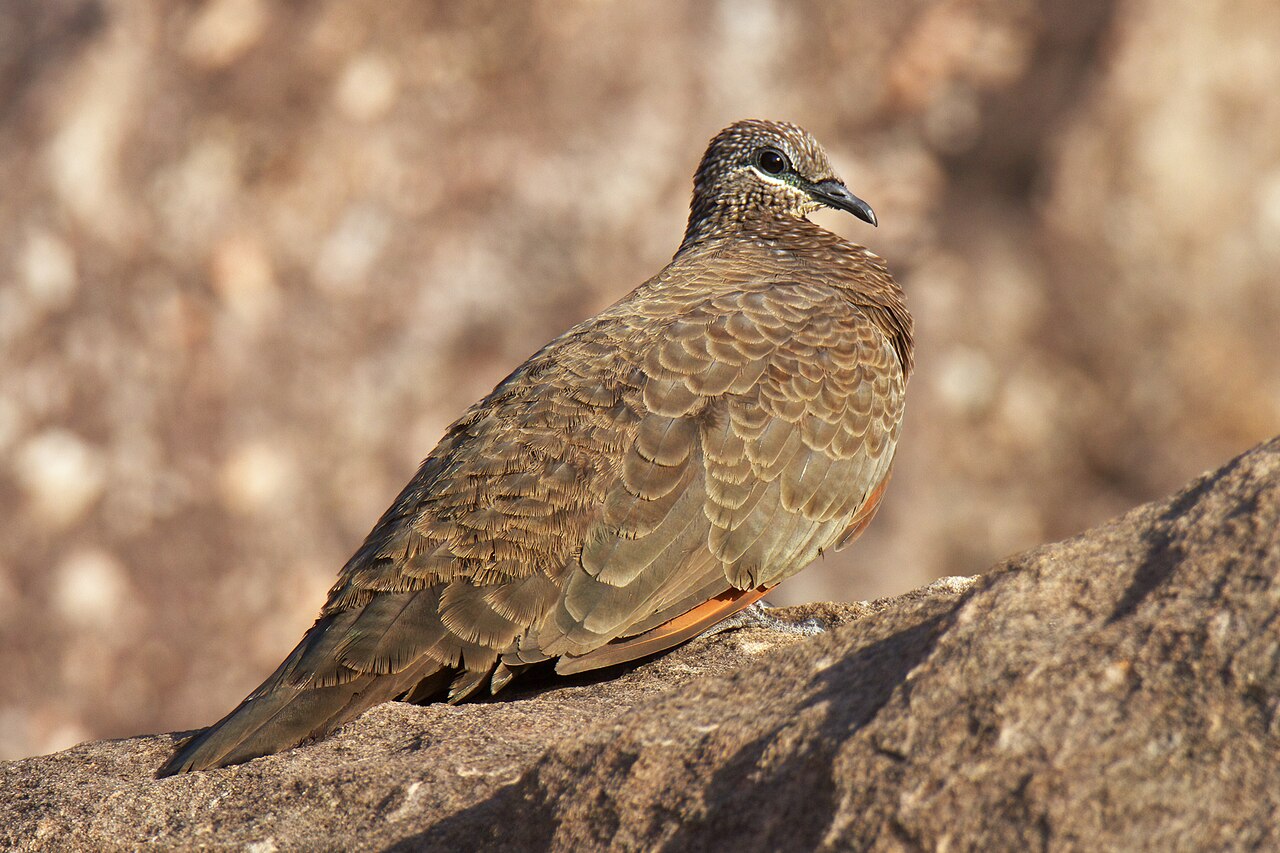
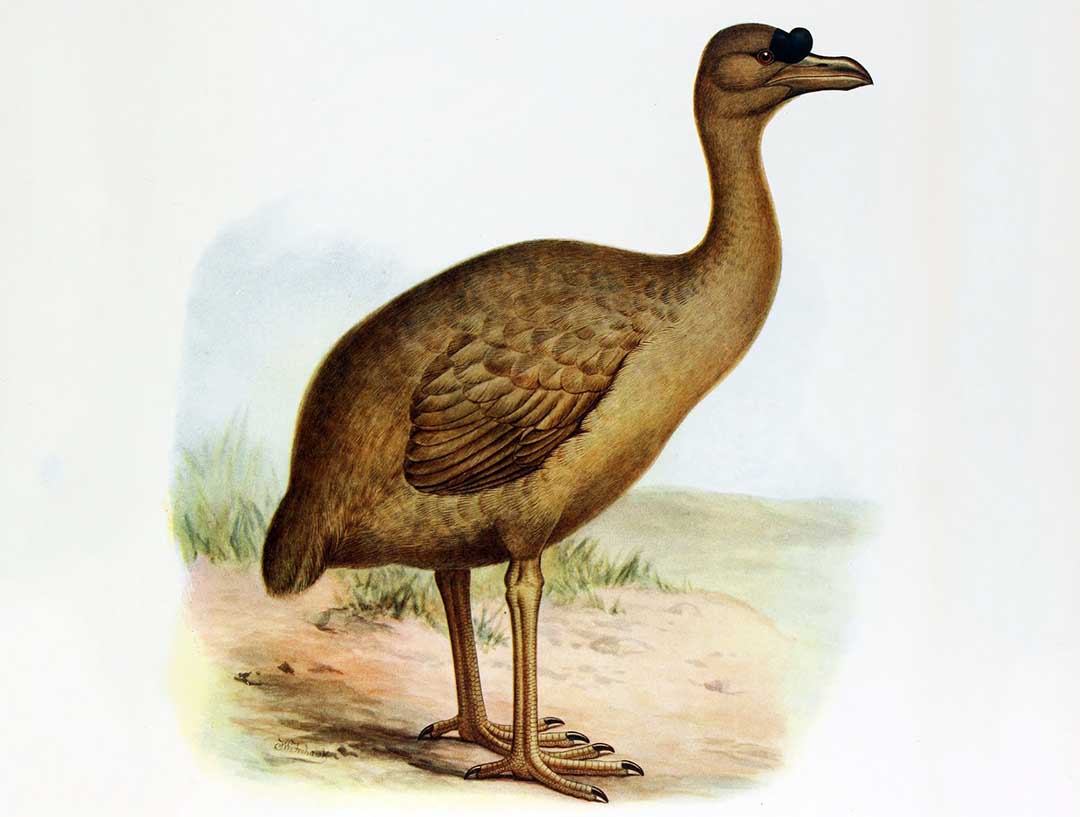
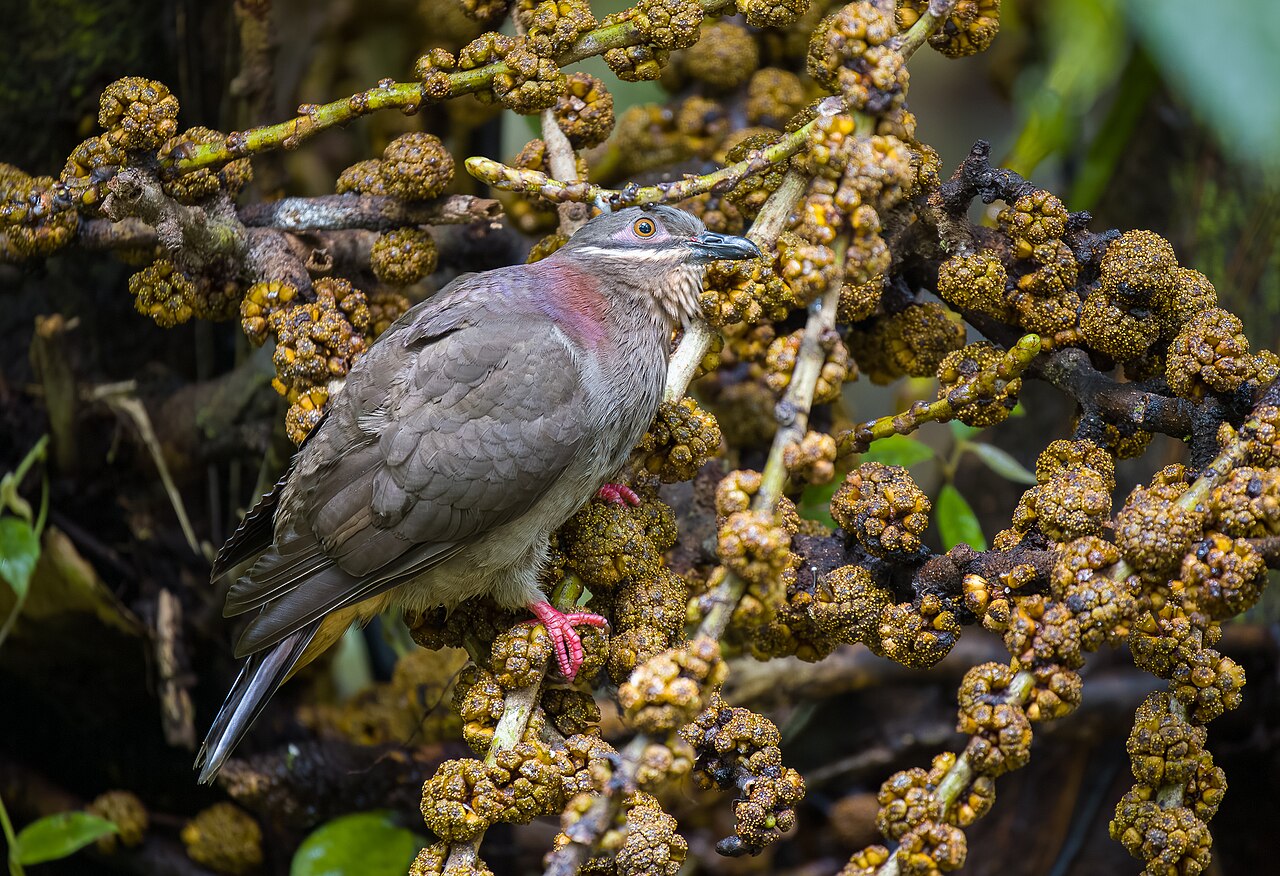
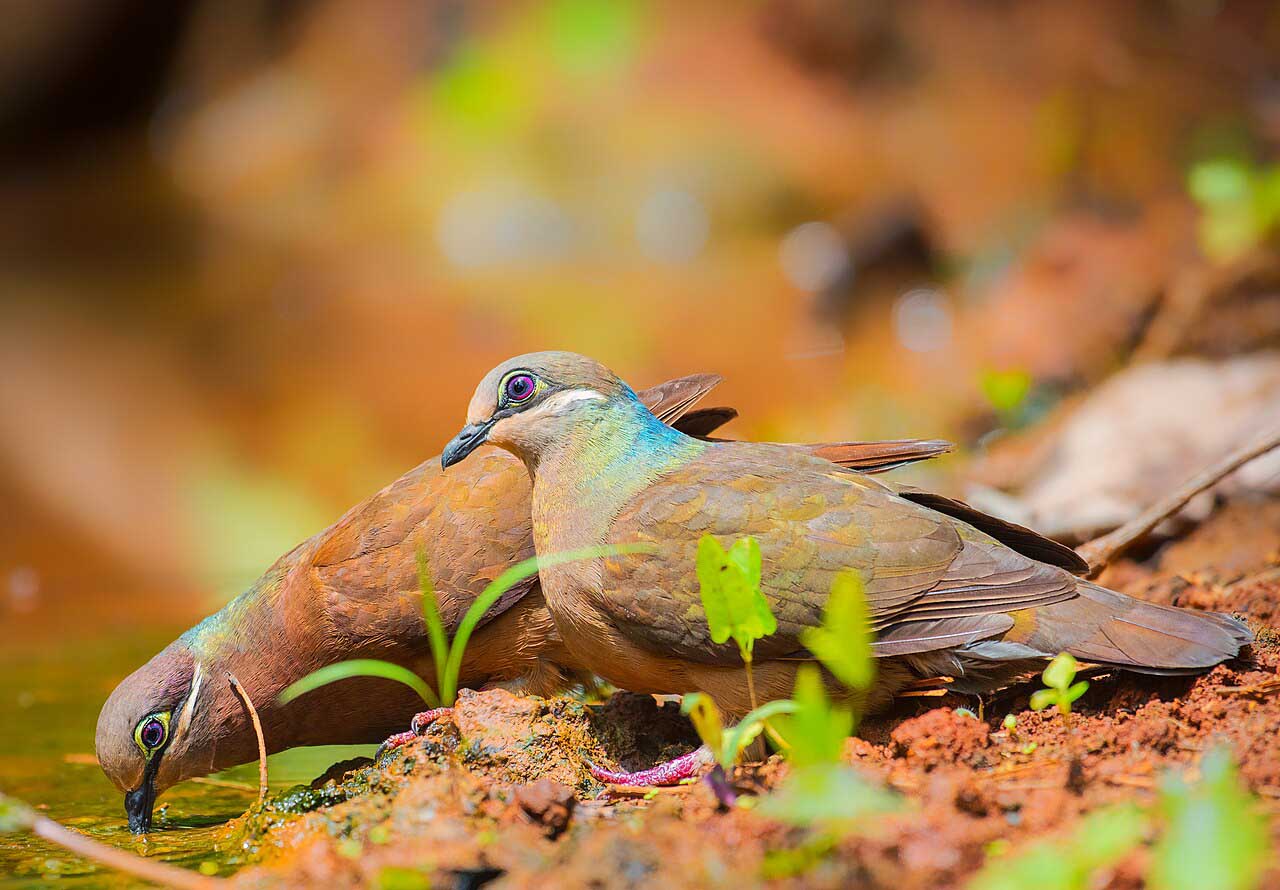
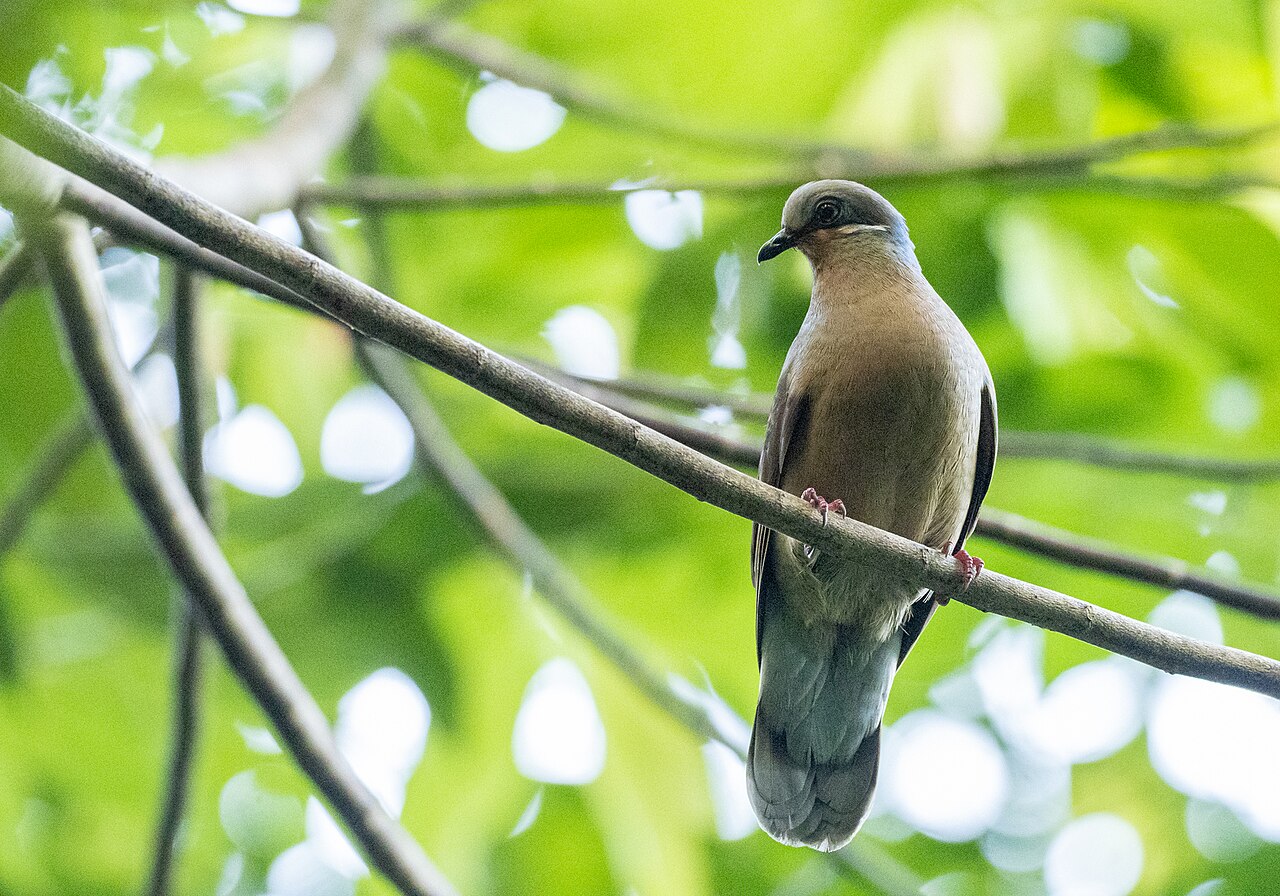
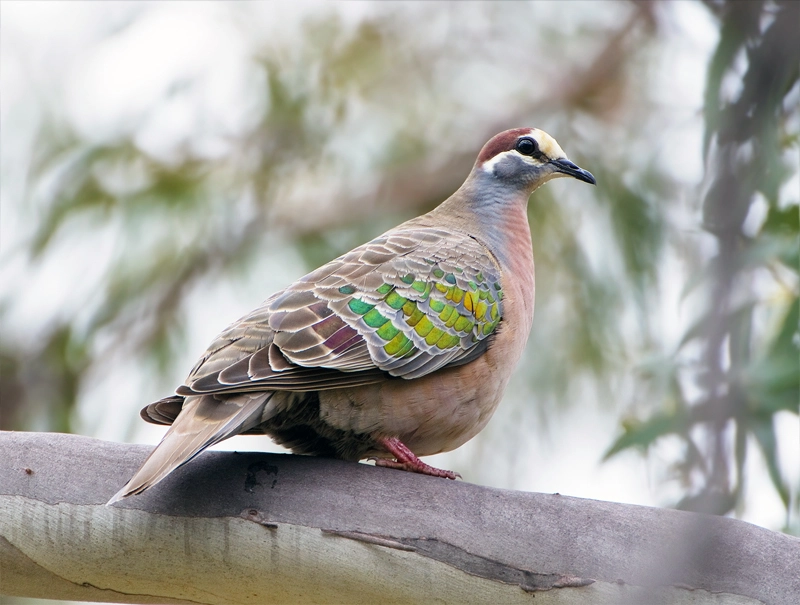
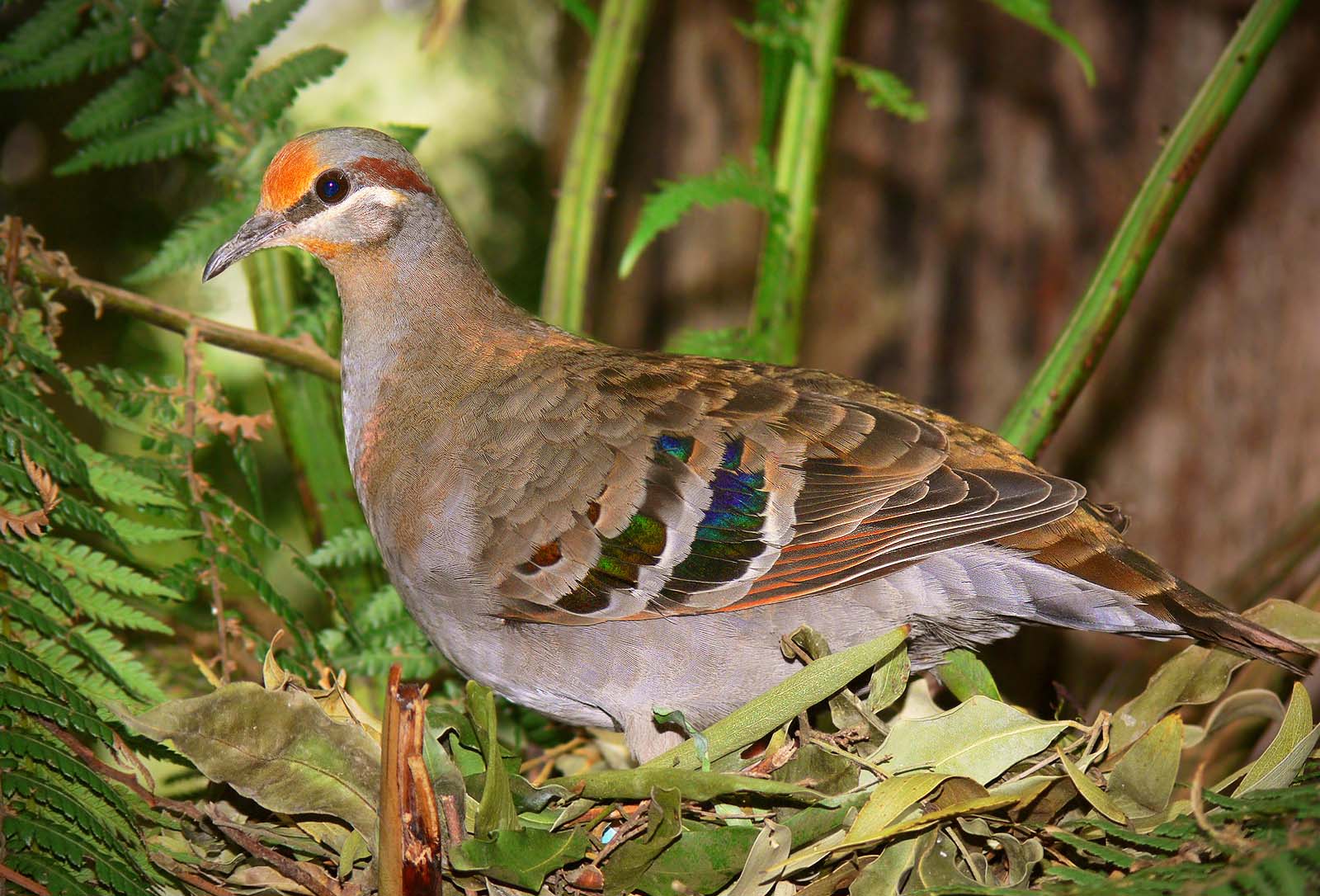
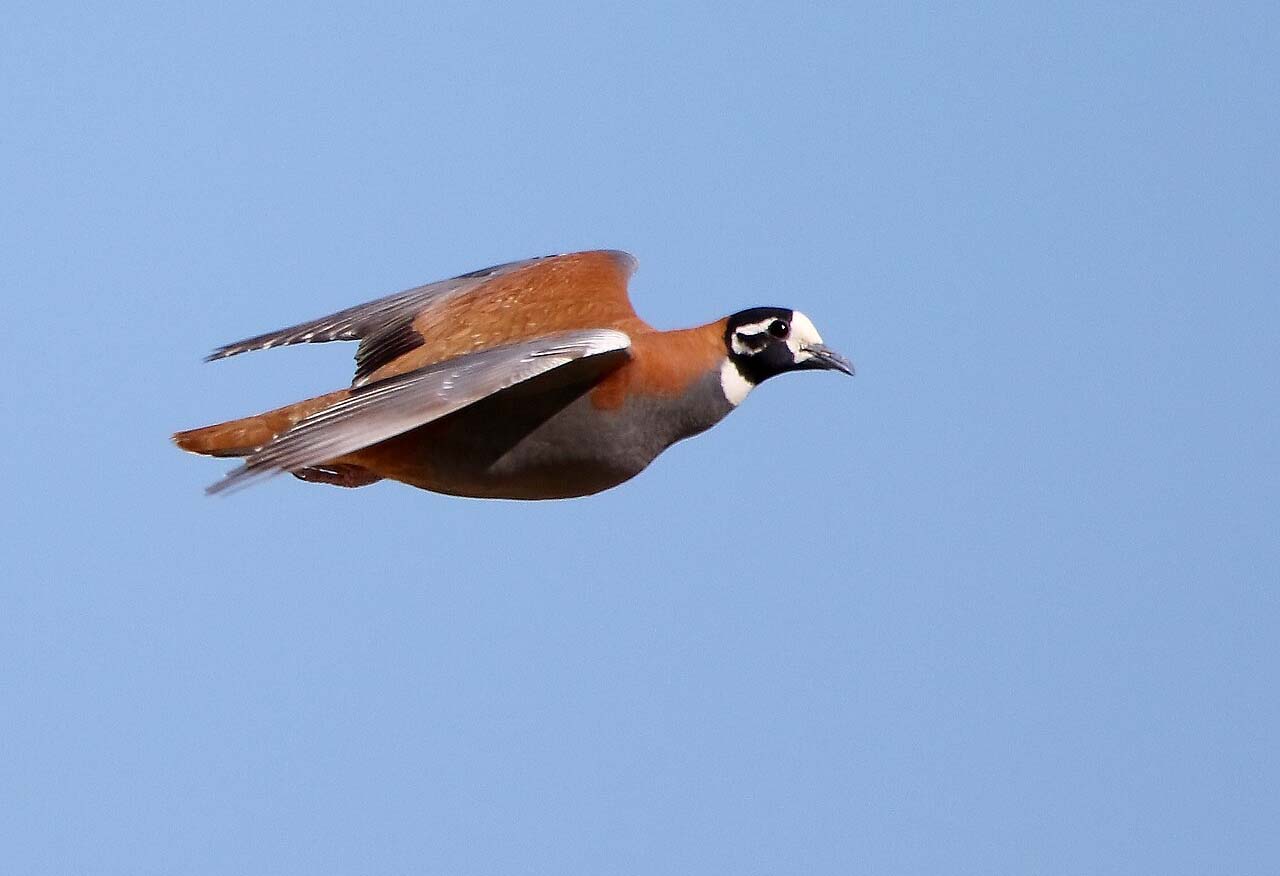
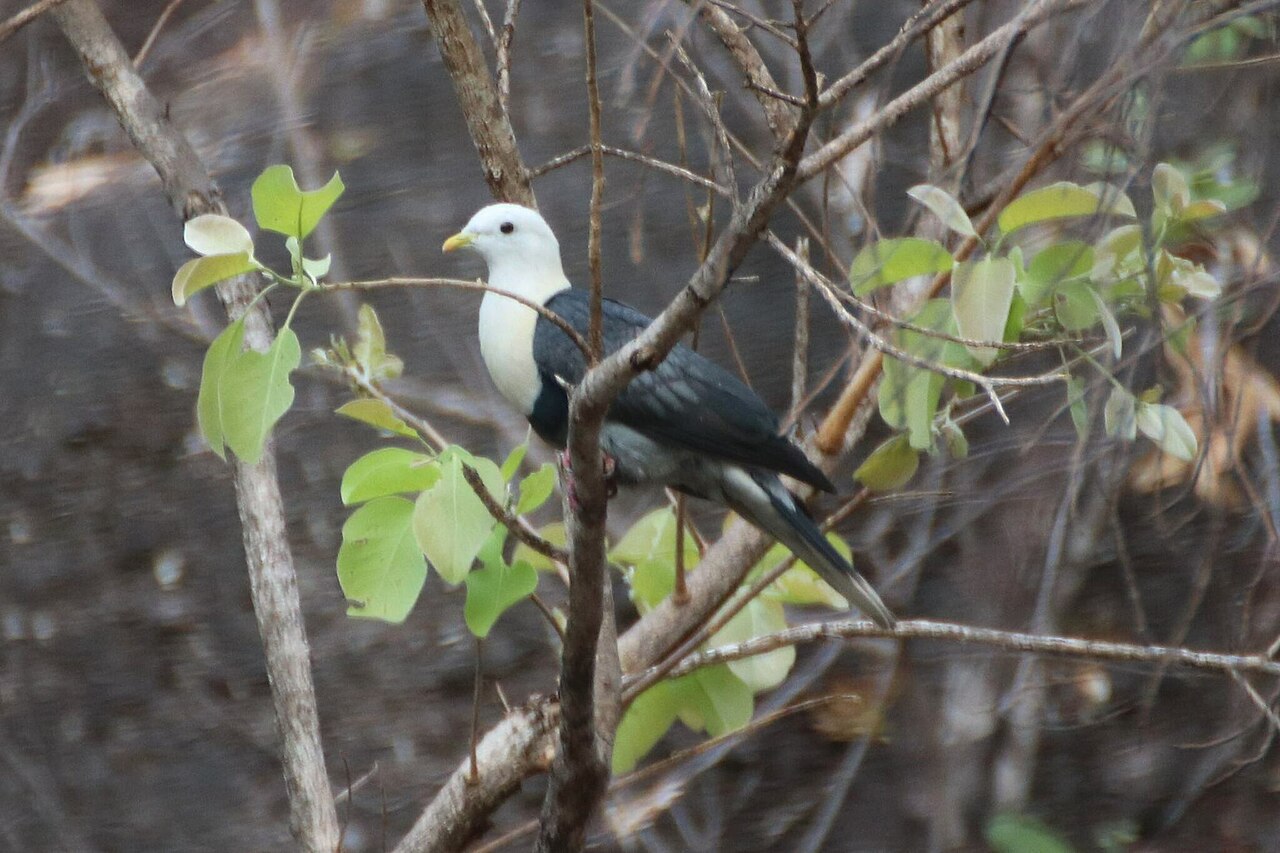
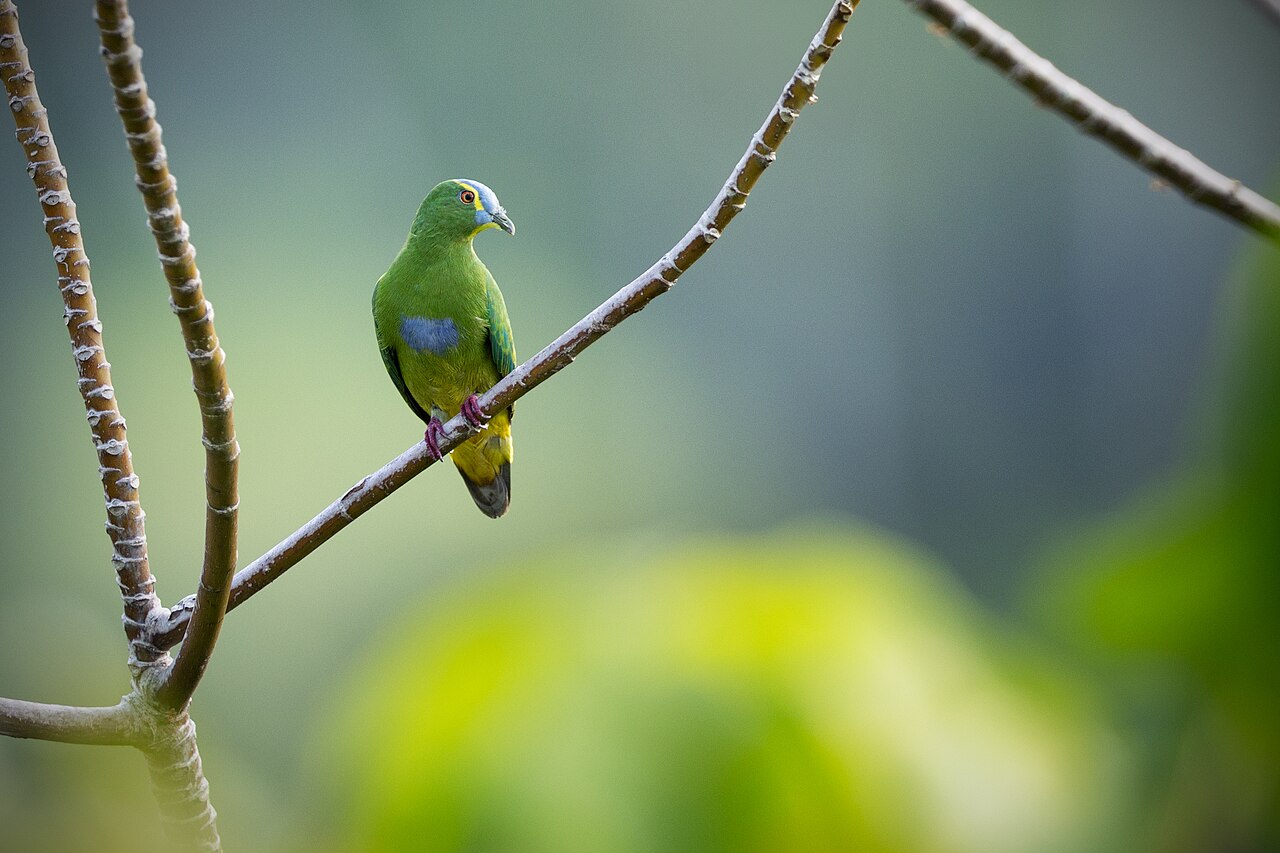
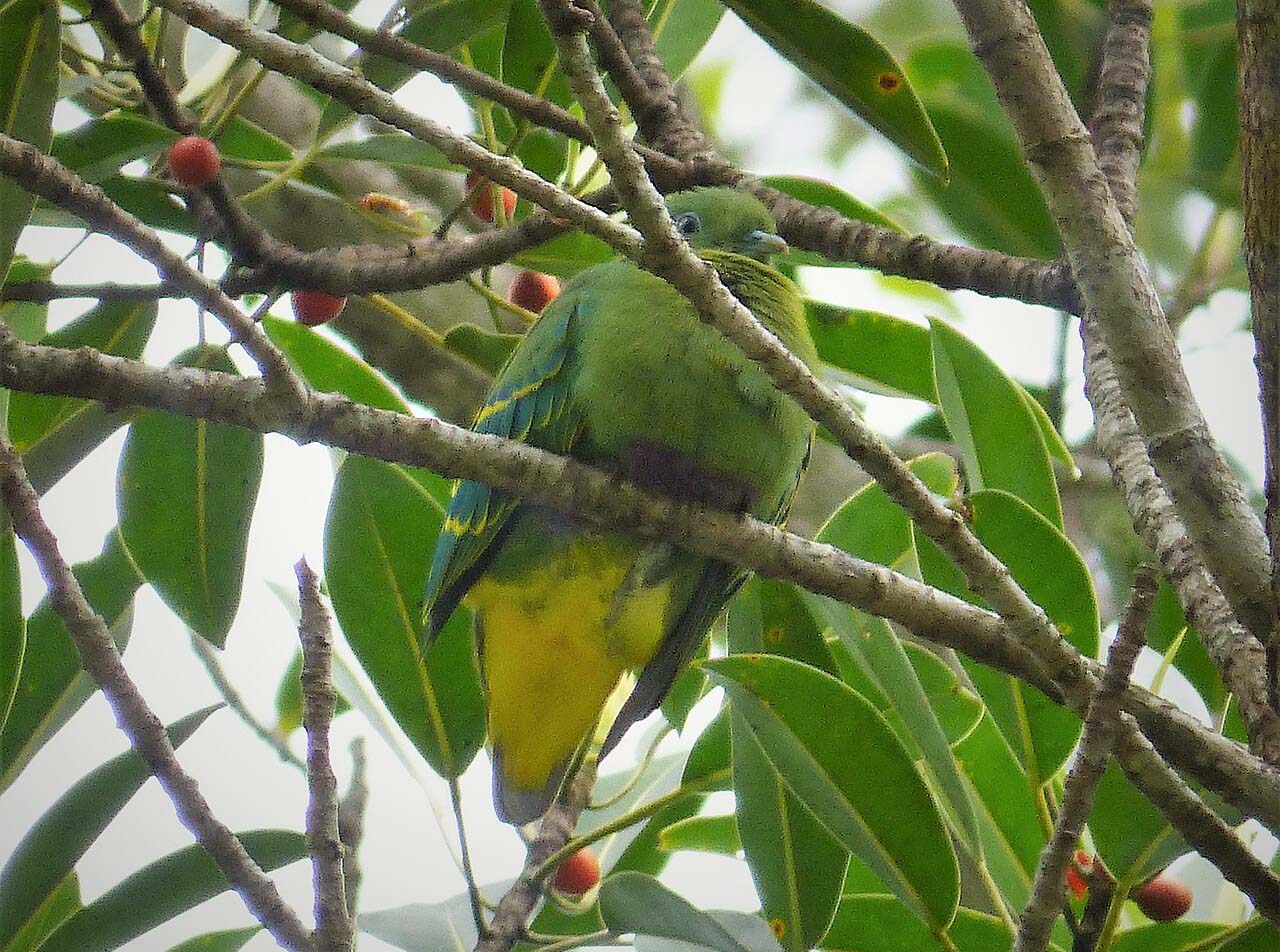
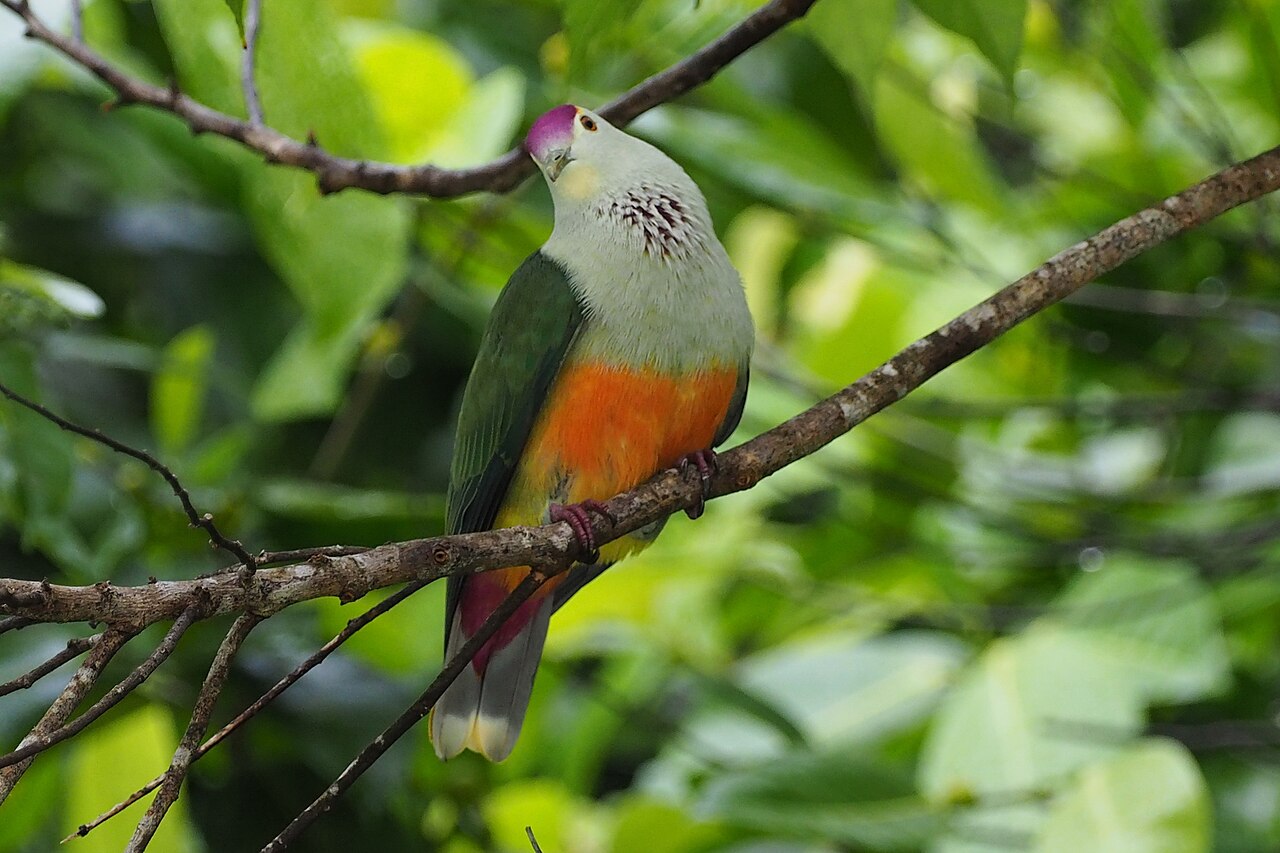
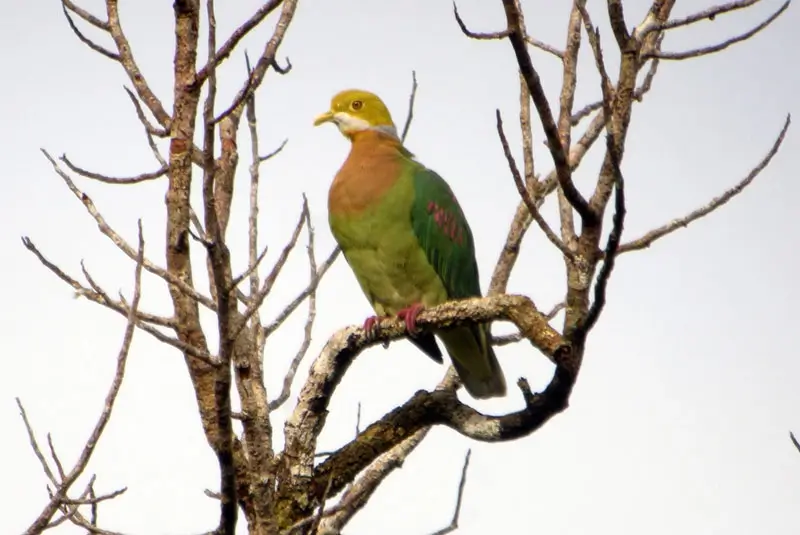
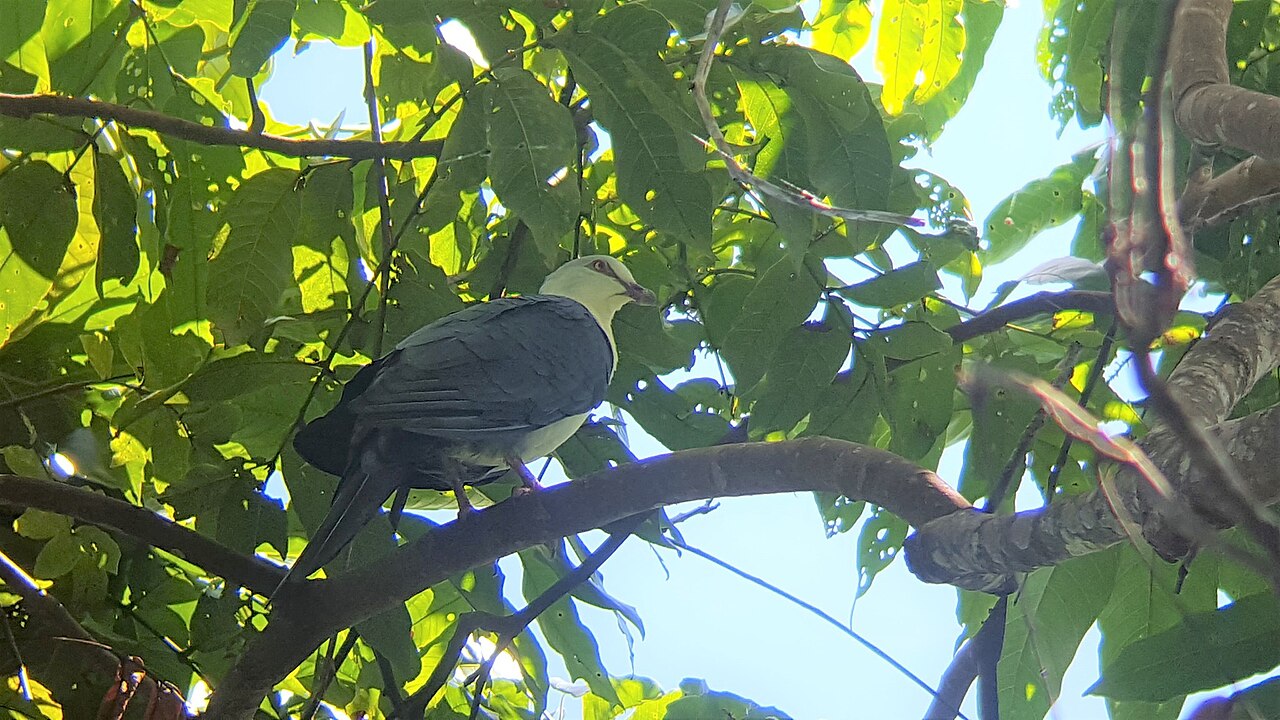
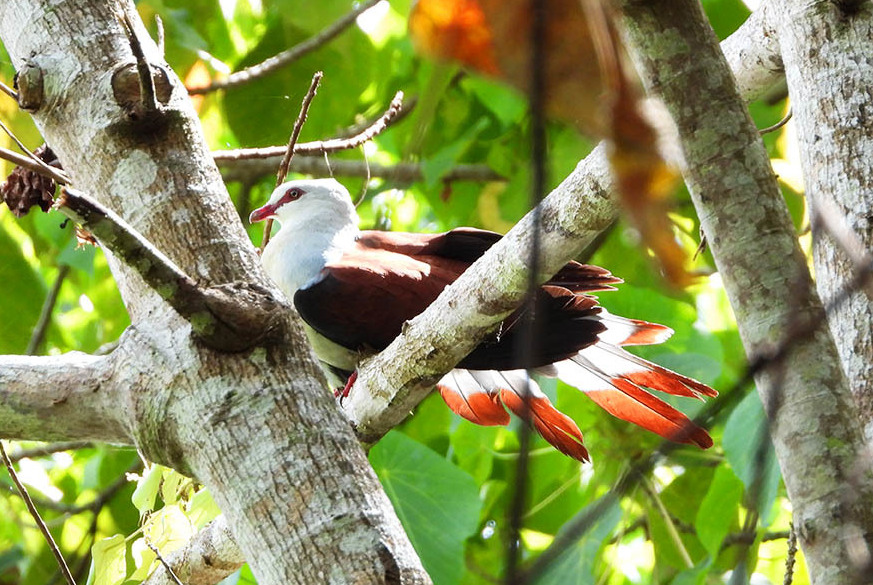
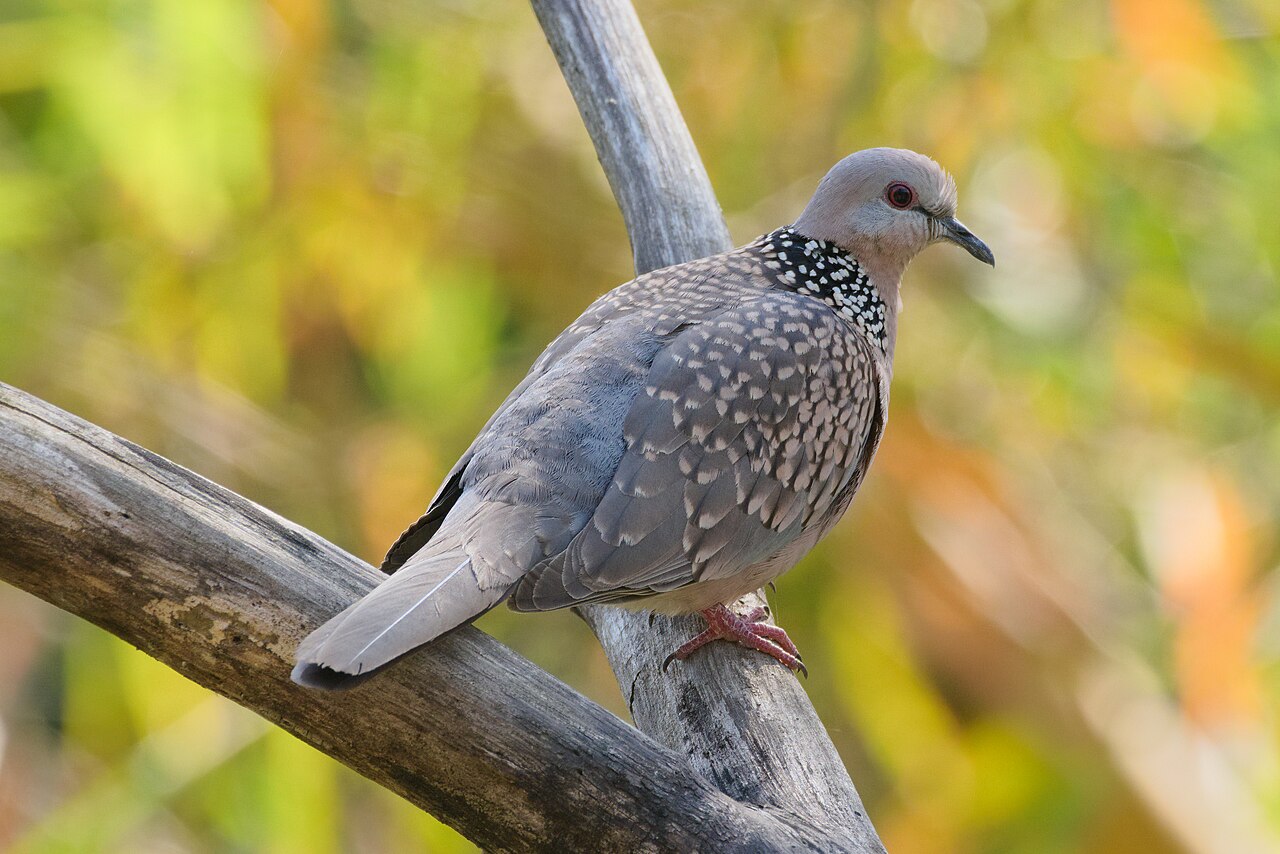
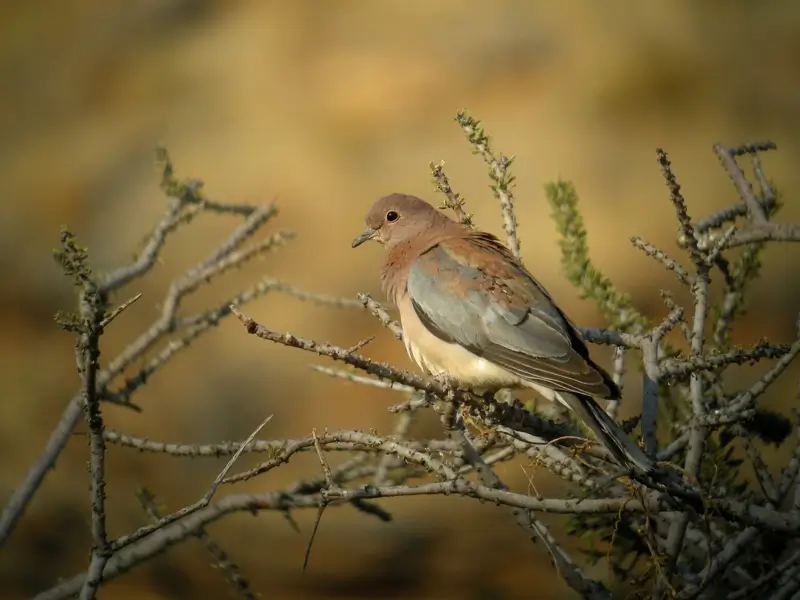
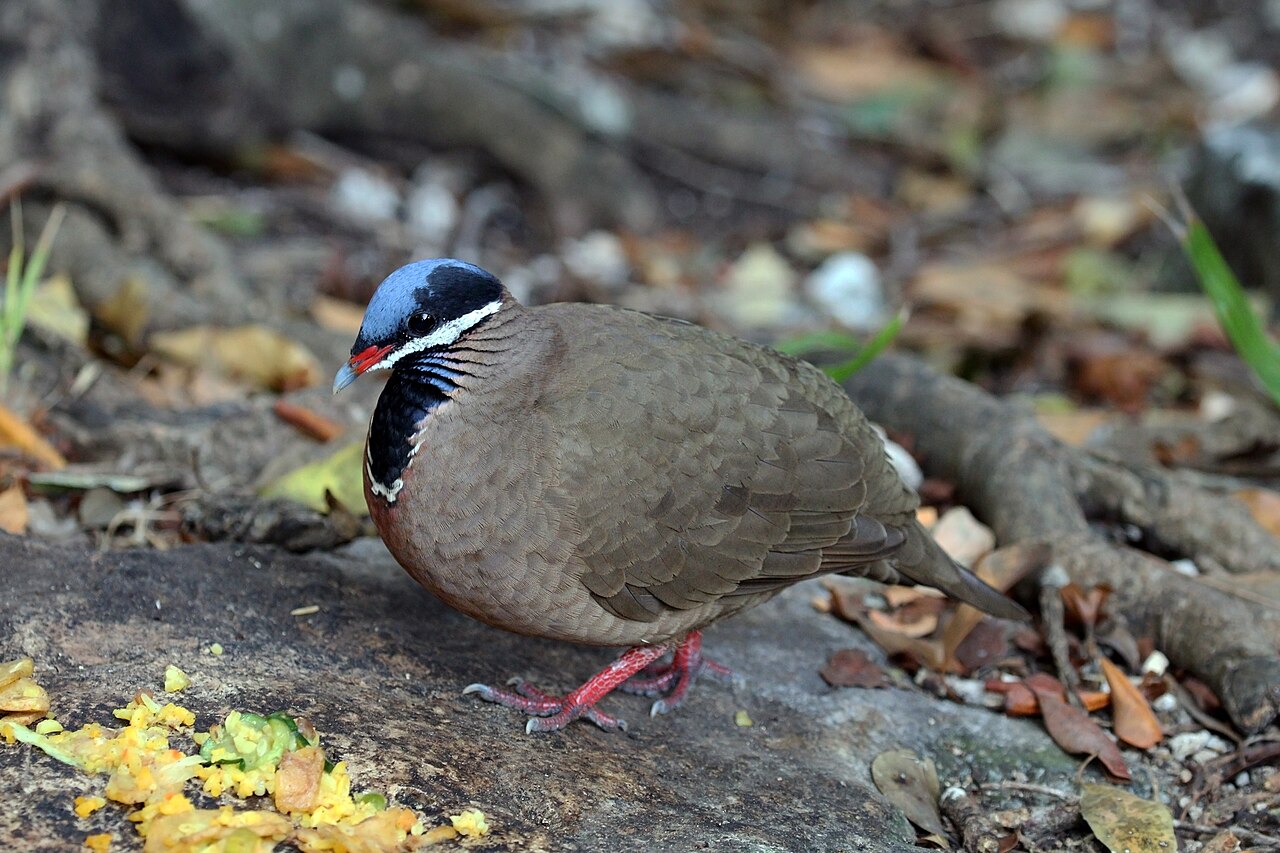
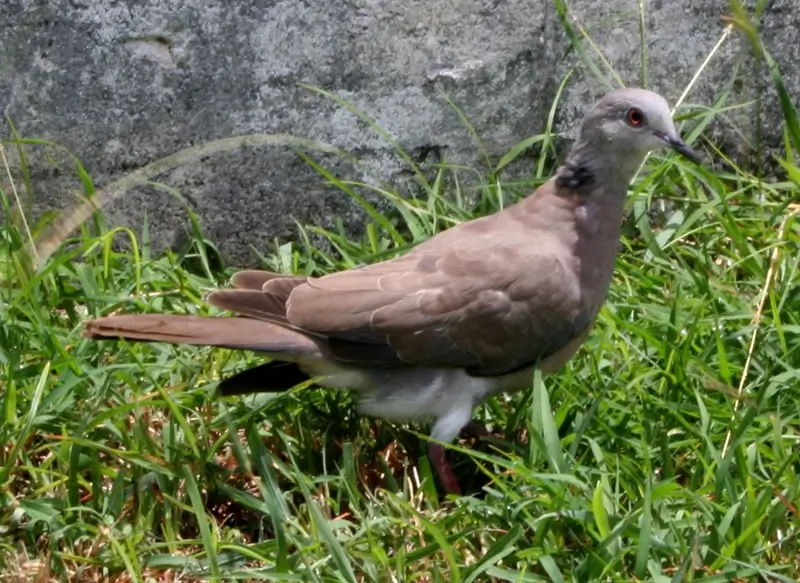
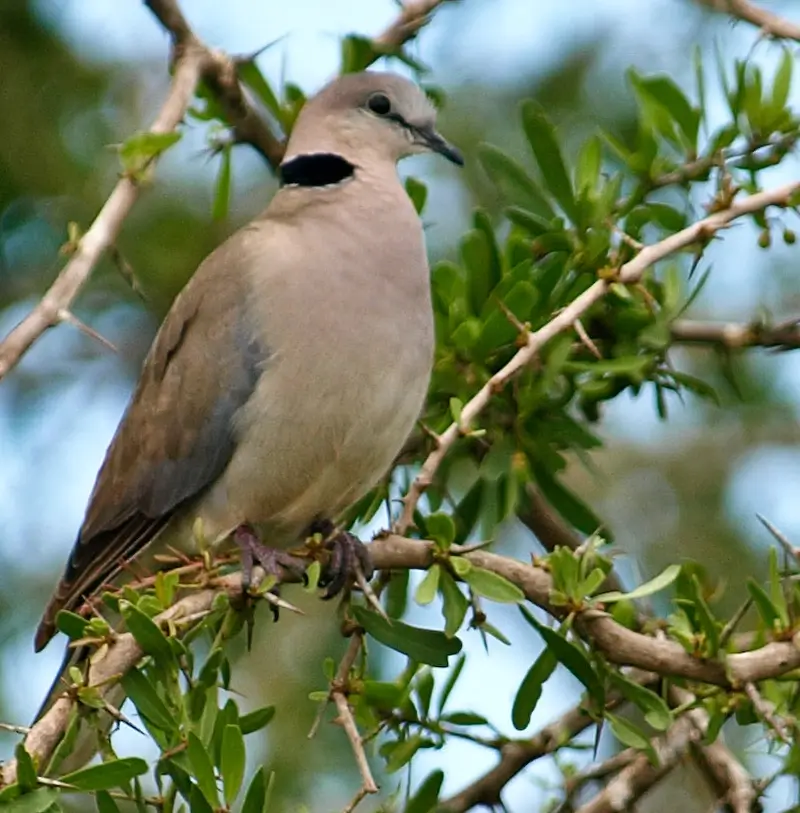
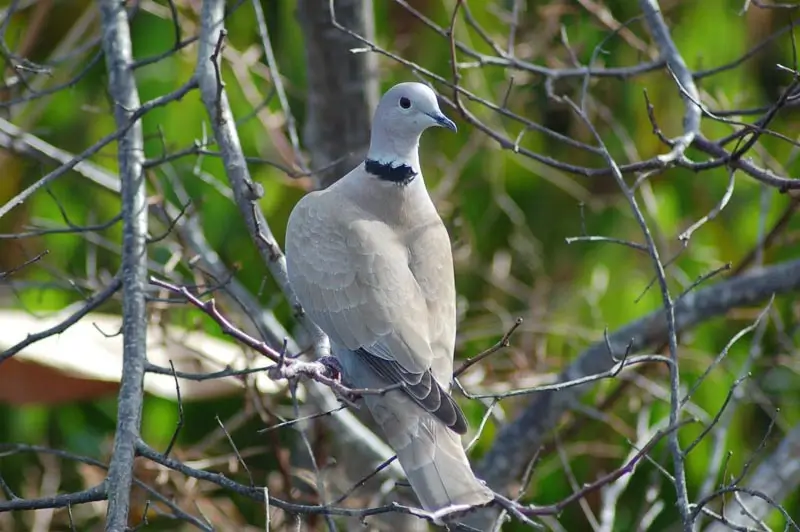
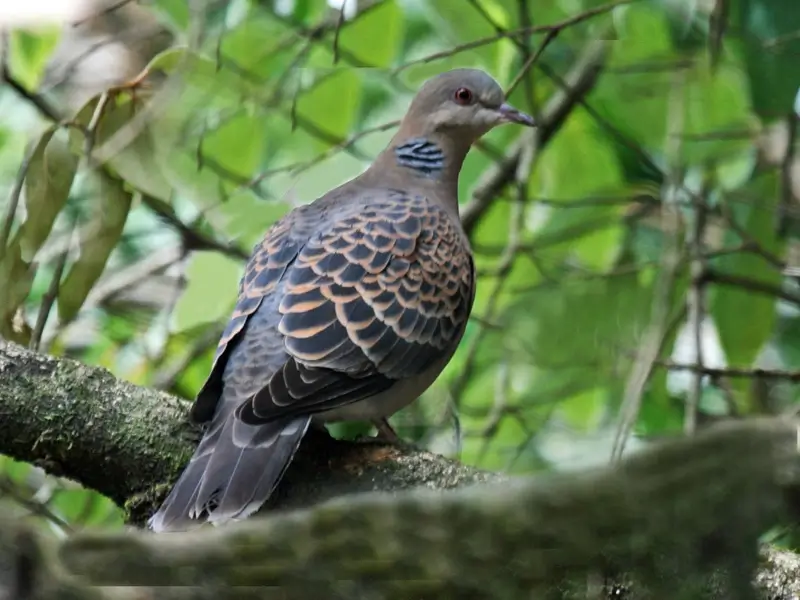
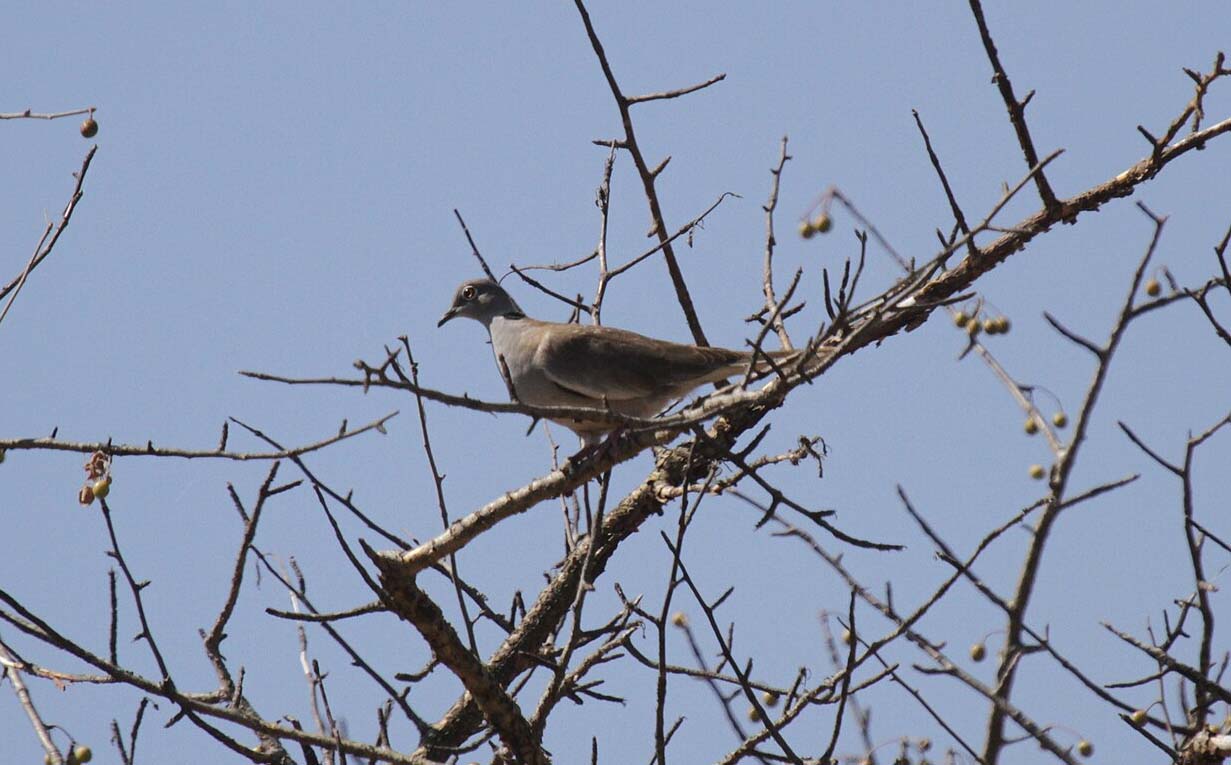
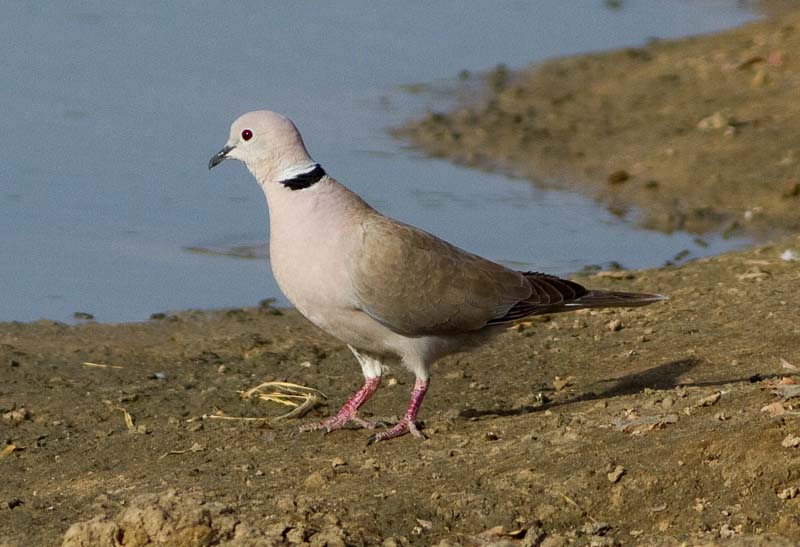
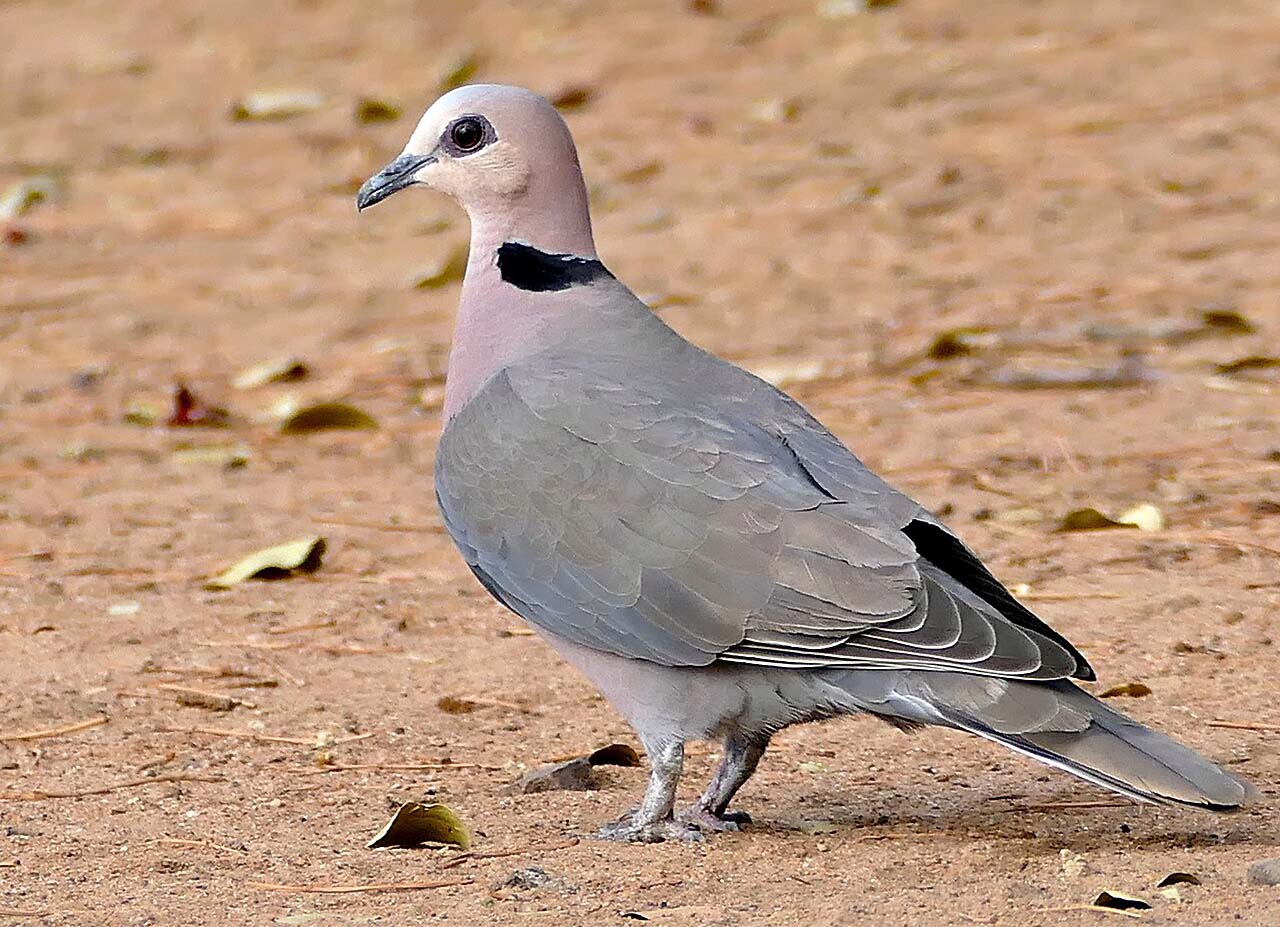
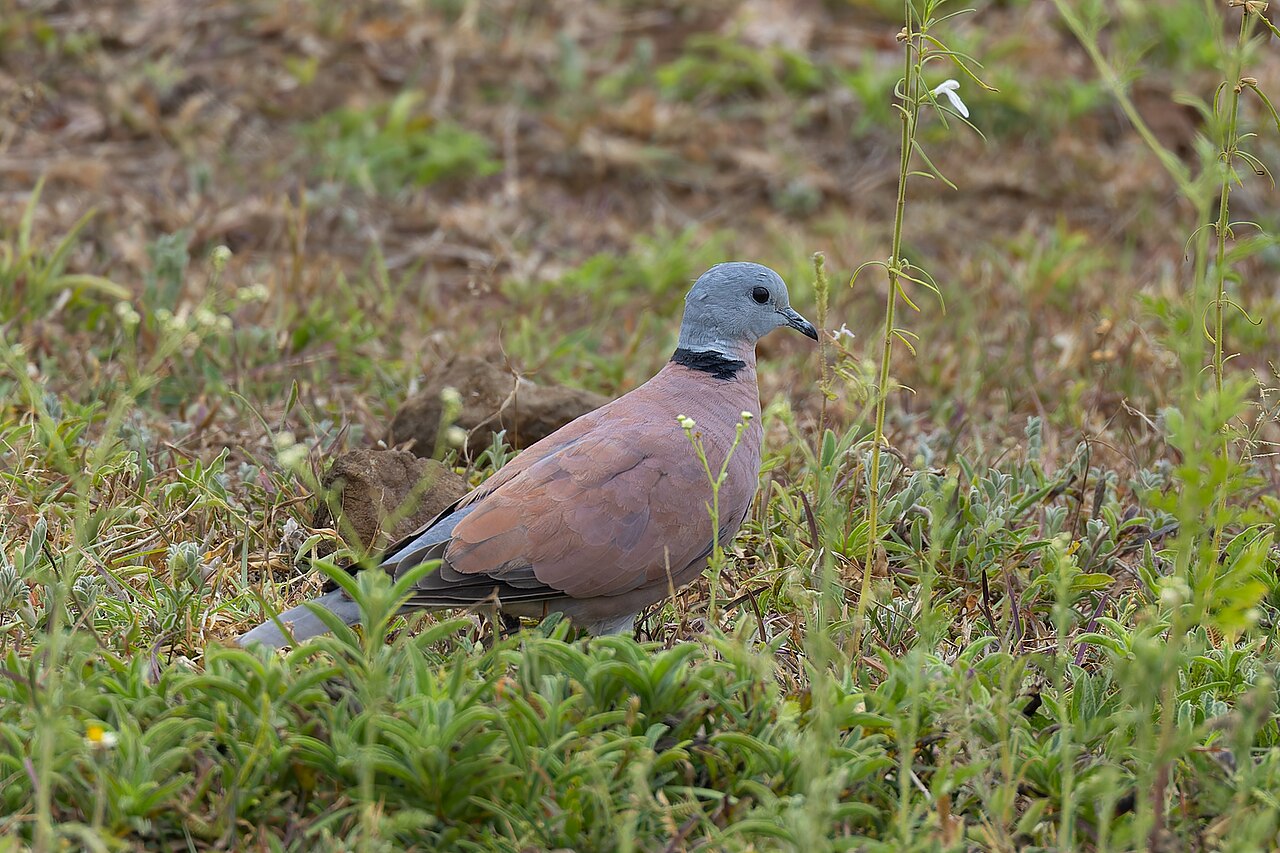
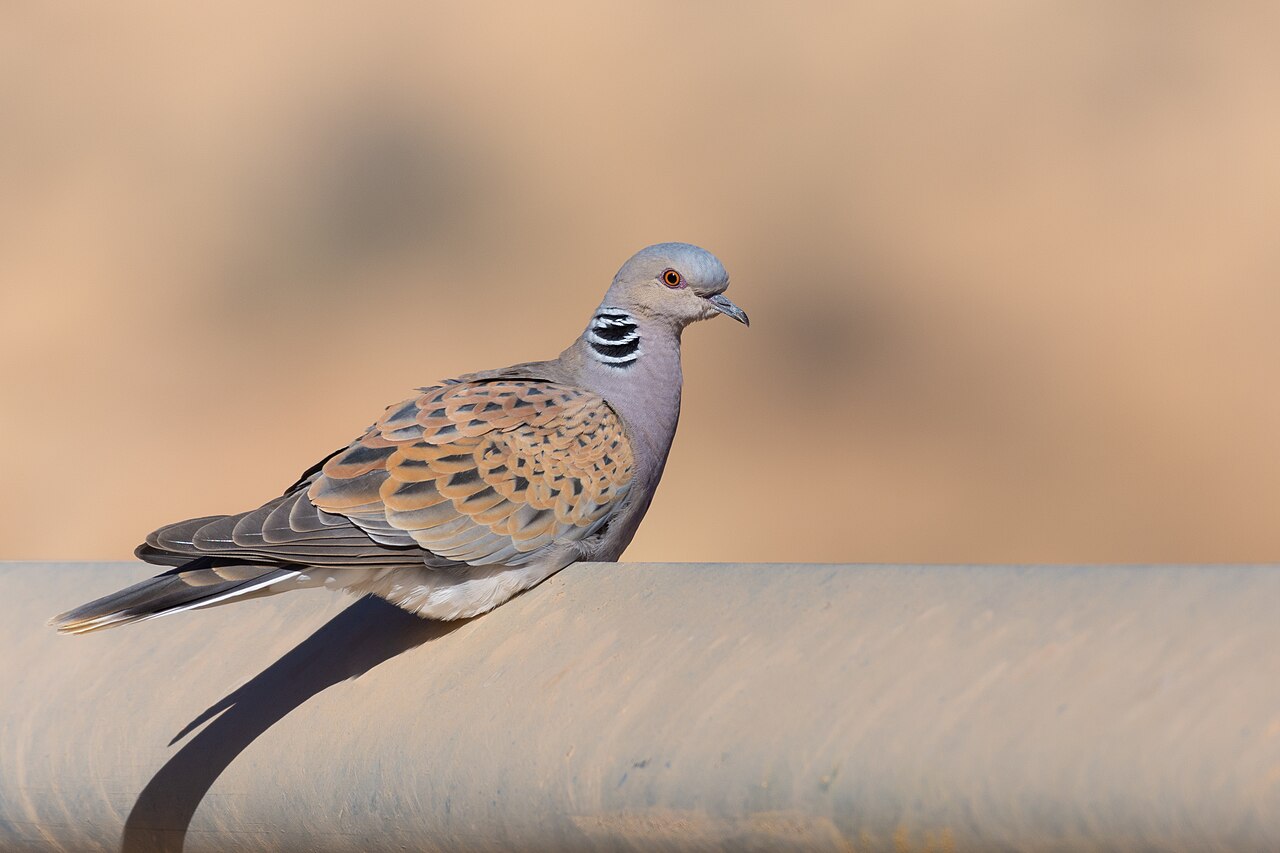
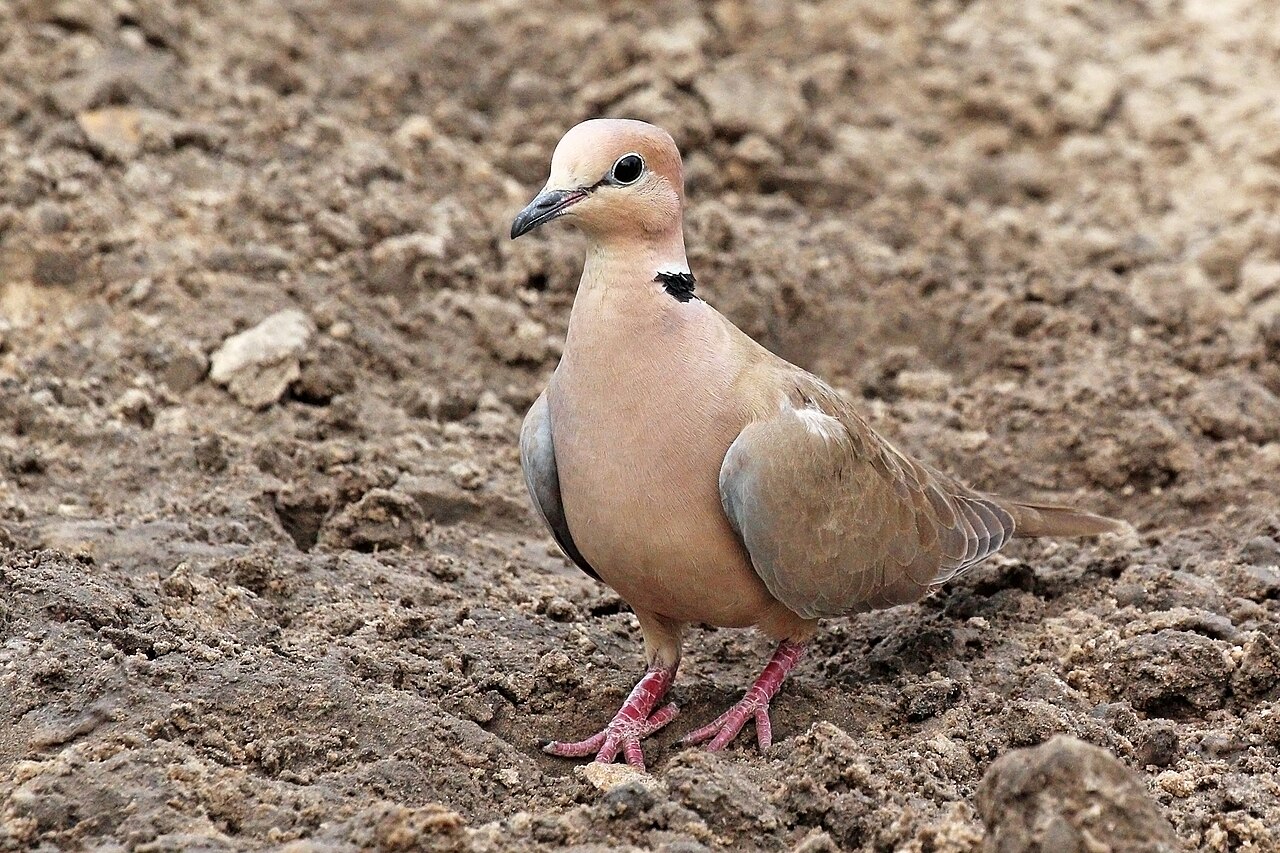
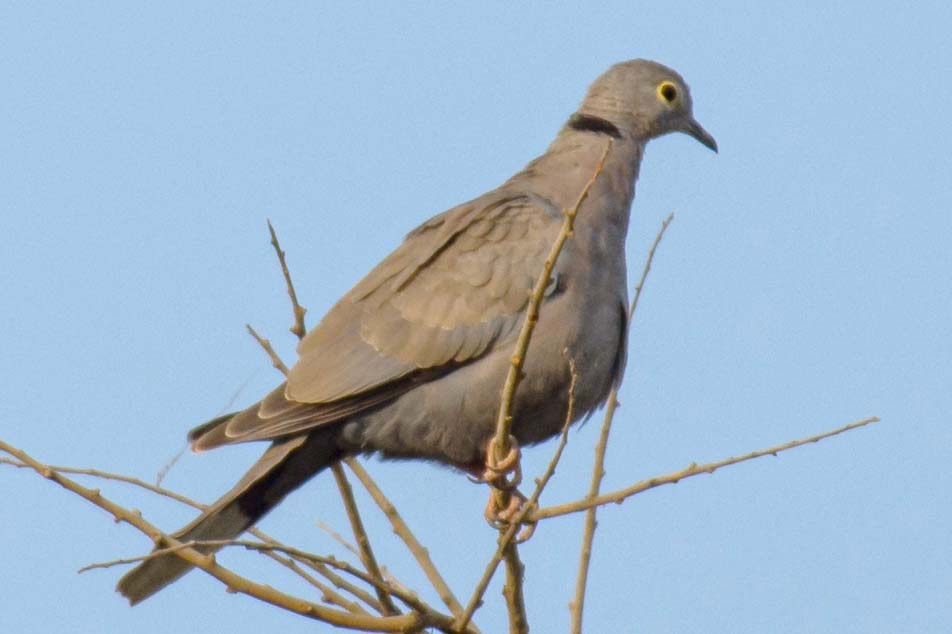
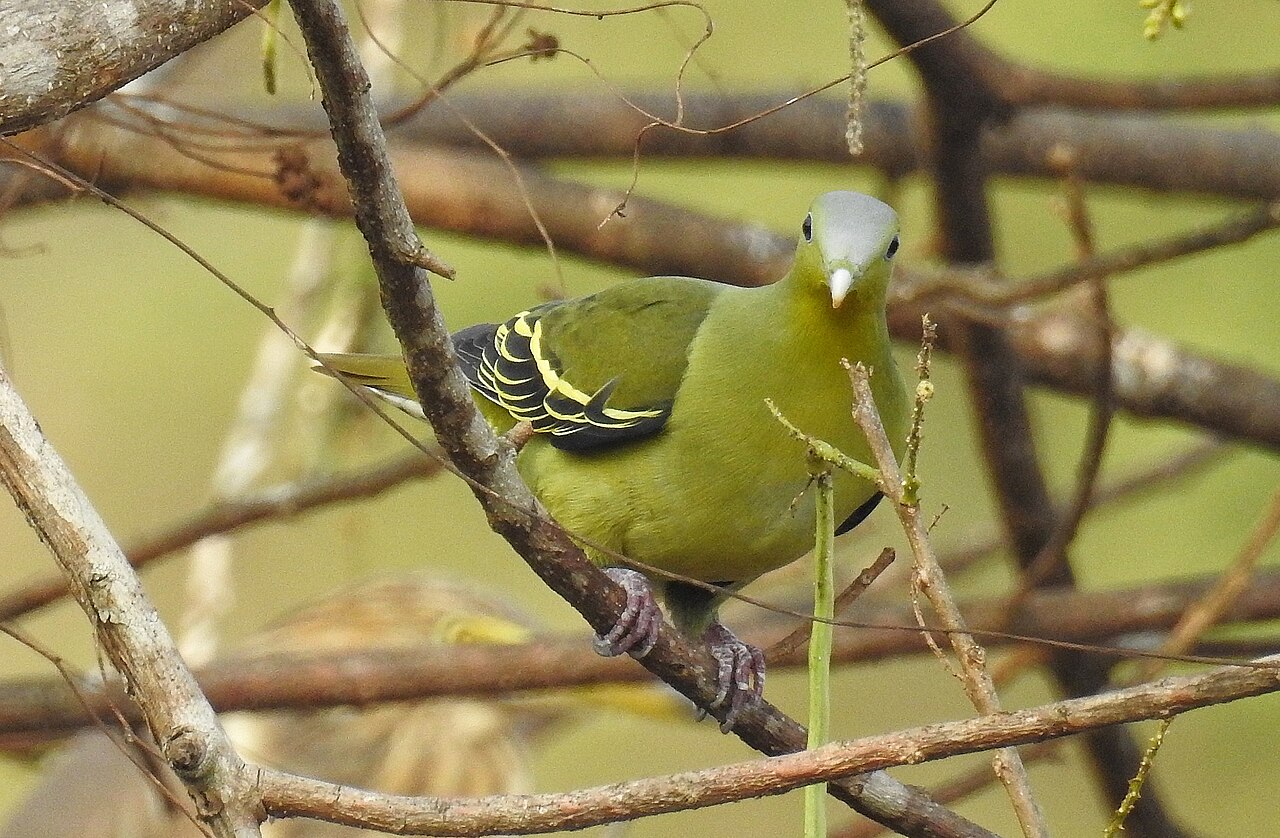
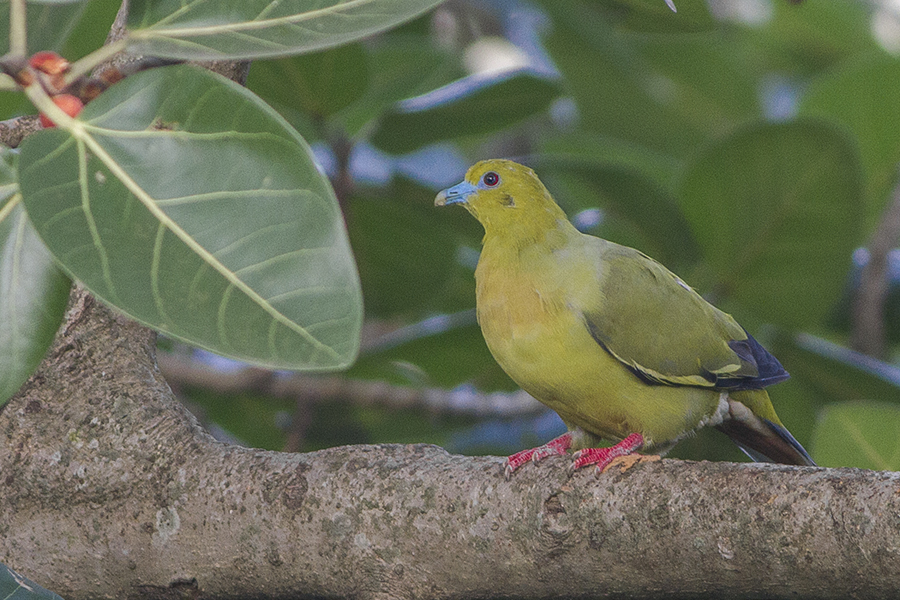
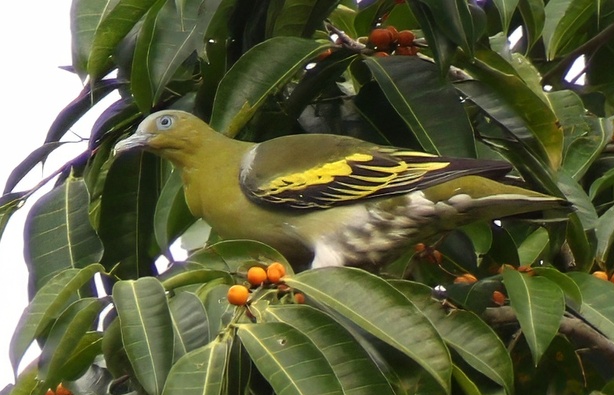
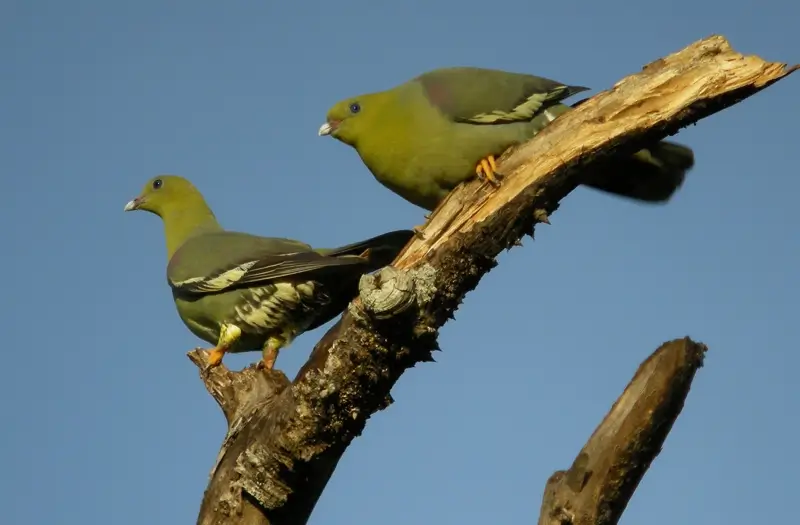
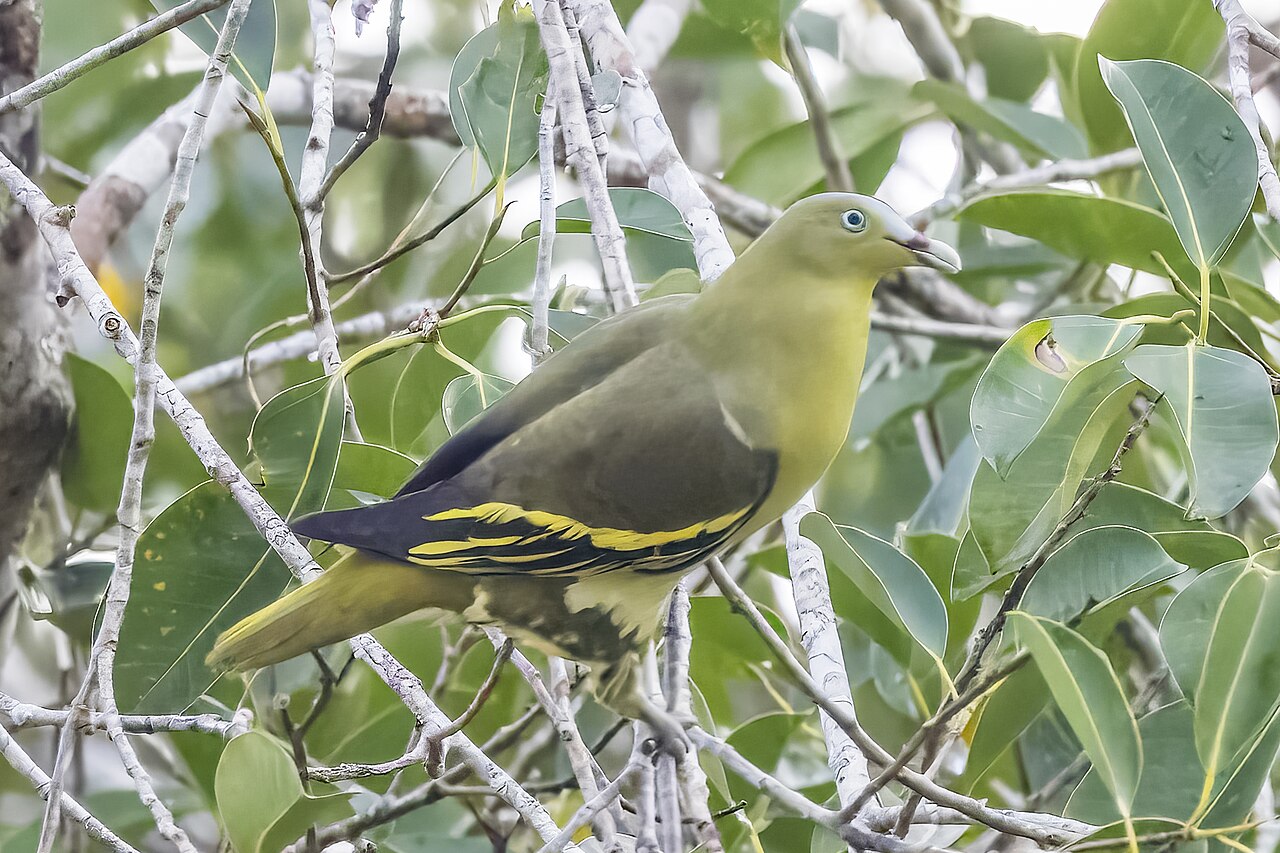
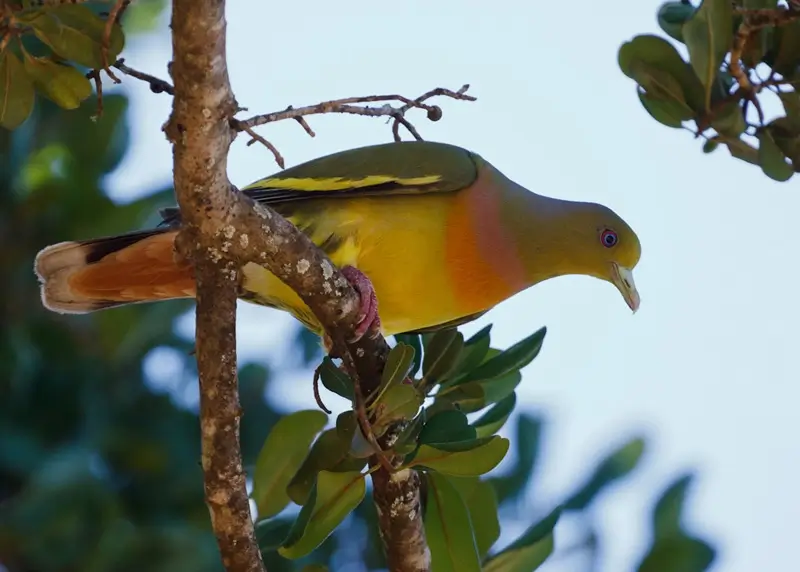
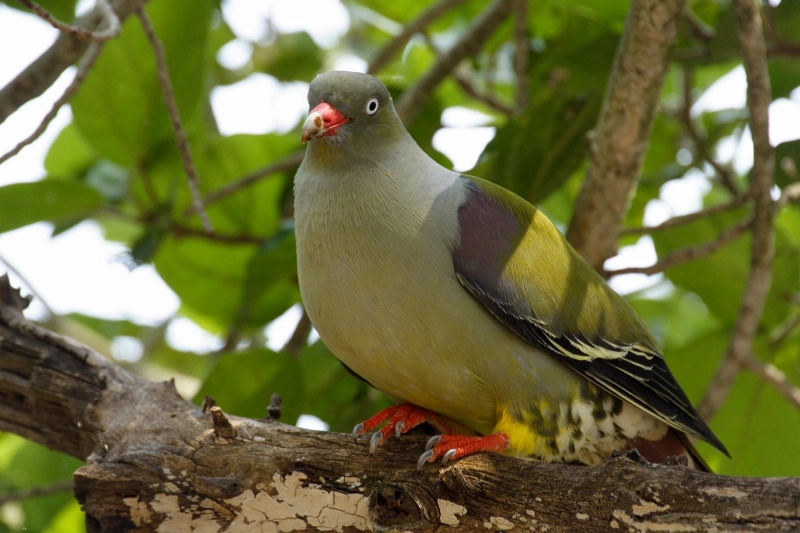
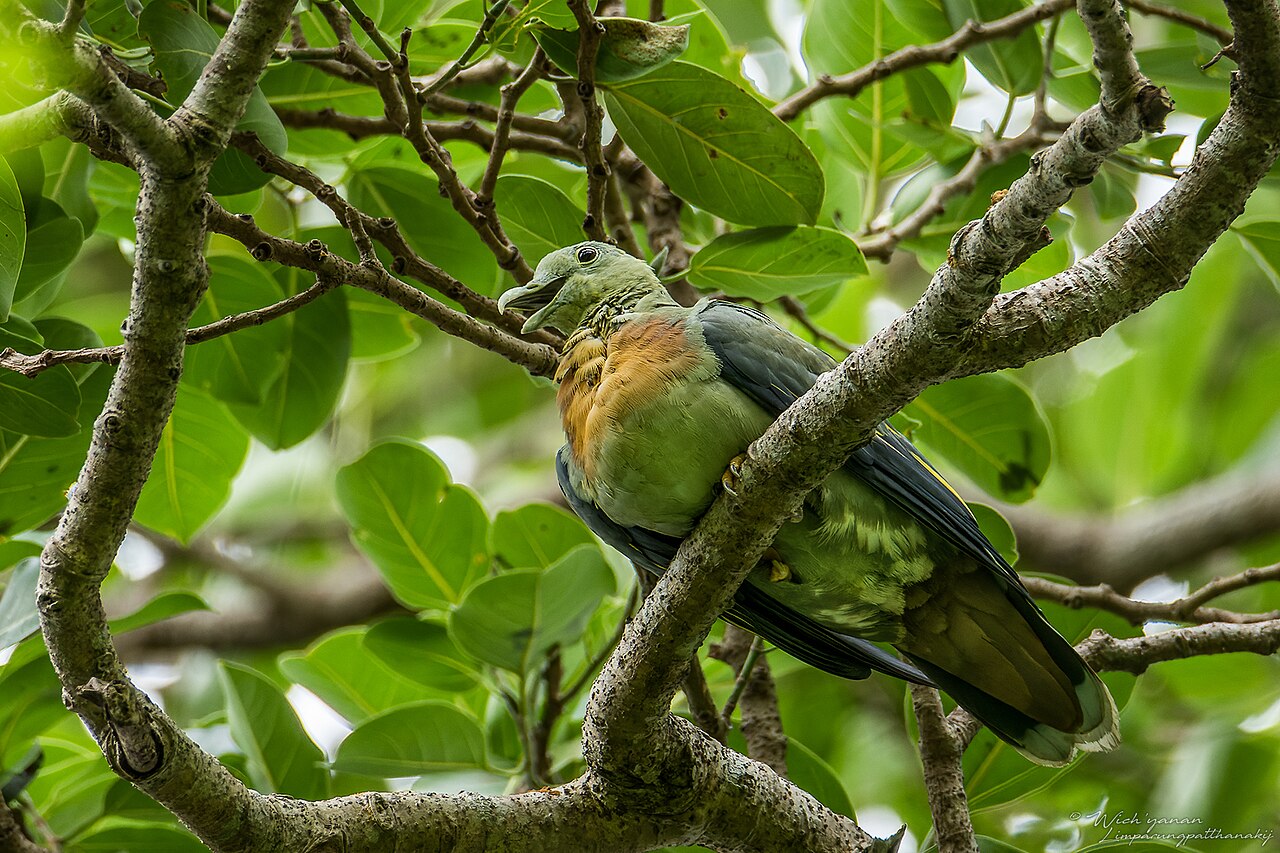
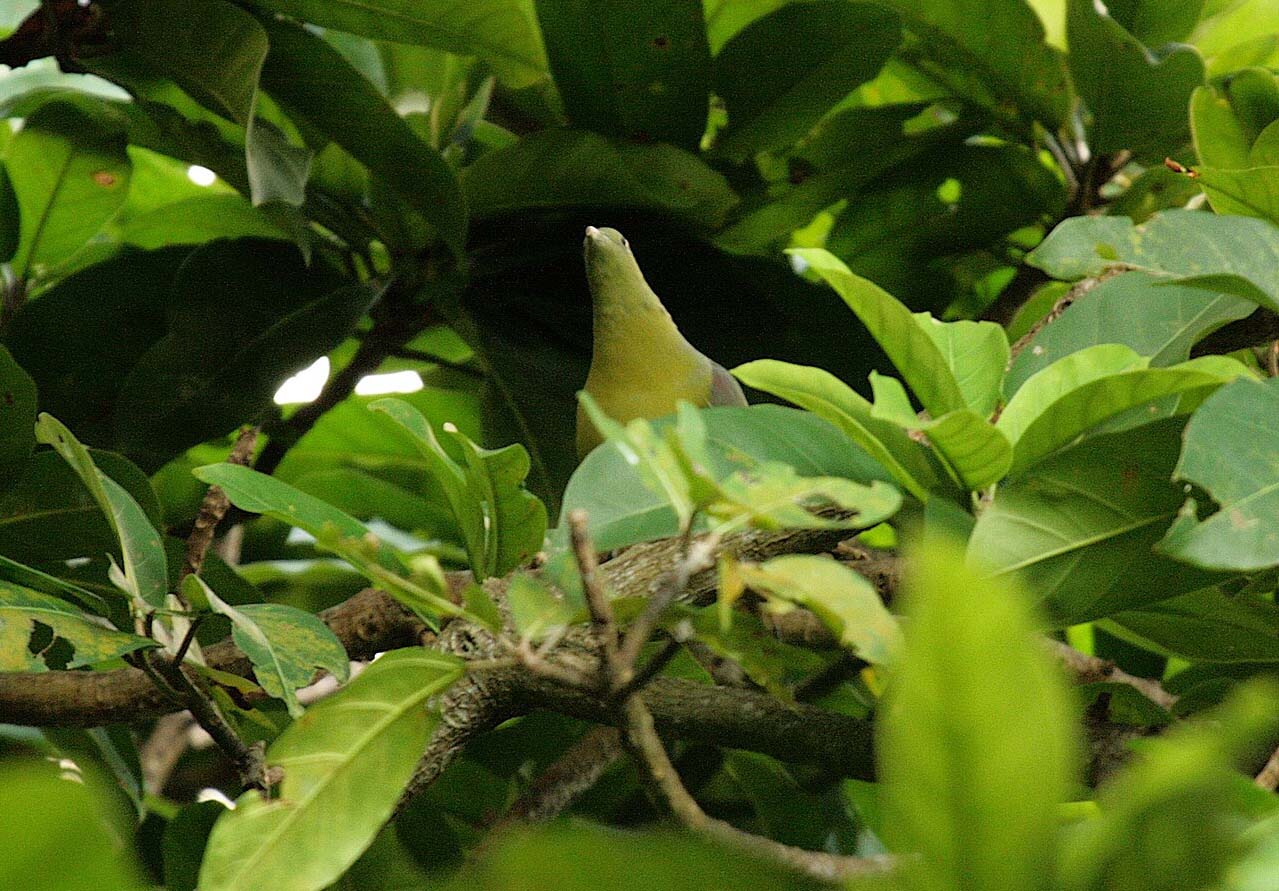
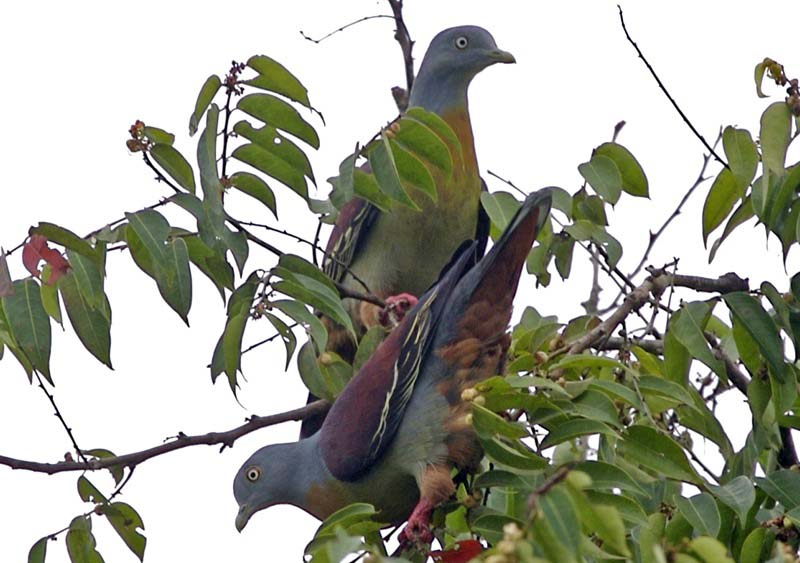
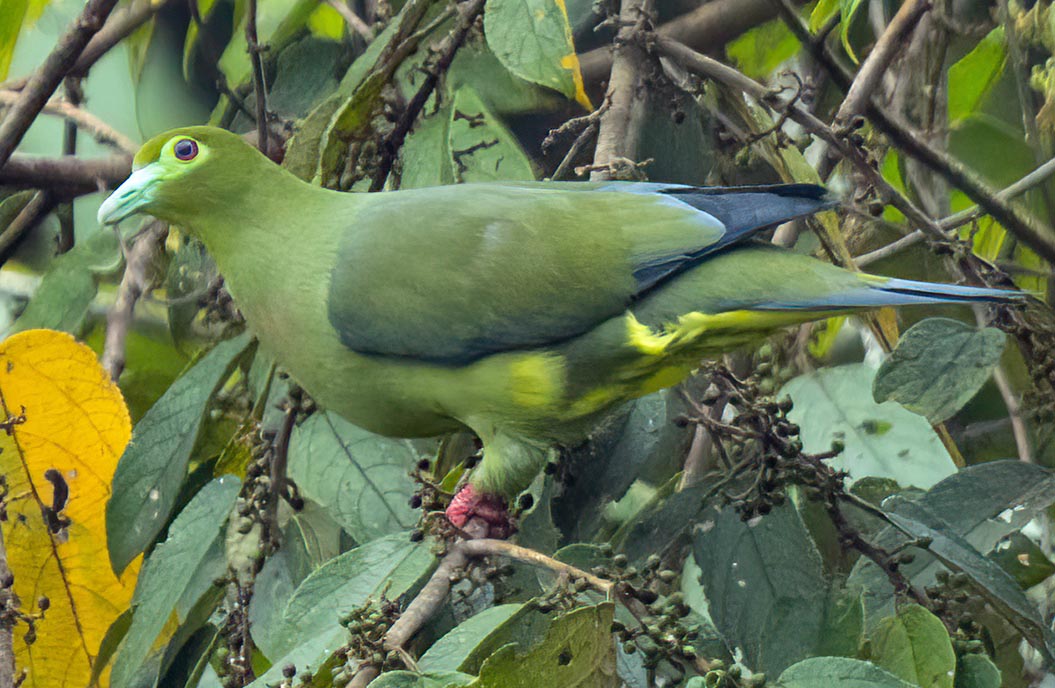
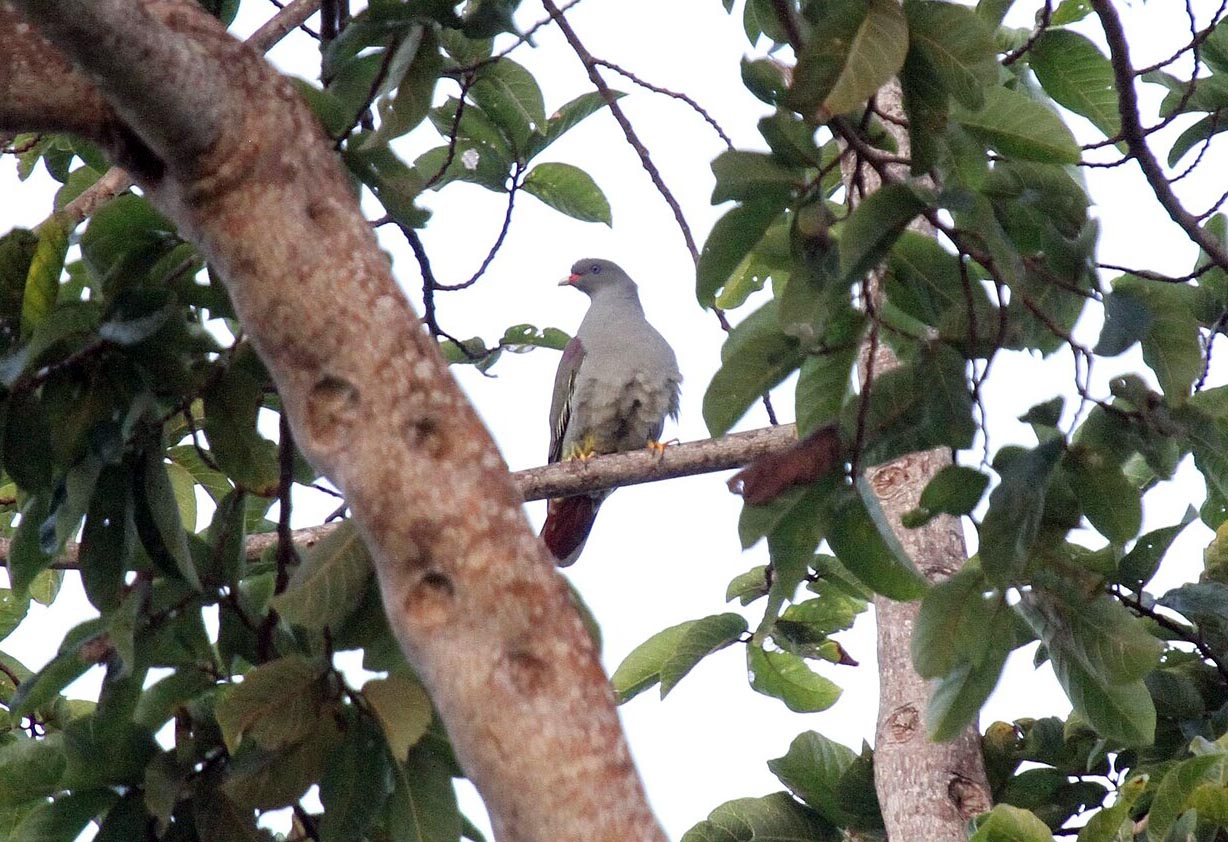
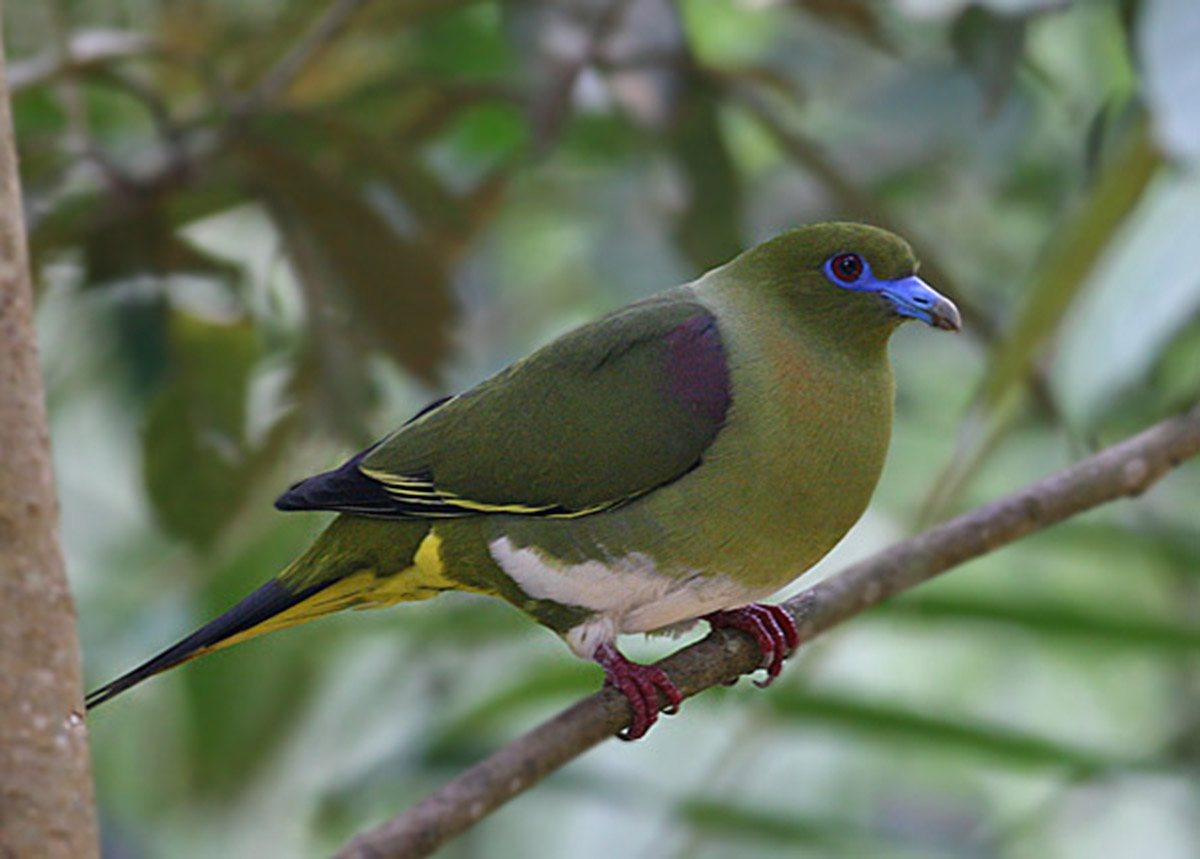
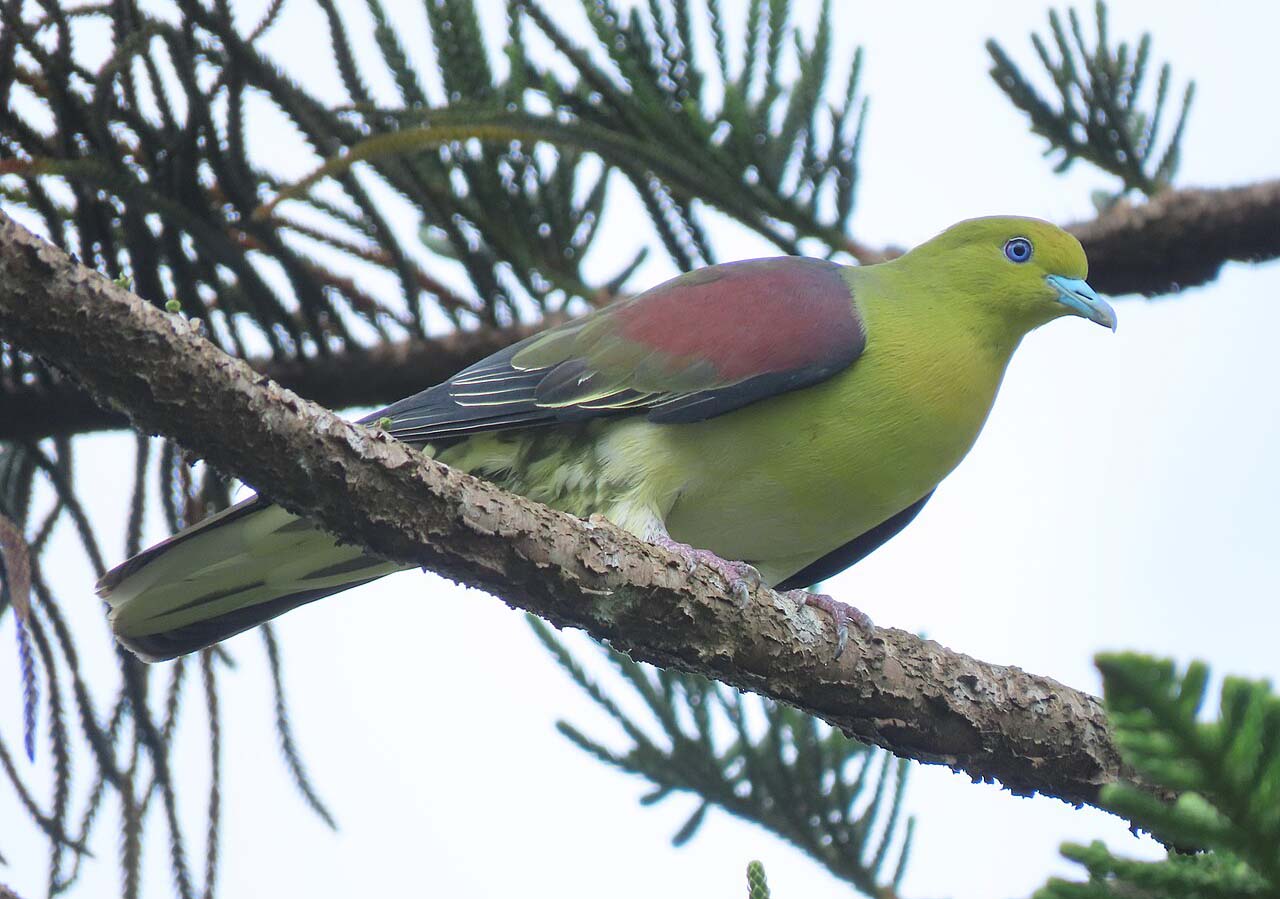
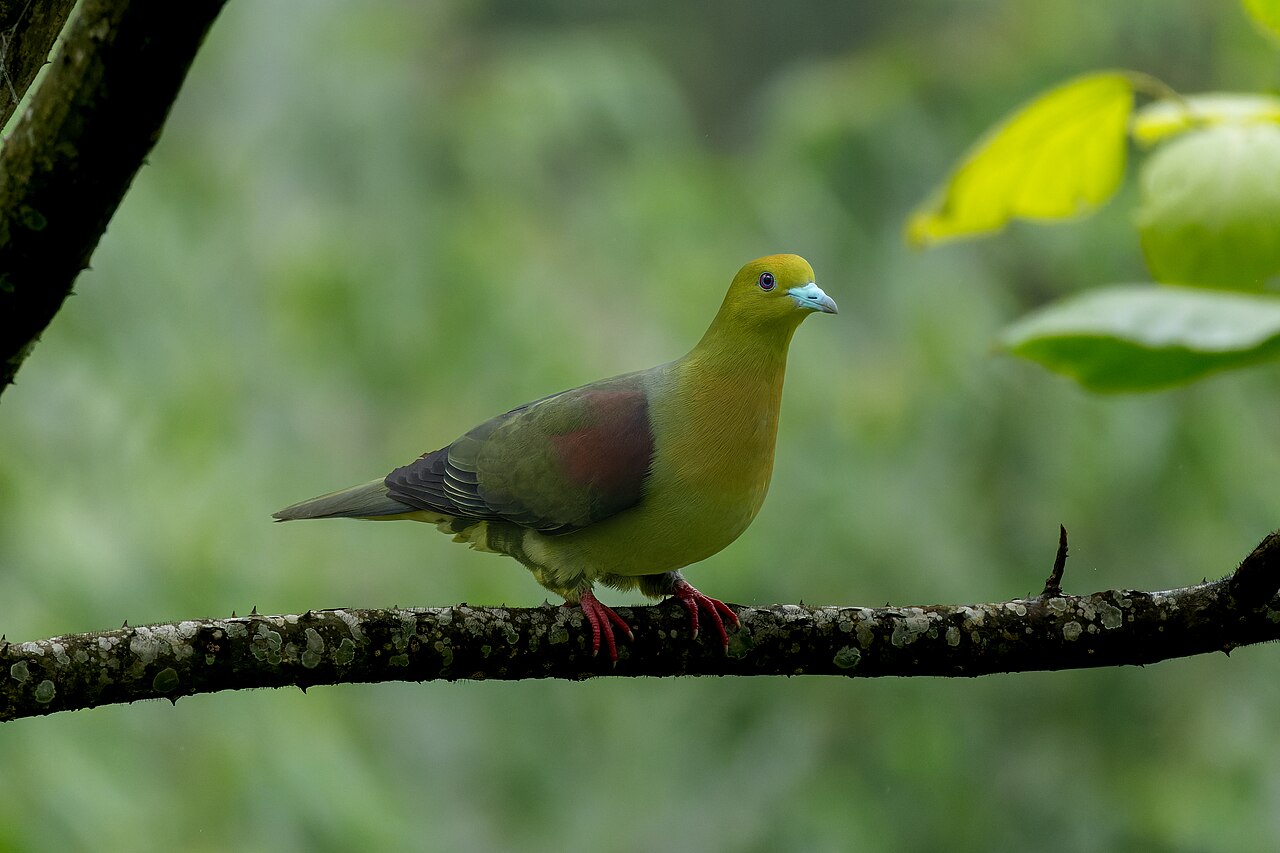
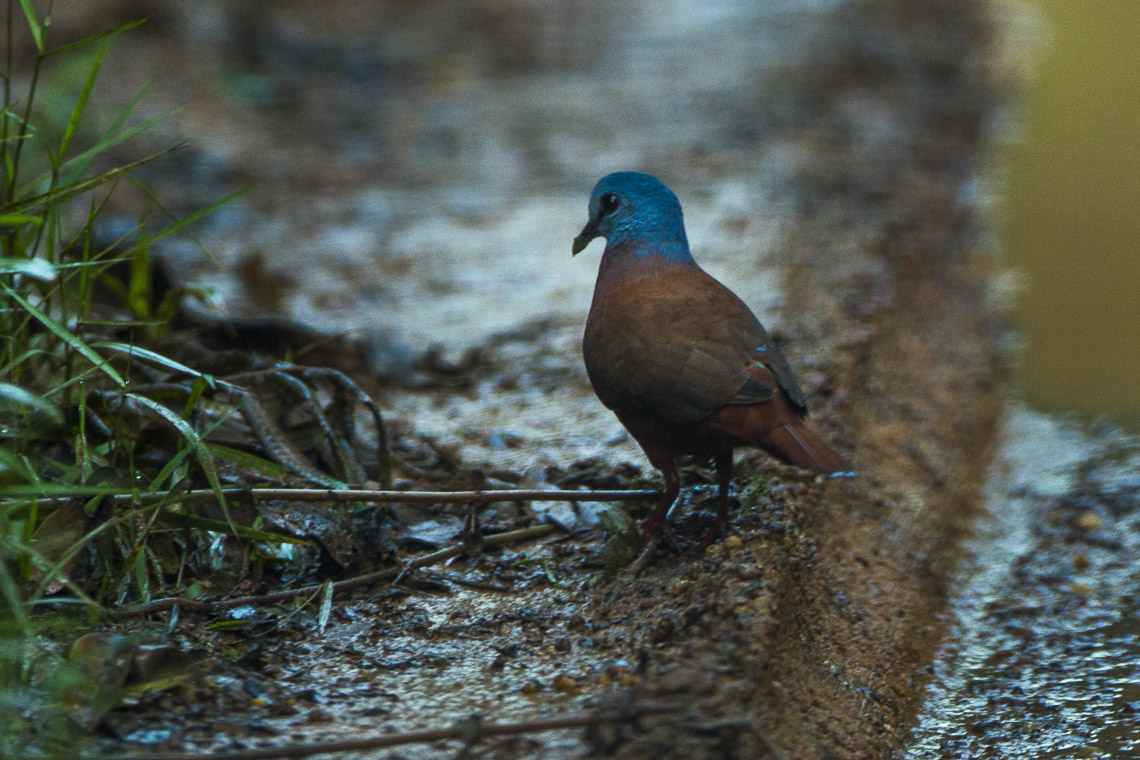
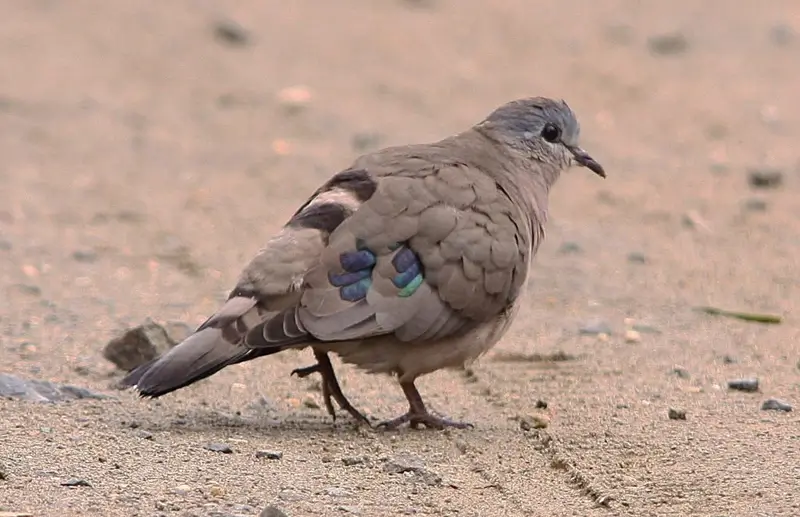
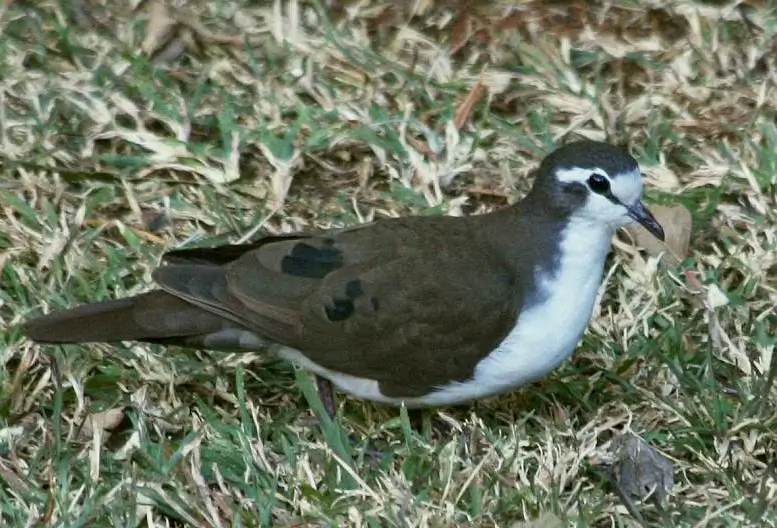
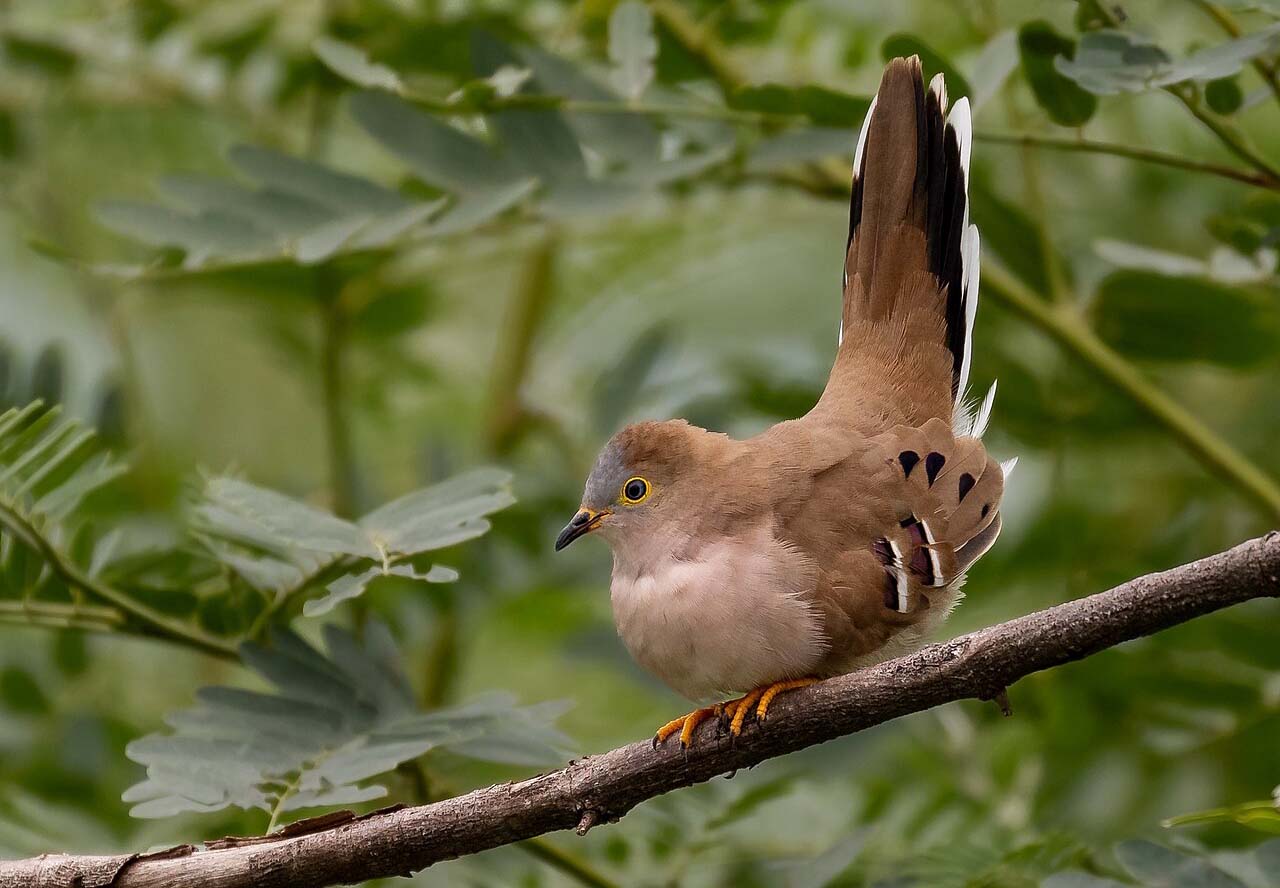
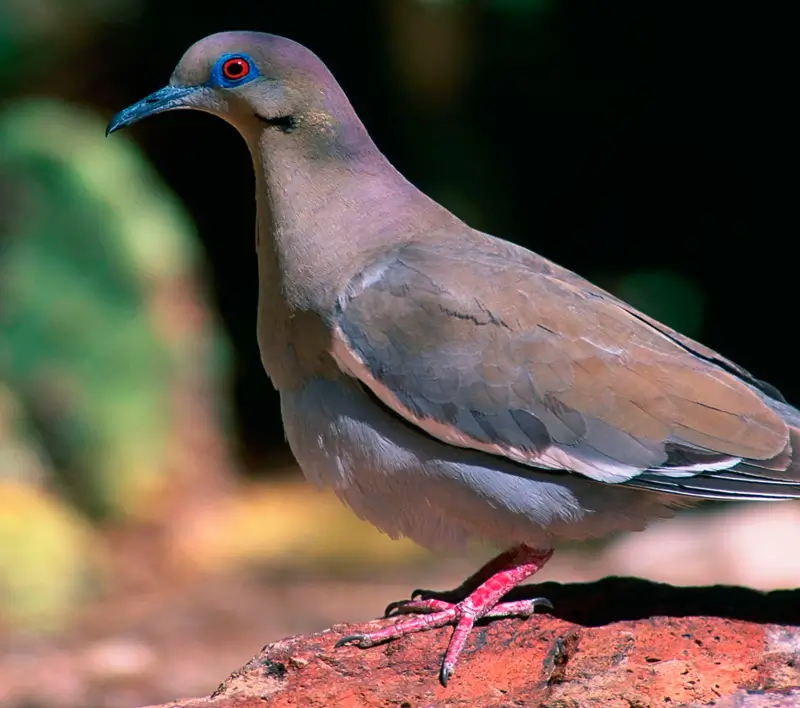
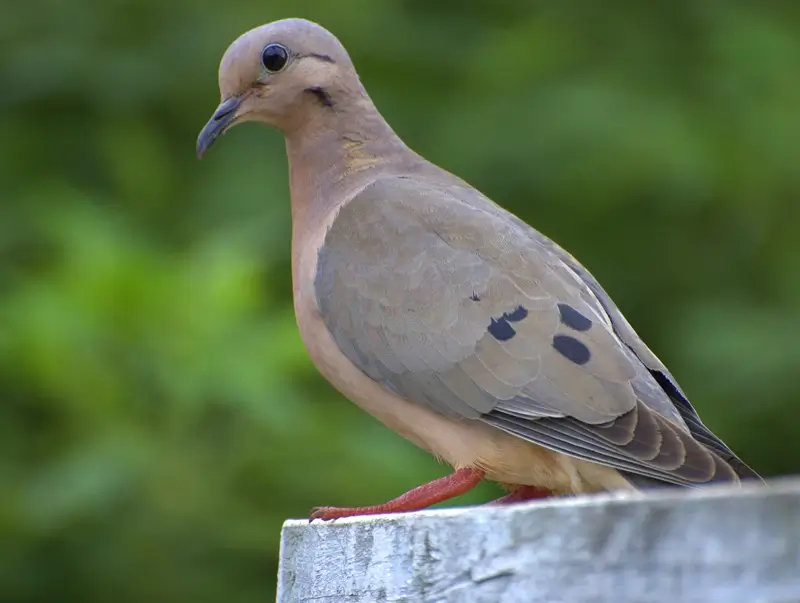
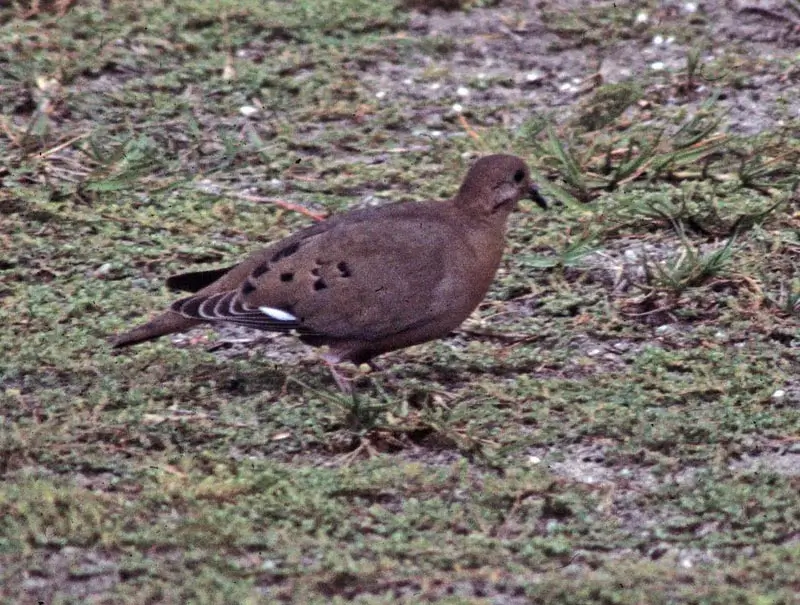
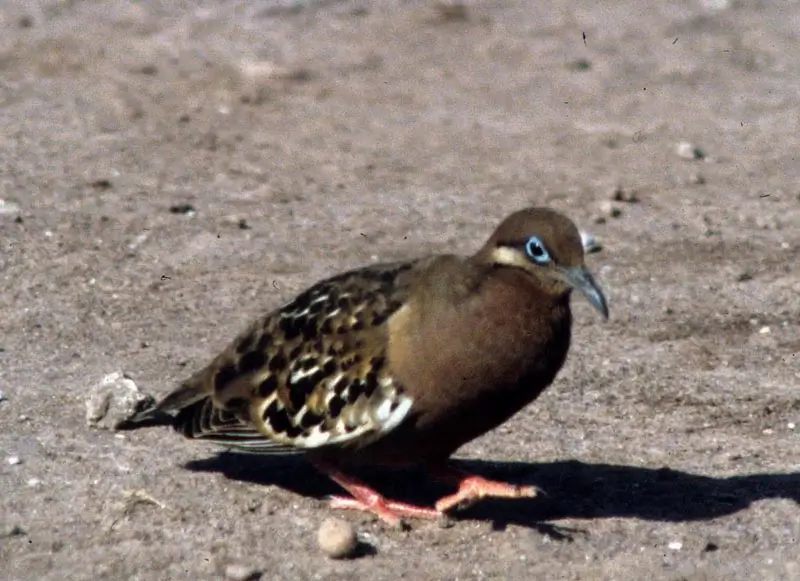
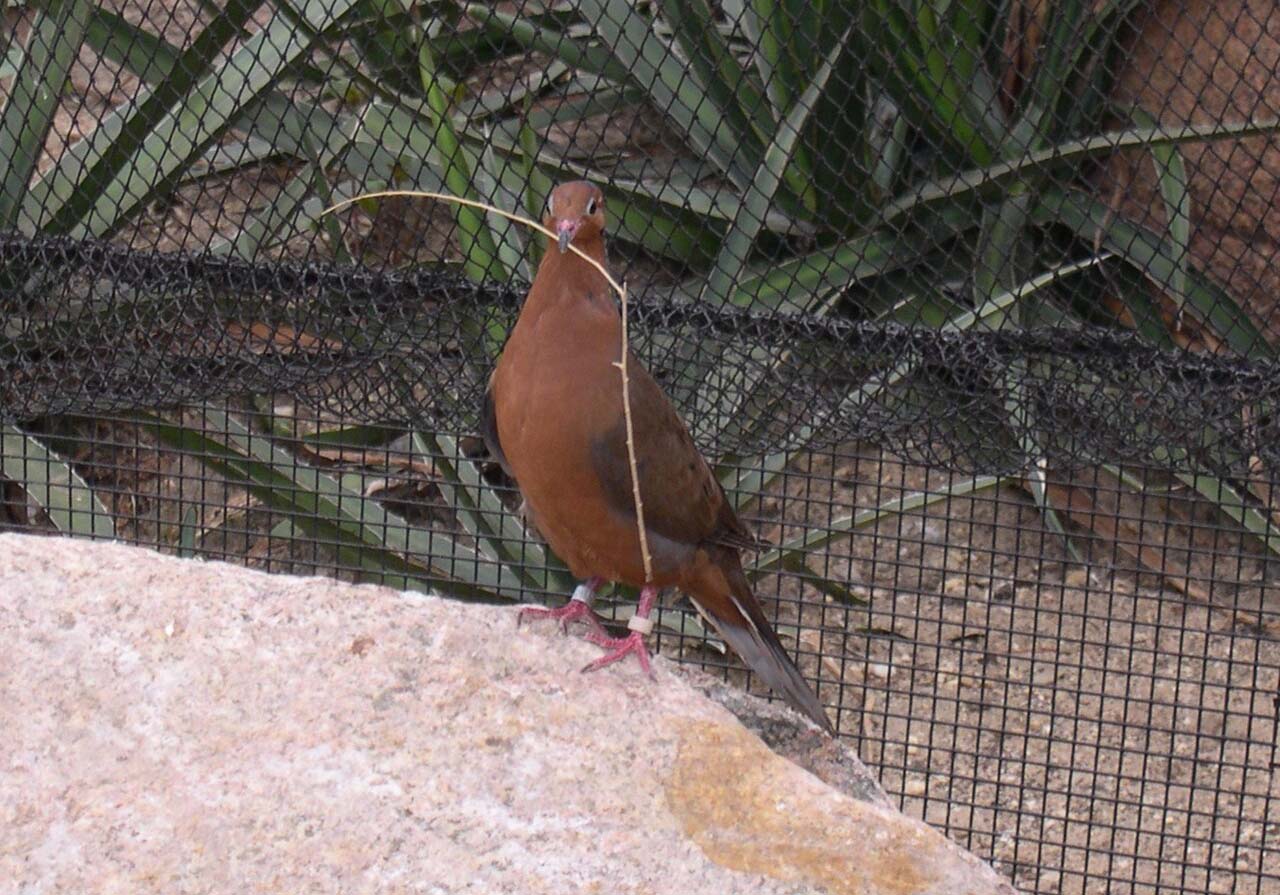
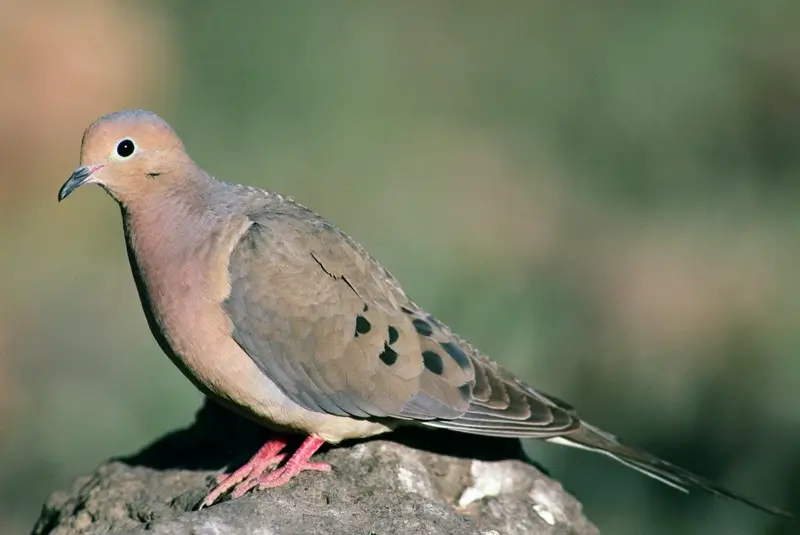
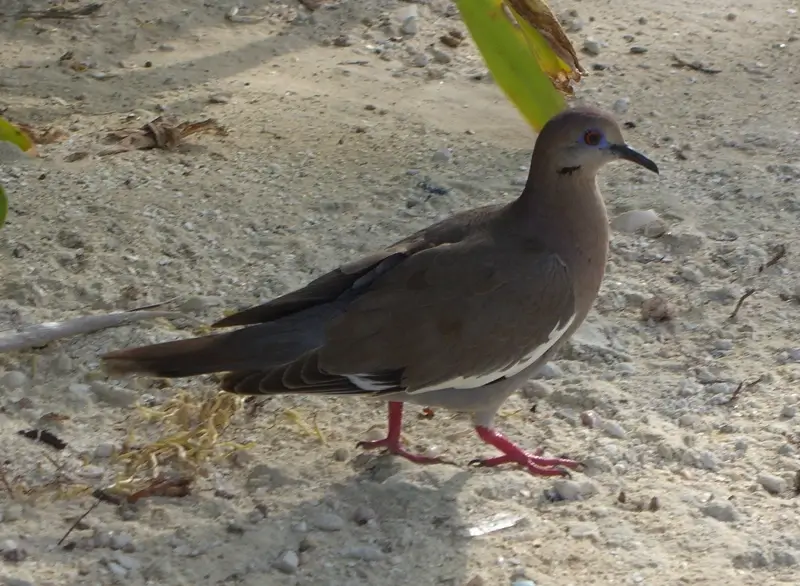
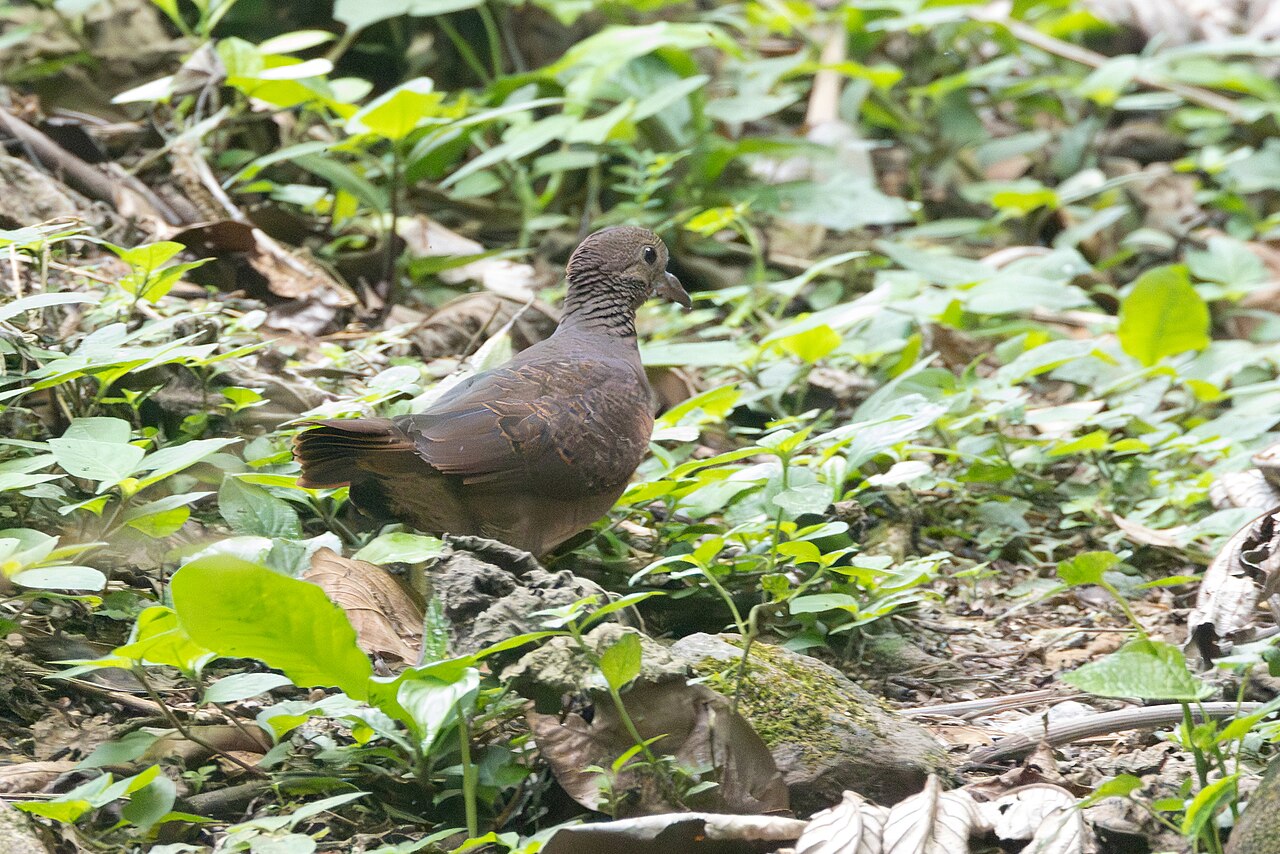
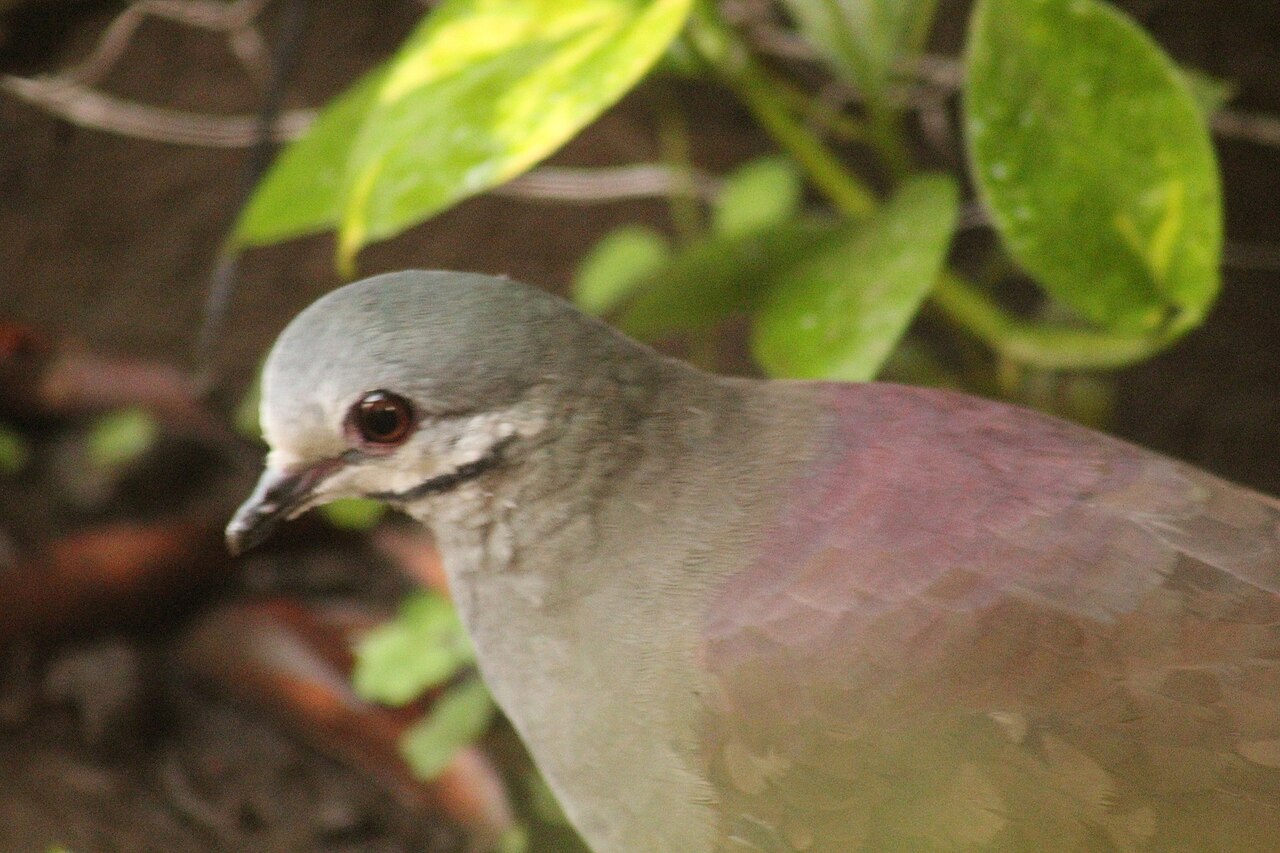
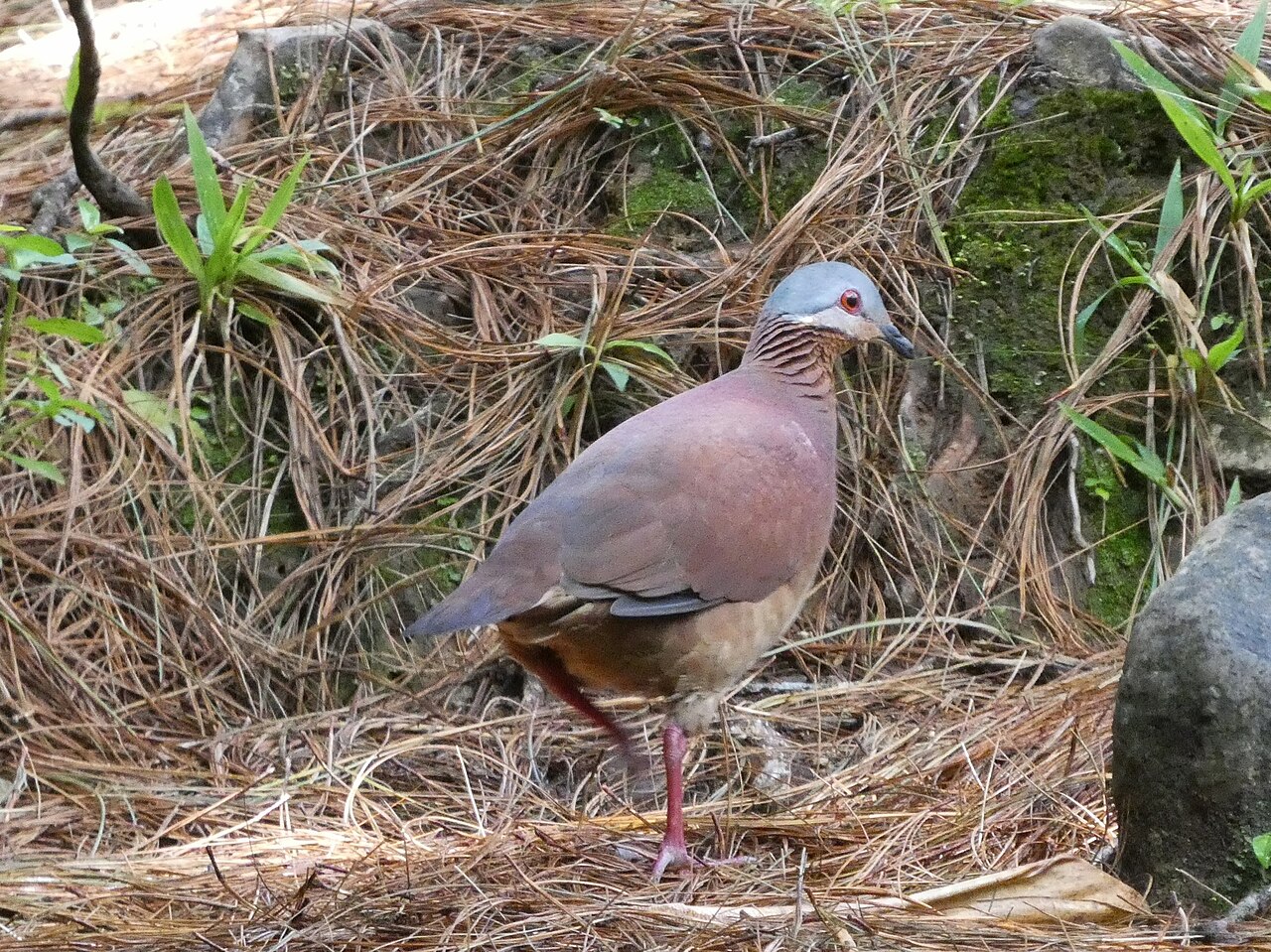
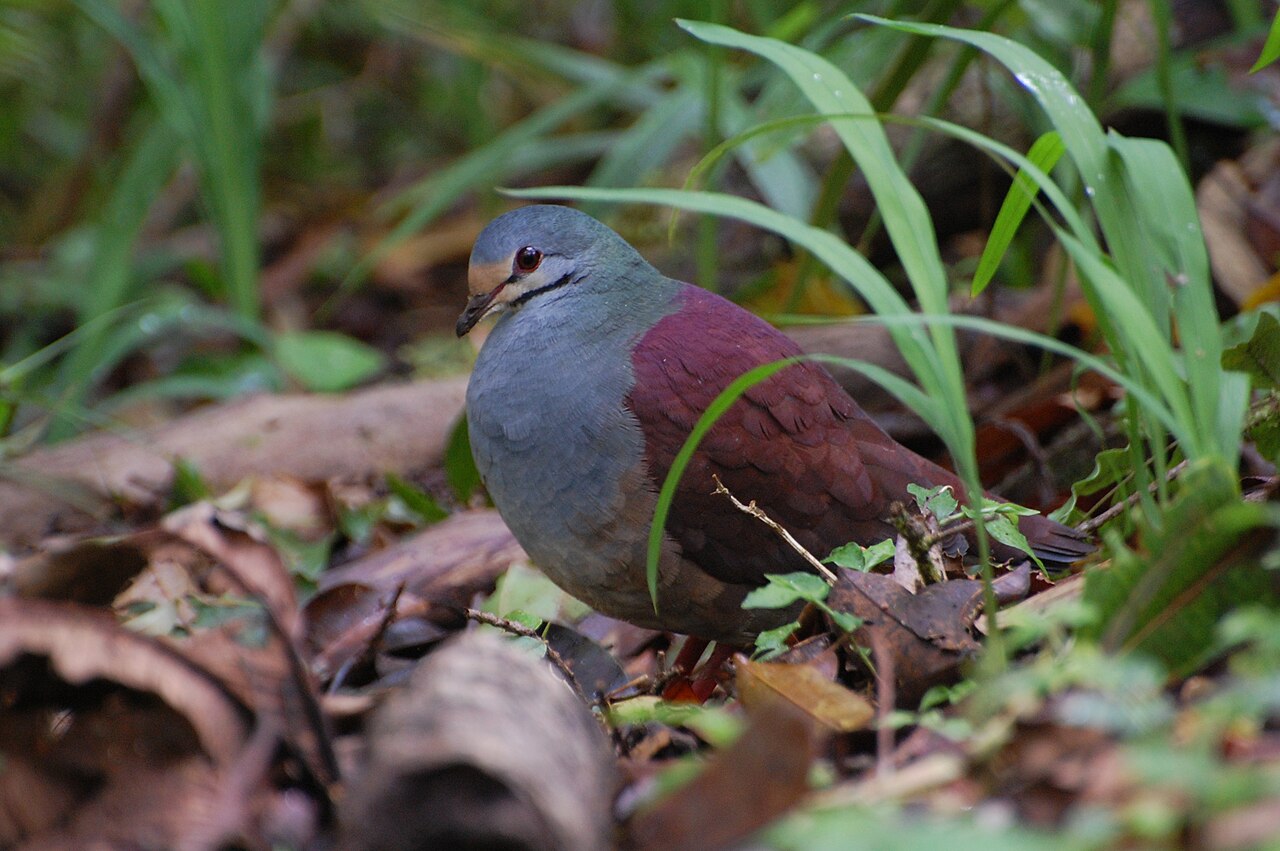
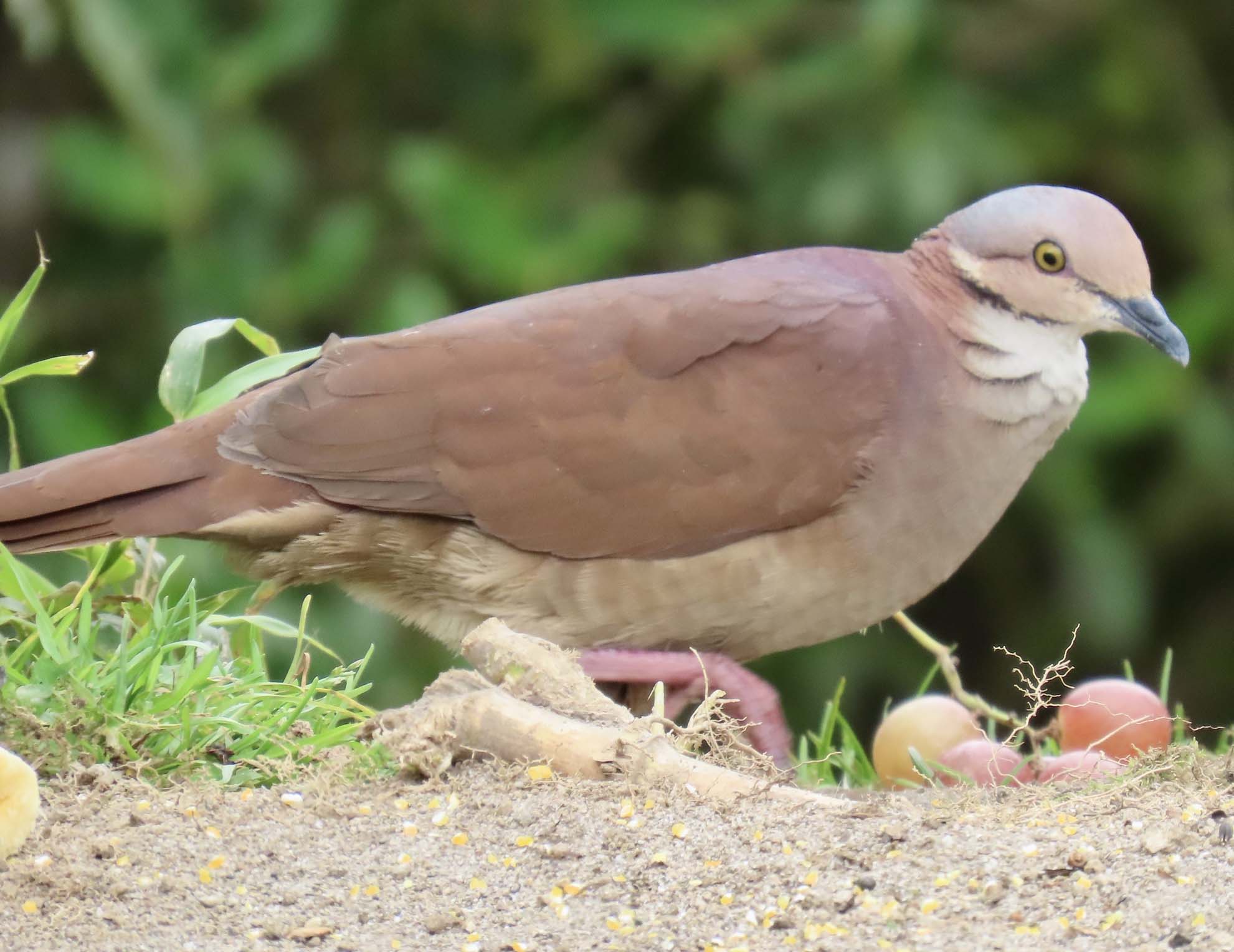
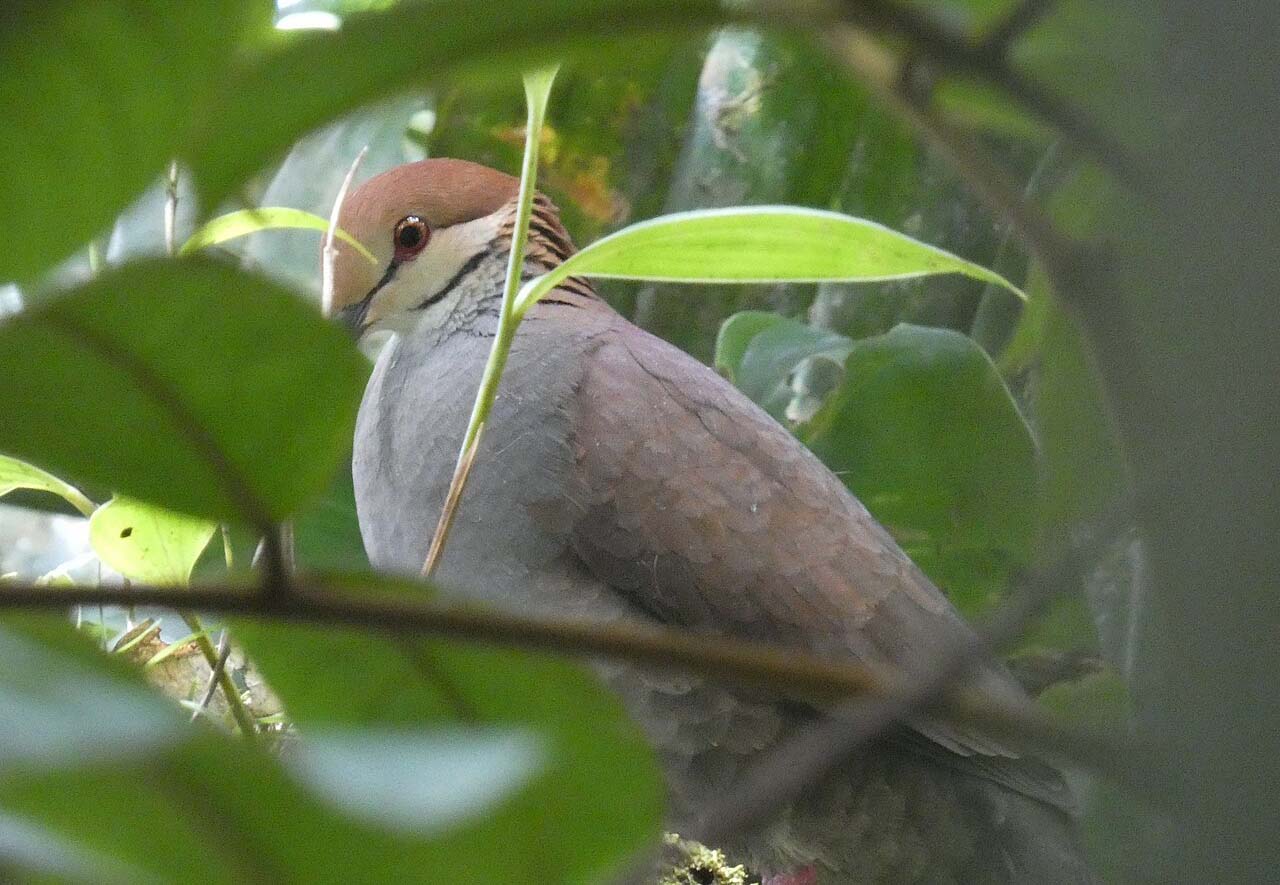
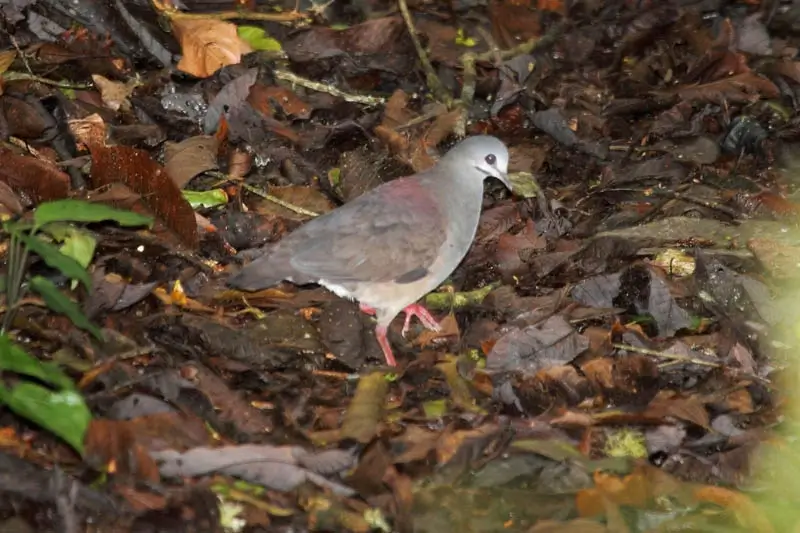
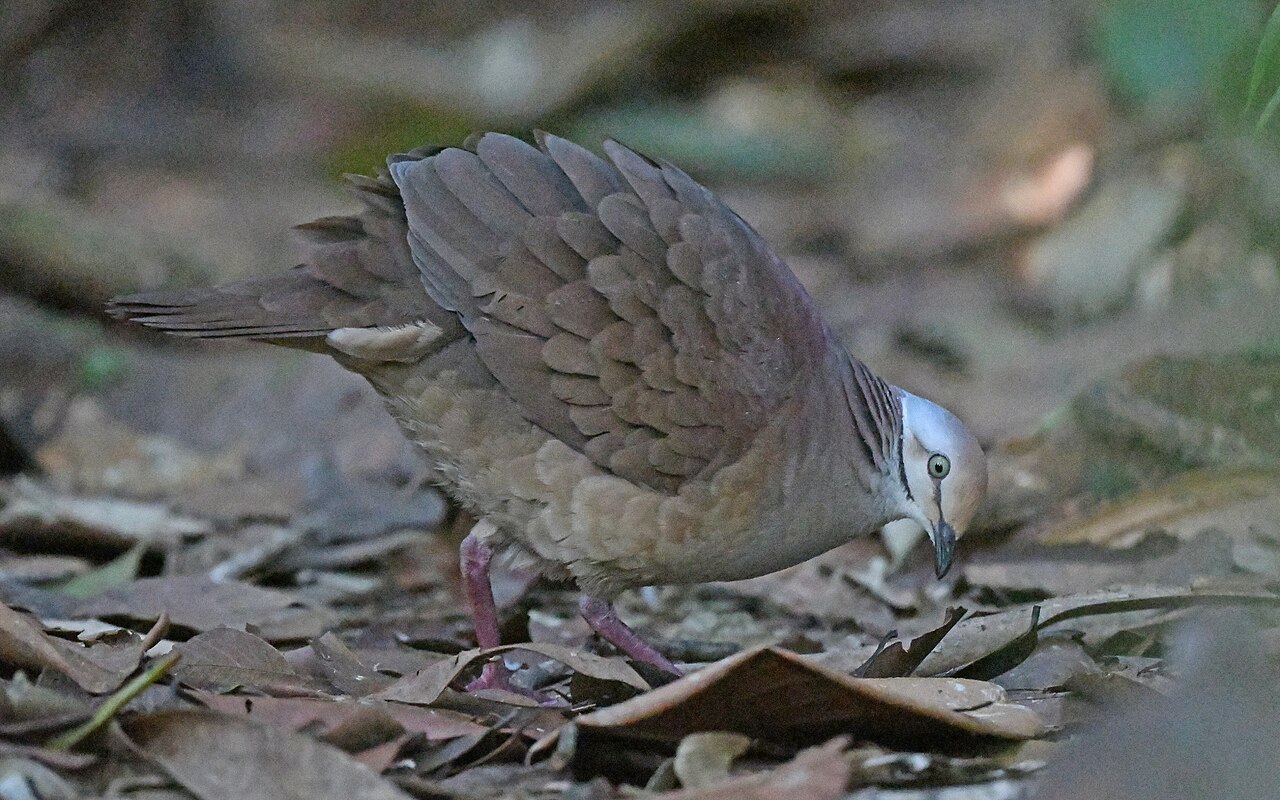
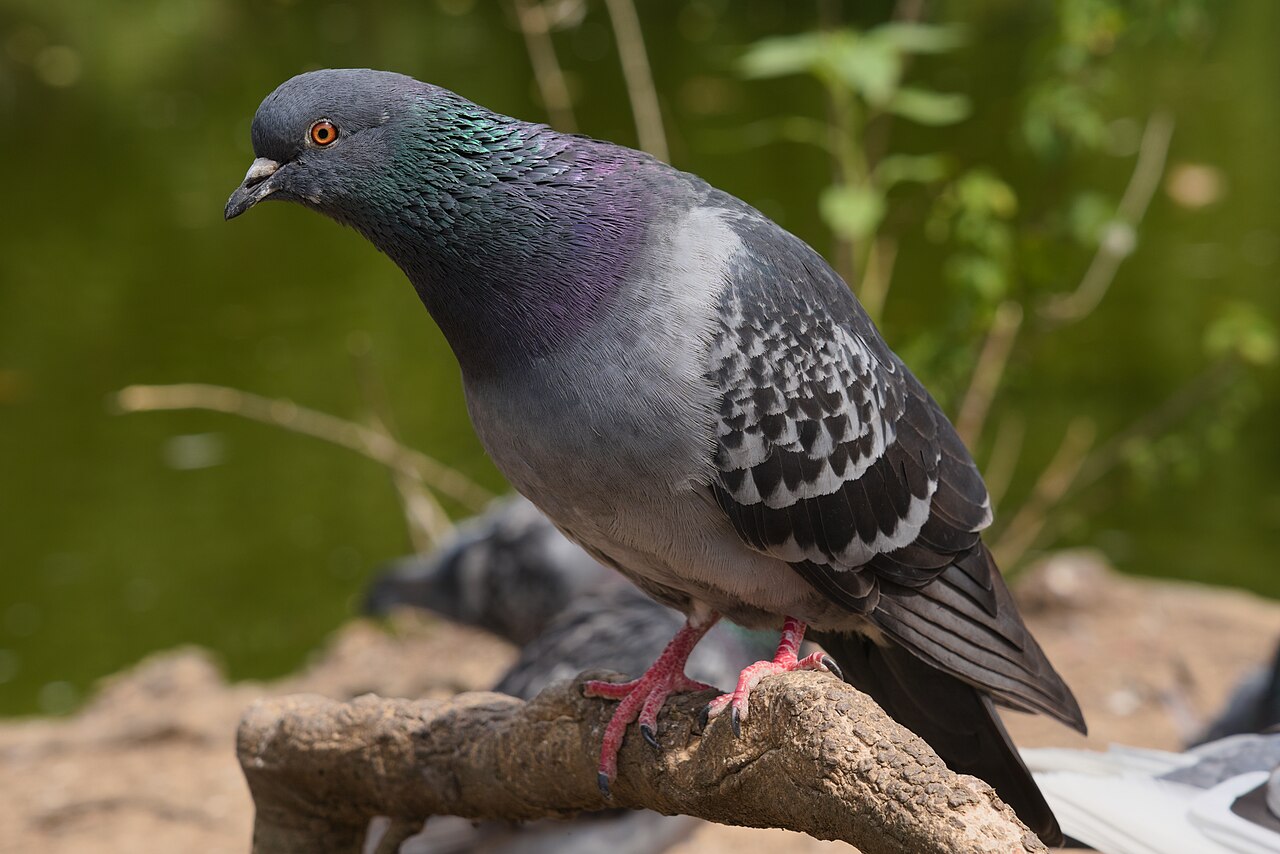
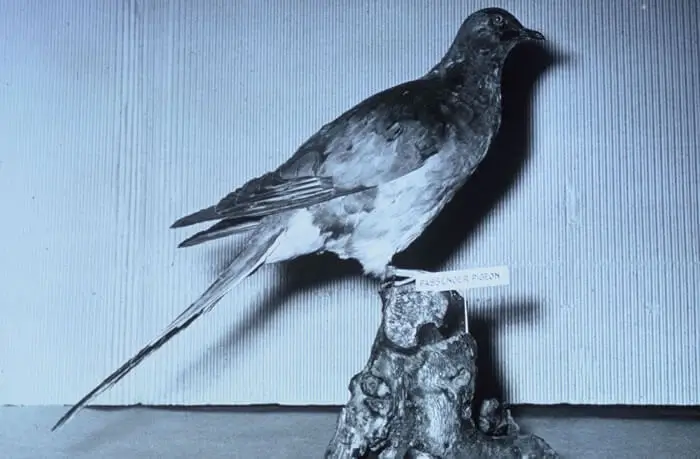
There are over 300 species of pigeons and doves found around the world. They live on every continent except Antarctica.
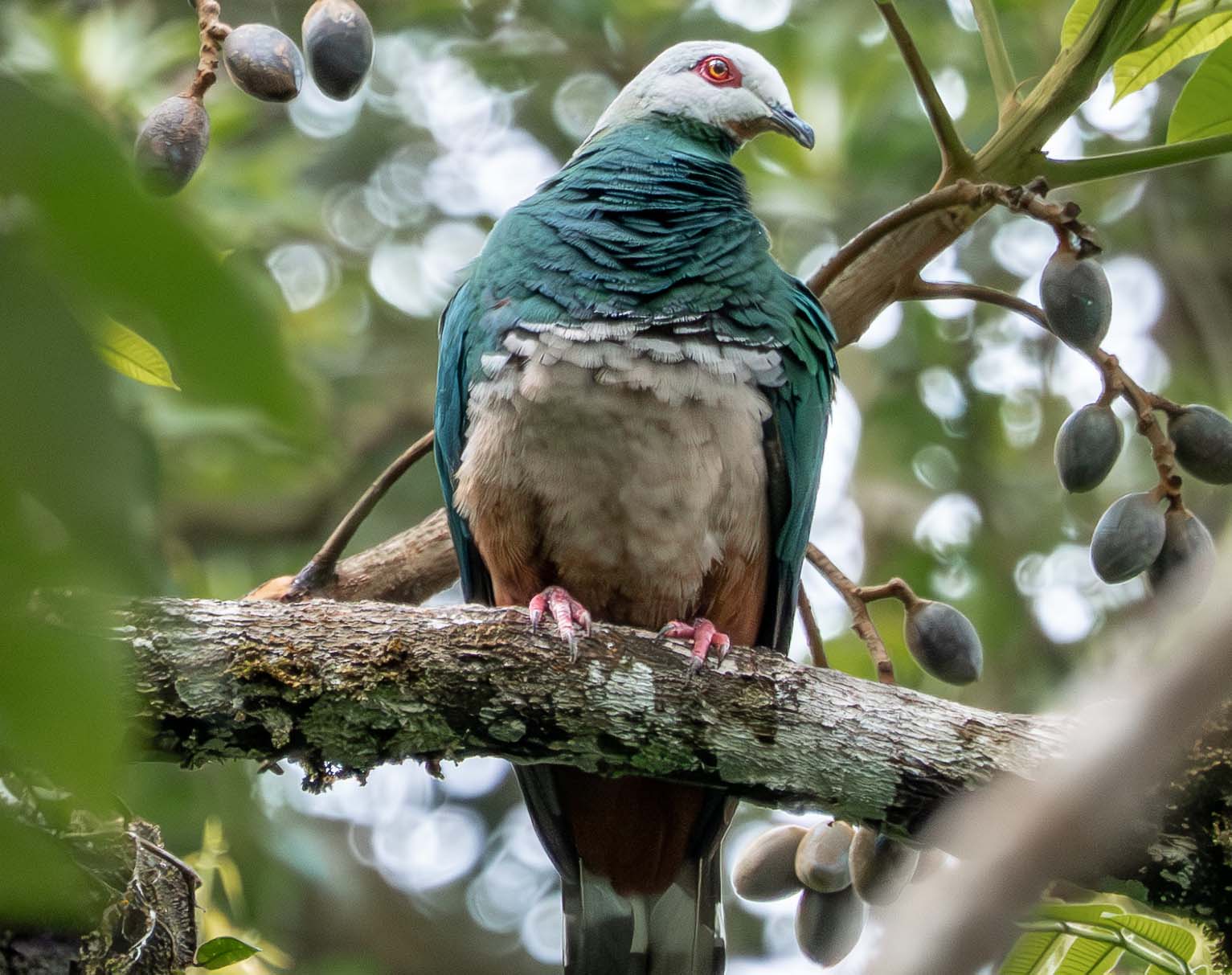
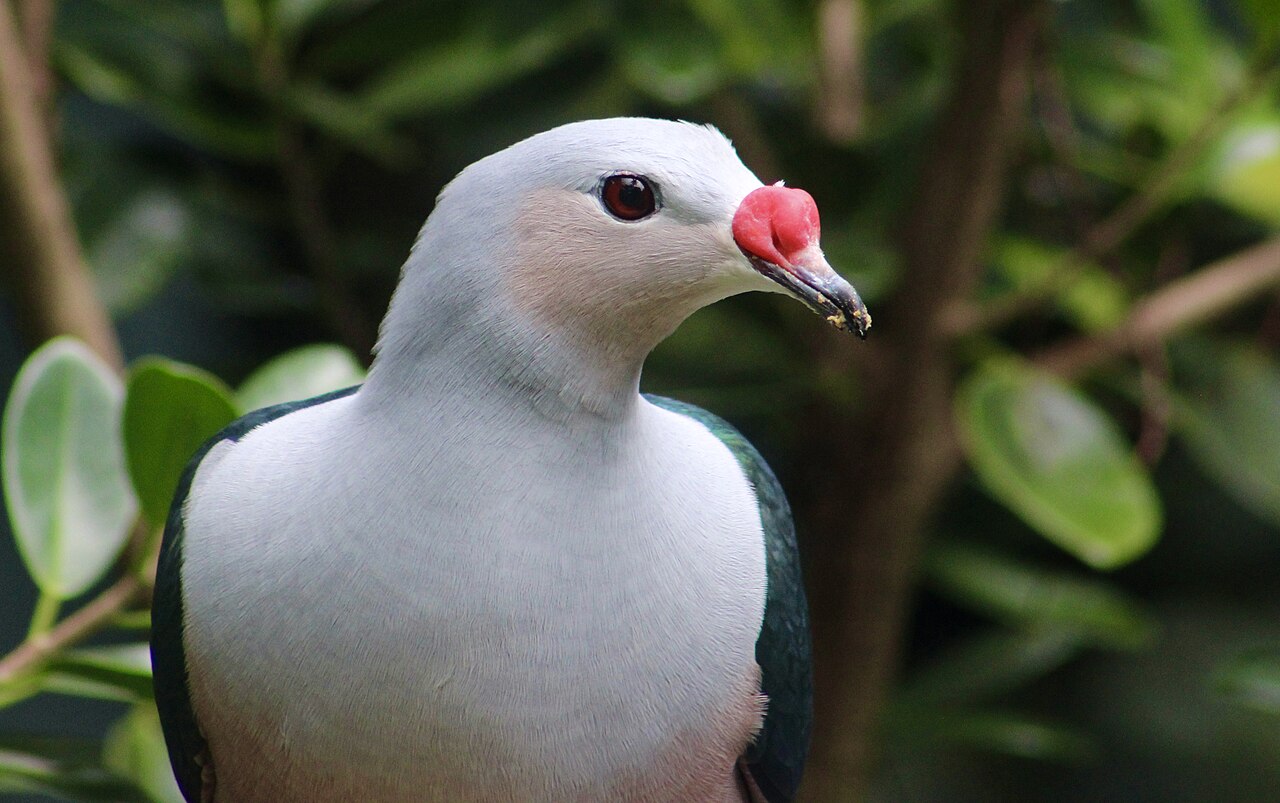
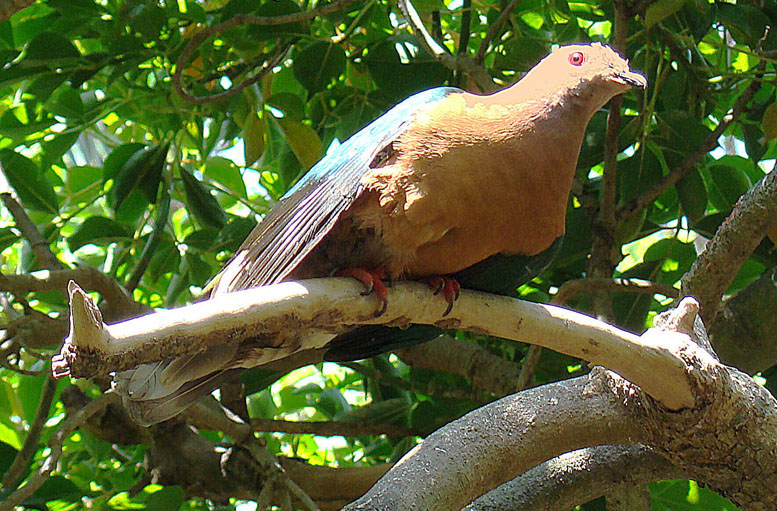
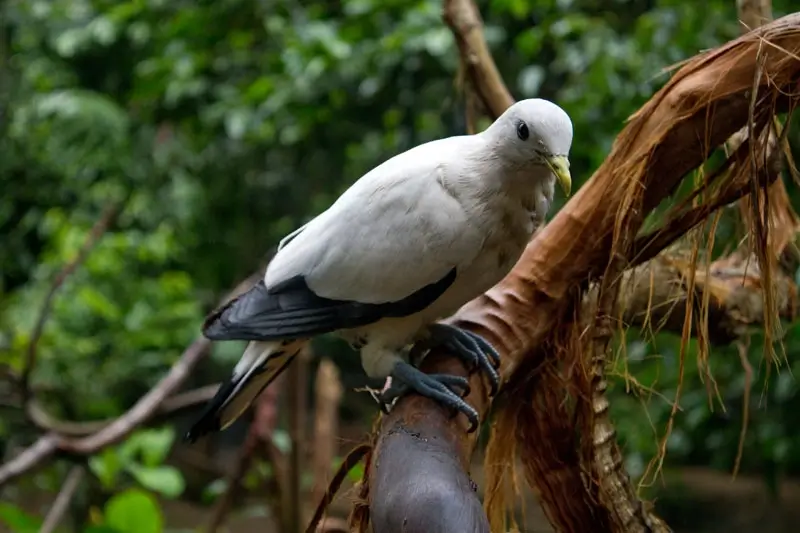
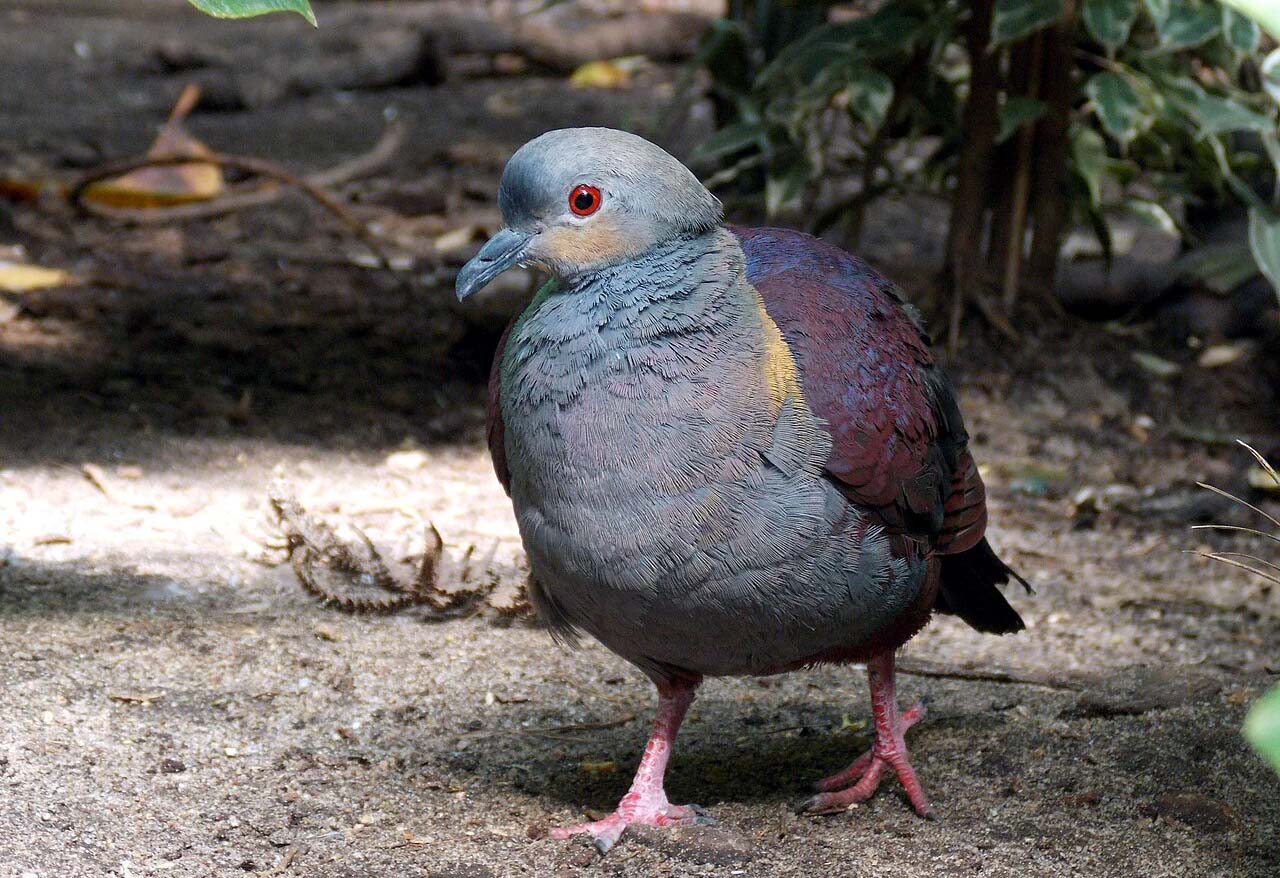
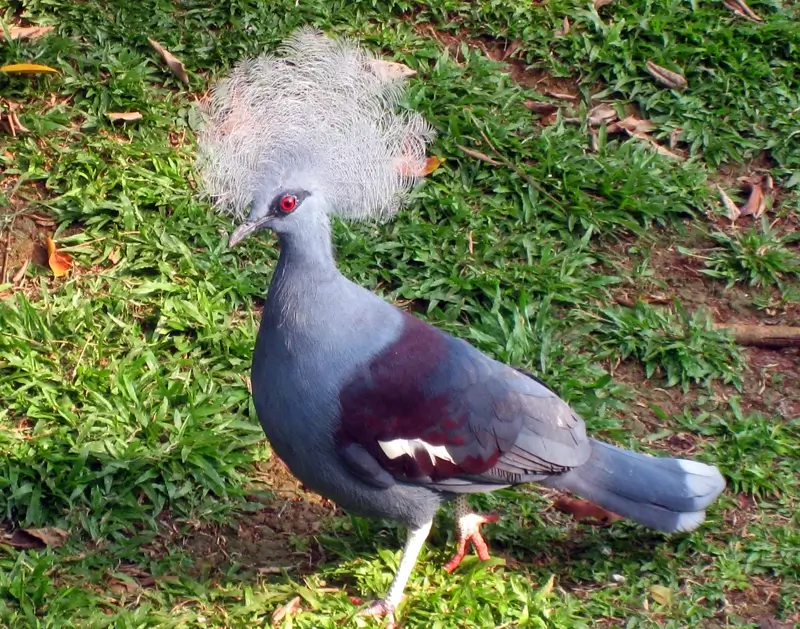
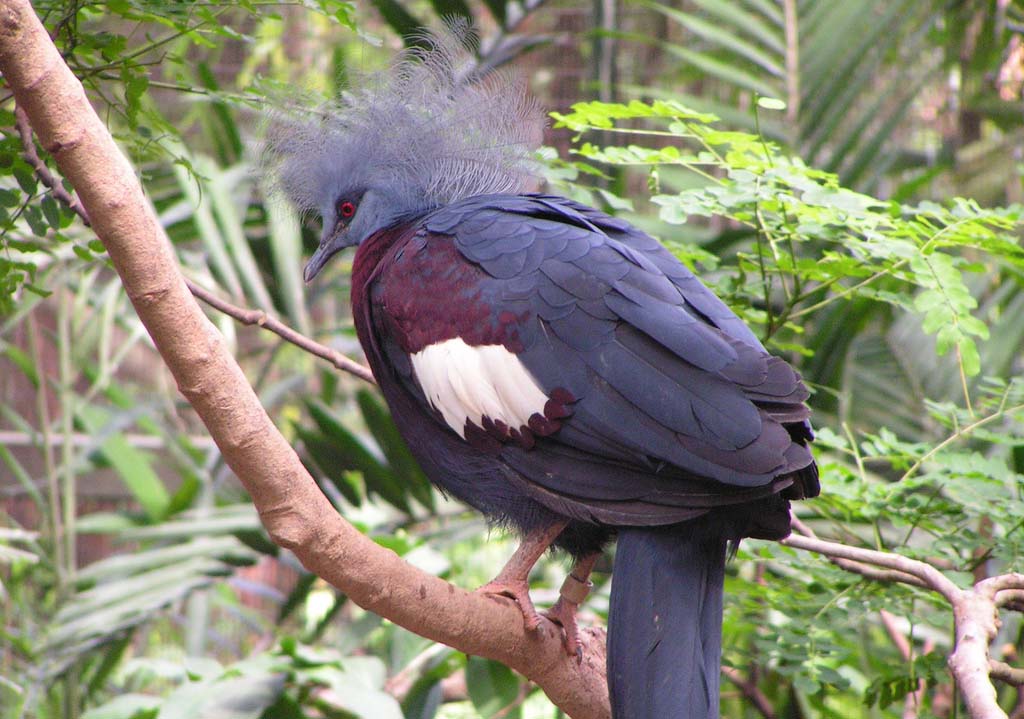
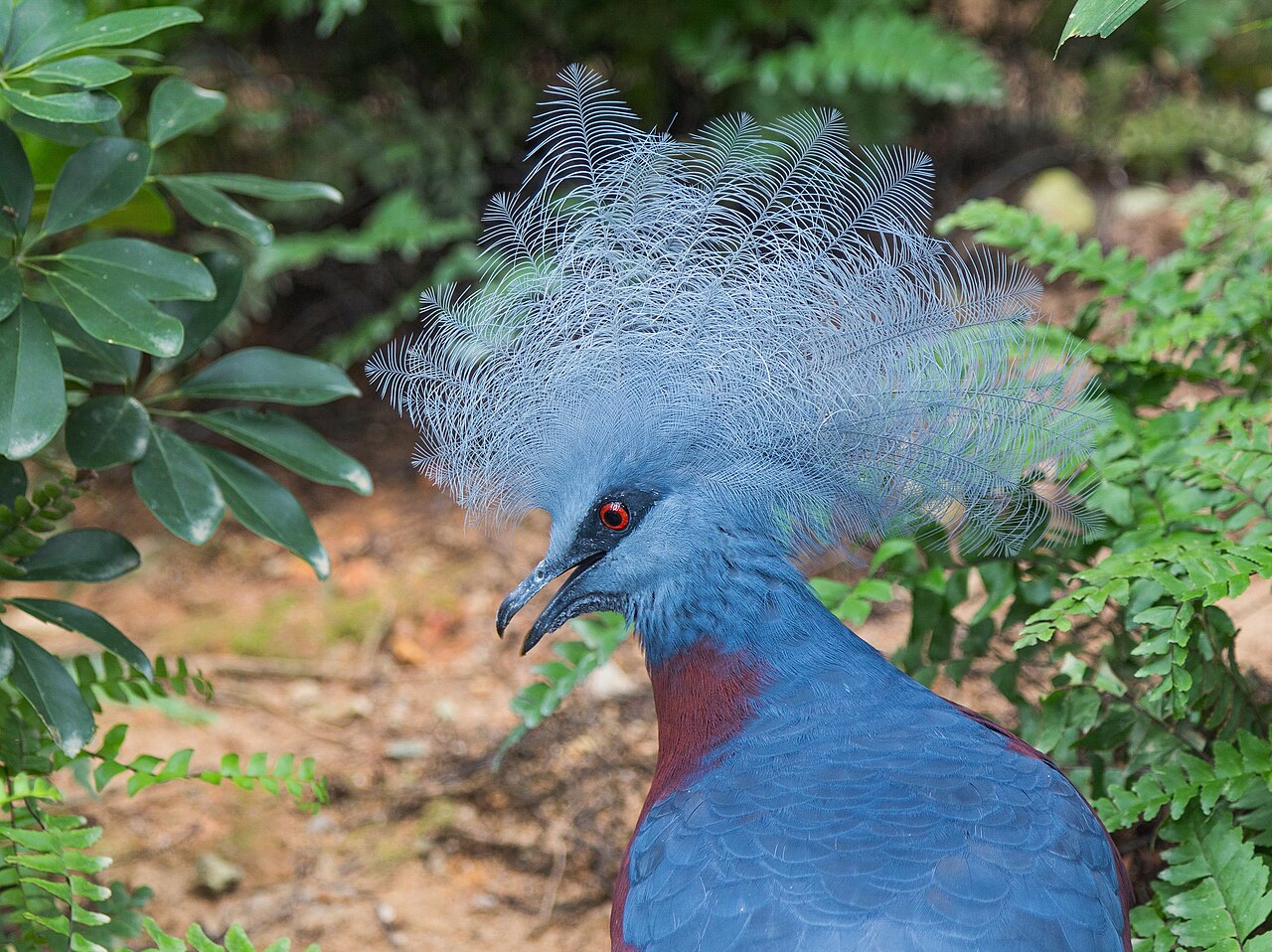
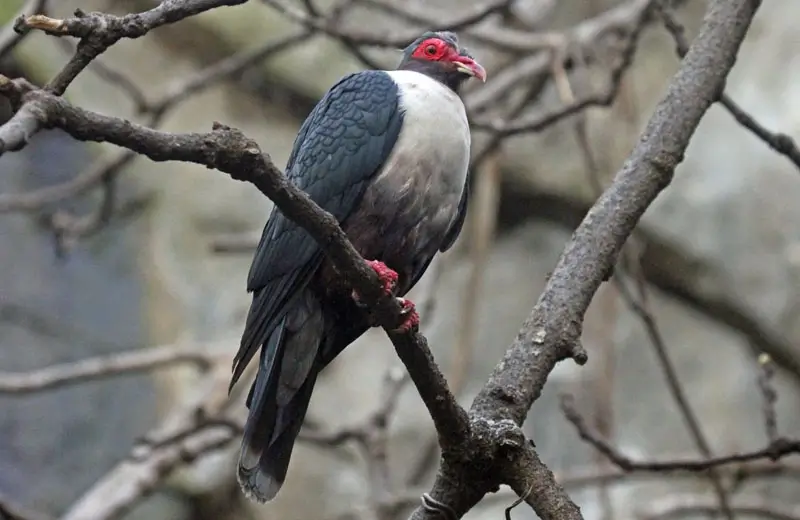
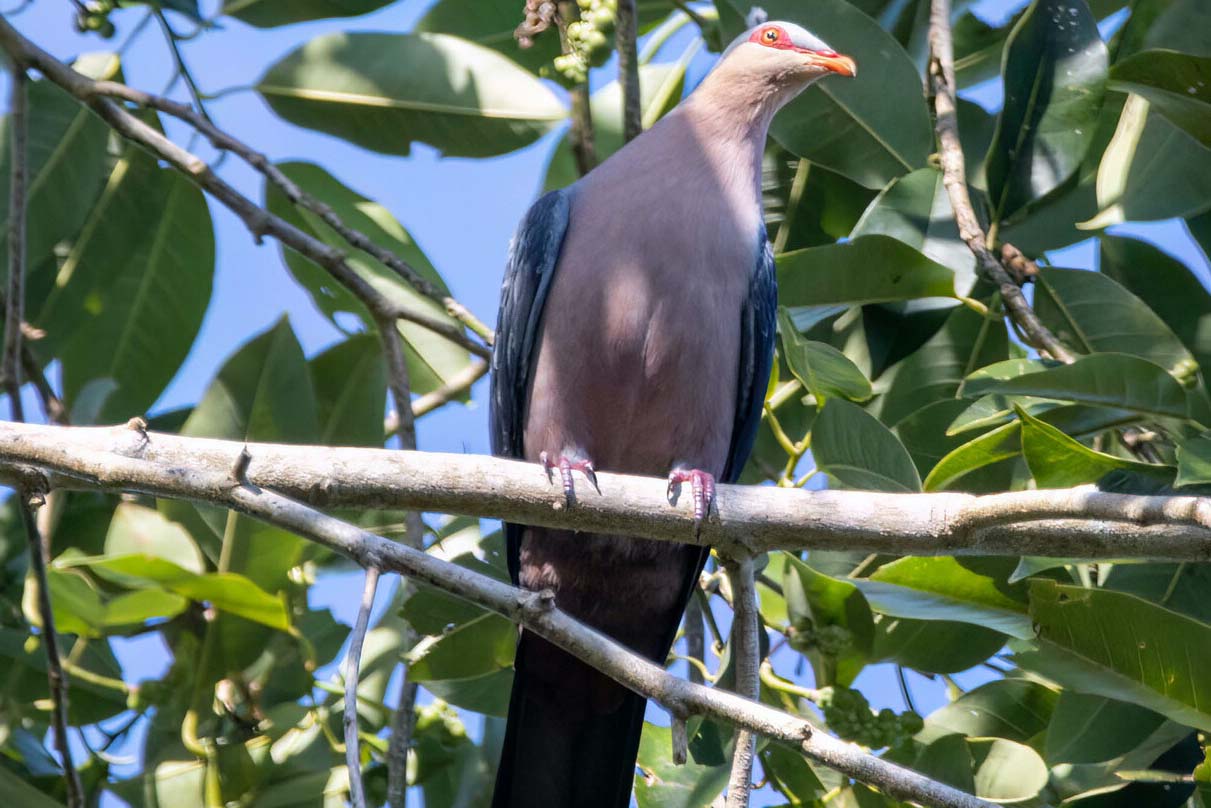
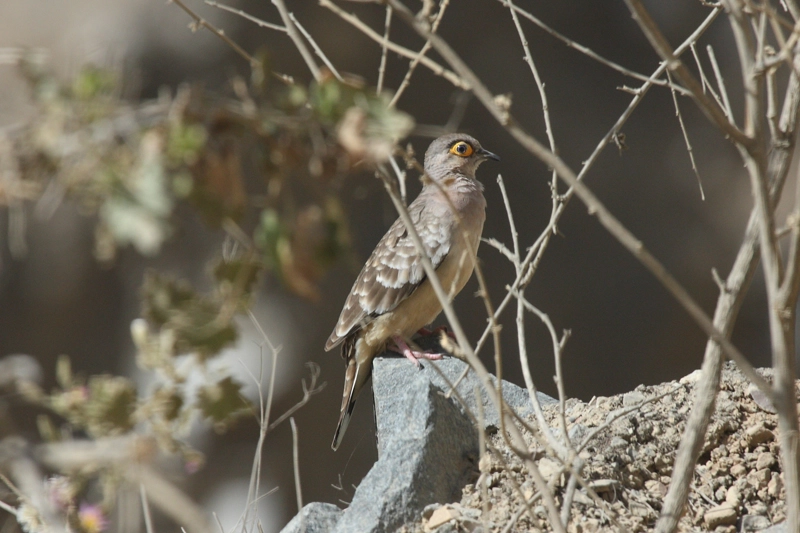
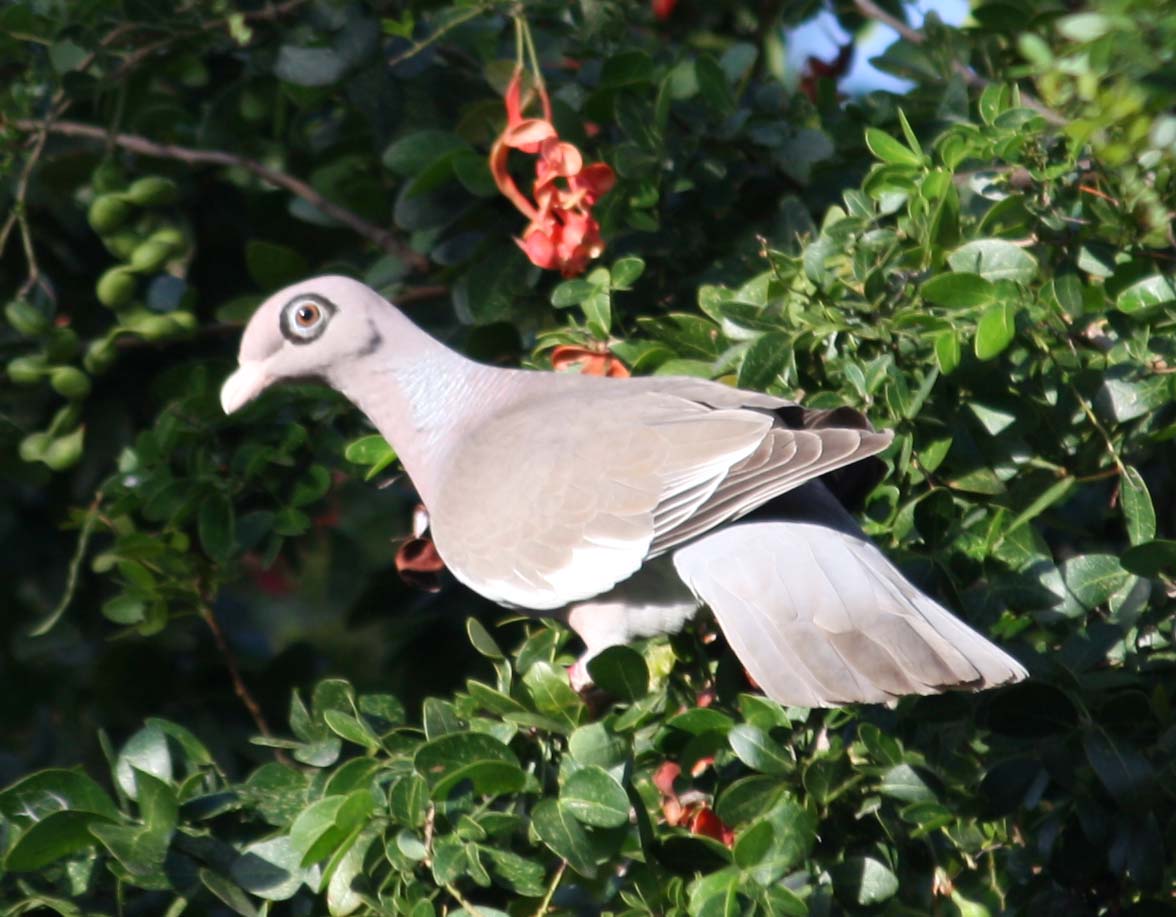
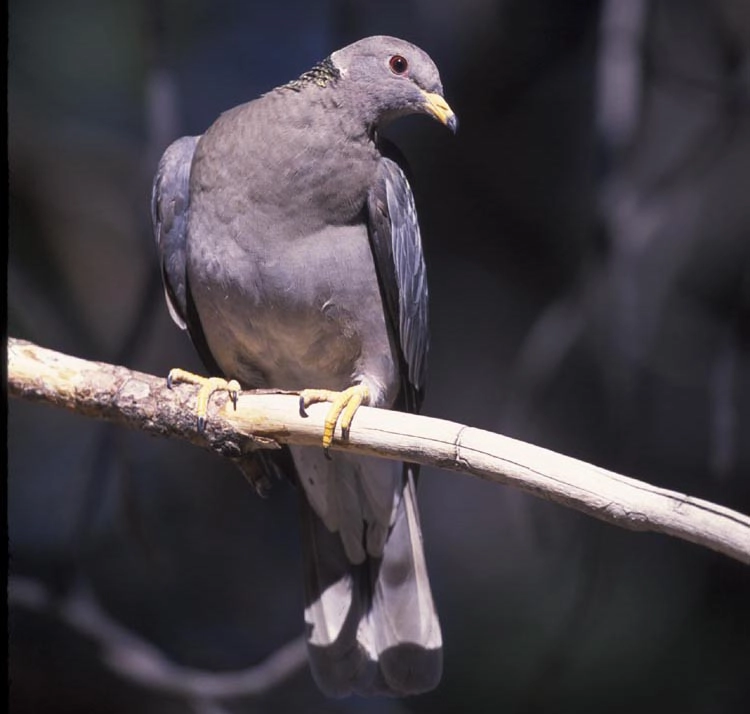
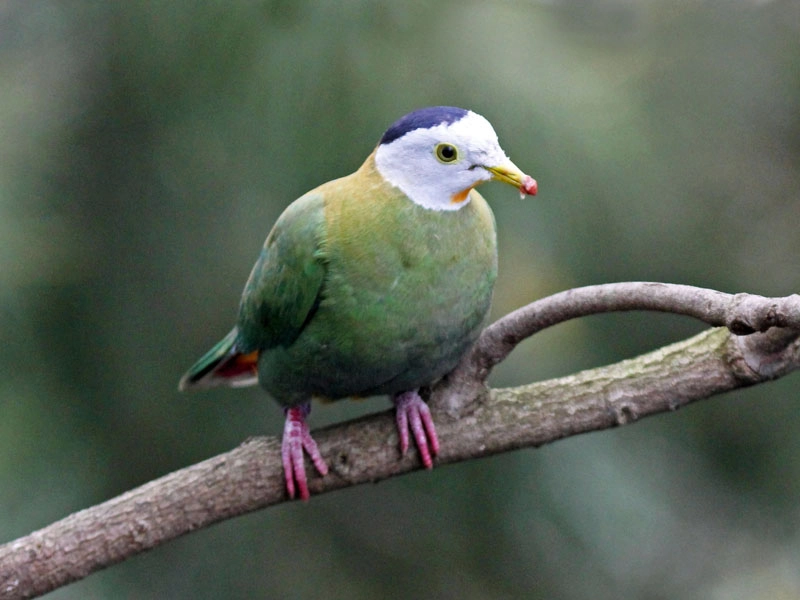
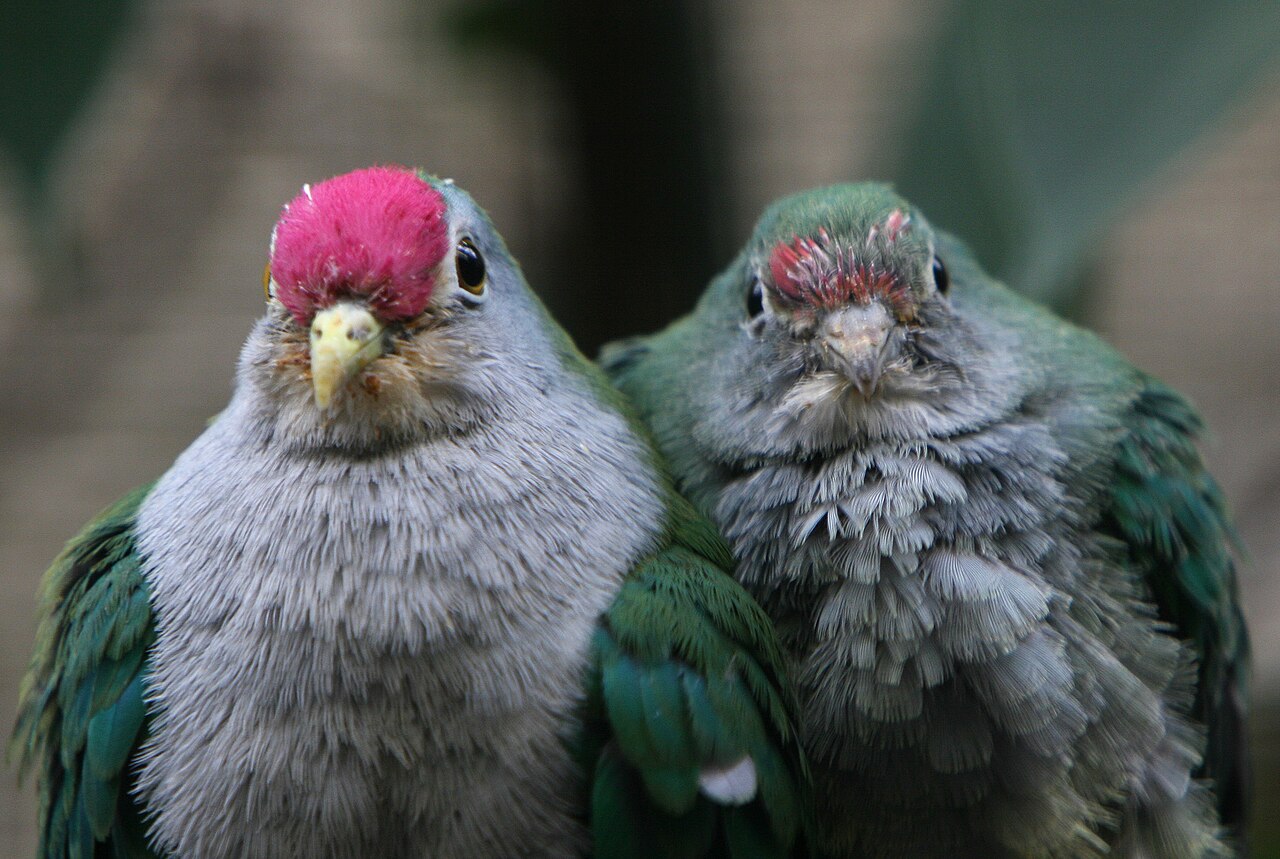
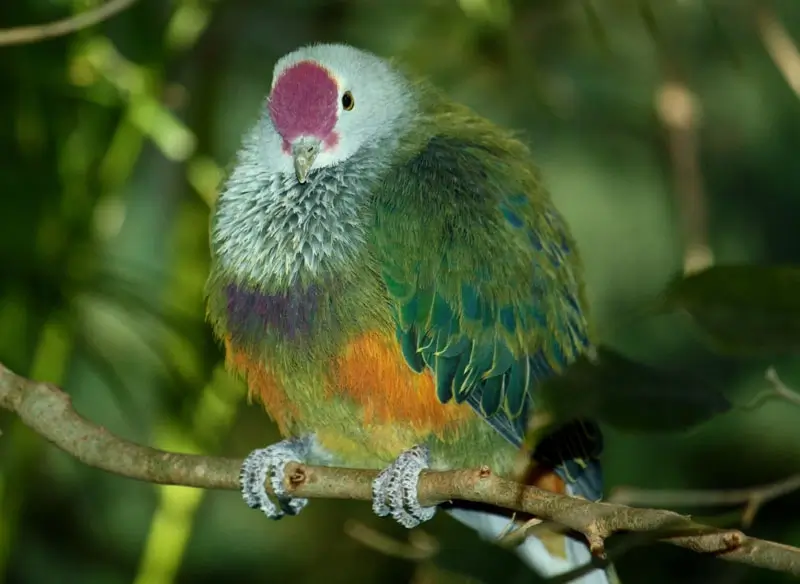
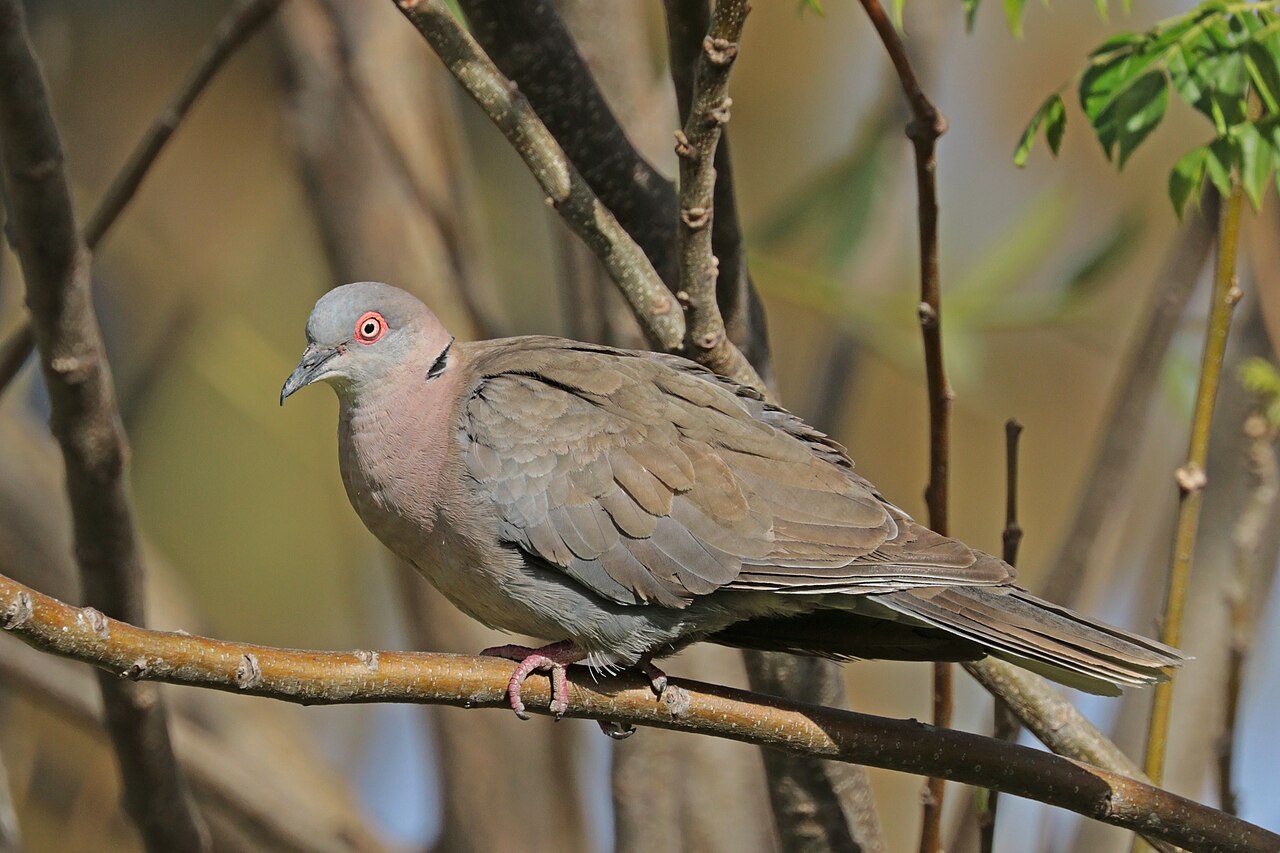
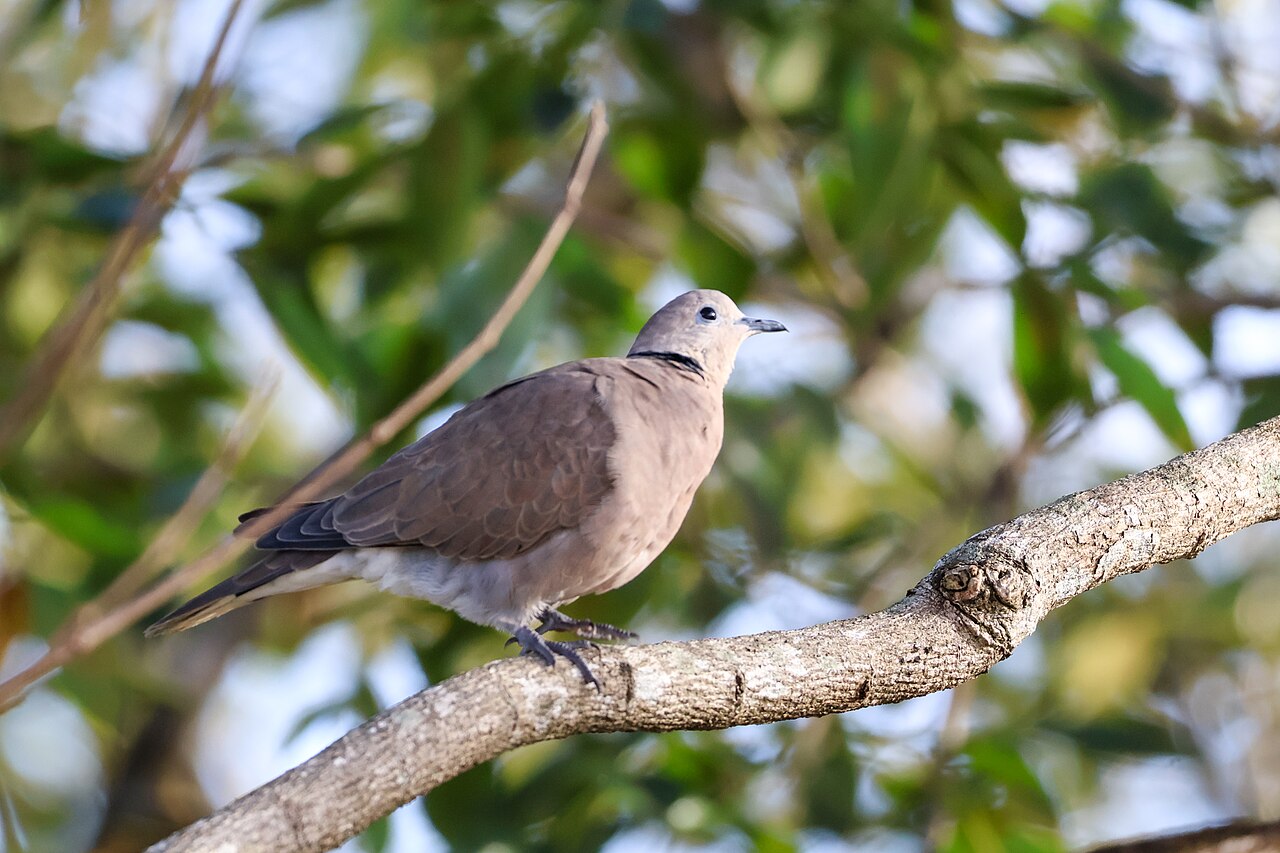
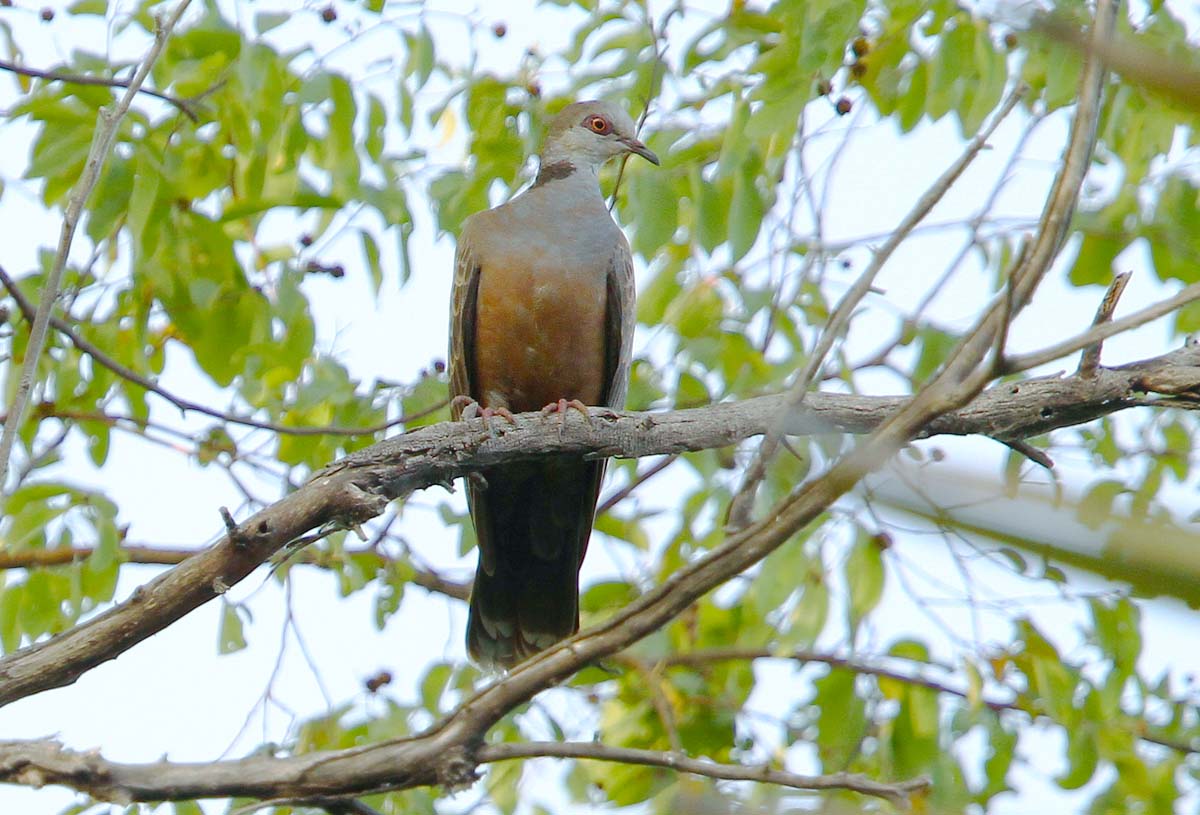
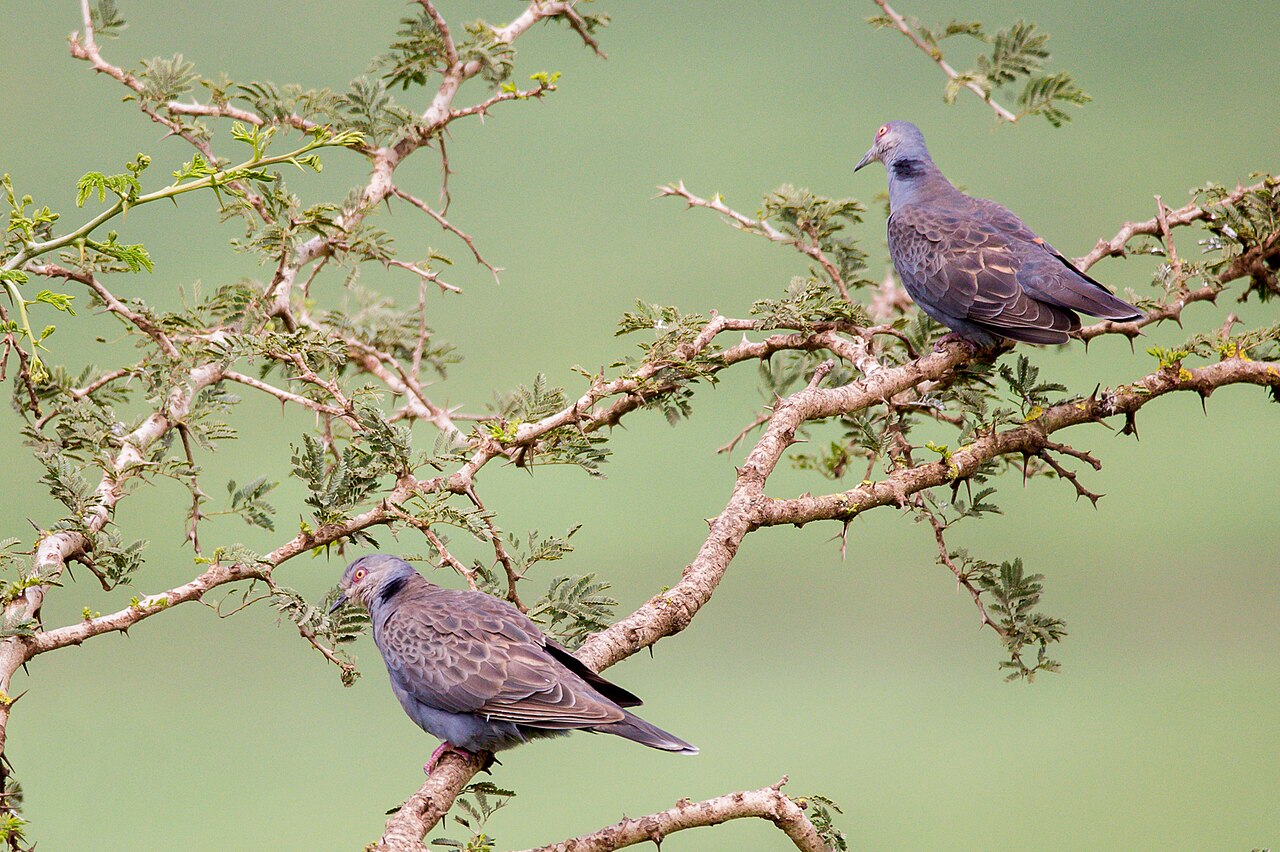
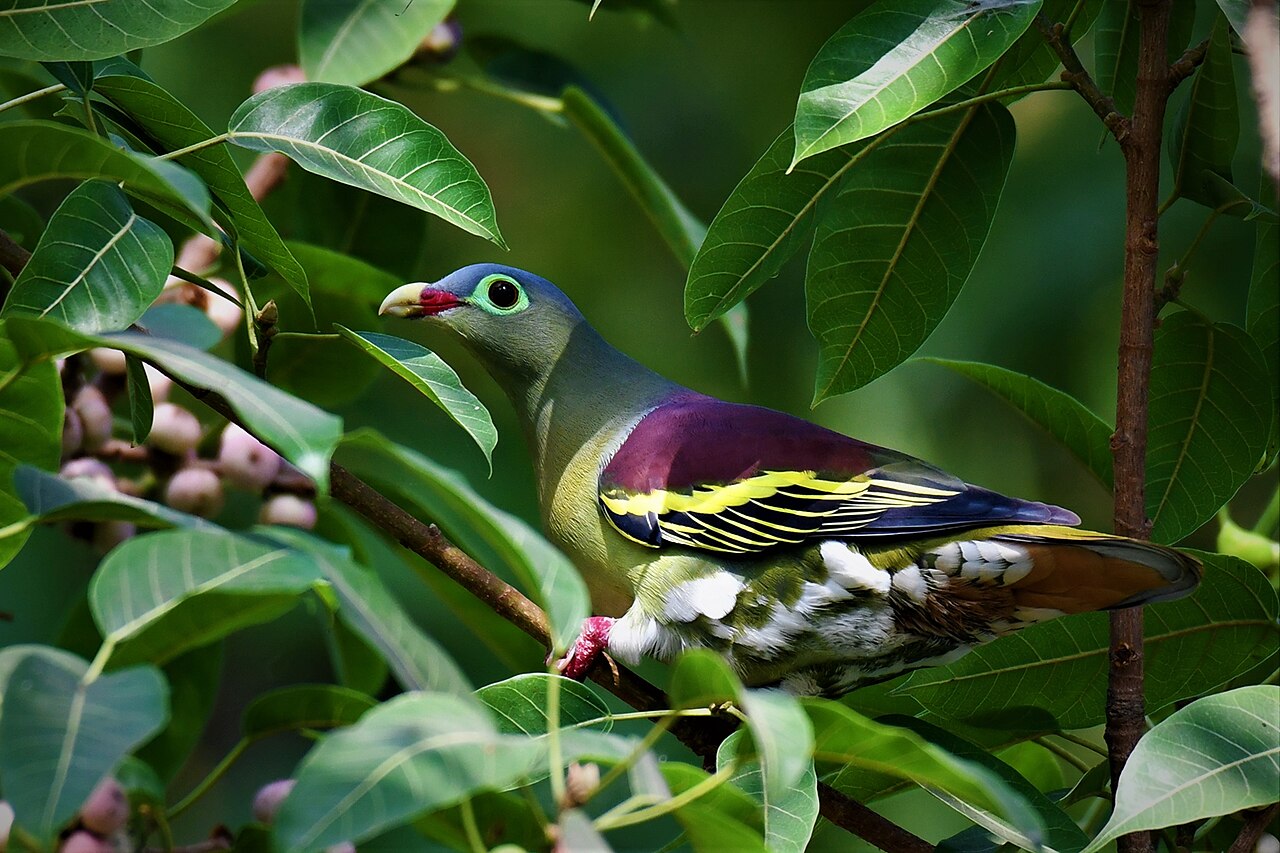
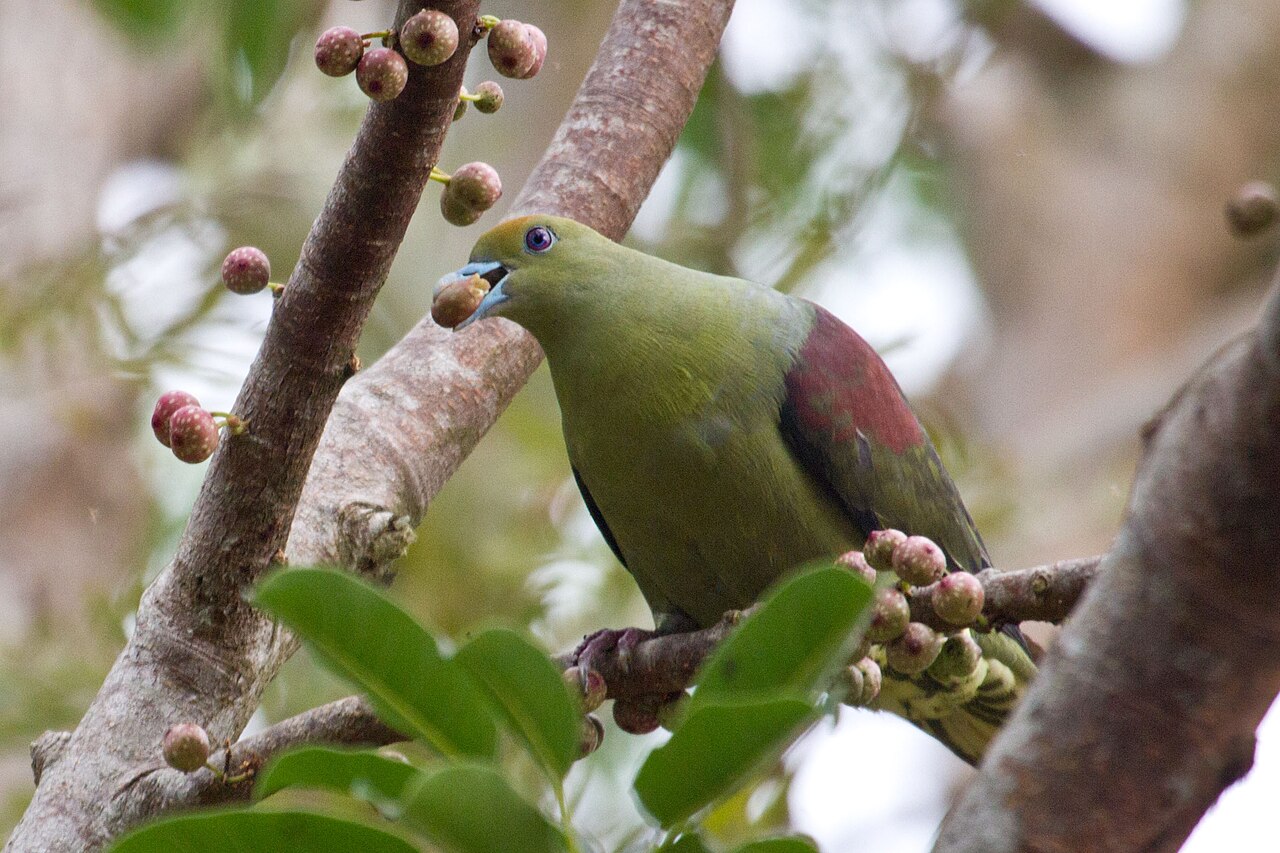
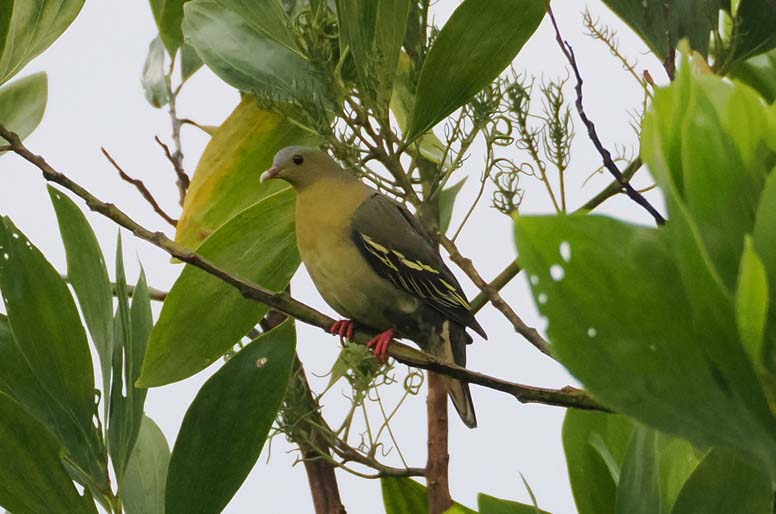
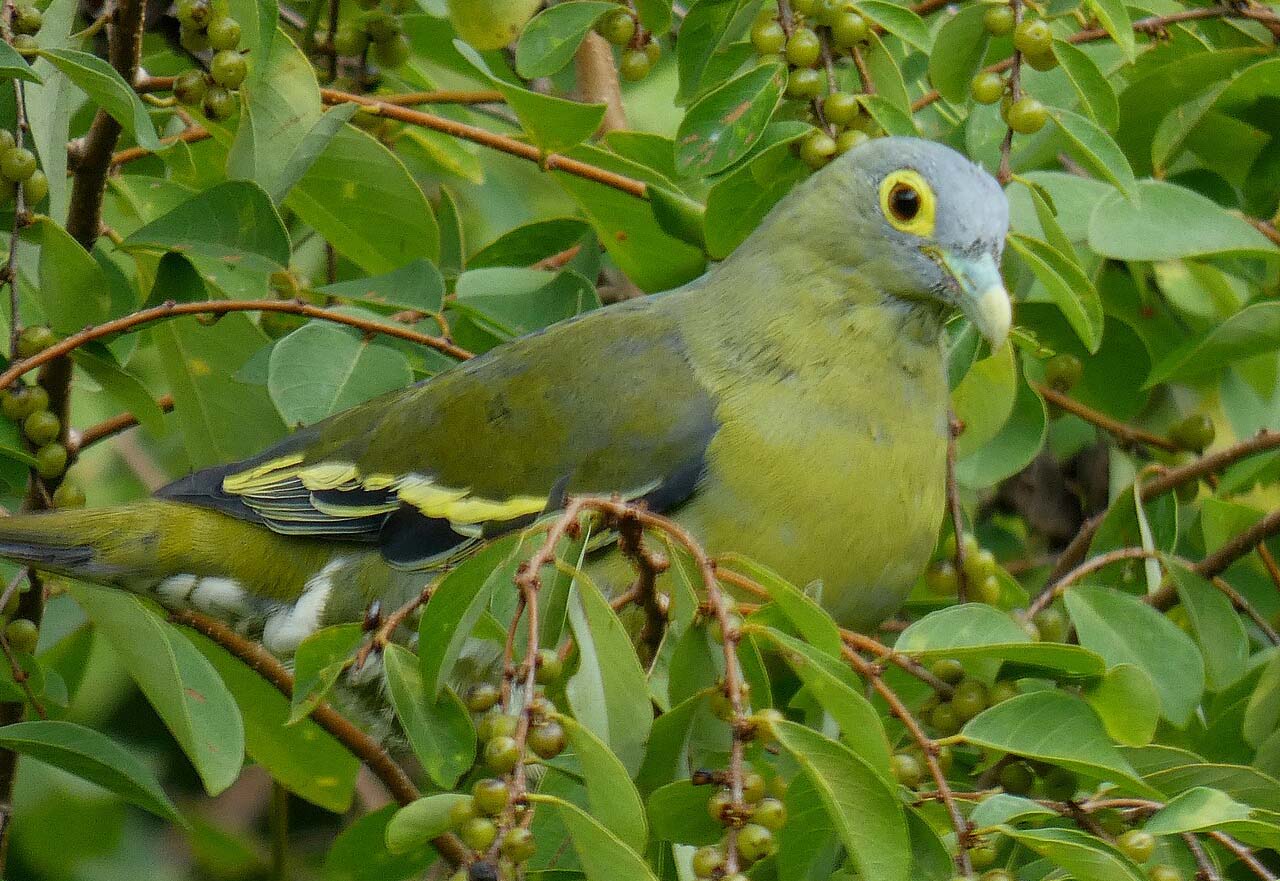
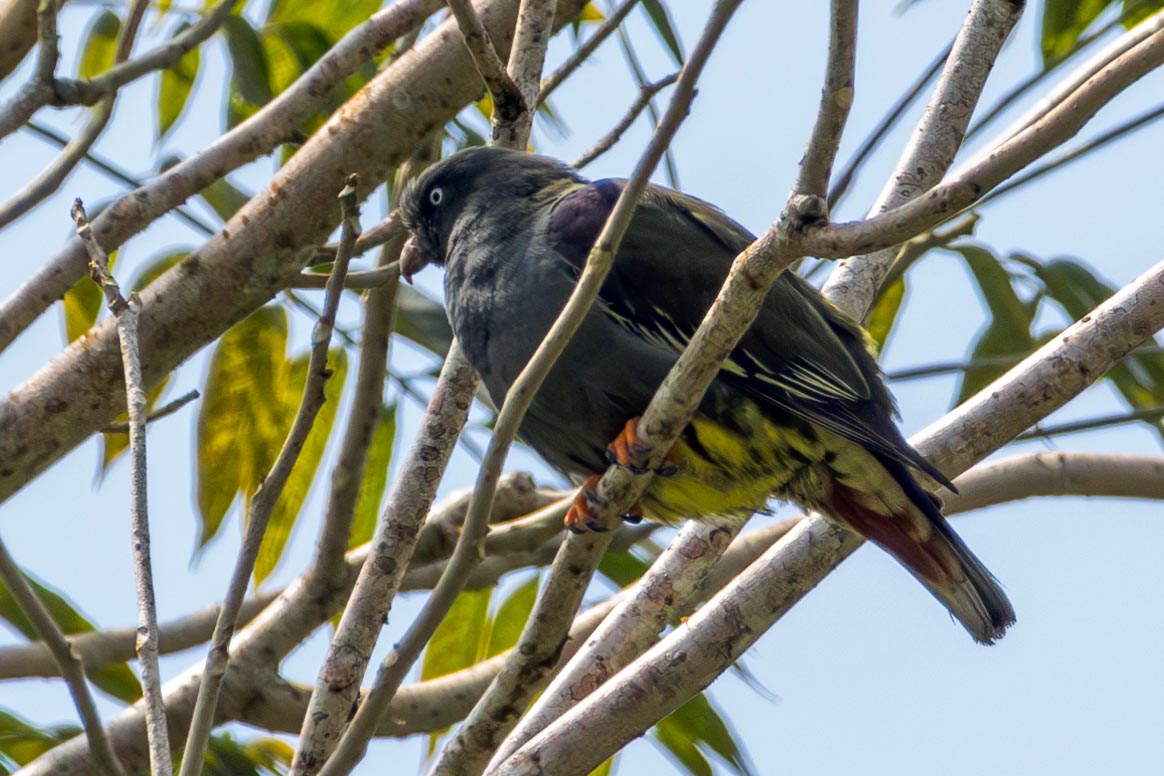
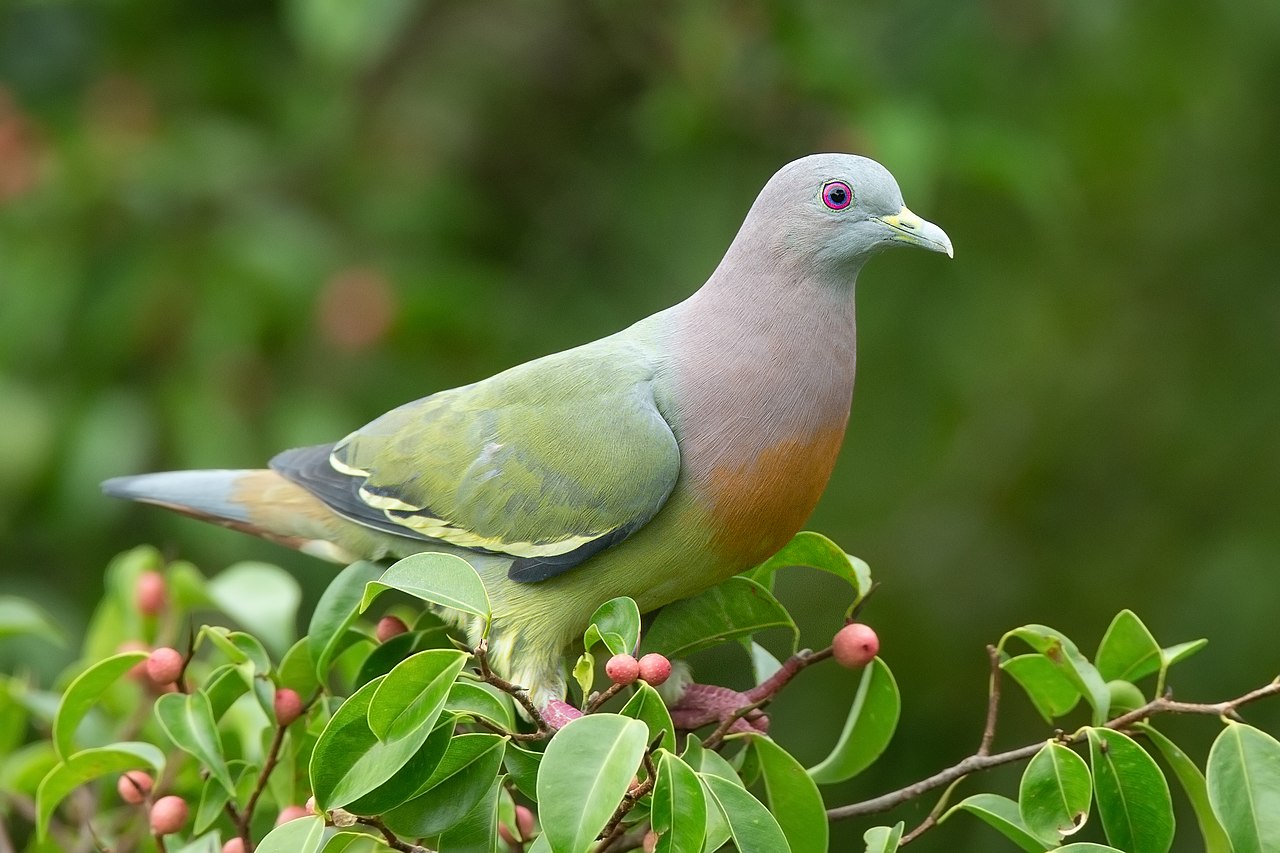
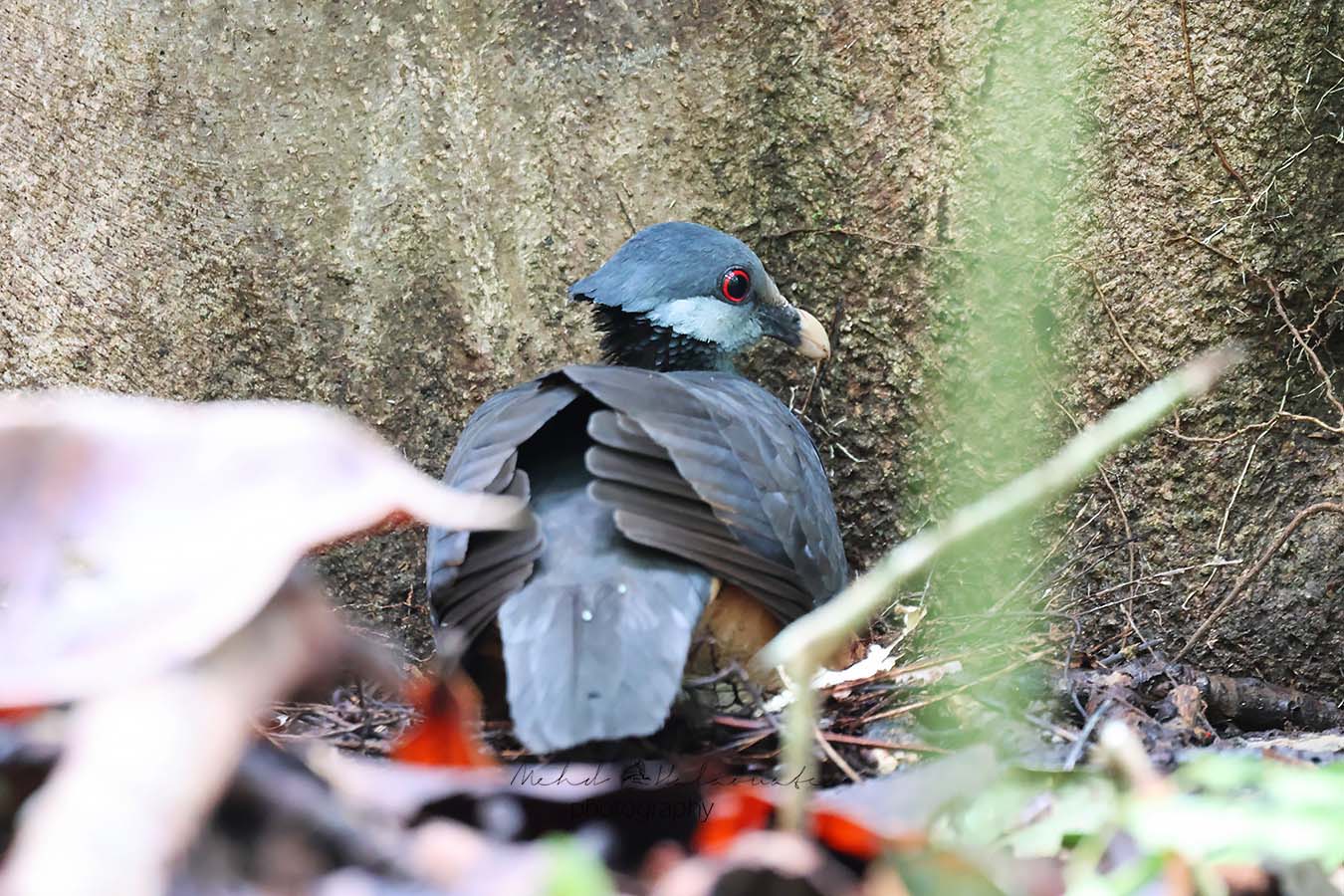
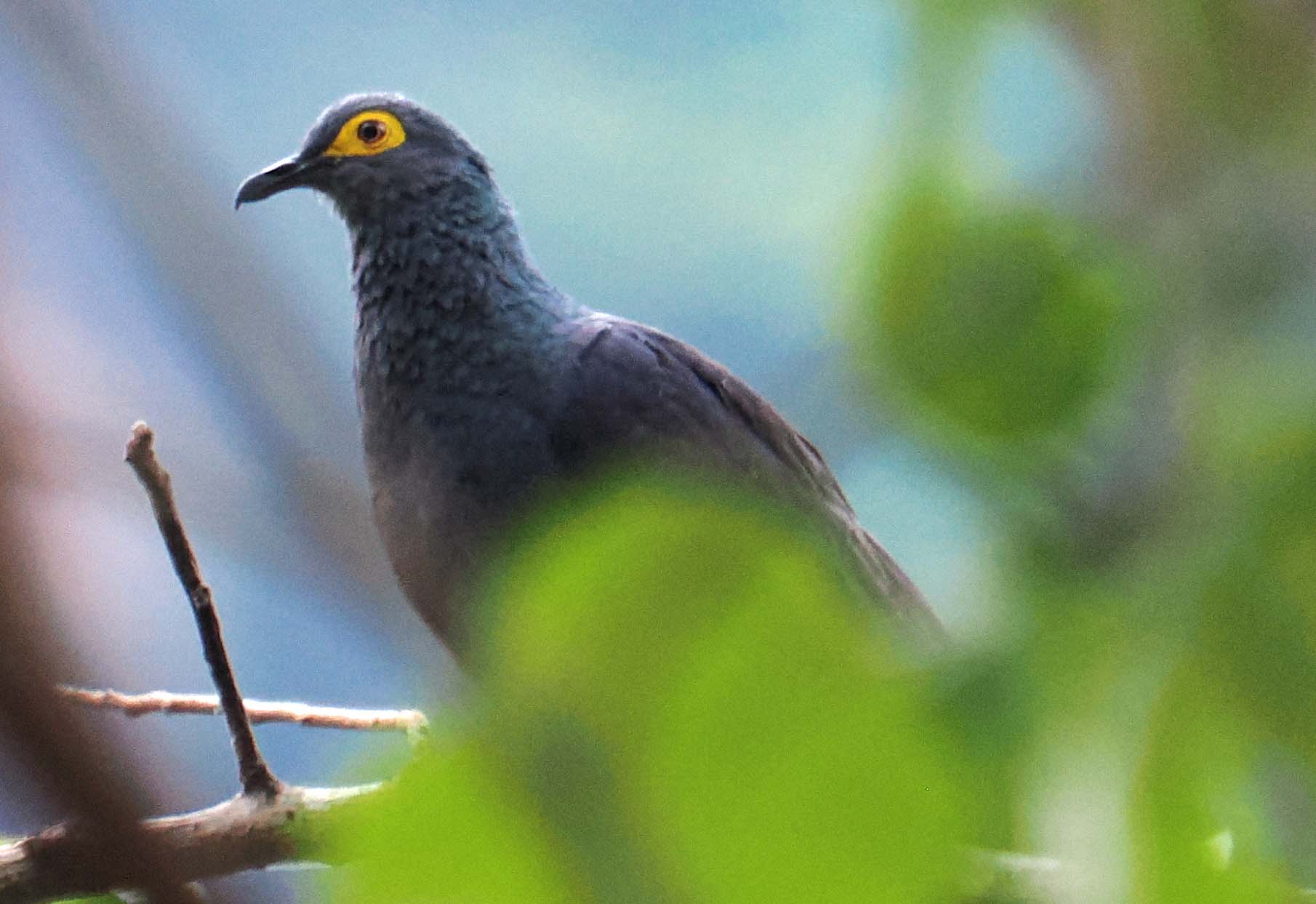
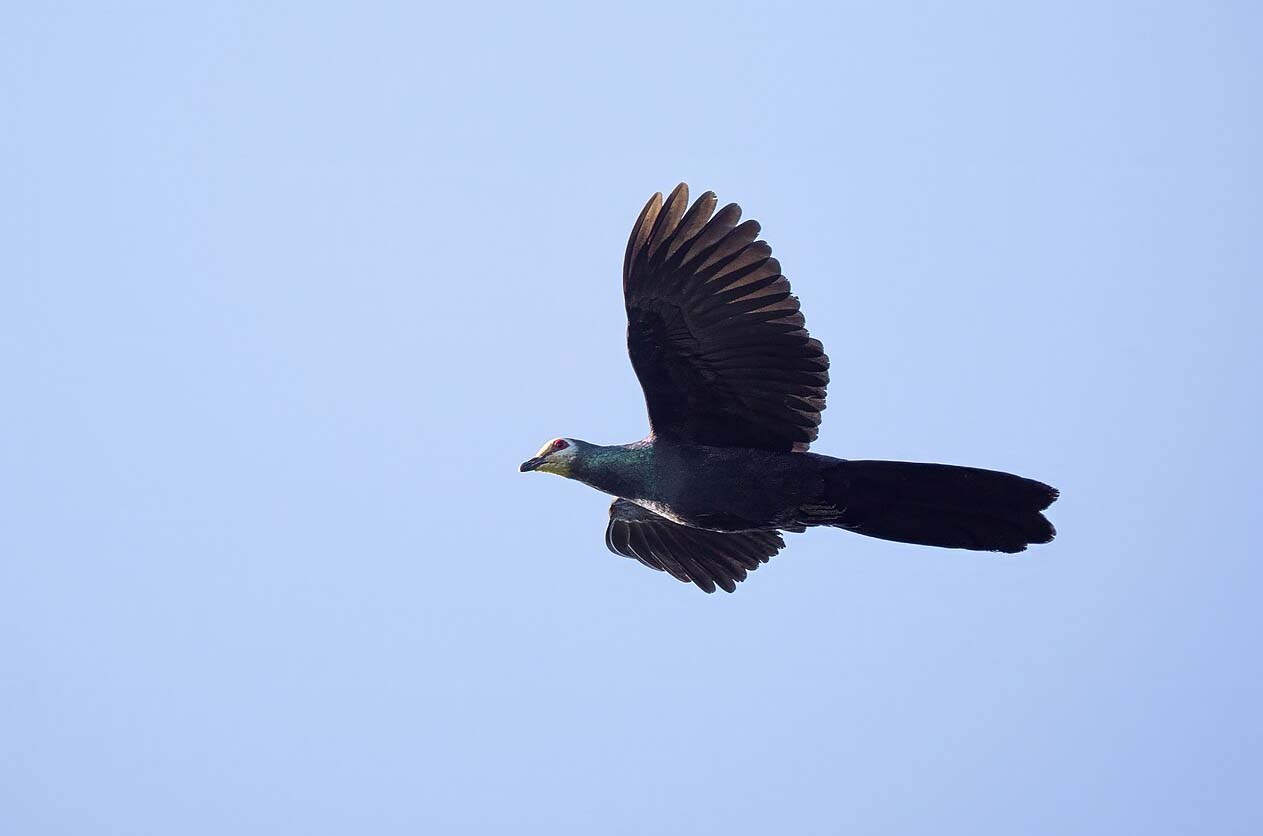
Pigeons and doves have small heads, plump bodies, and short necks. They also have short bills with a soft, fleshy covering at the base called a cere. Many species have a ring of bare skin around their eyes, which can appear in colors such as red, orange, yellow, blue, or white.
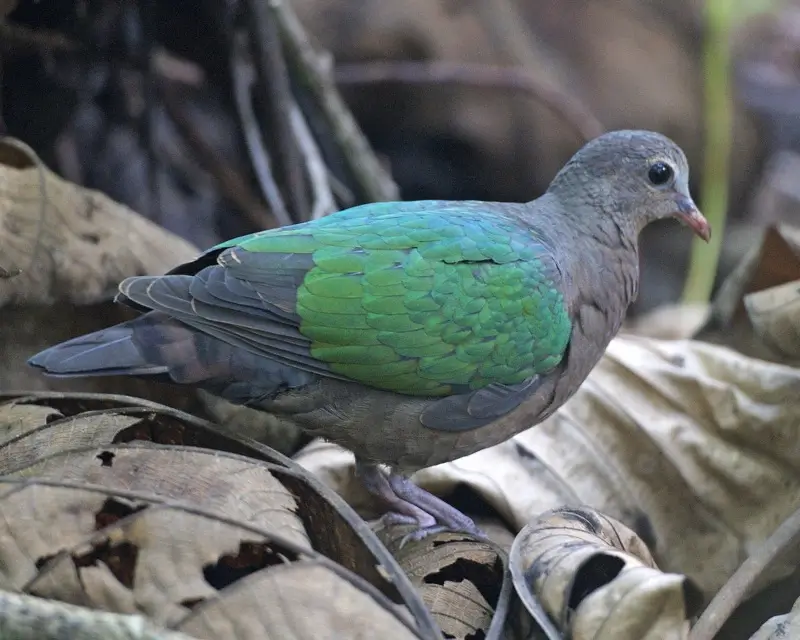
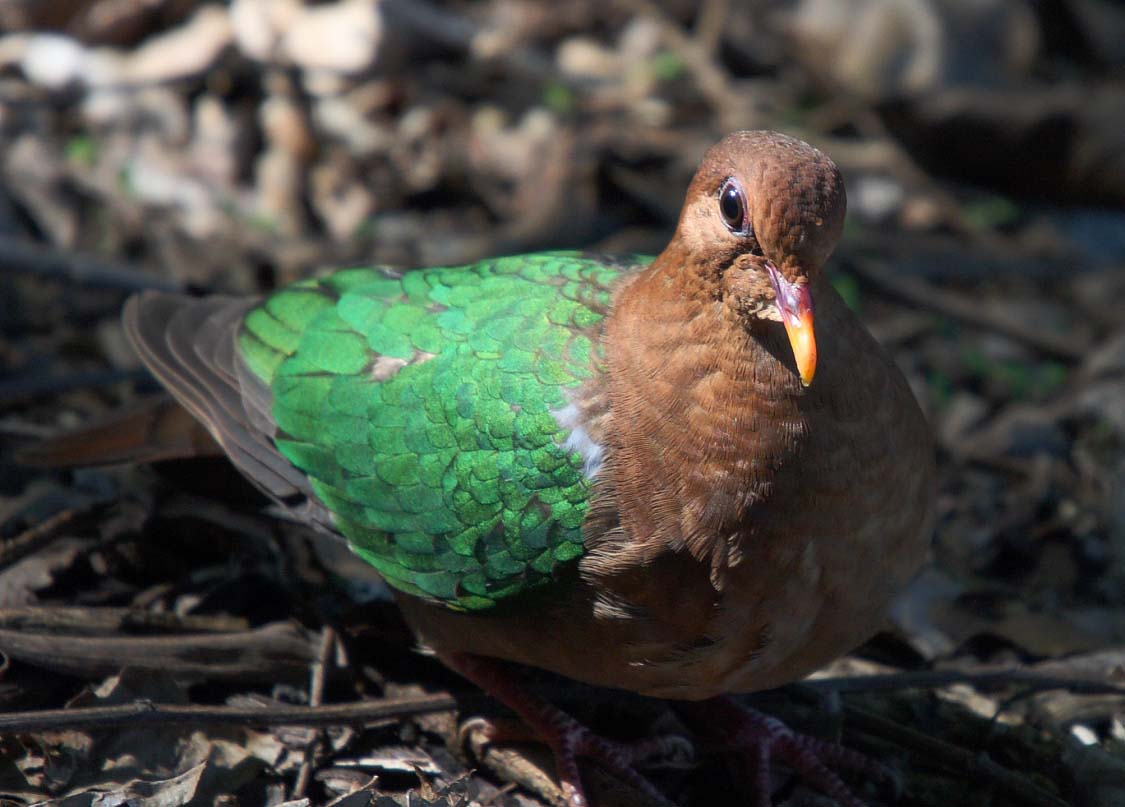
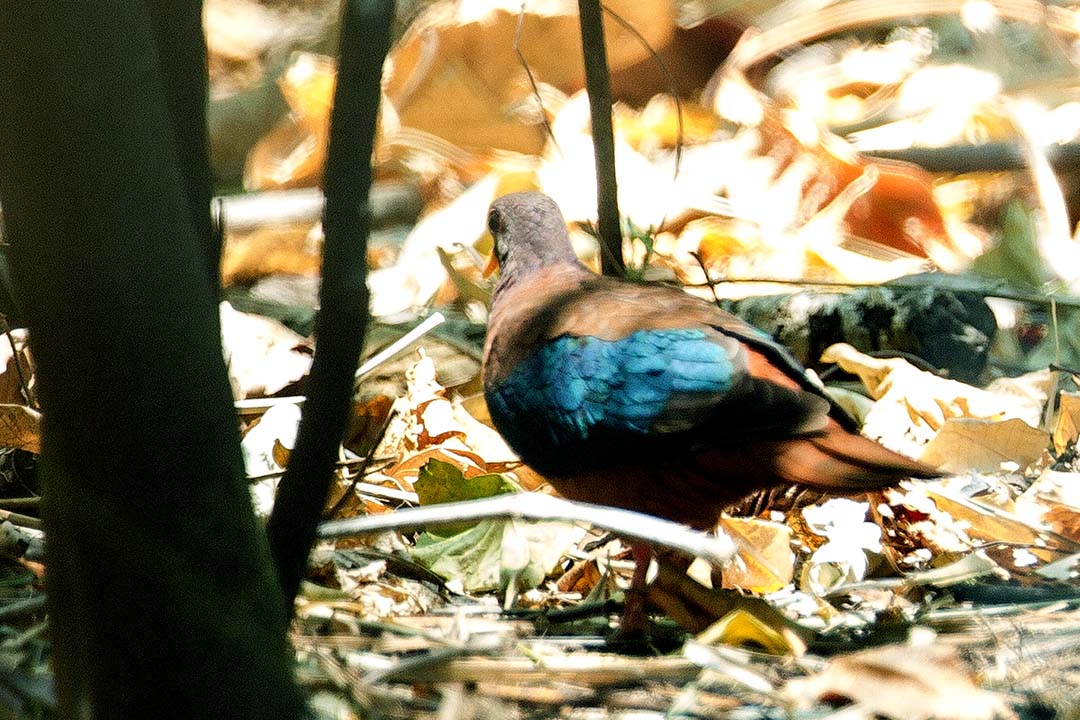
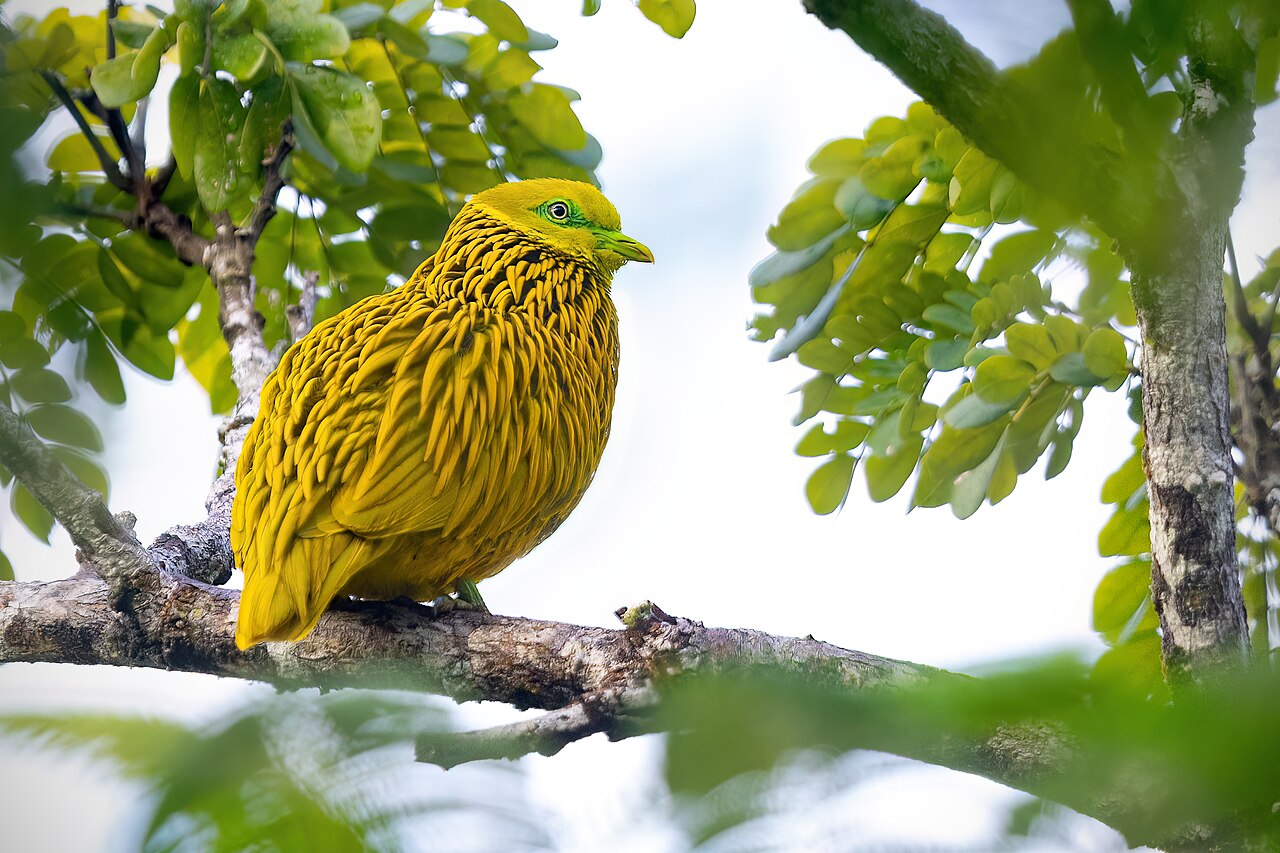
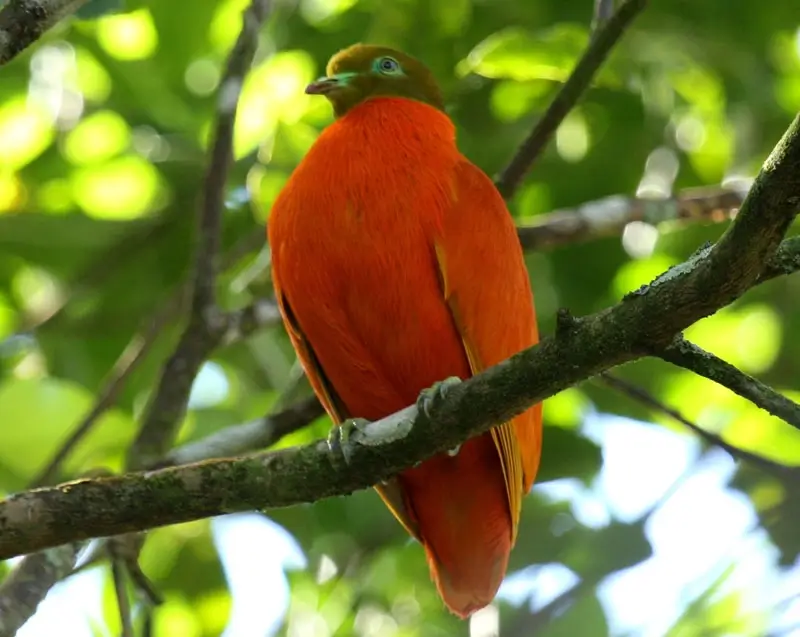
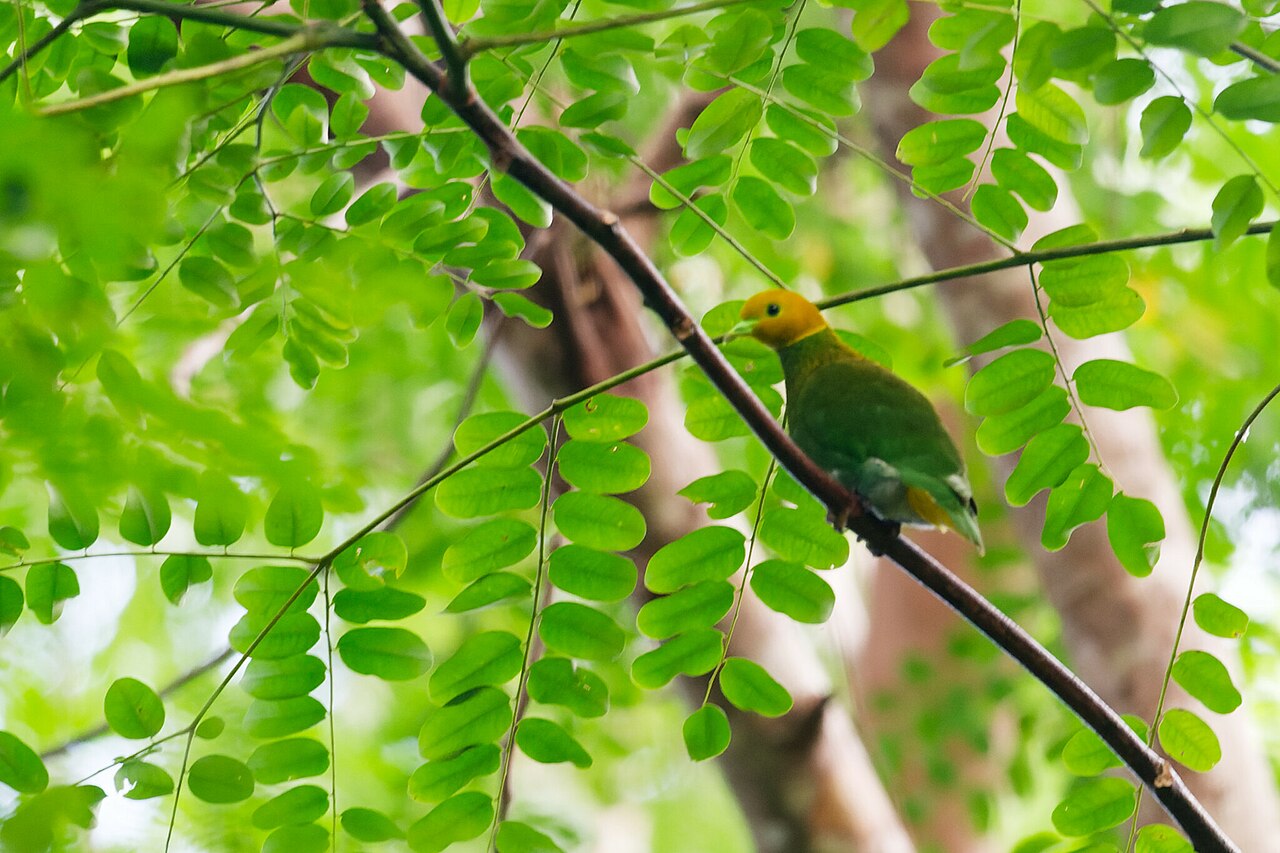
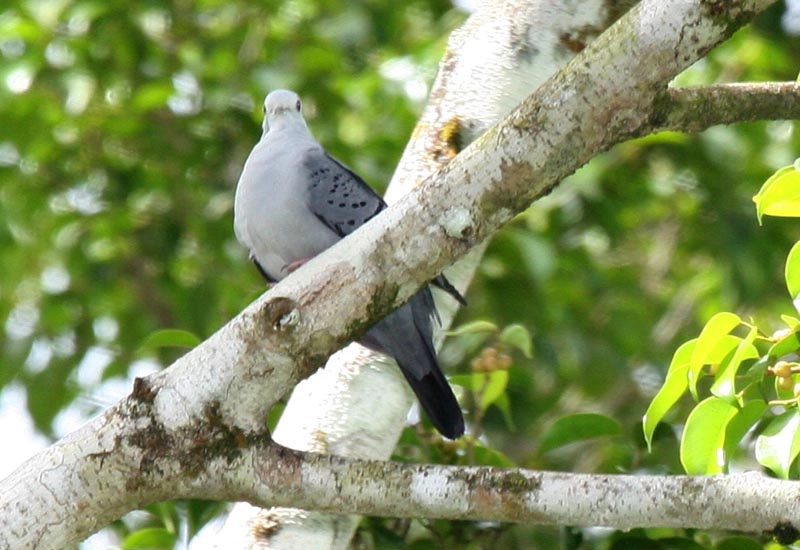
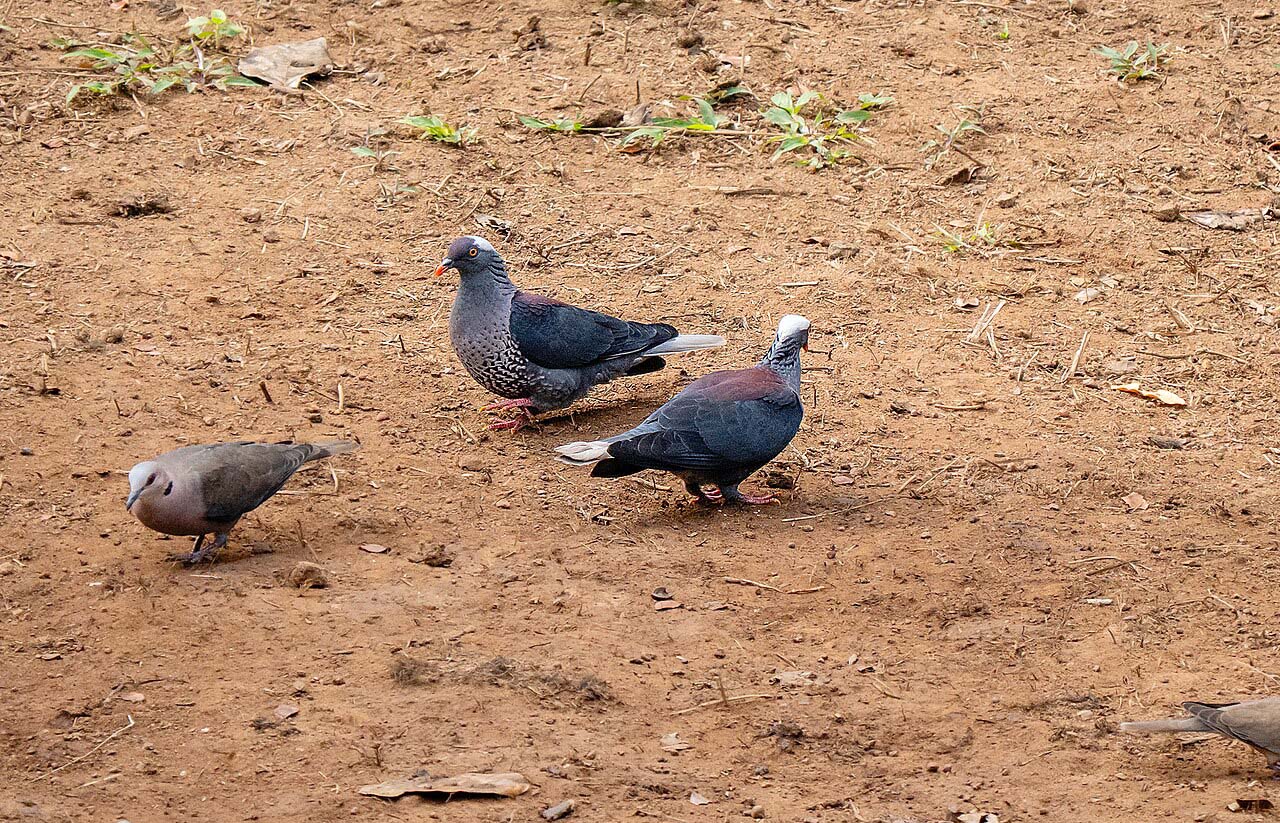
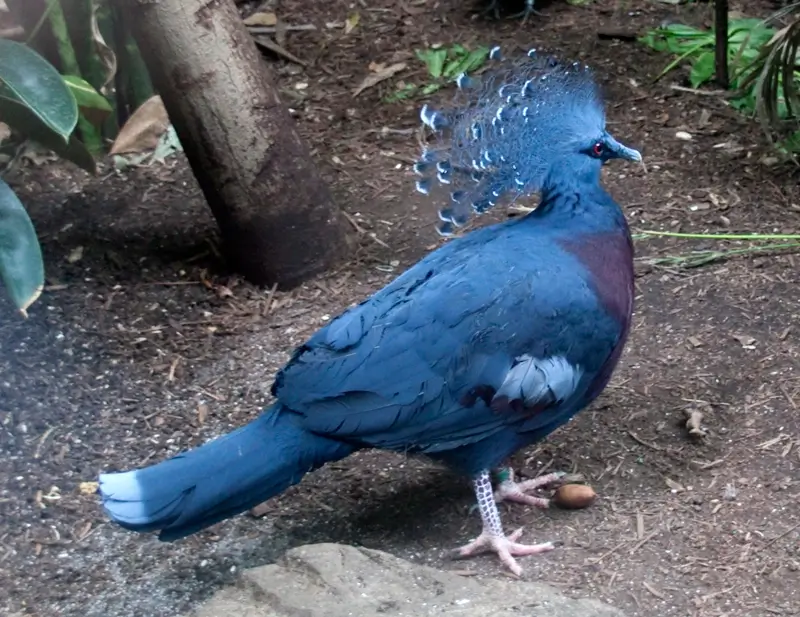
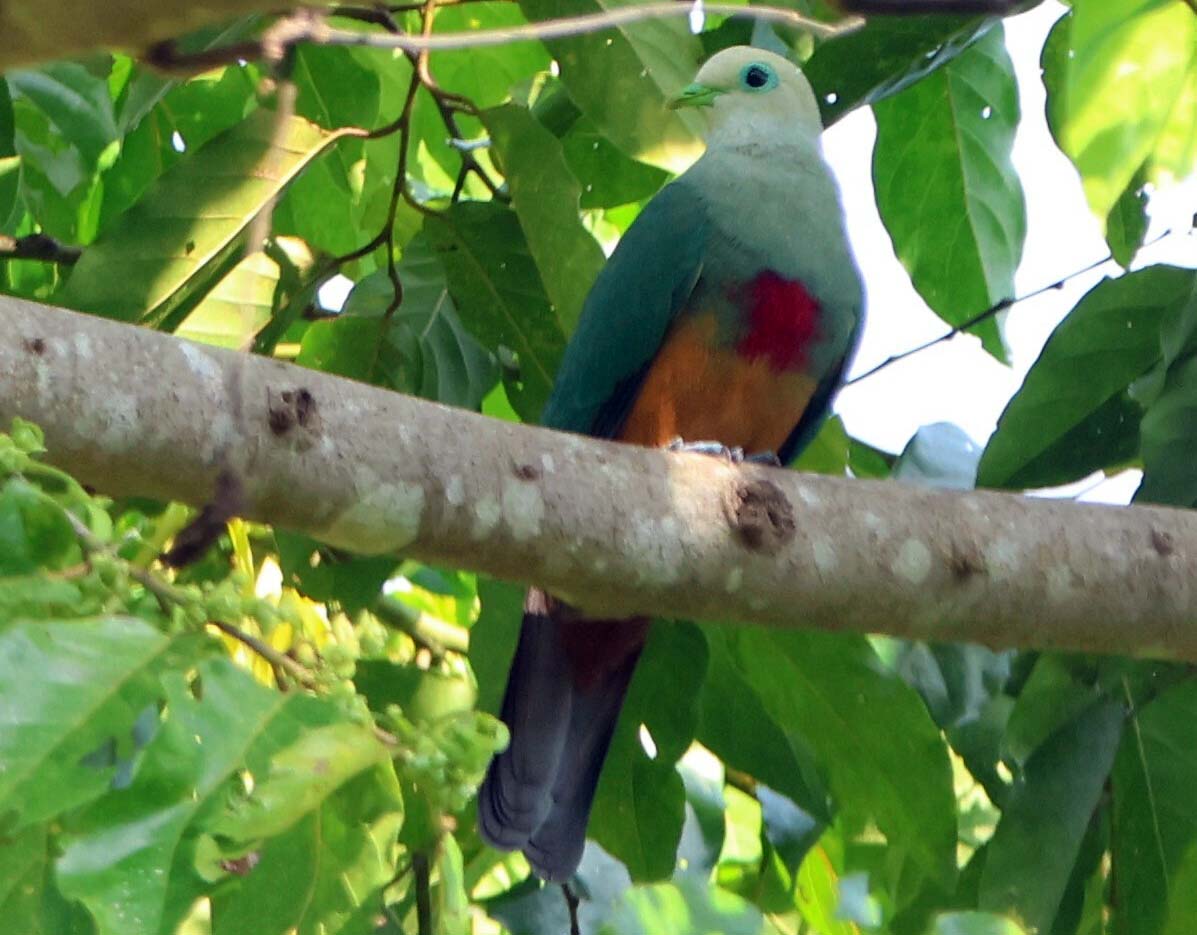
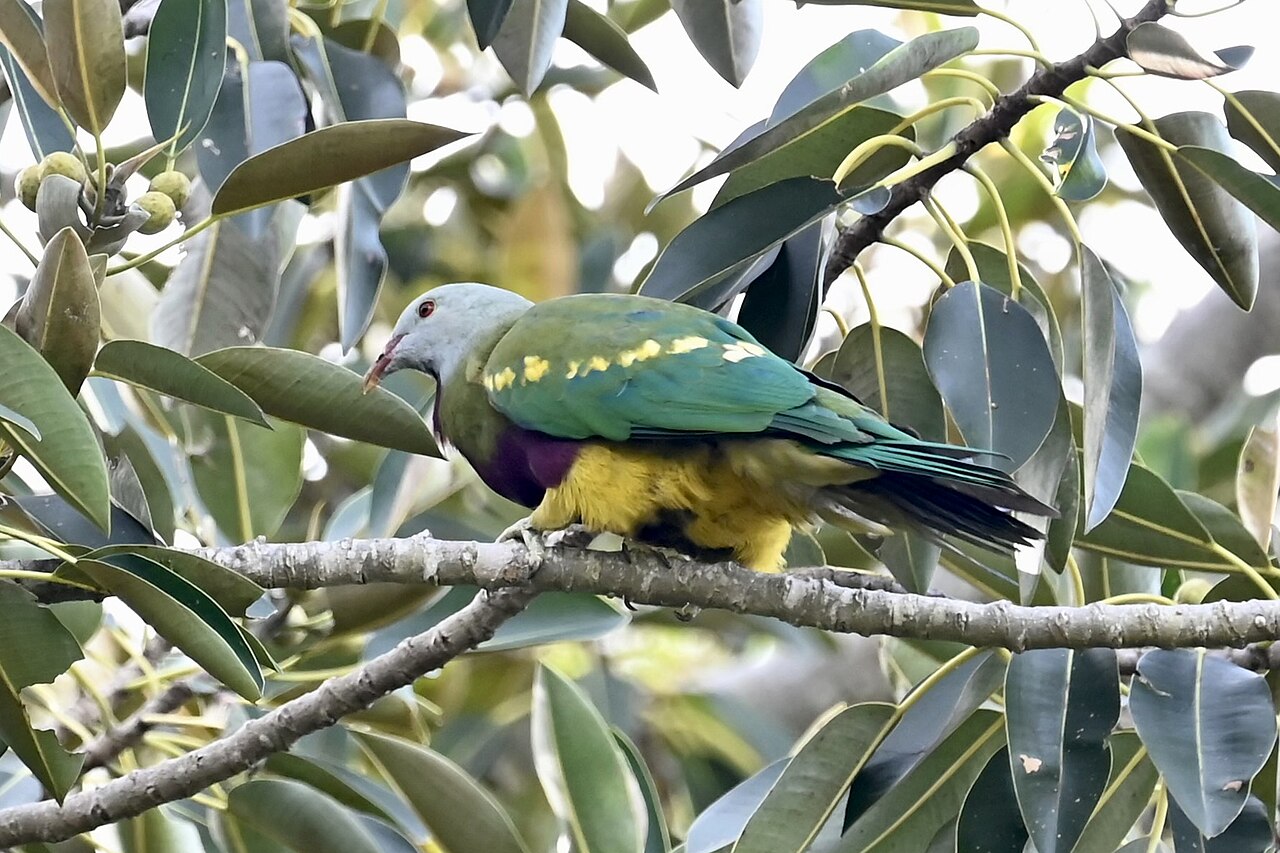
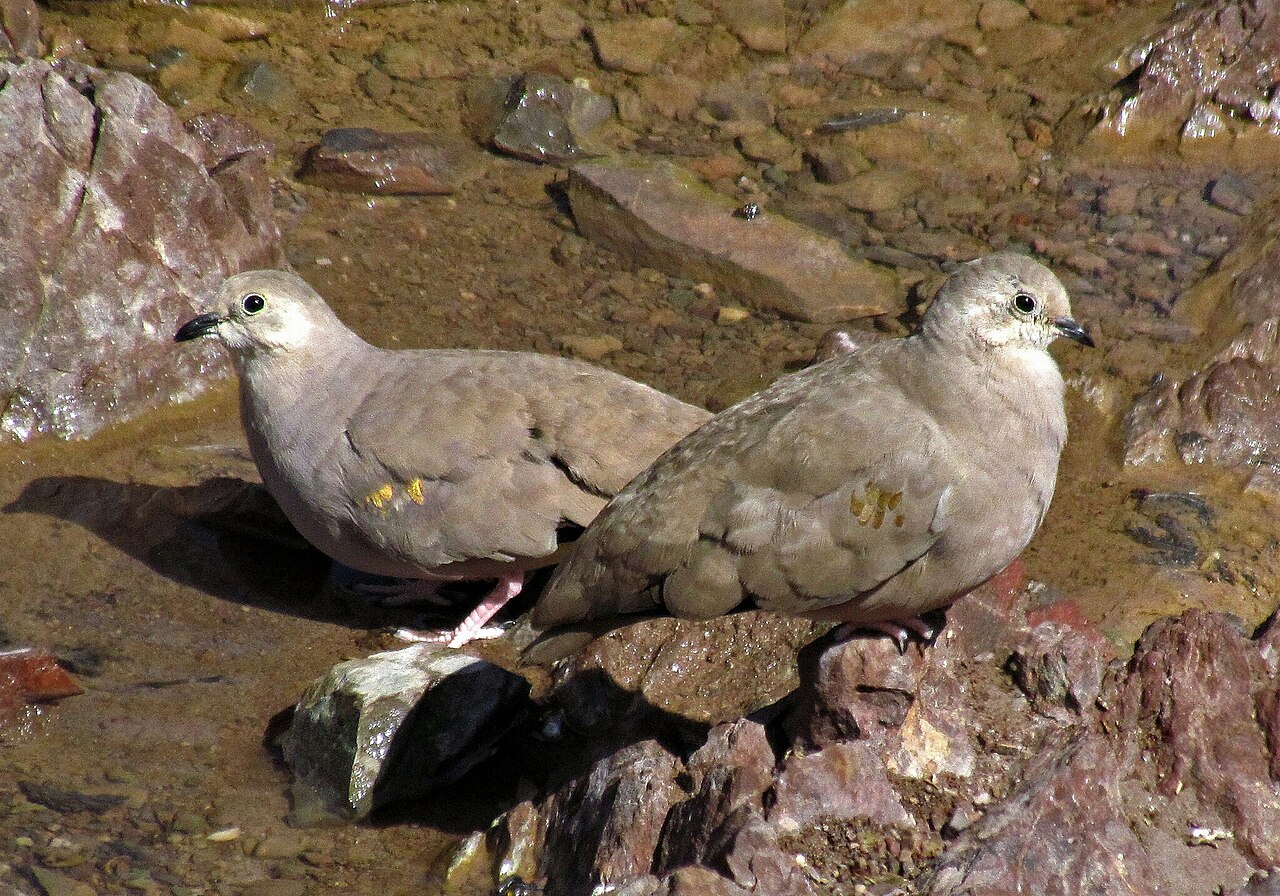
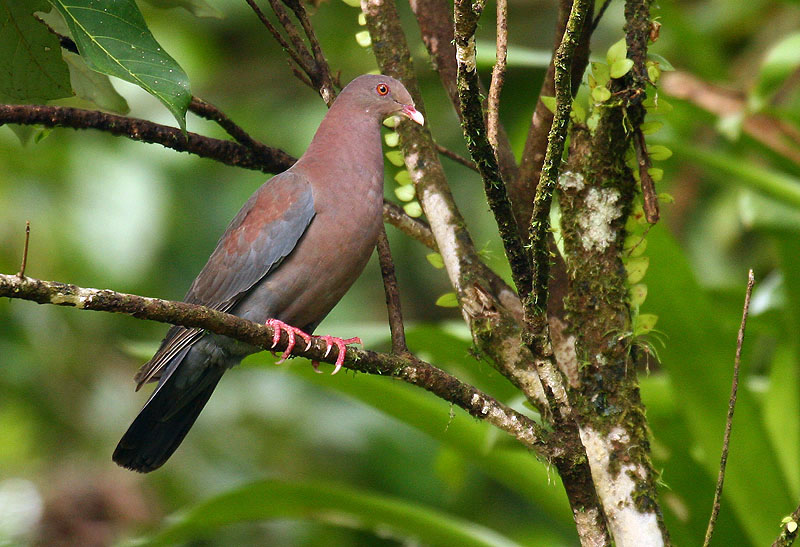
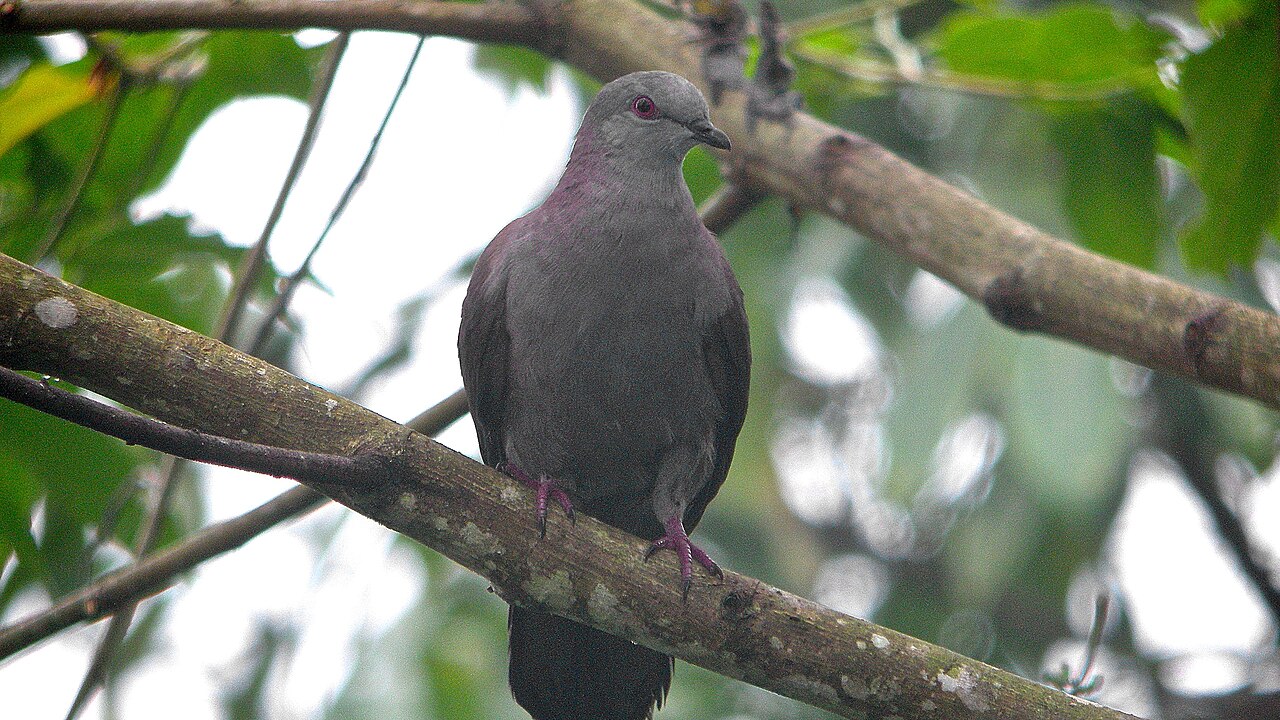
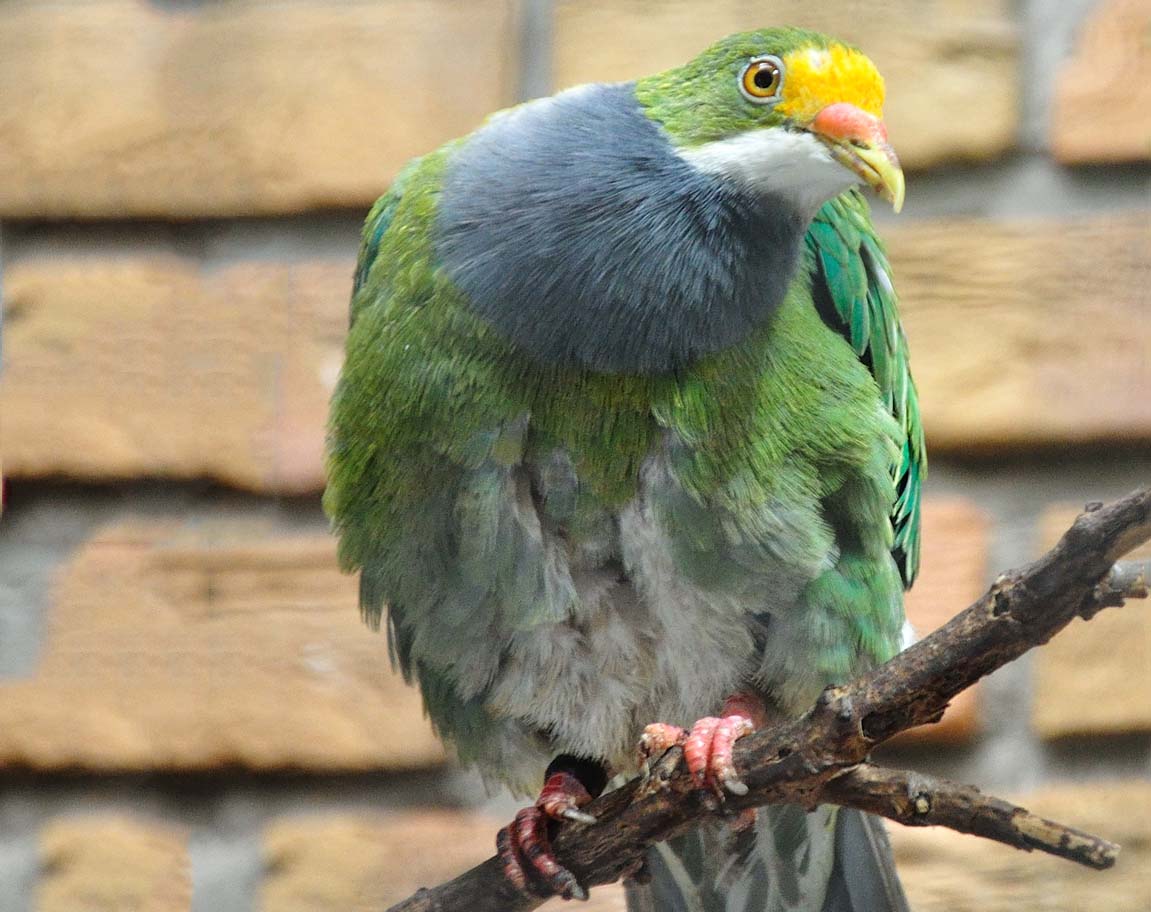
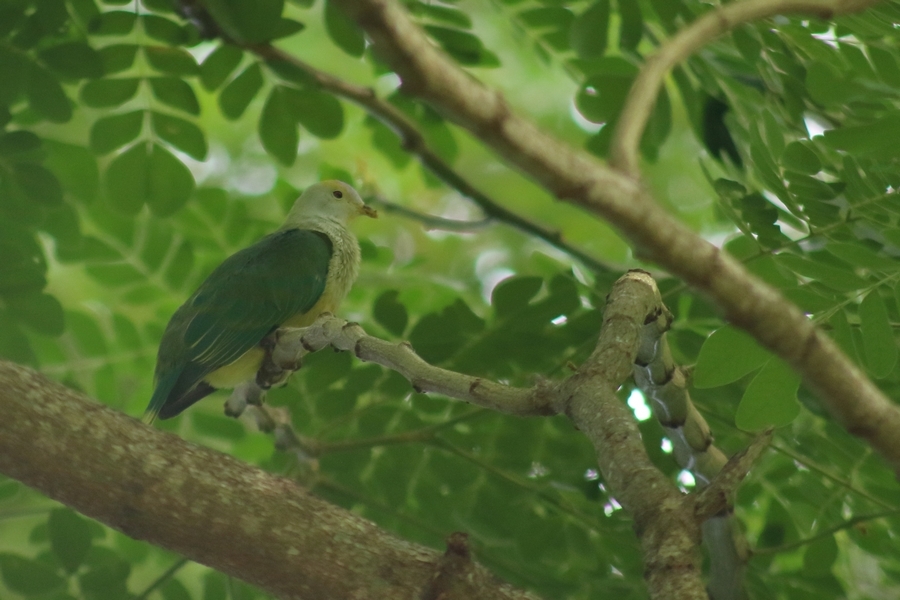
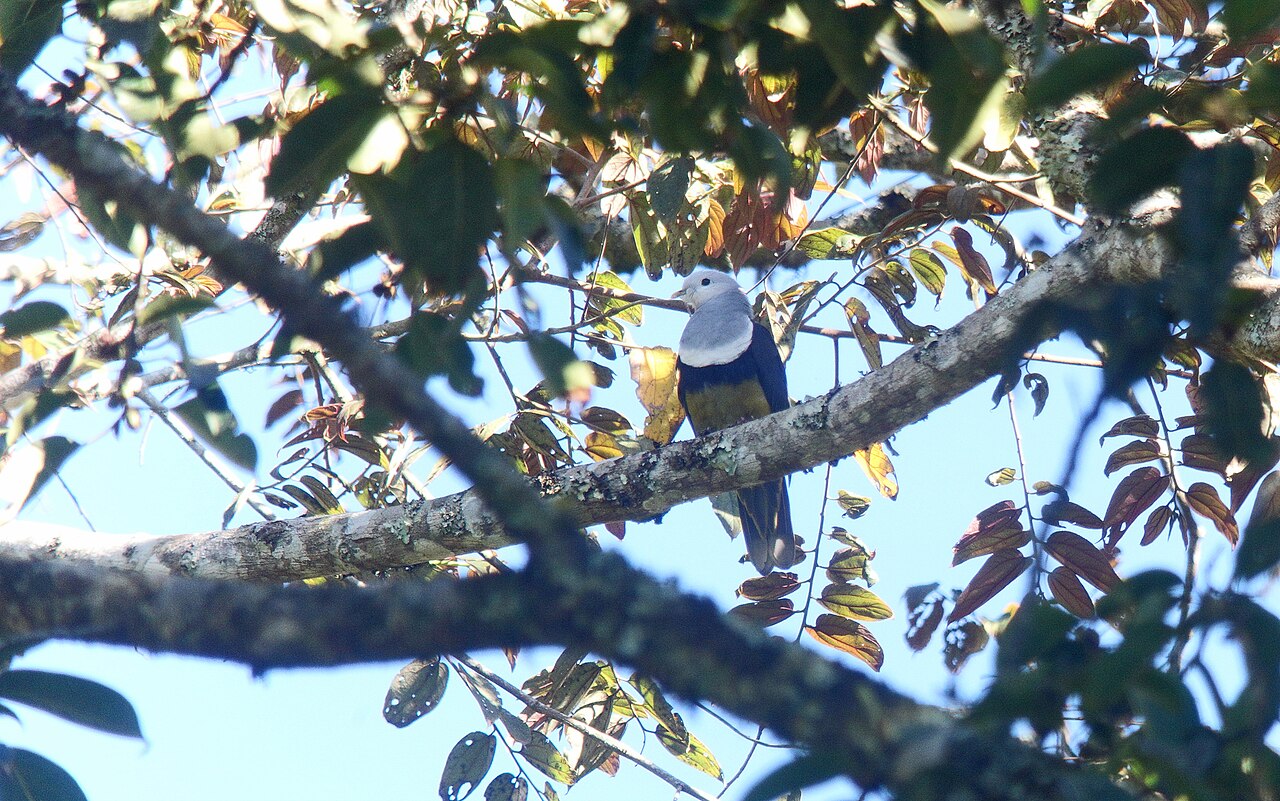
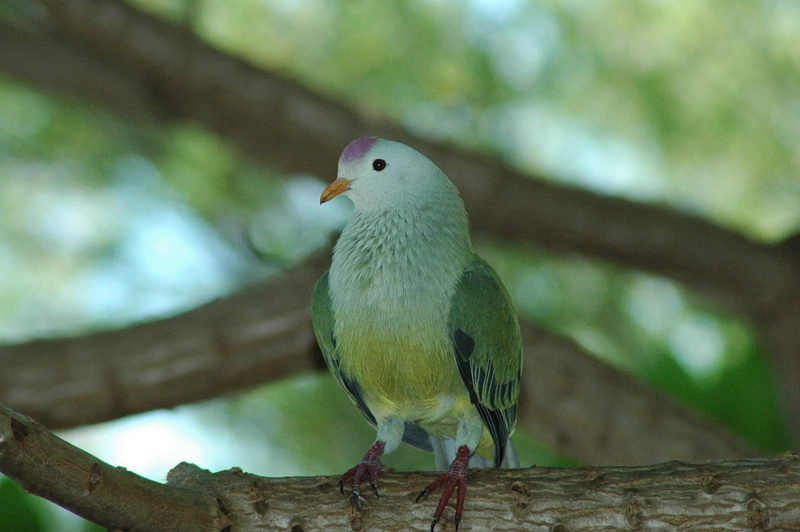
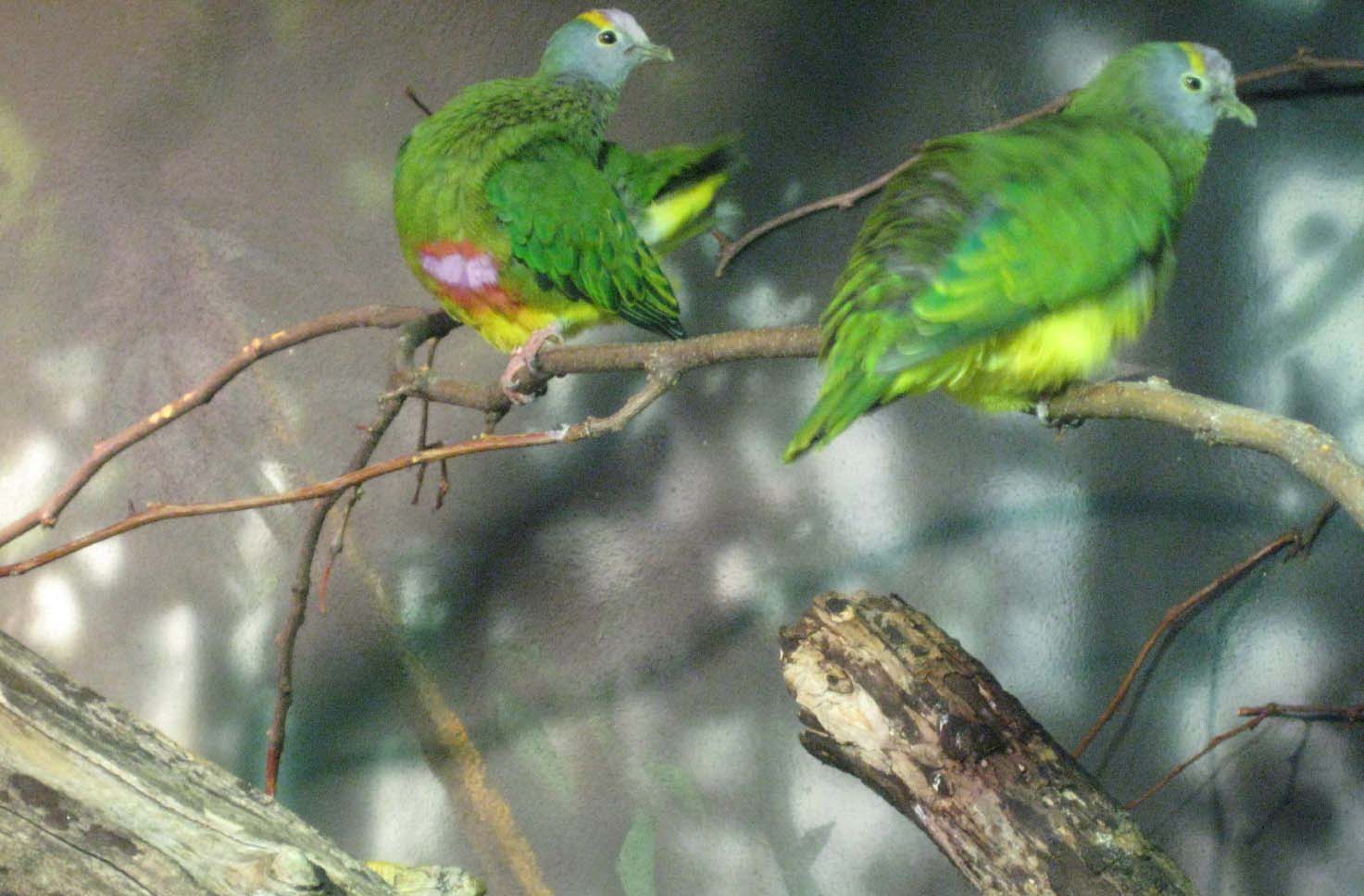
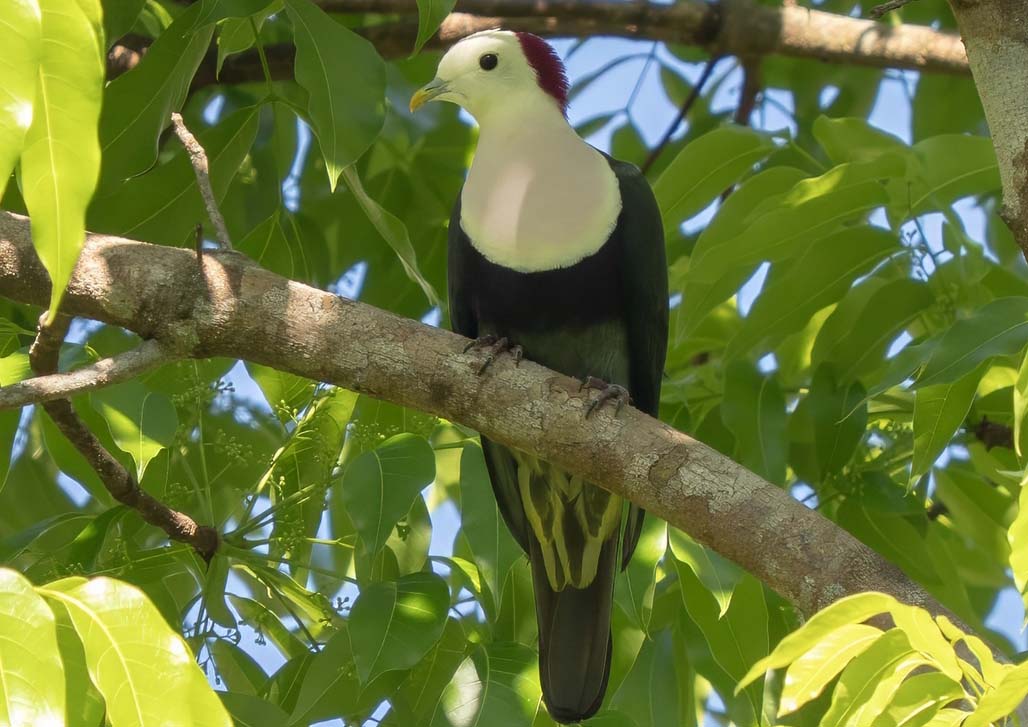
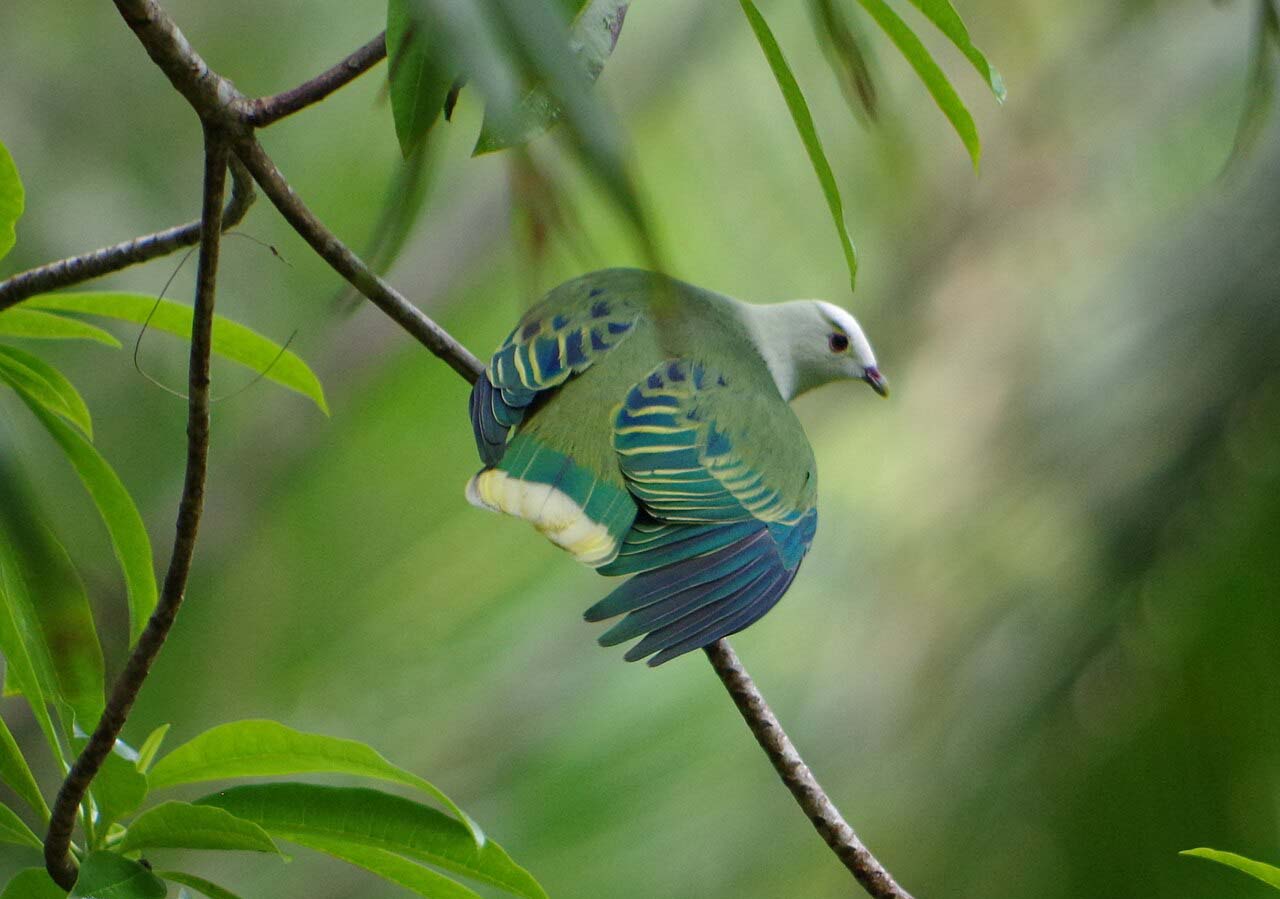
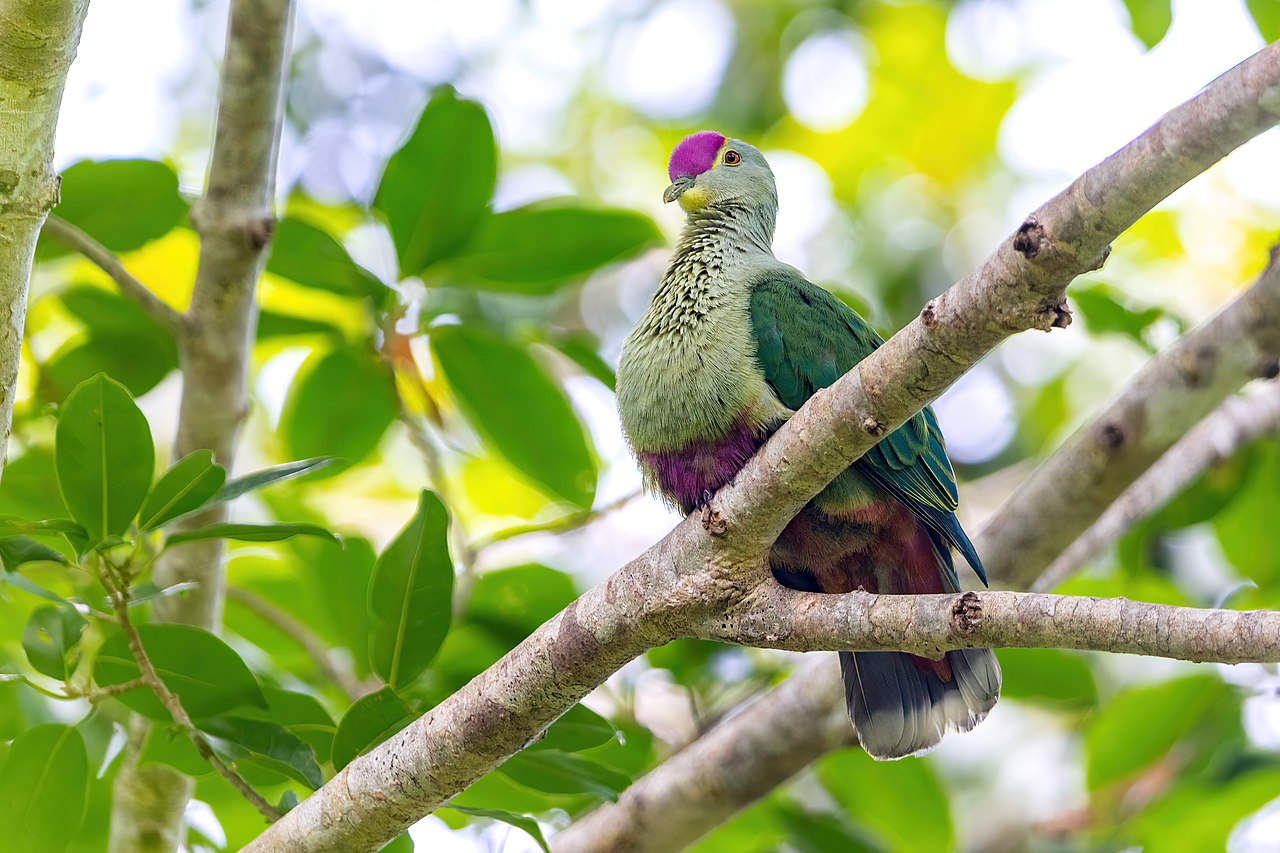
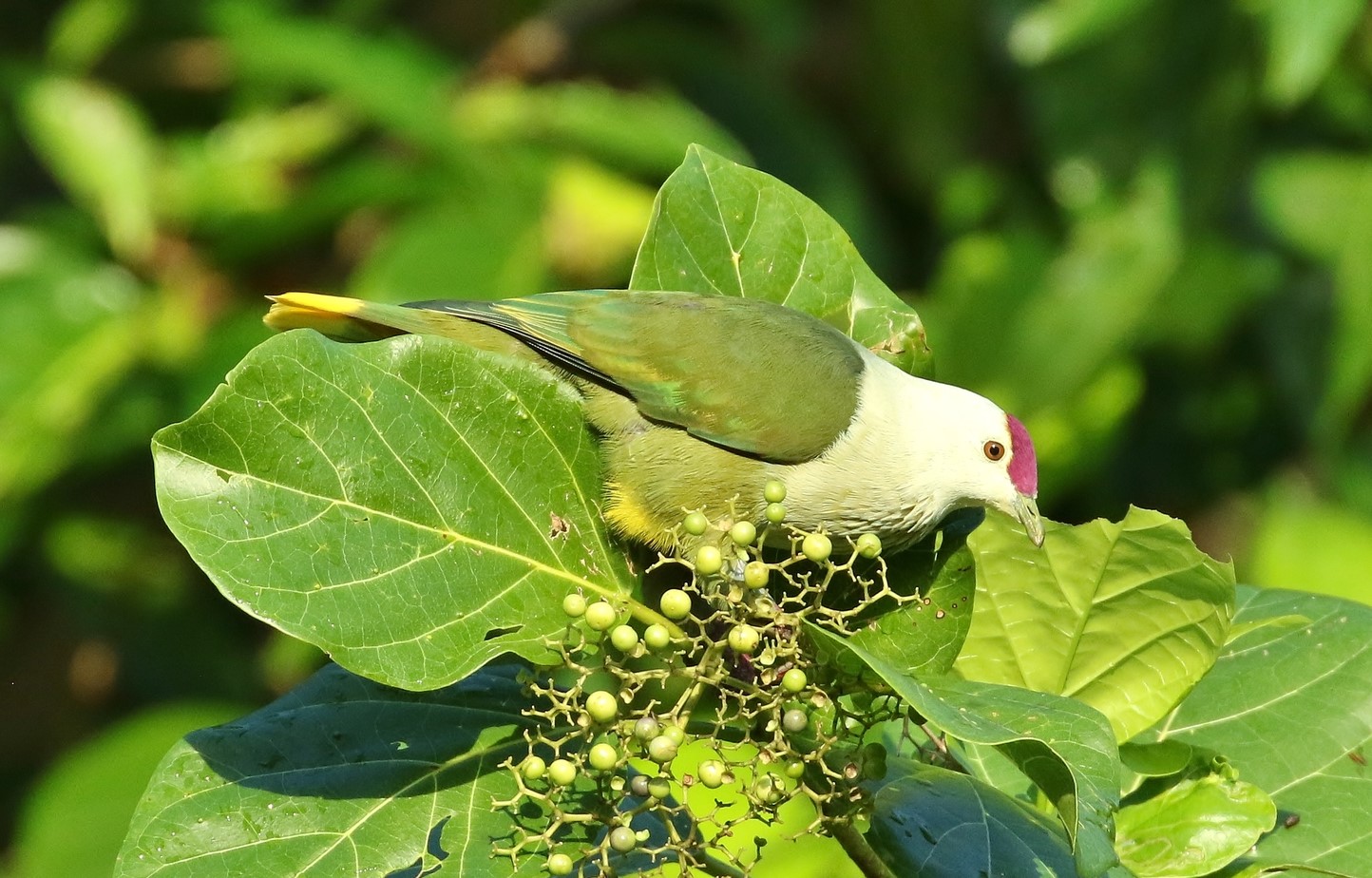
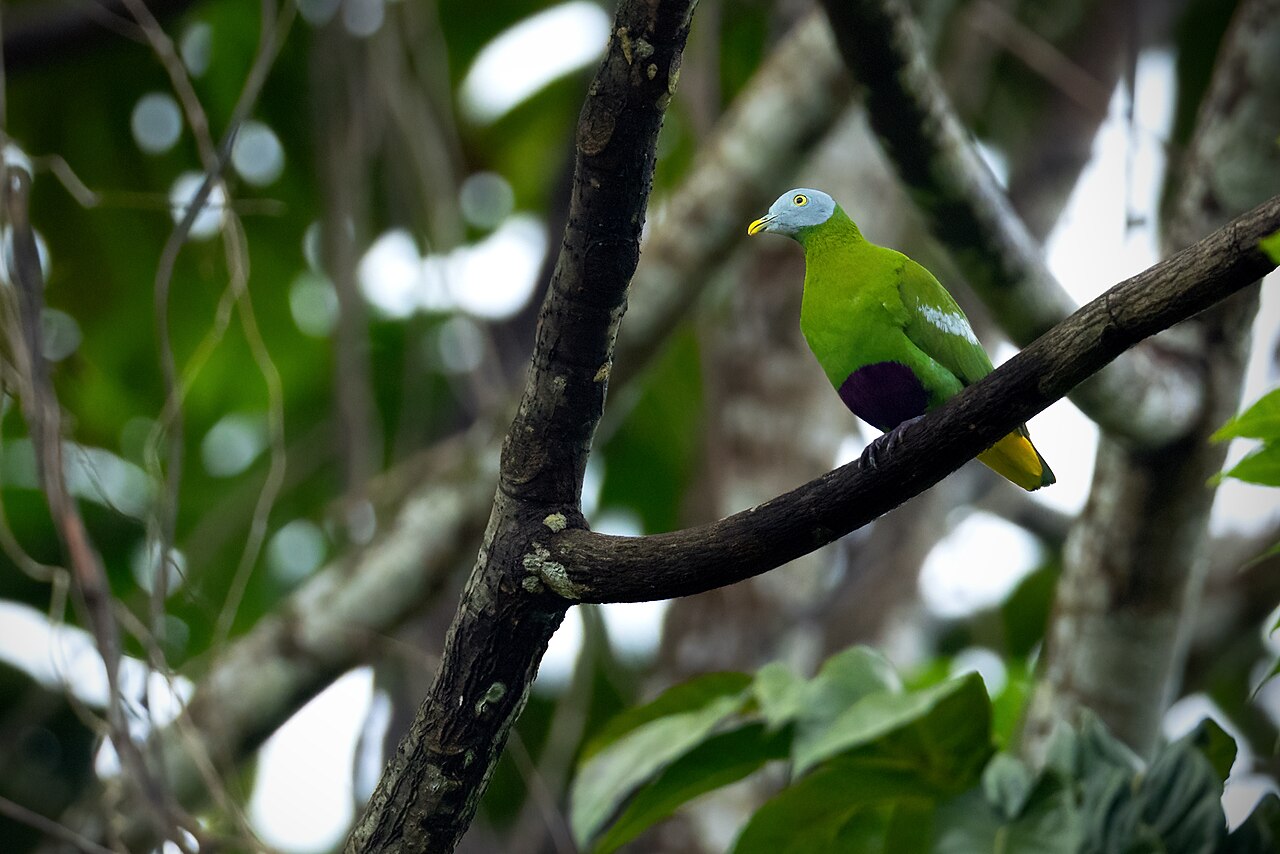
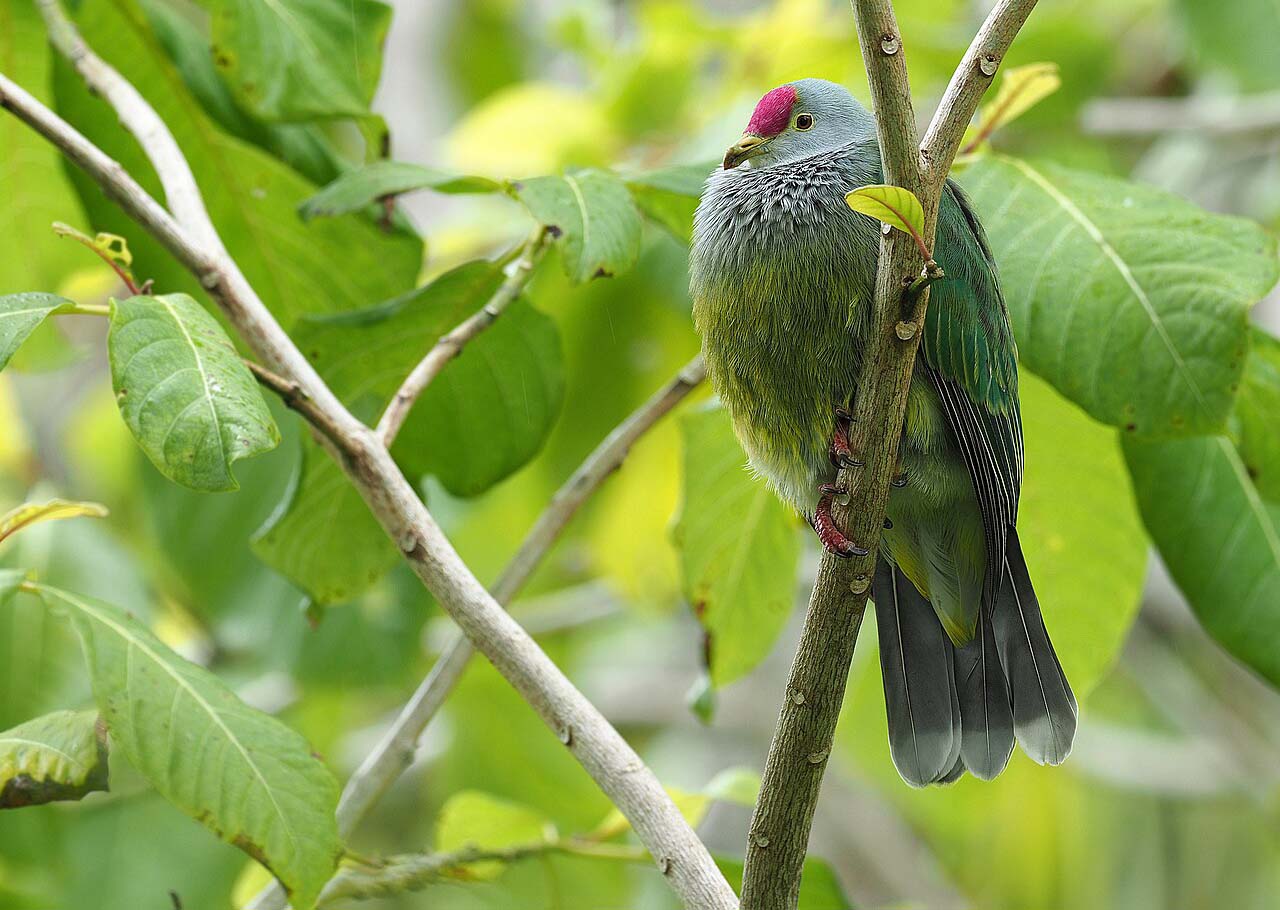
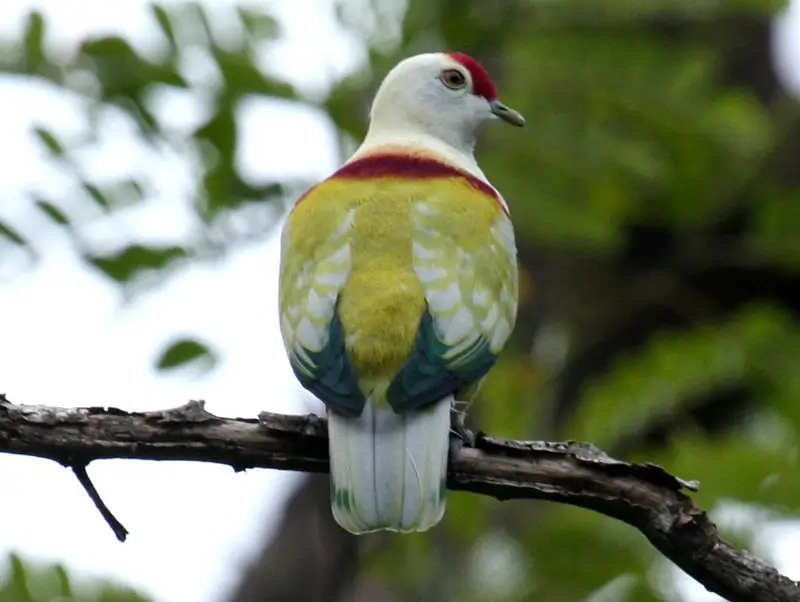
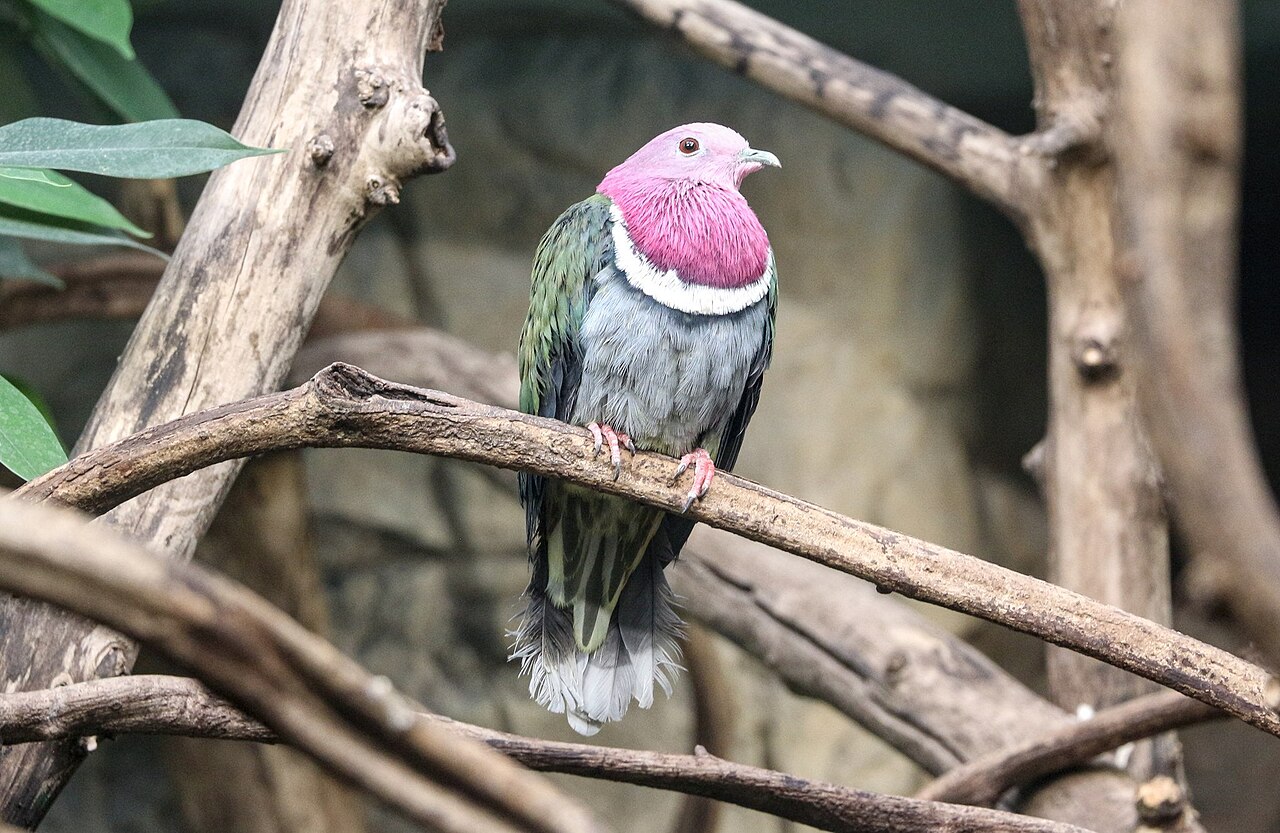
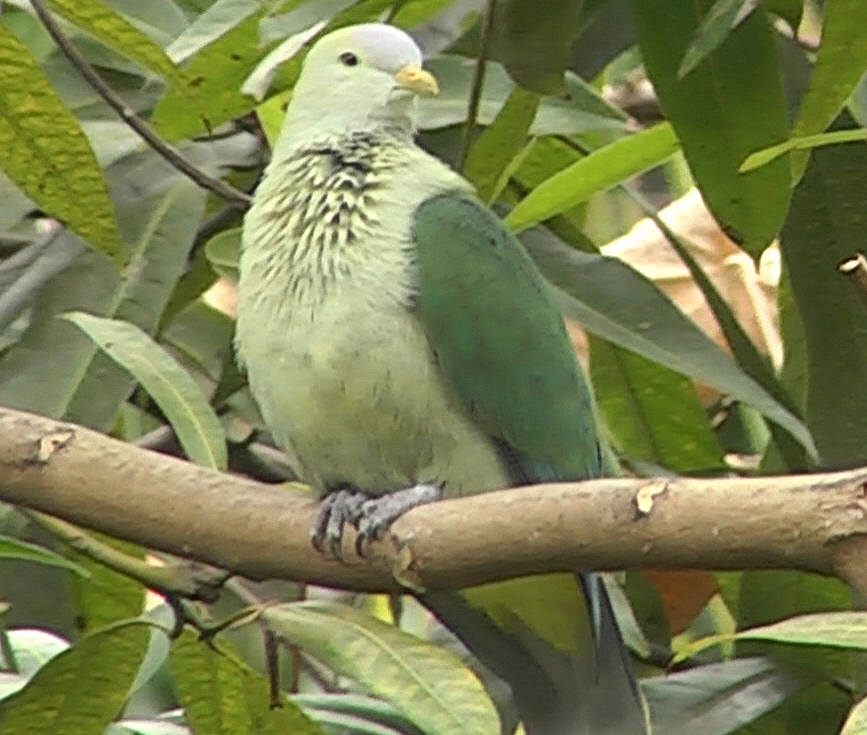
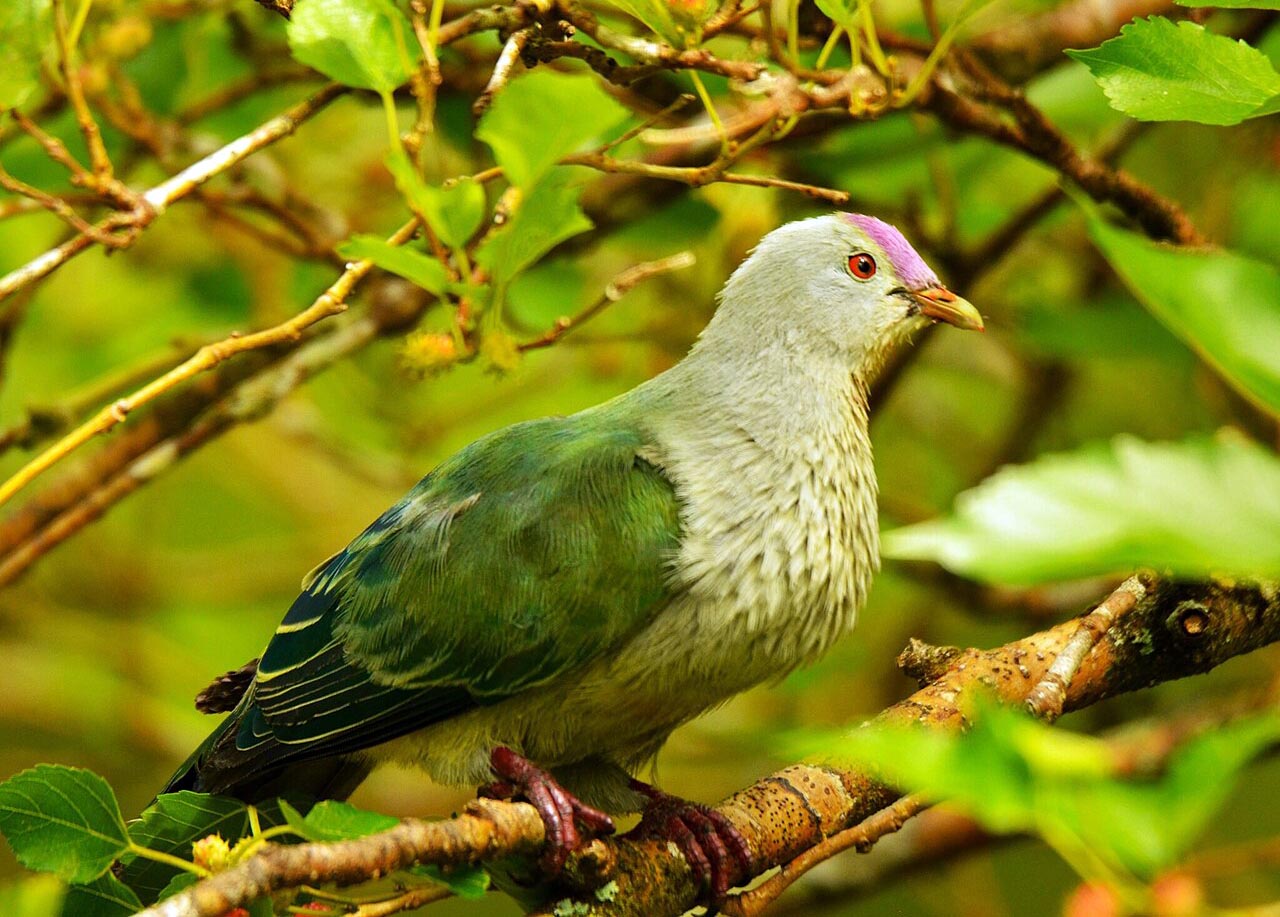
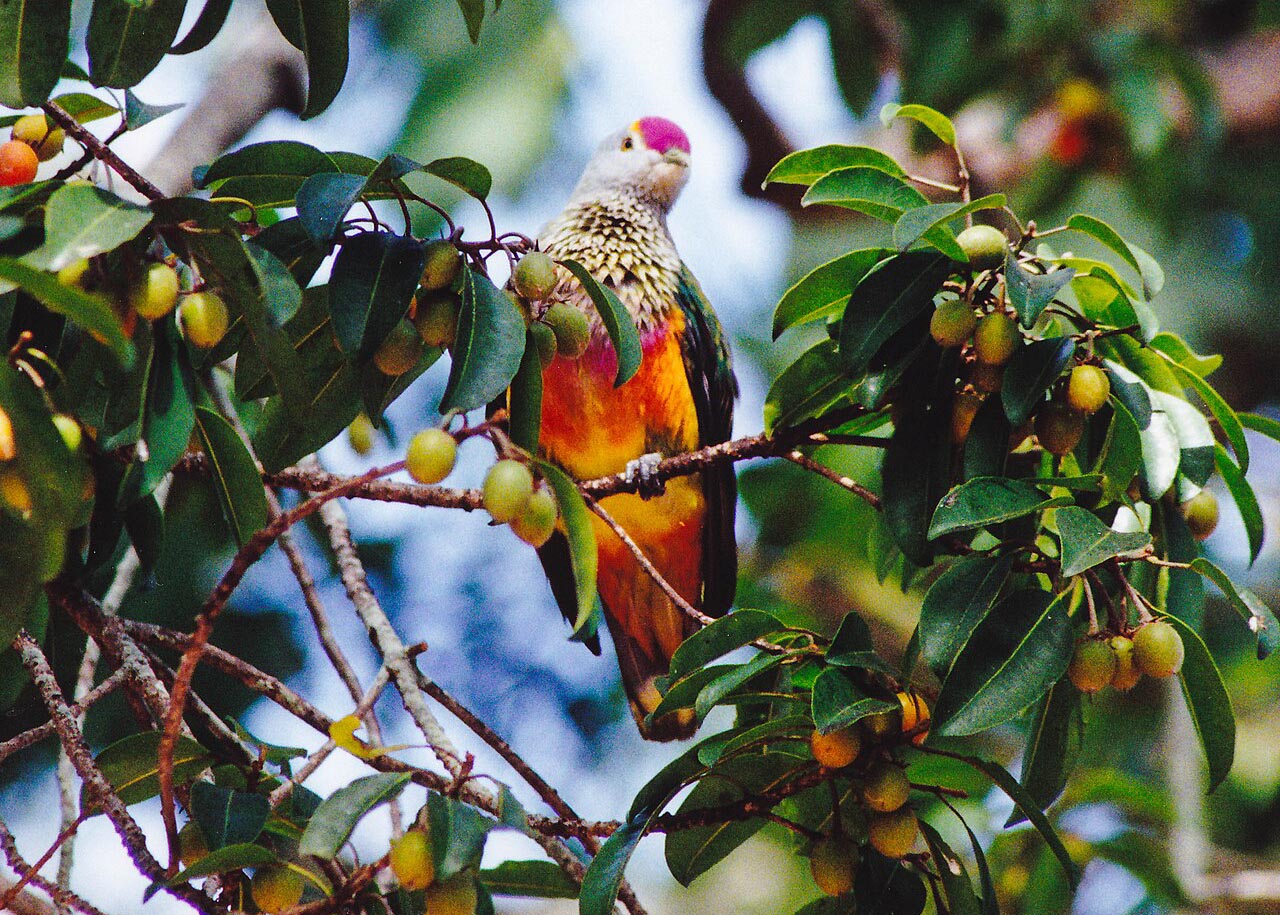
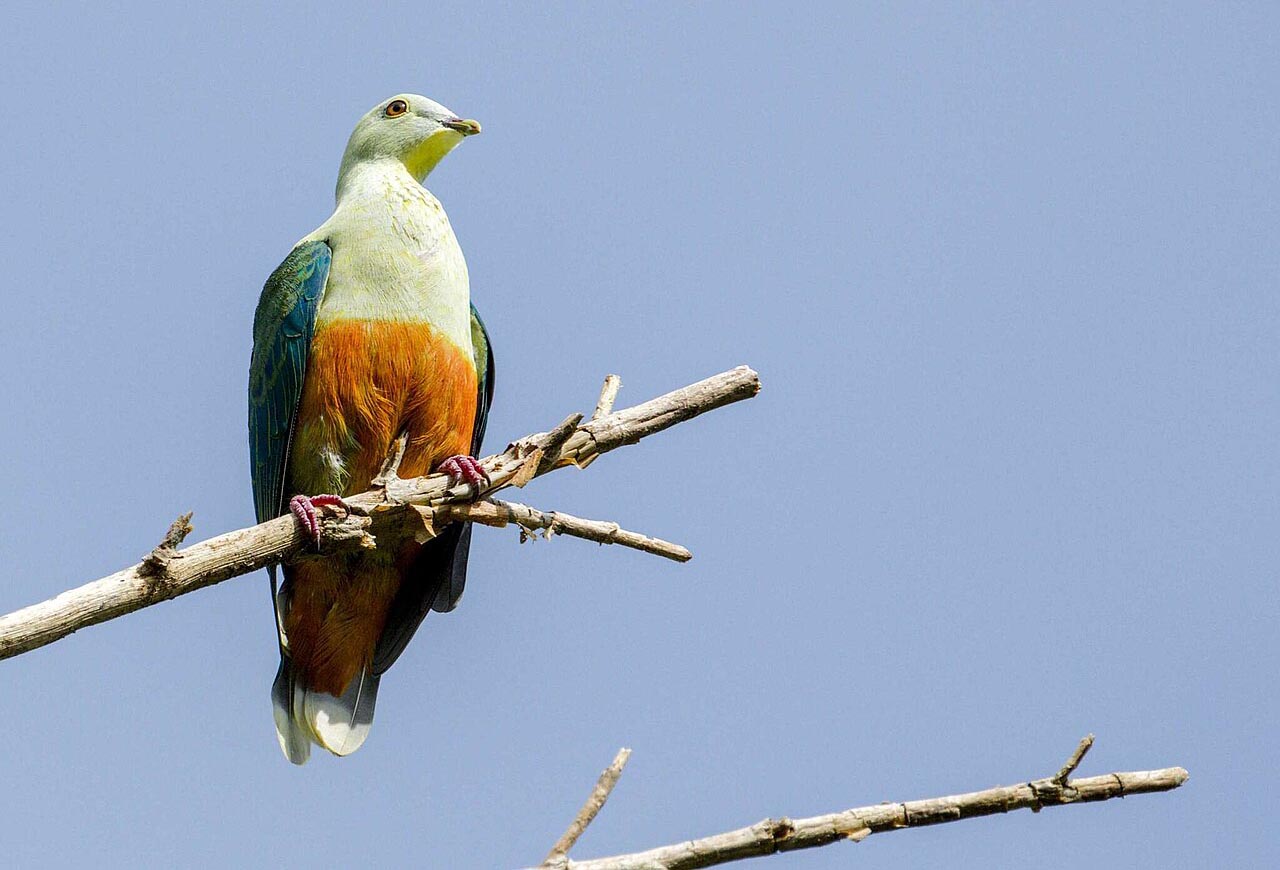
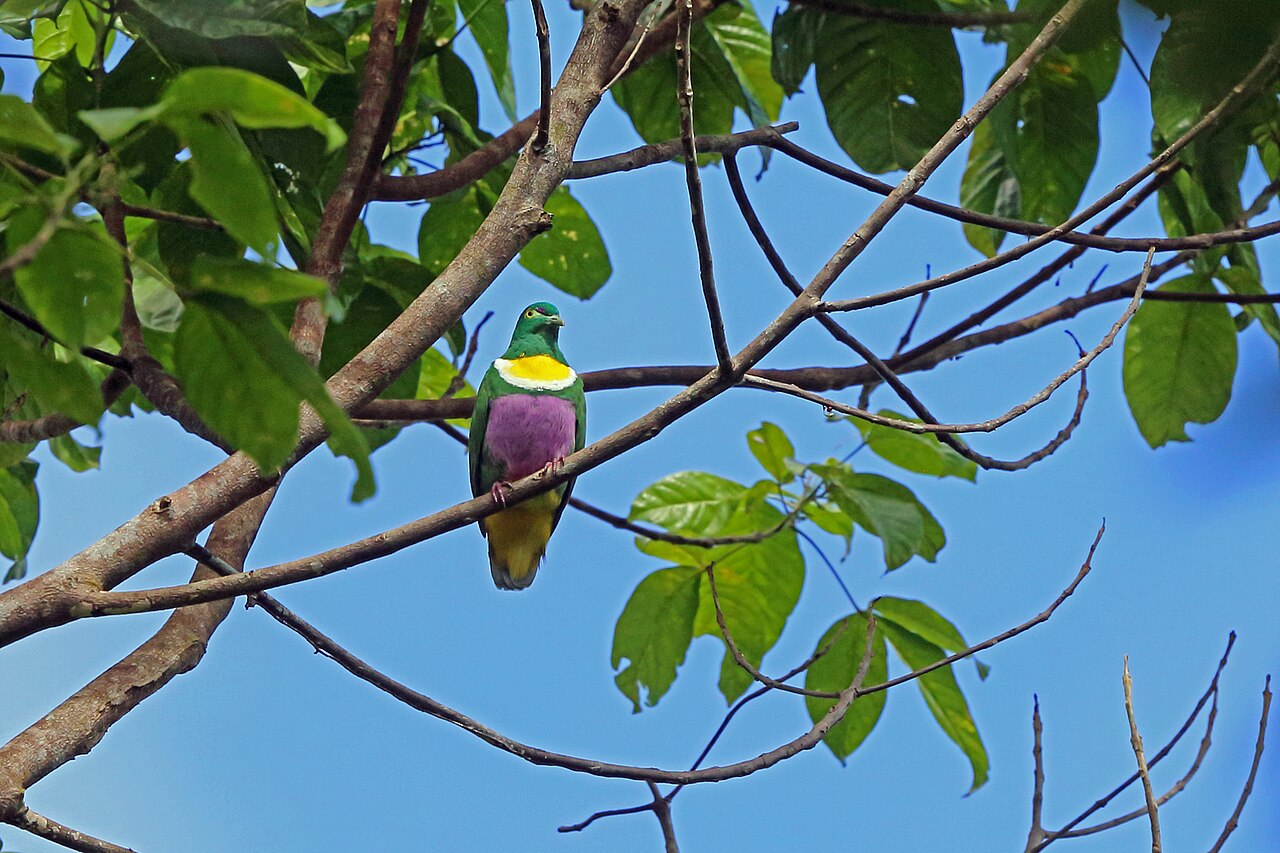
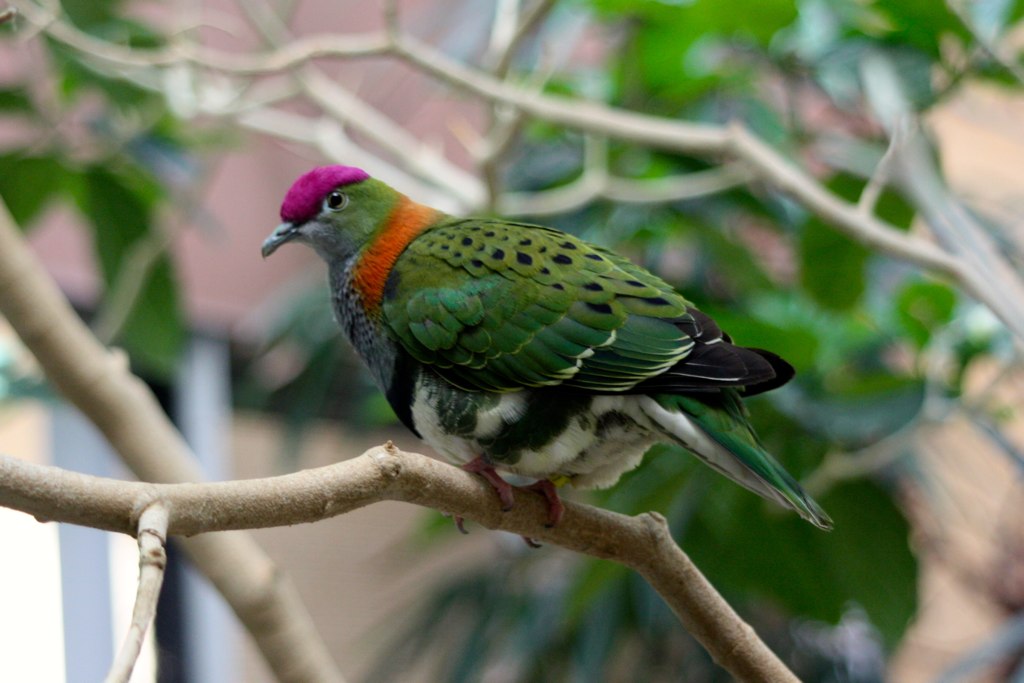
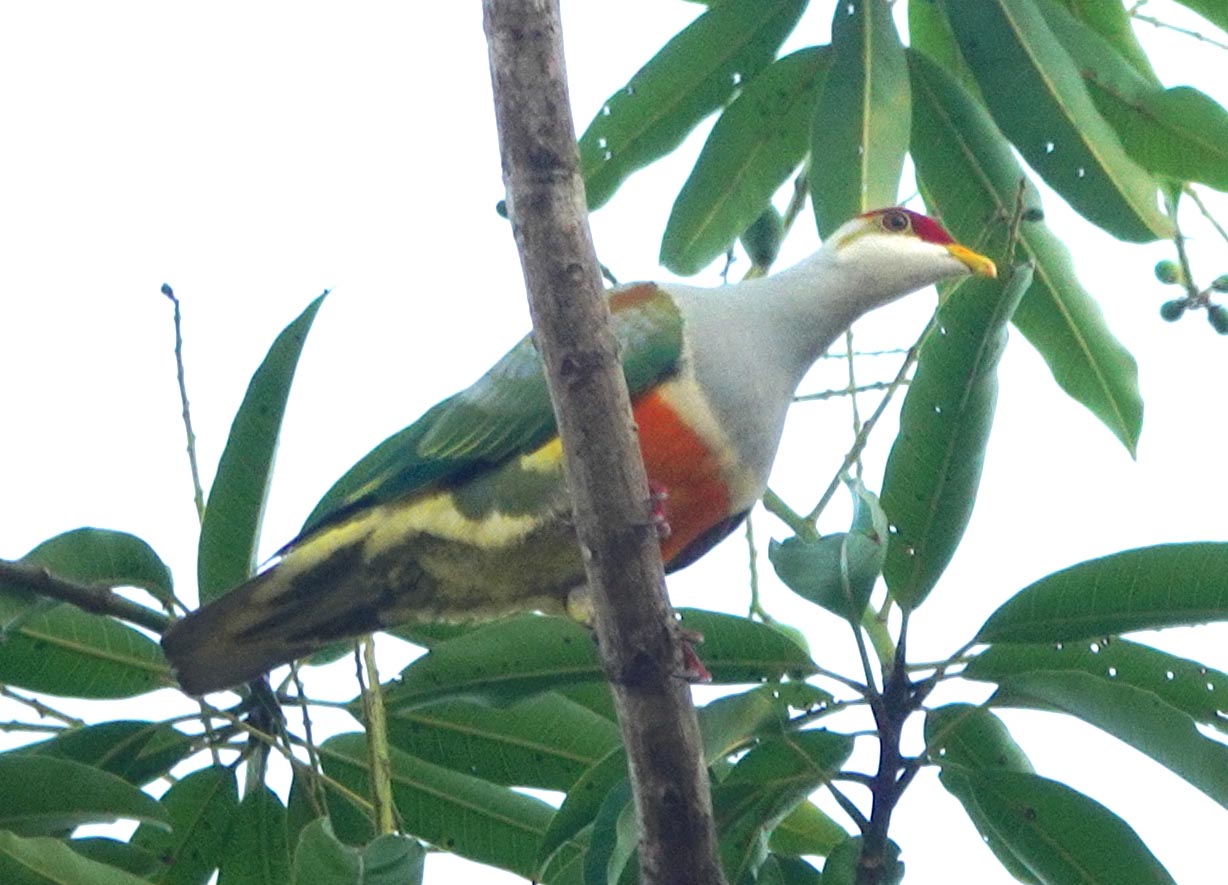
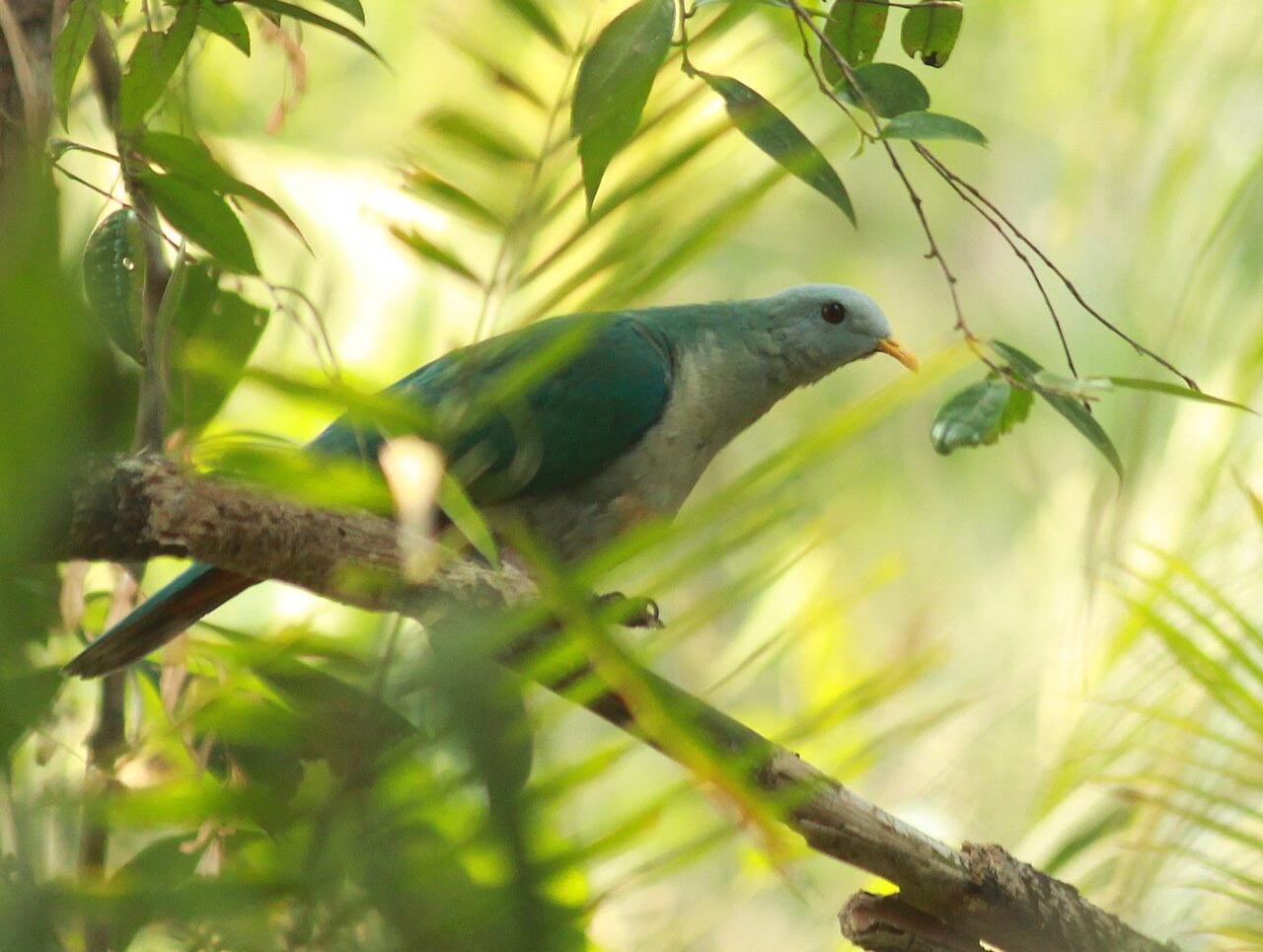
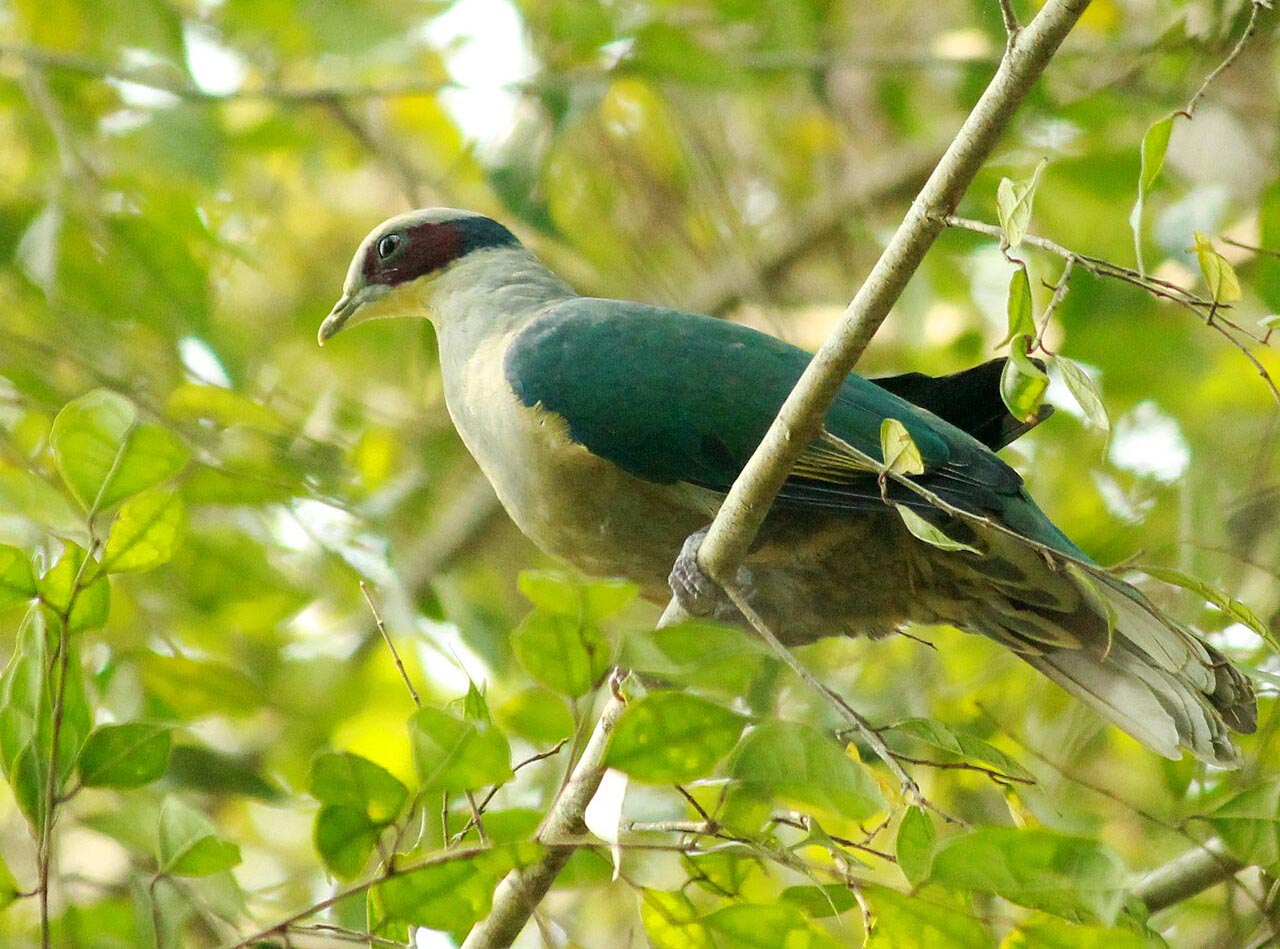
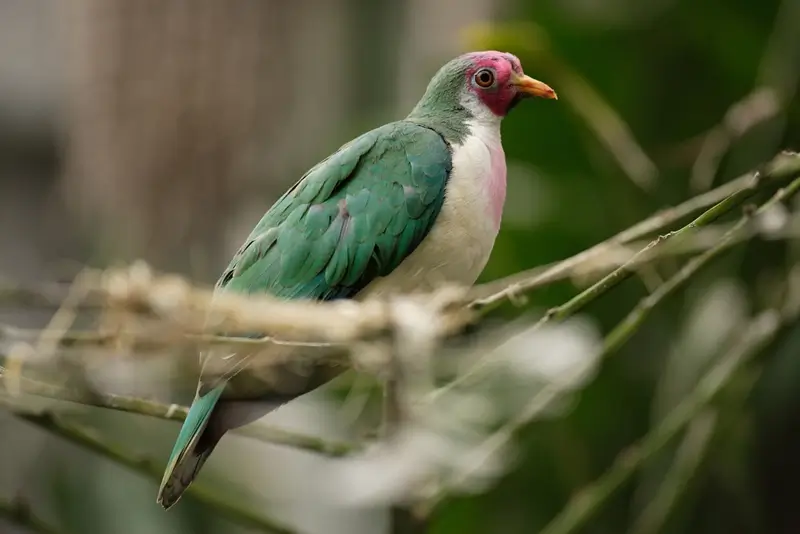
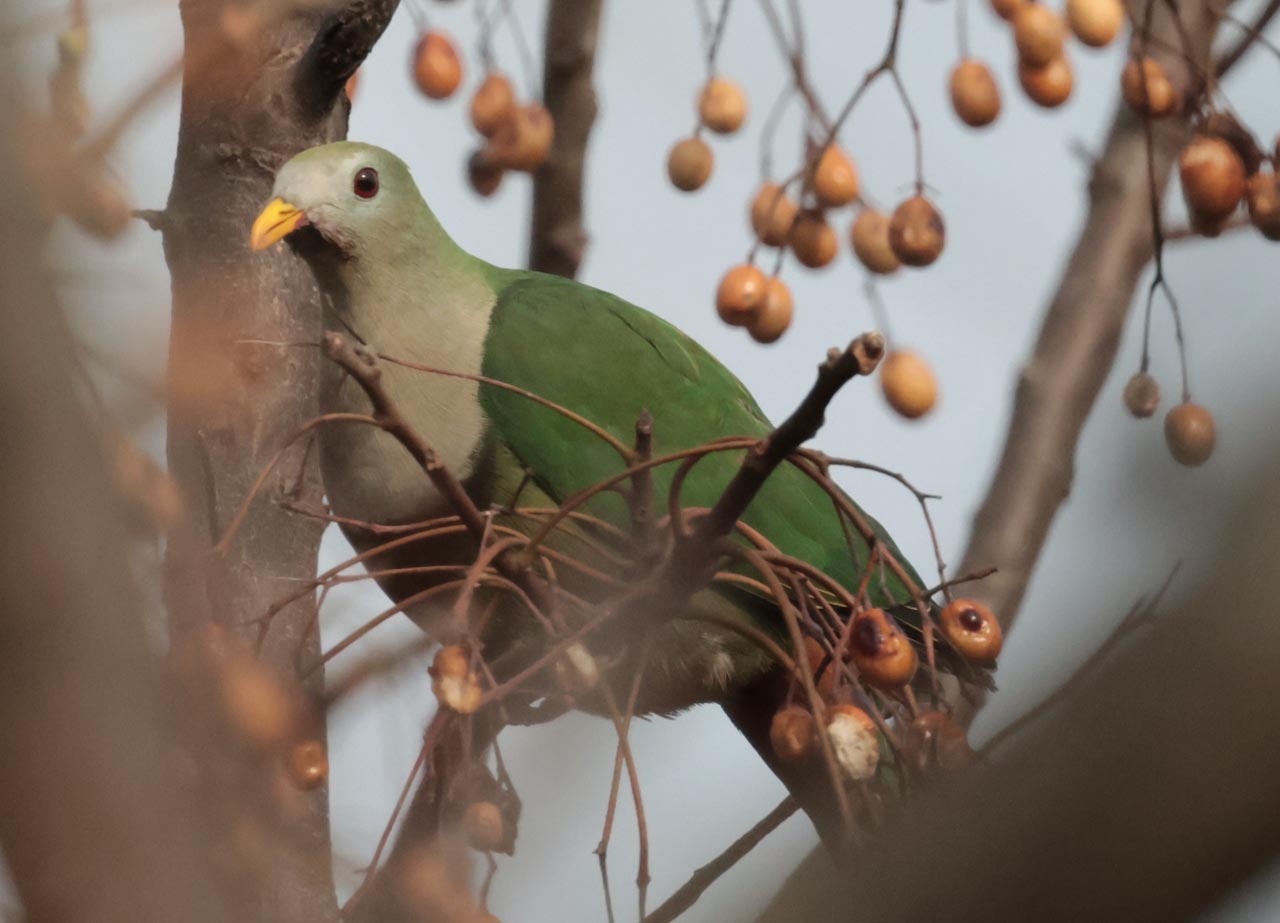
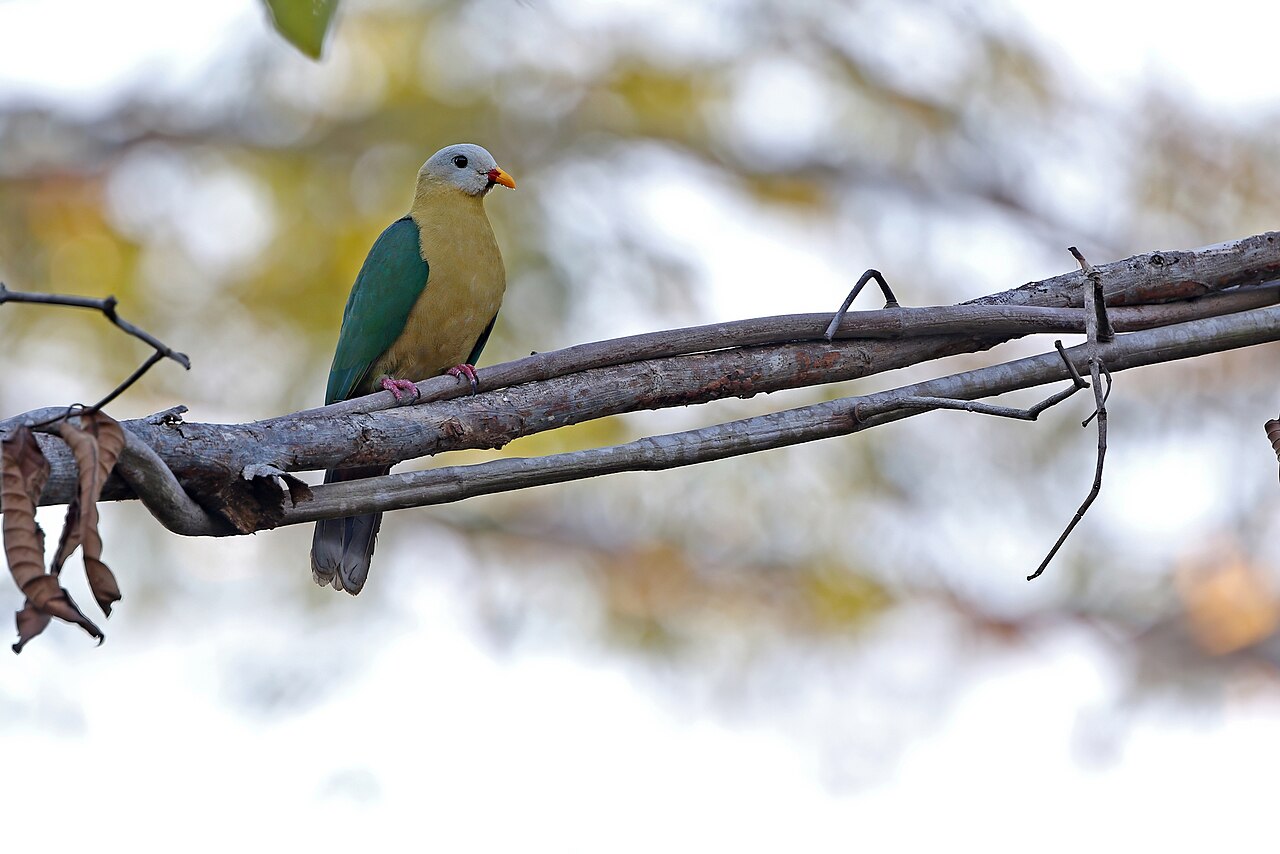
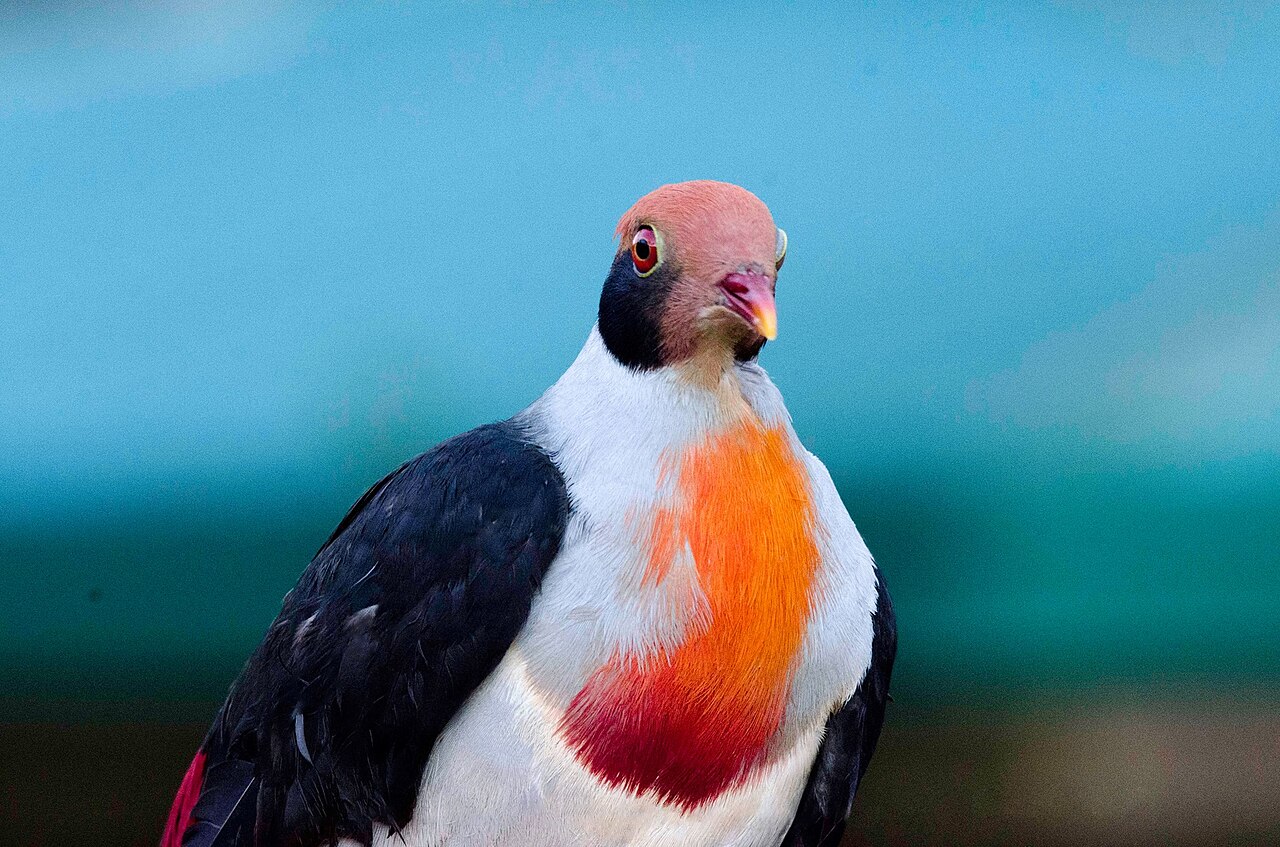
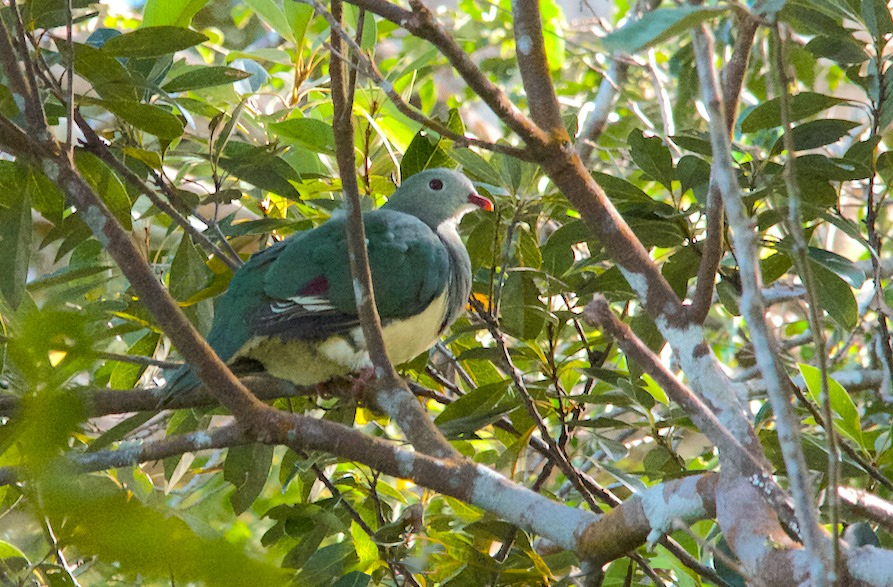
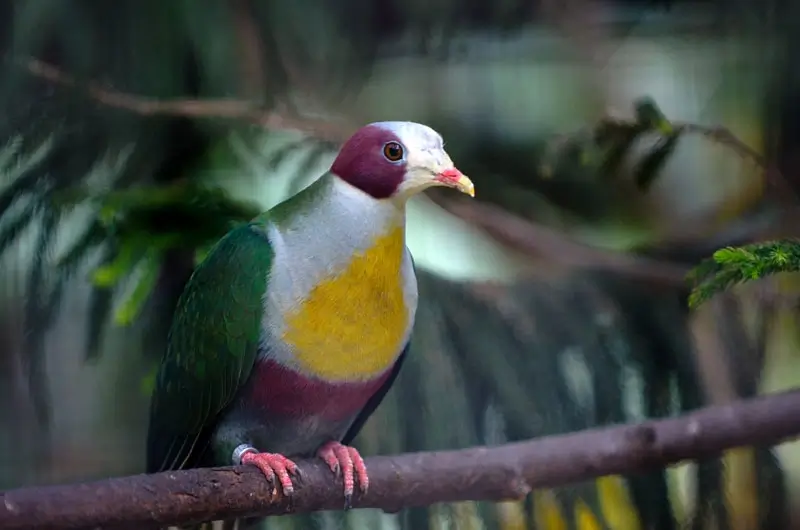
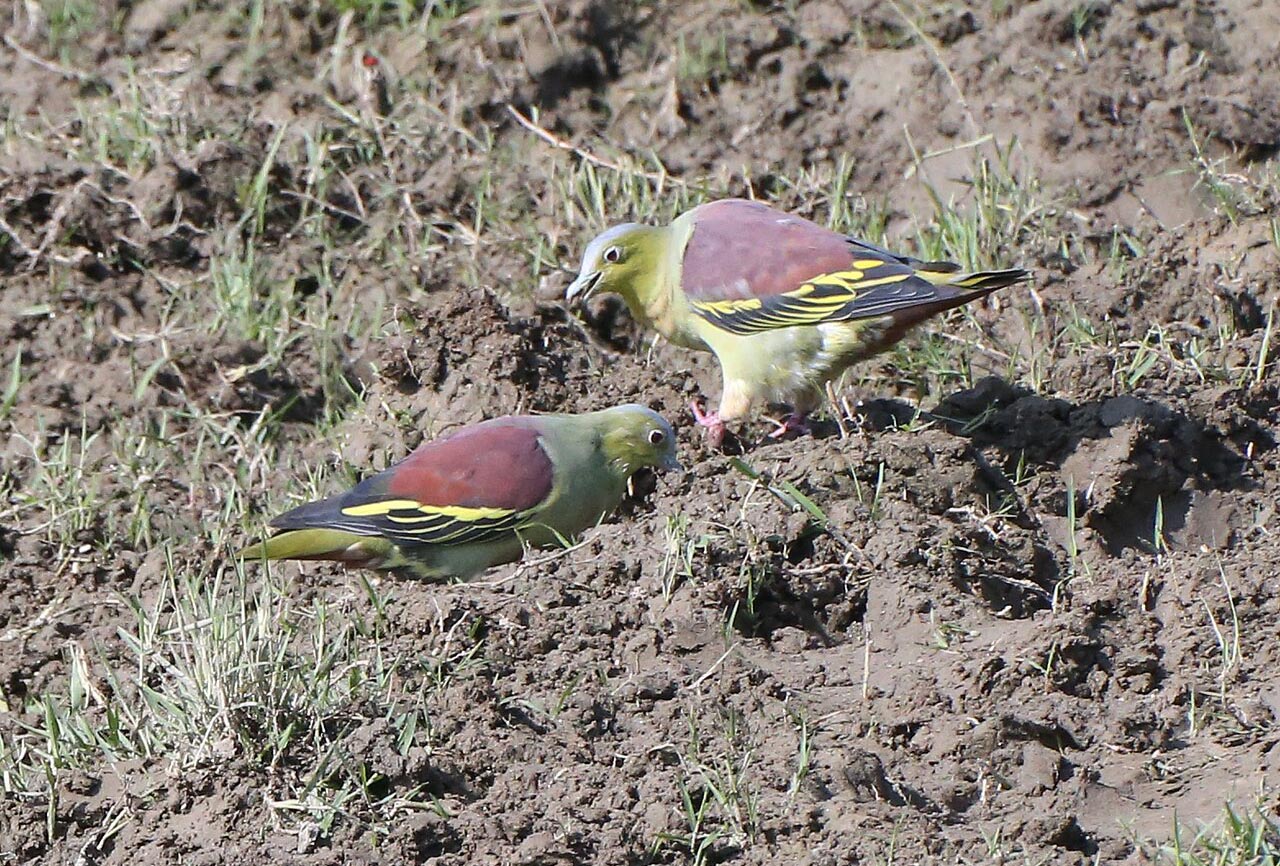
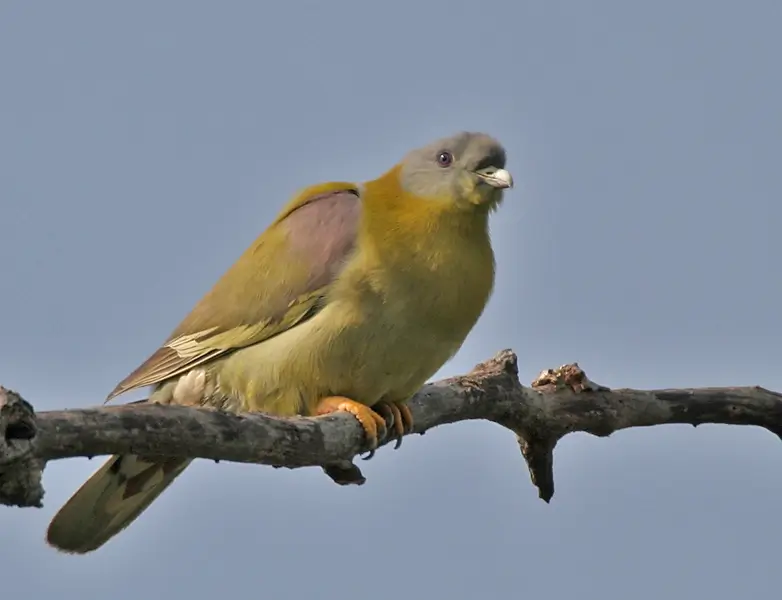
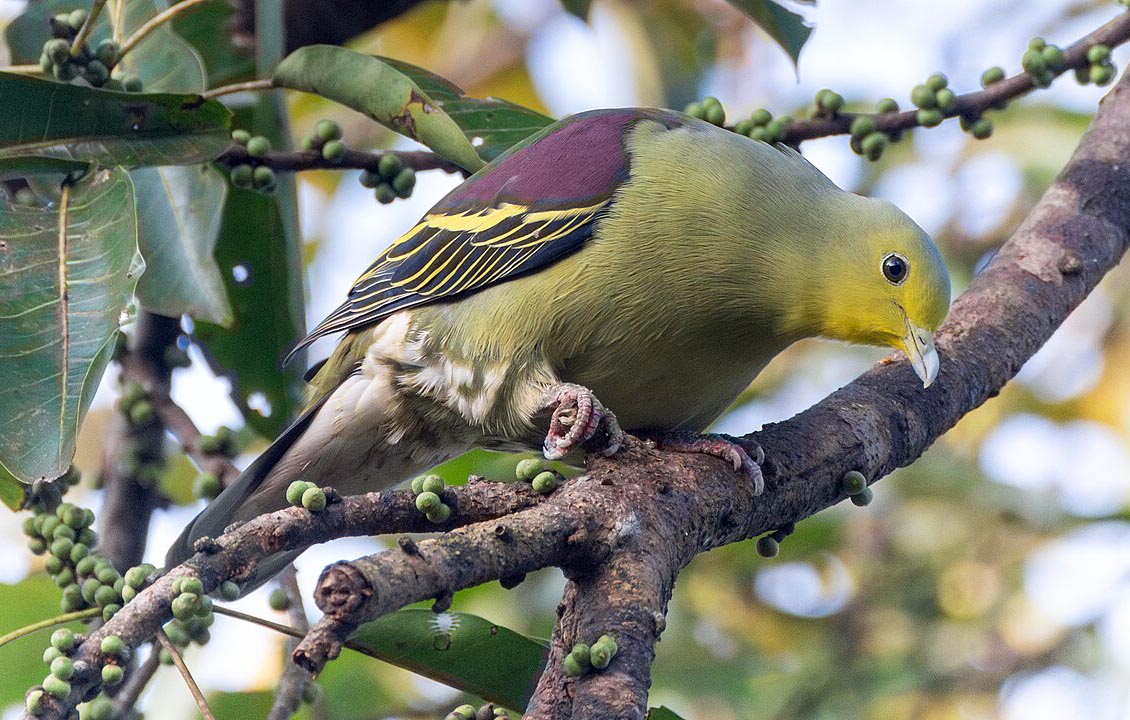
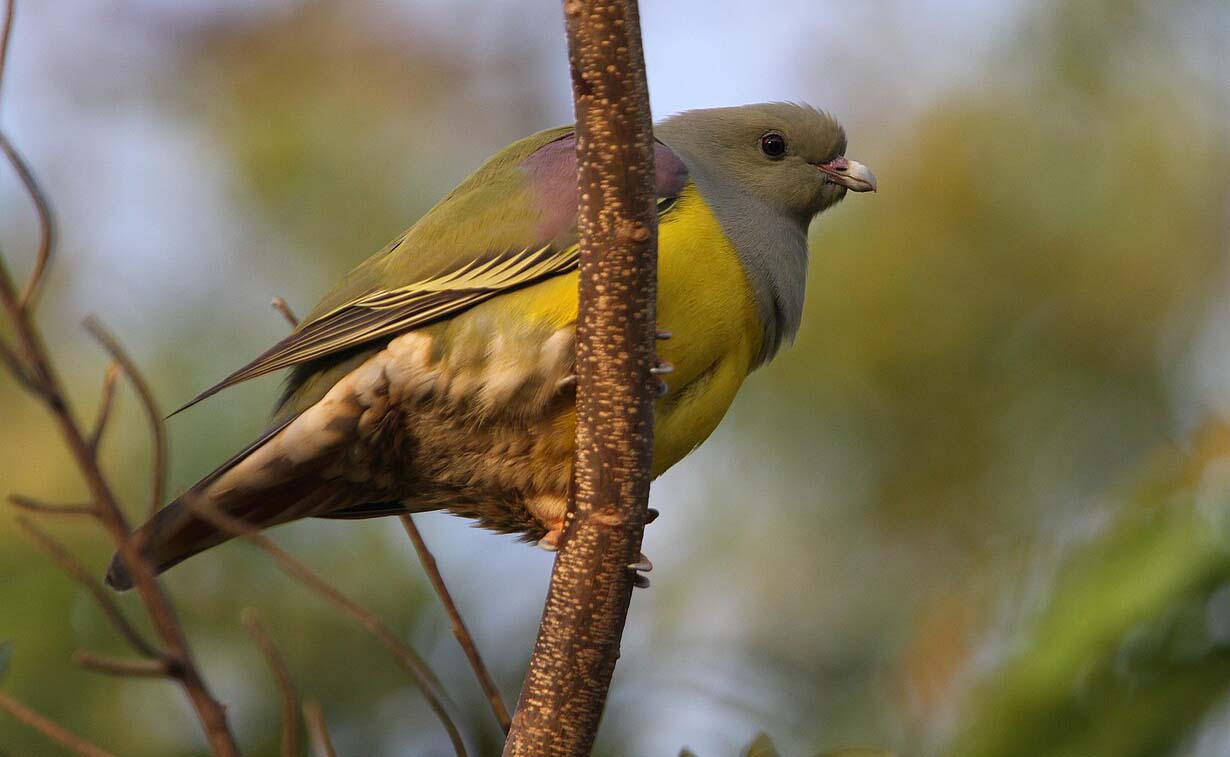
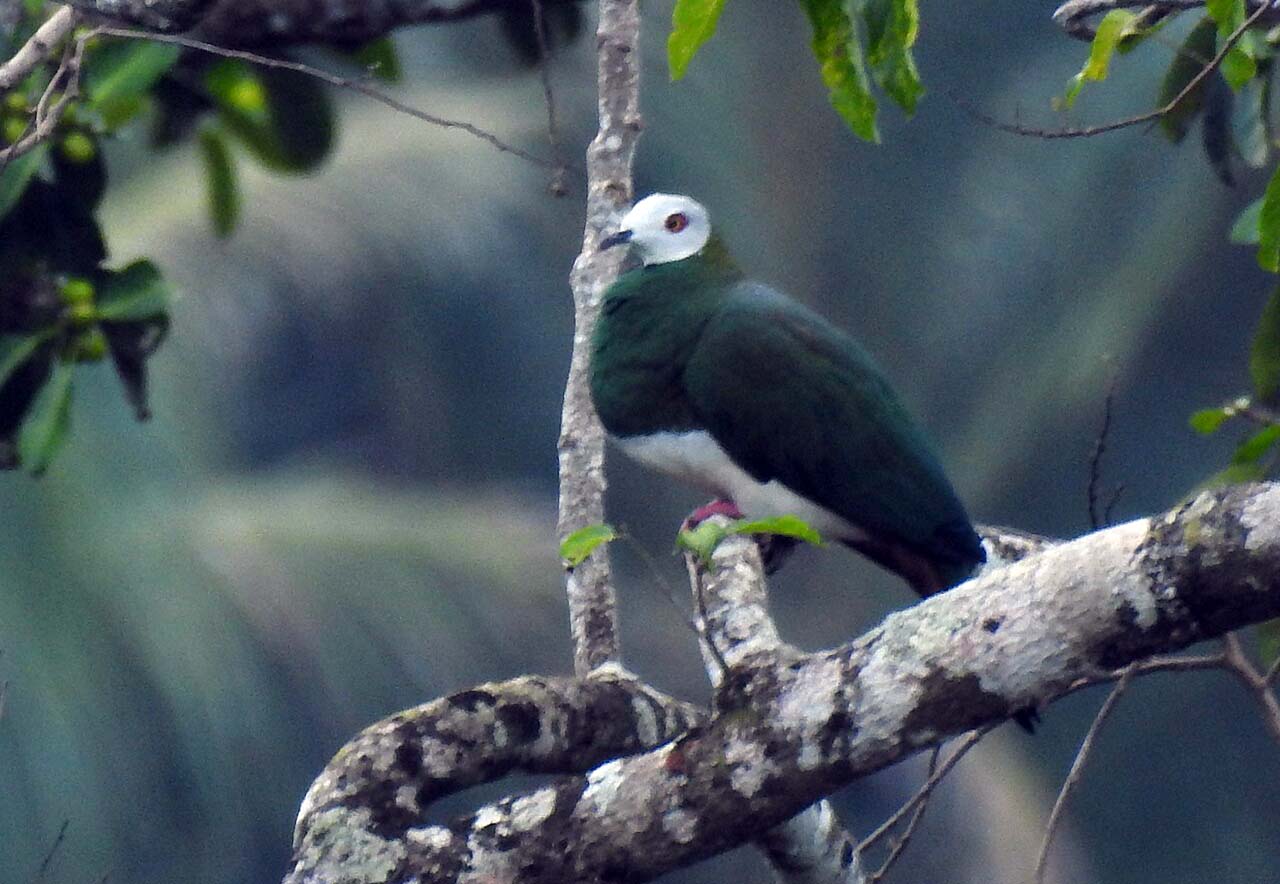
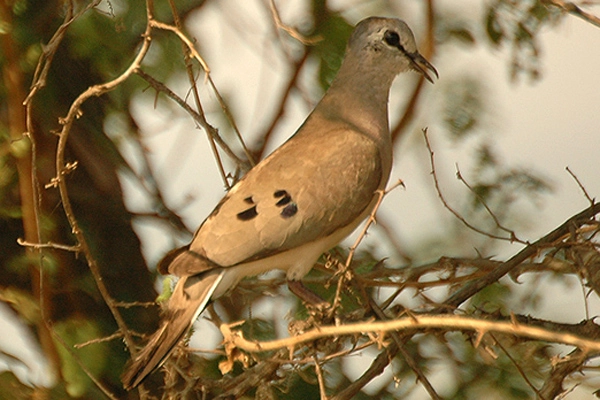
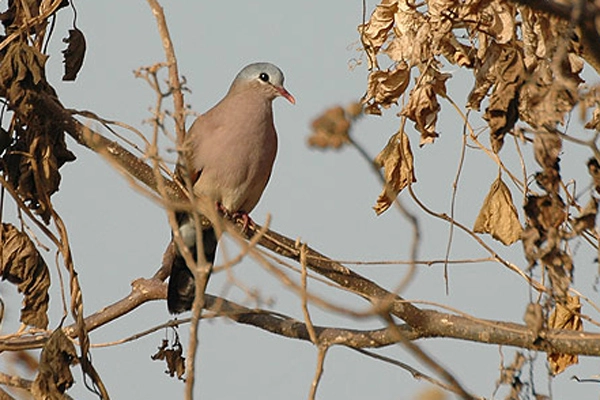
They eat a variety of foods, including seeds, fruits, and other plant materials. Species that mainly eat seeds are often gray or brown, while many fruit-eating species are more brightly colored, especially in tropical regions.
Pigeons and doves live in many different habitats, including forests, swamps, grasslands, deserts, and cities.
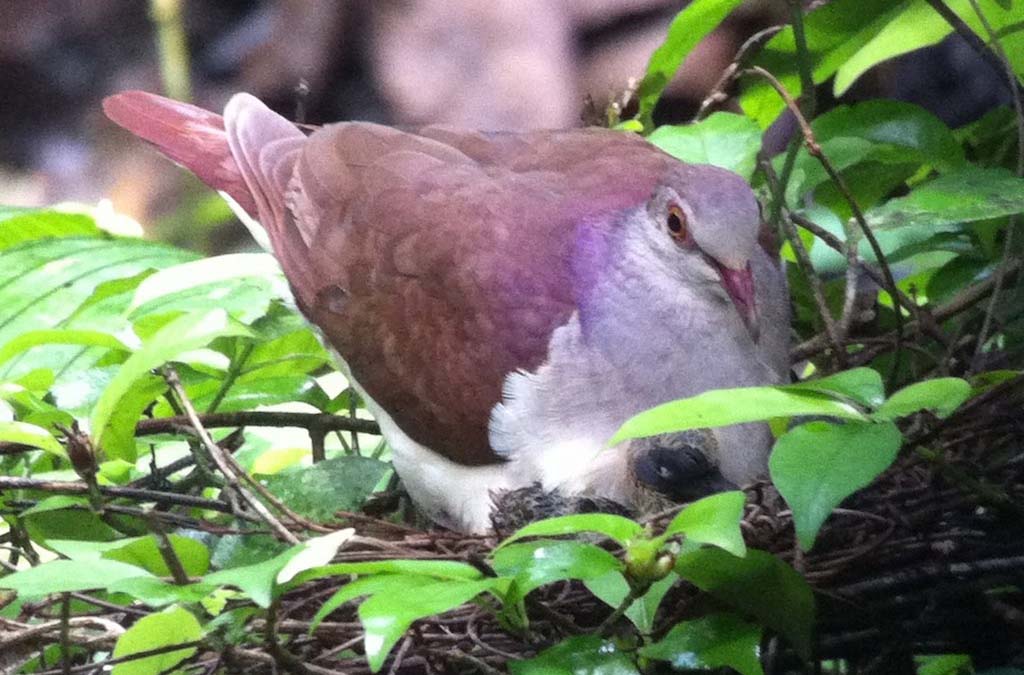
Most pigeon and dove pairs form strong bonds, and many stay together during the breeding season and may reunite in future seasons. Both parents help care for their young.
One unusual feature of pigeons and doves is that they feed their chicks a special substance called crop milk for the first few days after hatching. Crop milk is produced in the crop, a pouch in the bird’s digestive system used for storing food. Unlike milk in mammals, crop milk is not produced by glands, but it is still very nutritious and contains fat and proteins that help chicks grow quickly. Both male and female birds can produce crop milk.
PASSENGER PIGEON (Extinct Species)
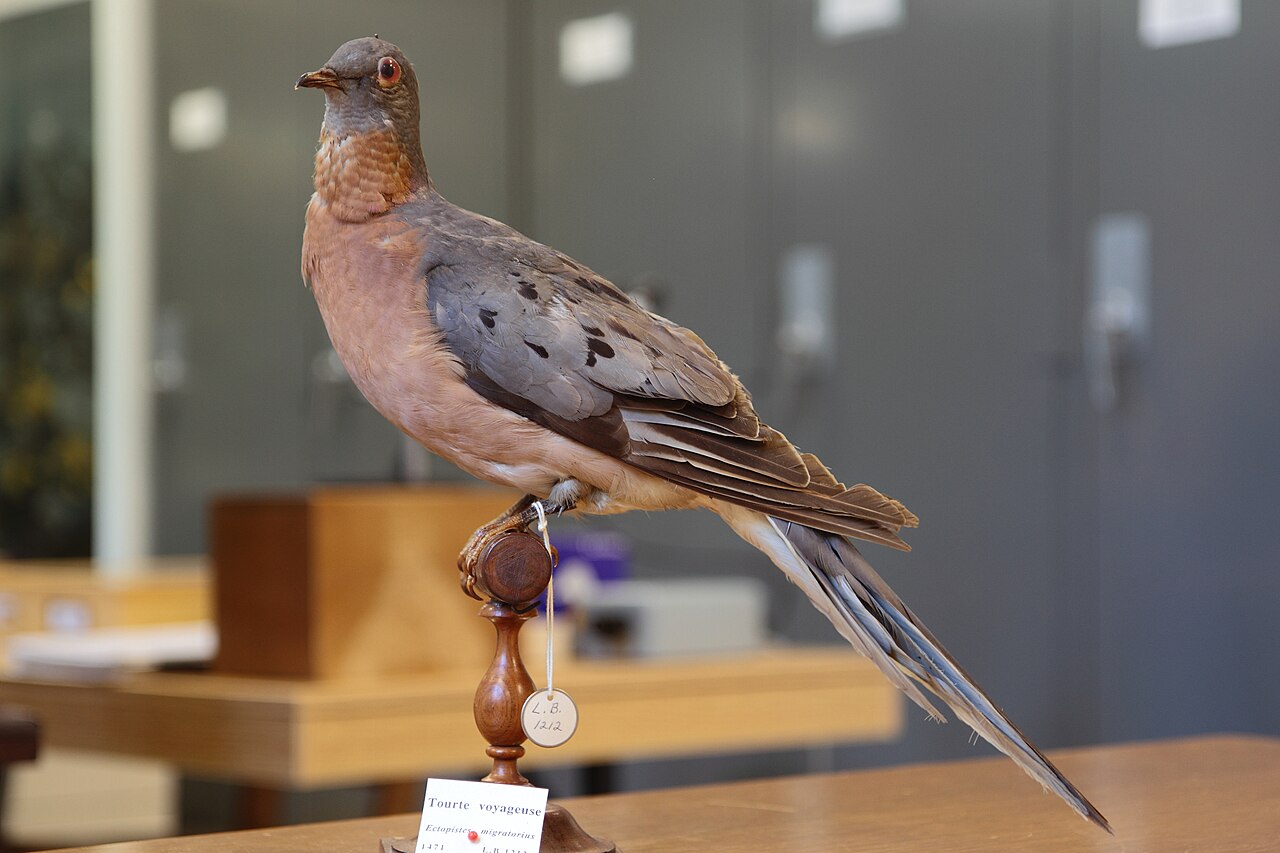
One well-known member of this family was the Passenger Pigeon (Ectopistes migratorius), which once lived in North America.
Passenger Pigeons were once extremely common in eastern and central North America. Scientists estimate that their population may have reached billions of birds at its peak, making them one of the most numerous bird species in the world at the time. They traveled and nested in huge colonies that could stretch for miles.
However, the Passenger Pigeon became extinct in the early 1900s due to a combination of factors. Large-scale hunting and habitat loss were major causes. The species also struggled to recover because its populations depended on large colonies to breed successfully.
The last known Passenger Pigeon, named Martha, died at the Cincinnati Zoo in 1914.