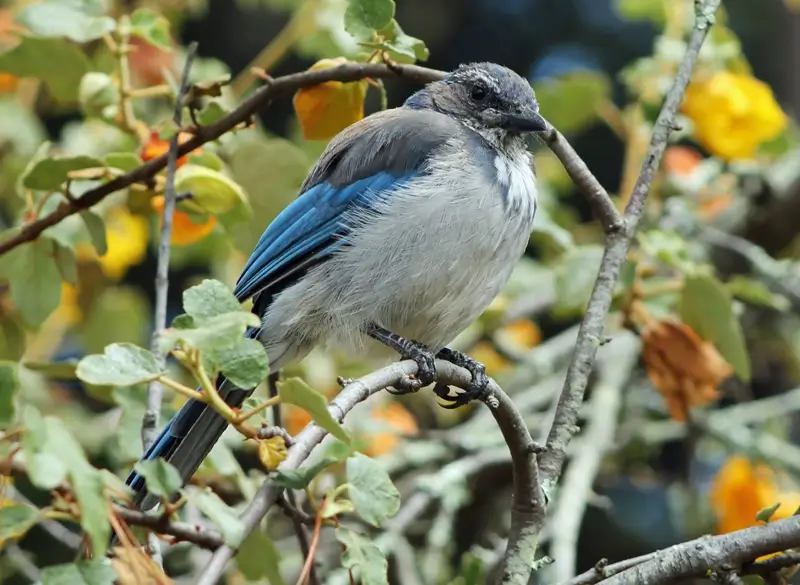
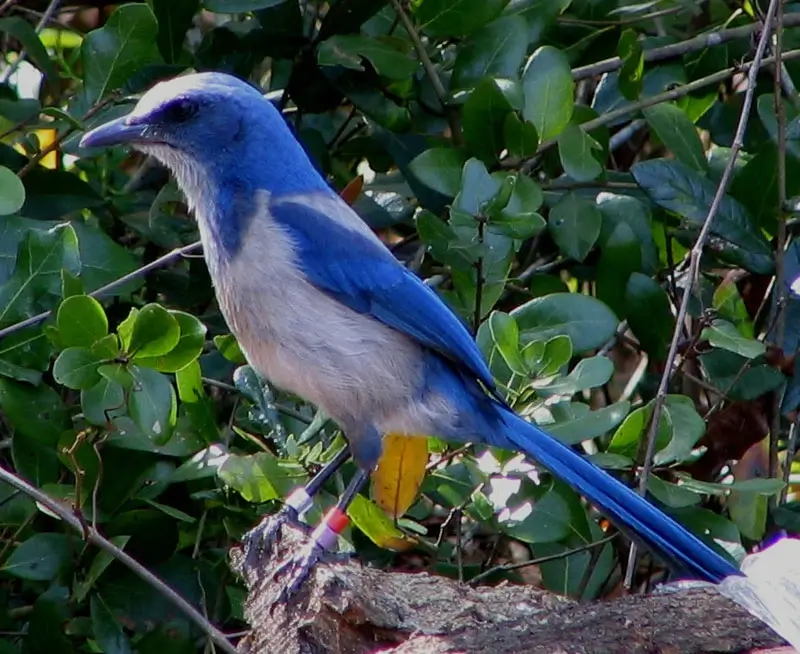
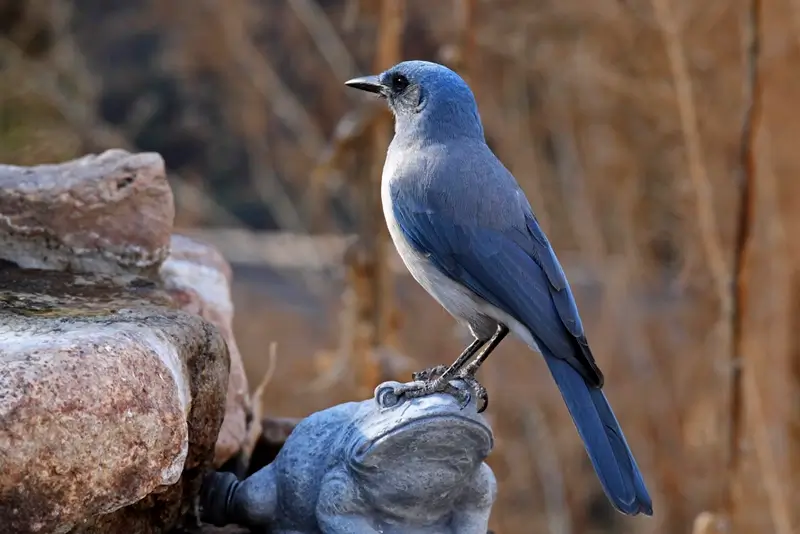
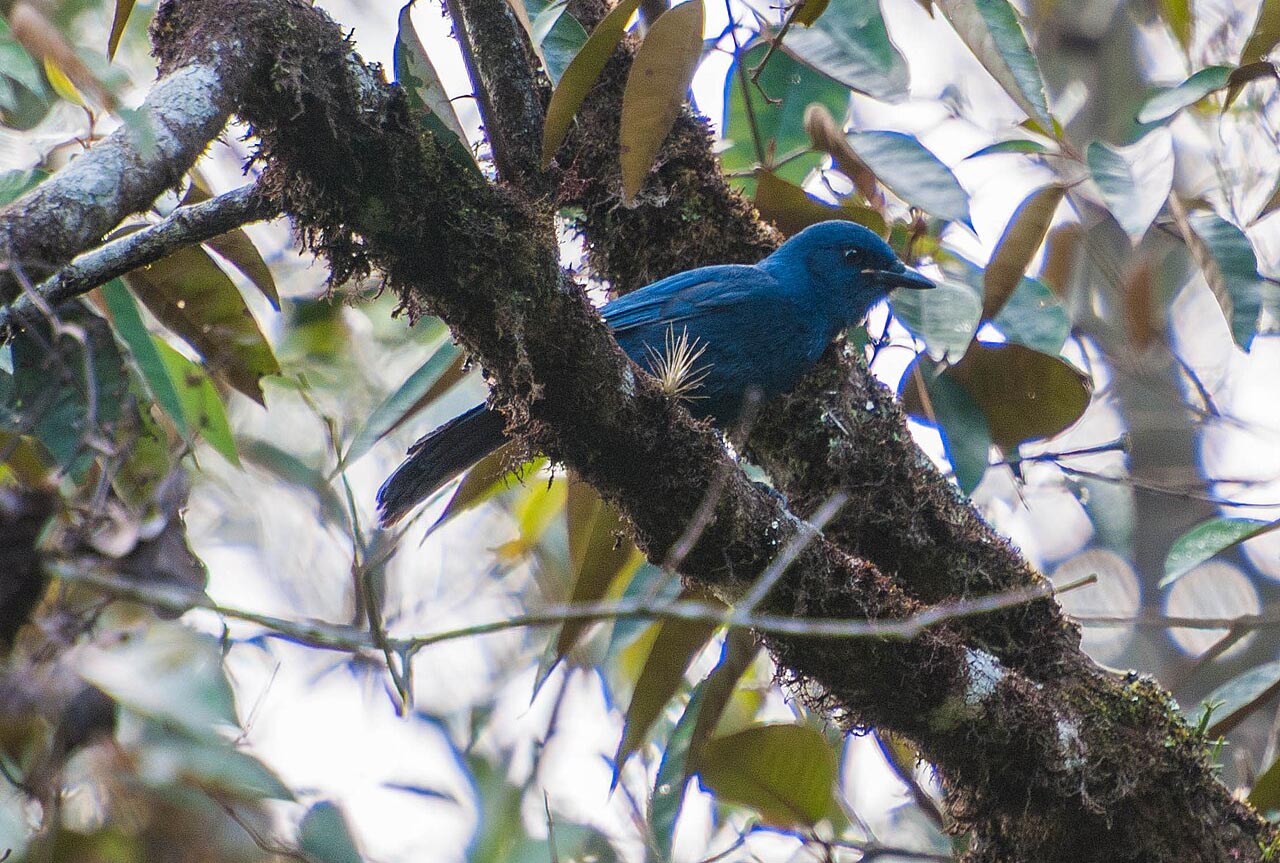
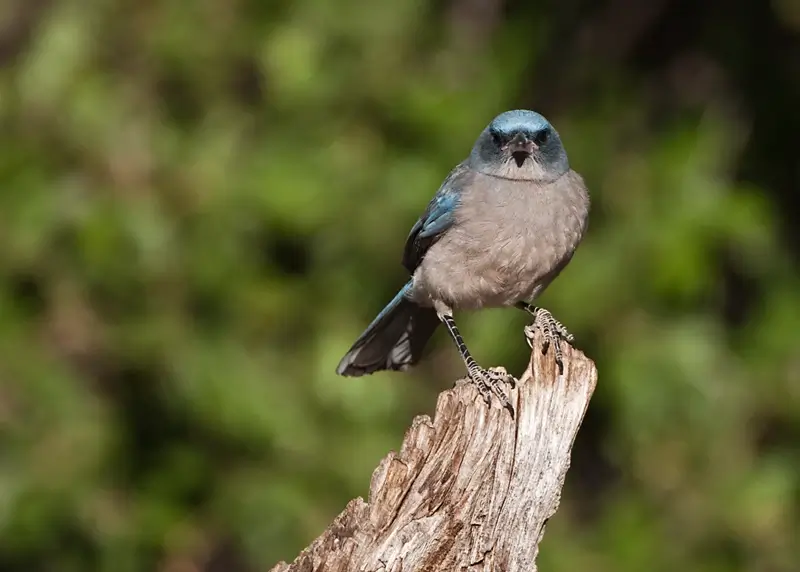
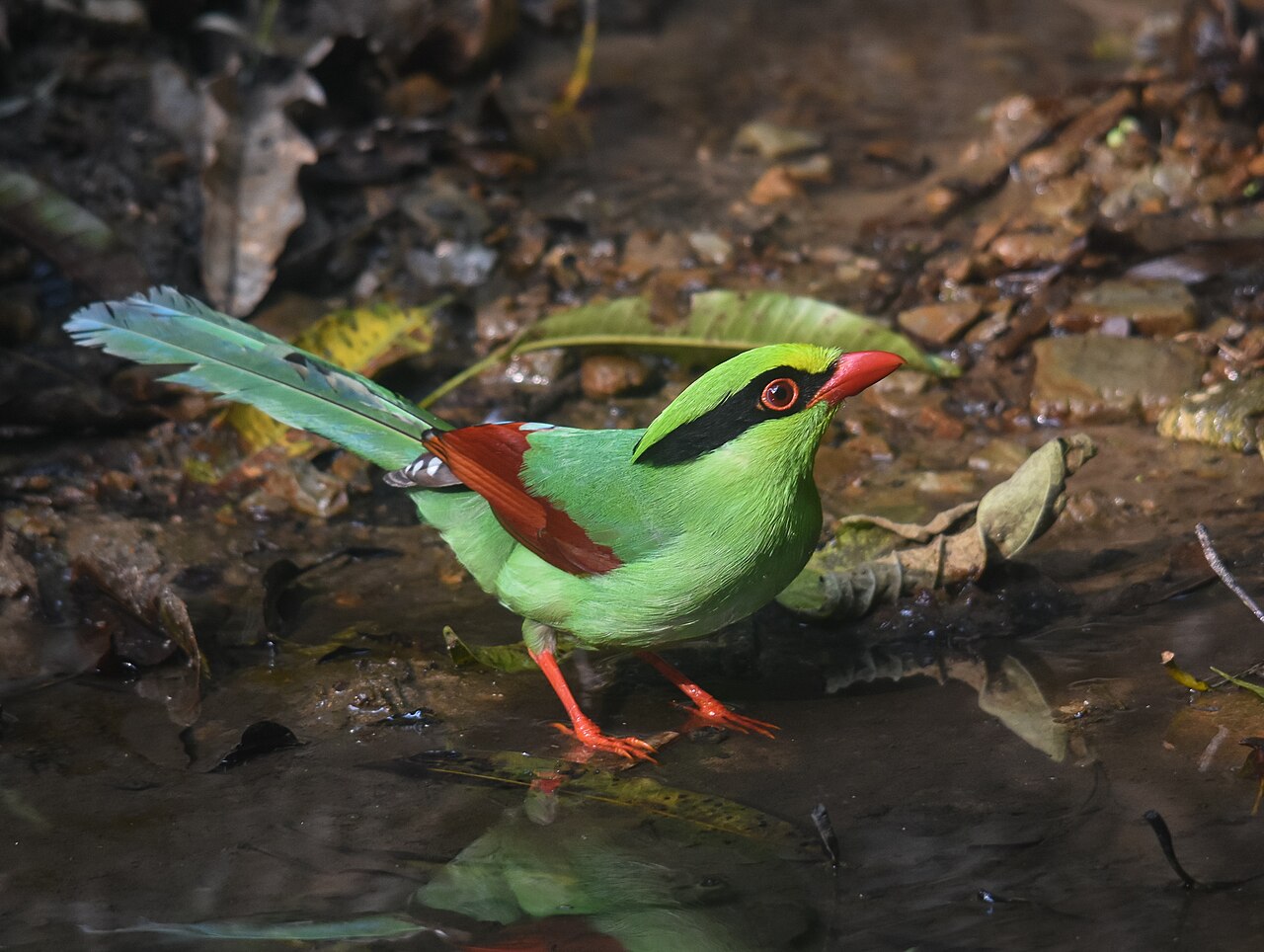
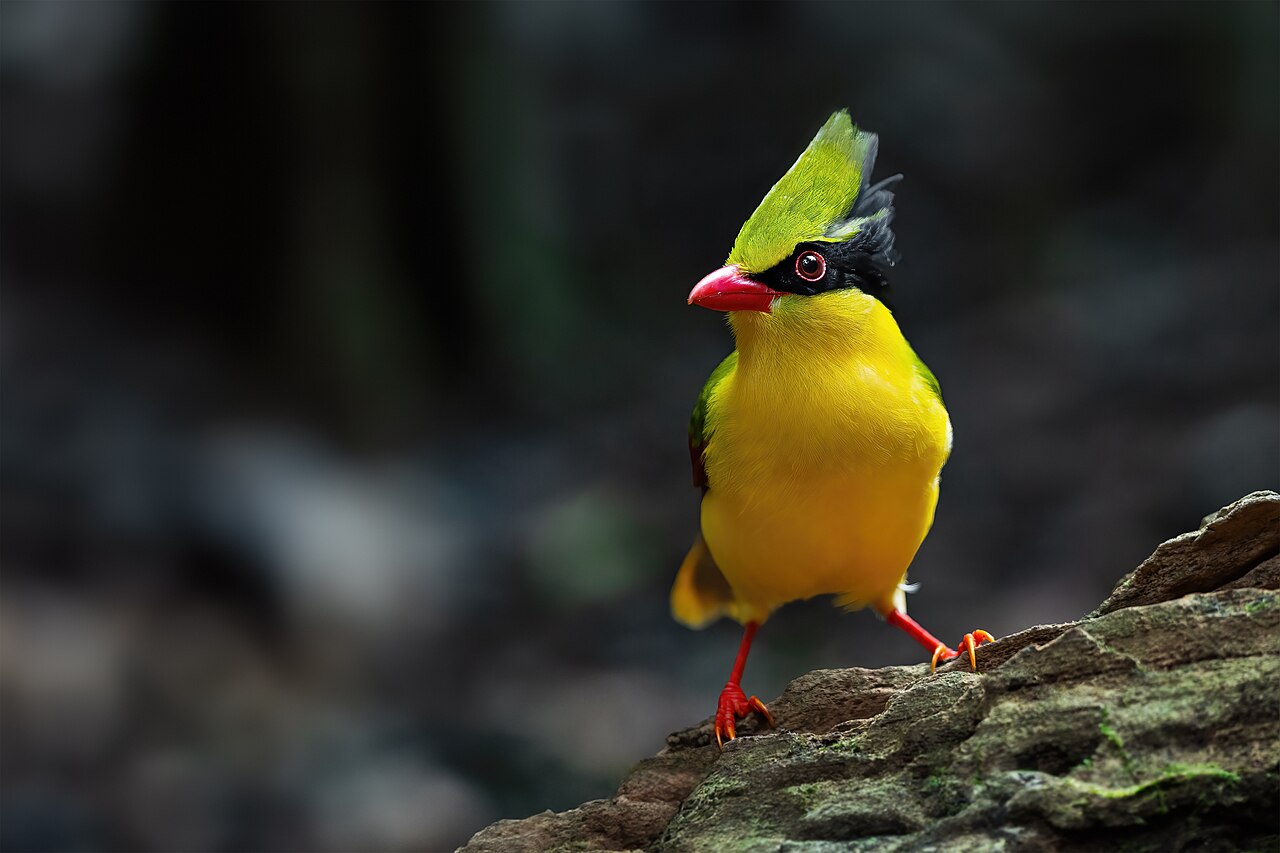
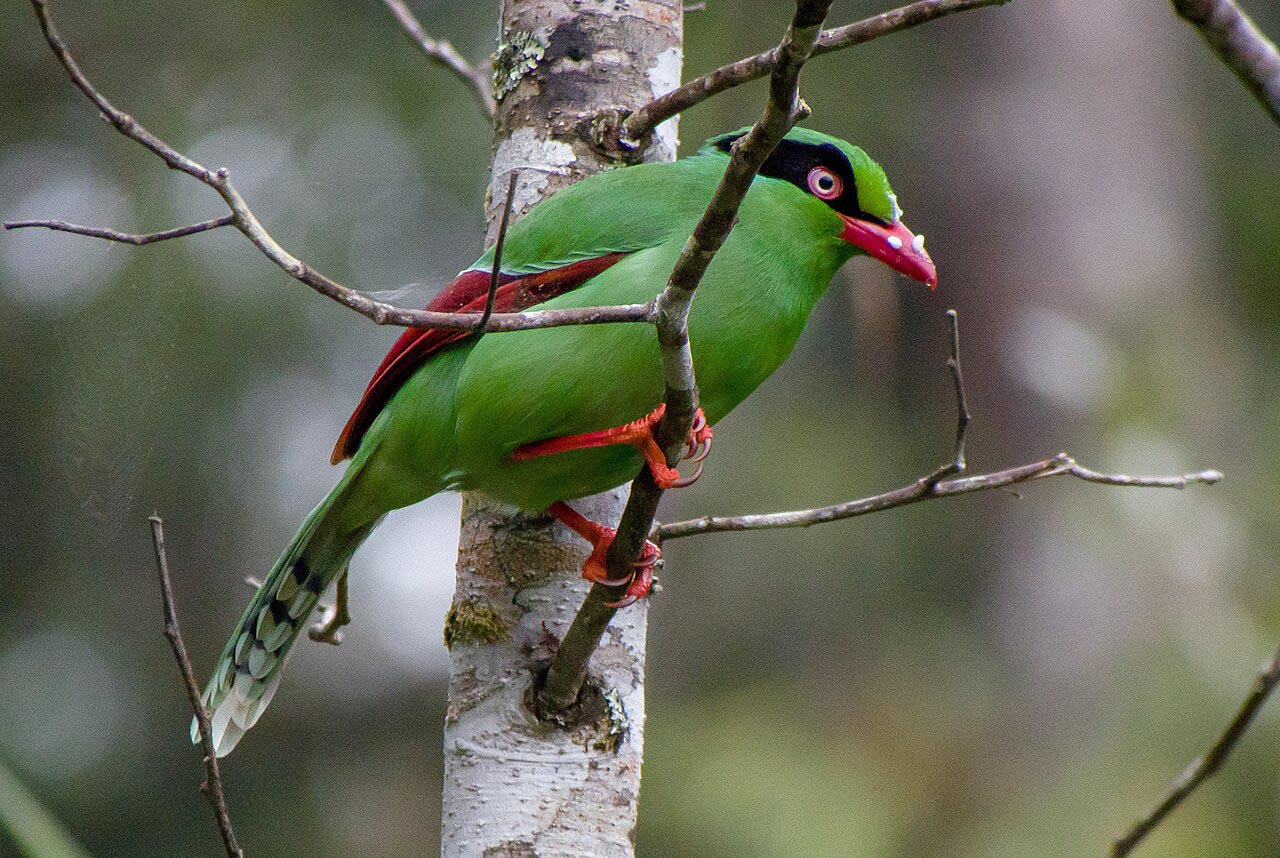
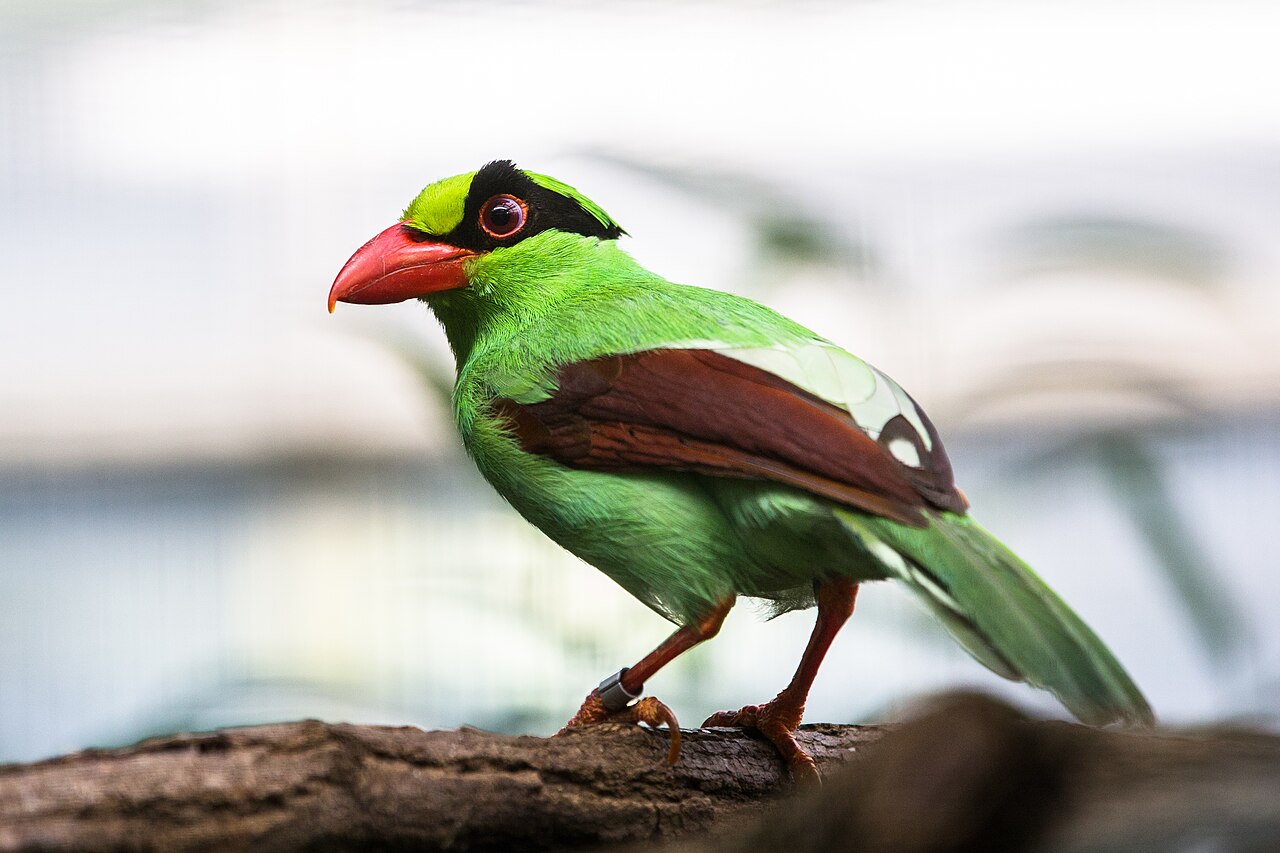
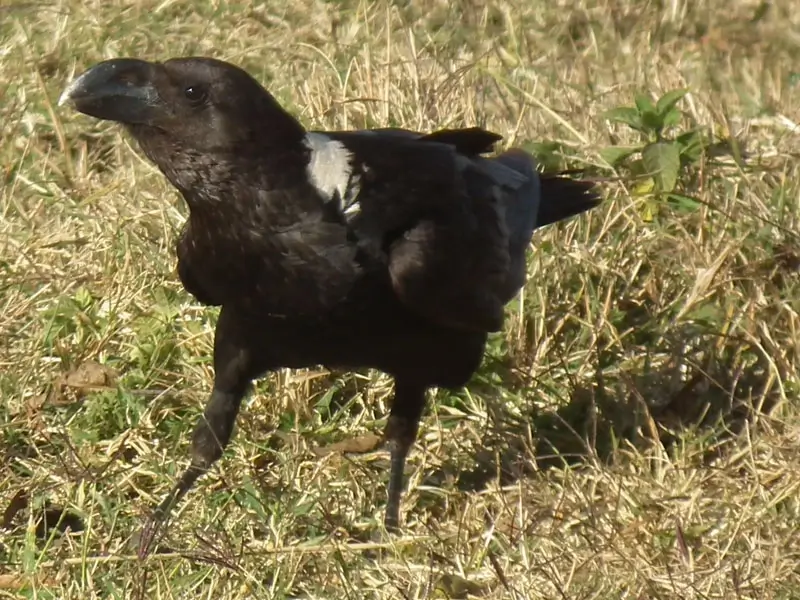
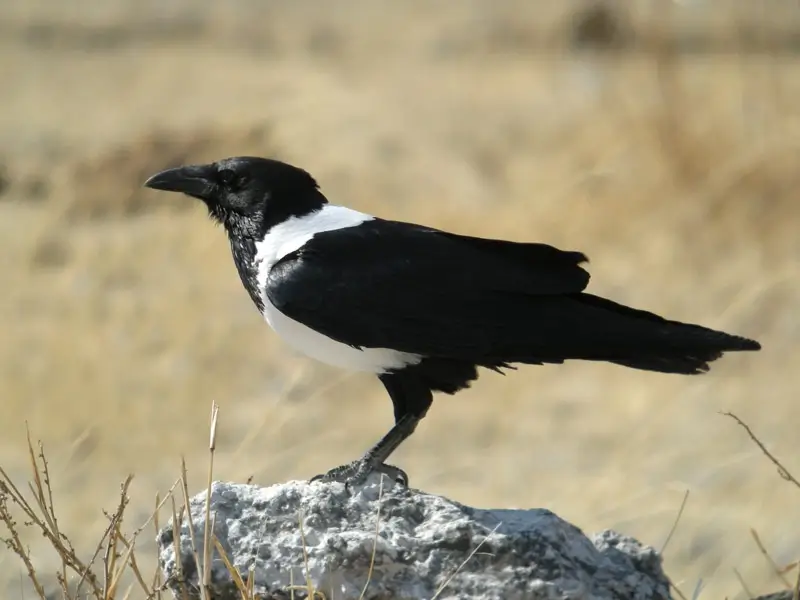
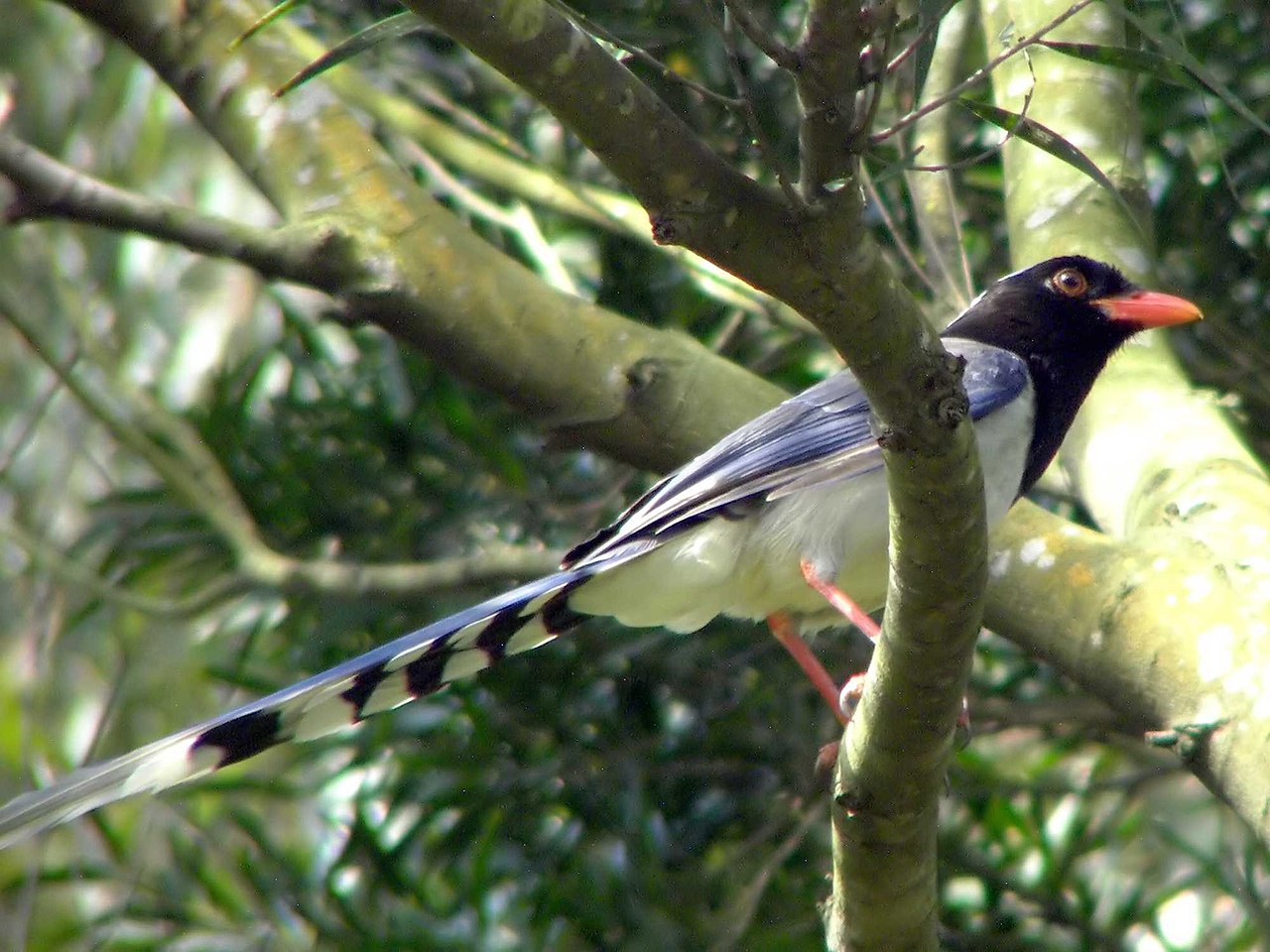
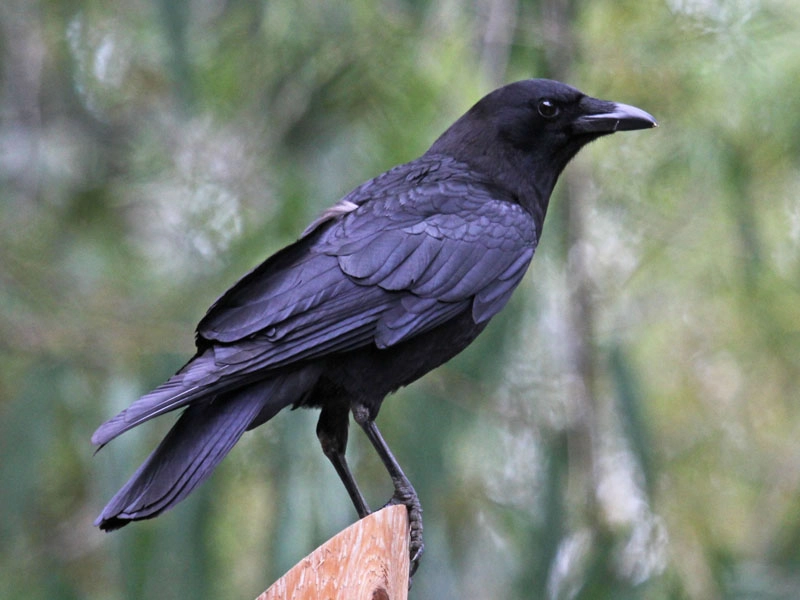
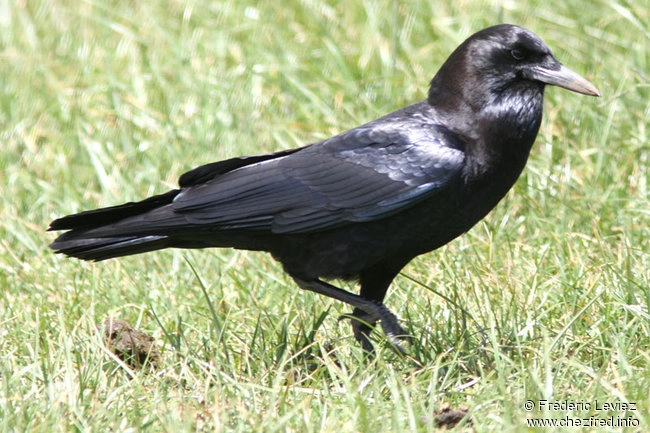
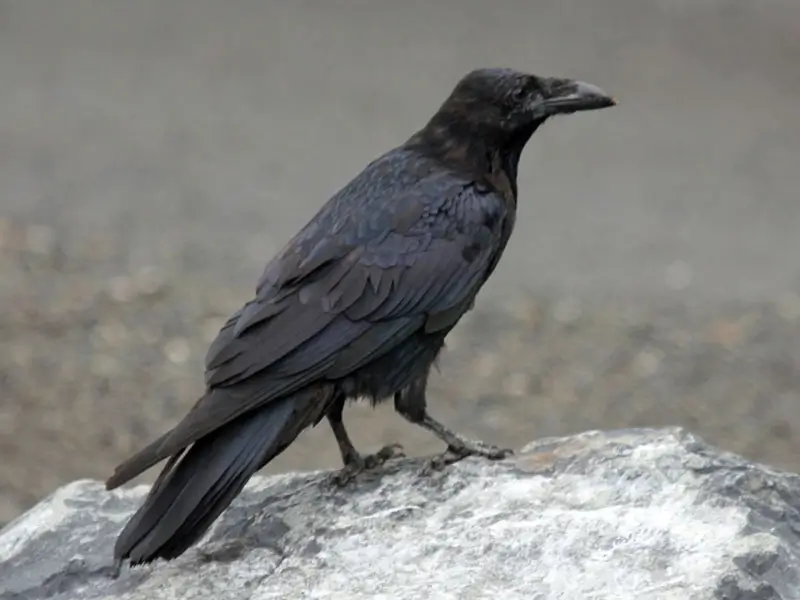
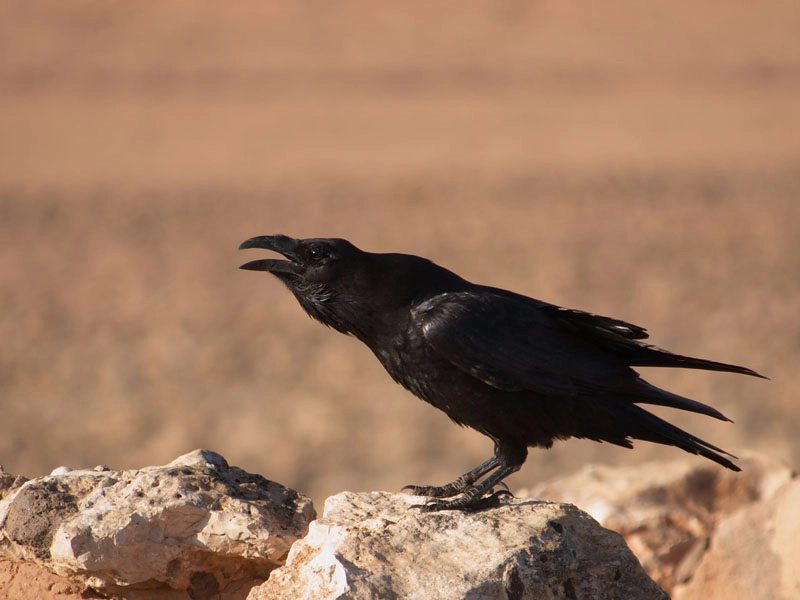
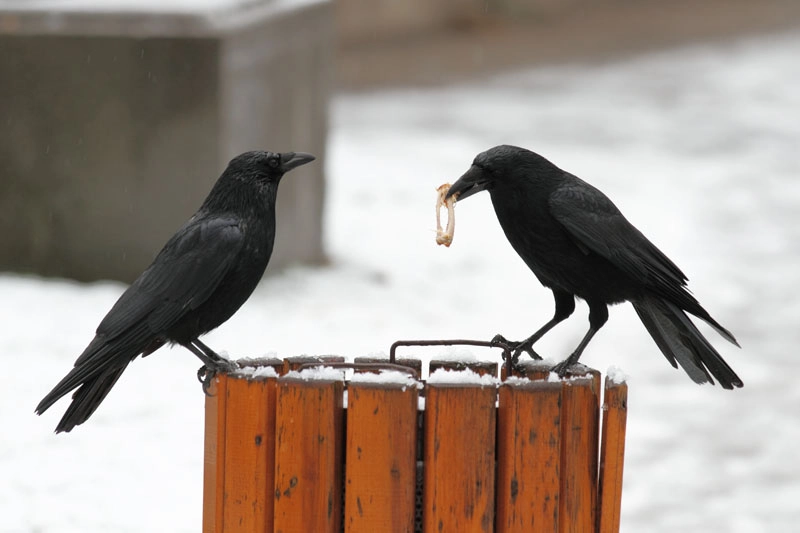
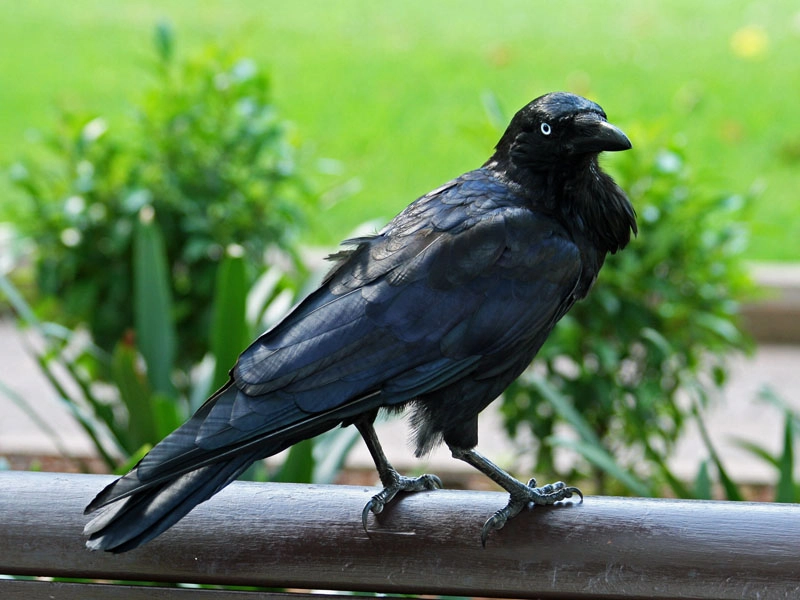
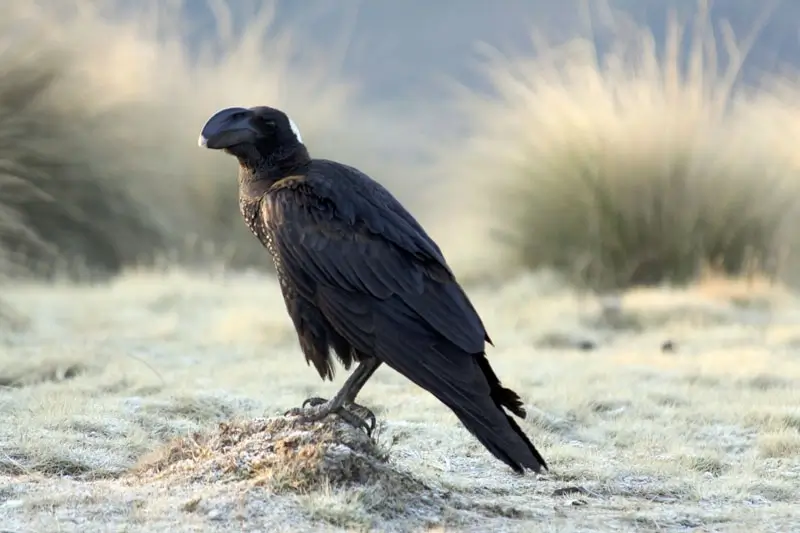
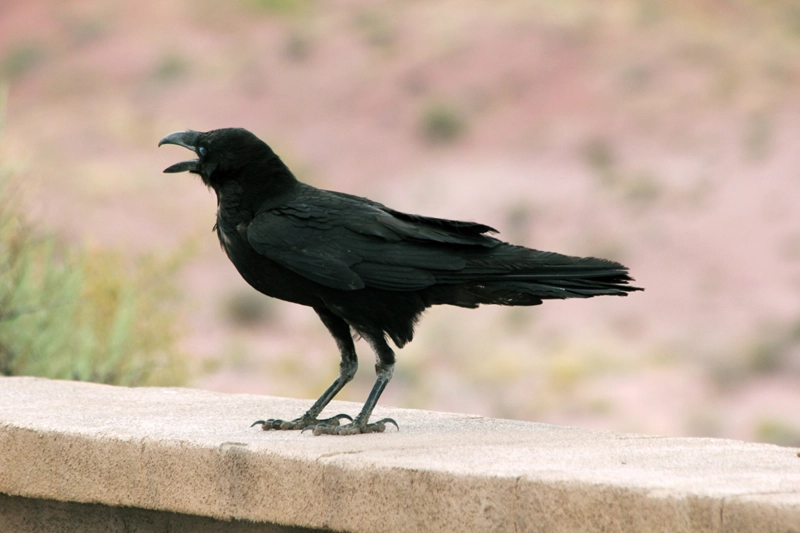
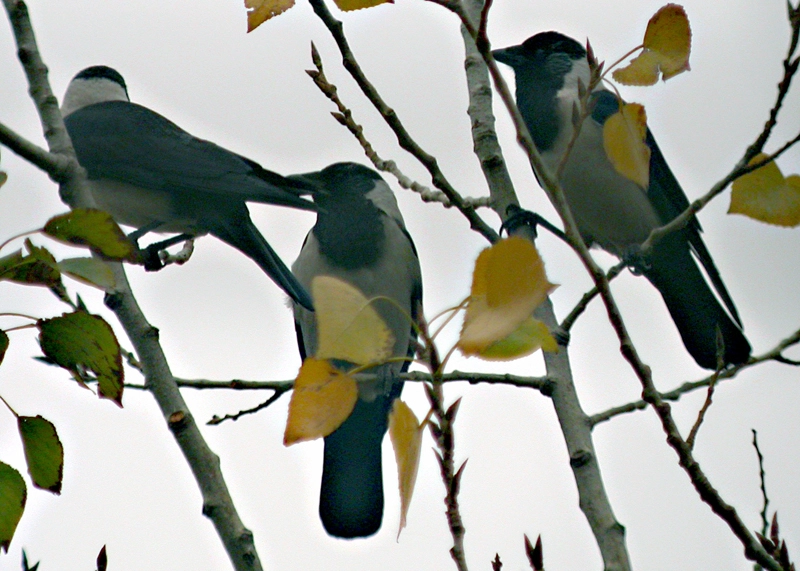
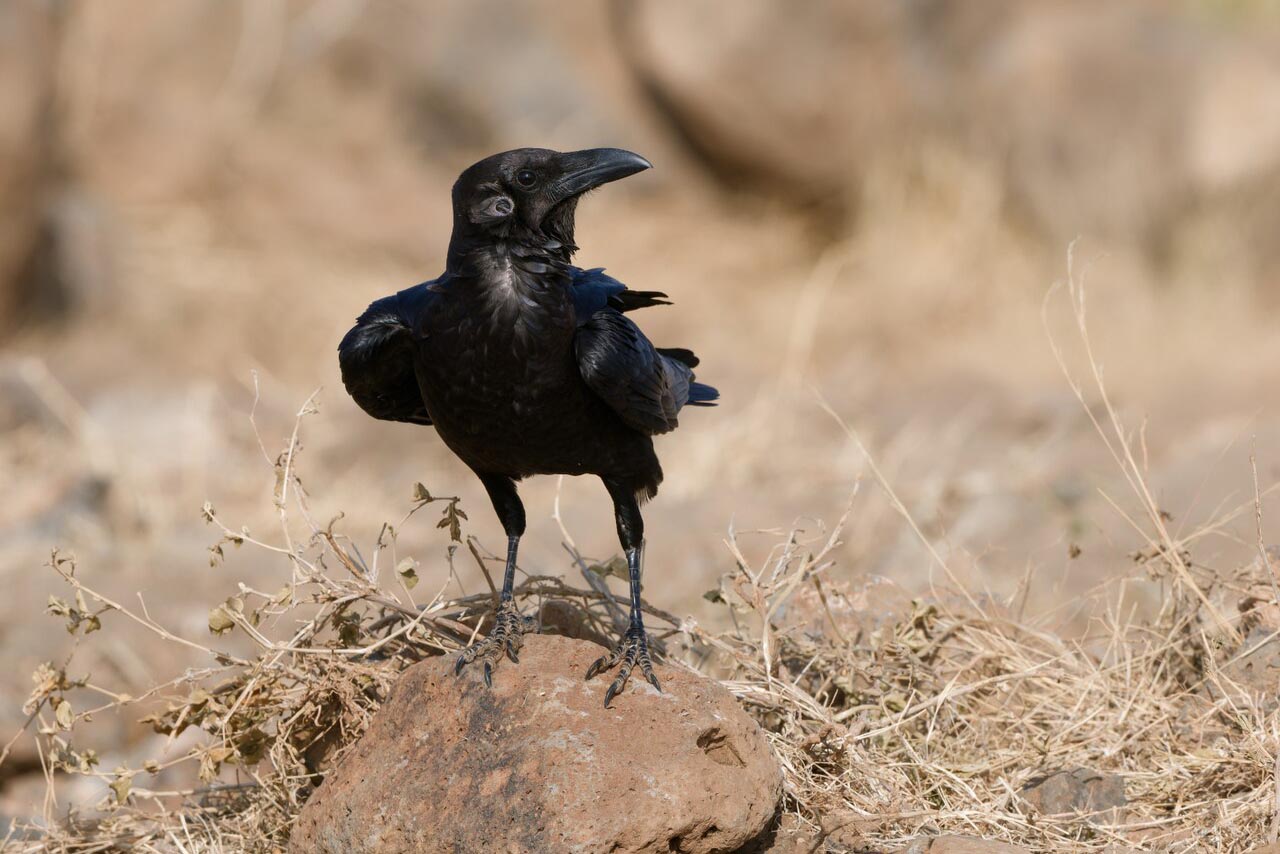
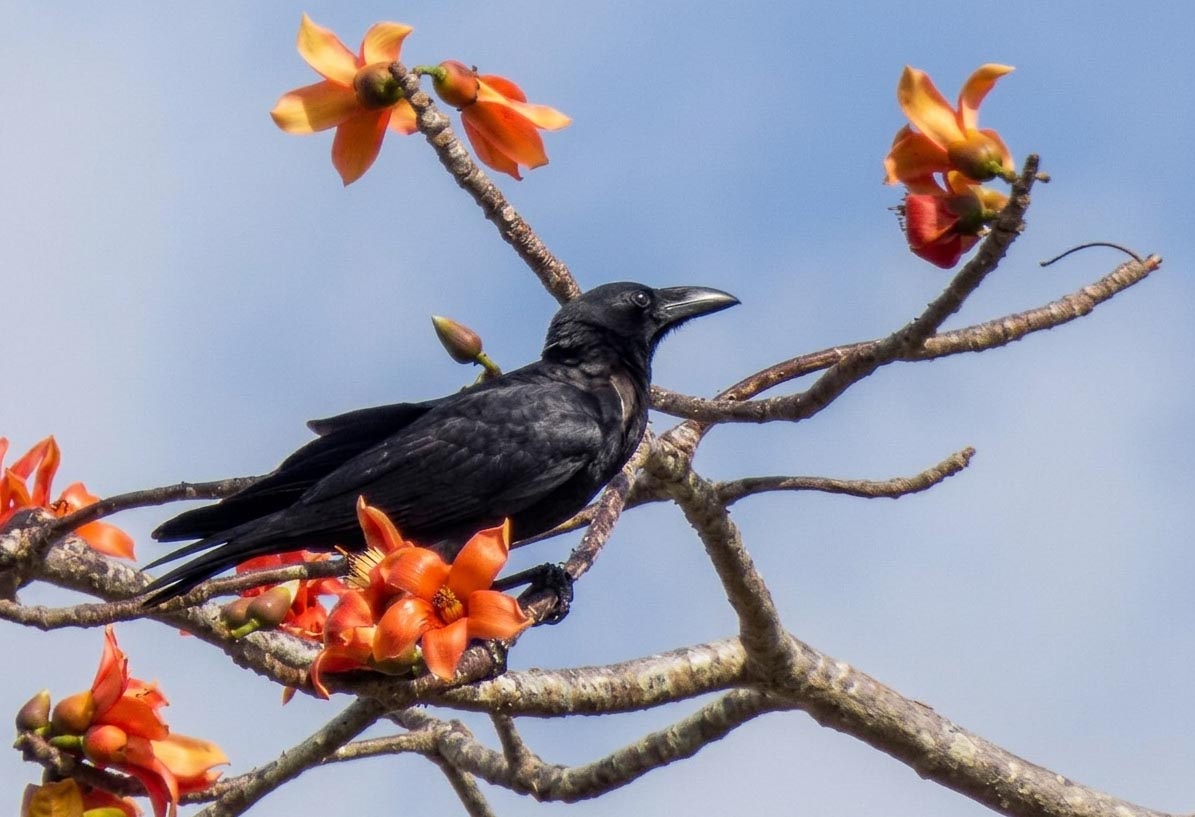
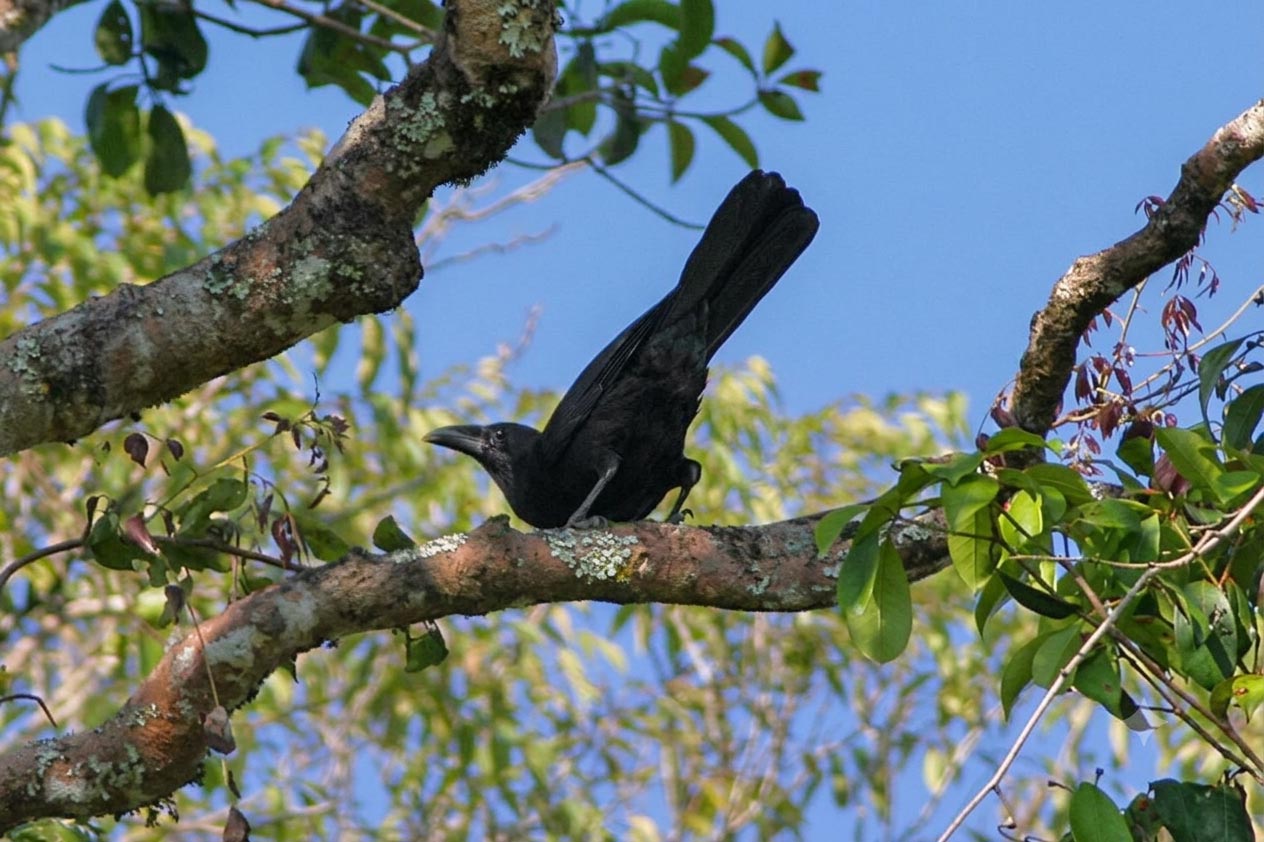
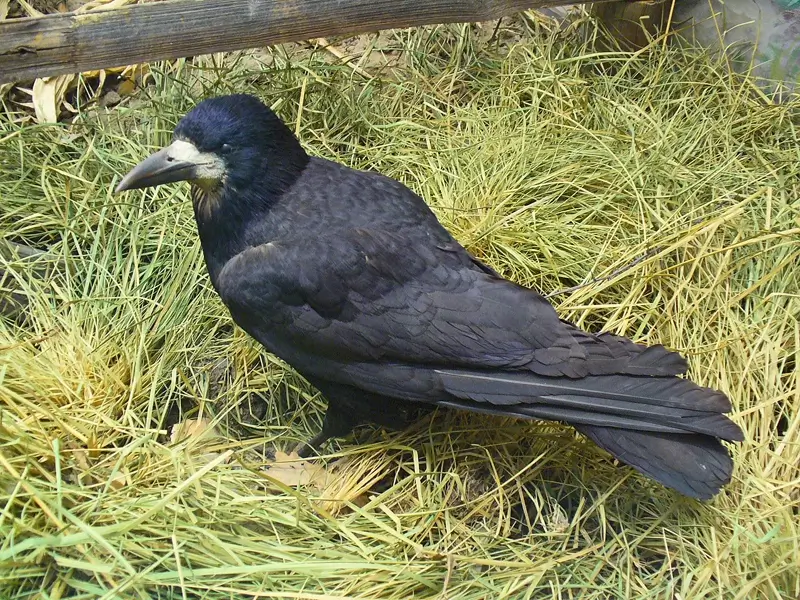
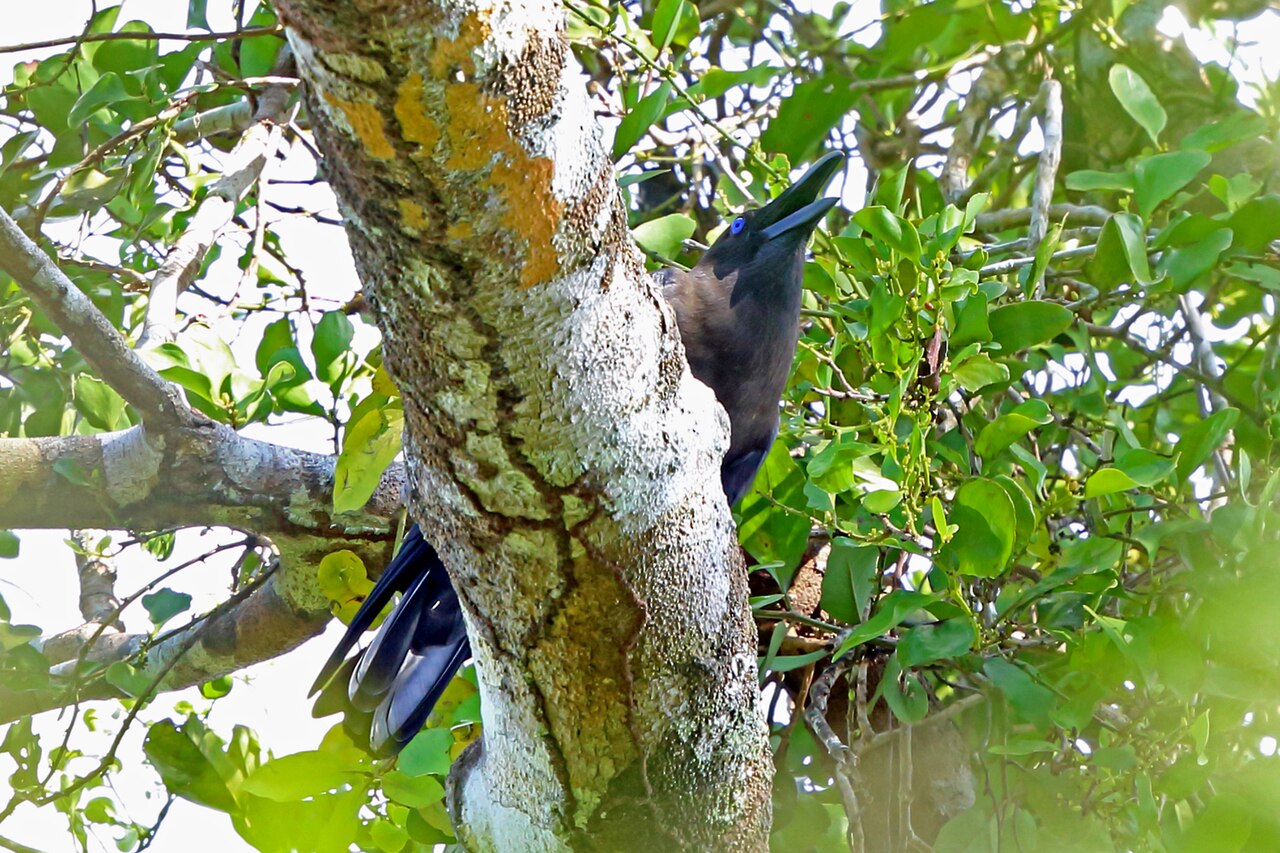
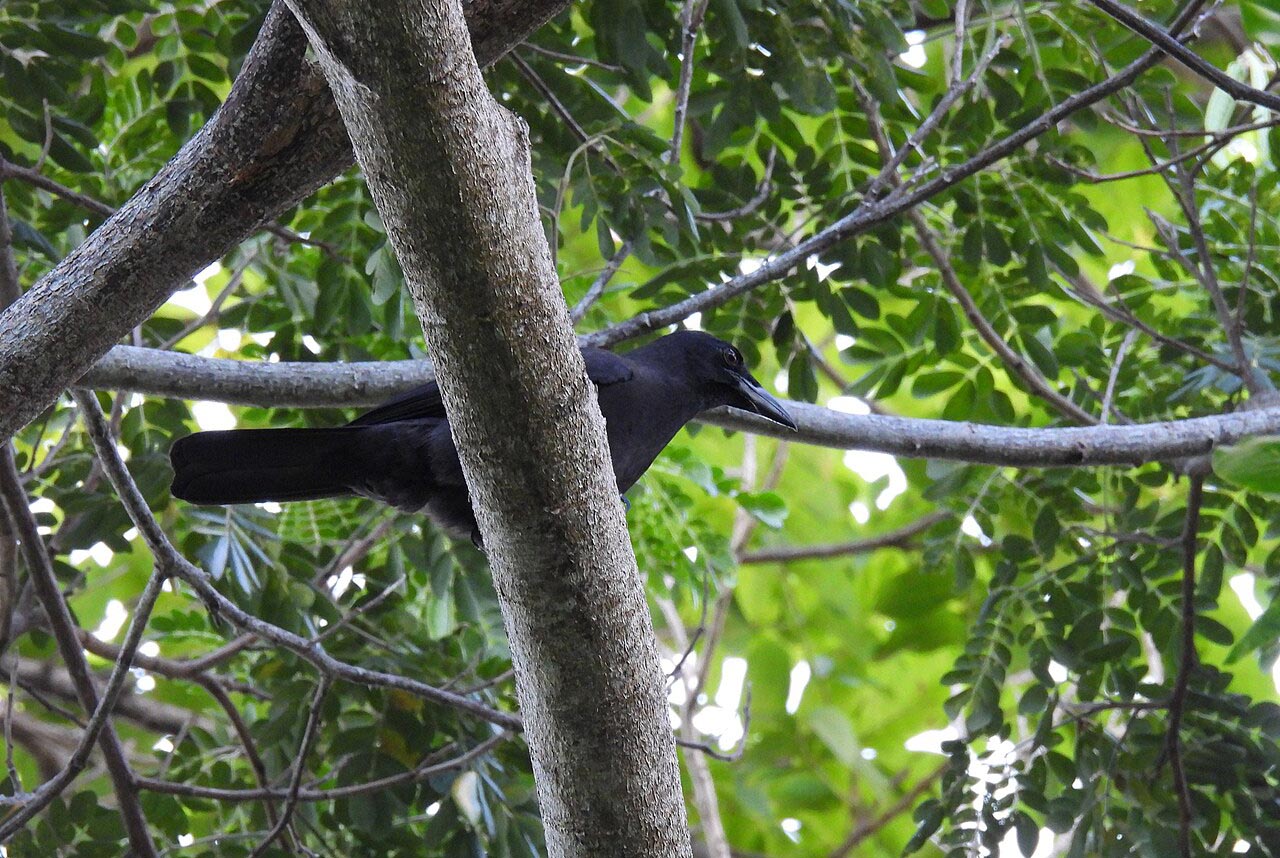
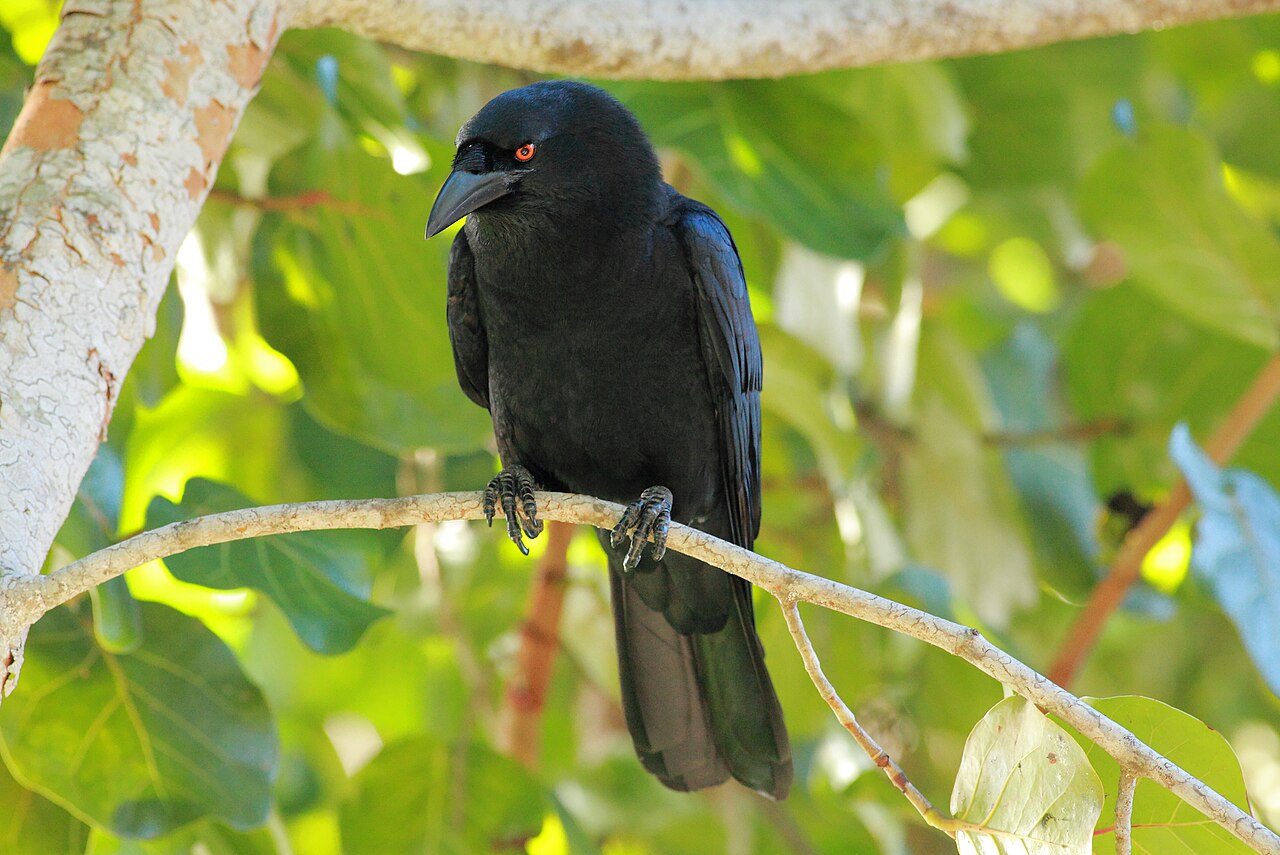
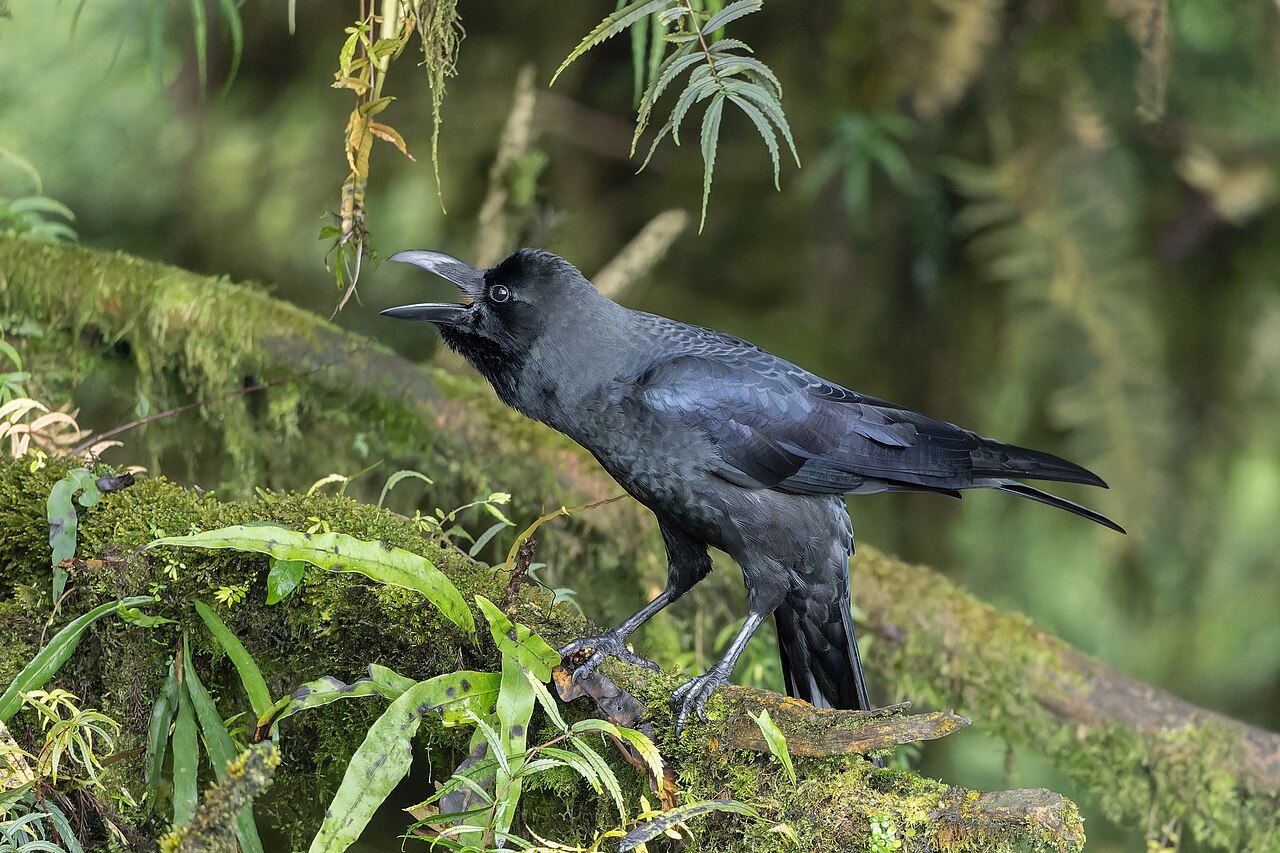
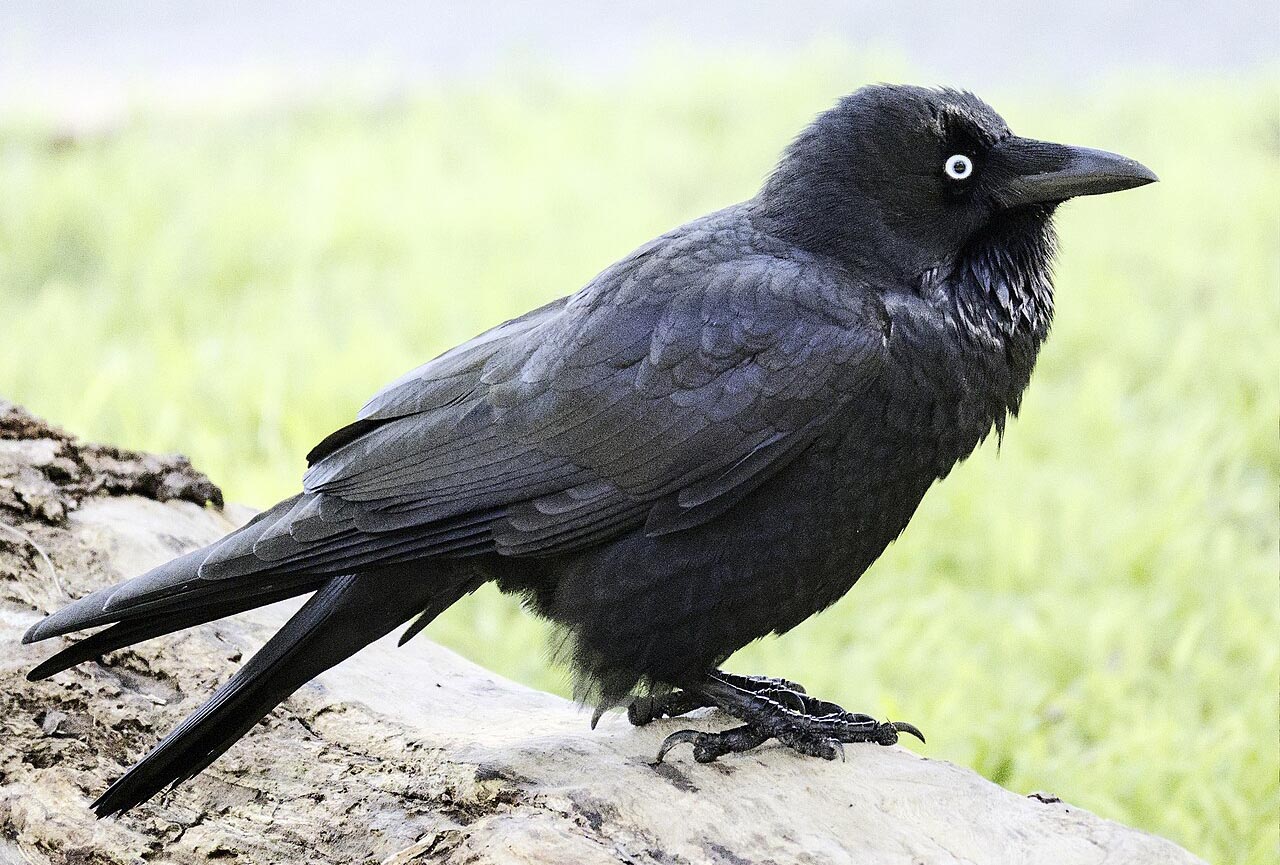
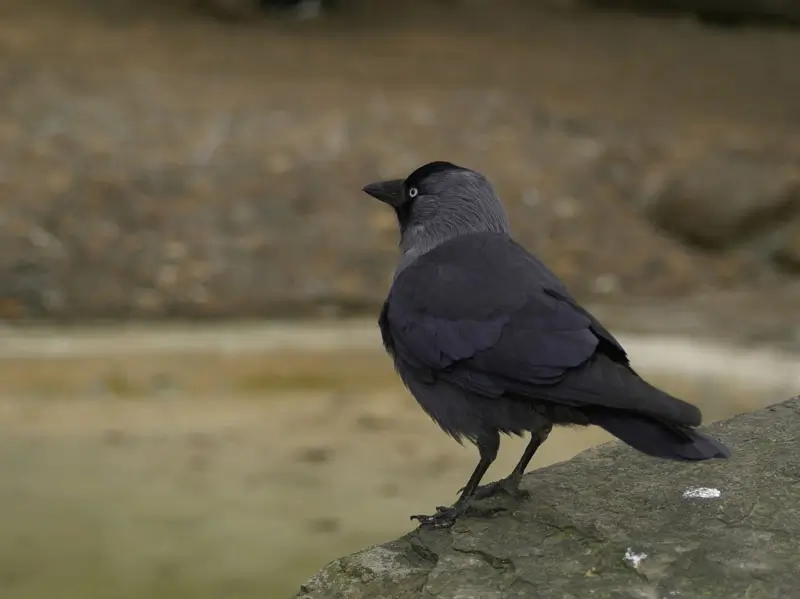
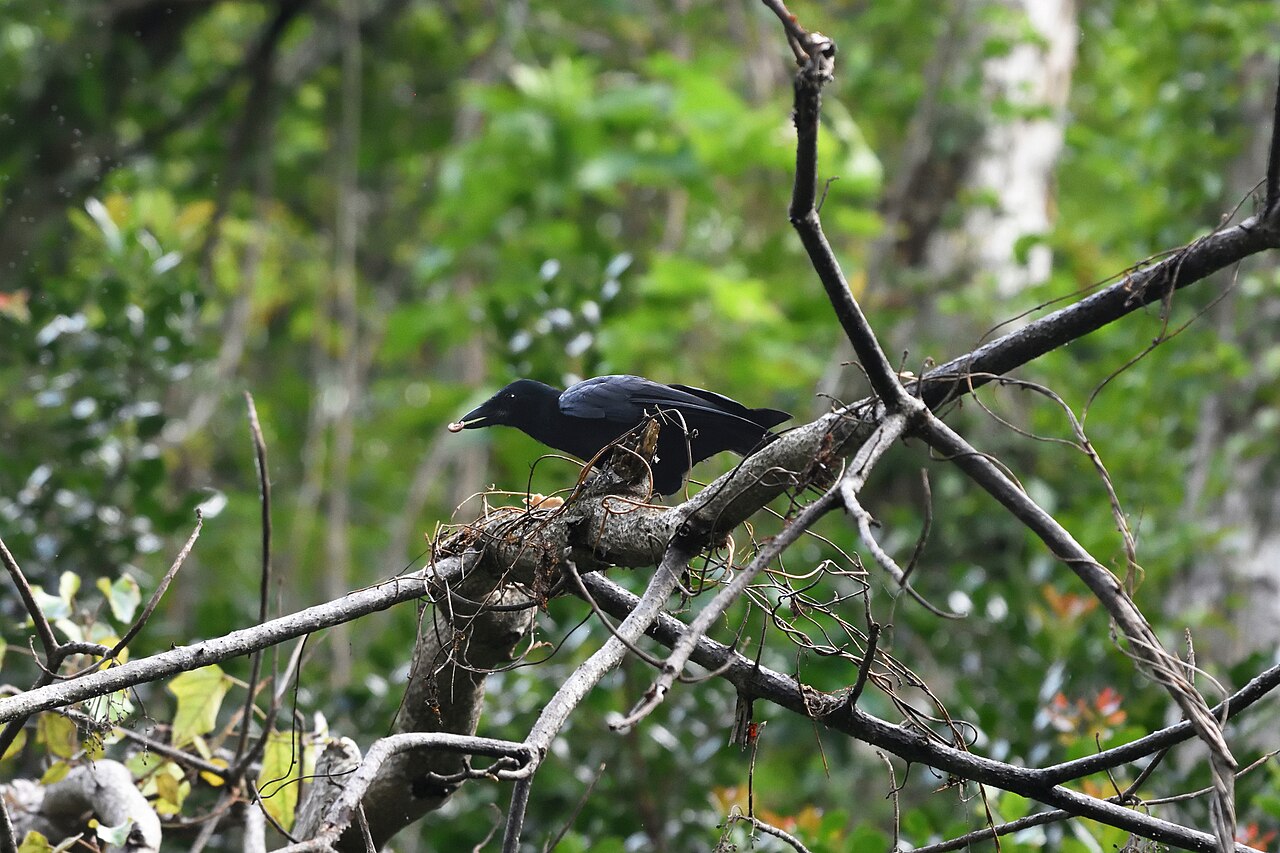
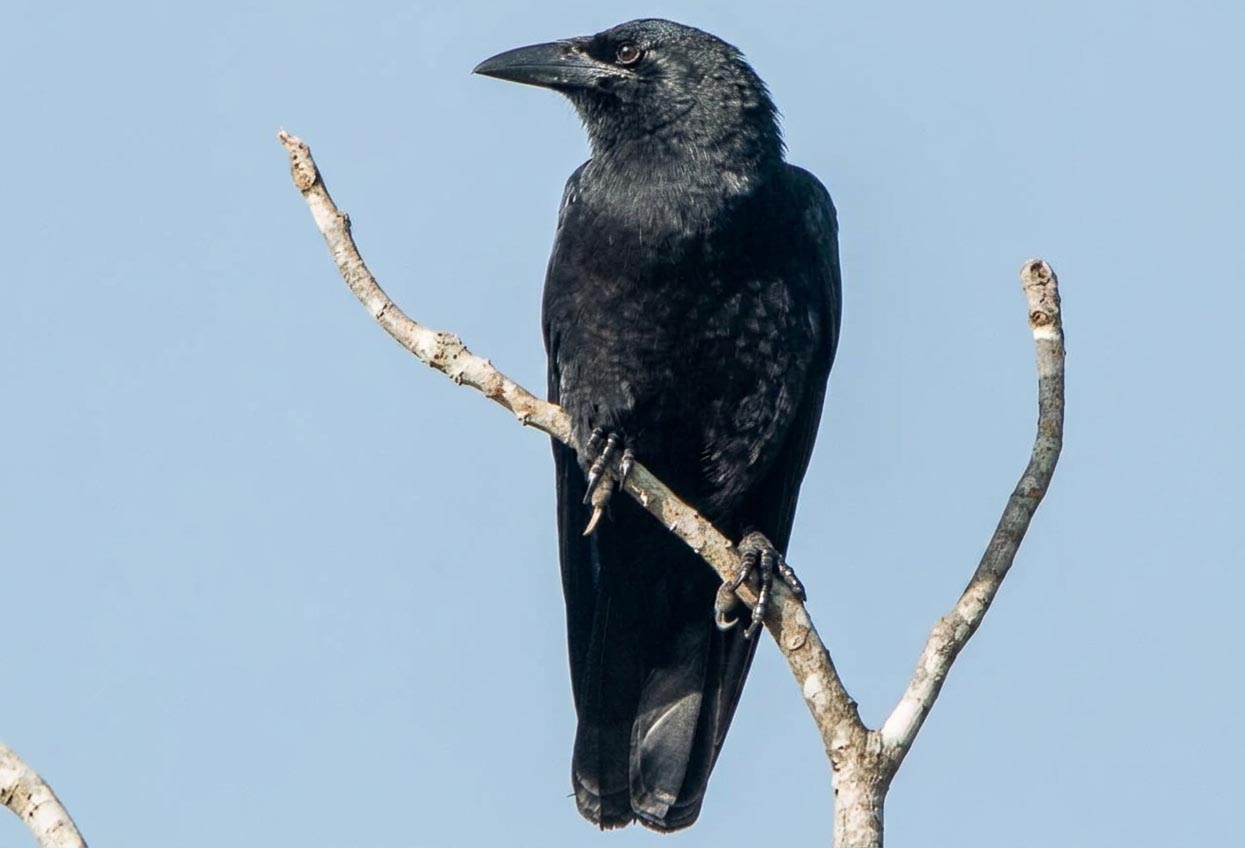
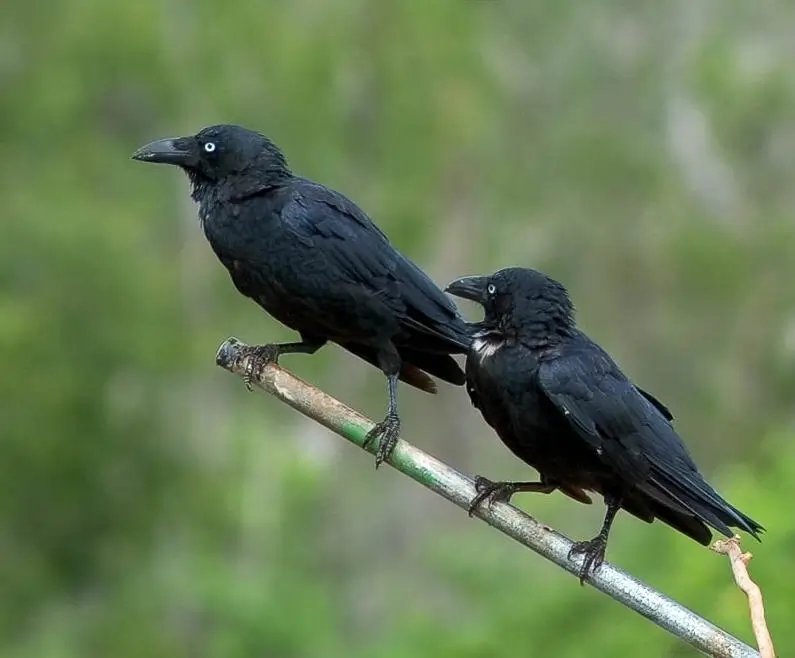
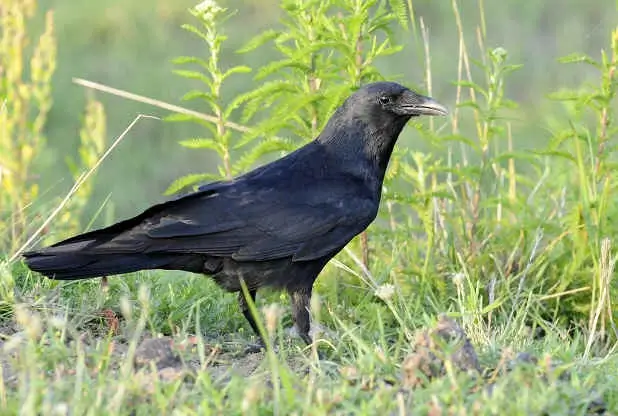
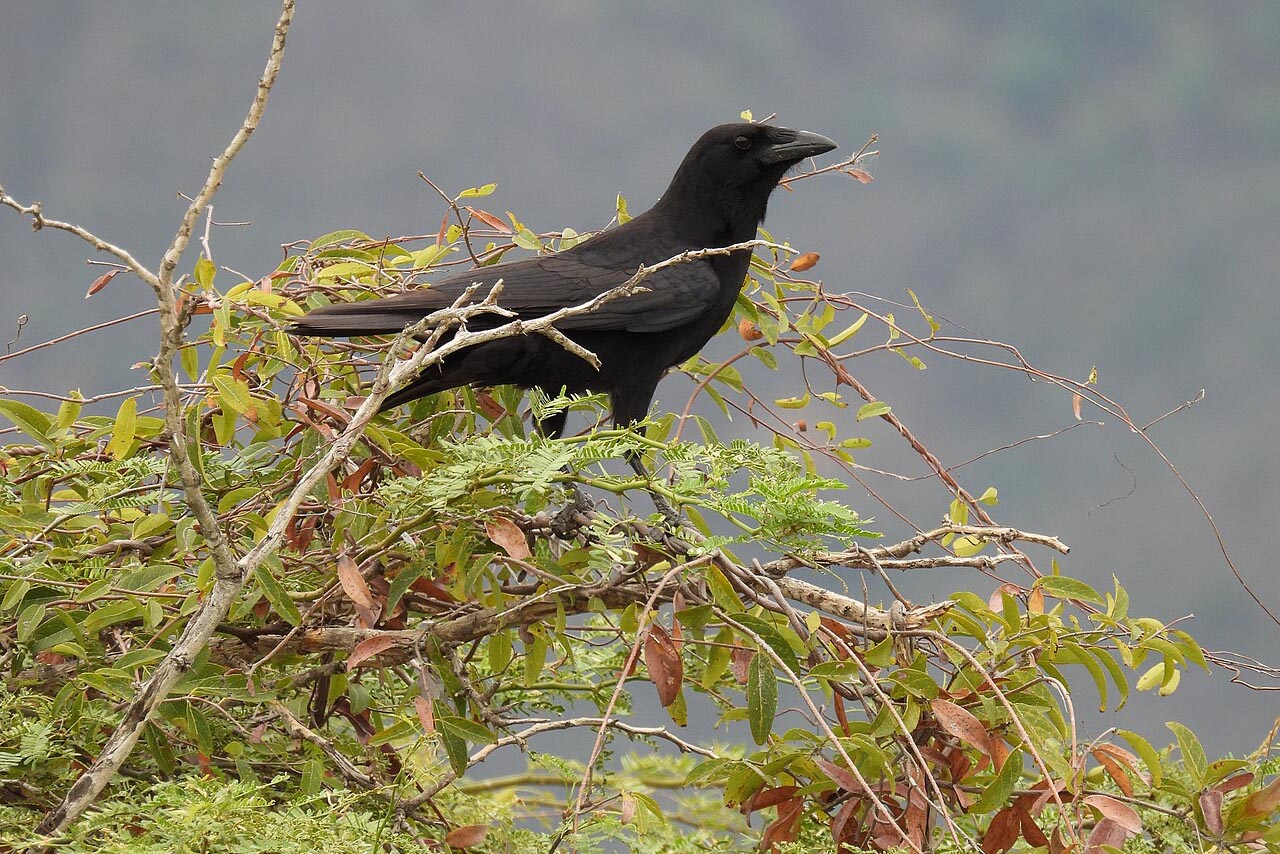
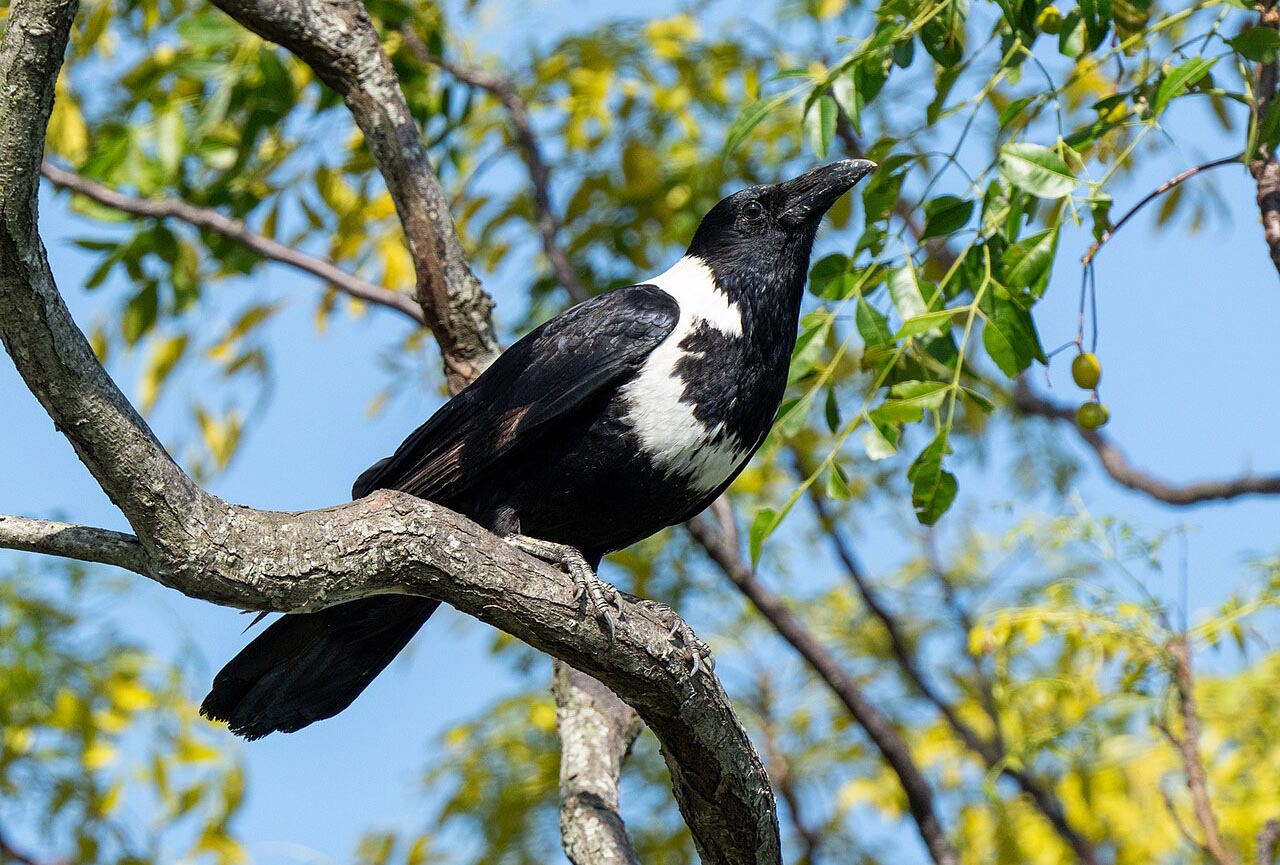
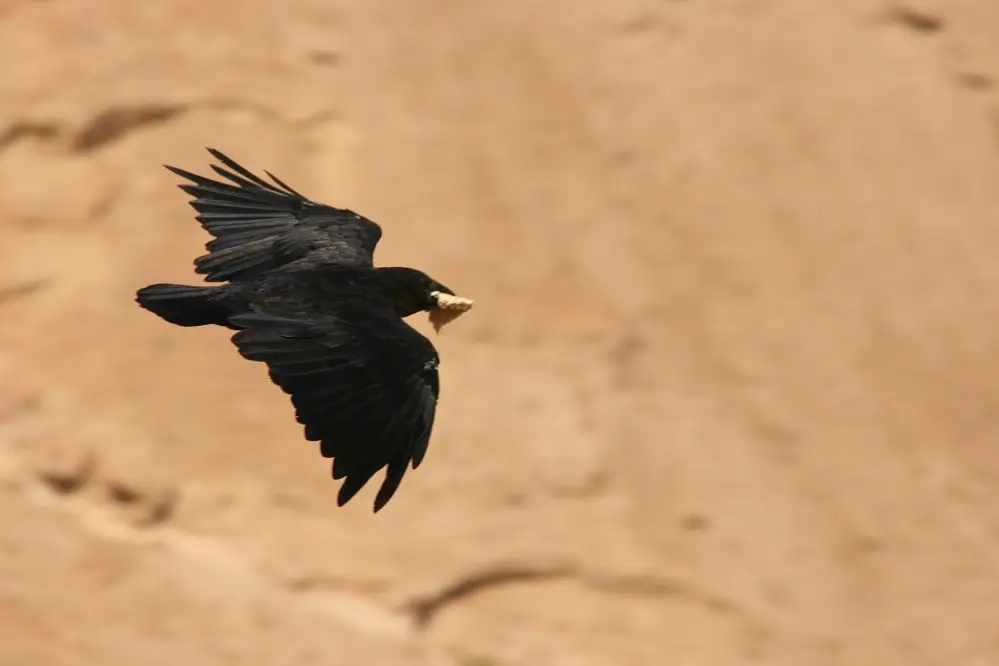
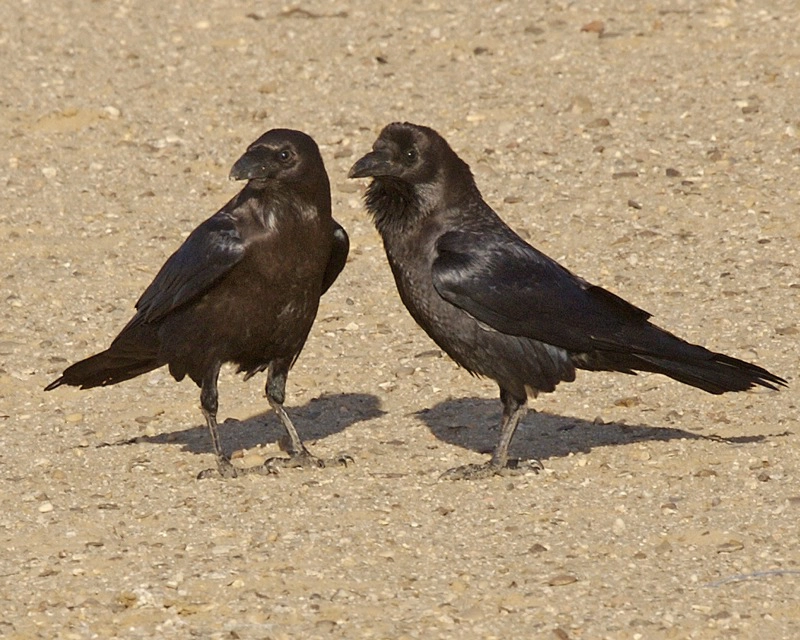
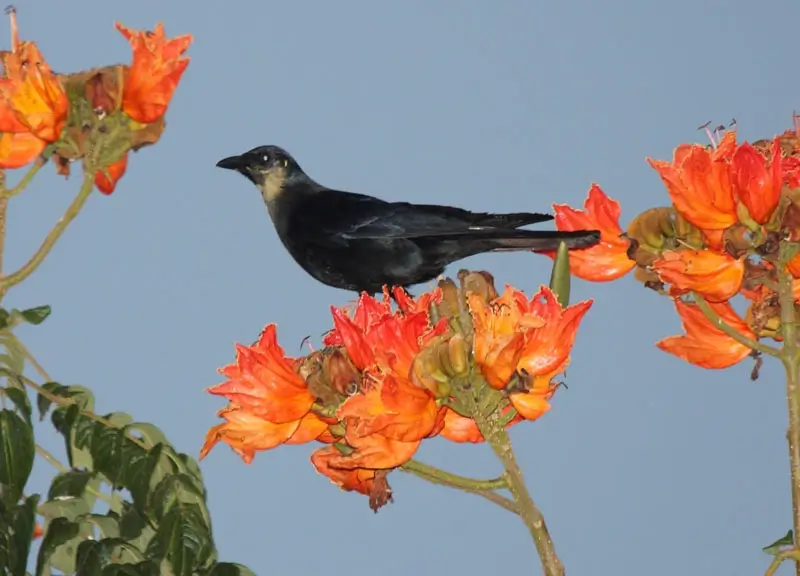
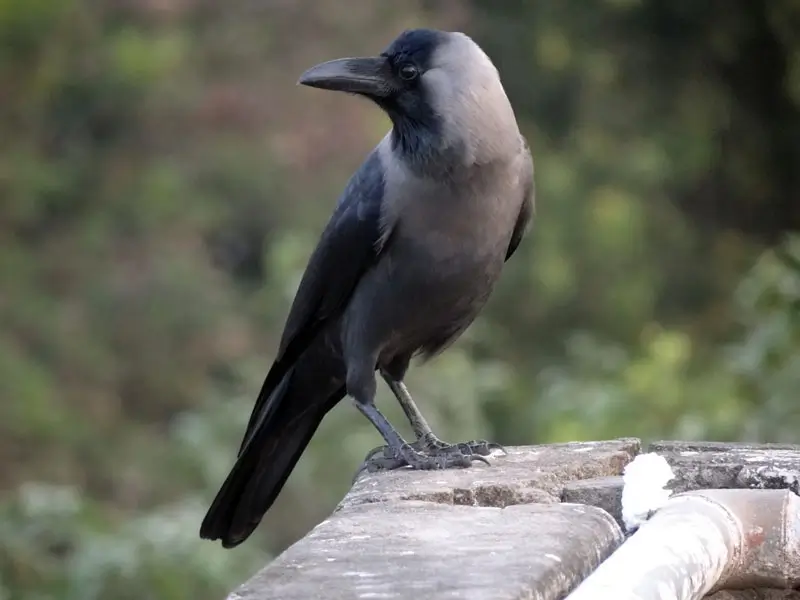
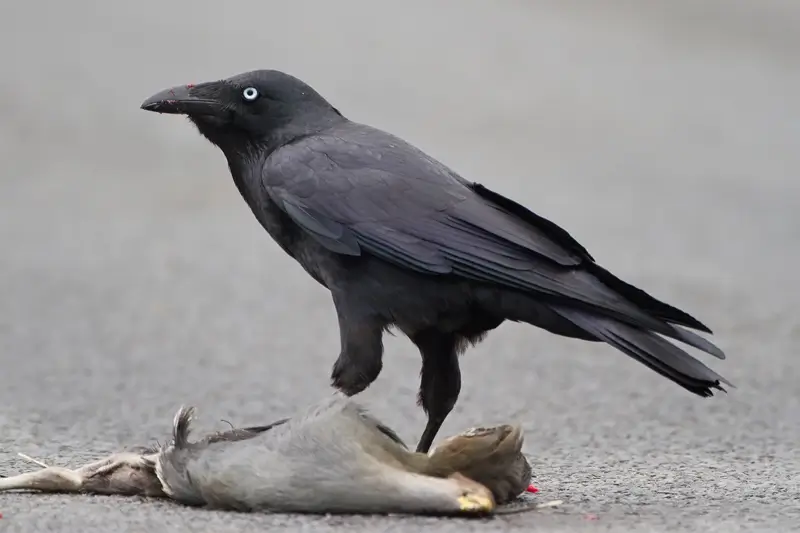
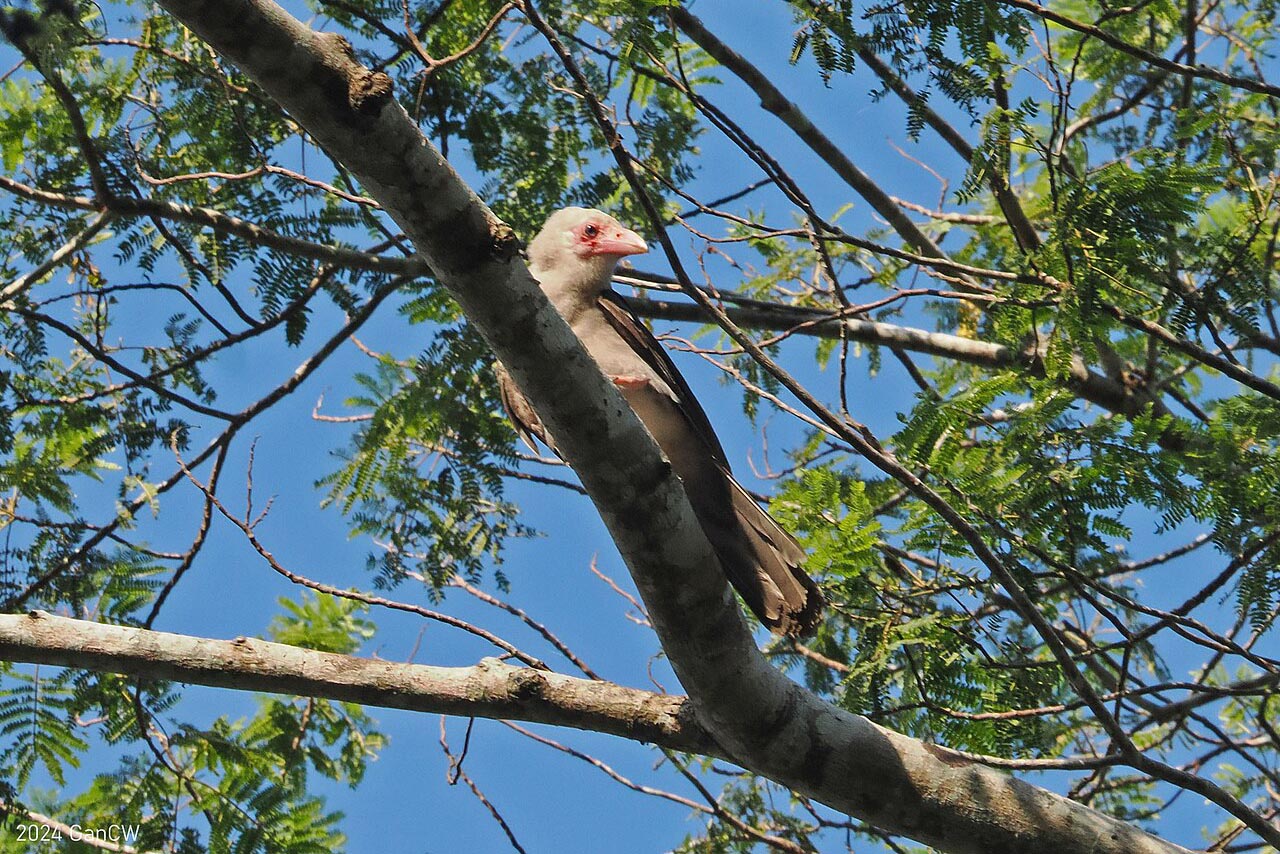
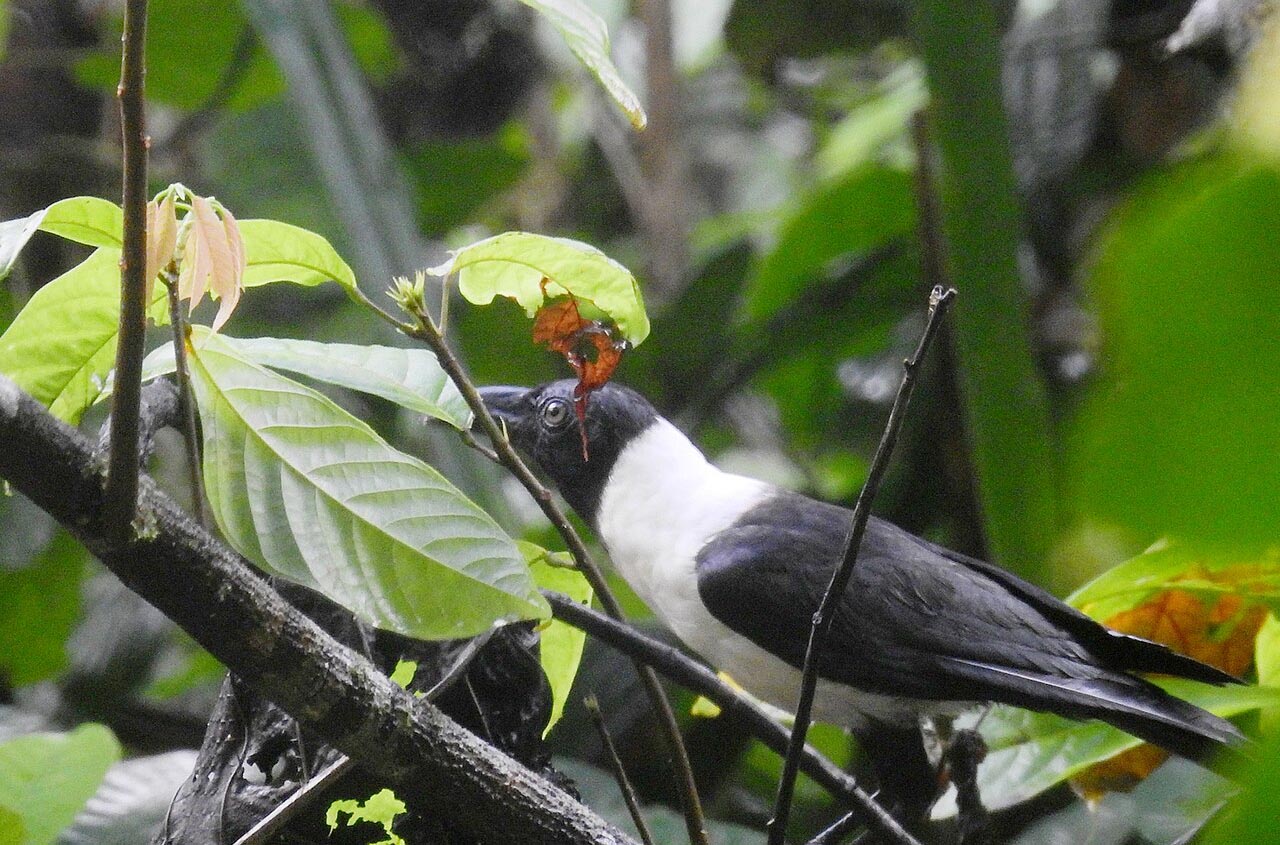
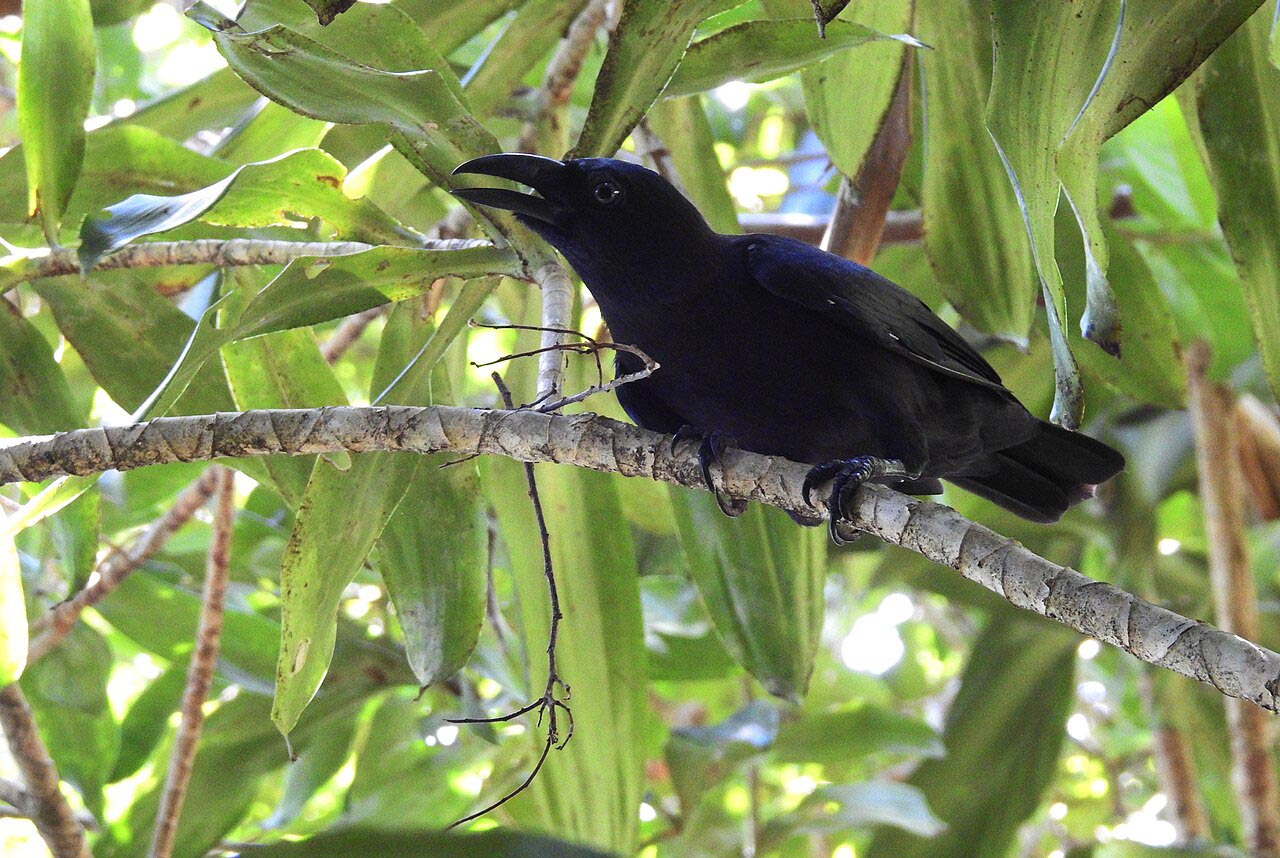
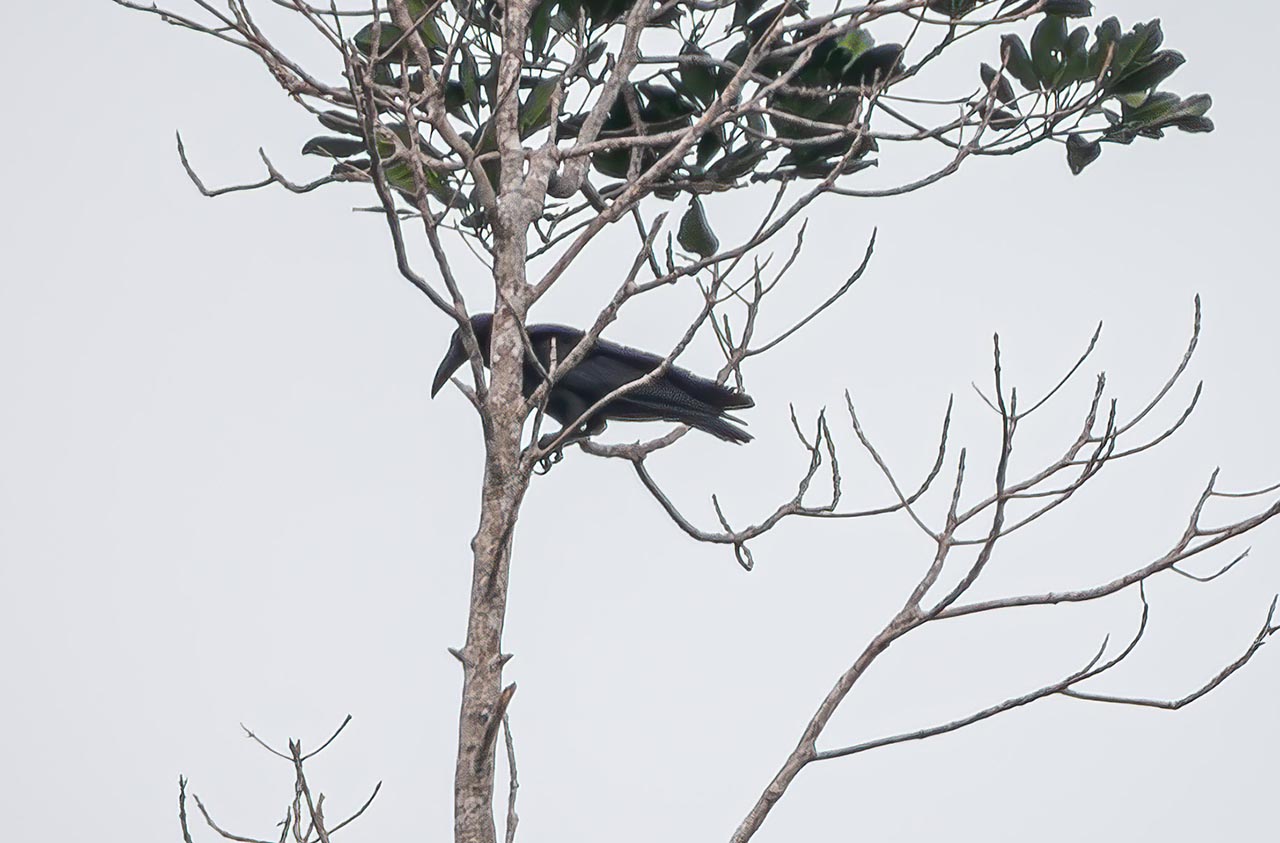
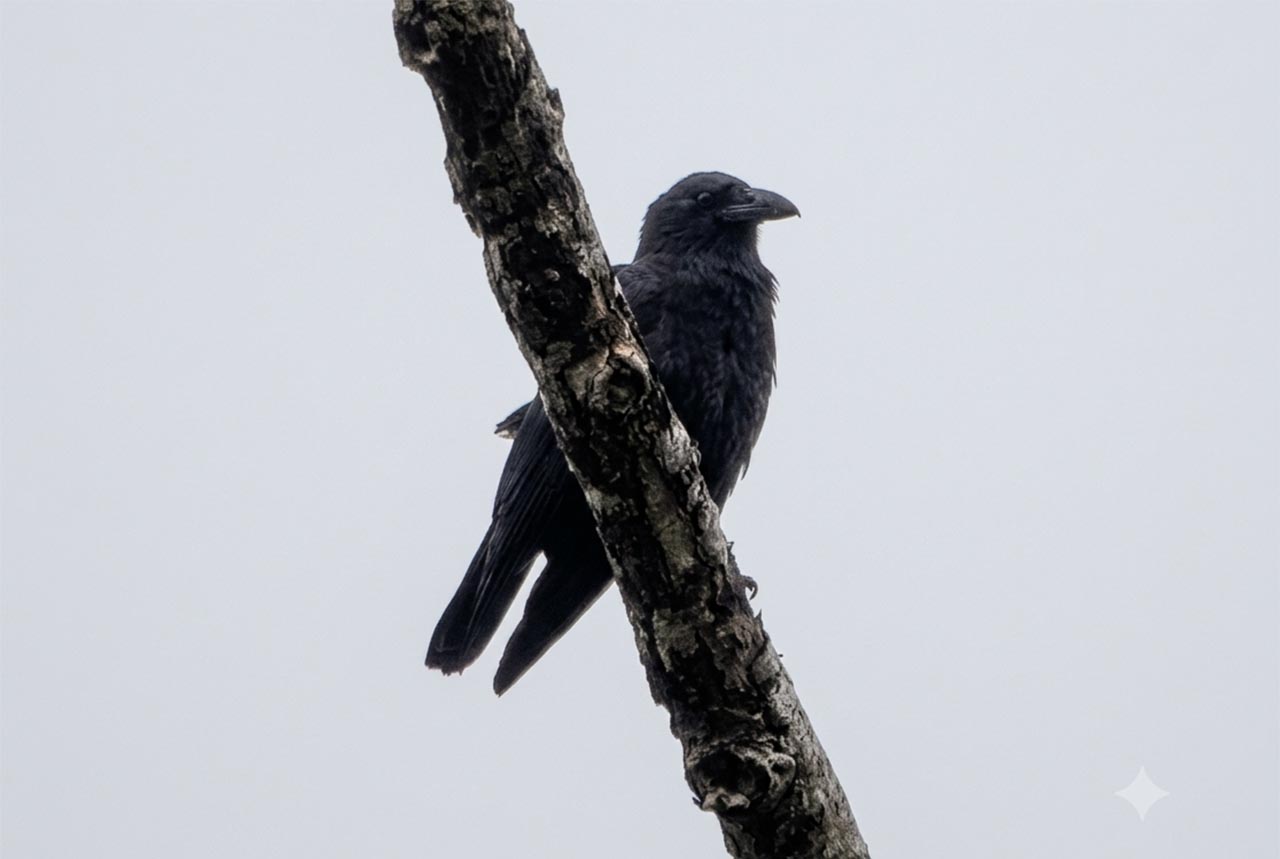
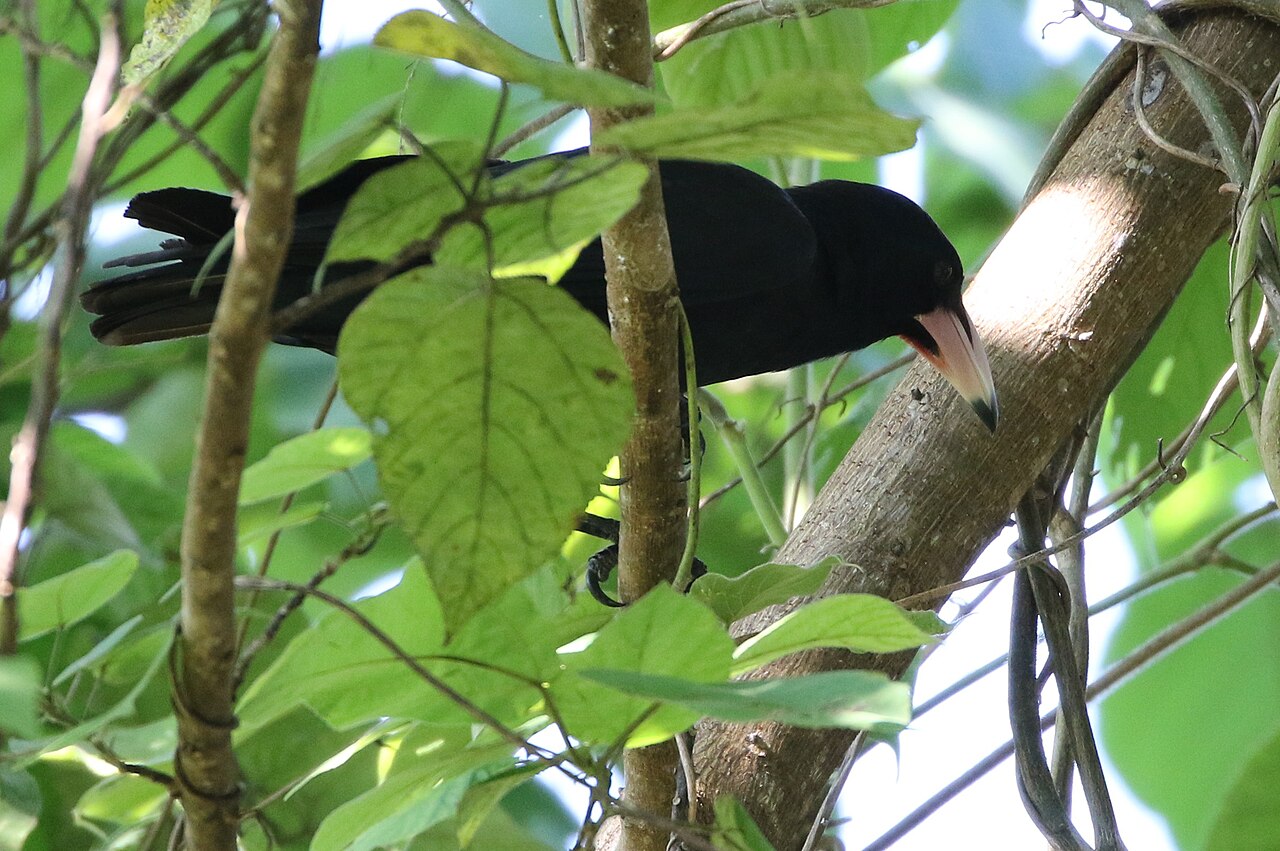
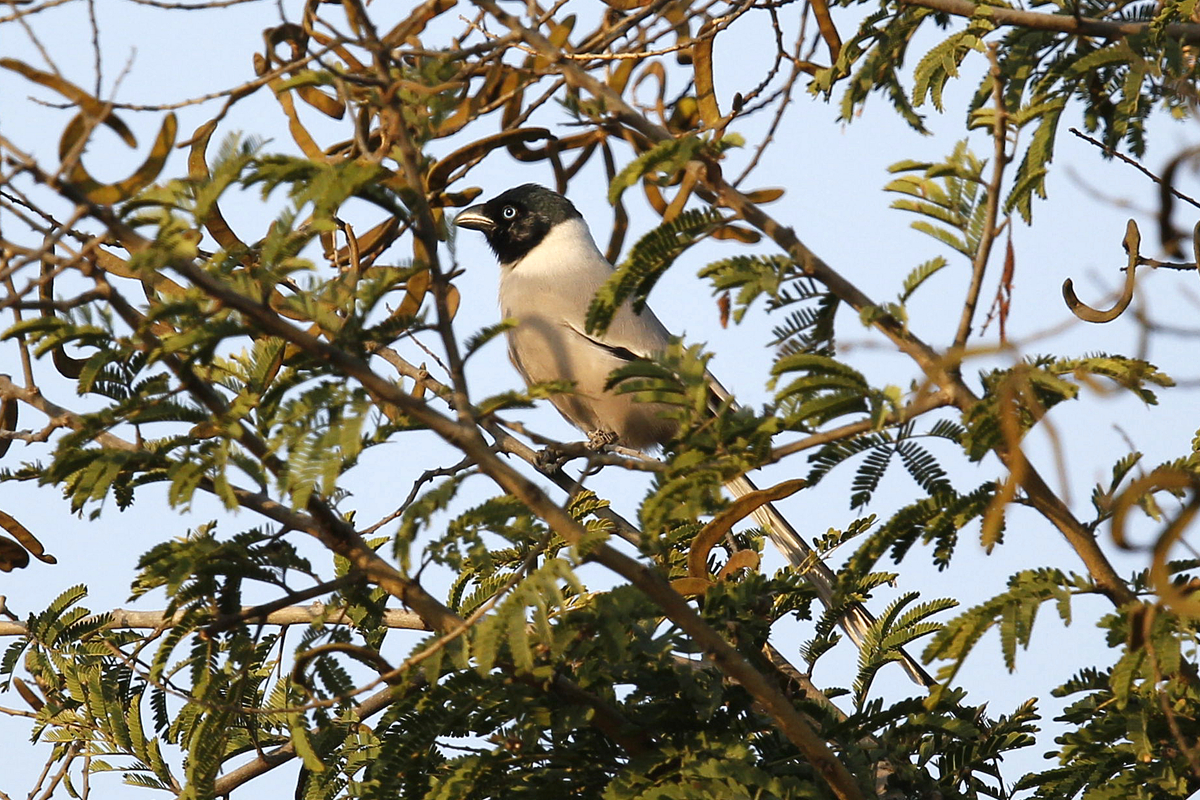
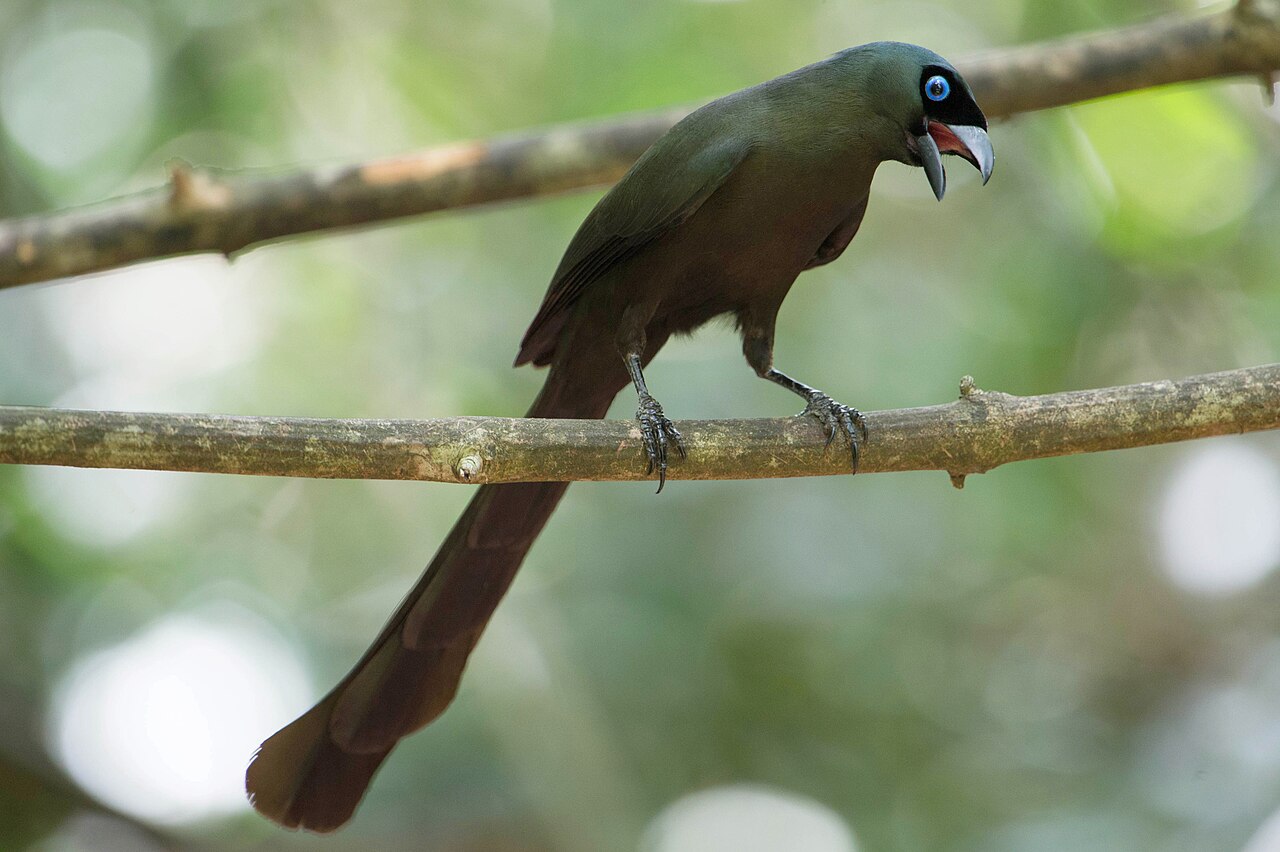
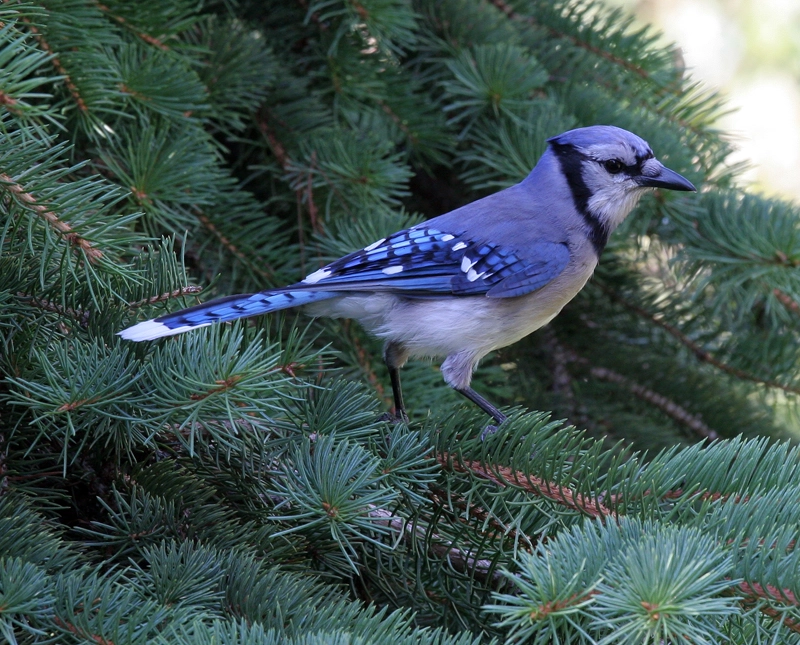
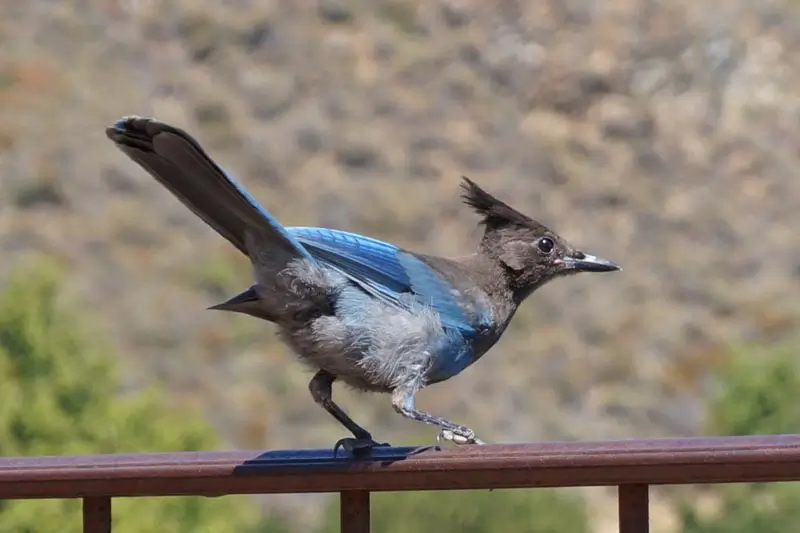
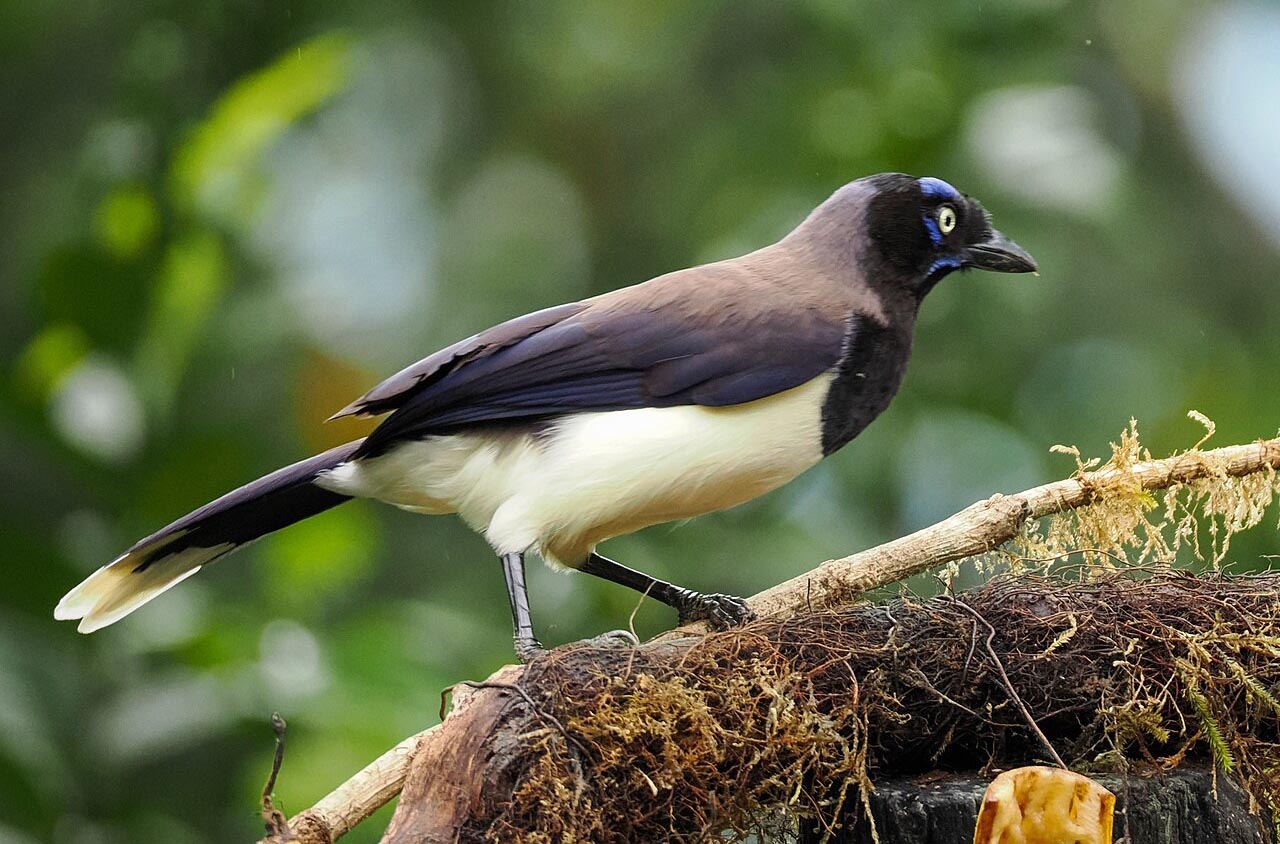
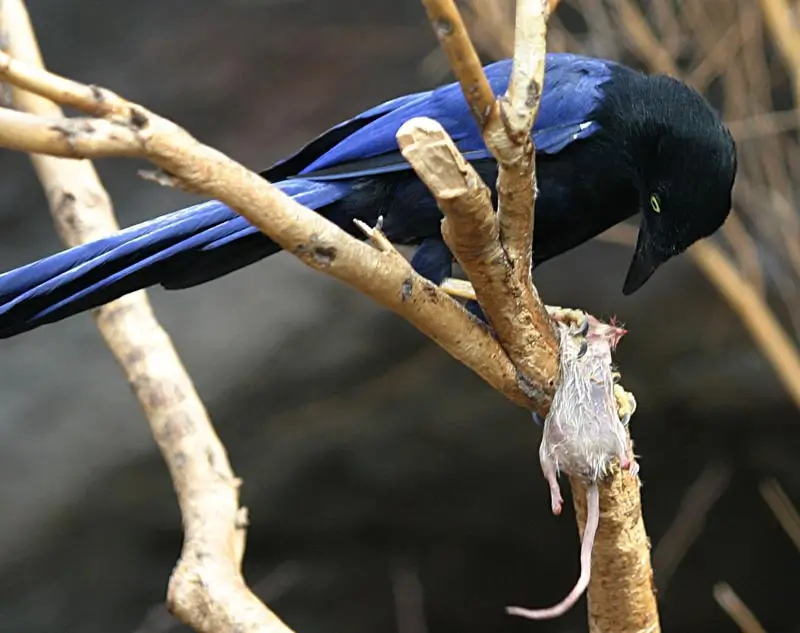
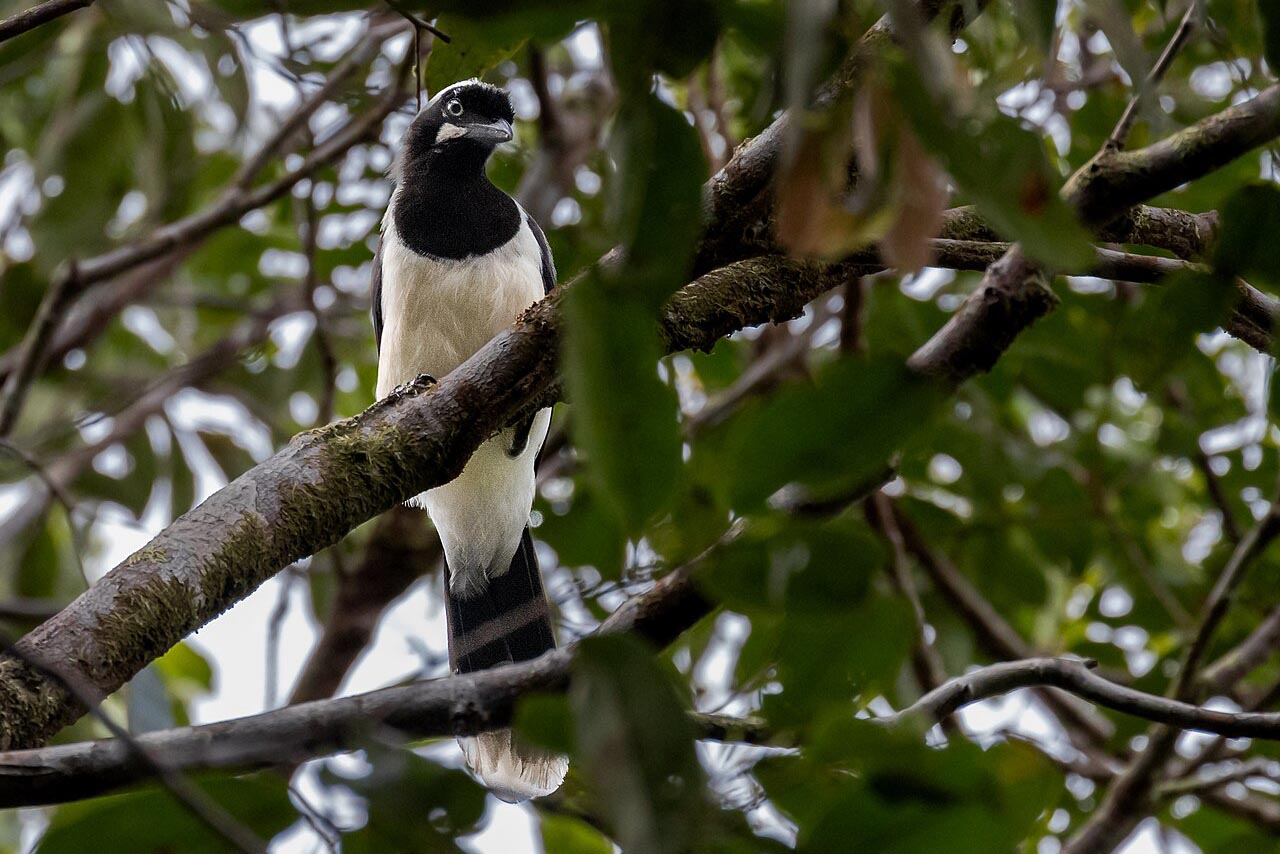
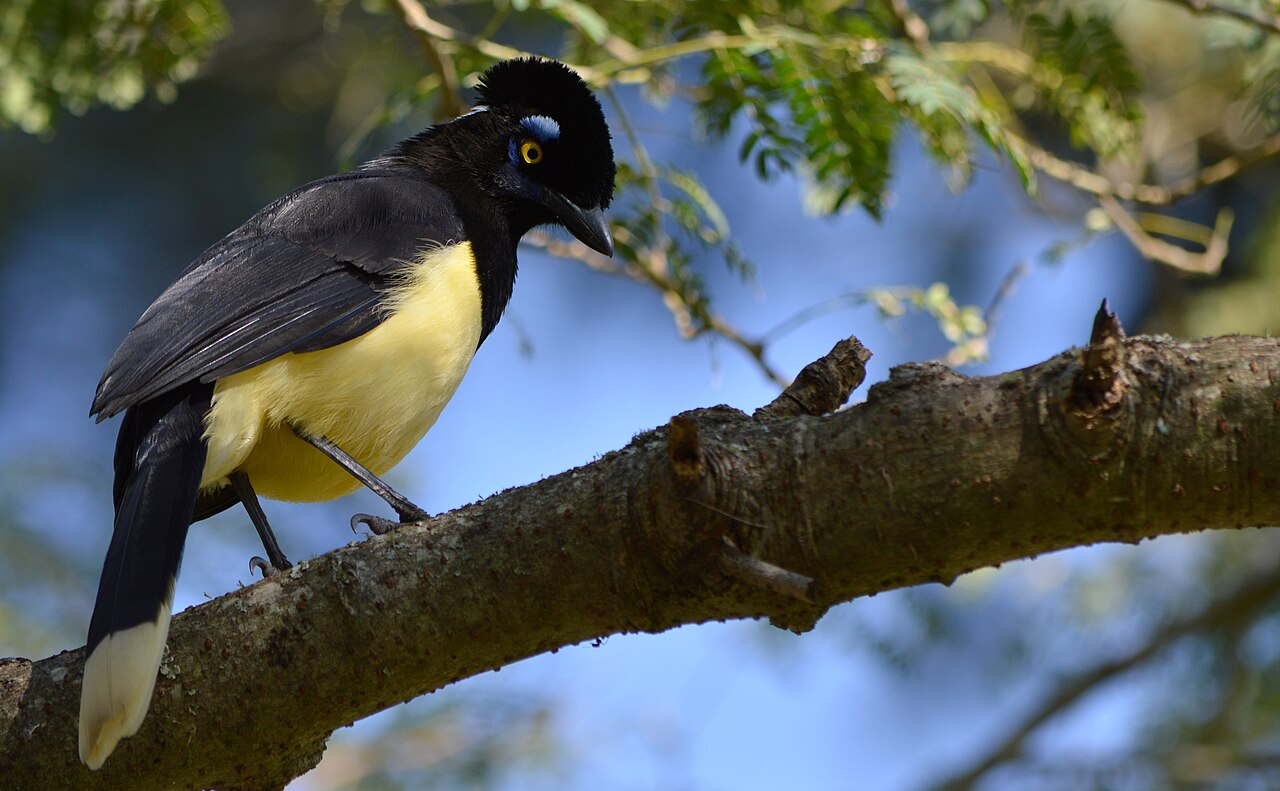
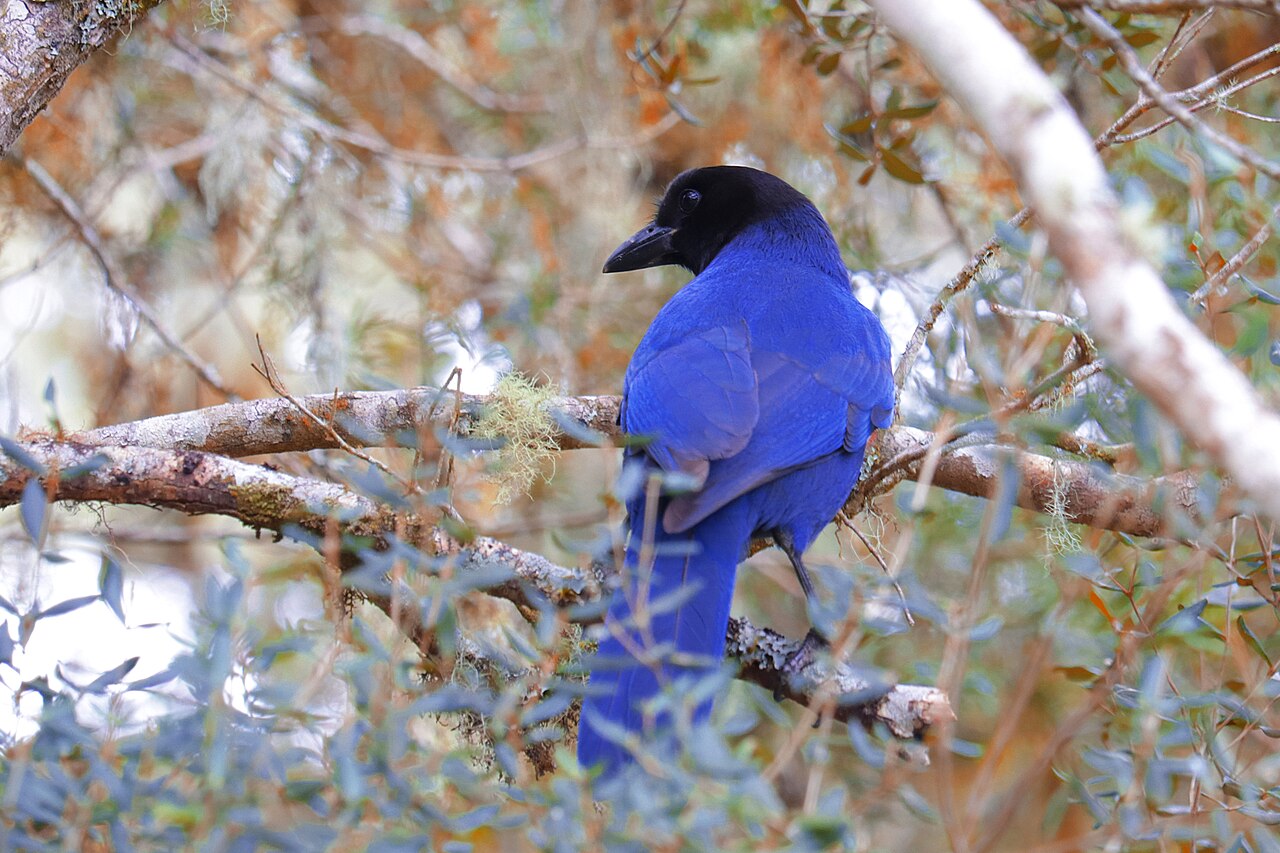
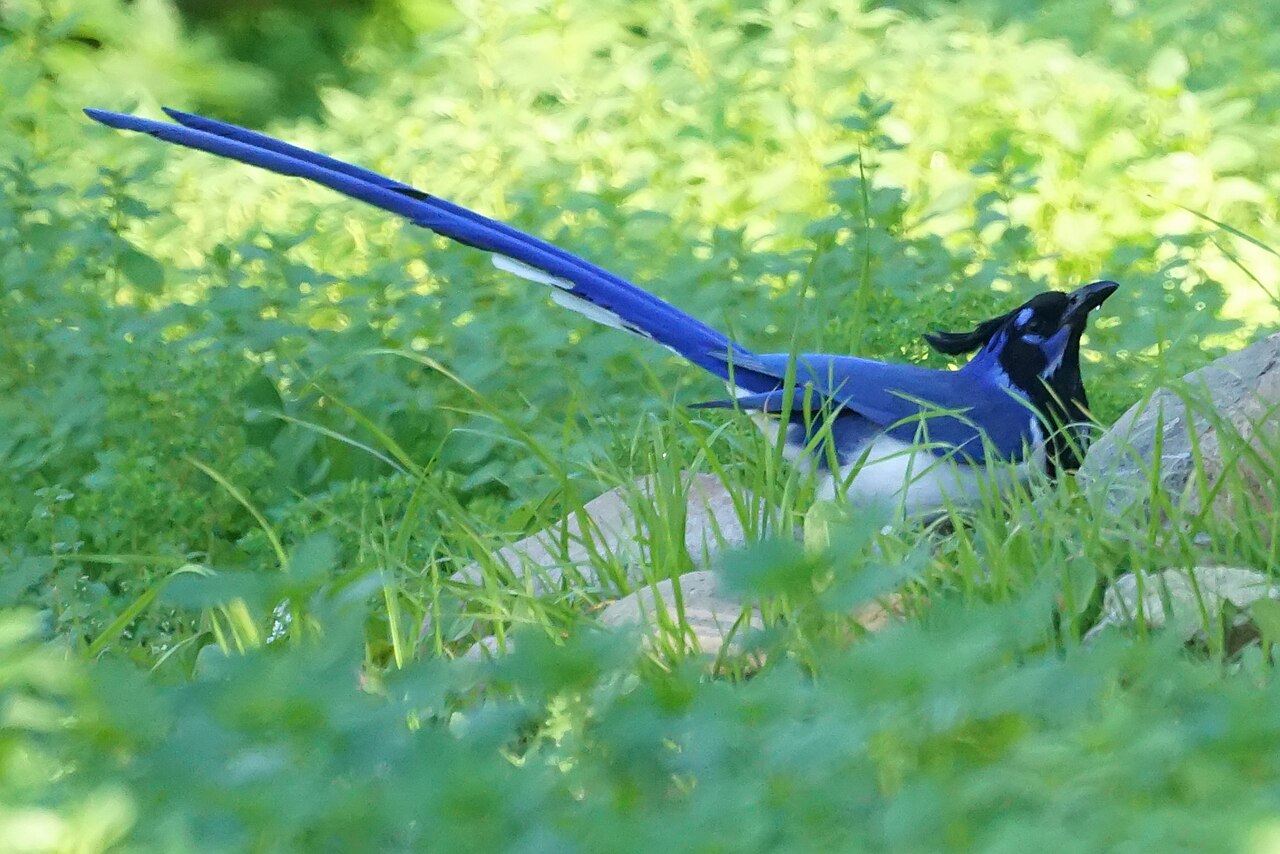
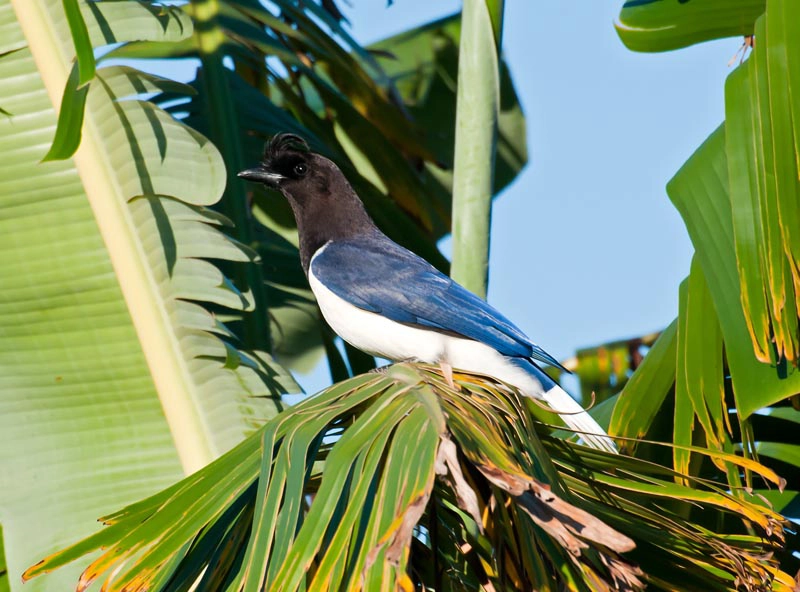
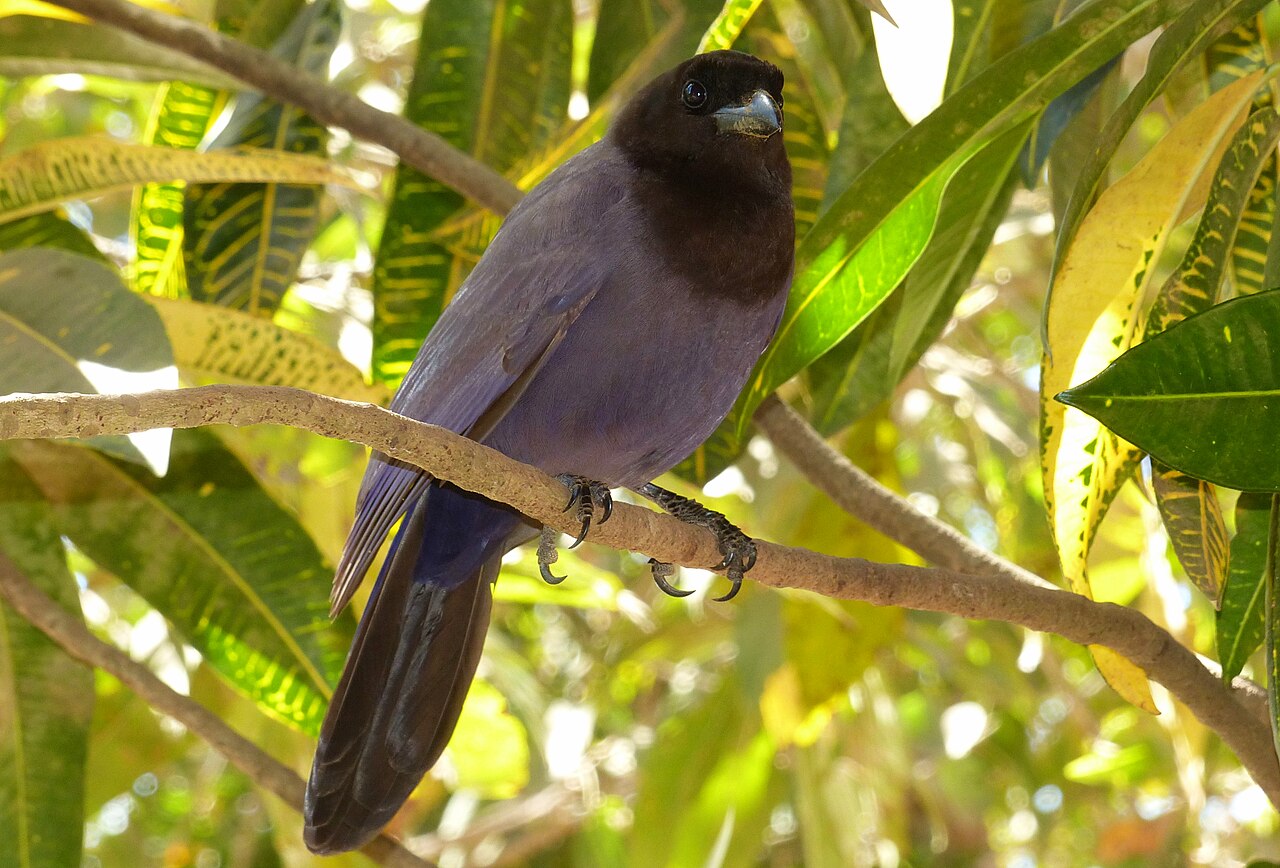
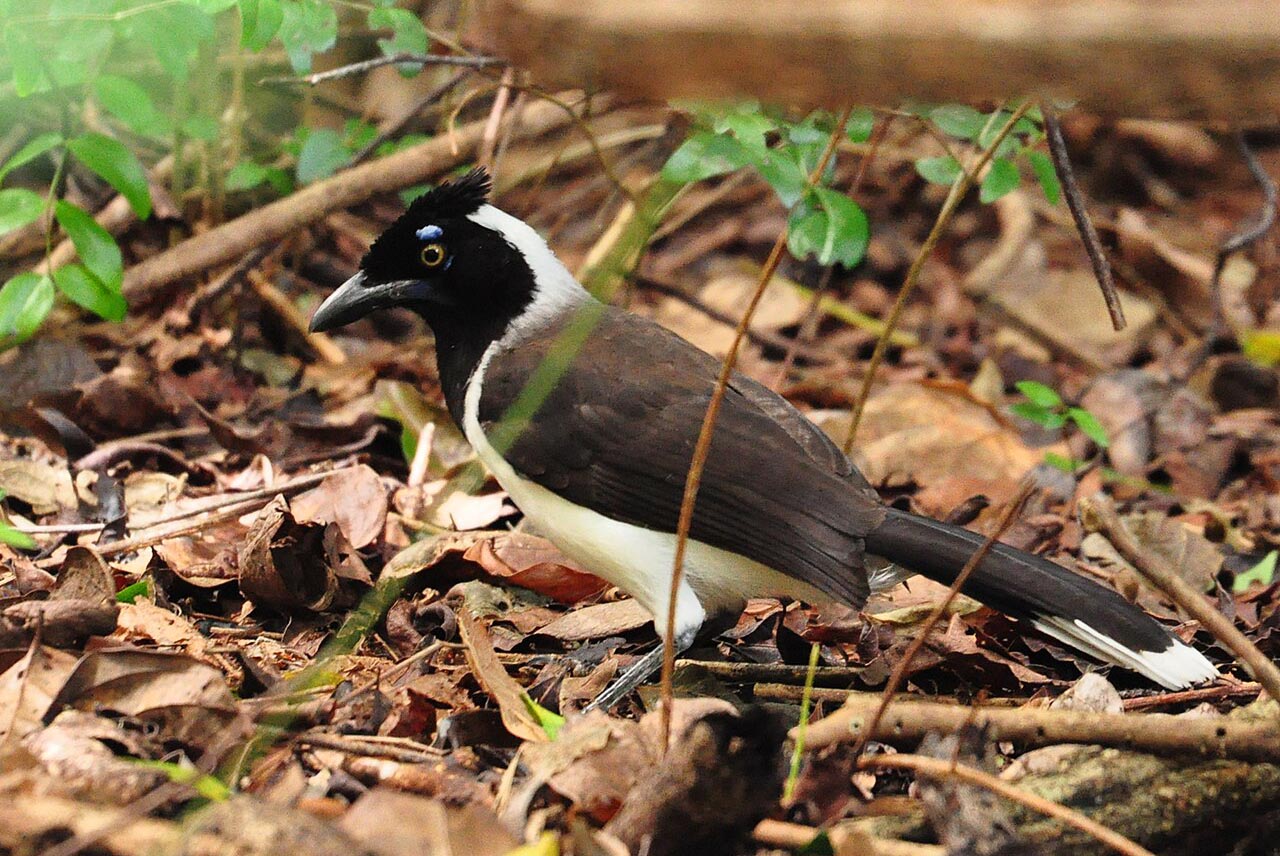
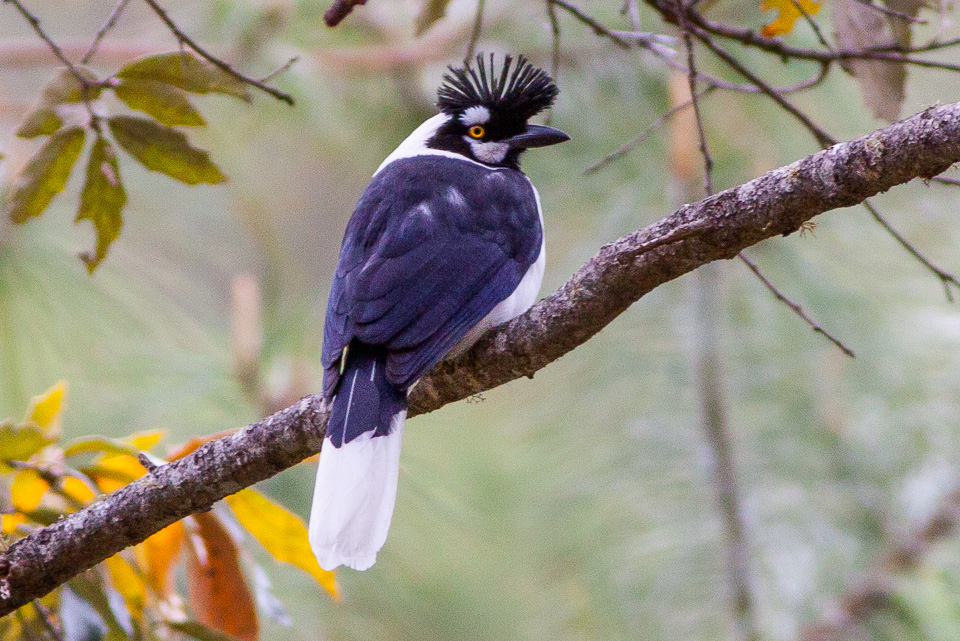
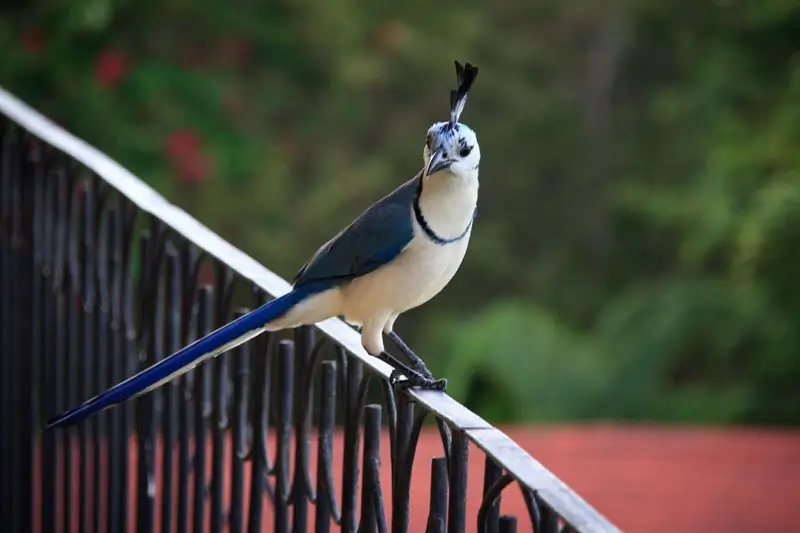
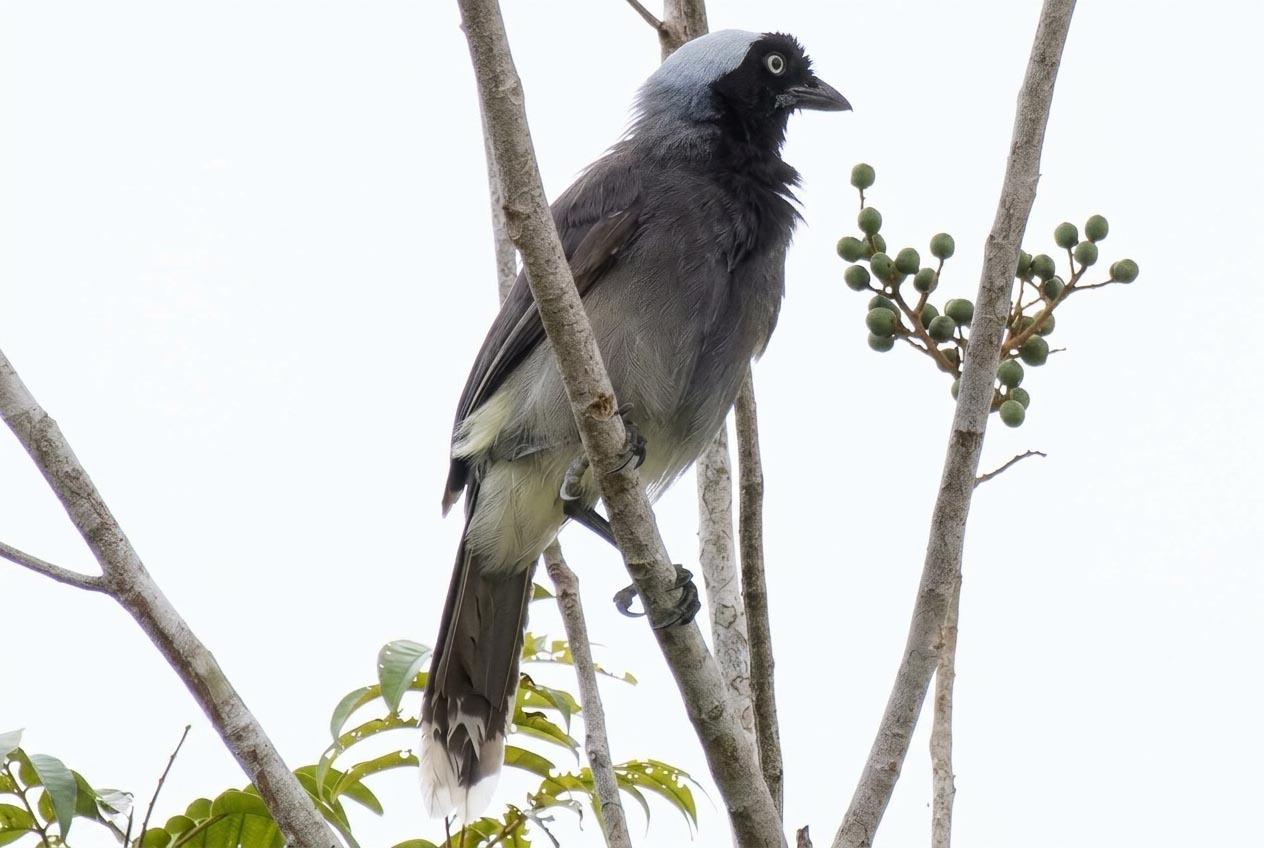
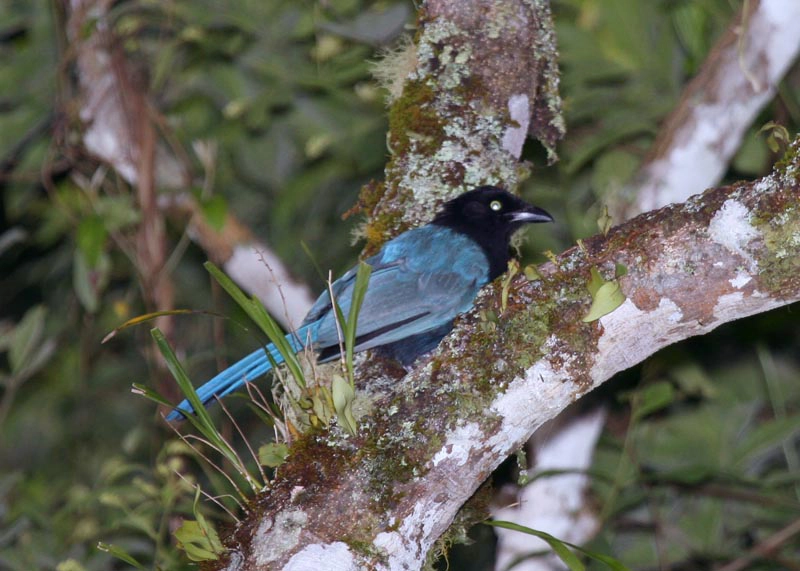
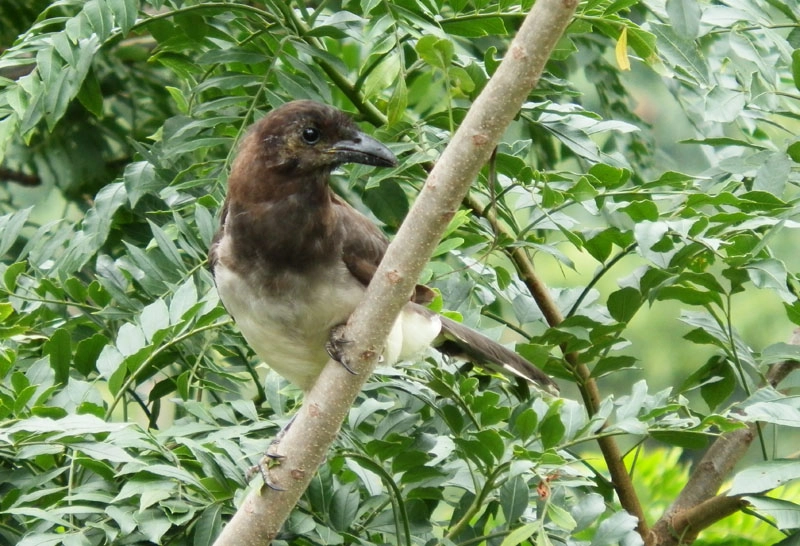
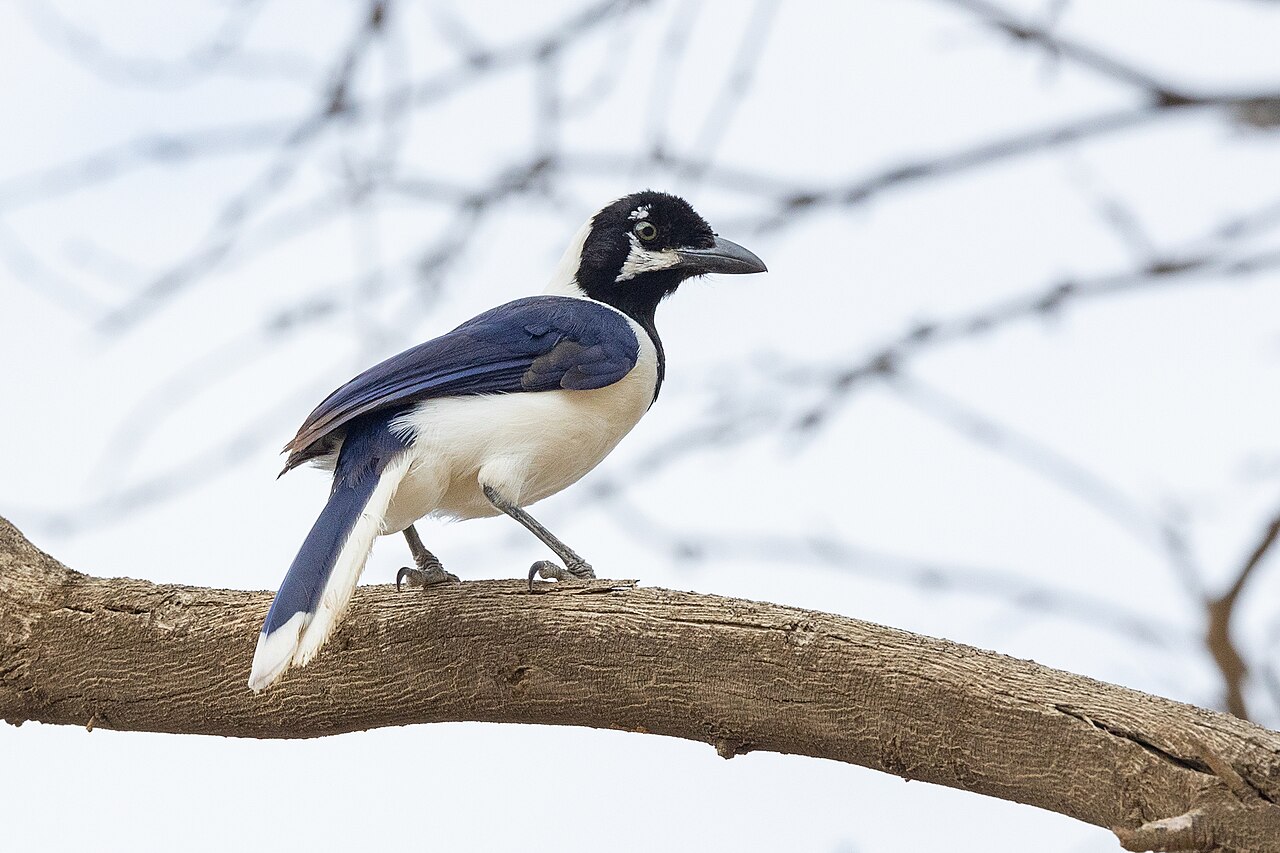
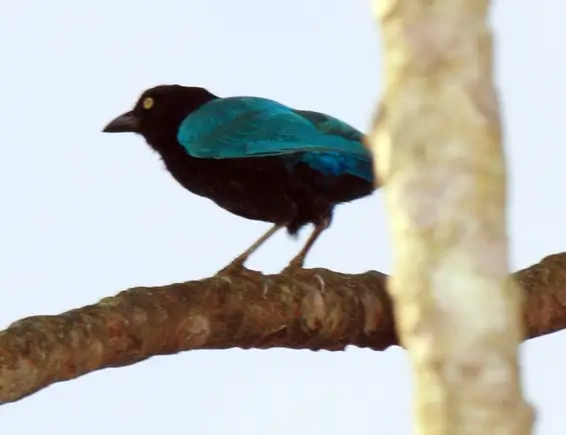
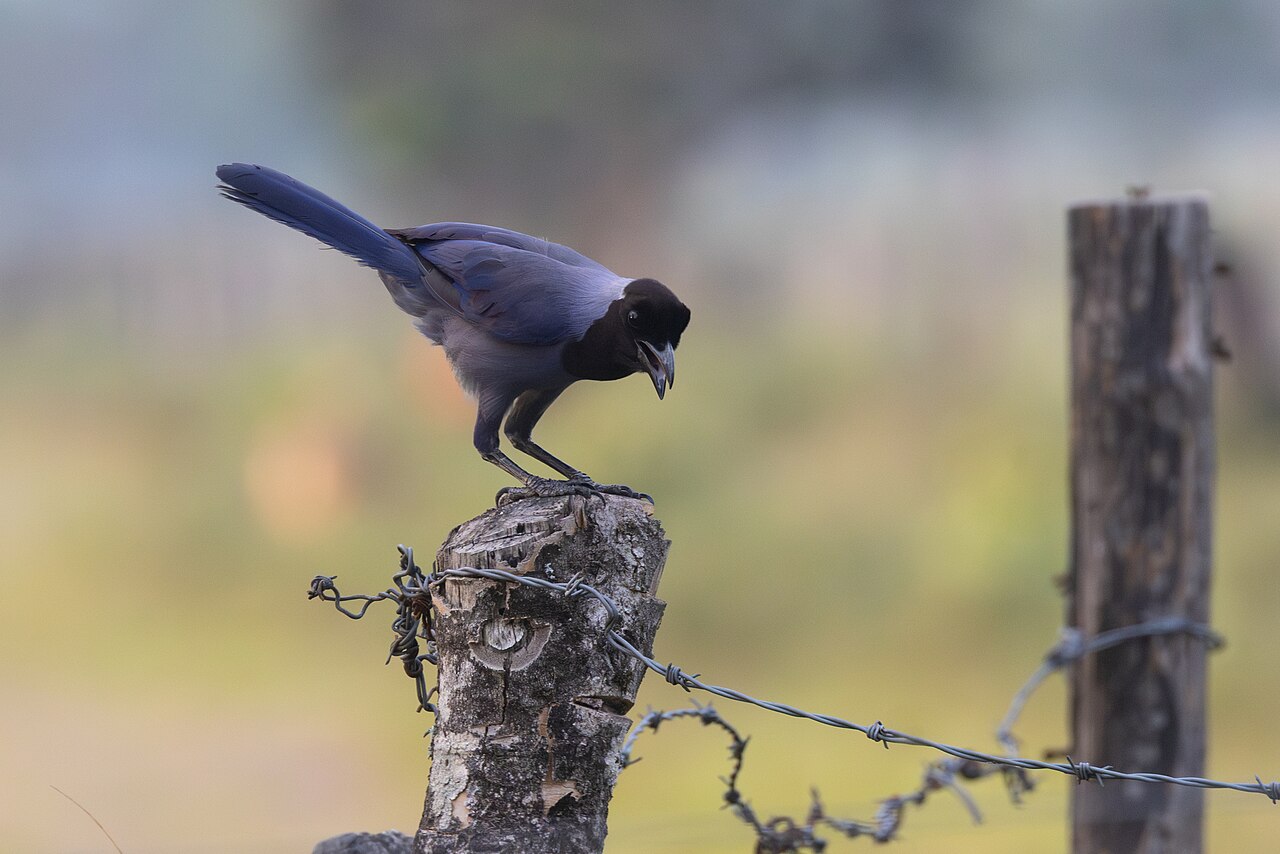
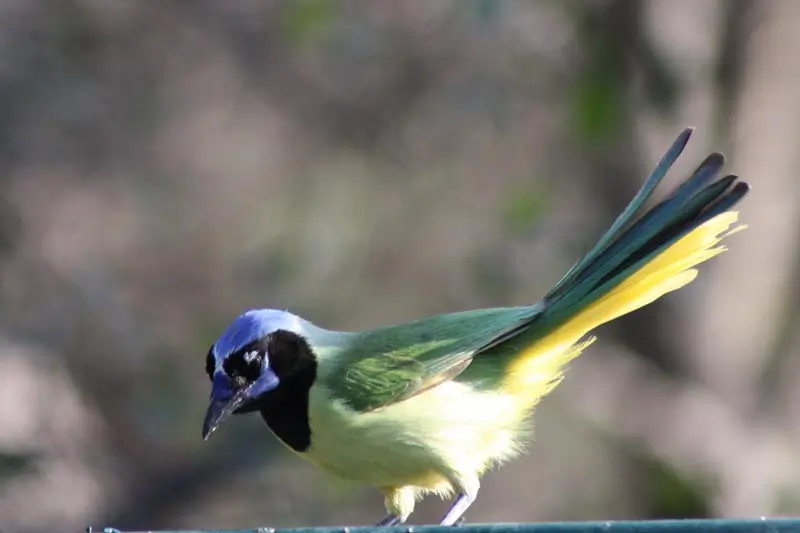
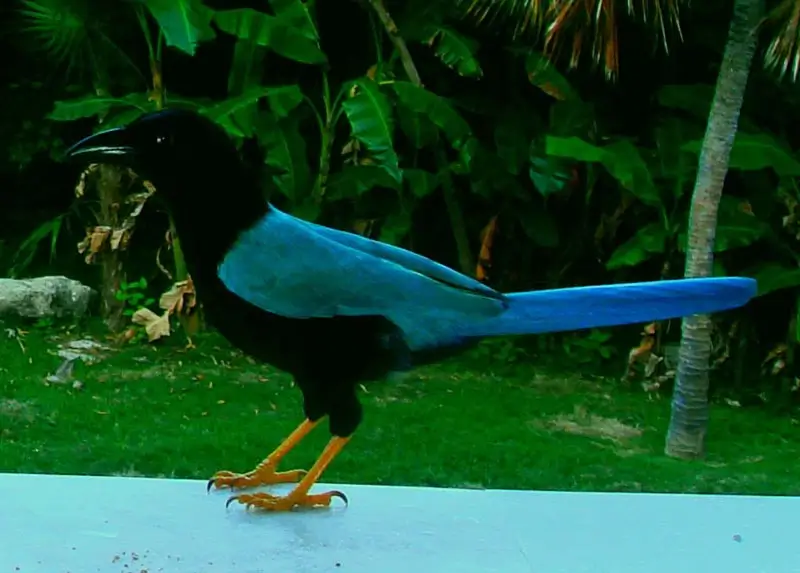
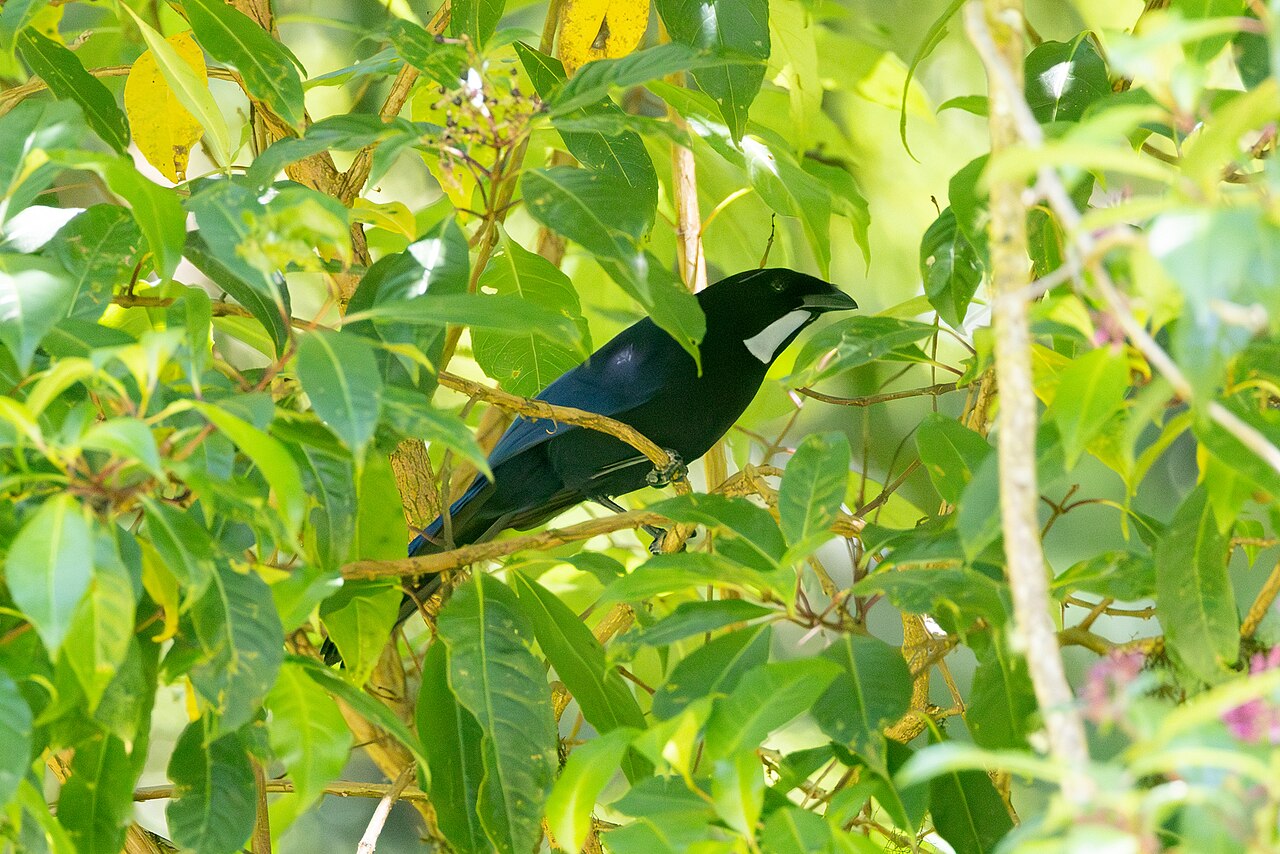
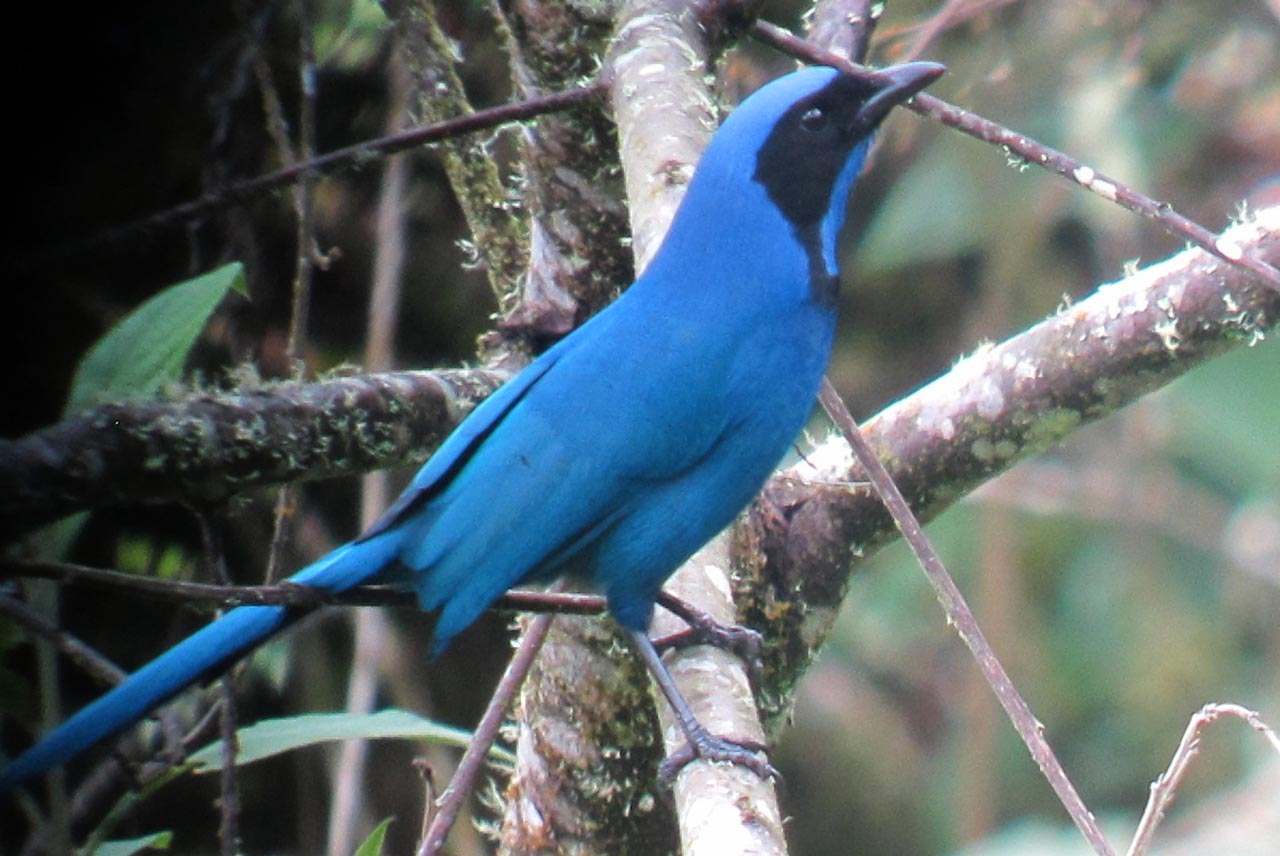
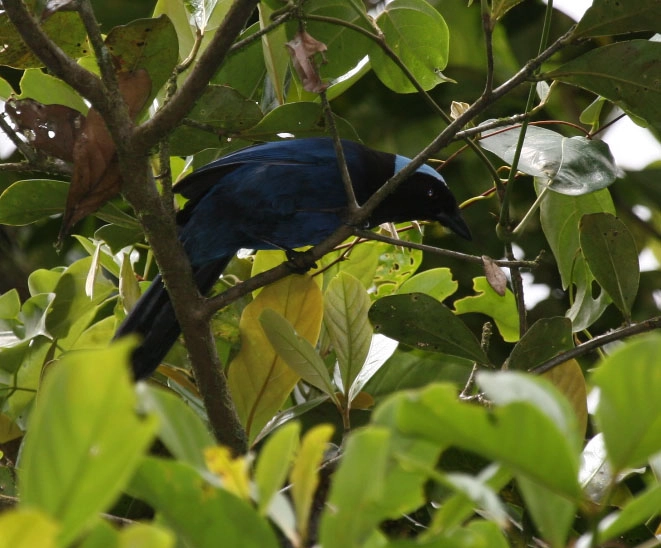
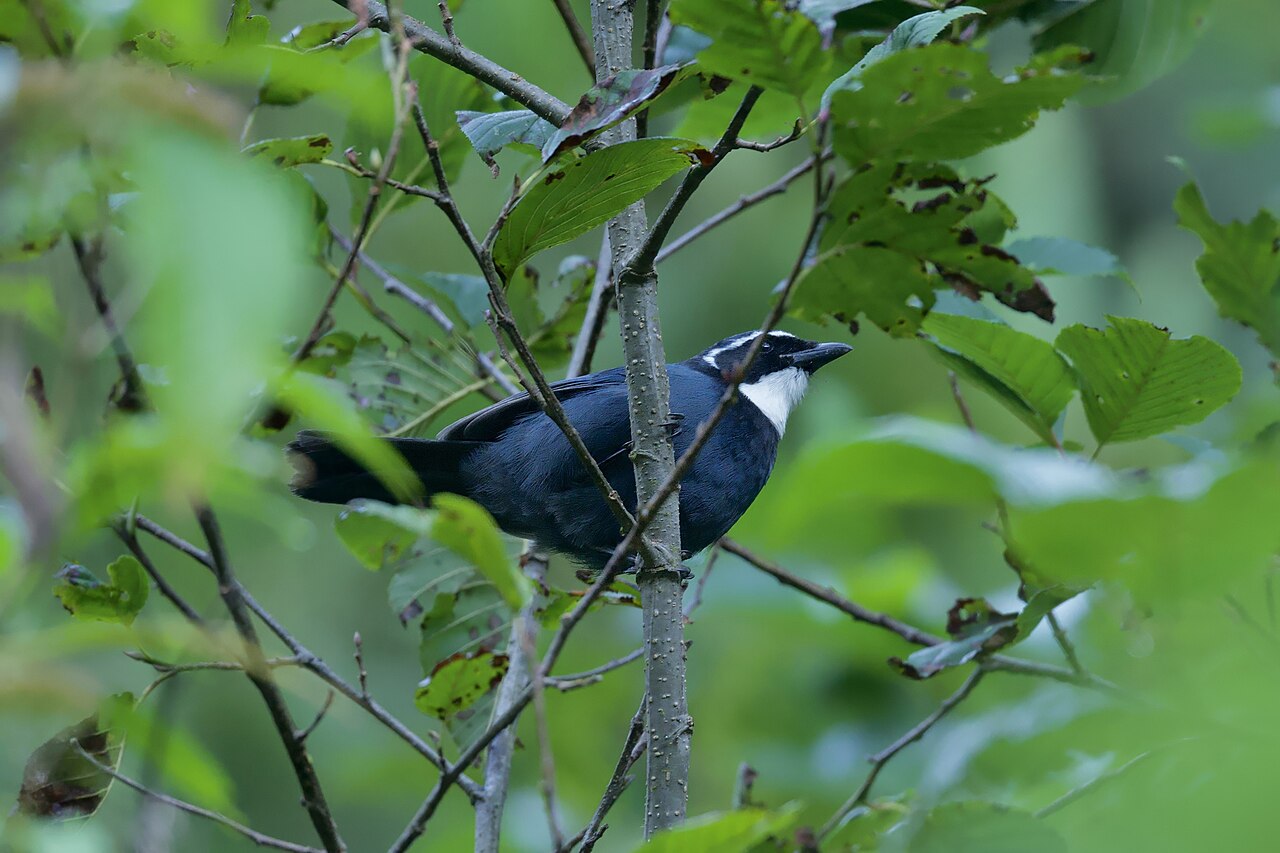
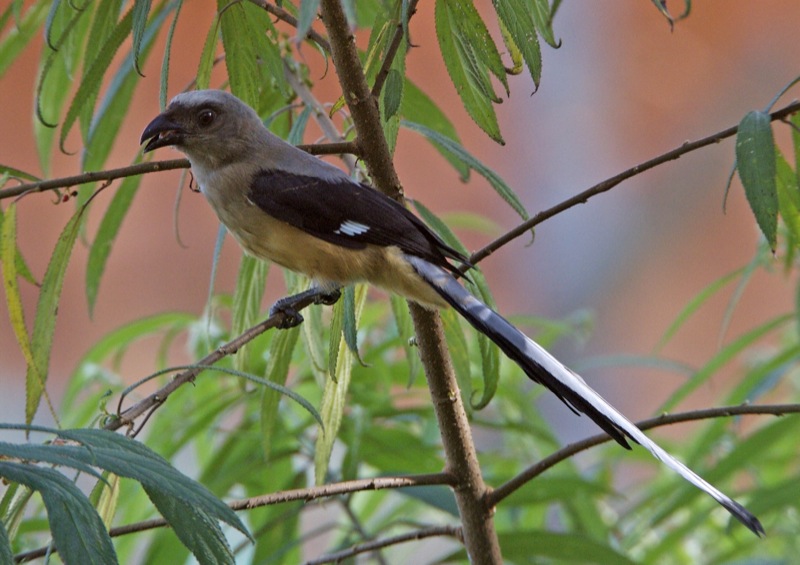
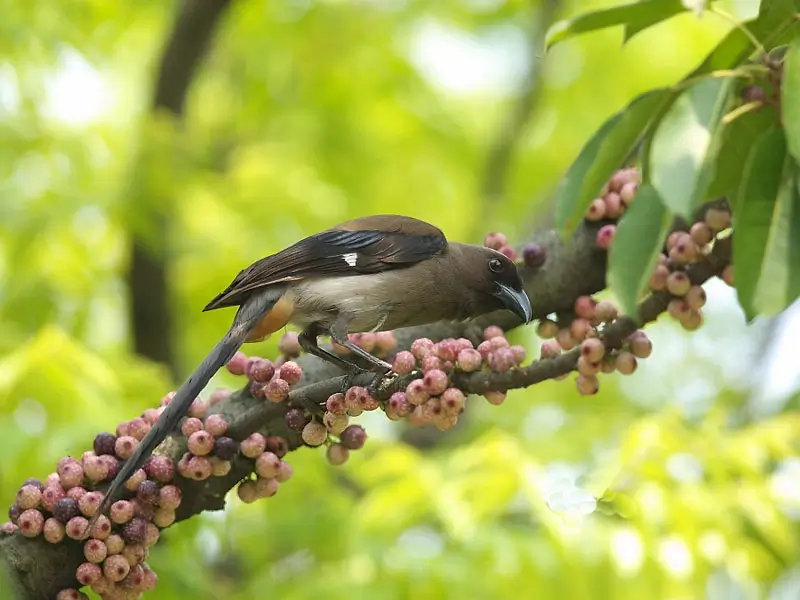
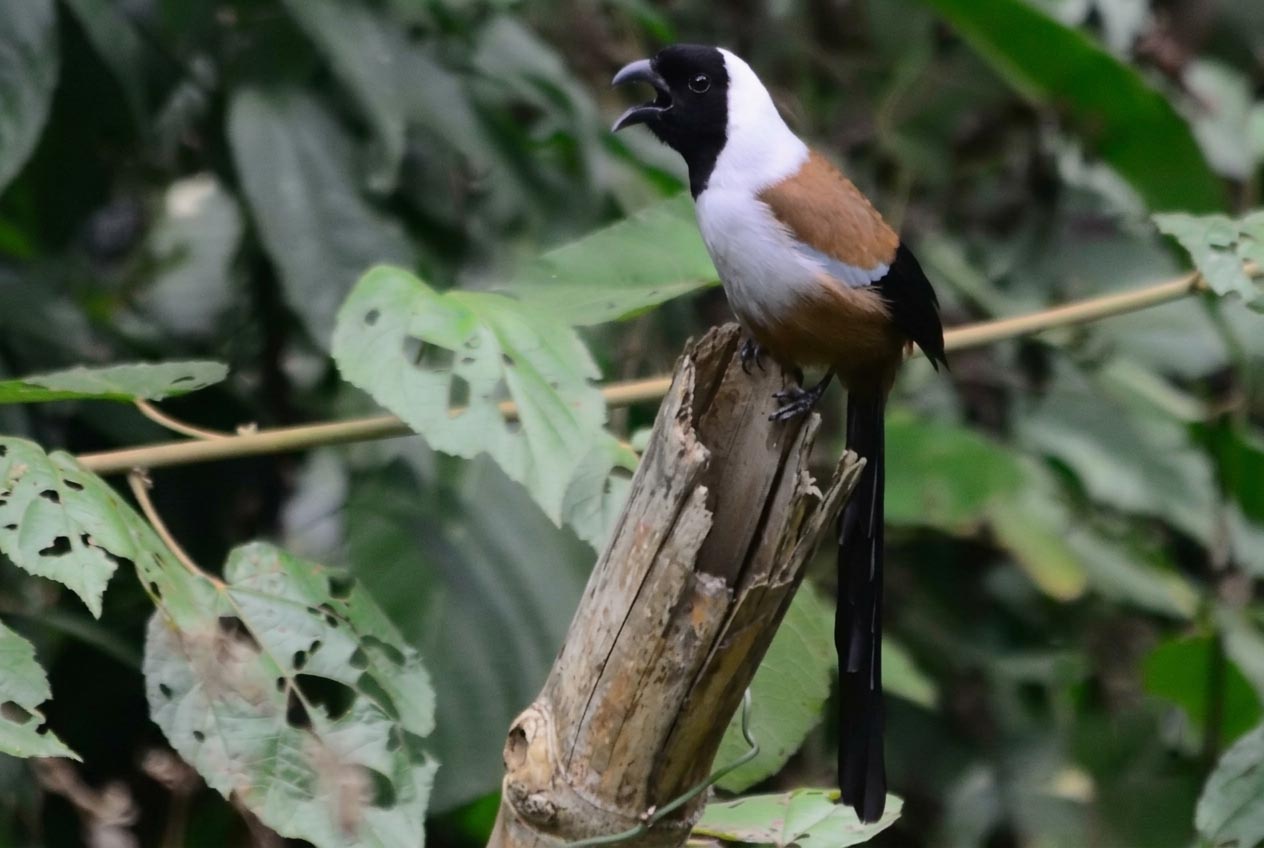
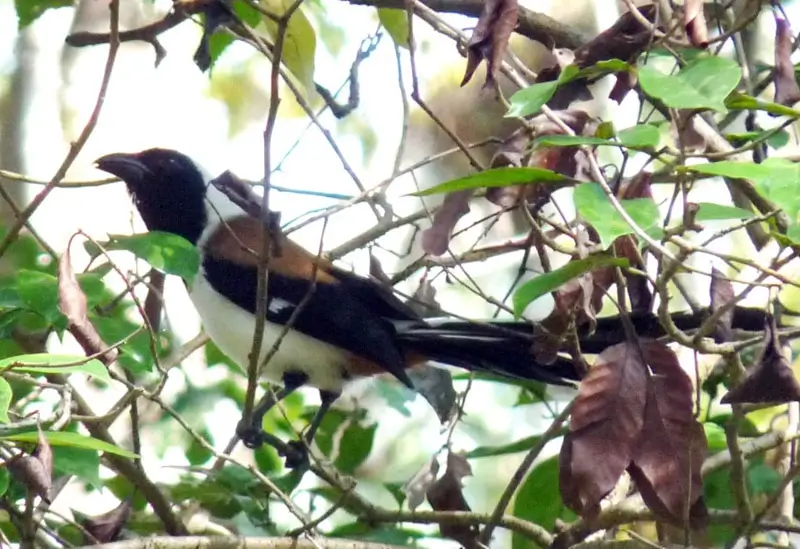
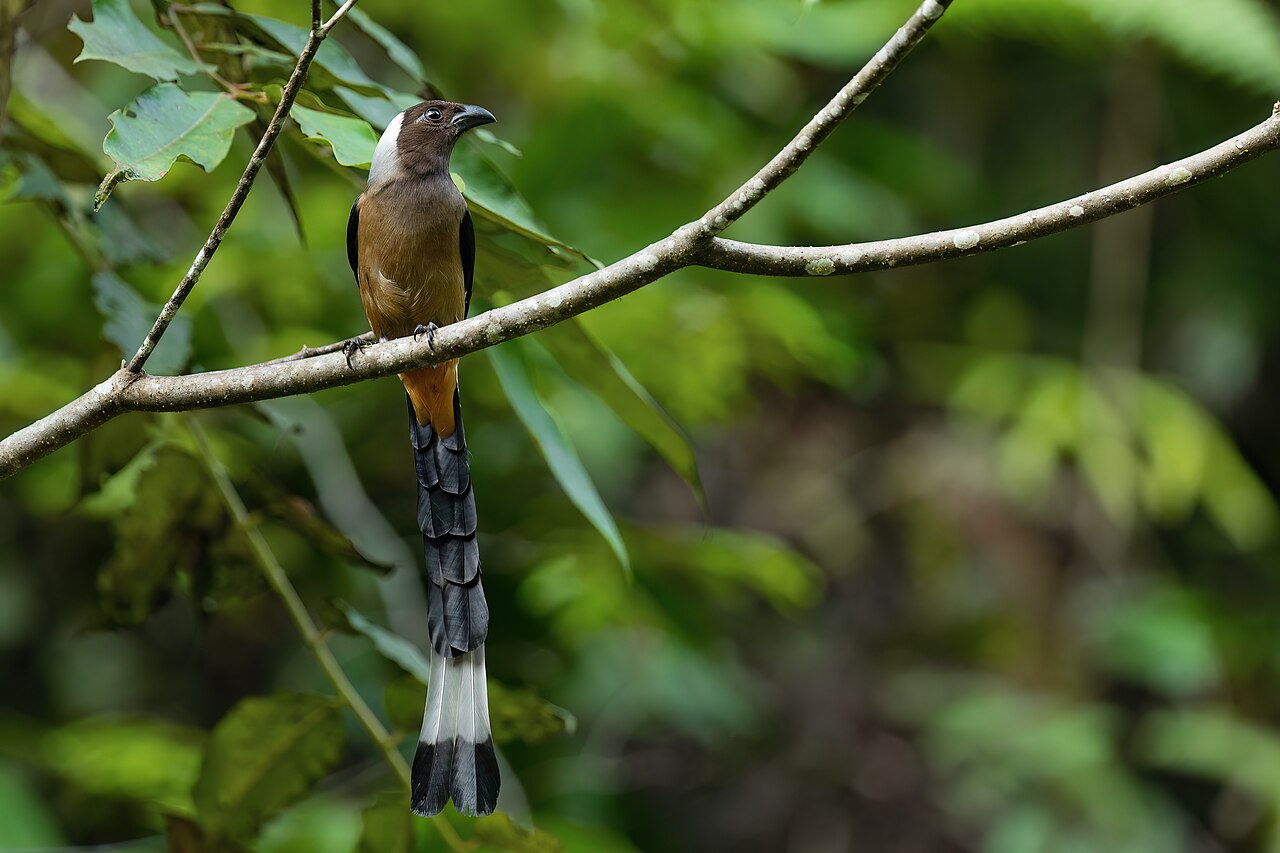
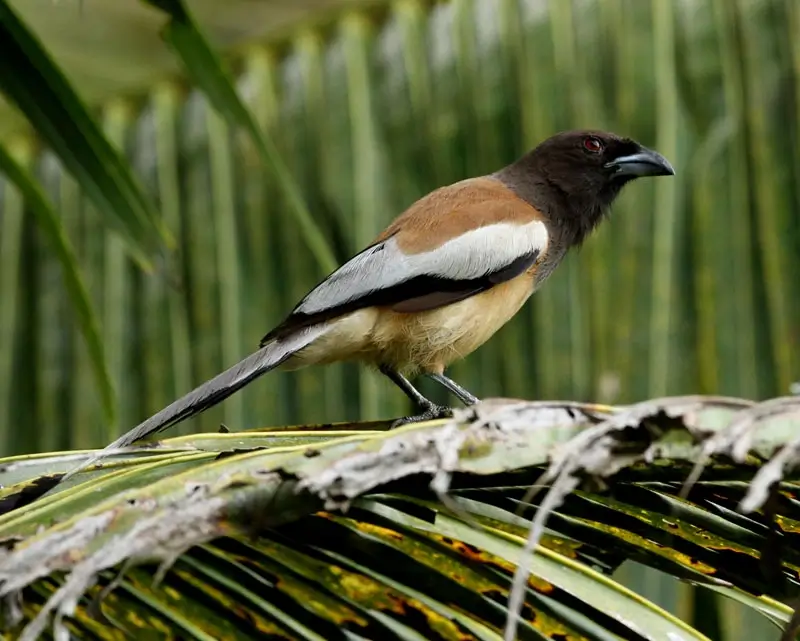
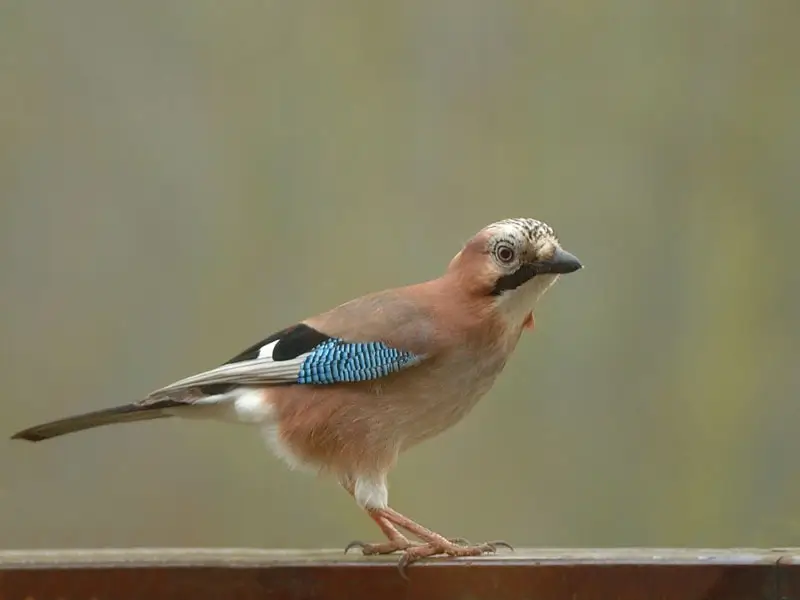
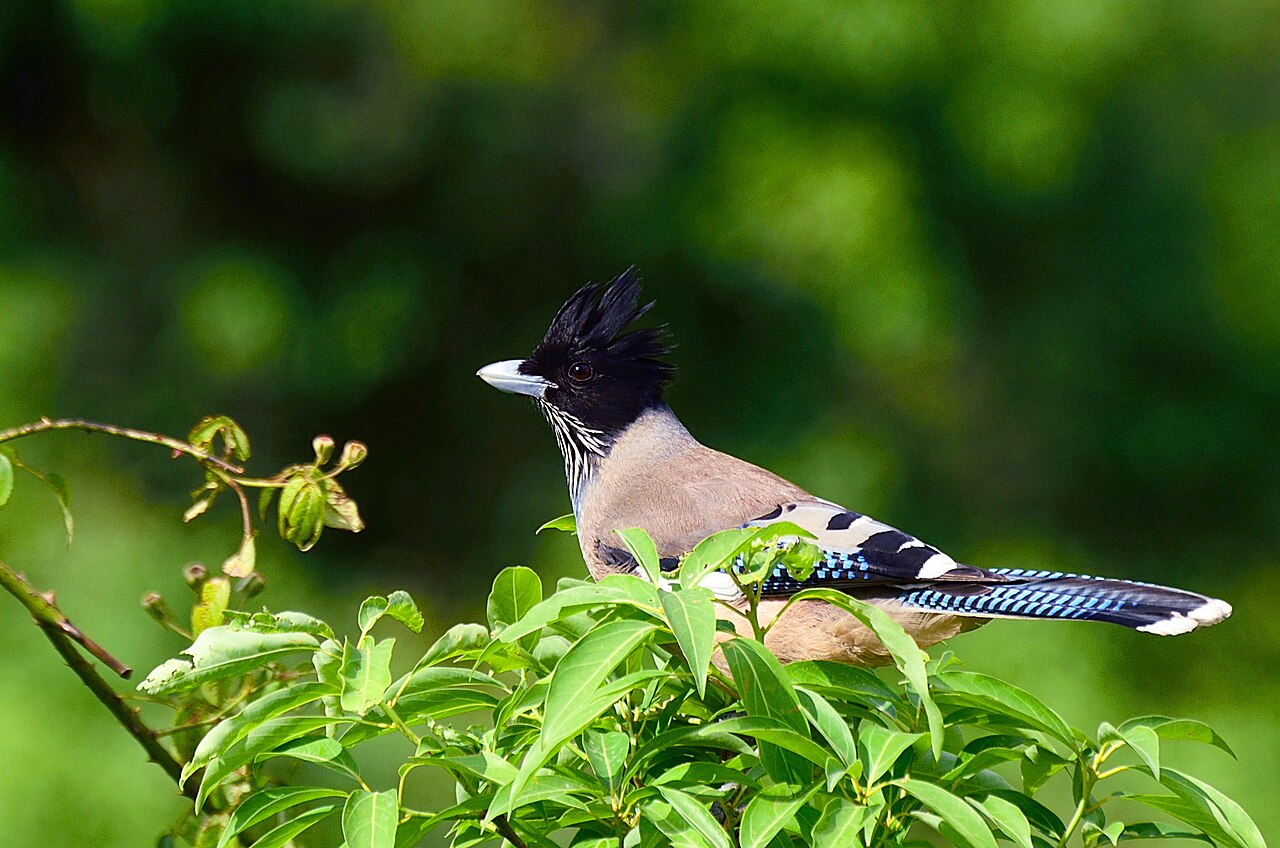
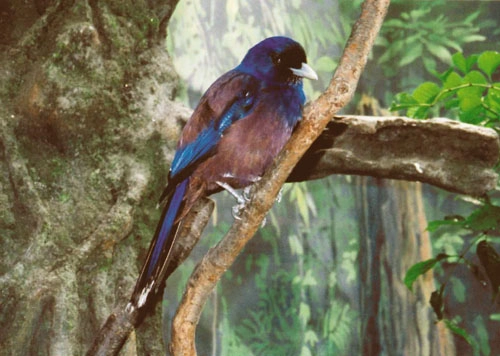
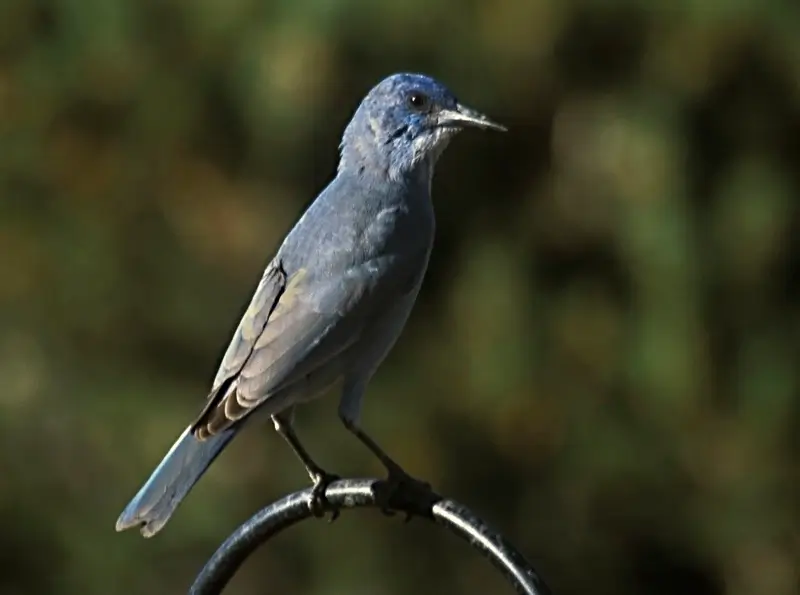
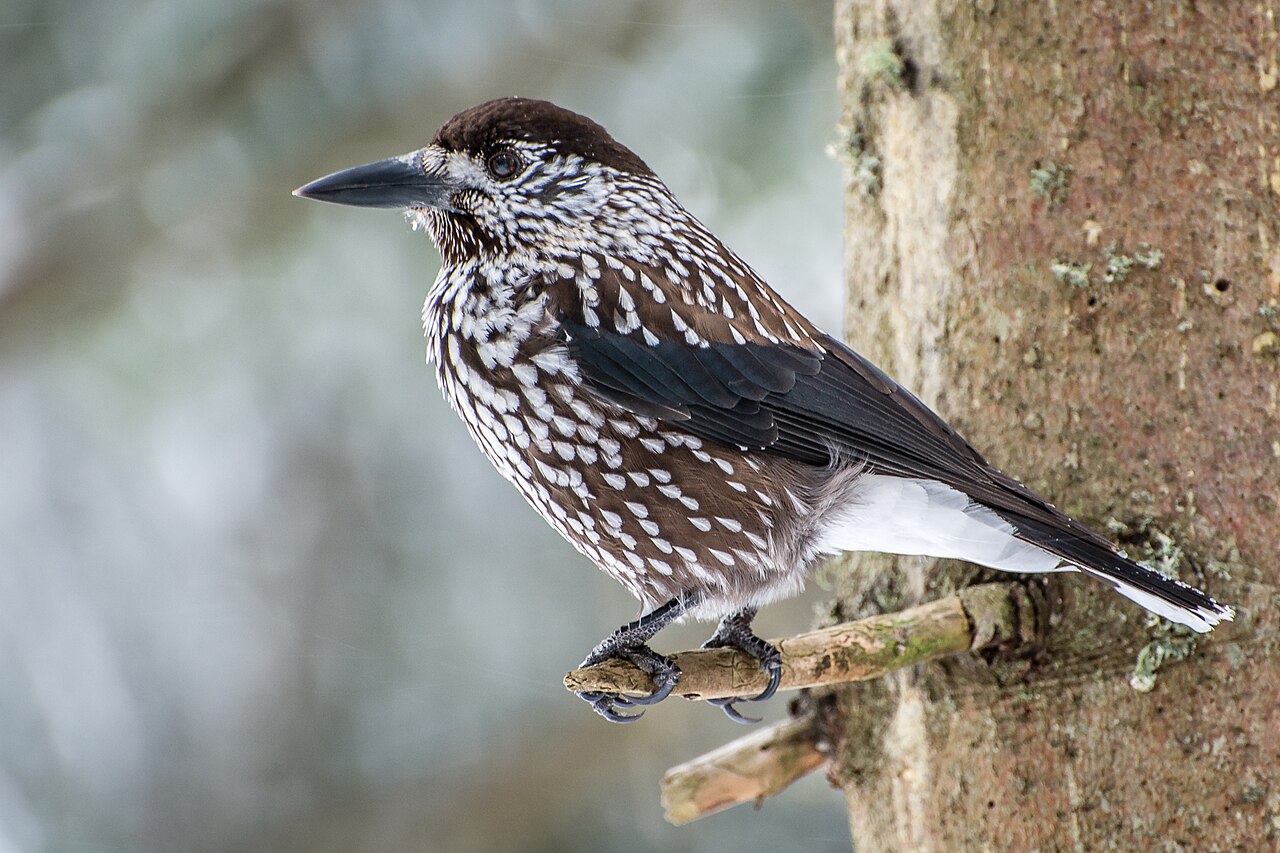
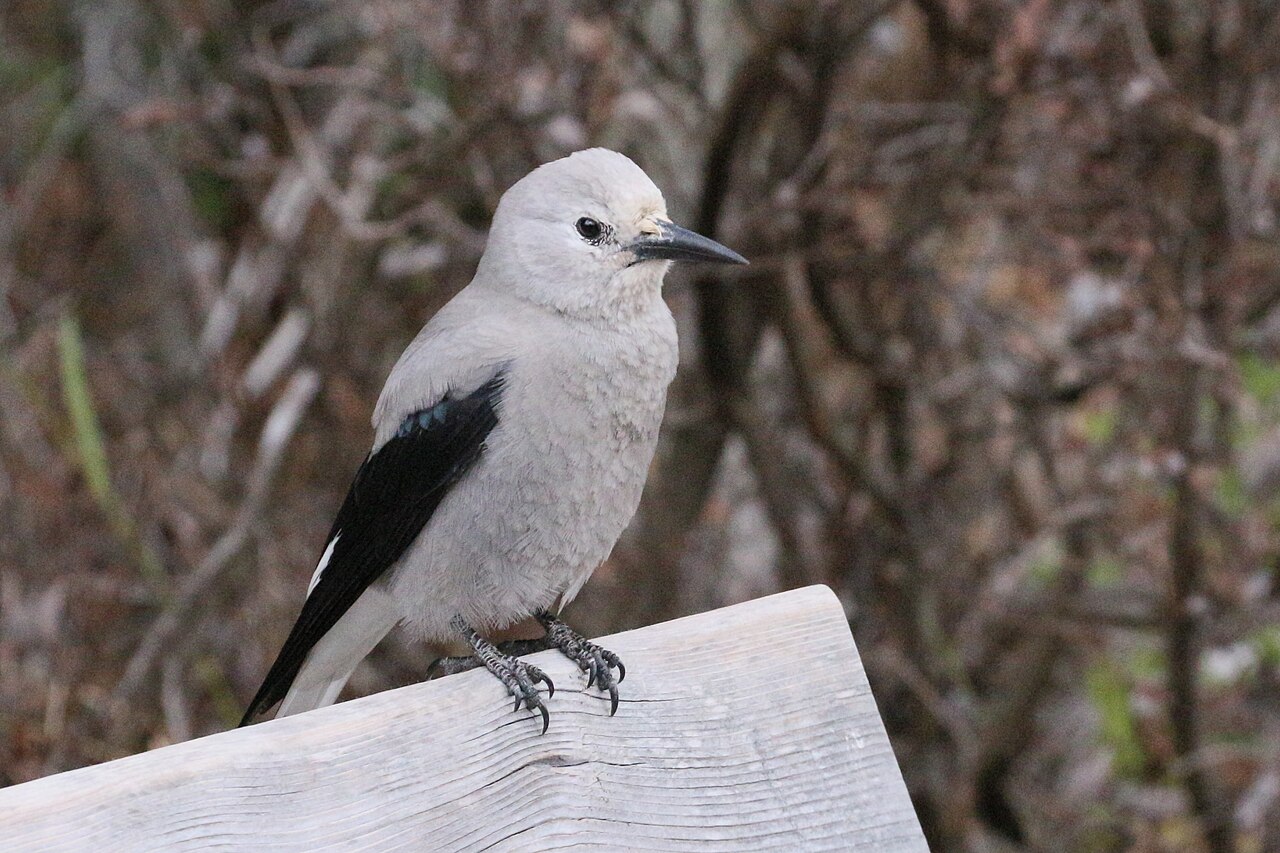
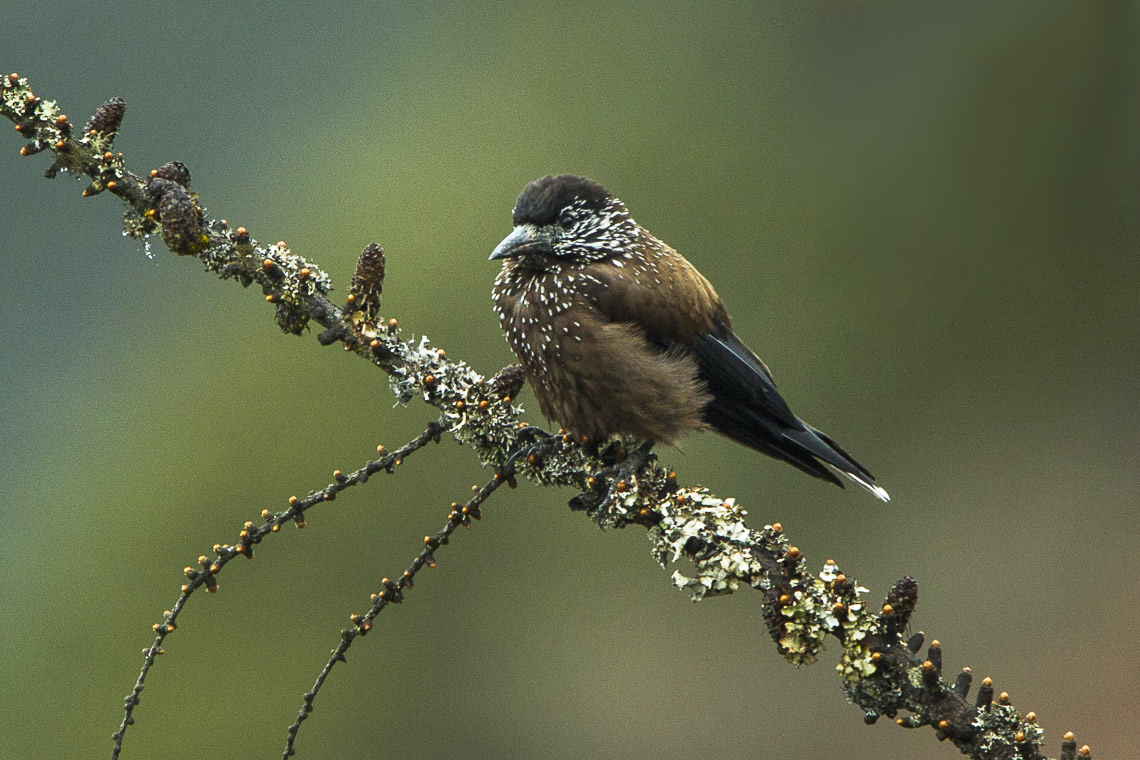
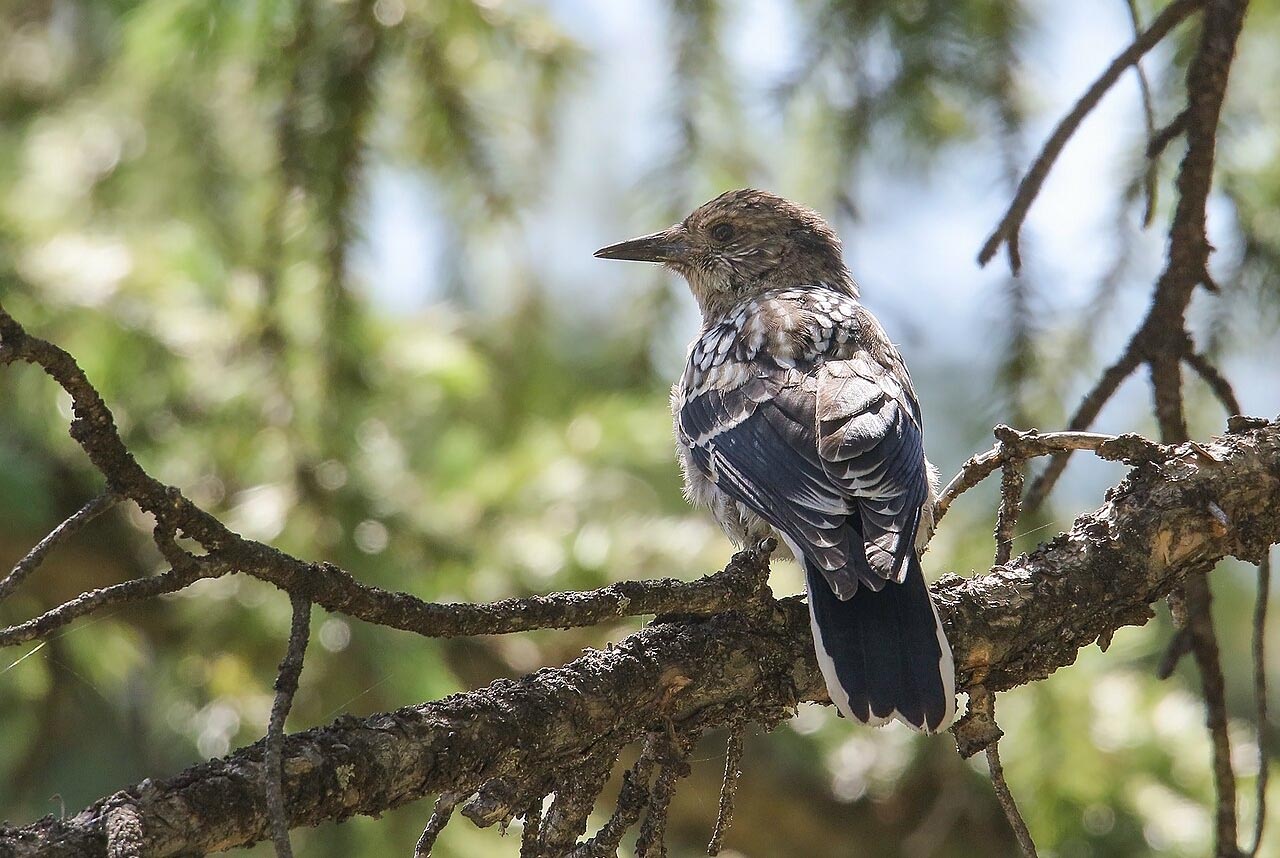
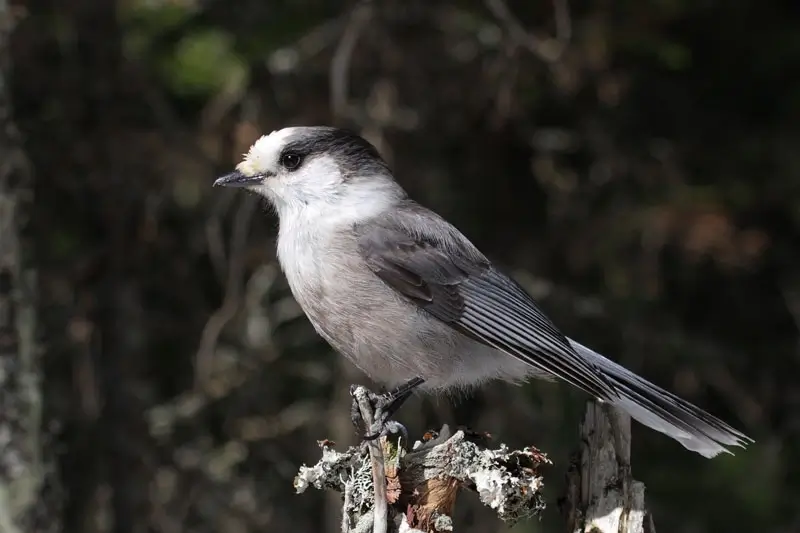
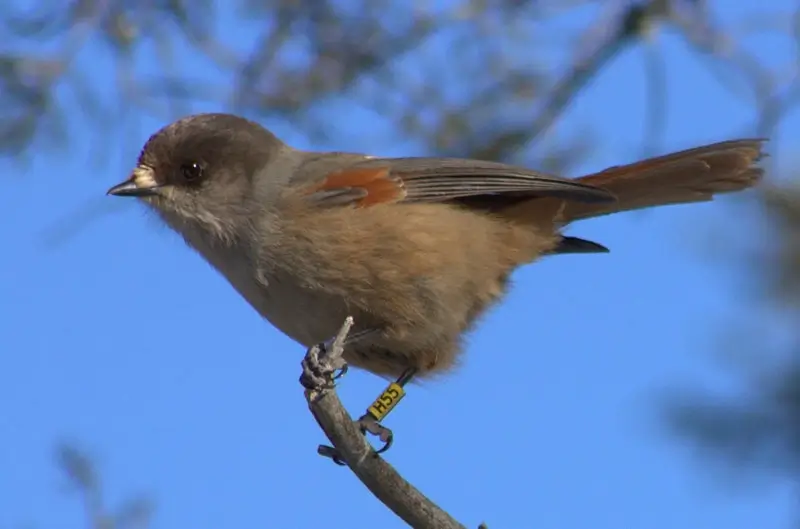
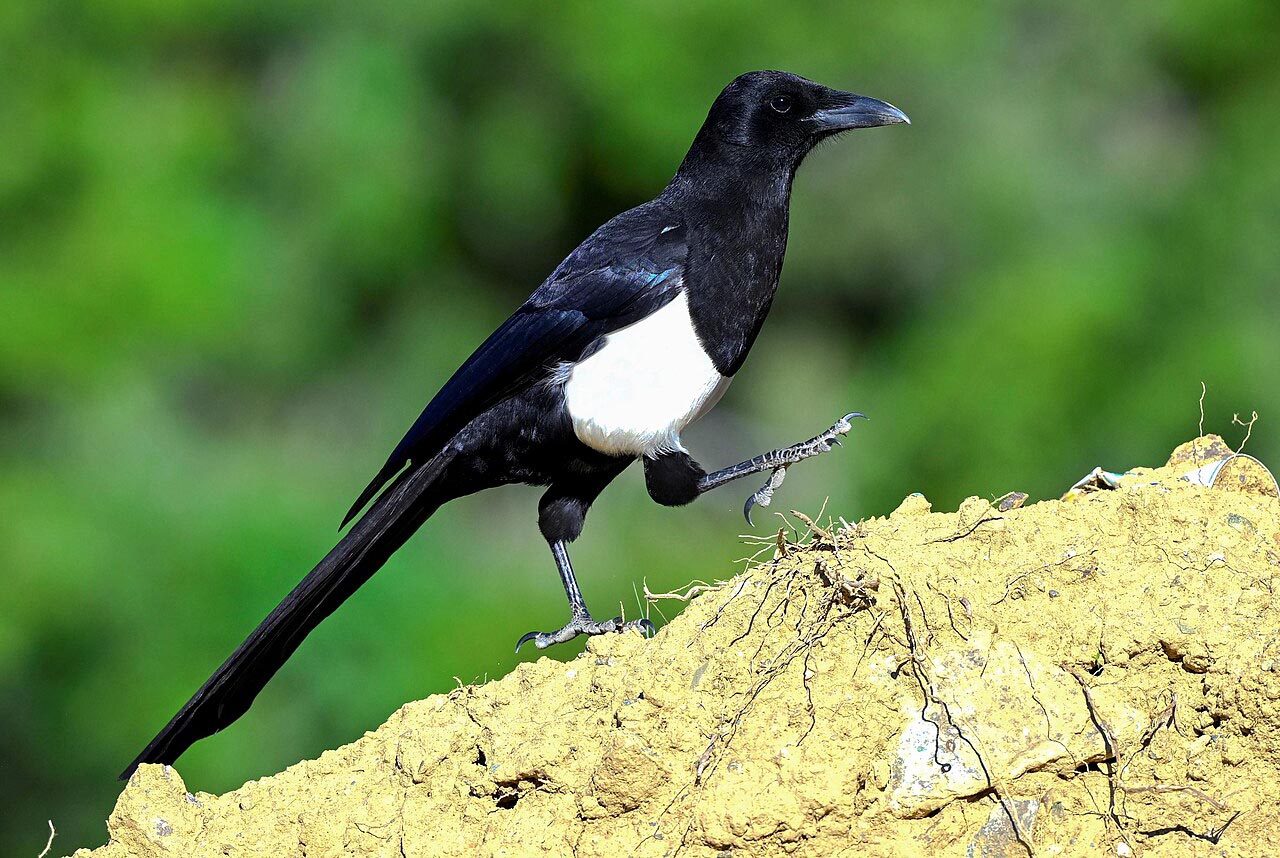
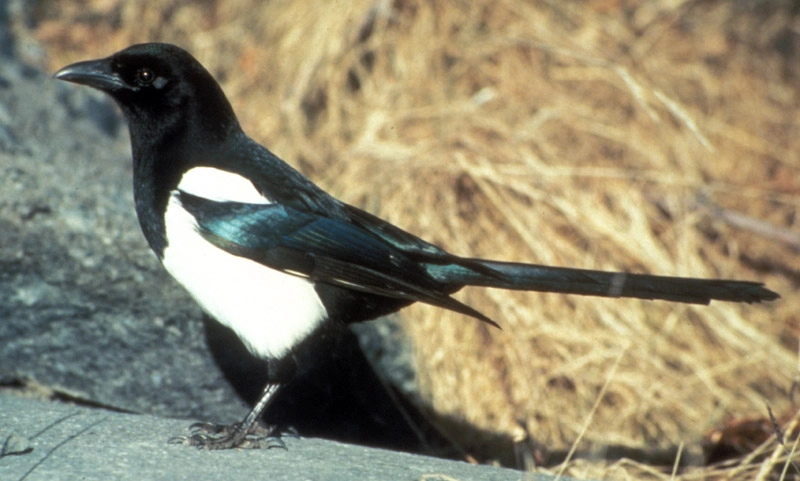
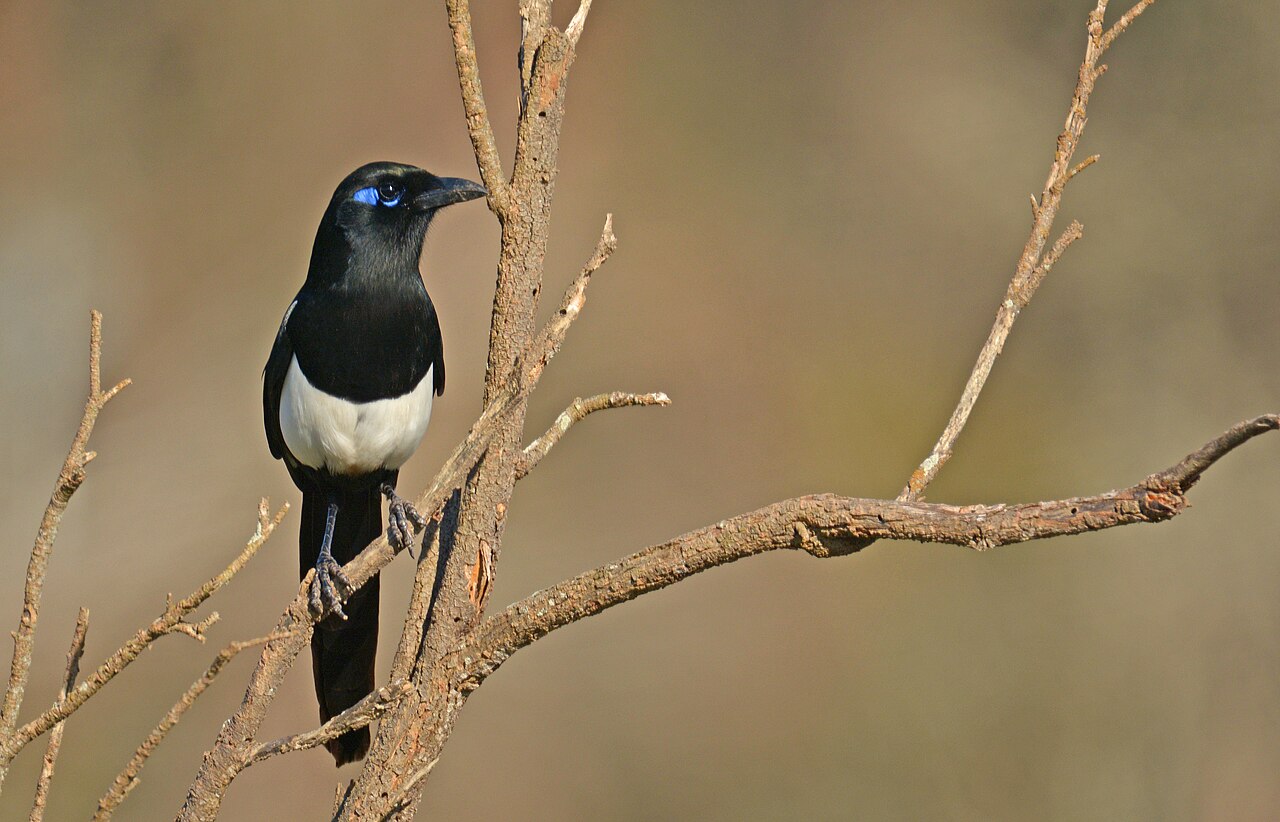
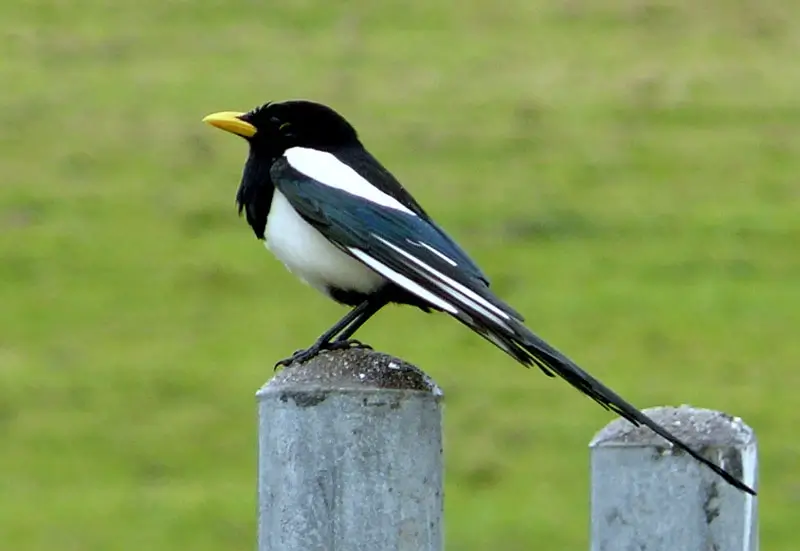
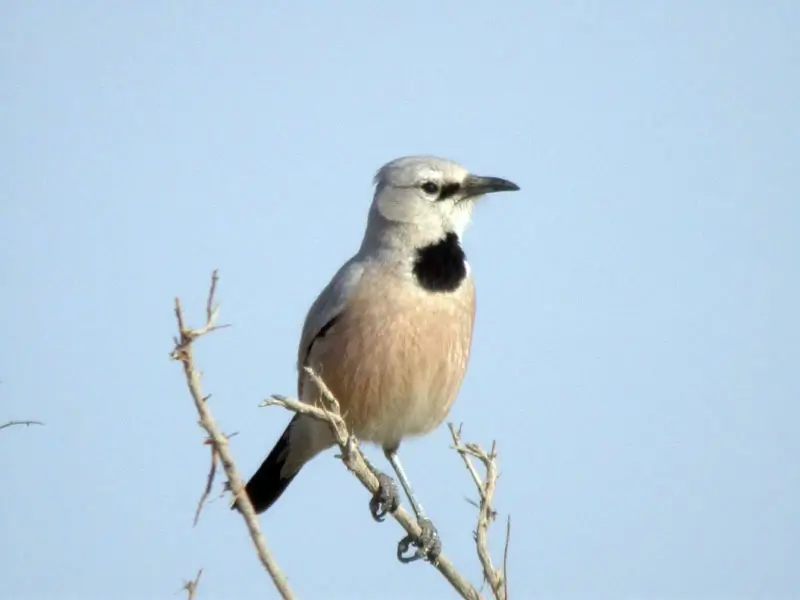
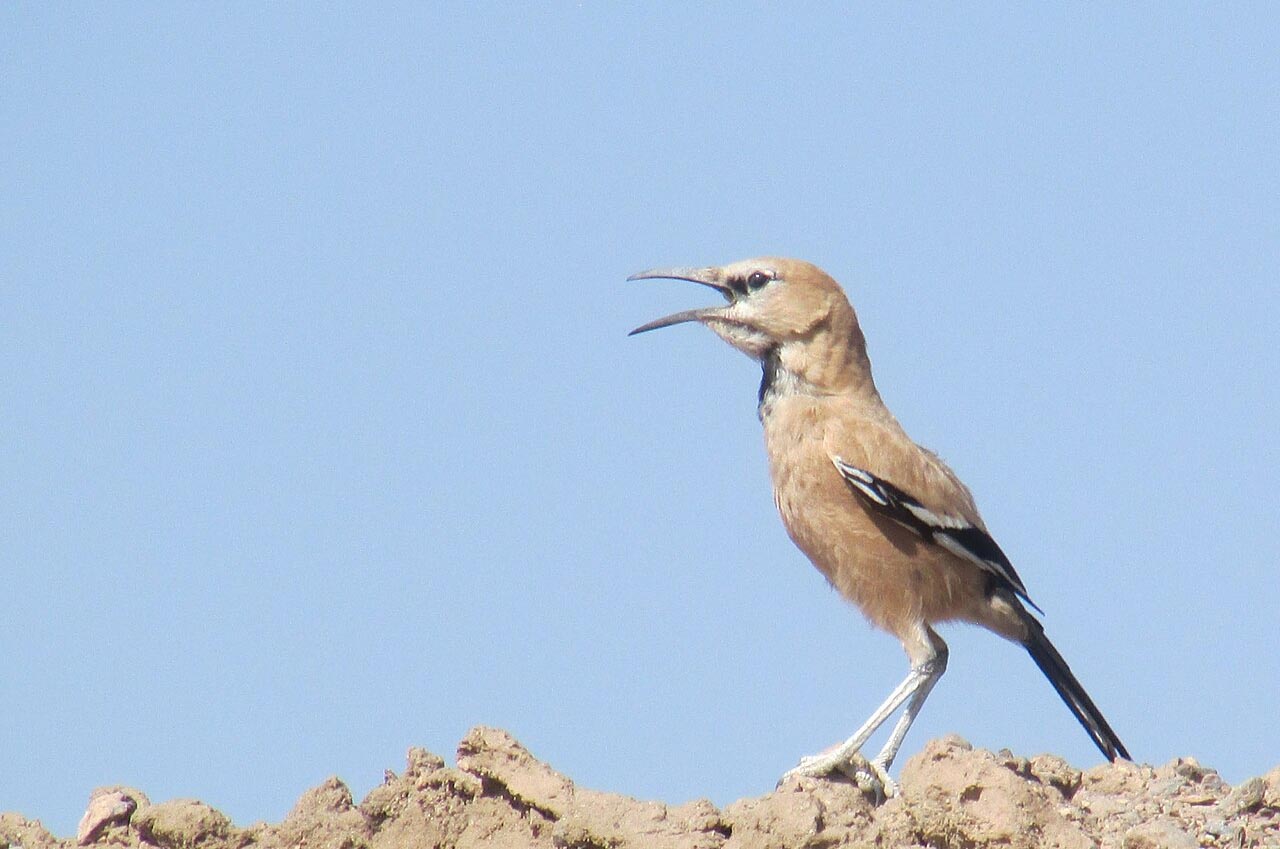
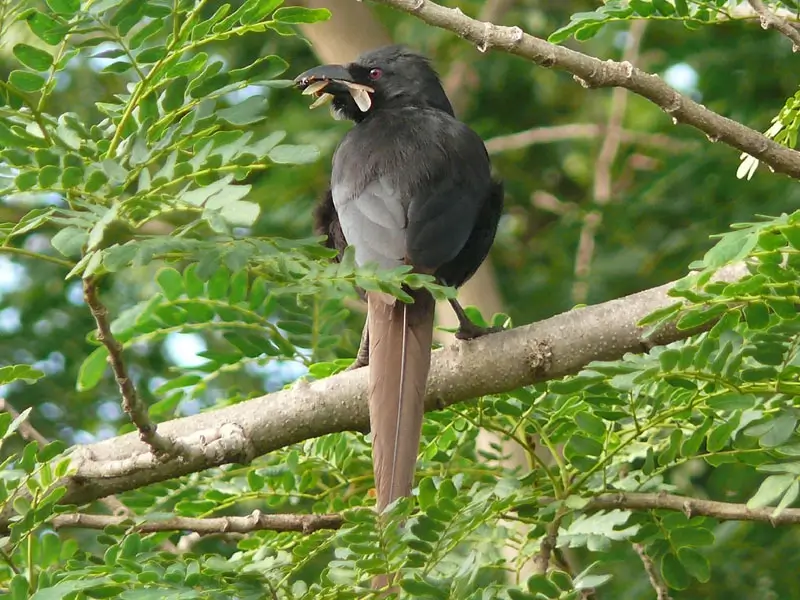
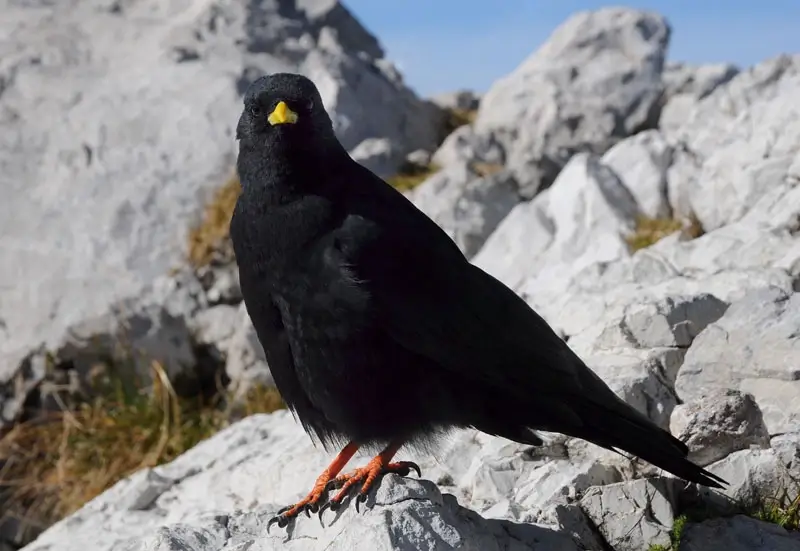
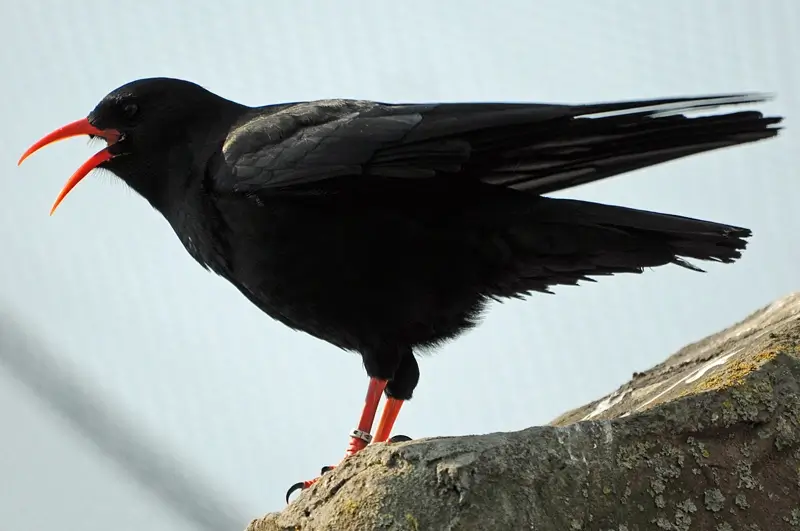
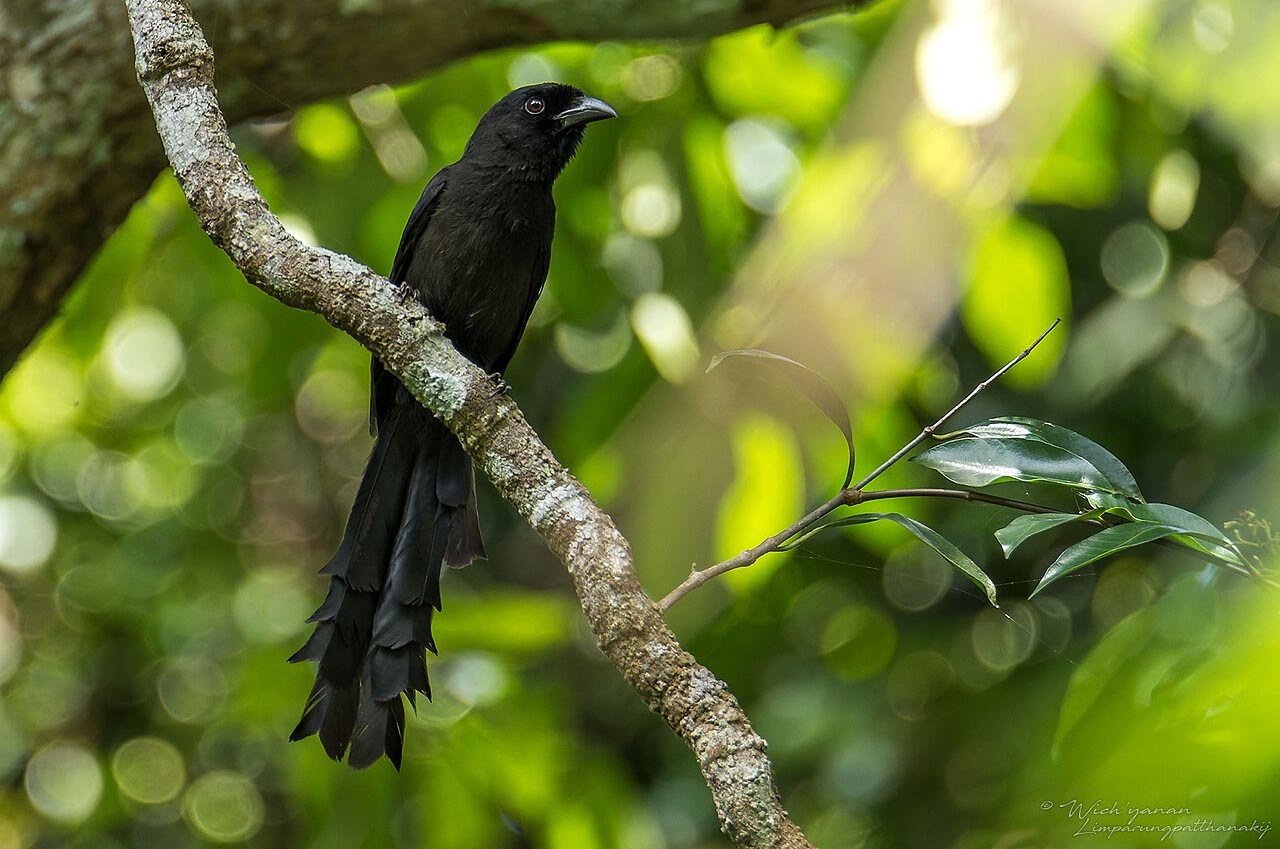
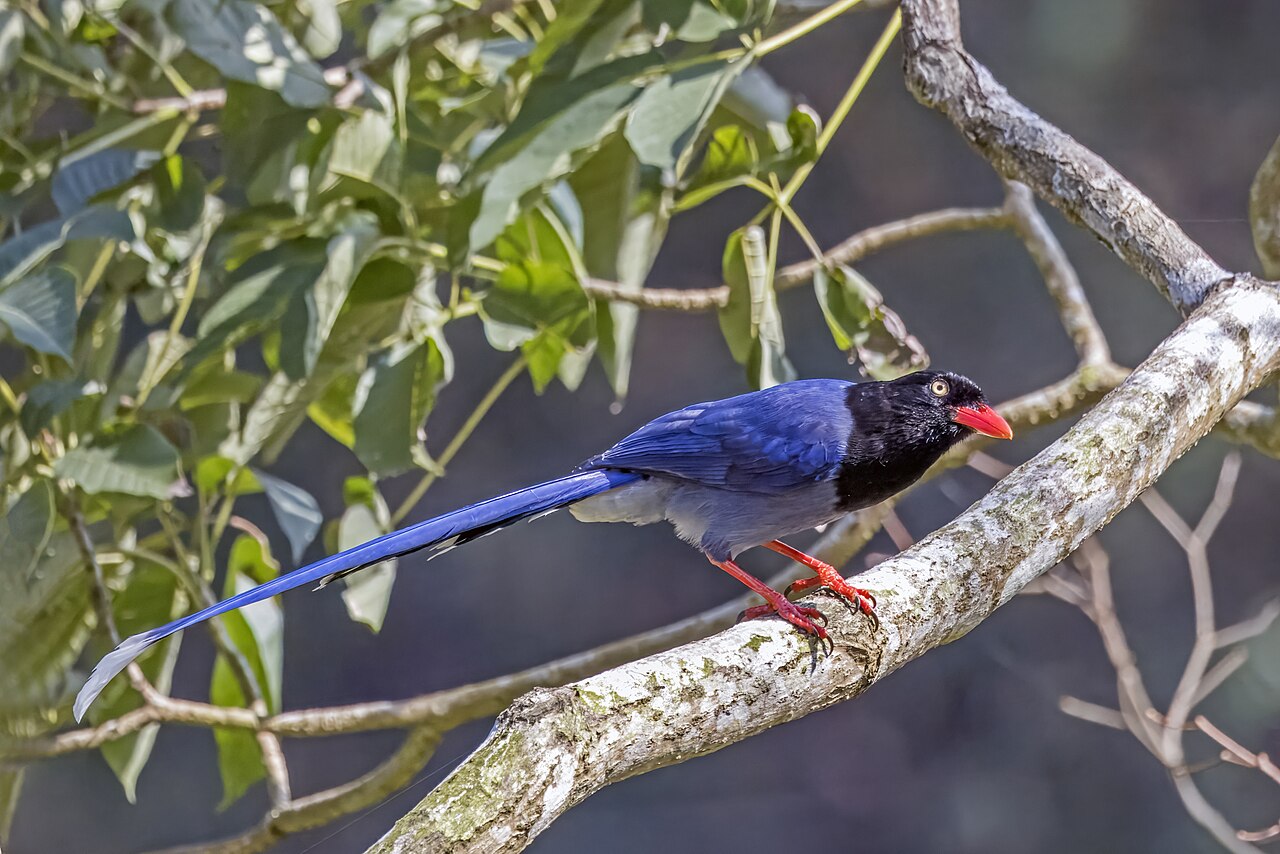
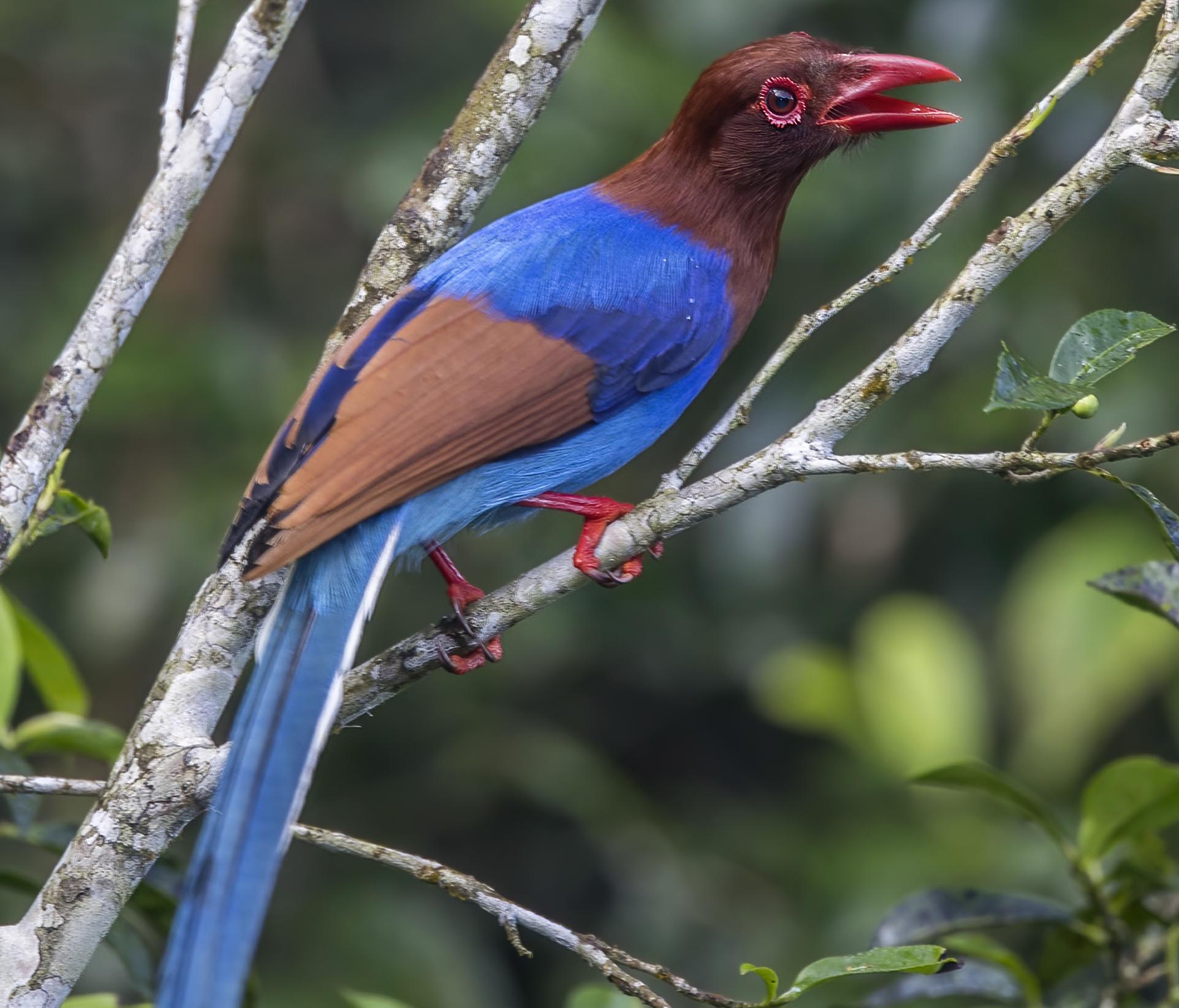
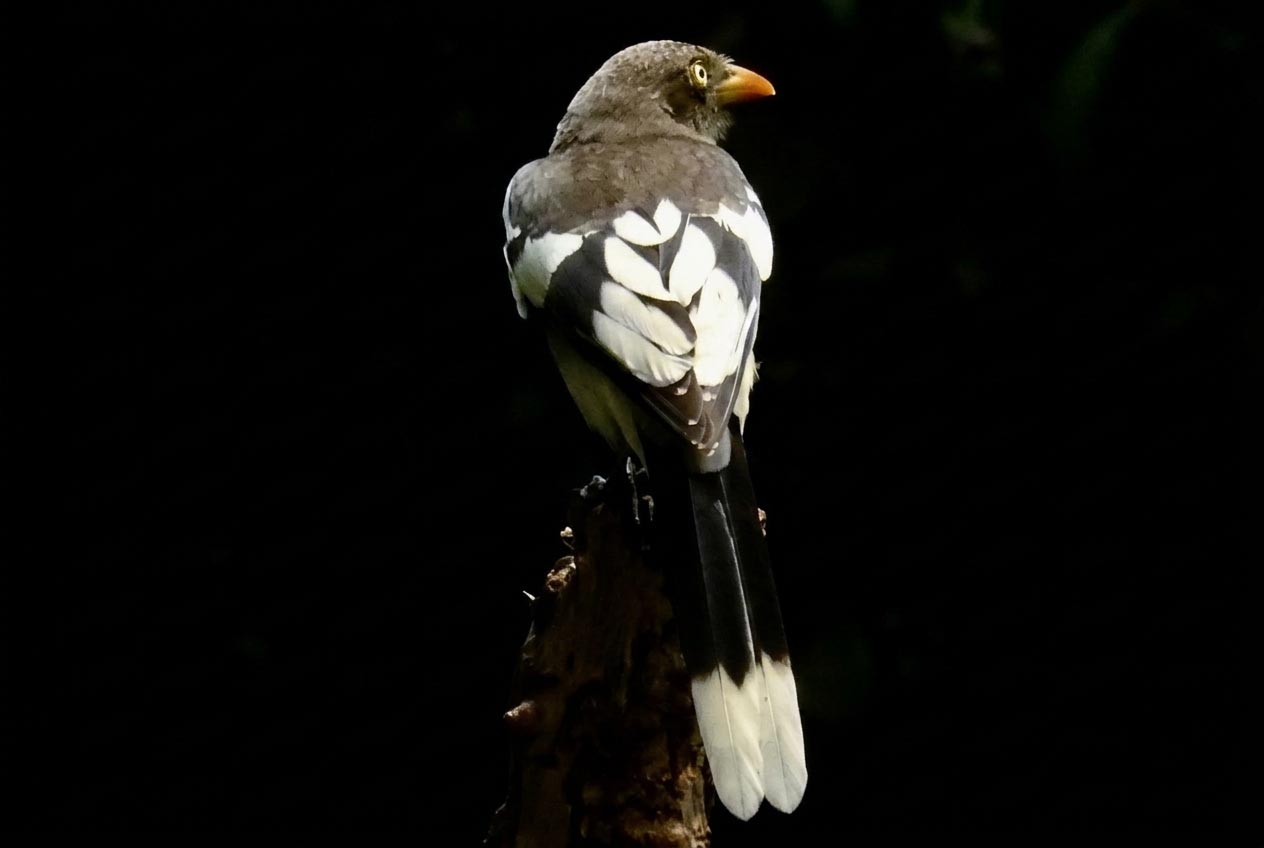
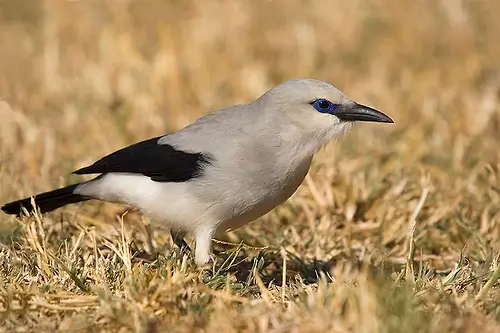
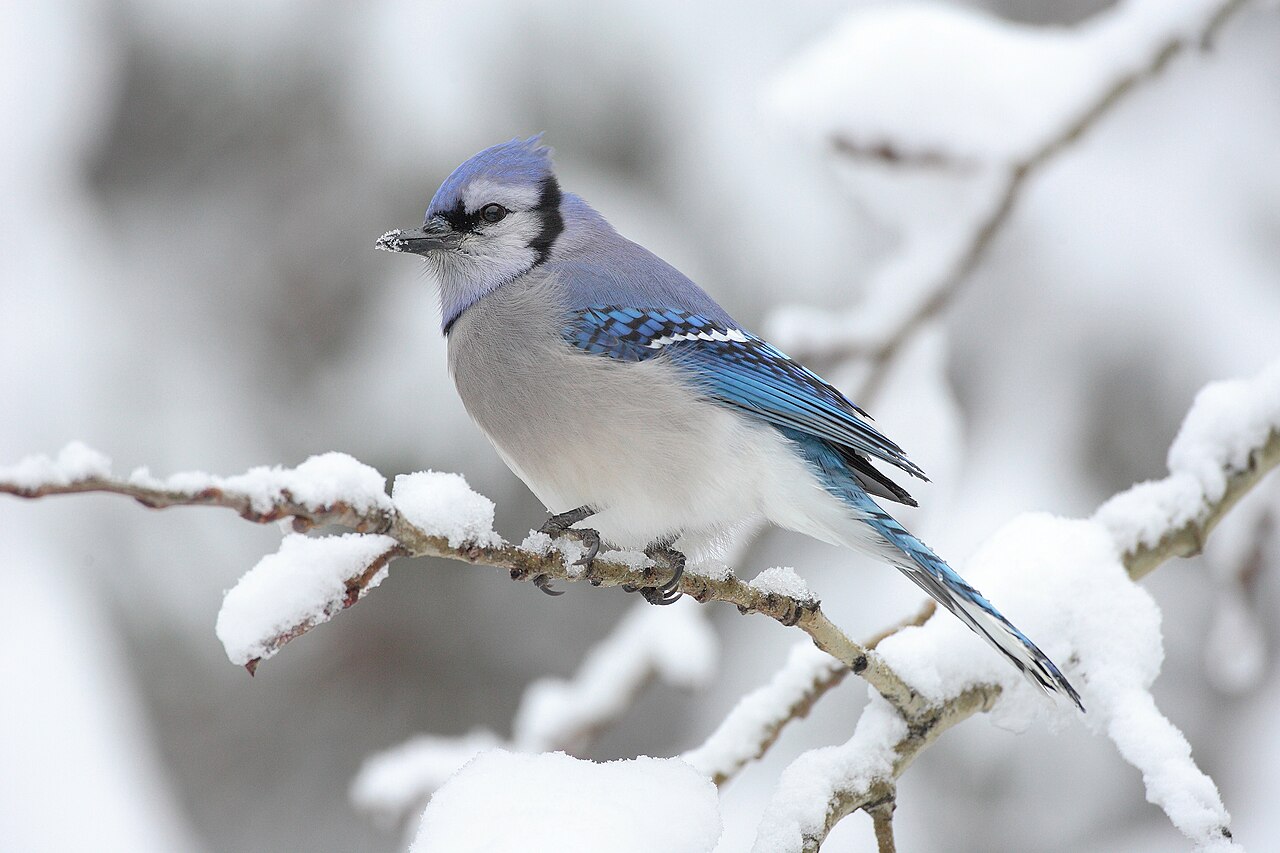
There are around 130 species of birds in the Corvidae family. This family includes crows, ravens, jays, magpies, nutcrackers, choughs, jackdaws, rooks, and treepies. Corvids are found on every continent except Antarctica.
Corvids are among the largest birds in the passerine (perching bird) order. Depending on the species, they range from about 7 to 27 inches (17.8 to 68.6 cm) in length. They have strong, slightly curved bills and stiff bristles that partly cover their nostrils.
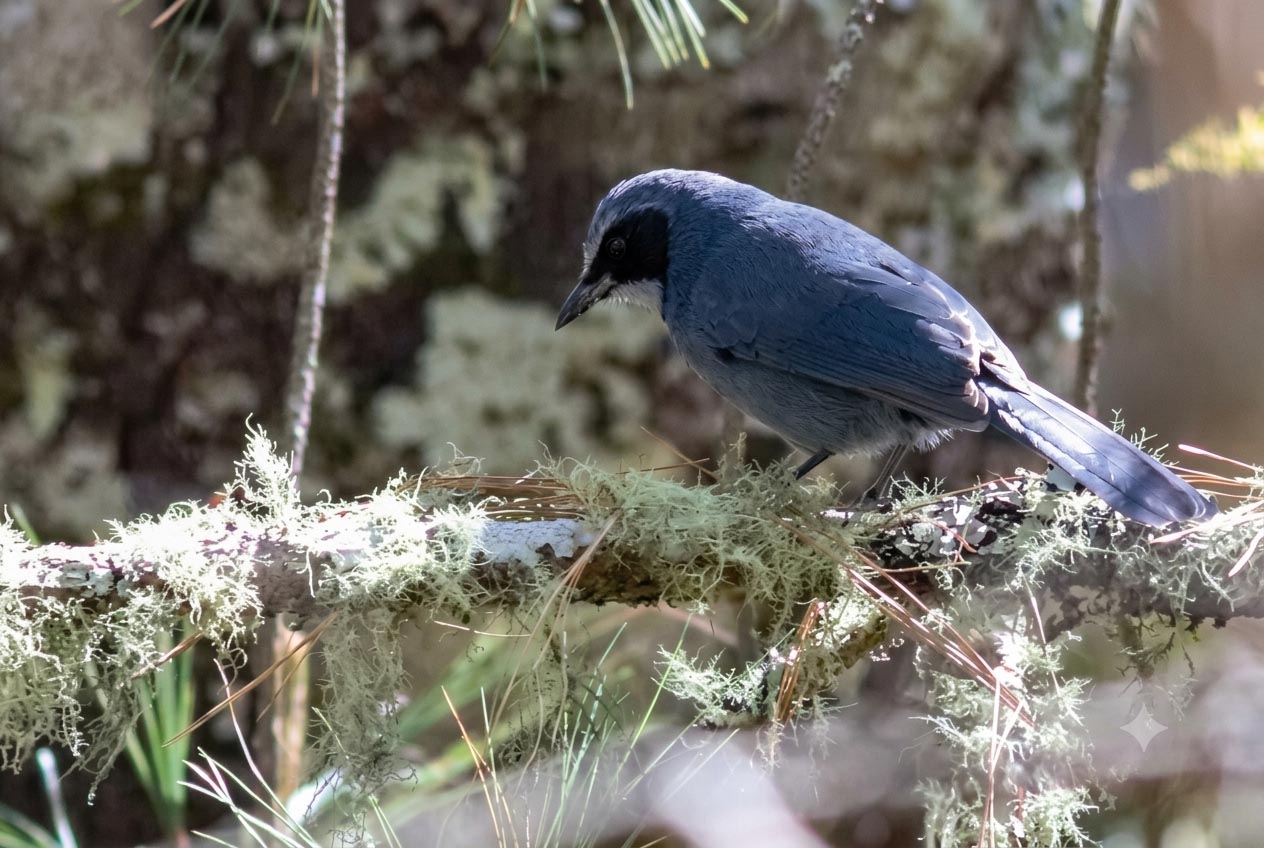
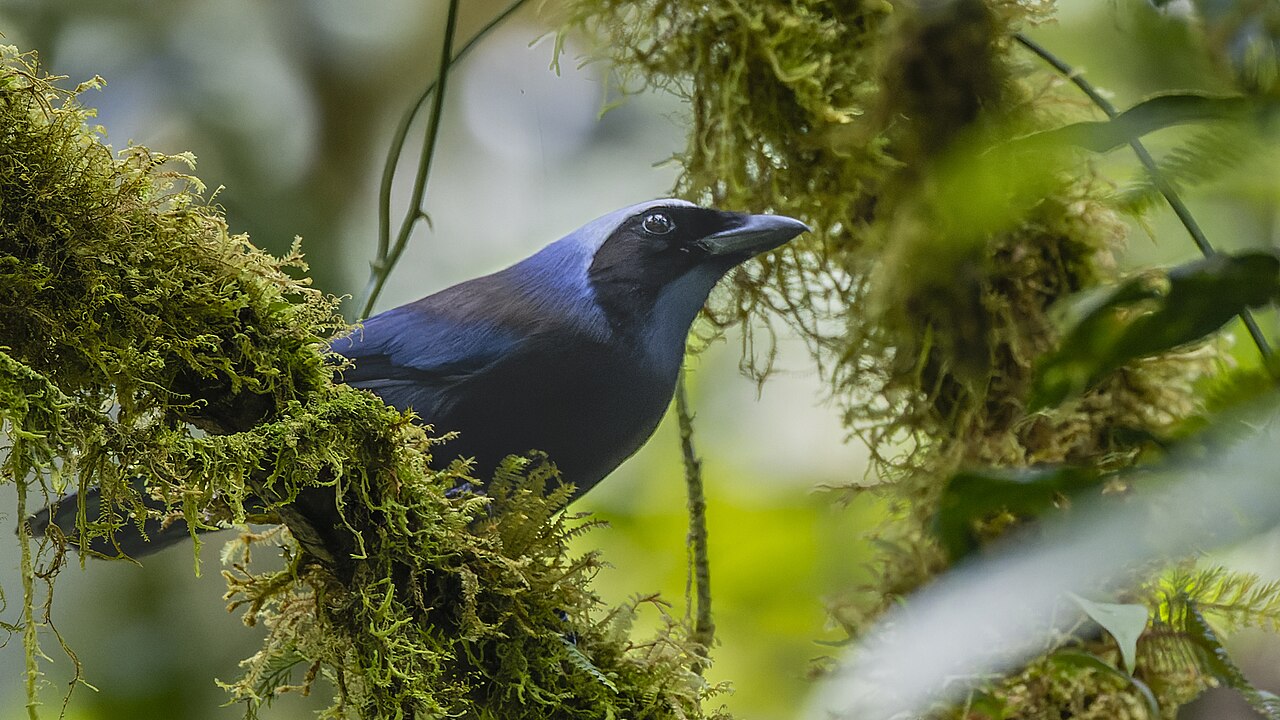
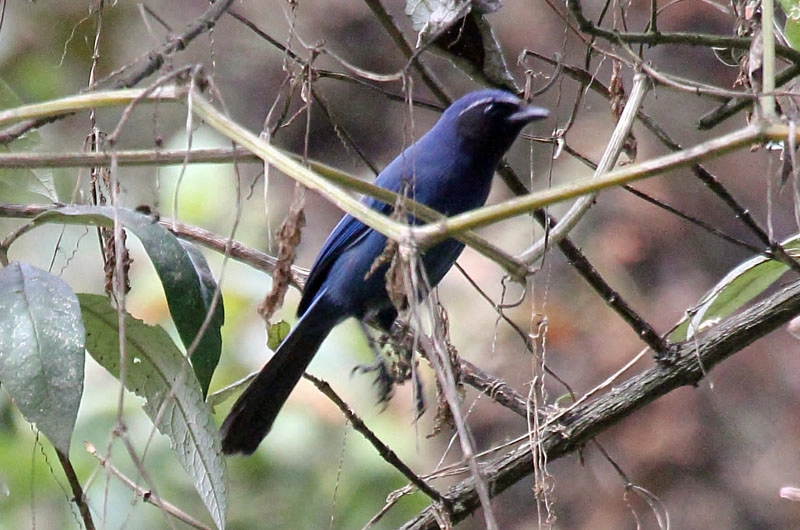
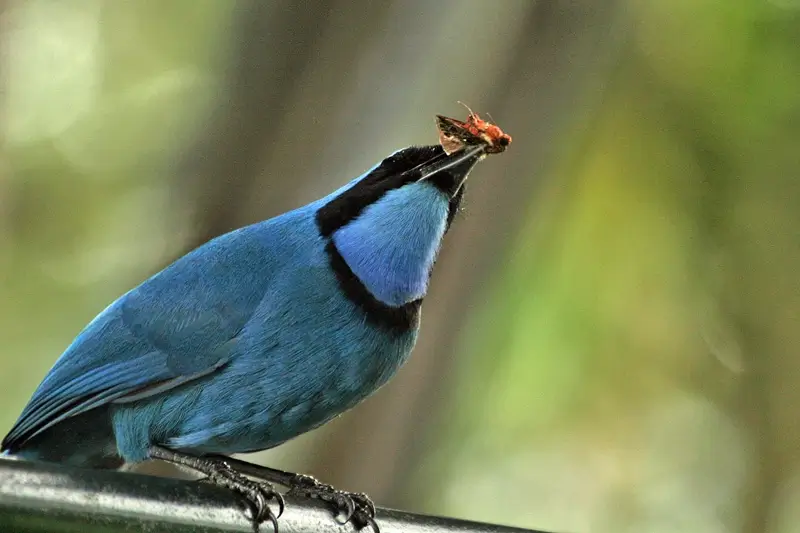
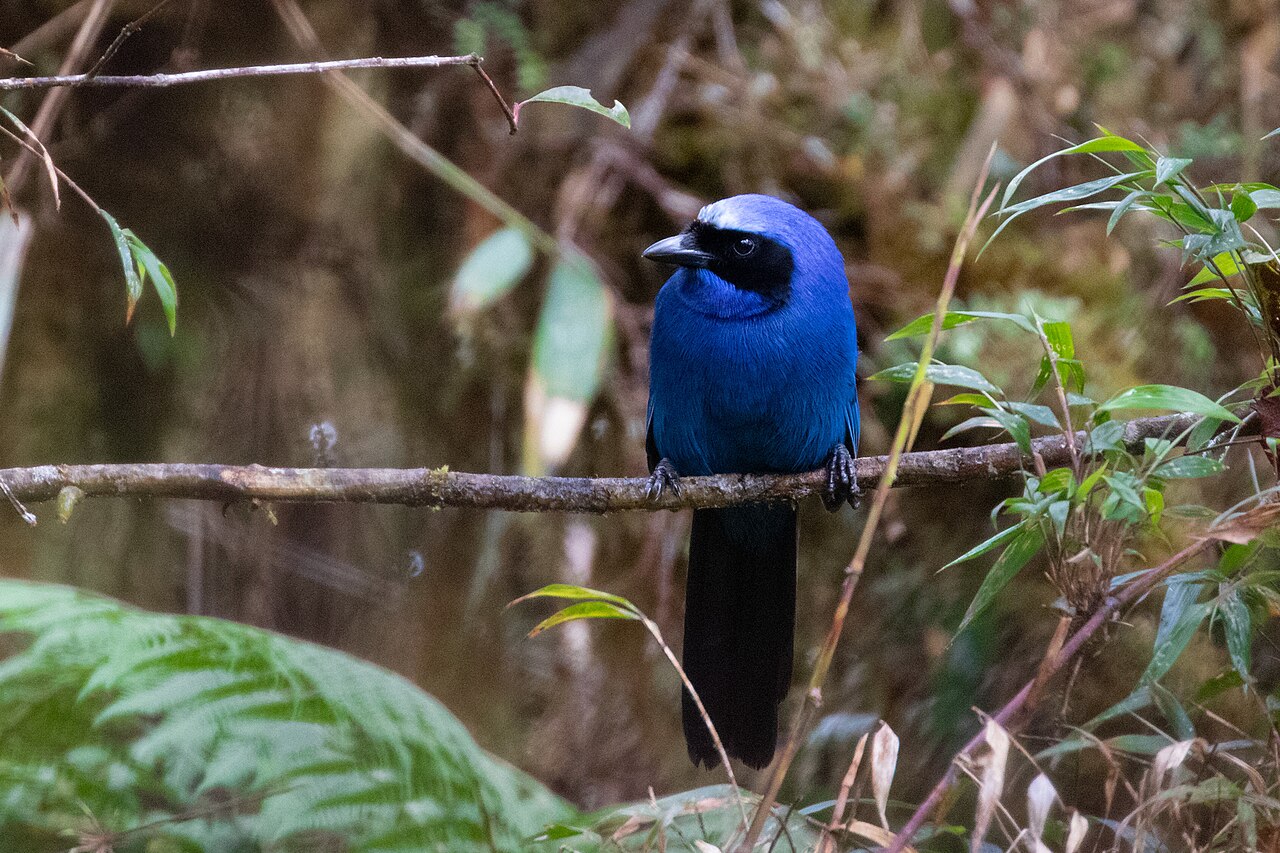
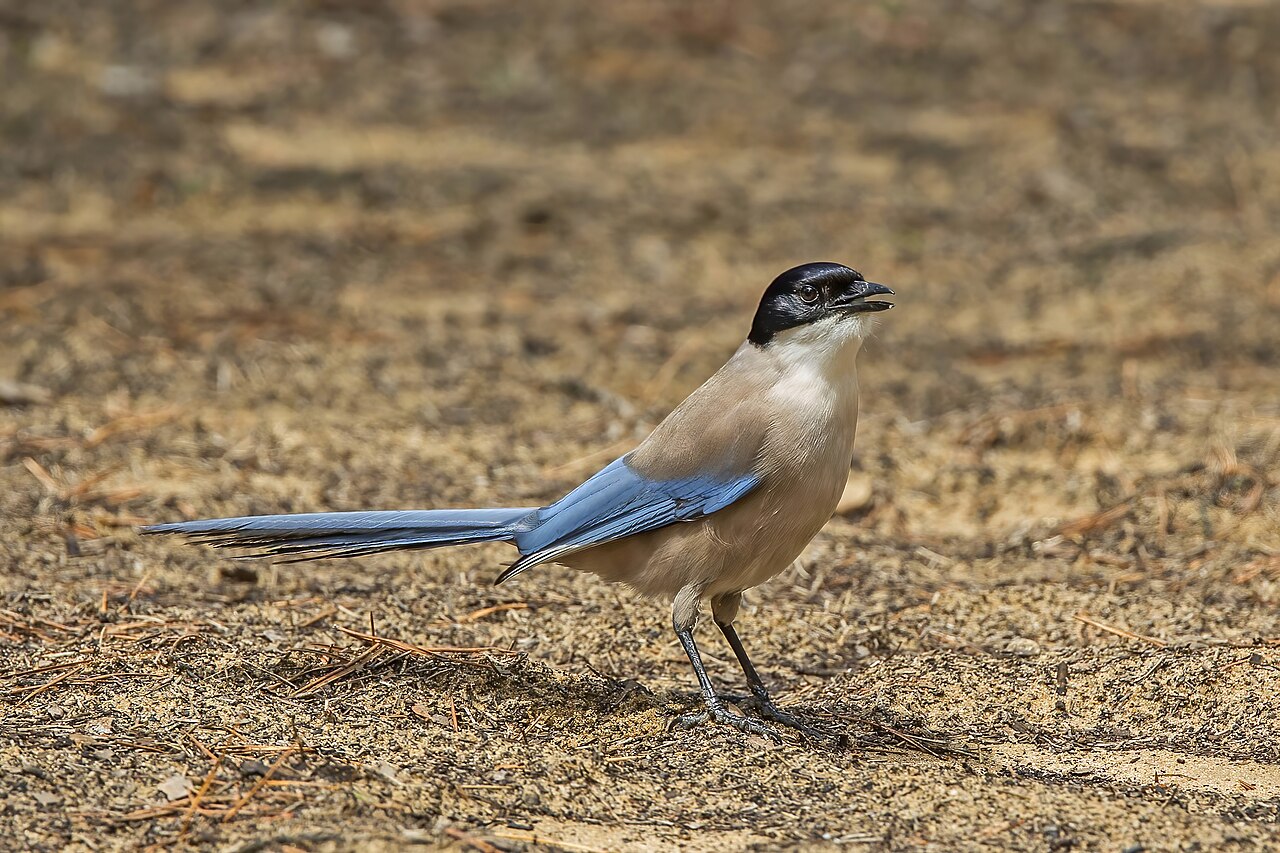
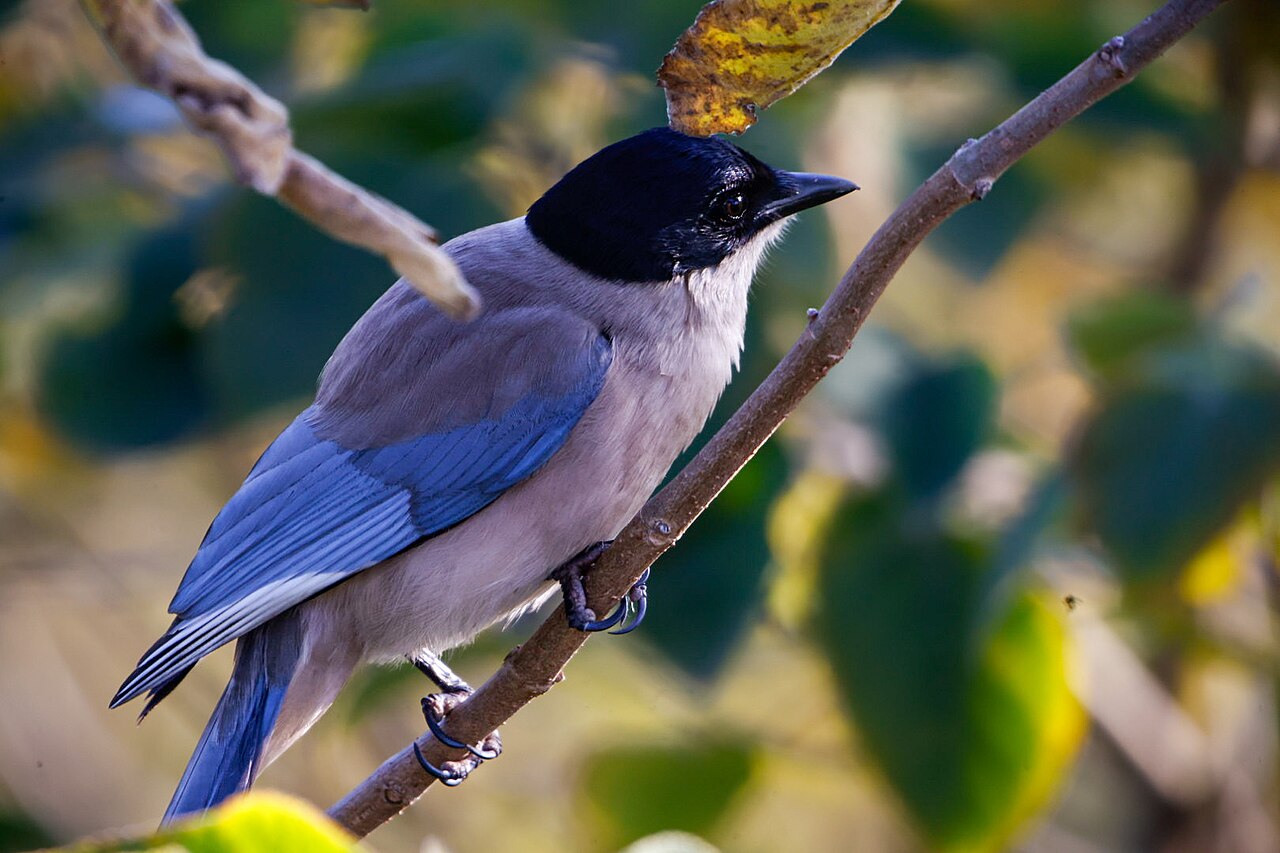
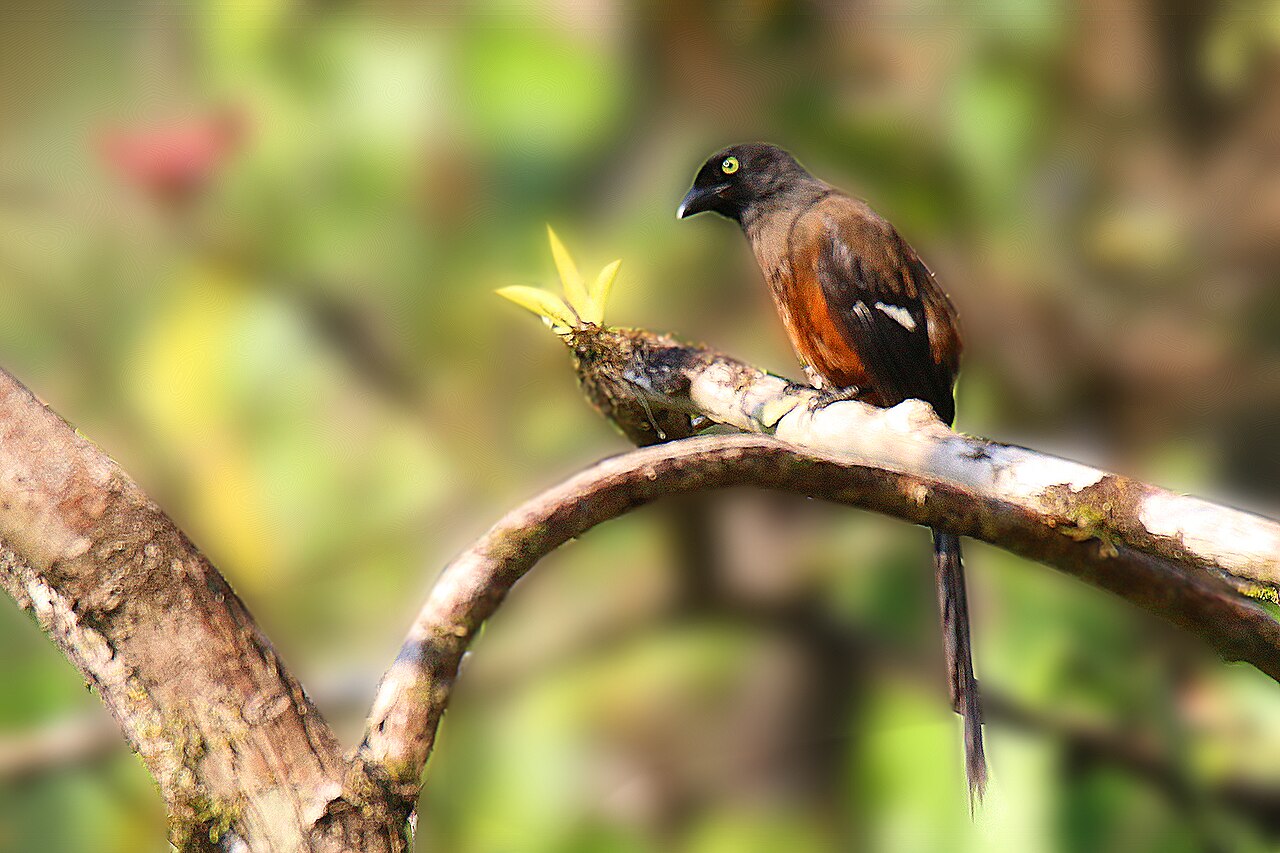
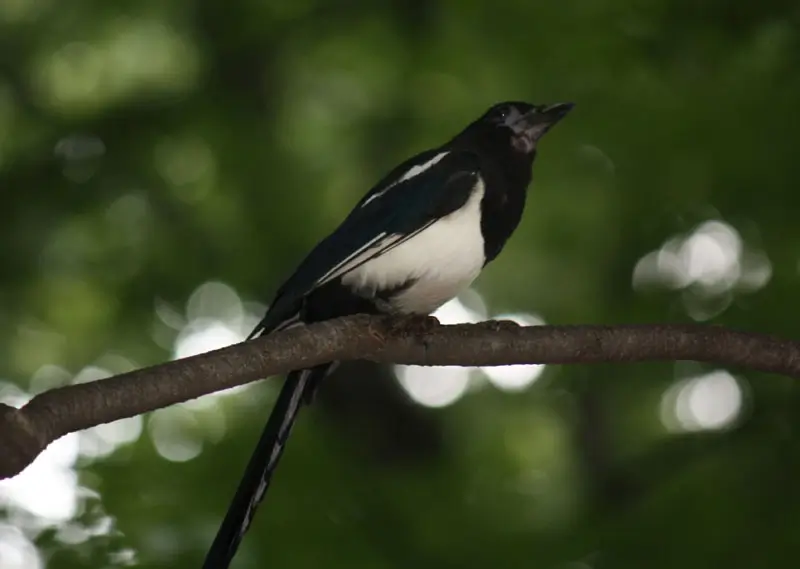
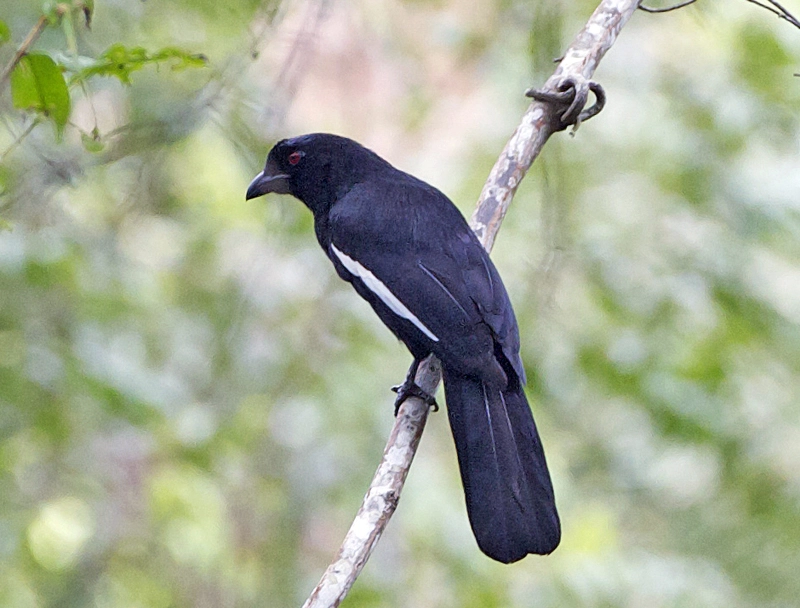
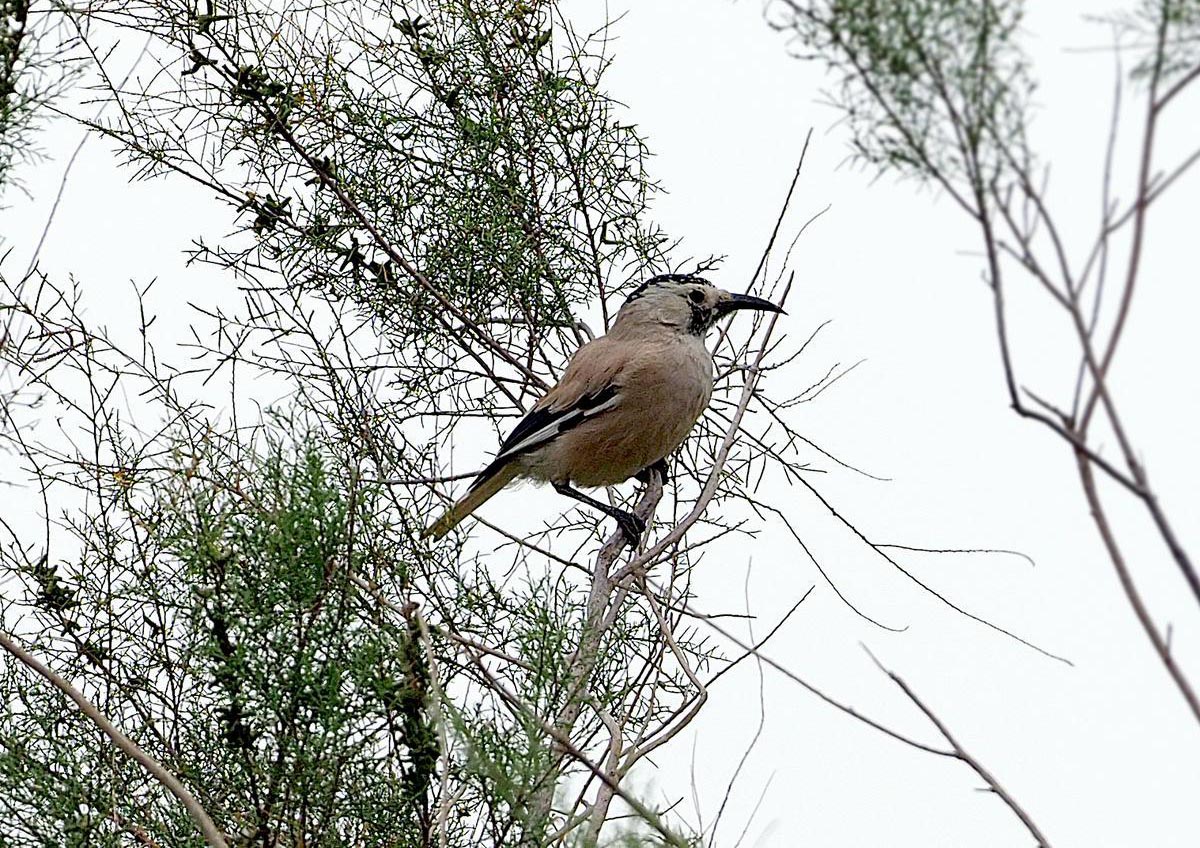
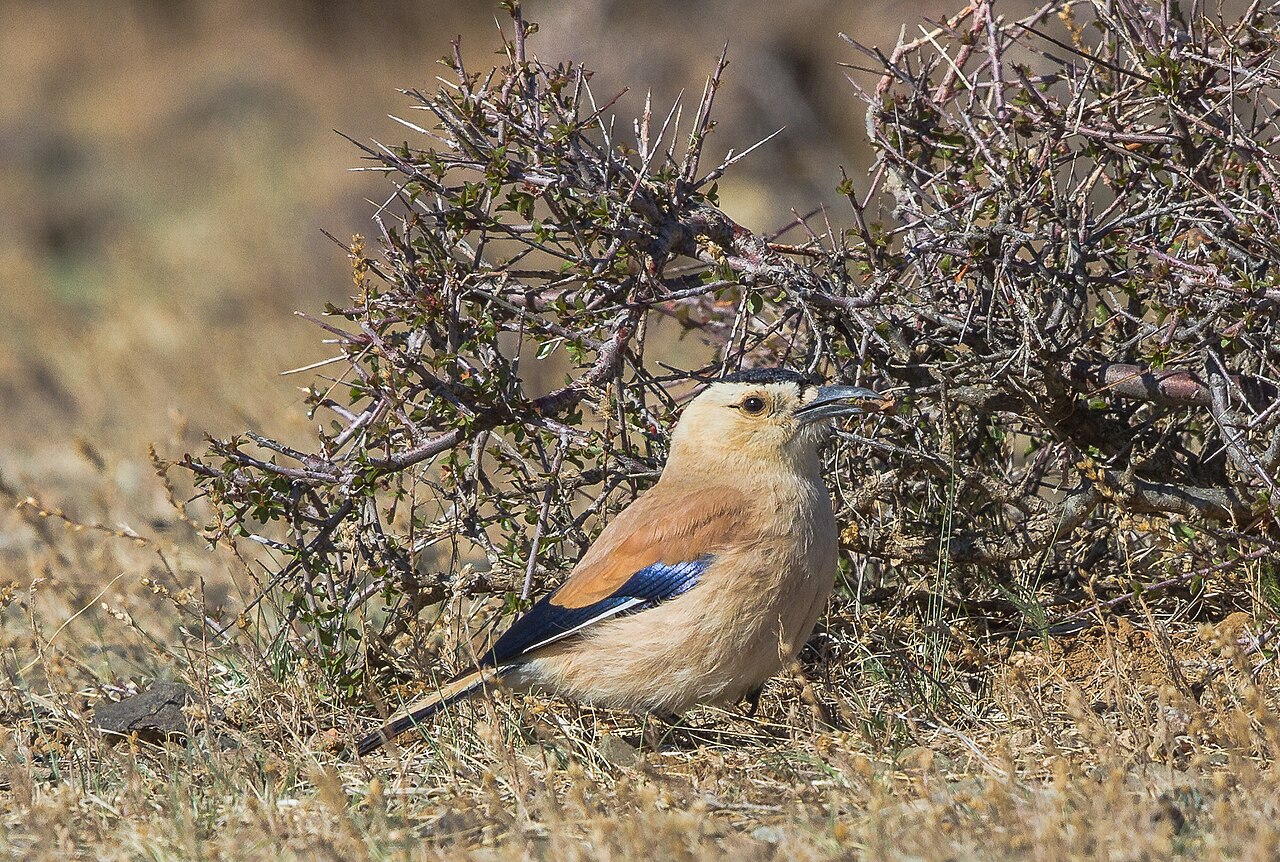
Corvids come in many colors. Crows, ravens, and rooks are usually glossy black. Magpies often have black-and-white feathers with an iridescent blue or green sheen. Jays are the most colorful members of the family and may have bright blue, green, yellow, gray, or brown feathers.
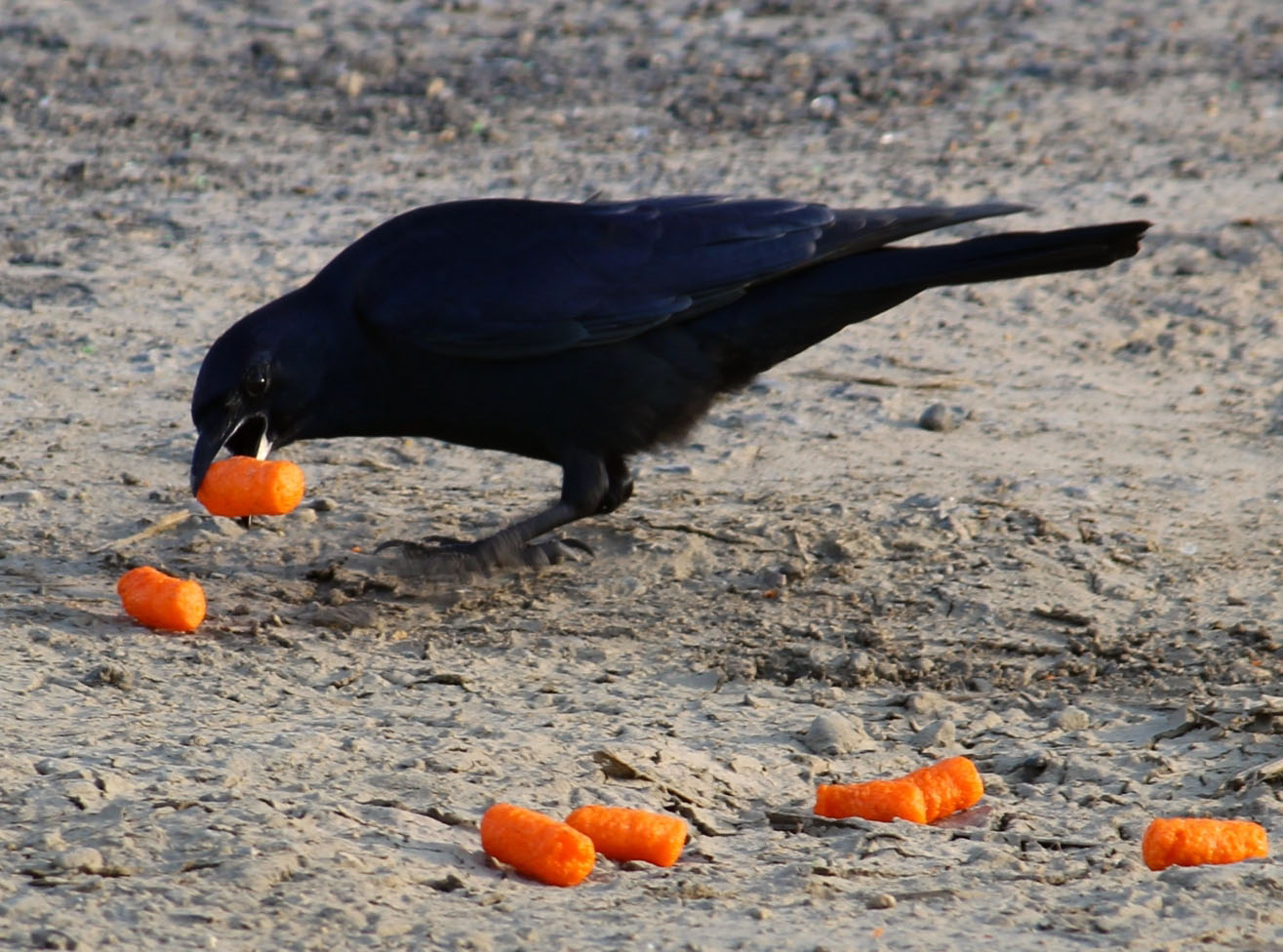
These birds live in many different habitats, including forests, woodlands, grasslands, scrublands, farms, parks, and even cities. Most corvids are omnivores. They eat insects, seeds, nuts, fruit, eggs, small animals, carrion (dead animals), and human food scraps. Many species hide extra food in hundreds of secret locations and can remember where they stored it months later.
Male and female corvids usually look alike. Corvids are among the world’s most intelligent birds. They can solve puzzles, use tools, recognize human faces, and learn from experience. Some species, especially ravens, crows, and certain jays, can imitate sounds and even learn to mimic a few human words.