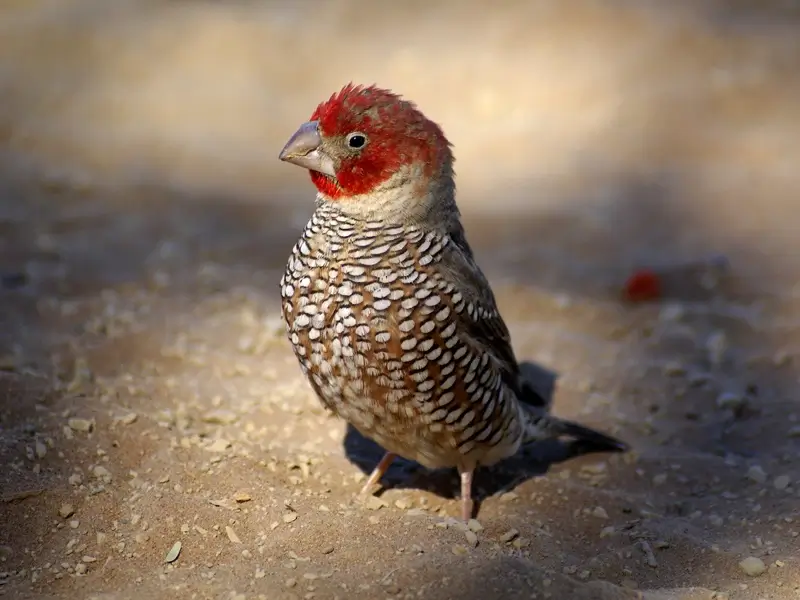
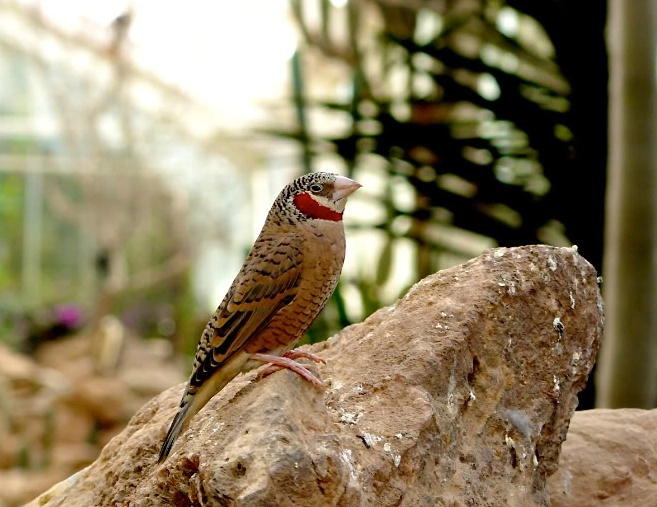
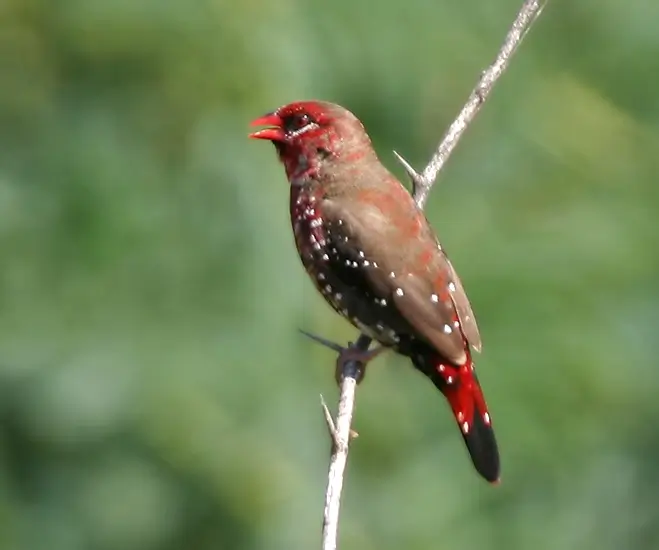
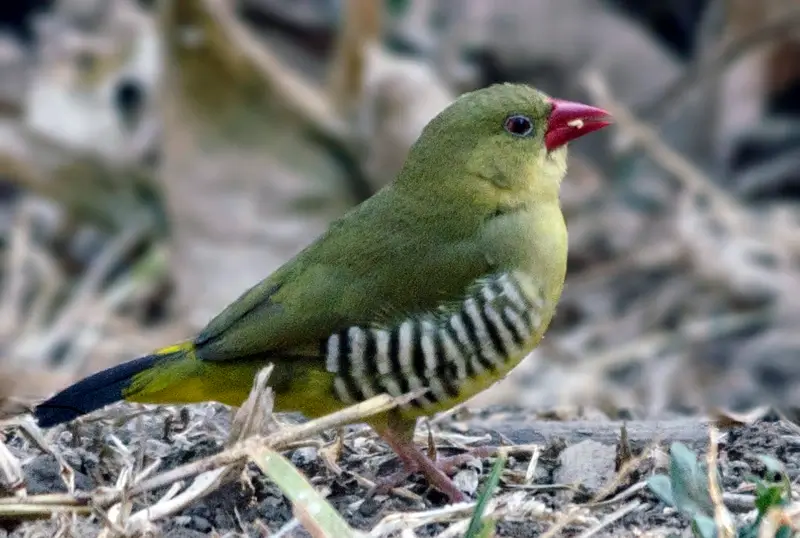
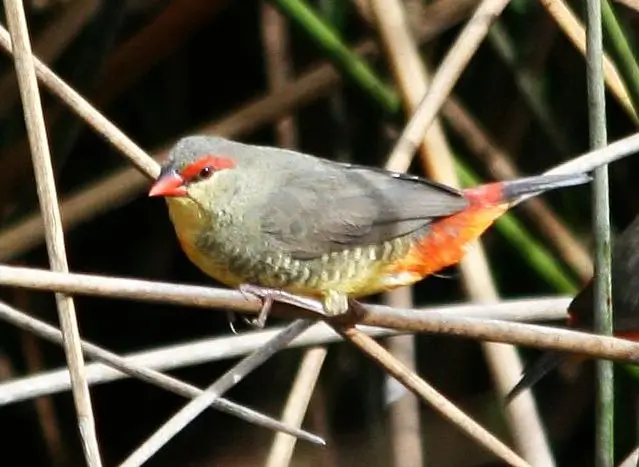
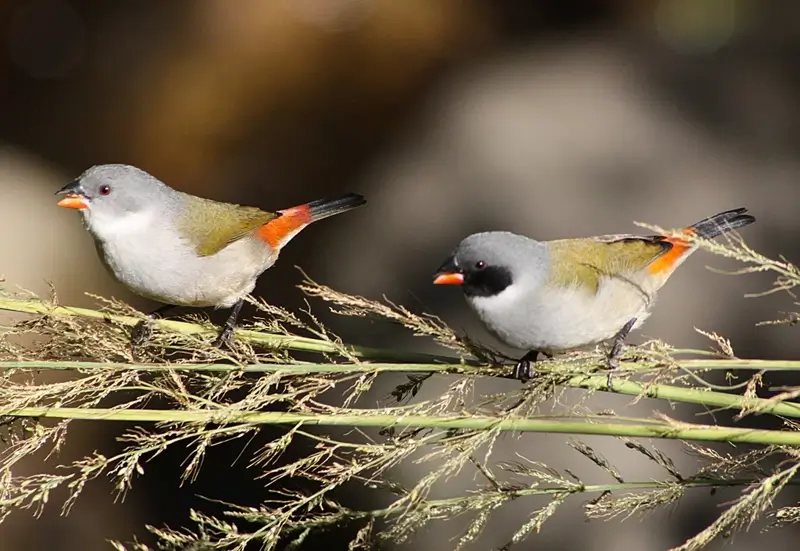
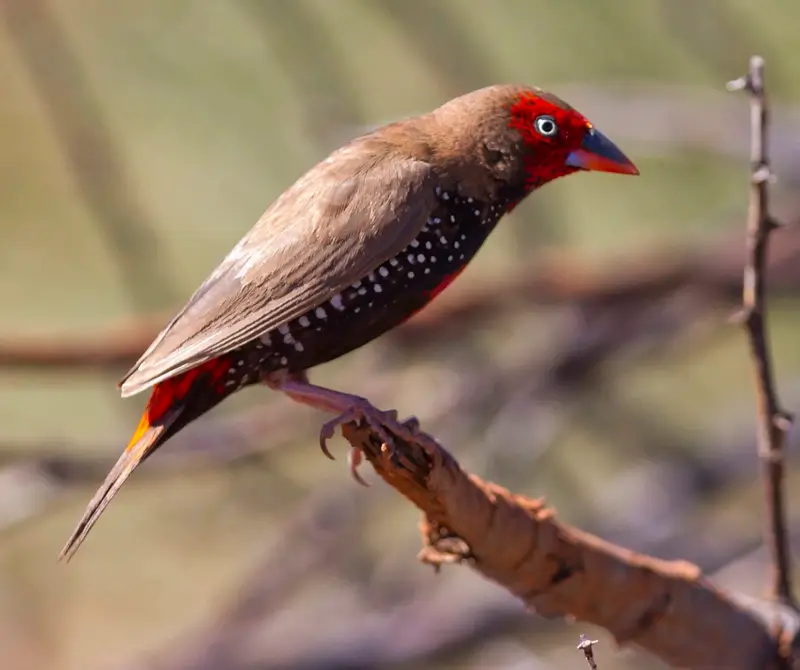
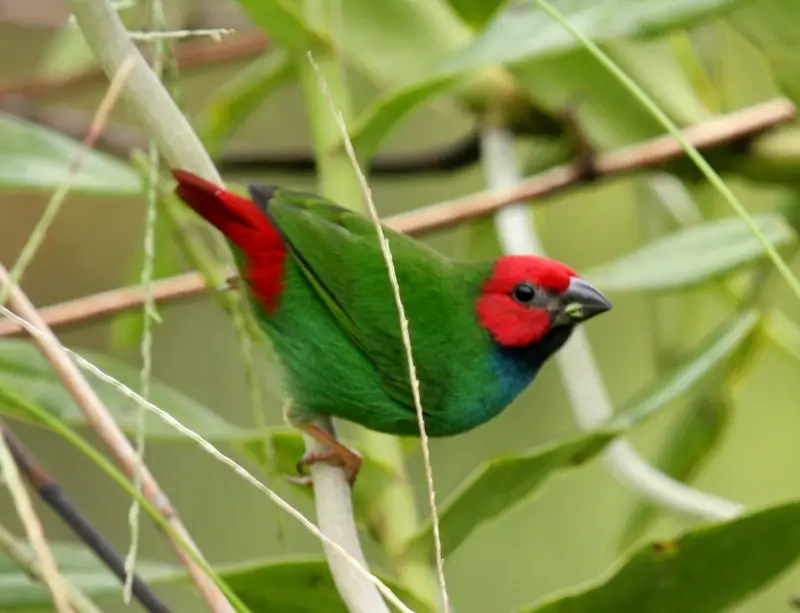
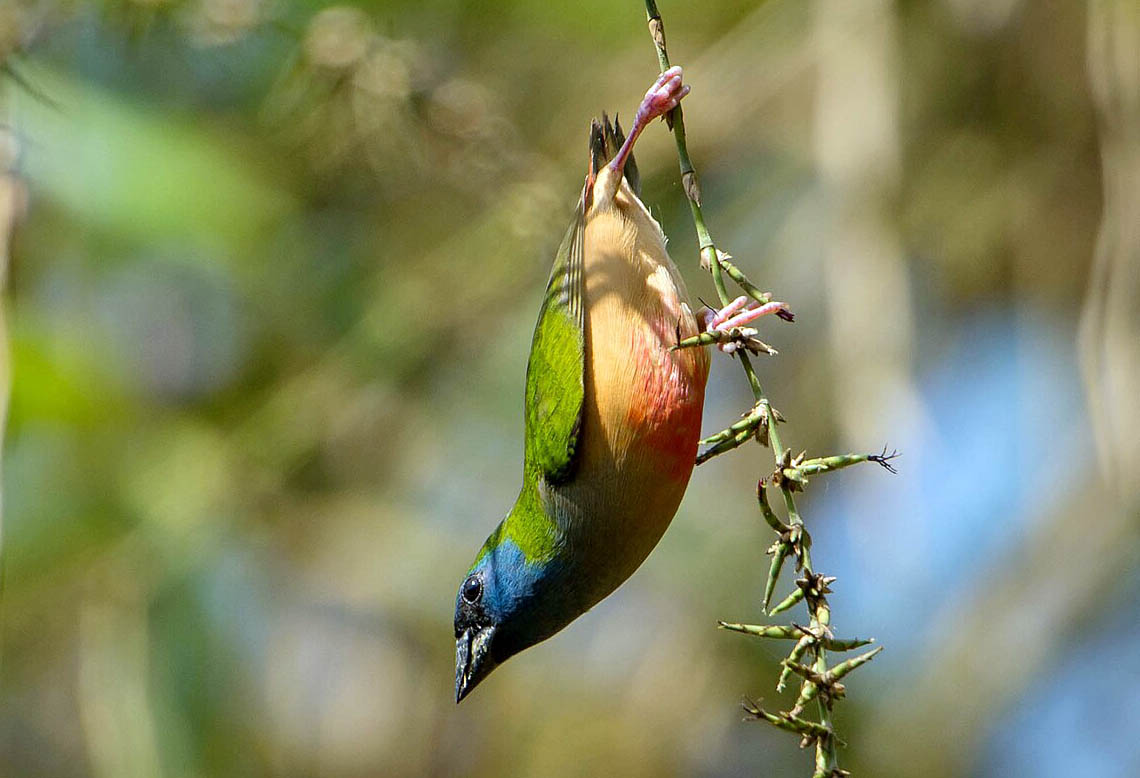
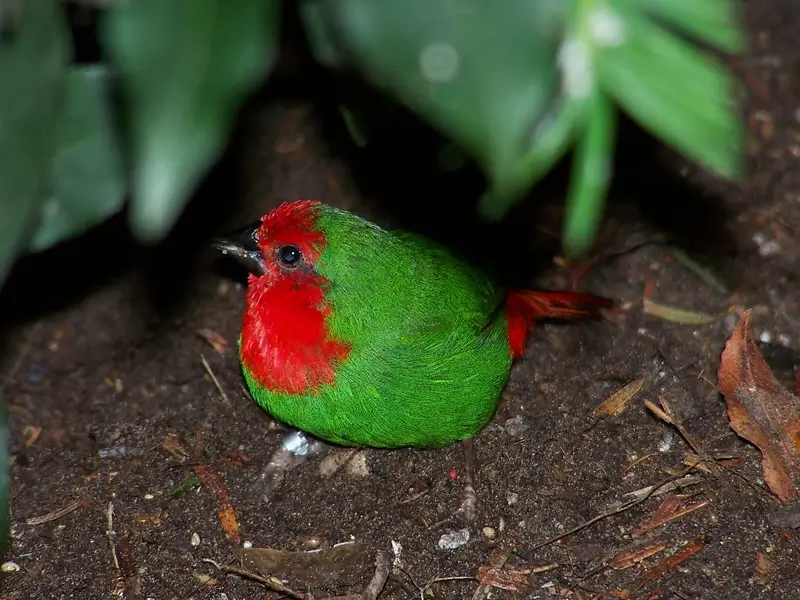
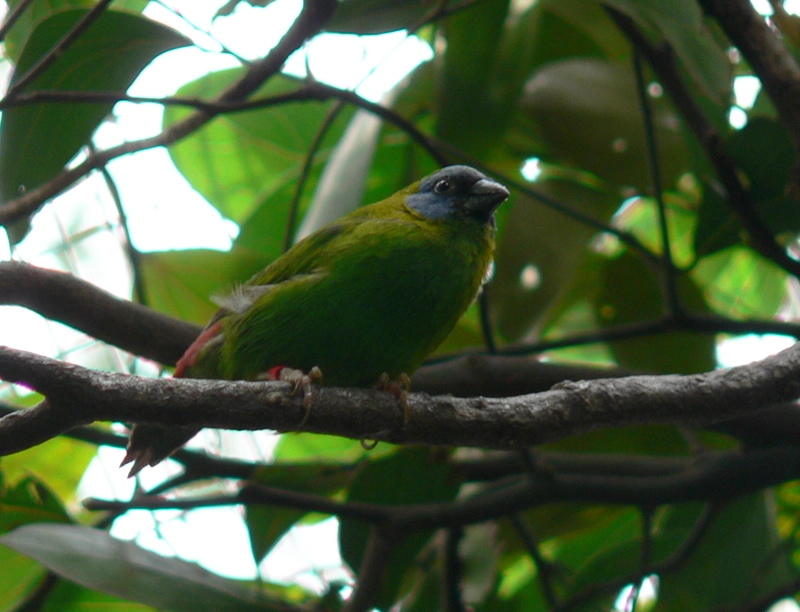
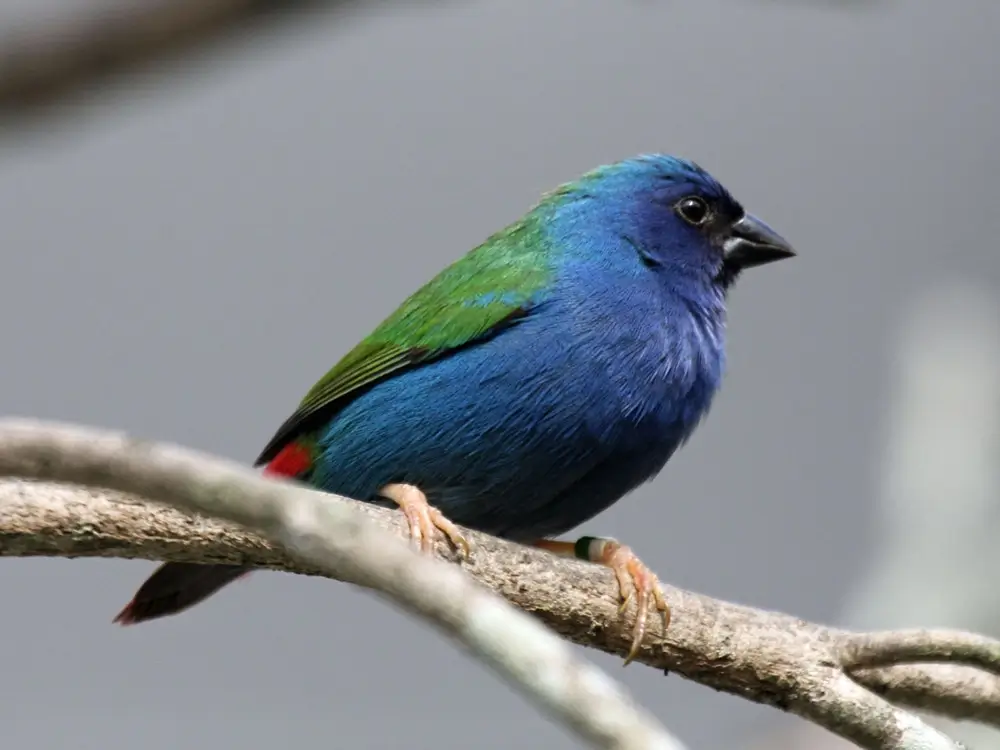
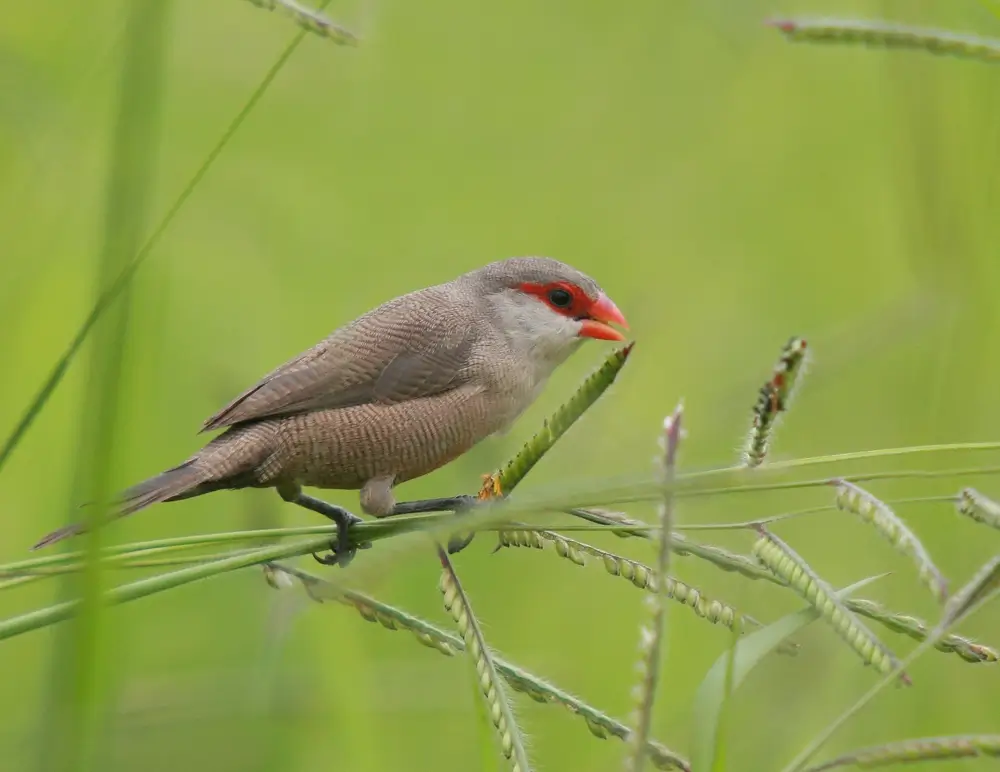
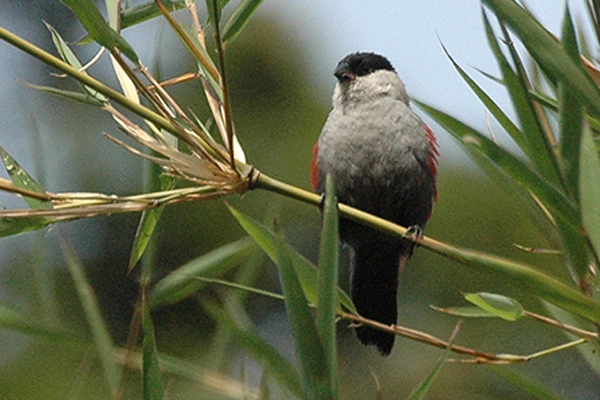
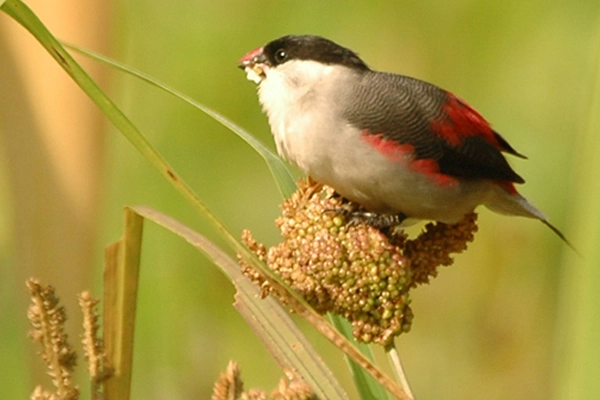
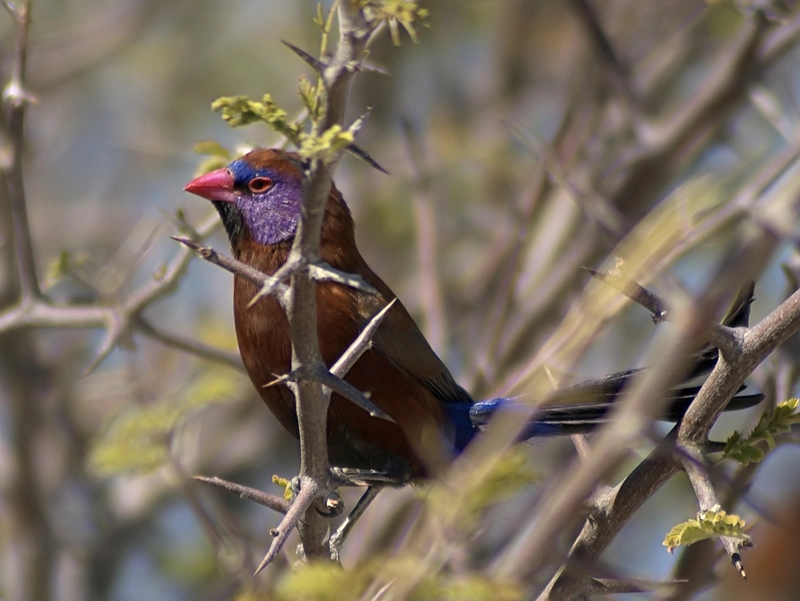
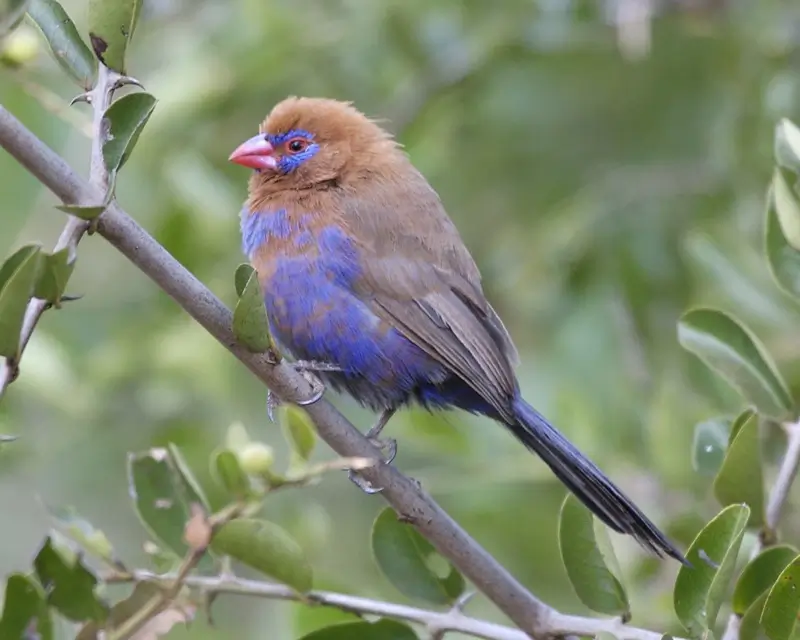
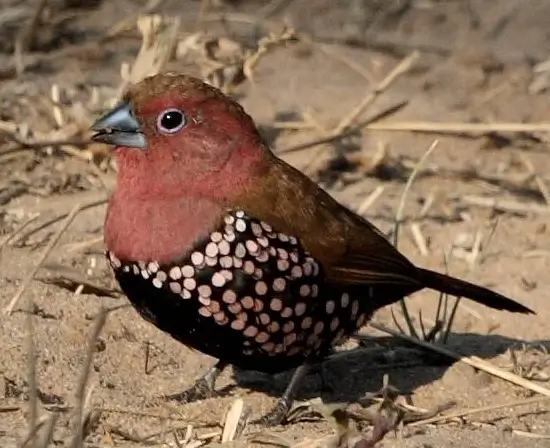
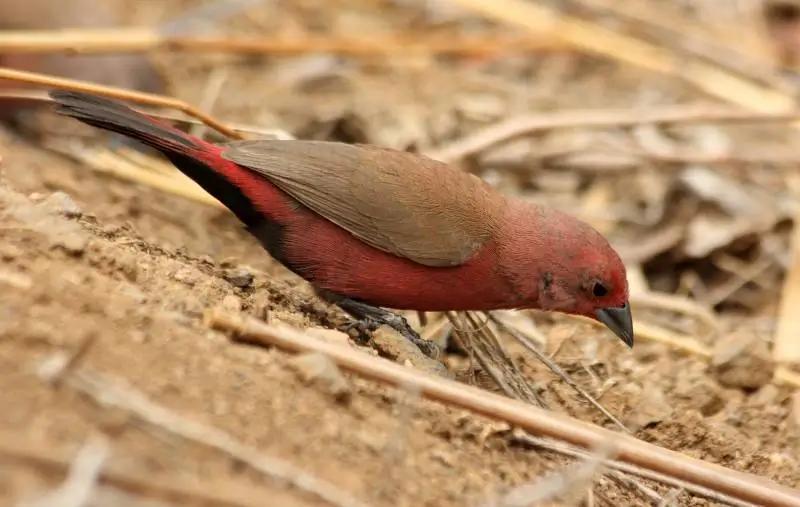
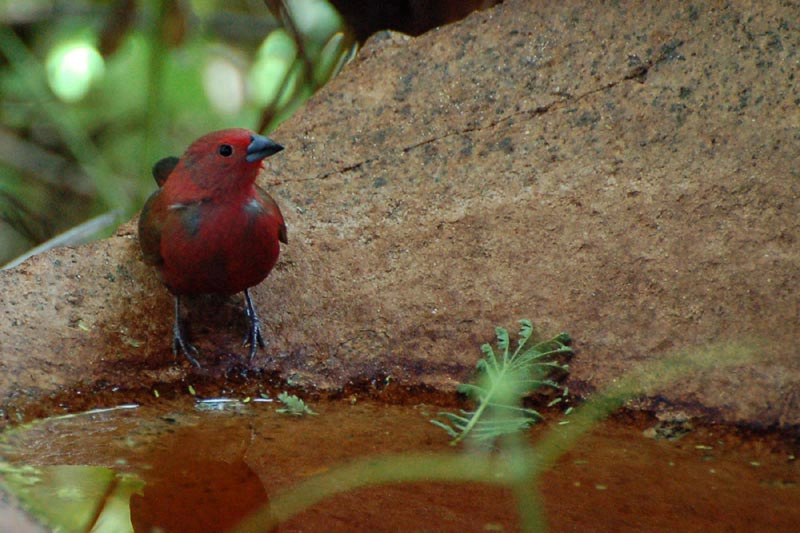
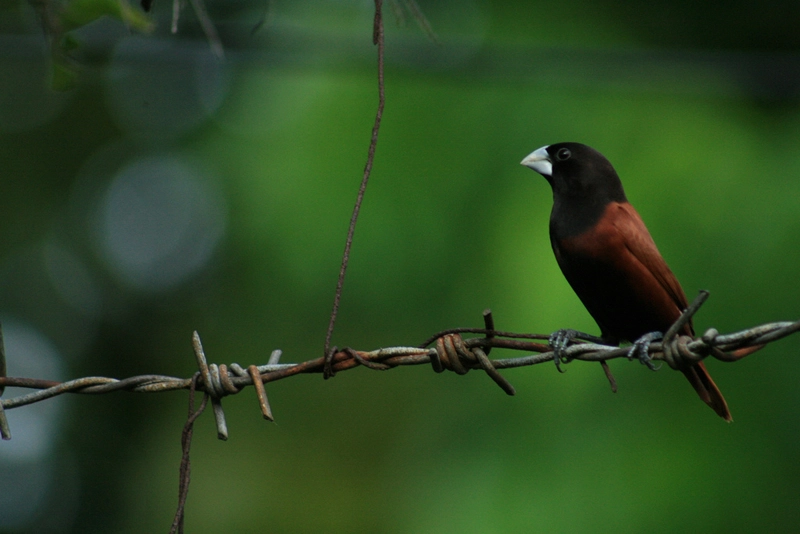
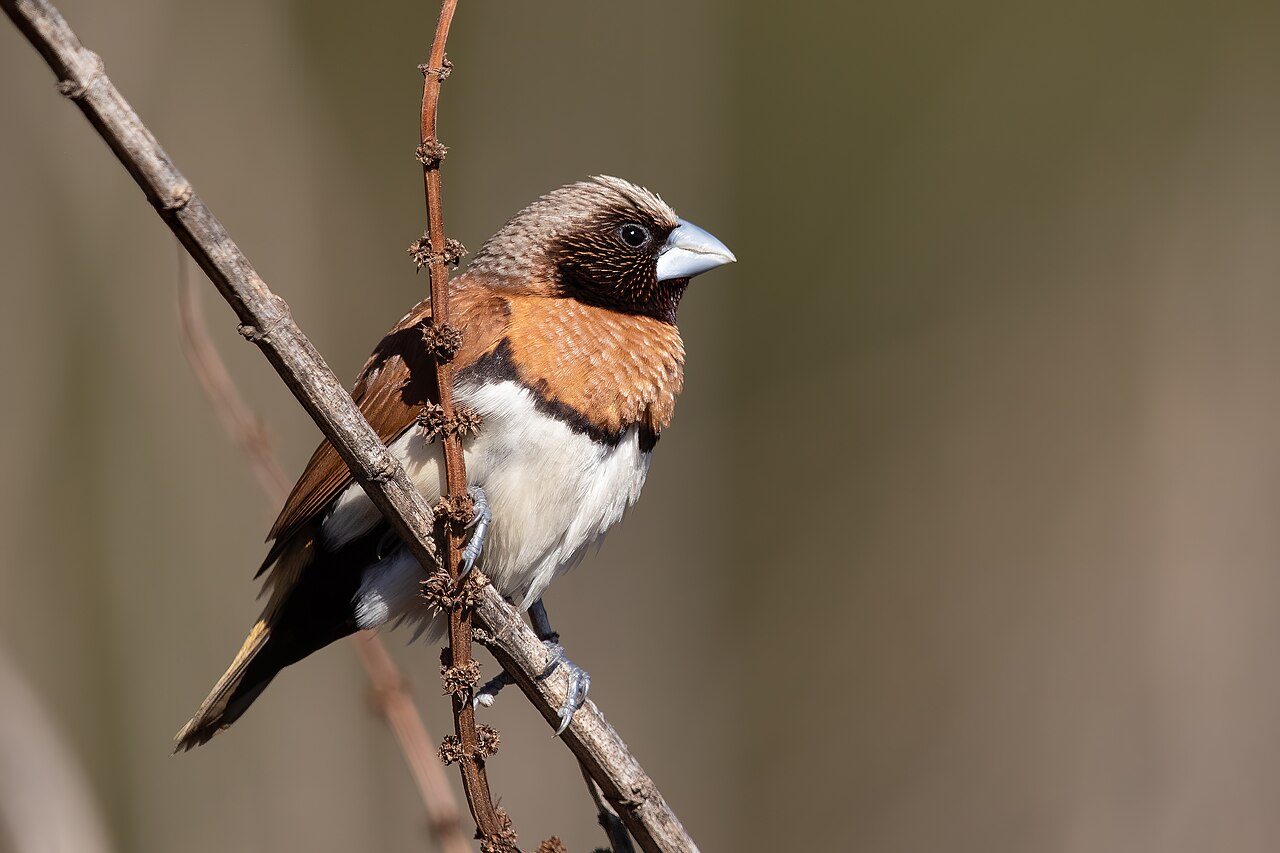
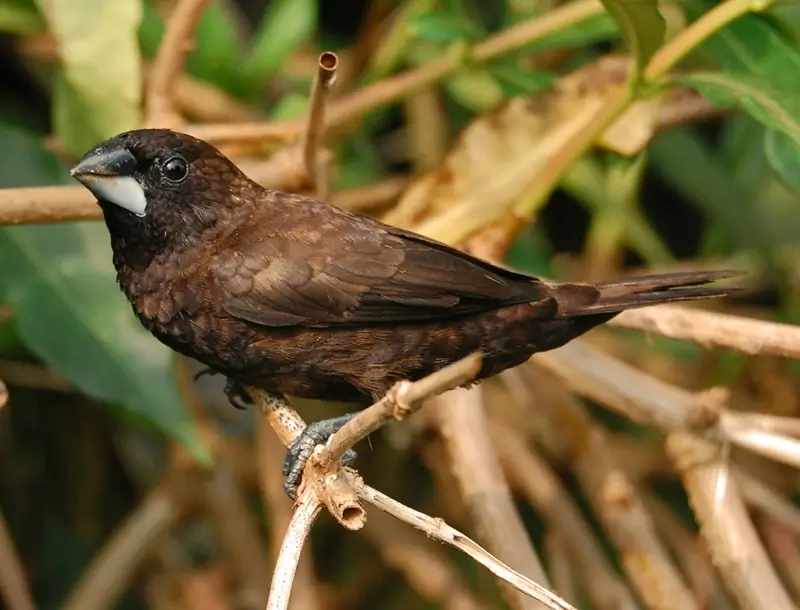
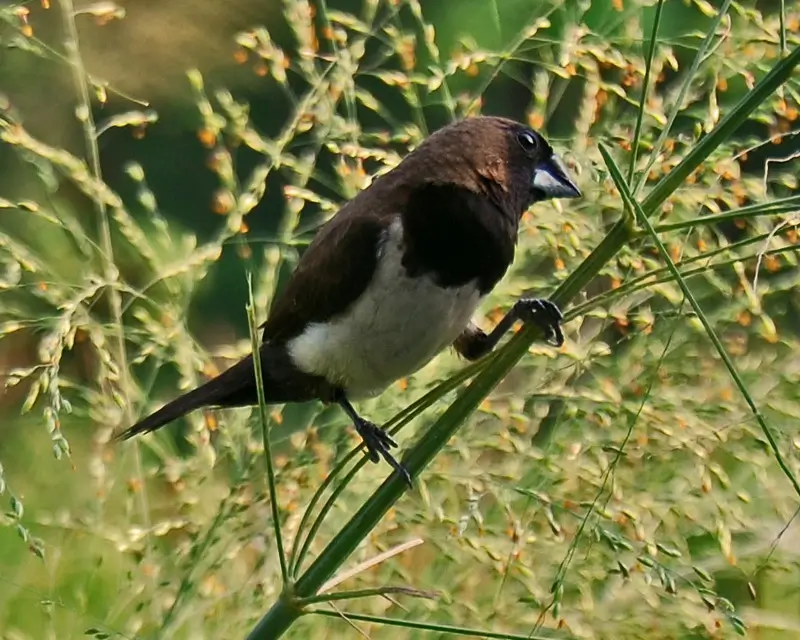
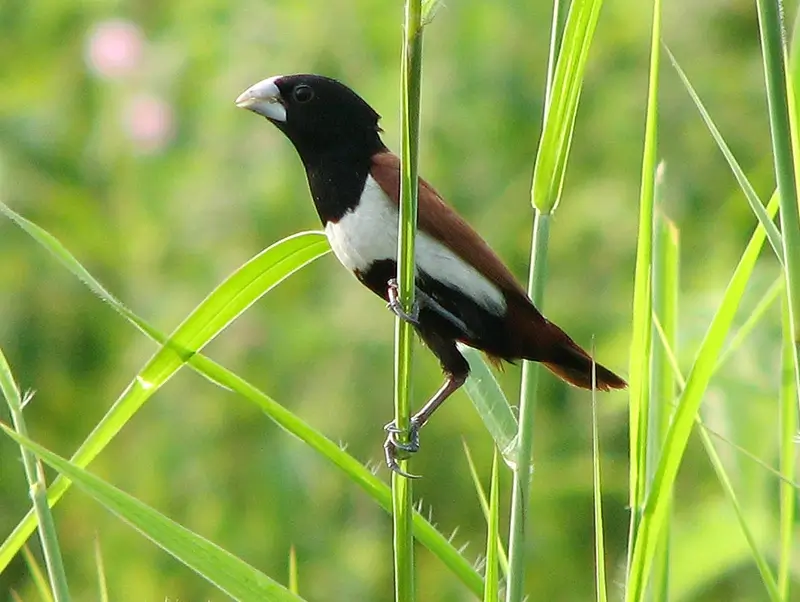
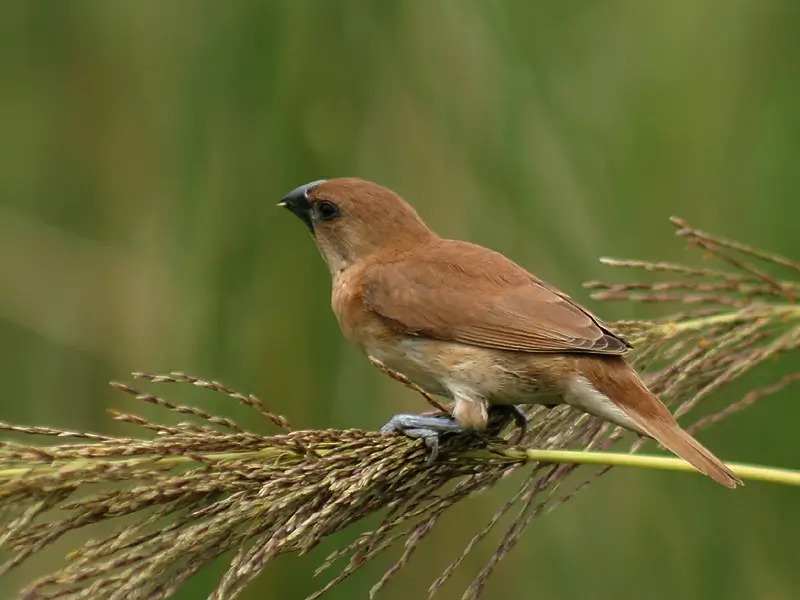
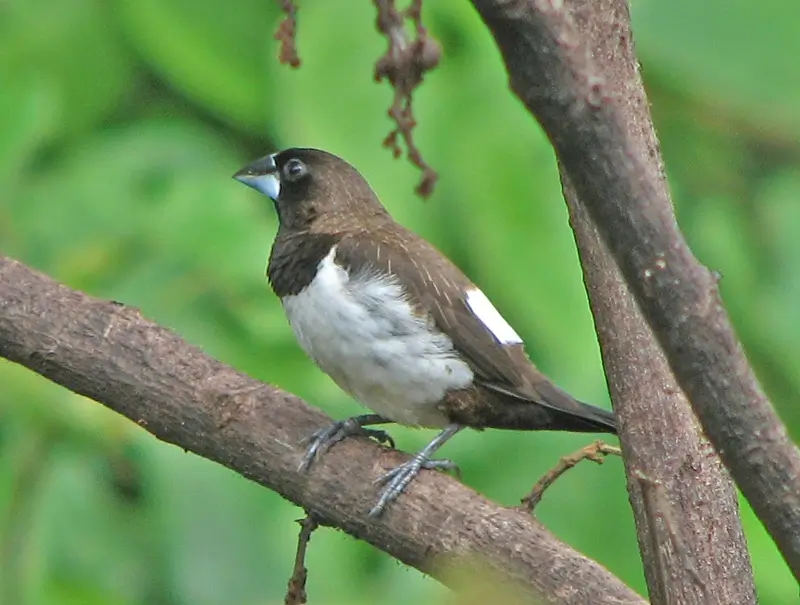
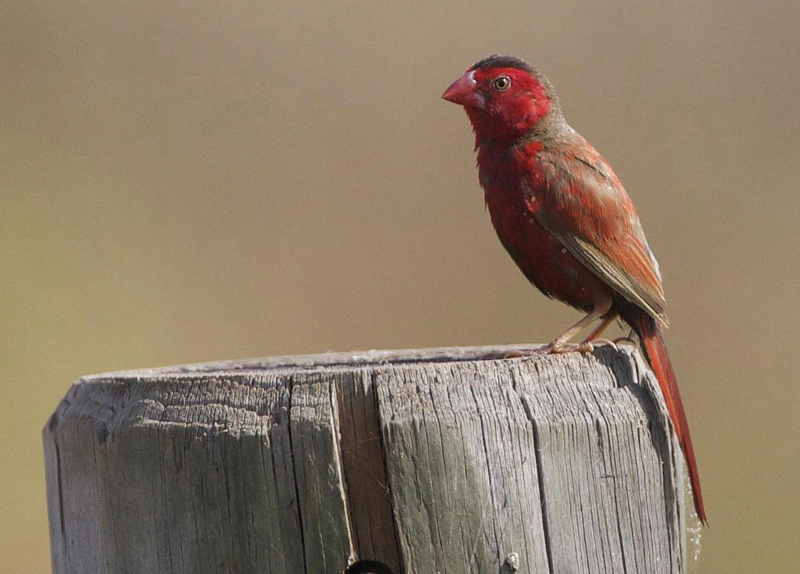
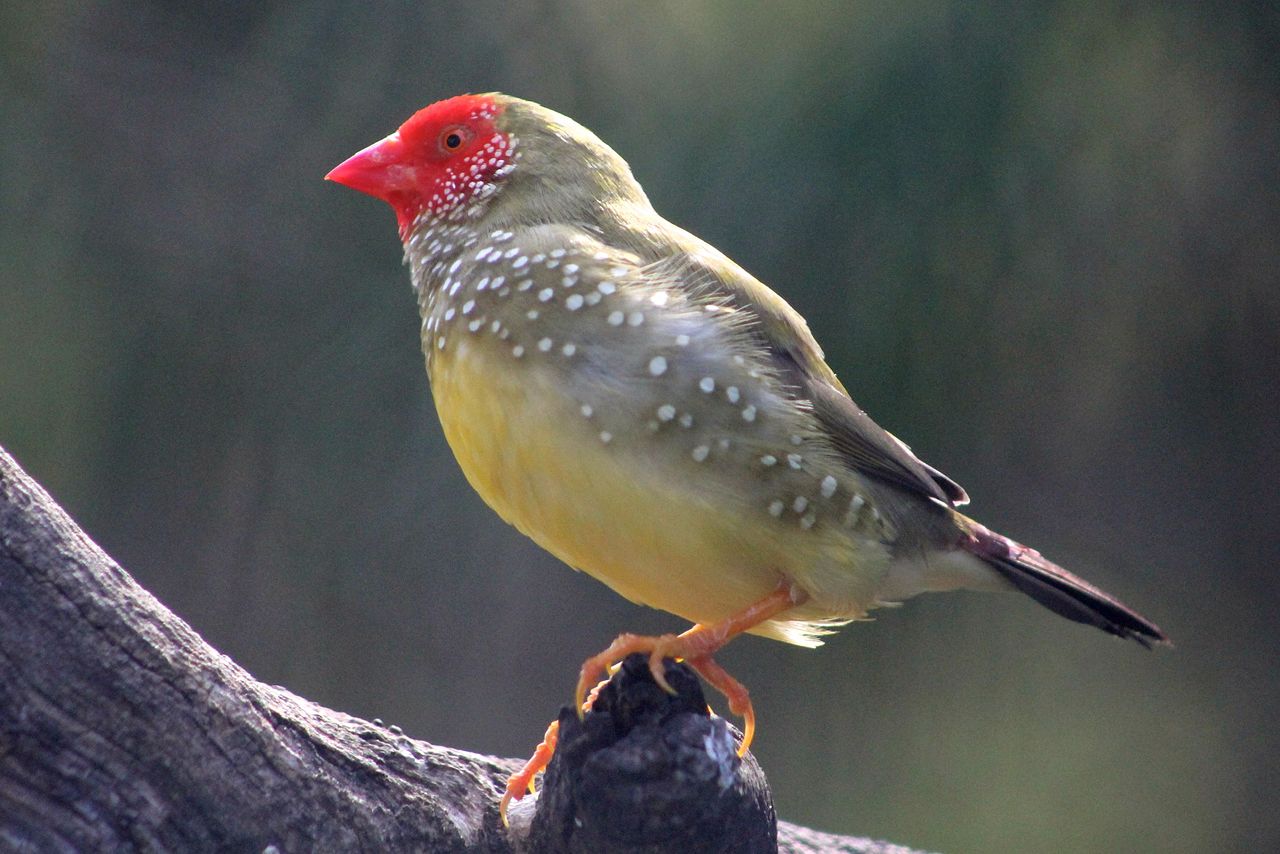
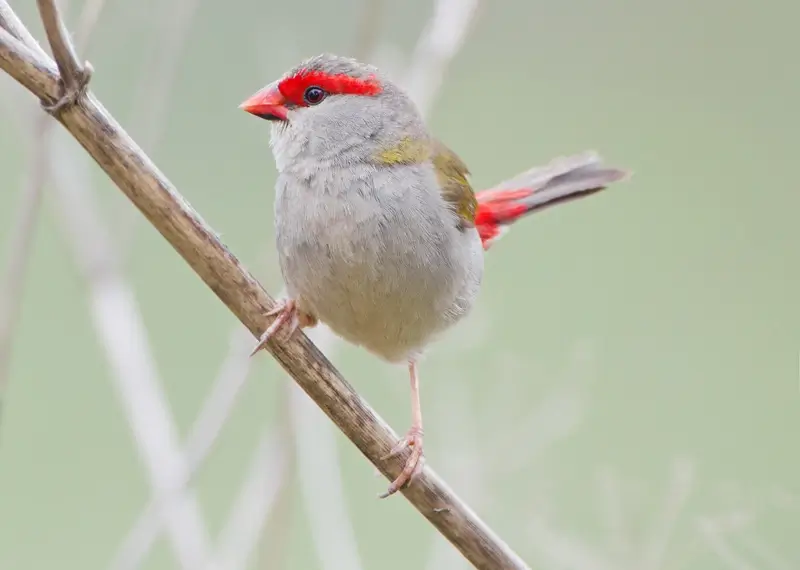
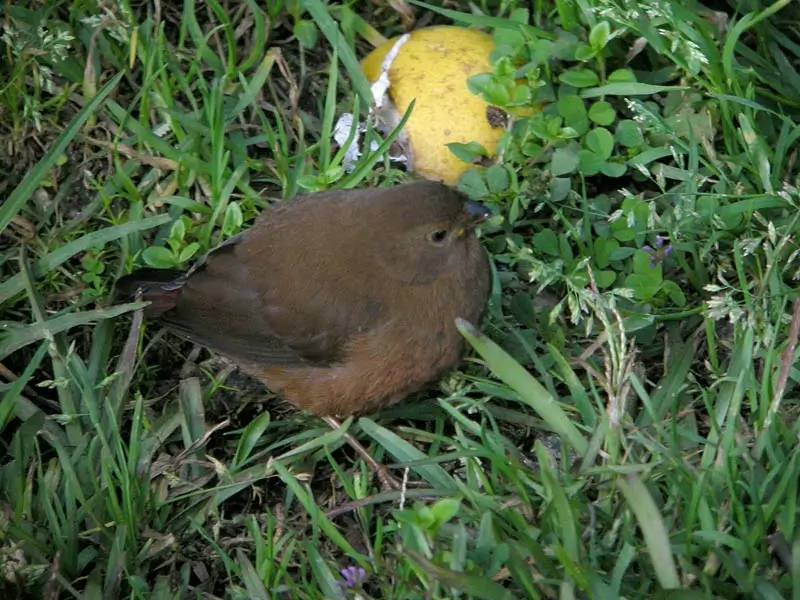
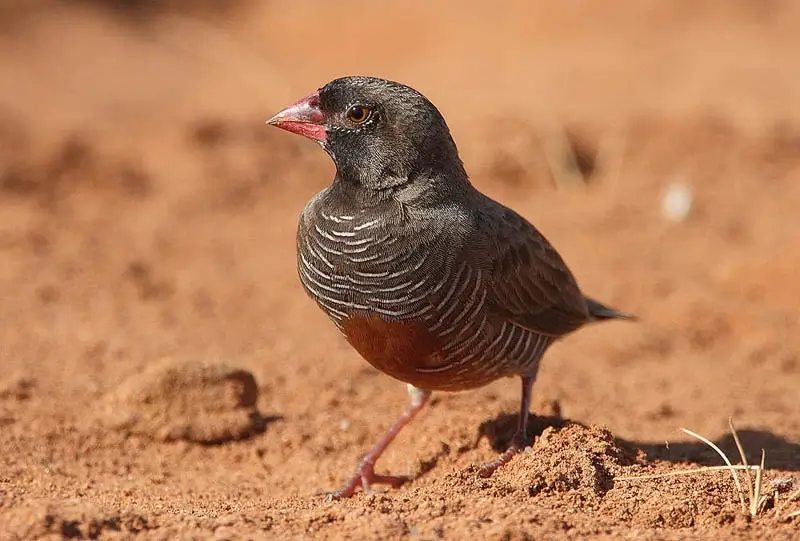
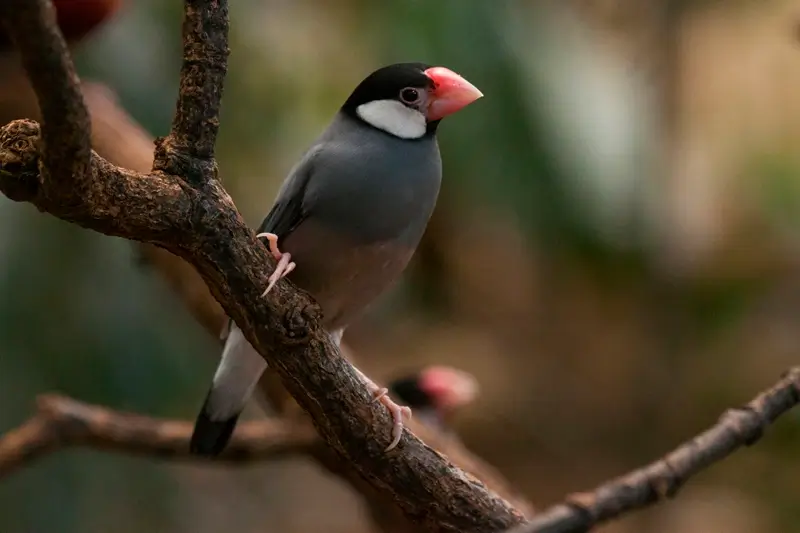
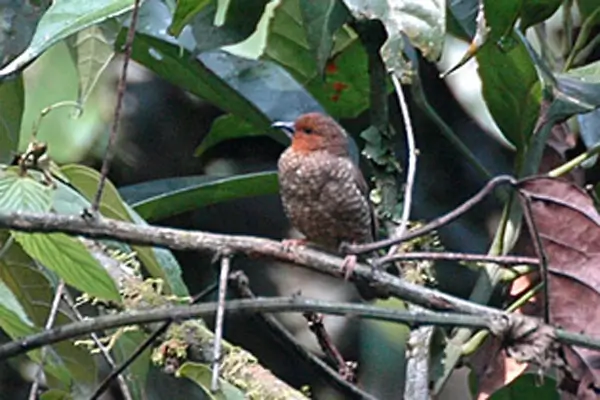
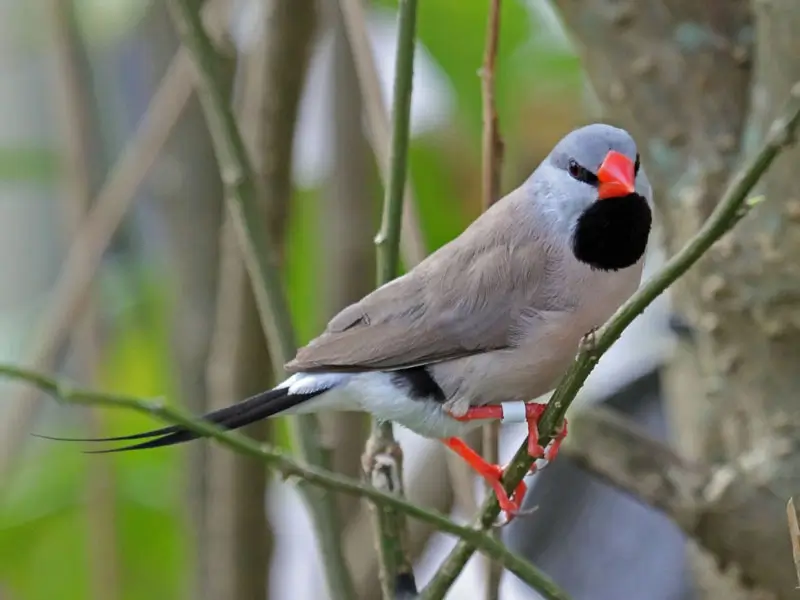
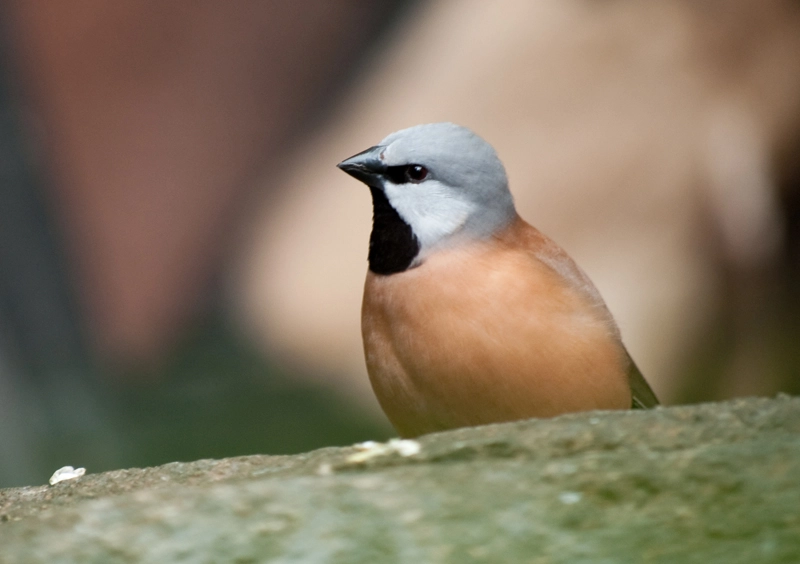
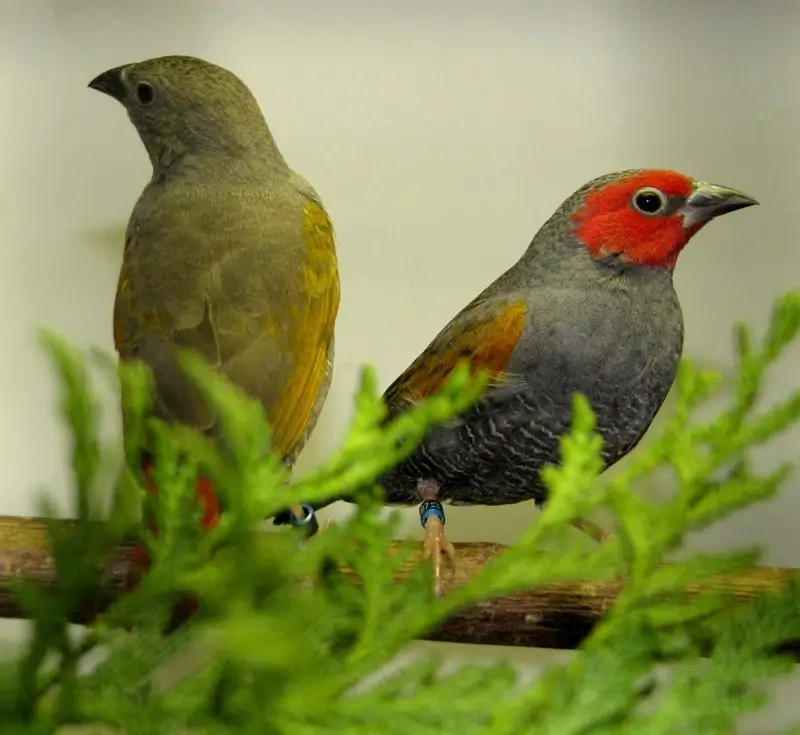
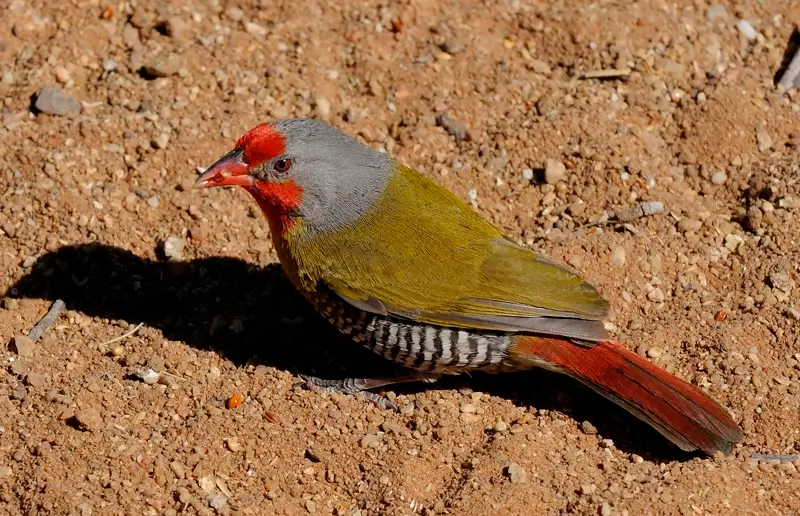
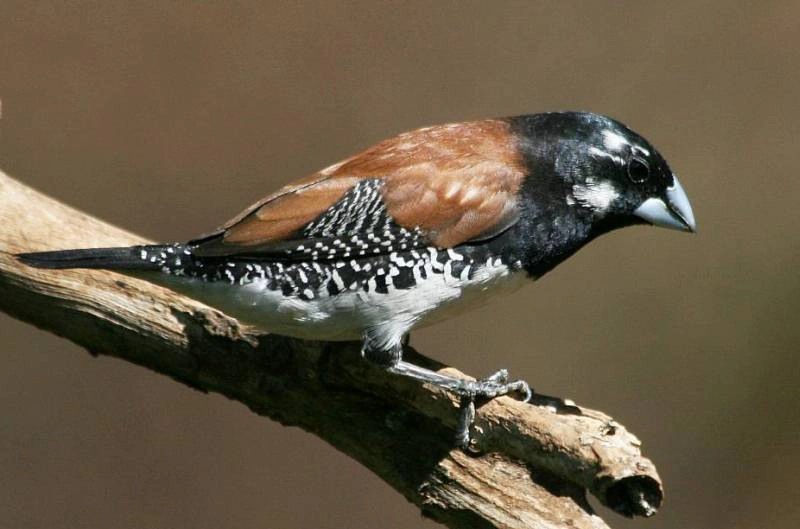
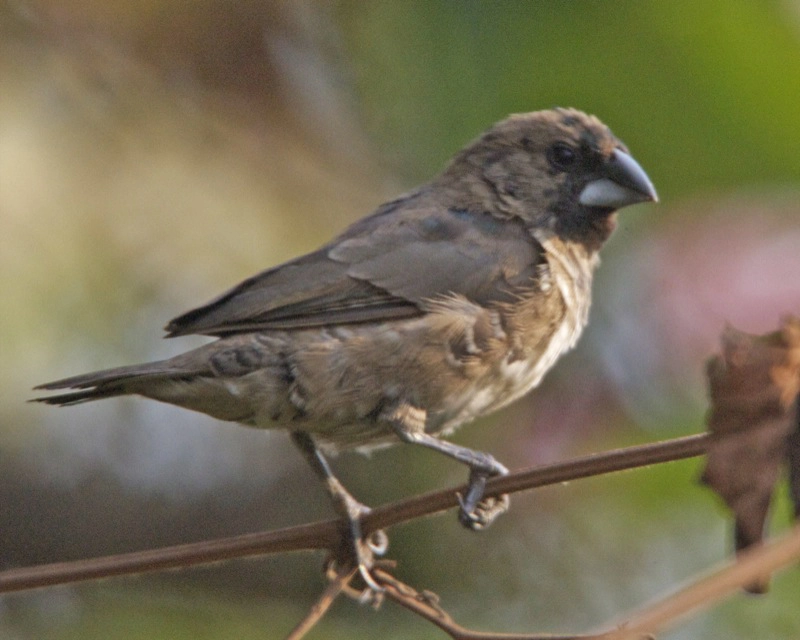
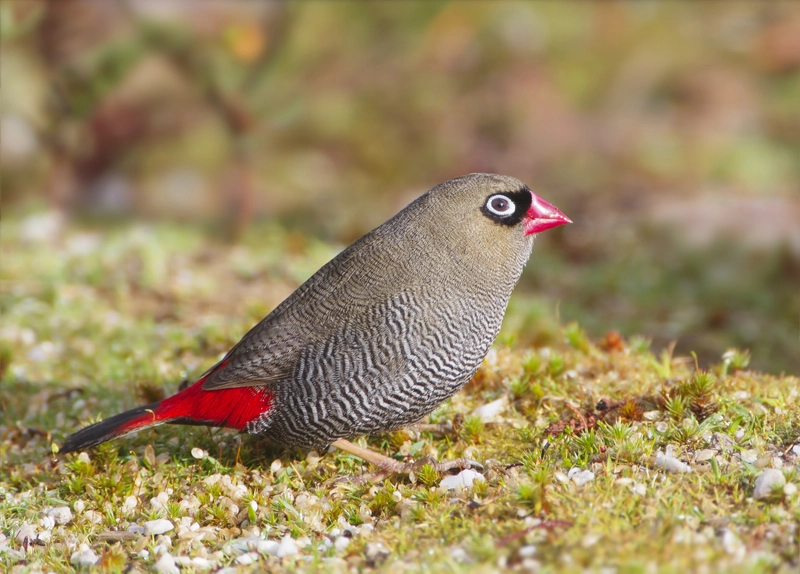
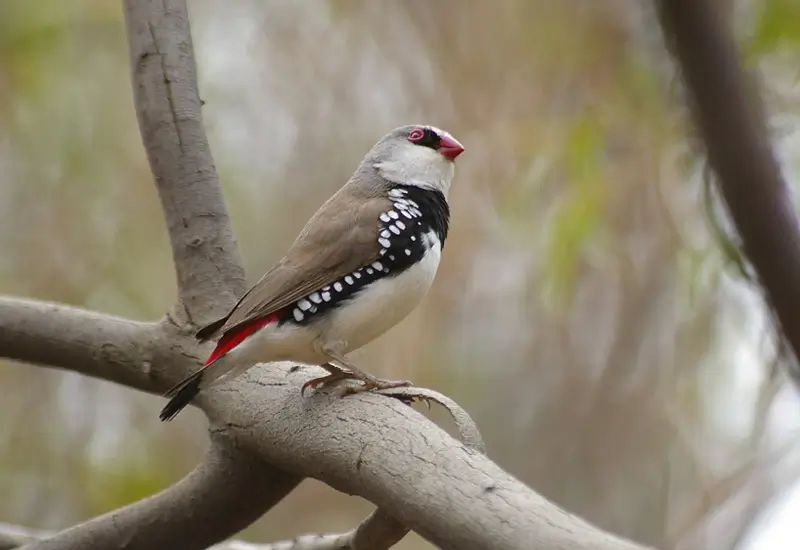
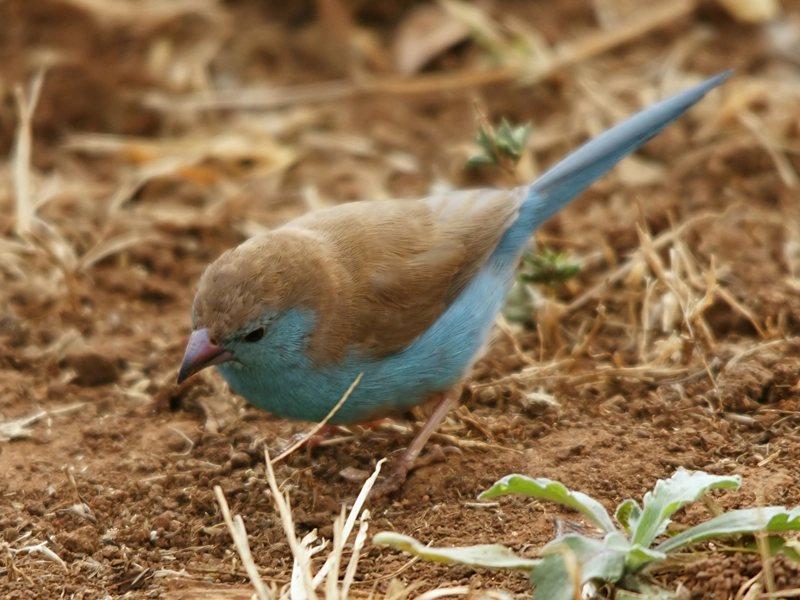
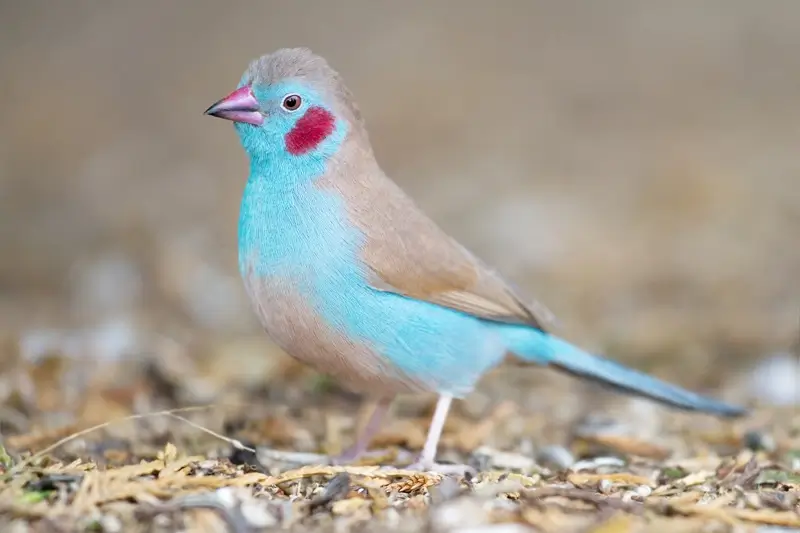
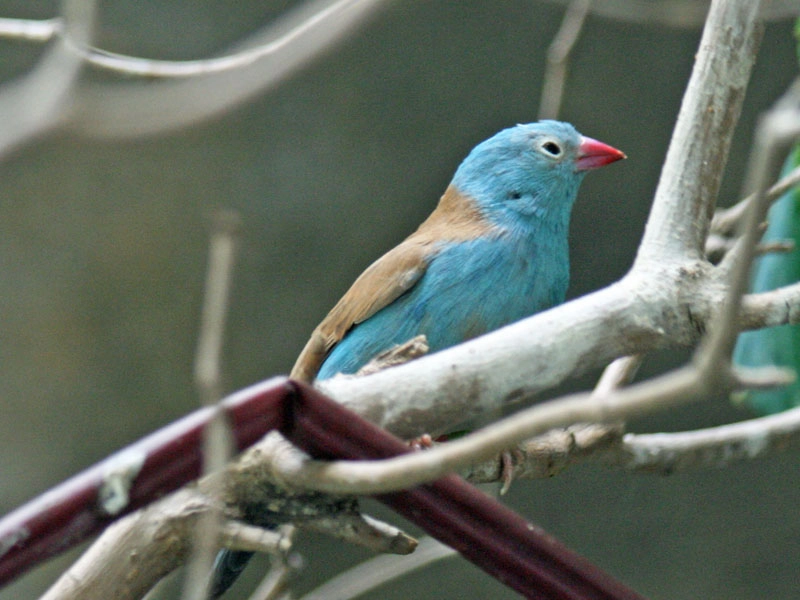
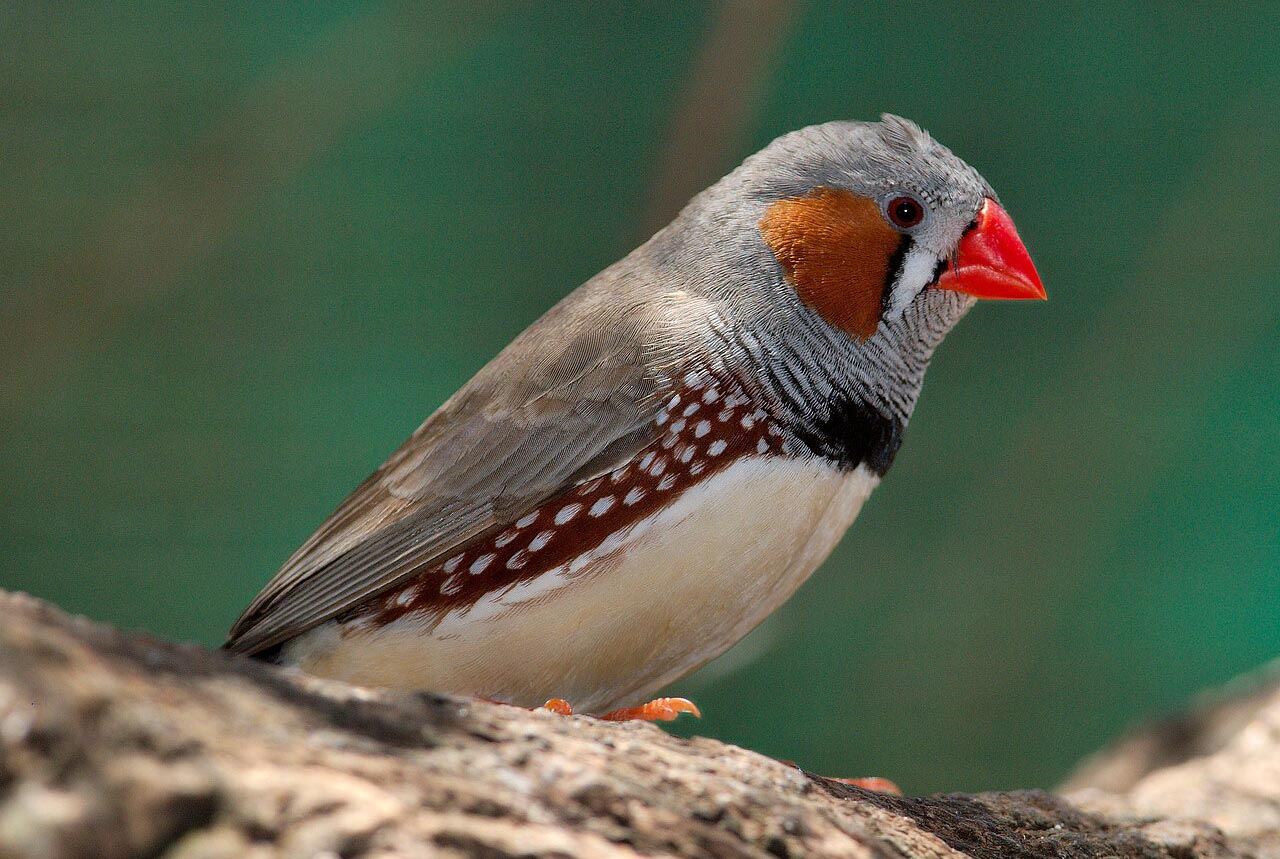
There are about 141 species of birds in the Estrildidae family, also known as Estrildid Finches, Waxbills, Munias, and Mannikins. They are found mainly in tropical and subtropical regions of Africa, Asia, Australia, and nearby islands.
Most birds in this family are 3–6 inches (7.6–15.2 cm) long. They have short, strong, cone-shaped bills that are adapted for cracking seeds.
These small birds eat mostly grass seeds, but they also eat berries, fruits, and small insects, especially when feeding their chicks. They come in a wide variety of colors and patterns, with feathers that may include shades of red, blue, green, black, white, or yellow.
The birds in this family usually build round or dome-shaped nests from grasses and other plant materials, often with a small entrance for protection. They are social birds, and many species live in flocks.
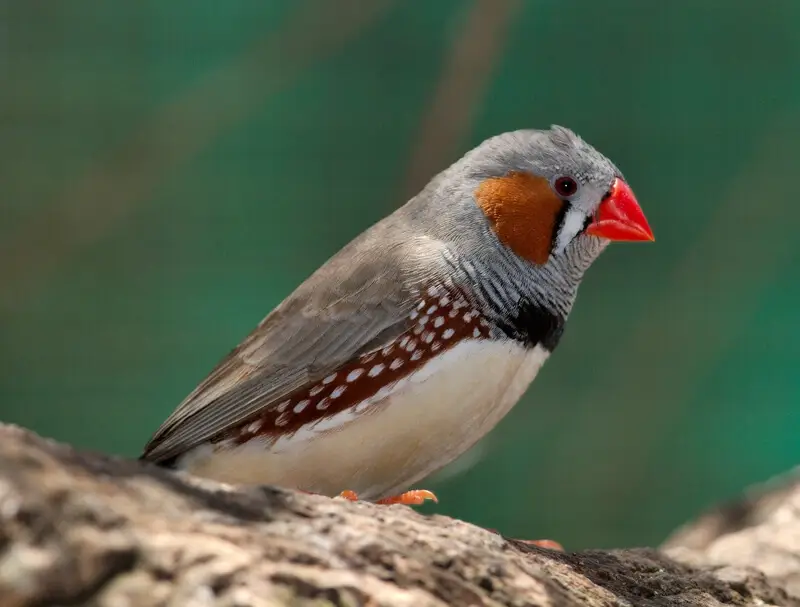
Several species are popular pet birds because they are colorful, active, social, and relatively easy to care for. The Zebra Finch (Taeniopygia guttata), Gouldian Finch (Chloebia gouldiae), and Society Finch (Lonchura striata domestica) are among the most commonly kept species. The Society Finch is a domesticated bird developed through selective breeding and does not occur naturally in the wild.
Some birds in this family have escaped from captivity and established small wild populations in parts of the world, including areas of North America. Introduced species include the Common Waxbill (Estrilda astrild), Orange-cheeked Waxbill (Estrilda melpoda), Scaly-breasted Munia (Lonchura punctulata), Java Sparrow (Lonchura oryzivora), Indian Silverbill (Euodice malabarica), African Silverbill (Euodice cantans), and Red Avadavat (Amandava amandava).
These introduced populations are mostly found in warmer regions such as Hawaii, Florida, California, and Puerto Rico, and their ranges are usually small.