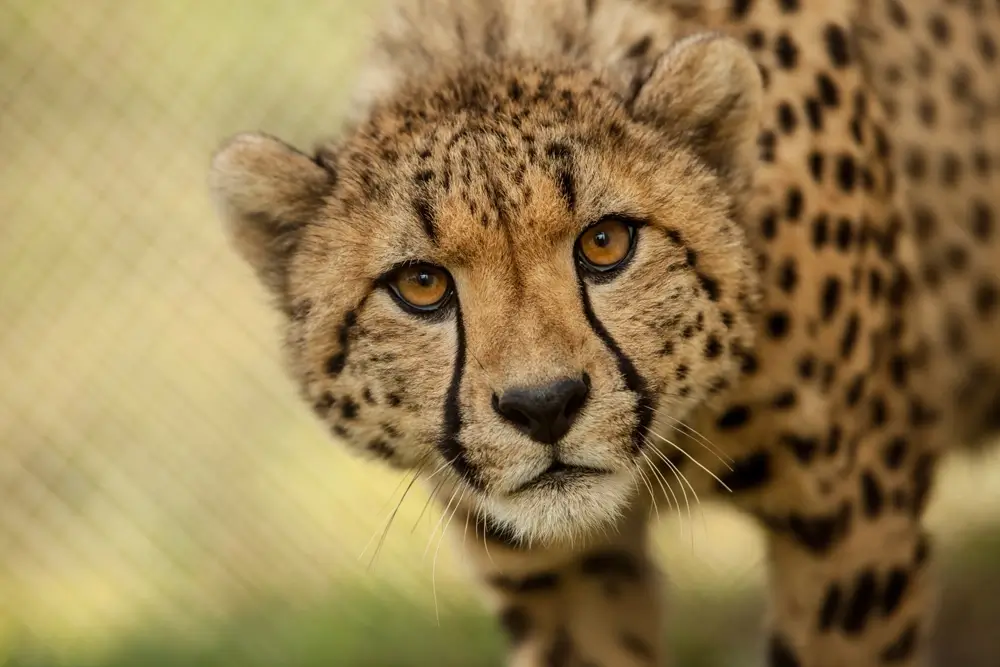
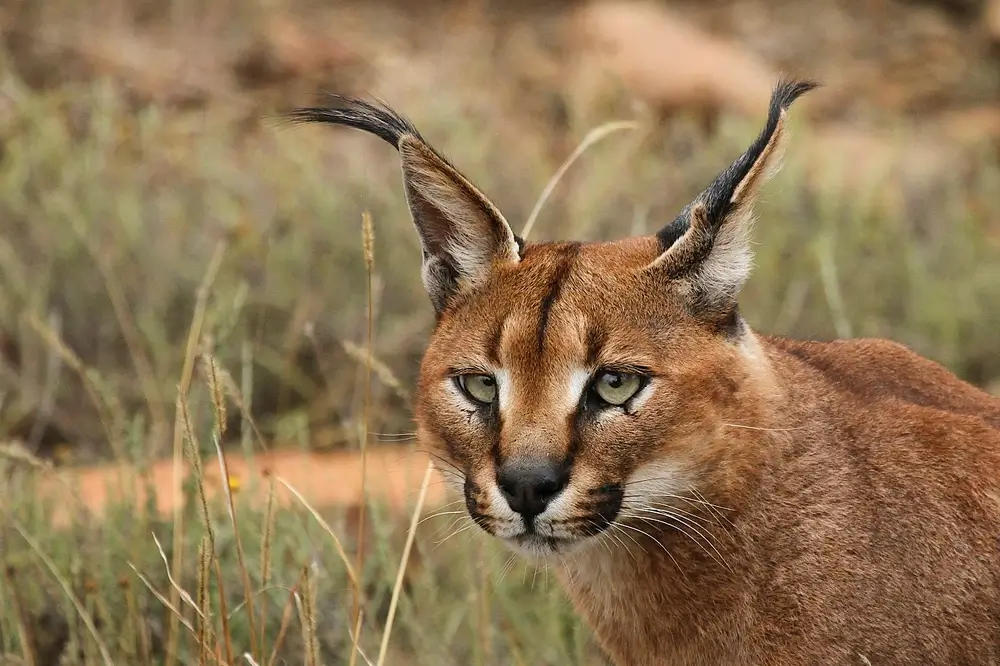
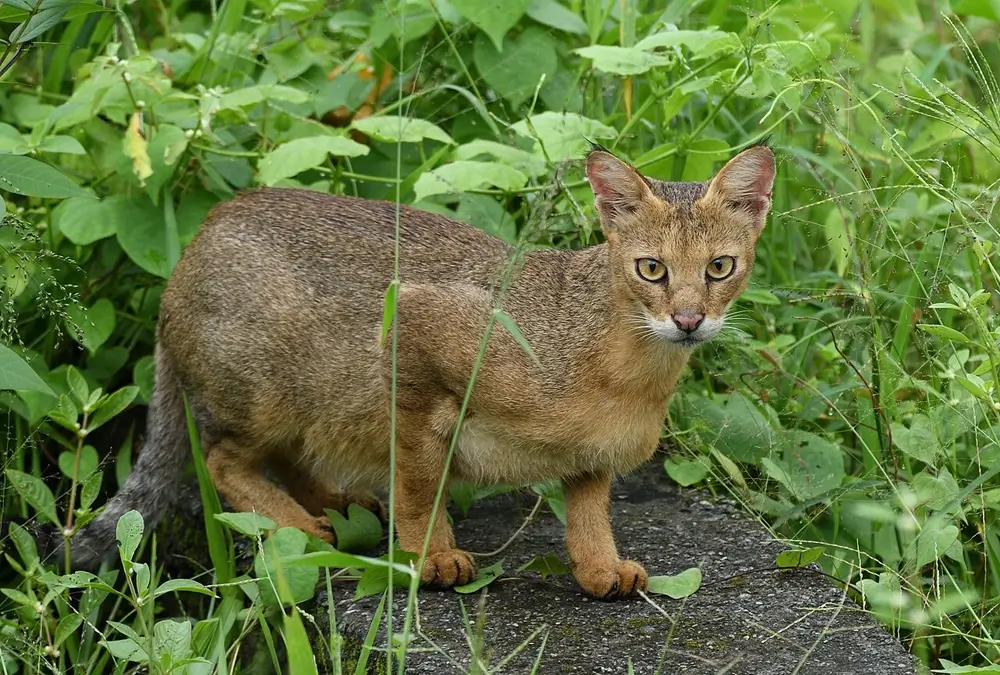
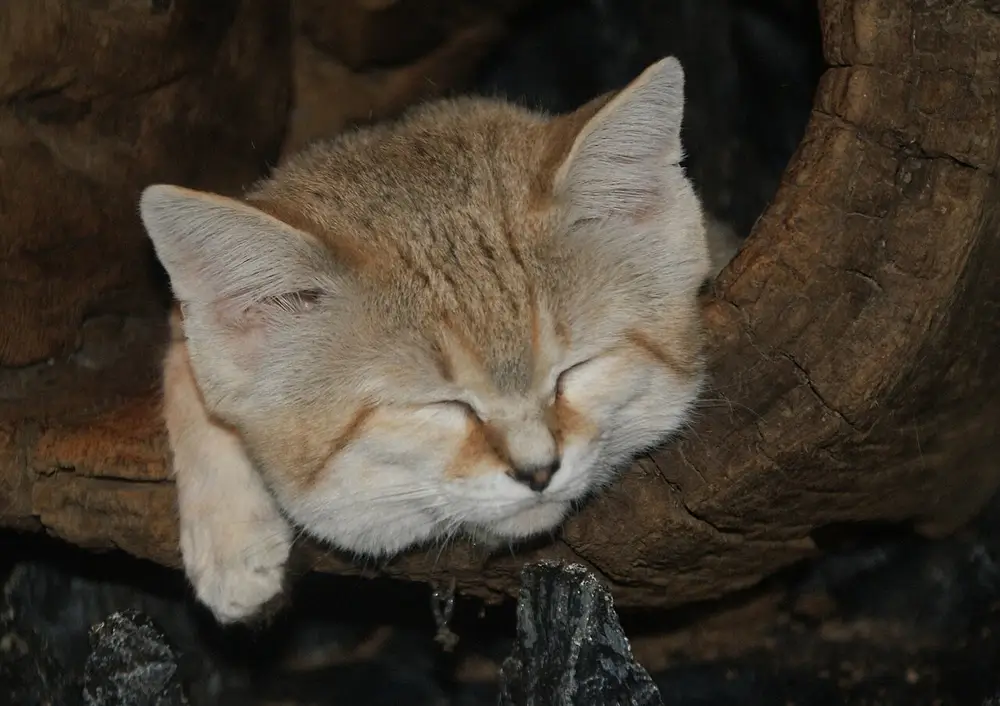
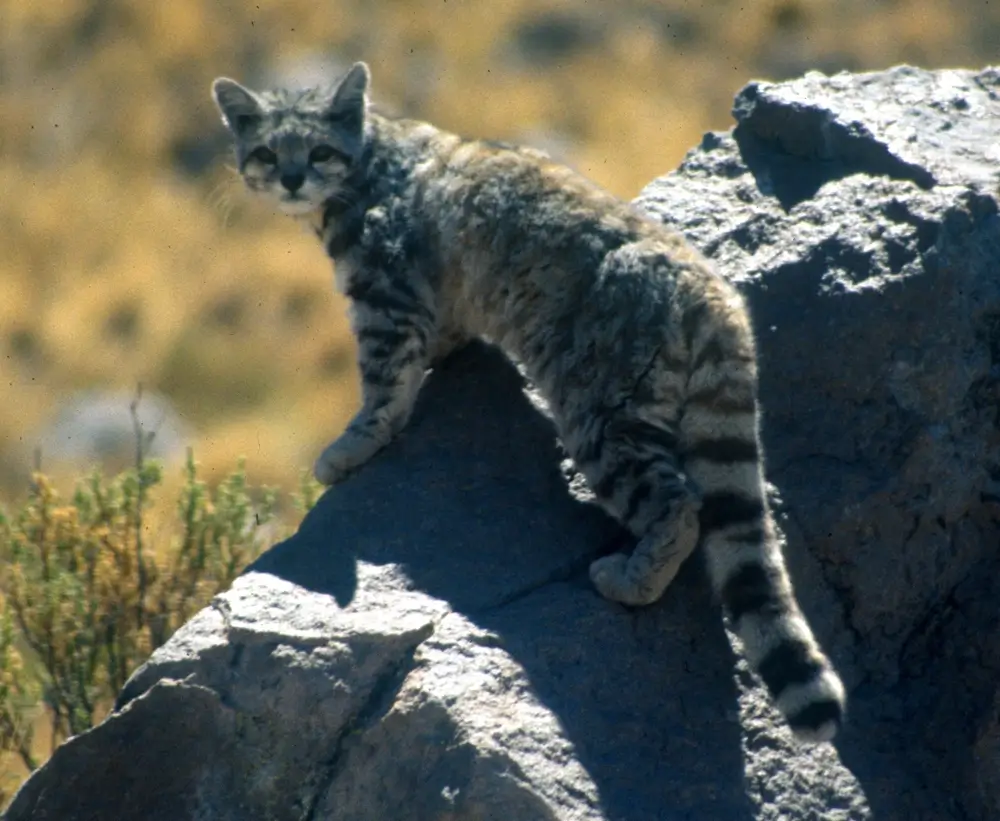
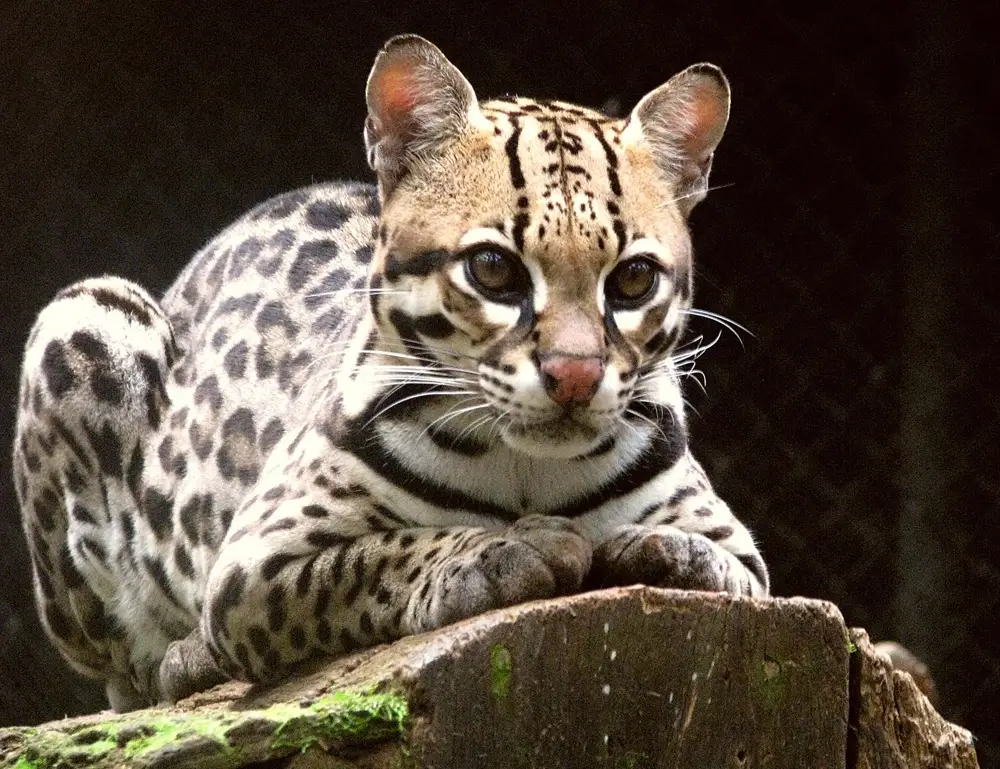
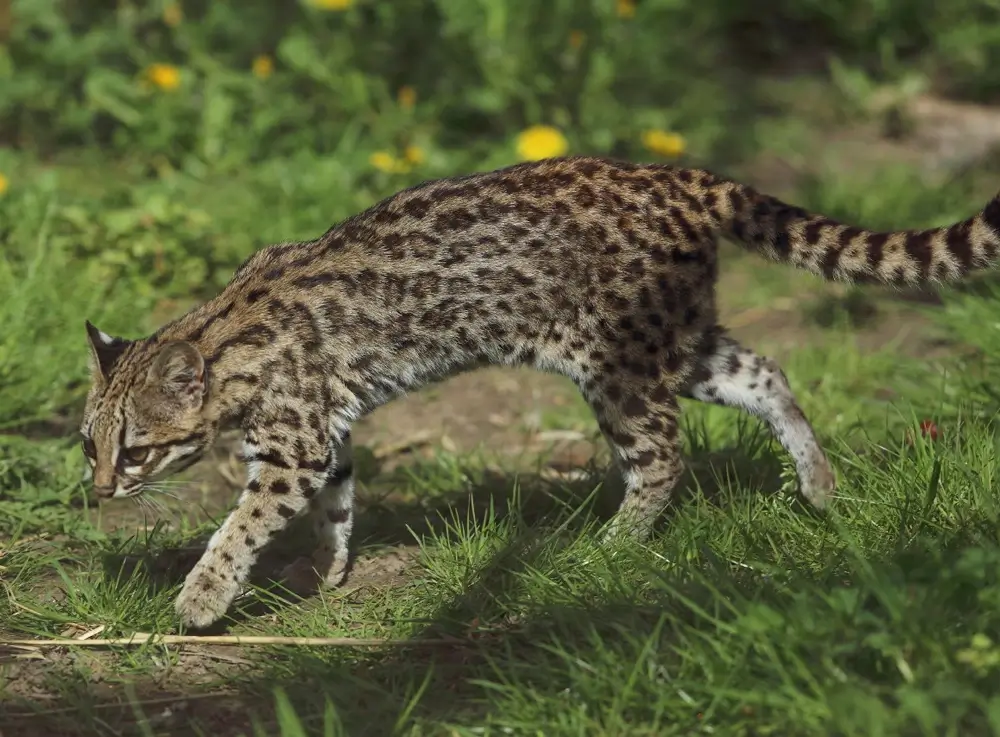
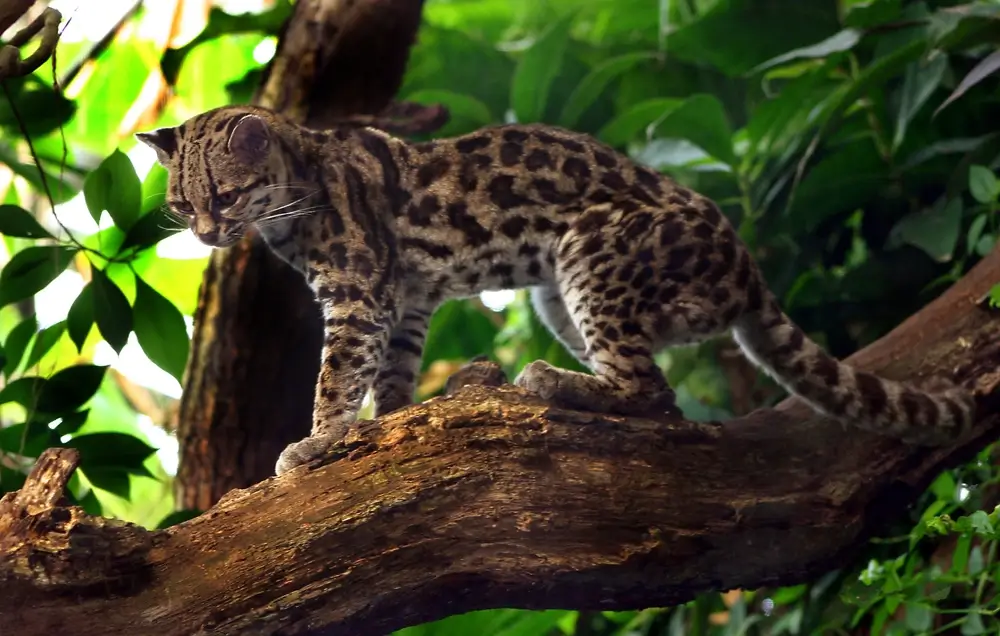
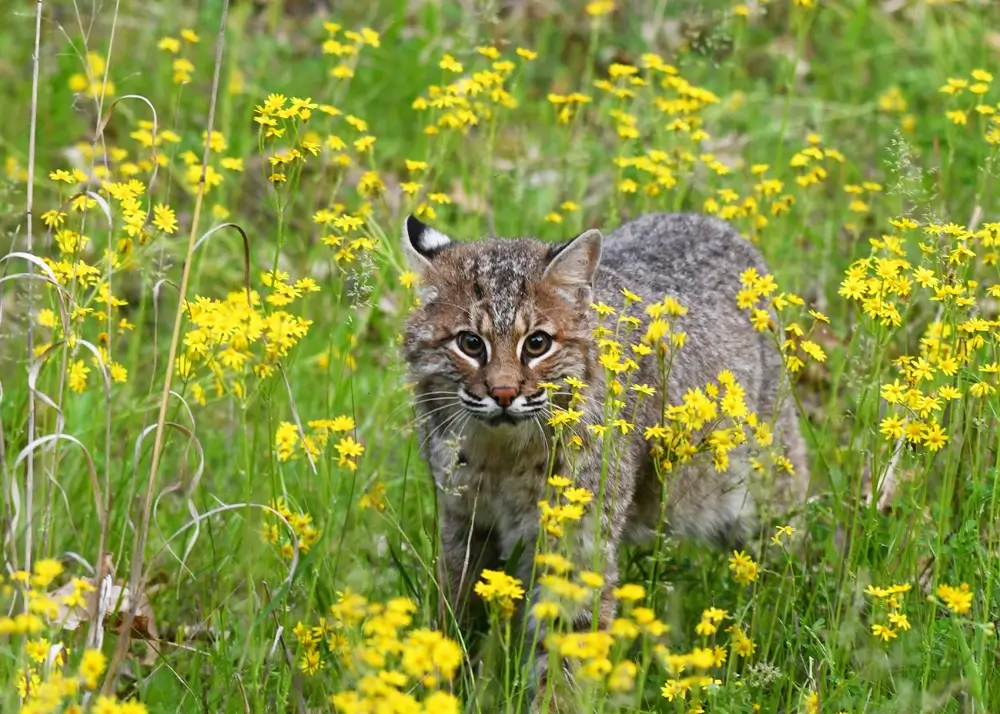
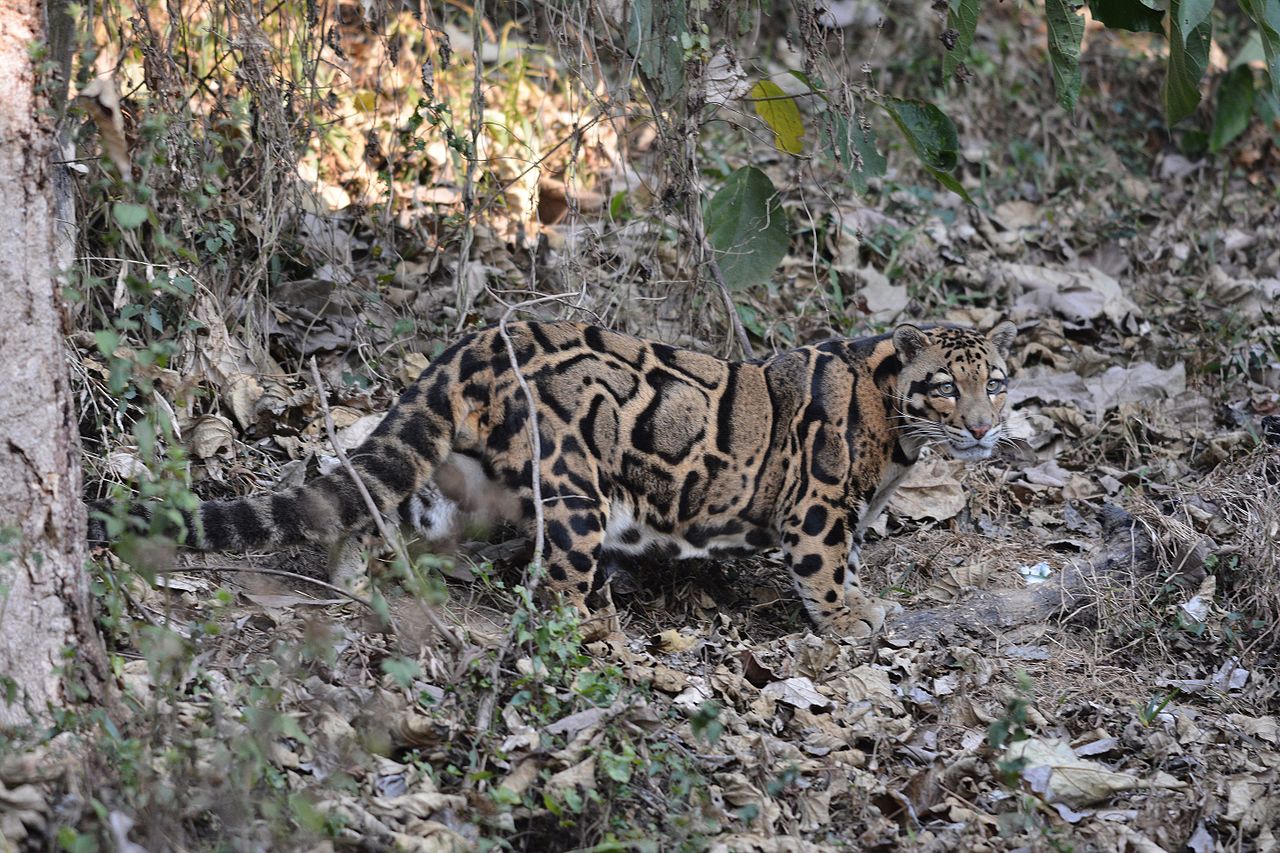
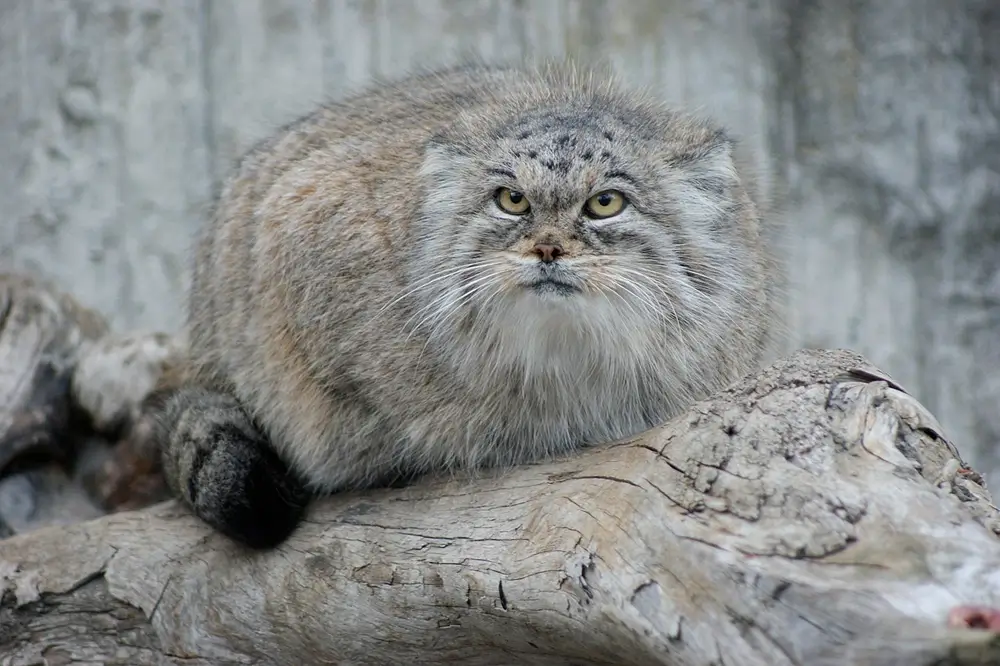
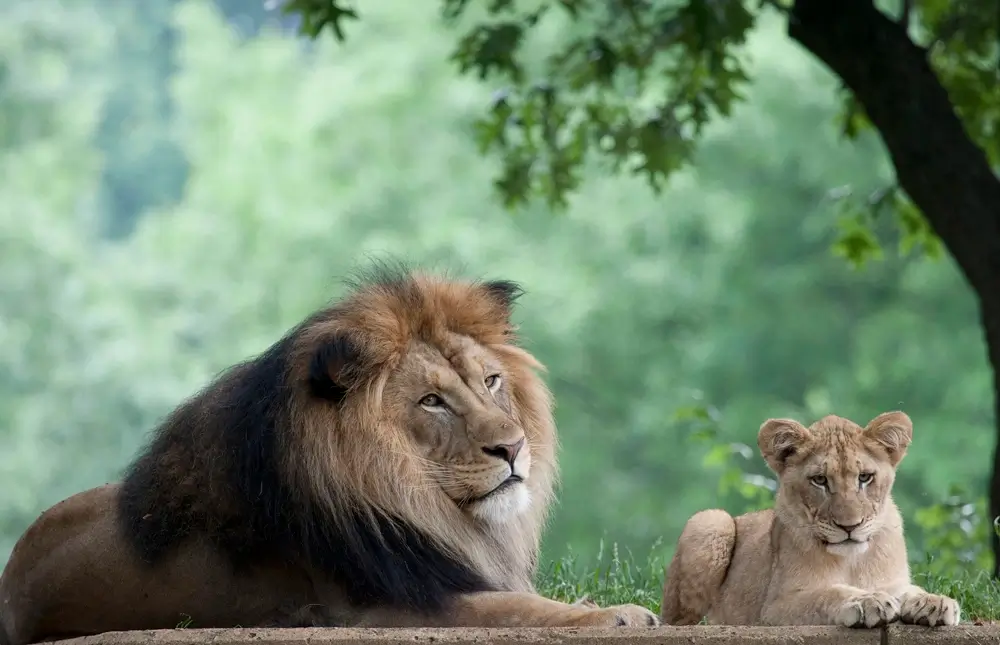
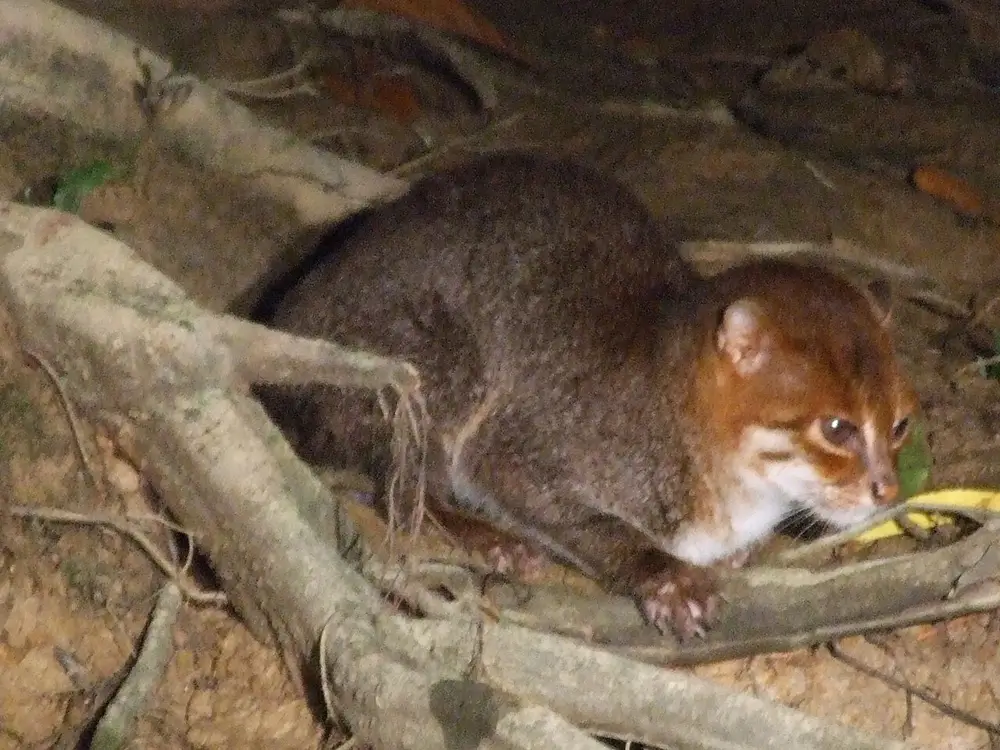
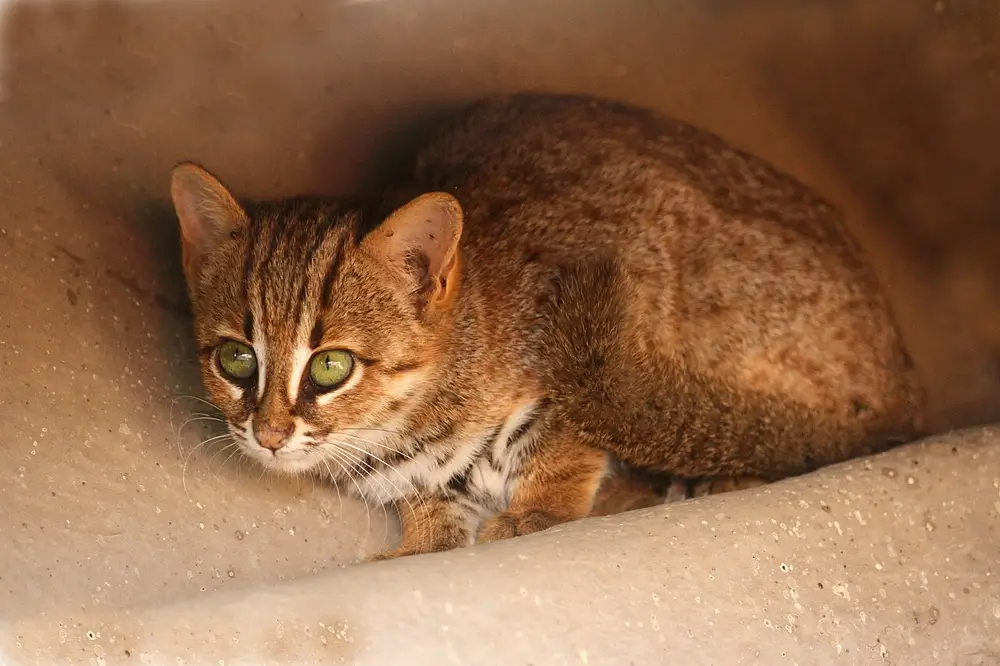
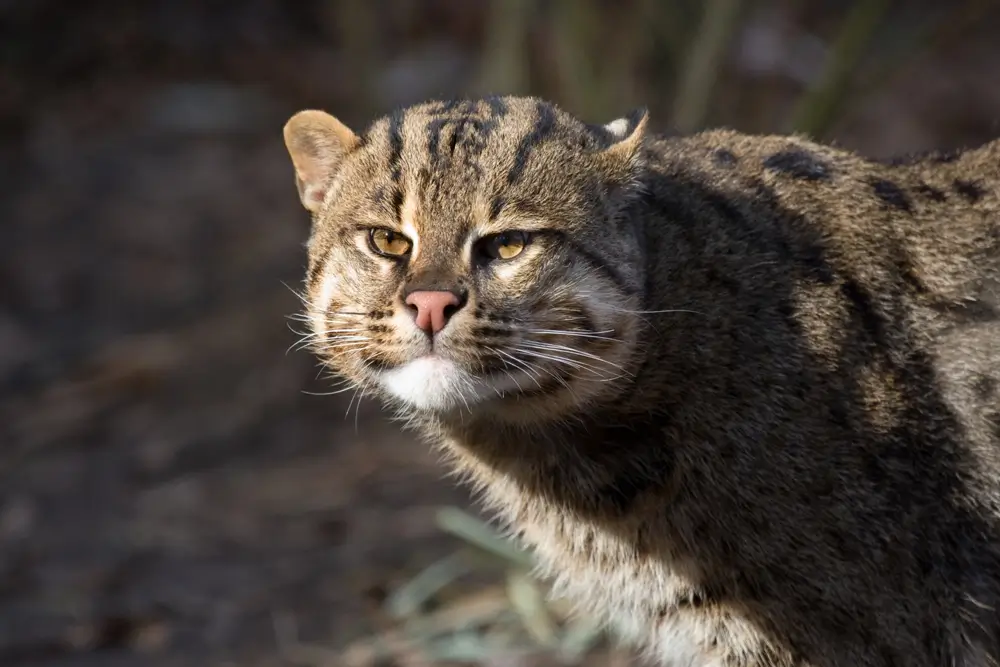
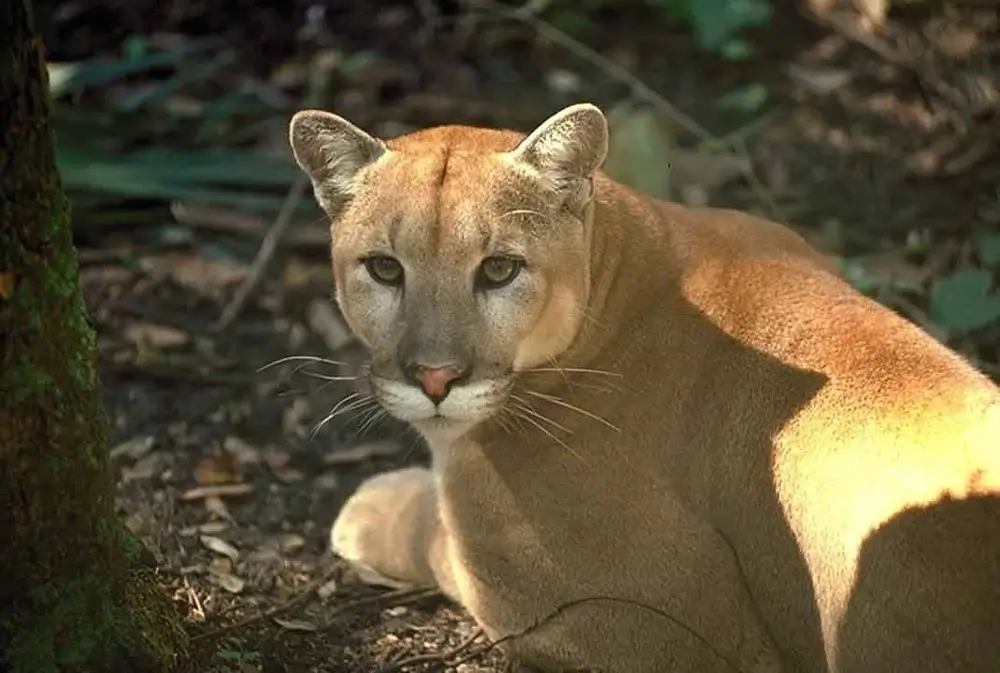
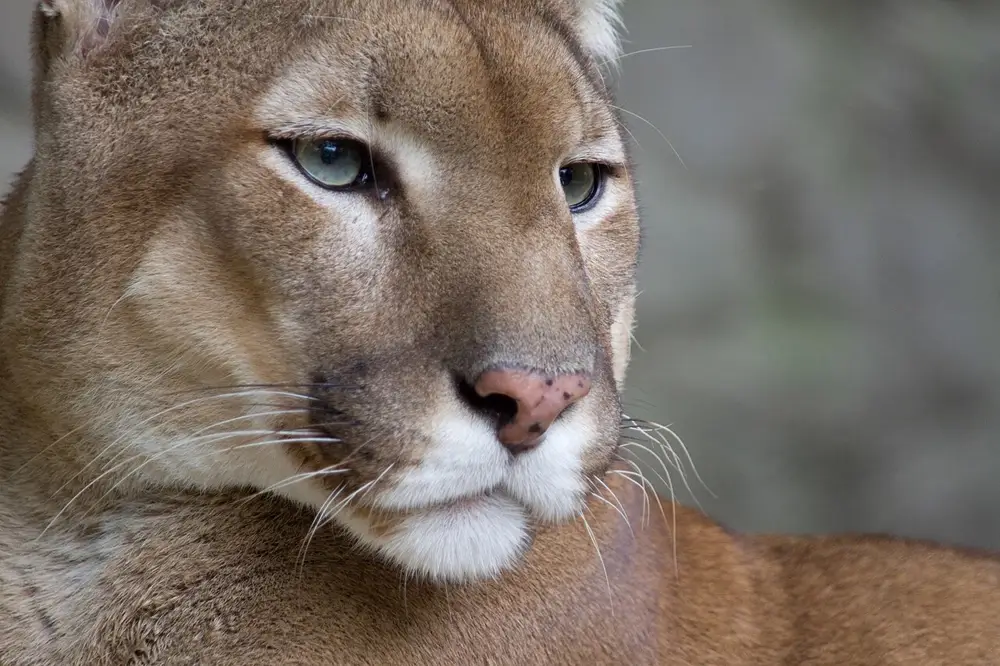
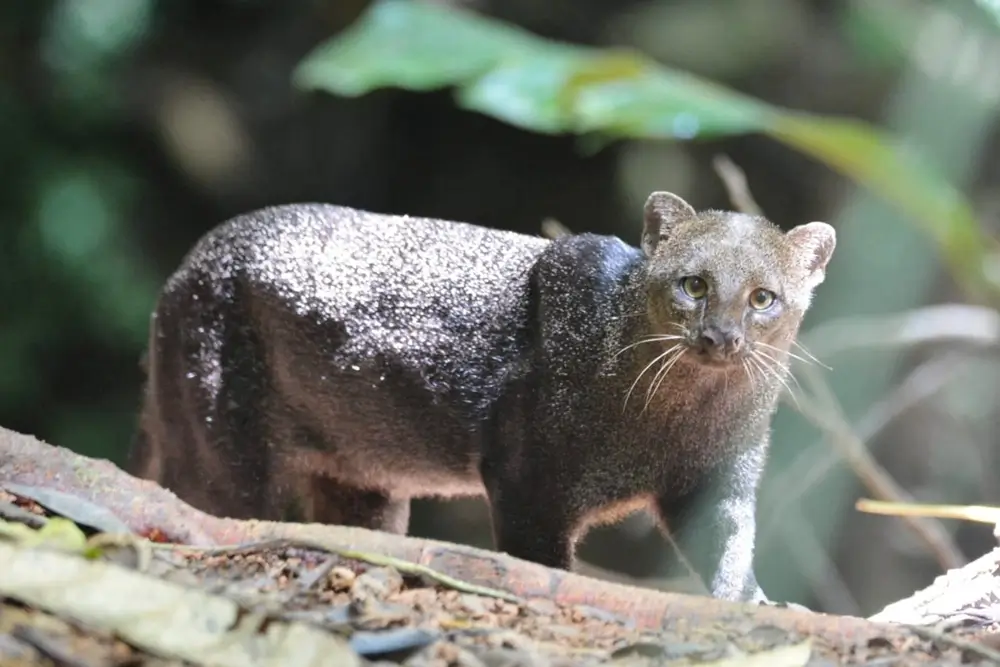
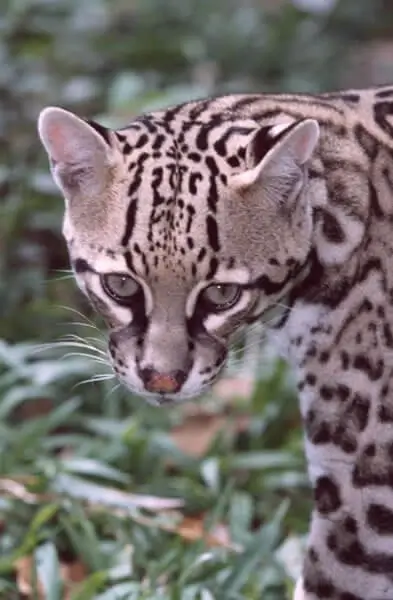
There are 36 species of cats in this family. Species in this family are found in all areas of the world, except for Australia and Antarctica.
The members of this family are built for hunting, and they vary in size from the domestic house cat to the lion.
They stalk, chase, and pounce on their prey. Unlike the claws found in most carnivores, the claws of species in the cat family are retractable and can be drawn into their paws. This protects their sharp claws from wearing down.
They have sharp canine teeth that help them kill their prey. Most species in this family sever the spinal cord of their prey with their sharp canine teeth. Species in this family have rounded heads and short muzzles. They have excellent eyesight and hearing, and a good sense of smell.
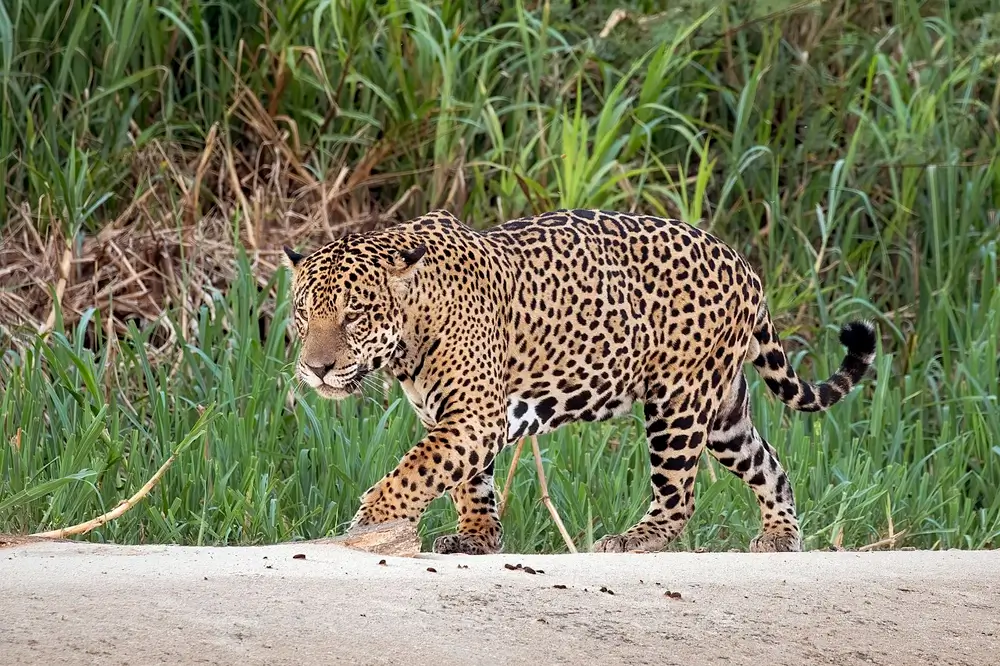
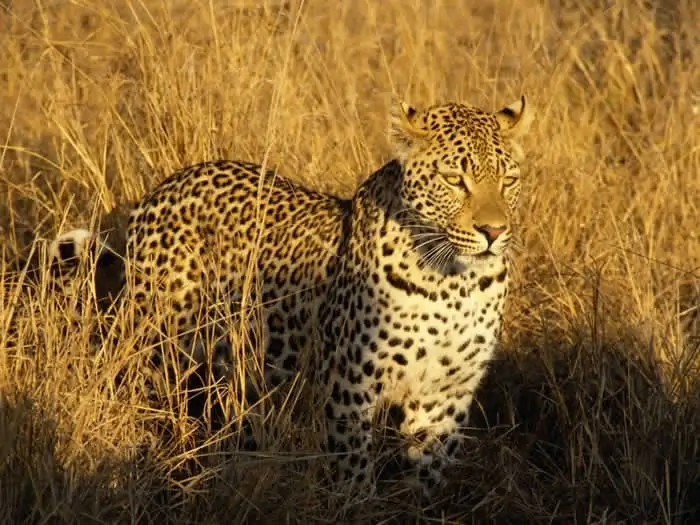
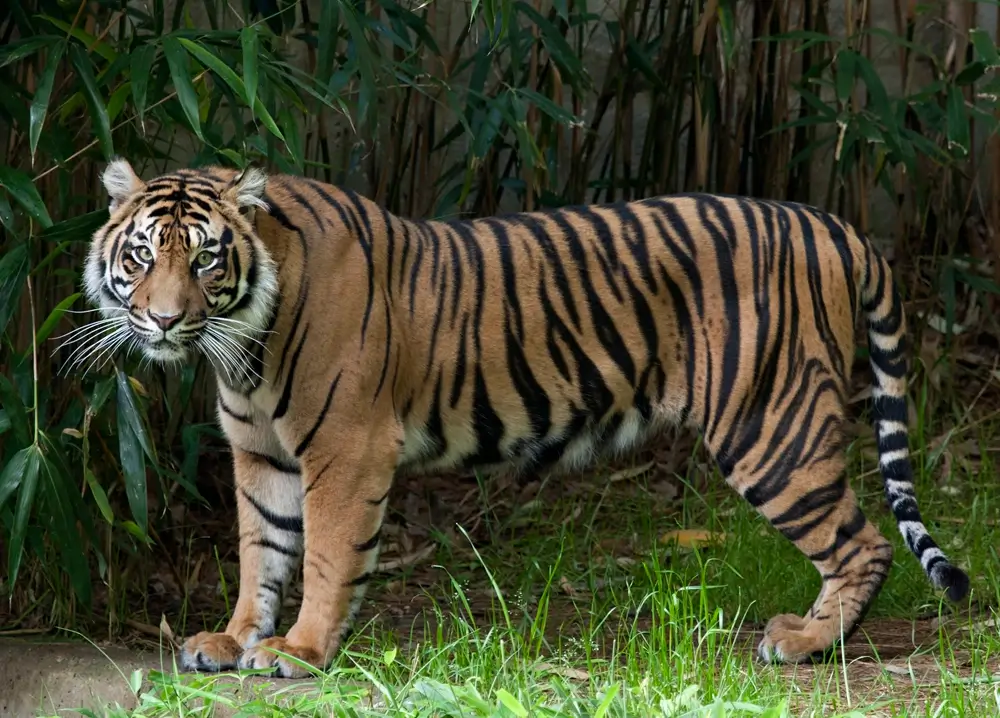
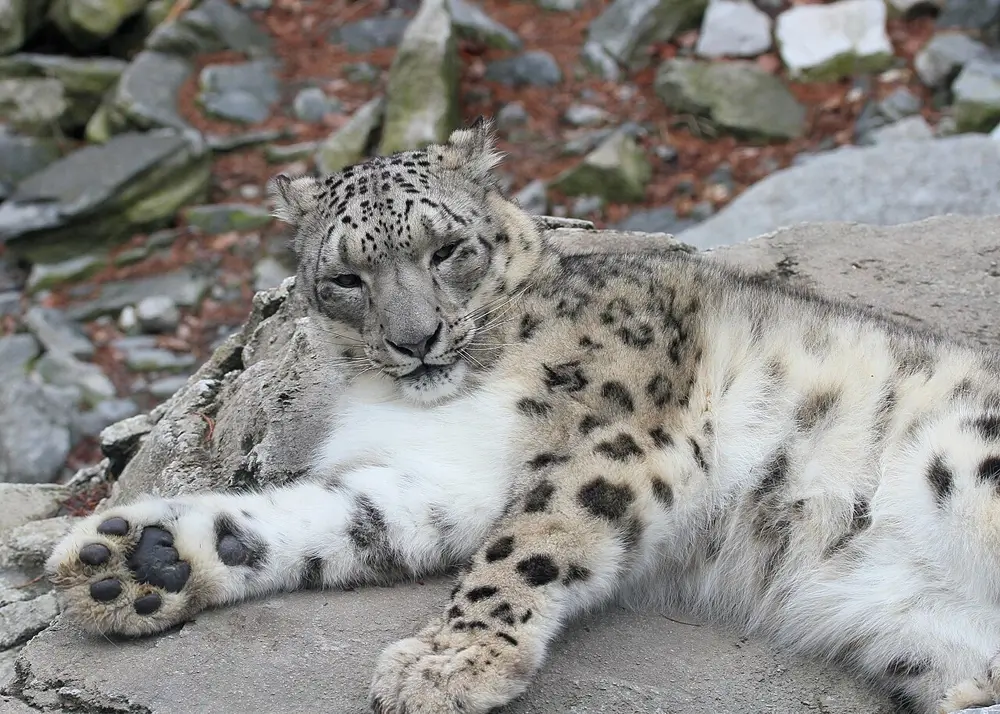
The big cats in this family, like the lion, tiger, jaguar, and leopard, can roar, but they can’t purr. The small cats in this family, along with pumas and cheetahs, can purr, but they can’t roar. Most species in this order are solitary and hunt at night.
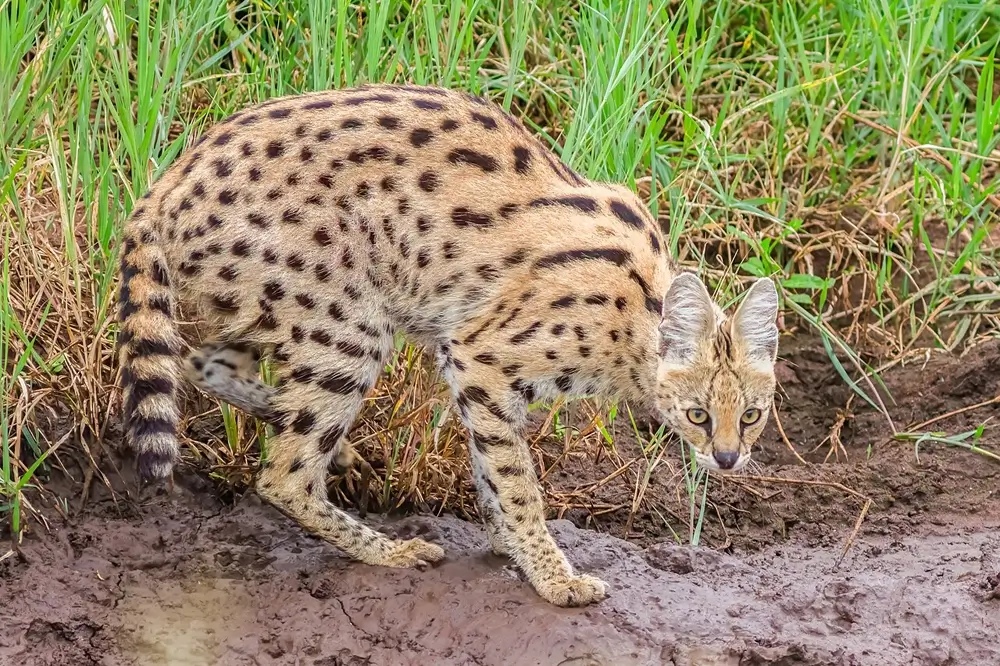
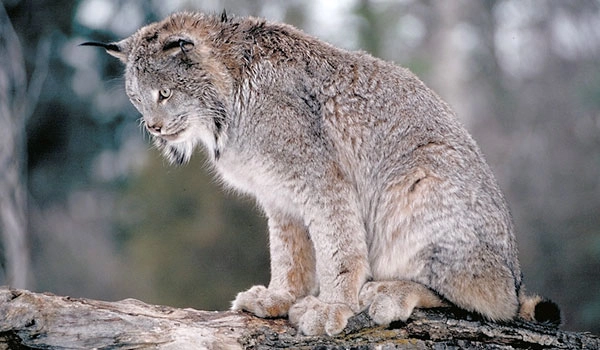
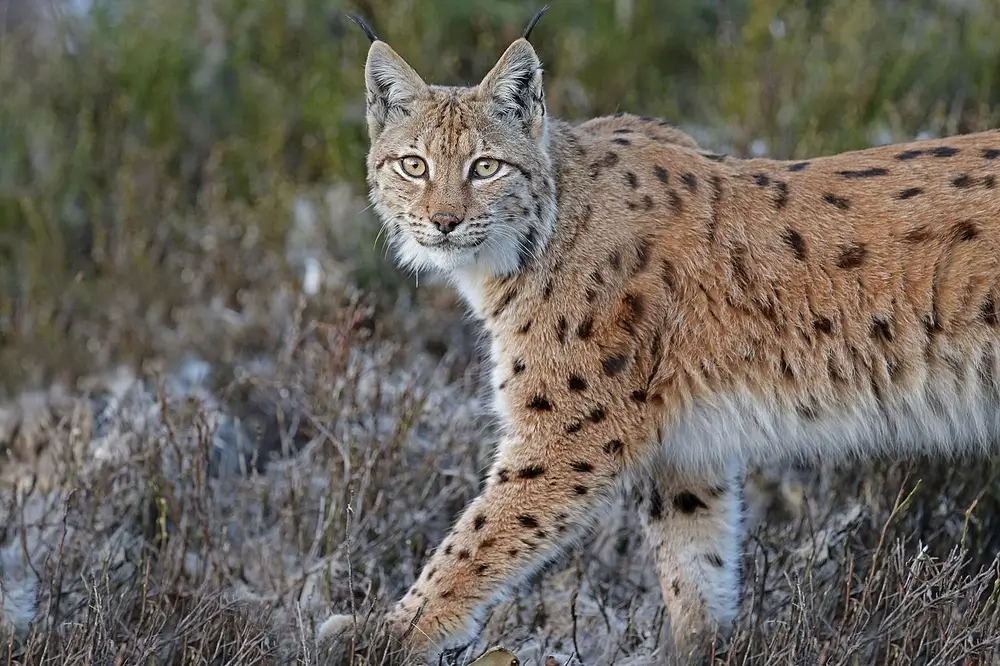
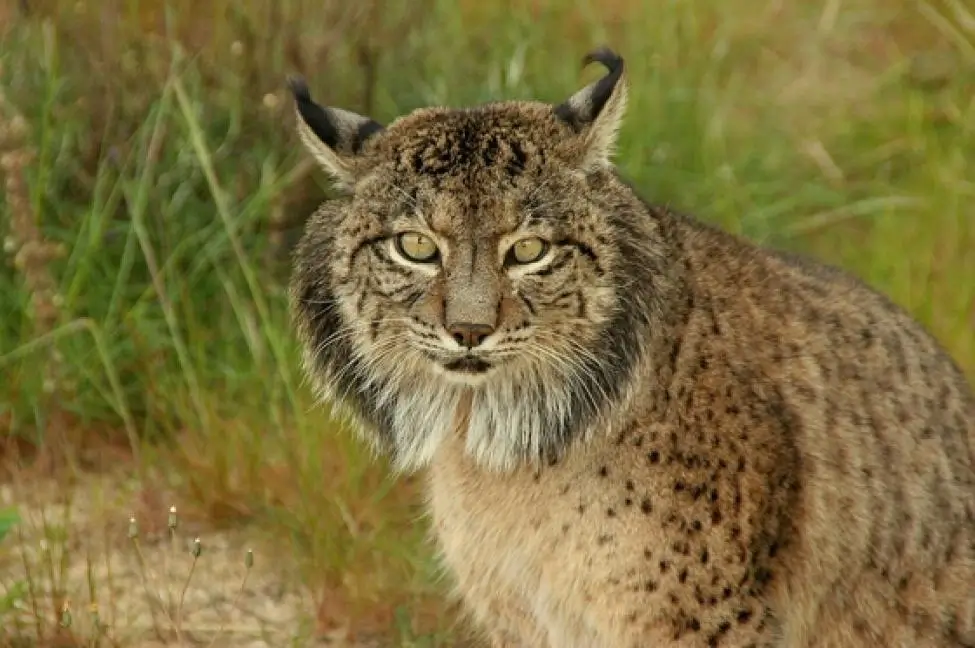
Species in this family include the cheetah, the caracal, the Chinese desert cat, the jaguarundi, the ocelot, the serval, the Eurasian lynx, the fishing cat, the lion, the tiger, and the snow leopard.