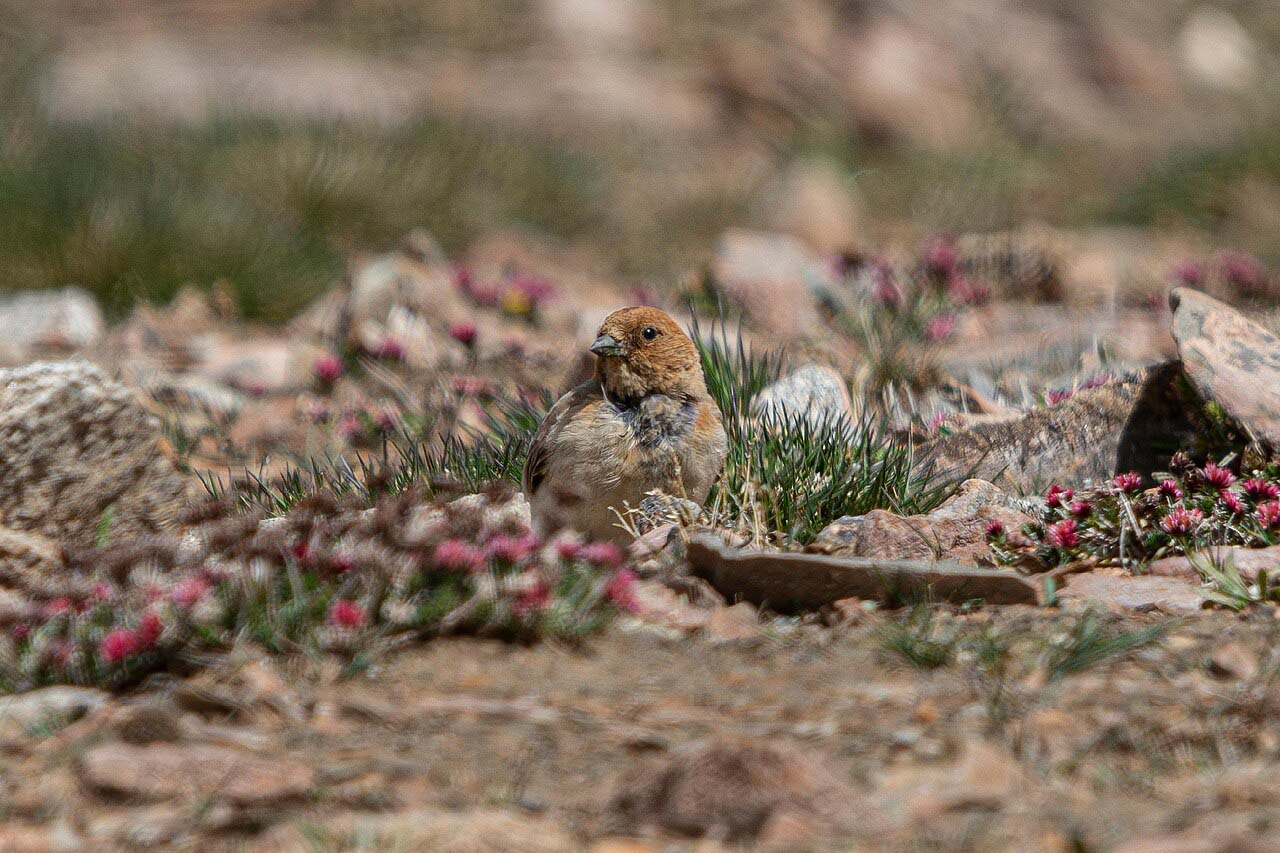
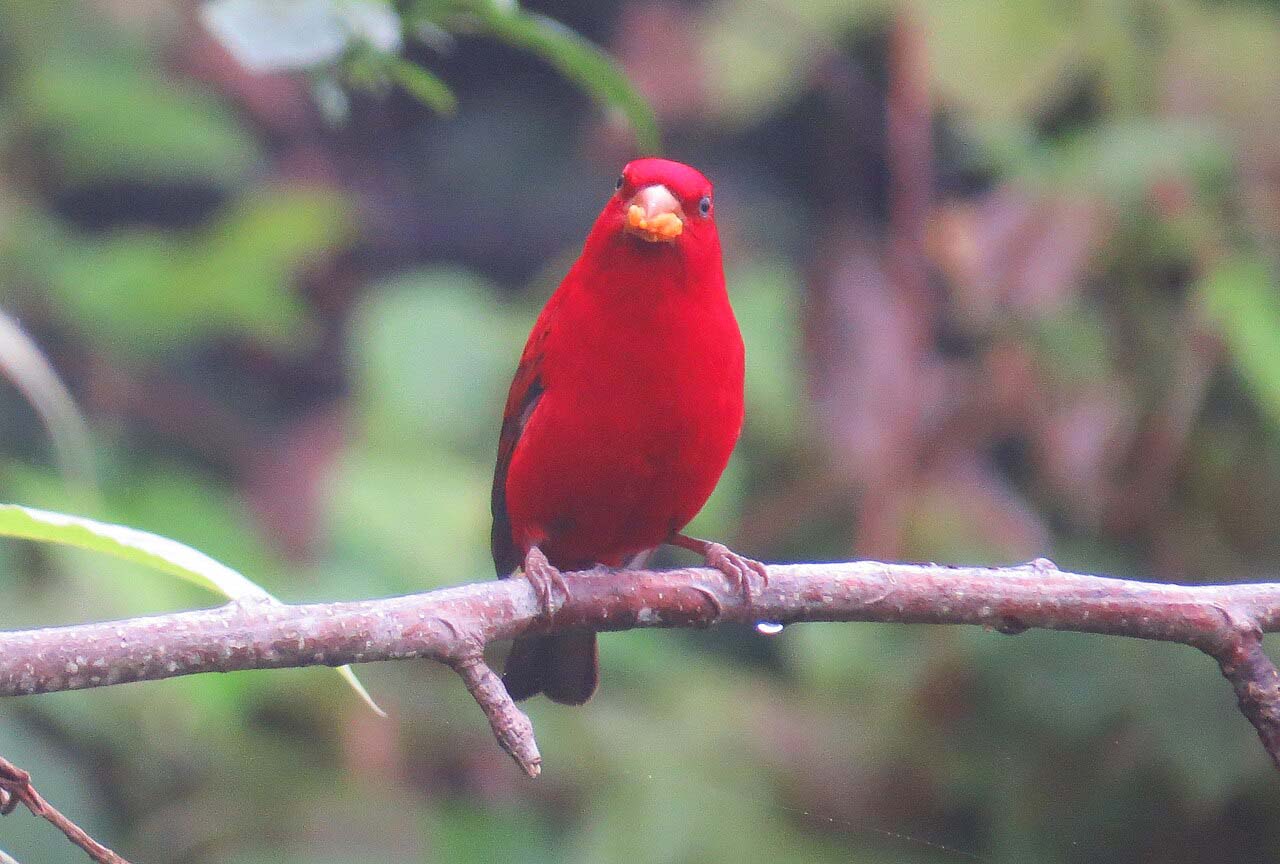
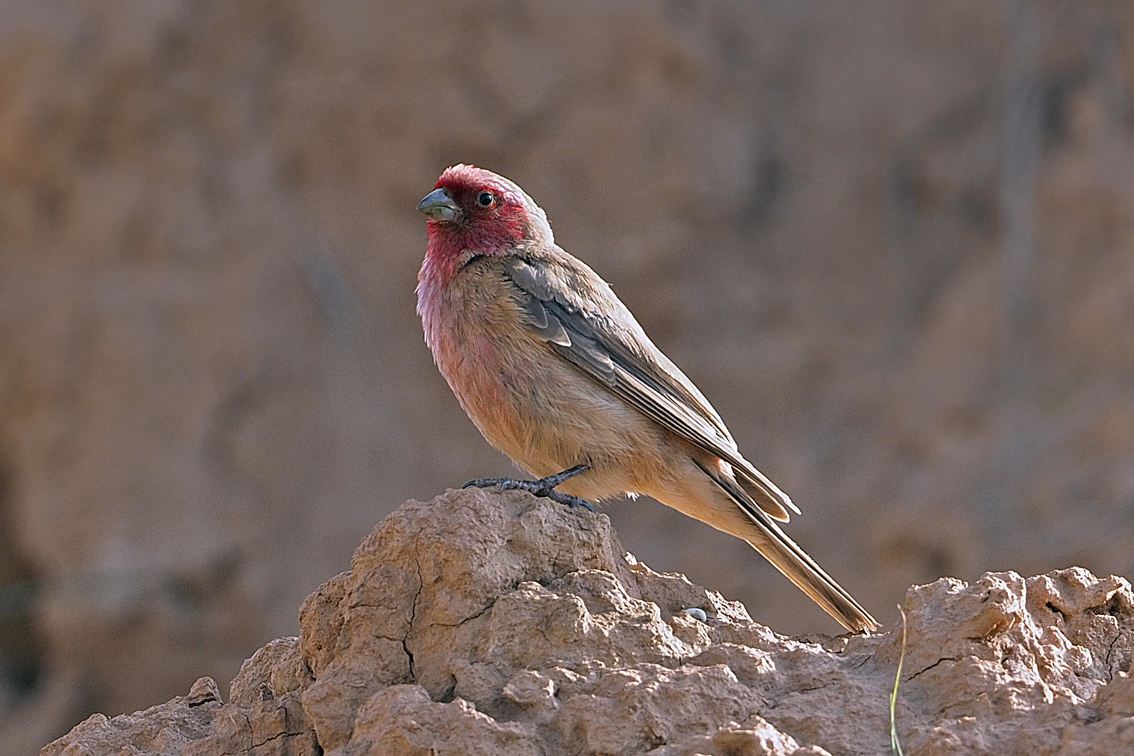
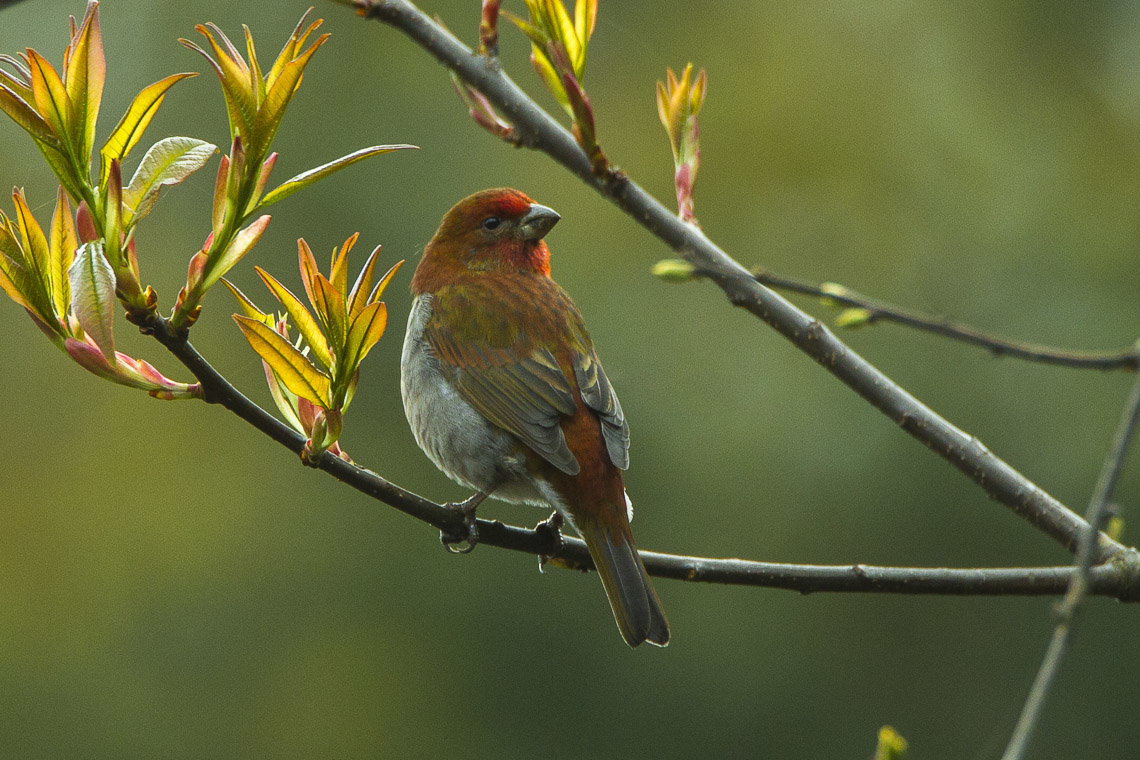
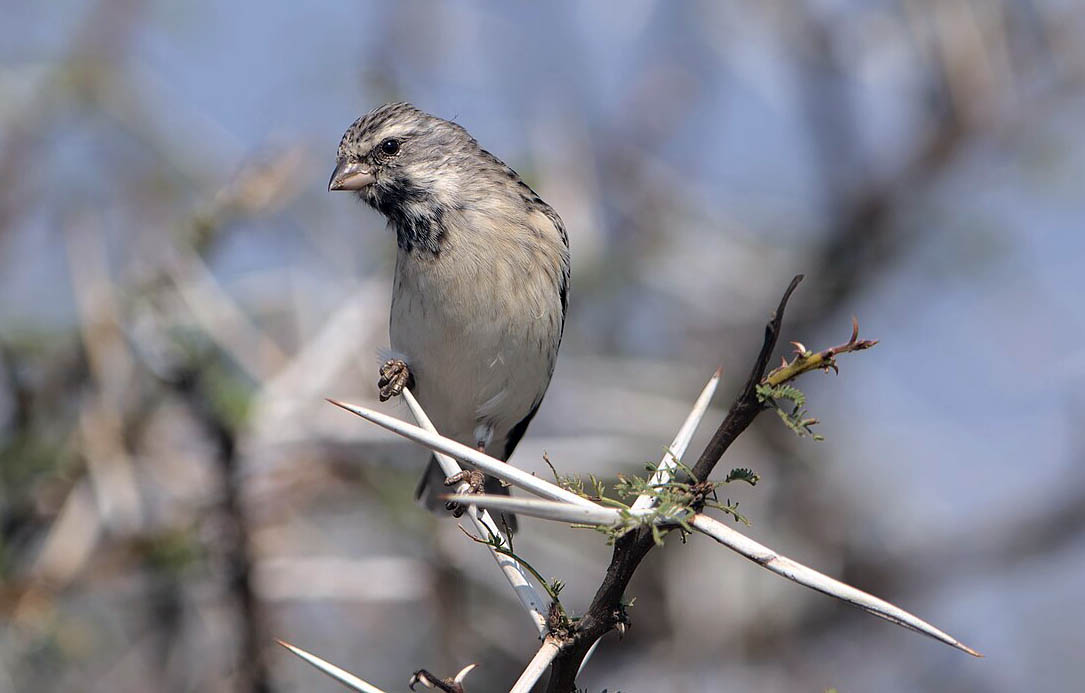
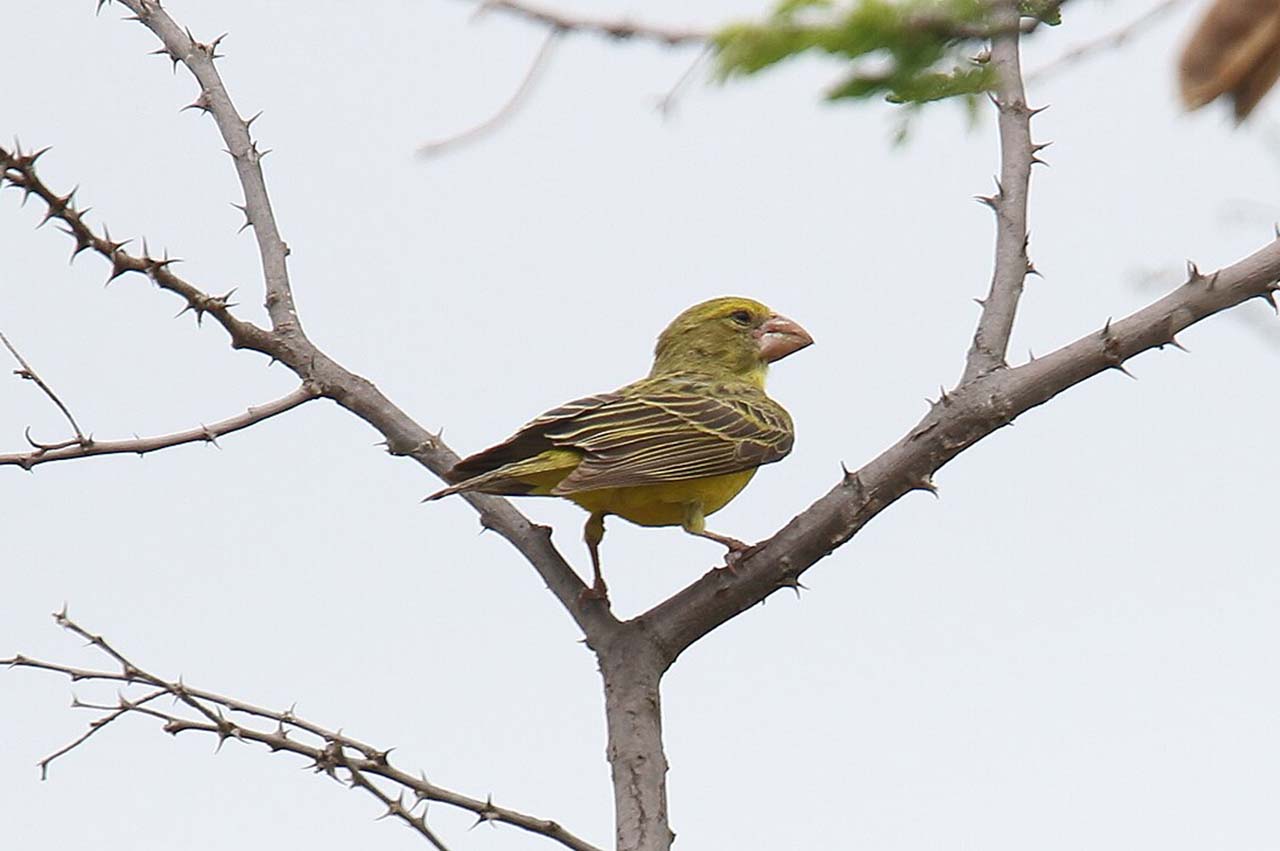
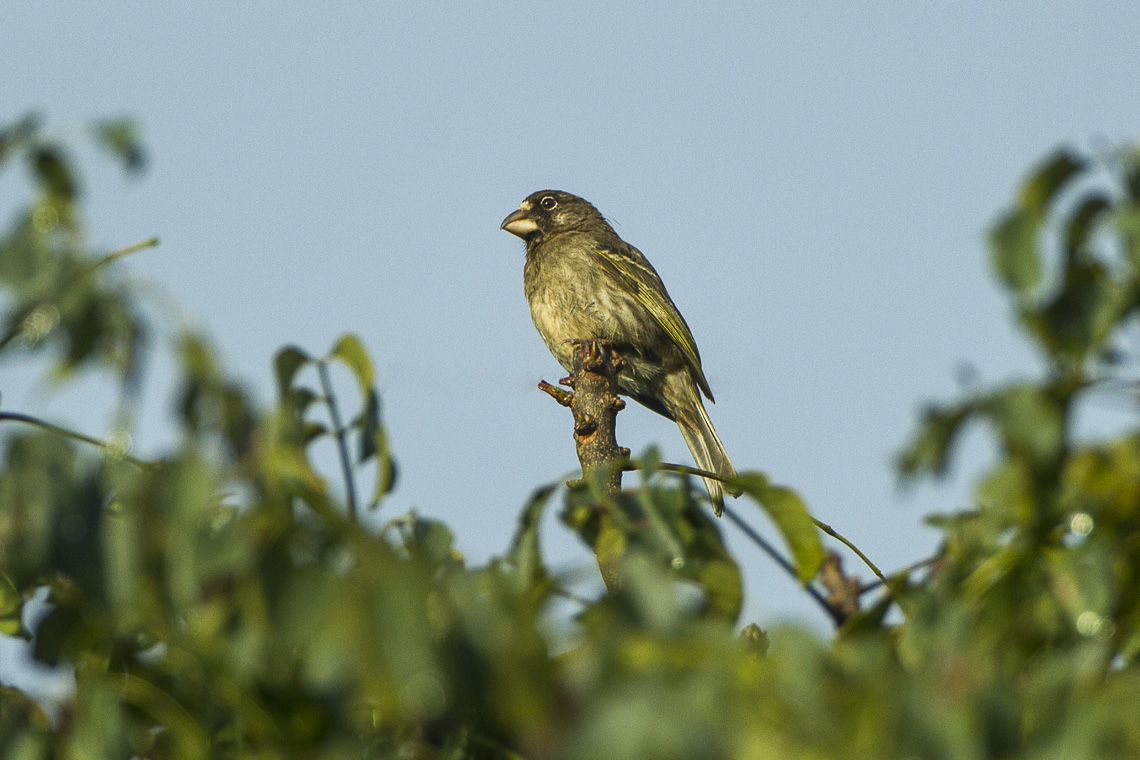
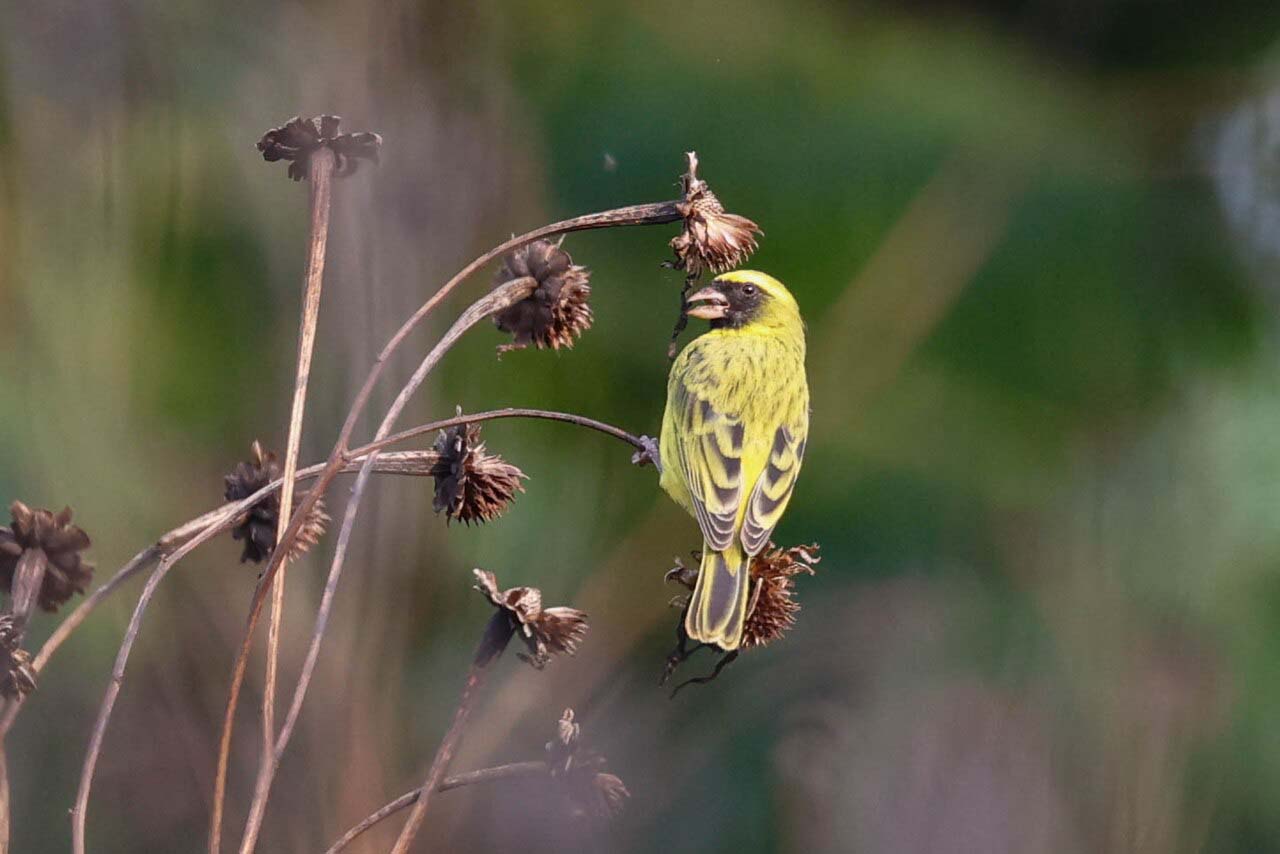
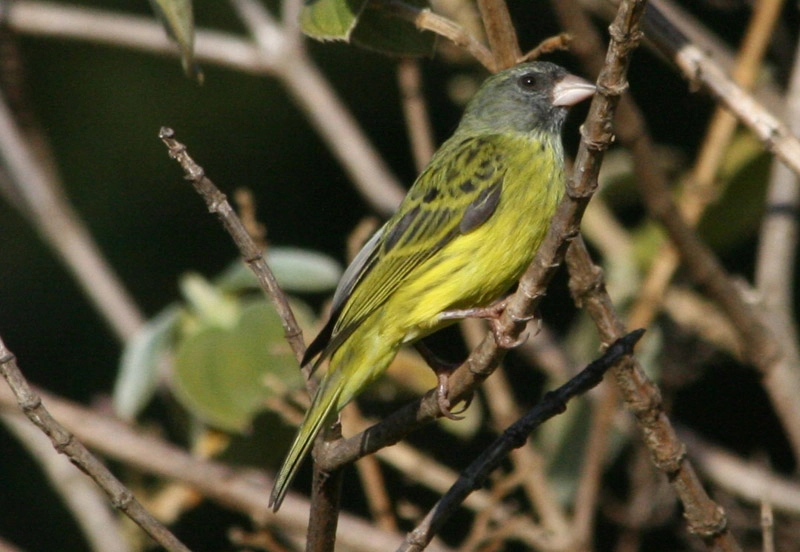
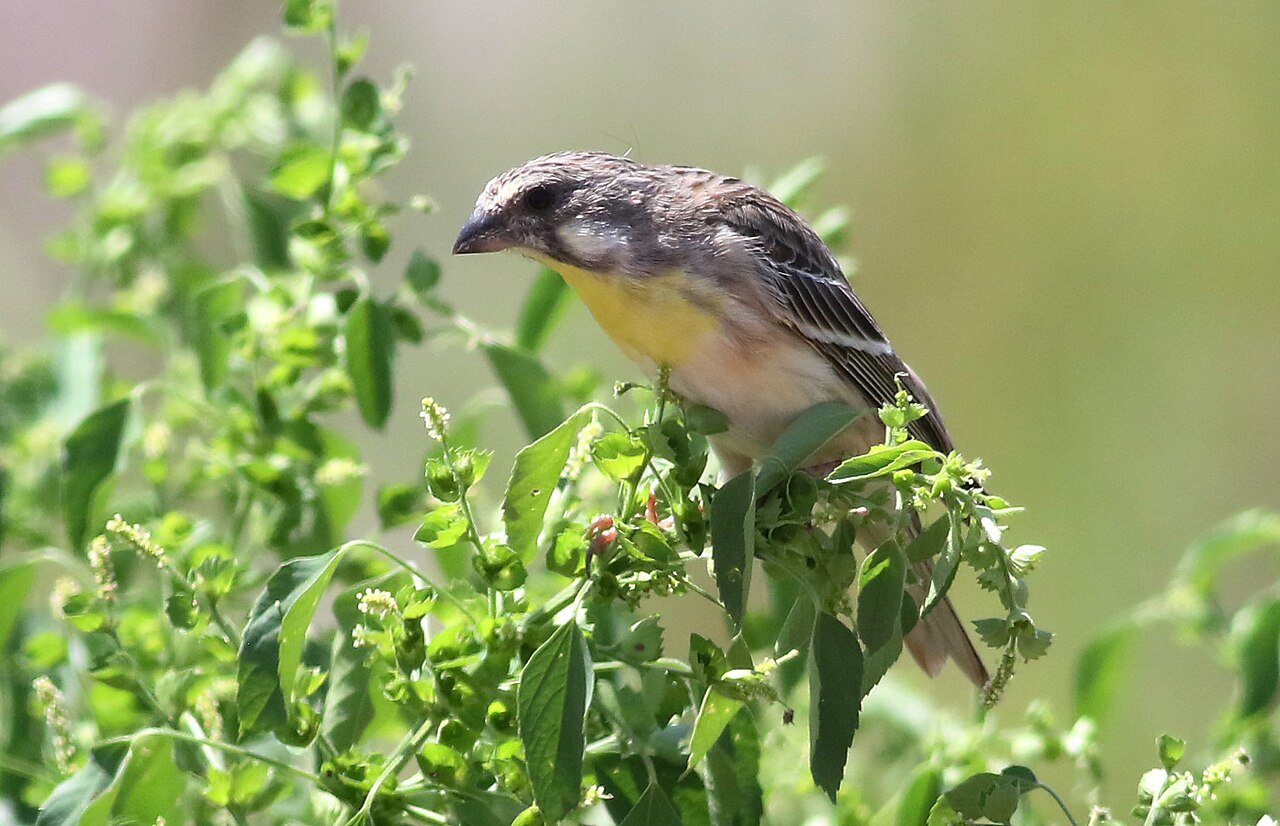
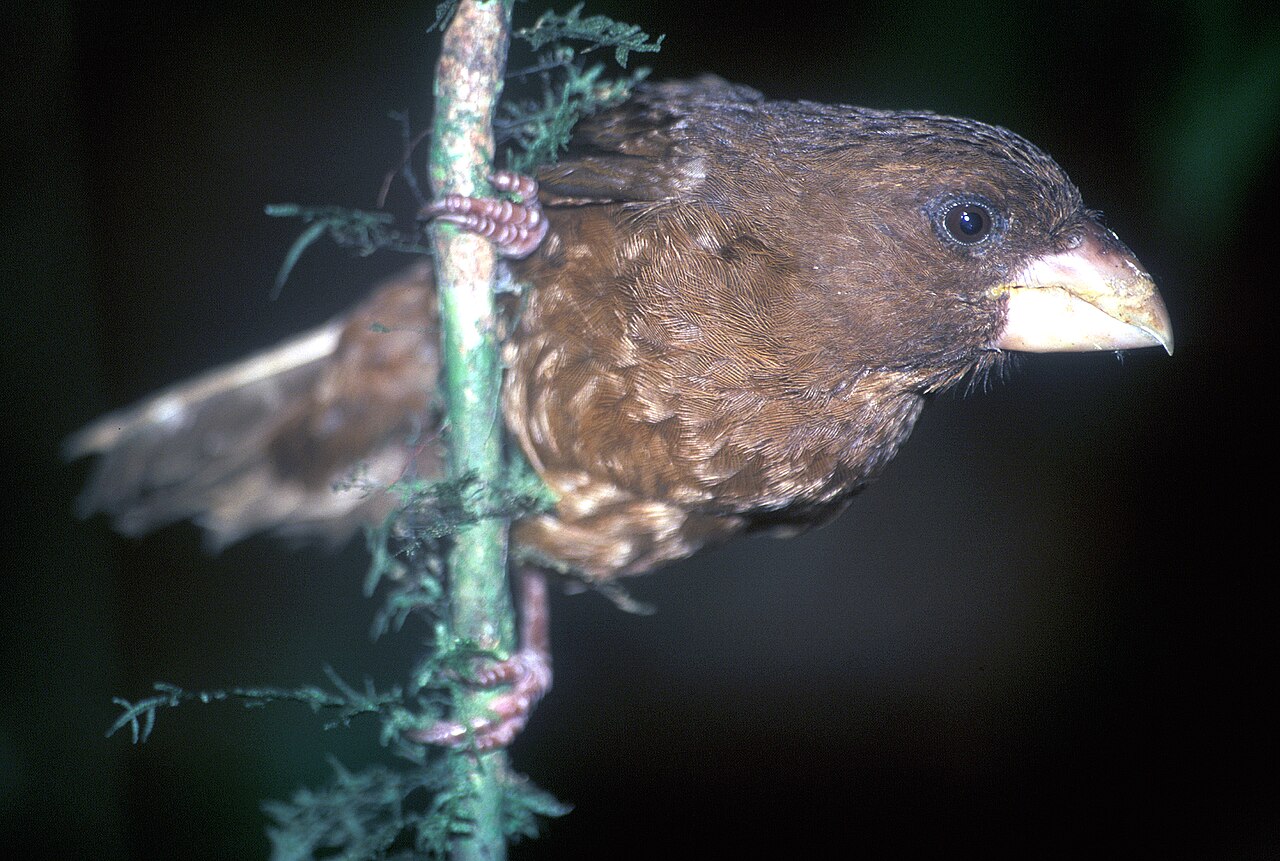
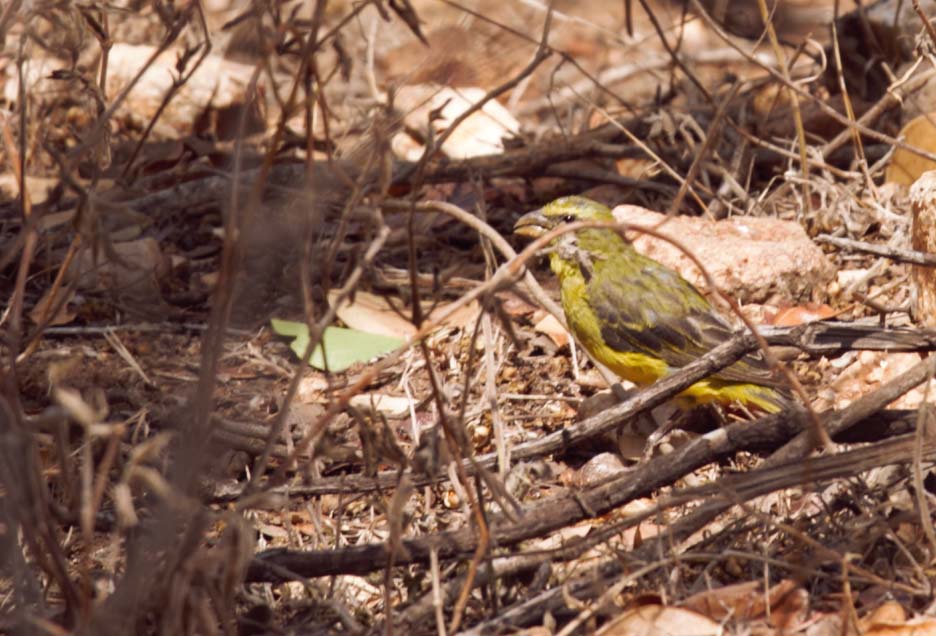
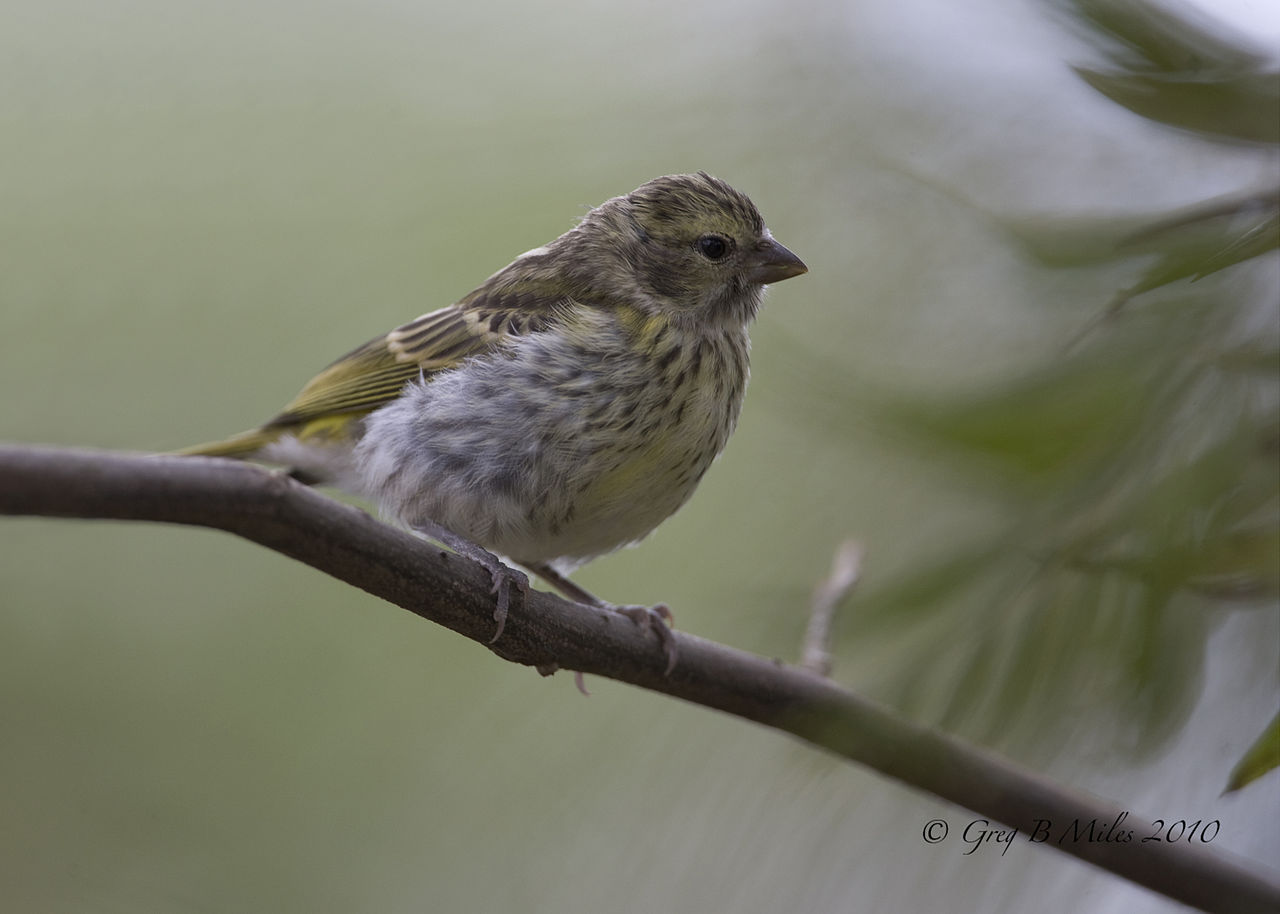
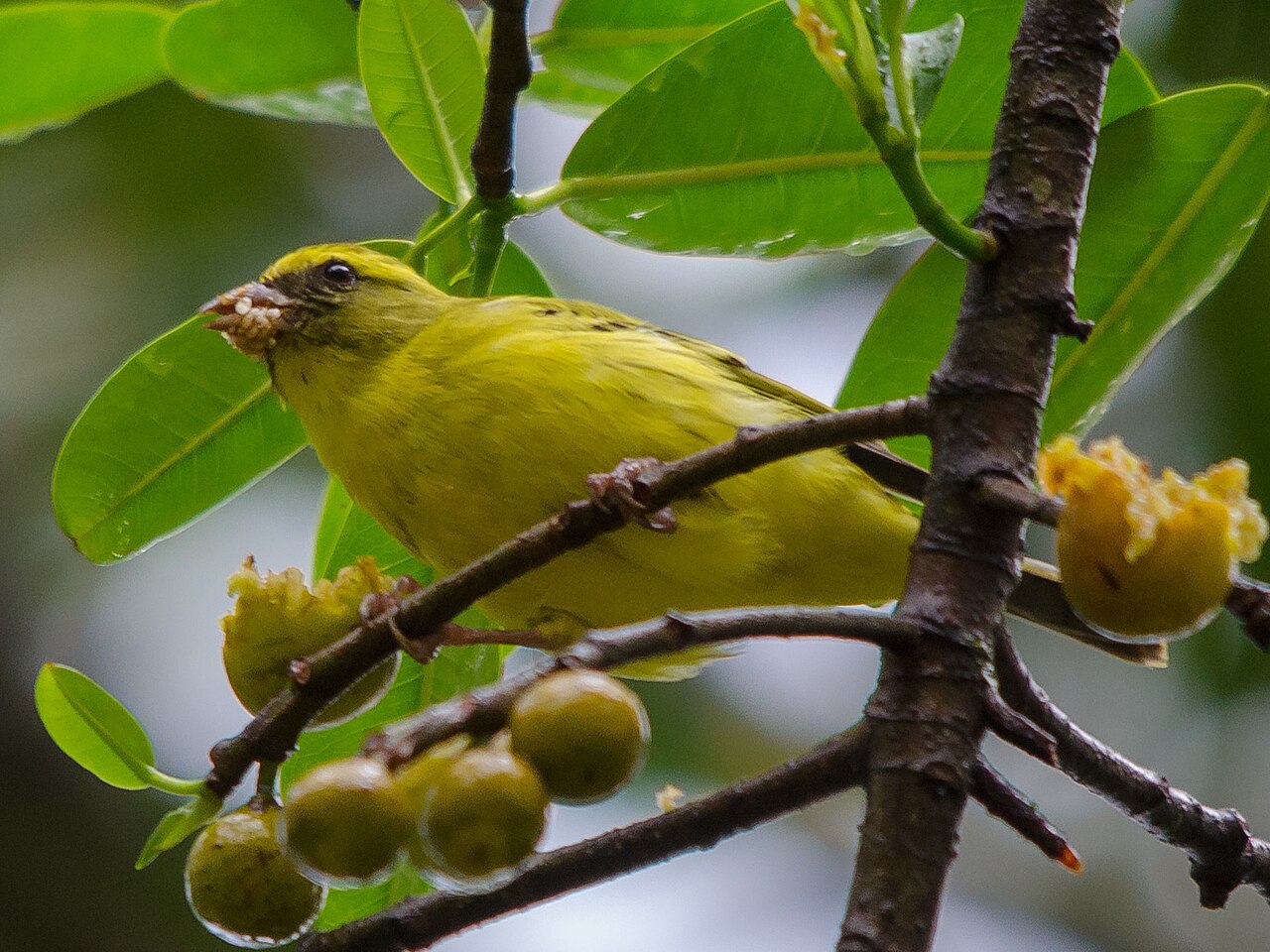
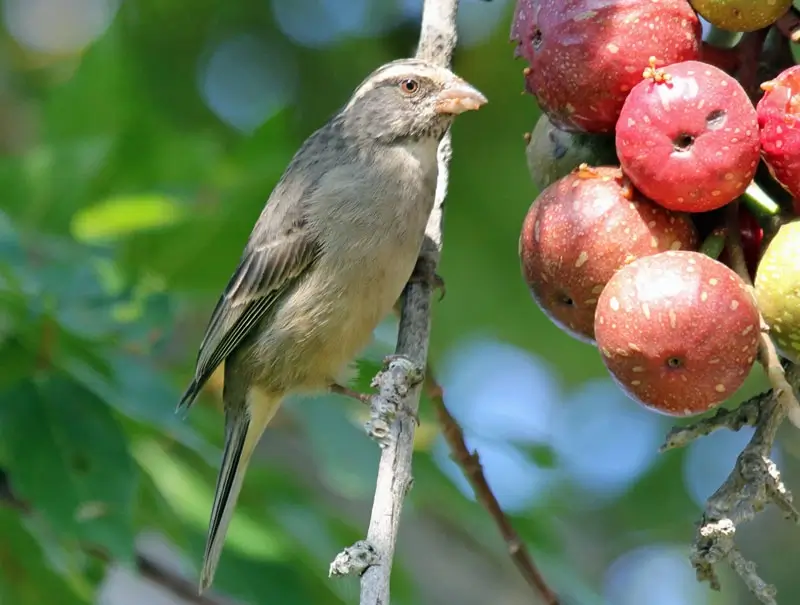
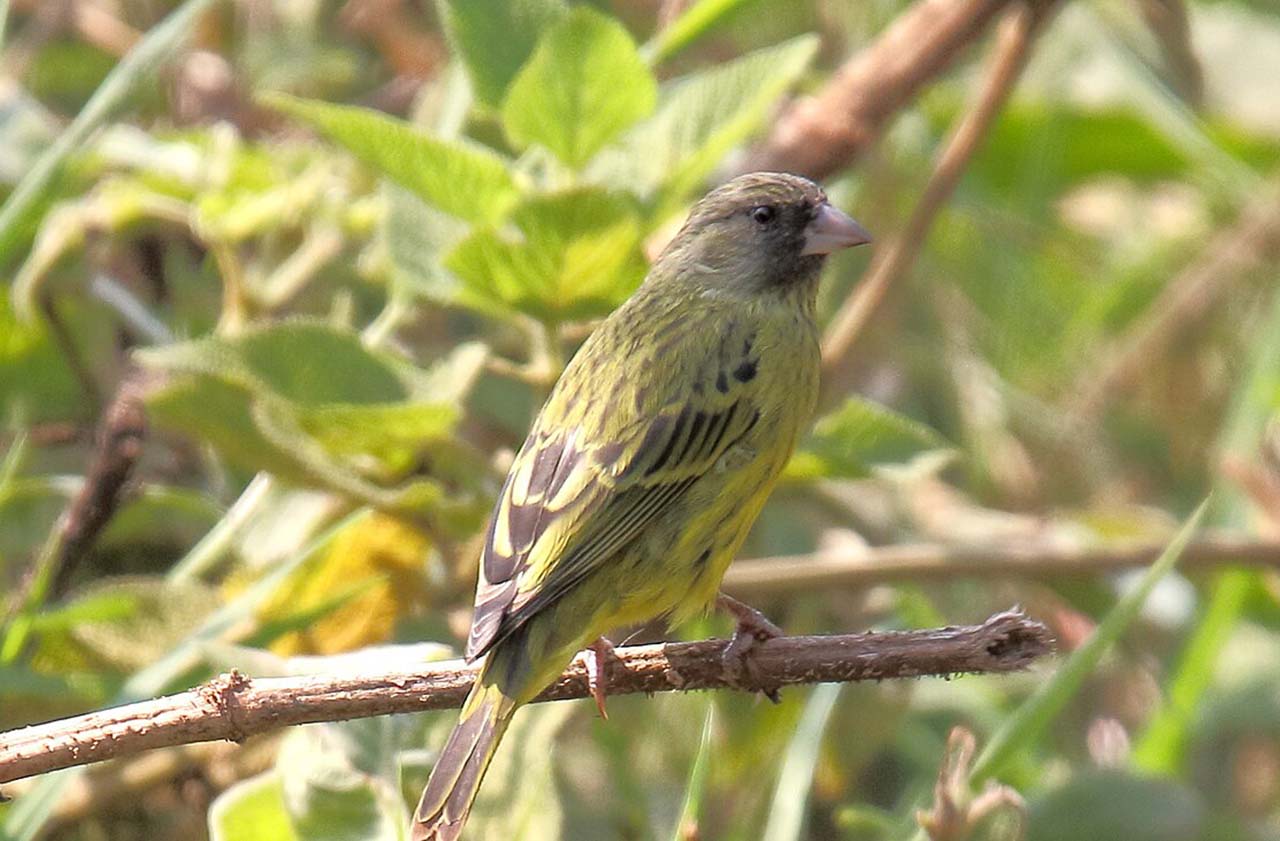
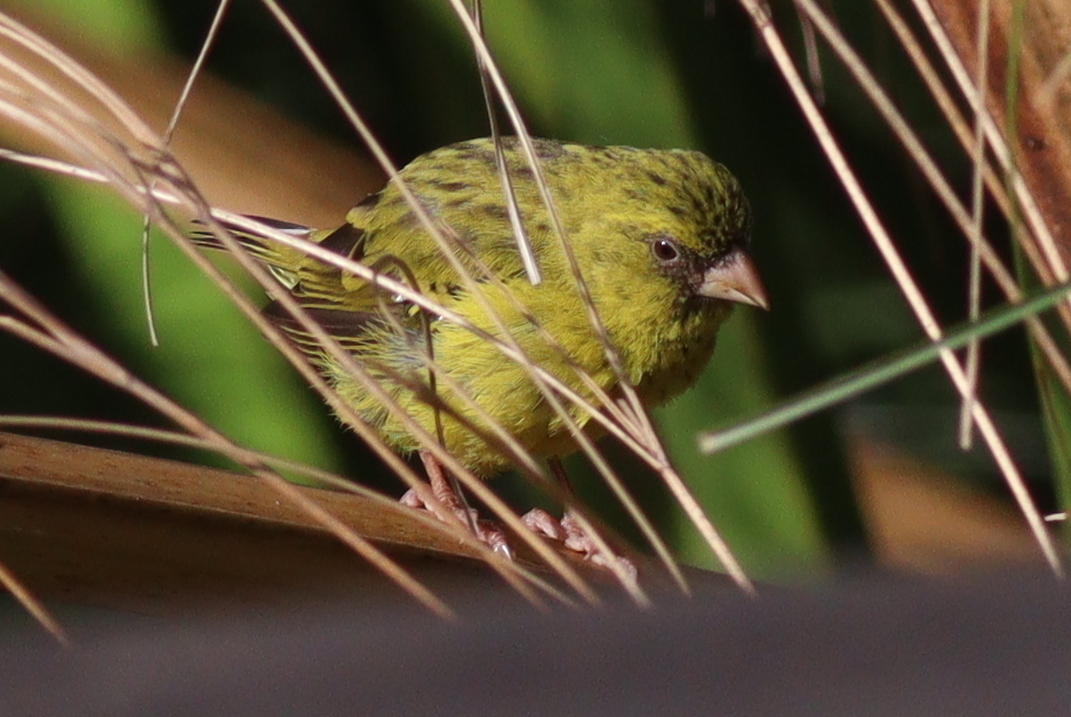
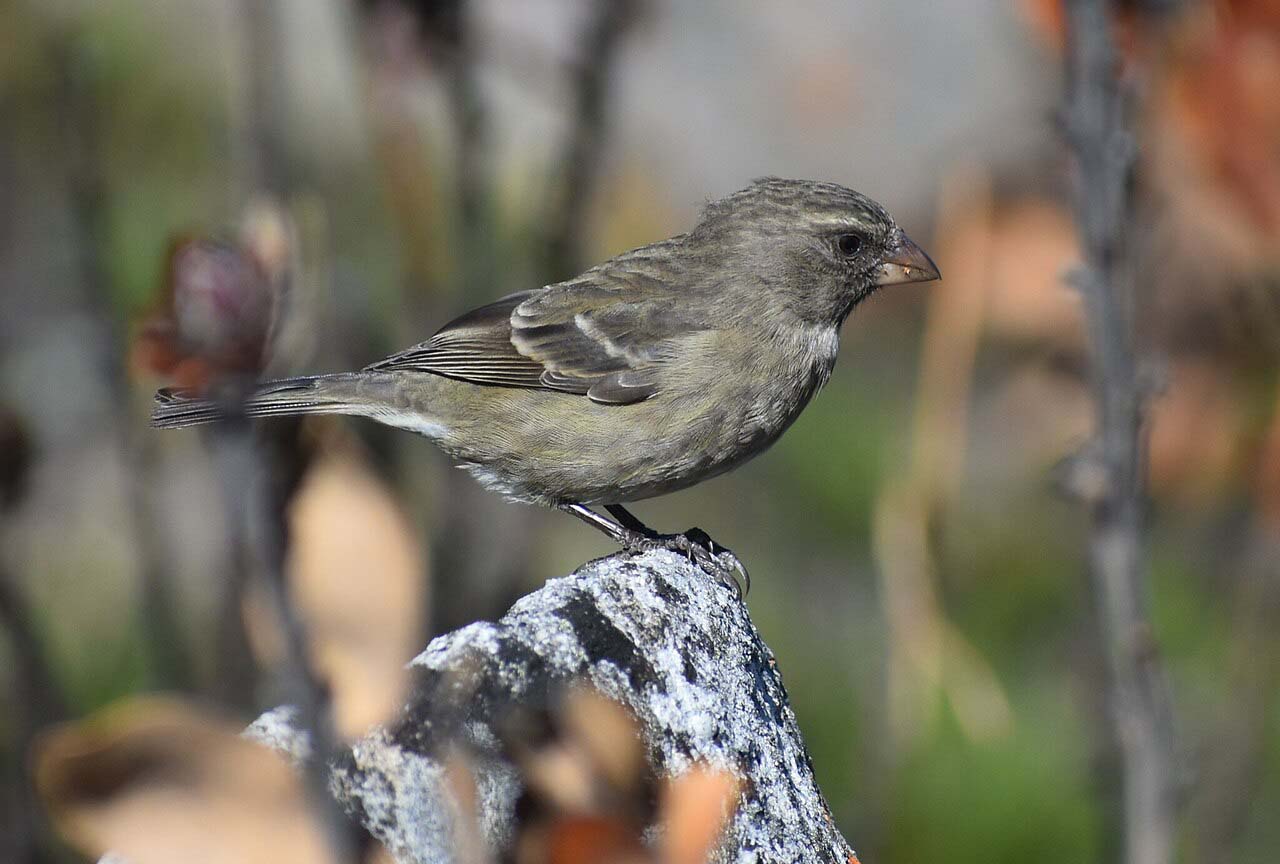
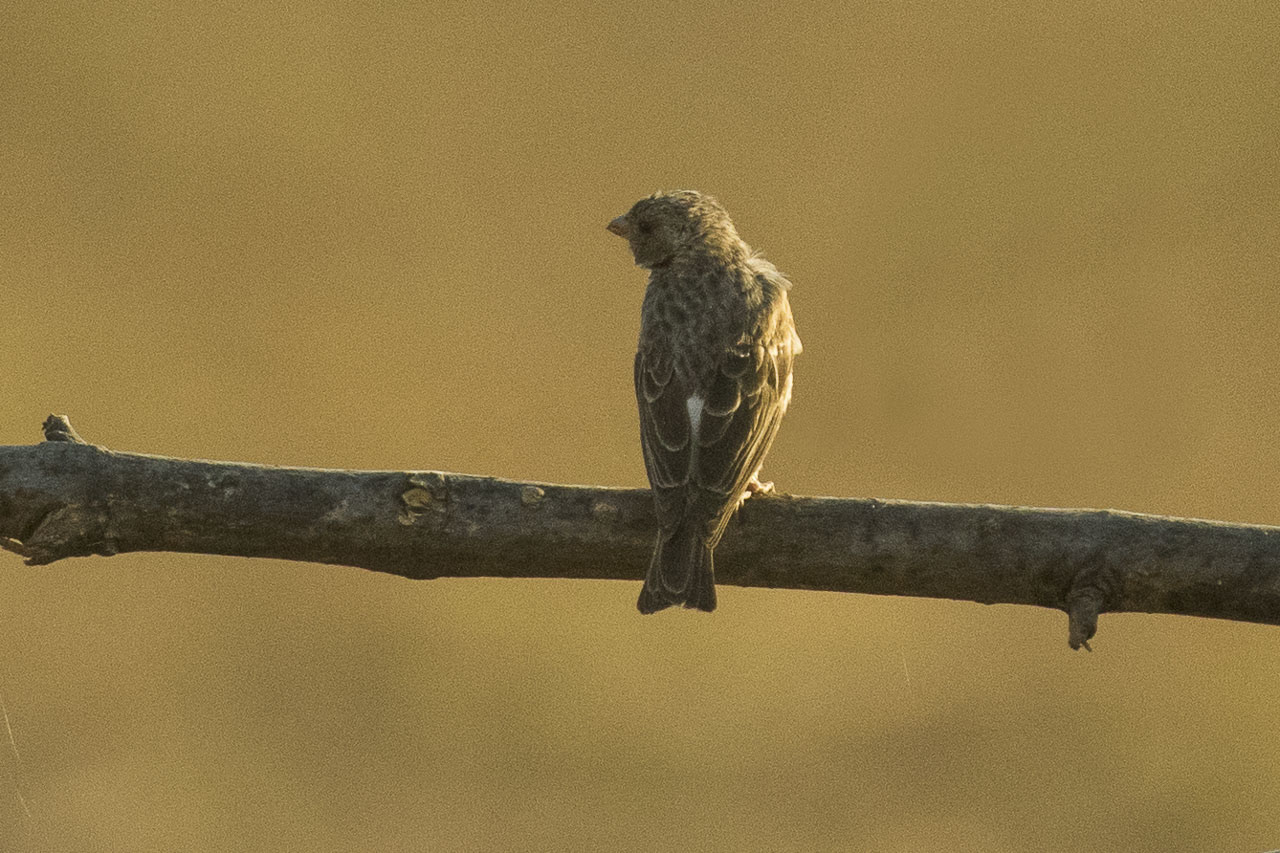
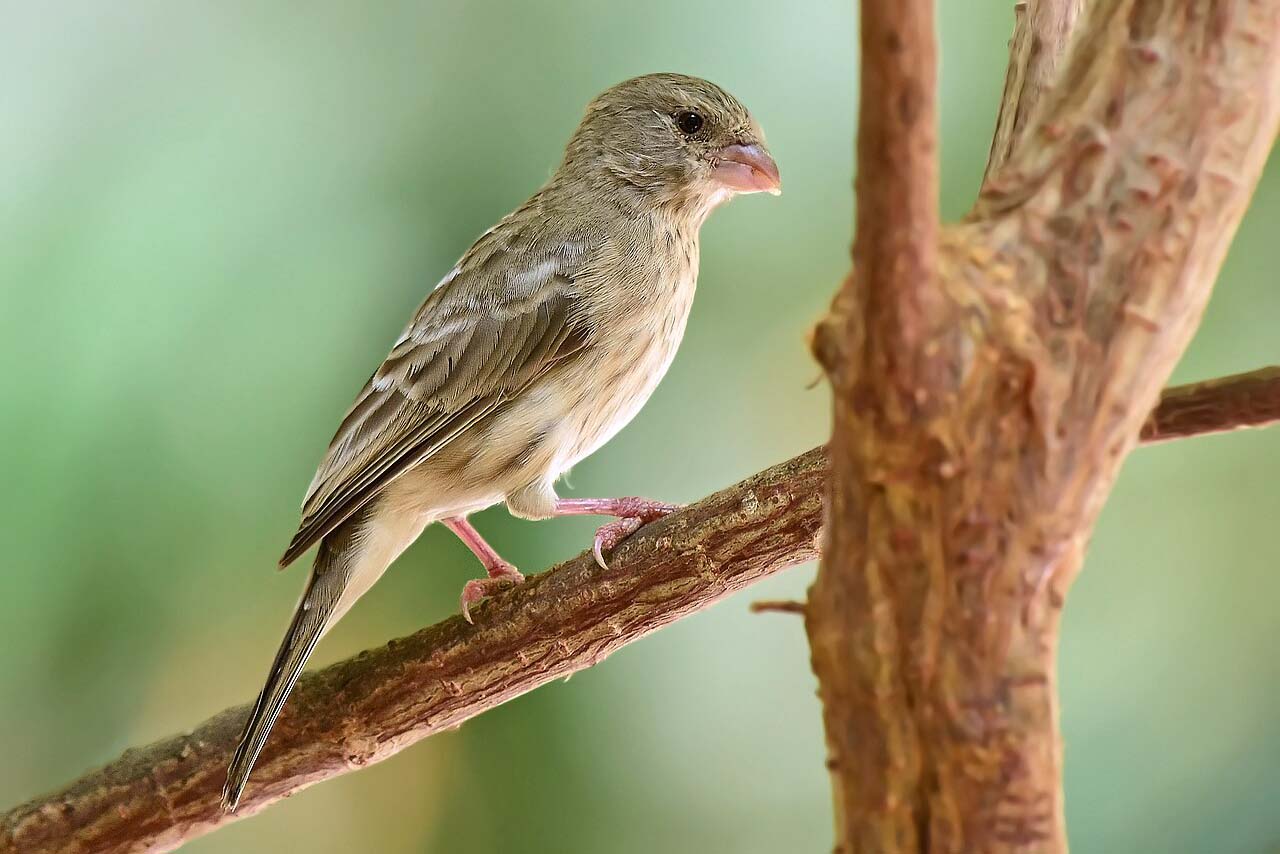
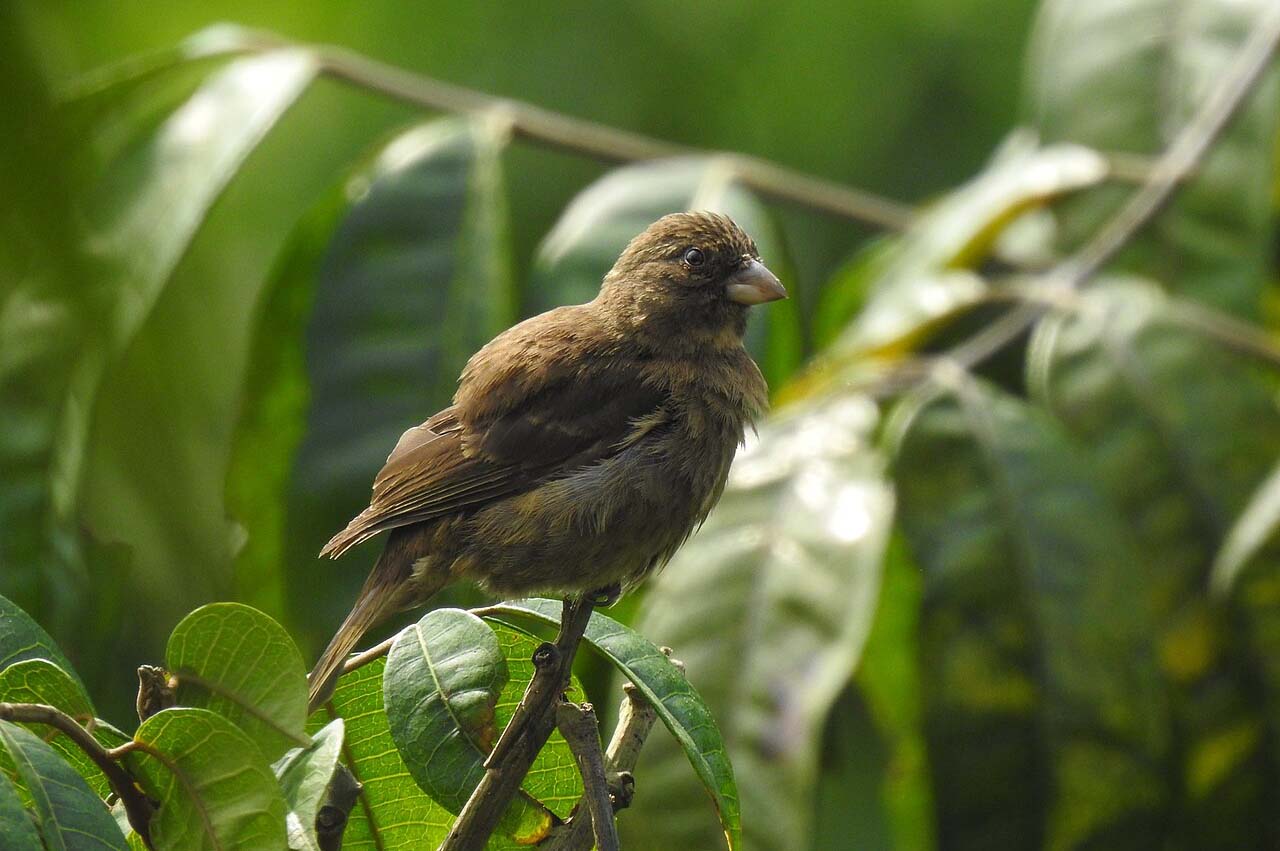
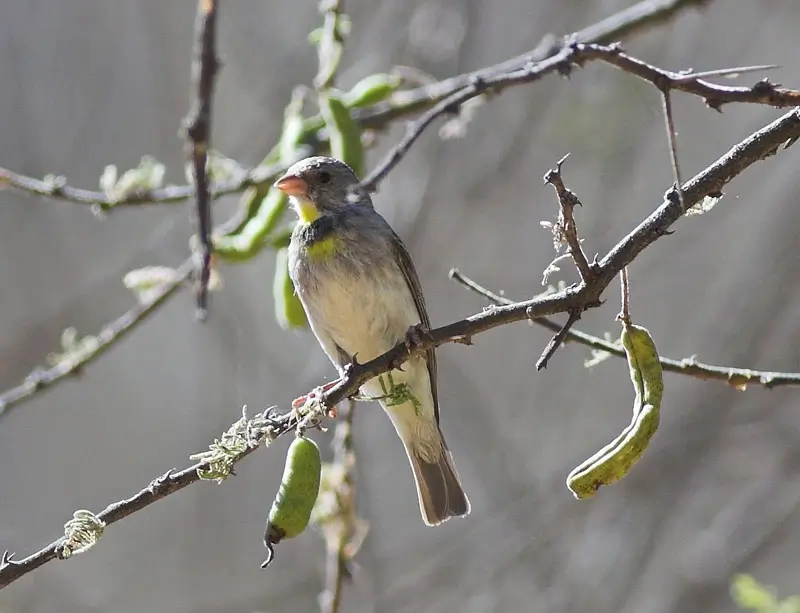
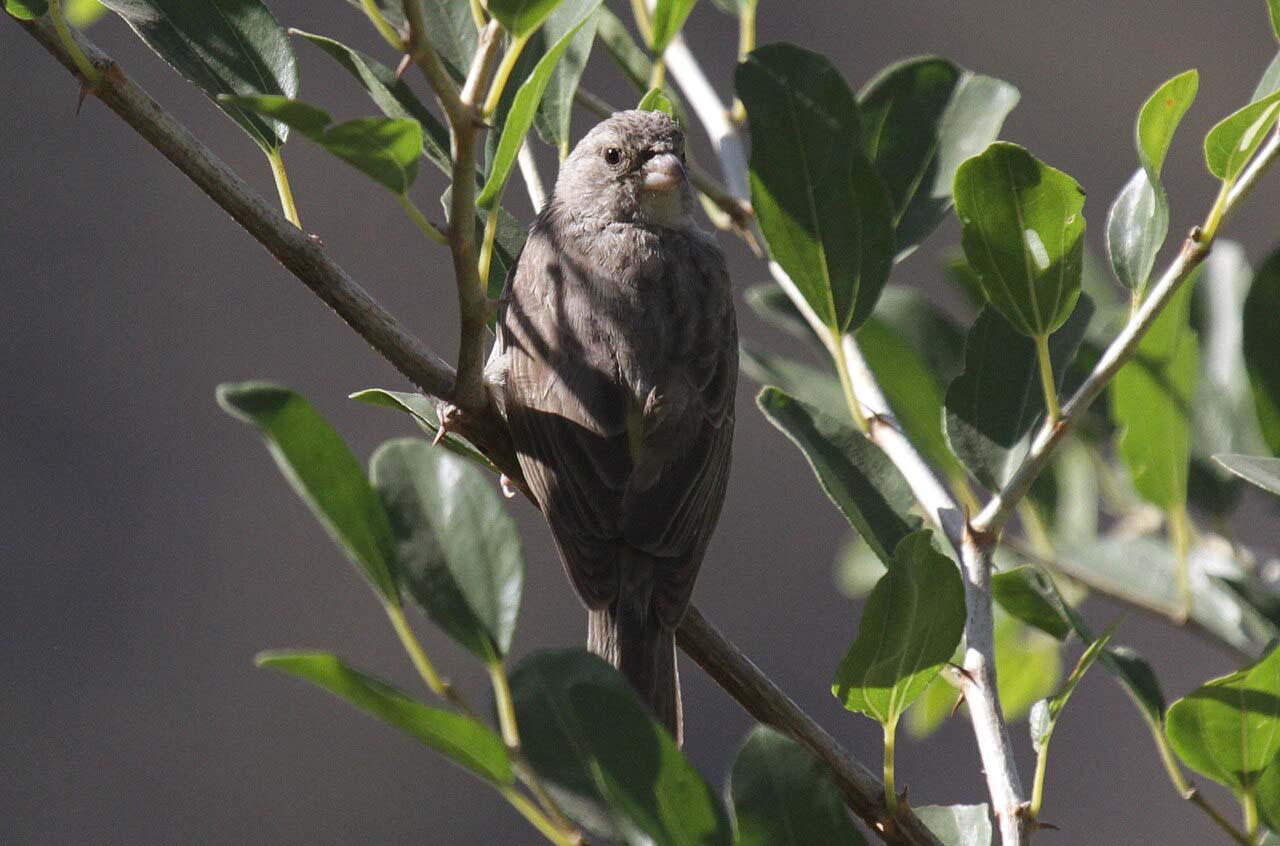
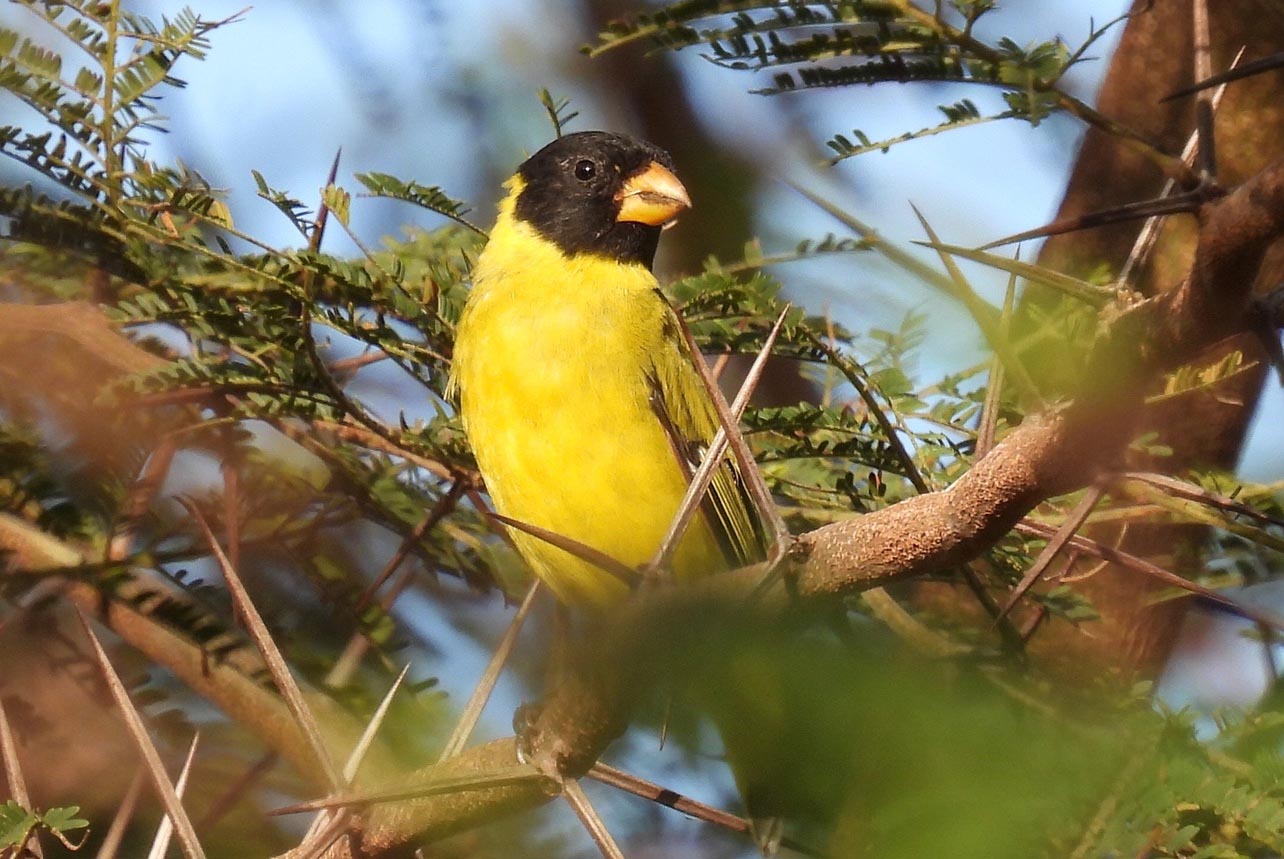
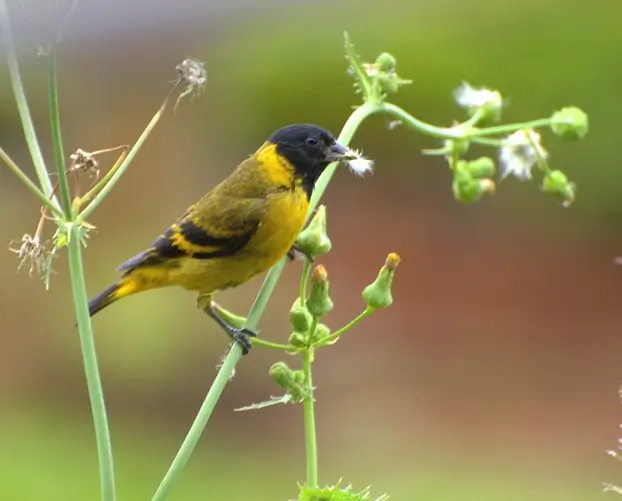
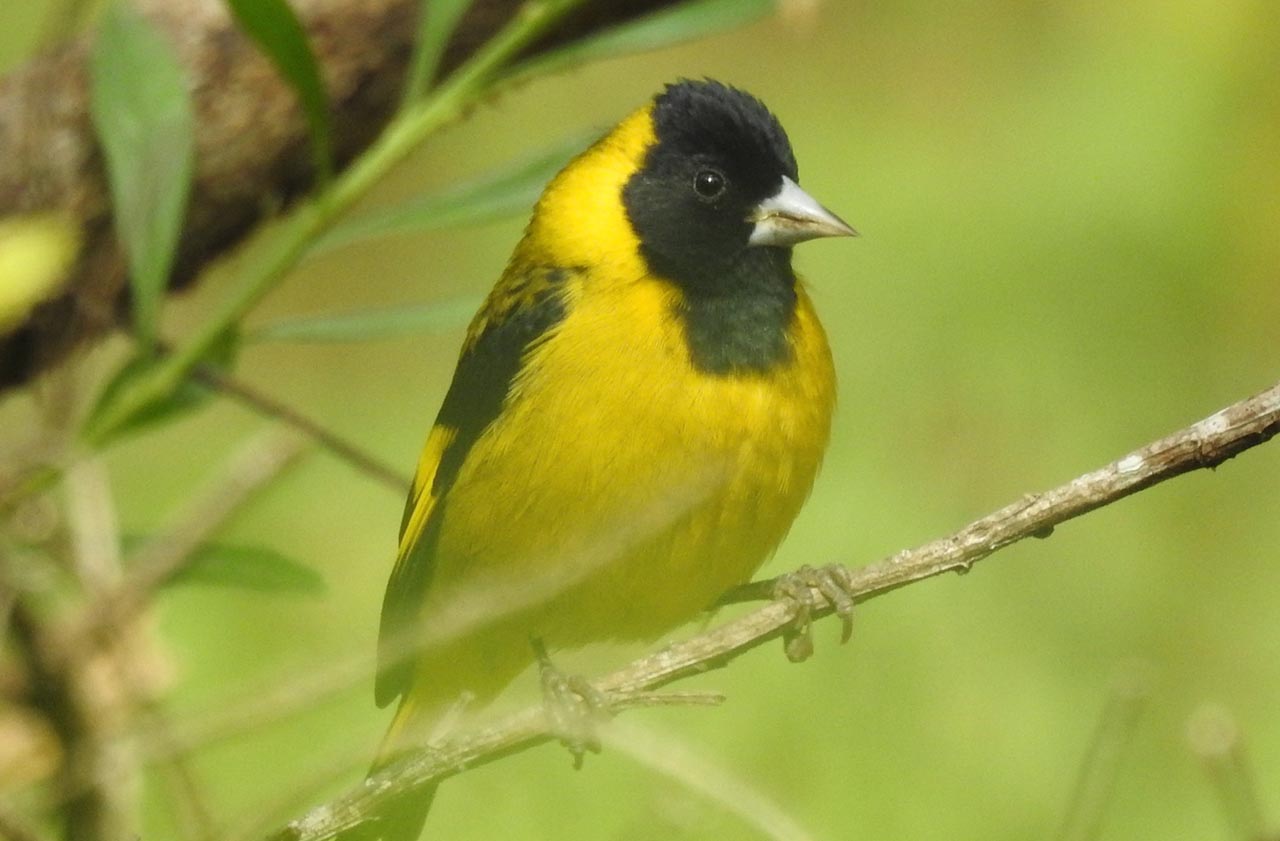
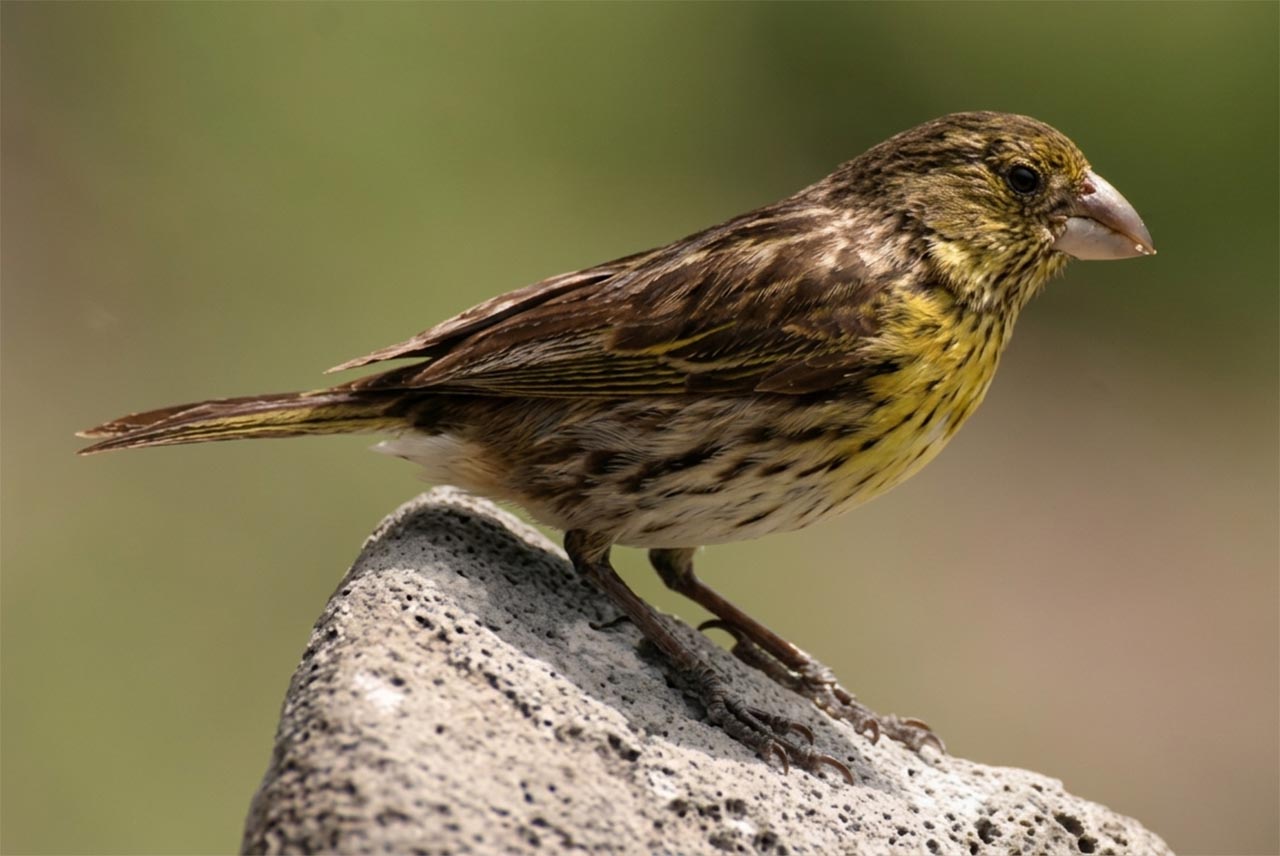
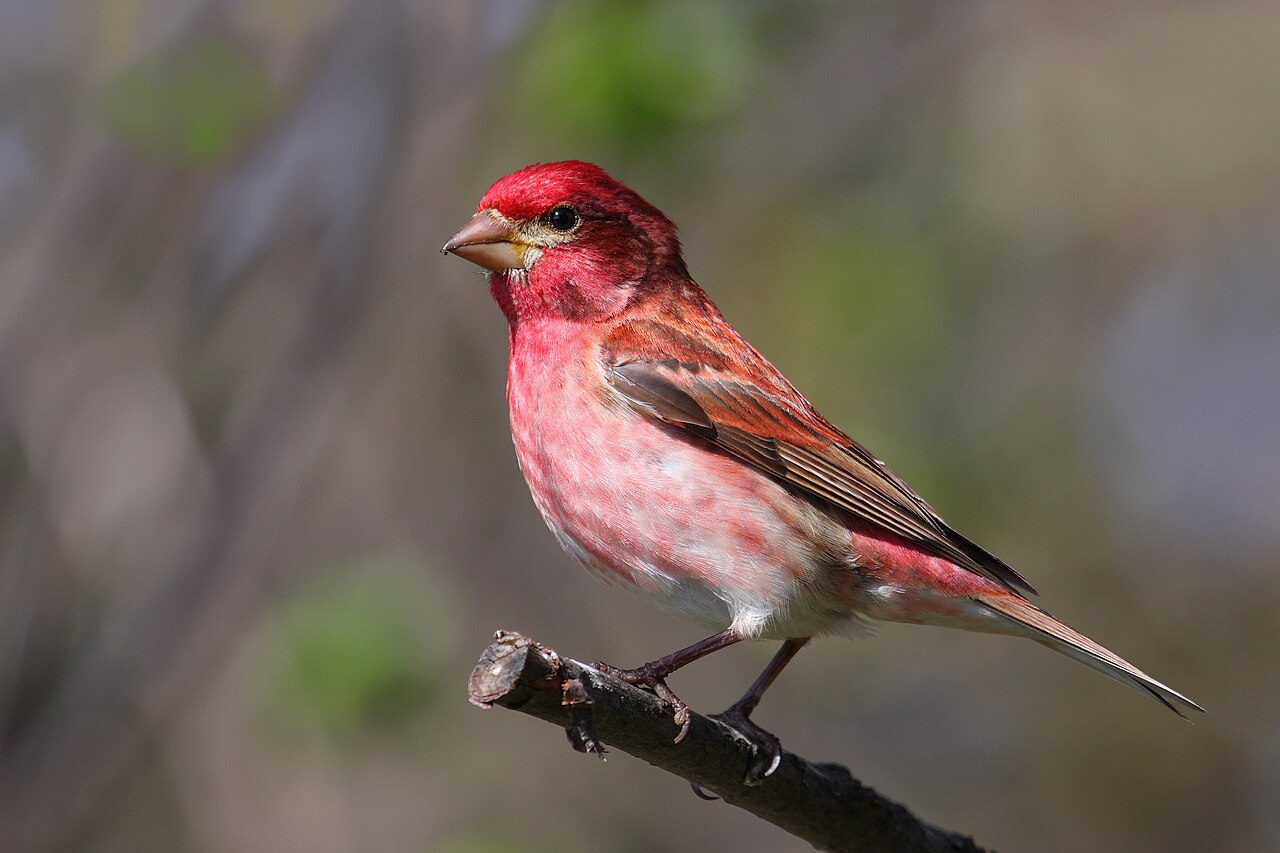
There are around 220 extant (living) species of birds in the Fringillidae family. They are found around the world, with many species living in the Northern Hemisphere.
Many birds in this family have strong, cone-shaped bills that they use to crack open seeds. Some species have small, narrow bills for eating tiny seeds and insects, while others have large, powerful bills for opening larger seeds.
The birds in this family come in many colors and patterns. They range in size from small to medium-sized birds, and all species have 12 tail feathers. Many males have brighter colors than females, which helps them attract mates.
HAWAIIAN HONEYCREEPERS
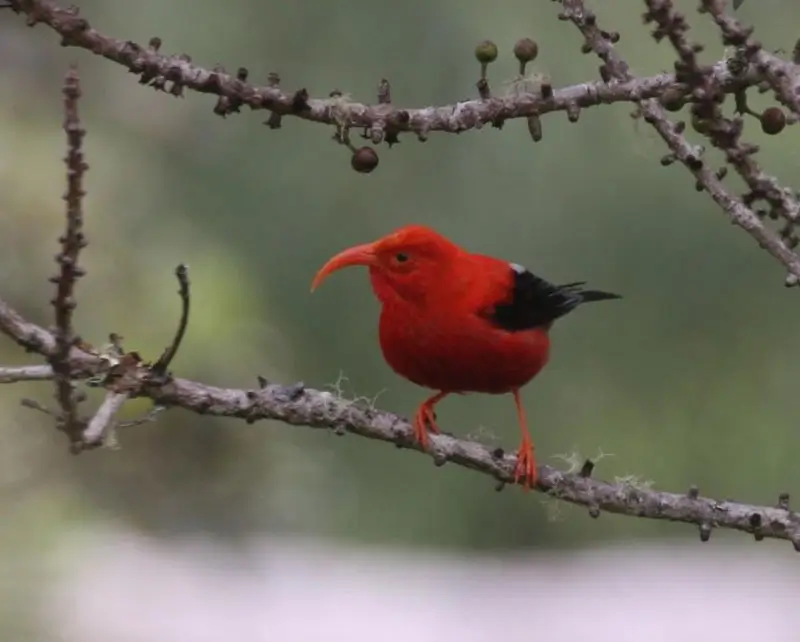
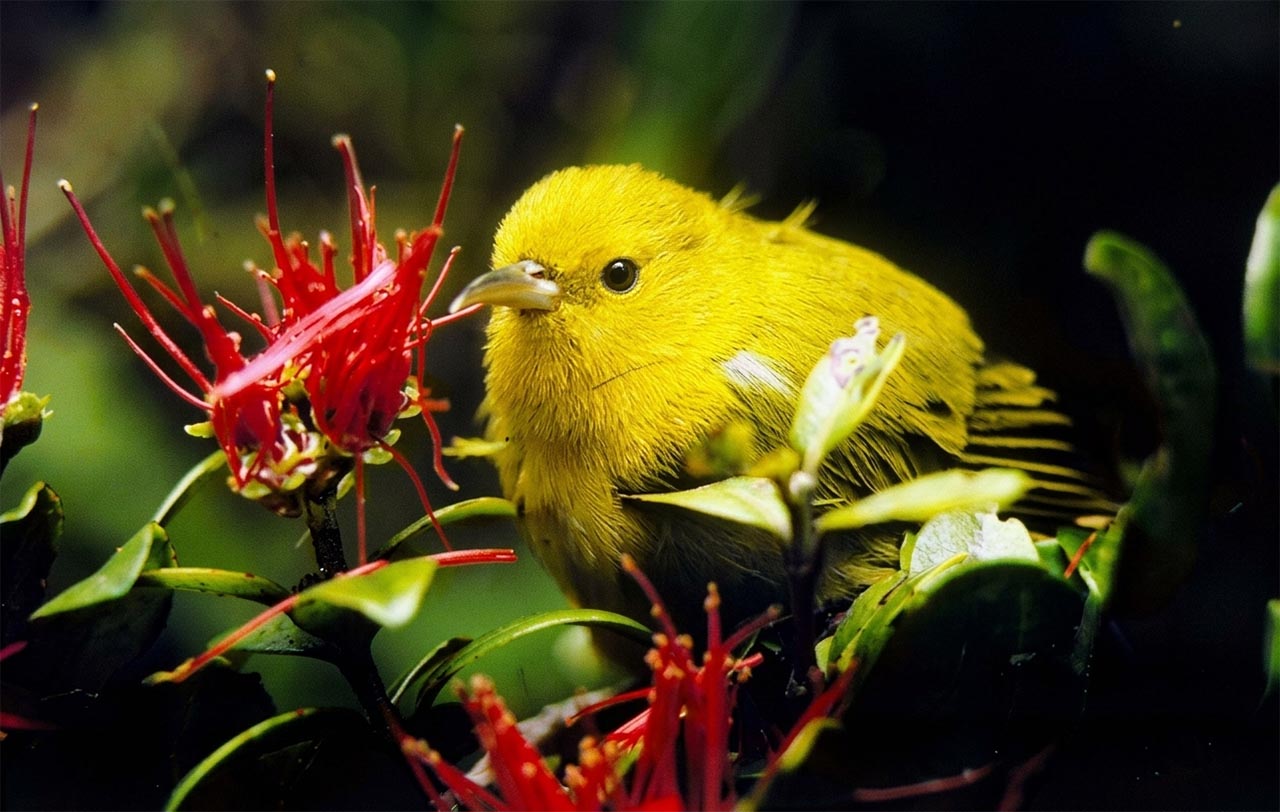
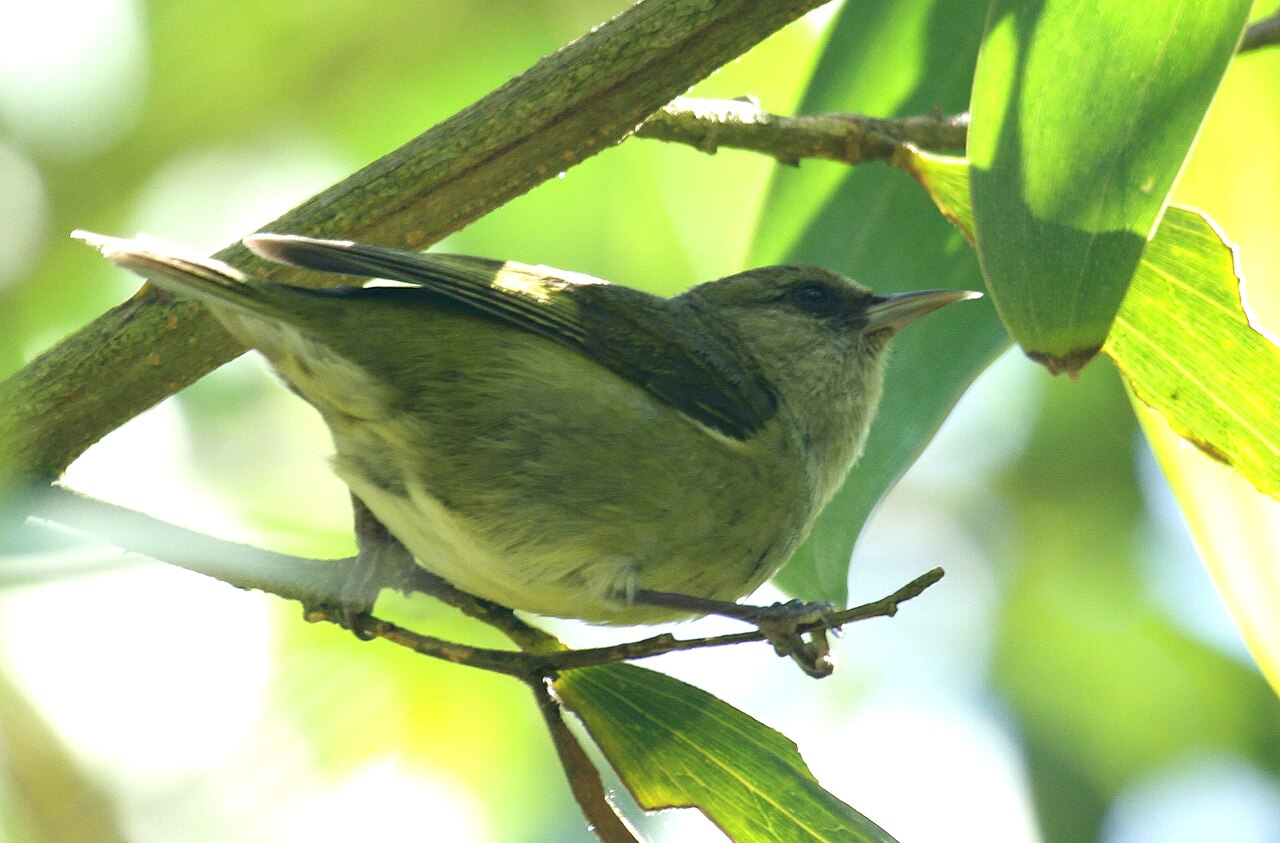
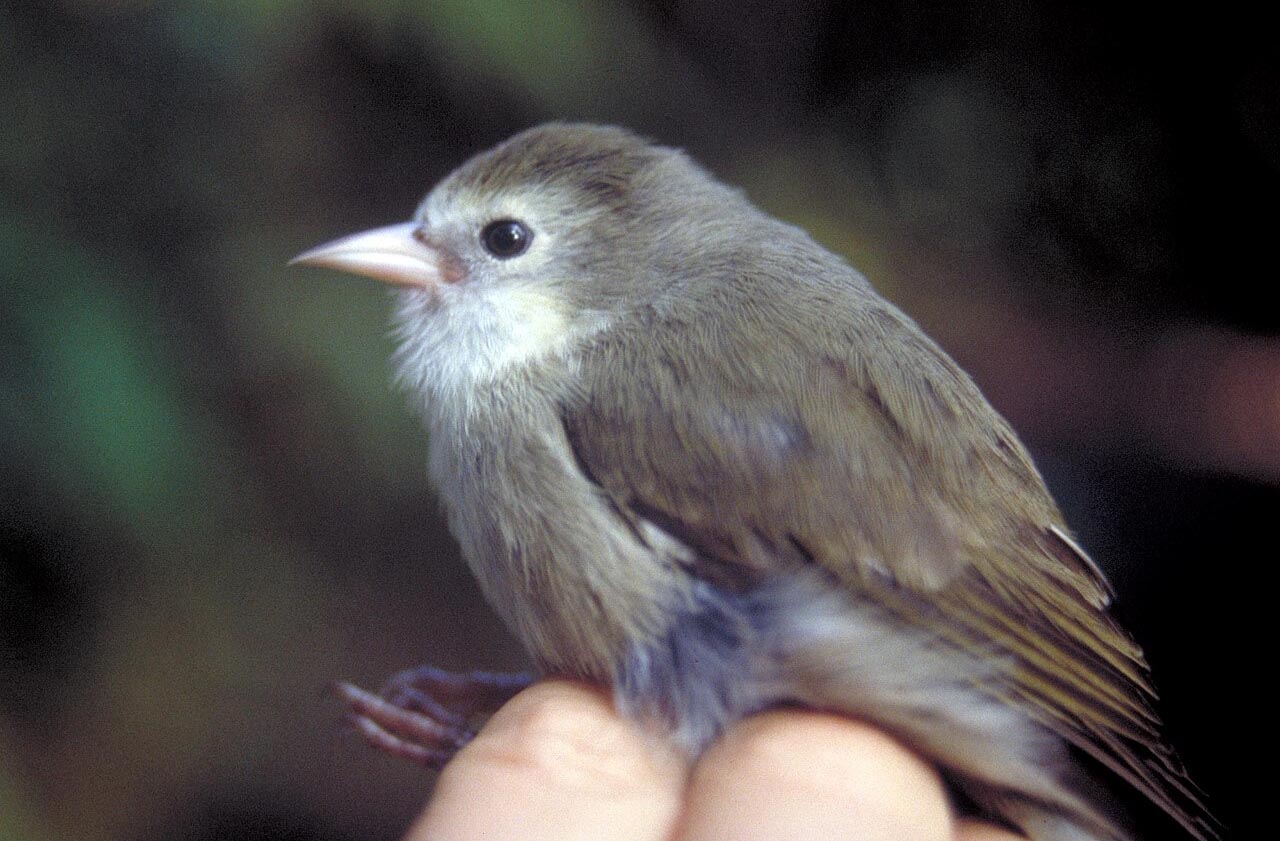
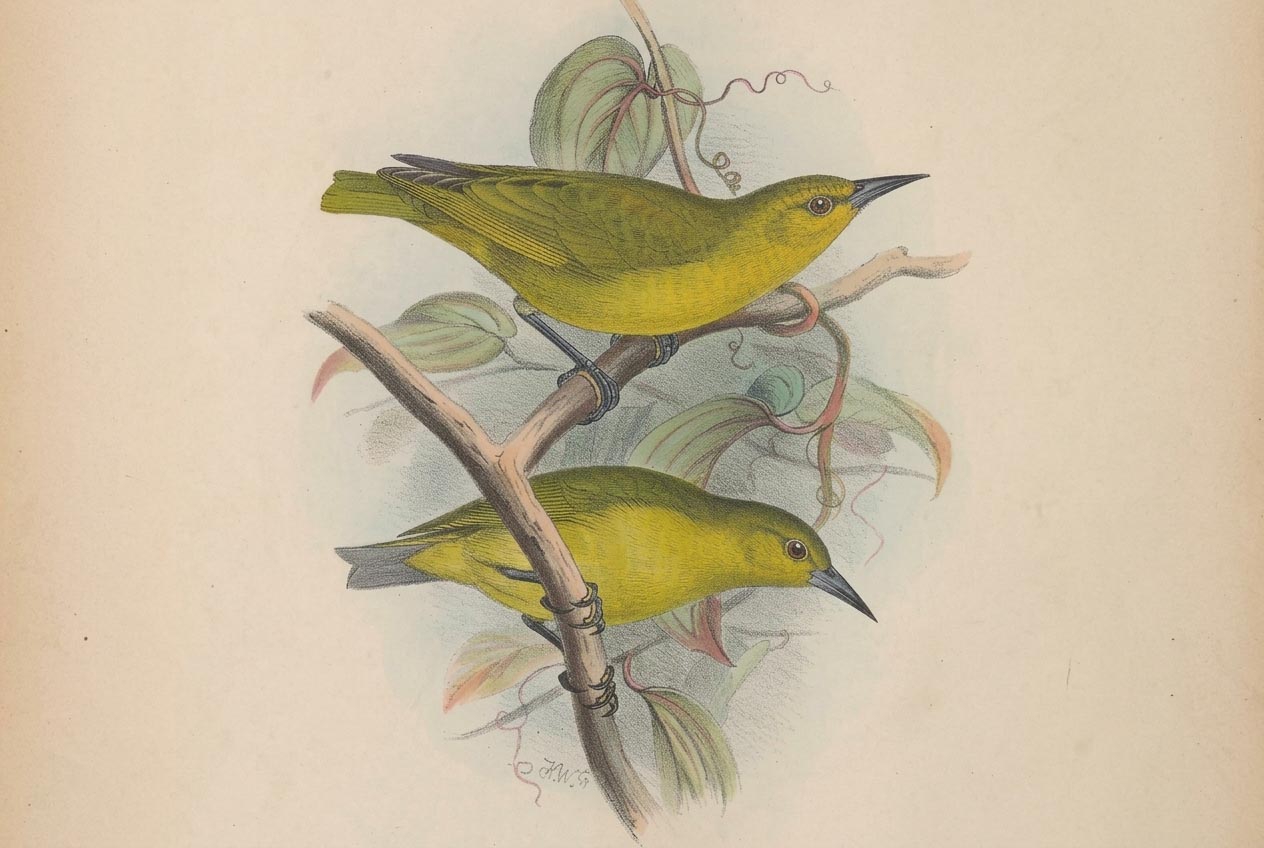
Hawaiian honeycreepers are a group of small, colorful birds found only on the Hawaiian Islands. They live mainly in forested areas and have developed different types of bills that help them eat different foods.
Hawaiian honeycreepers are about 4–8 inches (10.2–20.3 cm) long. They have pointed wings and medium-sized tails. Some species have small, thin bills for catching insects, while others have short, sturdy bills for cracking seeds. Some species have long, curved bills that they use to drink nectar from flowers and sometimes catch insects.
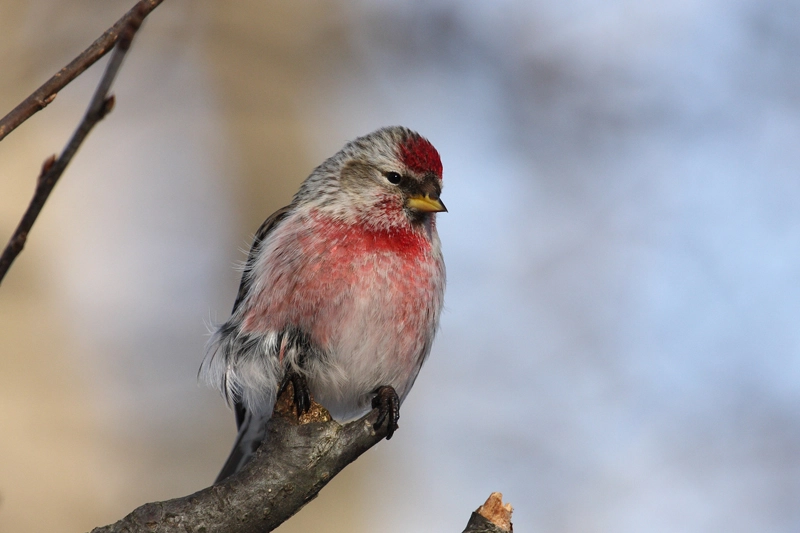
Redpoll (Acanthis flammea)
The Redpoll breeds in northern Alaska and Canada. It winters in southern Canada and the northern U.S., including New Hampshire. It is also found in northern Europe and Asia. IUCN Redlist Status: Least Concern
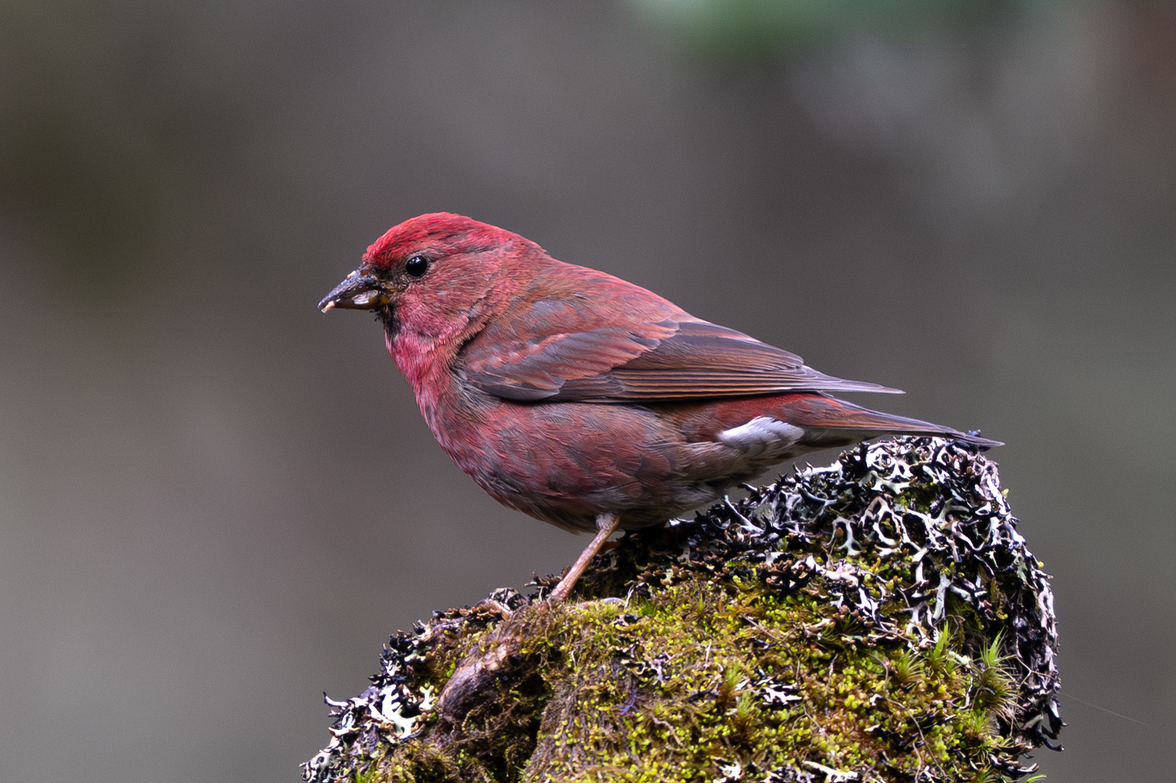
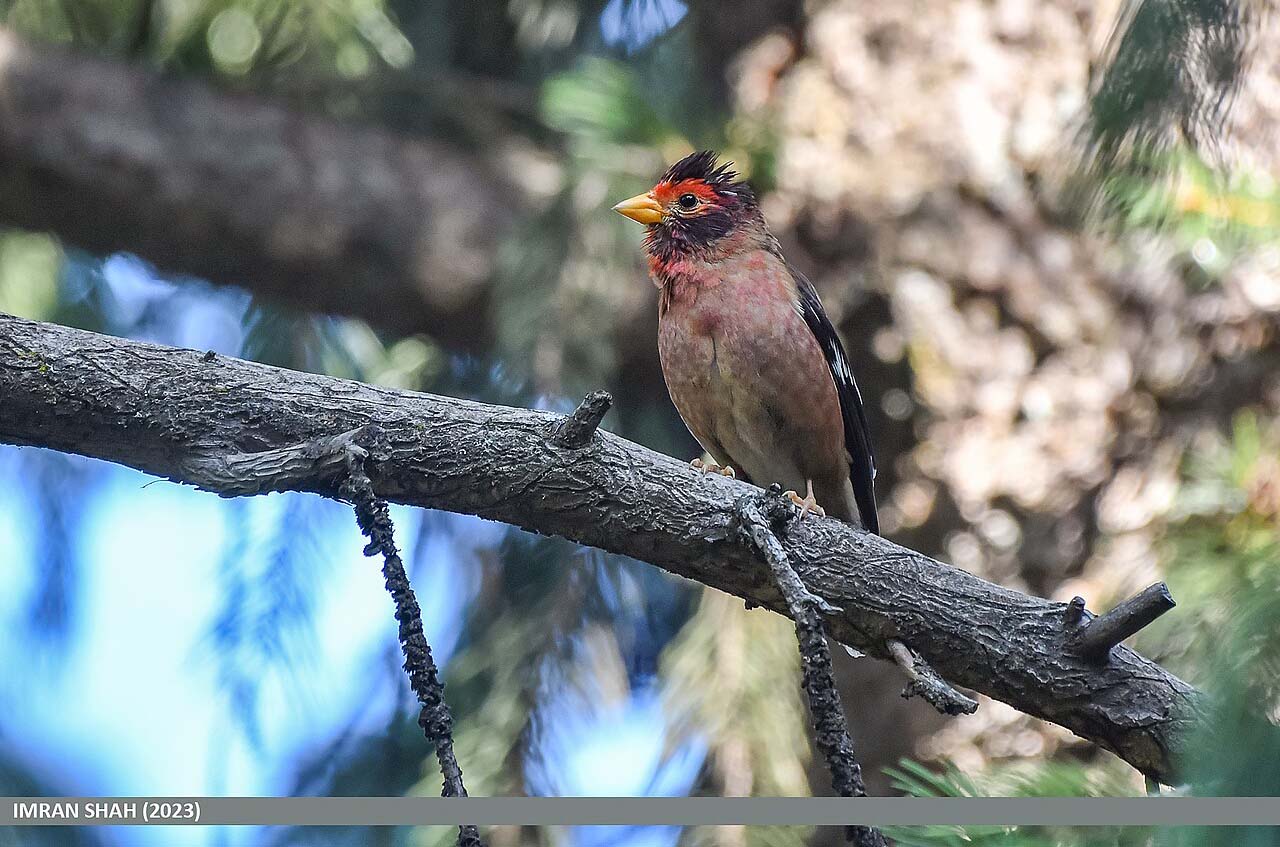
Blanford's Rosefinch (Agraphospiza rubescens)
The Blanford's Rosefinch is found in Bhutan, China, India, Myanmar, and Nepal. IUCN Redlist: Least Concern
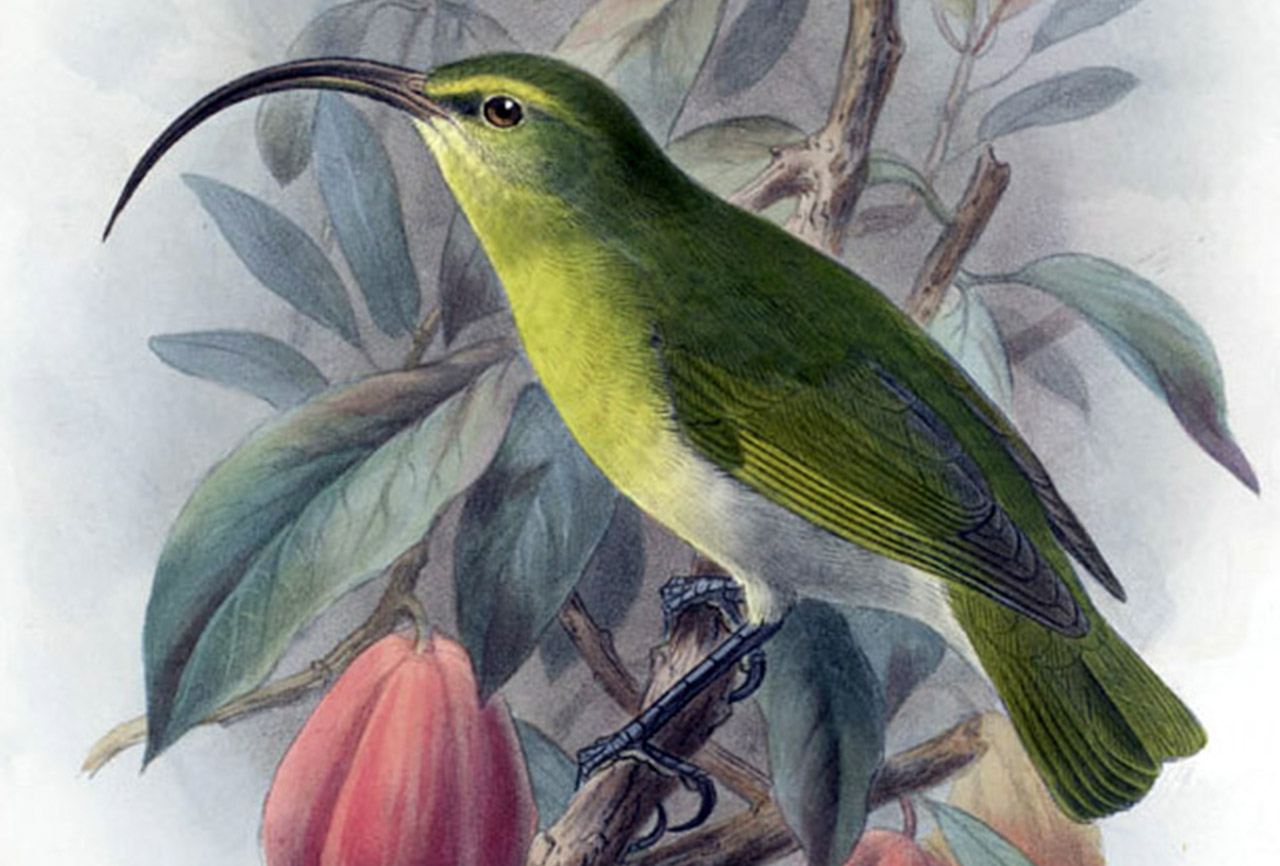
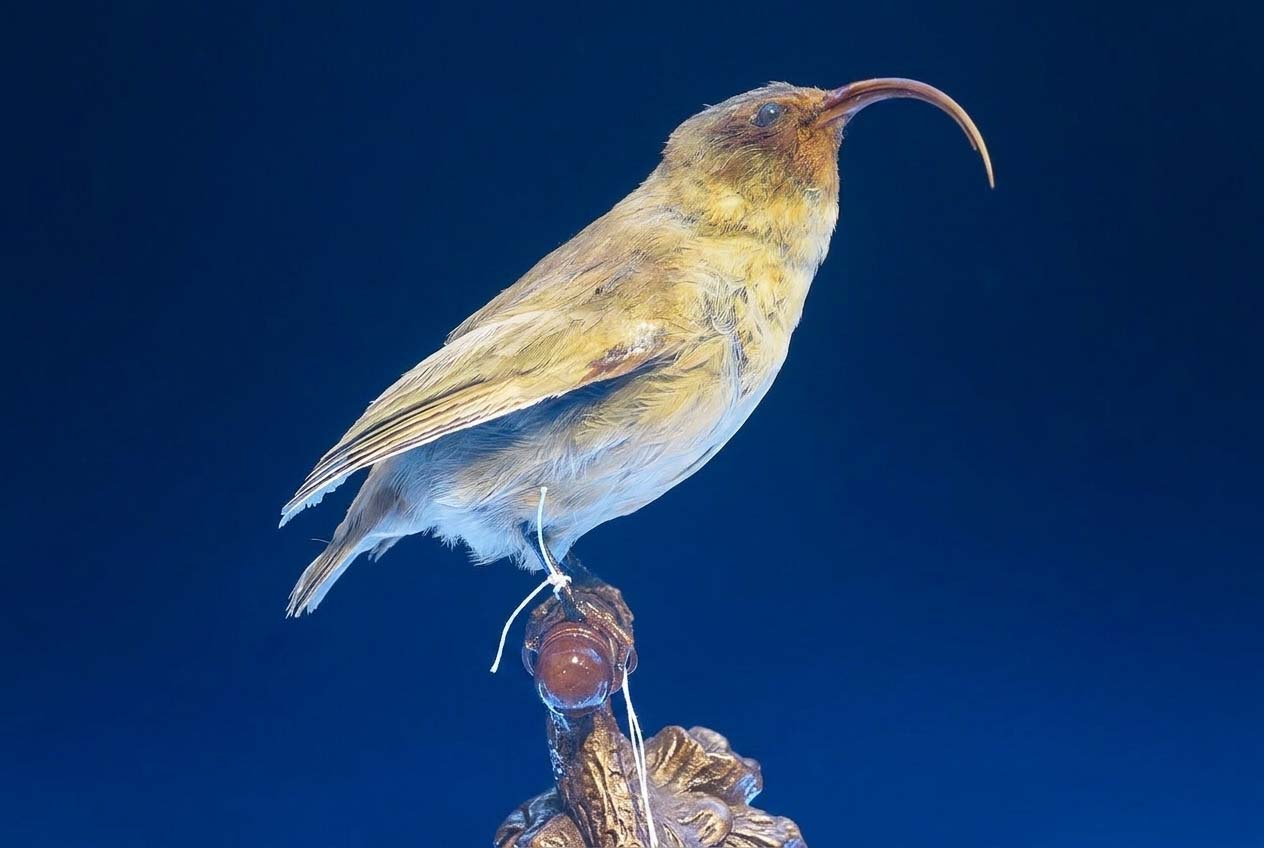
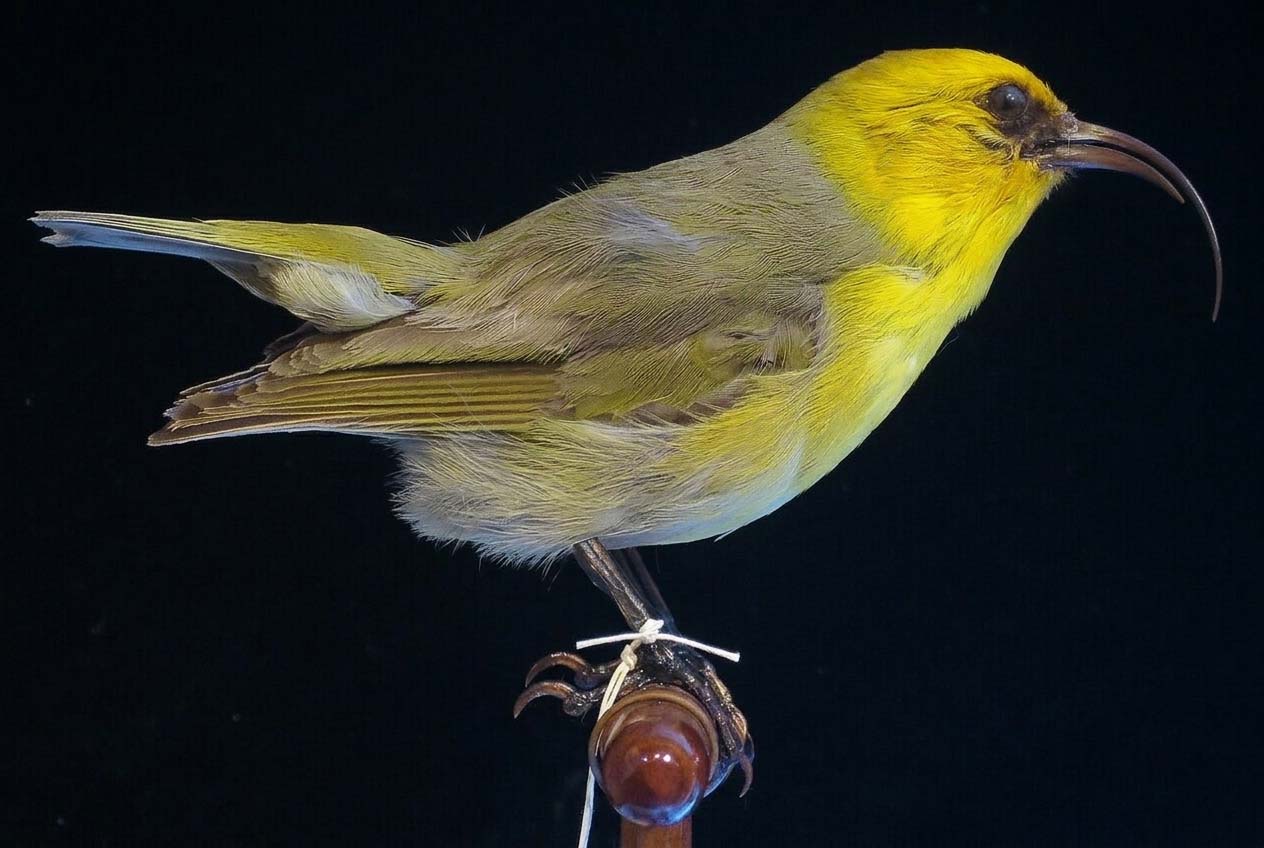
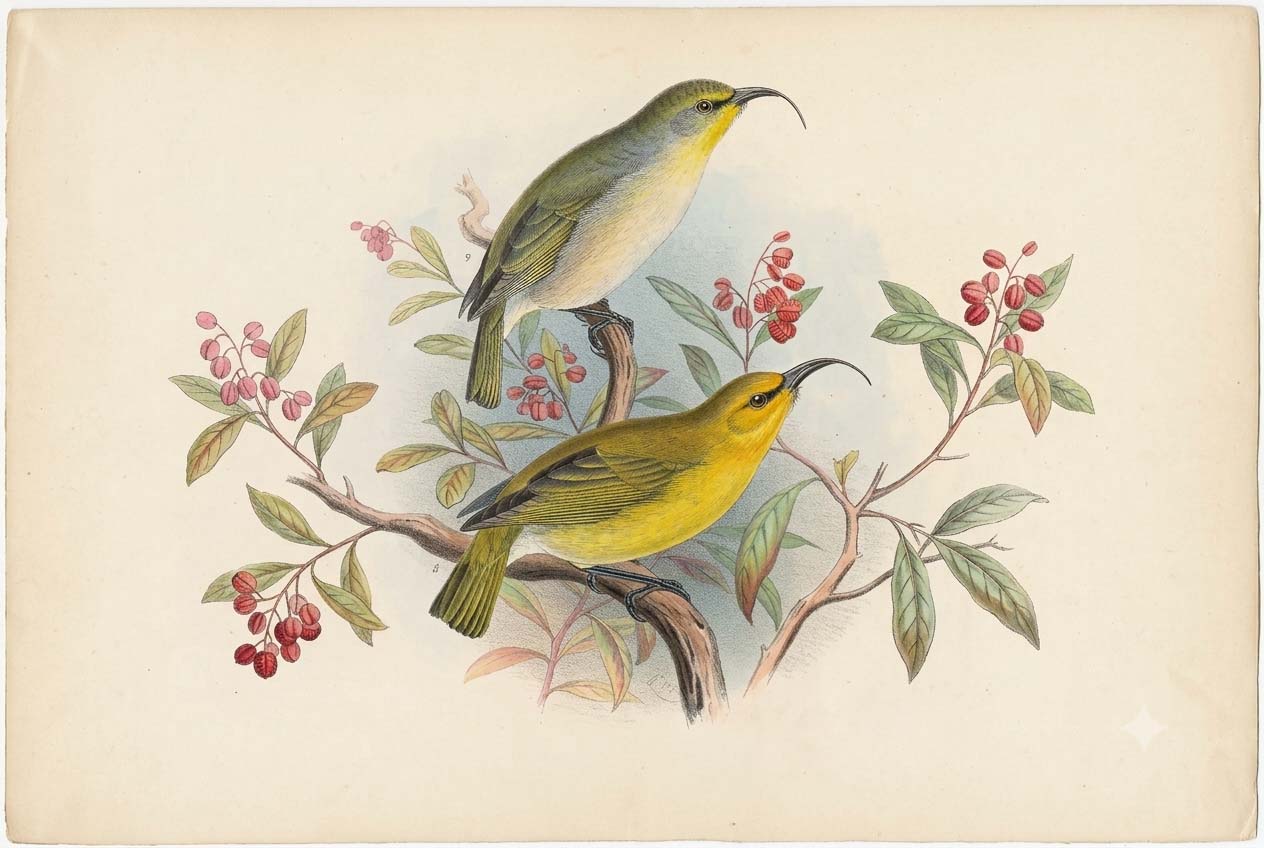
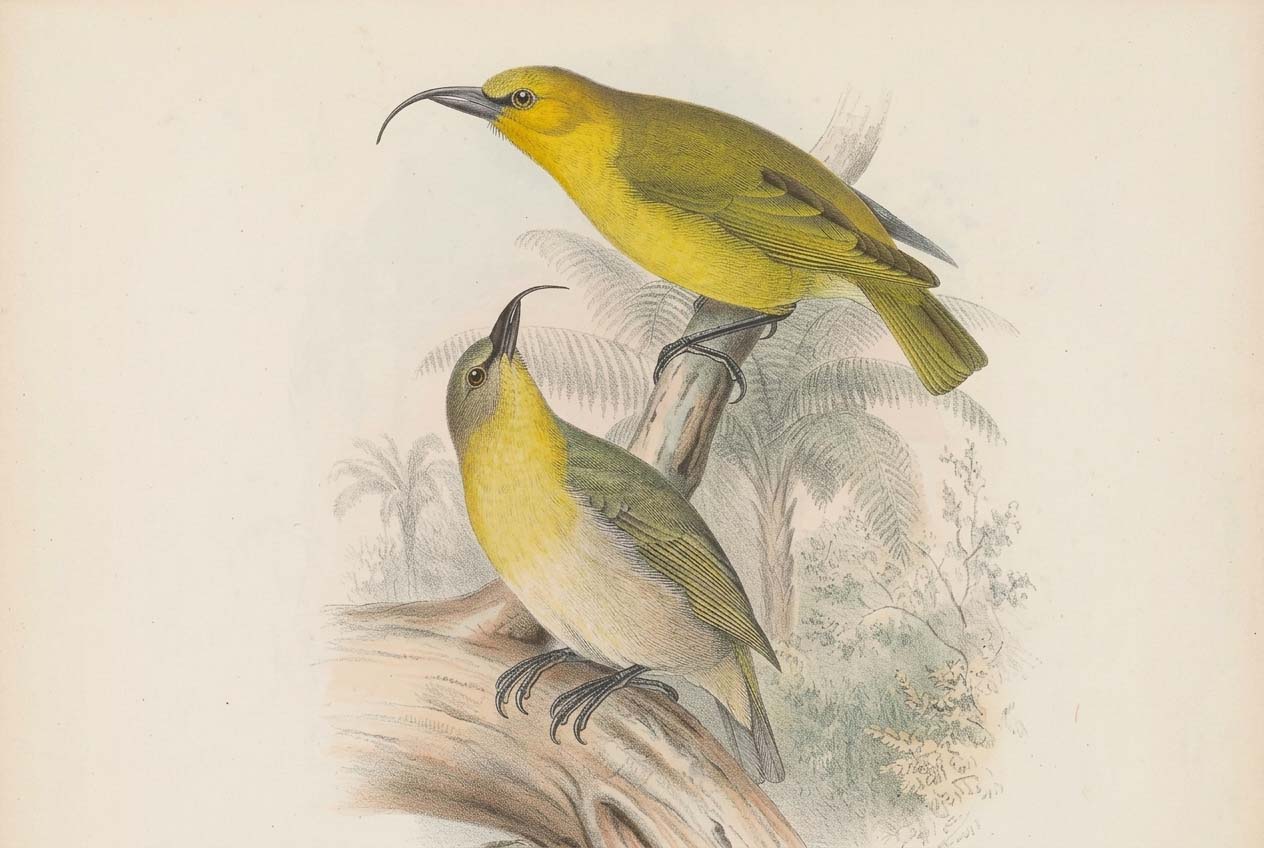
Oahu Akialoa (Akialoa ellisiana))
The Oahu Akialoa was once found in the mountains of O'ahu, Hawaii. IUCN Redlist Status: Extinct
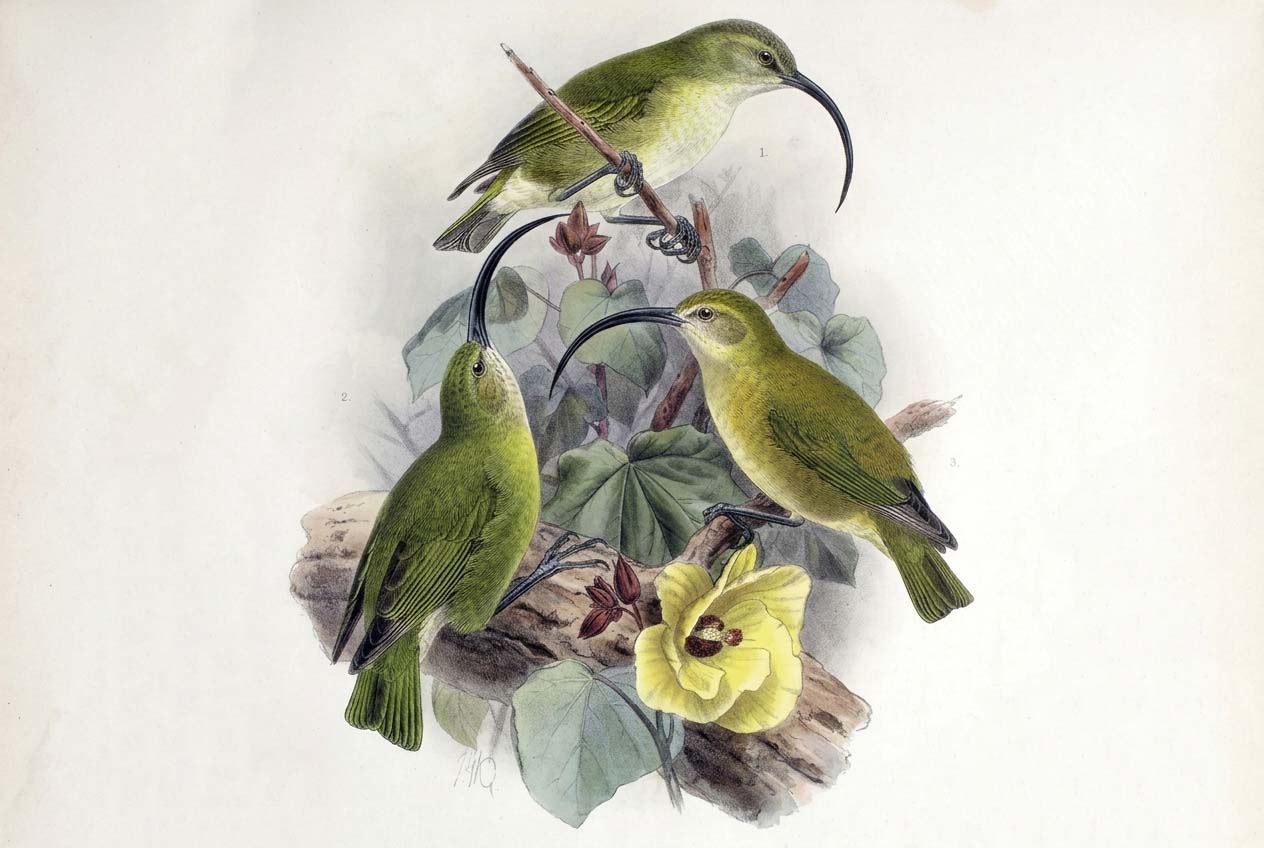
Lanai Akialoa (Akialoa lanaiensis)
The Lanai Akialoa was once found on on Lana'i, Hawaii. IUCN Redlist Status: Extinct
Hawaii Akialoa (Akialoa obscura)
The Hawaii Akialoa,also knownas the Lesser Akialoa, was once found on the island of island of Hawaiʻi. IUCN Redlist Status: Extinct
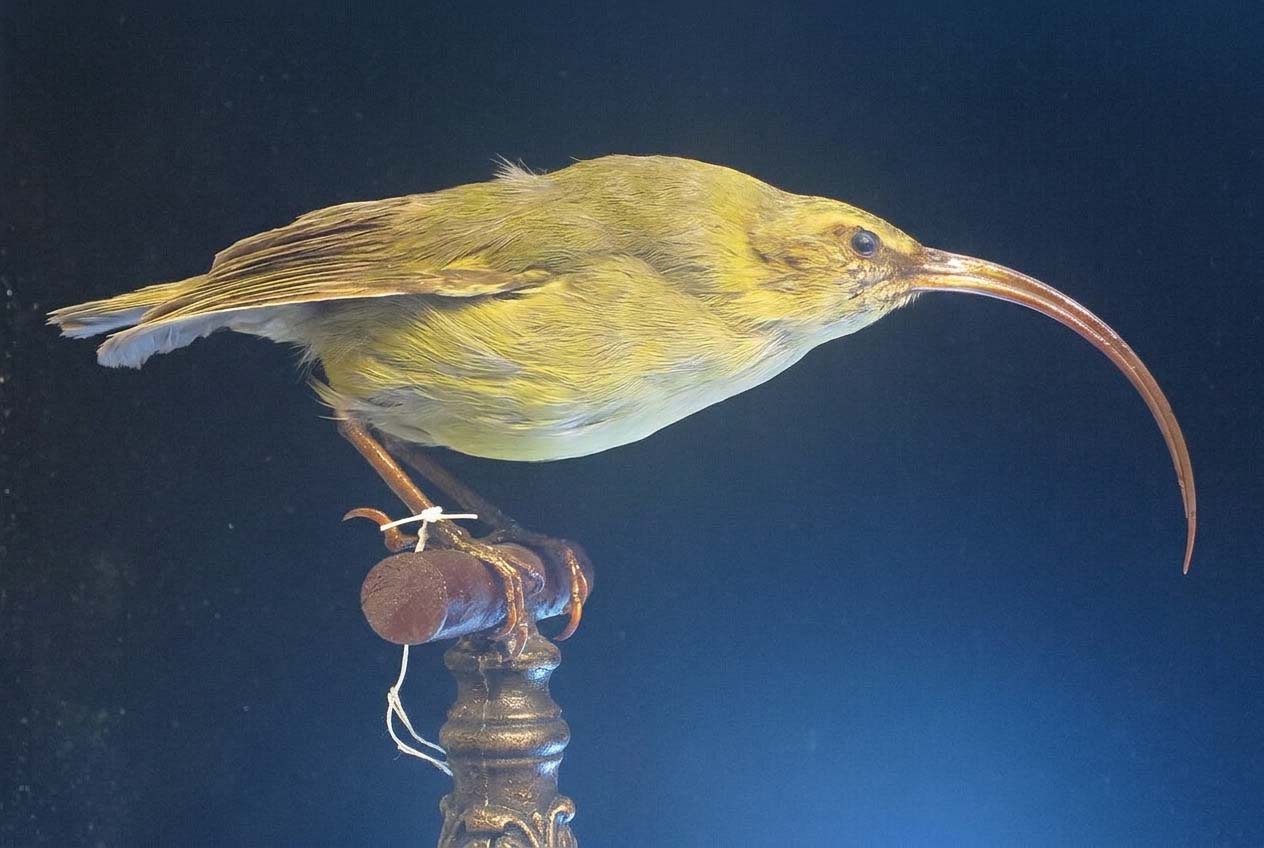
Kauai Akialoa (Akialoa stejnegeri)
The Kauai Akialoa was once found on Kaua'i, Hawaii. IUCN Redlist Status: Extinct
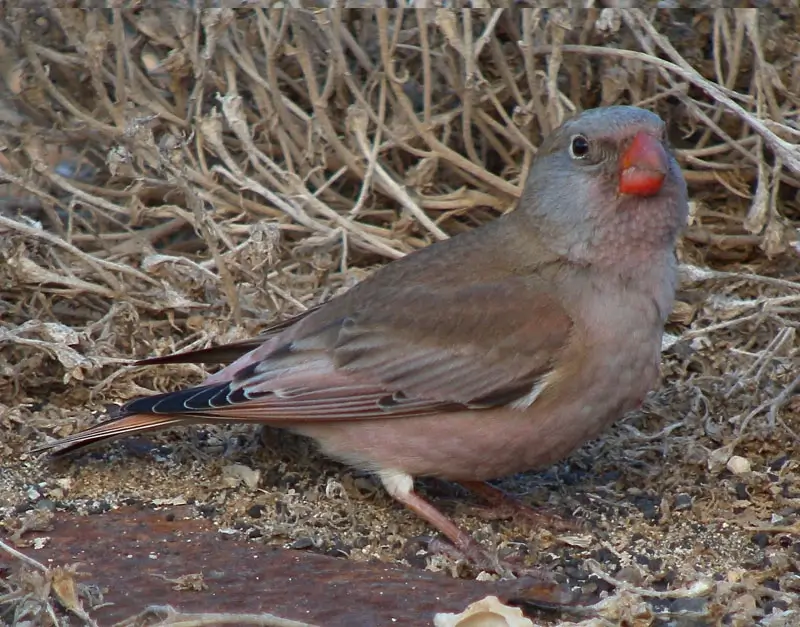
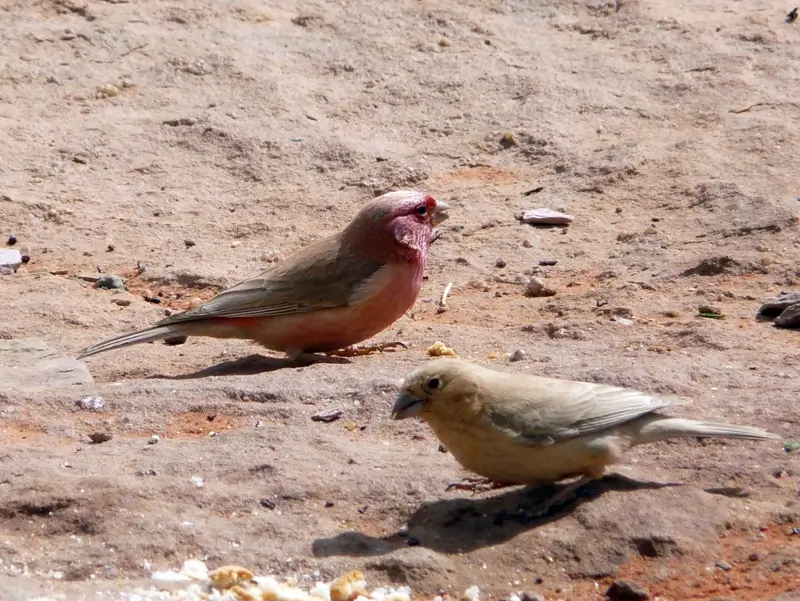
Trumpeter Finch (Bucanetes githagineus)
The Trumpeter Finch is found from southern Spain and Morocco in northern Africa east to Tajikistan and south to Mauritania and Pakistan. IUCN Redlist Status: Least Concern
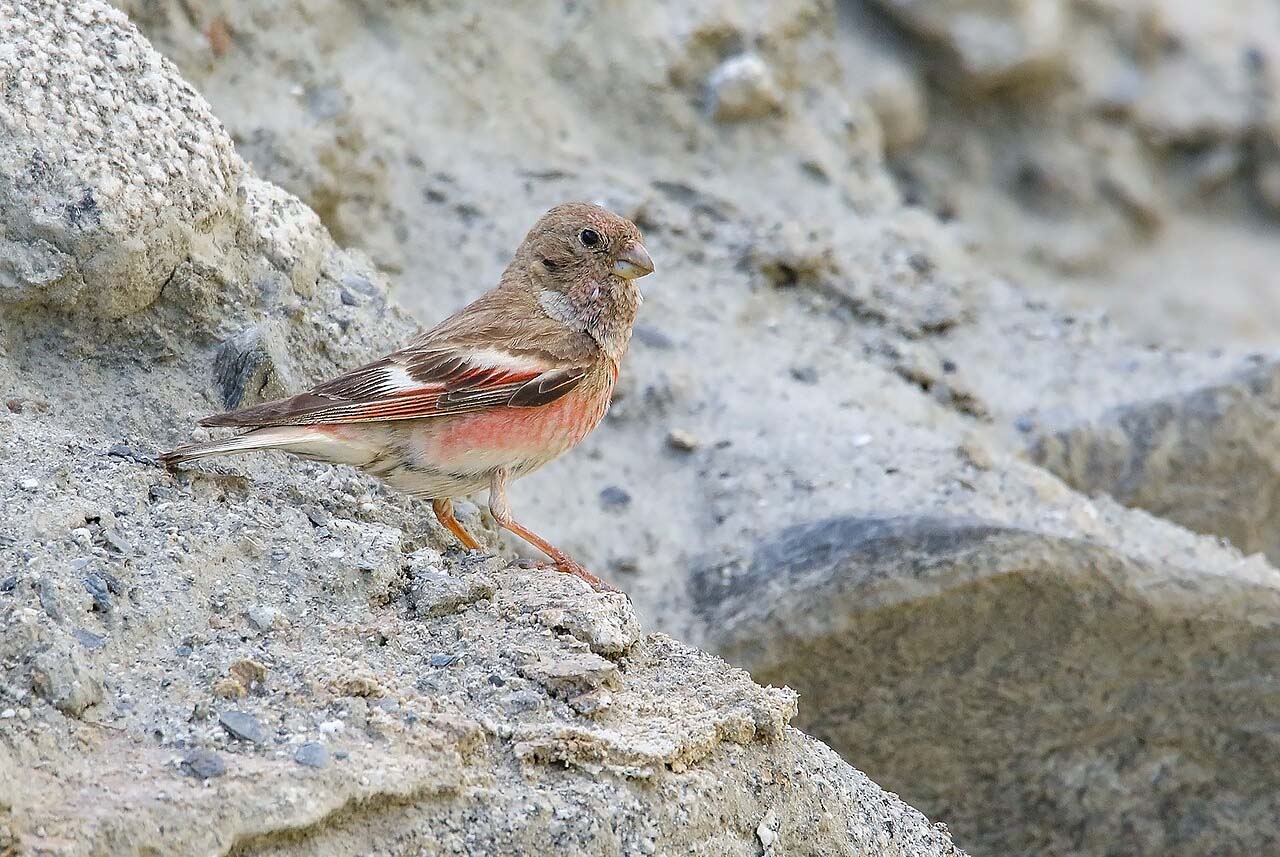
Mongolian Finch (Bucanetes mongolicus)
The Mongolian Finch is found in Afghanistan, Armenia, Armenia, Azerbaijan, China, India, Iran, Kazakhstan, Kyrgyzstan, Mongolia, Nepal, Russia, Tajikistan, Türkiye, and Uzbekistan. IUCN Redlist Status: Least Concern
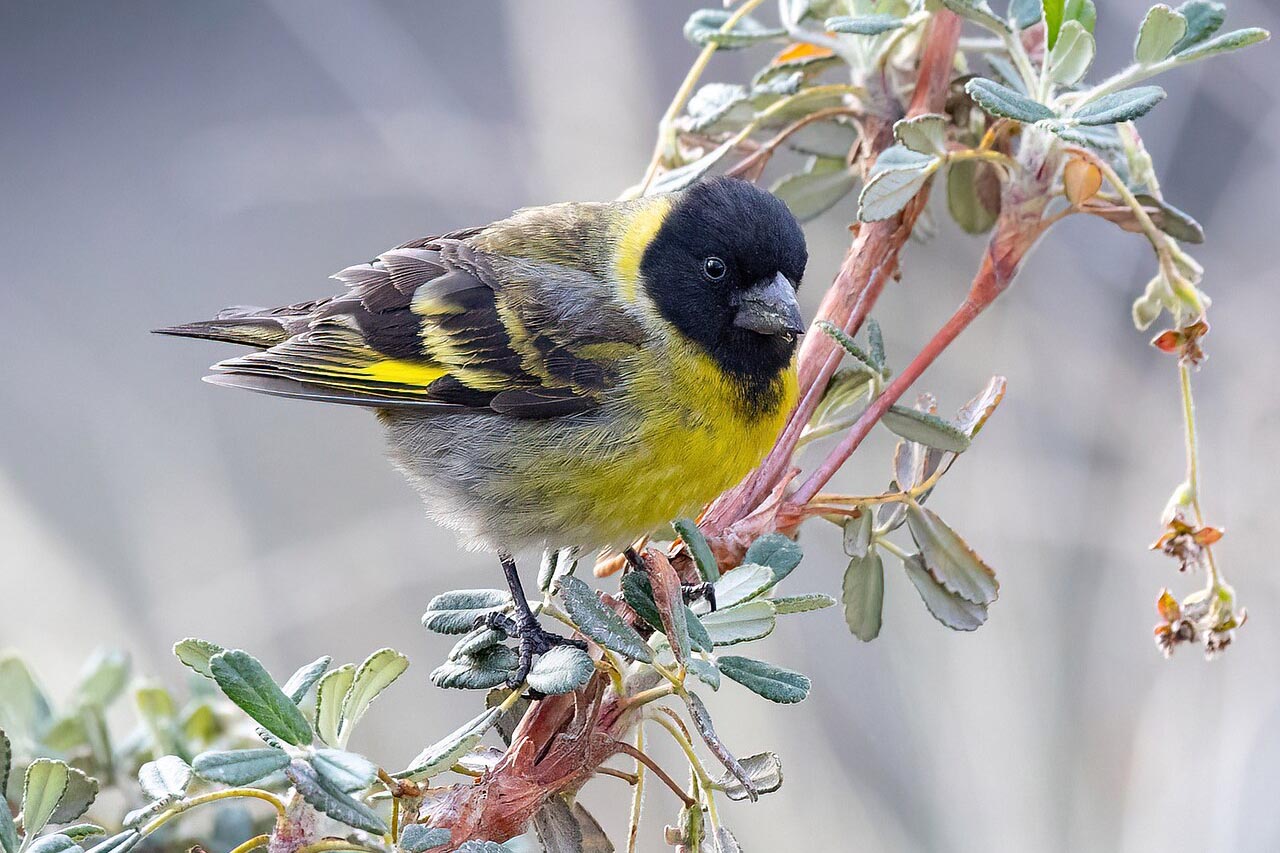
Spectacled Finch (Callacanthis burtoni)
The Spectacled Finch is found in Afghanistan, India, Nepal, and Pakistan. IUCN Redlist Status: Least Concern
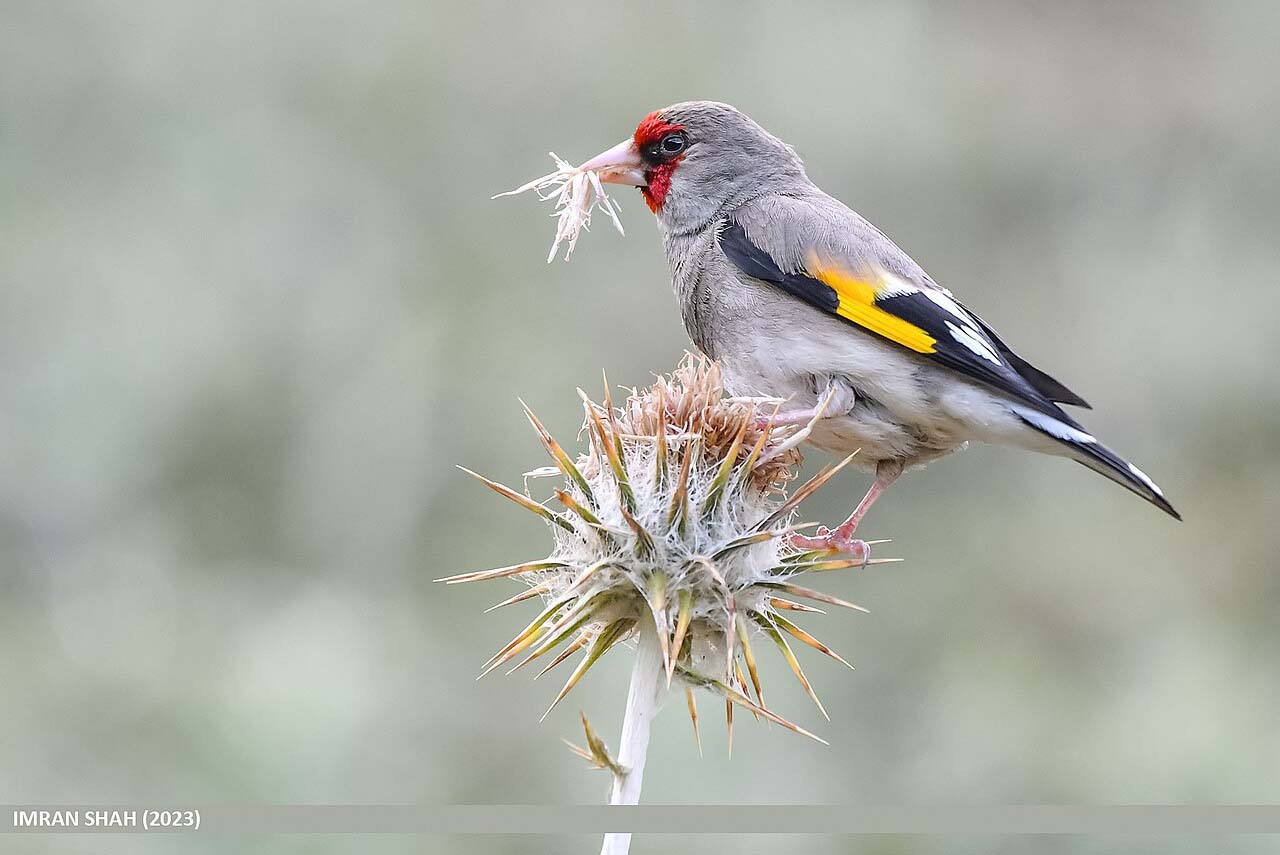
Gray-capped Goldfinch (Carduelis caniceps)
Gray-capped Goldfinch is found in Afghanistan, Iran, Pakistan, China, Kazakhstan, Kyrgyzstan, Mongolia, Nepal, Russia, Tajikistan, Turkmenistan, and Uzbekistan. IUCN Redlist Status: Least Concern
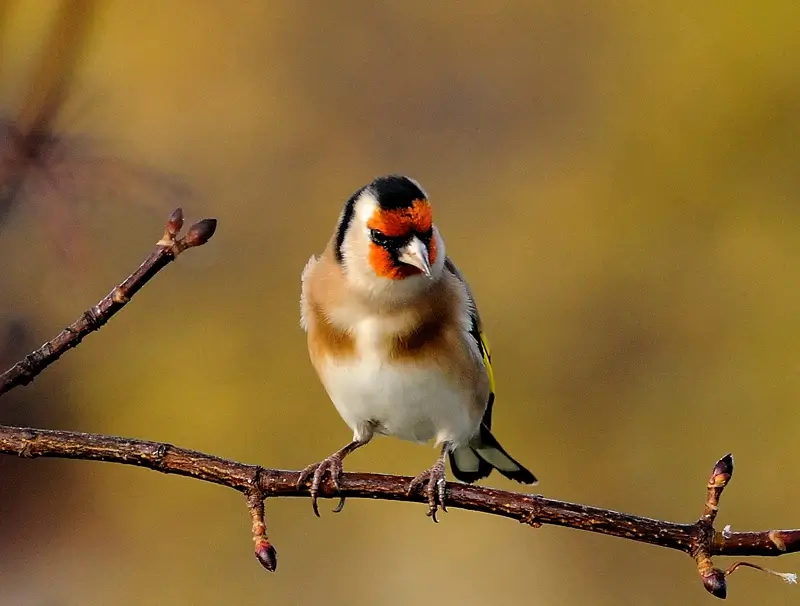
European Goldfinch (Carduelis carduelis)
The European Goldfinch is found in Europe, Western Asia, and Northern Africa. IUCN Redlist Status: Least Concern
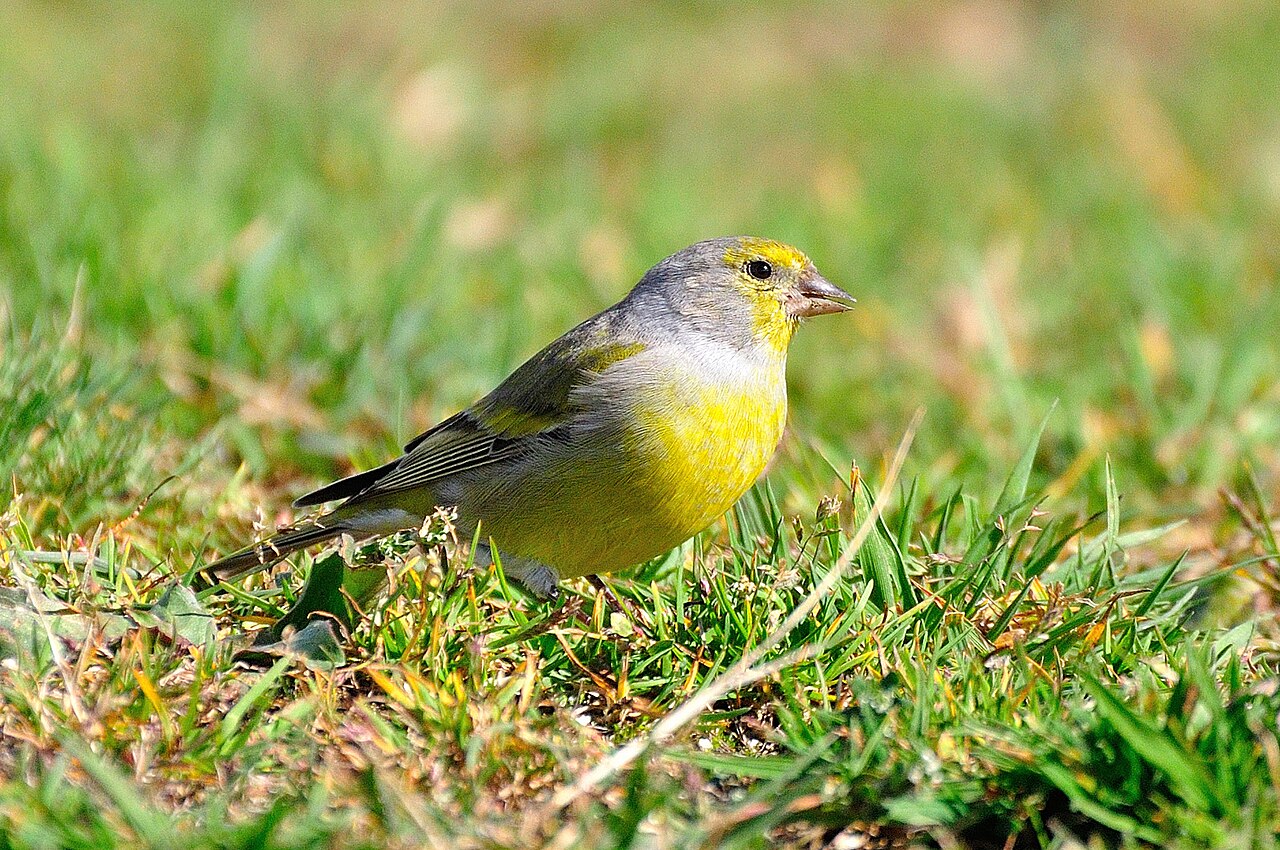
Citril Finch (Carduelis citrinella)
The Citril Finch is found in Andorra, Austria, France, France, Italy, Spain, Switzerland, Germany, Liechtenstein, and Slovenia. IUCN Redlist Status: Least Concern
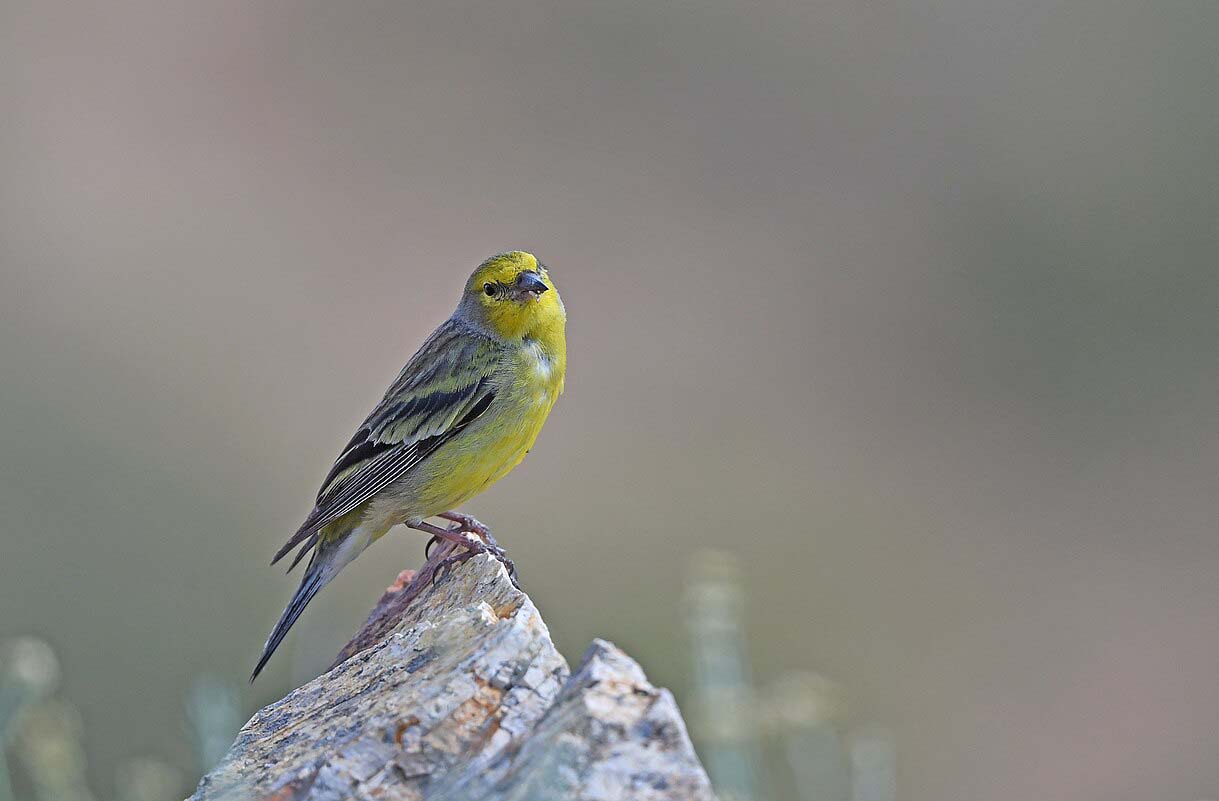
Corsican Finch (Carduelis corsicana)
The Corsican Finch is found on the Mediterranean islands of Corsica and Sardinia. IUCN Redlist Status: Least Concern
Chinese White-browed Rosefinch (Carpodacus dubius)
The Chinese White-browed Rosefinch is found in China and Myanmar. IUCN Redlist Status: Least Concern
Dark-rumped Rosefinch (Carpodacus edwardsii)
The Dark-rumped Rosefinch is found in Bhutan, China, India, Myanmar, and Nepal. IUCN Redlist Status: Least Concern
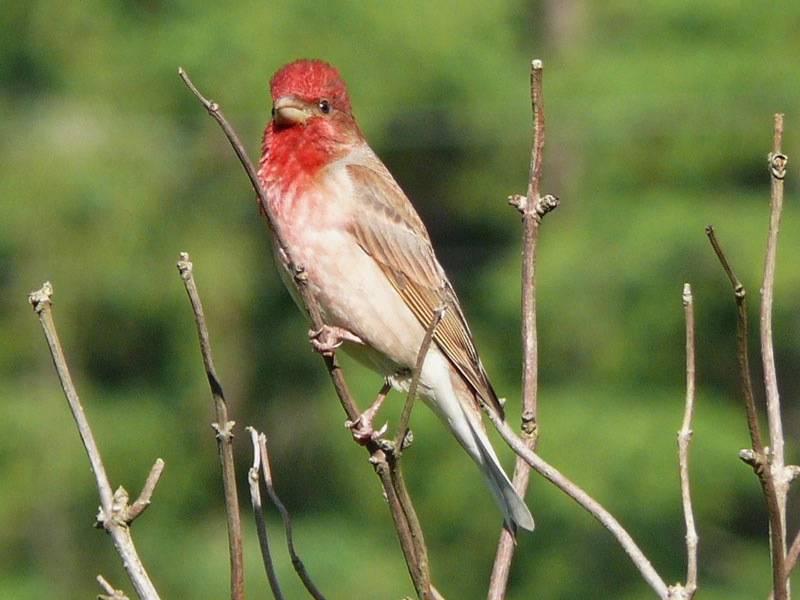
Common Rosefinch (Carpodacus erythrinus)
The common rosefinch is found across much of Europe and Asia. IUCN Redlist Status: Least Concern
Taiwan Rosefinch (Carpodacus formosanus)
The Taiwan Rosefinch is found in Taiwan. IUCN Redlist Status: Near Threatened
Chinese Long-tailed Rosefinch (Carpodacus lepidus)
The Chinese Long-tailed Rosefinch is found in China. IUCN Redlist Status: Least Concern
Beautiful Rosefinch (Carpodacus pulcherrimus)
The Beautiful Rosefinch is found in Bhutan, China, India, Mongolia, Nepal, and Pakistan. IUCN Redlist Status: Least Concern
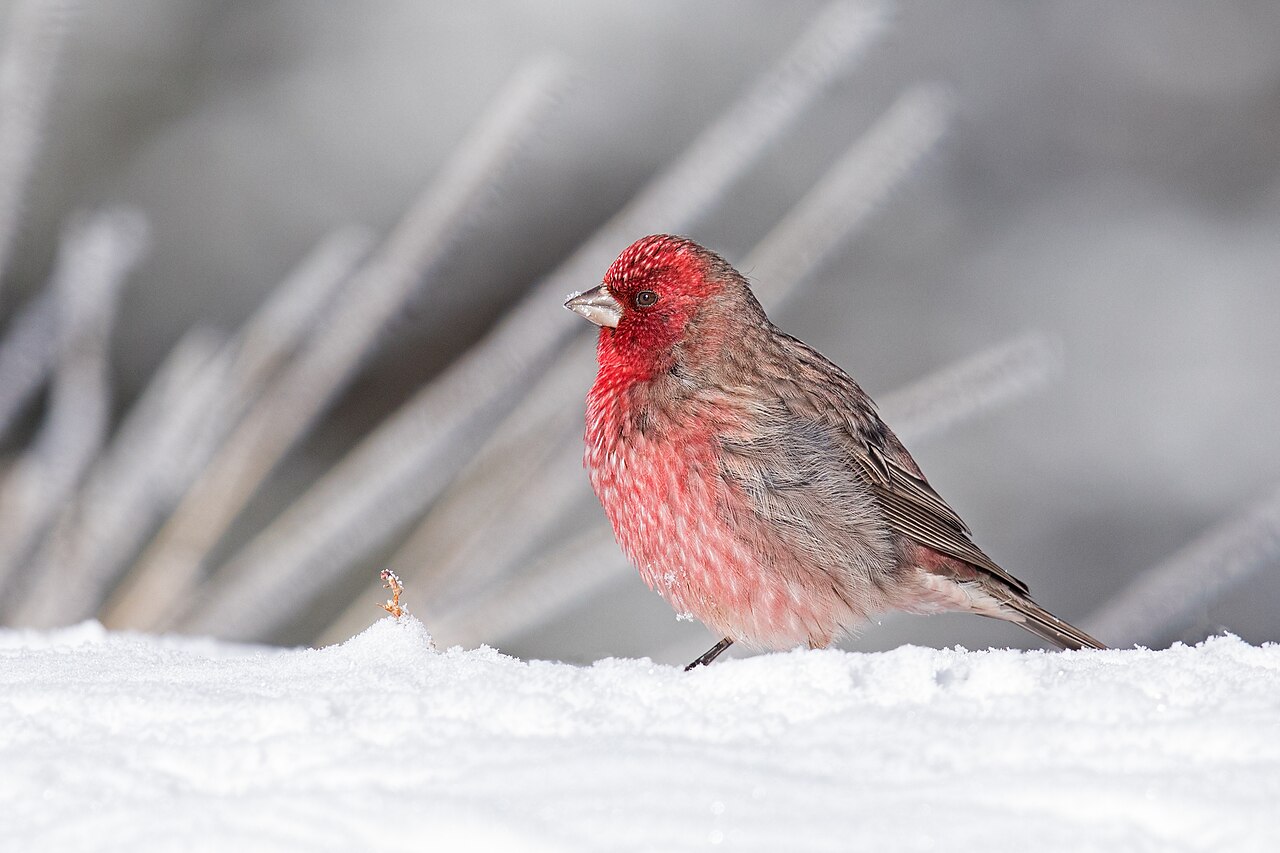
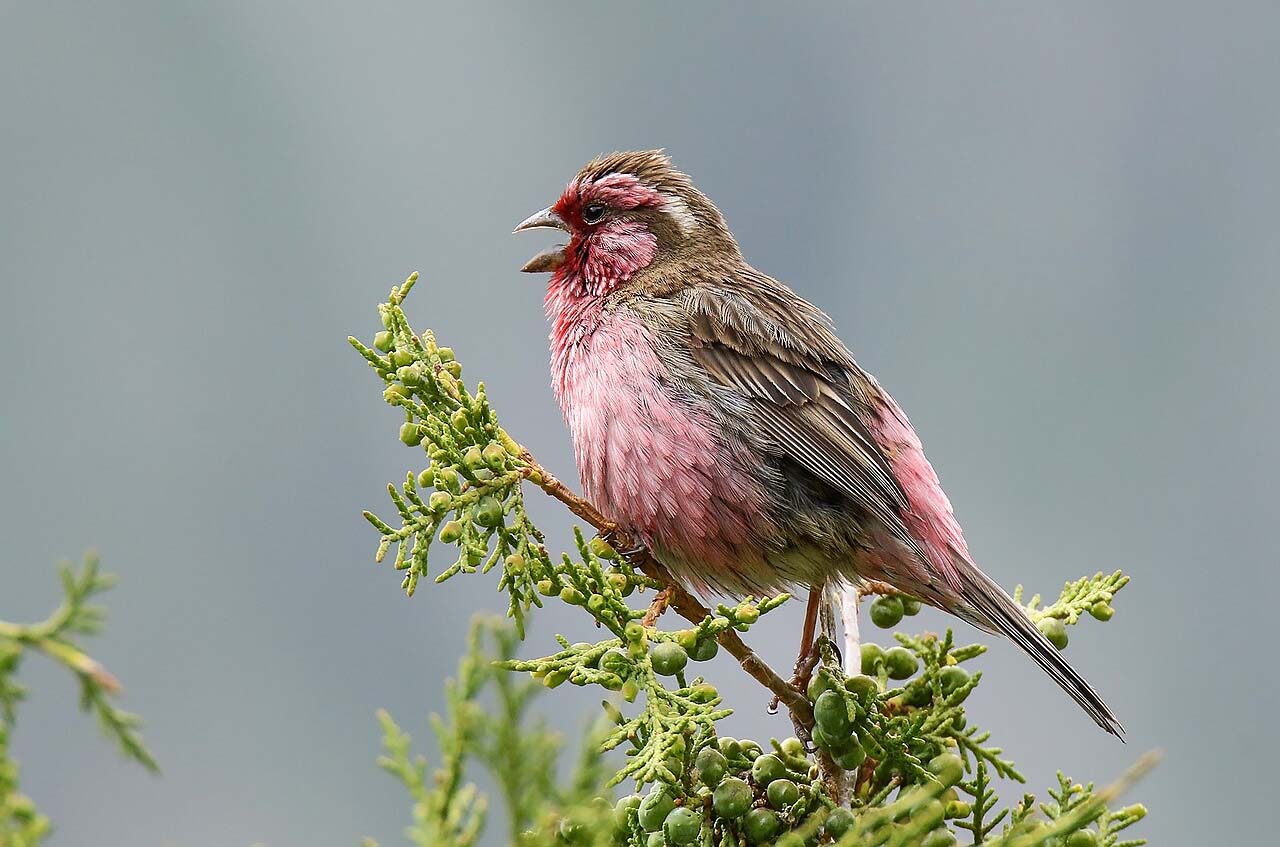
Red-fronted Rosefinch (Carpodacus puniceus)
The Red-fronted Rosefinch is found in Bhutan, China, India, Kazakhstan, Kyrgyzstan, Nepal, Pakistan, Tajikistan, Turkmenistan, Turkmenistan, and Uzbekistan. IUCN Redlist Status: Least Concern
Red-mantled Rosefinch (Carpodacus rhodochlamys)
The Red-mantled Rosefinch is found in Afghanistan, China, India, Kazakhstan, Kyrgyzstan, Mongolia, Pakistan, Russia, Tajikistan, and Uzbekistan. IUCN Redlist Status: Least Concern
Tibetan Rosefinch (Carpodacus roborowskii)
The Tibetan Rosefinch is found in China. IUCN Redlist Status: Least Concern
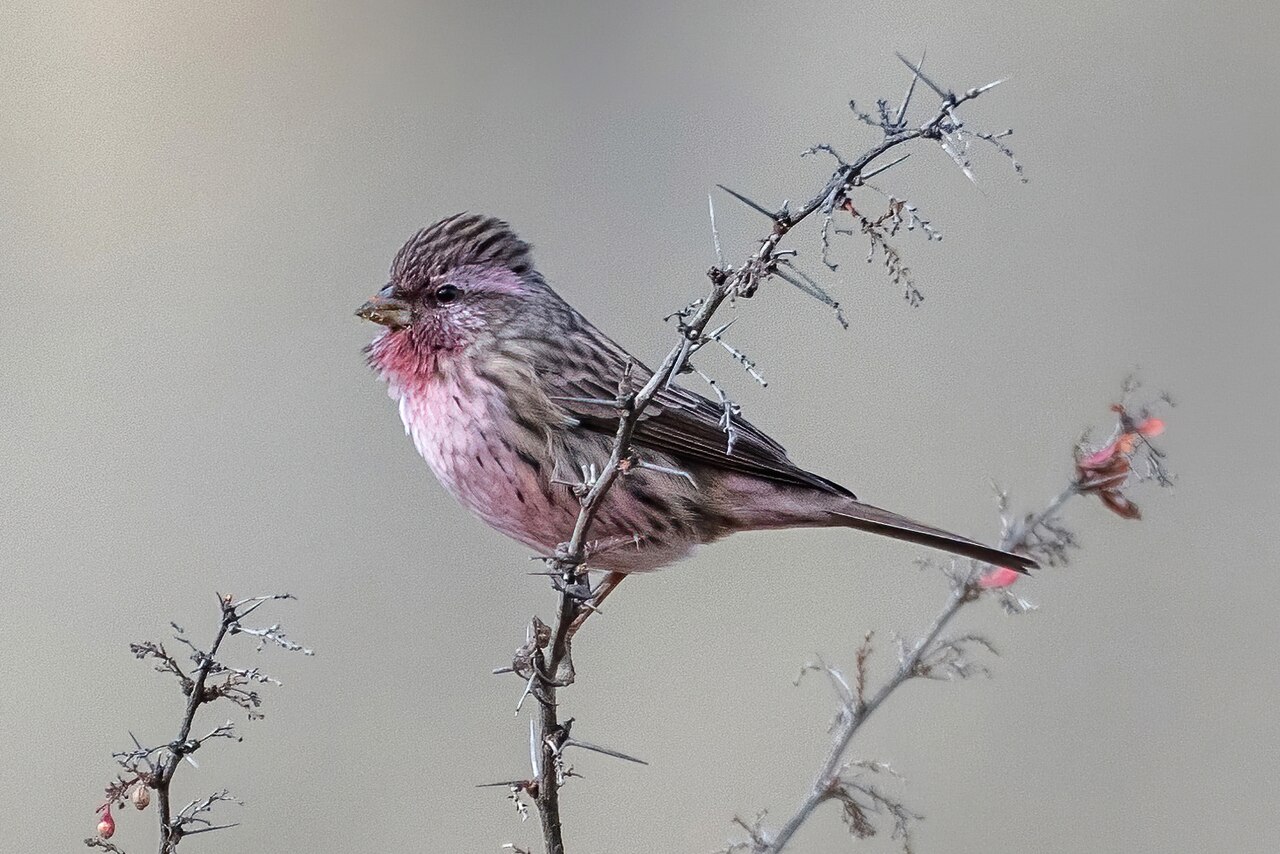
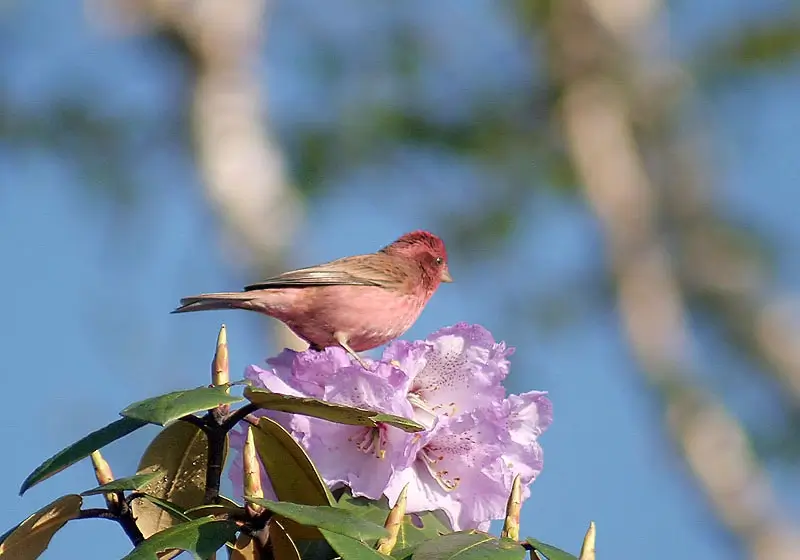
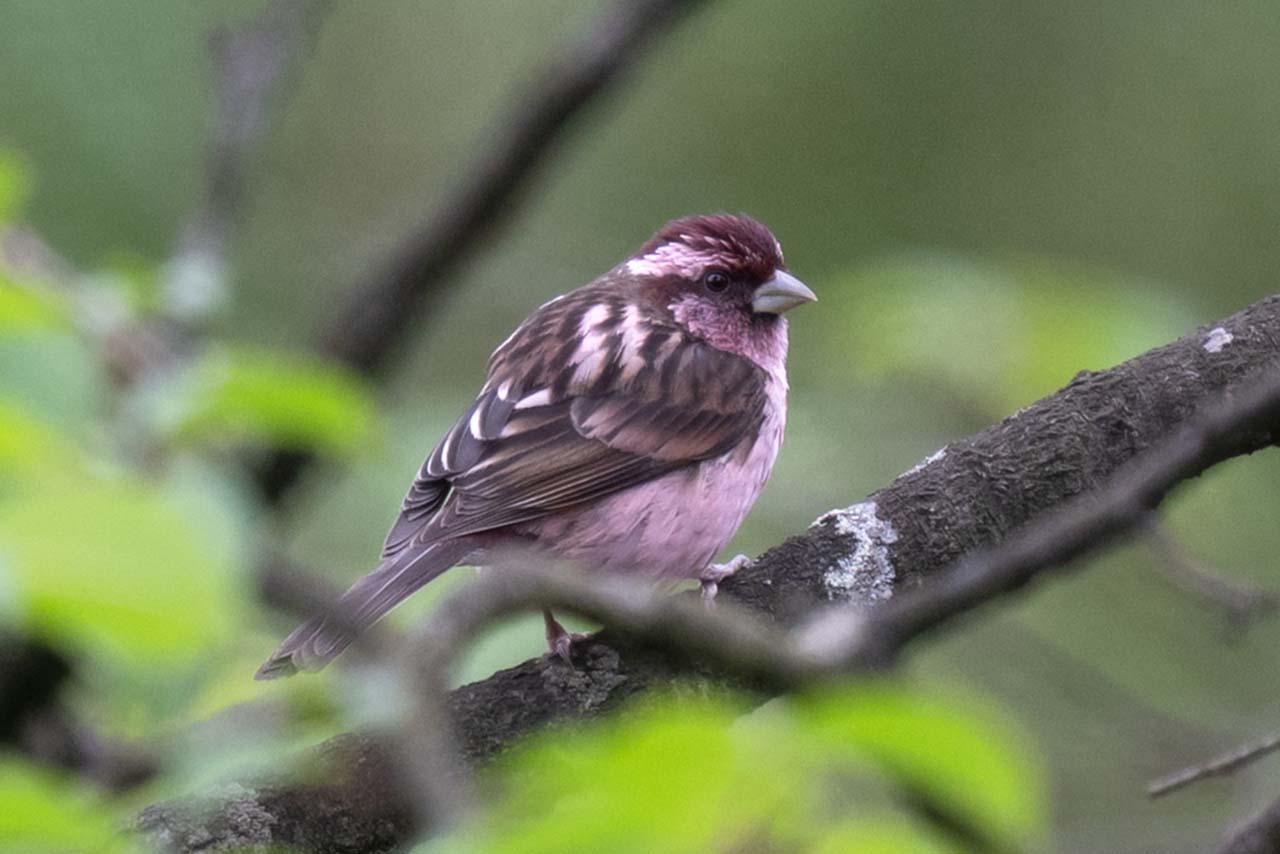
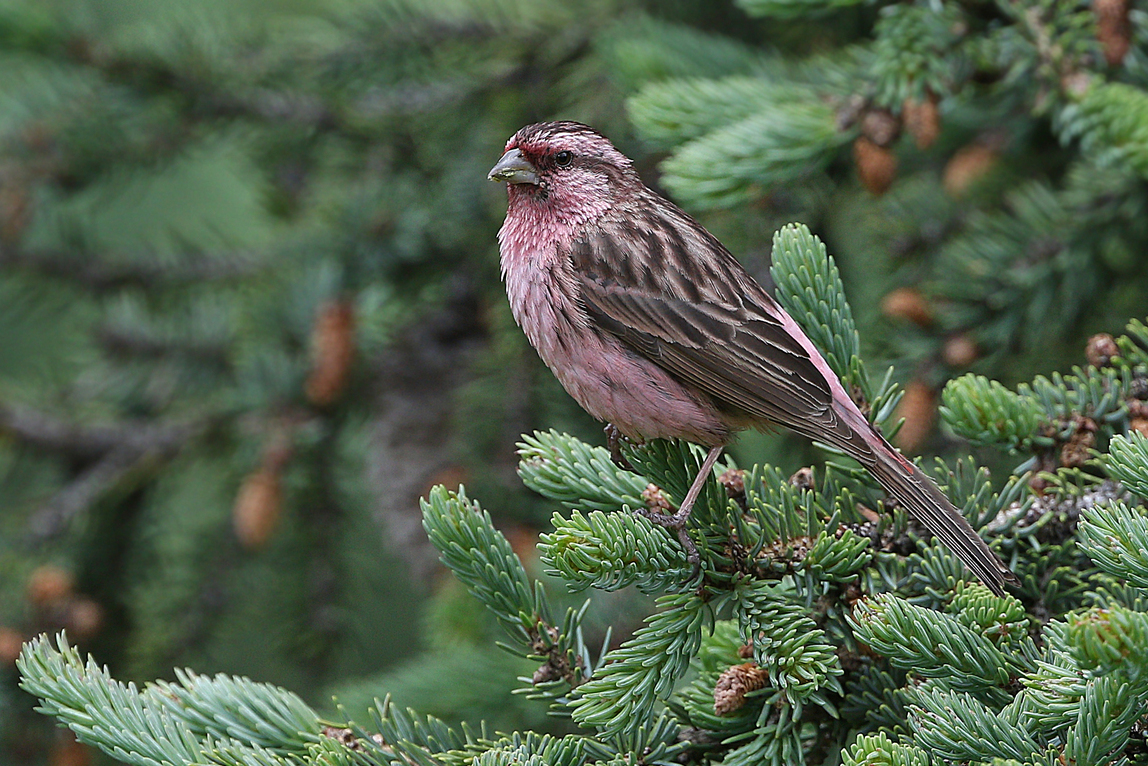
Pink-Browed Rosefinch (Carpodacus rodochroa)
The Pink-browed Rosefinch is found in Bhutan, China, India, Nepal, and Pakistan. IUCN Redlist Status: Least Concern
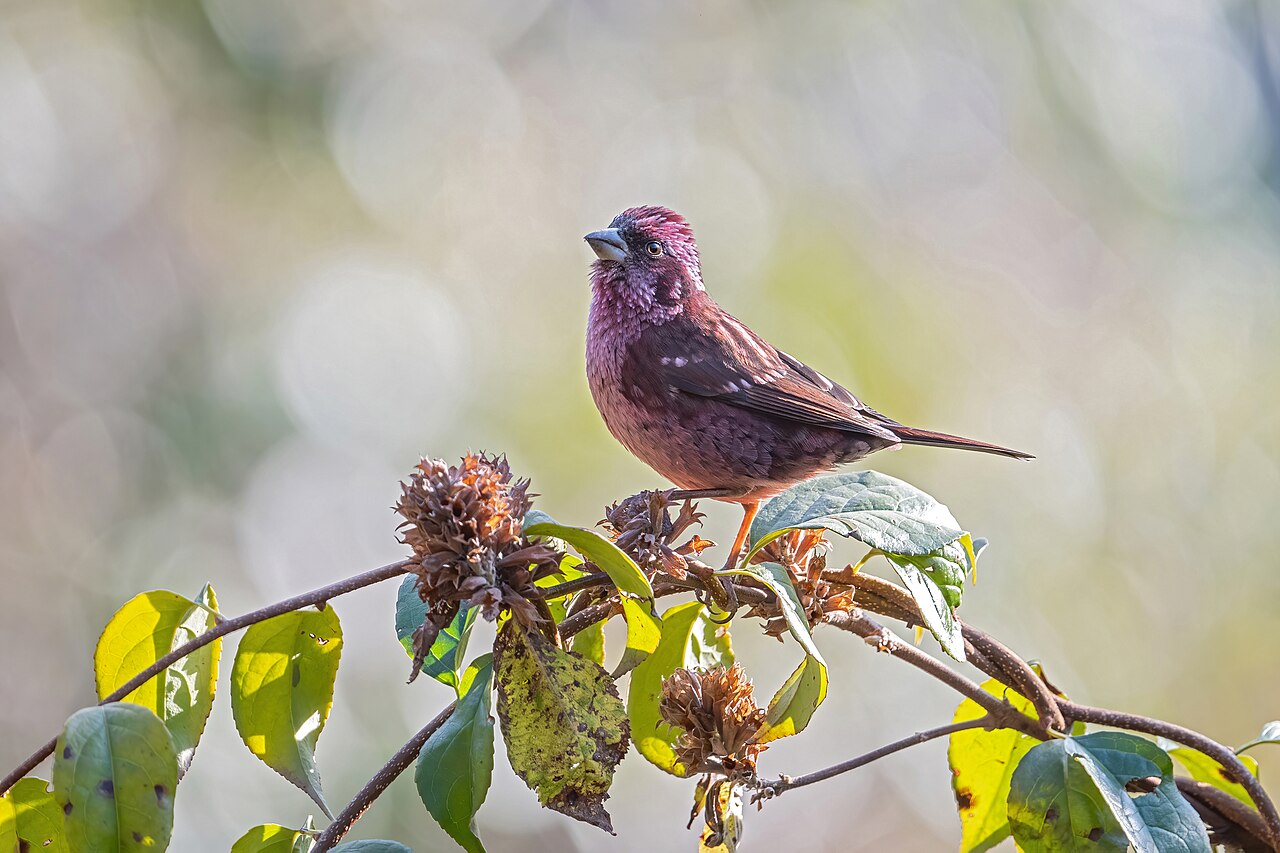
Spot-winged Rosefinch (Carpodacus rodopeplus)
The Spot-winged Rosefinch is found in China, India, and Nepal. UCN Redlist Status: Least Concern
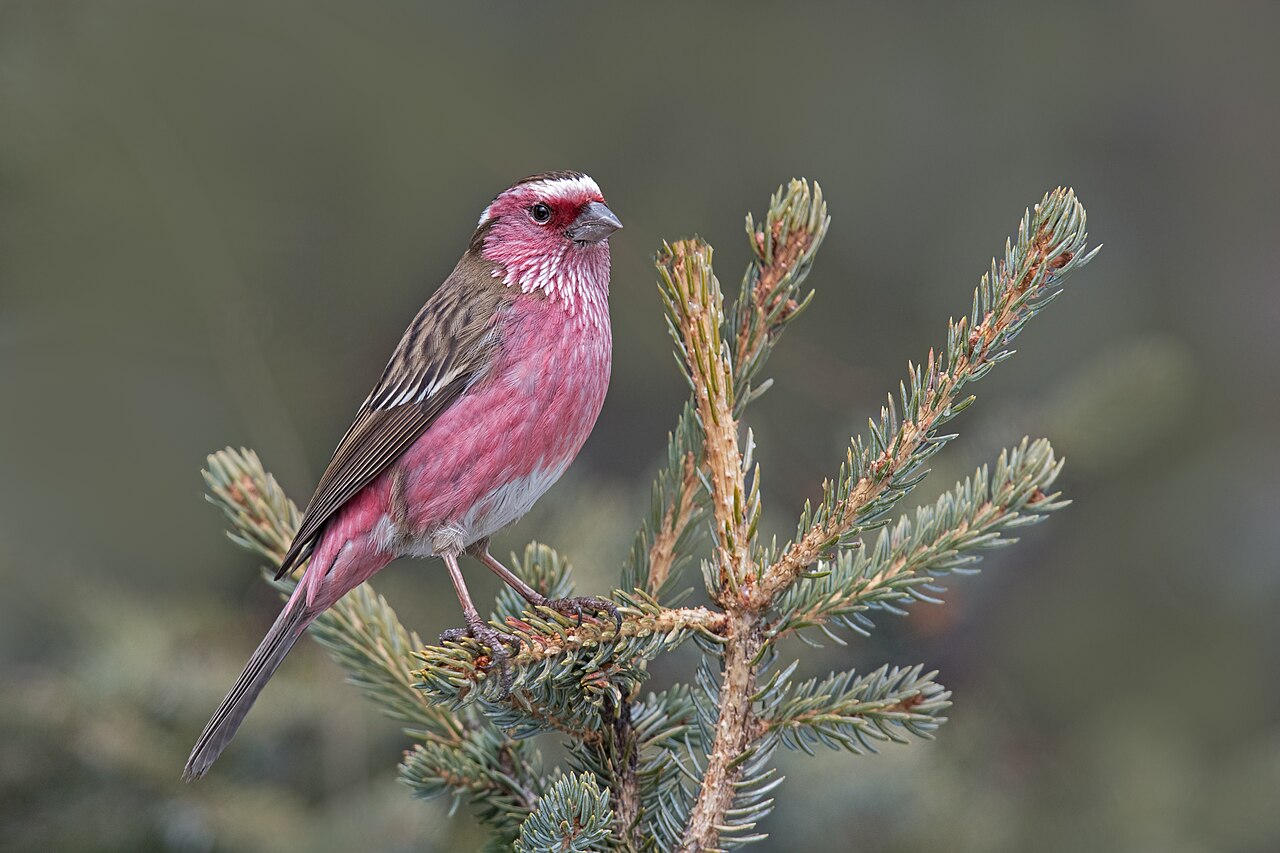
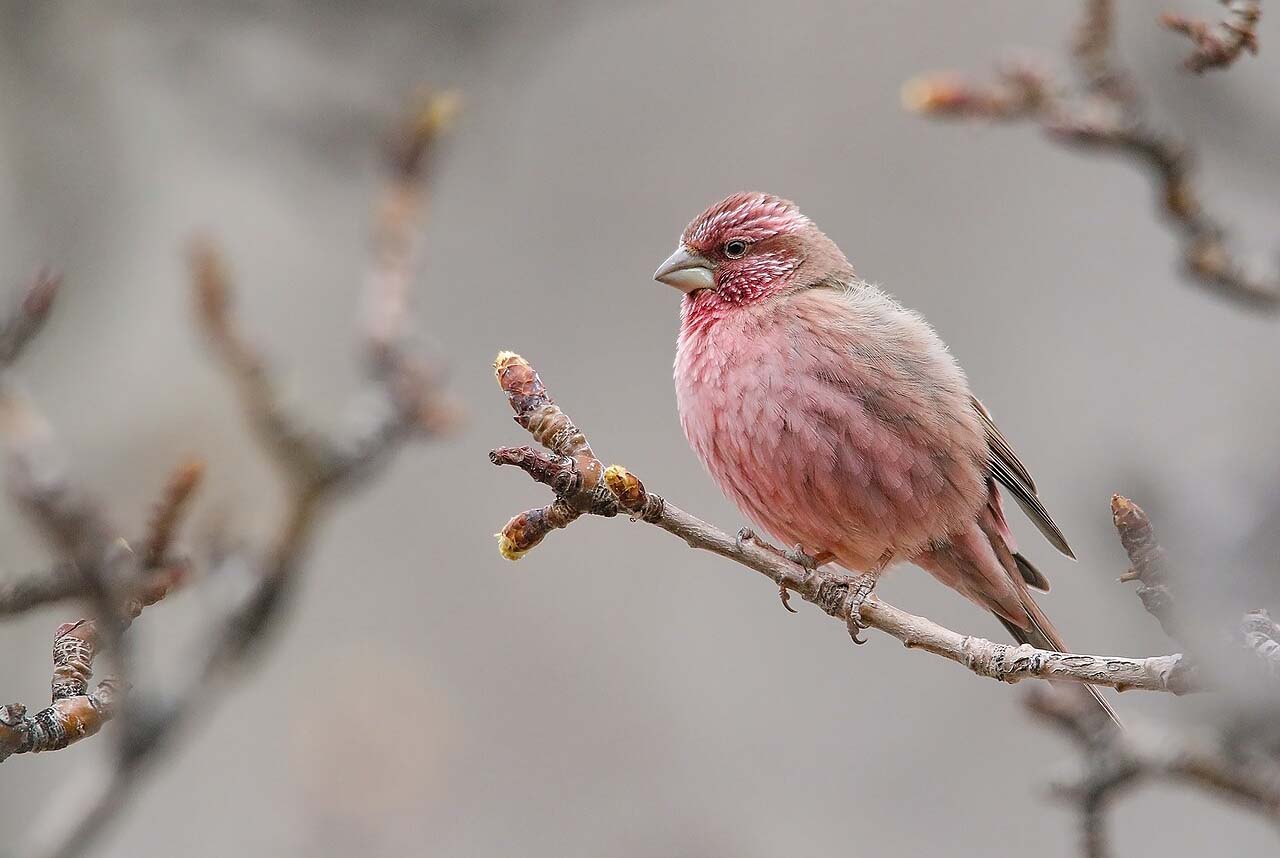
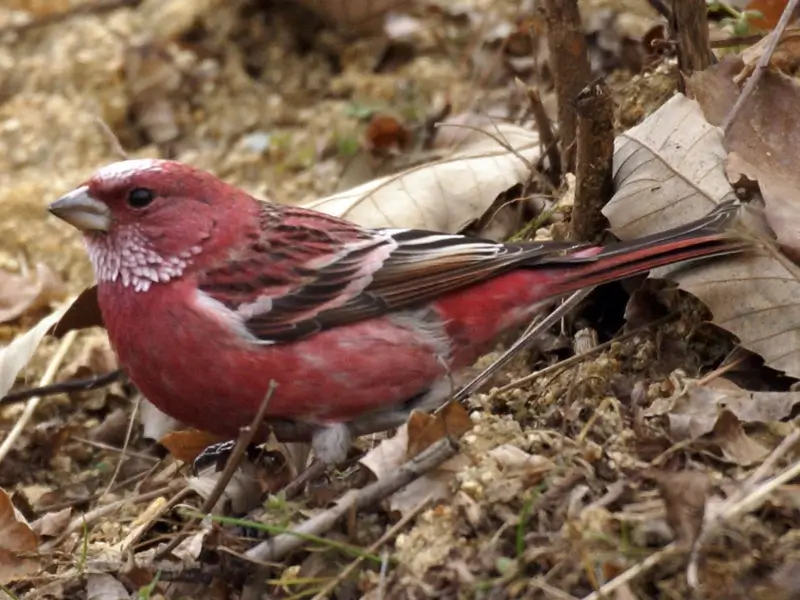
Pallas's Rosefinch (Carpodacus roseus)
Pallas's Rosefinch is found in China, Japan, Kazakhstan, North and South Korea, Mongolia, and Russia. IUCN Redlist Status: Least Concern
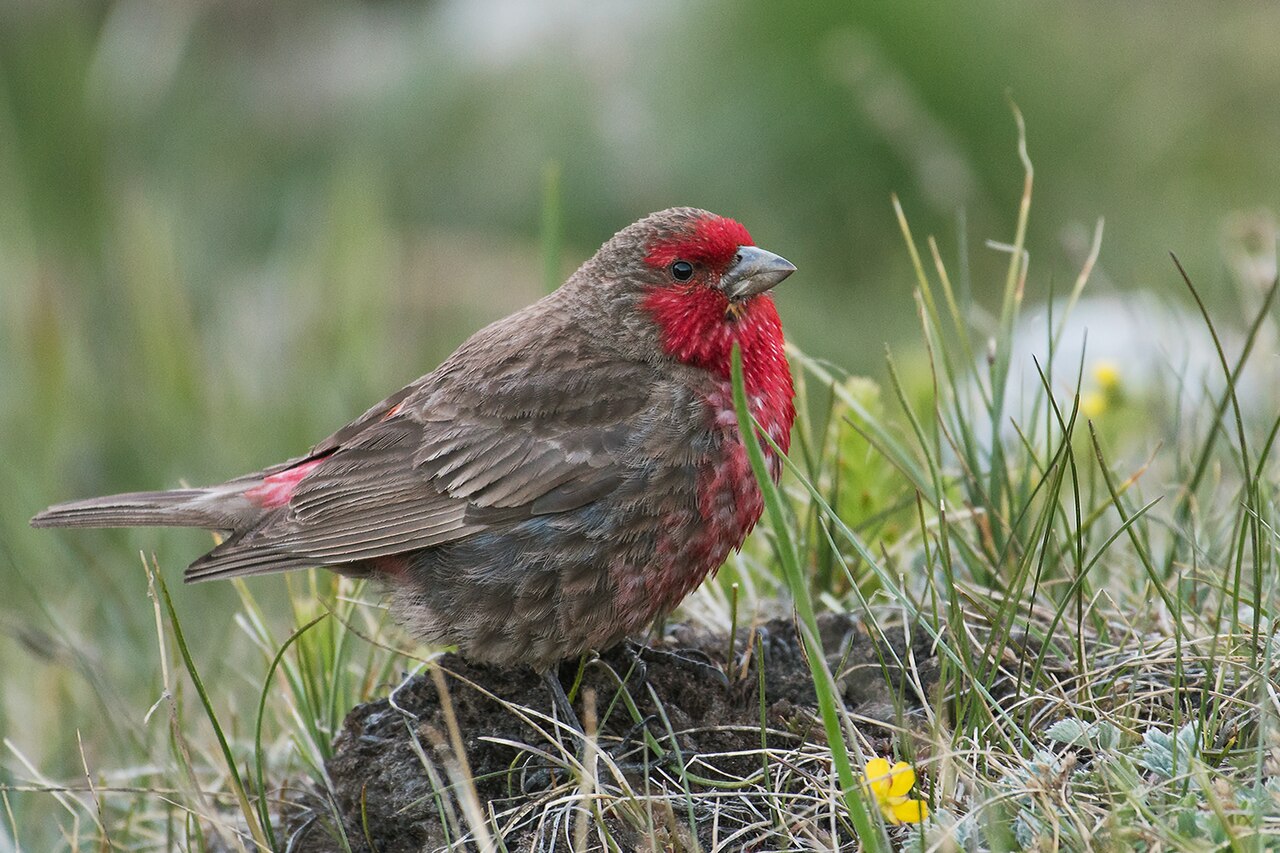
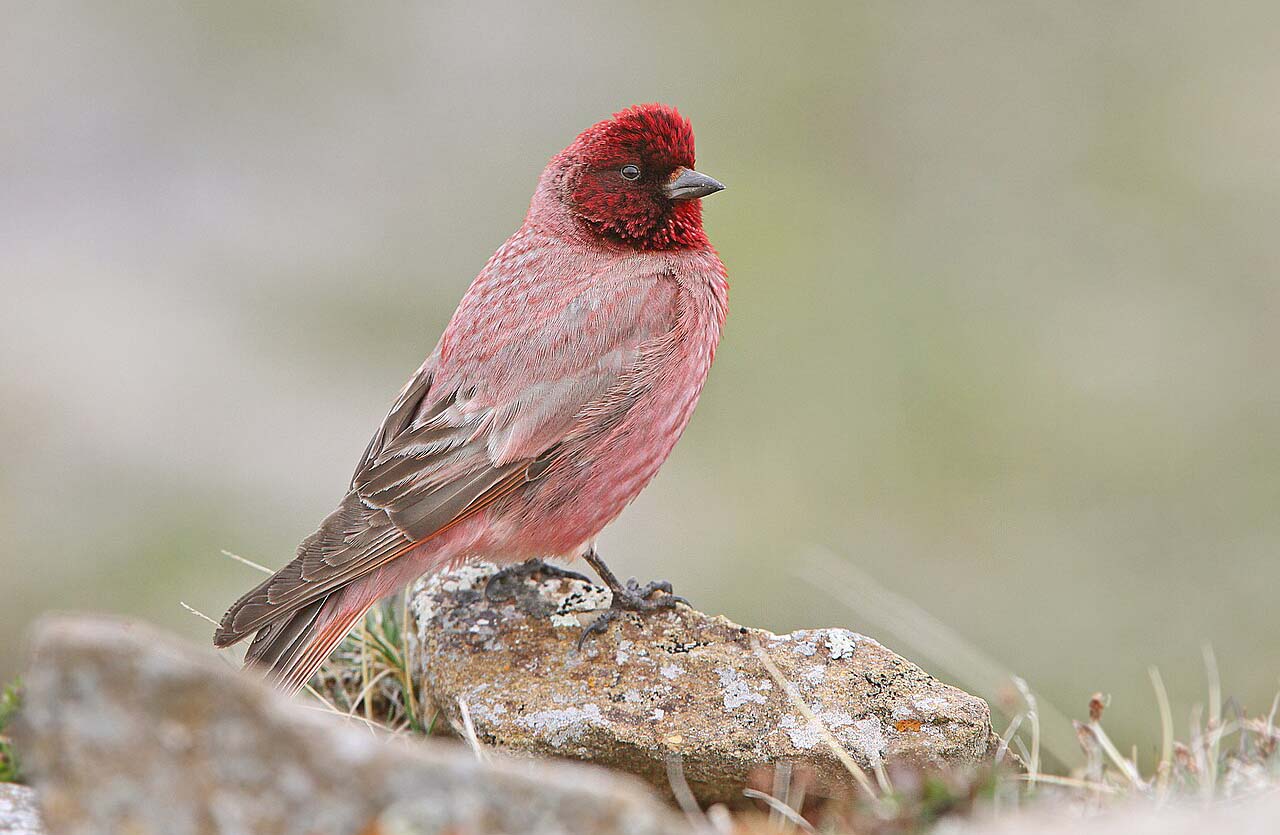
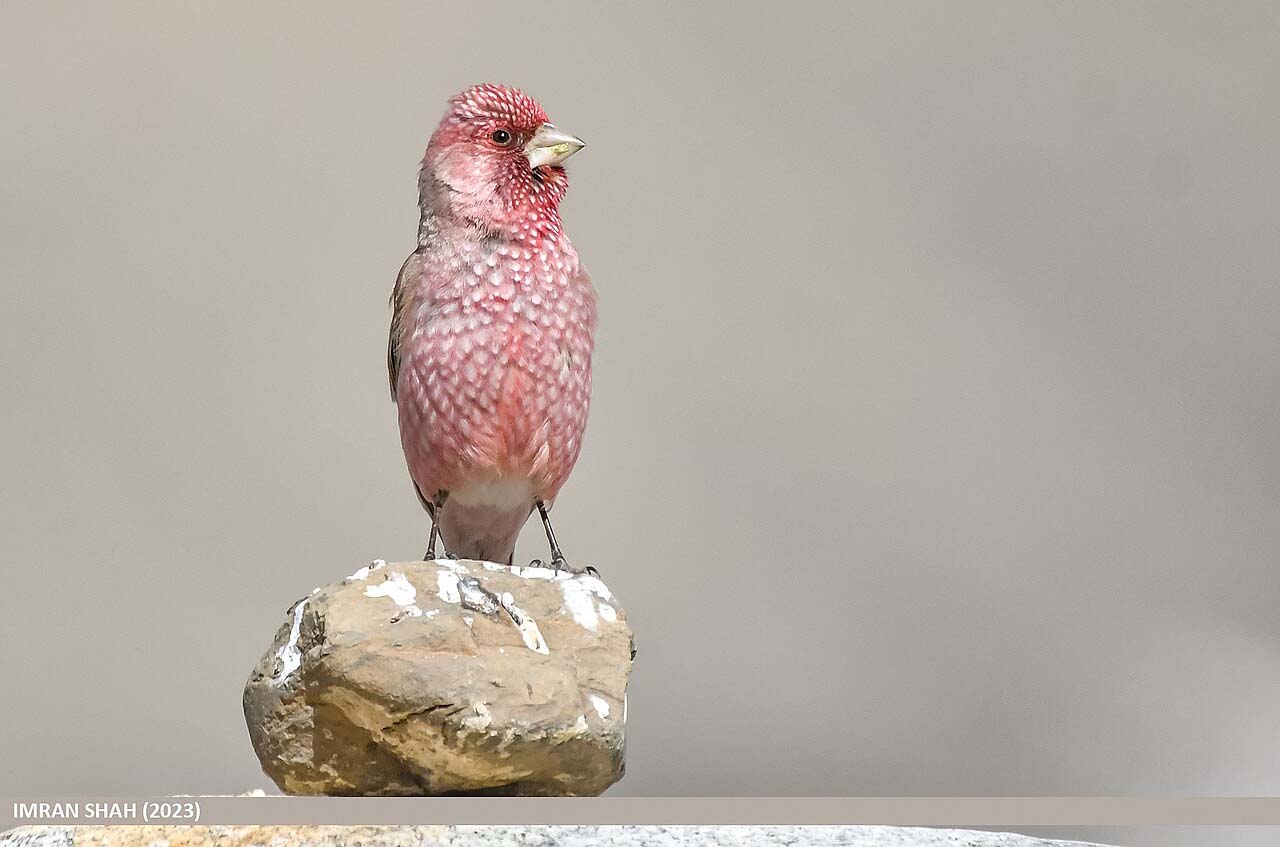
Great Rosefinch (Carpodacus rubicilla)
The Great Rosefinch is found in Afghanistan, Azerbaijan, China, Georgia, India, Kazakhstan, Kyrgyzstan, Mongolia, Nepal, Pakistan, Russia, Tajikistan, and Uzbekistan. UCN Redlist Status: Least Concern
Streaked Rosefinch (Carpodacus rubicilloides)
The Streaked Rosefinch is found in Bhutan, China, India, and Nepal. IUCN Redlist Status: Least Concern
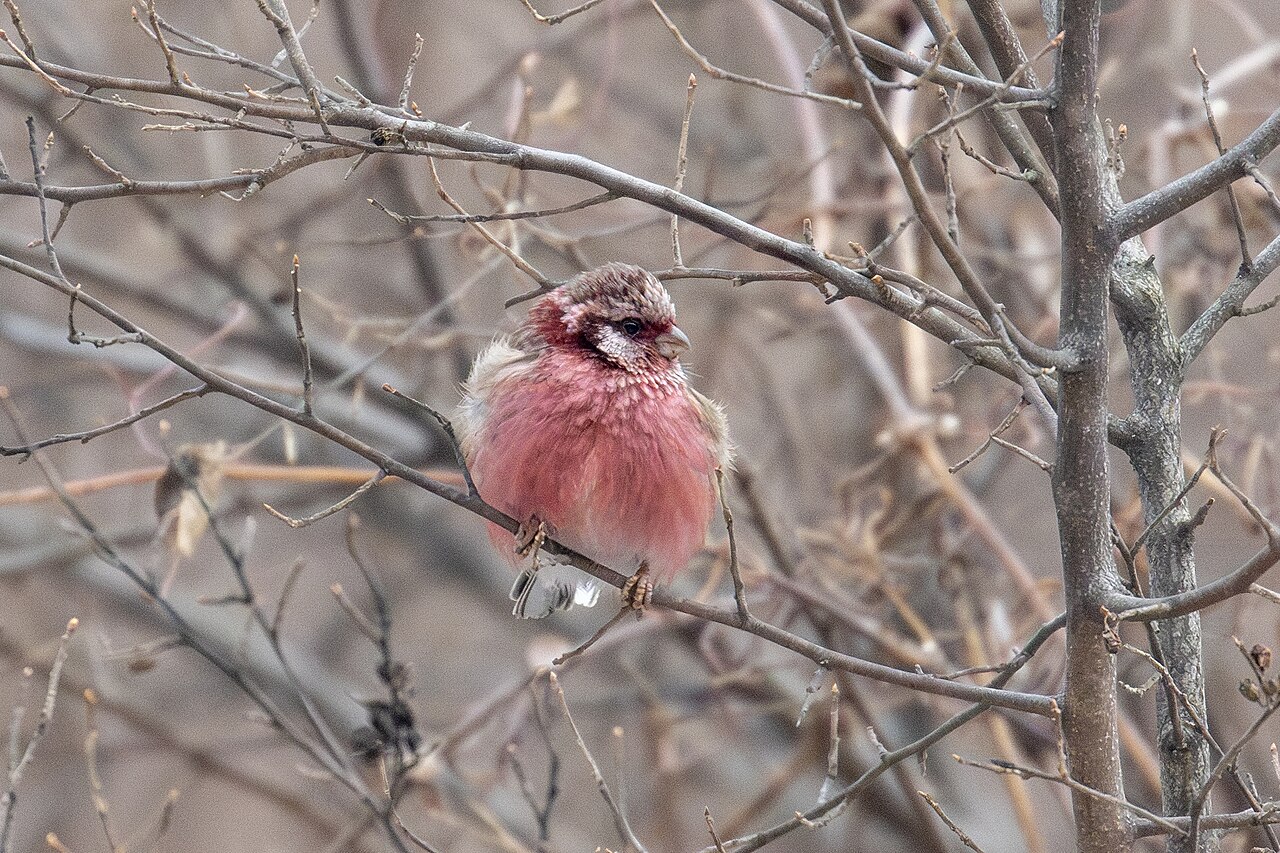
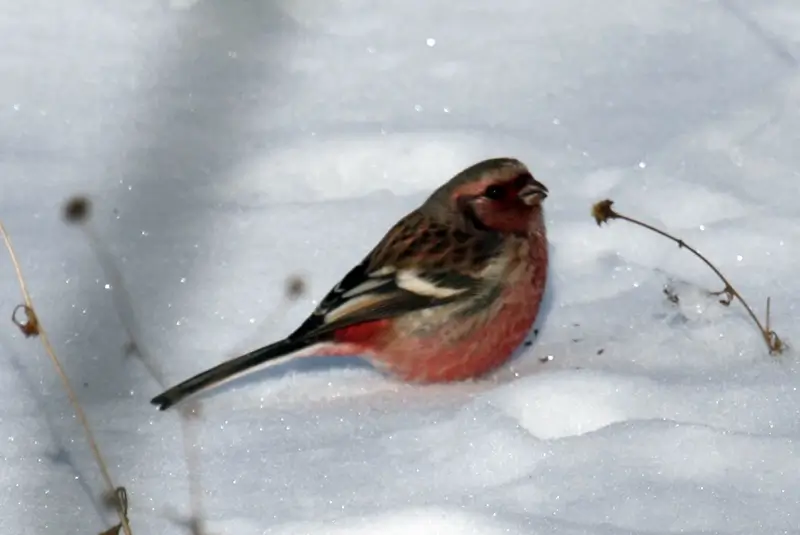
The Siberian Long-tailed Rosefinch is found in China, Japan, Kazakhstan, North and South Korea, Kyrgyzstan, Mongolia, and Russia. IUCN Redlist Status: Least Concern
Sillem's Rosefinch (Carpodacus sillemi)
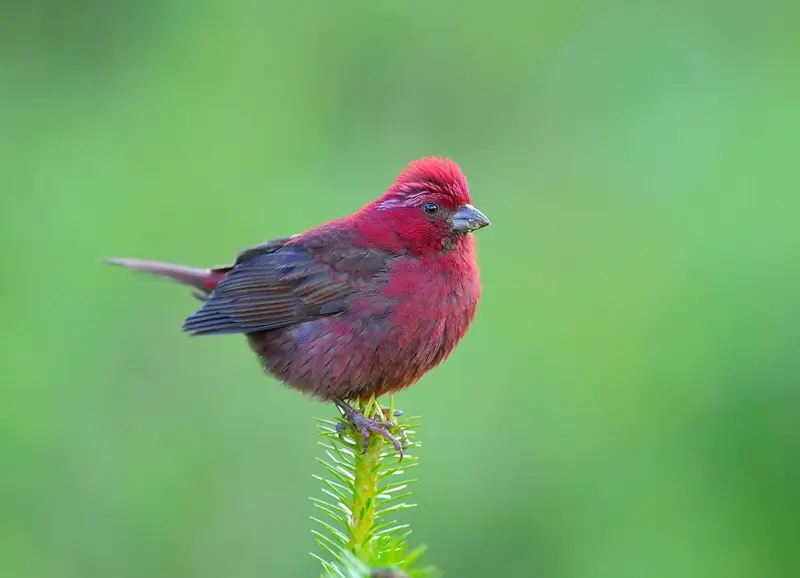
Sillem's Rosefinch is found in China. IUCN Redlist Status: Data Deficient
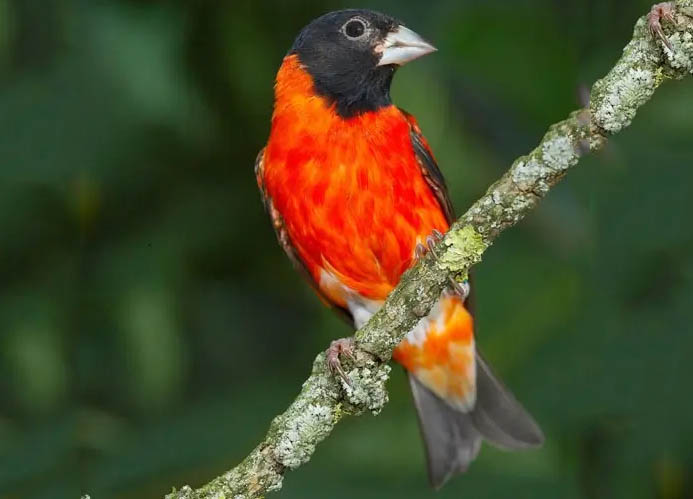
Scarlet Finch (Carpodacus sipahi)
The Scarlet Finch is found in Bhutan, China, India, Laos, Myanmar, Nepal, Thailand, and Viet Nam. IUCN Redlist Status: Least Concern
Pale Rosefinch (Carpodacus stoliczkae)
The Pale Rosefinch is found in Afghanistan and China. IUCN Redlist: Least Concern
Crimson-browed Finch (Carpodacus subhimachalus)
The Crimson-browed Finch is found in Bhutan, China, India, Myanmar, and Nepal. IUCN Redlist Status: Least Concern
Sinai Rosefinch (Carpodacus synoicus)
The Sinai Rosefinch is found in Afghanistan, China, Egypt, Israel, Jordan, Palestine, and Saudi Arabia. IUCN Redlist Status: Least Concern
The Himalayan White-browed Rosefinch is found in Afghanistan, Bhutan, China, India, Nepal, and Pakistan. IUCN Redlist Status: Least Concern
Three-banded Rosefinch (Carpodacus trifasciatus)
The Three-banded Rosefinch is found in Bhutan, China, and India. IUCN Redlist Status: Least Concern
Sharpe's Rosefinch (Carpodacus verreauxii)
Sharpe's Rosefinch is found in China and Myanmar. IUCN Redlist Status: Least Concern
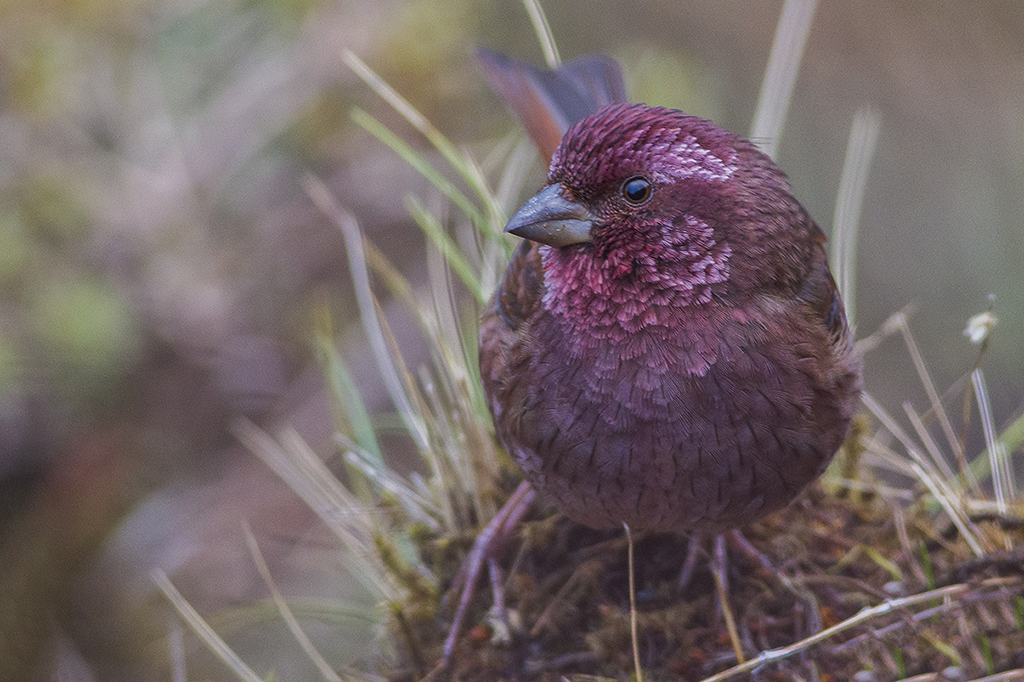
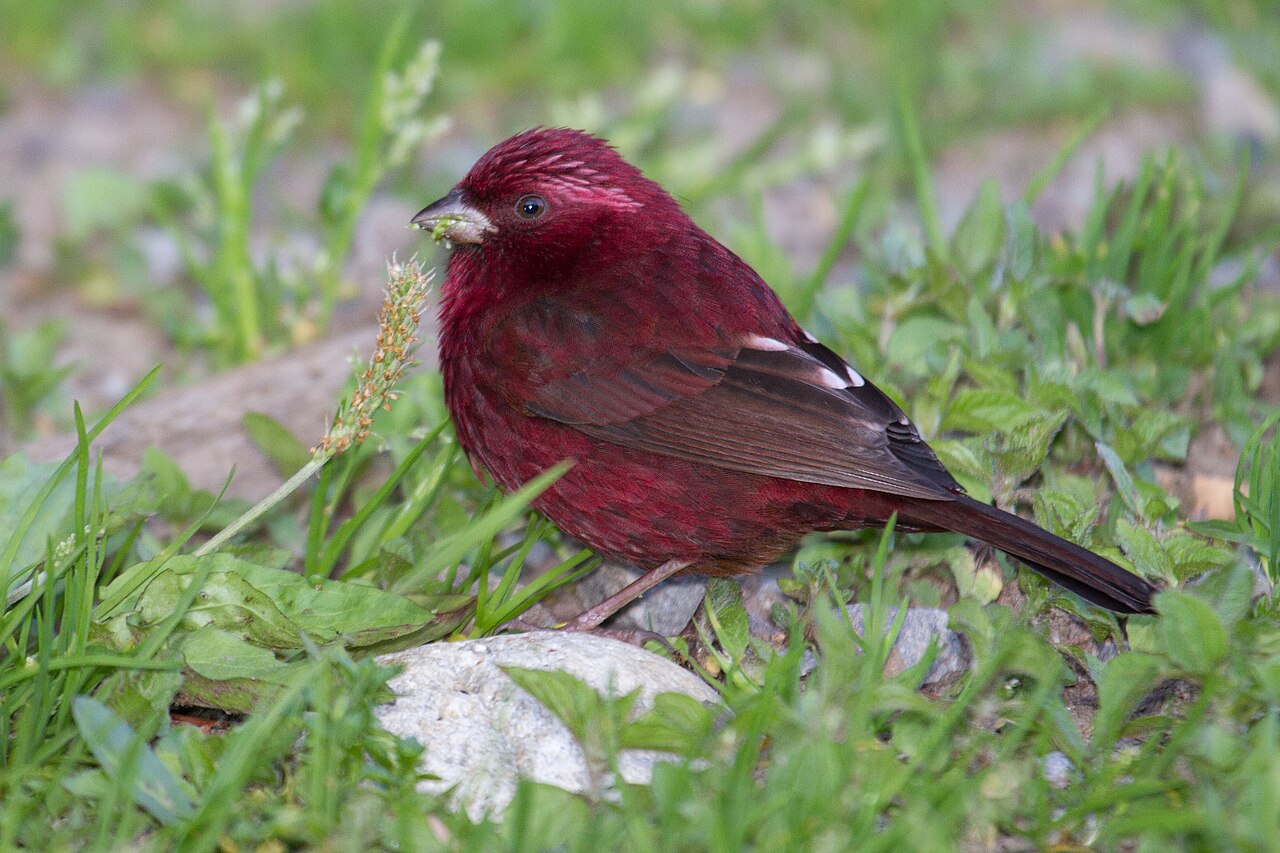
Vinaceous Rosefinch (Carpodacus vinaceus)
The Vinaceous Rosefinch is found in China, India, Myanmar, Nepal, and Taiwan. IUCN Redlist Status: Least Concern
Pink-rumped Rosefinch (Carpodacus waltoni)
The Pink-rumped Rosefinch is found in China. IUCN Redlist Status: Least Concern
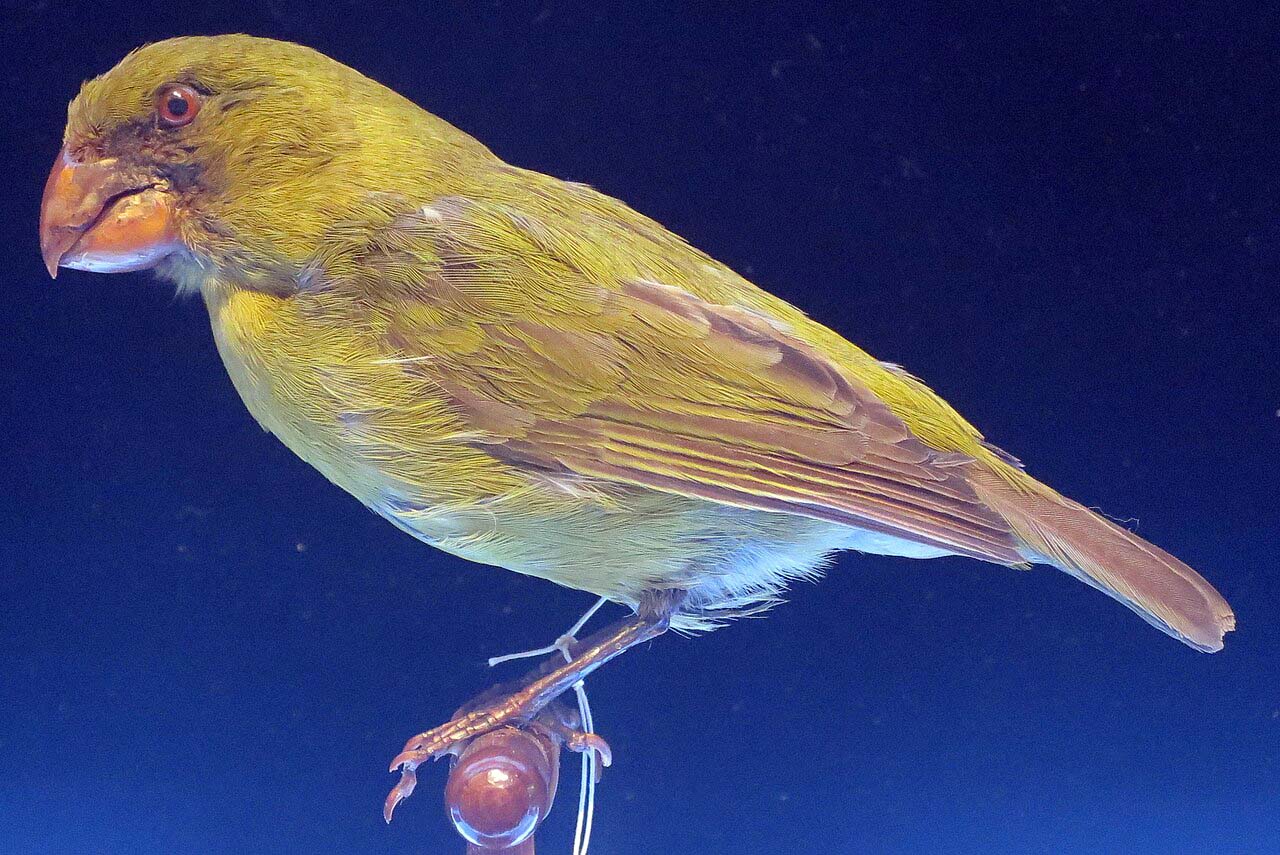
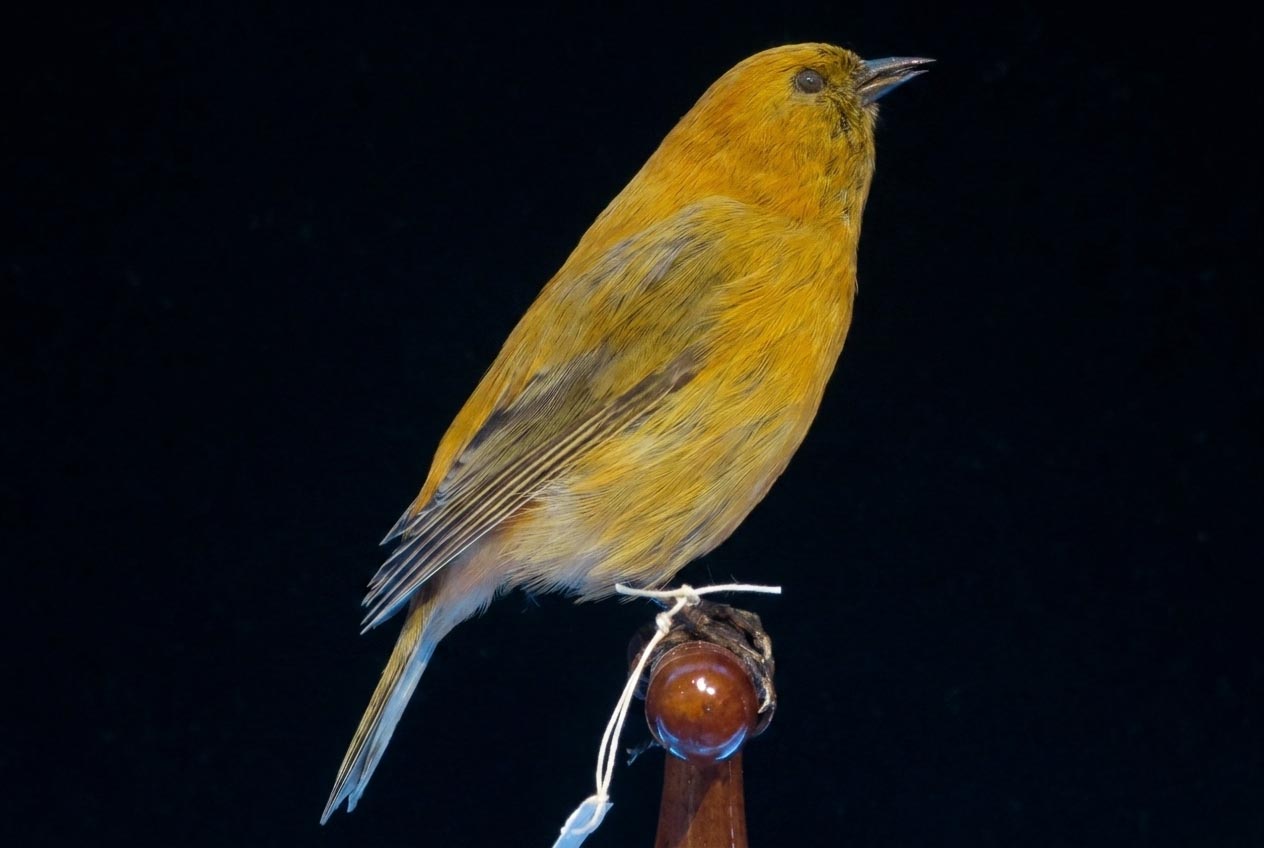
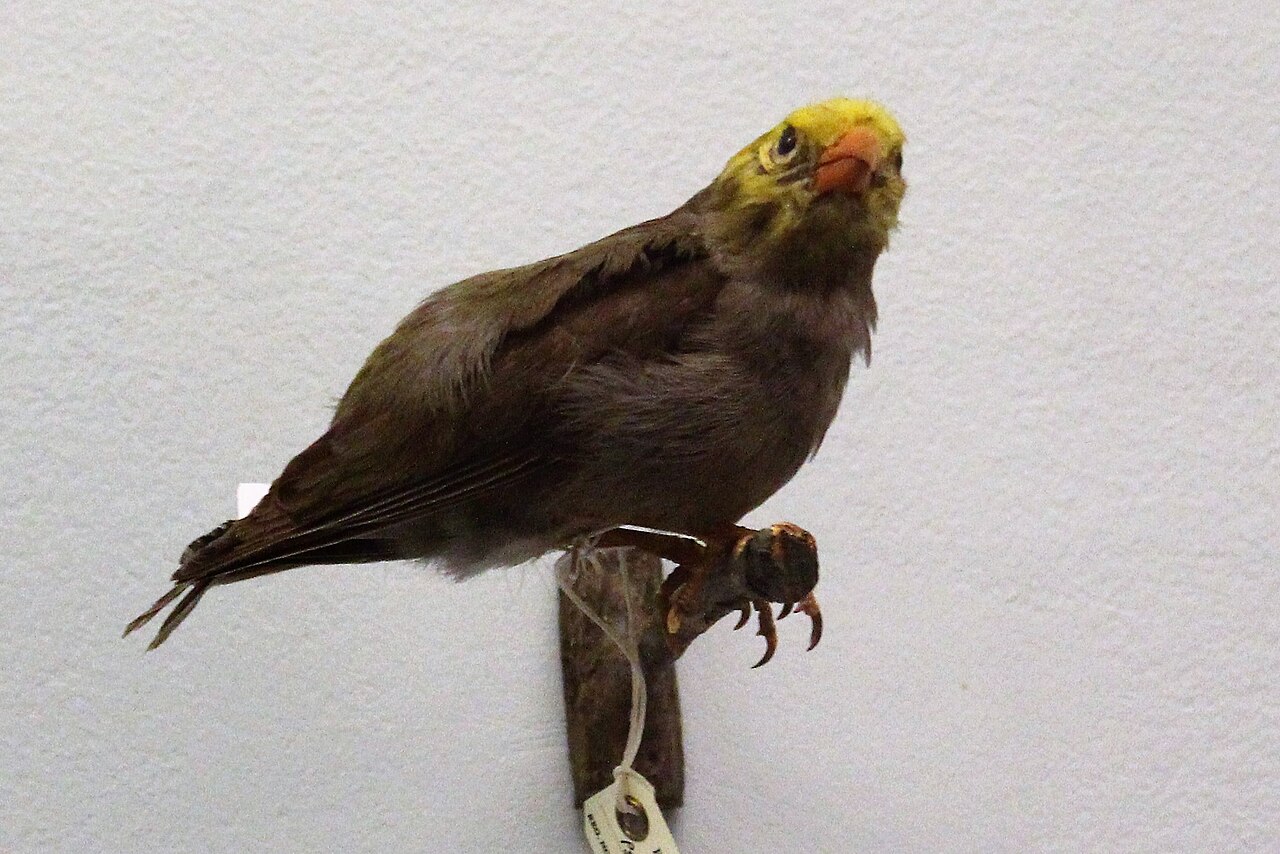
Kona Grosbeak (Chloridops kona)
The Kona grosbeak is an extinct species of Hawaiian honeycreeper. IUCN Redlist Status: Extinct
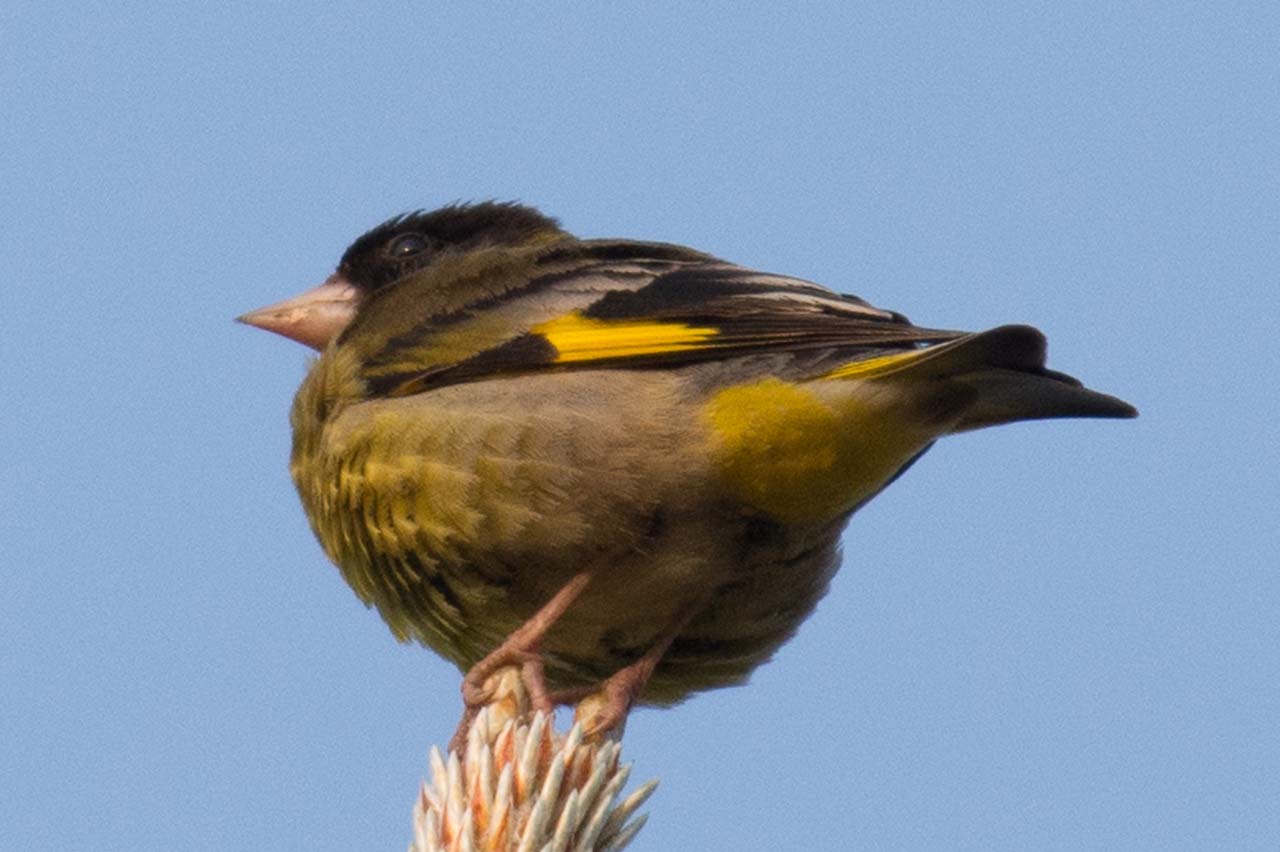
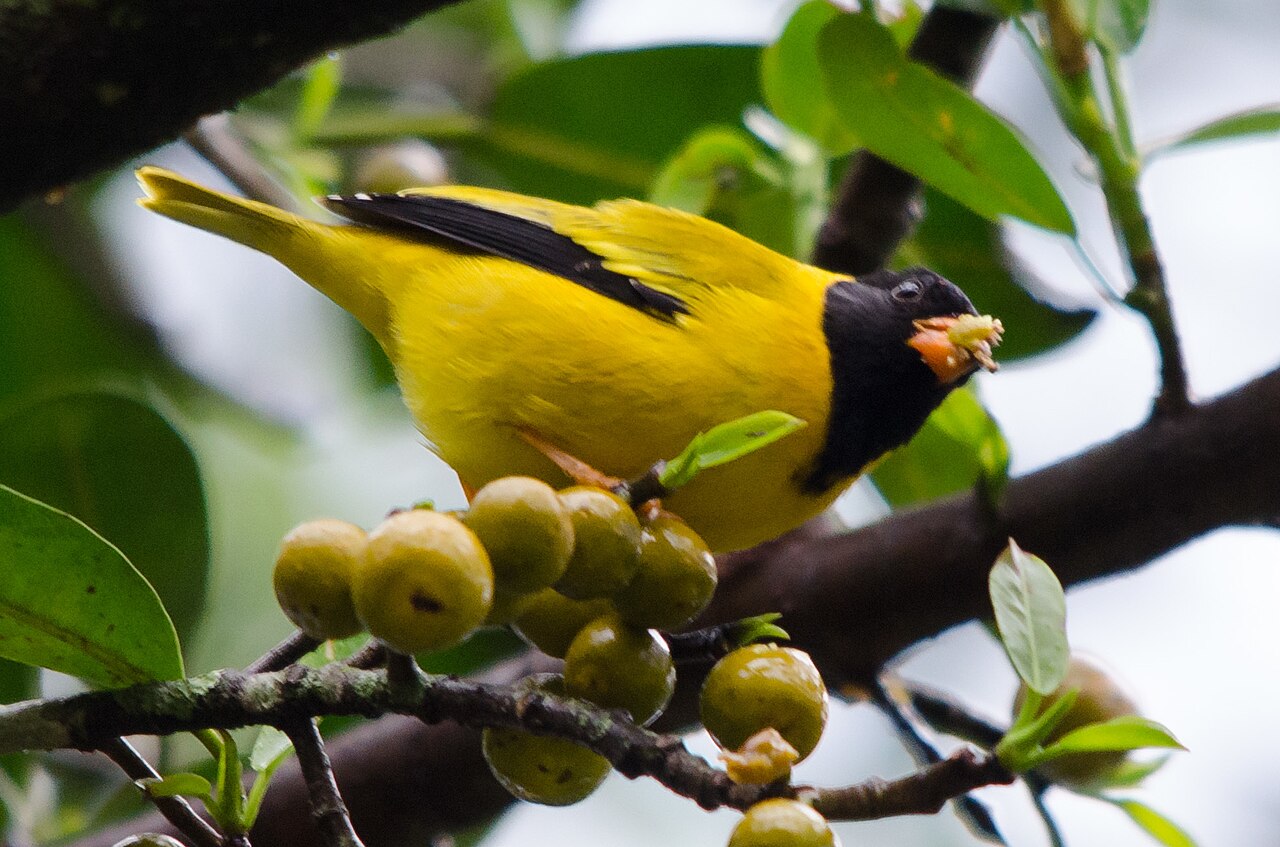
Black-headed Greenfinch (Chloris ambigua)
The Black-headed Greenfinch is found in China, Laos, Myanmar, Thailand, and Viet Nam. IUCN Redlist Status: Least Concern
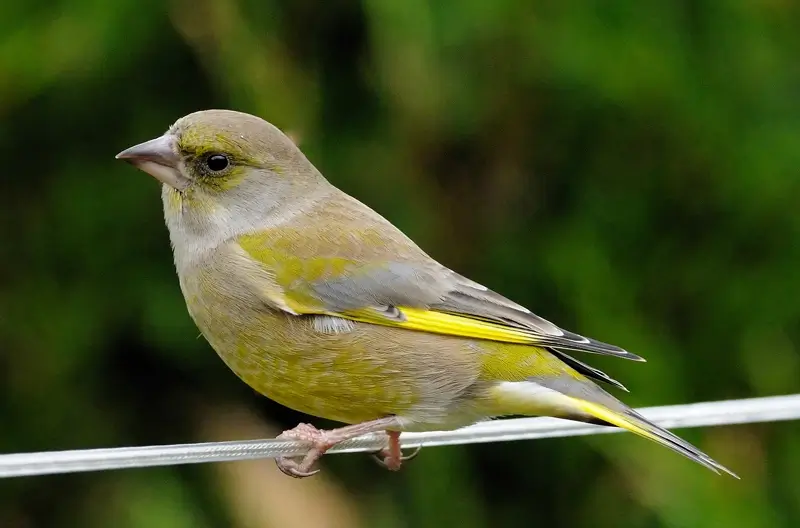
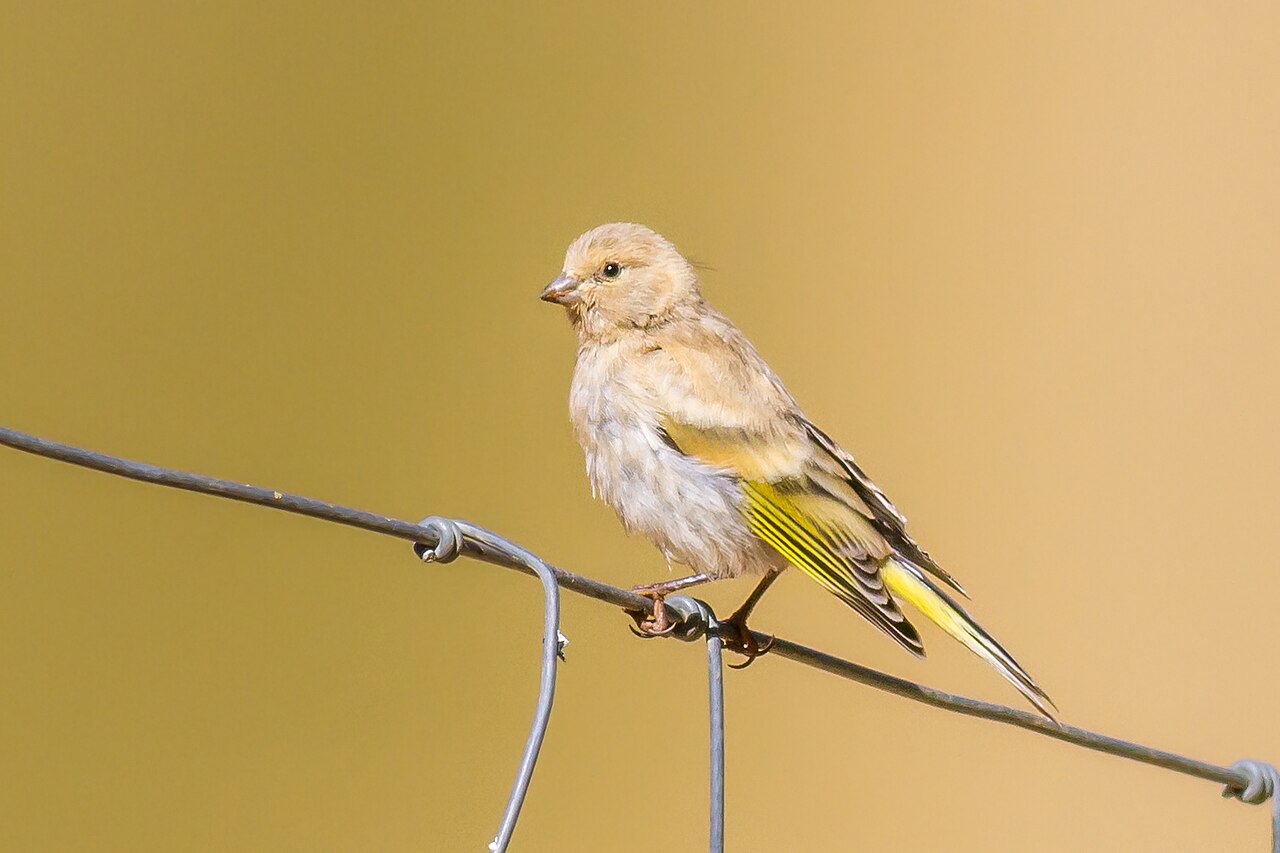
European Greenfinch (Chloris chloris)
The European Greenfinch is found in most of Europe. It is also found in parts of Western Asia and Northern Africa. IUCN Redlist Status: Least Concern
Vietnamese Greenfinch (Chloris monguilloti)
The Vietnamese Greenfinch is found in Viet Nam. IUCN Redlisy Status: Least Concern
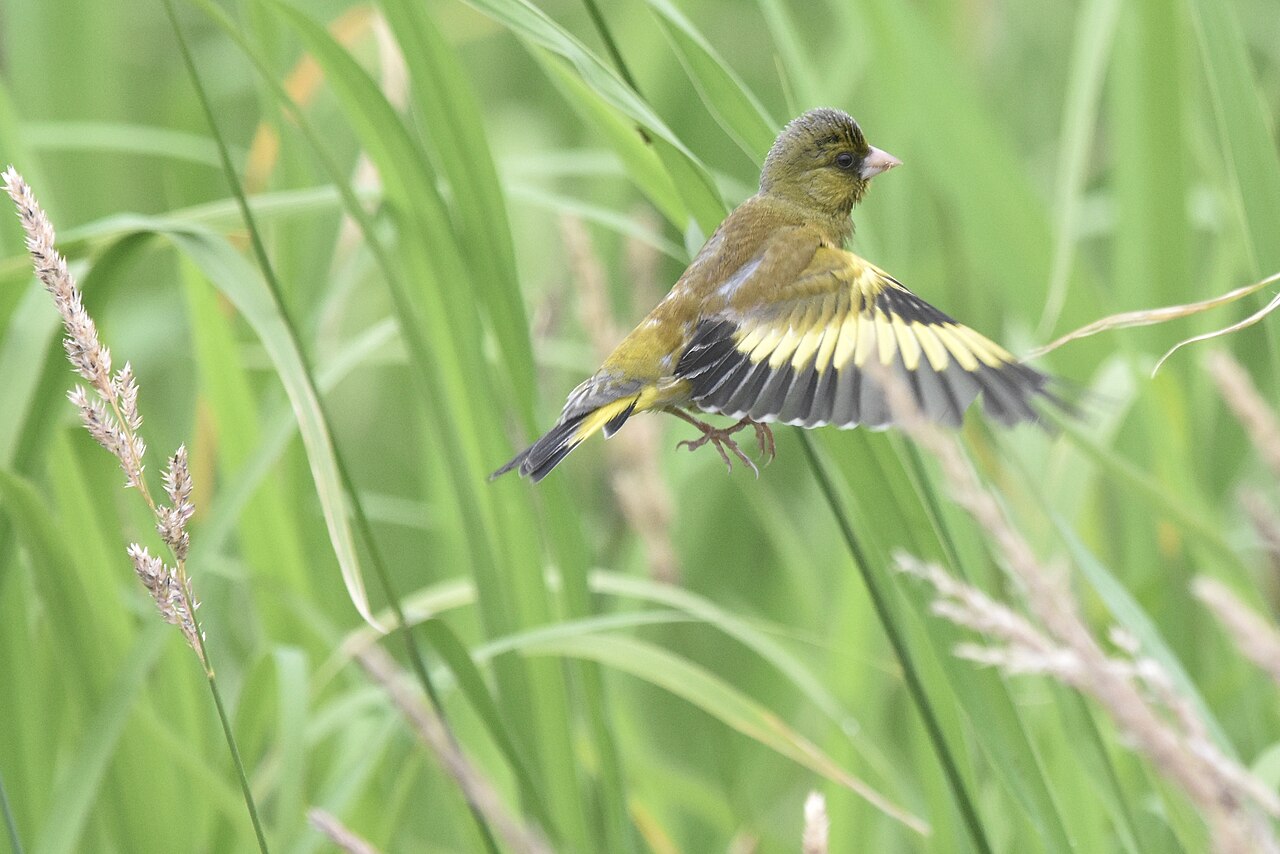
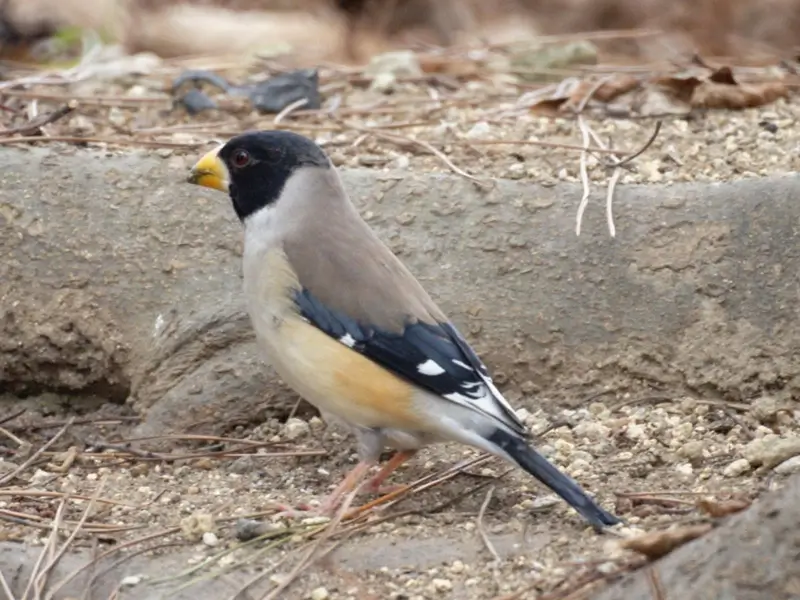
Oriental Greenfinch (Chloris sinica)
The Oriental Greenfinch is found in China, Japan, Mongolia, North Korea, Russia, South Korea, Taiwan, and Viet Nam. IUCN Redlist Status: Least Concern
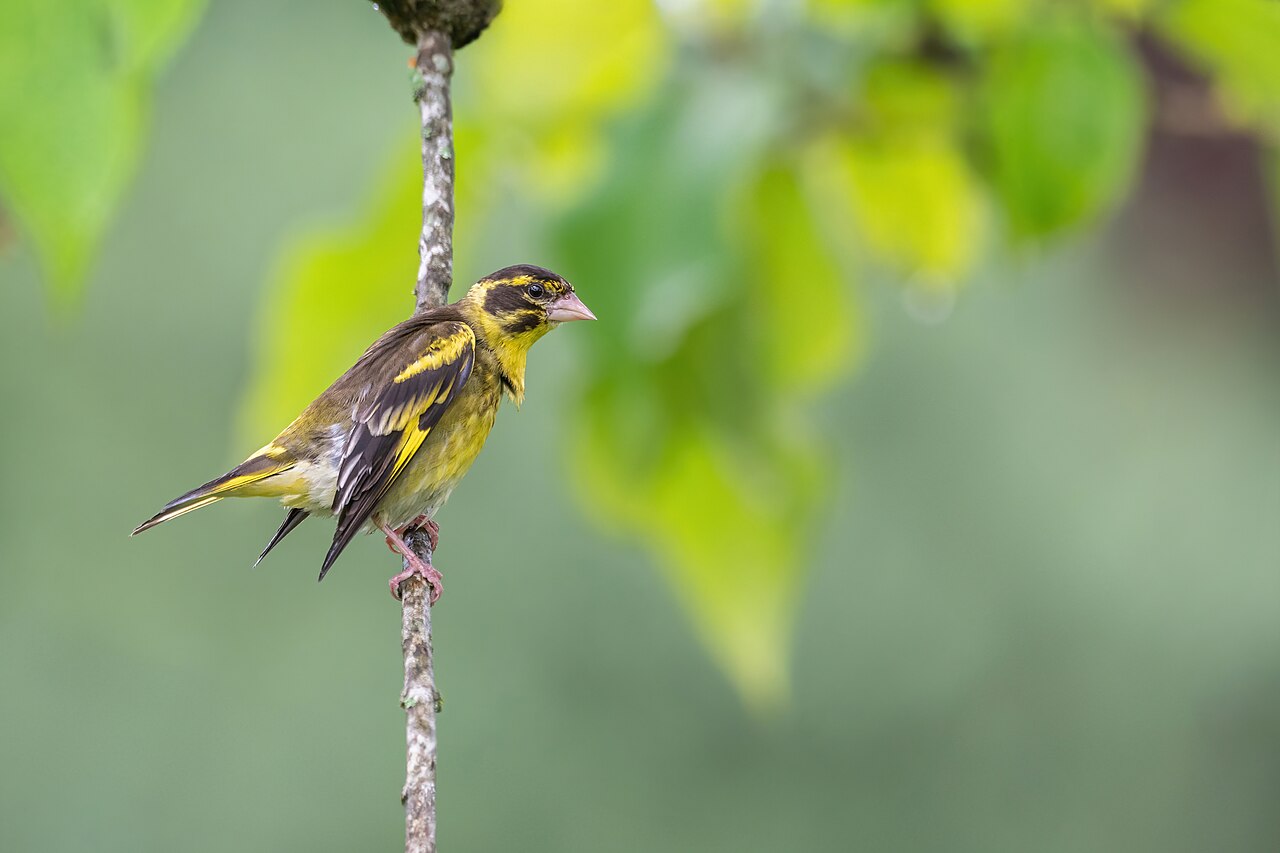
Yellow-breasted Greenfinch (Chloris spinoides)
The Yellow-breasted Greenfinch is found in Afghanistan, Bhutan, China, India, Myanmar, Nepal, Pakistan, Thailand, and Viet Nam. IUCN Redlist Status: Least Concern
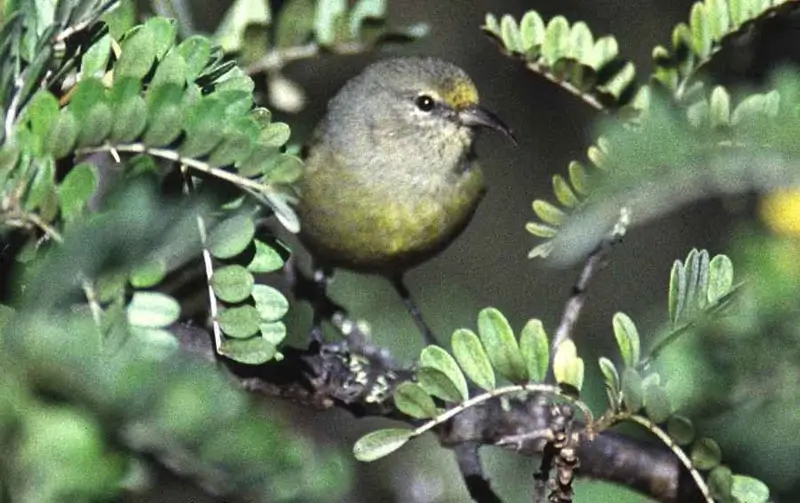
Oahu Amakihi (Chlorodrepanis flavus)
The Oahu Amakihi is only found in the Wai`anae Mountains and the Ko`olau Mountains on the island of Oahu in the Hawaiian Islands. IUCN Redlist Status: Near Threatened
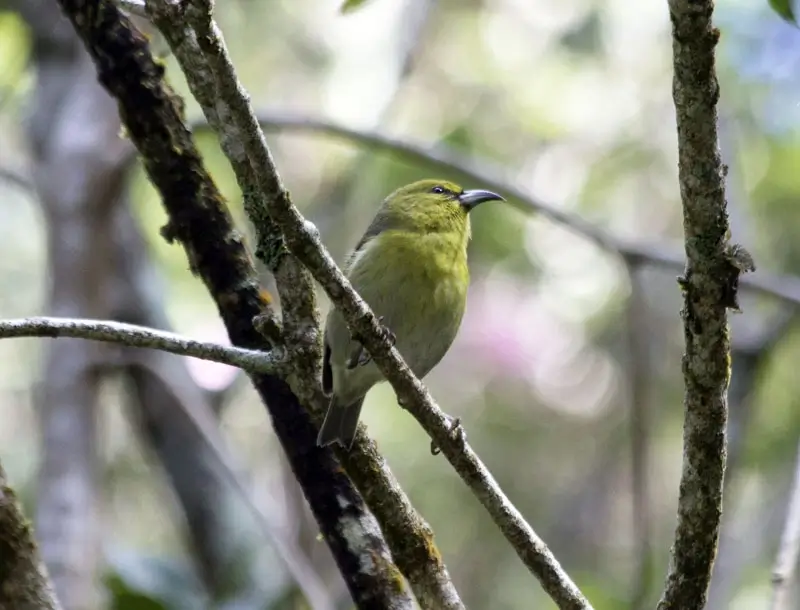
Kauai Amakihi (Chlorodrepanis auaiensis)
The Kauai Amakihi is only found in Kaua`i in the Hawaiian Islands. IUCN Redlist Status: Endangered
Hawaiian Amakihi (Chlorodrepanis virens)
The Hawaiian Amakihi is found in the Hawaiian Islands on Molokai, Maui, and Hawaii. IUCN Redlist Status: Least Concern
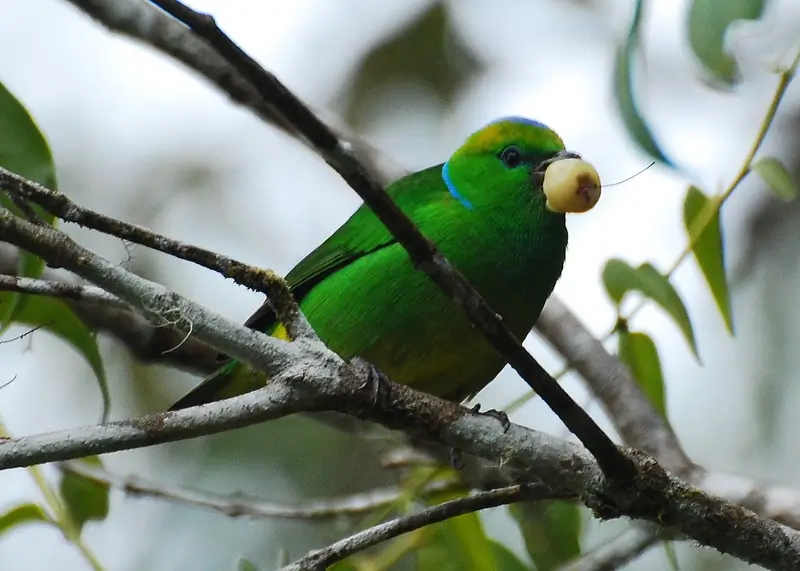
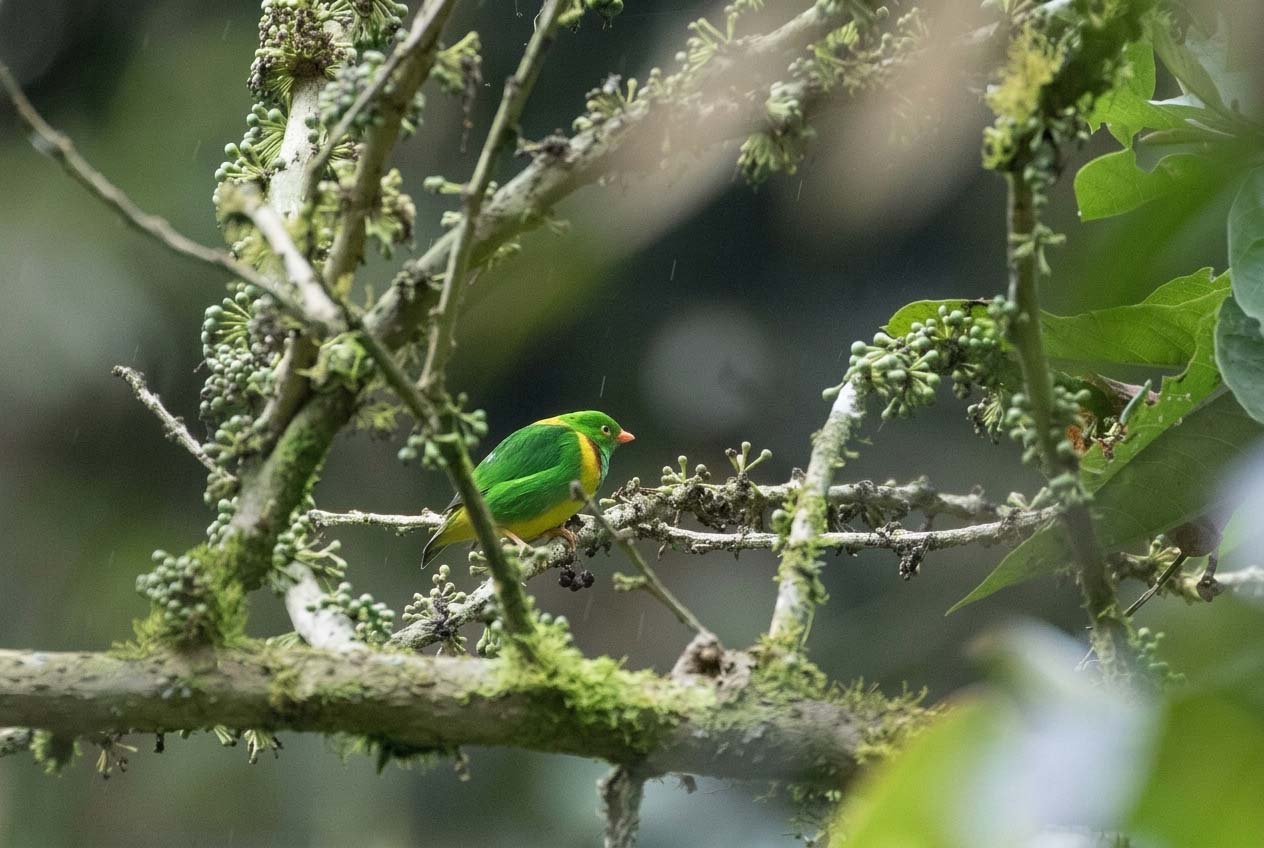
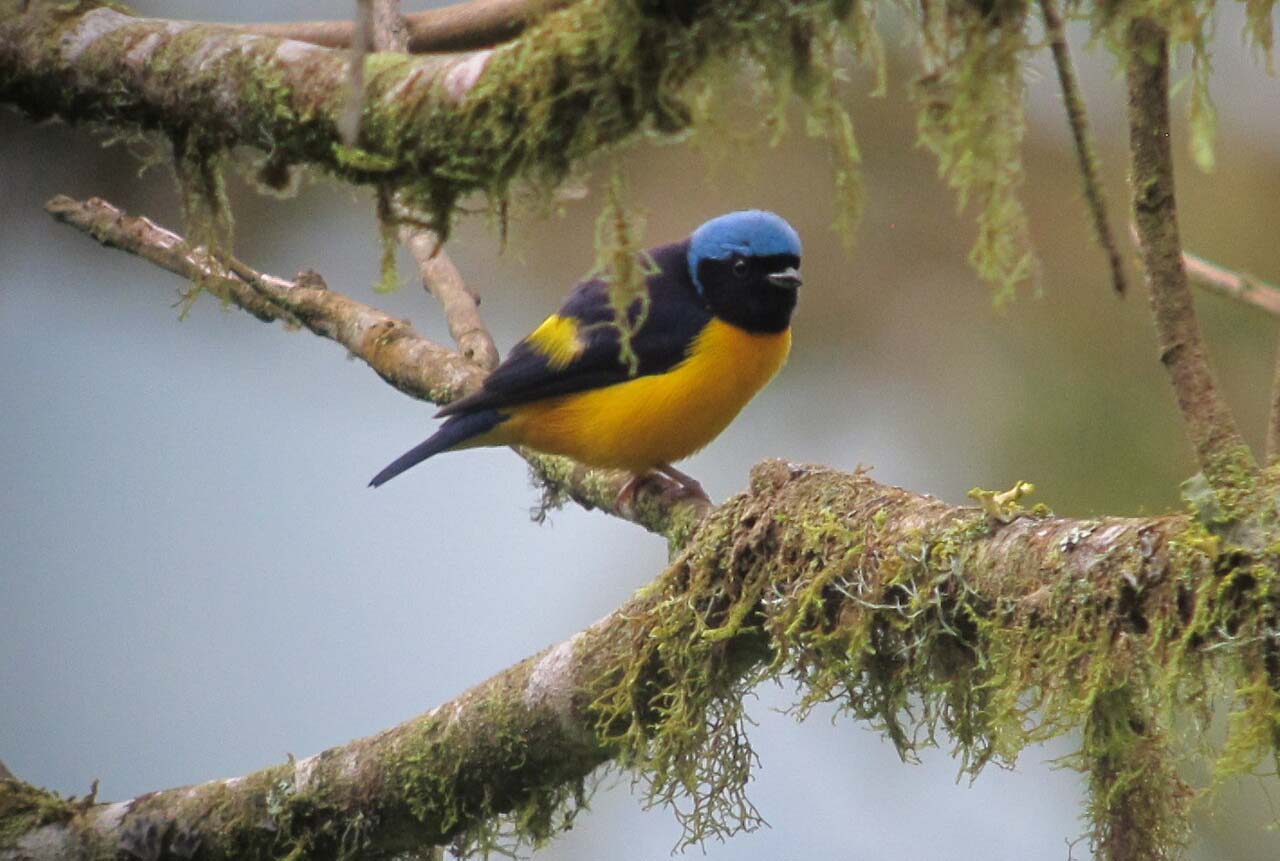
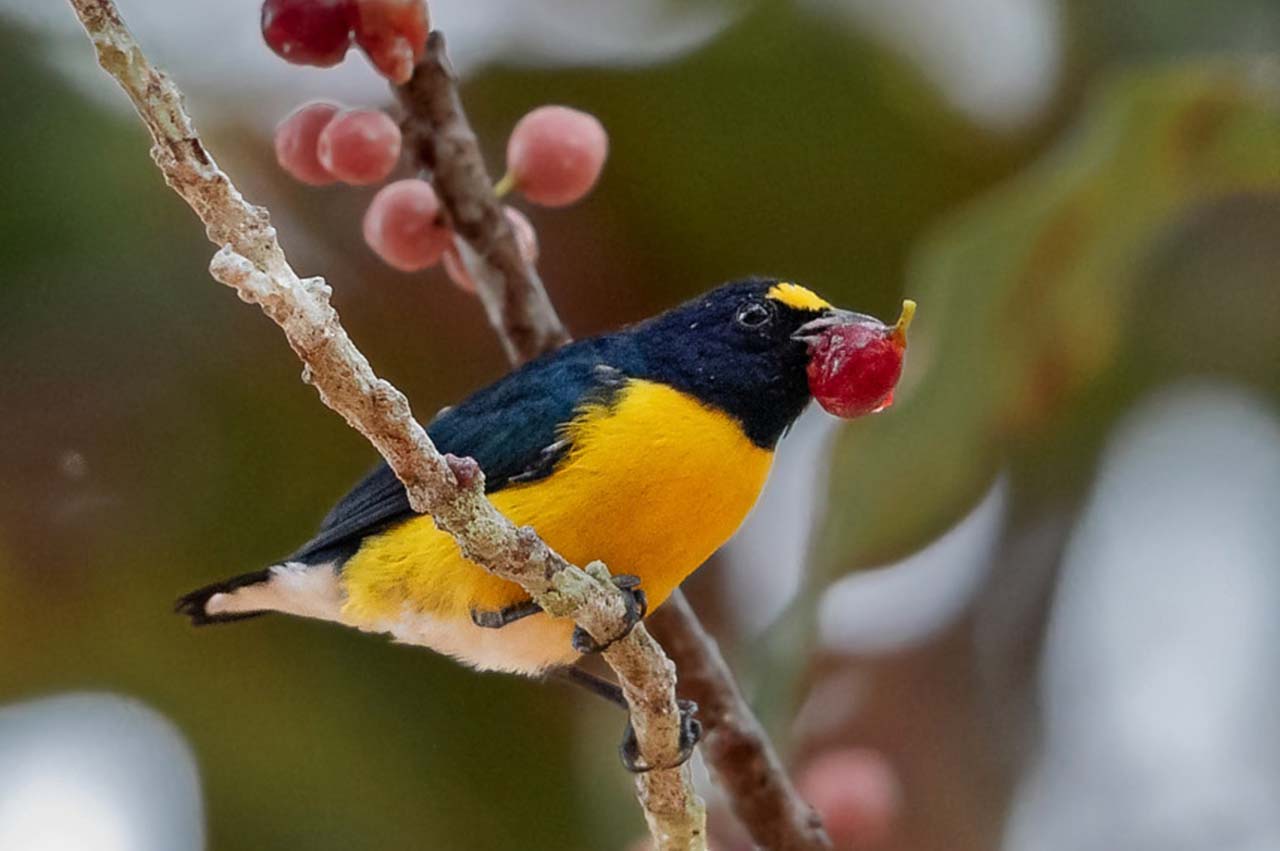
The Golden-browed Chlorophonia is found in Costa Rica, Nicaragua, and Panama. IUCN Redlist Status: Least Concern
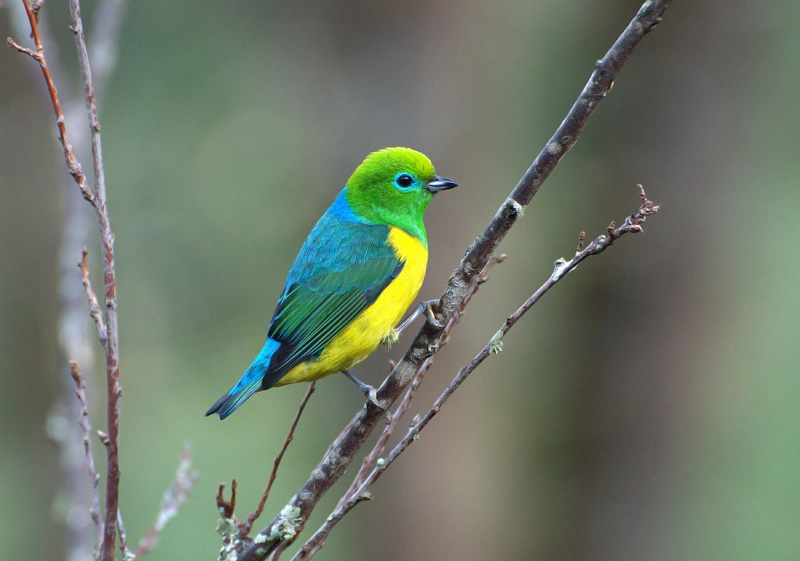
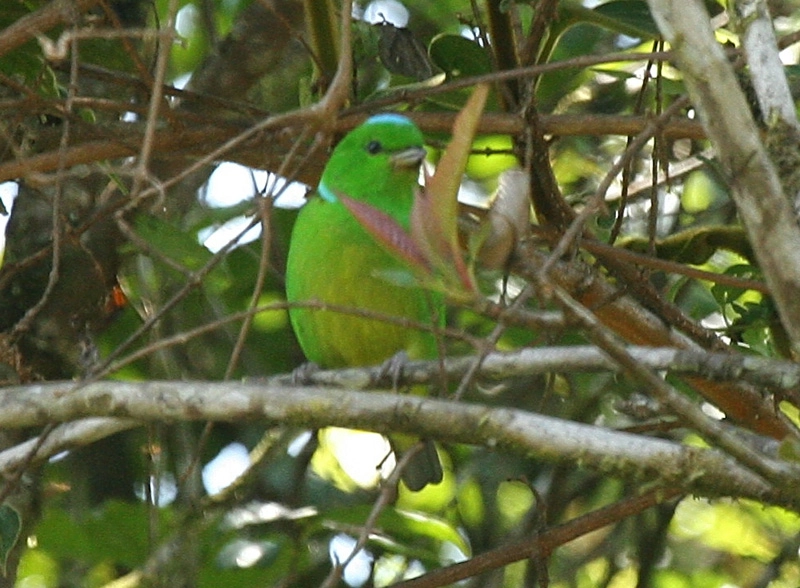
Blue-naped Chlorophonia (Chlorophonia cyanea)
The Blue-naped Chlorophonia is found in Argentina, Bolivia, Brazil, Colombia, Ecuador, Guyana, Paraguay, Peru, and Venezuela. IUCN Redlist Status: Least Concern
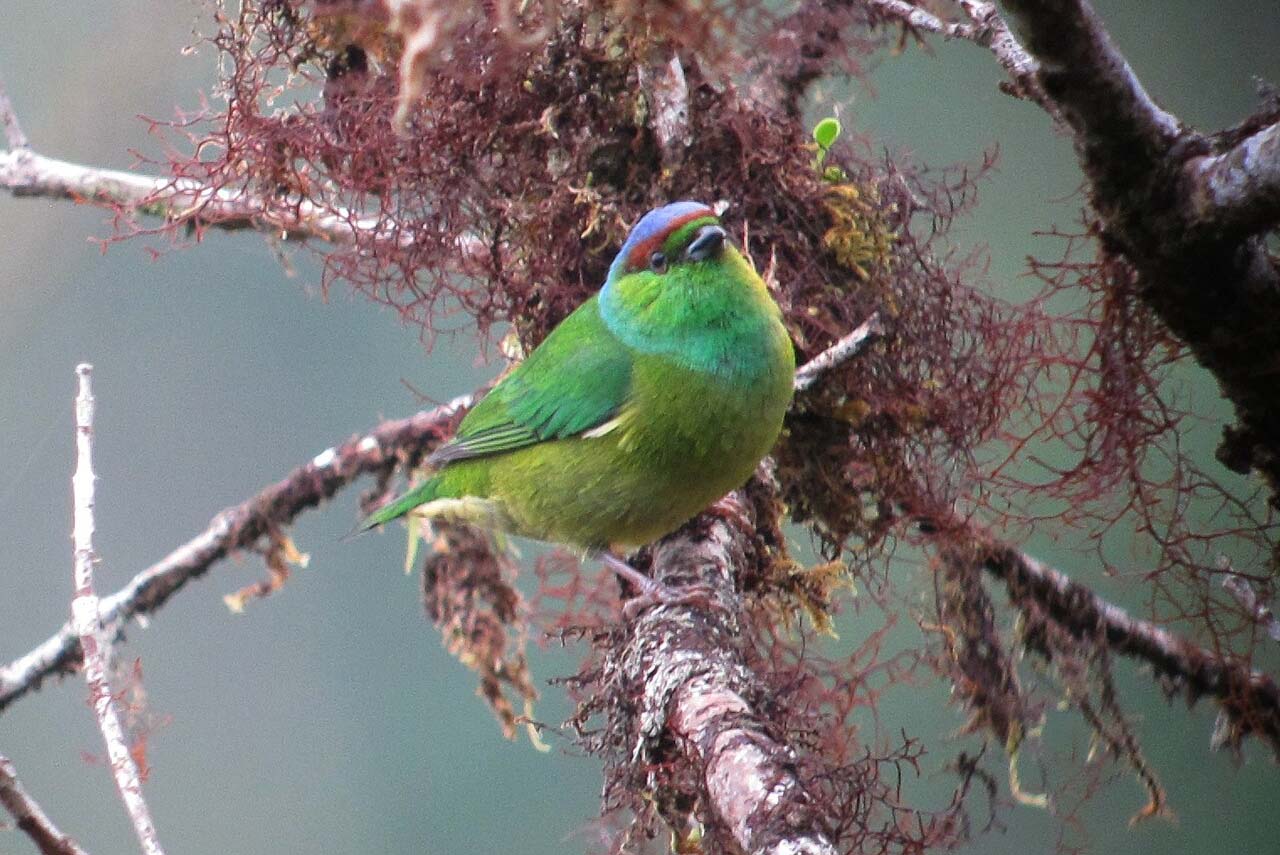
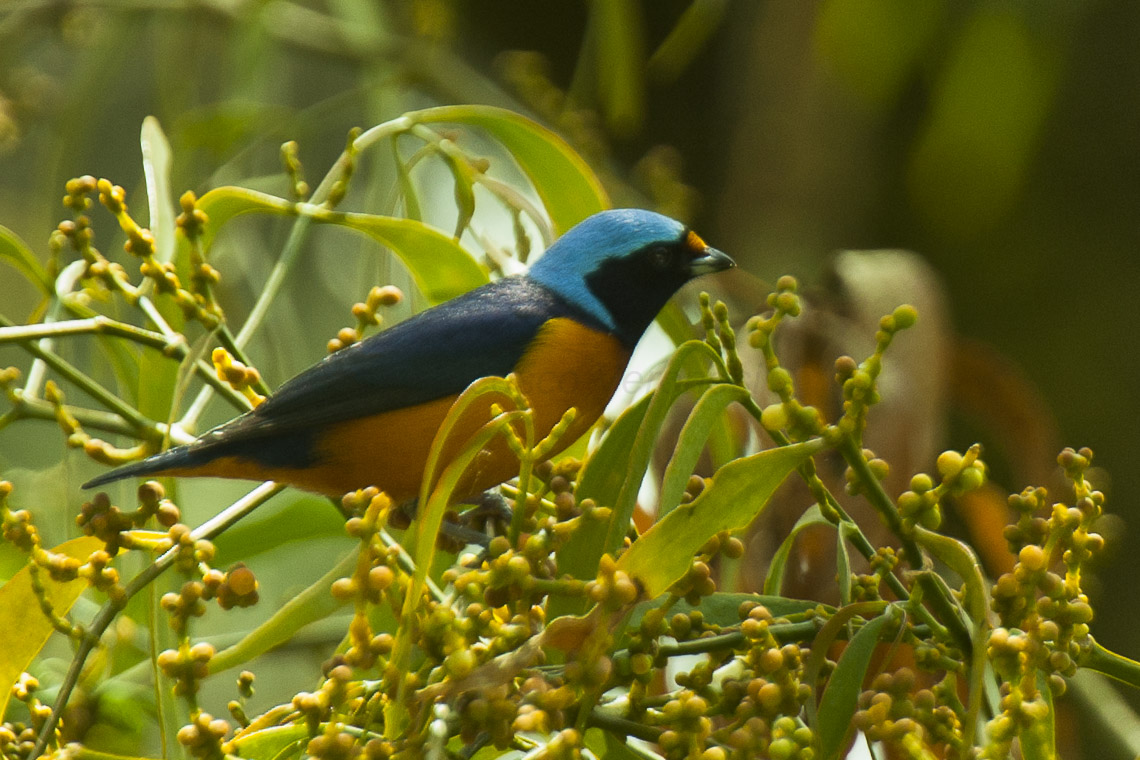
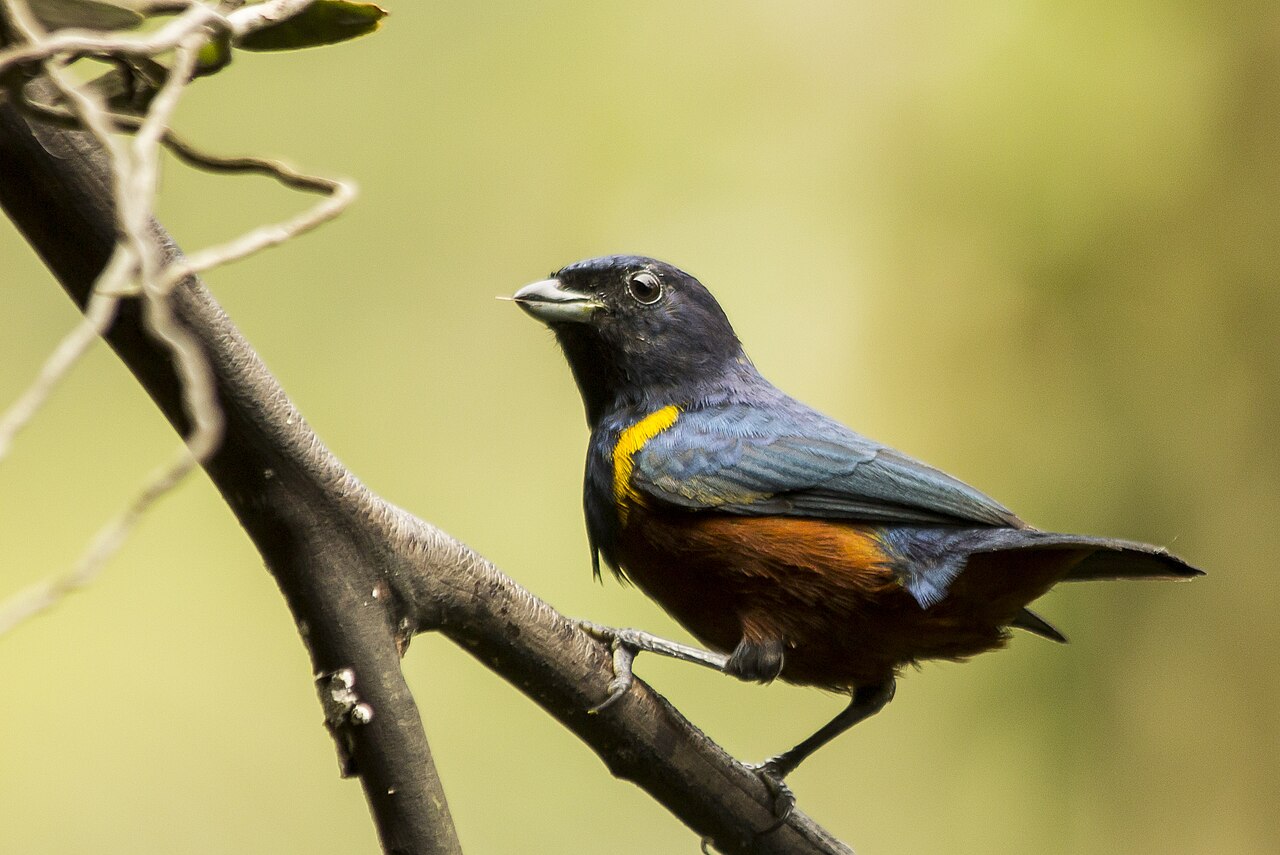
The Chestnut-breasted Chlorophonia is found in Colombia, Ecuador, Peru, and Venezuela. IUCN Redlist Status: Least Concern
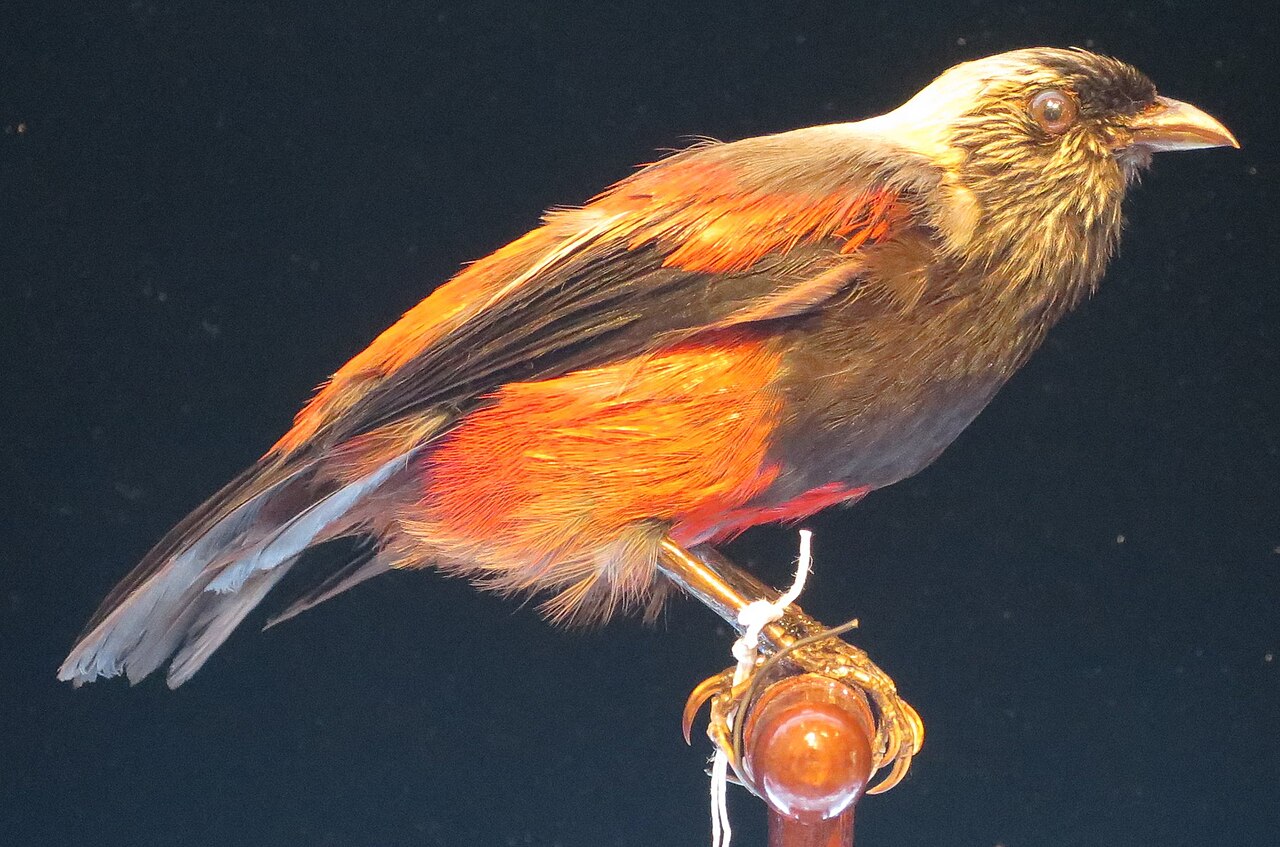
Ula-ai-hawane (Ciridops anna)
The Ula-ai-hawane was once found on the island of Island of Hawaiʻi, IUCN Redlist Status: Extinct
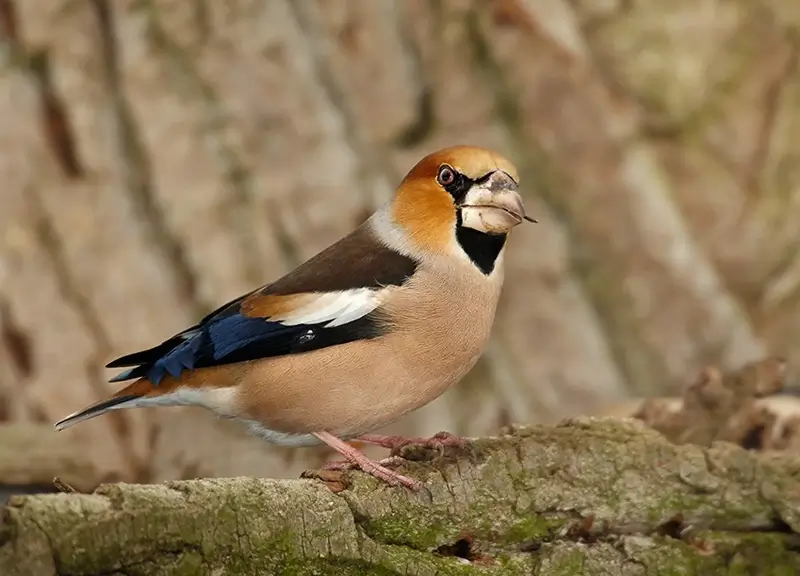
Hawfinch (Coccothraustes coccothraustes)
The Hawfinch is found in most of Europe, Central Asia, and Northern Africa. IUCN Redlist Status: Least Concern
White-throated Canary (Crithagra albogularis)
The White-throated Canary is found in Angola, Botswana, Lesotho, Namibia, and South Africa. IUCN Redlist Status: Least Concern
Ankober Serin (Crithagra ankoberensis)
The Ankober Serin is found in Ethiopia. IUCN Redlist Status: Vulnerable
Black-throated Seedeater (Crithagra atrogularis)
The Black-throated Seedeater is found in Angola, Botswana, Burundi, Congo, Gabon, Kenya, Lesotho, Namibia, Rwanda, South Africa, Tanzania, Uganda, Zambia, and Zimbabwe. IUCN Redlist Status: Least Concern
Southern Grosbeak-canary (Crithagra buchanani)
The Southern Grosbeak-canary is found in Kenya and Tanzania. IUCN Redlist Status: Least Concern
Thick-billed Seedeater (Crithagra burtoni)
The Thick-billed Seedeater is found in Angola, Burundi, Cameroon, The Democratic Republic of the Congo, Equatorial Guinea, Kenya, Nigeria, Rwanda, Tanzania, Uganda. IUCN Redlist Status: Least Concern
Black-faced Canary (Crithagra capistrata)
The Black-faced Canary is found in Angola, Burundi, Congo, The Democratic Republic of the Congo, Gabon, and Zambia. IUCN Redlist Status: Least Concern
Abyssinian Citril (Crithagra citrinelloides)
The Abyssinian citril is found in Eritrea, Ethiopia, and Kenya. IUCN Redlist Status: Least Concern
Lemon-breasted Canary (Crithagra citrinipectus)
The Lemon-breasted Canary is found in Malawi, Mozambique, South Africa, Zambia, and Zimbabwe. IUCN Redlist Status: Least Concern
Sao Tome Grosbeak (Crithagra concolor)
The Sao Tome Grosbeak is found on the São Tomé and Príncipe. IUCN Redlist Status: Critically Endangered
Northern Grosbeak-canary (Crithagra donaldsoni)
The Northern Grosbeak-canary is found in Ethiopia, Kenya, and Somalia. IUCN Redlist Status: Least Concern
White-bellied Canary (Crithagra dorsostriatus)
The White-bellied Canary is found in Ethiopia, Kenya, Somalia, South Sudan, Sudan, Tanzania, and Uganda. IUCN Redlist Status: Least Concern
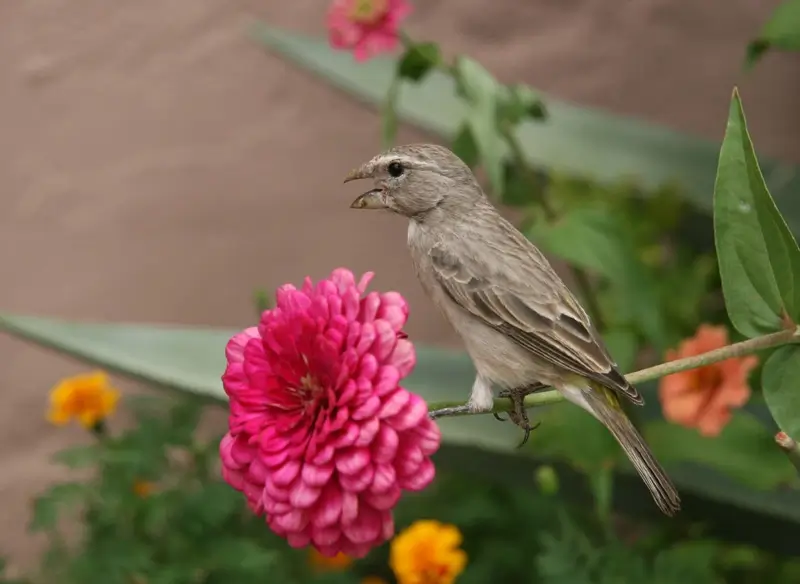
Yellow Canary (Crithagra flaviventris)
The Yellow Canary is found in Angola, Botswana, Lesotho, Namibia, and South Africa. IUCN Redlist Status: Least Concern
Yellow-browed Citril (Crithagra frontalis)
The Yellow-browed Citril, also known as te Western Citril, is found in Burundi, The Democratic Republic of the Congo, Kenya, Rwanda, Tanzania, Uganda, and Zambia. IUCN Redlist Status: Least Concern
Streaky-headed Seedeater (Crithagra gularis)
The Streaky-headed Seedeater is found in eastern and southern Africa, from Ethiopia to South Africa.. IUCN Redlist Status: Least Concern
Southern Citril (Crithagra hyposticta)
Souther Citril is fond in Kenya, Malawi, Mozambique, South Sudan, Sudan, Tanzania, and Zambia. IUCN Redlist Status: Least Concern
Papyrus Canary (Crithagra koliensis)
The Papyrus Canary is found in Burundi, Democratic Republic of the Congo, Kenya, Rwanda, Tanzania, and Uganda. IUCN Redlist Status: Least Concern
Protea Canary (Crithagra leucoptera)
The Protea Canary is found in South Africa. IUCN Redlist Status: Near Threatened
White-rumped Seedeater (Crithagra leucopygia)
The White-rumped Seedeater is found in dry savannas and scrublands from Mauritania and Senegal east to Sudan and Eritrea.. IUCN Redlist Status: Least Concern
Black-eared Seedeater (Crithagra mennelli)
The Black-eared Seedeater is found in Angola, Botswana, Democratic Republic of the Congo, Malawi, Mozambique, Namibia, South Africa, Tanzania, Zambia, and Zimbabwe. IUCN Redlist Status: Least Concern
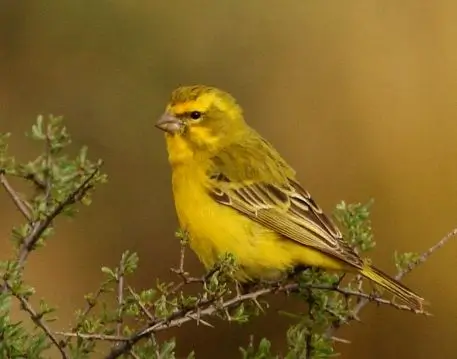
Yellow-fronted Canary (Crithagra mozambicus)
The Yellow-fronted Canary is found in Sub-Saharan Africa. IUCN Redlist Status: Least Concern
Reichard's Seedeater (Crithagra reichardi)
Reichard's Seedeater is found in Burundi, Democratic Republic of the Congo, Ethiopia, Kenya, Malawi, Mozambique, South Sudan, Sudan, Tanzania, Zambia, and Zimbabwe. IUCN Redlist Status: Least Concern
Reichenow's Seedeater (Crithagra reichenowi)
Reichenow's Seedeater is found in Djibouti, Ethiopia, Kenya, Somalia, South Sudan, Tanzania, and Uganda. IUCN Redlist Status: Least Concern
Arabian Serin (Crithagra rothschildi)
The Arabian Serin is found in Saudi Arabia and Yemen. IUCN Redlist Status: Least Concern
Principe Seedeater (Crithagra rufobrunnea)
The Principe Seedeater is found in the African island nation of Sao Tome and Principe. IUCN Redlist Status: Least Concern
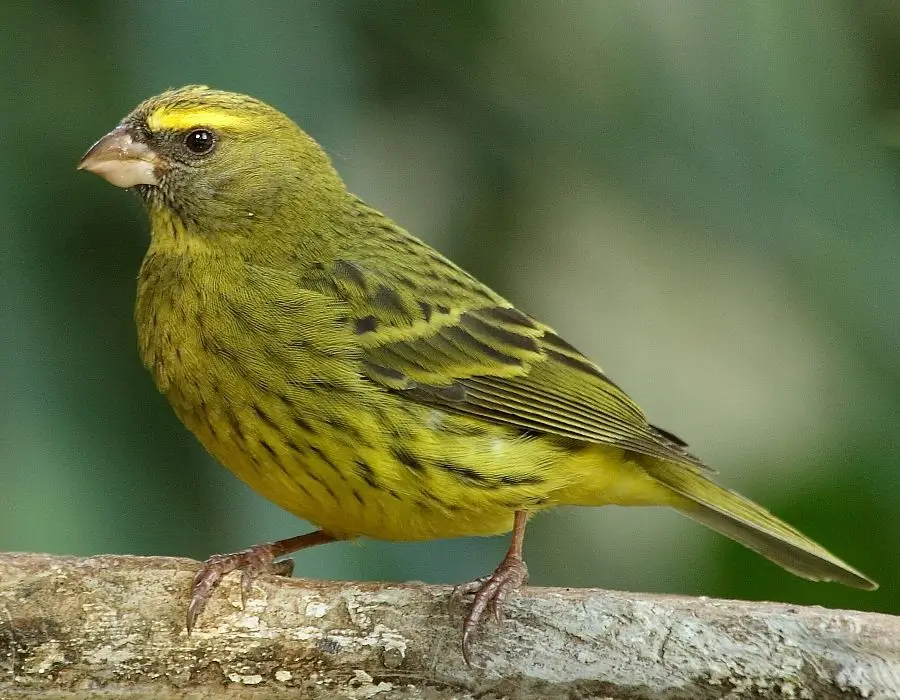
Forest Canary (Crithagra scotops)
The Forest Canary is found in South Africa and Swaziland. IUCN Redlist Status: Least Concern
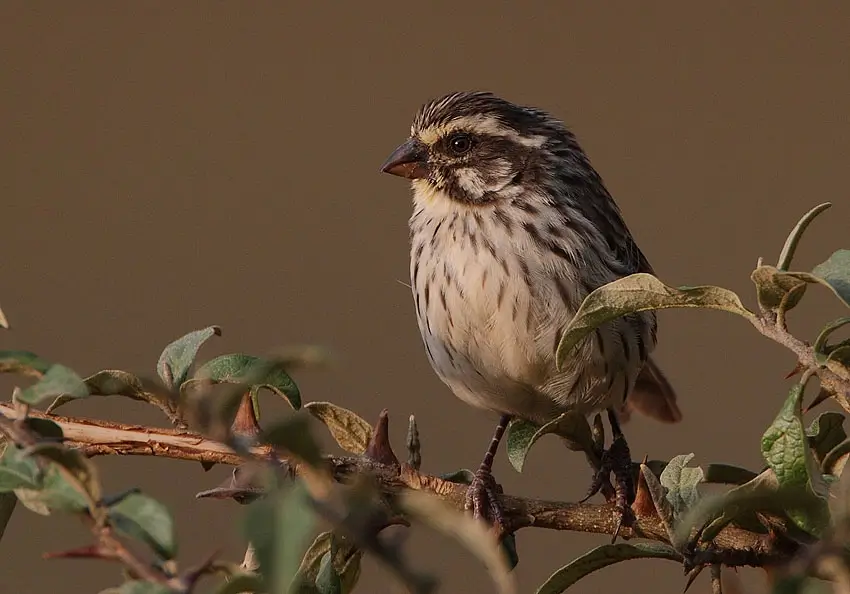
Streaky Seedeater (Crithagra striolatus)
The Streaky Seedeater is found in Burundi, Congo, Eritrea, Ethiopia, Kenya, Malawi, Rwanda, South Sudan, Sudan, Tanzania, and Uganda. IUCN Redlist Status: Least Concern
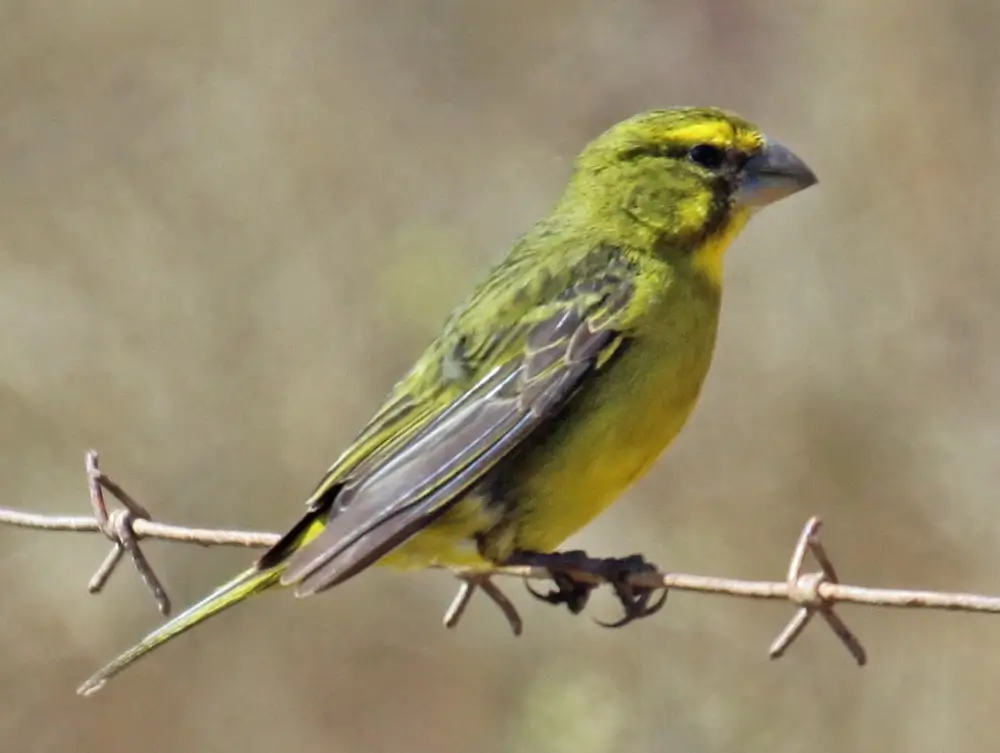
Brimstone Canary (Crithagra sulphuratus)
The Brimstone Canary is found in Angola, Botswana, Burundi, Congo, Kenya, Malawi, Mozambique, Rwanda, South Africa, Swaziland, Tanzania, Uganda, Zambia, and Zimbabwe. IUCN Redlist Status: Least Concern
Drakensberg Siskin (Crithagra symonsi)
The Drakensberg Siskin is found in Lesotho and South Africa. IUCN Redlist Status: Least Concern
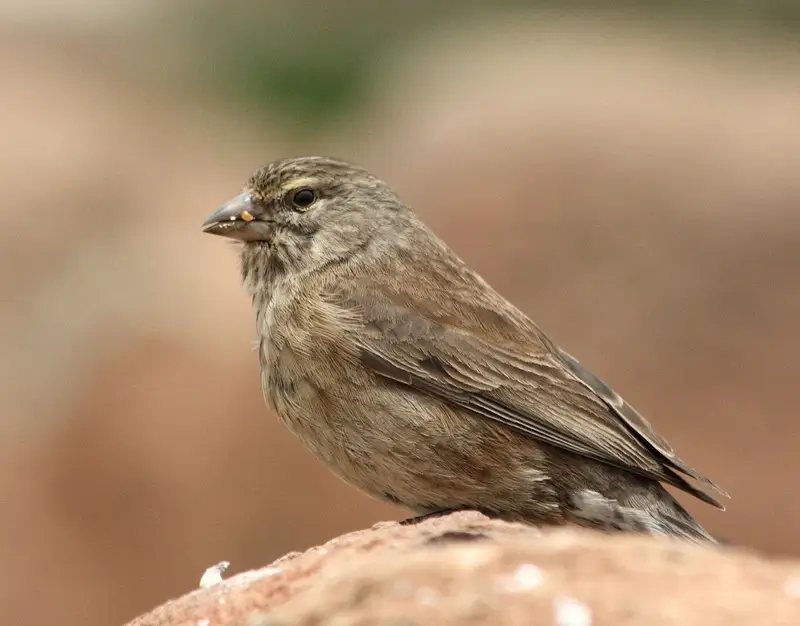
Cape Siskin (Crithagra totta)
The Cape Siskin is found in South Africa. IUCN Redlist Status: Least Concern
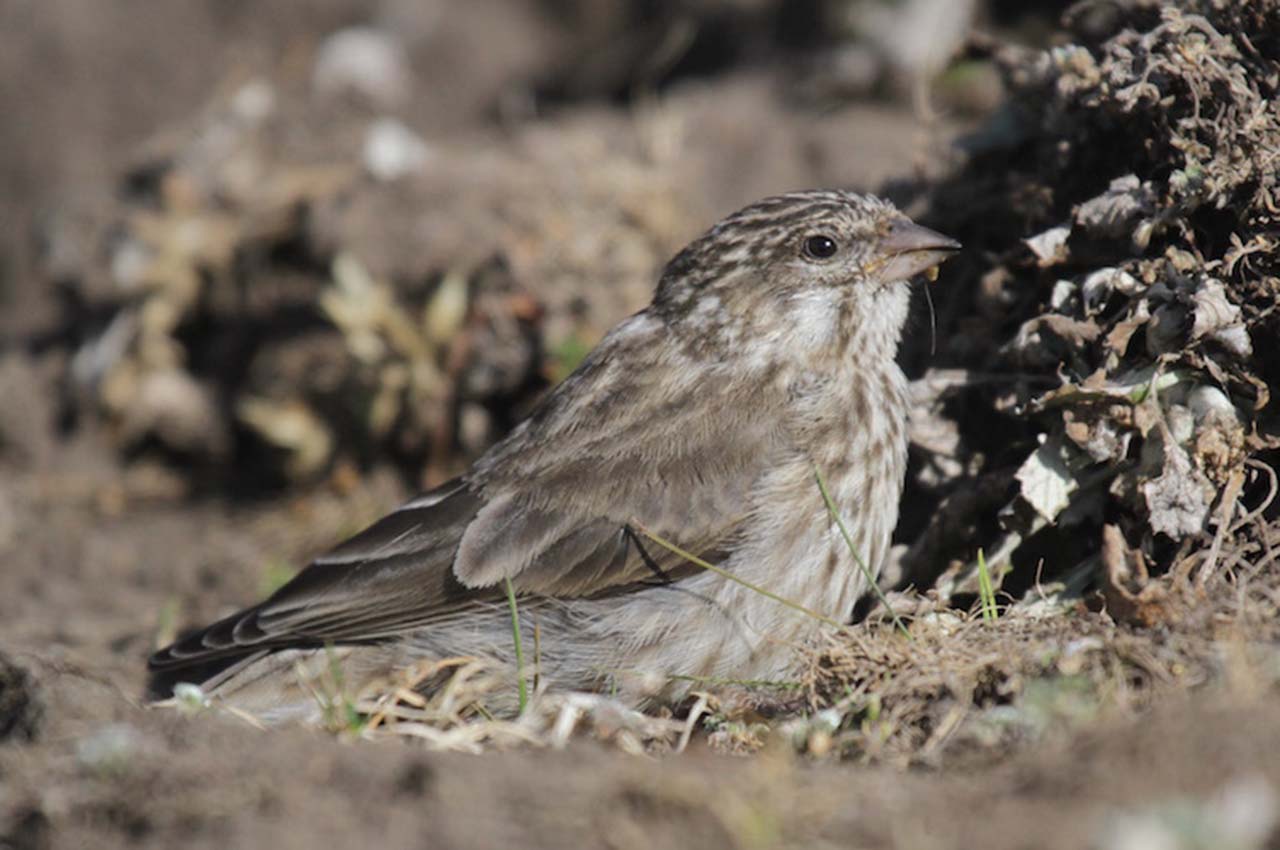
Brown-rumped Seedeater (Crithagra tristriatus)
The Brown-rumped Seedeater is found in Eritrea, Ethiopia, and Somalia. IUCN Redlist Status: Least Concern
Salvadori's Serin (Crithagra xantholaemus)
Salvadori's Serin is found in Ethiopia. IUCN Redlist Status: Near Threatened
Yellow-rumped Seedeater (Crithagra xanthopygia)
The Yellow-rumped Seedeater is found in Eritrea and Ethiopia. IUCN Redlist Status: Least Concern
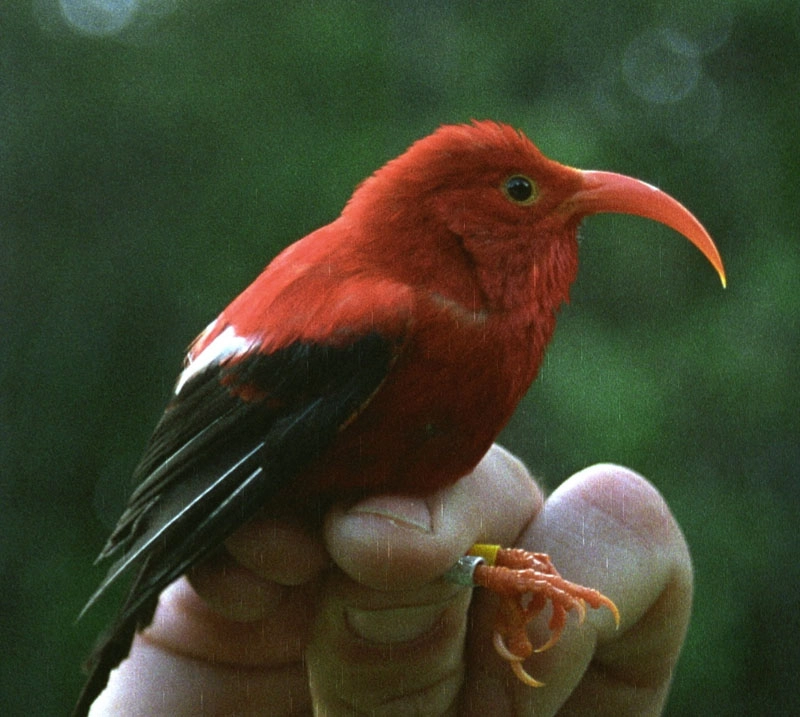
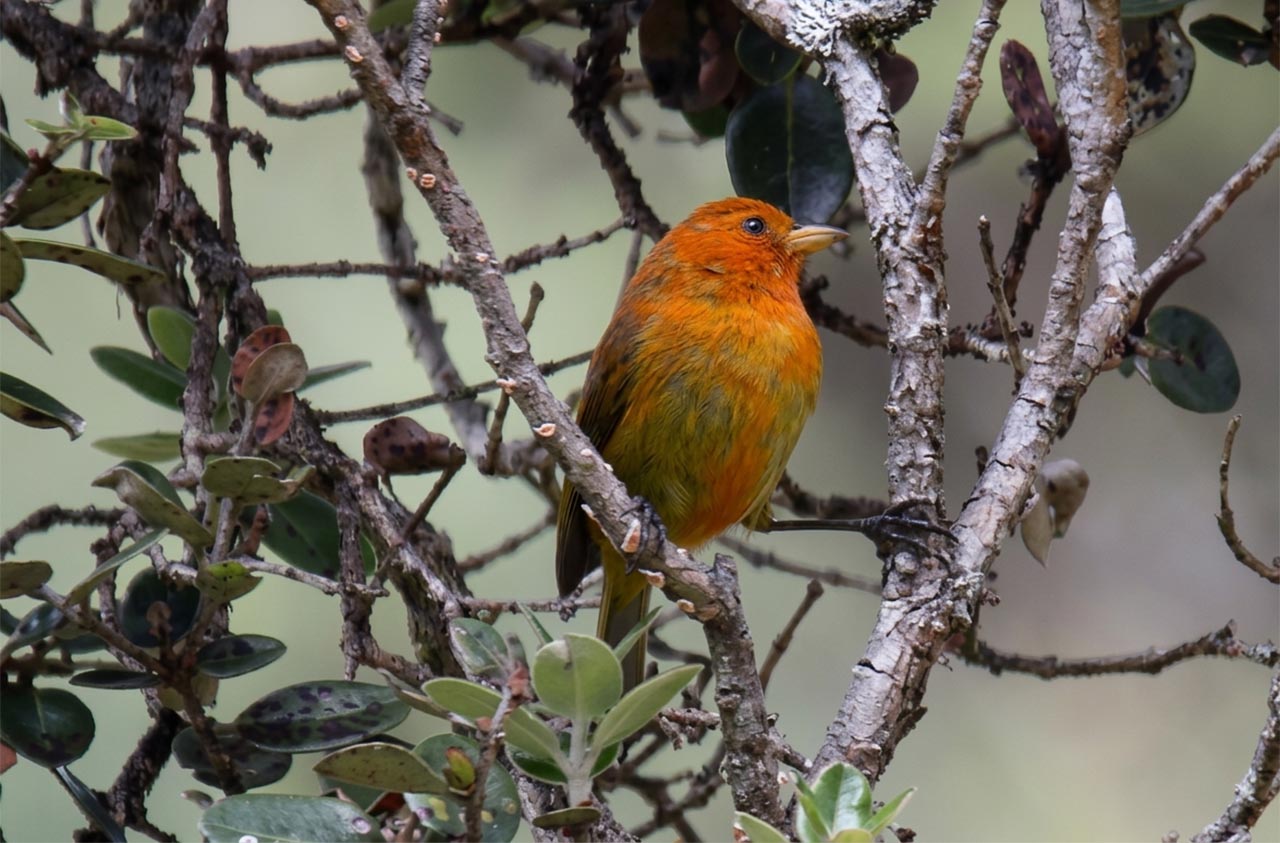
ʻIʻiwi (Drepanis coccinea)
The ʻIʻiwi is found in the Hawaiian Islands. IUCN Redlist Status: Vulnerable
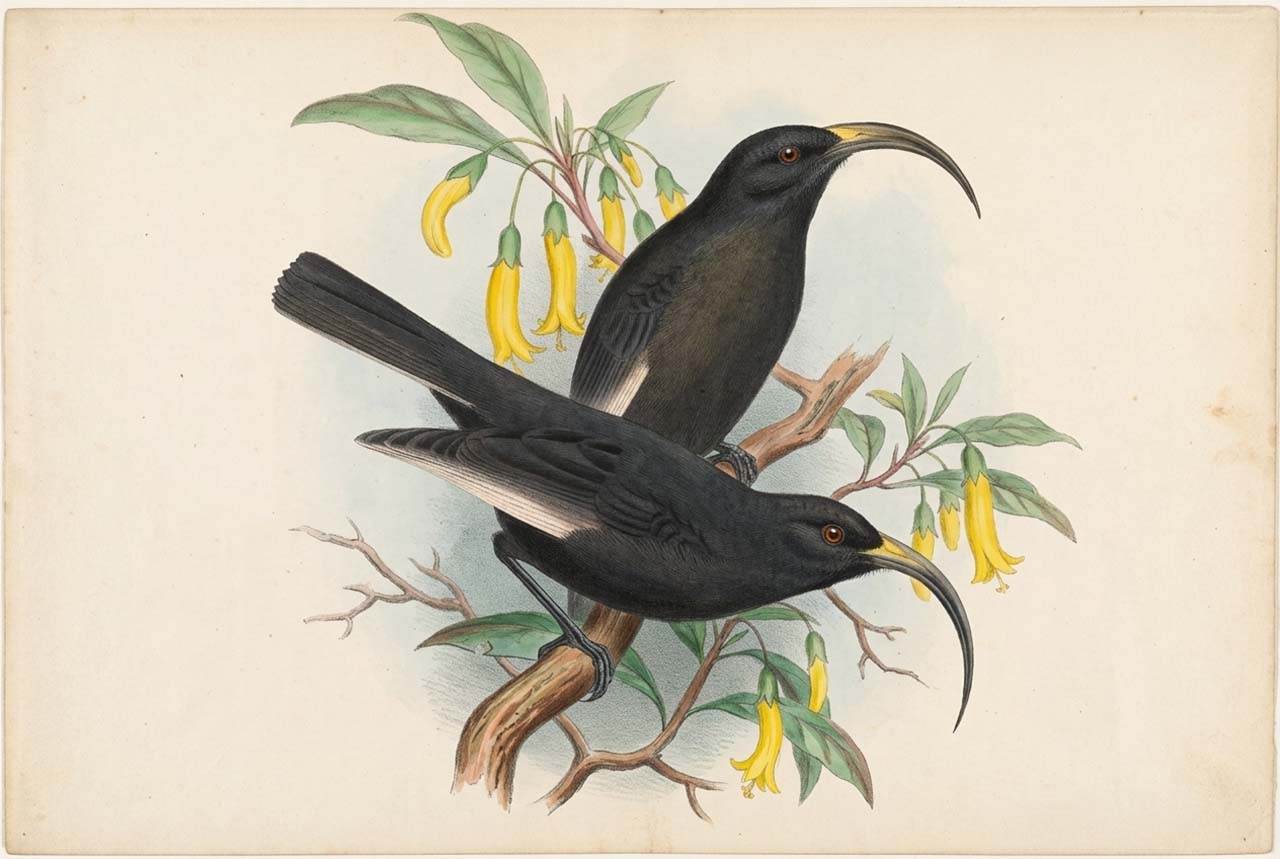
Black Mamo (Drepanis funerea0
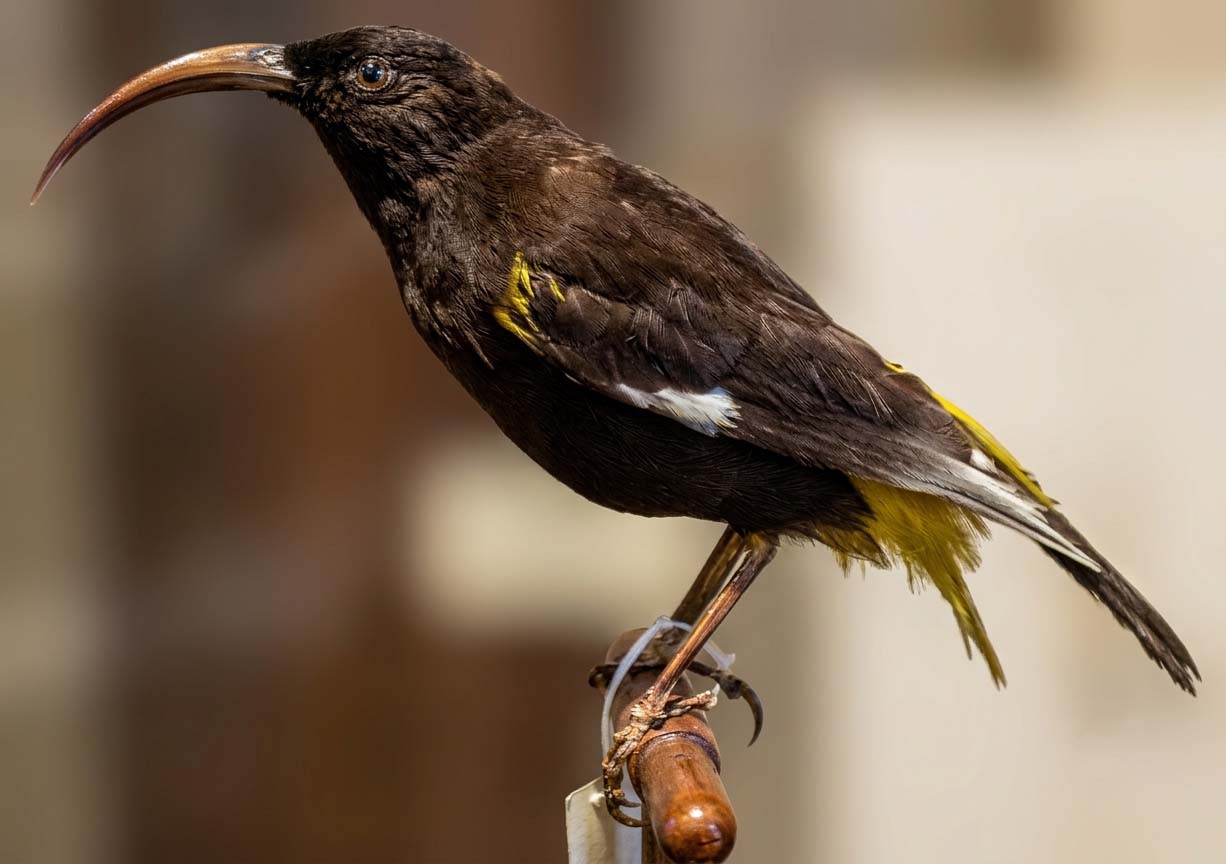
The Black Mamo was found on Moloka`i Island in Hawai`i. IUCN Redlist Status: Extinct
Hawaii Mamo (Drepanis pacifica)
The Hawaii Mamo was found on the big island of Hawai`i. IUCN Redlist Status: Extinct
Chines Grosbeak (Eophona migratoria)
The Chinese Grosbeak is found in China, Hong Kong, Japan, North and South Korea, Laos, Myanmar, Russia, Taiwan, Thailand, and Vietnam. IUCN Redlist Status: Least Concern
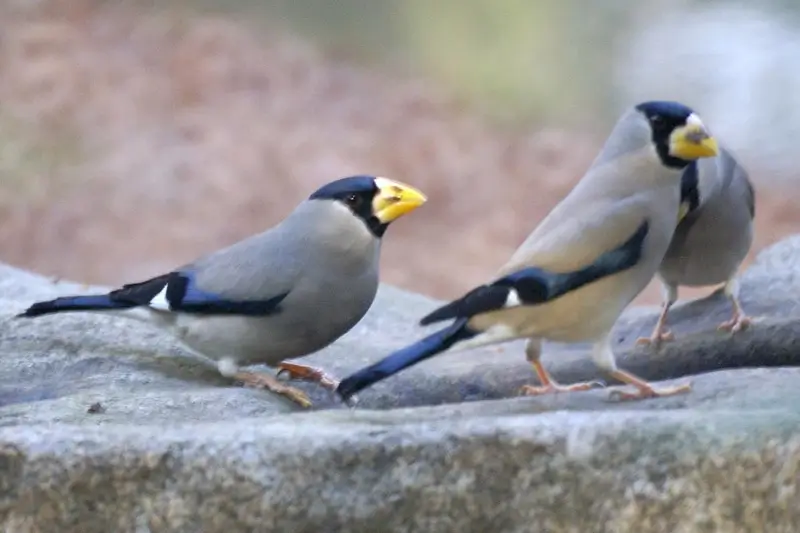
Japanese Grosbeak (Eophona personata)
The Japanese grosbeak is found in China, Hong Kong, Japan, North and South Korea, Macao, Russia, and Taiwan. IUCN Redlist Status: Least Concern
Scrub Euphonia (Euphonia affinis)
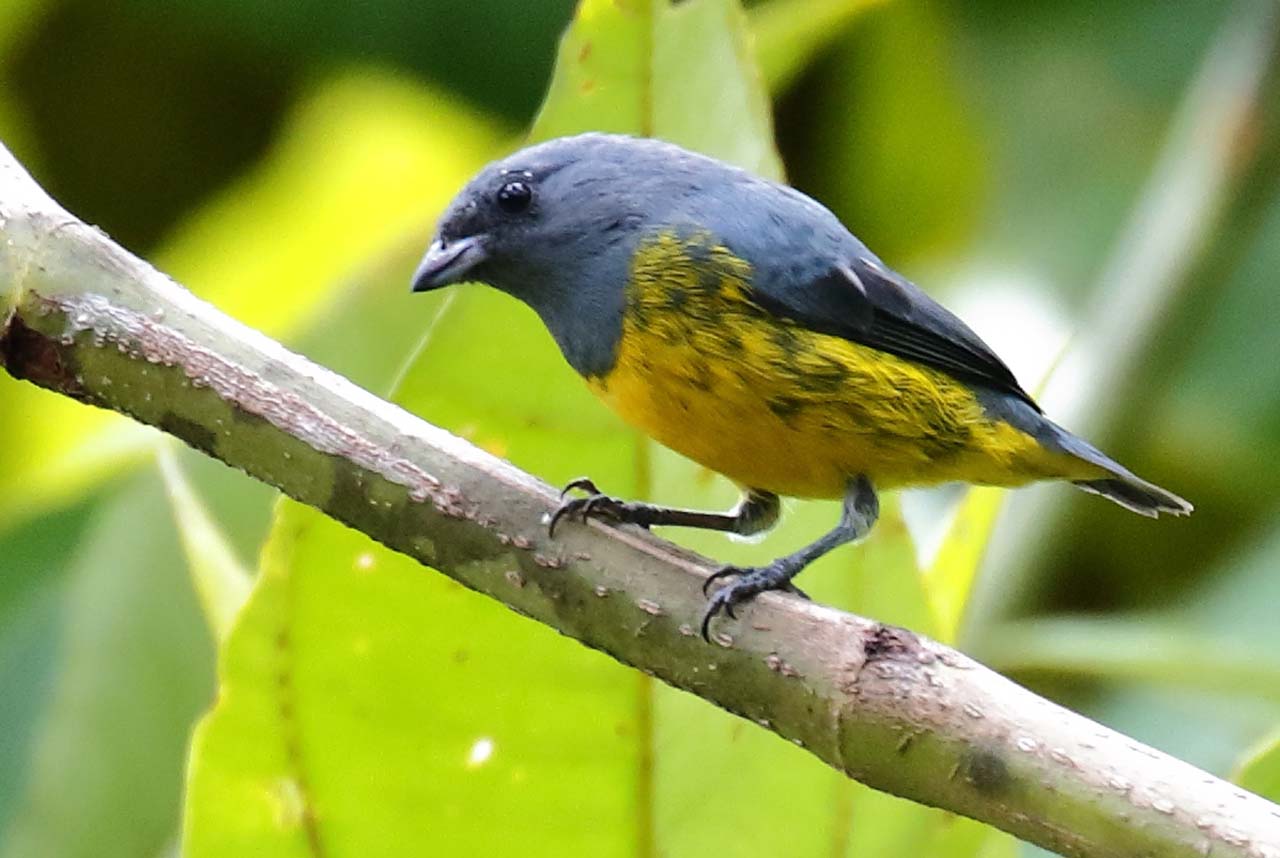
The Scrub Euphonia is found in Belize, Costa Rica, El Salvador, Guatemala, Honduras, Mexico, and Nicaragua. IUCN Redlist Status: Least Concern
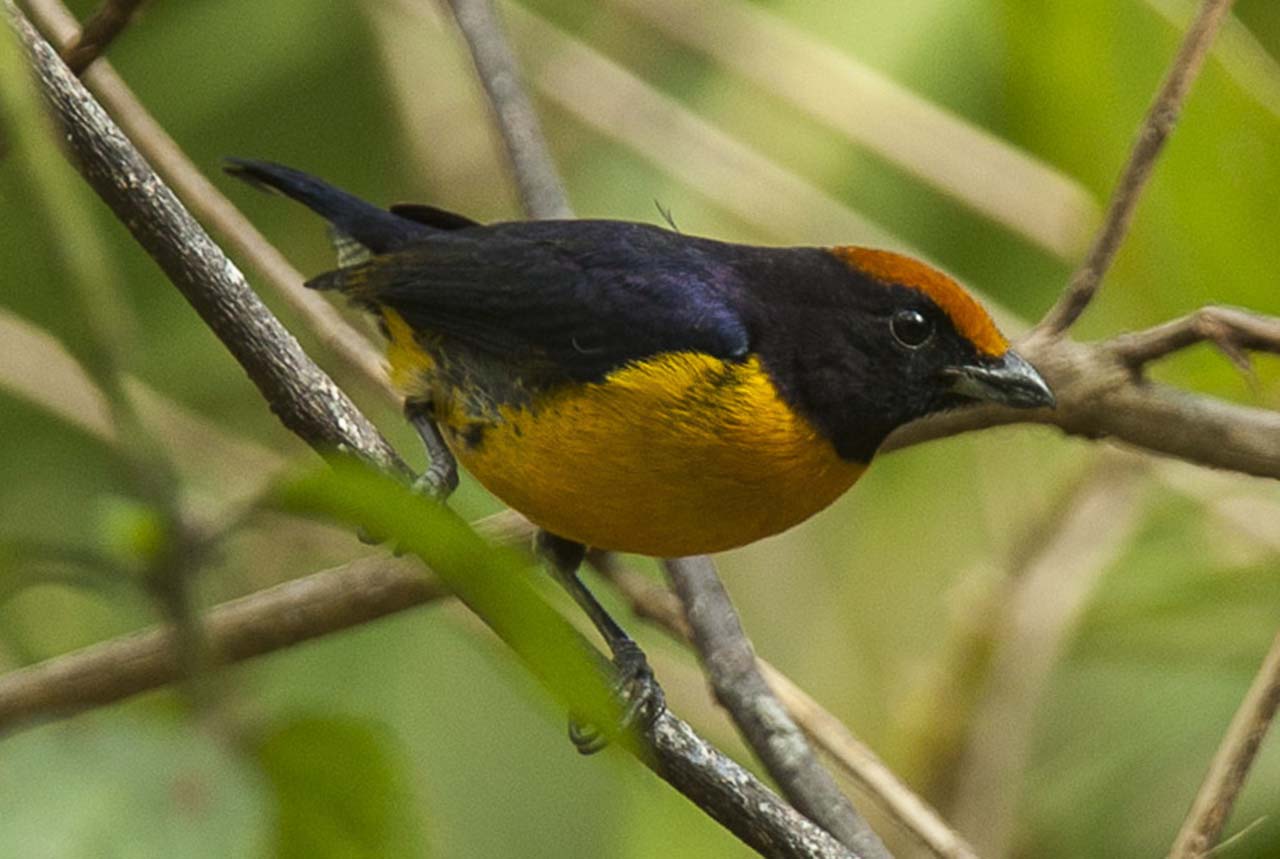
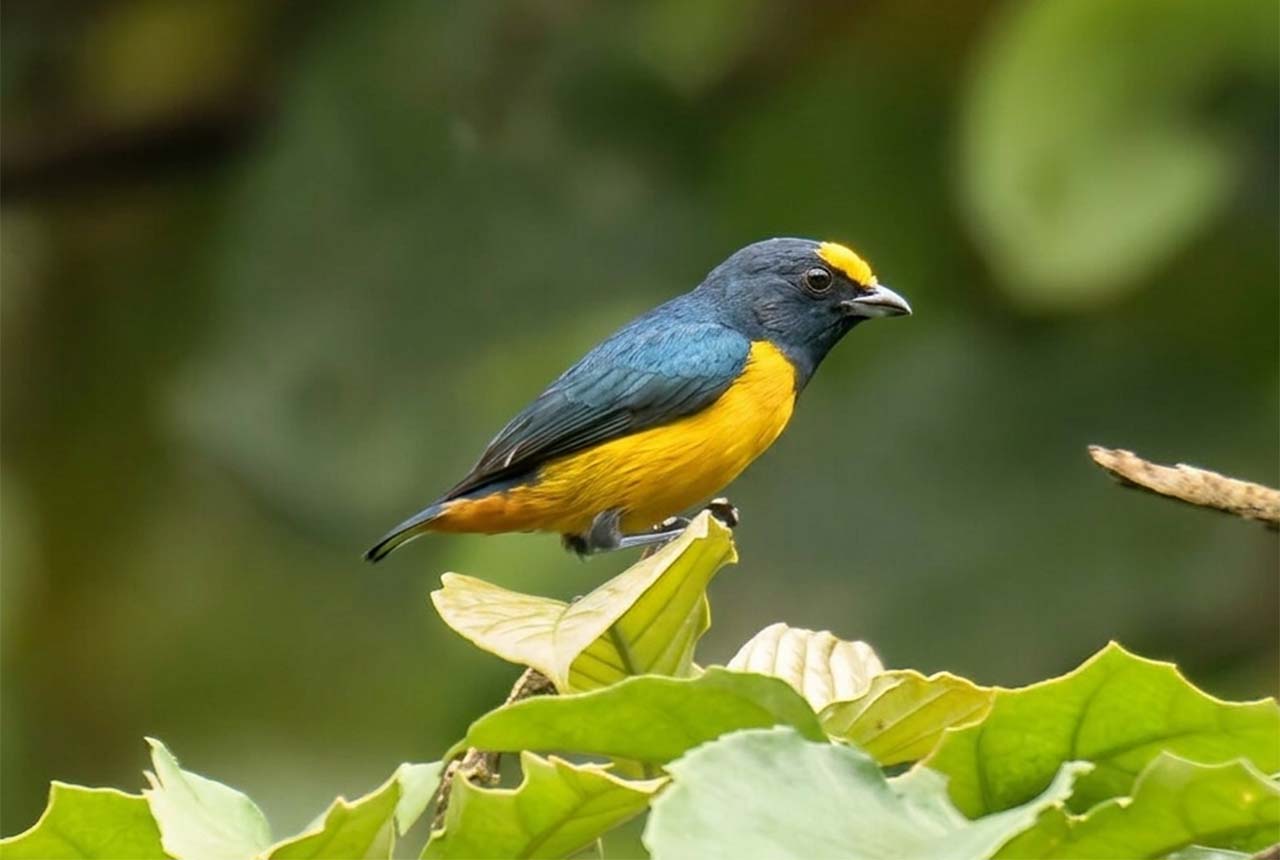
Tawny-capped Euphonia (Euphonia anneae)
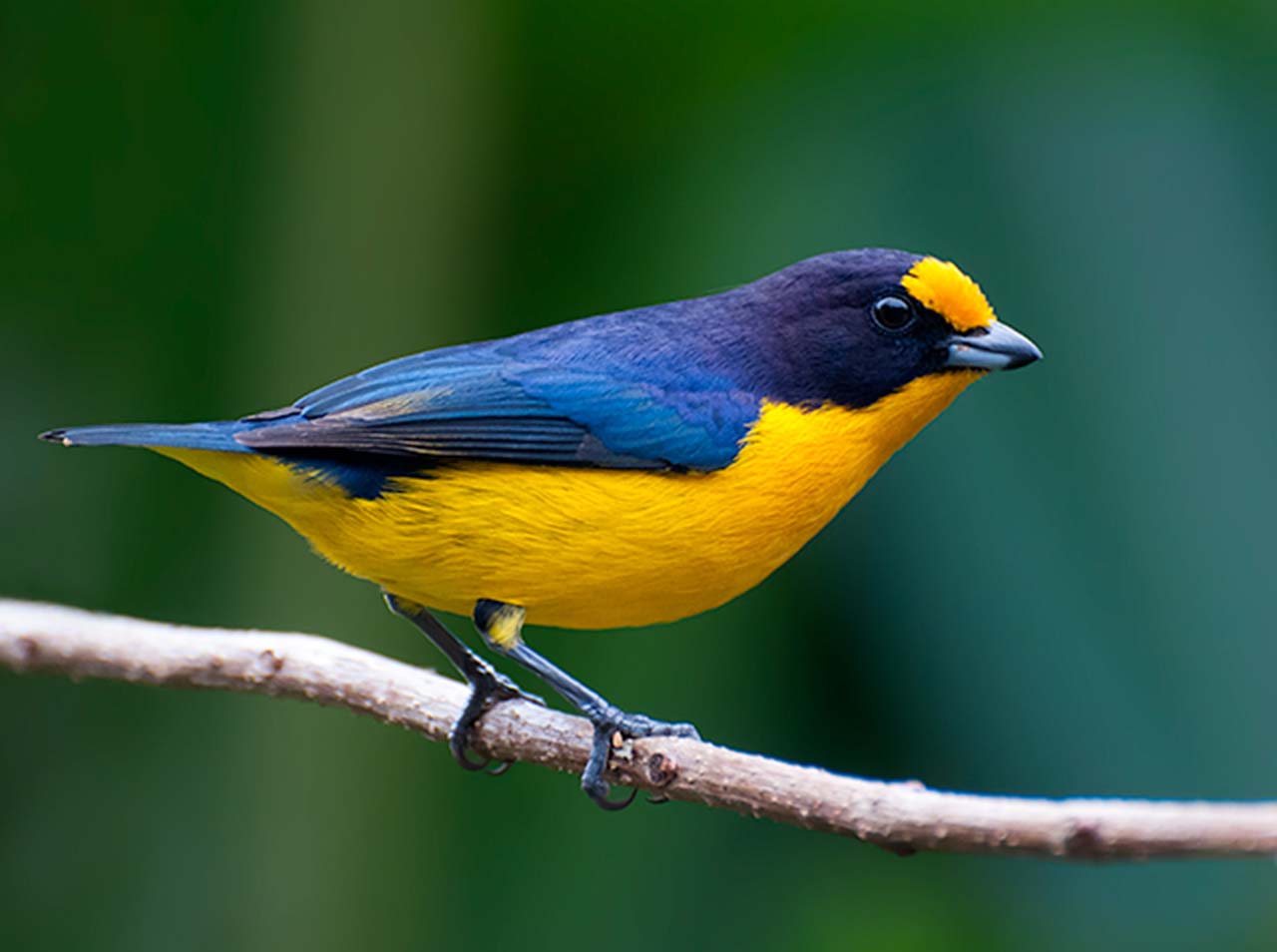
The Tawny-capped Euphonia is found in Colombia, Costa Rica, and Panama. IUCN Redlist Status: Least Concern
Golden-sided Euphonia (Euphonia cayennensis)
The Golden-sided Euphonia is found in Brazil, French Guiana, Guyana, Suriname, and Venezuela. IUCN Redlist Status: Least Concern
Green-throated Euphonia (Euphonia chalybea)
The Green-throated Euphonia is found in Argentina, Brazil, and Paraguay. IUCN Redlist Status: Least Concern
Purple-throated Euphonia (Euphonia chlorotica)
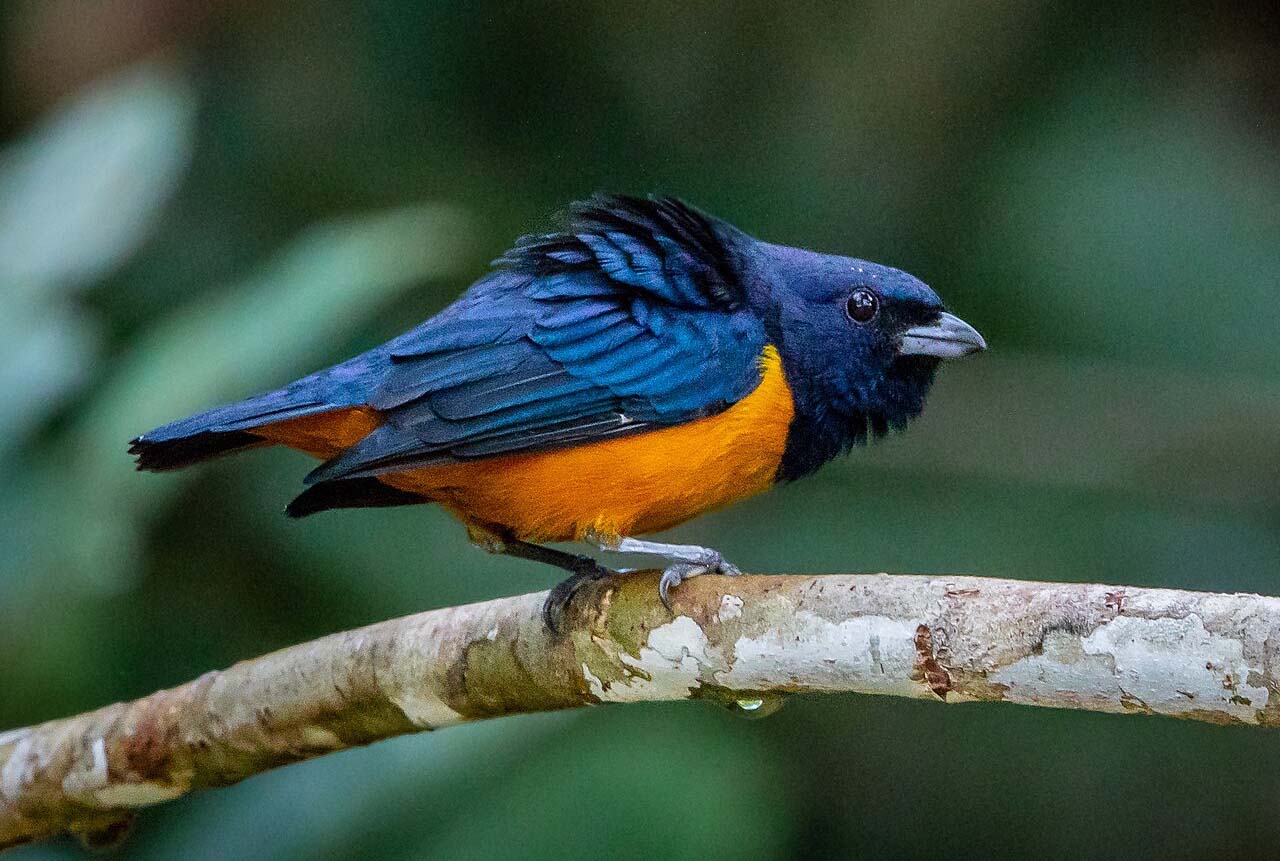
The Purple-throated Euphonia is found in Argentina, Bolivia, Brazil, Colombia, Ecuador, French Guiana, Guyana, Paraguay, Peru, Suriname, Uruguay, and Venezuela. IUCN Redlist Status: Least Concern
White-lored Euphonia (Euphonia chrysopasta)
The White-lored Euphonia, also known as the Golden-bellied Euphonia is found in Bolivia, Brazil, Colombia, Ecuador, French Guiana, Guyana, Peru, Suriname, and Venezuela. IUCN Redlist Status: Least Concern
Velvet-fronted Euphonia (Euphonia concinna)
The Velvet-fronted Euphonia is found in Colombia. IUCN Redlist Status: Least Concern
Golden-rumped Euphonia (Euphonia cyanocephala)
The Golden-rumped Euphonia is found in Argentina, Bolivia, Brazil, Colombia, Ecuador, French Guiana, Guyana, Paraguay, Peru, Suriname, Trinidad and Tobago, and Venezuela. IUCN Redlist Status: Least Concern
Elegant Euphonia (Euphonia elegantissima)
The Elegant Euphonia is found in Belize, Costa Rica, El Salvador, Guatemala, Honduras, Mexico, Nicaragua, and Panama. IUCN Redlist Status: Least Concern
Finsch's Euphonia (Euphonia finschi)
Finsch's Euphonia is found in Brazil, French Guiana, Guyana, Suriname, and Venezuela. IUCN Redlist Status: Least Concern
Lesser Antillean Euphonia (Euphonia flavifrons)
The Lesser Antillean Euphonia is found in forests and woodland edges from southern Mexico through Central America to northwestern South America. IUCN Redlist Status: Least Concern
Fulvous-vented Euphonia (Euphonia fulvicrissa)
The Fulvous-vented Euphonia is found in Colombia, Ecuador, and Panama. IUCN Redlist Status: Least Concern
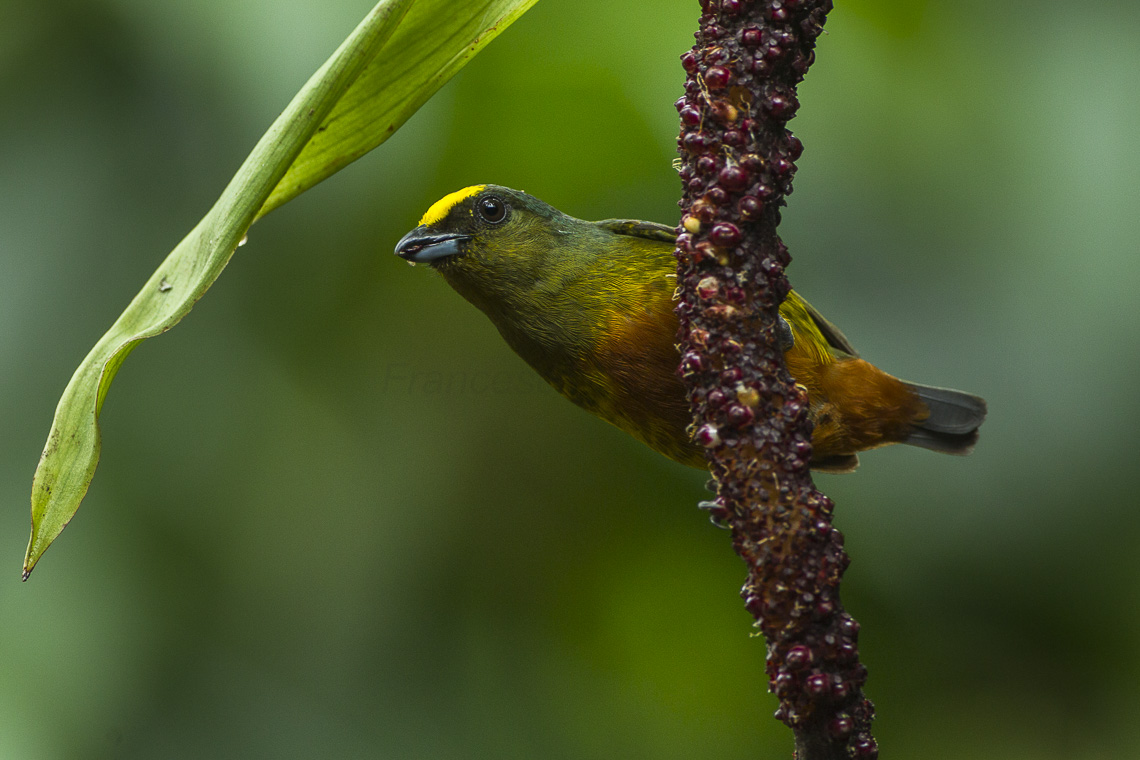
Olive-backed Euphonia (Euphonia gouldi)
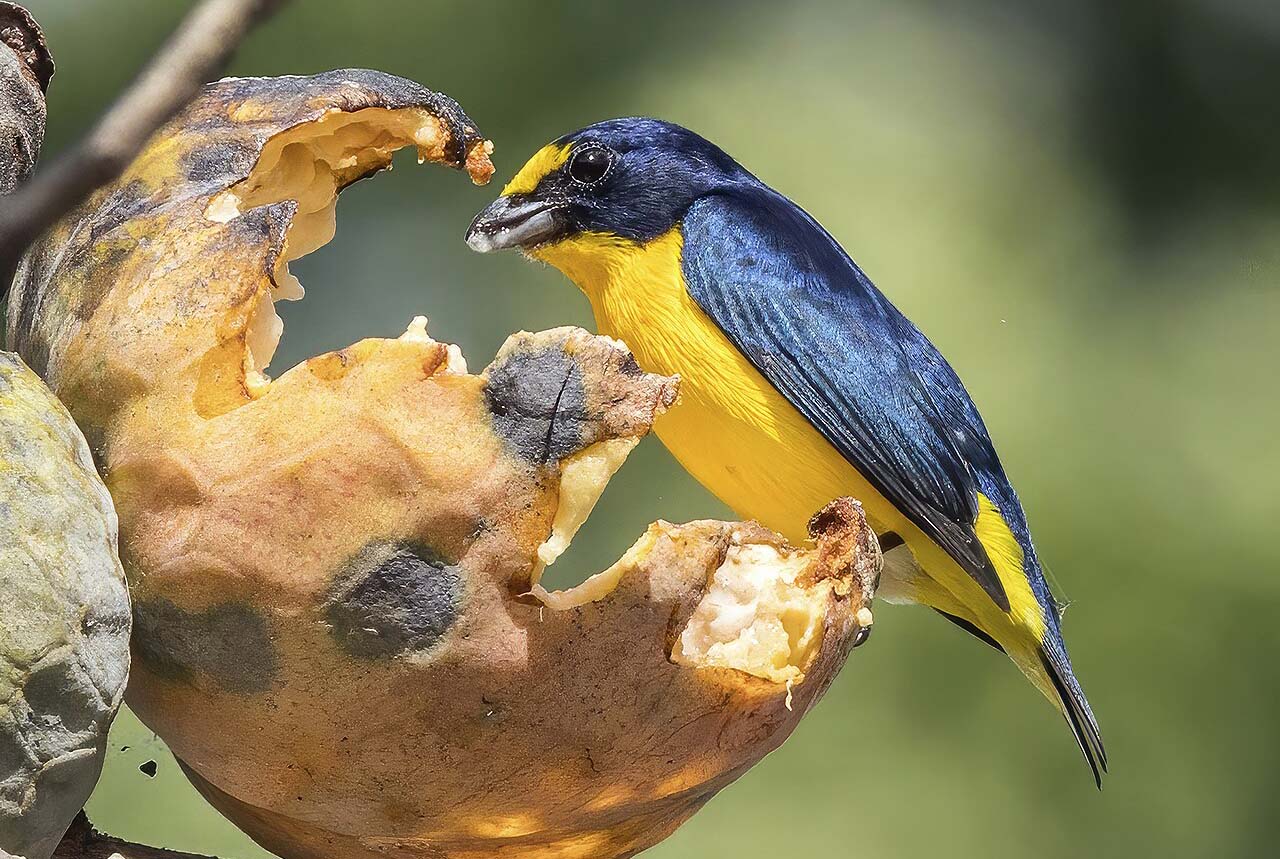
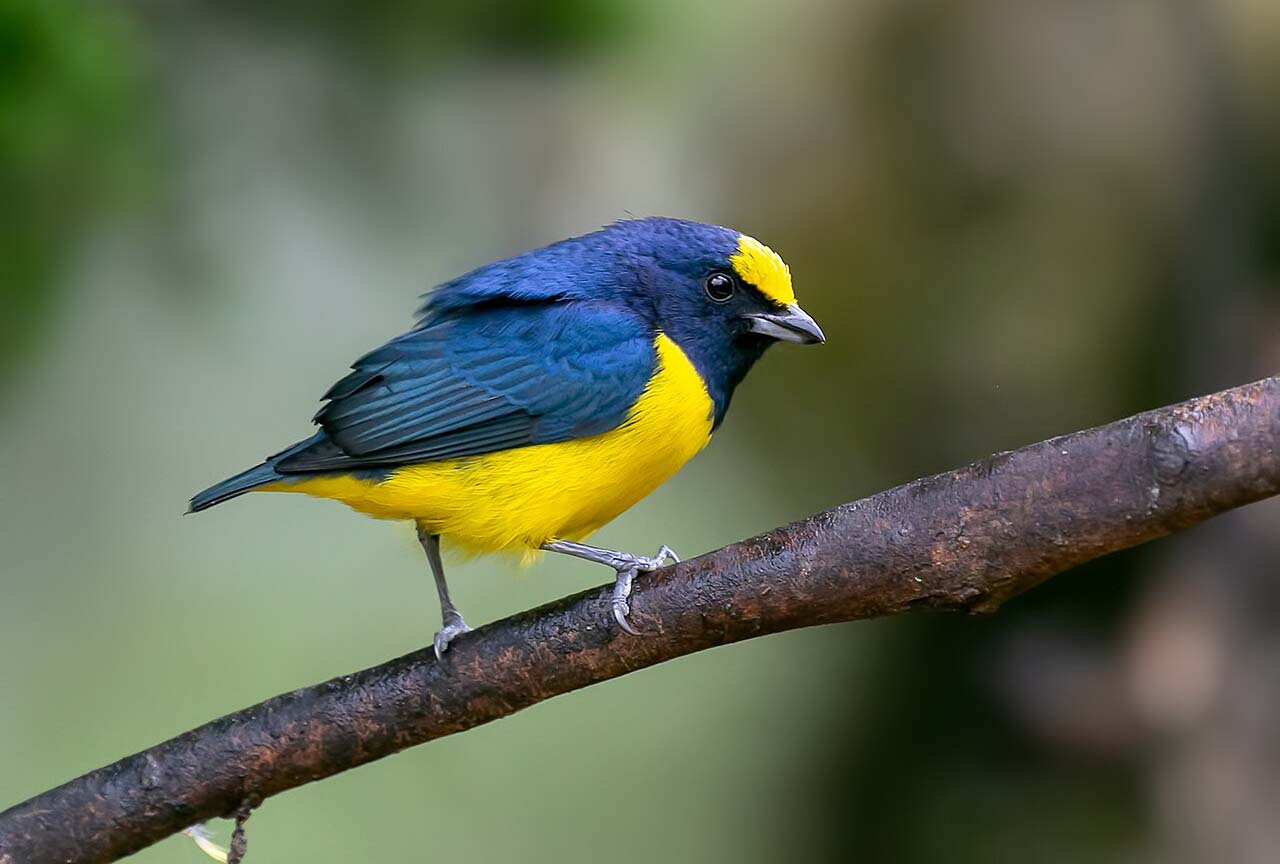
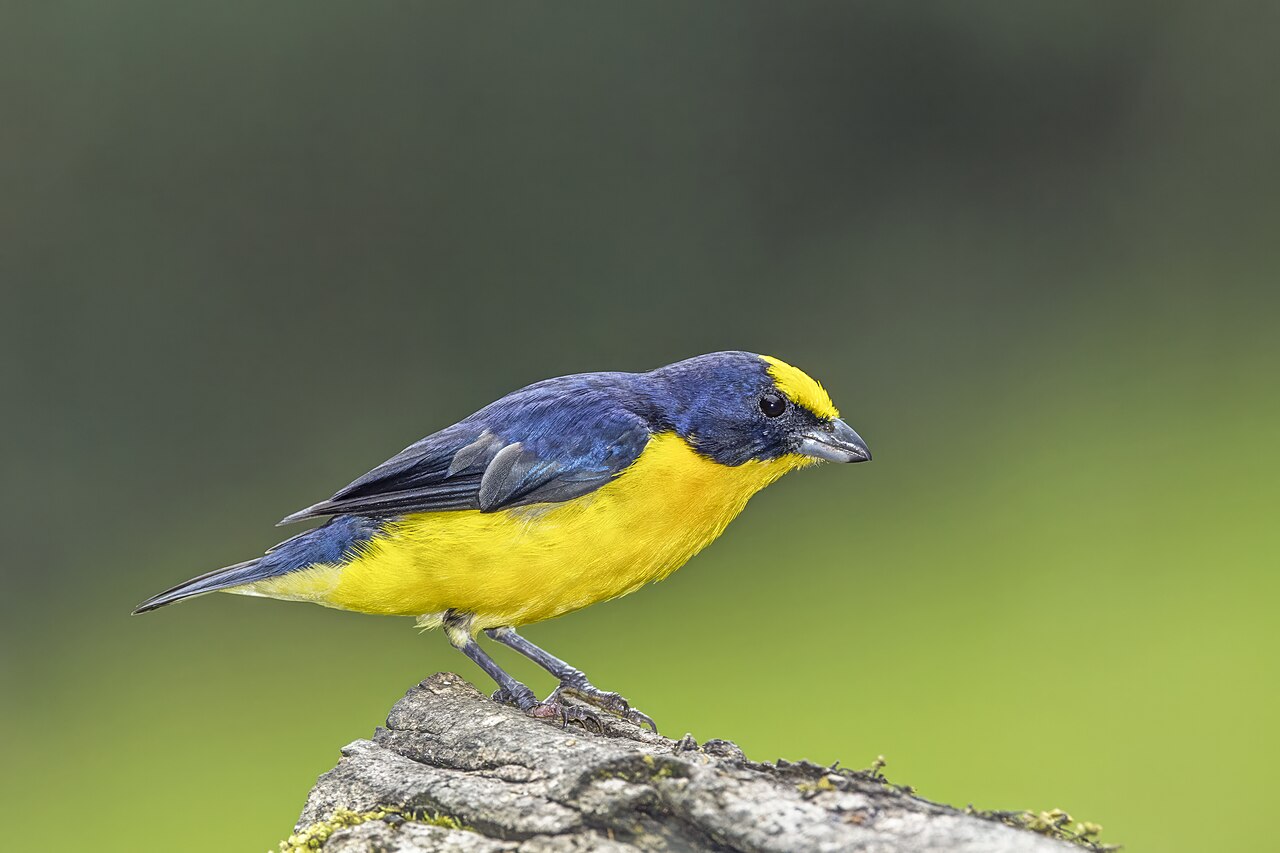
The Olive-backed Euphonia is found in Belize, Costa Rica, Guatemala, Honduras, Mexico, Nicaragua, and Panama. IUCN Redlist Status: Least Concern
Yellow-throated Euphonia (Euphonia hirundinacea)
The Yellow-throated Euphonia is found in Belize, Costa Rica, El Salvador, Guatemala, Honduras, Mexico, Mexico, Nicaragua, and Panama. IUCN Redlist Status: Least Concern
Spot-crowned Euphonia (Euphonia imitans)
The Spot-crowned Euphonia is found in Costa Rica and Panama. IUCN Redlist Status: Least Concern
Jamaican Euphonia (Euphonia jamaica)
The Jamaican Euphonia is found in Jamaica. IUCN Redlist Status: Least Concern
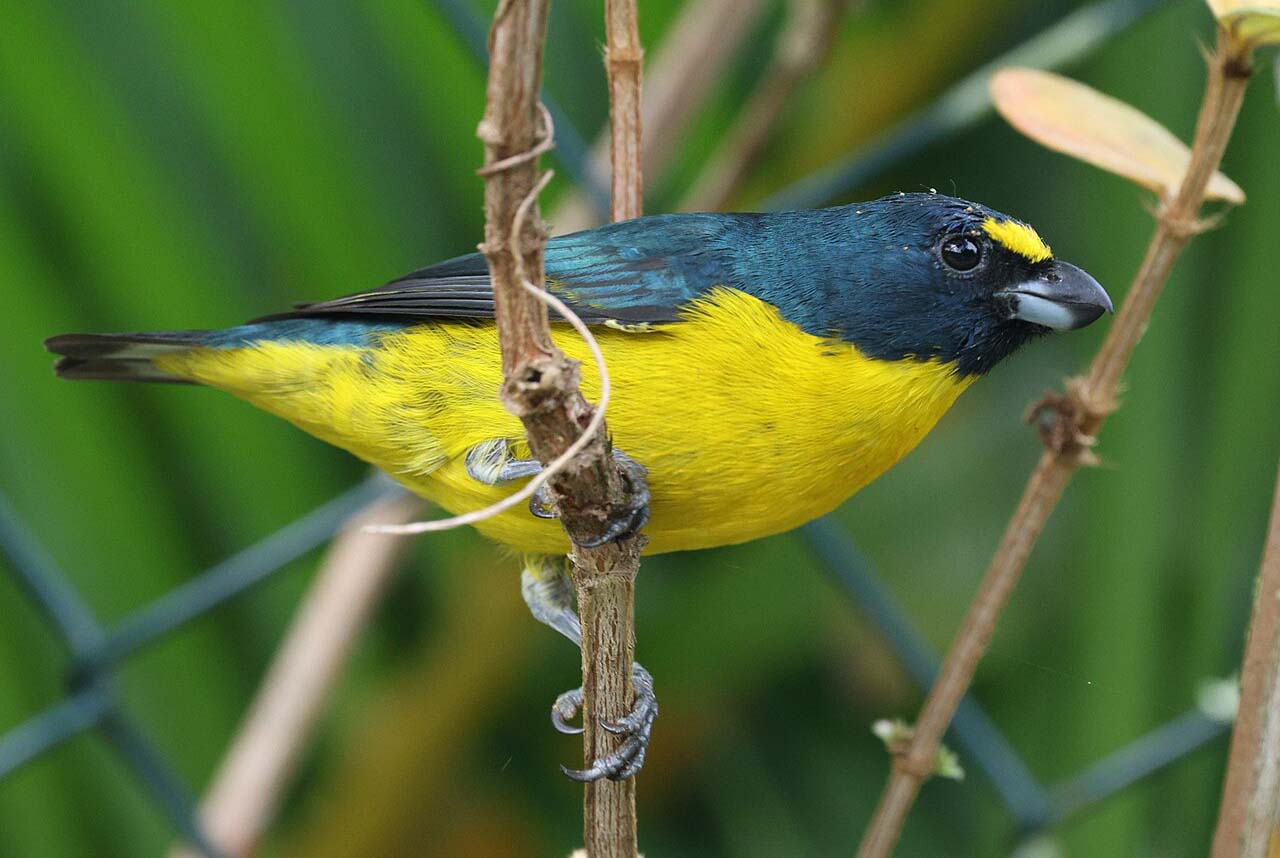
Thick-billed Euphonia (Euphonia laniirostris)
The Thick-billed Euphonia is found in Bolivia, Brazil, Colombia, Costa Rica, Ecuador, Panama, Peru, and Venezuela. IUCN Redlist Status: Least Concern
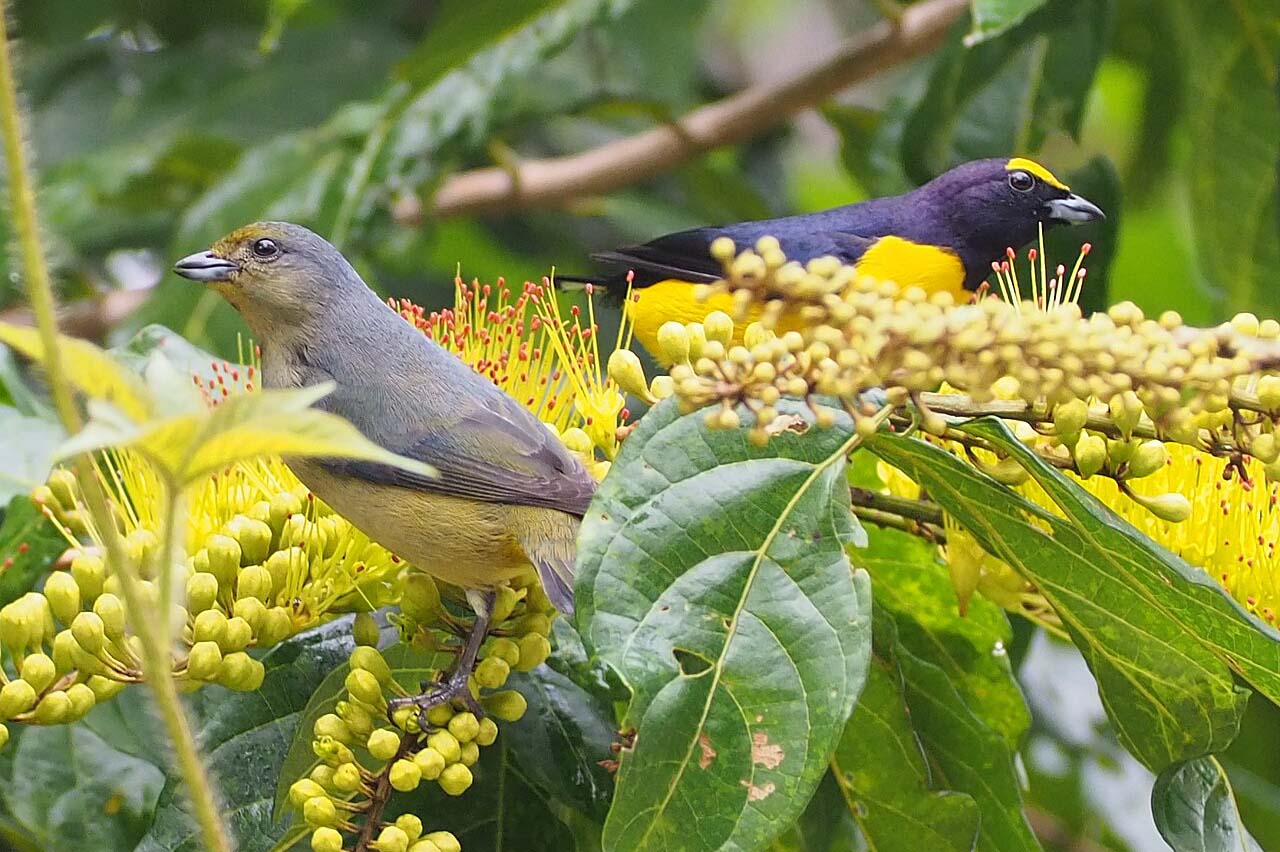
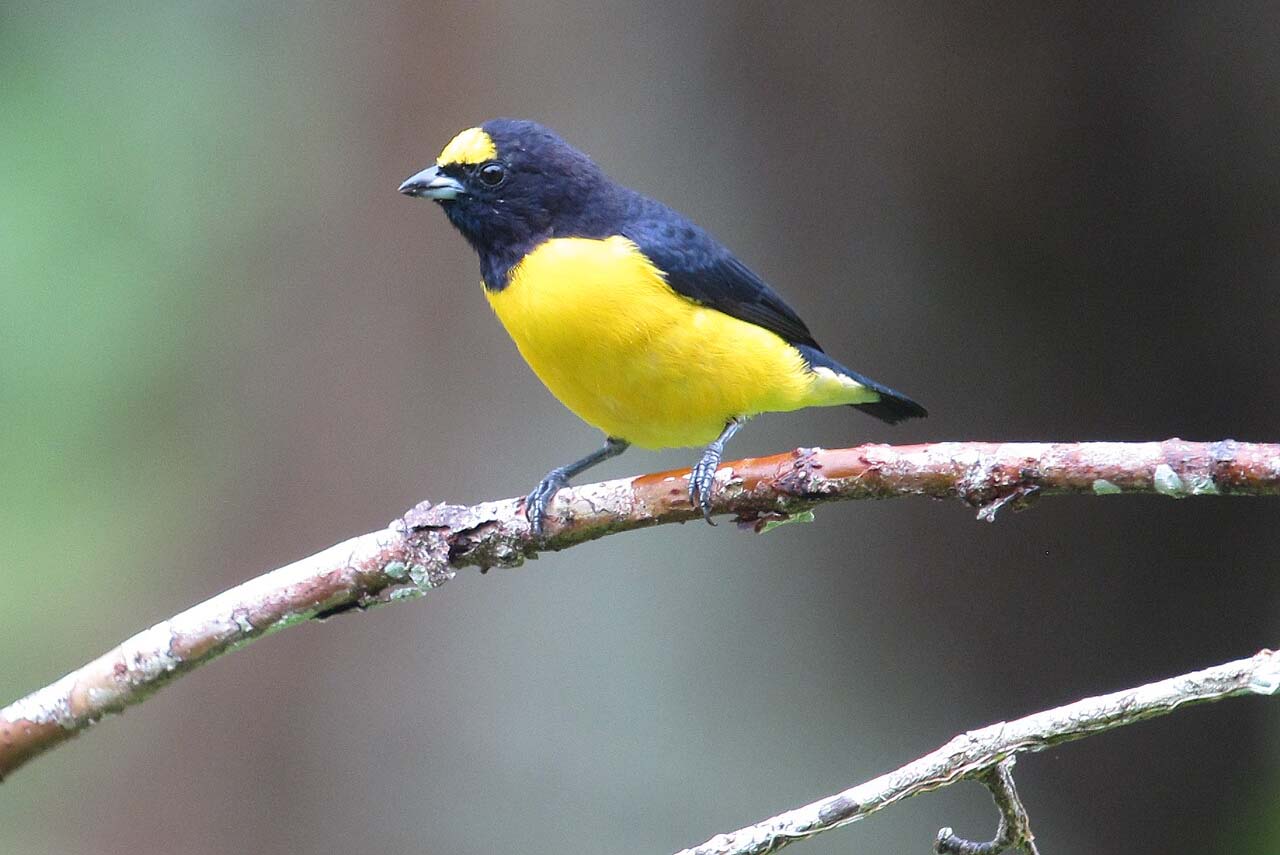
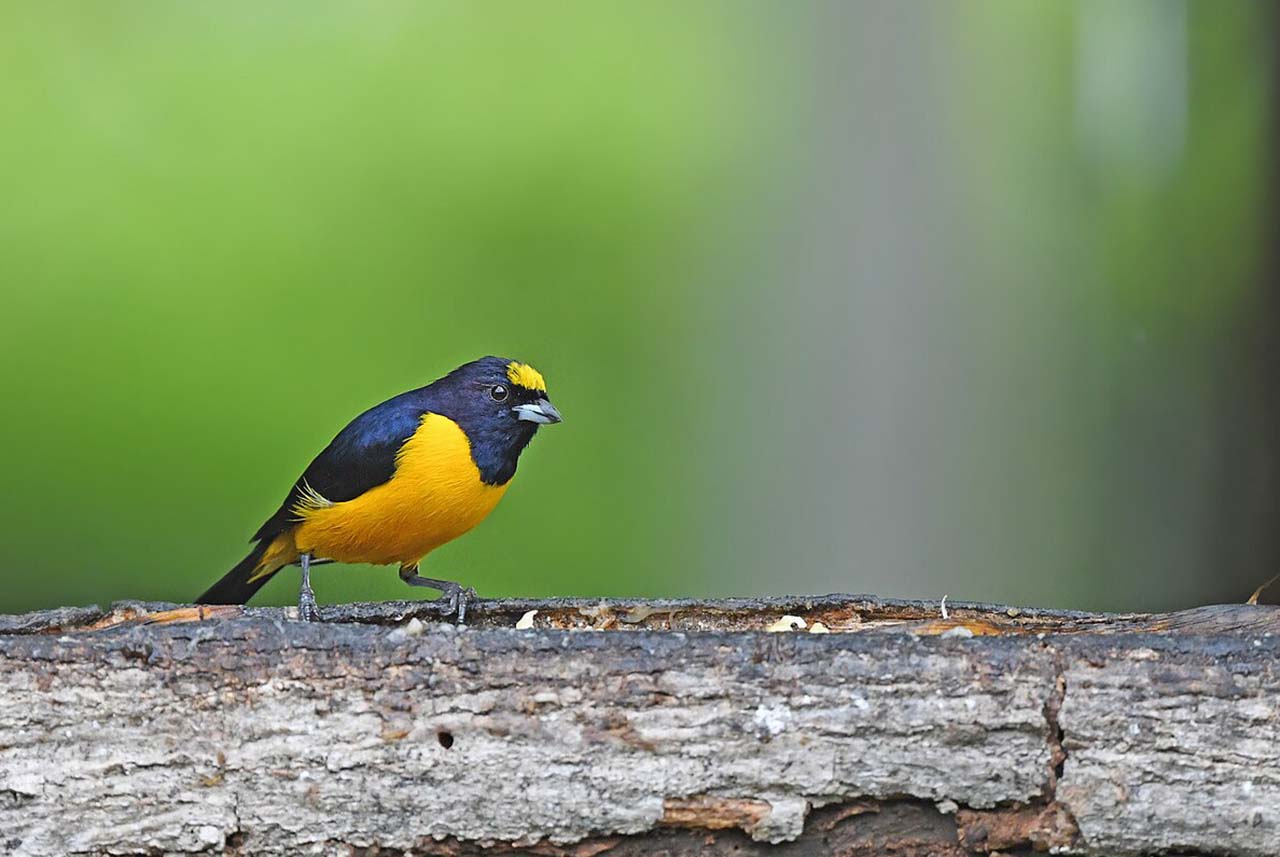
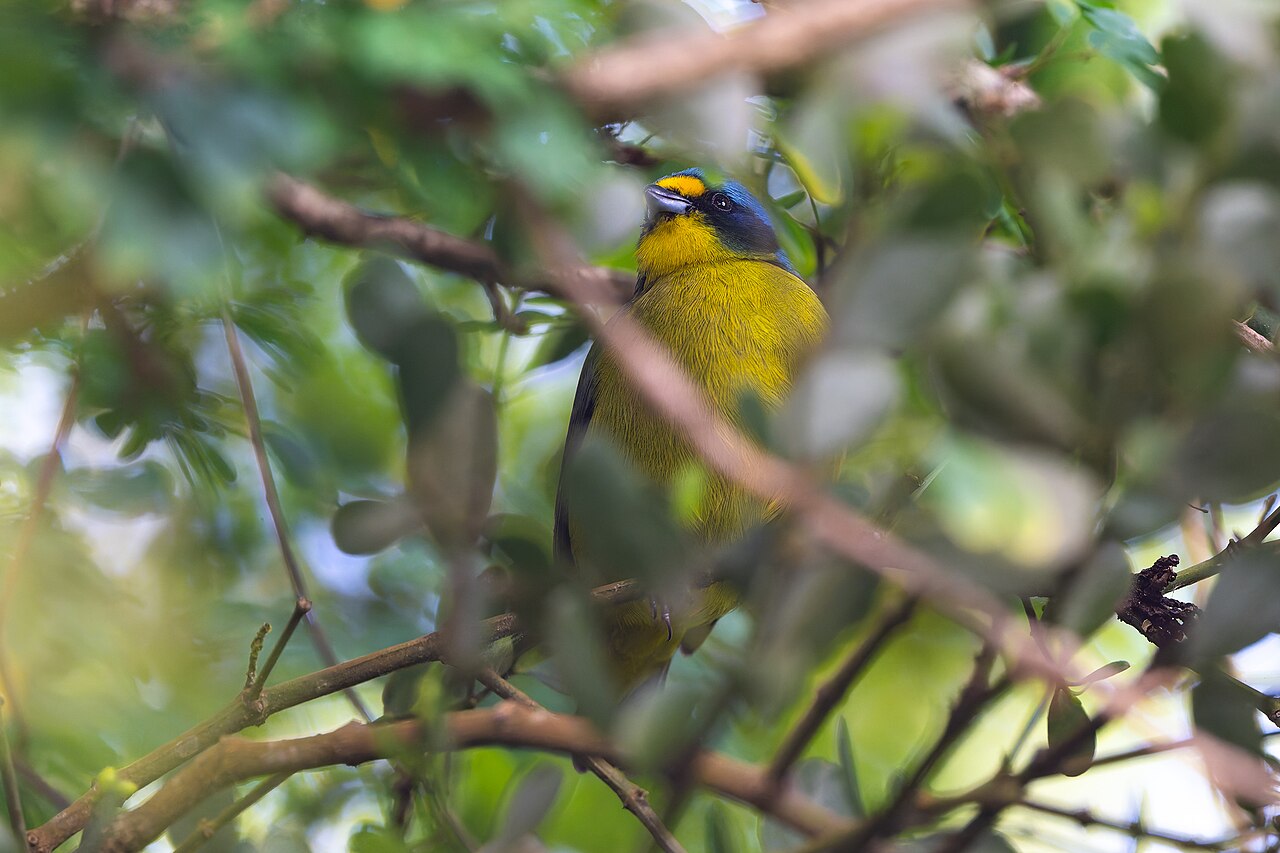
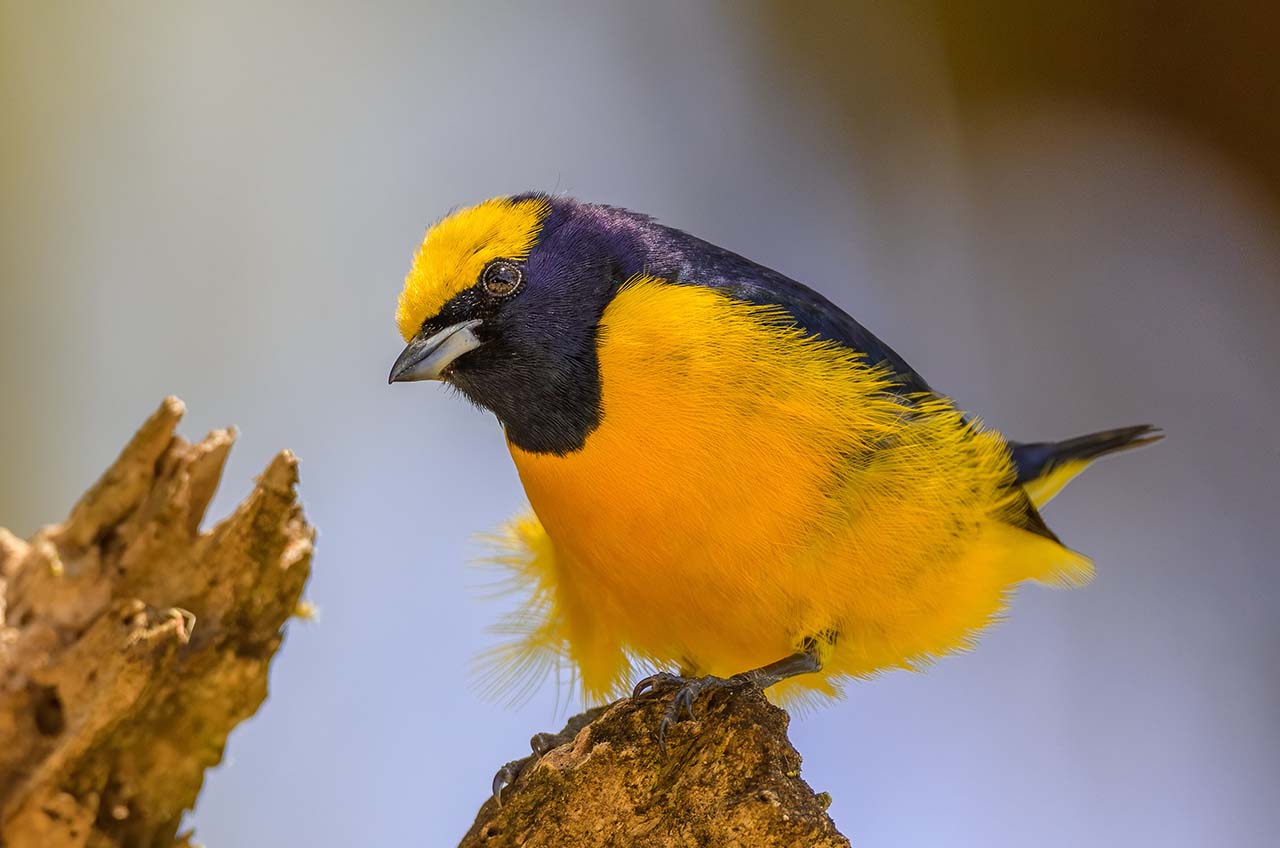
Yellow-crowned Euphonia (Euphonia luteicapilla)
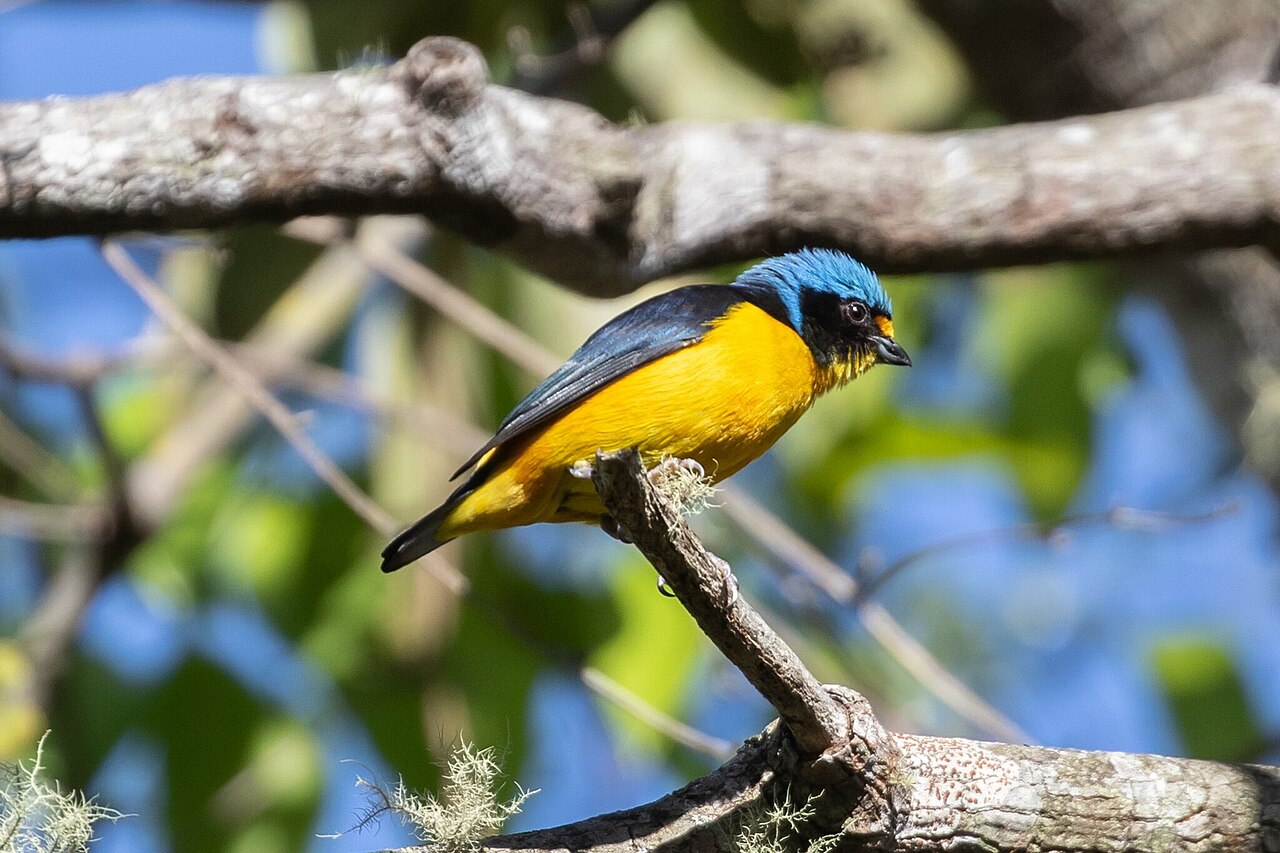
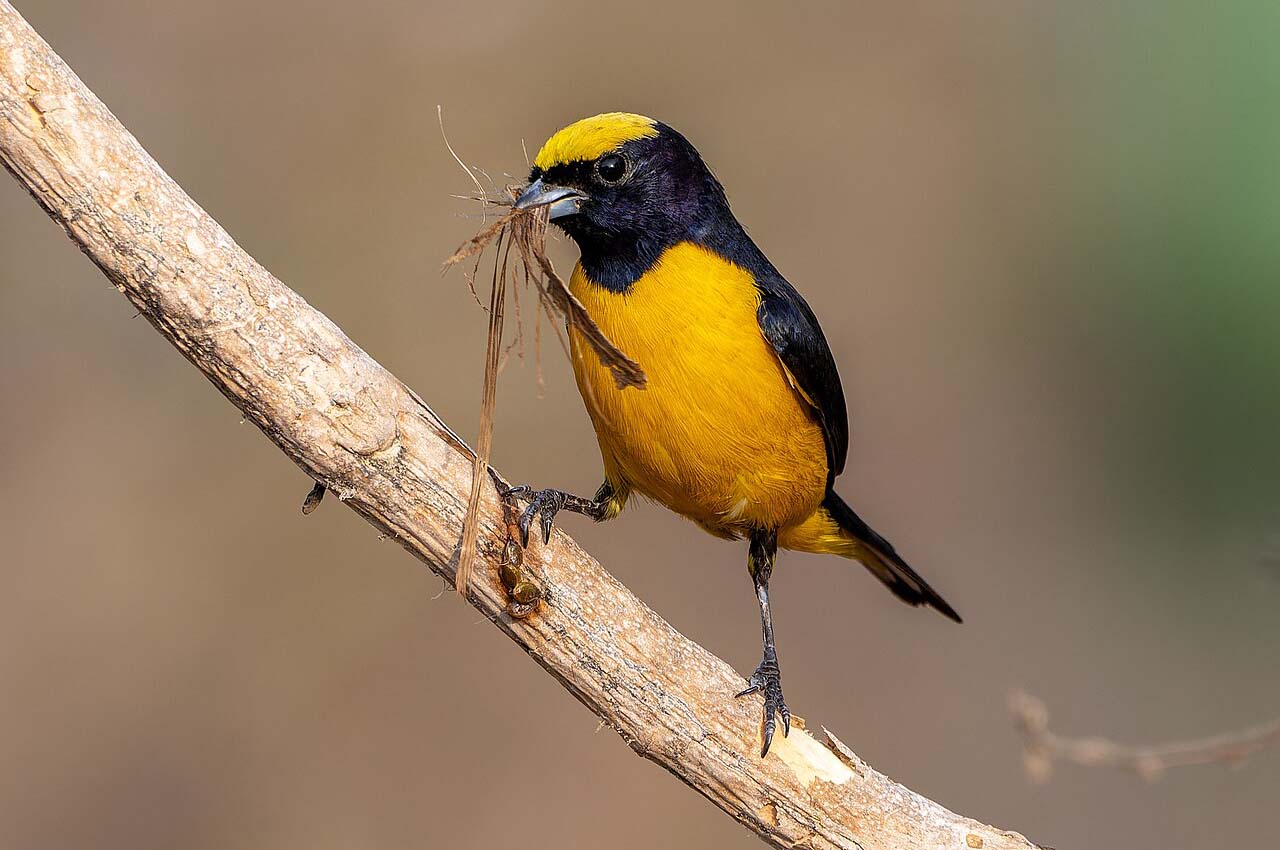
The Yellow-crowned Euphonia is found in Costa Rica, Honduras, Nicaragua, and Panama. IUCN Redlist Status: Least Concern
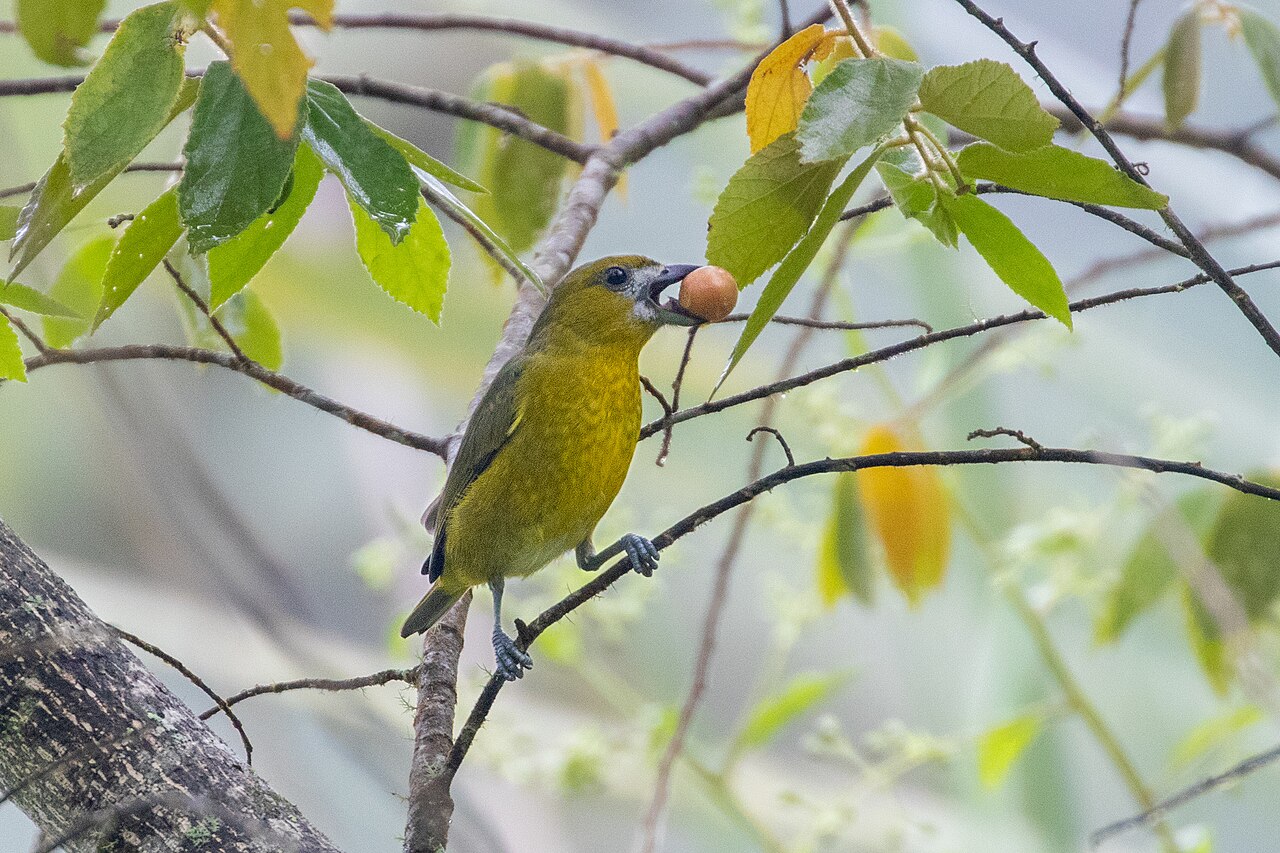
Bronze-green Euphonia ( Euphonia mesochrysa)
The Bronze-green Euphonia is found in Bolivia, Colombia, Ecuador, and Peru. IUCN Redlist Status: Least Concern
White-vented Euphonia (Euphonia minuta)
The White-vented Euphonia is found in Belize, Bolivia, Brazil, Colombia, Costa Rica, Ecuador, French Guiana, Guatemala, Guyana, Honduras, Mexico, Nicaragua, Panama, Peru, Suriname, and Venezuela. IUCN Redlist Status: Least Concern
Chestnut-bellied Euphonia (Euphonia pectoralis)
The Chestnut-bellied Euphonia is found in Argentina, Brazil, and Paraguay. IUCN Redlist Status: Least Concern
Plumbeous Euphonia (Euphonia plumbea)
The Plumbeous Euphonia is found in Brazil, Colombia, French Guiana, Guyana, Peru, Suriname, and Venezuela. IUCN Redlist Status: Least Concern
Rufous-bellied Euphonia (Euphonia rufiventris)
The Rufous-bellied Euphonia is found in Bolivia, Brazil, Colombia, Ecuador, Peru, and Venezuela. IUCN Redlist Status: Least Concern
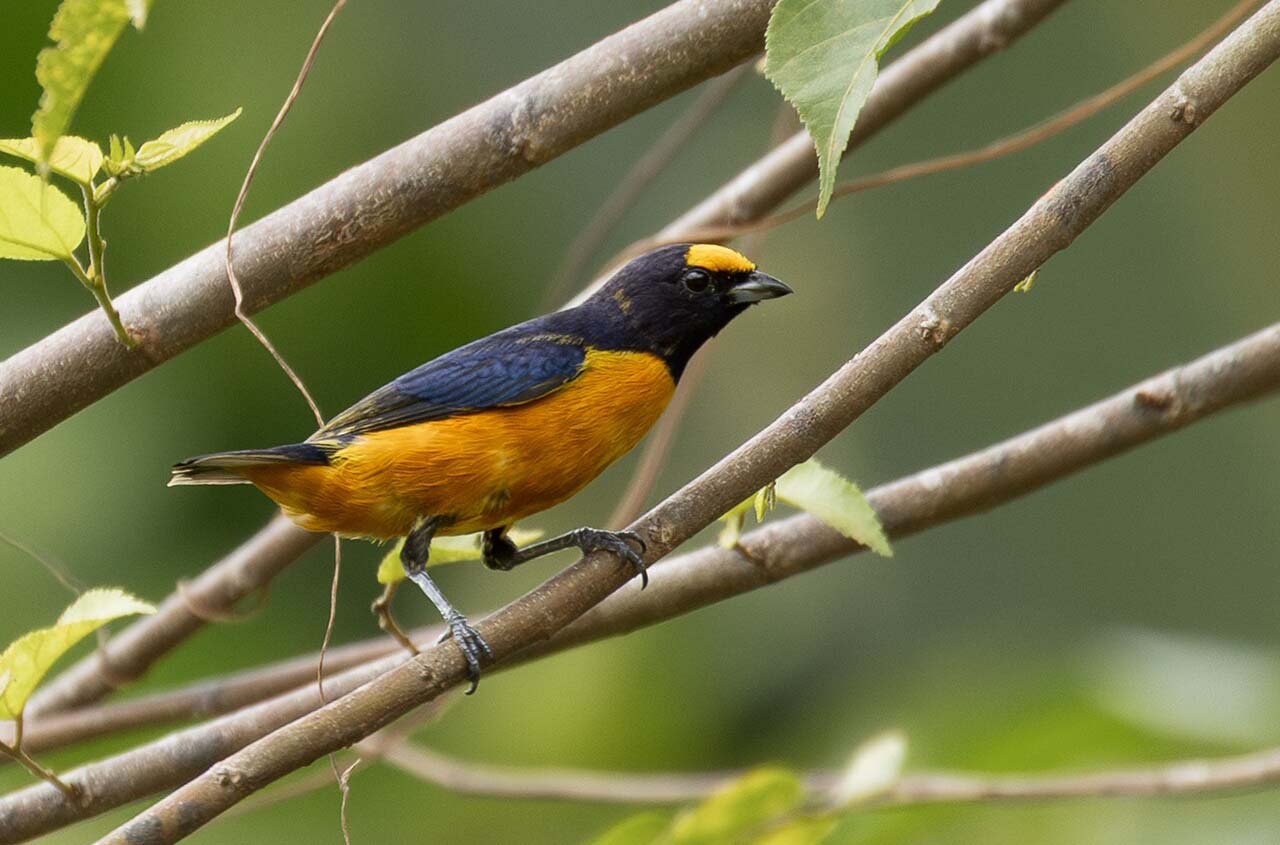
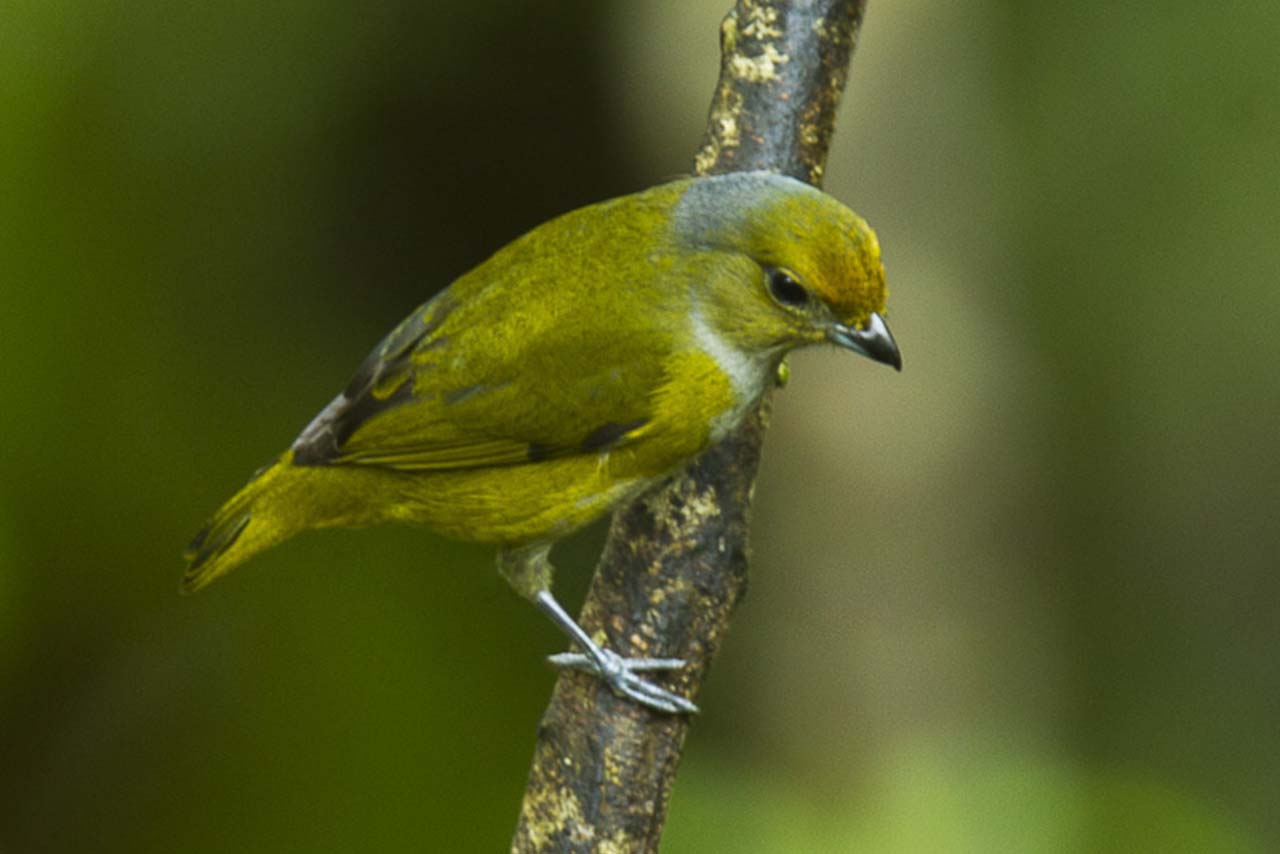
Orange-crowned Euphonia (Euphonia saturata)
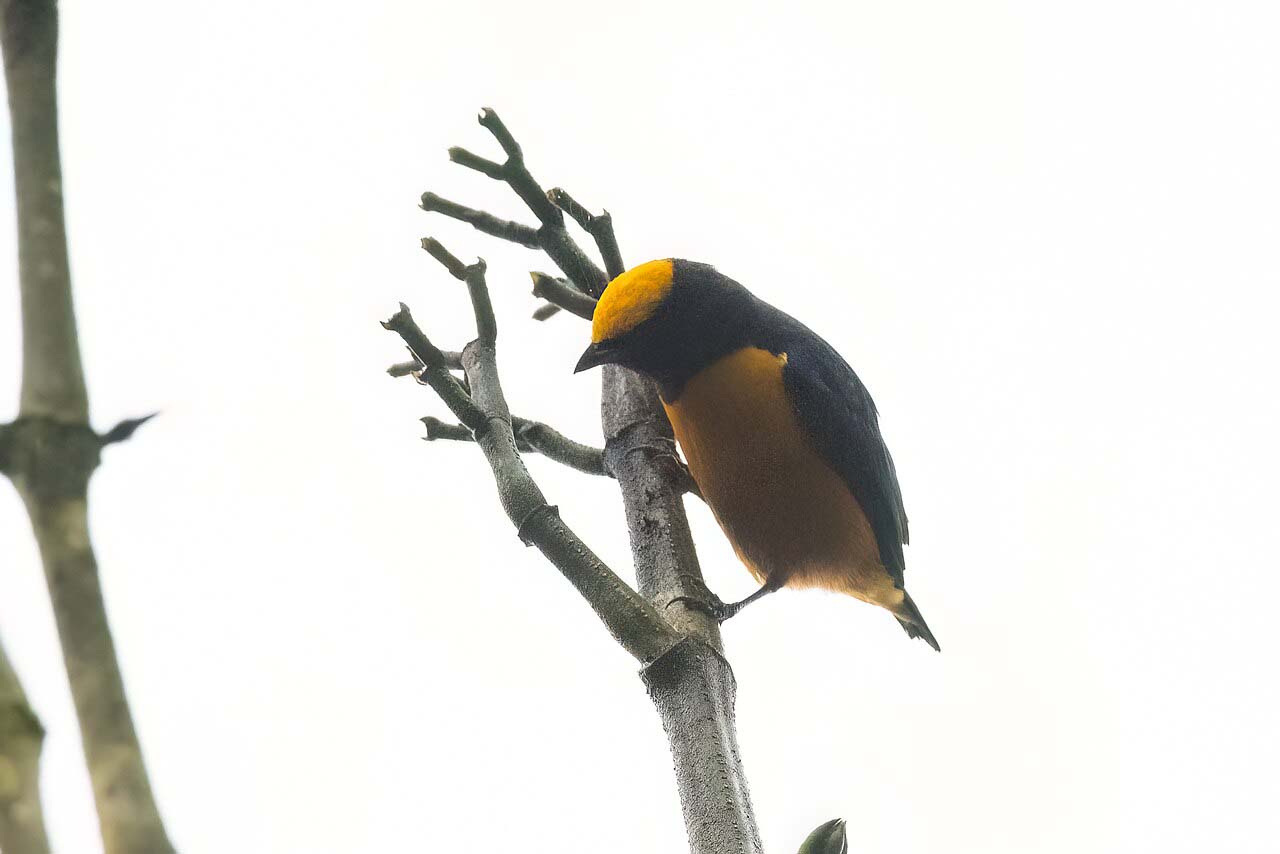
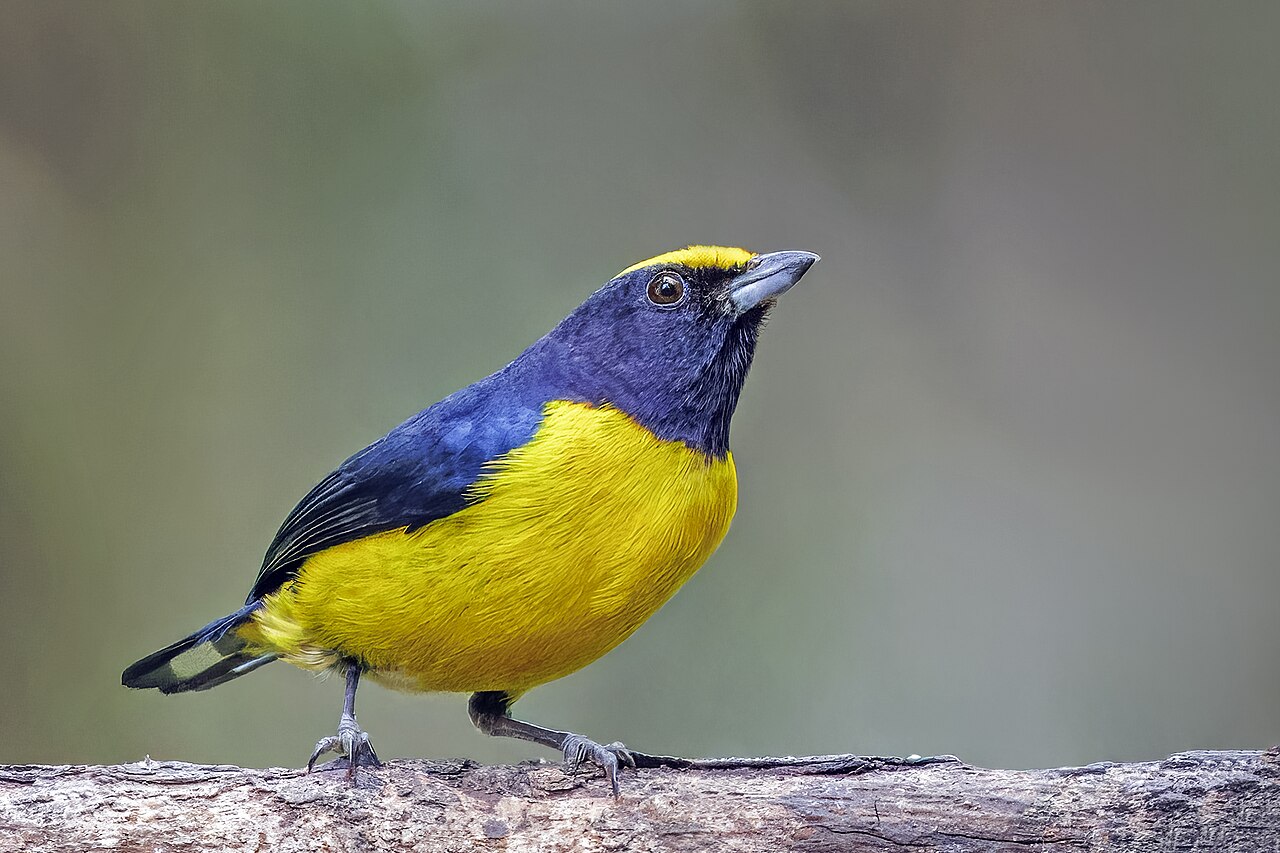
The Orange-crowned Euphonia is found in Colombia, Ecuador, and Peru. IUCN Redlist Status: Least Concern
Puerto Rican Euphonia (Euphonia sclateri)
The Puerto Rican Euphonia is found in Puerto Rico. IUCN Redlist Status: Least Concern
Trinidad Euphonia (Euphonia trinitatis)
The Trinidad Euphonia is found in Colombia, Trinidad and Tobago, and Venezuela. IUCN Redlist Status: Least Concern
Violaceous Euphonia (Euphonia violacea)
The Violaceous Euphonia is found in Argentina, Brazil, French Guiana, Guyana, Paraguay, Suriname, Trinidad and Tobago, and Venezuela. IUCN Redlist Status: Least Concern
Orange-bellied Euphonia (Euphonia xanthogaster)
The Orange-bellied Euphonia is found in Bolivia, Brazil, Colombia, Ecuador, Guyana, Panama, Peru, and Venezuela. IUCN Redlist Status: Least Concern
Common Chaffinch (Fringilla coelebs)
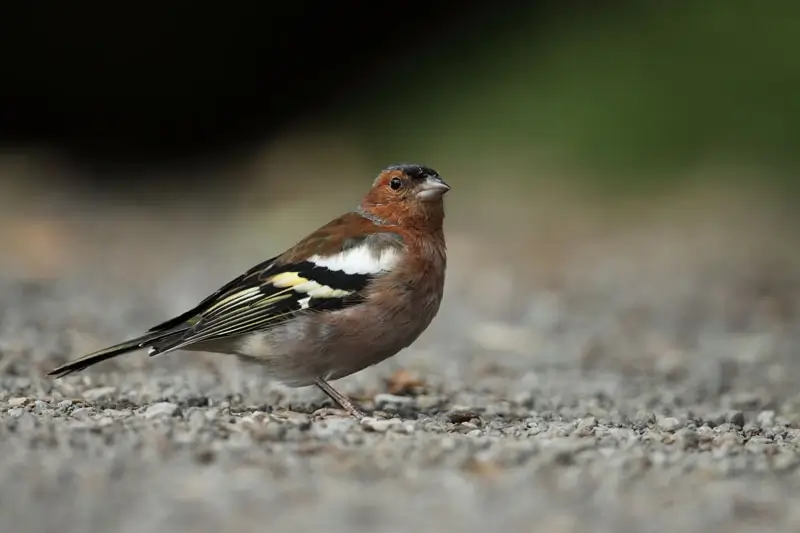
The Common Chaffinch is found across most and western Asia. IUCN Redlist Status: Least Concern
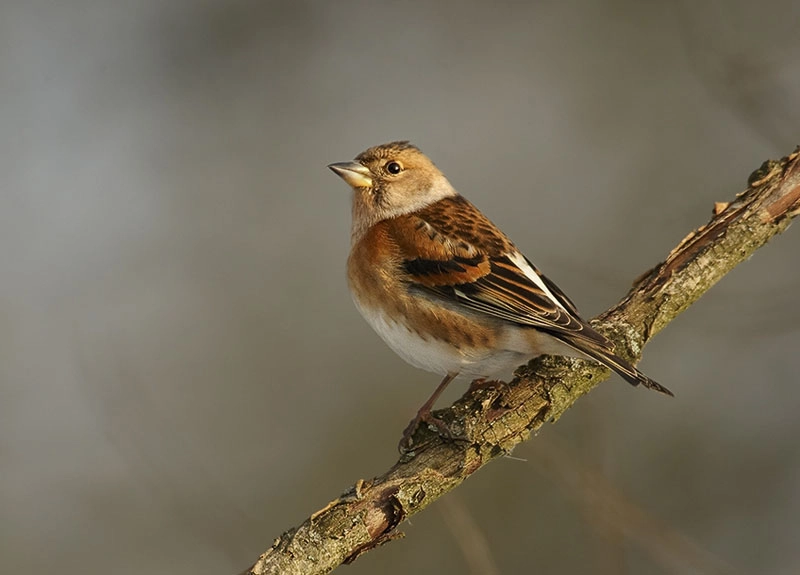
Brambling (Fringilla montifringilla)
The Brambling is found across much of Europe and Asia. IUCN Redlist Status: Least Concern
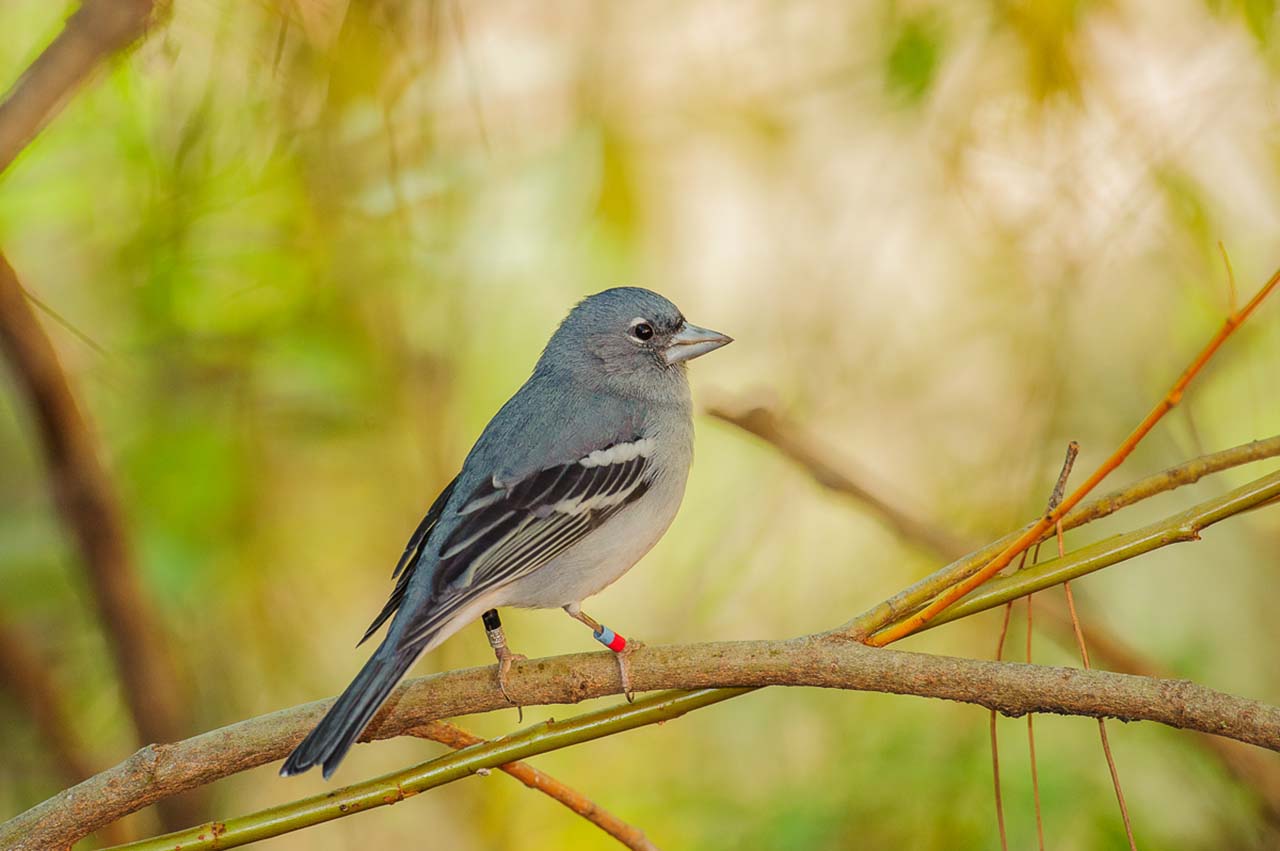
Gran Canaria Blue Chaffinch (Fringilla polatzeki)
The Gran Canaria Blue Chaffinch is found in the Canary Islands. IUCN Redlist Status: Endangered
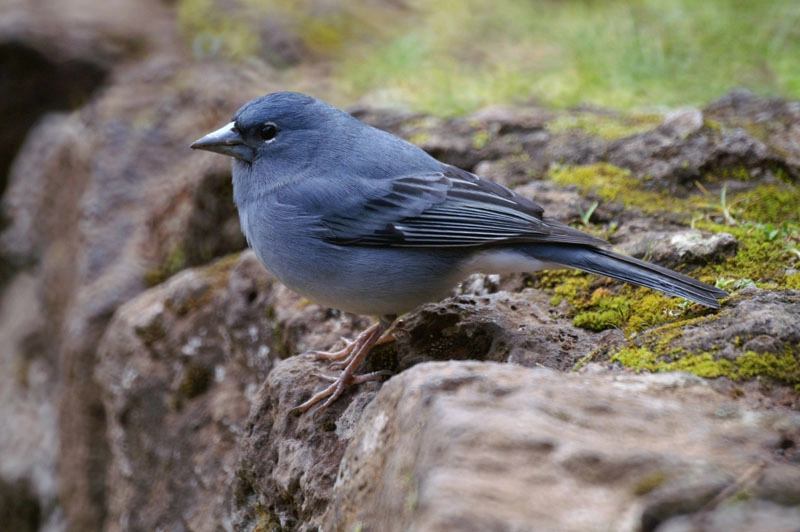
Blue Chaffinch (Fringilla teydea)
The Blue Chaffinch is found in the Canary Islands. IUCN Redlist: Near Threatened
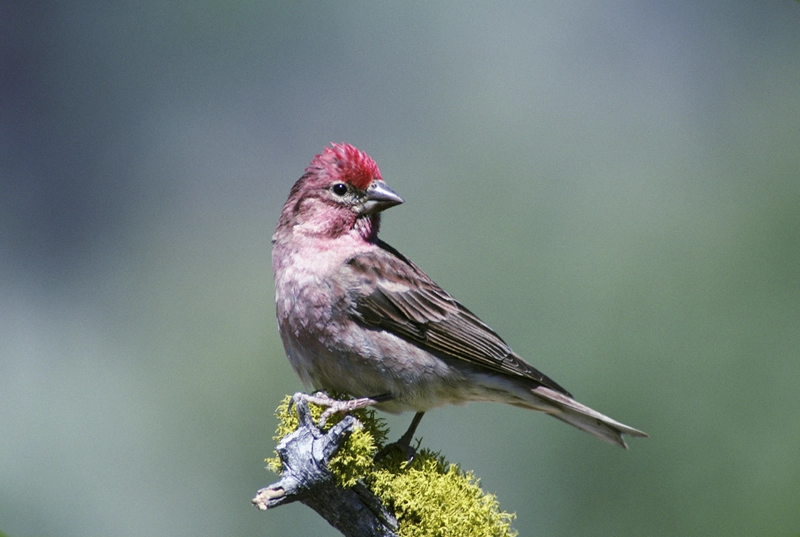
Cassin's Finch (Haemorhous cassinii)
Cassin's Finch is found in the western mountains of North America from southern British Columbia and southern Alberta in Canada, south through the Rocky Mountains into northern Mexico. IUCN Redlist Status: Least Concern
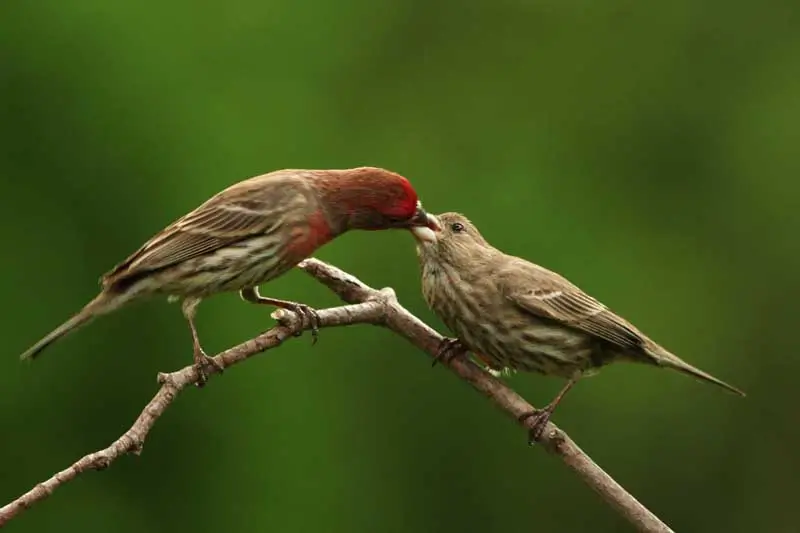
House Finch (Haemorhous mexicanus)
The House Finch is found from southern Canada south through most of the United States and Mexico. The house finch breeds in New Hampshire. IUCN Redlist Status: Least Concern
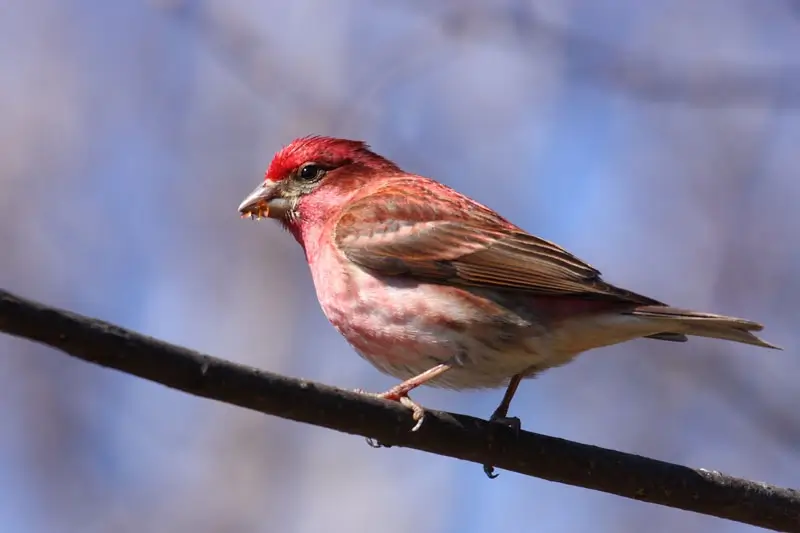
Purple Finch (Haemorhous purpureus)
The Purple Finch is found across Canada and the eastern half of the U.S. It is also found along the West Coast from British Columbia to Baja California, Mexico. The purple finch breeds in New Hampshire and is the state bird. IUCN Redlist Status: Least Concern
Maui Nukupuu (Hemignathus affinis)
The Maui Nukupuu was found on the island of Maui in the Hawaiian Islands. IUCN Redlist Status: Extinct
Kauai Nukupuu (Hemignathus hanapepe)
The Kauai Nukupuu was once found on the island of Kauai in the Hawaiian Islands. IUCN Redlist Status: Extinct
Oahu Nukupuu (Hemignathus lucidus)
The Oahu Nukupuu was once found on Oahu in the Hawaiian Islands. IUCN Redlist Status: Extinct
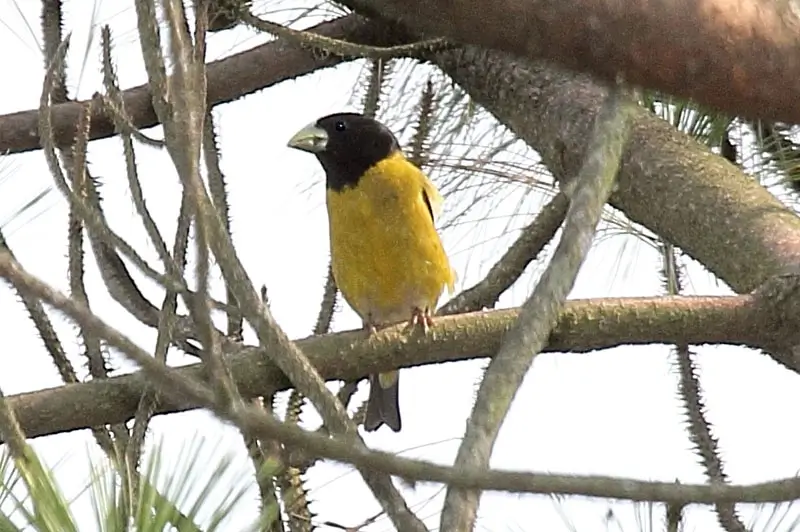
Hooded Grosbeak (Hesperiphona abeillei)
The Hooded Grosbeak is found in El Salvador, Guatemala, and Mexico. IUCN Redlist Status: Least Concern
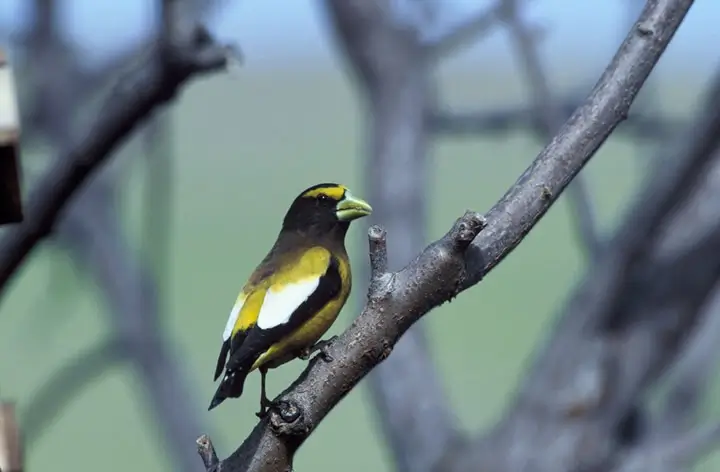
Evening Grosbeak (Hesperiphona vespertina)
The Evening Grosbeak breeds across southern Canada south to northern California, the Rocky Mountains, the Great Lakes, and the Northeastern U.S. It winters throughout the U.S., except for the southern most parts of the southeastern U.S. IUCN Redlist Status: Vulnerable
Laysan Honeycreeper (Himatione fraithii)
The Laysan Honeycreeper was once found on Laysan, in the northwestern Hawaiian Islands, United States. It became extinct in 1923. IUCN Redlist Status: Extinct
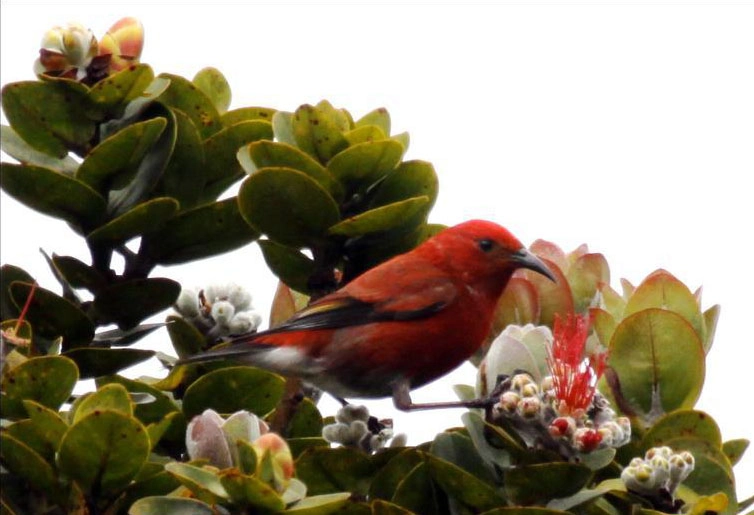
Apapane (Himatione sanguinea)
The Apapane is found in Hawaii. IUCN Redlist Status: Least Concern
Asian Rosy-finch (Leucosticte arctoa)
The Asian Rosy-finch is found in China, Japan, Kazakhstan, North and South Korea, Mongolia, and Russia. IUCN Redlist Status: Least Concern
Black Rosy-finch (Leucosticte atrata)
The Black Rosy-finch breeds in high mountain areas from northeastern Nevada to southwestern Montana. IUCN Redlist Status: Endangered
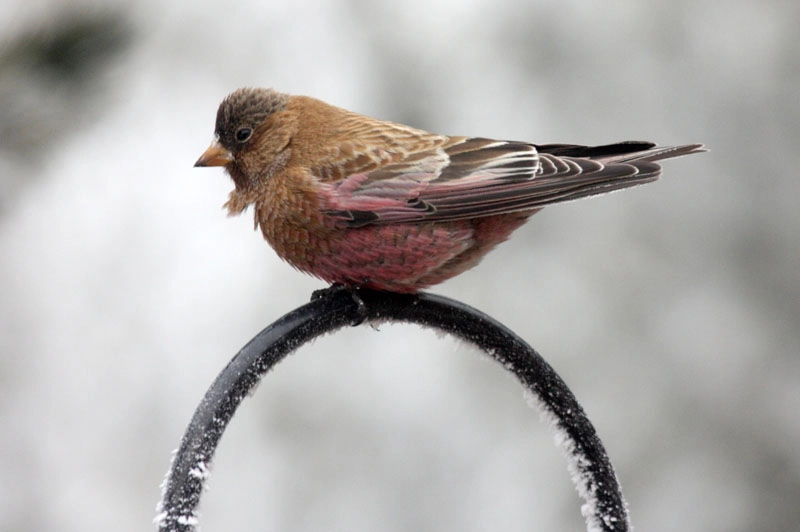
Brown-capped Rosy-Finch (Leucosticte australis)
The Brown-capped Rosy-finch breeds in the high mountains from southern Wyoming to north-central New Mexico. IUCN Redlist Status: Endangered
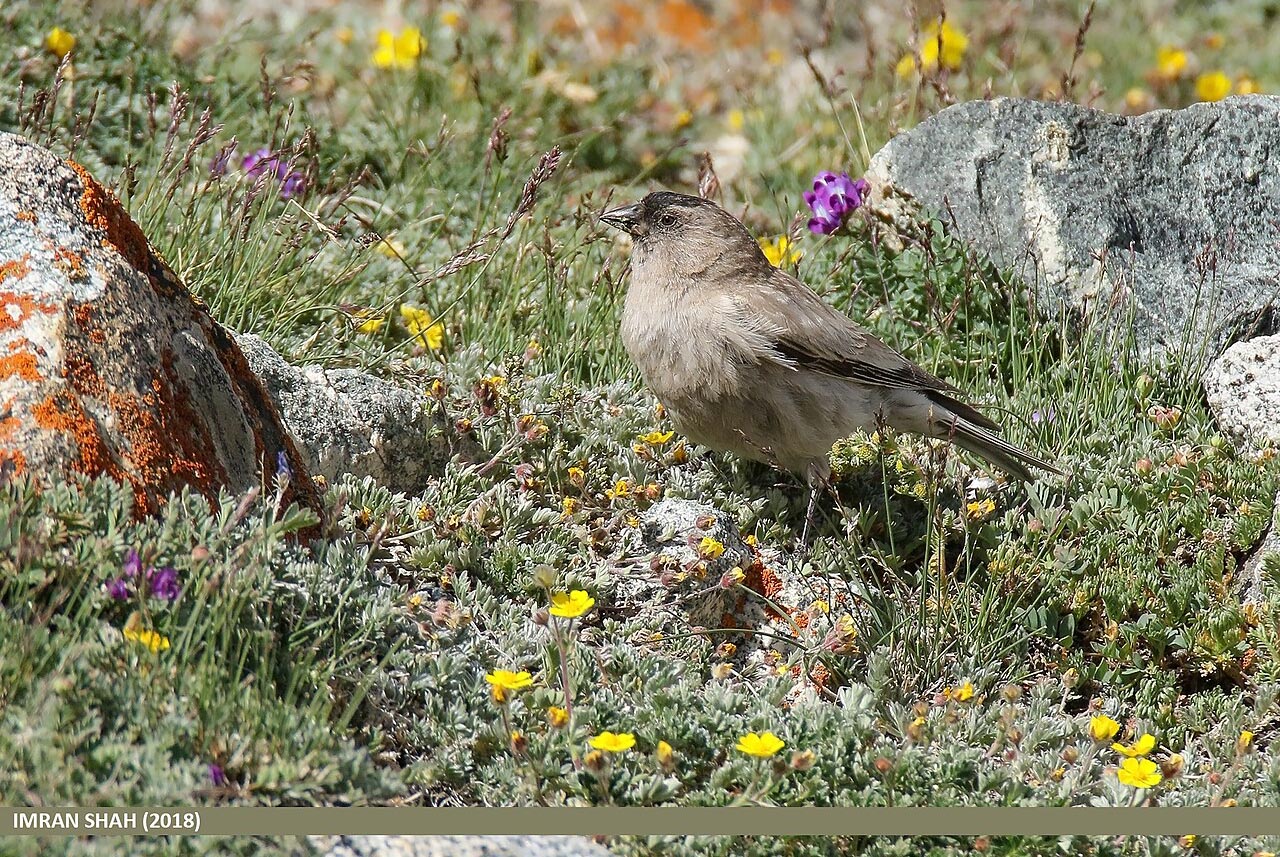
Brandt's Mountain-finch (Leucosticte brandti)
Brandt's Mountain-finch is found in Afghanistan, Bhutan, China, India, Kazakhstan, Kyrgyzstan, Nepal, Pakistan, Russia, Tajikistan, Turkmenistan, Uzbekistan. IUCN Redlist Status: Least Concern
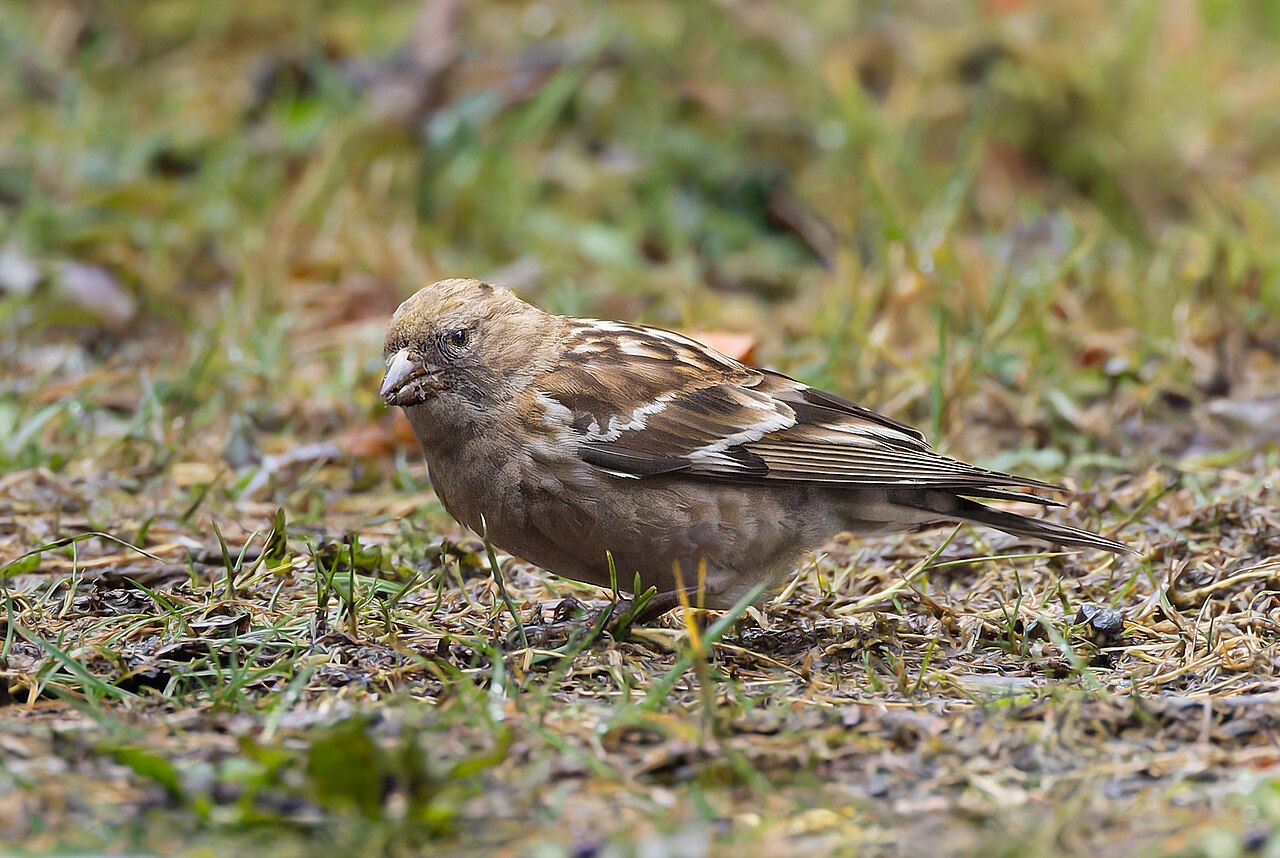
Plain Mountain-finch (Leucosticte nemoricola)
The Plain Mountain-finch is found in Afghanistan, Bhutan, China, India, Kazakhstan, Kyrgyzstan, Myanmar, Nepal, Pakistan, Pakistan, Russia, Tajikistan, Turkmenistan, and Uzbekistan. IUCN Redlist Status: Least Concern
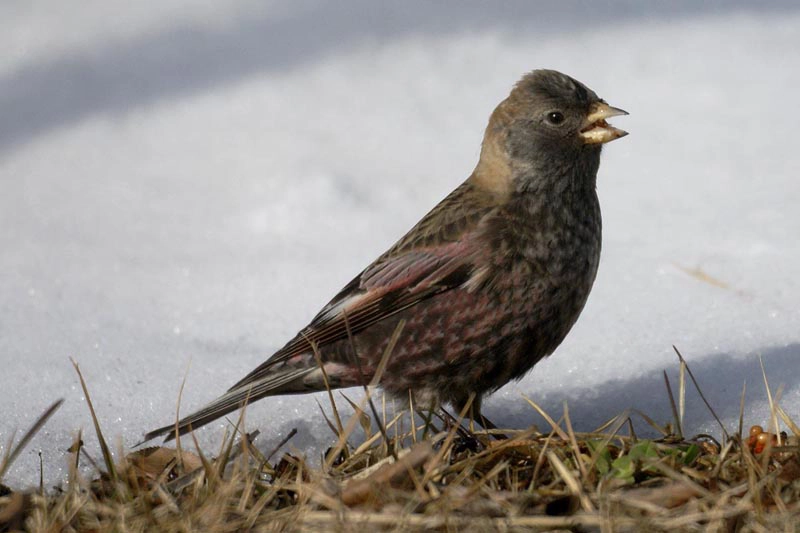
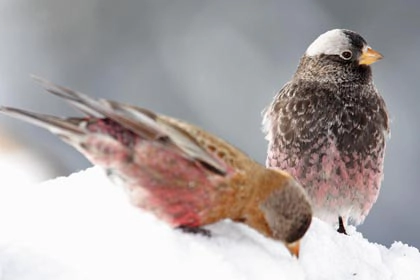
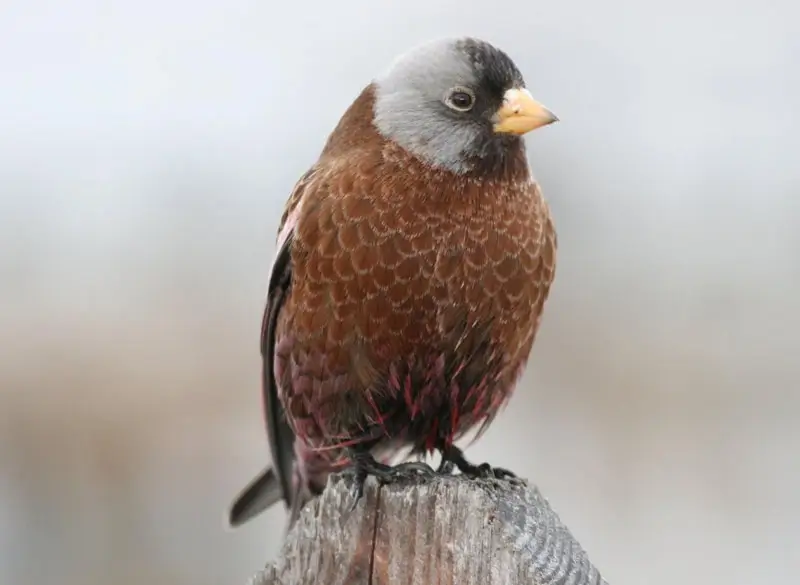
Gray-crowned Rosy-Finch (Leucosticte tephrocotis)
The Gray-crowned Rosy-finch is found in rocky mountain habitats from Alaska through western Canada and into the north-western United States. IUCN Redlist Status: Least Concern
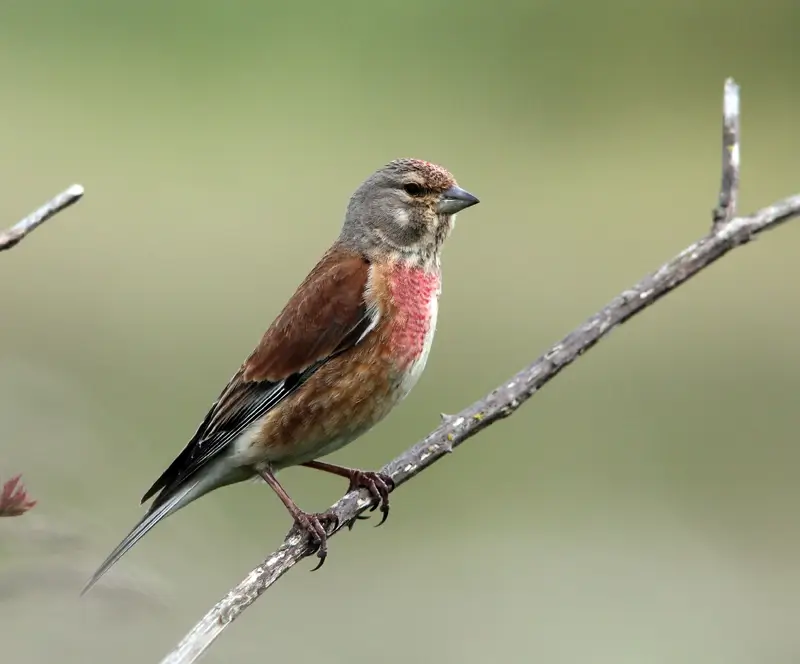
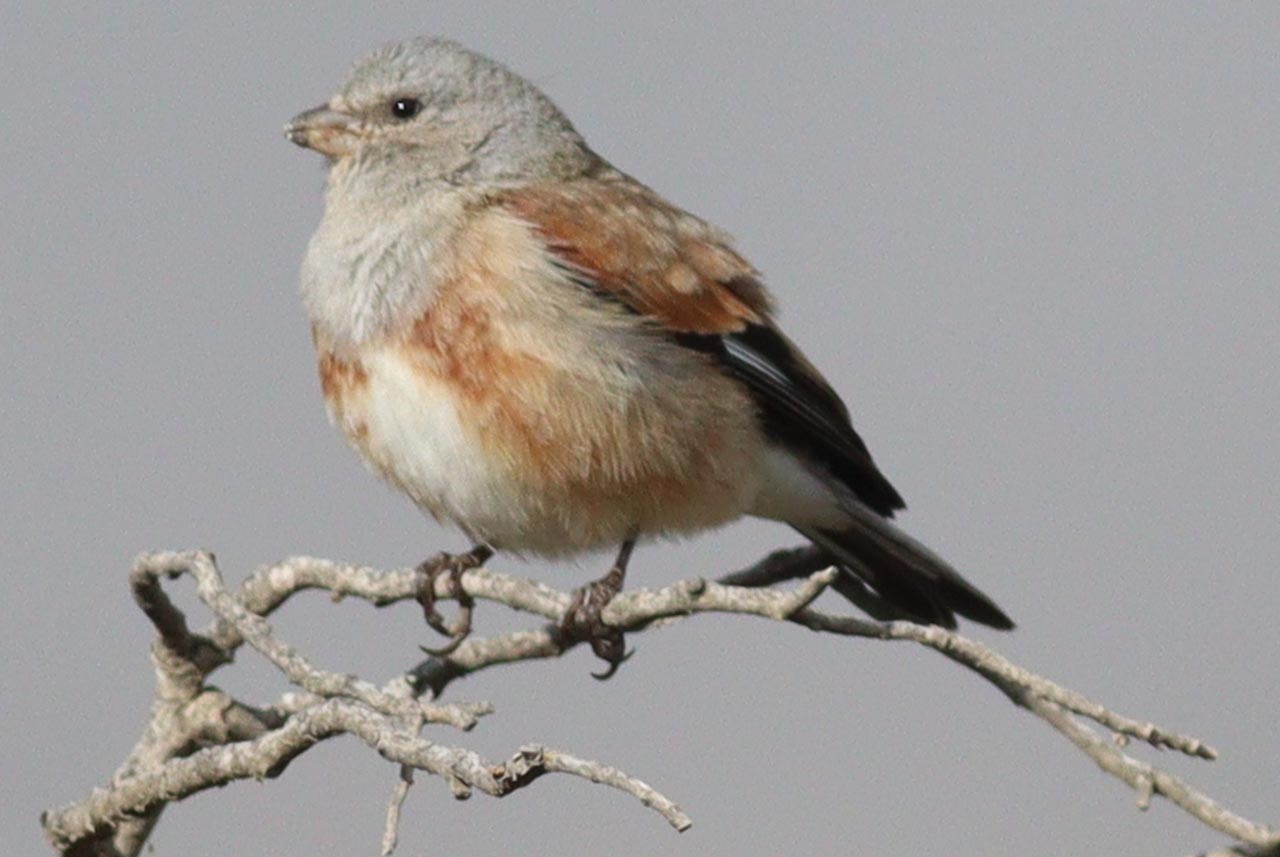
Common Linnet (Linaria cannabina)
The Common Linnet is found in Europe, Western Asia, and Northern Africa. IUCN Redlist Status: Least Concern
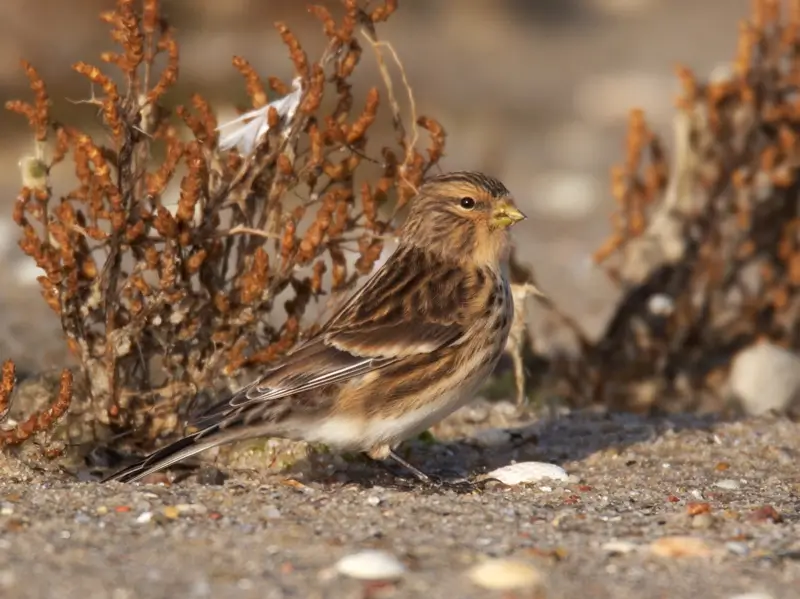
Twite (Linaria flavirostris)
The Twite breeds in northern Europe and central Asia, including Iceland, the British Isles, Scandinavia, and parts of Siberia. In winter, many birds move south to western and southern Europe, the Middle East, and central Asia. UCN Redlist Status: Least Concern
Yemen Linnet (Linaria yemenensis)
The Yemen Linnet is found in Saudi Arabia and Yemen. IUCN Redlist Status: Least Concern
Oriole Finch (Linurgus olivaceus)
The Oriole Finch is found in Burundi; Cameroon; Democratic Republic of the Congo; Kenya; Malawi; Nigeria; Rwanda; South Sudan; Sudan; Tanzania, and Uganda IUCN Redlist Status: Least Concern
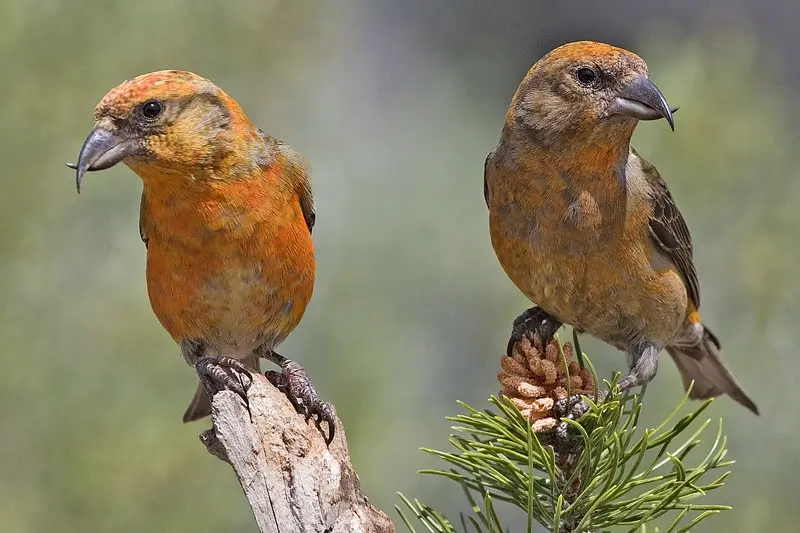
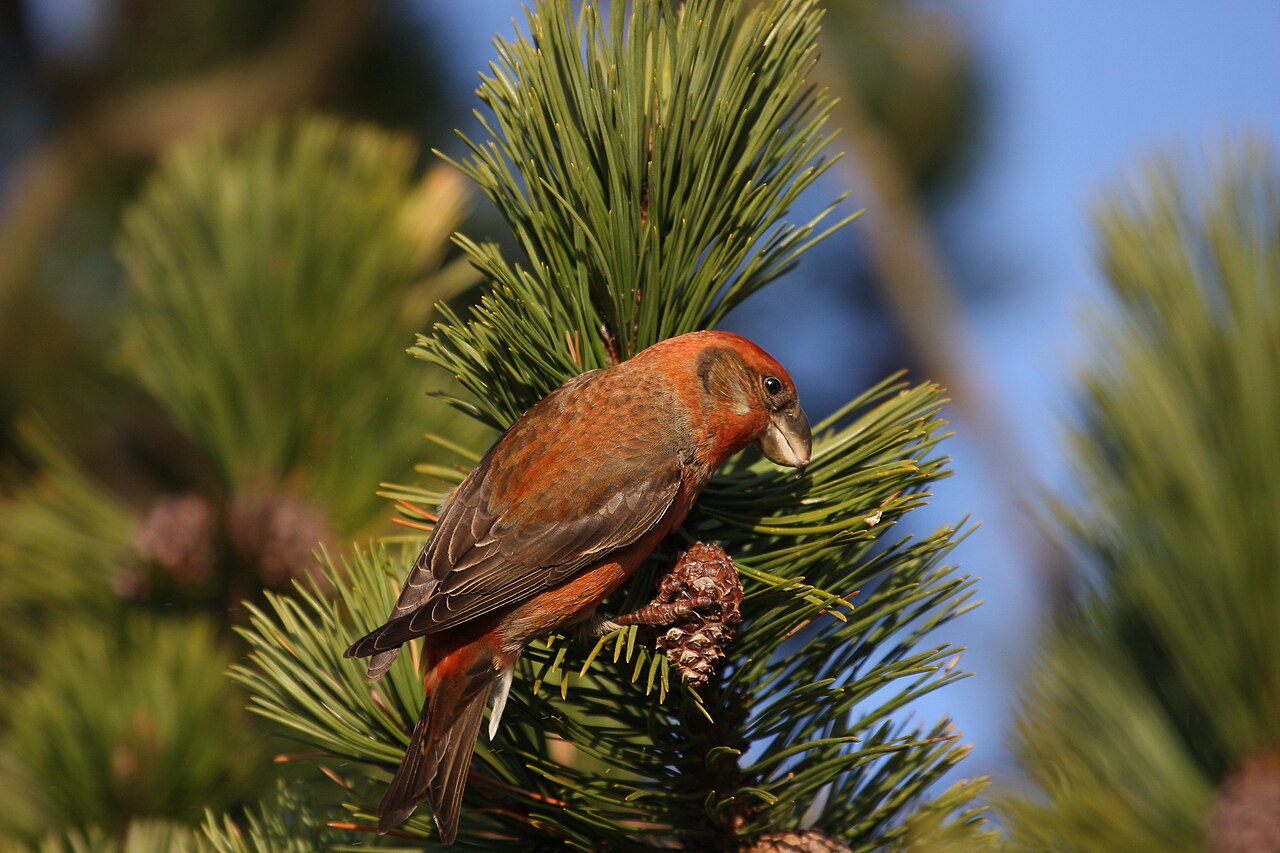
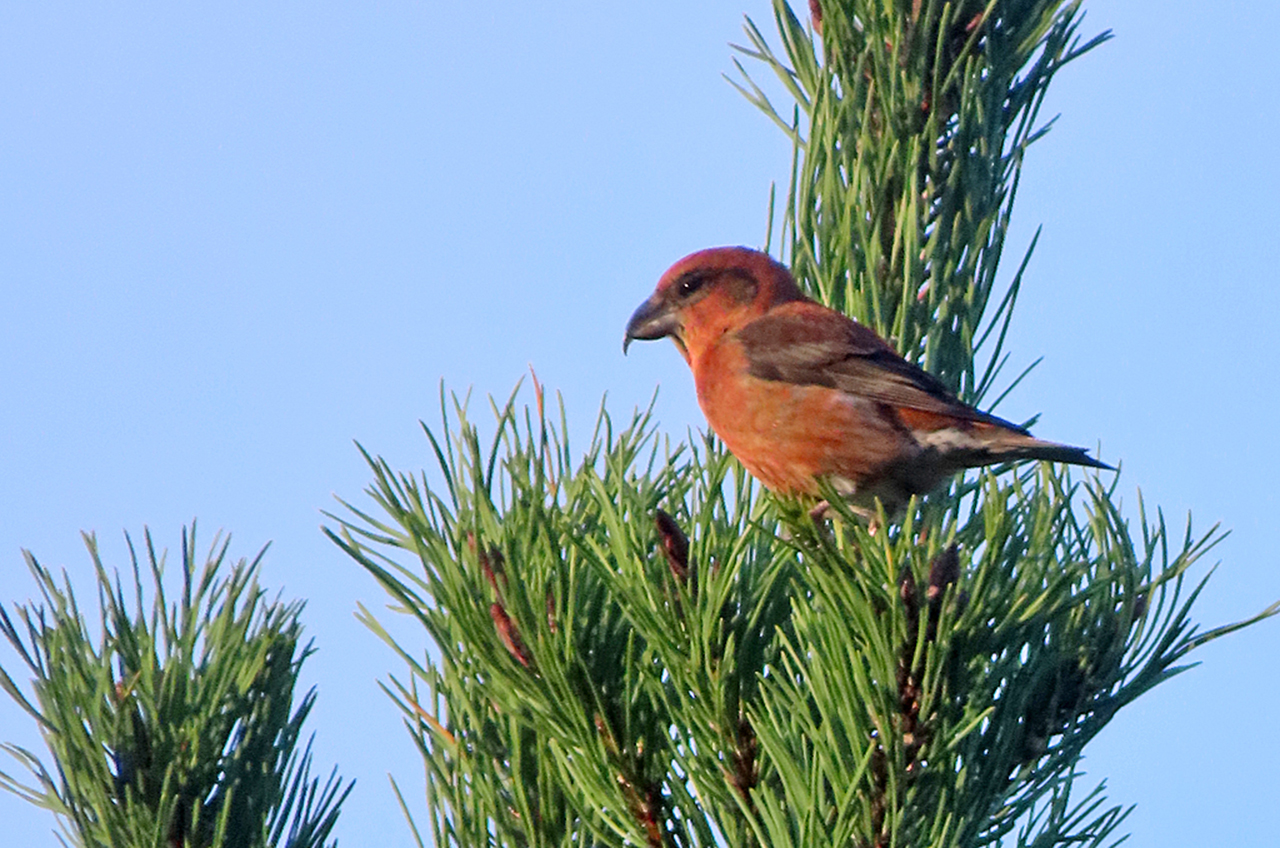
Red Crossbill (Loxia curvirostra)
The Red Crossbill is found in spruce forests in North America, Europe, and Asia. The red crossbill breeds in New Hampshire. IUCN Redlist Status: Least Concern
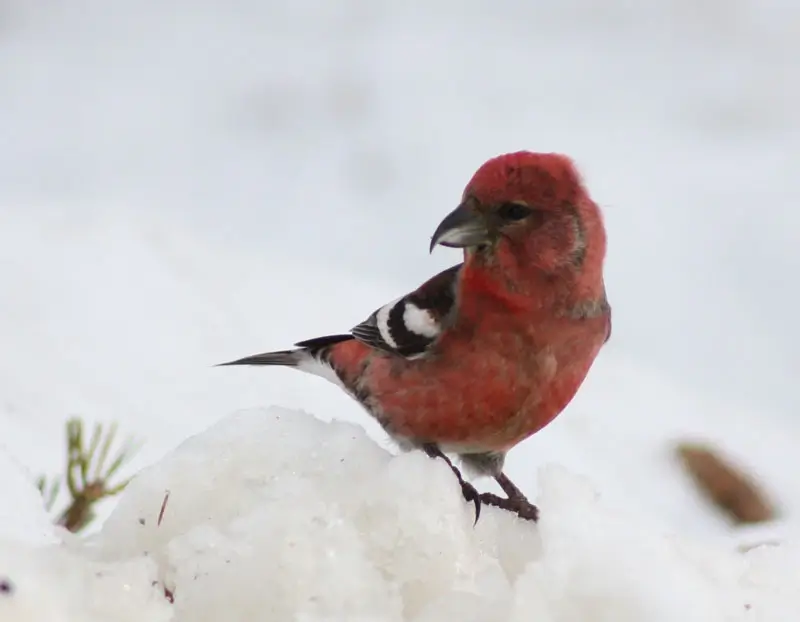
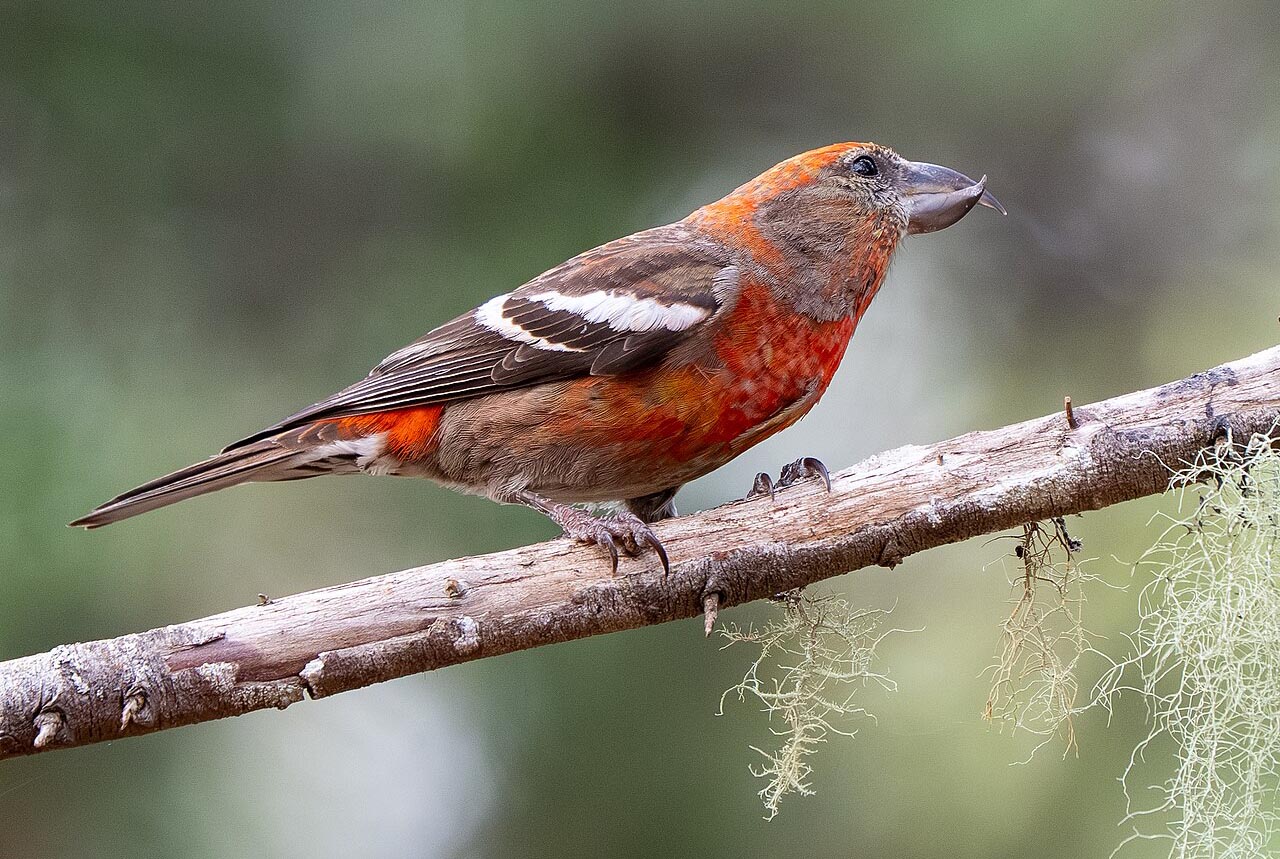
Two-barred Crossbill (Loxia leucoptera)
The Two-barred Crossbill, also known as the White-winged Crossbill, breeds in coniferous forests in Alaska, Canada and in the northern U.S., including New Hampshire. It is also found in Asia and Europe. IUCN Redlist Status: Least Concern
Hispaniolan Crossbill (Loxia megaplaga)
The Hispaniolan Crossbill is found in Dominican Republic and Haiti. IUCN Redlist Status: Endangered
Parrot Crossbill (Loxia pytyopsittacus)
The Parrot Crossbill is found in Northern Europe, including Scandinavia, Finland, northwestern Russia and Scotland, mainly in pine forests. IUCN Redlist Status: Least Concern
Scottish Crossbill (Loxia scotica)
The Scottish Crossbill is found in Scotland. IUCN Redlist Status: Least Concern
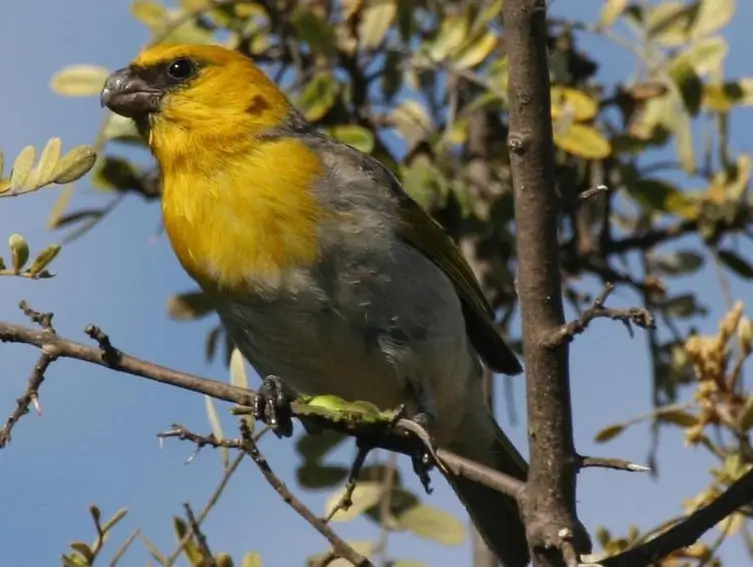
Palila (Loxioides bailleui)
The Palila is only found on the island of Hawaii in the Hawaiian Islands. IUCN Redlist Status: Critically Endangered
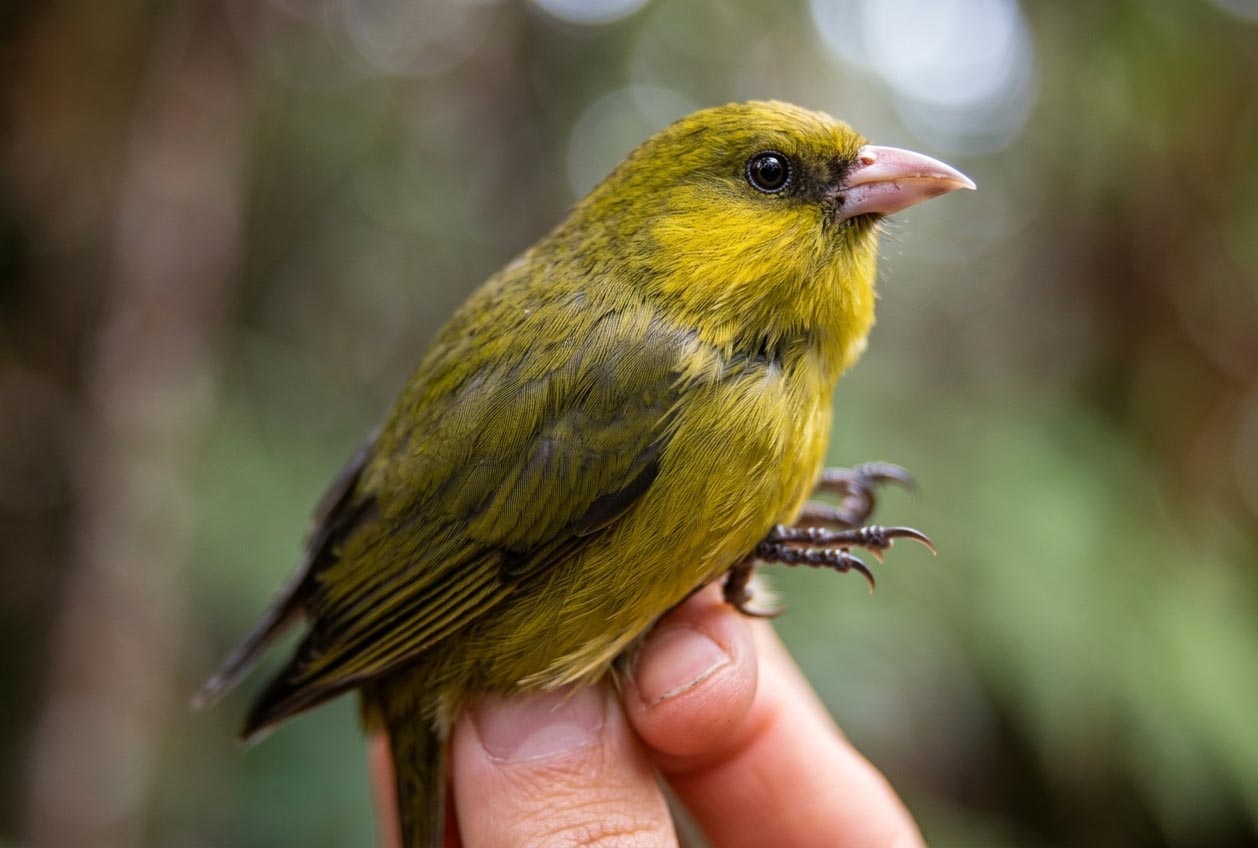
Akekee (Loxops caeruleirostris)
The Akekee is found on Kaua`i in the Hawaiian Islands. IUCN Redlist Status: Critically Endangered
Hawaii Akepa (Loxops coccineus)
The Hawaii Akepa was once found on Oahu, Maui, and Hawaii in the Hawaiian Islands. It is found on Hawaii Island. IUCN Redlist Status: Endangered
Maui Akepa (Loxops ochraceus)
The Maui Akepa was once found on Maui, Hawaiian Islands. IUCN Redlist Status: Extinct
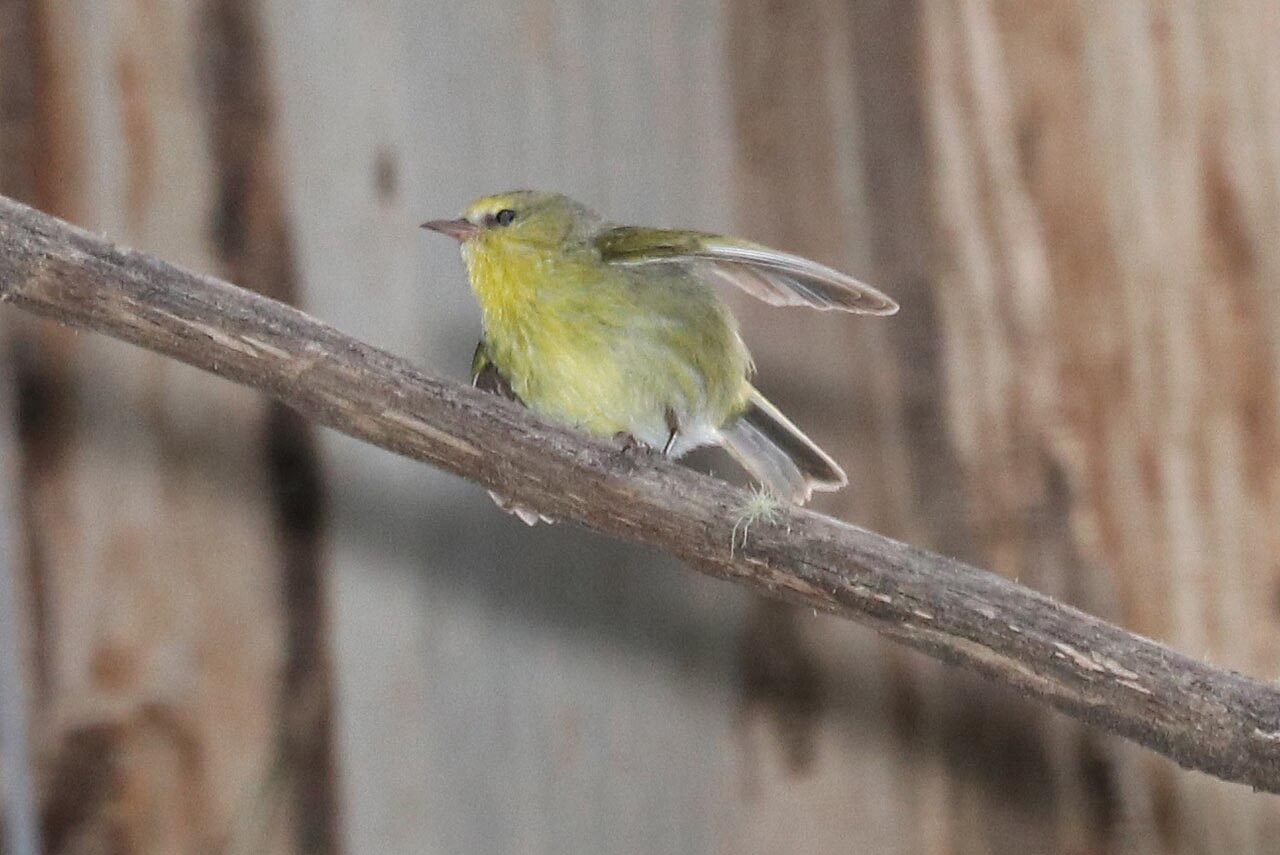
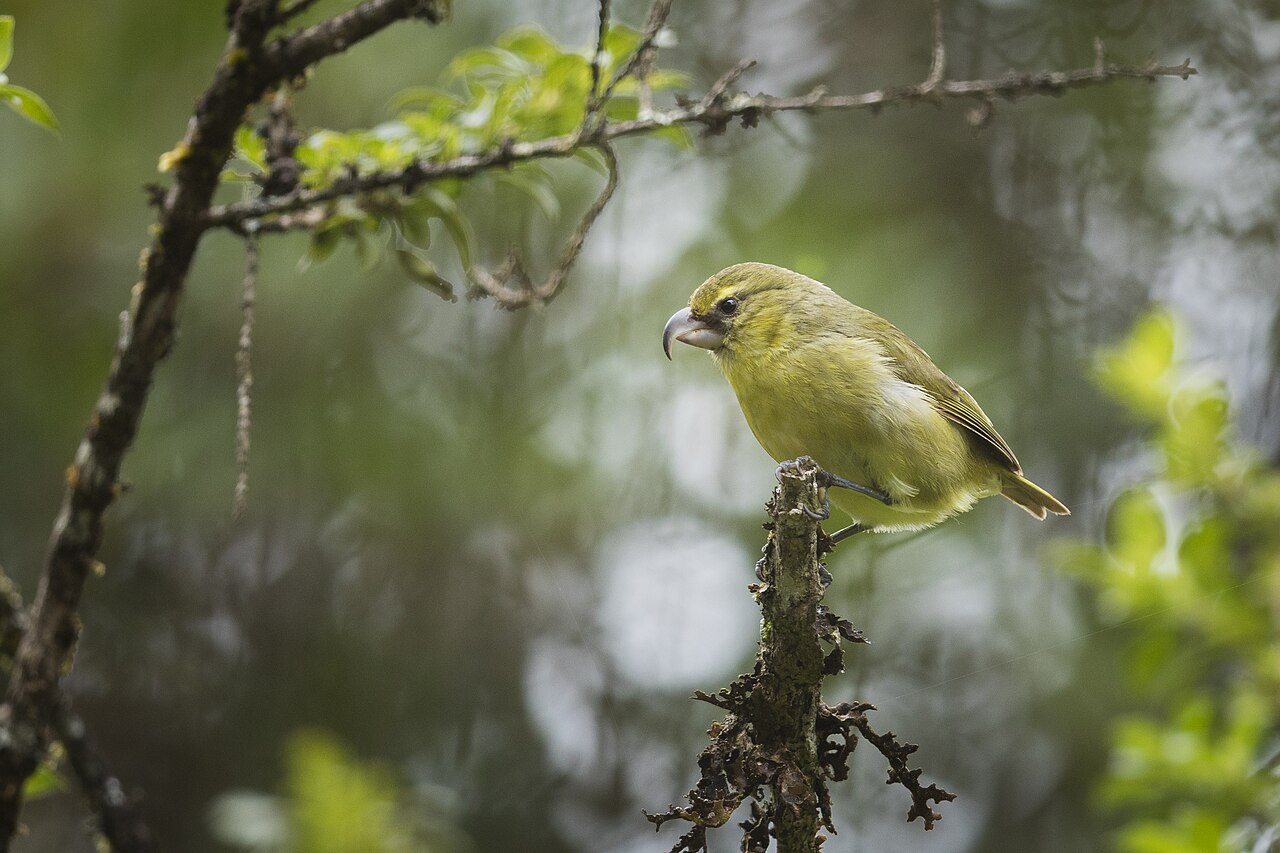
Anianiau (Magumma parva)
The Anianiauis found on Kaua`i in the Hawaiian Islands. IUCN Redlist Status: Endangered
Hawaii Creeper (Manucerthia mana)
The Hawaii Creeper is found on Hawai`i in the Hawaiian Islands. IUCN Redlist Status: Endangered
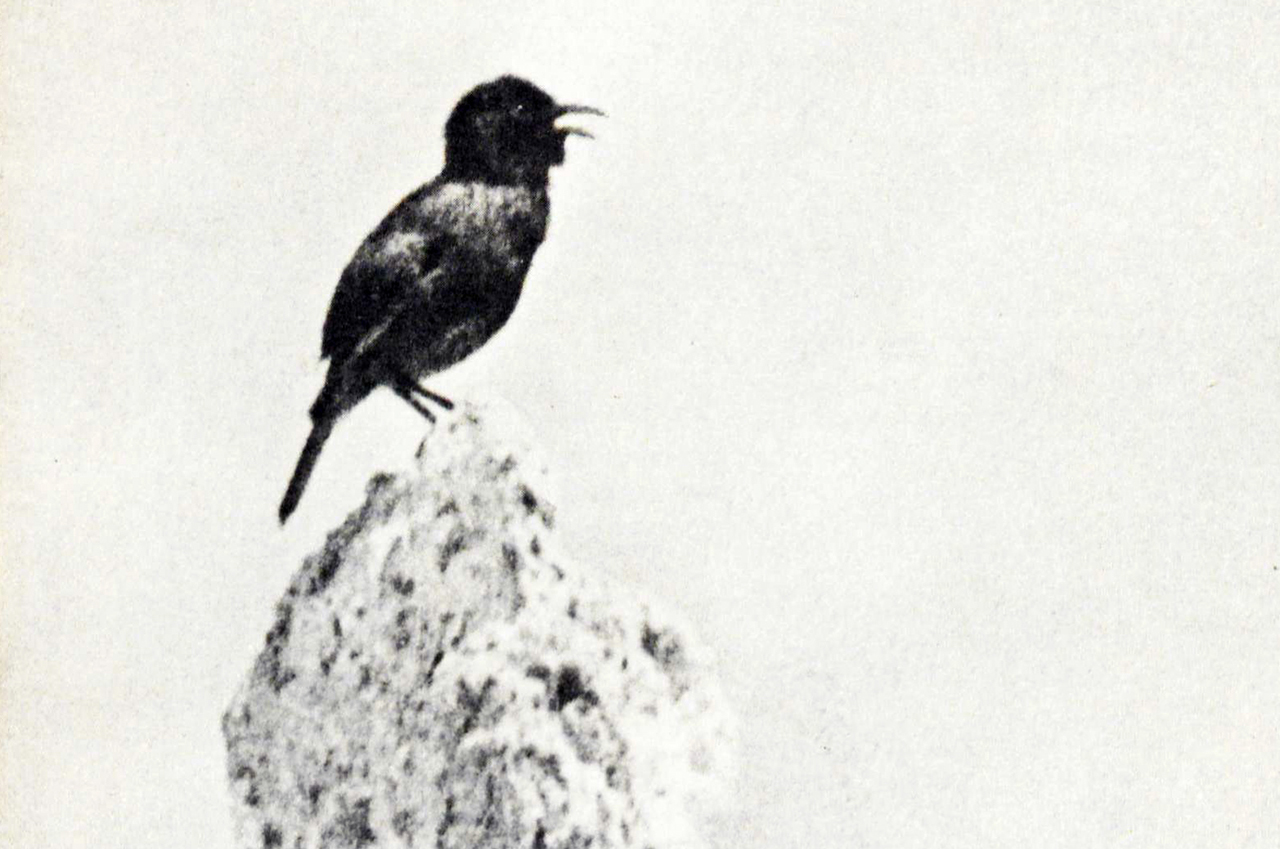
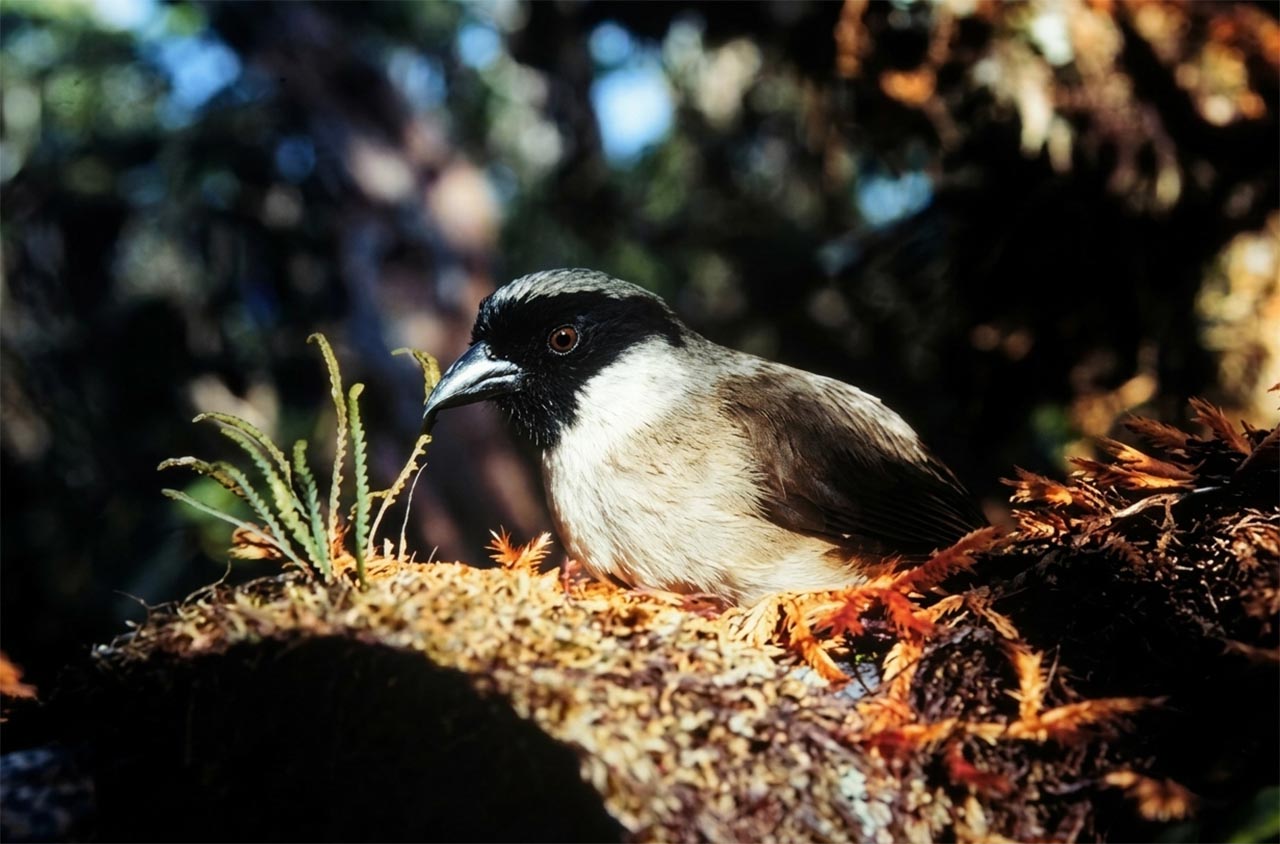
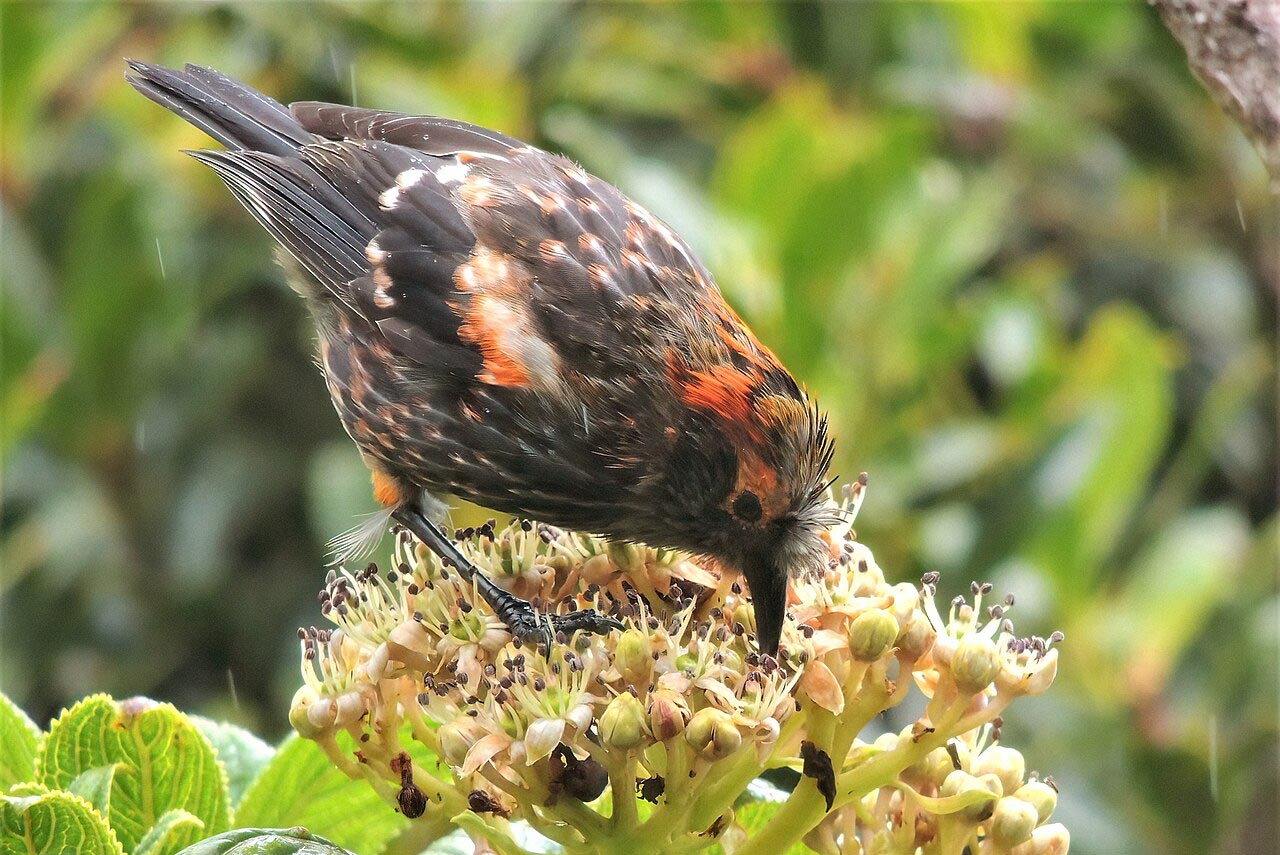
Poo-uli (Melamprosops phaeosoma)
The Poo-uli, aslo known as the Hawaiian Black-faced Honeycreeper, was once found on the island of Maui in Hawaii. It was declared extinct in 2019. IUCN Redlist Status: Extinct
Collared Grosbeak (Mycerobas affinis)
The Collared Grosbeak is found in Bhutan, China, India, Nepal. Myanmar, and Thailand. IUCN Redlist Status: Least Concern
White-winged Grosbeak (Mycerobas carnipes)
The White-winged Grosbeak is found in Afghanistan, Bhutan, China, India, Iran, Kazakhstan, Myanmar, Nepal, Pakistan, Russia, Tajikistan, Turkmenistan, and Uzbekistan. IUCN Redlist Status: Least Concern
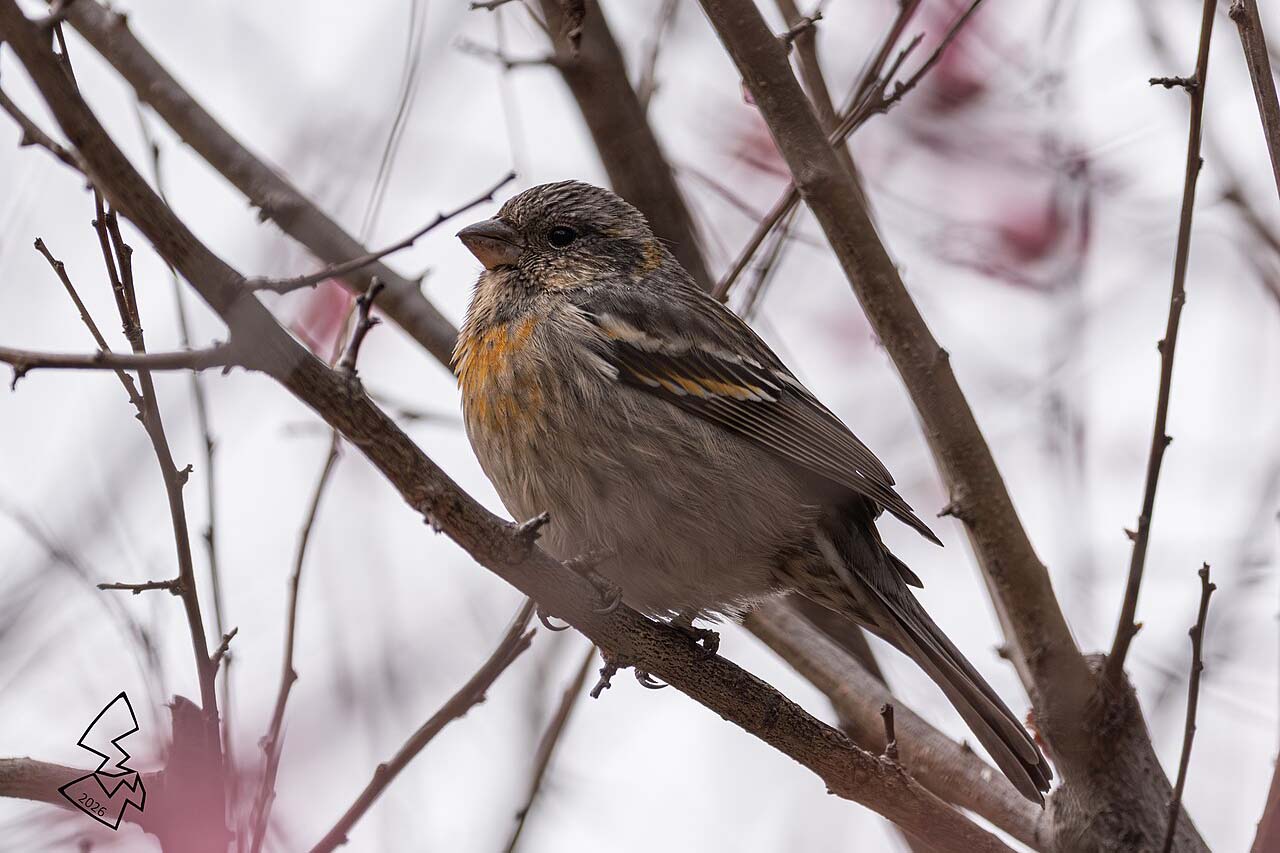
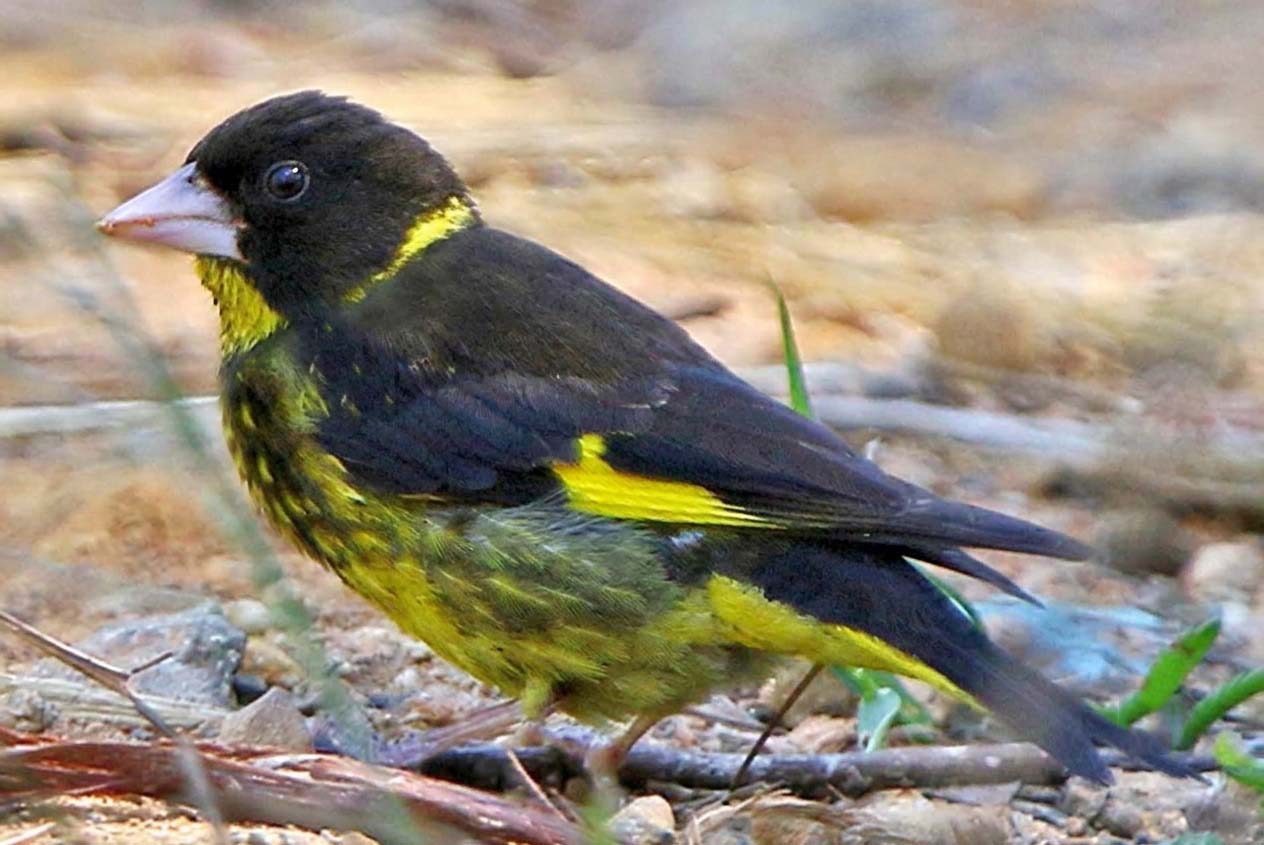
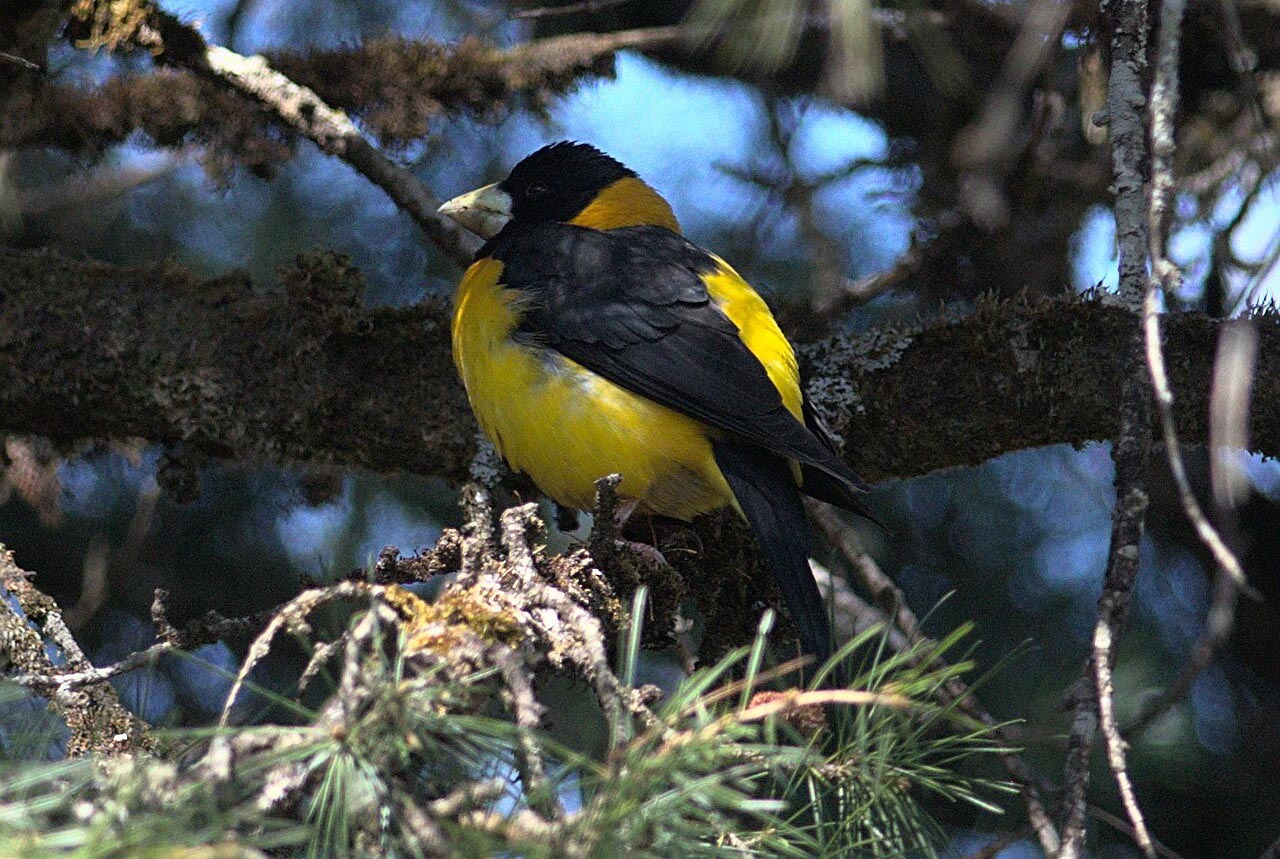
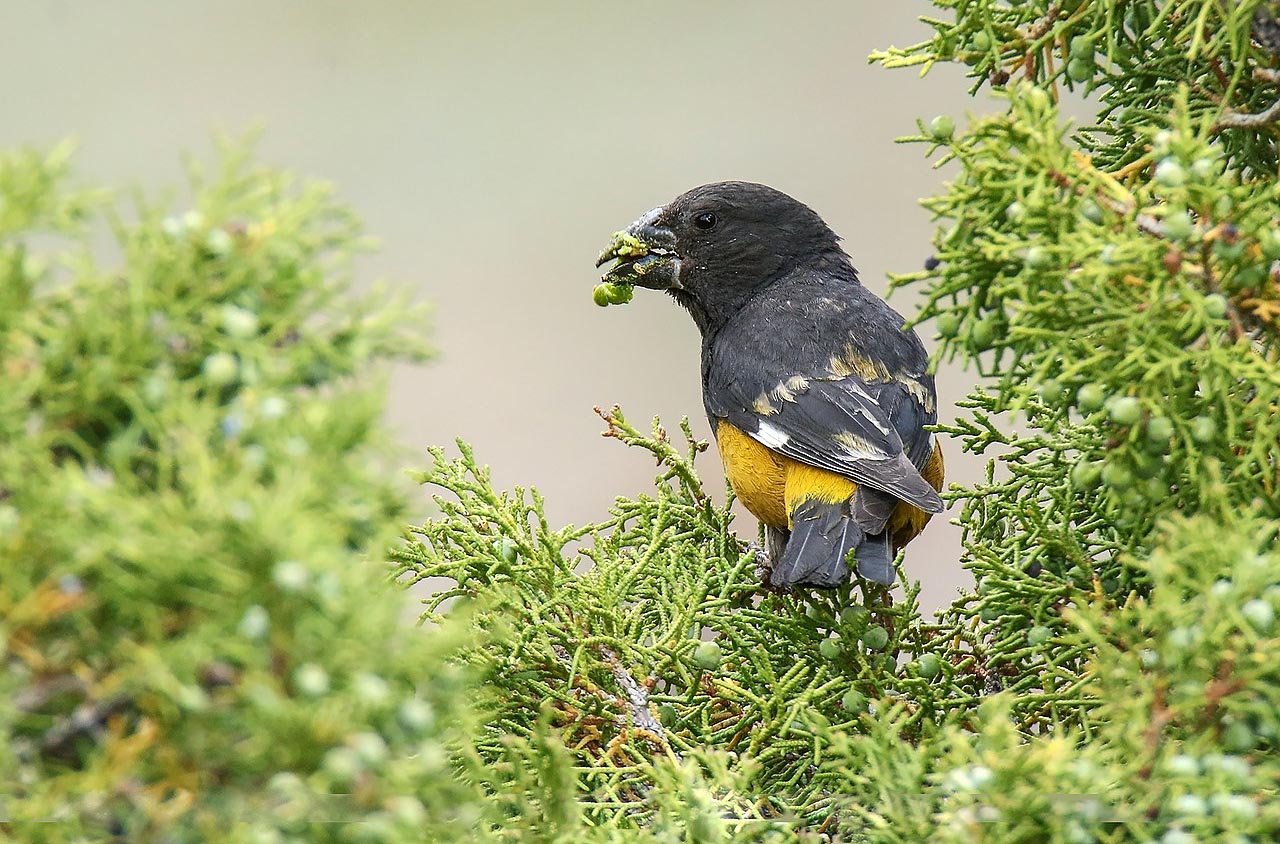
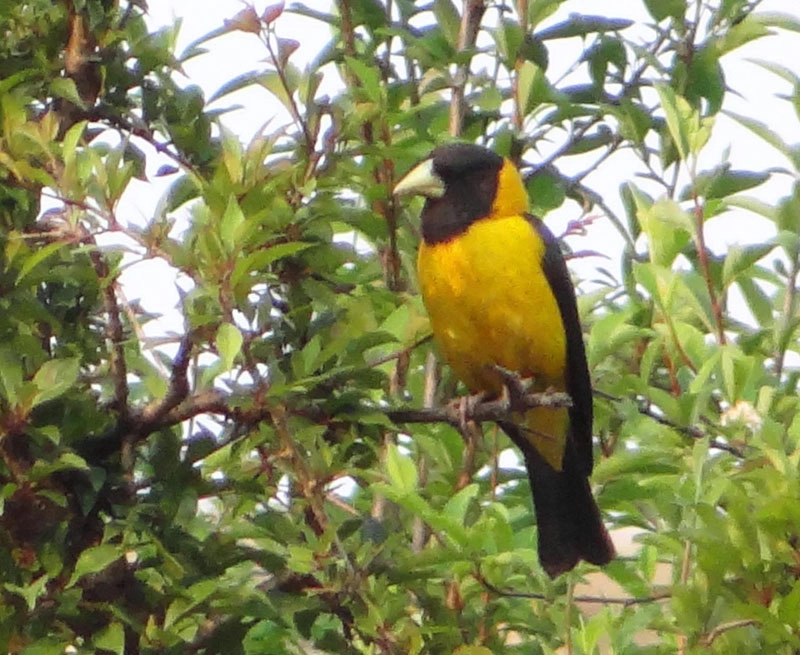
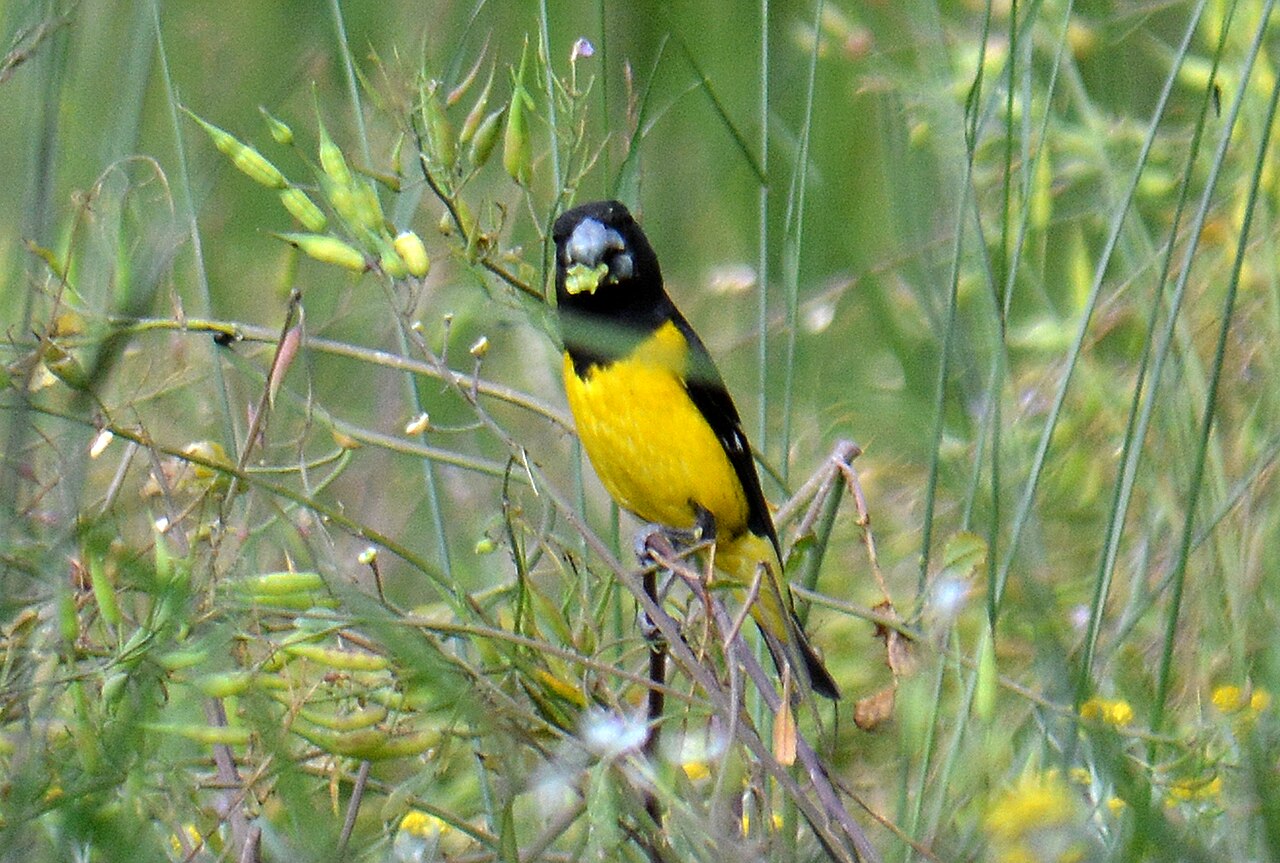
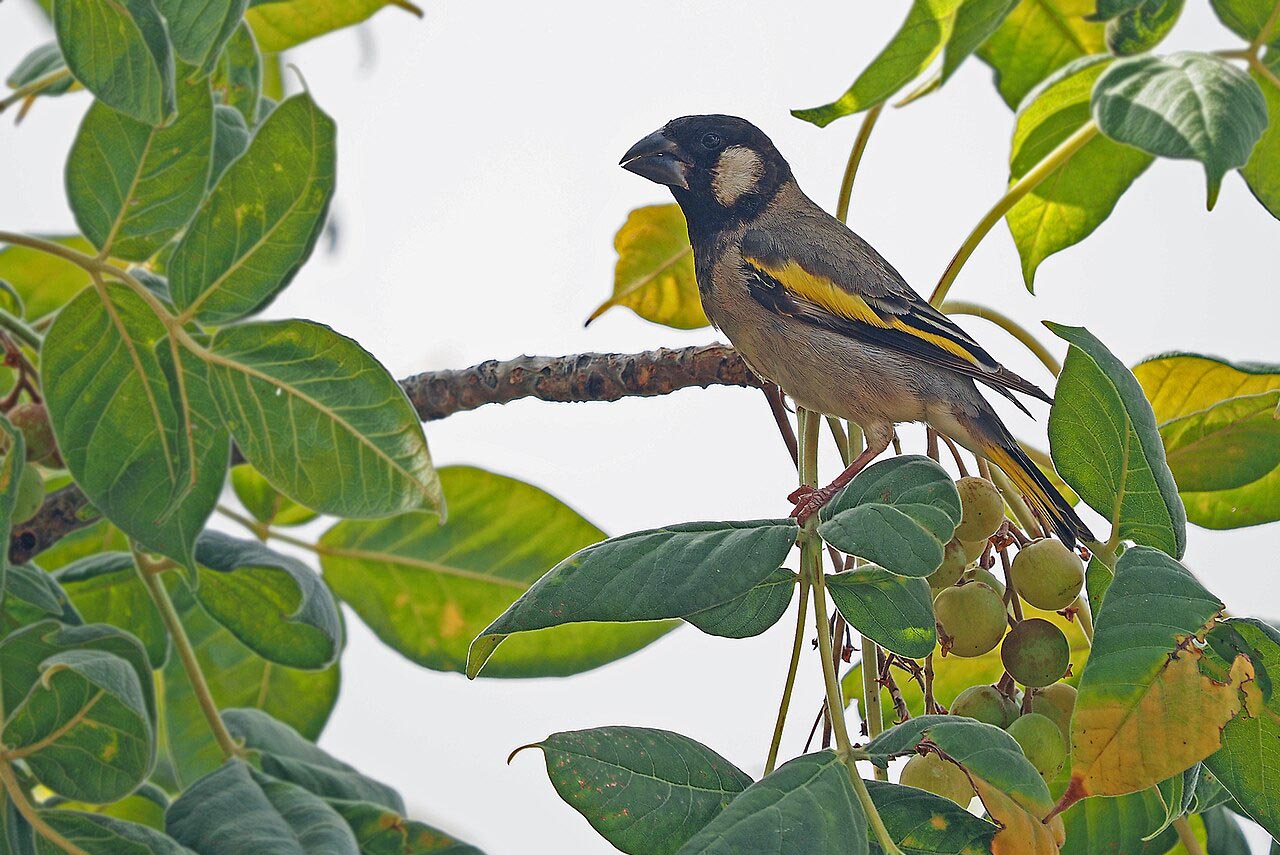
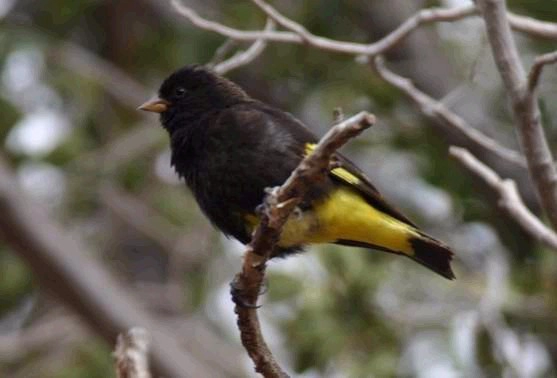
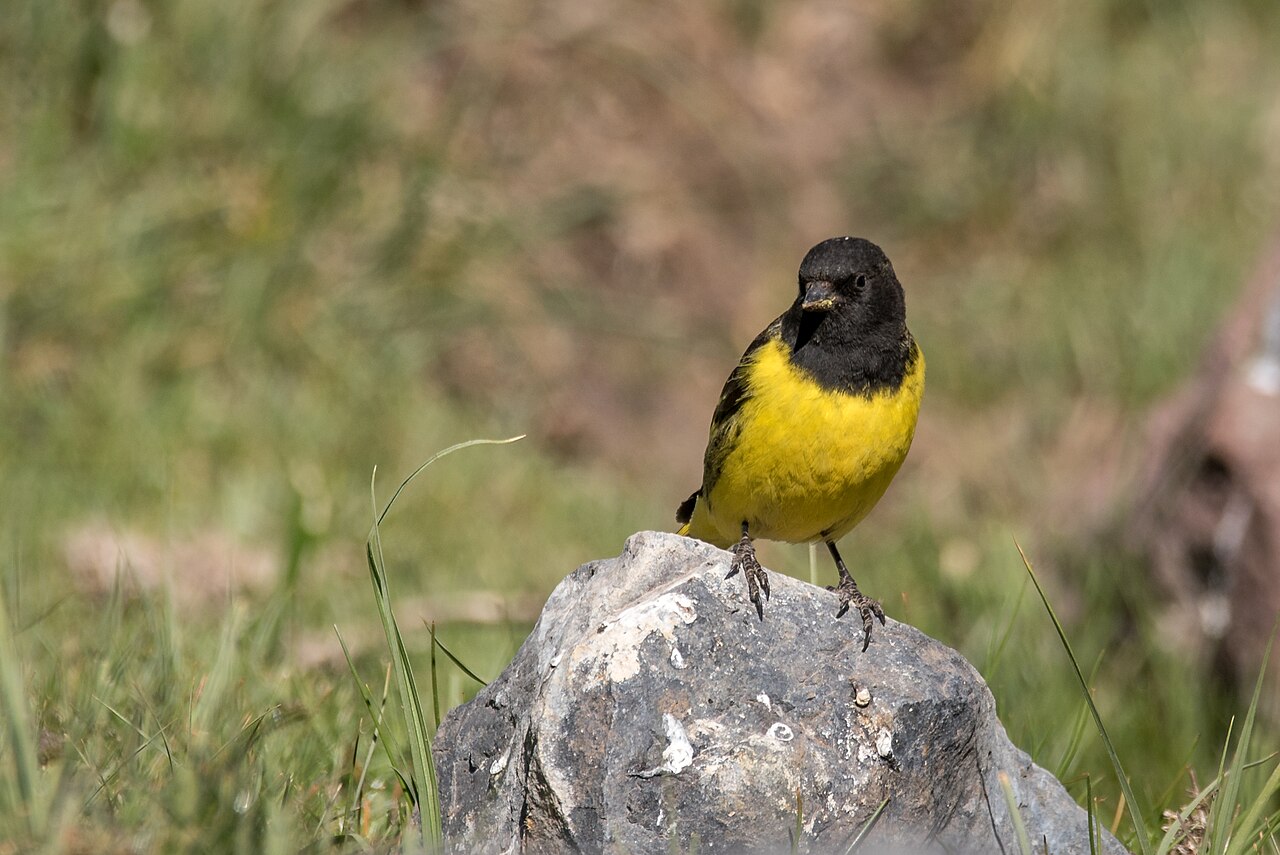
Black-and-yellow Grosbeak (Mycerobas icterioides)
The Black-and-yellow Grosbeak is found in Afghanistan, India, Nepal, and Pakistan. IUCN Redlist Status: Least Concern
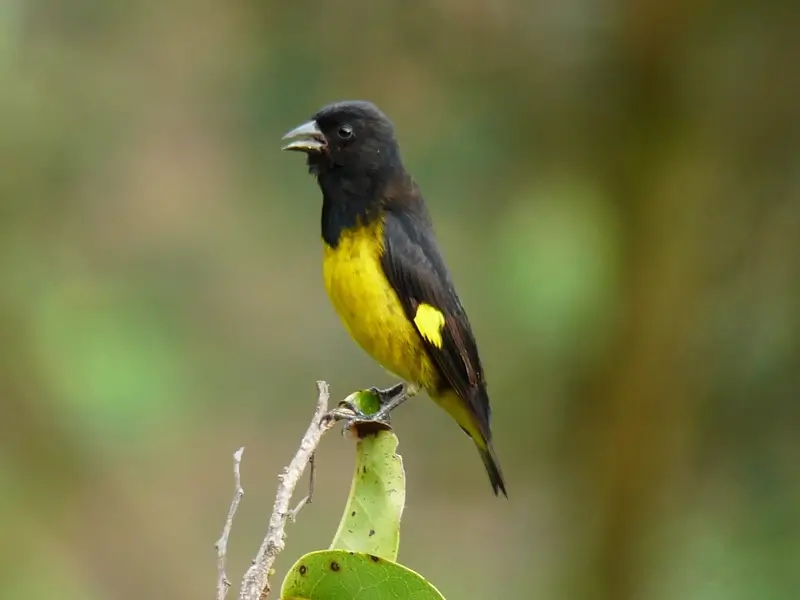
Spot-winged Grosbeak (Mycerobas melanozanthos)
The Spot-winged Grosbeak is found in Bhutan, China, India, Laos, Myanmar, Nepal, Pakistan, Thailand, and Viet Nam. IUCN Redlist: Least Concern
Akikiki (Oreomystis bairdi)
The Akikiki is found on Kaua`i in the Hawaiian Islands, IUCN Redlist Status: Critically Endangered
Akohekohe (Palmeria dolei)
The Akohekohe is found on Maui in the Hawaiian Islands. IUCN Redlist Status: Critically Edangered
Maui Alauahio (Paroreomyza montana)
The Maui Alauahio is found on Maui in the Hawaiian Islands. IUCN Redlist Status: Endangered
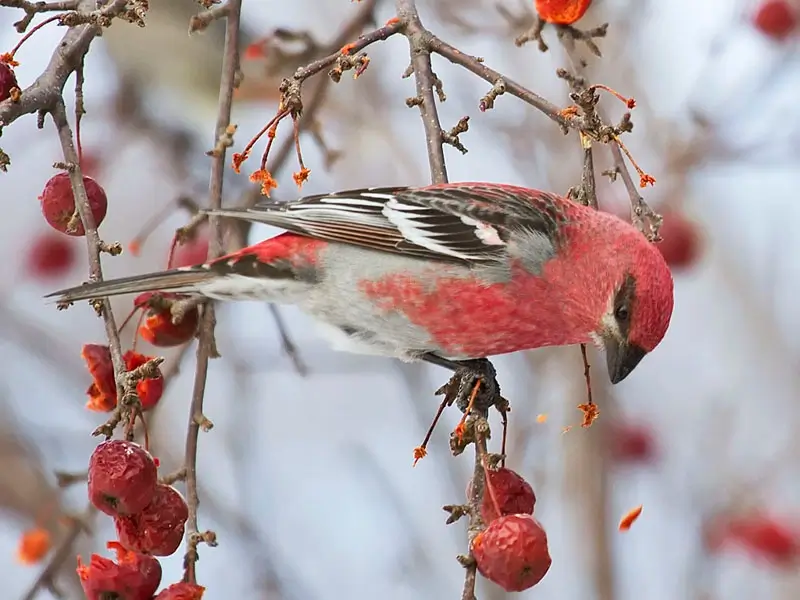
Pine Grosbeak (Pinicola enucleator)
Breeds from Alaska to Nova Scotia and in western mountain forests, wintering south into the northern United States, including New Hampshire. It is also found across Europe and Asia. IUCN status: Least Concern.
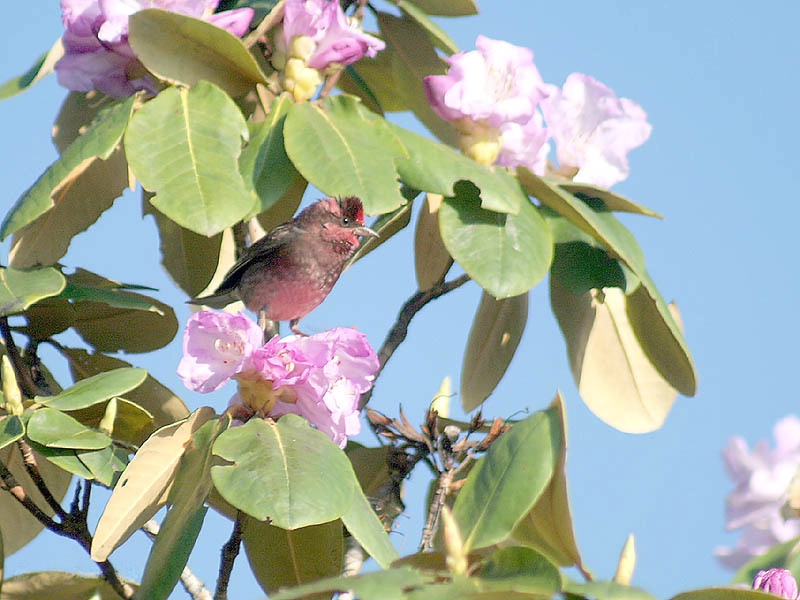
Dark-breasted Rosefinch (Procarduelis nipalensis)
The Dark-breasted Rosefinch is found in Bhutan, China, India, Laos, Myanmar, Nepal, Pakistan, Thailand, and Vietnam. IUCN Redlist Status: Least Concern
Maui Parrotbill (Pseudonestor xanthophrys)
The Maui Parrotbill is only found on the northeastern slopes of Haleakala on the island of Maui in the Hawaiian Islands. It listed as an endangered species in the U.S. IUCN Redlist Status: Critically Endangered
Ou (Psittirostra psittacea)
The Ou was once found across the Hawaiian Islands. IUCN Redlist Status: Extinct
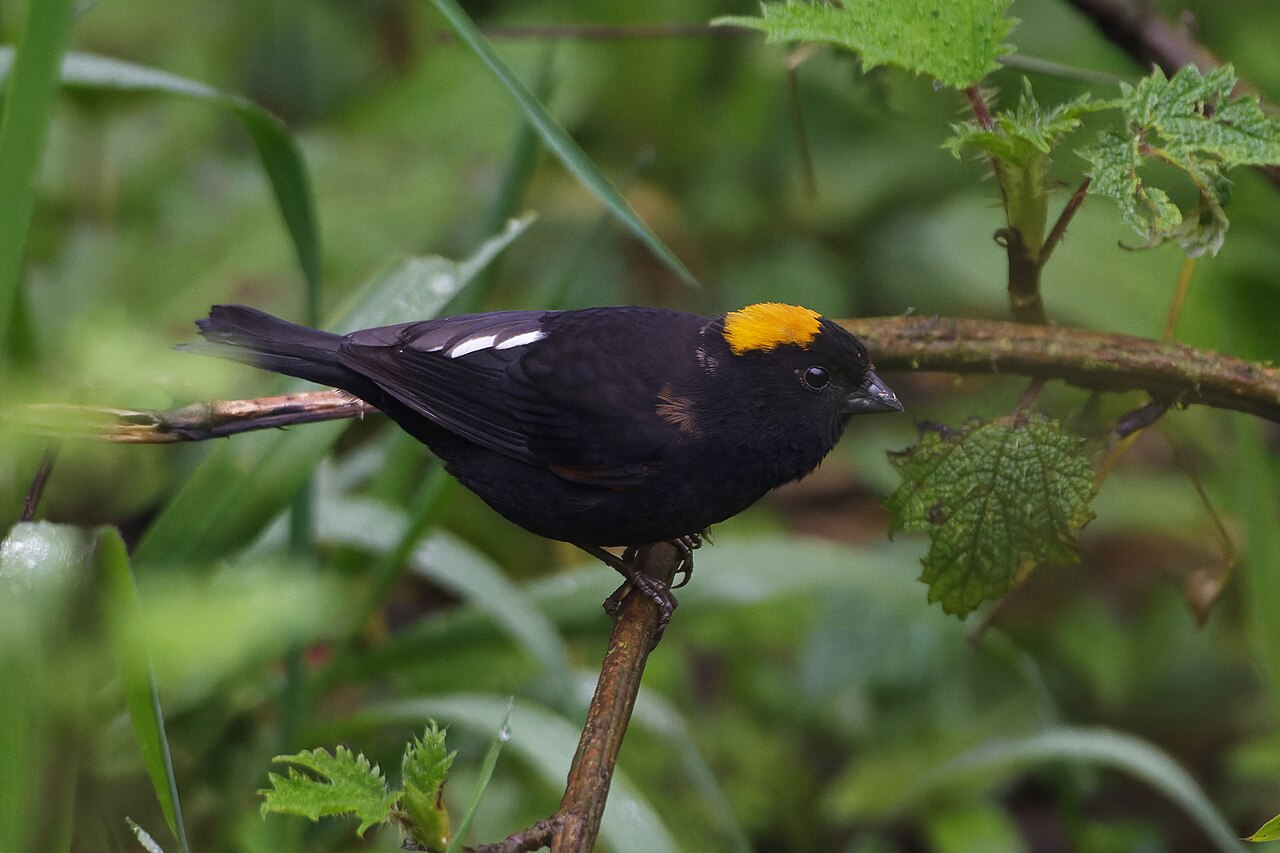
Gold-naped Finch (Pyrrhoplectes epauletta)
The Gold-naped Finch is found in Bhutan, China, India, Myanmar, and Nepal. IUCN Redlist Status: Least Concern
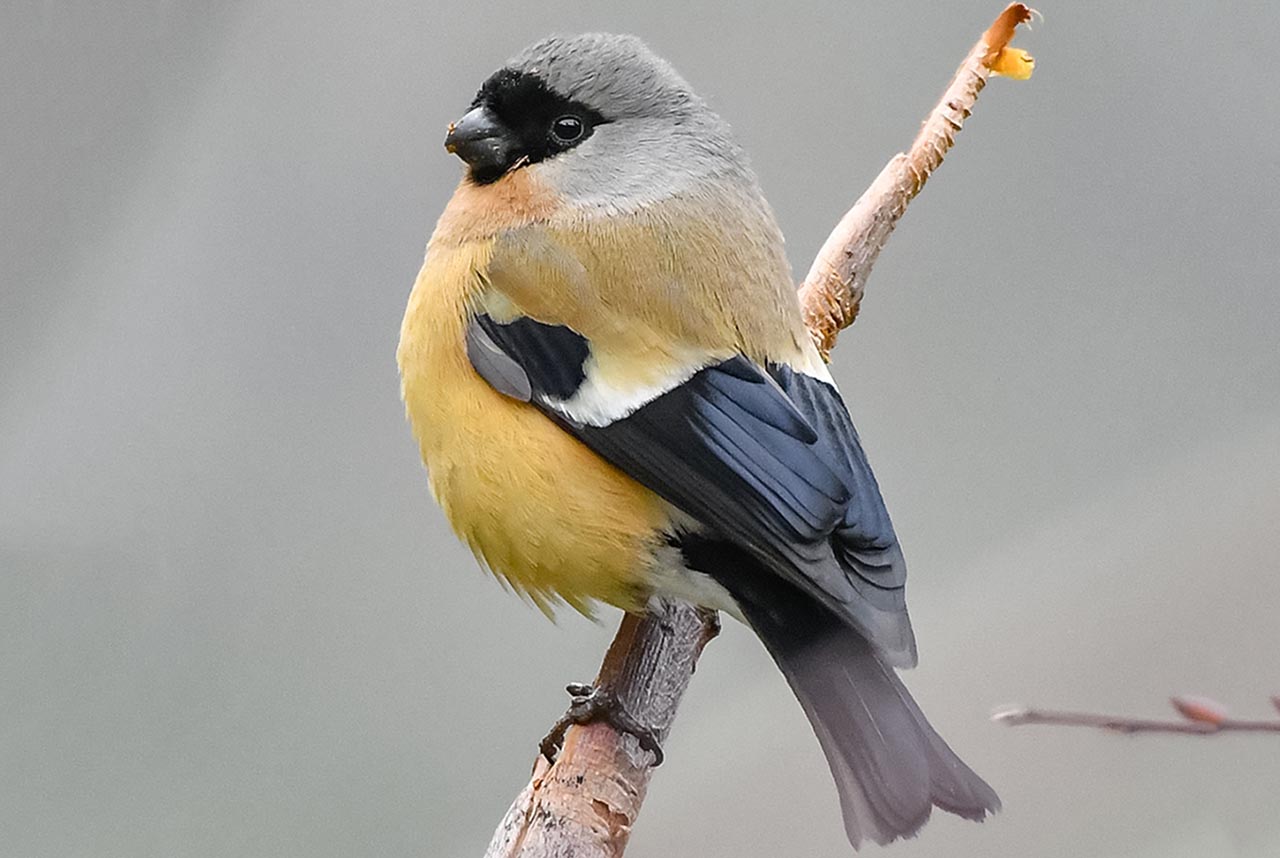
Orange Bullfinch (Pyrrhula aurantiaca)
The Orange Bullfinch is found in India and Pakistan. IUCN Redlist Status: Least Concern
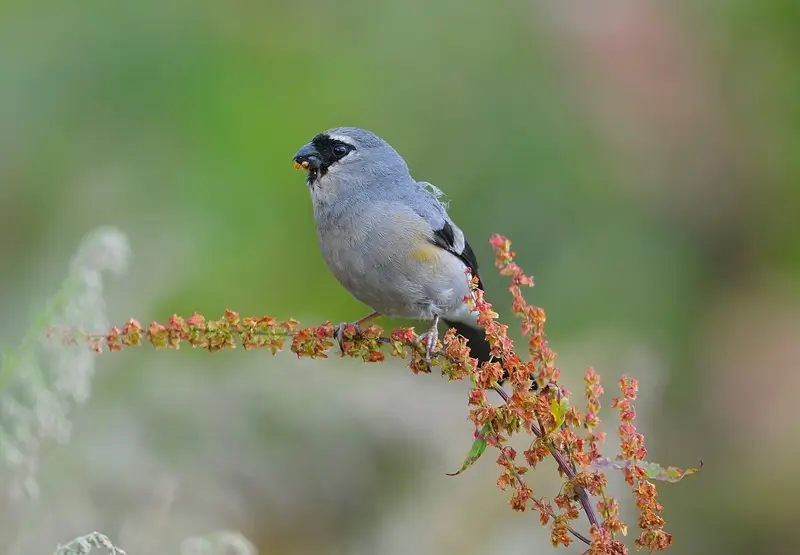
Gray-headed Bullfinch (Pyrrhula erythaca)
The Gray-headed Bullfinch is found in Bhutan, China, India, Myanmar, Nepal, Taiwan, and Thailand. IUCN Redlist Status: Least Concern
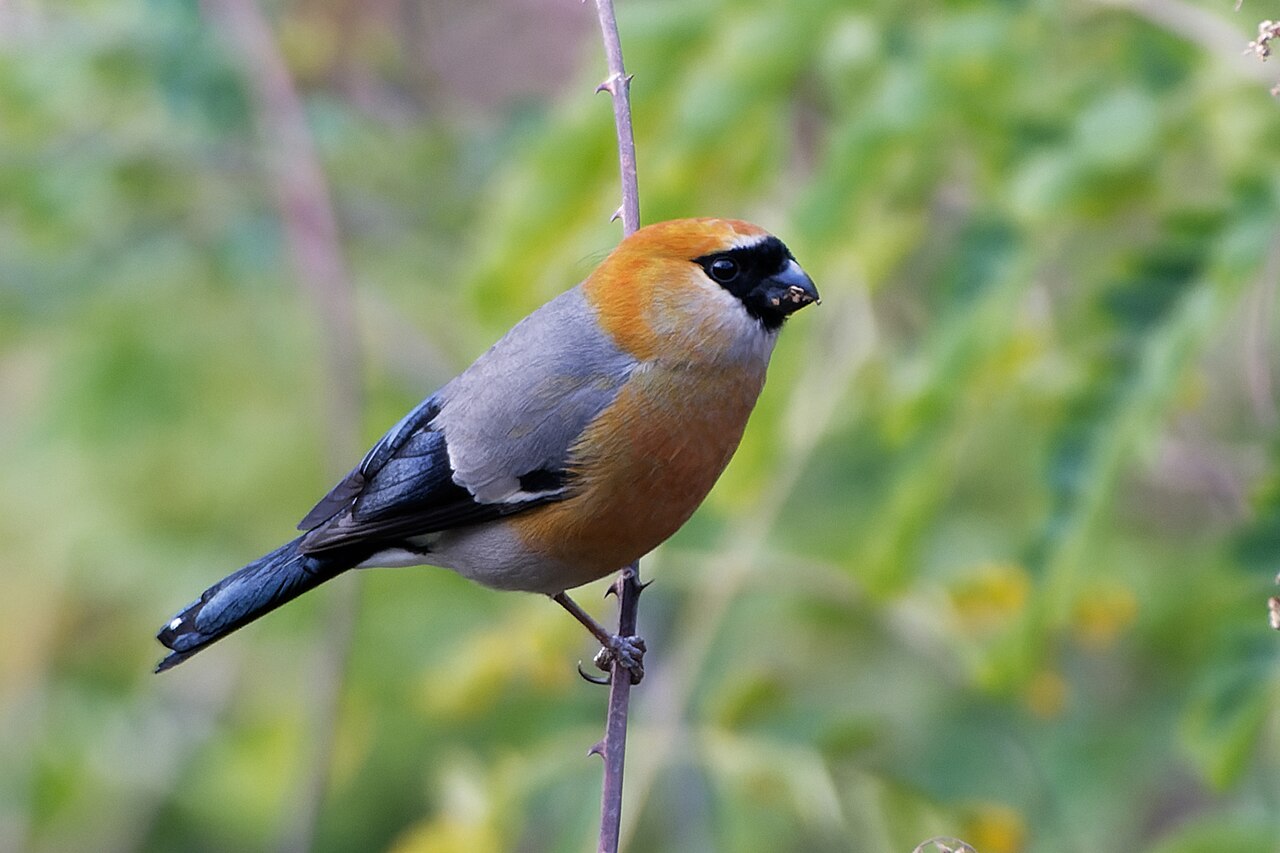
Red-headed Bullfinch (Pyrrhula erythrocephala)
The Red-headed Bullfinch is found in Bhutan, China, India, and Nepal. IUCN Redlist Status: Least Concern
White-cheeked Bullfinch (Pyrrhula leucogenis)
The White-cheeked Bullfinch is found in the Philippines. IUCN Redlist Status: Least Concern
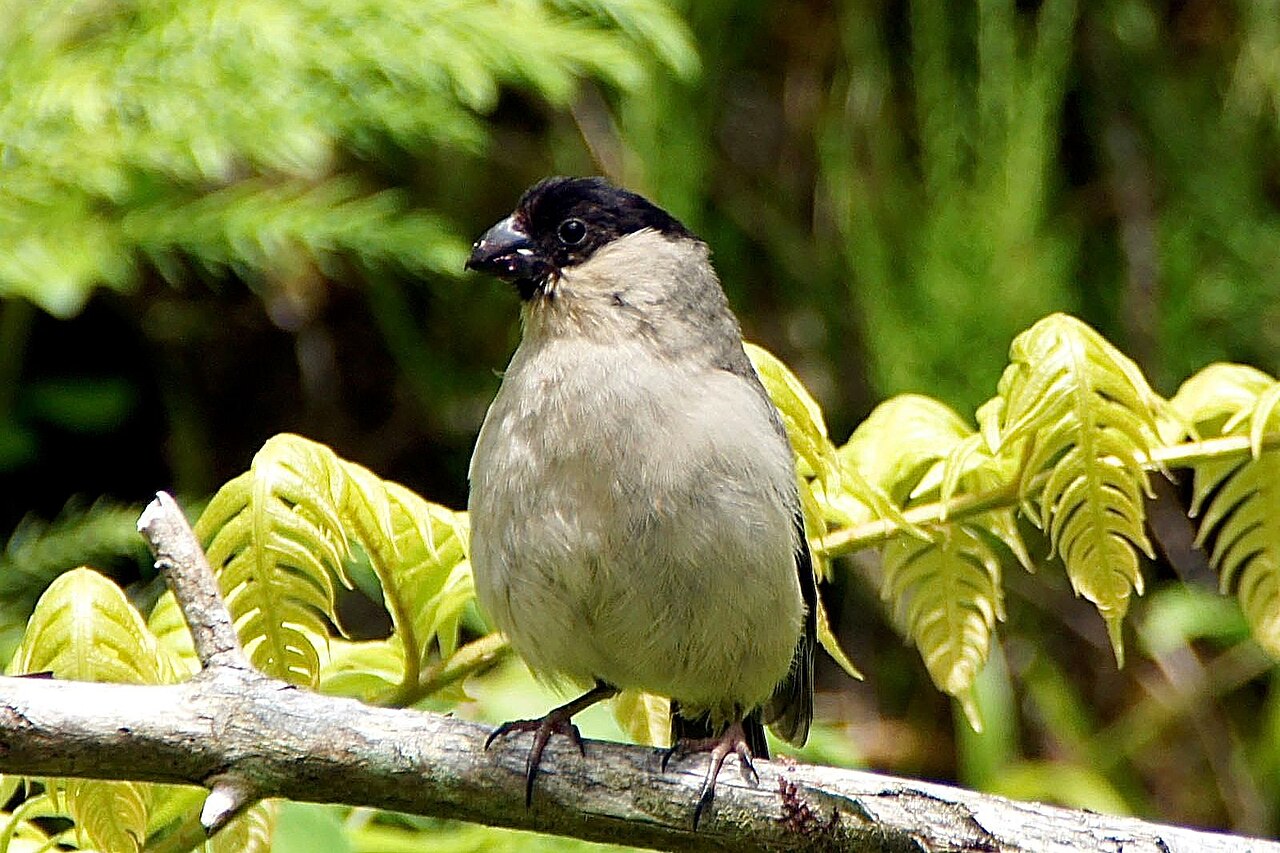
Azores Bullfinch (Pyrrhula murina)
The Azores Bullfinch is found in Portugal. IUCN Redlist Status: Vulnerable
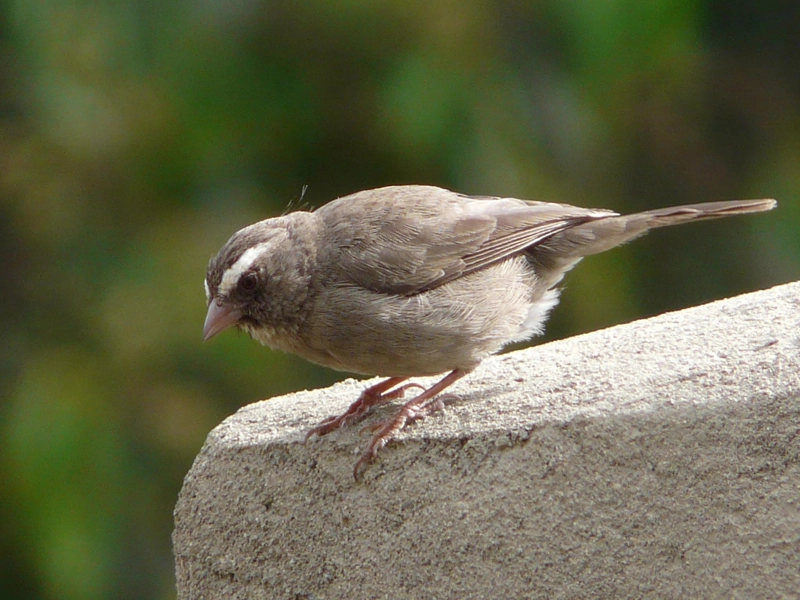
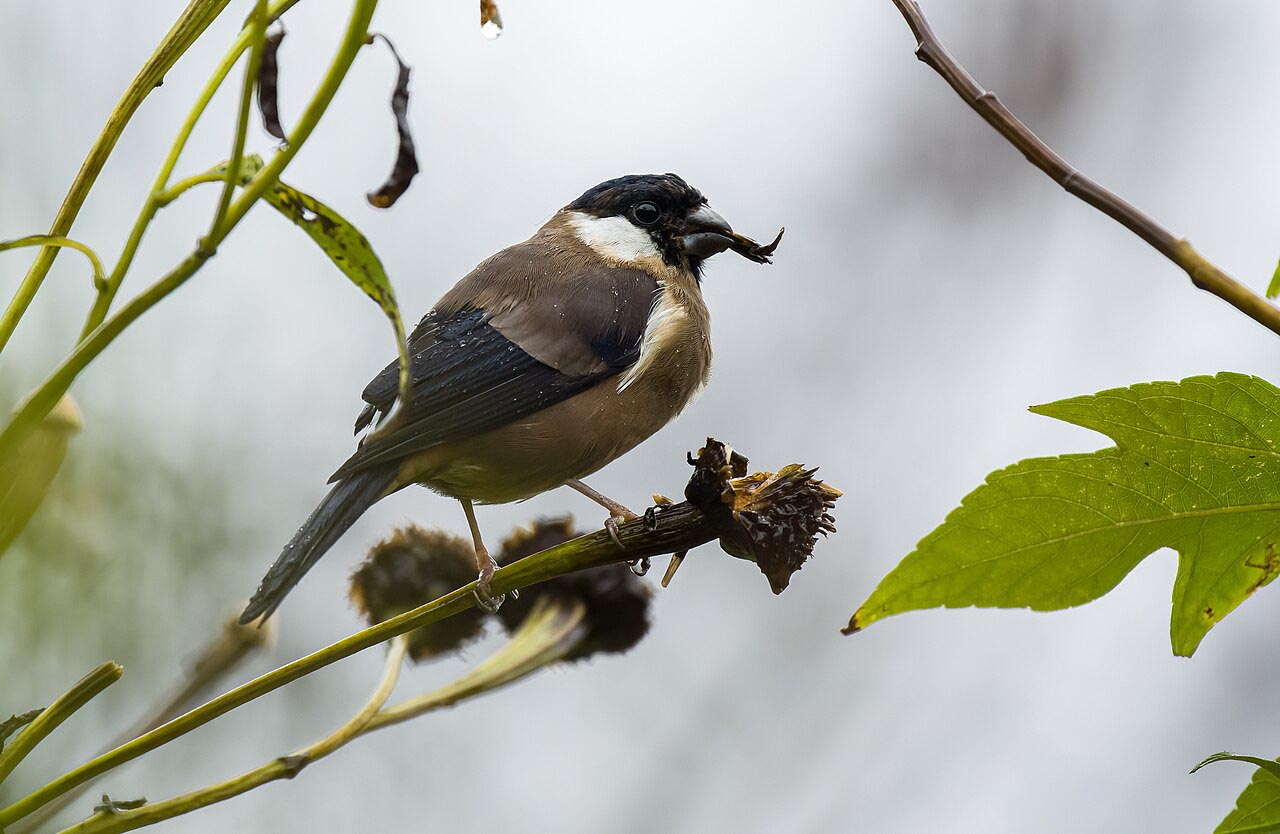
Brown Bullfinch (Pyrrhula nipalensis)
The Brown Bullfinch is found in Bhutan, China, India, Laos, Myanmar, Nepal, Taiwan, and Viet Nam. IUCN Redlist Status: Least Concern
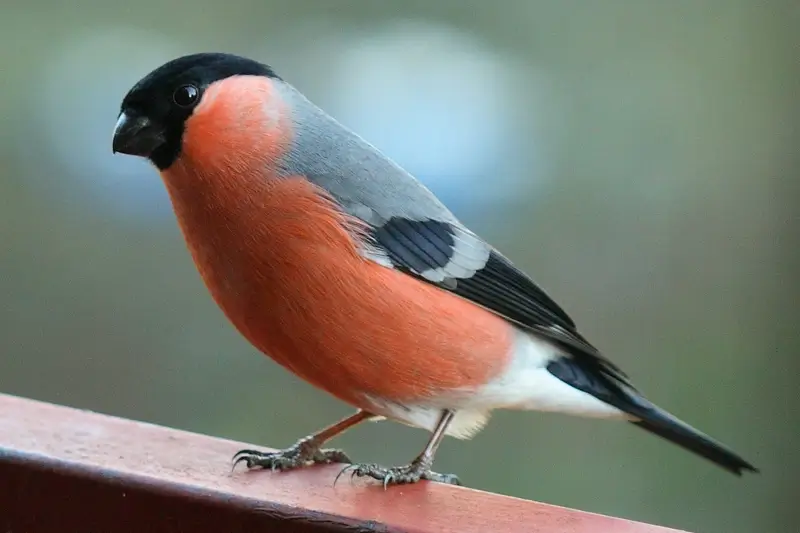
Eurasian Bullfinch (Pyrrhula pyrrhula)
The Eurasian Bullfinch is found across much of Europe and central Asia. IUCN Redlist Status: Least Concern
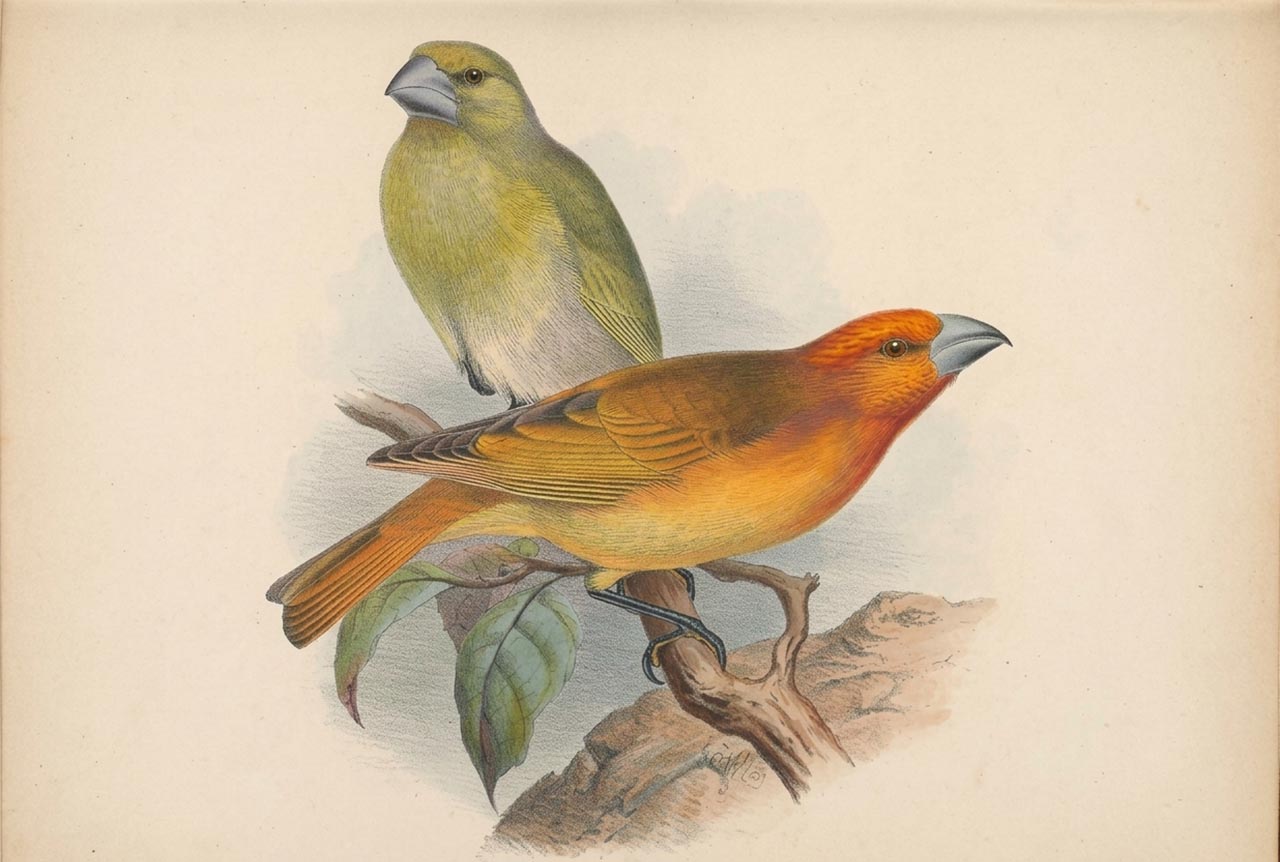
Greater Koa-finch (Rhodacanthis palmeri)
The Greater Koa-finch was once found in Kona, Hawai'i. IUCN Redlist: Status: Extinct
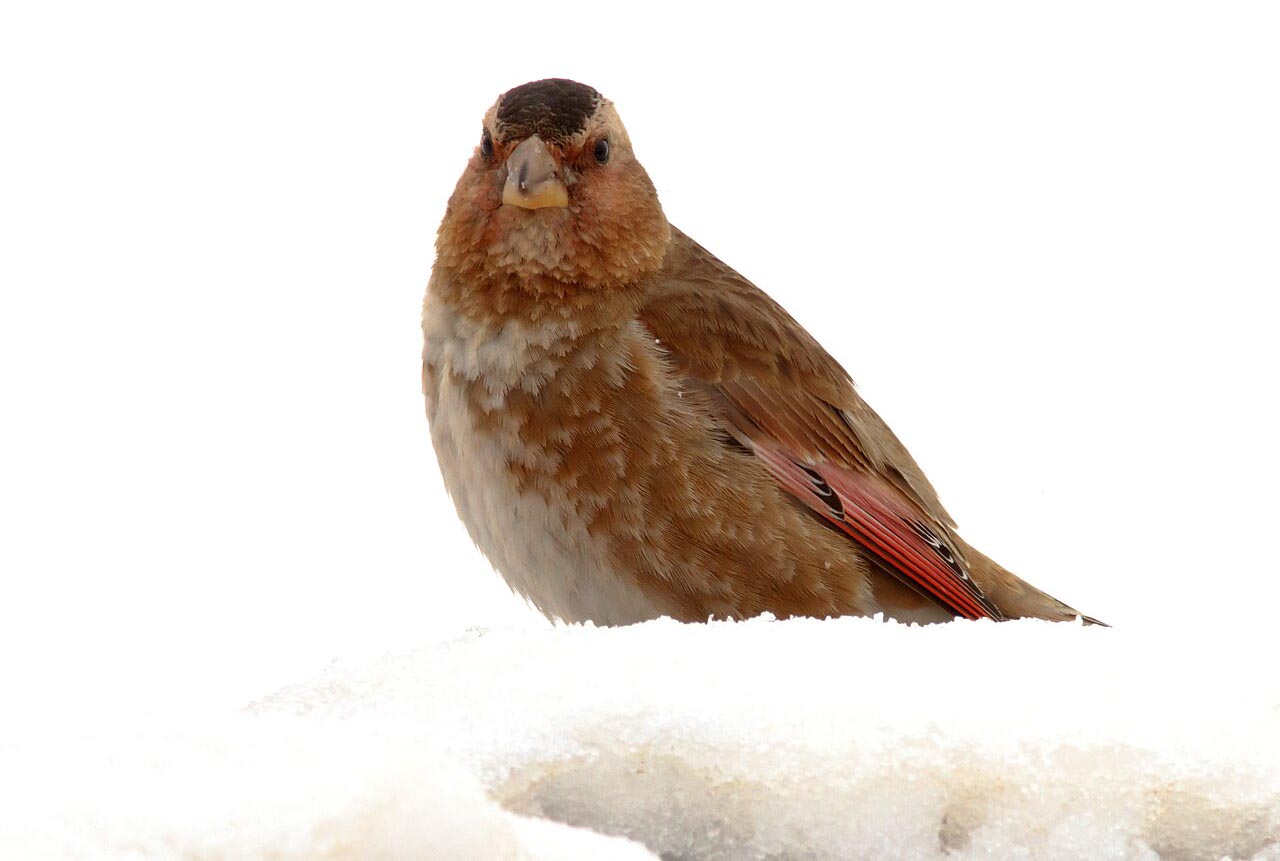
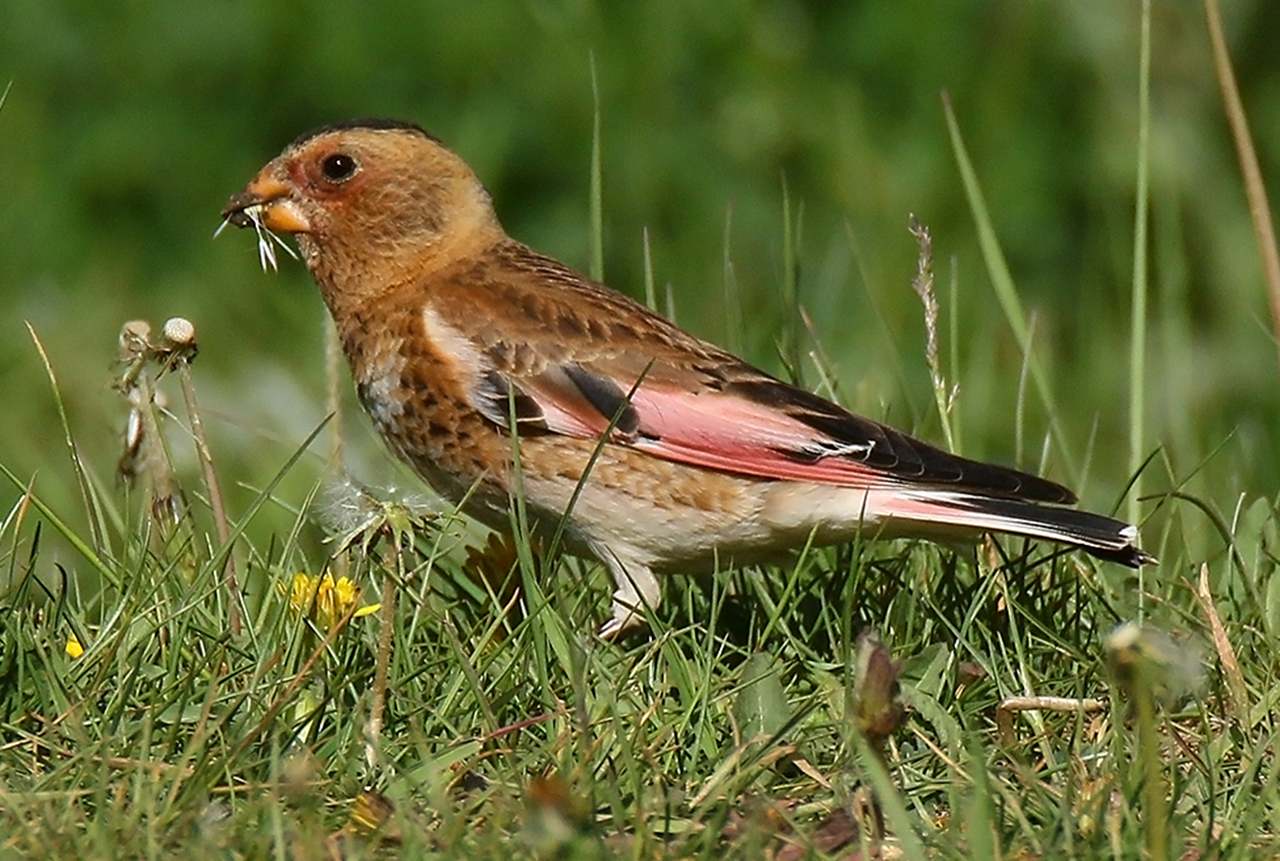
The Eurasian Crimson-winged Finch is found in Afghanistan, Azerbaijan, Armenia, China, Iran, Iraq, Israel, Georgia, Kazakhstan, Kyrgyzstan, Lebanon, Palestine, Russia, Syria, Tajikistan, Uzbekistan, Turkmenistan, and Türkiye. IUCN Redlist Status: Least Concern
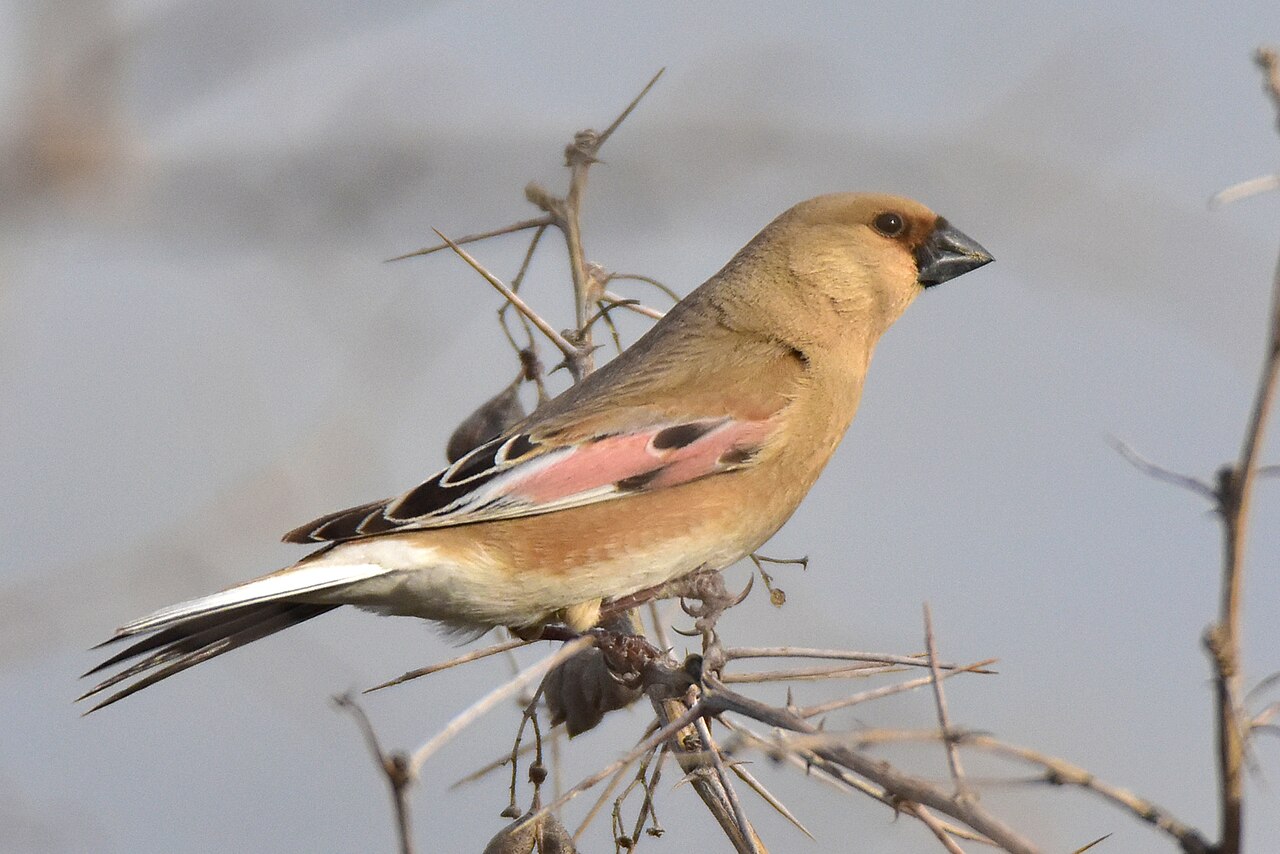
Desert Finch (Rhodospiza obsoleta)
The Desert Finch is found in deserts and dry scrub from southeastern Turkey and the Middle East east to northern Pakistan and northwestern China.. IUCN Redlist Status: Least Concern
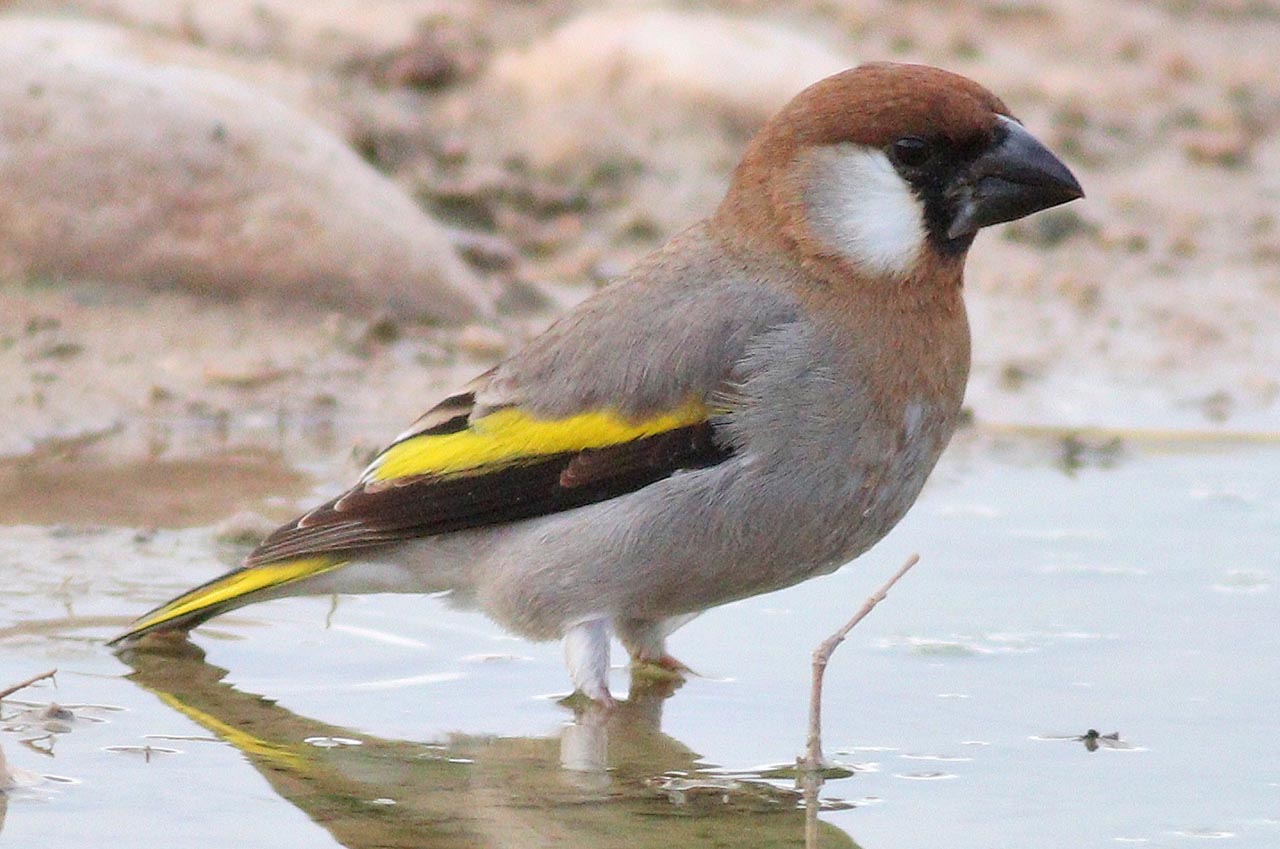
Arabian Grosbeak (Rhynchostruthus percivali)
The Arabian Grosbeak is found in Oman, Saudi Arabia, and Yemen. IUCN Redlist Status: Near Threatened
Socotra Grosbeak (Rhynchostruthus socotranus)
The Socotra Grosbeak is found in Yemen. IUCN Redlist Status: Least Concern
Black-headed Canary (Serinus alario)
The Black-headed Canary is found in Lesotho, Namibia, and South Africa. IUCN Redlist Status: Least Concern
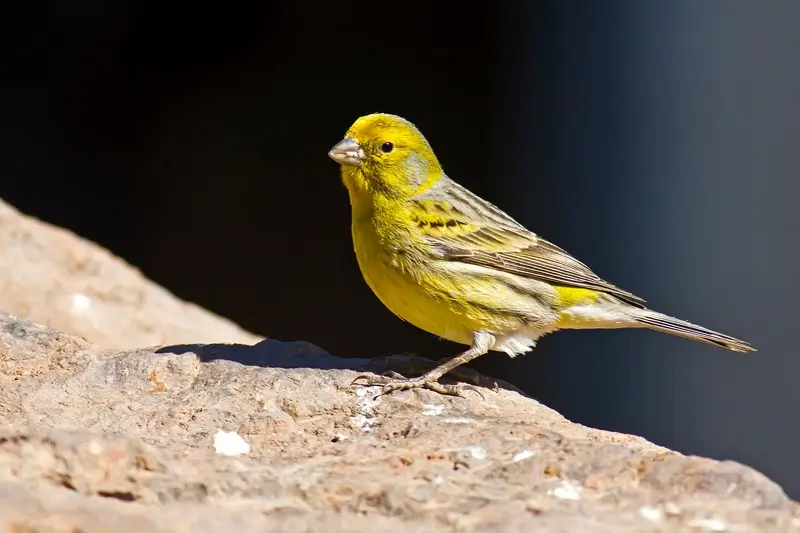
Island Canary (Serinus canaria)
The Island Canary is found in the Canary Islands. IUCN Redlist Status: Least Concern
Cape Canary (Serinus canicollis)
The Cape Canary is found in Lesotho, Mozambique, South Africa, Swaziland, and Zimbabwe. IUCN Redlist Status: Least Concern
Yellow-crowned Canary (Serinus flavivertex)
The Yellow-crowned Canary is found in Angola, Democratic Republic of the Congo, Eritrea, Ethiopia, Kenya, Malawi, Rwanda, South Sudan, Sudan, Tanzania, and Uganda. IUCN Redlist Status: Least Concern
Ethiopian Siskin (Serinus nigriceps)
The Ethiopian Siskin is found in Ethiopia. IUCN Redlist Status: Least Concern
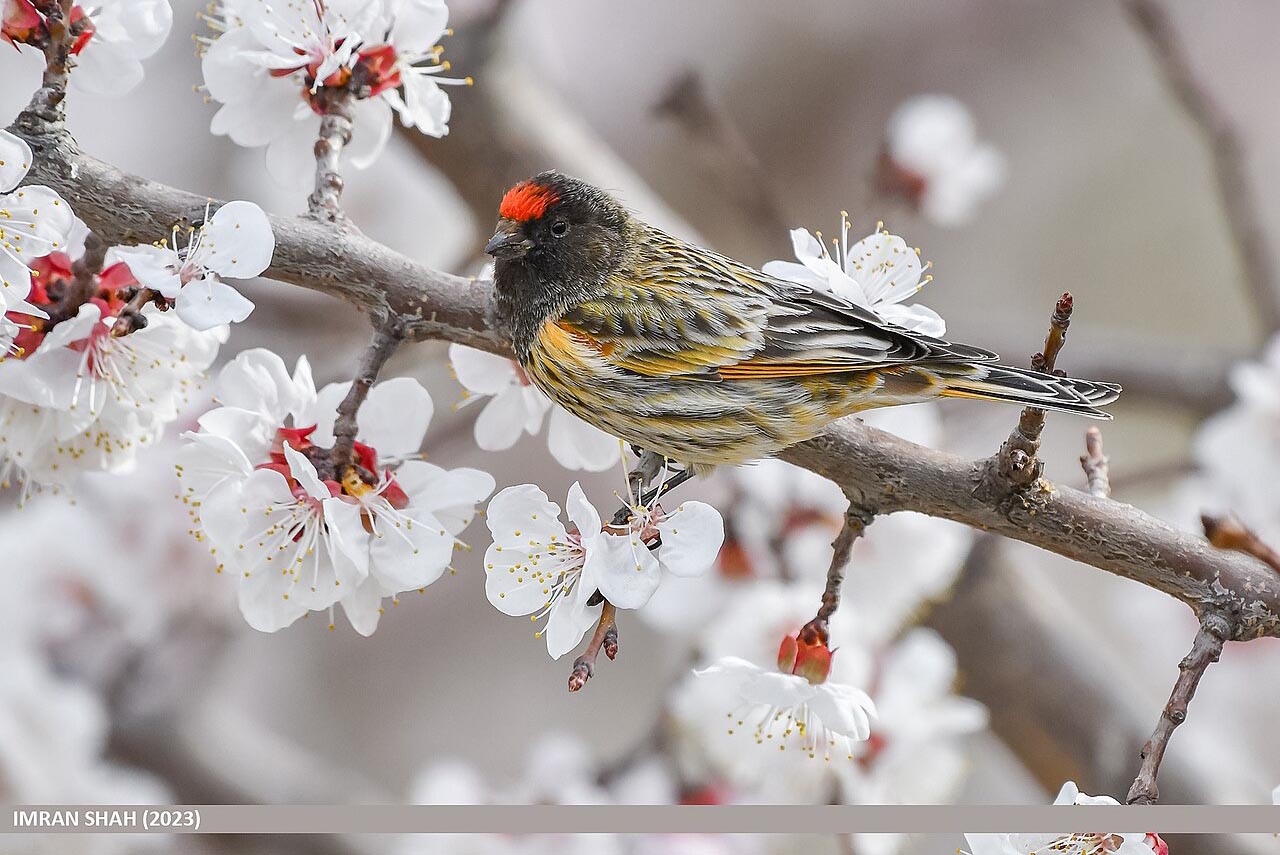
Red-fronted Serin (Serinus pusillus)
The Red-fronted Serin is found in mountainous regions from Turkey and the Caucasus east through Iran and Central Asia to western China, Afghanistan and northern Pakistan. IUCN Redlist Status: Least Concern
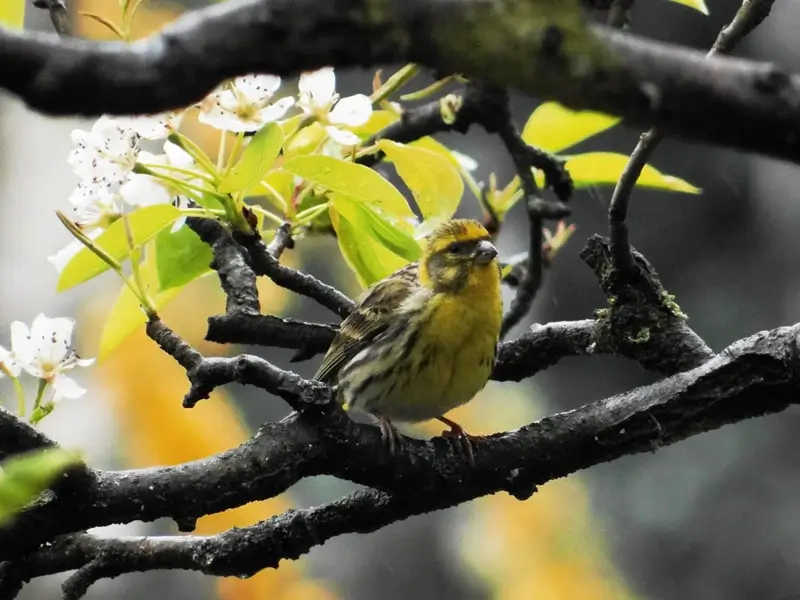
European Serin (Serinus serinus)
The European Serin is found in southern and central Europe and Northern Africa. IUCN Redlist Status: Least Concern
Syrian Serin (Serinus syriacus)
The Syrian Serin is found in Israel, Jordan, Lebanon, Palestine, and Syria. IUCN Redlist Status: Vulnerable
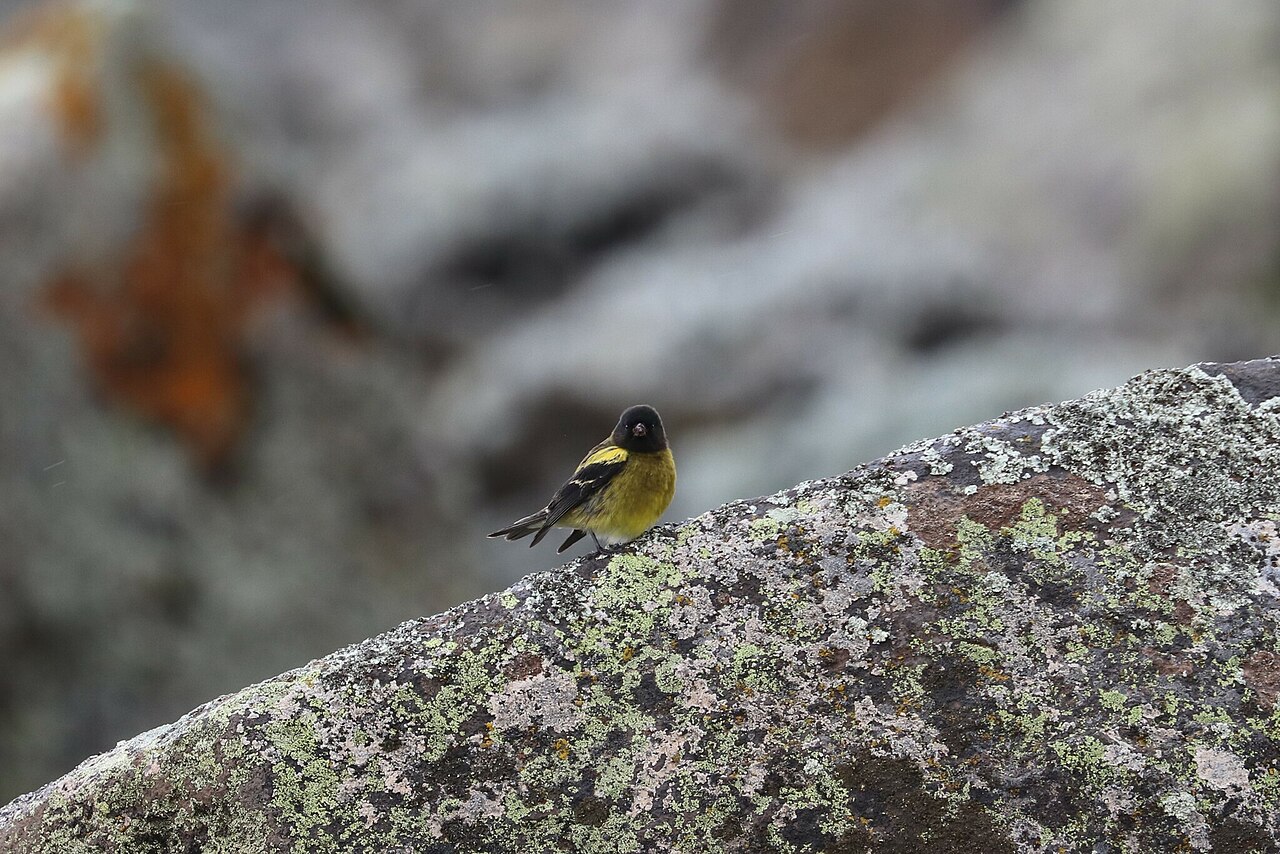
Black Siskin (Spinus atratus)
The Black Siskin is found in Argentina, Bolivia, Chile, and Peru. IUCN Redlist Status: Least Concern
Black-chinned Siskin (Spinus barbatus)
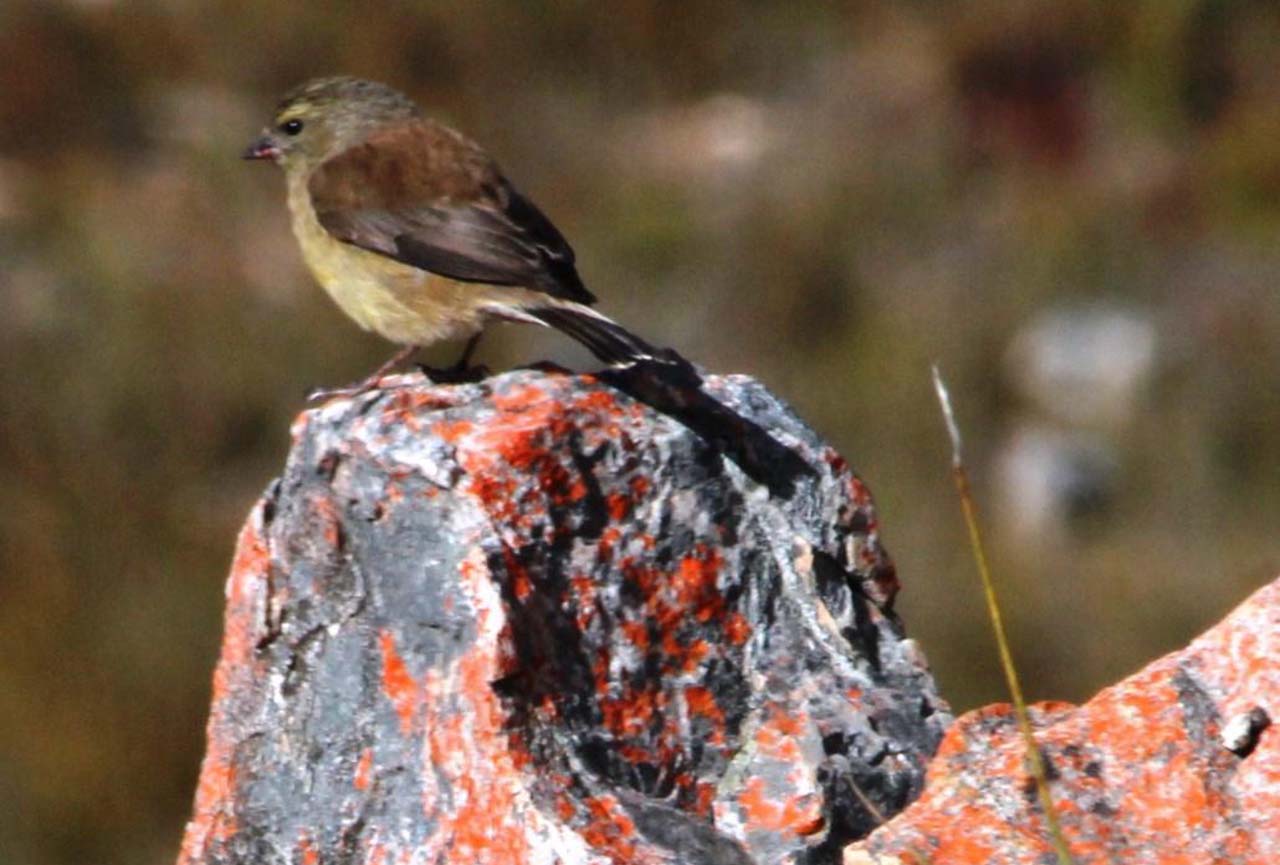
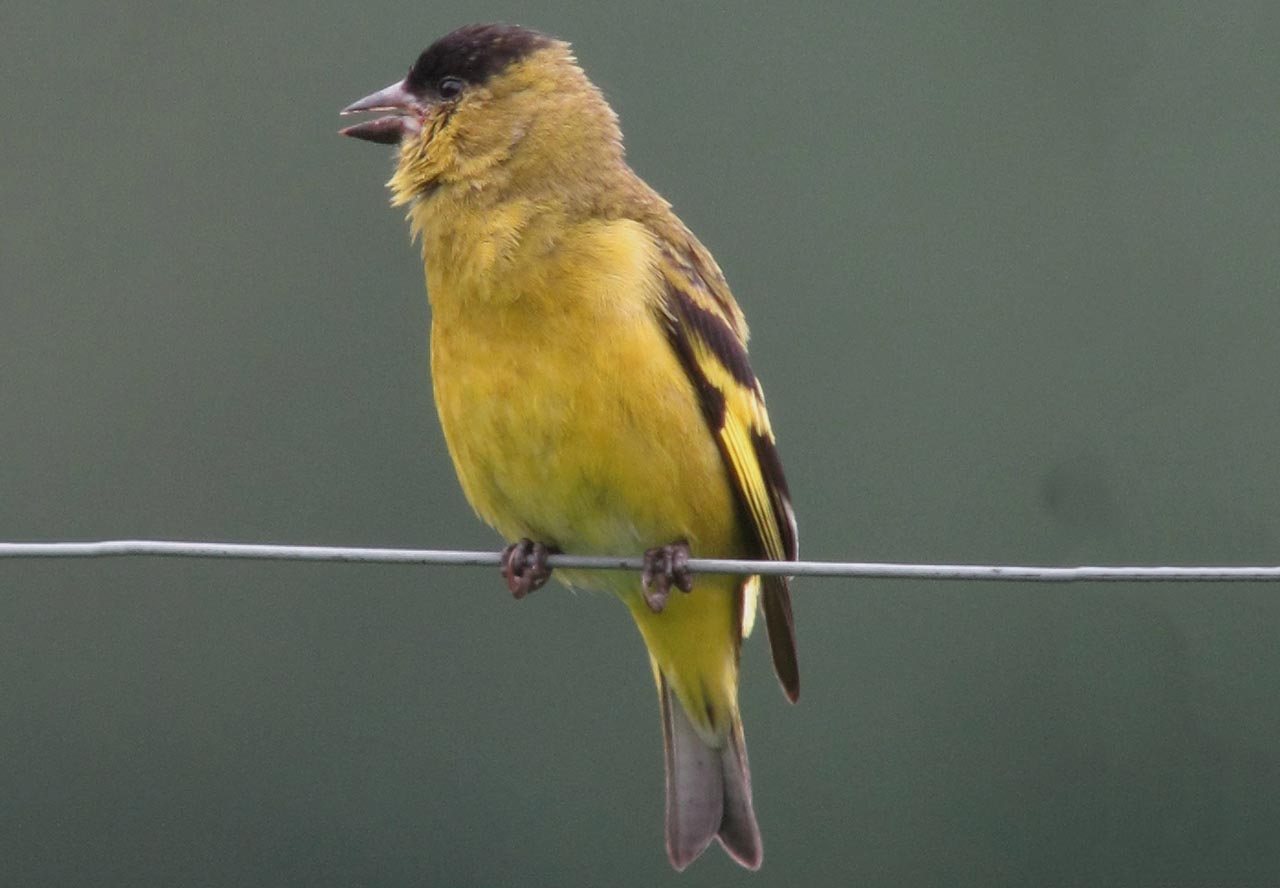
The Black-chinned Siskin is found in Argentina, Chile, and the Falkland Islands. IUCN Redlist Status: Least Concern
Thick-billed Siskin (Spinus crassirostris)
The Thick-billed Siskin is found in Argentina, Bolivia, Chile, and Peru. IUCN Redlist Status: Least Concern
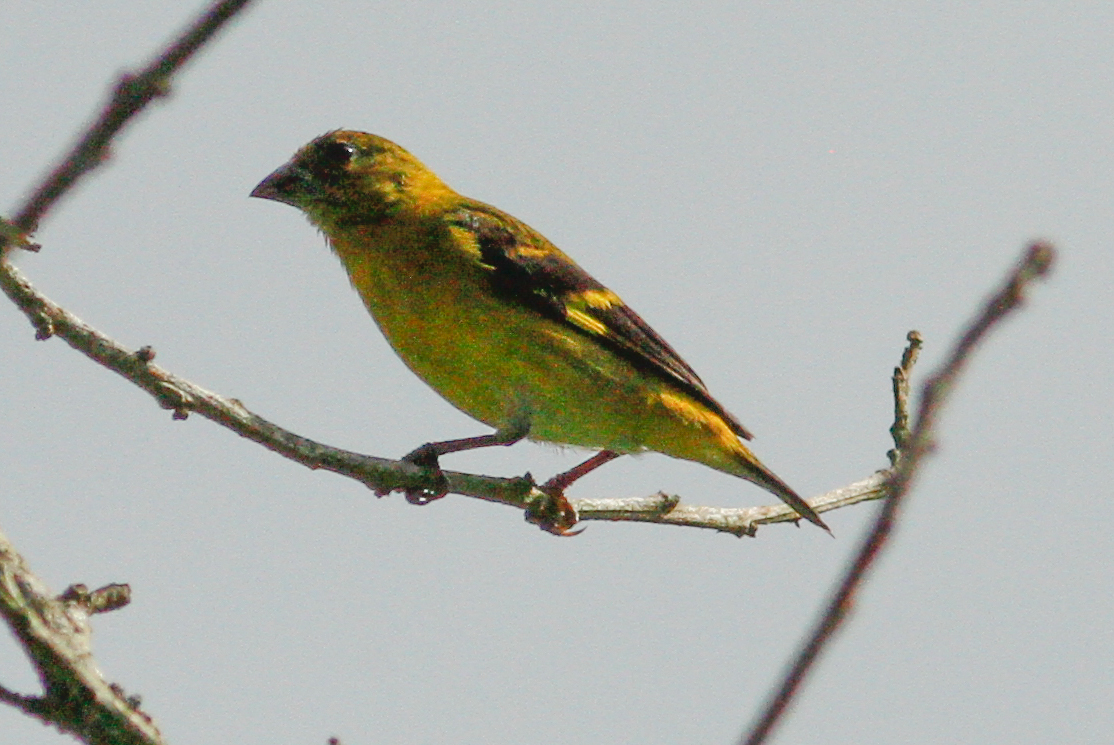
Red Siskin (Spinus cucullatus)
The Red Siskin is found in Colombia, Guyana, and Venezuela. IUCN Redlist Status: Endangered
Antillean Siskin (Spinus dominicensis)
The Antillean Siskin is found in the Dominican Republic and Haiti. IUCN Redlist Status: Least Concern
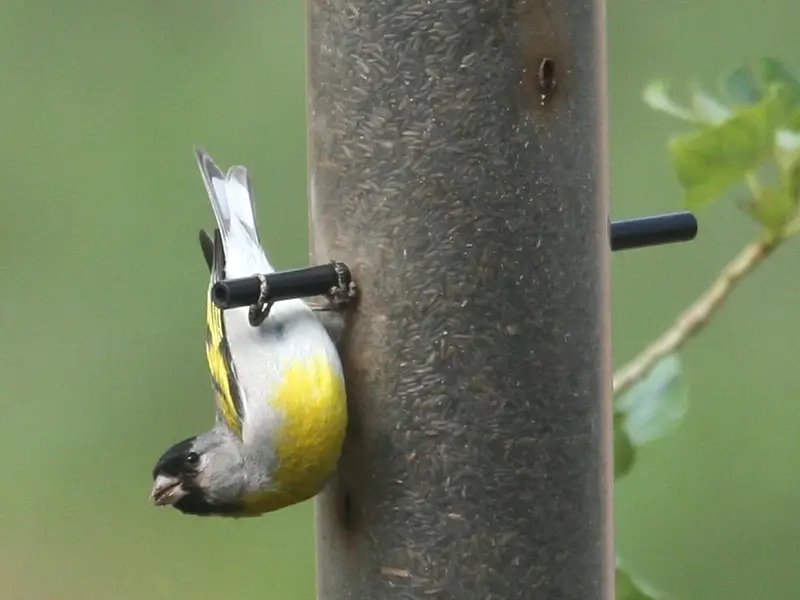
Lawrence's Goldfinch (Spinus lawrencei)
Lawrence's Goldfinch is found in California, New Mexico, Nevada, Arizona, and northern Mexico. IUCN Redlist Status: Least Concern
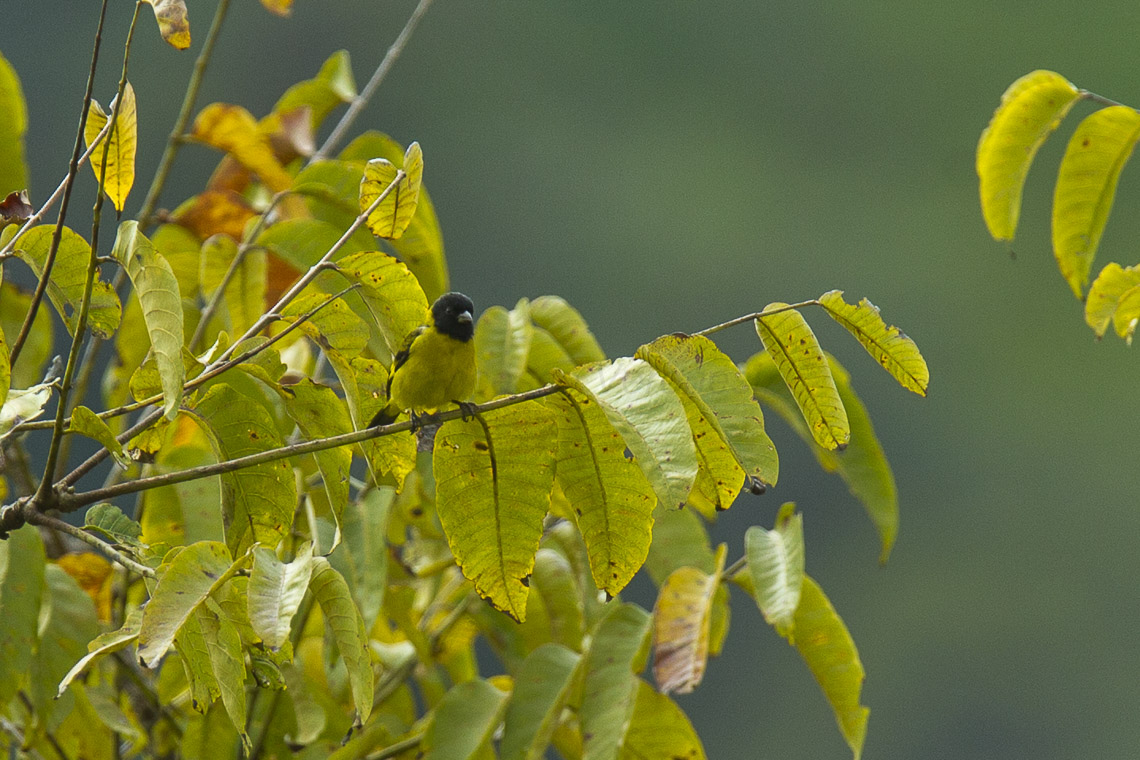
Hooded Siskin (Spinus magellanicus)
The Hooded Siskin is found in Argentina, Bolivia, Brazil, Chile, Colombia, Ecuador, Guyana, Paraguay, Peru, Uruguay, and Venezuela. IUCN Redlist Status: Least Concern
Black-headed Siskin (Spinus notatus)
The Black-headed Siskin is found in Belize, El Salvador, Guatemala, Honduras, Mexico, and Nicaragua. IUCN Redlist Status: Least Concern
Olivaceous Siskin (Spinus olivaceus)
The Olivaceous Siskin is found in Bolivia, Ecuador, and Peru. IUCN Redlist Status: Least Concern
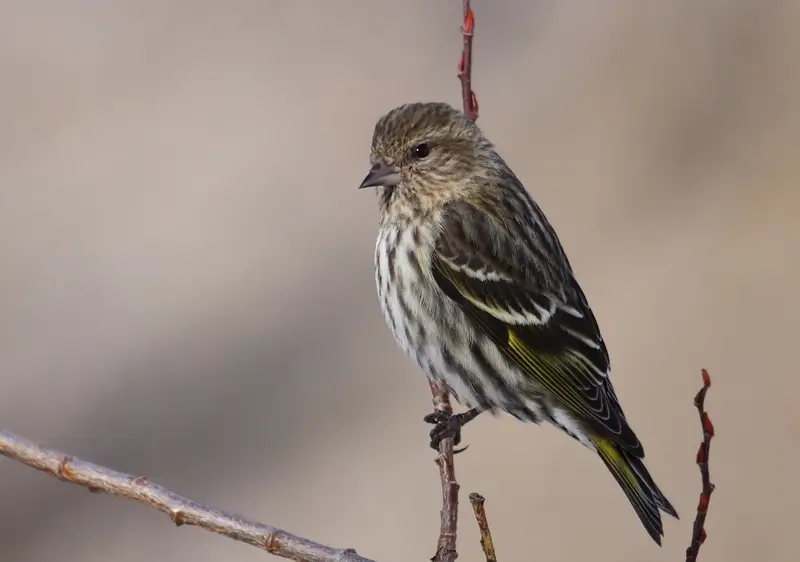
Pine Siskin (Spinus pinus)
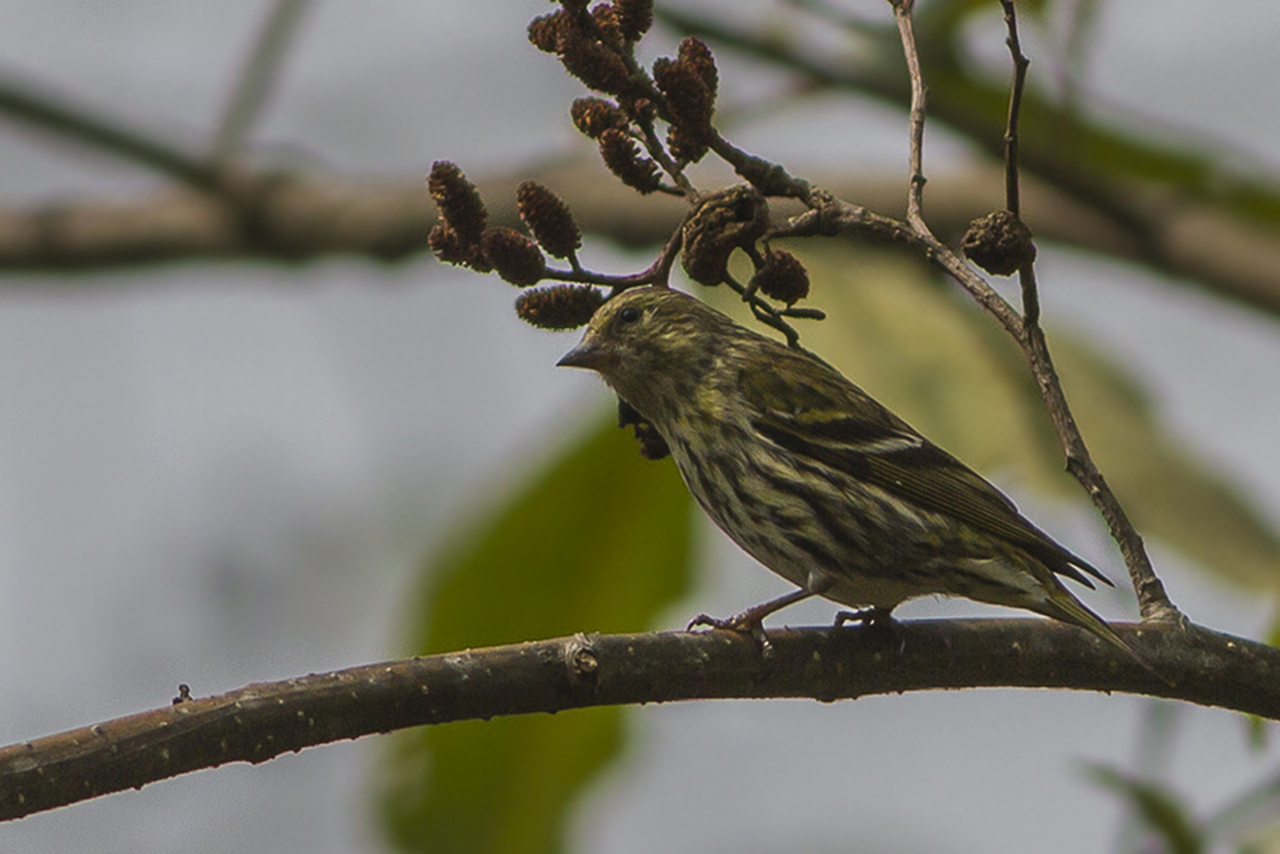
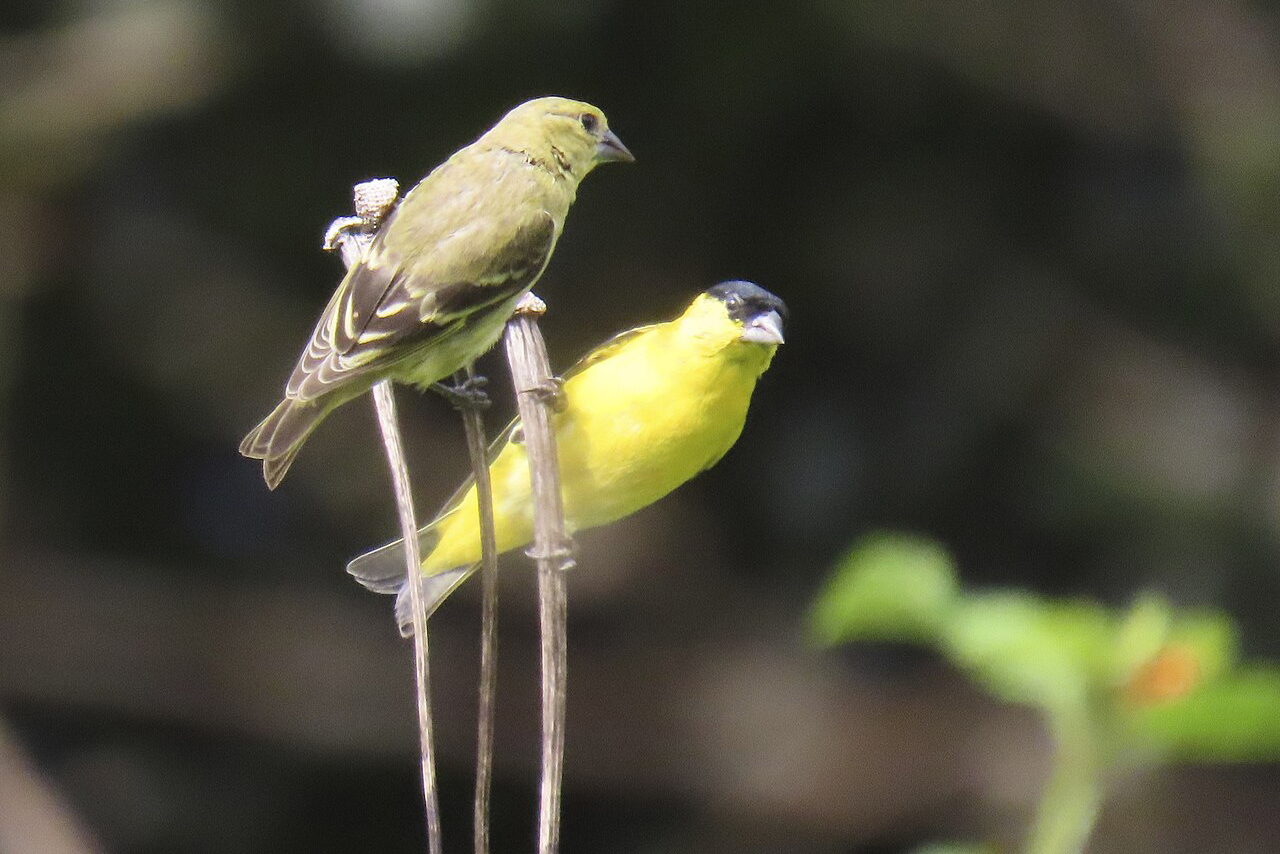
The Pine Siskin is found across much of Canada, the United States, and Mexico. It breeds in New Hampshire. IUCN Redlist Status: Least Concern
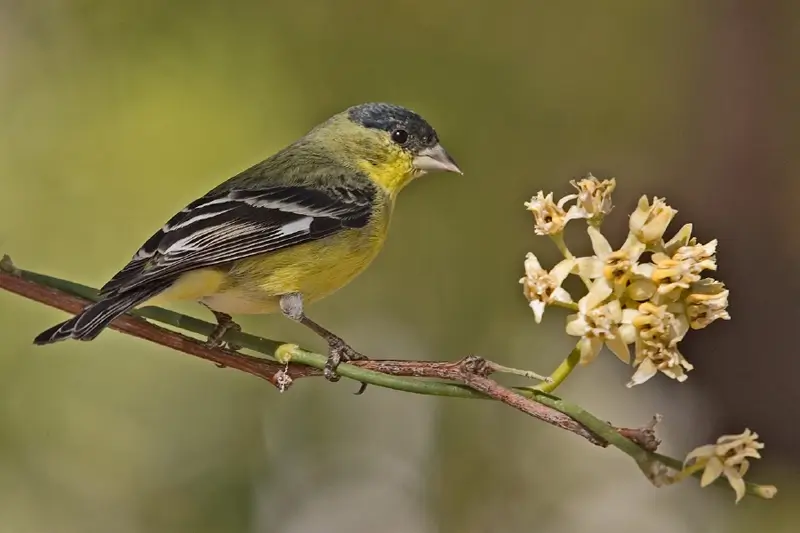
Lesser Goldfinch (Spinus psaltria)
The Lesser Goldfinch is found from Oregon and Wyoming south to Mexico, Central America and northern South America. IUCN Redlist Status: Least Concern
Saffron Siskin (Spinus siemiradzkii)
The Saffron Siskin is found in Ecuador and Peru. IUCN Redlist Status: Least Concern
Andean Siskin (Spinus spinescens)
The Andean Siskin is found in Colombia, Ecuador, and Venezuela. IUCN Redlist Status: Least Concern
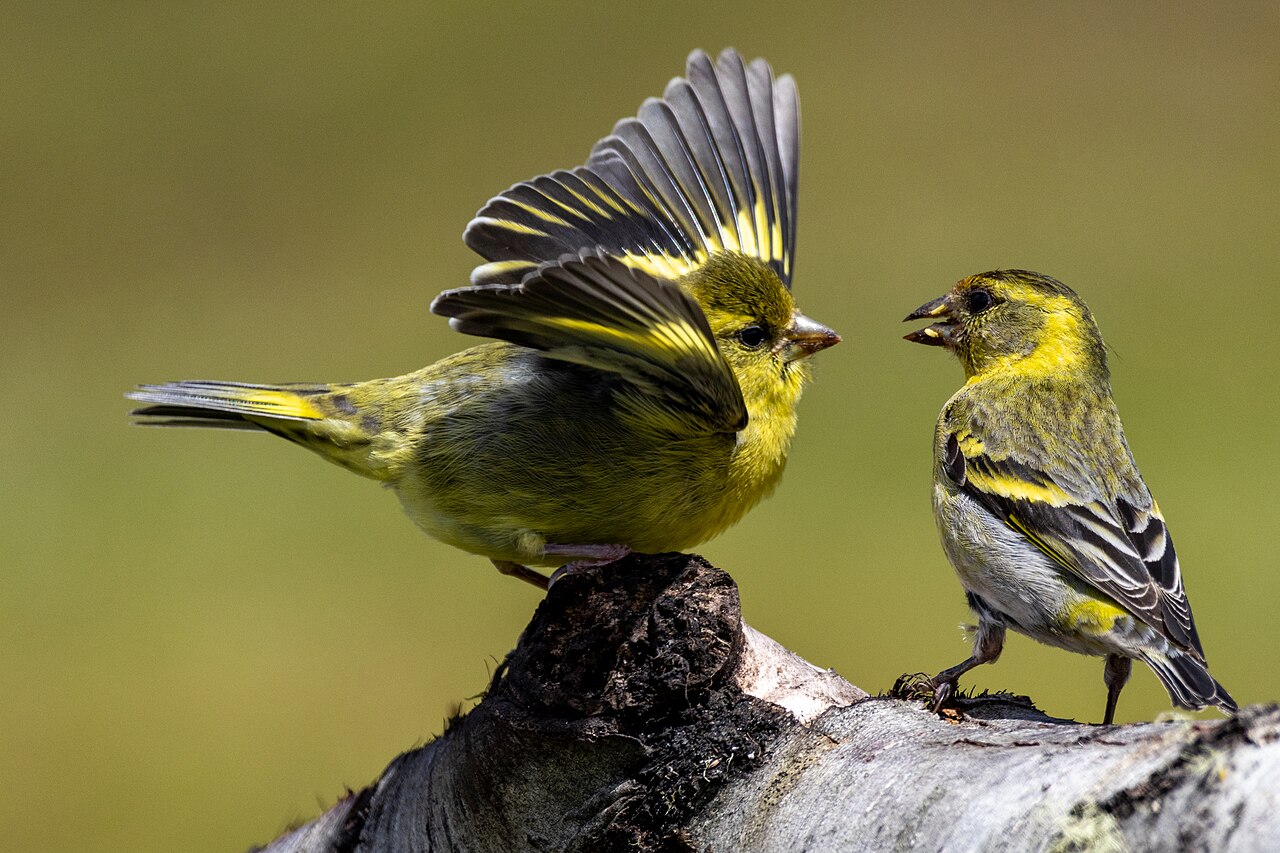
Eurasian Siskin (Spinus spinus)
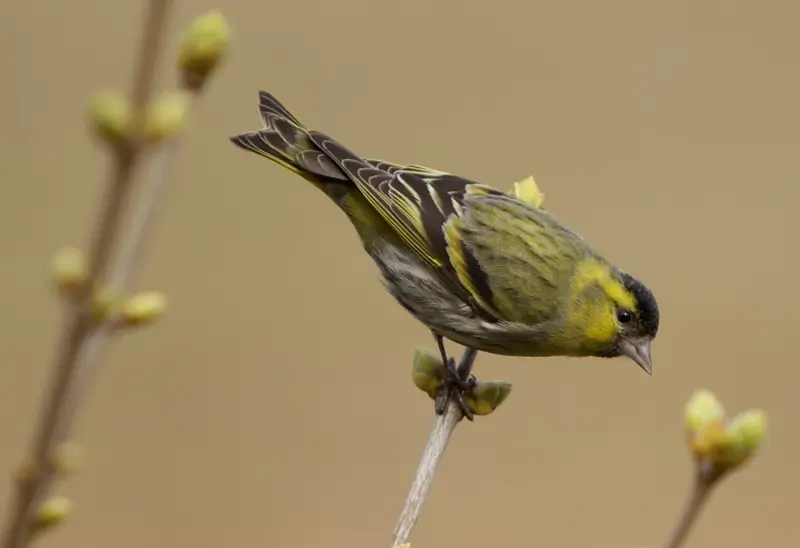
The Eurasian Siskin is found in China, Japan, North and South Korea, Mongolia, Russia, Taiwan, and Vietnam. IUCN Redlist Status: Least Concern
Tibetan Siskin (Spinus thibetanus)
The Tibetan Siskin is found in Bhutan, China, India, Myanmar, and Nepal. IUCN Redlist Status: Least Concern
American Goldfinch (Spinus tristis)
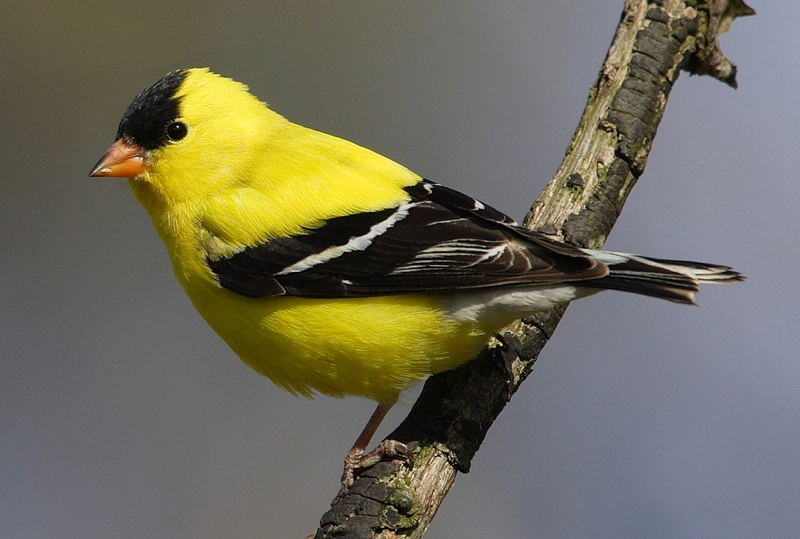
The American Goldfinch's breeding range includes southern Canada, most of the continental U.S., and parts of Mexico. It is found year-round on the upper East Coast, on the West Coast, and in the mid-section of the United States. IUCN Redlist Status: Least Concern
Yellow-rumped Siskin (Spinus uropygialis)
The Yellow-rumped Siskin is found in Argentina, Bolivia, Chile, and Peru. IUCN Redlist Status: Least Concern
Yellow-bellied Siskin (Spinus xanthogastrus)
The Yellow-bellied Siskin is found in Bolivia, Colombia, Costa Rica, Ecuador, Panama, Peru, and Venezuela. IUCN Redlist Status: Least Concern
Yellow-faced Siskin ( Spinus yarrellii)
The Yellow-faced Siskin is found in Brazil and Venezuela. IUCN Redlist Status: Vulnerable
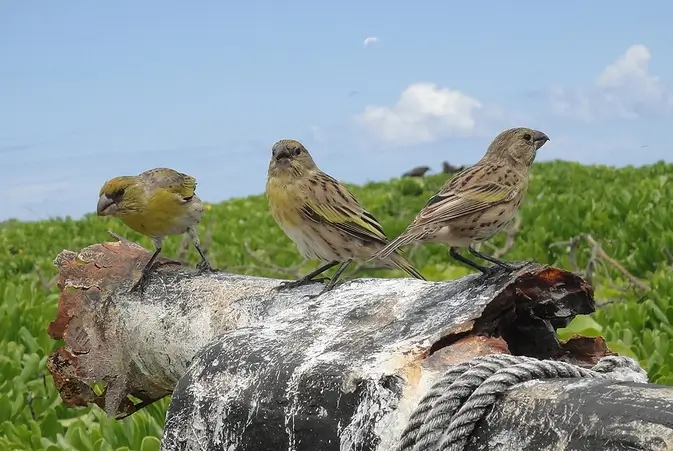
Laysan Finch (Telespiza cantans)
The Laysan Finch is found in the northwestern Hawaiian Islands on Laysan Island and a few nearby atolls. IUCN Redlist Status: Vulnerable
Nihoa Finch (Telespiza ultima)
The Nihoa Finch is found on Hawaiian island of Nīhoa. IUCN Redlist Status: Critically Endangered
Greater Amakihi (Viridonia sagittirostris)
The Greater Amakihi was was only found along the Wailuku river above Hilo on the island of Hawai`i. IUCN Redlist Status: Extinct