The genus Lynx includes a group of medium-sized wild cats known for their thick fur, short tails, and distinctive ear tufts. These cats are well adapted to cold environments and live in parts of the Northern Hemisphere.
Lynx species are found in North America, Europe, and Asia. They usually live in forested areas, especially in cold regions with deep snow. For example, the Canada lynx lives in the northern forests of Canada and Alaska, while the Eurasian lynx ranges across much of Europe and Asia.
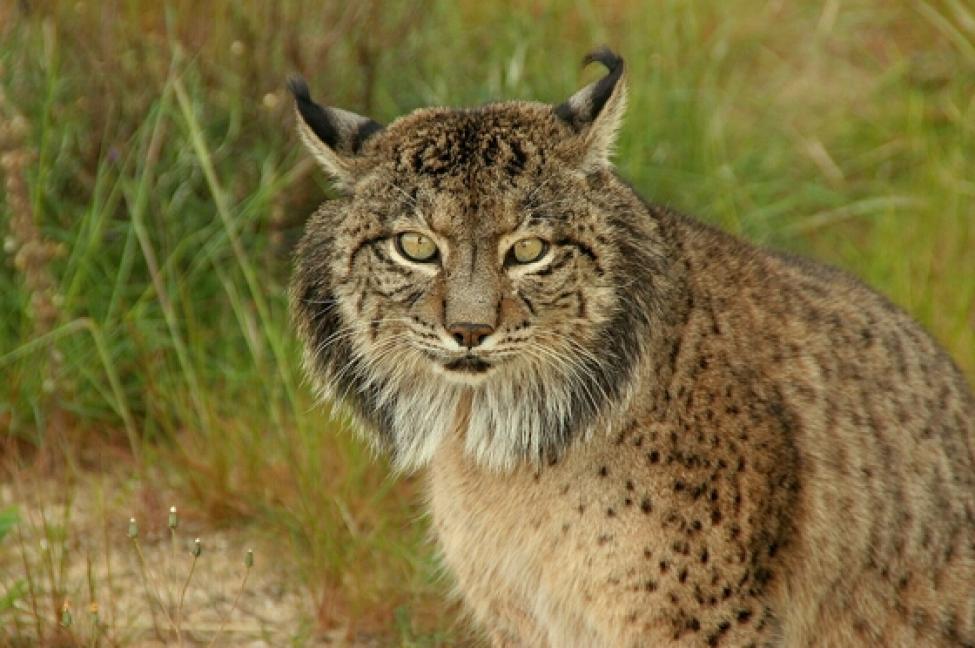
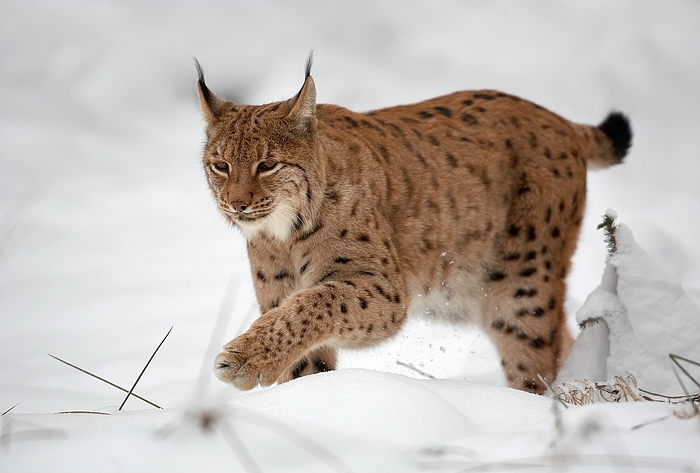
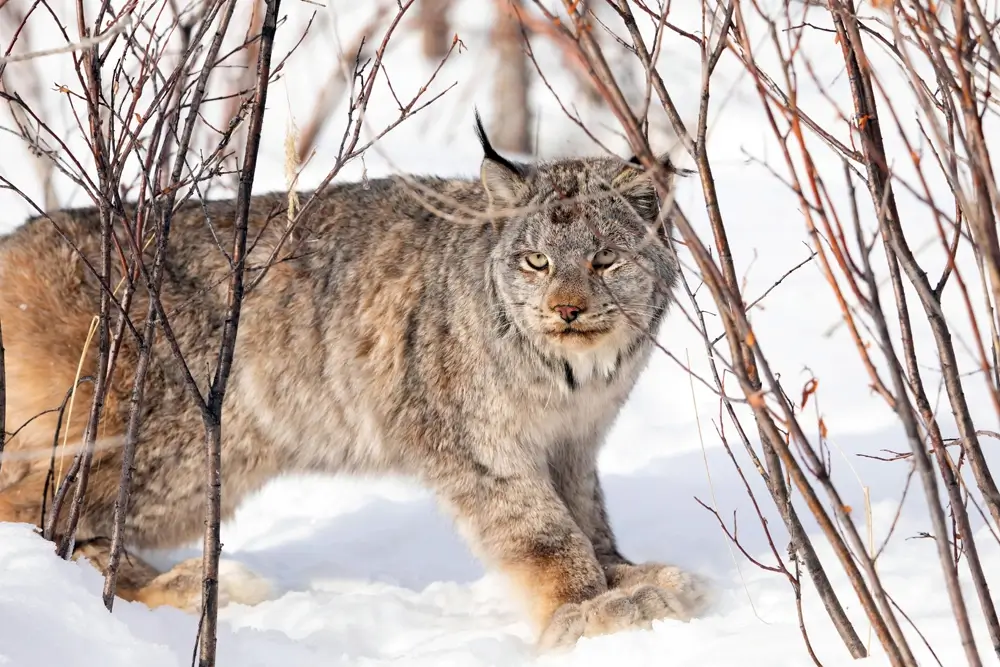
Lynx have several adaptations that help them survive in these environments. Their thick fur keeps them warm, and their large, padded paws act like snowshoes, helping them walk on deep snow. They also have short tails with black tips. Their pointed ears have tufts of black hair that may help them detect sounds. Lynx have excellent eyesight, especially at night, which helps them hunt.
Lynx are carnivores. Their diet mainly includes small to medium-sized mammals. A favorite prey of the Canada lynx is the snowshoe hare. Other lynx species eat rabbits, rodents, birds, and sometimes larger animals like deer.
Lynx are usually solitary animals, which means they live and hunt alone. They are nocturnal (most active at night) and are quiet, stealthy hunters. They rely on patience and surprise to catch their prey. Lynx communicate using sounds, scent markings, and body language.
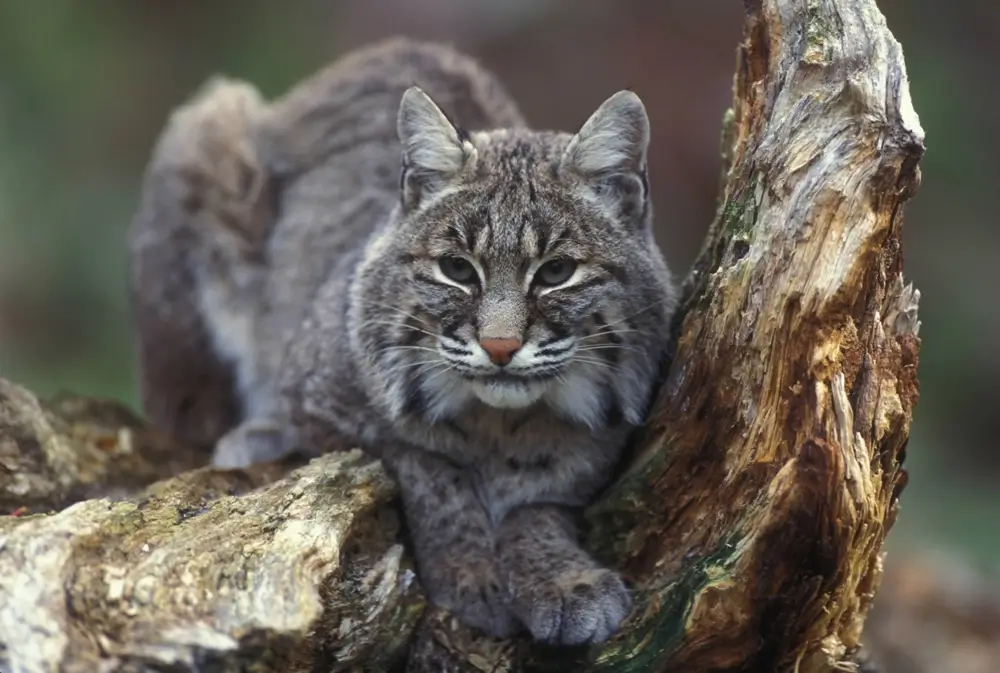
There are four species of lynx. The Canada lynx (Lynx canadensis) and the bobcat (Lynx rufus) are found in North America. The Eurasian lynx (Lynx lynx) lives in Europe and Asia. The endangered Iberian lynx (Lynx pardinus) is found in Spain and Portugal.