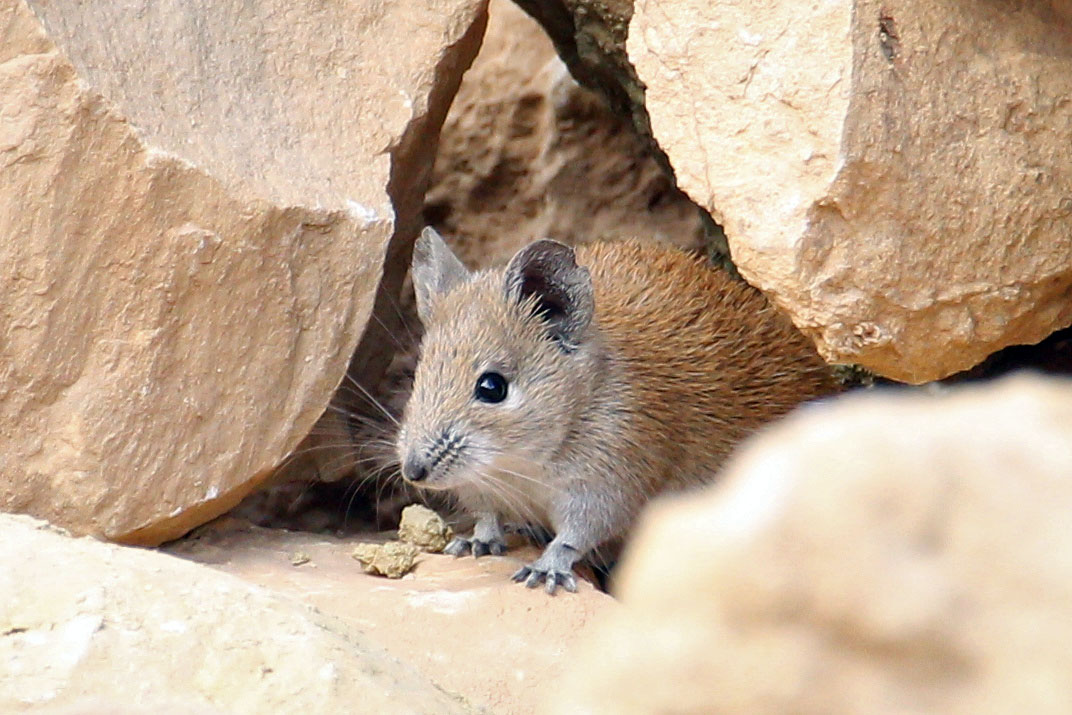
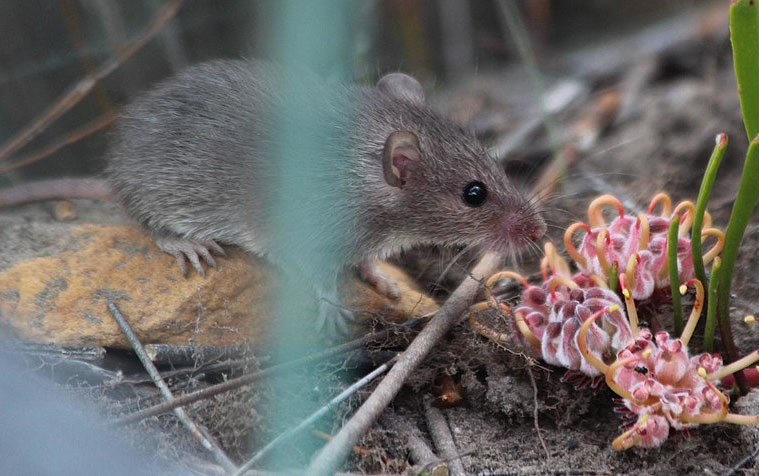
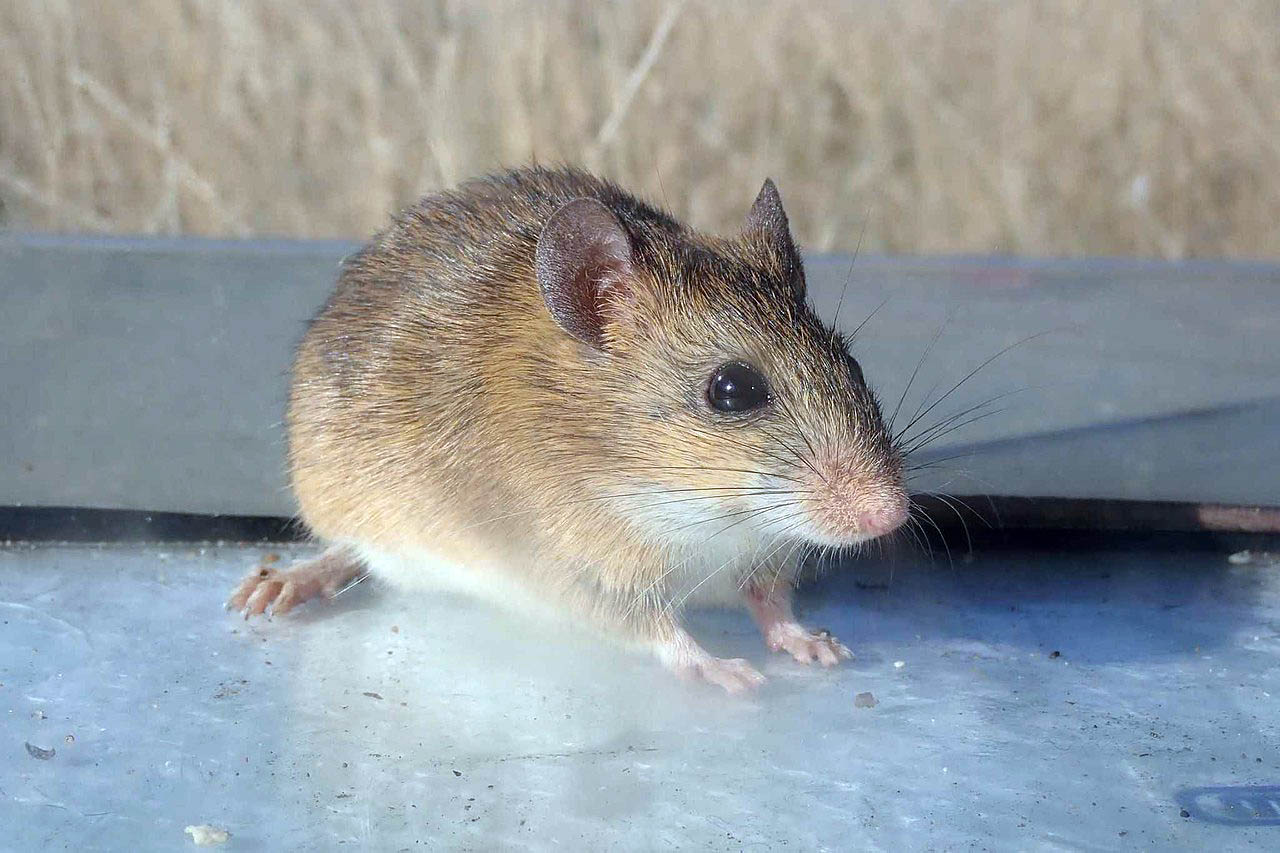
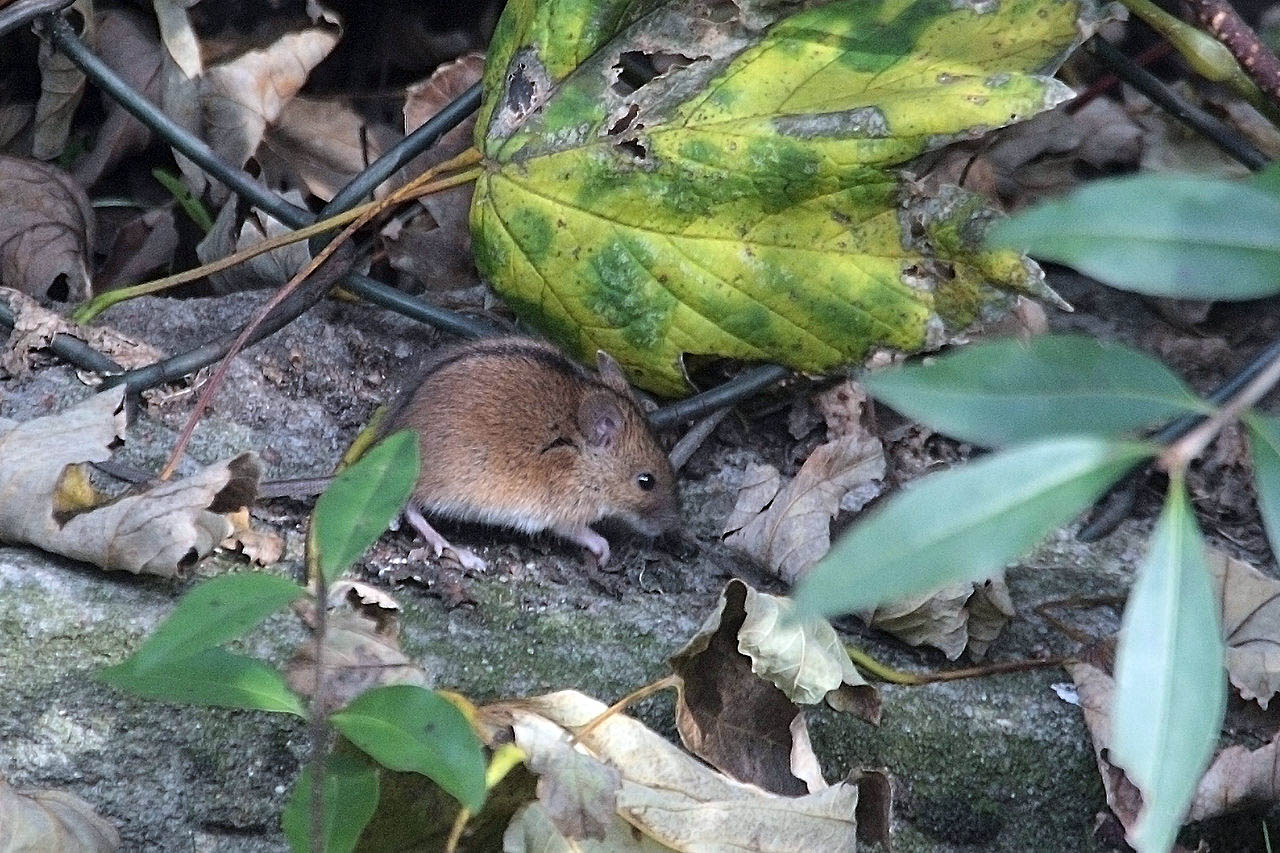
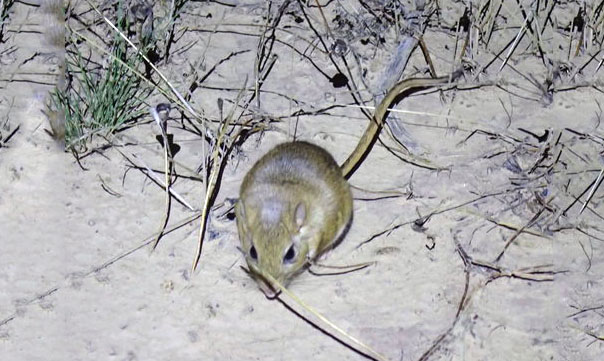
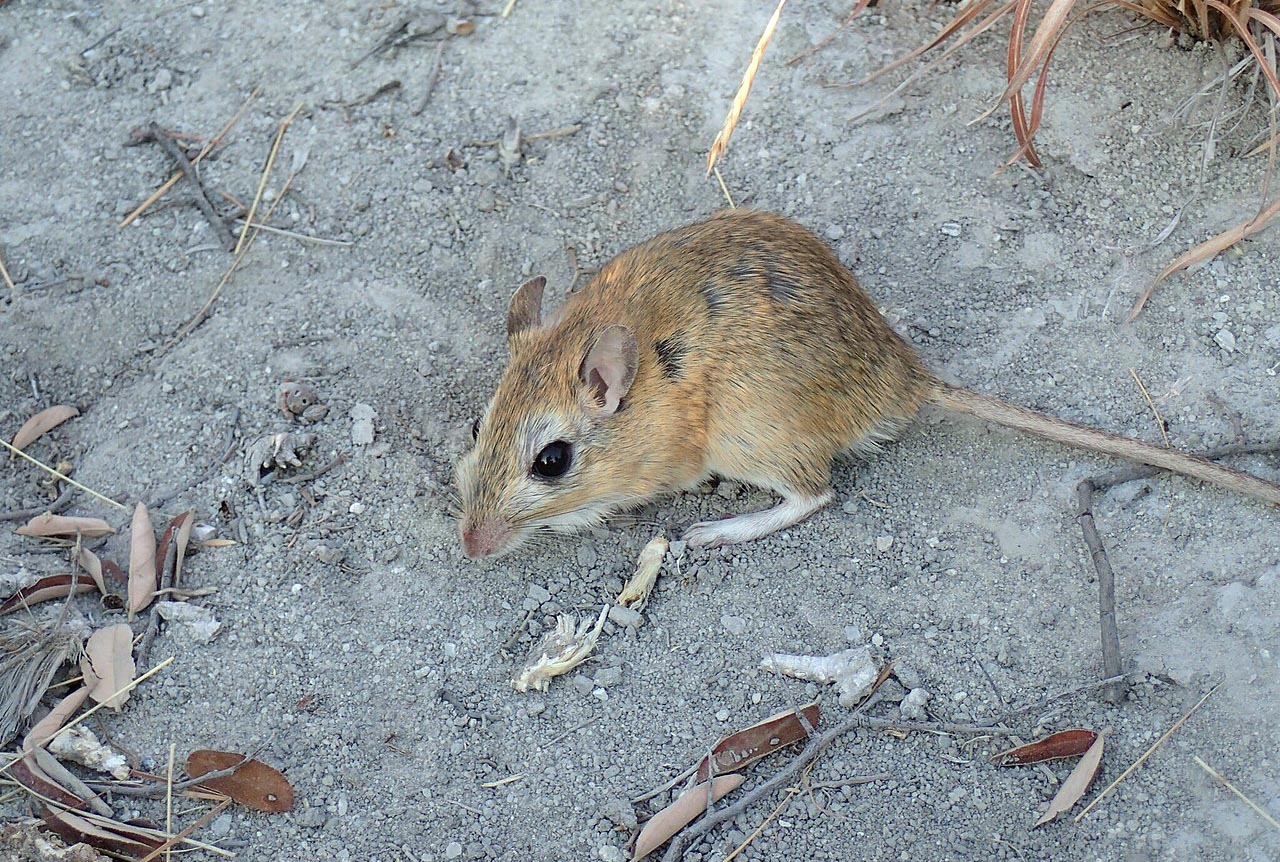
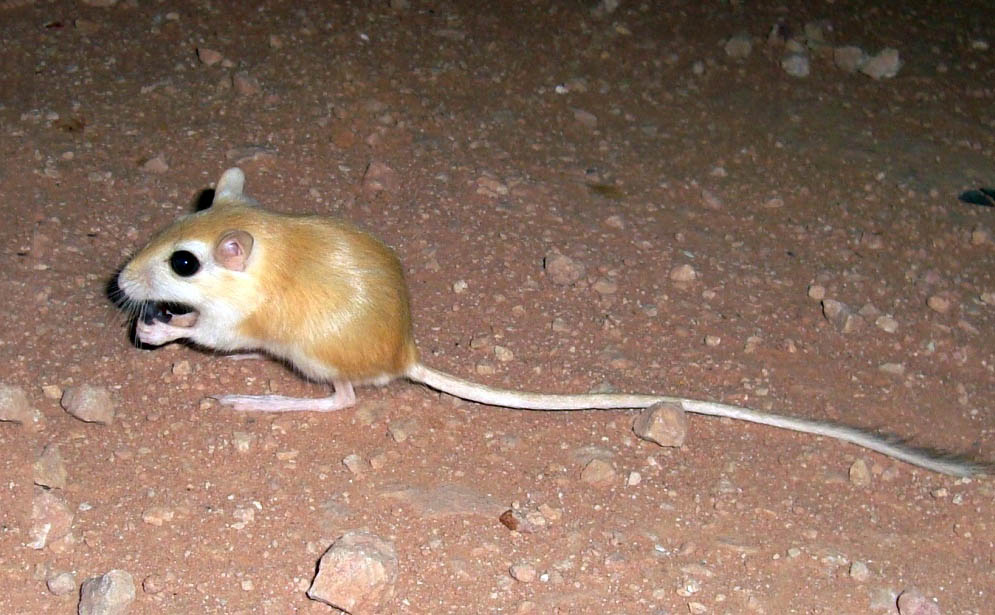
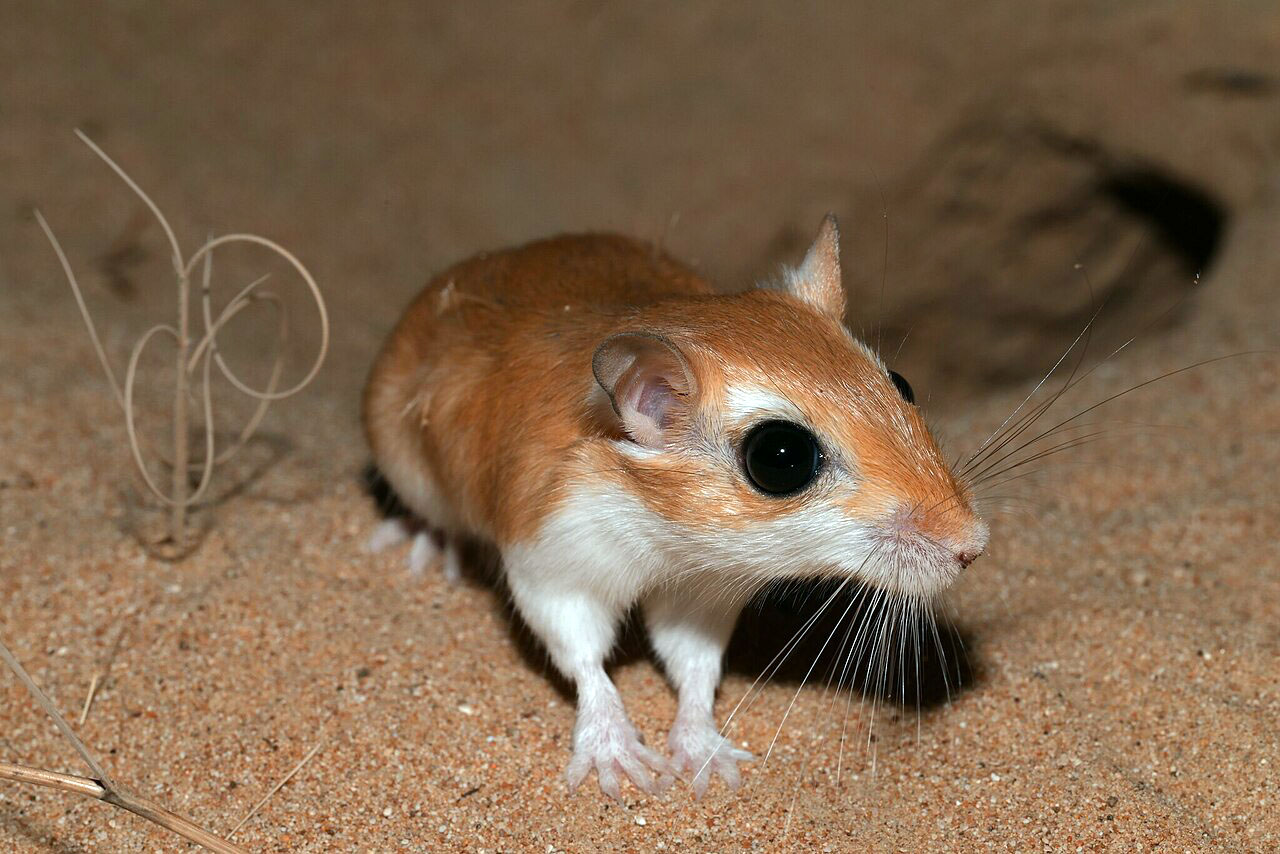
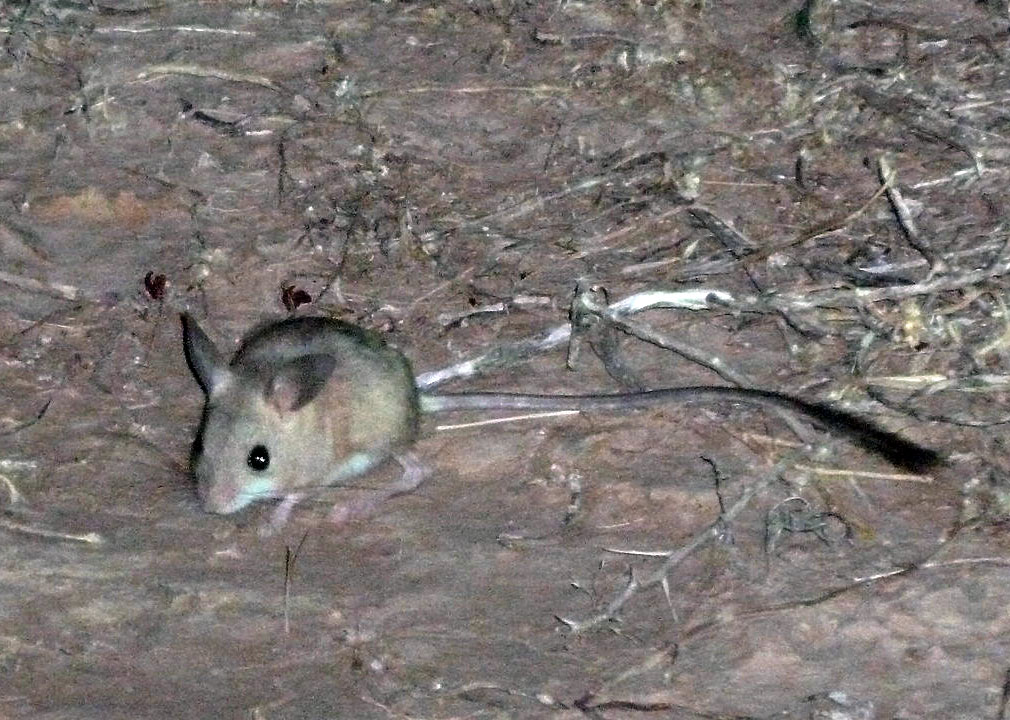
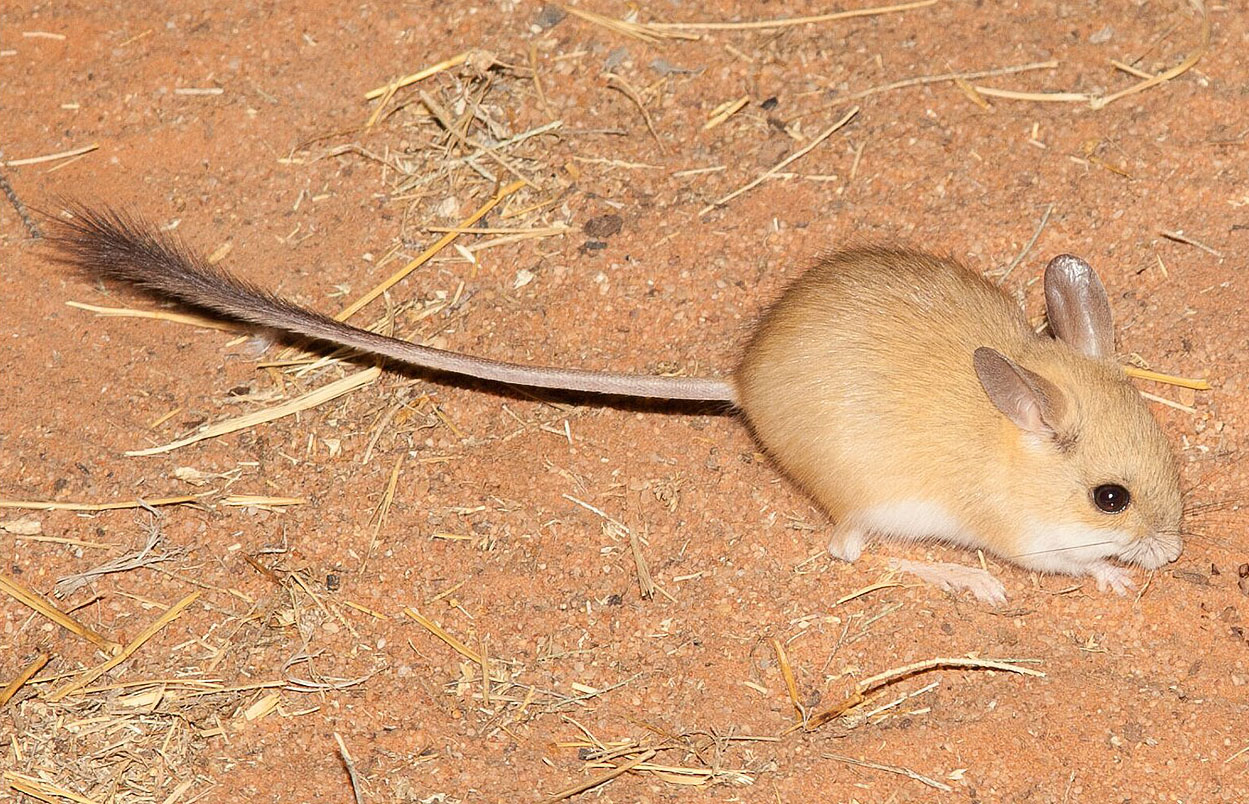
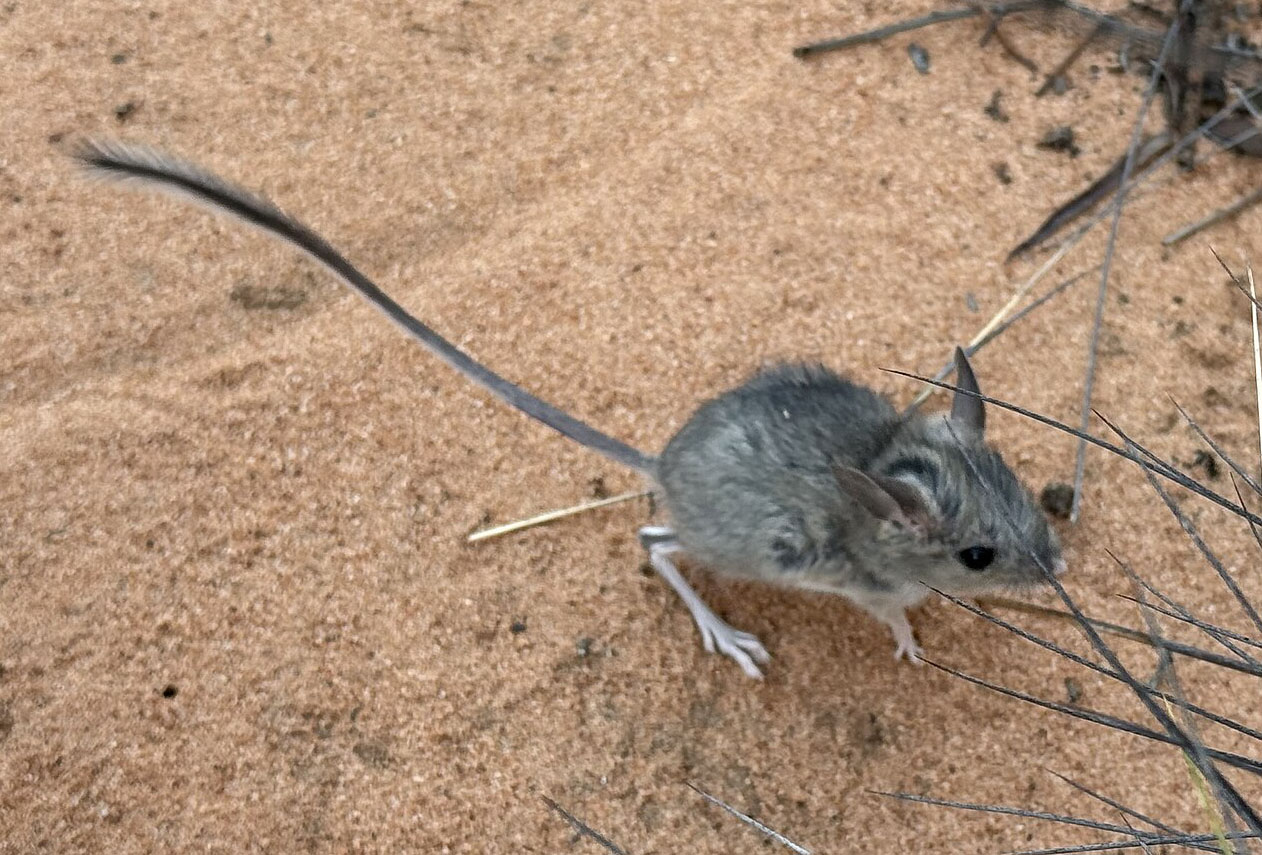
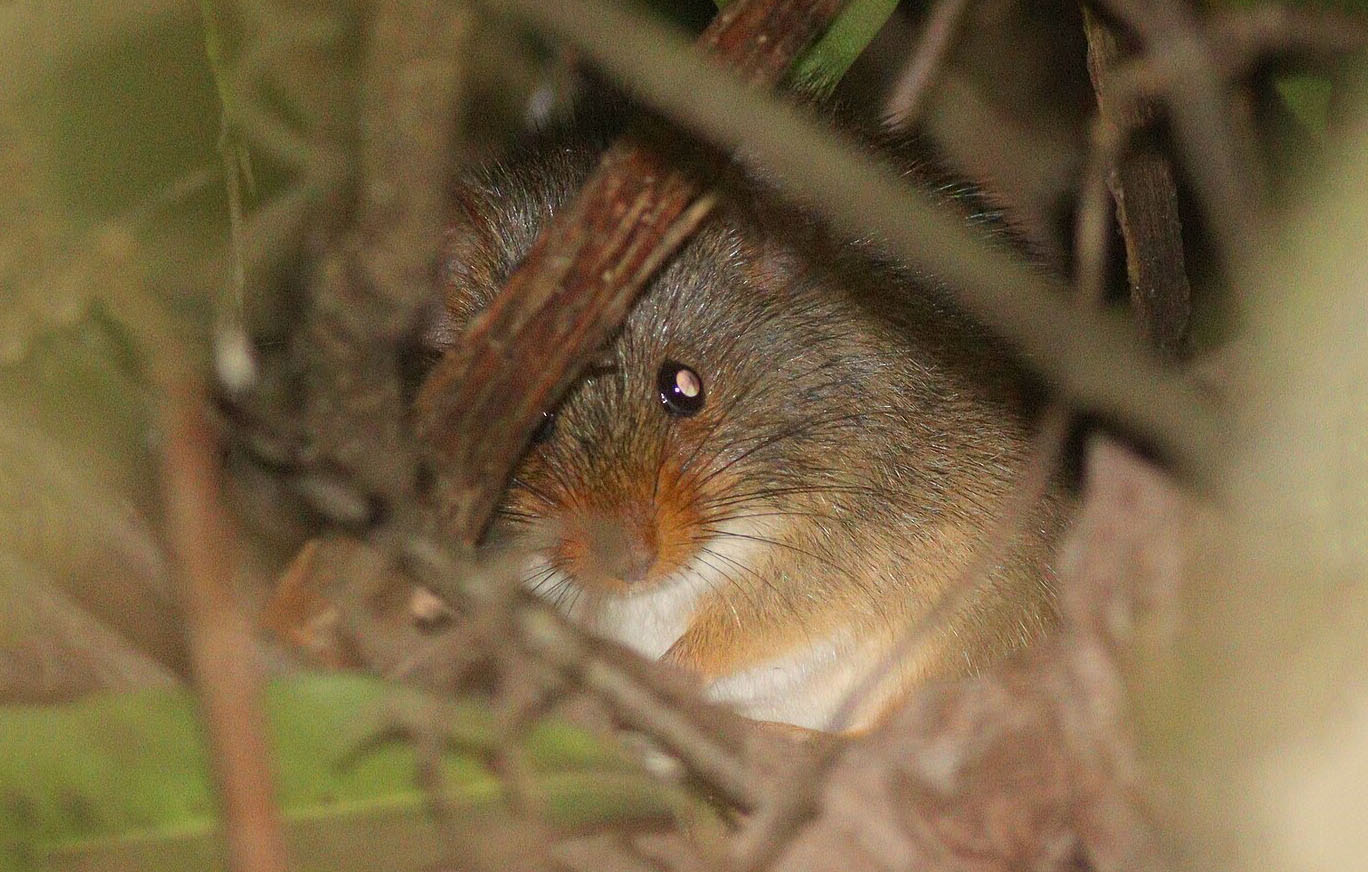
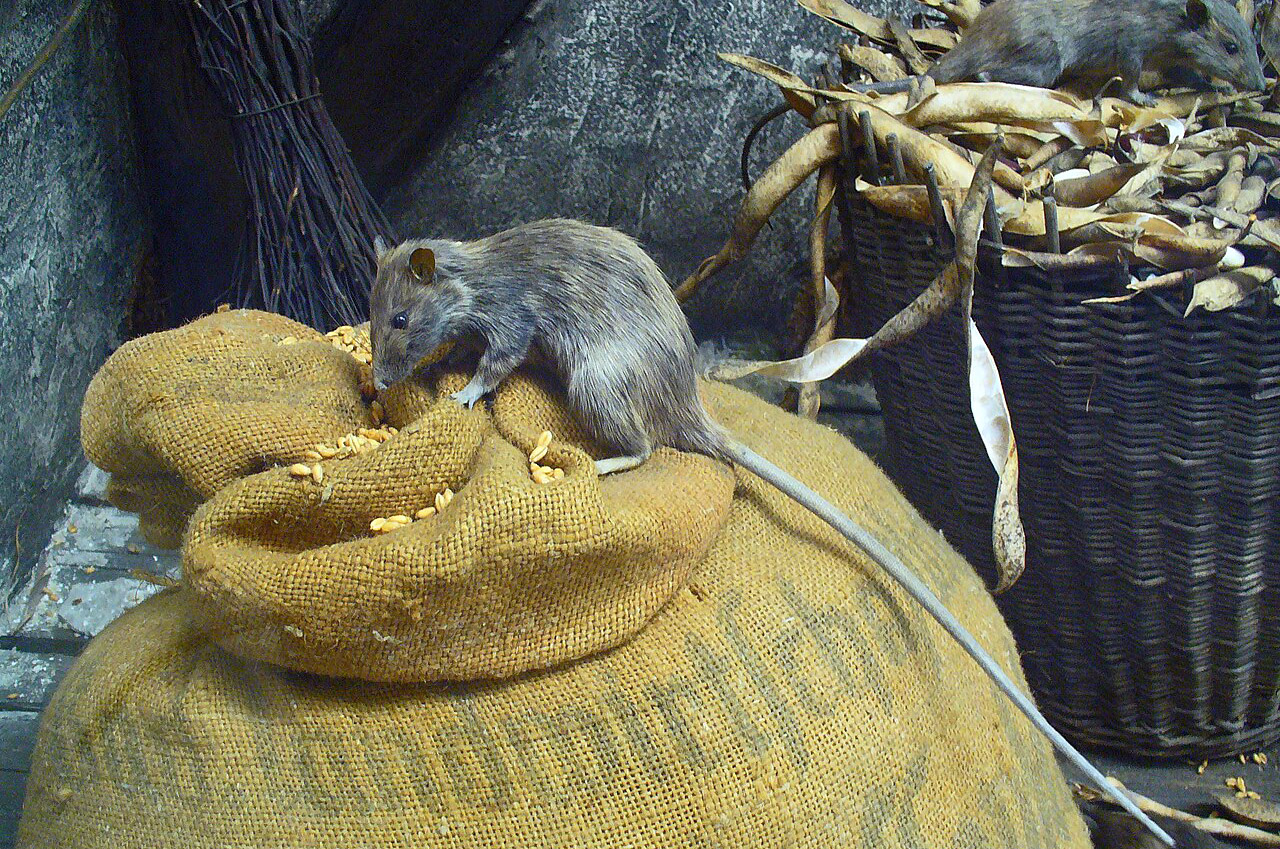
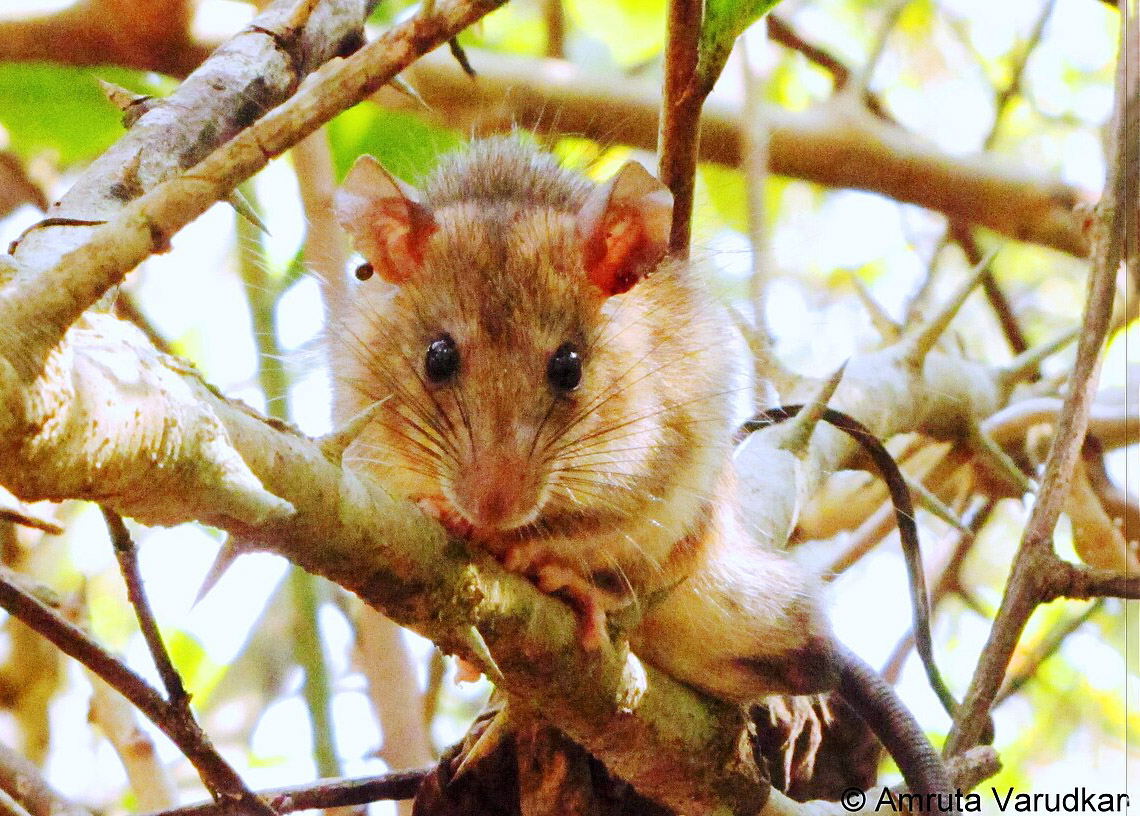
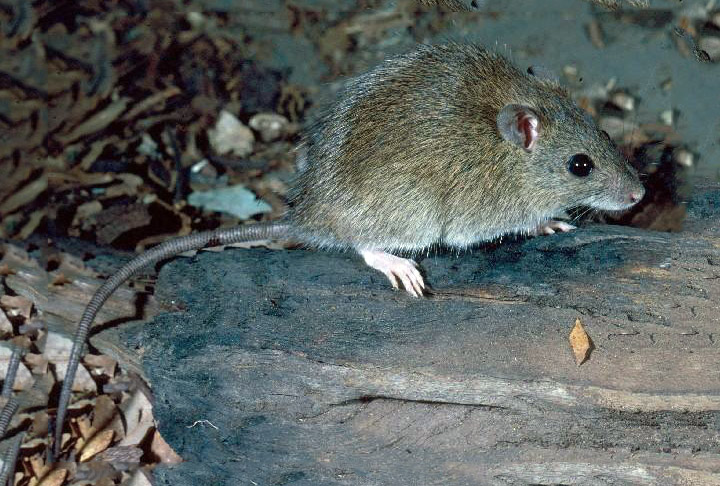
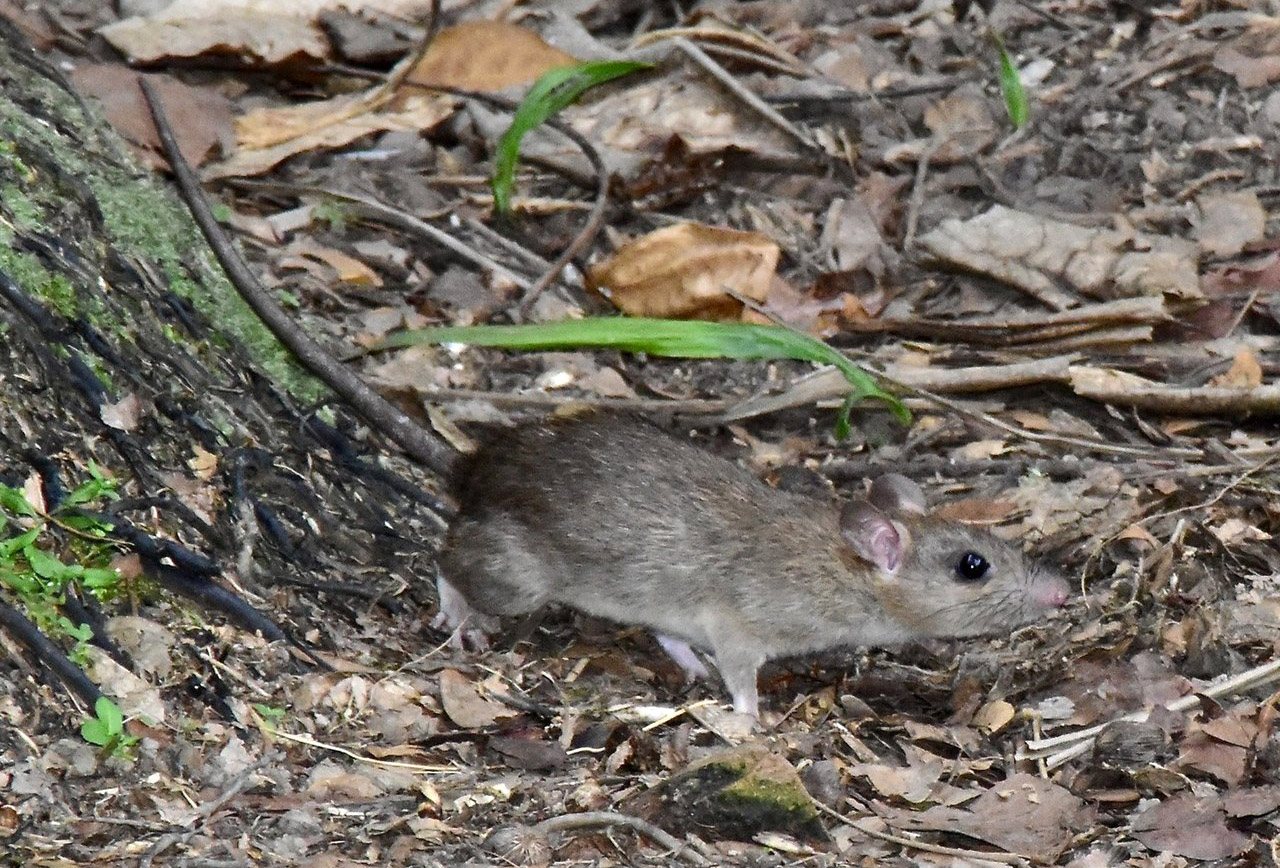
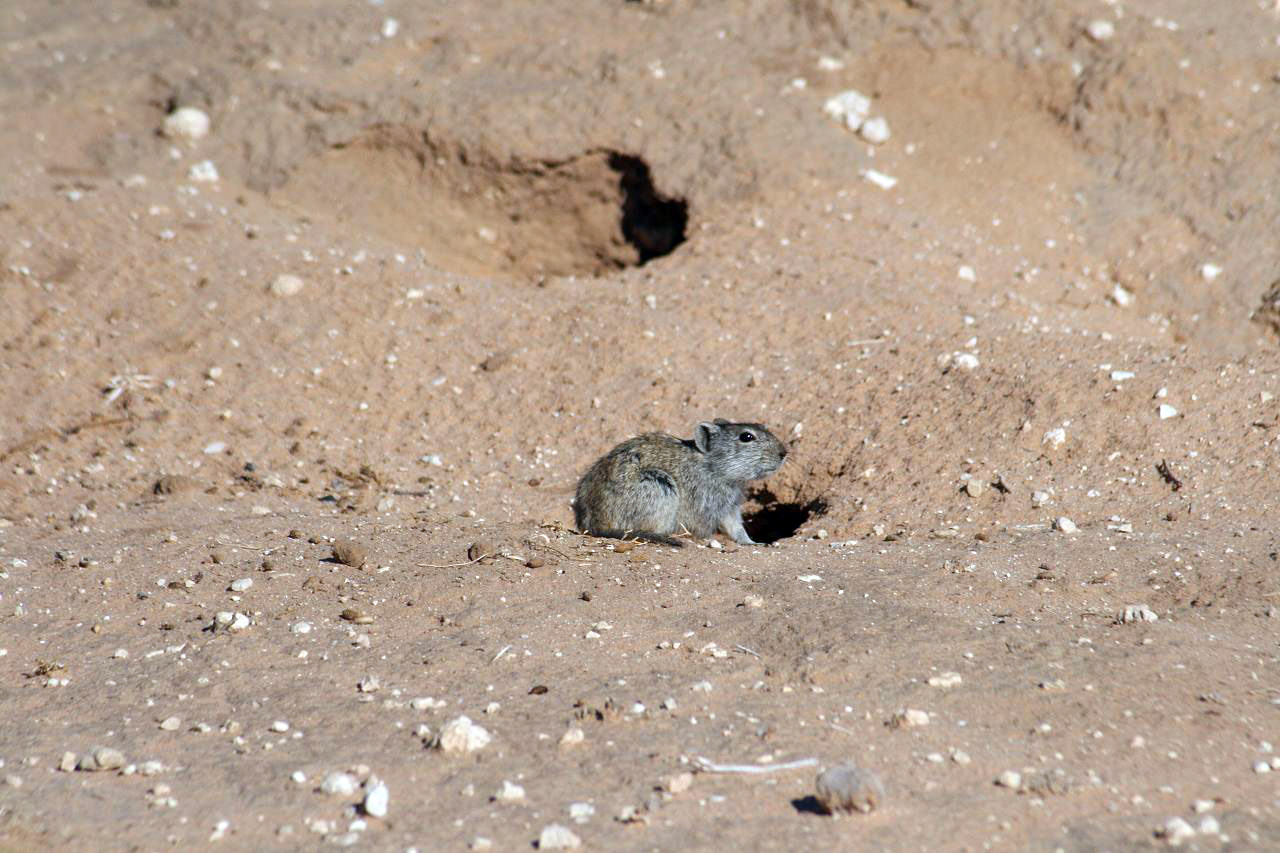
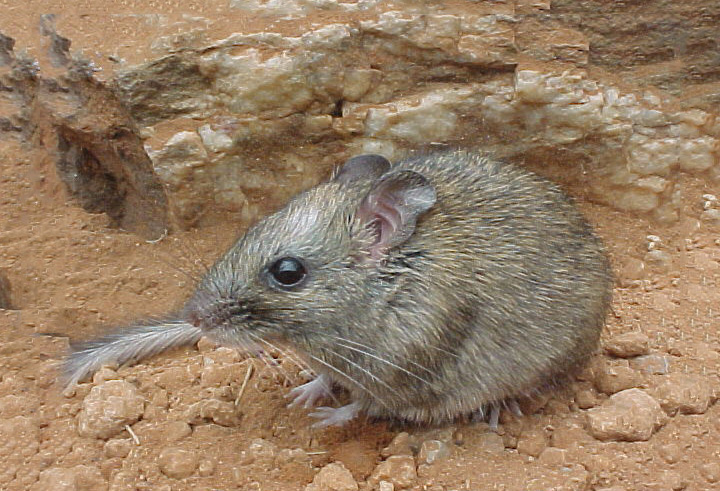
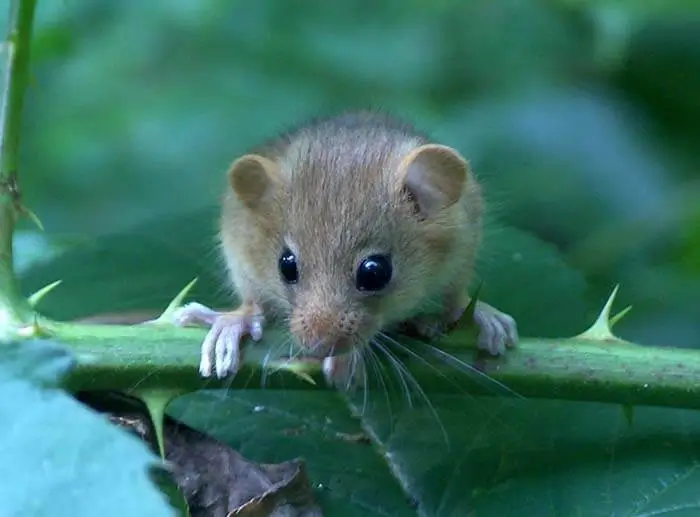
With around 711 species, this is the largest family of rodents and mammals. They are native to Africa, Europe, Asia, and Australia, but they have been introduced around the world and today are found in all parts of the world, except for Antarctica.
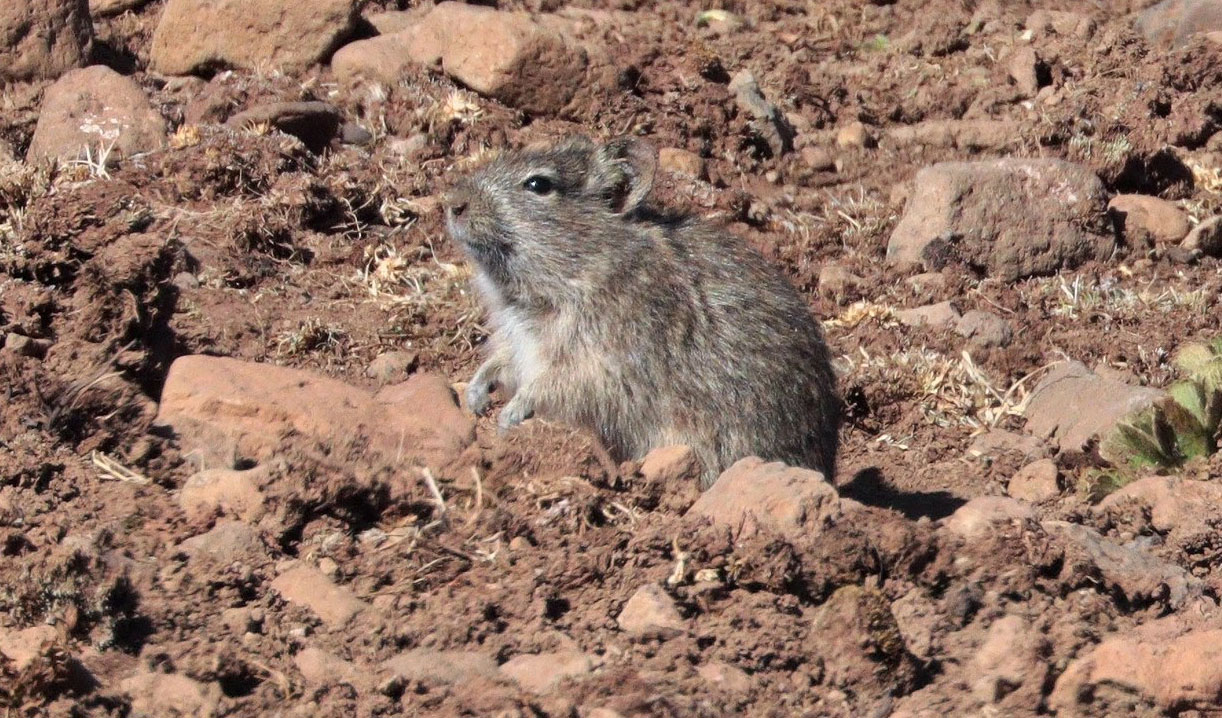
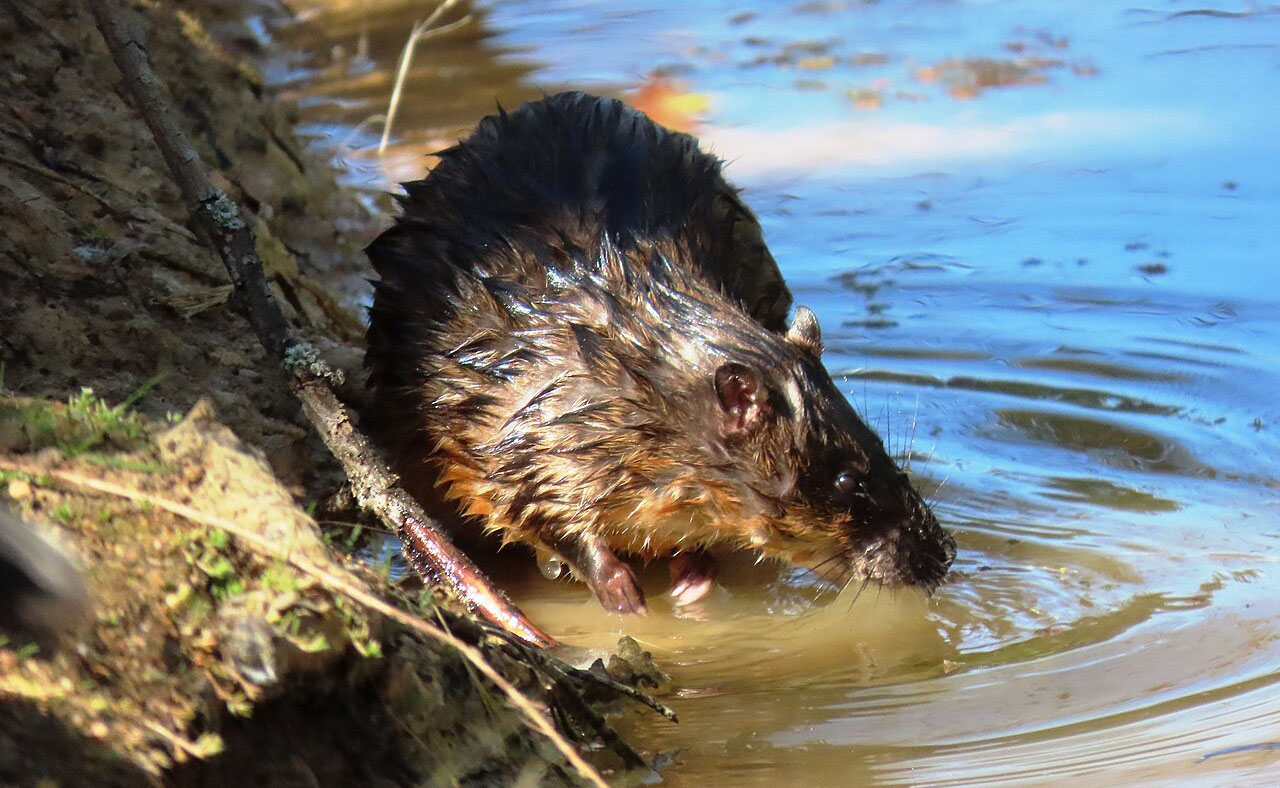
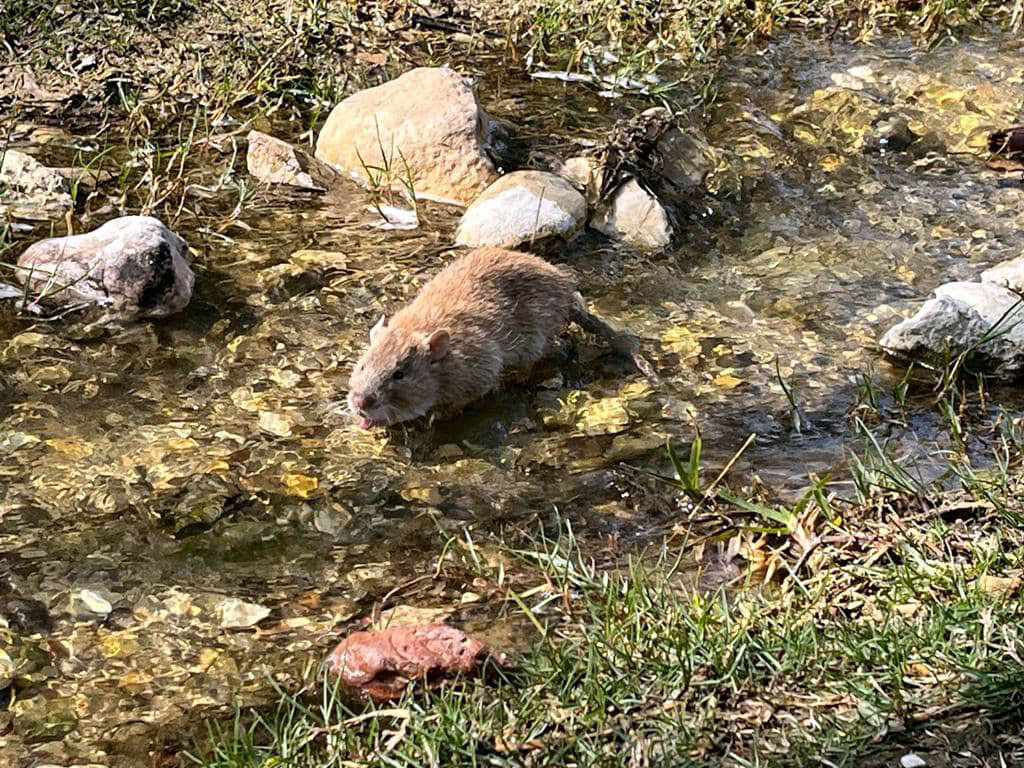
They are found in all types of habitats, including swamps, grasslands, tundra, deciduous forests, coniferous forests, rainforests, deserts, wetlands, mountains, and suburban and urban areas.
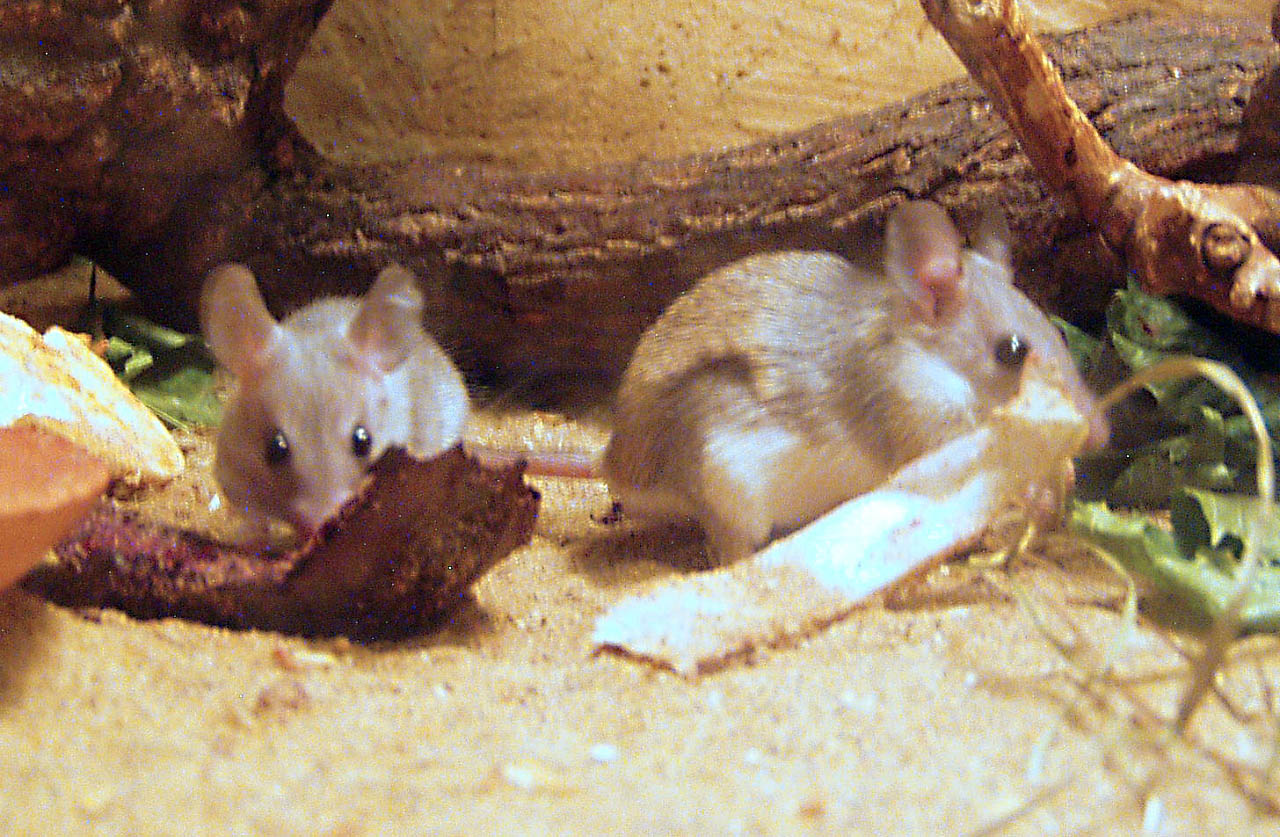
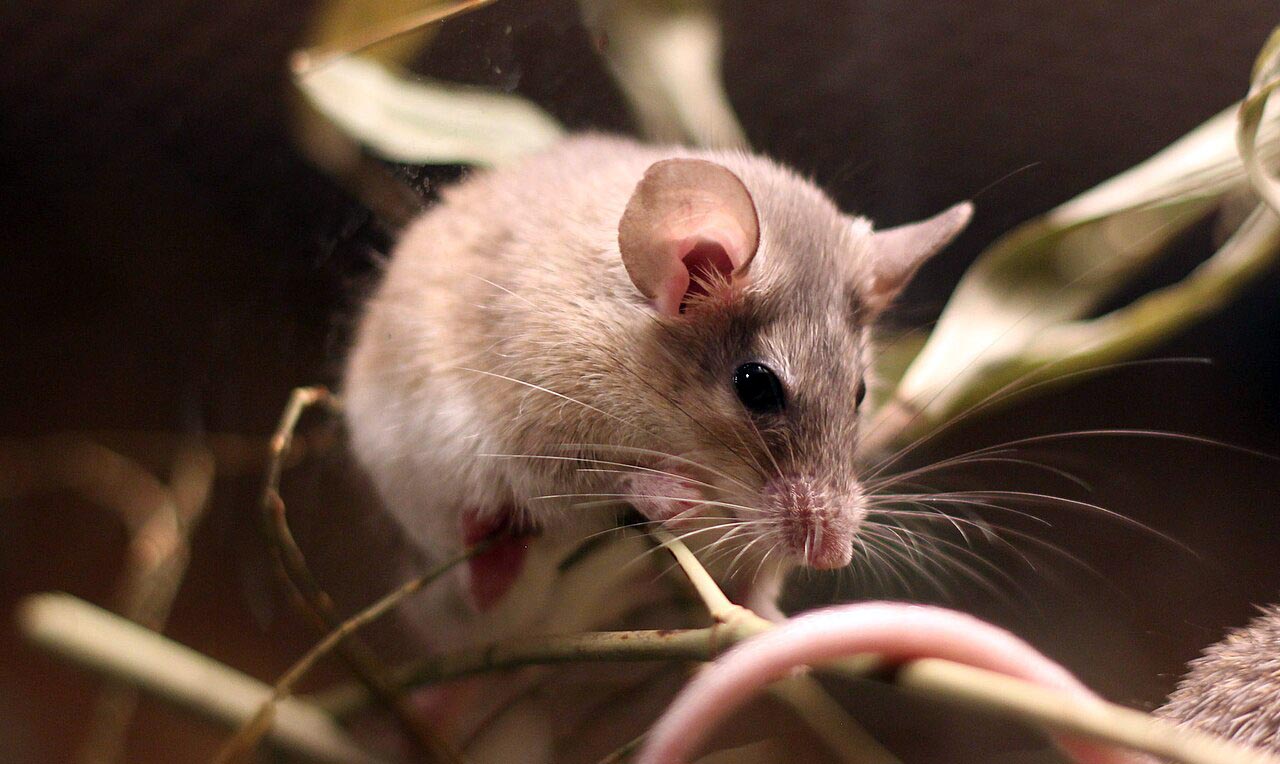
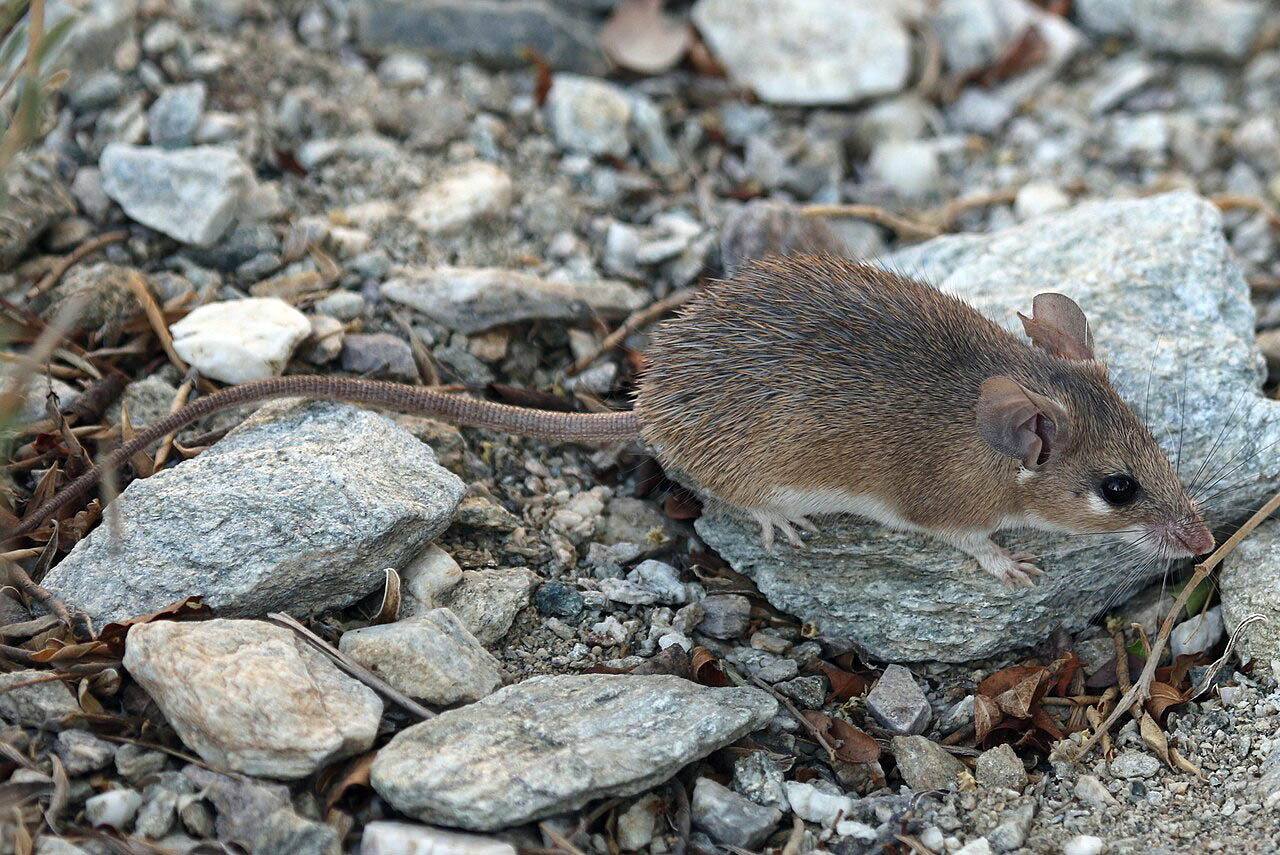
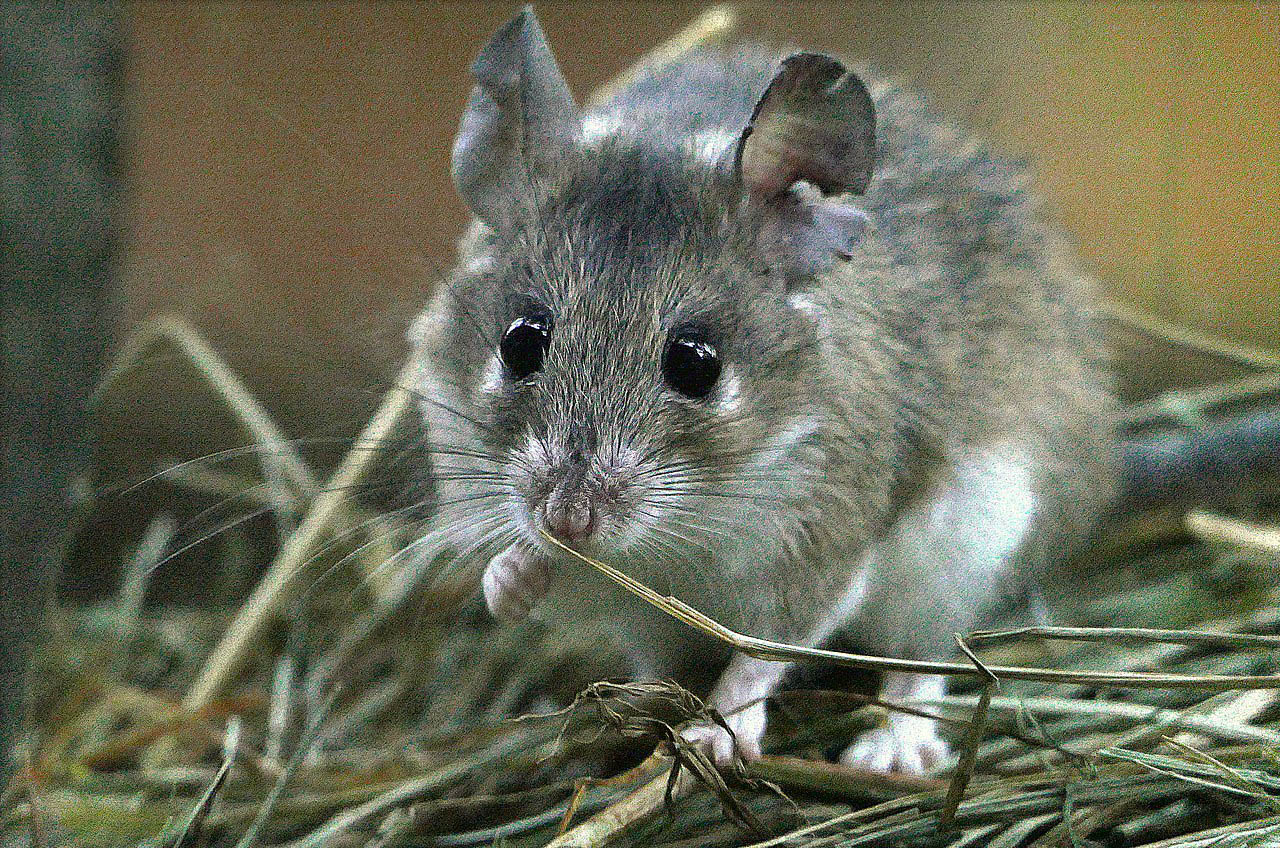
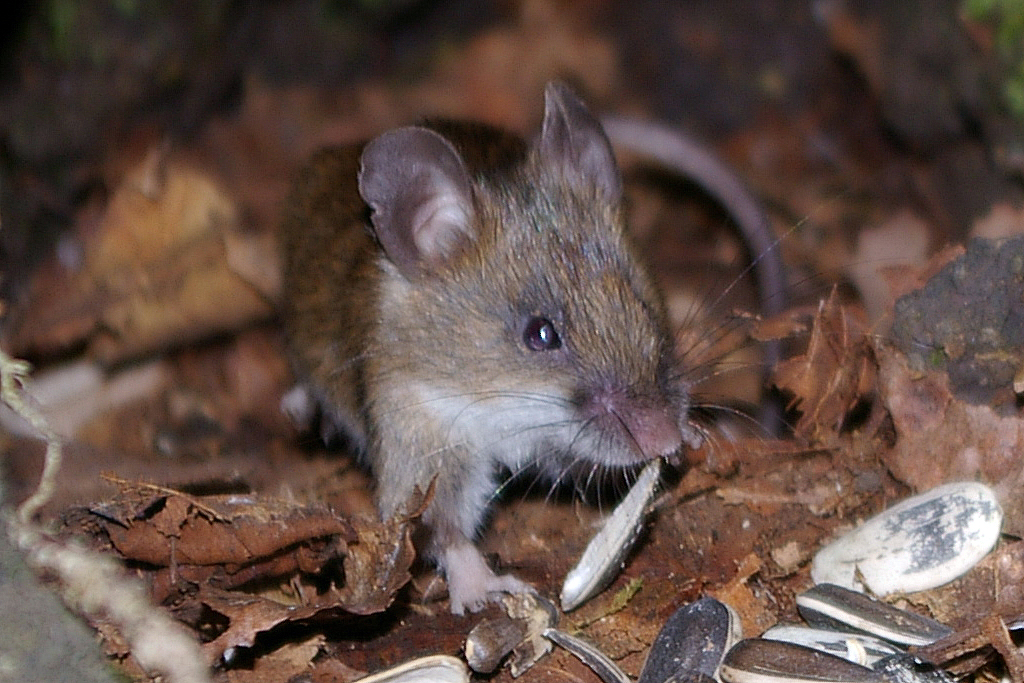
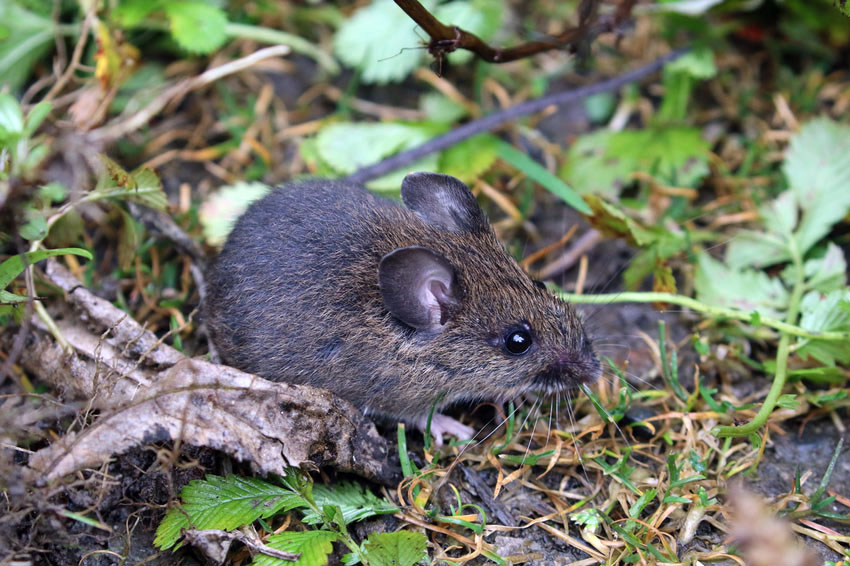
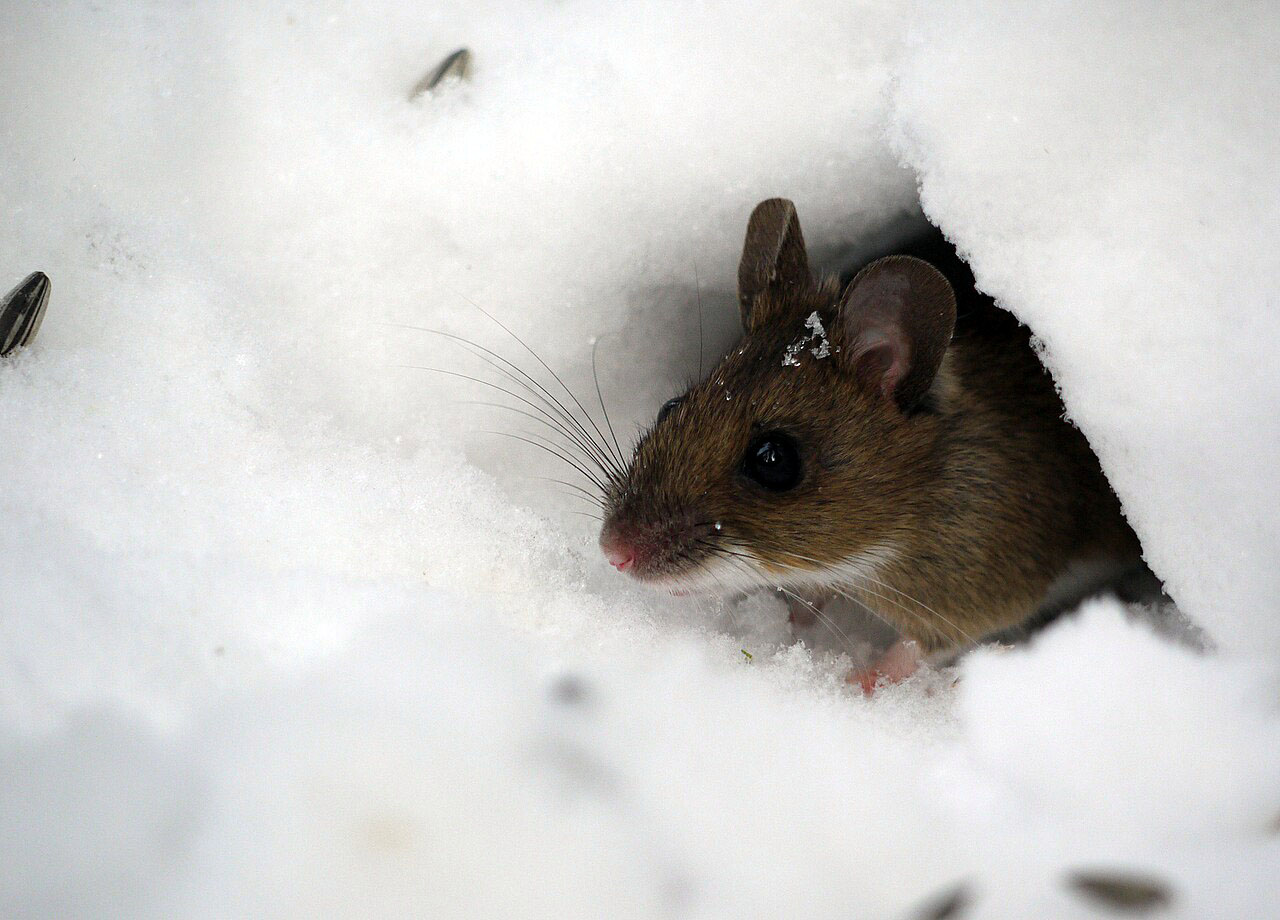
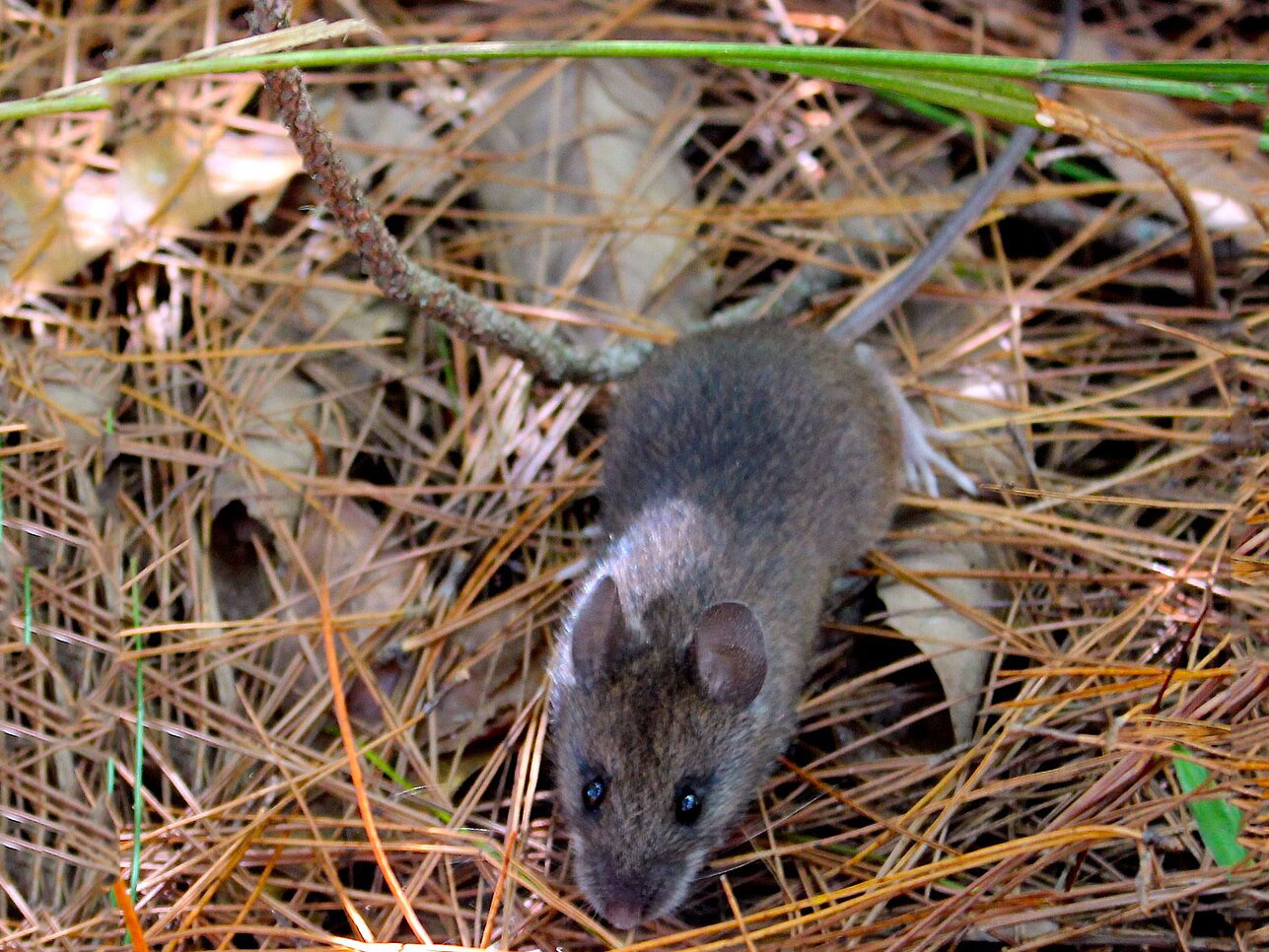
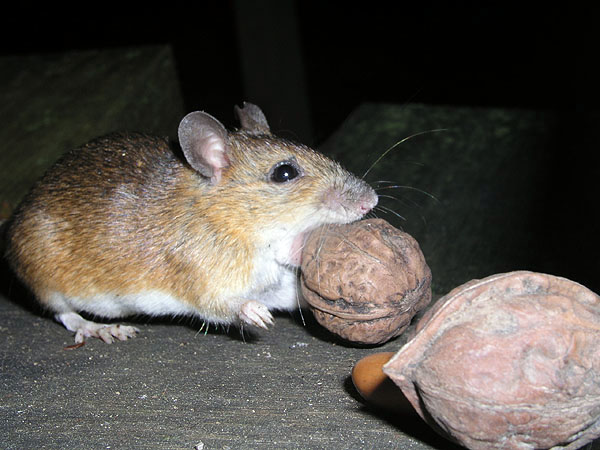
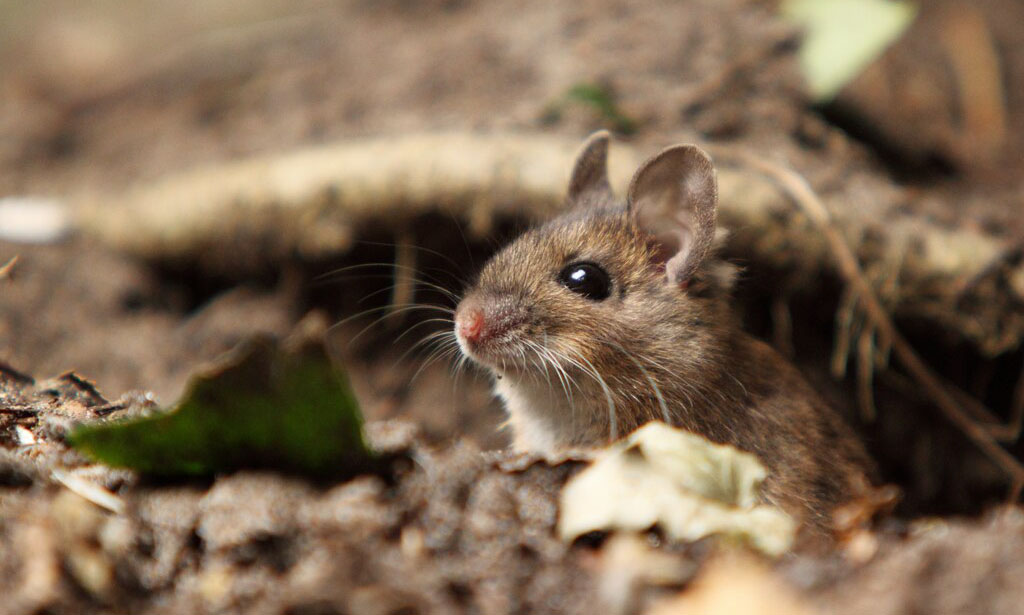
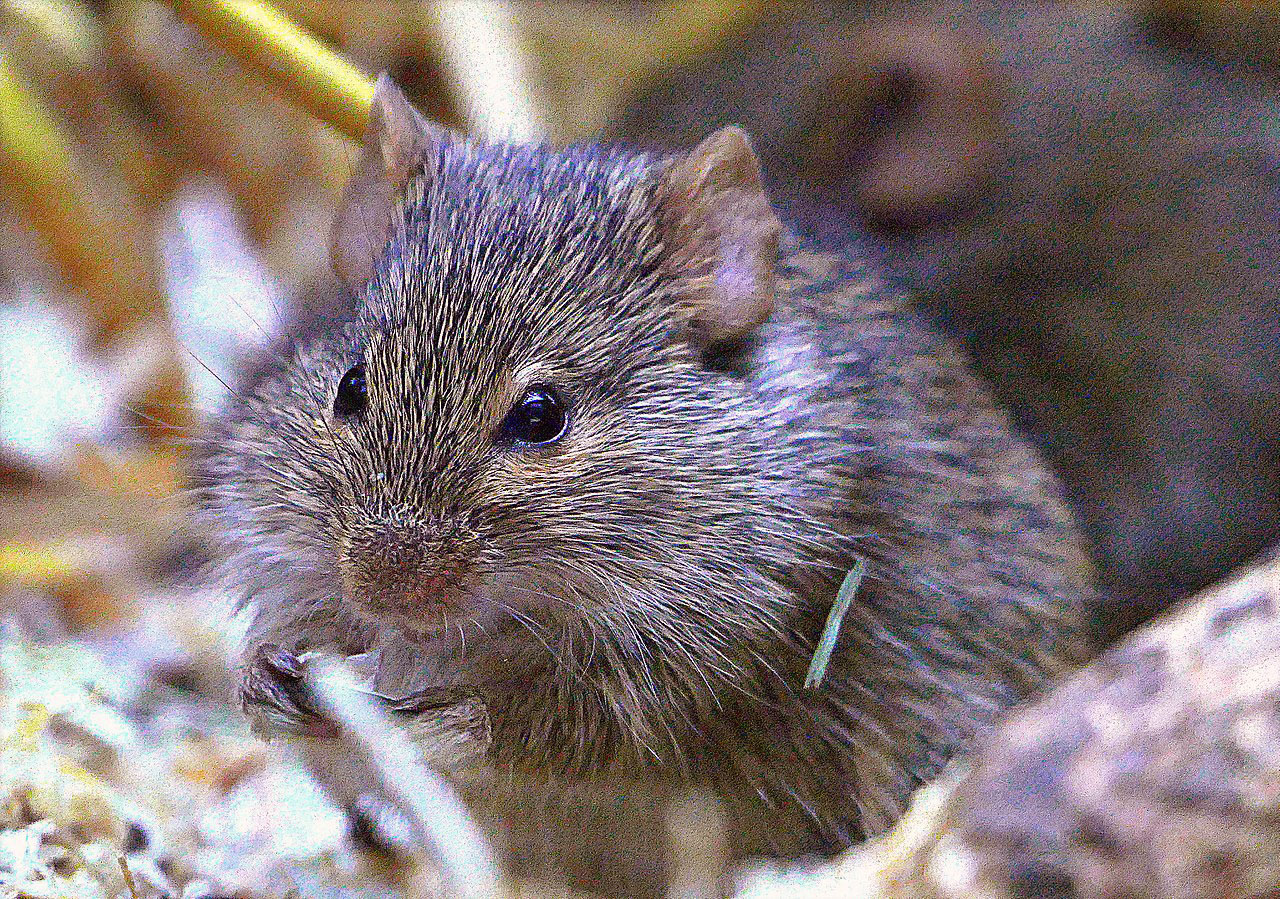
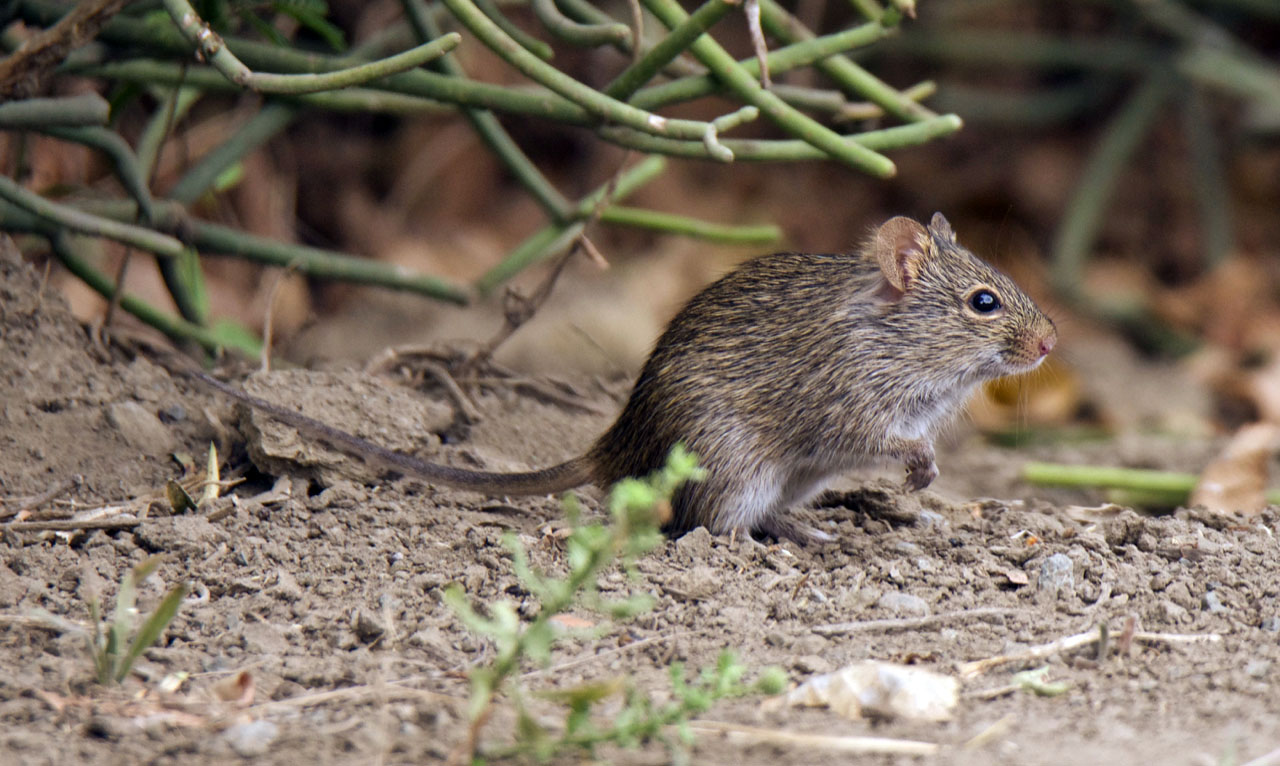
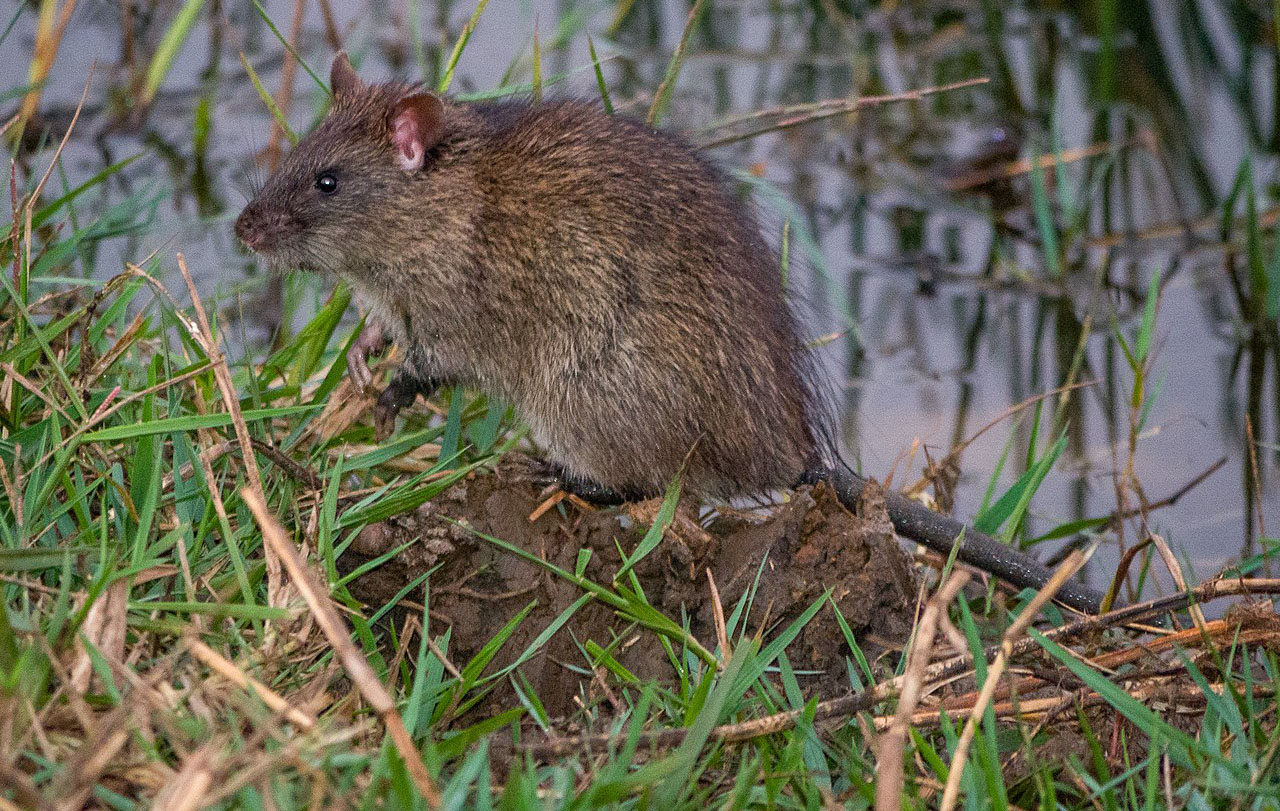
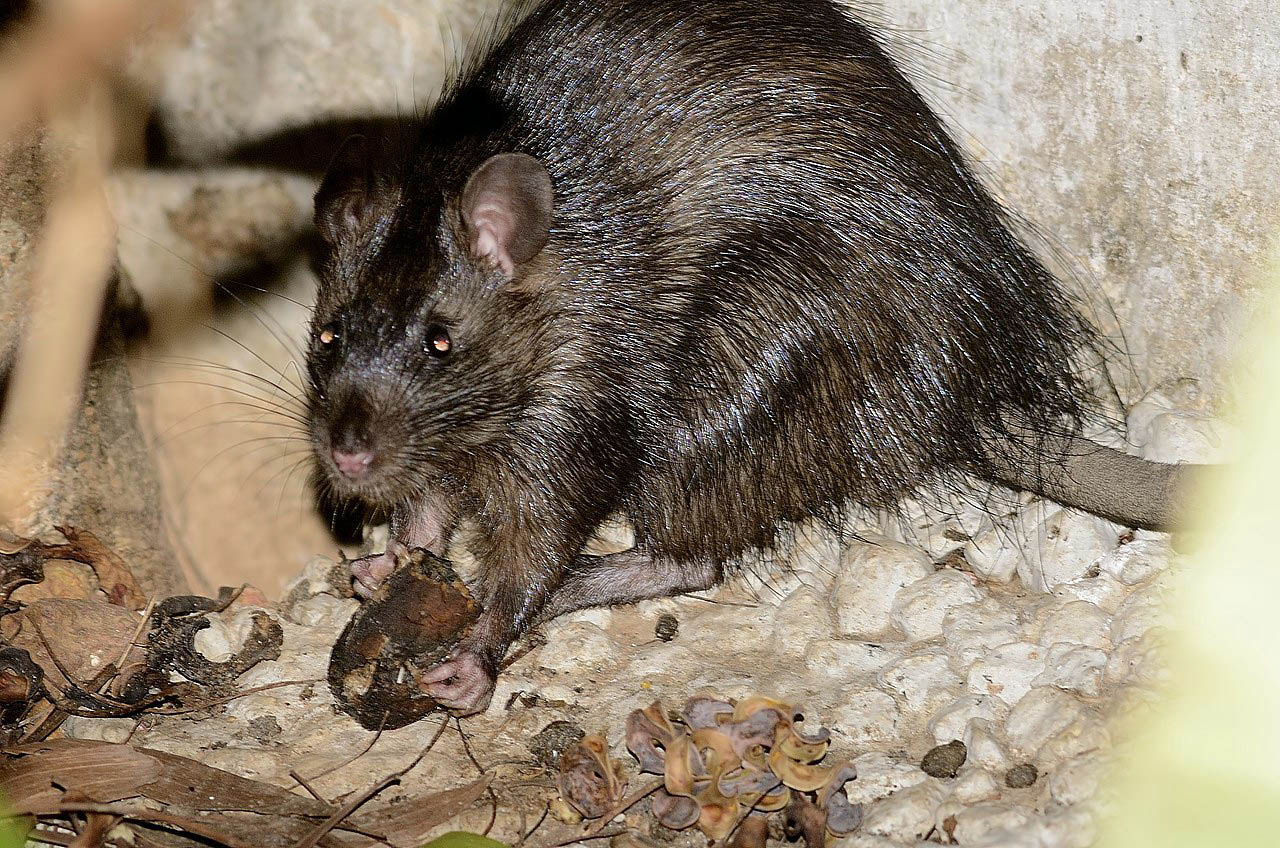
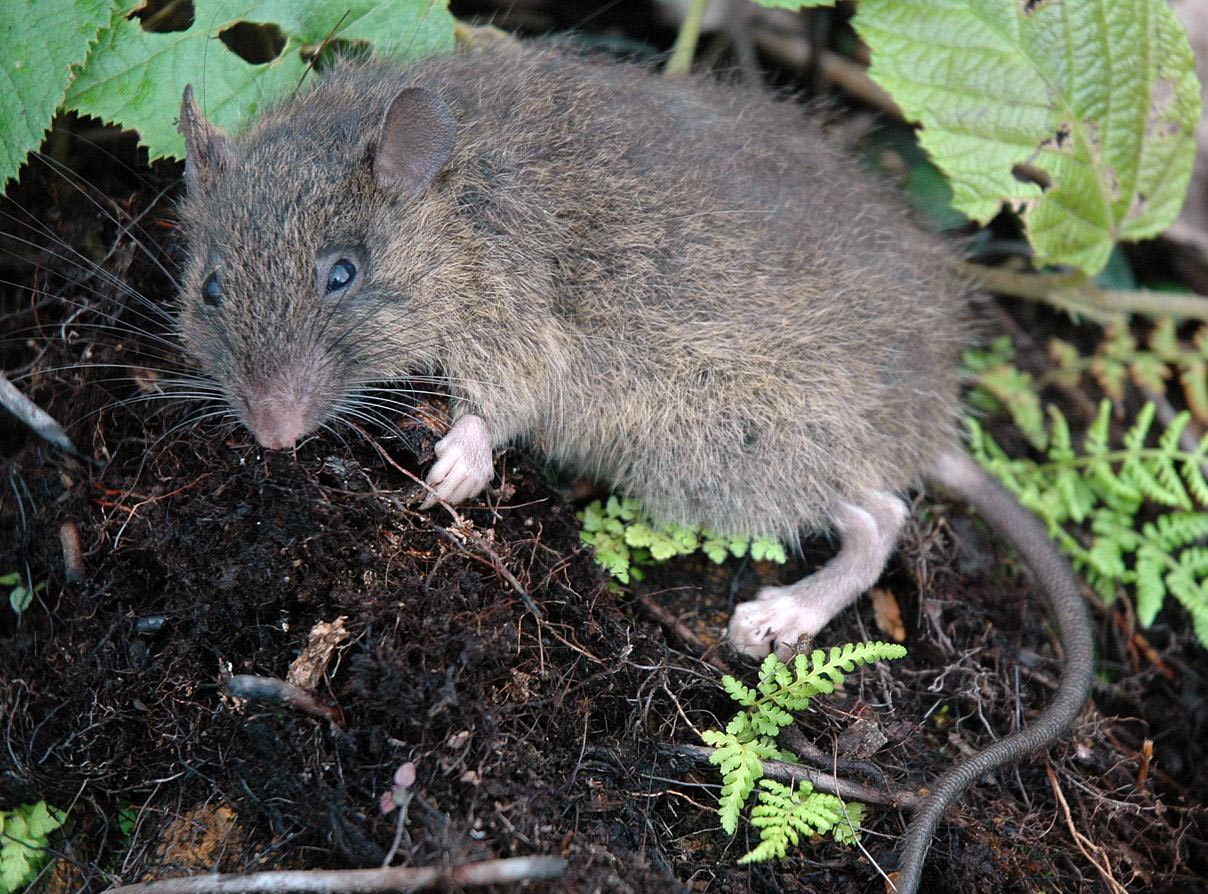
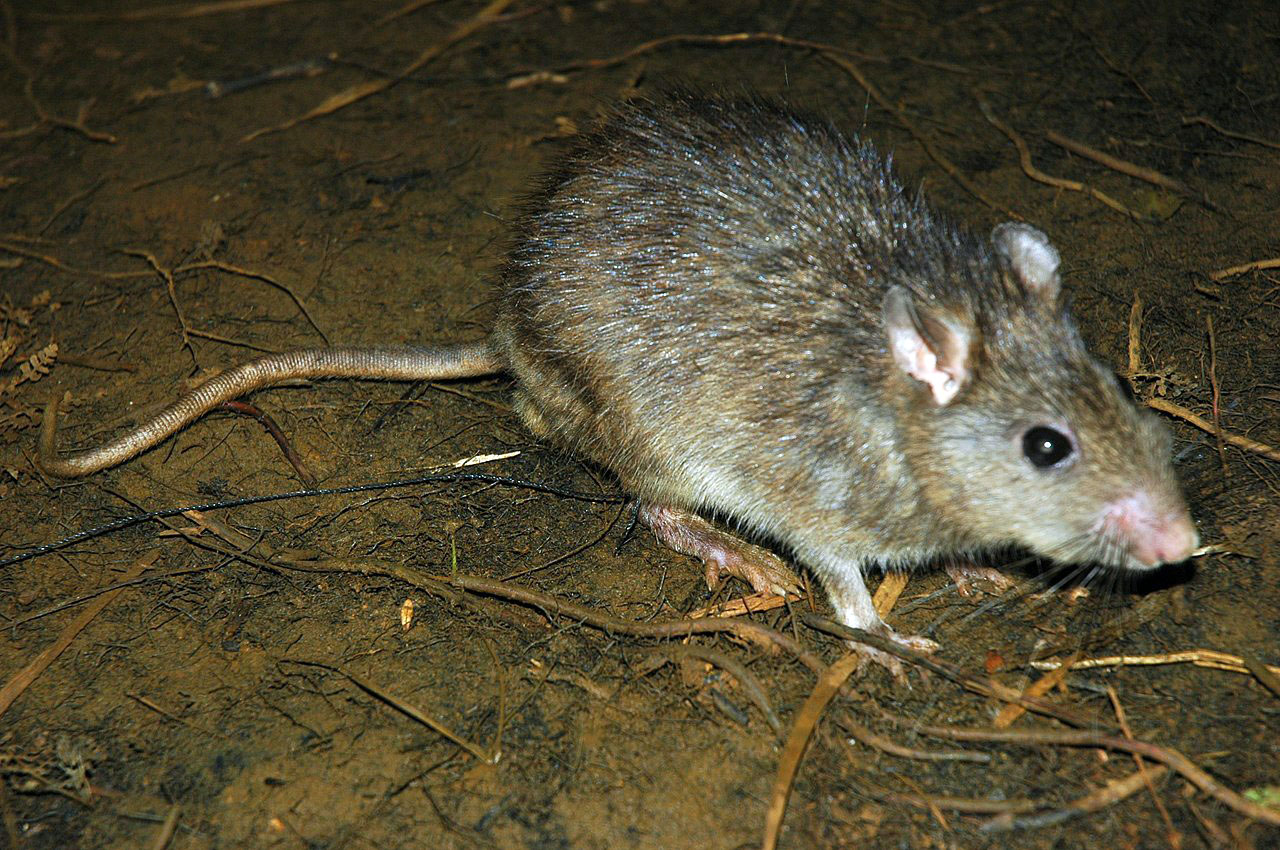
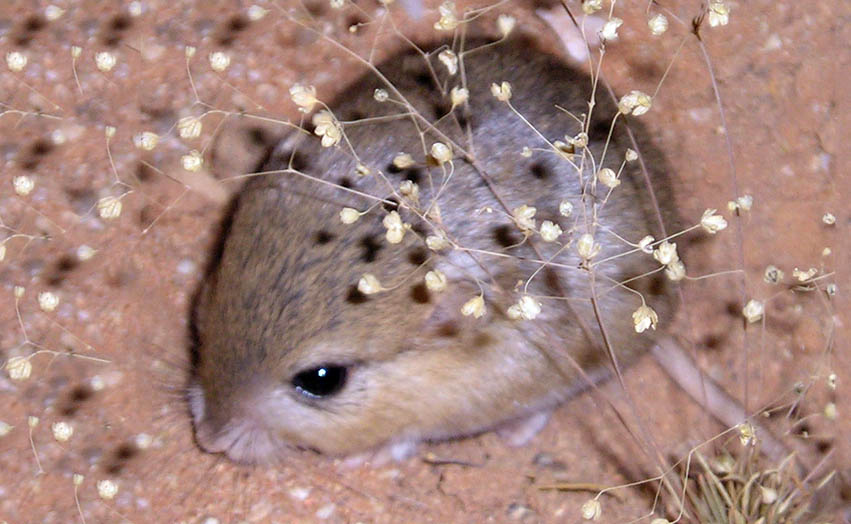
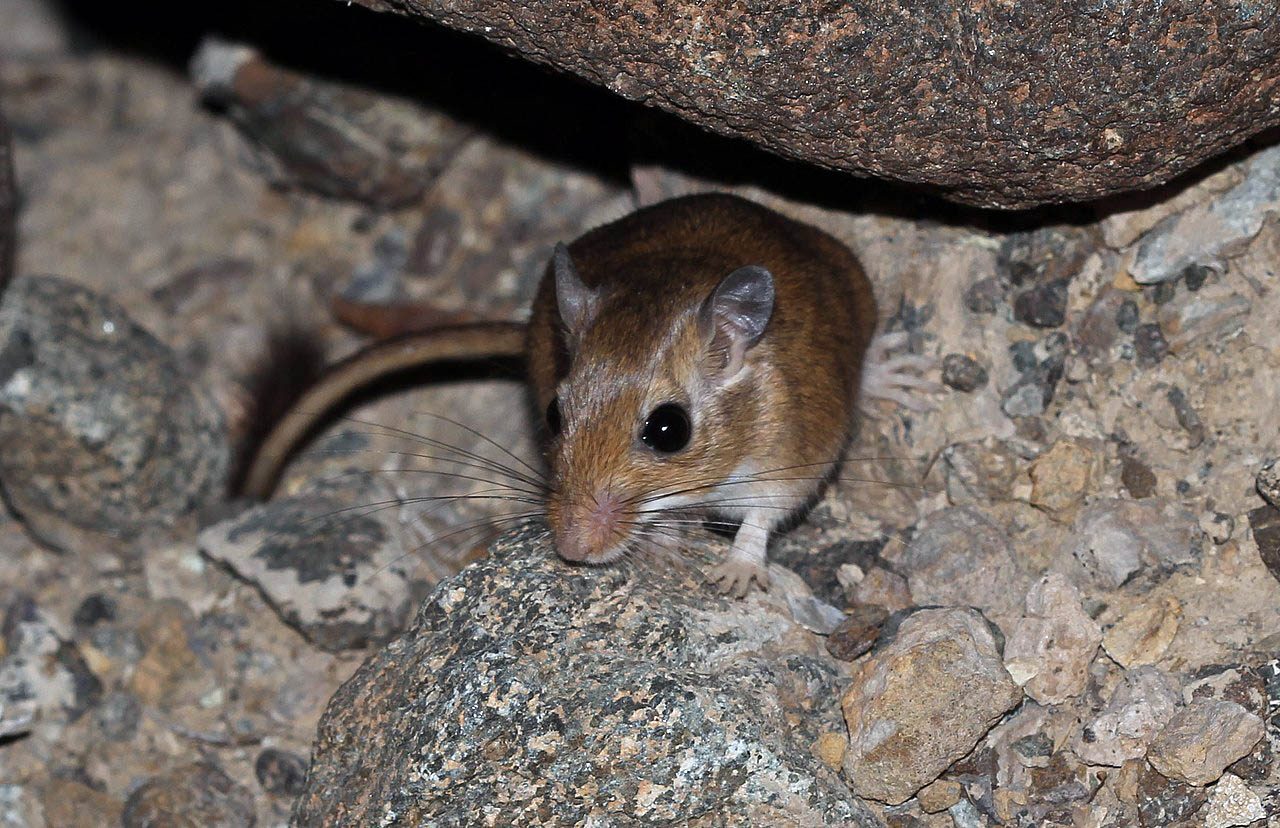
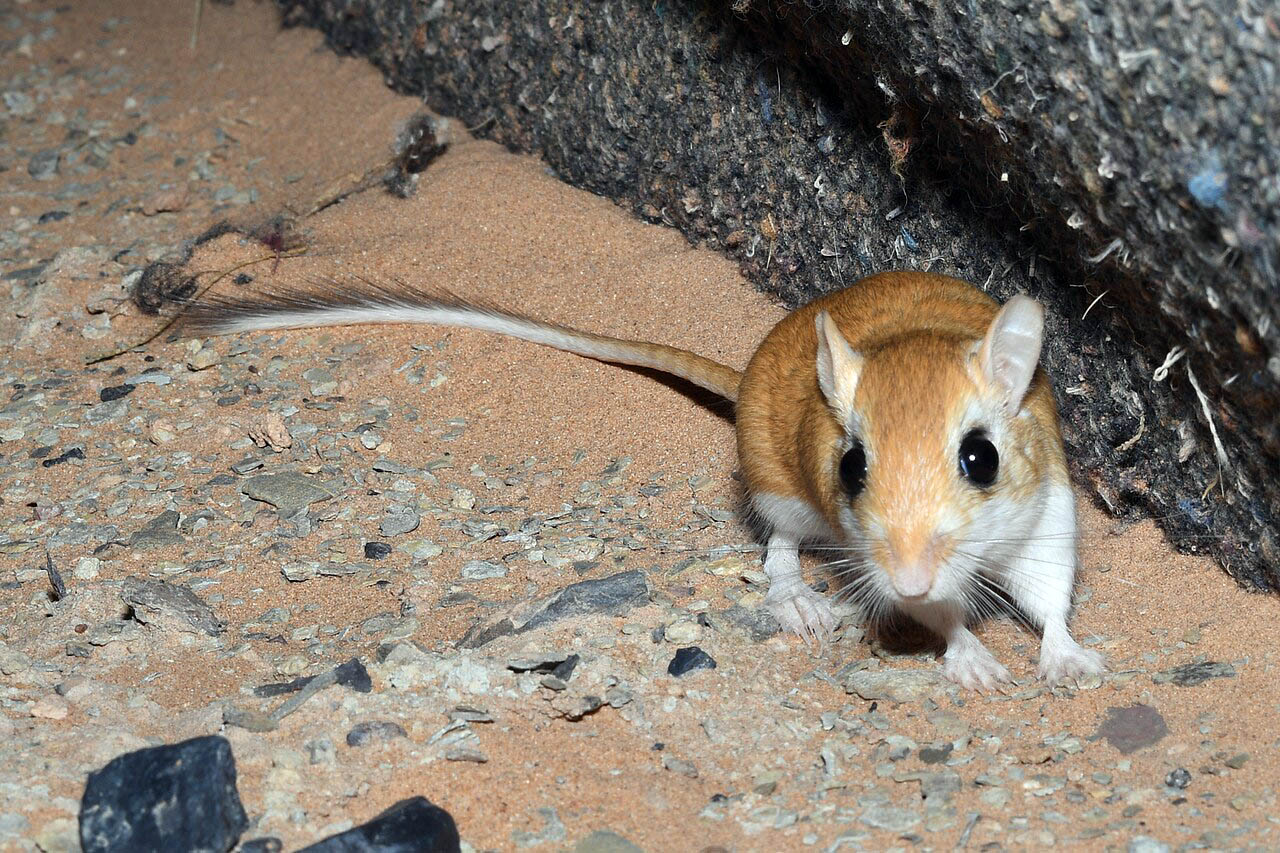
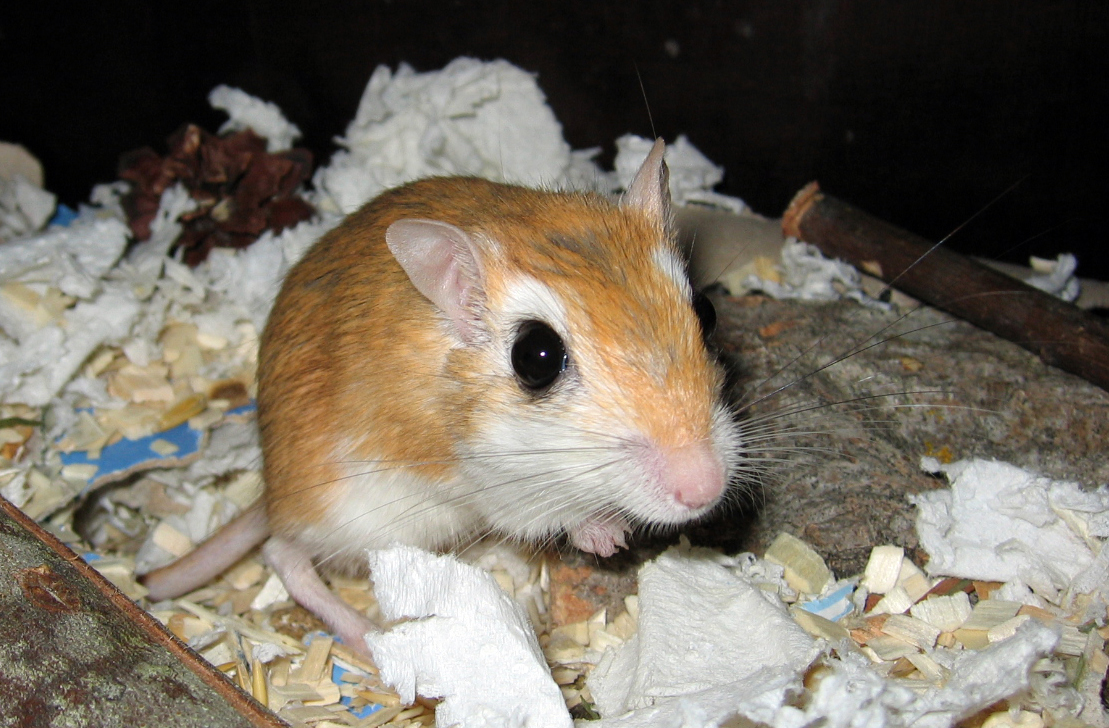
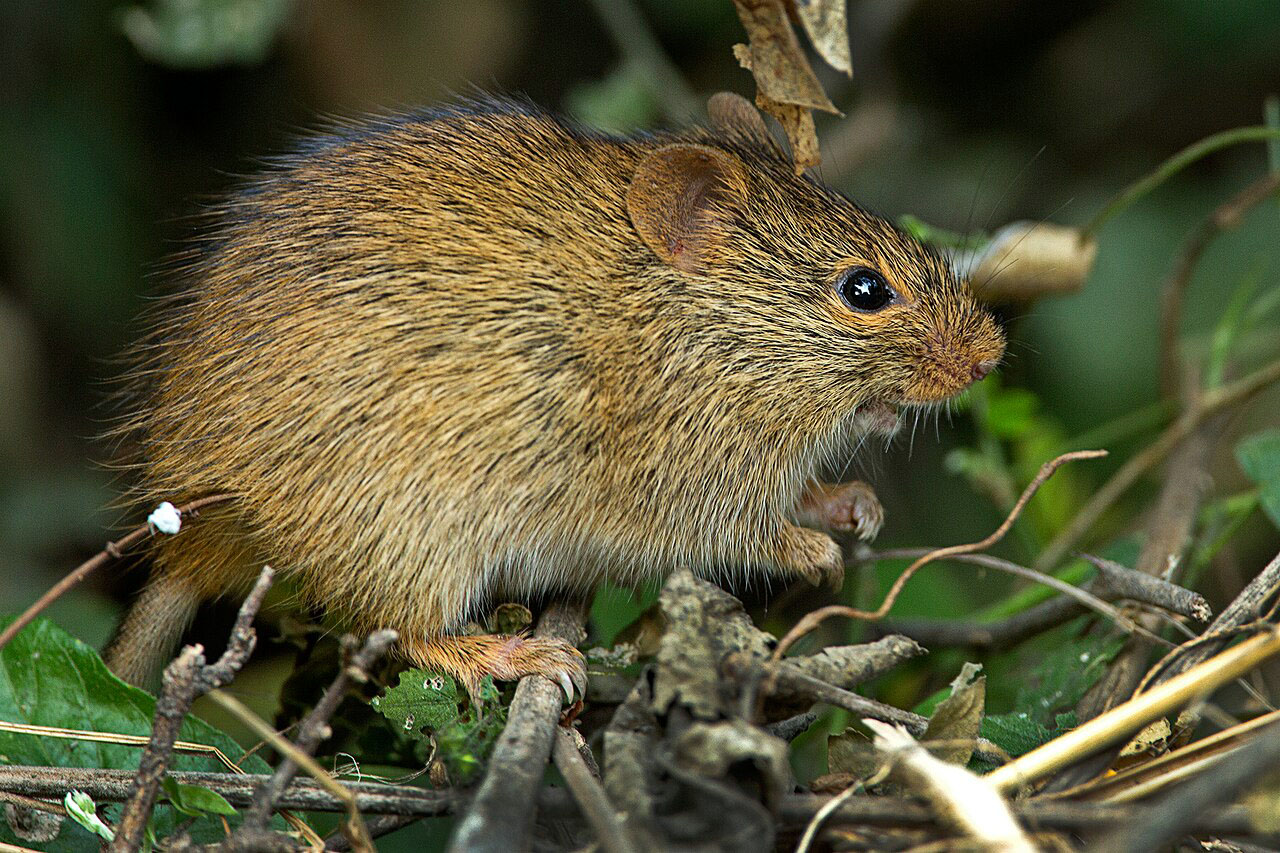
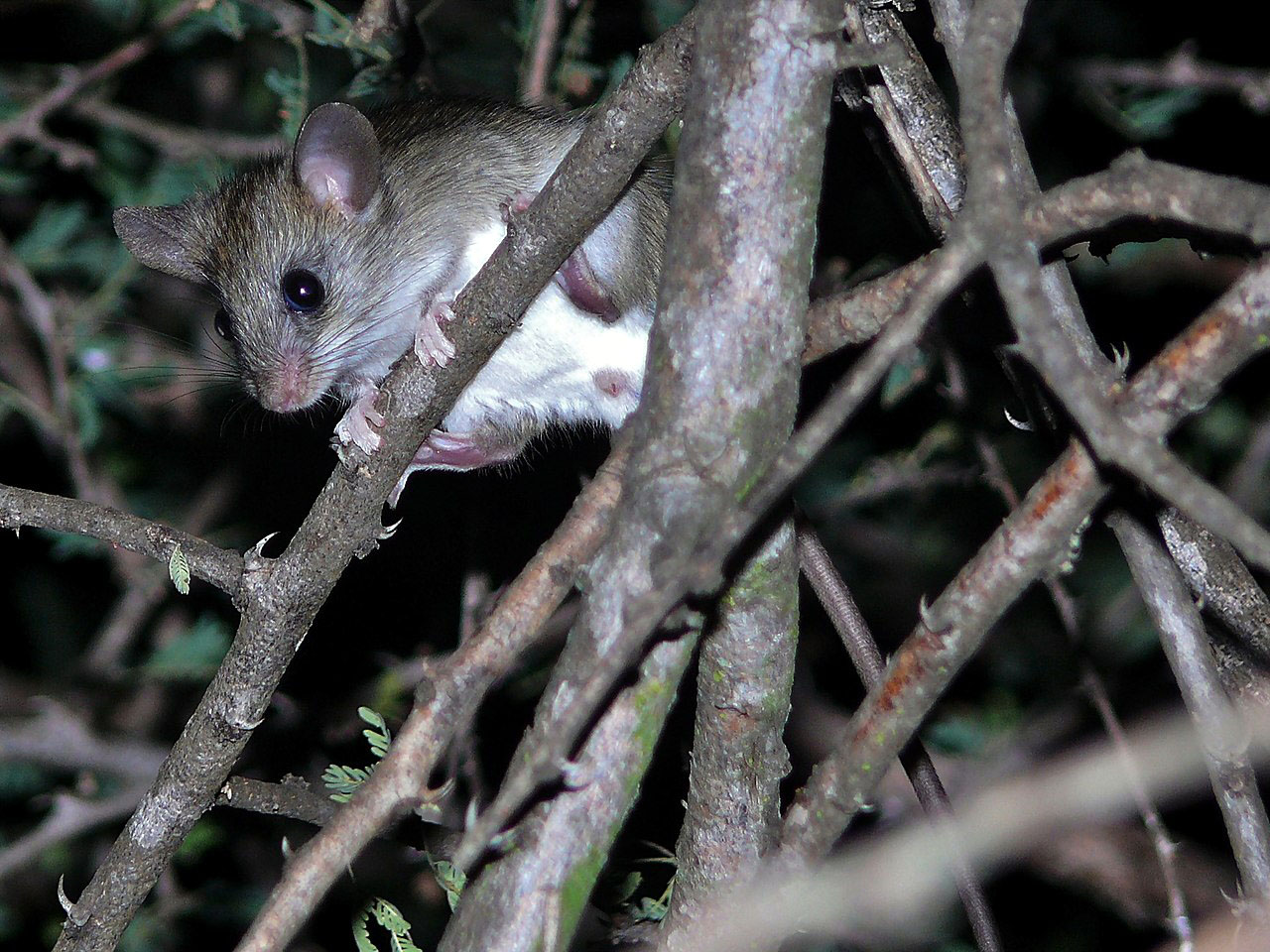
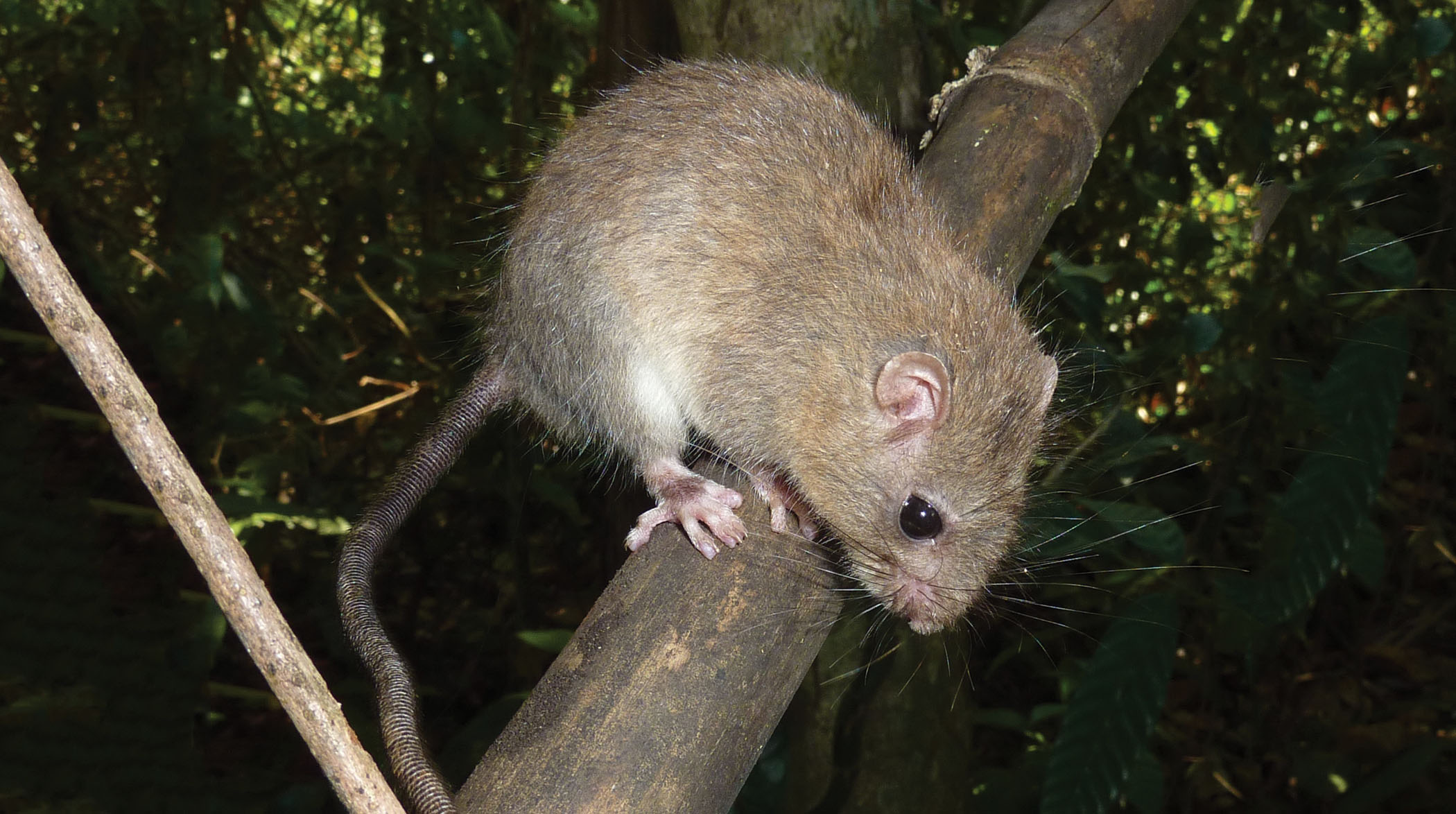
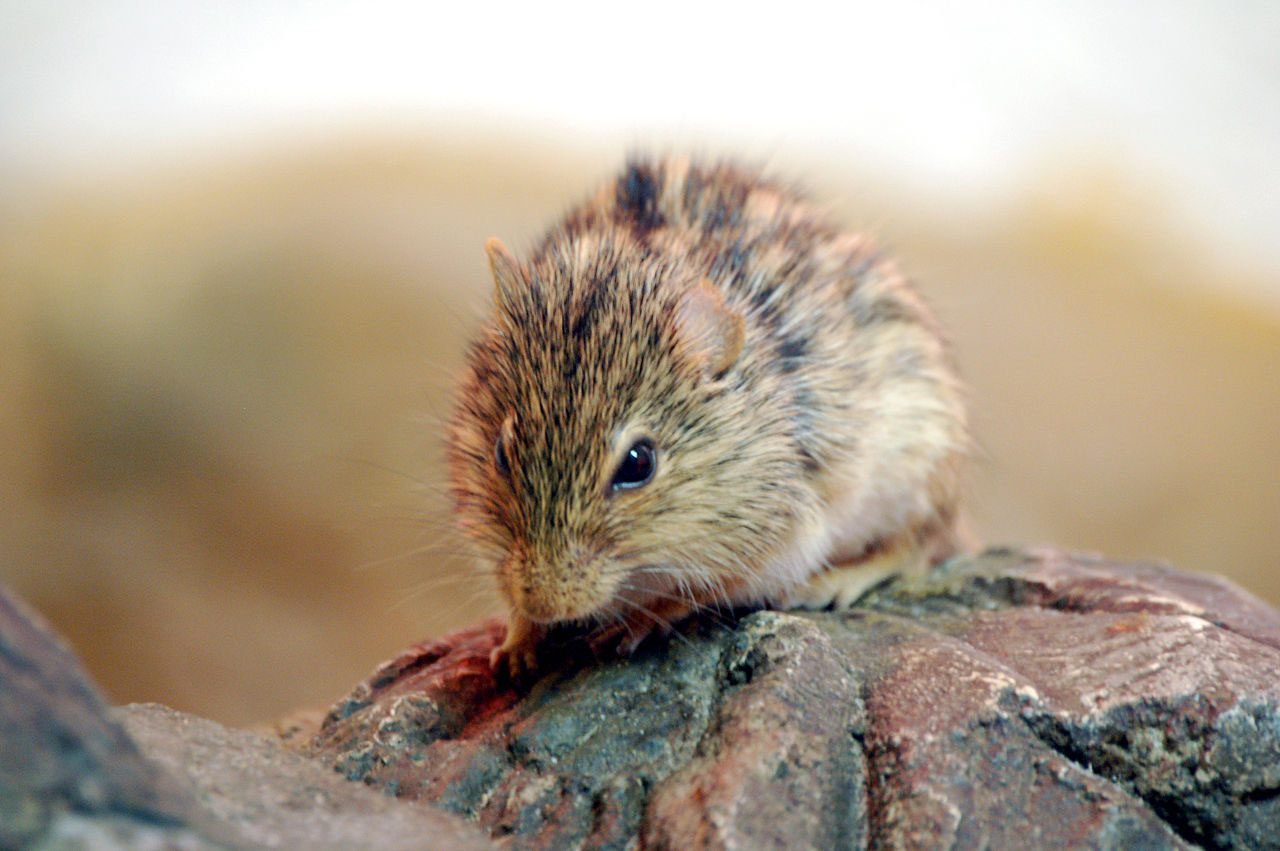
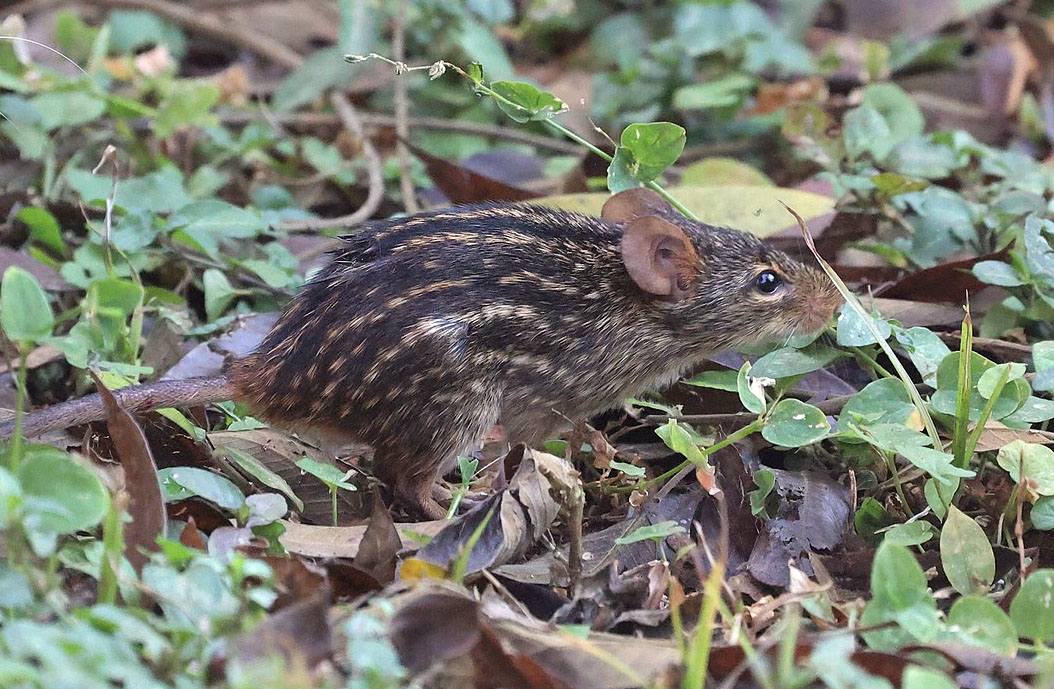
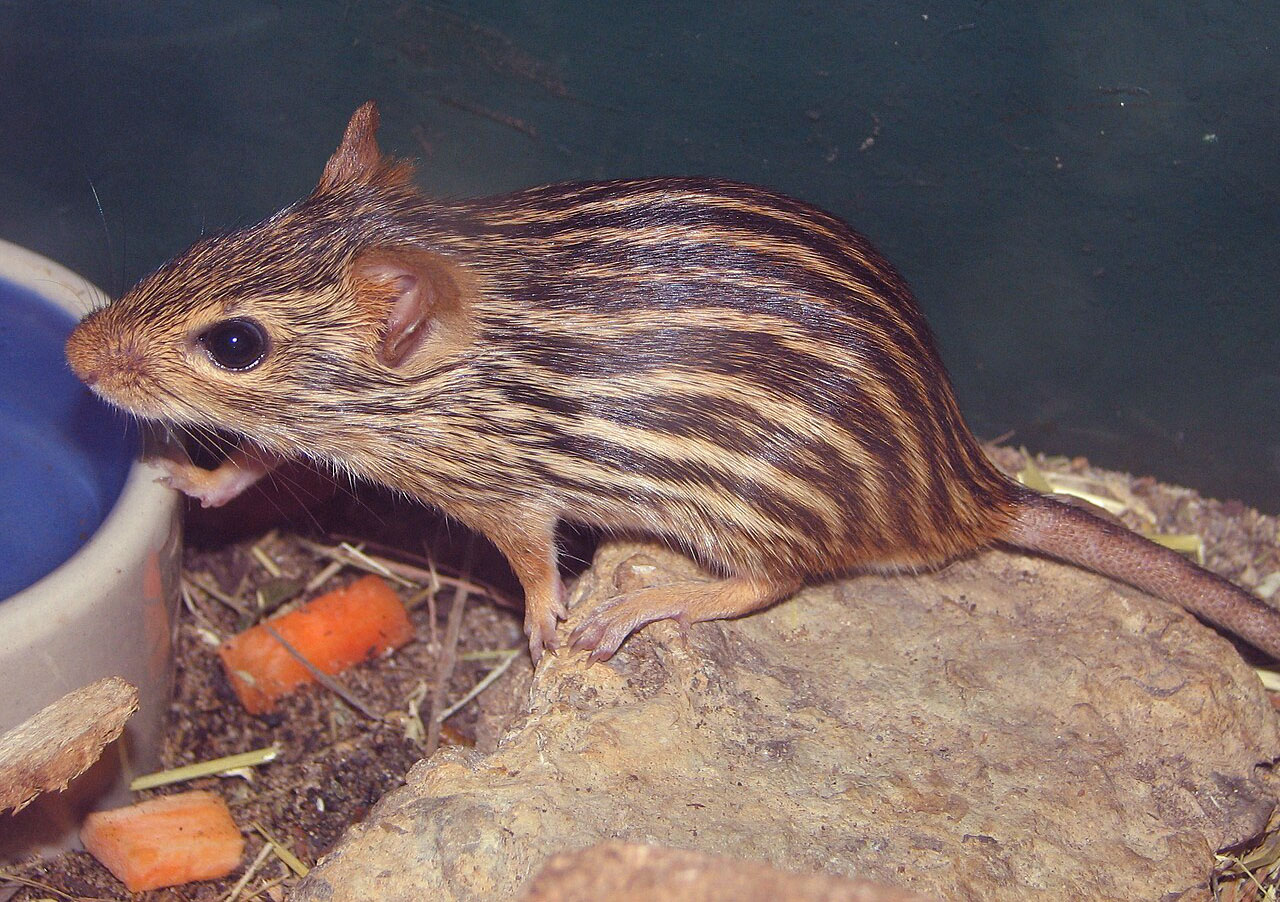
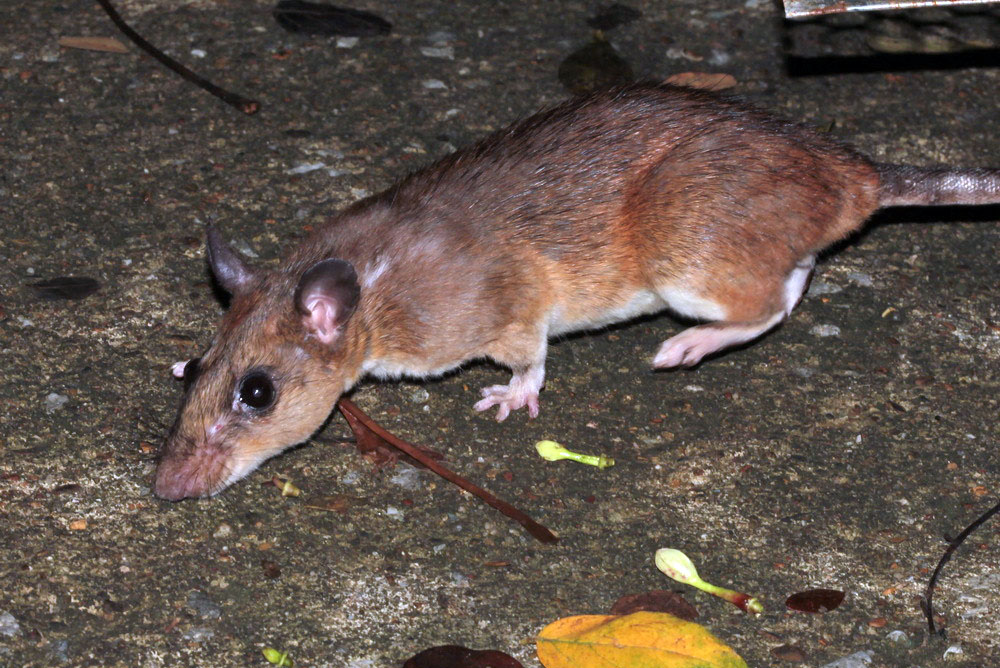
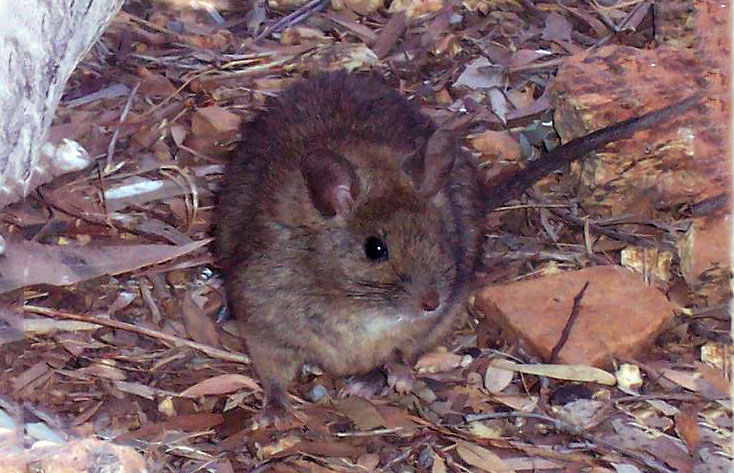
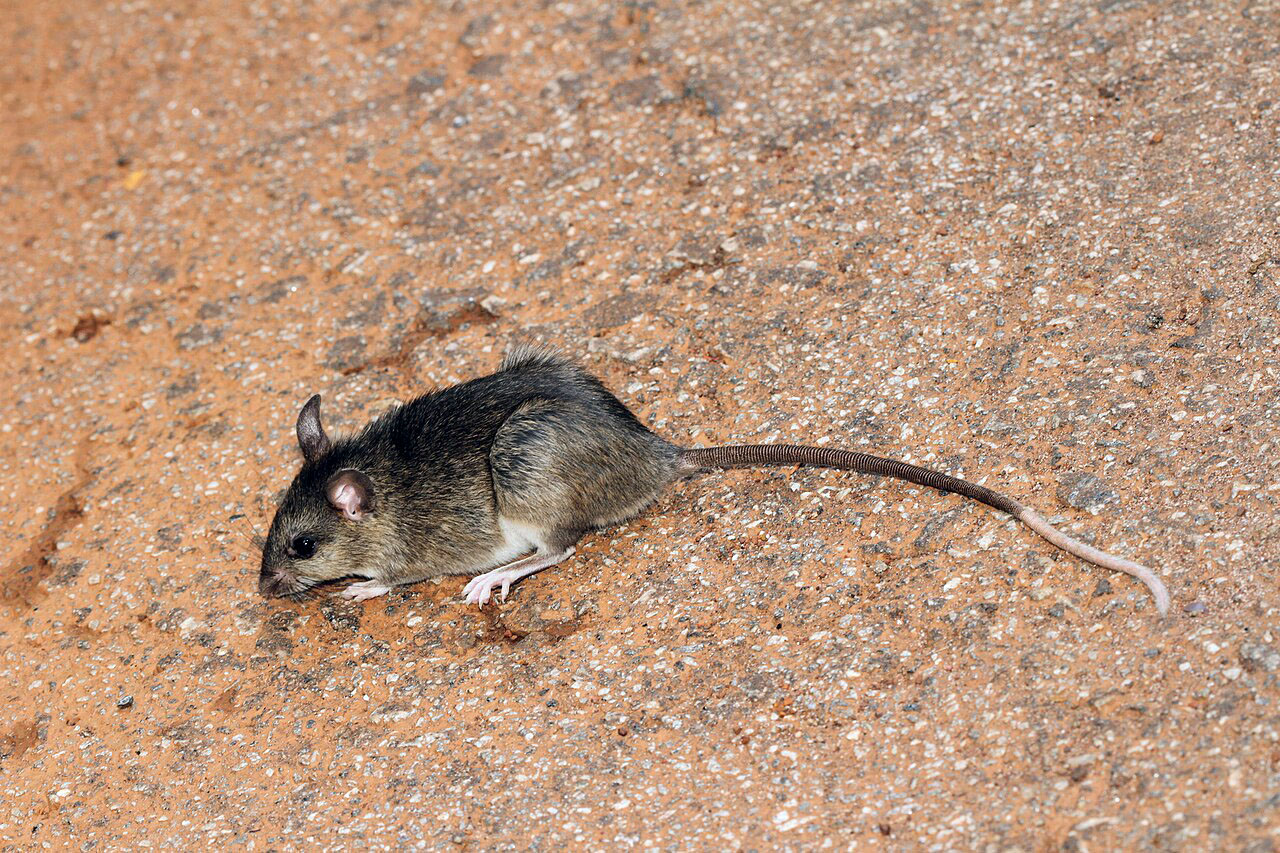
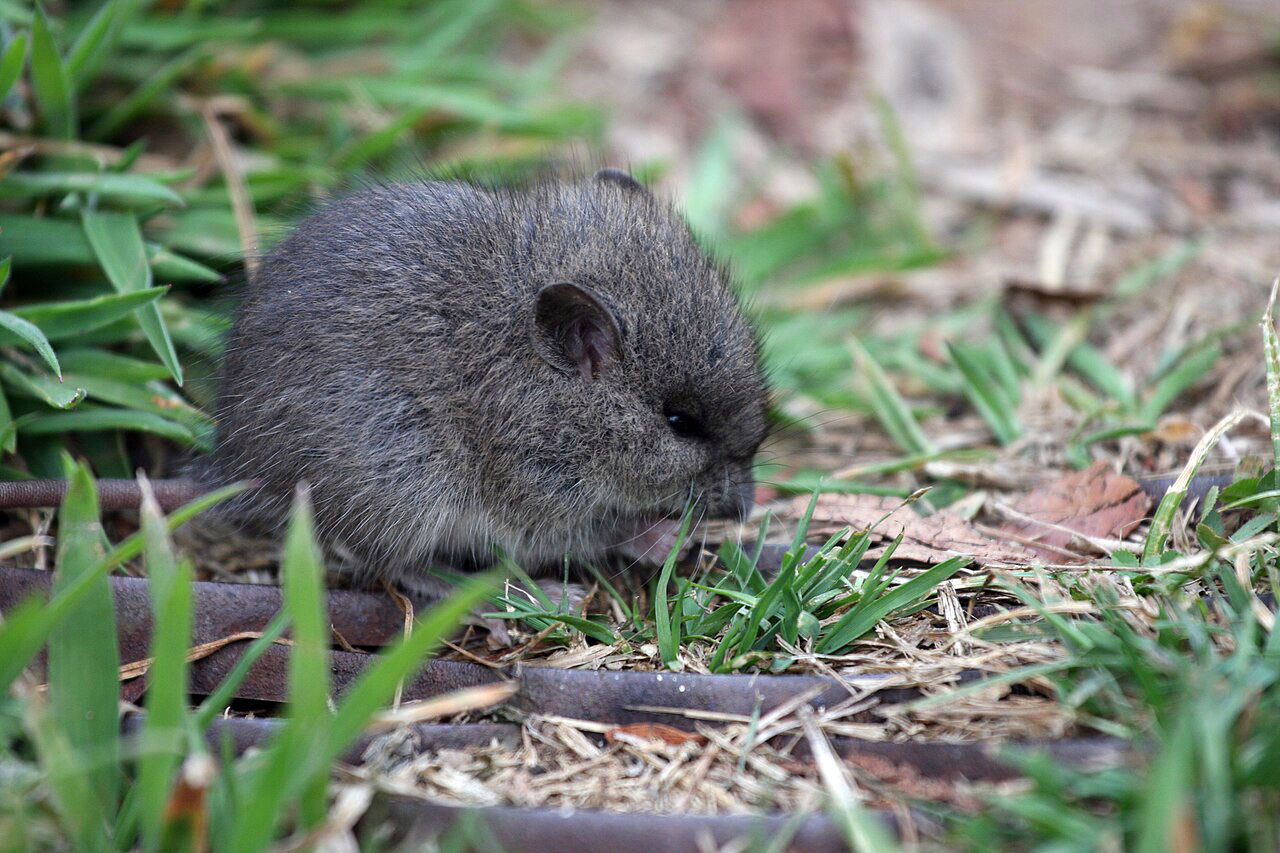
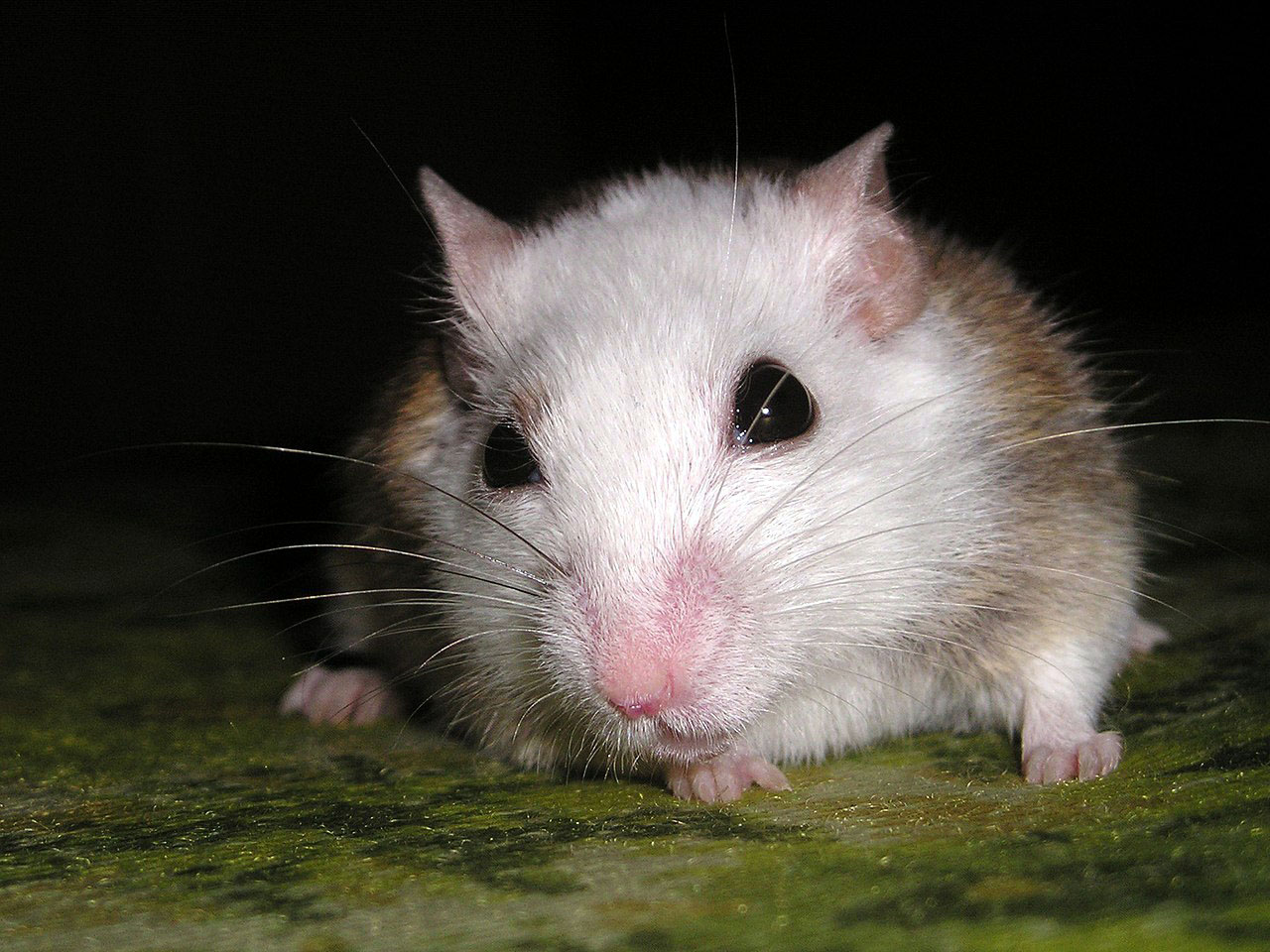
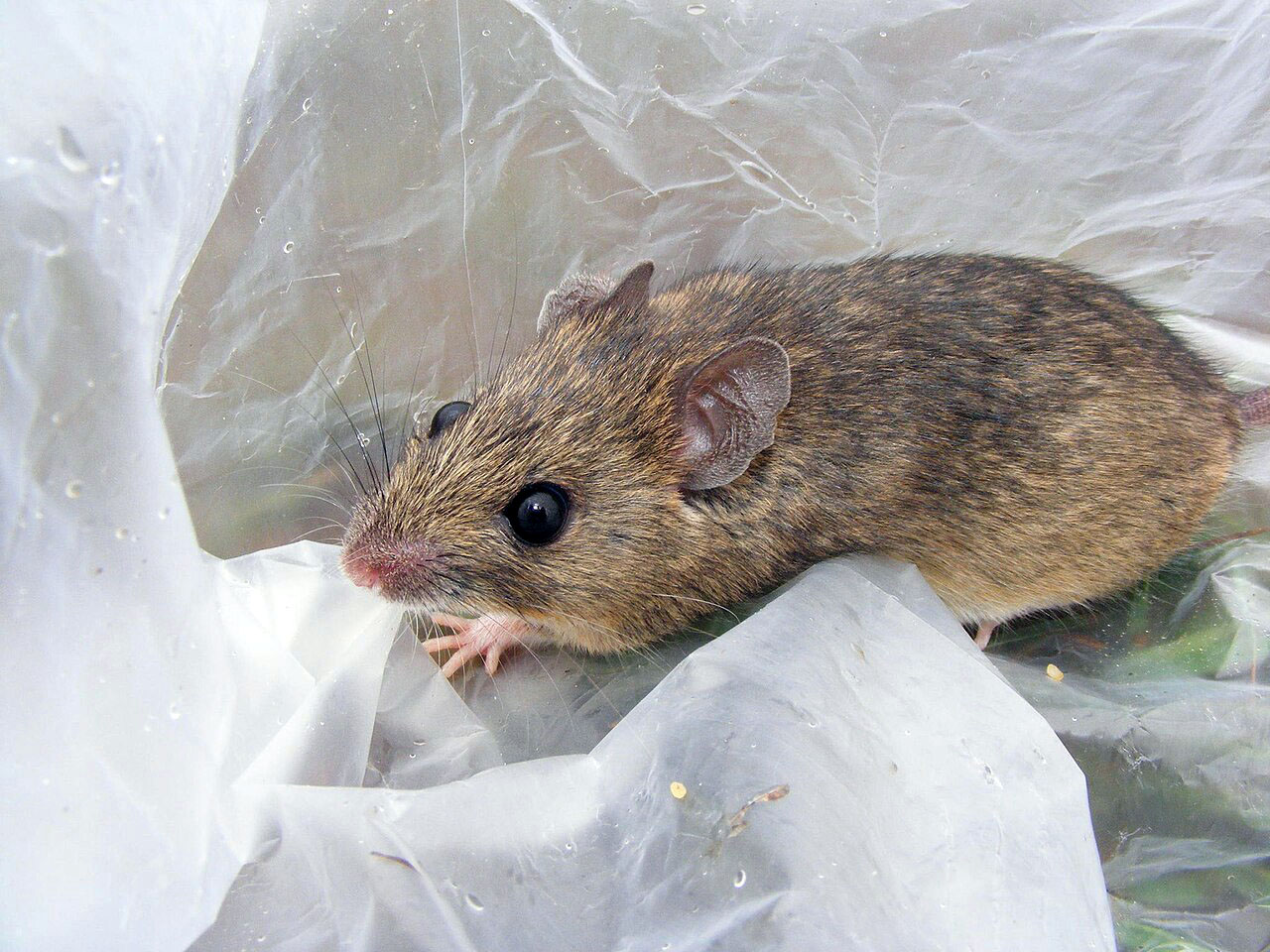
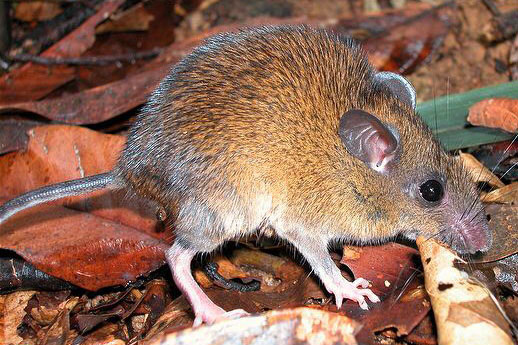
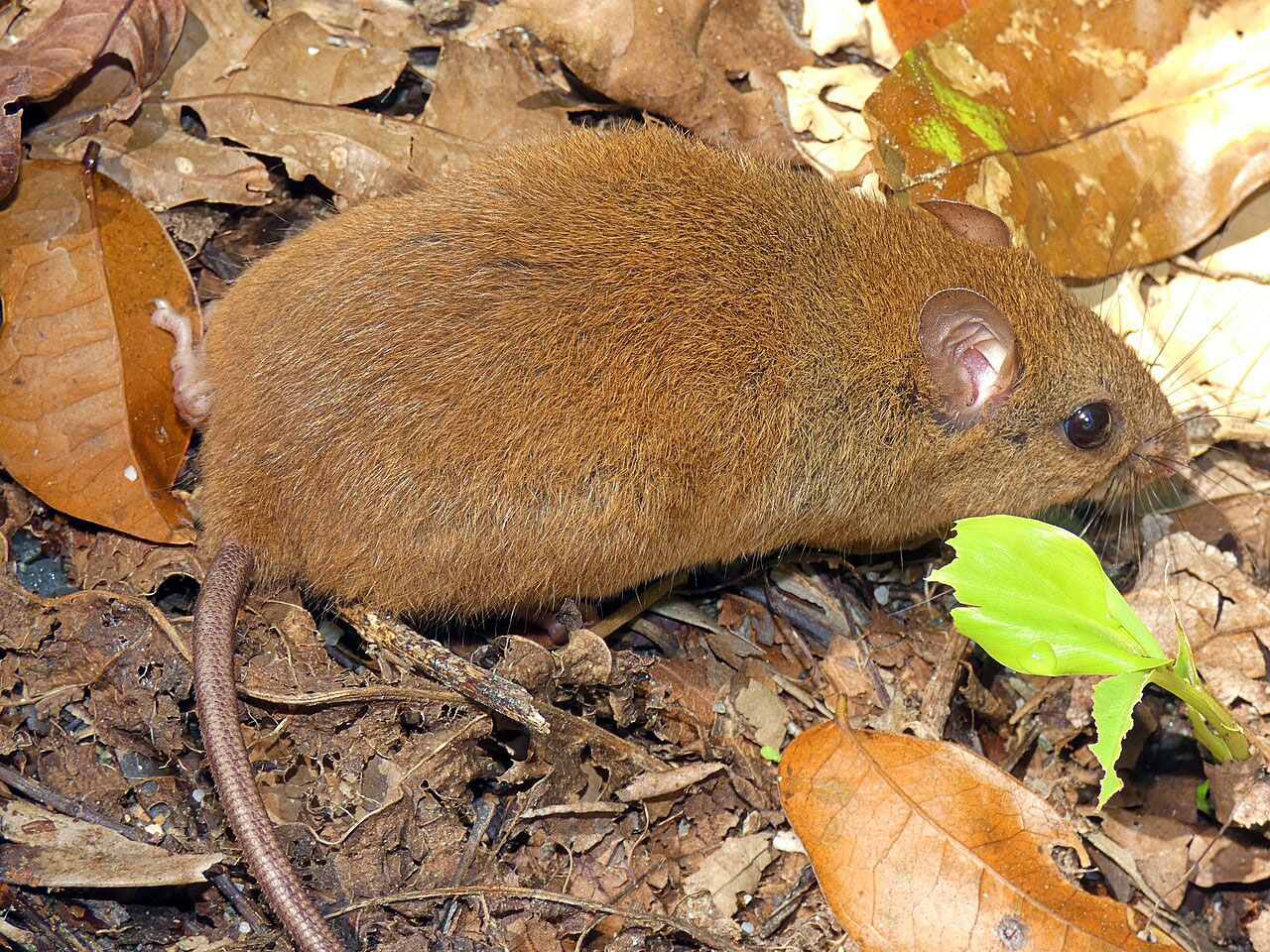
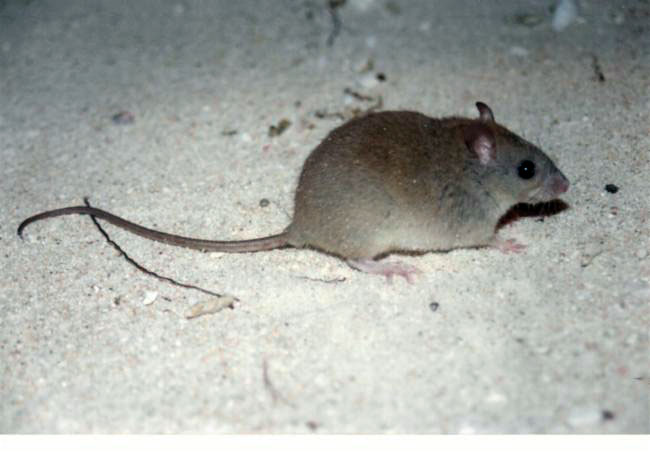
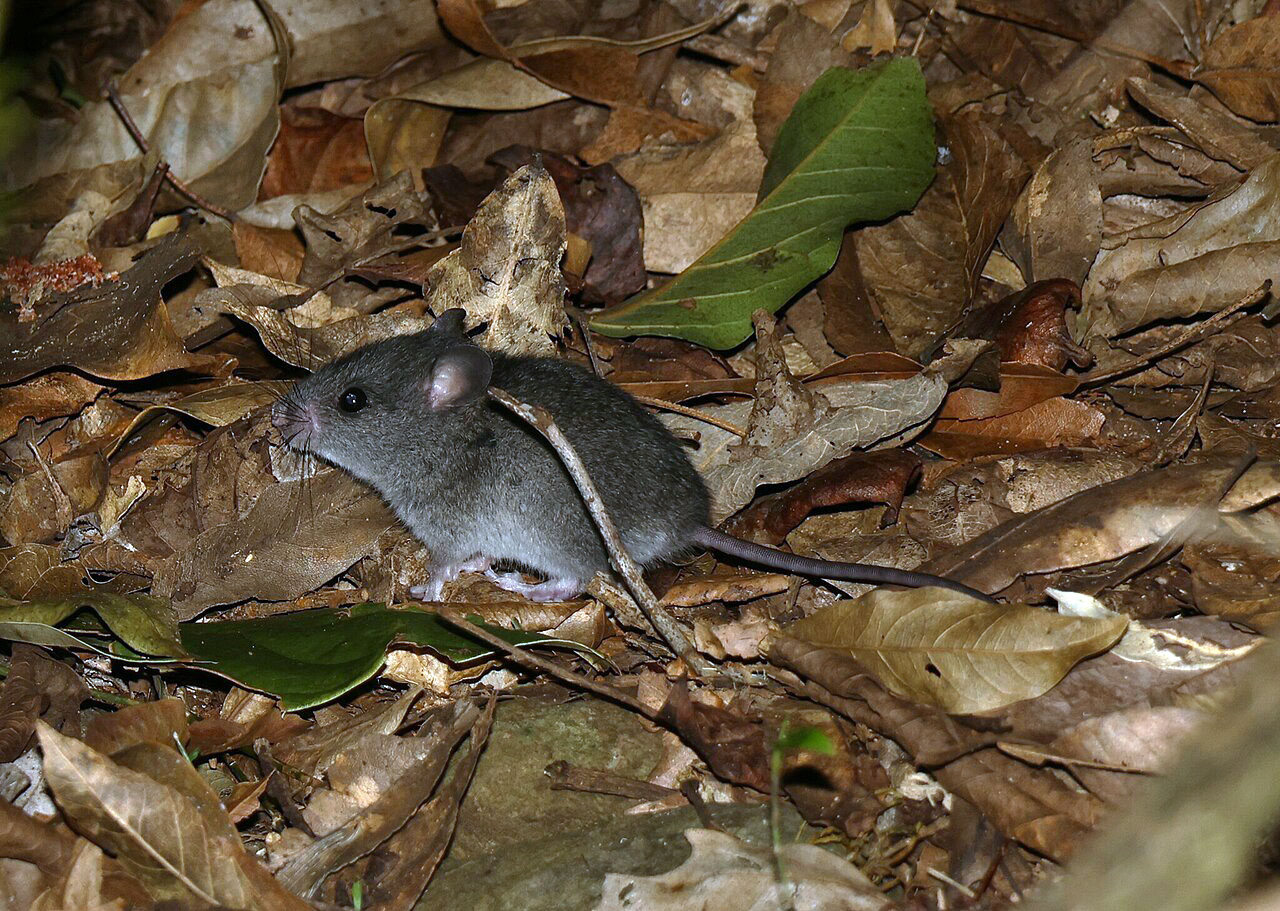
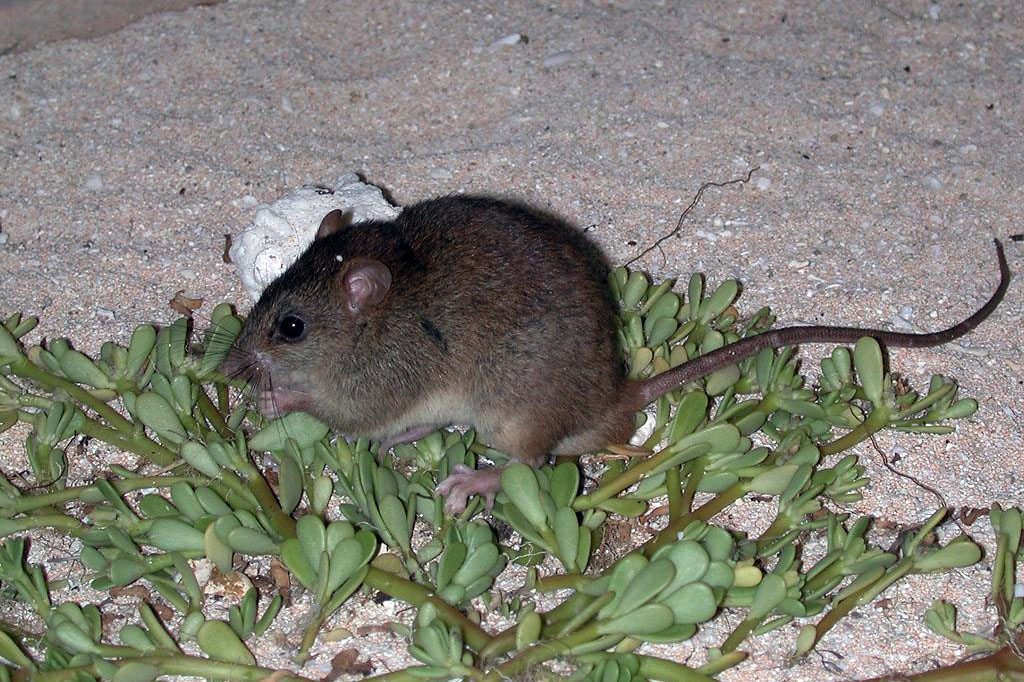
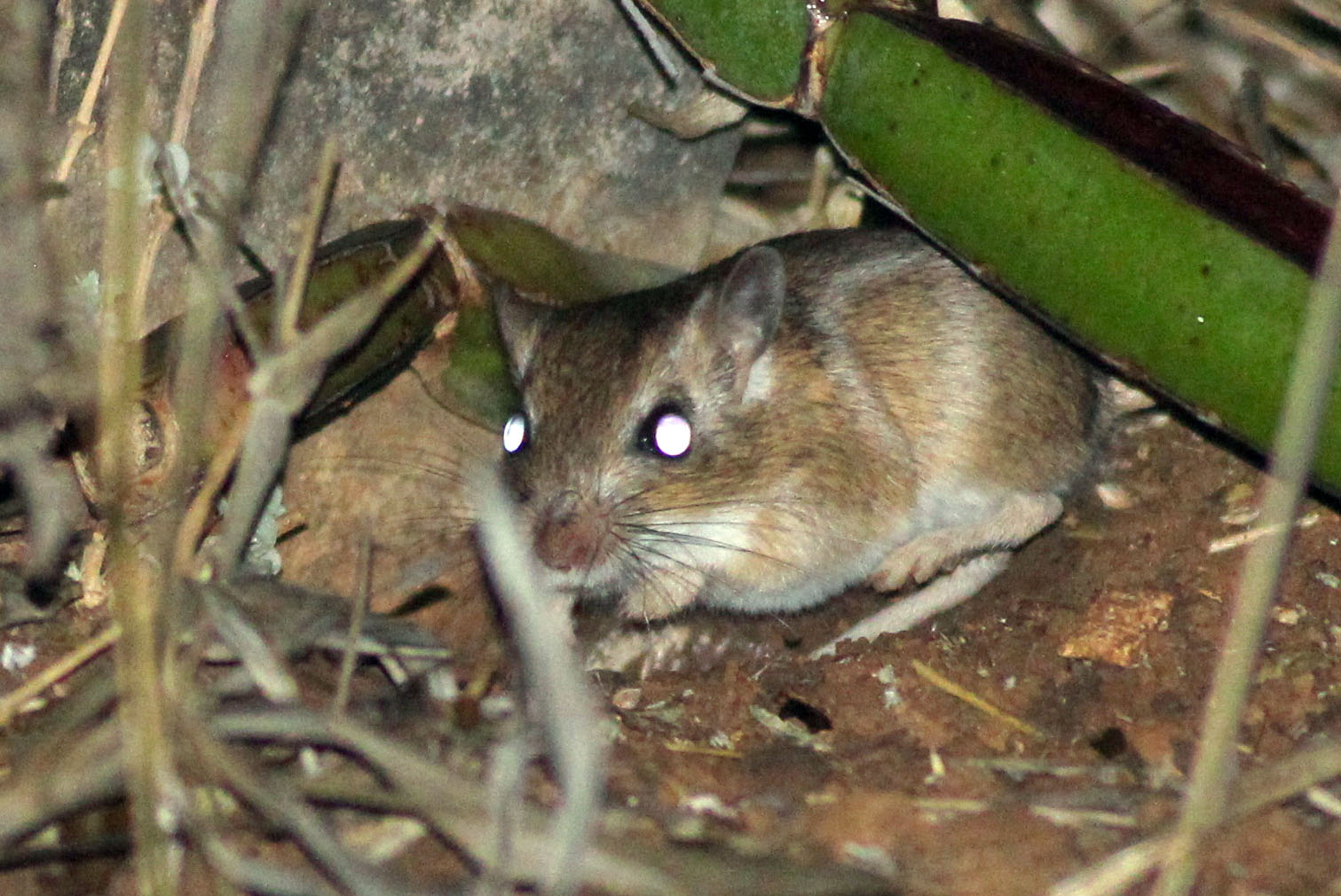
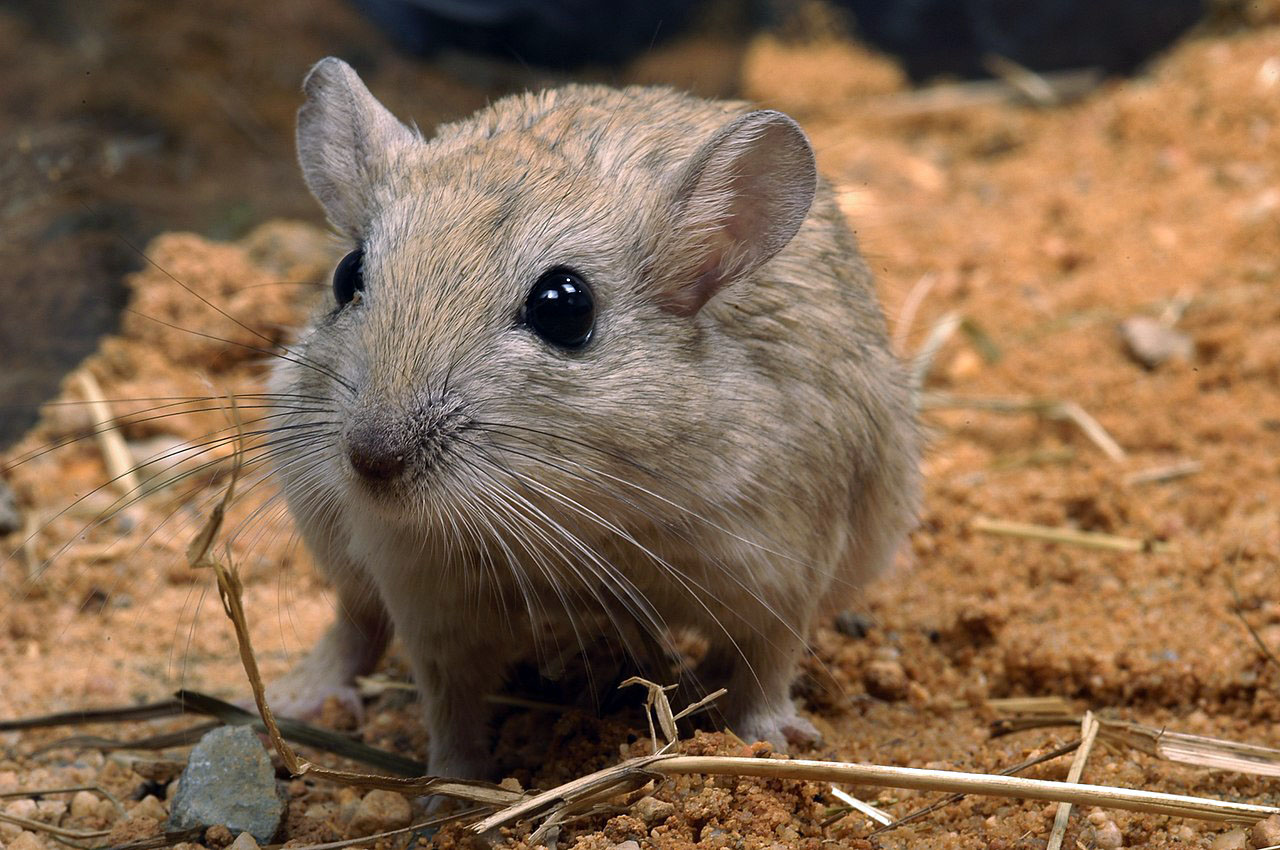
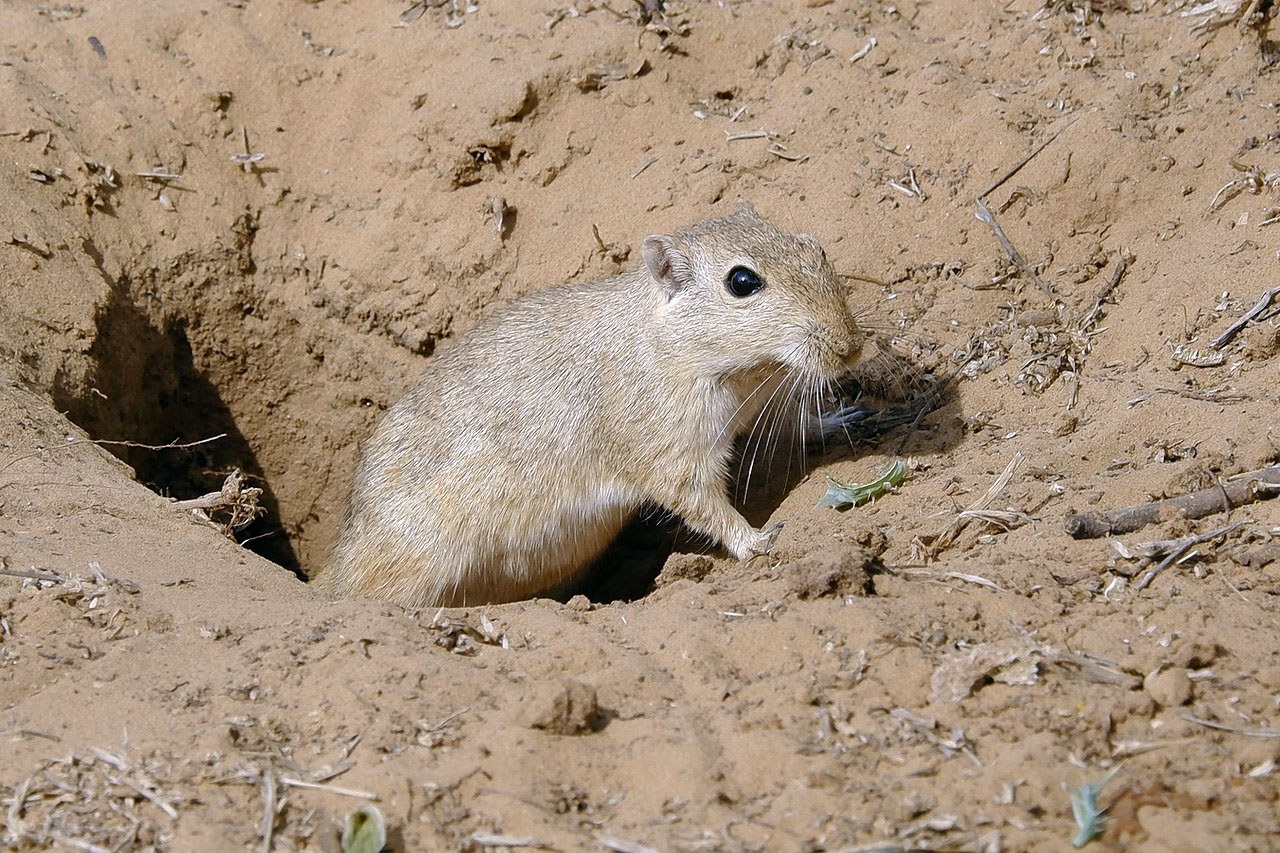
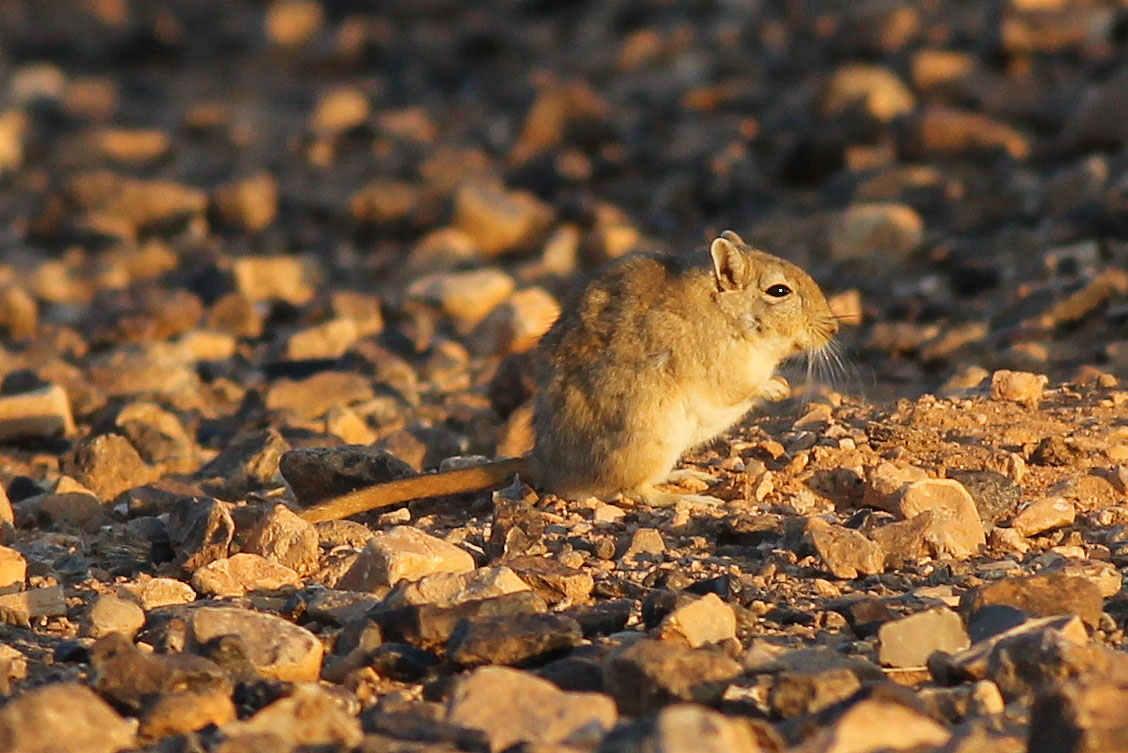
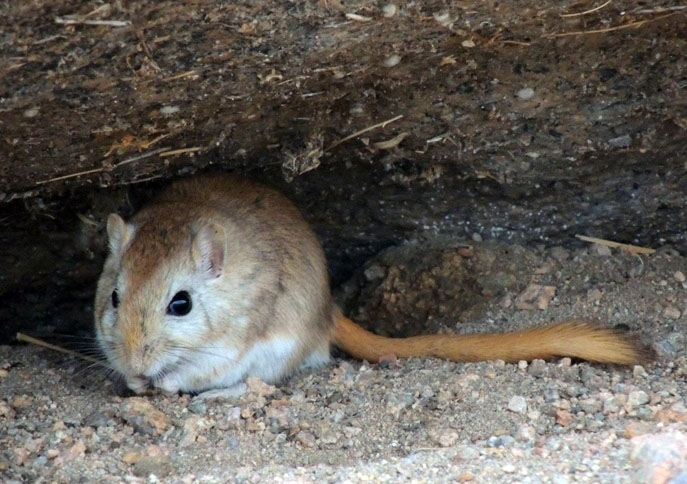
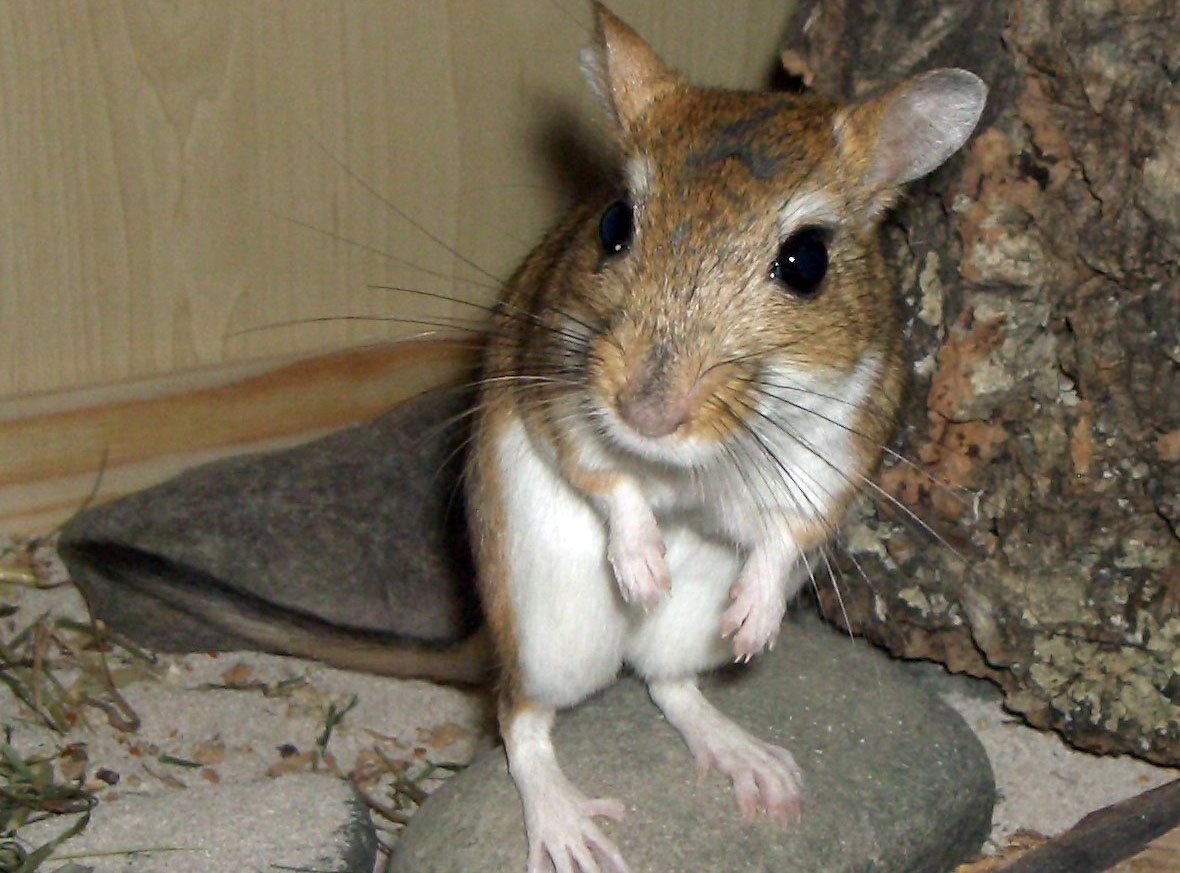
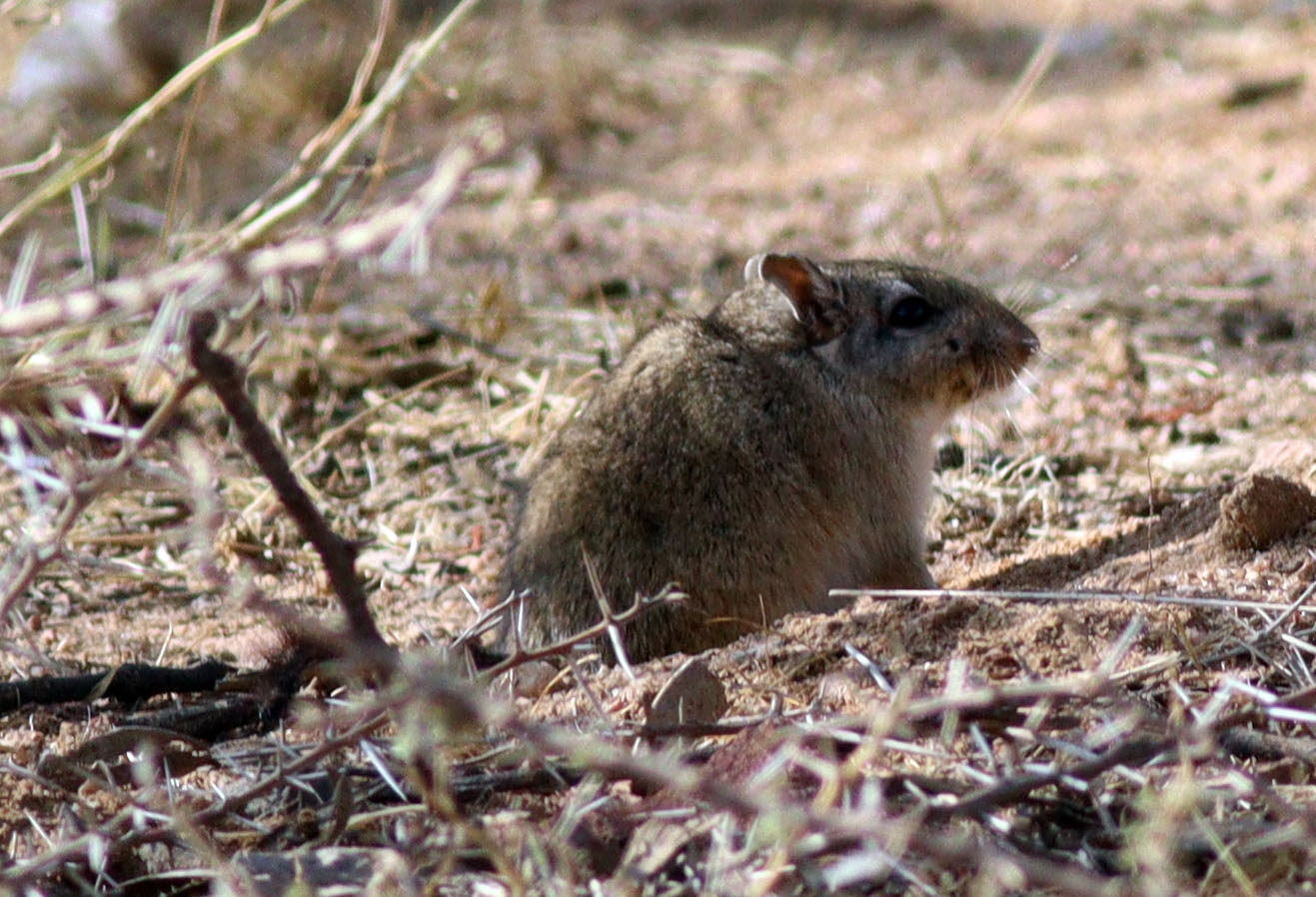
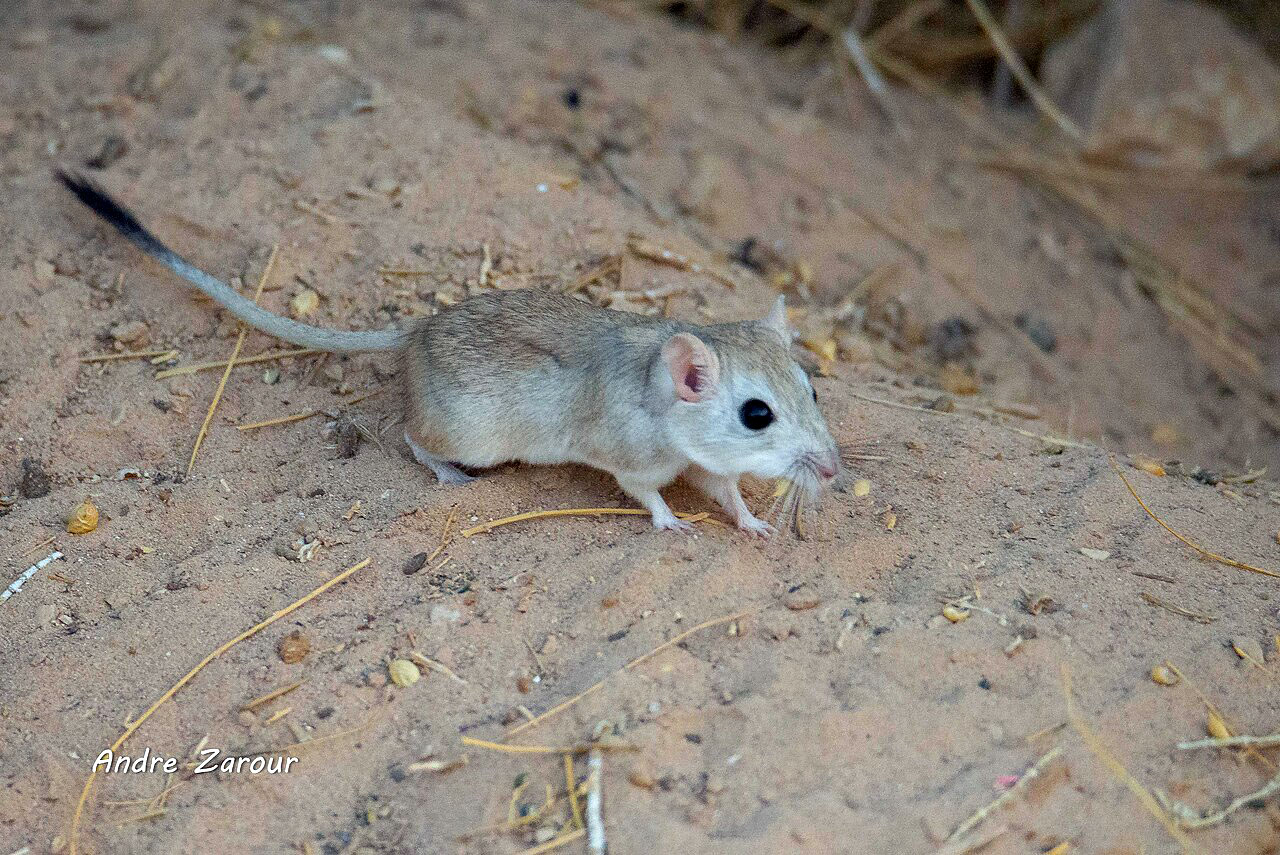
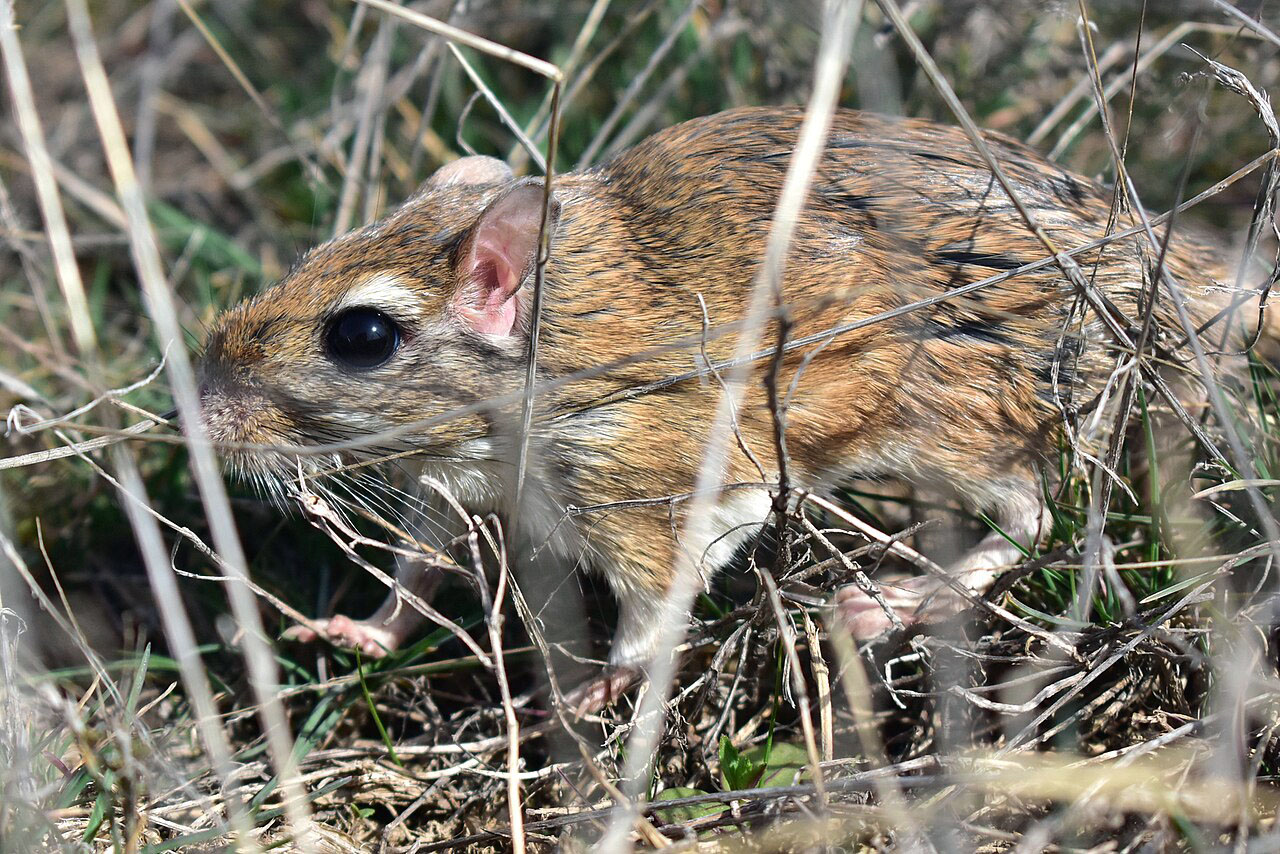
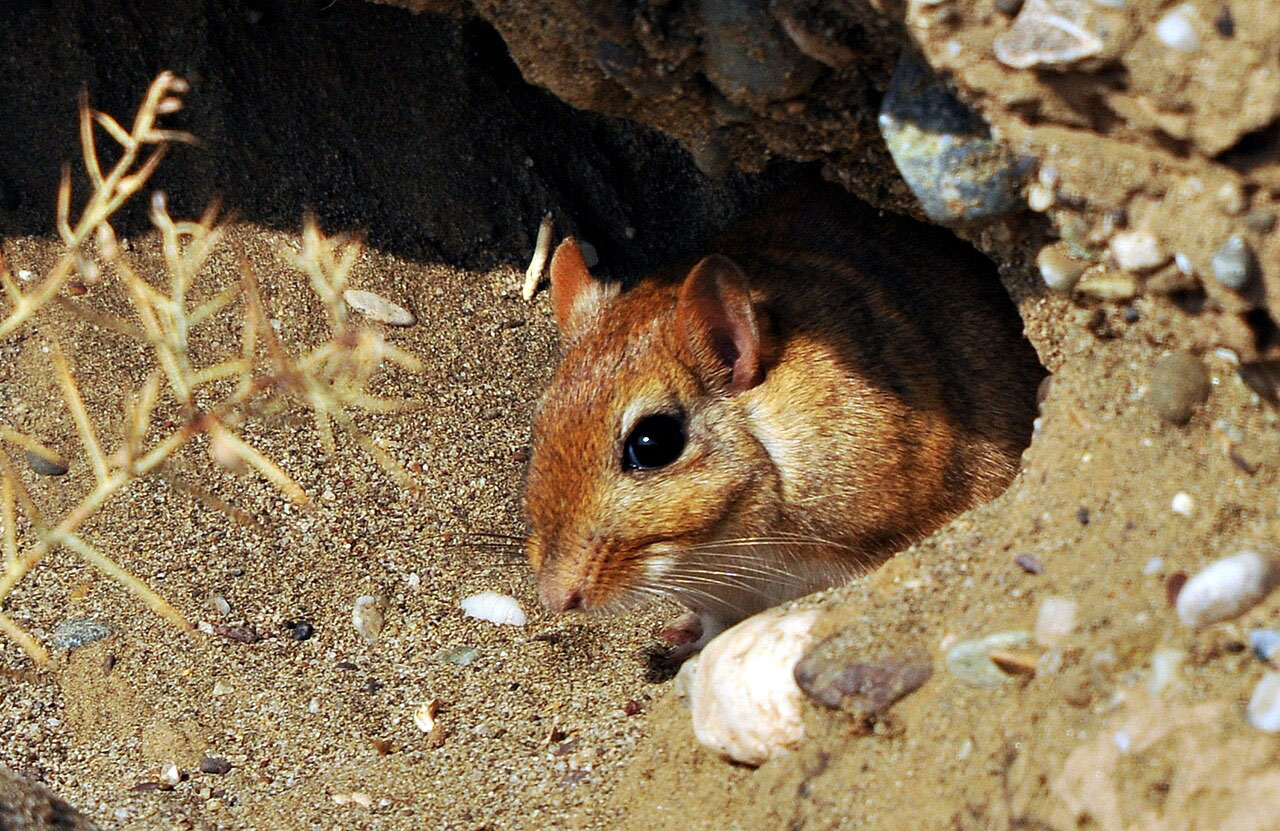
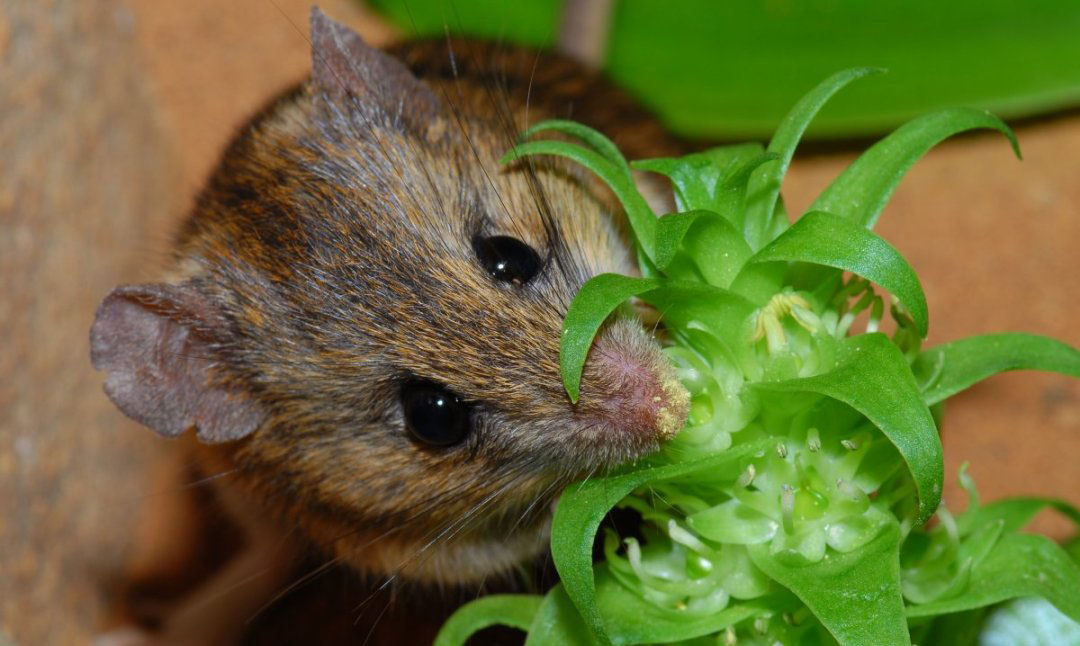
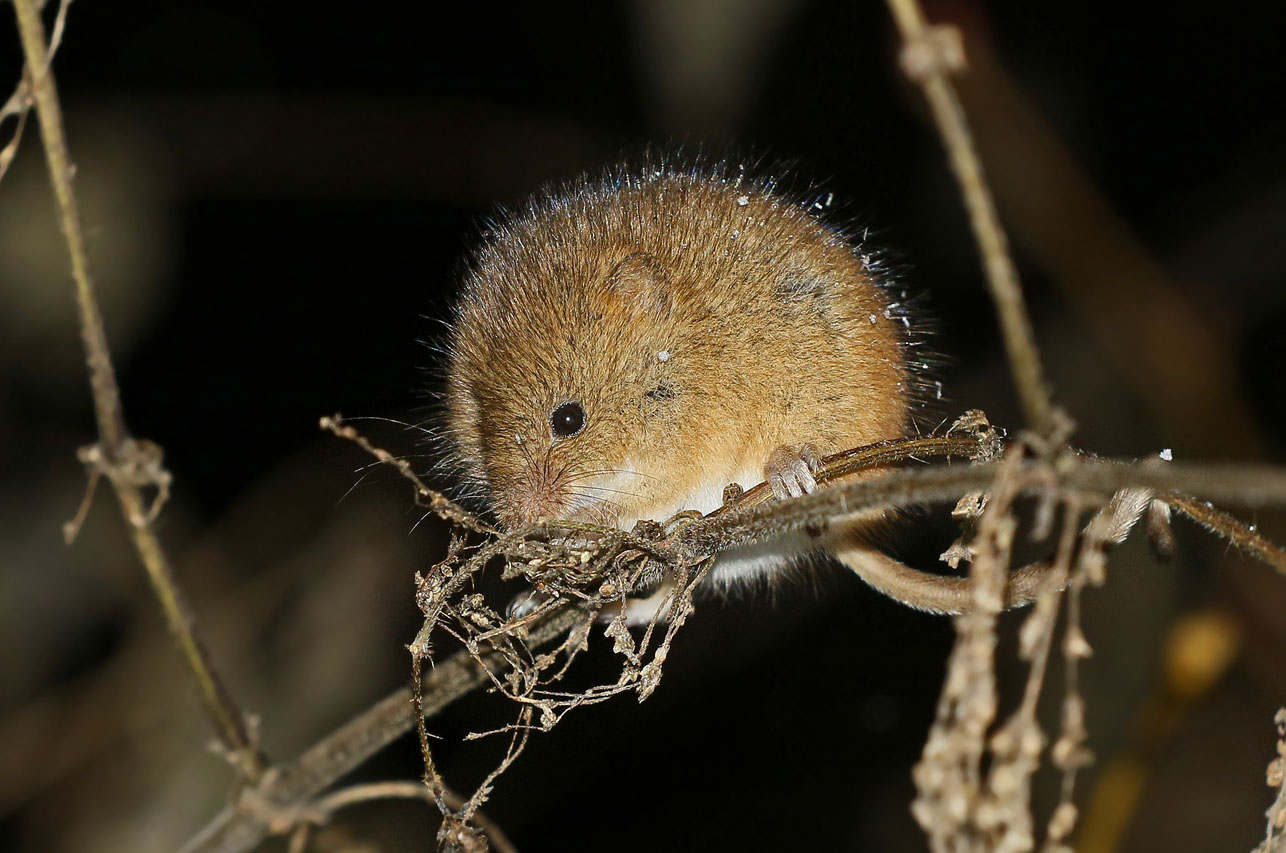
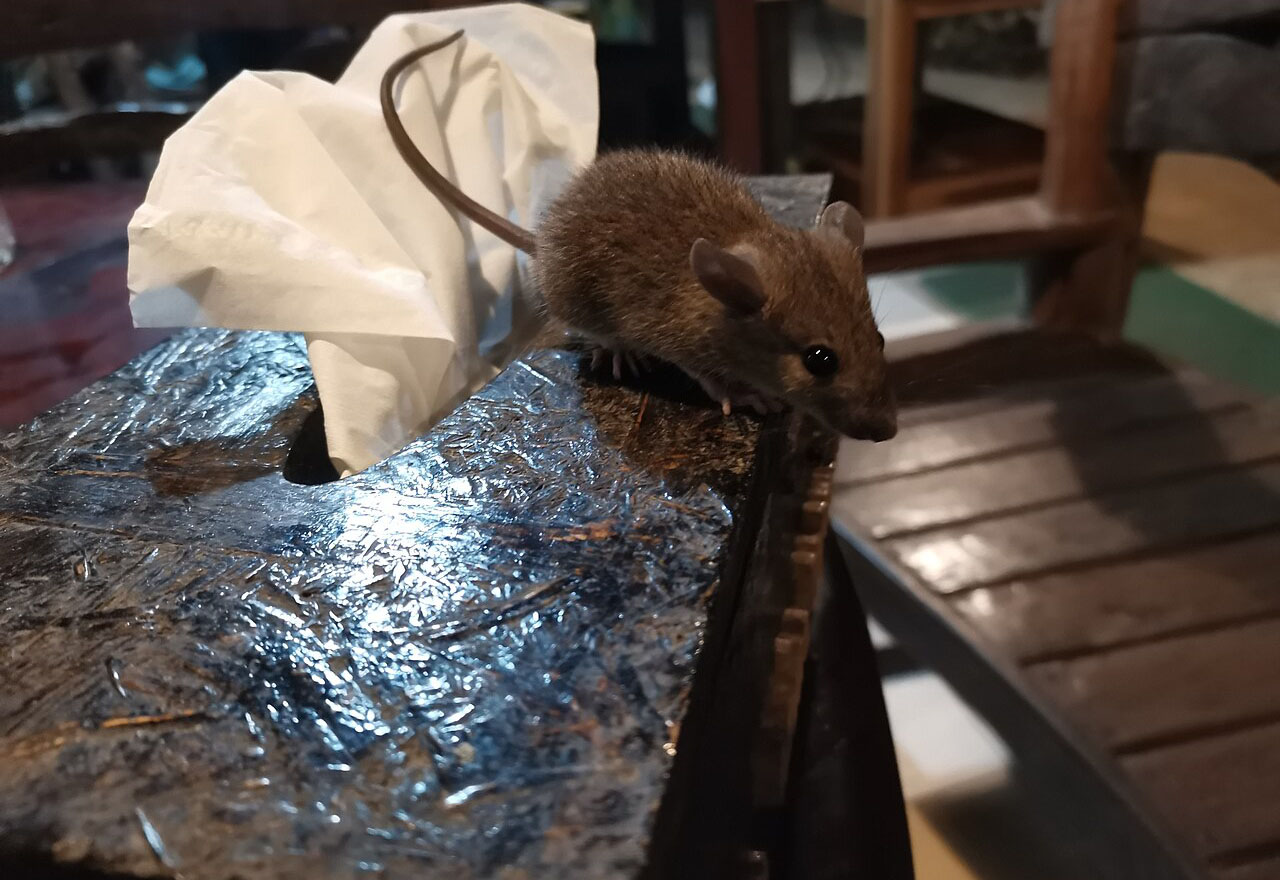
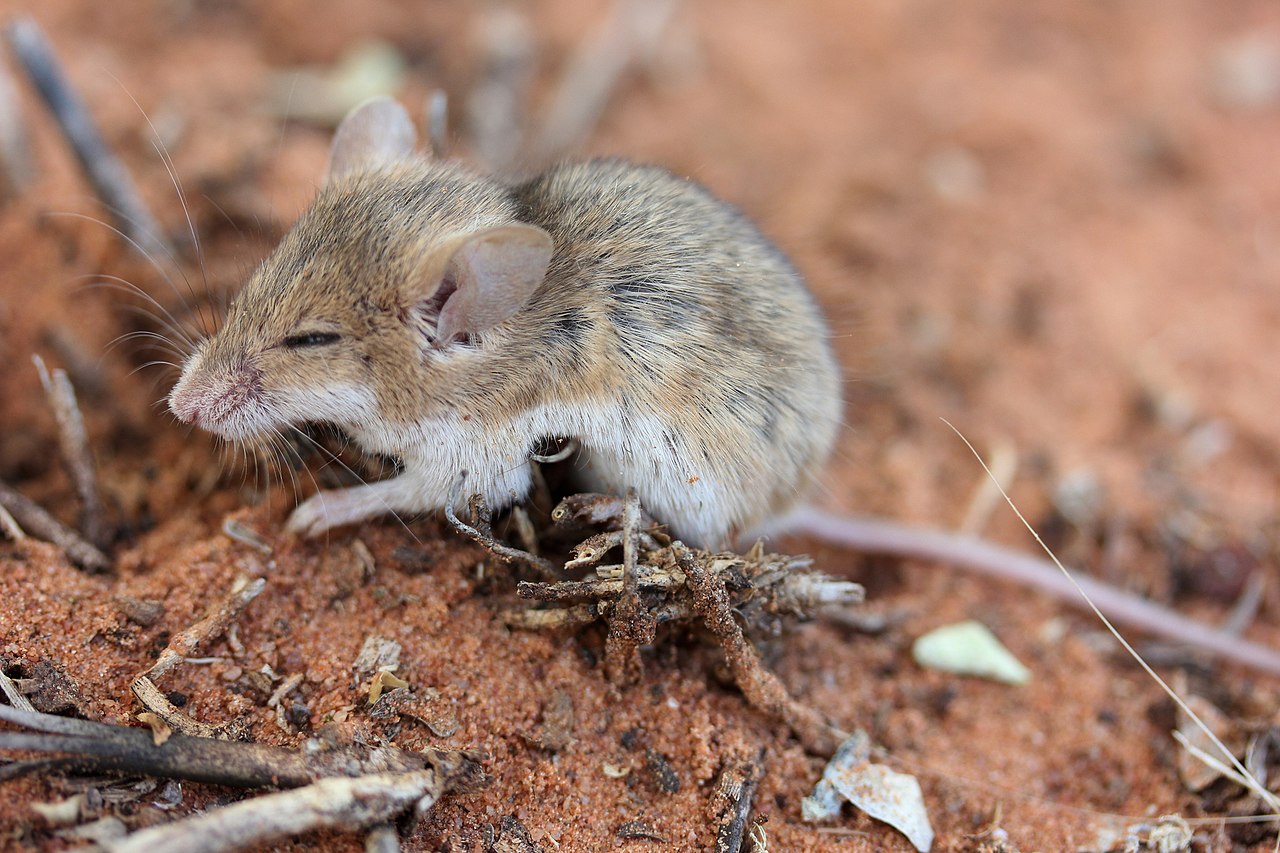
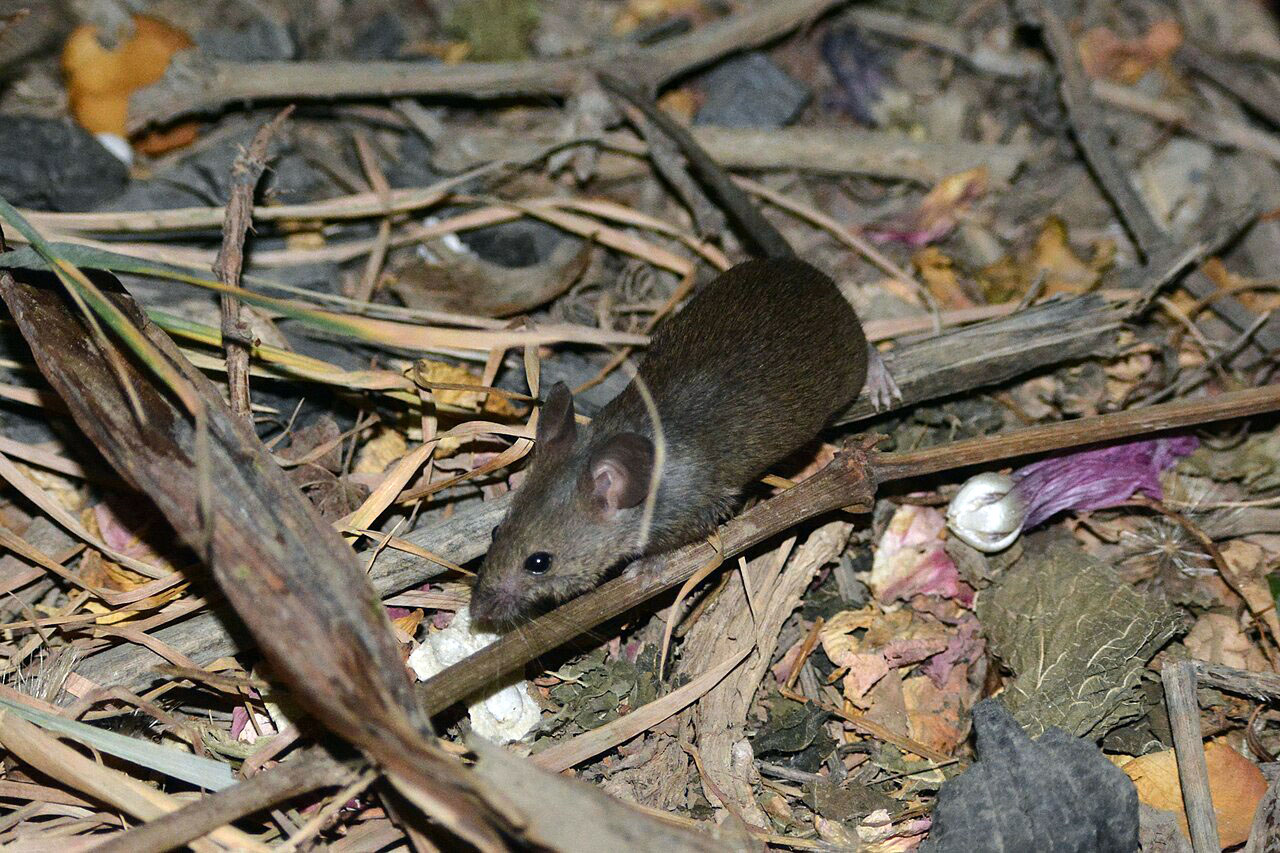
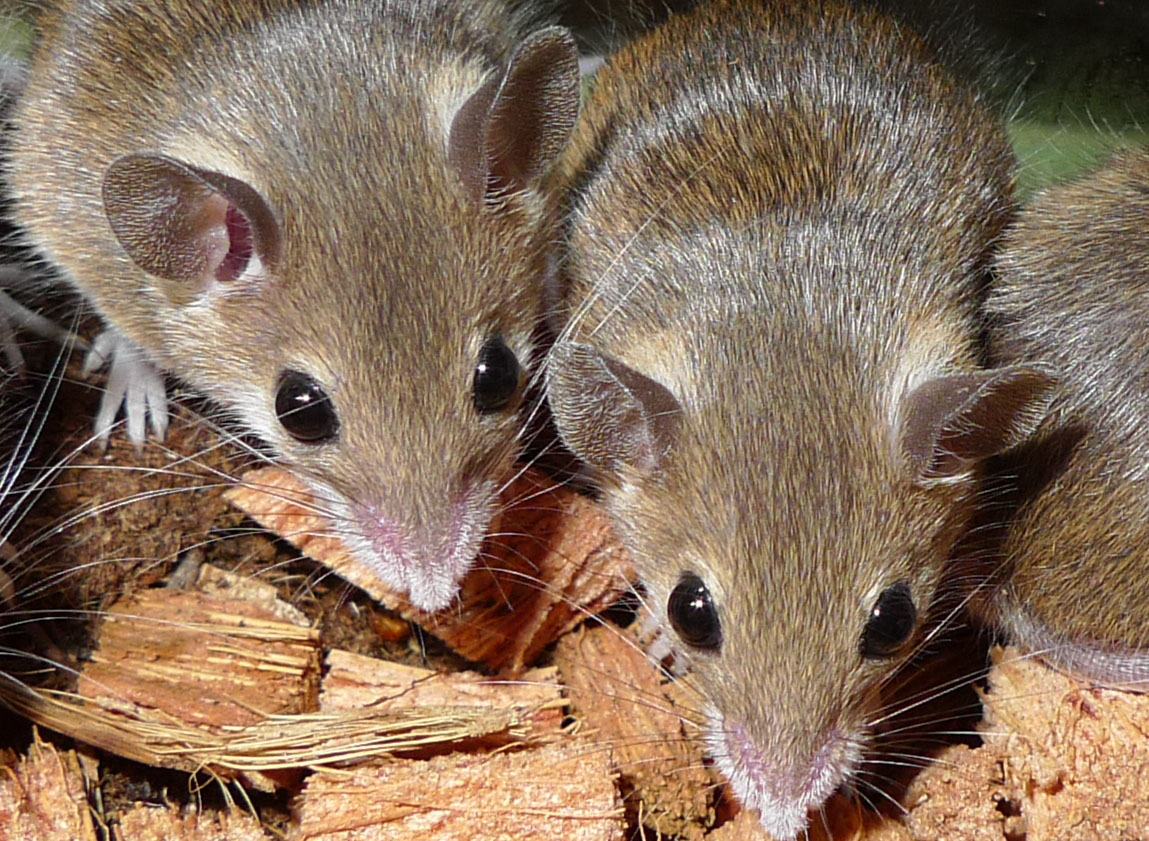
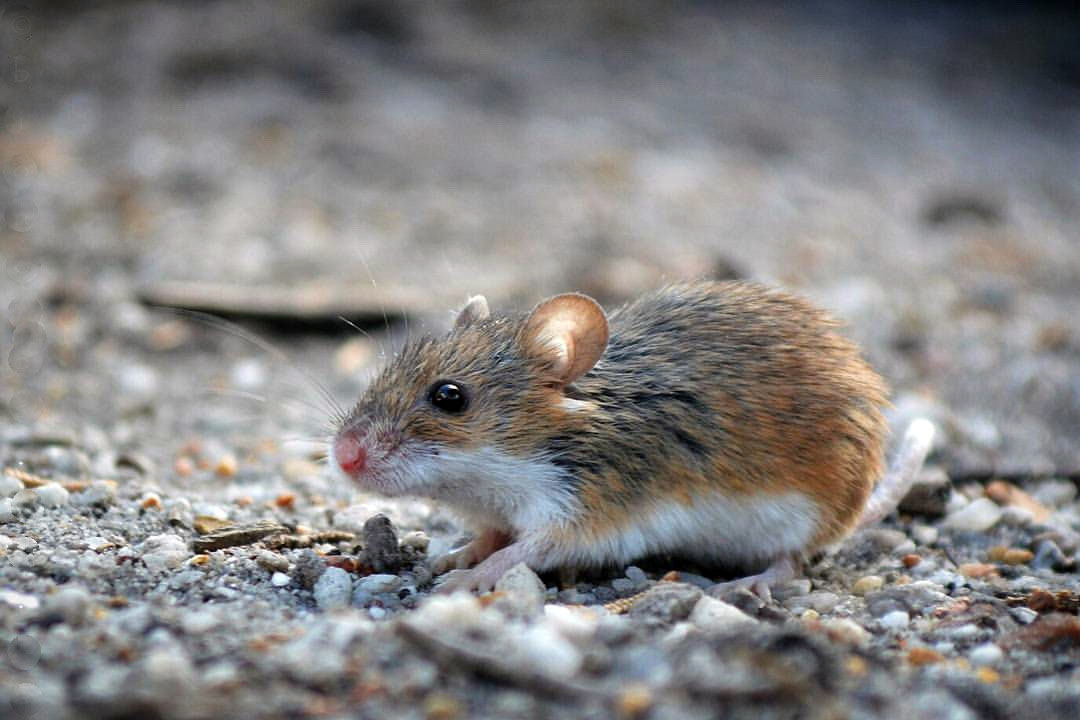
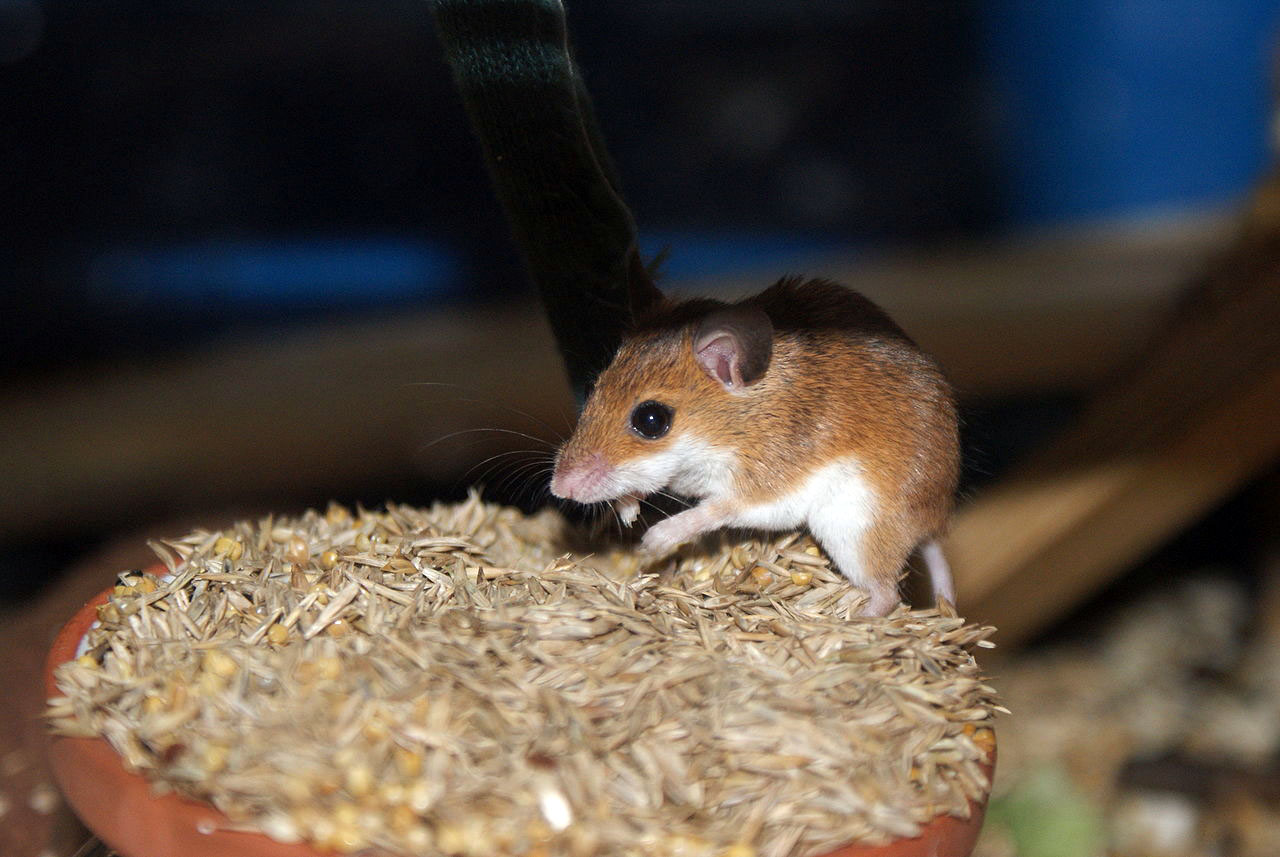
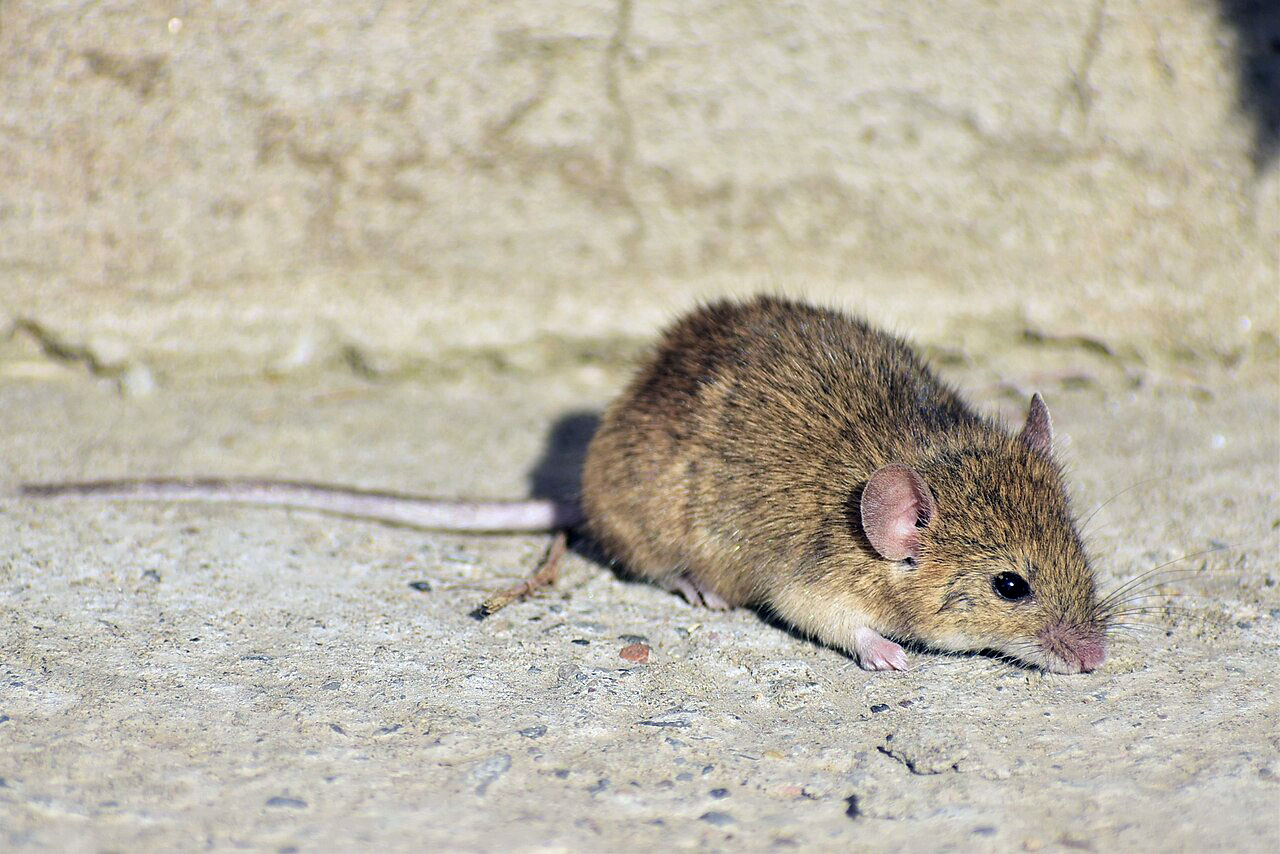
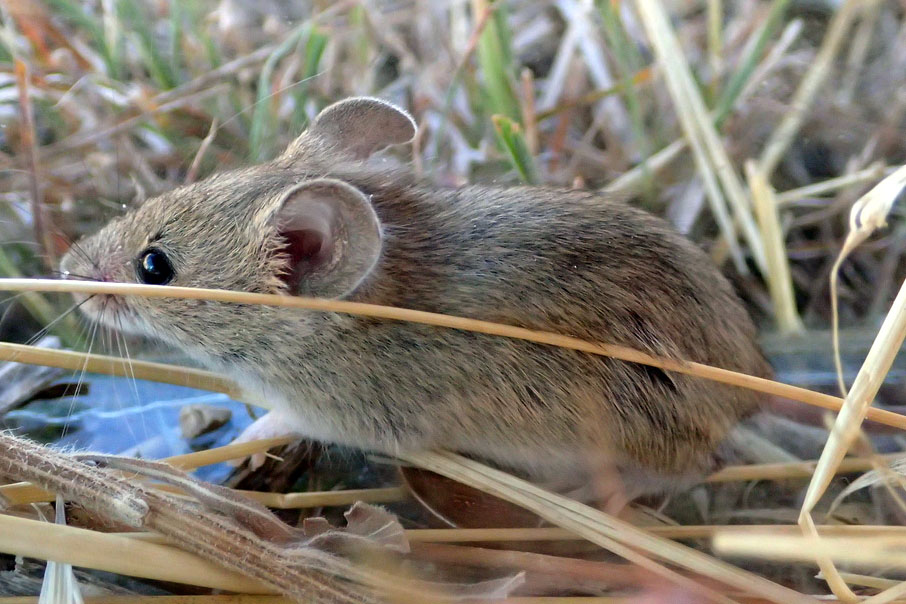
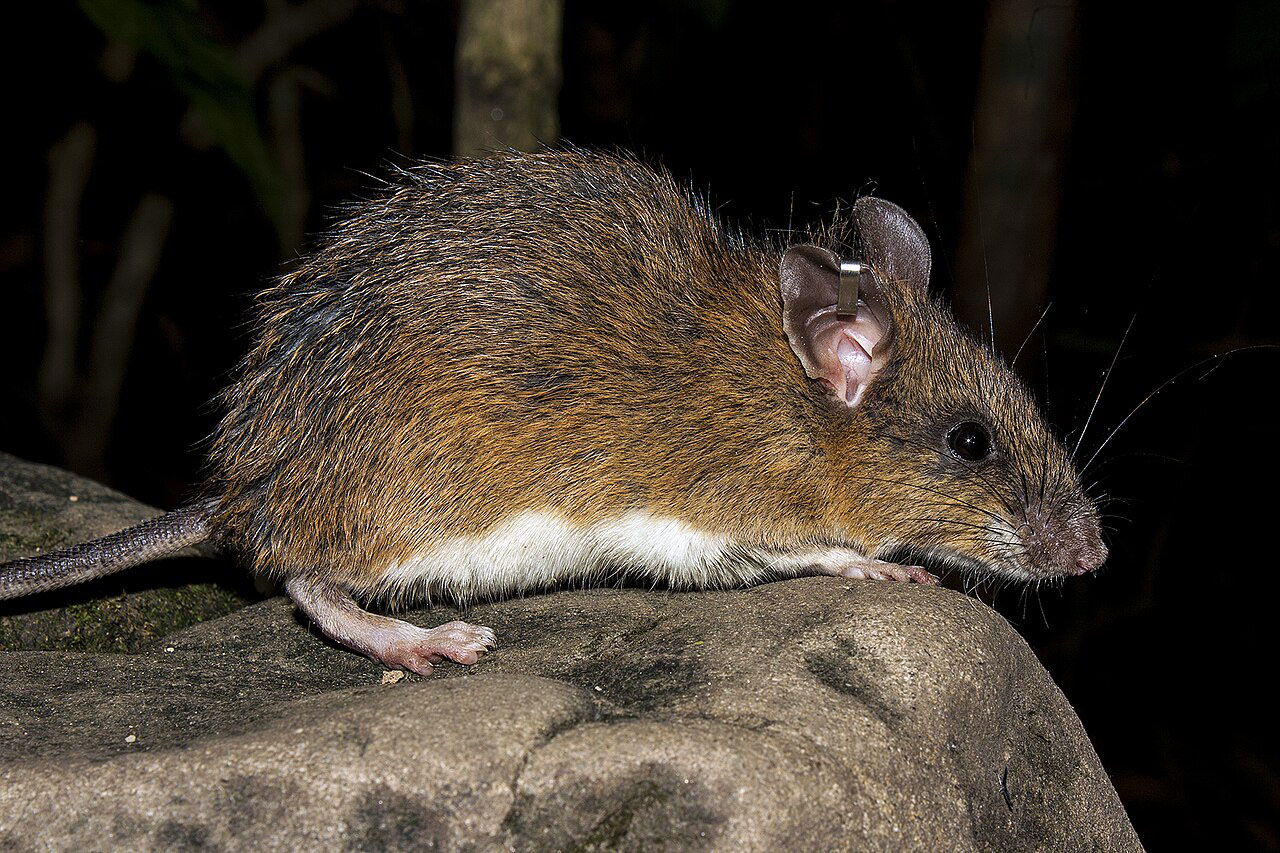
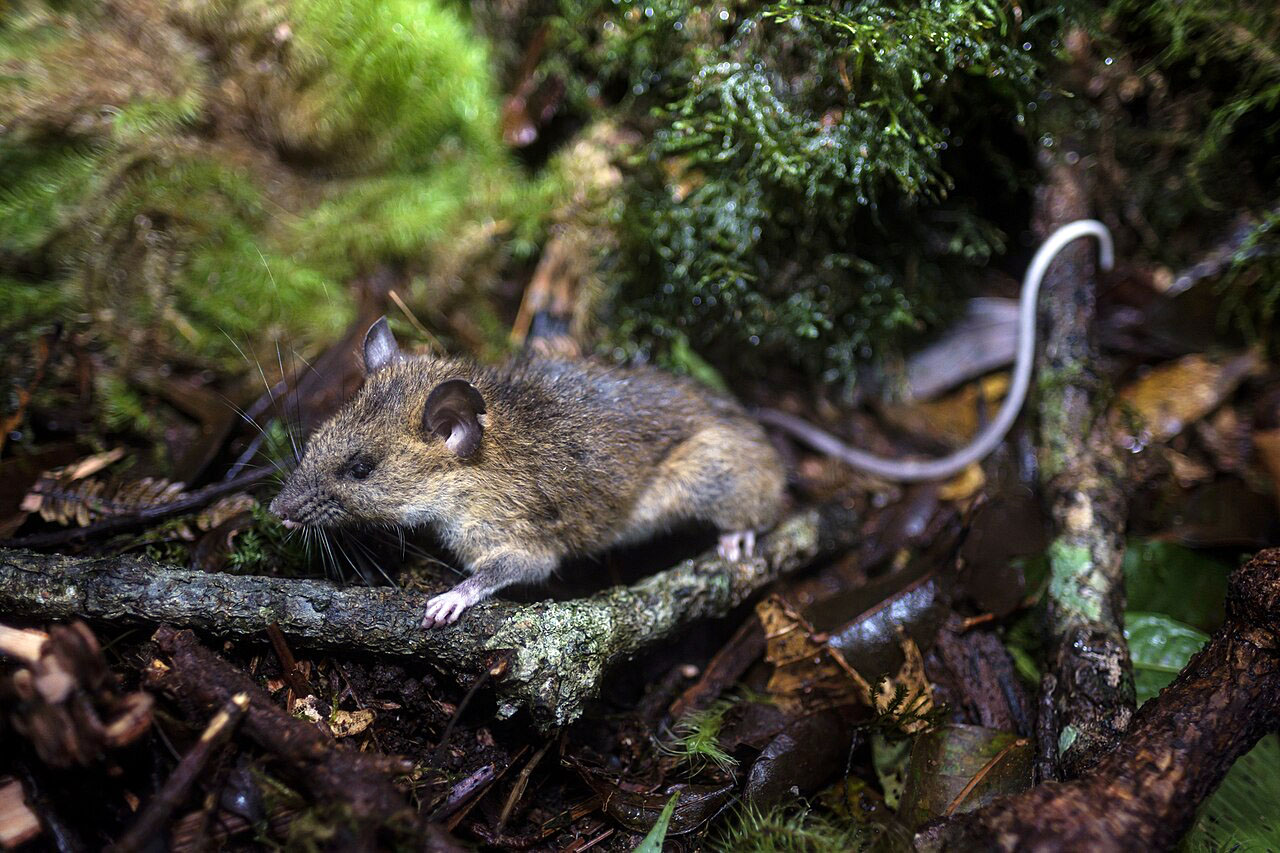
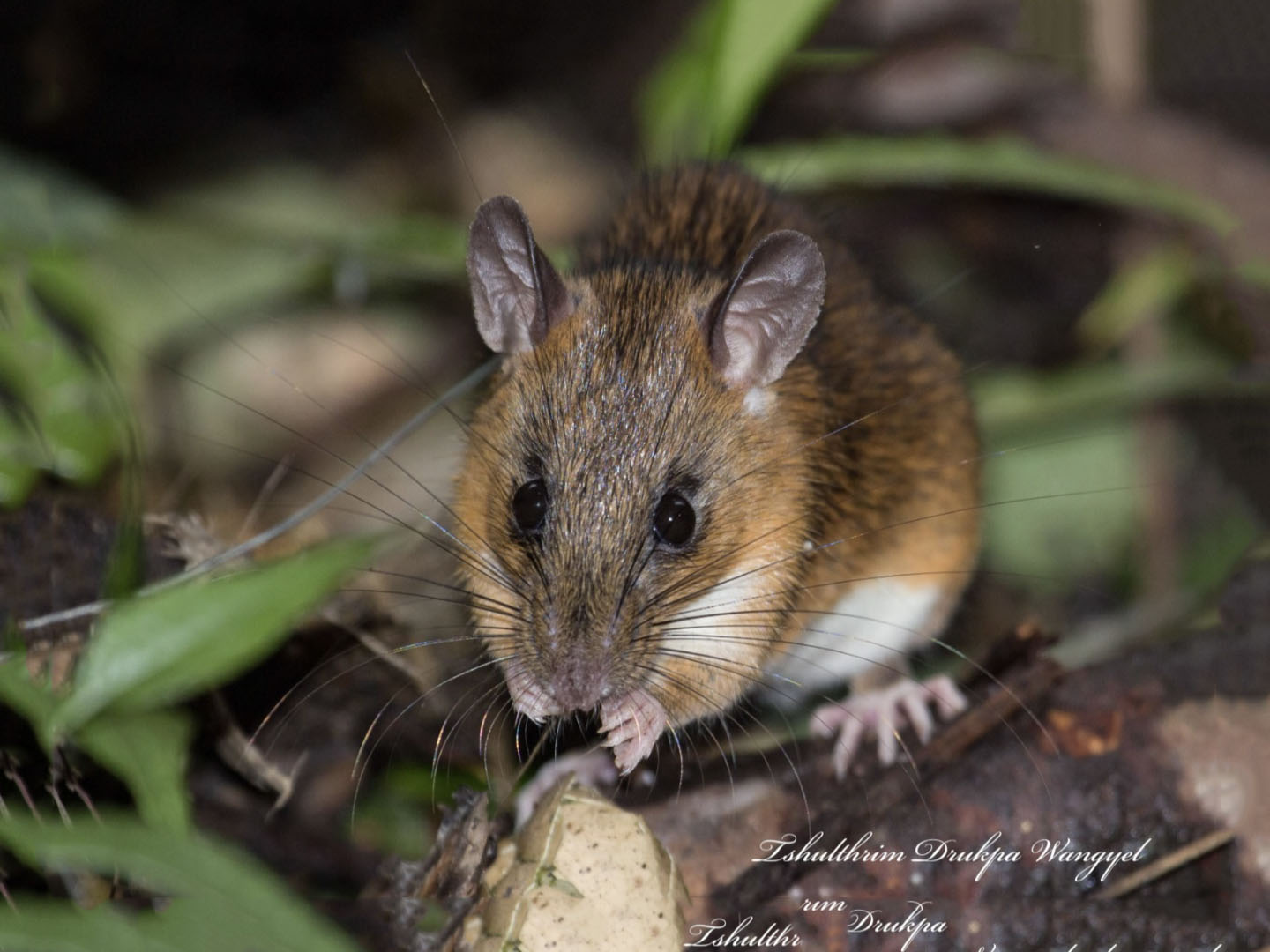
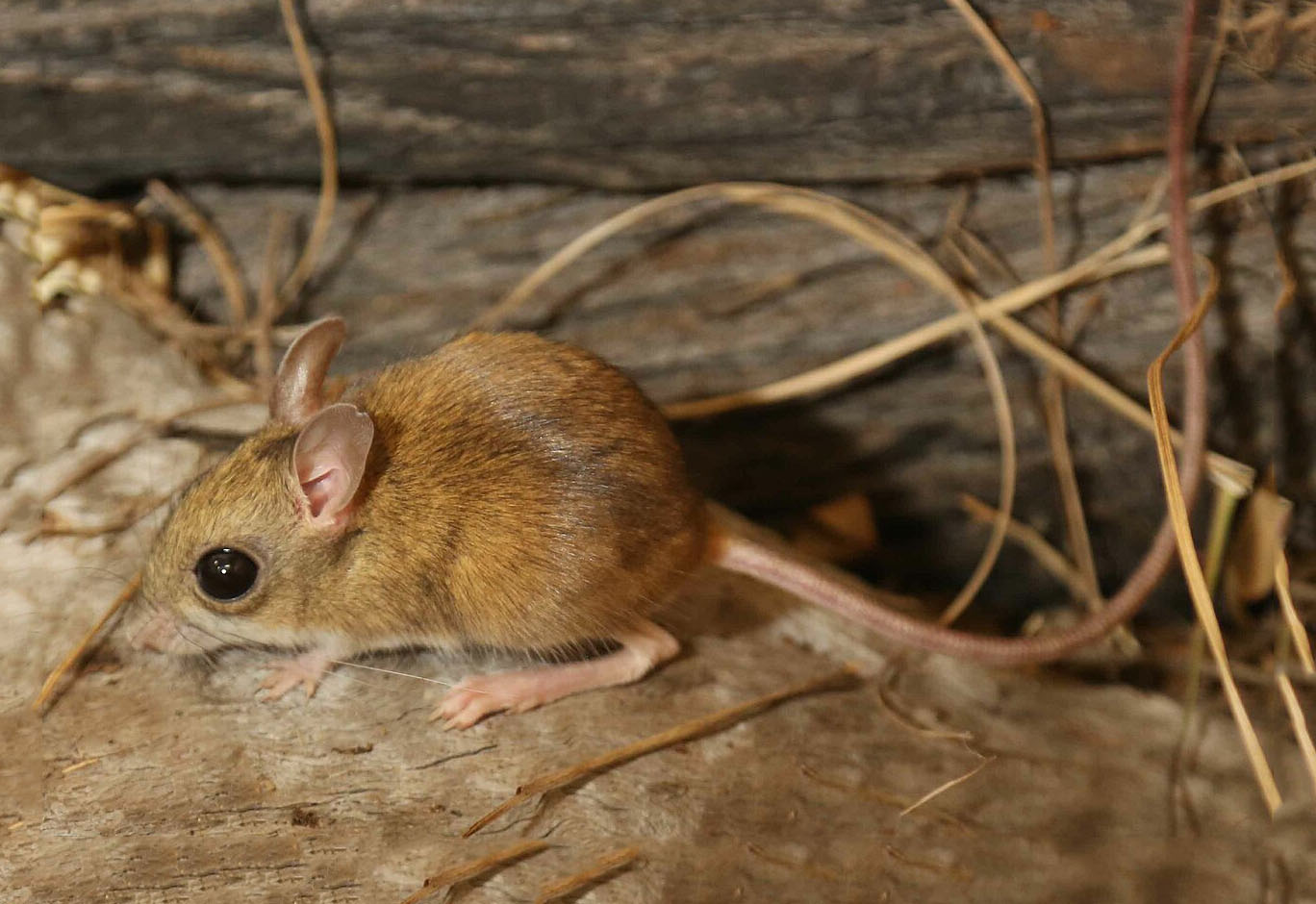
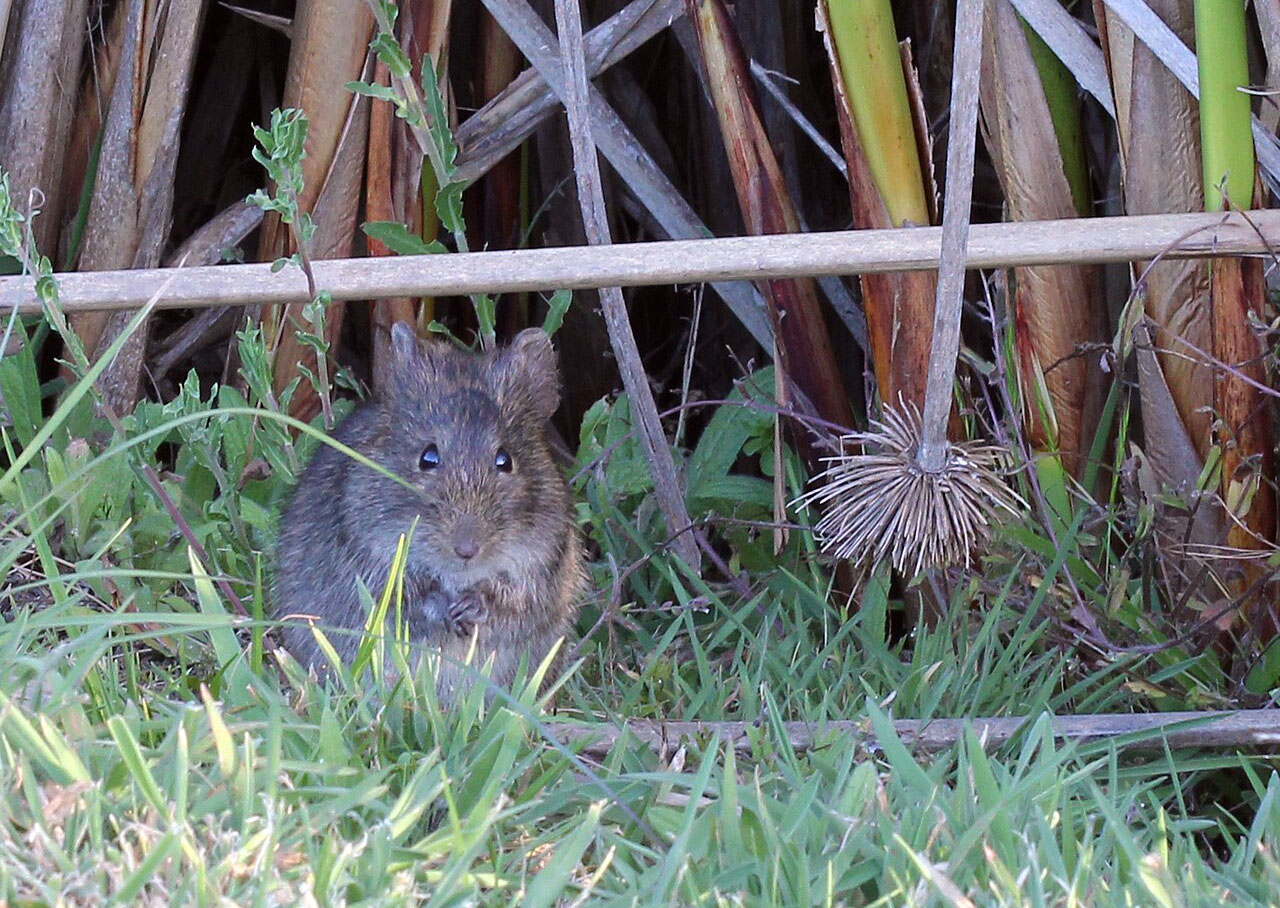
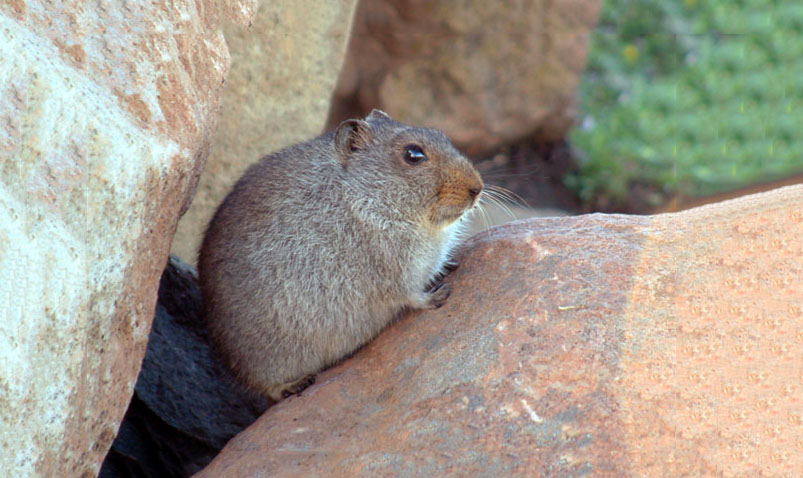
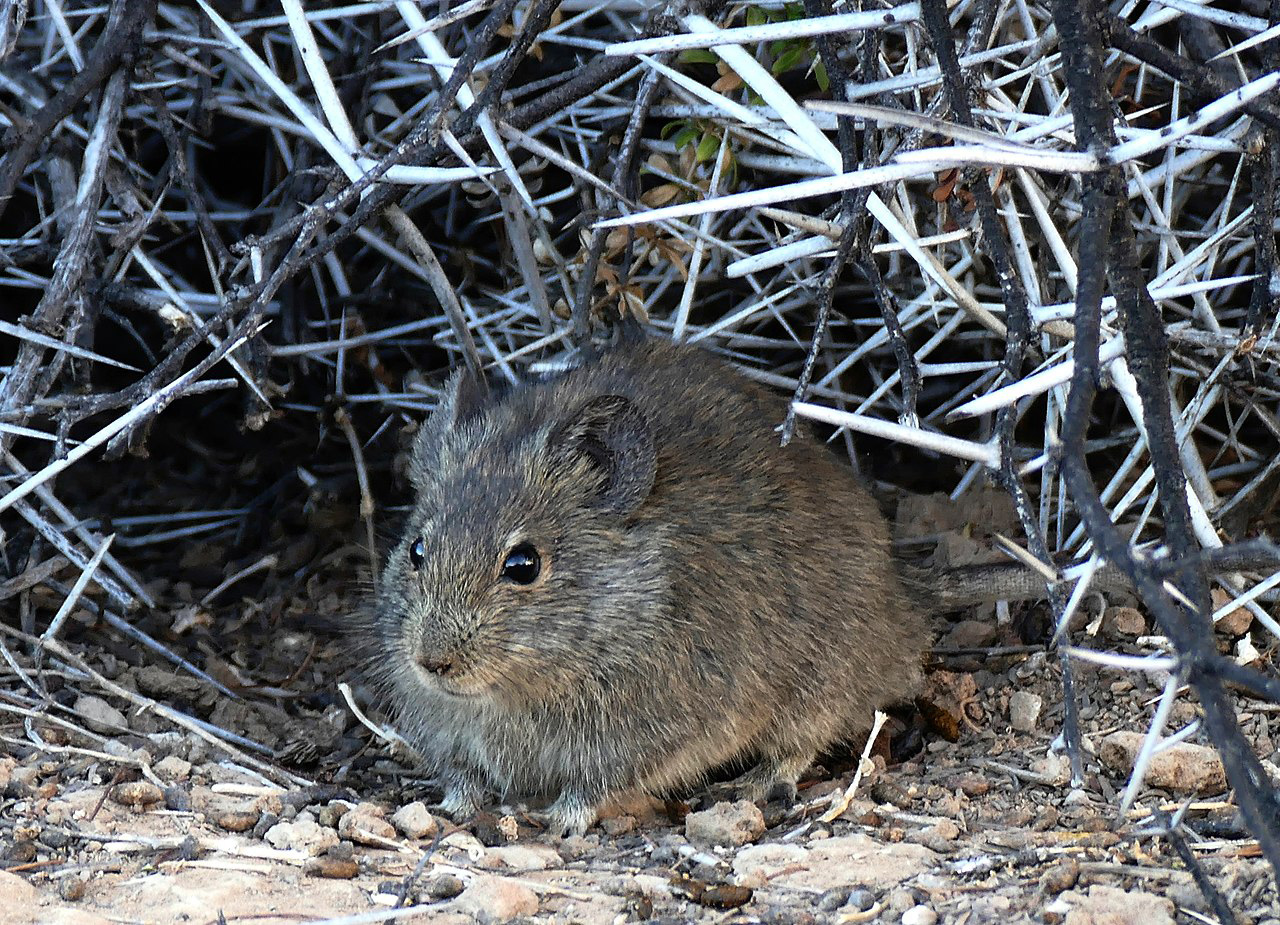
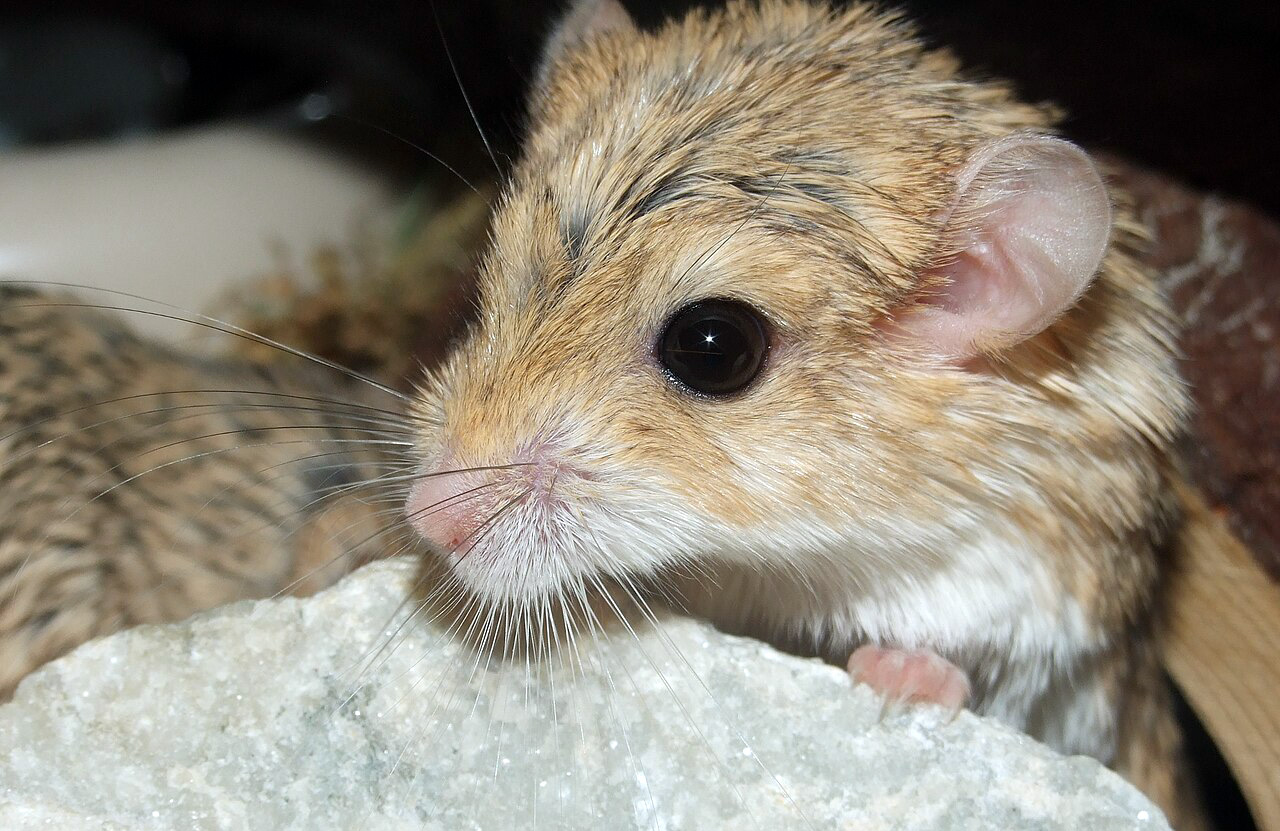
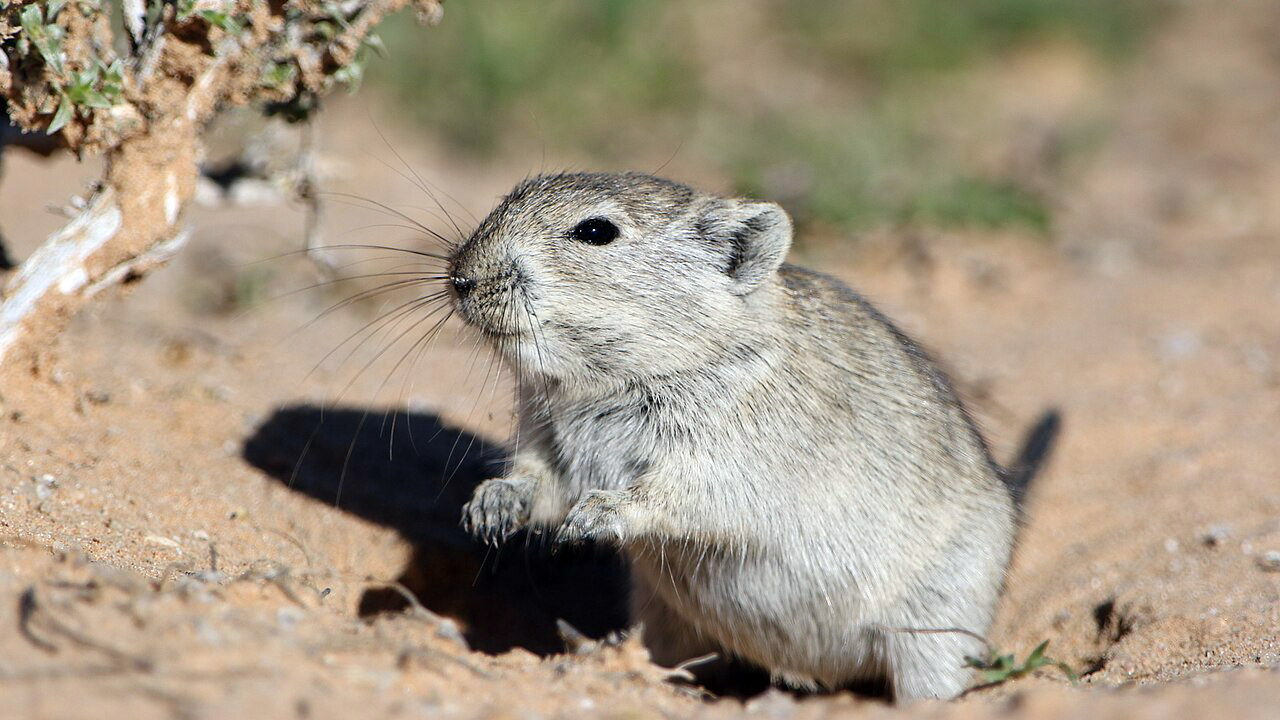
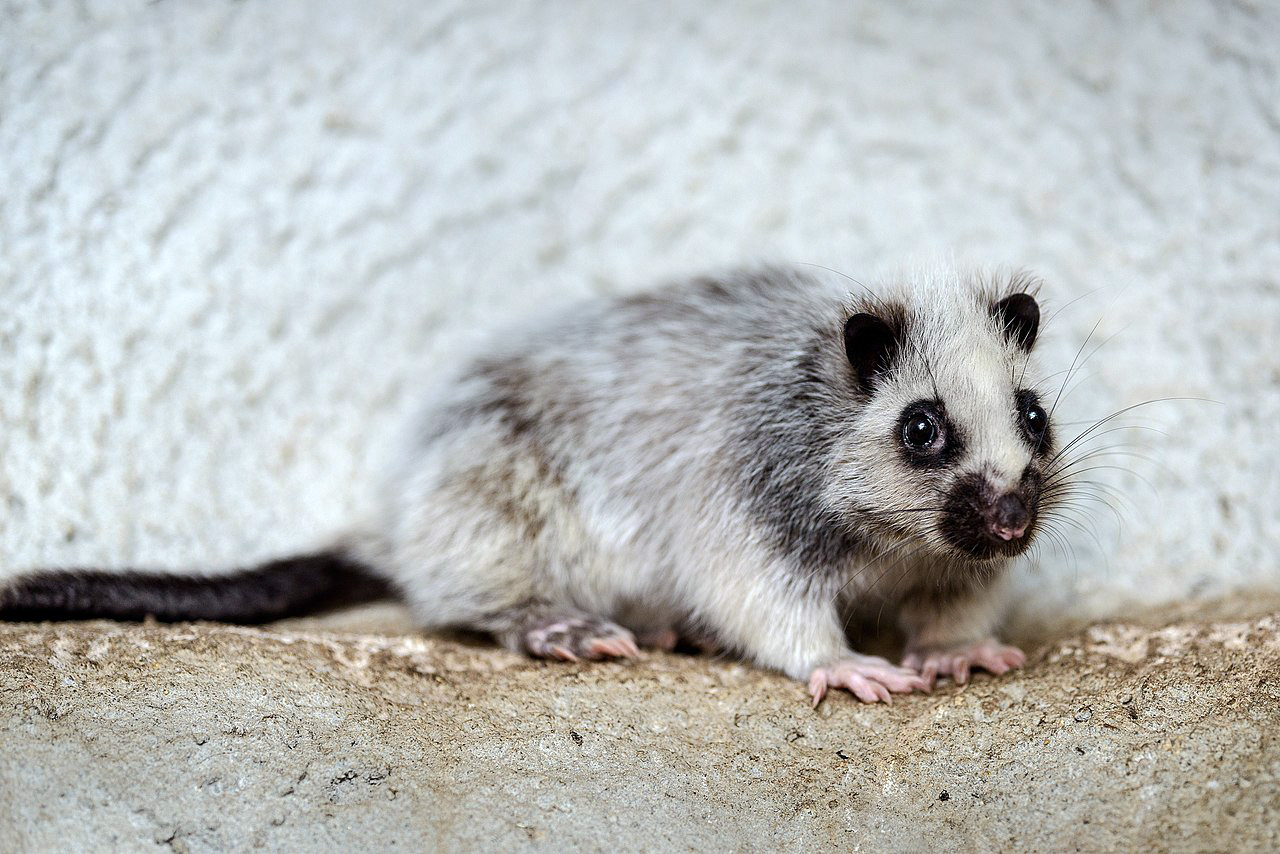
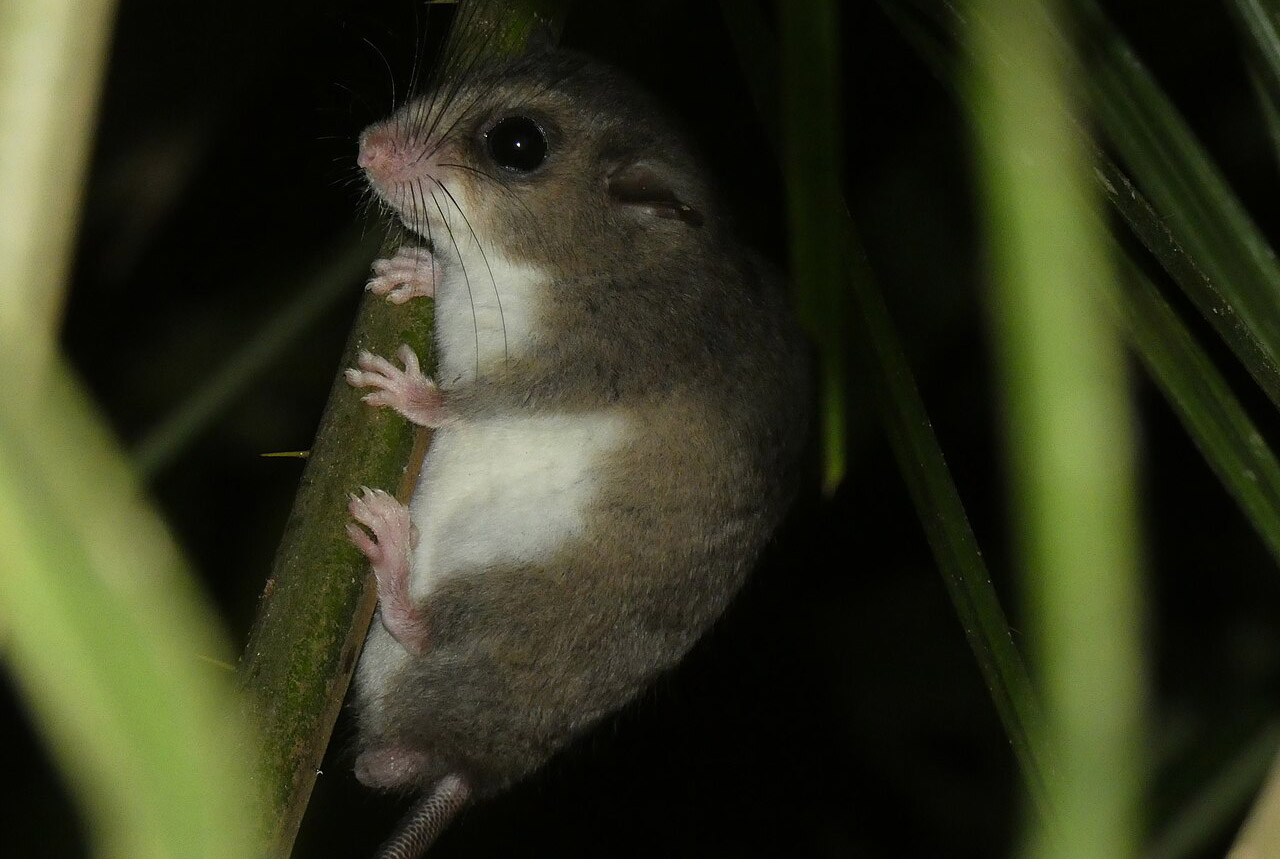
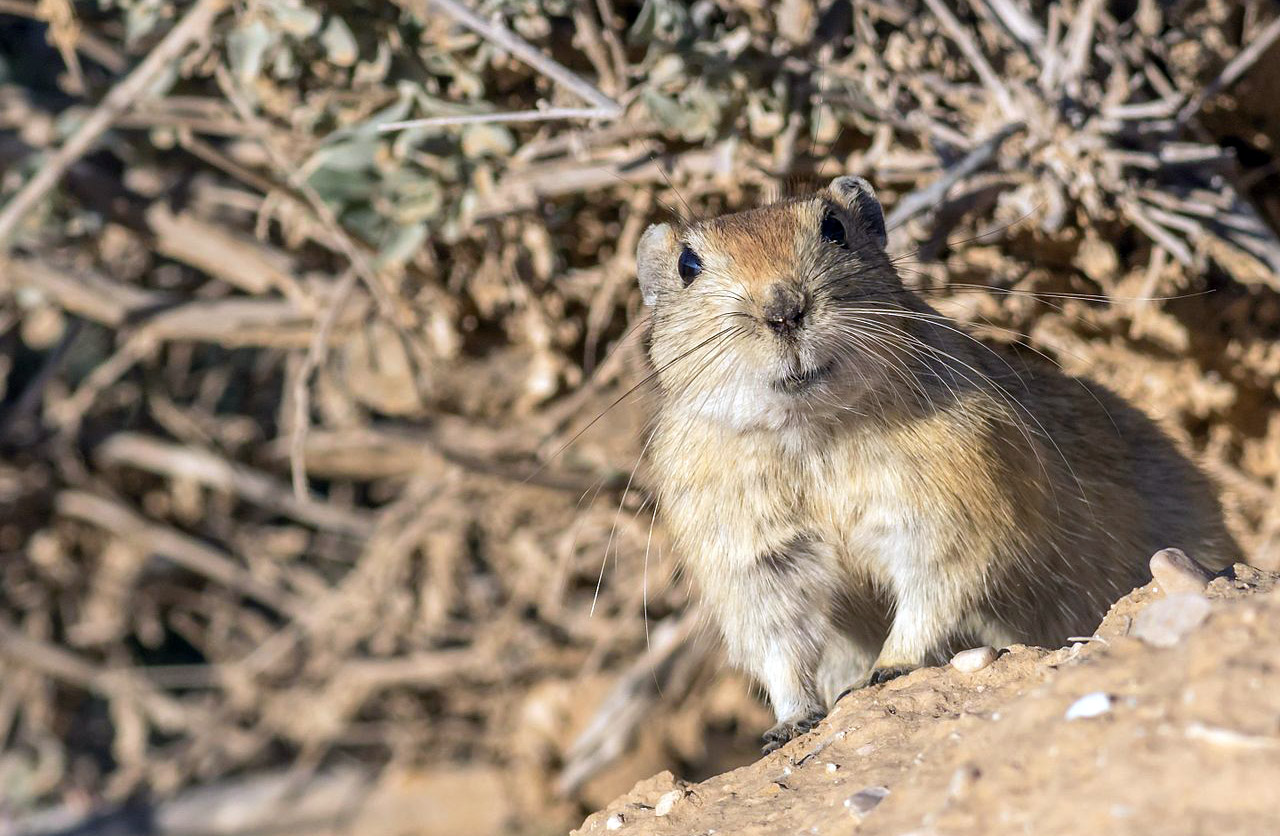
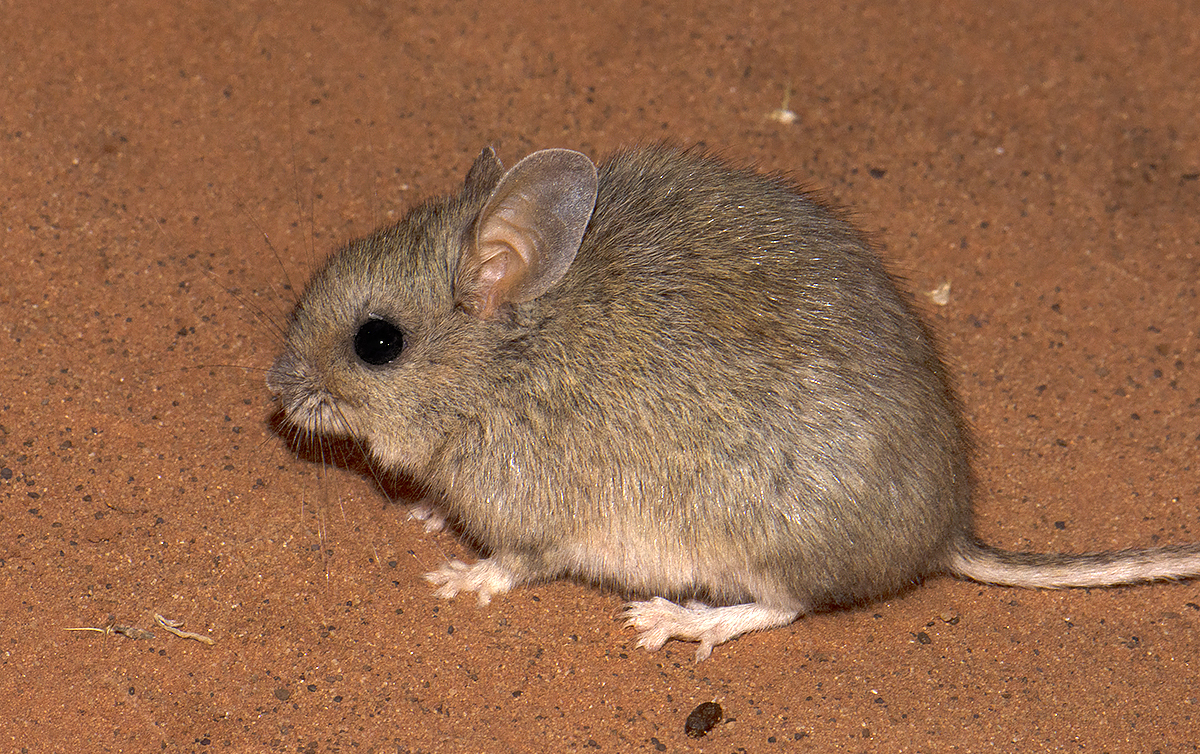
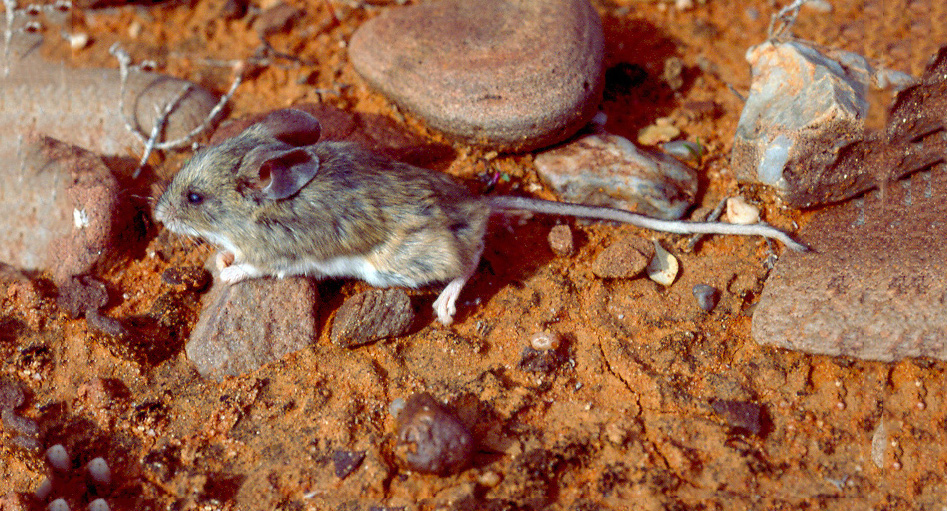
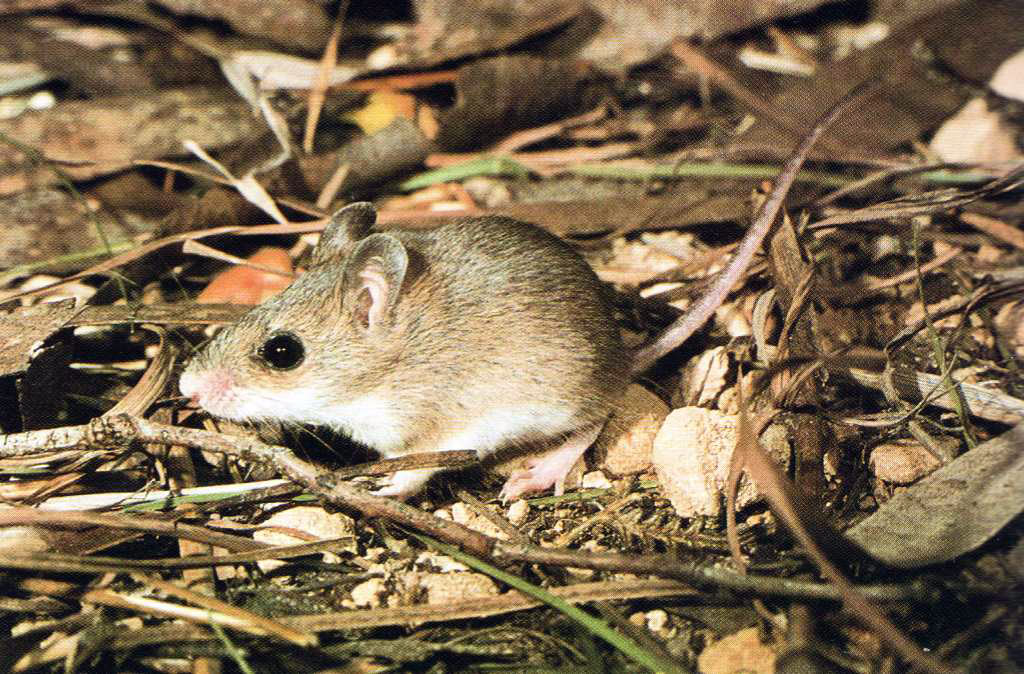
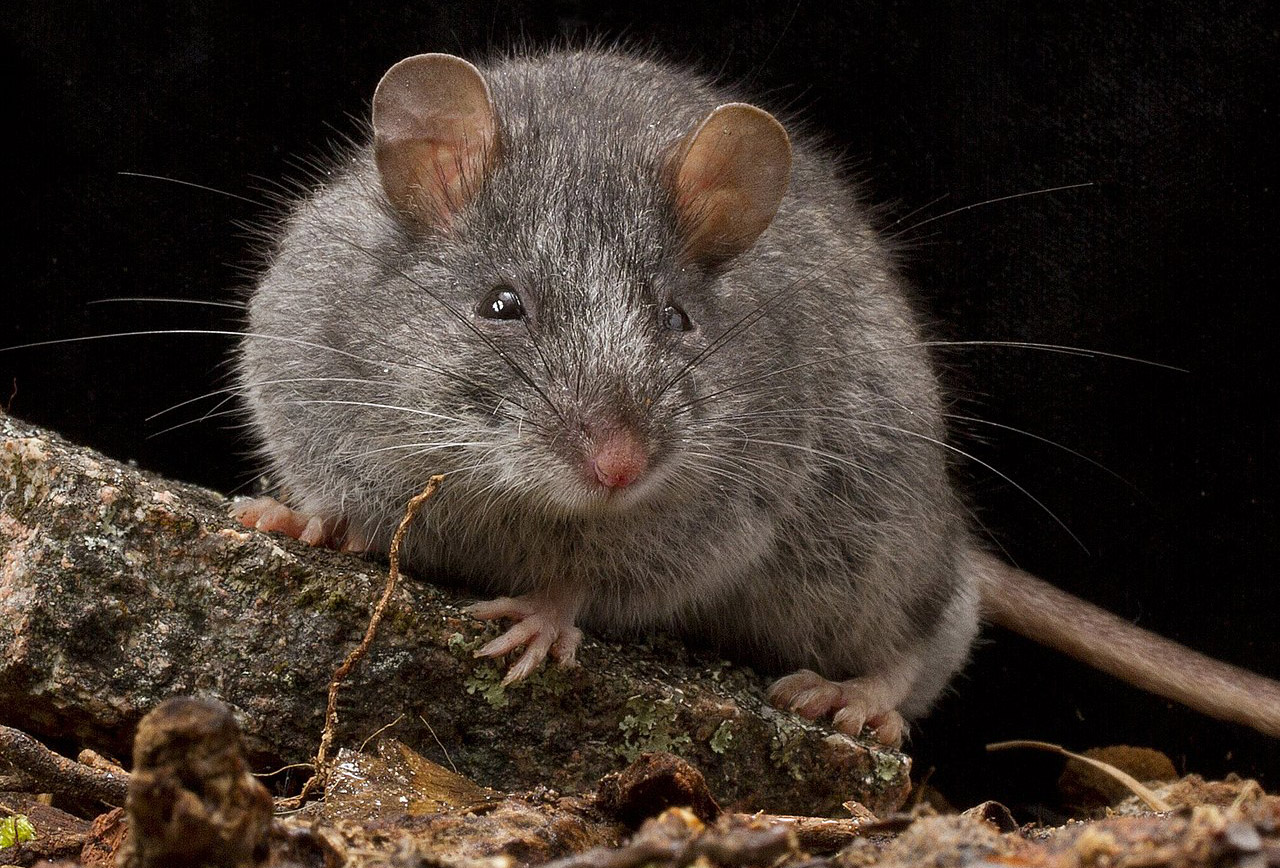
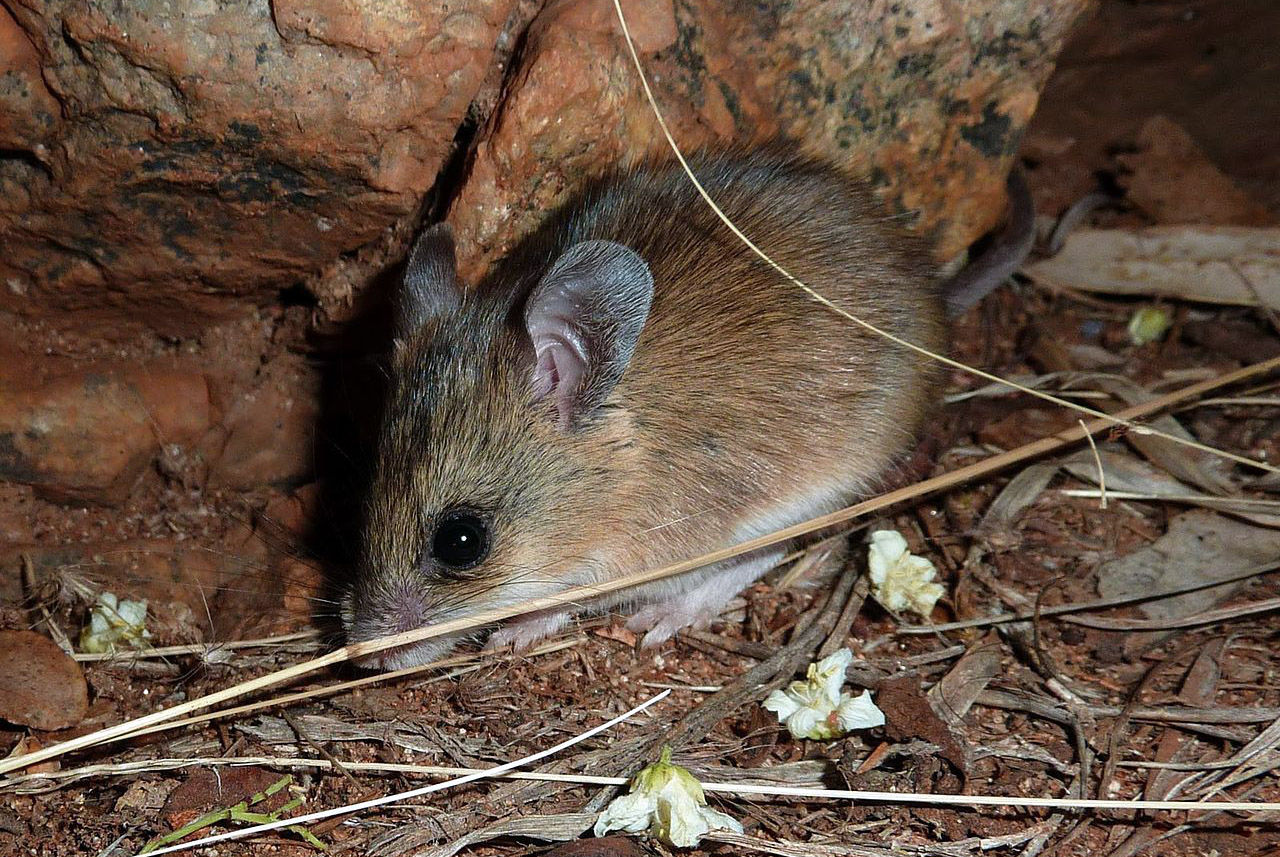
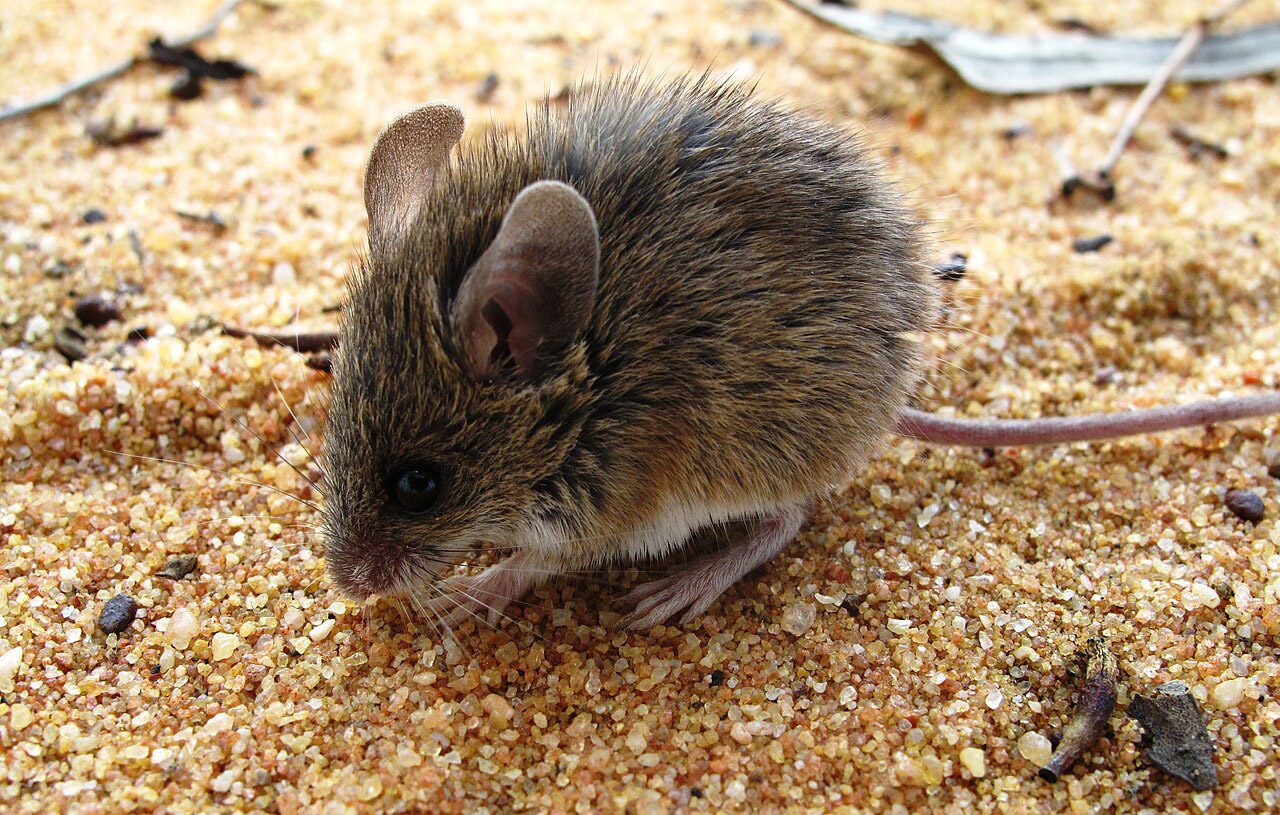
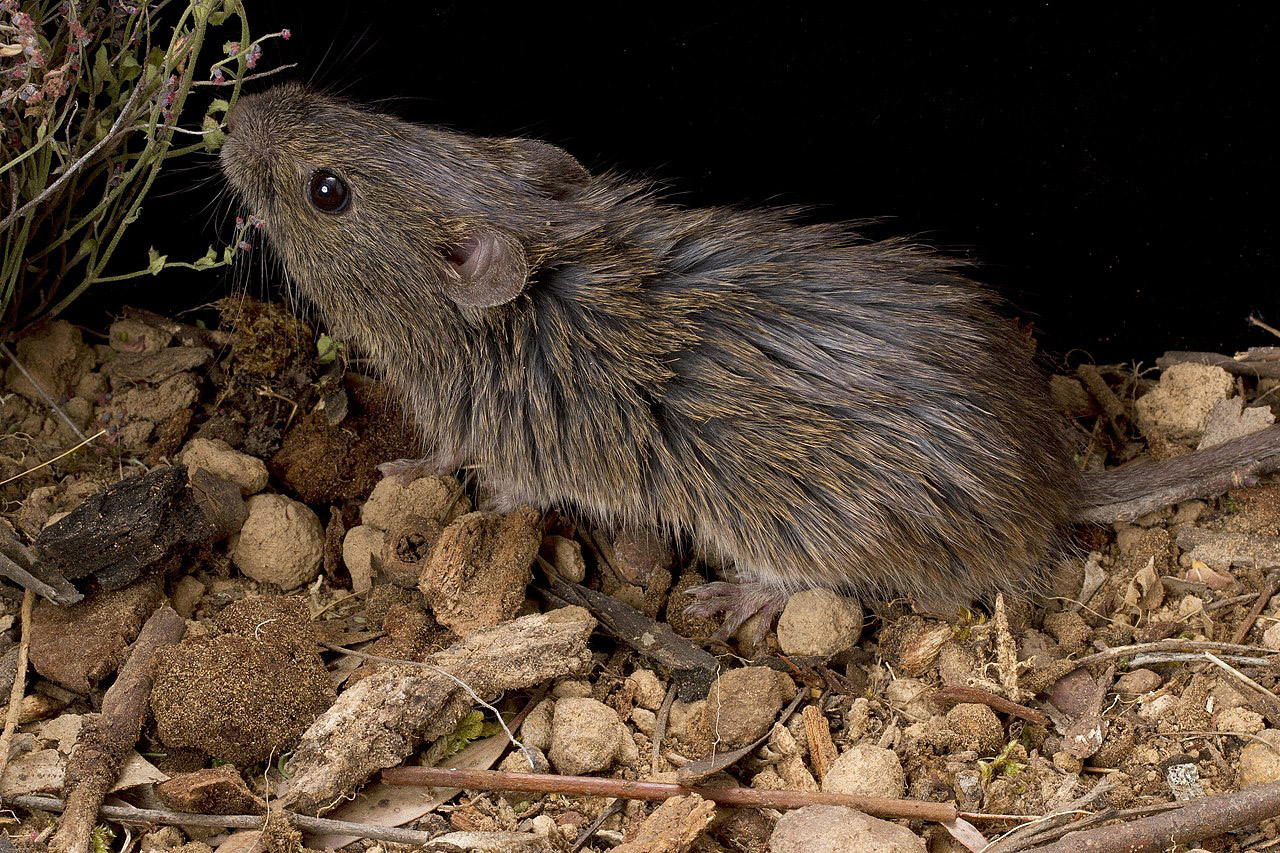
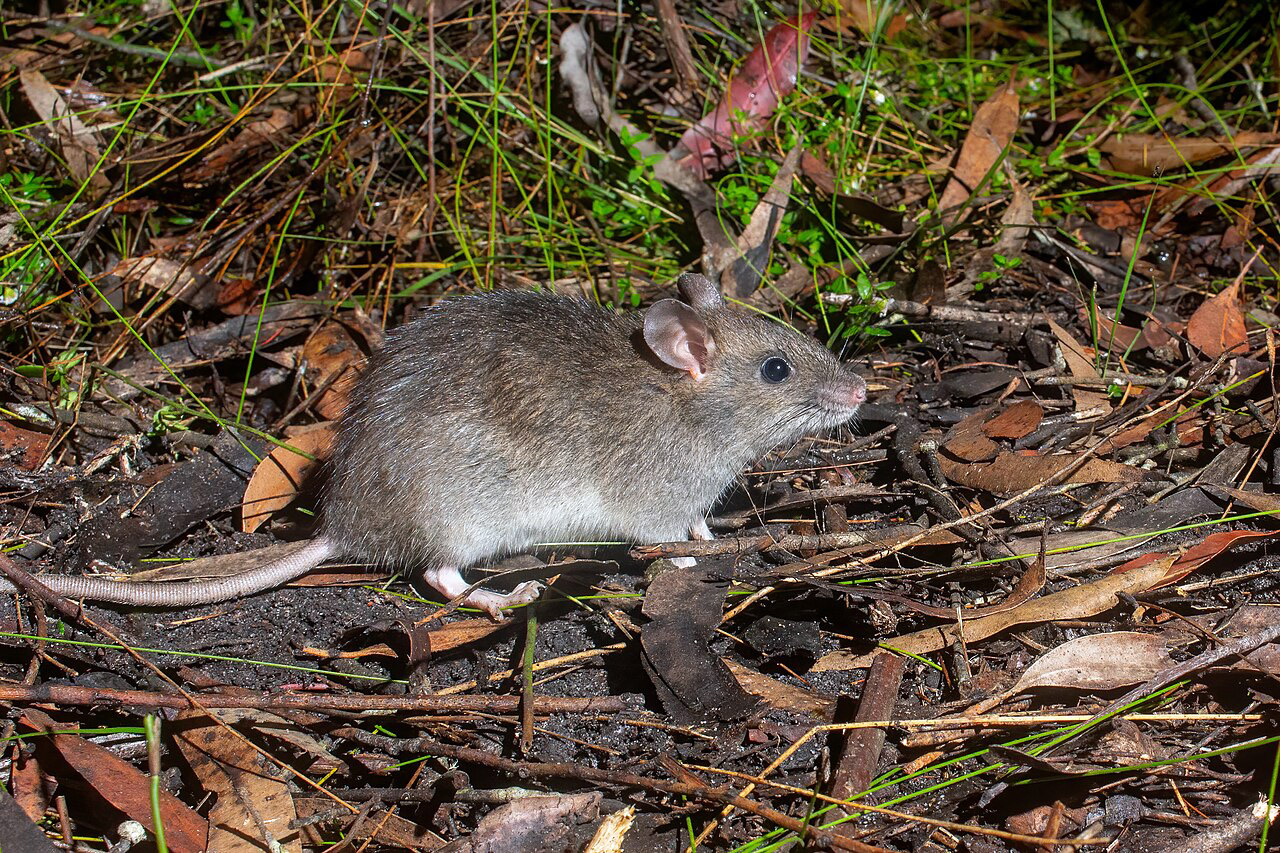
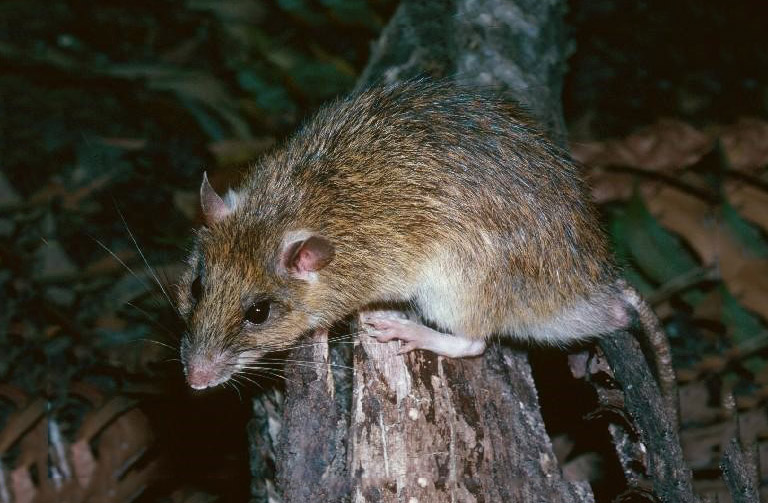
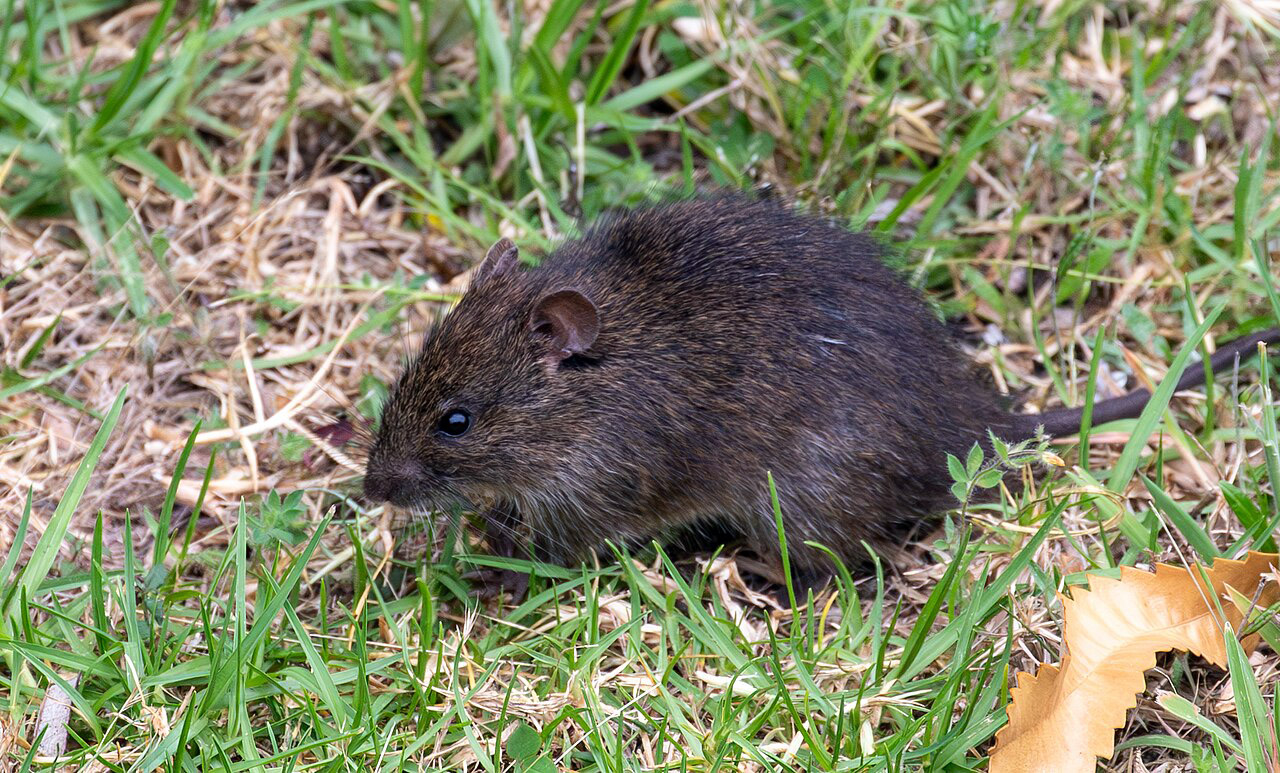
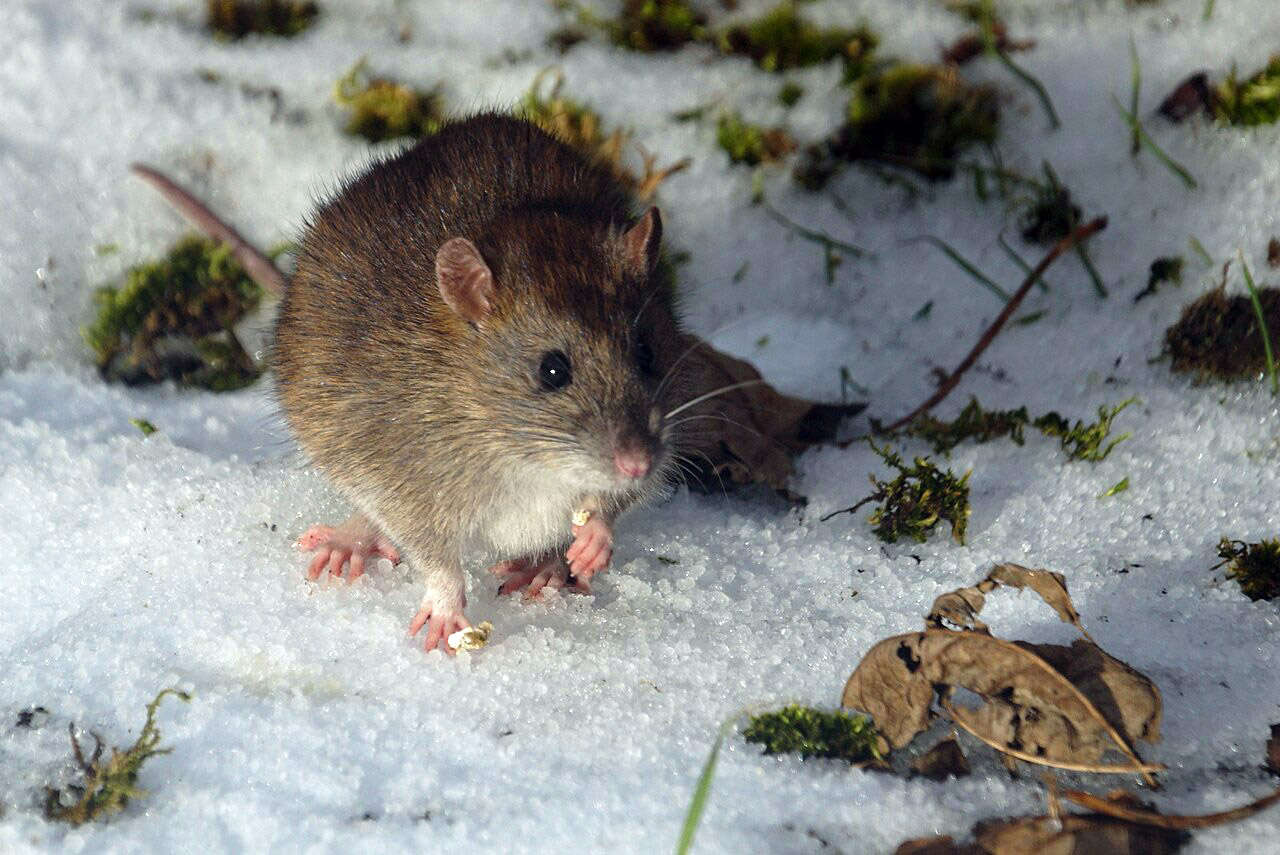
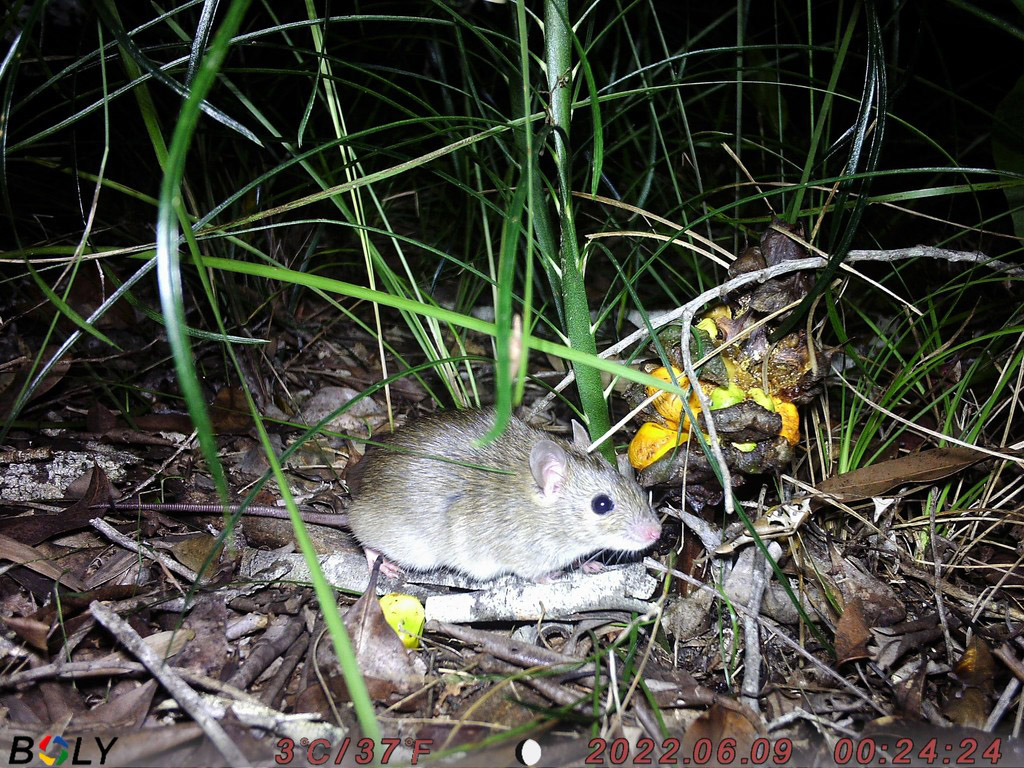
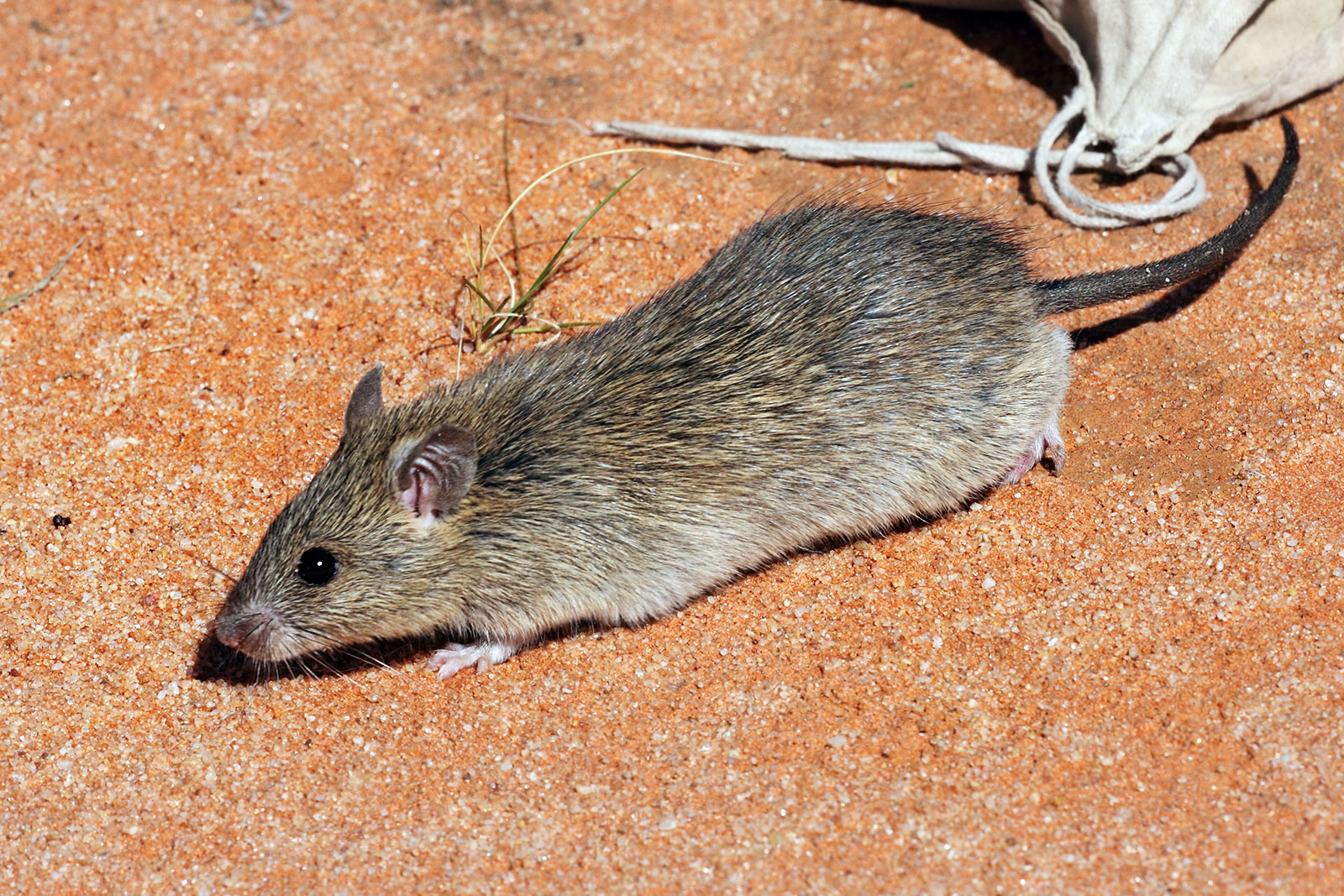
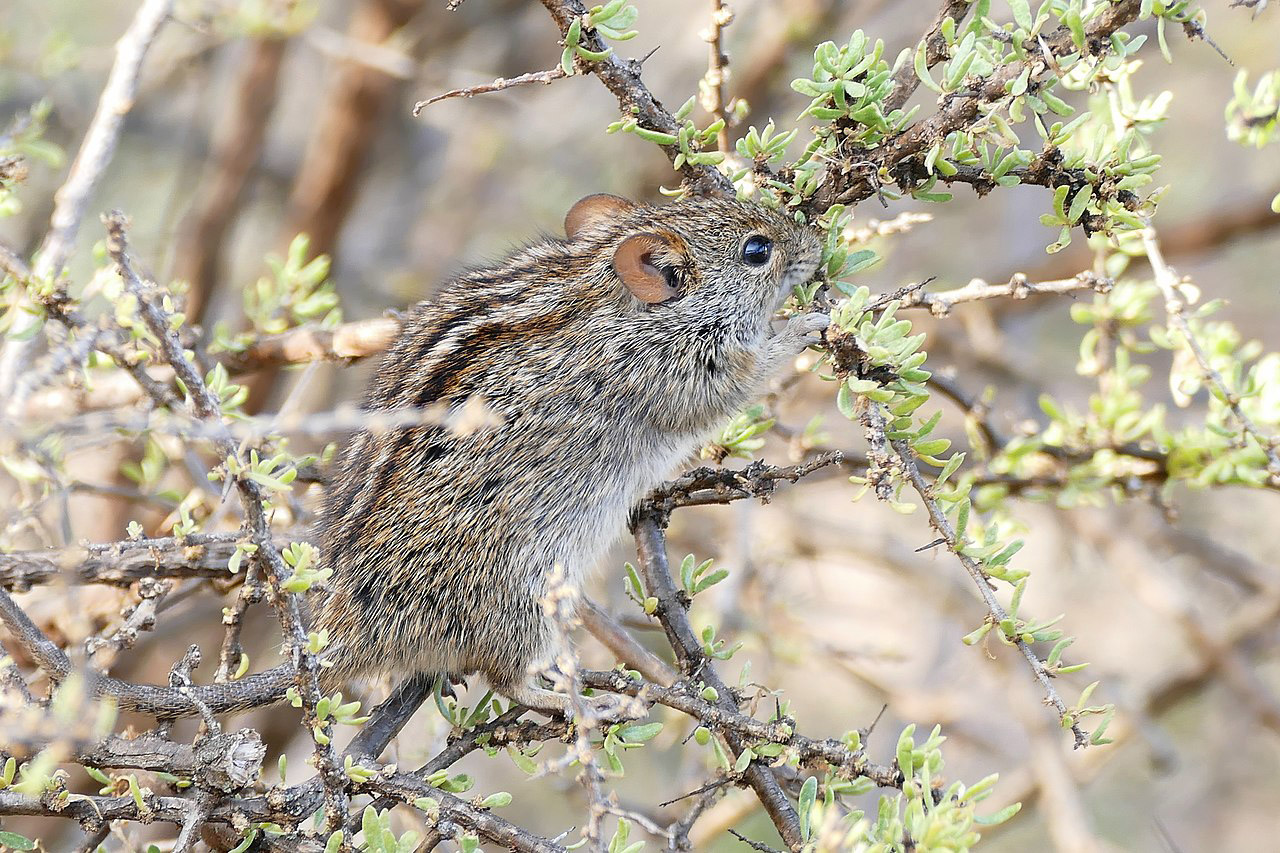
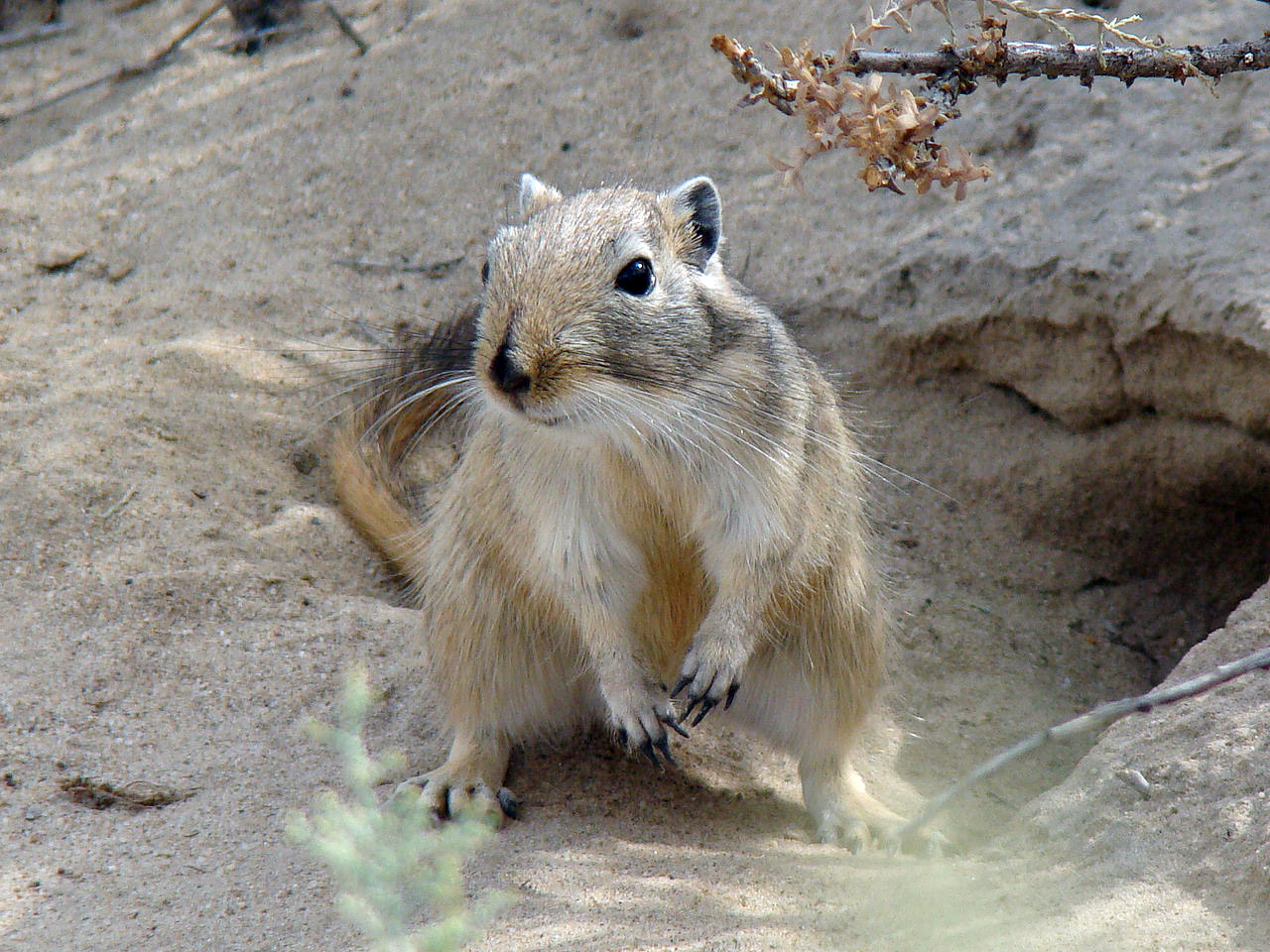
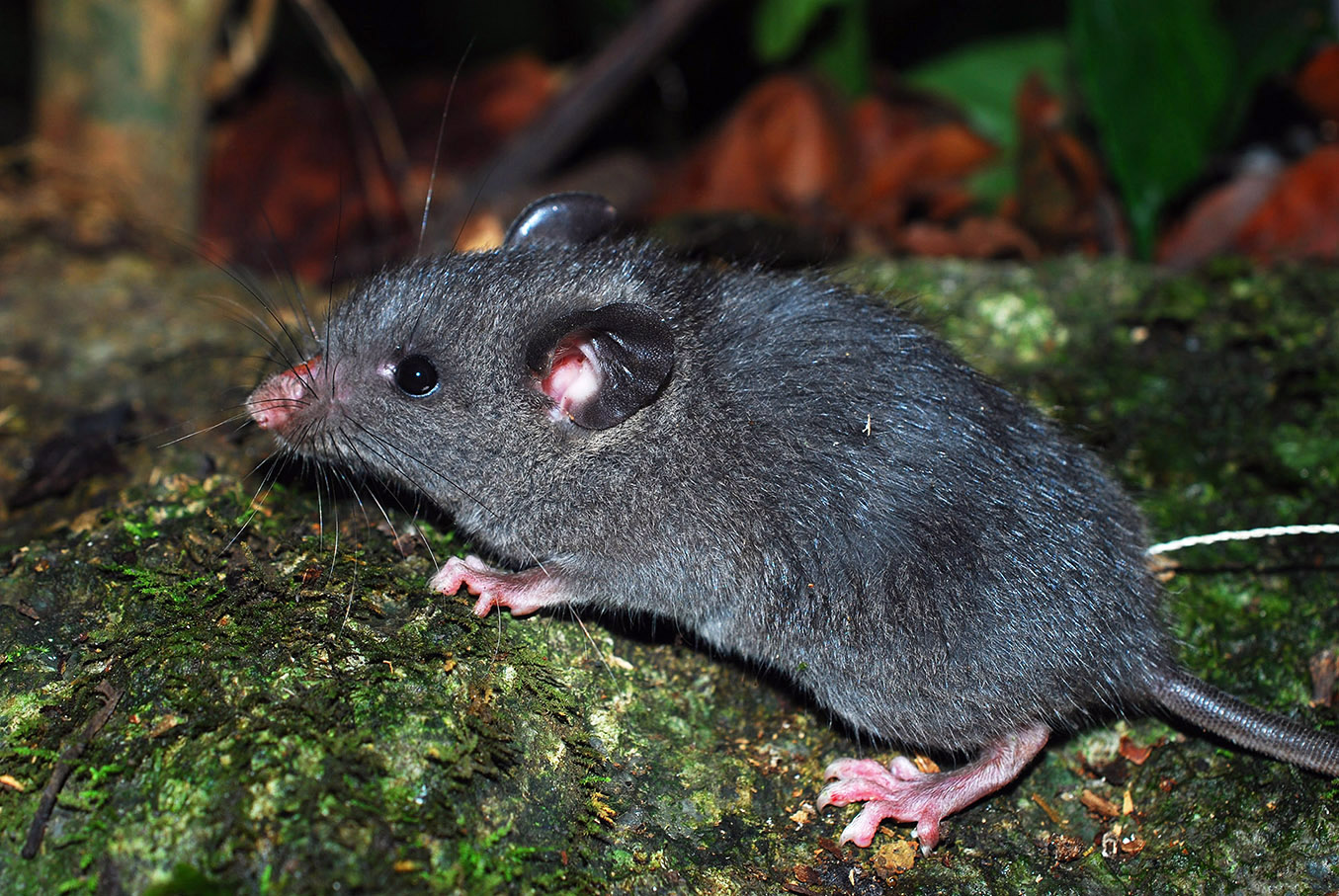
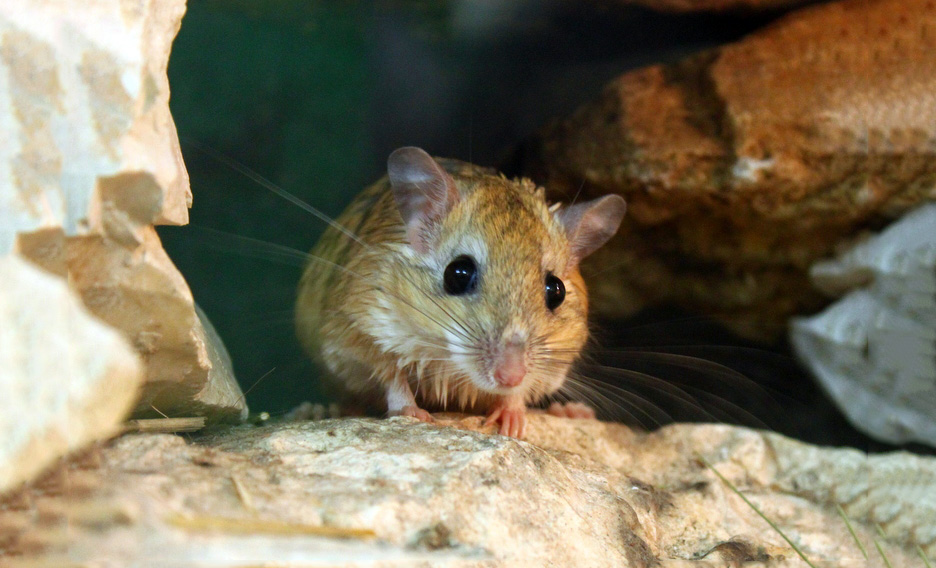
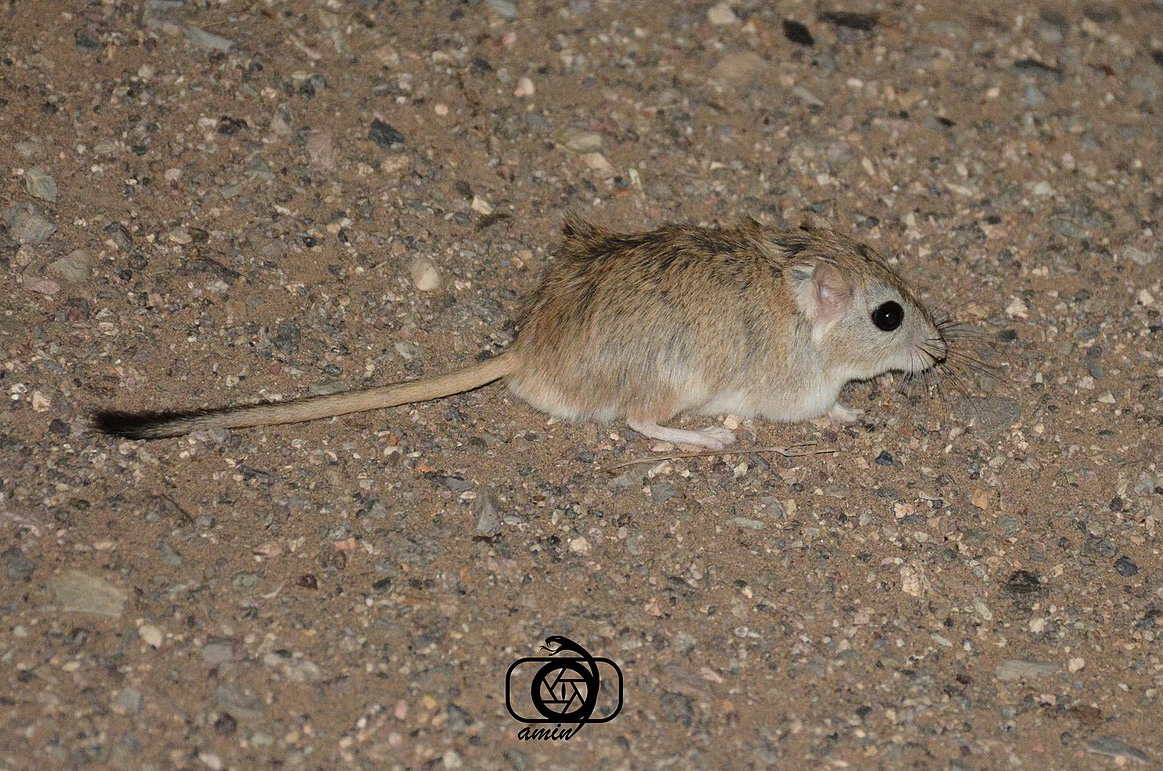
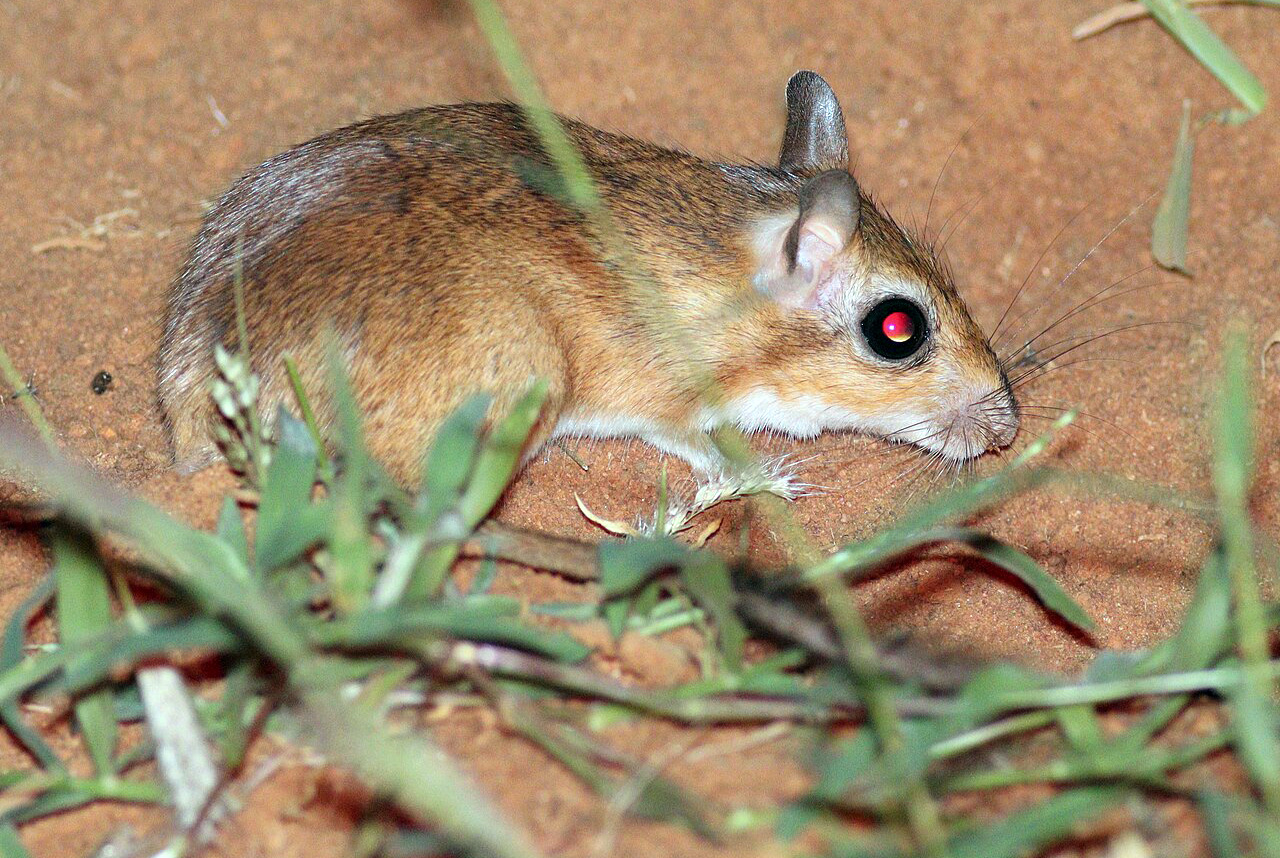
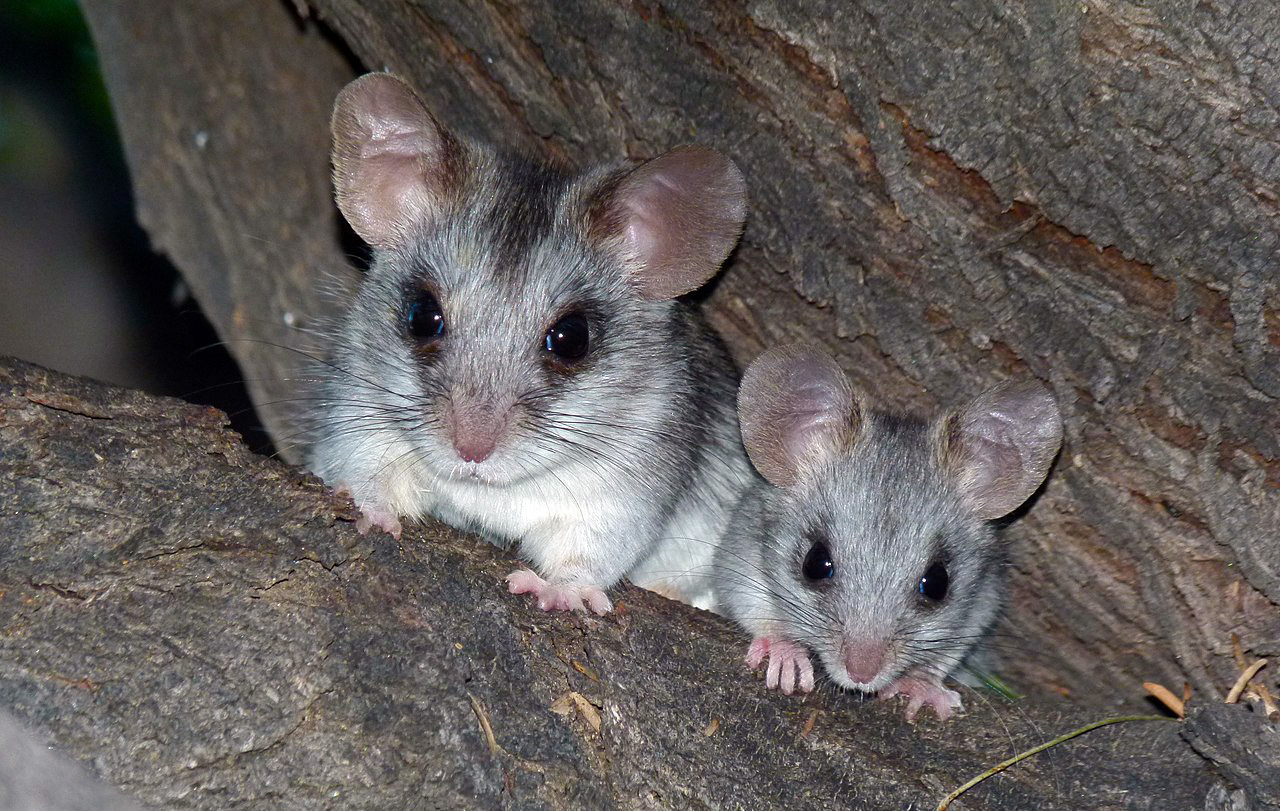
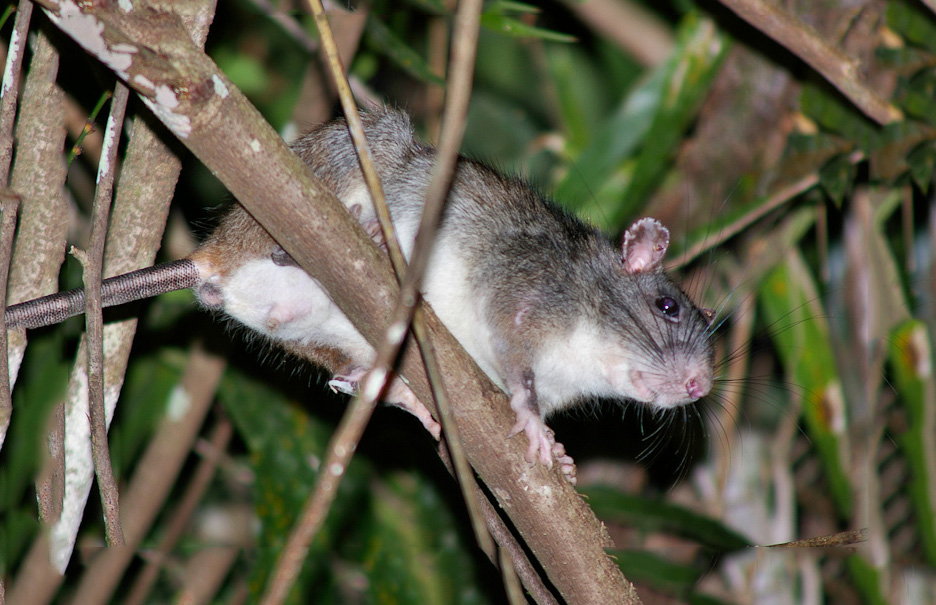
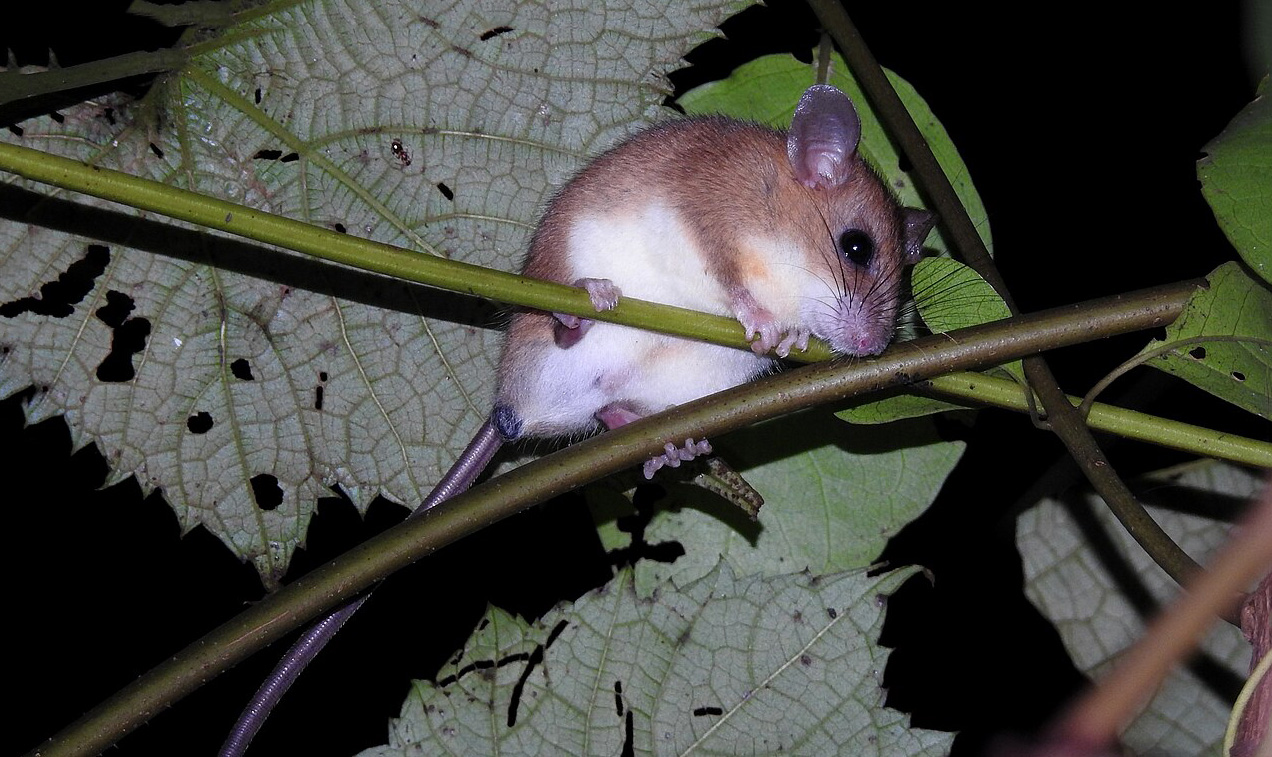
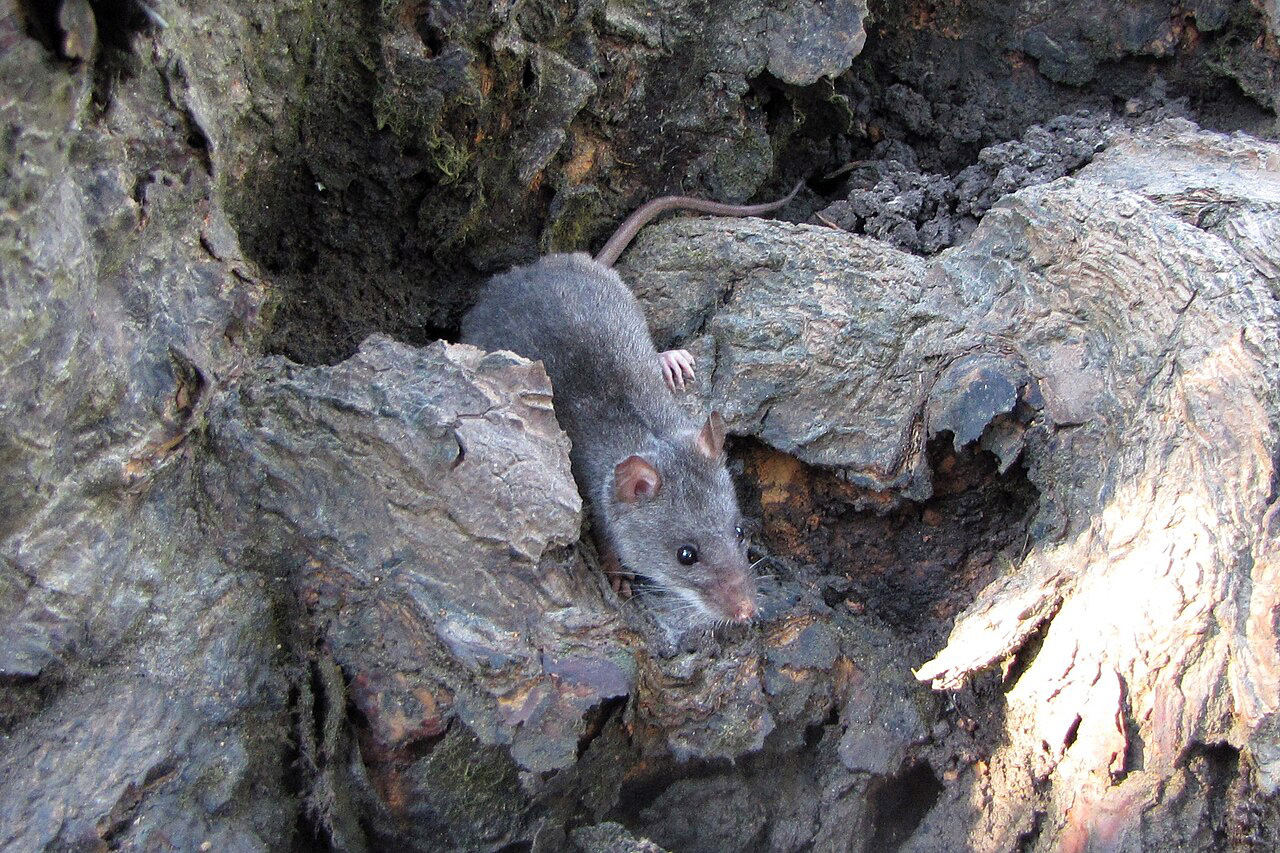
Many species in this family have small bodies, long tails, round ears, round eyes, and pointed noses with whiskers.
In most species in this family, females give birth to large litters of between 6-13 young. Females usually have more than one litter a year, and the young are ready to mate when they are a month or two old.
Because they are prey for other animals, most species in this family only live for a year or two in the wild.
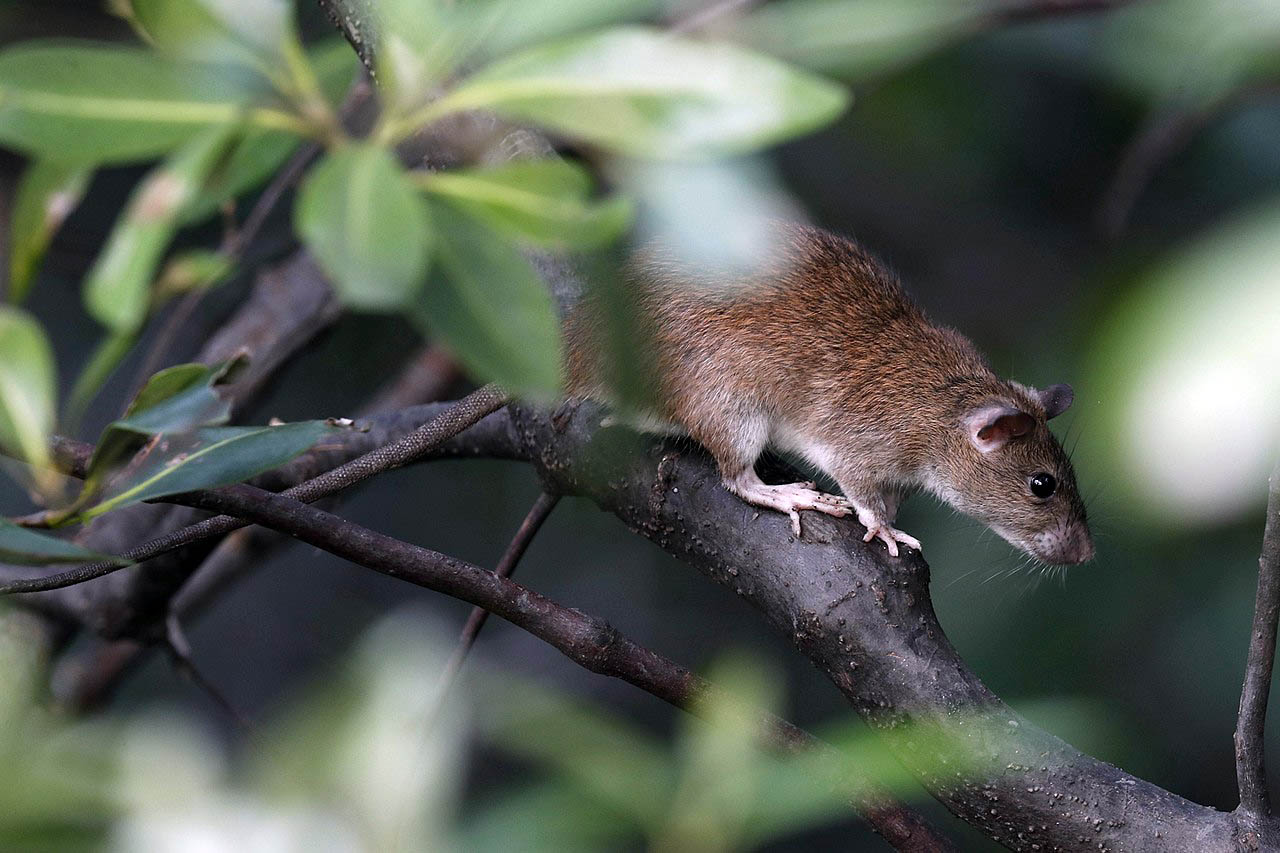
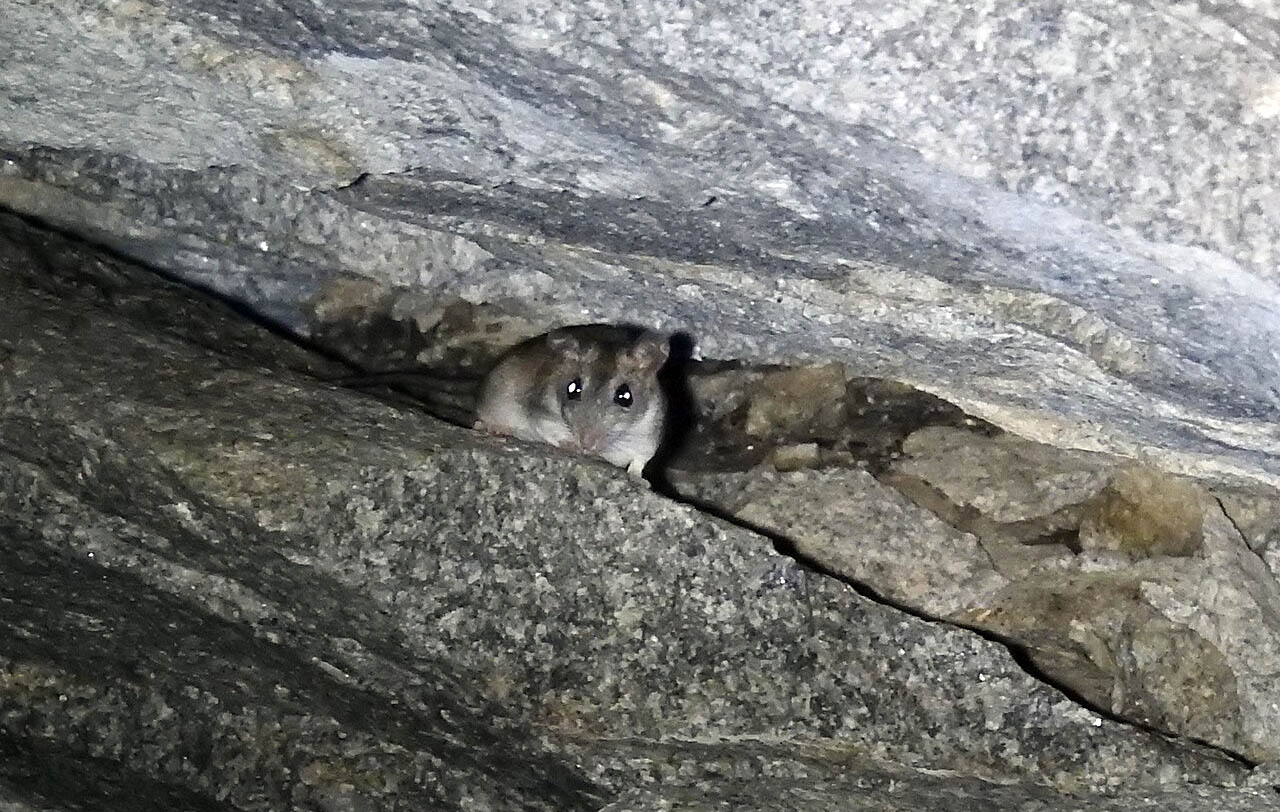
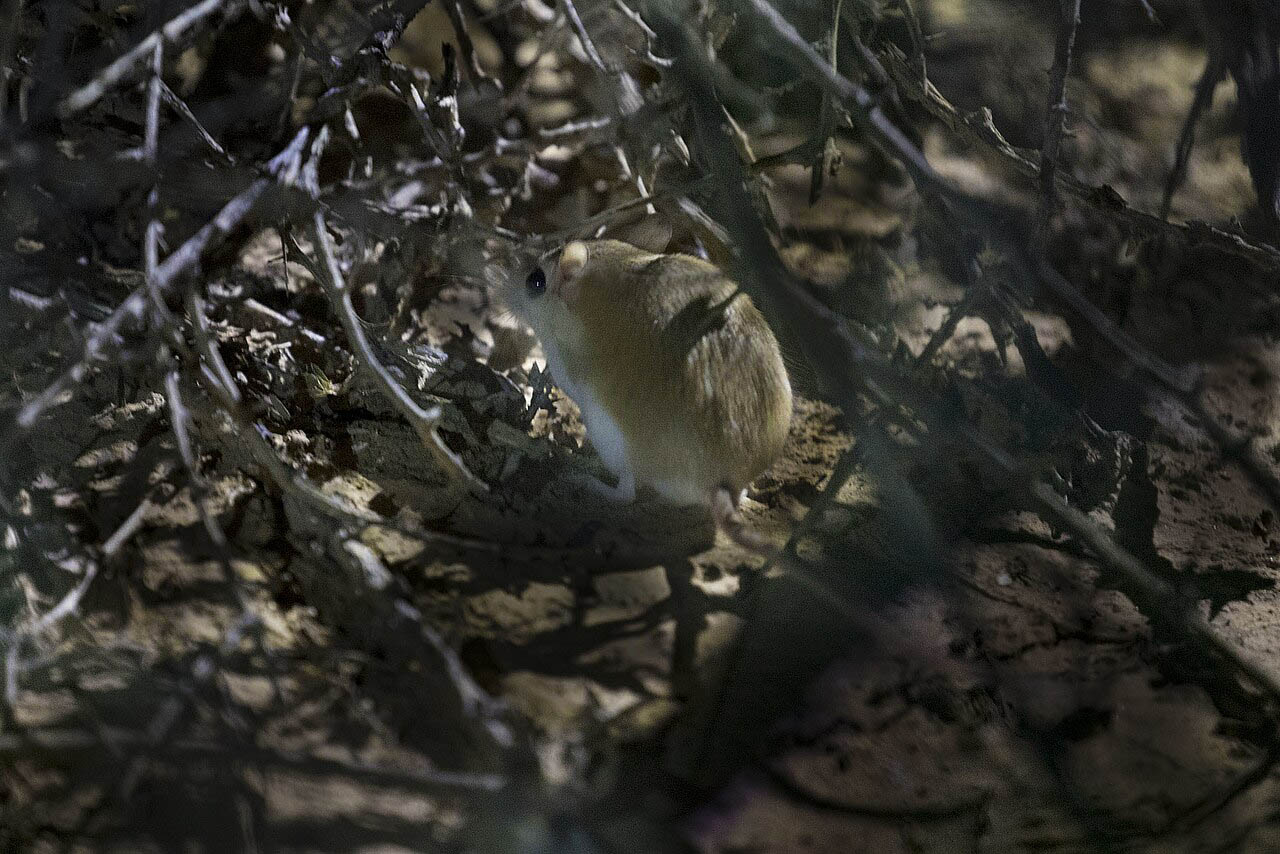
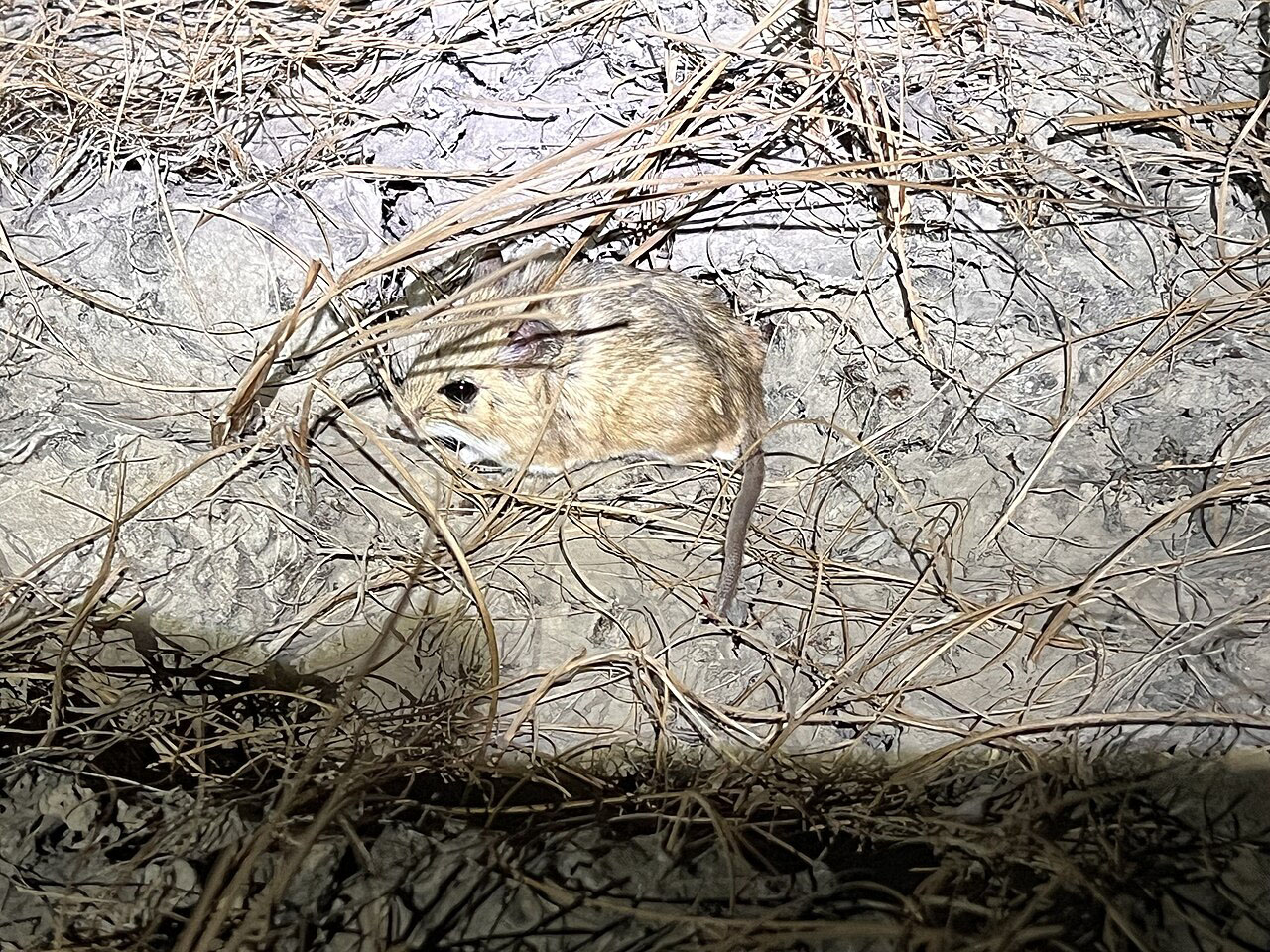
Some species are nocturnal; some are active in the day. Some species live in trees, while others are ground dwellers, and others live in underground burrows. Some species are herbivores, others are carnivores, and some are omnivores.