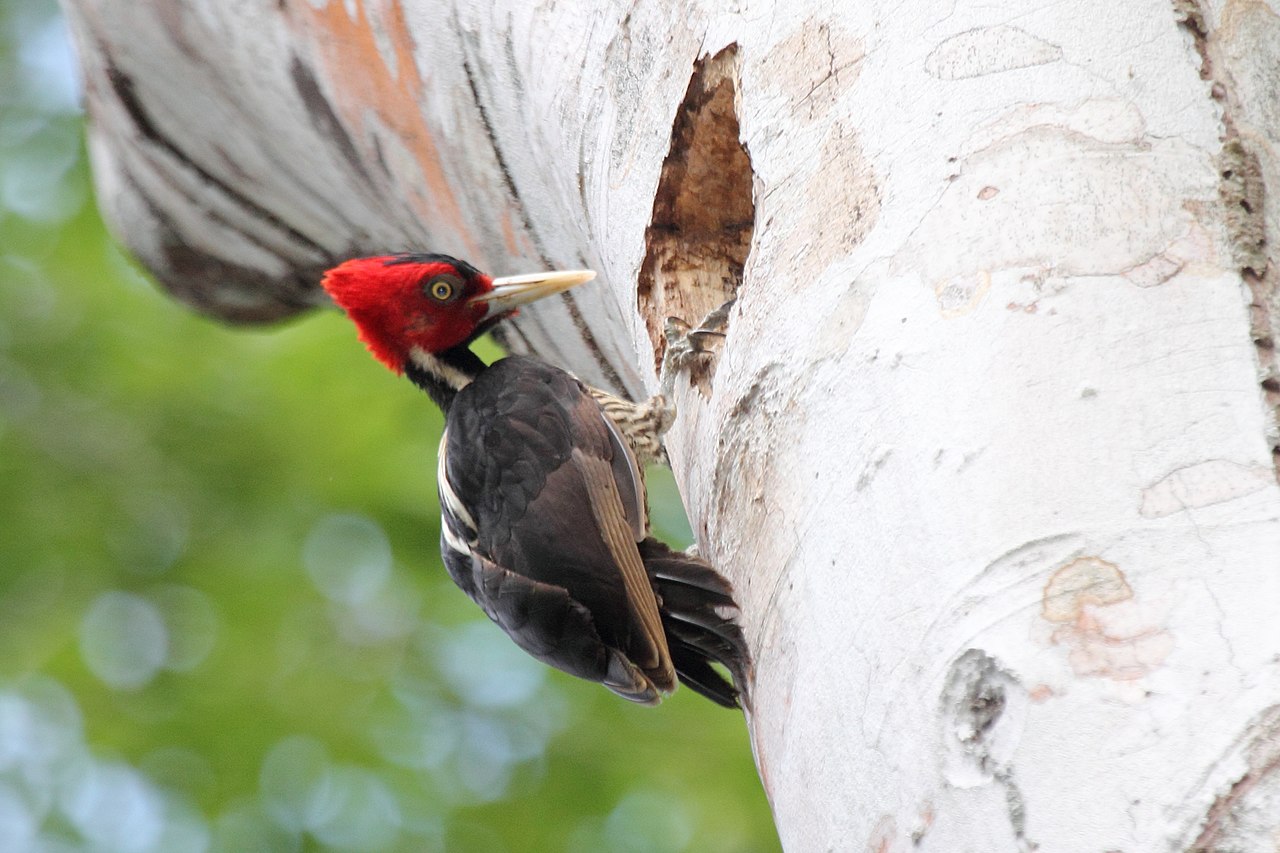
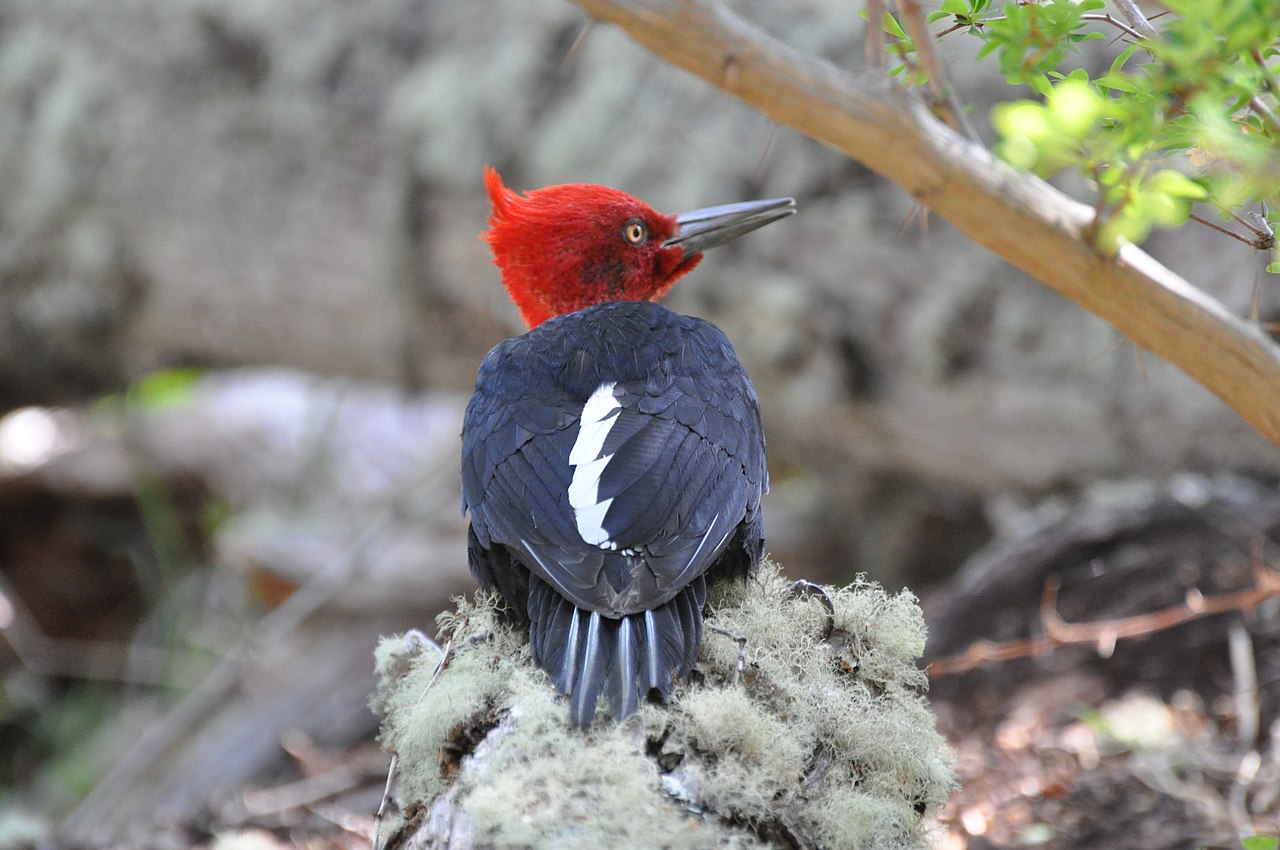
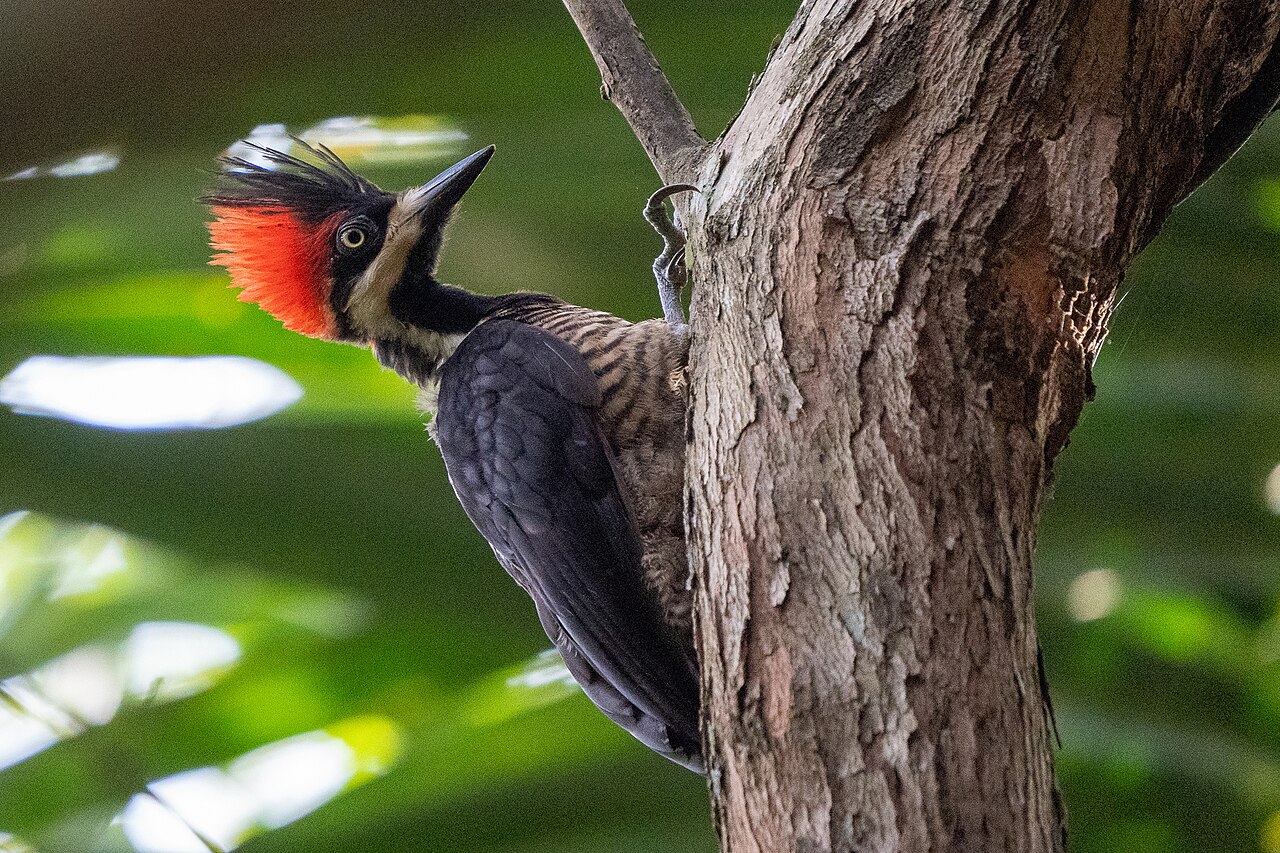
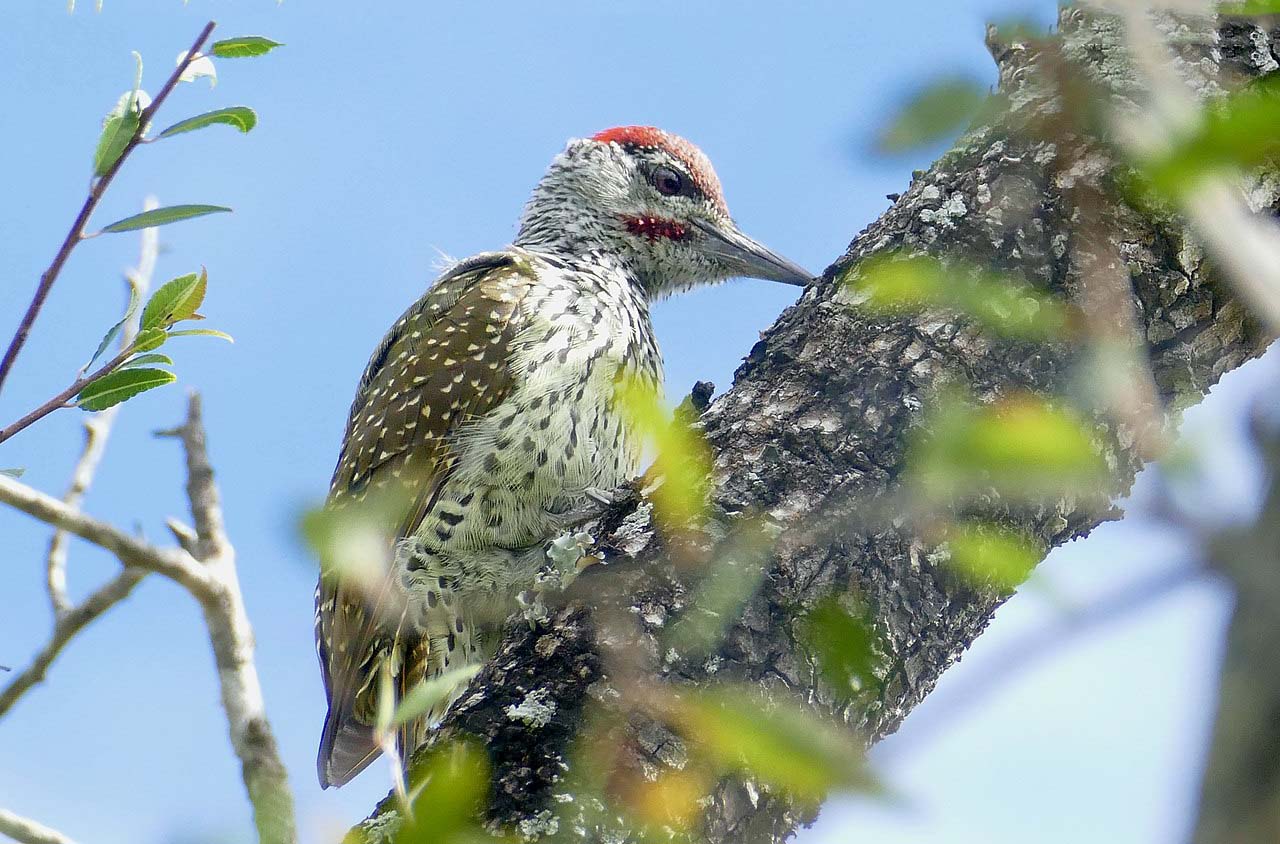
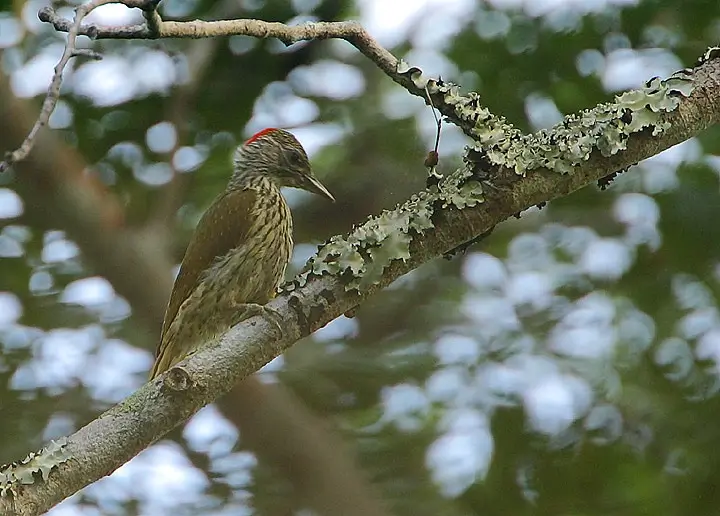
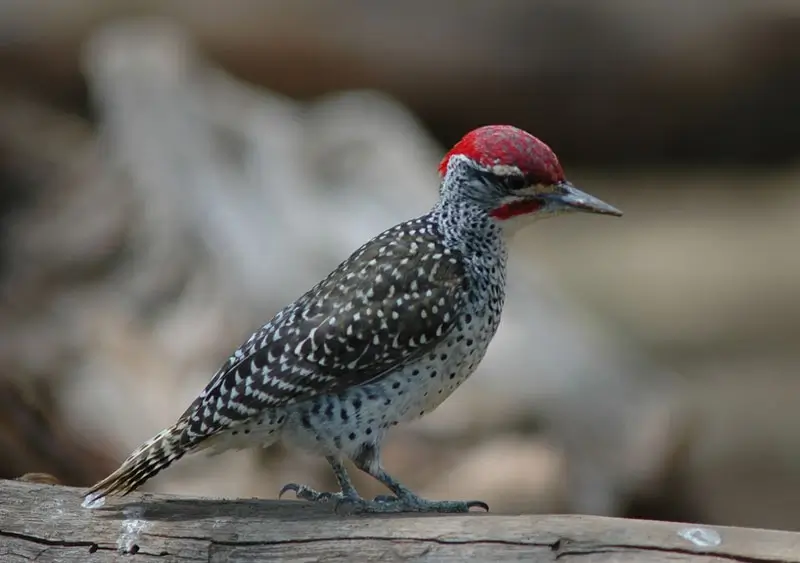
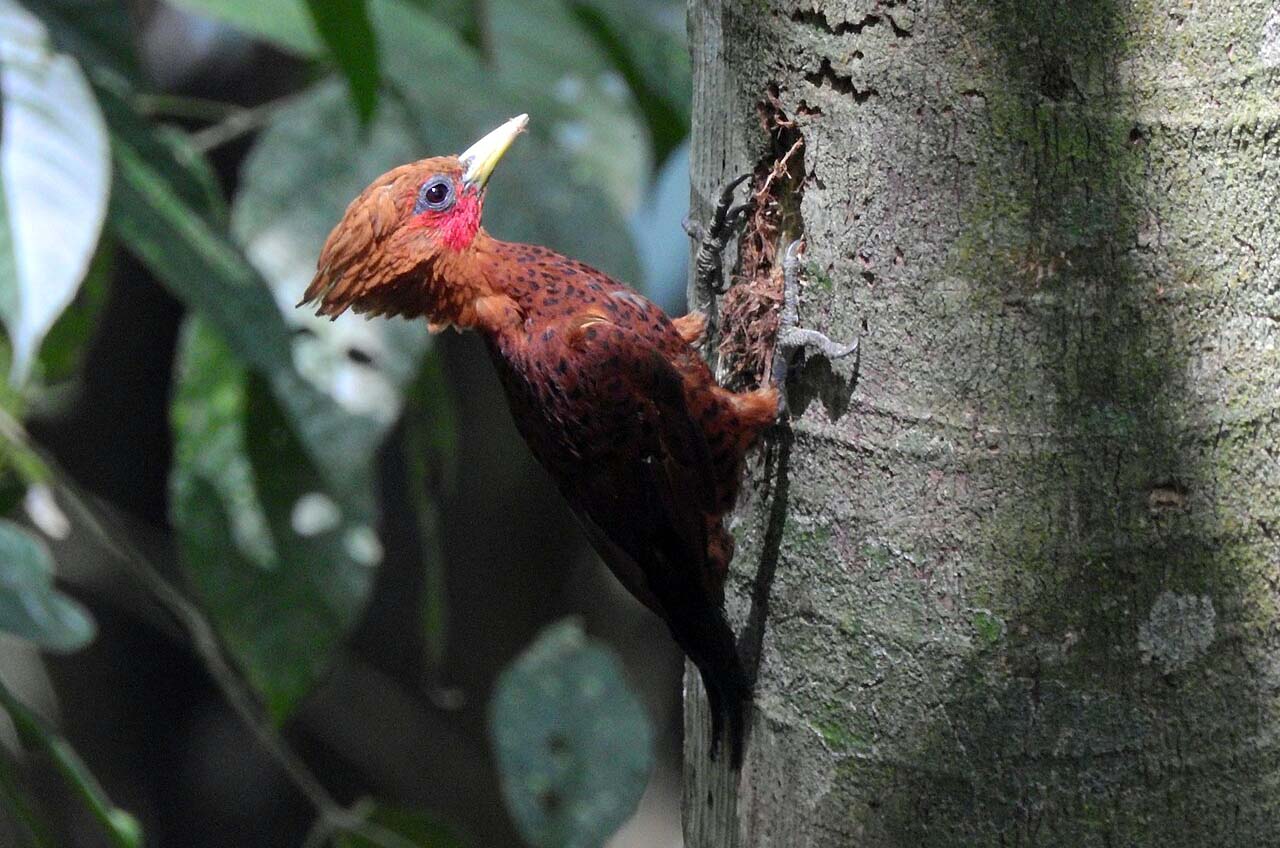
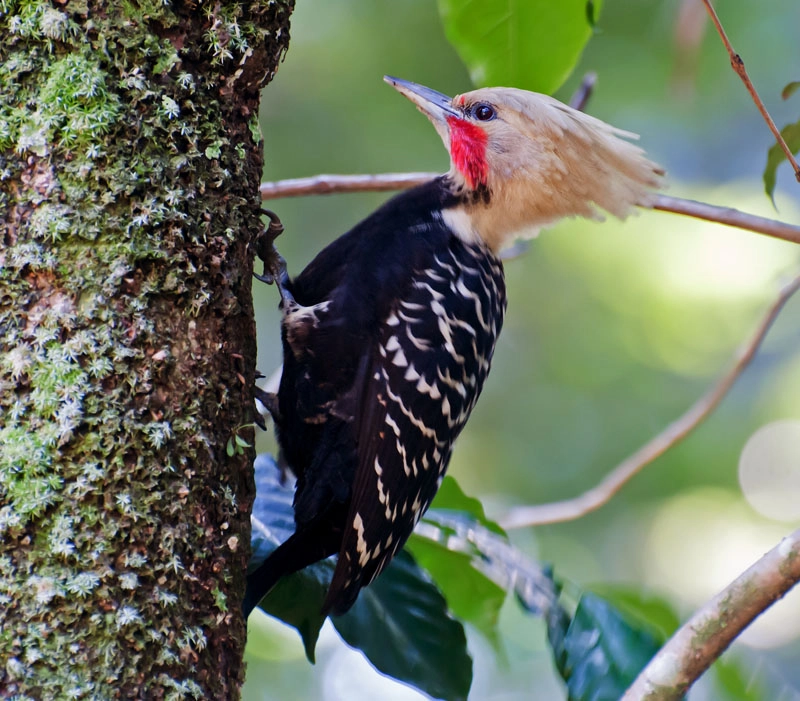
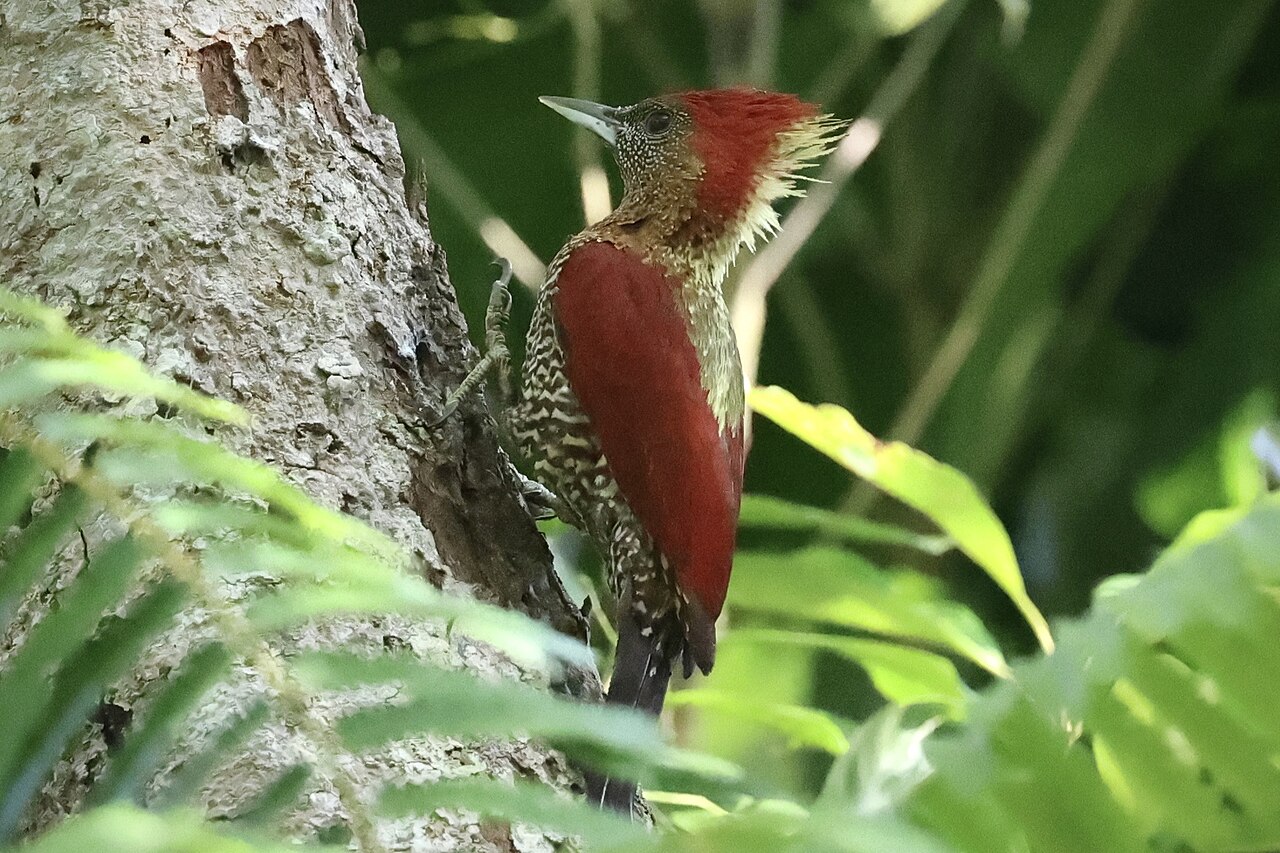
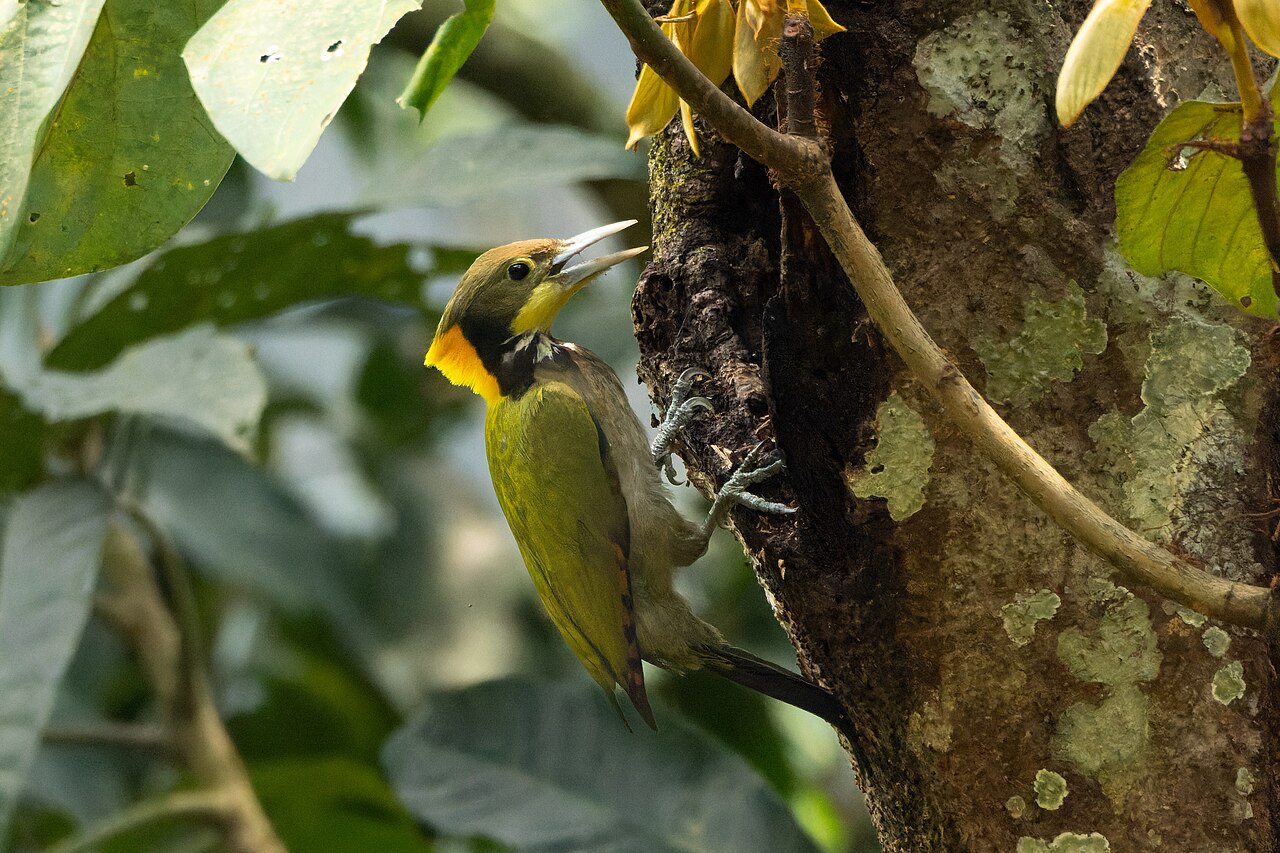
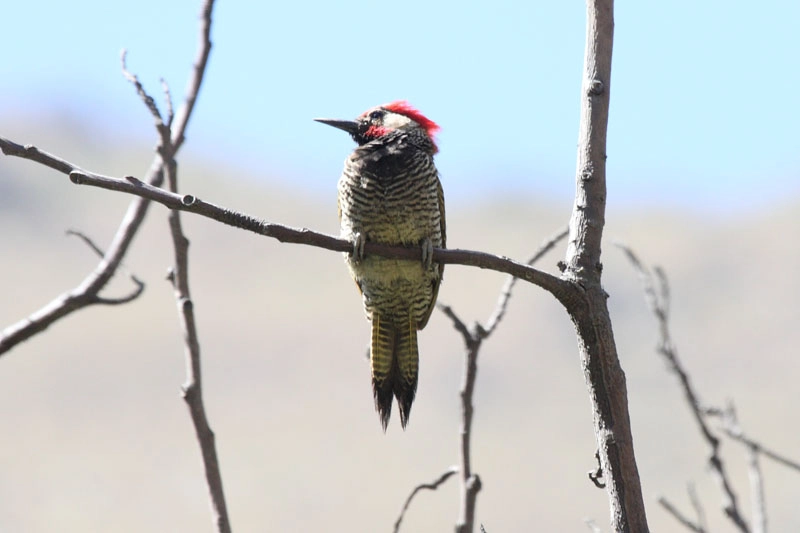
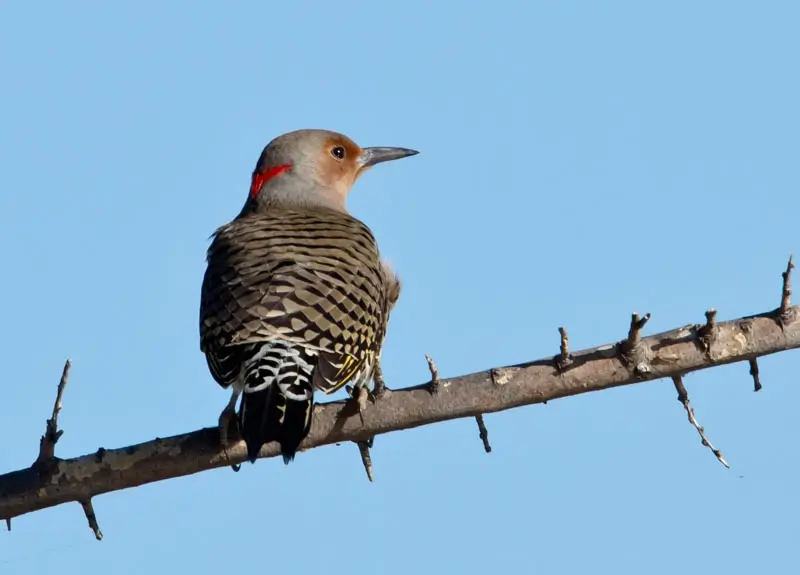
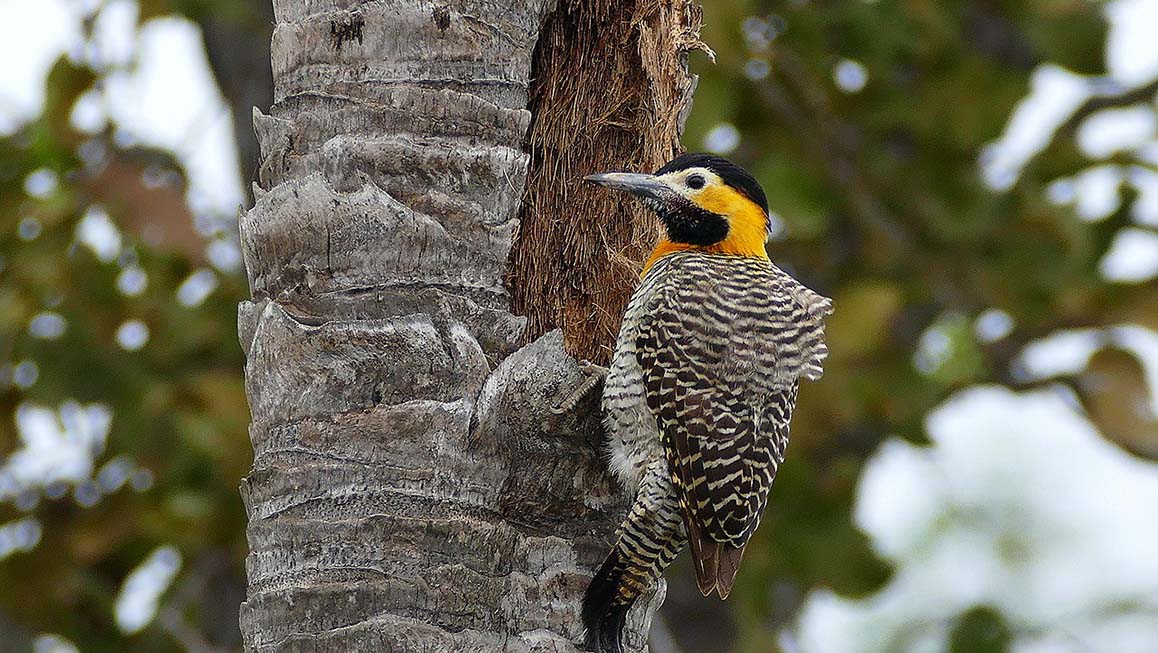
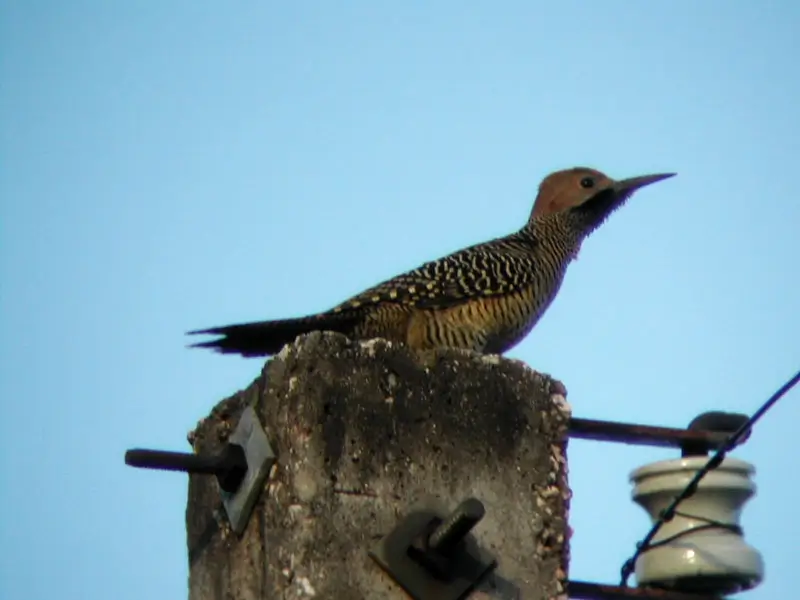
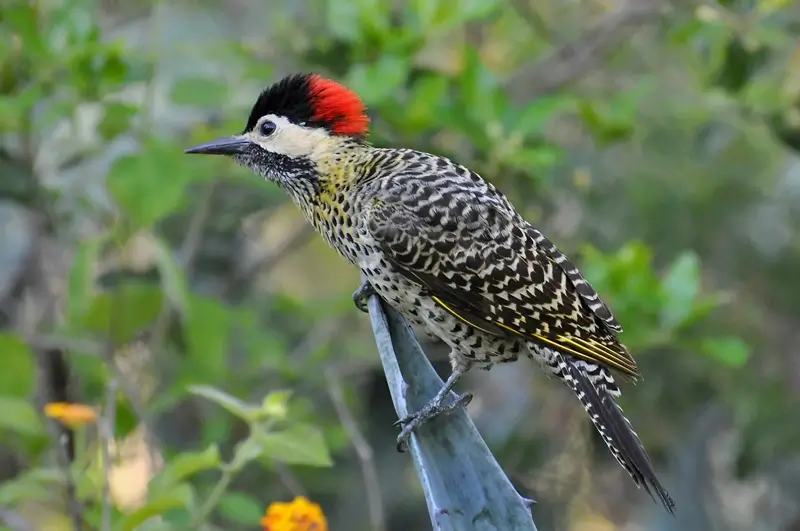
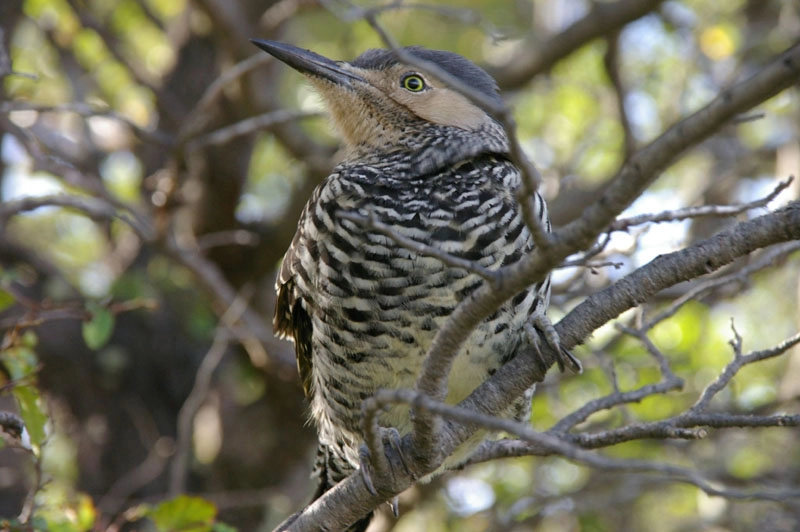
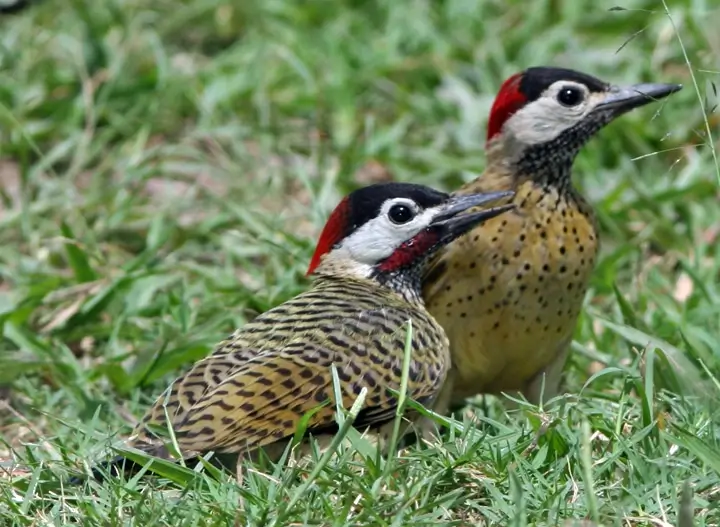
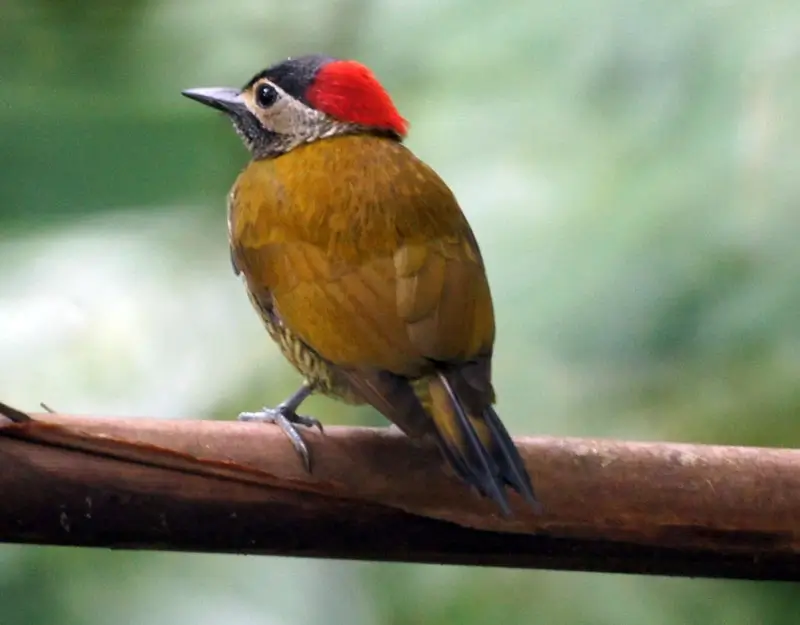
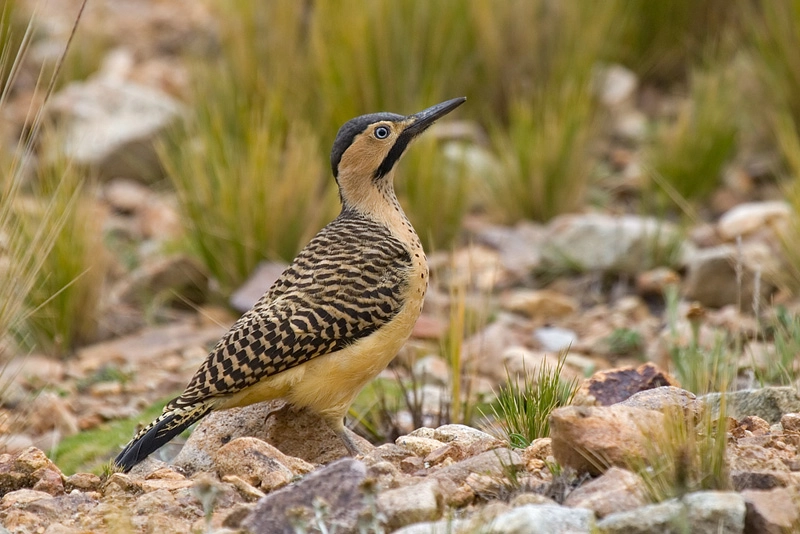
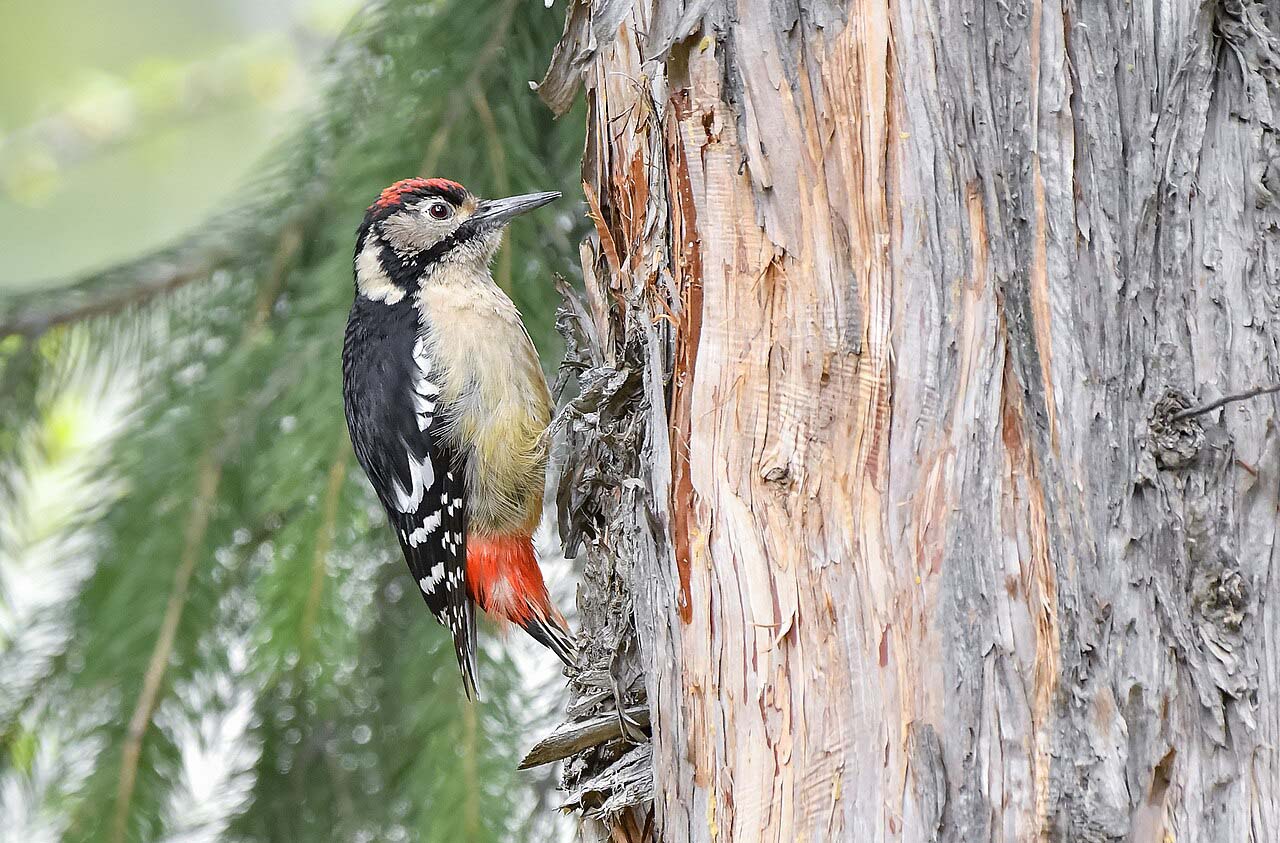
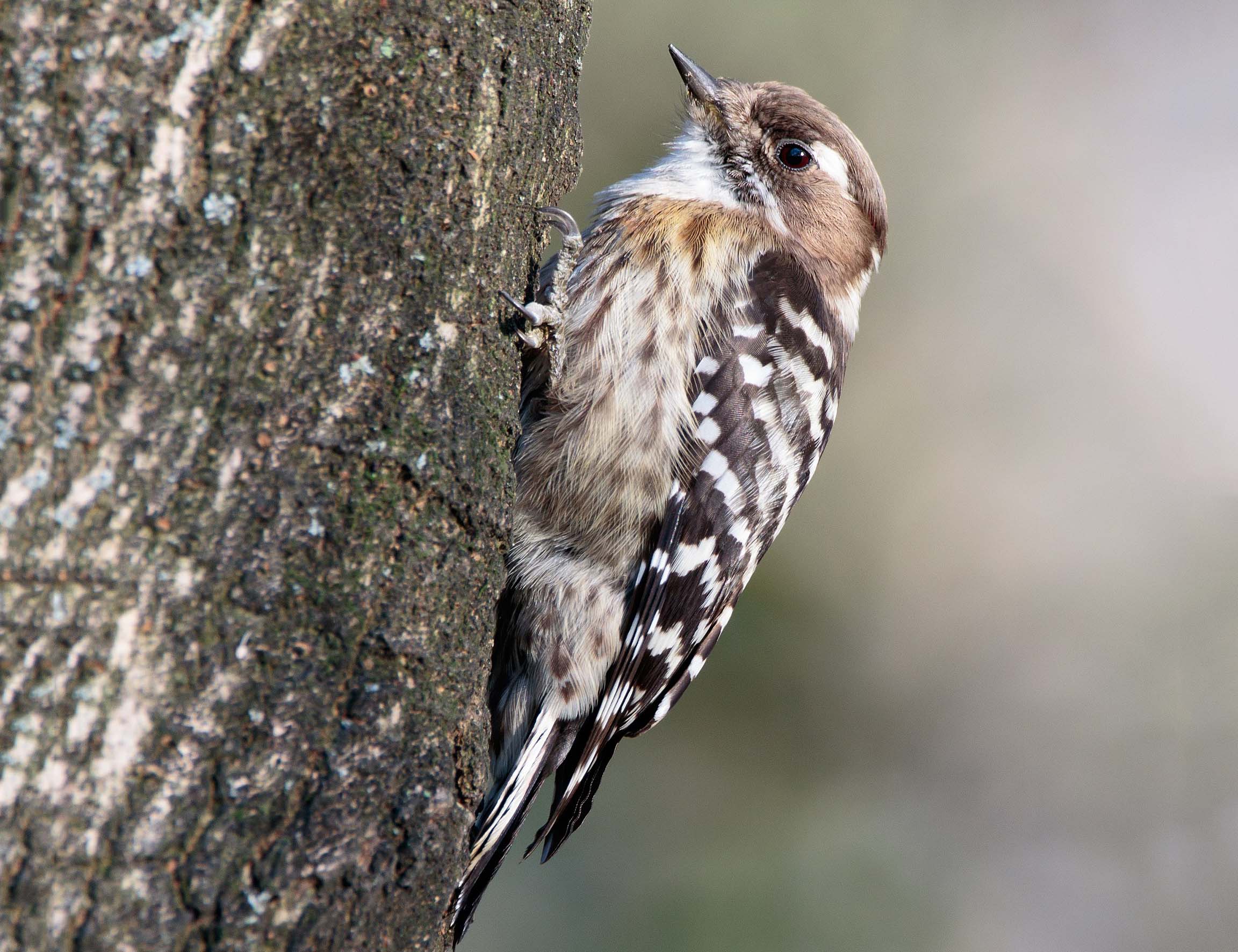
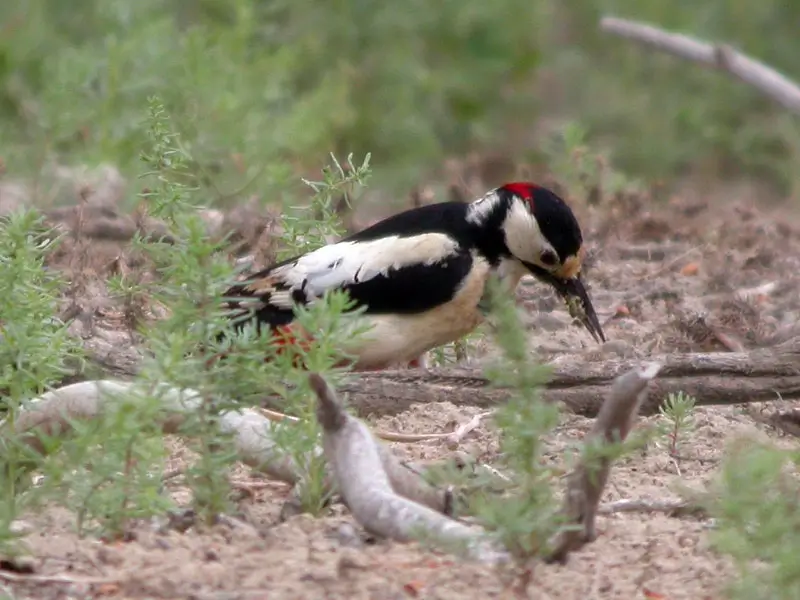
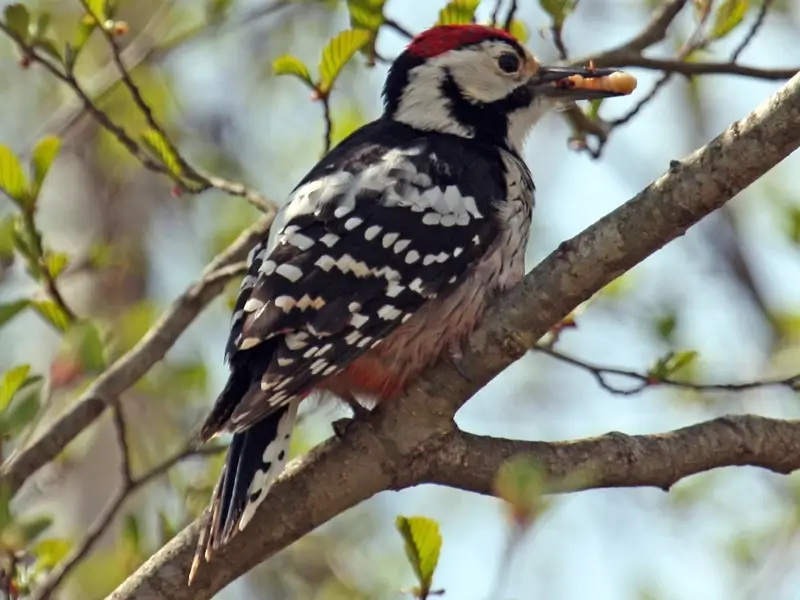
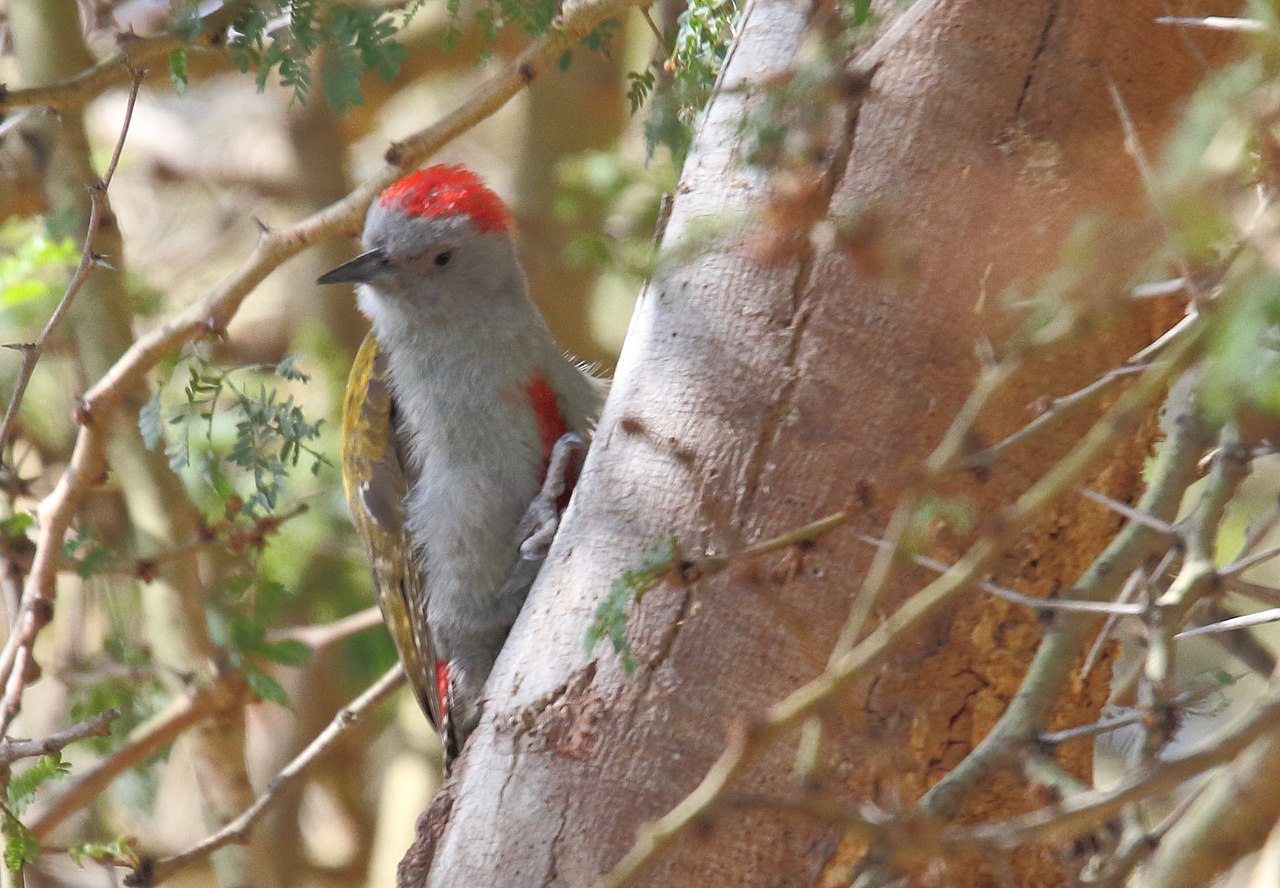
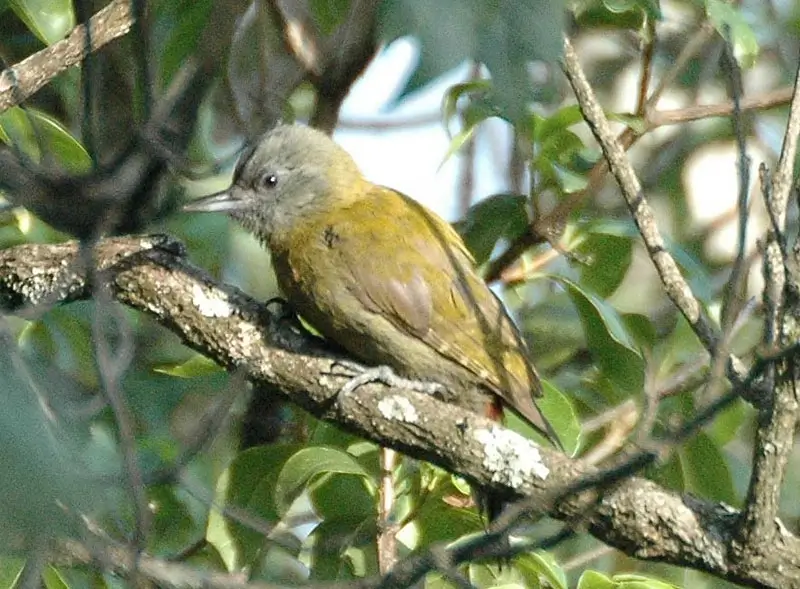
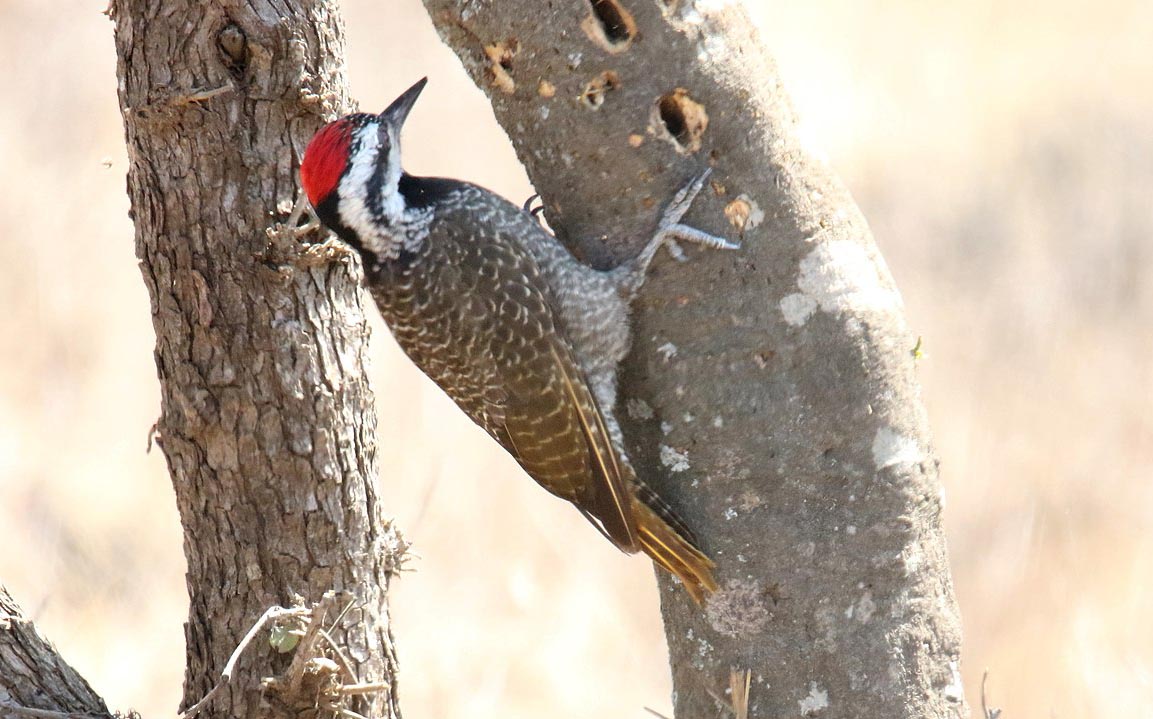
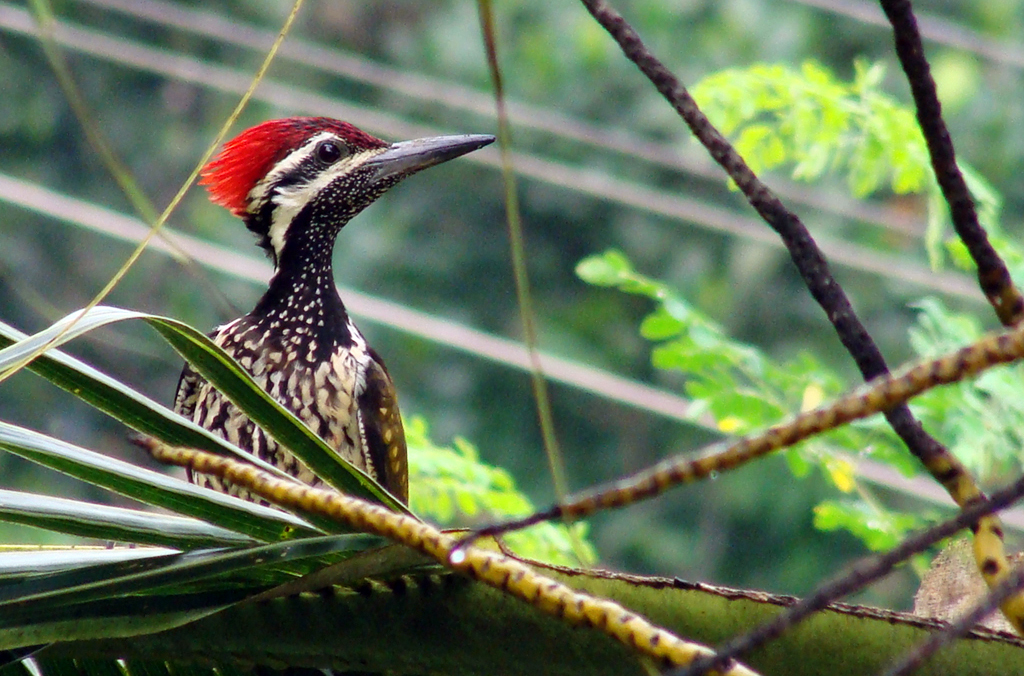
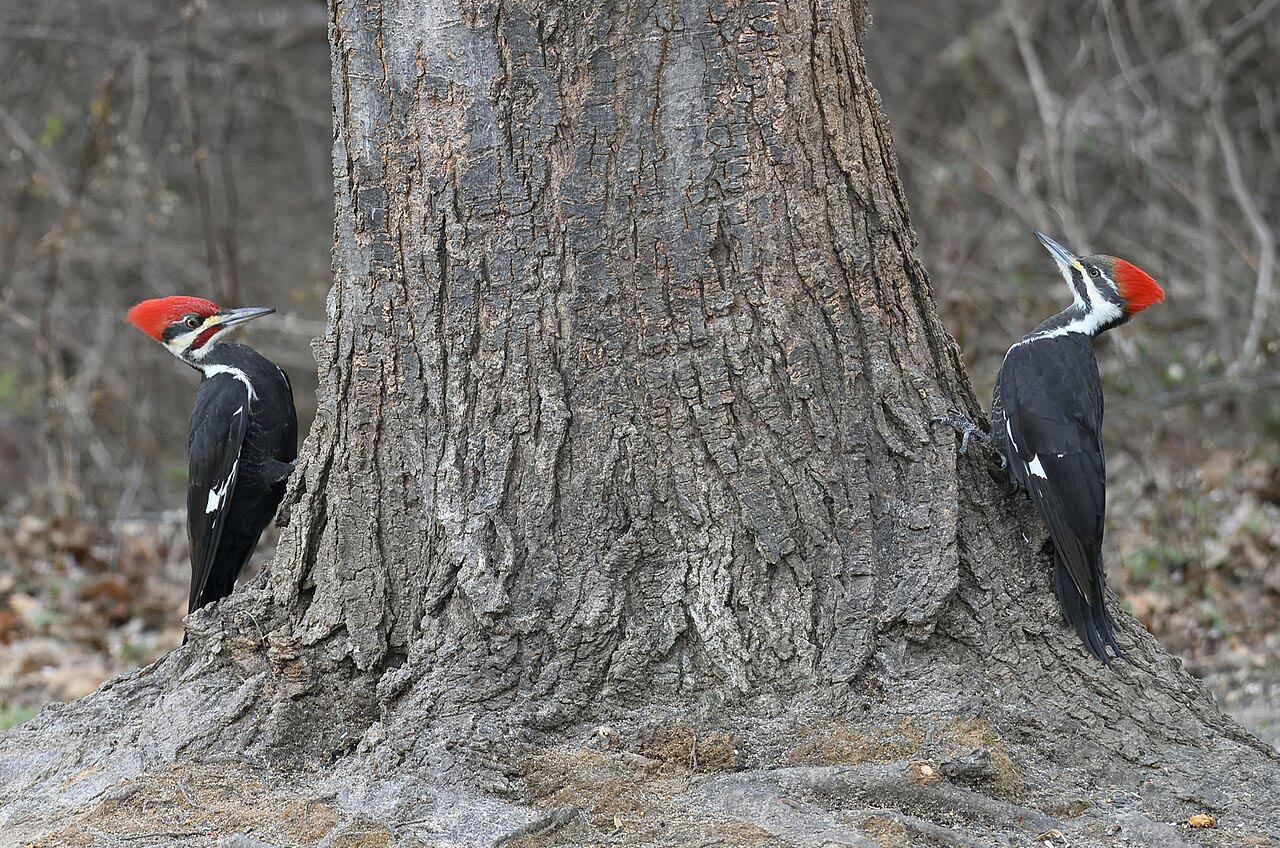
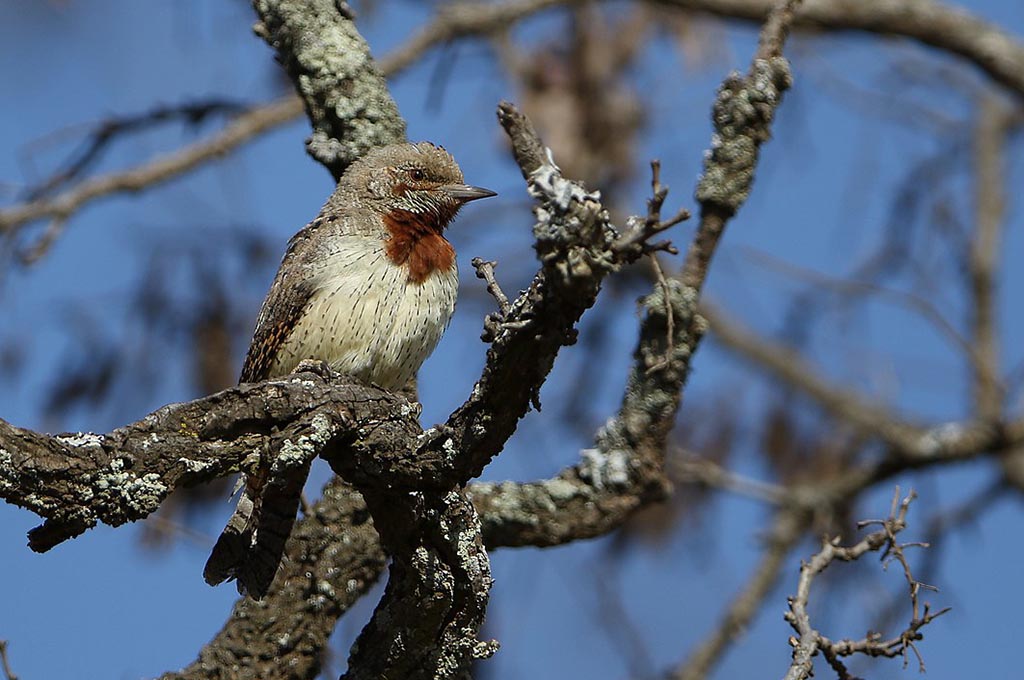
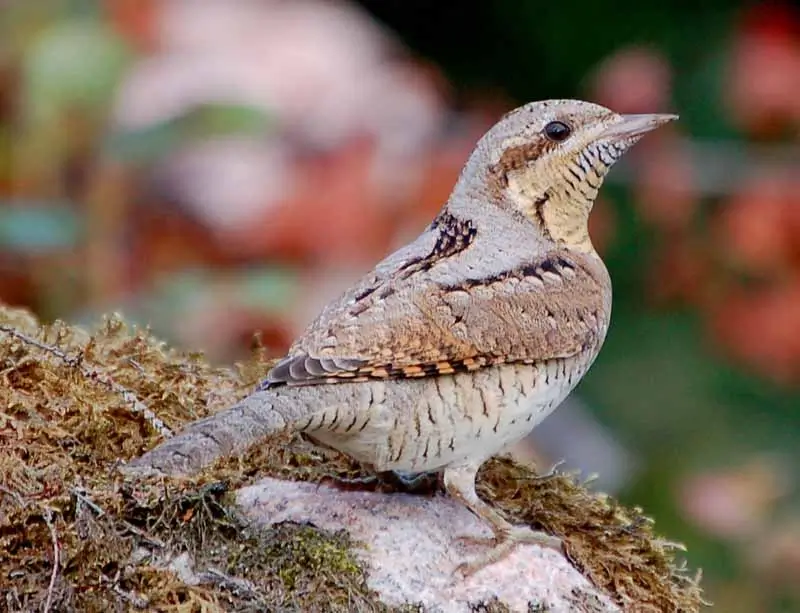
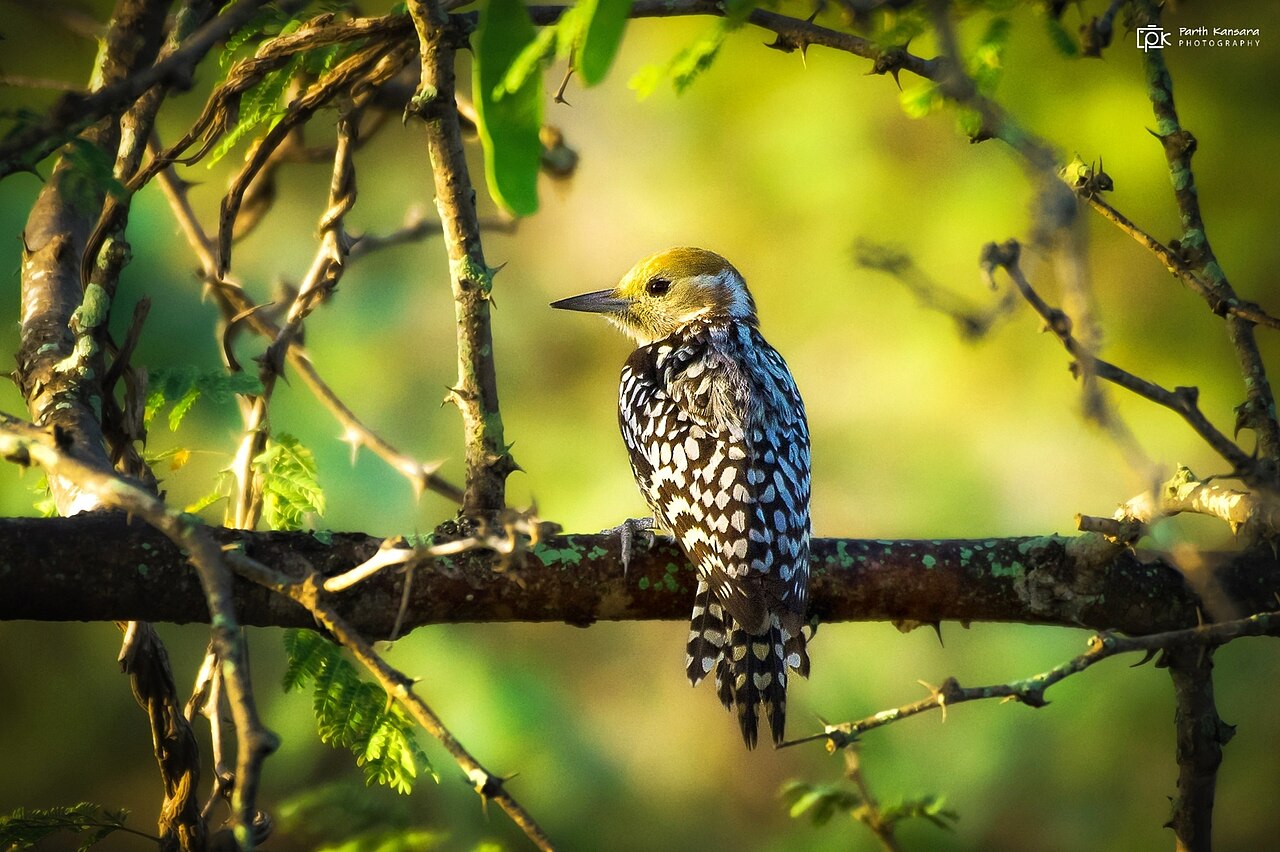
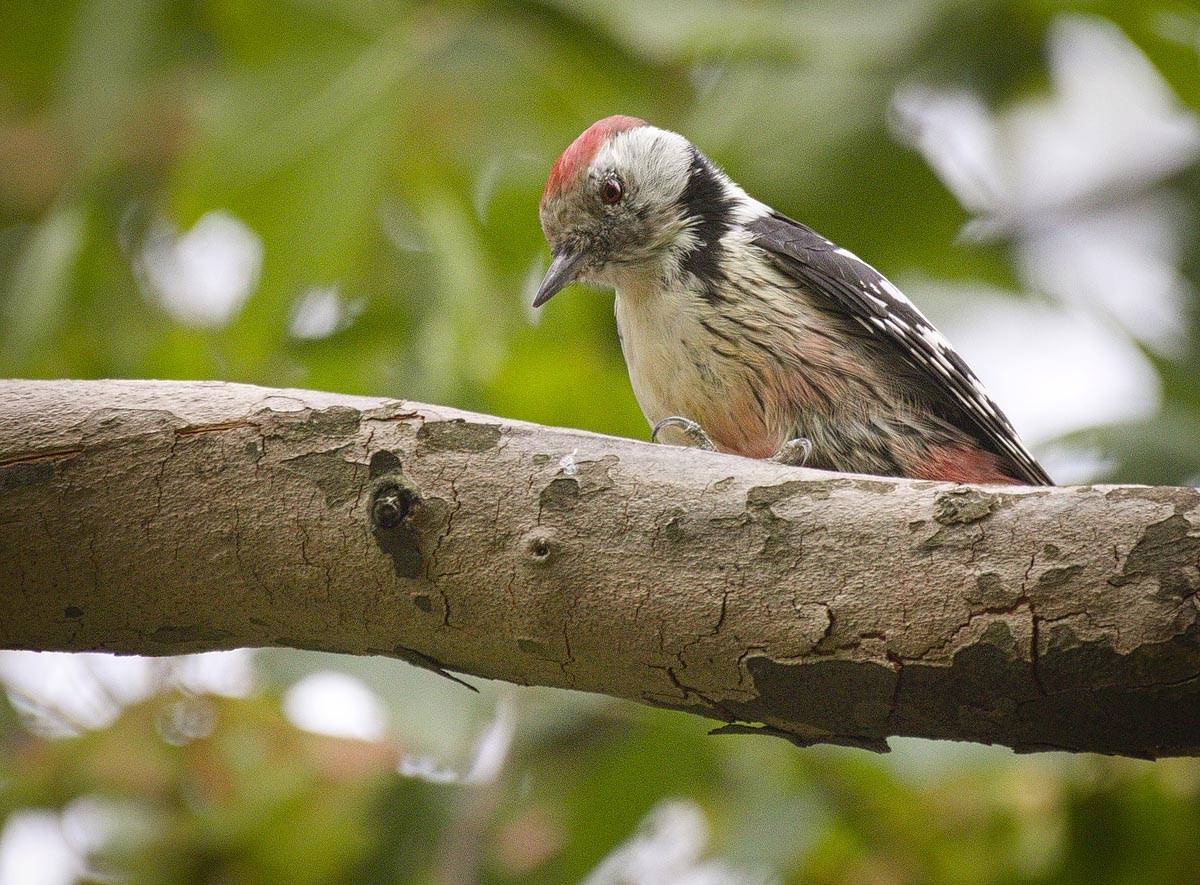
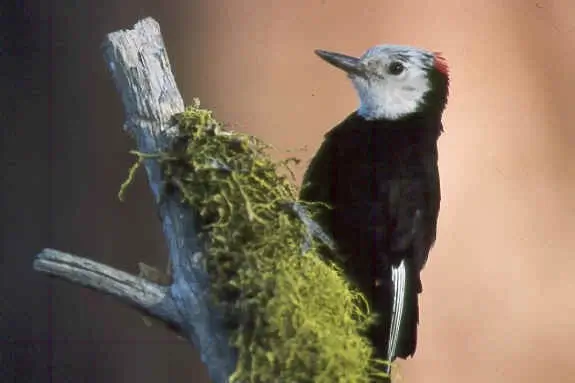
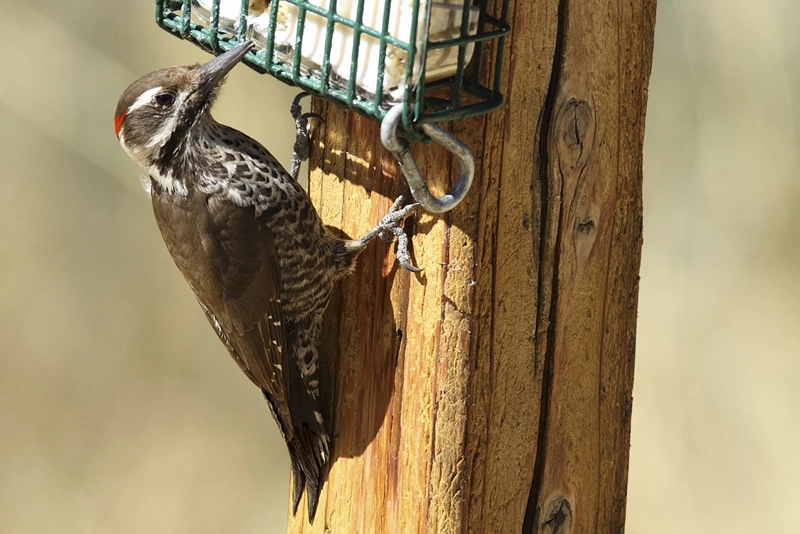
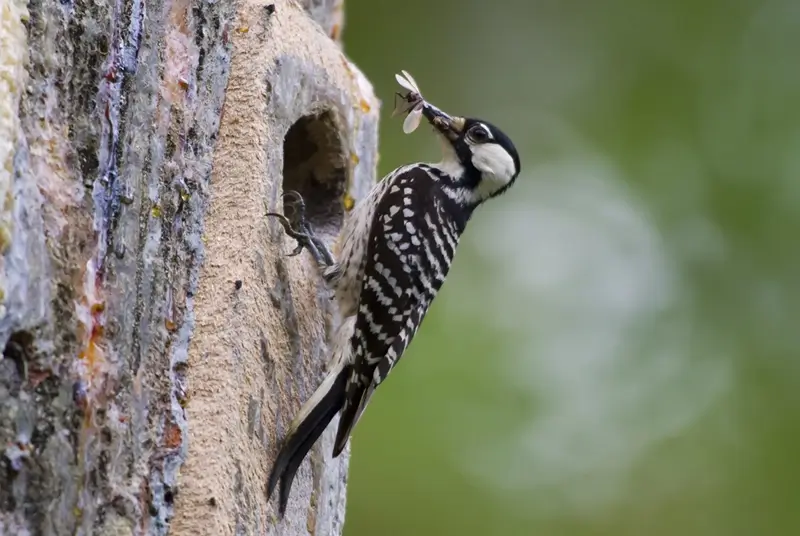
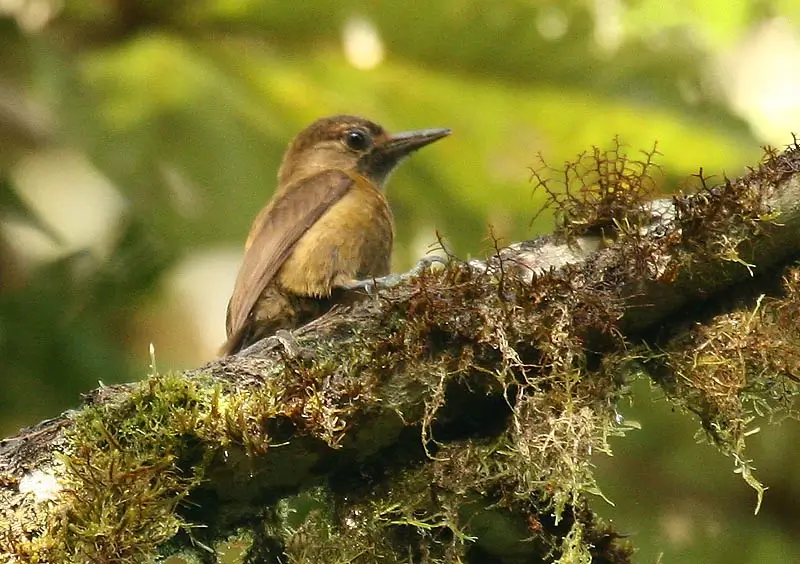
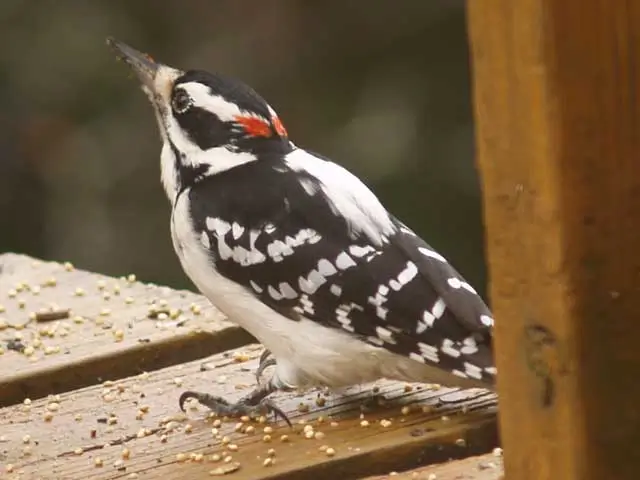
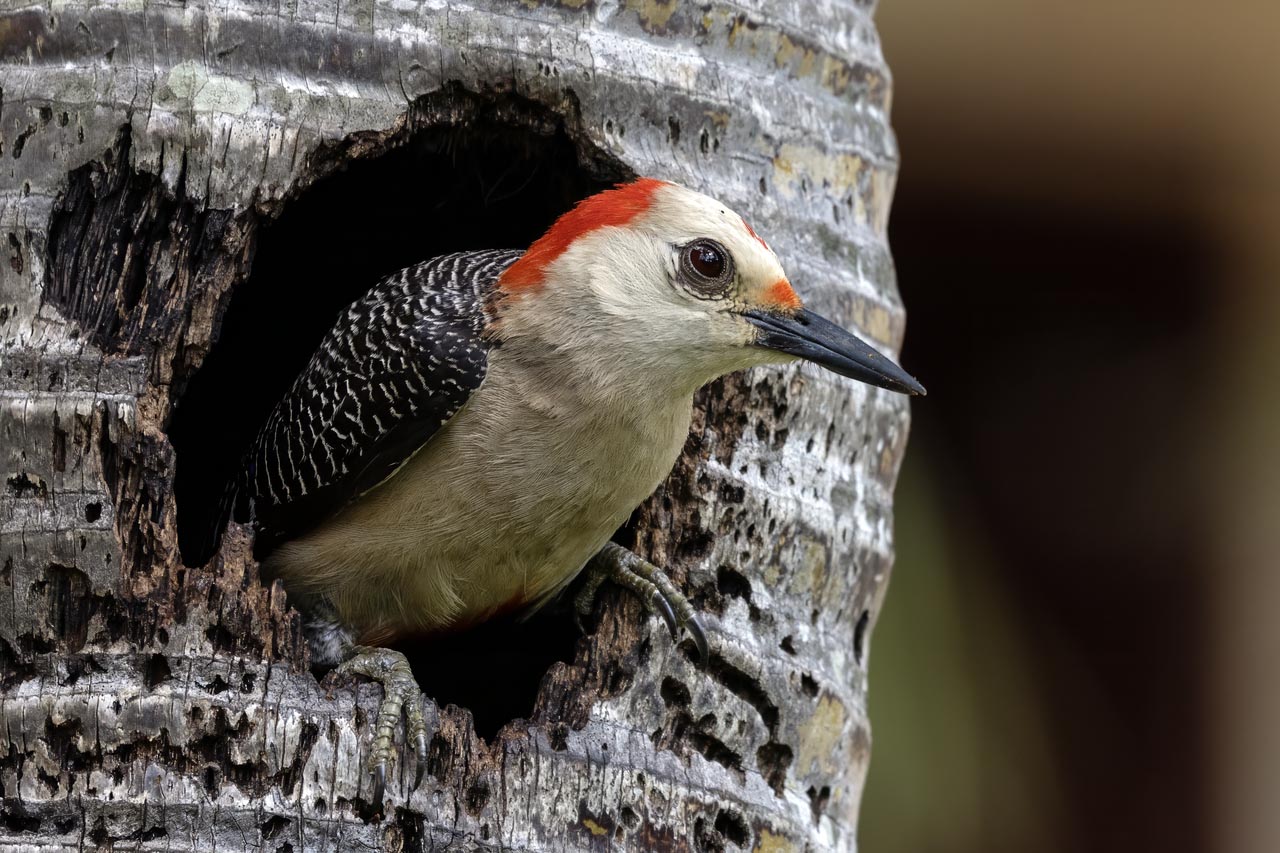
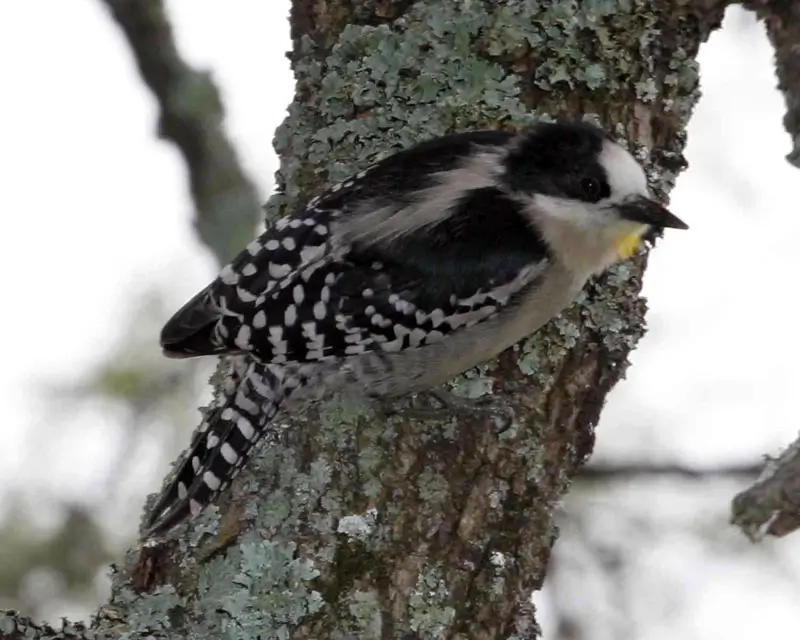
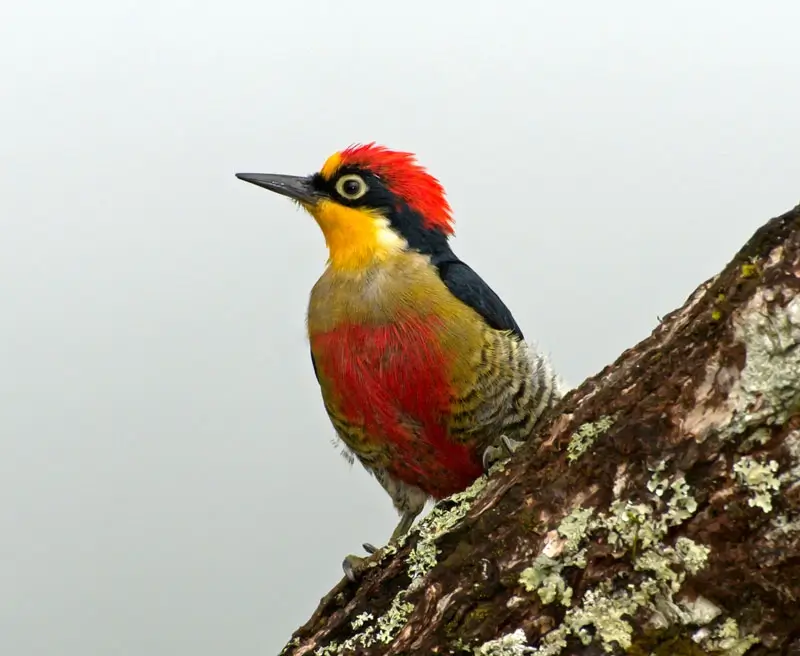
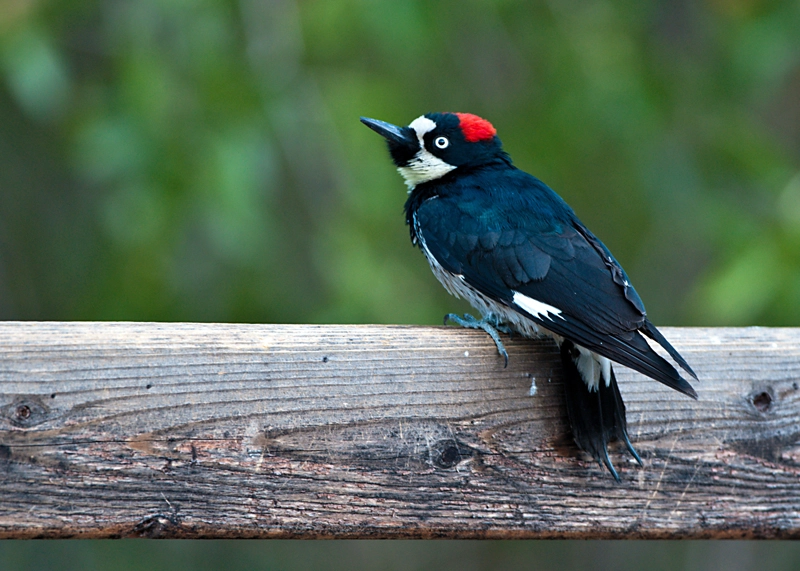
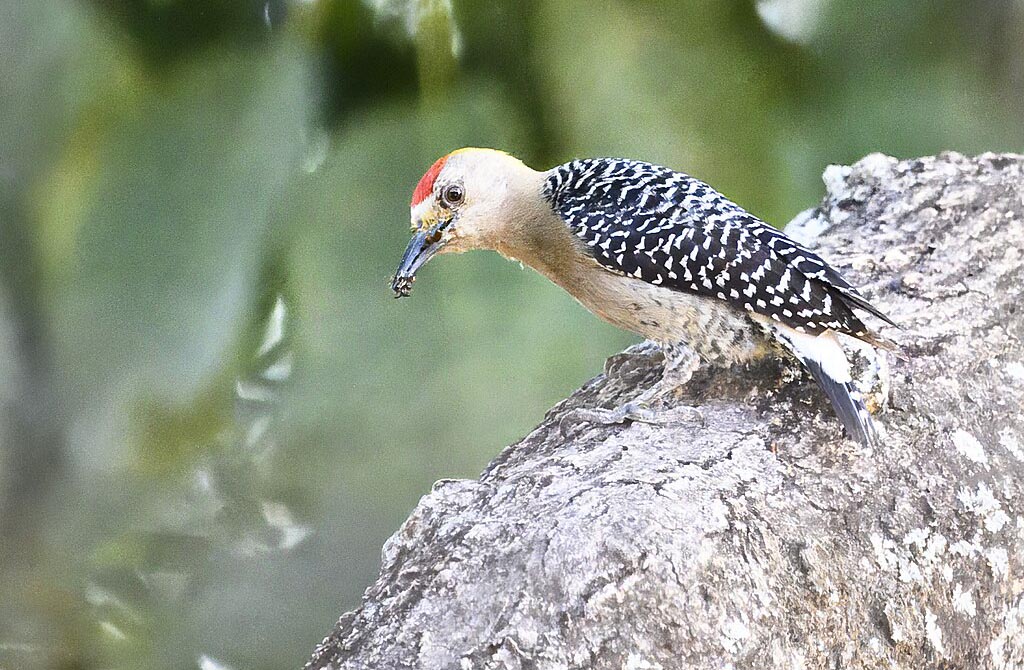
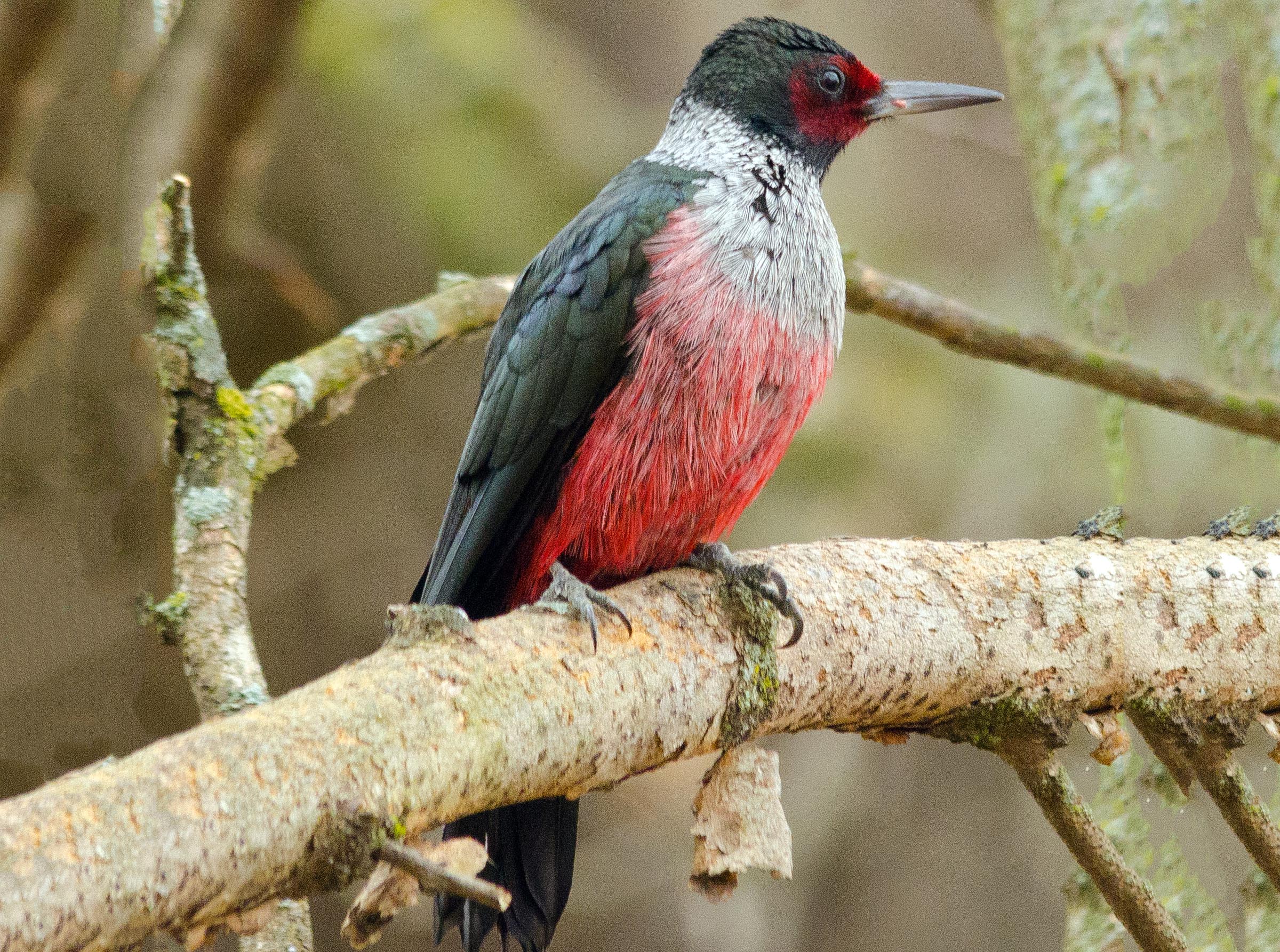
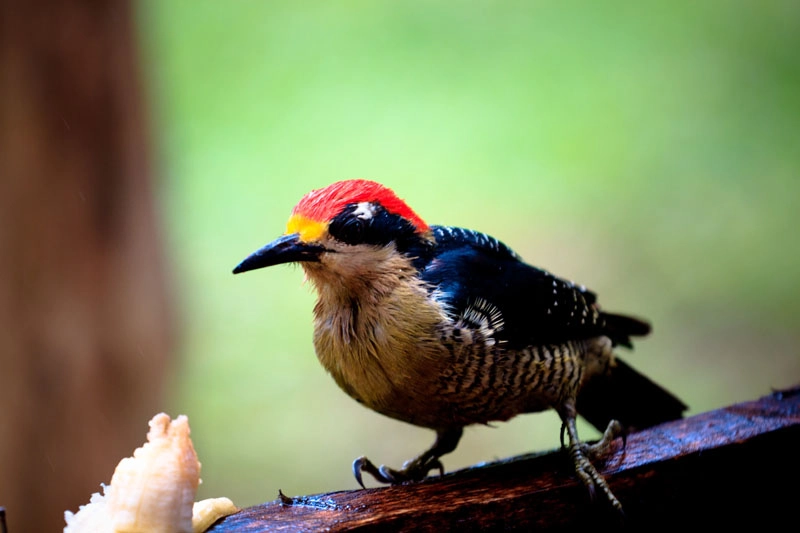
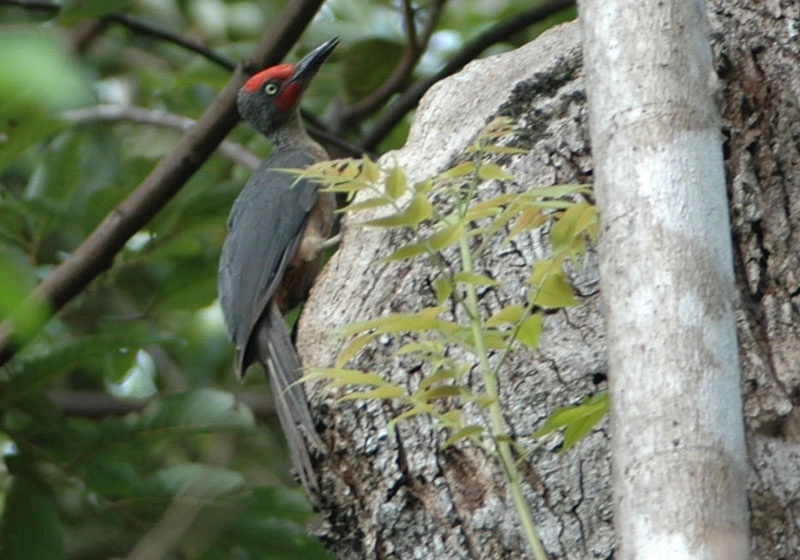
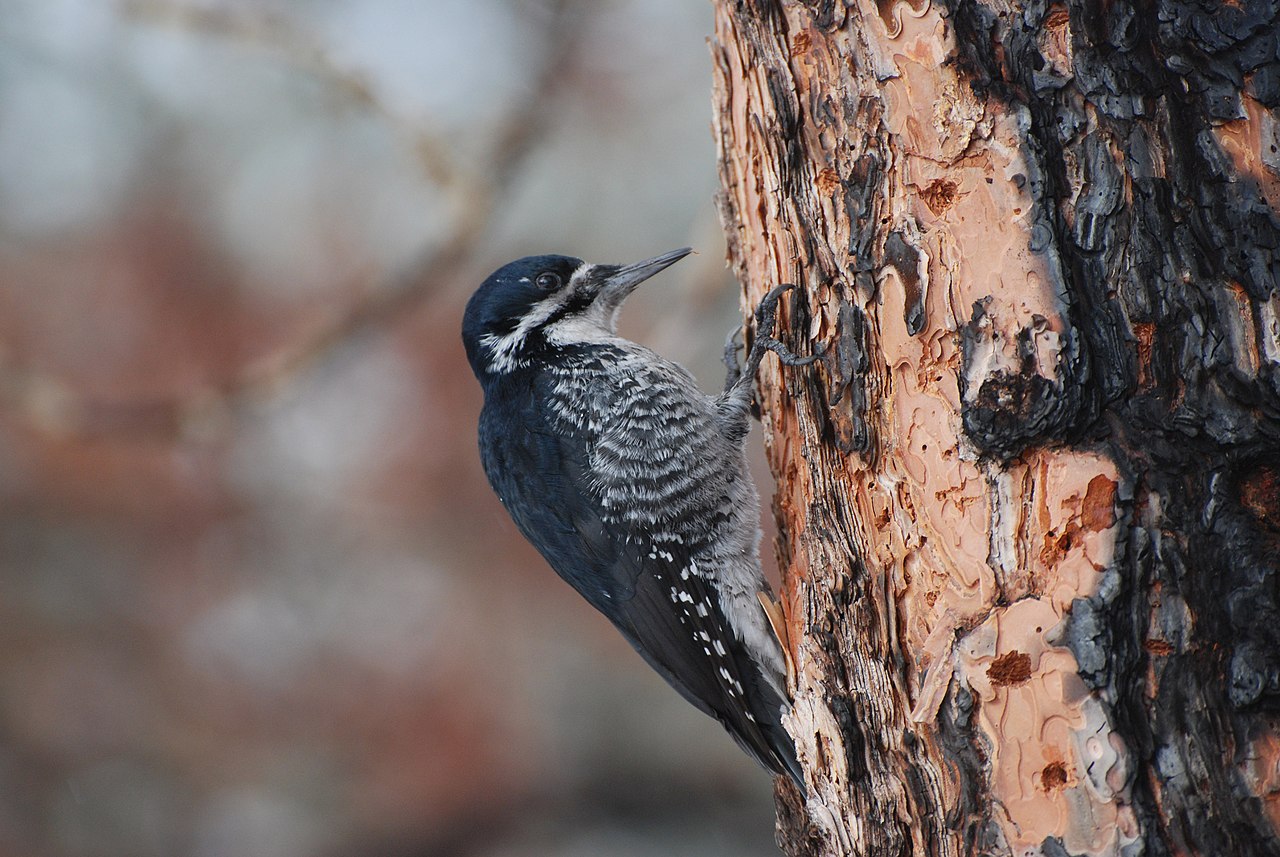
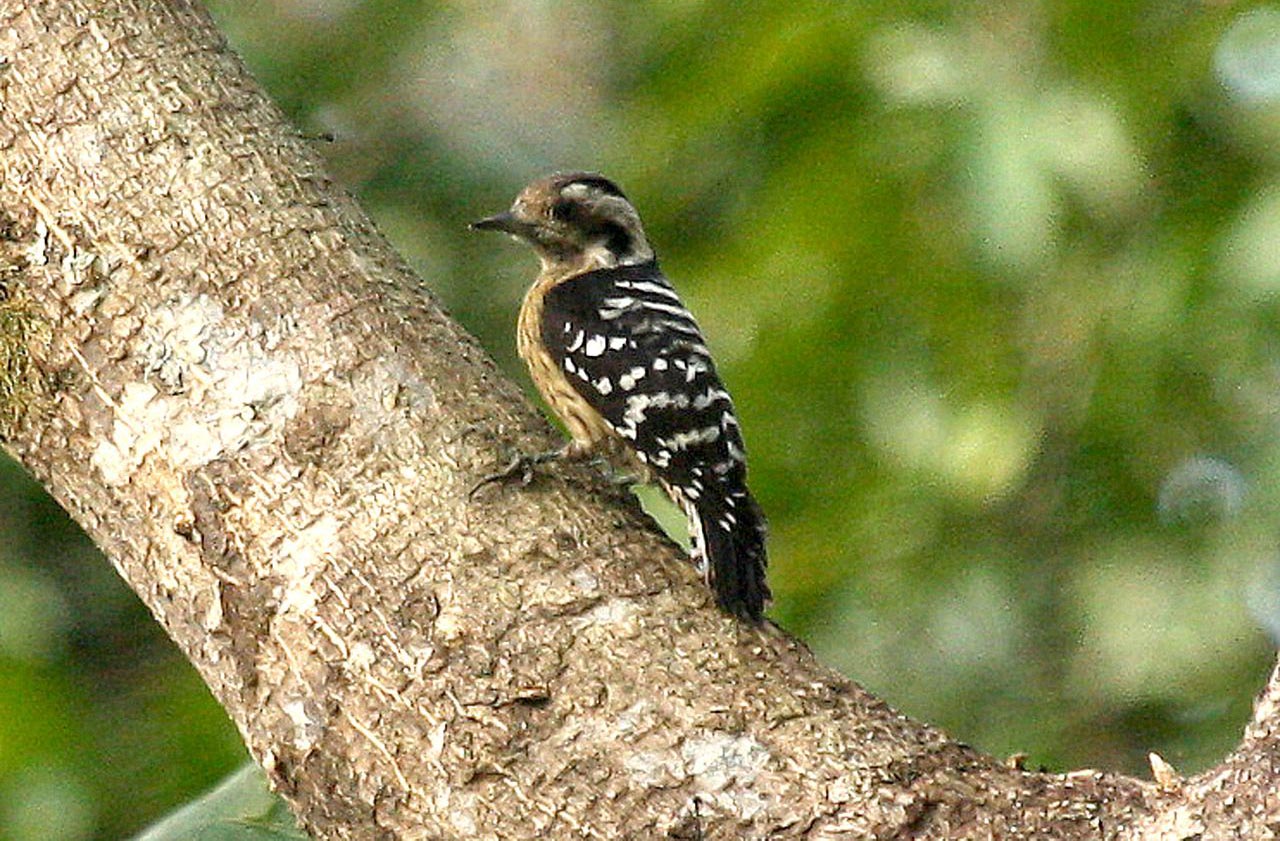
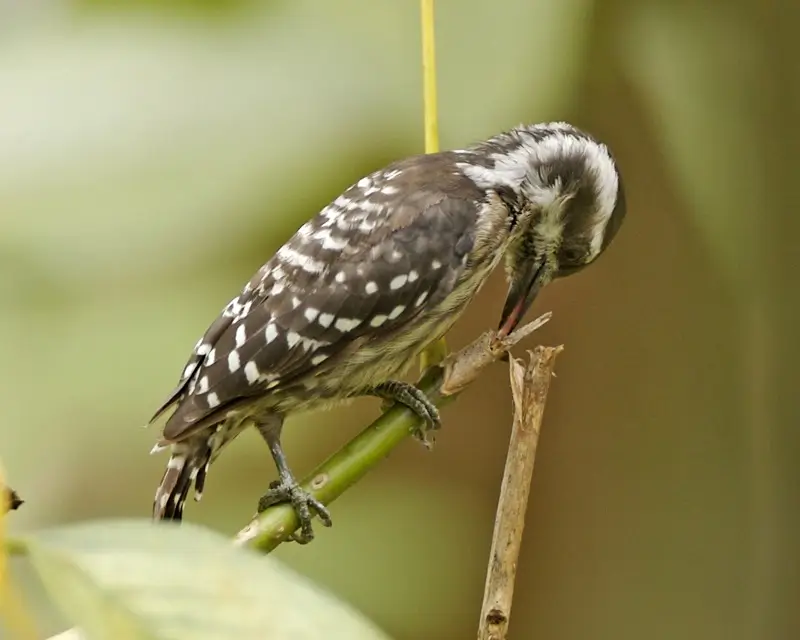
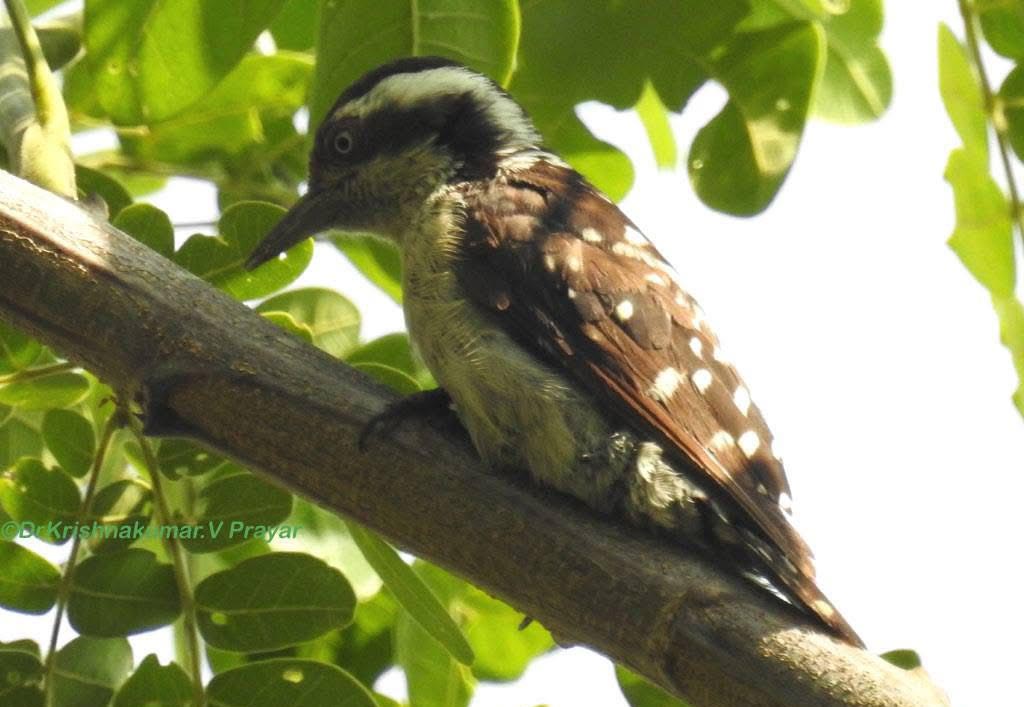
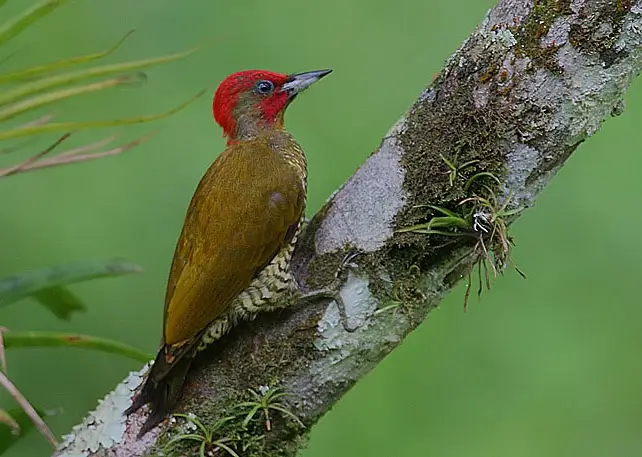
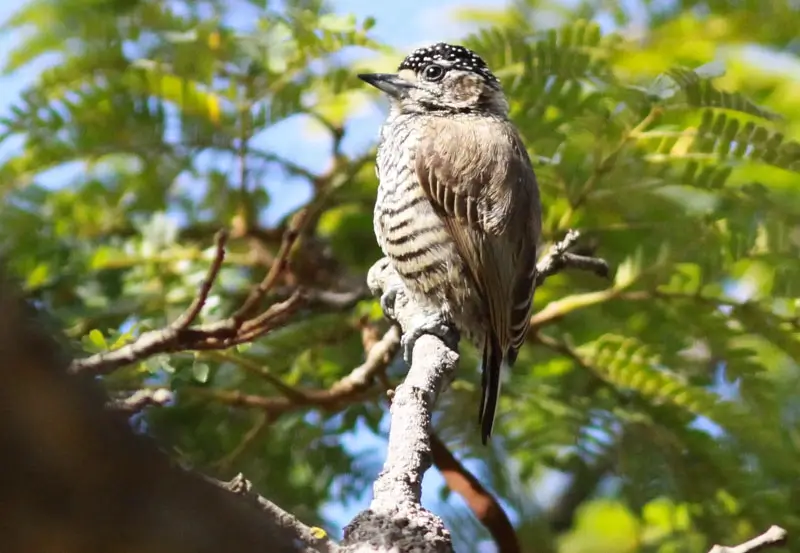
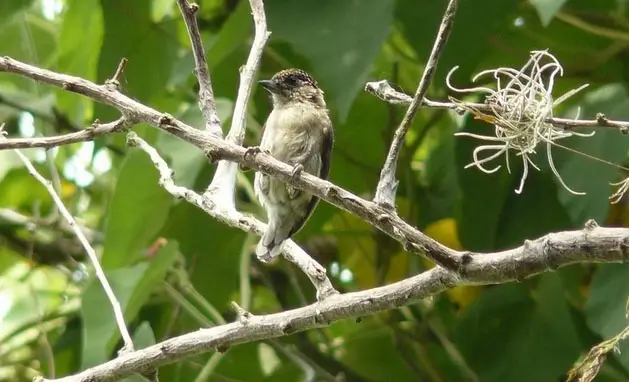
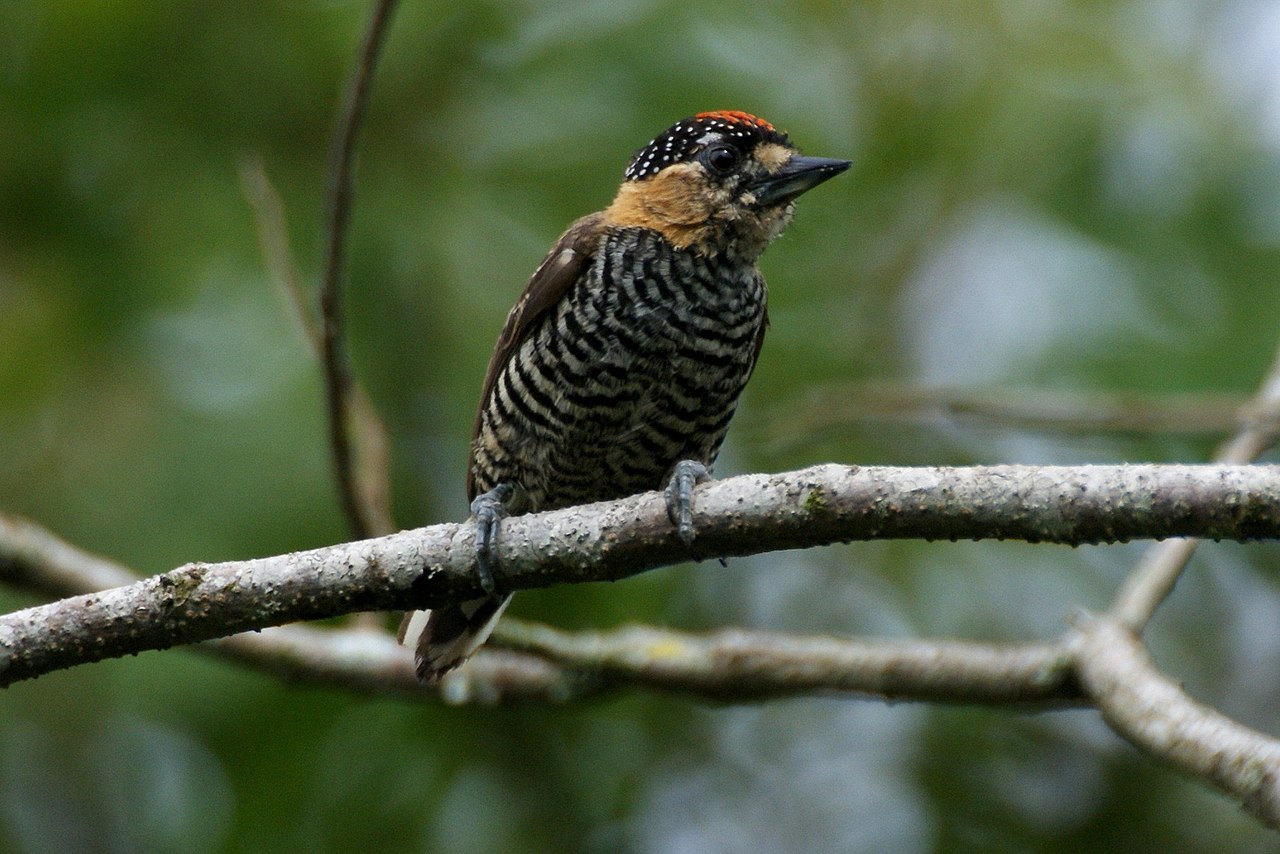
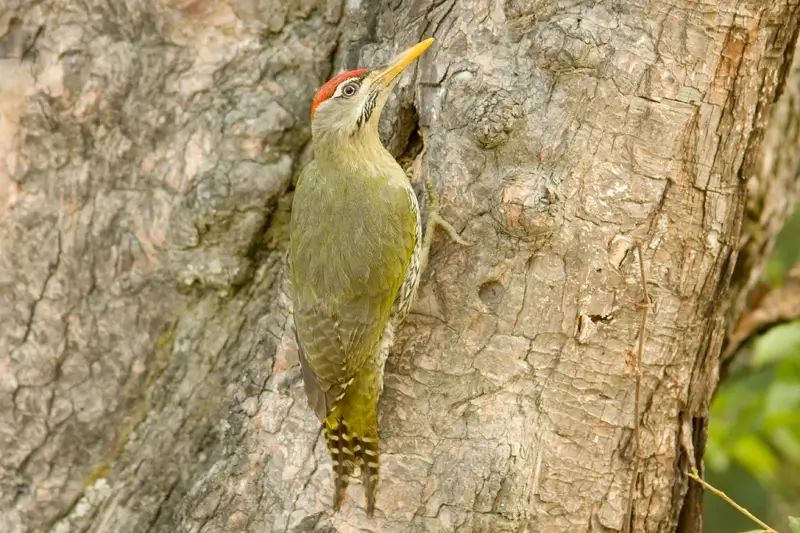
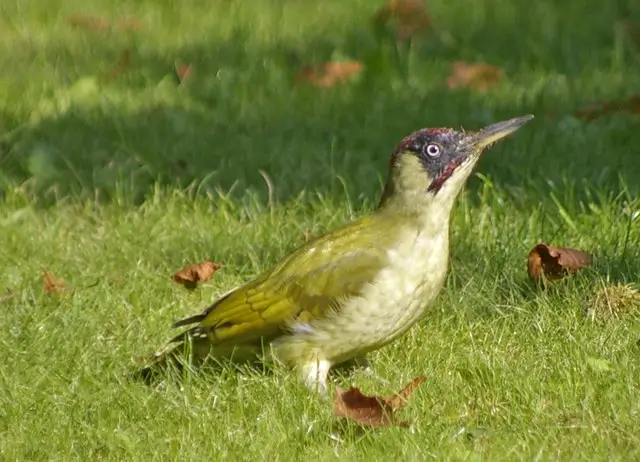
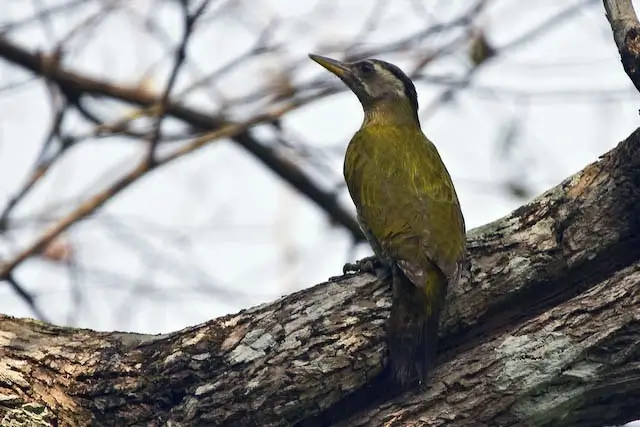
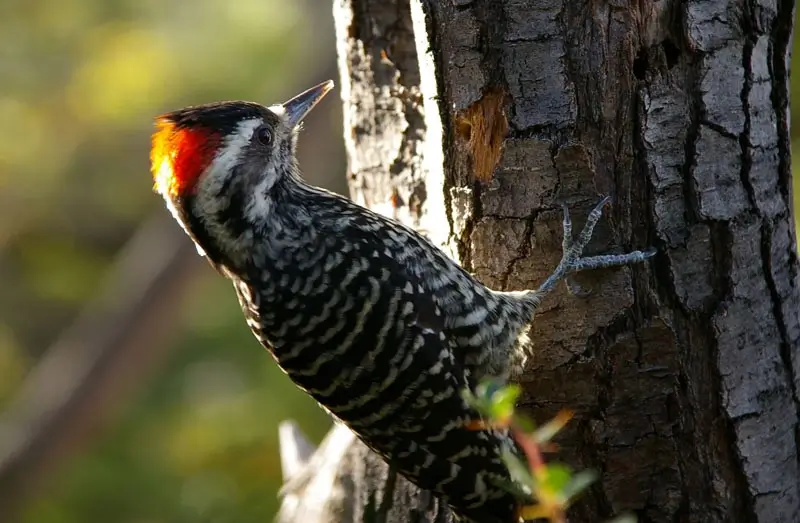
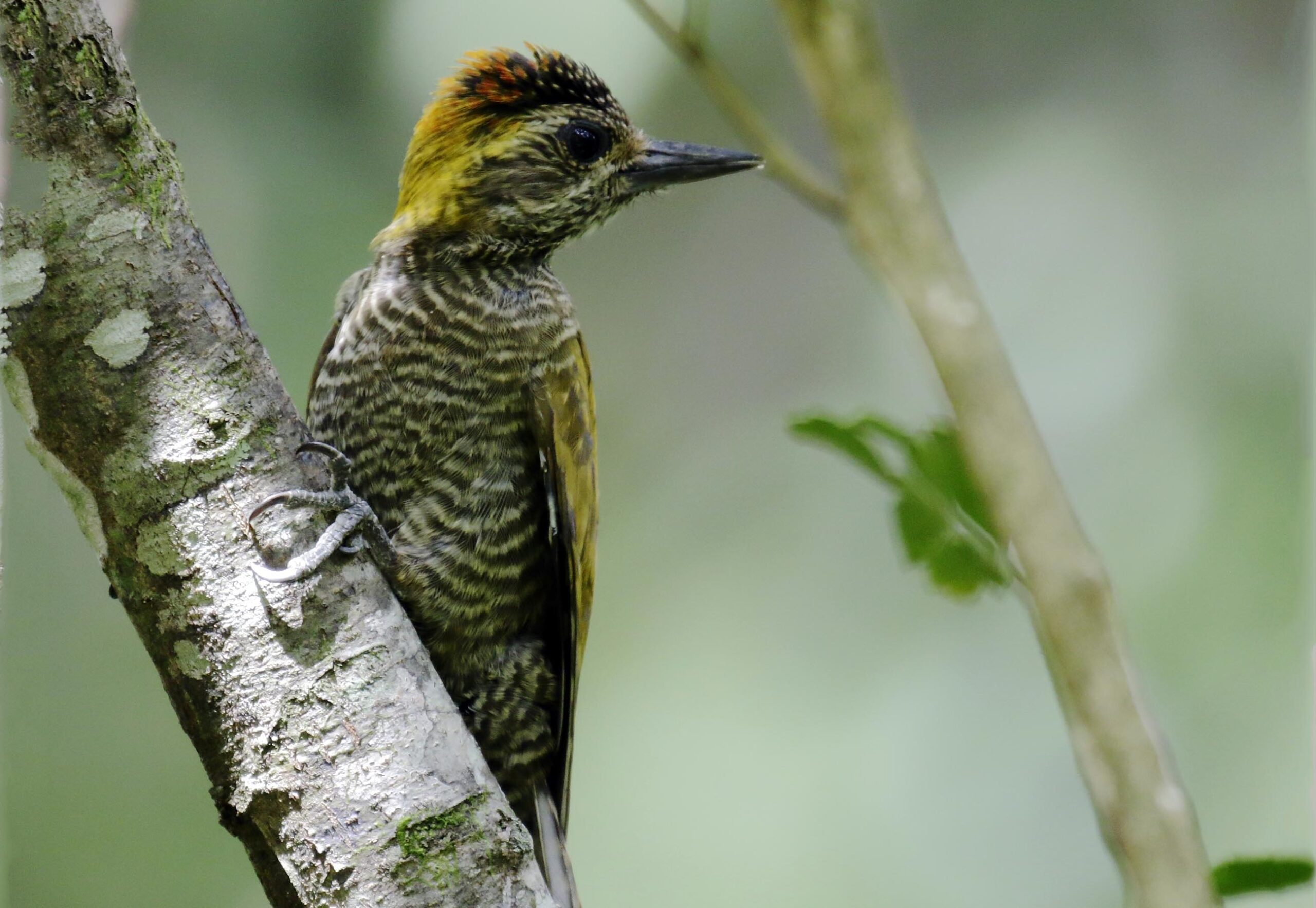
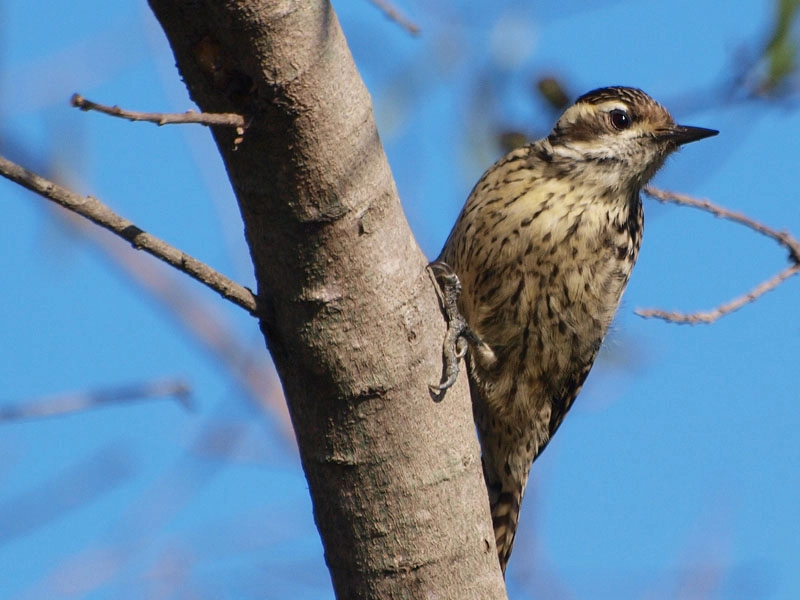
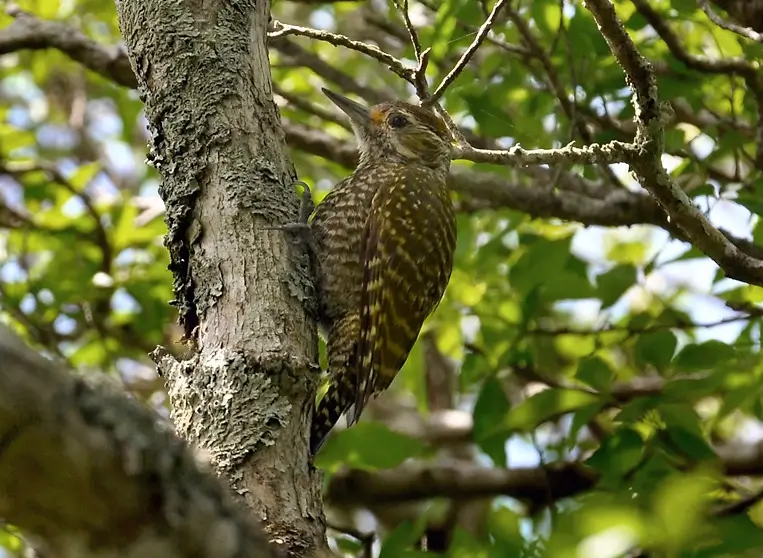
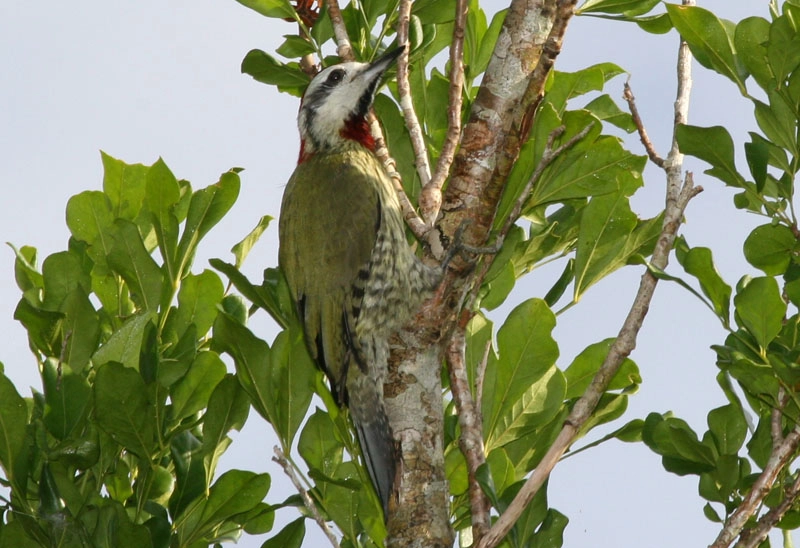
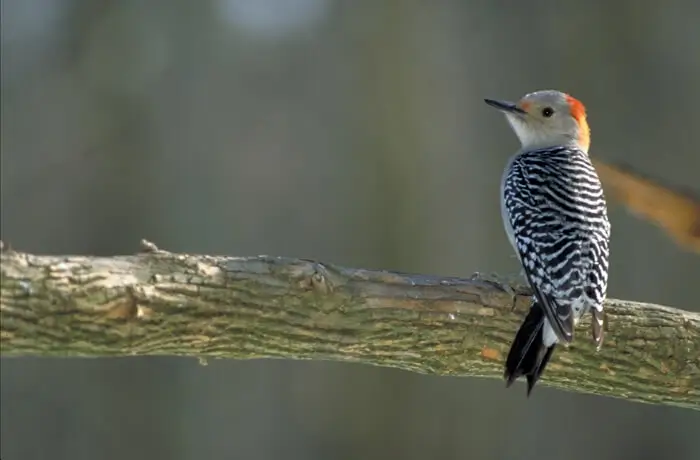
There are around 218 species in this family of birds. They are found in all parts of the world, except for Australia, Madagascar, and the polar regions.
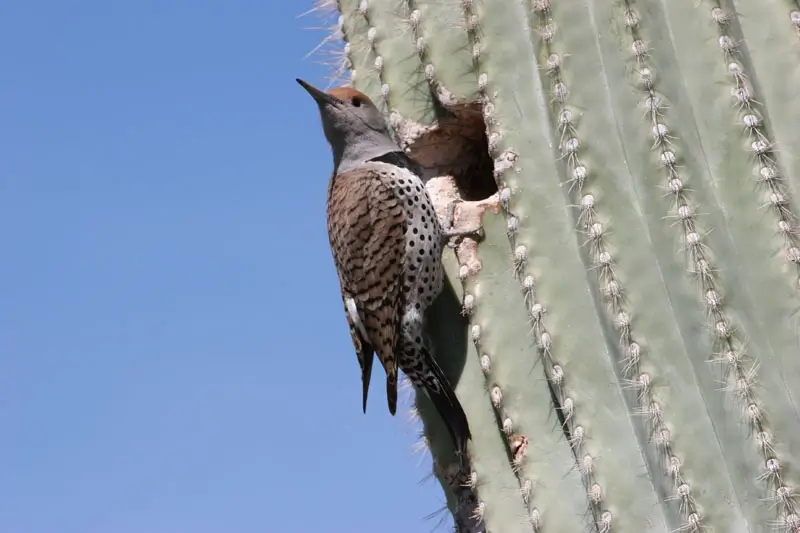
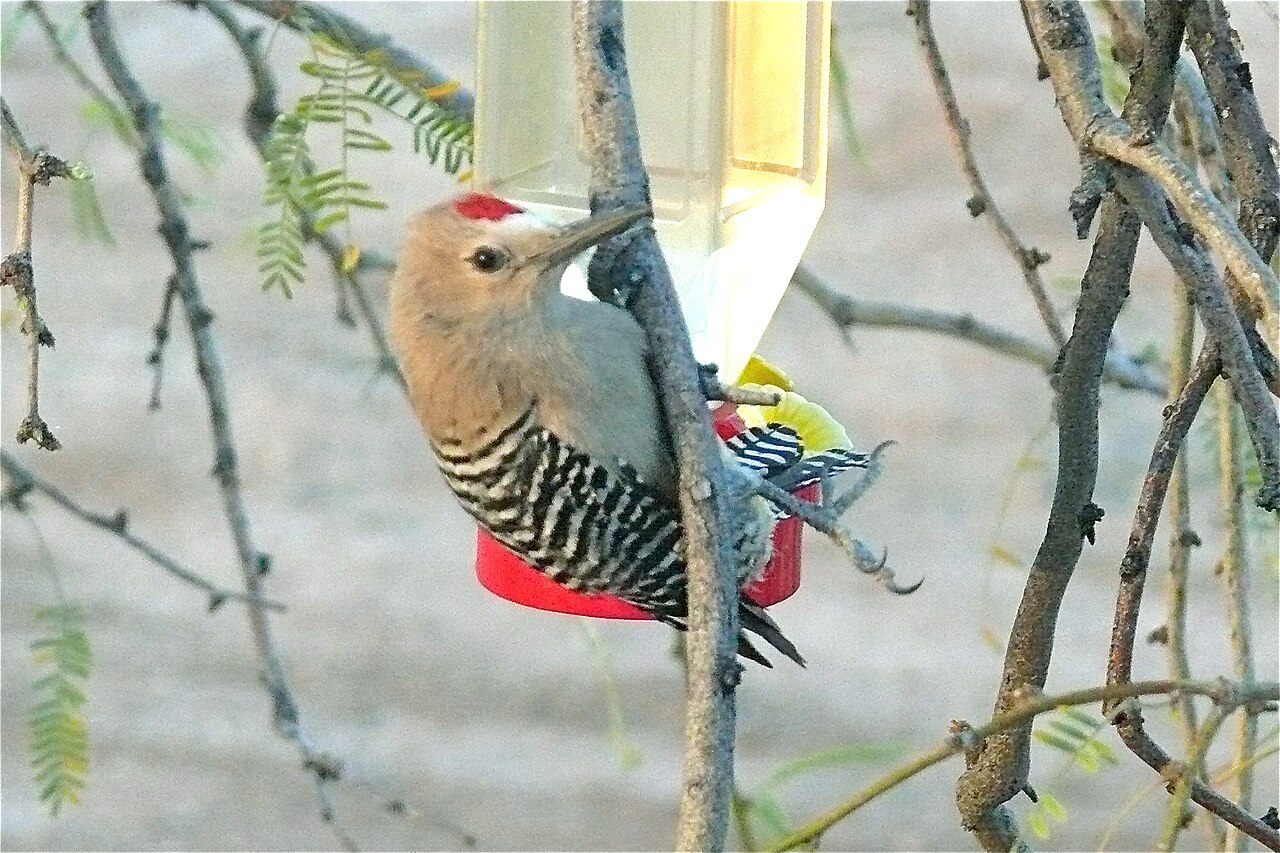
Most species are found in forests or woodlands, although some species, like the gila woodpecker, are found in deserts.
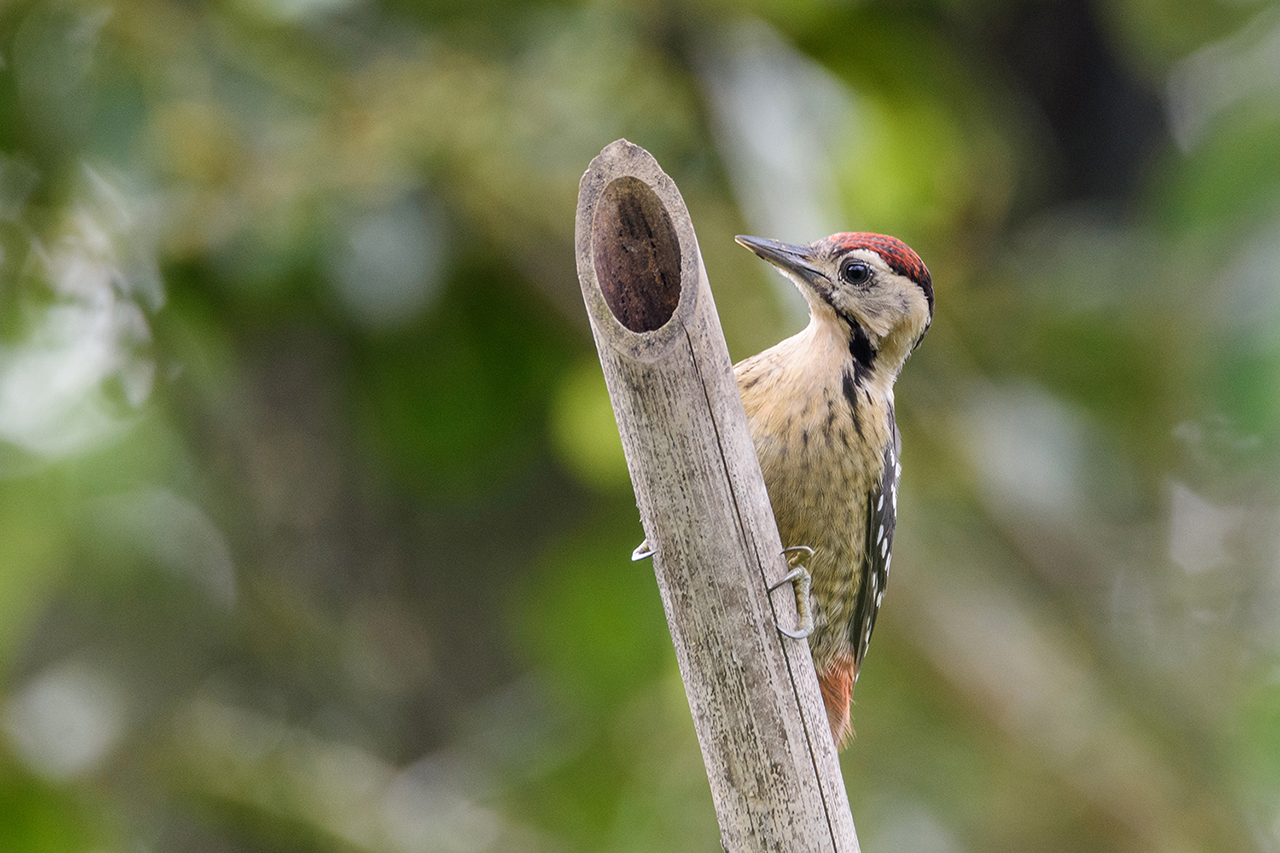
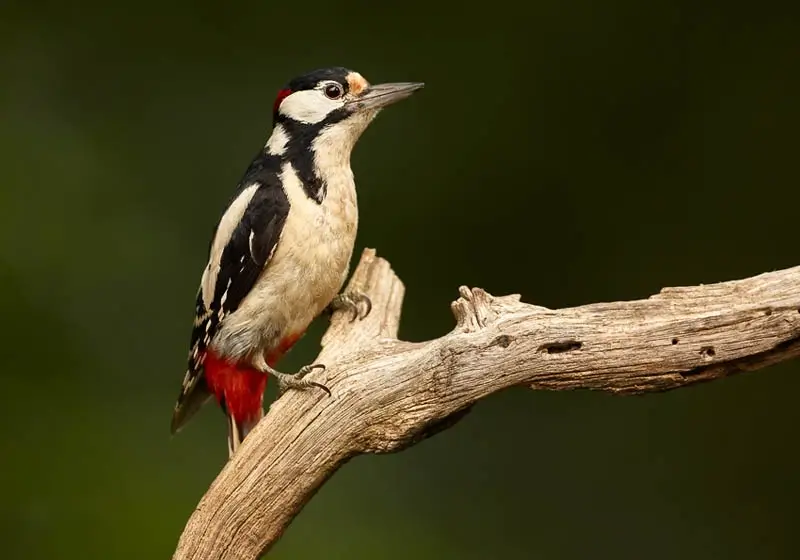
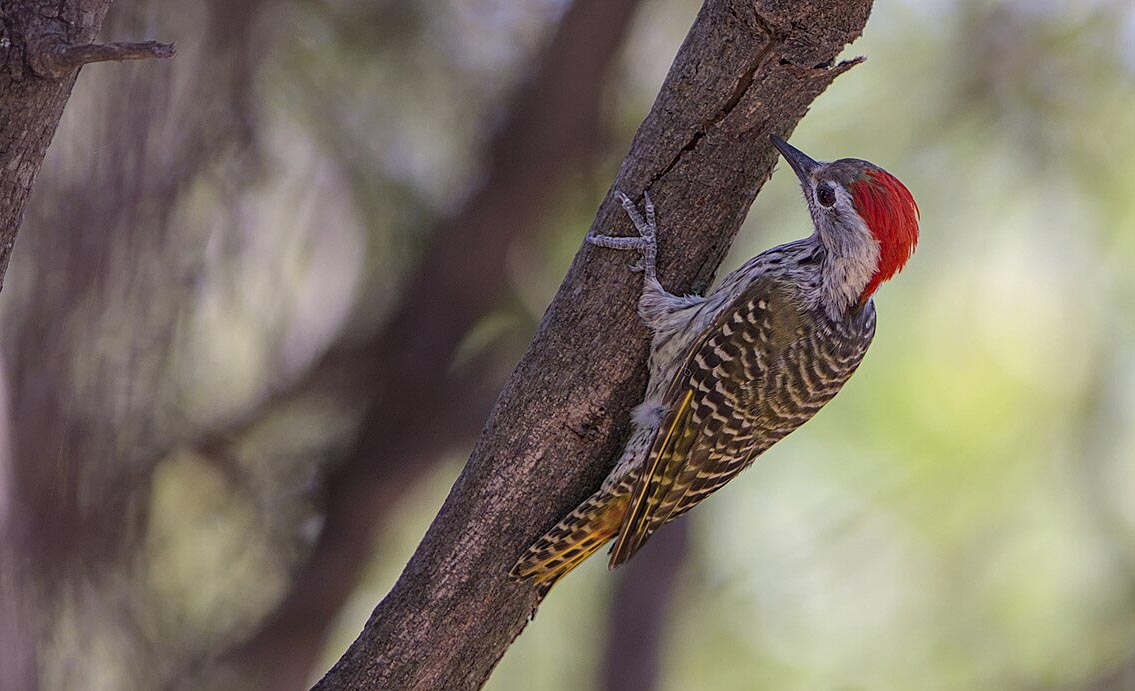
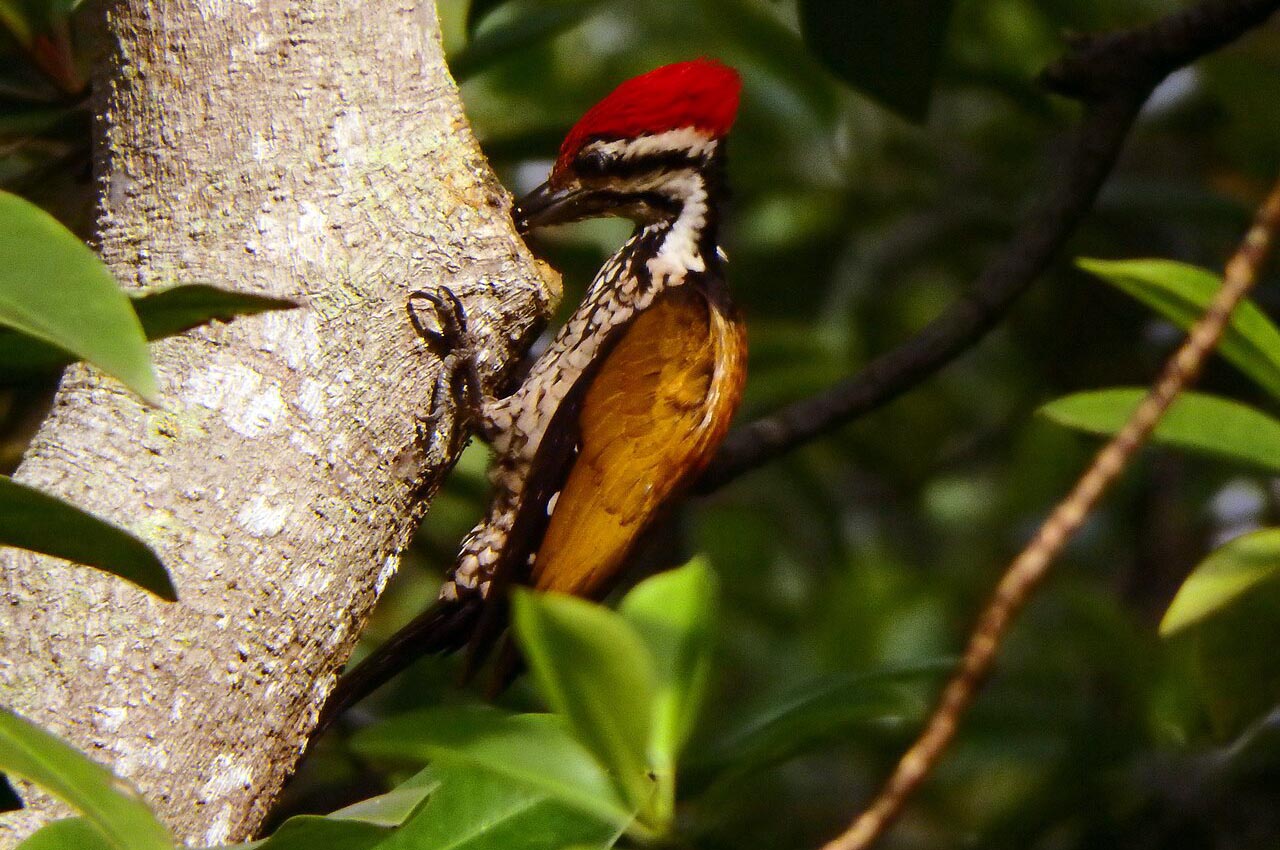
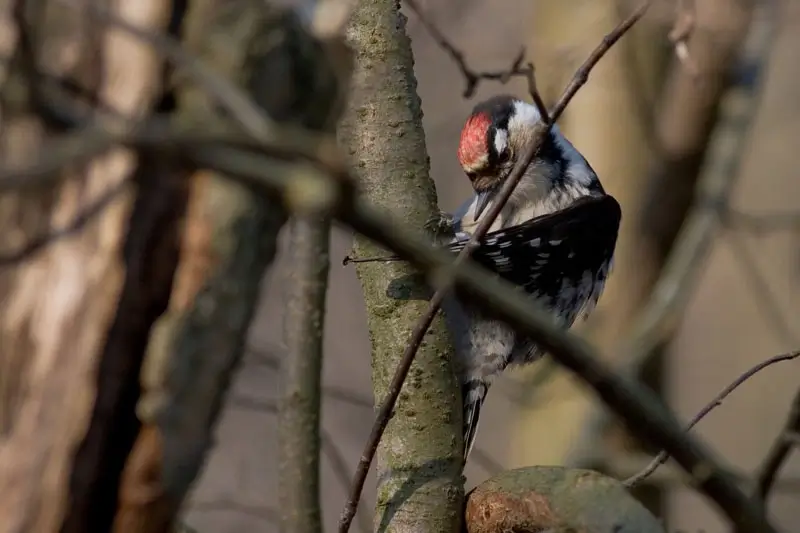
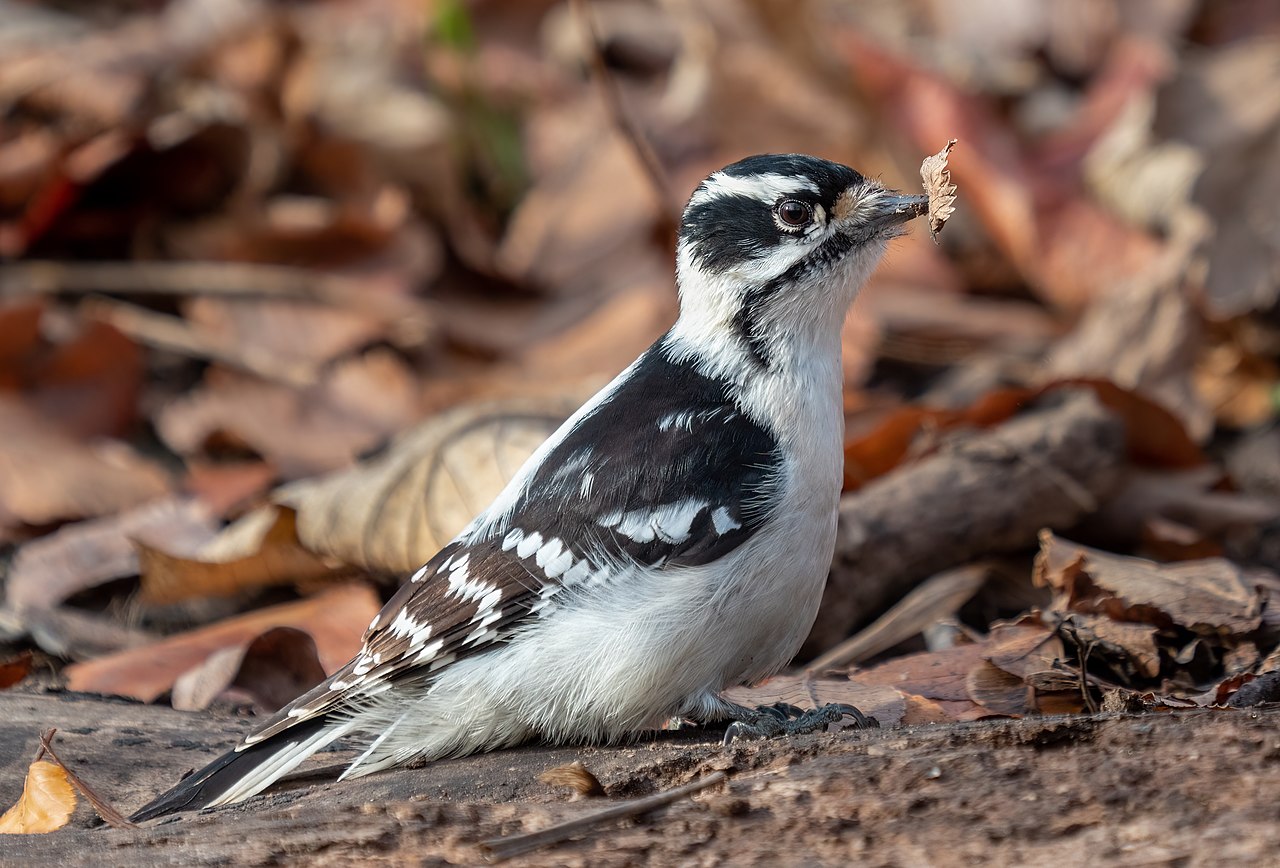
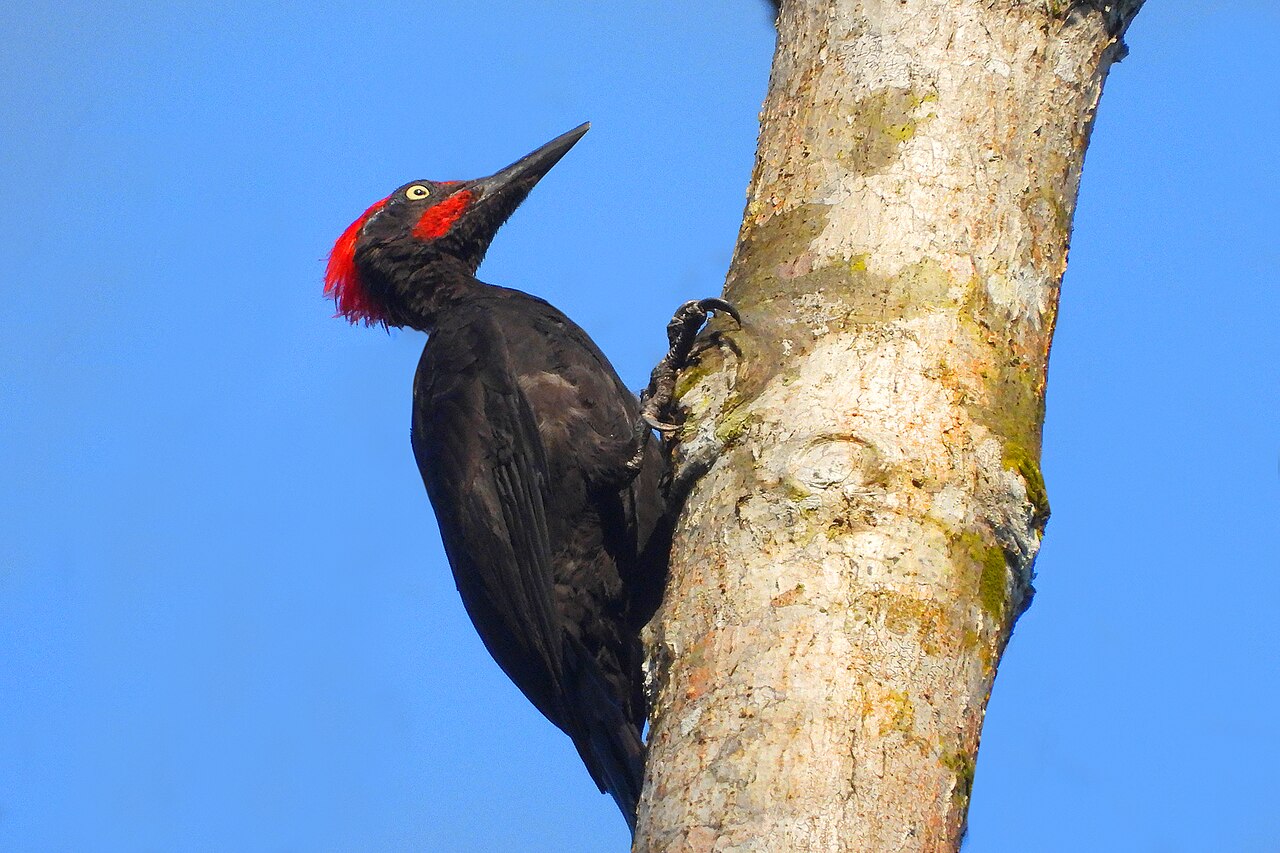
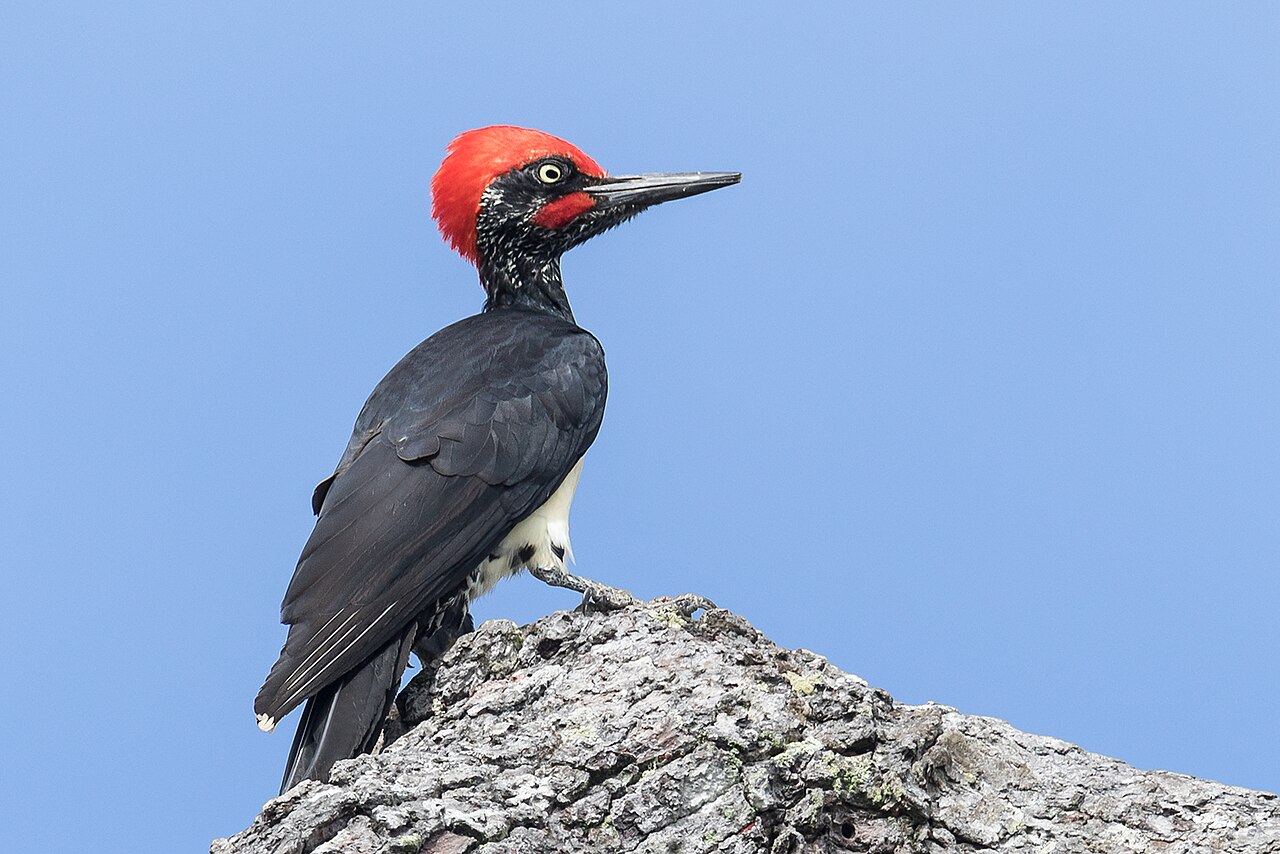
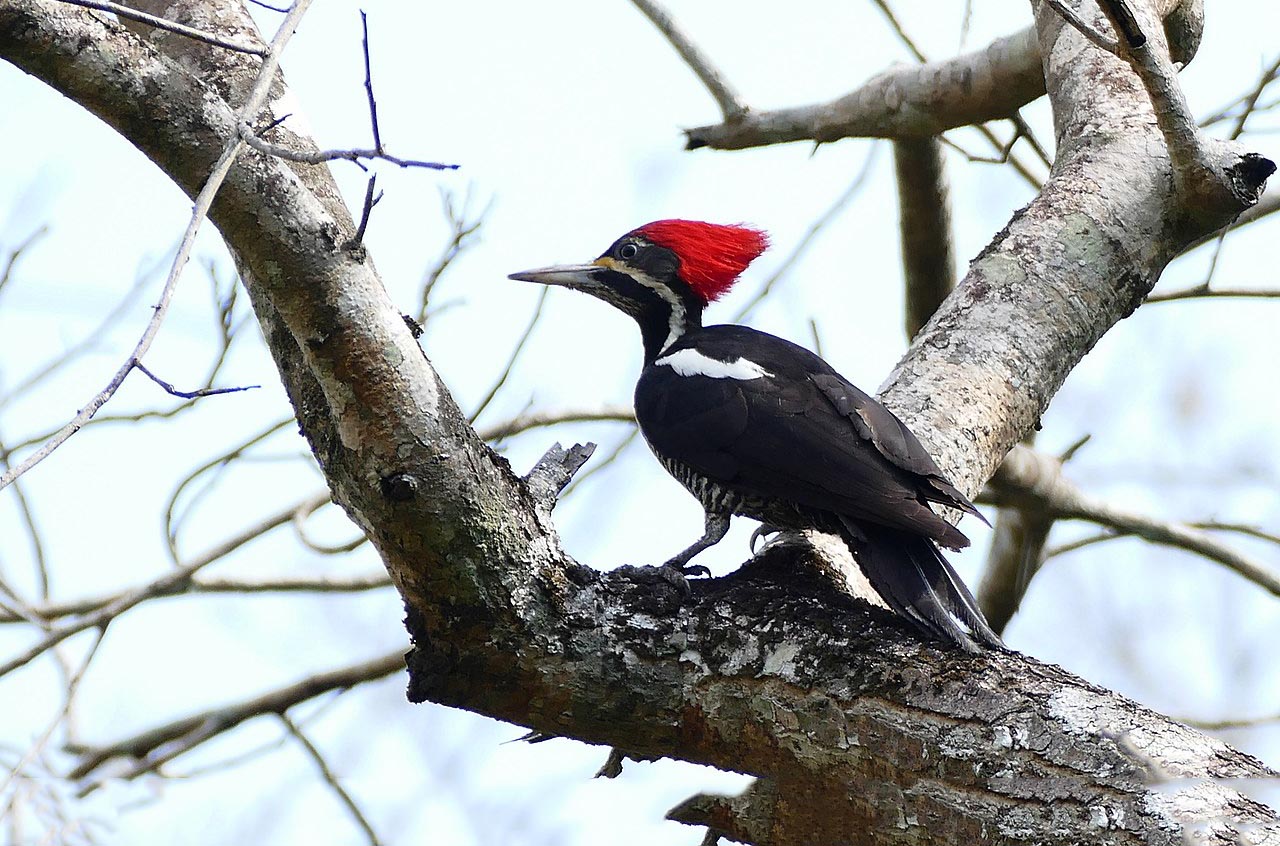
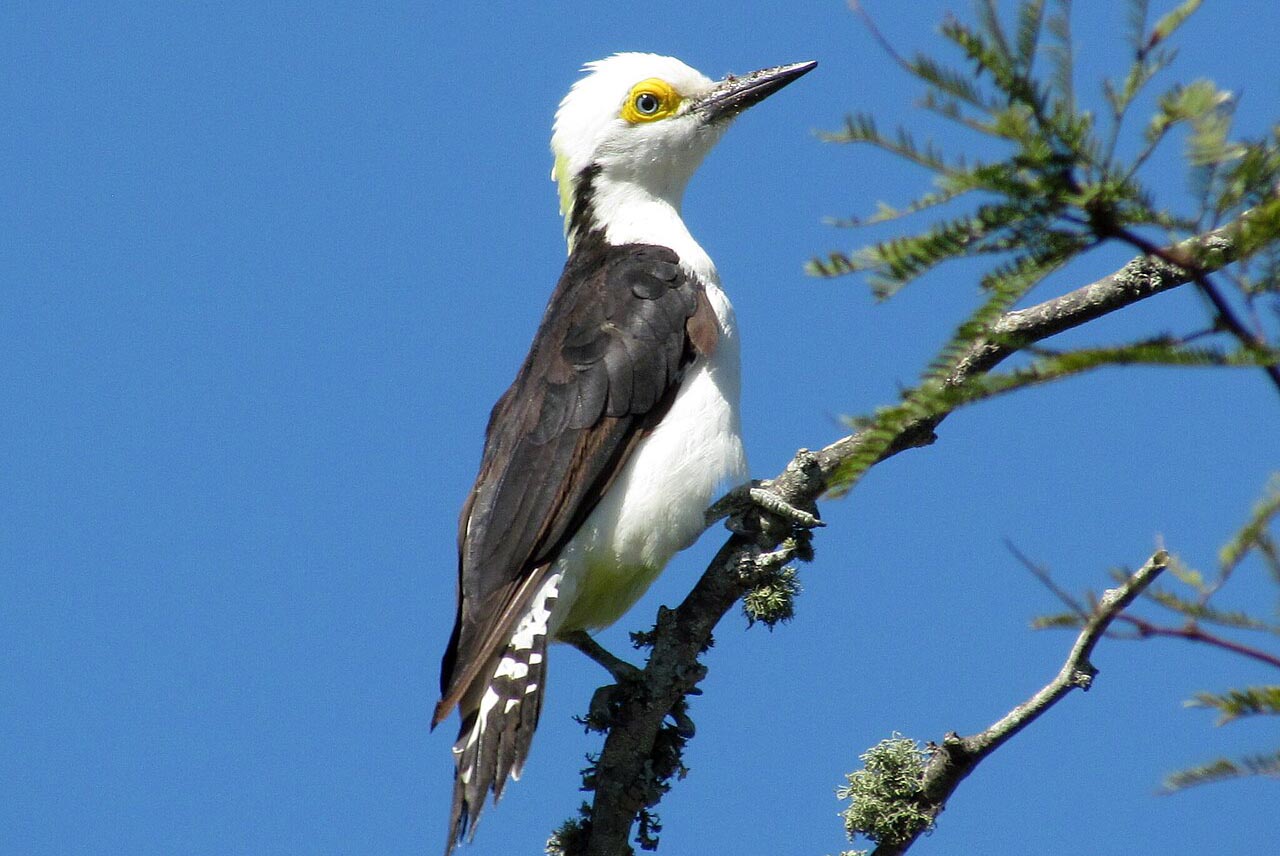
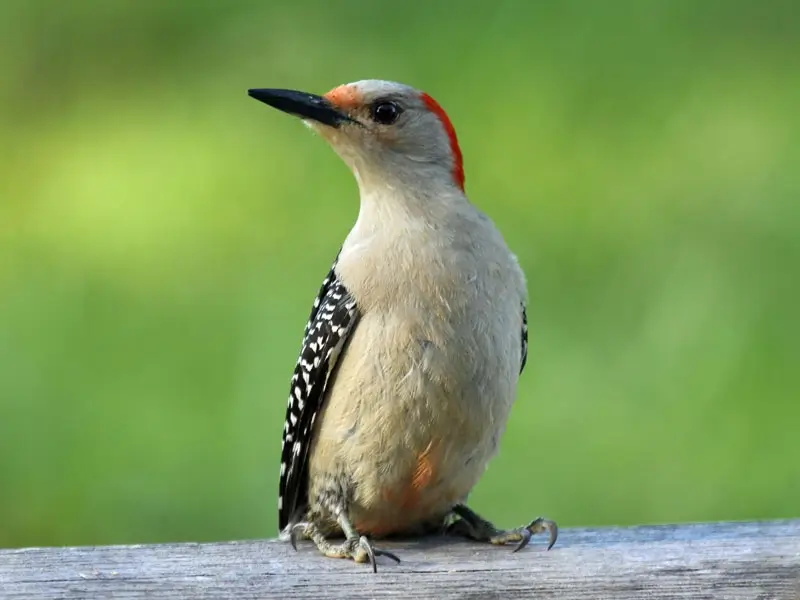
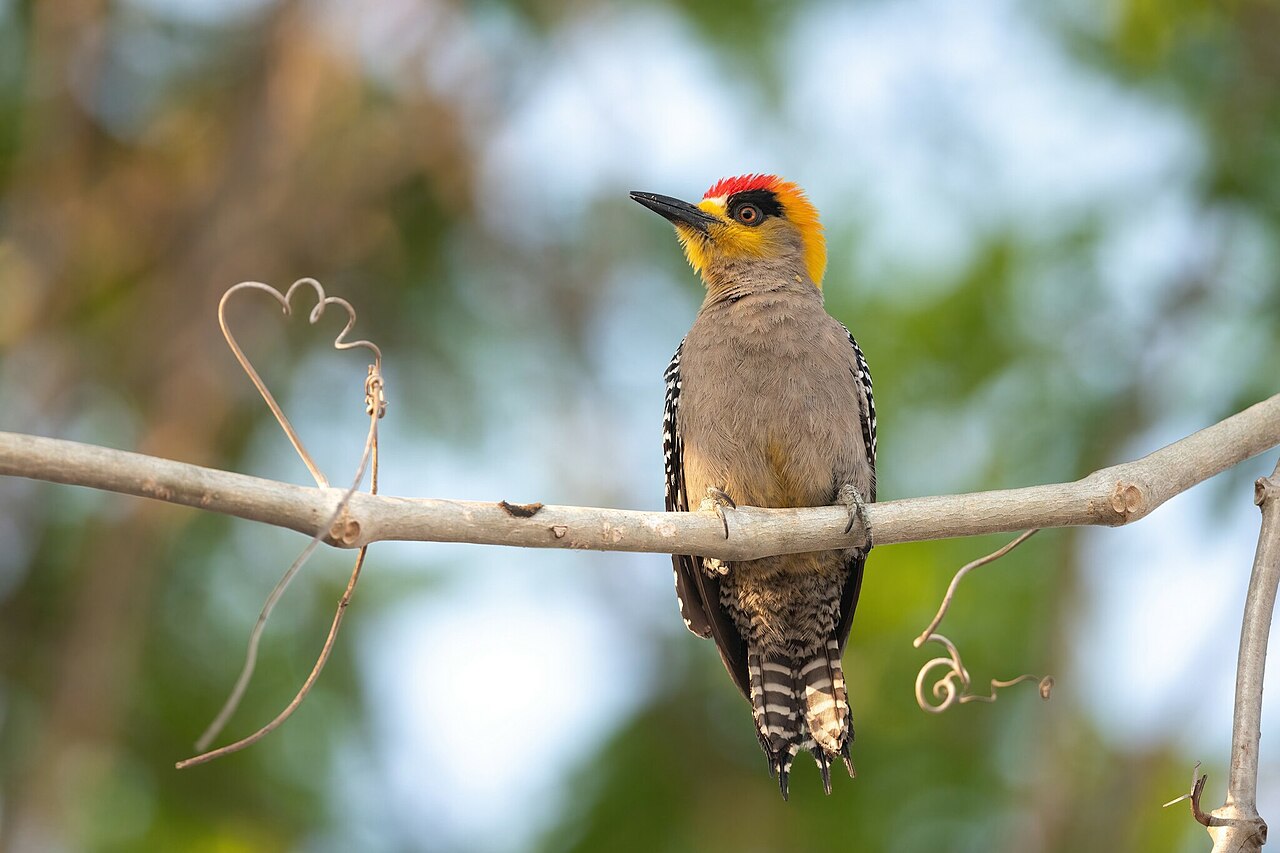
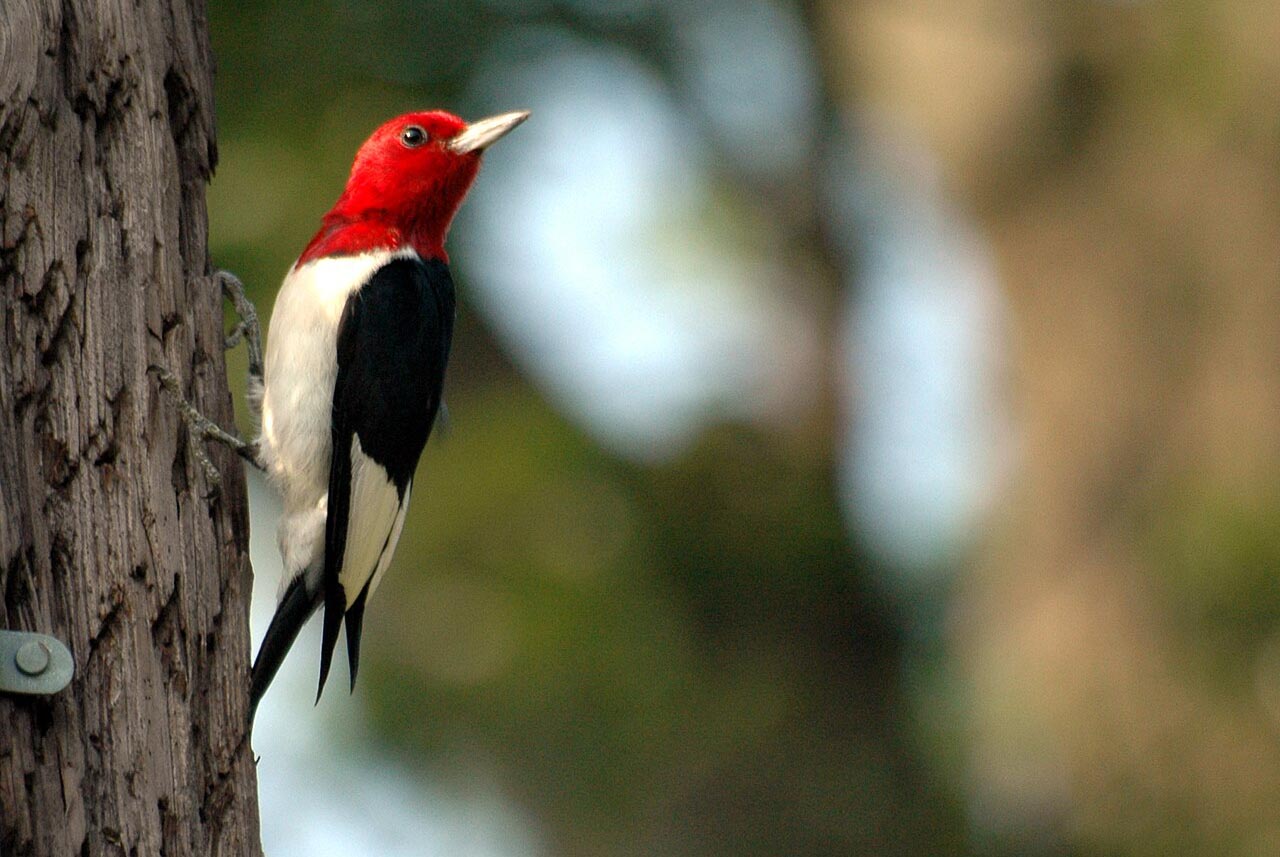
They range in size from 3-23 inches in length. Many species in this family have some combination of red, white, and black feathers.
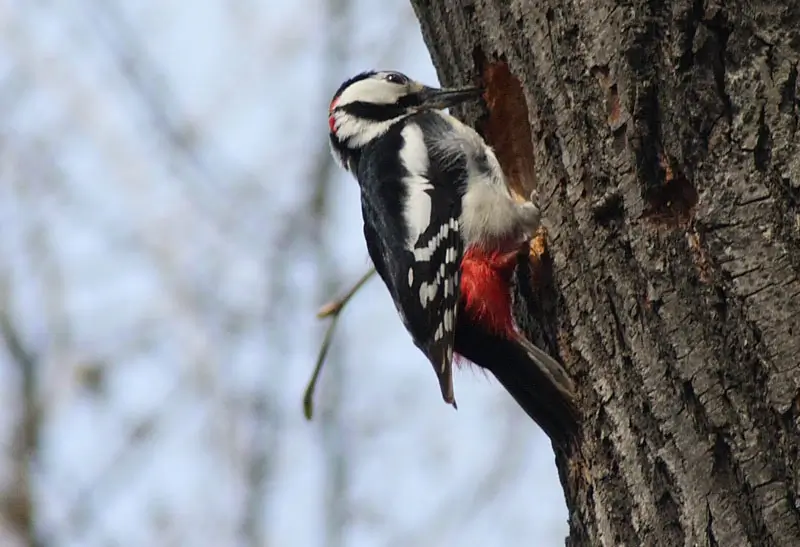
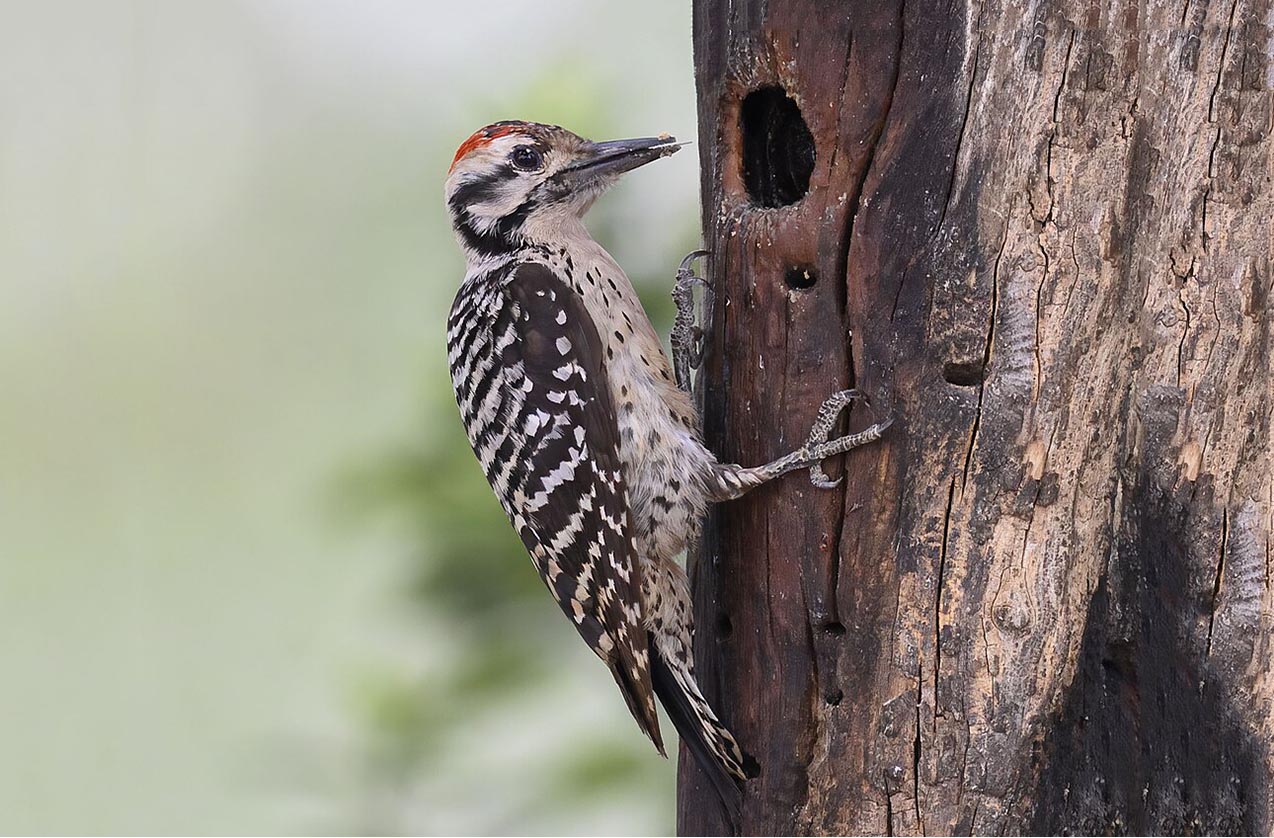
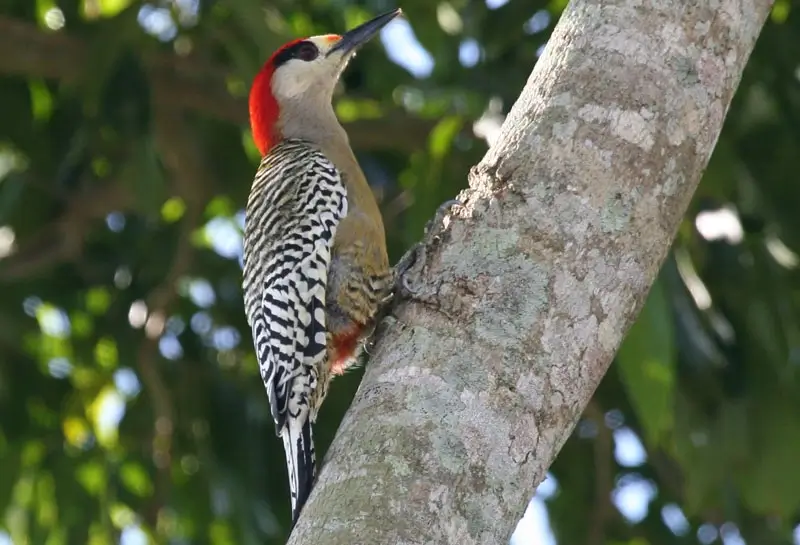
They have strong, straight bills; long, sticky tongues; long, stiff tail feathers; and zygodactyl feet. That means they have two toes facing forward and two toes facing backward. This helps them climb tree trunks. Their stiff tails help them keep their balance as they cling to the sides of trees.
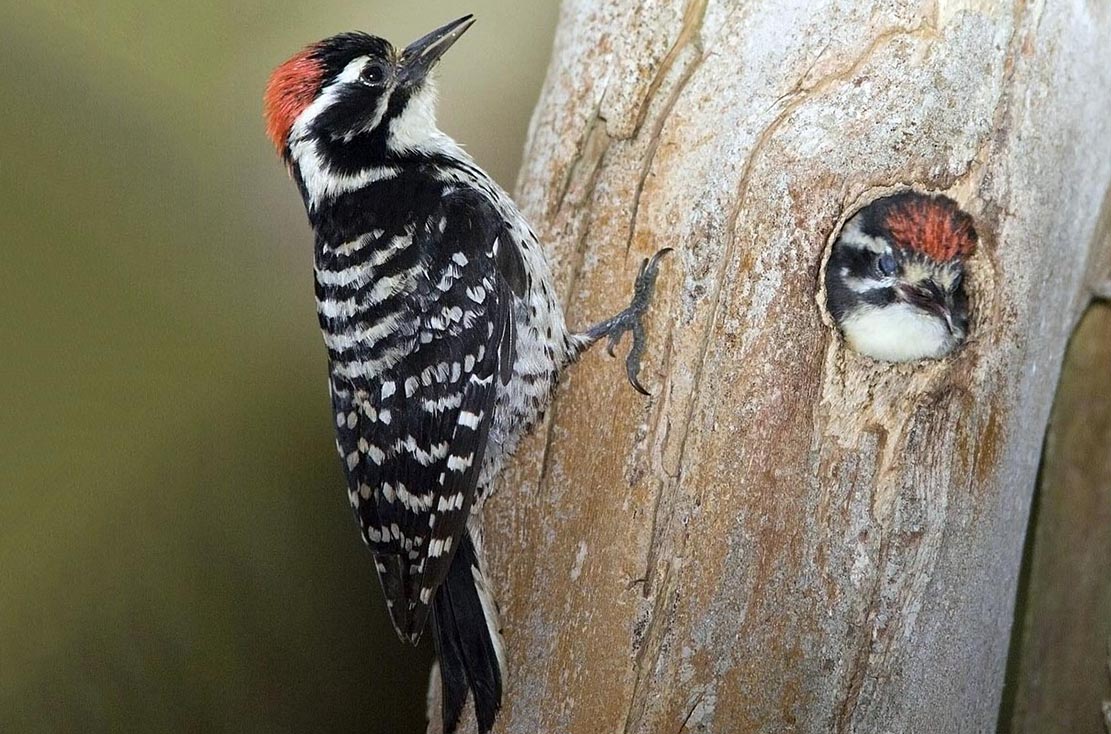
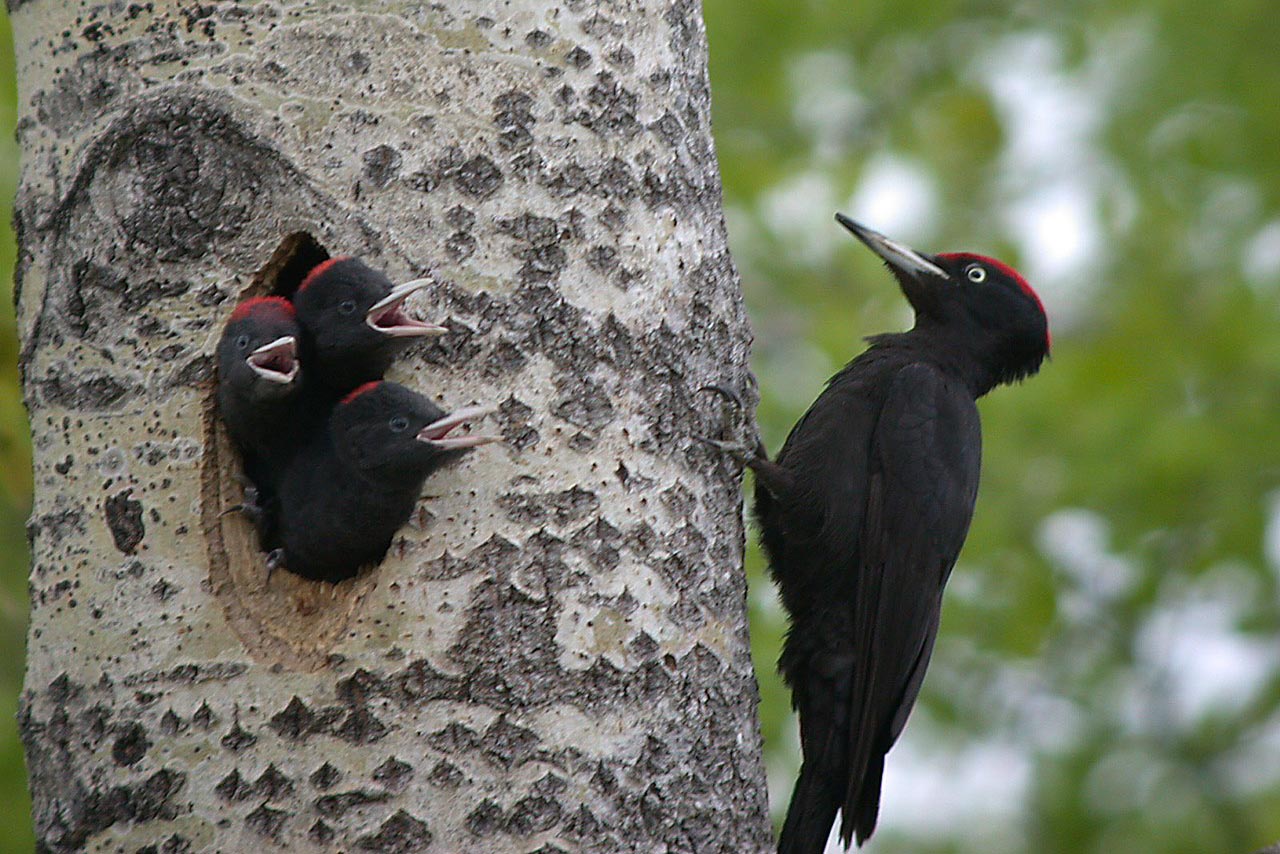
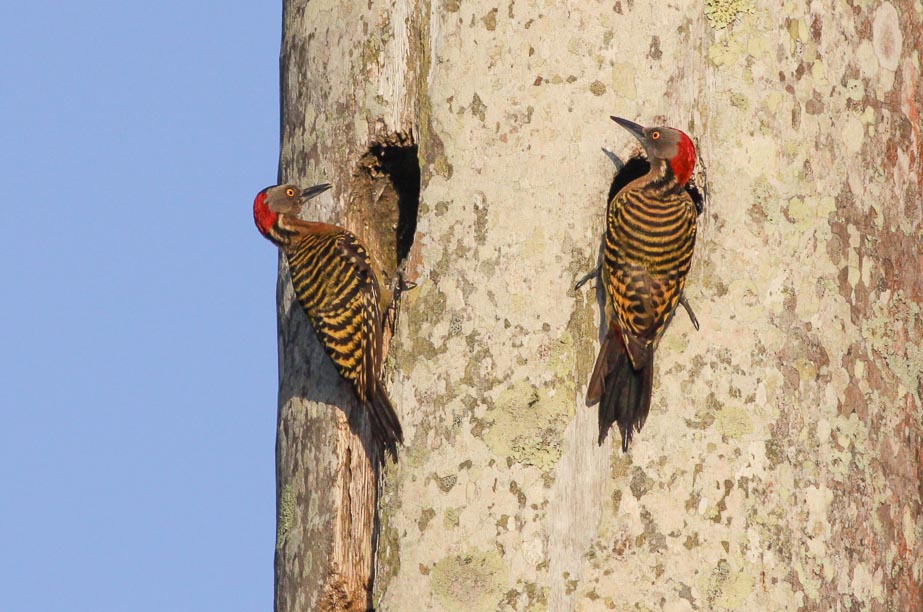
The birds in this family nest in tree cavities. Most species dig out their own cavity, although wrynecks use the abandoned cavities of other birds or a tree crotch, or a natural crevice.
Males and females work together to build the nest. In some species, the male does most of the excavation, and the female arranges the inside of the nest. Females lay 2-5 eggs, and both the male and female incubate the eggs and feed and care for the chicks.
Most species eat ants, beetles, spiders, moths, grasshoppers, crickets, and insect larvae. Some species may also eat nuts, berries, seeds, and sap.
IMPERIAL WOODPECKER
The imperial woodpecker is thought to be extinct. The imperial woodpecker was once found in the Sierra Madre Occidental mountains in northwestern Mexico. The last confirmed sighting of the imperial woodpecker was in the 1950s.
The imperial woodpecker was the largest woodpecker species. It was 23 inches in length. The imperial woodpecker was black and white and had a long, pointed yellowish-orange bill. The male had a large red crest, and the female had a black crest.
IVORY-BILLED WOODPECKER
The ivory-billed woodpecker was listed as an extinct species in 2021 by U.S. Fish and Wildlife. It had white wing patches and a white stripe that ran from its cheek down its neck and back. The male had a red crest and the female had a black crest.
Ivory-billed woodpeckers had an ivory-colored bill. The ivory-billed woodpecker was once found in the southeastern United States and in Cuba.