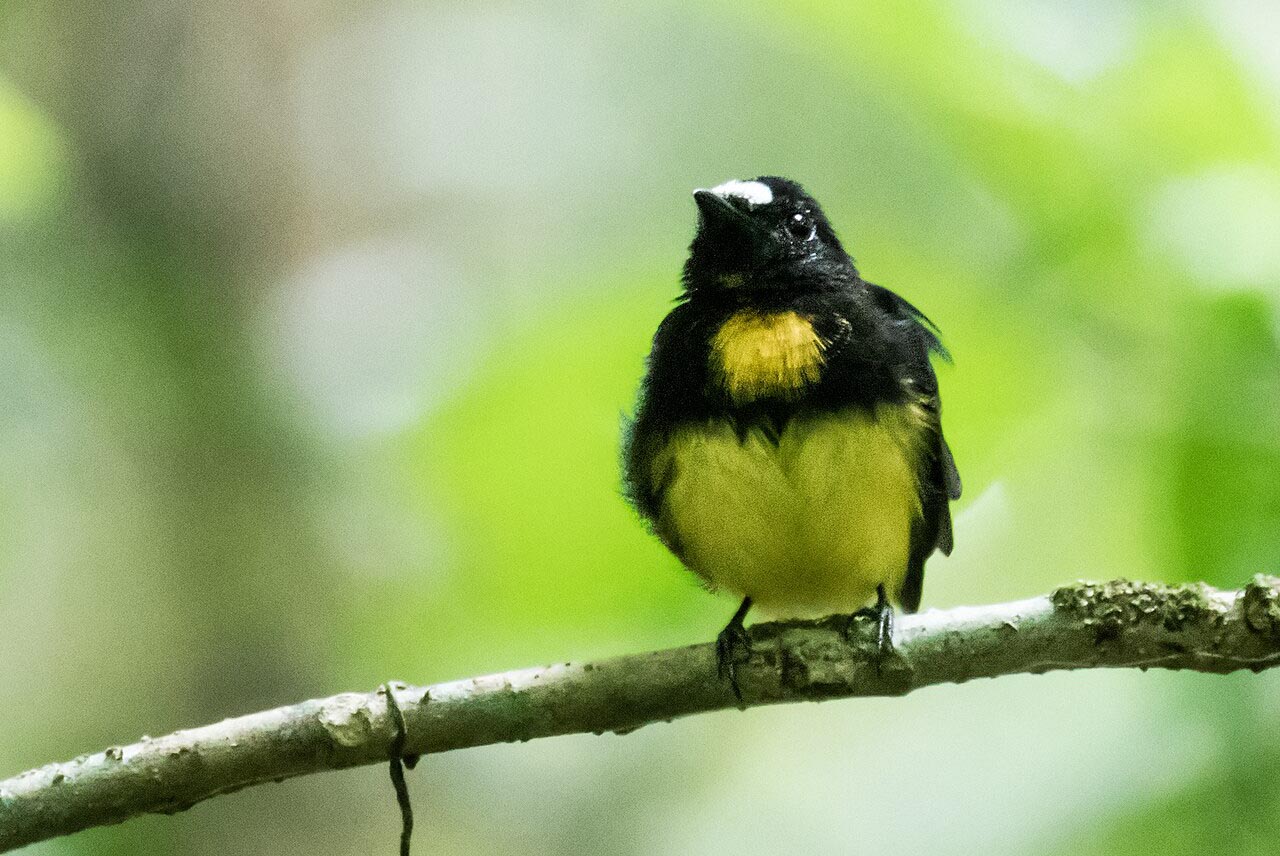
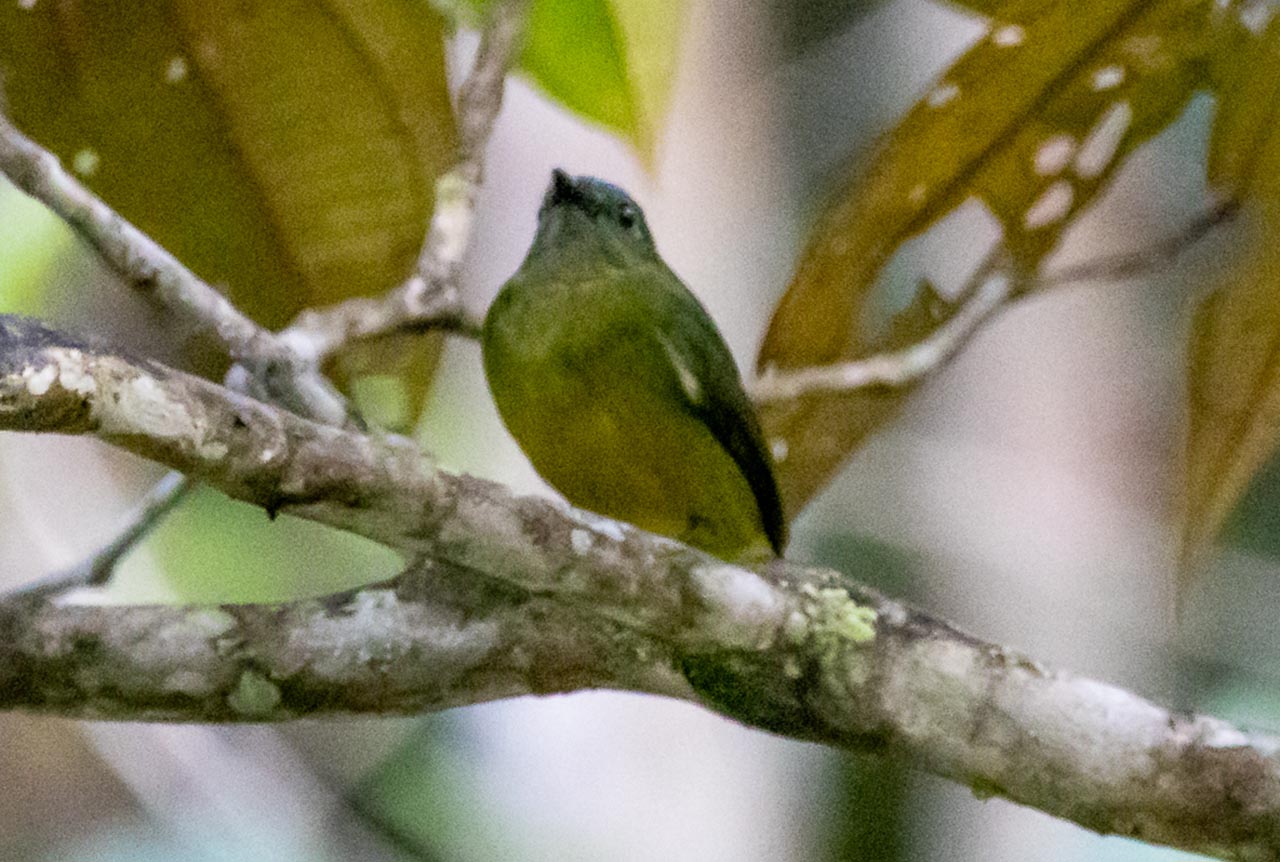
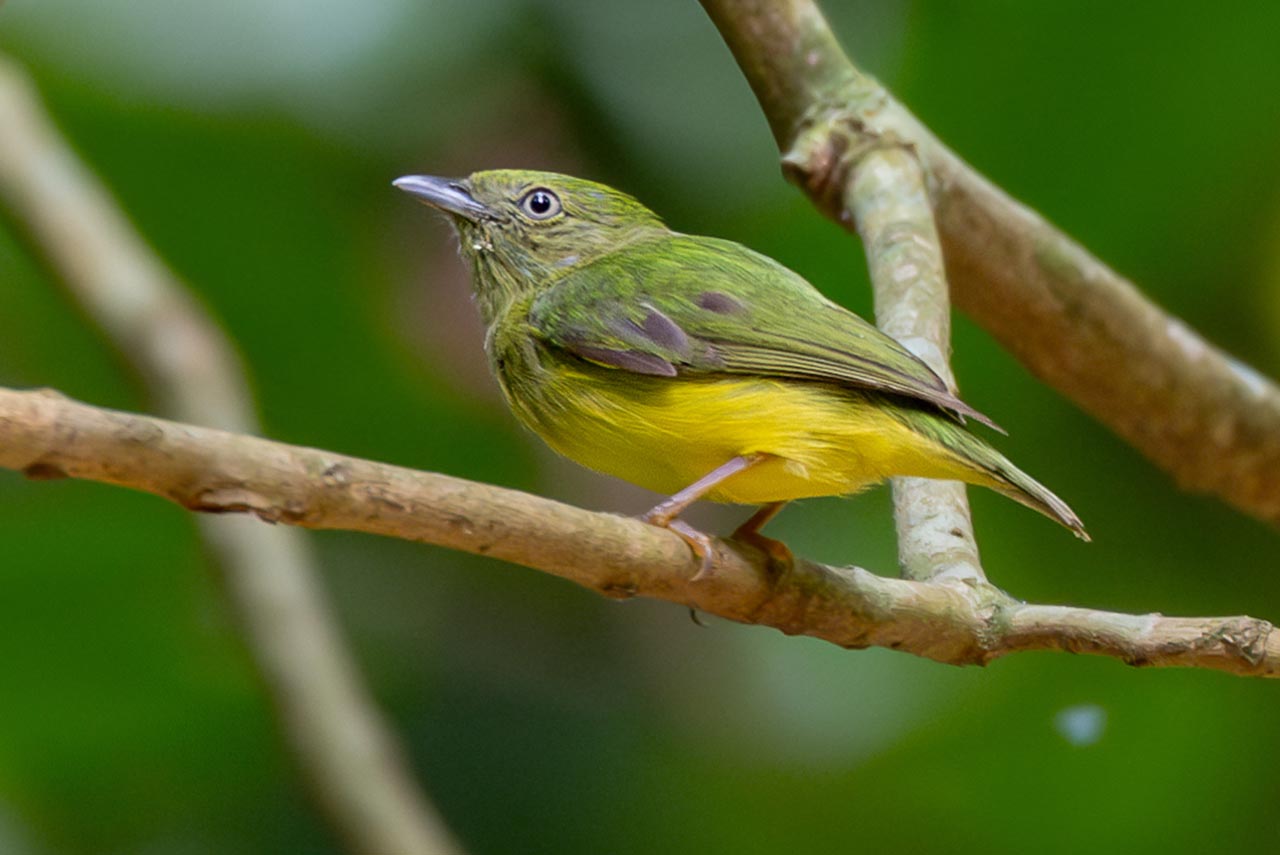
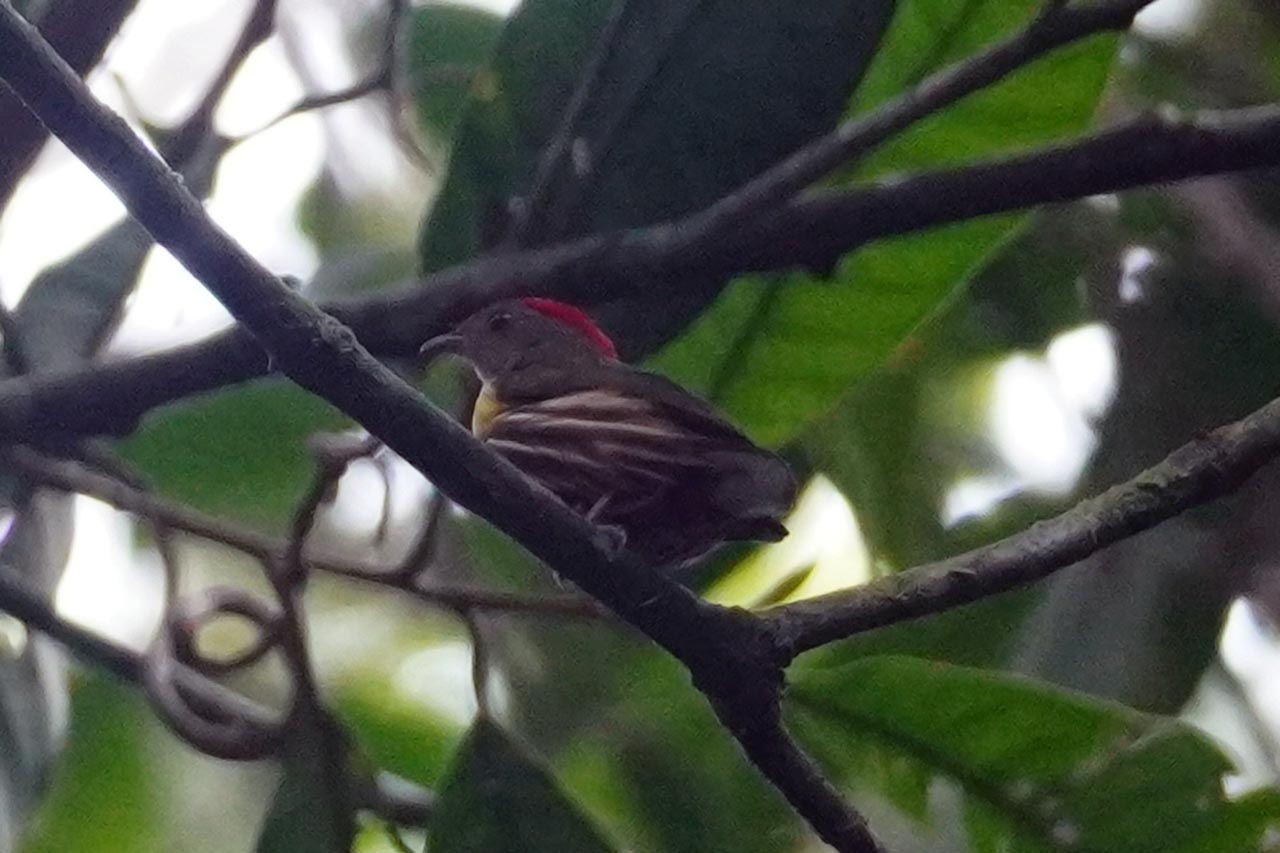
There are around 53 species of birds in the Pipridae family, also known as manakins. They are found from southern Mexico through Central America and into South America.
Most manakins live in forests and woodlands and spend much of their time in trees. They mainly eat fruit, but they also eat insects.
Manakins are small birds, ranging from about 3 to 6 inches (7.6 to 15.2 centimeters) in length. They have short, rounded wings and, in most species, short tails. Some species, such as the Long-tailed Manakin (Chiroxiphia linearis), have much longer tails.
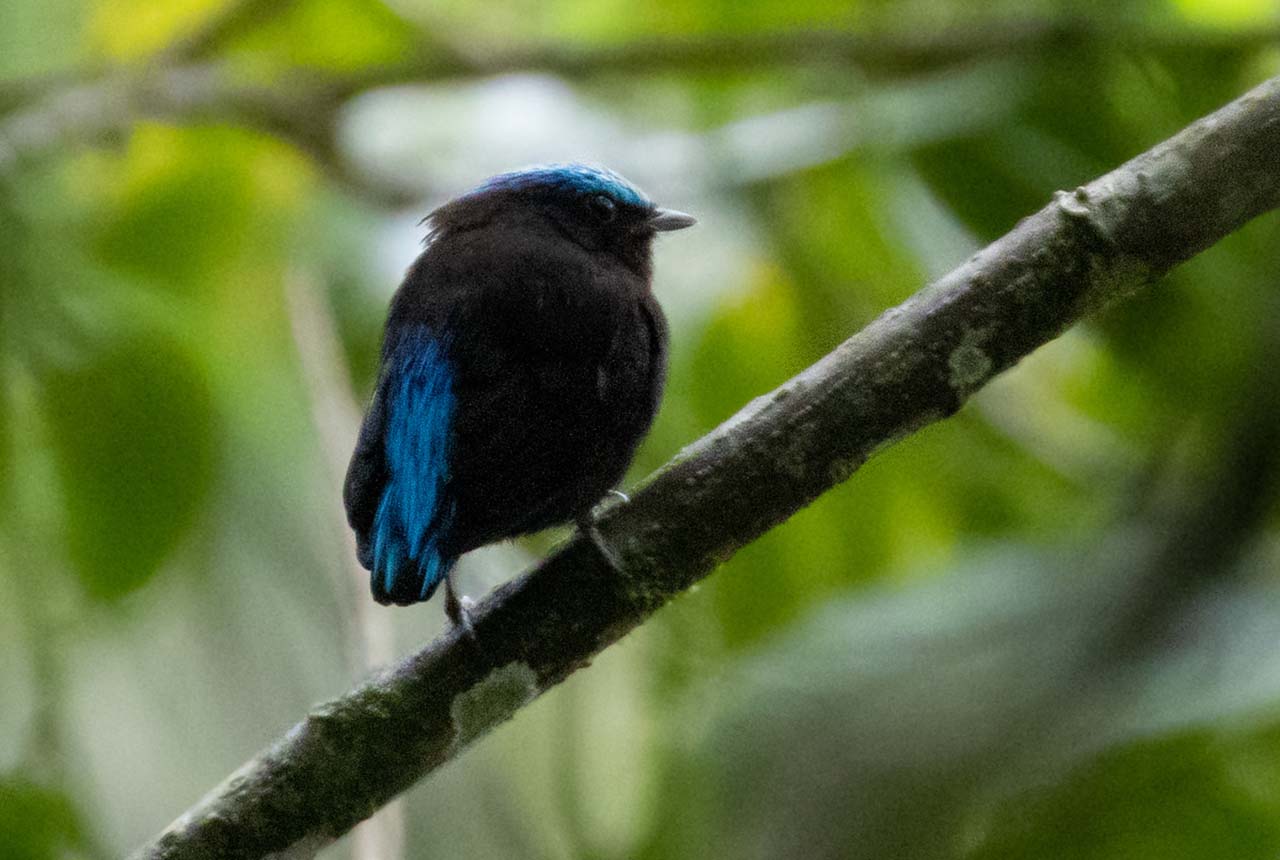
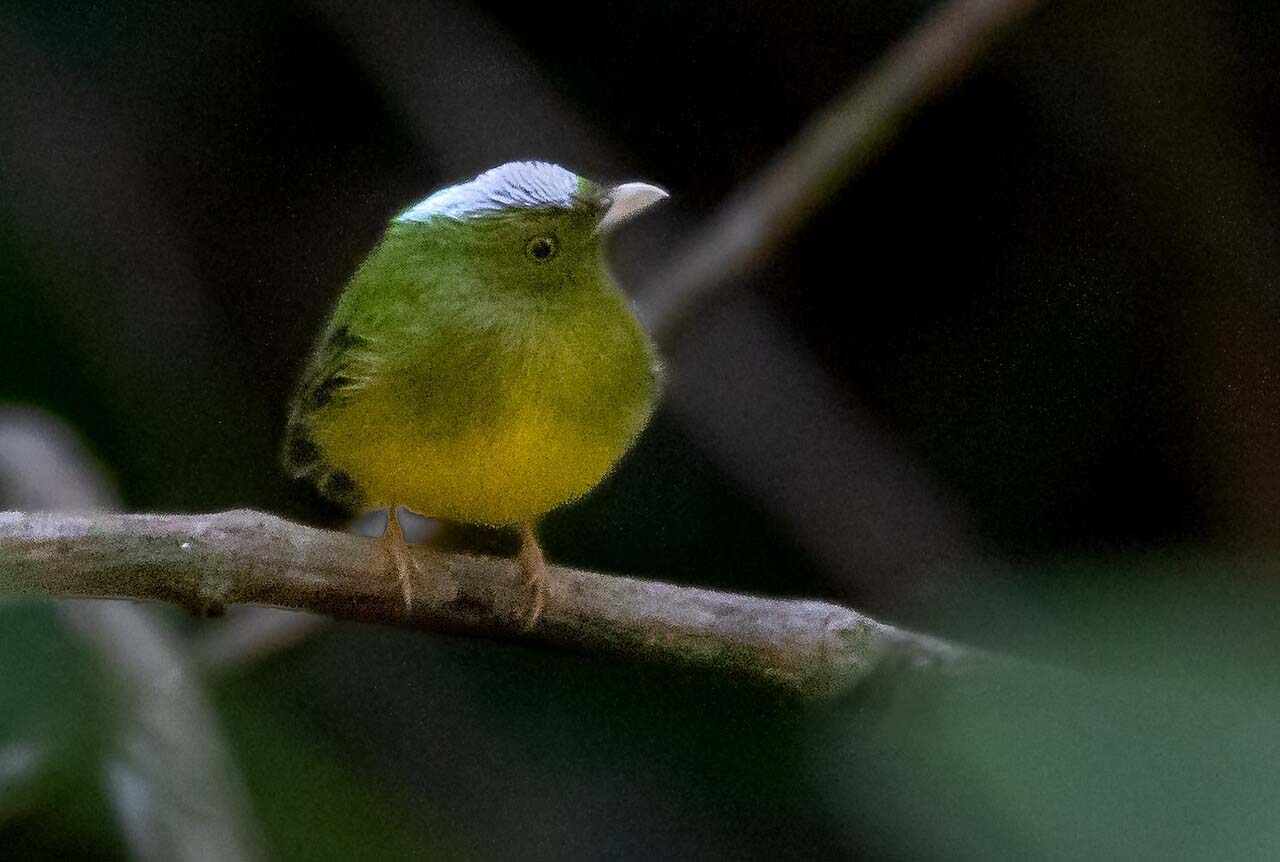
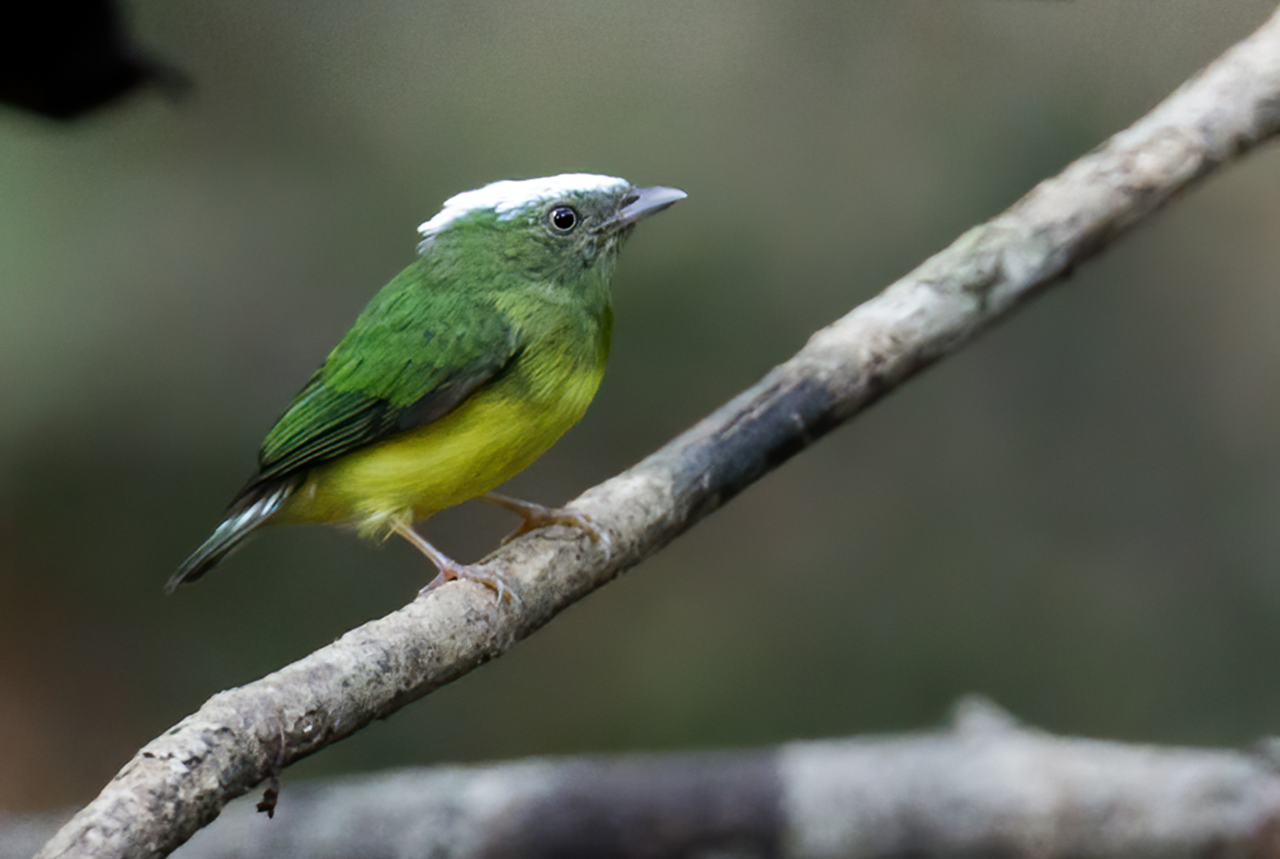
Male manakins are often more brightly colored than females. In many species, females are mostly green or olive-colored, which helps them blend into their surroundings.
Many manakins have elaborate courtship displays. In some species, males gather in groups called a lek. A lek is an area where males gather to perform courtship displays and attract females. Their displays may include dancing, jumping, flying, and other movements.
Females build the nests and care for the eggs and chicks. In many species, males do not help raise the young. Males may mate with more than one female.
Araripe Manakin (Antilophia bokermanni)
The Araripe Manakin is found in Brazil. IUCN Redlist Status: Critically Endangered
Helmeted Manakin (Antilophia galeata)
The Helmeted Manakin is found in Bolivia, Brazil, and Paraguay. IUCN Redlist Status: Least Concern
Round-tailed Manakin (Ceratopipra chloromeros)
The Round-tailed manikin is found in Bolivia, Brazil, and Peru. IUCN Redlist Status: Least Concern
Scarlet-horned Manakin (Ceratopipra cornuta)
The Scarlet-horned manakin is found in Brazil, Guyana, and Venezuela. IUCN Redlist Status: Least Concern
The Golden-headed Manakin is found in Brazil, Colombia, Ecuador, French Guiana, Guyana, Panama, Peru, Suriname, Trinidad and Tobago, and Venezuela. IUCN Redlist Status: Least Concern
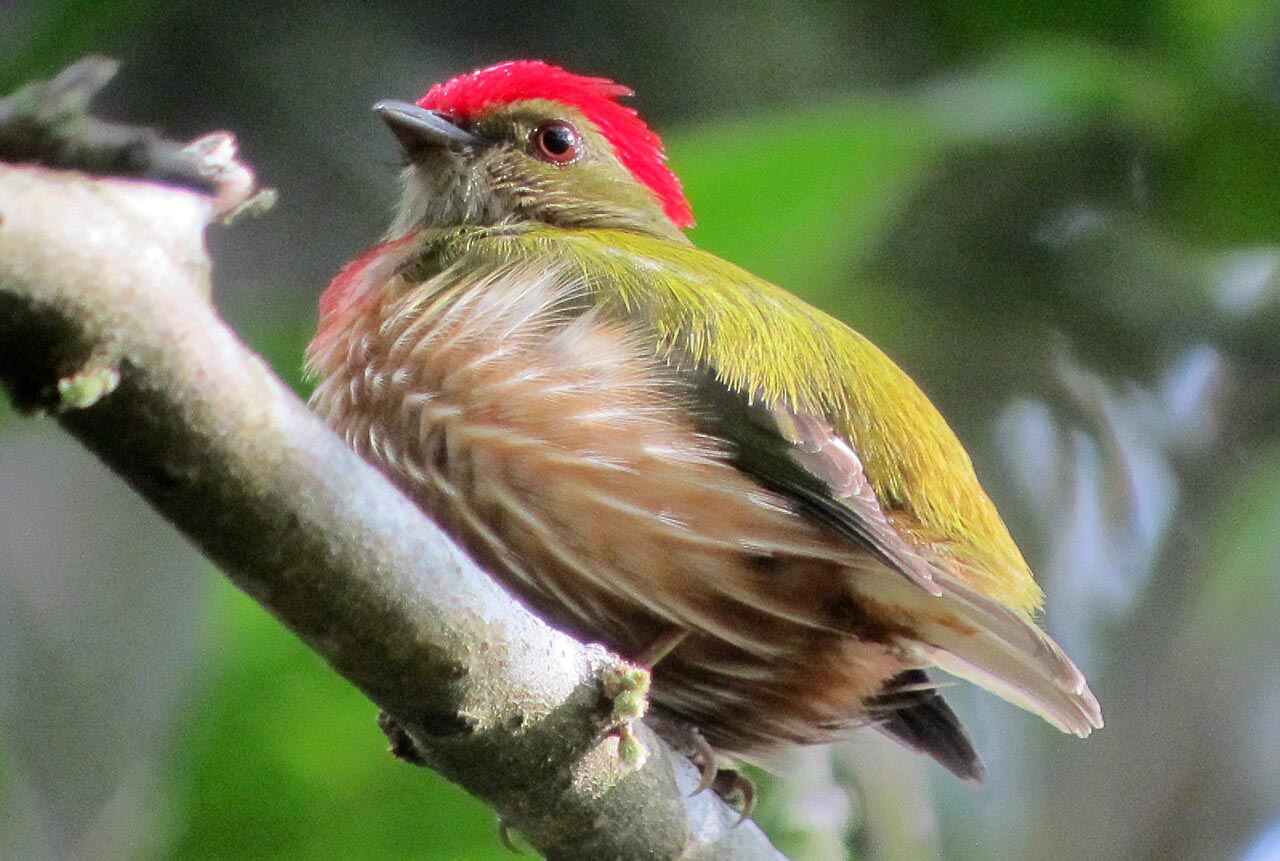
Red-capped Manakin (Ceratopipra mentalis)
The Red-capped Manakin is found in Belize, Colombia, Costa Rica, Ecuador, Guatemala, Honduras, Mexico, Nicaragua, and Panama. IUCN Redlist Status: Least Concern
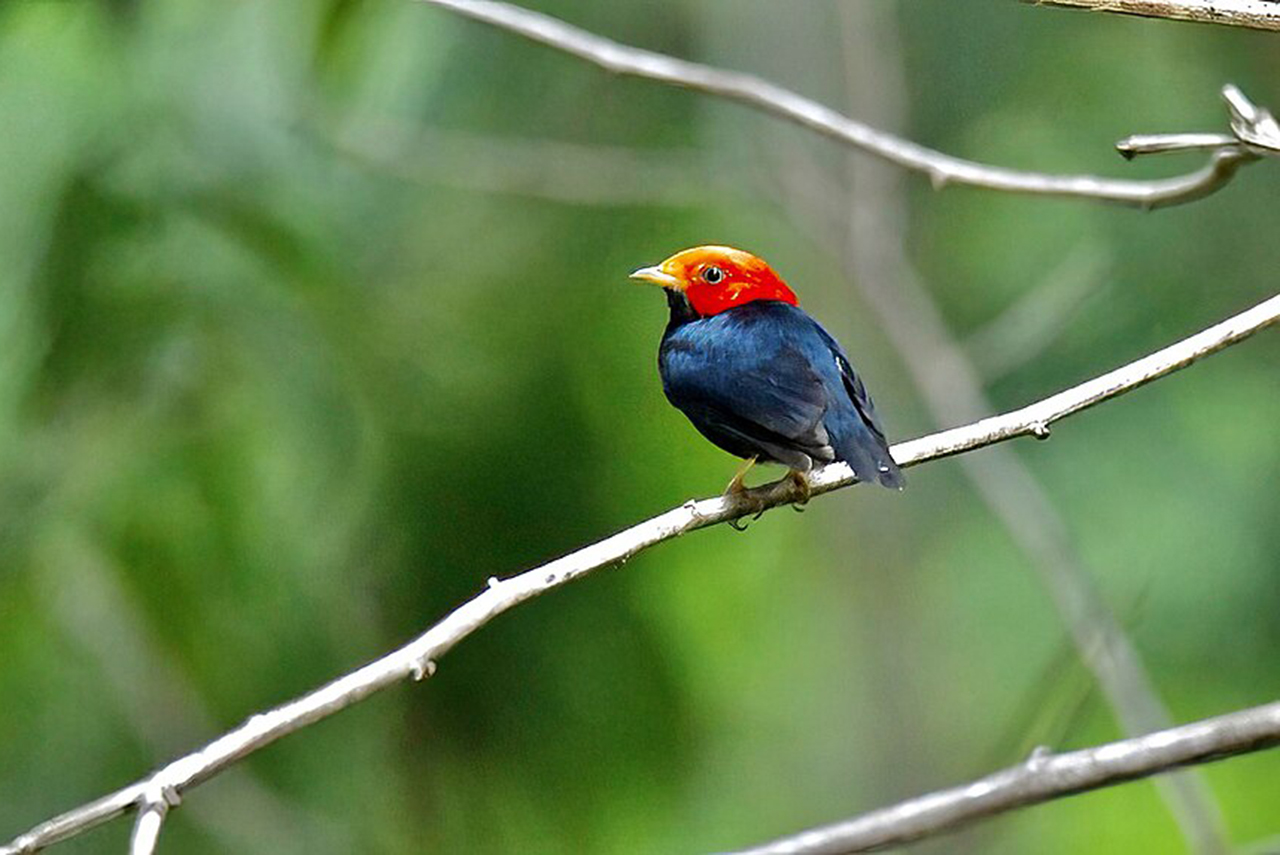
Red-headed Manakin (Ceratopipra rubrocapilla)
The Red-headed Manakin is found in Bolivia, Brazil, and Peru. IUCN Red List Status: Least Concern
Yungas Manakin (Chiroxiphia boliviana)
The Yungas Manakin is found in Bolivia and Peru. IUCN Red List Status: Least Concern
Swallow-tailed Manakin (Chiroxiphia caudata)
The Swallow-tailed Manakin, also known as the blue manakin, is found in Argentina, Brazil, and Paraguay. IUCN Redlist Status: Least Concern
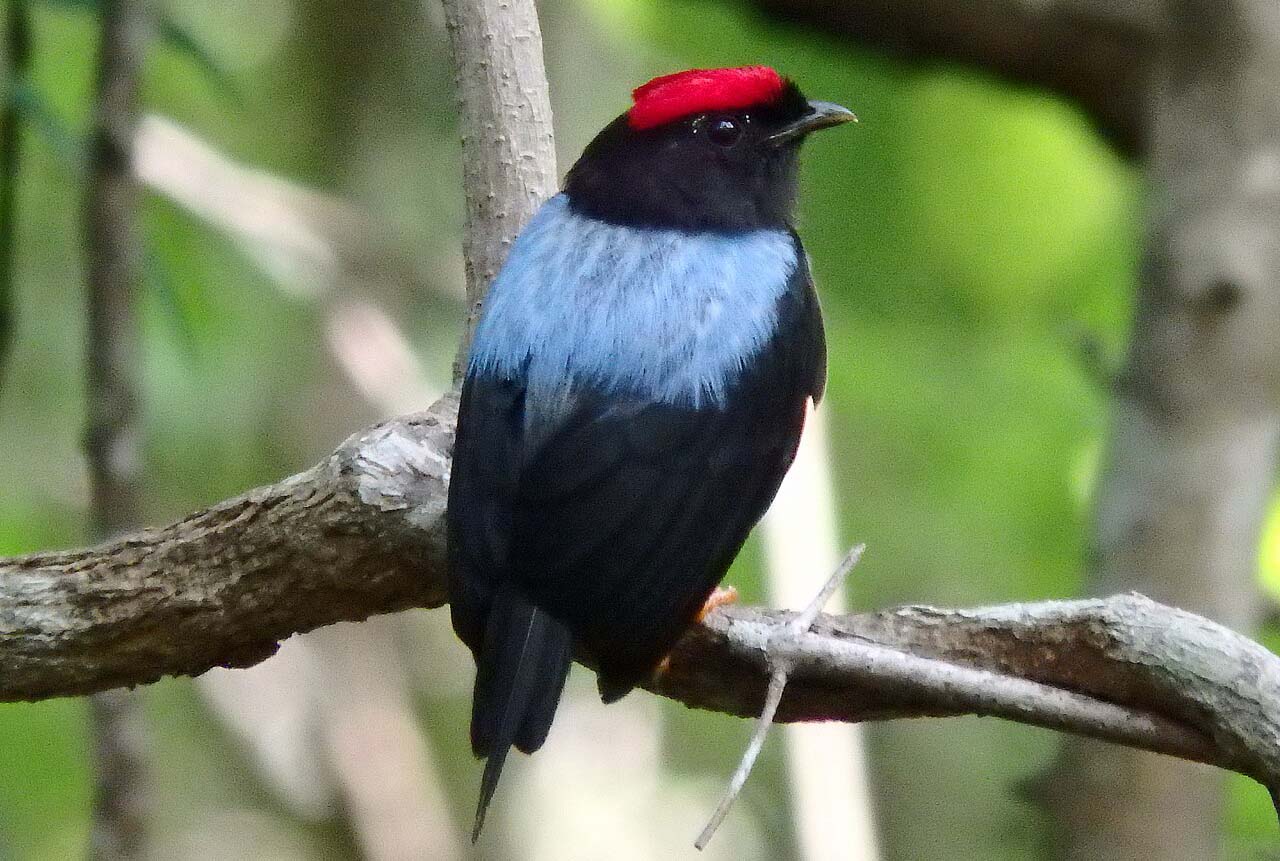
Lance-tailed Manakin (Chiroxiphia lanceolata)
The Lance-tailed Manakin is found in Colombia, Costa Rica, Panama, and Venezuela. IUCN Red List Status: Least Concern
Long-tailed Manakin (Chiroxiphia linearis)
The Long-tailed Manakin is found in Costa Rica, El Salvador, Guatemala, Honduras, Mexico, and Nicaragua. IUCN Redlist Status: Least Concern
Blue-backed Manakin (Chiroxiphia pareola)
The Blue-backed Manakin is found in Bolivia, Brazil, Colombia, Ecuador, French Guiana, Guyana, Peru, Suriname, Trinidad and Tobago, and Venezuela. IUCN Redlist Status: Least Concern
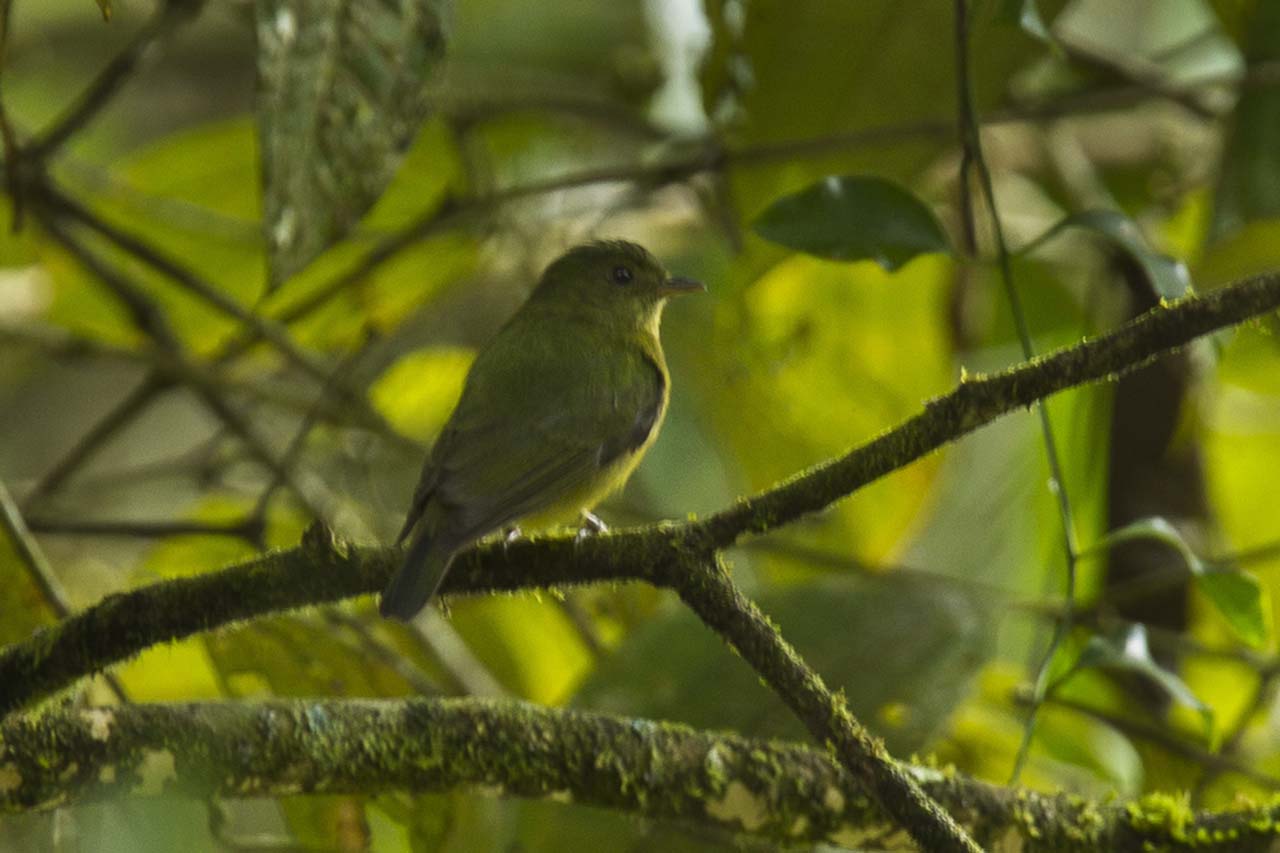
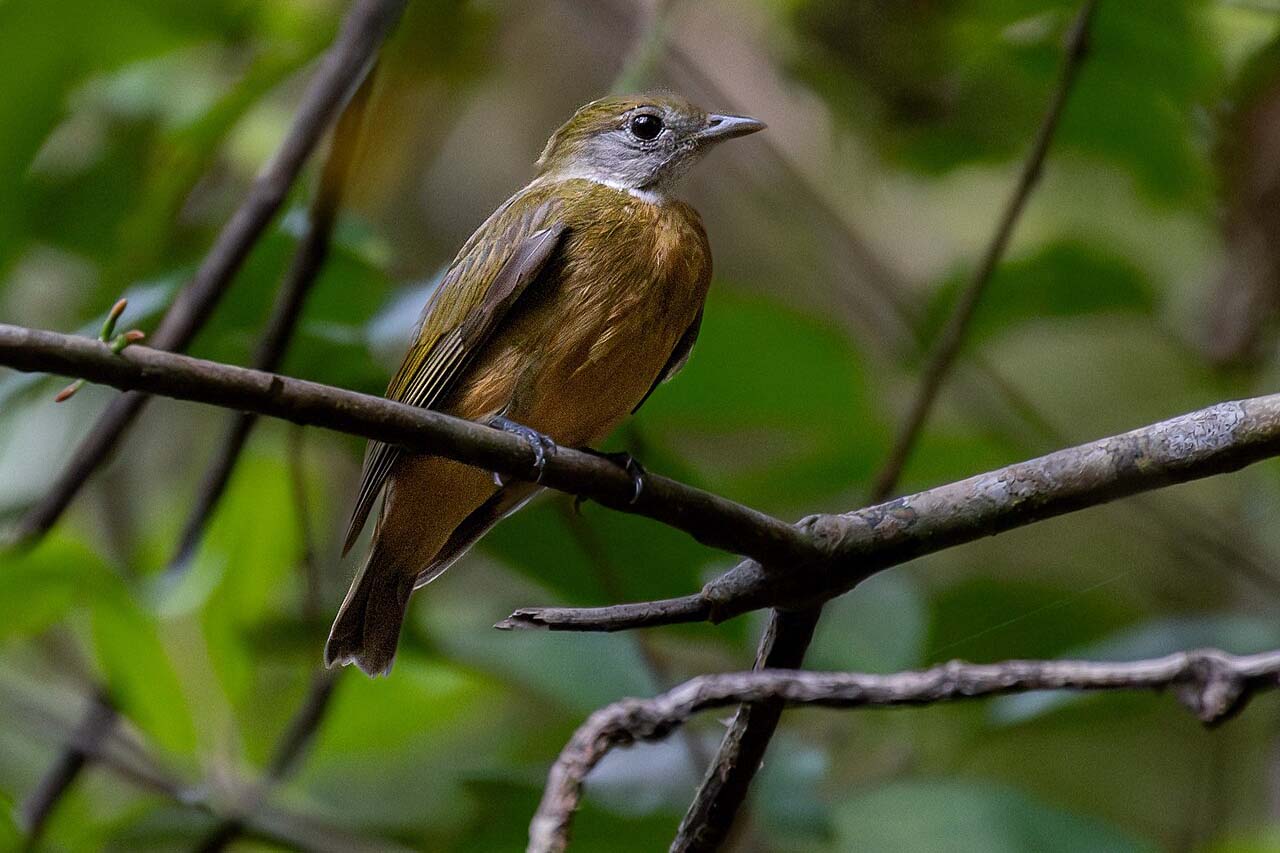
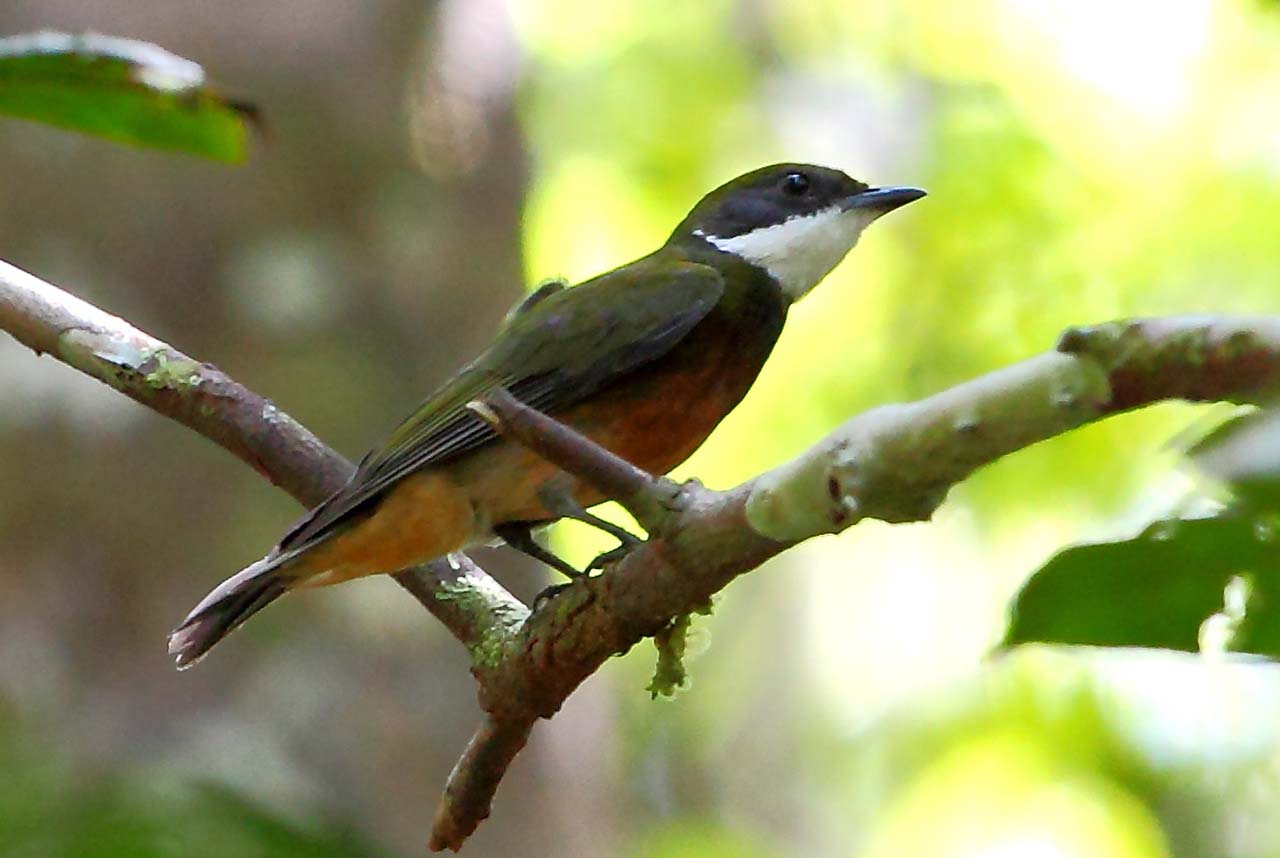
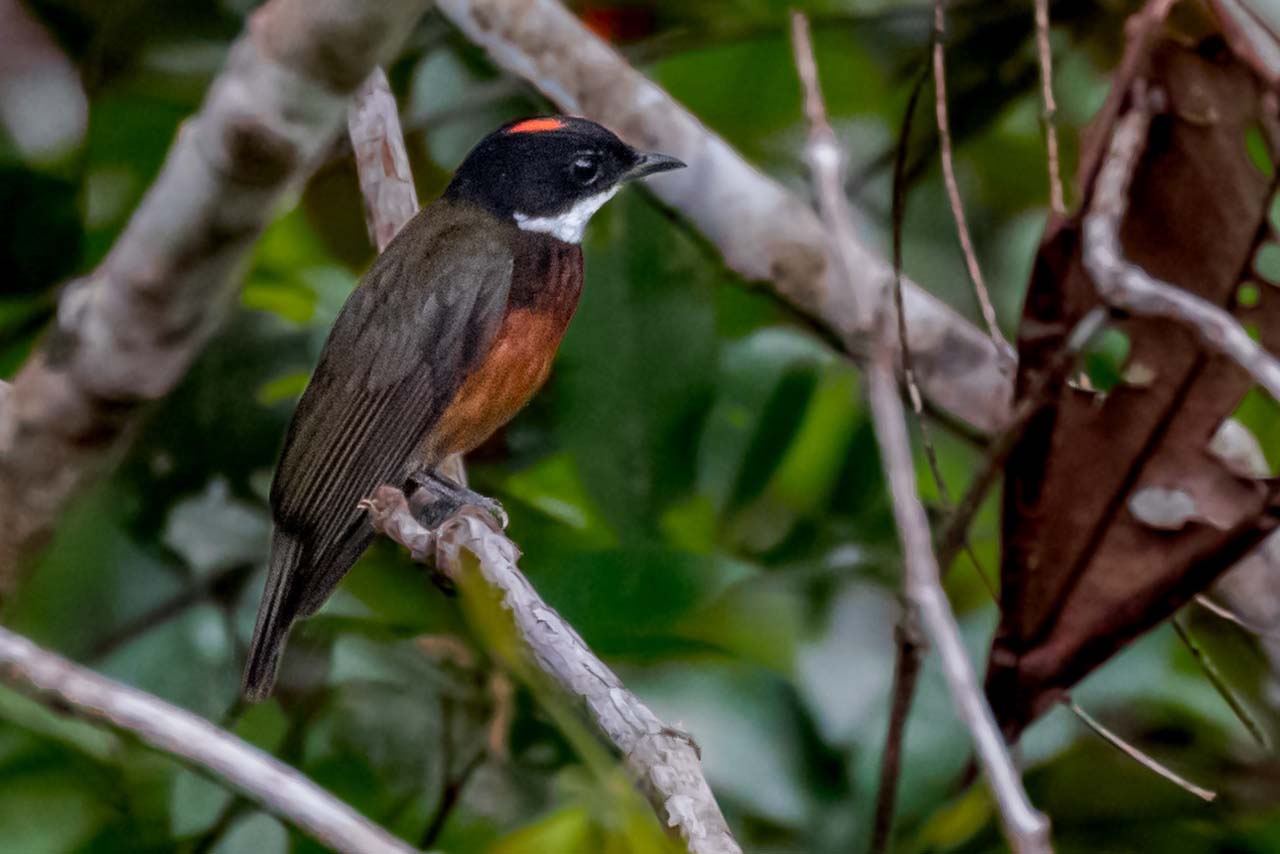
Yellow-headed Manakin (Chloropipo flavicapilla)
The Yellow-headed Manakin is found in Colombia and Ecuador. IUCN Red List Status: Vulnerable
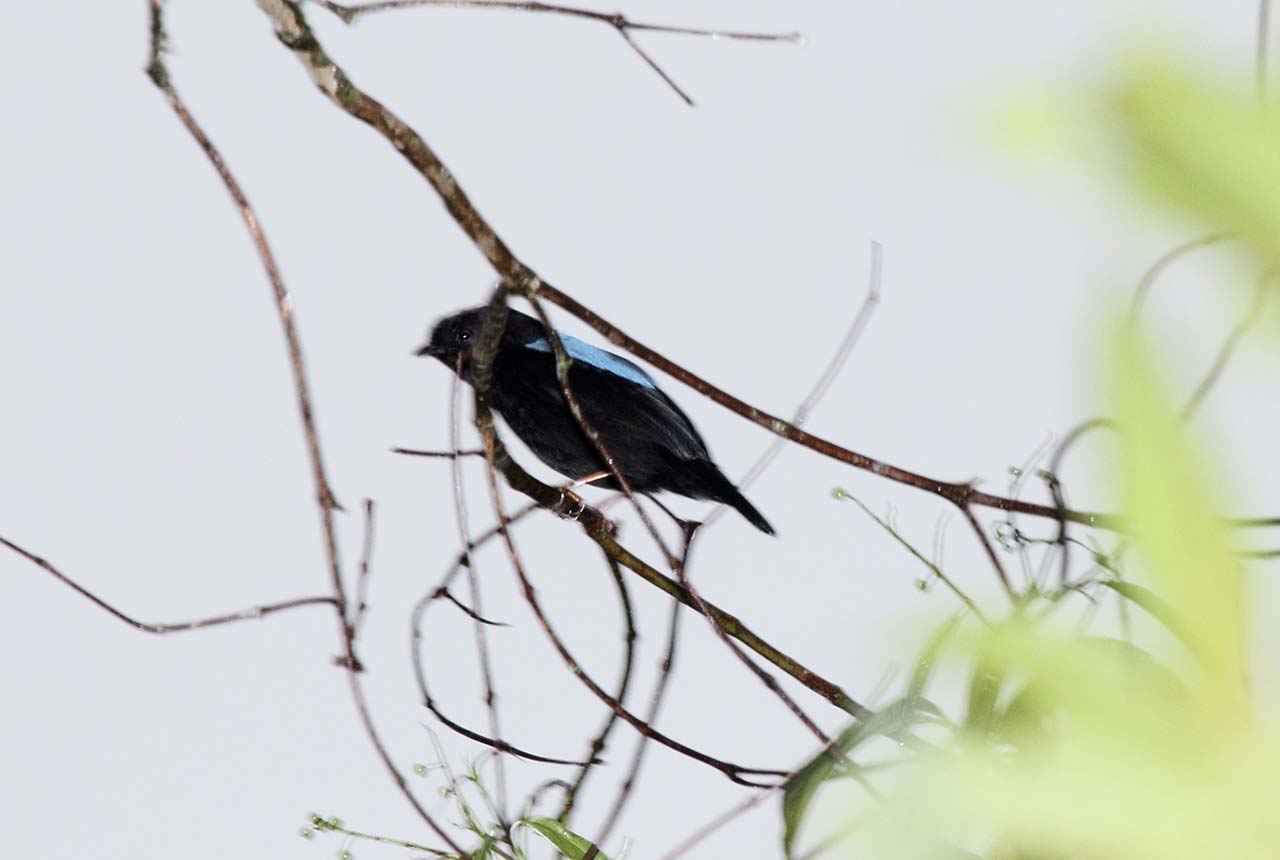
Jet Manakin (Chloropipo unicolor)
The Jet Manakin is found in Ecuador and Peru. IUCN Red List Status: Least Concern
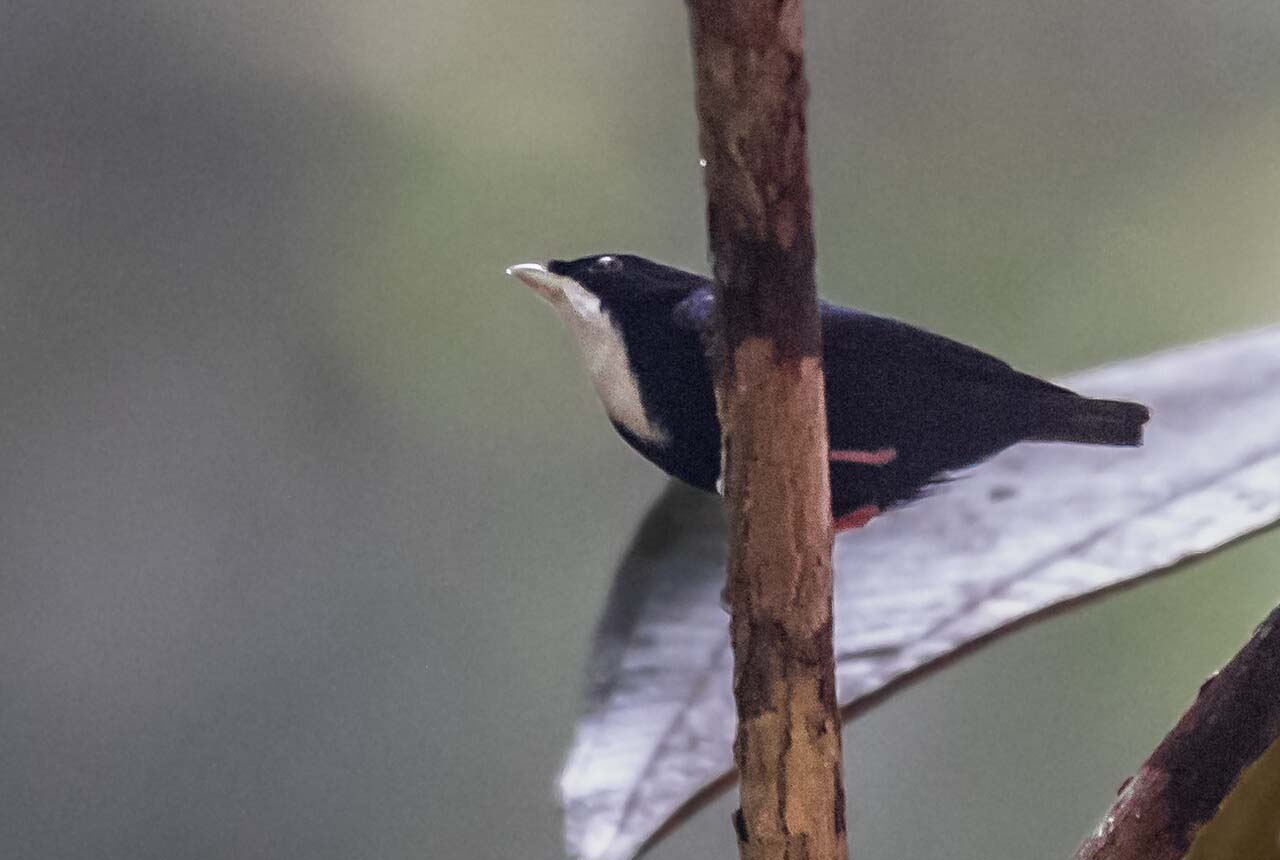
White-throated Manakin (Corapipo gutturalis)
The White-throated Manakin is found in Brazil, French Guiana, Guyana, Suriname, and Venezuela. IUCN Red List Status: Least Concern
White-ruffed Manakin (Corapipo leucorrhoa)
The White-ruffed Manakin is found in Colombia, Costa Rica, Honduras, Nicaragua, and Panama. IUCN Redlist Status: Least Concern
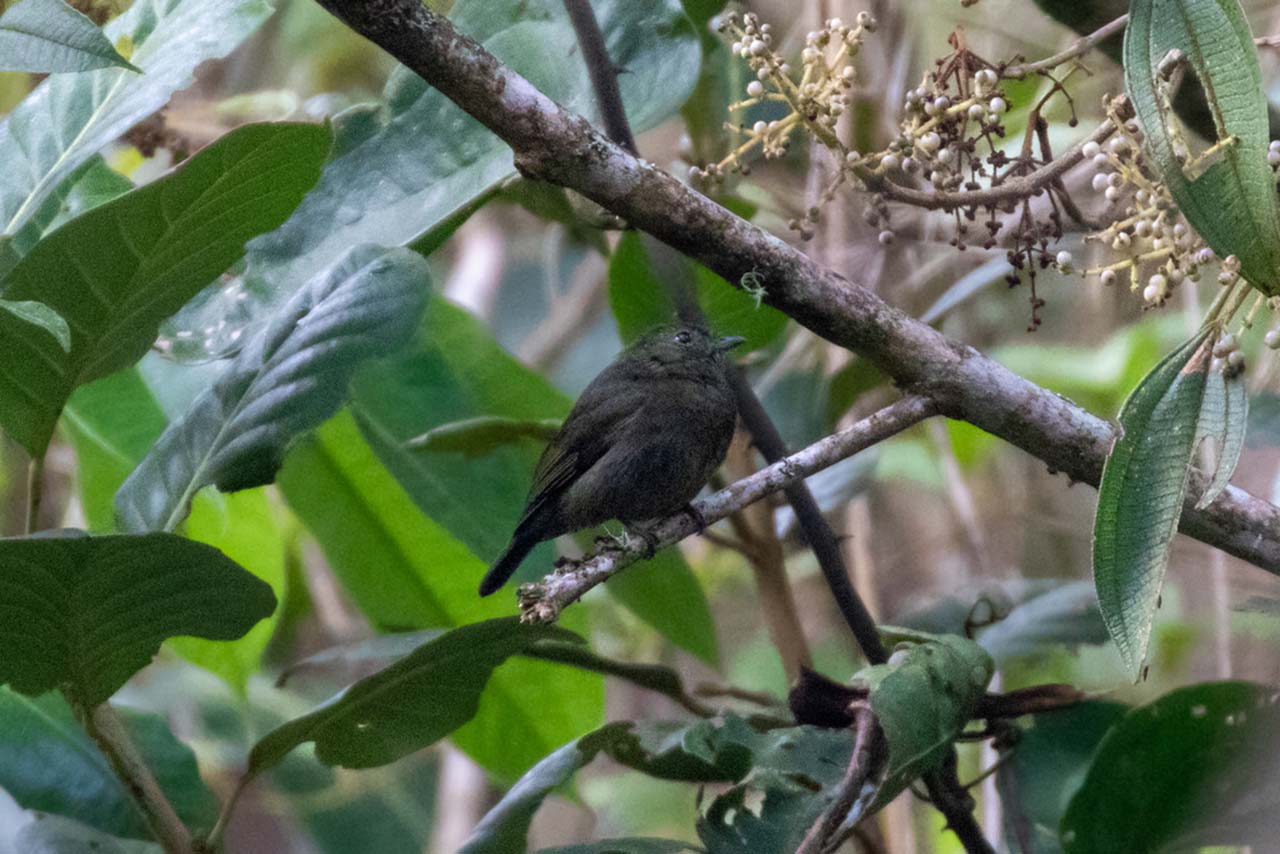
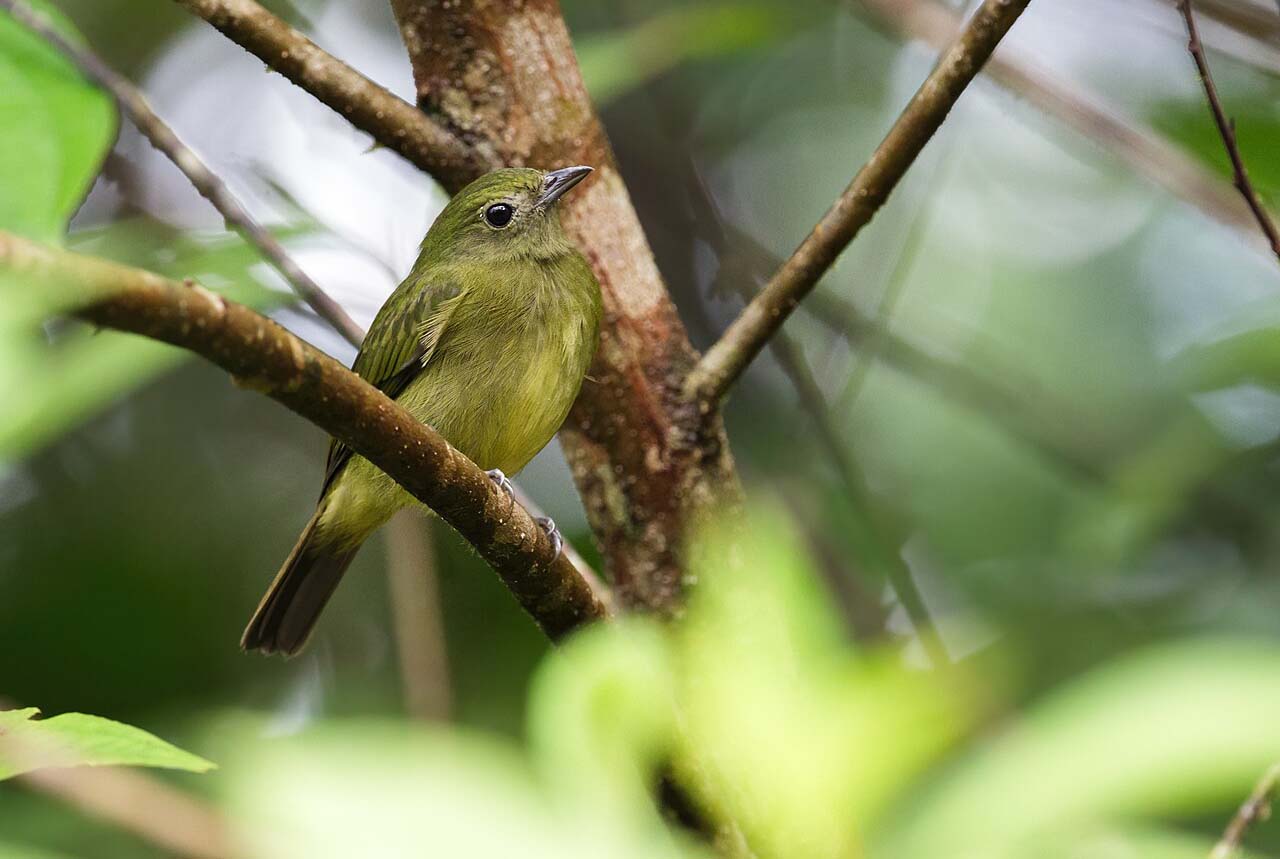
Green Manakin (Cryptopipo holochlora)
The Green Manakin is found in Colombia, Ecuador, and Peru. IUCN Red List Status: Least Concern
Choco Manakin (Cryptopipo litae)
The Choco Manakin is found in Colombia, Ecuador, and Panama. IUCN Red List Status: Least Concern
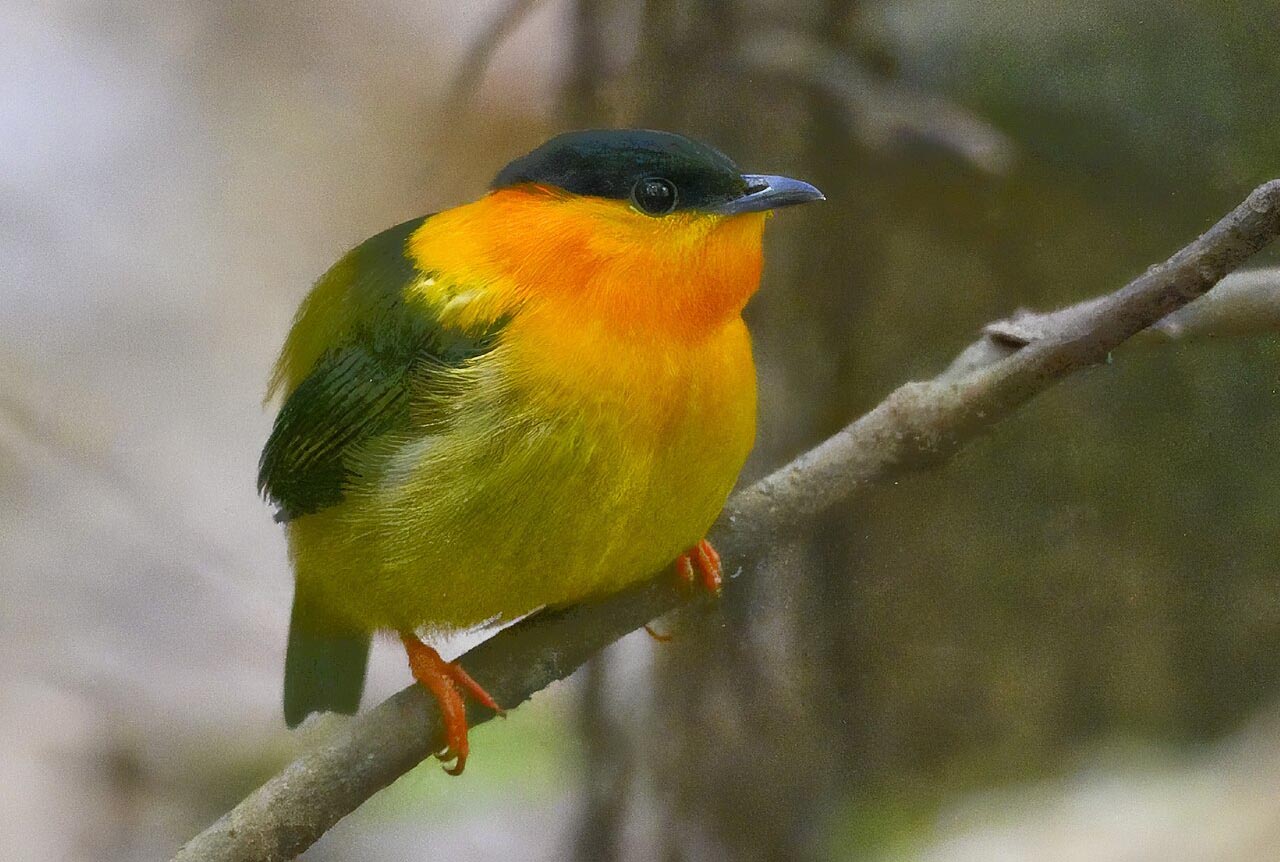
The Orange-bellied Manakin is found in Brazil, Guyana, and Venezuela. IUCN Red List Status: Least Concern
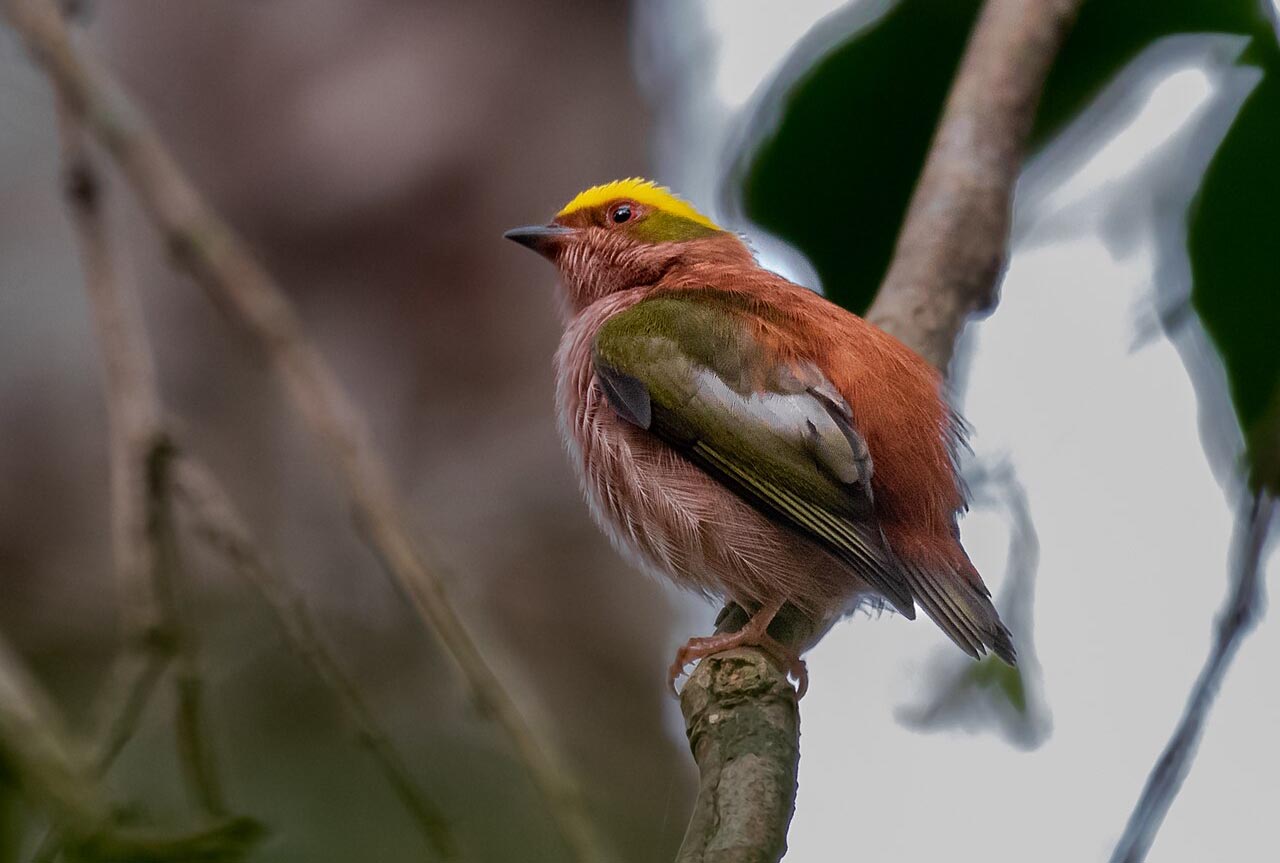
Golden-crowned Manakin (Lepidothrix vilasboasi)
The Golden-crowned Manakin is found in Brazil. IUCN Red List Status: Least Concern
Club-winged Manakin (Machaeropterus deliciosus)
The Club-winged Manakin is found in Colombia and Ecuador. IUCN Redlist Status: Least Concern
White-collared Manakin (Manacus candei)
The White-collared Manakin is found in Belize, Costa Rica, Guatemala, Honduras, Mexico, Nicaragua, and Panama. IUCN Redlist Status: Least Concern
White-bearded Manakin (Manacus manacus)
The White-bearded Manakin is found in Argentina, Bolivia, Brazil, Colombia, Ecuador, French Guiana, Guyana, Paraguay, Peru, Suriname, Trinidad and Tobago, and Venezuela. IUCN Redlist Status: Least Concern
Painted Manakin (Machaeropterus eckelberryi)
The Painted Manakin is found inPeru. IUCN Red List Status: Least Concern
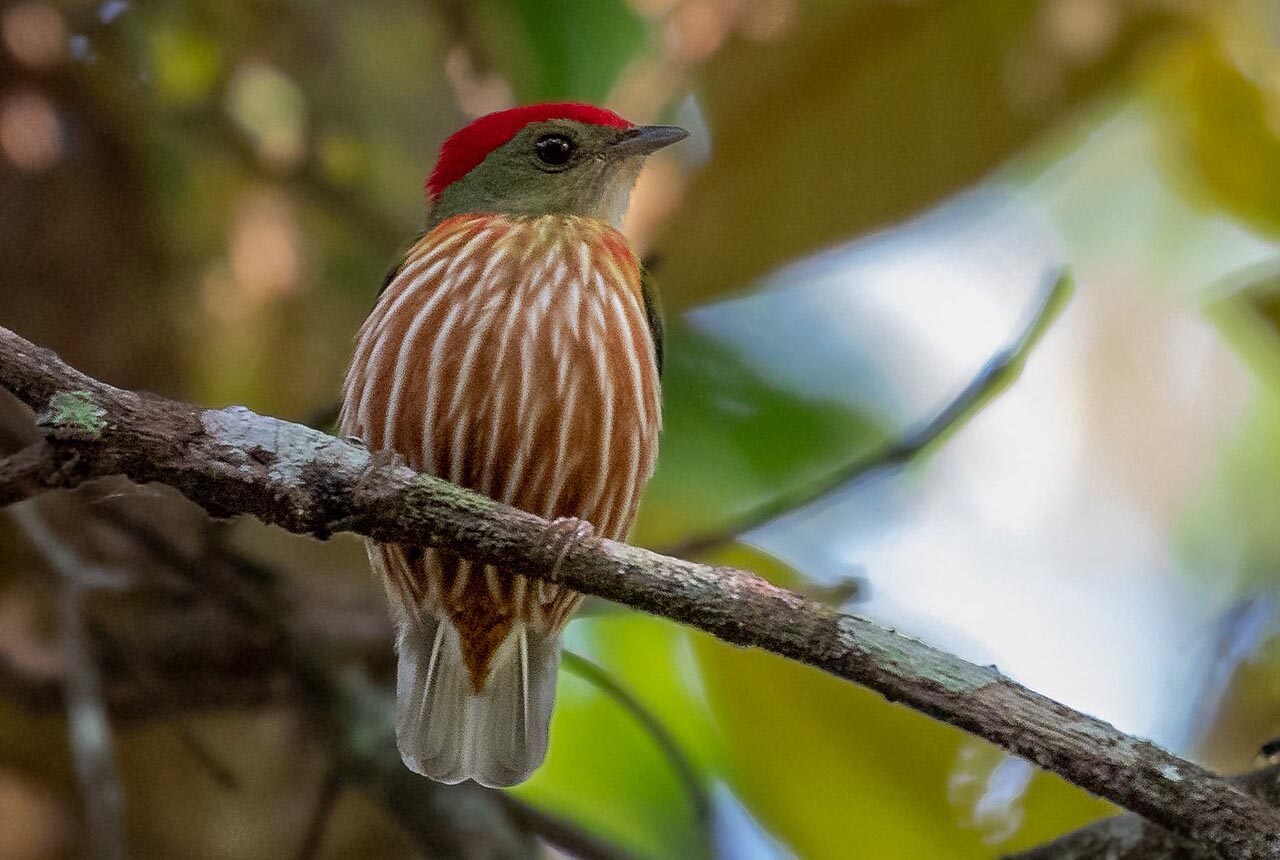
The Striolated Manakin, also known as the Western Striped Manakin, is found in Brazil, Colombia, Ecuador, Guyana, Peru, and Venezuela. IUCN Red List Status: Least Concern
Orange-collared Manakin (Manacus aurantiacus)
The Orange-collared Manakin is found in Costa Rica and Panama. IUCN Red List Status: Least Concern
Golden-collared Manakin (Manacus vitellinus)
The Golden-collared Manakin is found in Colombia and Panama. IUCN Red List Status: Least Concern
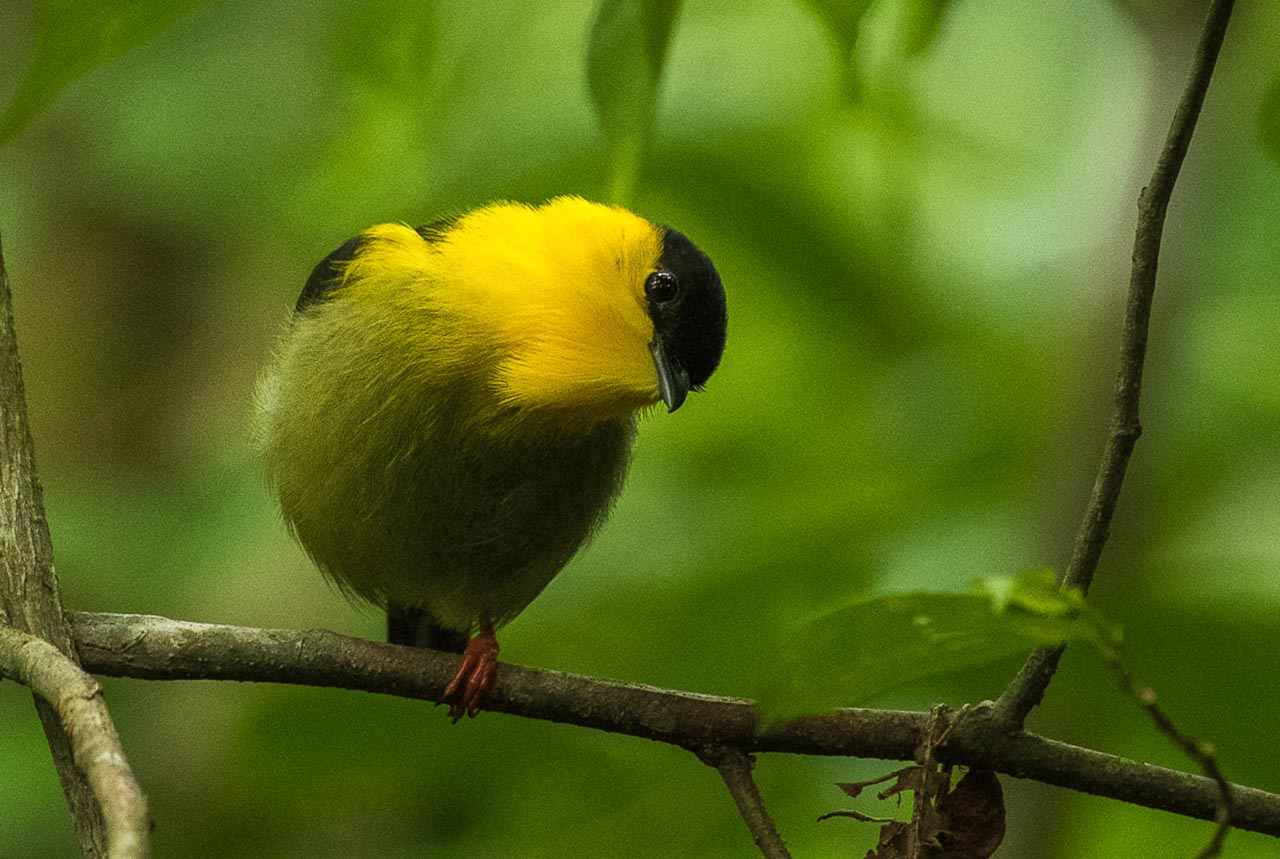
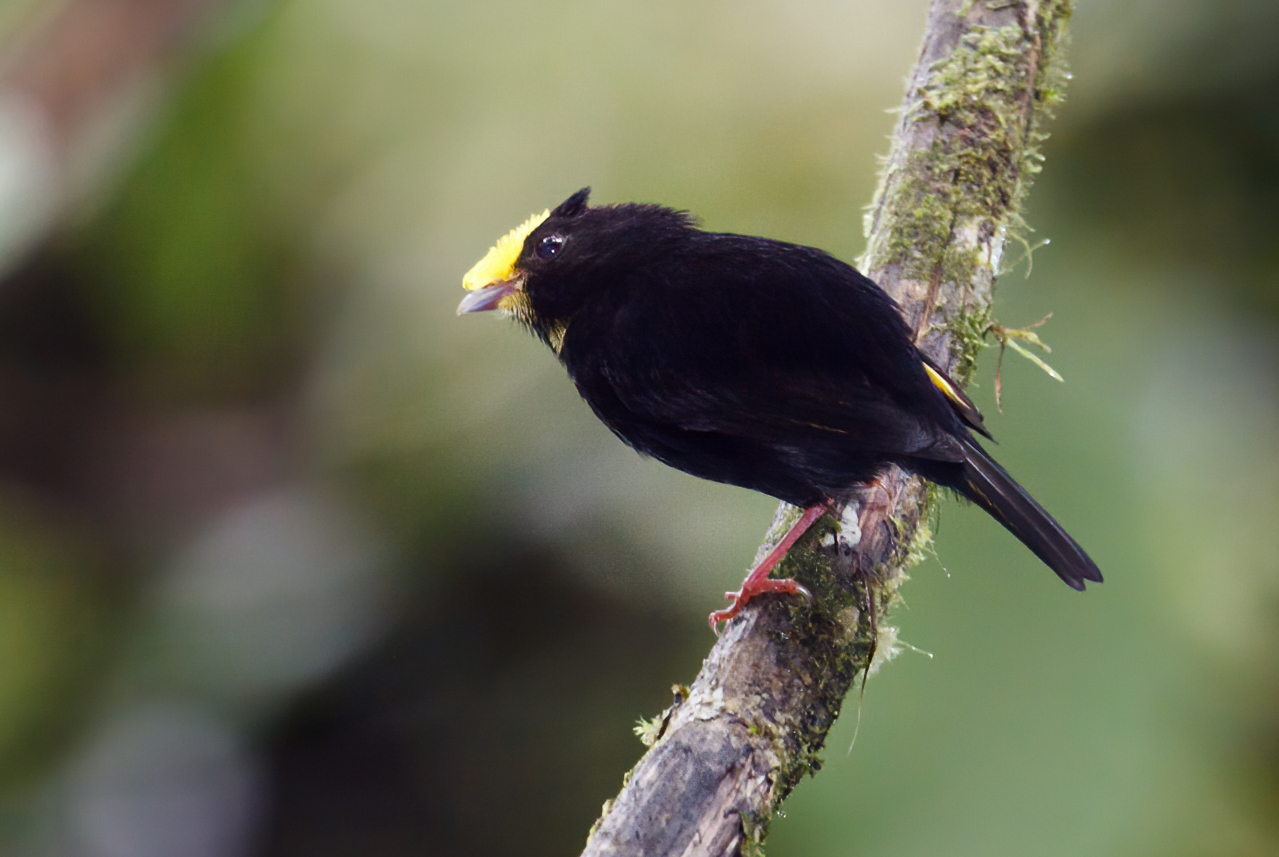
Golden-winged Manakin (Masius chrysopterus)
The Golden-winged Manakin is found in Colombia, Ecuador, Peru, and Venezuela. IUCN Red List Status: Least Concern
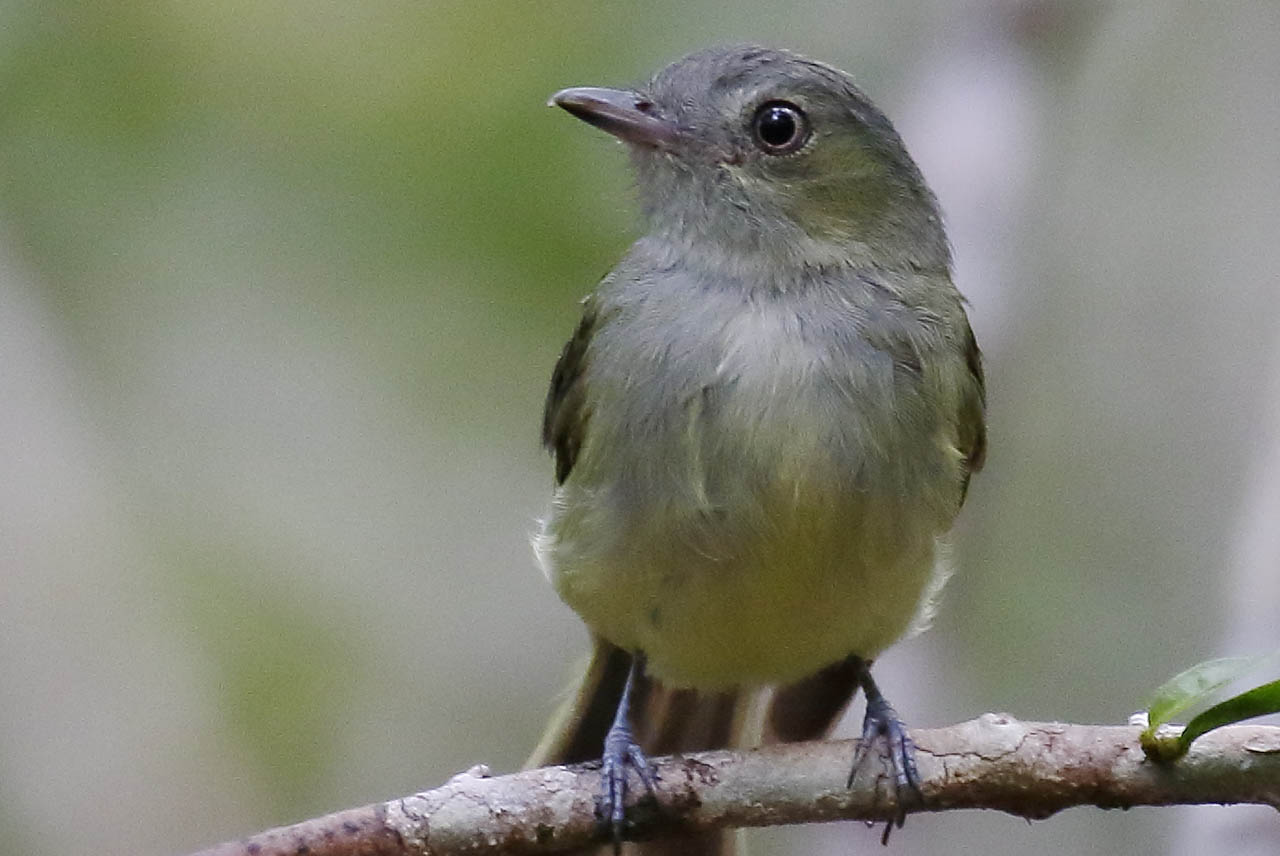
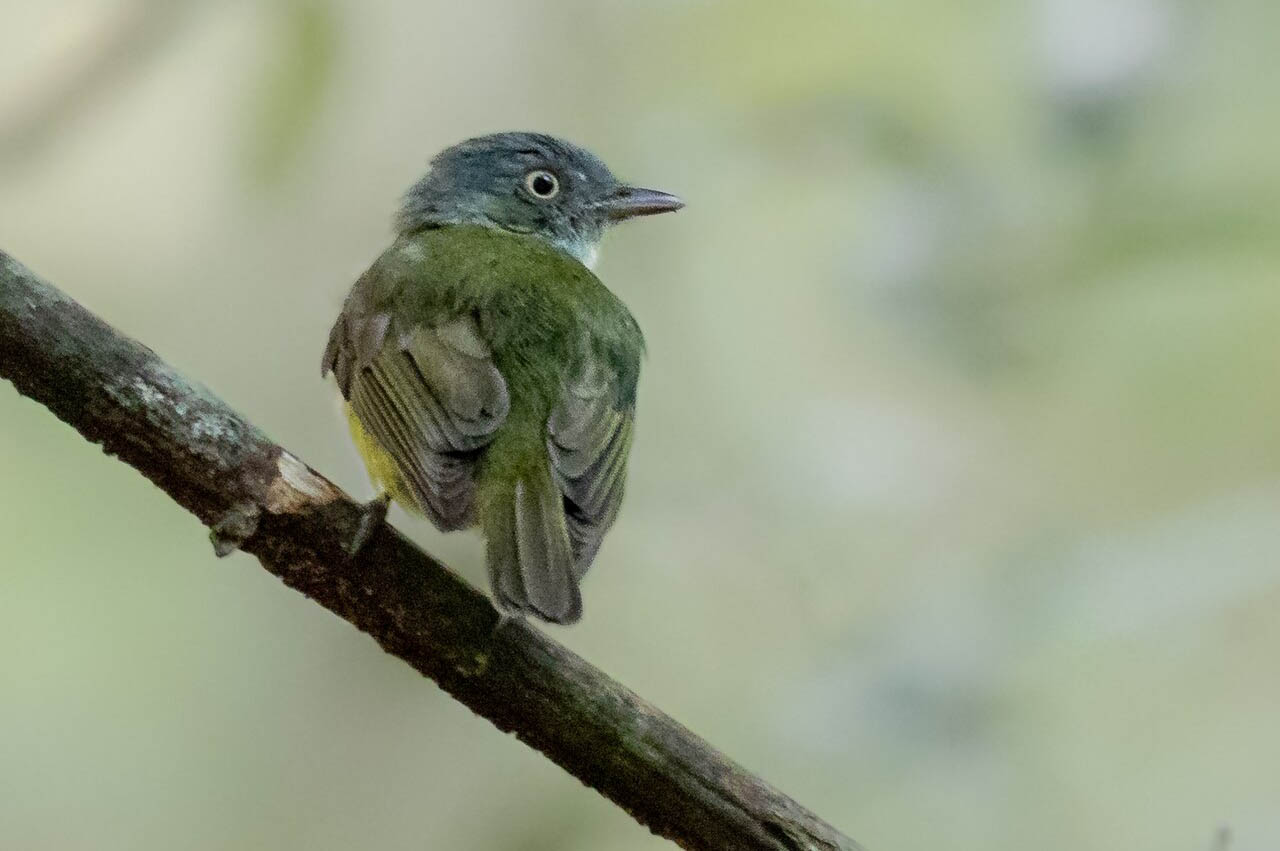
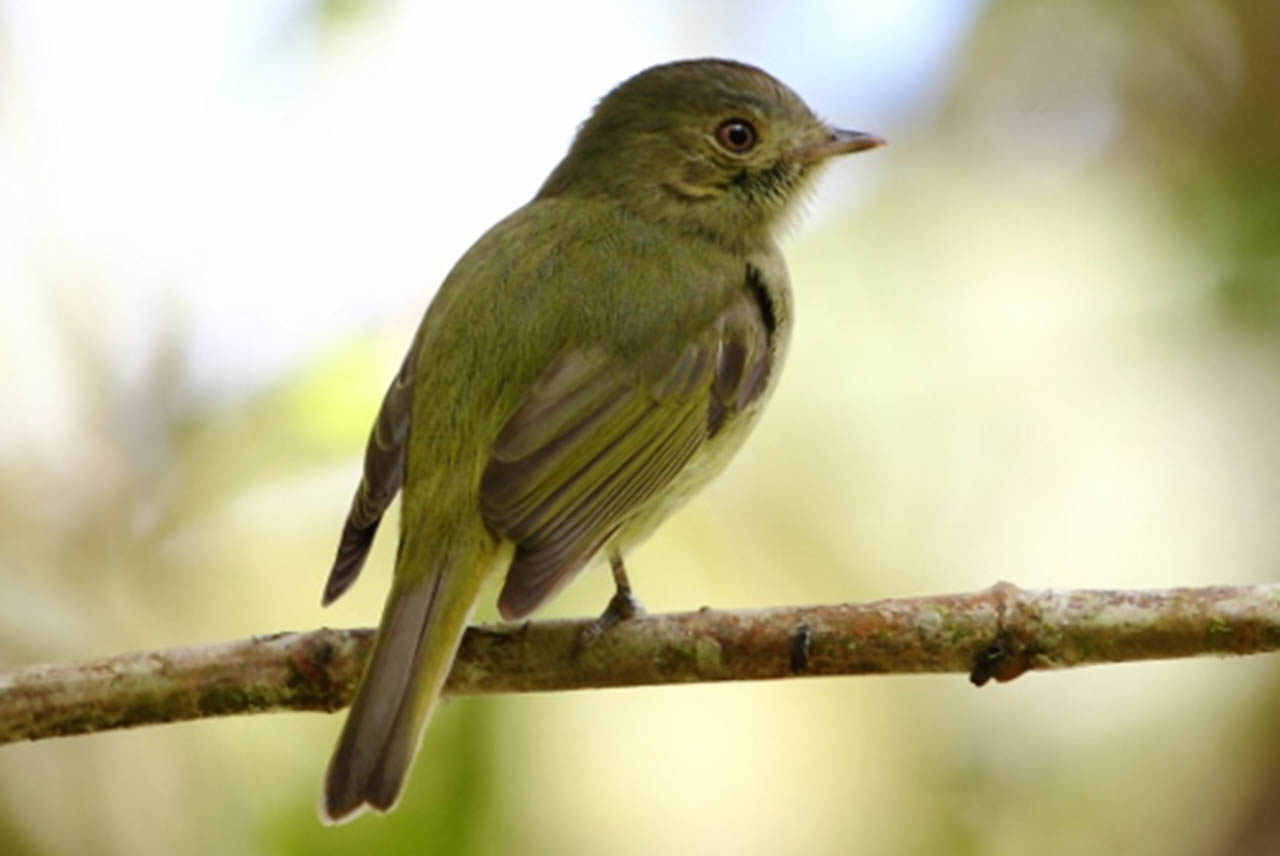
Wied's Tyrant-manakin (Neopelma aurifrons)
Wied's Tyrant-manakin is found in Brazil. IUCN Red List Status: Near Threatened
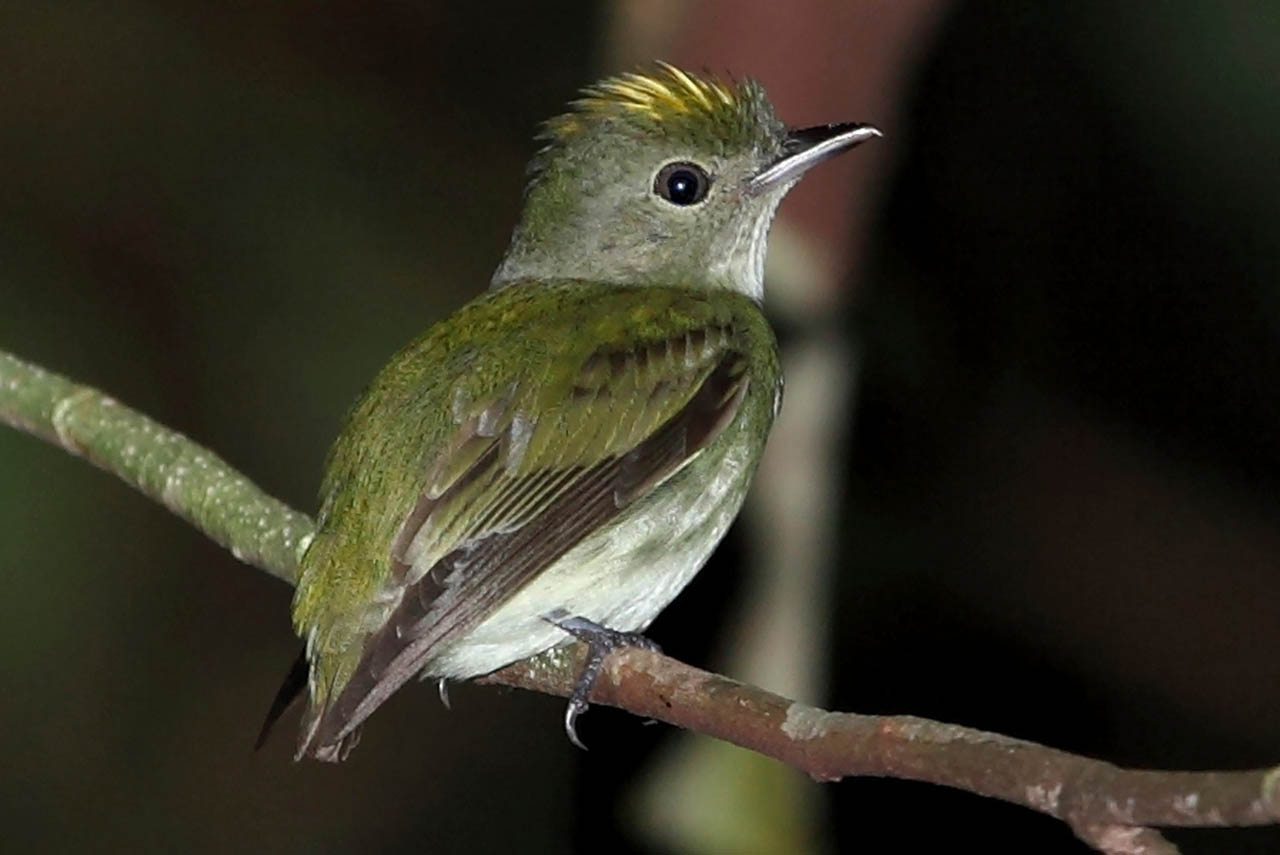
The Saffron-crested Tyrant-manakin is found in Brazil, Colombia, French Guiana, Guyana, Peru, Suriname, and Venezuela. IUCN Red List Status: Least Concern
Serra do Mar Tyrant-manakin (Neopelma chrysolophum)
The Serra do Mar Tyrant-manakin is found in Brazil. IUCN Red List Status: Least Concern
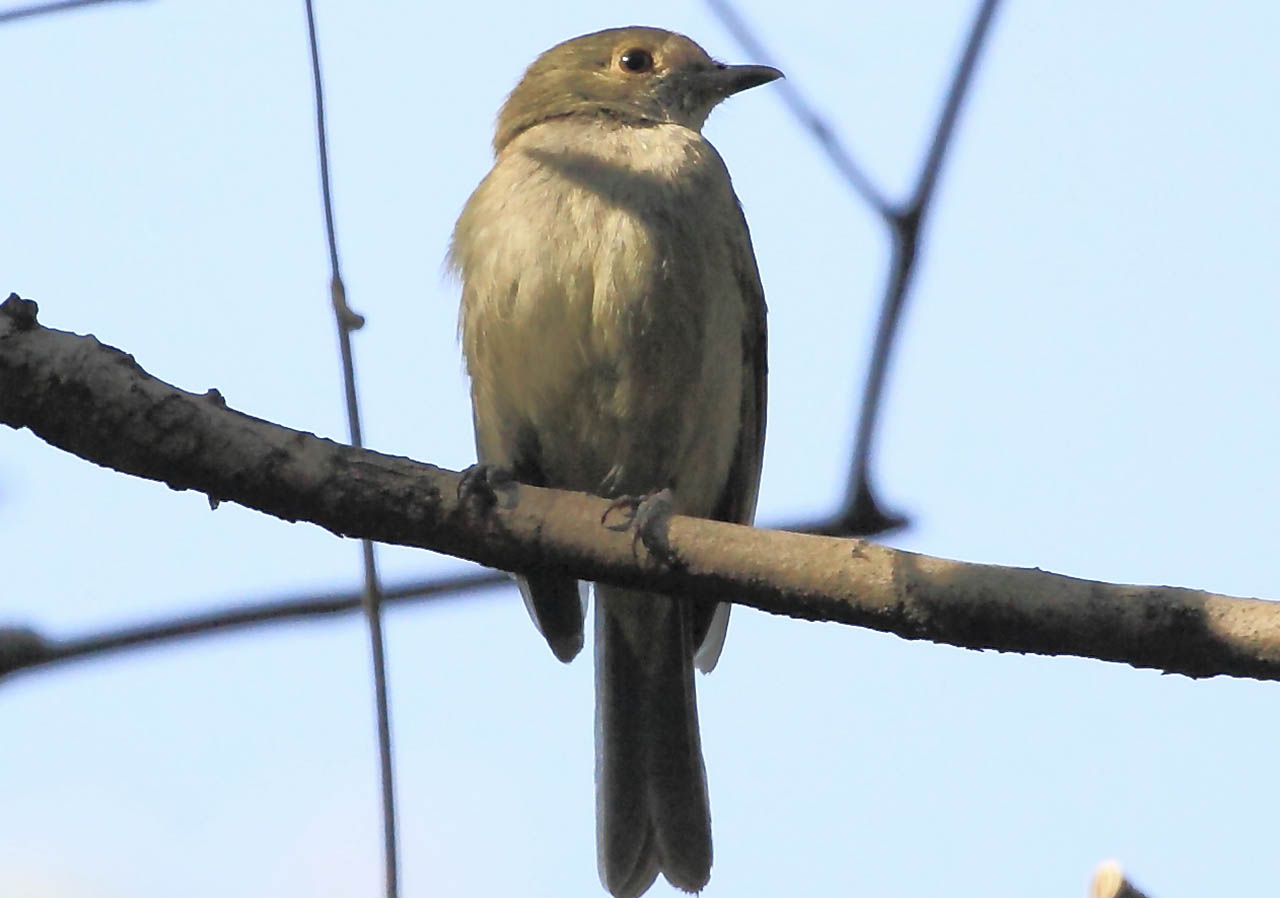
Pale-bellied Tyrant-manakin (Neopelma pallescens)
The Pale-bellied Tyrant-manakin is found in Bolivia and Brazil. IUCN Red List Status: Least Concern
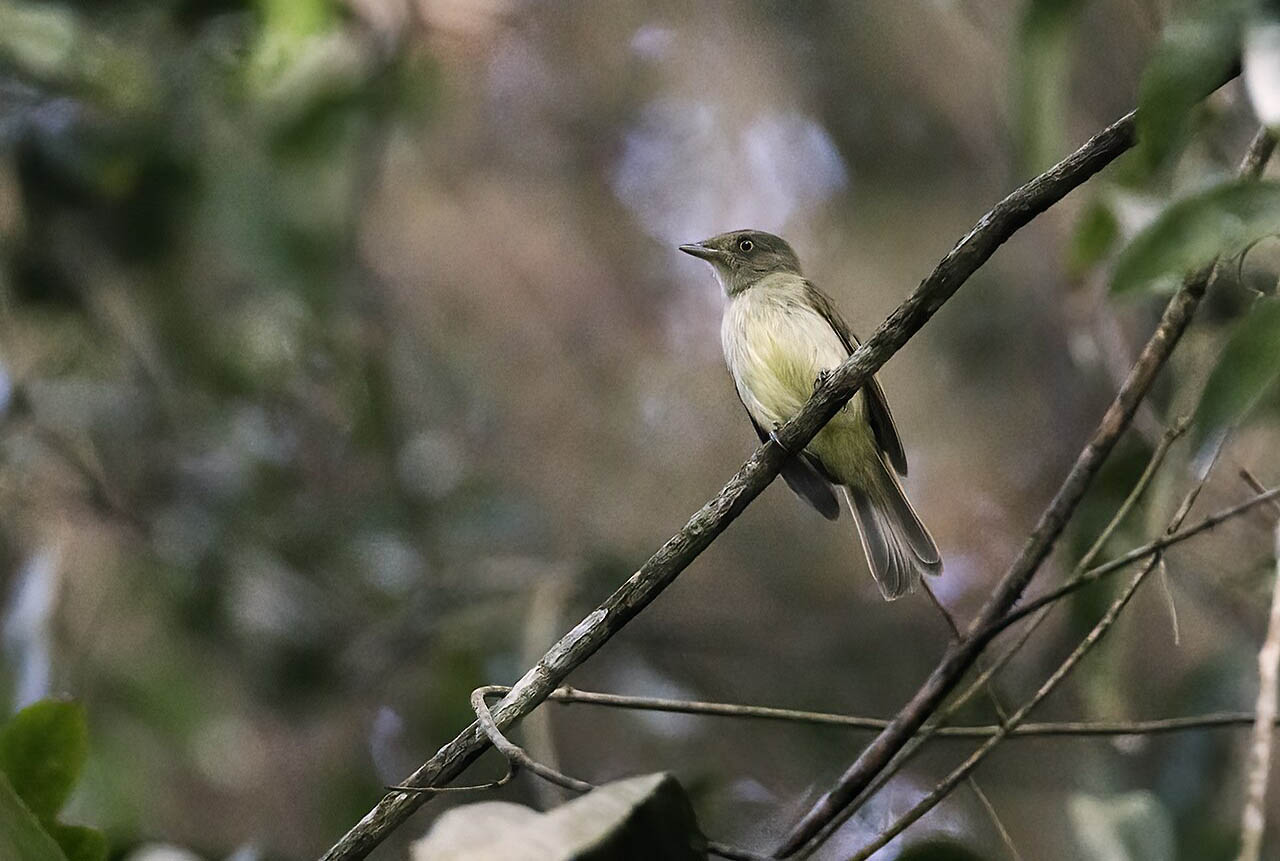
The Sulphur-bellied Tyrant-manakin is found in Bolivia, Brazil, and Peru. IUCN Red List Status: Least Concern
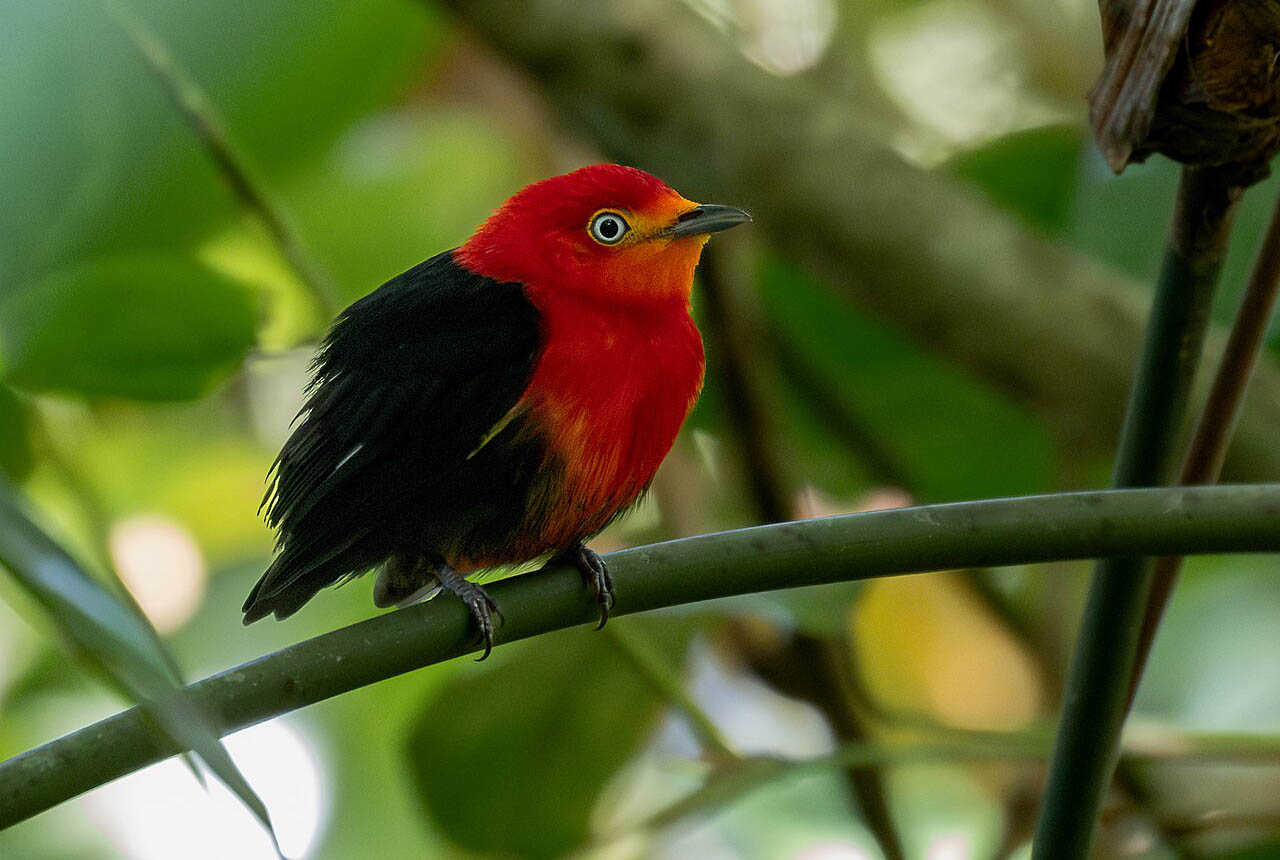
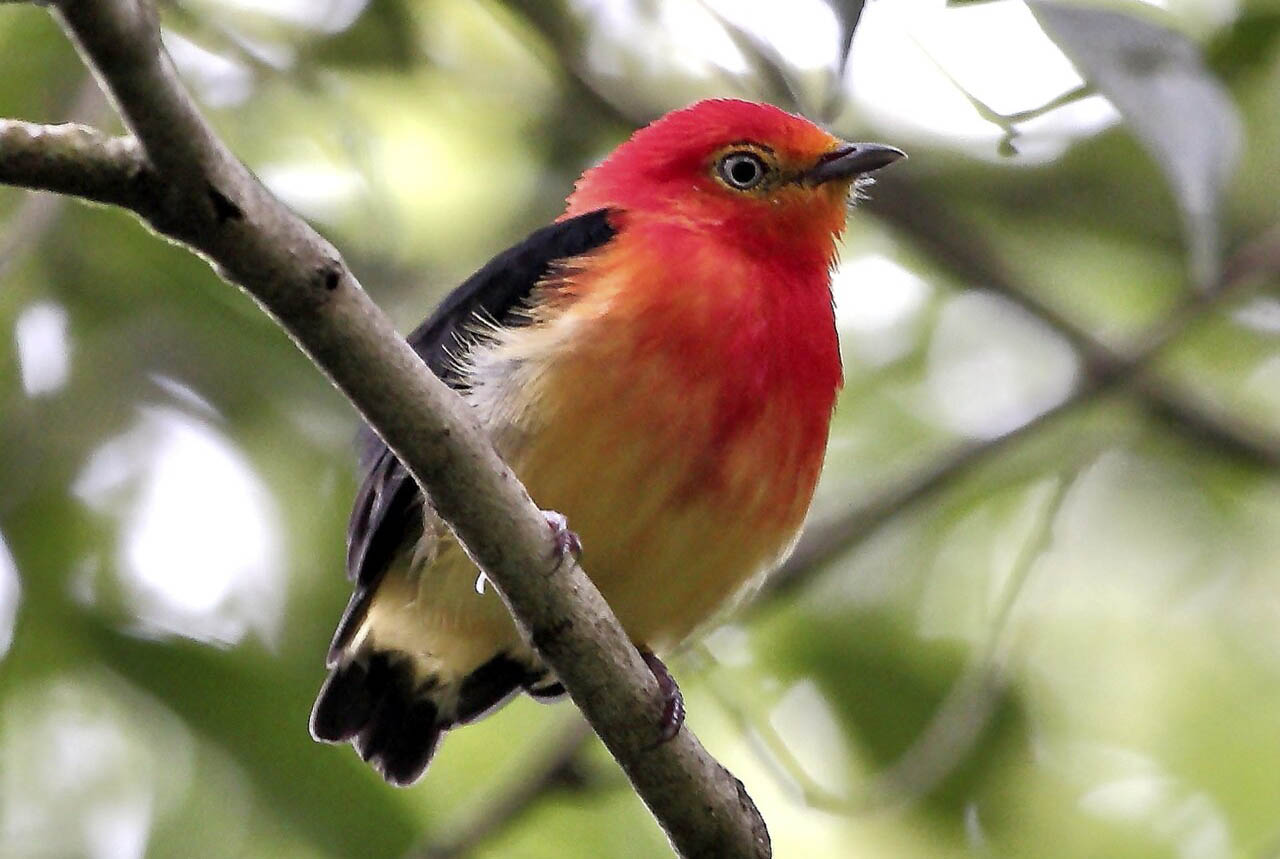
Crimson-hooded Manakin (Pipra aureola)
The Crimson-hooded Manakin is found in Brazil, French Guiana, Guyana, Suriname, and Venezuela. IUCN Red List Status: Least Concern
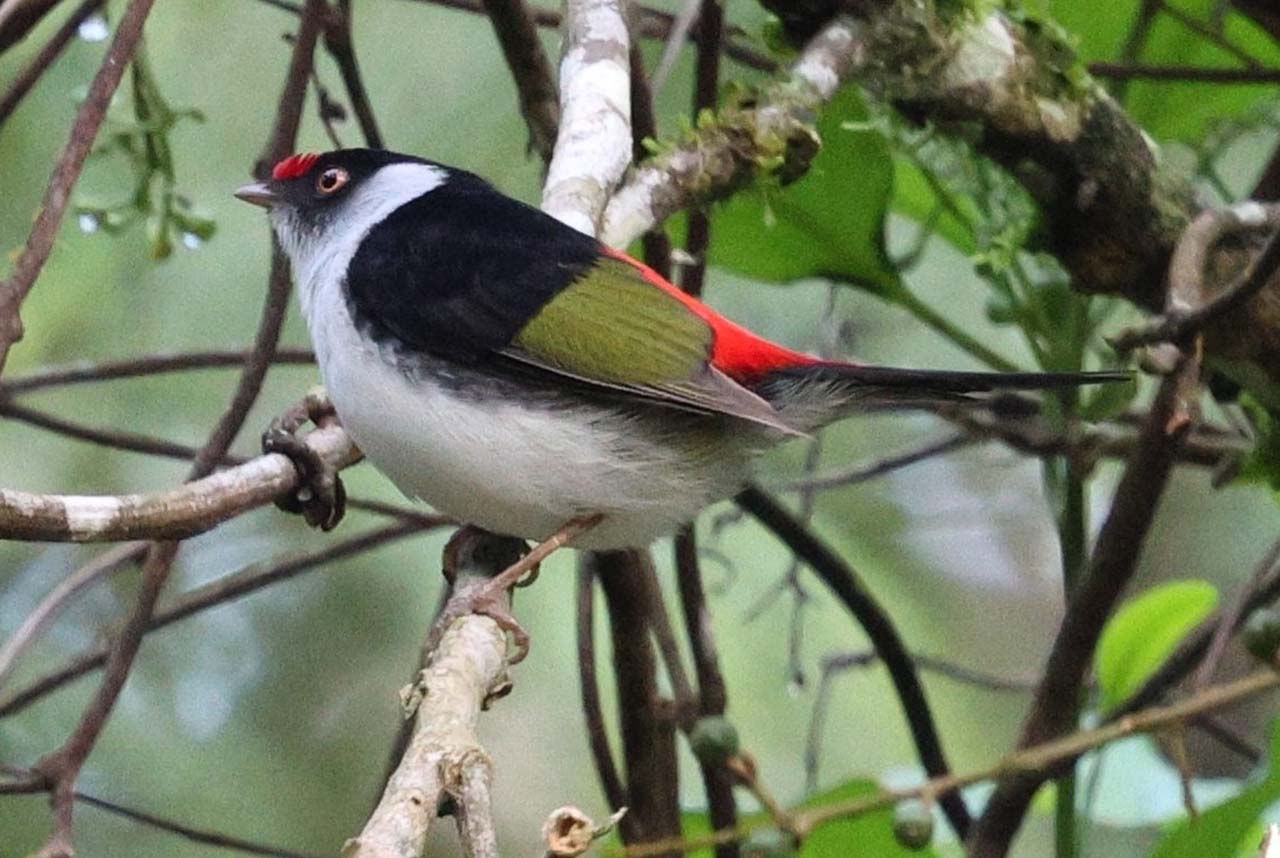
Band-tailed Manakin (Pipra fasciicauda)
The Band-tailed Manakin is found in Argentina, Bolivia, Brazil, Paraguay, and Peru. IUCN Red List Status: Least Concern
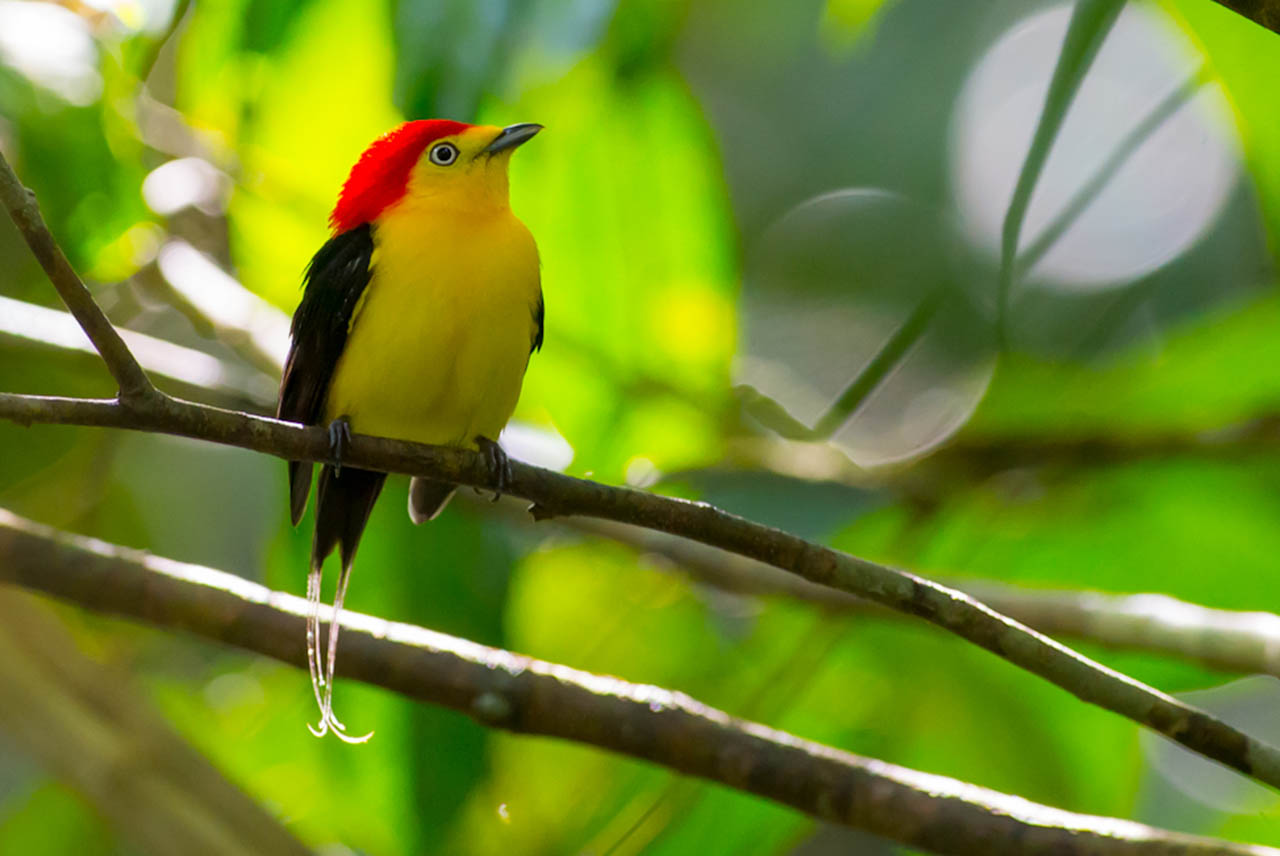
Wire-tailed Manakin (Pipra filicauda)
The Wire-tailed Manakin is found in Brazil, Colombia, Ecuador, Peru, and Venezuela. IUCN Red List Status: Least Concern
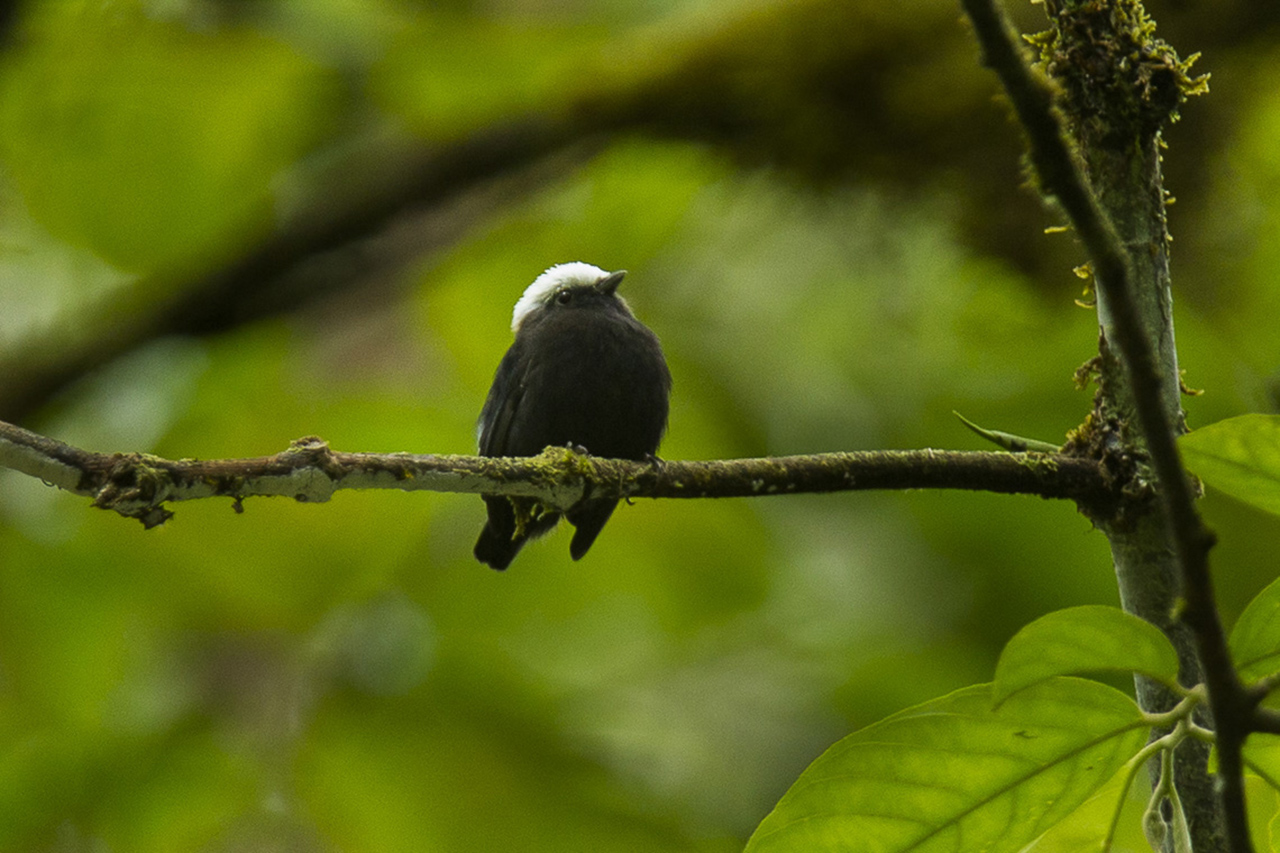
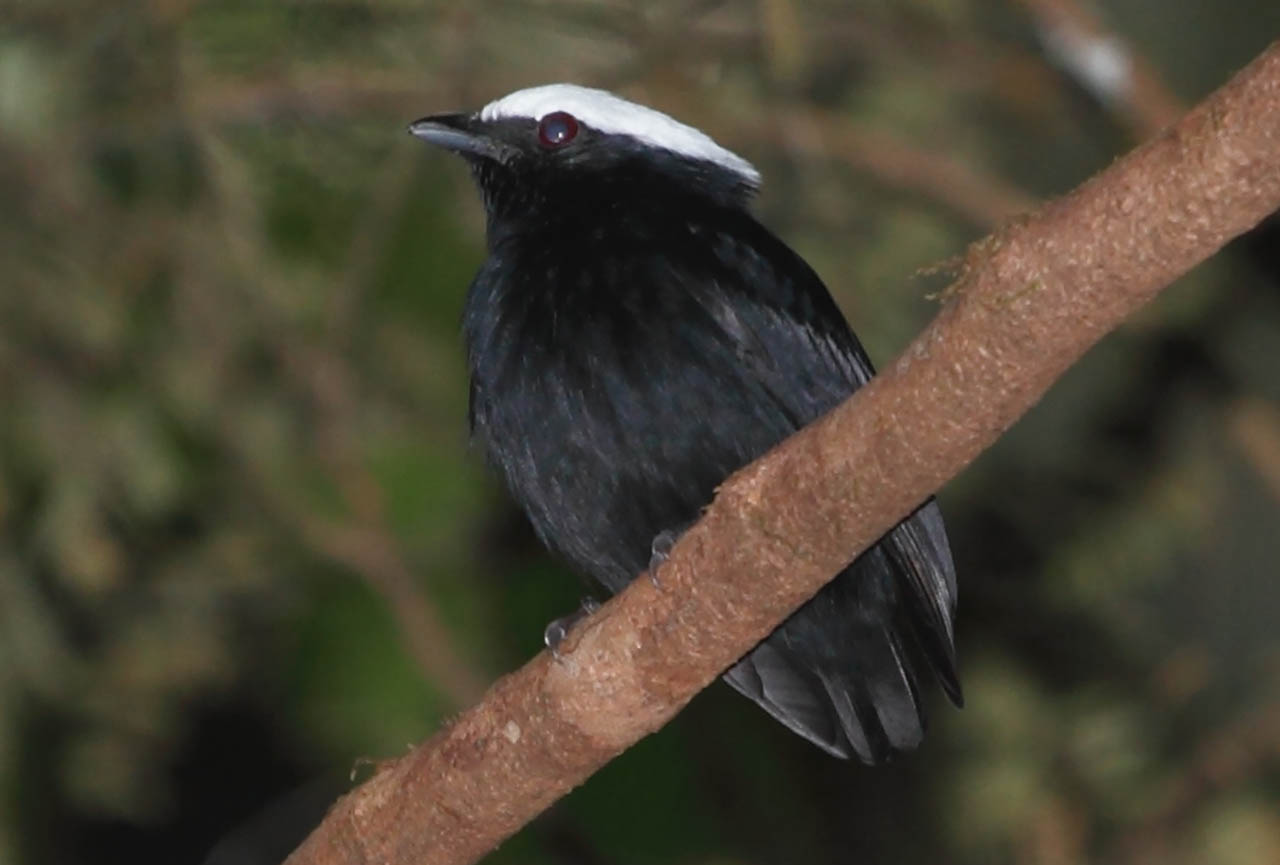
White-crowned Manakin (Pseudopipra pipra)
The White-crowned Manakin is found in Brazil, Colombia, Costa Rica, Ecuador, French Guiana, Guyana, Panama, Peru, Suriname, and Venezuela. IUCN Red List Status: Least Concern
Dwarf Tyrant-manakin (Tyranneutes stolzmanni)
The Dwarf Tyrant-manakin is found in Bolivia, Brazil, Colombia, Ecuador, Peru, and Venezuela. IUCN Red List Status: Least Concern
Tiny Tyrant-manakin (Tiny Tyrant-manakin0
The Tiny Tyrant-manakin is found in Brazil, French Guiana, Guyana, Suriname, and Venezuela. IUCN Red List Status: Least Concern
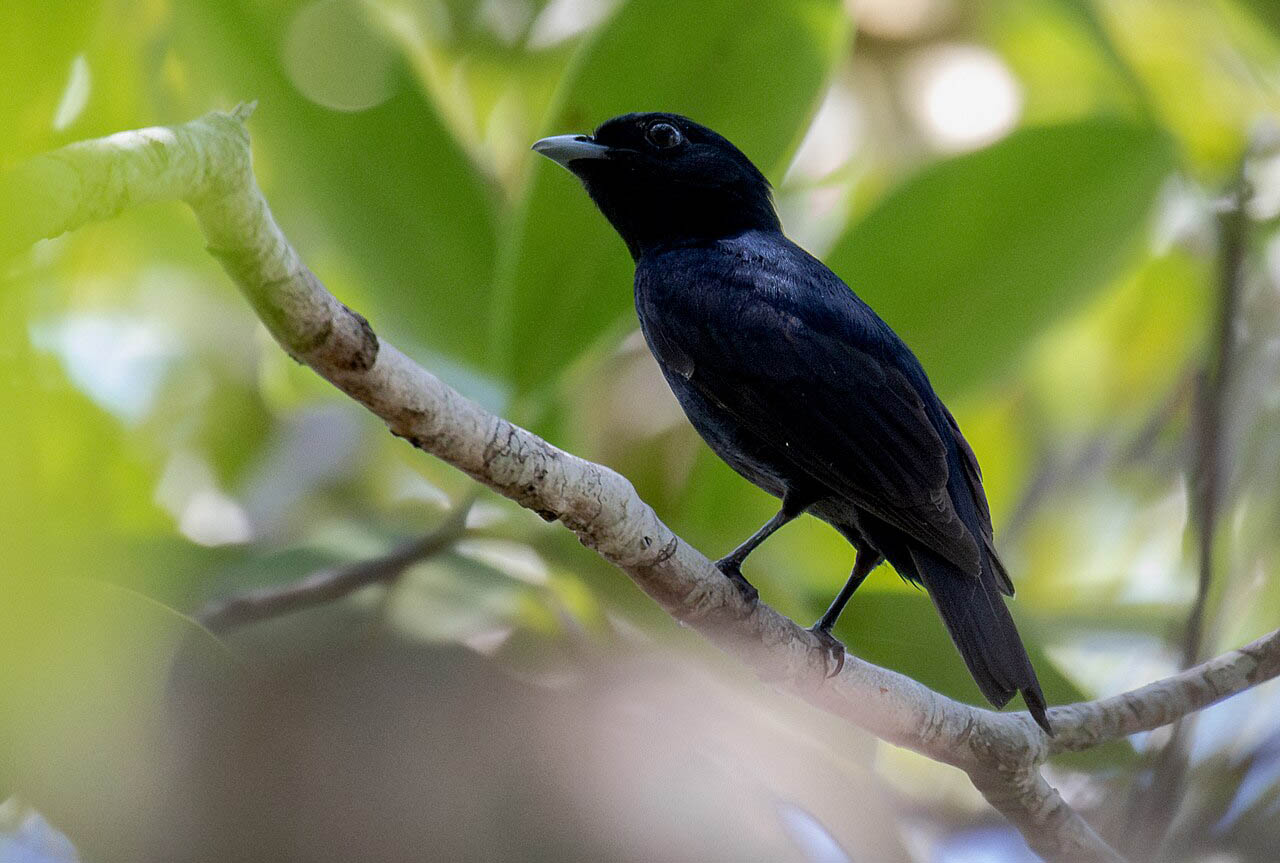
Black Manakin (Xenopipo atronitens)
The Black Manakin is found in Bolivia, Brazil, Colombia, French Guiana, Guyana, Peru, Suriname, and Venezuela. IUCN Red List Status: Least Concern
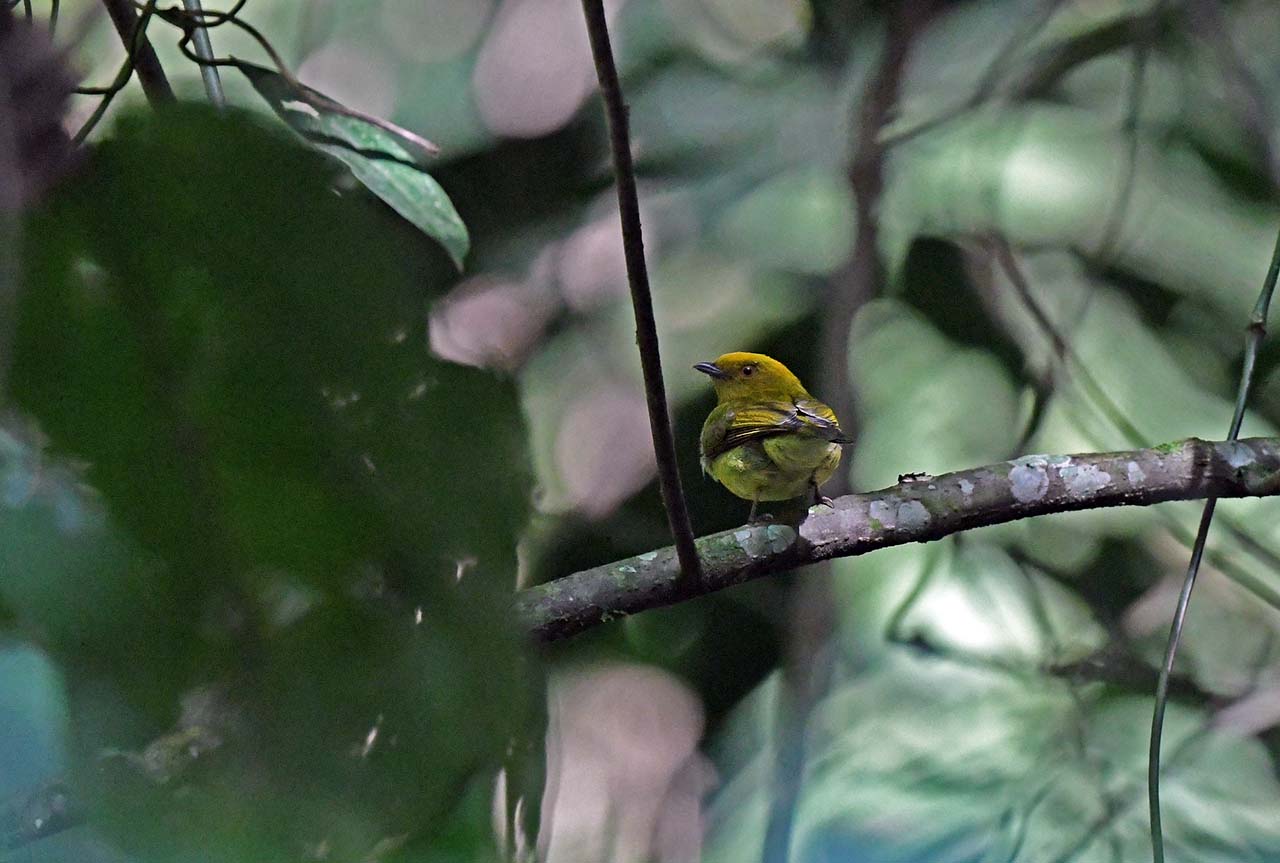
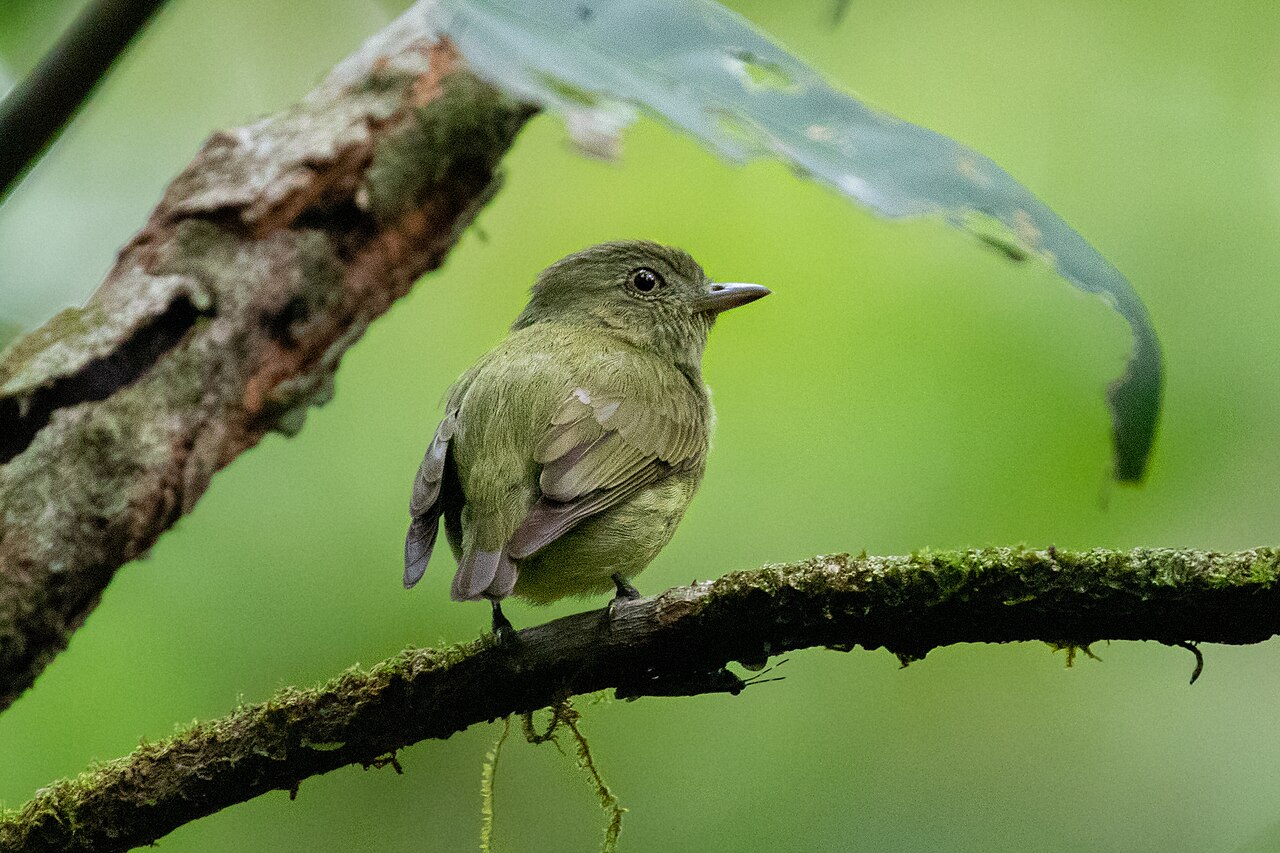
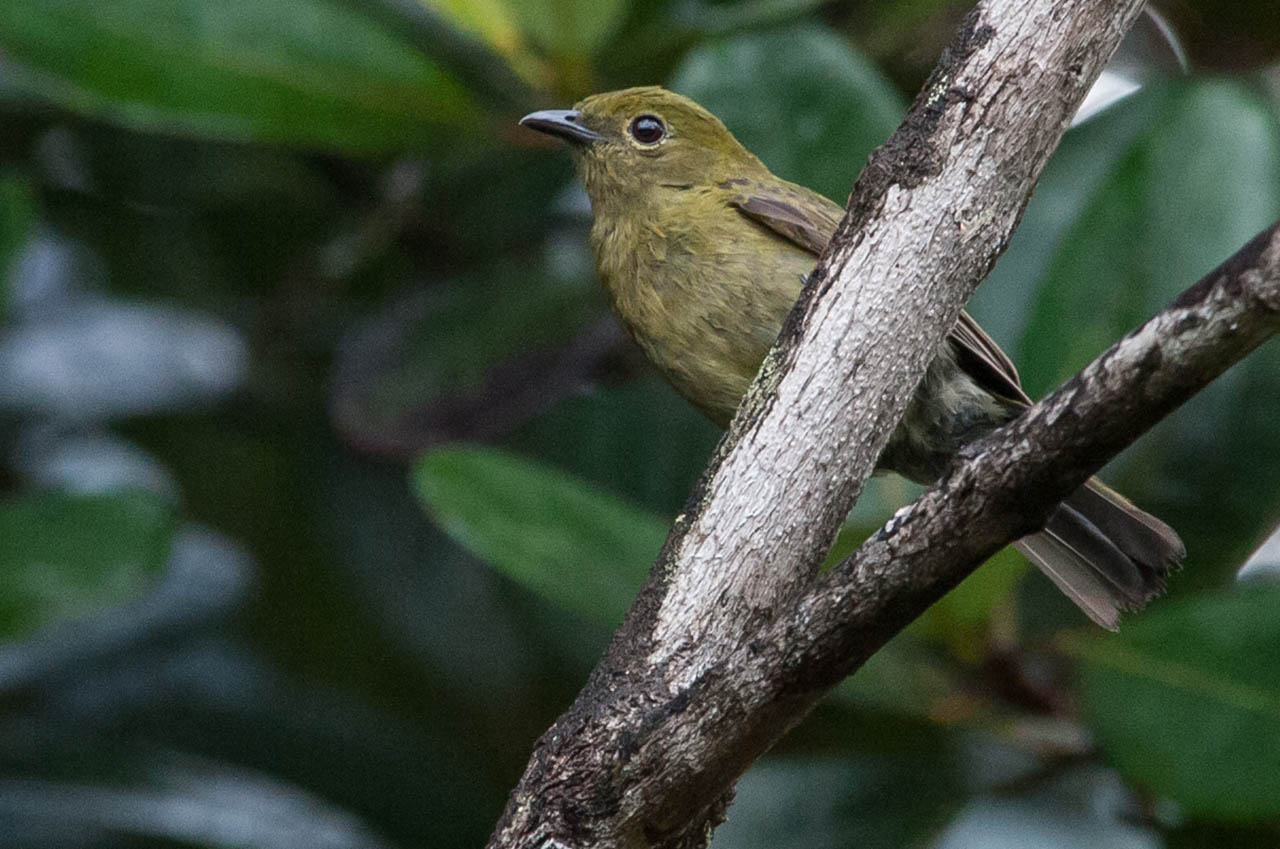
Olive Manakin (Xenopipo uniformis)
The Olive Manakin is found in Brazil, Guyana, and Venezuela. IUCN Red List Status: Least Concern