There are 7-8 species in this family of shorebirds. They are found in marshy areas all over the world, except for in Antarctica.
Most species are 12 to 18 inches tall. They have very long legs, long necks, and long, pointed bills. Avocets’ bills curve up at the end. Stilts have straight bills.
Stilts have reddish-pink legs, and avocets have grayish-blue legs. Avocets and the banded stilt have webbed front toes. The other stilts have partially webbed toes.
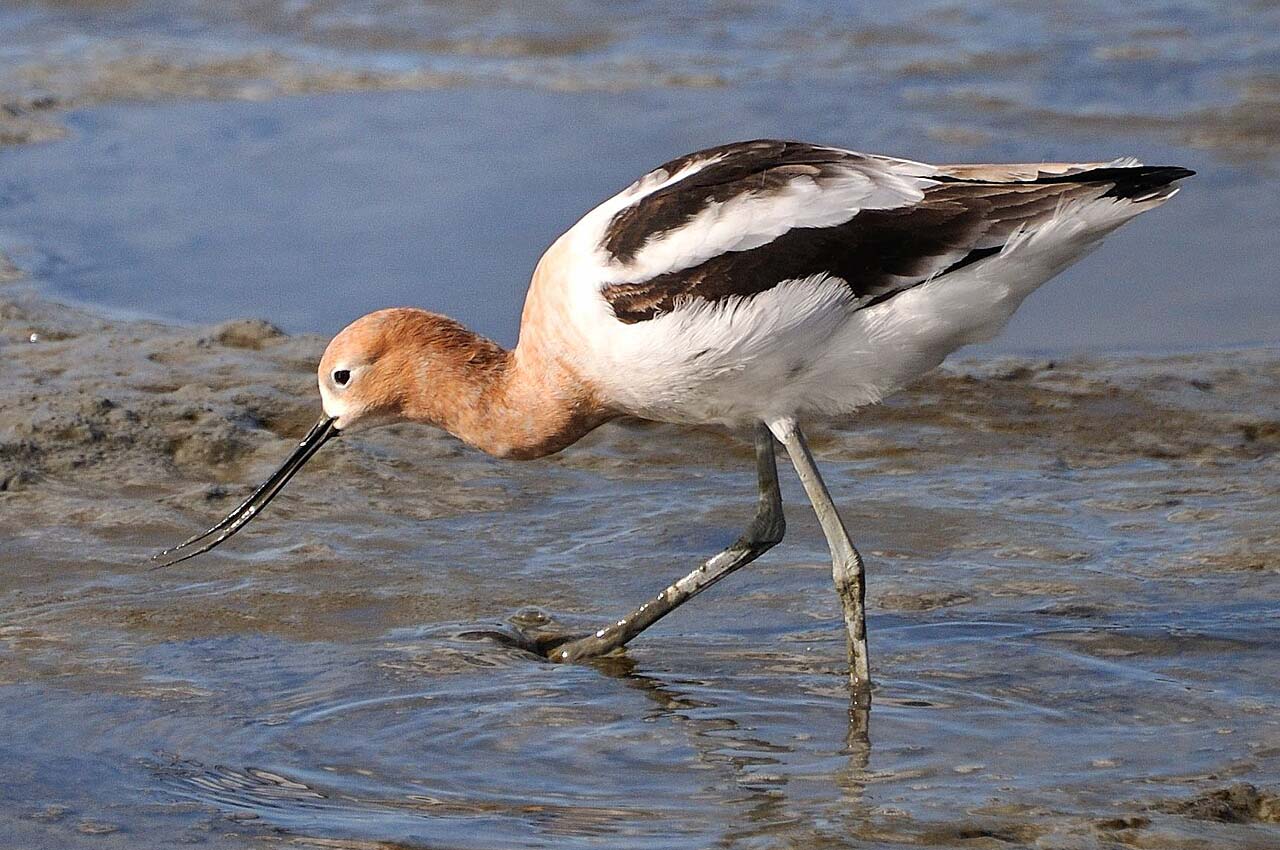
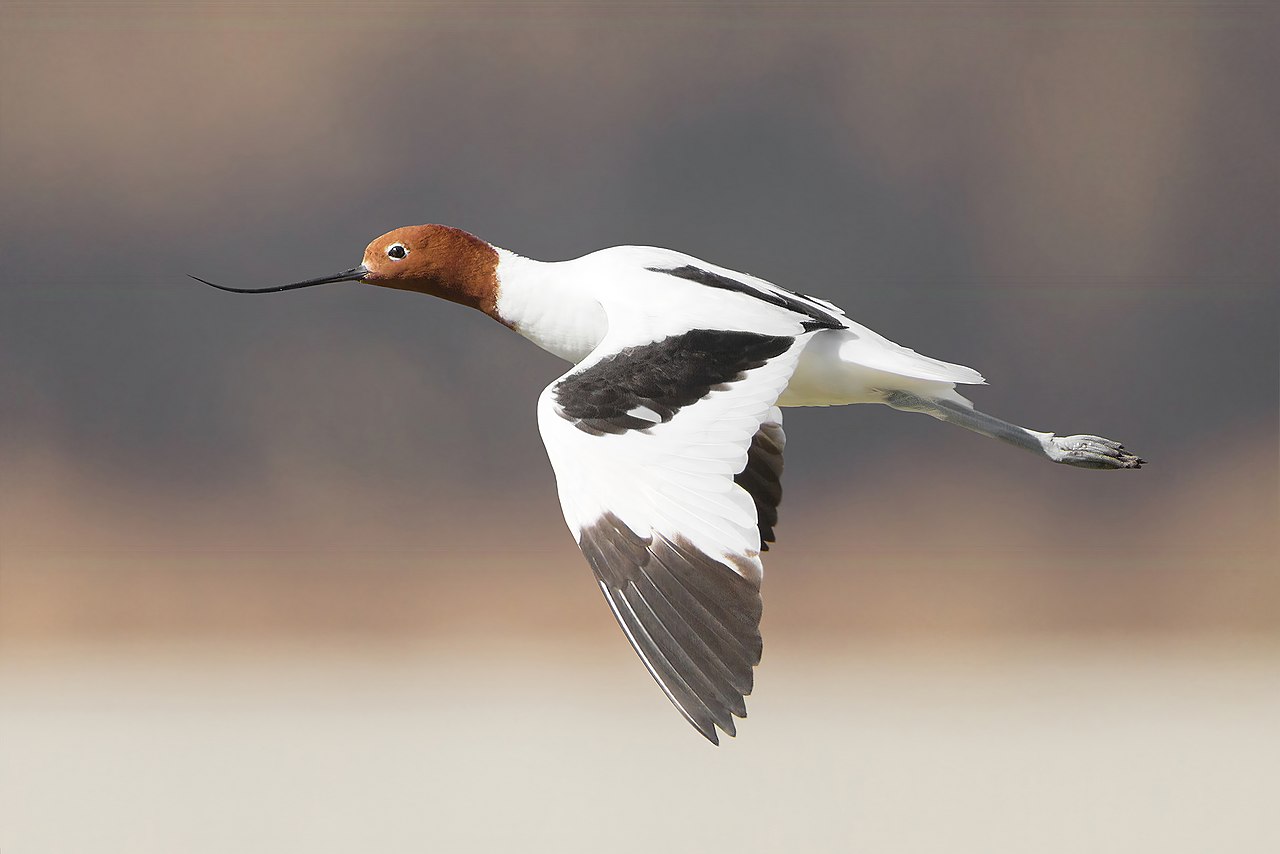
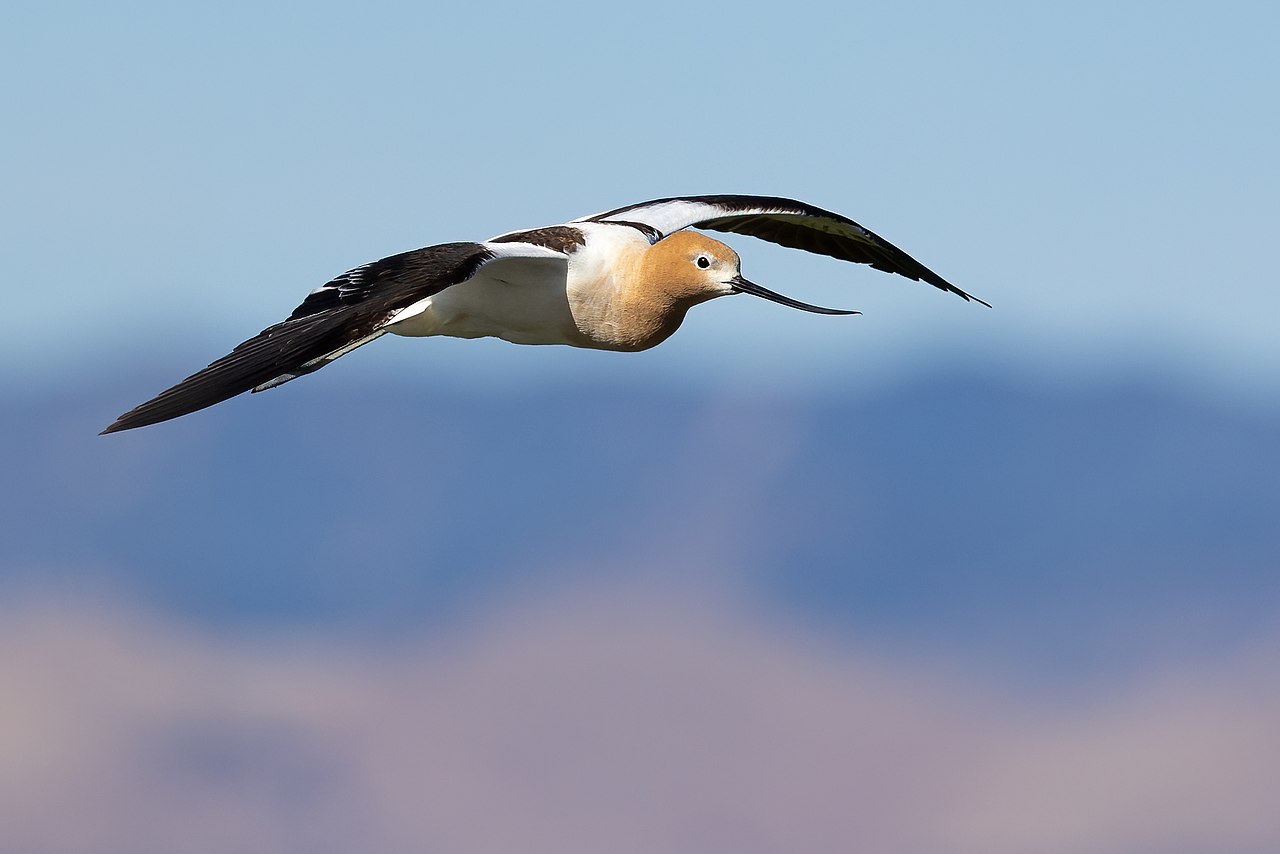
Most species of avocet and stilt are black and white. The American avocet’s head and neck are a rusty red in breeding season and grayish white in winter. The red-necked avocet has a reddish brown head and neck.
Avocets and stilts eat small fish, insects, mollusks, and small crustaceans, but they locate their prey in different ways.
Avocets sweep their heads from side to side in shallow water and use their curved bills to feel for prey. Stilts locate their prey by sight and snatch it up in their long, straight bills.
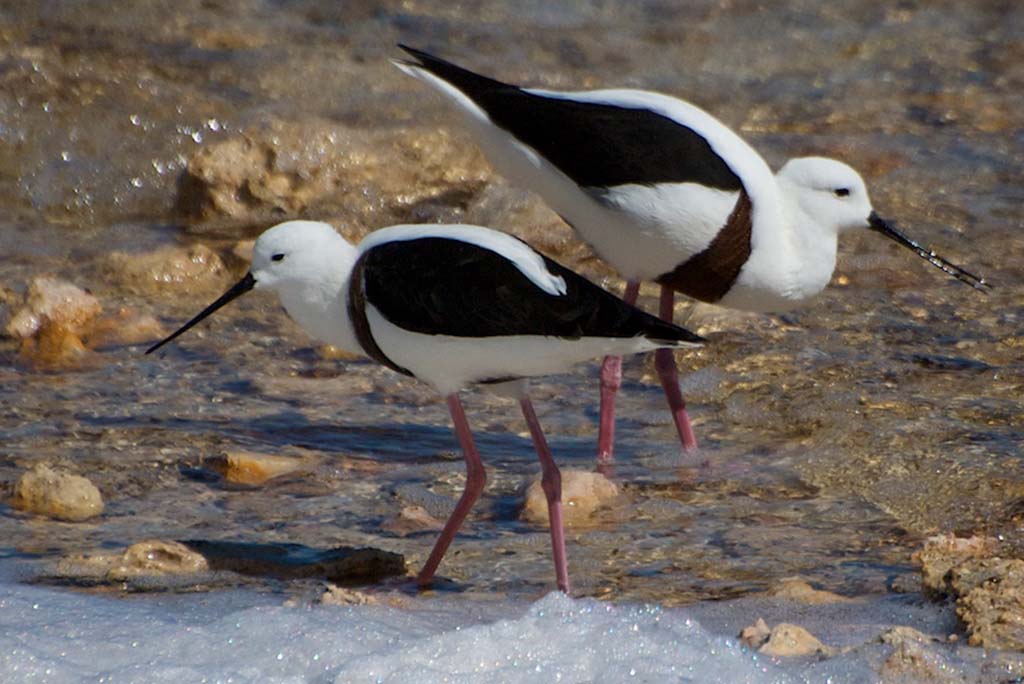
Banded Stilt (Cladorhynchus leucocephalus)
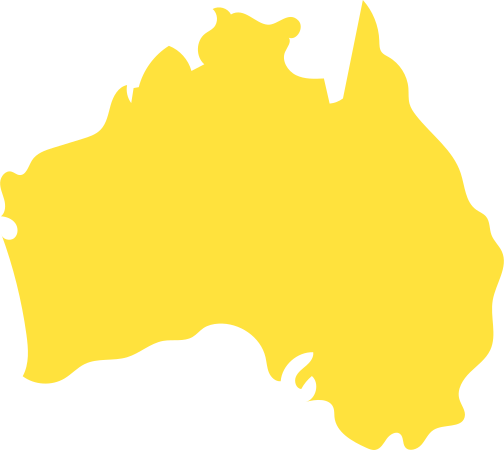
The banded stilt is found in Australia. IUCN Redlist Status: Least Concern
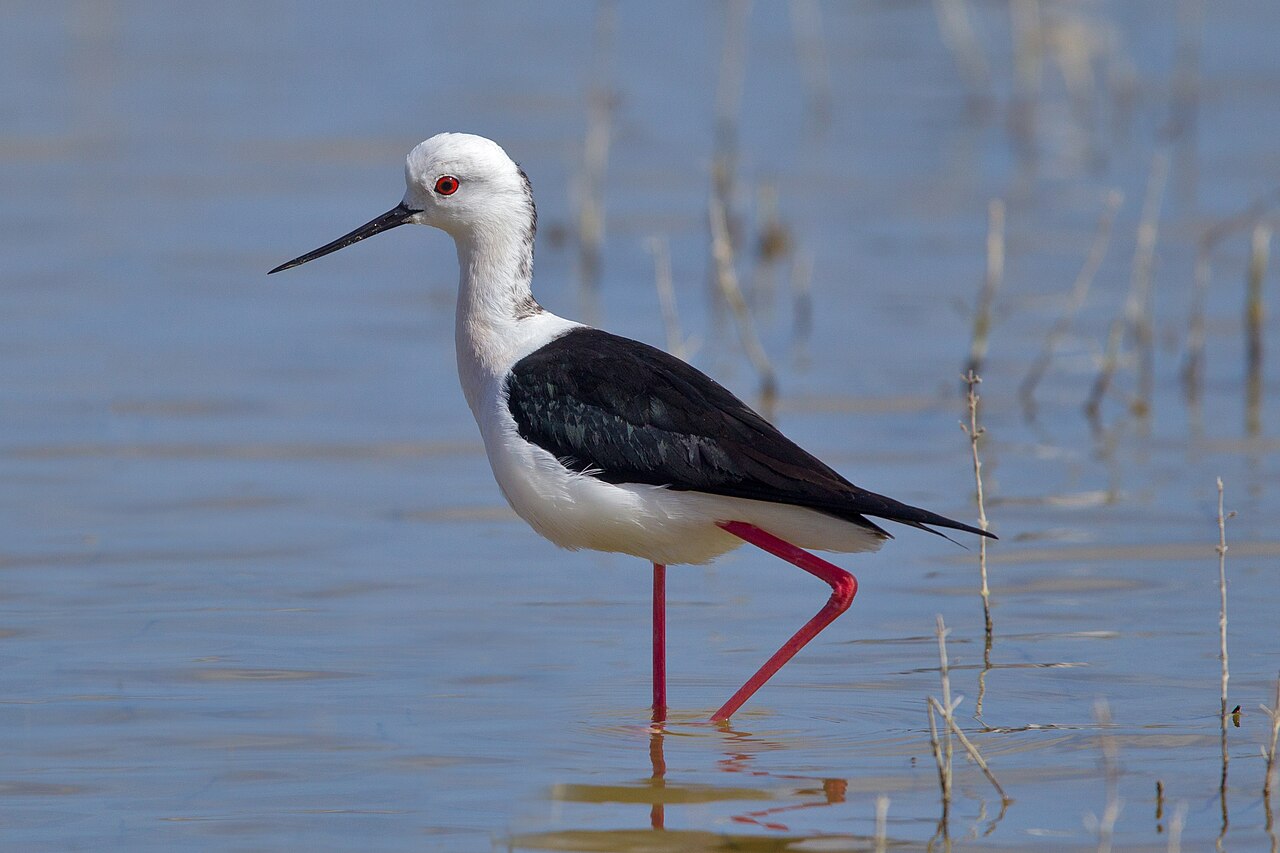
Black-Winged Stilt (Himantopus himantopus)
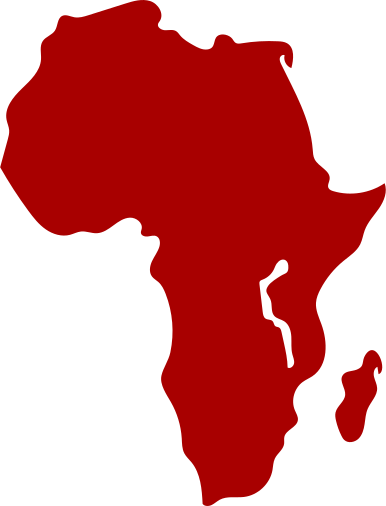
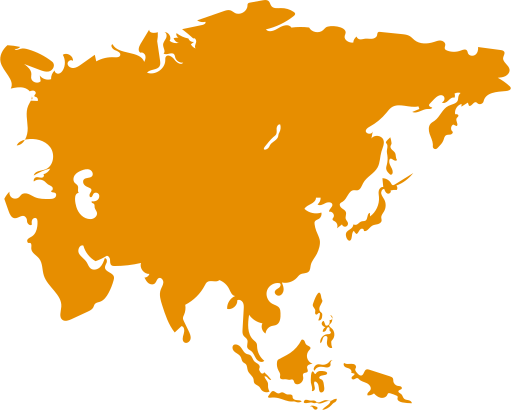
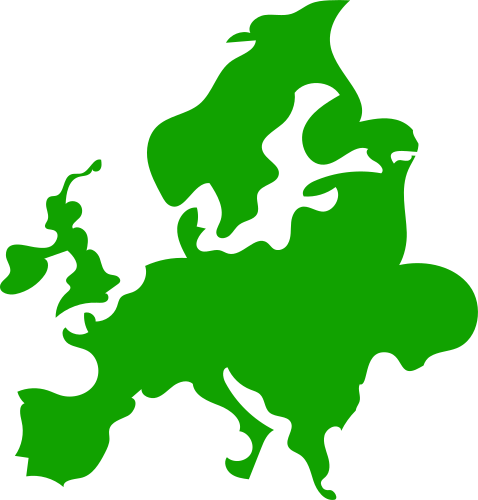
The black-winged stilt is found in Europe, Africa, Asia, and Australia. IUCN Redlist Status: Least Concern
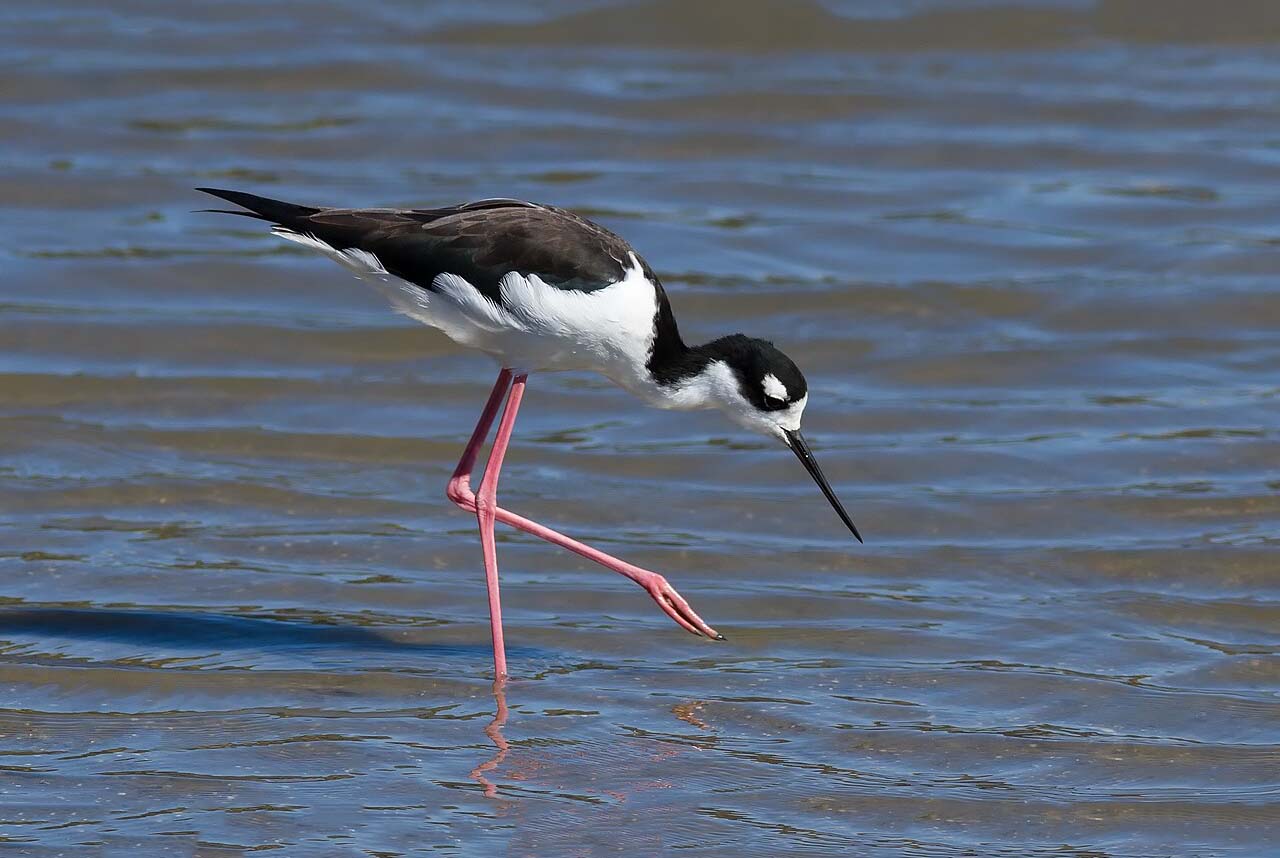
Black-Necked Stilt (Himantopus mexicanus)
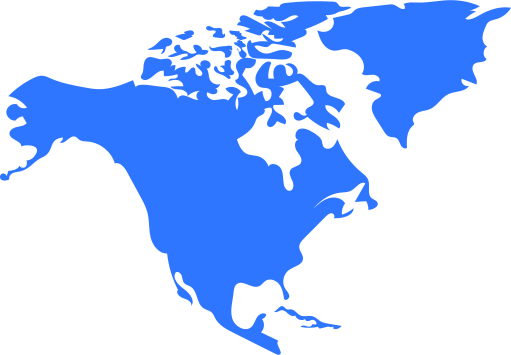
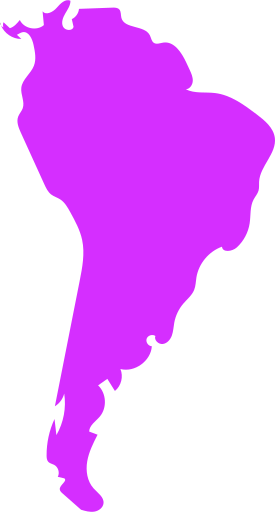
The black-necked stilt is found in the western and southern United States, especially along the Pacific Coast, the Gulf Coast, and inland wetlands. It is also found in Central America and South America and the Caribbean. It is sometimes considered a subspecies of the black-winged stilt.
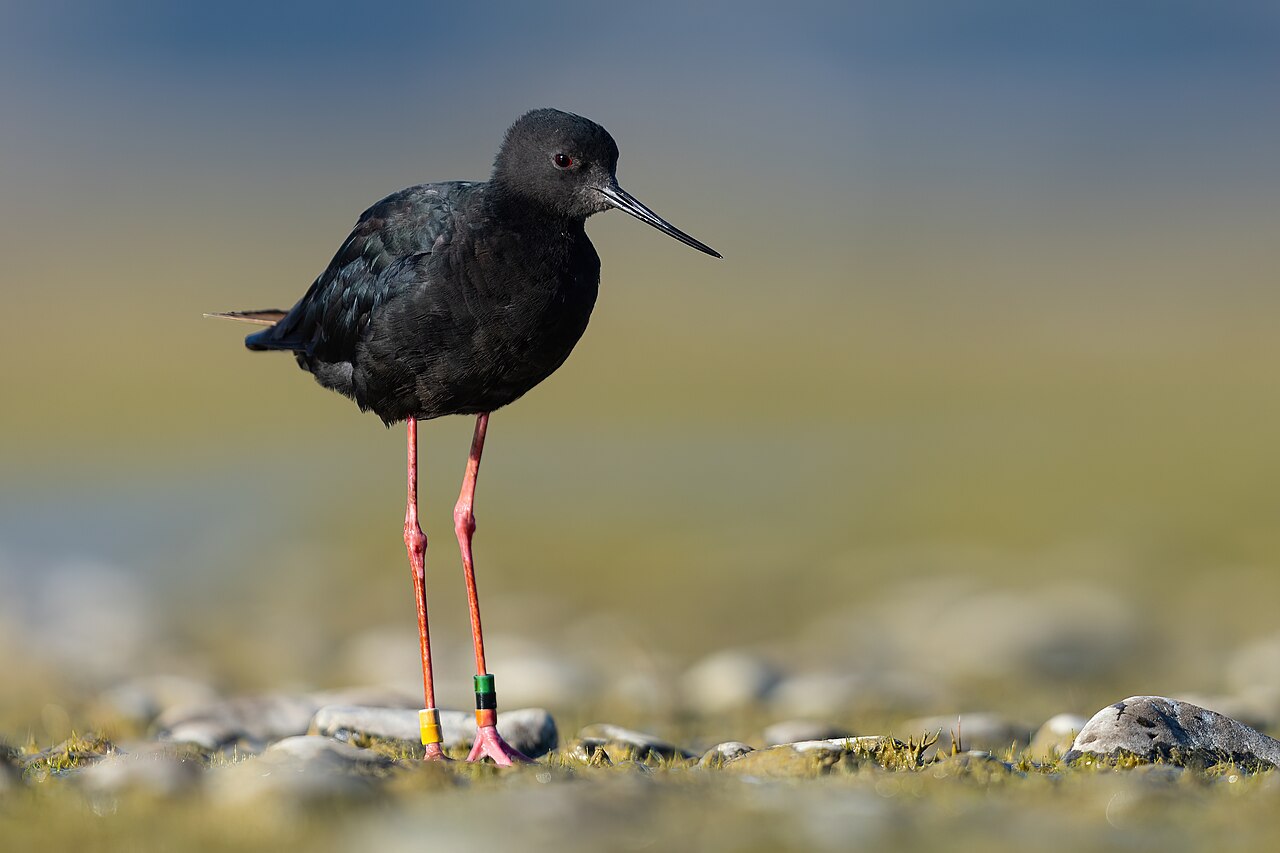
Black Stilt (Himantopus novaezelandiae)
The black stilt is found in New Zealand. IUCN Redlist Status: Critically Endangered
American Avocet (Recurvirostra americana)
The American avocet's breeding range stretches from Washington; Manitoba, Canada; and Minnesota, south to California and Texas. It winters in California, Texas, the Gulf Coast, the Southeast coast of the U.S., and Mexico. IUCN Redlist Status: Least Concern
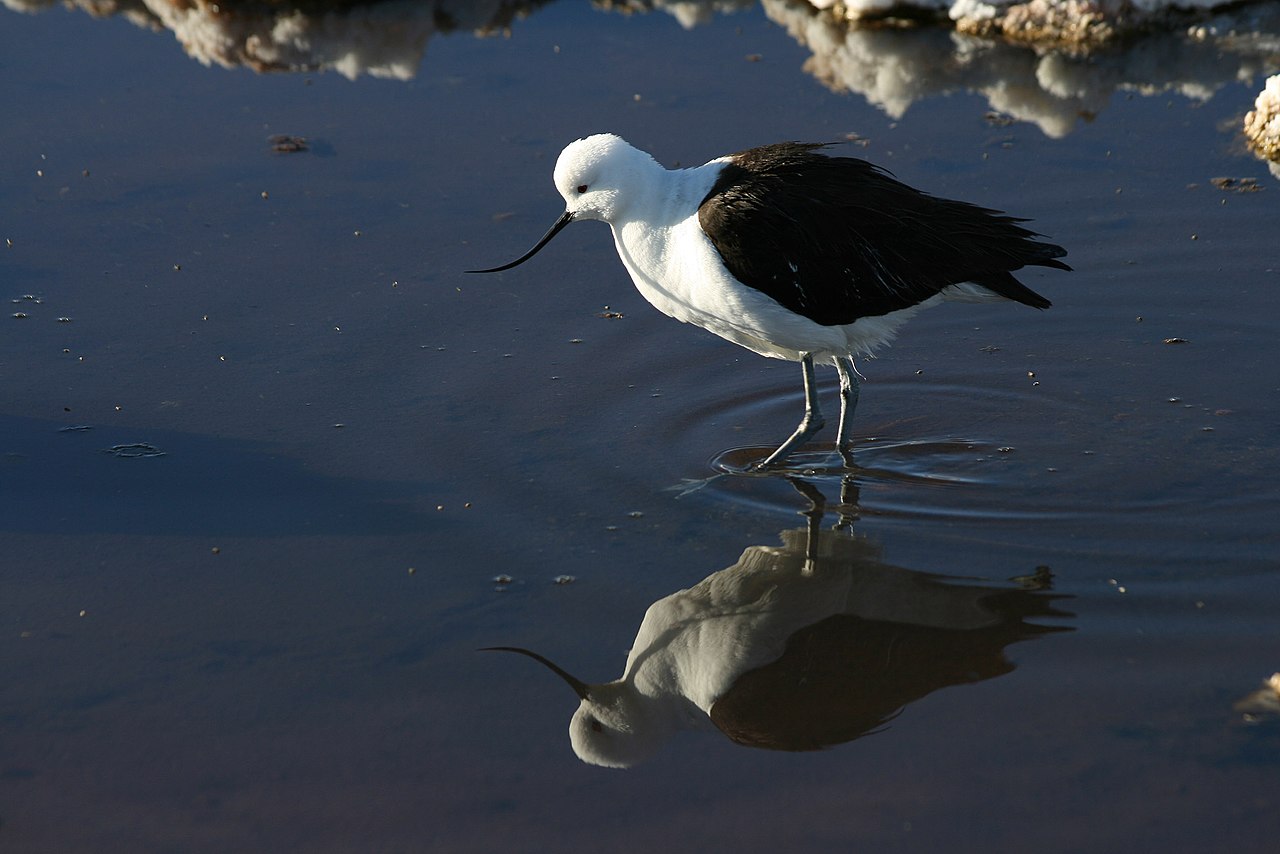
Andean Avocet (Recurvirostra andina)
The Andean avocet is found in Argentina, Bolivia, Chile, and Peru. IUCN Redlist Status: Least Concern
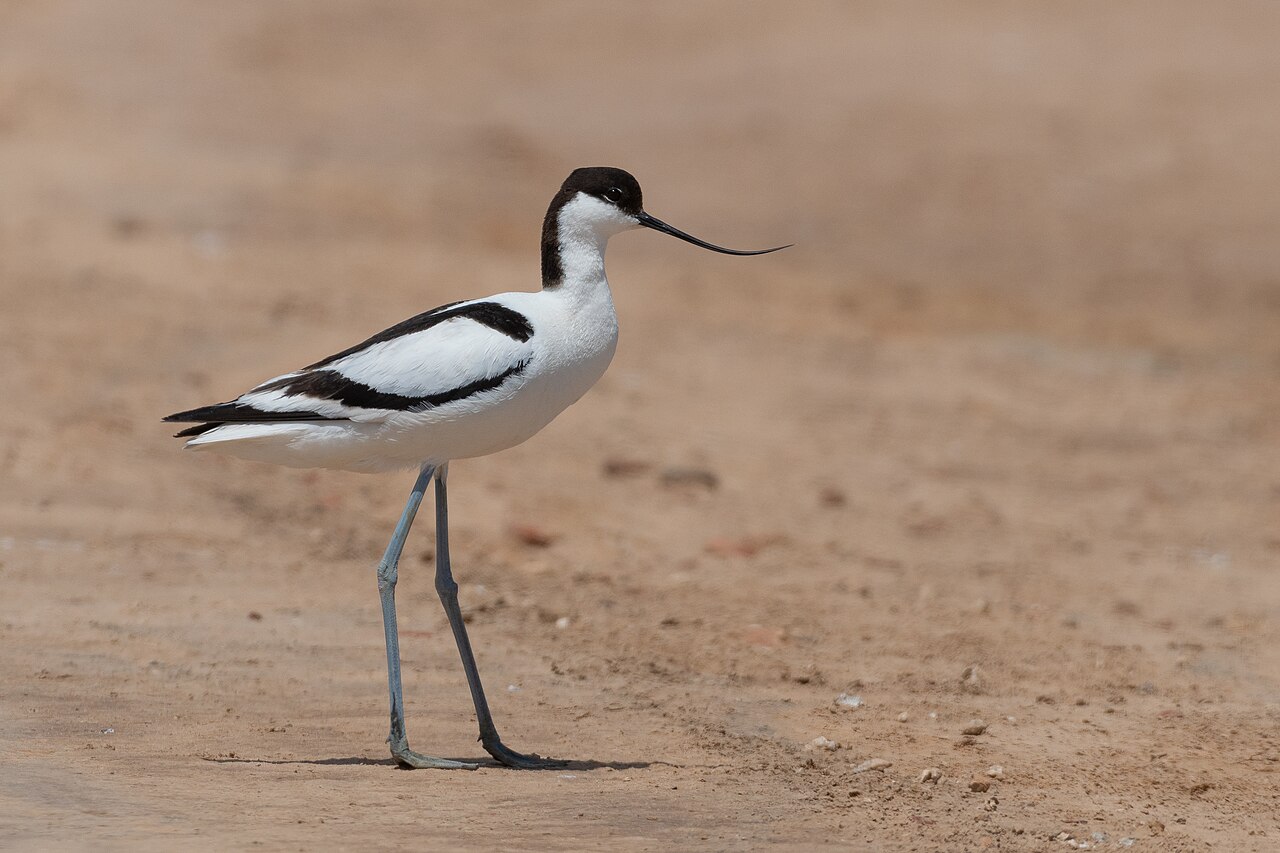
Pied Avocet (Recurvirostra avosetta)
The pied avocet is found in Europe, Africa, and Asia. IUCN Redlist Status: Least Concern
Red-Necked Avocet (Recurvirostra novaehollandiae)
The red-necked avocet is found in Australia. IUCN Redlist Status: Least Concern