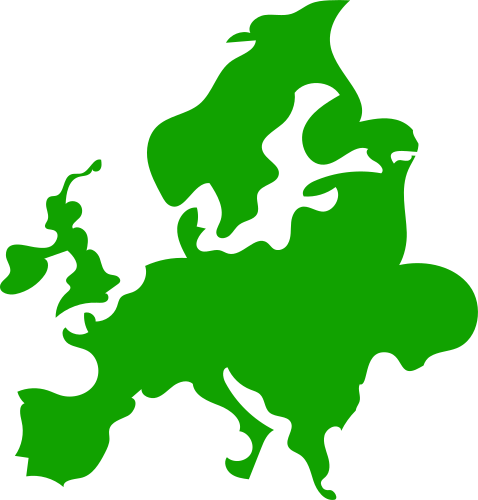
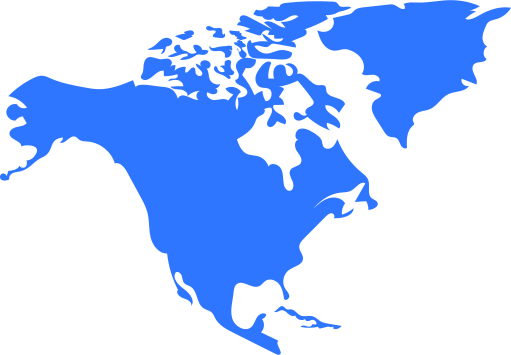
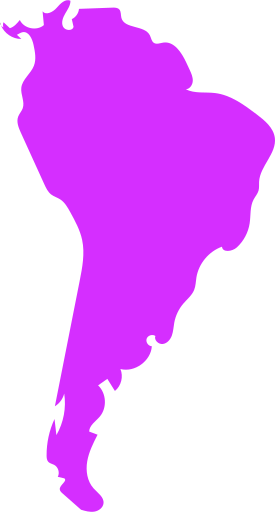
The Recurvirostridae family includes 7-9 living species of avocets and stilts. These shorebirds are found in wetlands, marshes, mudflats, lakeshores, and coastal areas on every continent except Antarctica.
Most avocets and stilts are about 12–18 inches (30.5–45.7 cm) tall. They have very long legs, long necks, and long, slender bills. Avocets have bills that curve upward at the tip, while stilts have straight bills.
Stilts are famous for their long reddish-pink legs. Avocets usually have bluish-gray legs. Avocets and the banded stilt have webbed front toes, which help them move through shallow water. Other stilts have only partial webbing between their toes.
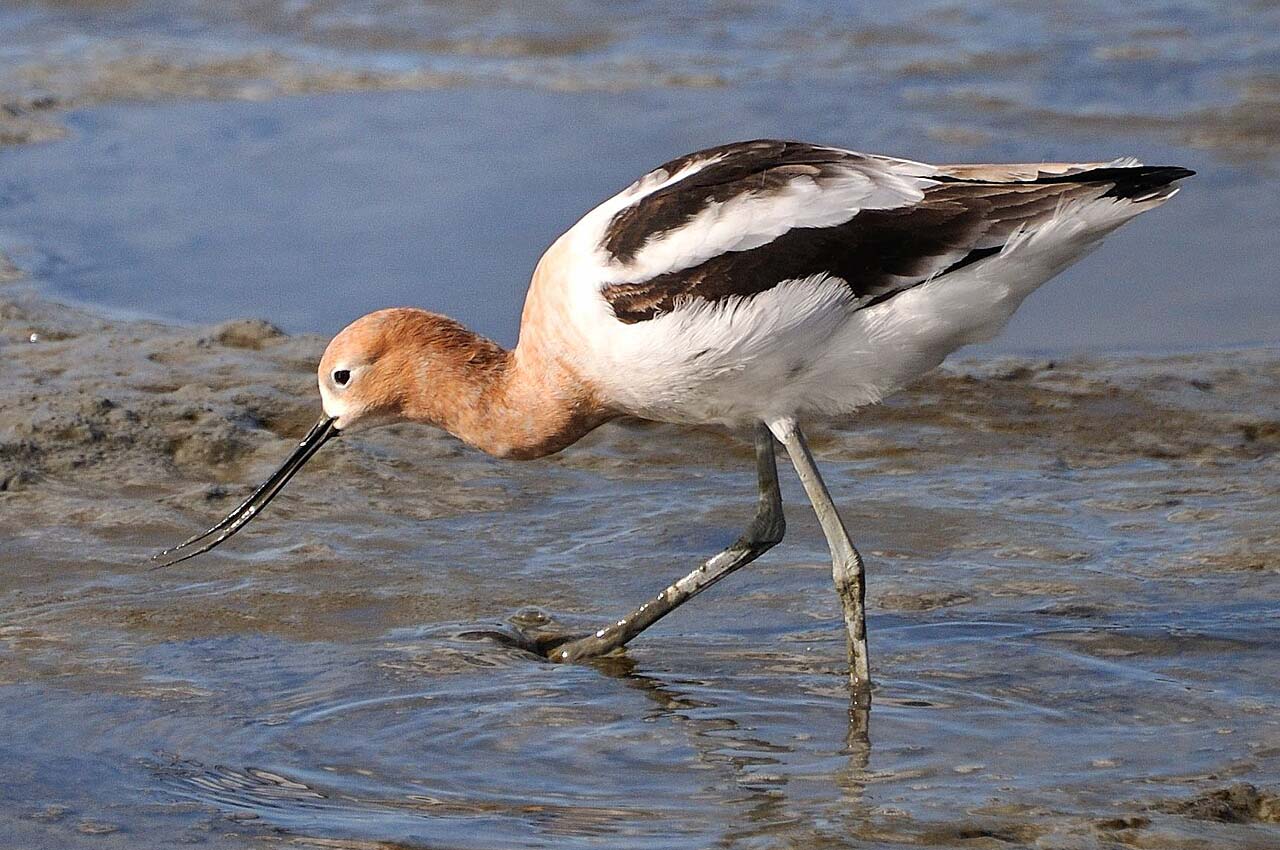
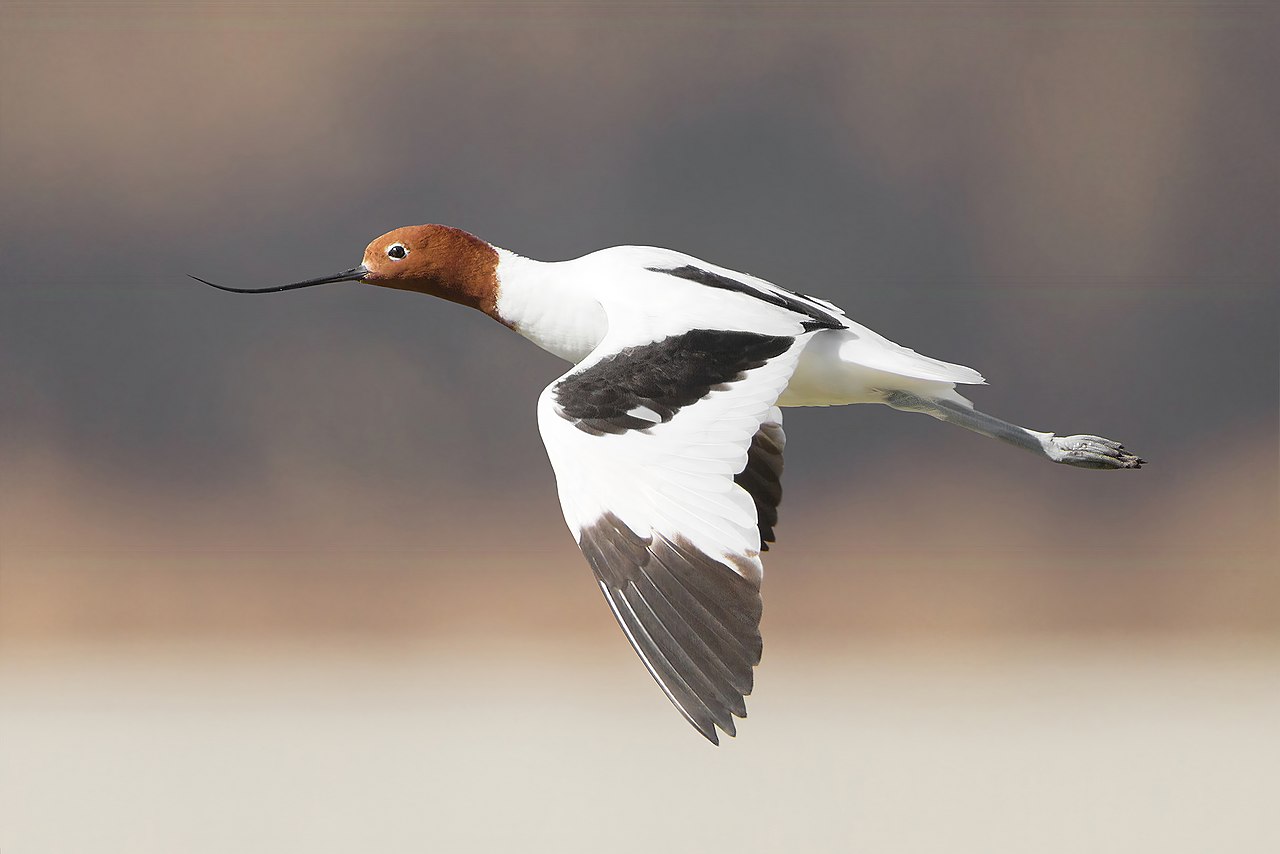
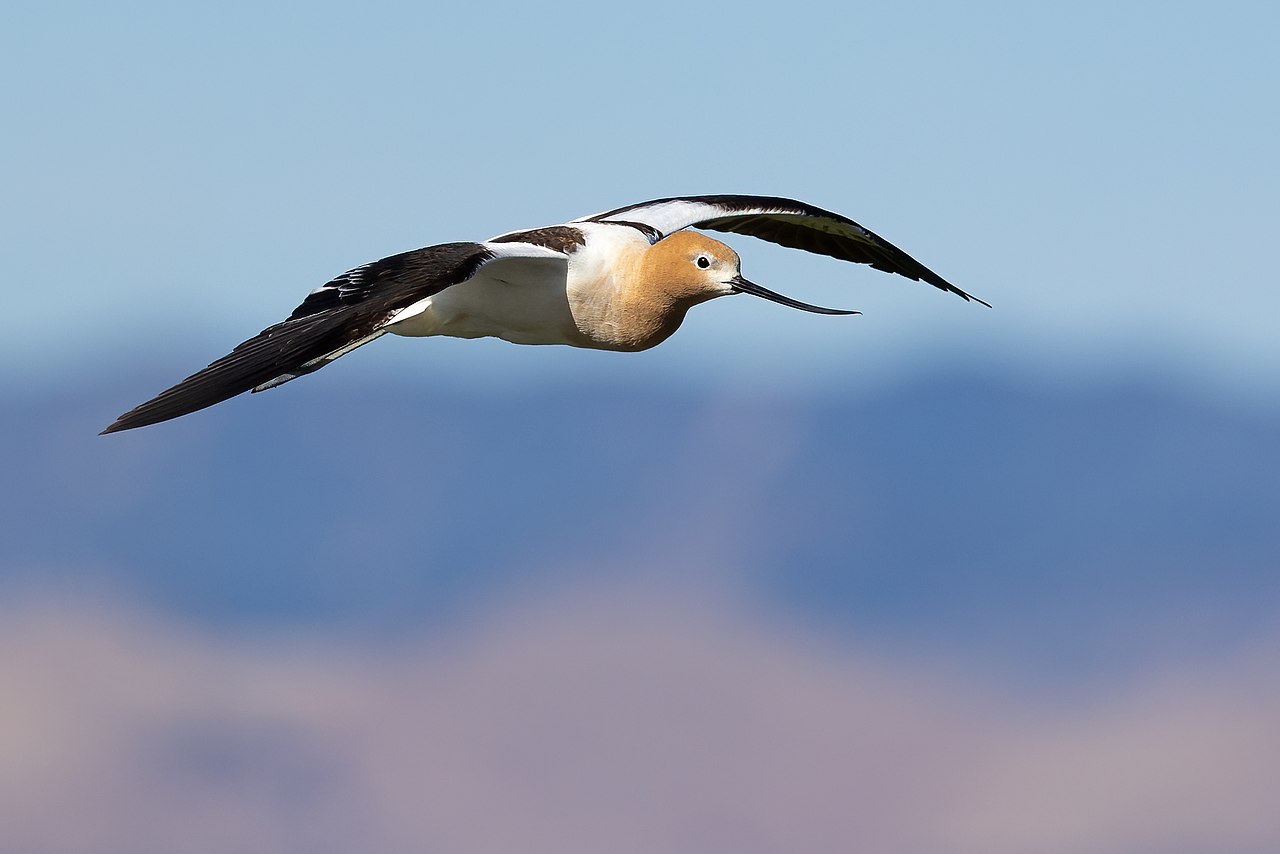
Most avocets and stilts are patterned in black and white. During the breeding season, the American Avocet develops a rusty-red head and neck, which become grayish-white in winter. The red-necked avocet has a reddish-brown head and neck throughout the year.
These birds feed on small aquatic animals such as insects, crustaceans, mollusks, worms, and small fish. Avocets and stilts find food in different ways. Avocets sweep their heads from side to side through shallow water, using their curved bills to detect and catch prey. Stilts usually hunt by sight, picking up prey with their long, straight bills.
Most species nest on the ground near water. Their eggs and chicks are well camouflaged, helping protect them from predators. Young birds are precocial and can leave the nest and walk soon after hatching.
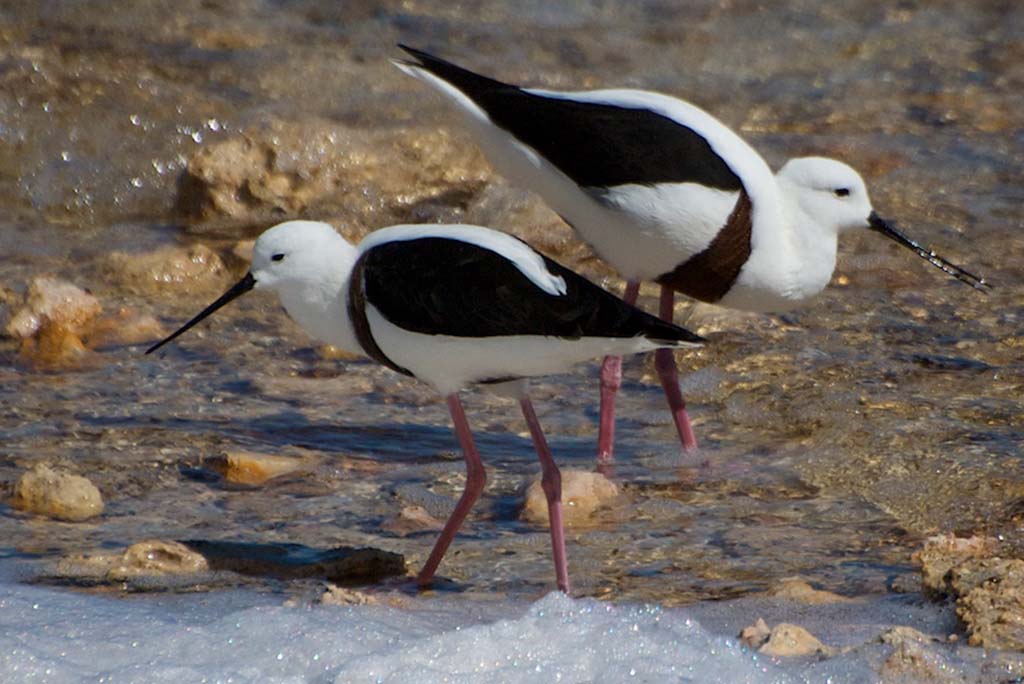
Banded stilt (Cladorhynchus leucocephalus)
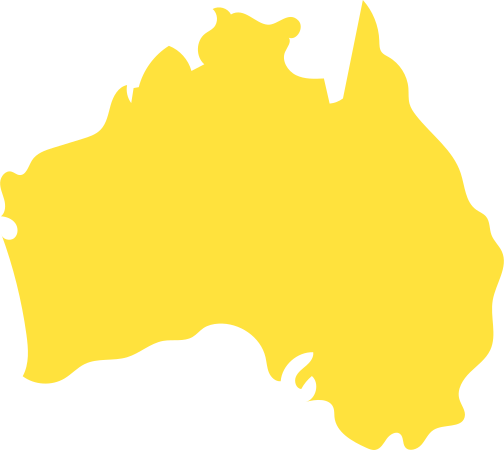
The Banded Stilt is found in Australia. IUCN Redlist Status: Least Concern
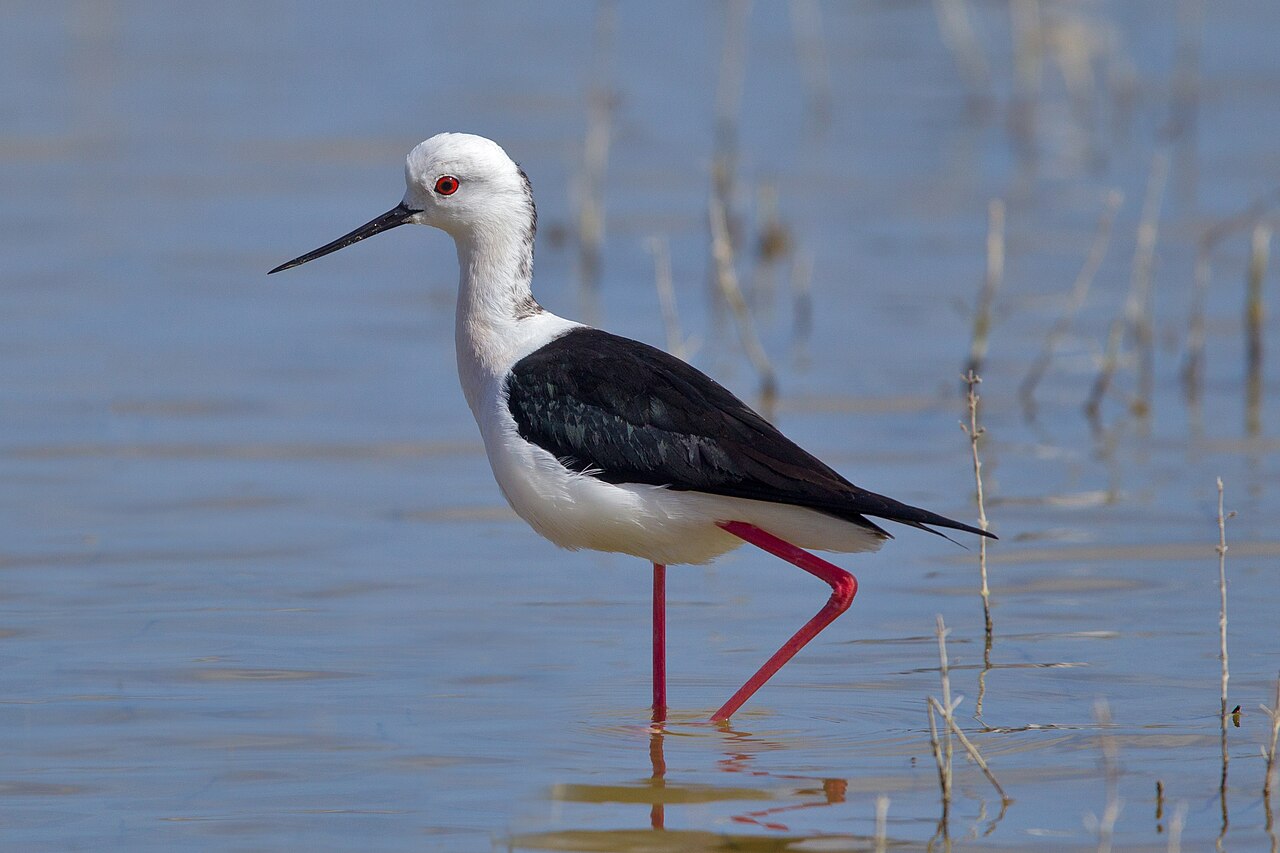
Black-winged Stilt (Himantopus himantopus)
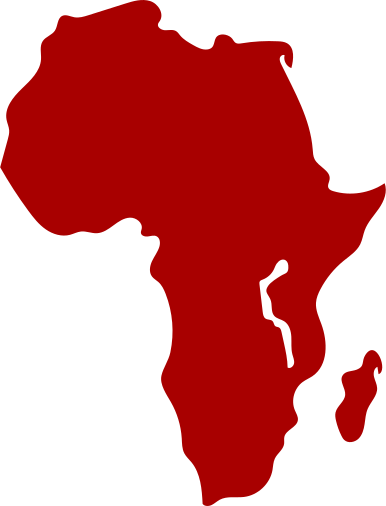
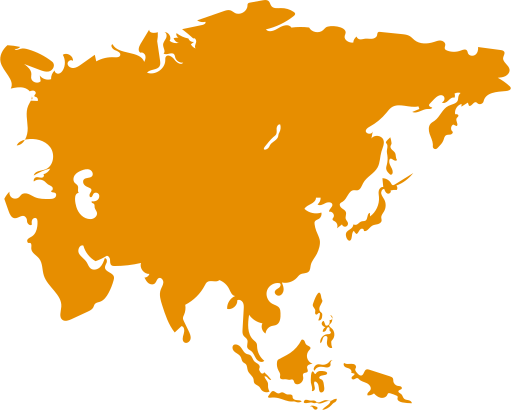
The Black-winged Stilt is found in Europe, Africa, Asia, and Australia. IUCN Redlist Status: Least Concern
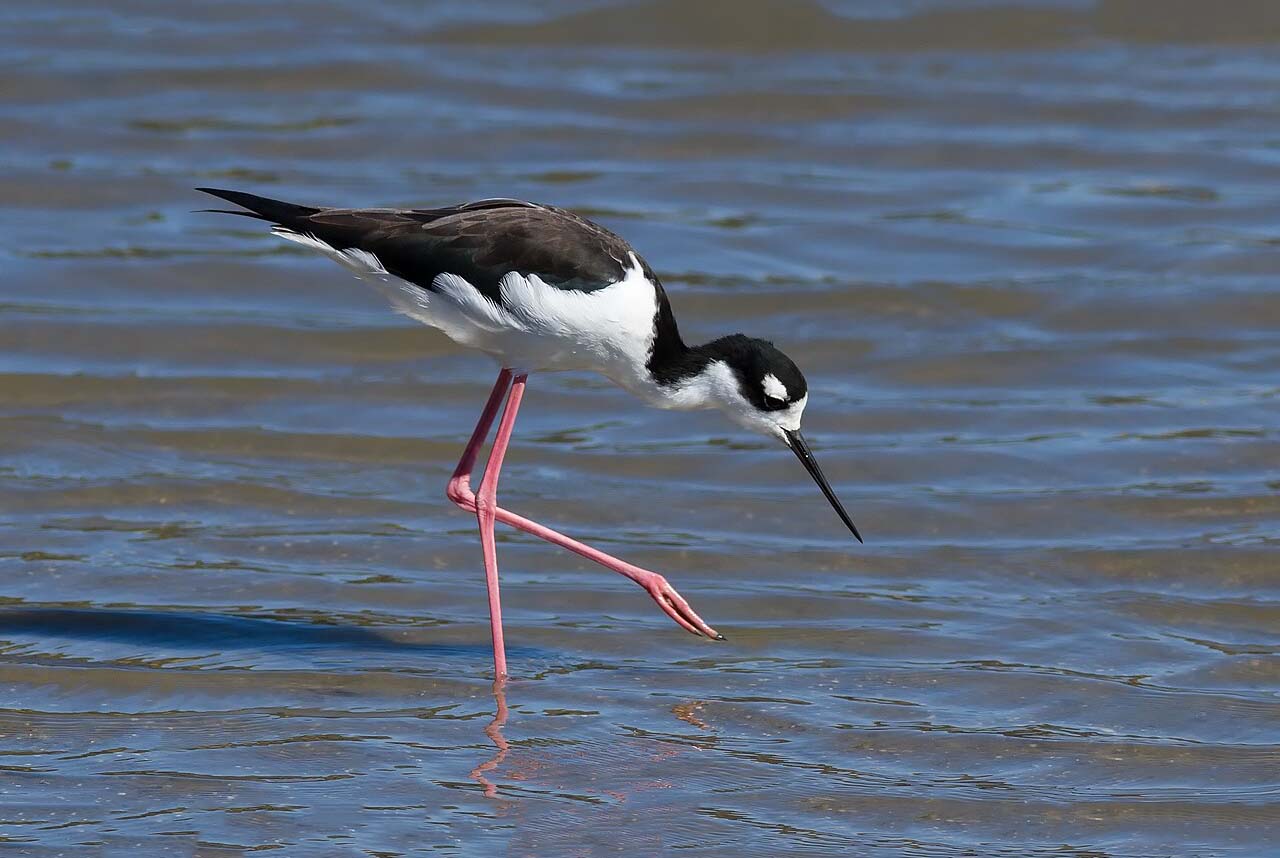
Black-necked Stilt (Himantopus mexicanus)
The Black-necked Stilt is found in the western and southern United States, especially along the Pacific Coast, the Gulf Coast, and inland wetlands. It is also found in Central America and South America and the Caribbean. It is sometimes considered a subspecies of the black-winged stilt.
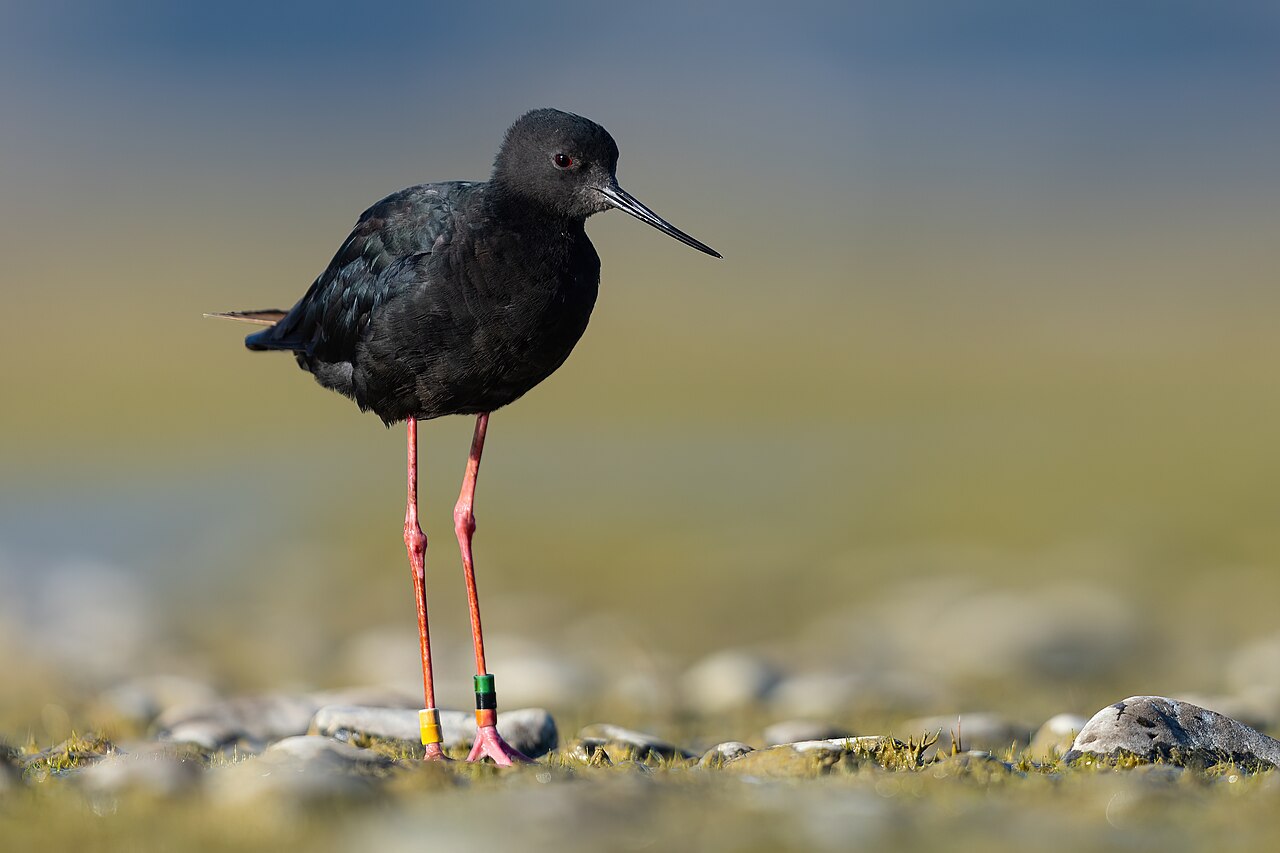
Black Stilt (Himantopus novaezelandiae)
The Black Stilt is found in New Zealand. IUCN Redlist Status: Critically Endangered
American Avocet (Recurvirostra americana)
The American Avocet's breeding range stretches from Washington; Manitoba, Canada; and Minnesota, south to California and Texas. It winters in California, Texas, the Gulf Coast, the Southeast coast of the U.S., and Mexico. IUCN Redlist Status: Least Concern
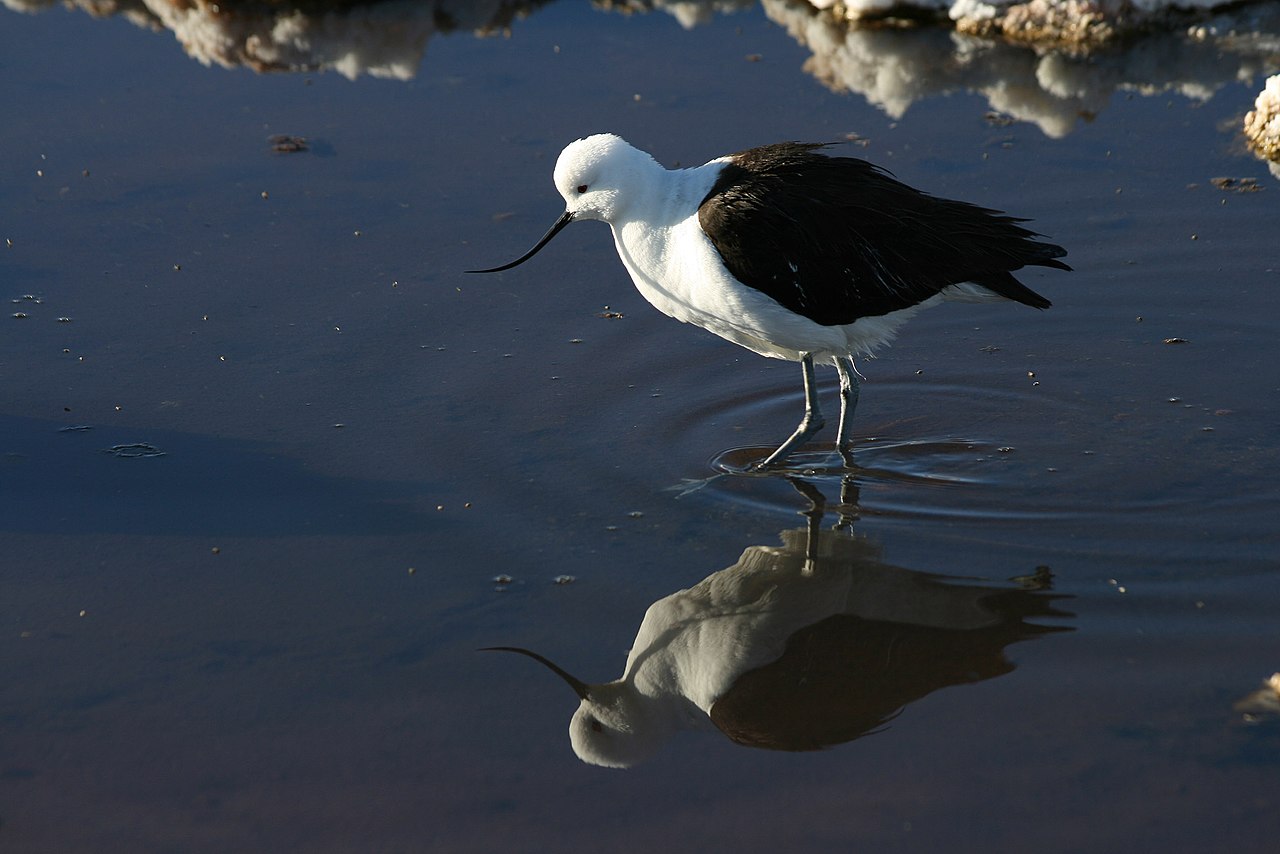
Andean Avocet (Recurvirostra andina)
The Andean Avocet is found in Argentina, Bolivia, Chile, and Peru. IUCN Redlist Status: Least Concern
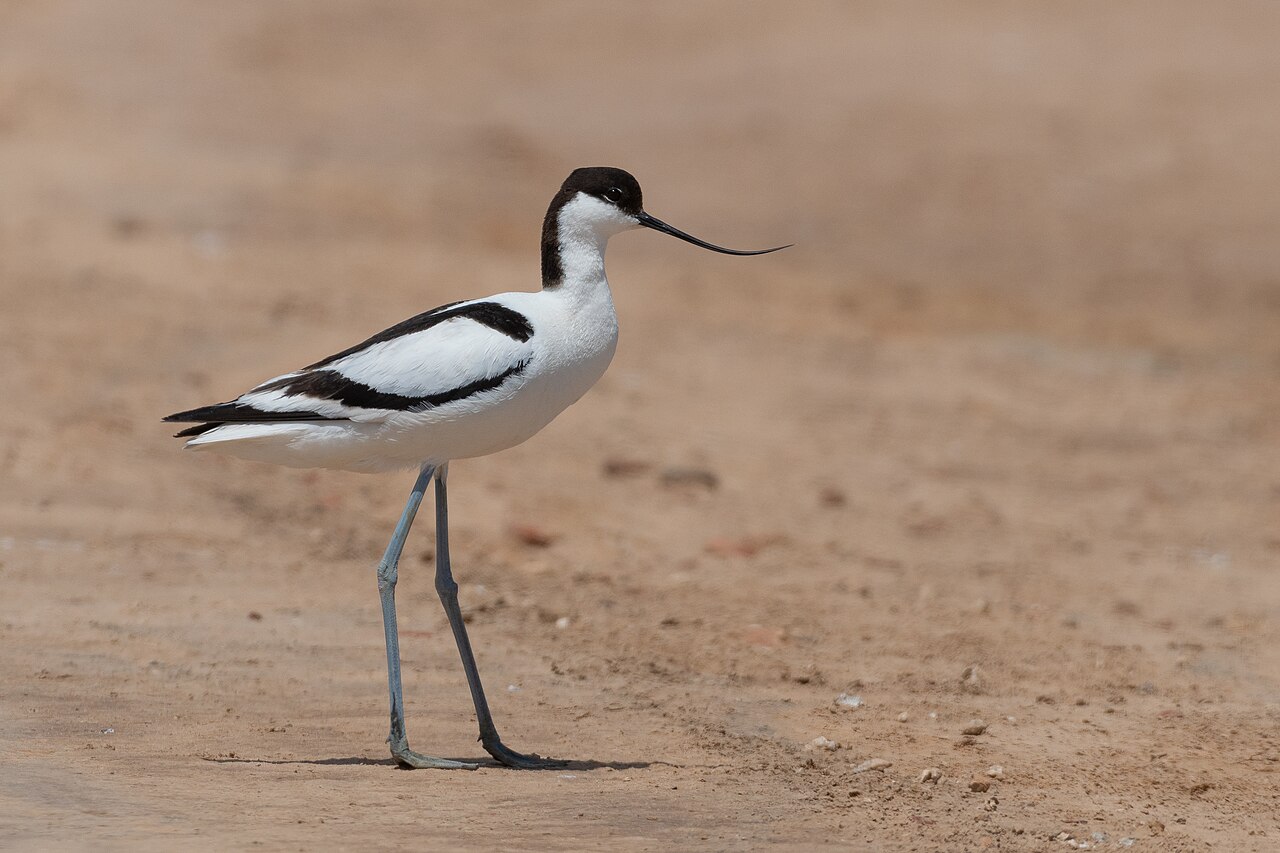
Pied Avocet (Recurvirostra avosetta)
The Pied Avocet is found in Europe, Africa, and Asia. IUCN Redlist Status: Least Concern
Red-necked Avocet (Recurvirostra novaehollandiae)
The Red-necked Avocet is found in Australia. IUCN Redlist Status: Least Concern