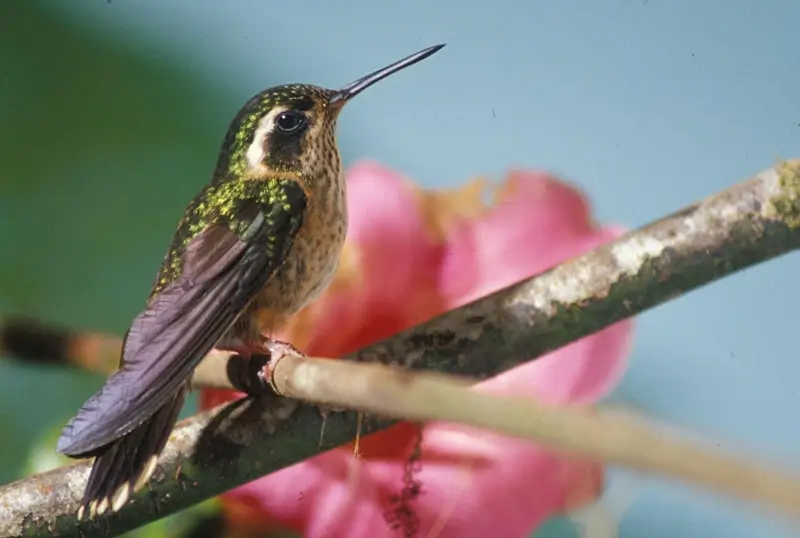
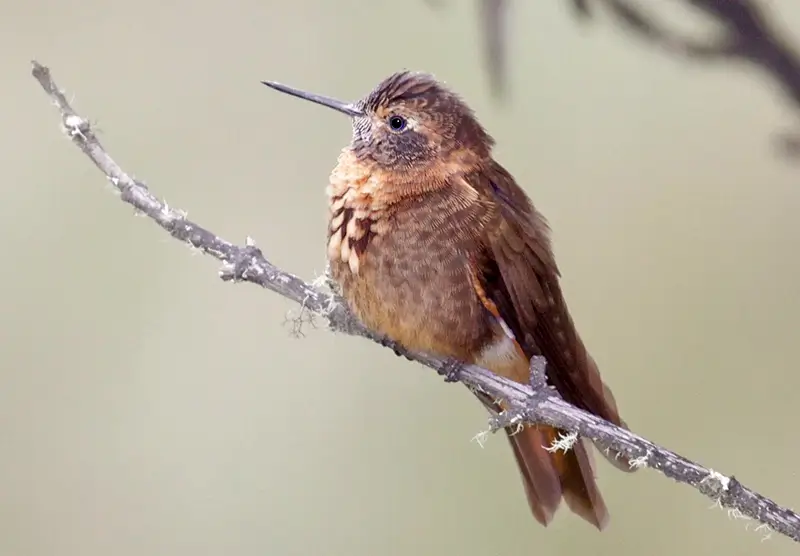
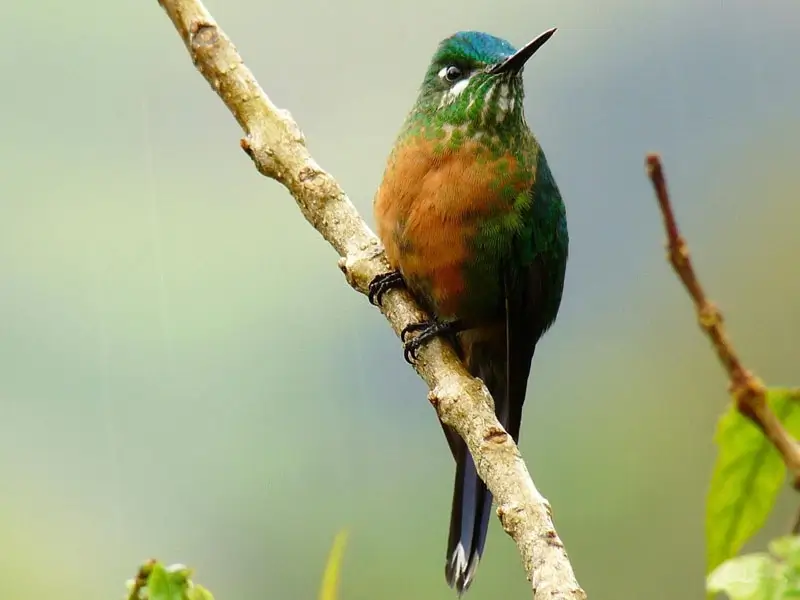
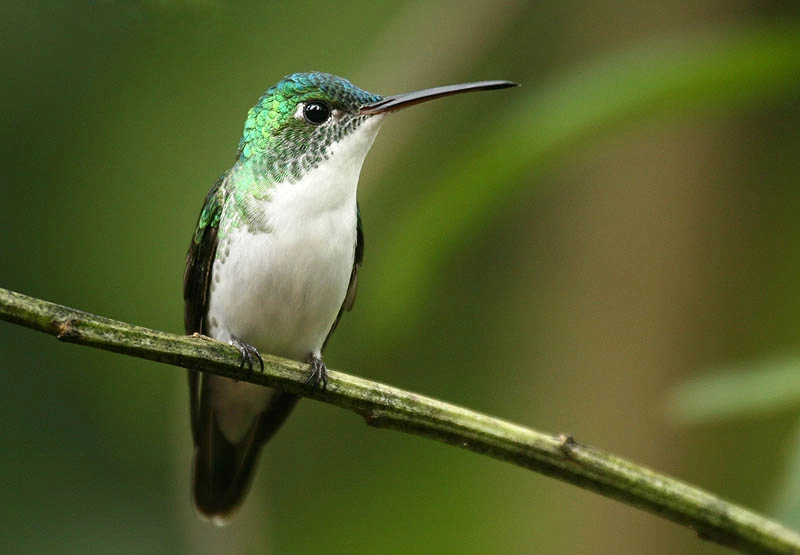
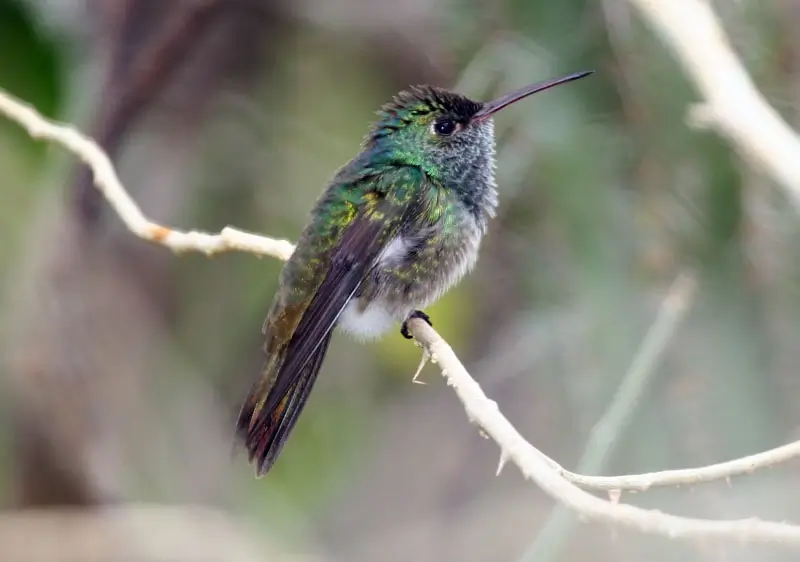
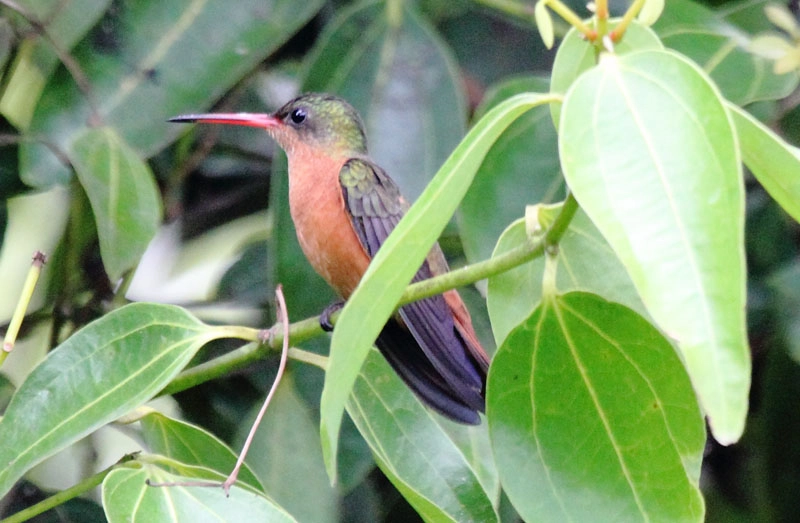
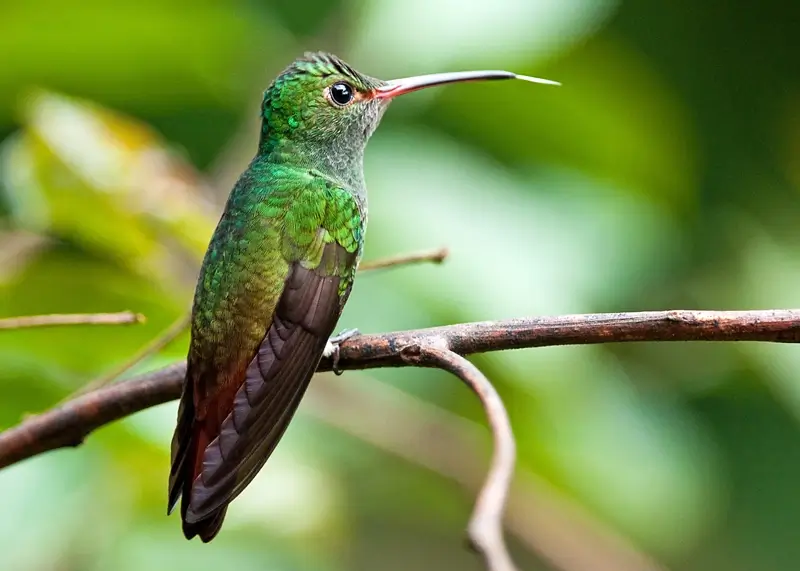
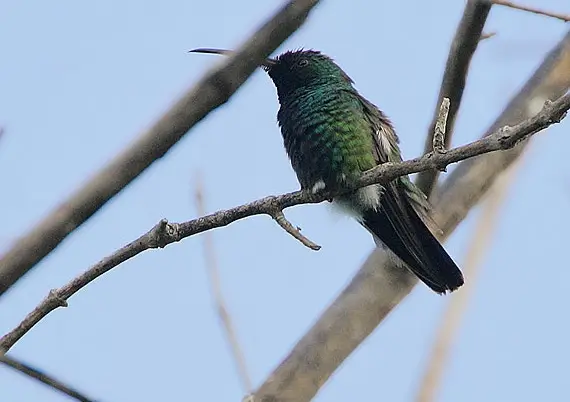
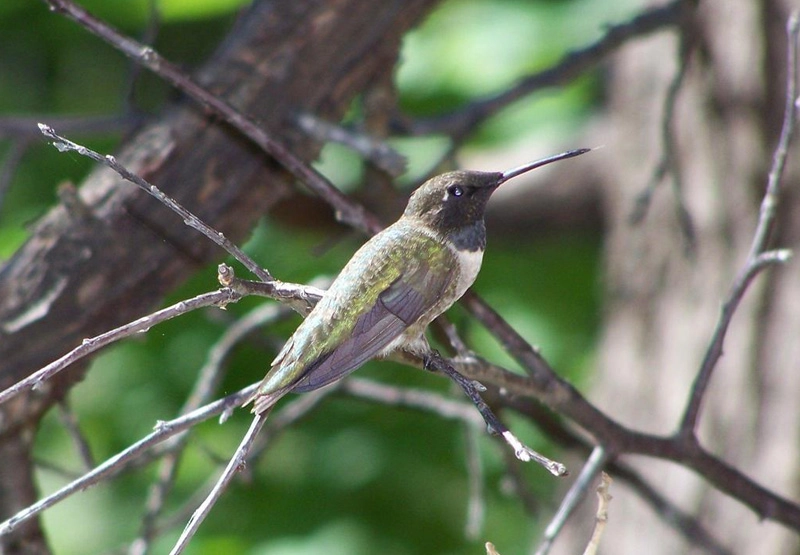
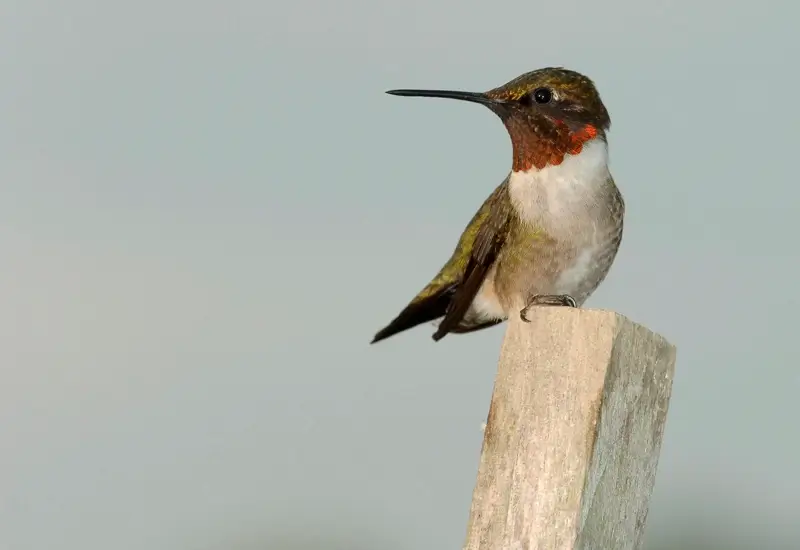
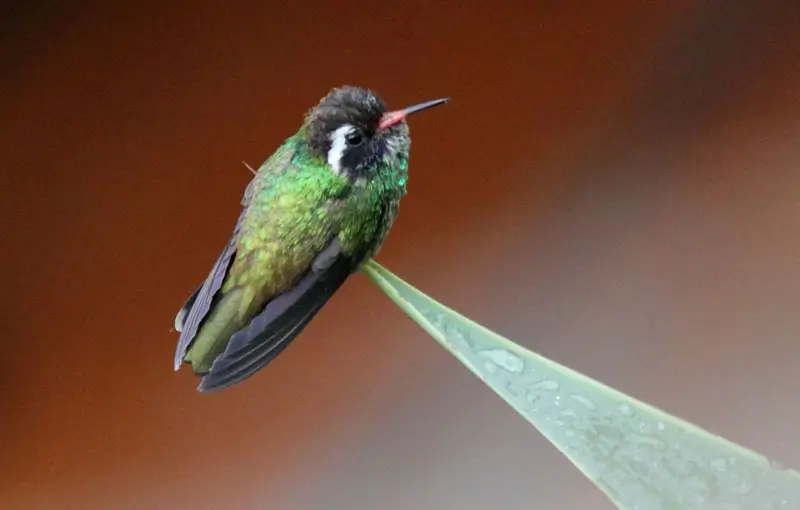
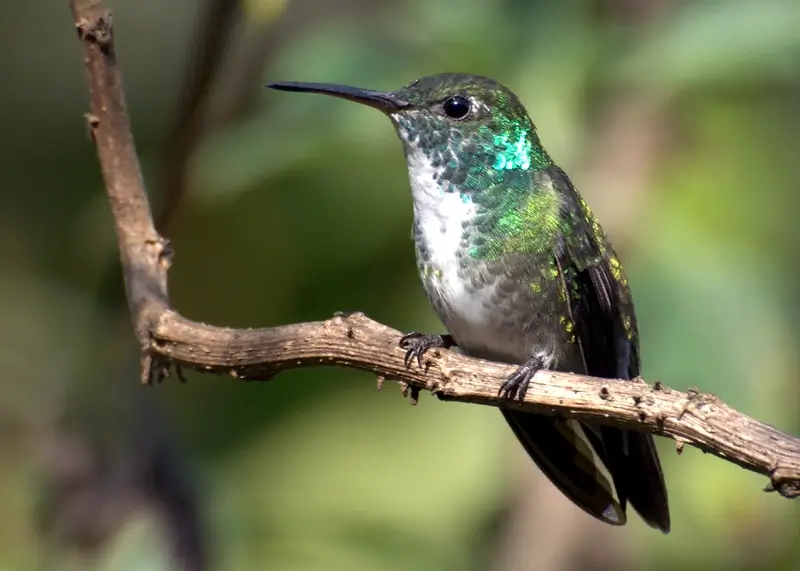
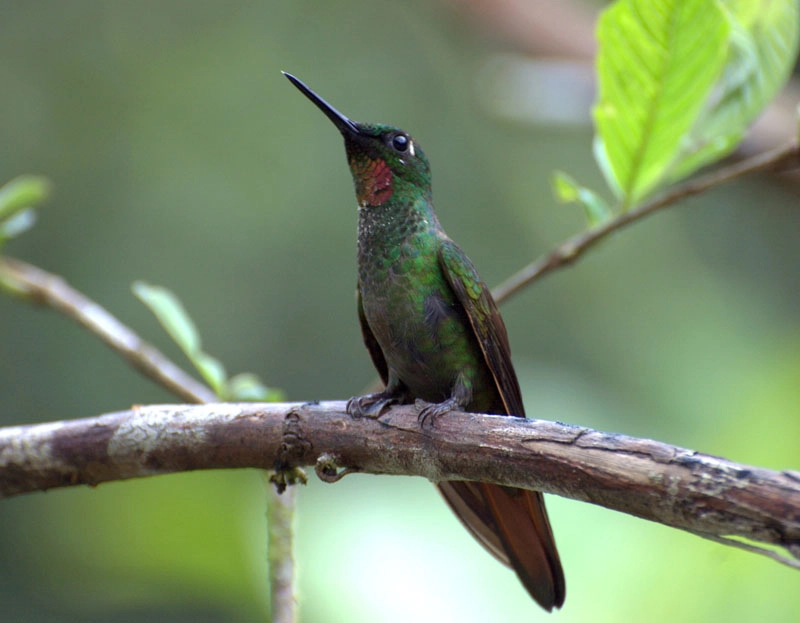
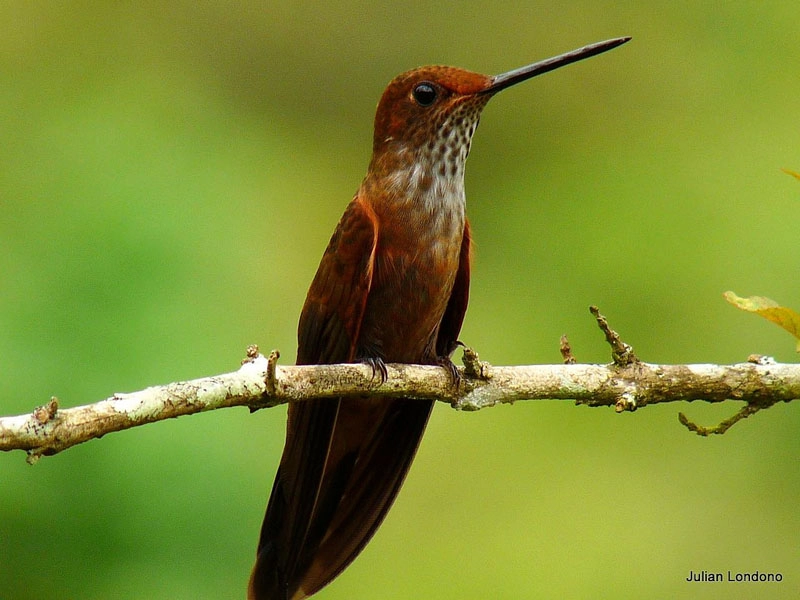
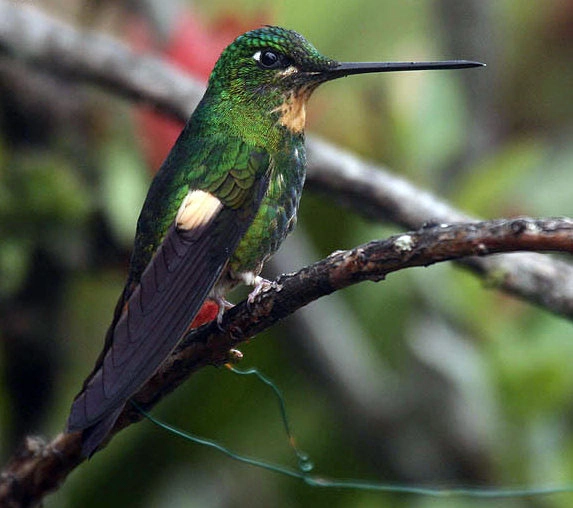
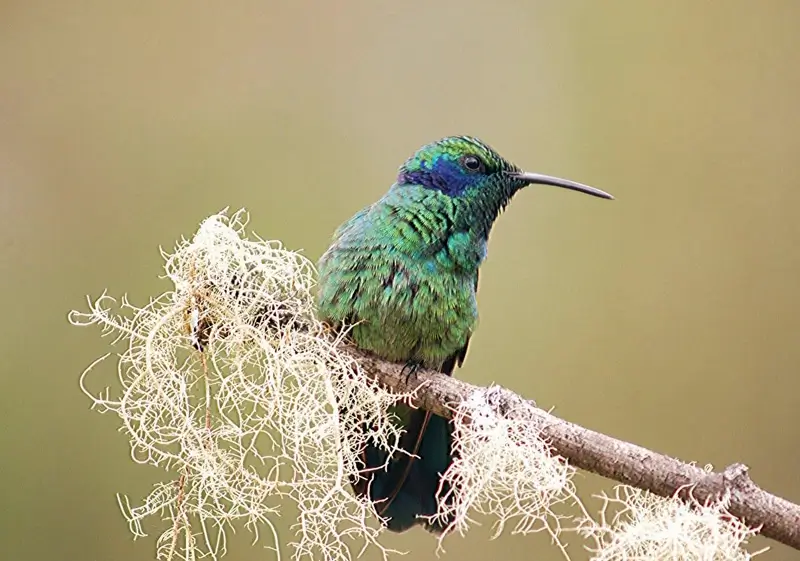
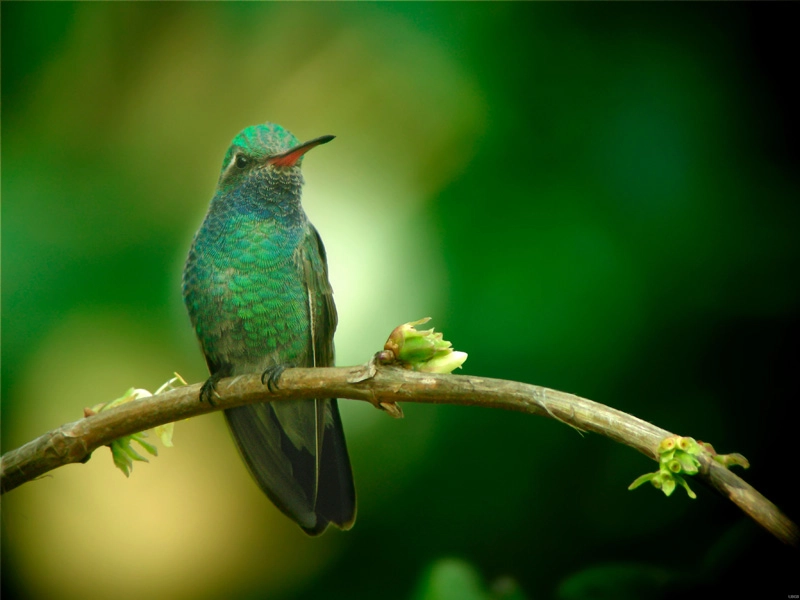
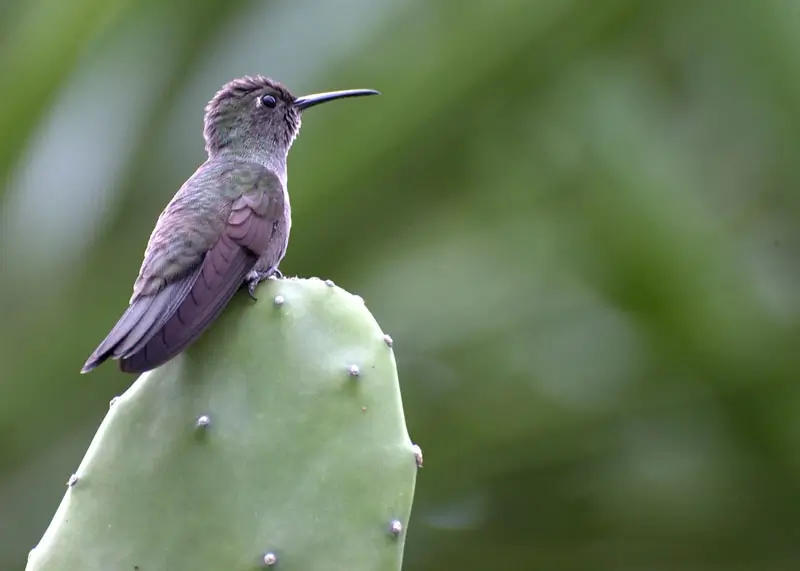
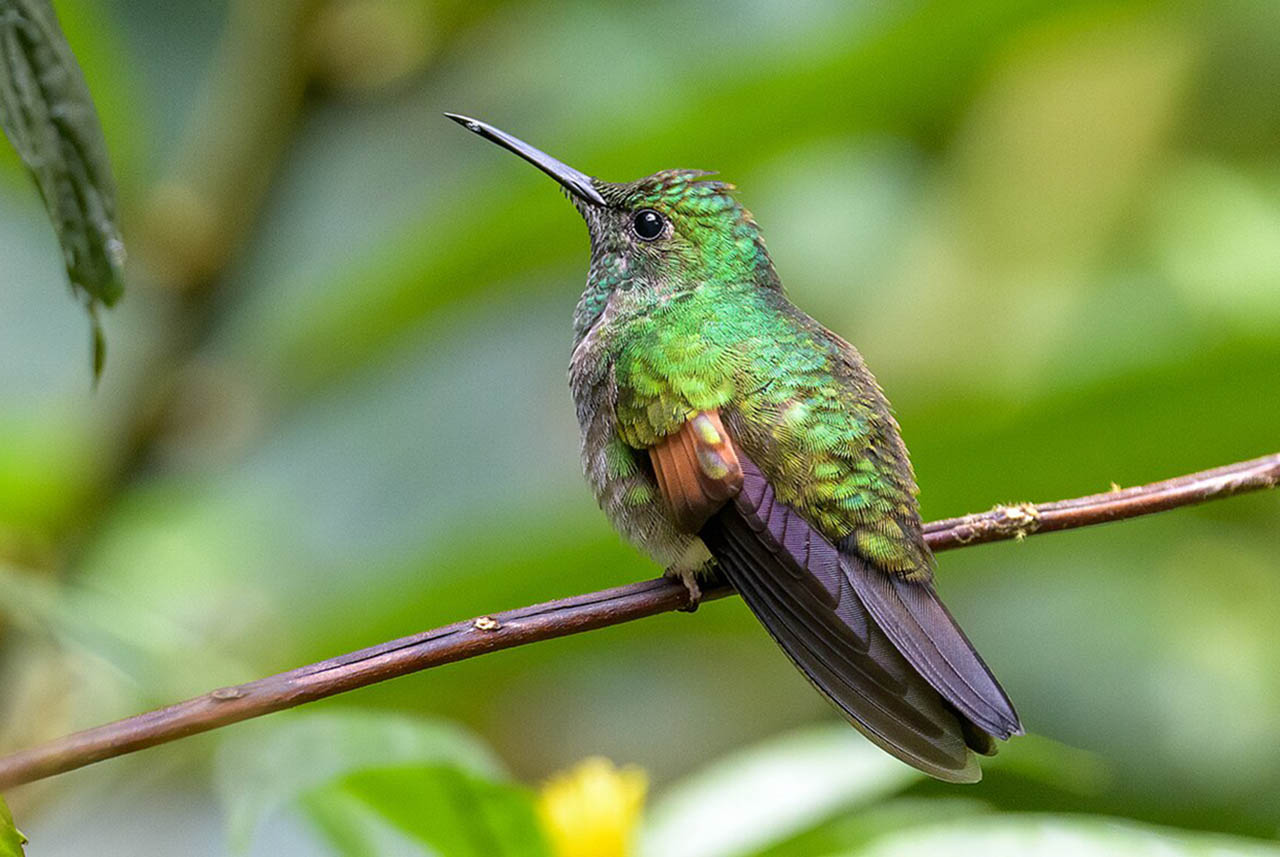
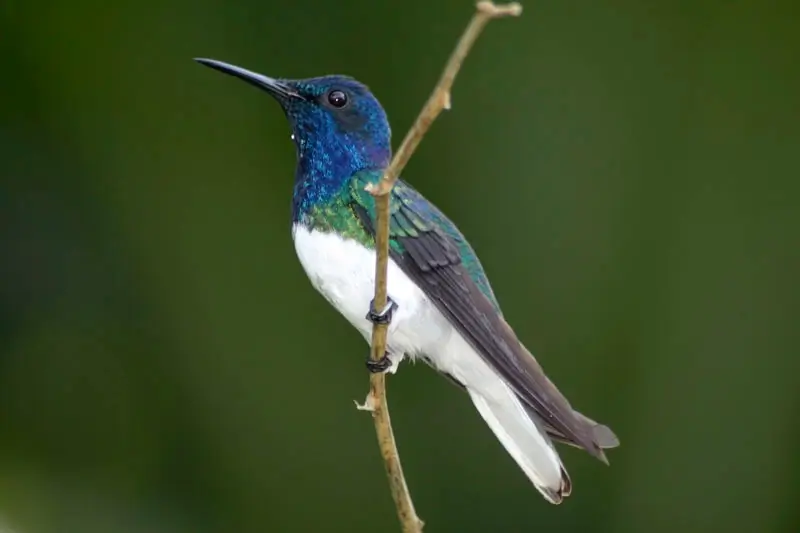
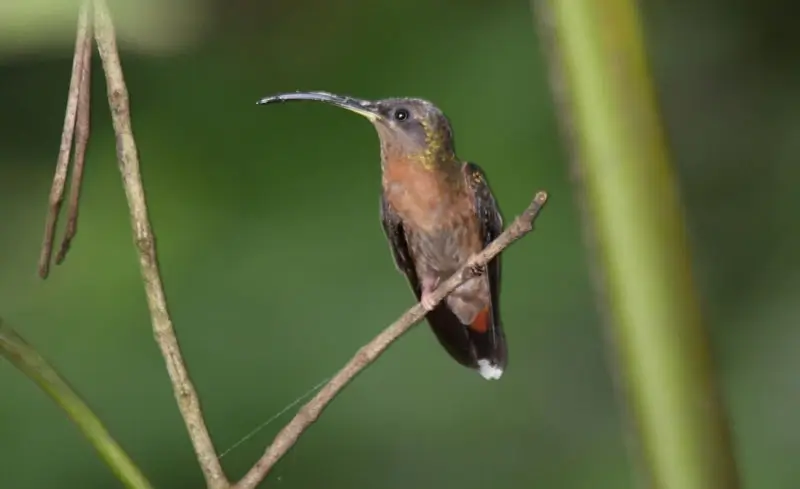
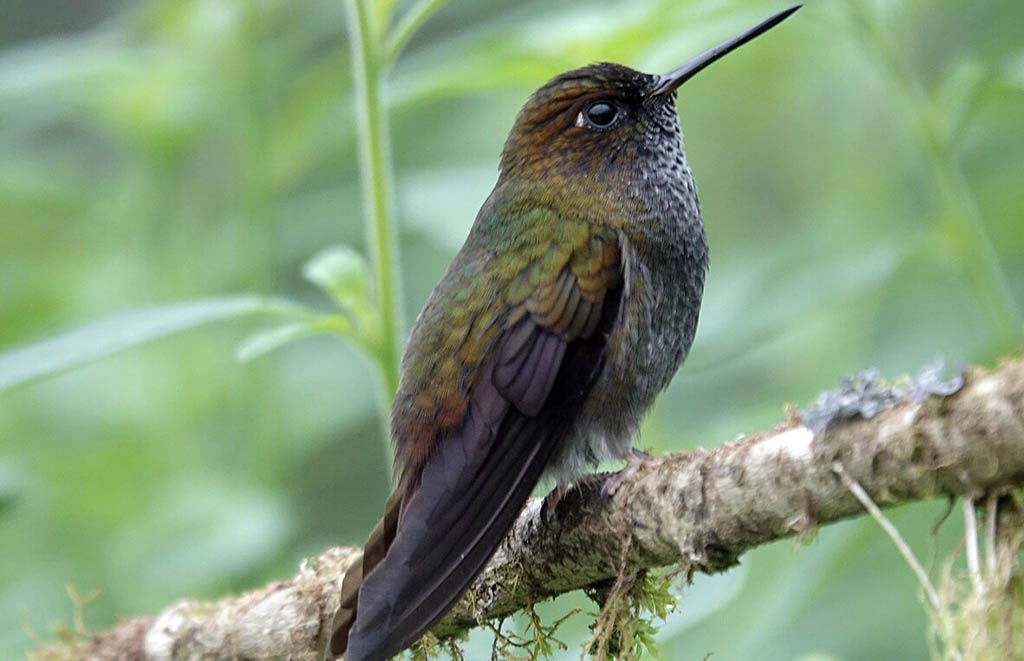
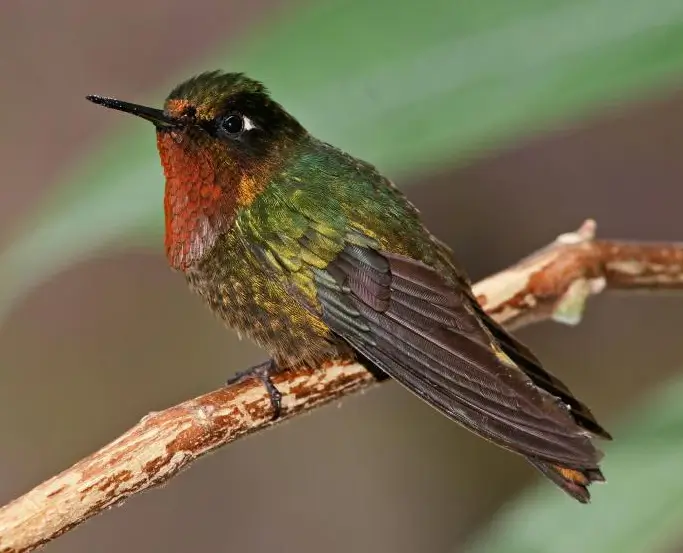
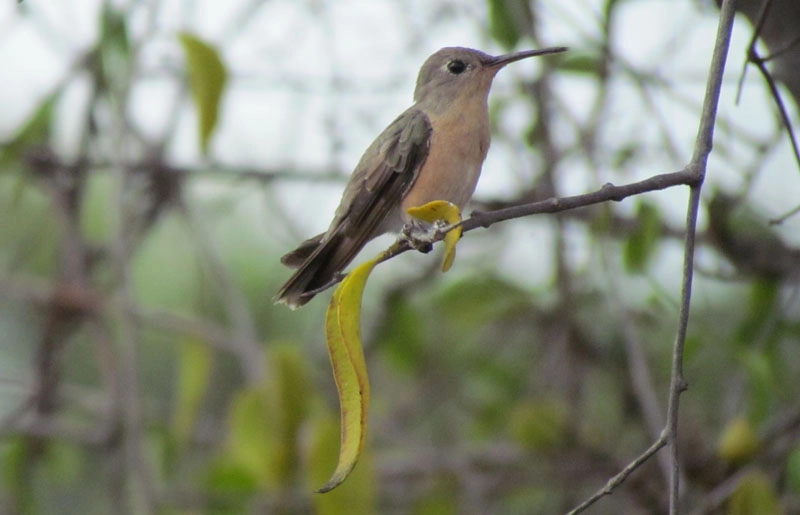
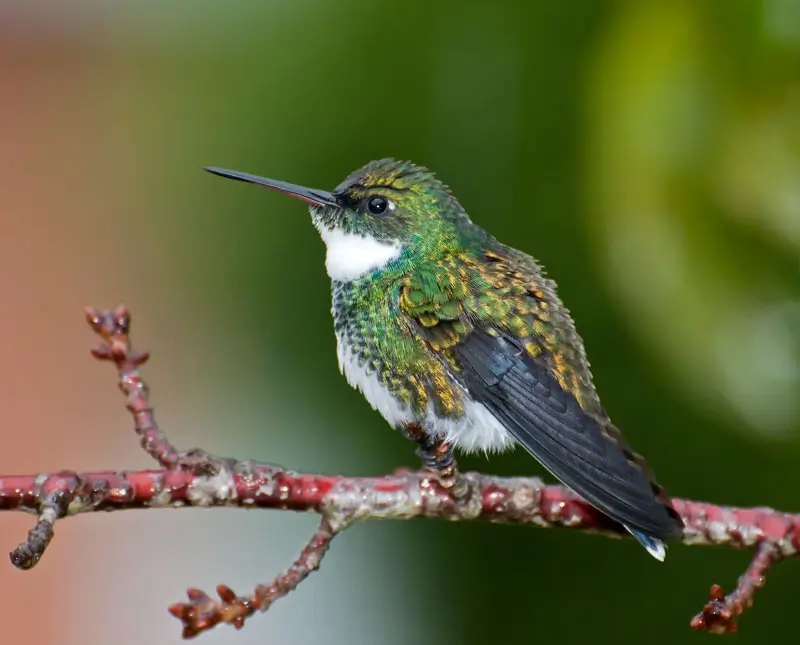
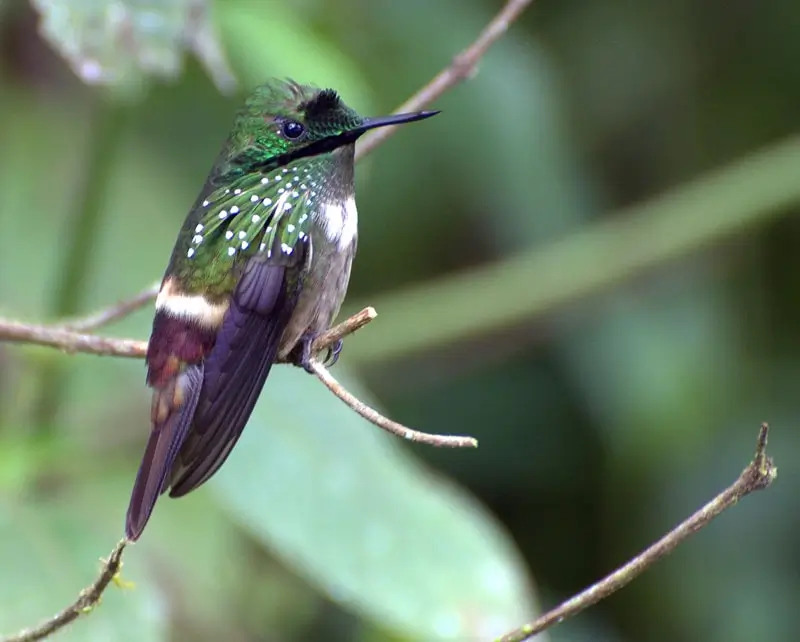
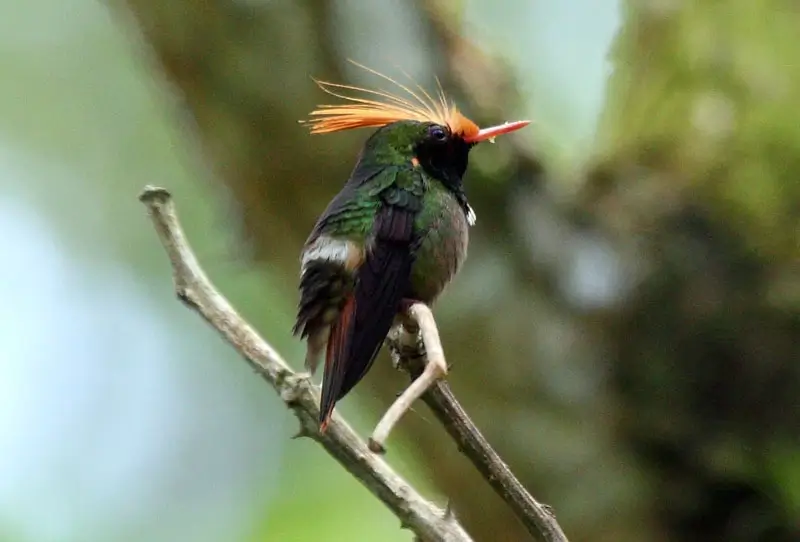
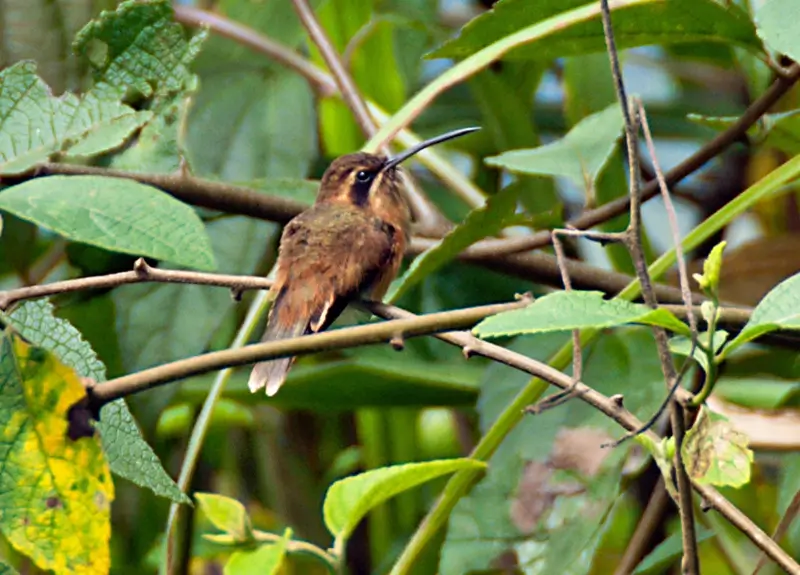
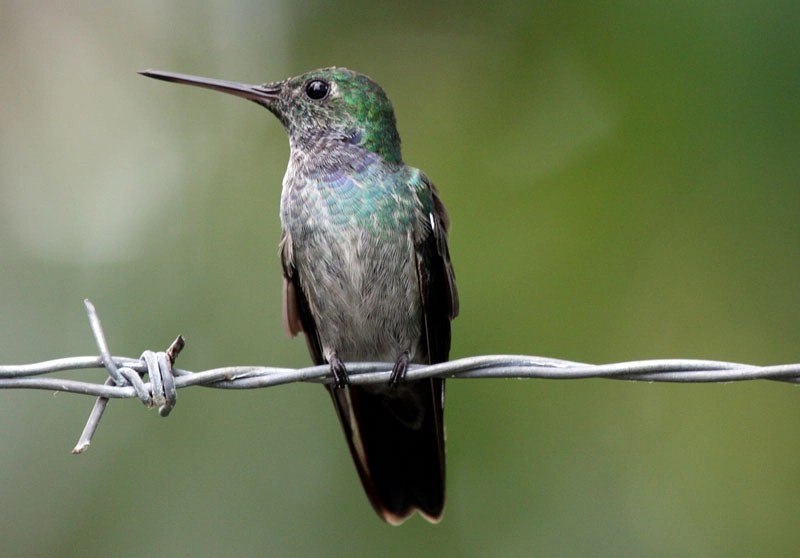
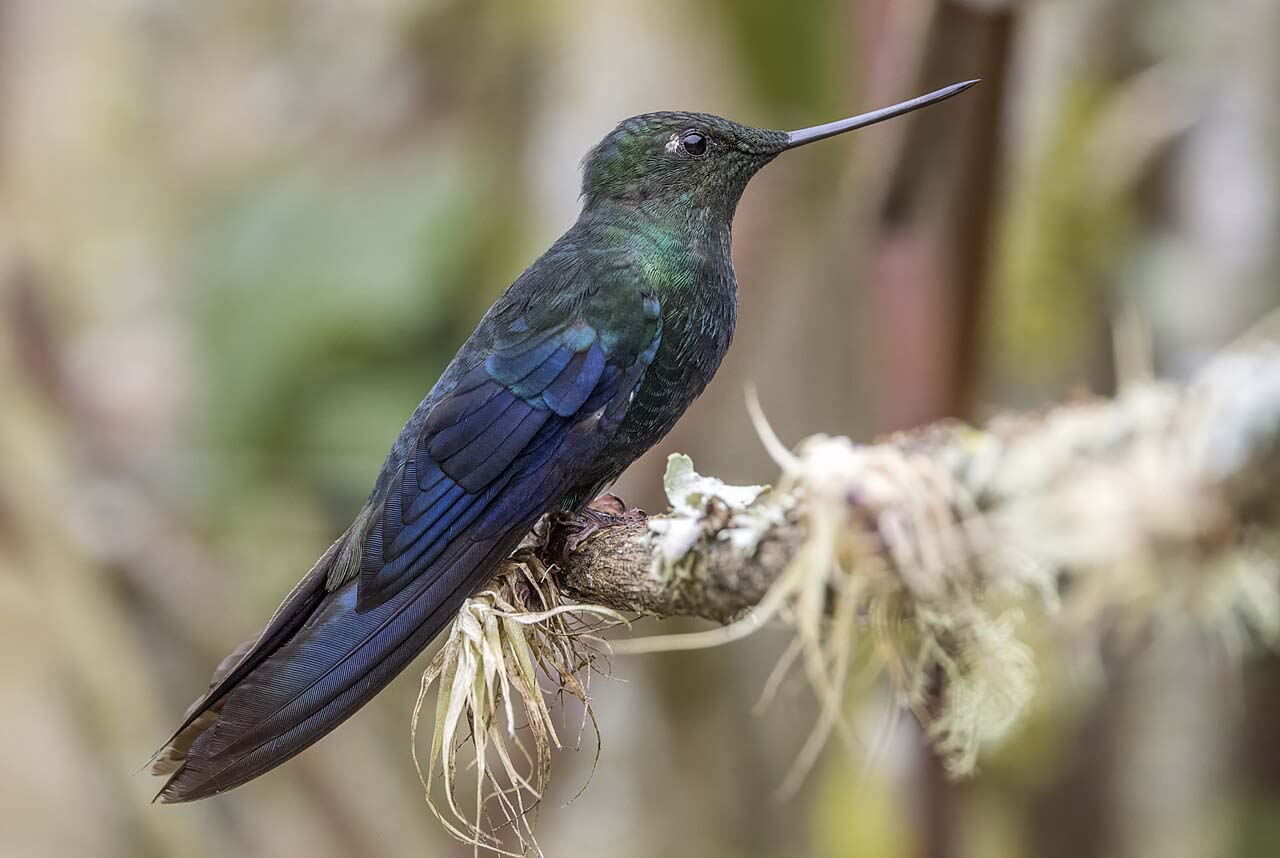
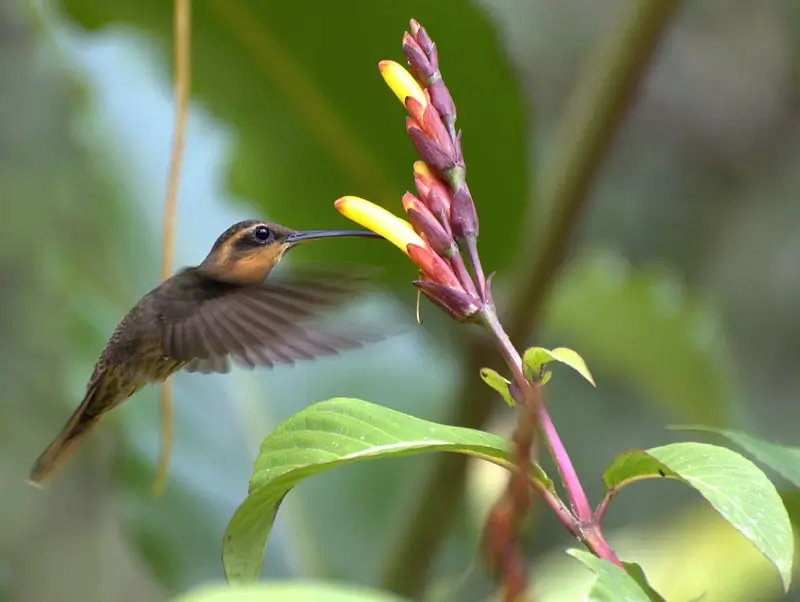
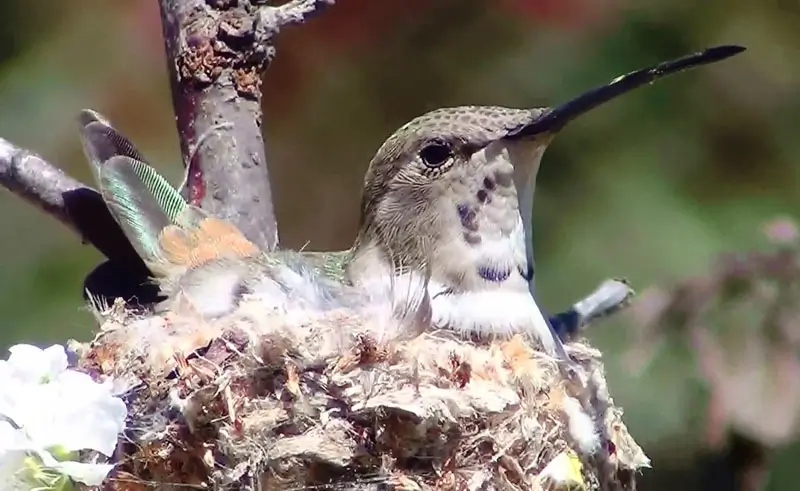
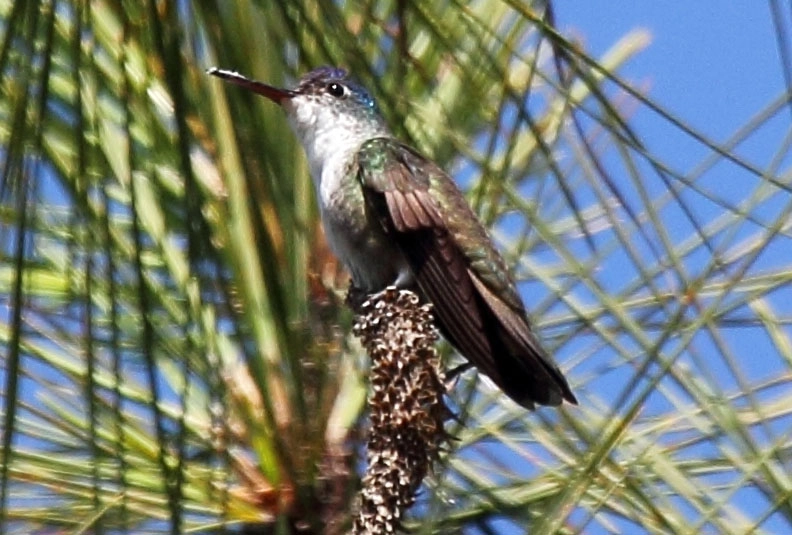
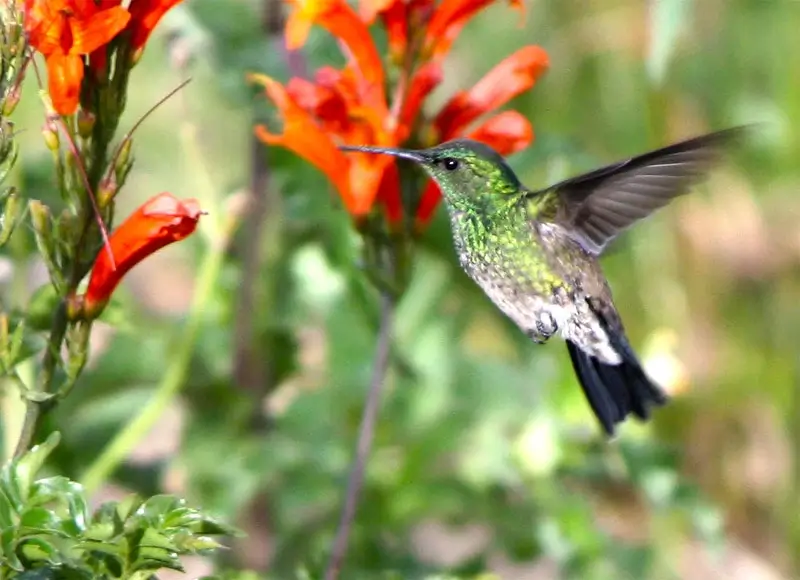
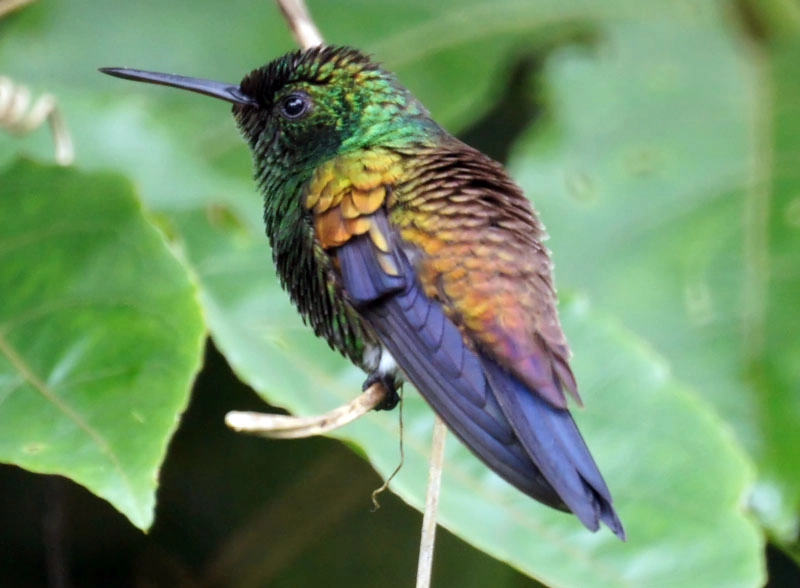
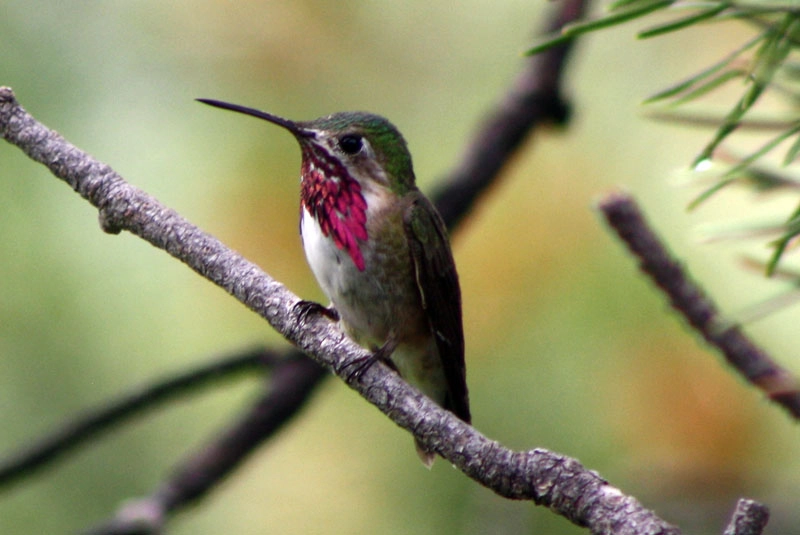
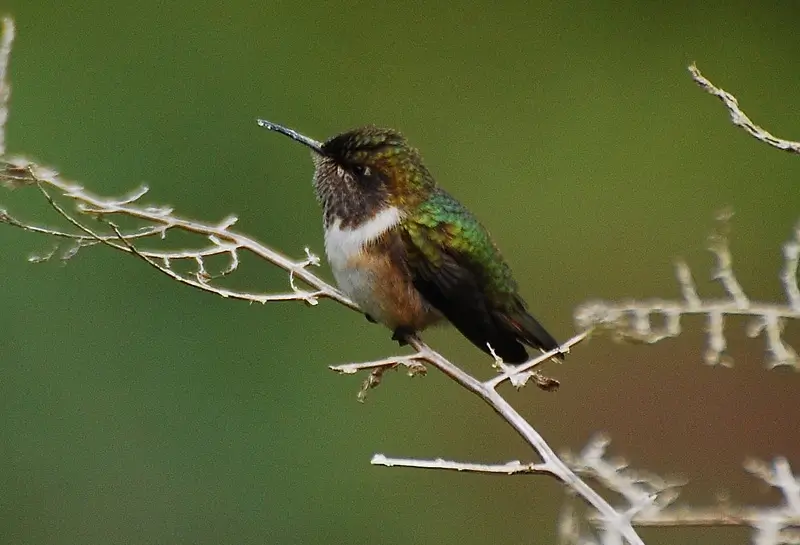
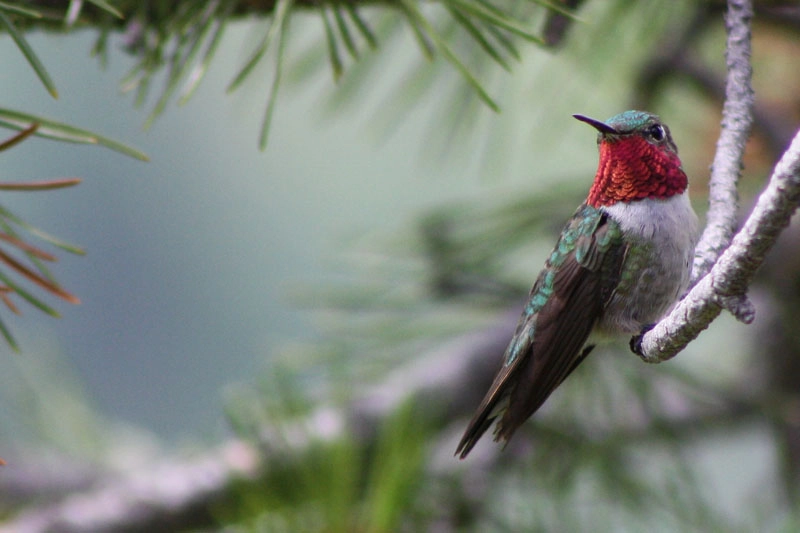
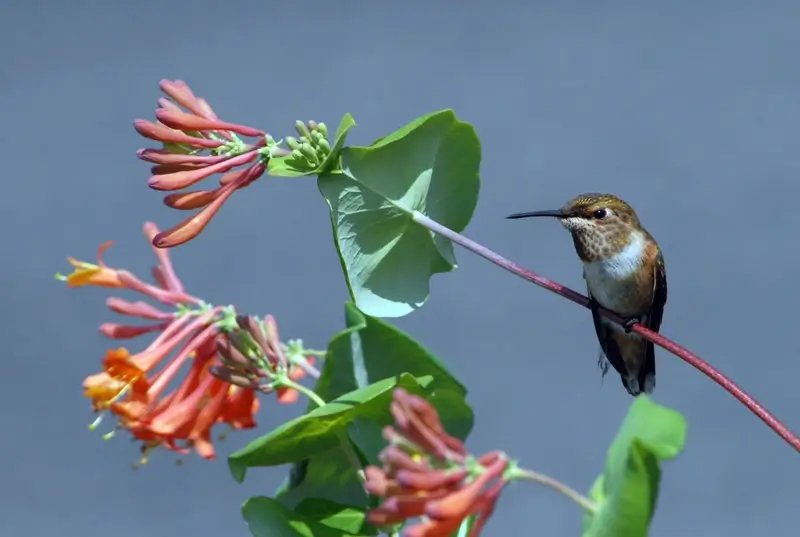
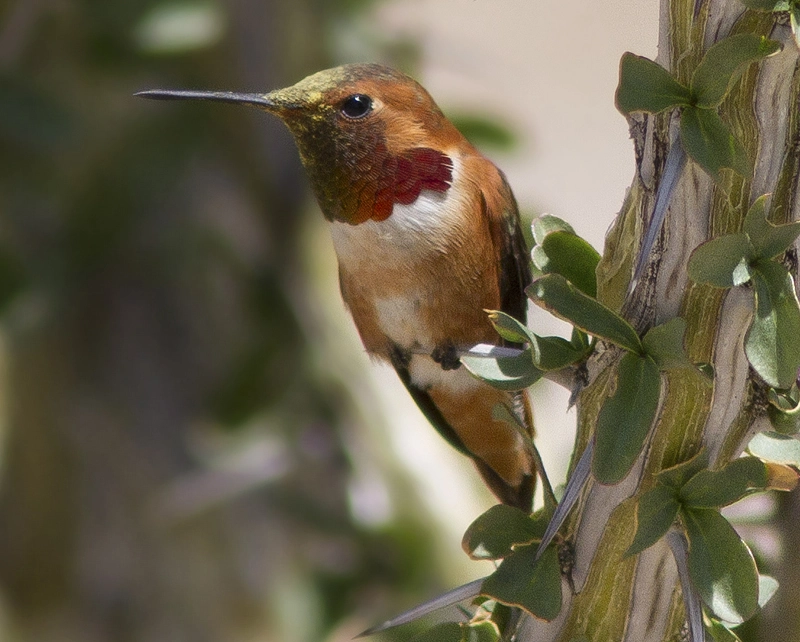
There are about 360–370 species in the hummingbird family. They are found only in the Americas, including North America, Central America, South America, and the Caribbean.
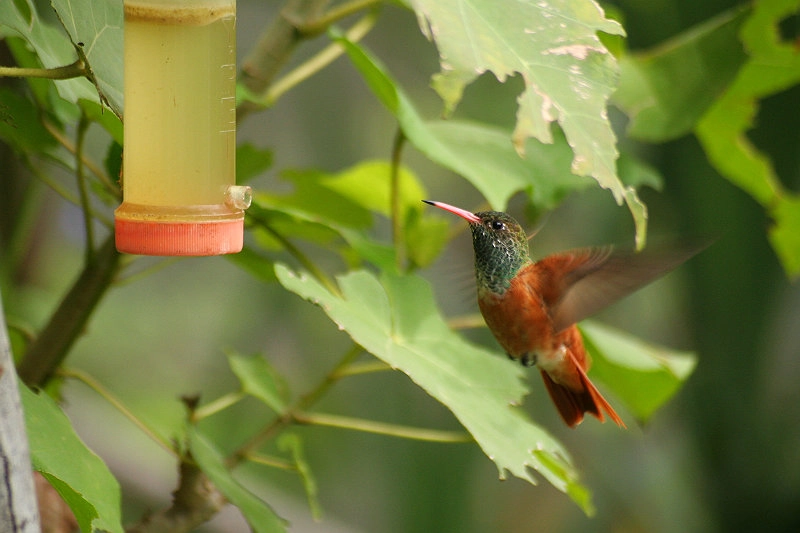
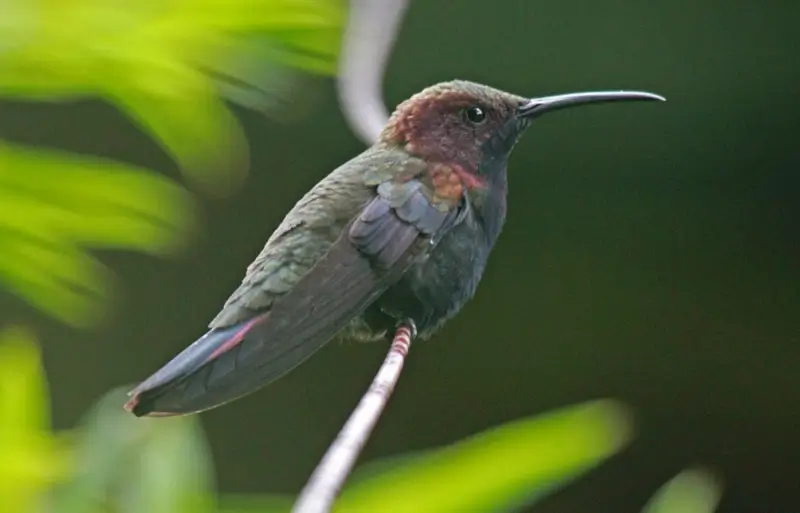
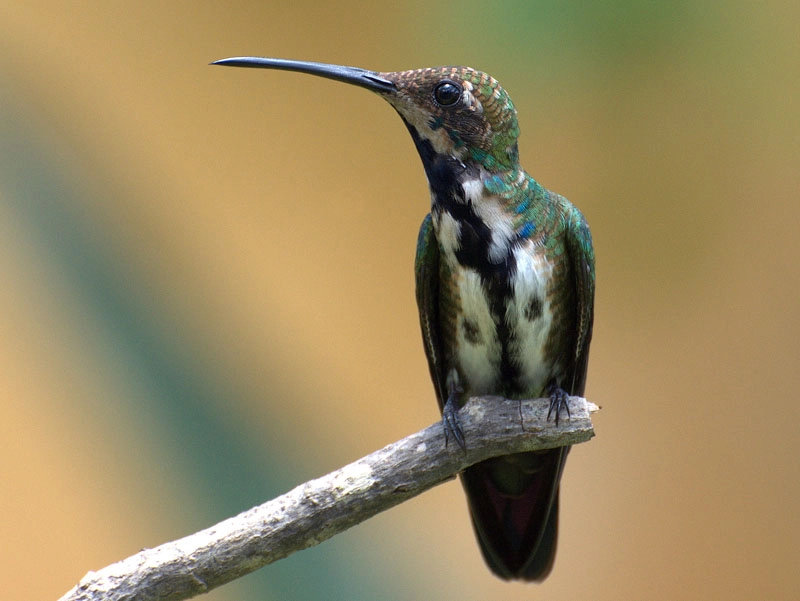
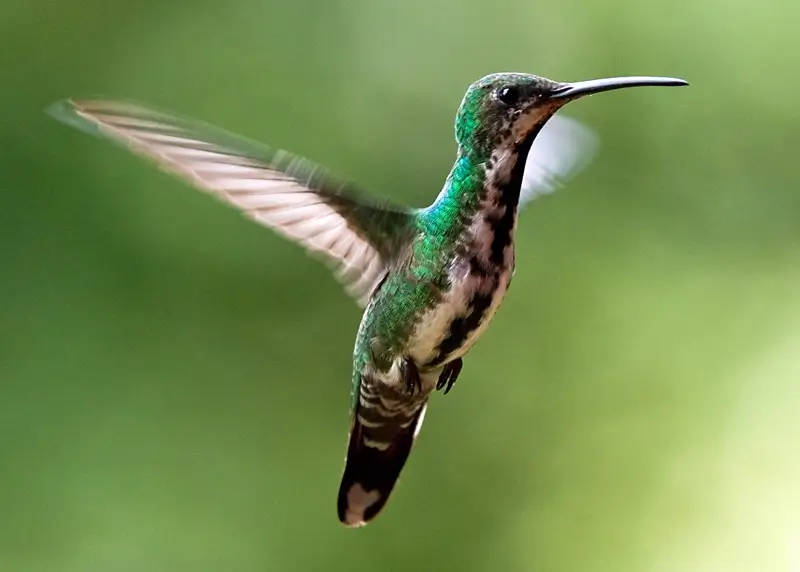
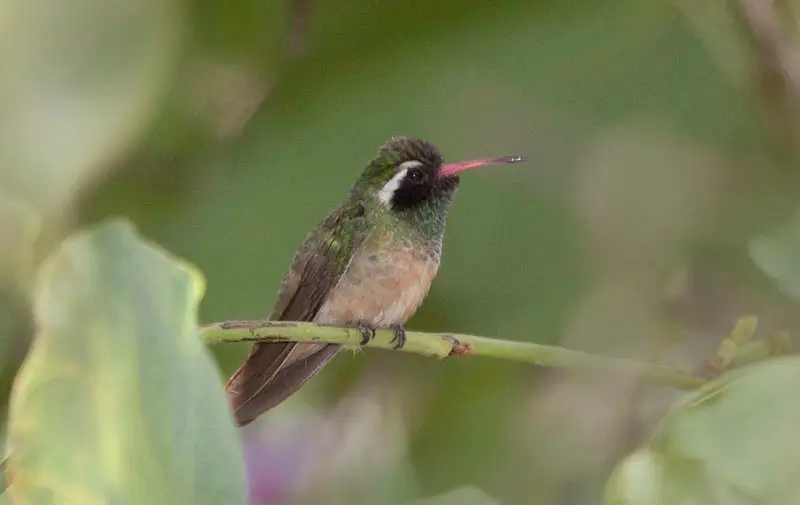
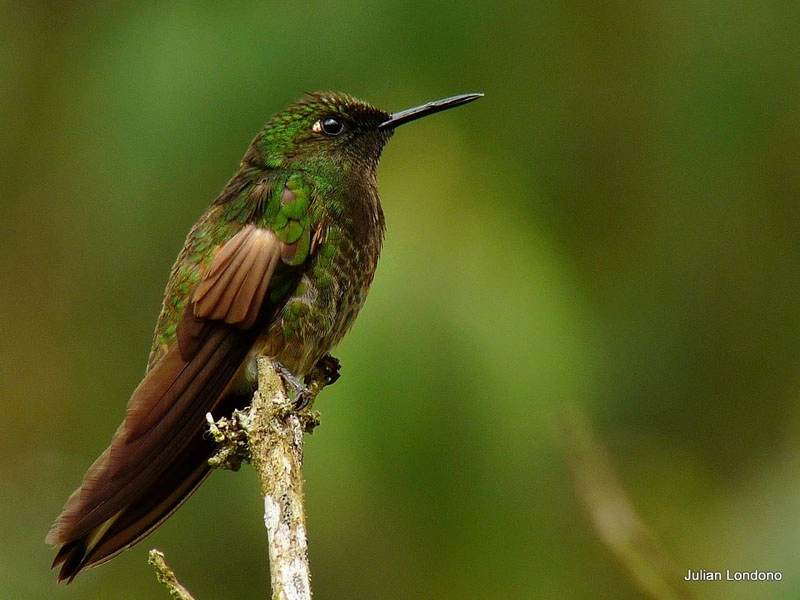
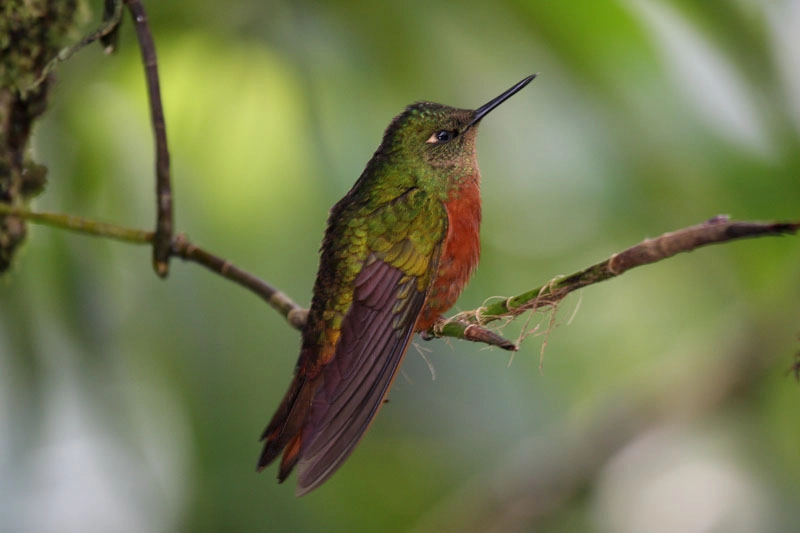
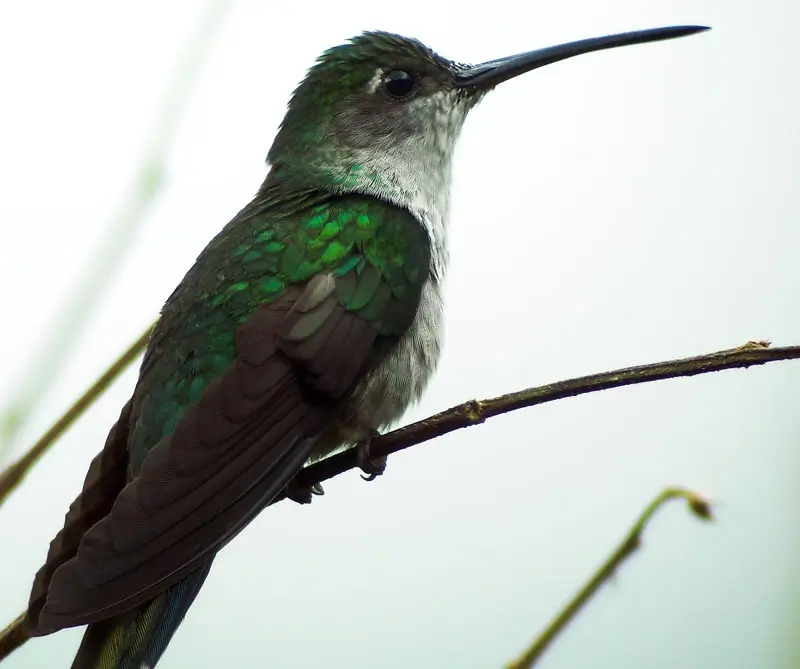
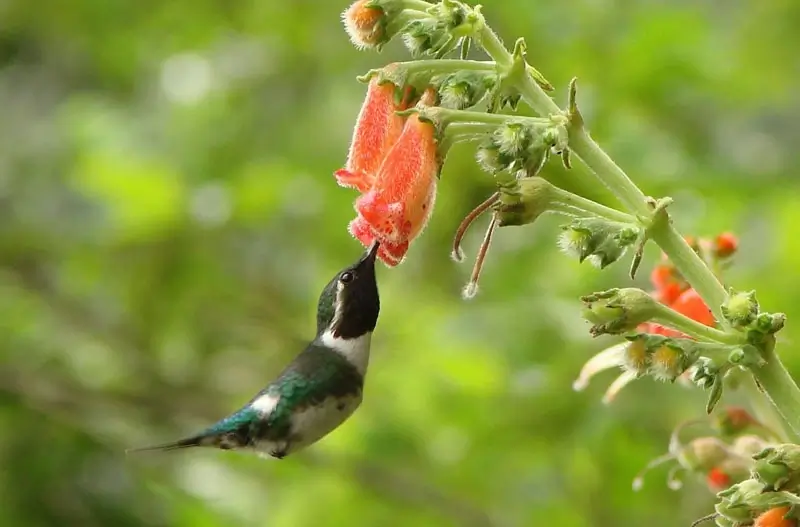
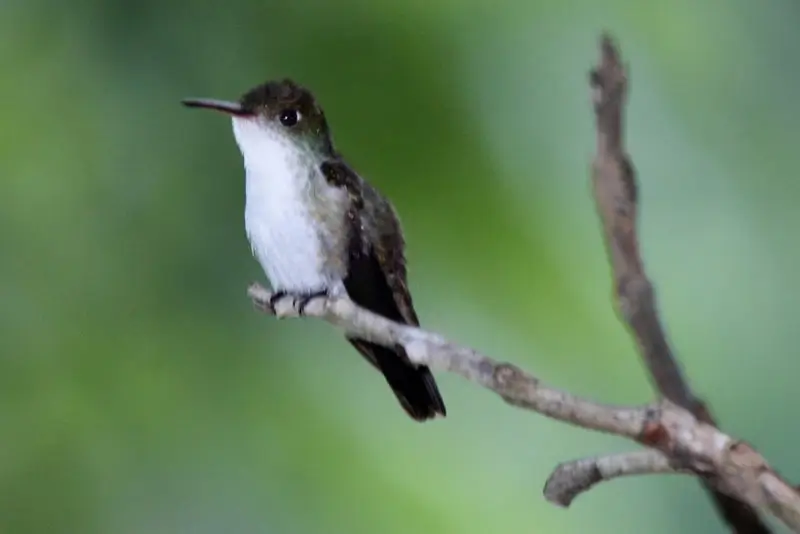
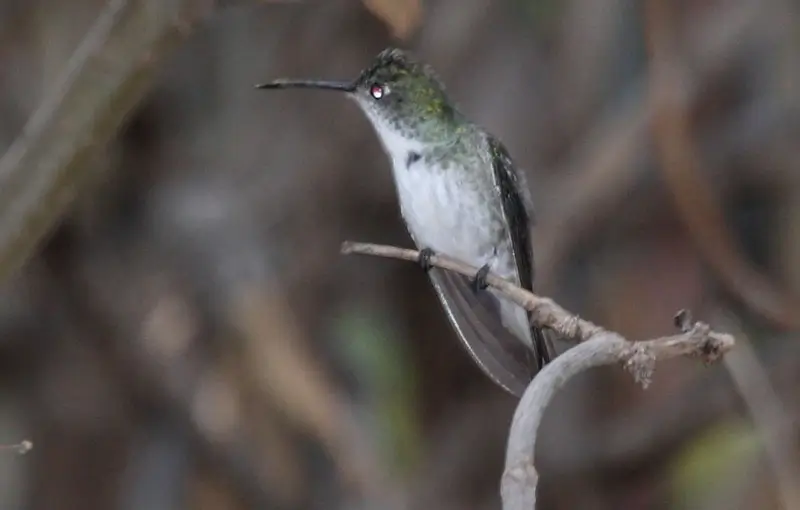
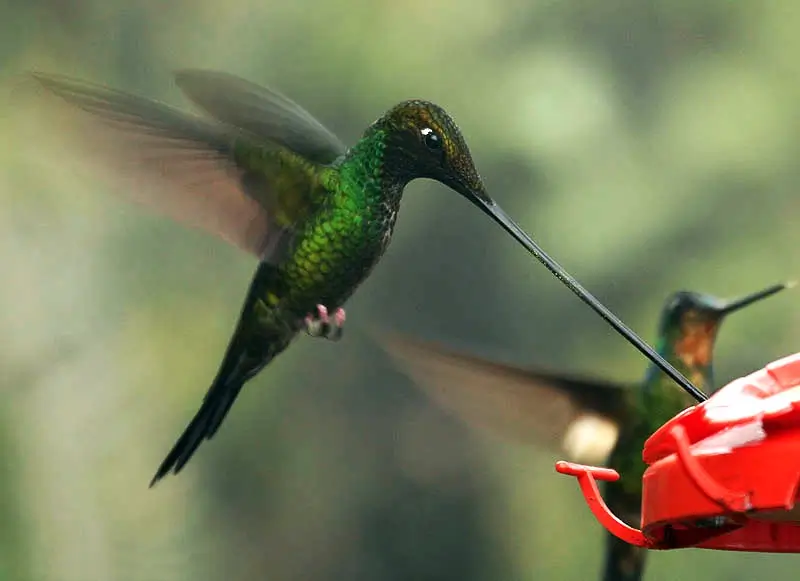
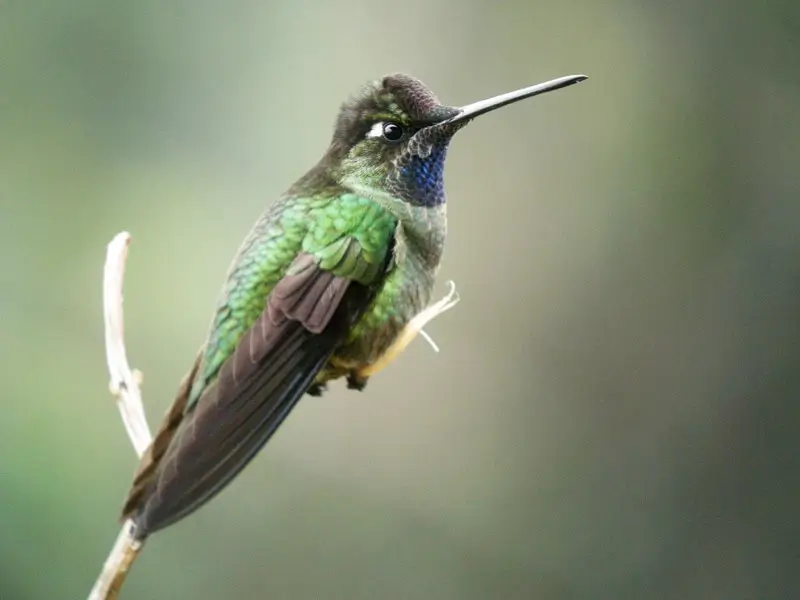
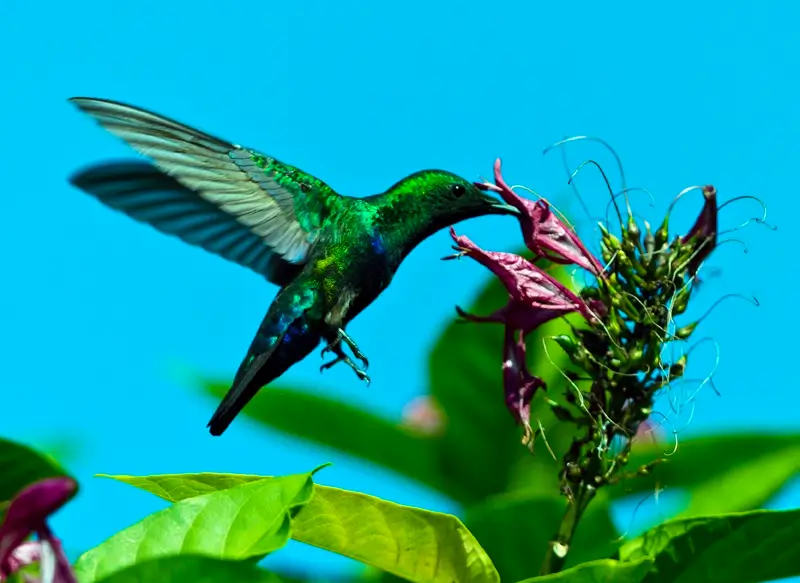
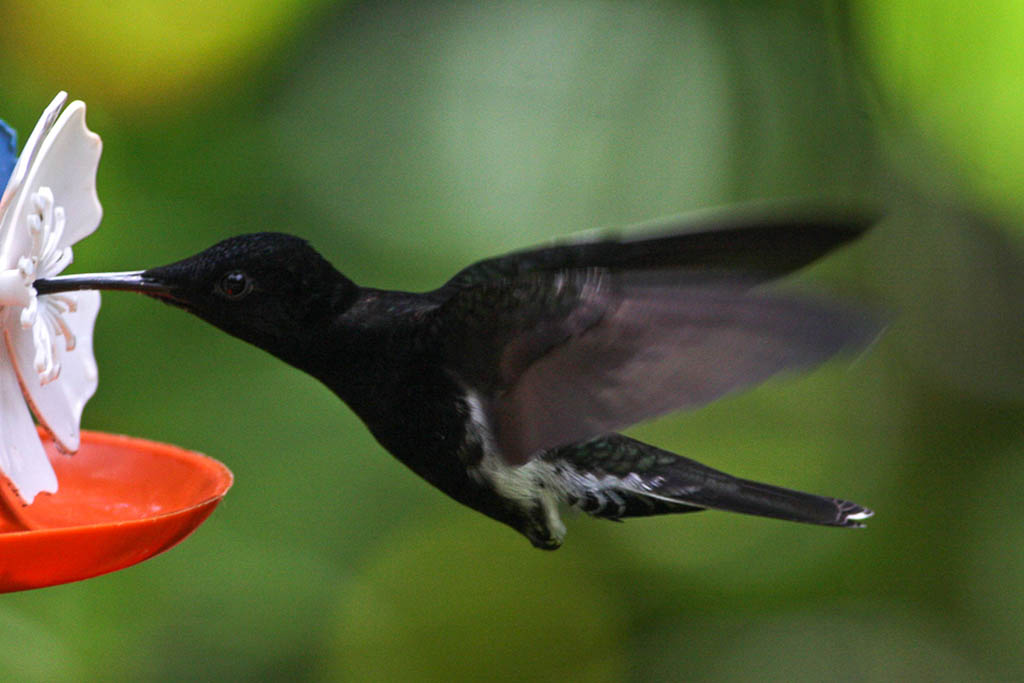
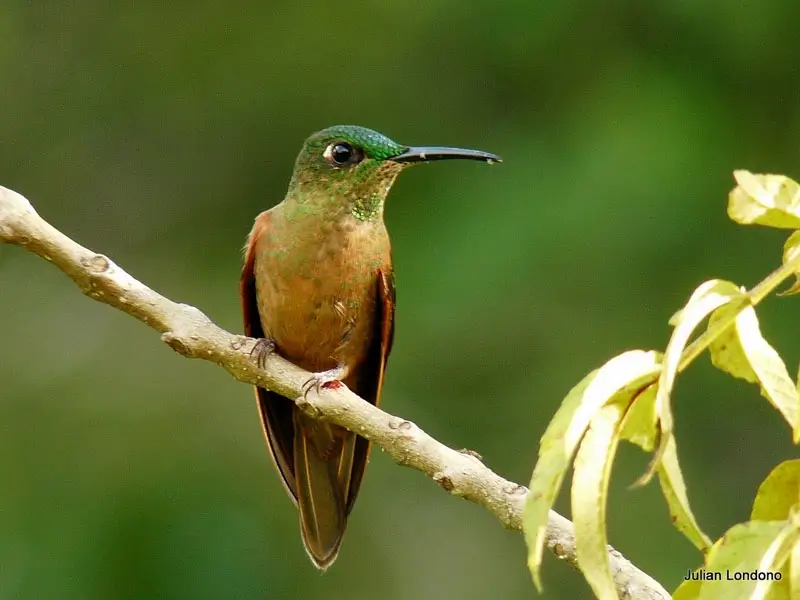
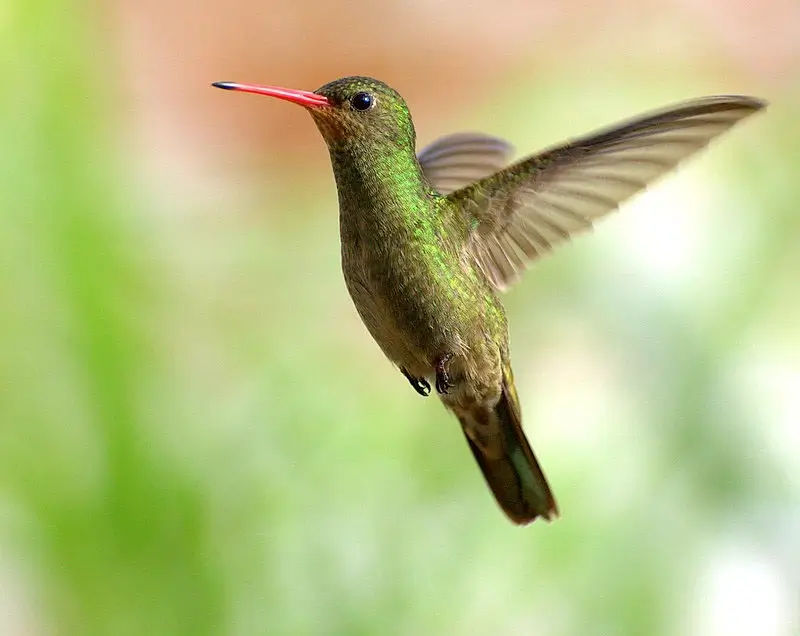
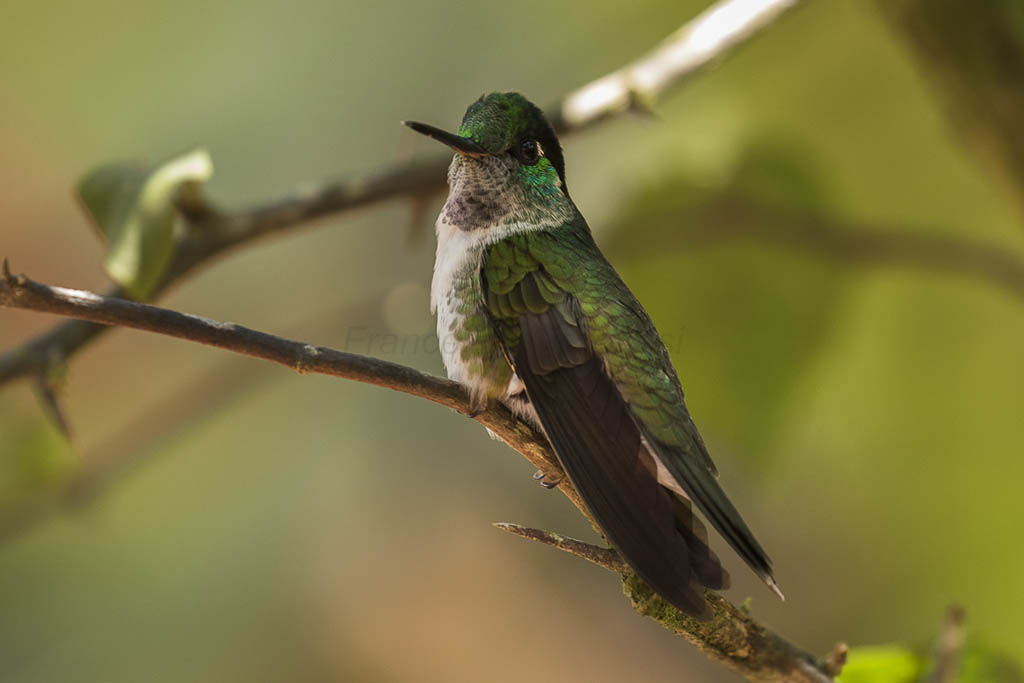
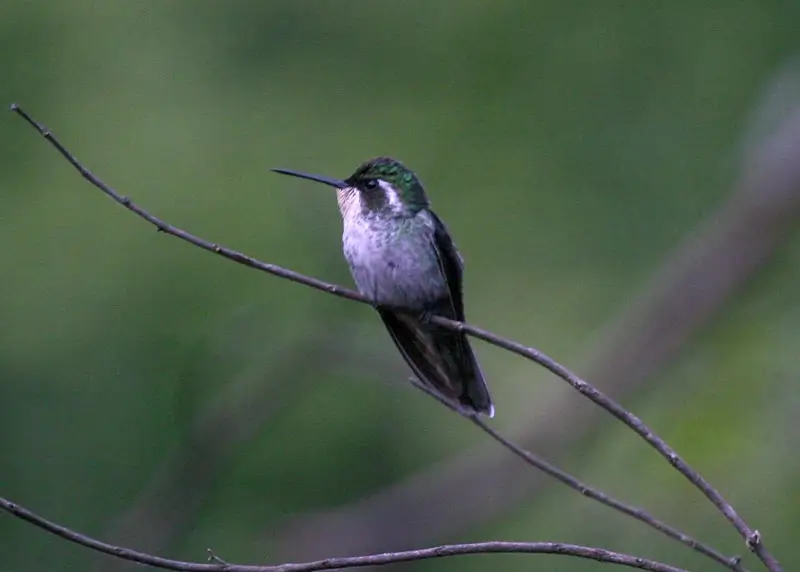
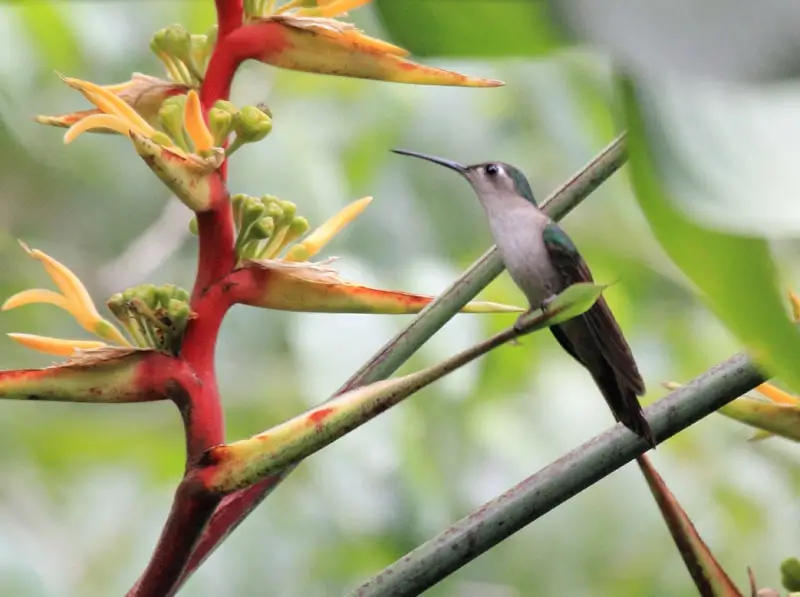
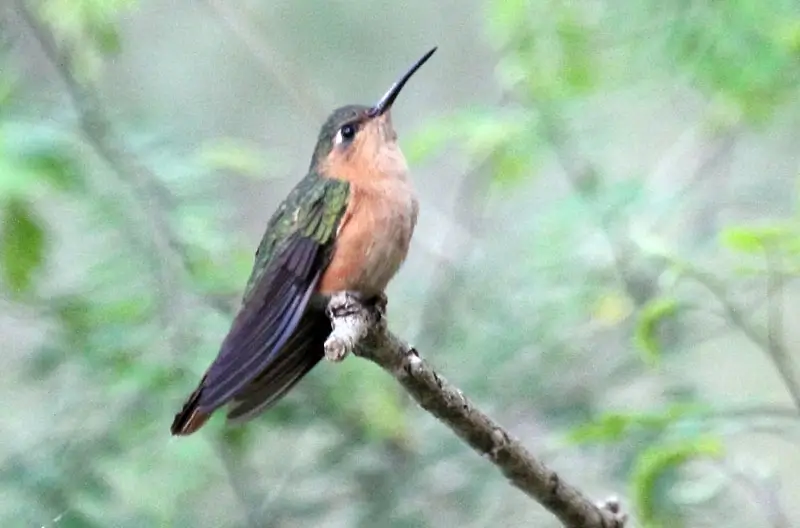
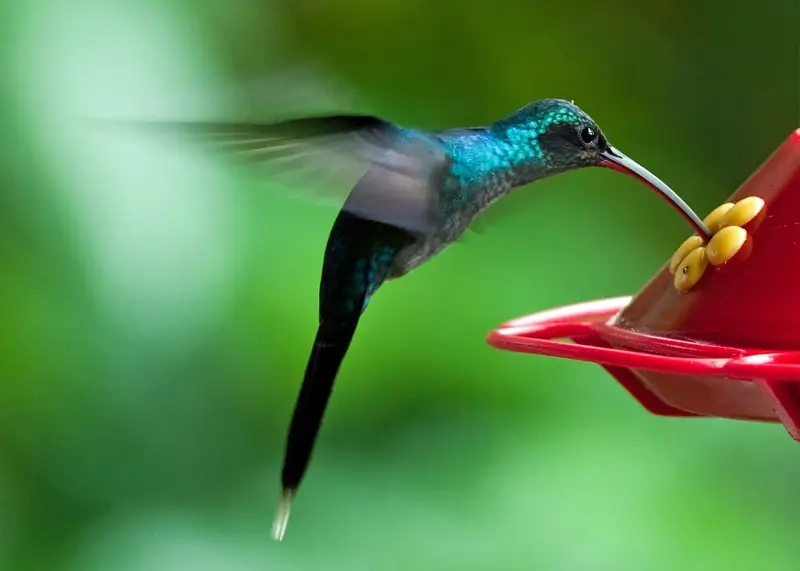
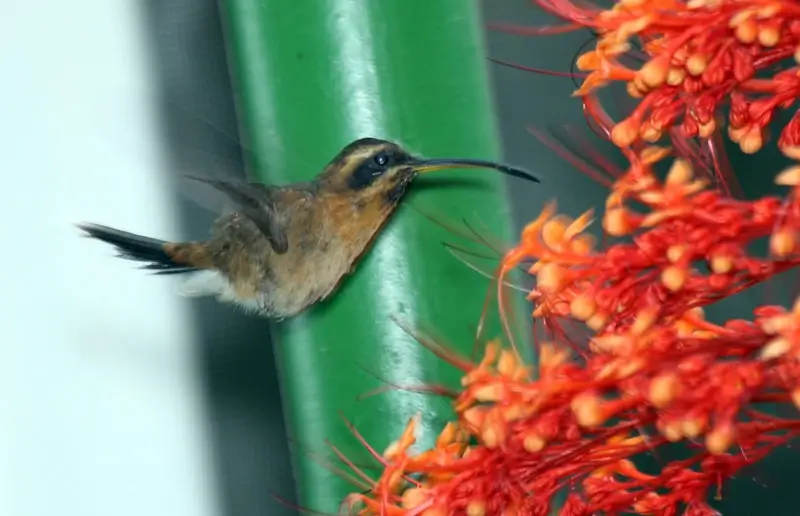
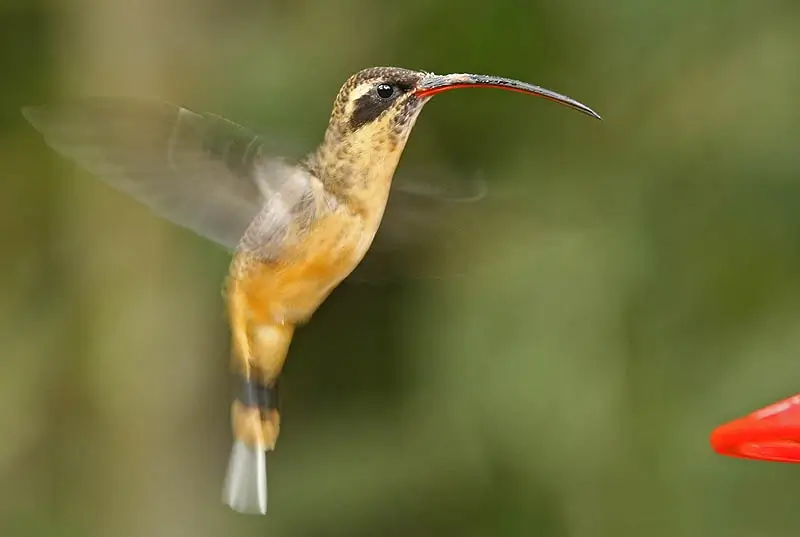
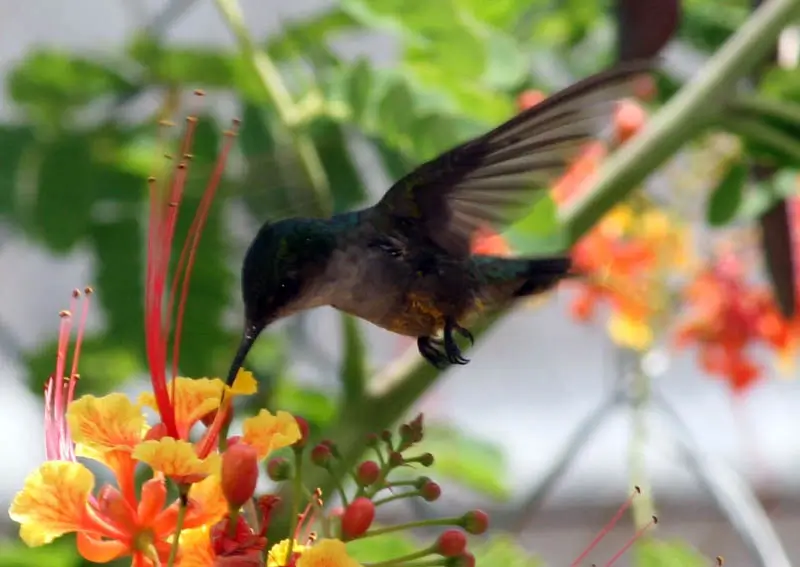
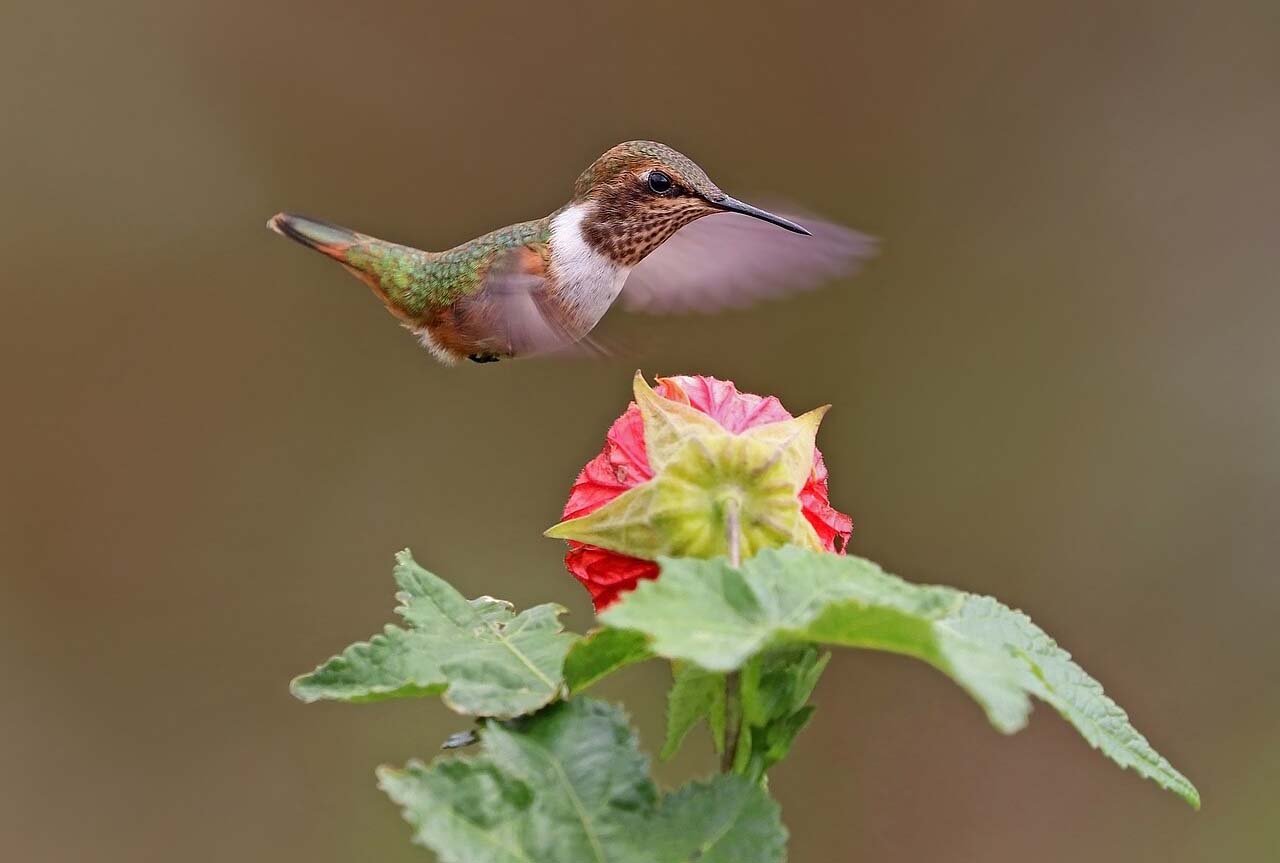
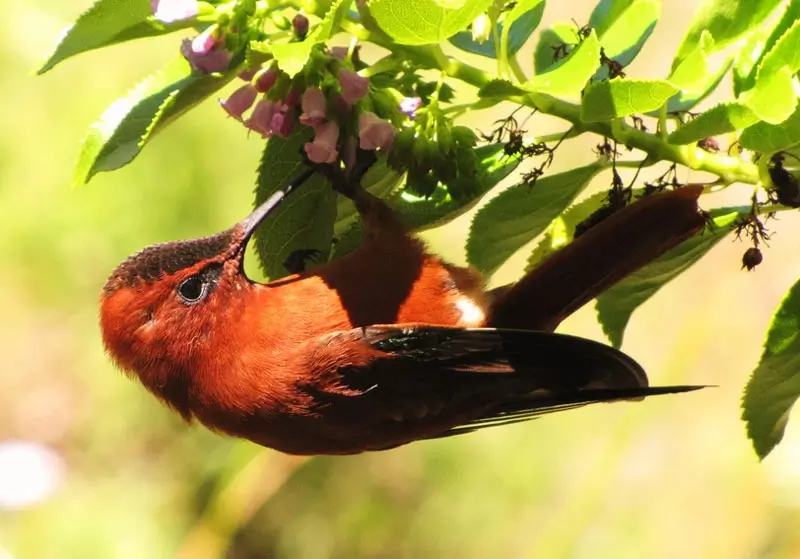
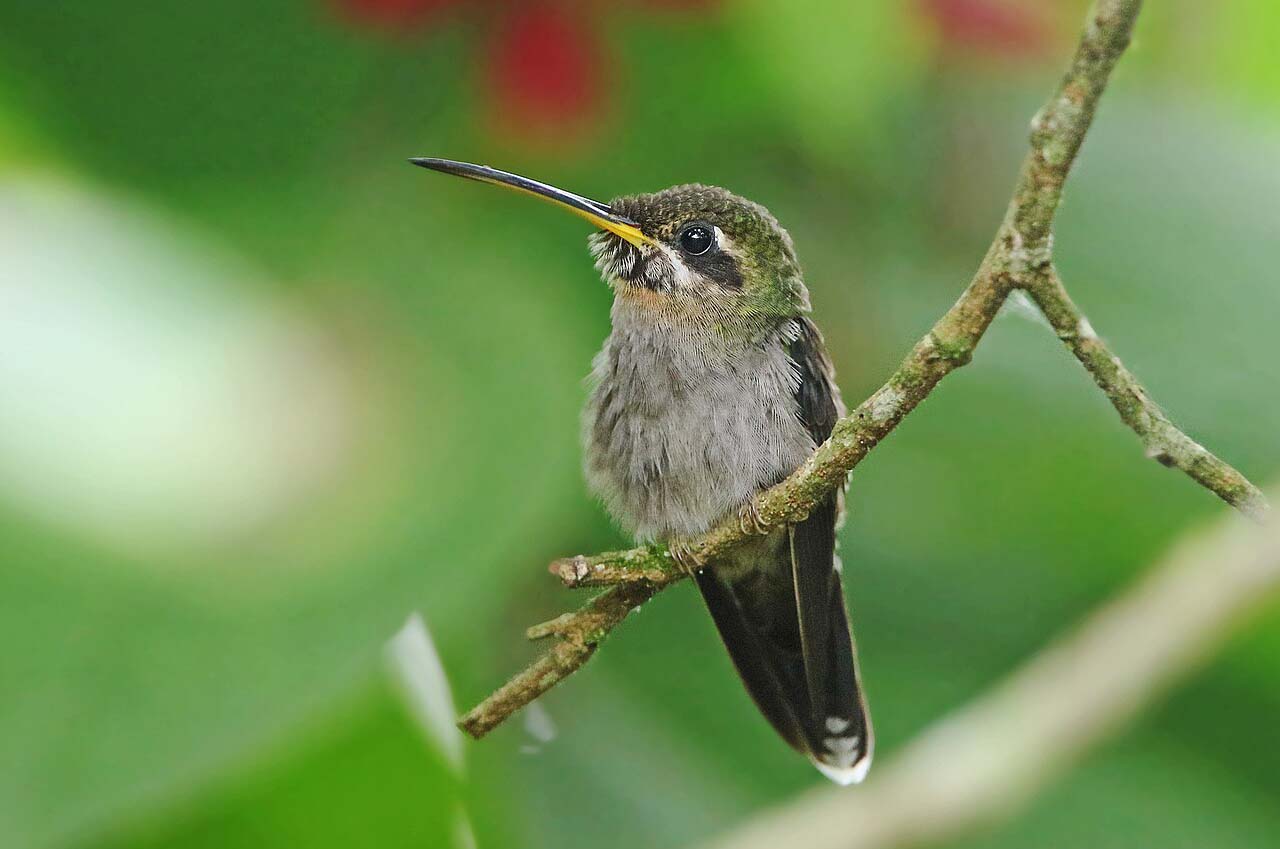
Hummingbirds are the smallest birds in the world. Most species are about 2.5–4.5 inches (6.4–11.4 cm) long. They have long, thin bills and a specialized tongue that helps them drink nectar from flowers.
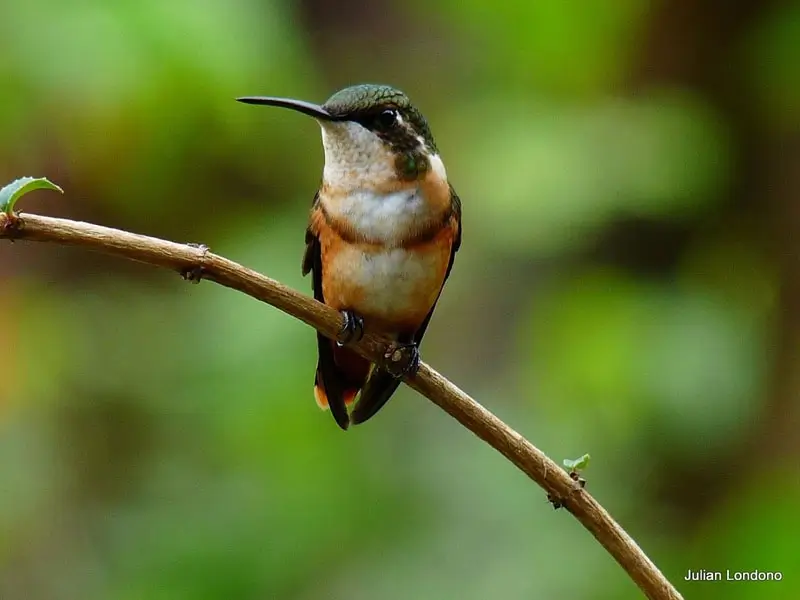
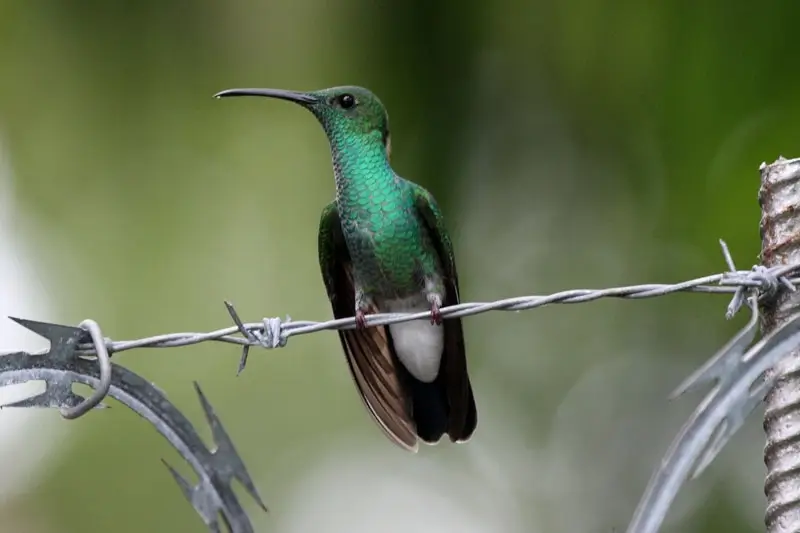
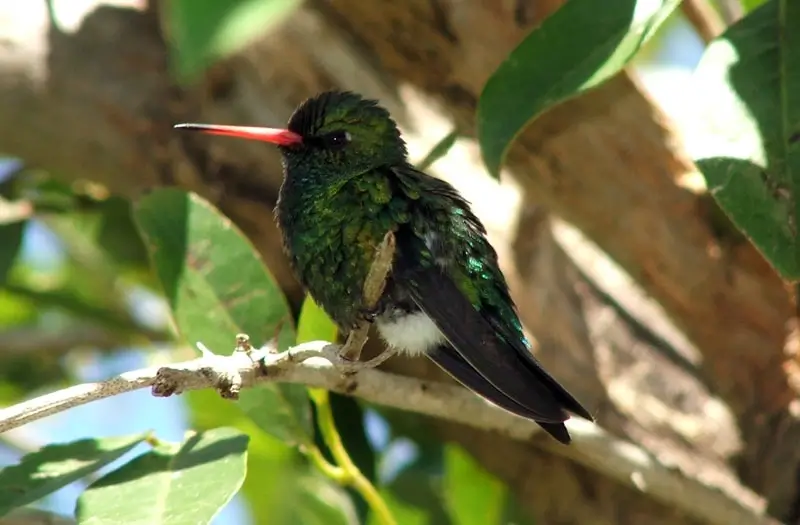
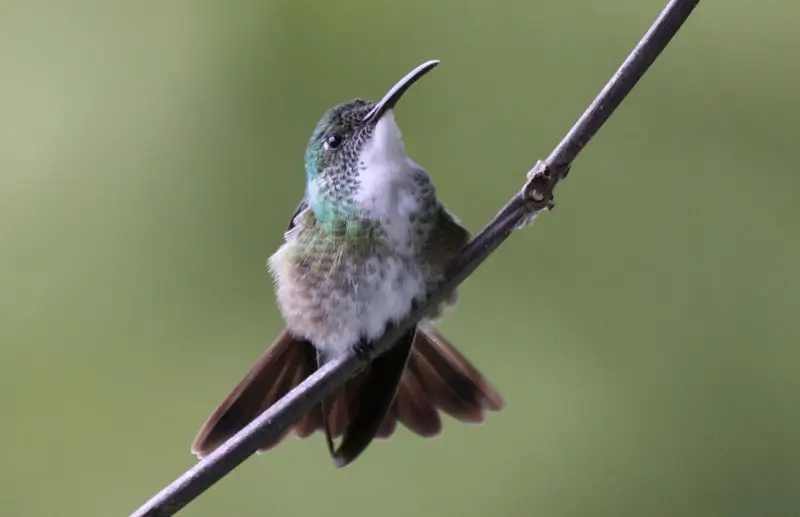
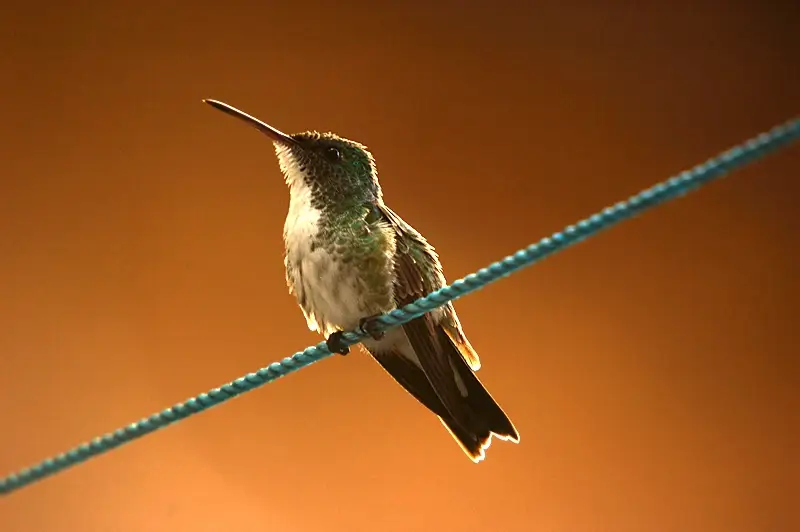
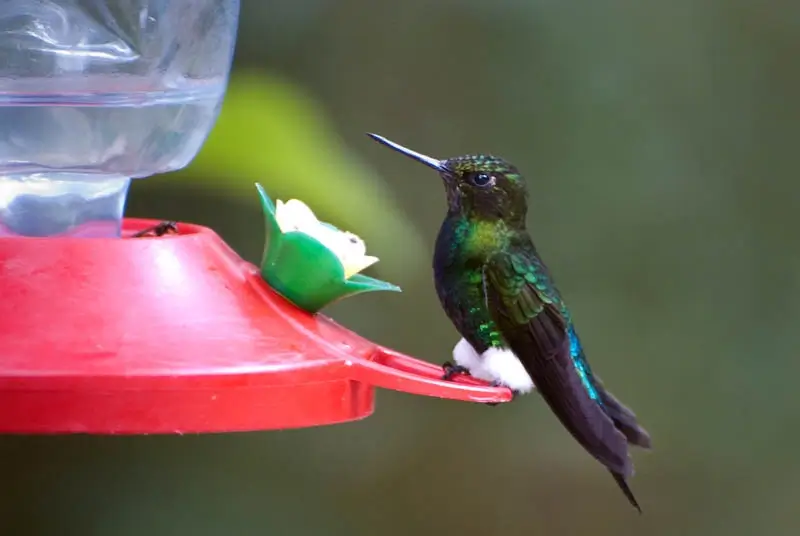
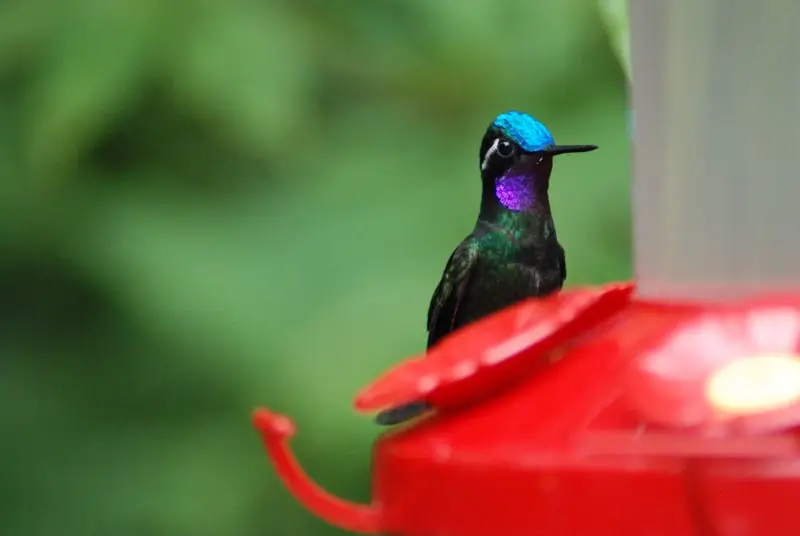
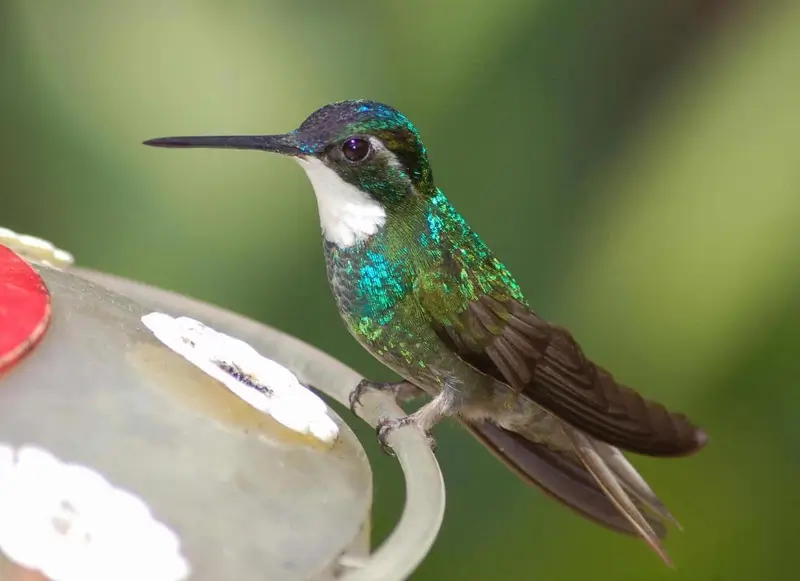
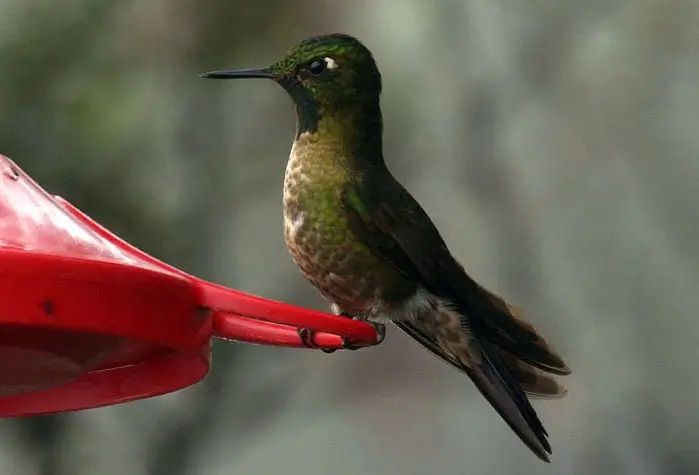
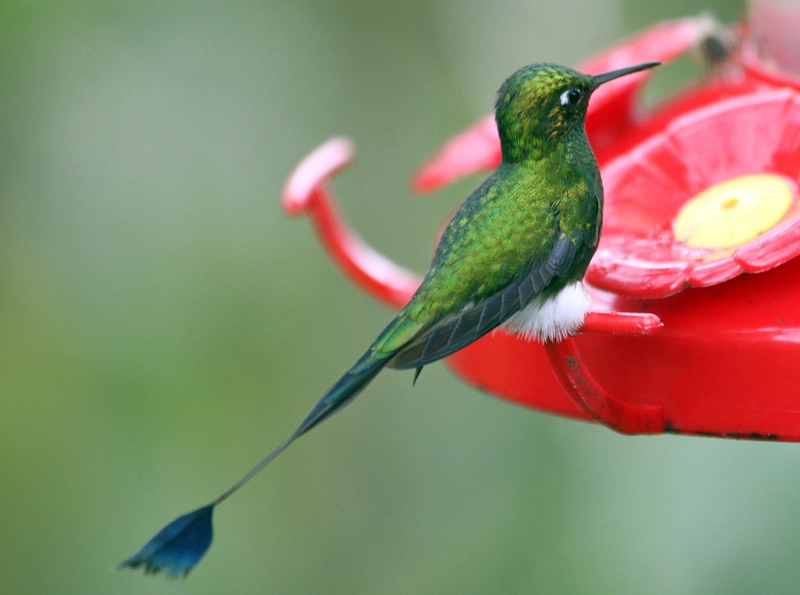
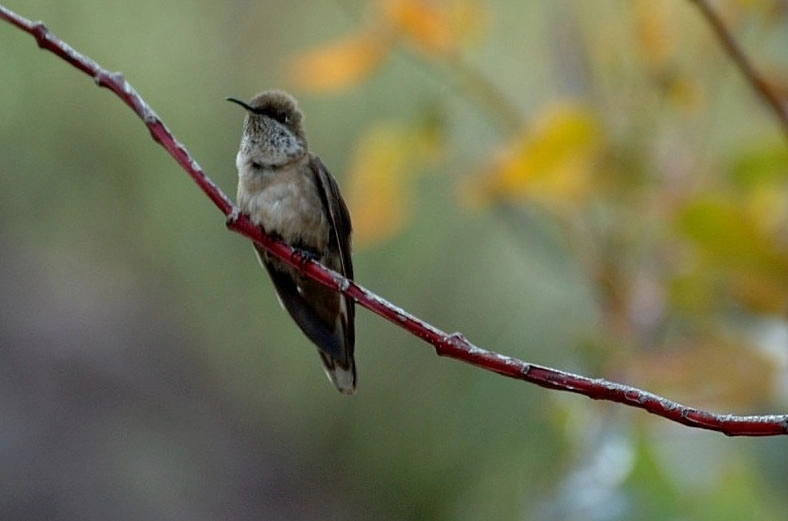
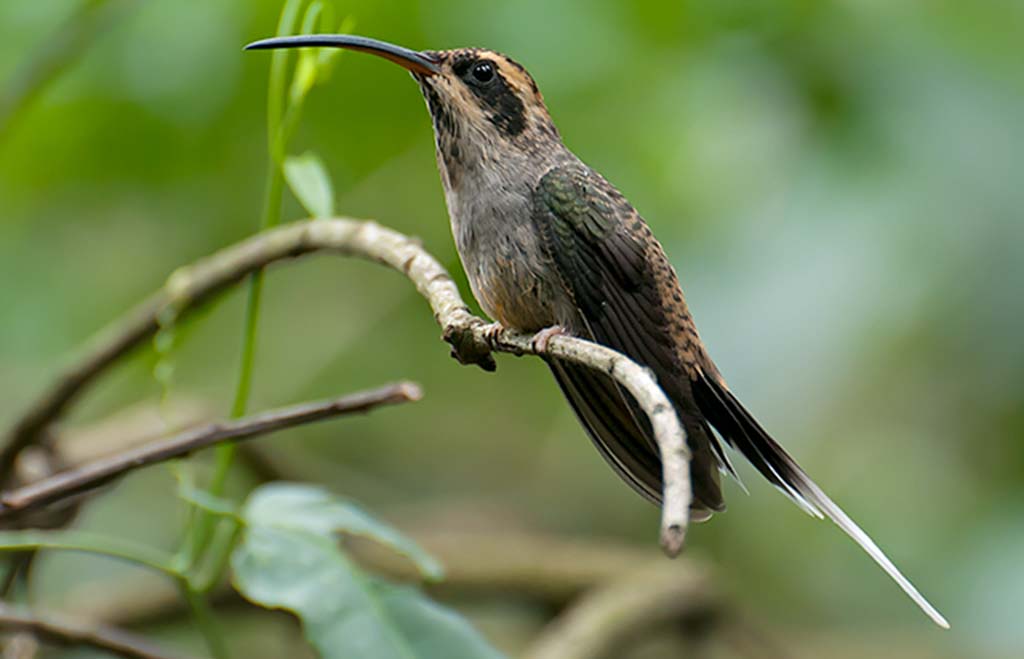
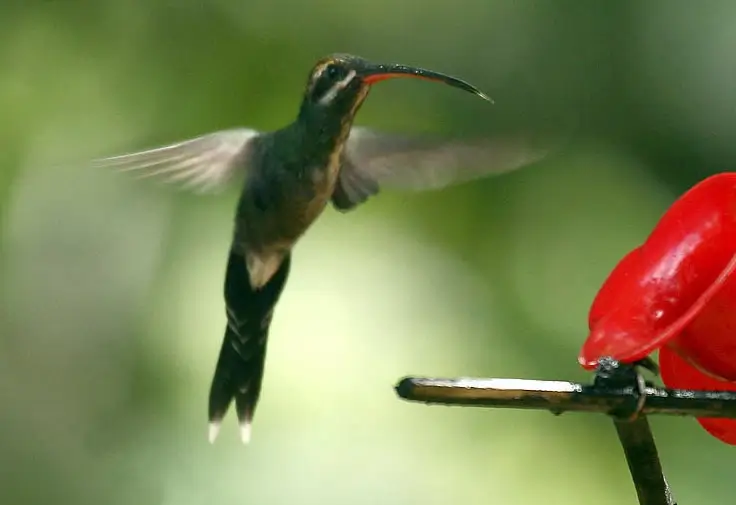
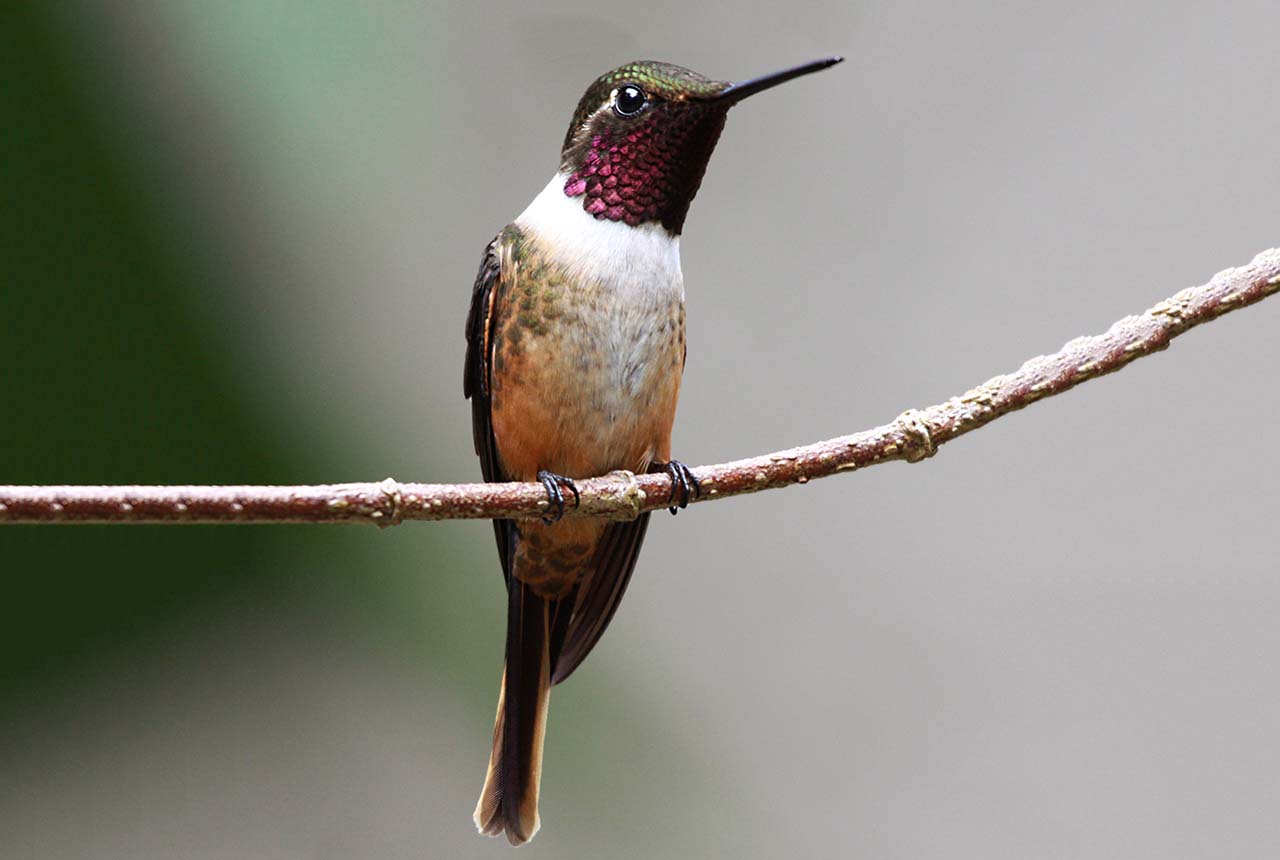
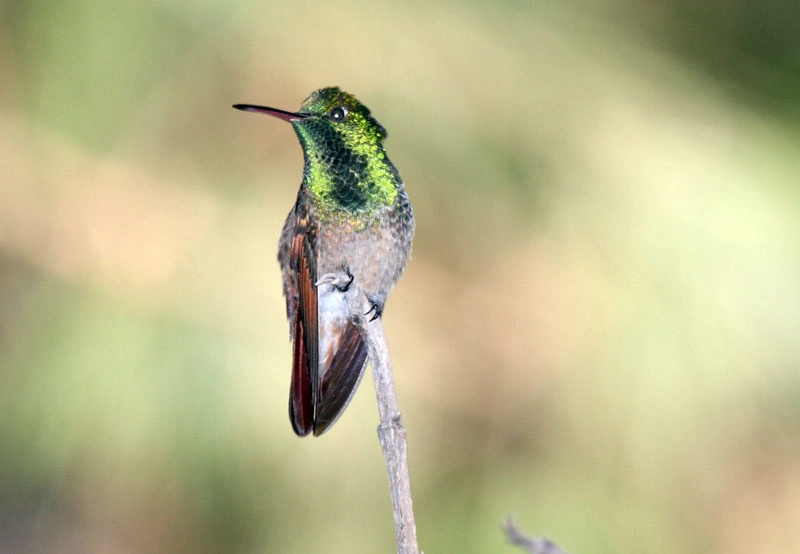
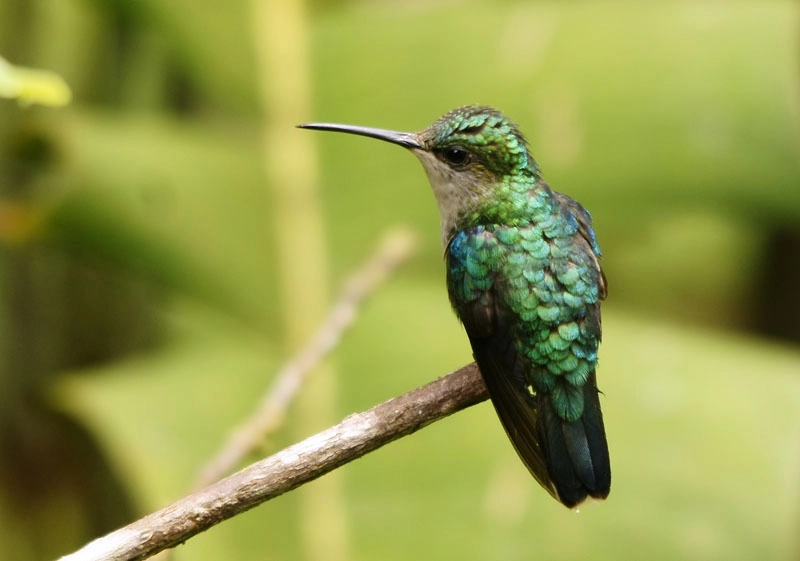
Hummingbirds have very small feet. They do not walk or hop much on the ground, but they can perch on branches and feeders.
They live in many different habitats, especially places with lots of flowering plants. While most live in warm climates, some species can be found as far north as Alaska and Canada during the summer.
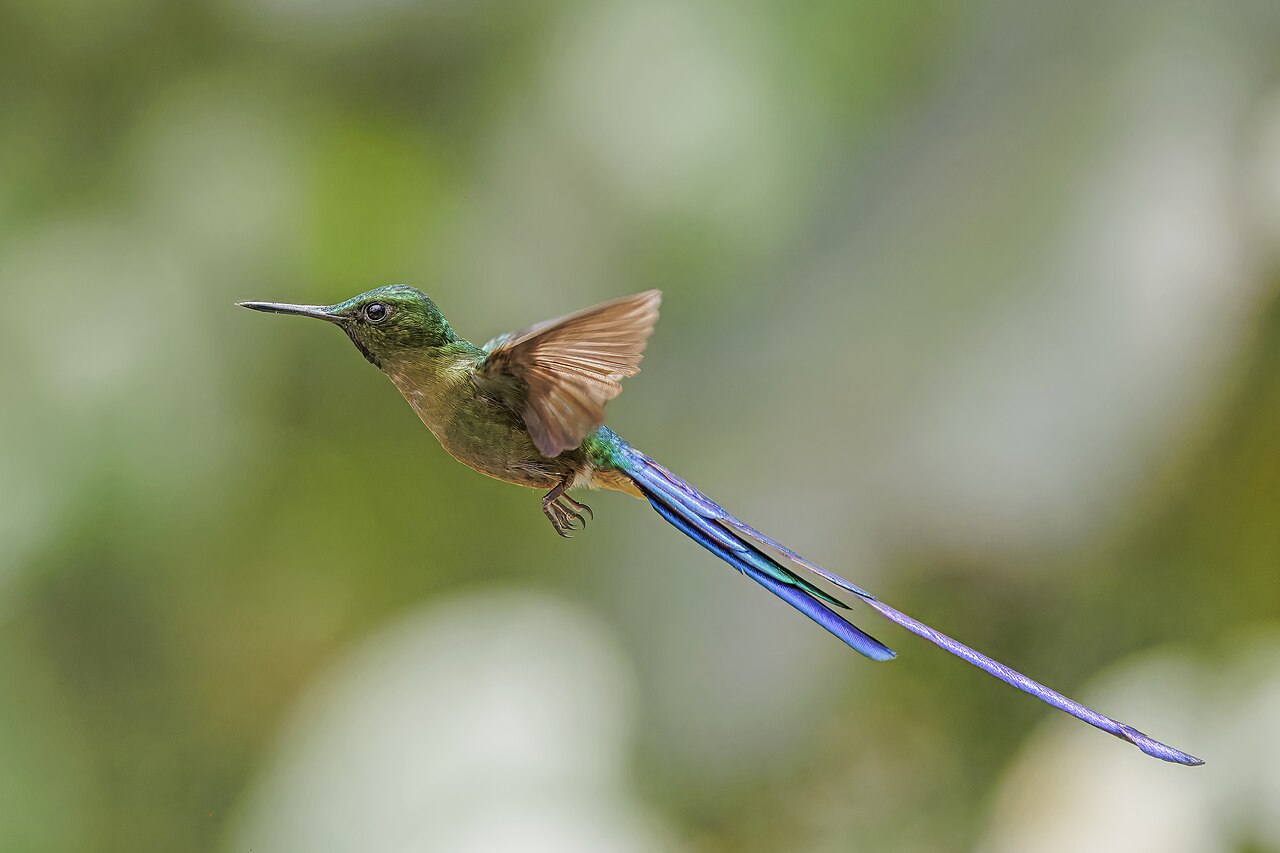
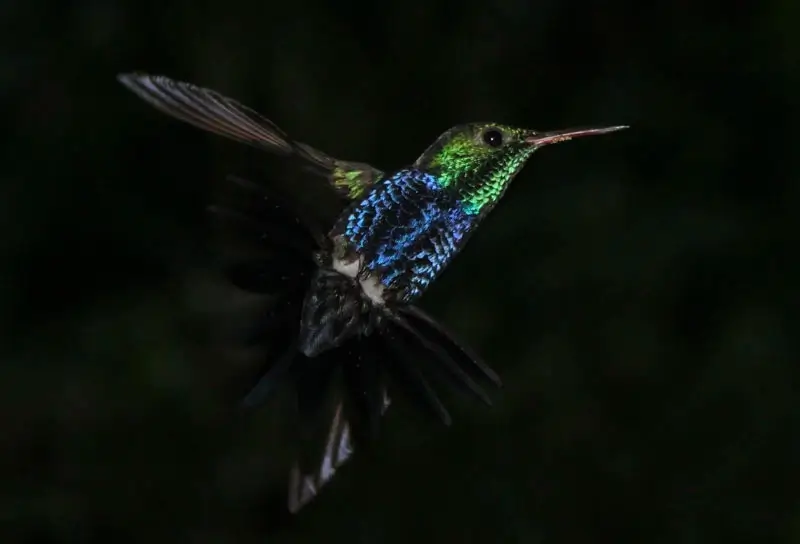
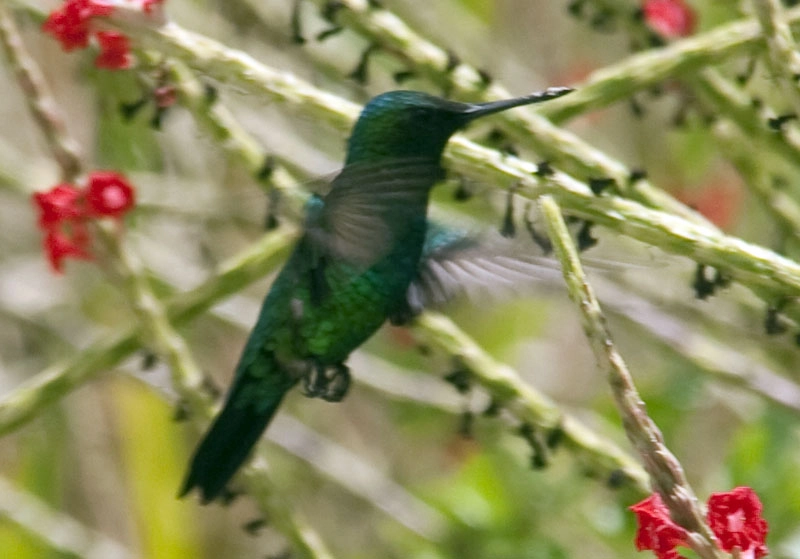
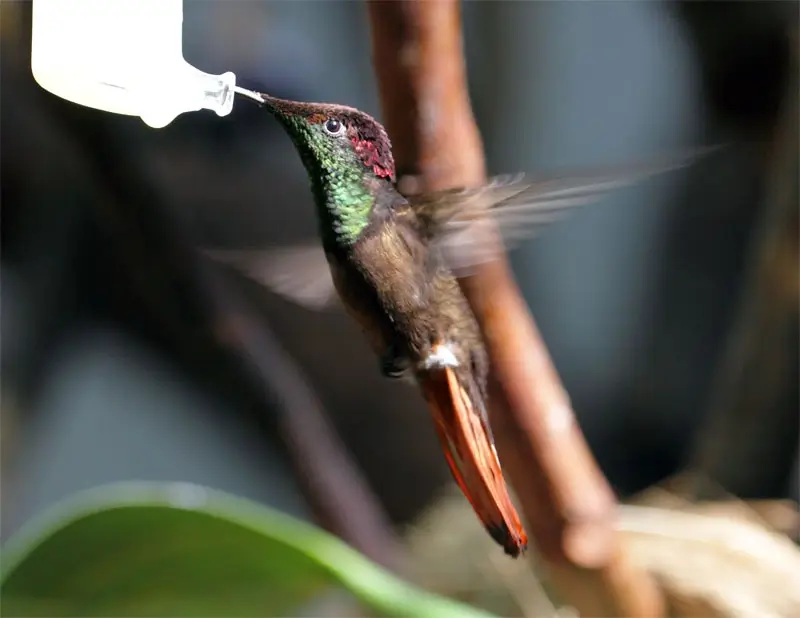
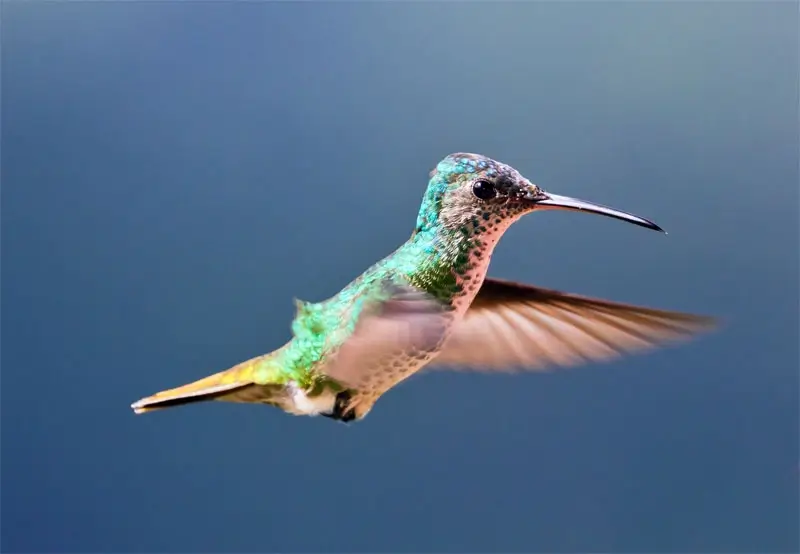
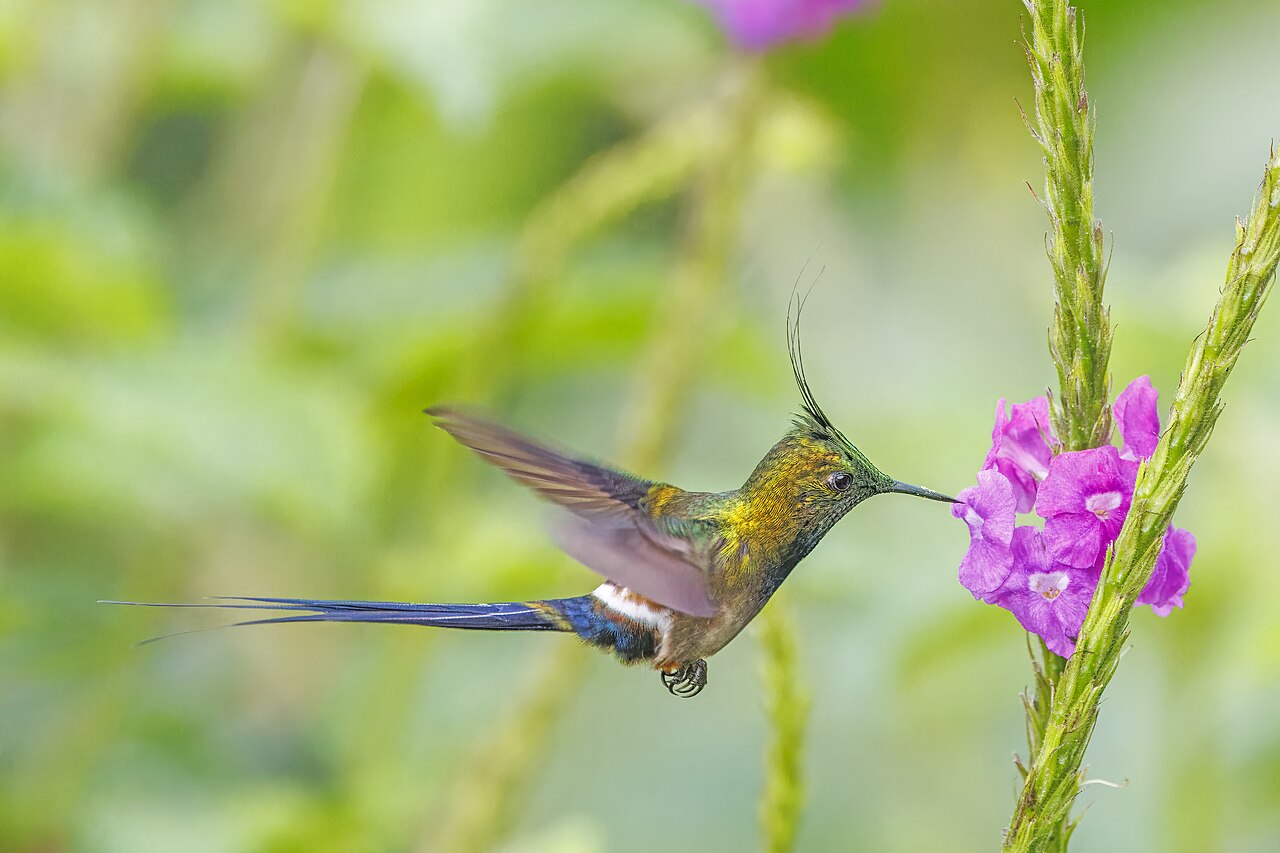
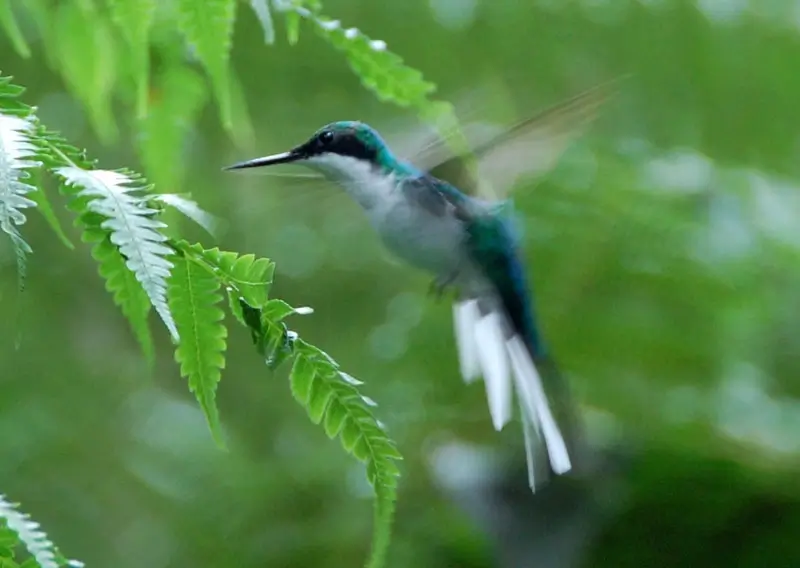
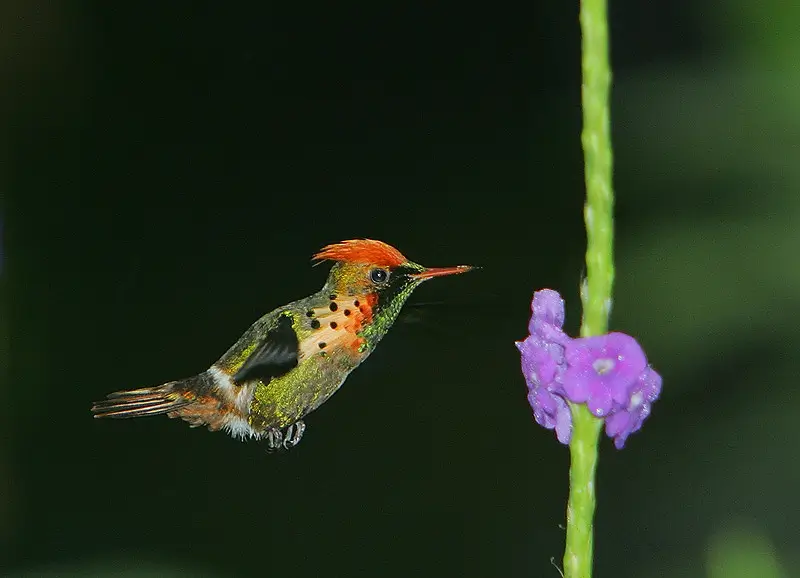
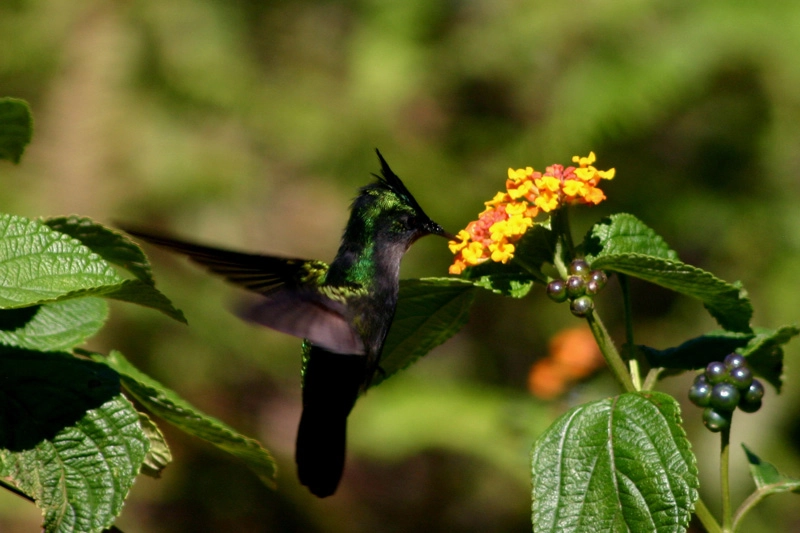
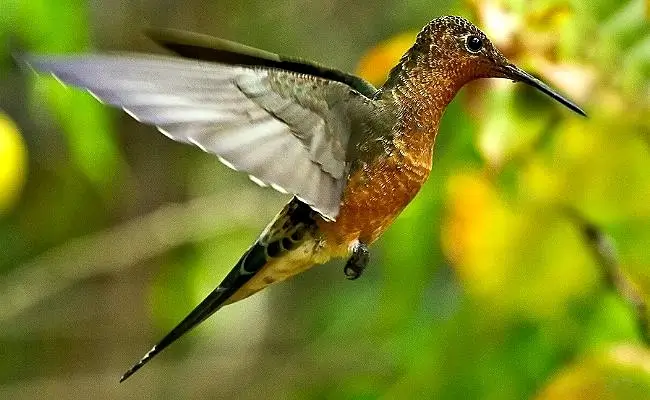
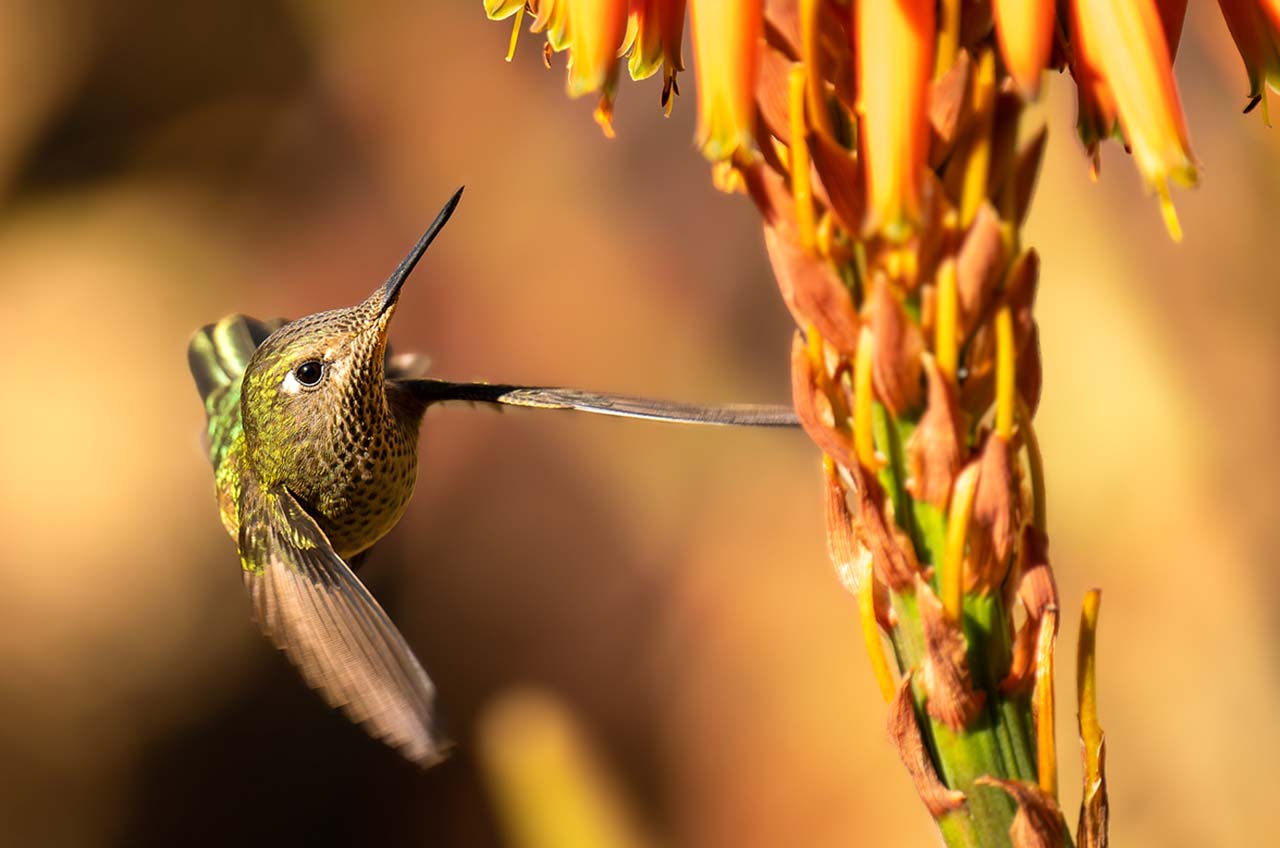
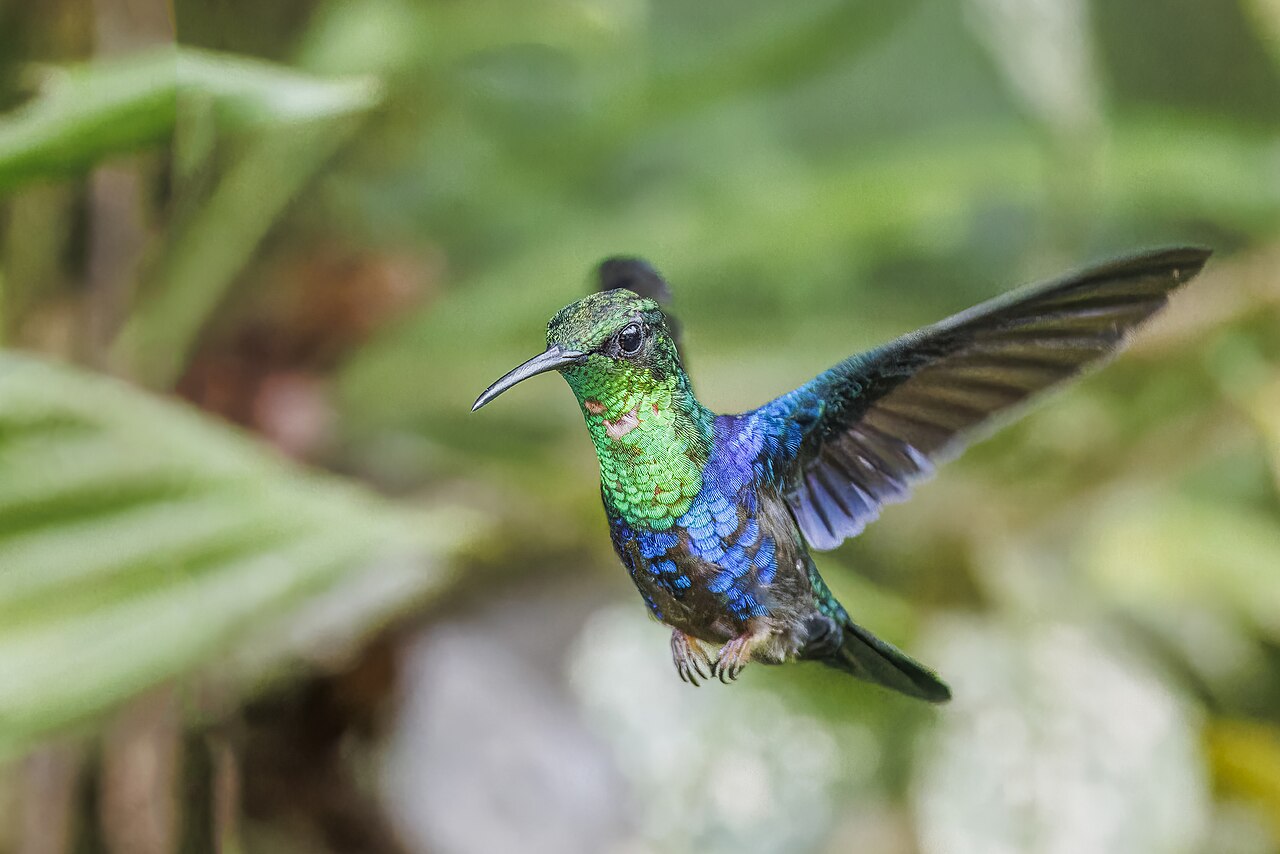
Hummingbirds can hover in place while feeding. Their wings beat extremely fast—up to about 50–80 times per second, depending on the species and activity.
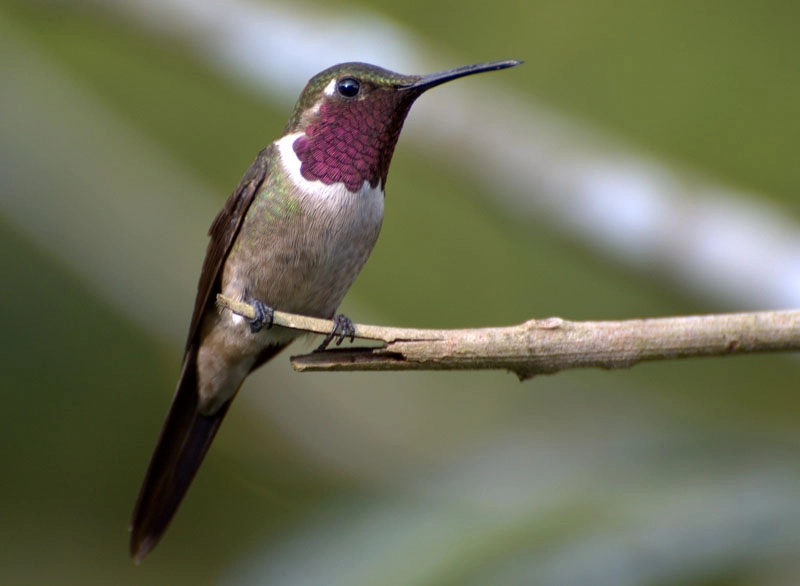
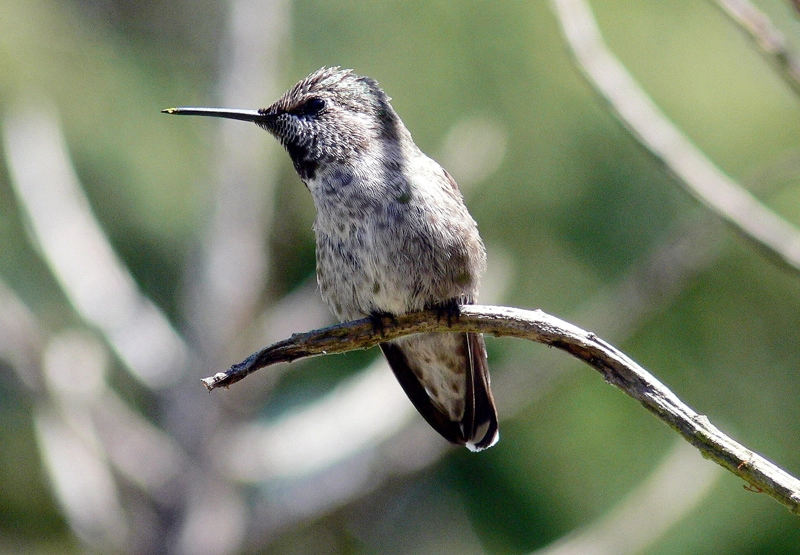
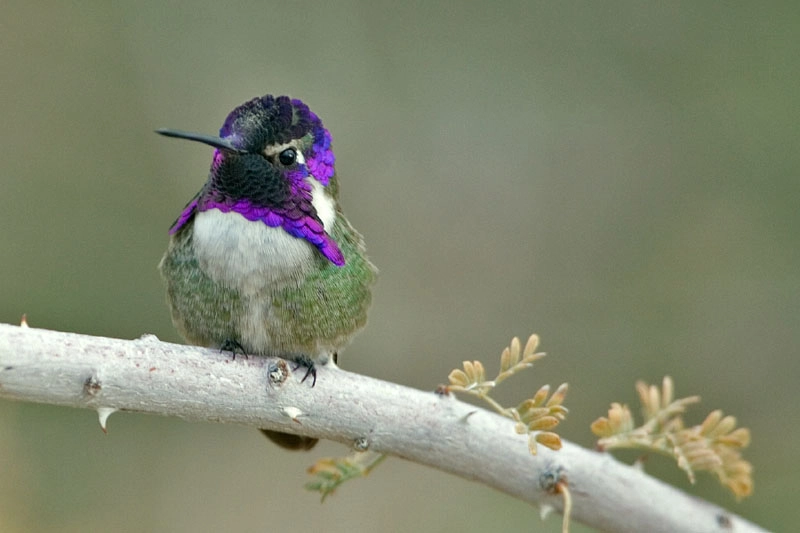
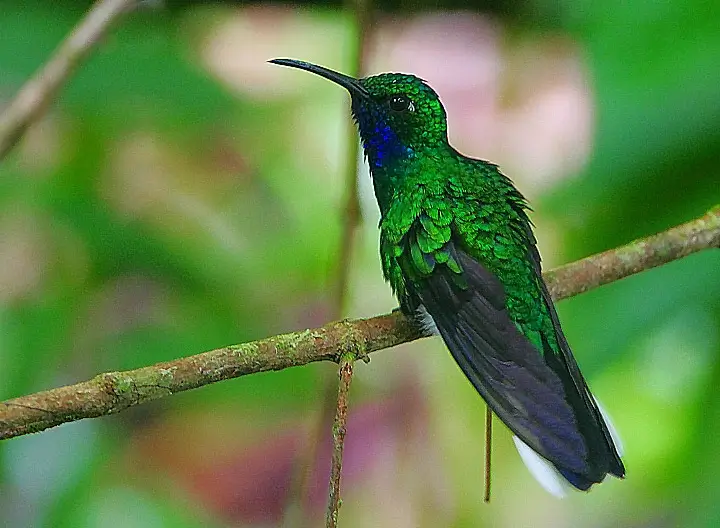
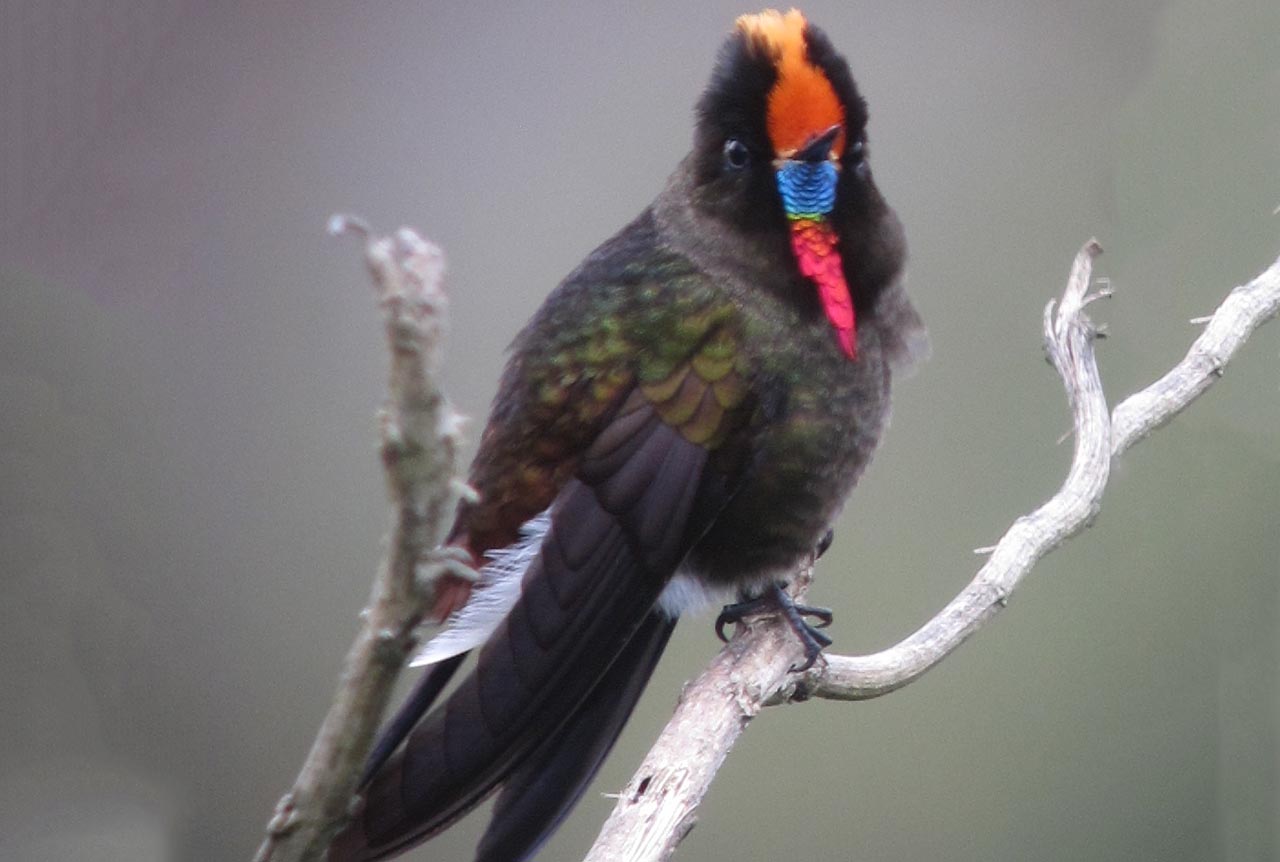
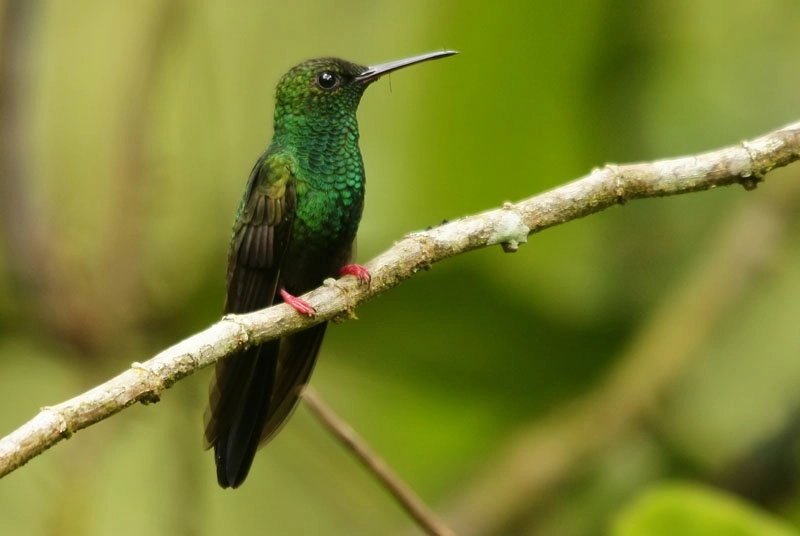
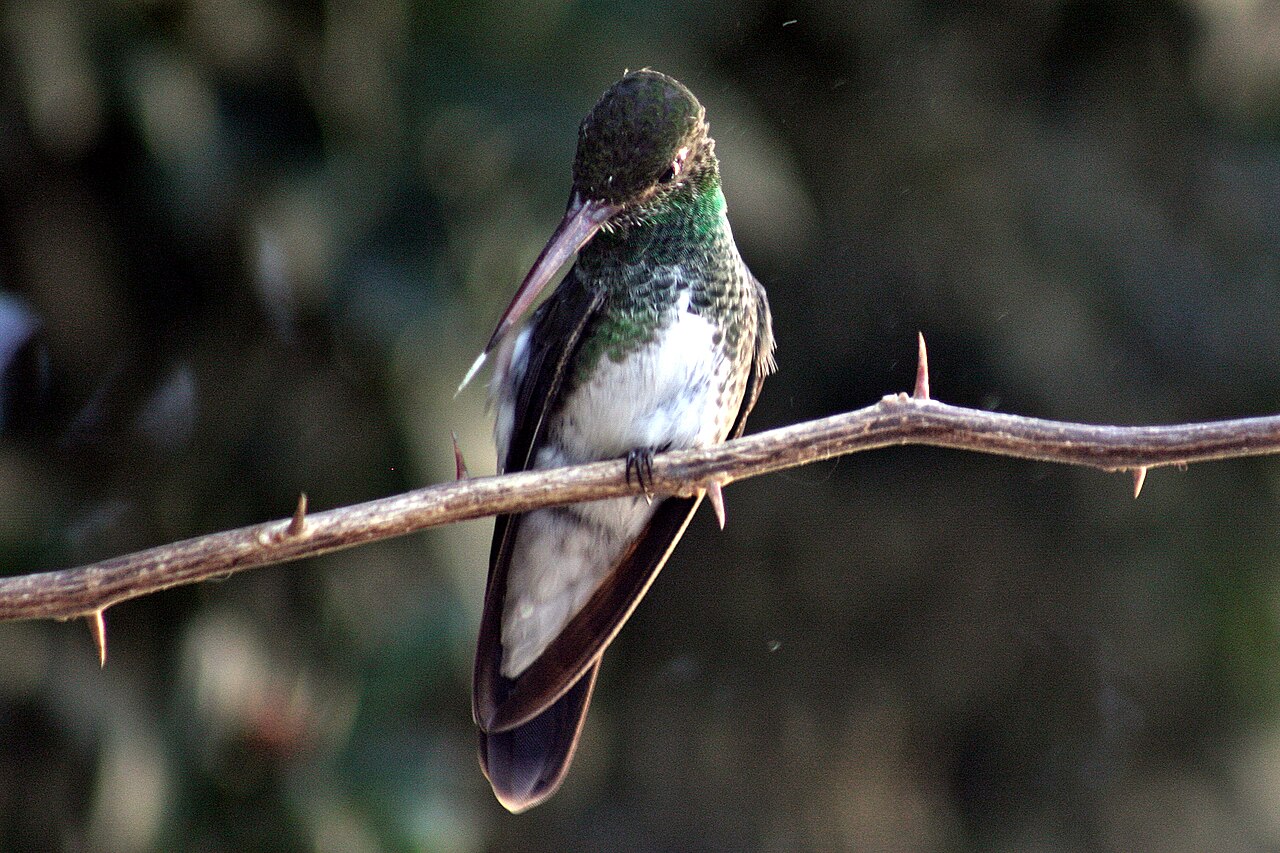
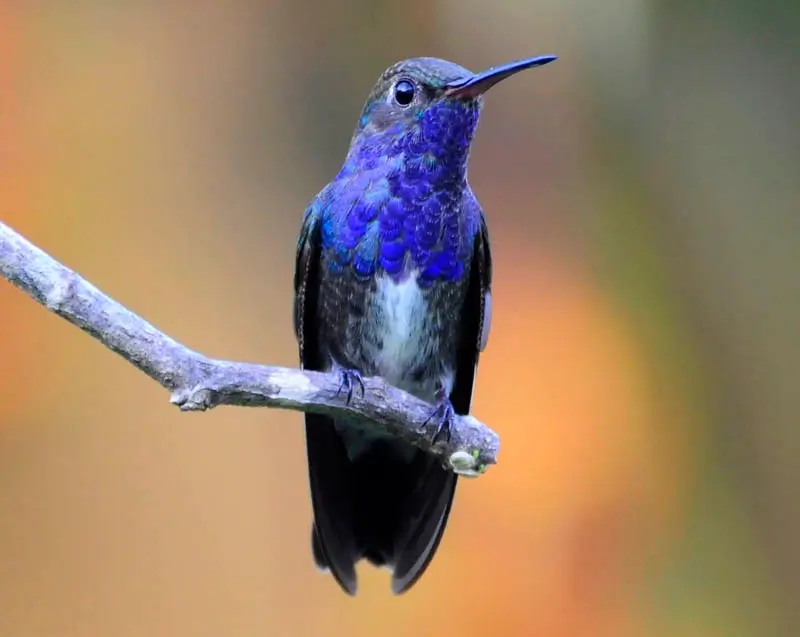
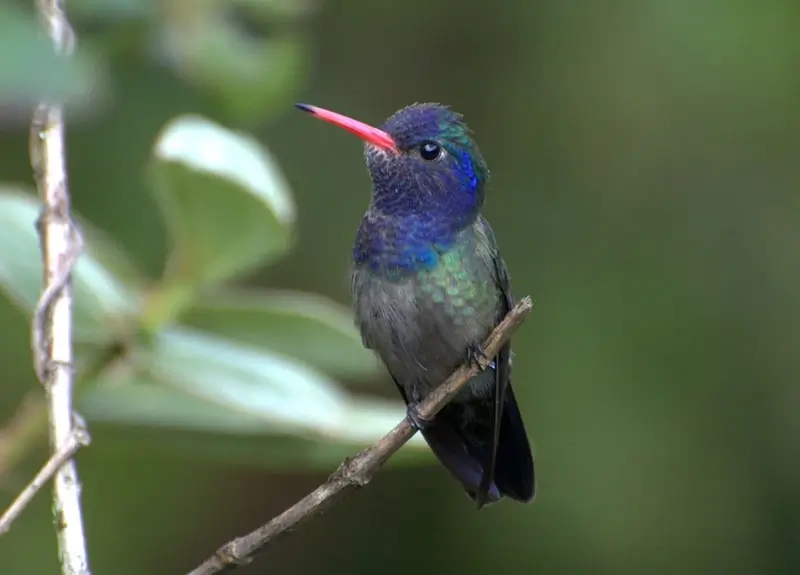
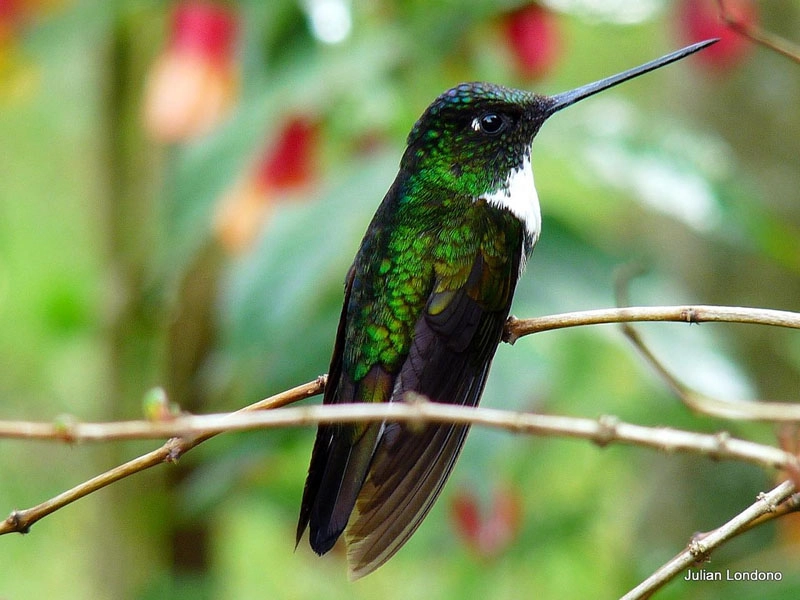
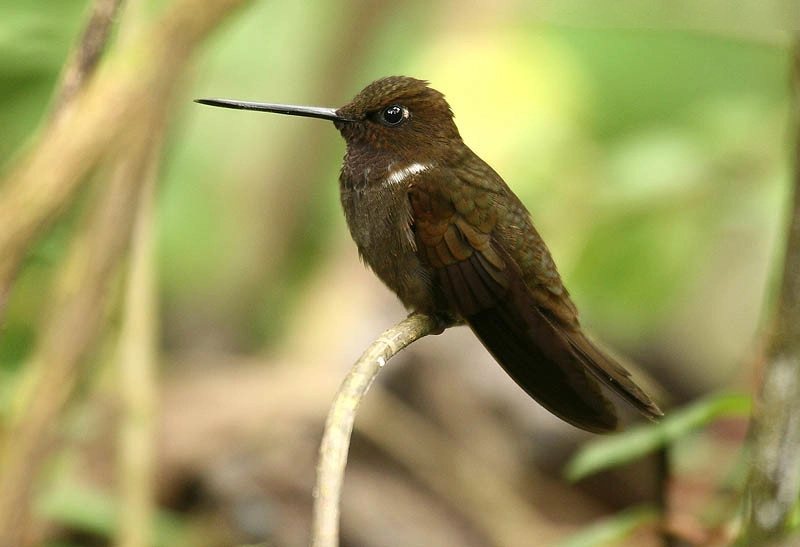
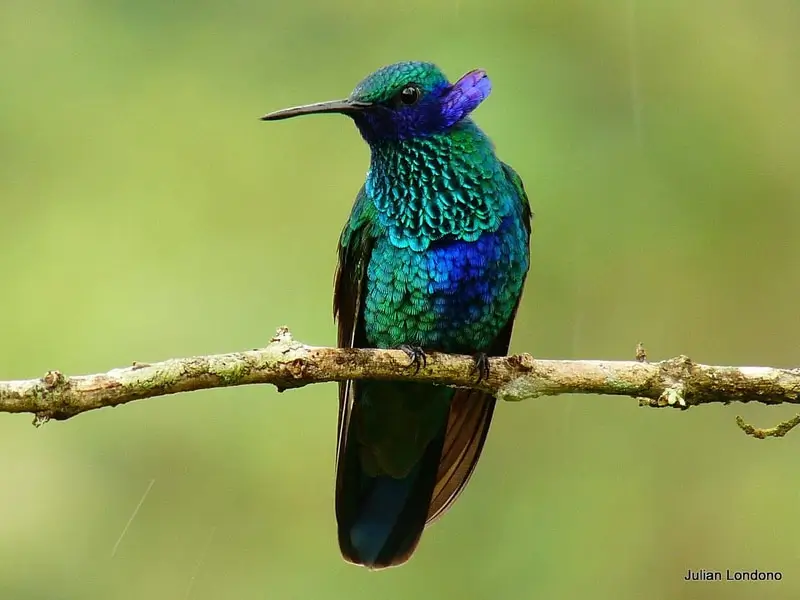
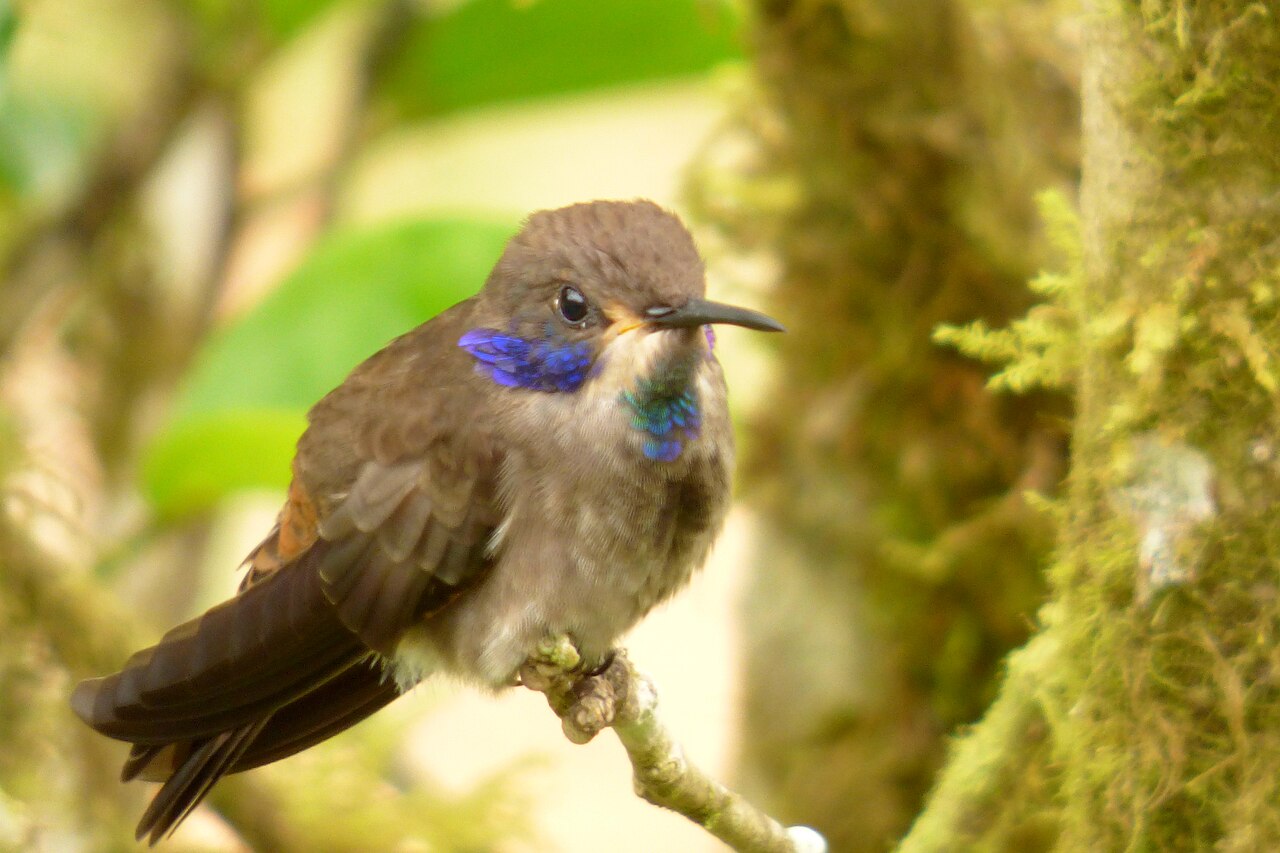
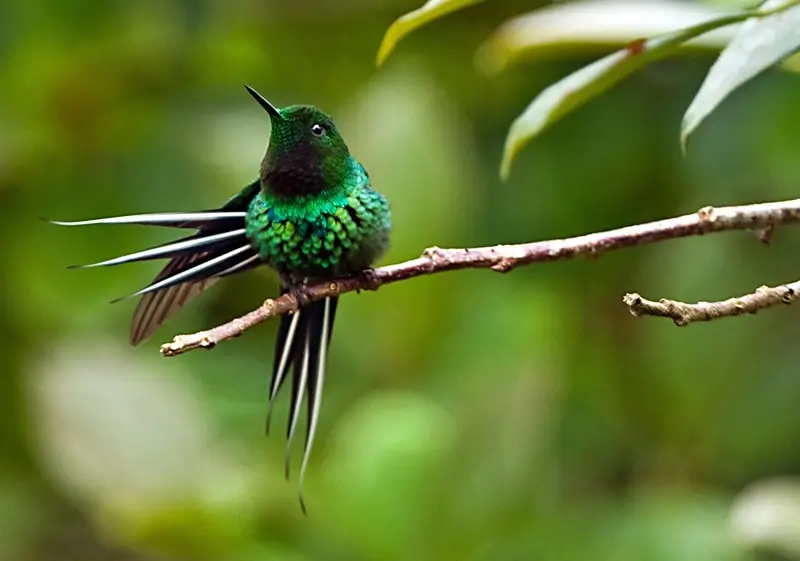
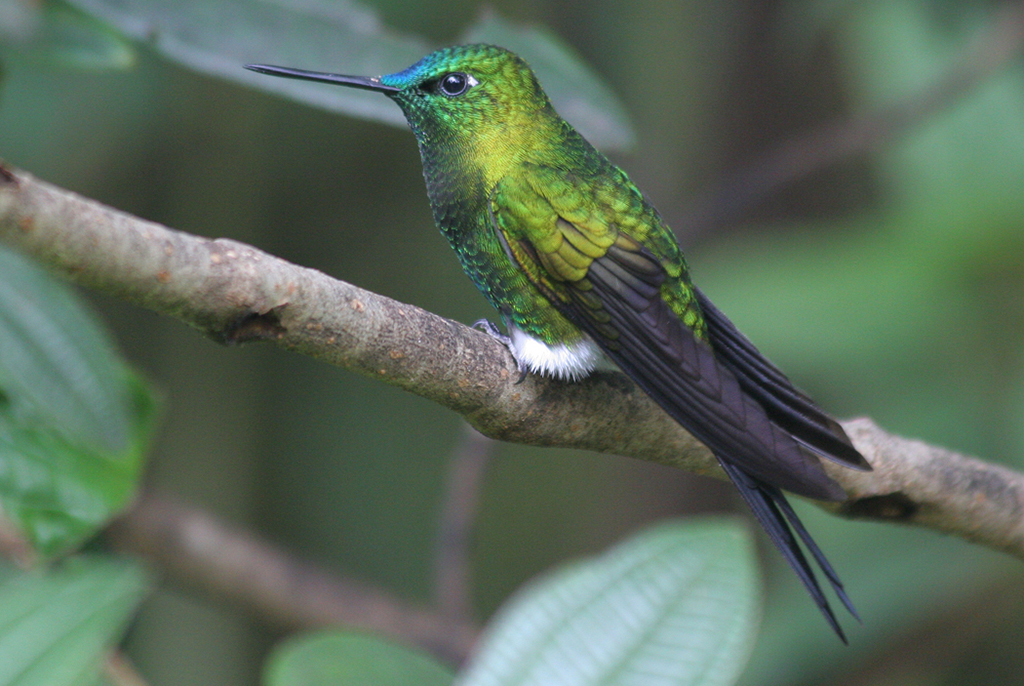
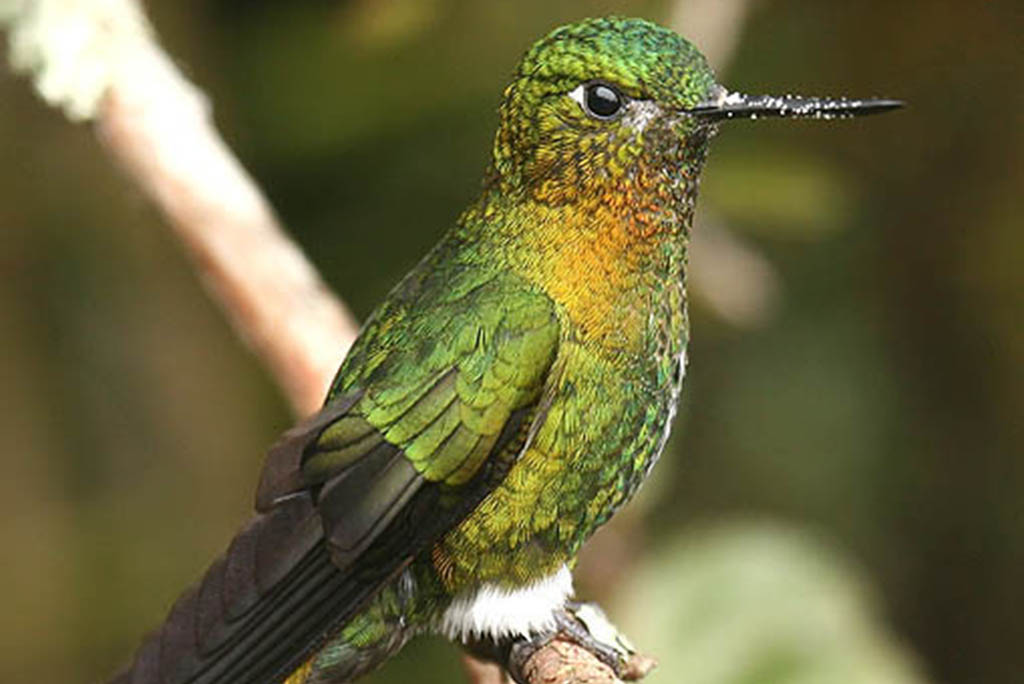
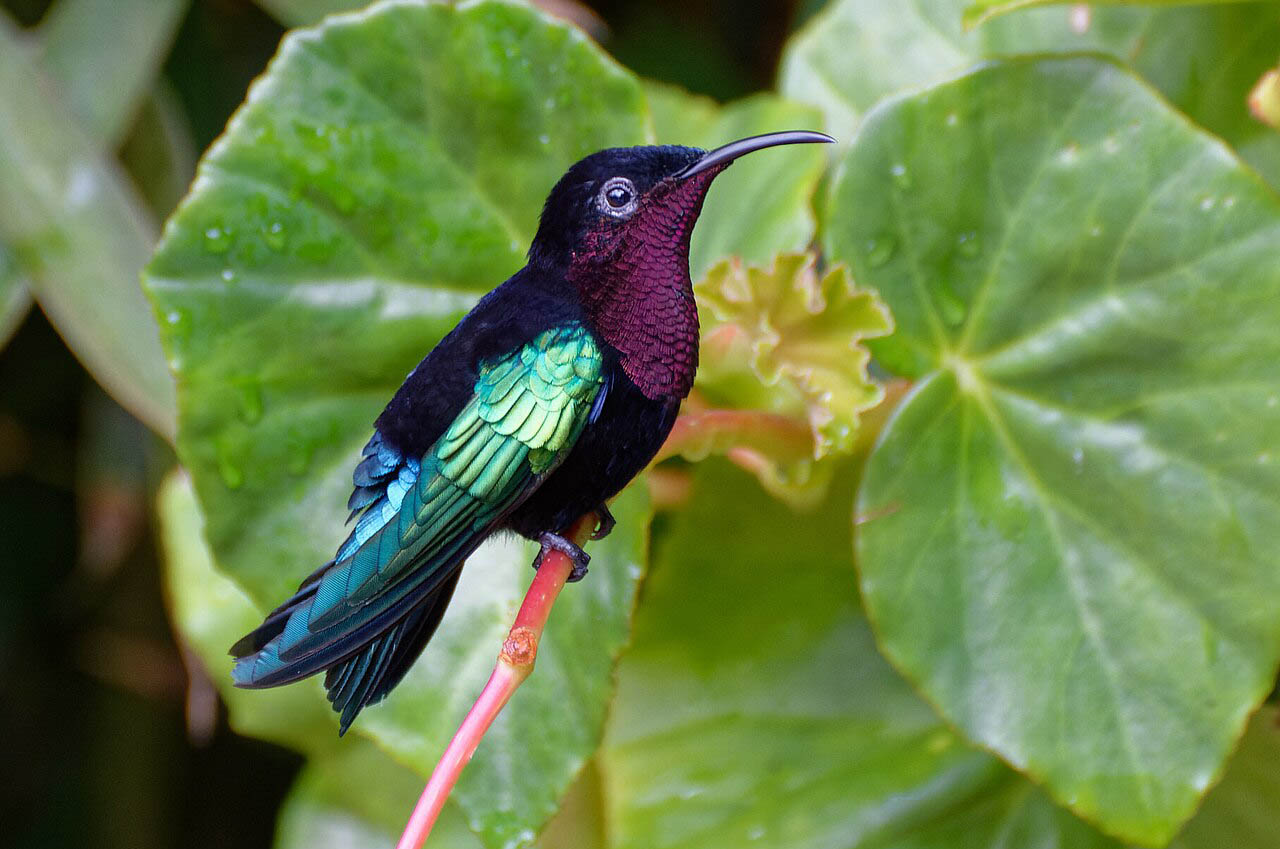
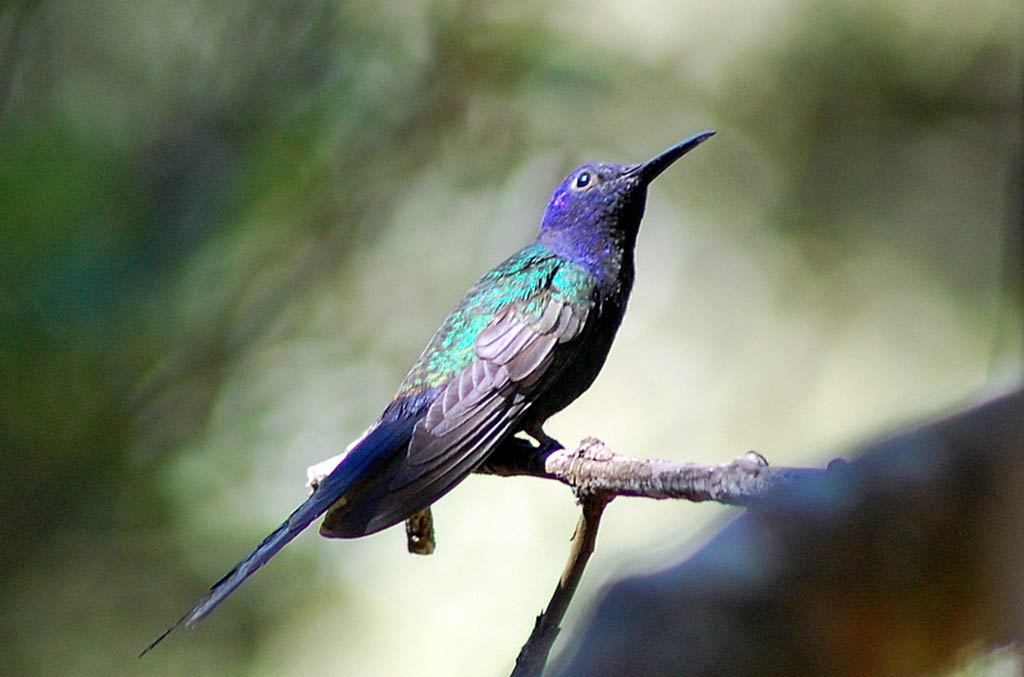
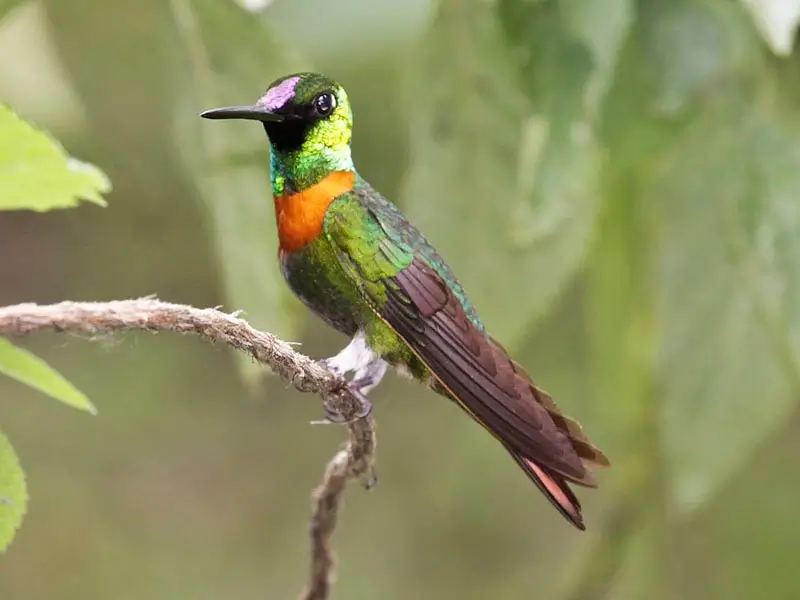
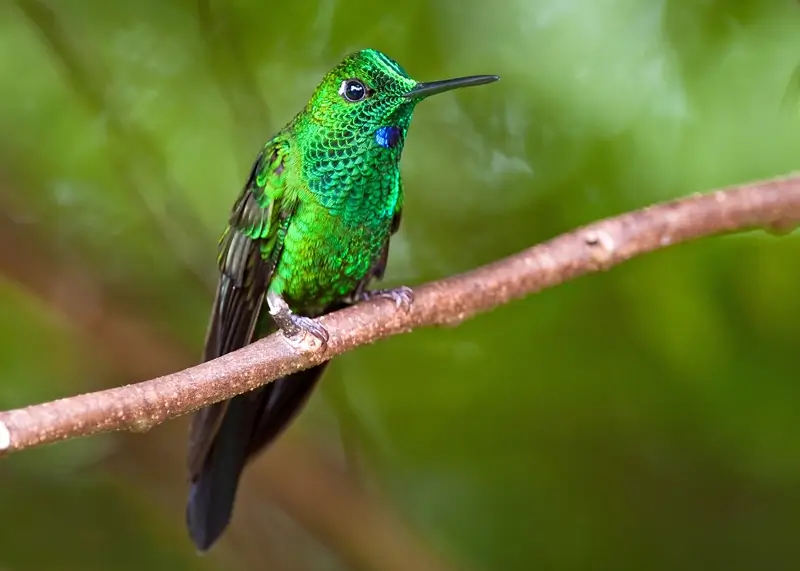
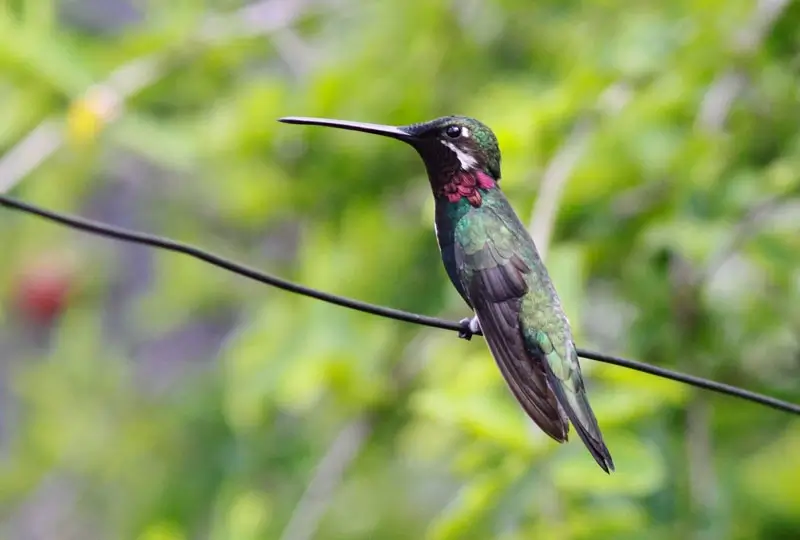
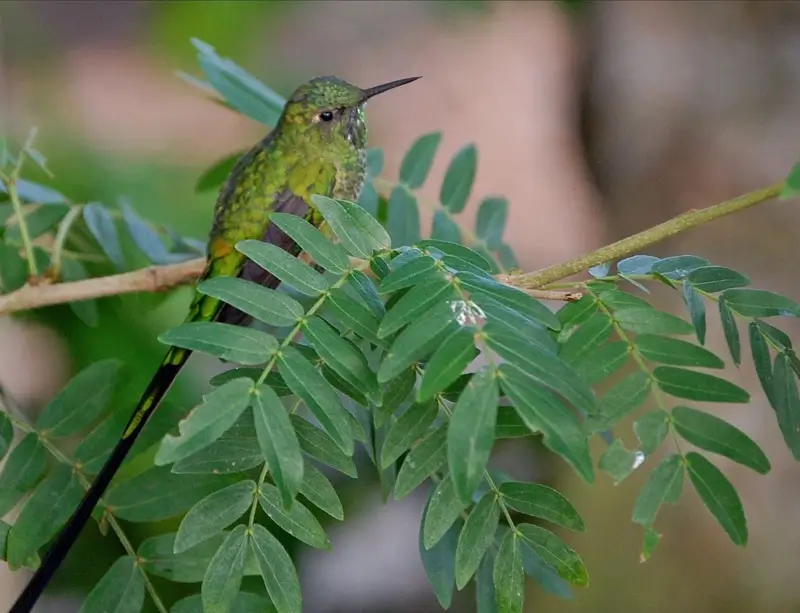
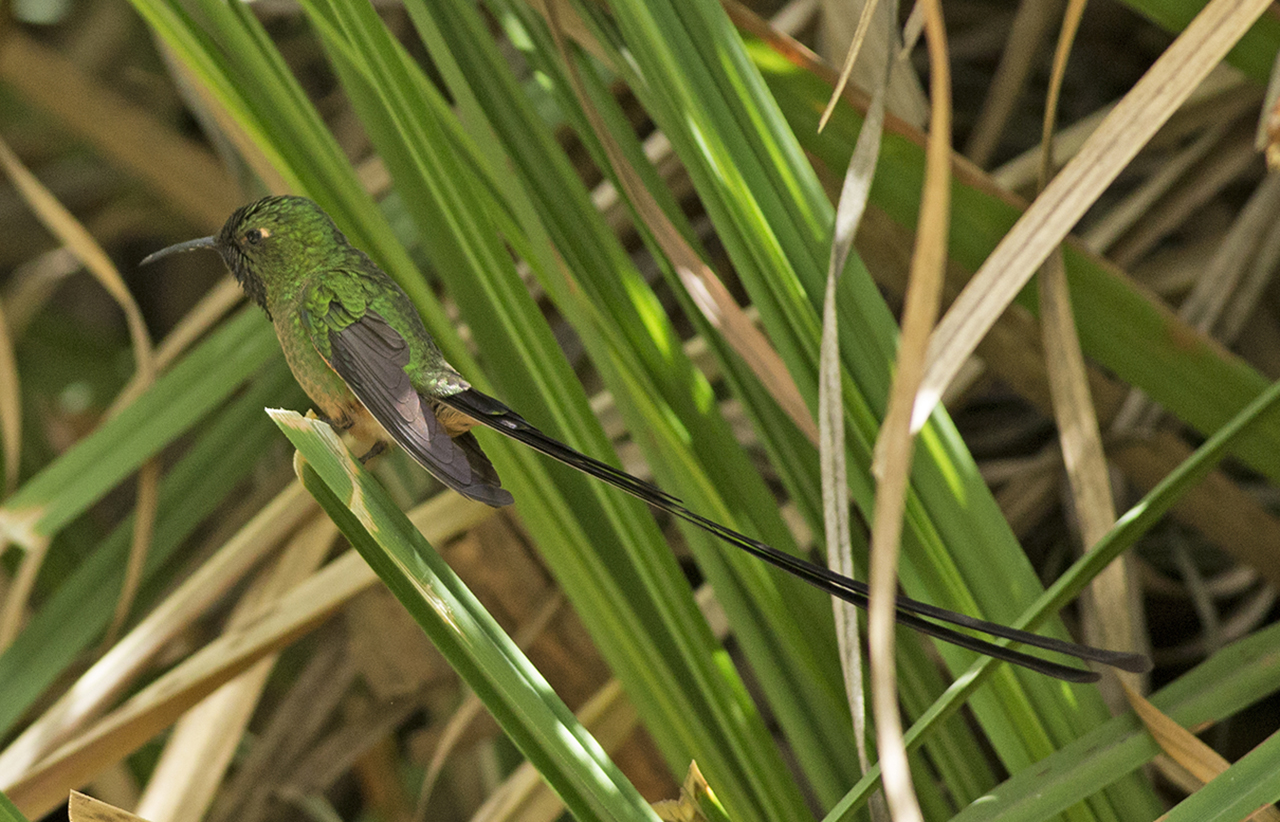
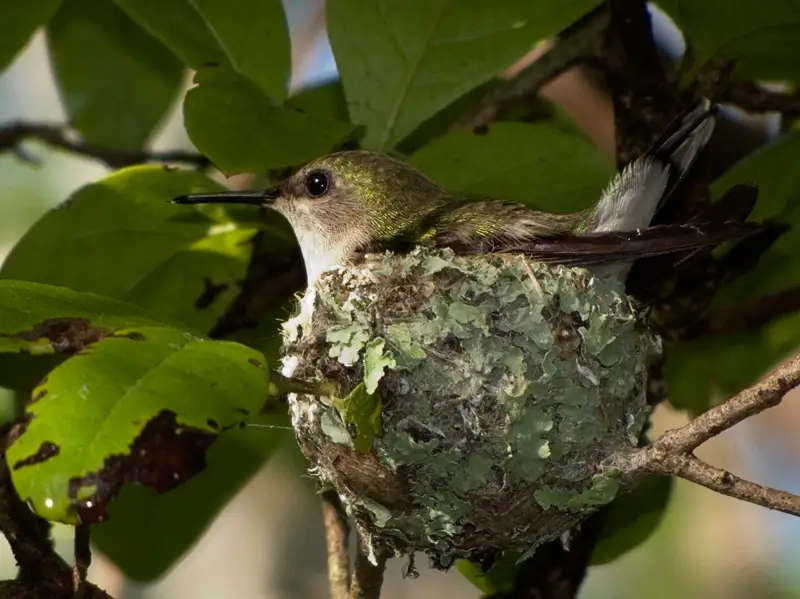
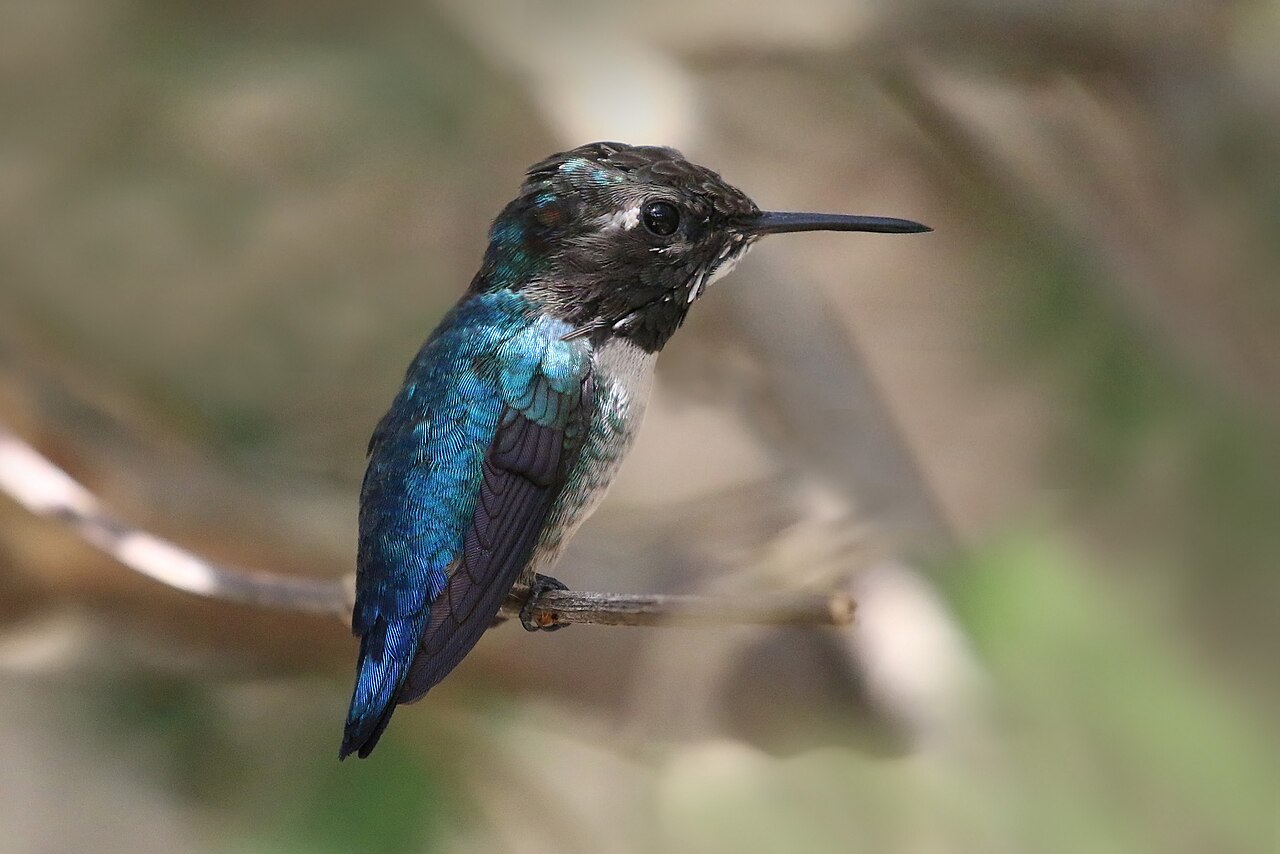
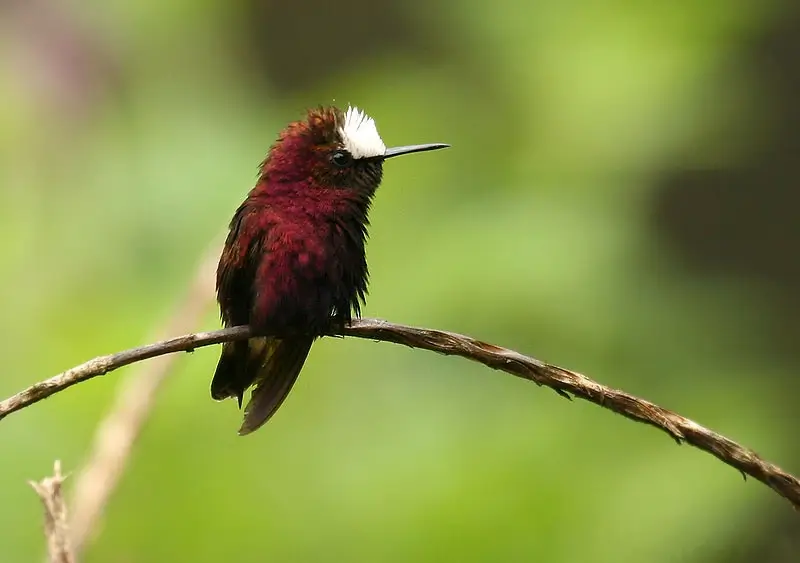
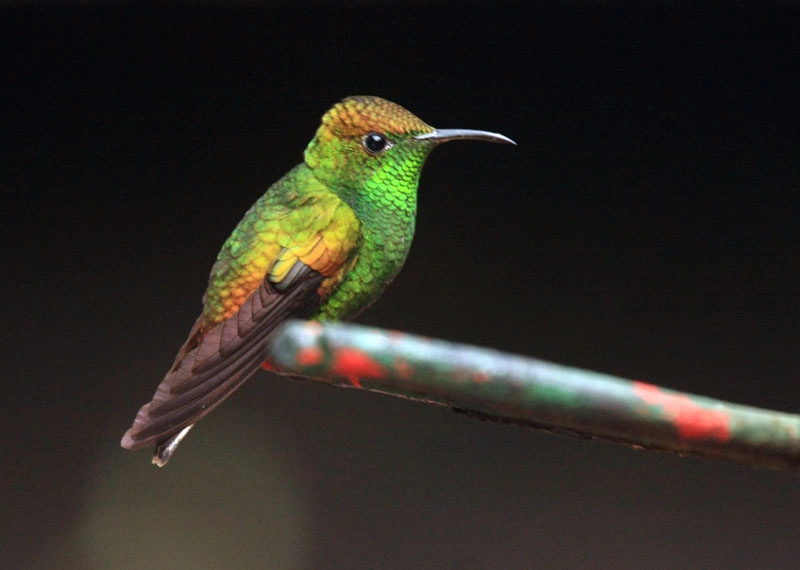
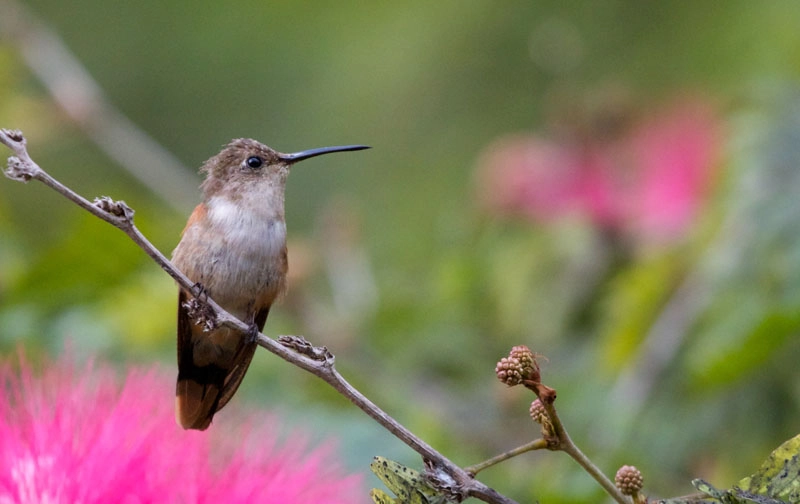
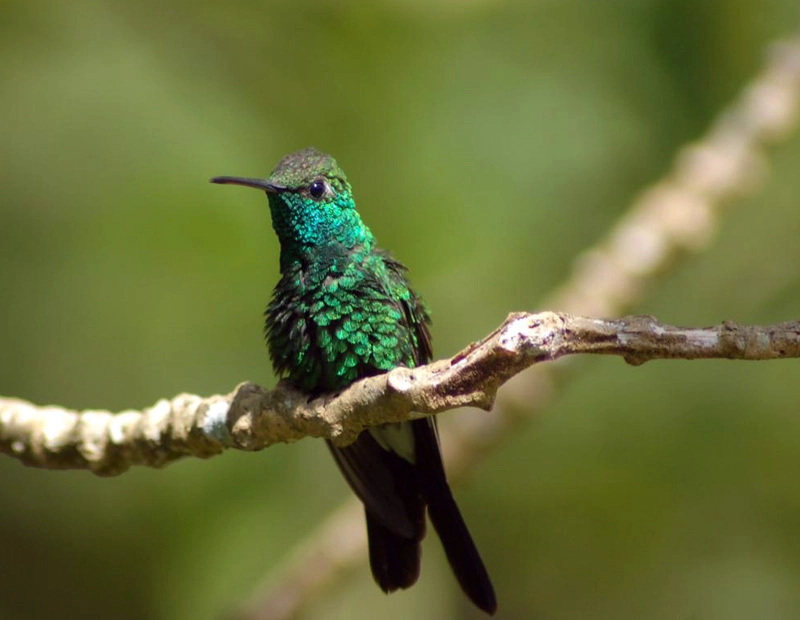
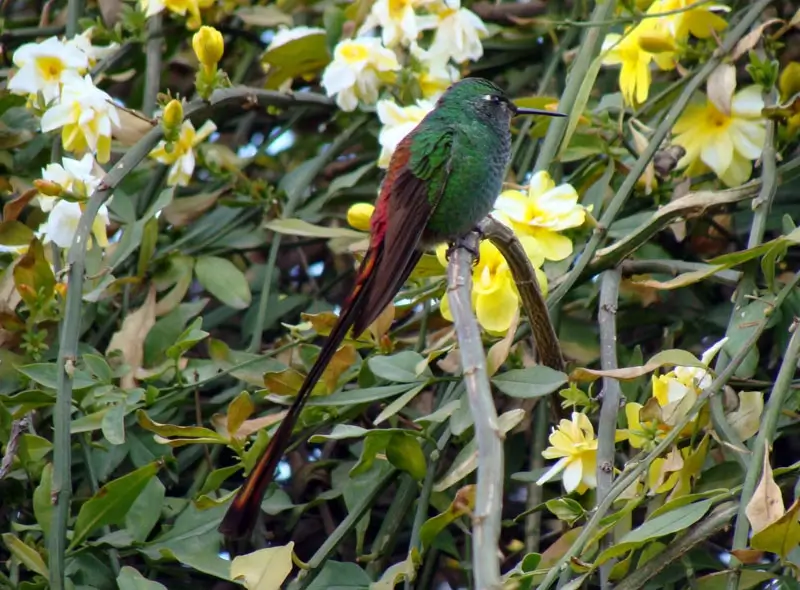
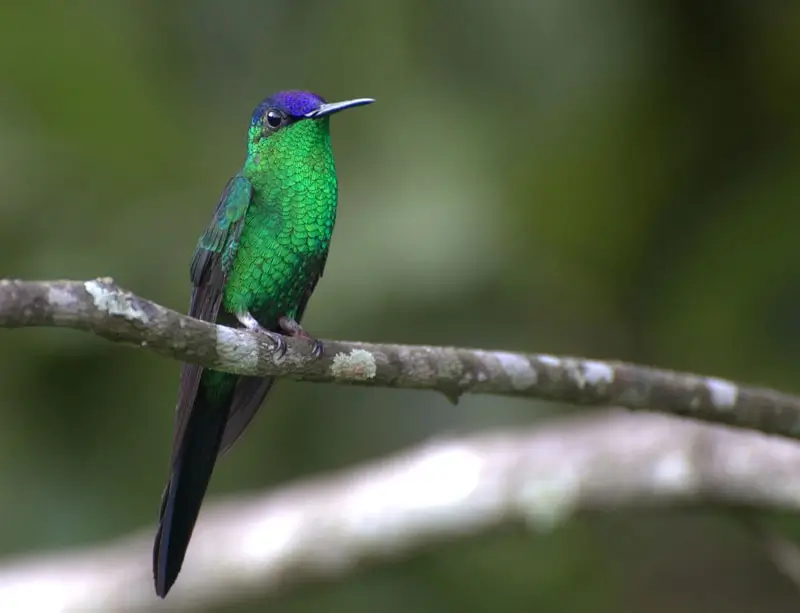
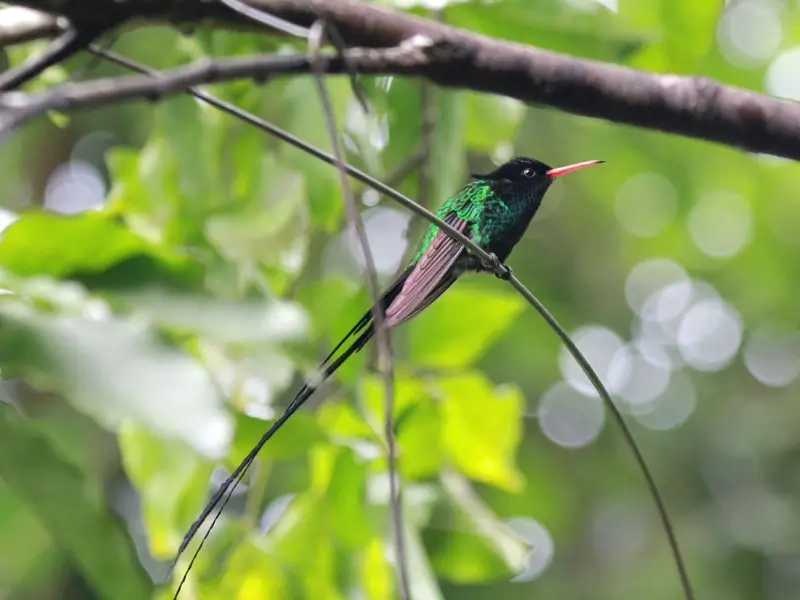
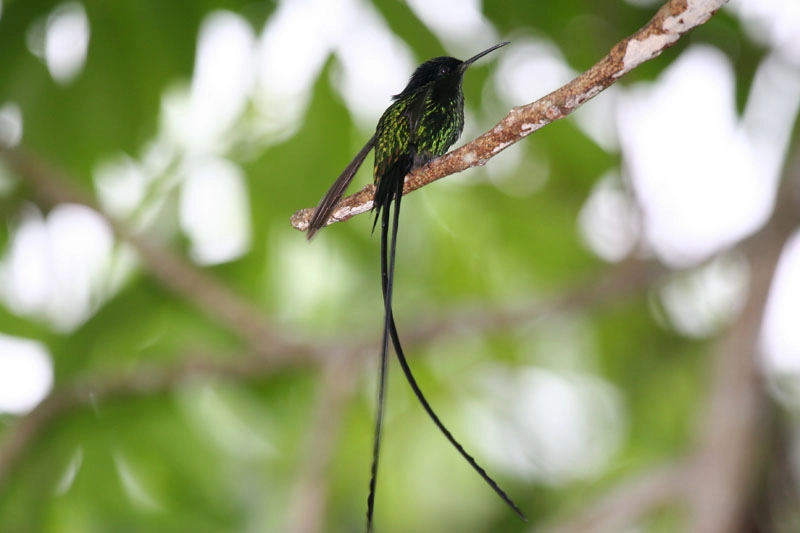
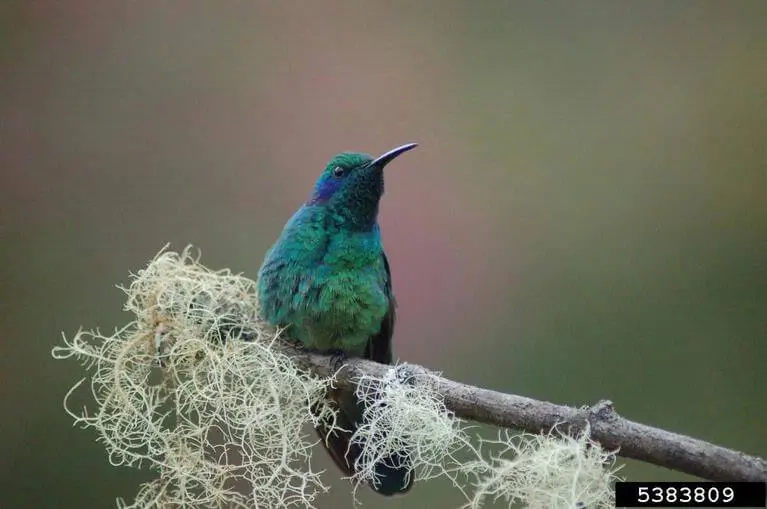
Male hummingbirds are often brightly colored and may have special features like iridescent* feathers, long tail feathers, or crests. Females are usually less brightly colored, which helps them stay hidden while nesting.
Male hummingbirds may mate with more than one female. Females build the nest, incubate the eggs, and raise the chicks on their own.
Hummingbirds are mostly solitary and usually only come together to mate or compete for food and territory.
*Iridescent means something shines with bright, rainbow-like colors that seem to change when you look at it from different angles—like a soap bubble or a butterfly’s wings.