

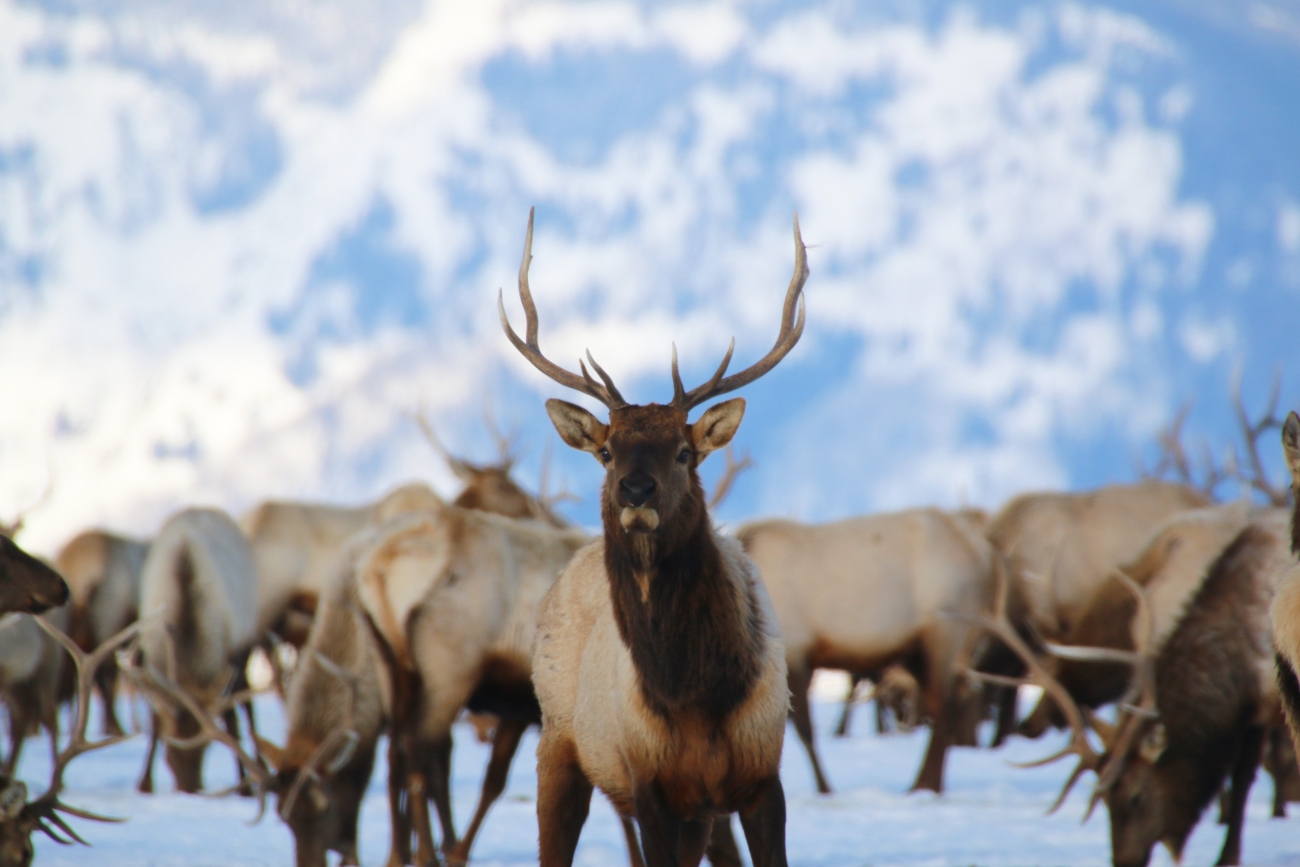
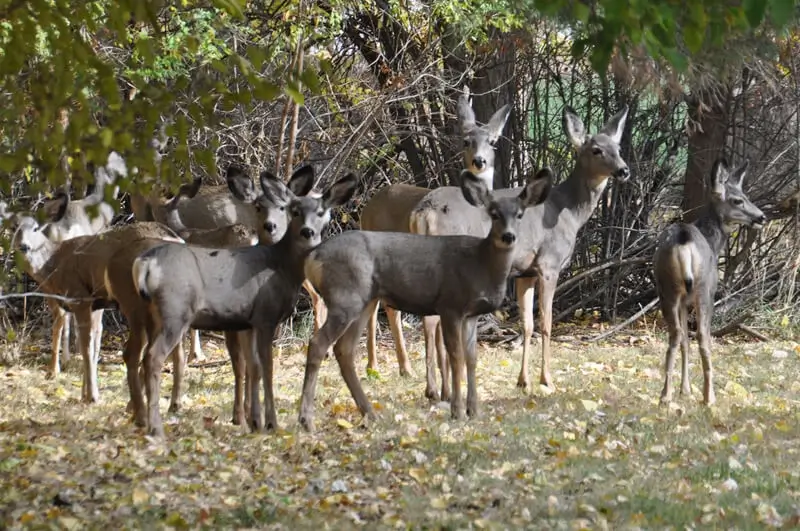
In the natural world, limiting factors like the availability of food, water, shelter and space can change animal and plant populations.
In nature, populations of plants and animals are connected like pieces of a puzzle. Each piece depends on the others to create a complete, balanced picture. If one piece is missing or damaged, it can affect the entire system.
Several limiting factors influence how populations grow or shrink. These include the availability of food, water, shelter, and space, as well as competition, predation, and disease. When any of these factors change, populations can change too.
Some changes can cause populations to increase. For example, if plant life becomes more abundant in an area, the populations of animals that eat those plants may grow. In turn, predators that feed on those animals may also increase.
However, population growth isn’t always a good thing. If a population becomes too large, the environment may not be able to support it. On the other hand, factors like disease or a shortage of resources can cause populations to decline. When this happens, species that depend on those populations for food may also decrease.
In healthy ecosystems, populations tend to balance themselves over time. But when humans significantly impact the environment, this natural balance can be disrupted and may be difficult to restore.
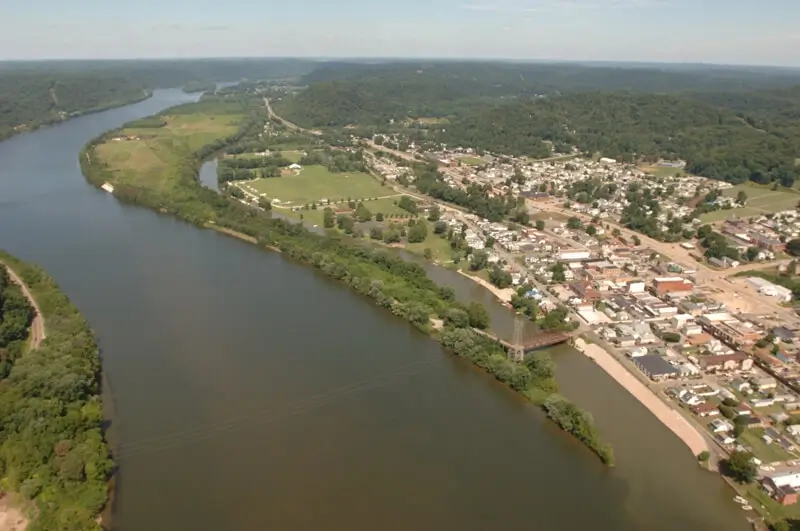
When humans develop land for houses and buildings, they cut down trees and change animal and plant habitats.
Humans can have a major impact on plant and animal populations. When land is developed for houses, roads, and buildings, trees are cut down, and habitats can be changed or destroyed. Some animals, such as raccoons, Virginia opossums, and striped skunks, can adapt to these changes. Others cannot, and their populations may decline.
The common loon nests on land near large lakes. As shoreline areas are developed, some nesting sites are lost, which can lead to fewer loons. Pollution can also harm plants and animals by damaging their environments. In addition, hunting can affect animal populations. For example, some whale populations have declined due to past overhunting.
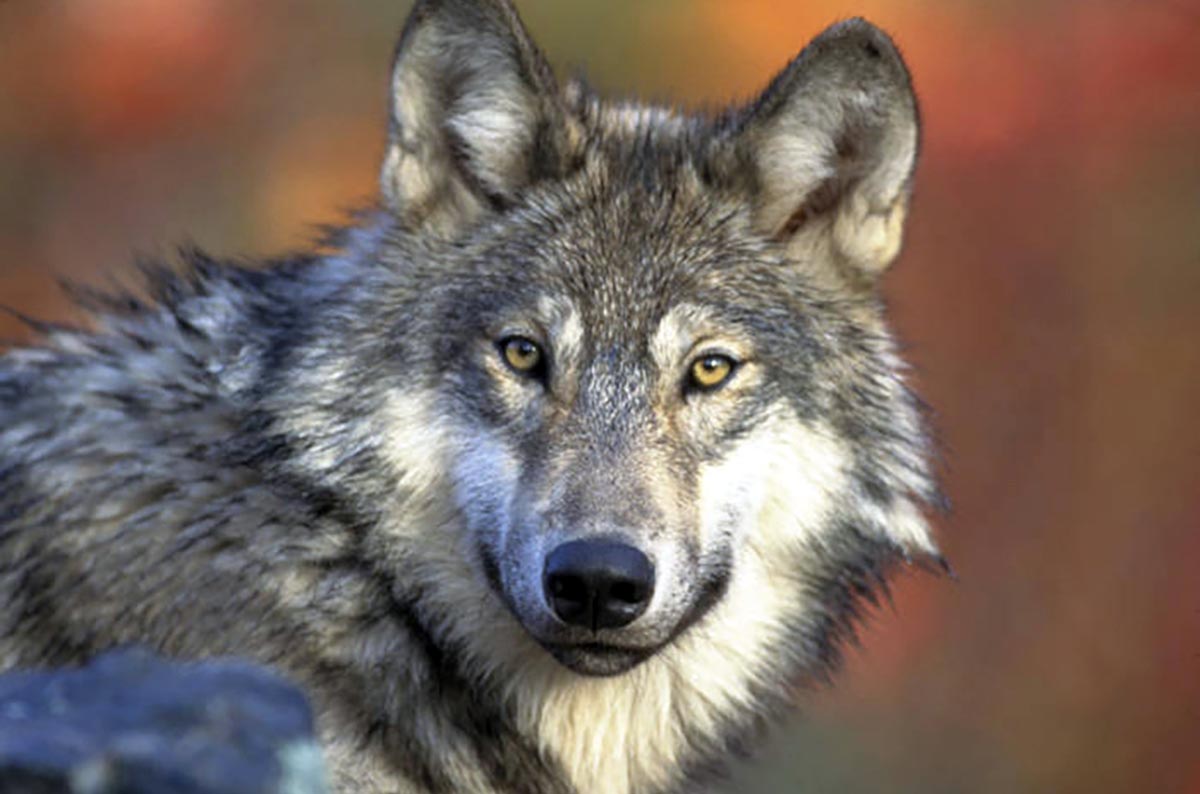
Predator/prey relationships play a big role in animal populations. If the balance between predator and prey is changed, populations are changed.
Predator–prey relationships play an important role in maintaining balanced animal populations. When that balance is disrupted, population sizes can change dramatically. In some areas, white-tailed deer populations have grown too large because their natural predators are no longer present in sufficient numbers. Wolves and mountain lions are key predators of white-tailed deer, but their populations have declined due to overhunting and habitat loss. The reduction of these natural predators—along with other factors—has led to deer overpopulation in some regions.
