

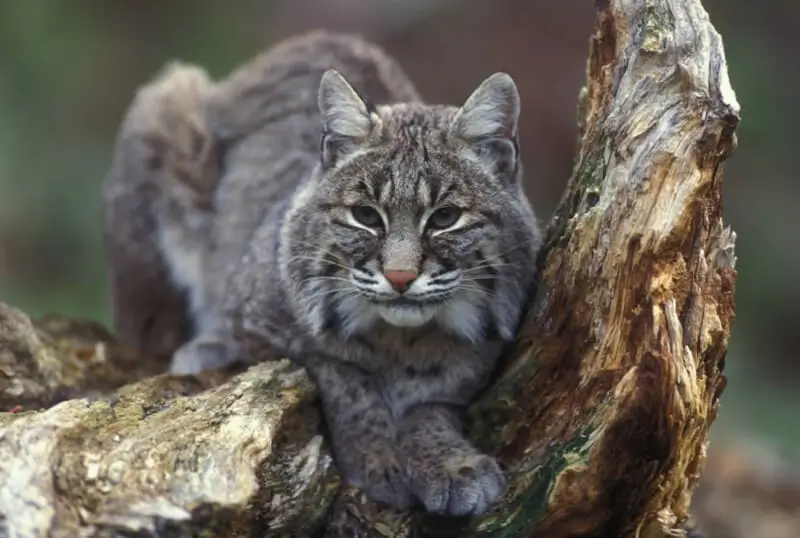
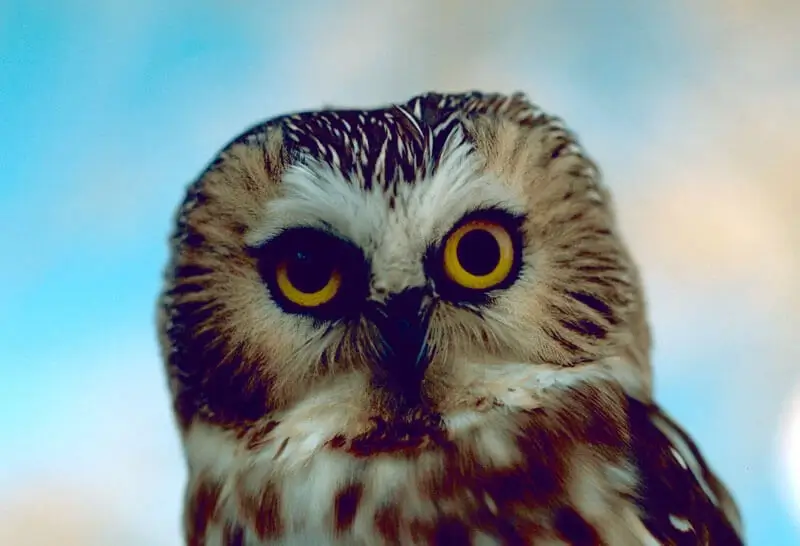
Meat-eating birds like hawks and owls have keen eyesight that makes it easier for them to spot prey.
Meat-eating birds, such as hawks and owls, have excellent eyesight that helps them spot prey from far away.
They also have sharp talons to catch and hold onto their food and curved beaks to tear meat into smaller pieces. These adaptations make carnivorous birds well-suited for hunting and eating other animals.
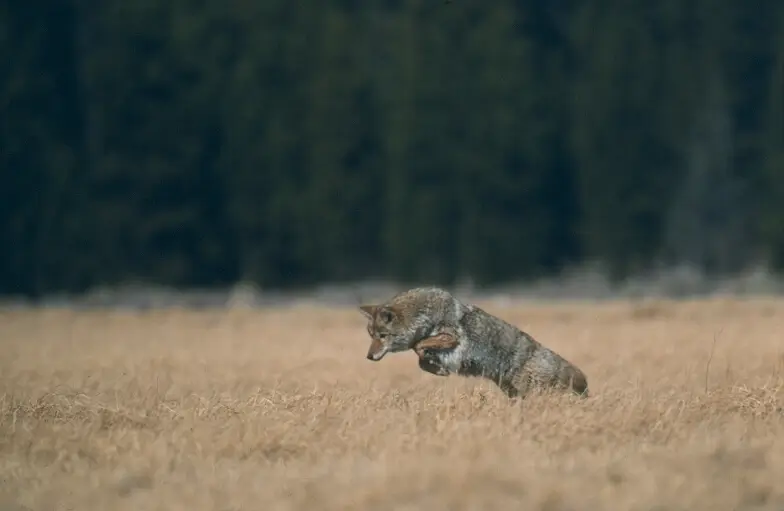
Carnivores have to work hard for their food.
Carnivores must work hard to catch their prey because most prey animals have strong defense systems that help them avoid being caught. Most warm-blooded predators, such as coyotes, need to hunt frequently to survive.
In contrast, cold-blooded predators, such as snakes, can go for days, weeks, or even months between meals because they use energy more slowly.
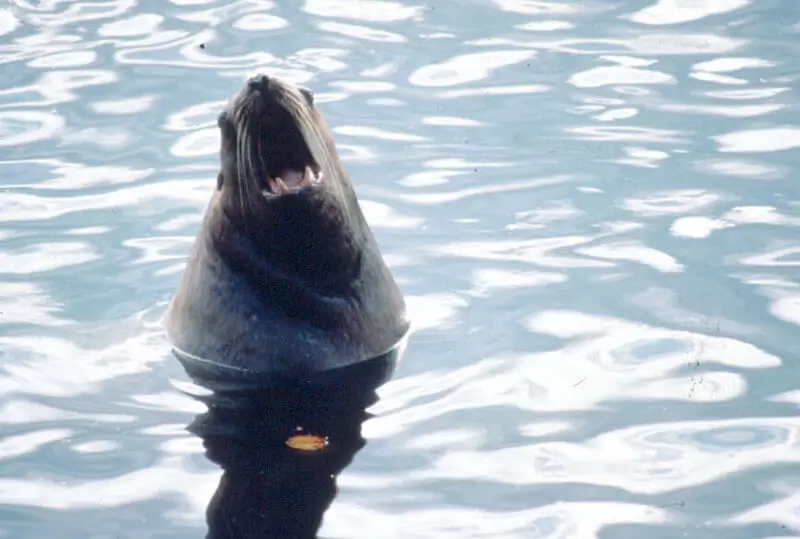
Some carnivores, like the seal and the sea lion, spend a lot of time hunting in the water
Some carnivores, like seals and sea lions, spend much of their time hunting in the water. Sea lions, walruses, and seals are called pinnipeds, which means “fin feet.”
Pinnipeds are well adapted for life in the water. They have torpedo-shaped bodies that help them move quickly and smoothly through water, and flippers instead of legs for swimming.
Some also have ears and nostrils that close when they dive underwater. Pinnipeds eat fish, crabs, and other marine animals.
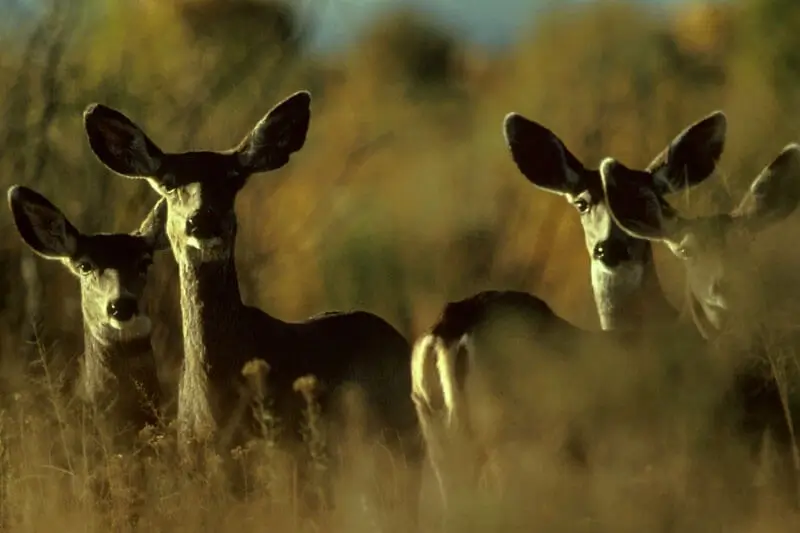
The carnivore's niche in the community is to help control populations
Carnivores play an important role in a community by helping to control animal populations. Very young, old, or sick animals are usually the easiest for predators to catch.
Without predators, populations of animals like mice and deer could grow too large, which could lead to problems such as overgrazing and competition for food. Sick animals could also spread disease more easily if they are not removed from the population.
By hunting prey, carnivores help keep ecosystems balanced by maintaining a healthy relationship between producers (plants) and consumers (animals).
