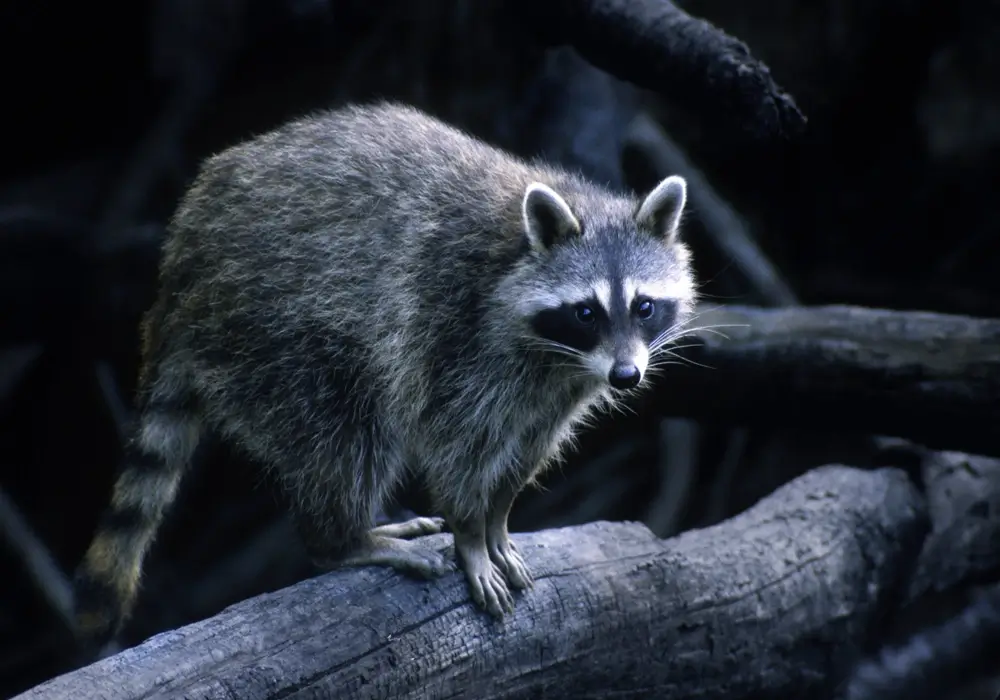
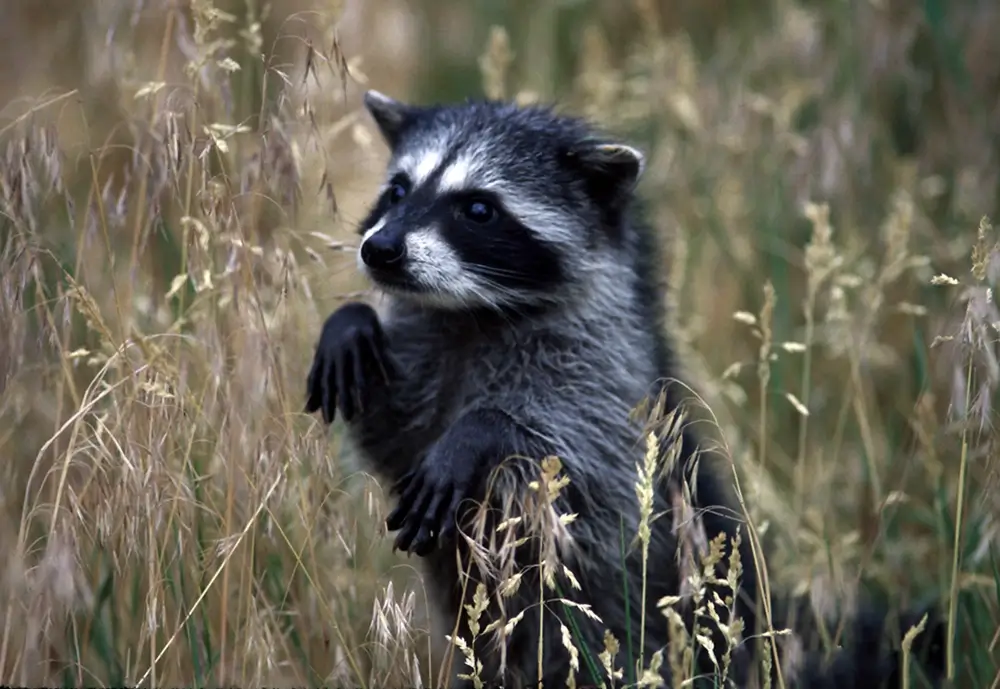
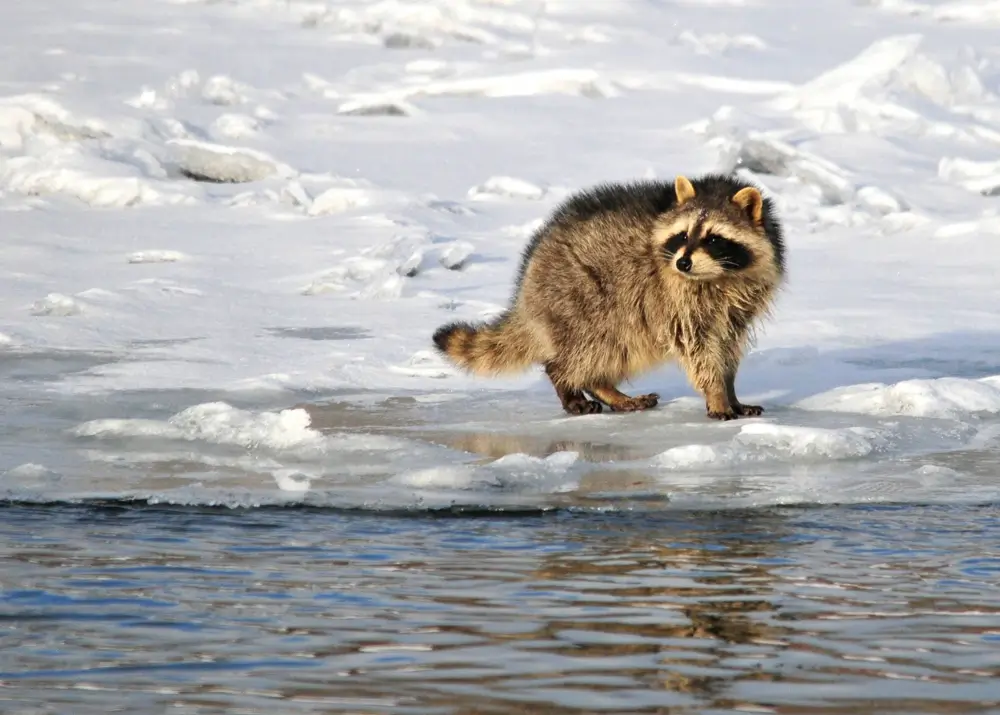
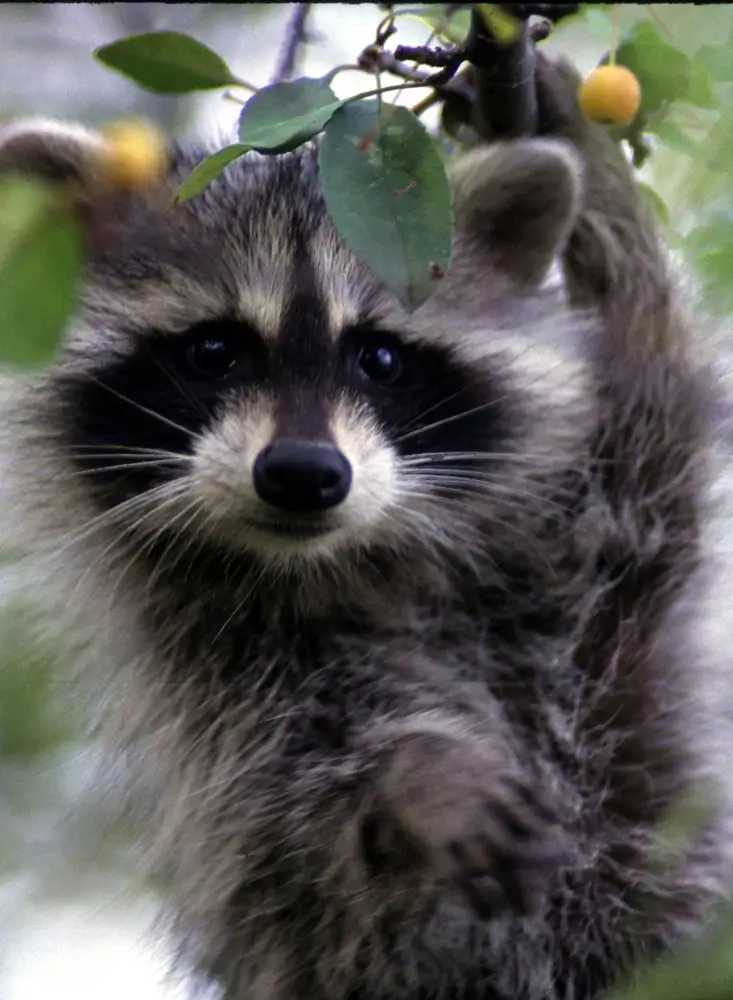
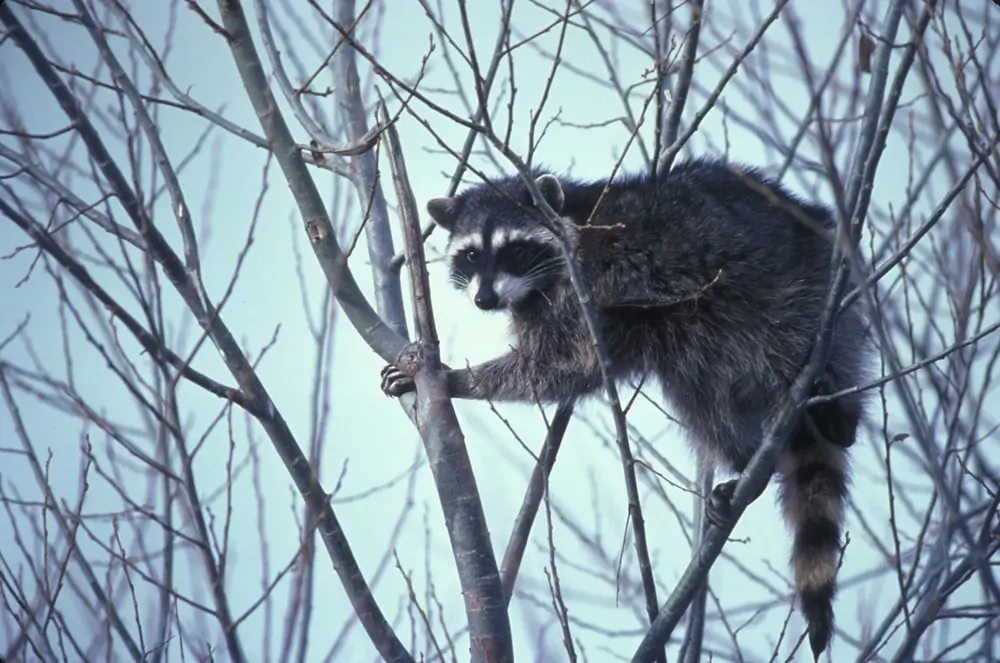
The raccoon has gray to brown fur. It has a black mask around its eyes with white fur around the mask. It has a stripe that runs from its forehead to its nose and white fur around its nose. It has a bushy, ringed tail and black paws with five toes.
The raccoon’s paws look a little like human hands. The raccoon’s toes are flexible, and it is very good at grabbing, pulling things apart, and holding things. The raccoon is a very good climber and can go down a tree backward or face-first.
Raccoons weigh 15-40 pounds (6.8-18 kg) and are 23-38 inches (58-97 cm) in length, including their tails.
The raccoon is one of only three species of the Procyonidae family found in the United States. The other two species are the ringtail and the white-nosed coati.
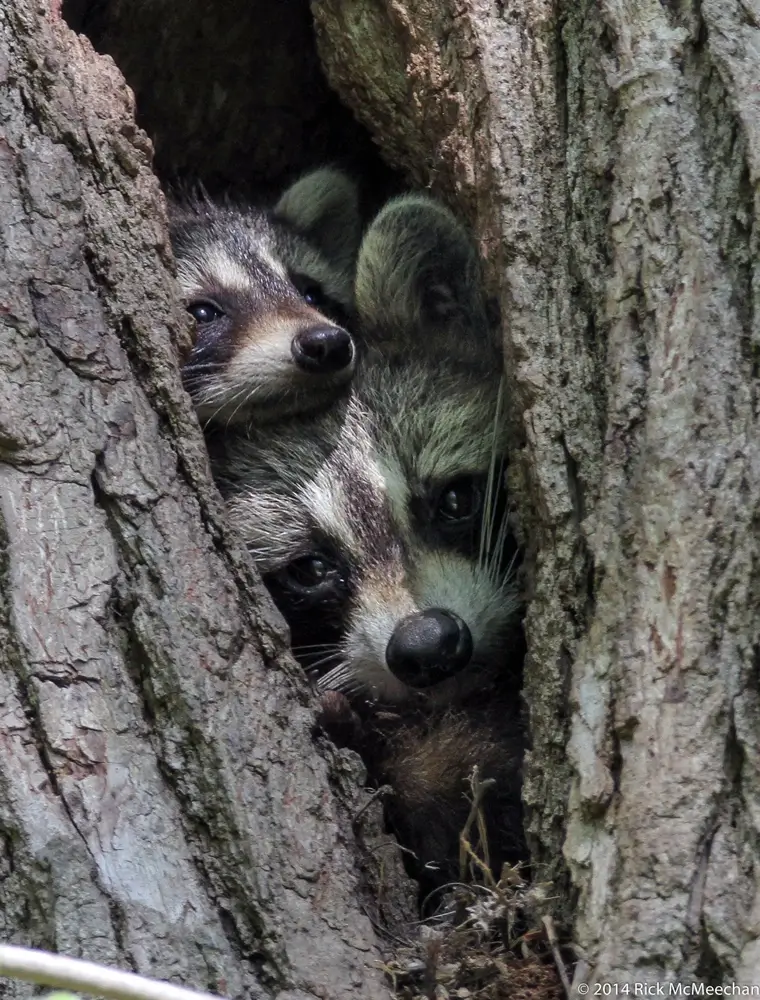
The raccoon lives in wooded areas near water. It is very adaptable and is also found in suburbs and cities. It usually makes its den in a tree, but it may make its home in an abandoned woodchuck burrow, a cave, barn, sewer, or even a house.
The raccoon is omnivorous and opportunistic, which means it will eat just about anything it can find. Common foods include fruits, nuts, berries, insects, rodents, frogs, eggs, and crayfish. In some rural areas, corn is a large part of the raccoon’s diet. In suburban and urban areas, it often digs through trash cans for food.
If water is near, the raccoon sometimes puts its food in the water and rolls it around. It looks like it is washing its food, but it is not. The raccoon is softening the food and looking for foreign objects on it.
Mating season runs from January through March. A little over two months after mating, the female gives birth to a litter of between four to six young. Raccoon babies are called kits. The kits can stand when they are about four to six weeks old. They are weaned at 70 days and start to hunt when they are between 9-12 weeks old. When they first come out of the den, the mother may carry them around by the neck, like a cat carries a kitten.
The mother also teaches them how to hunt for food and climb trees. She is very protective of her young and attacks predators that come too close. Young raccoons have darker coats than mature raccoons. The kits may stay with their mother for up to a year.
While raccoons have been known to live to be 30 years old, the average lifespan for a raccoon in the wild is only 1-3 years. The leading cause of death for raccoons is hunting and getting hit by a car.
The raccoon is mostly nocturnal. It is also solitary, except for mothers and their young. In the winter, the raccoon may sleep in its den for a few weeks, but it does not hibernate. The raccoon usually walks, but it can run at speeds of up to 15 miles an hour (24 kph). It is also a good swimmer and often hunts for food in the water.
The raccoon makes a variety of vocalizations, including hisses, whistles, screams, growls, and snarls.
The name raccoon is derived from the Powhatan word aroughcun, which translates to “he scratches with his hands.” Captain John Smith was the first European to write about the raccoon in 1608.
He wrote of a visit he made to Chief Powhatan – “Before a fire upon a seat like a bedsted, he sat covered with a great robe, made of Rarowcun skinnes, and all the tayles hanging by.”

Support for NatureWorks Redesign is provided by:
The raccoon is found throughout New Hampshire.
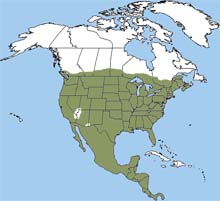
The raccoon is found in most of the United States, except for parts of the Rocky Mountains, central Nevada, Utah, and Arizona. It is also found in southern Canada and from Mexico to northern South America.
NHPBS inspires one million Granite Staters each month with engaging and trusted local and national programs on-air, online, in classrooms and in communities.