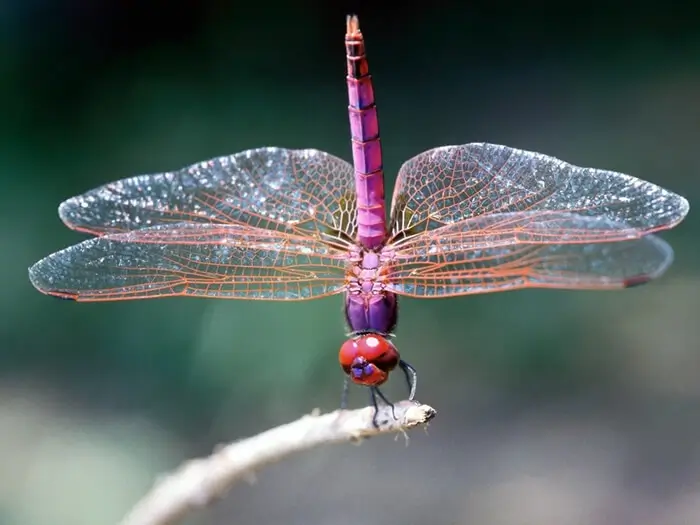
This subphylum of arthropods includes animals with six legs. The name “hexapod” means “six feet.”
These animals have three main body parts: a head, a thorax, and an abdomen. They also typically have one pair of antennae and compound eyes. Many hexapods, like insects, have wings at some stage in their lives.
Hexapods are the most diverse group of animals on Earth and can be found in nearly every habitat—from forests and deserts to freshwater environments.
The classes in the subphylum Hexapoda include:
Insecta (insects) This is the largest and most well-known class. It includes familiar animals like beetles, butterflies, ants, bees, and grasshoppers. Most insects have wings and go through metamorphosis as they grow.
Collembola (springtails) These tiny, wingless hexapods are often found in soil and leaf litter. They are known for their ability to “spring” into the air using a special tail-like structure.
Diplura These mall, eyeless, wingless hexapods live in moist soil. They have long, antenna-like appendages at the end of their bodies.
Protura These are very small, pale, wingless hexapods that live in soil. They do not have eyes or antennae and use their front legs to sense their environment.