

Daniel R. Suiter, University of Georgia, Bugwood.org, CC BY 3.0 US
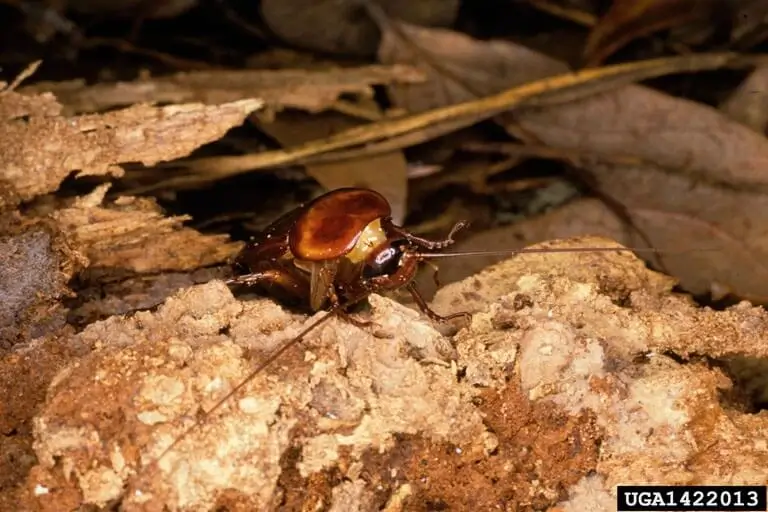
Cockroaches are scavengers that eat many kinds of materials, including dead plants and animals, food scraps, paper, and even clothing. They are one of the oldest groups of winged insects on Earth and have existed for more than 300 million years.
Most cockroach species live outdoors in forests, where they help recycle nutrients by feeding on dead plant material. Some species, such as the American cockroach and the German cockroach, often live in homes and buildings, where they feed on crumbs, garbage, and other food waste.
Cockroaches can survive for about a week without their heads because they breathe through small openings in their bodies. However, they eventually die because they cannot drink water.
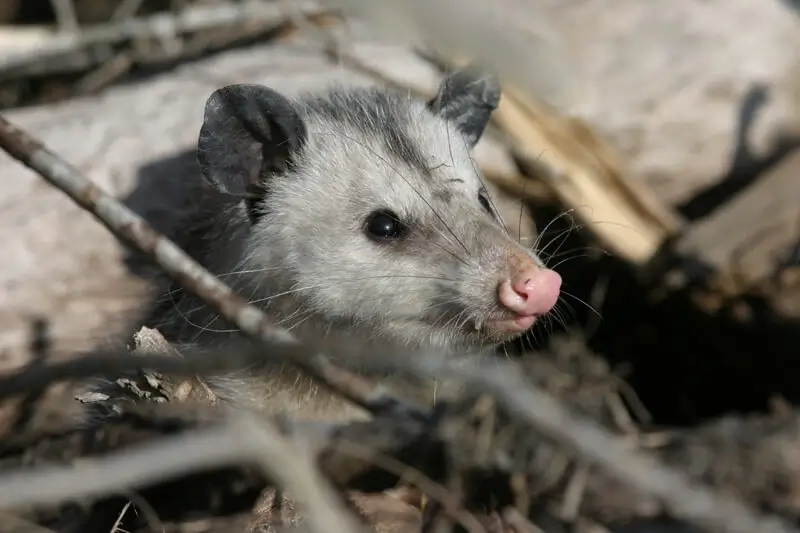
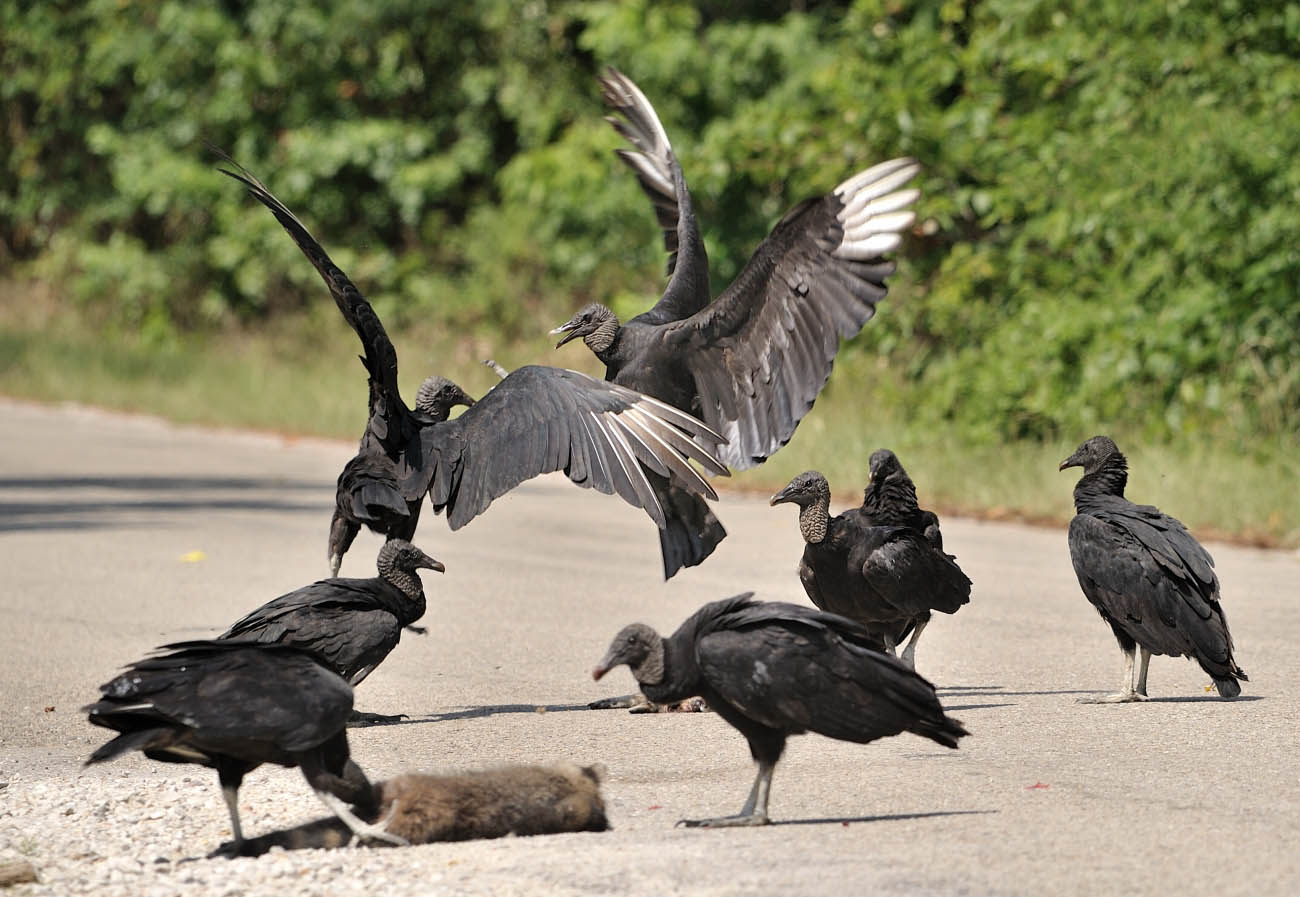
Some scavengers, like opossums and crows, can be seen on the side of the road feeding on animals that have been hit by cars.
Some scavengers, such as Virginia opossums and crows, can often be seen along roadsides feeding on animals that have been hit by cars. Predators like the red fox and coyote eat carrion (dead animals), especially during the winter when food is harder to find.
Oceans have scavengers too. Animals such as crabs and lobsters search the seafloor for bits of dead plants and animals drifting through the water. By eating dead material, scavengers help clean up the environment and recycle nutrients back into ecosystems.
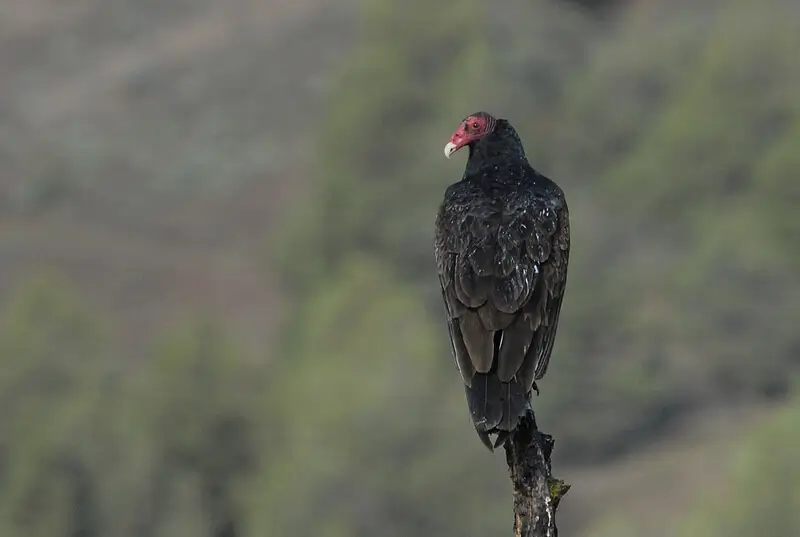
The turkey vultures is a scavenger.
The turkey vulture is a scavenger that feeds mainly on carrion, or dead animals. It soars high over the land searching for food. Turkey vultures have excellent eyesight and a strong sense of smell that helps them locate rotting meat. Because they do not hunt or kill prey, their legs and claws are weaker than those of many other birds of prey.
Turkey vultures also have bald heads. This helps keep bacteria and pieces of dead meat from sticking to their feathers while feeding on the inside of animal carcasses. Another unusual behavior is that they urinate on their legs. The liquid helps cool their bodies on hot days, and the acids in the urine can help kill bacteria picked up while walking on carcasses
