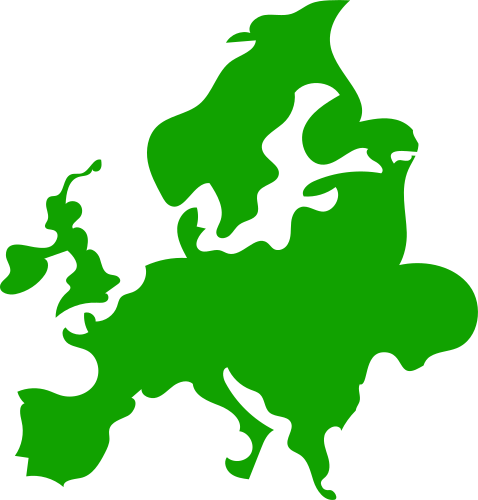
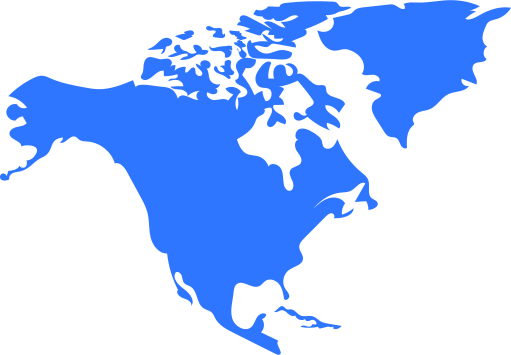
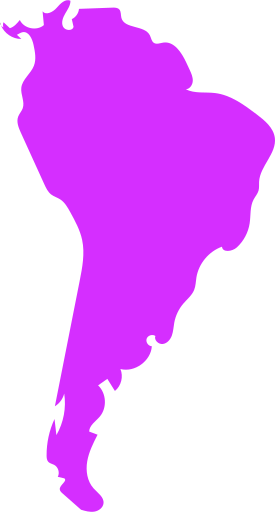
There are about 66 species in the Charadriidae family. They are found on every continent except Antarctica and are most often seen near beaches, wetlands, lakes, rivers, and other open areas near the water.
Members of this family are small to medium-sized birds with long, pointed wings, plump bodies, round heads, and short necks. Most species have relatively short bills and large eyes.
Plovers, lapwings, and their relatives mainly eat insects and other small invertebrates. They hunt by sight, using a run-stop-peck method: they run a short distance, stop to look for food, then quickly pick it up before running again.
In most species, both males and females help care for the nest and young. The chicks are precocial, meaning they hatch covered in down and can walk and feed themselves soon after hatching.
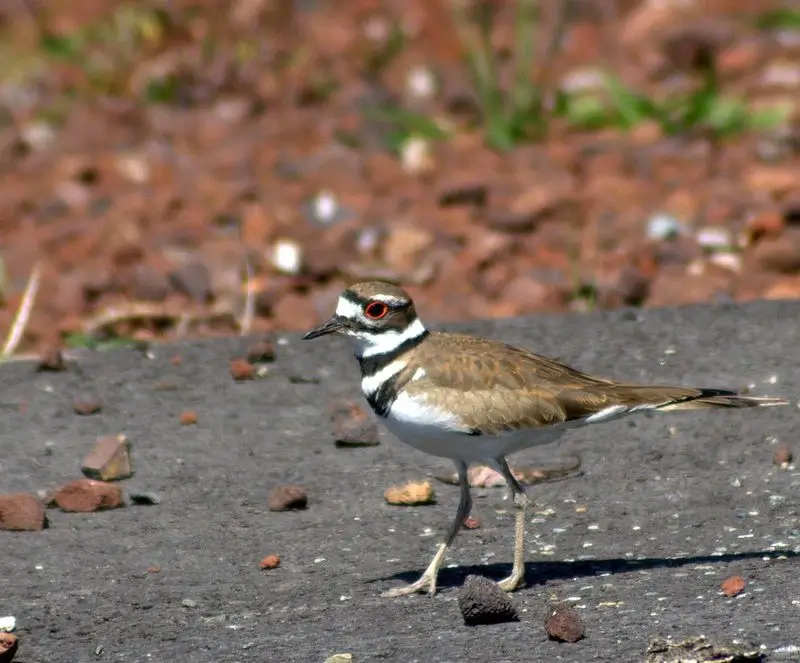
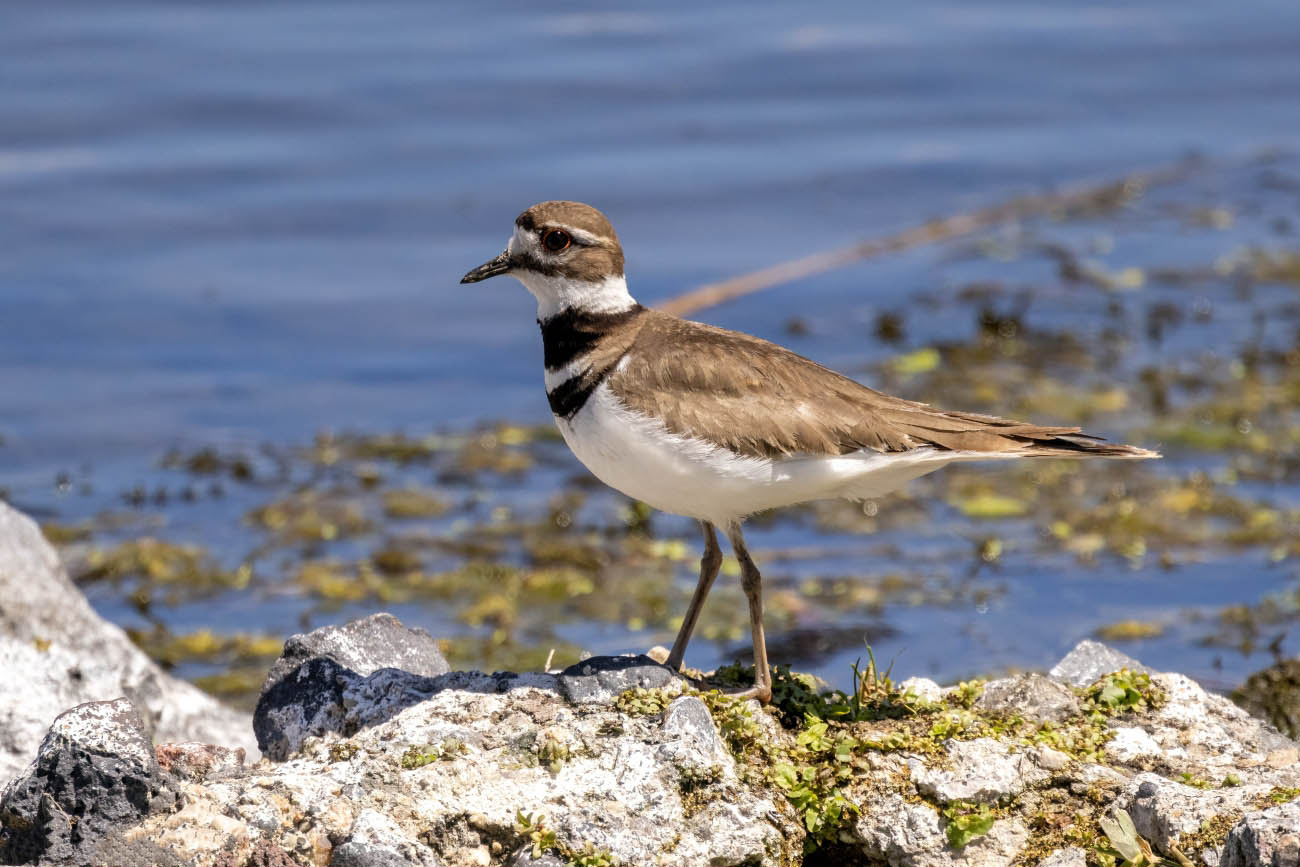
These birds are very protective parents. If a predator comes near the nest, the adults may chase it away or perform distraction displays. Some species, such as the Killdeer, may pretend to have a broken wing, dragging one wing along the ground to lure the predator away from their eggs or chicks.
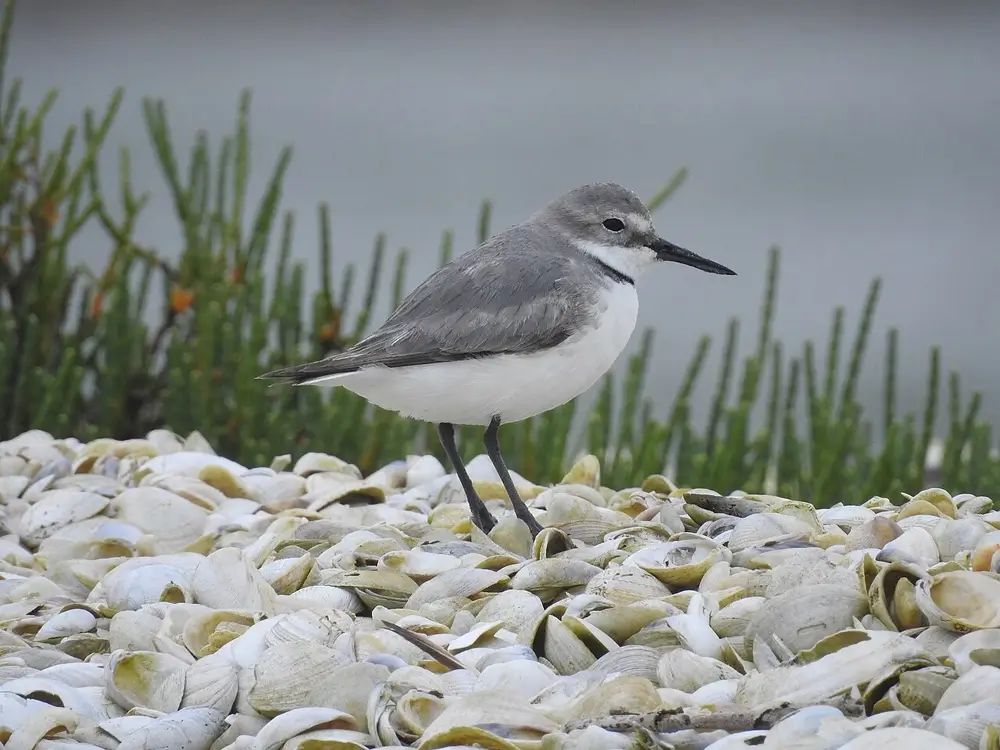
Wrybill (Anarhynchus frontalis)
The Wrybill is found in New Zealand. IUCN Redlist Status: Vulnerable
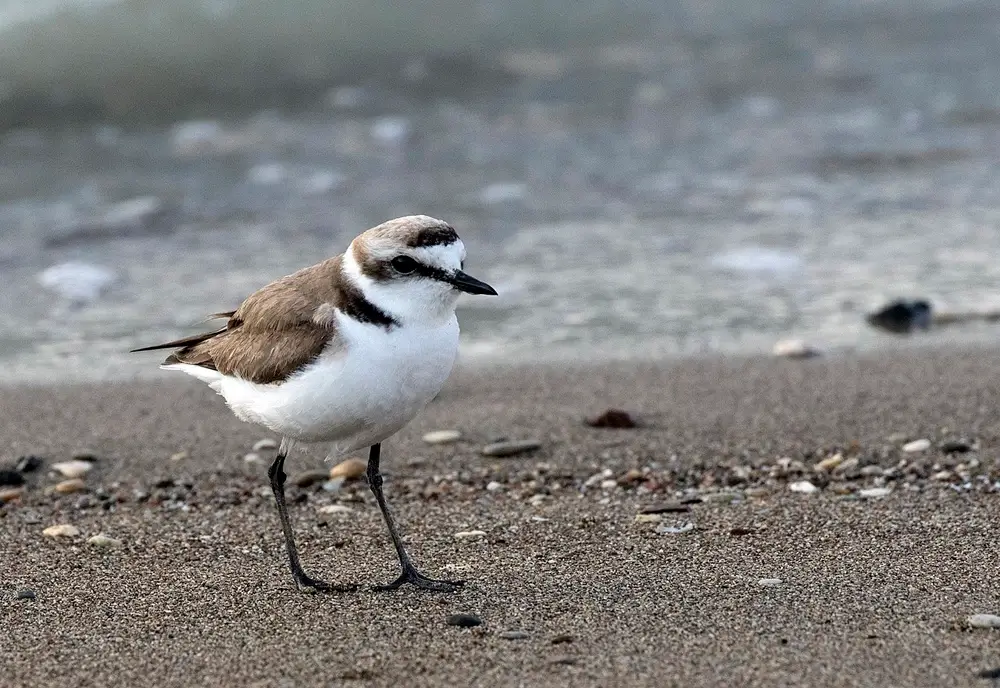
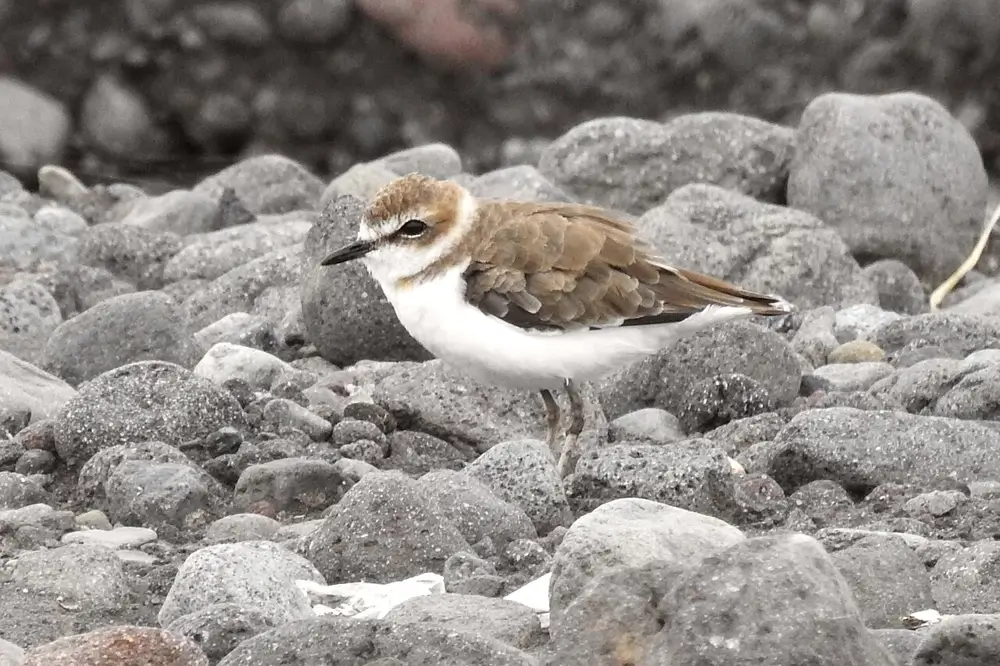
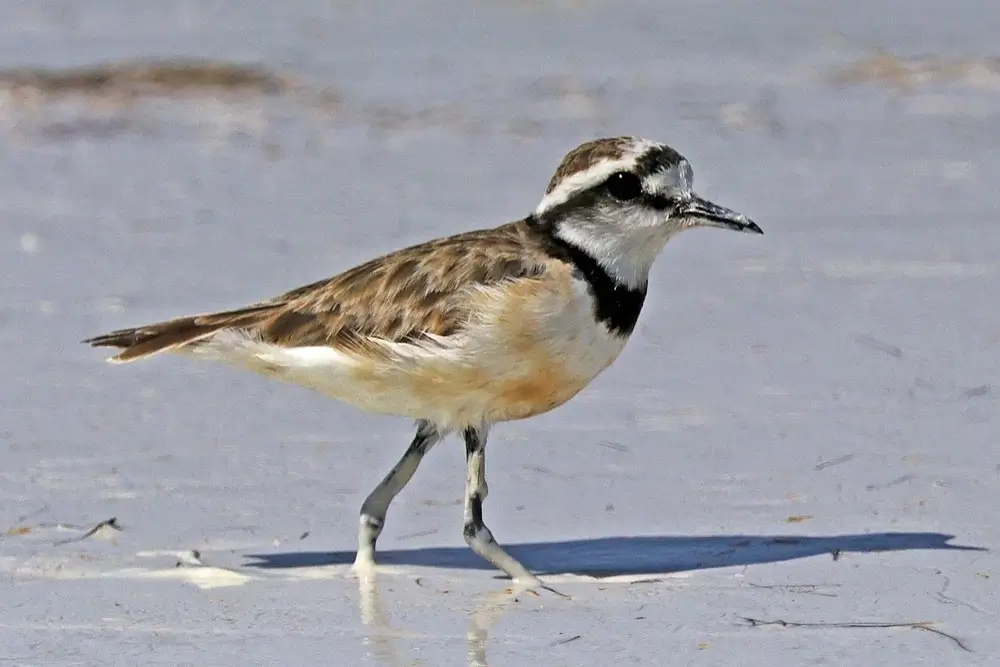
Kentish Plover (Charadrius alexandrinus)
The Kentish Plover is found in Asia, Africa, and Europe. IUCN Redlist Status: Least Concern
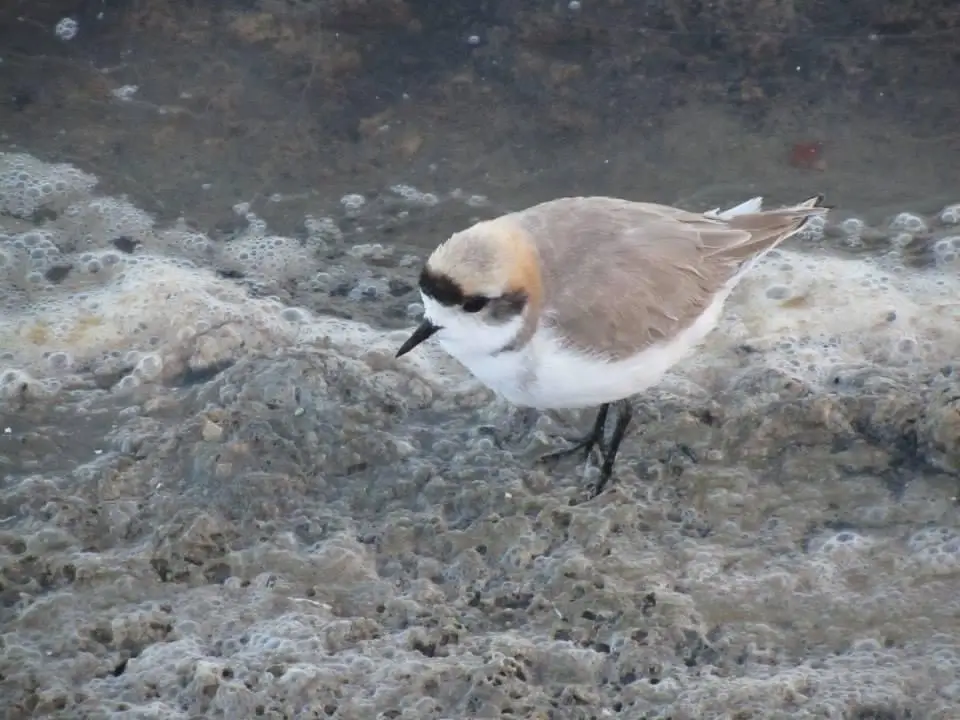
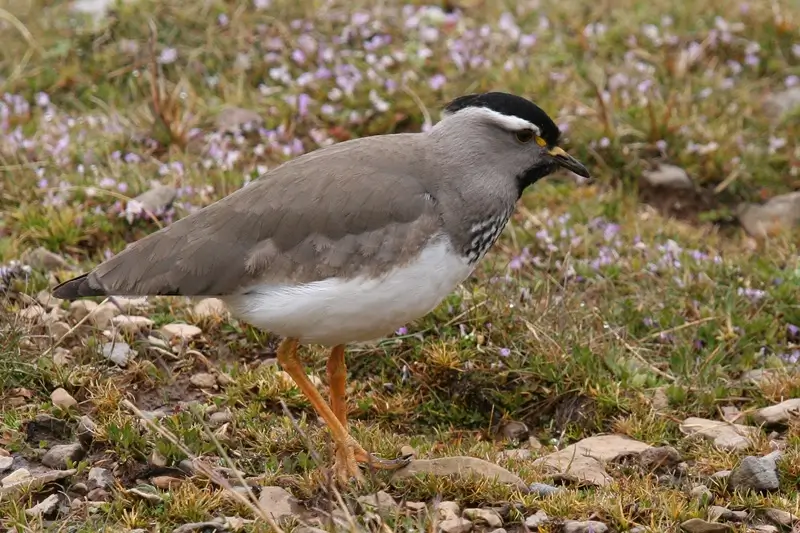
Puna Plover (Charadrius alticola)
The Puna Plover is found in Argentina, Bolivia, Chile, and Peru. IUCN Redlist Status: Least Concern
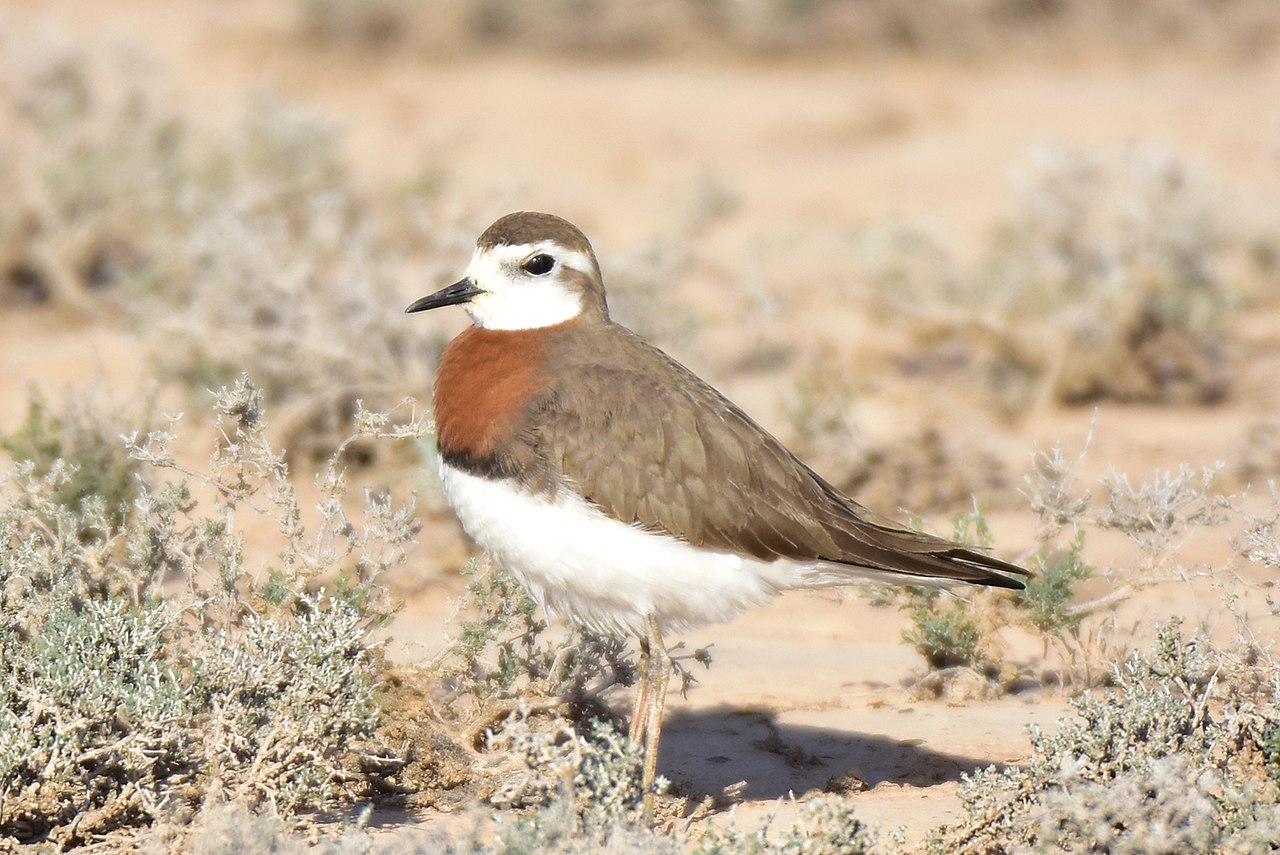
Caspian Plover (Charadrius asiaticus)
The Caspian Plover is found in Asia, the Middle East, and Africa. IUCN Redlist Status: Least Concern
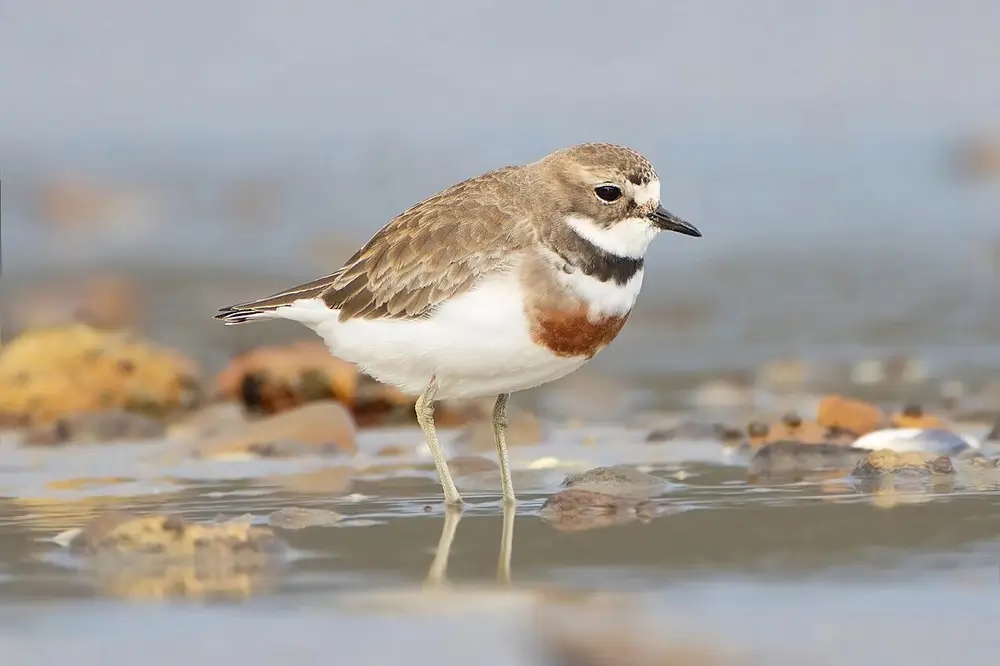
Double-banded Plover (Charadrius bicinctus)
The Double-banded Plover is found in New Zealand and Australia. IUCN Redlist Status: Near Threatened
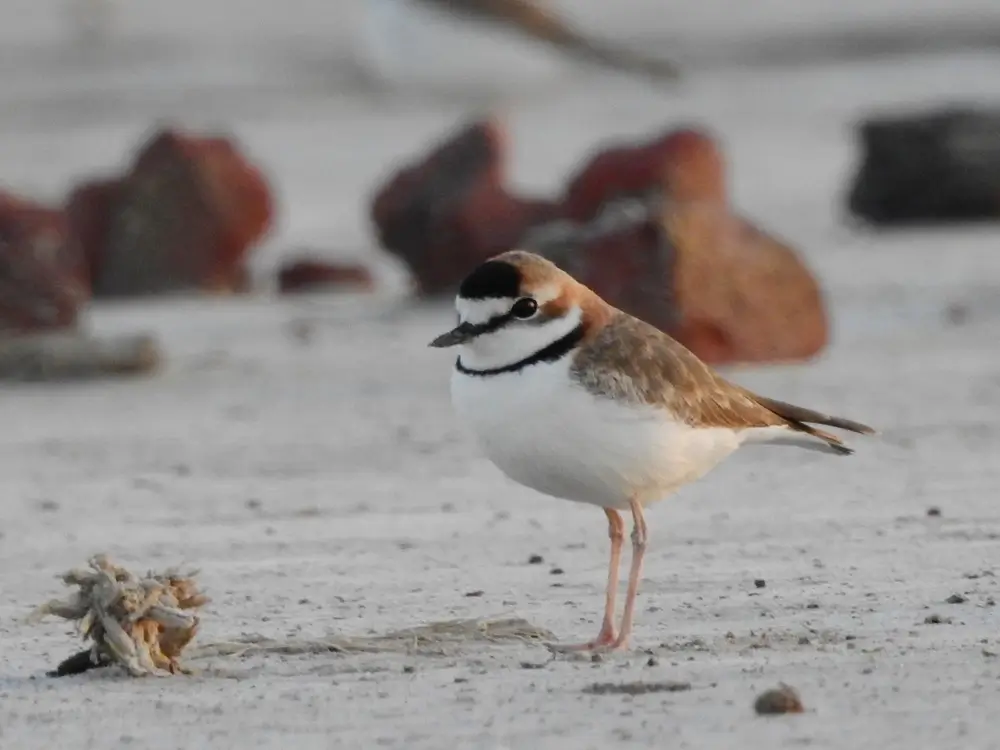
Collared Plover (Charadrius collaris)
The Collared Plover is found in Mexico, Central America, and South America. IUCN Redlist Status: Least Concern
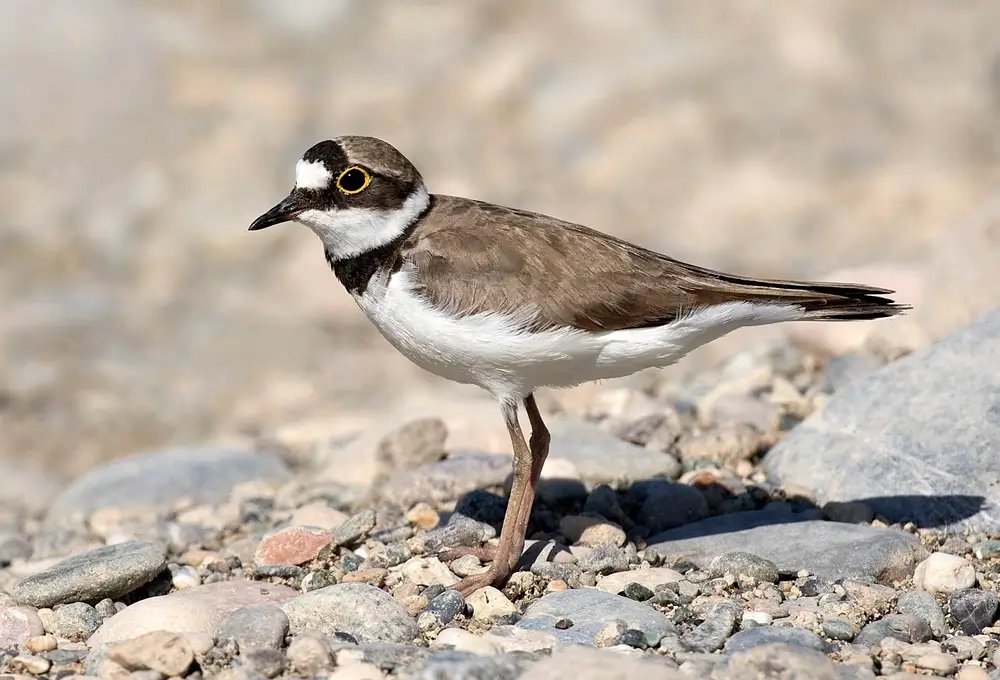
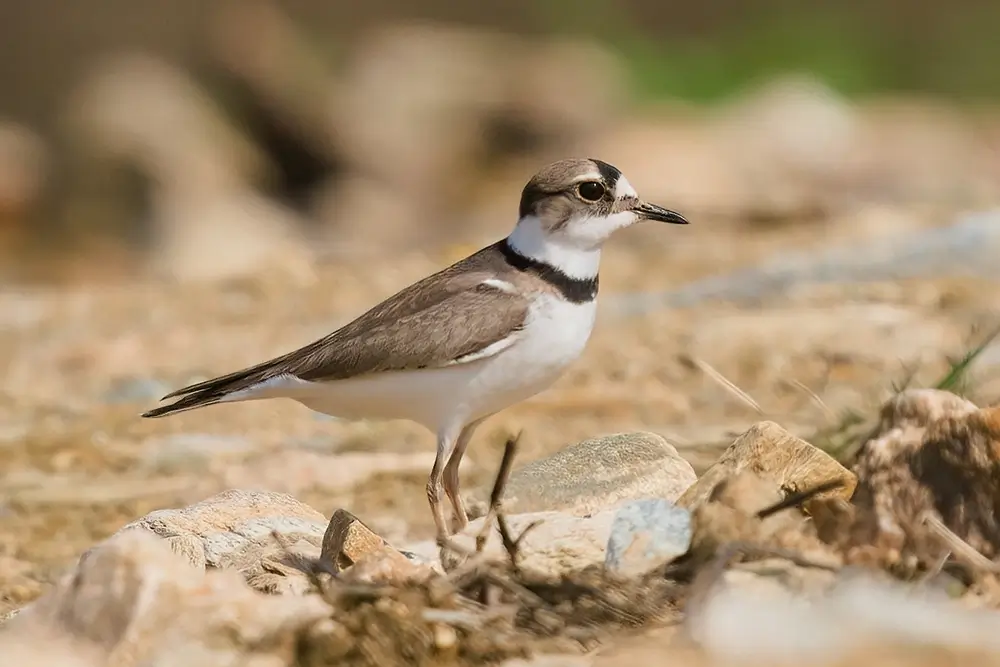
Little Ringed Plover (Charadrius dubius)
The Little Ringed Plover is found in Europe, Africa, and Asia. IUCN Redlist Status: Least Concern
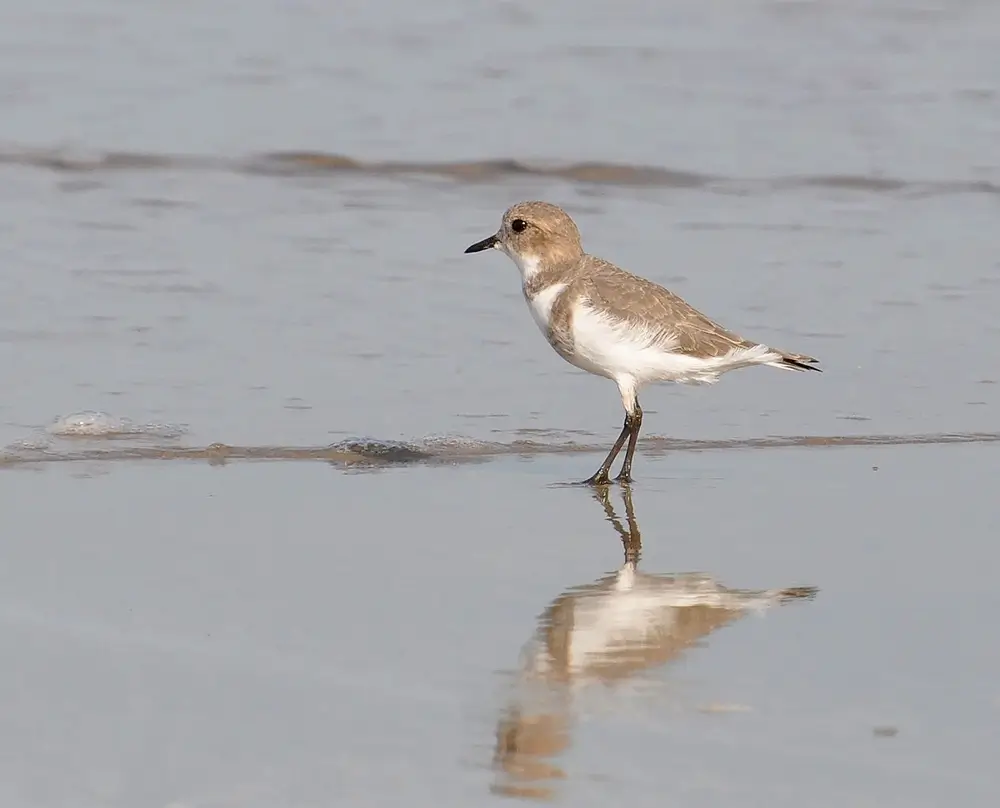
Two-banded Plover (Charadrius falklandicus)
The Two-banded Plover is found in Uruguay, Argentina, Brazil, Chile, and the Falkland Islands. IUCN Redlist Status: Least Concern
Forbes's Plover (Charadrius forbesi)
Forbes’s Plover is found in western Africa. IUCN Redlist Status: Least Concern
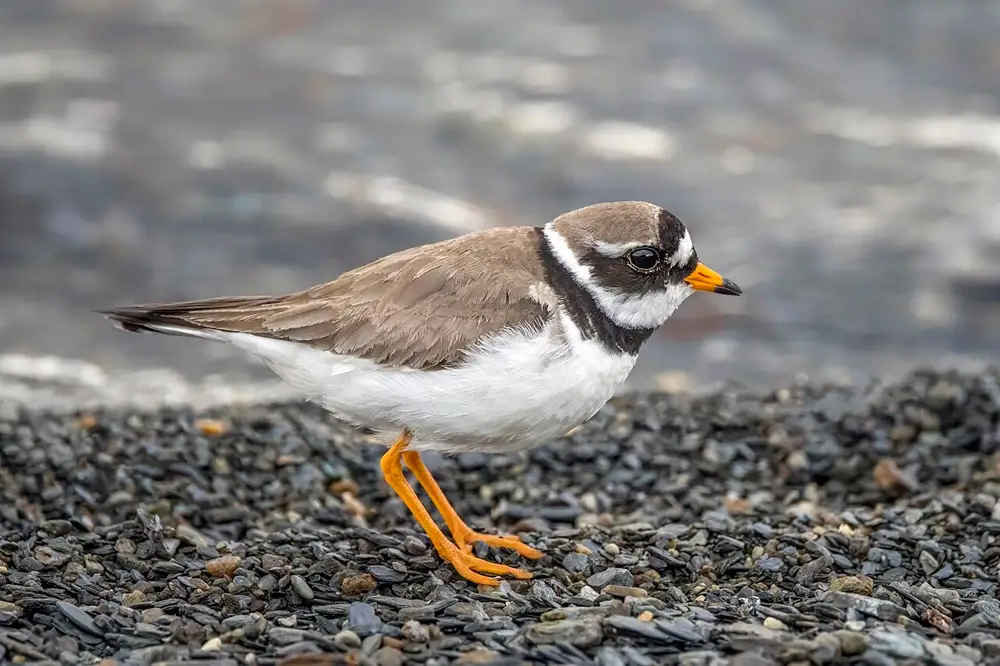
Common Ringed Plover (Charadrius hiaticula)
The Common Ringed Plover is found in Europe, Africa, and Asia. It is also found in Greenland. IUCN Redlist Status: Least Concern
Javan Plover (Charadrius javanicus)
The Javan Plover is found in Indonesia and Timor-Leste. IUCN Redlist Status: Least Concern
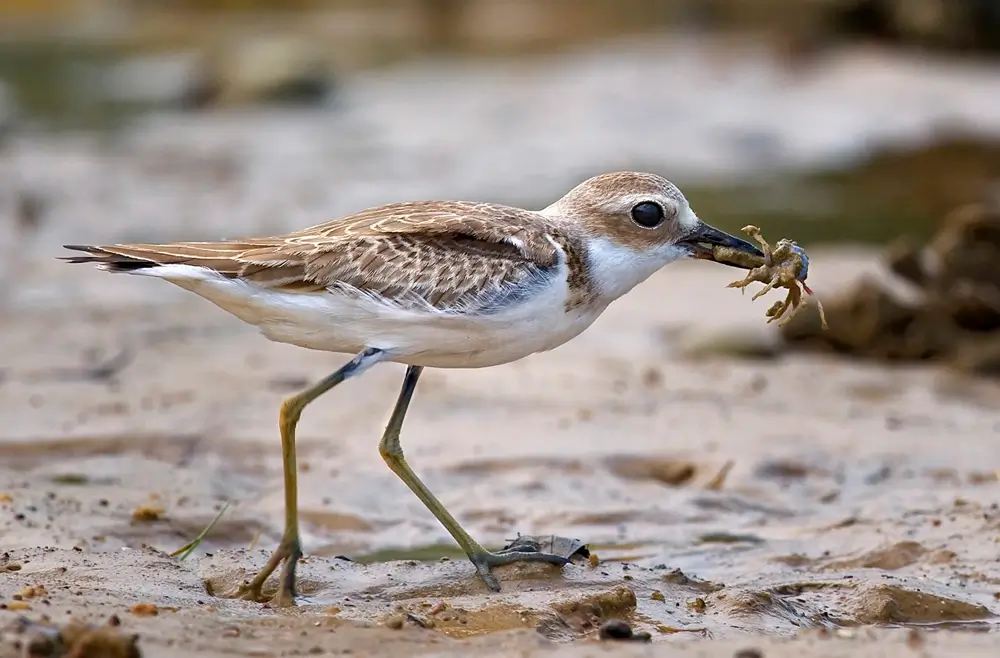
Greater Sand Plover (Charadrius leschenaultii)
The Greater Sand Plover is found in Asia, Africa, and Australia. IUCN Redlist Status: Least Concern
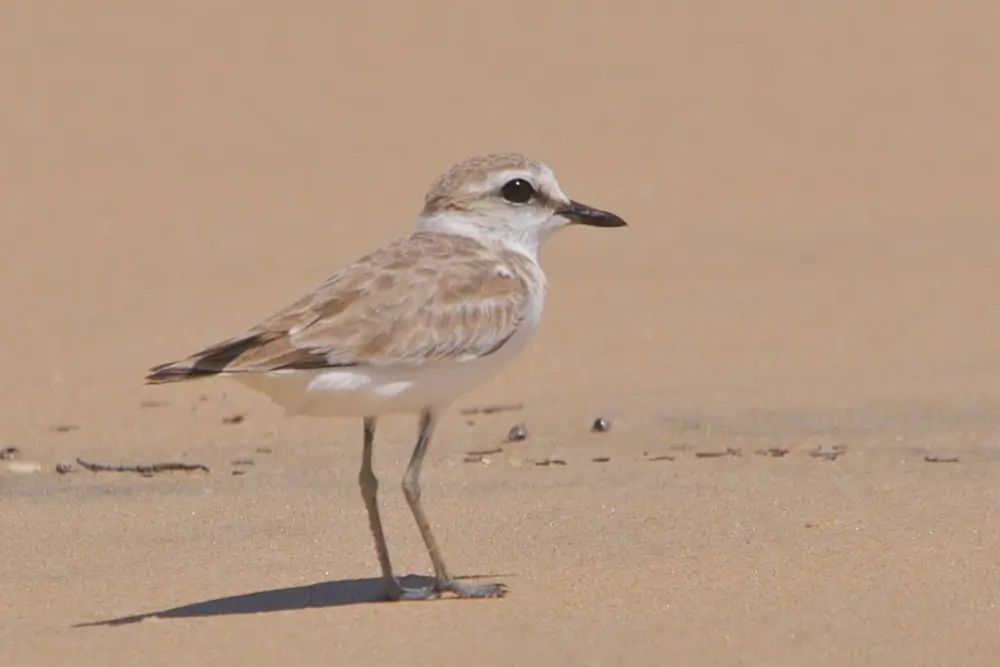
White-fronted Plover (Charadrius marginatus)
The White-fronted Plover is found in Africa. IUCN Redlist Status: Least Concern
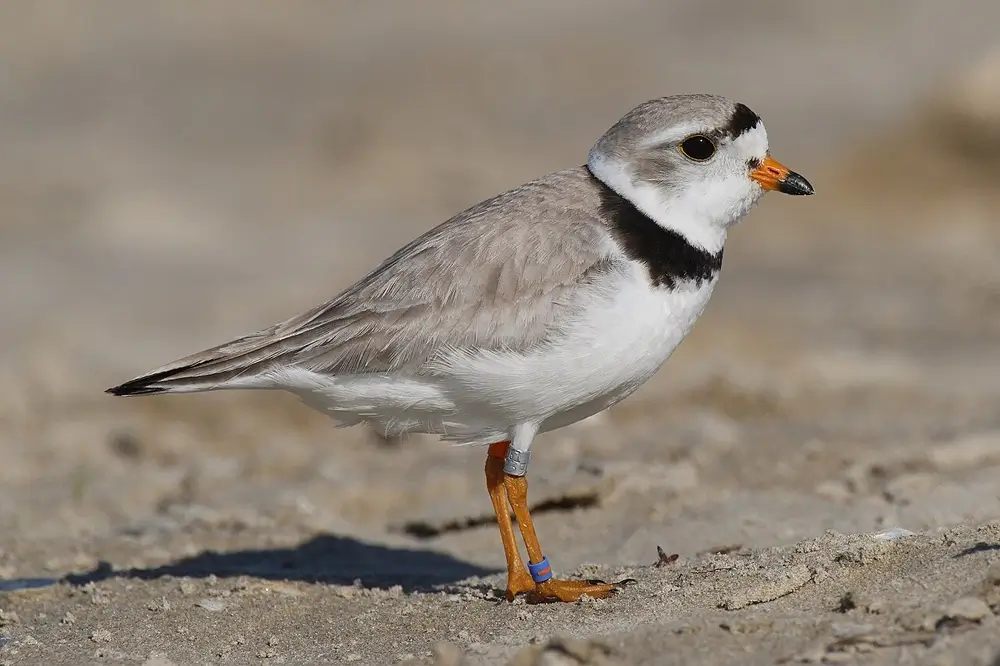
Piping Plover (Charadrius melodus)
The Piping Plover breeds on the northern Great Plains from Alberta, Canada south, along the northern Great Lakes, and along the Atlantic coast from Newfoundland to North Carolina. It winters on the Gulf Coast and the southern Atlantic Coast. IUCN Redlist Status: Near Threatened
Rufous-chested Plover (Charadrius modestus)
The Rufous-chested Plover is found in Argentina, Chile, Brazil, and the Falkland Islands. IUCN Redlist Status: Least Concern
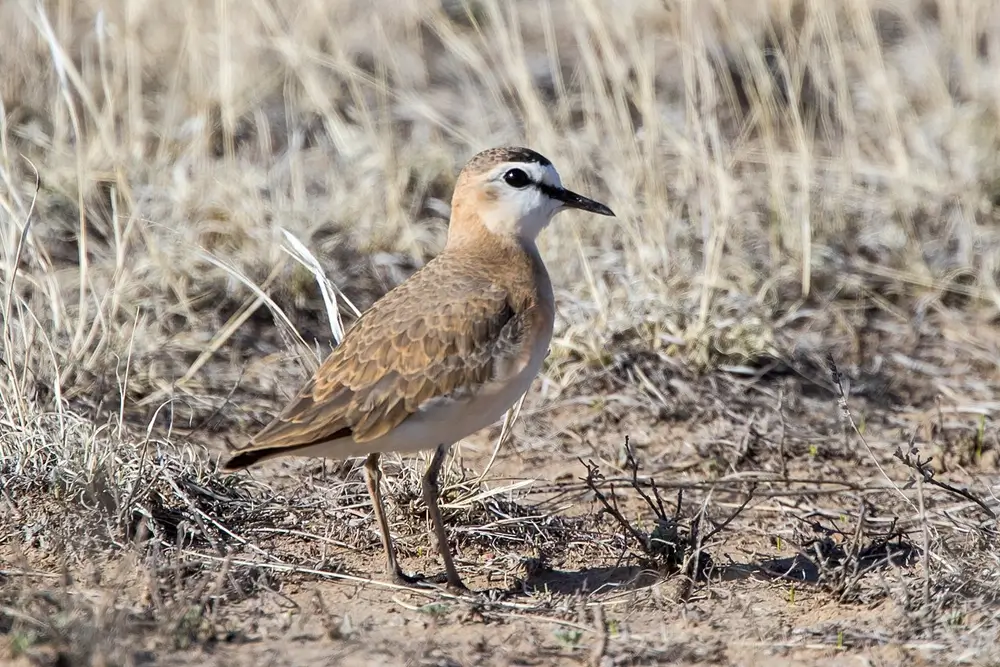
Mountain Plover (Charadrius montanus)
Despite its name, the Mountain Plover is not found in the mountains. It breeds on open plains in the western Great Plains and Rocky Mountains from the Canadian border to northern Mexico. It winters in California, southern Arizona, Texas and Mexico. IUCN Redlist Status: Near Threatened
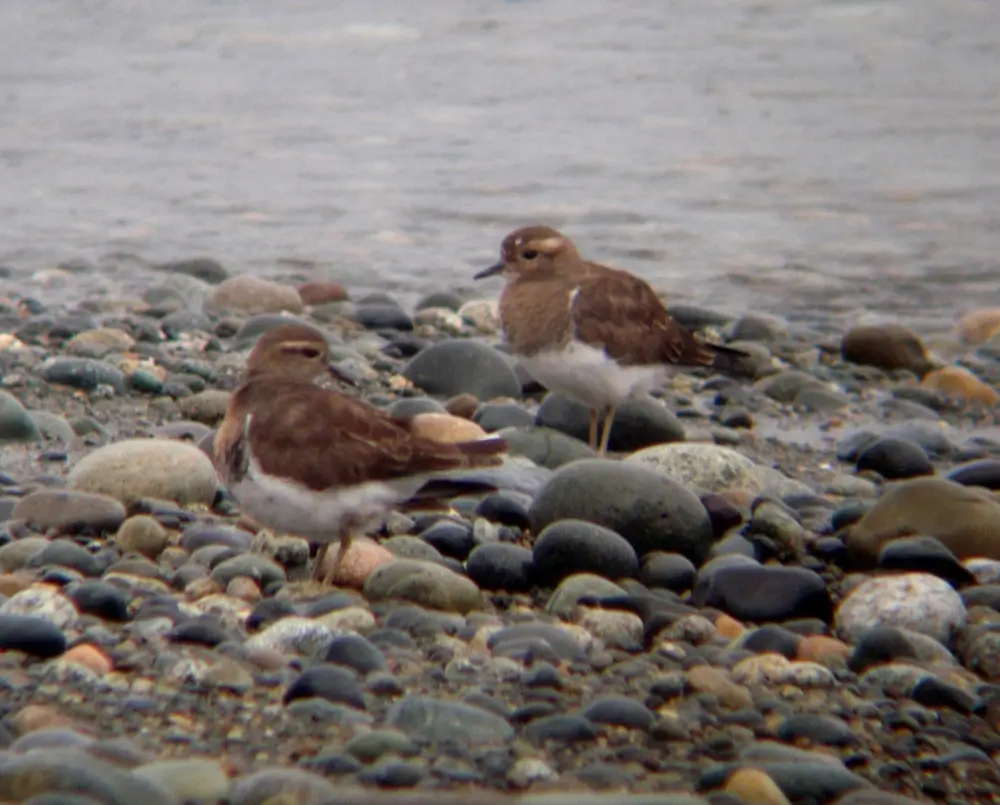
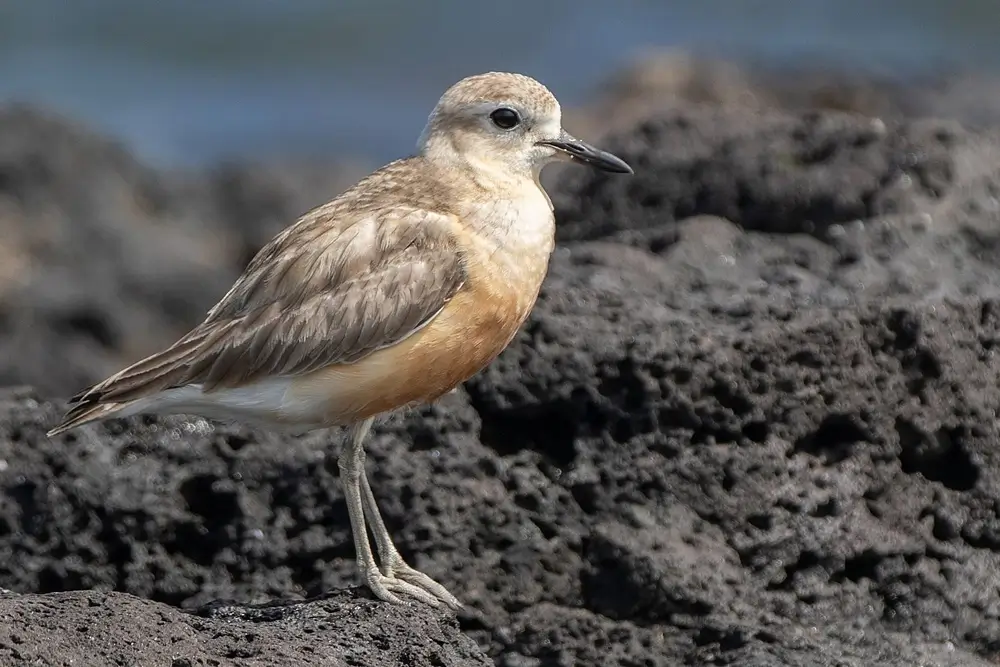
New Zealand Dotterel (Charadrius obscurus)
The New Zealand Dotterel is also known as the New Zealand Plover or Southern Red-breasted Plover. It is found in New Zealand. IUCN Redlist Status: Critically Endangered
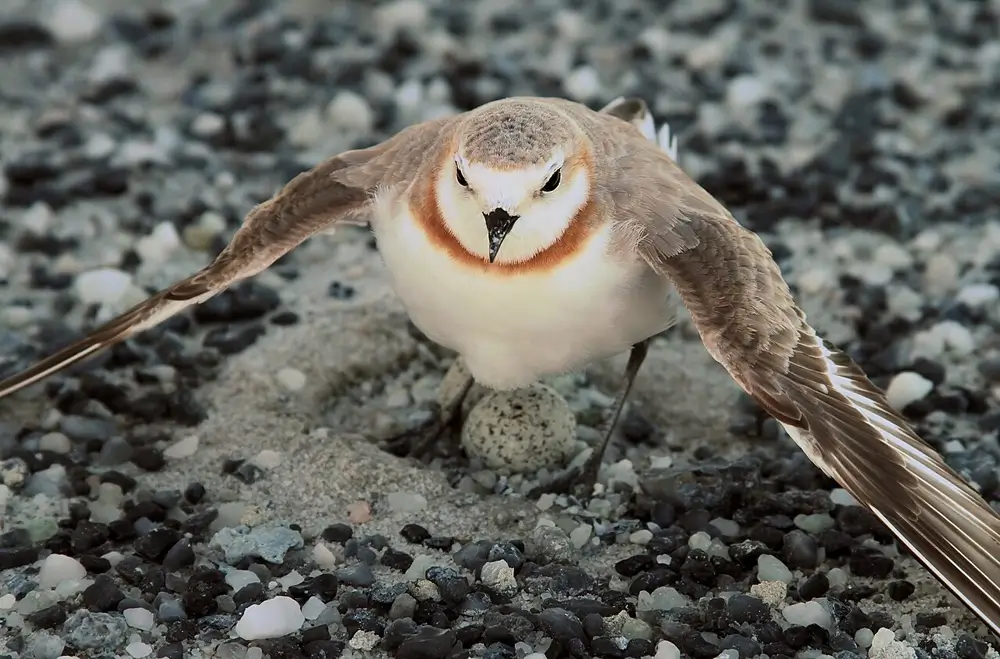
Chestnut-banded Plover (Charadrius pallidus)
The Chestnut-banded Plover is found in Angola, Botswana, Kenya, Mozambique, Namibia, South Africa, Tanzania, and Zimbabwe. IUCN Redlist Status: Least Concern
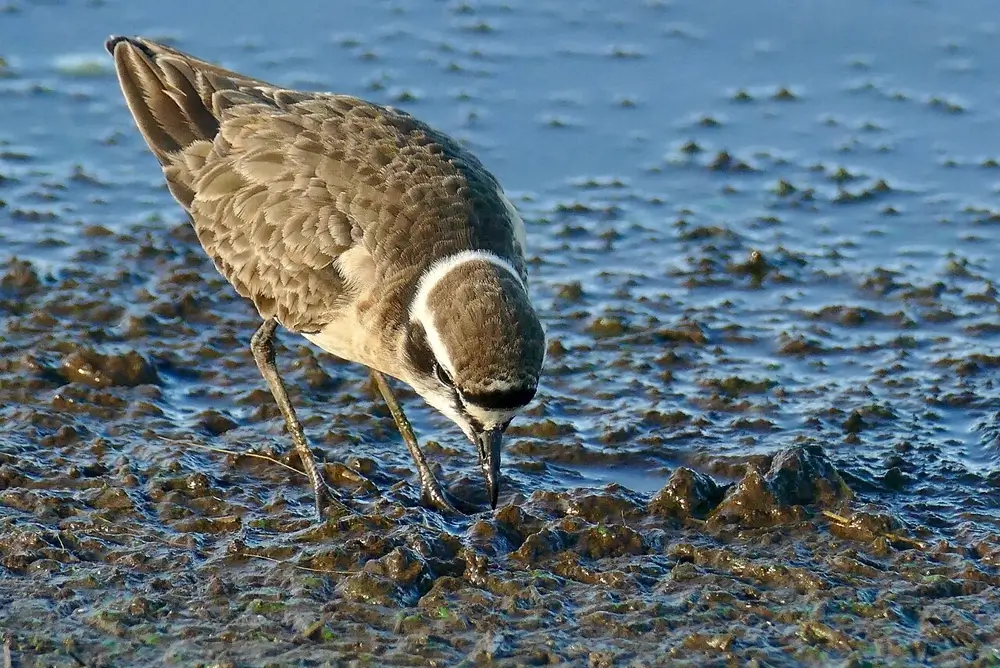
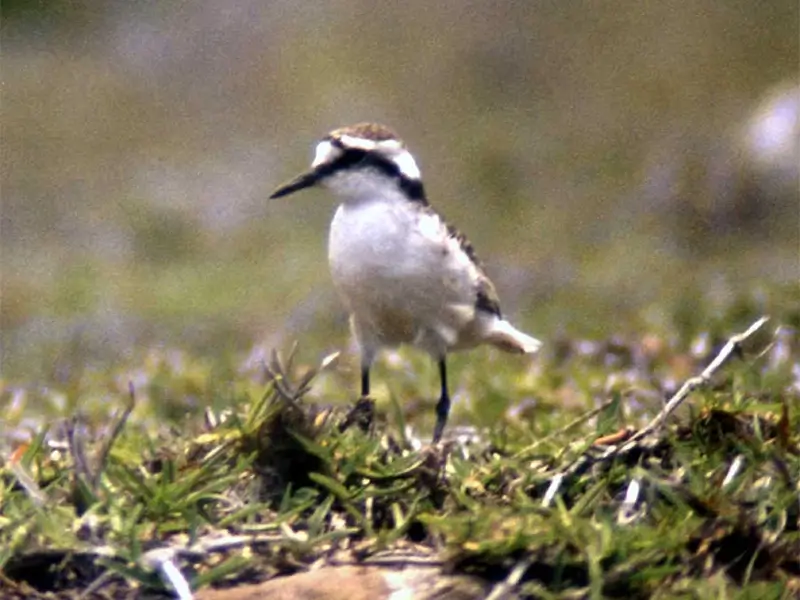
Kittlitz's Plover (Charadrius pecuarius)
Kittlitz’s Plover is found in much of Africa. IUCN Redlist Status: Least Concern
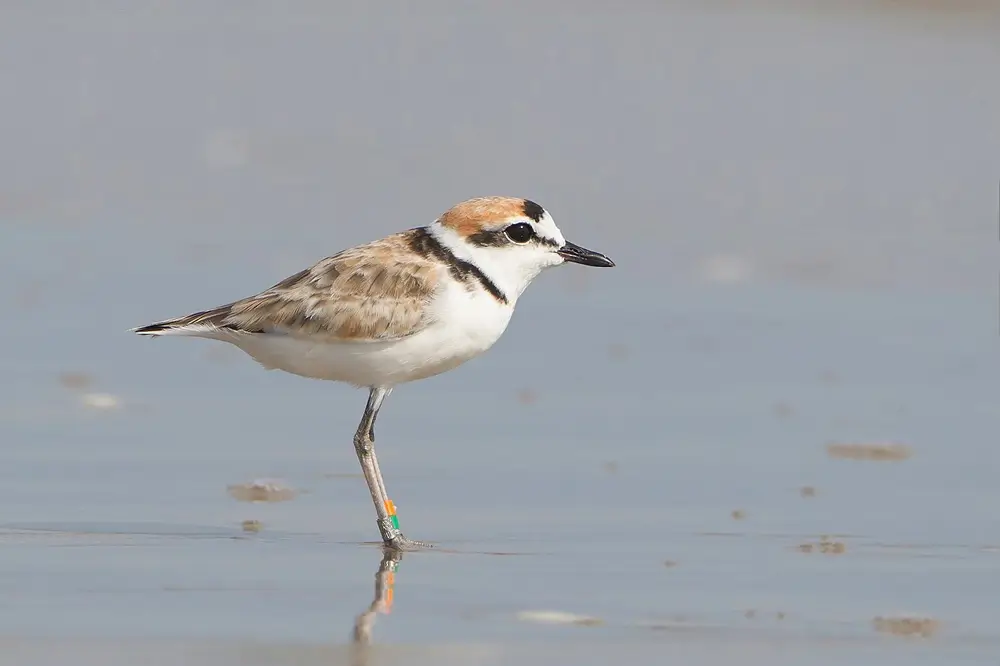
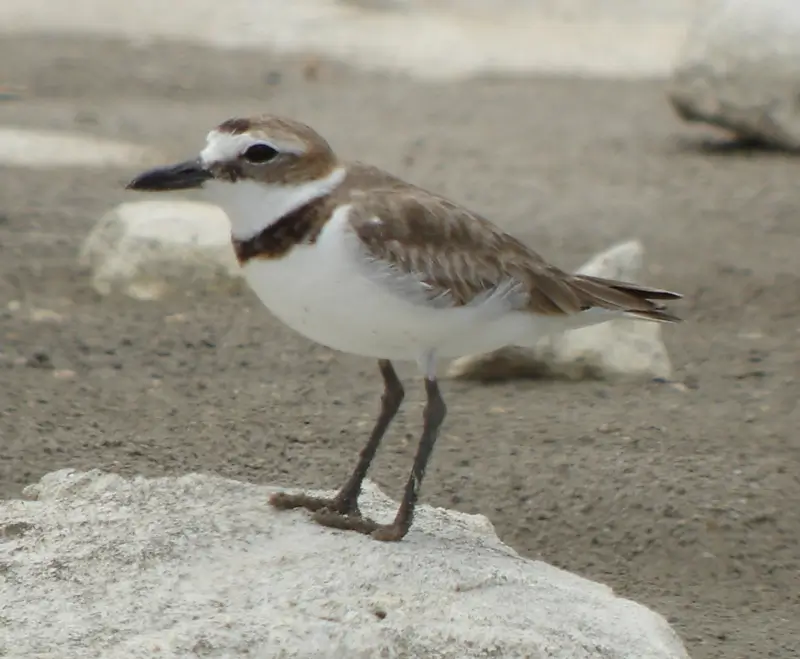
Malay Plover (Charadrius peronii)
The Malay Plover is found in Brunei Darussalam, Cambodia, Indonesia, Malaysia, the Philippines, Singapore, Thailand, and Vietnam. IUCN Redlist Status: Near Threatened
Long-billed Plover (Charadrius placidus)
The Long-billed Plover is found in Bhutan, China, India, Japan, North and South Korea, Laos, Malaysia, Mongolia, Myanmar, Nepal, Russia, Thailand, and Vietnam. IUCN Redlist Status: Least Concern
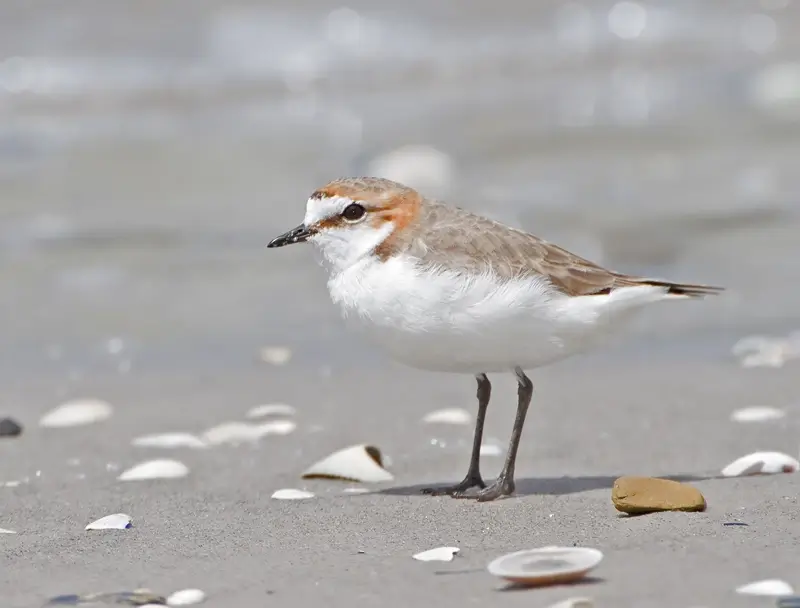
Red-capped Plover (Charadrius ruficapillus)
The Red-capped Plover is found in Australia, Indonesia, and Timor-Leste. IUCN Redlist Status: Least Concern
St Helena Plover (Charadrius sanctaehelenae)
The St. Helena Plover is also known as the wirebird. It is only found on South Atlantic island of Saint Helena. IUCN Redlist Status: Vulnerable
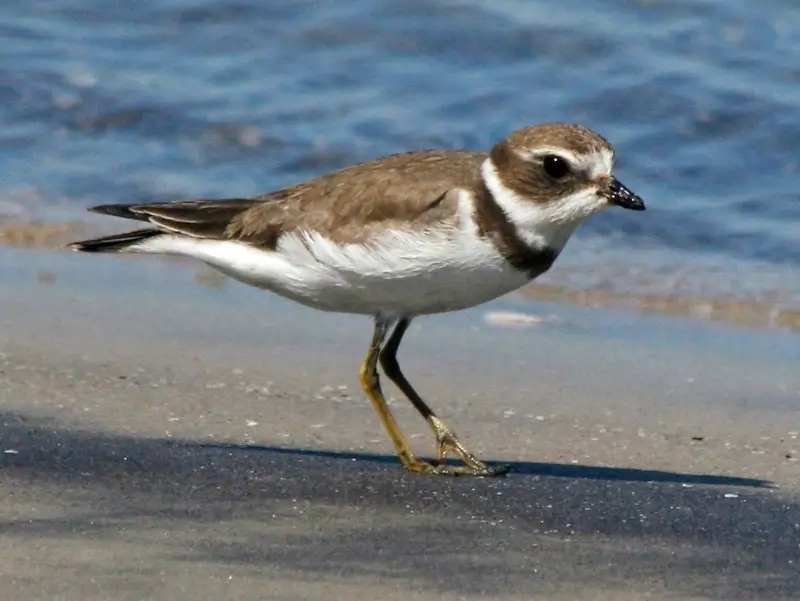
Semipalmated Plover (Charadrius semipalmatus)
The Semipalmated Plover breeds from Alaska to Newfoundland and Nova Scotia. It winters along the Atlantic and Pacific coasts from California and the Carolinas south to South America and the Caribbean. IUCN Redlist Status: Least Concern
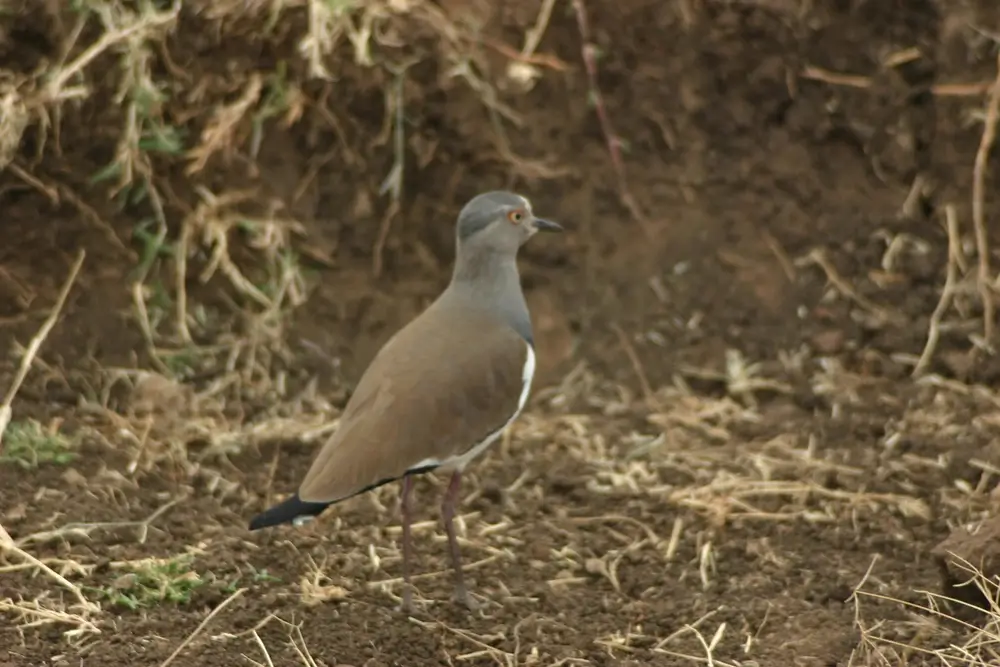
Madagascar Plover (Charadrius thoracicus)
The Madagascar Plover, also known as the Black-banded Plover, is found in Madagascar. IUCN Redlist Status: Least Concern
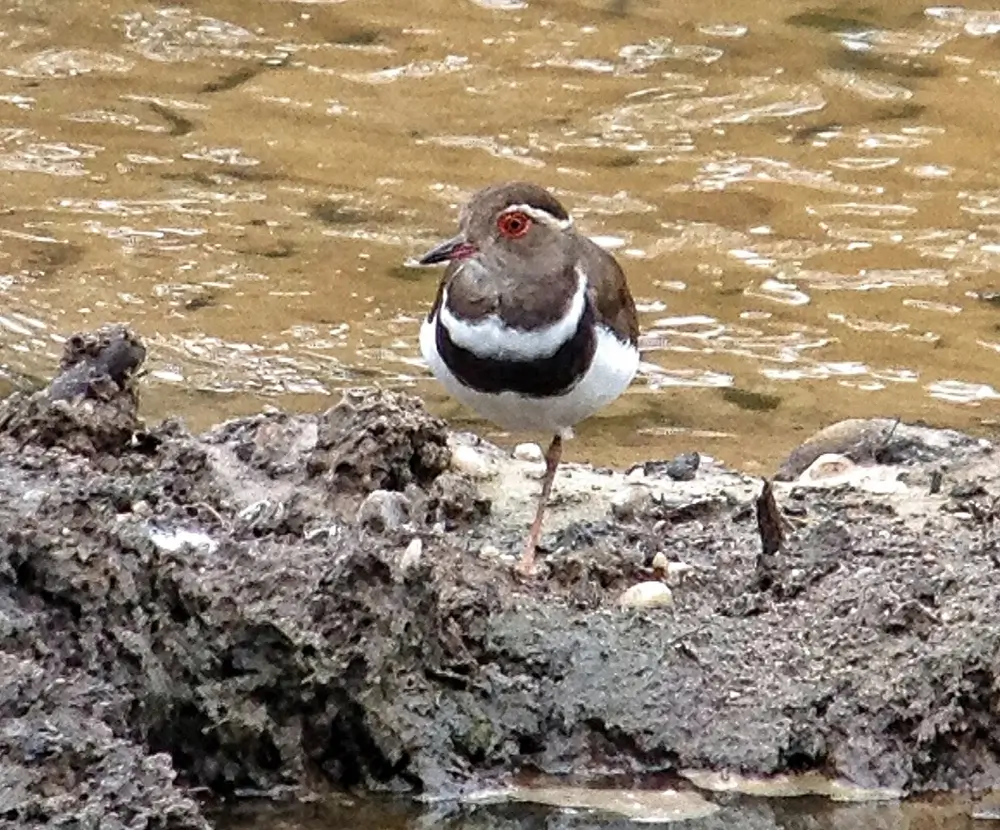
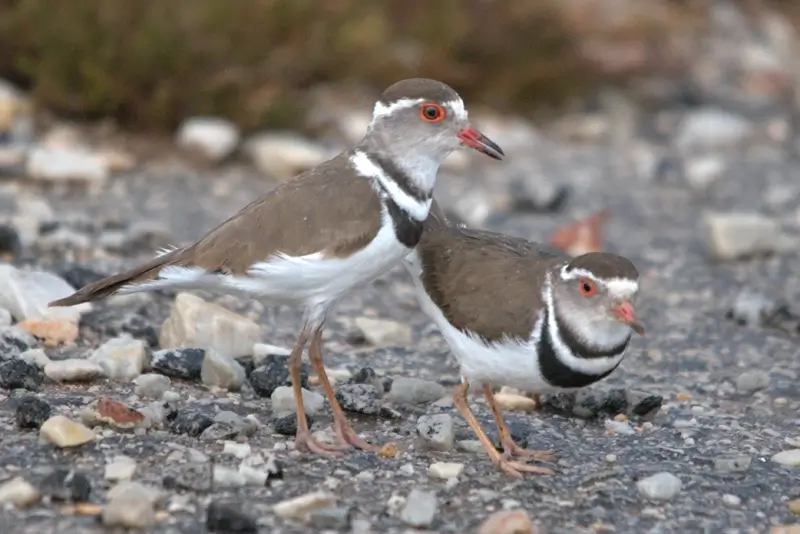
Three-banded Plover (Charadrius tricollaris)
The Three-banded Plover is found in Botswana, Burundi, Chad, Congo, Djibouti, Eritrea, Ethiopia, Gabon, Kenya, Lesotho, Madagascar, Malawi, Mozambique, Namibia, Niger, Nigeria, Rwanda, Somalia, South Africa, Sudan, Swaziland, Tanzania, Uganda, Zambia, and Zimbabwe. IUCN Redlist Status: Least Concern
Oriental Plover (Charadrius veredus)
The Oriental Plover is found in Asia and Australia. IUCN Redlist Status: Least Concern
Killdeer (Charadrius vociferus)
The Killdeer is found from Alaska to Newfoundland south throughout the United States and into Mexico, Central America, the Caribbean, and South America. The killdeer breeds in New Hampshire. IUCN Redlist Status: Near Threatened
Wilson's Plover (Charadrius wilsonia)
Wilson's Plover is found on the Atlantic Coast of the U.S. from North Carolina to Florida. It is also found on the Gulf Coast of the U.S., the Caribbean, the Pacific Coast of Mexico, and the Atlantic and Pacific Coasts of South America. IUCN Redlist Status: Least Concern
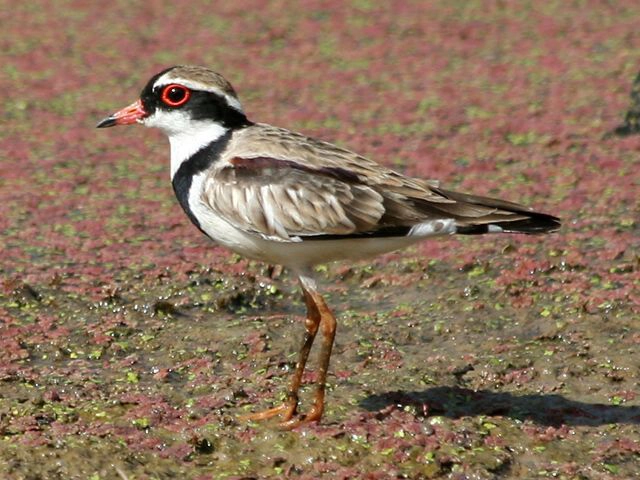
Black-fronted Dotterel (Elseyornis melanops)
The Black-fronted Dotterel is found in Australia and New Zealand. IUCN Redlist Status: Least Concern
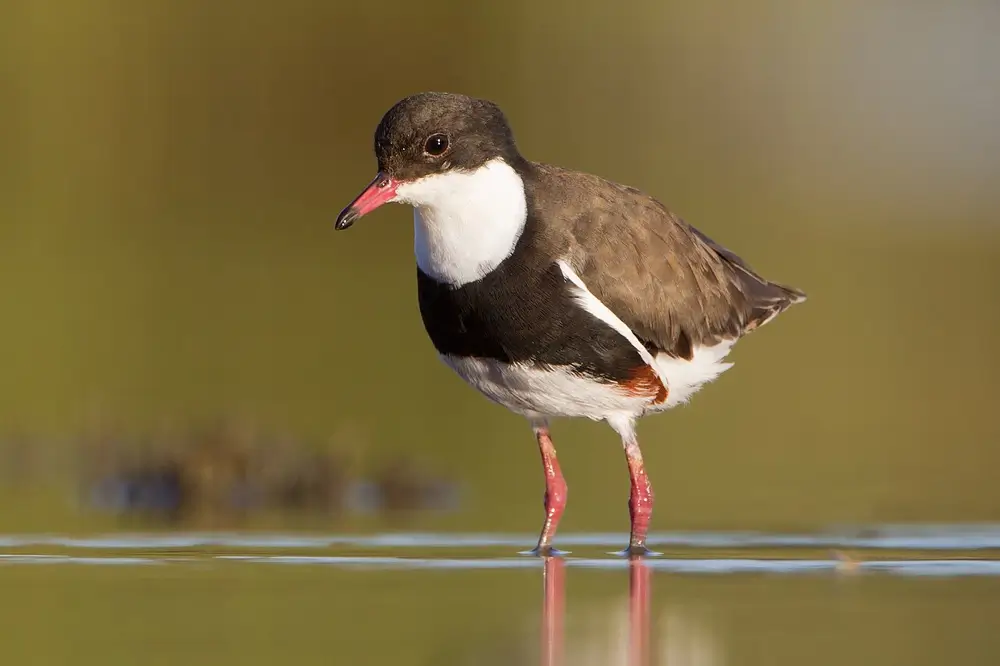
Red-kneed Dotterel (Erythrogonys cinctus)
The Red-kneed Dotterel is found in Indonesia, Australia, New Zealand, Papua New Guinea, and Palau. IUCN Redlist Status: Least Concern
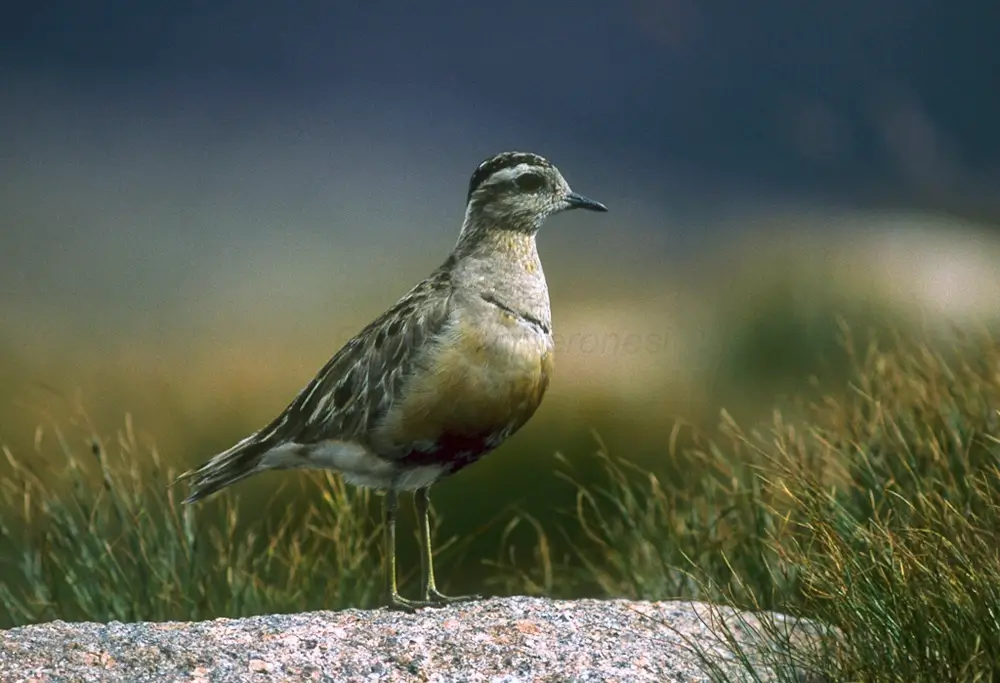
Eurasian Dotterel (Eudromias morinellus)
The Eurasian Dotterel is found in northern Europe and Asia. In the U.S. it is fund in Alaska. IUCN Redlist Status: Least Concern
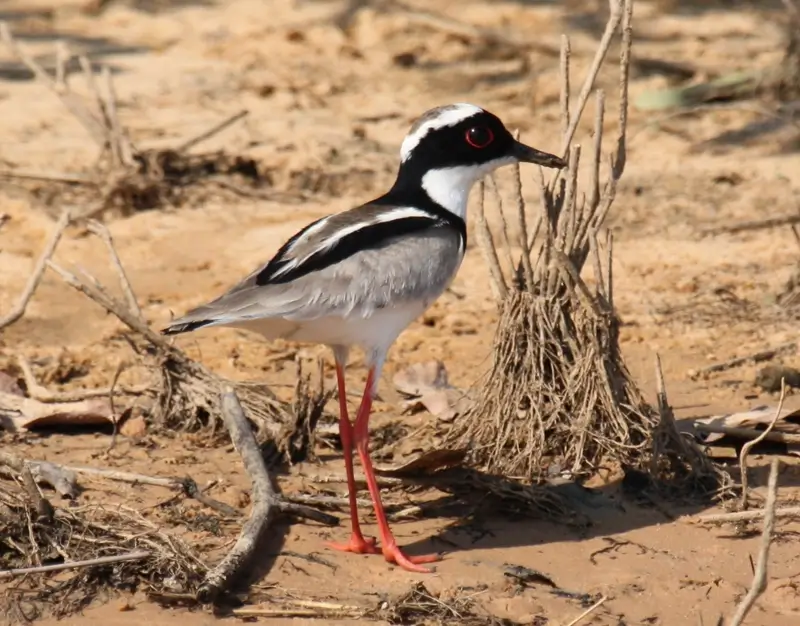
Pied Lapwing (Hoploxypterus cayanus)
The Pied Lapwing , also known as the Pied Plover, is found in Argentina, Bolivia, Brazil, Colombia, Ecuador, French Guiana, Guyana, Paraguay, Peru, Suriname, and Venezuela. IUCN Redlist Status: Least Concern
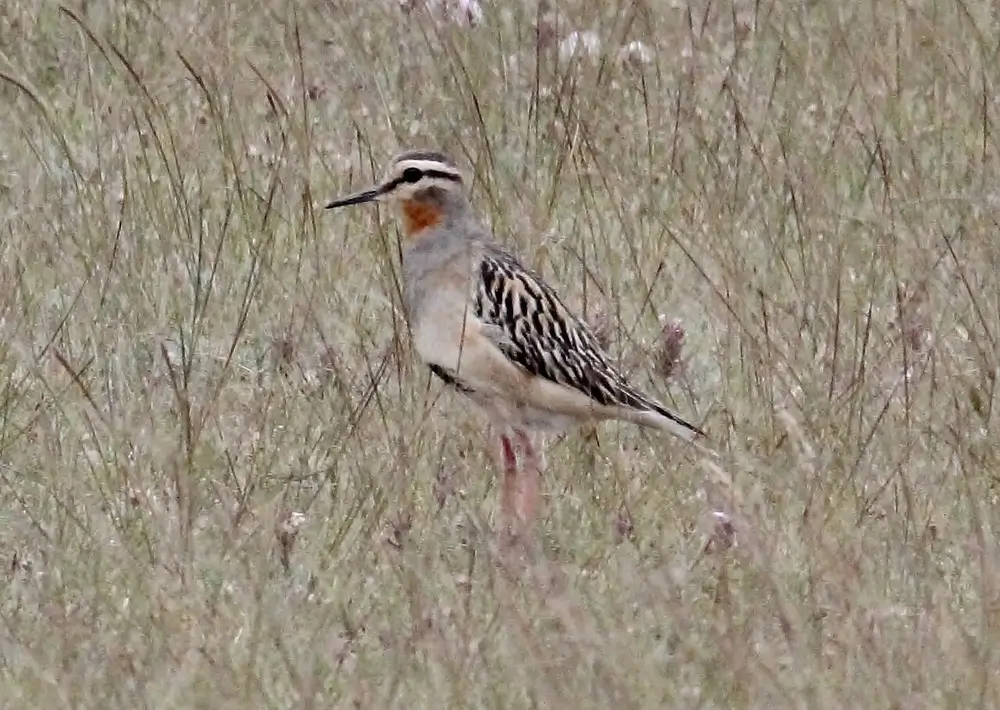
Tawny-throated Dotterel (Oreopholus ruficollis)
The Tawny-throated Dotterel is found in Argentina, Bolivia, Brazil, Chile, Ecuador, Peru, and Uruguay. IUCN Redlist Status: Least Concern
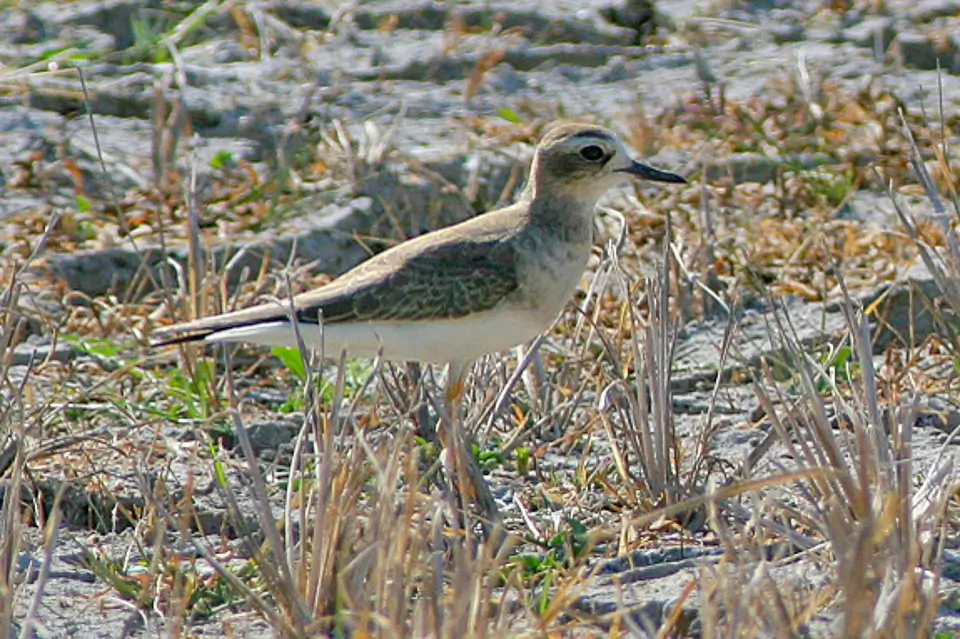
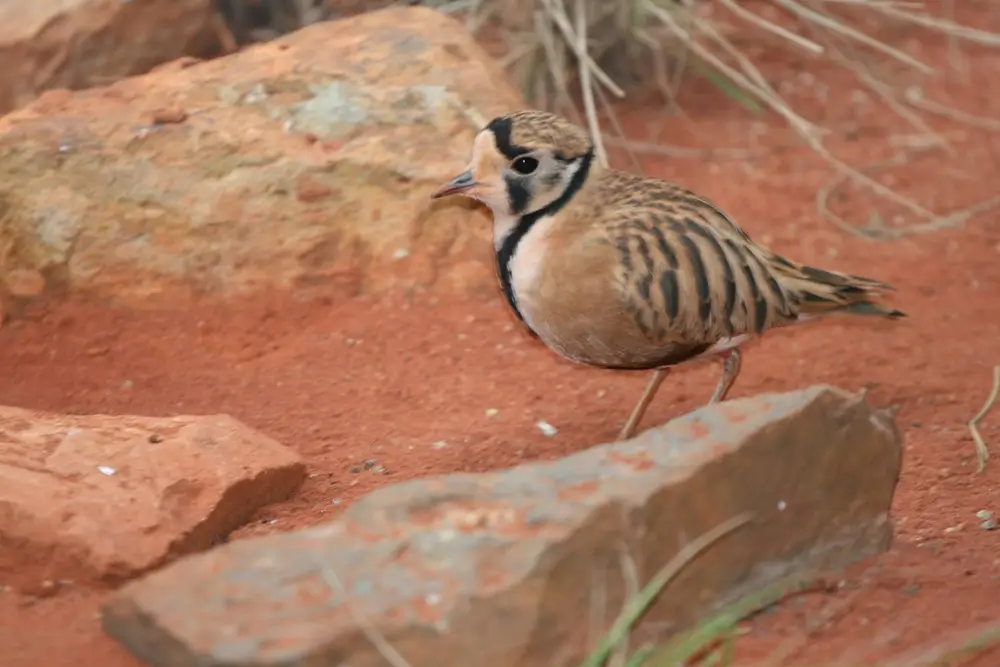
Inland Dotterel (Peltohyas australis)
The Inland Dotterel is found in Australia. IUCN Redlist Status: Least Concern
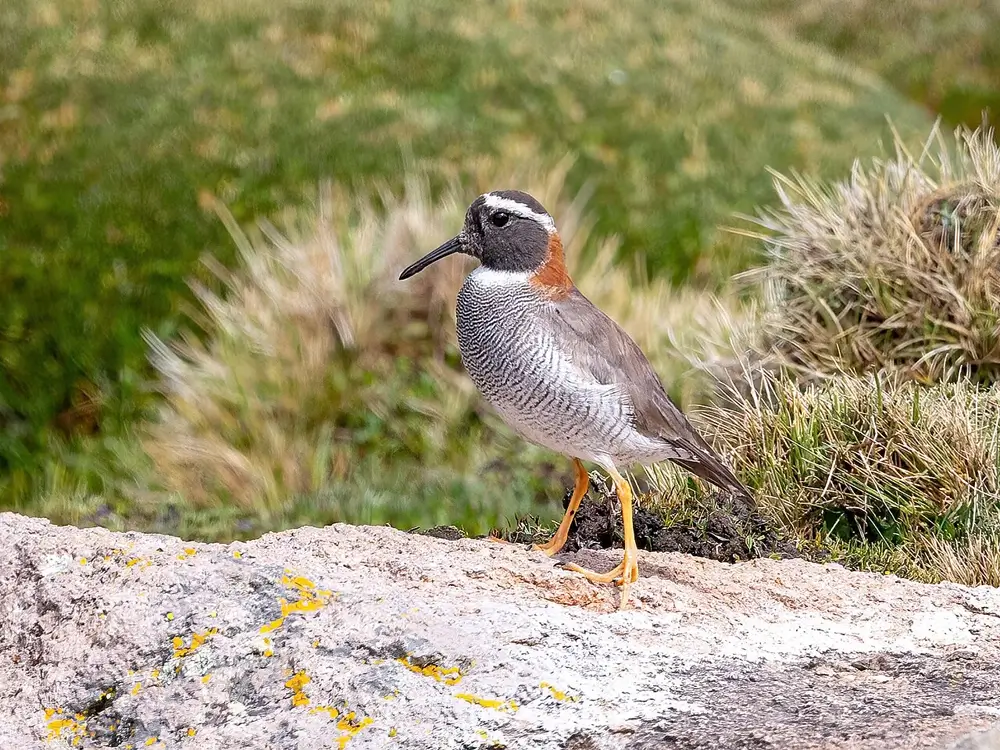
Diademed Plover (Phegornis mitchellii)
The Diademed Plover is found in Argentina, Bolivia, Chile, and Peru. IUCN Redlist Status: Near Threatened
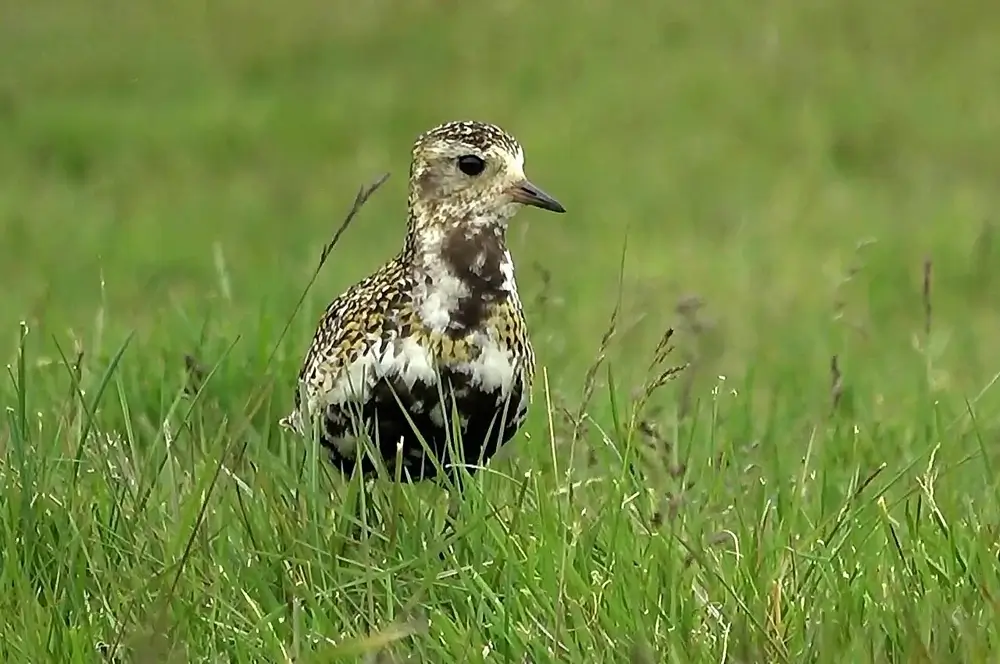
Eurasian Golden-plover (Pluvialis apricaria)
The Eurasian Golden-plover is found in Europe, Asia, and Africa. It is also found in Greenland. IUCN Redlist Status: Least Concern
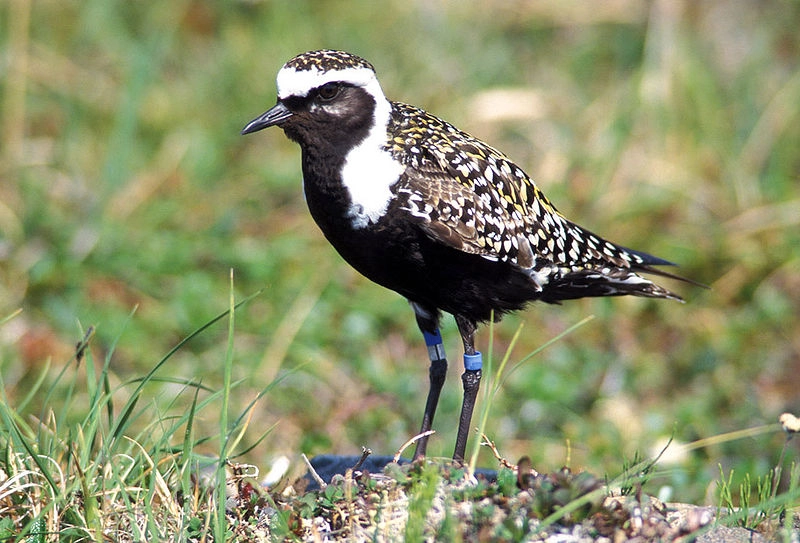
American Golden-plover (Pluvialis dominica)
The American Golden-plover breeds from western Alaska across northern Canada to Baffin Island, south to northern British Columbia and northern Manitoba and Ontario. It winters in central and southern and is also found in Siberia. IUCN Redlist Status: Least Concern
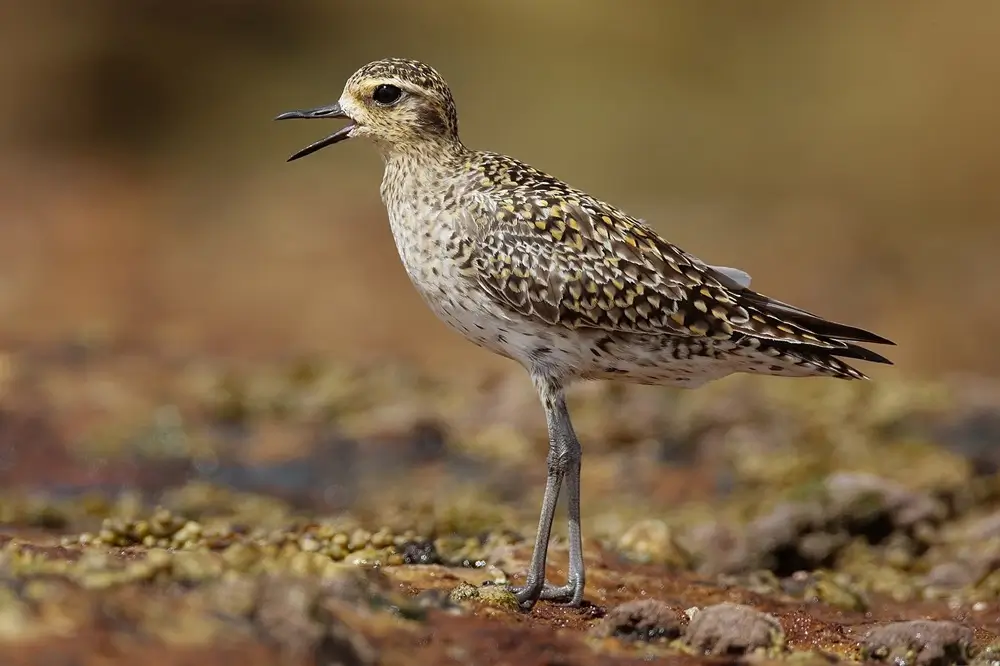
Pacific Golden-plover (Pluvialis fulva)
The Pacific Golden-plover breeds in the Arctic tundra from northern Asia and western Alaska. It winters in winters in south Asia and Australia and surrounding islands. It may also winter in California and Hawaii. IUCN Redlist Status: Least Concern
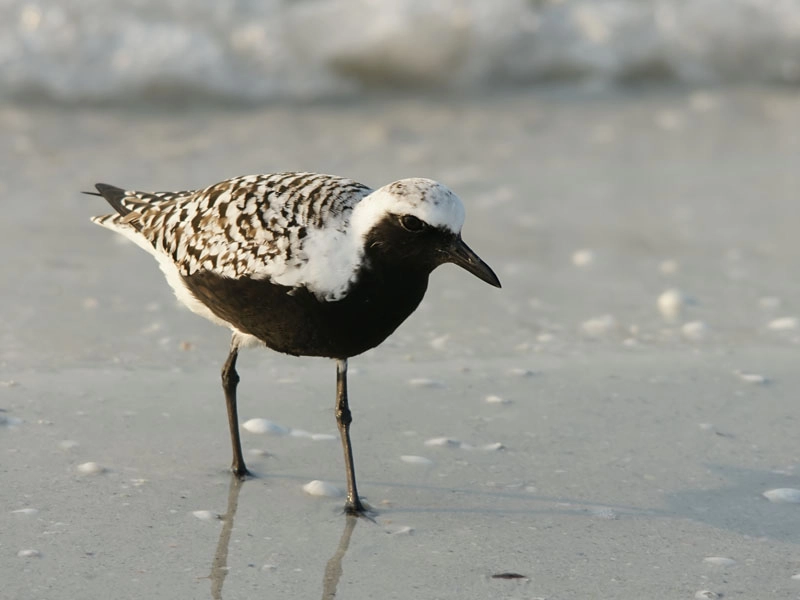
Black-bellied Plover (Pluvialis squatarola)
The Black-bellied Plover, also known as the Gray Plover, breeds along the Arctic coast from western Alaska to Baffin Island, Canada. It winters along the Pacific coast from British Columbia south to Mexico and along the Atlantic Coast from Massachusetts south to the Gulf Coast, Central America, the Caribbean, and South America. It is also found in Asia, Europe, and Africa. IUCN Redlist Status: Vulnerable
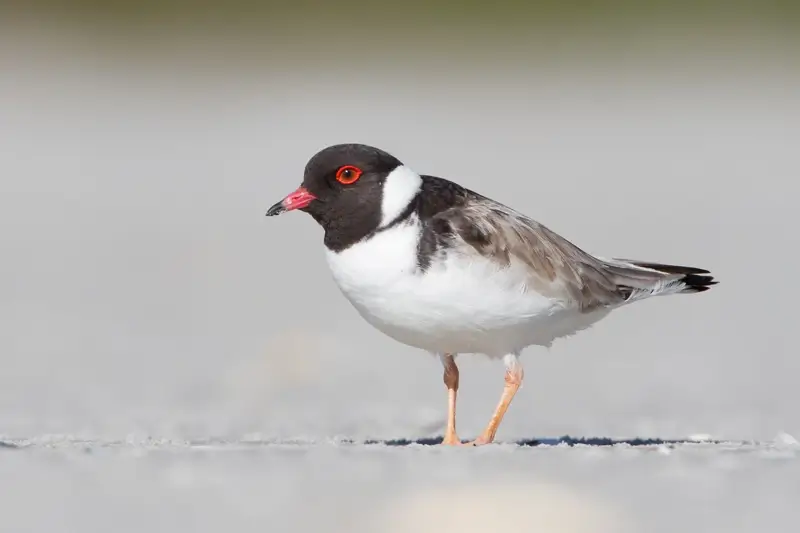
Hooded Plover (Thinornis cucullatus))
The Hooded Plover is found in Australia. IUCN Redlist Status: Vulnerable
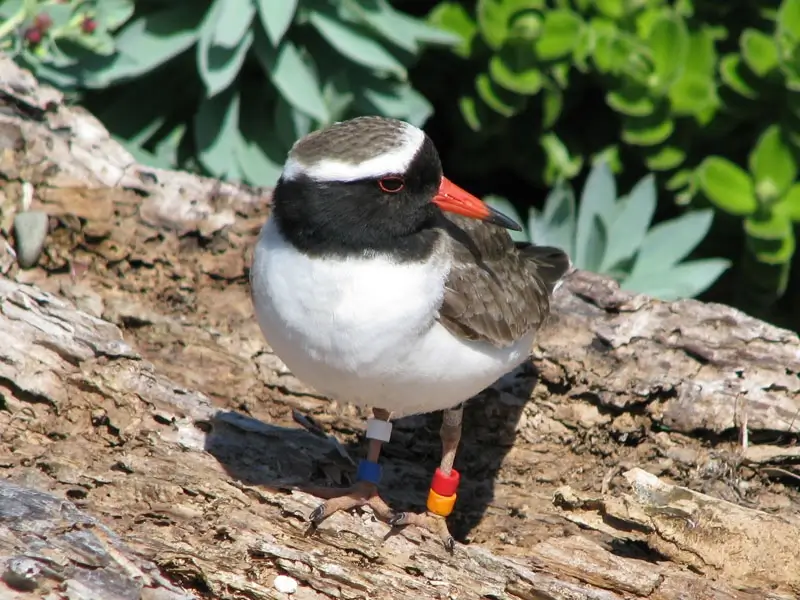
Shore Plover (Thinornis novaeseelandiae)
The Shore Plover is found in New Zealand. IUCN Redlist Status: Endangered
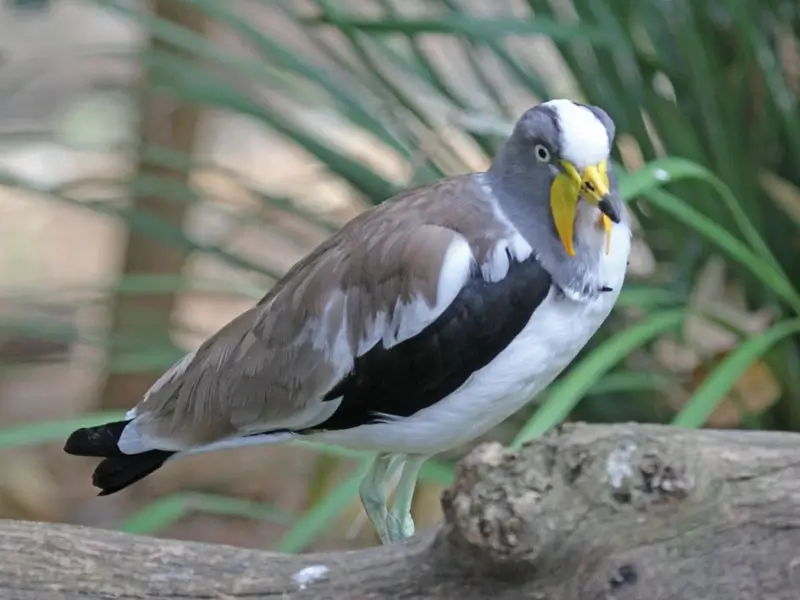
White-Headed Lapwing (Vanellus albiceps)
The white-headed lapwing is found in Sub-Saharan Africa. IUCN Redlist Status: Least Concern
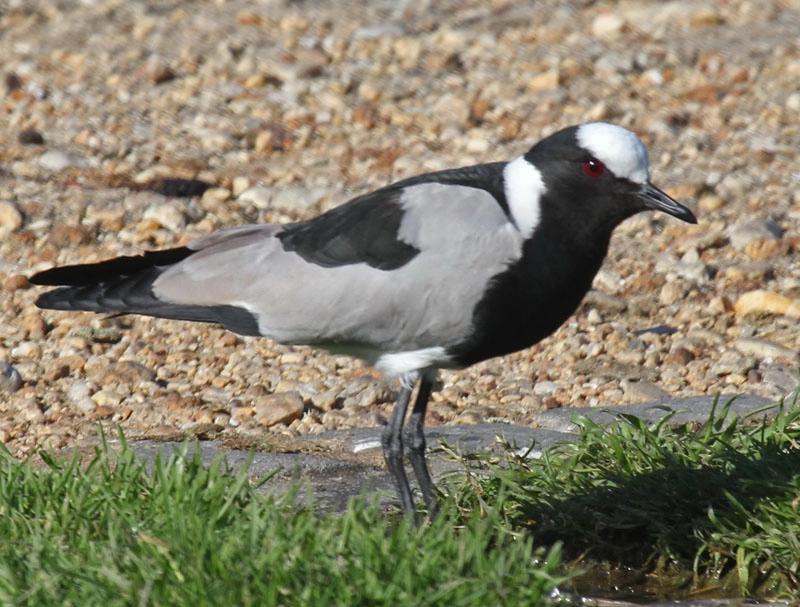
Blacksmith Lapwing (Vanellus armatus)
The Blacksmith Lapwing is found in Botswana, Congo, Kenya, Lesotho, Malawi, Mozambique, Namibia, South Africa, Swaziland, Tanzania, Zambia, and Zimbabwe. IUCN Redlist Status: Least Concern
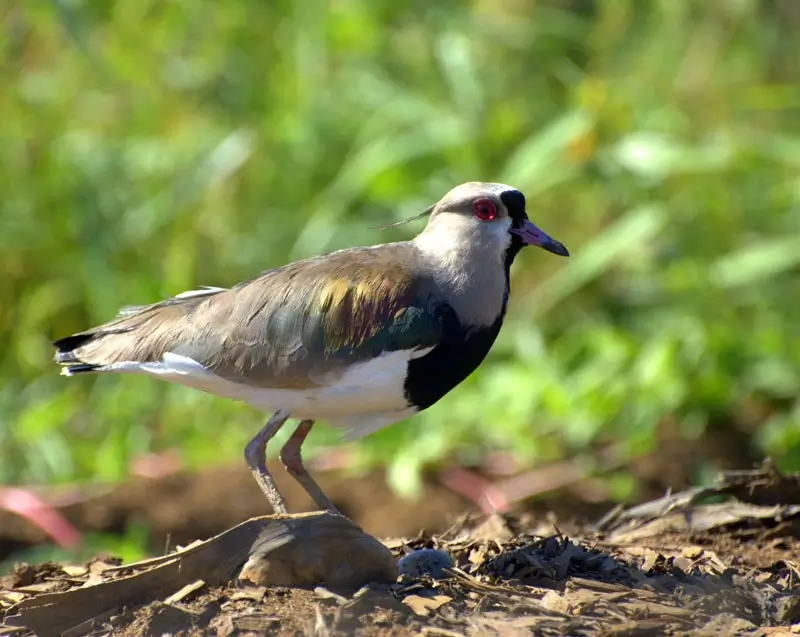
Southern Lapwing (Vanellus chilensis)
The Southern Lapwing is found in Argentina, Aruba, Bolivia, Brazil, Chile, Colombia, Costa Rica, Ecuador, French Guiana, Guyana, Panama, Paraguay, Peru, Suriname, Trinidad and Tobago, Uruguay, and Venezuela. IUCN Redlist Status: Least Concern
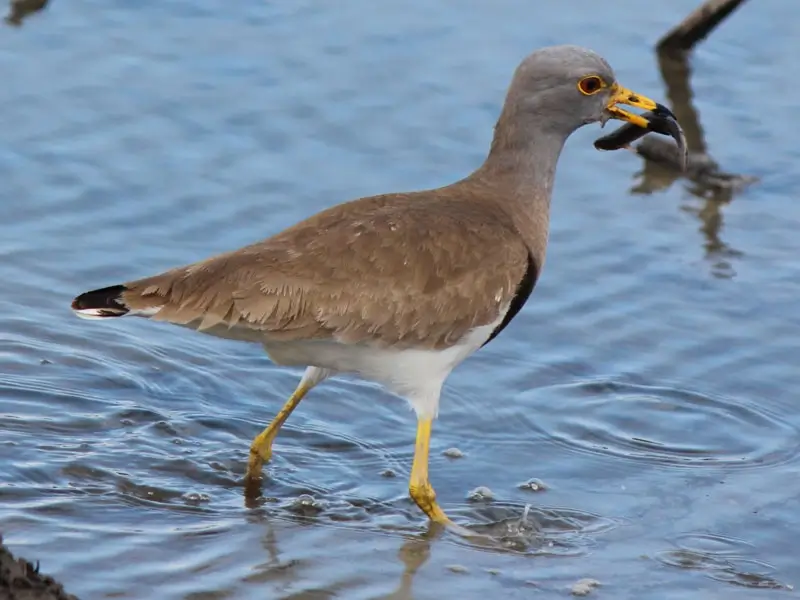
Gray-headed Lapwing (Vanellus cinereus)
The Gray-headed Lapwing is found in Bangladesh, Cambodia, China, Hong Kong, India, Japan, North and South Korea, Laos, Mongolia, Myanmar, Nepal, the Philippines, Russia, Taiwan, Thailand, and Vietnam. IUCN Redlist Status: Least Concern
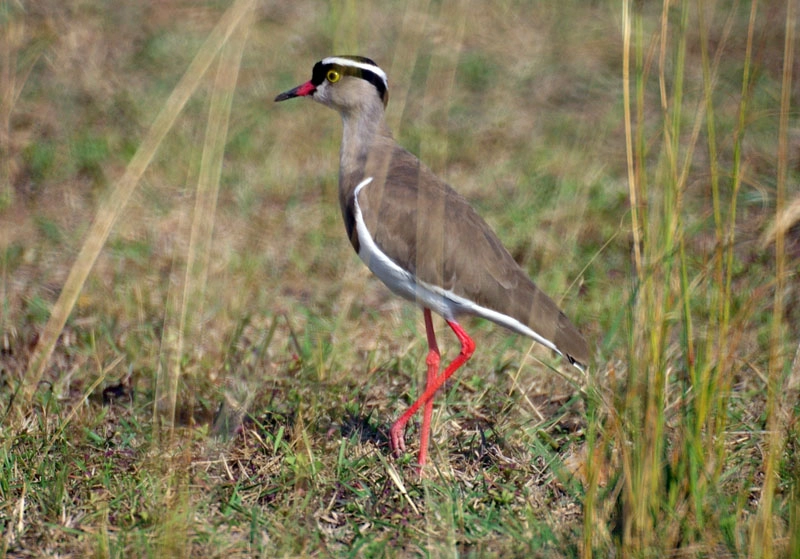
Crowned Lapwing (Vanellus coronatus)
The Crowned Lapwing is found in Botswana, Burundi, Congo, Ethiopia, Kenya, Malawi, Mozambique, Namibia, Rwanda, Somalia, South Africa, Sudan, Swaziland, Tanzania, Uganda, Zambia, and Zimbabwe. IUCN Redlist Status: Least Concern
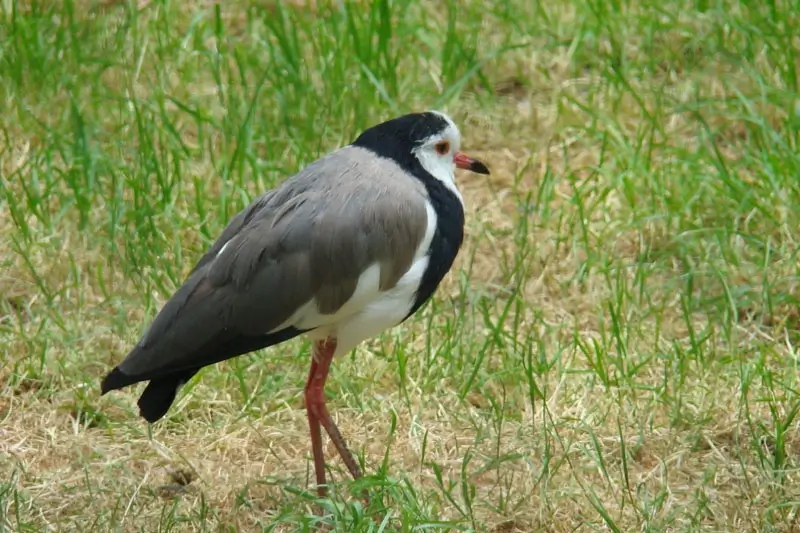
Long-toed Lapwing (Vanellus crassirostris)
The Long-toed Lapwing is found in Botswana, Burundi, Cameroon, Chad, Congo, Ethiopia, Kenya, Malawi, Mozambique, Namibia, Nigeria, Rwanda, South Africa, Sudan, Tanzania, Uganda, Zambia, and Zimbabwe. IUCN Redlist Status: Least Concern
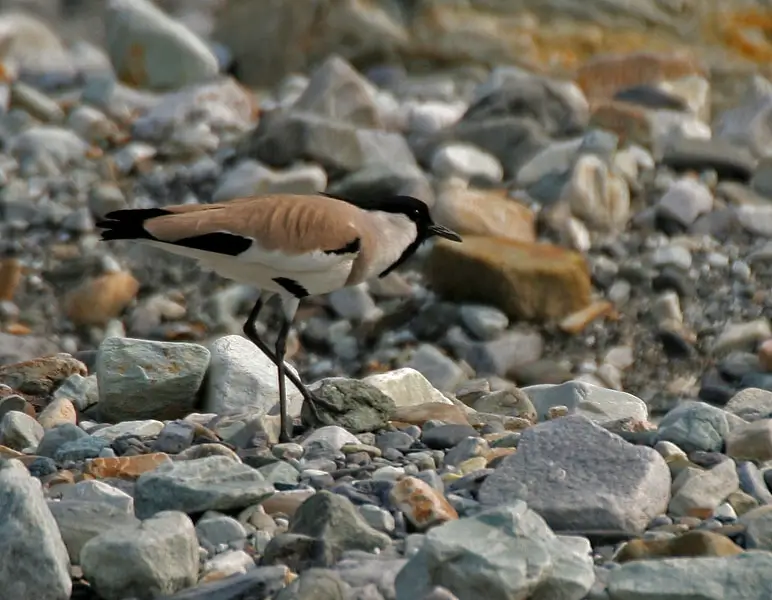
River Lapwing (Vanellus duvaucelii)
The River Lapwing is found in Bangladesh, Bhutan, Cambodia, China, India, Laos, Myanmar, Nepal, Thailand, and Vietnam. IUCN Redlist Status: Near Threatened
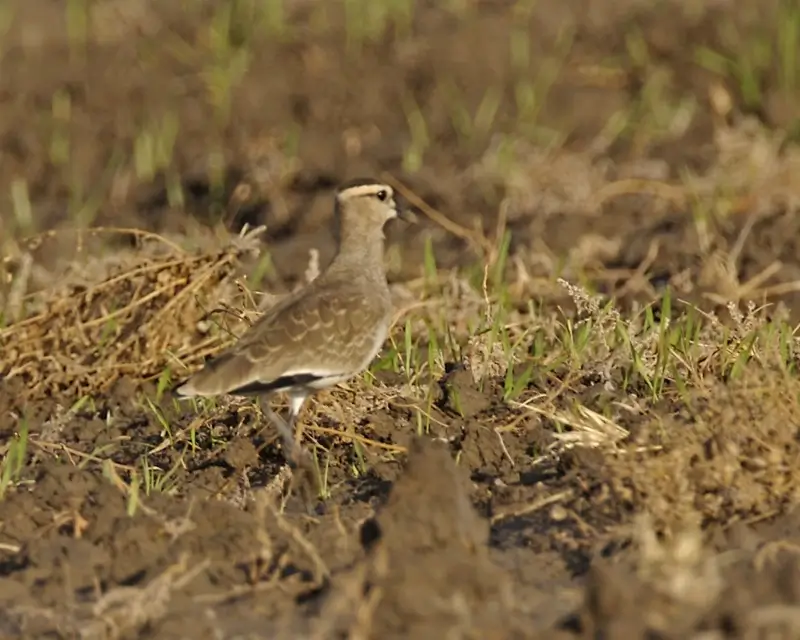
Sociable Lapwing (Vanellus gregarius)
The Sociable Lapwing is native to Afghanistan, Azerbaijan, Georgia, India, Iran, Iraq, Israel, Jordan, Kazakhstan, Kyrgyzstan, Lebanon, Oman, Pakistan, Palestine, Qatar, Russia, Saudi Arabia, Sri Lanka, Sudan, Syria, Tajikistan, Türkiye, Turkmenistan, United Arab Emirates, and Uzbekistan. IUCN Redlist Status: Critically Endangered
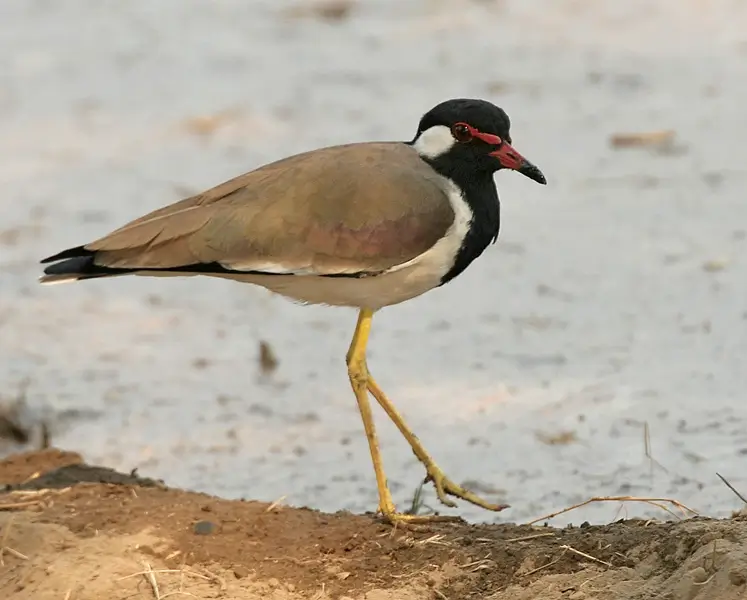
Red-wattled Lapwing (Vanellus indicus)
The Red-wattled Lapwing is found in Afghanistan, Bangladesh, Bhutan, Cambodia, China, India, Indonesia, Iran, Iraq, Israel, Kuwait, Laos, Malaysia, Myanmar, Nepal, Oman, Pakistan, Qatar, Saudi Arabia, Singapore, Sri Lanka, Syria, Thailand, Türkiye, Turkmenistan, United Arab Emirates, and Vietnam. IUCN Redlist Status: Least Concern
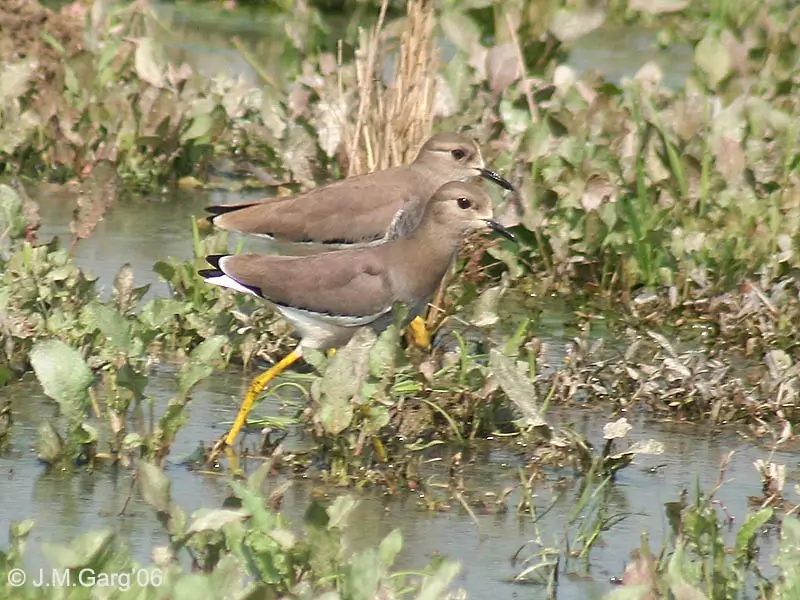
White-Tailed Lapwing (Vanellus leucurus)
The White-tailed Lapwing is found in to Afghanistan, Azerbaijan, Bahrain, Bangladesh, Egypt, India, Iran, Iraq, Israel, Jordan, Kazakhstan, Kuwait, Nepal, Oman, Pakistan, Palestine, Qatar, Romania, Russia, Saudi Arabia, Sudan, Syria, Tajikistan, Türkiye, Turkmenistan, United Arab Emirates, Uzbekistan, and Yemen. IUCN Redlist: Least Concern
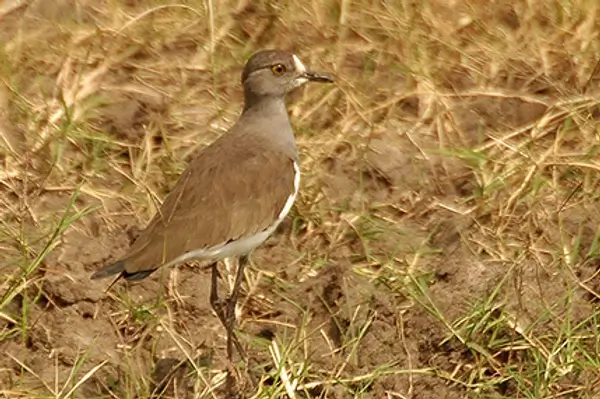
Senegal Lapwing (Vanellus lugubris)
The Senegal Lapwing is found in Burundi, Cameroon, Congo, Congo, Côte d'Ivoire, Gabon, Ghana, Guinea, Kenya, Liberia, Malawi, Mali, Mozambique, Nigeria, Rwanda, Sierra Leone, Somalia, South Africa, Swaziland, Tanzania, Togo, Uganda, Zambia, and Zimbabwe. IUCN Redlist Status: Least Concern
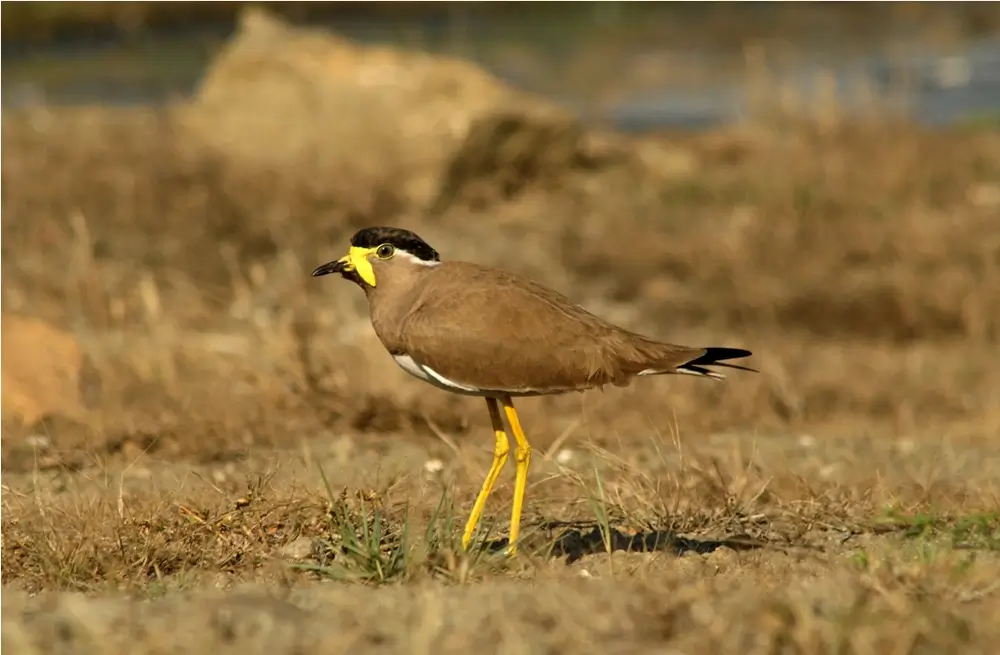
Yellow-Wattled Lapwing (Vanellus malarbaricus)
The Yellow-wattled Lapwing is found in Bangladesh, India, Nepal, Pakistan, and Sri Lanka. IUCN Redlist Status: Least Concern
Spot-Breasted Lapwing (Vanellus melanocephalus)
The Spot-breasted Lapwing is found in Ethiopia. IUCN Redlist Status: Least Concern
Black-winged Lapwing (Vanellus melanopterus)
The Black-winged Lapwing is found in Eritrea, Ethiopia, Kenya, Lesotho, South Africa, Swaziland, and Tanzania. IUCN Redlist Status: Least Concern
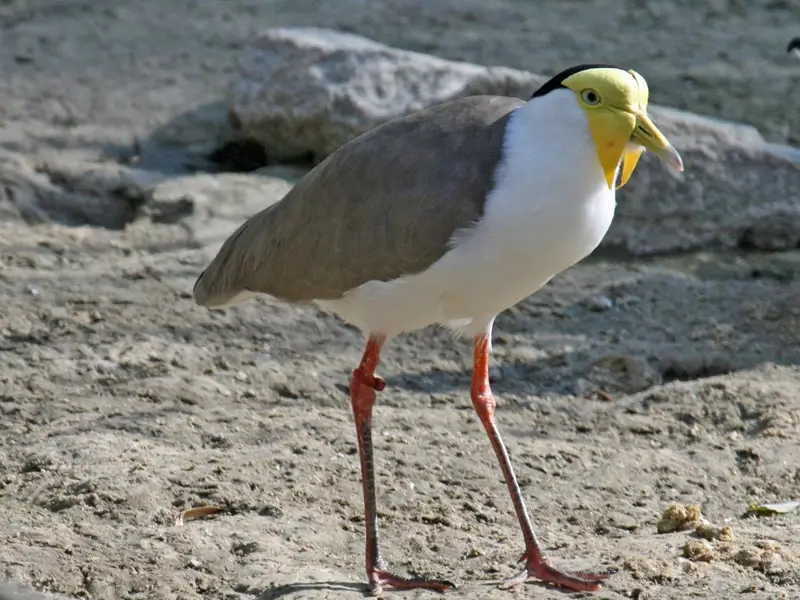
Masked Lapwing (Vanellus miles)
The Masked Lapwing is found in Australia, Indonesia, New Zealand, Papua New Guinea, and Timor-Leste. IUCN Redlist Status: Least Concern
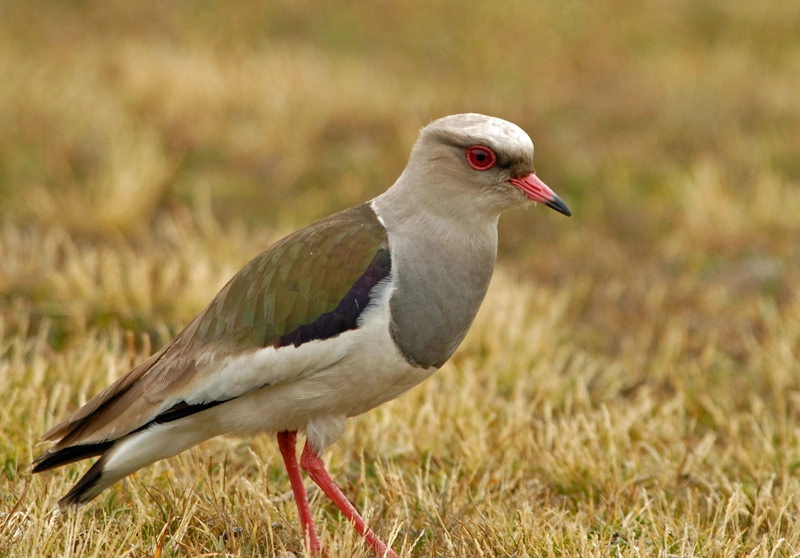
Andean Lapwing (Vanellus resplendens)
The Andean Lapwing is found in Argentina, Bolivia, Chile, Colombia, Ecuador, and Peru. IUCN Redlist Status: Least Concern
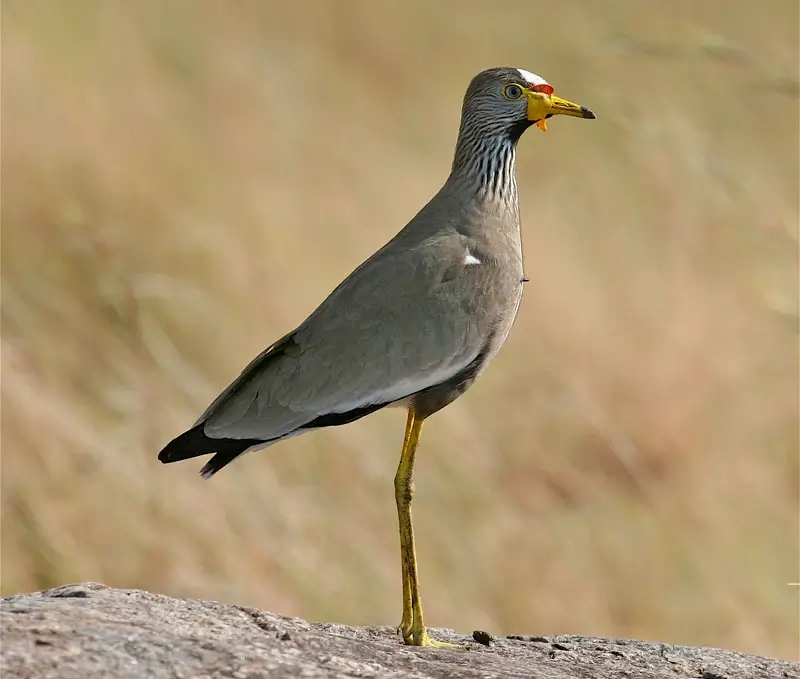
Wattled Lapwing (Vanellus senegallus)
The Wattled Lapwing is found in Sub-Saharan Africa. IUCN Redlist Status: Least Concern
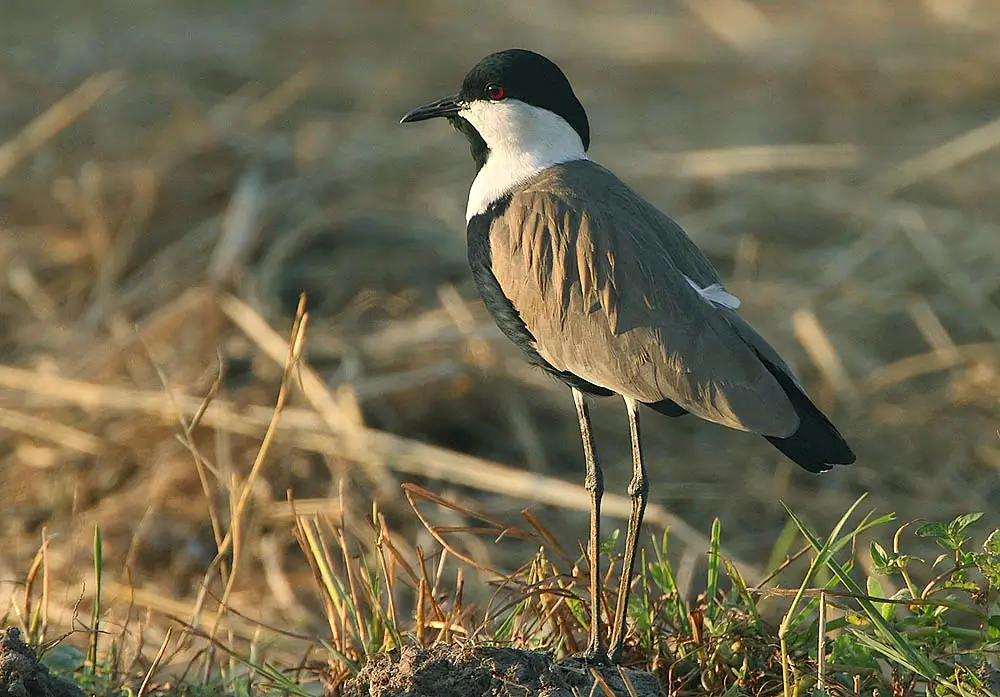
Spur-Winged Lapwing (Vanellus spinosus)
The Spur-winged Lapwing is found in Eastern Europe, the Middle East, and Africa. IUCN Redlist Status: Least Concern
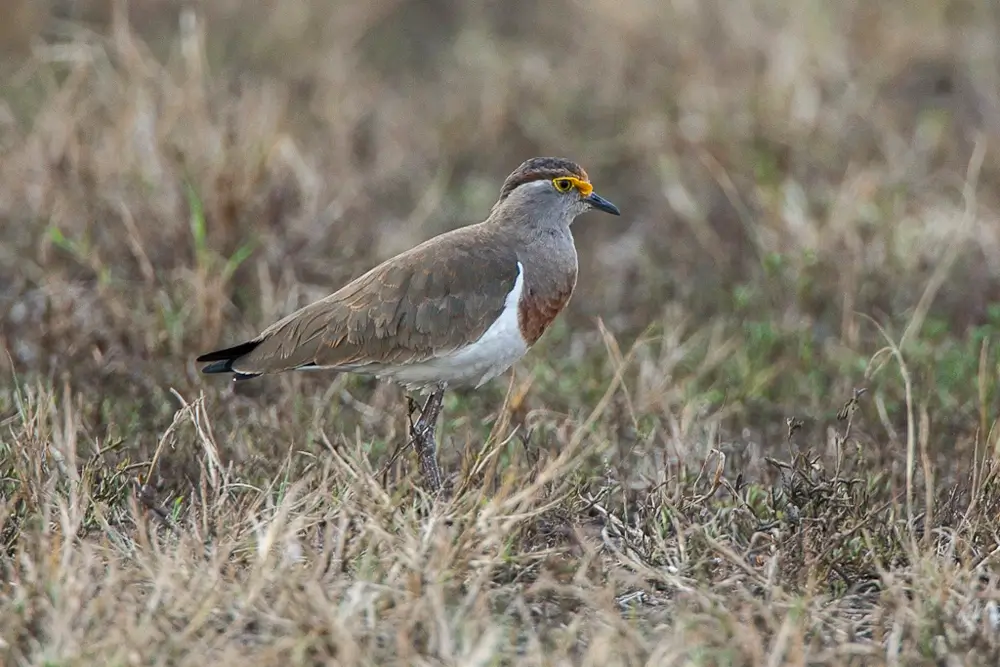
Brown-chested Lapwing (Vanellus superciliosus)
The Brown-chested Lapwing is found in Cameroon, Central African Republic, The Democratic Republic of the Congo, Nigeria Burundi, Chad, Congo, Kenya, Rwanda, Tanzania, and Uganda. IUCN Redlist Status: Least Concern
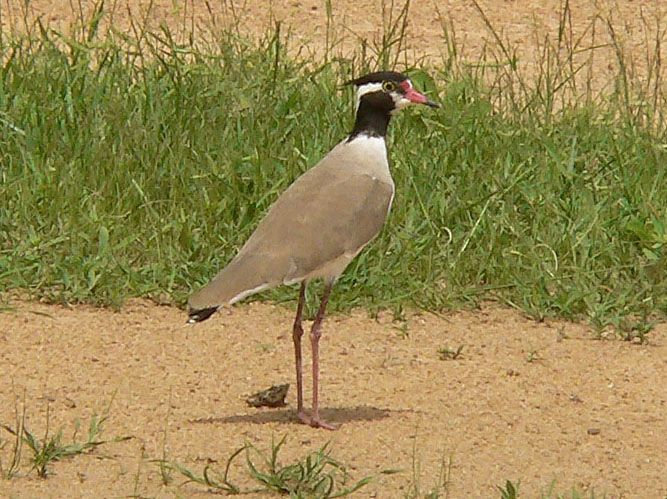
Black-headed Lapwing (Vanellus tectus)
The Black-headed Lapwing is found in Benin, Burkina Faso, Cameroon, Central African Republic, Chad, Cote d'Ivoire, Djibouti, Eritrea, Ethiopia, Gambia, Ghana, Guinea, Guinea-Bissau, Kenya, Mali, Mauritania, Niger, Nigeria, Senegal, Somalia, Sudan, Tanzania, Togo, and Uganda. IUCN Redlist Status: Least Concern
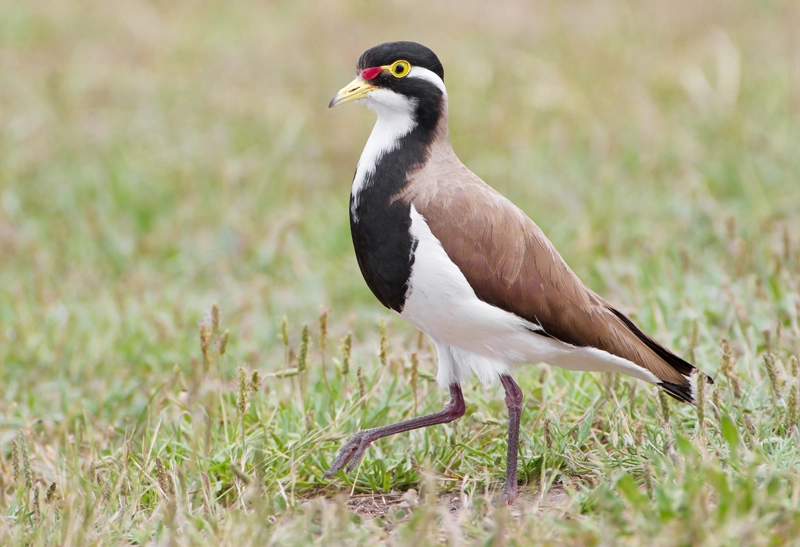
Banded Lapwing (Vanellus tricolor)
The Banded Lapwing is found in Australia. IUCN Redlist Status: Least Concern
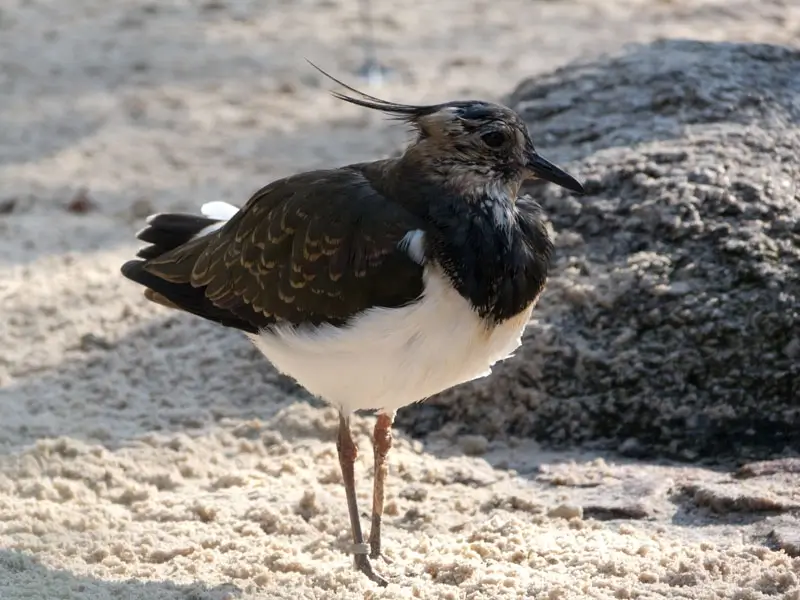
Northern Lapwing (Vanellus vanellus)
The Northern Lapwing is found in Europe, Asia, and Africa. IUCN Redlist Status: Near Threatened