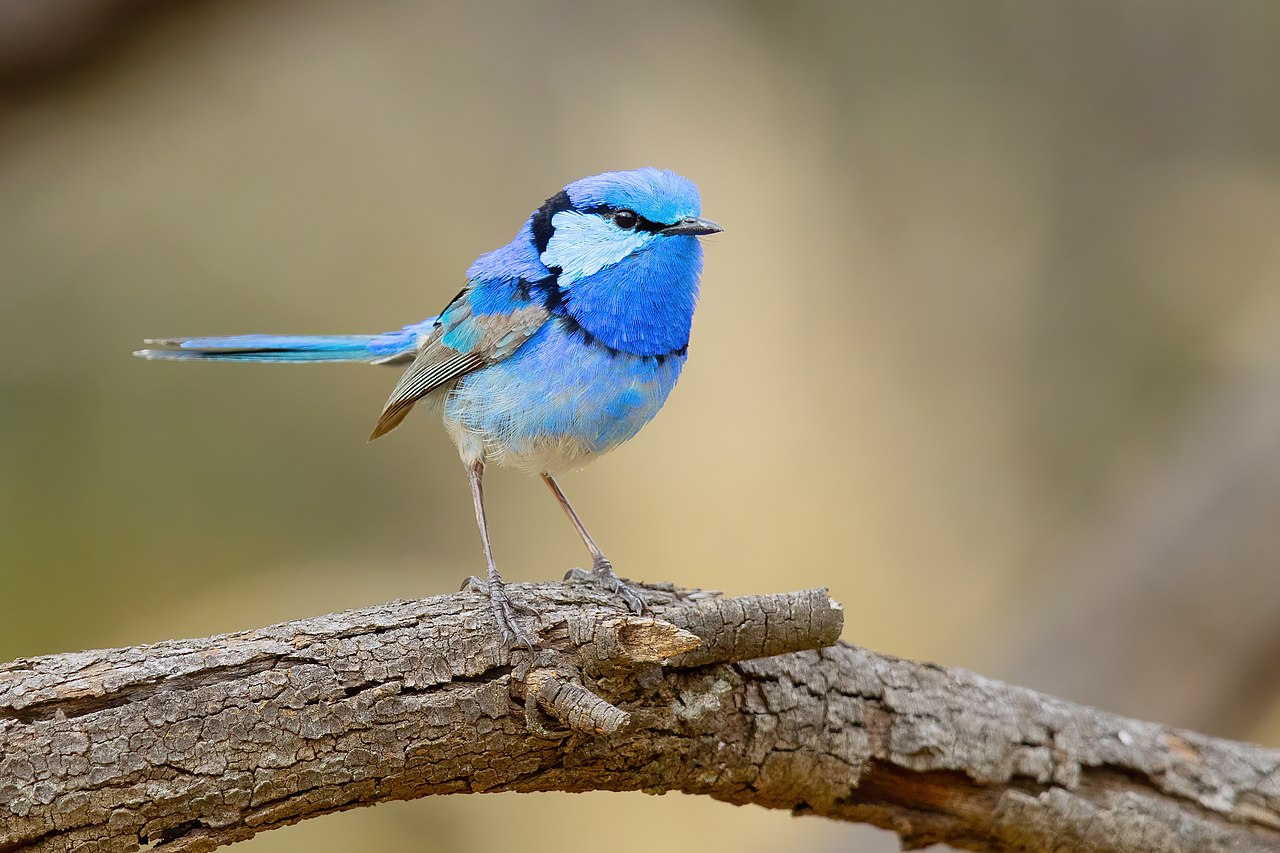
There are around 29 bird species in the Maluridae family, which includes fairywrens, grasswrens, and emu-wrens. They are found mainly in Australia and New Guinea.
They live in a variety of habitats, including grasslands, deserts, rainforests, woodlands, and scrub areas. Although they are called wrens, they are not closely related to the true wrens found in North America and other parts of the world.
These are small birds, ranging from about 3 to 10 inches (7.6 to 25.4 cm) in length. They come in many colors and patterns. In several species, males are more brightly colored than females, especially during the breeding season.
They have small bills, short, rounded wings, and often long tails. Most eat insects and other small invertebrates. Some also eat seeds.
In several fairy-wren species, males court females by carrying brightly colored objects, including flower petals, to display to them.
Many Maluridae species form long-term social pairs, but they may also mate with birds outside their pair. Some species are cooperative breeders, meaning that other birds in the group may help raise the young. In some fairy-wren species, helpers may even care for chicks that are not their own.
Kalkadoon Grasswren (Amytornis ballarae)
The Kalkadoon Grasswren is found in north-west Queensland, Australia. IUCN Redlist Status: Vulnerable
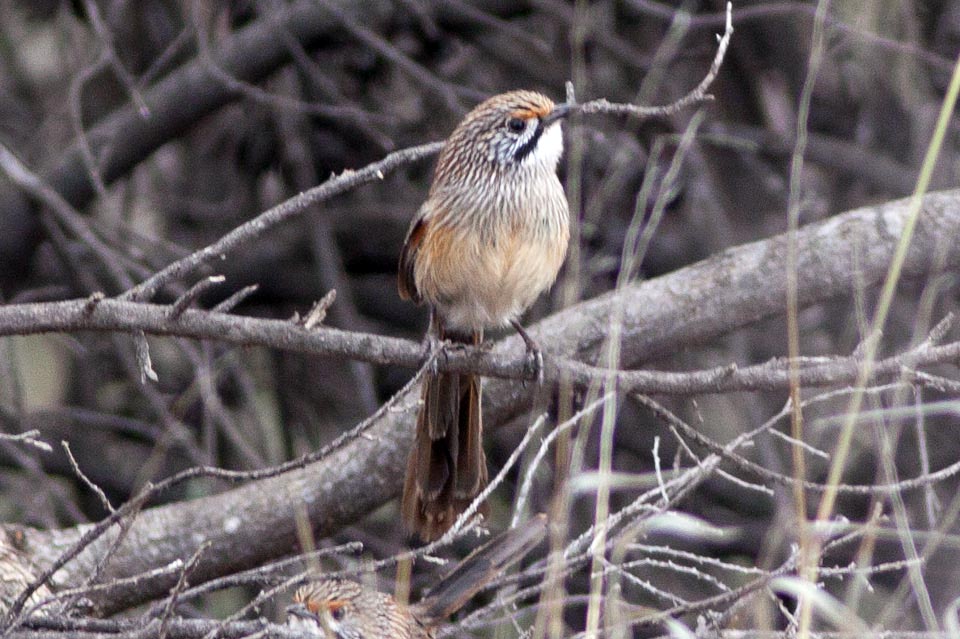
Gray Grasswren (Amytornis barbatus)
The Gray Grasswren is found in Queensland, New South Wales and South Australia, Australia. IUCN Redlist Status: Least Concern
Carpentarian Grasswren (Amytornis dorotheae)
The Carpentarian Grasswren is found in Northern Territory and in Queensland, Australia. IUCN Redlist Status: Vulnerable
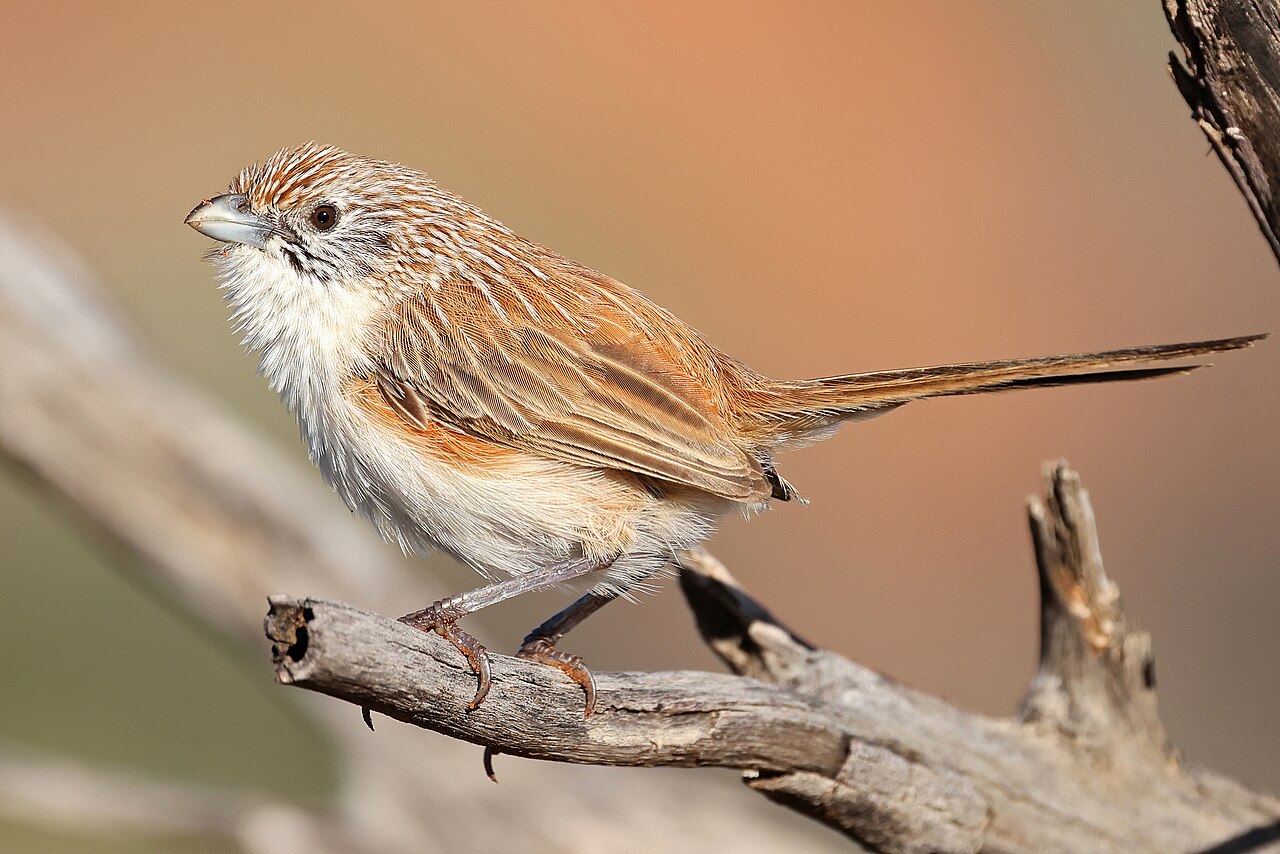
Eyrean Grasswren (Amytornis goyderi)
The Eyrean Grasswren is found in Central Australia, mainly the Simpson and Strzelecki deserts, including parts of South Australia, Queensland and the Northern Territory. It has been recorded in northwestern New South Wales. IUCN Redlist Status: Least Concern
Black Grasswren (Amytornis housei)
The Black Grasswren is found in the northwest Kimberley region in Western Australia. IUCN Redlist Status: Least Concern
Short-tailed Grasswren (Amytornis merrotsyi)
The Short-tailed Grasswren is found in in southern South Australia. IUCN Redlist Status: Near Threatened
Thick-billed Grasswren (Amytornis modestus)
The Thick-billed Grasswren is found in central Australia. IUCN Redlist Status: Least Concern
Dusky Grasswren (Amytornis purnelli)
The Dusky Grasswren is found in central Australia. IUCN Redlist Status: Least Concern
Striated Grasswren (Amytornis striatus)
The Striated Grasswren is found across western, central and southern Australia. IUCN Redlist Status: Least Concern
White-throated Grasswren (Amytornis woodwardi)
The White-throated Grasswren is found in Northern Territory, Australia. IUCN Redlist Status: Endangered
The White-shouldered Fairywren is found in Indonesia and Papua New Guinea. IUCN Redlist Status: Least Concern
Lovely Fairywren (Malurus amabilis)
The Lovely Fairywren is found in Australia. IUCN Redlist Status: Least Concern
Purple-backed Fairywren (Malurus assimilis)
The Purple-backed Fairywren is found across much of Australia. IUCN Redlist Status: Least Concern
Purple-crowned Fairywren (Malurus coronatus)
The Purple-crowned Fairywren is found in in Western Australia and the Northern Territory in northern Australia. IUCN Redlist Status: Least Concern
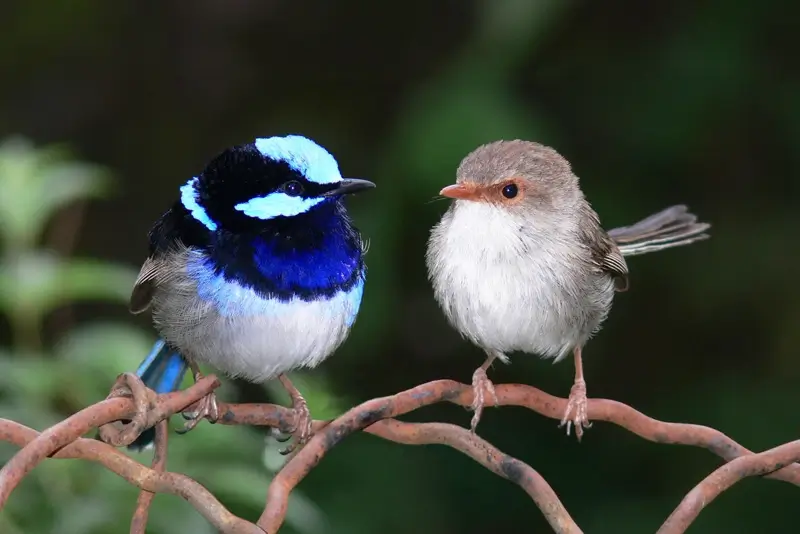
Superb Fairywren (Malurus cyaneus)
The Superb Fairywren is found in eastern Australia. IUCN Redlist Status: Least Concern
Emperor Fairywren (Malurus cyanocephalus)
The Emperor Fairywren is found in Indonesia and Papua New Guinea. IUCN Redlist Status: Least Concern
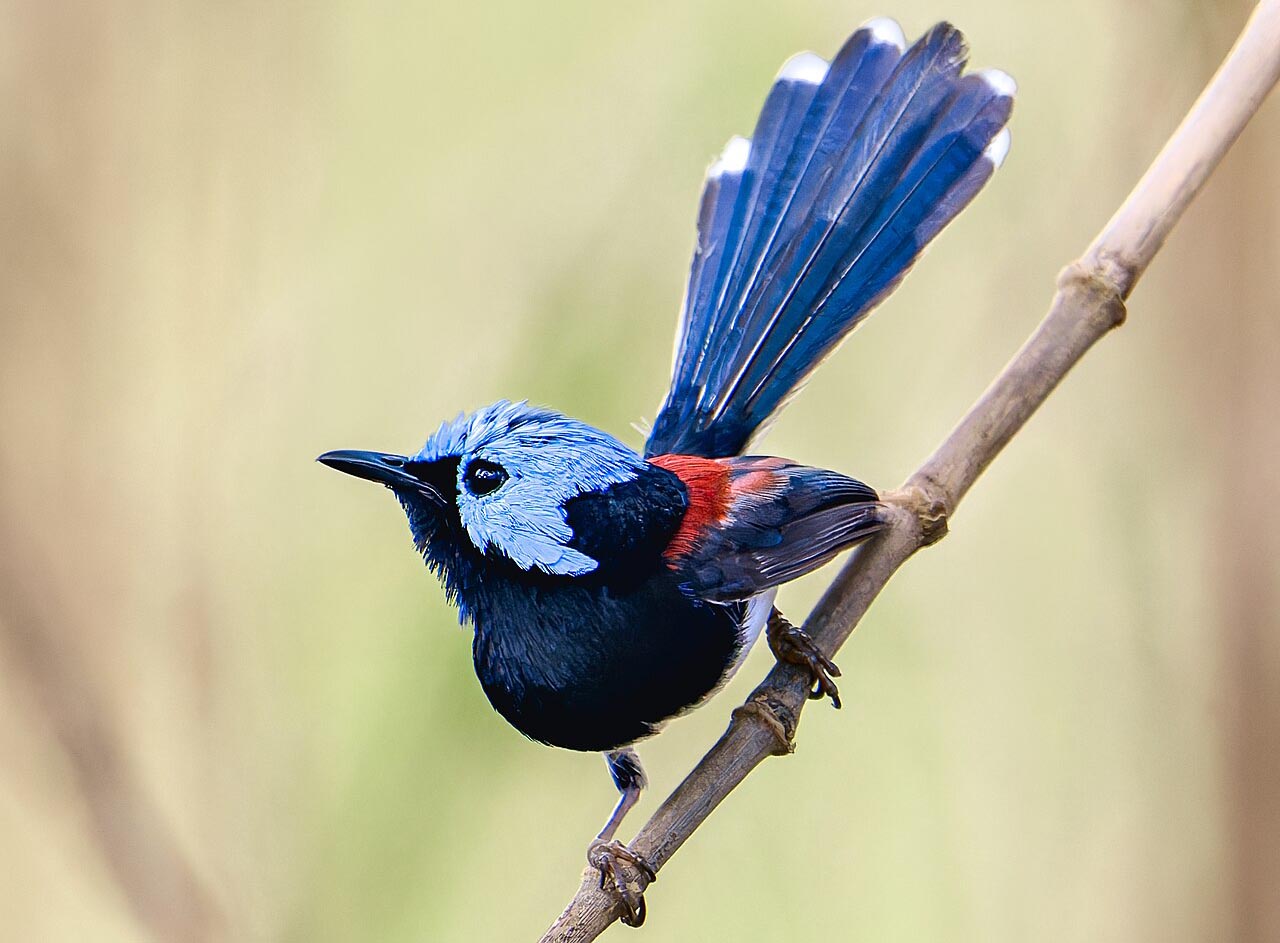
Red-winged Fairywren (Malurus elegans)
The Red-winged Fairywren is found in southwestern Western Australia. IUCN Redlist Status: Least Concern
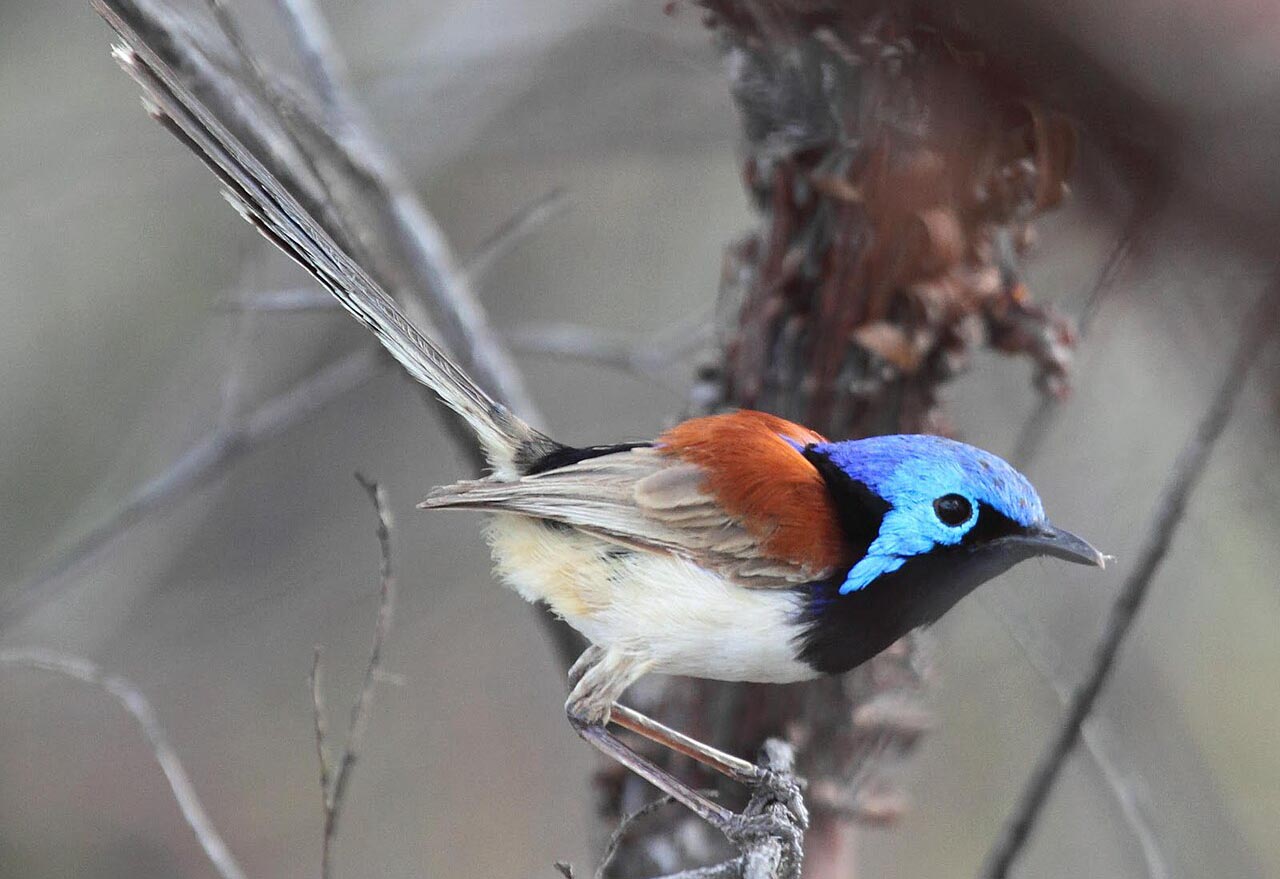
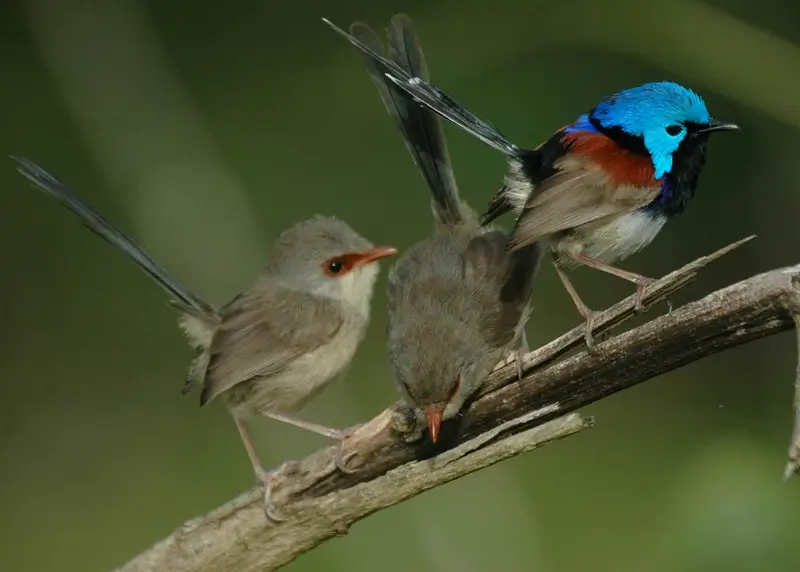
Variegated Fairywren (Malurus lamberti)
The Variegated Fairywren is found in eastern Australia. IUCN Redlist Status: Least Concern
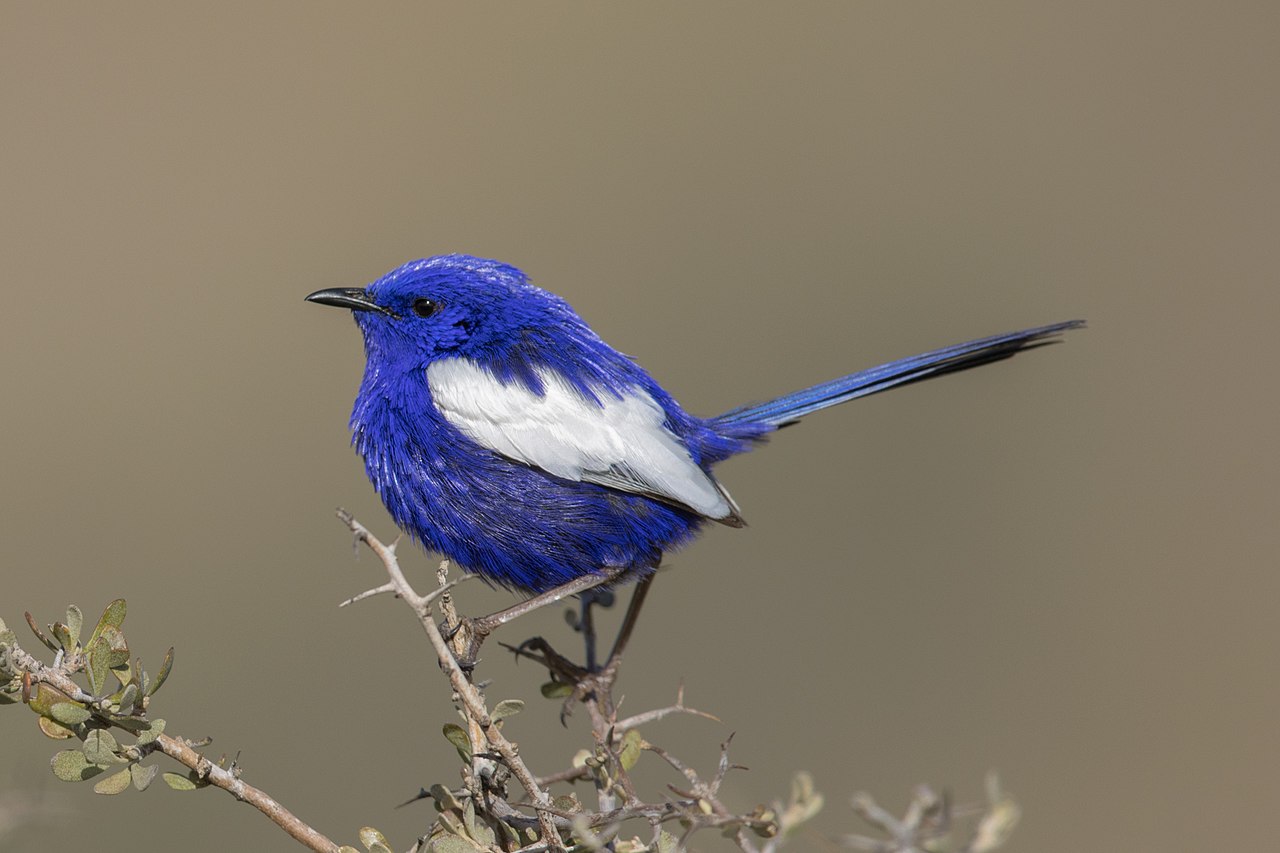
White-winged Fairywren (Malurus leucopterus)
The White-winged Fairywren is found acroos much of Australia. IUCN Redlist Status: Least Concern
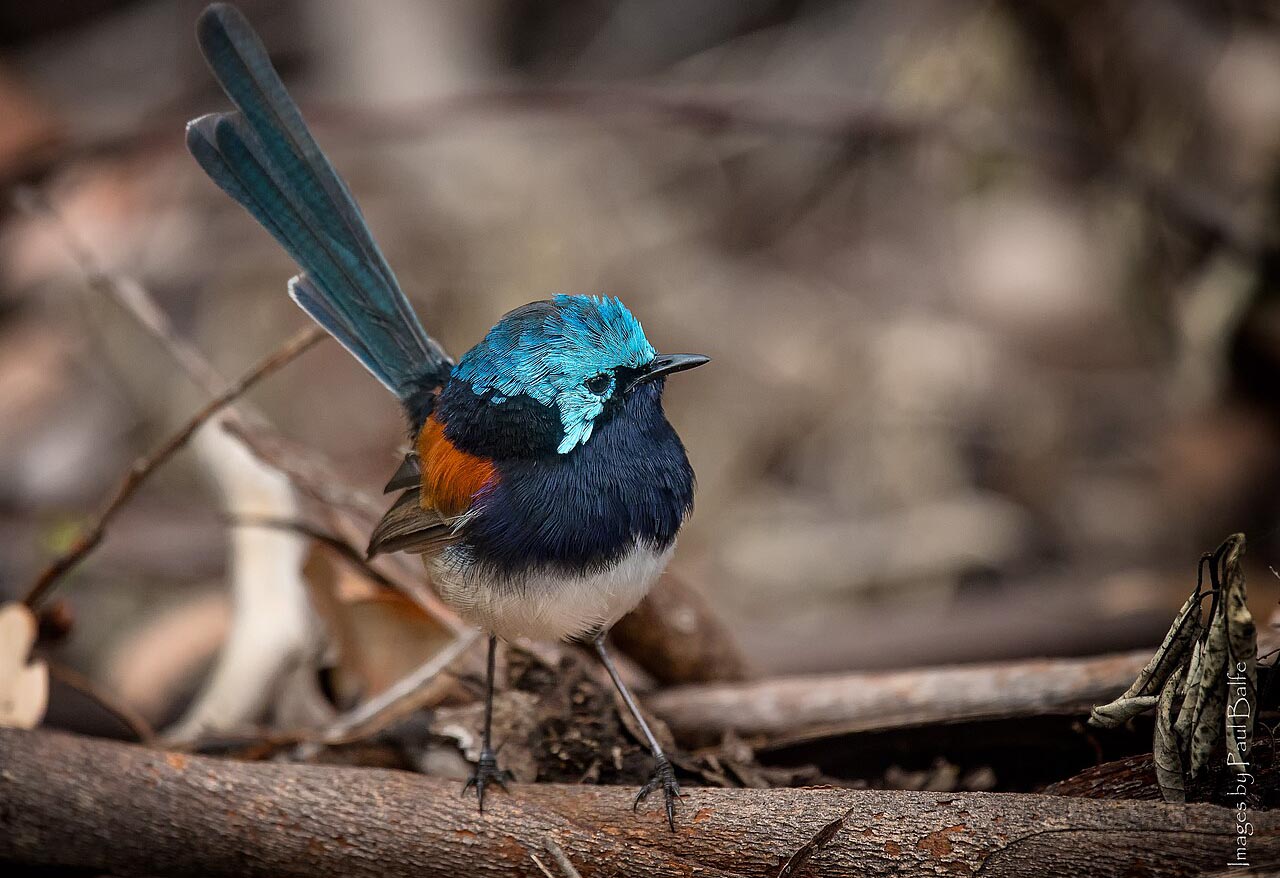
Red-backed Fairywren (Malurus melanocephalus)
The Red-backed Fairywren is found in northern and eastern Australia. IUCN Redlist Status: Least Concern
Blue-breasted Fairywren (Malurus pulcherrimus)
The Blue-breasted Fairywren is found in Western Australia and South Australia, Australia. IUCN Redlsit Status: Least Concern
Splendid Fairywren (Malurus splendens)
The Splendid Fairywren is found in much of Australia. IUCN Redlist Status: Least Concern
Wallace's Fairywren (Sipodotus wallacii)
Wallace's Fairywren is found in Indonesia and Papua New Guinea. IUCN Redlist Status: Least Concern
Southern Emu-wren (Stipiturus malachurus)
The Southern Emu-wren is found in southern regions of Australia, including Tasmania. IUCN Redlist Status: Leeast Concern
Mallee Emu-wren (Stipiturus mallee)
The Mallee Emu-wren is only found in Murray-Sunset National Park, Hattah-Kulkyne National Park and the adjoining Nowingi State Forest, and Wyperfeld National Park, in Victoria, Australia. IUCN Redlist Status: Endangered
Rufous-crowned Emu-wren (Stipiturus ruficeps)
The Rufous-crowned Emu-wren is found in Western Australia, Northern Territory, Queensland, and South Australia, Australia. IUCN Redlist Status: Least Concern