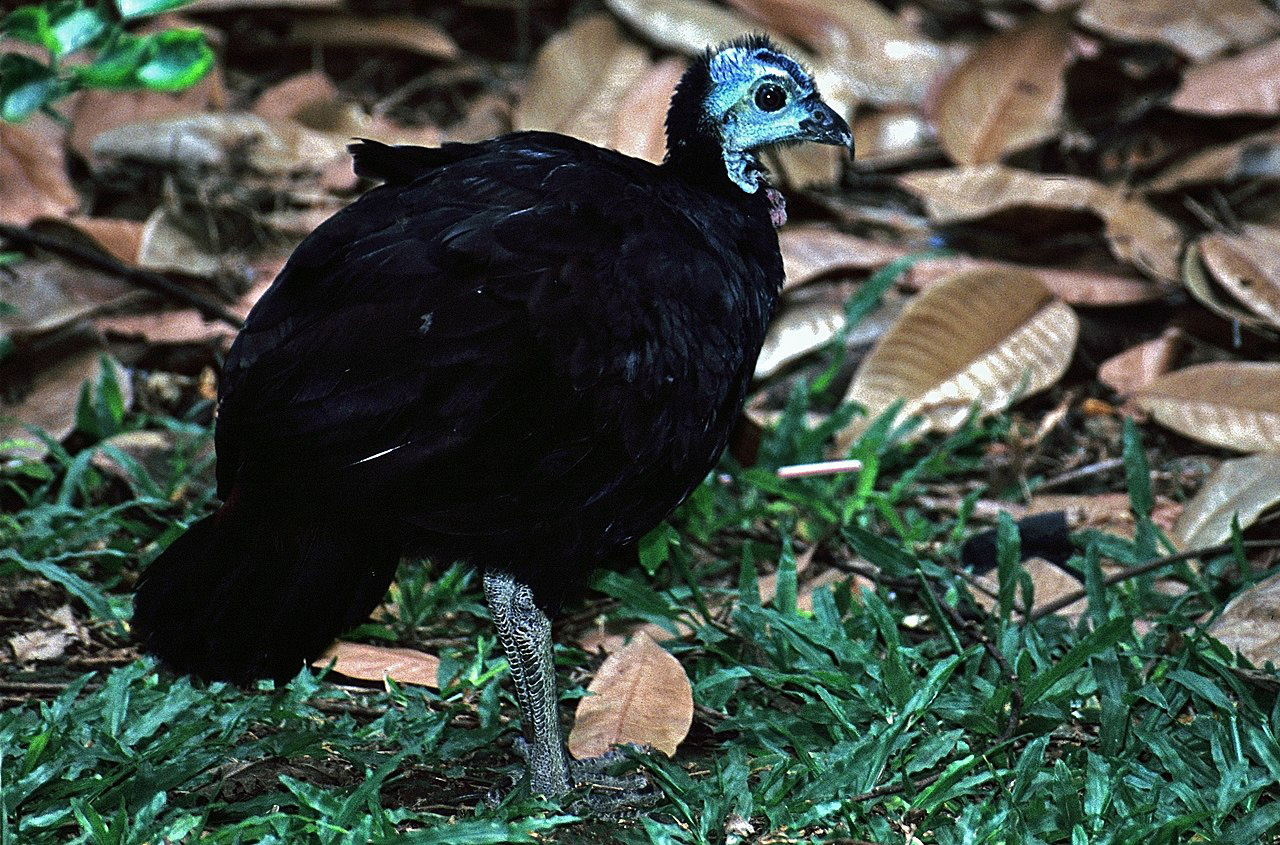
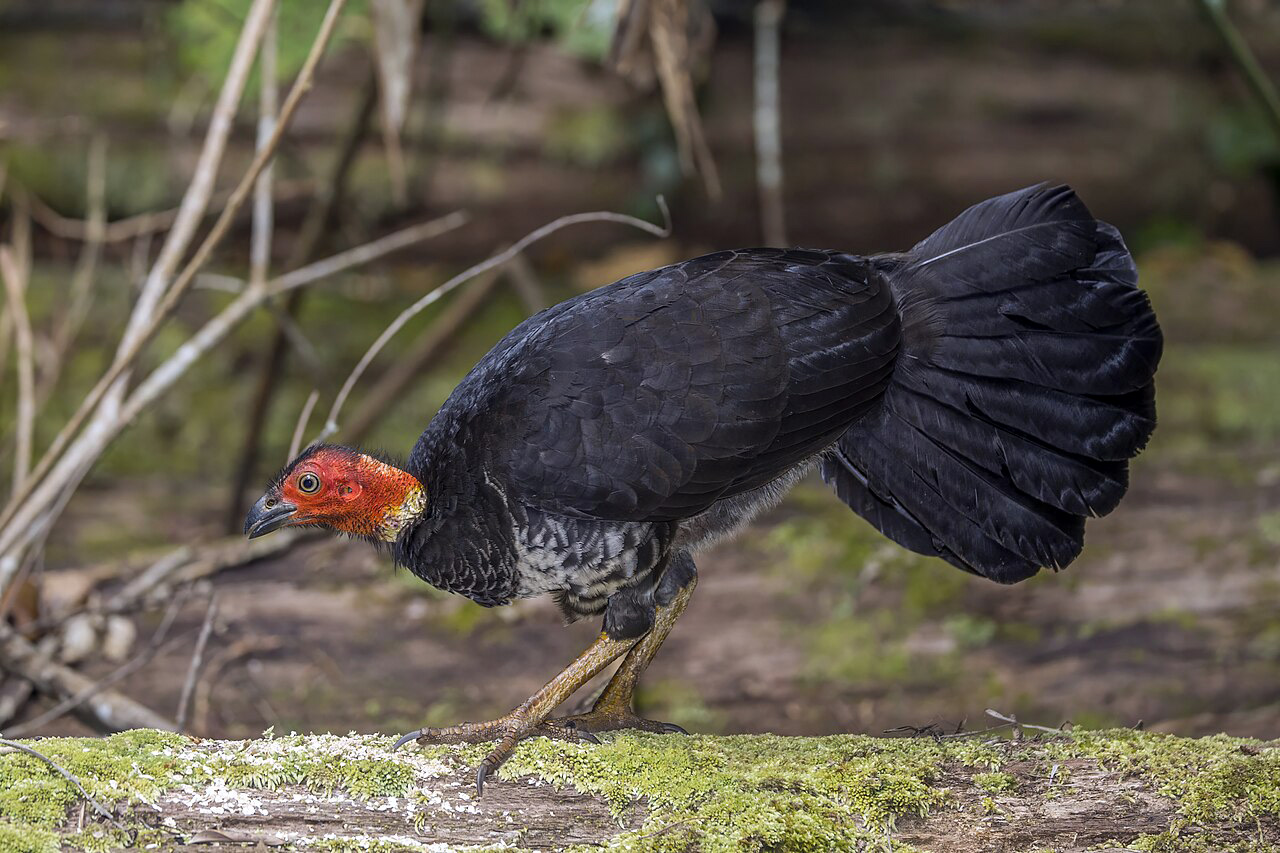
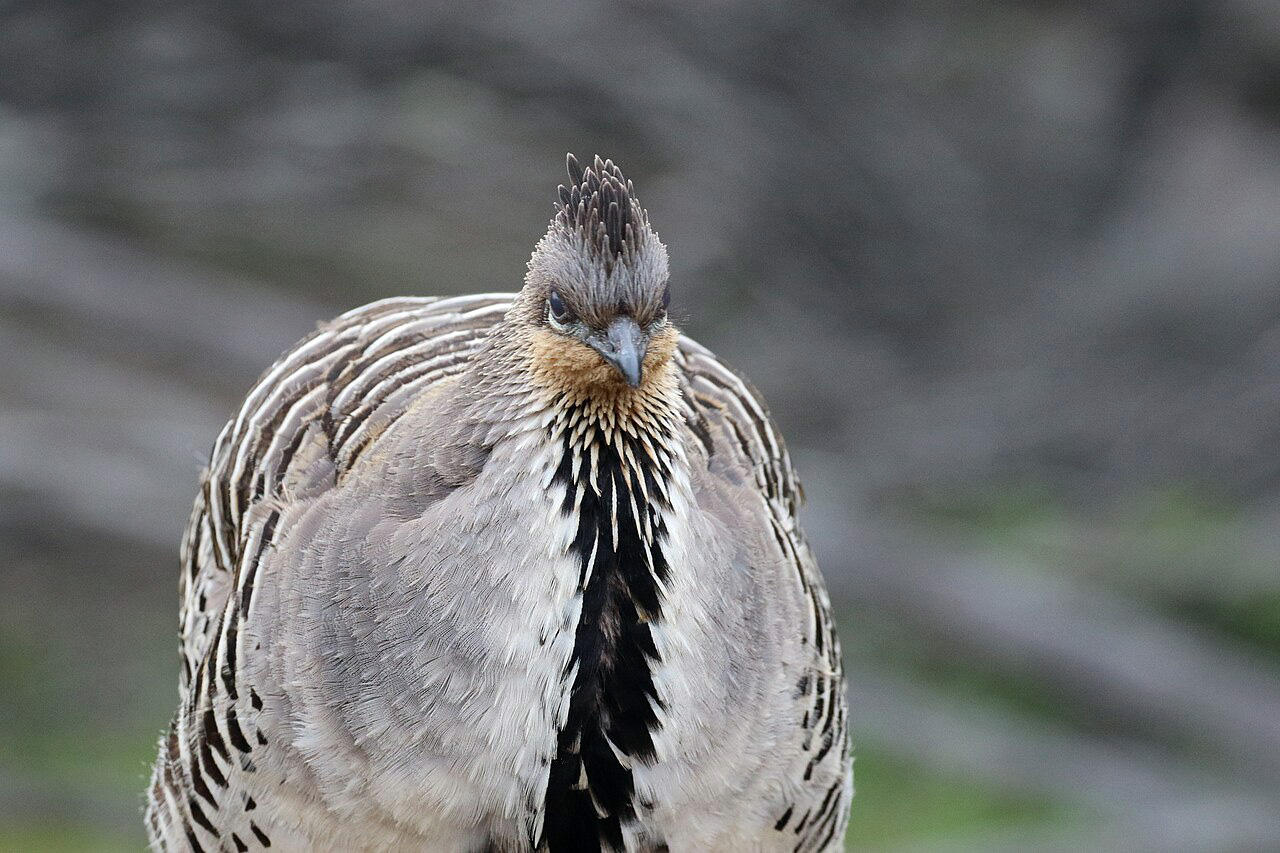
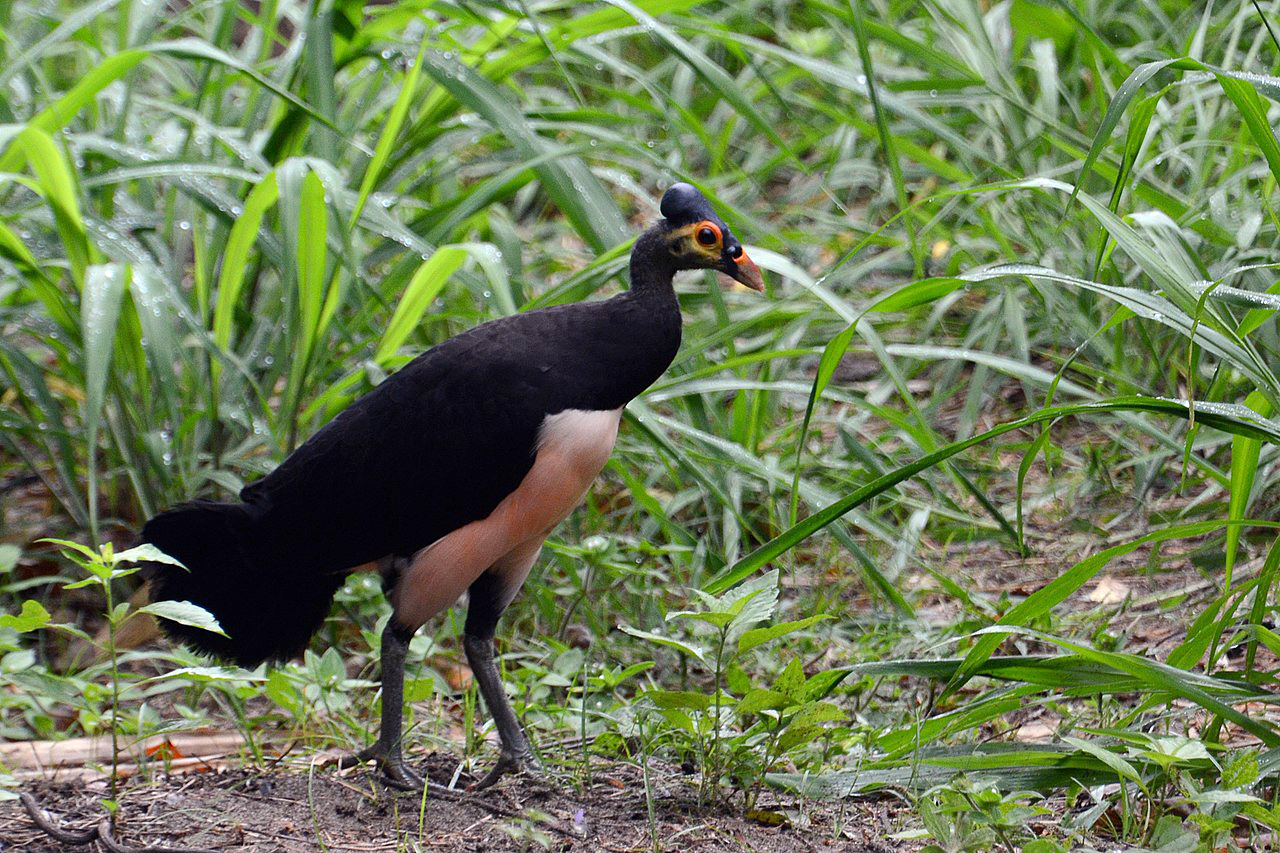
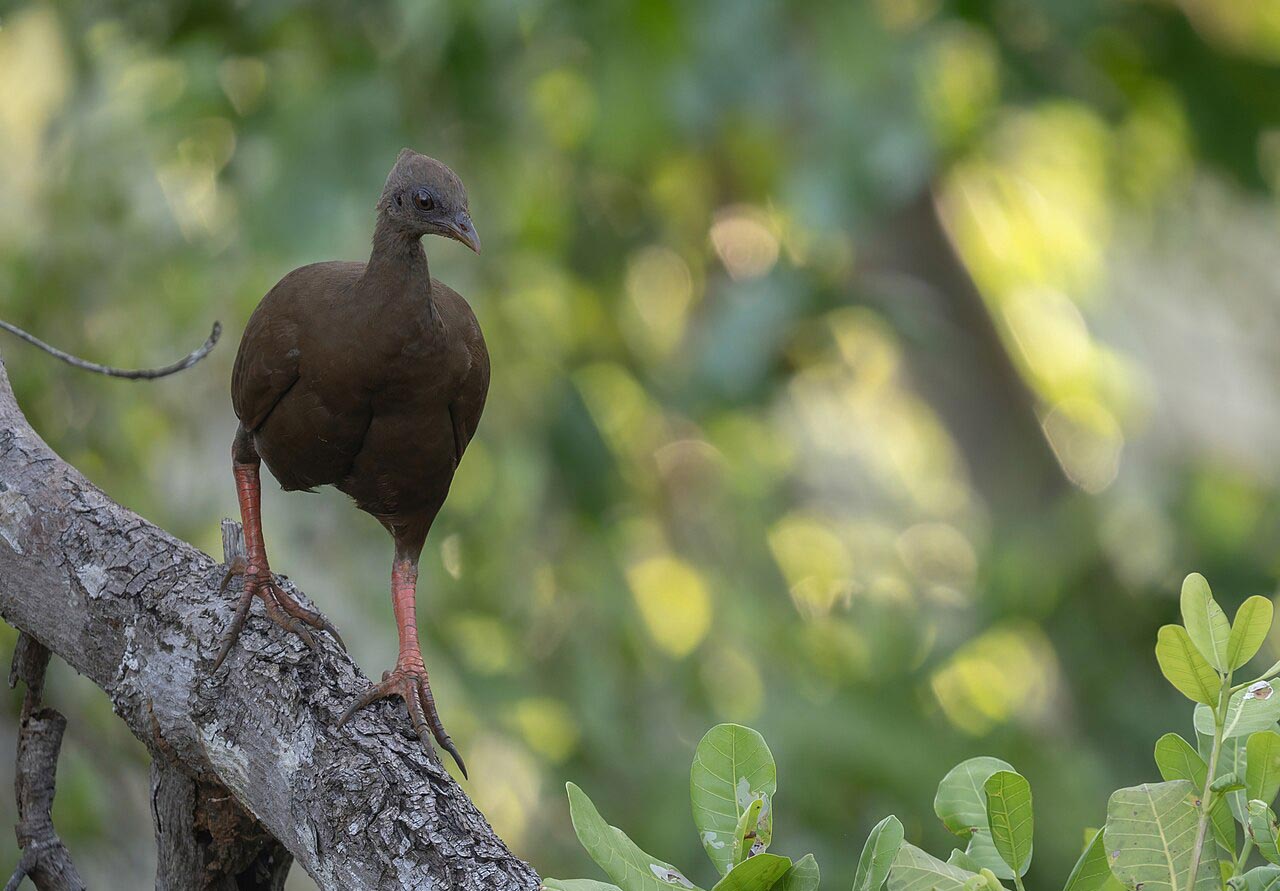
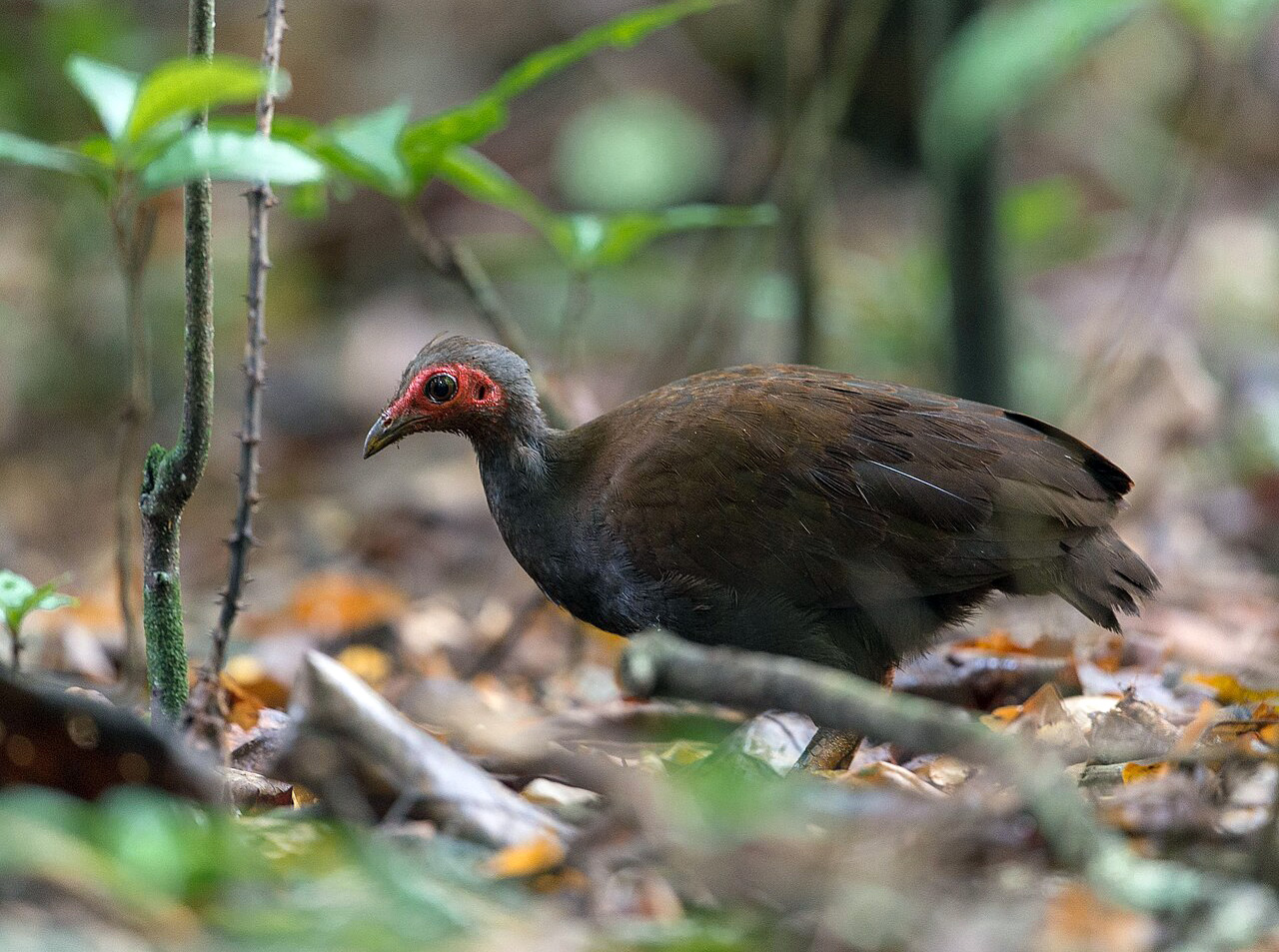
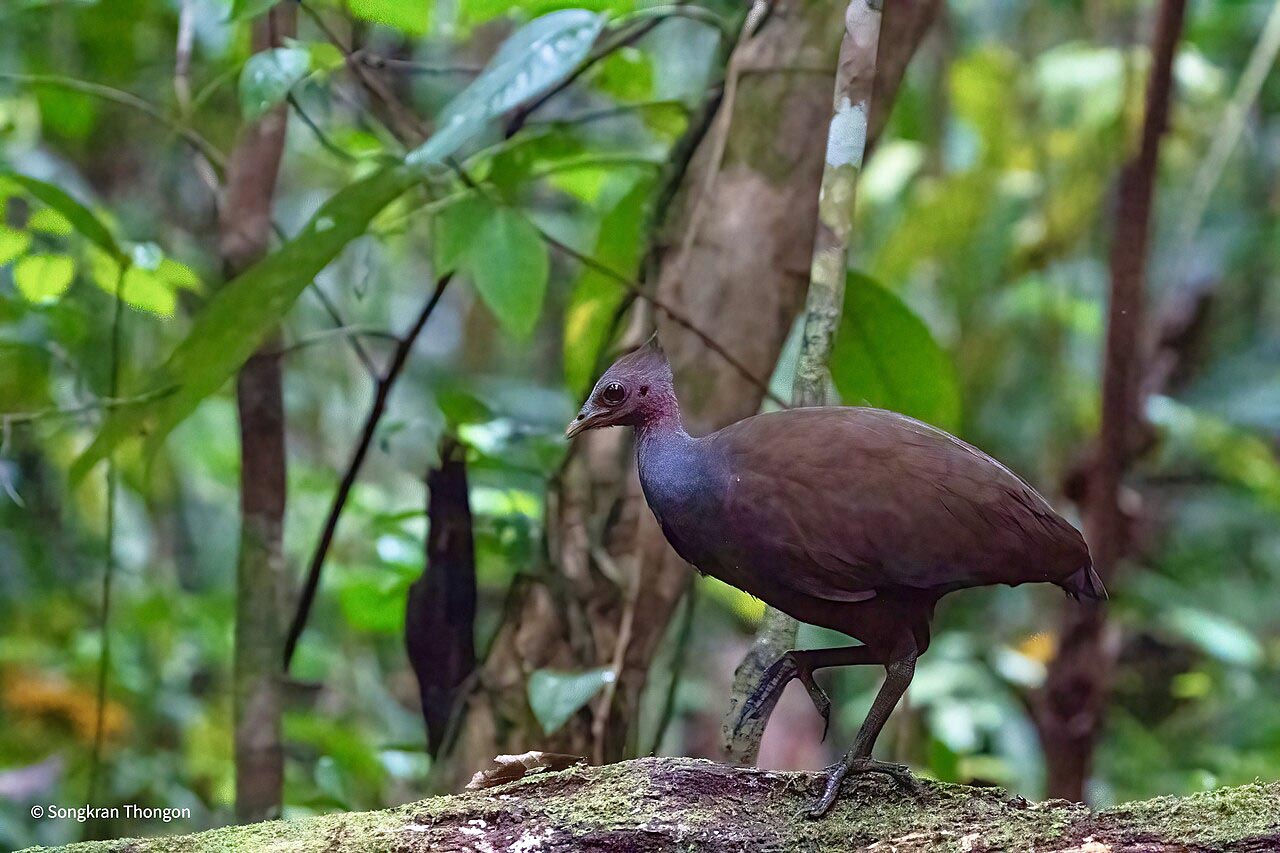
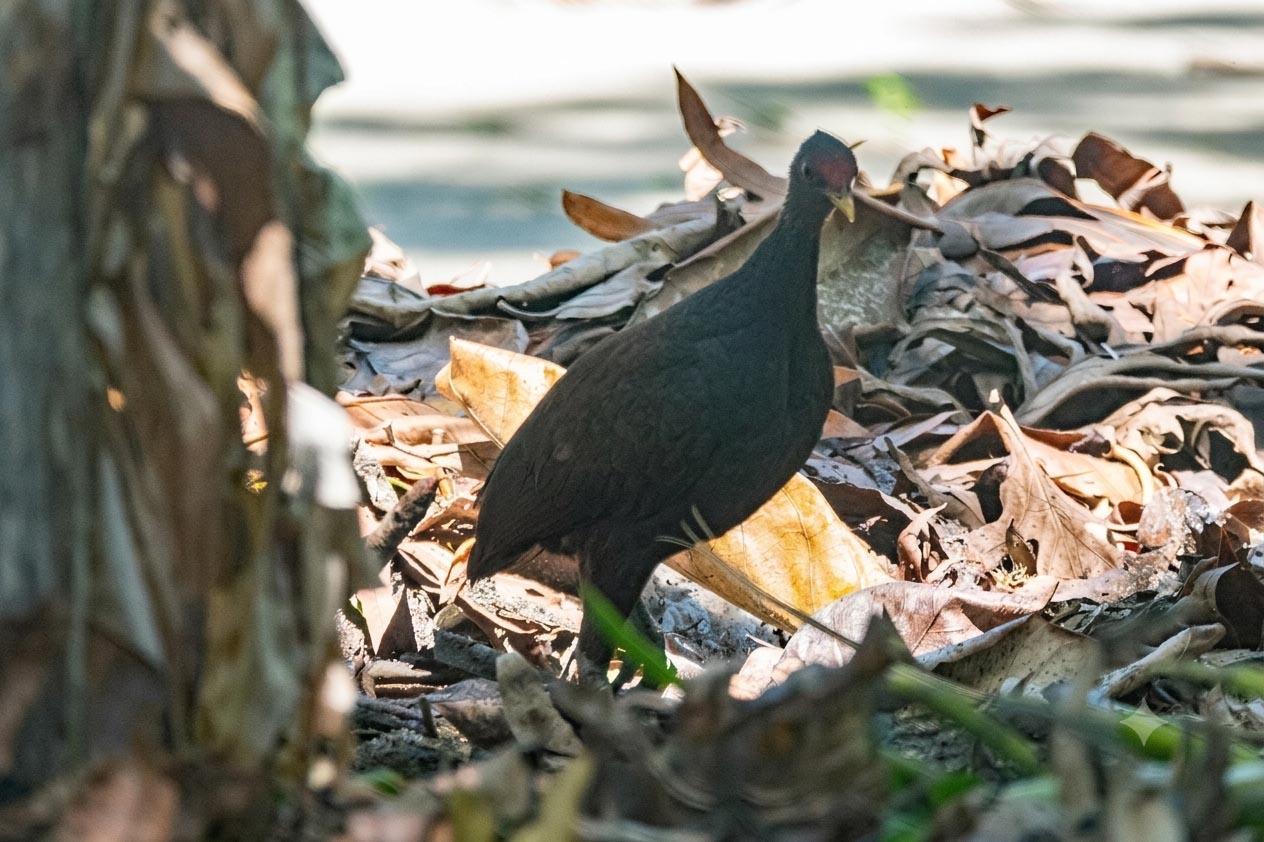
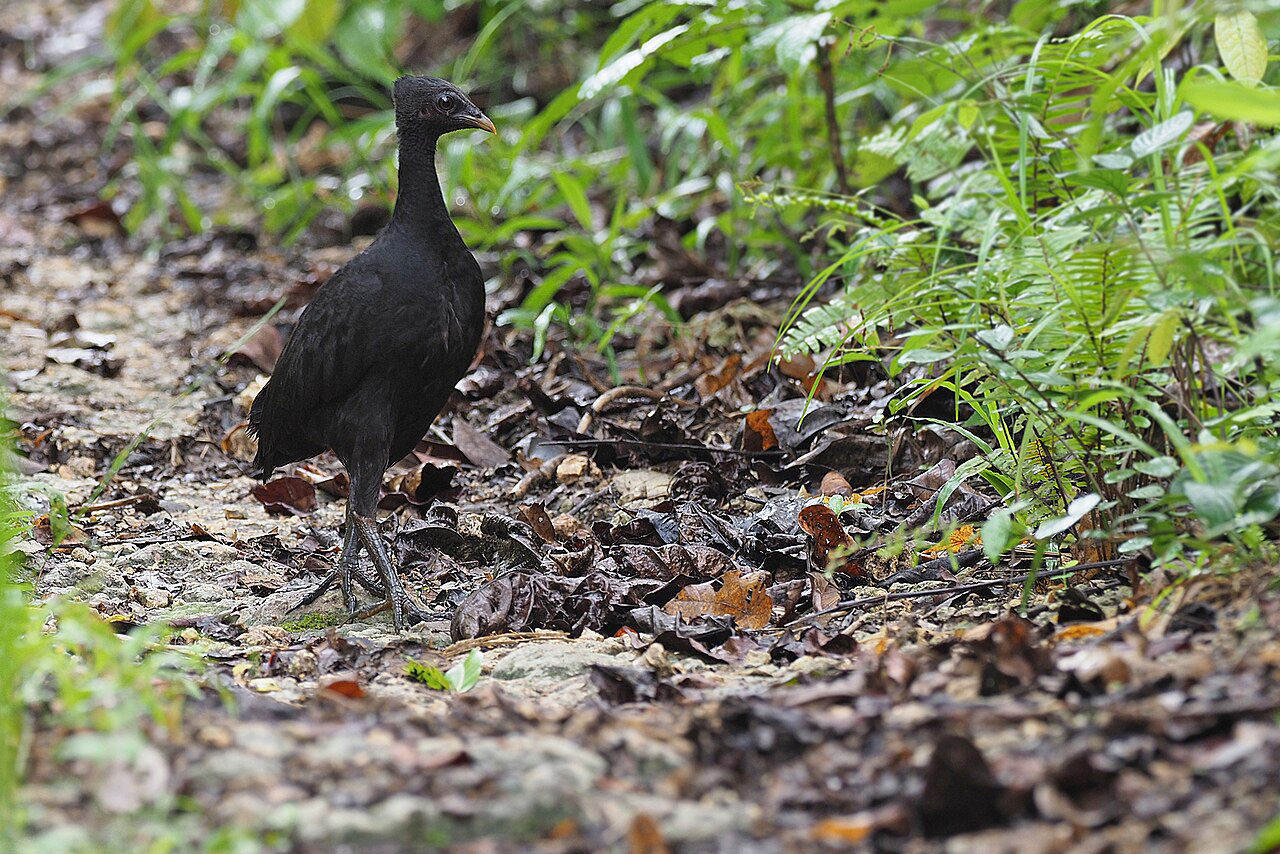
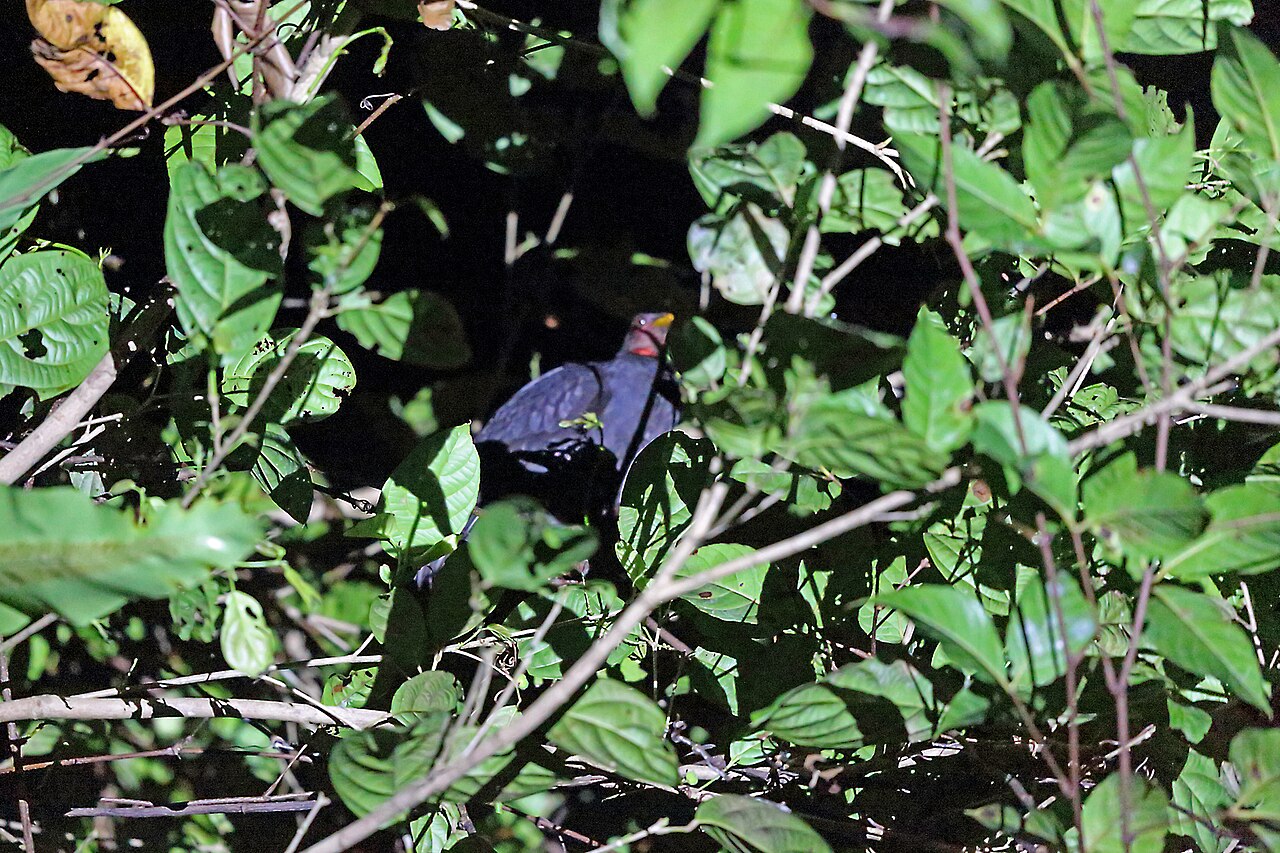
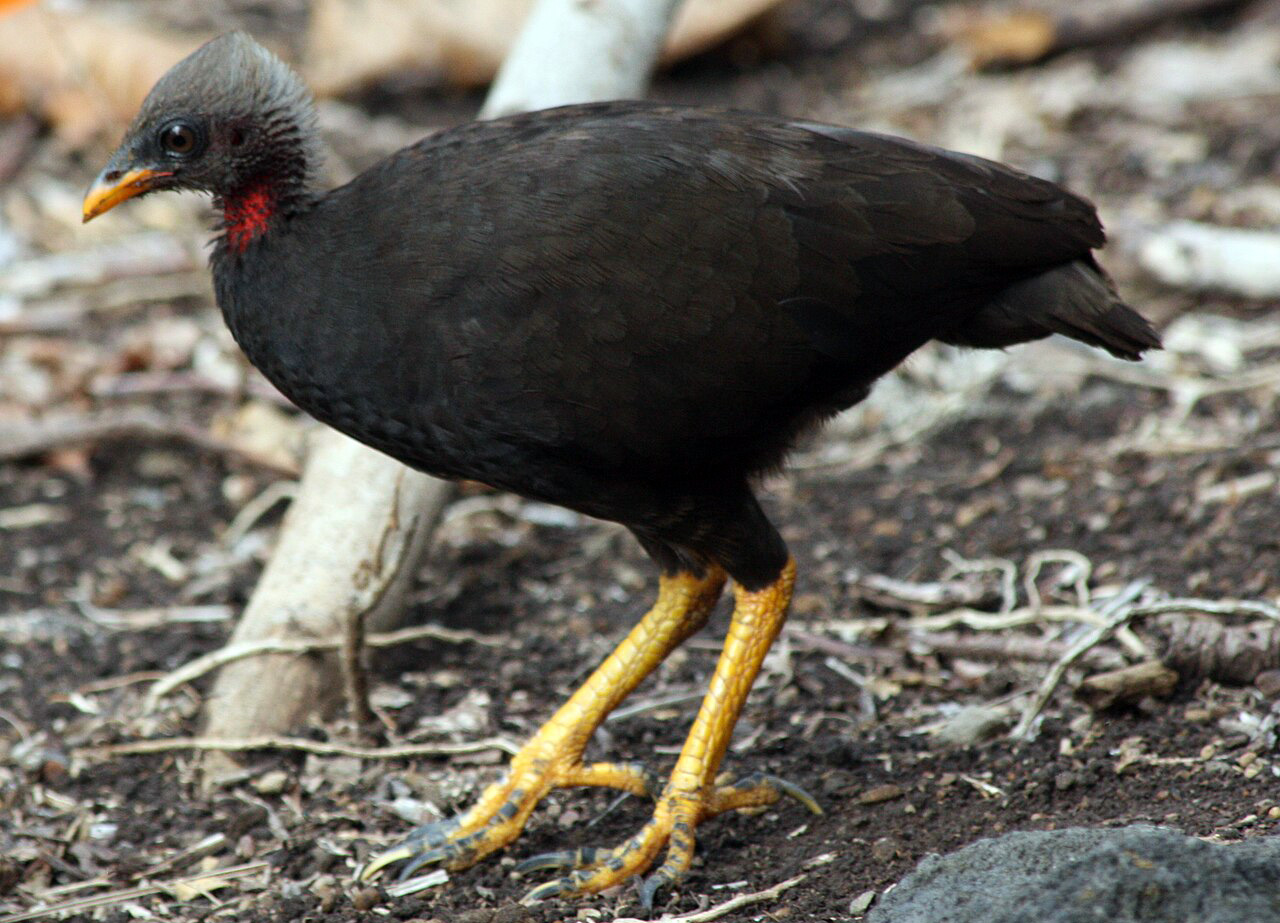
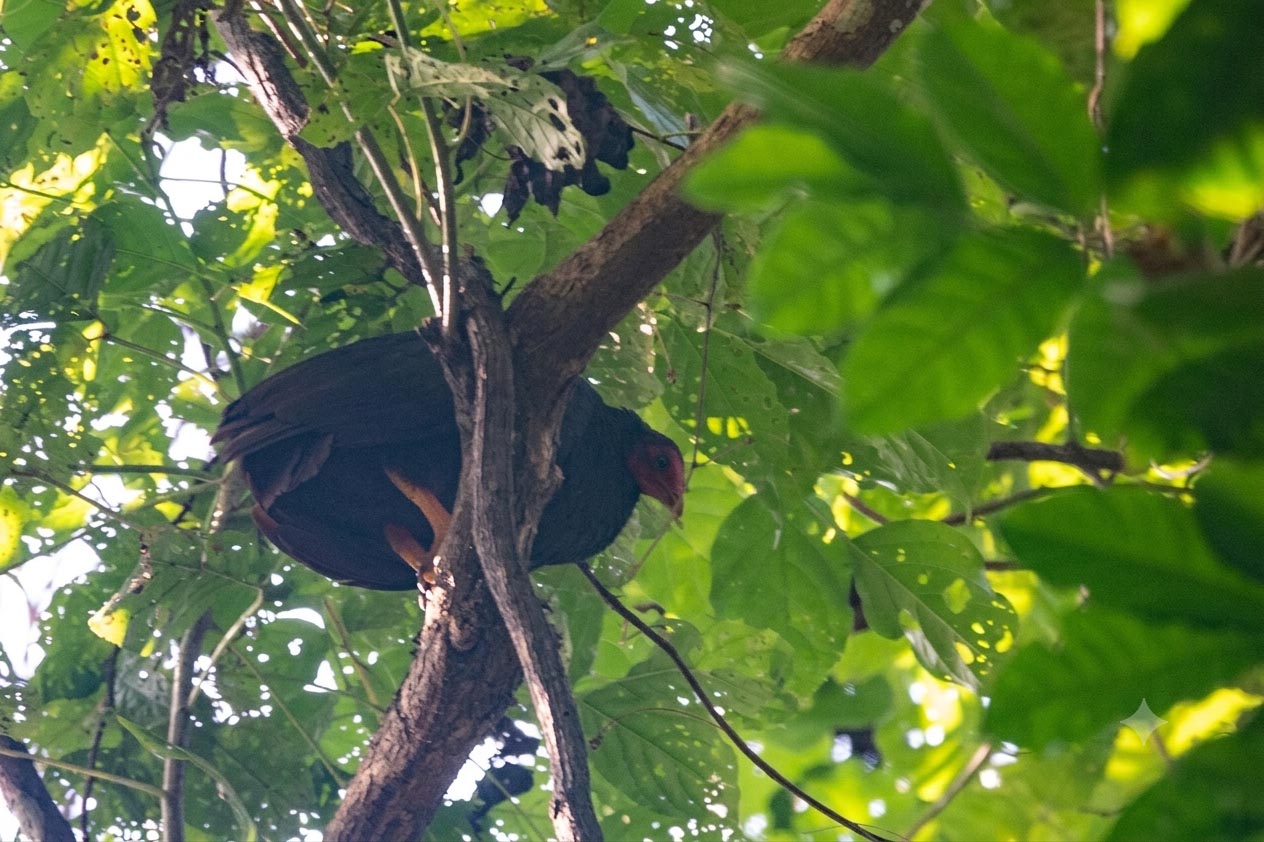
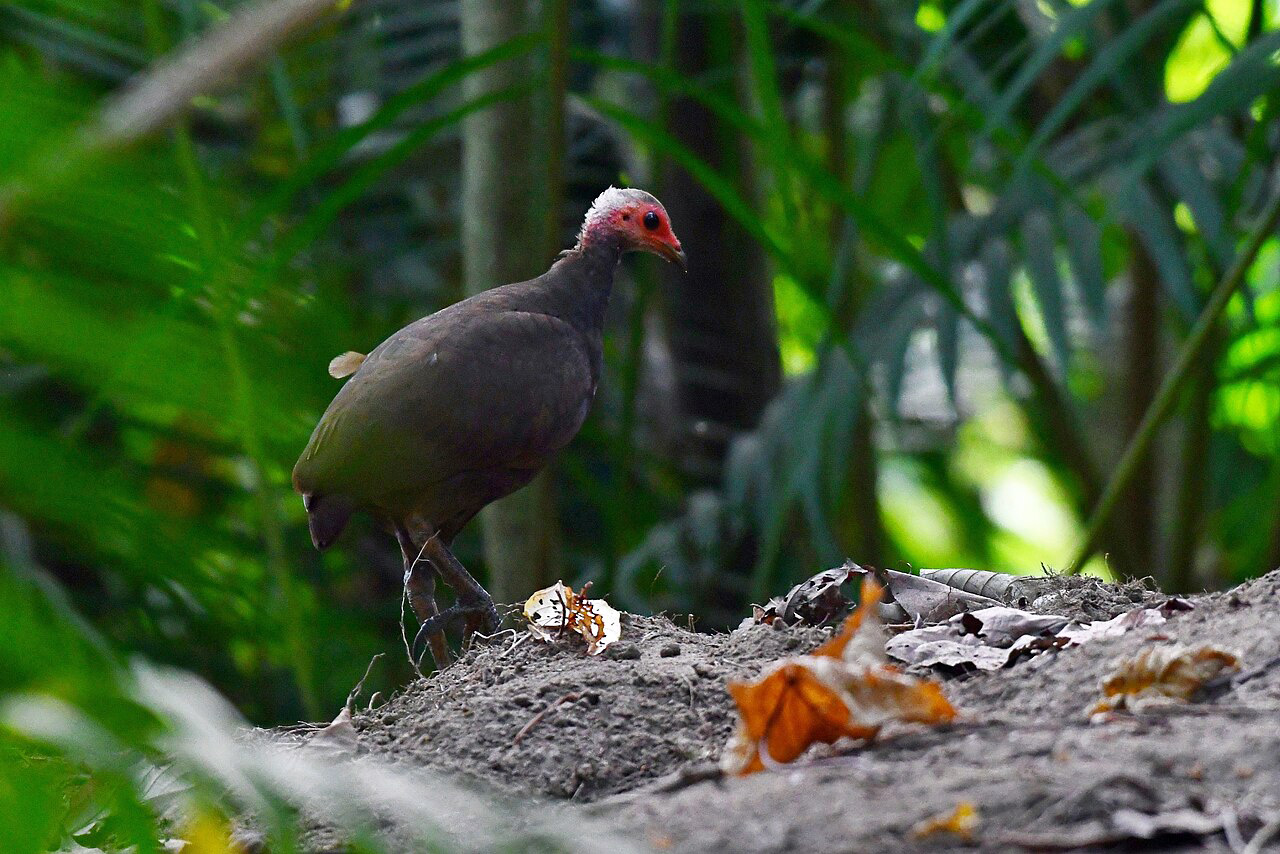
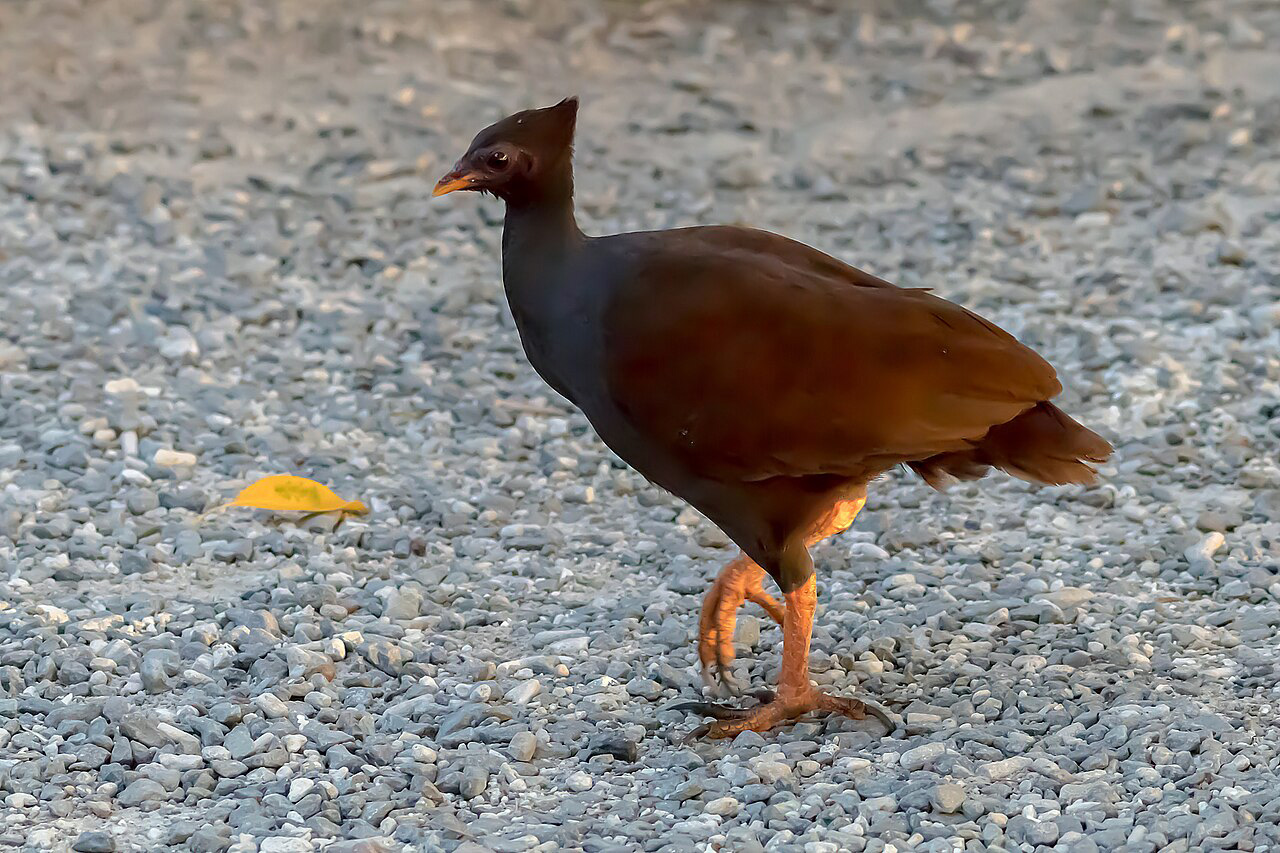
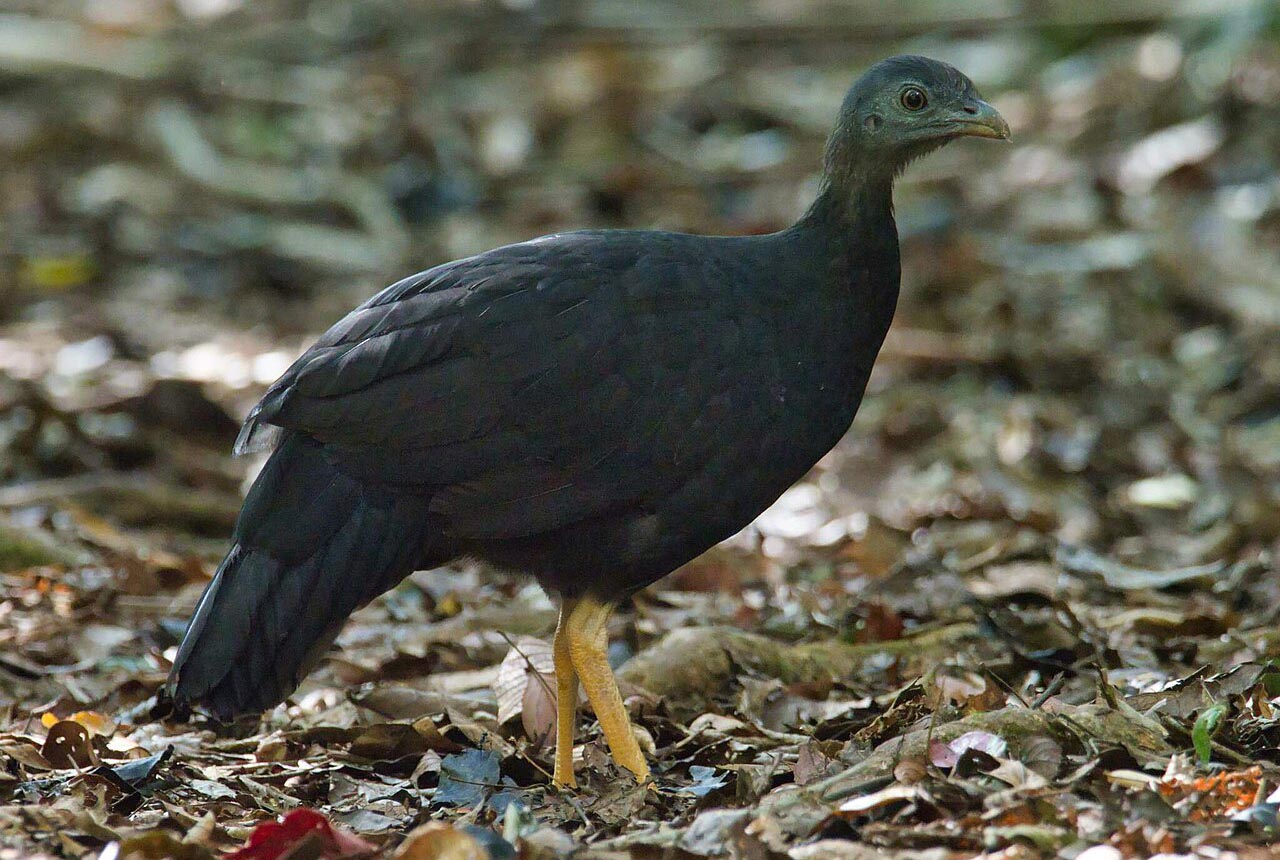
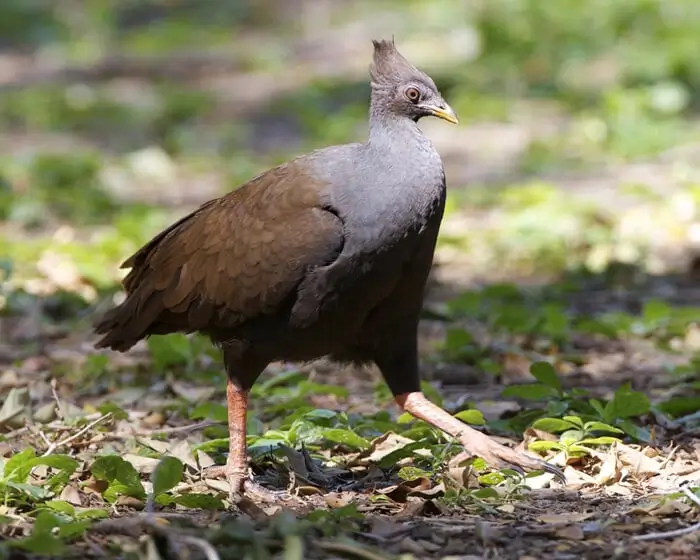
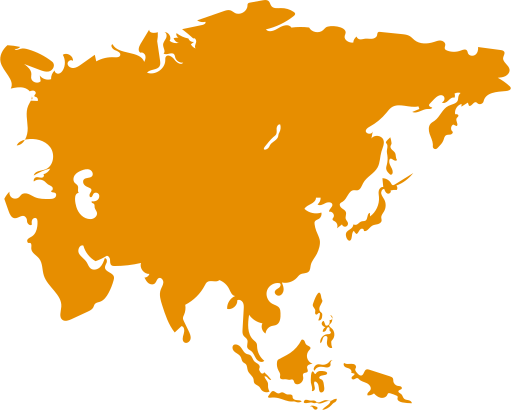
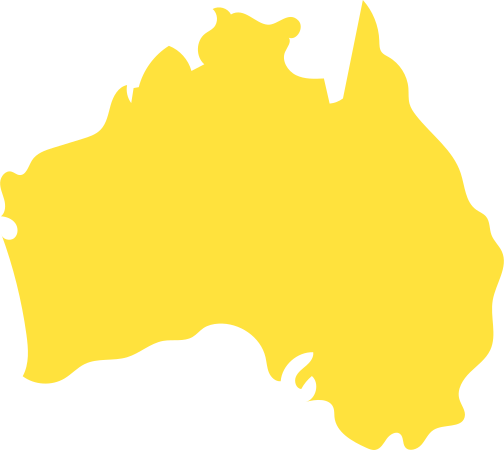
There are 22 species in the Megapode family. They live in forests in Australia, New Guinea, Indonesia, the Philippines, and nearby islands.
Megapodes are large, ground-dwelling birds that look a bit like turkeys. Most are 20–27 inches (50.8–68.6 cm) long. They are also called scrubfowl or brush-turkeys.
The name megapode comes from Greek words meaning “large foot.” This name refers to their strong, oversized feet, which they use to dig nesting mounds and scratch for food.
Megapodes are omnivores. They use their large, powerful feet to scratch through leaf litter on the forest floor in search of food. They eat seeds, fruits, berries, nuts, leaves, flowers, insects, spiders, worms, snails, and other small invertebrates. Some species also eat small crabs and other tiny animals found along beaches or in forests.
Megapodes are famous for their unusual nesting habits. They are often called mound builders because they build large mounds of soil, sand, and decaying leaves and other plant material. They bury their eggs inside the mound, where heat from decaying vegetation keeps the eggs warm as they develop.
In many species, both parents add or remove material from the mound to help regulate its temperature. When the chicks hatch, they dig their way out of the mound without any help.
Megapode chicks are precocial, which means they hatch well developed. They can walk, find food, and care for themselves almost immediately after hatching. Some species do not build mounds. Instead, they bury their eggs in sandy burrows or pits, where the sun or geothermal heat (heat from inside the Earth) incubates the eggs.