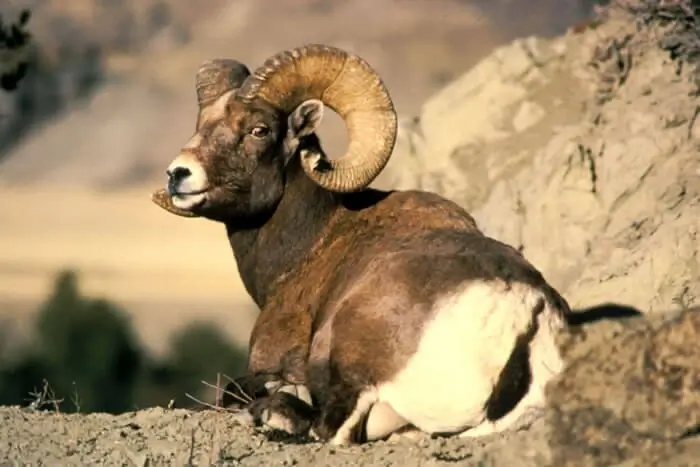
There are about 220 species of land-dwelling animals in this order, grouped into roughly 10 main families (the exact number can vary depending on how scientists classify them). These animals are called even-toed ungulates because they usually stand and walk on an even number of toes—most often two or four.
Many species in this group are plant-eaters (herbivores), and most have special digestive systems that help them break down tough plant material. In many animals, such as deer, cows, and sheep, the stomach has four chambers that work together to digest food. However, not all species are the same. For example, pigs have a simpler stomach, and camels have a stomach with three sections.
Most even-toed ungulates live in open habitats such as grasslands and plains. Others live in forests, wetlands, or mountains. They are found on every continent except Antarctica, and they are not native to Australia (although some have been introduced there by humans). Animals in this group include pigs, hippos, giraffes, camels, sheep, goats, bison, cows, moose, deer, and pronghorns.
Whales and Their Relatives
Modern science shows that whales and dolphins are closely related to even-toed ungulates. Because of this, scientists place them together in a larger group called Cetartiodactyla. The older group name for whales and dolphins is Cetacea, and it is still commonly used today.
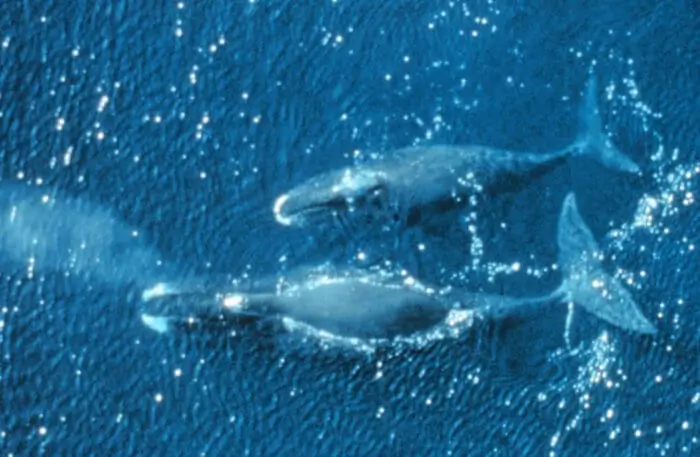
There are about 90 cetacean species, grouped into around 14 families. They are fully aquatic (water-living) mammals. Cetaceans have long, streamlined, torpedo-shaped bodies, front flippers, and no visible hind legs (though tiny internal bones remain). Their tails have horizontal flukes that move up and down to help them swim.
Cetaceans breathe air through a blowhole on top of their head and stay warm in cold water using a thick layer of fat called blubber. Like all mammals, they give birth to live young and feed them milk. Many cetaceans are social and live in groups called pods.
There are two main groups of cetaceans:
Mysticeti (baleen whales): These whales have two blowholes and baleen plates instead of teeth. Baleen is made of keratin—the same material found in human fingernails. It works like a filter, trapping small animals like krill and tiny fish from seawater.
Odontoceti (toothed whales): These whales have teeth and usually one blowhole. They hunt fish and squid, and many use echolocation (sound-based “sonar”) to find food and navigate.