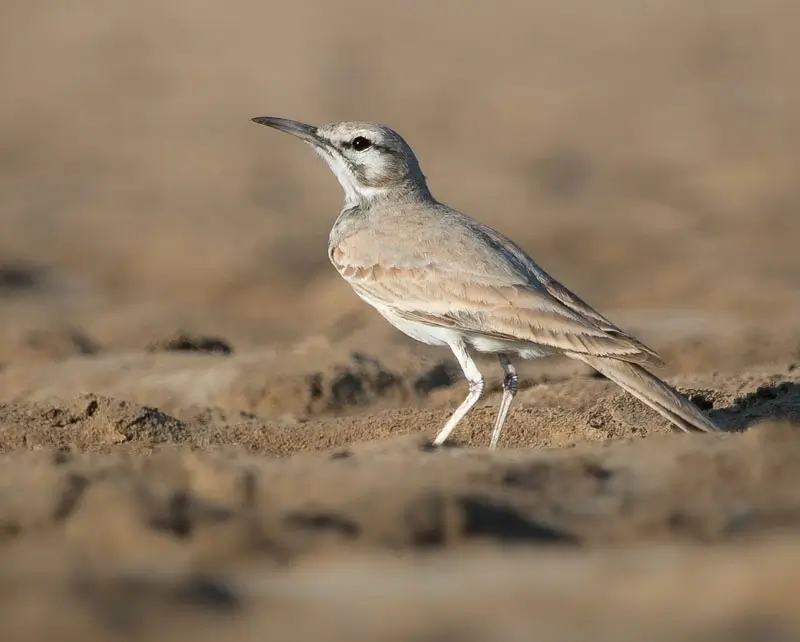
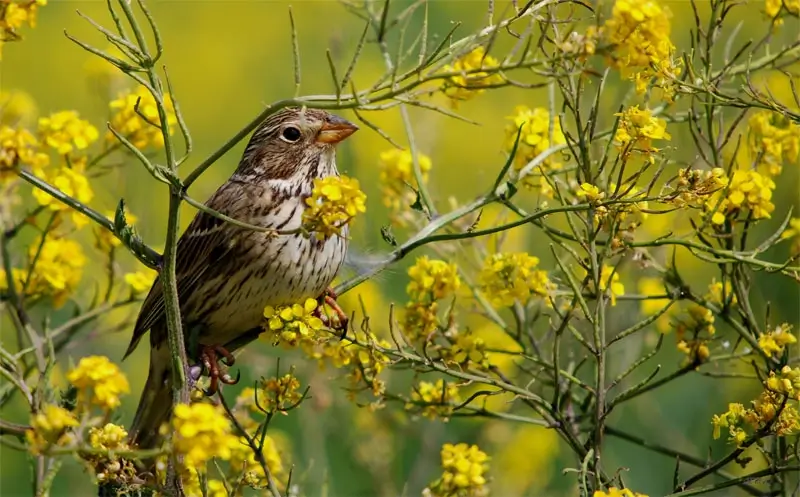
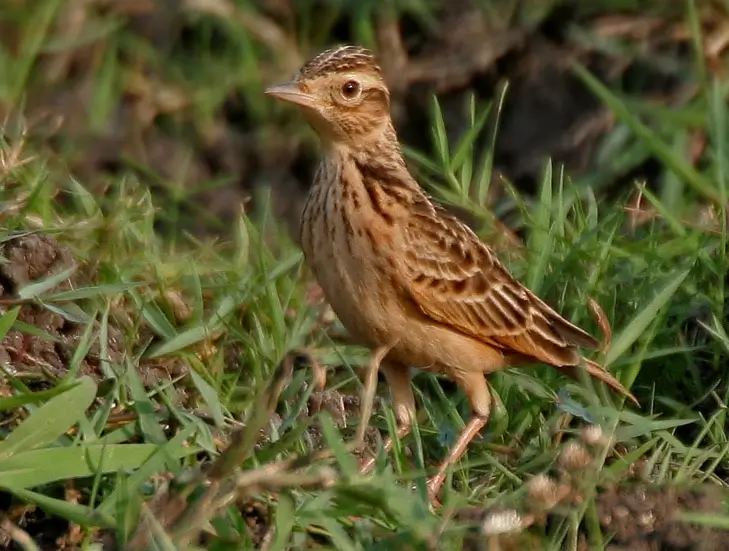
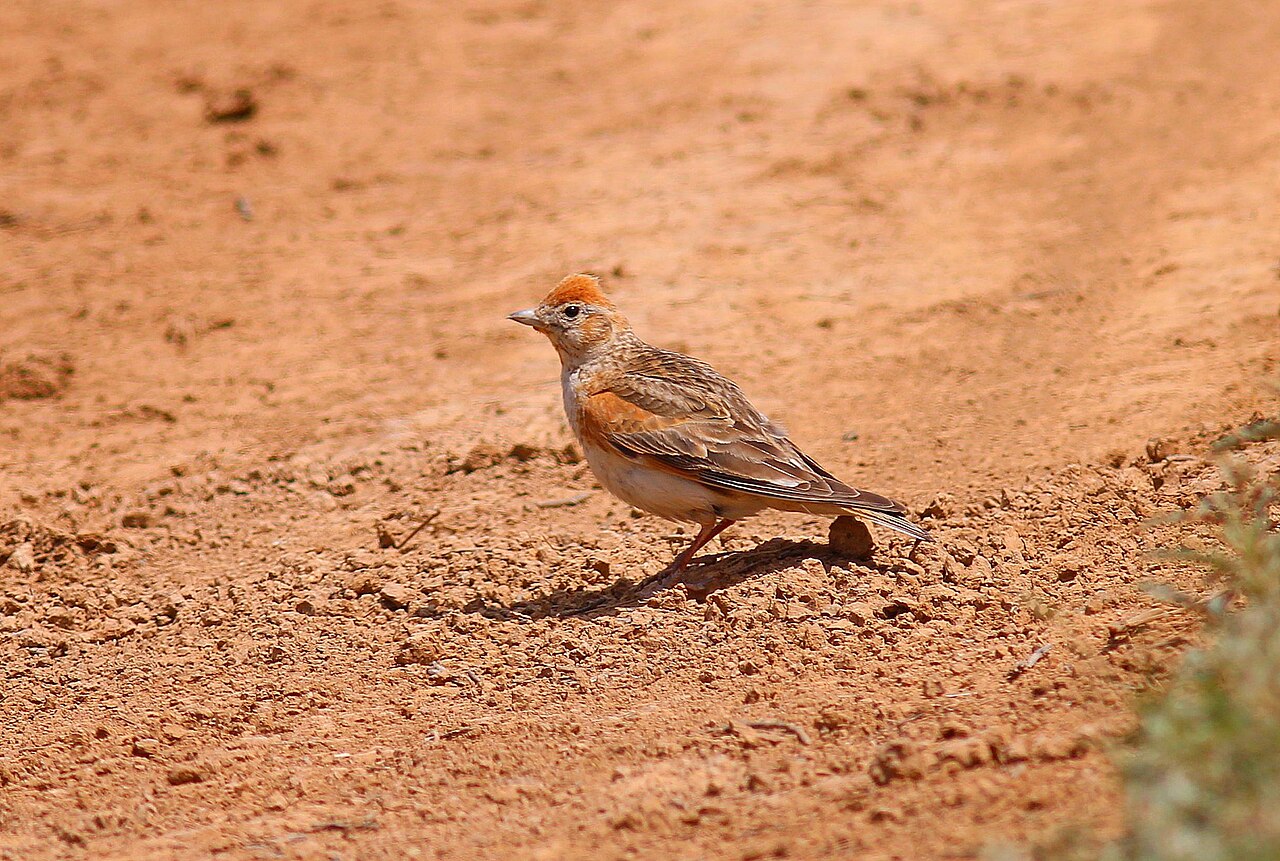
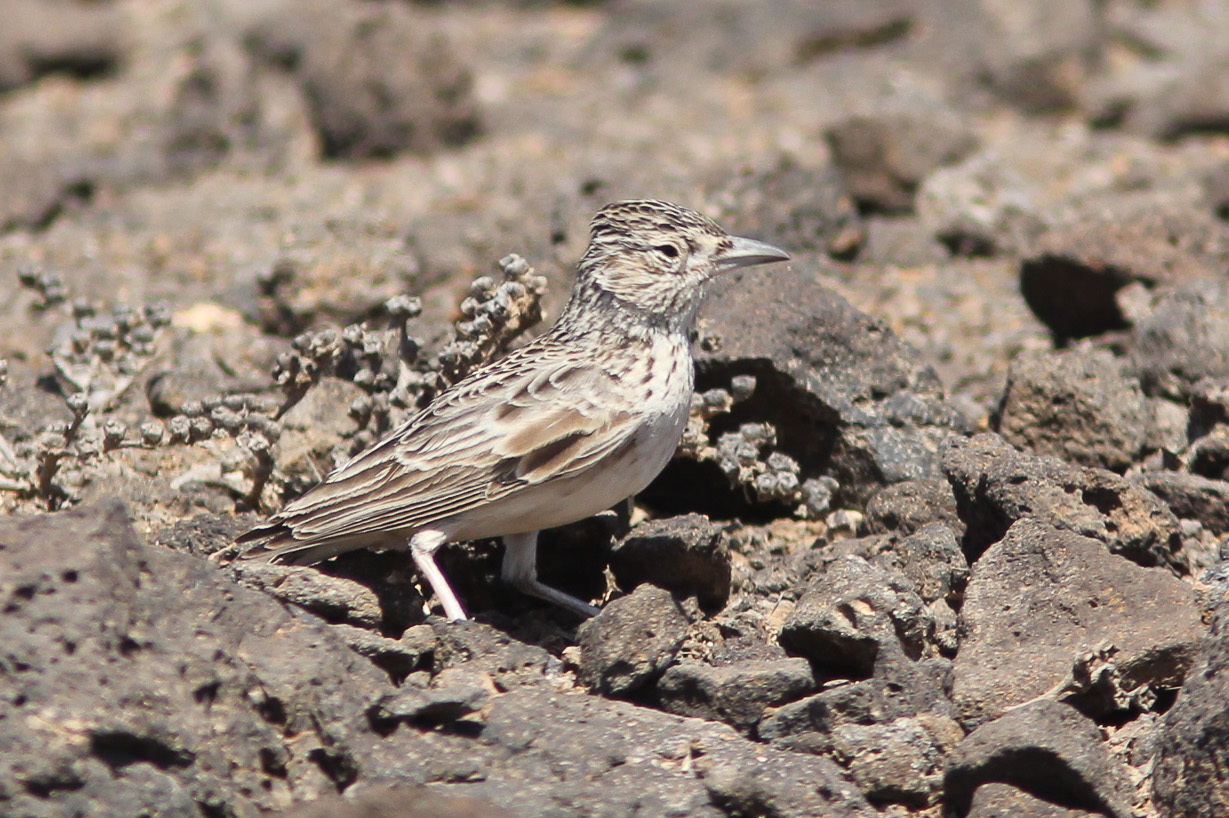
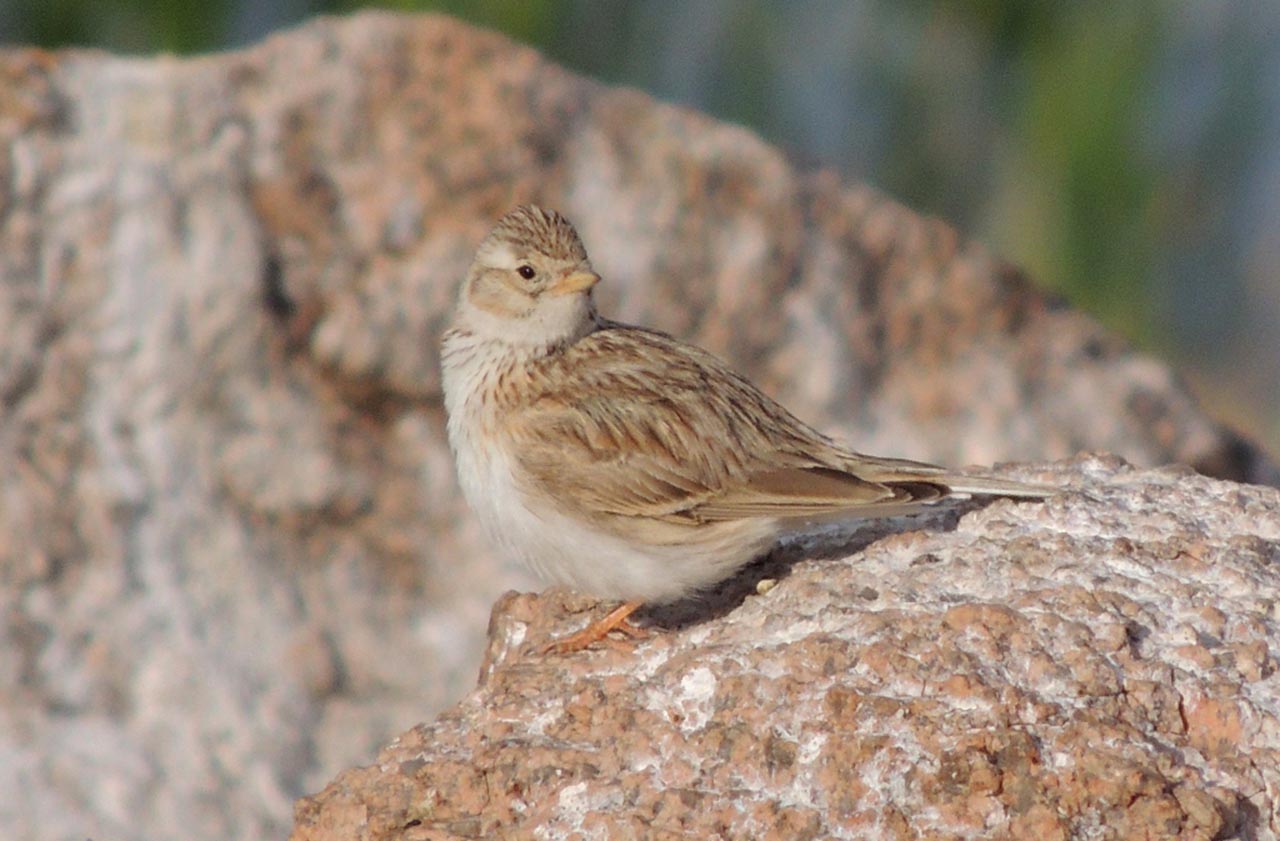
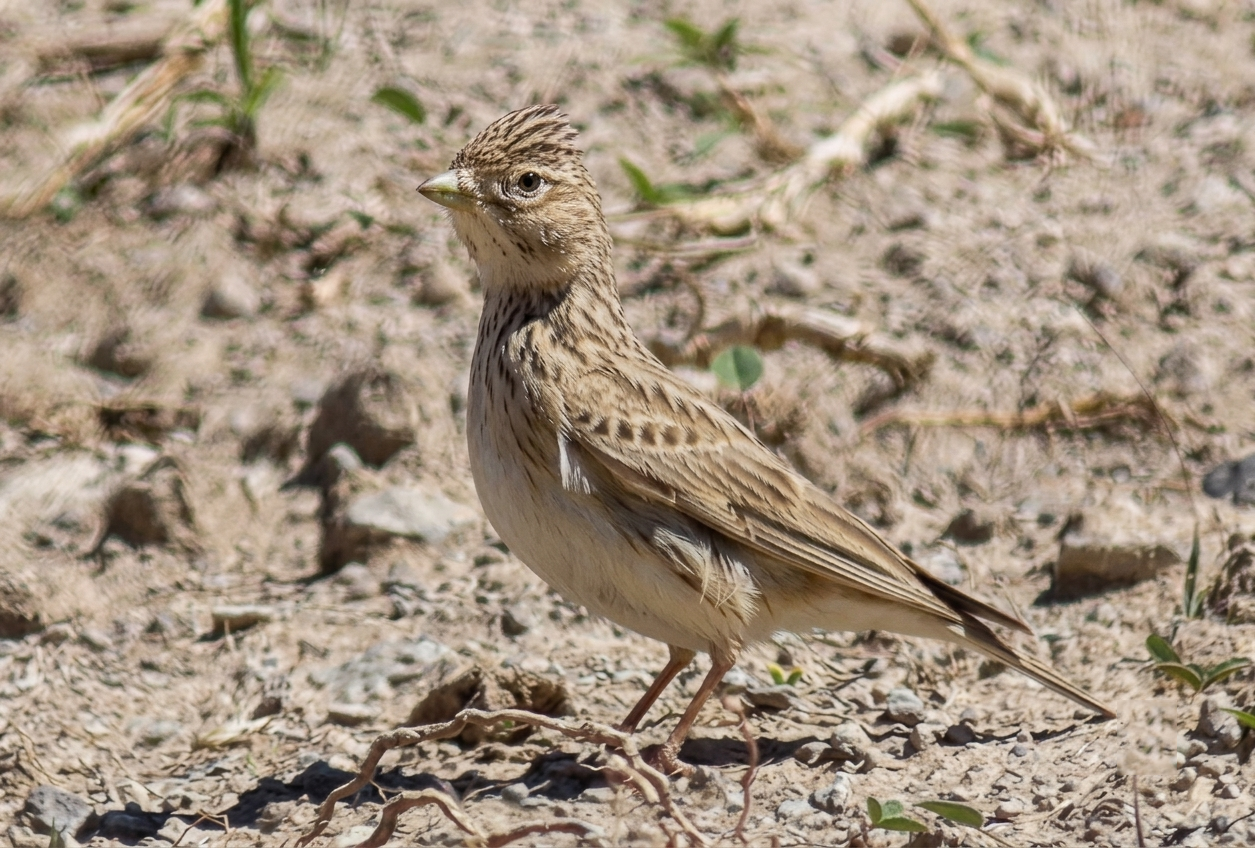
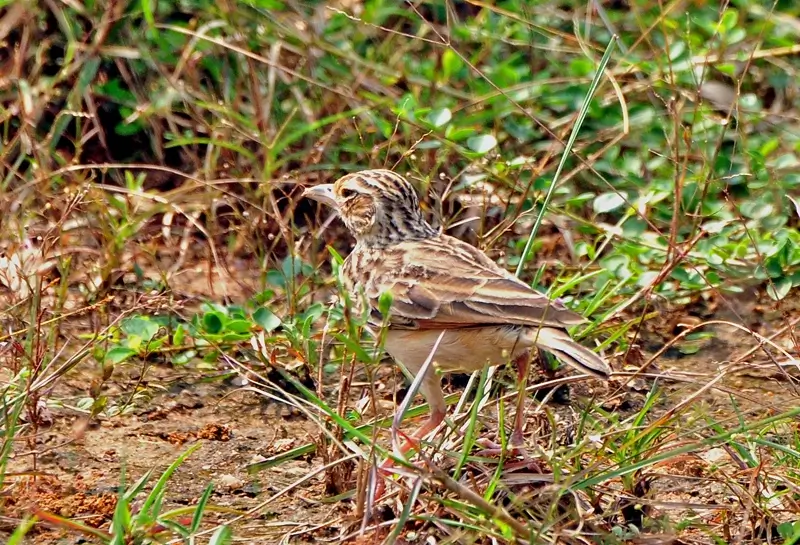
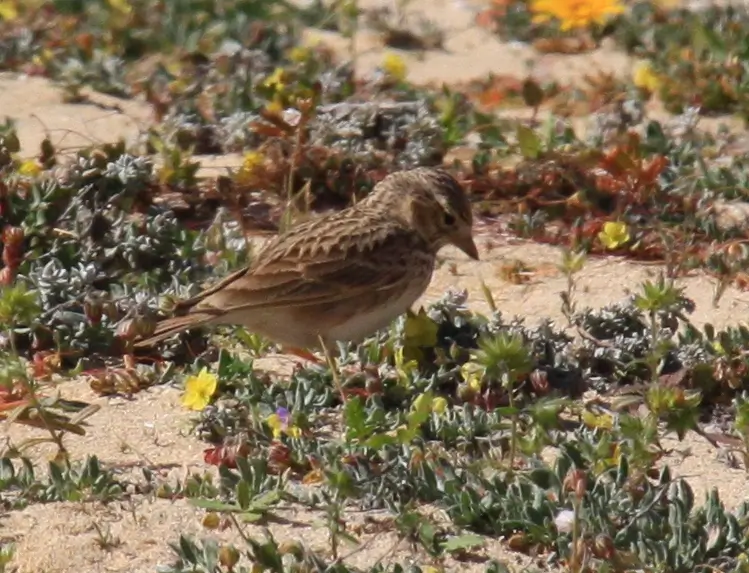
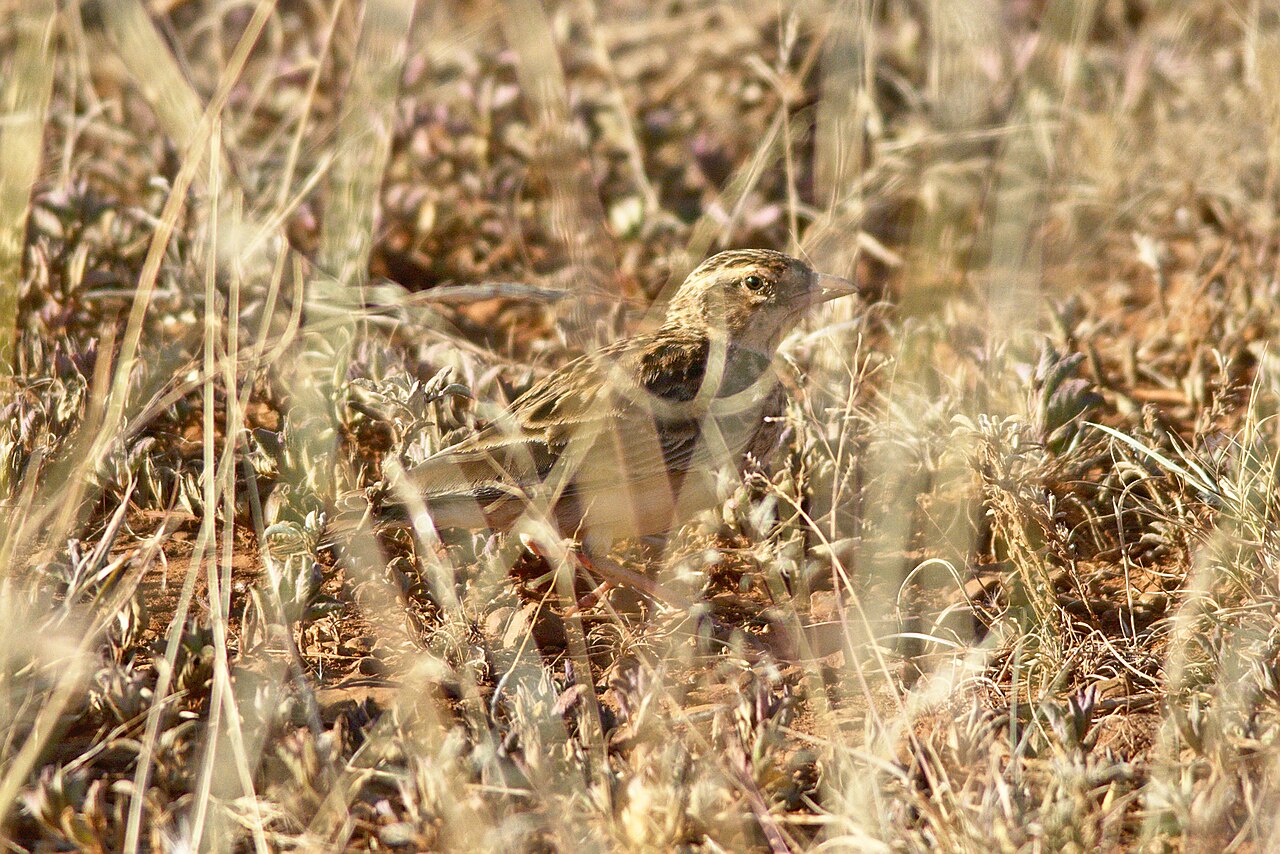
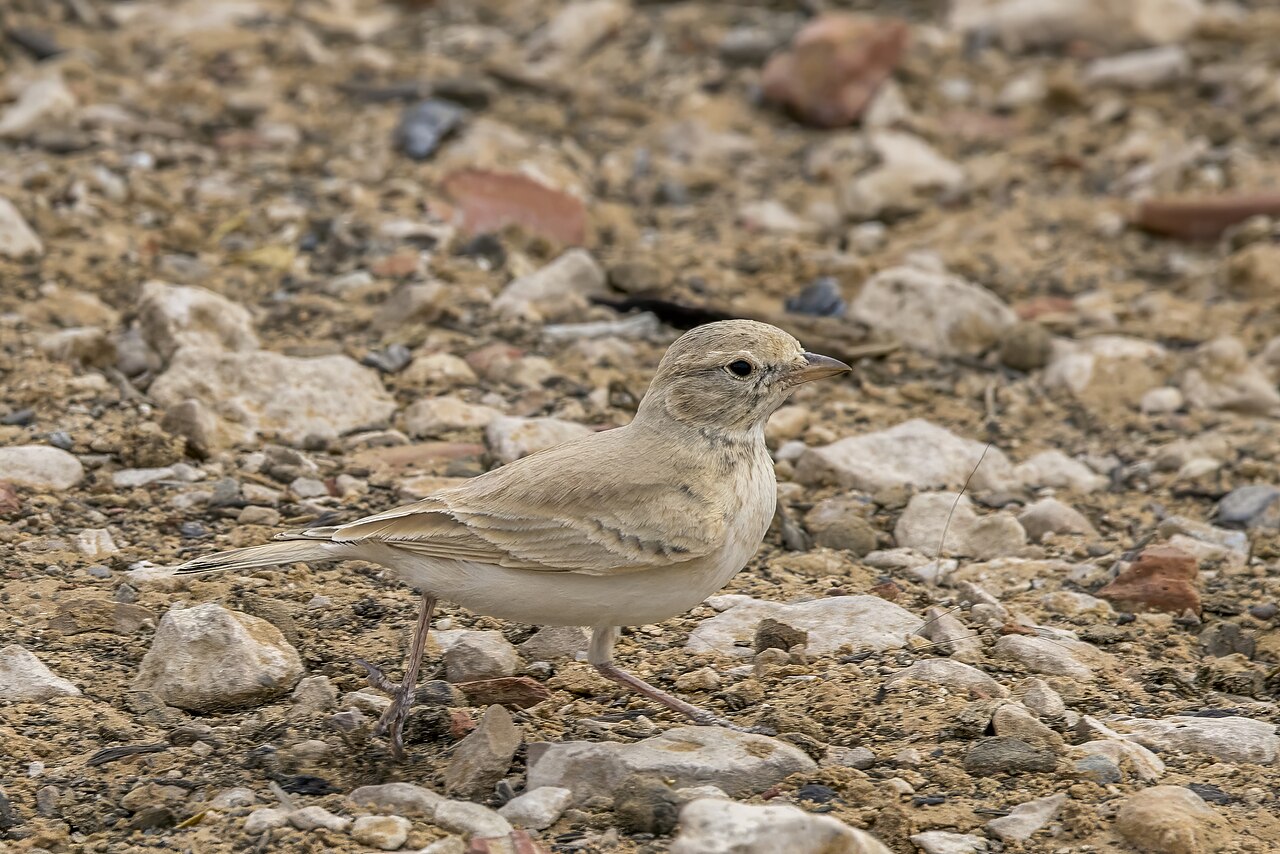
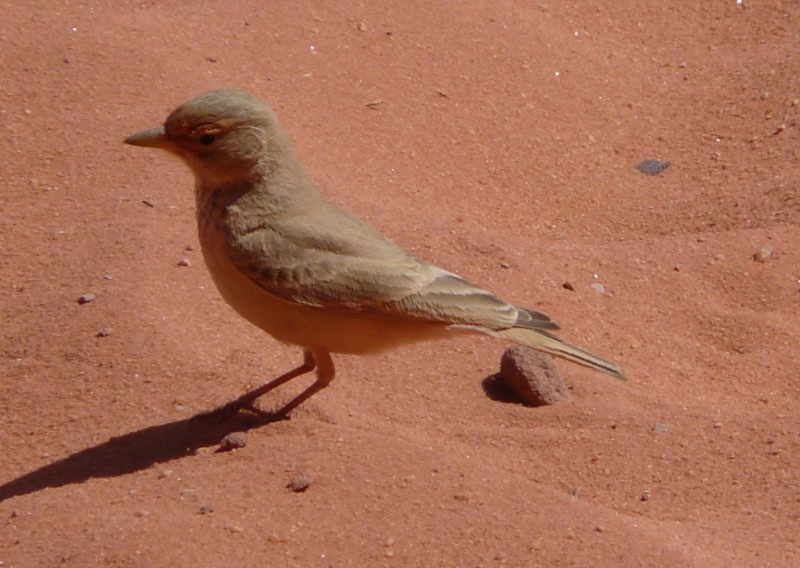
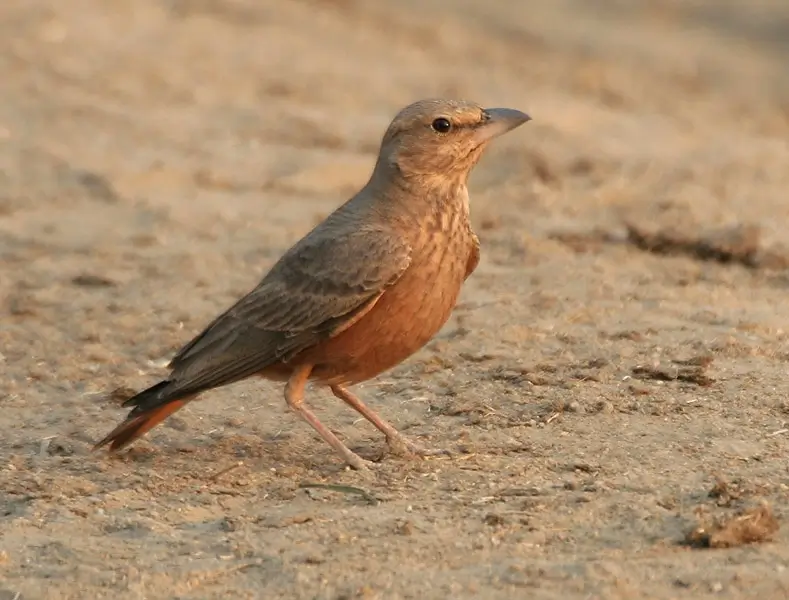
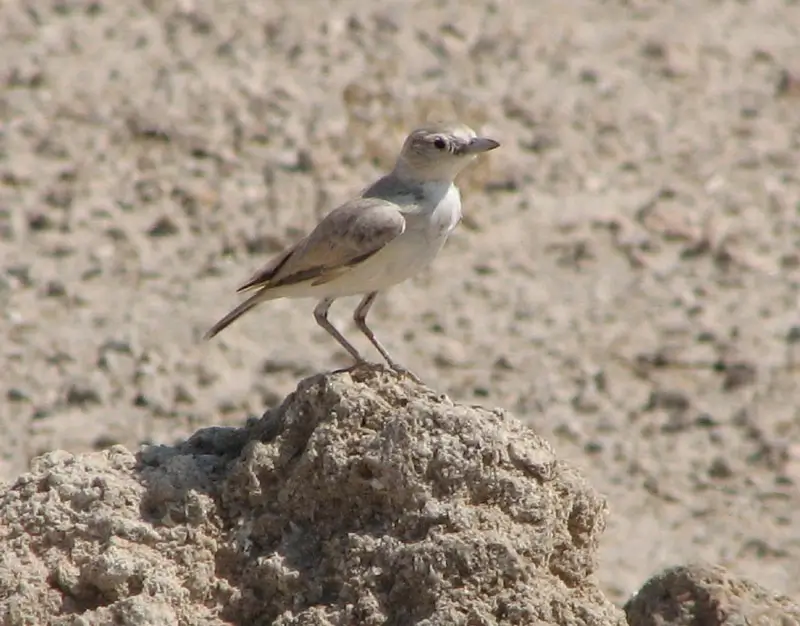
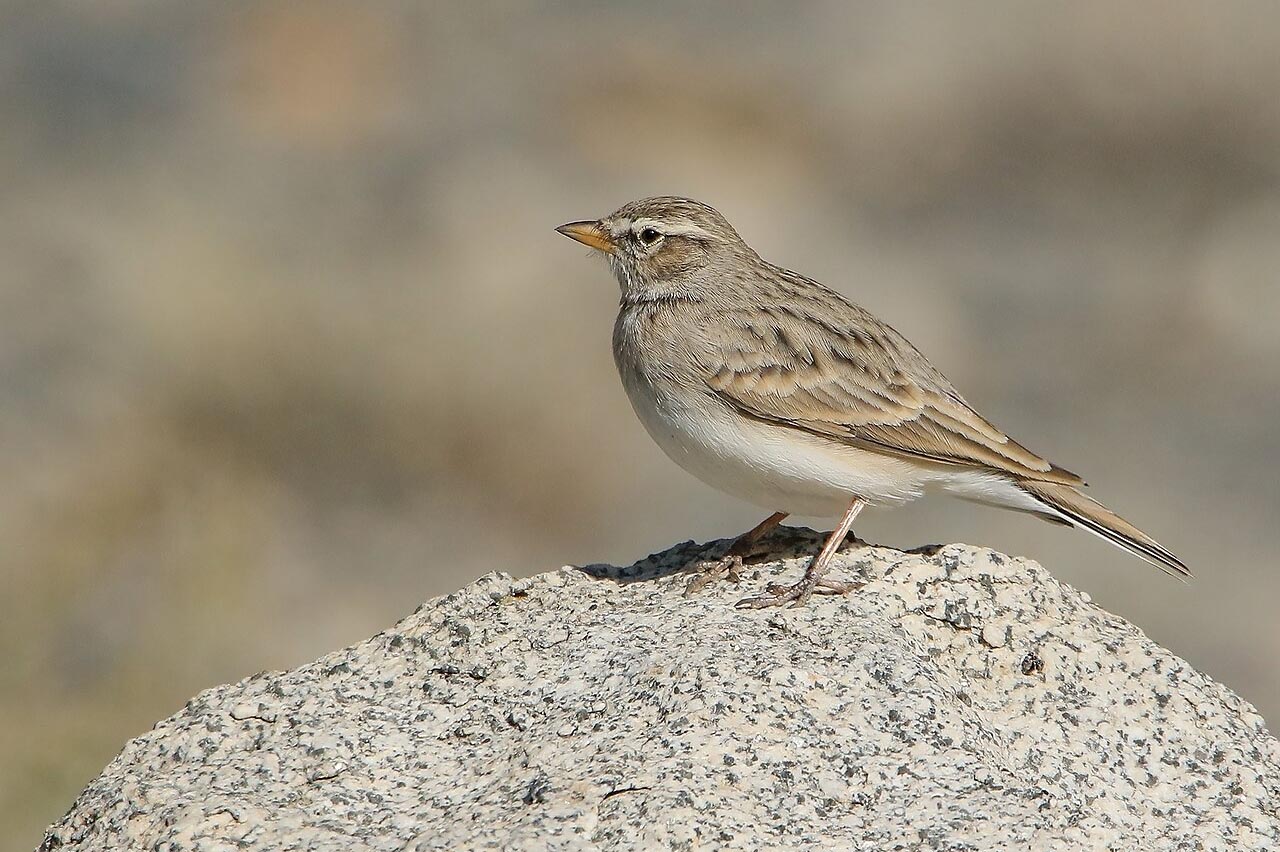
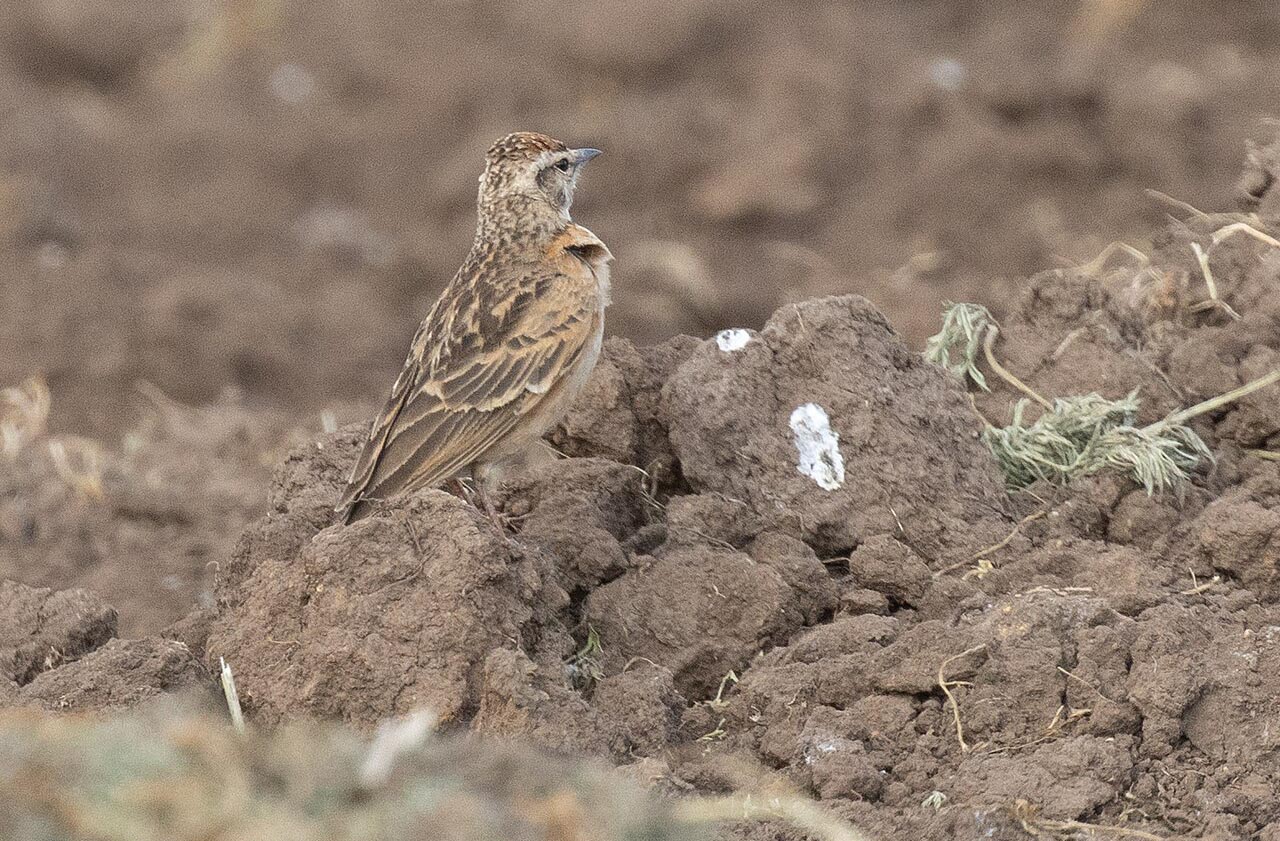
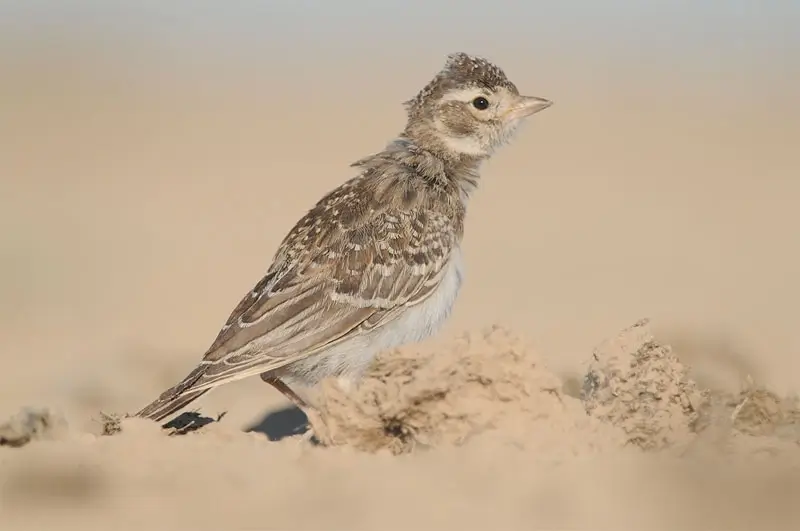
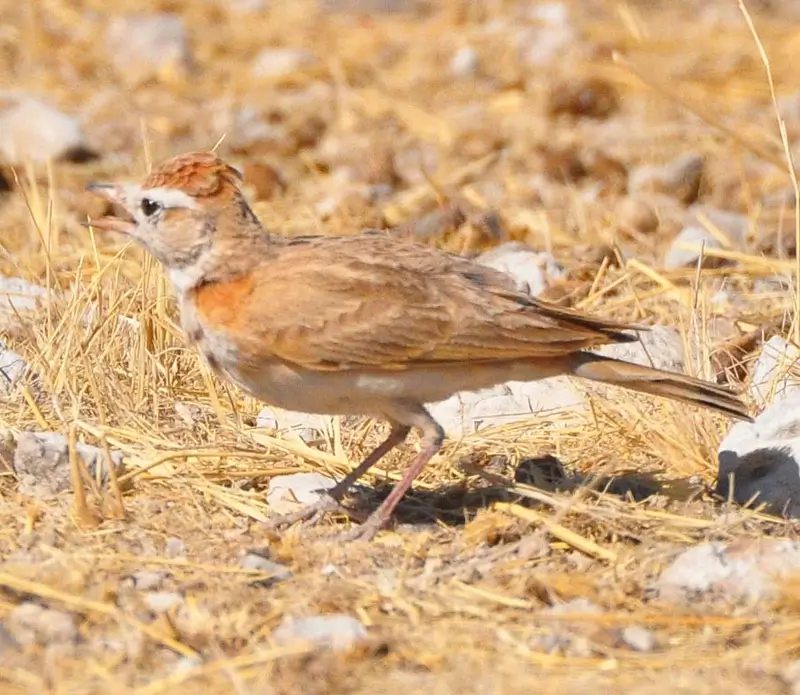
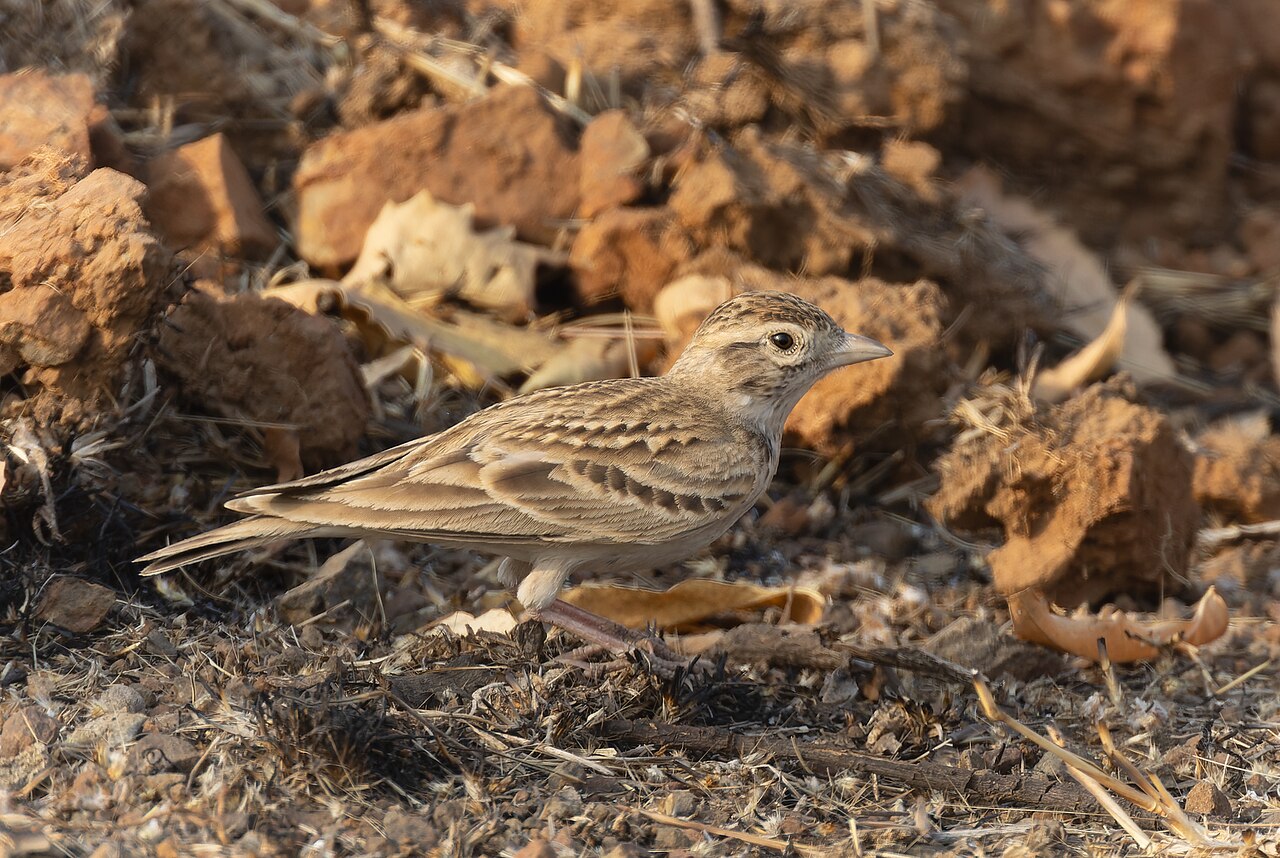
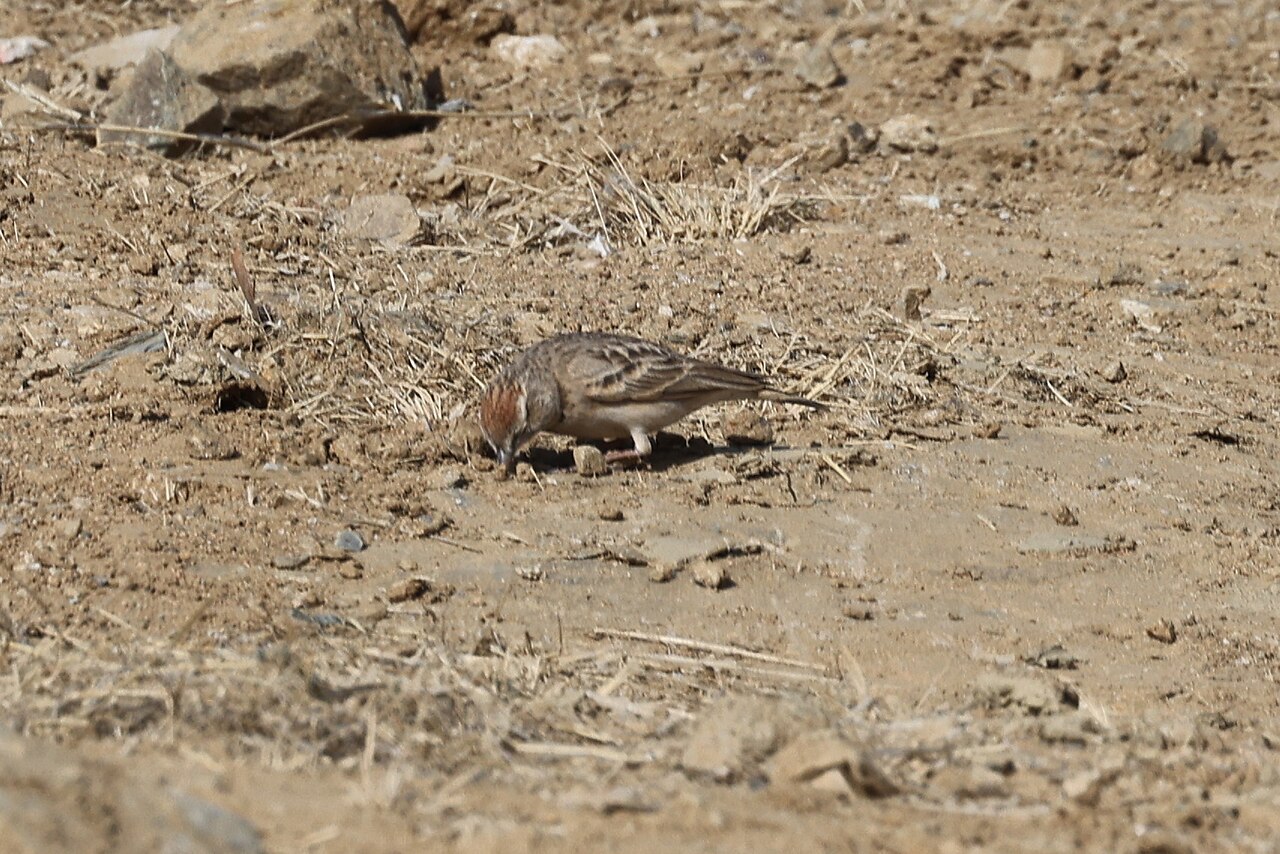
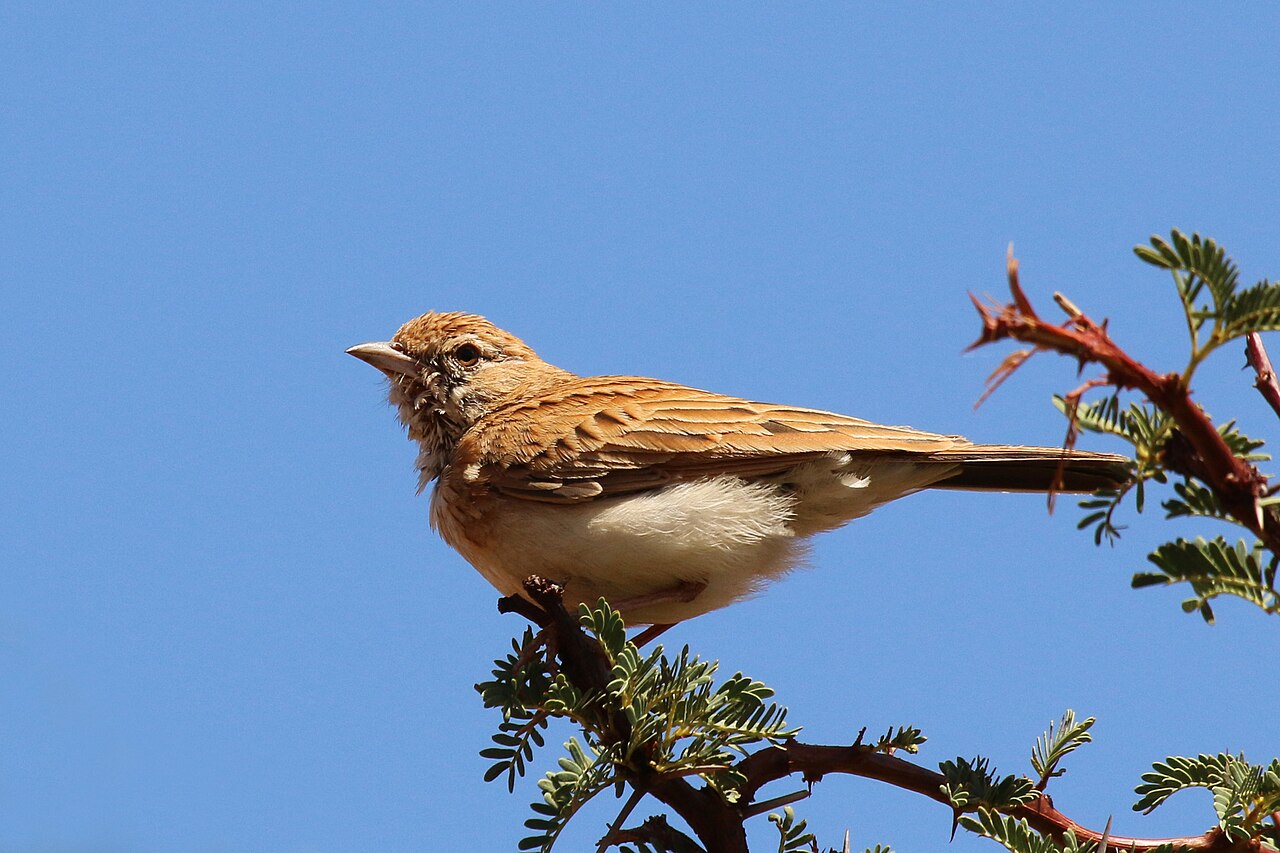
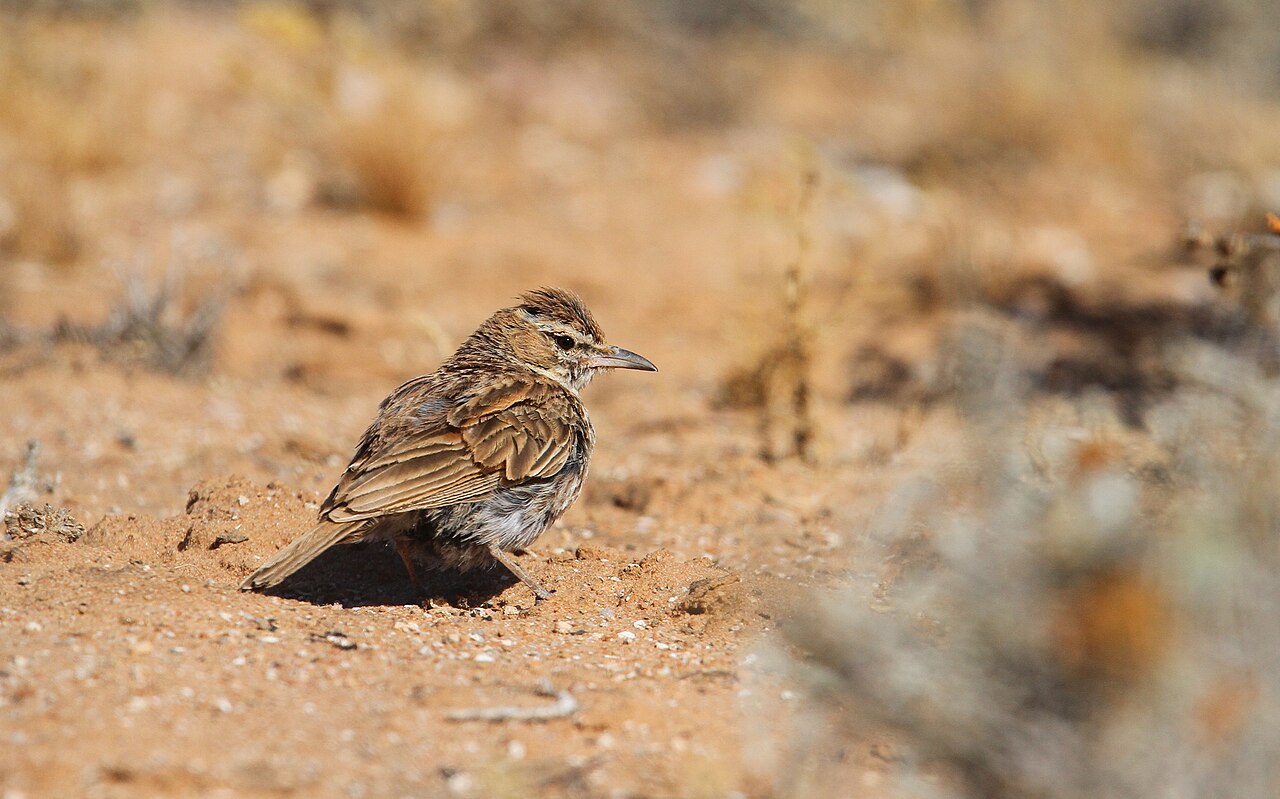
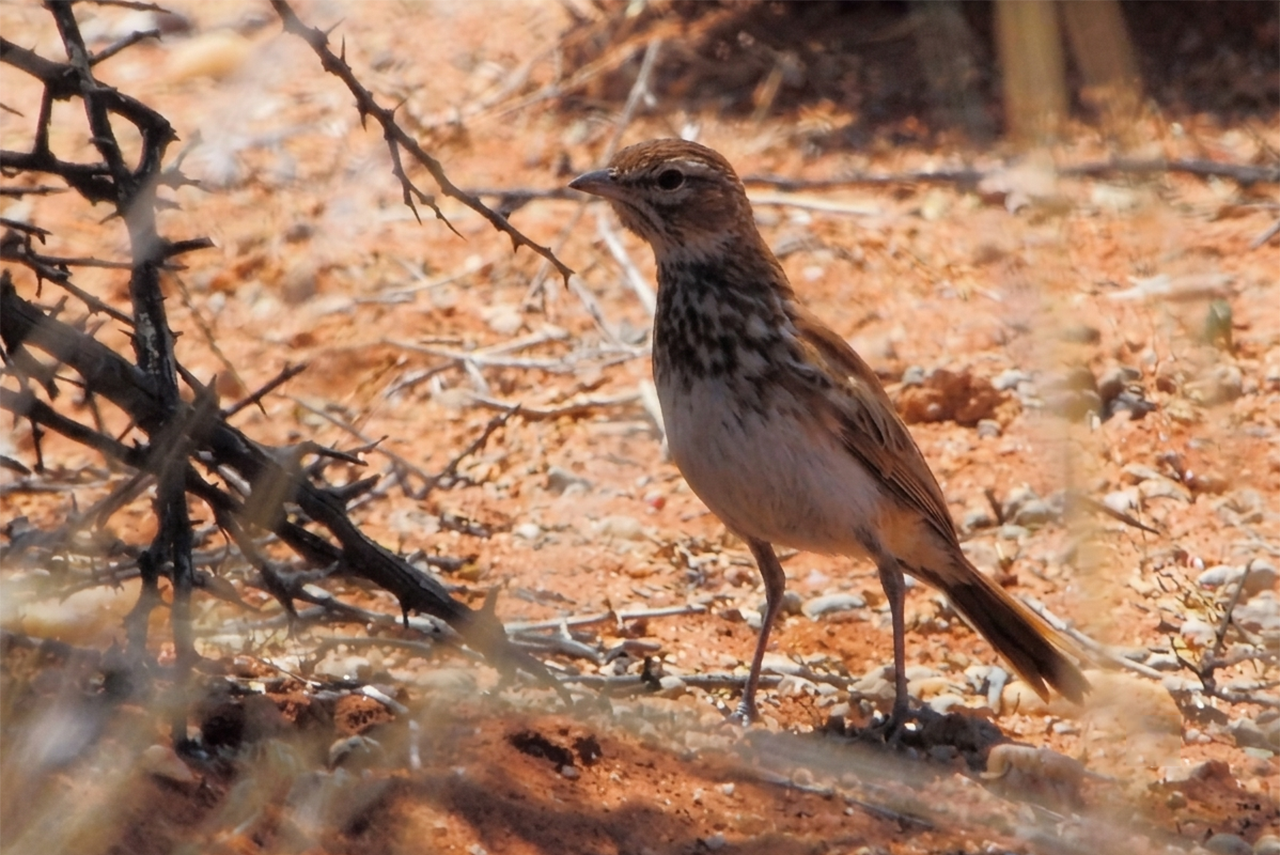
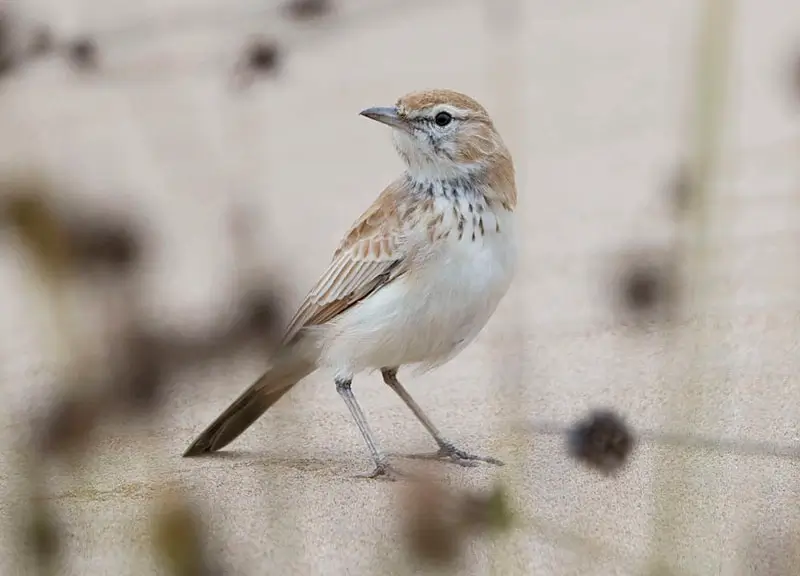
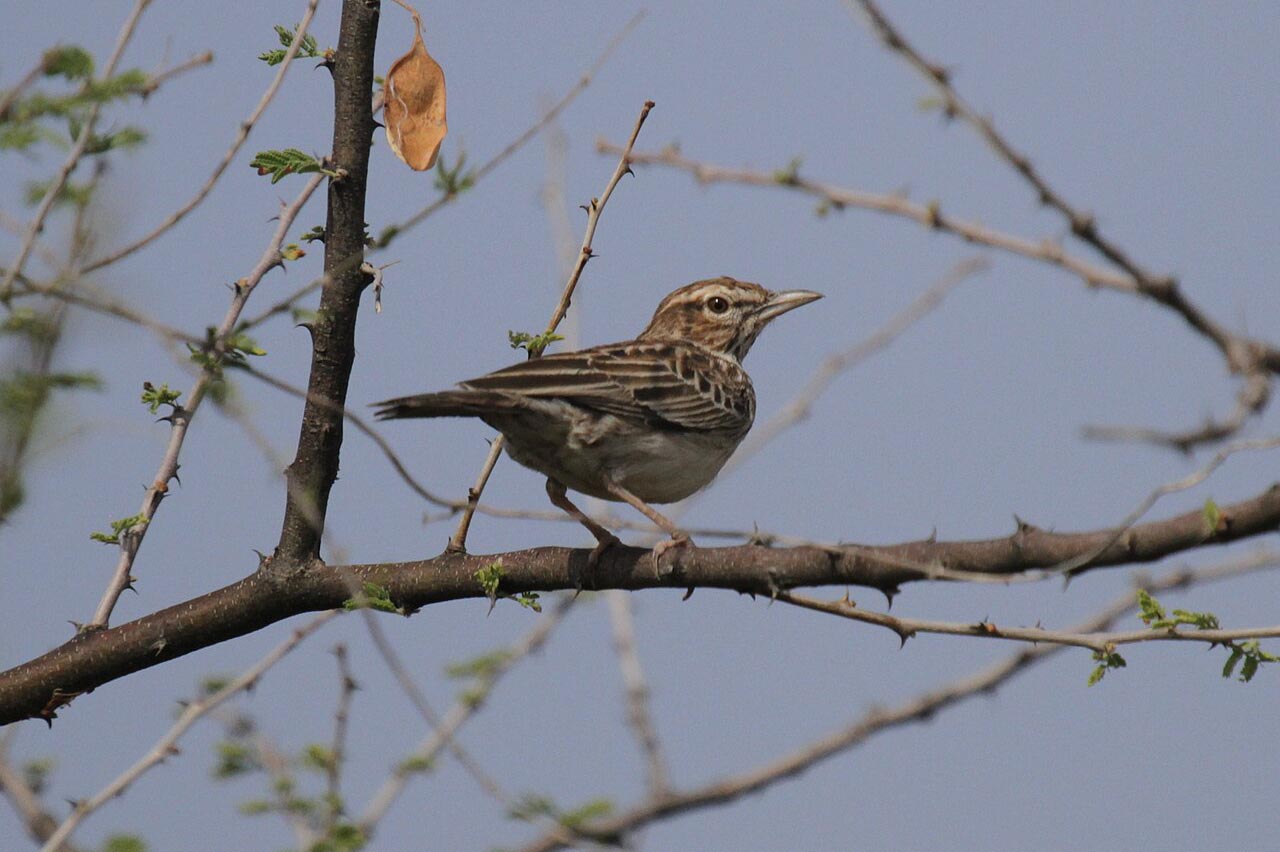
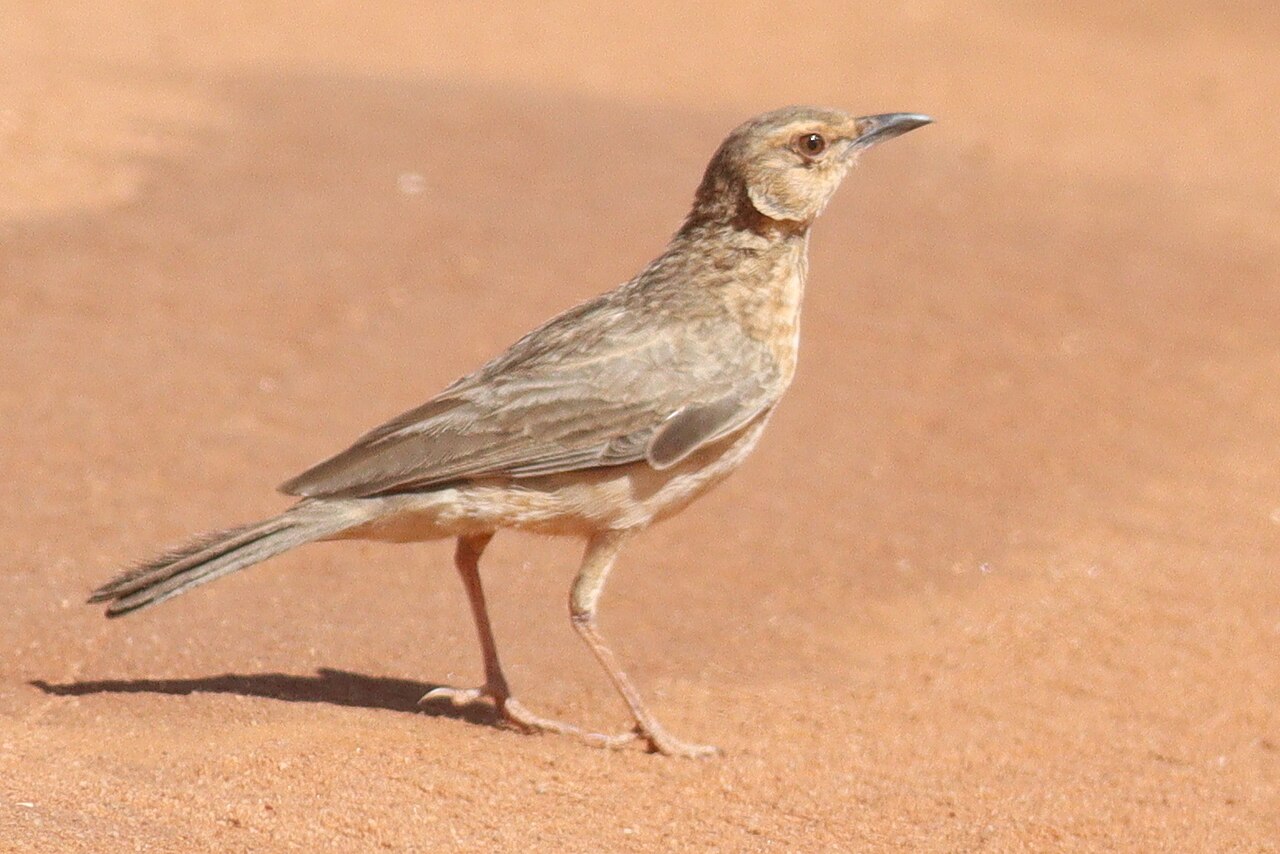
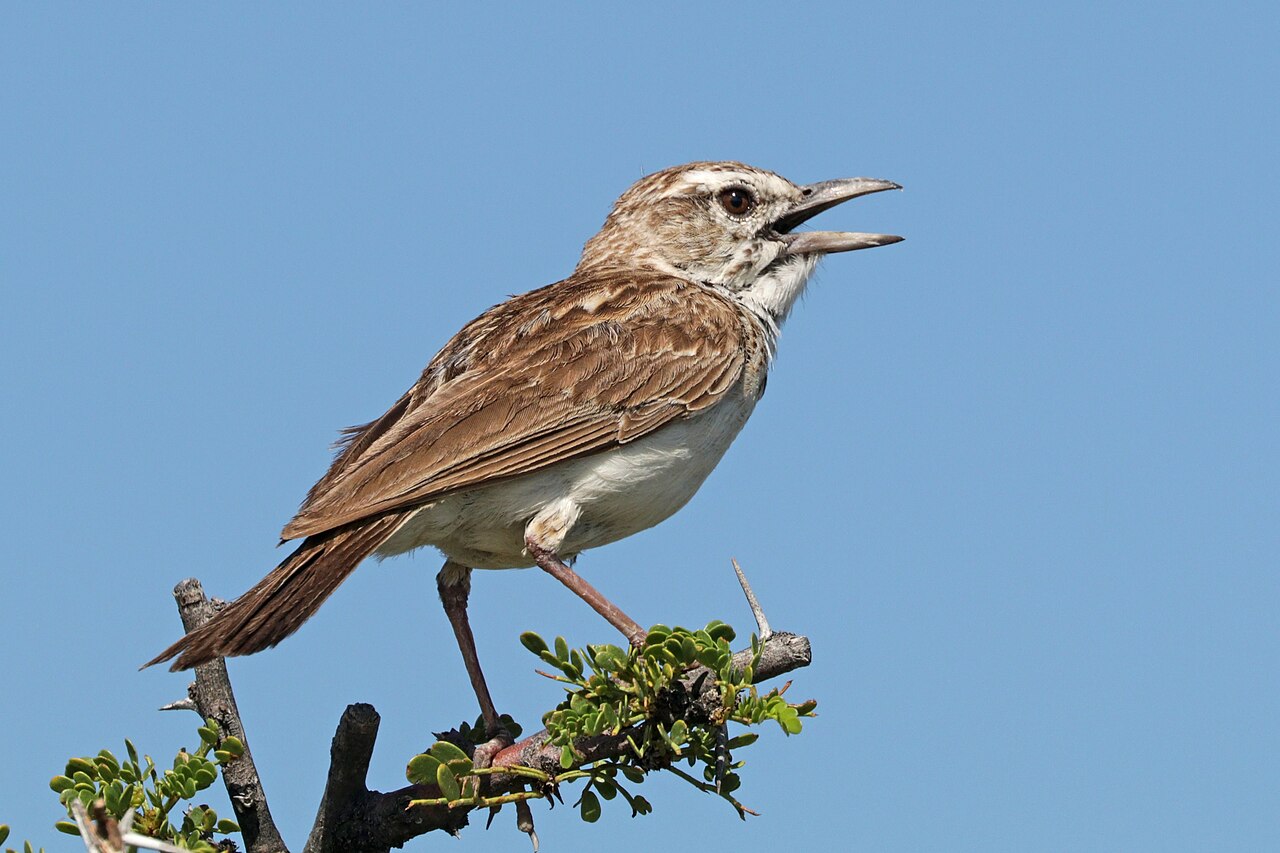
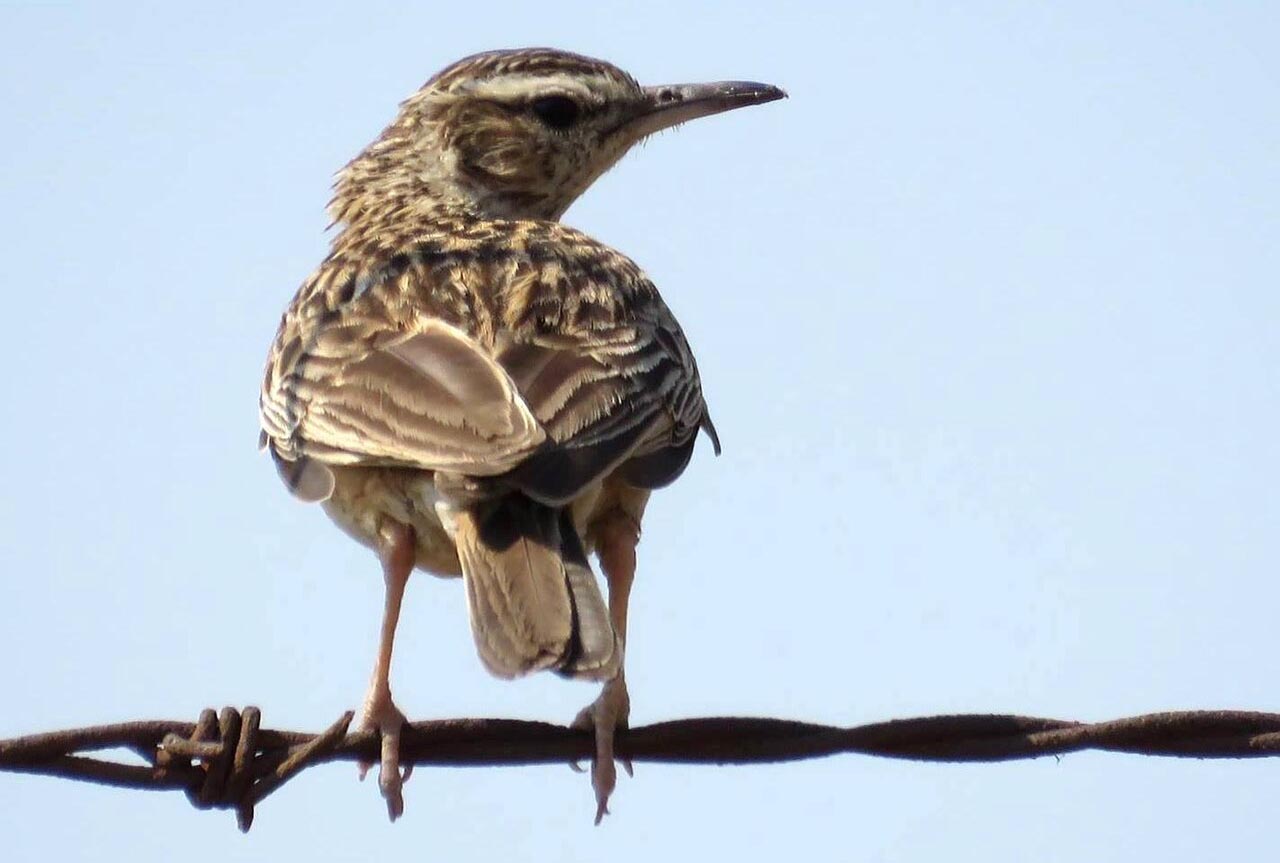
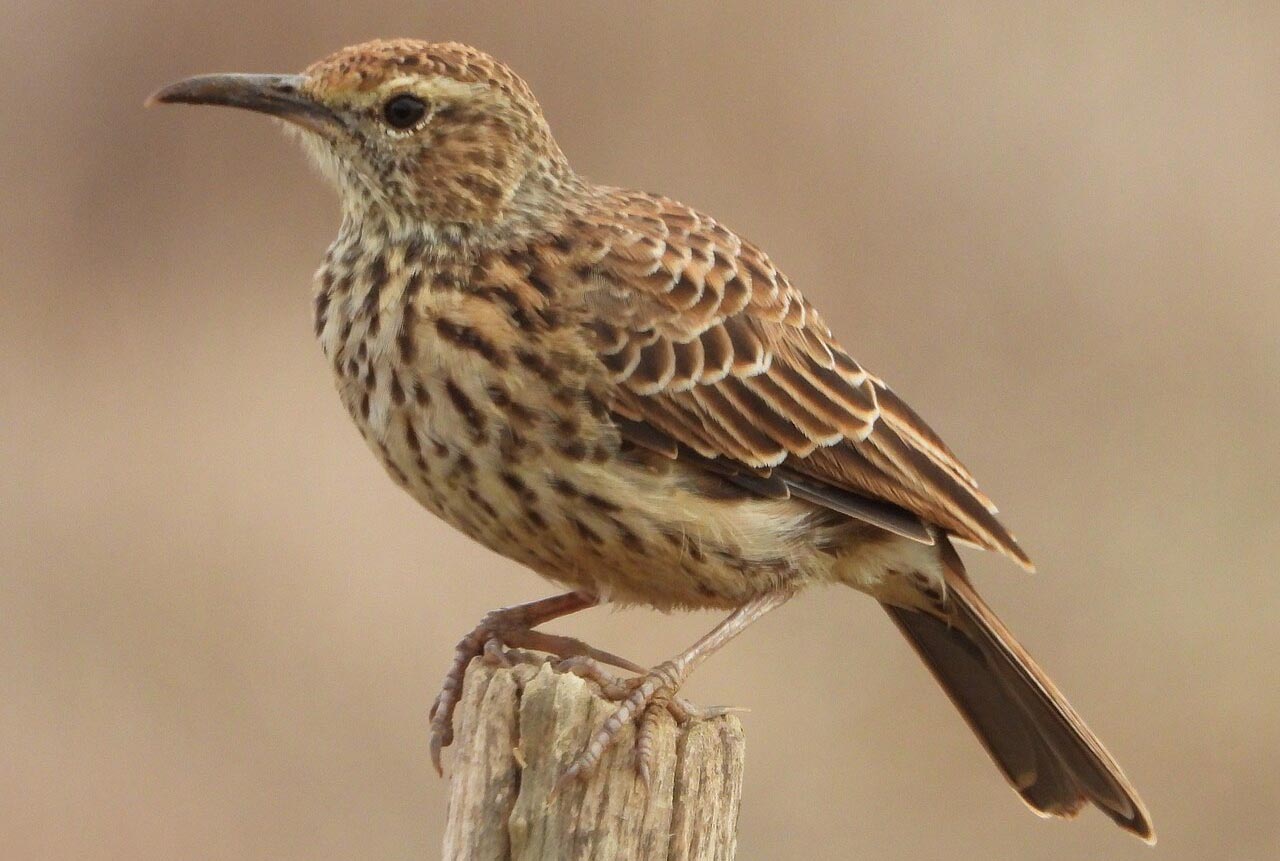
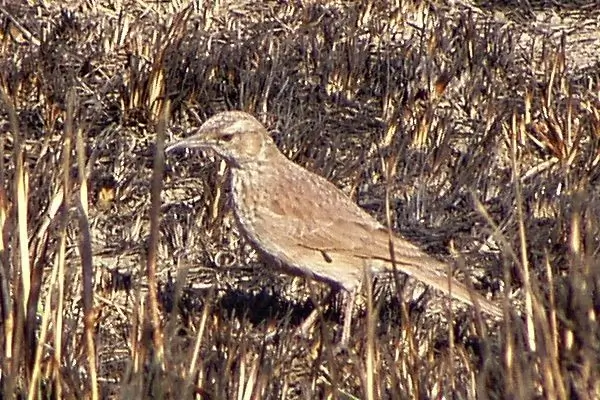
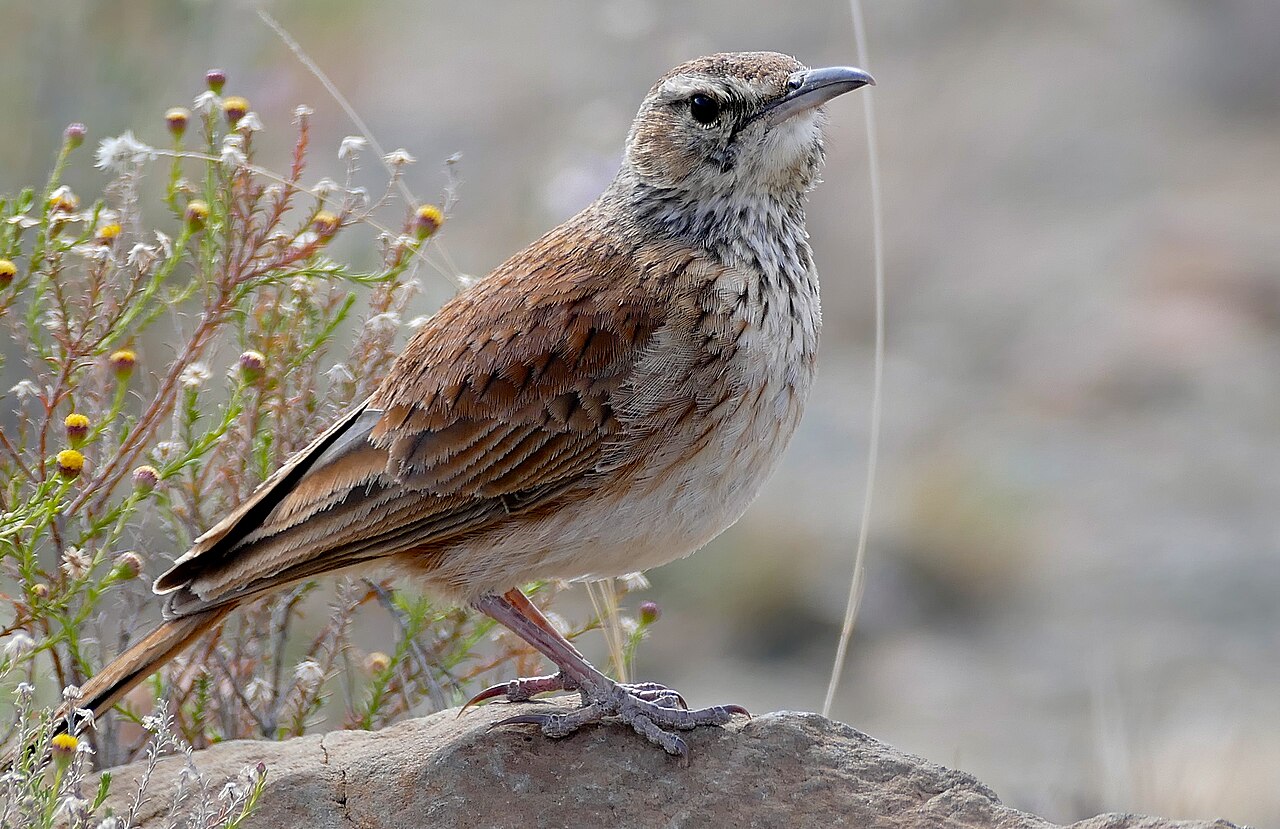
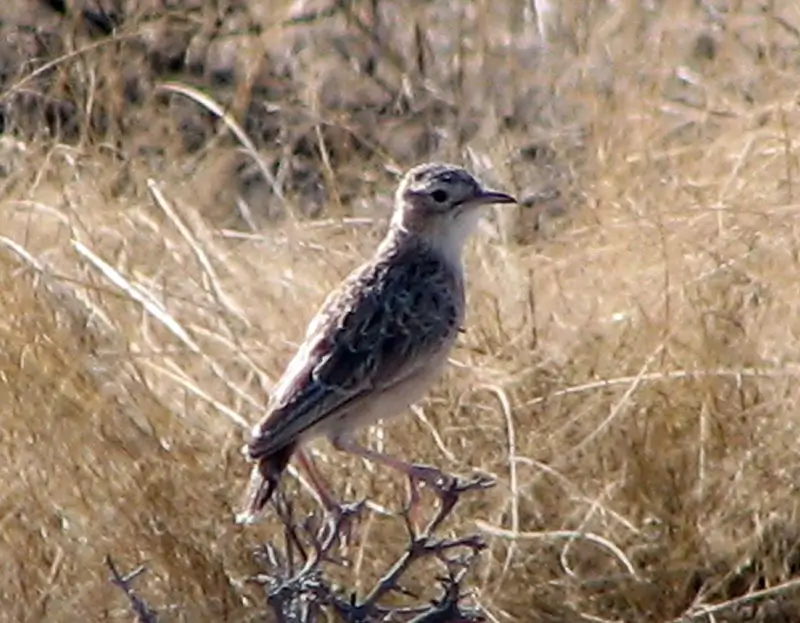
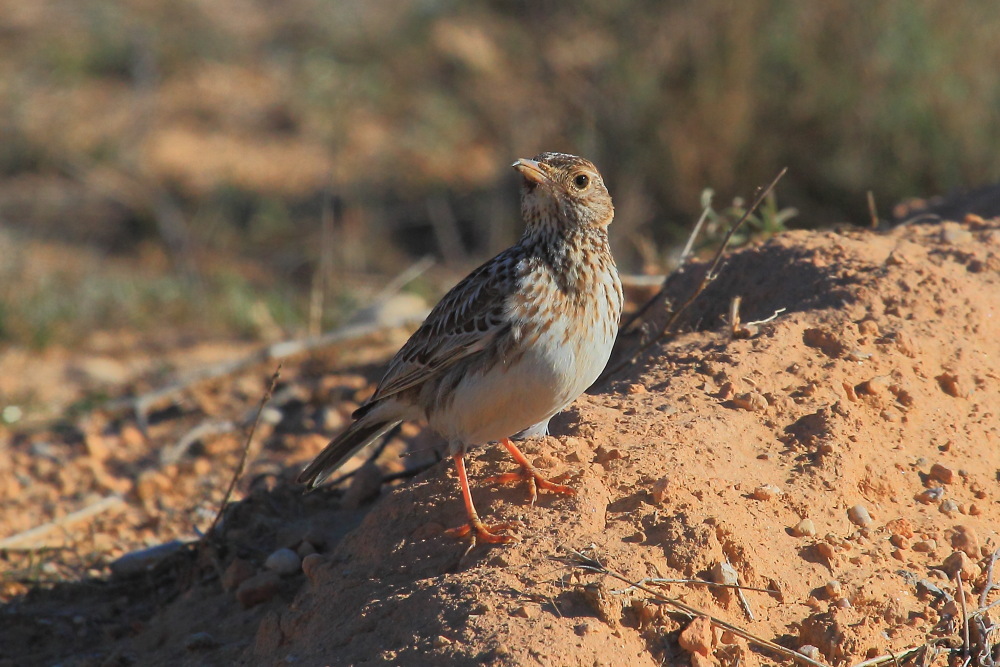
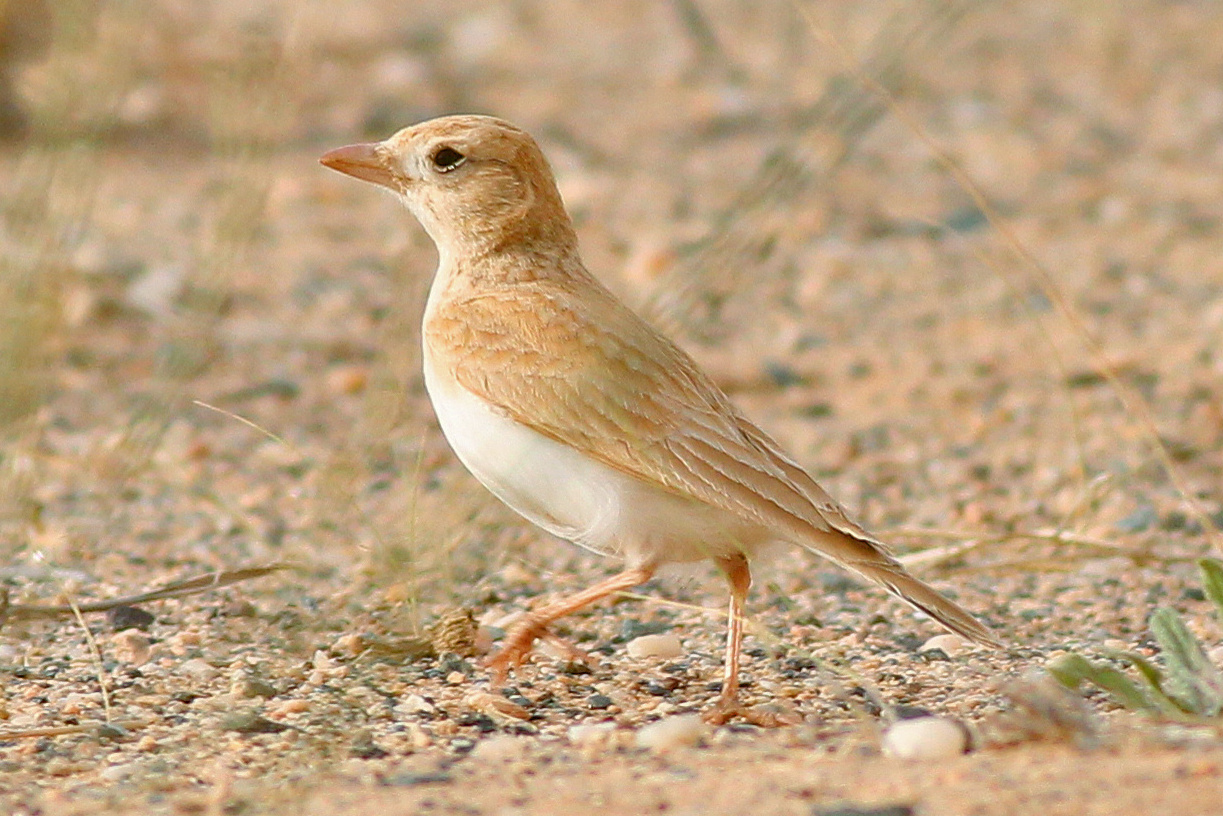
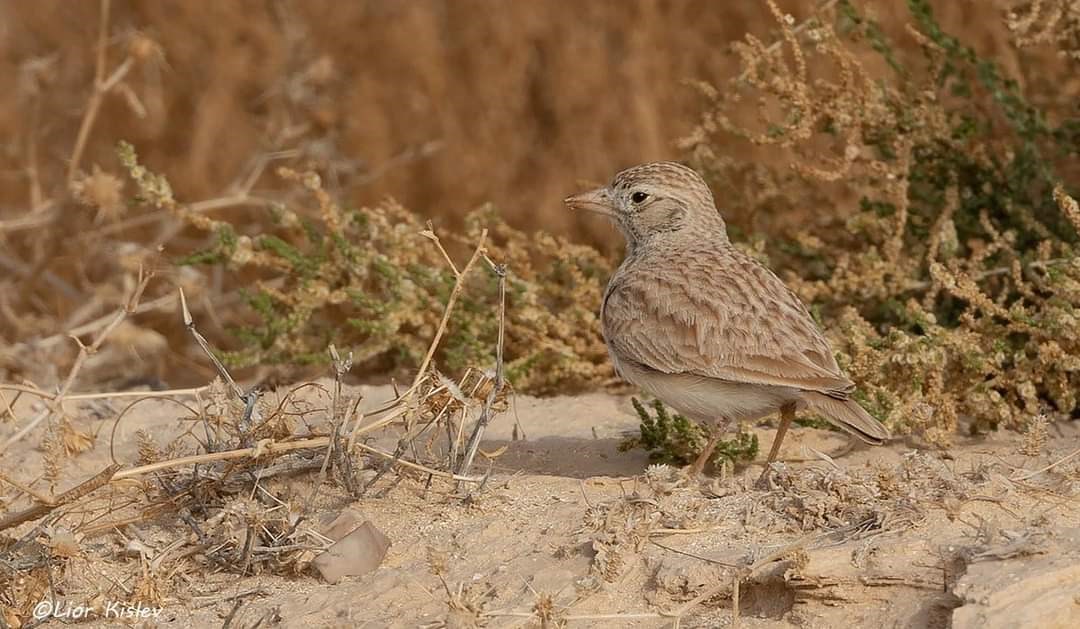
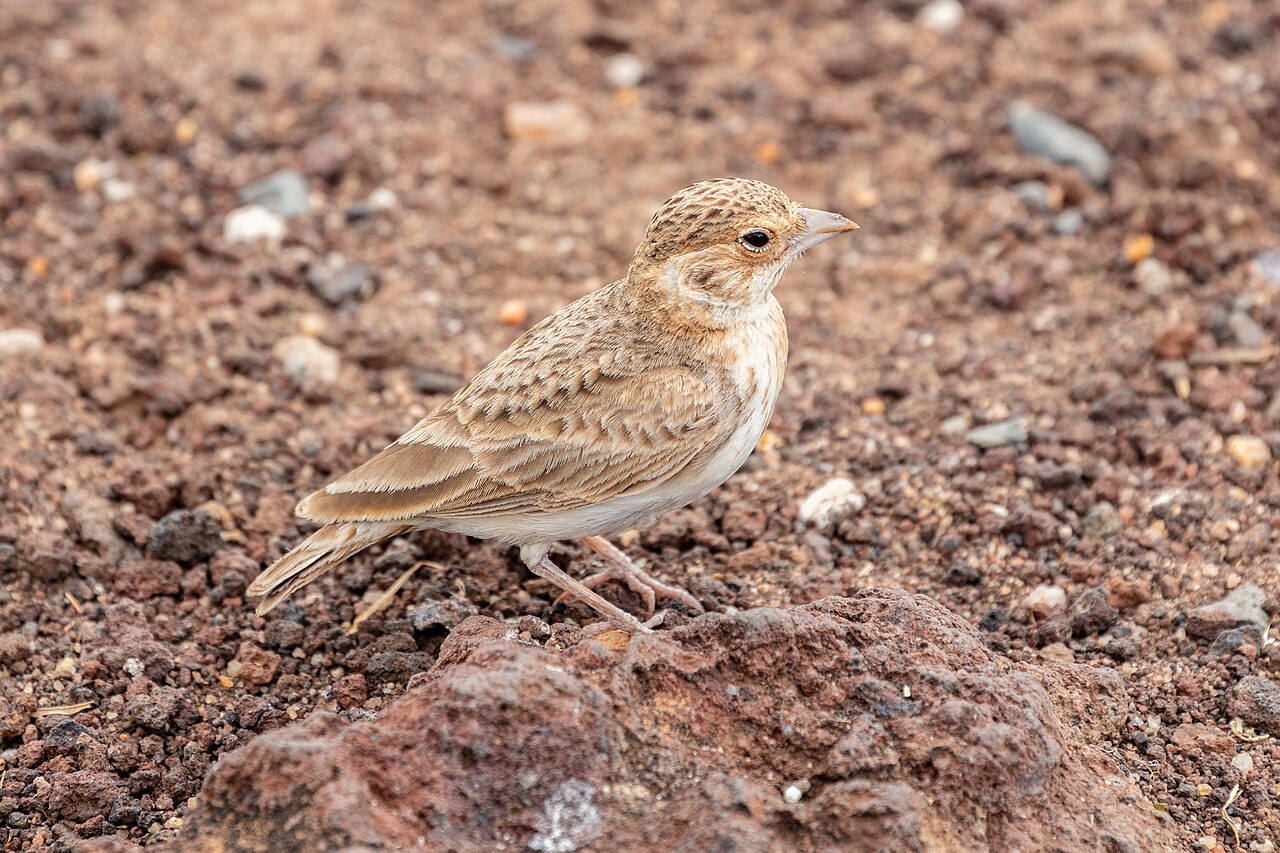
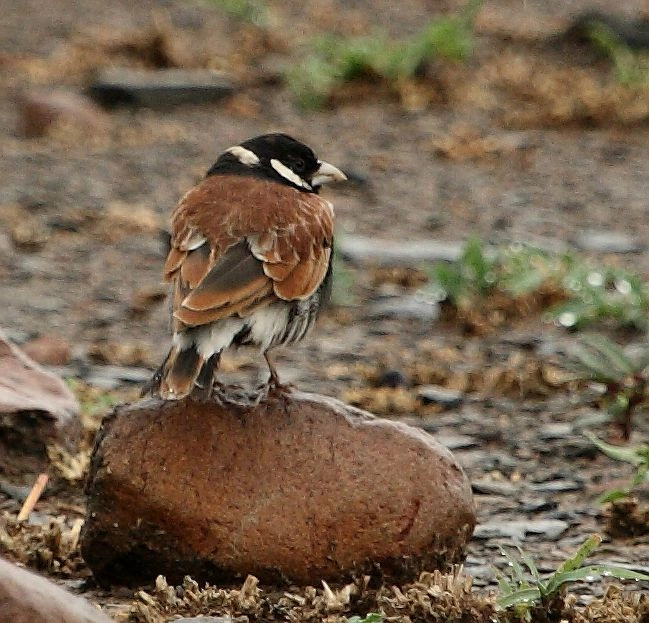
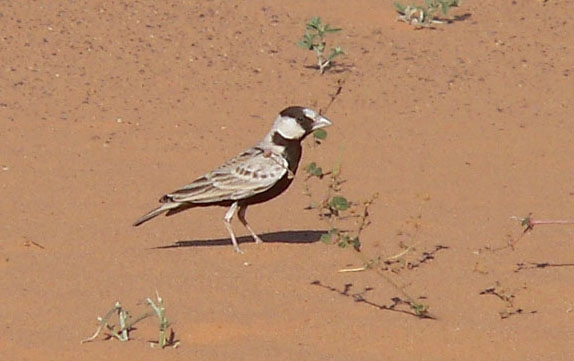
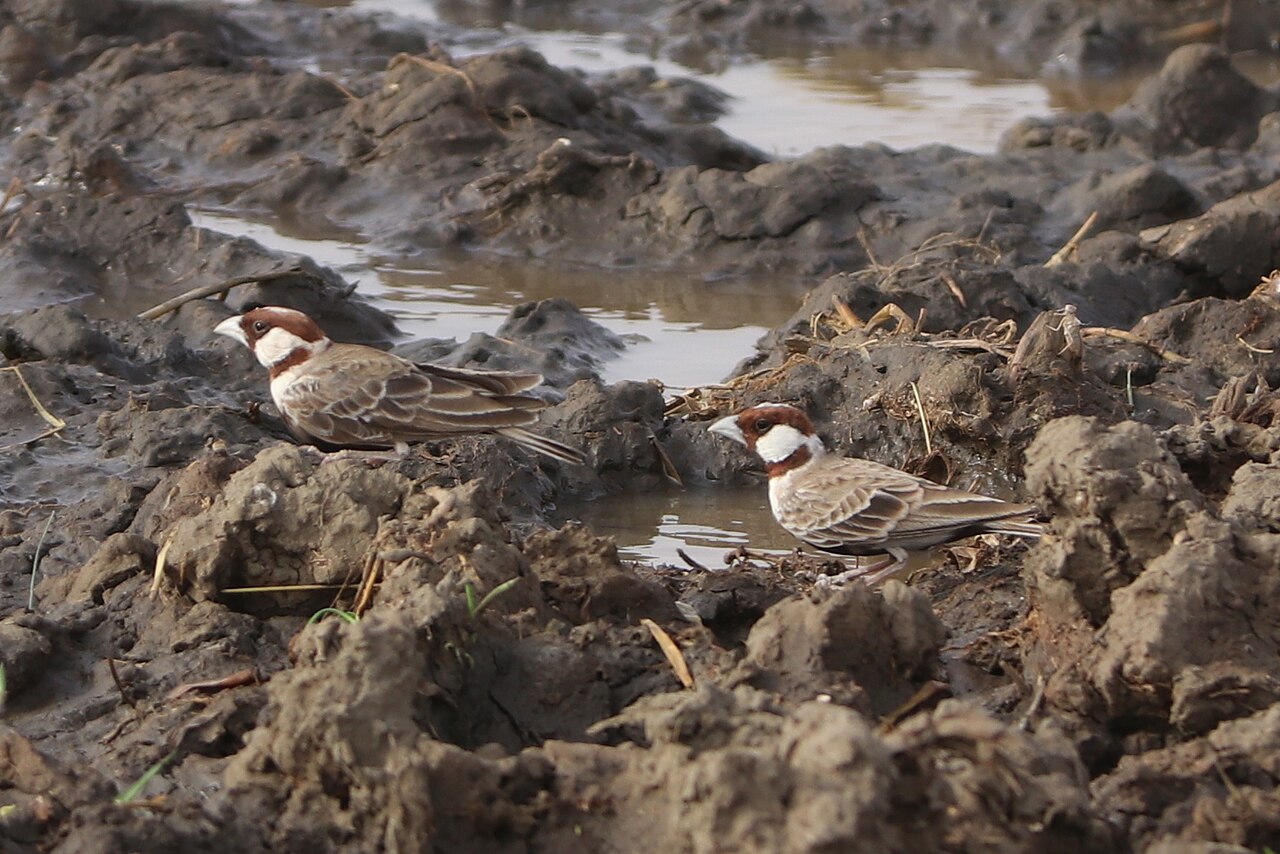
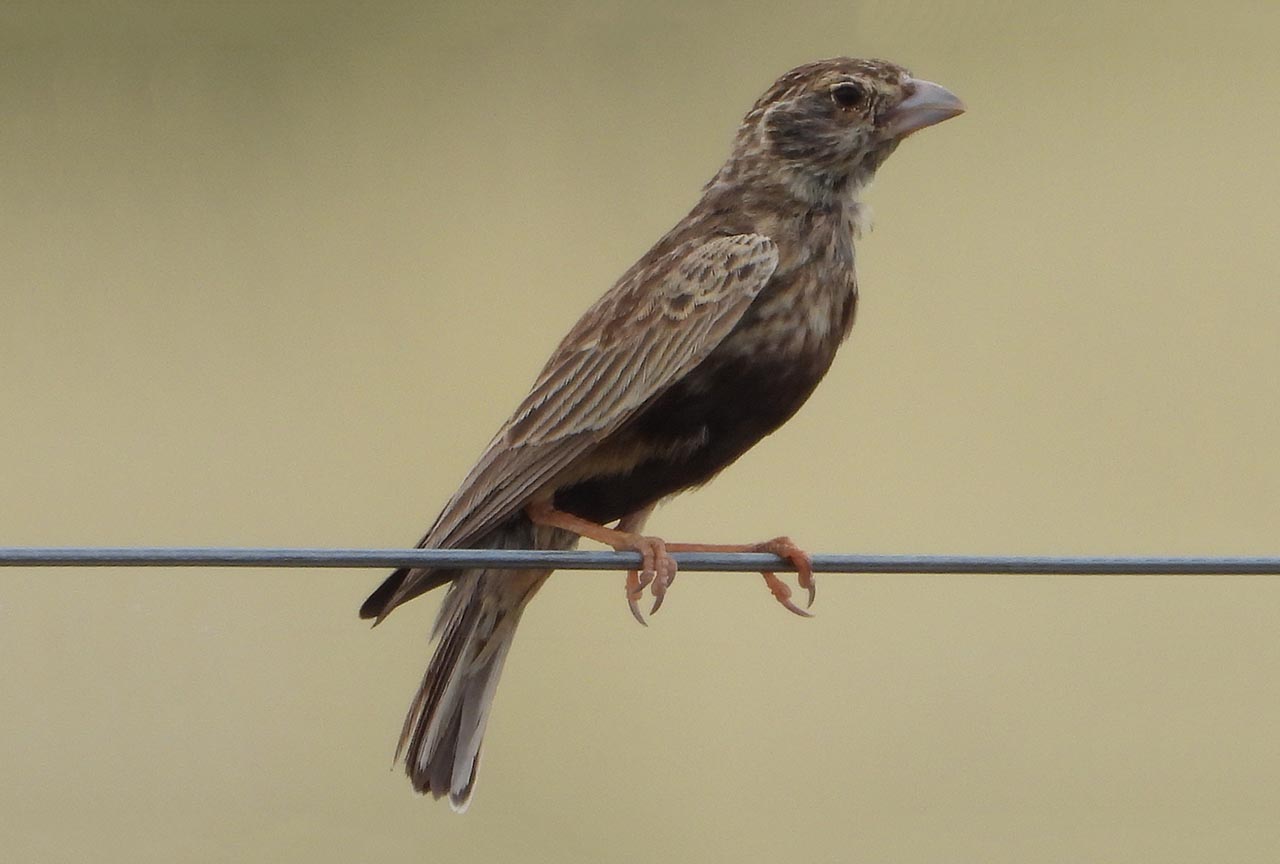
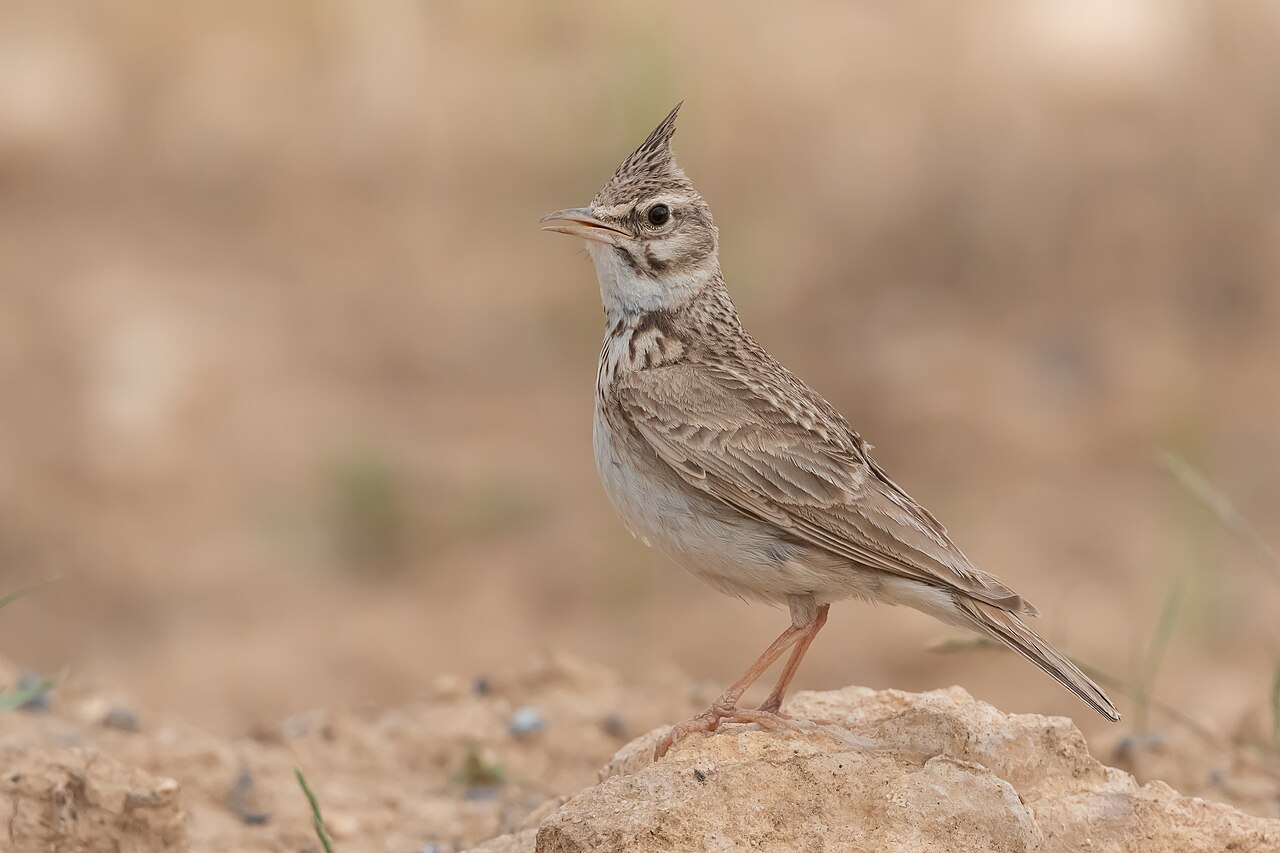
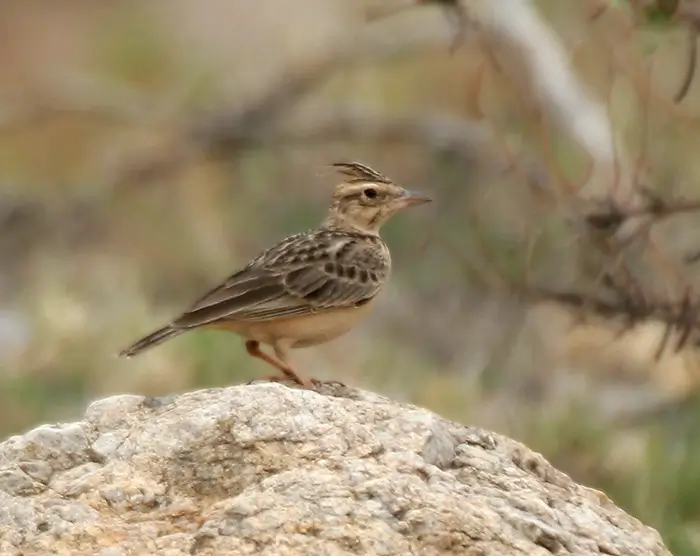
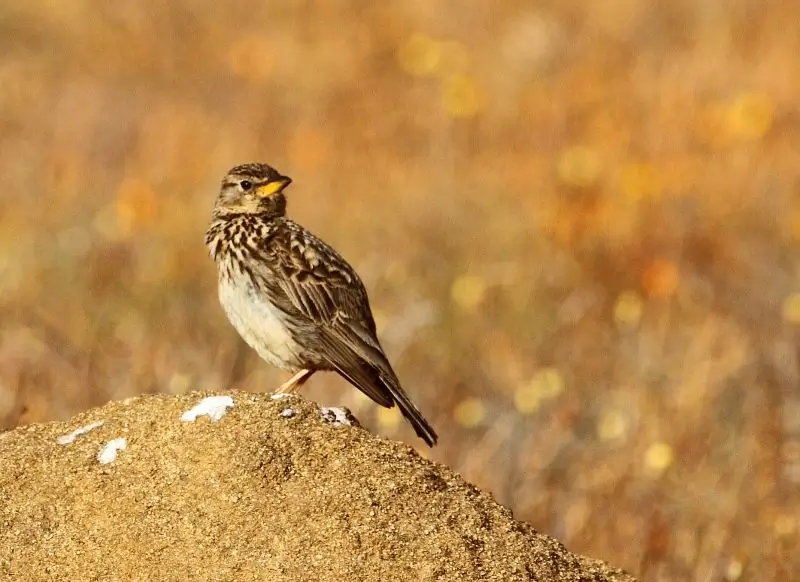
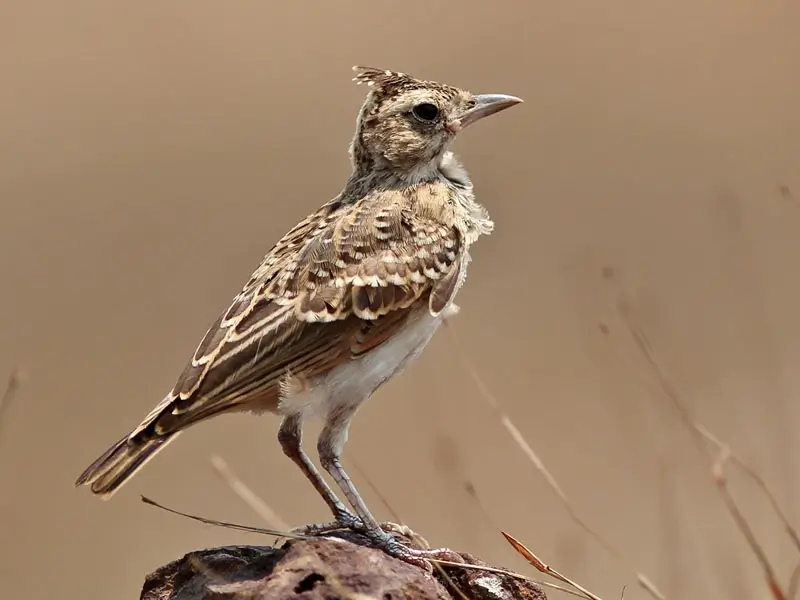
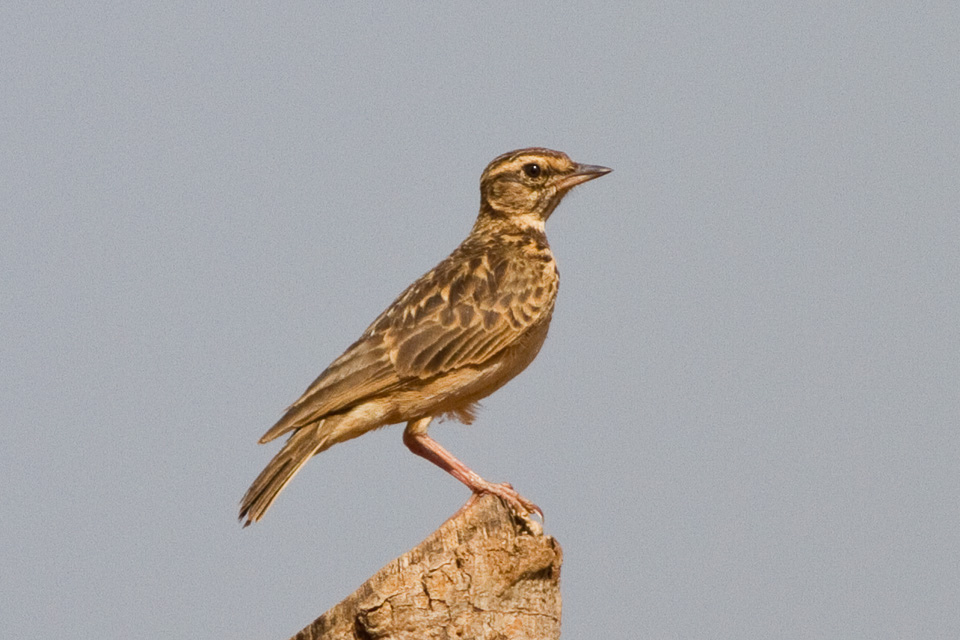
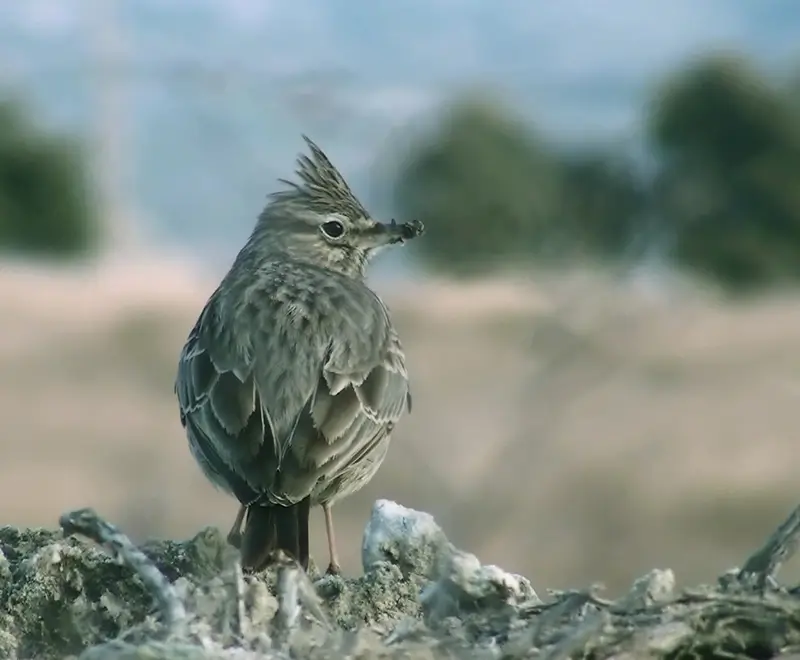
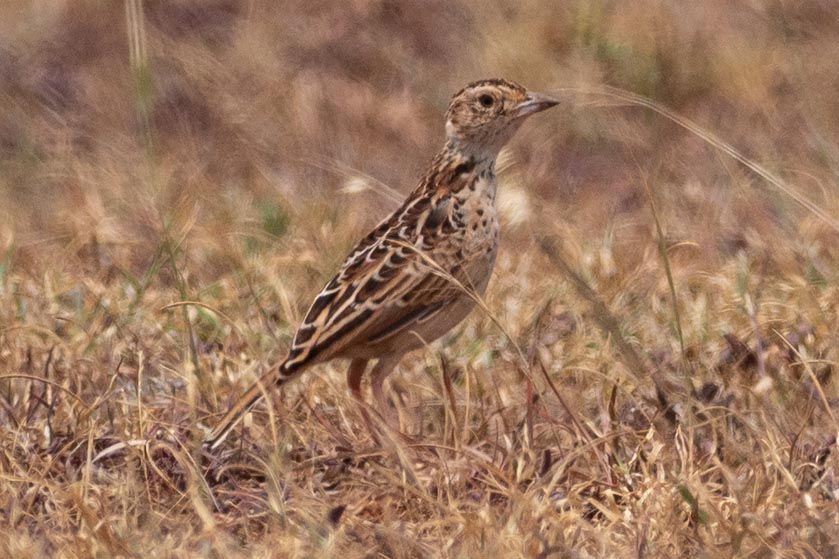
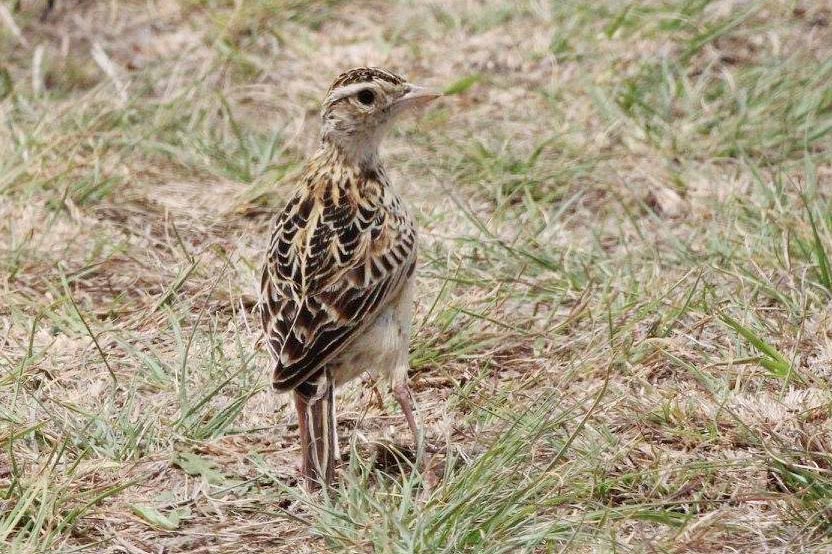
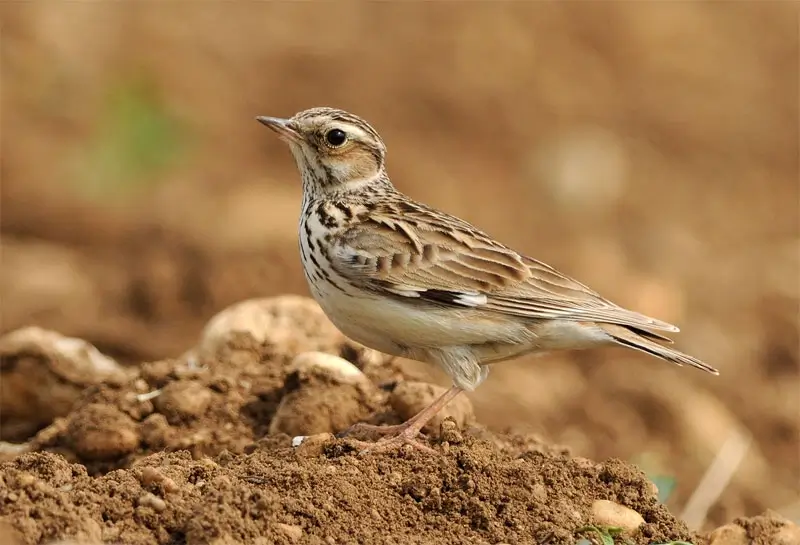
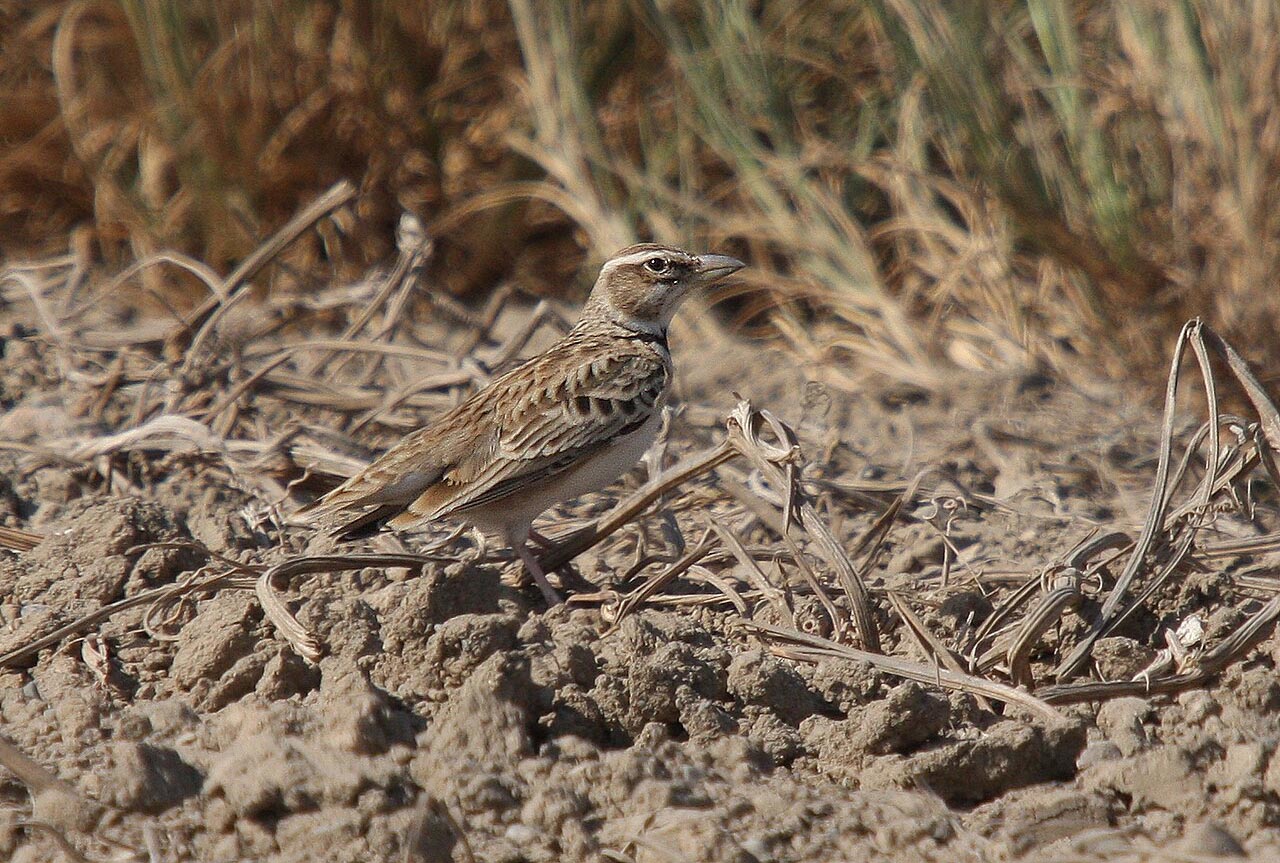
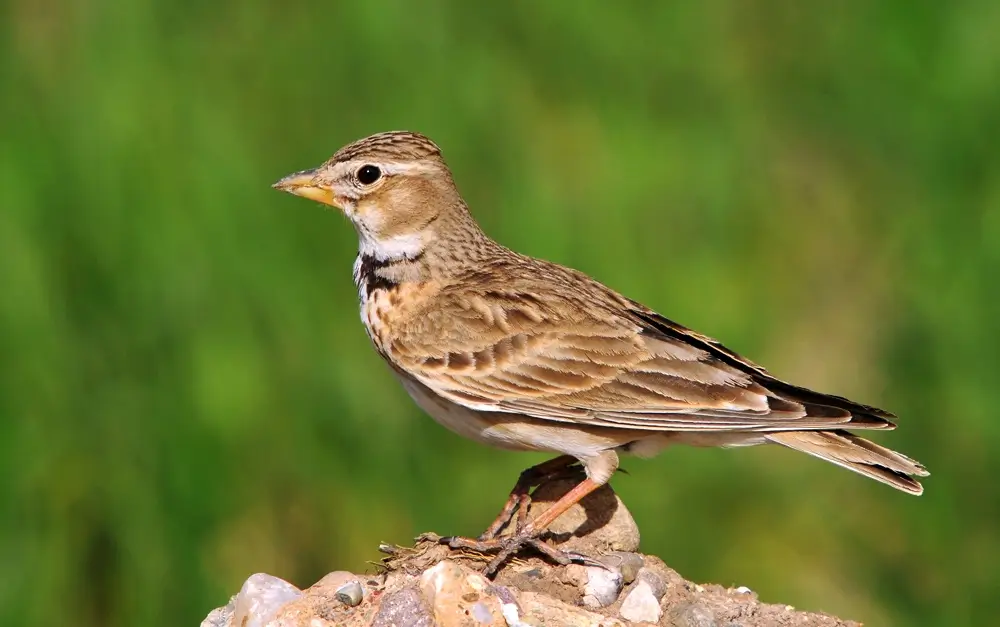
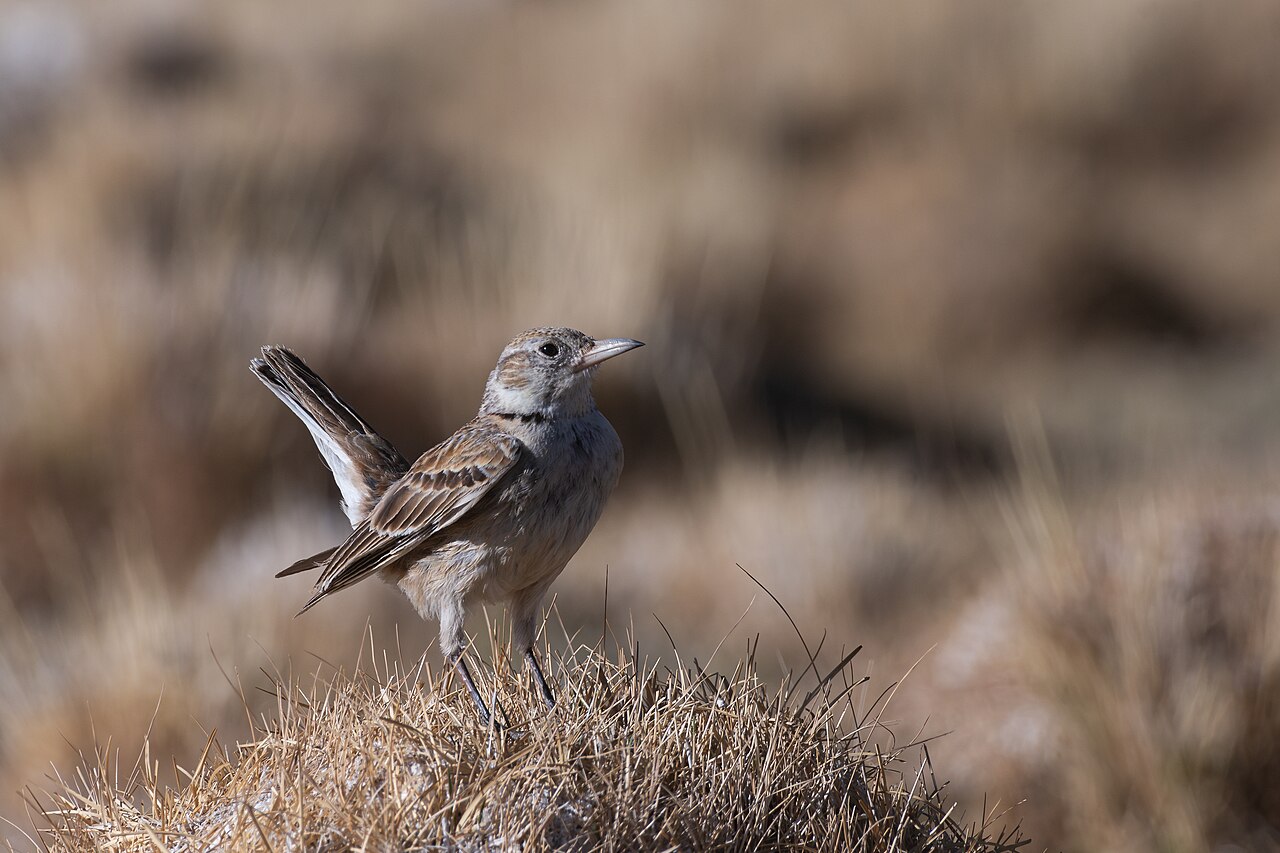
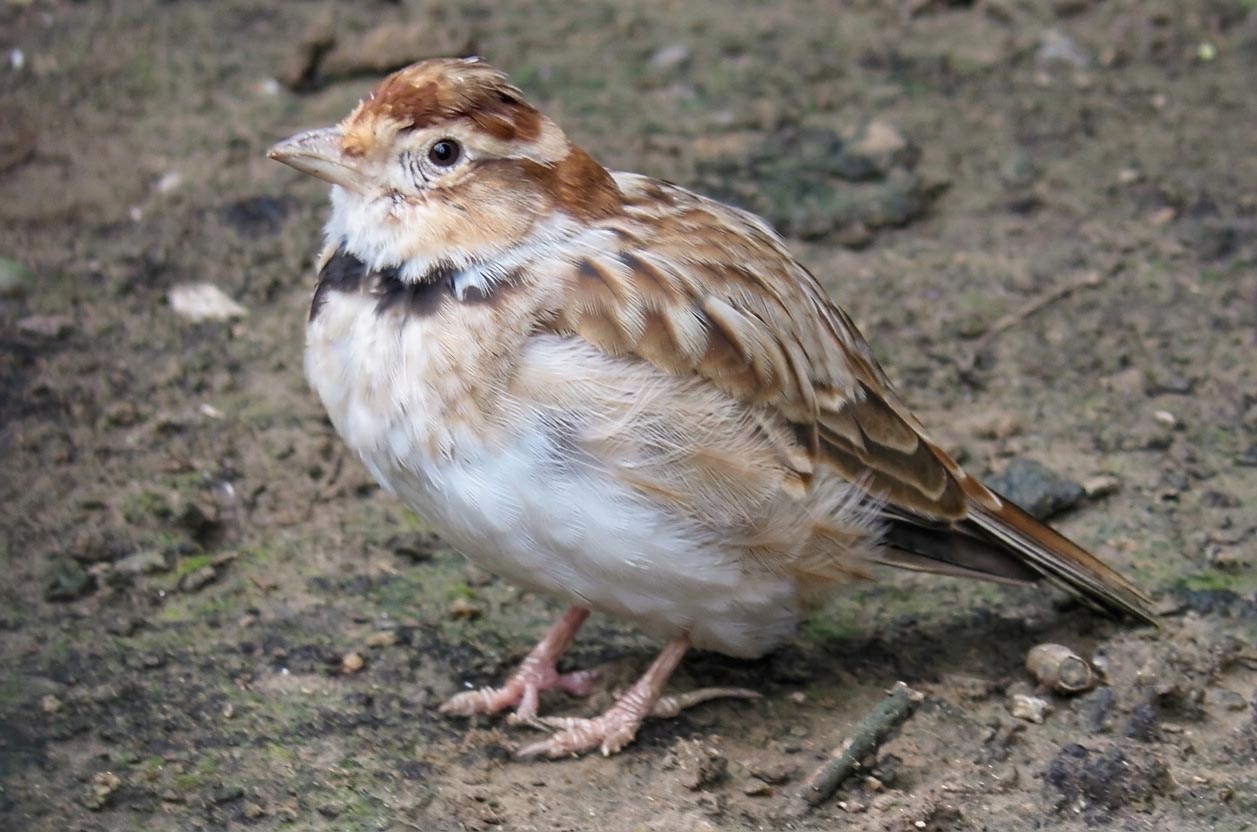
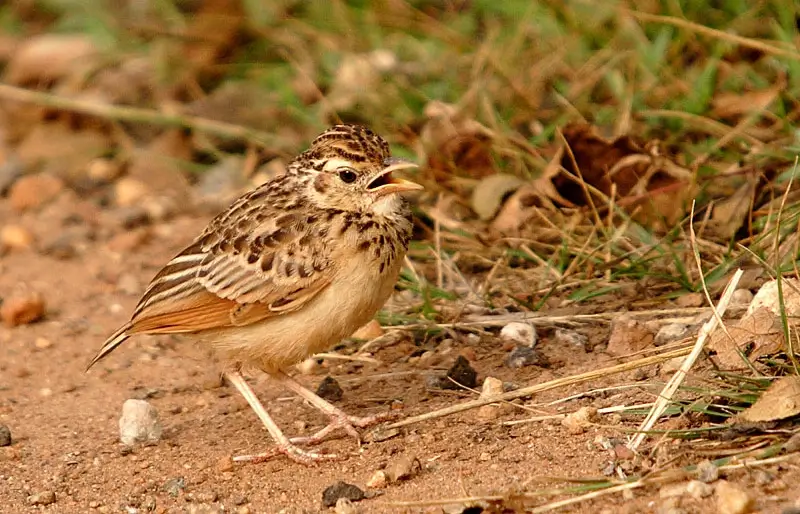
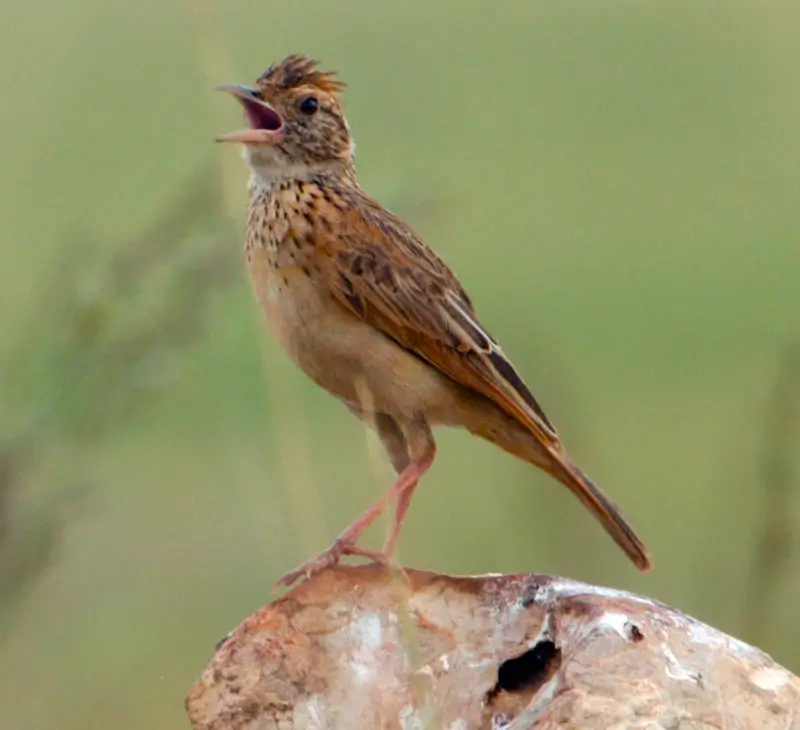
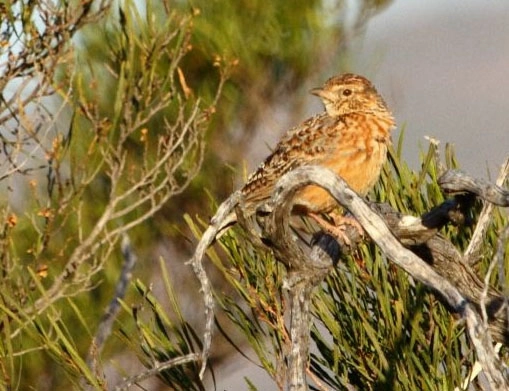
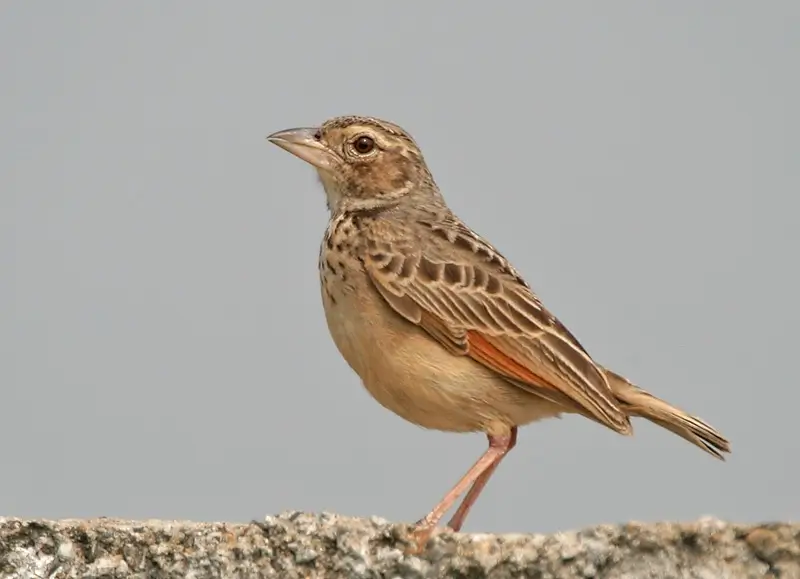
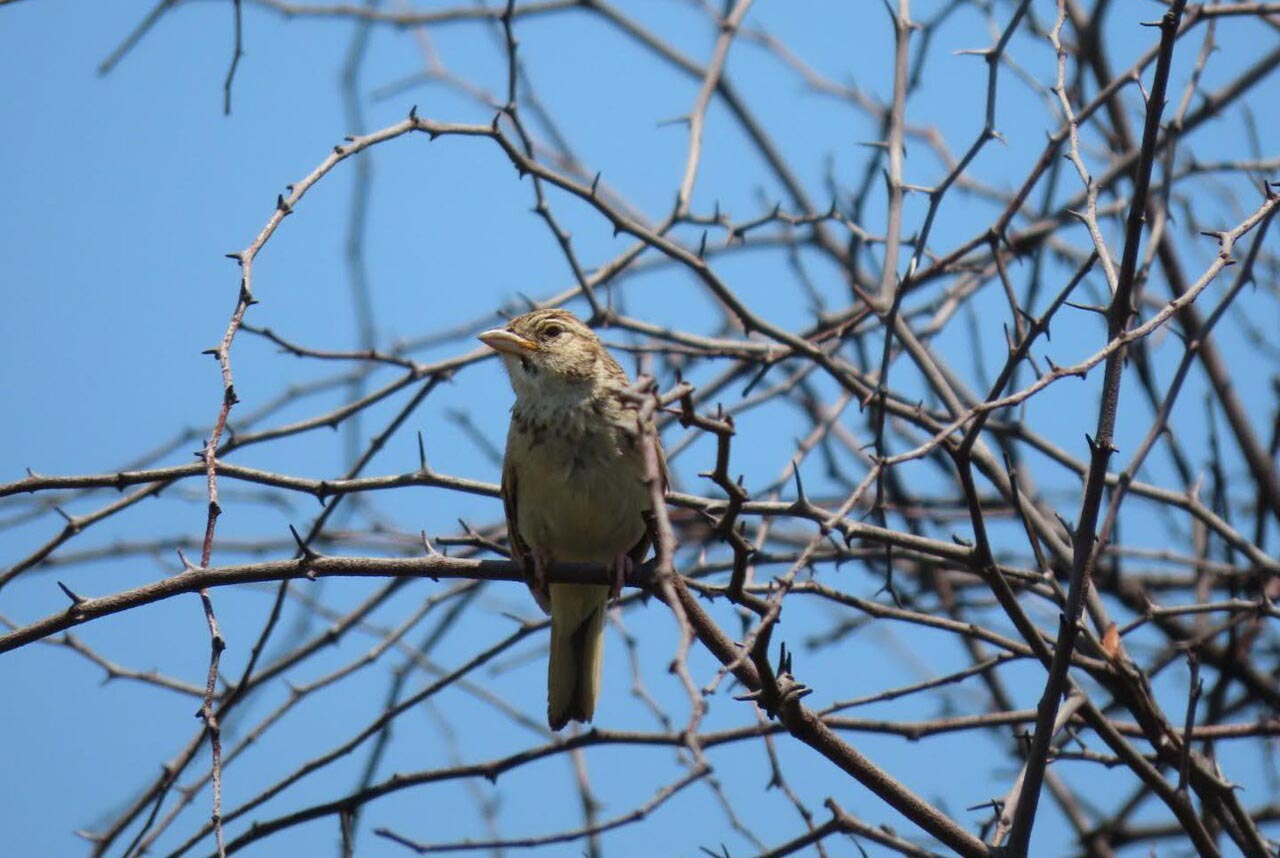
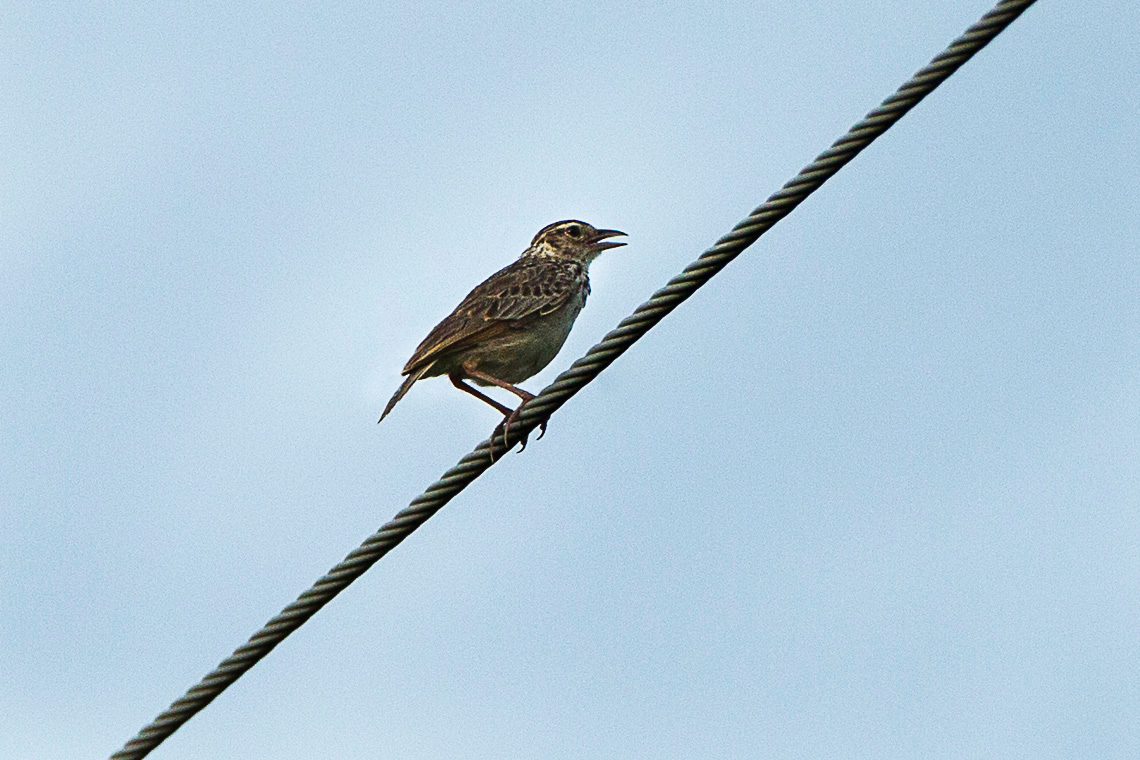
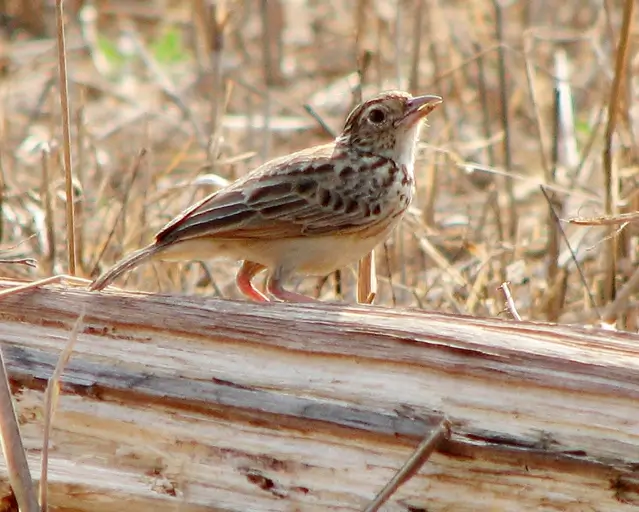
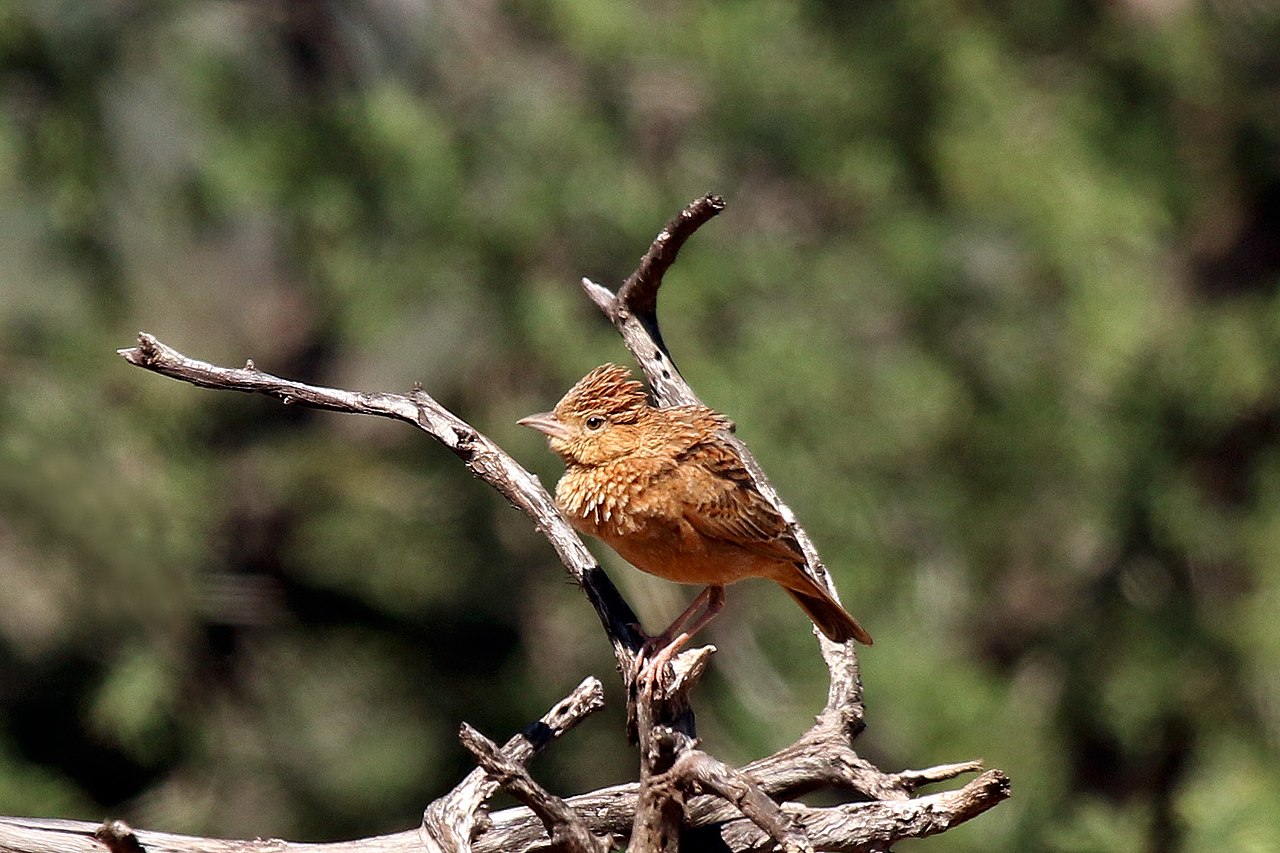
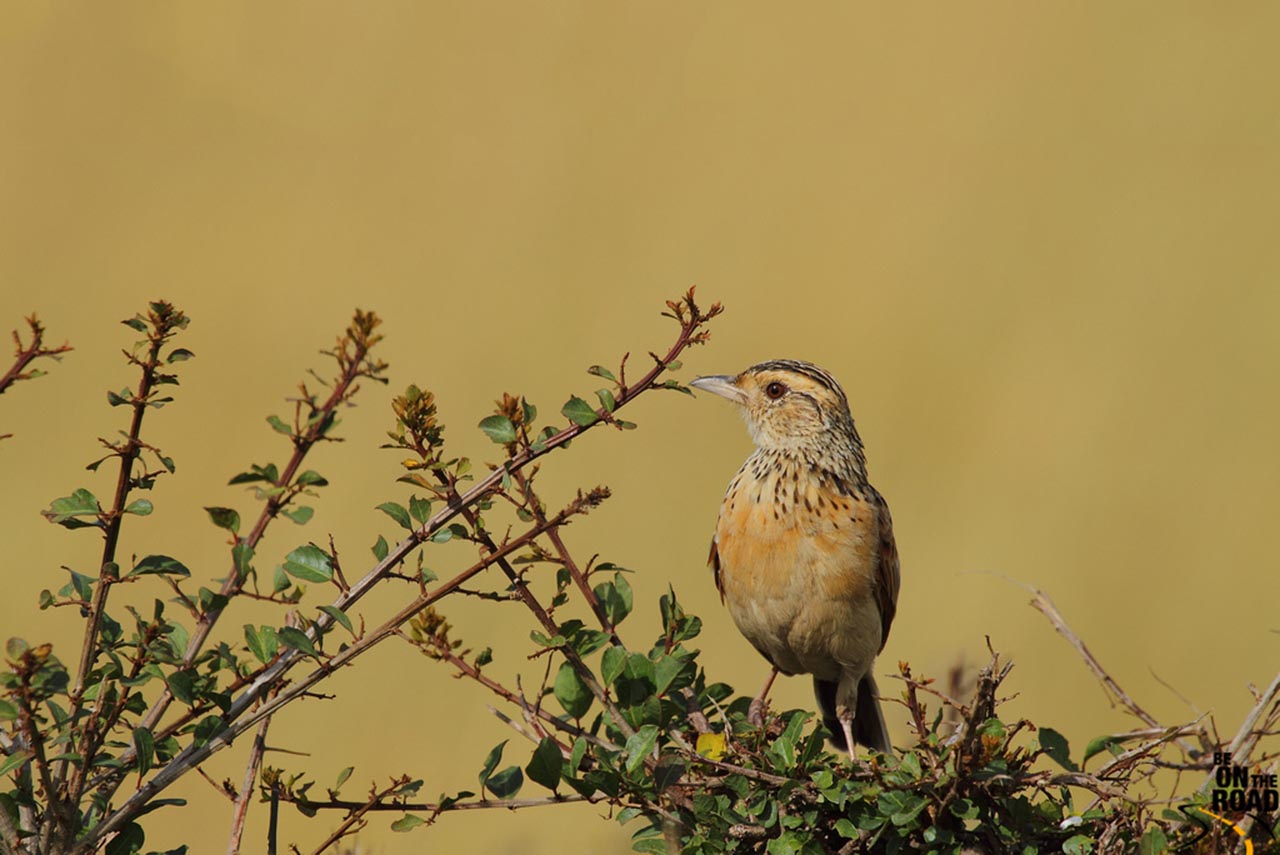
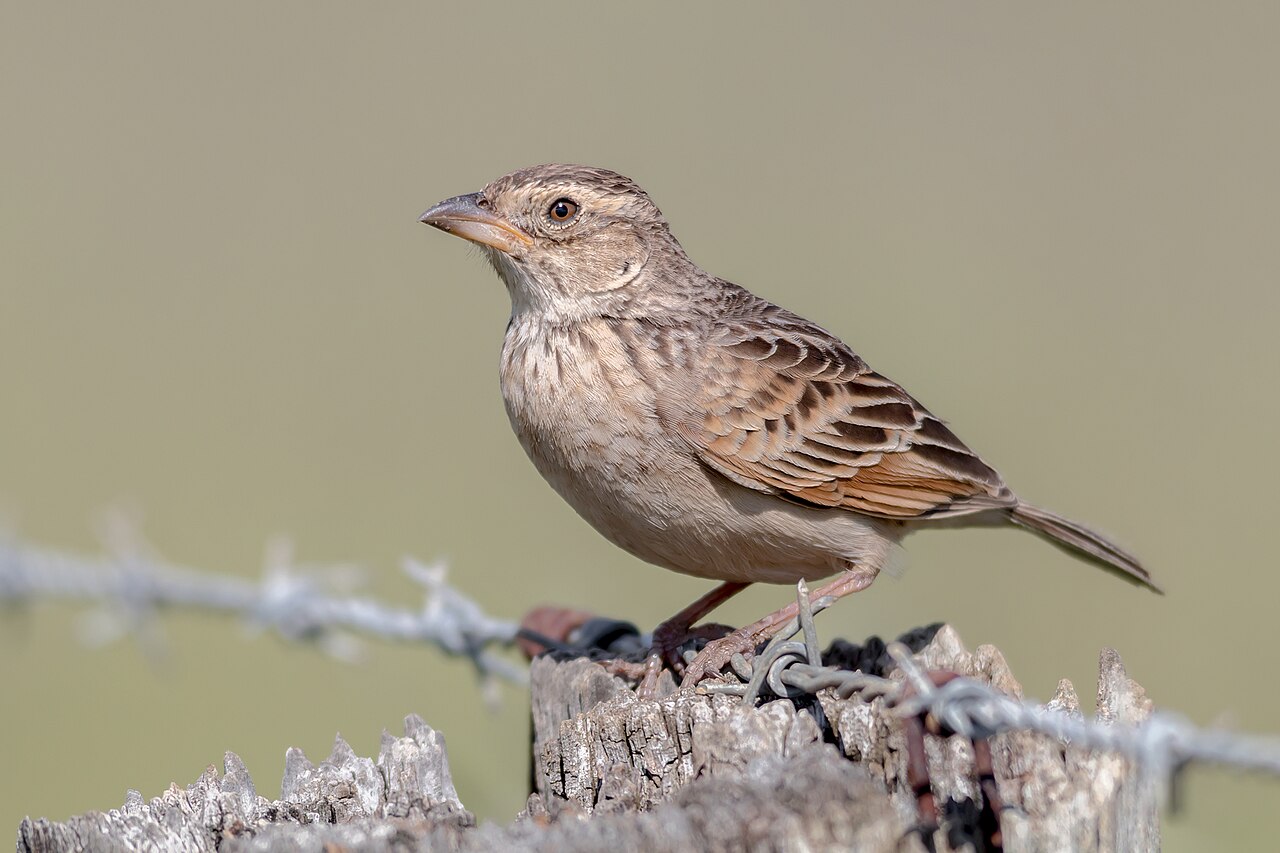
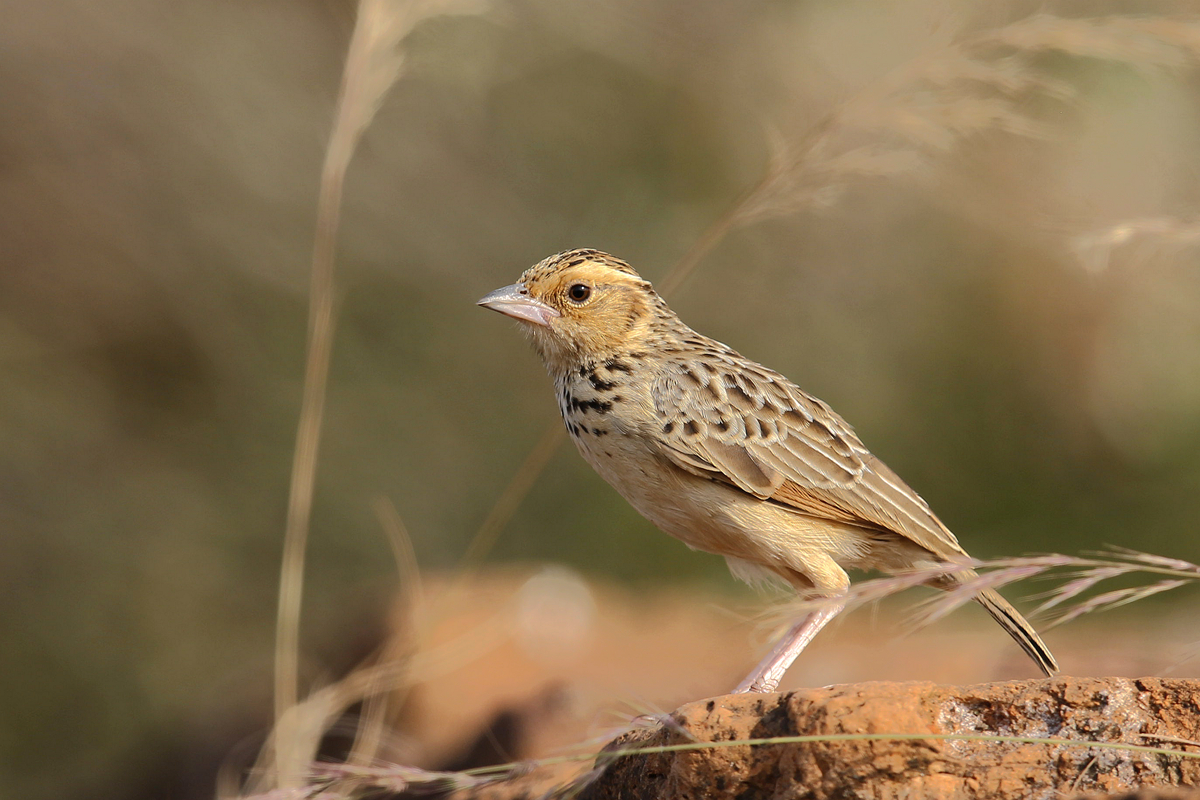
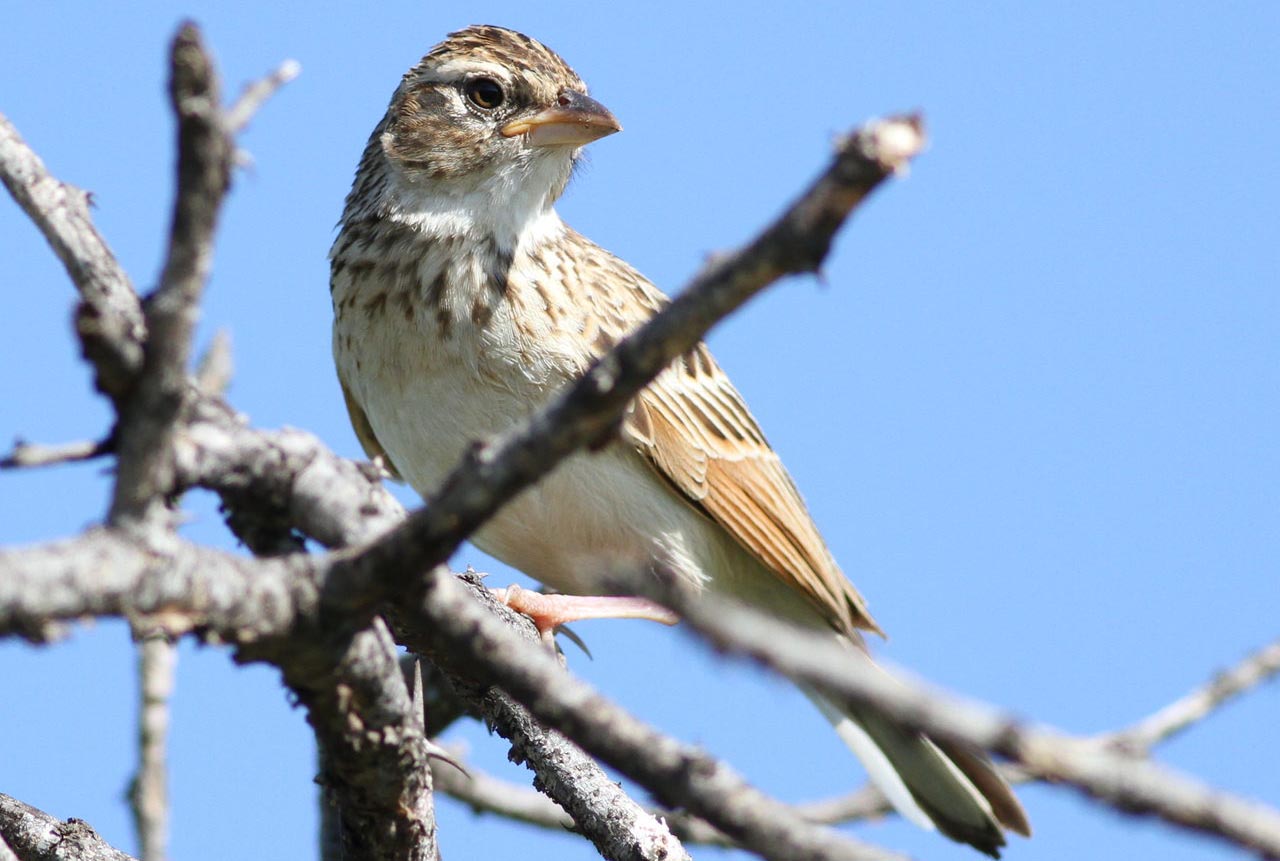
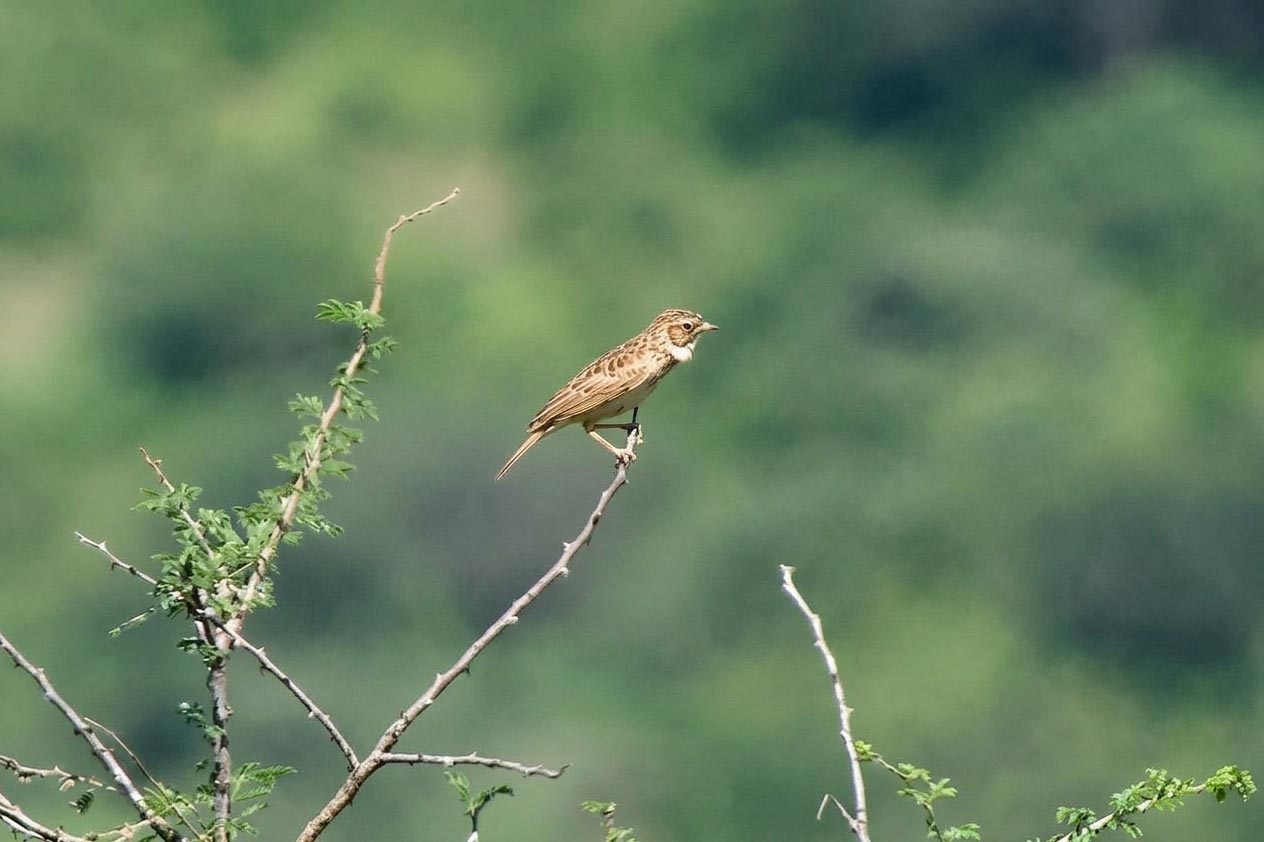
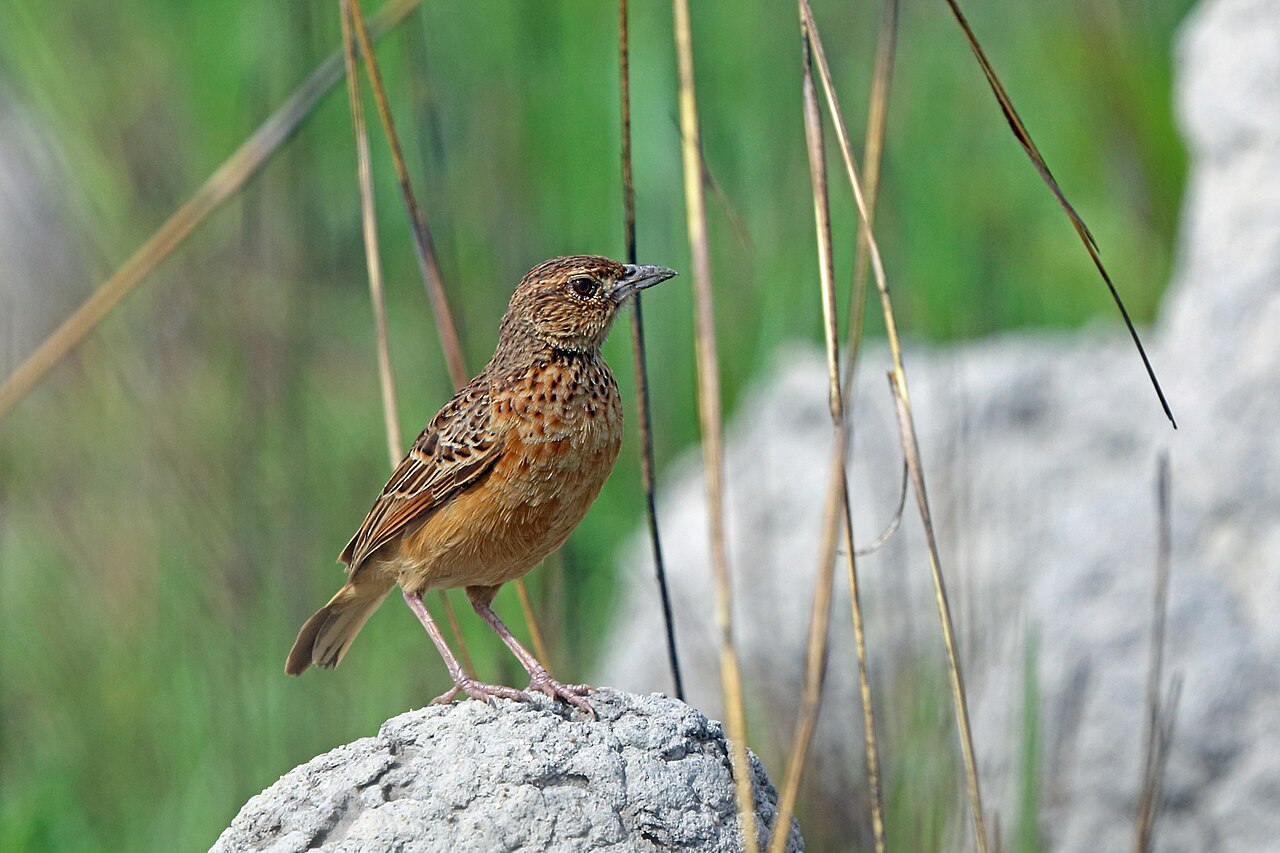
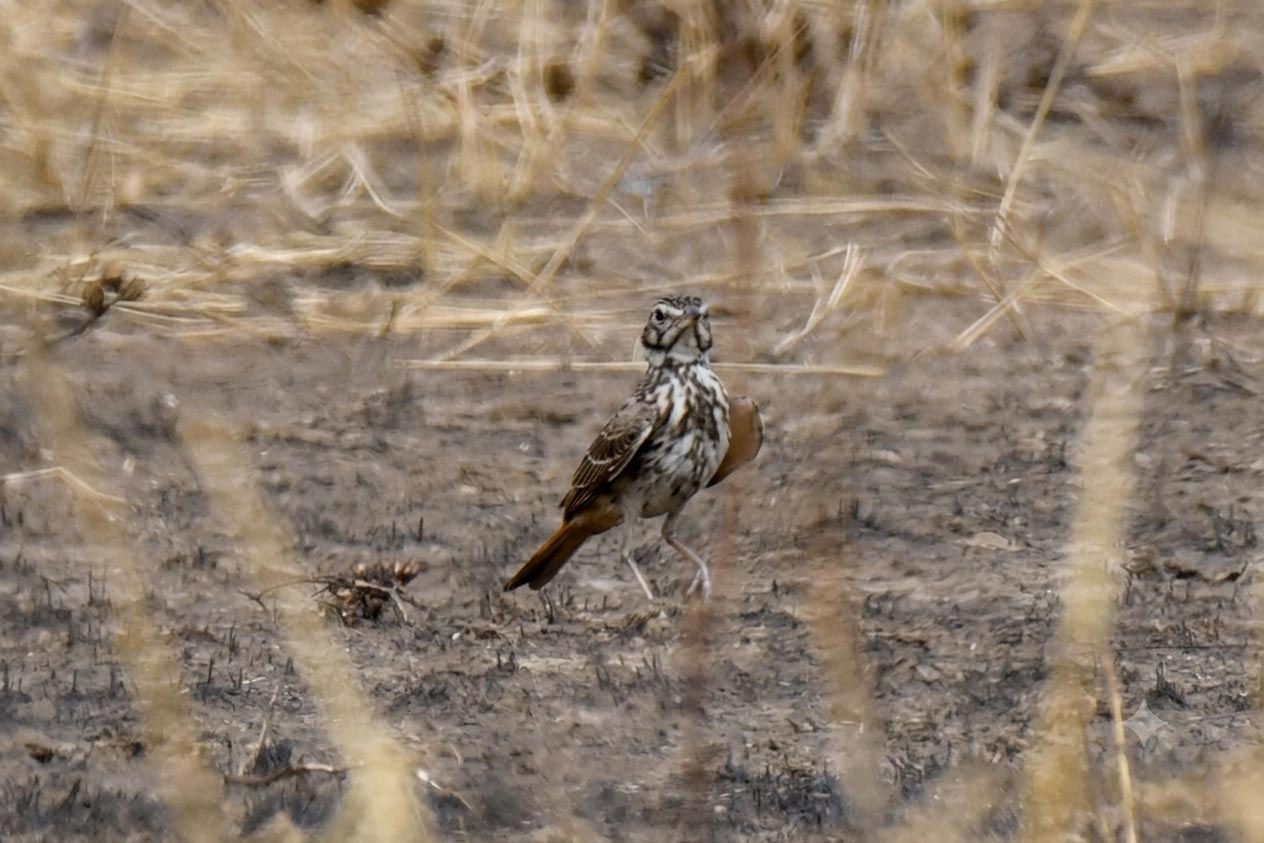
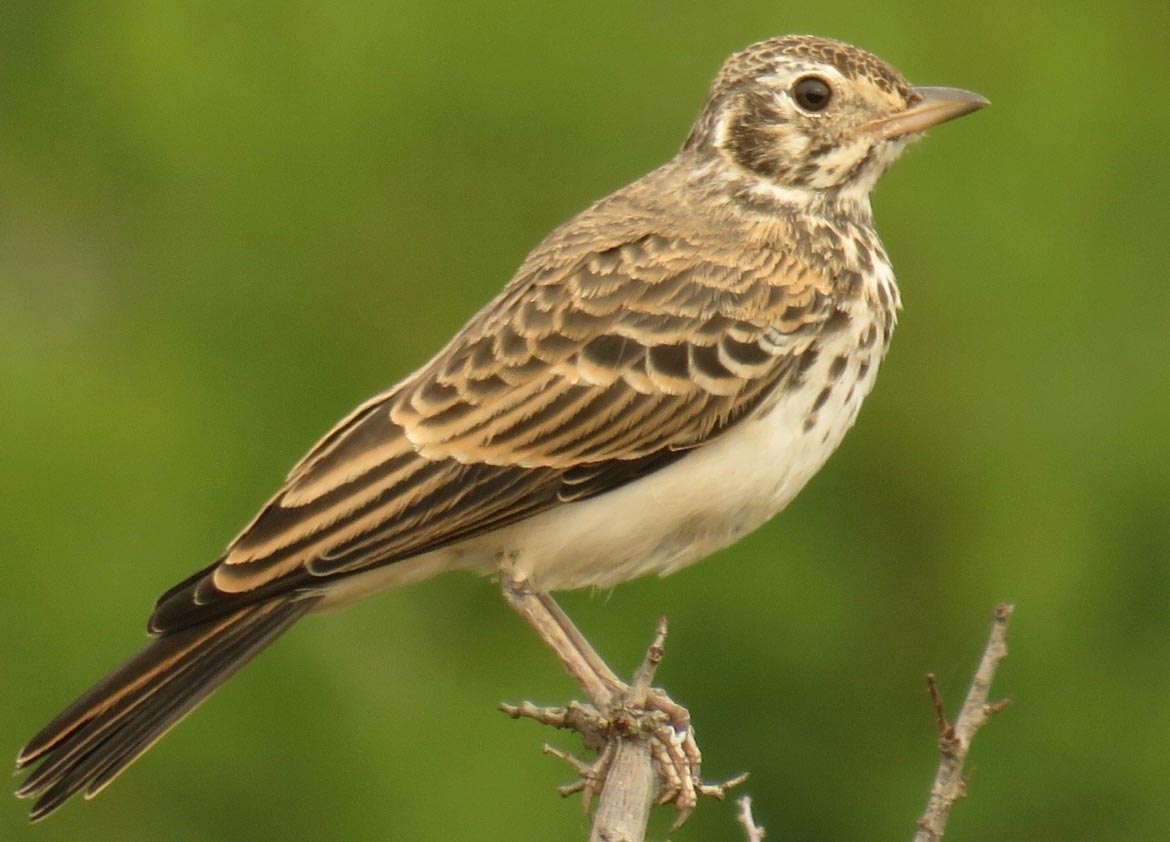
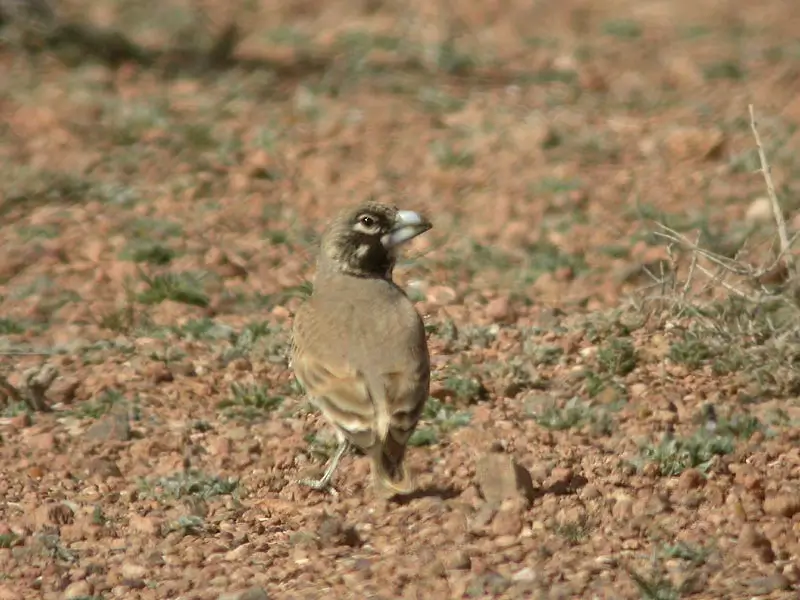
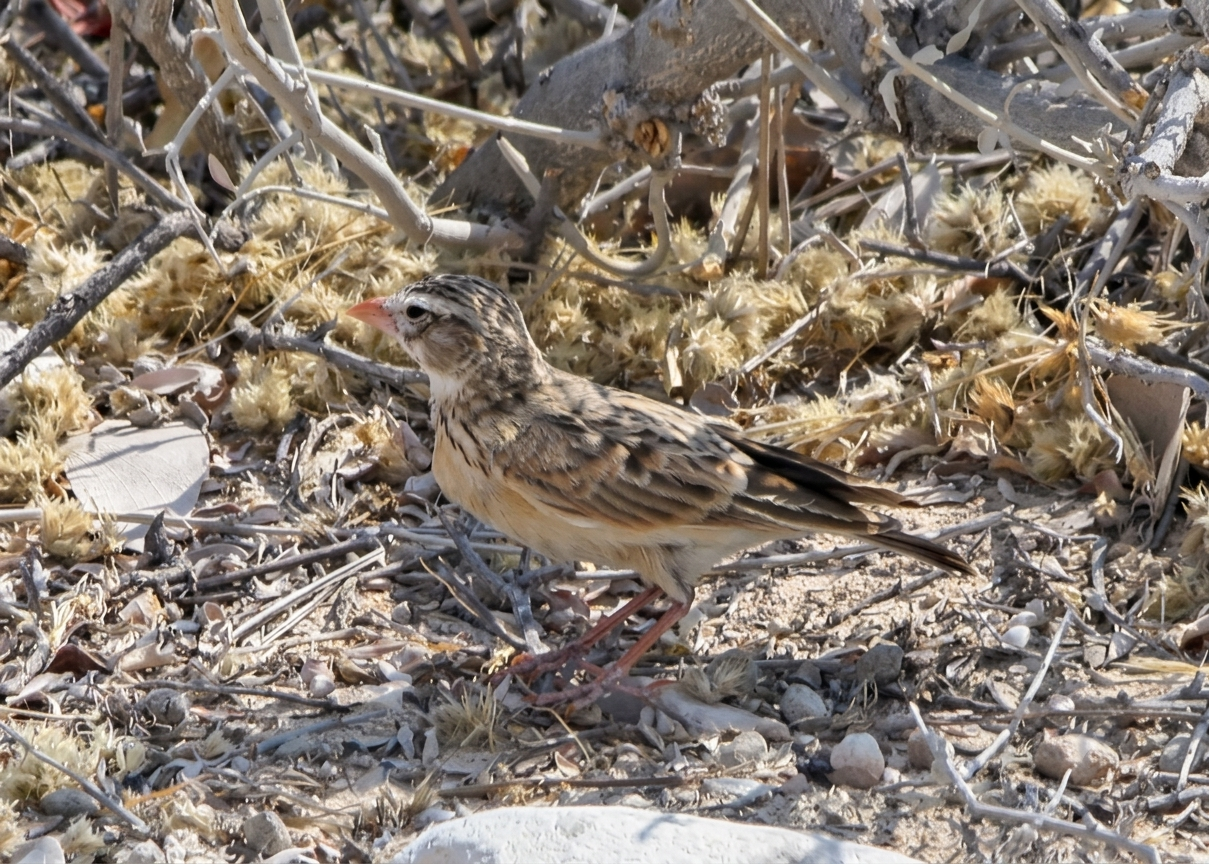
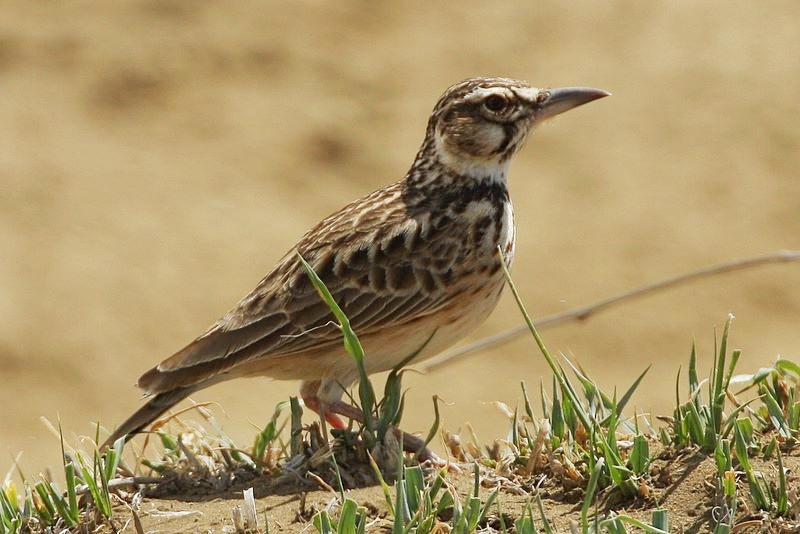
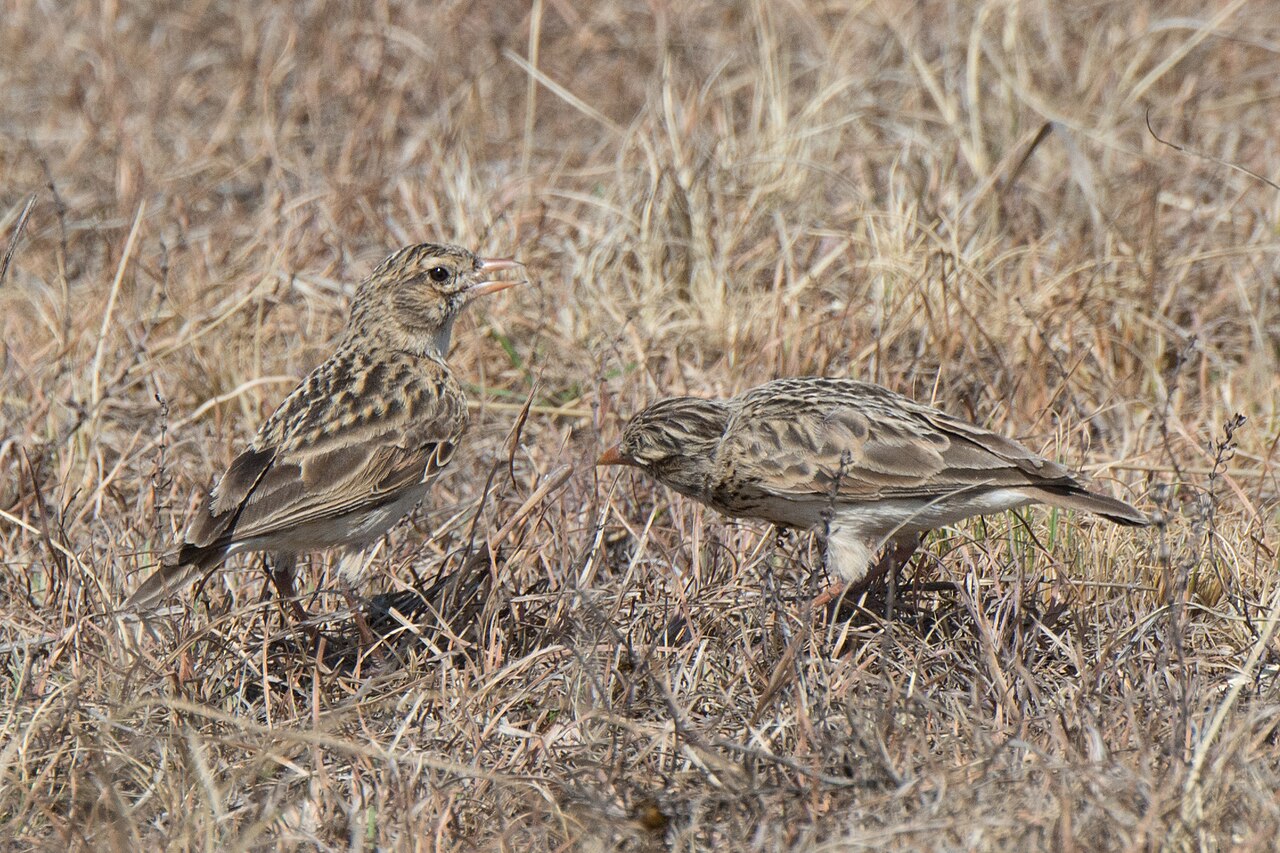
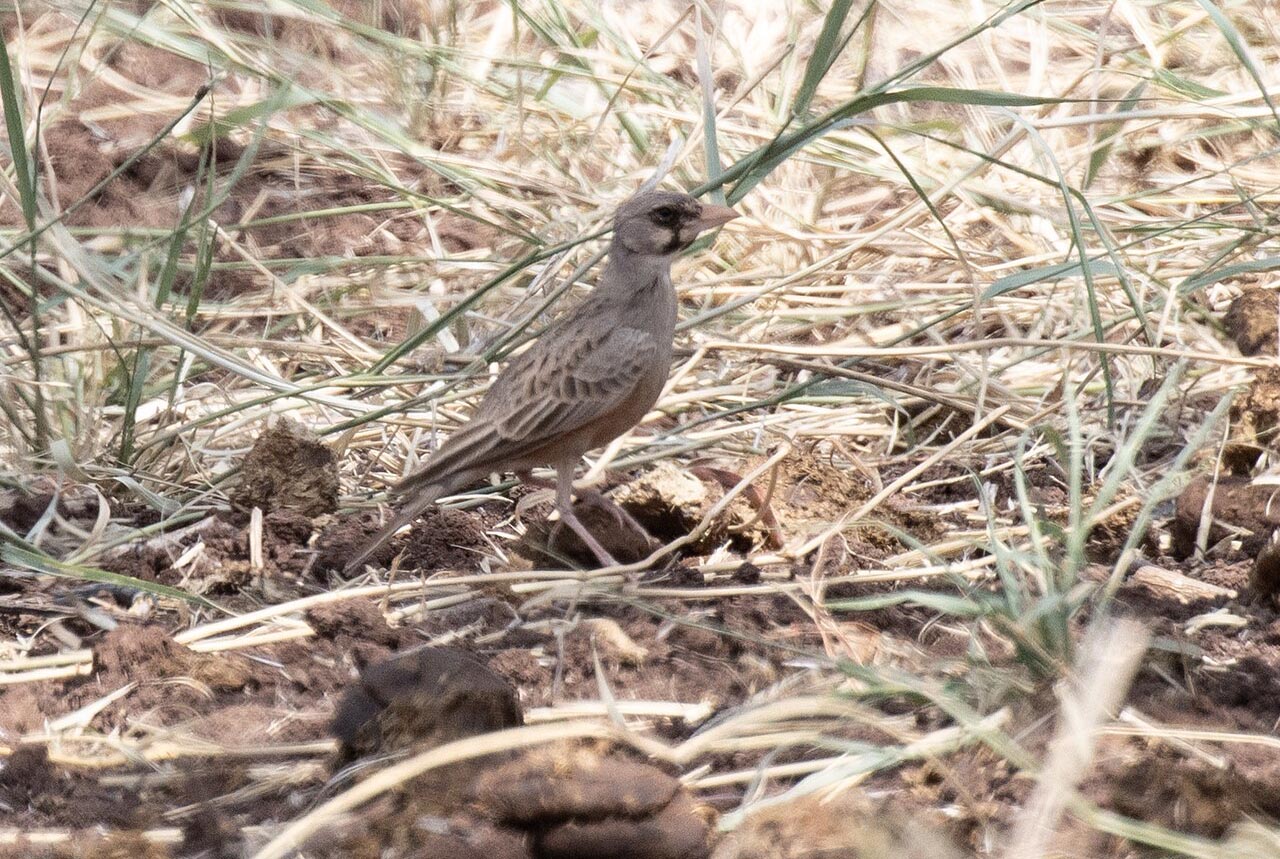
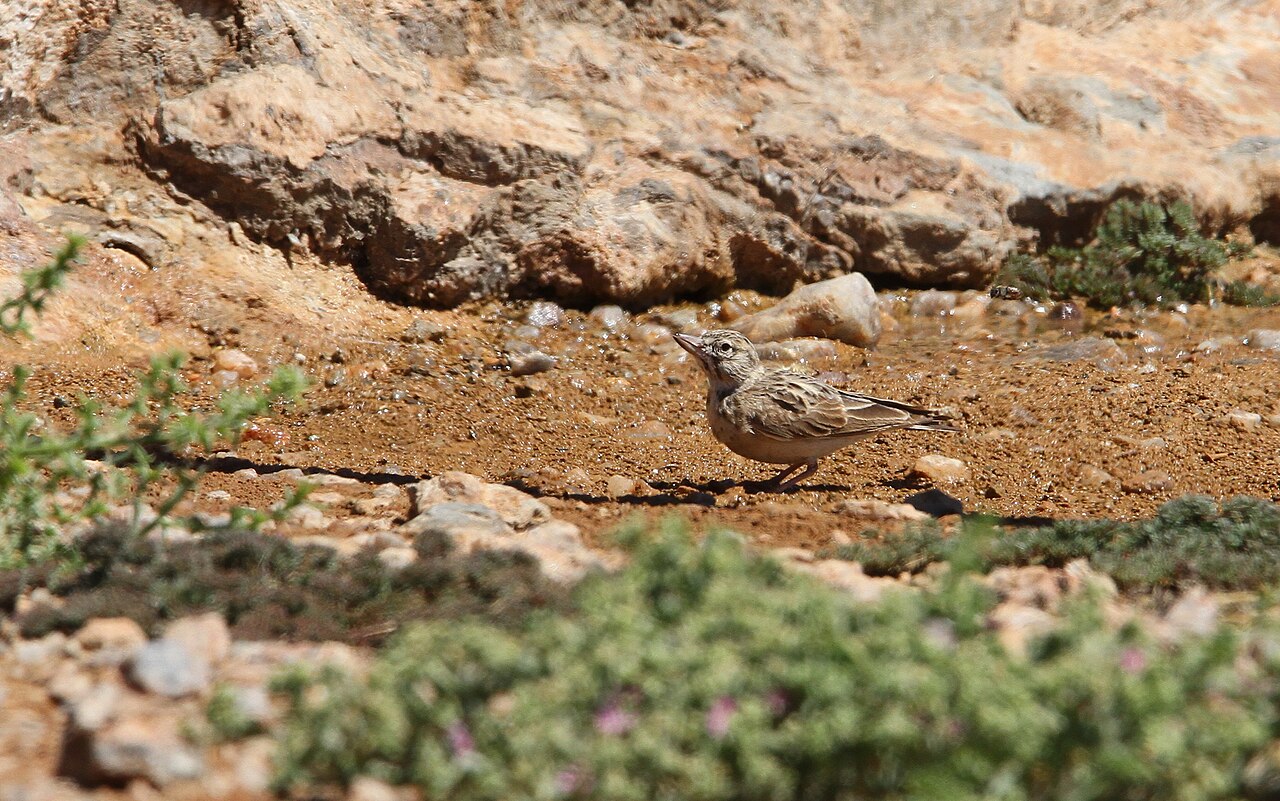
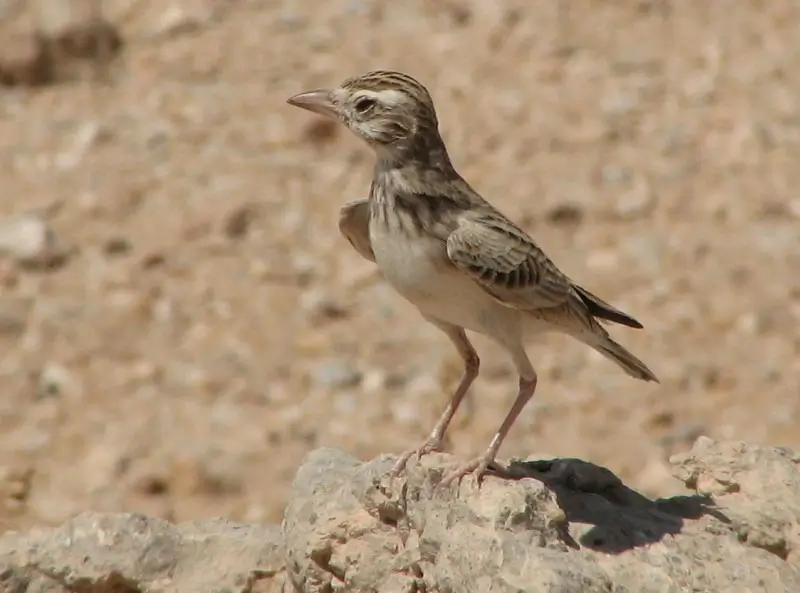
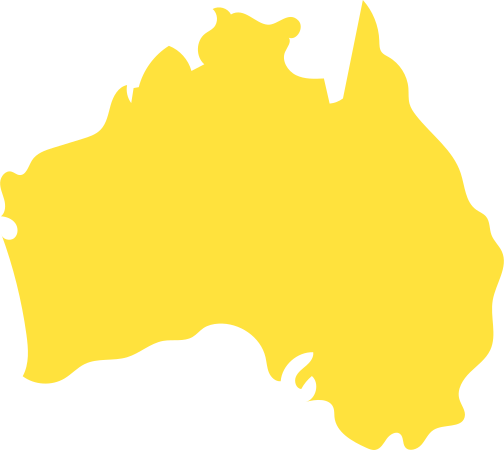
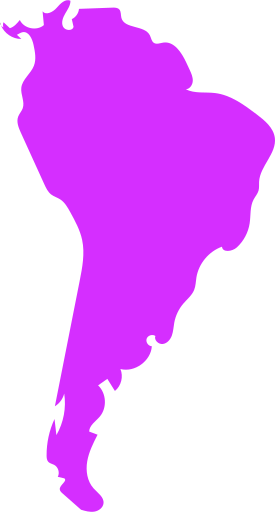
There are 91 species in the lark family. Most larks live in Europe, Asia, and Africa. Only two species are found in North America: the Horned Lark (Eremophila alpestris) and the Eurasian Skylark (Alauda arvensis). One species, the Australasian Bushlark (Mirafra javanica), is found in Australia.
Larks live in open habitats such as grasslands, prairies, meadows, farmland, deserts, and tundra. They usually avoid forests and spend much of their time walking on the ground. Most larks eat seeds and insects. They feed insects to their chicks because insects are rich in protein and help the young birds grow.
Larks have a long, straight claw on their hind toe called a spur, which helps them walk on the ground. Most larks build their nests on the ground and have brown or gray feathers that help them blend into their surroundings. They are also famous for their beautiful songs, especially the Eurasian Skylark.
HORNED LARK
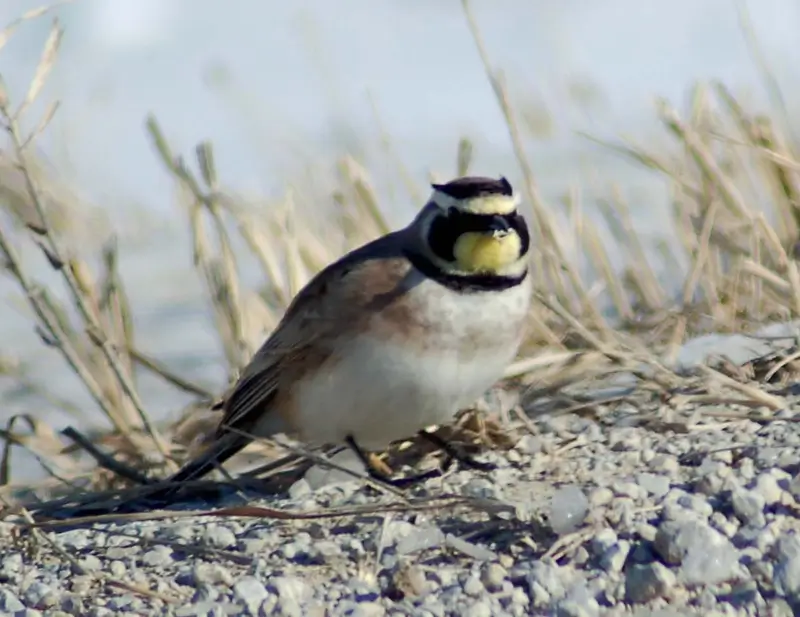
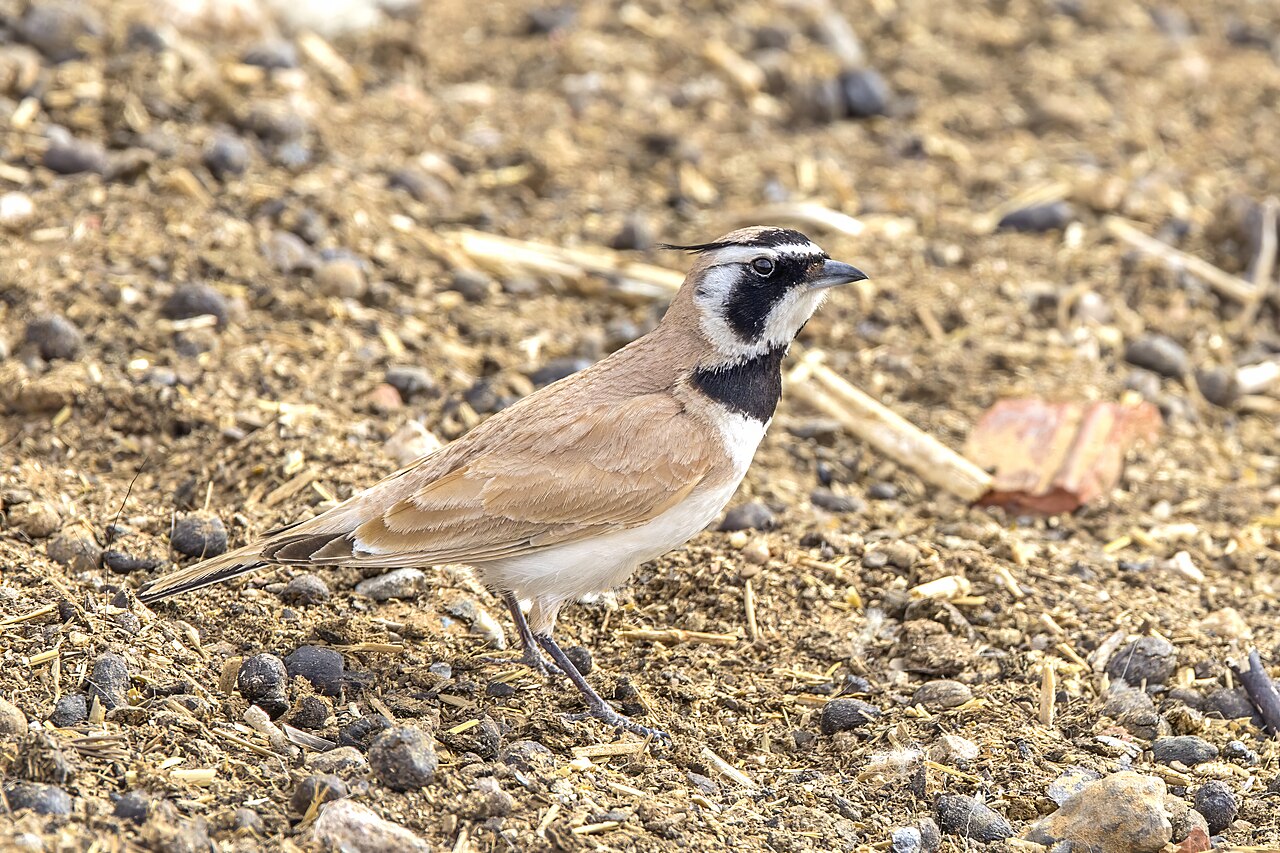
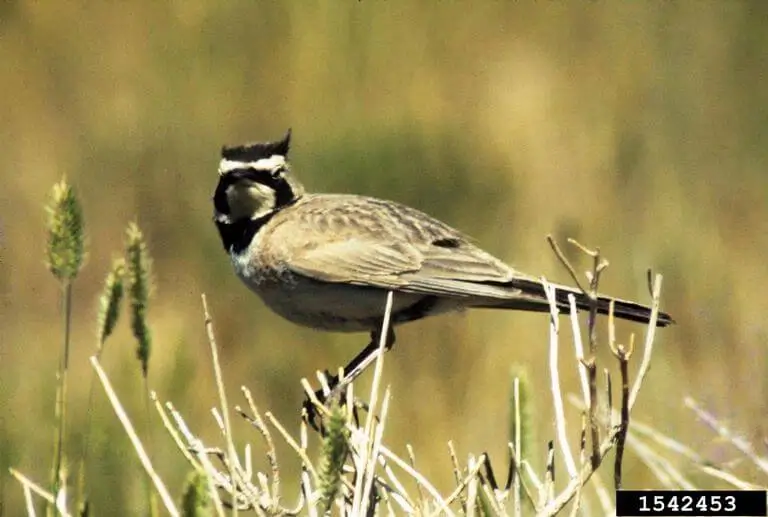
The Horned Lark is found across much of North America and also lives in parts of Europe and Asia. It lives in open habitats such as prairies, fields, deserts, and the tundra. It is about 7 inches (17.8 cm) long. It has brown upperparts, a white belly, a black mask on its face, and a black patch on its chest. It gets its name from the small tufts of black feathers on its head that look like tiny horns. It eats seeds, insects, and other small invertebrates.
EURASIAN SKYLARK
The Eurasian Skylark is found on Vancouver Island, British Columbia, where it is an introduced species. It is native to Europe, Asia, and North Africa. In 1903, about 100 Eurasian Skylarks were brought from Great Britain by the British Columbia Natural History Society and released into the wild. Their descendants still live on Vancouver Island today. Eurasian Skylarks live in grasslands, farmland, and meadows and eat seeds, grasses, and insects.