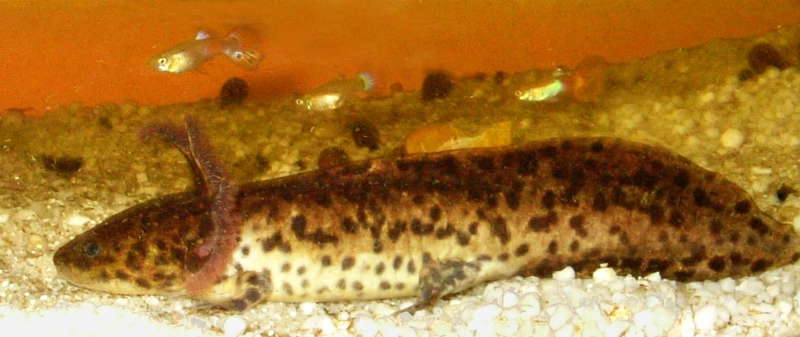
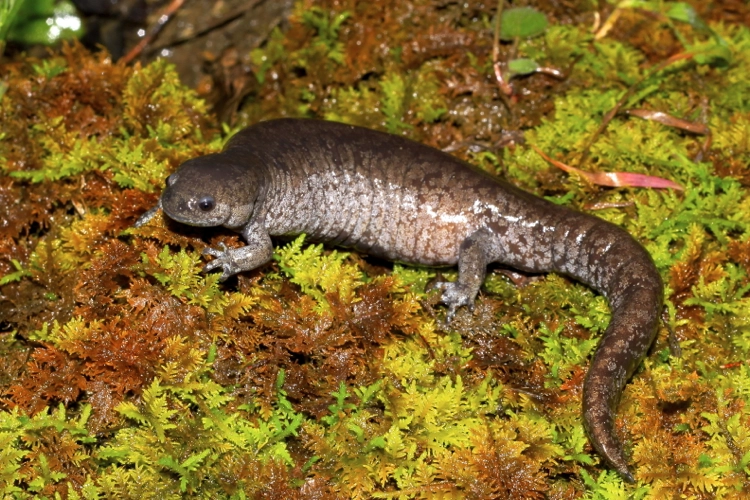
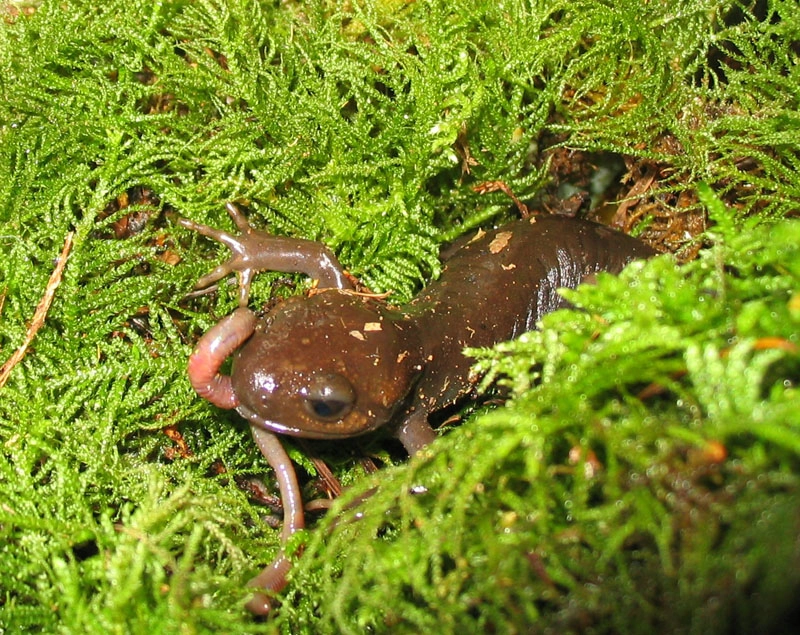
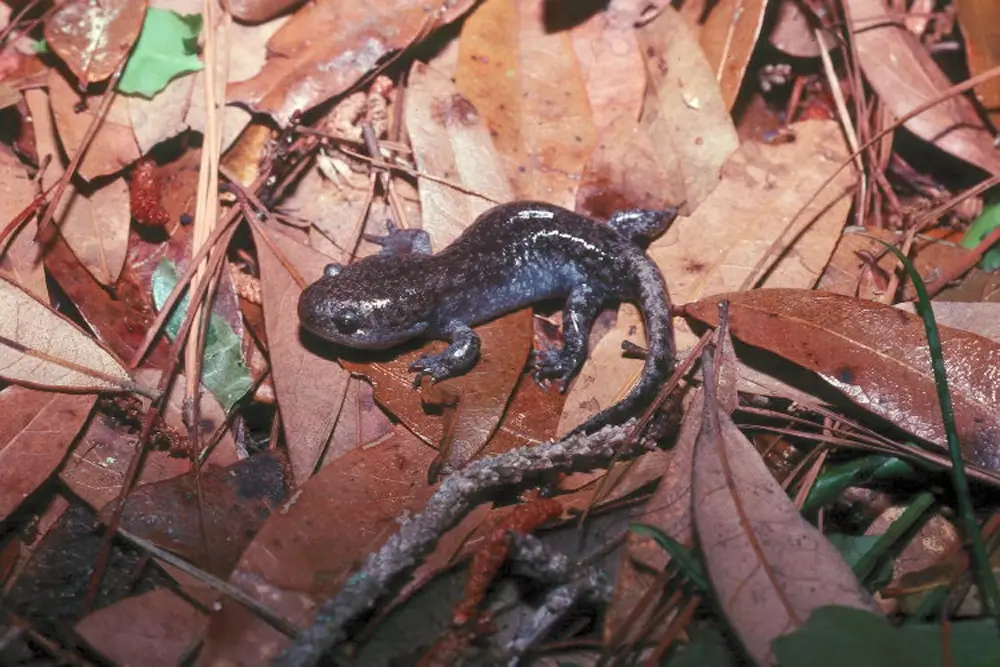
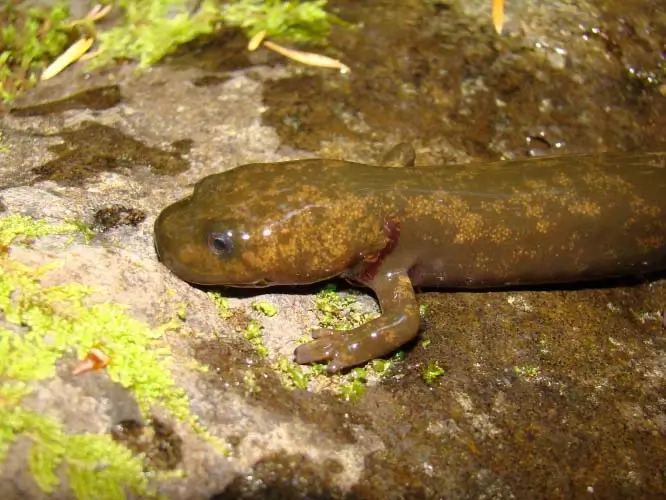
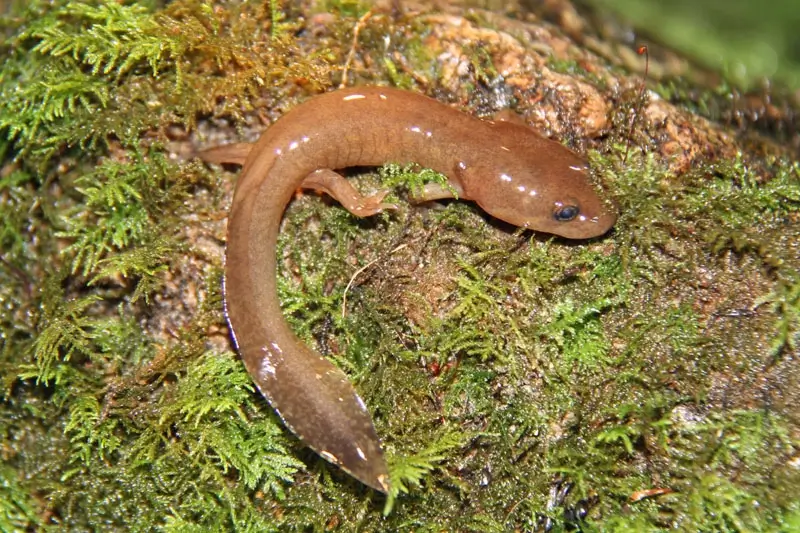
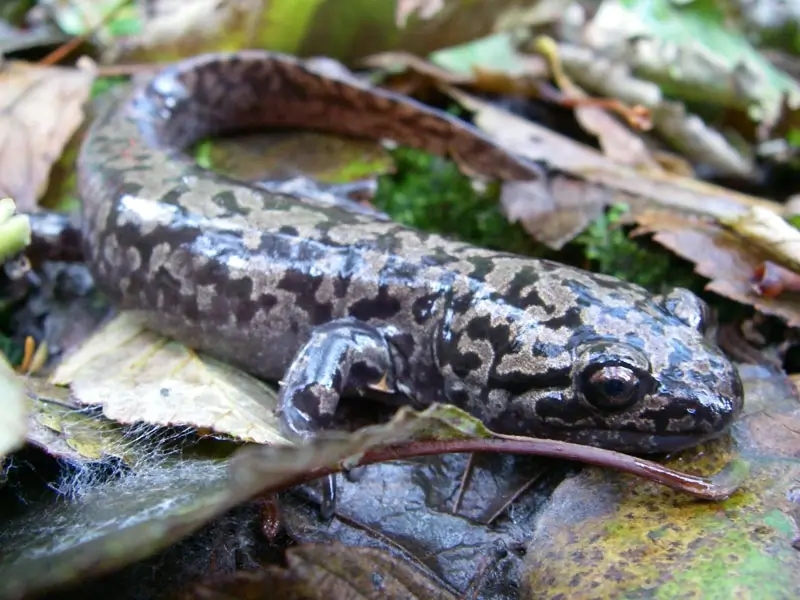
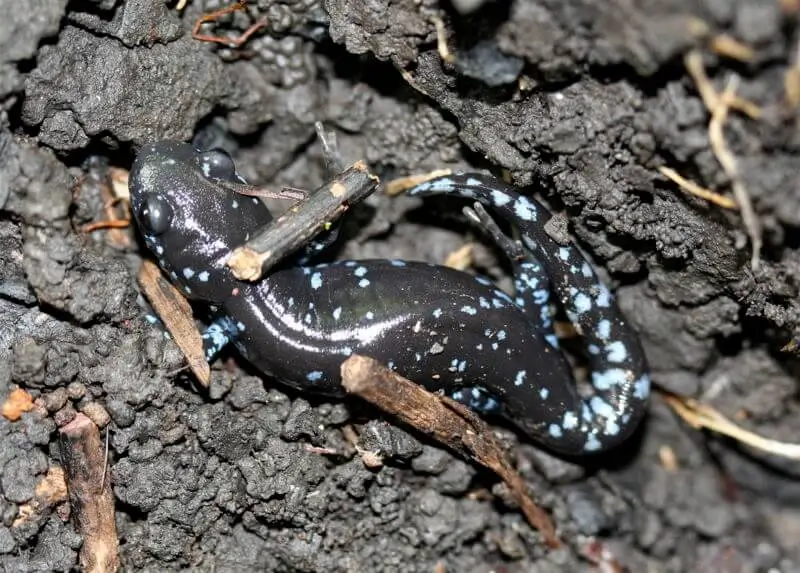
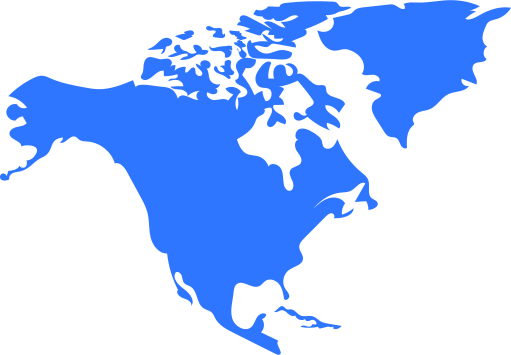
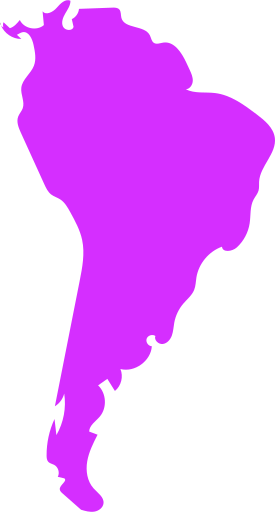
The species in this family of salamanders are only found in North America. They are called mole salamanders because they are nocturnal and spend the day in leaf litter or in burrows on the forest floor.
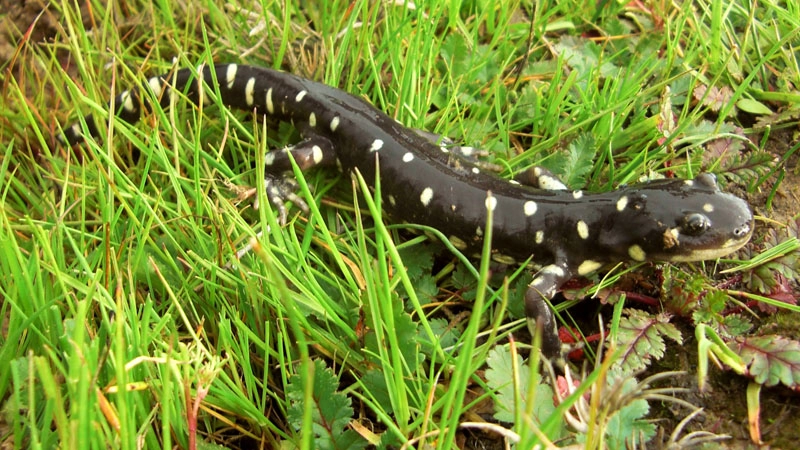
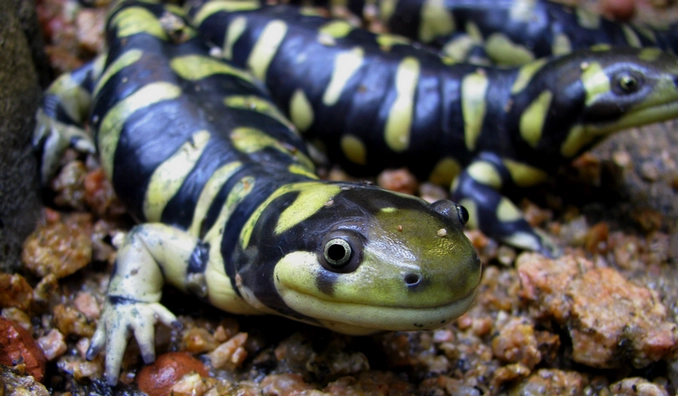
They are 4-12 inches in length and have long, flattened tails; small eyes; stout bodies; smooth skin; and short, rounded heads. Some species, like the tiger salamander, have bright spots. Mole salamanders also have costal grooves (vertical grooves) on their sides. The species in this family eat insects and invertebrates.
In the early spring, some species of mole salamanders migrate in large groups to ponds or streams to breed. They lay their eggs in clumps on submerged material in the water.
Young mole salamanders live in the water and have external gills. Most species eventually lose their gills and move onto land, but some species spend their entire life in the water.
Anderson's Salamander (Ambystoma andersoni)
Anderson's salamander is only found in one lake, Lago Zacapu, and its surrounding streams in north-western Michoacan, Mexico. IUCN Redlist Status: Critically Endangered
Streamside Salamander (Ambystoma barbouri)
The streamside salamander is found in central Kentucky, southwestern Ohio, southeastern Indiana, and Tennessee. There are isolated populations in westernmost West Virginia. IUCN Redlist Status: Near Threatened
California Tiger Salamander (Ambystoma californiense)
The California tiger salamander is found in Sacramento-San Joaquin river valleys. IUCN Redlist Status: Vulnerable
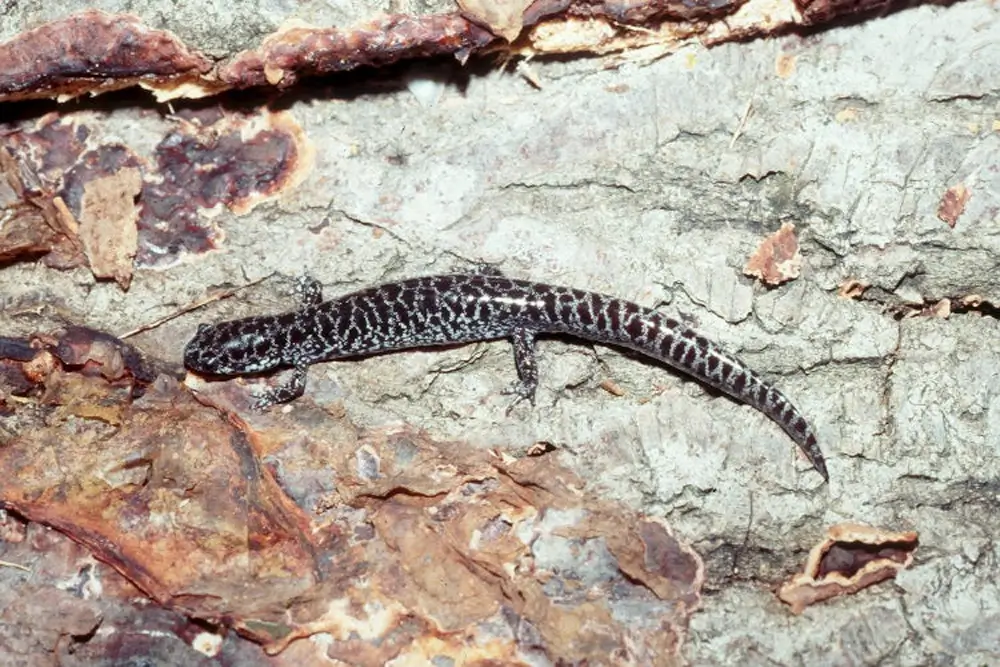
The frosted flatwoods salamander is found in South Carolina, Georgia, Alabama, and Florida. IUCN Redlist Status: Endangered
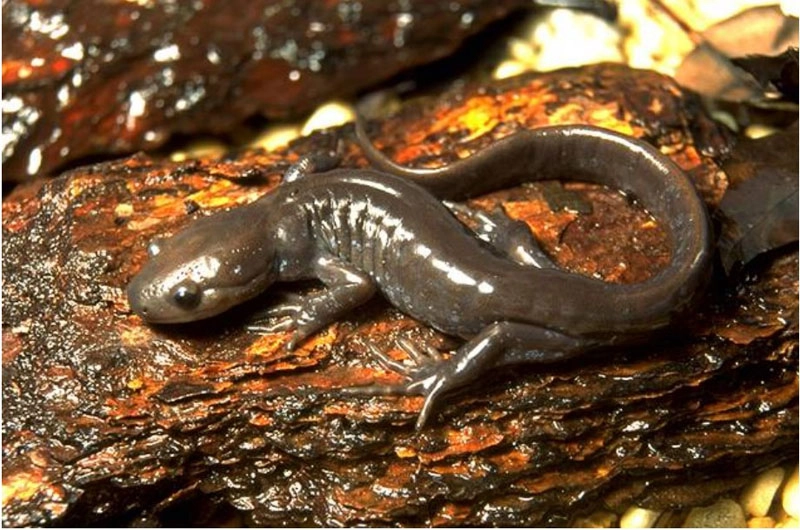
Jefferson Salamander (Ambystoma jeffersonianum)
The Jefferson salamander is found from southern New England, south and southwest through Indiana, Kentucky, West Virginia, and Virginia. It is found in New Hampshire. IUCN Redlist Status: Least Concern
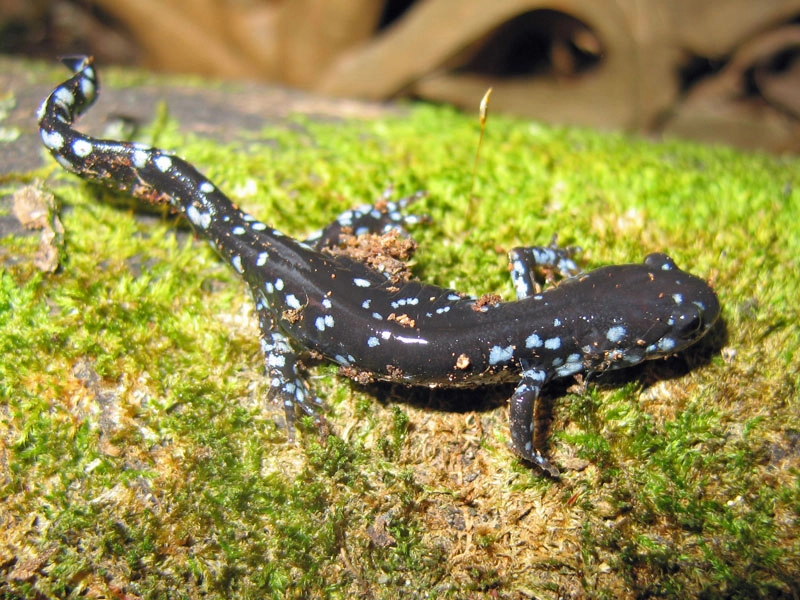
Blue-Spotted Salamander (Ambystoma laterale)
The blue-spotted salamander is found from southeastern Quebec to Lake Winnipeg, south through Great Lakes region and New England to northern Indiana and New Jersey. The blue-spotted salmnder is found in New Hampshire. IUCN Redlist Status: Least Concern
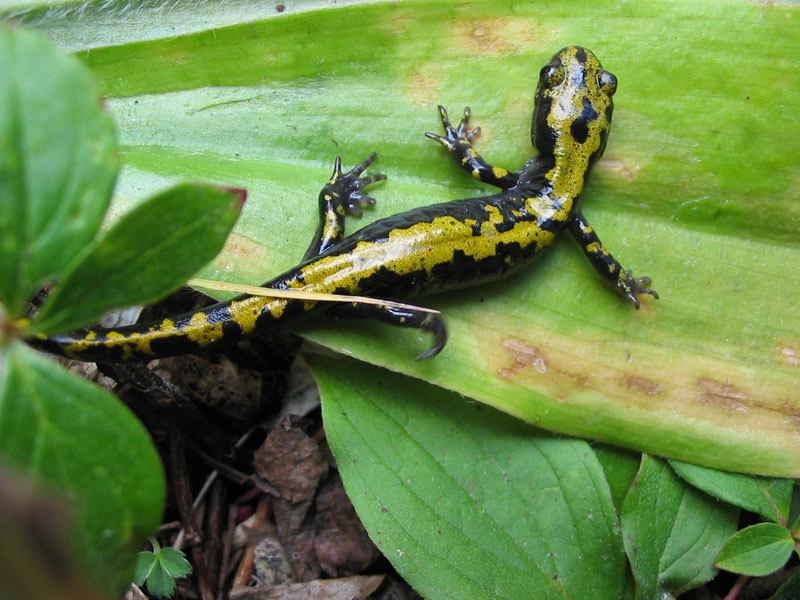
Long-Toed Salamander (Ambystoma macrodactylum)
The long-toed salamander is found from British Columbia and Alberta, Canada south to California, Idaho, and western Montana. IUCN Redlist Status: Least Concern
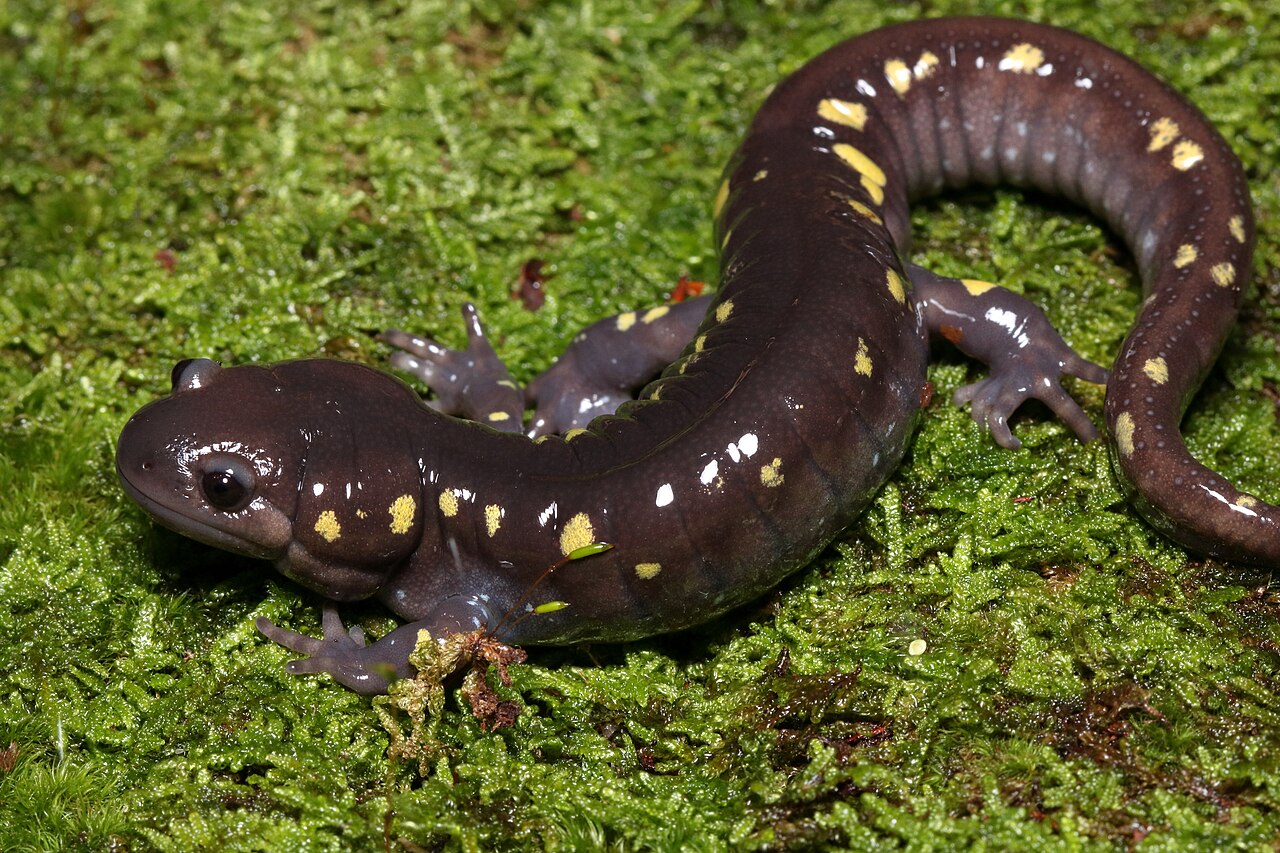
Spotted Salamander (Ambystoma maculatum)
The spotted salamander is found throughout most of the eastern U.S. and southeastern Canada and west to eastern Iowa and eastern Texas. The spotted salamander is found throughout New Hampshire. IUCN Redlist Status: Least Concern
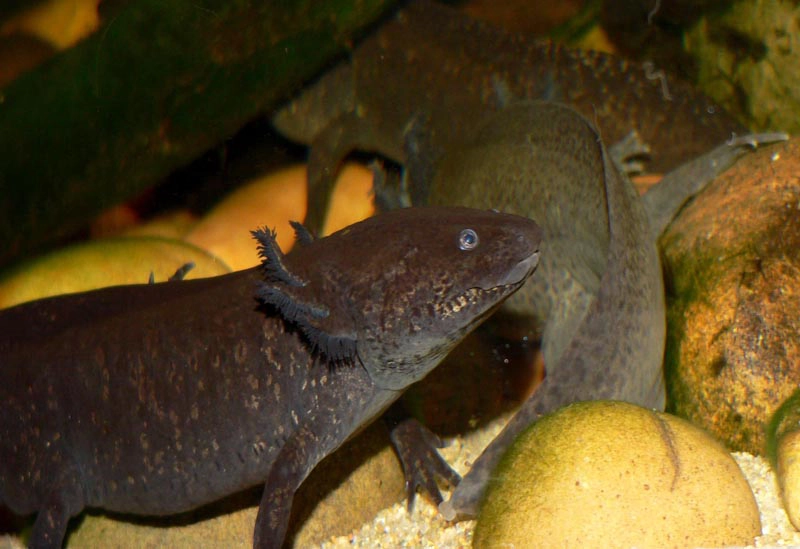
Axolotl (Ambystoma mexicanum)
The Axolotl was once found in found in Lakes Chalco and Xochimilco near Mexico City, Mexico, but it has disappeared from most of its range. IUCN Redlist Status: Critically Endangered
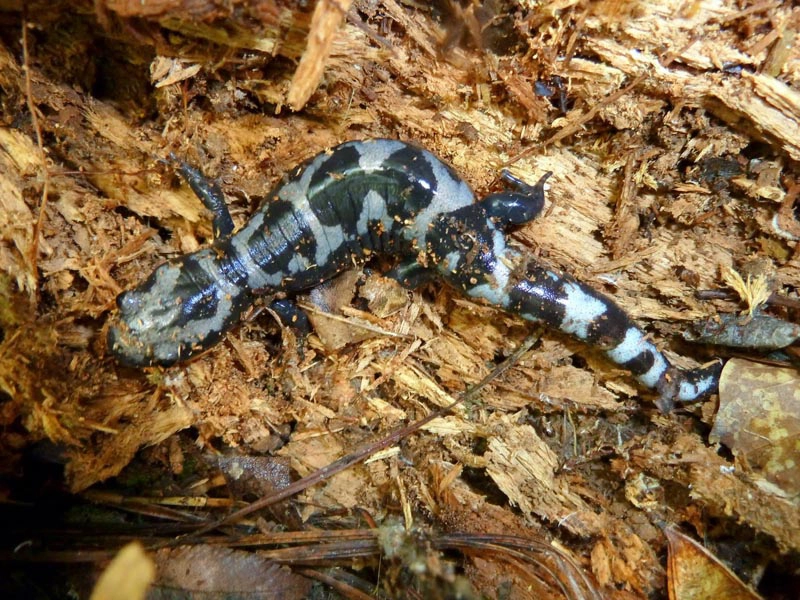
Marbled Salamander (Ambystoma opacum)
The marbled salamander is found throughout most of the eastern United States, including New Hampshire. IUCN Redlist Status: Least Concern
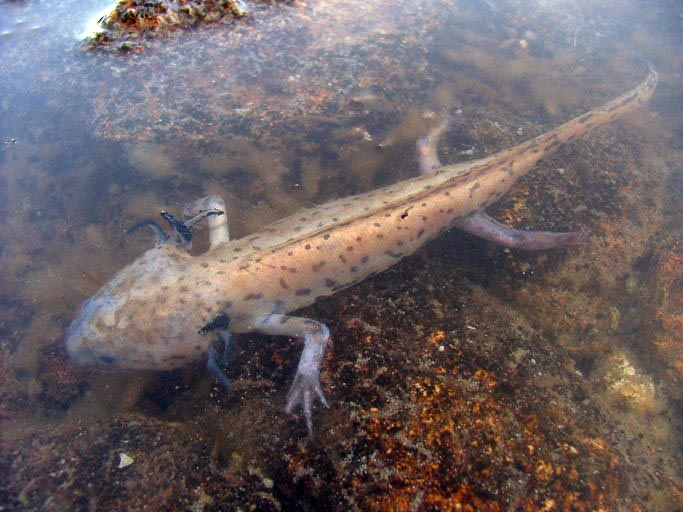
Taylor's Salamander (Ambystoma taylori)
Taylor's salamander is found only in Laguna Alchichica, a high-altitude crater lake 24 miles southwest of Perote, Puebla, Mexico in Central Mexico. IUCN Redlist Status: Critically Endangered
Smallmouth Salamander (Ambystoma texanum)
Small-mouthed salamanders are found from northeastern Ohio west into Missouri and eastern Nebraska. IUCN Redlist Status: Least Concern
Tiger Salamander (Ambystoma tigrinum)
The tiger salamander is found from southern Canada across most of the U.S. except for the Great Basin, New England, and the Appalachian mountains. It is also found in northern Mexico. IUCN Redlist Status: Least Concern
Northwestern Salamander (Ambystoma gracile)
The northwestern salamander is found from southeastern Alaska along the Pacific coasts of British Columbia , Washington, Oregon, and northern California. IUCN Redlist Status: Least Concern
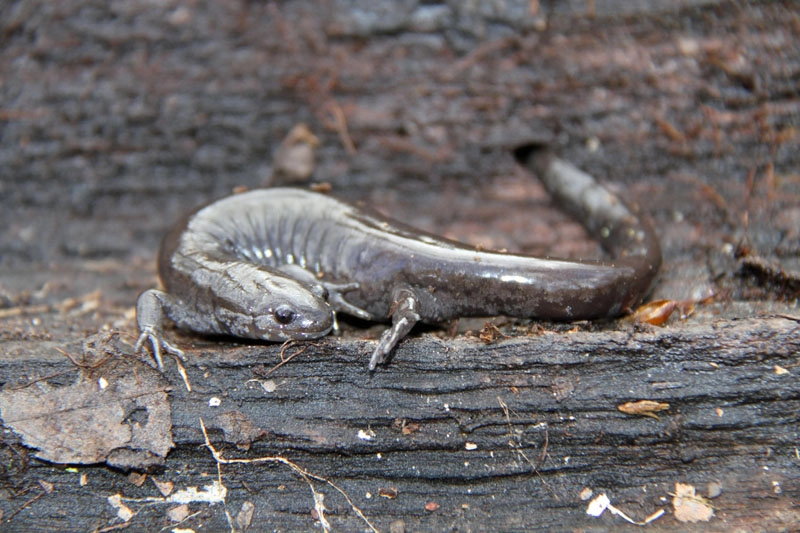
Mole Salamander (Ambystoma talpoideum)
The mole salamander is found in the southeastern and central United States. IUCN Redlist Status: Least Concern
Cope's Giant Salamander (Dicamptodon copei)
Cope's giant salamander is found from Washington south to northwestern Oregon. IUCN Redlist Status: Least Concern
California Giant Salamander (Dicamptodon ensatus)
The California giant salamander is found in California. IUCN Redlist Status: Near Threatened
Pacific Giant Salamander (Dicamptodon tenebrosus)
The Pacific giant salamander is found from southern British Columbia south through western Washington and western Oregon to northwestern California. IUCN Redlist Status: Least Concern