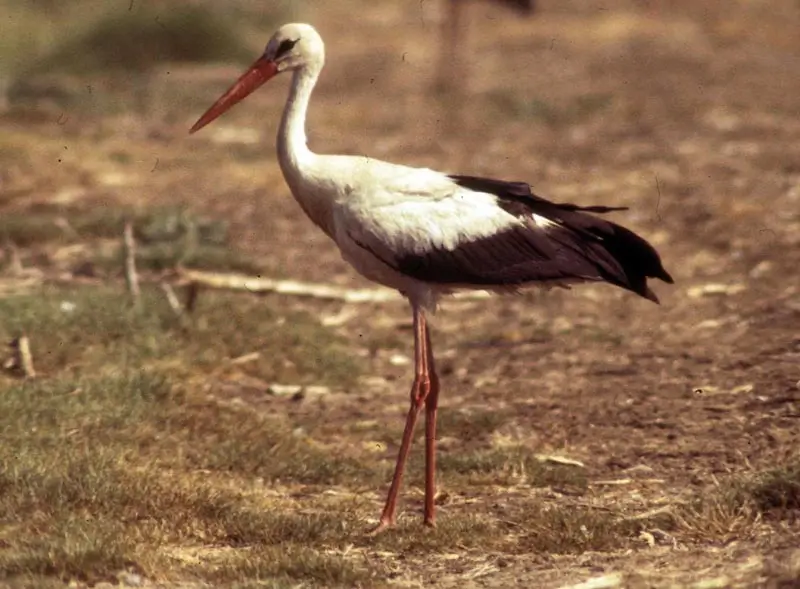
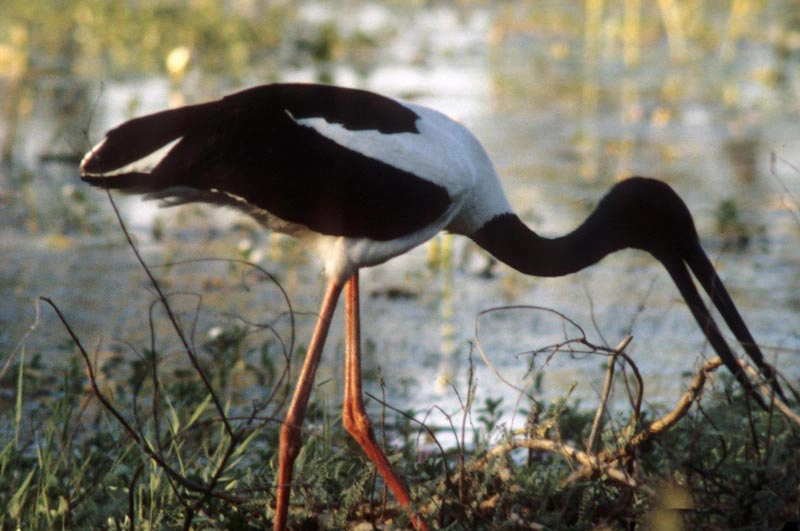
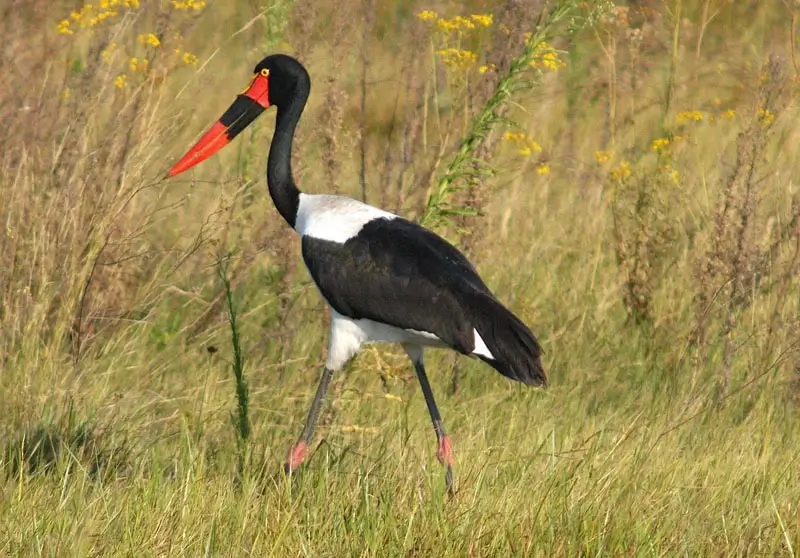
There are 19 species in this family. Storks are found in all parts of the world where it is warm. Most stork species are migratory.
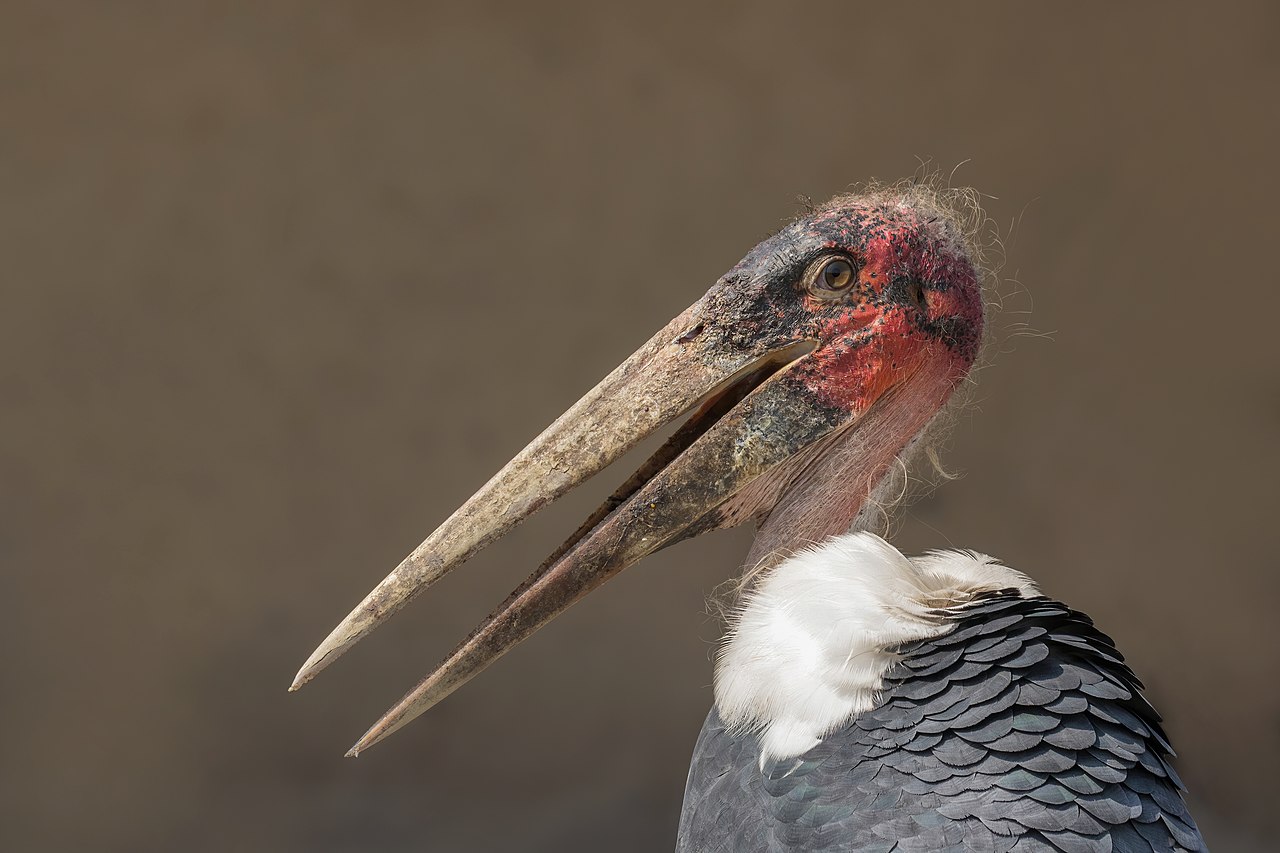
Storks have long legs, long bills, long wings, and long necks. They usually have bare heads and necks
Storks don’t have a pharynx, so they don’t have any vocalizations! They clack their bills to communicate.
Storks are wading birds and eat fish, small mammals, amphibians, birds, and insects. Storks usually use the same nesting site from year to year, and stork mating pairs will add on to their nest. Stork nests can become as large as six feet in diameter and 10 feet deep.
The wood stork is the only member of this family that breeds in the United States. Small and endangered breeding populations can be found in Florida, Georgia, South Carolina, and North Carolina. The wood stork is also found throughout much of South America, Central America, and the Caribbean, where it is not endangered.
WOODSTORK
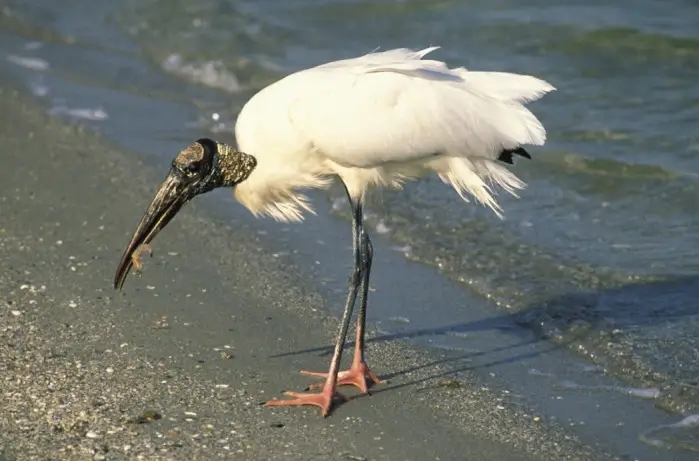
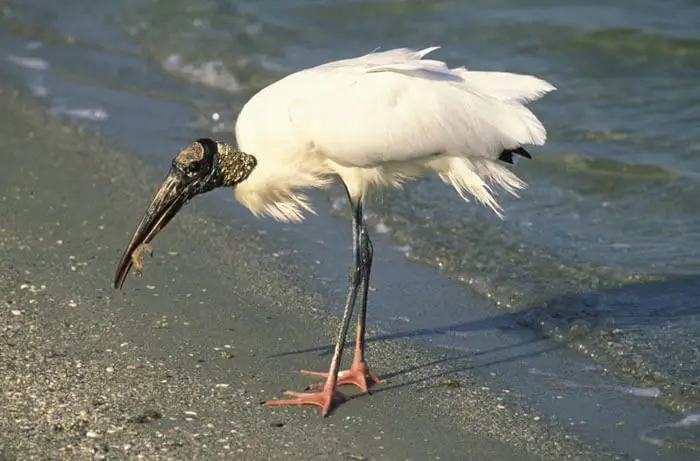
The wood stork stands around 2.5 feet tall. It has a white body and a featherless black head and neck. It has a long, down-curved yellow bill and long black legs with pinkish feet.
It is found in marshes and swamps and walks through shallow water searching for prey like small fish, frogs, and large insects. It locates prey by opening its bill in the water and waiting for prey to run into it! When it feels something touch its bill, it quickly snaps it shut. The wood stork was once known as the wood ibis.
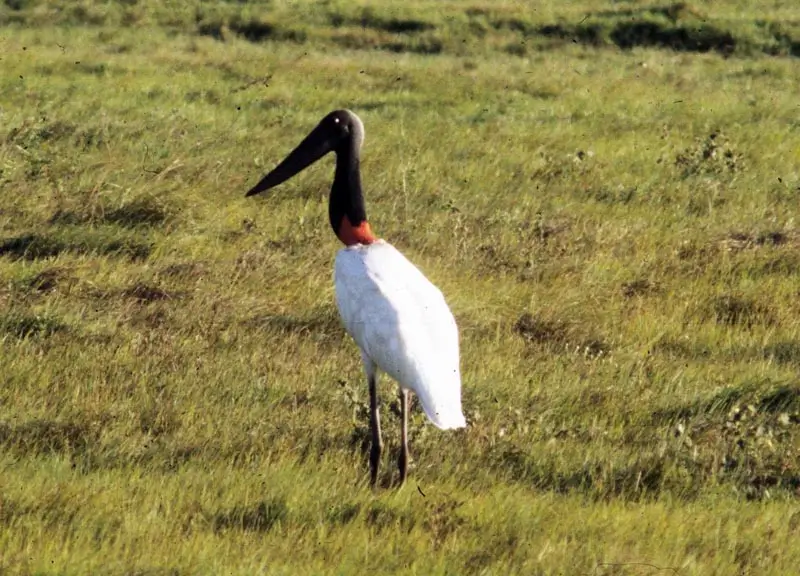
JABIRU
The jabiru is a stork found in Central and South America. It is the tallest flying bird found in the Americas. It can be up to five feet tall and have a wingspan of 7-9 feet. It has a white body and a featherless black head and upper neck, and a featherless red pouch at the base of its neck.