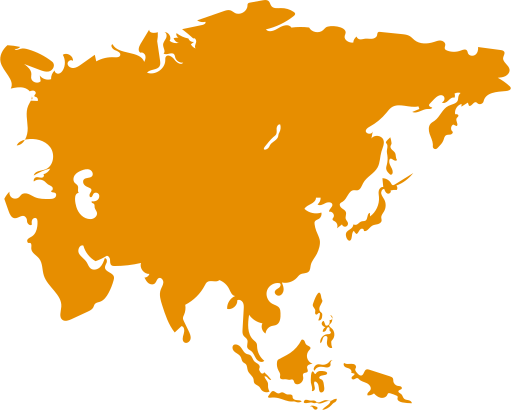
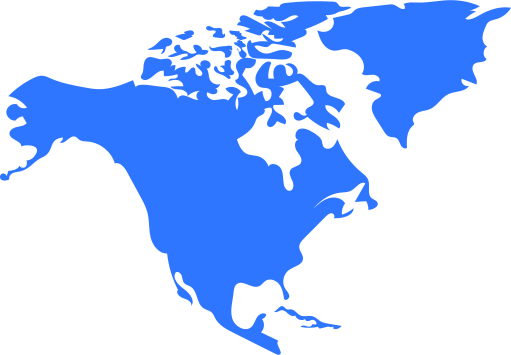
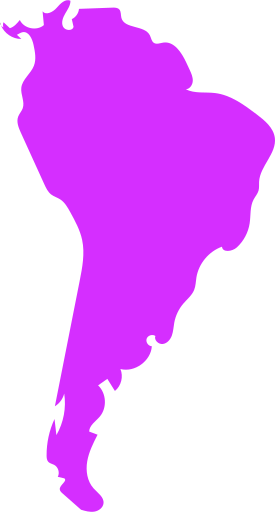
There are 15 species in the Gruidae family. Cranes are found on every continent except Antarctica and South America. They live in wetlands, grasslands, savannas, and open plains.
Cranes are large birds with long legs, long necks, and long, straight bills. They look similar to herons and egrets, but there is an easy way to tell them apart. Cranes fly with their necks stretched straight out, while herons and egrets fly with their necks pulled back into an S-shape.
Most cranes form long-term pairs, and they perform elaborate courtship dances that include bowing, leaping, calling, and spreading their wings. These displays help strengthen the pair bond.
Many cranes live in family groups or flocks. Some species migrate thousands of miles between their breeding and wintering grounds, while others stay in the same area throughout the year.
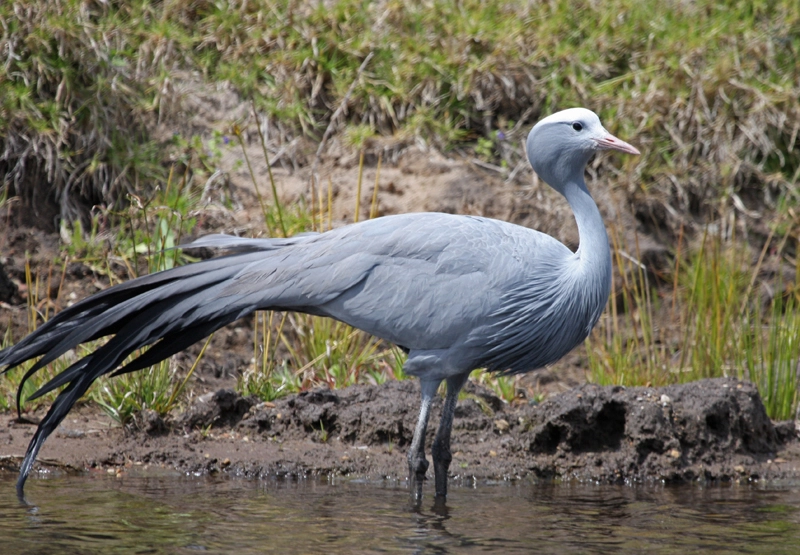
The Blue Crane is found in Namibia and South Africa. IUCN Redlist Status: Vulnerable
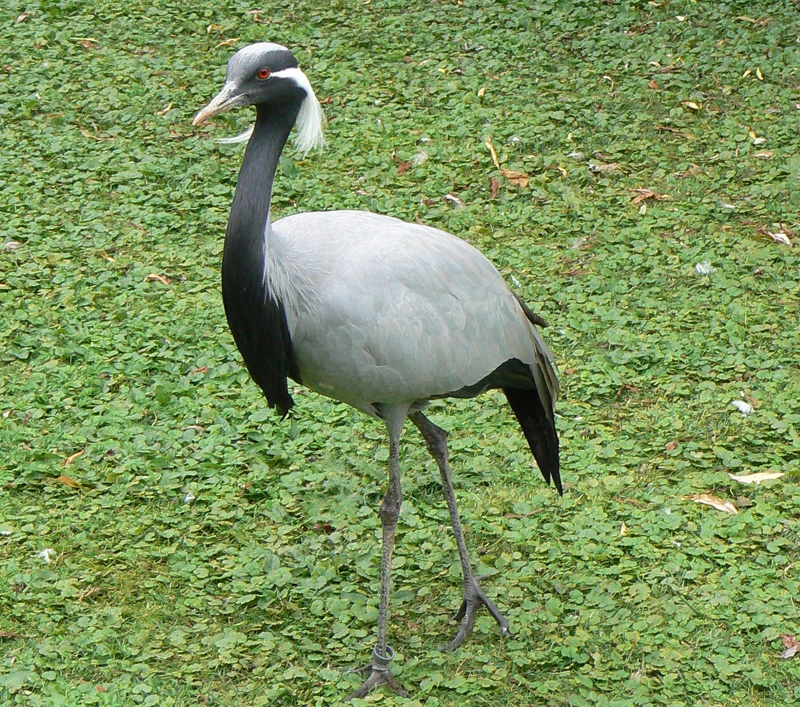
Demoiselle Crane (Anthropoides virgo)
The Demoiselle Crane breeds in the savannas and steppes of central Eurasia. IUCN Redlist Status: Least Concern
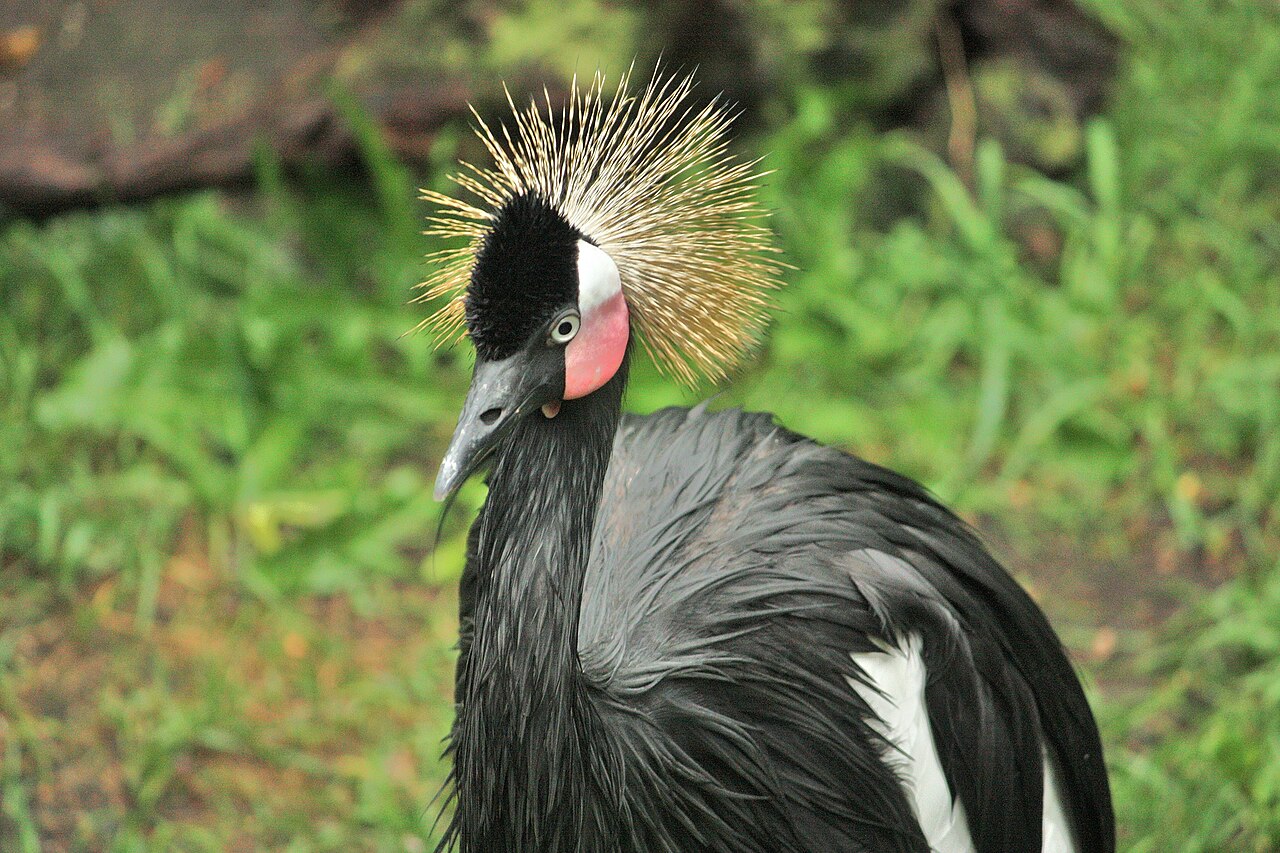
Black Crowned-crane (Balearica pavonina)
The Black Crowned-crane is found in Benin, Burkina Faso, Cameroon, Central African Republic, Chad, Congo, Eritrea, Ethiopia, Gambia, Ghana, Guinea, Guinea-Bissau, Kenya, Mali, Mauritania, Niger, Nigeria, Senegal, Sudan, and Togo. IUCN Redlist Status: Vulnerable
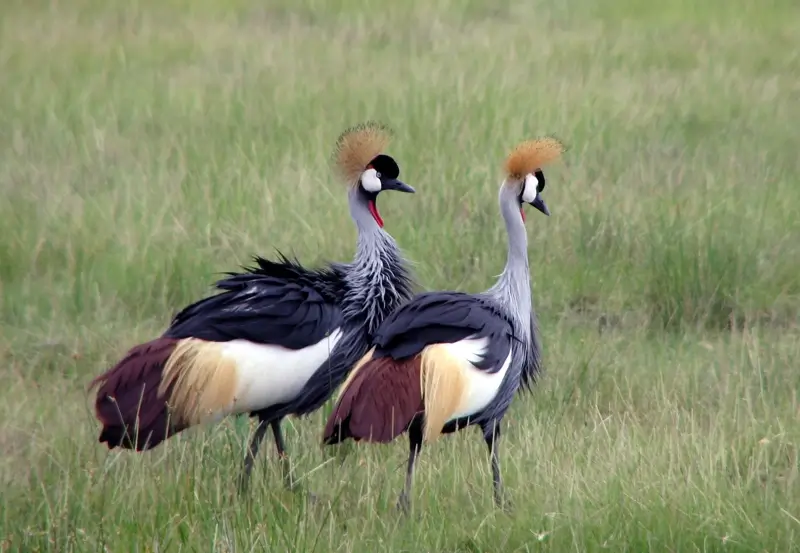
Gray Crowned-crane (Balearica regulorum)
The Gray Crowned-crane is found in Botswana, Burundi, Congo, Kenya, Malawi, Mozambique, Namibia, Rwanda, South Africa, Swaziland, Tanzania, Uganda, Zambia, and Zimbabwe. IUCN Redlist Status: Endangered
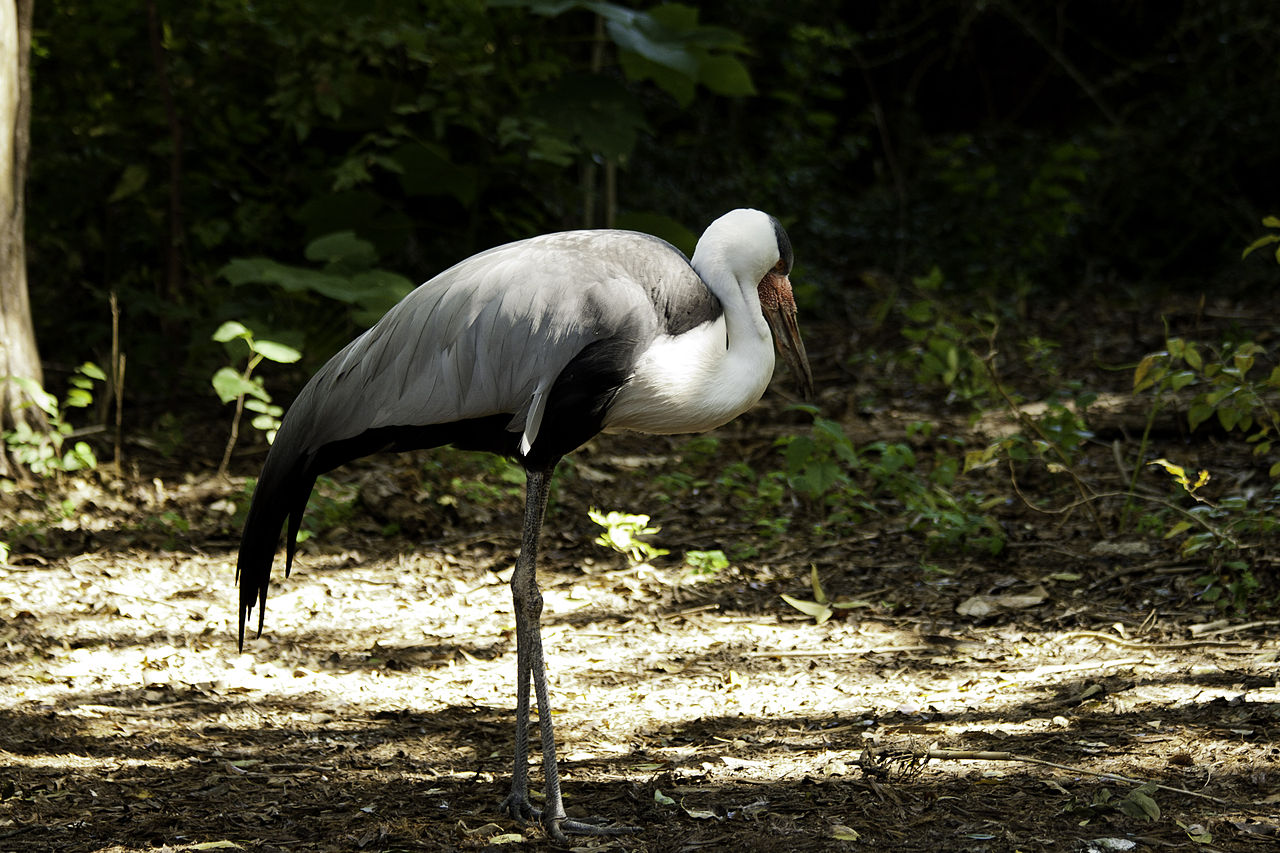
Wattled Crane (Bugeranus carunculatus)
The Wattled Crane is found in Botswana, Congo, Ethiopia, Malawi, Mozambique, Namibia, South Africa, Tanzania, Zambia, and Zimbabwe. IUCN Redlist Status: Vulnerable
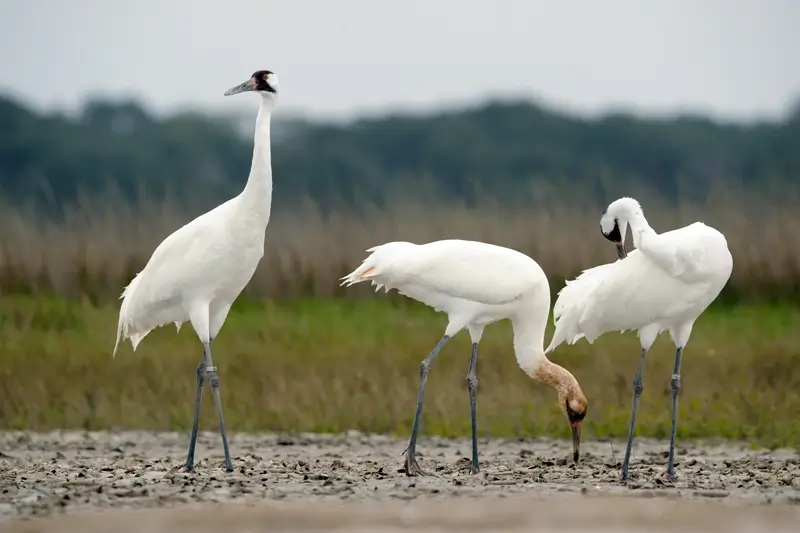
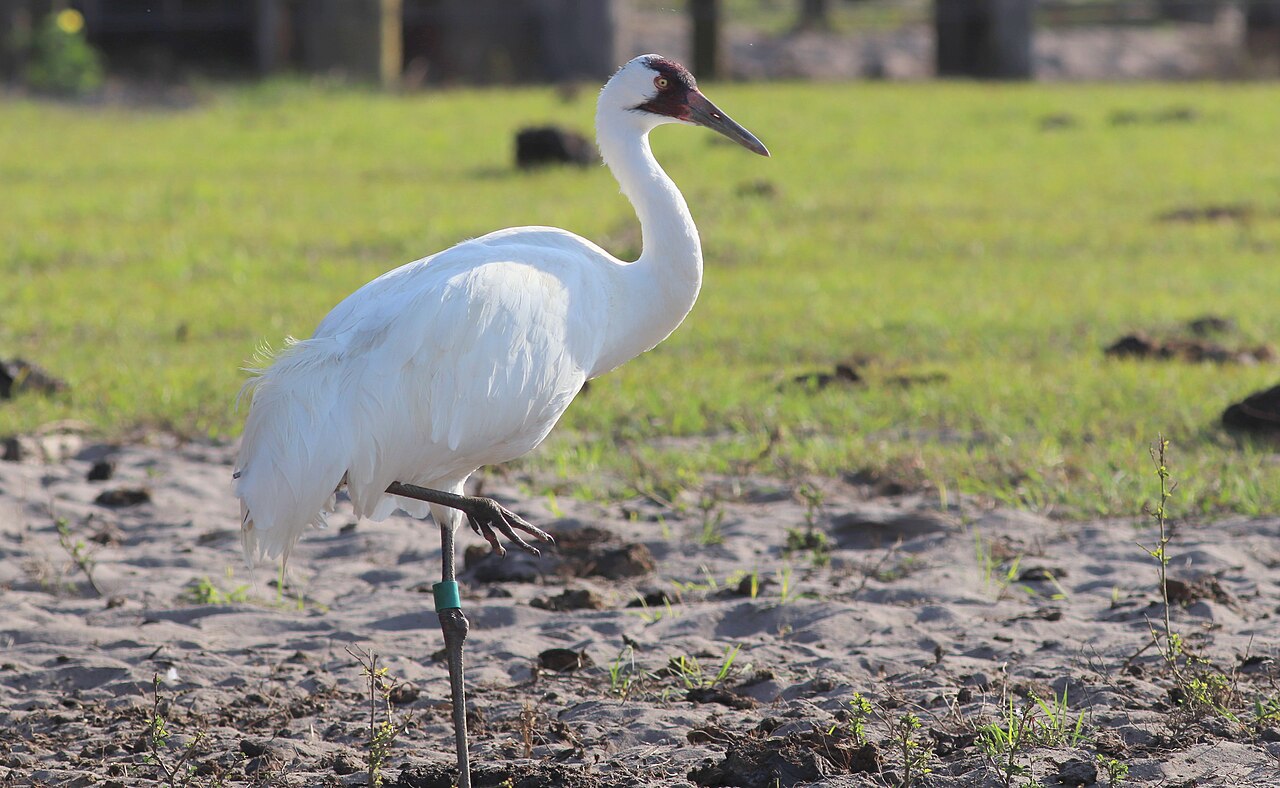
Whooping Crane (Grus americana)
The Whooping Crane is the tallest bird in North America. It once bred across much of the Upper Midwest and northwestern Canada. It is limited today to two migratory flocks, one in Canada and one in Wisconsin and a non-migratory flock in Florida. IUCN Redlist Status: Endangered
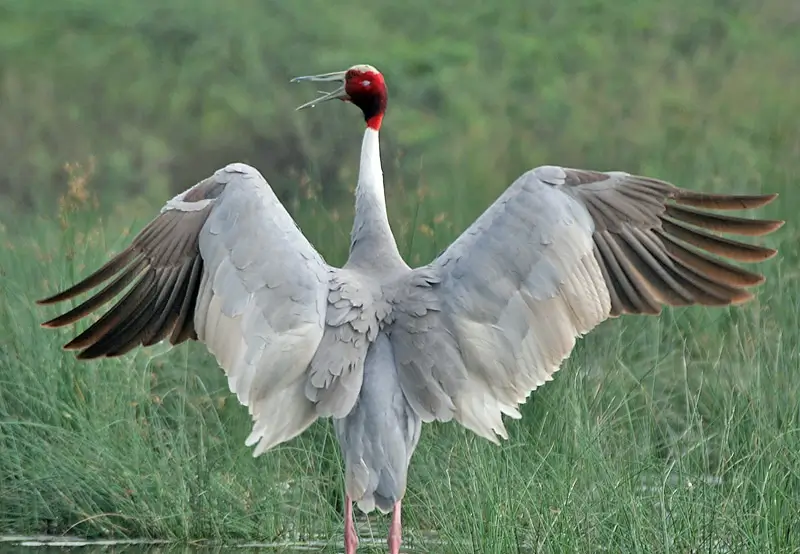
Sarus Crane (Grus antigone)
The Sarus Crane is found in Australia, Cambodia, China, India, Laos, Myanmar, Nepal, Pakistan, and Vietnam. IUCN Redlist Status: Vulnerable
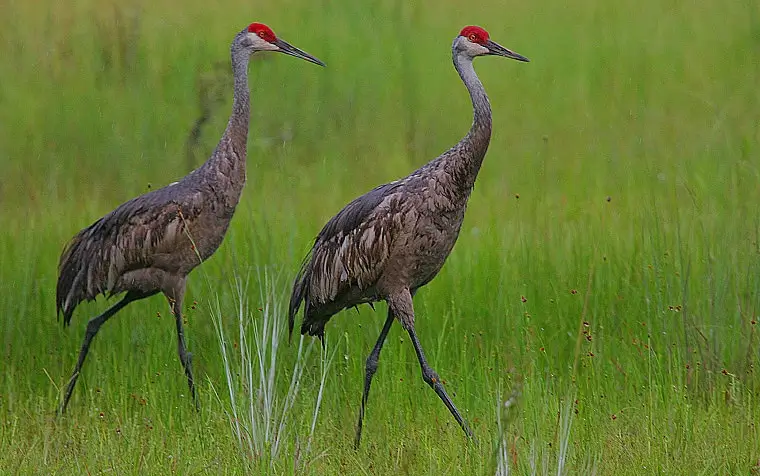
Sandhill Crane (Grus canadensis)
In the U.S., the Sandhill Crane breeds in Alaska, Oregon, Idaho, Minnesota, Wisconsin, and Michigan. It winters in Mexico, California, Arizona, New Mexico, Texas, and Florida. There are also non-migratory populations on the southeast Mississippi coast and in Florida and Cuba. The sandhill crane also breeds in Canada and Siberia. IUCN Redlist Status: Least Concern
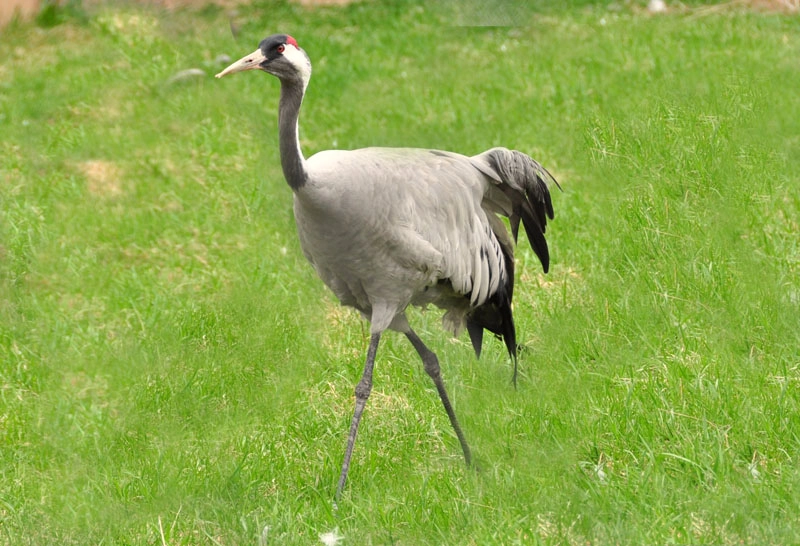
Common Crane (Grus grus)
The Common Crane is also known as the Eurasian crane. It is found in Europe, northern Africa, and Asia. IUCN Redlist Status: Least Concern
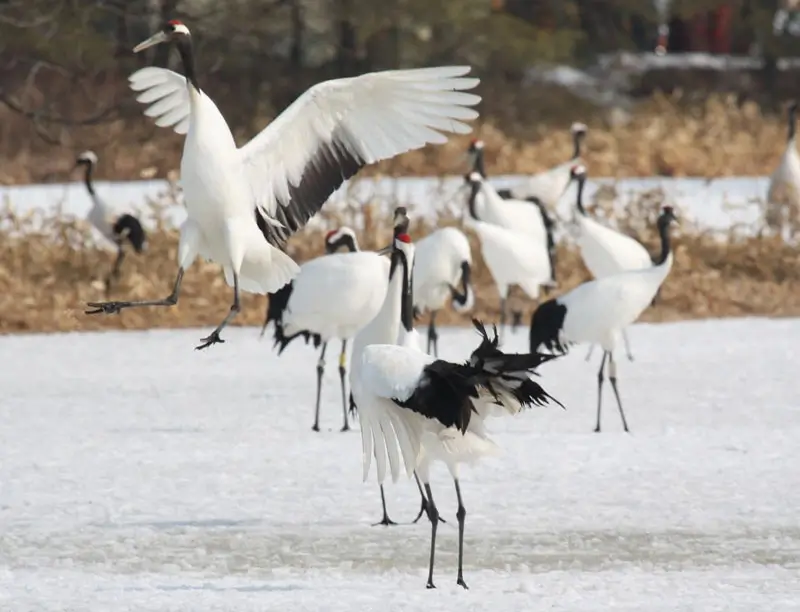
Red-crowned Crane (Grus japonensis)
The Red-crowned Crane is found in China, Japan, North and South Korea and Mongolia. IUCN Redlist Status: Vulnerable
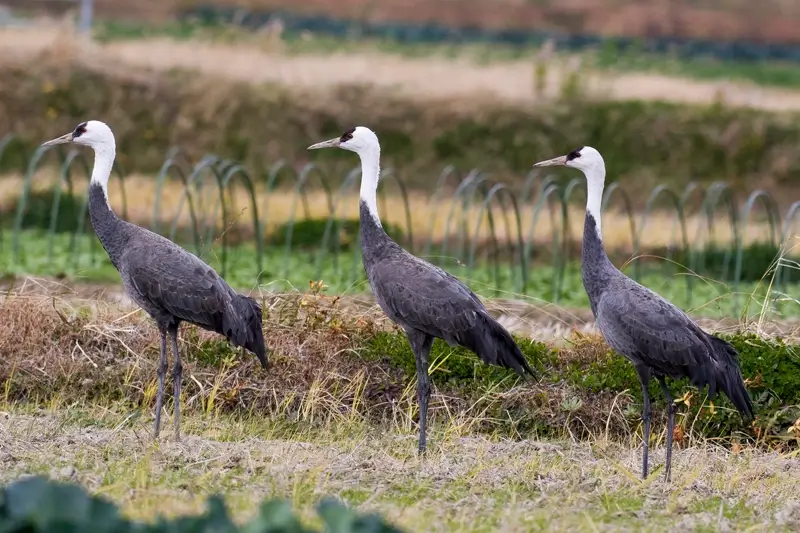
Hooded Crane (Grus monacha)
The Hooded Crane is found in China, Japan, North and South Korea, Mongolia, and Russia. IUCN Redlist Status: Vulnerable
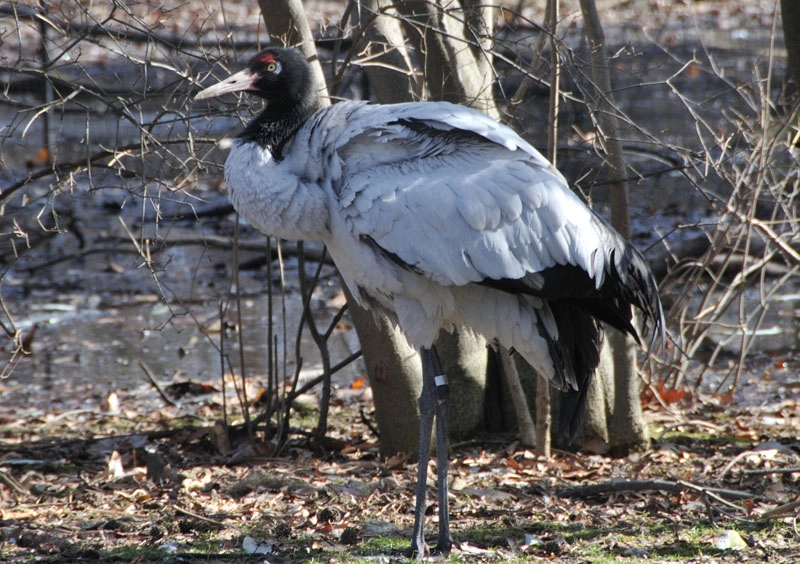
Black-Necked Crane (Grus nigricollis)
The Black-necked Crane is found in Bhutan, China, India, and Vietnam. IUCN Redlist Status: Near Threatened
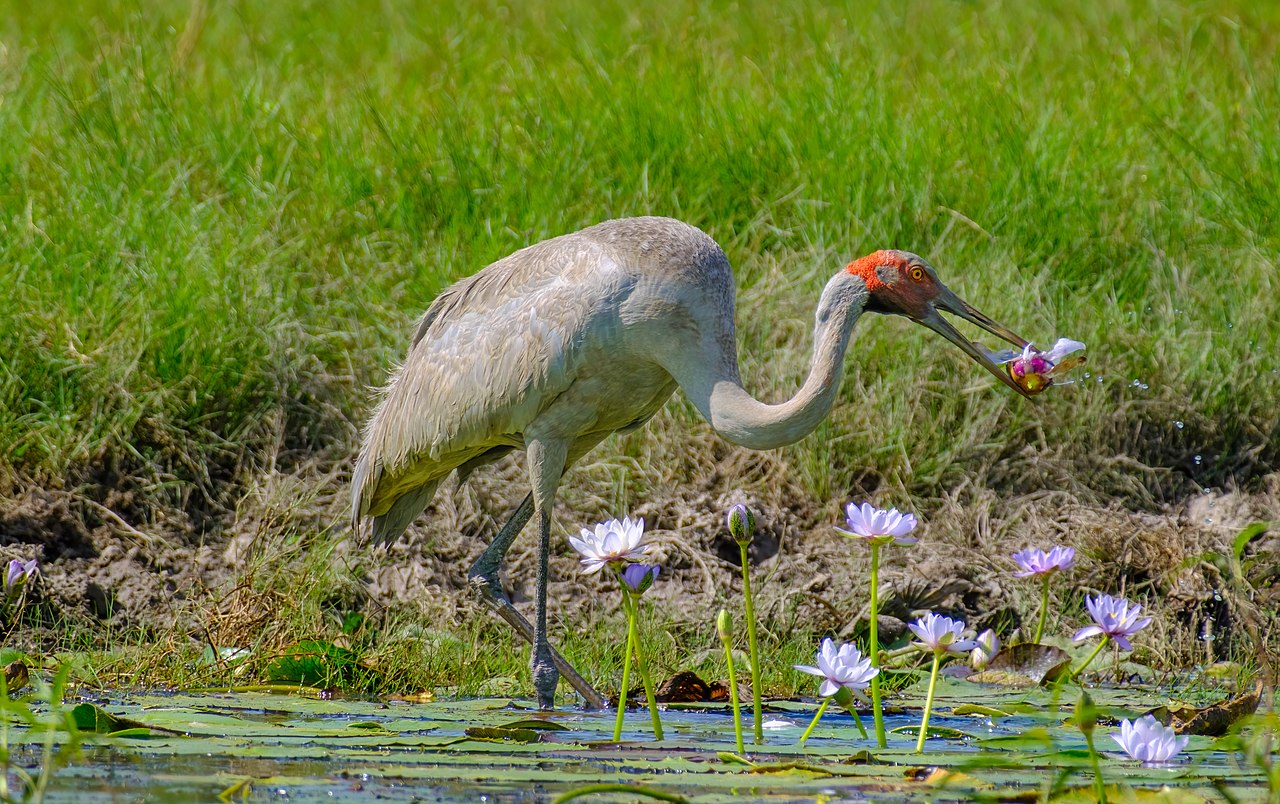
Brolga (Grus rubicunda)
The Brolga is found in Australia, Indonesia, and Papua New Guinea. IUCN Redlist Status: Least Concern
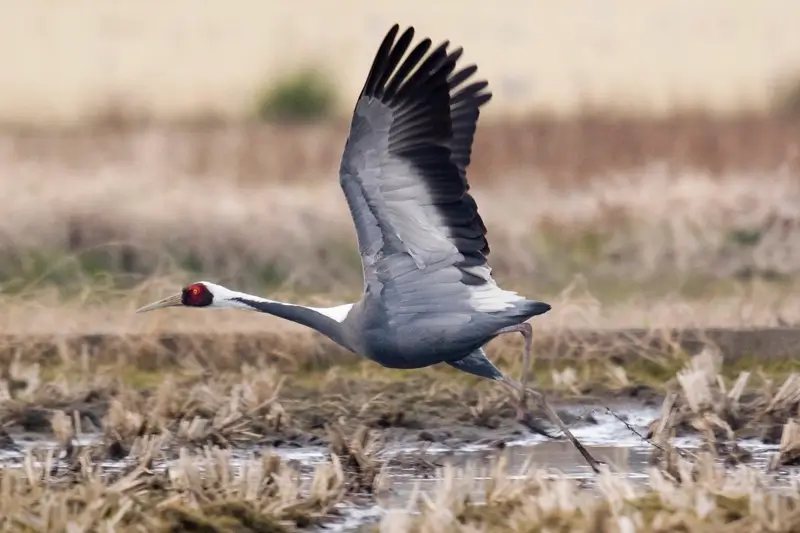
White-naped Crane (Grus vipio)
The White-naped Crane is found in China, Japan, North and South Korea, Mongolia, and Russia. IUCN Redlist Status: Vulnerable
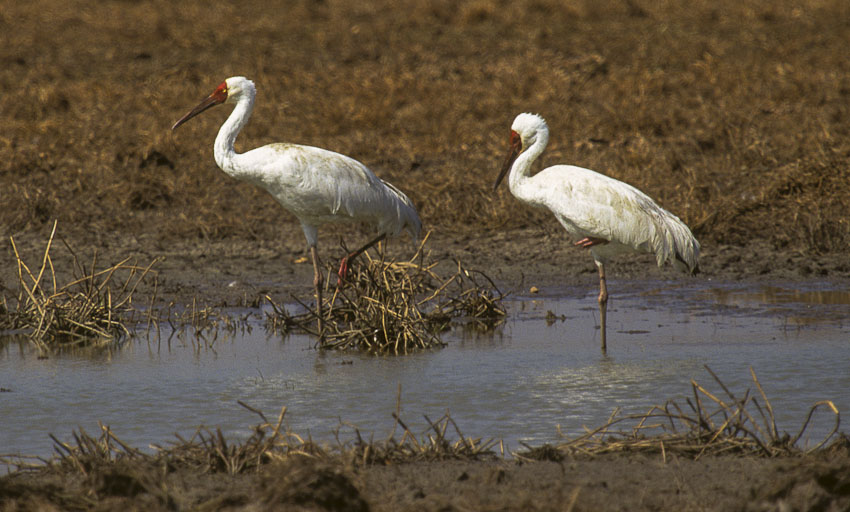
Siberian Crane (Leucogeranus leucogeranus)
The Siberian Crane is found in Azerbaijan, China, Iran, Kazakhstan, Mongolia, Russia, and Uzbekistan. IUCN Redlist Status: Critically Endangered