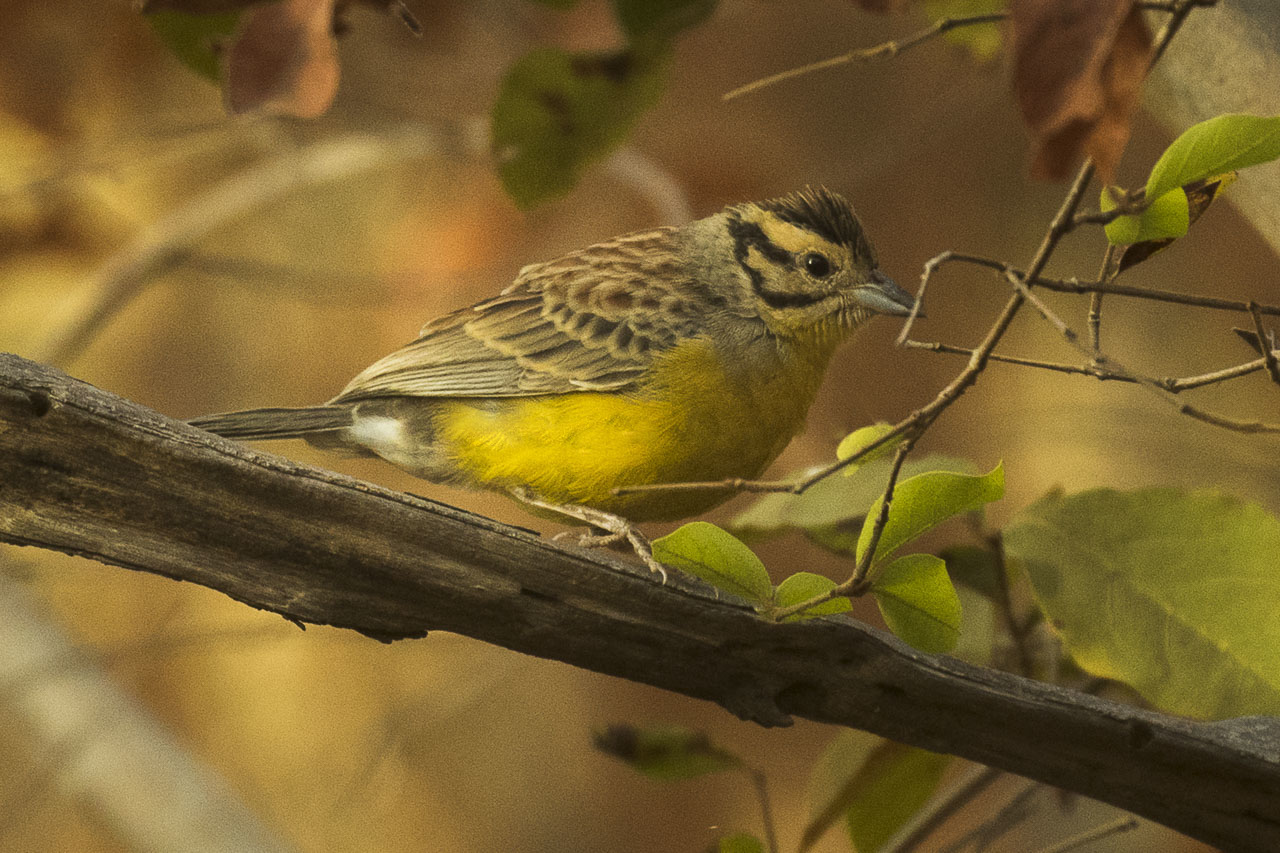
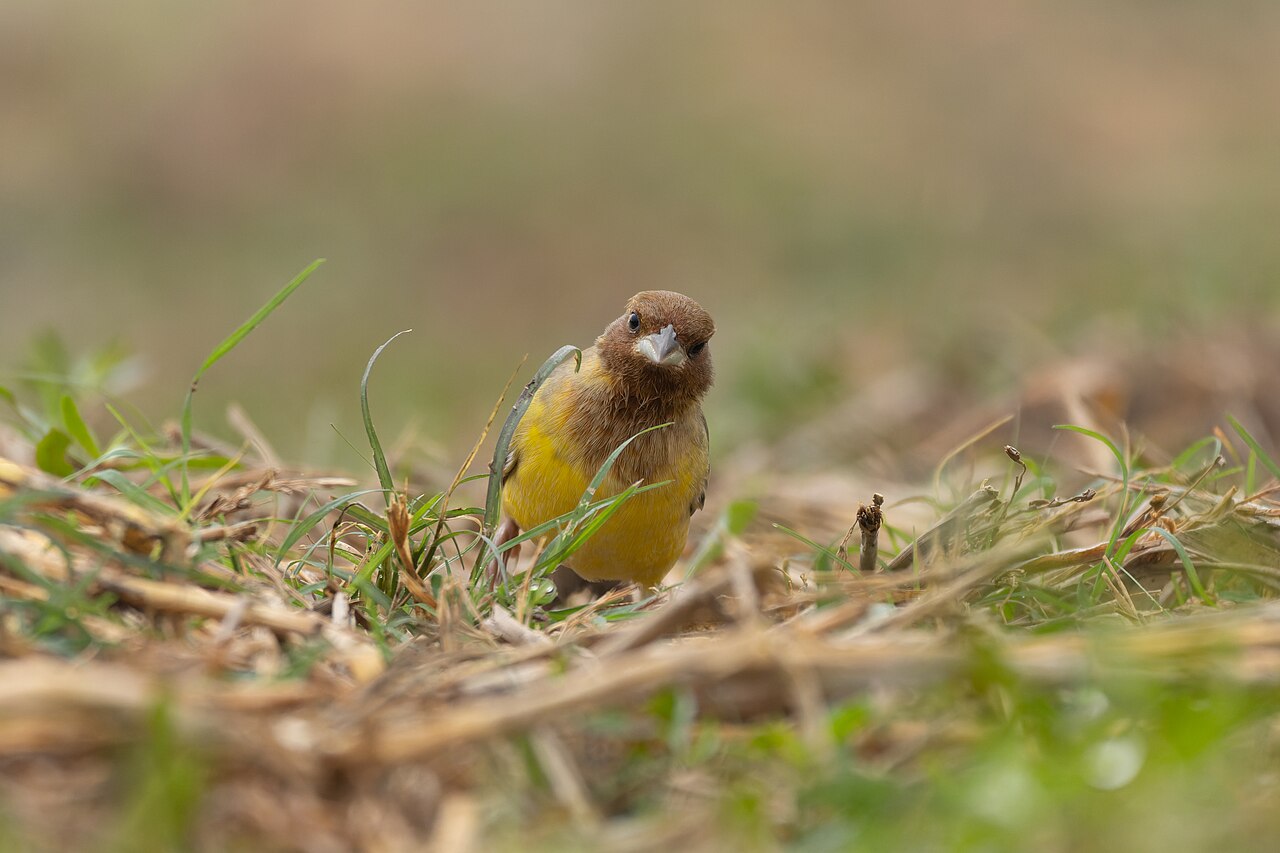
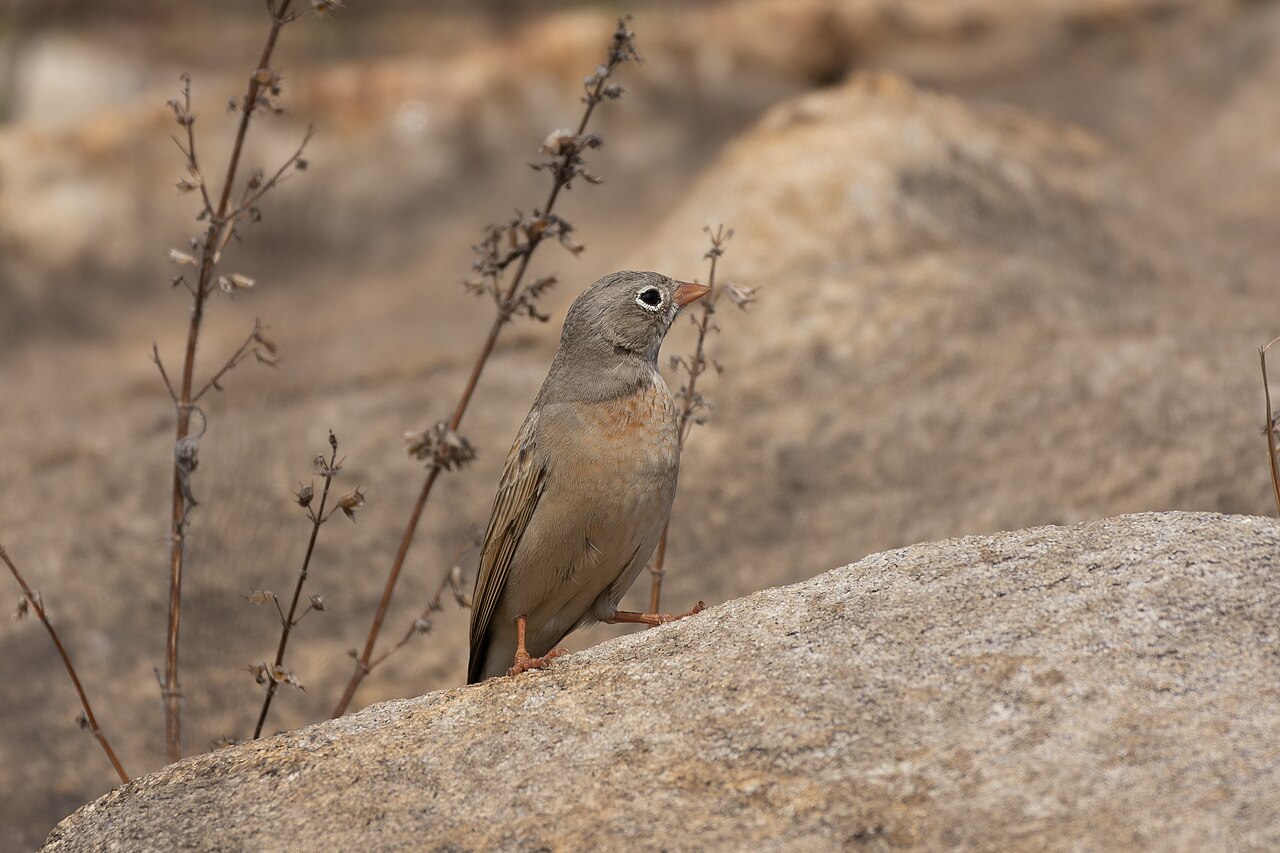
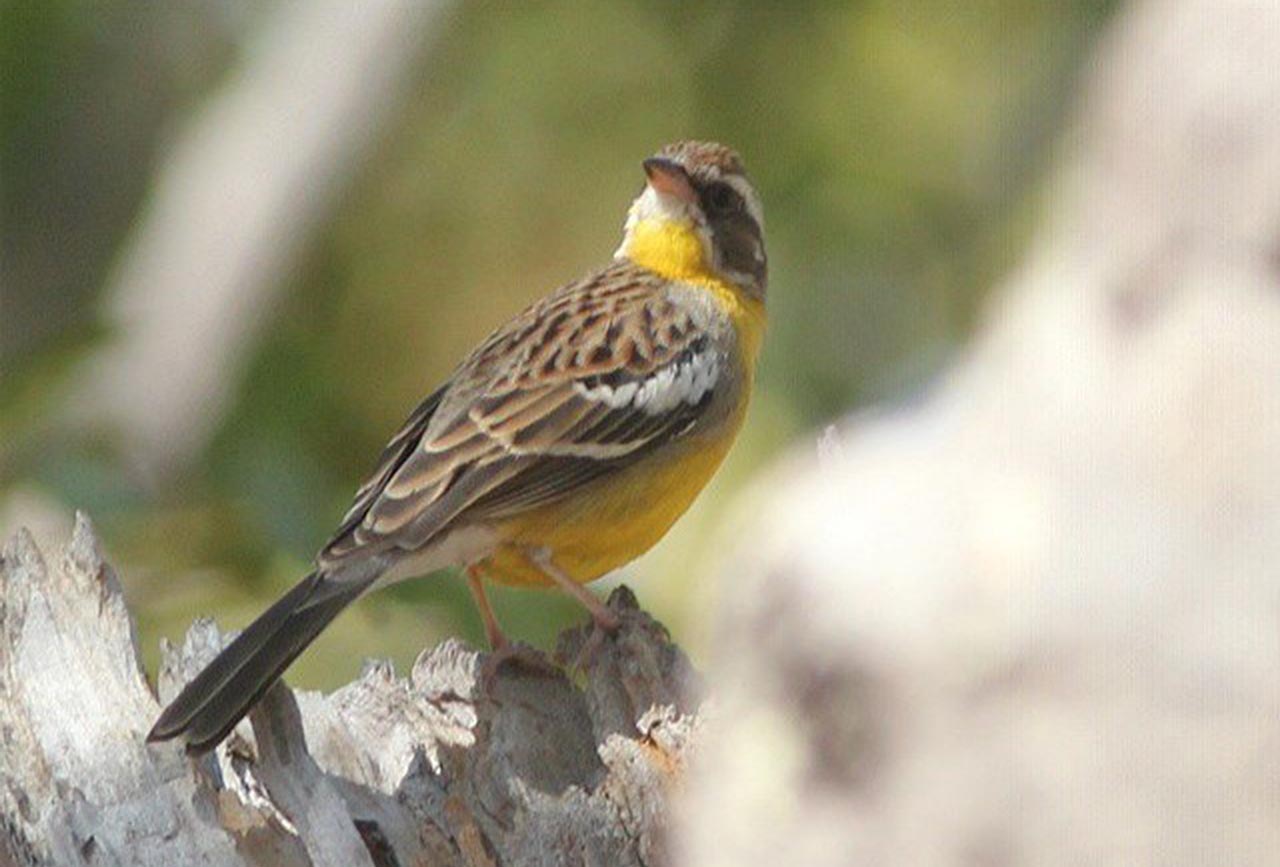
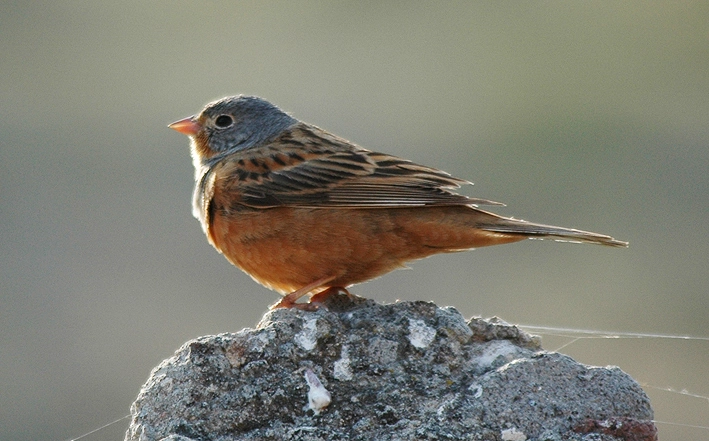
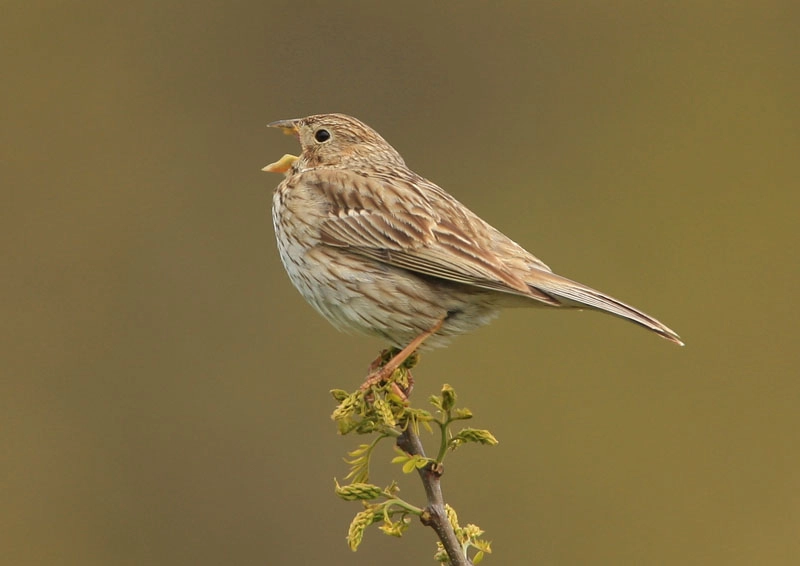
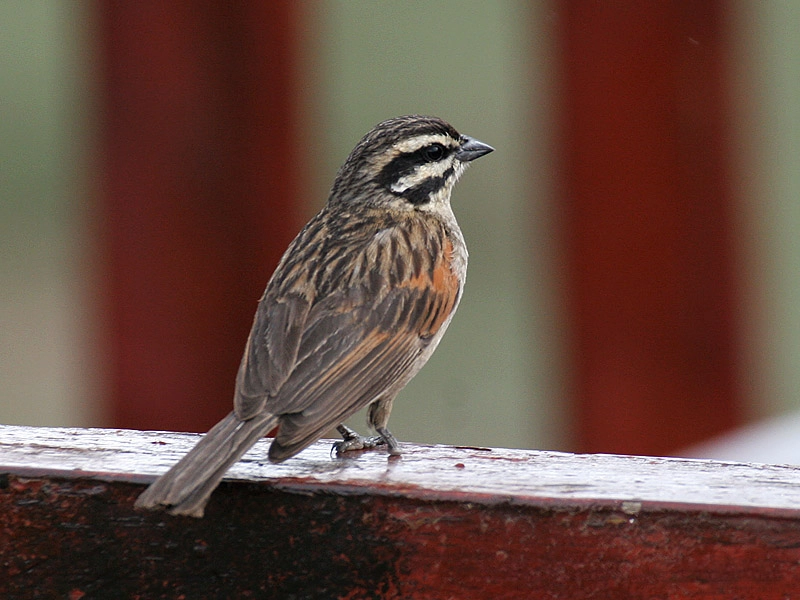
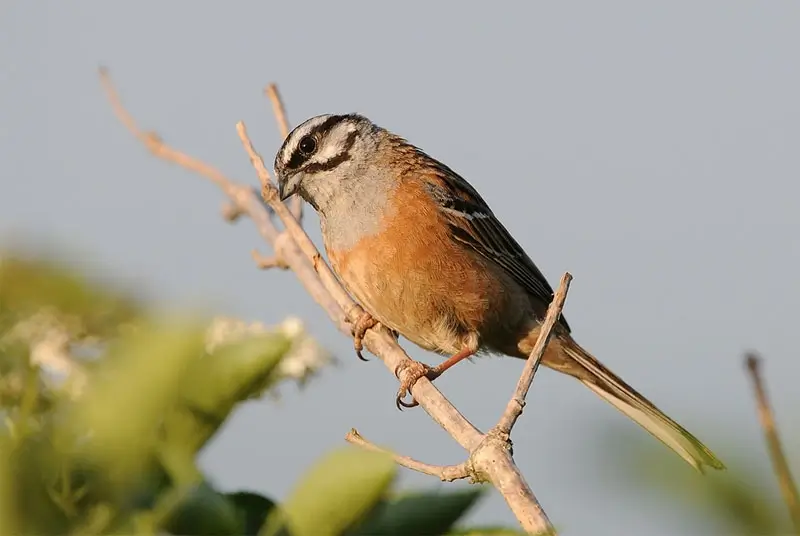
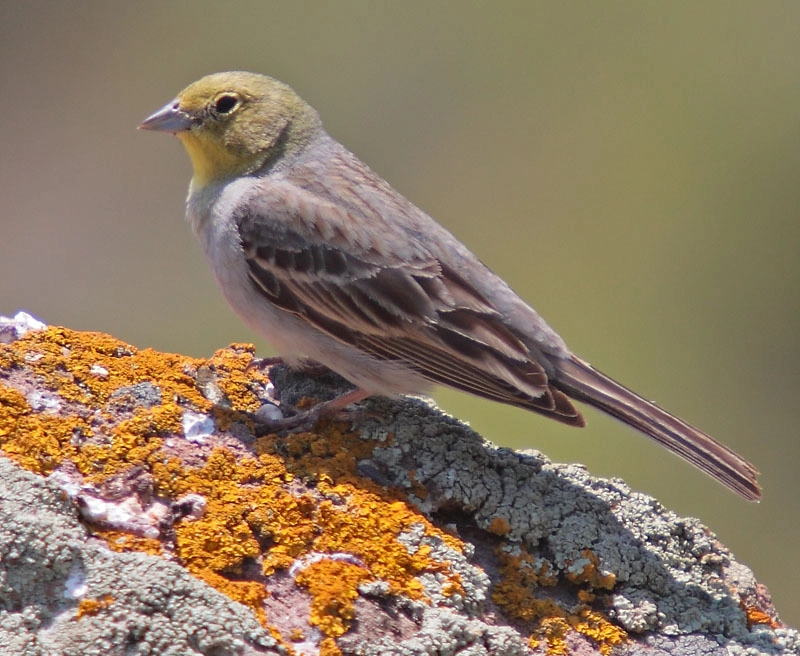
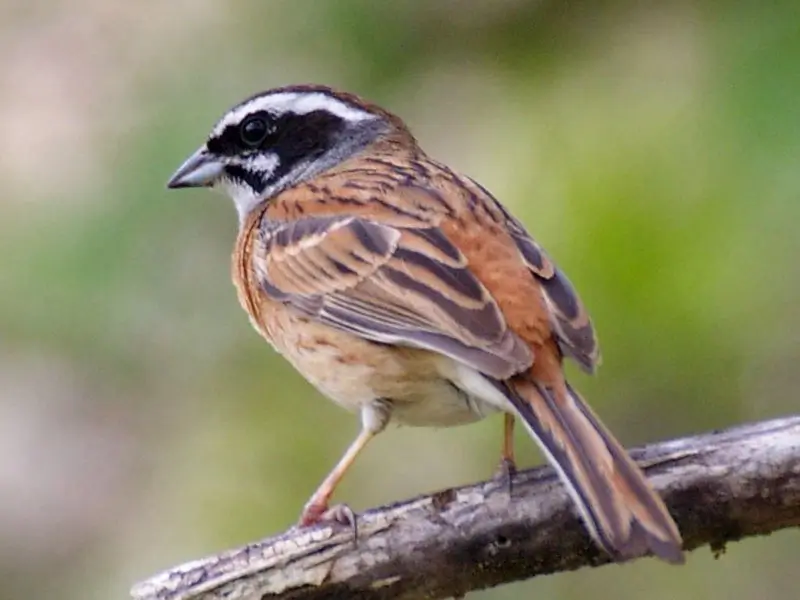
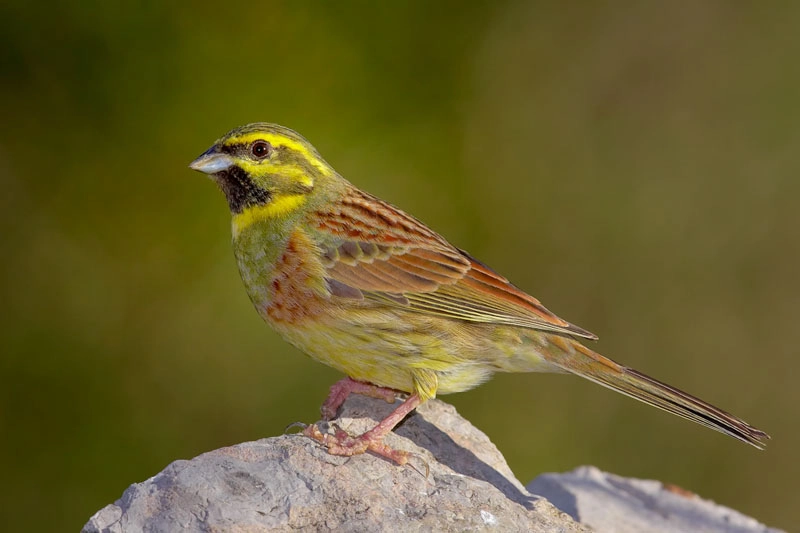
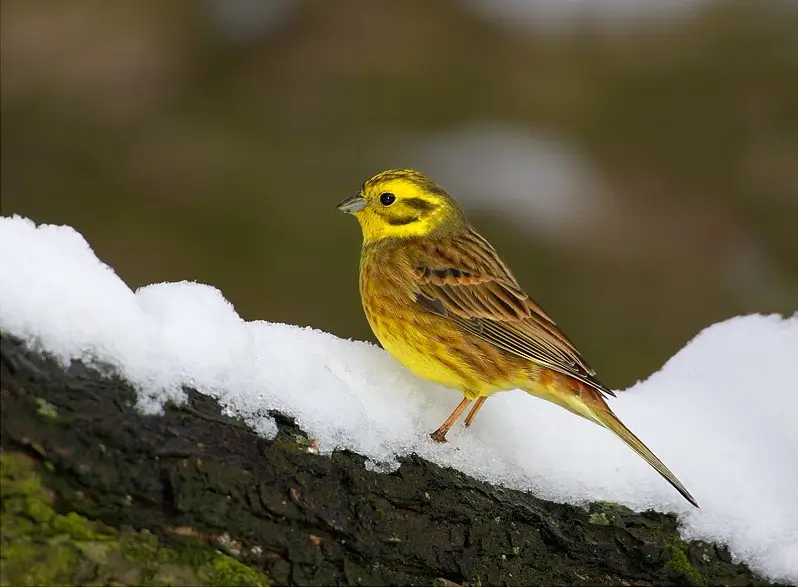
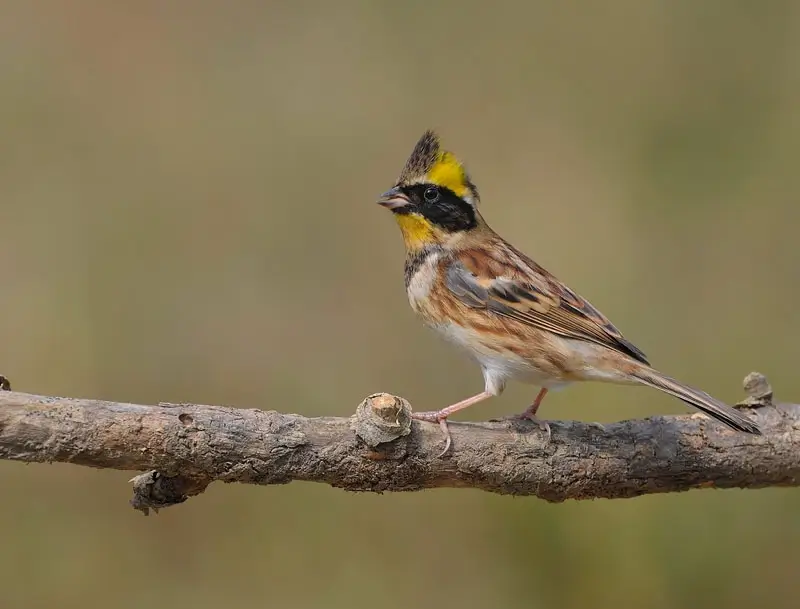
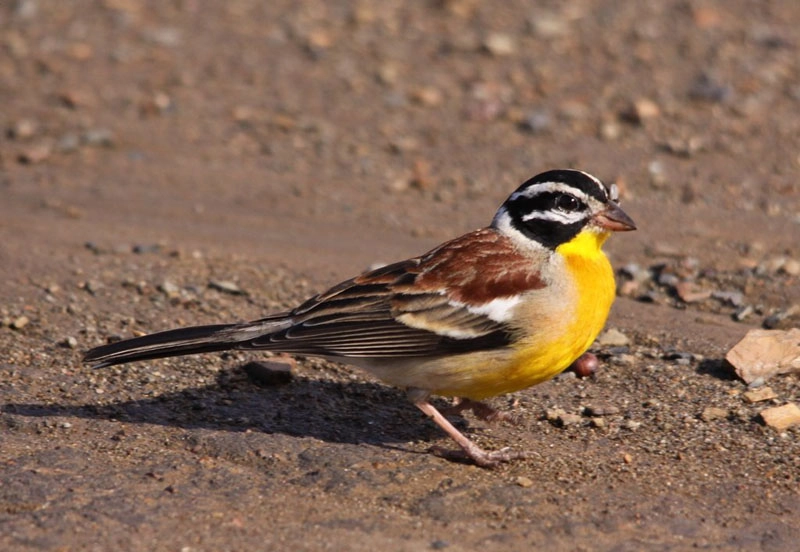
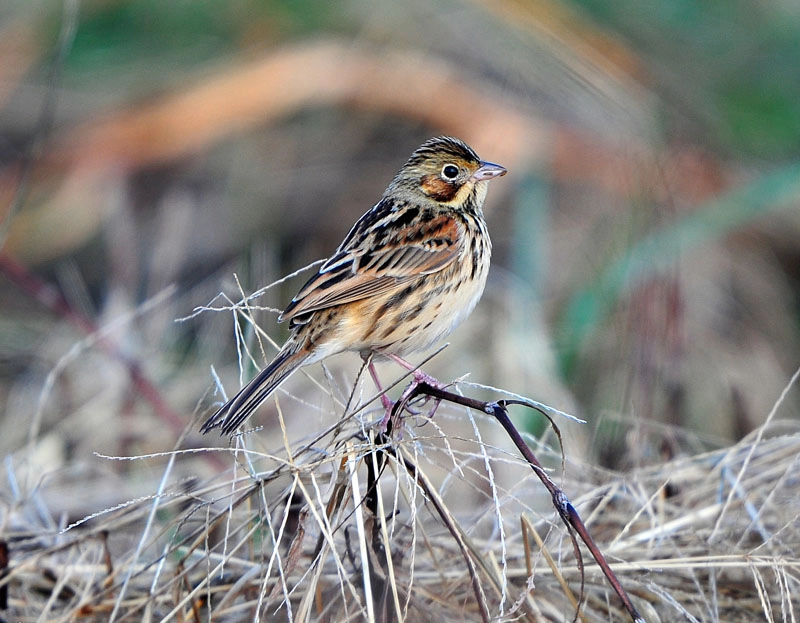
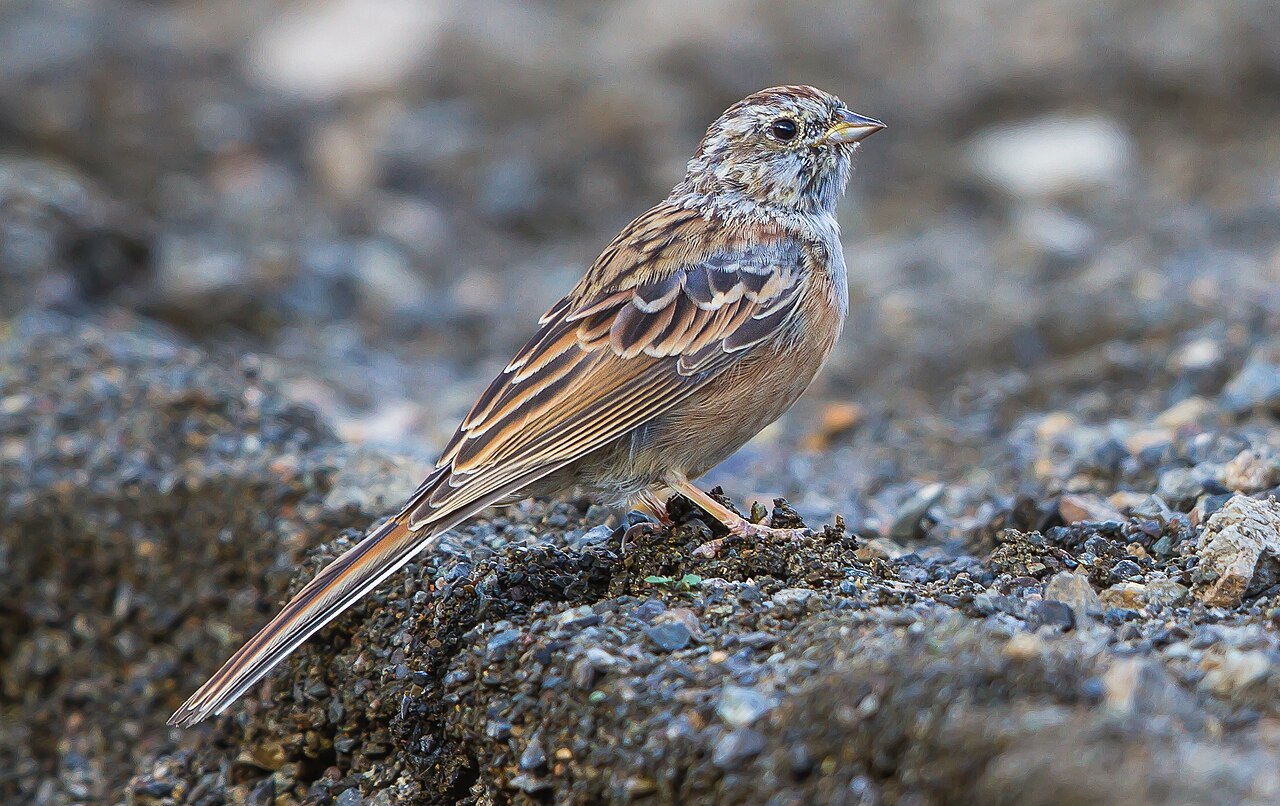
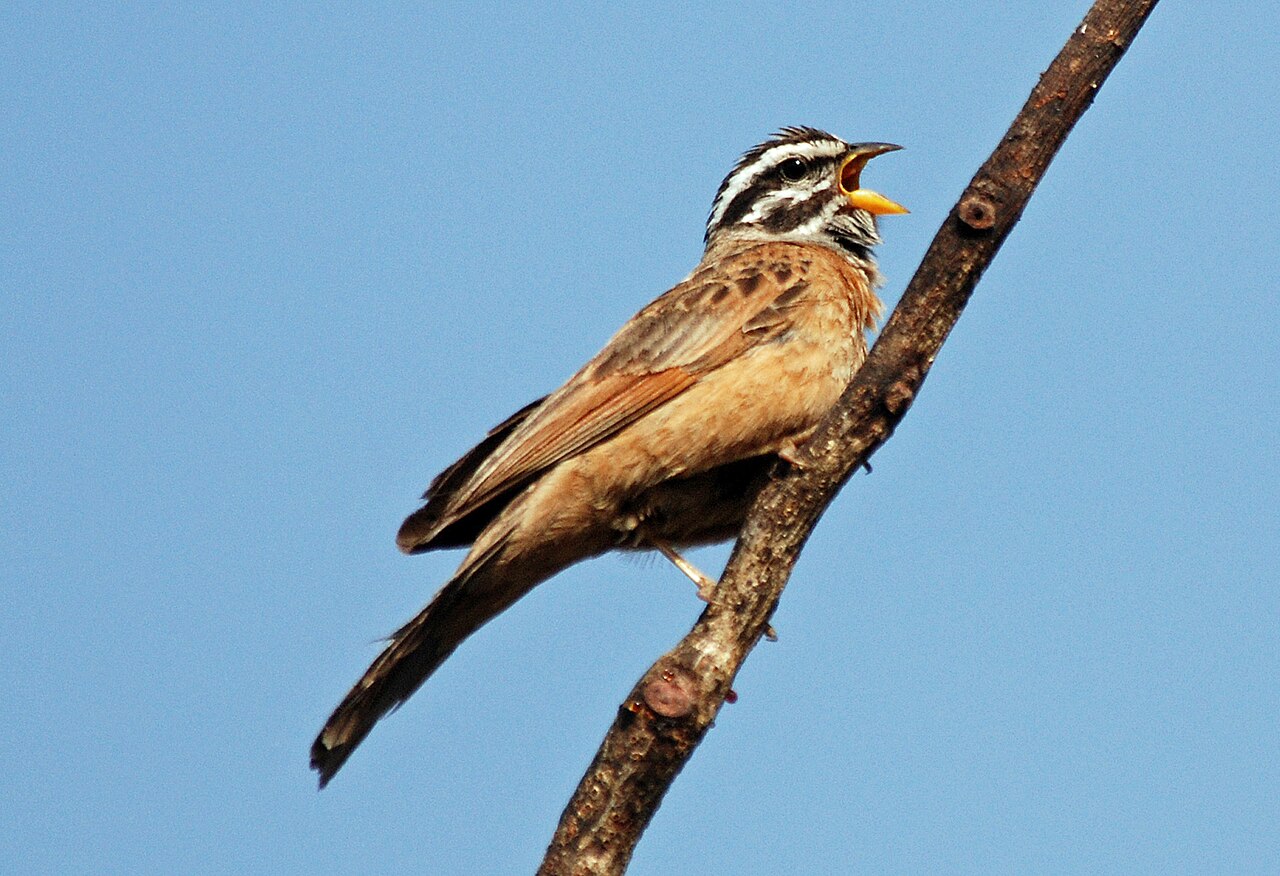
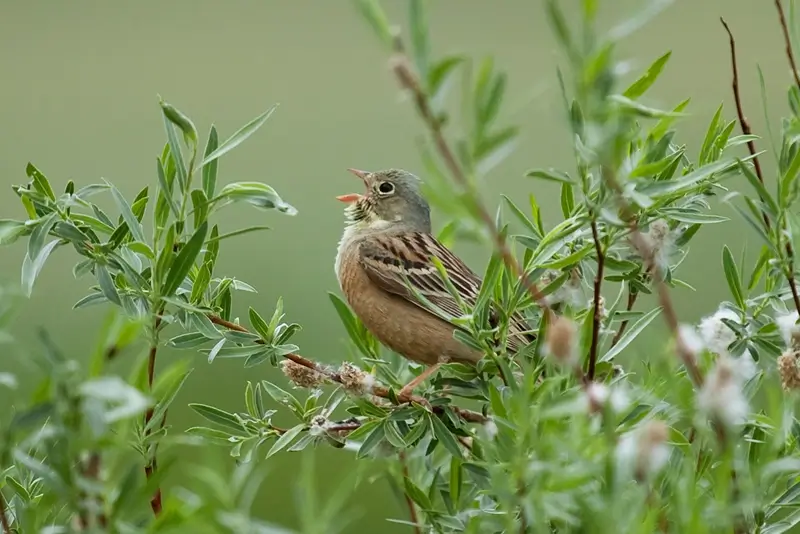
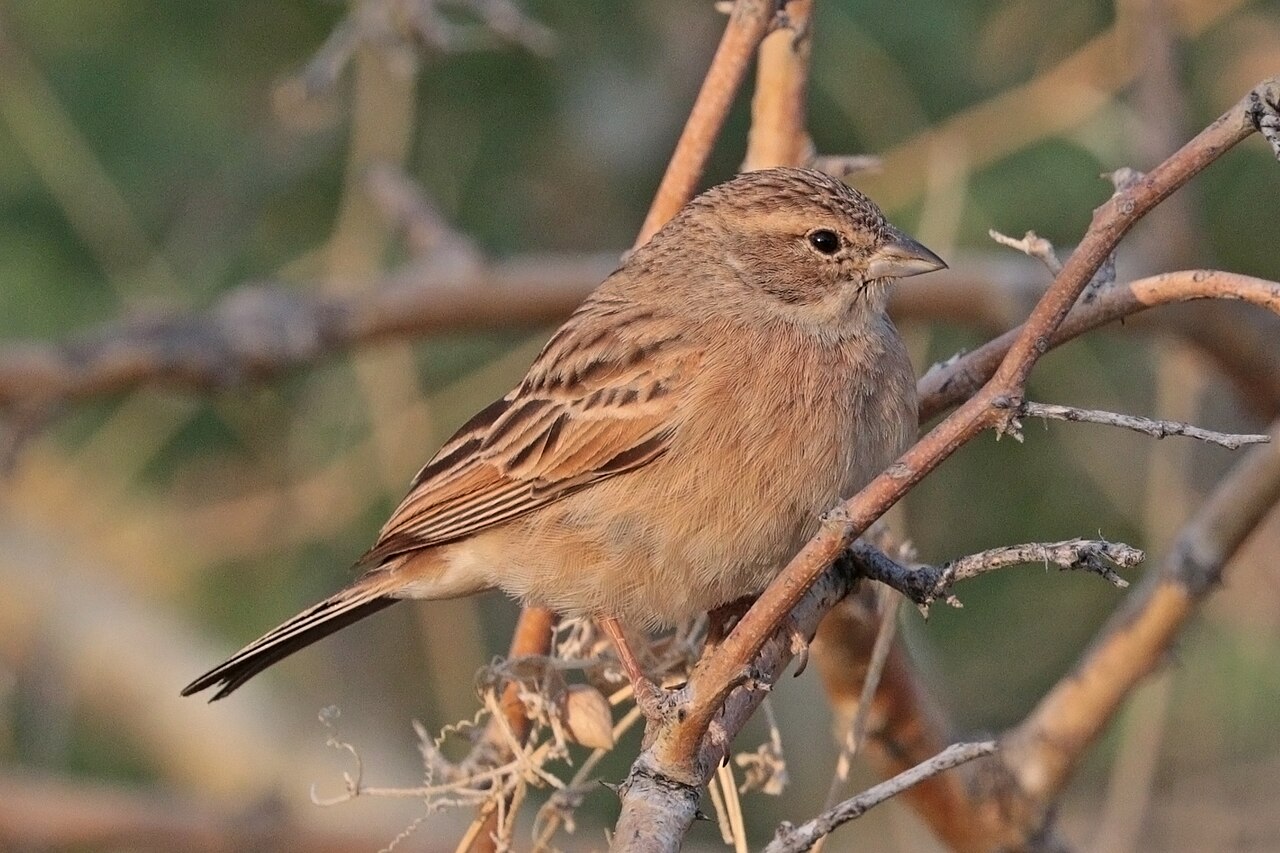
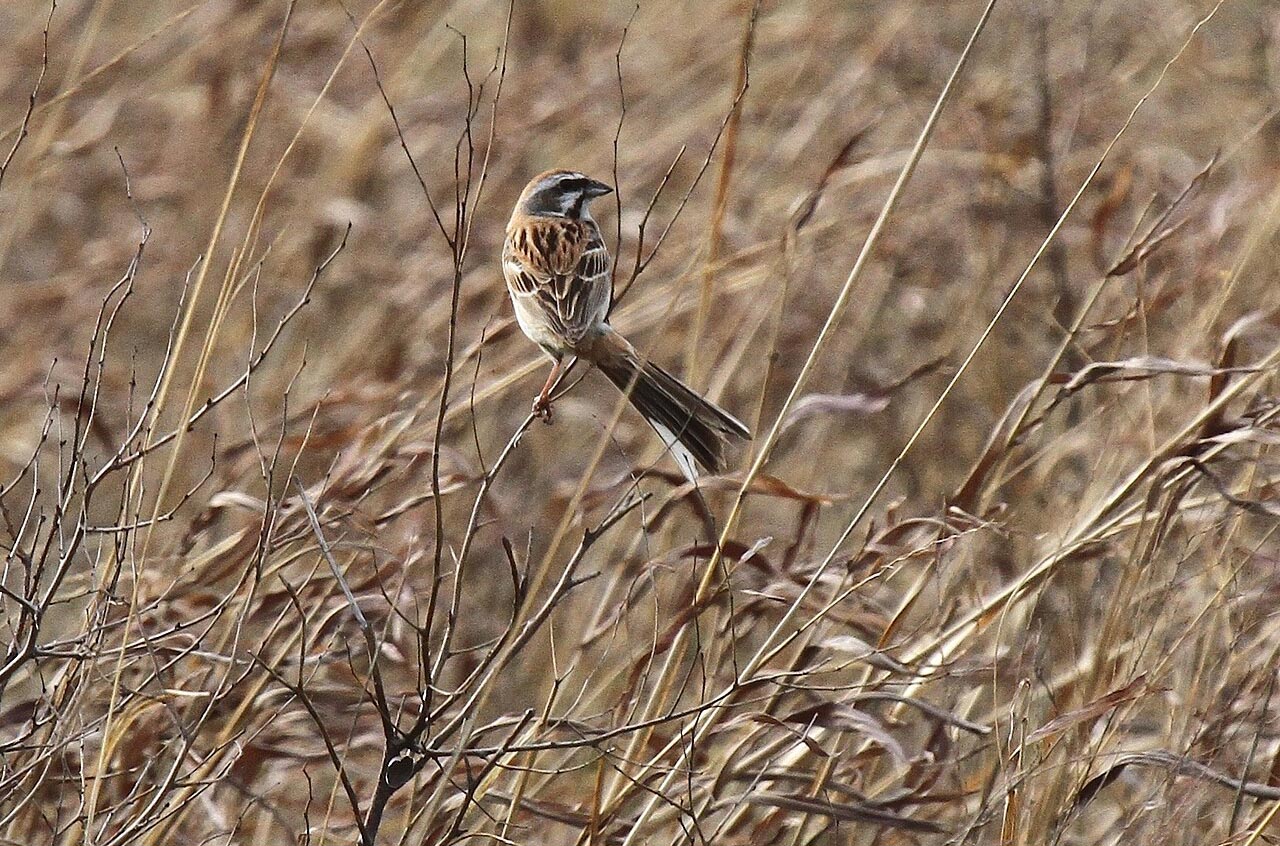
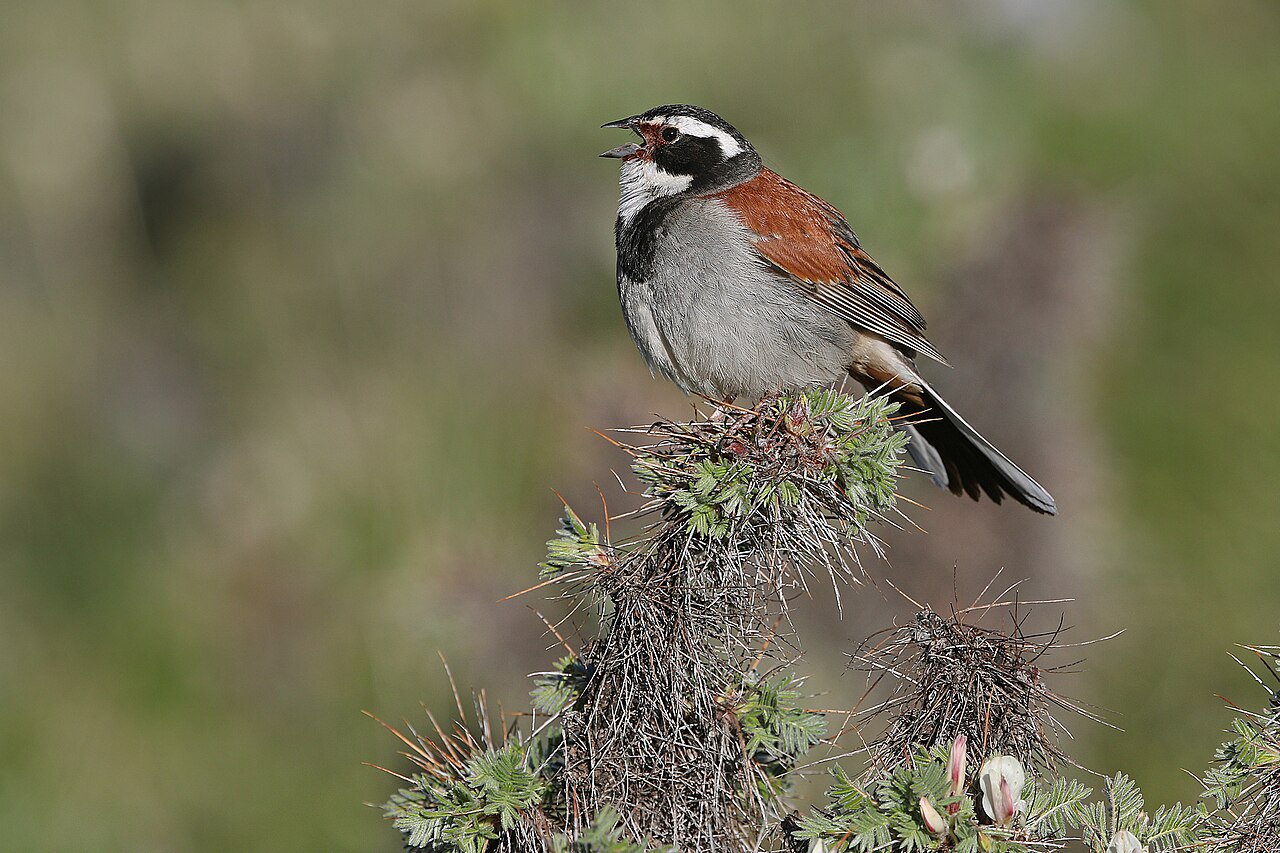
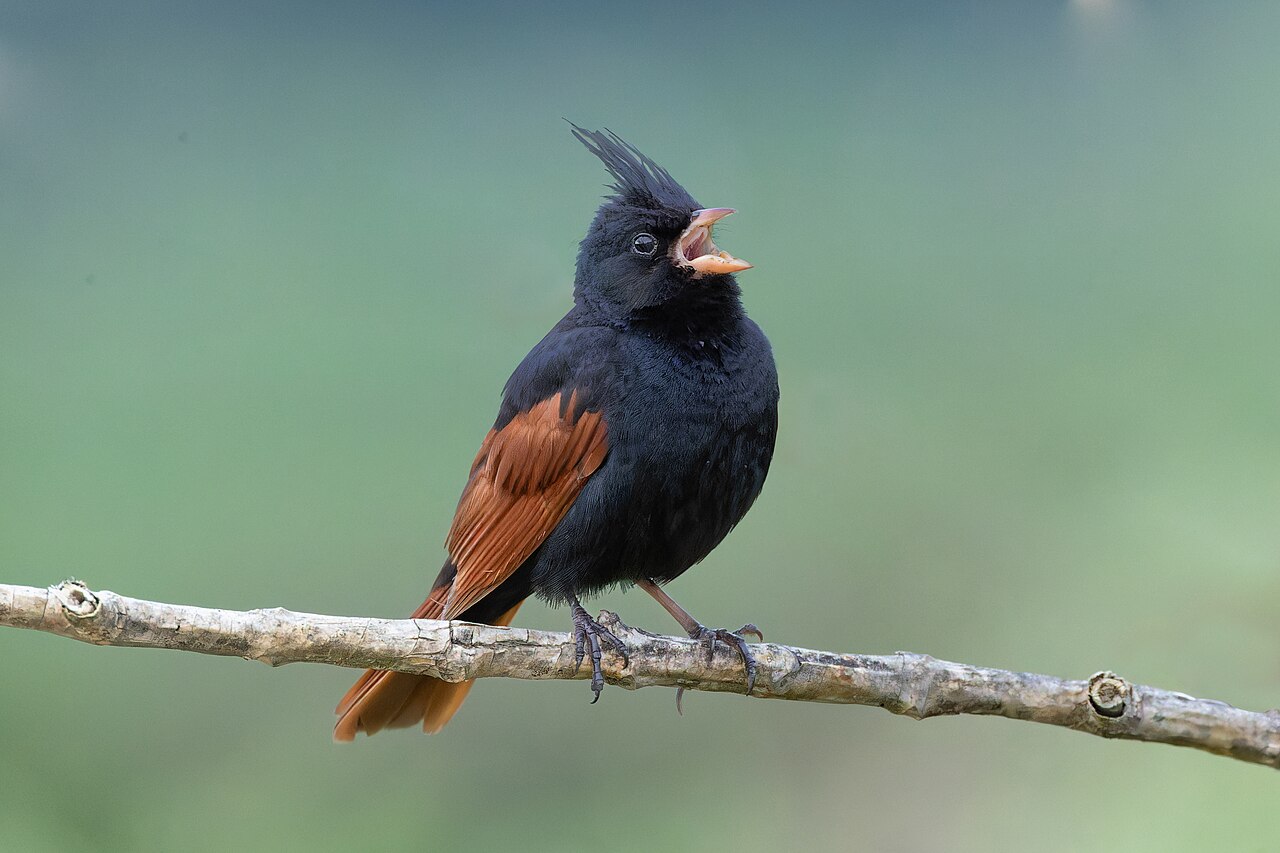
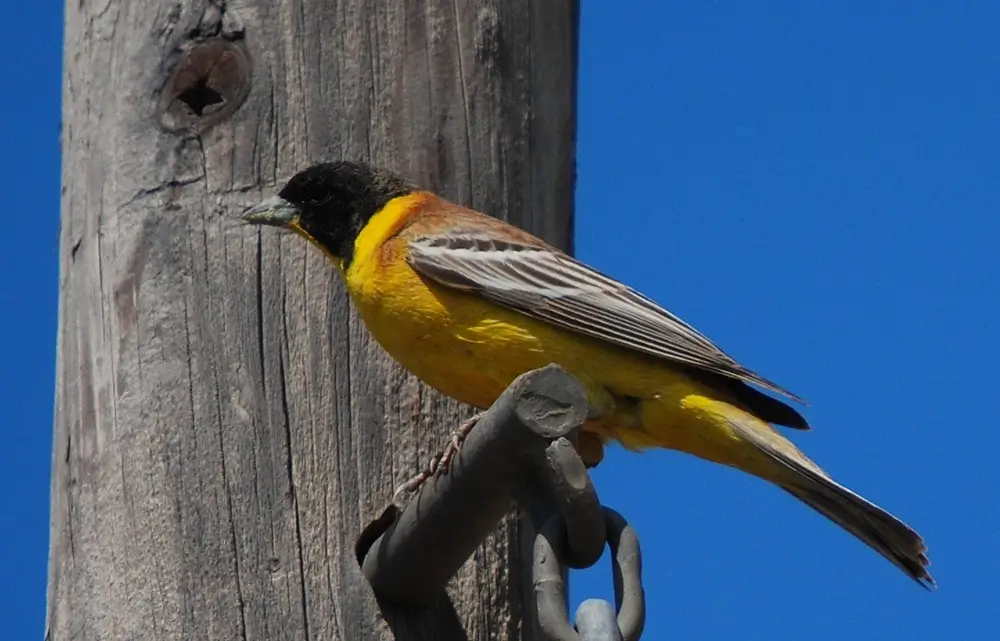
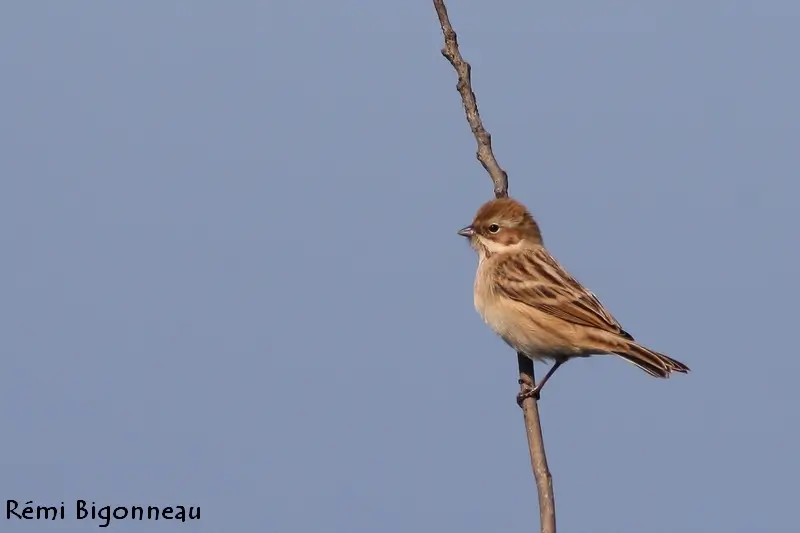
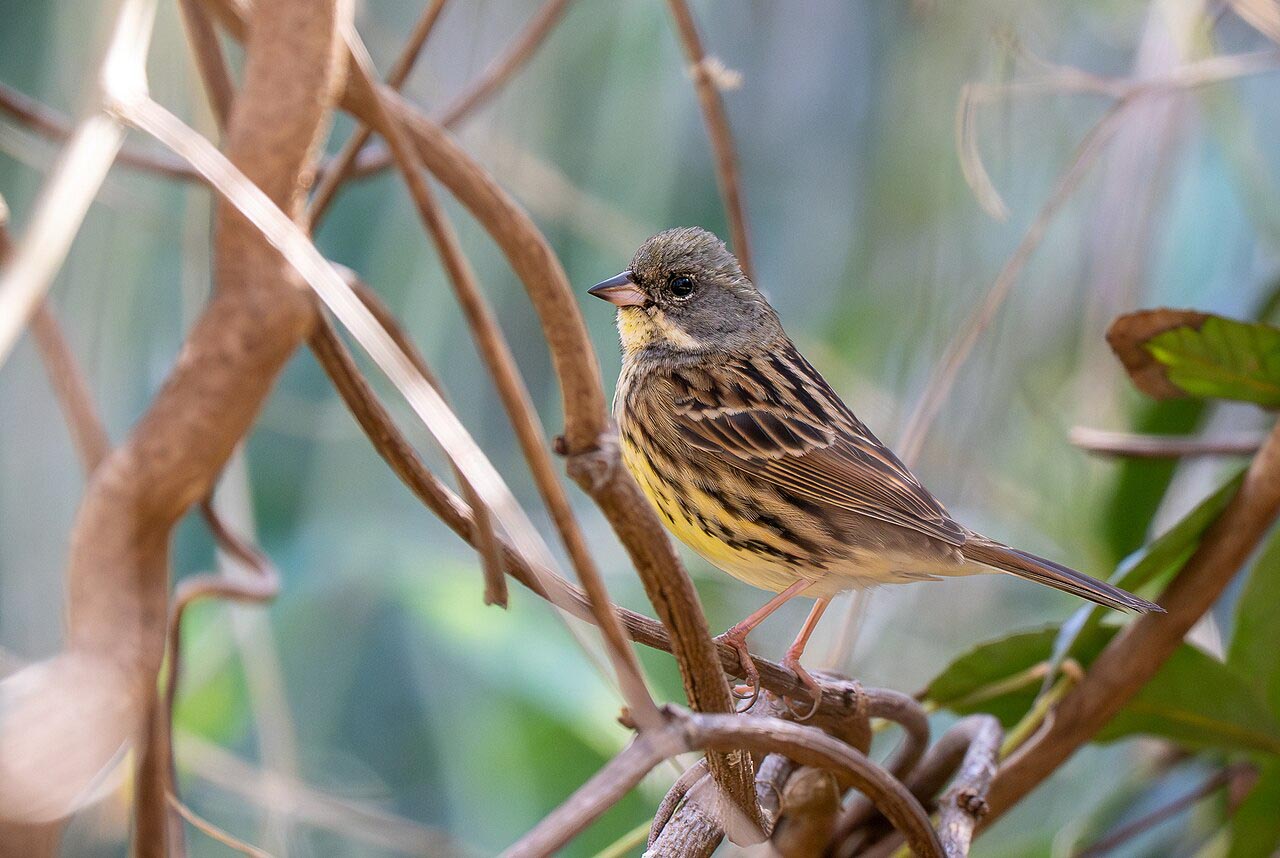
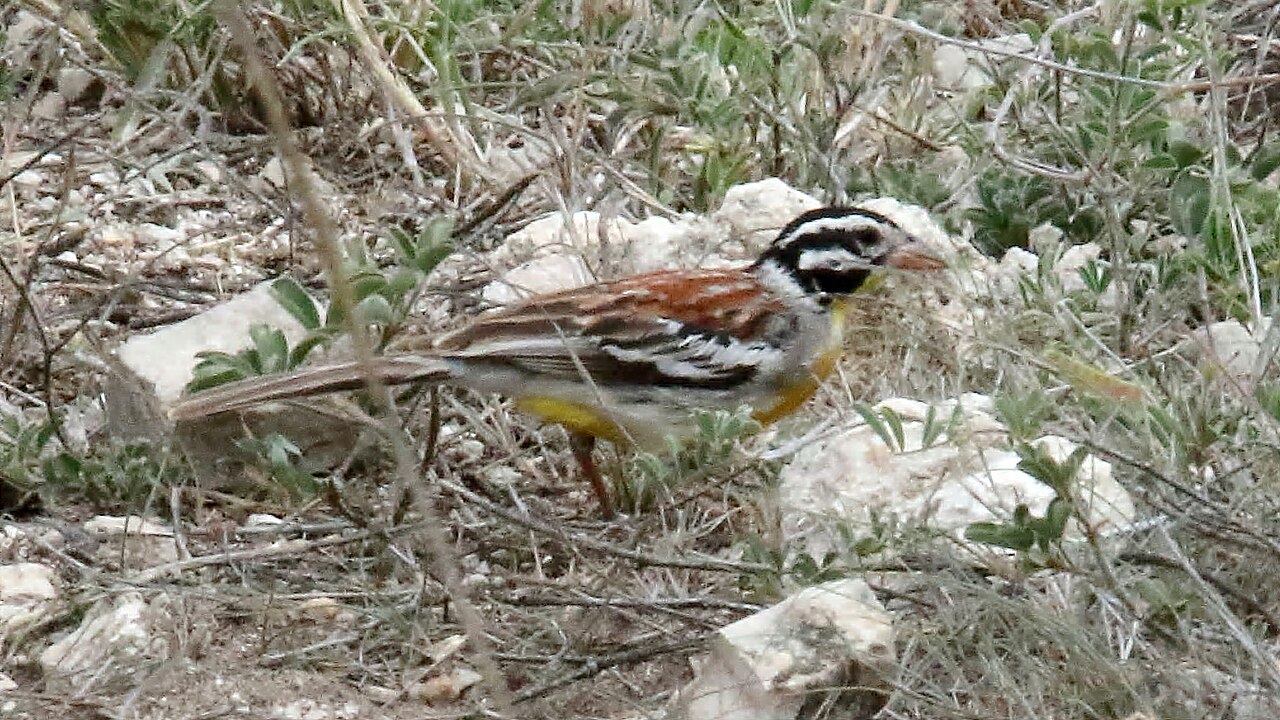
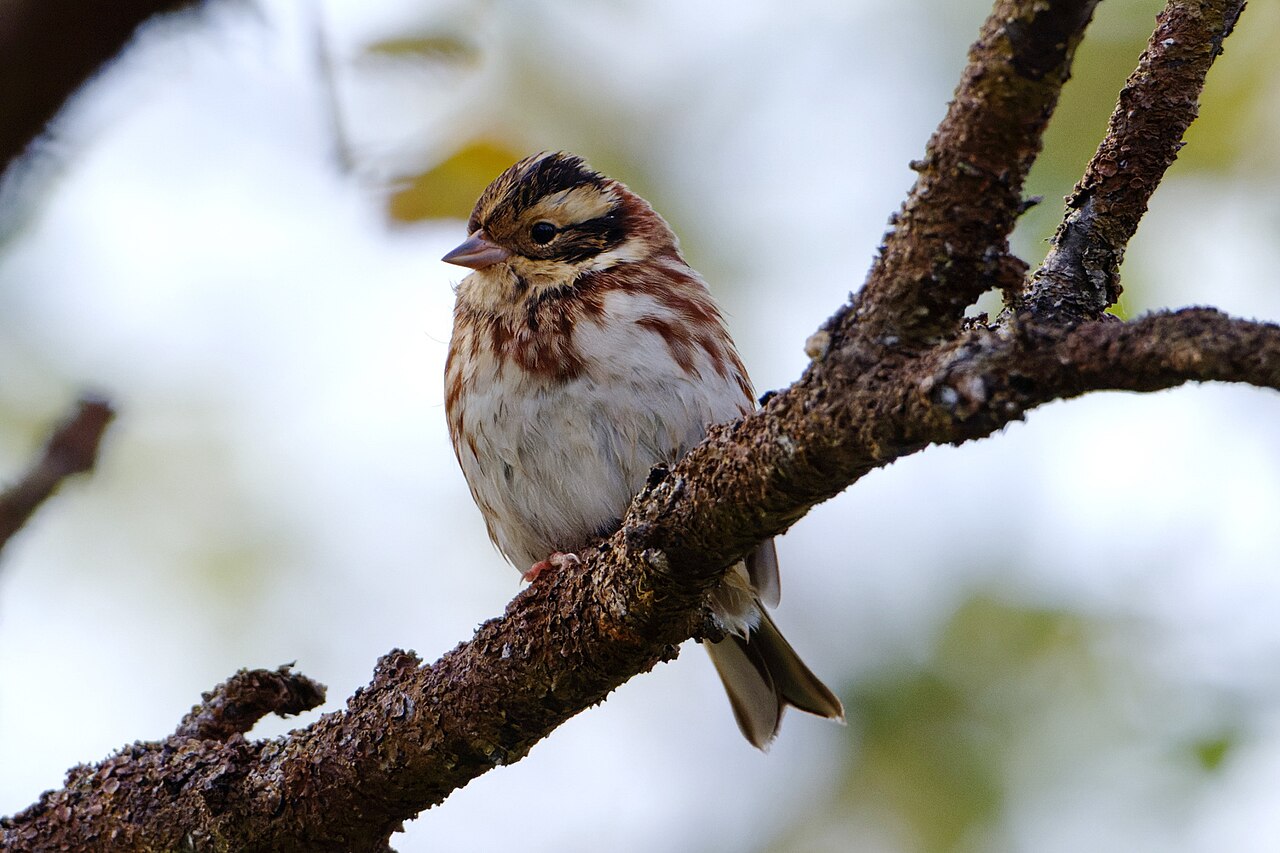
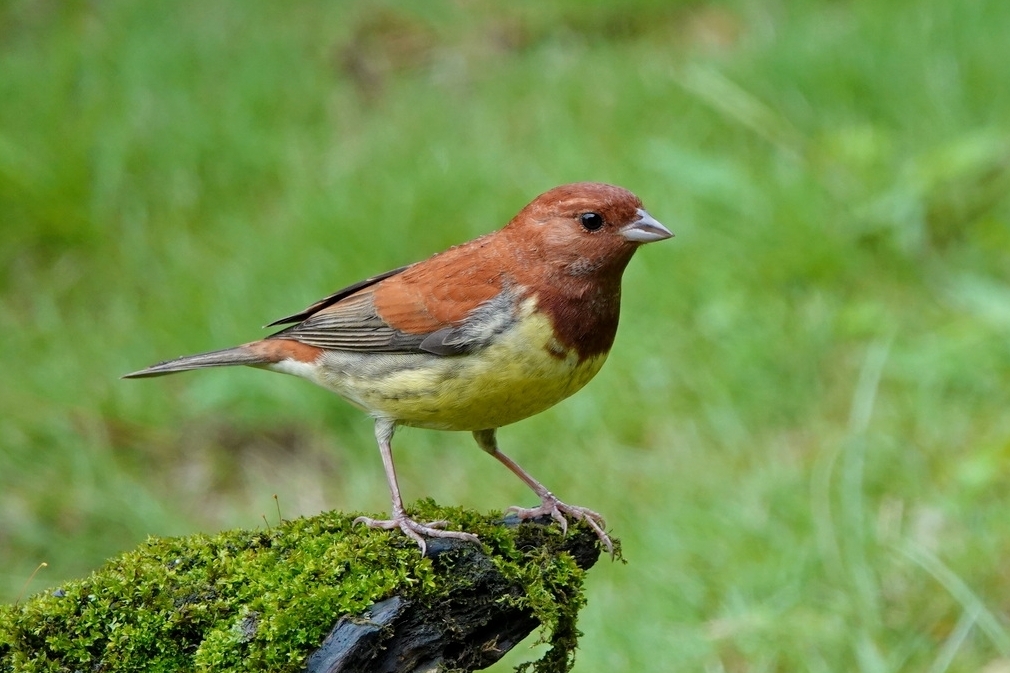
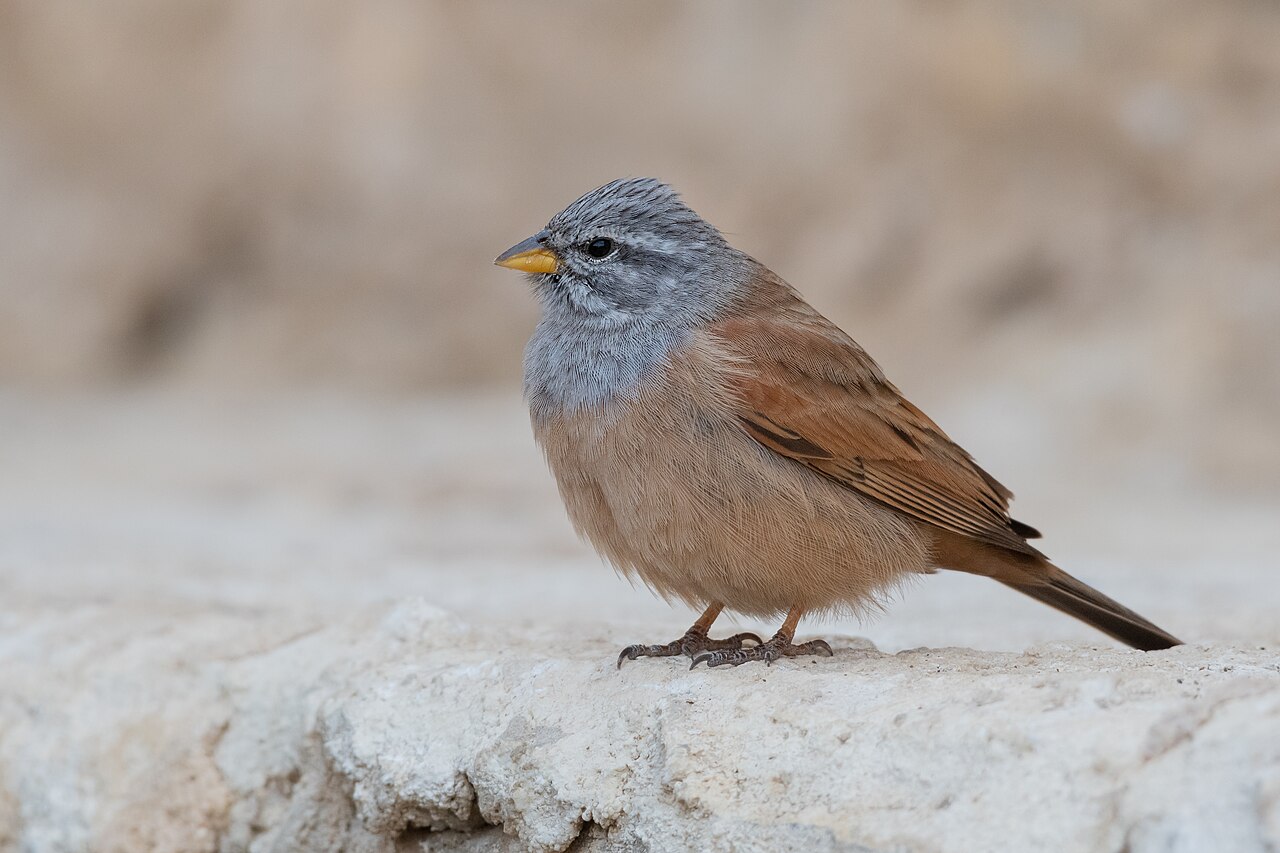
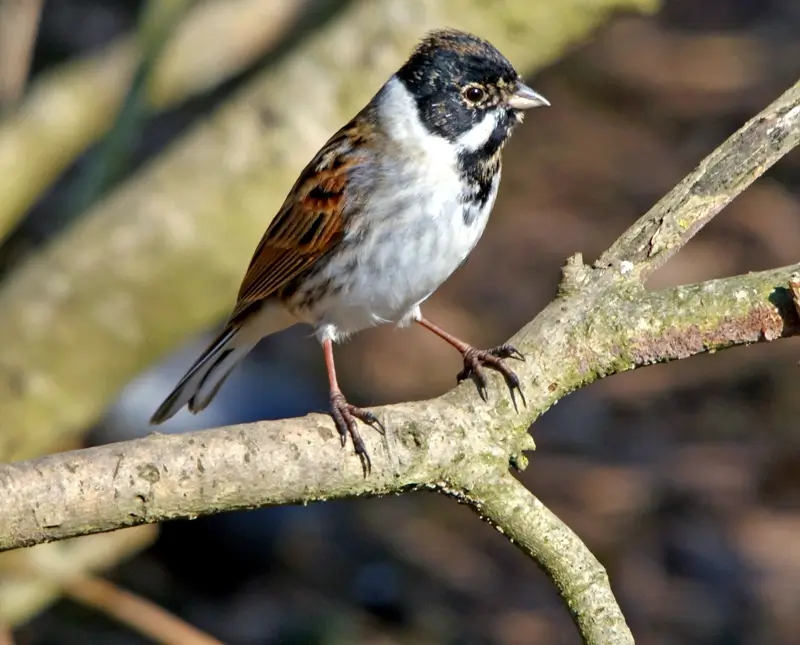
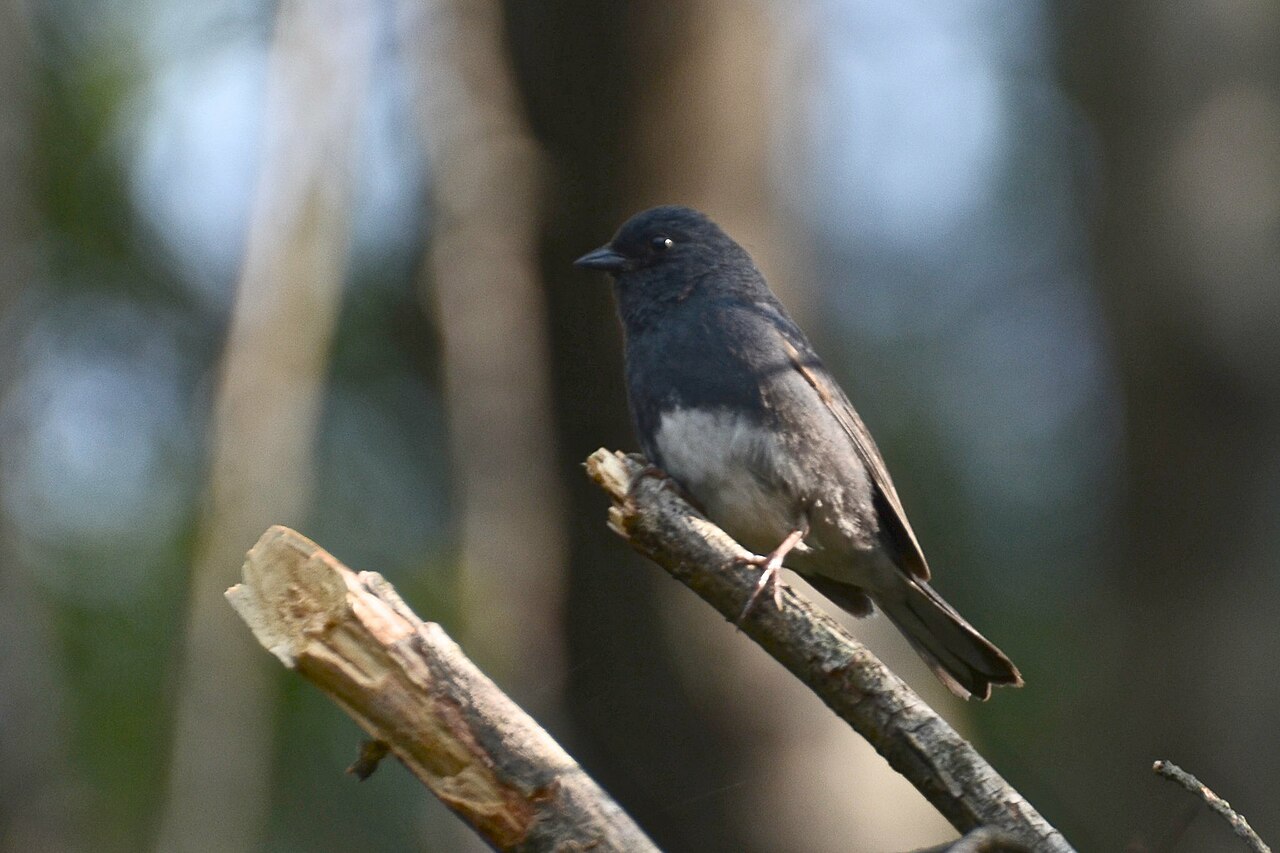
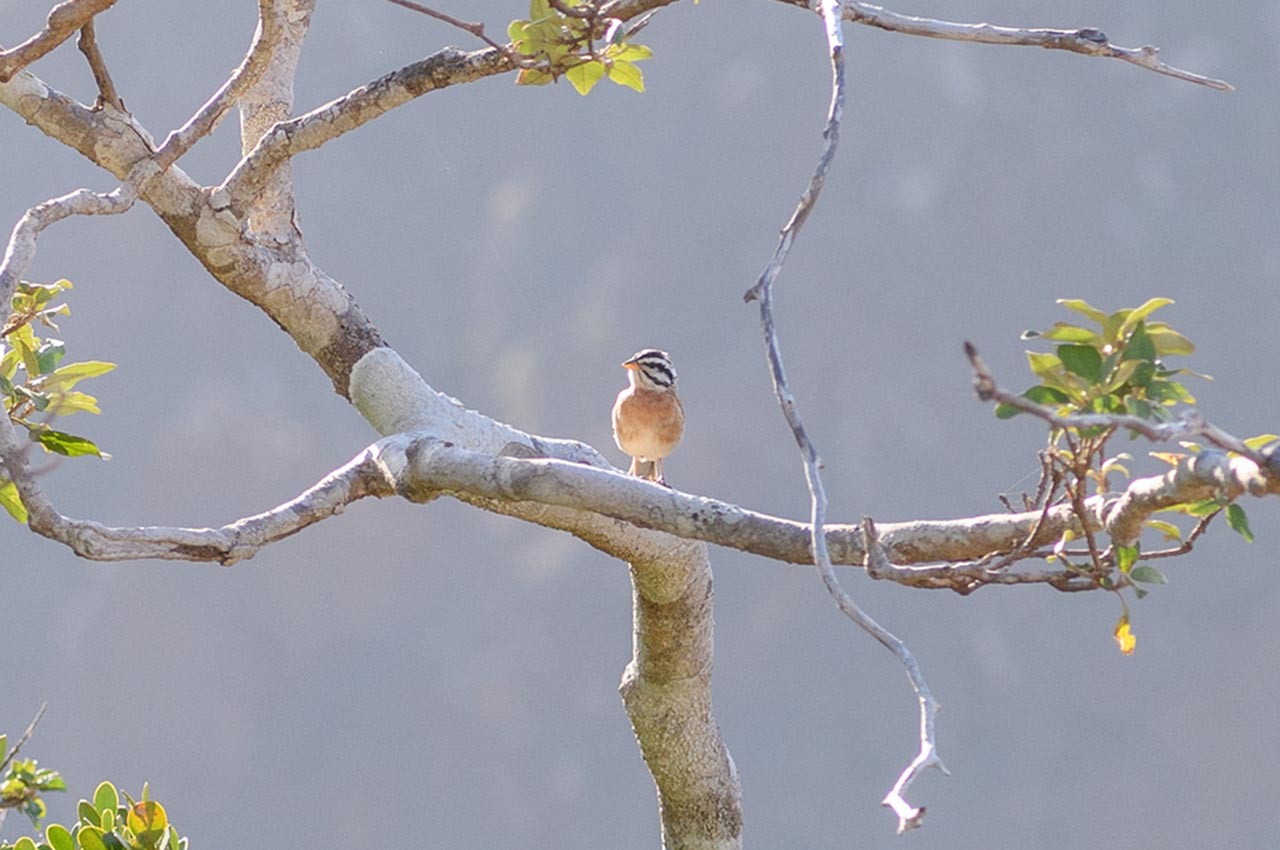
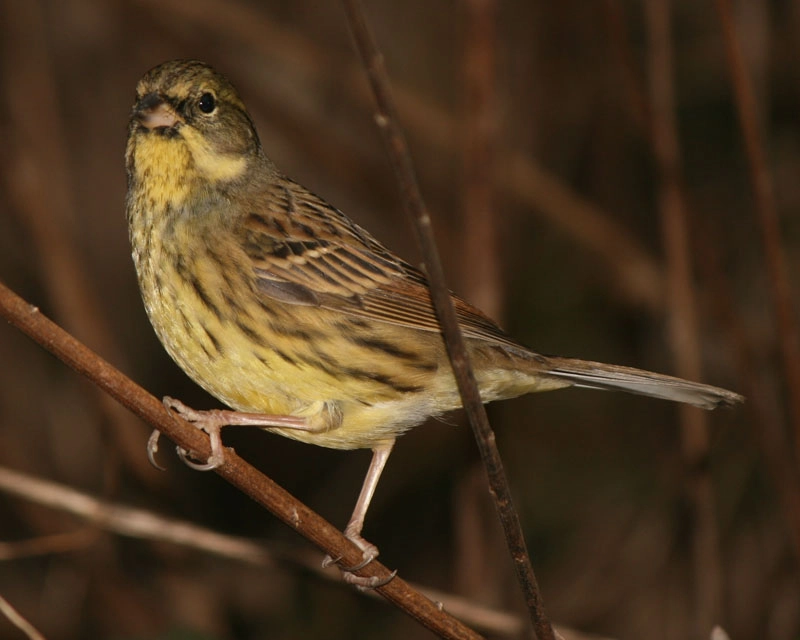
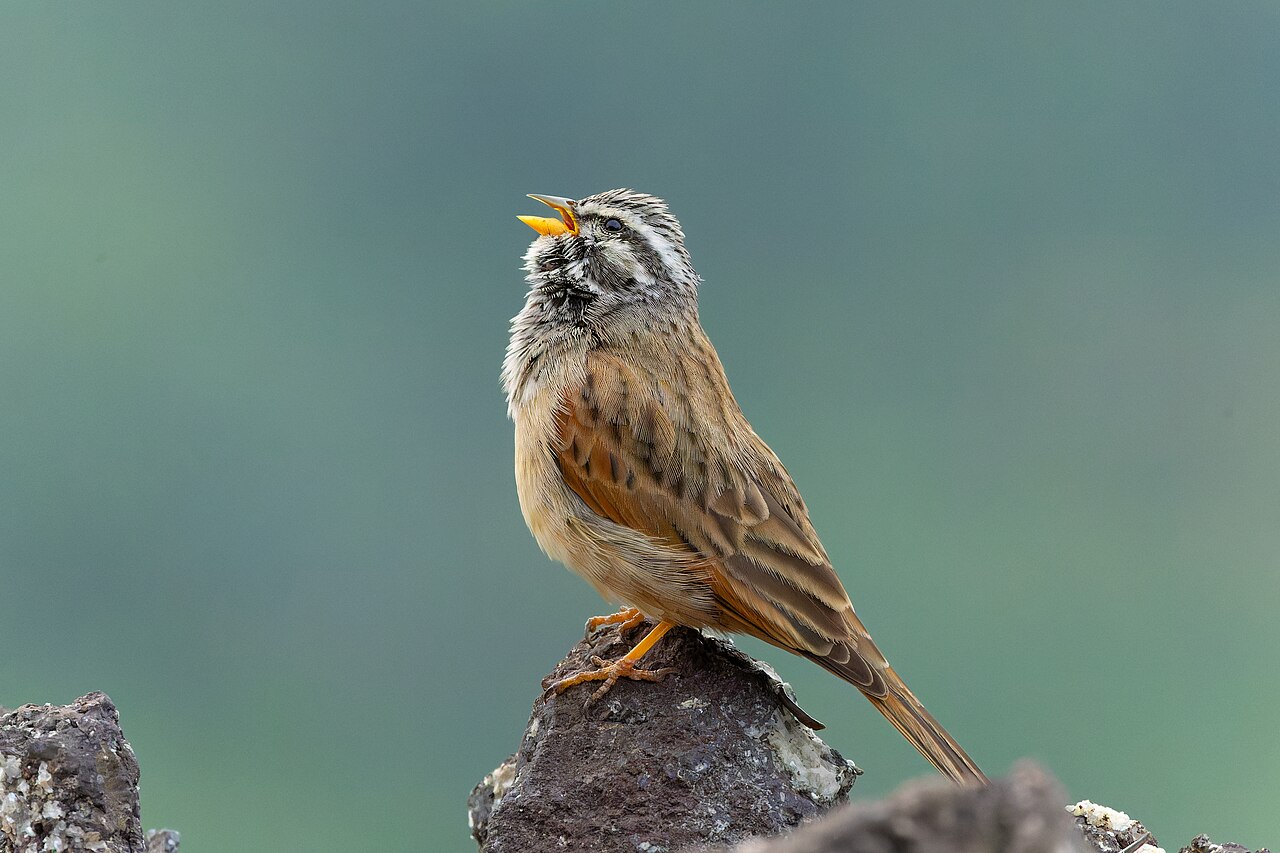
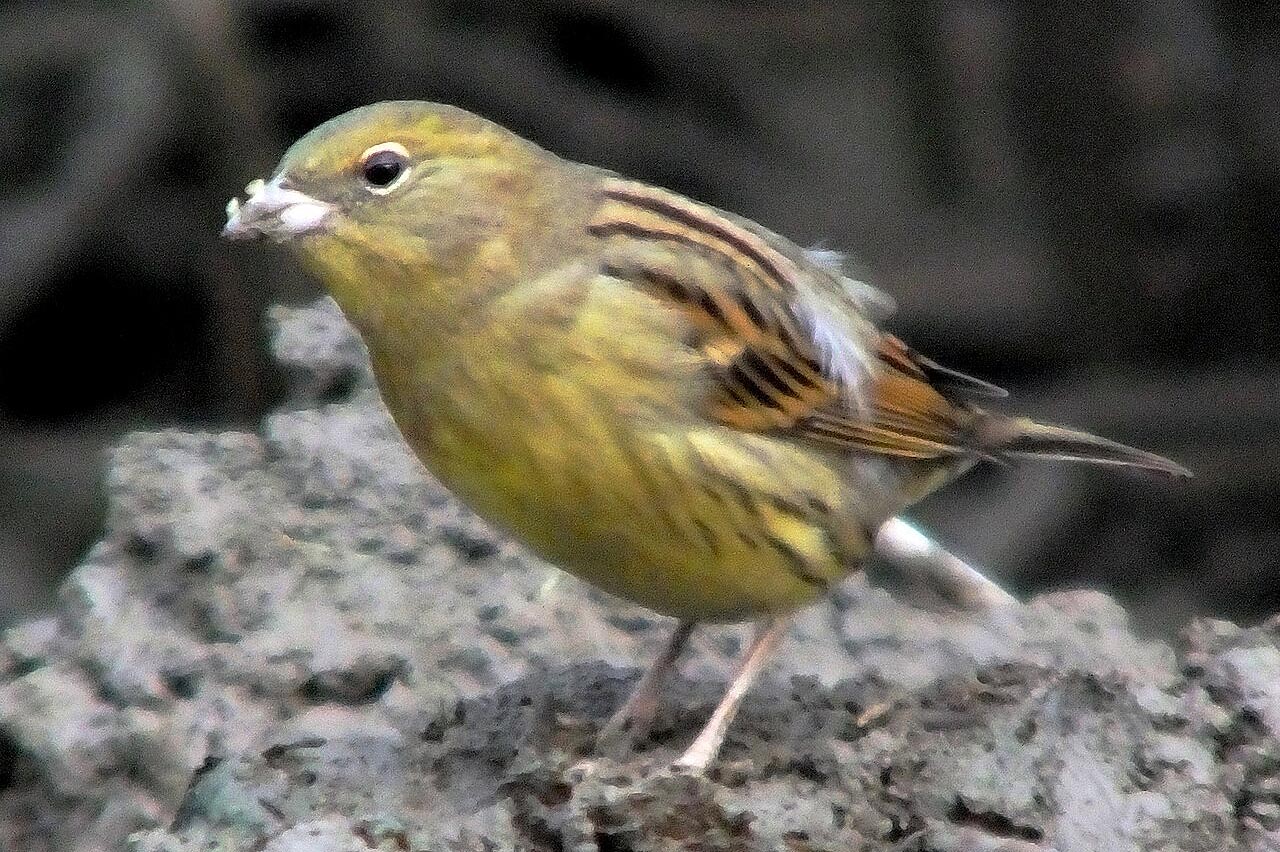
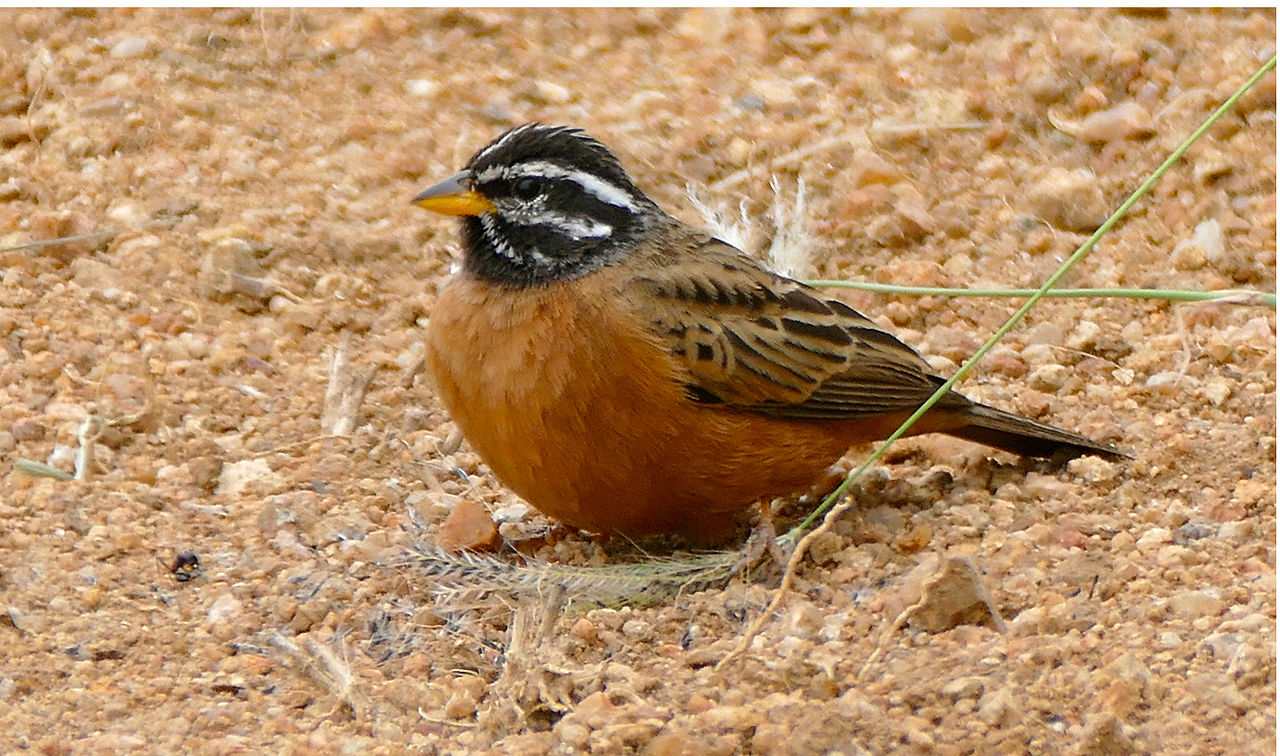
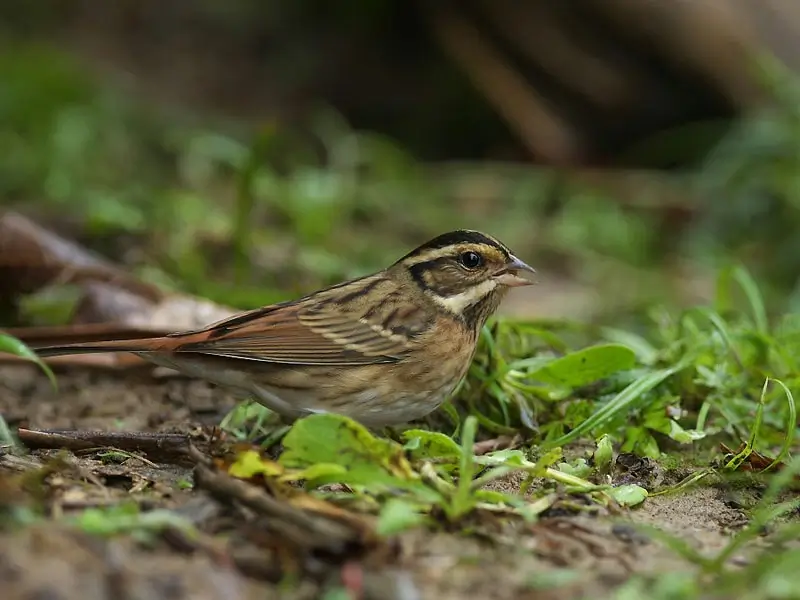
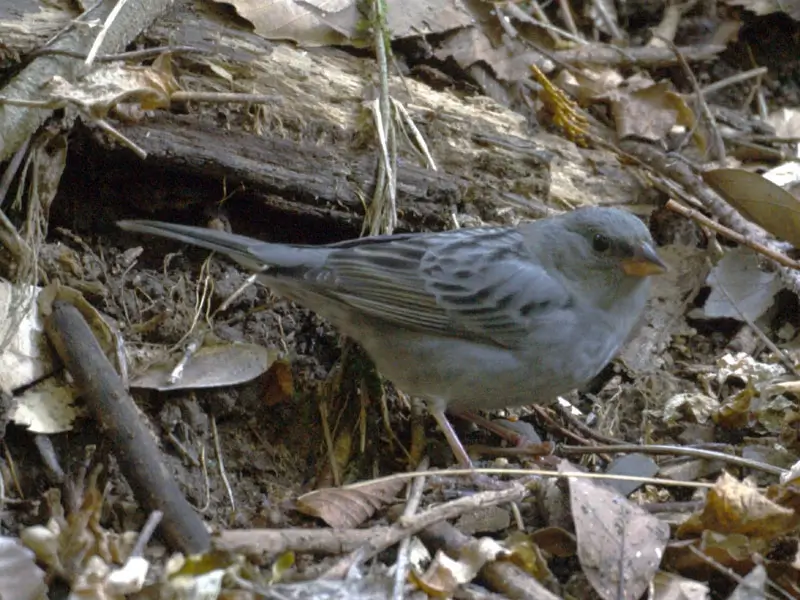
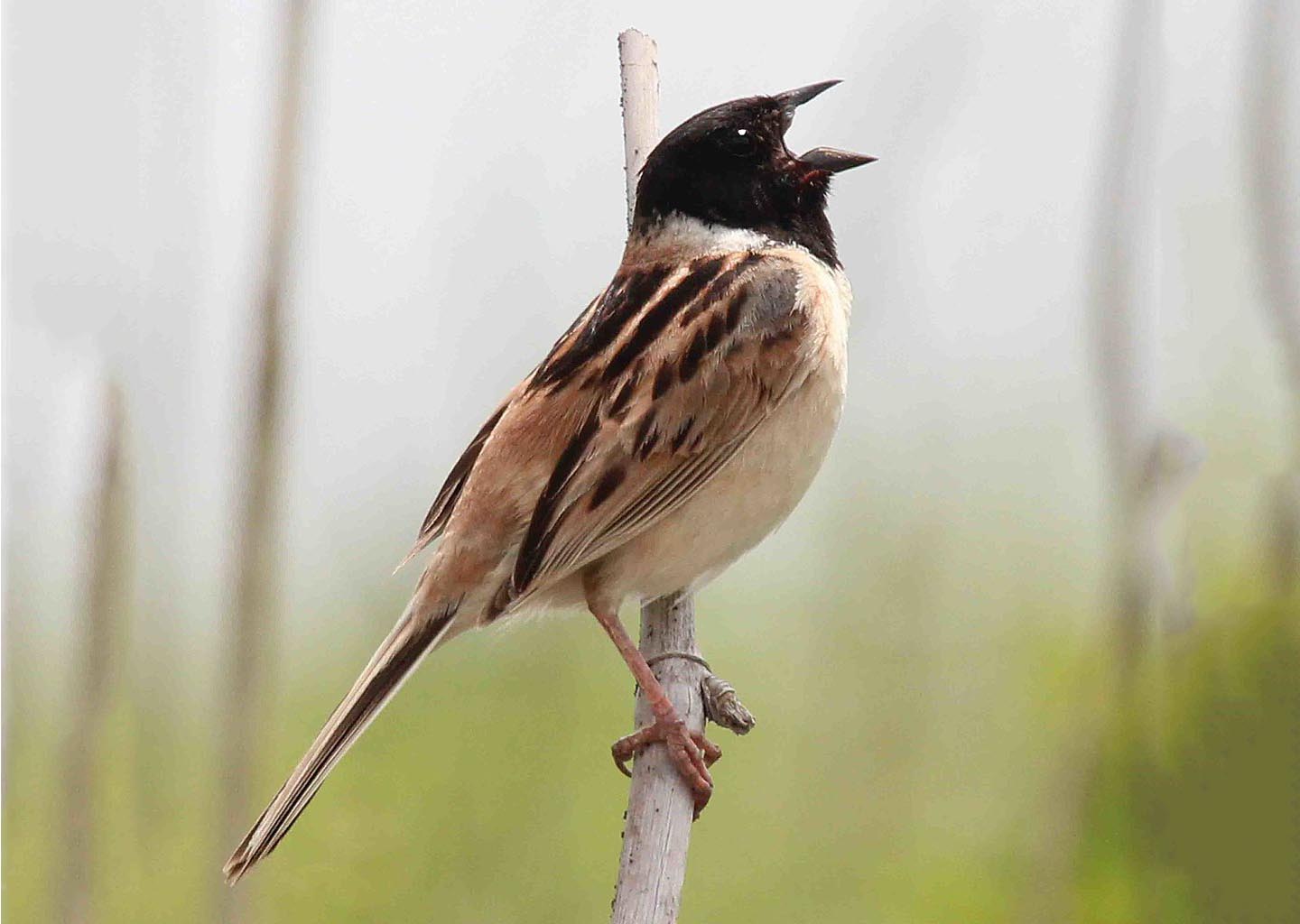
There are around 44 species of birds in the Emberizidae family. These birds, often called Old World buntings, are found across Europe, Asia, and Africa. They live in many different habitats, including grasslands, deserts, tundra, wetlands, forests, farmland, and even parks and gardens.
Emberizids are small to medium-sized songbirds, usually 5.1–7.9 inches (13.0–20.0 cm) long. They have short, strong, cone-shaped bills that are well suited for cracking seeds. Most species are brown or streaked, helping them blend into their surroundings, although some have bright yellow, orange, black, or white markings. In many species, males are more colorful than females, especially during the breeding season.
Most buntings form pairs during the breeding season. They build neat cup-shaped nests in shrubs, grasses, low trees, or on the ground, depending on the species. The female usually lays 3–6 eggs, and both parents often help feed the chicks.
Most species eat seeds throughout the year, but they also feed on insects and other small invertebrates, especially during the breeding season when growing chicks need extra protein. Some species migrate long distances, while others stay in the same area year-round, depending on where they live and the availability of food.