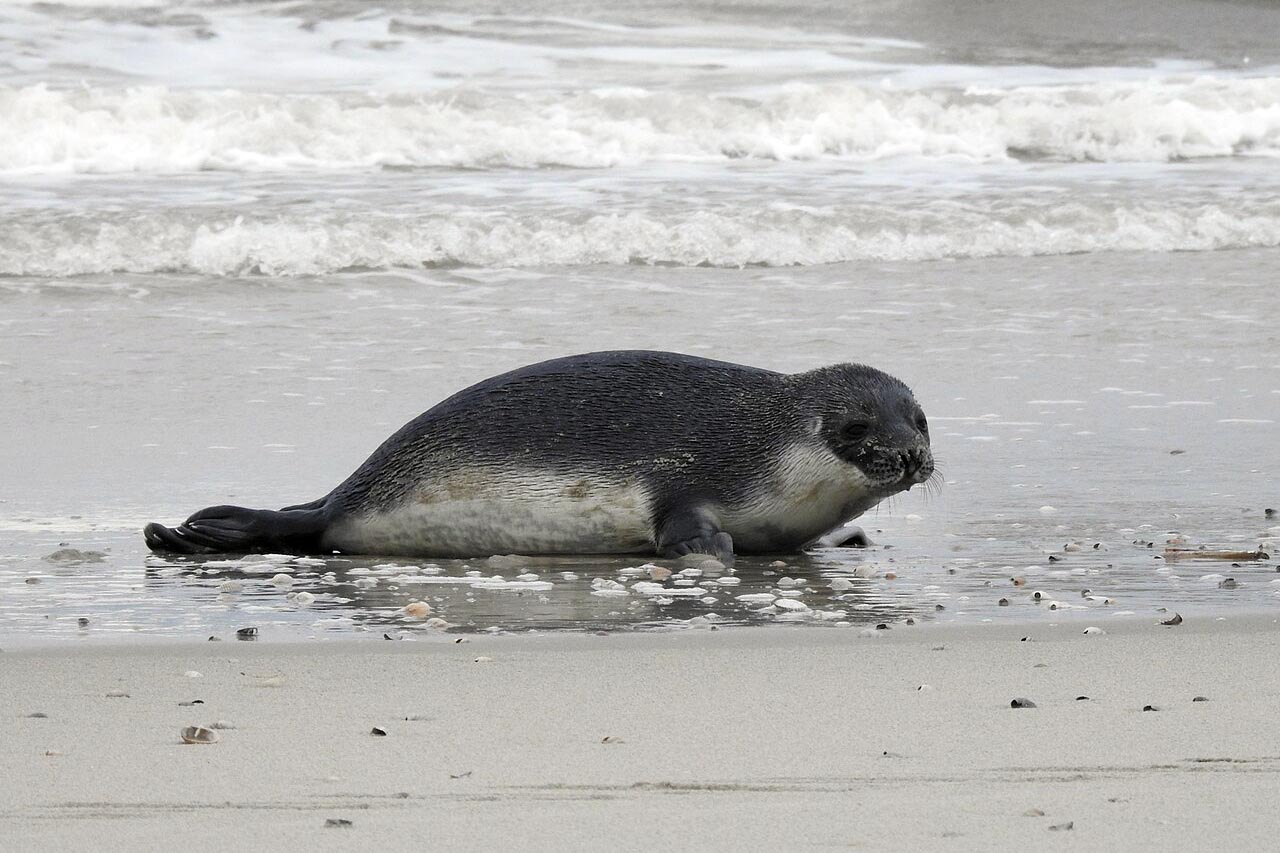
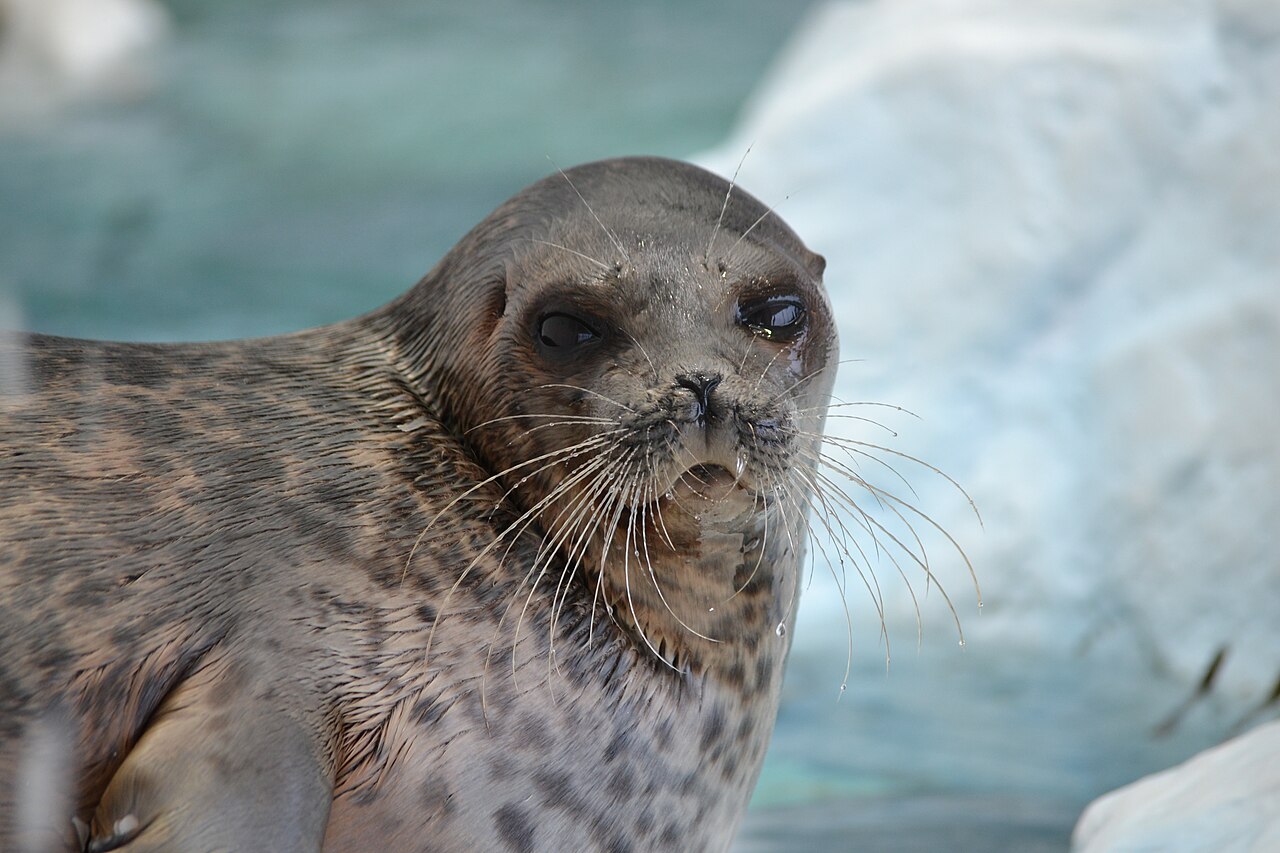
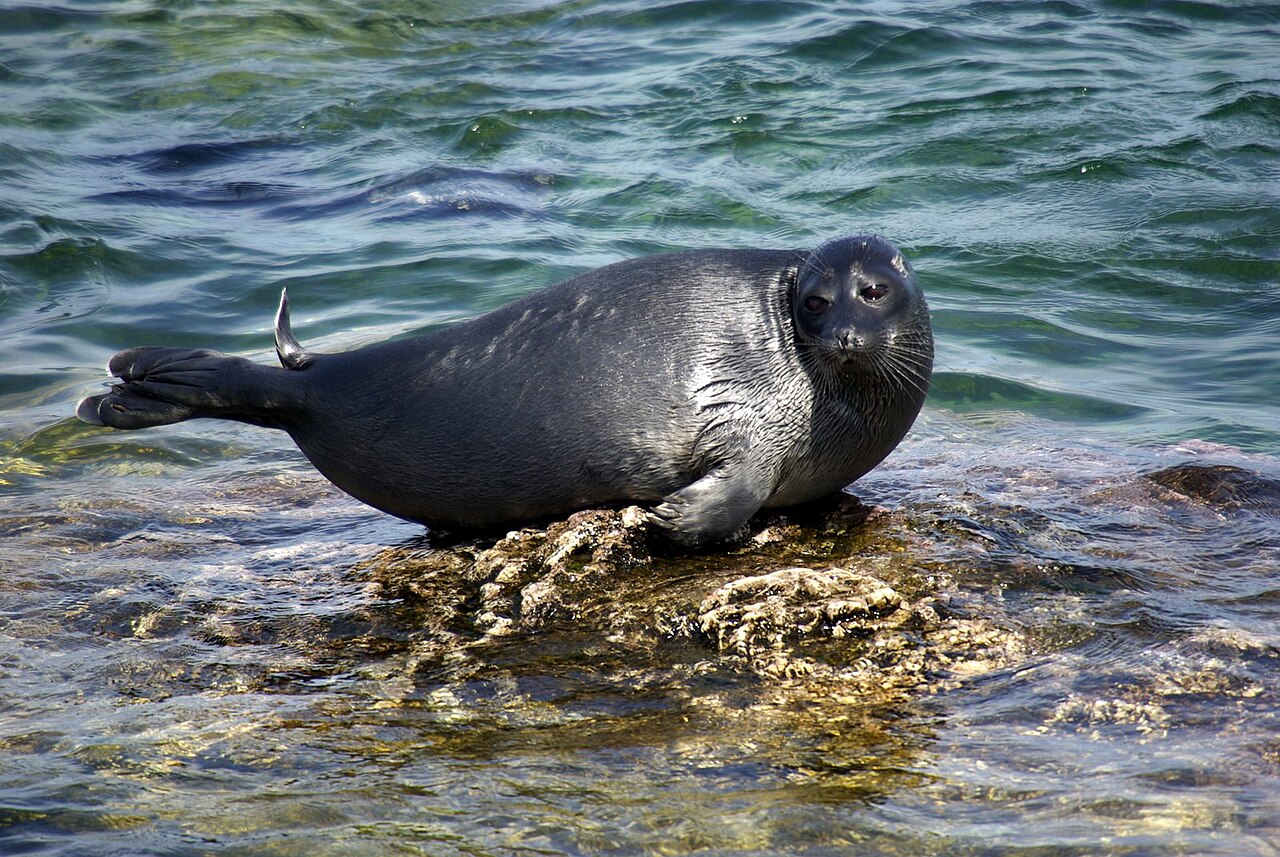
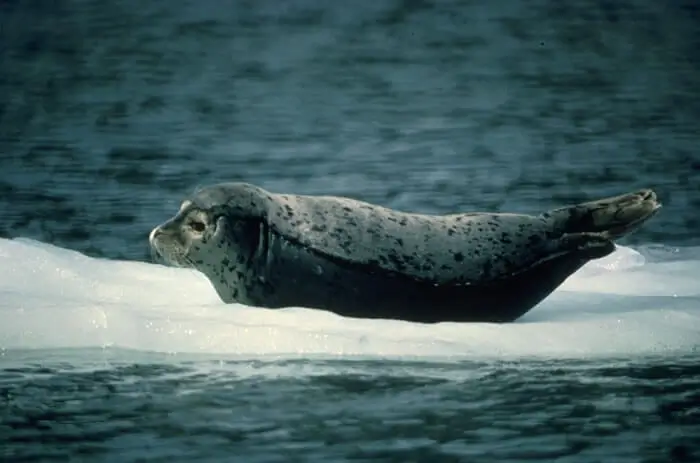
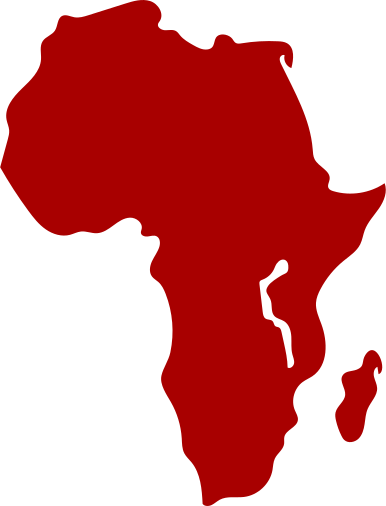
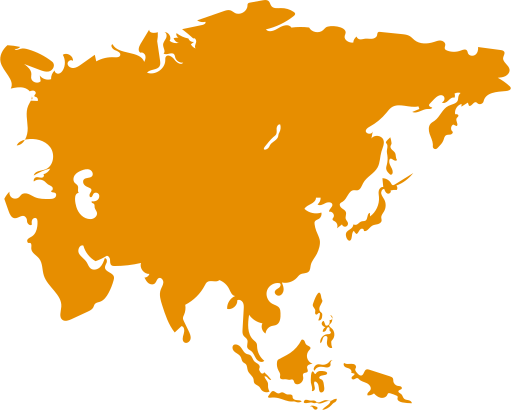
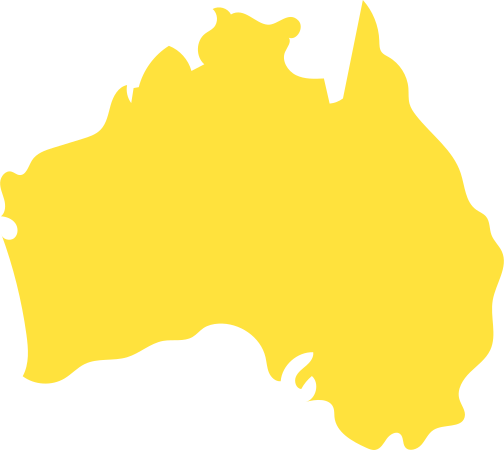
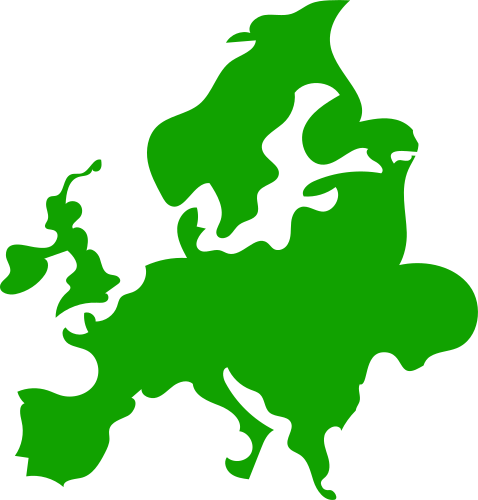
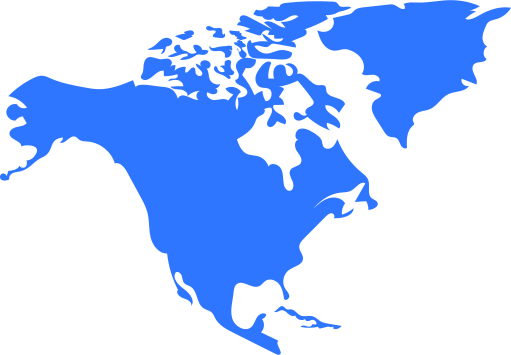
There are 19 species in this family. Most seal species are found in the Arctic and Antarctica, but seals are also found along coastlines around the world from the North Pole south to 30 degrees north latitude and from Antarctica north to 50 degrees south latitude. One seal, the Baikal seal, lives only in Lake Baikal in Russia.
Seals have short, front flippers with claws; torpedo-shaped bodies; and large hind flippers. Unlike the fur seals and sea lions, they have no external ears and can not walk on their flippers.
Seals use their front flippers to steer in the water and their rear flippers to propel themselves in the water. They have fur, but in some species, their fur is very sparse!
Seals eat fish, crustaceans, squid, and octopus. Some species also eat plankton. Seals vary in size from the elephant seal, which can weigh up to 5,000 pounds, to the ringed seal that weighs around 120 pounds.
The species in this family are not as social as the fur seals and sea lions, and they don’t live in large groups. One species, the Caribbean Monk Seal, is probably extinct. It was last sighted in 1952.
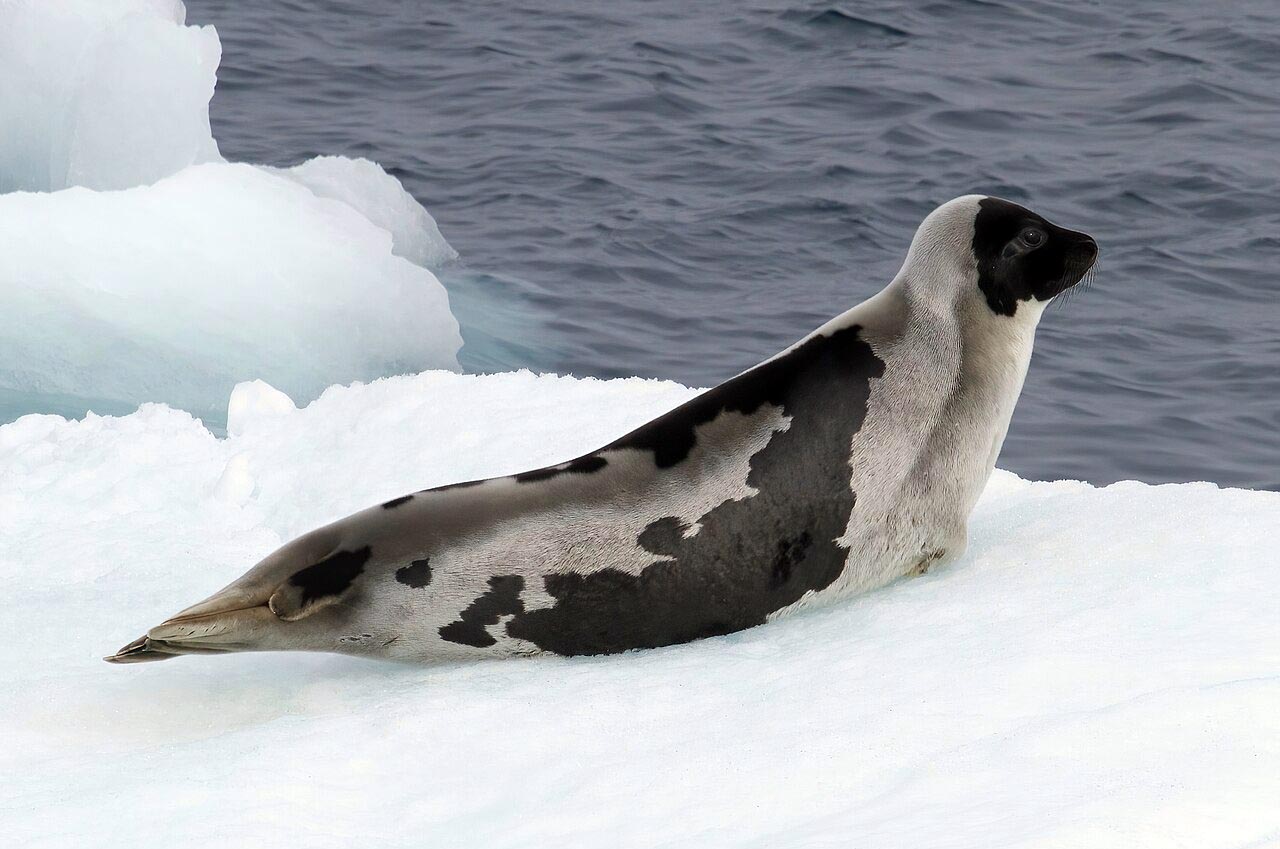
Hooded Seal (Cystophora cristata)
The hooded seal is found in the north Atlantic and off the coasts of Canada; Greenland; Iceland; and Norway. They are also found in the United States in Maine from December through April. IUCN Redlist Status: Vulnerable
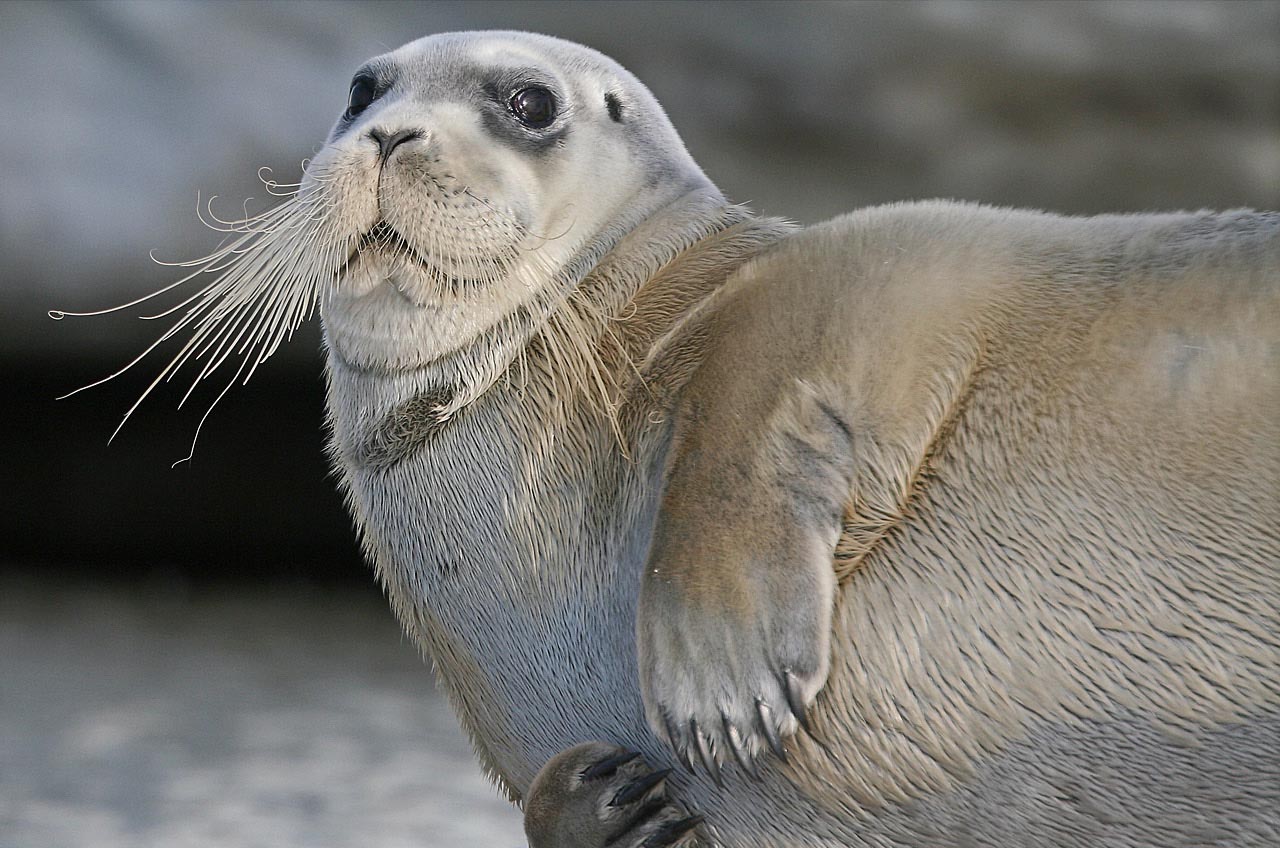
Bearded Seal (Erignathus barbatus)
The bearded seal gets its name from its long whiskers. It is found in the Arctic waters of the Atlantic and the Pacific Oceans. IUCN Redlist Status: Least Concern
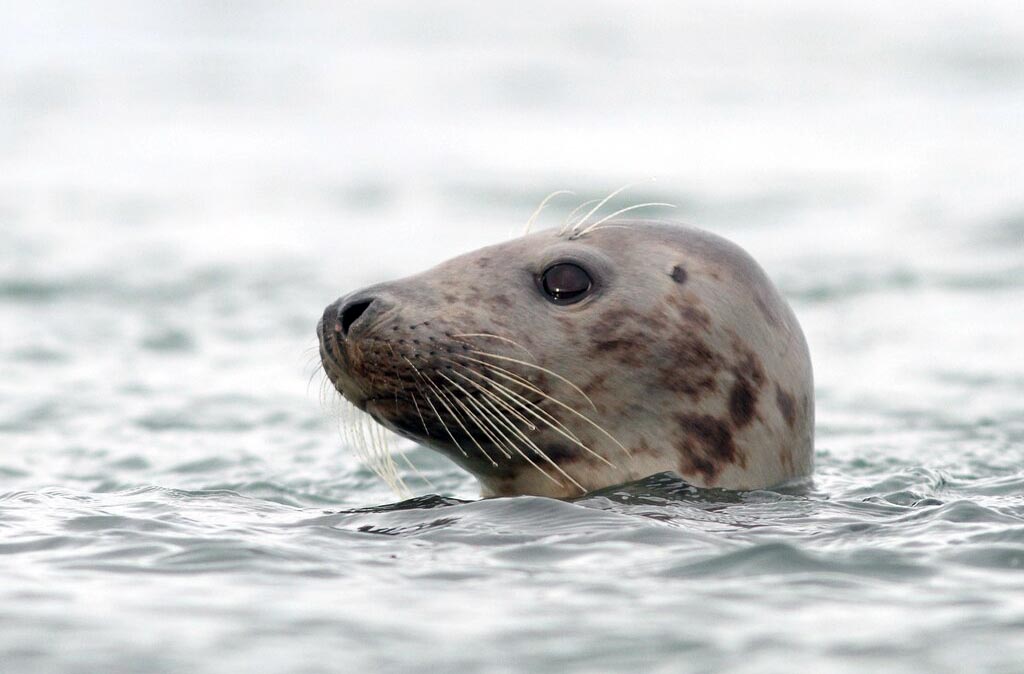
Gray Seal (Halichoerus grypus)
The gray seal is found in sub-Arctic to cold temperate regions in the North Atlantic. They are sometimes called "horseheads" because of their large snouts. IUCN Redlist Status: Least Concern
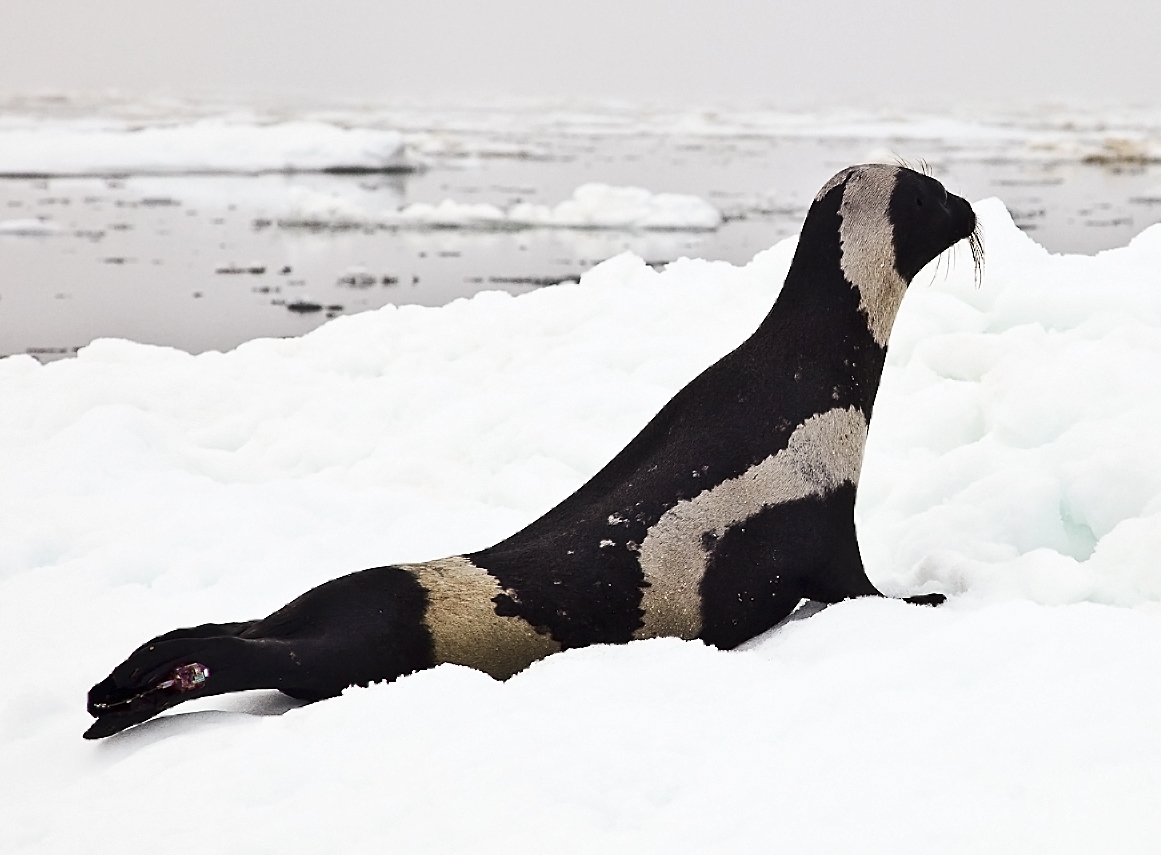
Ribbon Seal (Histriophoca fasciata)
Ribbon seals are found in coastal areas of the north Pacific Ocean and in the seas bordering Alaska and Russia. IUCN Redlist Status: Least Concern
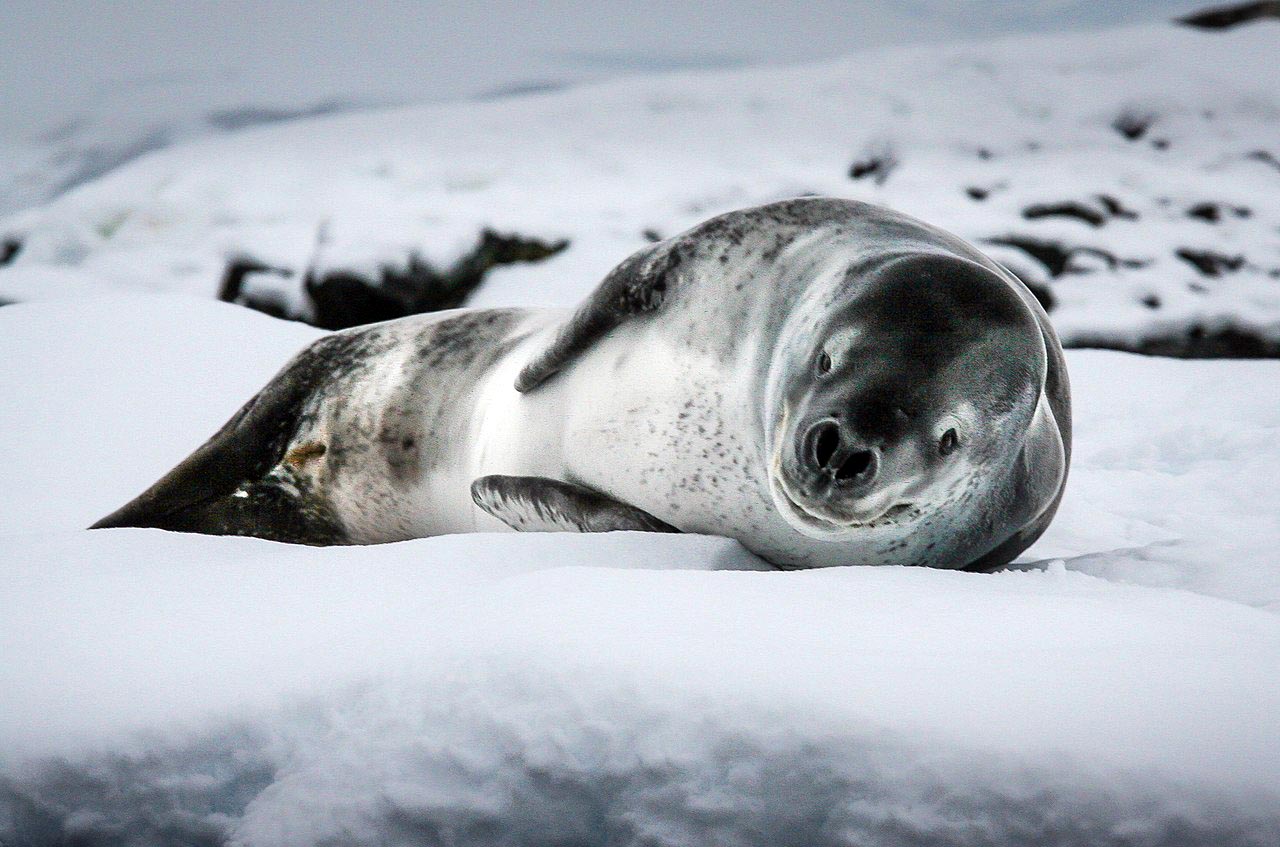
Leopard Seal (Hydrurga leptonyx)
The leopard seal is found in Antarctic and sub-Antarctic waters of the southern Hemisphere. It is named for its dark spotted coat. IUCN Redlist Status: Least Concern
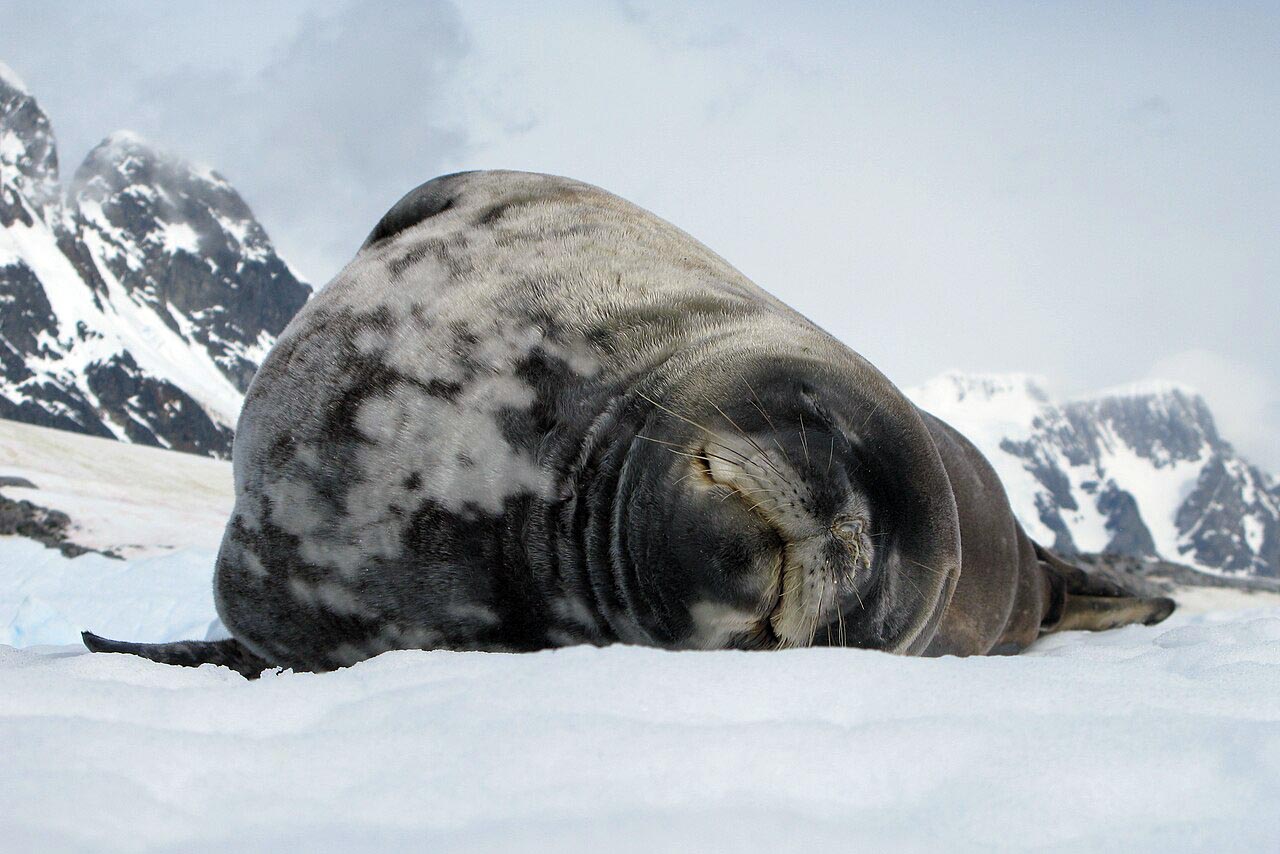
Weddell Seal (Leptonychotes weddellii)
The Weddell seal has a circumpolar distribution around Antarctica. It is also found on sub-Antarctic islands including the South Orkneys, South Shetlands and South Georgia. The Weddell seal isn't a big traveler. It is commonly found within a few miles of their birthplace. IUCN Redlist Status: Least Concern
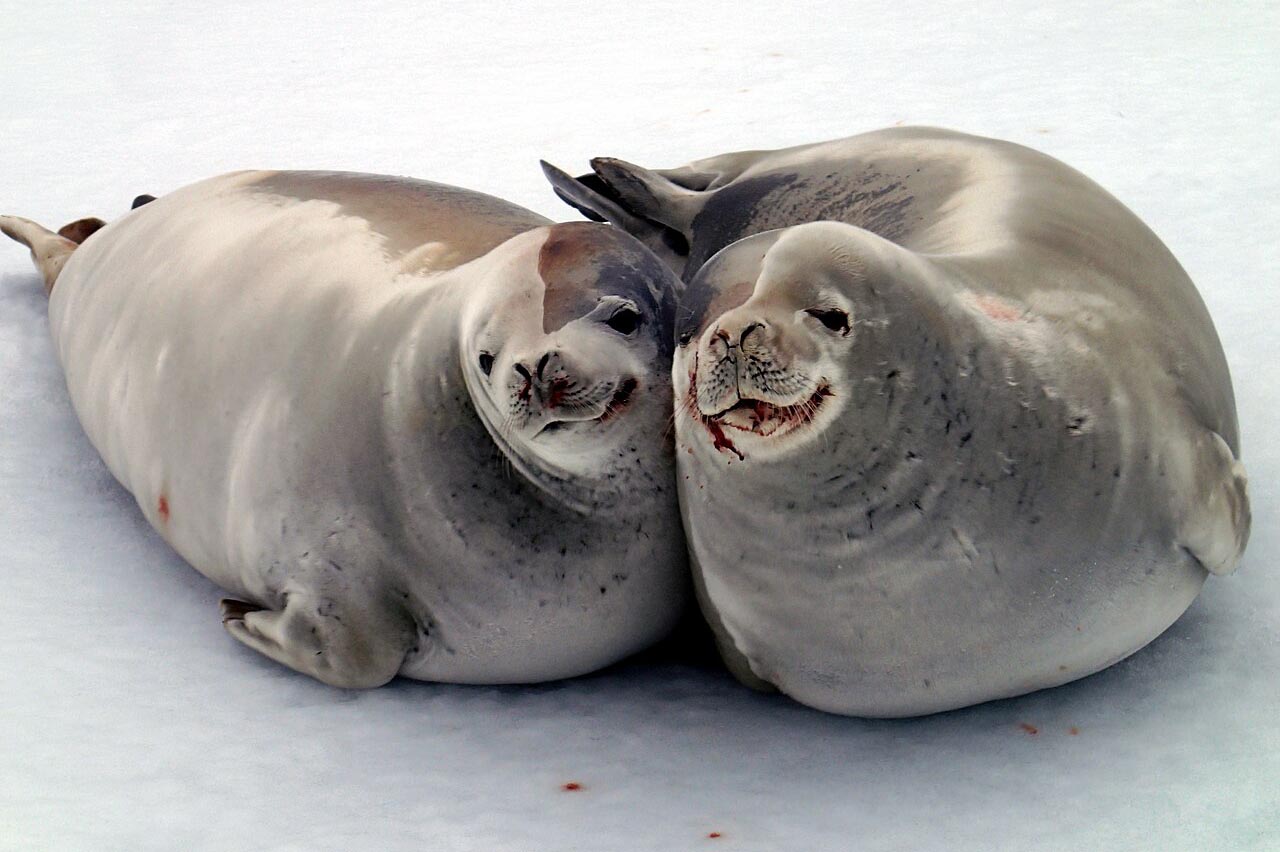
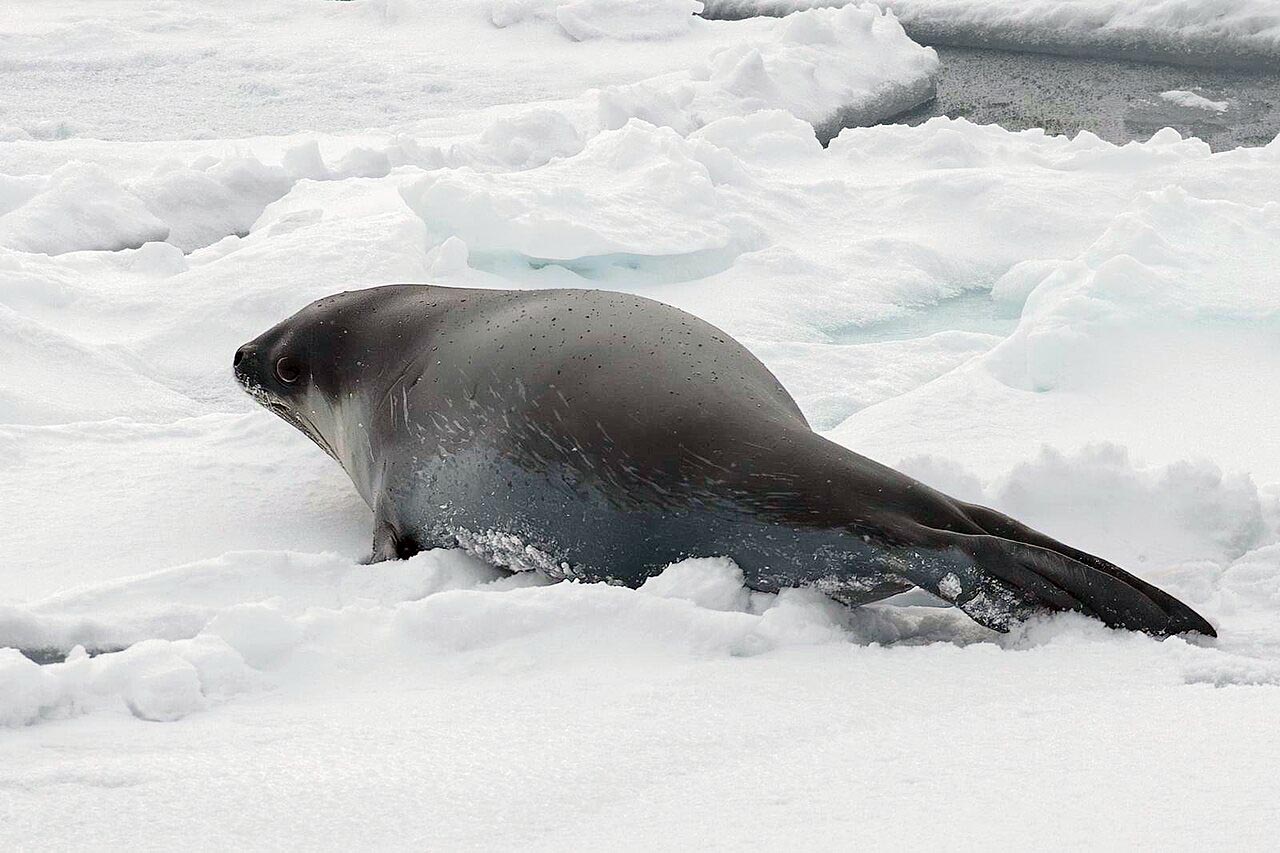
Crabeater Seal (Lobodon carcinophaga)
The crabeater seal should be called the krill eater seal. It does not eat crabs. Its main source of food is krill. It is found on the pack ice and coast of Antarctica. IUCN Redlist Status: Least Concern
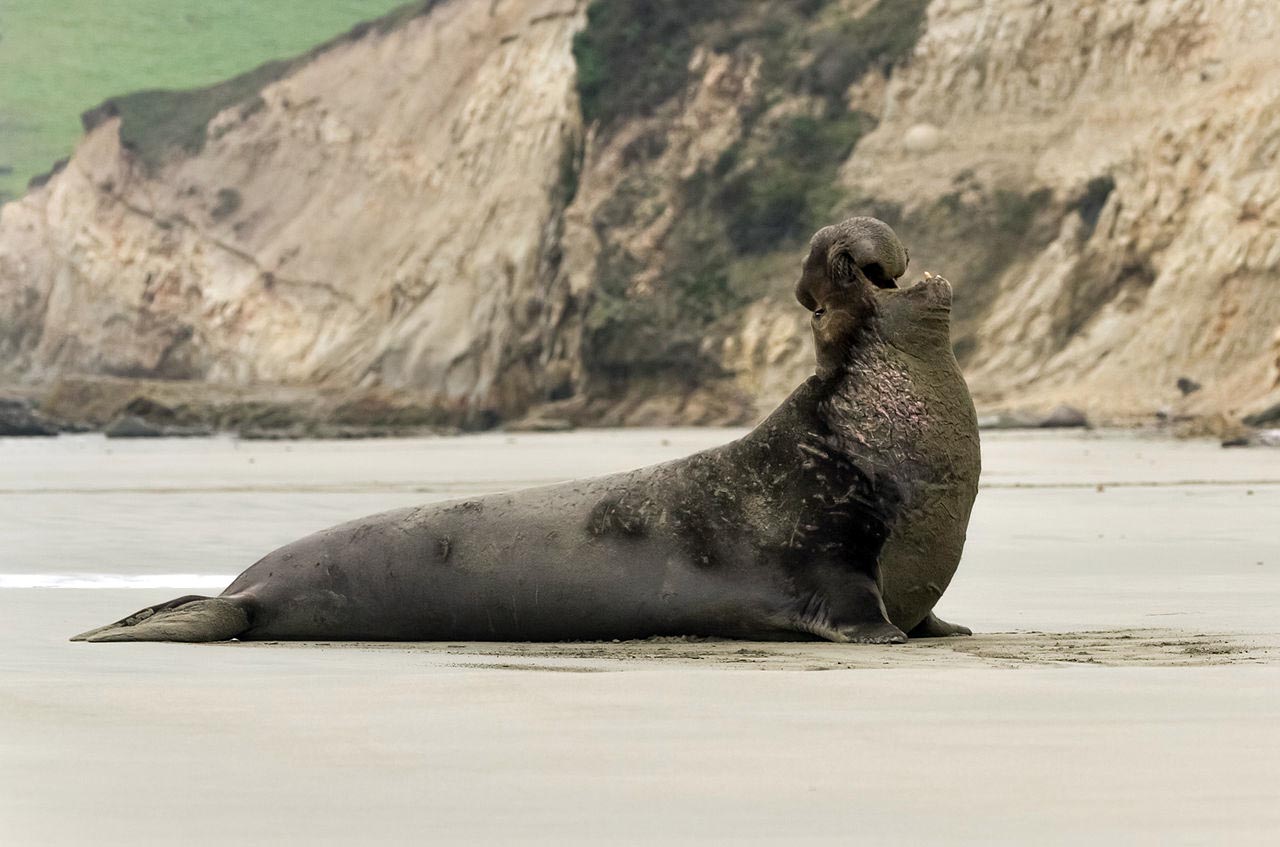
Northern Elephant Seal (Mirounga angustirostris)
The northern elephant seal is found in off the Pacific Coast of North America from Alaska to Mexico. IUCN Redlist Status: Least Concern
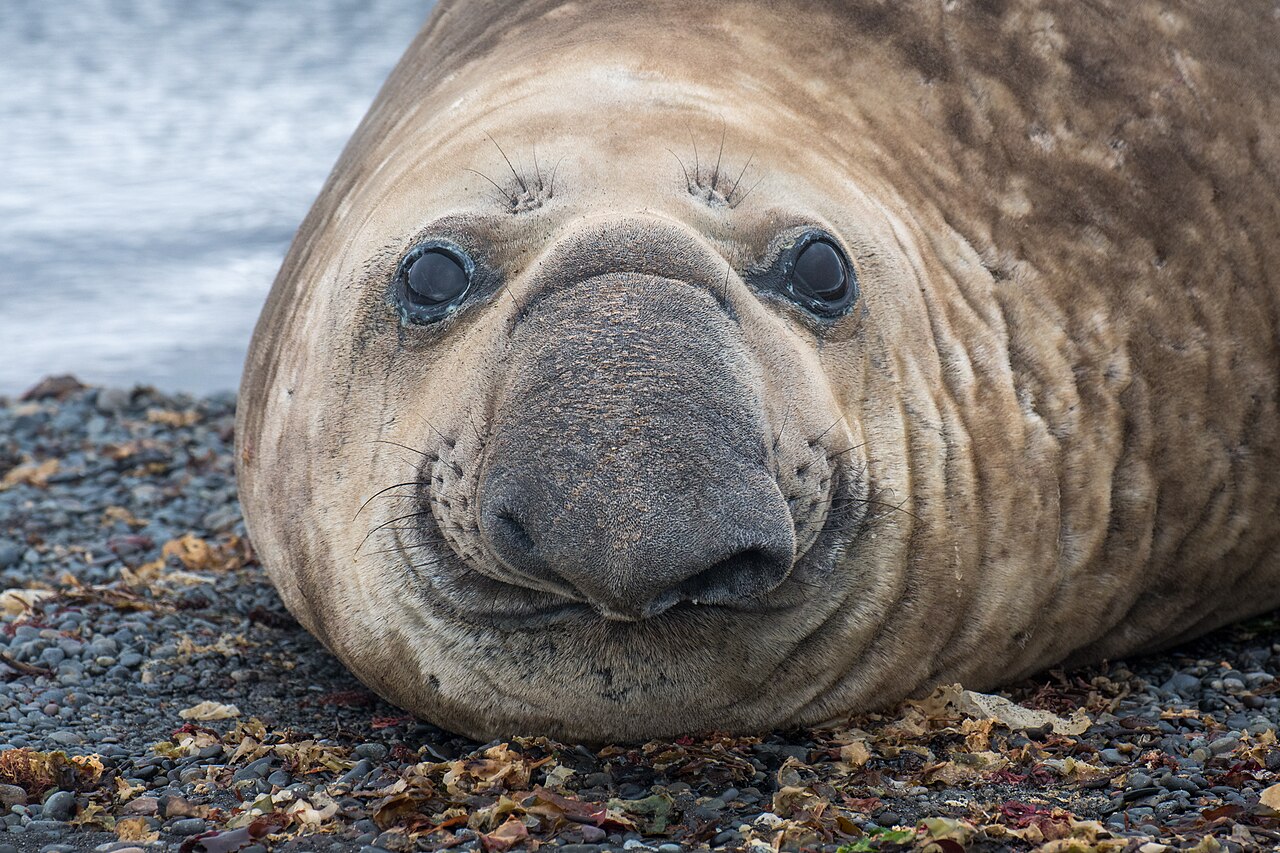
Southern Elephant Seal (Mirounga leonina)
The southern elephant seal is found along the coast of Antarctica and on sub-Antarctic islands. Male southern elephant seals are the largest pinnipeds. They can be up to 20 feet in length and weigh over 8,000 pounds. IUCN Redlist Status: Least Concern
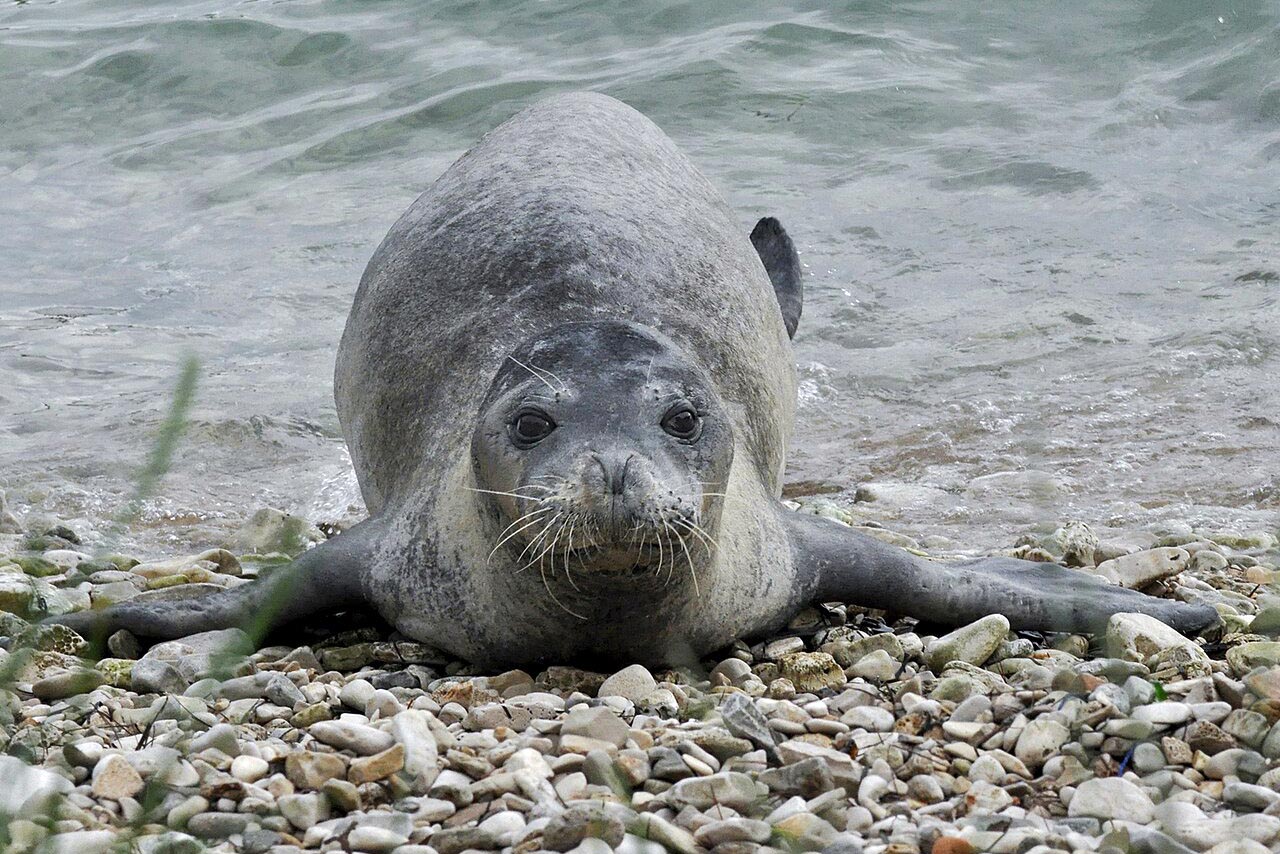
Mediterranean Monk Seal (Monachus monachus)
The Mediterranean monk seal was once found throughout the Mediterranean, the Black Sea and the northwestern coast of Africa. It is now limited to a few small colonies in the Mediterranean Sea and the Northwest African coast. IUCN Redlist Status: Vulnerable
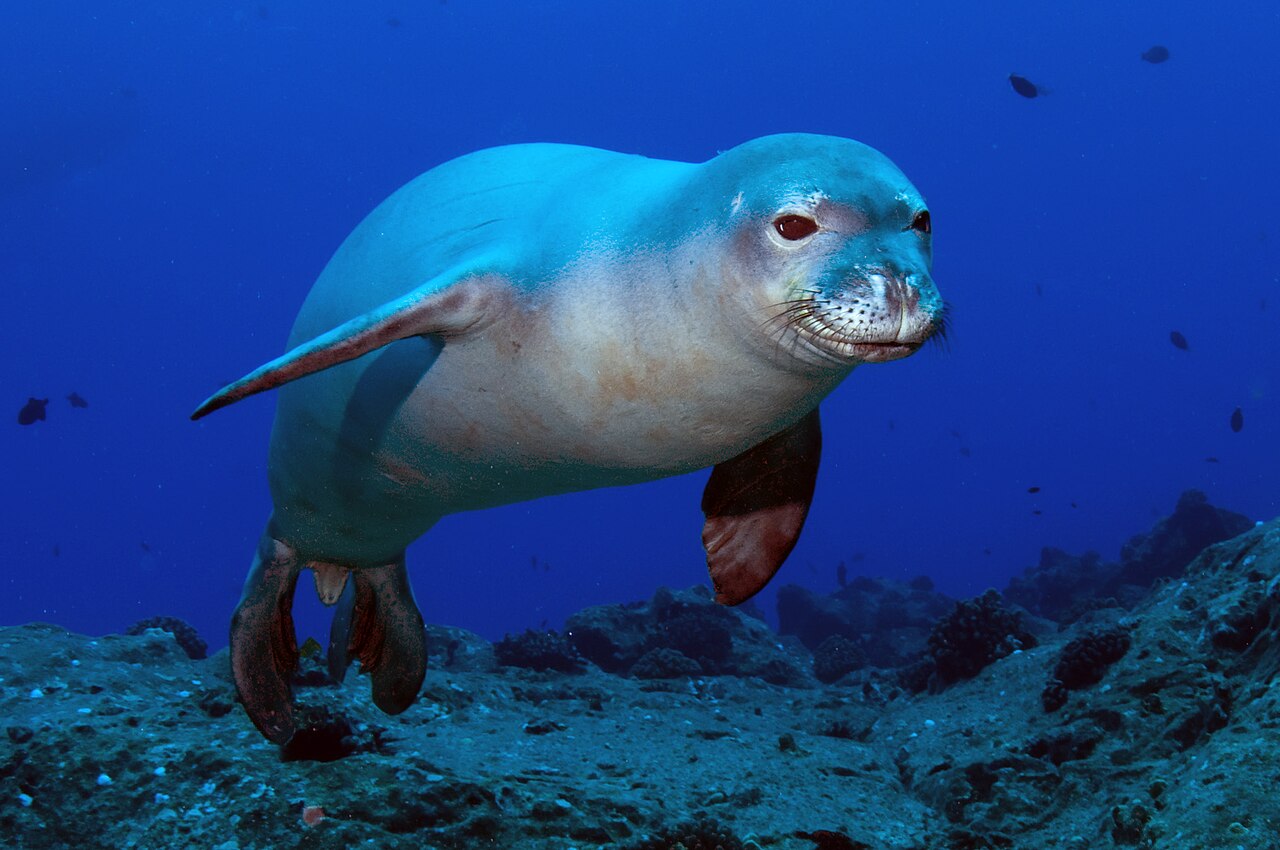
Hawaiian Monk Seal (Neomonachus schauinslandi)
The Hawaiian name for the Hawaiian monk seal was "llio holo I ka uaua" meaning "dog that runs in rough water." It is found throughout the Hawaiian Islands. IUCN Redlist Status: Endangered
Ross Seal (Ommatophoca rossii)
The Ross seal is found on remote, inaccessible ice packs surrounding the Antarctic. They are are the least studied of the Antarctic seals. IUCN Redlist Status: Least Concern
Harp Seal (Pagophilus groenlandicus)
Harp seals are found in the Arctic and northern Atlantic Oceans and can be found from Newfoundland to northern Russia. IUCN Redlist Status: Least Concern
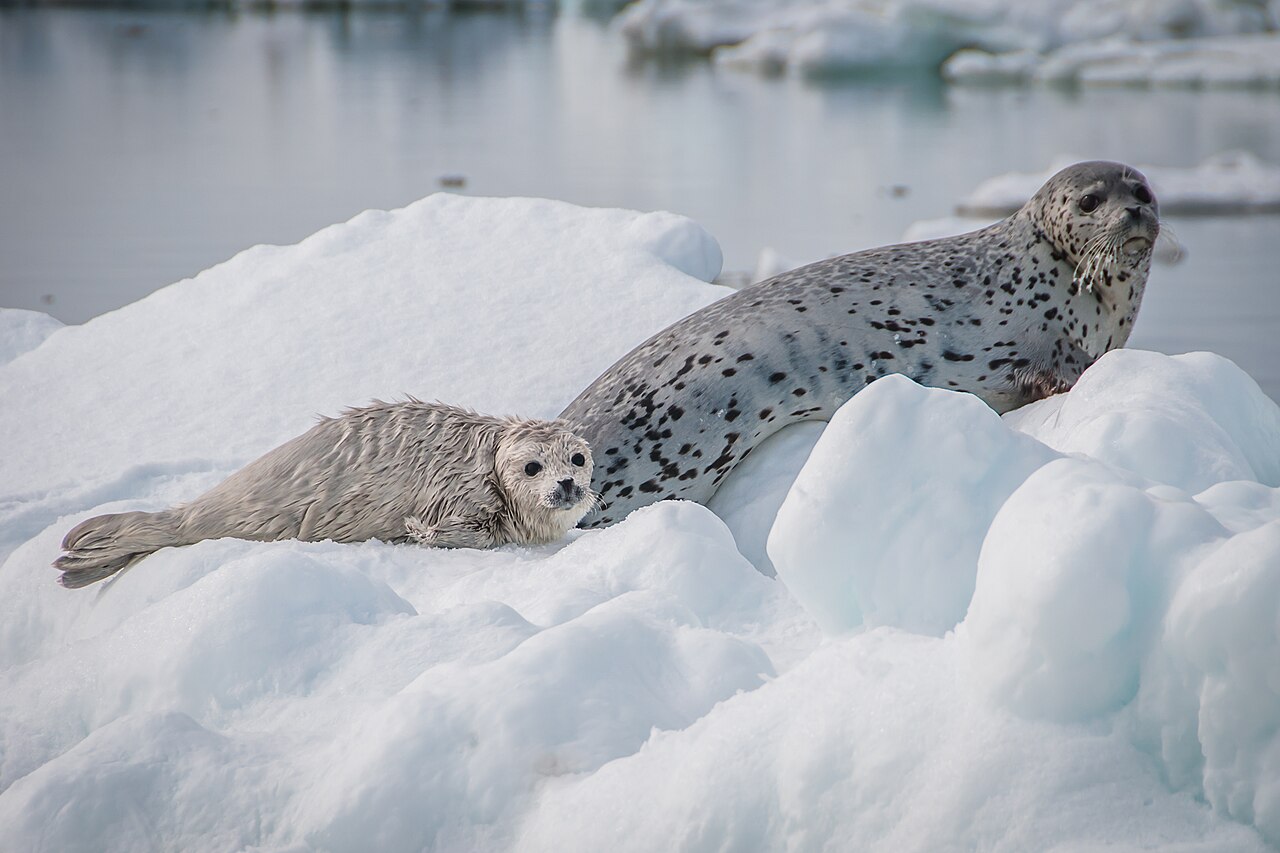
Spotted Seal (Phoca largha)
The spotted seal is found in the Arctic Ocean and the northwest and northeast Pacific Ocean and off the coasts of Canada; China; Japan; North Korea, South Korea, Russia, and Alaska. IUCN Redlist Status: Least Concern
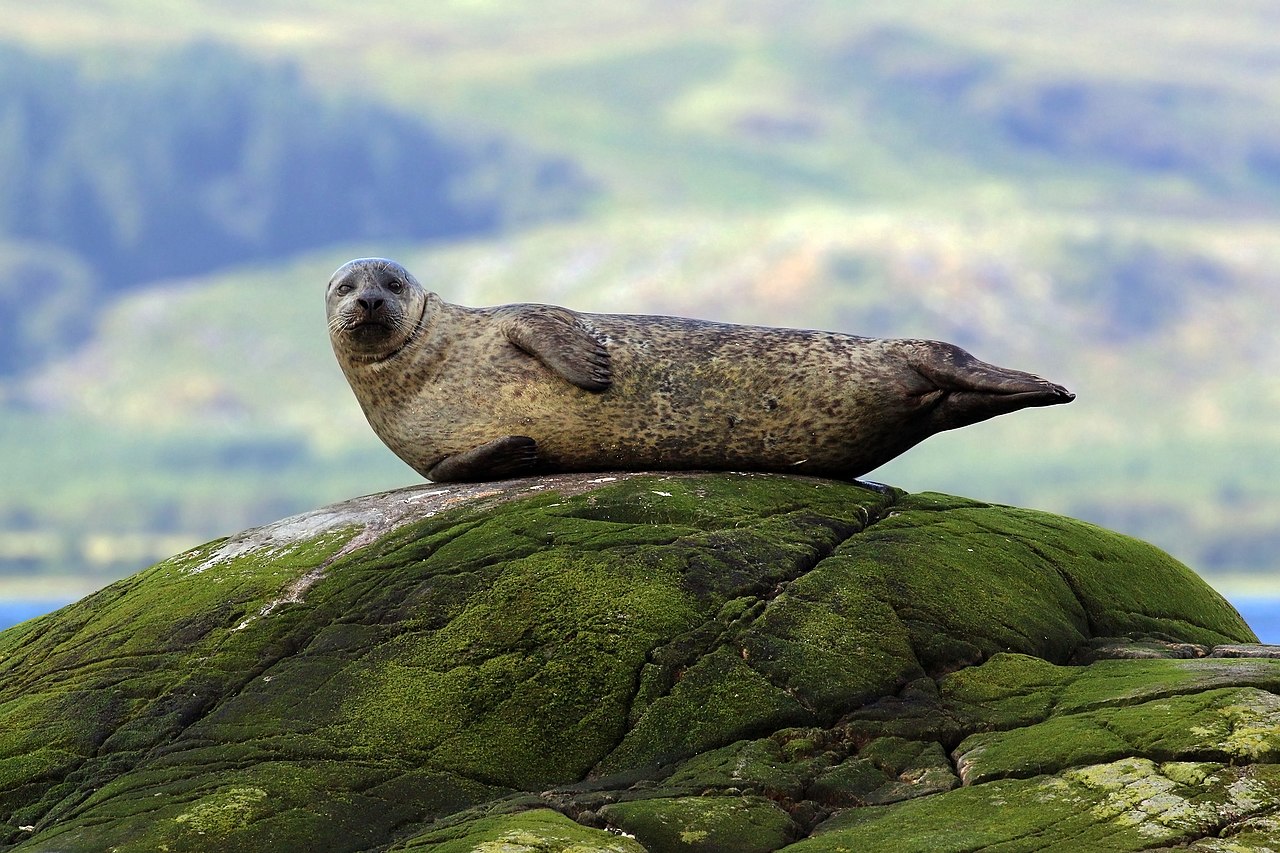
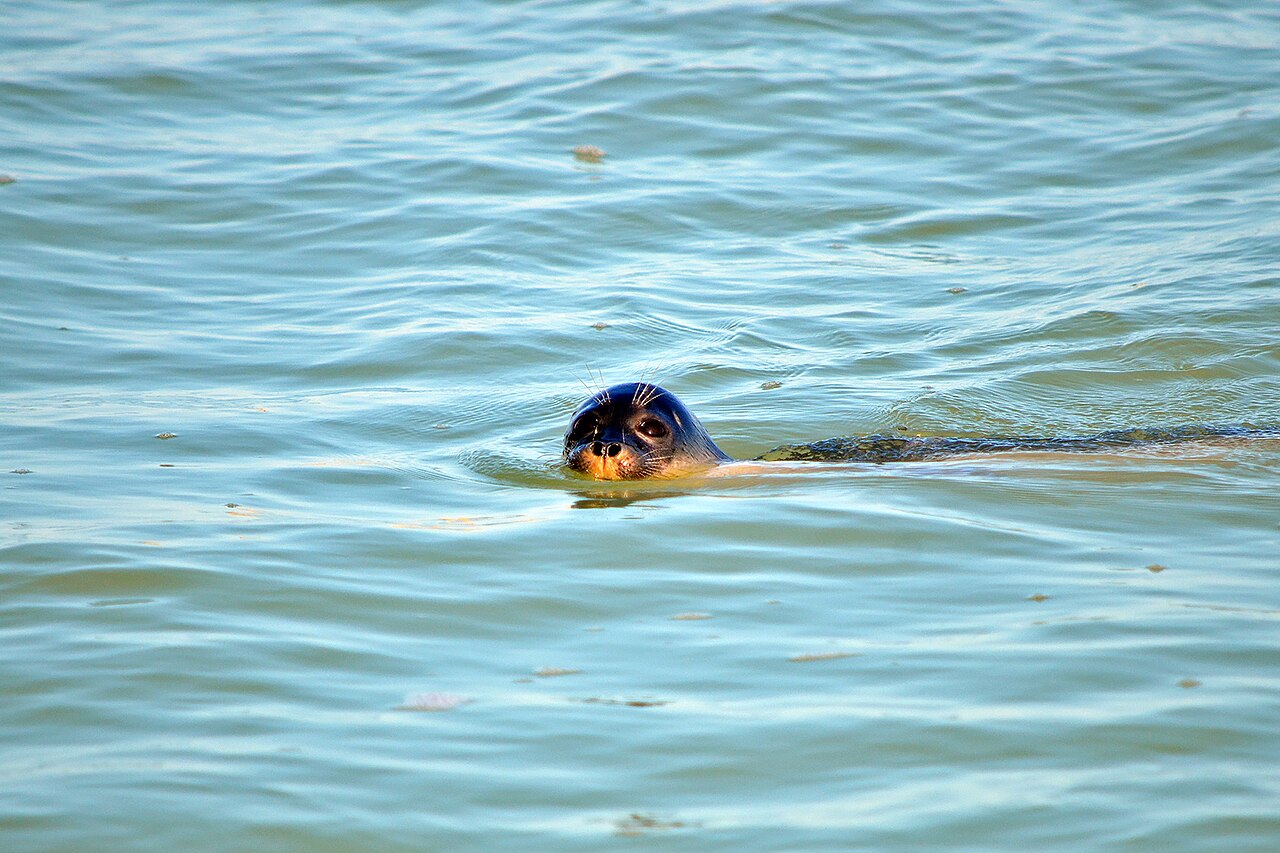
Harbor Seal (Phoca vitulina)
The harbor seal is found along the Atlantic Coast from Greenland and the Hudson Bay south to the Carolinas and along the Pacific Coast from the Southern Arctic south to the Baja California. The harbor seal is found in New Hampshire. IUCN Redlist: Least Concern
Caspian Seal (Pusa caspica)
The Caspian seal is found in the Caspian Sea, the world's largest inland body of saltwater. IUCN Redlist Status: Endangered
Ringed Seal (Pusa hispida)
The ringed seal has a circumpolar distribution around the Arctic. It is found in the northern parts of the Baltic Sea, Canada, Alaska, Siberia, and along the Japanese Pacific coastline. IUCN Redlist Status: Least Concern
Baikal Seal (Pusa sibirica)
The Baikal seal is the world's only completely freshwater seal. It is found in Lake Baikal in Russia. IUCN Redlist Status: Least Concern