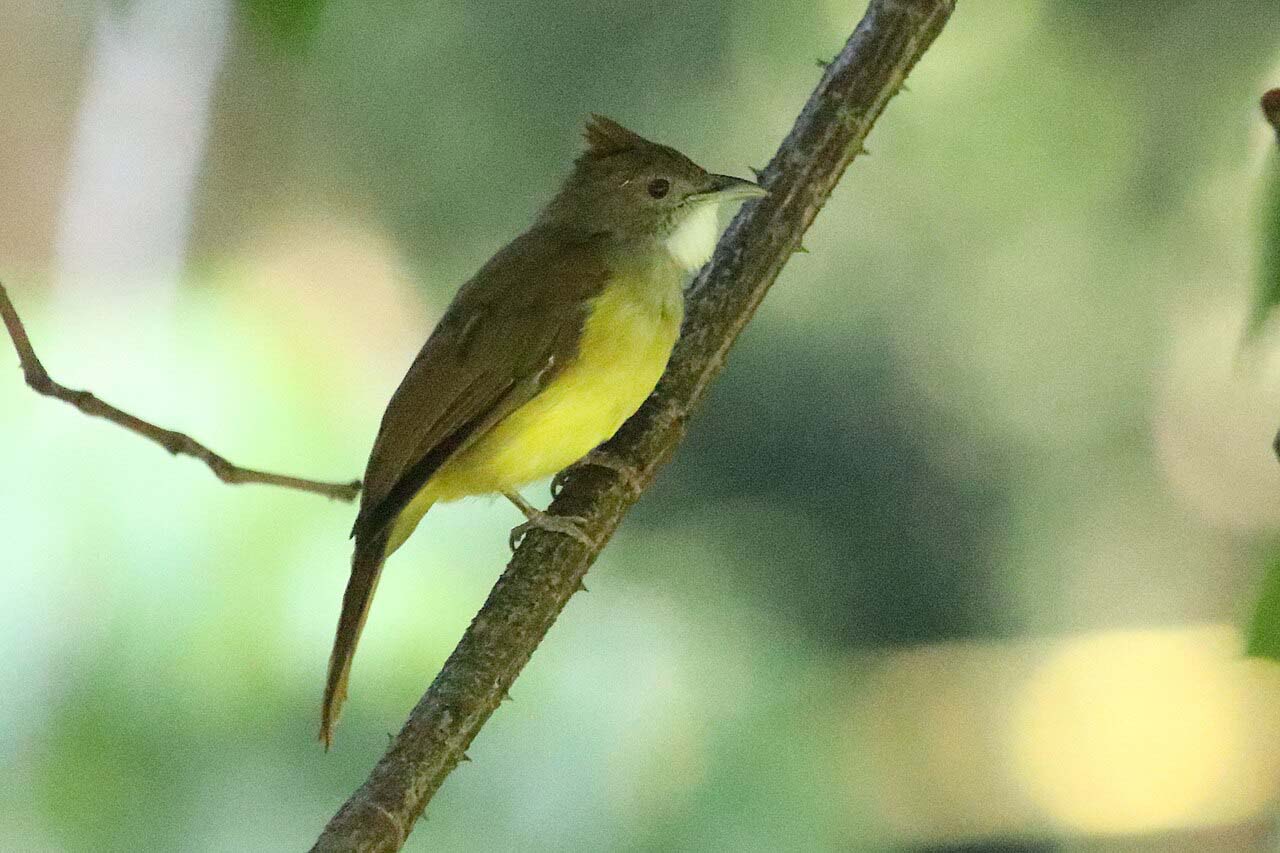
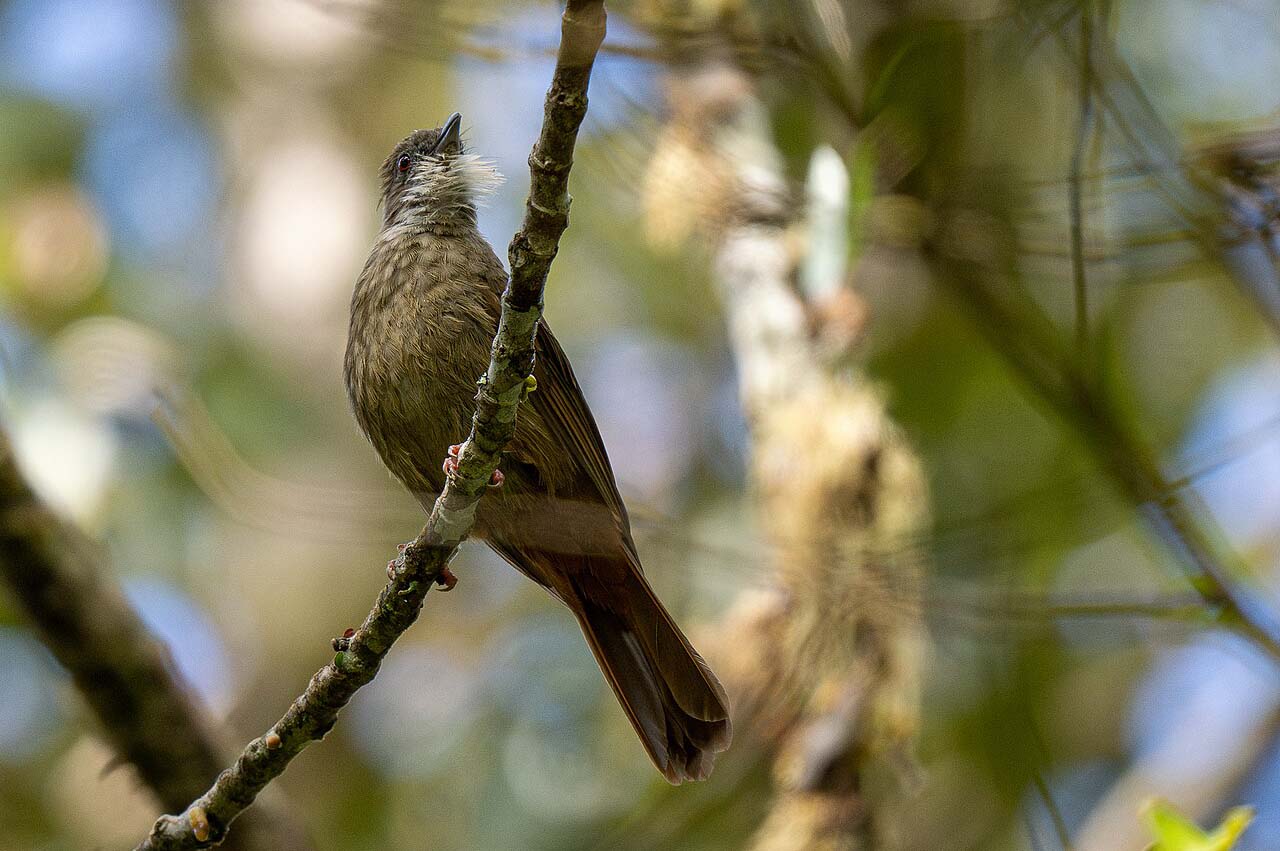
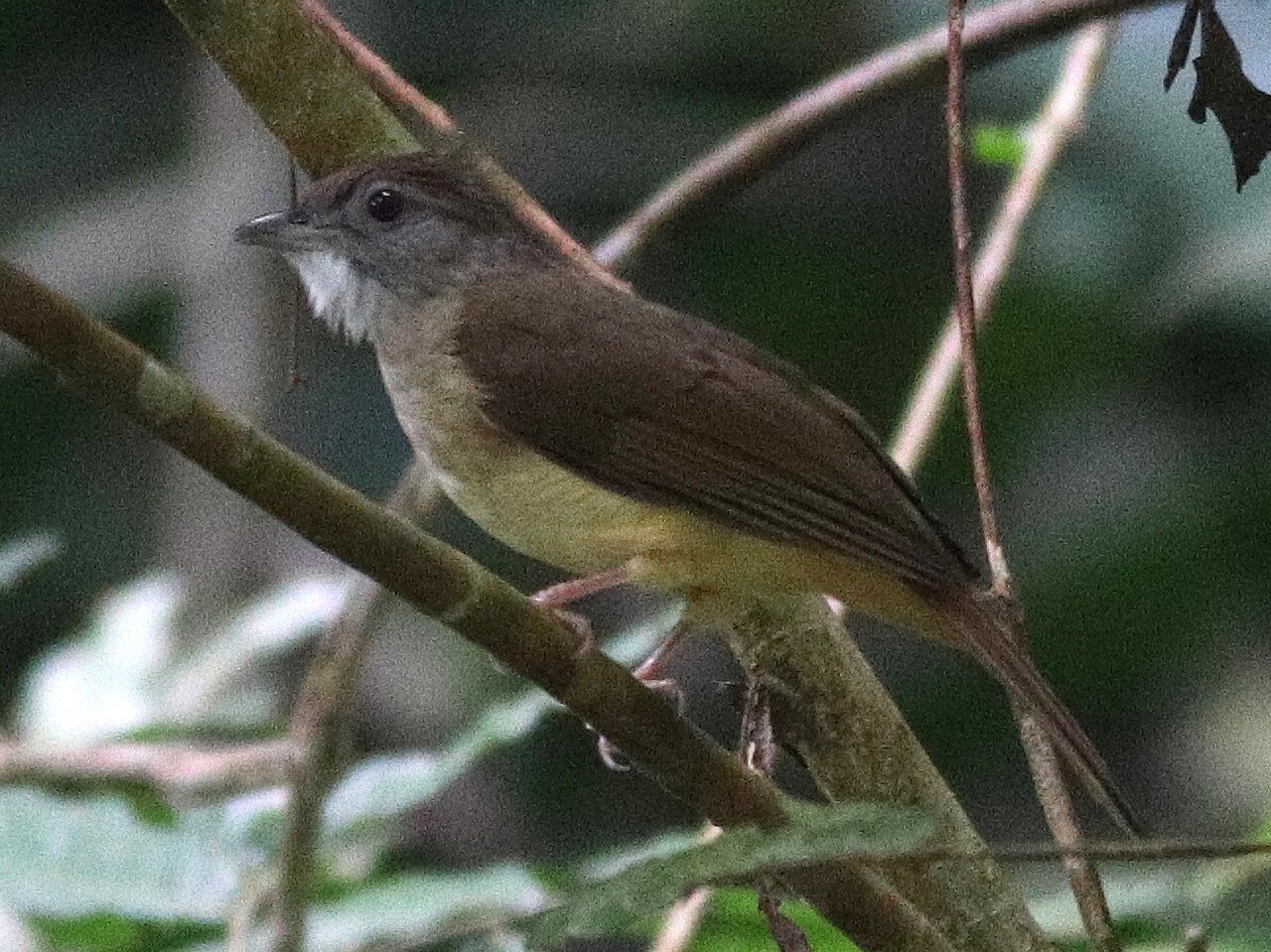
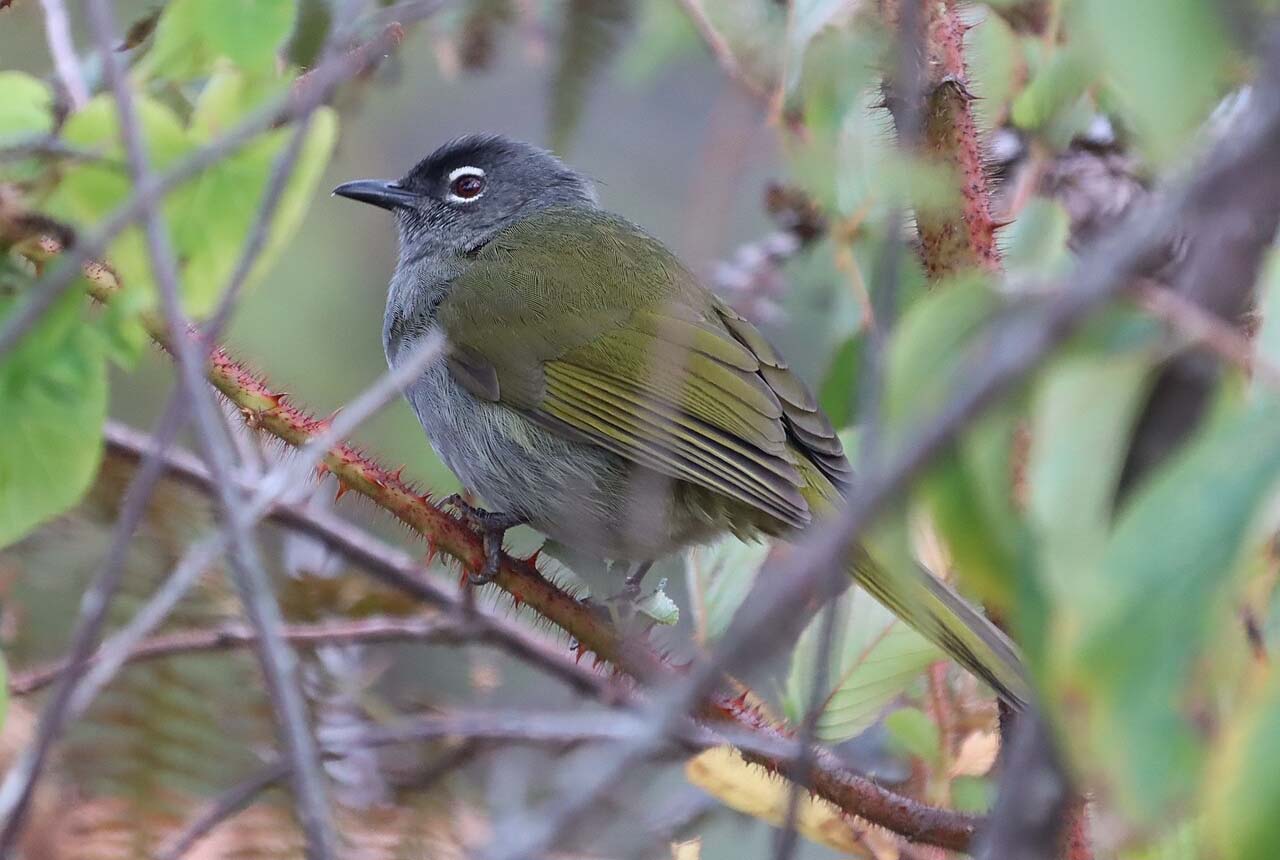
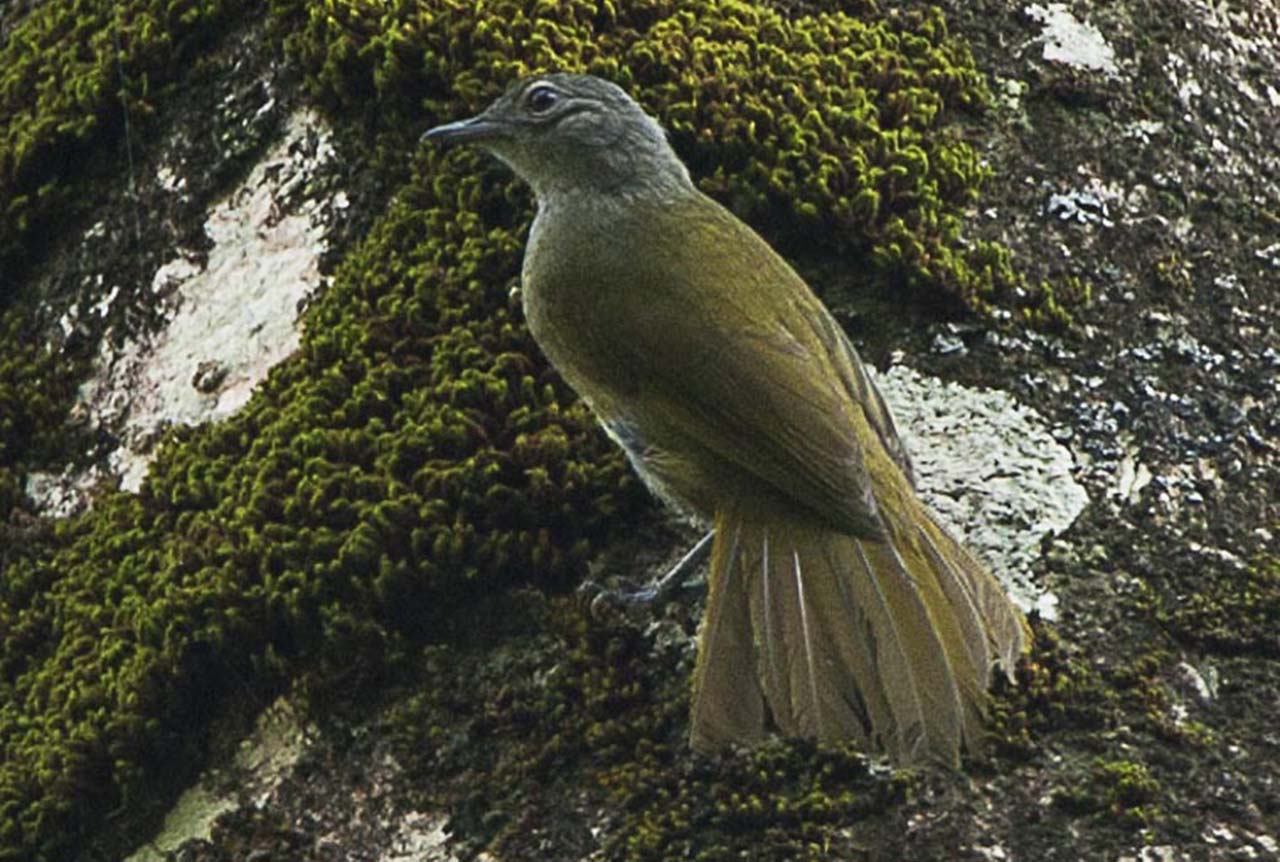
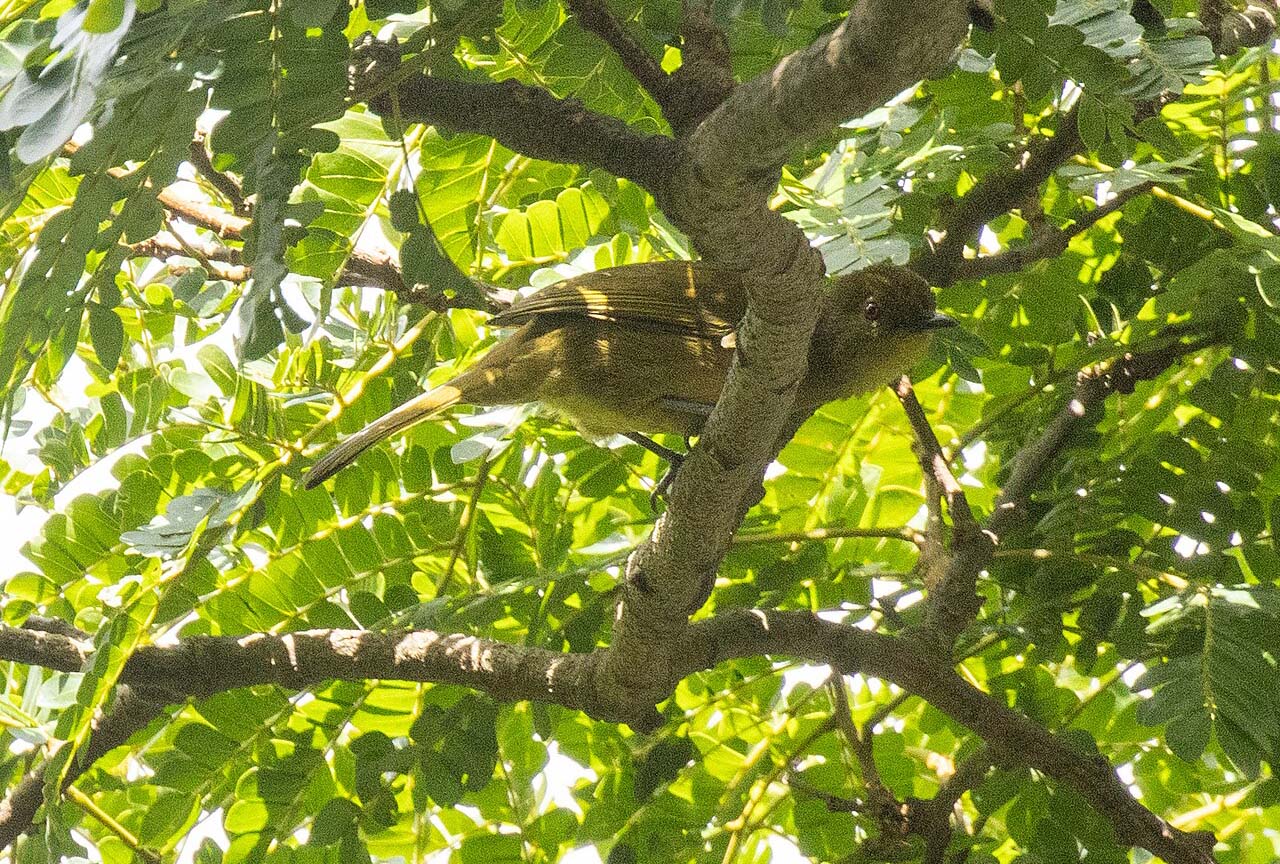
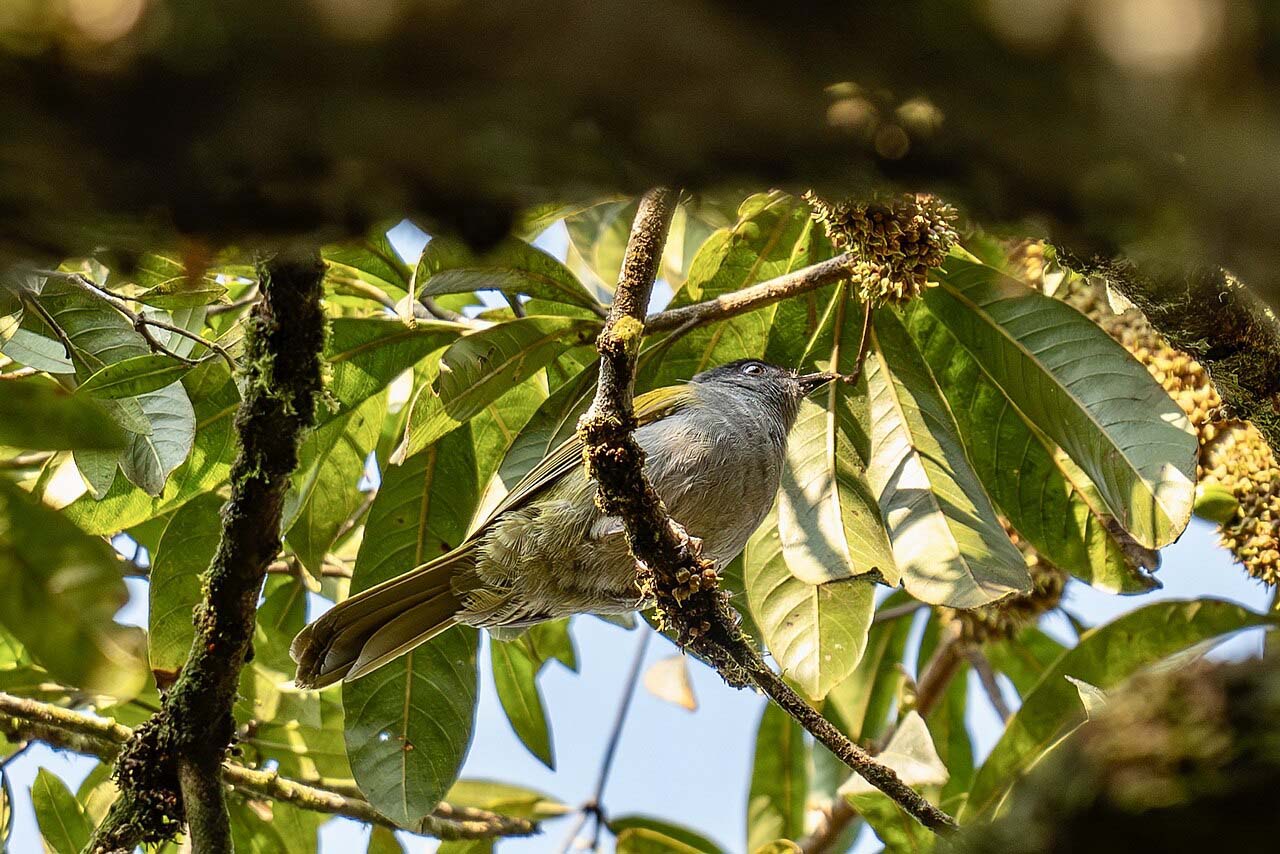
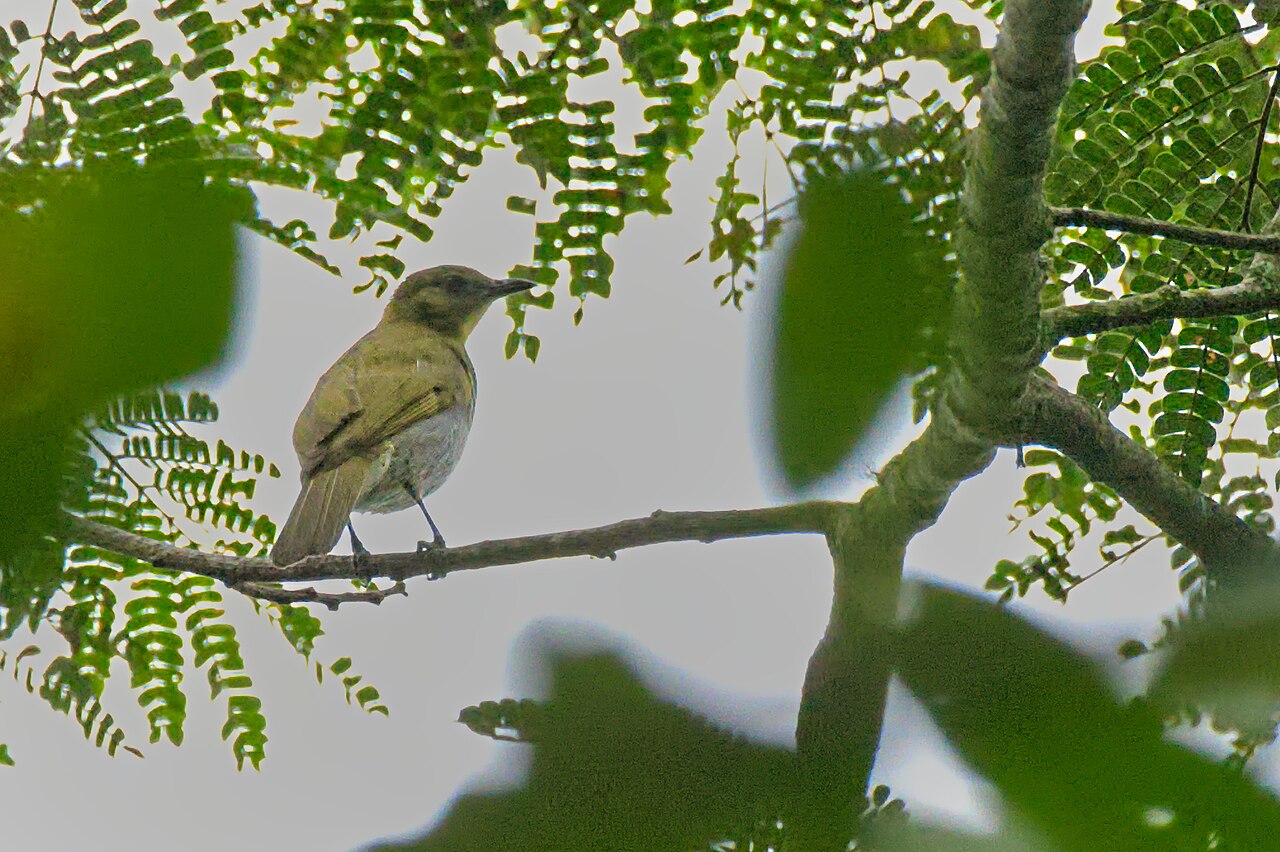
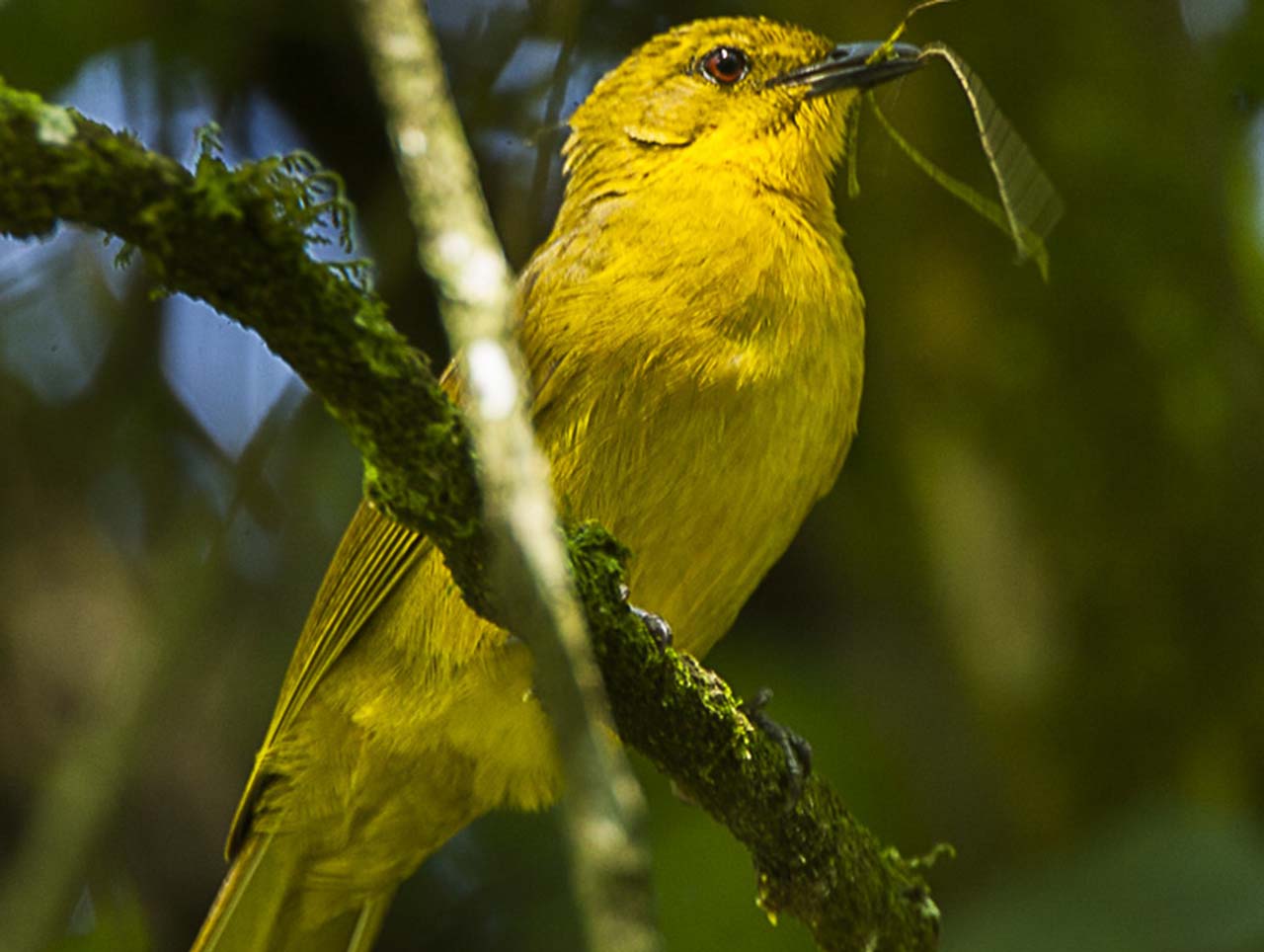
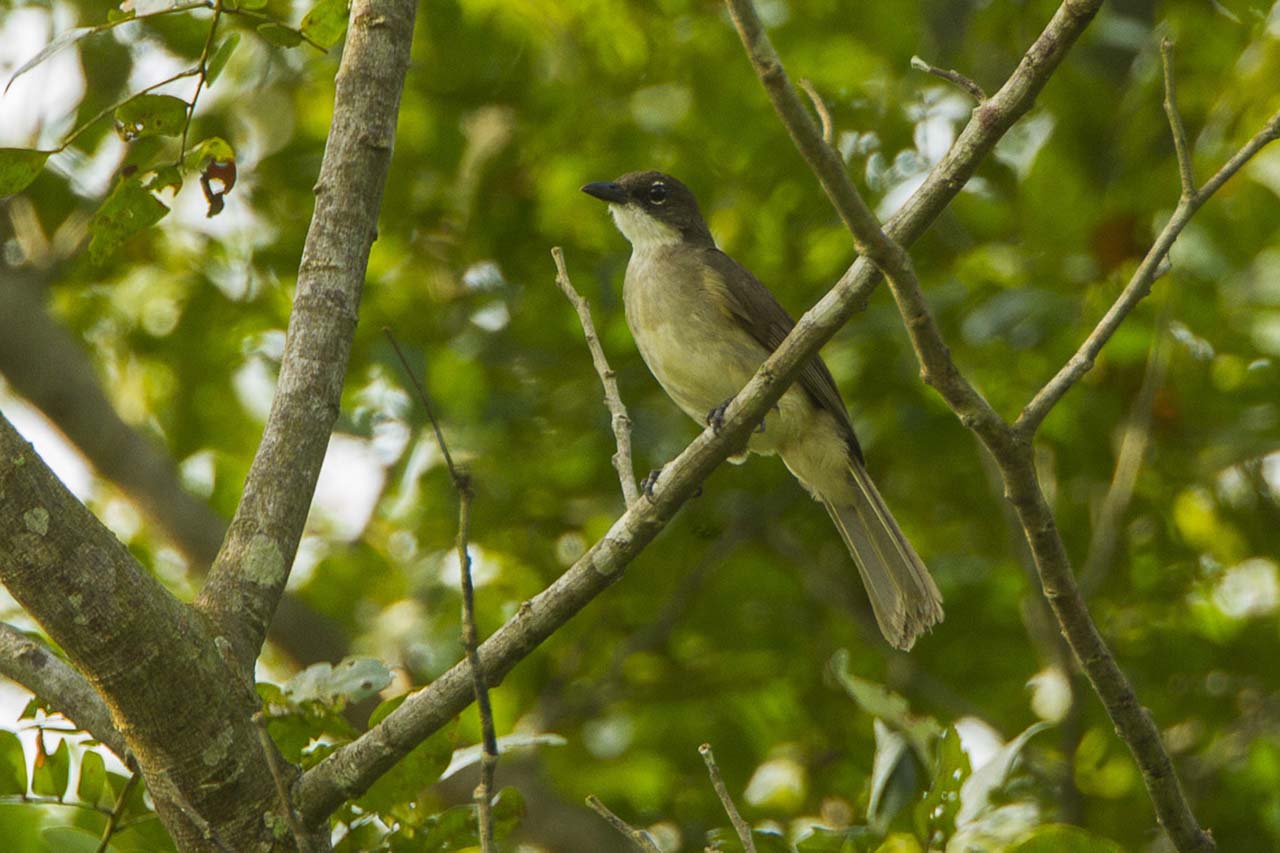
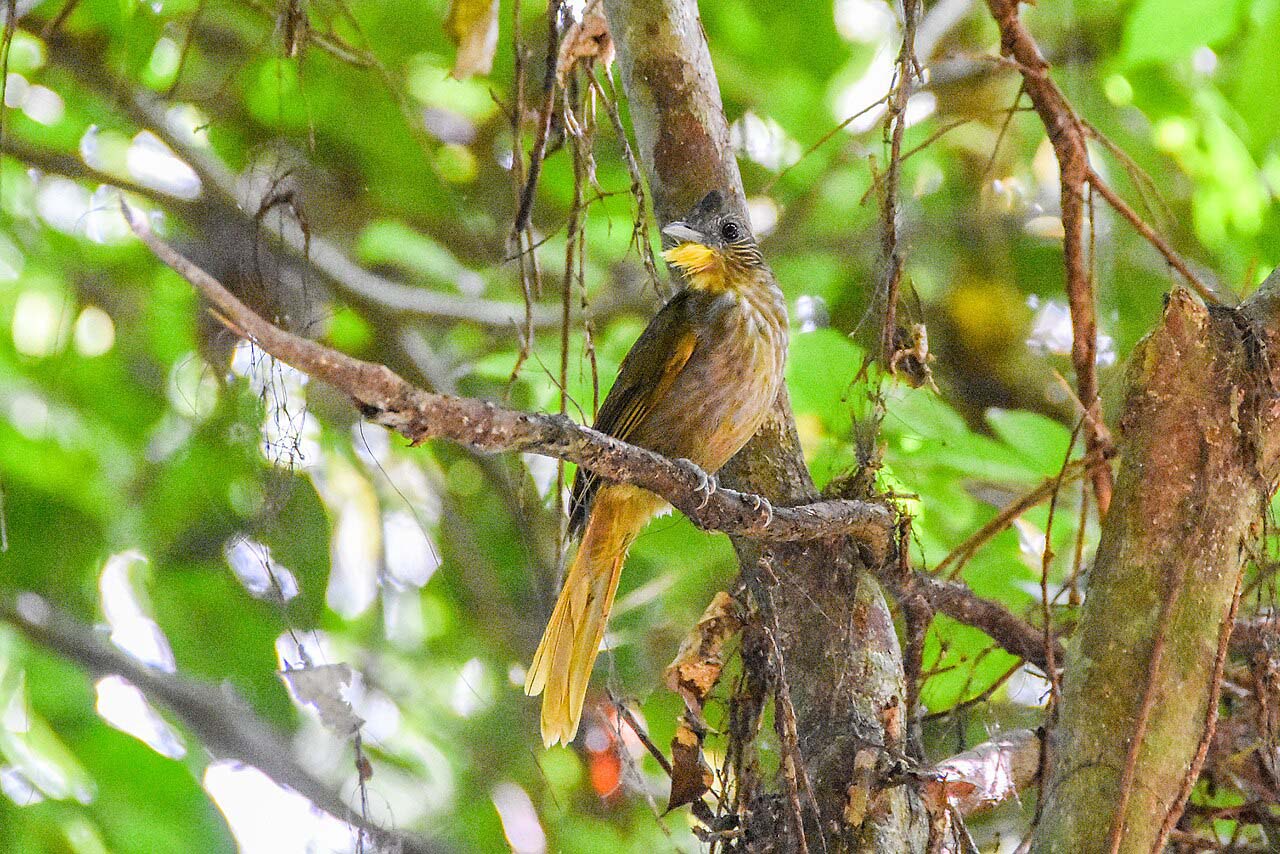
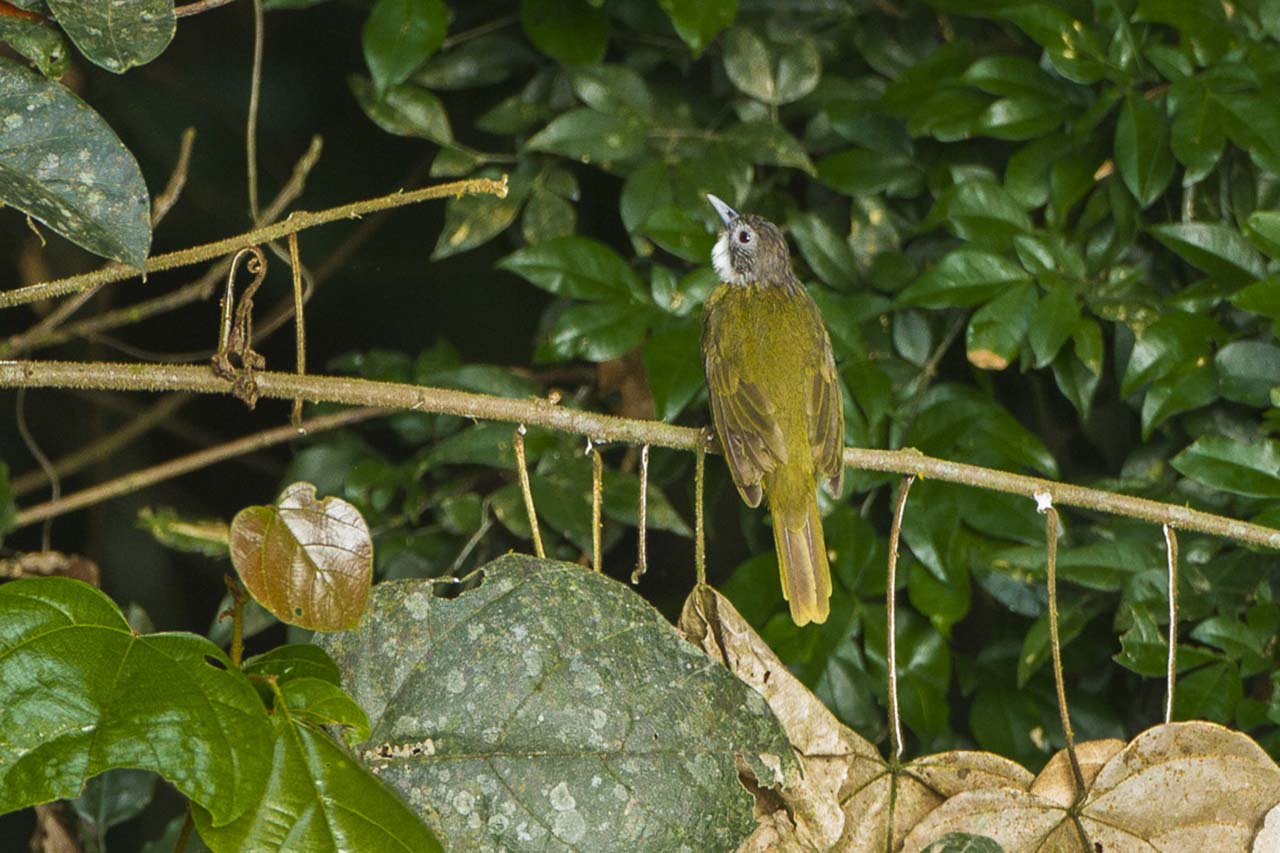
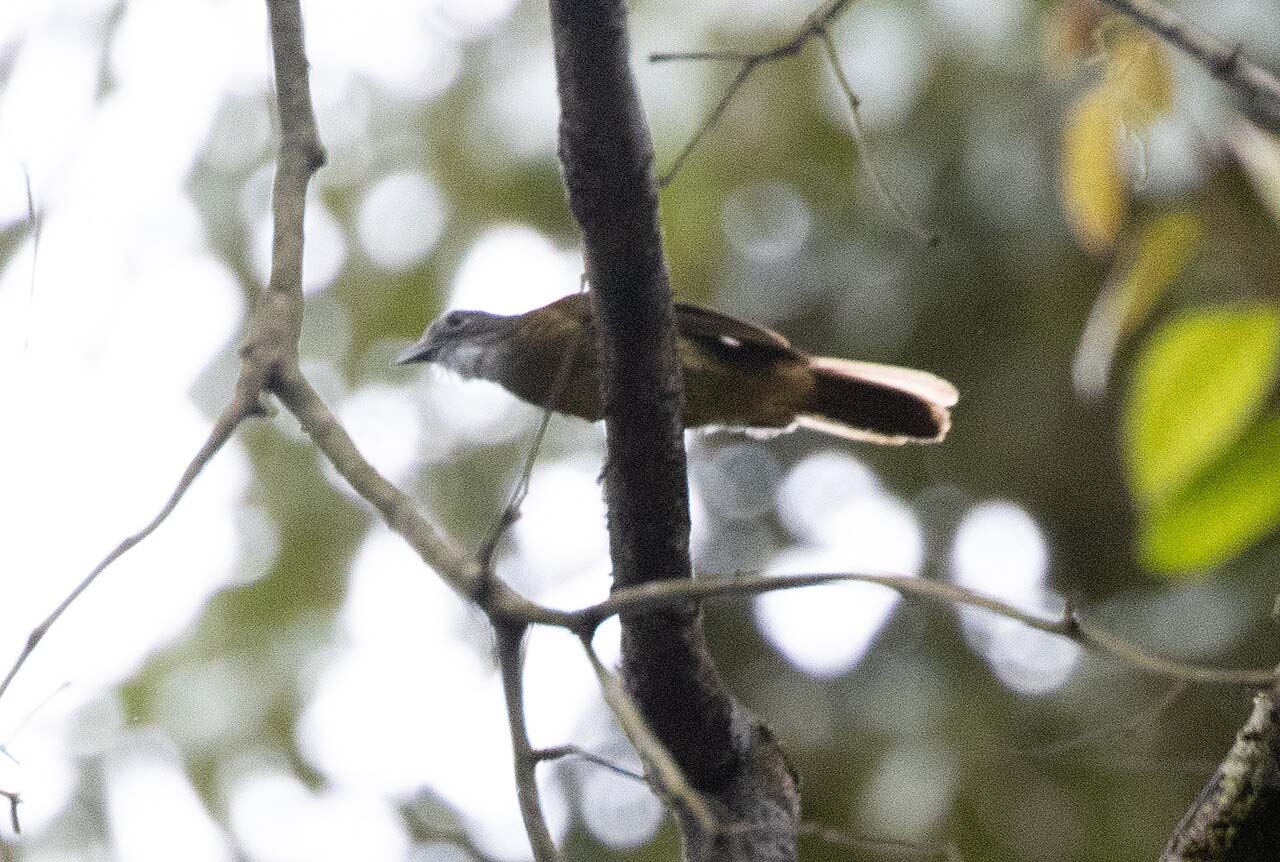
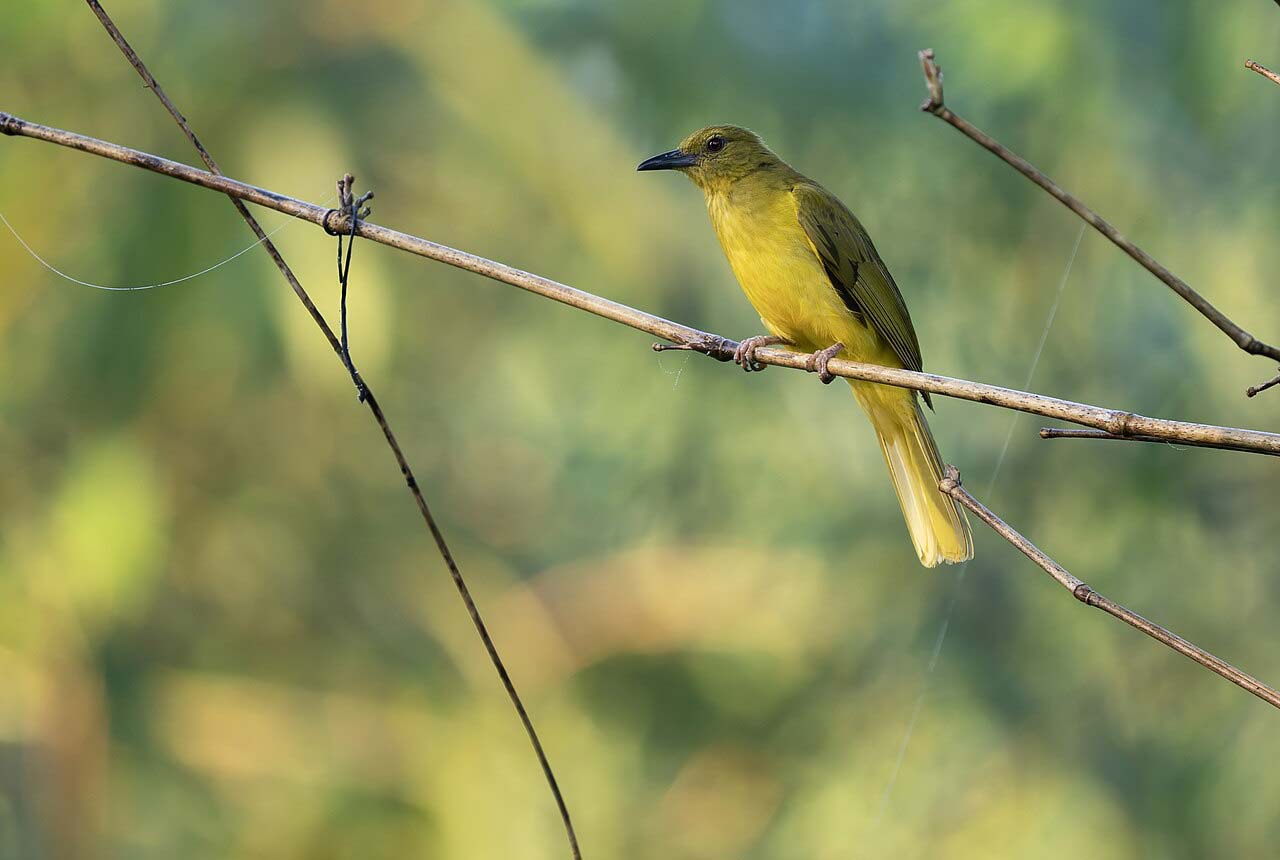
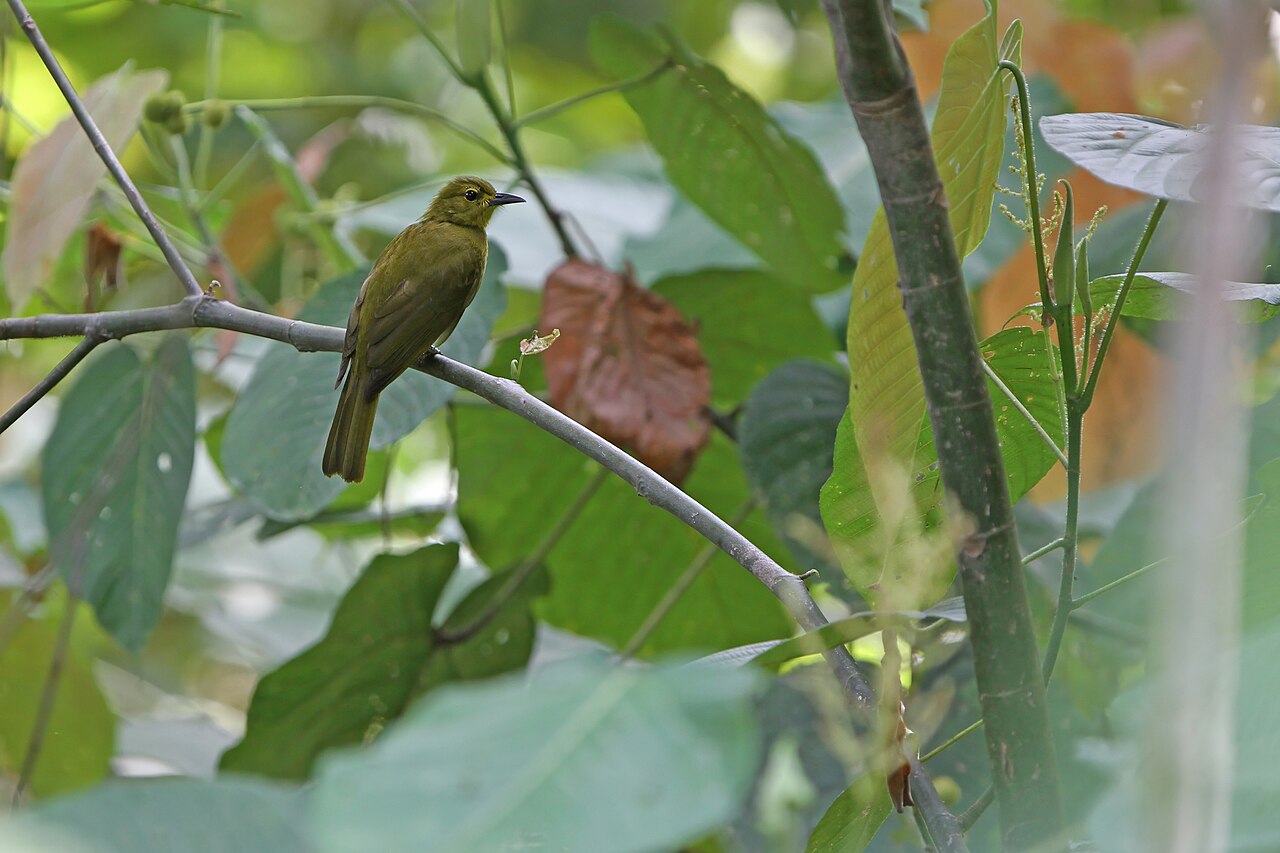
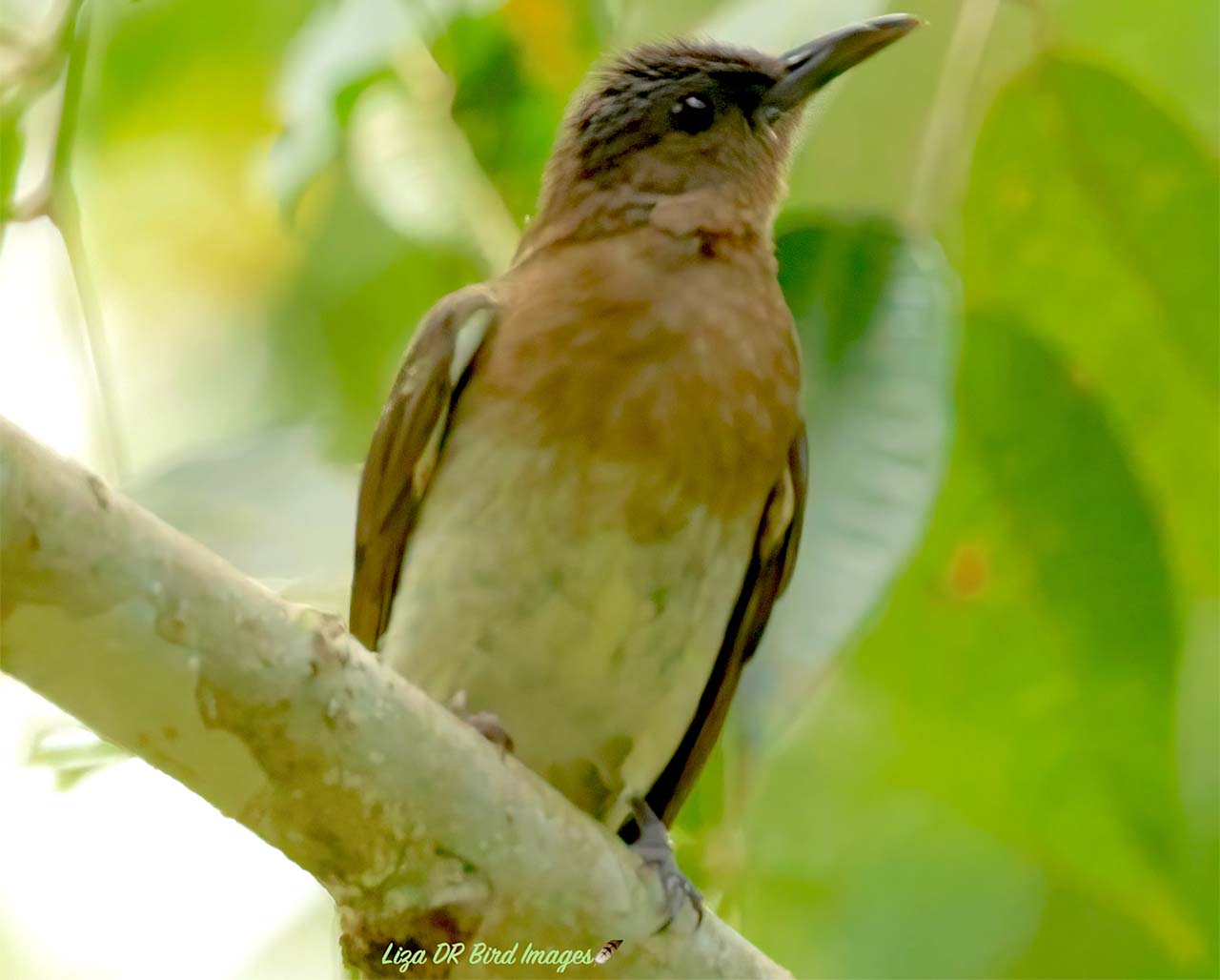
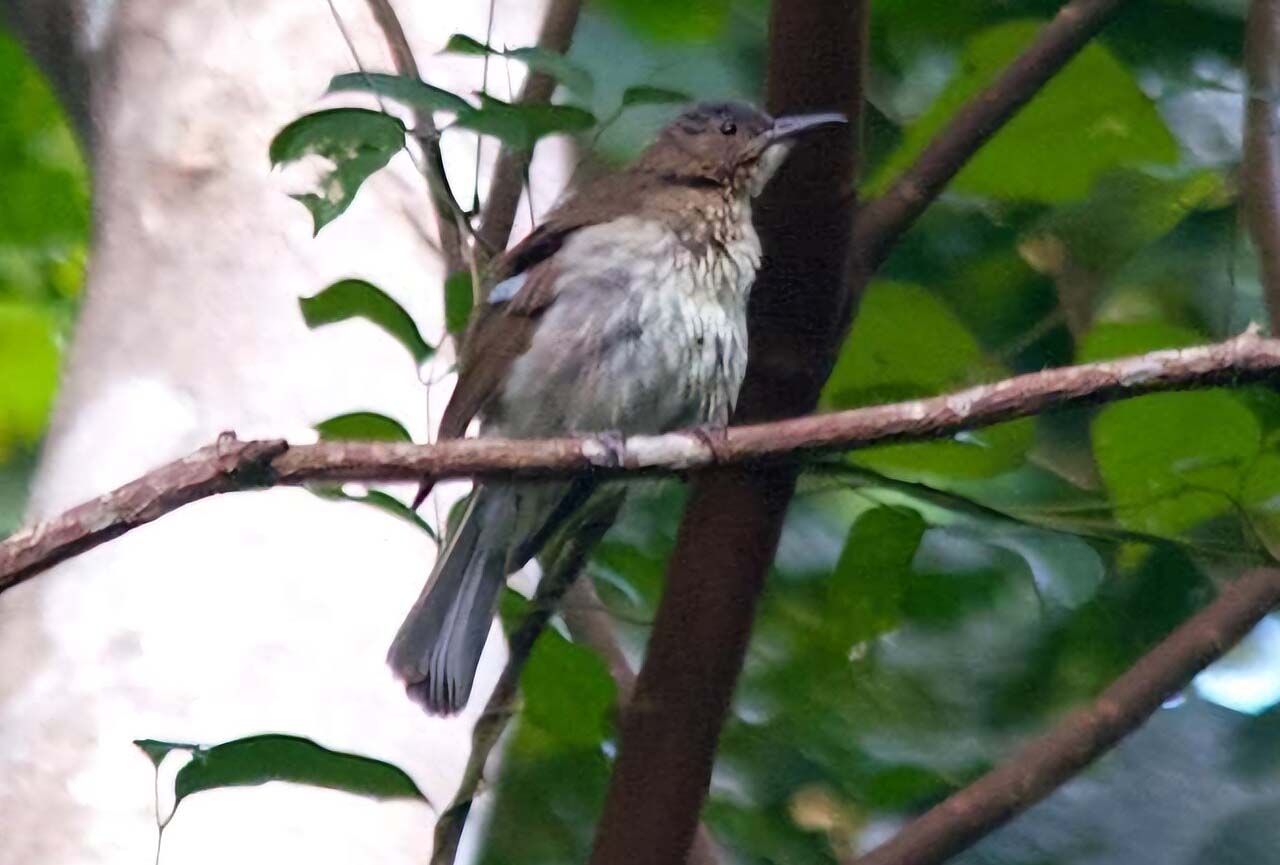
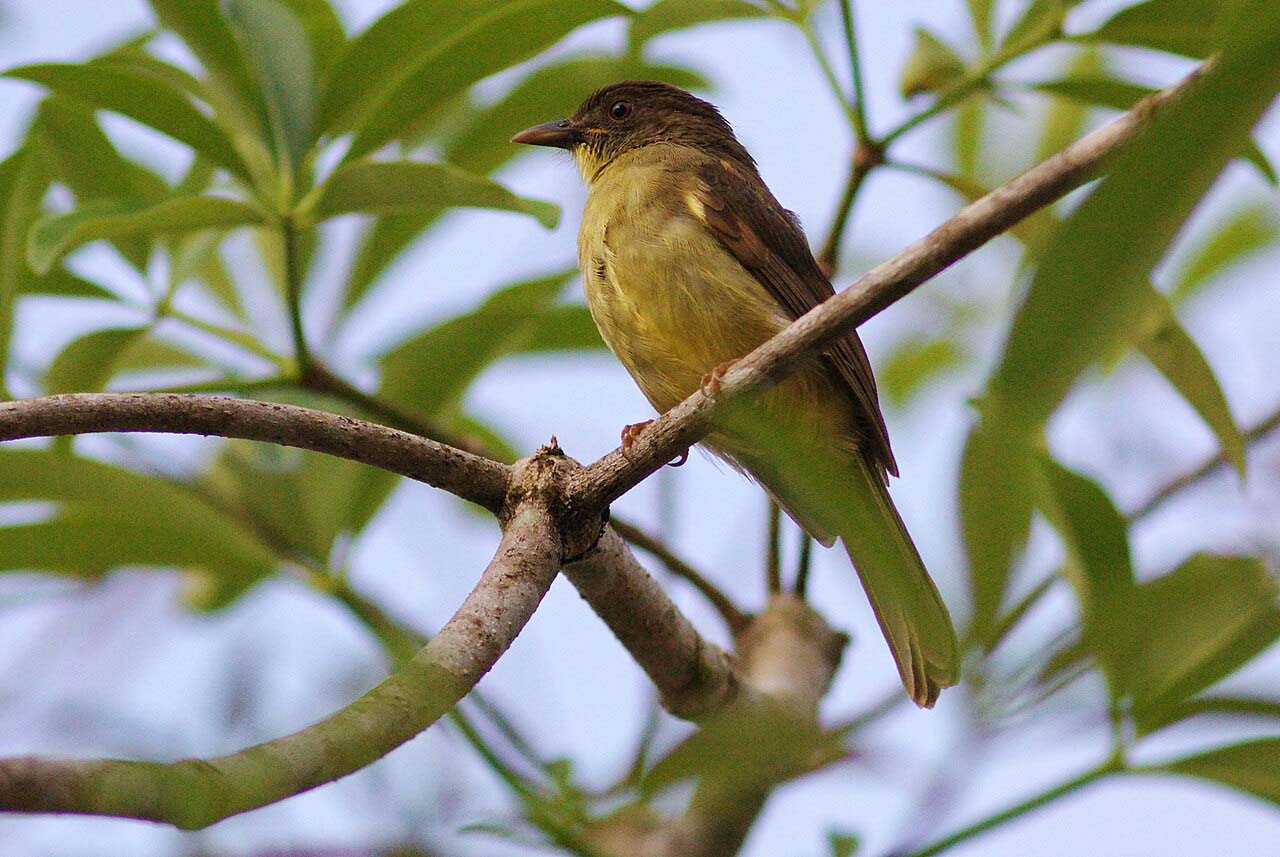
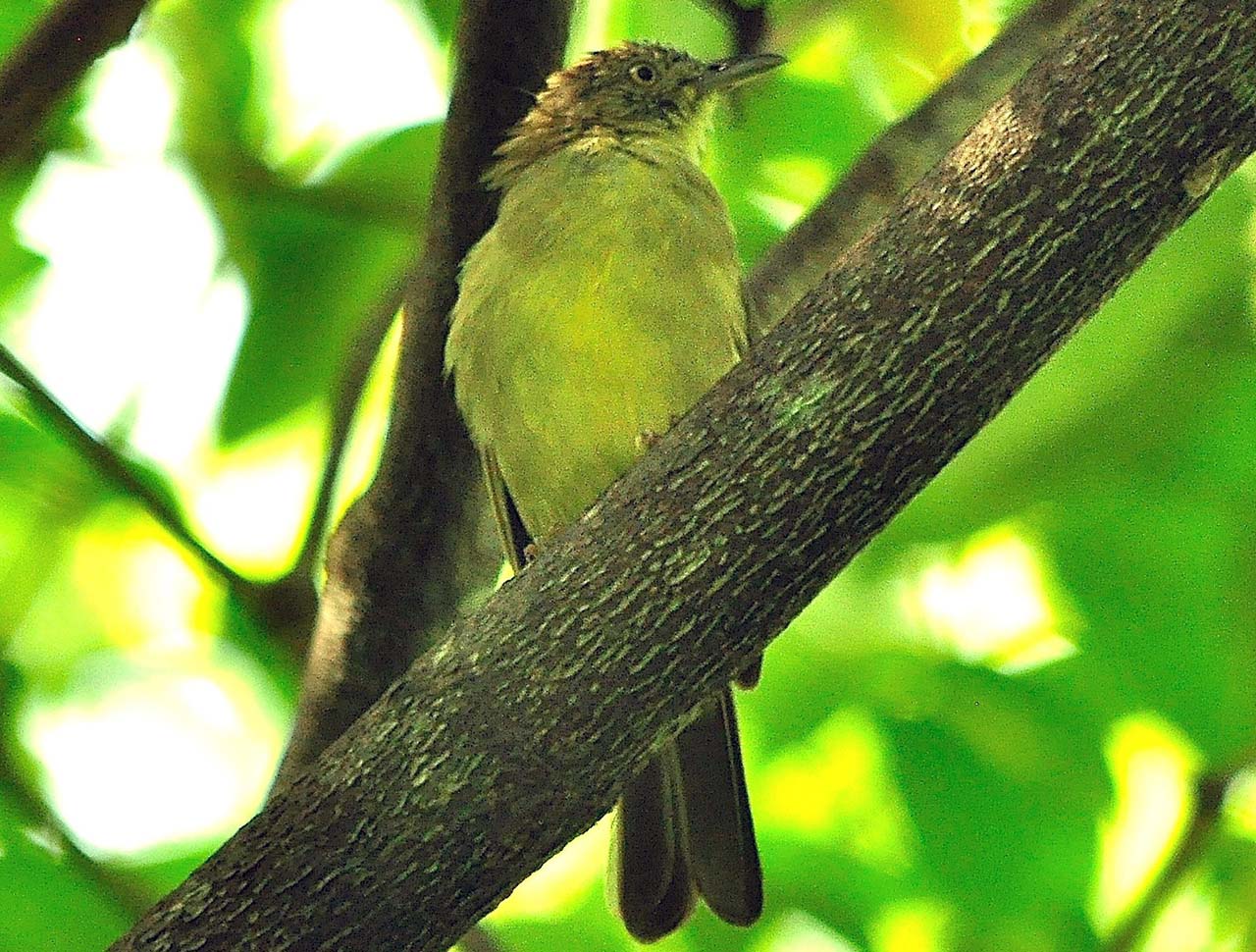
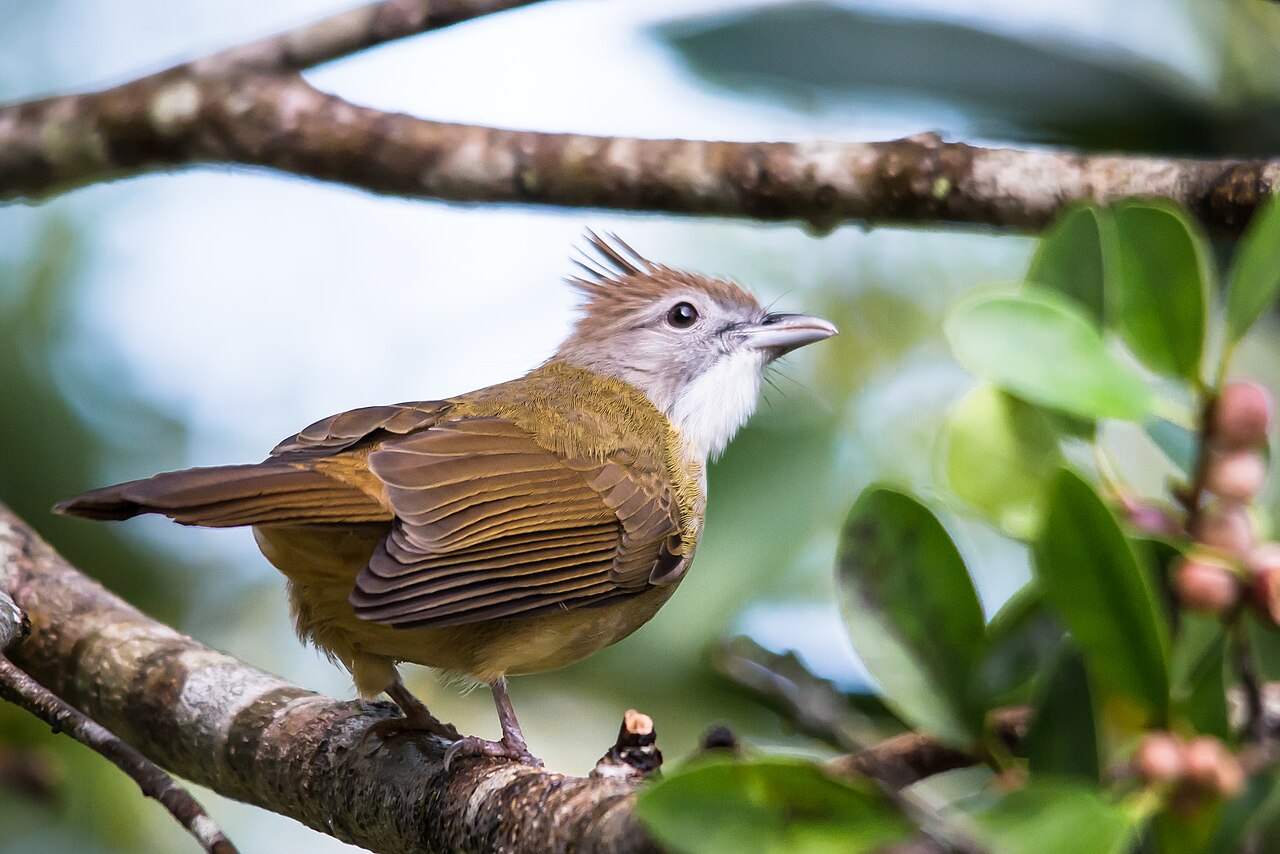
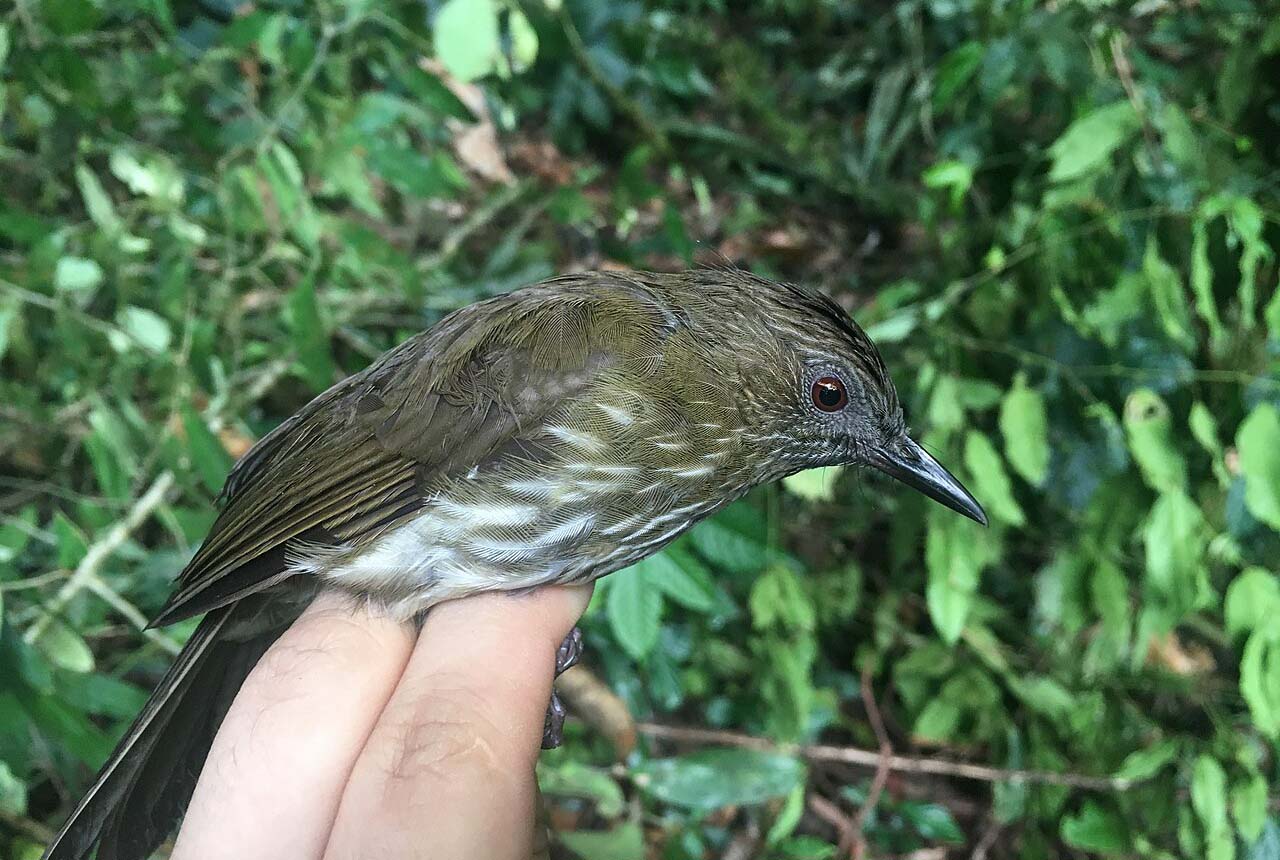
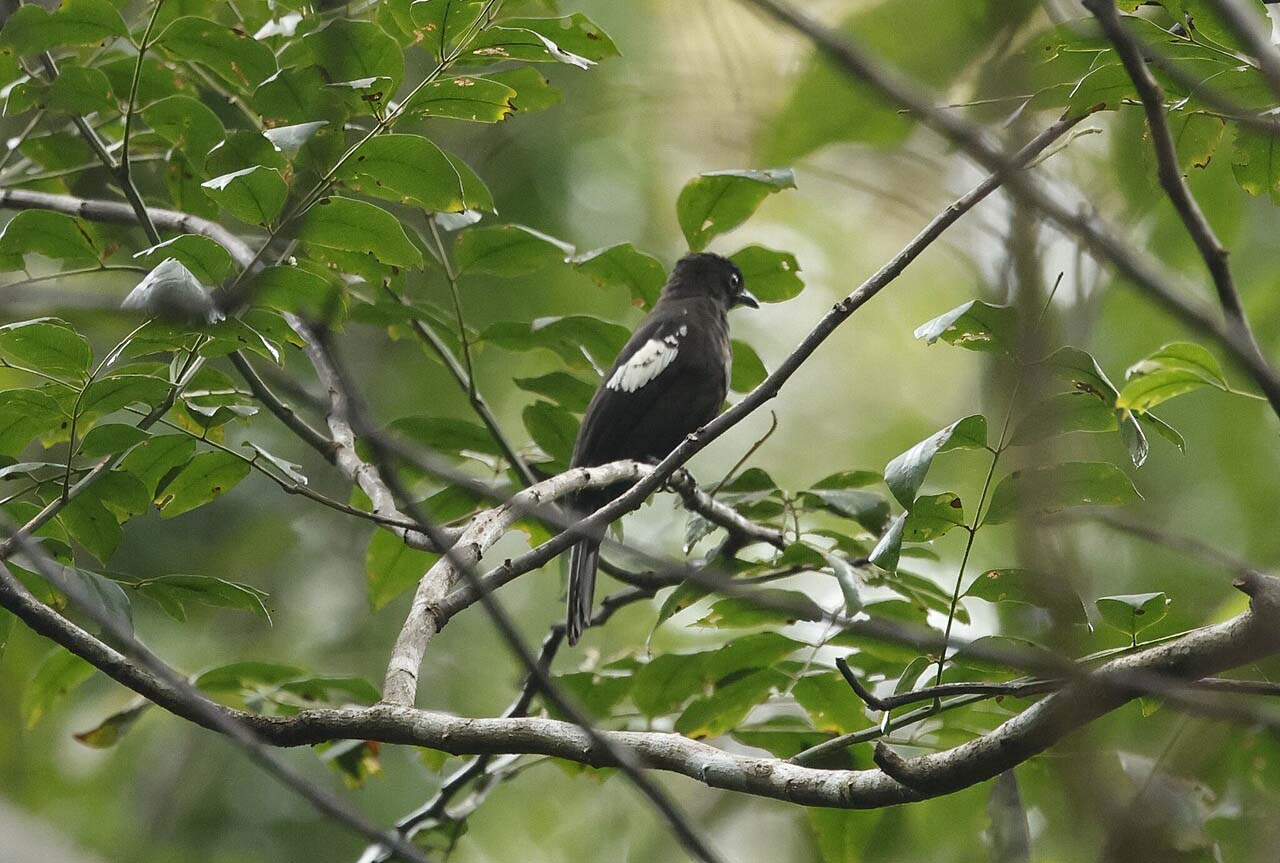
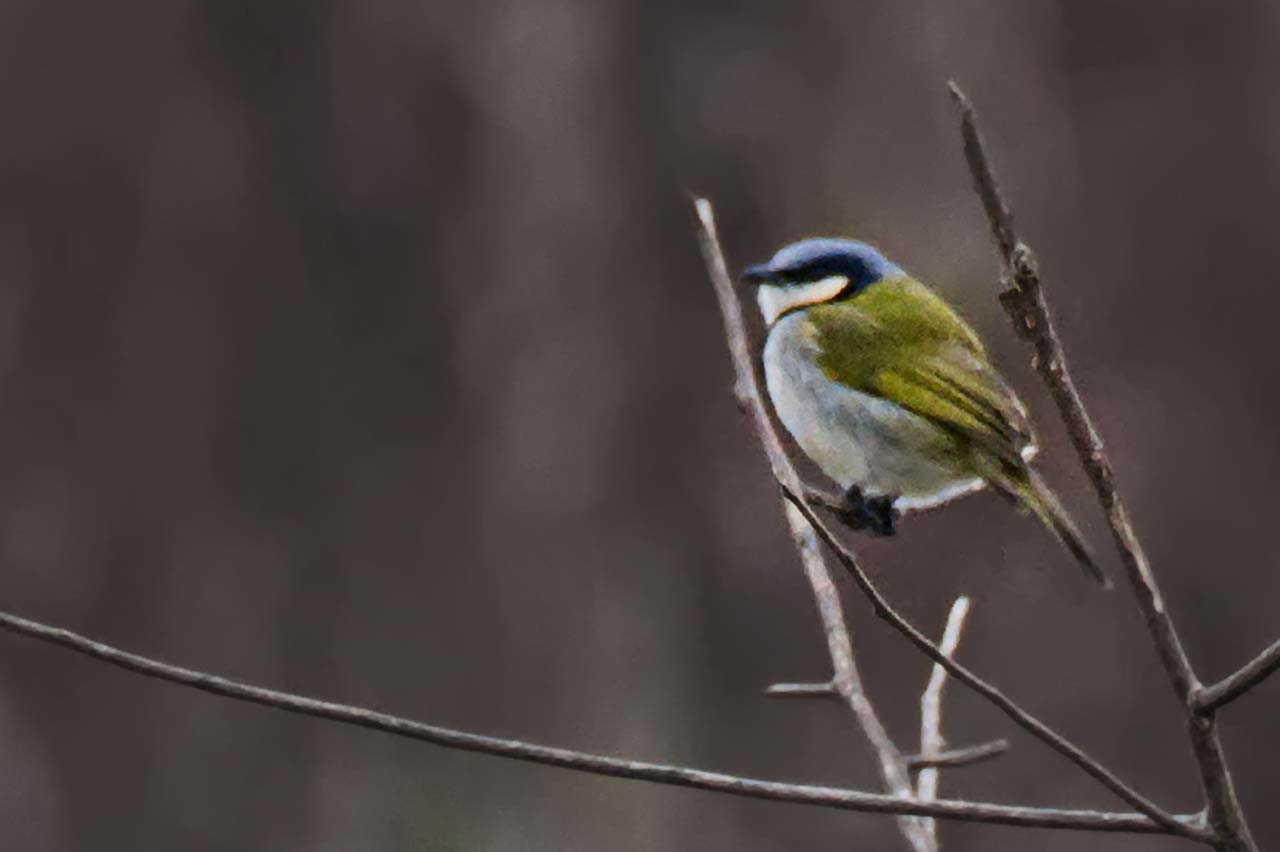
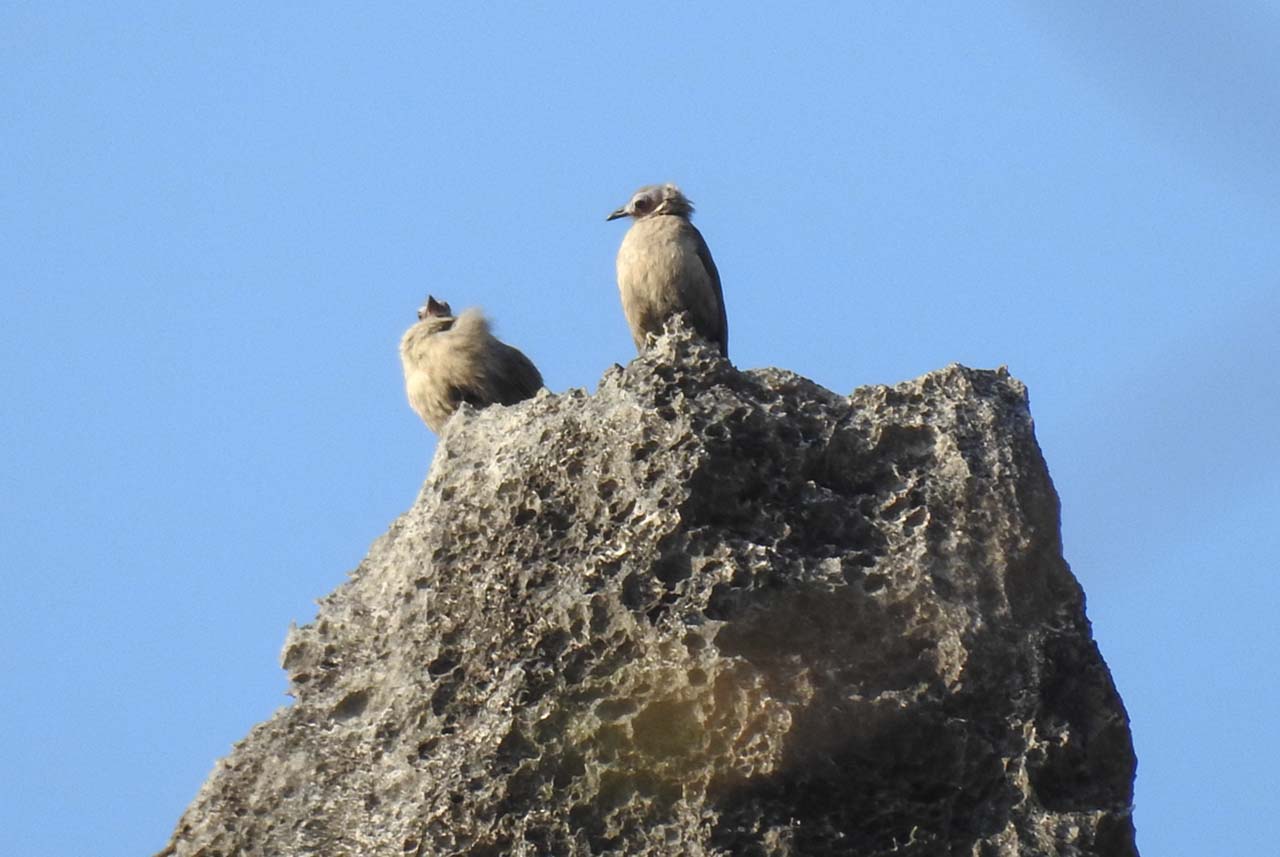
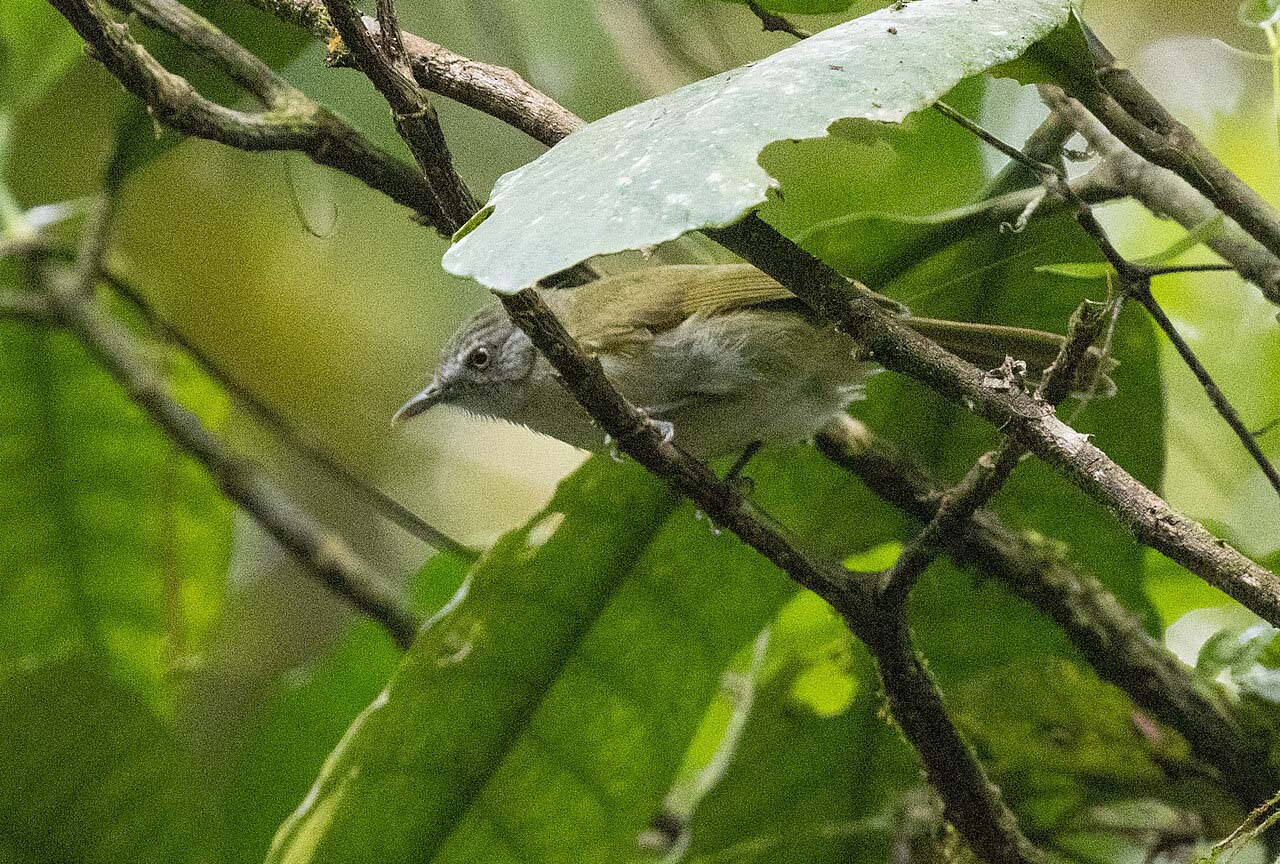
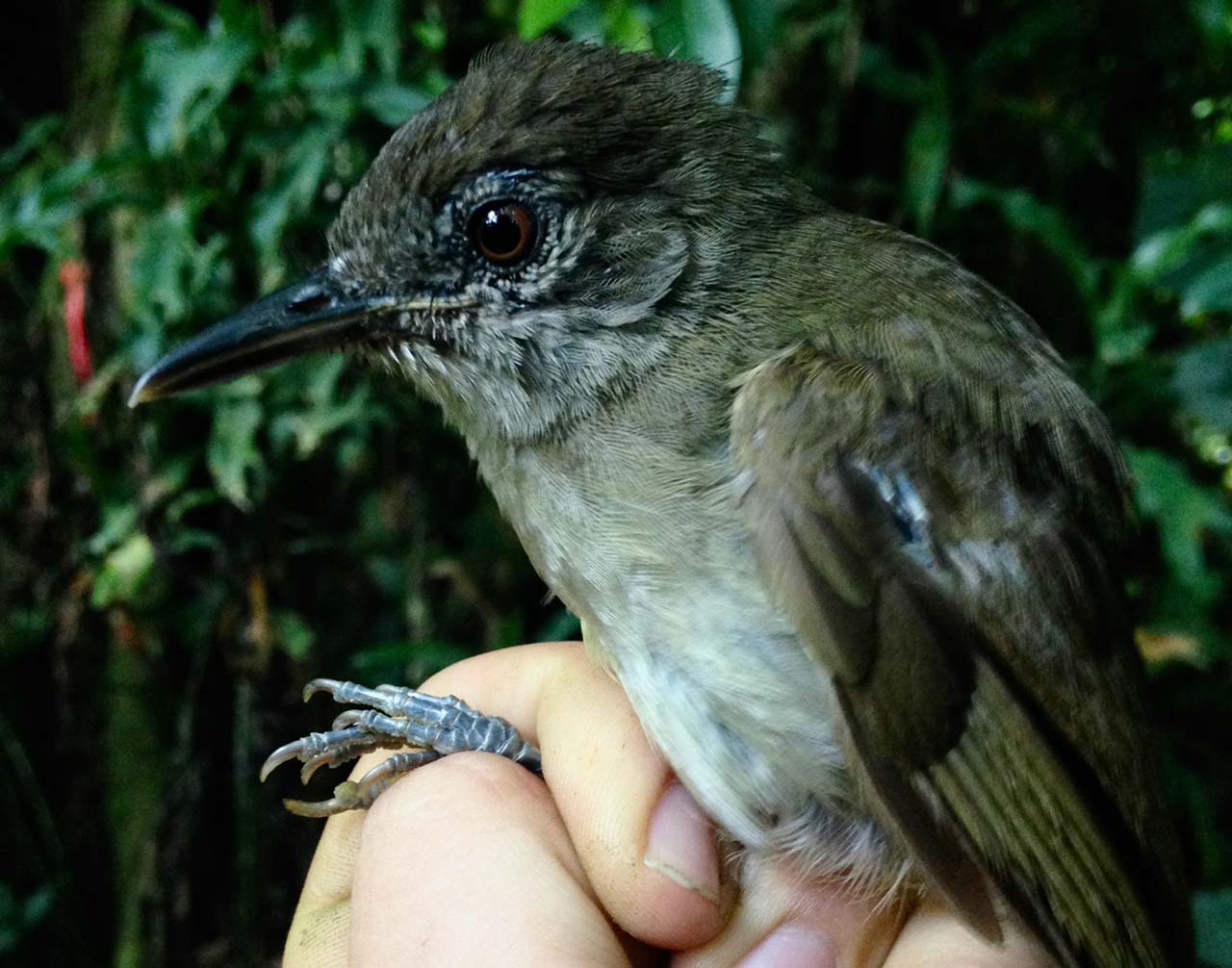
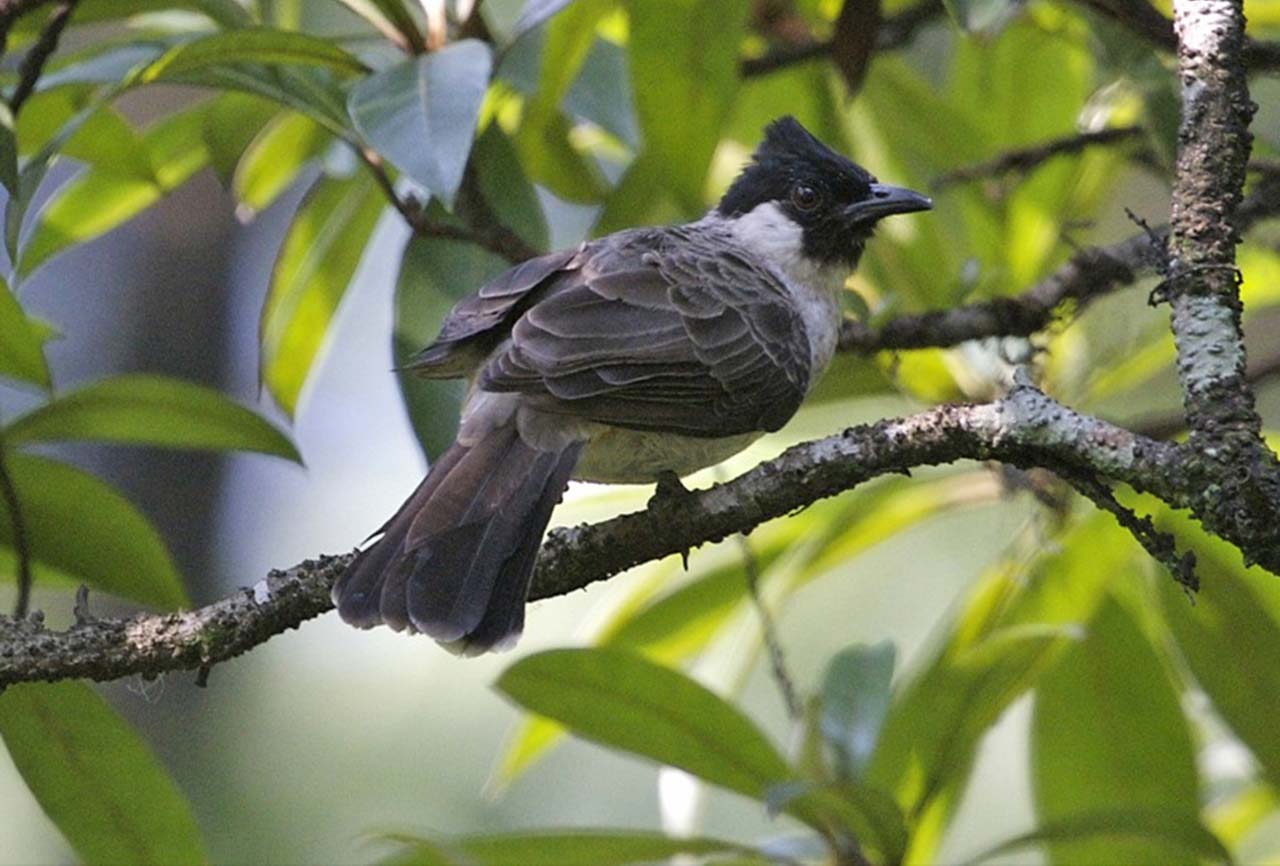
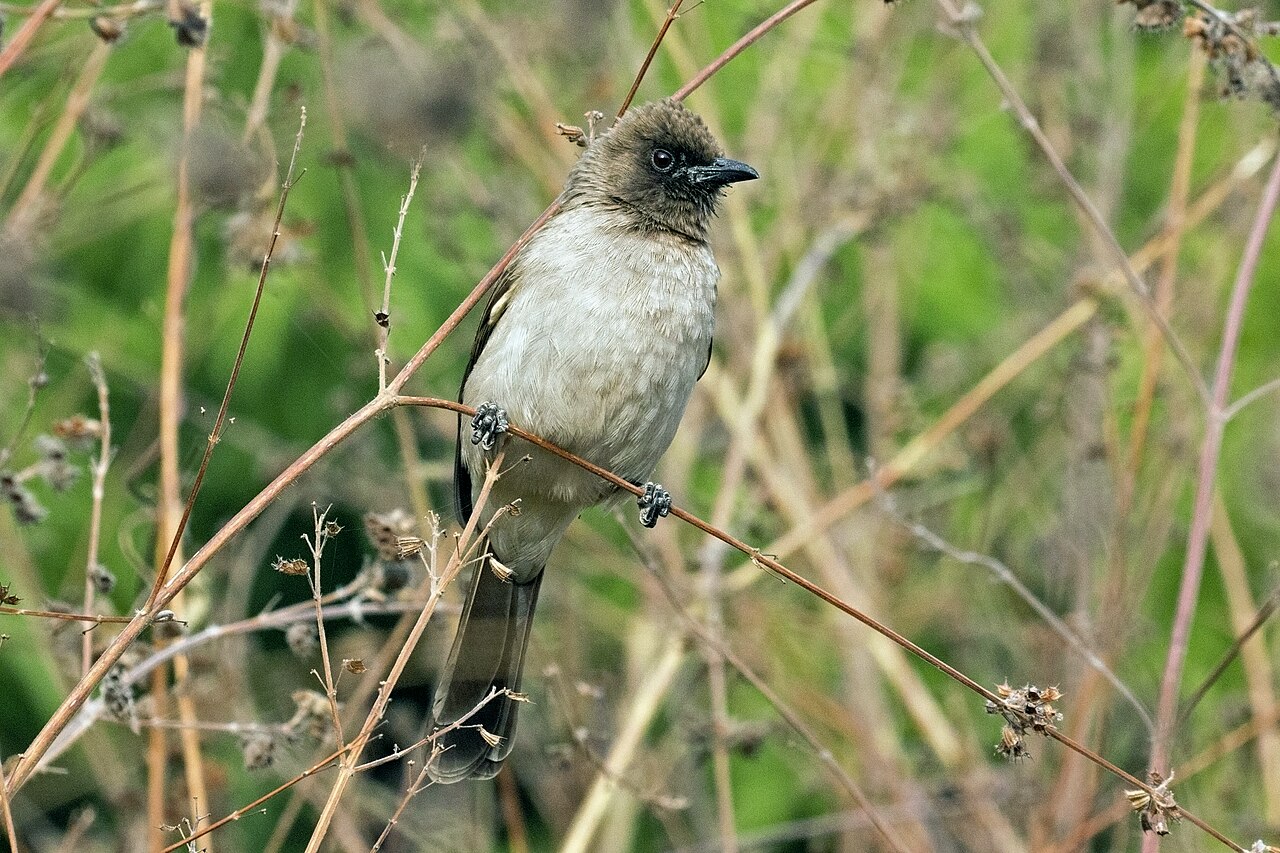
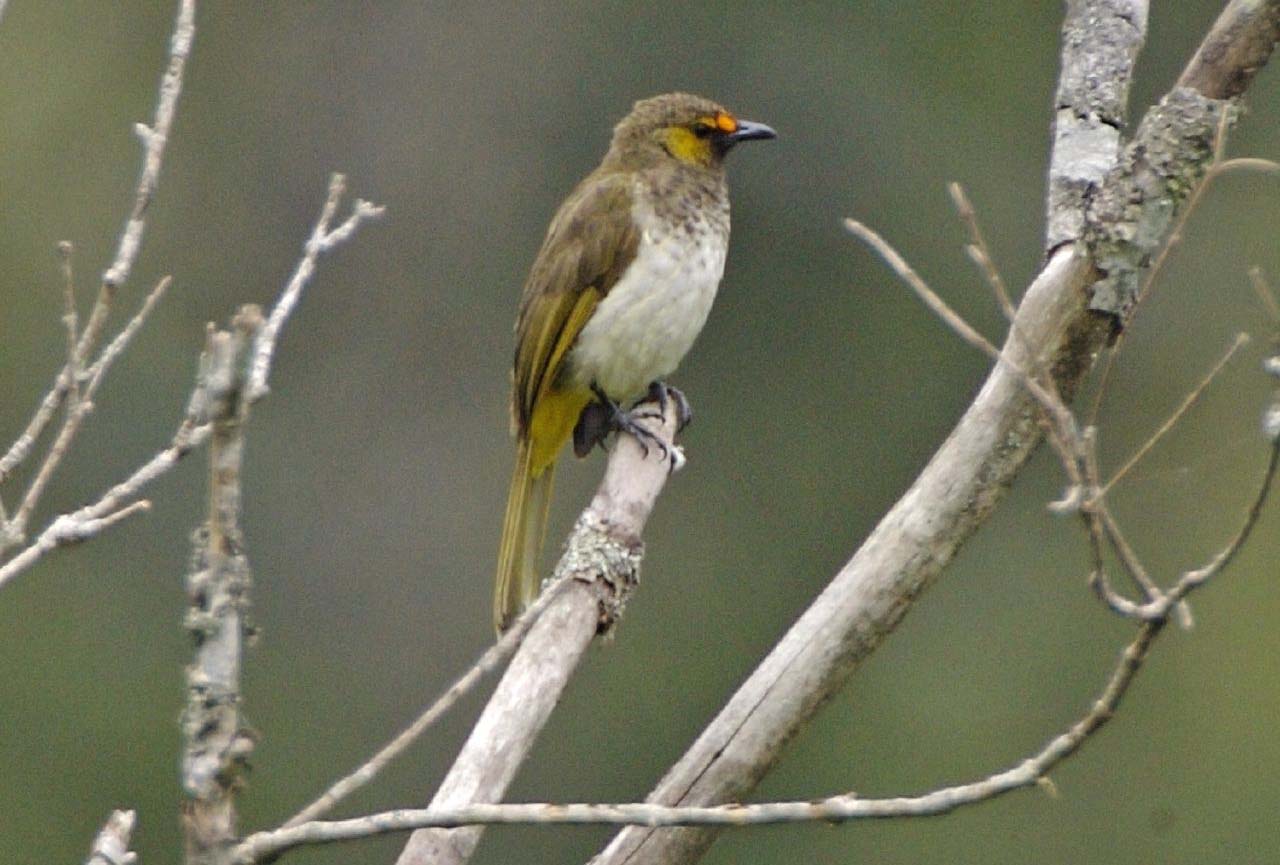
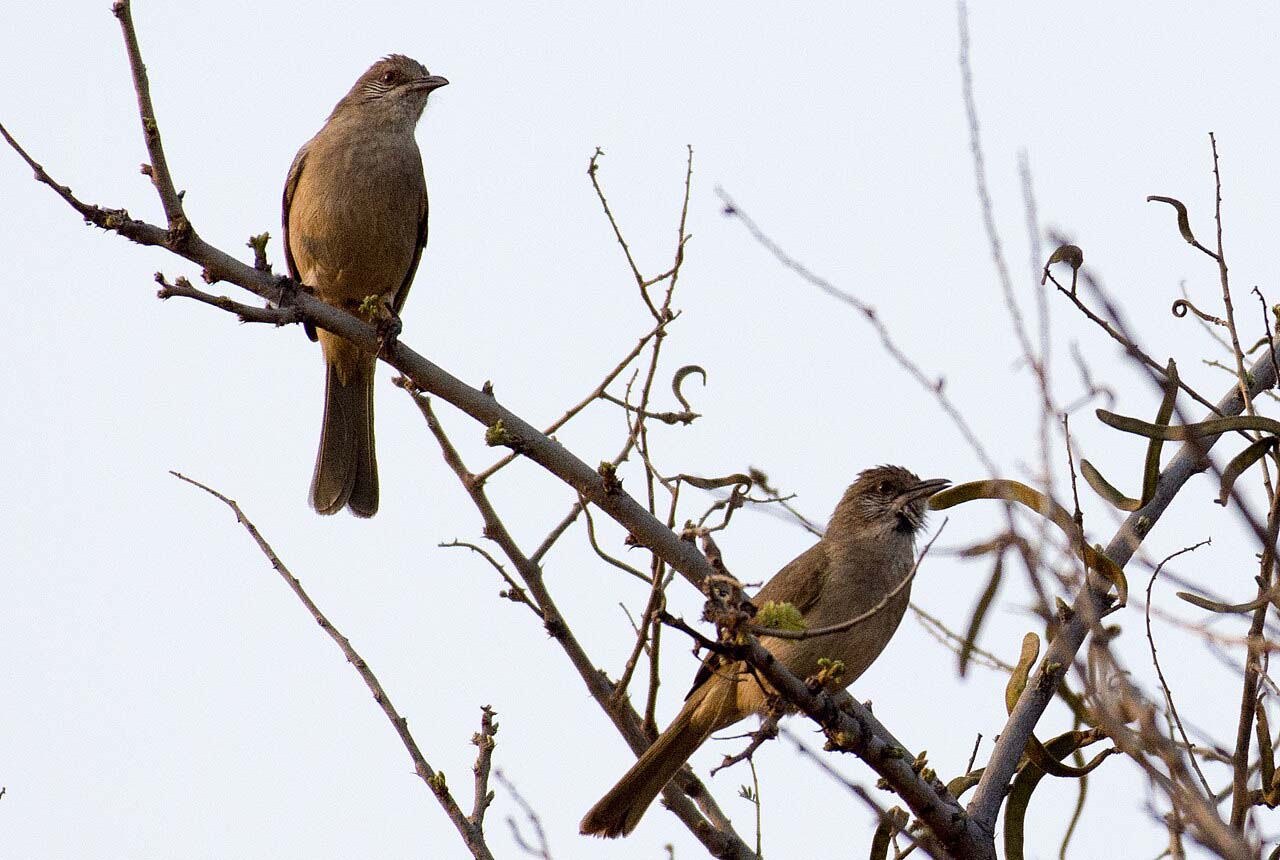
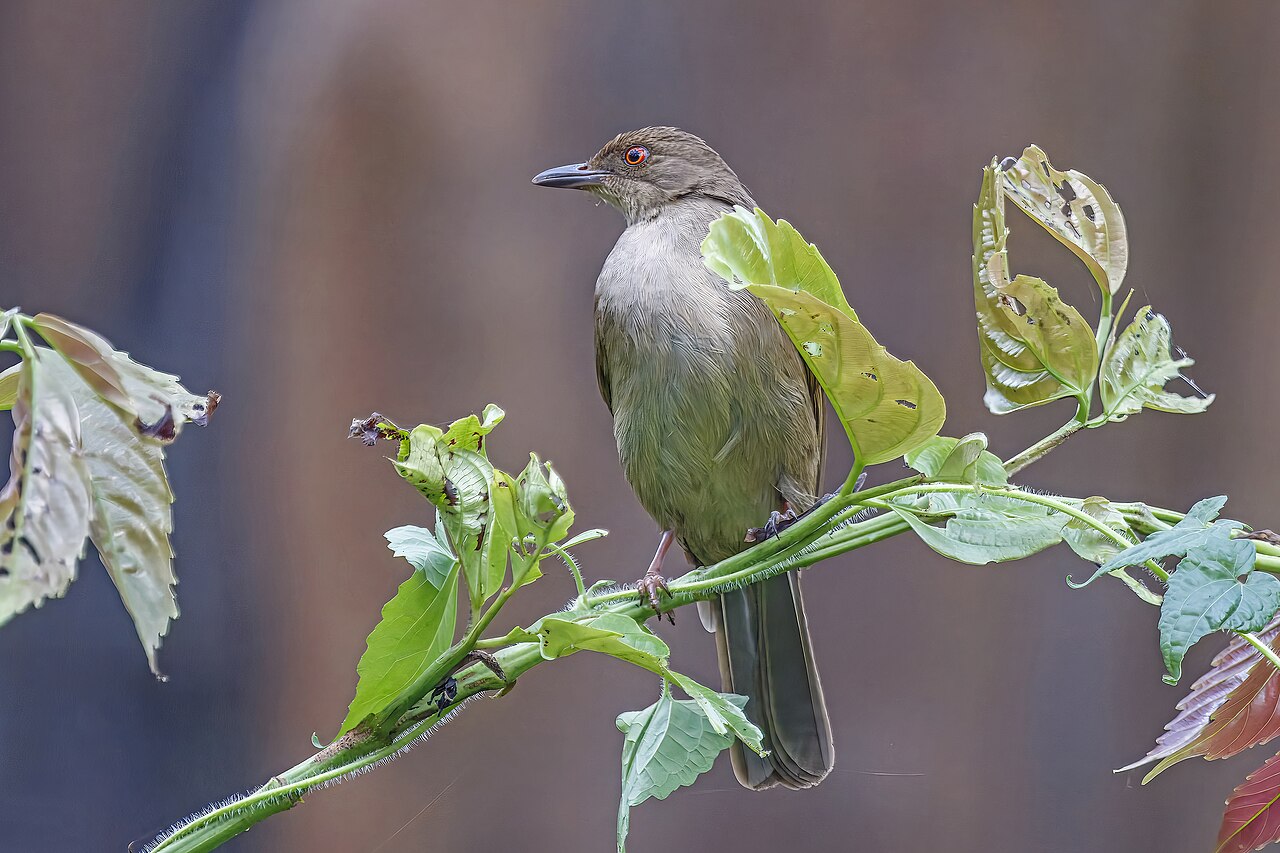
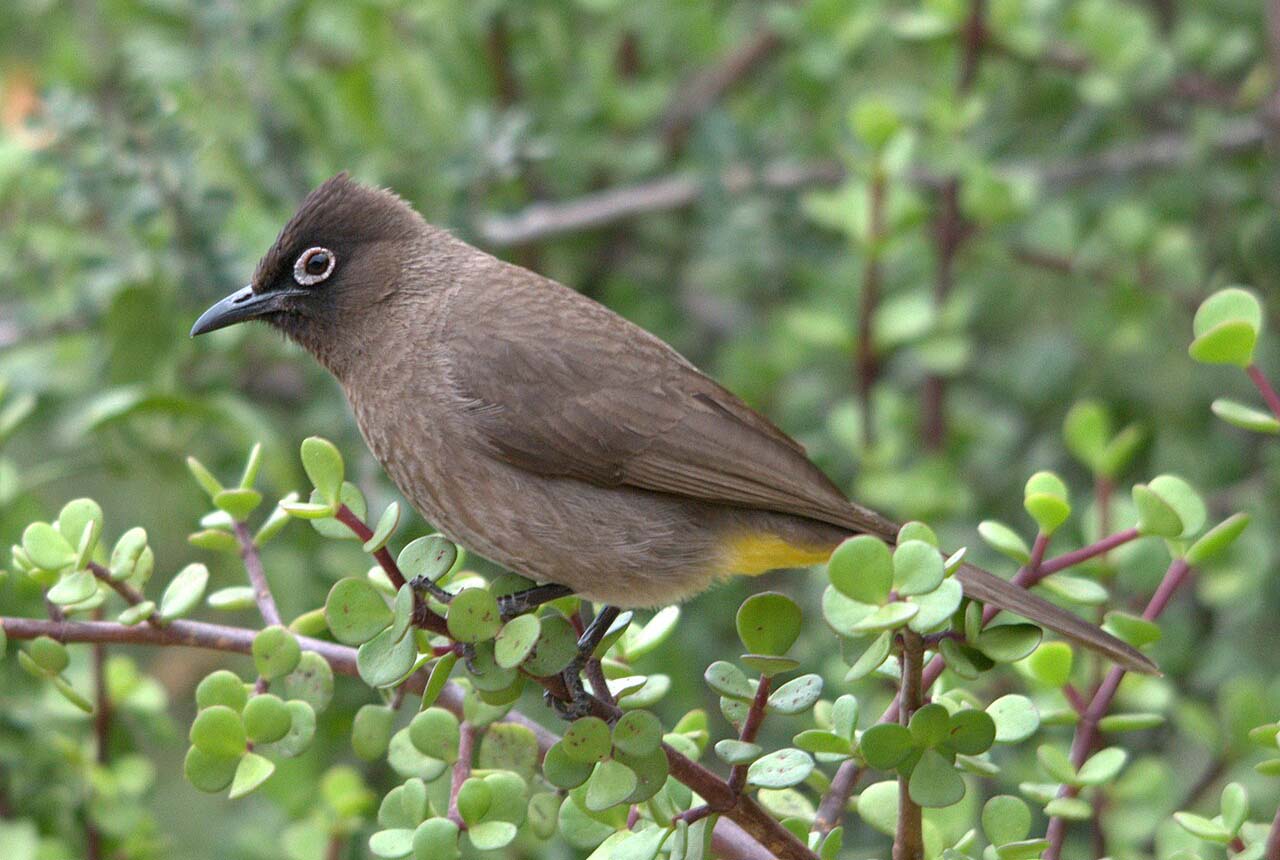
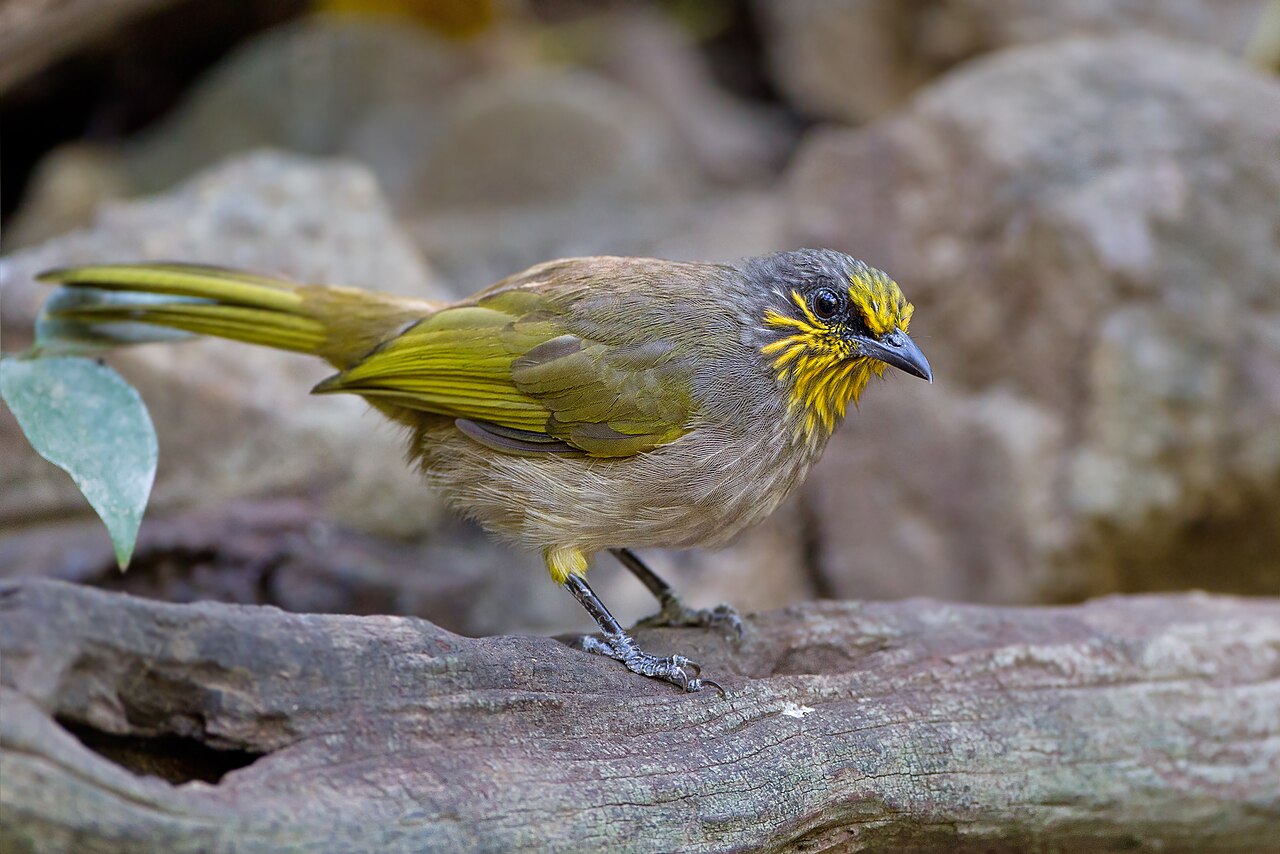
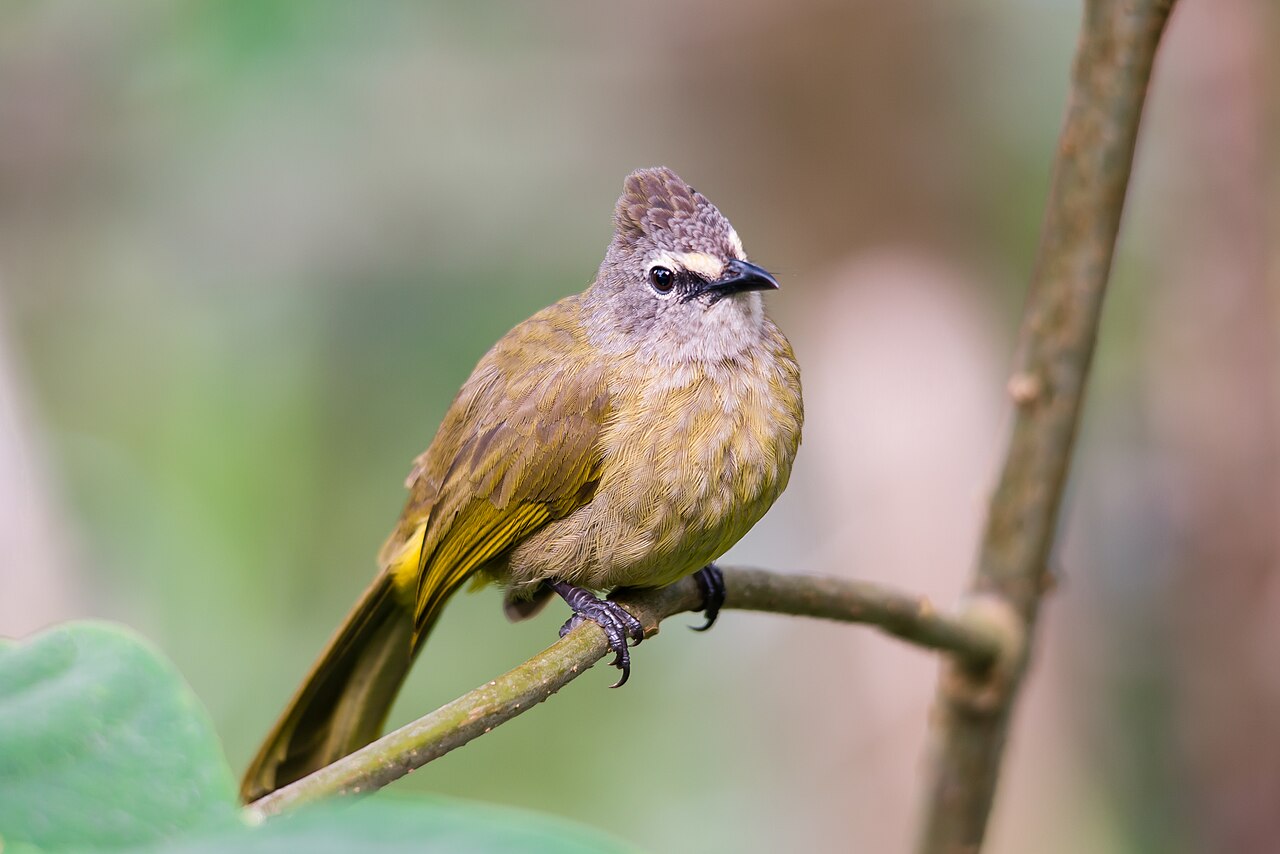
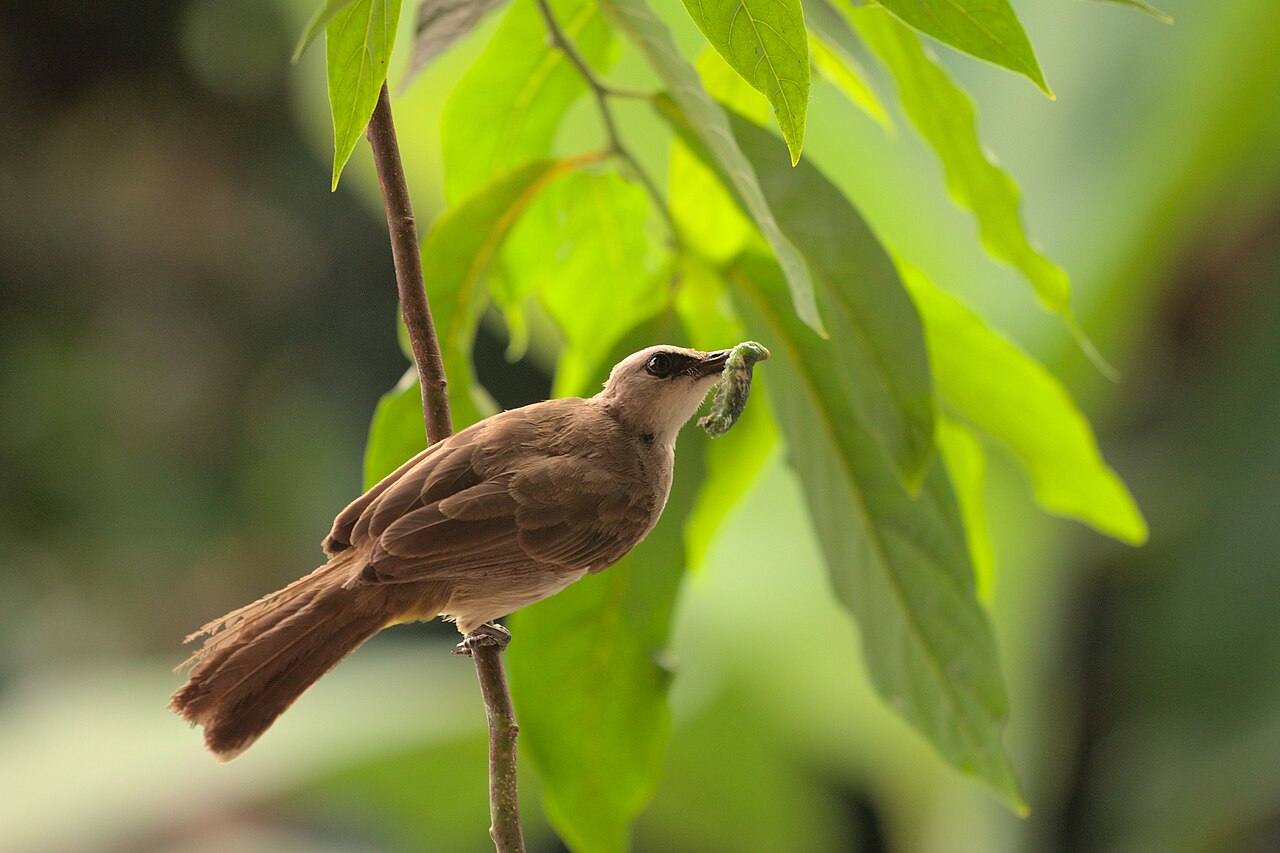
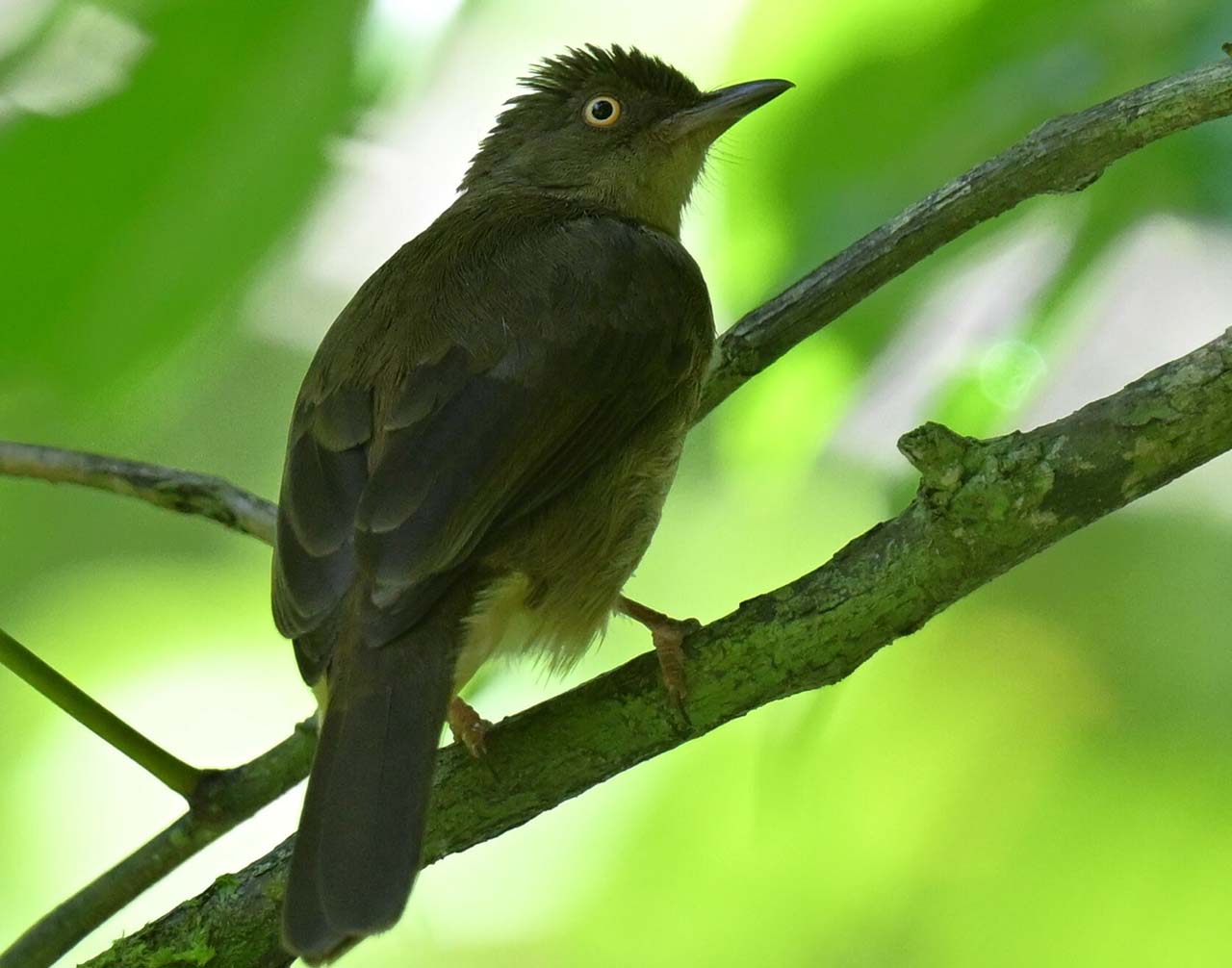
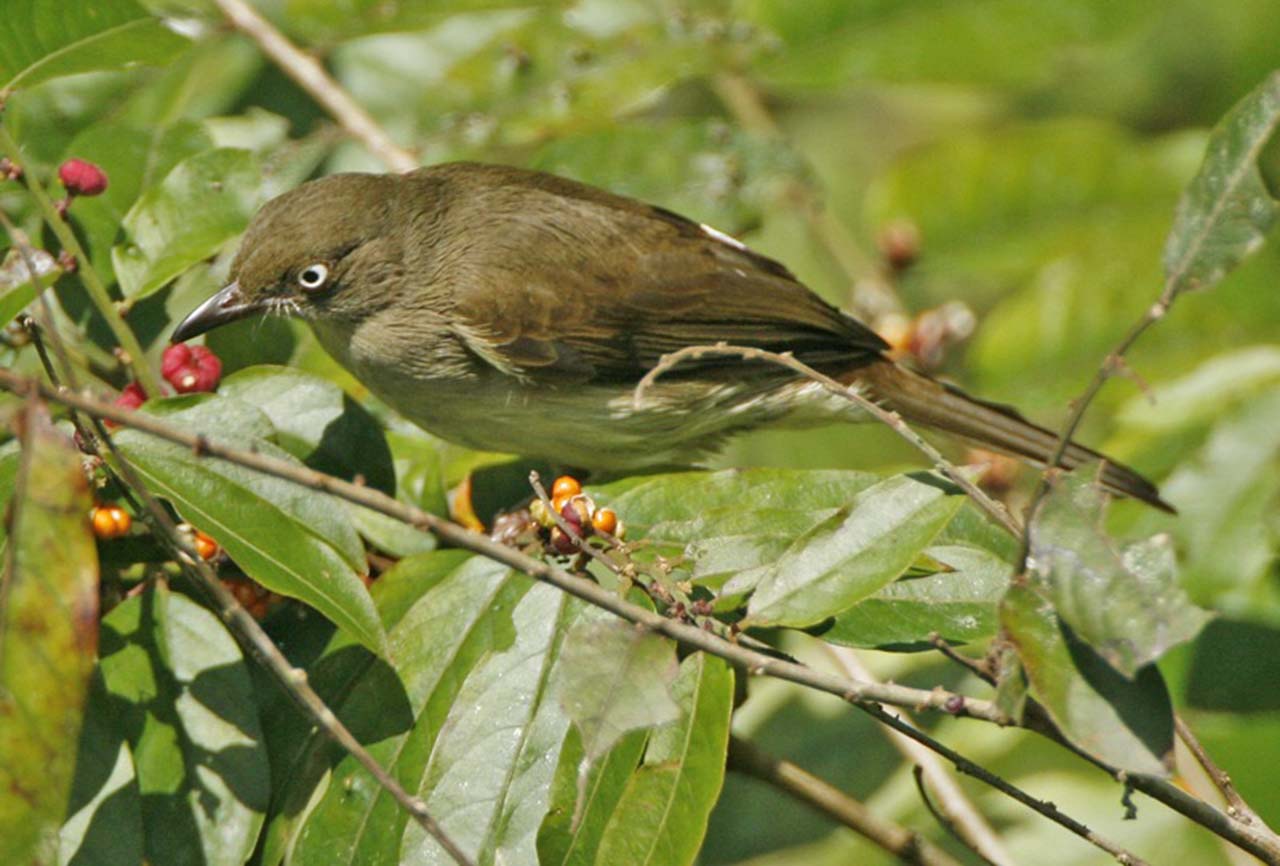
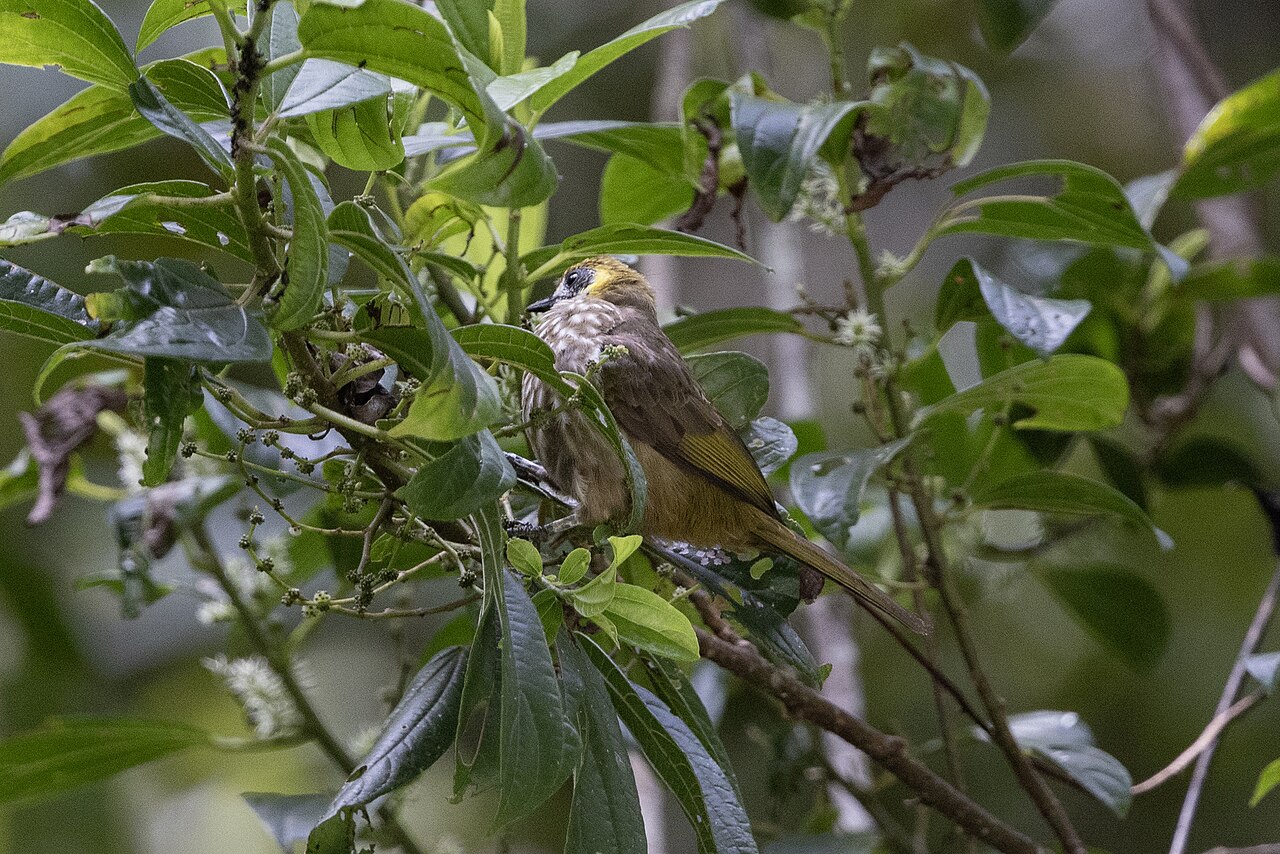
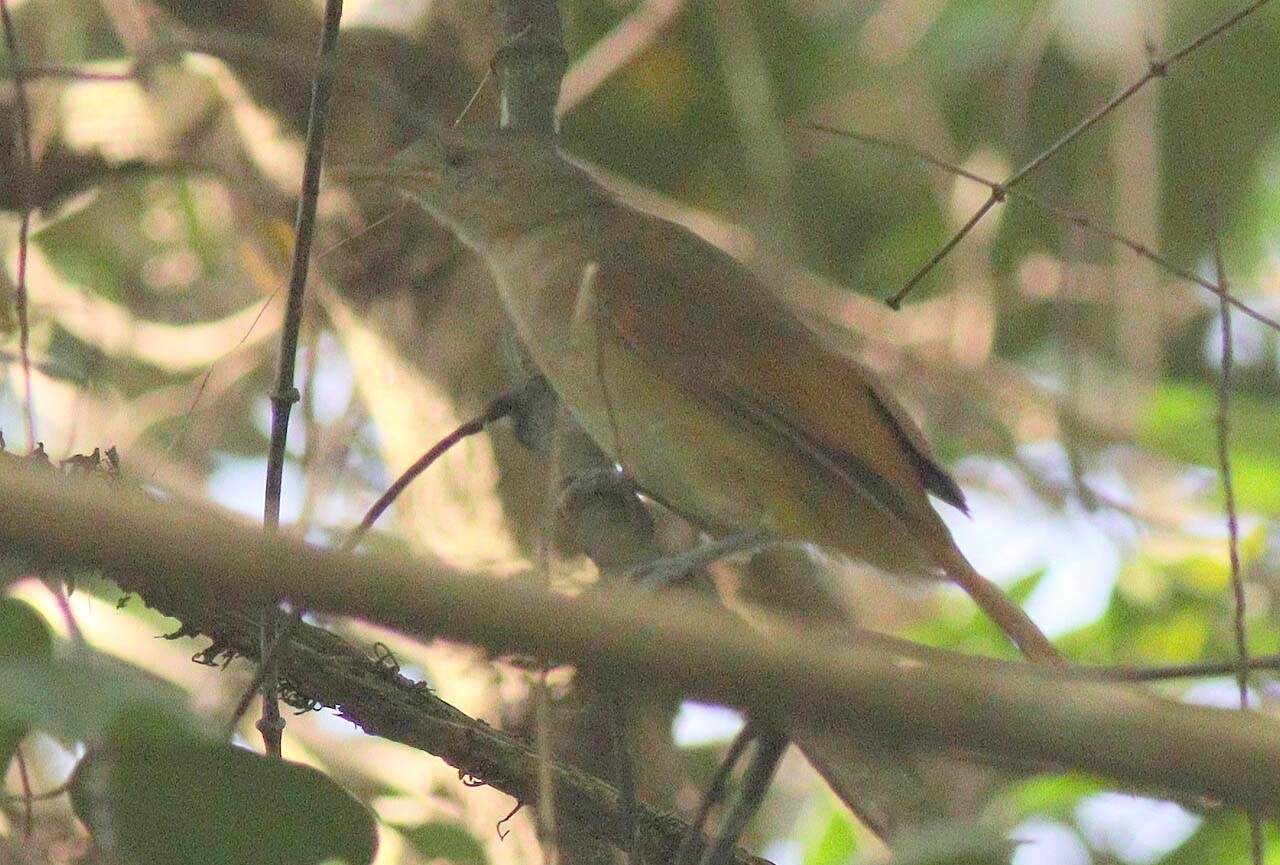
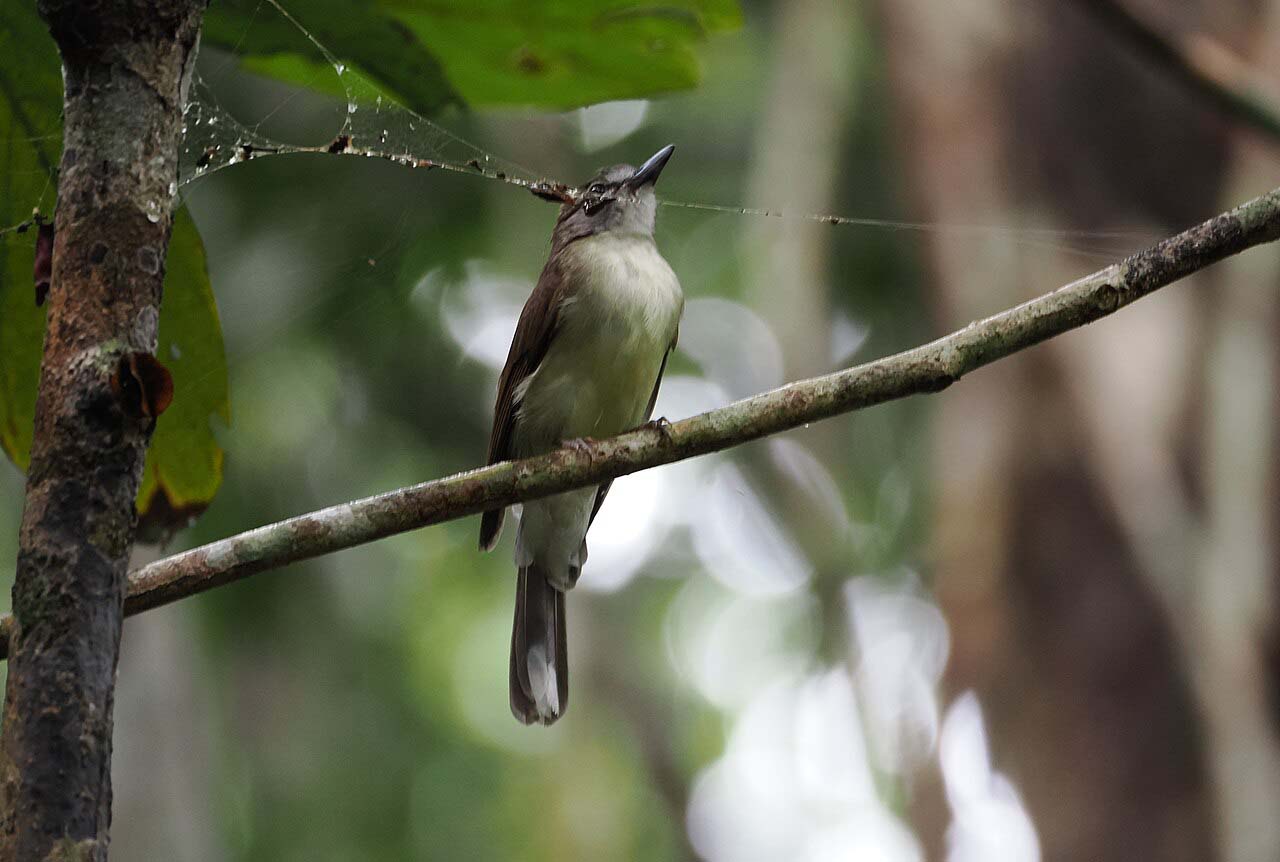
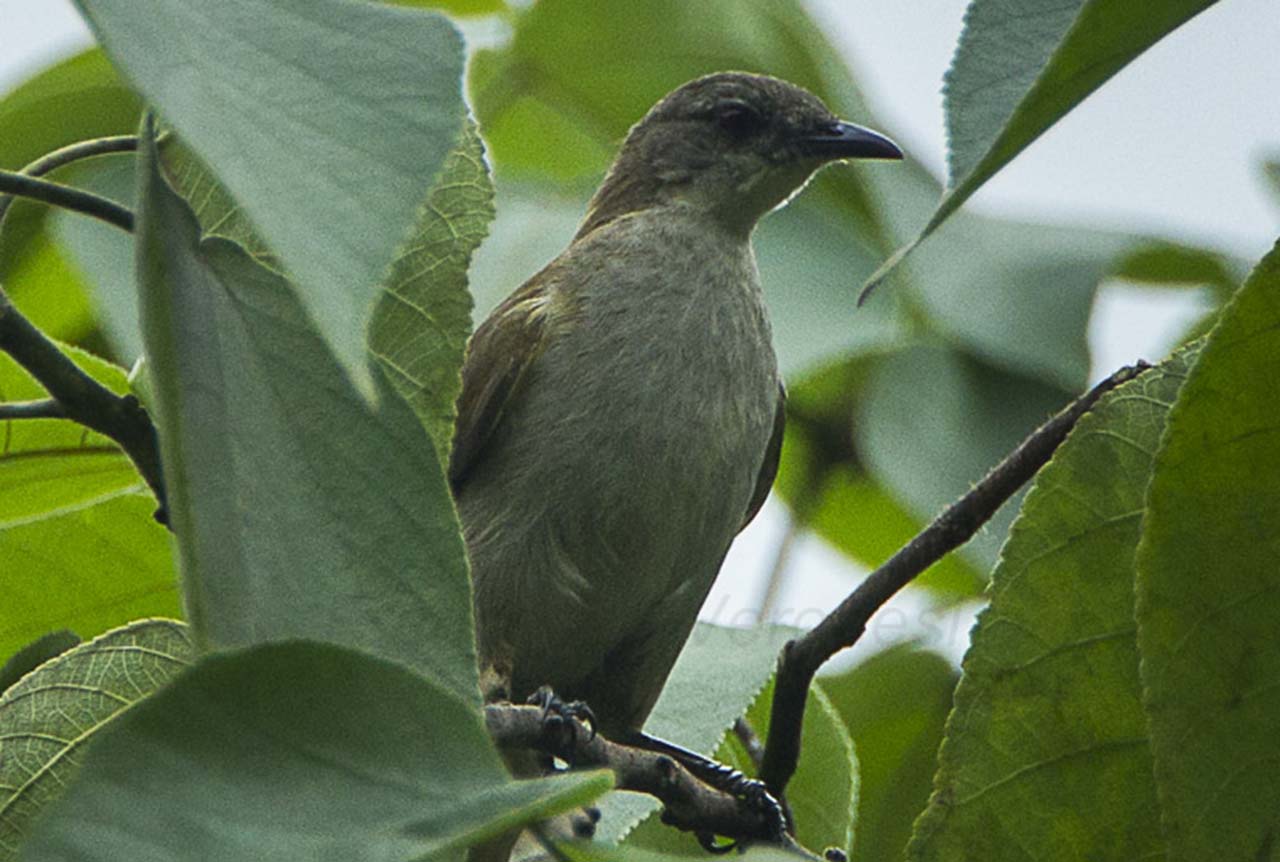
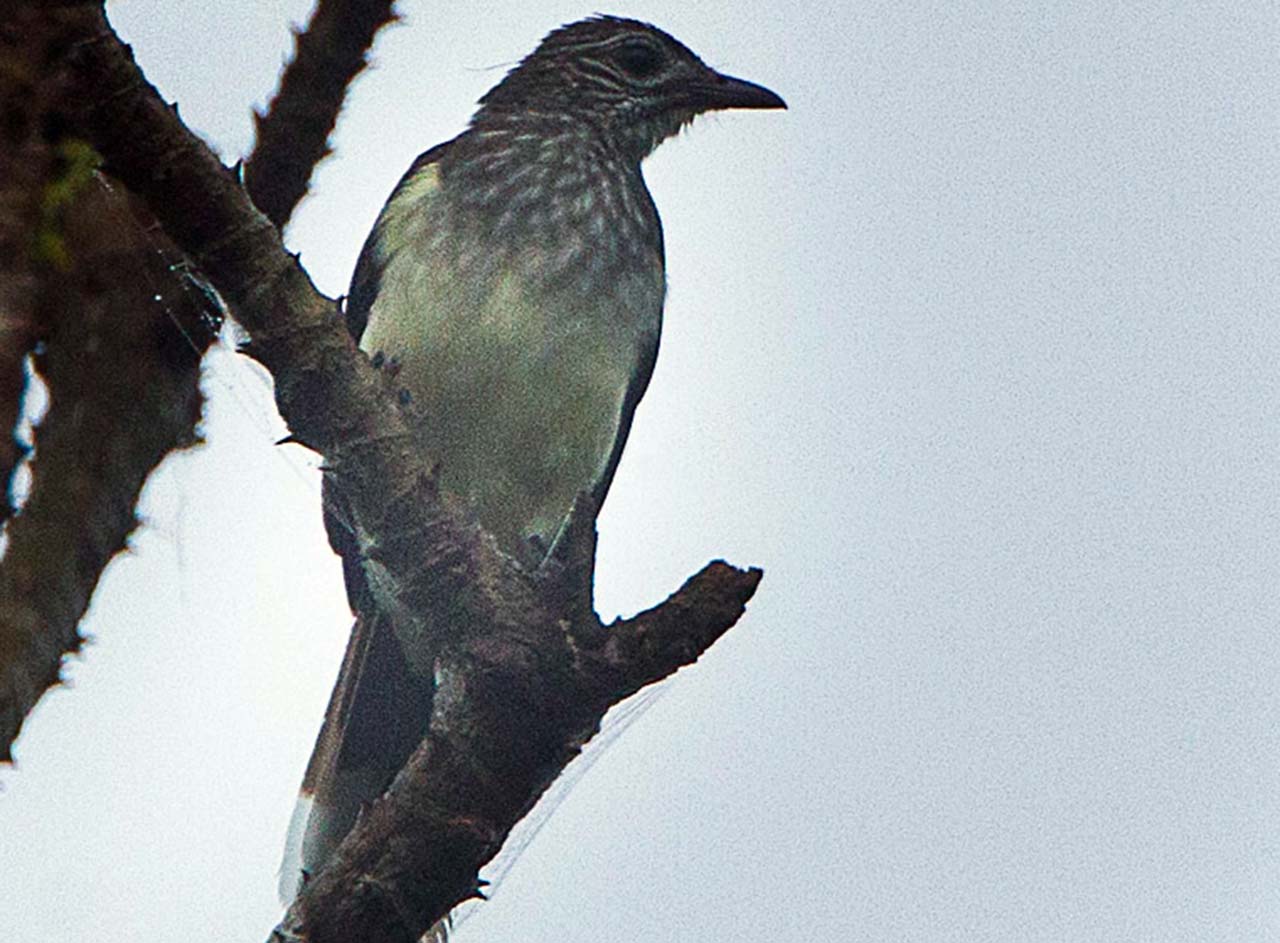
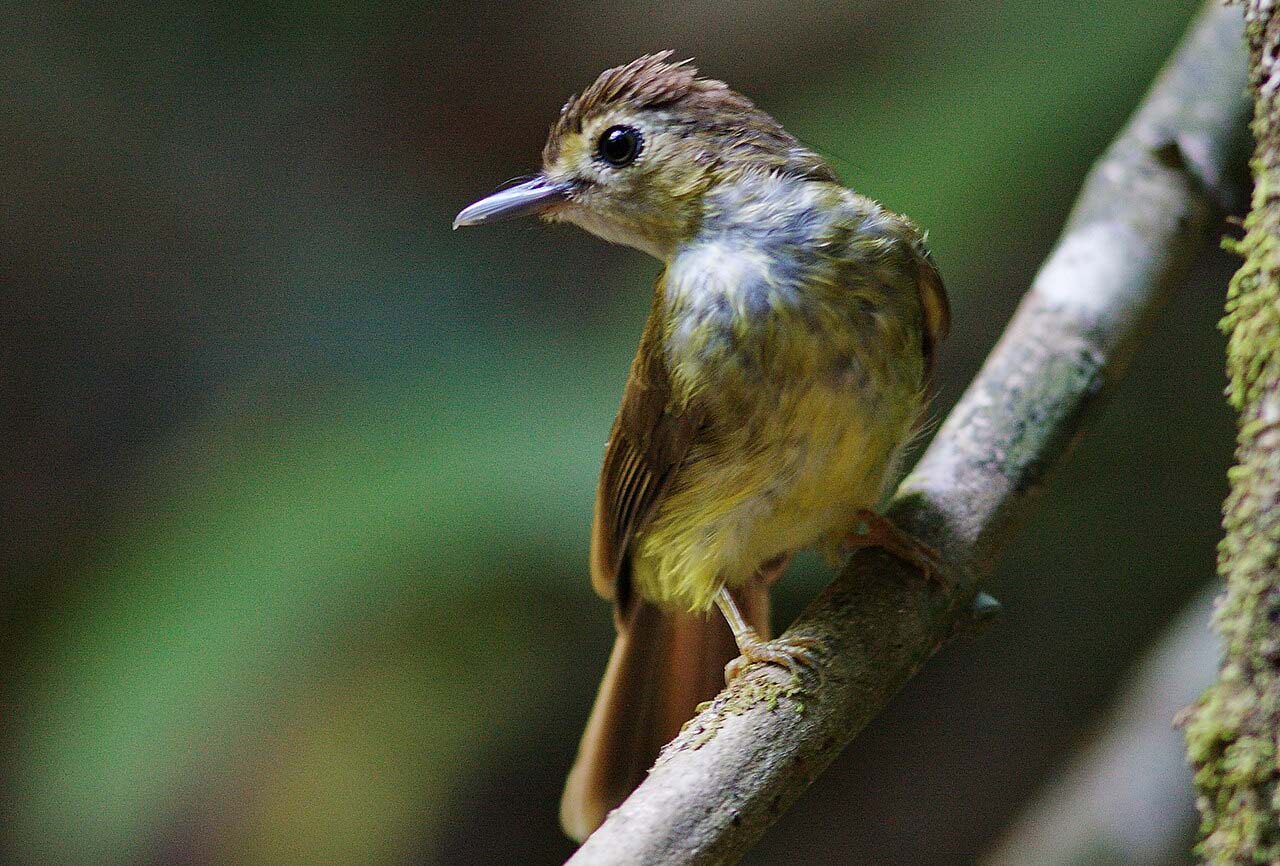
There are about 158 species of birds in the Pycnonotidae family, commonly known as bulbuls. Most species are found in Africa and Asia. They are generally small to medium-sized birds, about 5–11 inches (12.7–27.9 cm) in length.
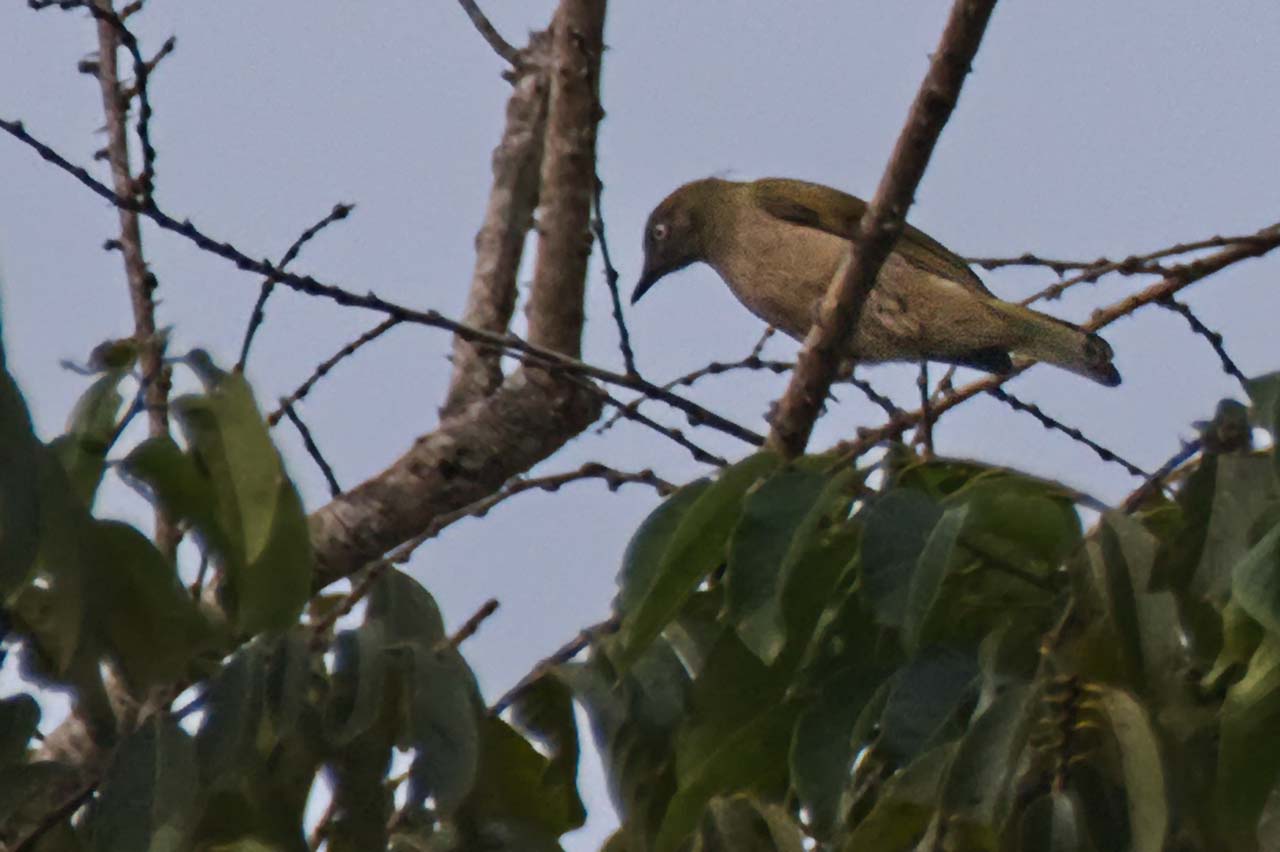
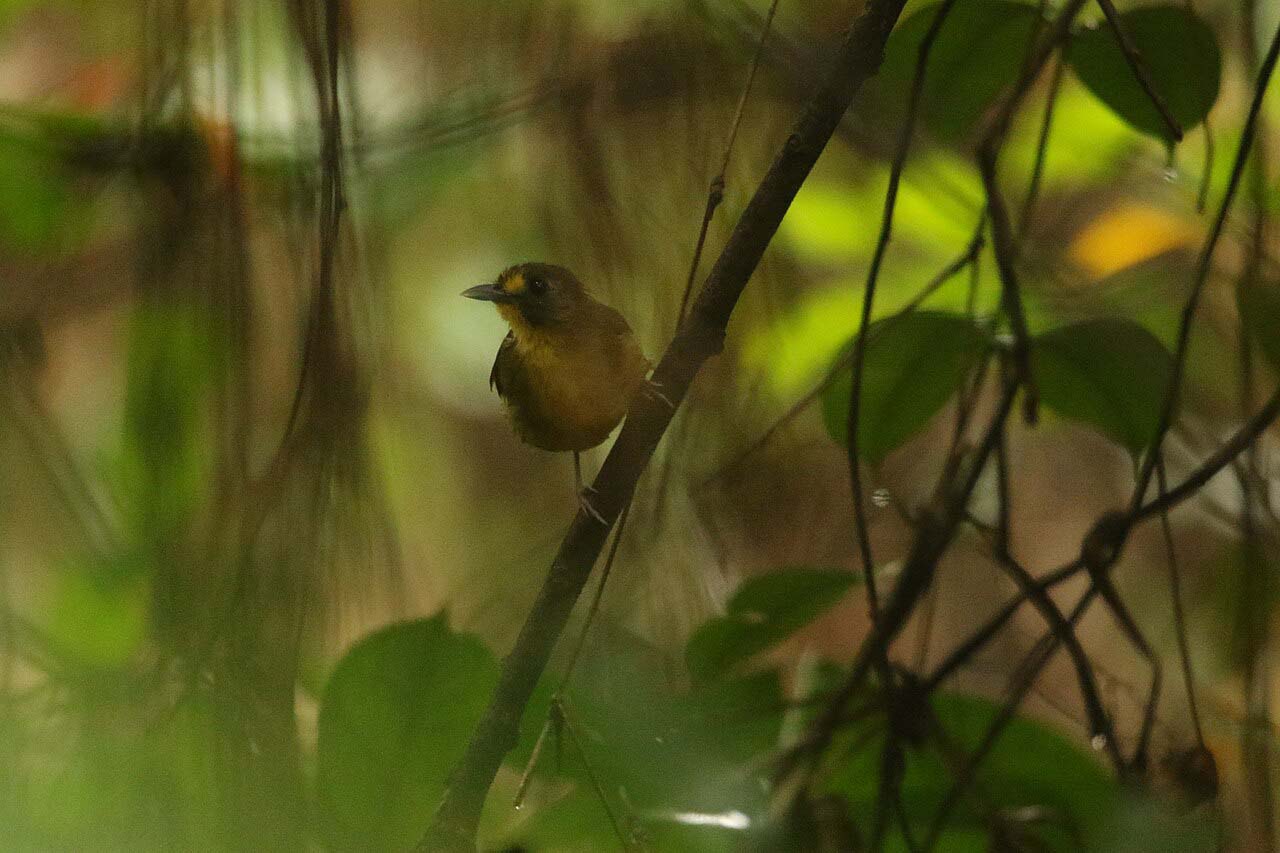
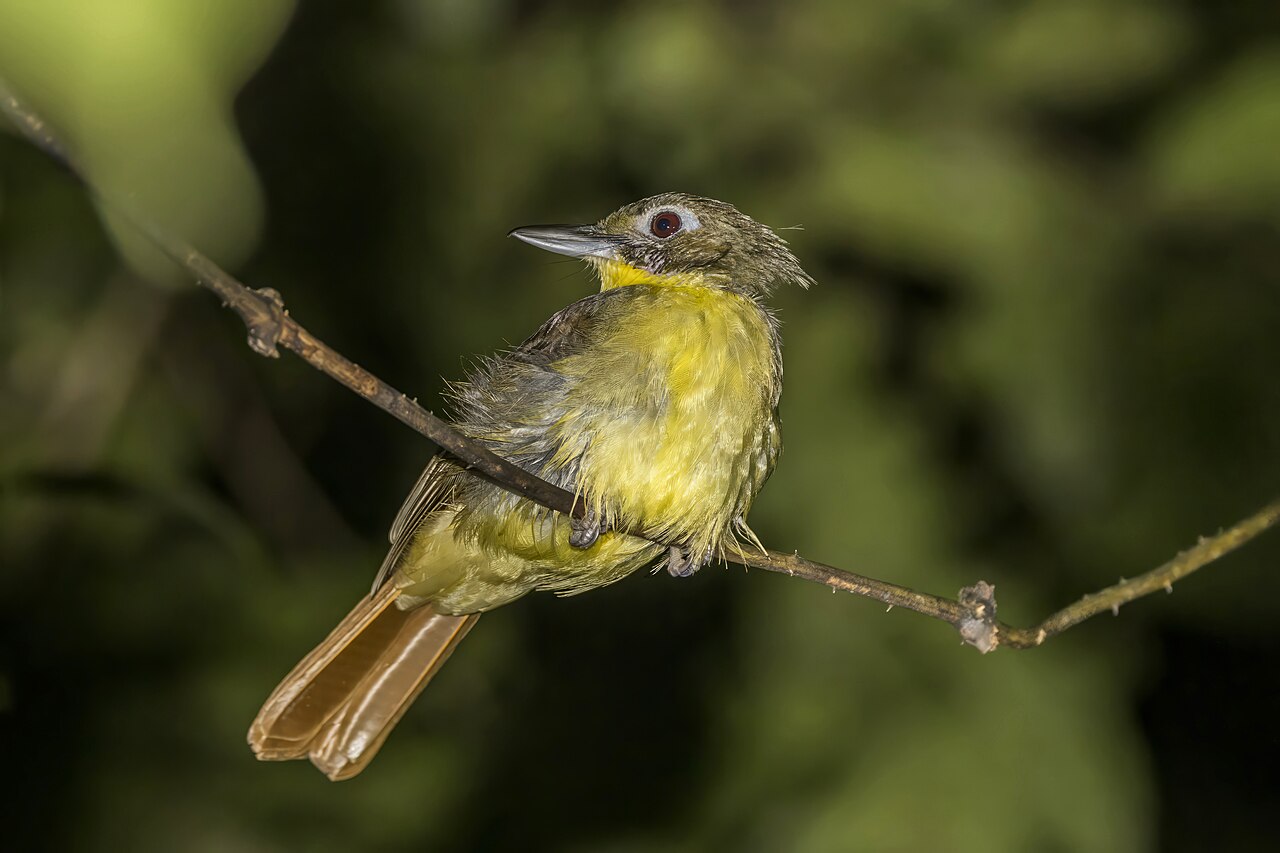
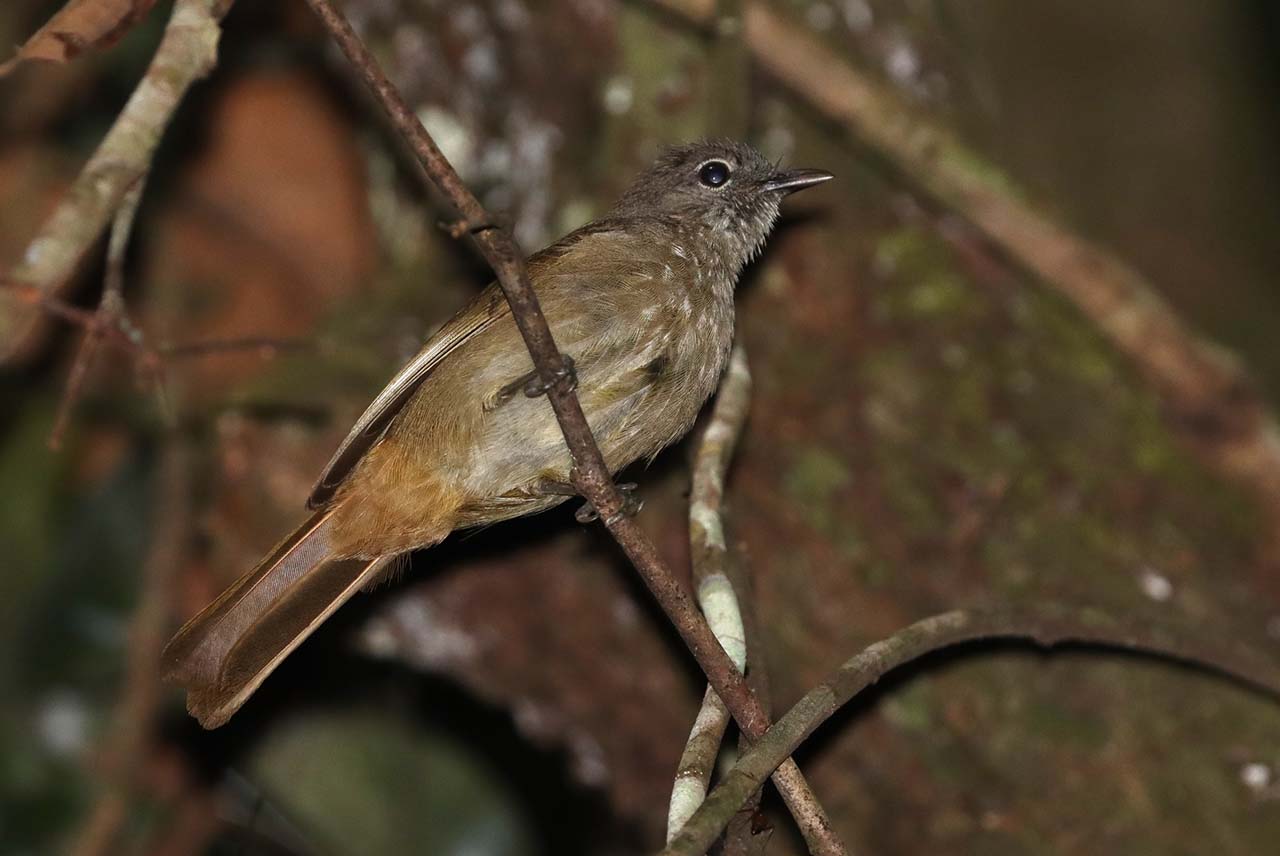
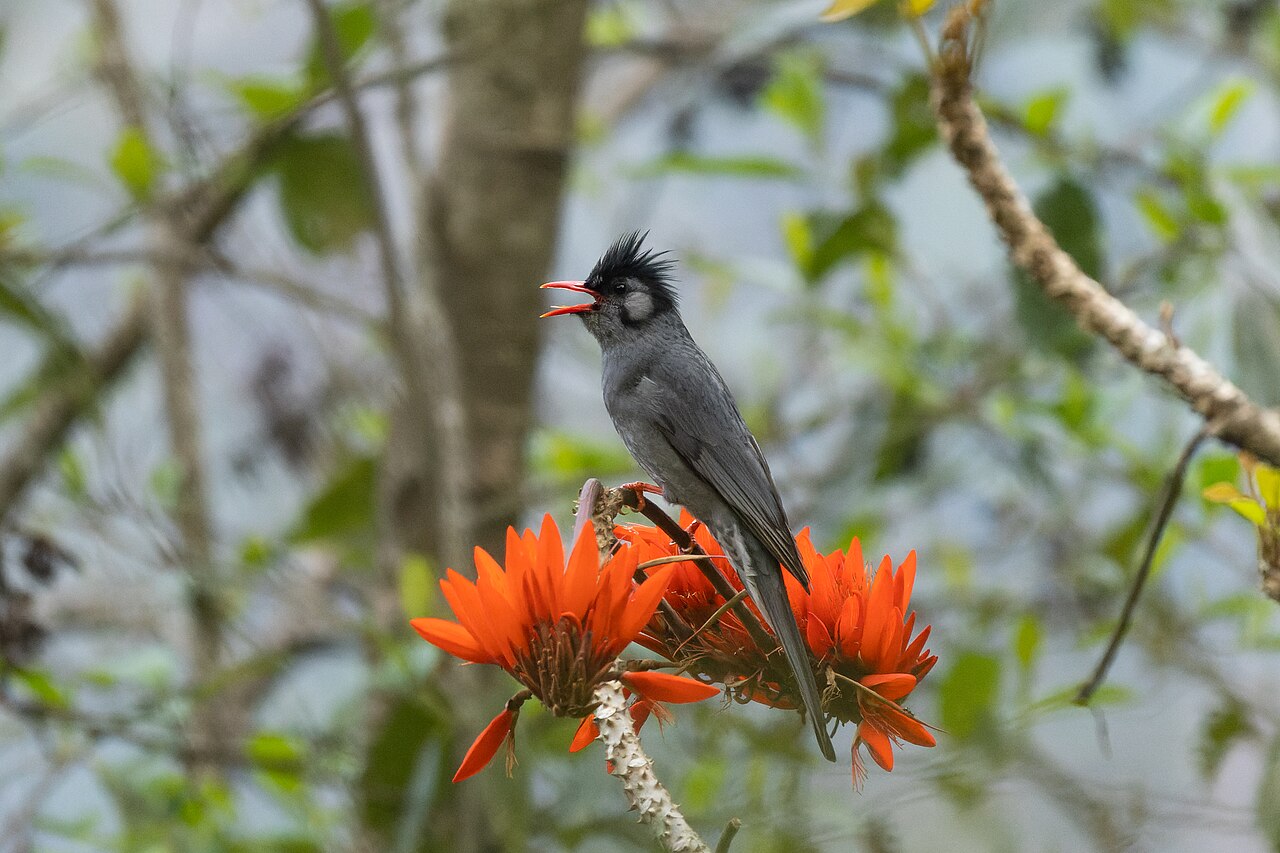
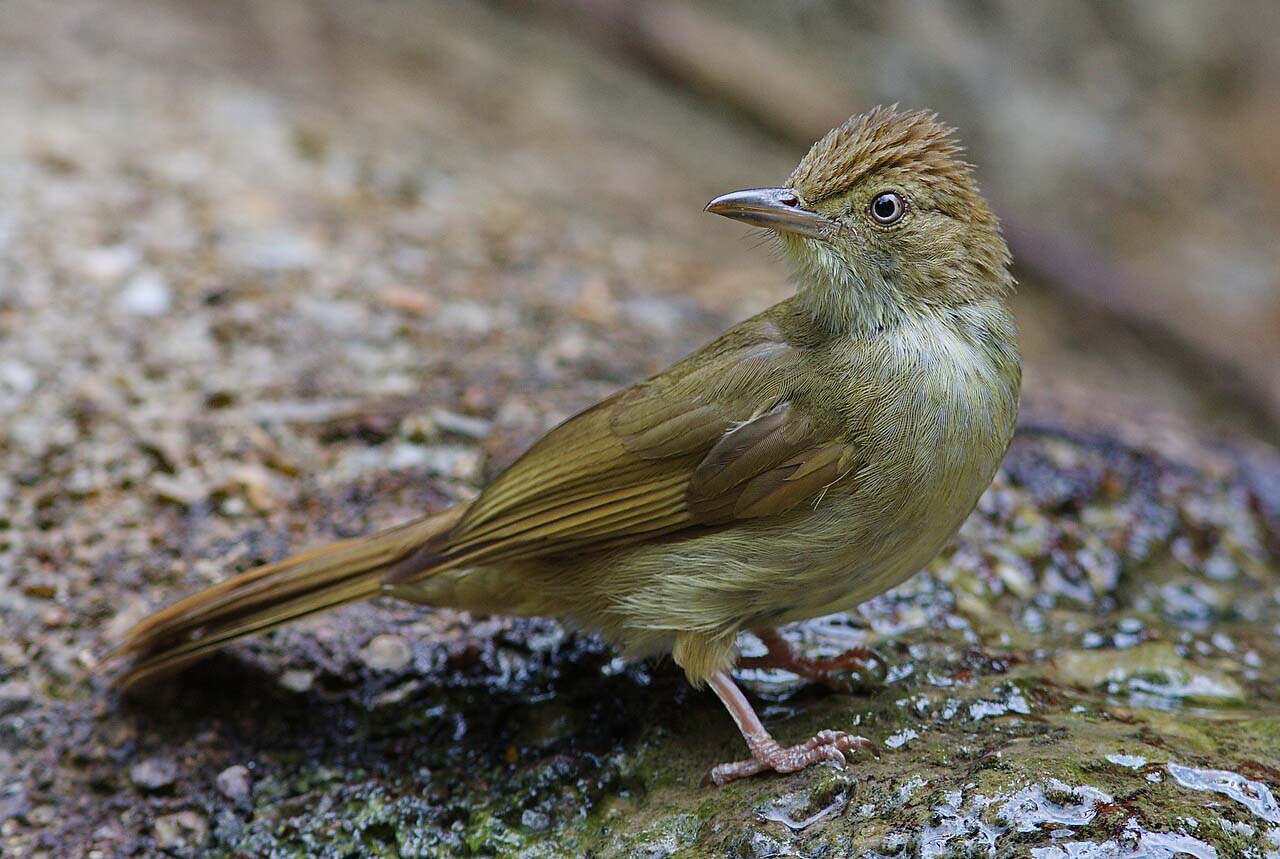
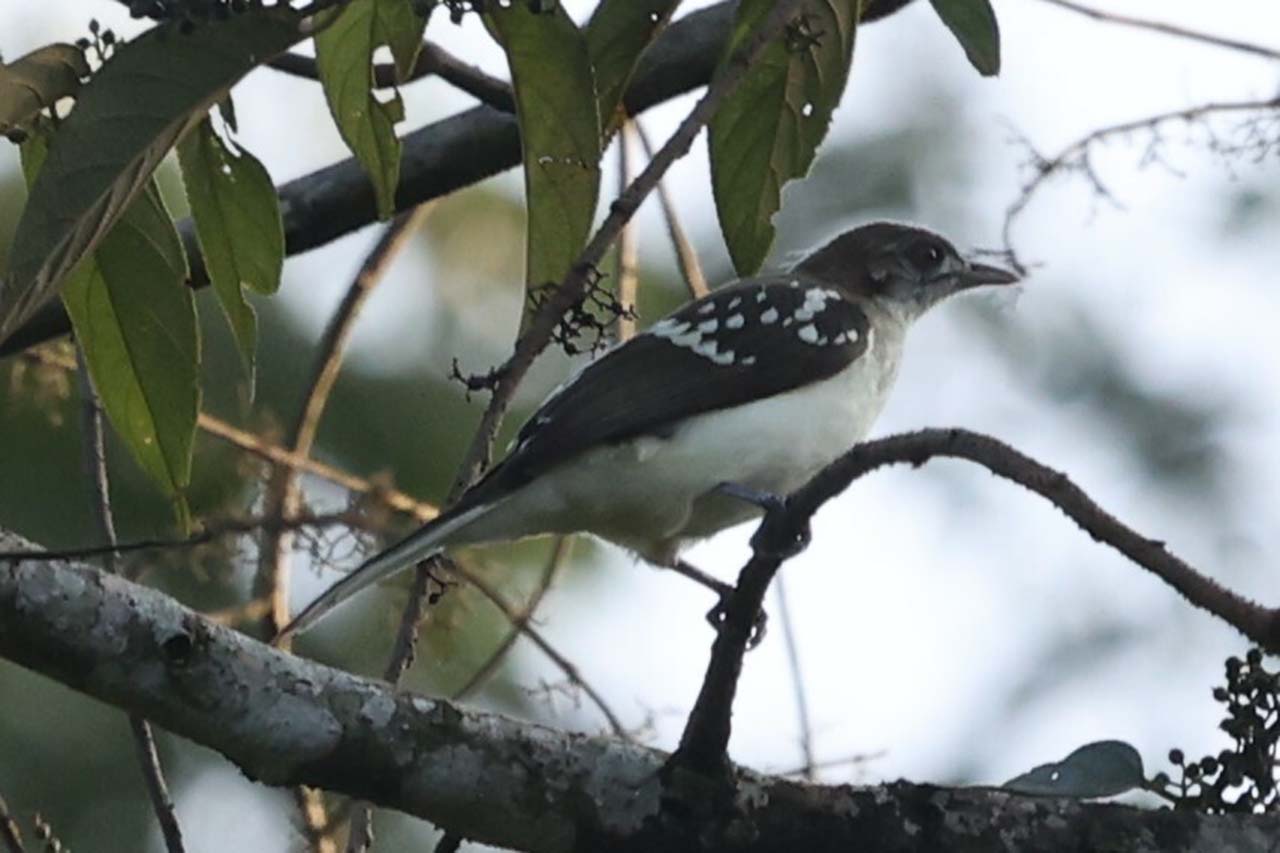
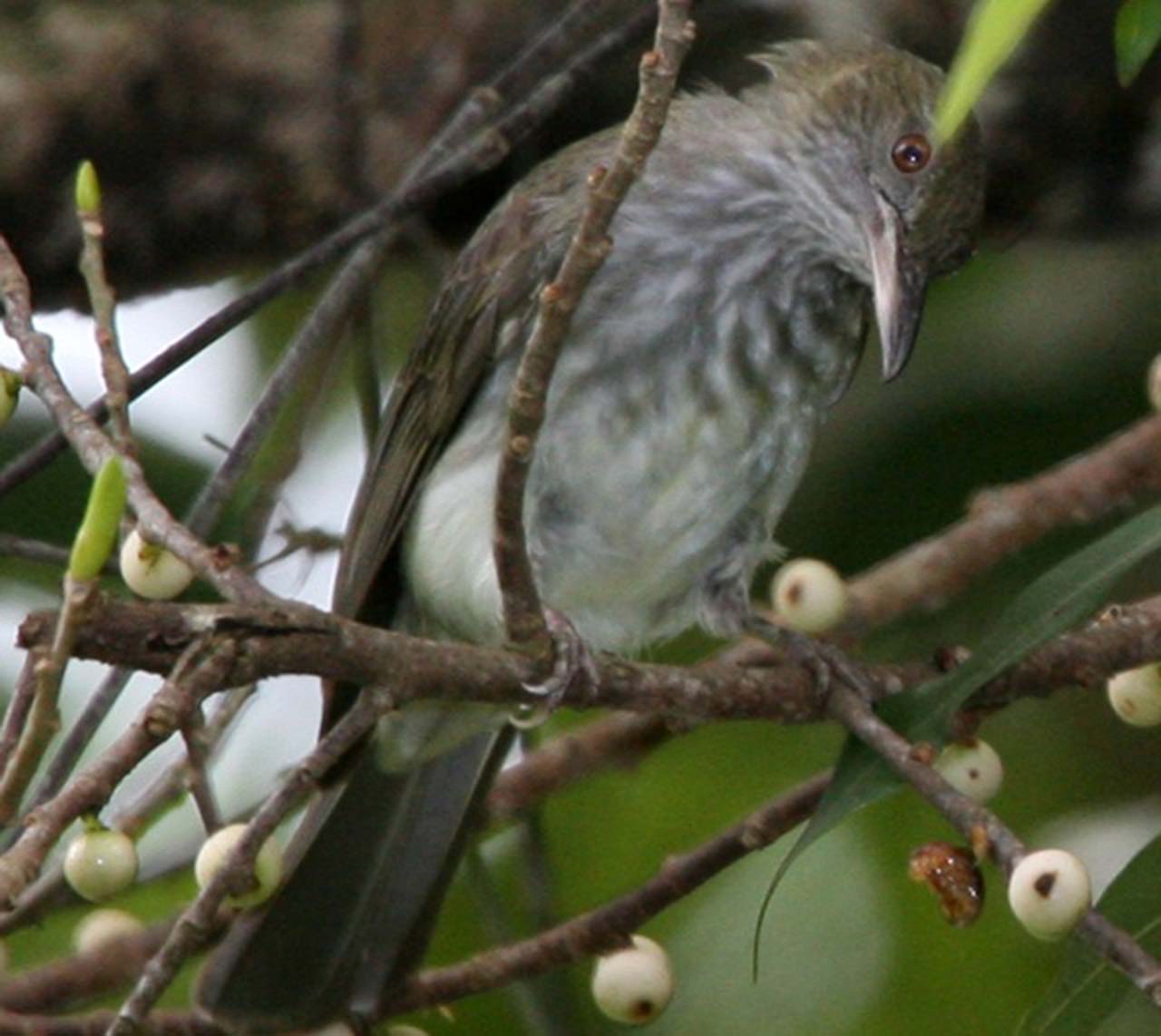
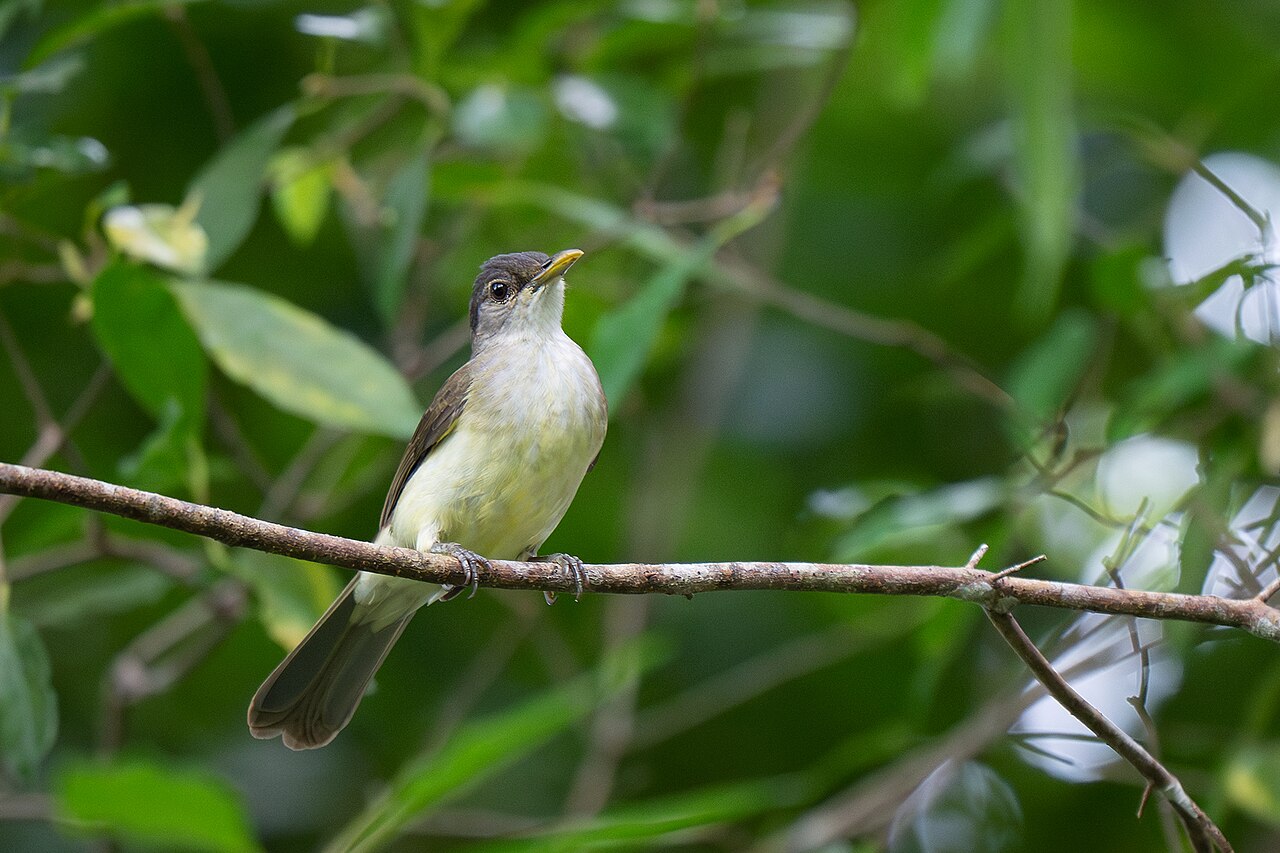
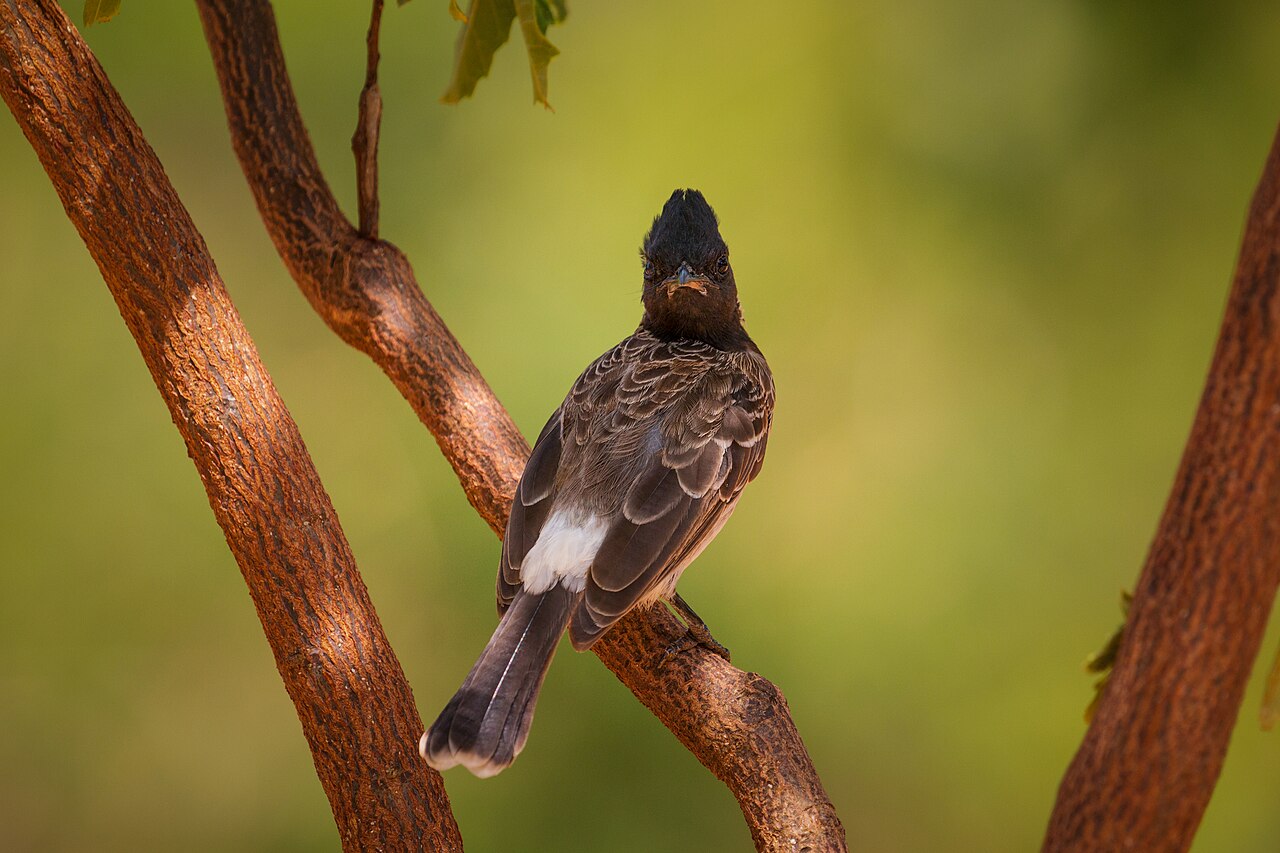
Bulbuls have thin, slightly downcurved bills, short, rounded wings, and medium- to long-length tails. Some species have crests on their heads. Their feathers are often brown, olive, or gray, although some species have patches of red, yellow, green, or white.
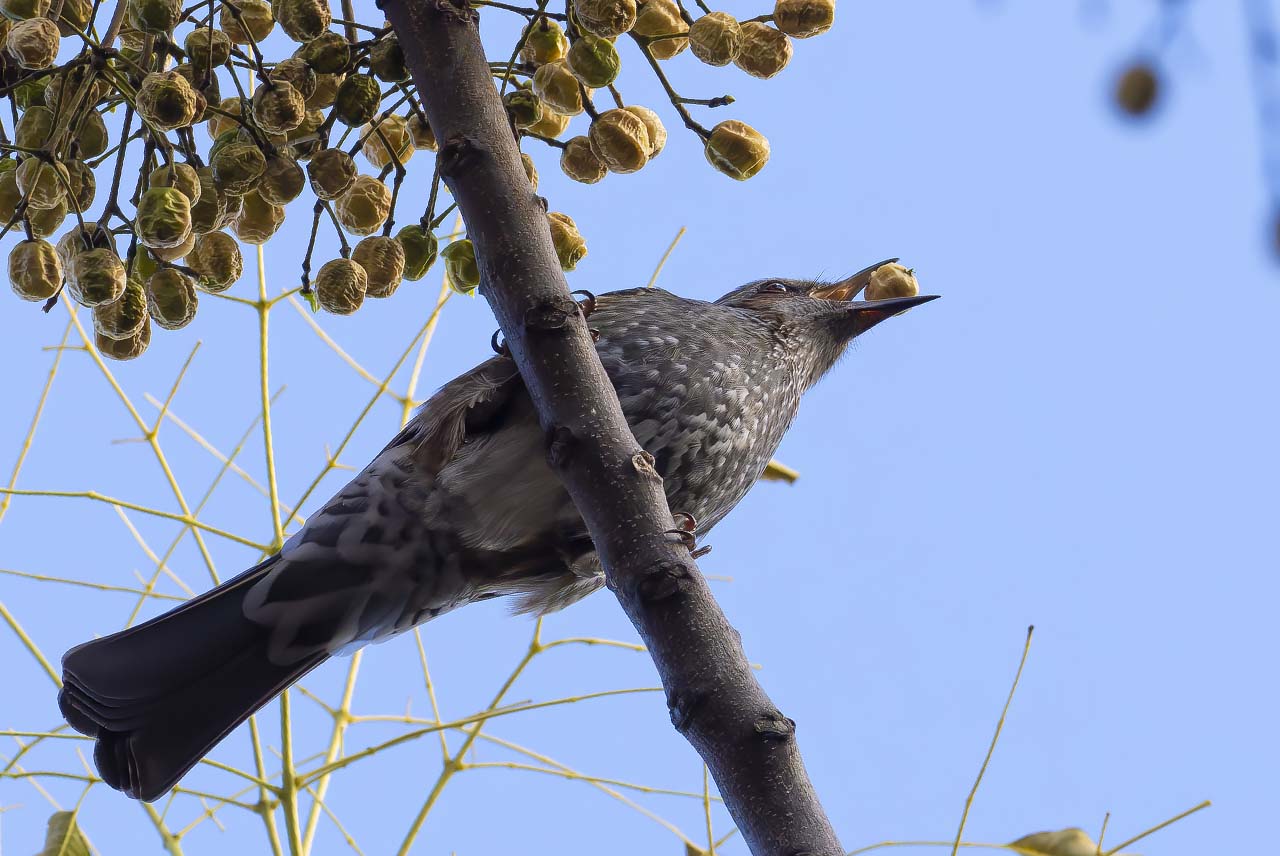
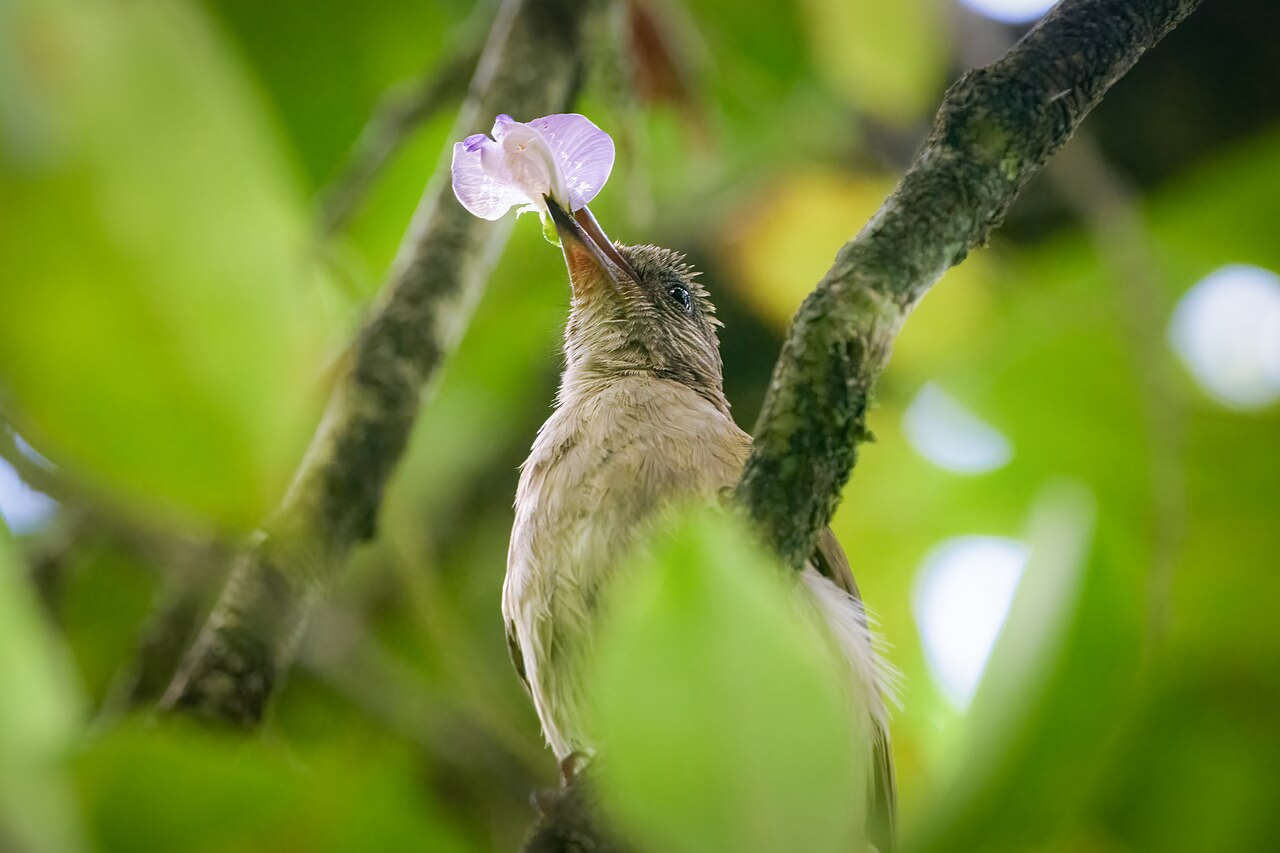
Bulbuls live in a variety of habitats, including forests, woodlands, scrublands, gardens, orchards, and cultivated areas. Most species eat fruits and berries, but they also eat insects, spiders, nectar, flowers, and other plant material.
Bulbuls are active, vocal birds. Many species have loud, distinctive songs and calls.
RED-WHISKERED BULBUL
The Red-whiskered Bulbul (Pycnonotus jocosus) is native to southern Asia. It is about 6.7–9.1 inches (17.0–23.0 cm) long. It has brown upperparts and pale underparts, a tall black crest, a red patch behind each eye, and red feathers beneath its tail.
Red-whiskered Bulbuls are often found in gardens, parks, orchards, woodlands, and other areas where people live. They eat mostly fruits and other plant material, but also eat insects, spiders, and other small arthropods.
The species is not native to Florida, but an introduced population became established in the Miami-Dade County area. According to the Florida Fish and Wildlife Conservation Commission, Red-whiskered Bulbuls escaped from a tourist attraction in the Kendall area during Hurricane Donna in 1960.
Red-whiskered Bulbuls are noisy, social birds that often perch in visible places and sing or call from trees and shrubs.