There are 8 species of bears in this family. They are found in all parts of the world, except Antarctica and Australia.
Bears are found in a wide variety of habitats including deserts, grasslands, tundra, forests, mountains, and ice floes.
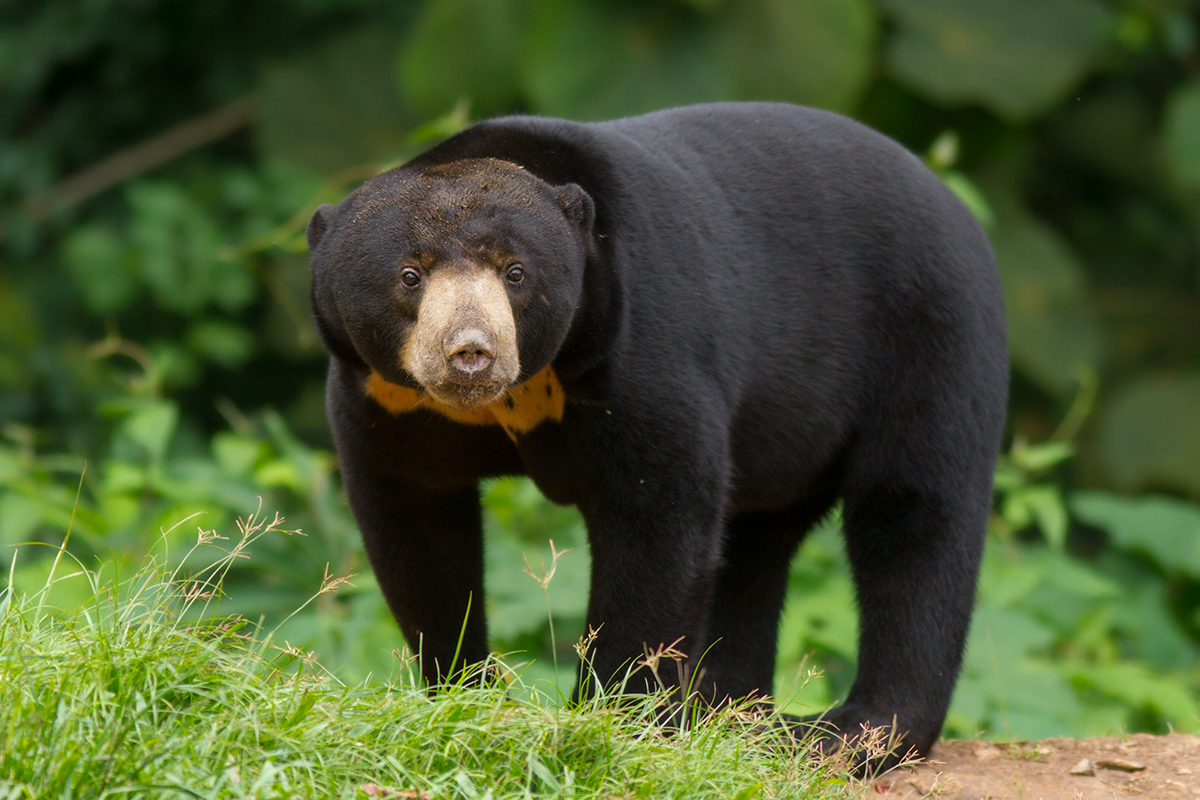
Bears are large animals and have small, rounded ears; pointed snouts; small eyes; and short tails. Most bears have long, shaggy brown, black, or white fur. Males are larger than females.
Bears have large paws with five strong claws that they use for digging, climbing, and catching their prey. Bears can stand and walk on their hind legs. Many species can climb trees and swim.
Bears are omnivores. They eat fruit, berries, seeds, small mammals, birds, eggs, fish, insects, reptiles, amphibians, and carrion.
The polar bear eats mostly meat and hunts seals. The panda eats mostly bamboo, but also eats insects and carrion. The sloth bear eats mostly termites and ants.
Except for mothers and their young, bears are solitary and live and hunt alone.