There are over 9 million species of animals on Earth, and they live in nearly every environment imaginable—from deep oceans to deserts and frozen polar regions. These animals range in size from microscopic organisms made of just a few cells to enormous creatures like the polar bear and the giant blue whale.
All animals belong to the animal kingdom, and they share a few important characteristics. First, they are multicellular, which means their bodies are made of many cells working together. Second, they are heterotrophs, meaning they cannot make their own food like plants do. Instead, they must get energy by eating other organisms, such as plants or other animals.
Even though animals can look very different from one another, from insects to whales, they are all connected by these basic traits that define what it means to be an animal.
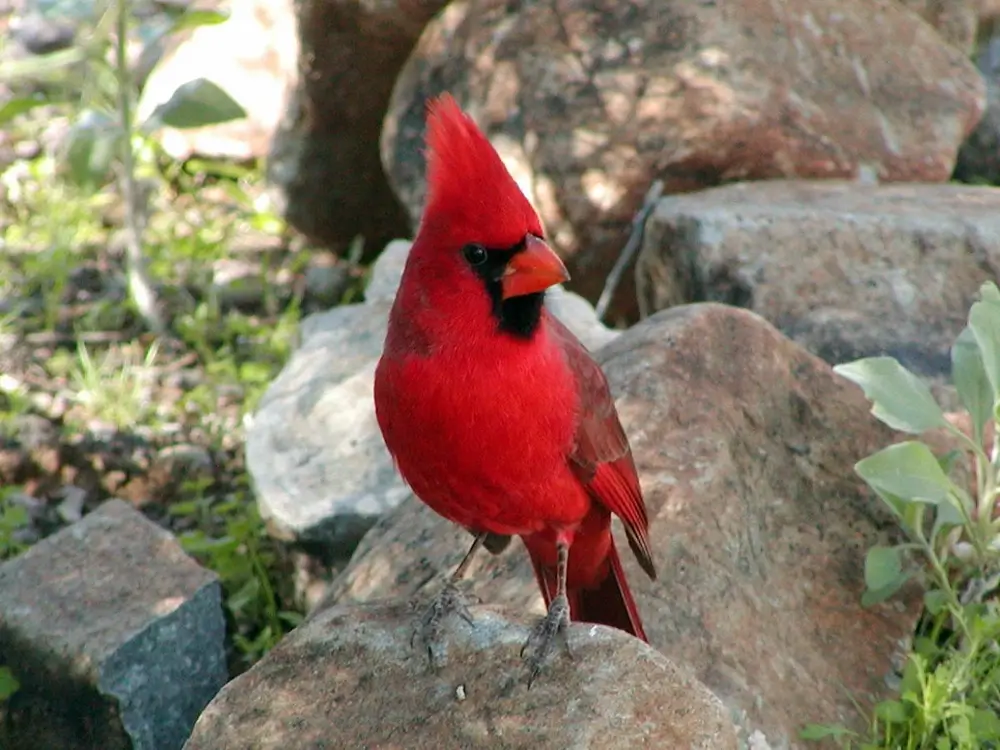
Chordata are symmetrical animals. This means their left sides and their right sides are alike. At some point in their lives, all chordata also had or have gill slits. Yes, even humans. When humans are embryos, they have gill slits that eventually become lungs.
Chordata also have a skeleton of some type at some point in their lives. The chordates include mammals, birds, reptiles, amphibians, and fish.
Some people think all chordates have backbones, but they don’t. Lancelets are in the Chordata phylum. They are small, fish-like marine animals without skeletons.
Tunicates are also in the Chordata phylum. Tunicates are small, tube-like filter-feeding marine animals without skeletons. Seasquirts are tunicates.

All mammals share three characteristics not seen in other animals. They have three middle-ear bones, hair or fur, and they produce milk for their young. There are about 5,000 species of mammals. Scientists have organized mammals into about 26 orders based on characteristics and structure.
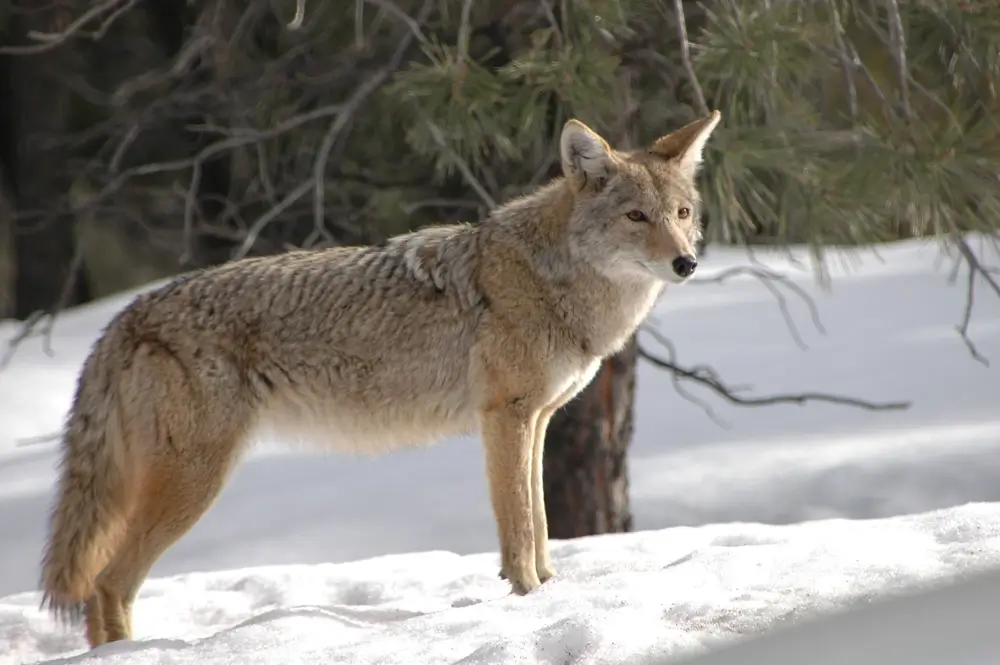
Animals in the carnivore order usually eat meat, so they have strong jaws and sharp teeth. Although most animals in this order eat meat, some, like the raccoon, also eat plants, and some don’t eat meat at all. Animals in this order include American minks, fishers, long-tailed weasels, red wolves, black bears, and raccoons.
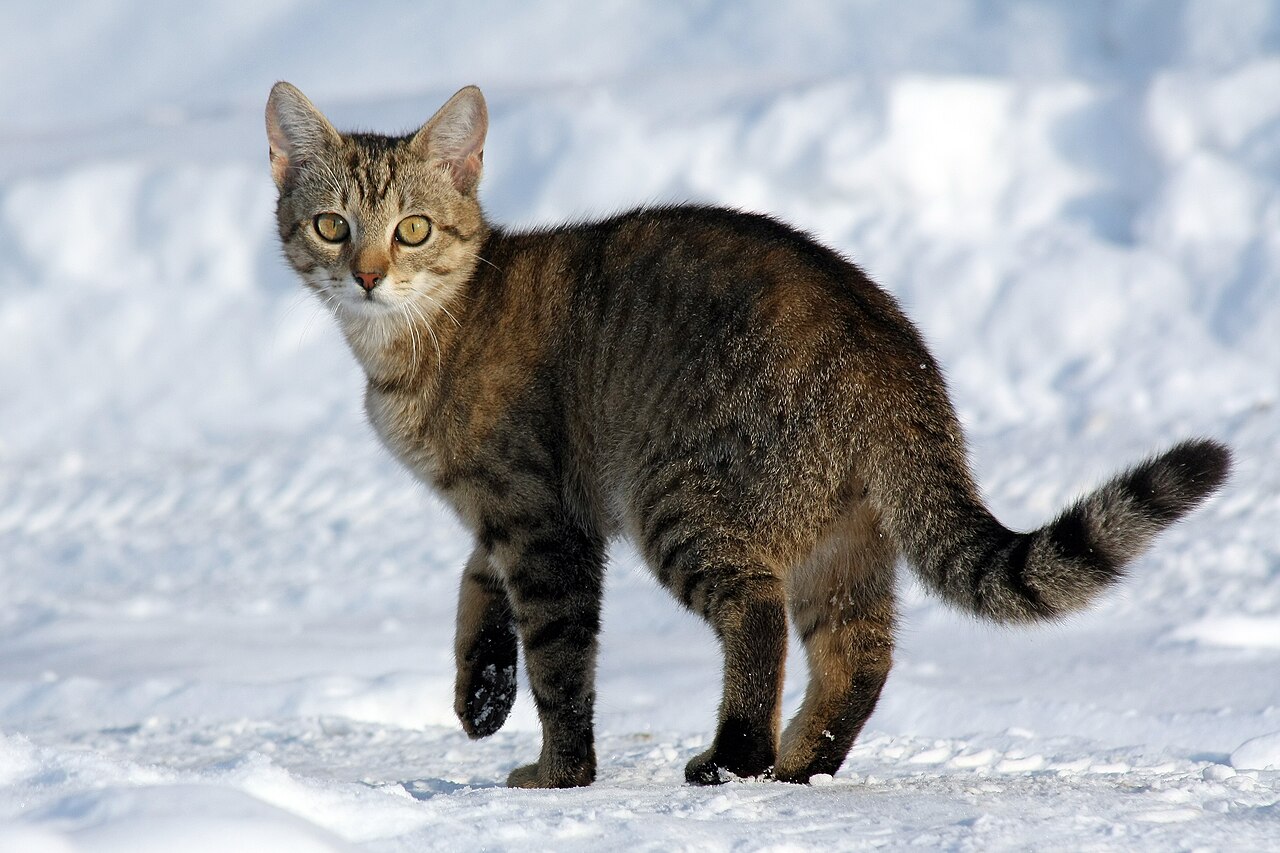
The domestic cat is a member of this family.
The Felidae are the cats. They are meat eaters and hunters. Animals in this family include tigers, lions, cougars, bobcats, Canada lynx, Florida panthers, jaguars, jaguarundis, margays, ocelots, leopards, cheetahs, and domestic cats.
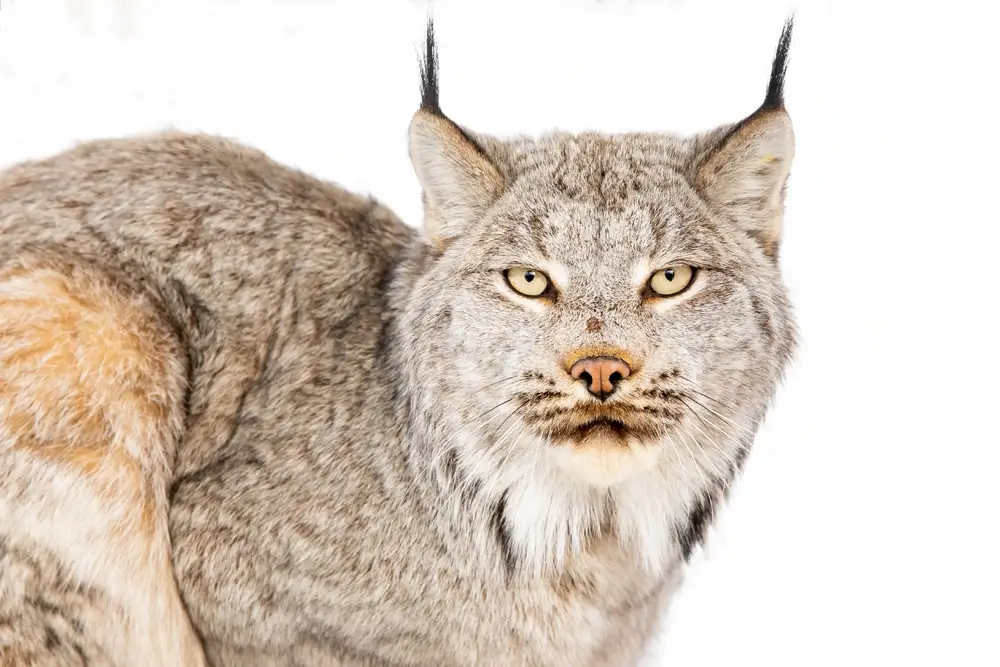
The Canada lynx has large ears with long black tufts at the ends.
The lynx genus includes the bobcat and the Canada lynx, animals that are very similar but not exactly the same.
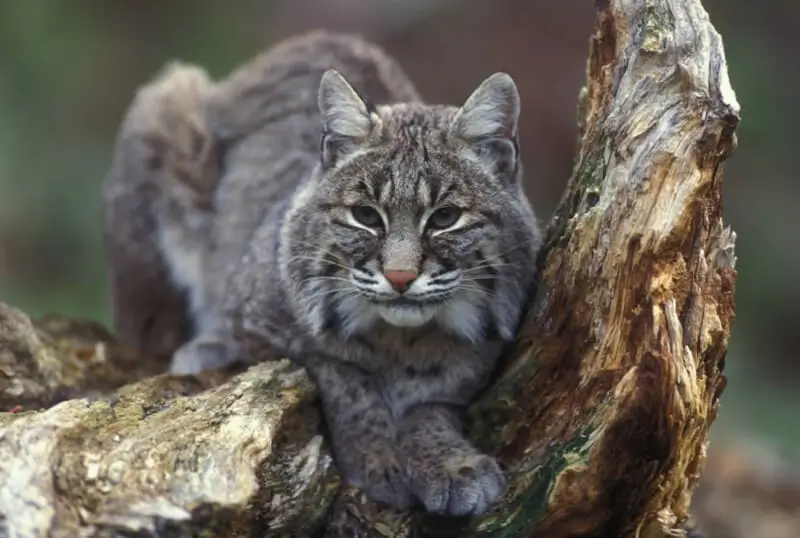
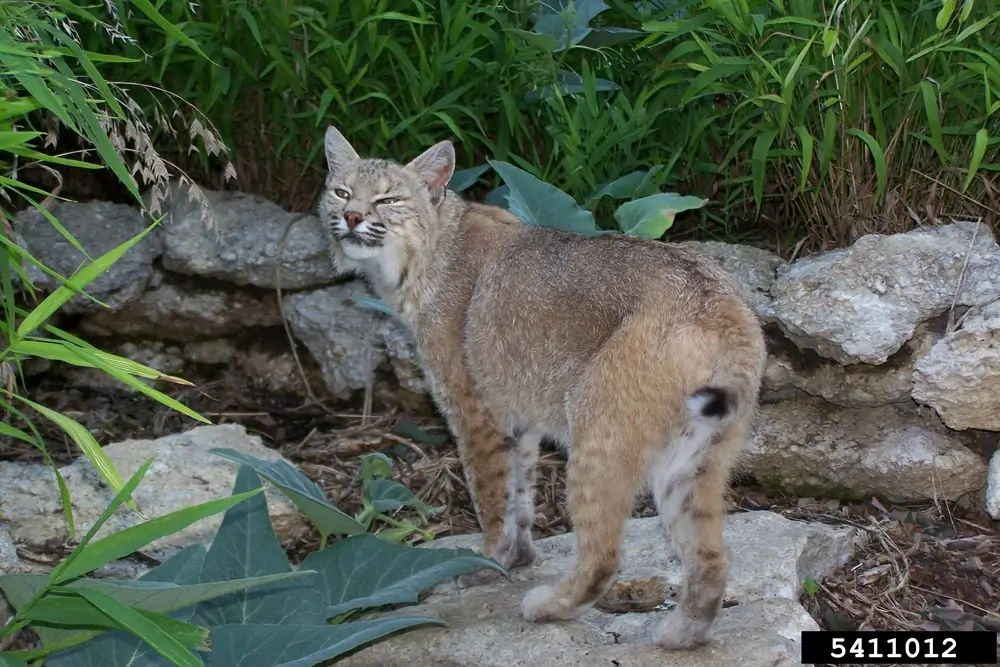
A Bobcat
This is the bobcat. Its Latin name is Lynx rufus.