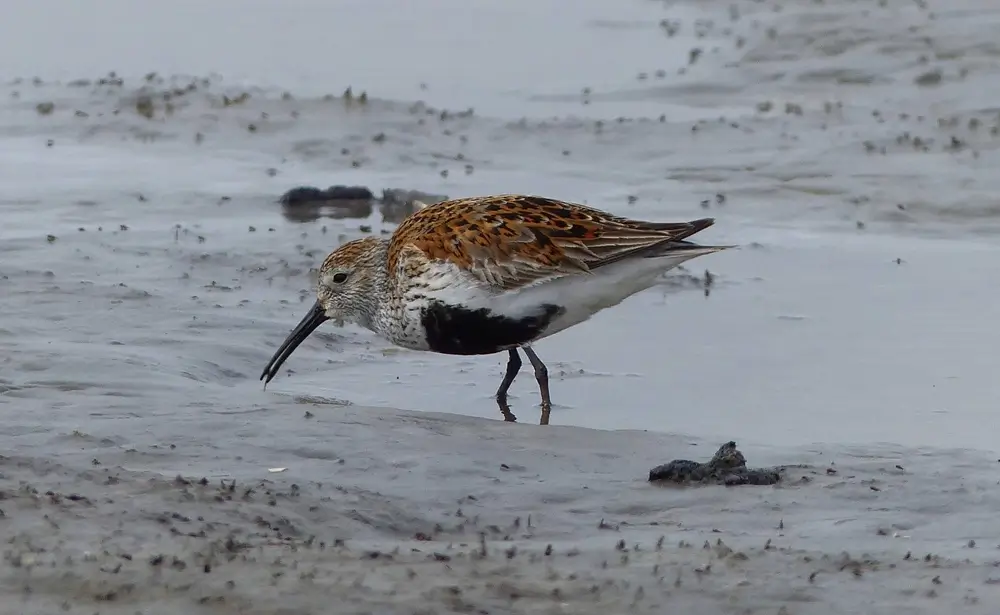
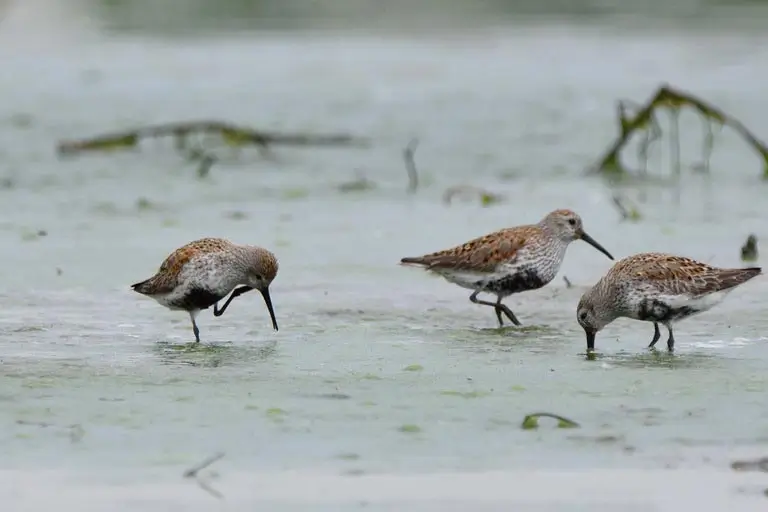
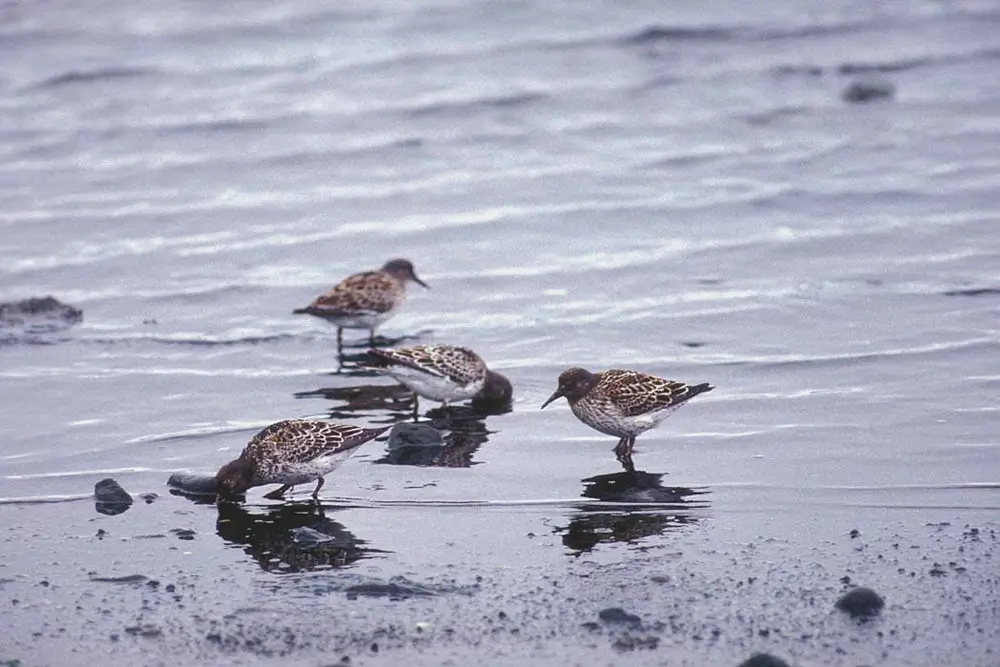
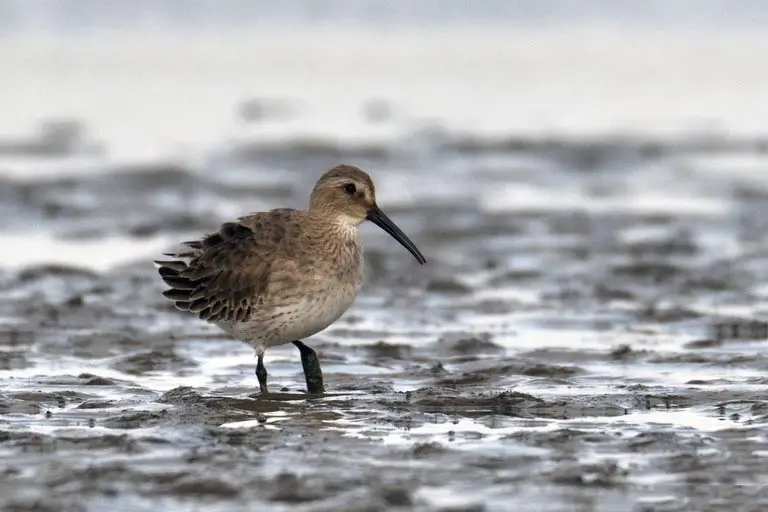
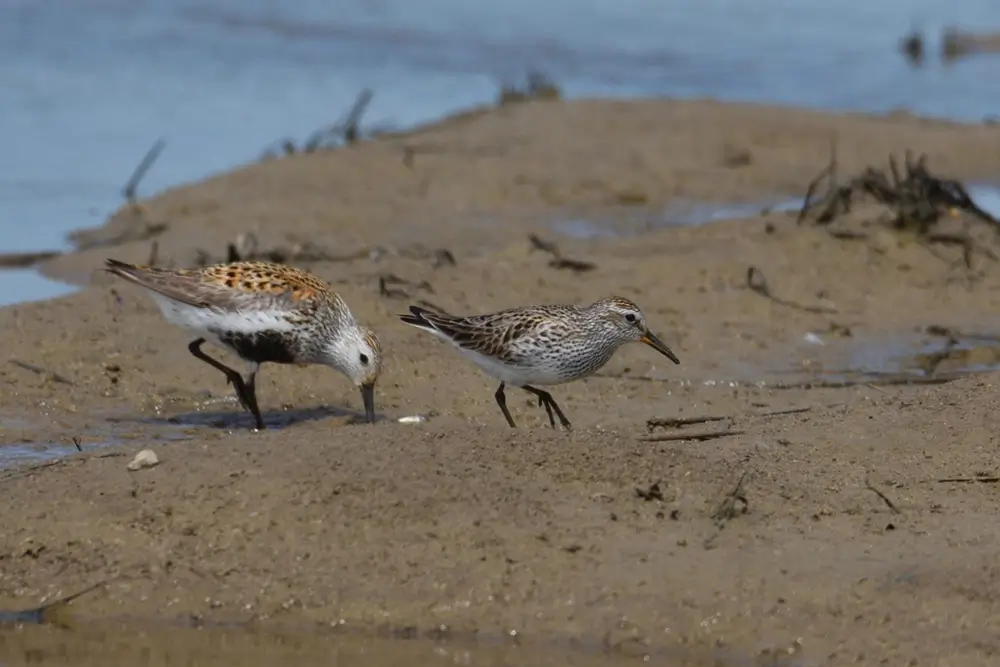
The dunlin is a medium-sized shorebird about 6.3-8.7 inches (16-22.1 cm) in length with a wingspan of 13-14 inches ( 32–36 cm).
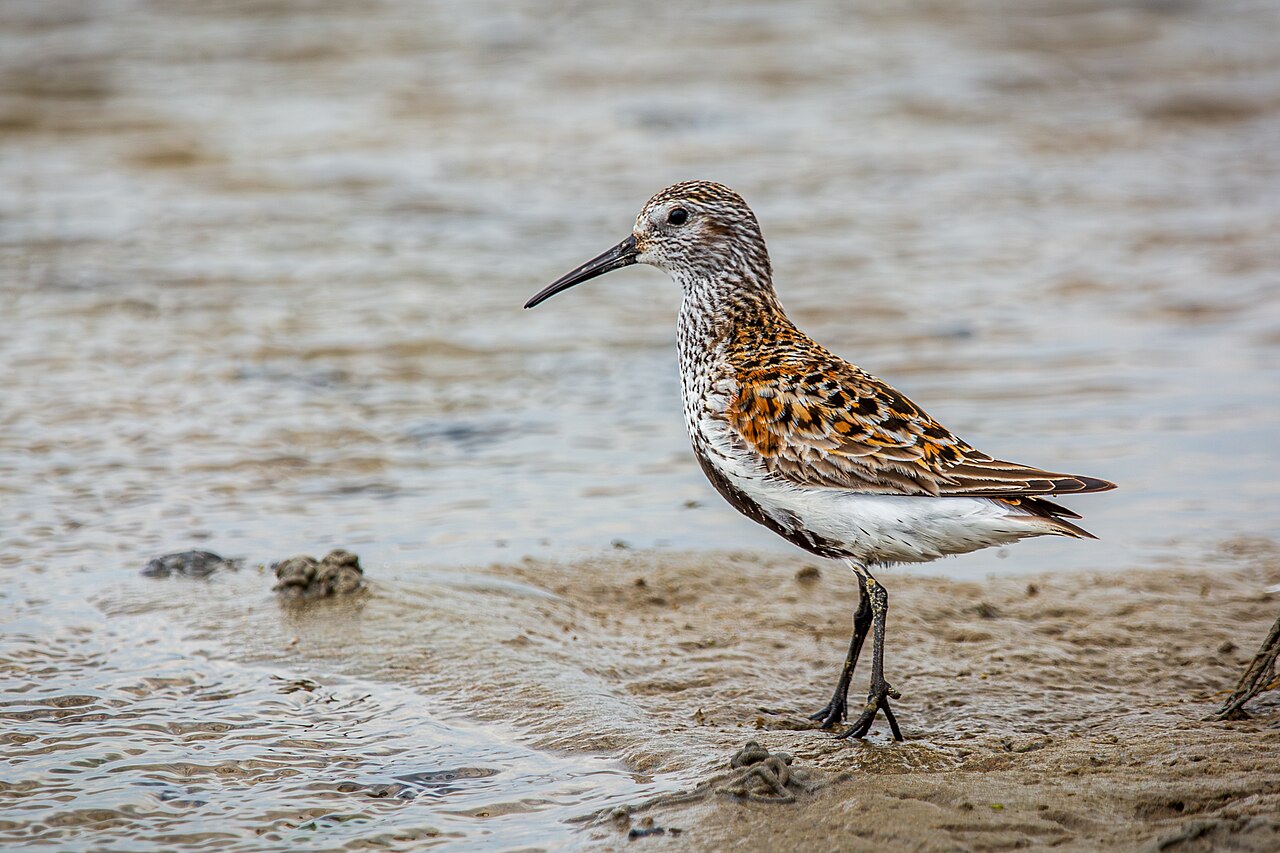
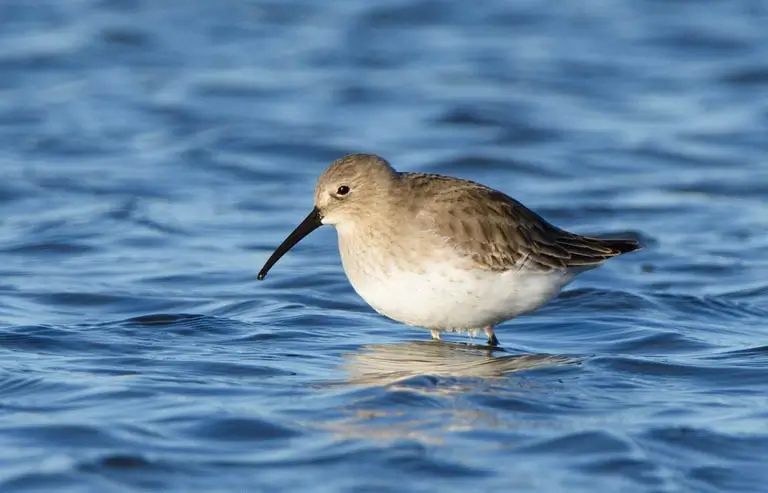
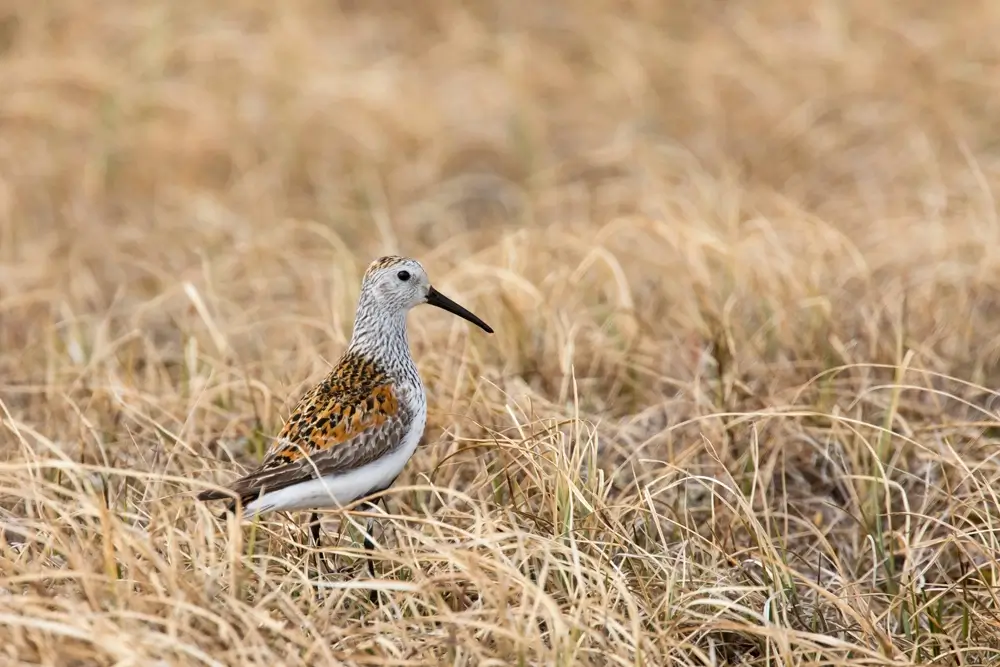
It has a long, dark bill with a slight downward curve at the tip. It has a black patch on its belly and black legs. Its back and wings are reddish-brown, and its head and chest are white with brownish specks. In the winter, the dunlin is a grayish color.
The dunlin was formerly known as the red-backed sandpiper.
Habitat
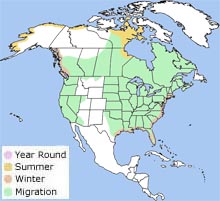
The dunlin nests on the tundra and winters on beaches, river and lake shores, mudflats and sandflats.
Diet
The dunlin eats insects and larvae, marine worms, small crustaceans, snails, and small fish.
Life Cycle
The female dunlin usually lays four eggs. The chicks hatch in 21-22 days and fledge when they are 19-21 days old.
The dunlin has a lifespan of around 5 years in the wild. The oldest known dunlin in the wild lived to be 24 years old.
Behavior
In winter, dunlins gather in huge flocks. If they are startled, they all fly off together, turning and flying in unison.
Did You Know?
The dunlin is sometimes called the “sewing machine” because of the way it bobs its head up and down and pokes into the ground as it probes for food.
Support for NatureWorks is provided by:
The Dunlin in NH
Dunlins do not breed in New Hampshire. They can be spotted on beaches and mudflats in the state in the winter.