

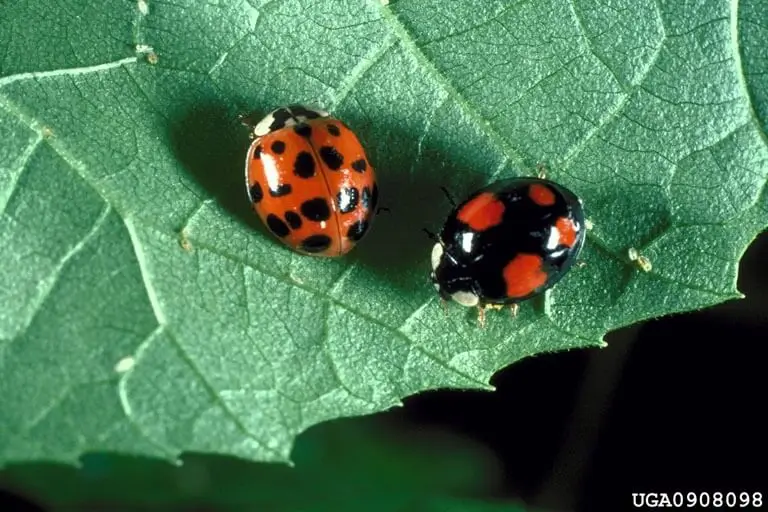
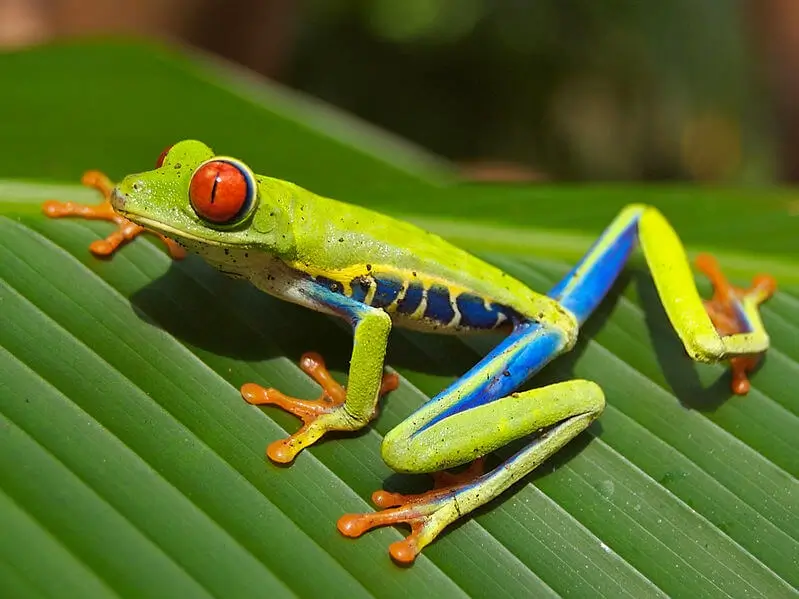
More than half of the world's species live in tropical rainforests. (Red-eyed Tree Frog)
Earth is home to an amazing variety of living things, which scientists call biodiversity. Biodiversity includes all the different plants, animals, fungi, and microscopic organisms that live in different habitats around the world.
Some of the richest places for life are tropical rainforests. Even though rainforests cover only about 2% of Earth’s surface, they may contain 50% to as much as 90% of all species on Earth. Scientists give a wide range because so many organisms in rainforests are still not fully studied or discovered.
The warm, wet climate and dense plant growth create many layers of habitat, from the forest floor to the treetops, allowing thousands of different species to live in a relatively small area.
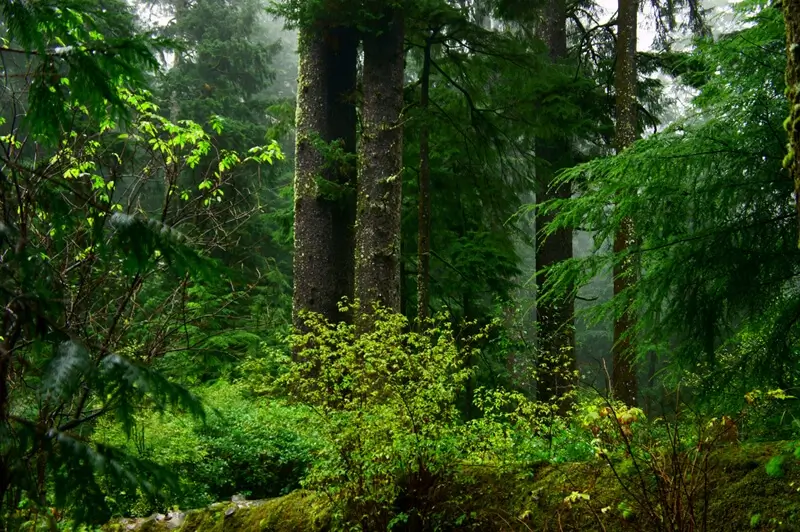
Parts of the old growth forest in the Pacific Northwest still have species of fungi and other soil dwellers yet to be discovered.
There are many places on Earth where scientists believe new species are still waiting to be discovered. Large parts of the ocean have not yet been fully explored, and even on land, there are remote habitats—such as old-growth forests in the Pacific Northwest—where organisms like fungi, insects, and tiny soil-dwelling creatures may still be unknown to science. Because these areas are so difficult to study, scientists think there could be millions of species that have not yet been identified.
Even though scientists have already identified a huge number of species, they believe we have only discovered a small portion of all the life that exists. Many organisms—especially tiny insects, deep-sea creatures, and species living in hard-to-reach environments—are still unknown. This means Earth’s biodiversity is likely far greater than what we currently understand.
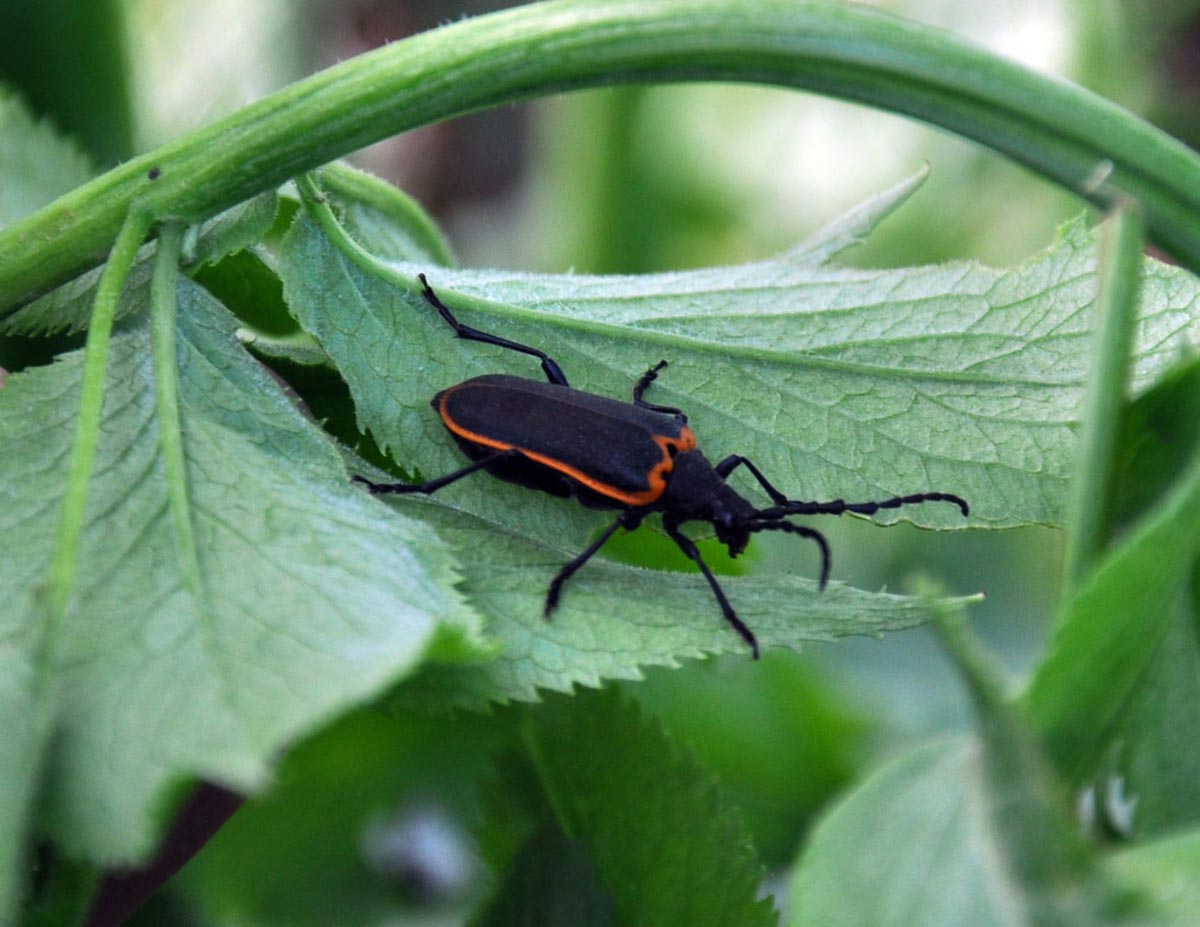
The valley elderberry longhorn beetle lives throughout California’s Central Valley.
One especially important group of insects is beetles. Beetles make up about one out of every five species found on Earth, making them one of the most diverse groups of living things.
They come in an incredible variety of shapes, sizes, and colors, and they live in nearly every habitat on the planet, from temperate-deciduous forests and deserts to wetlands.
