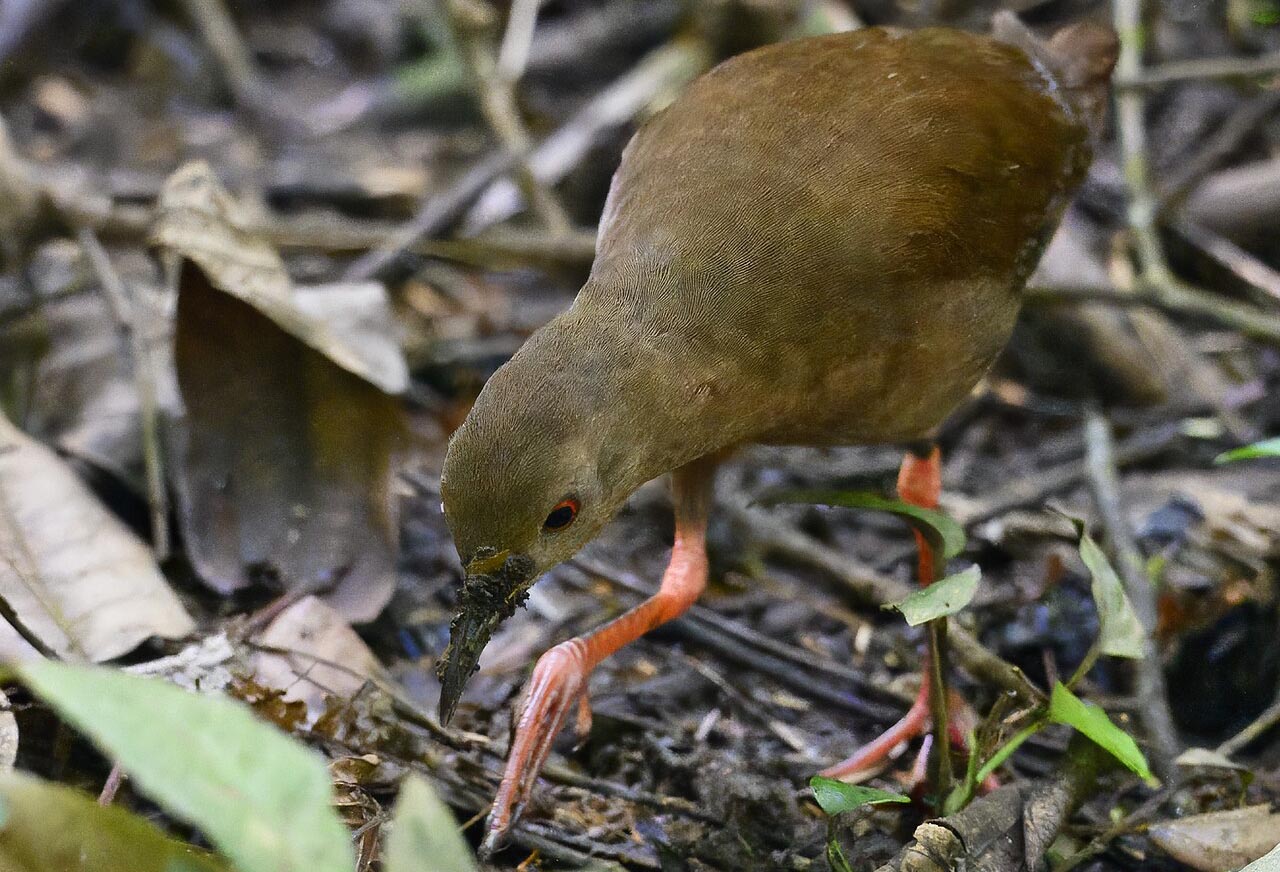
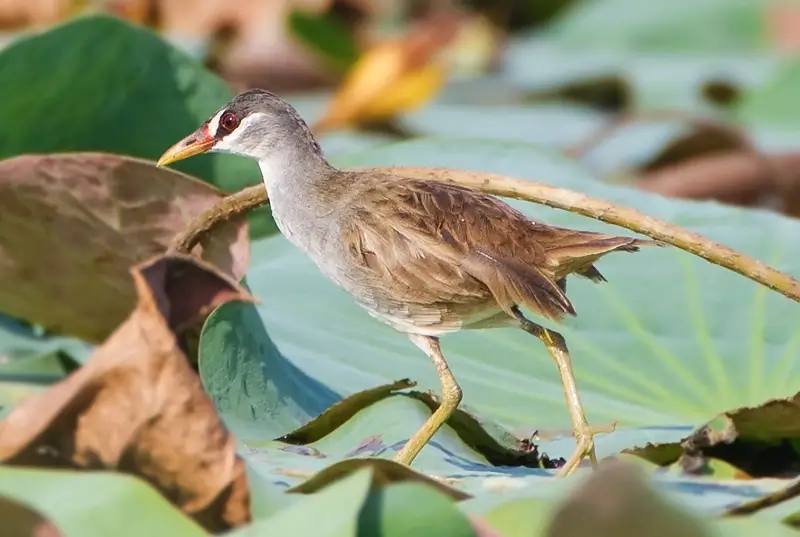
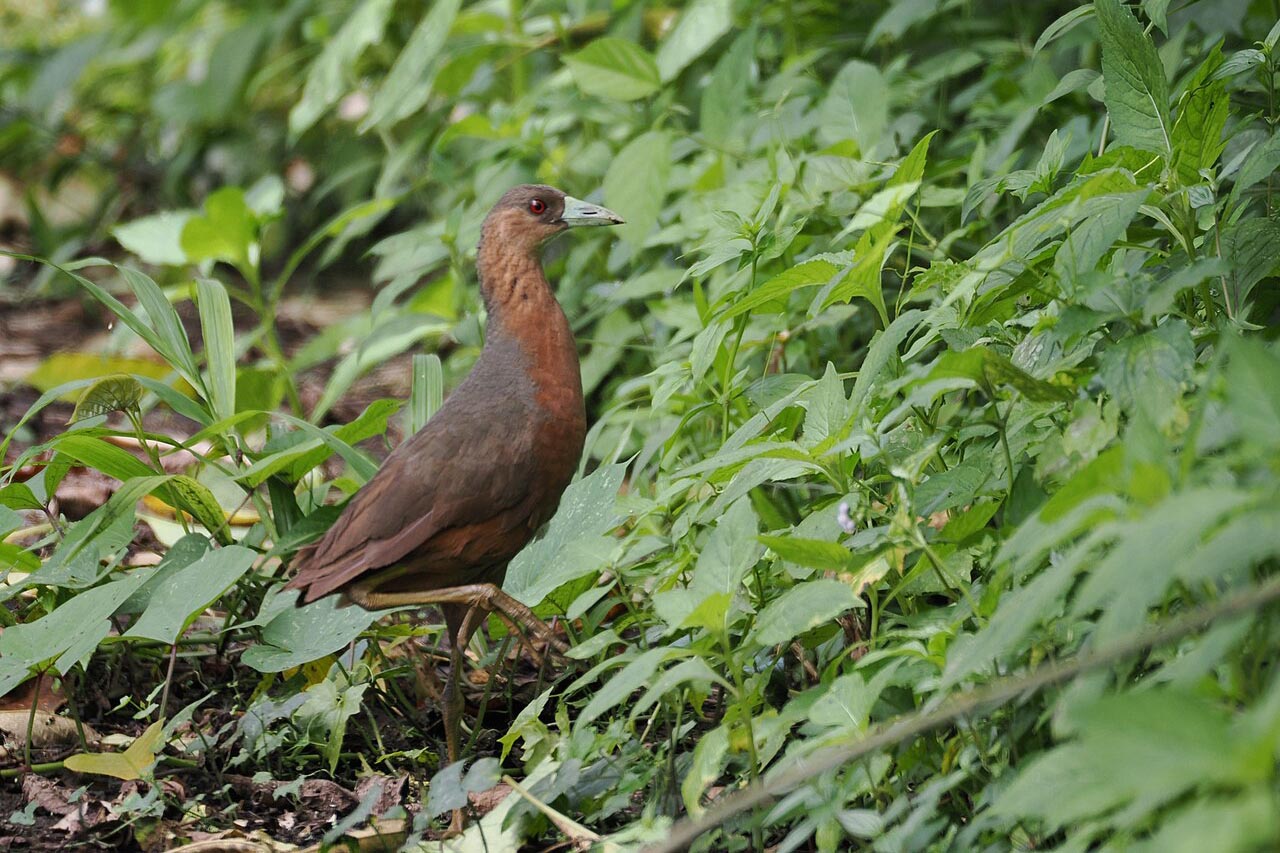
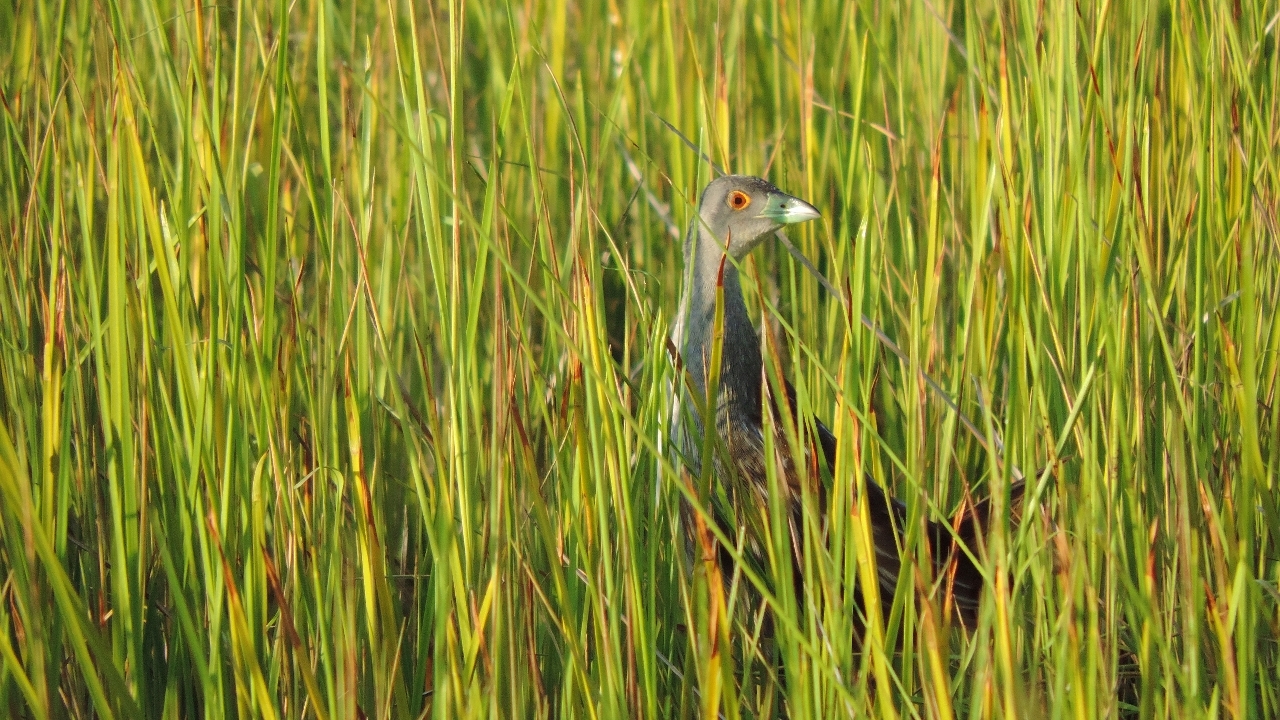
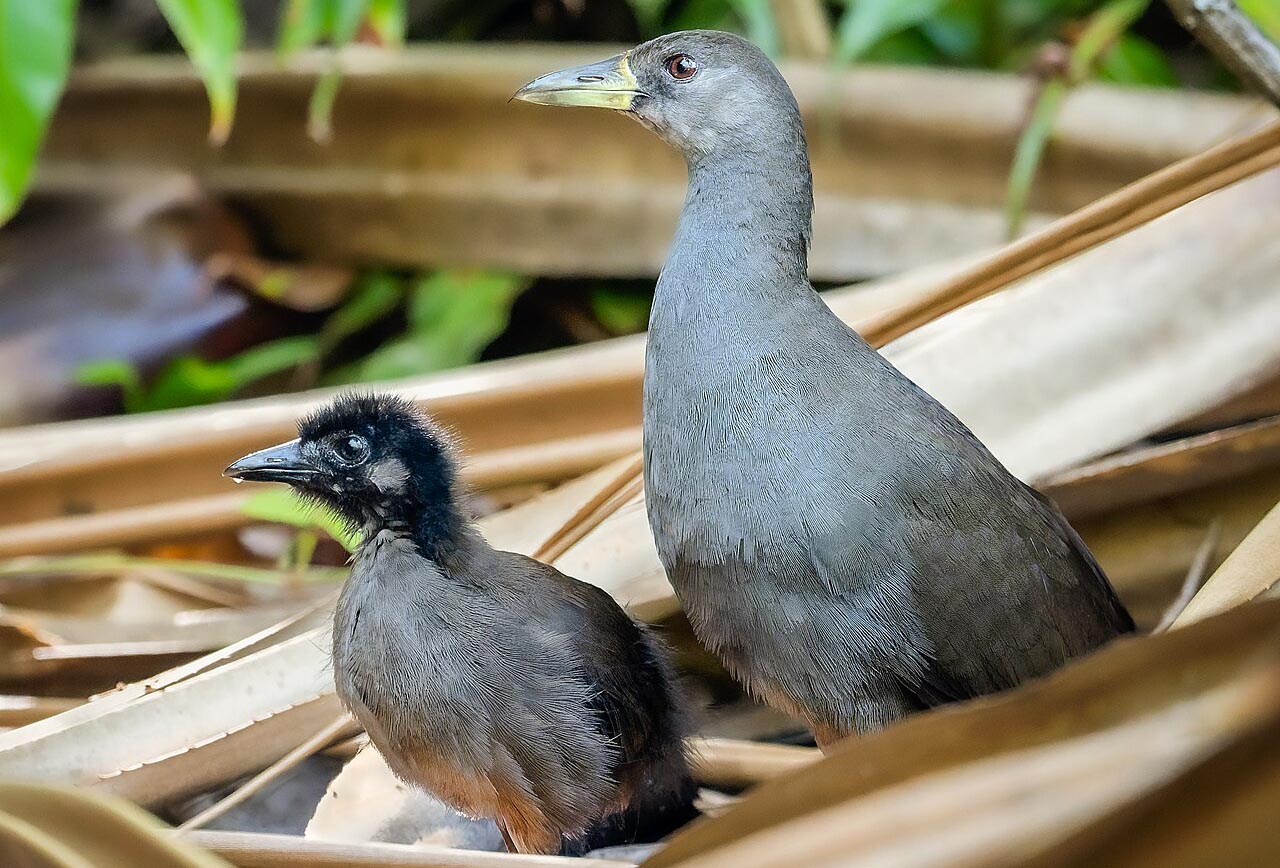
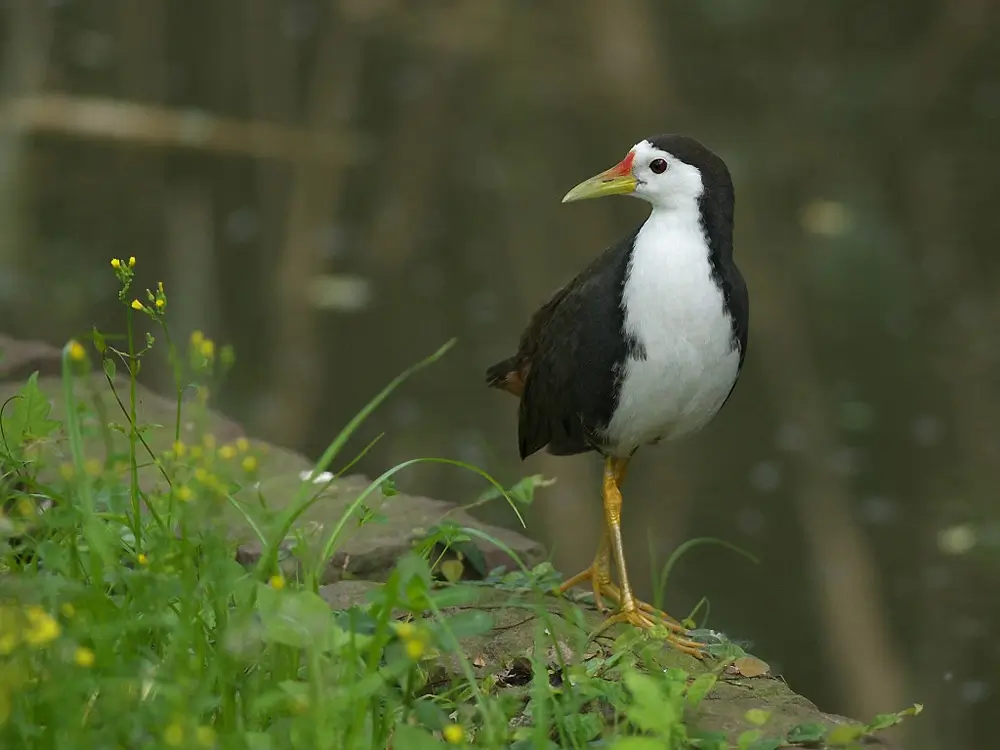
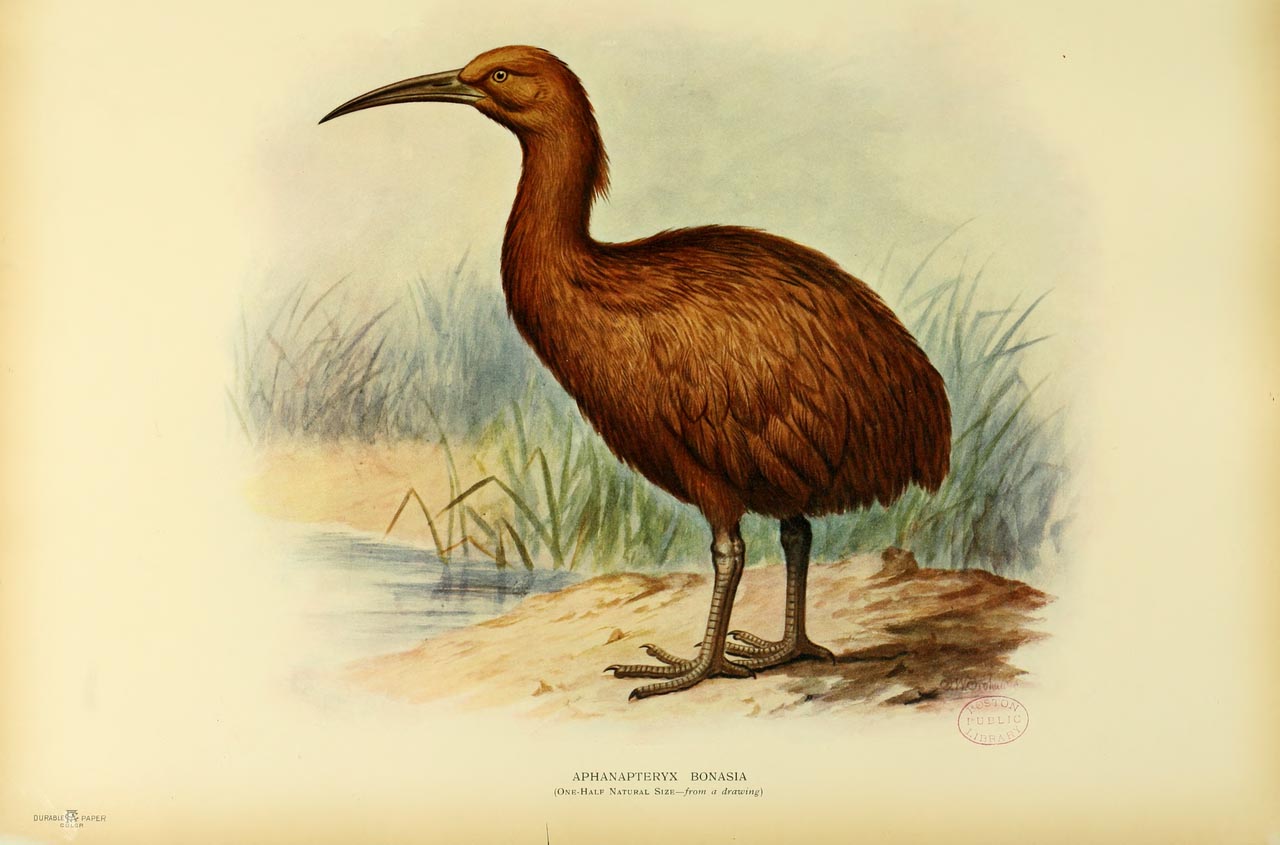
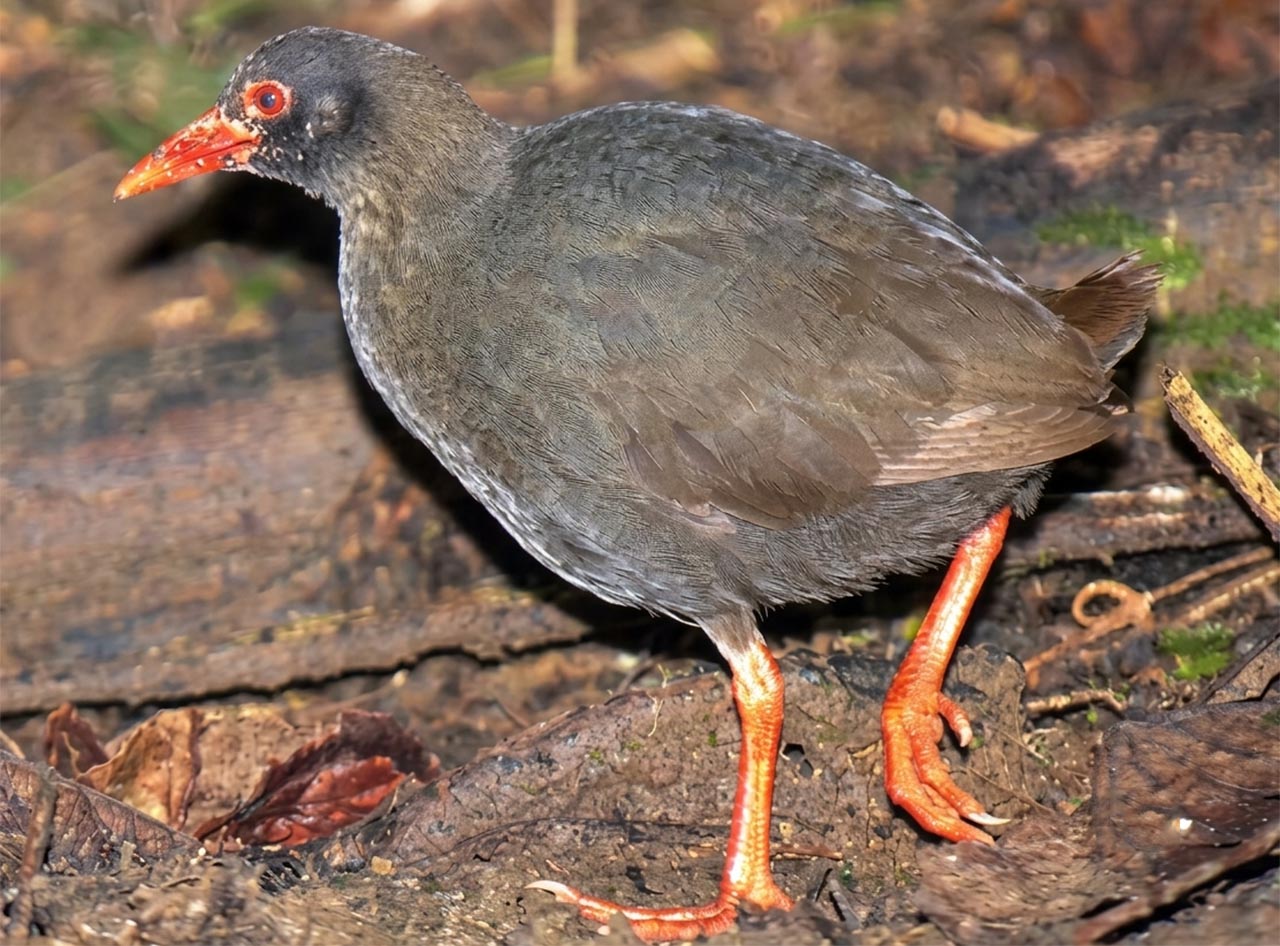
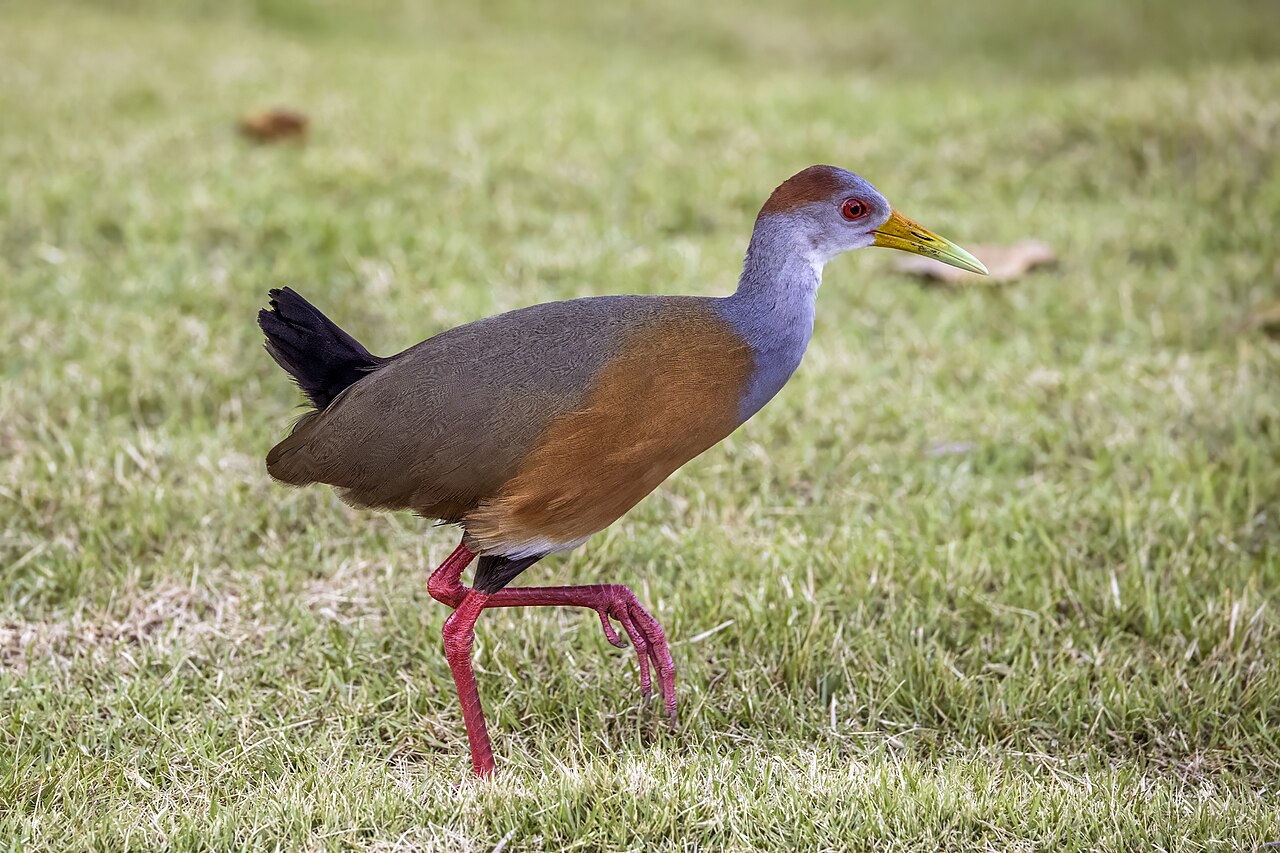
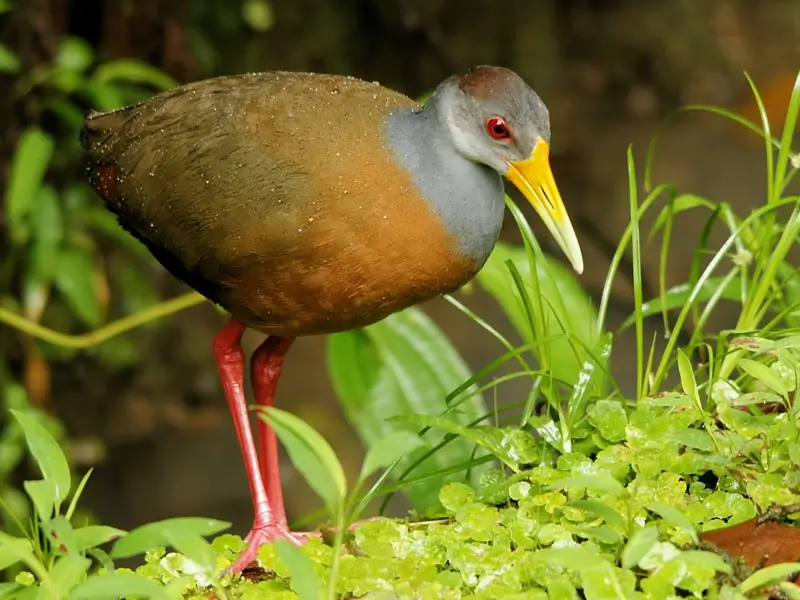
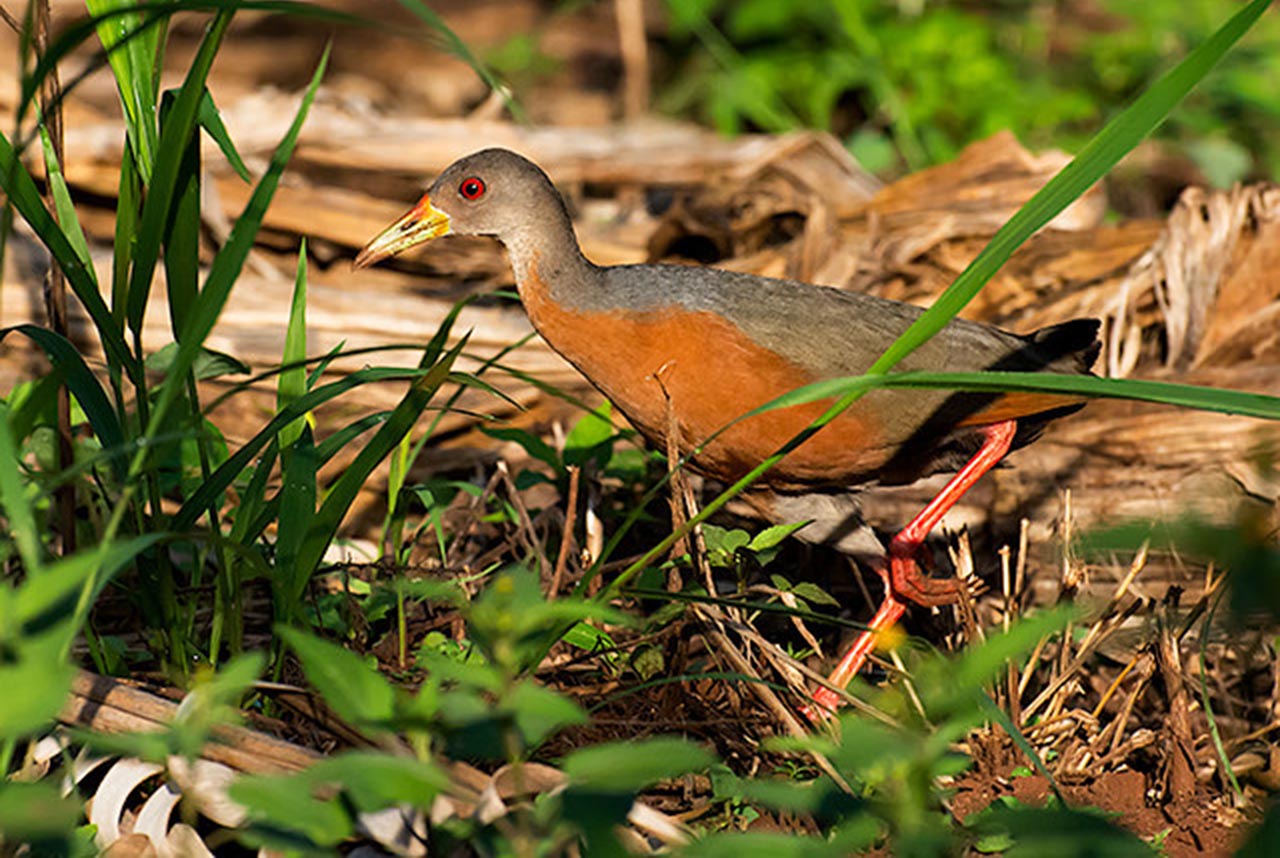
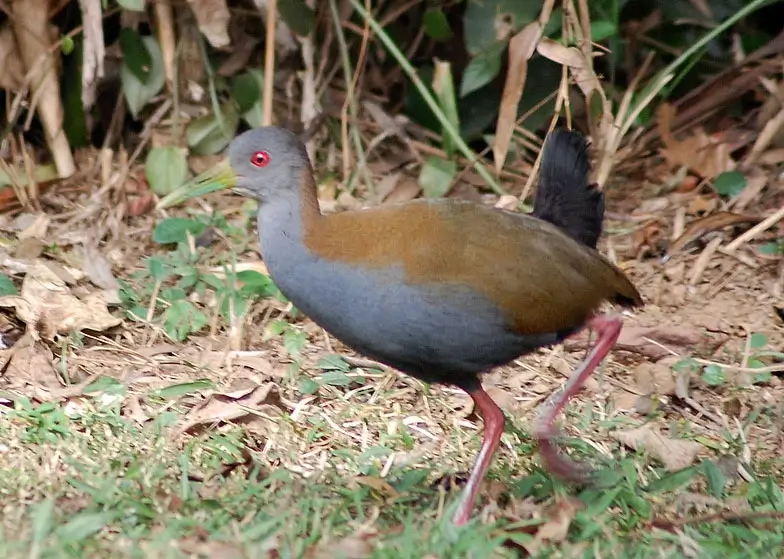
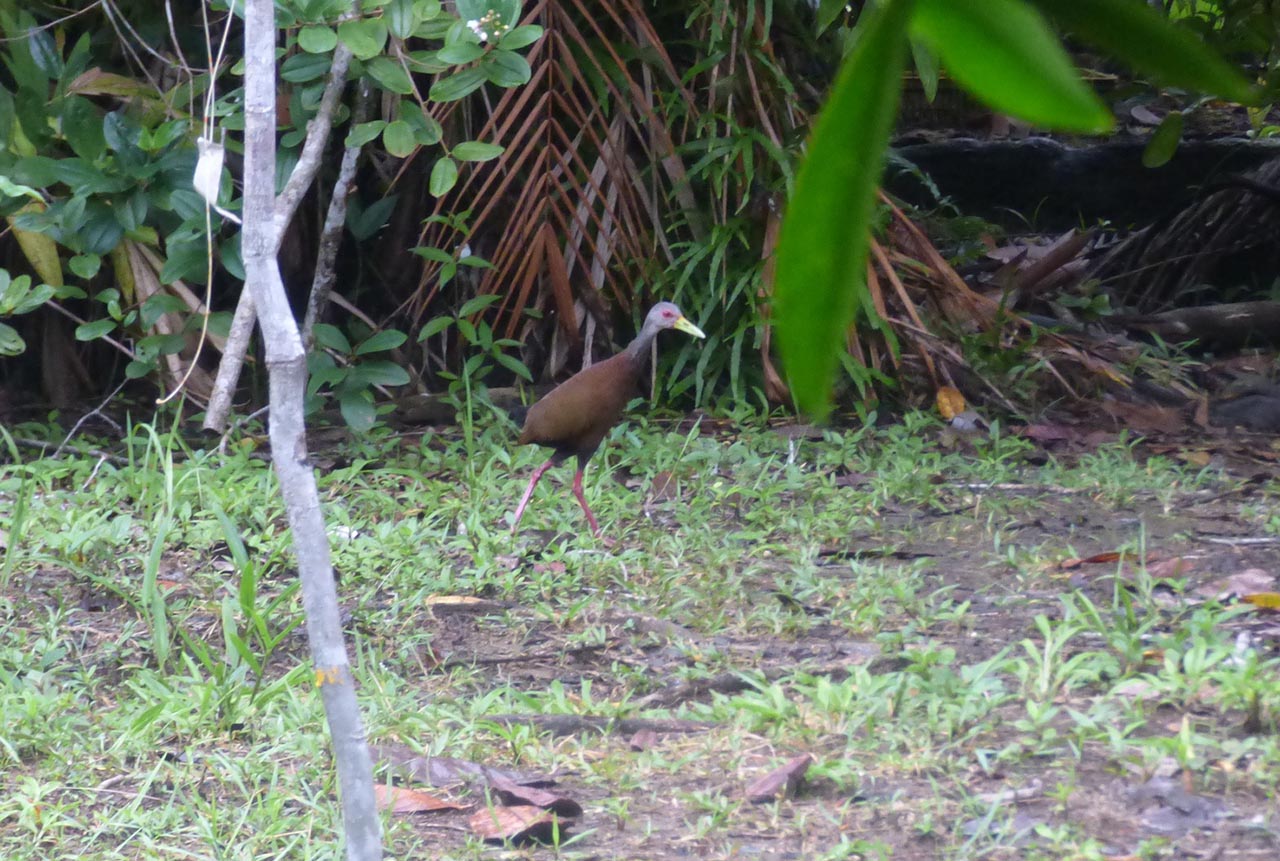
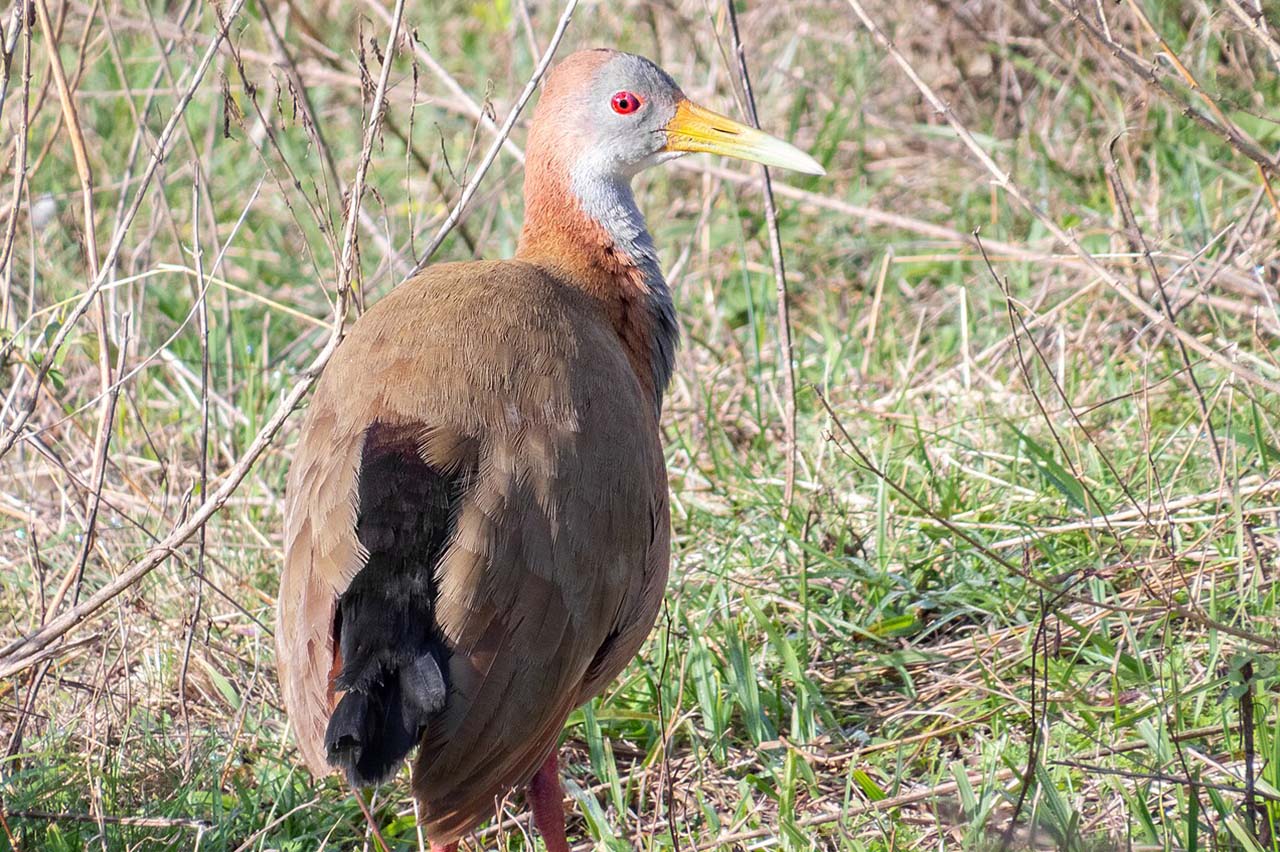
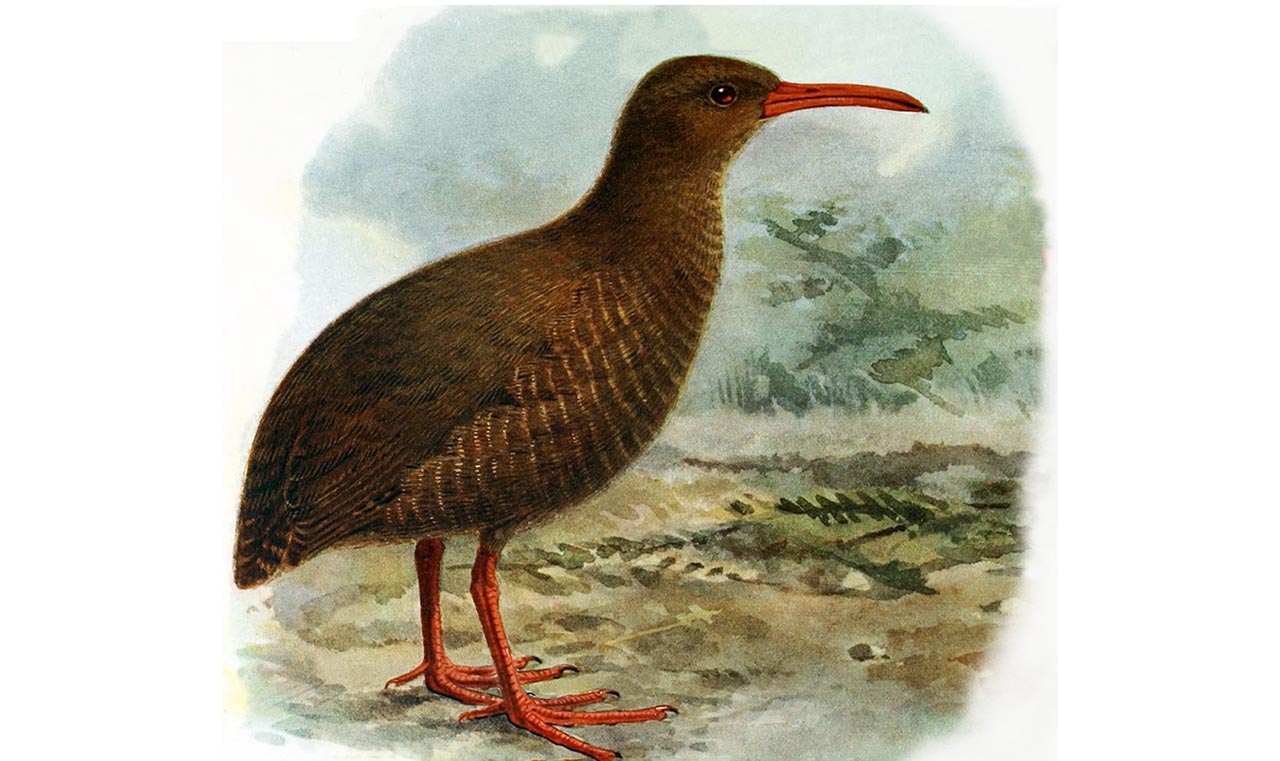
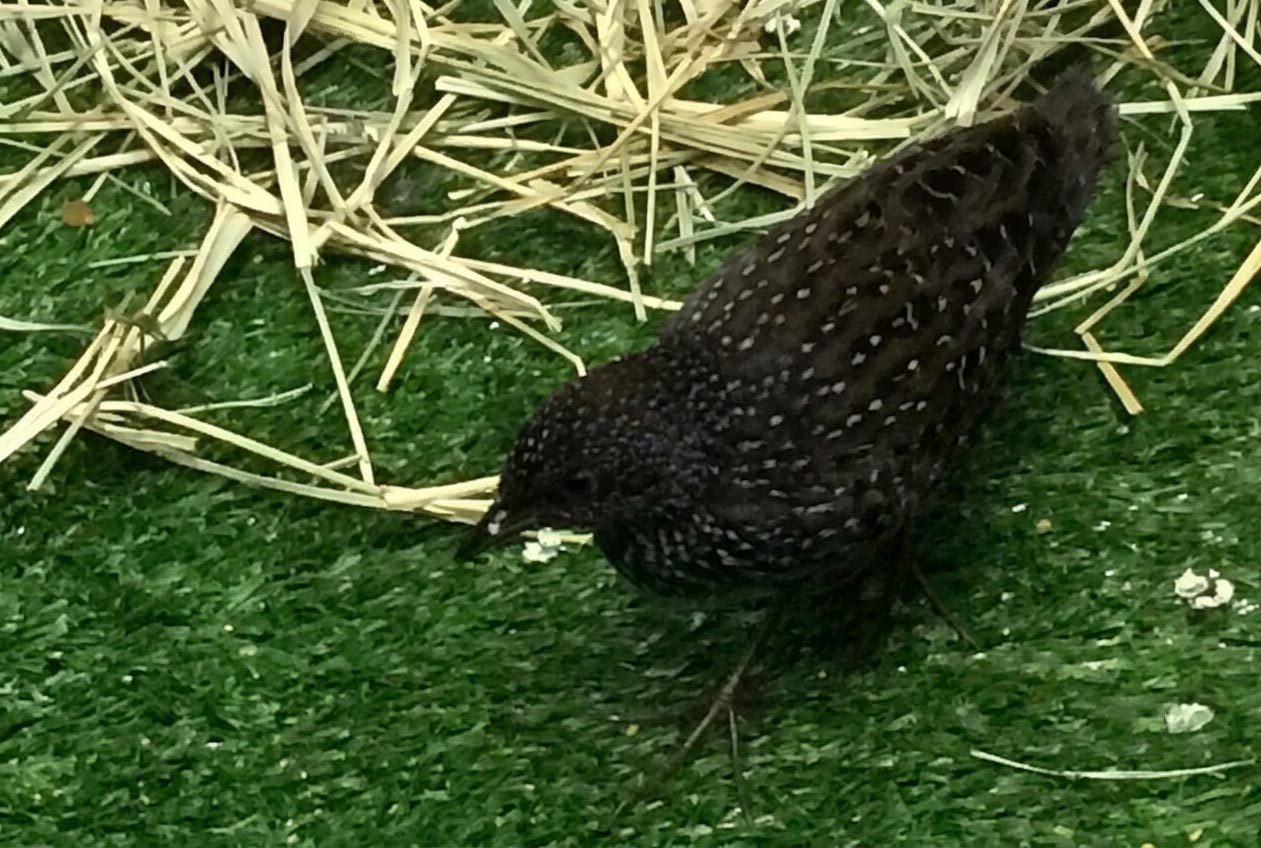
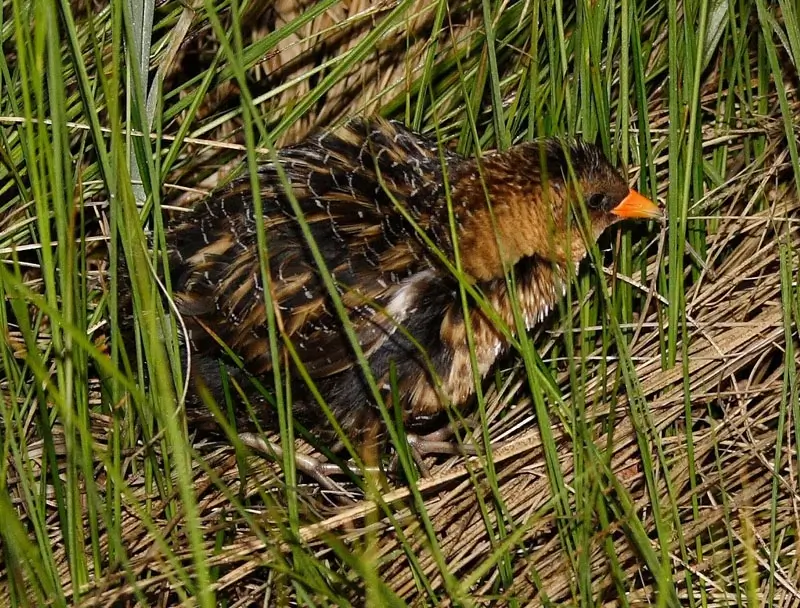
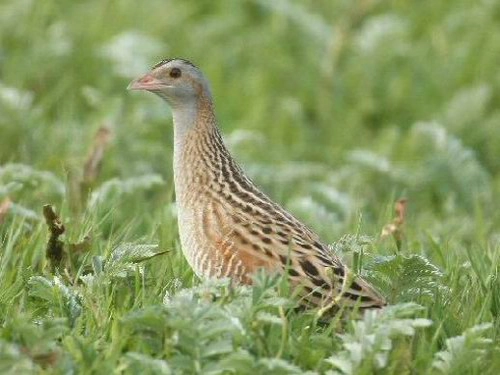
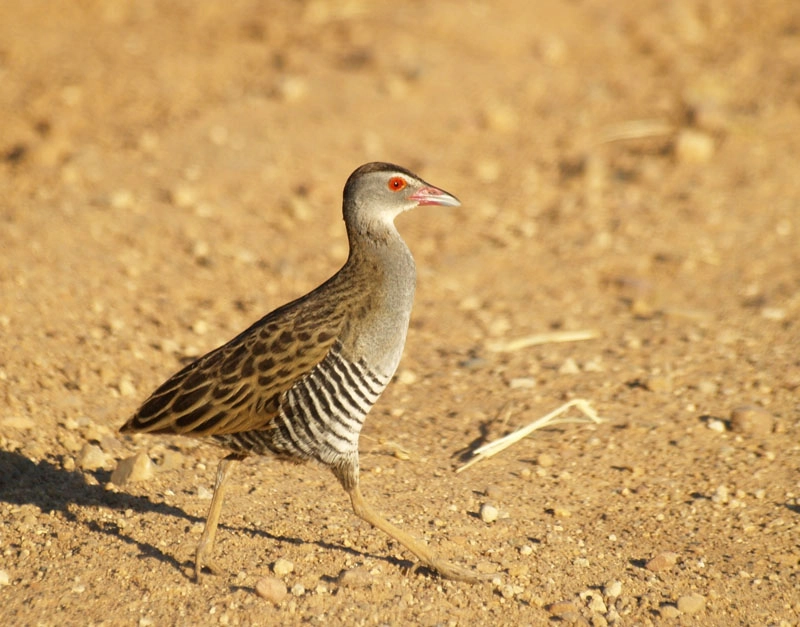
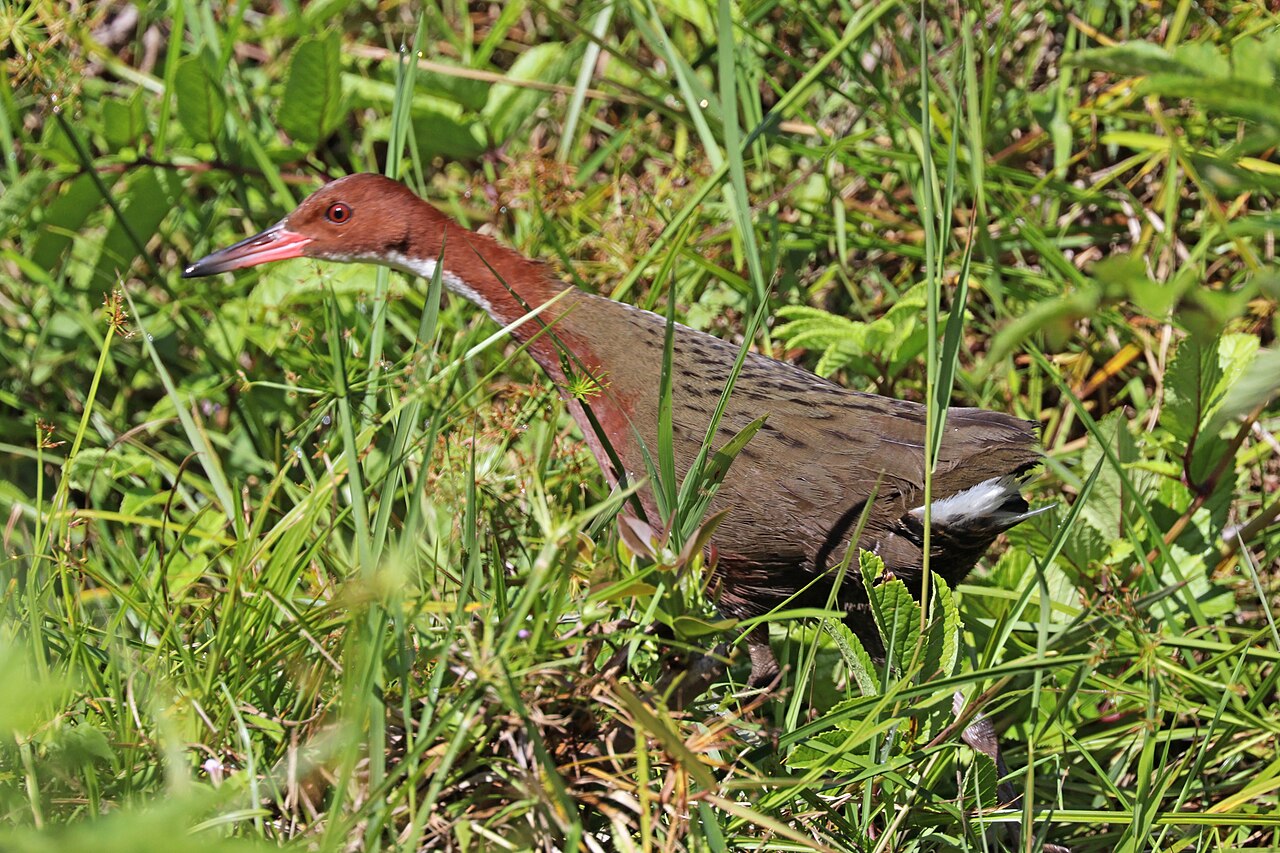
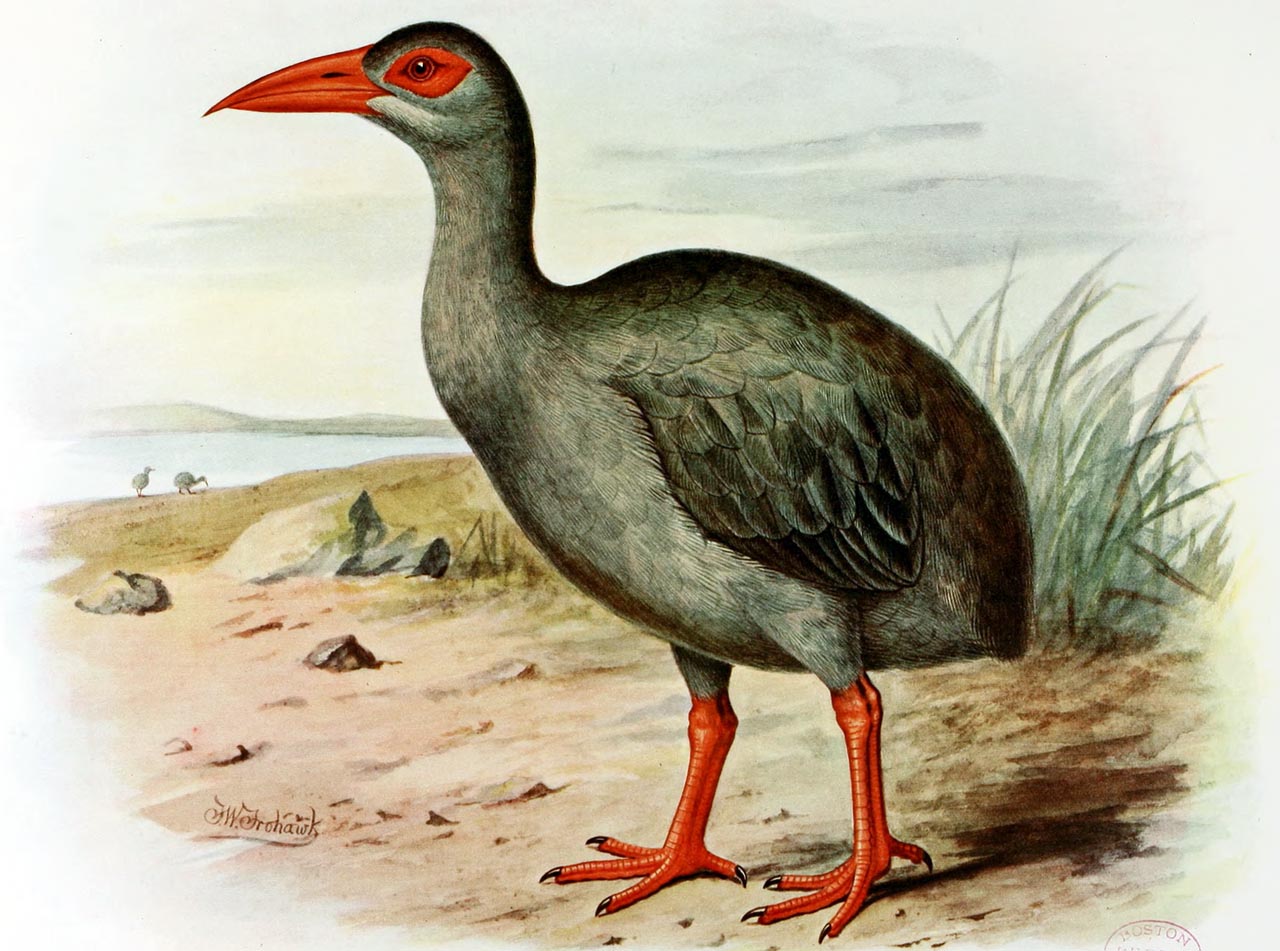
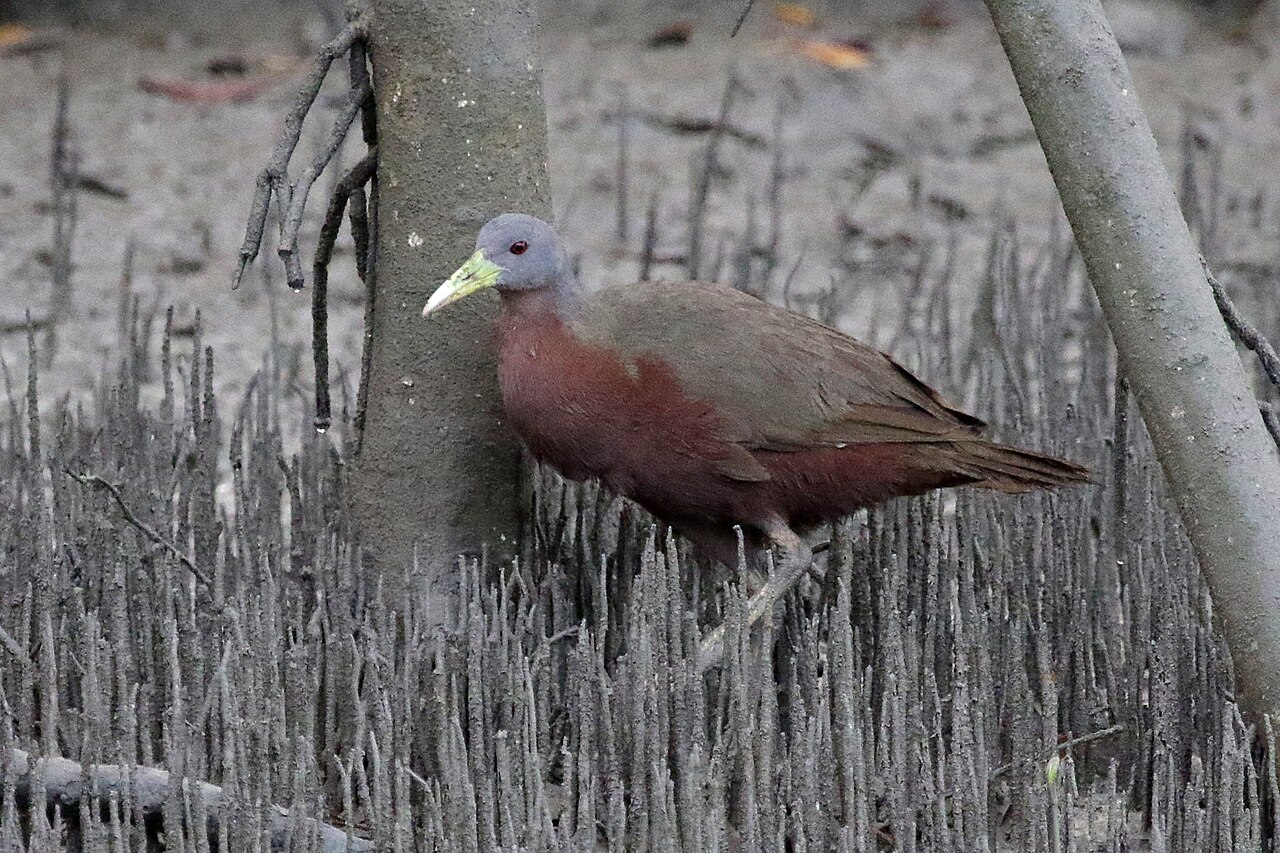
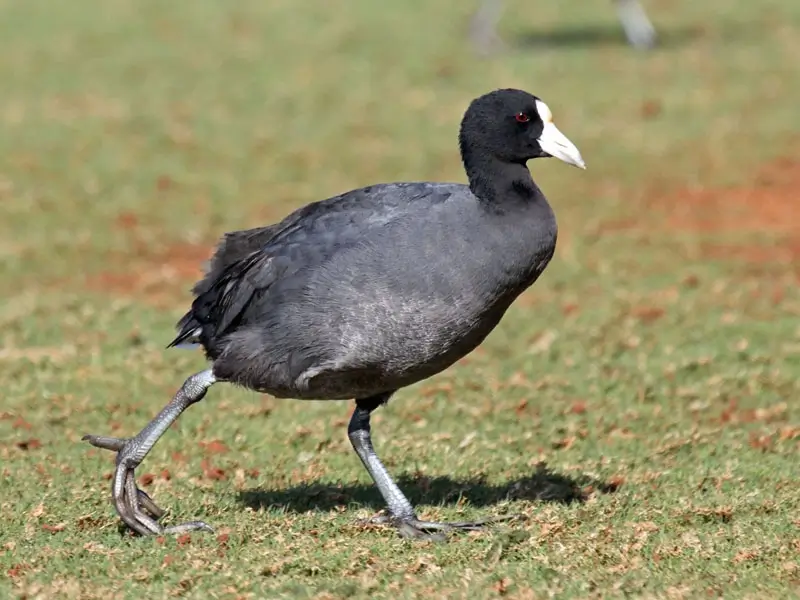
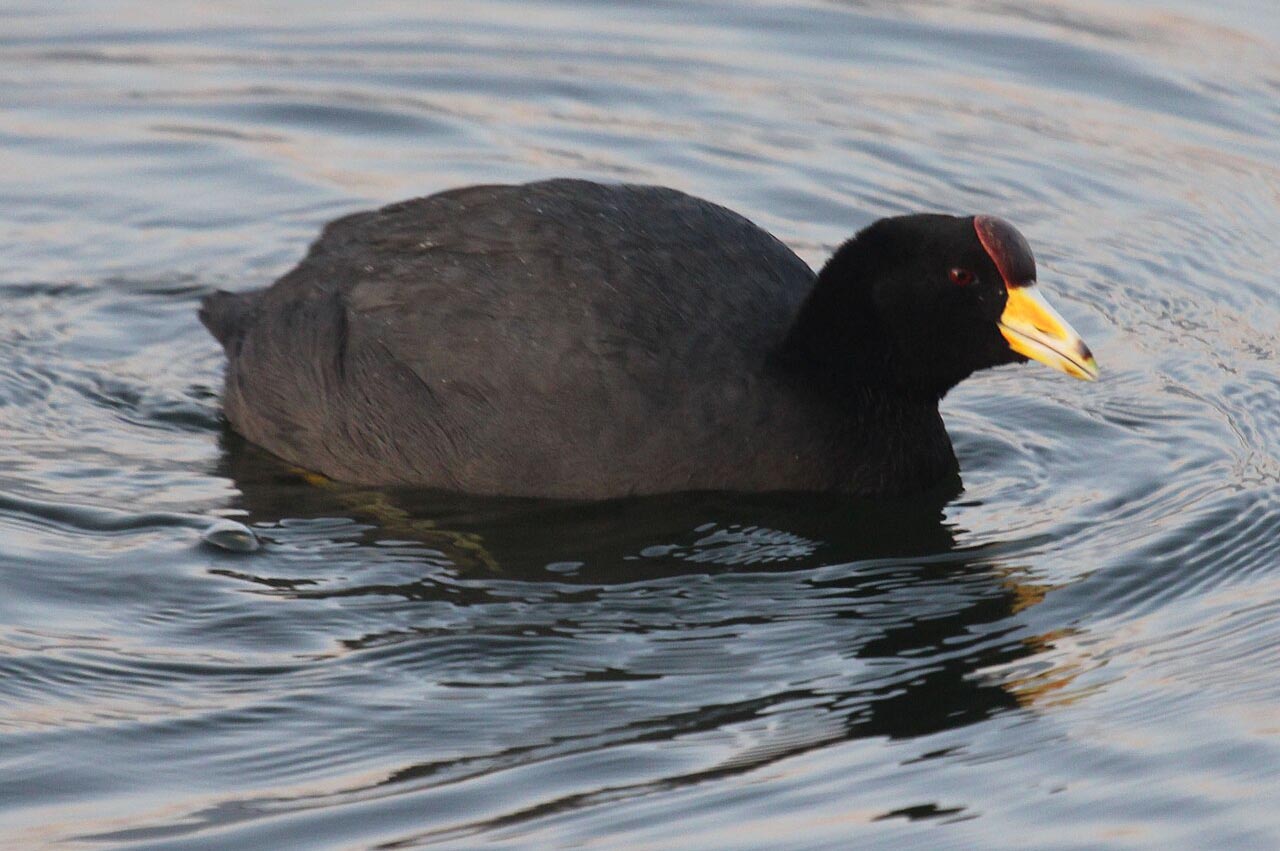
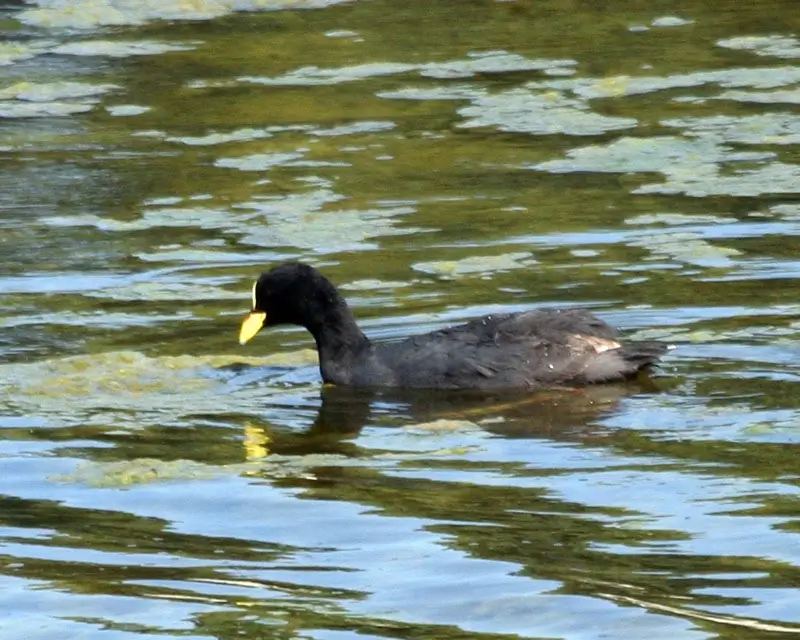
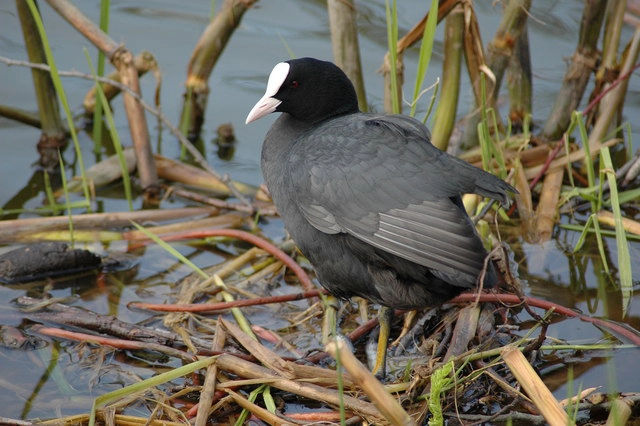
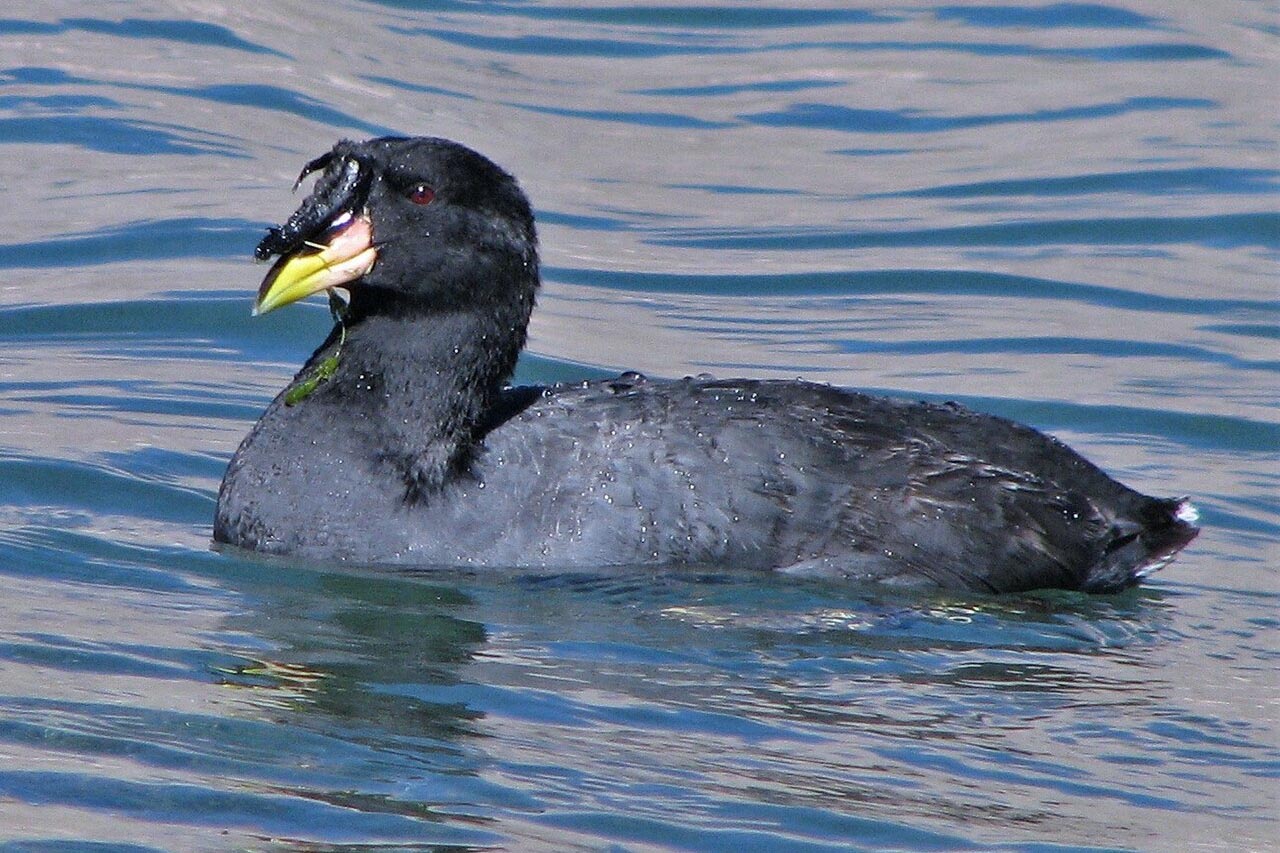
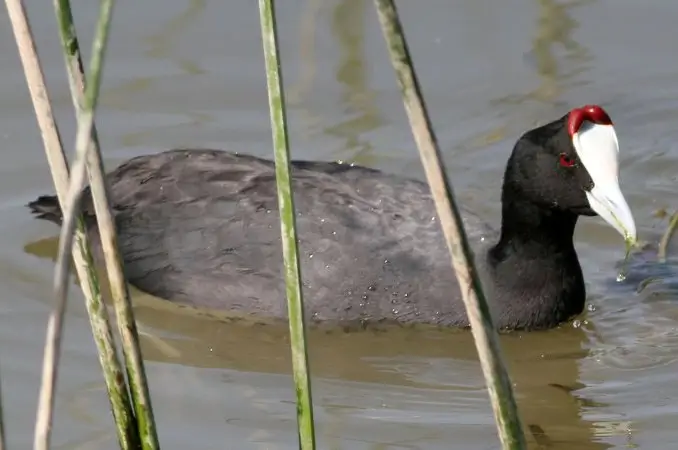
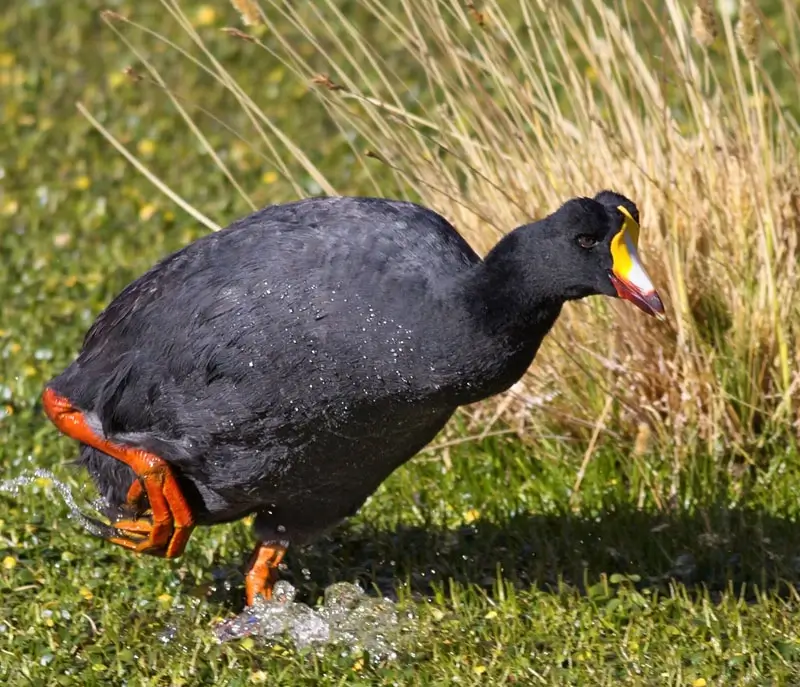
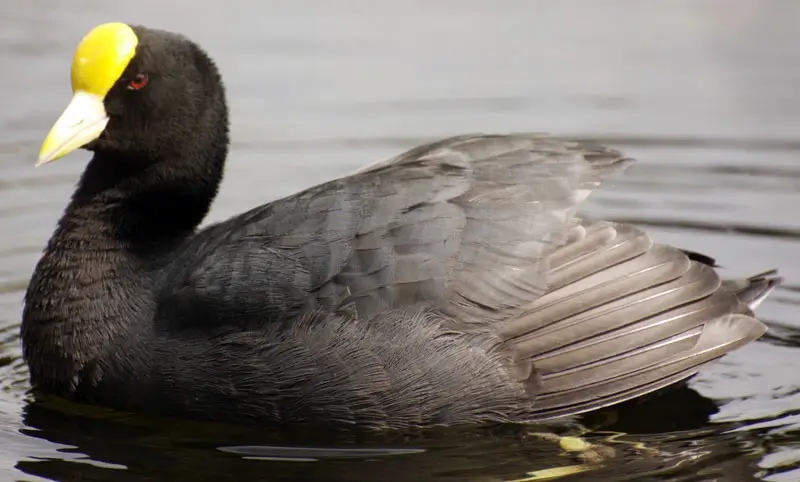
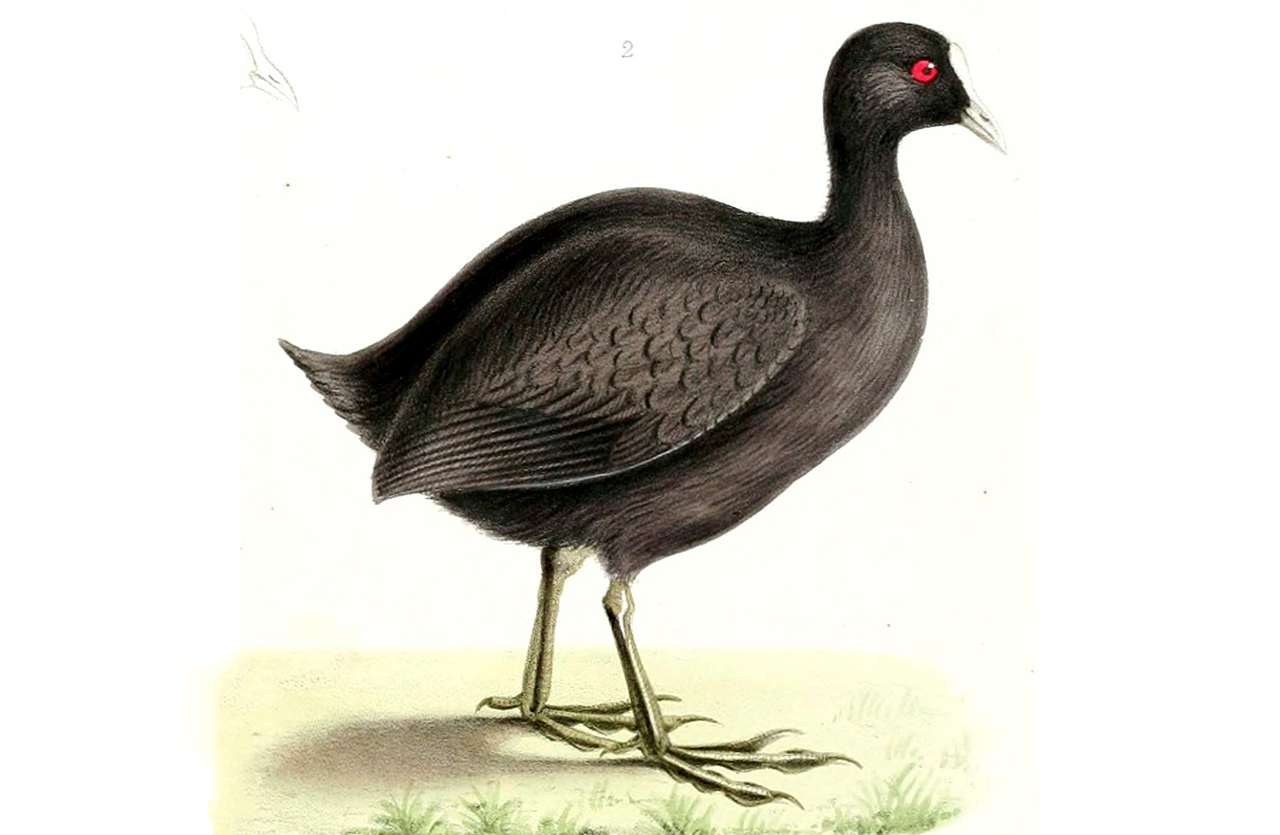
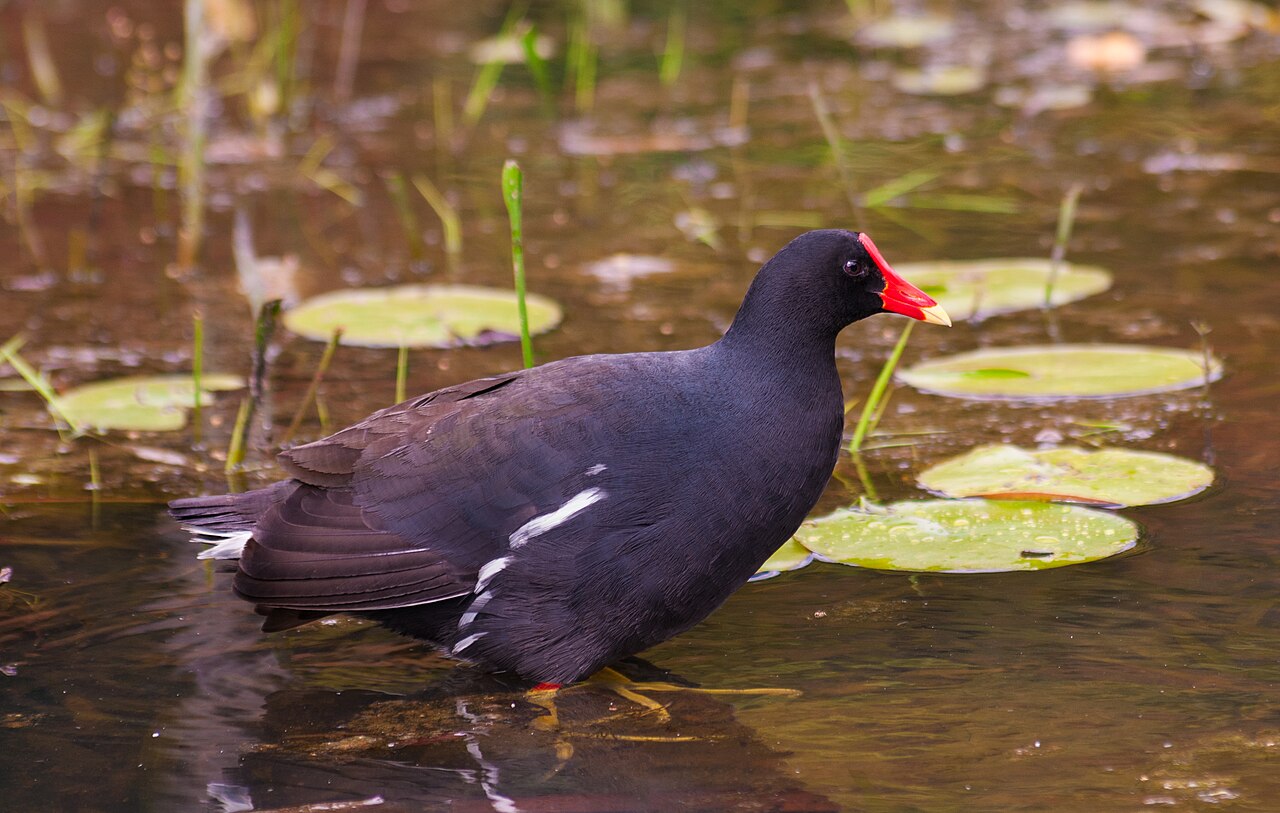
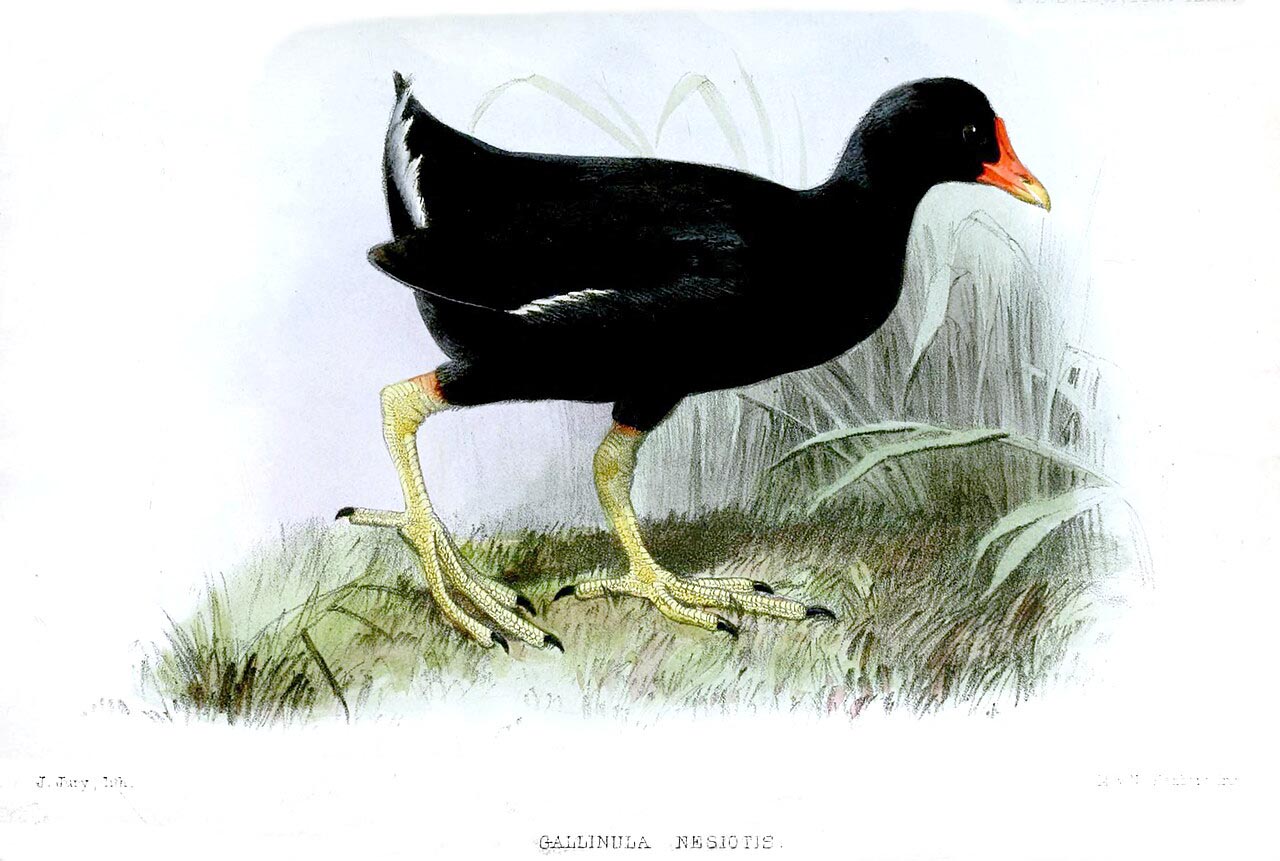
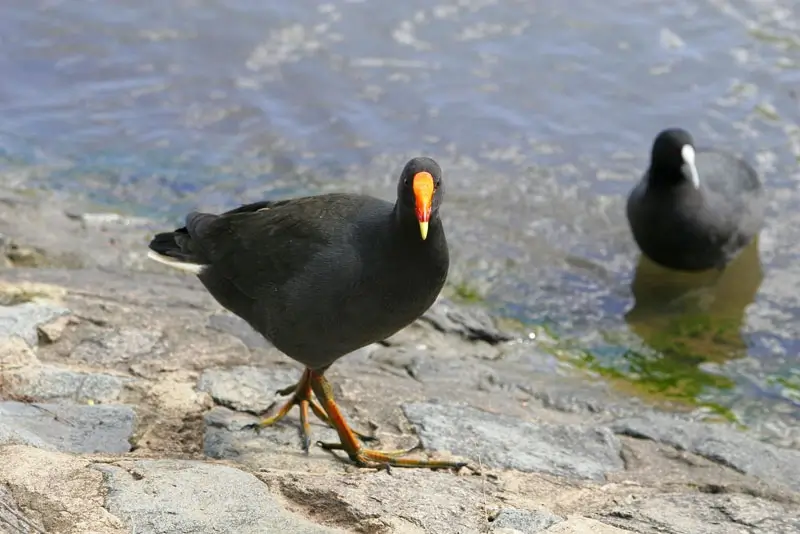
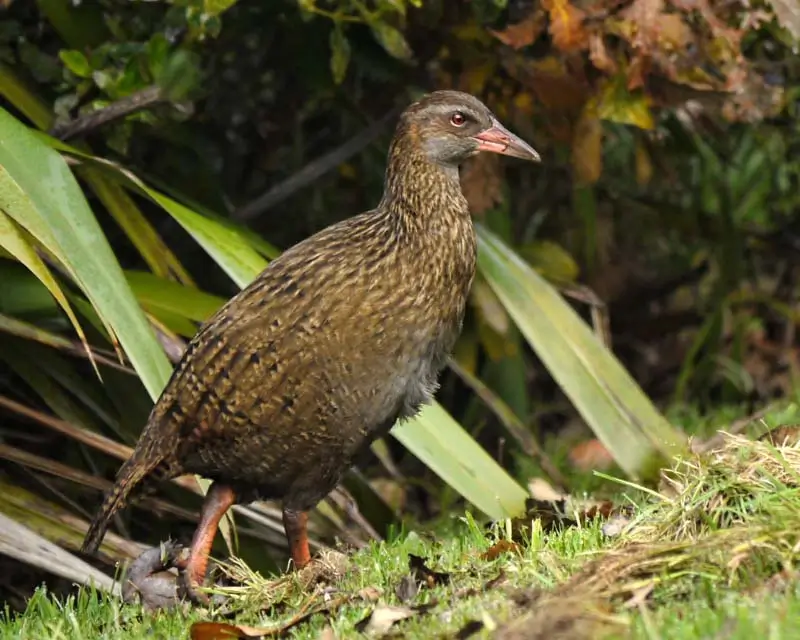
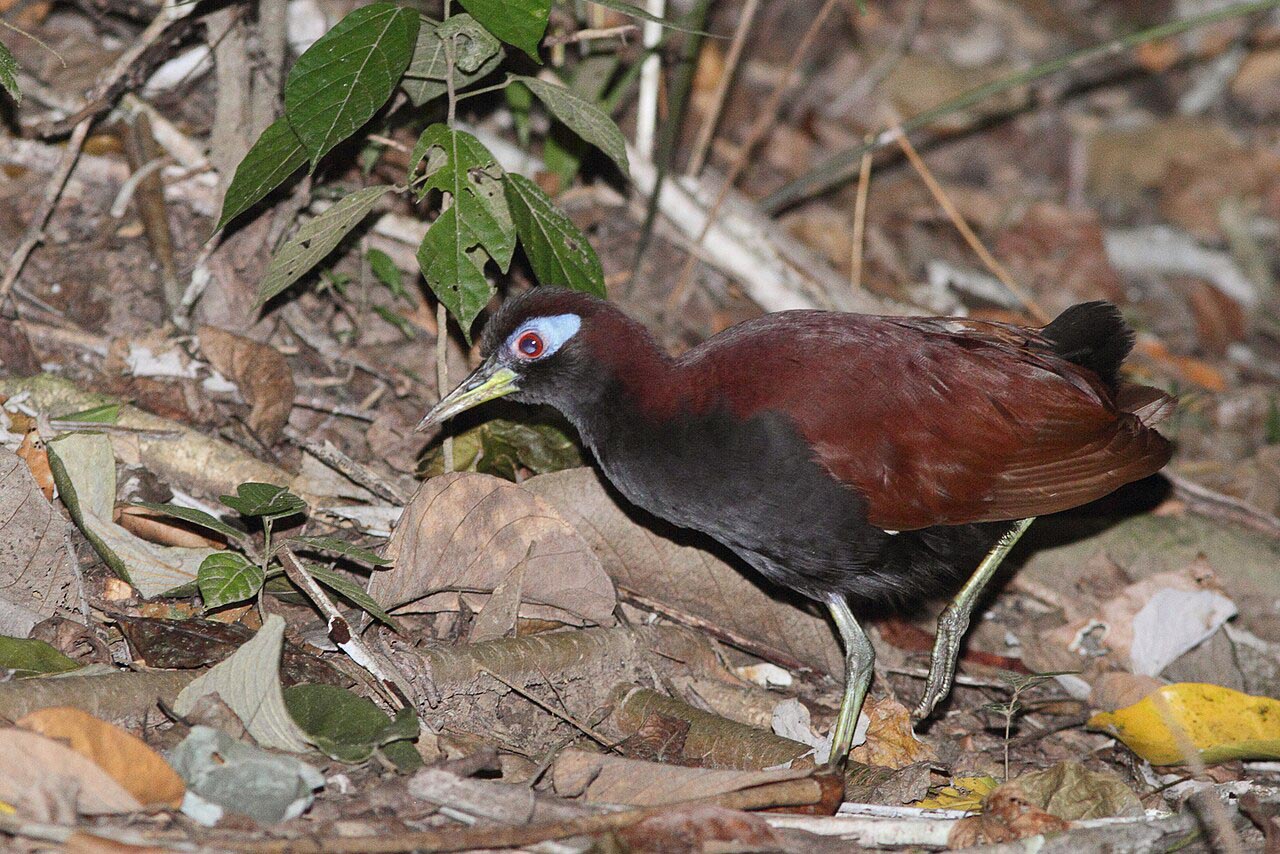
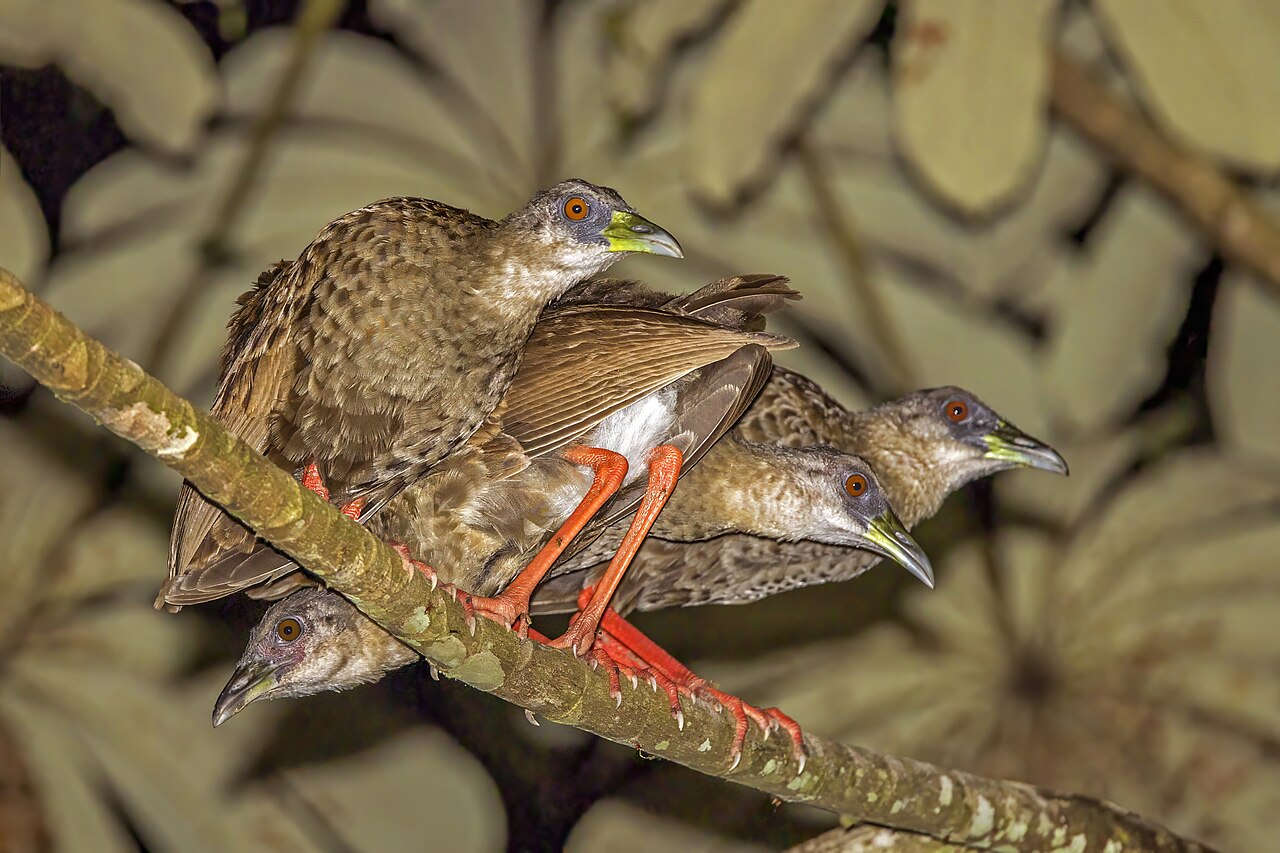
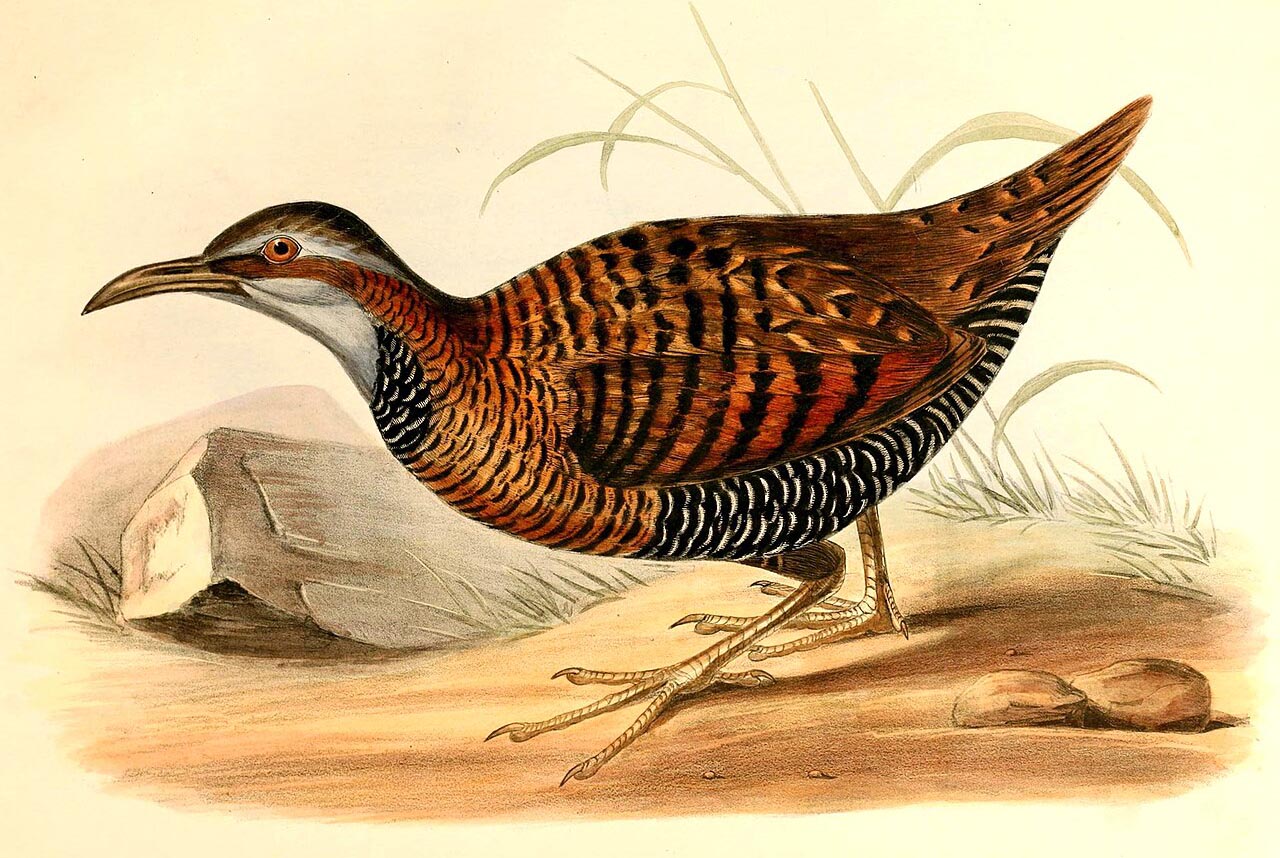
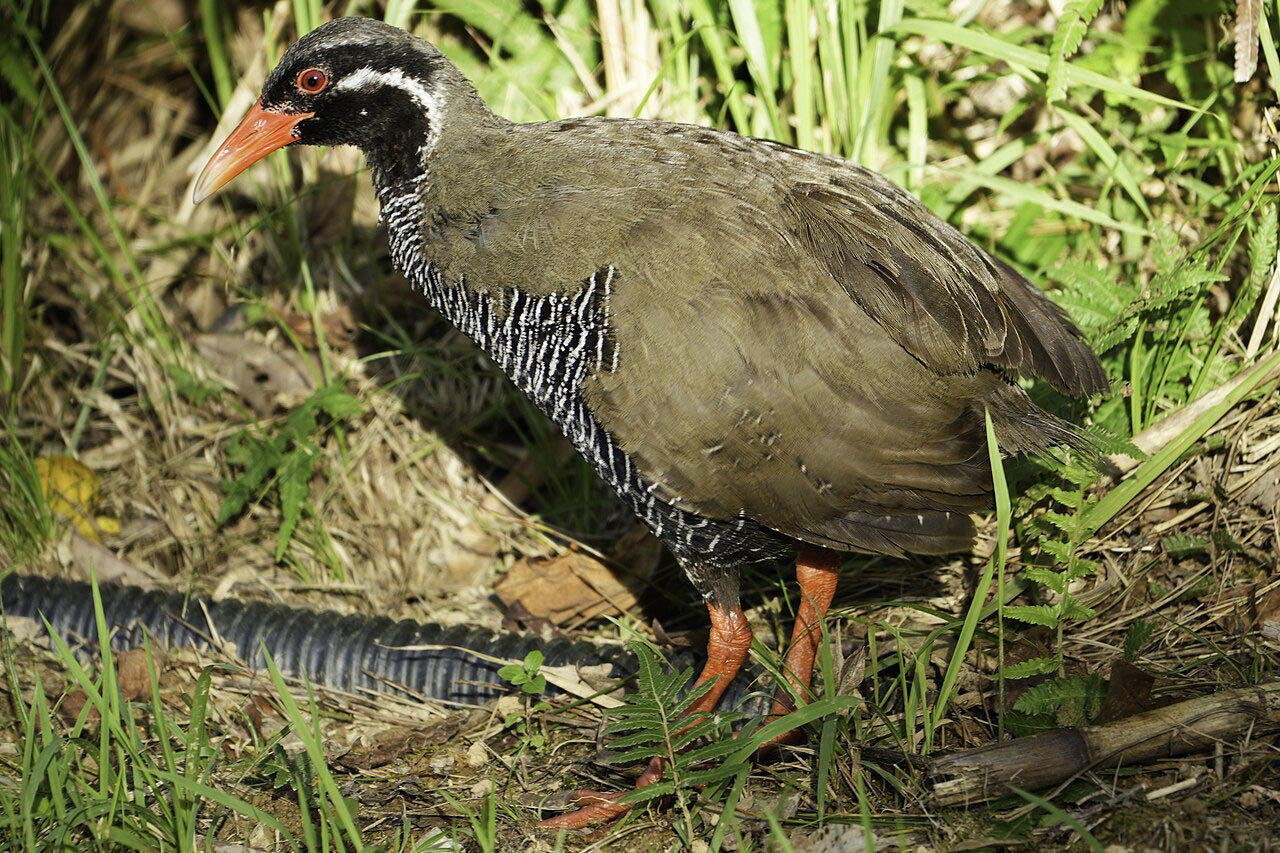
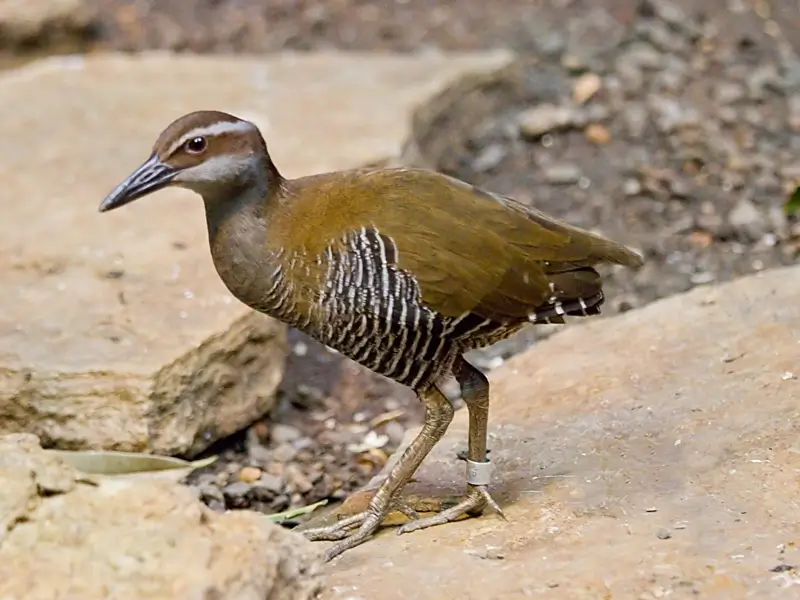
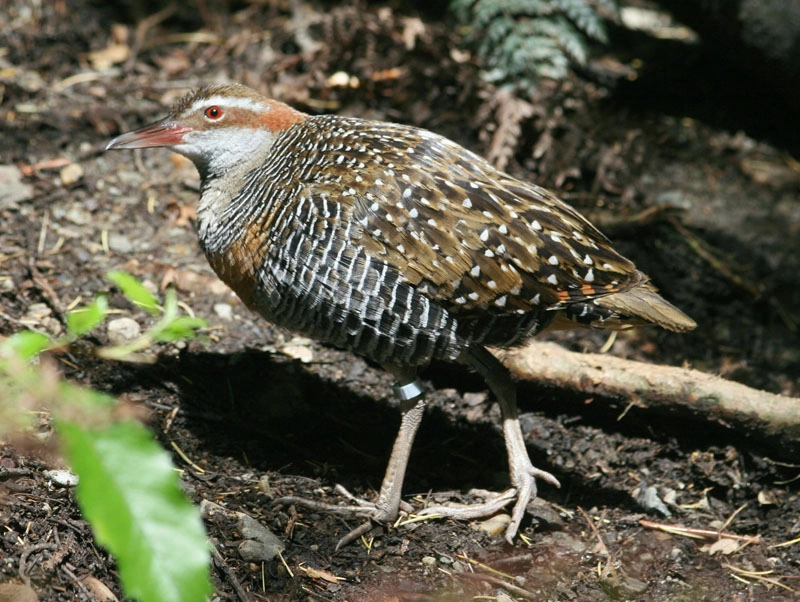
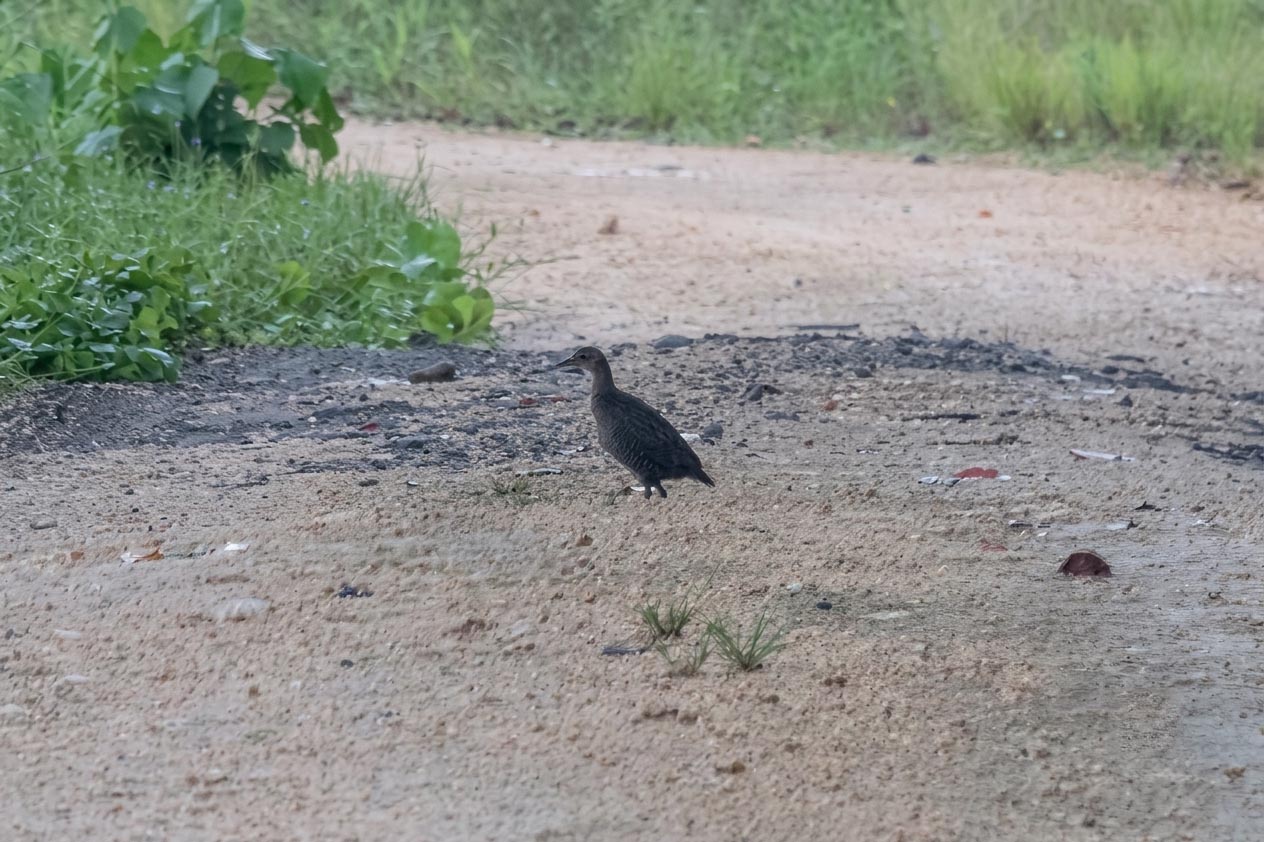
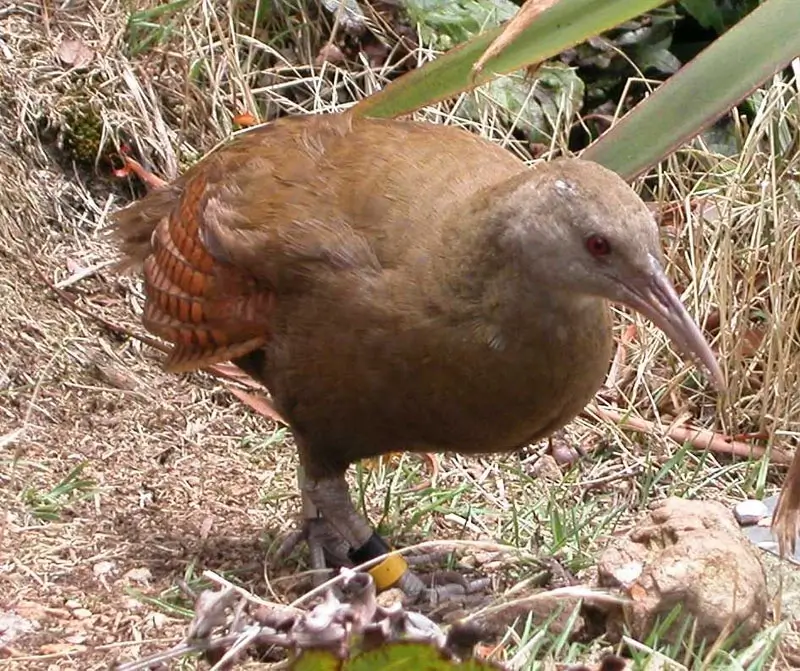
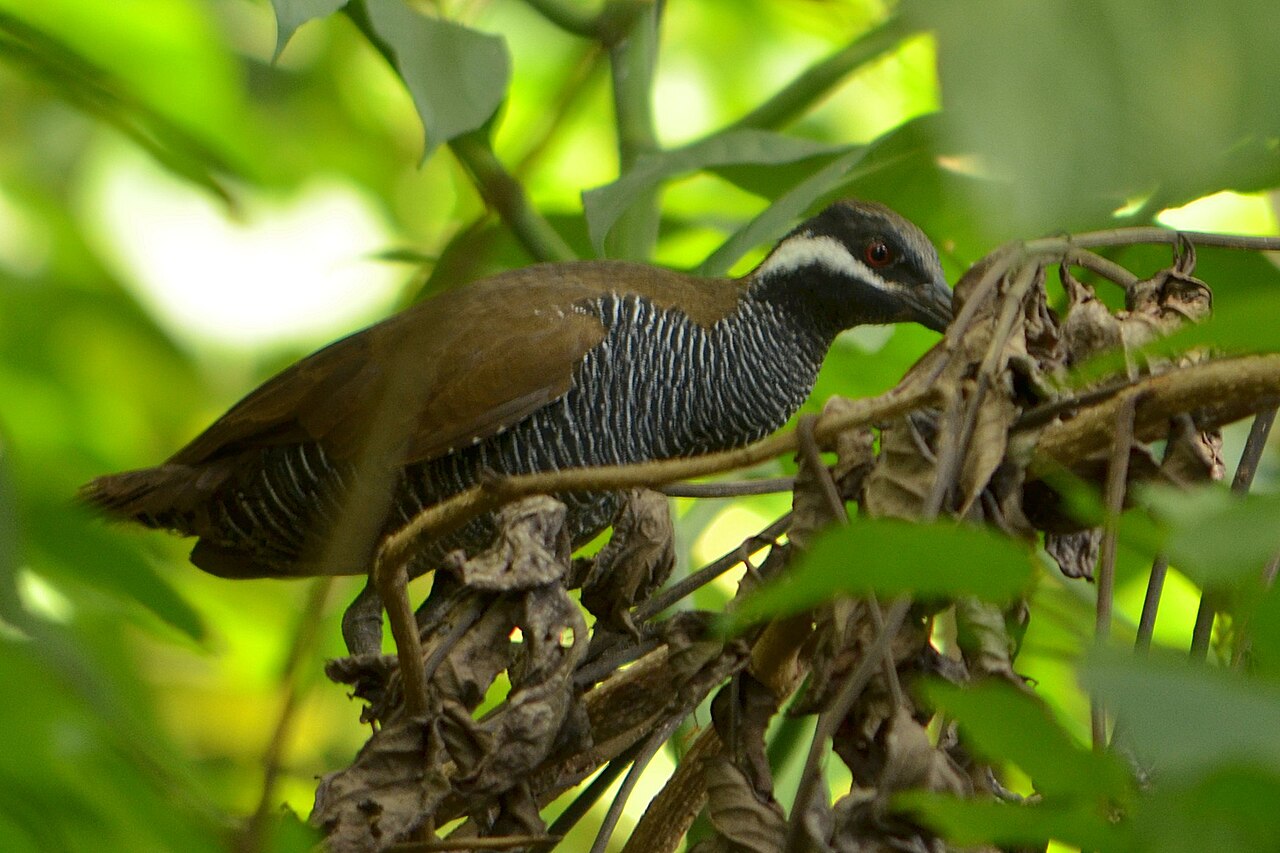
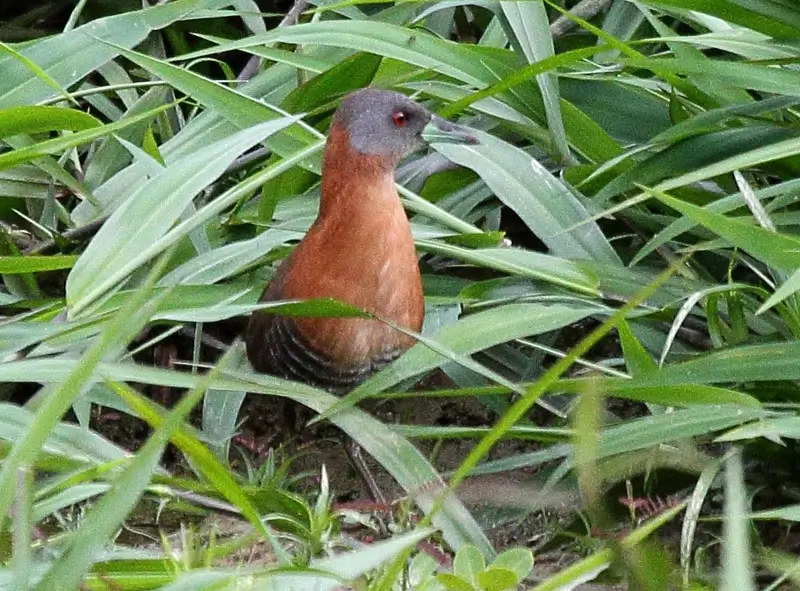
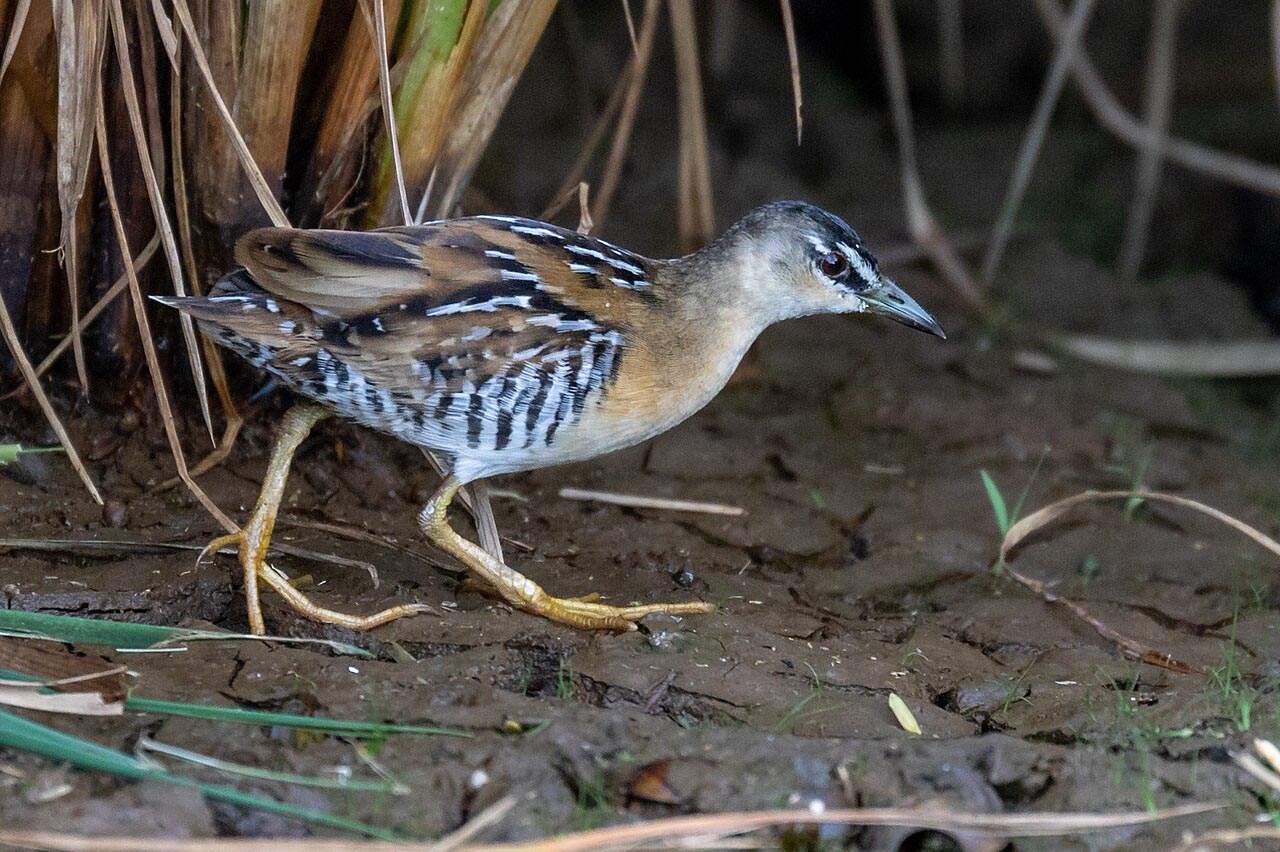
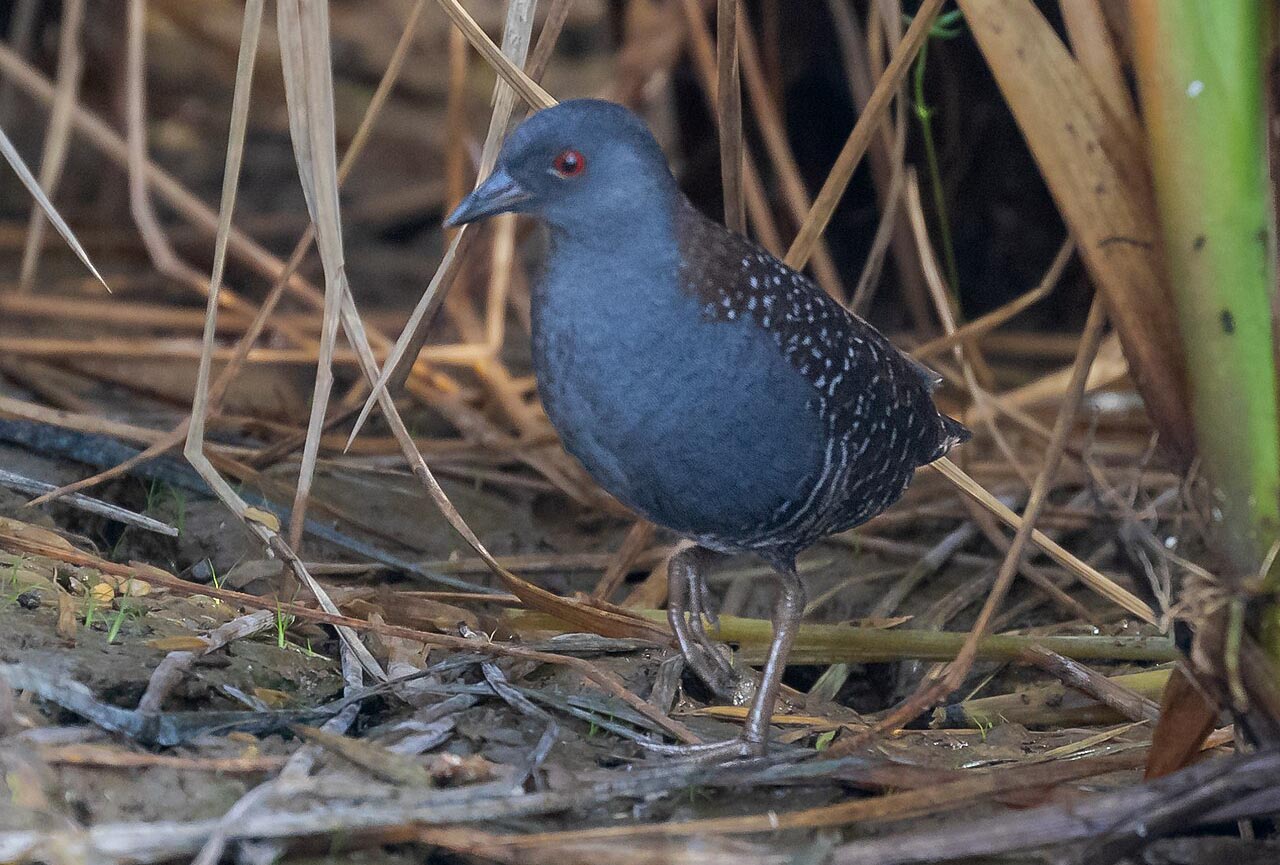
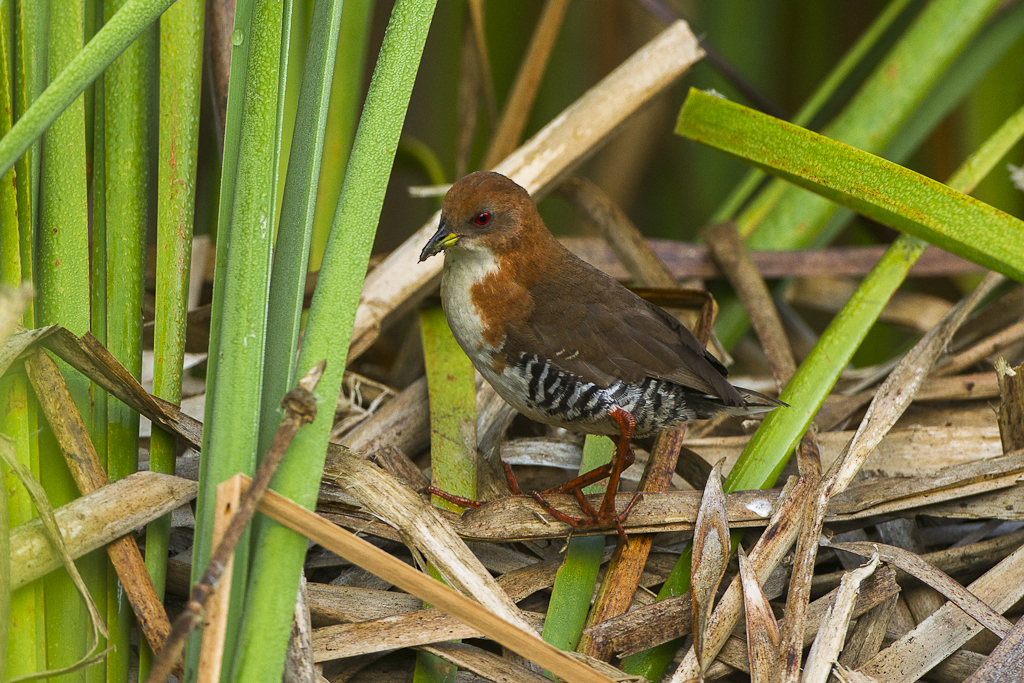
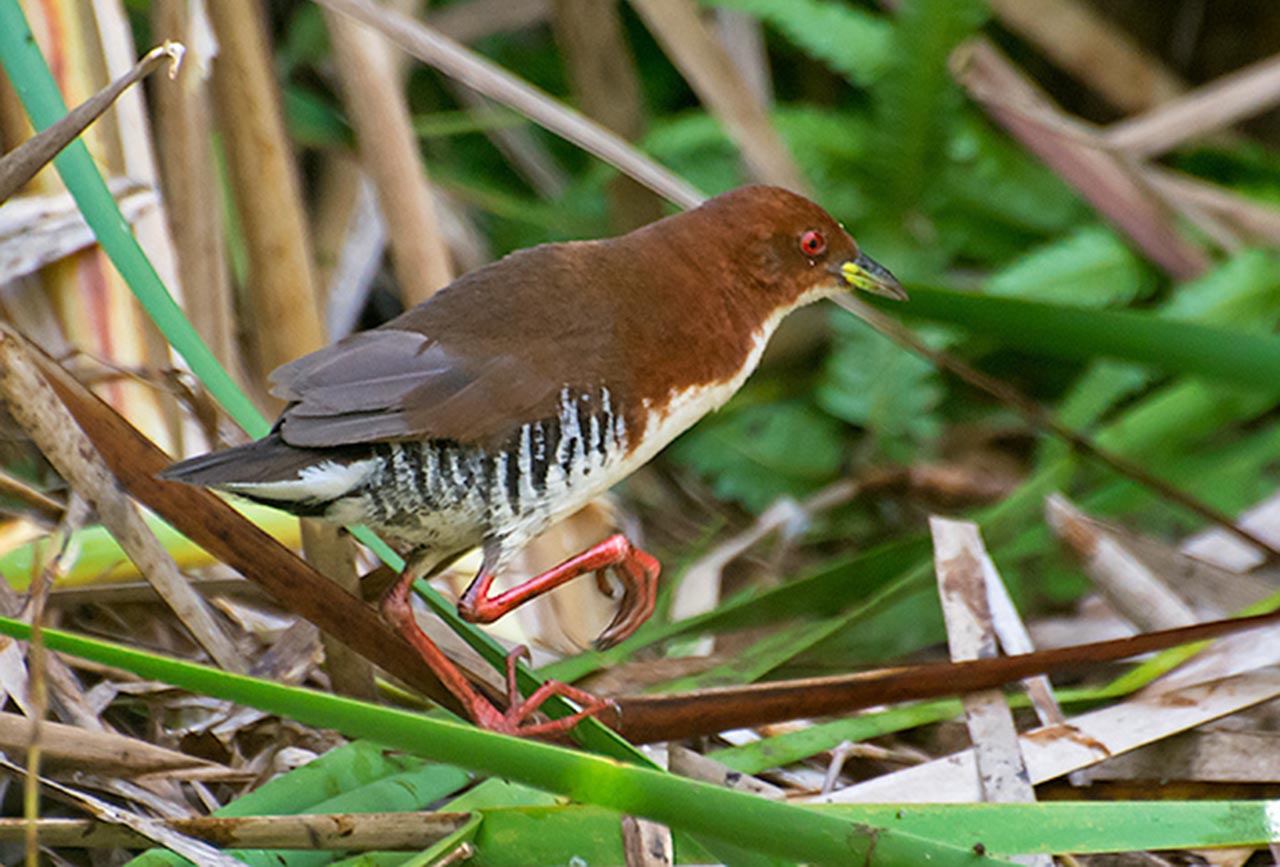
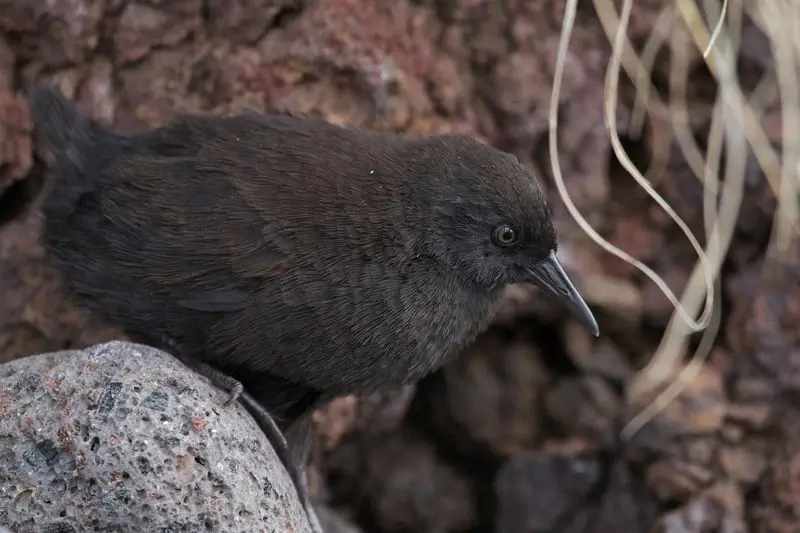
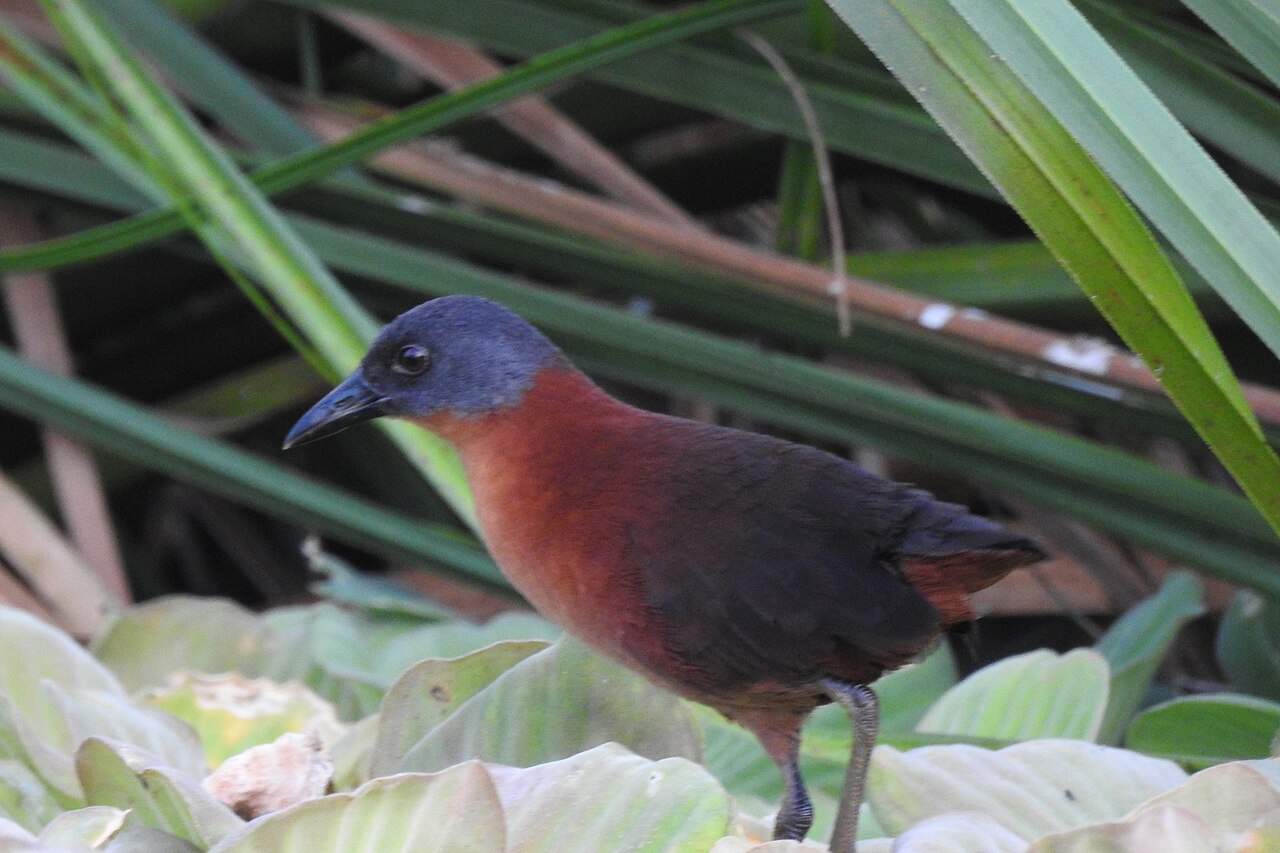
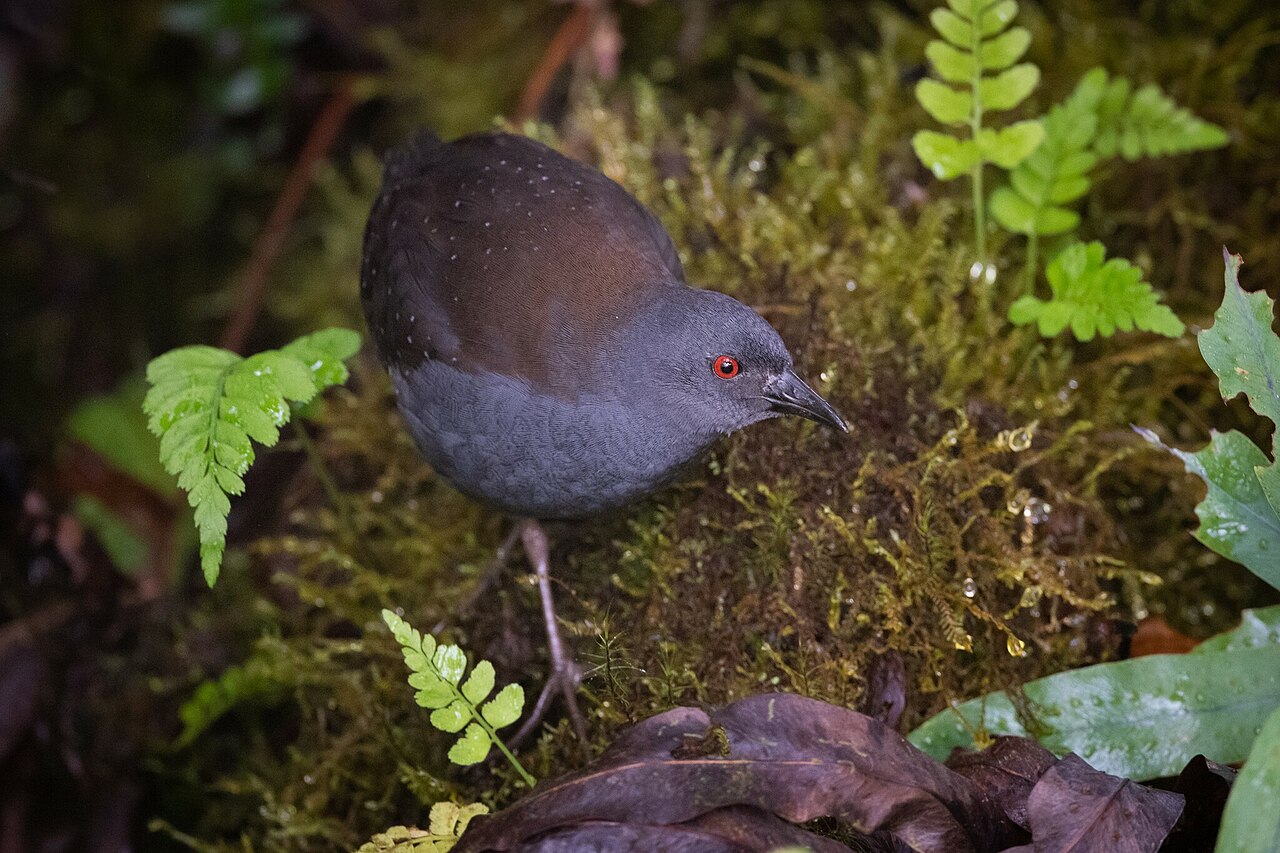
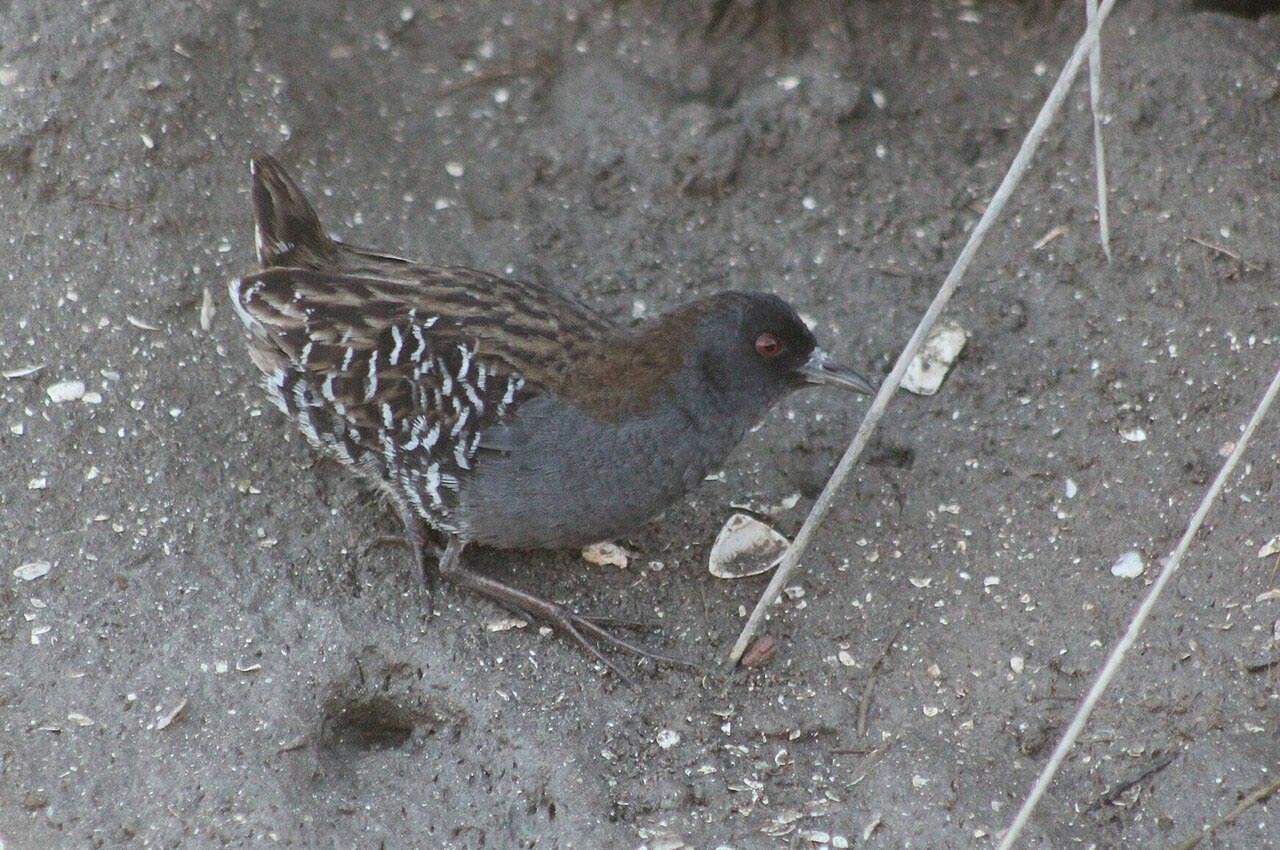
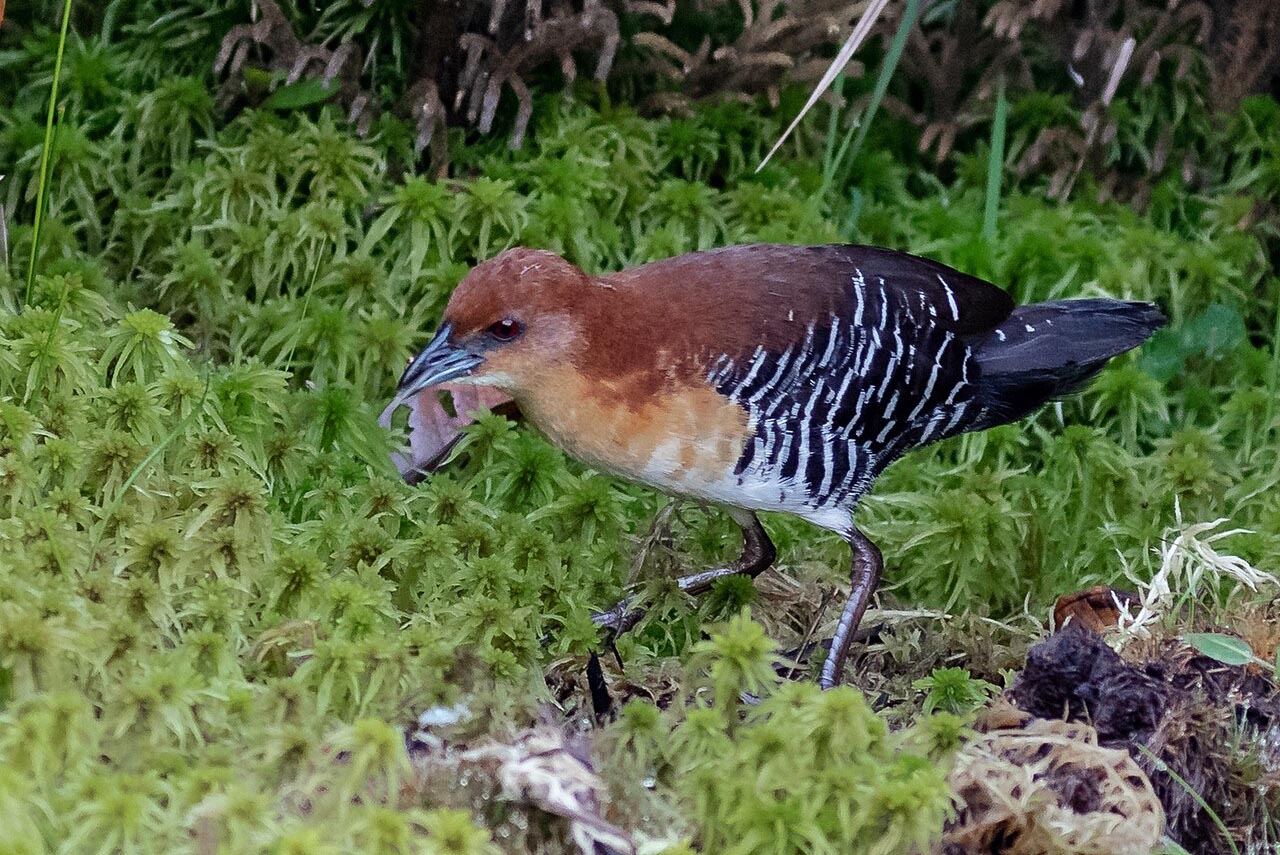
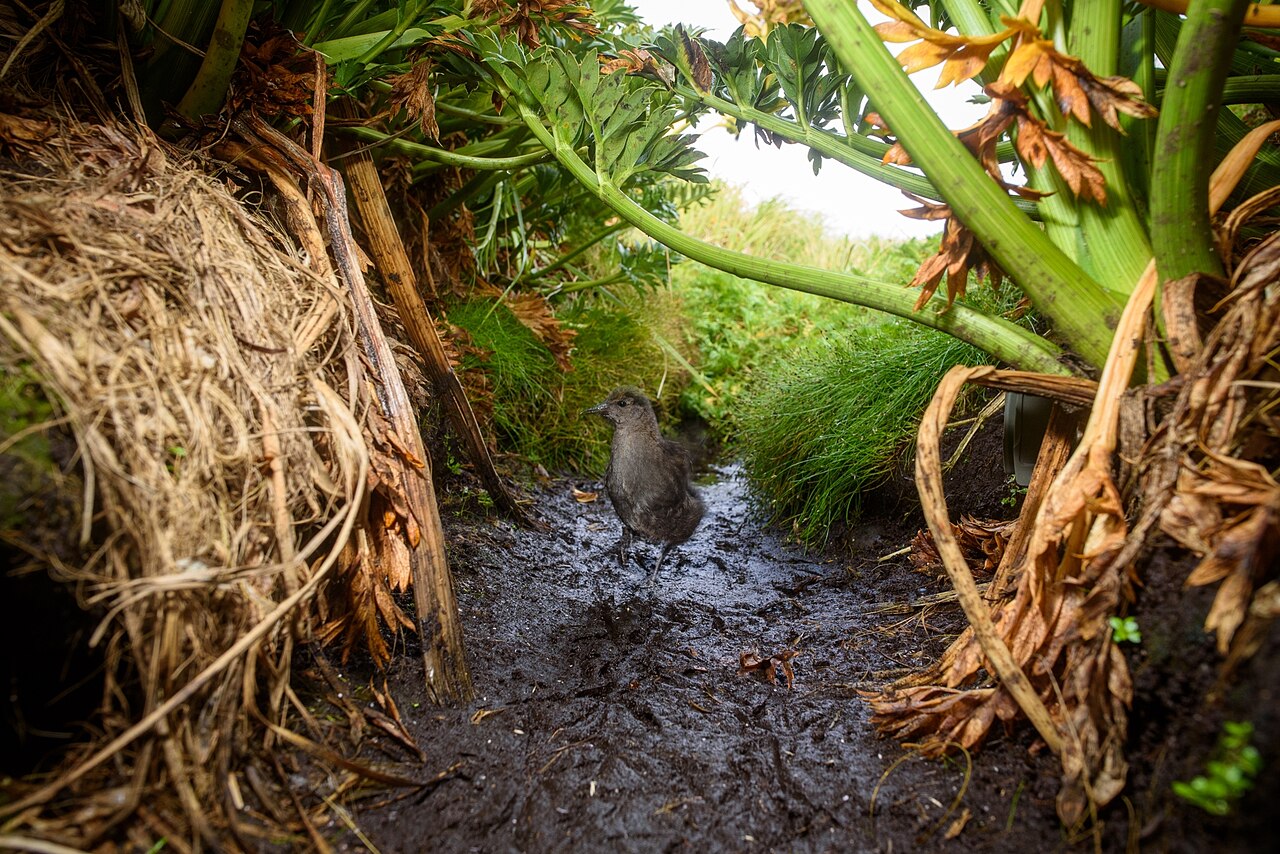
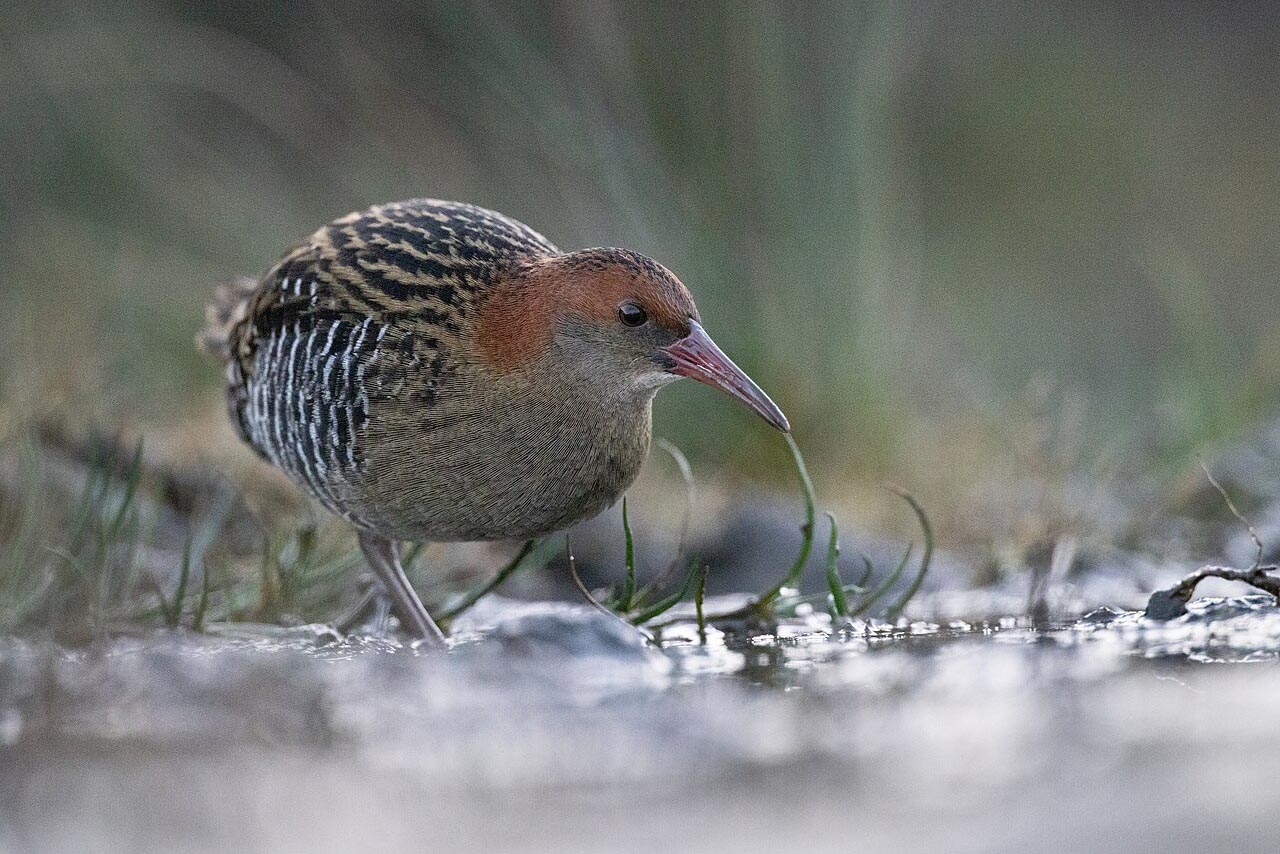
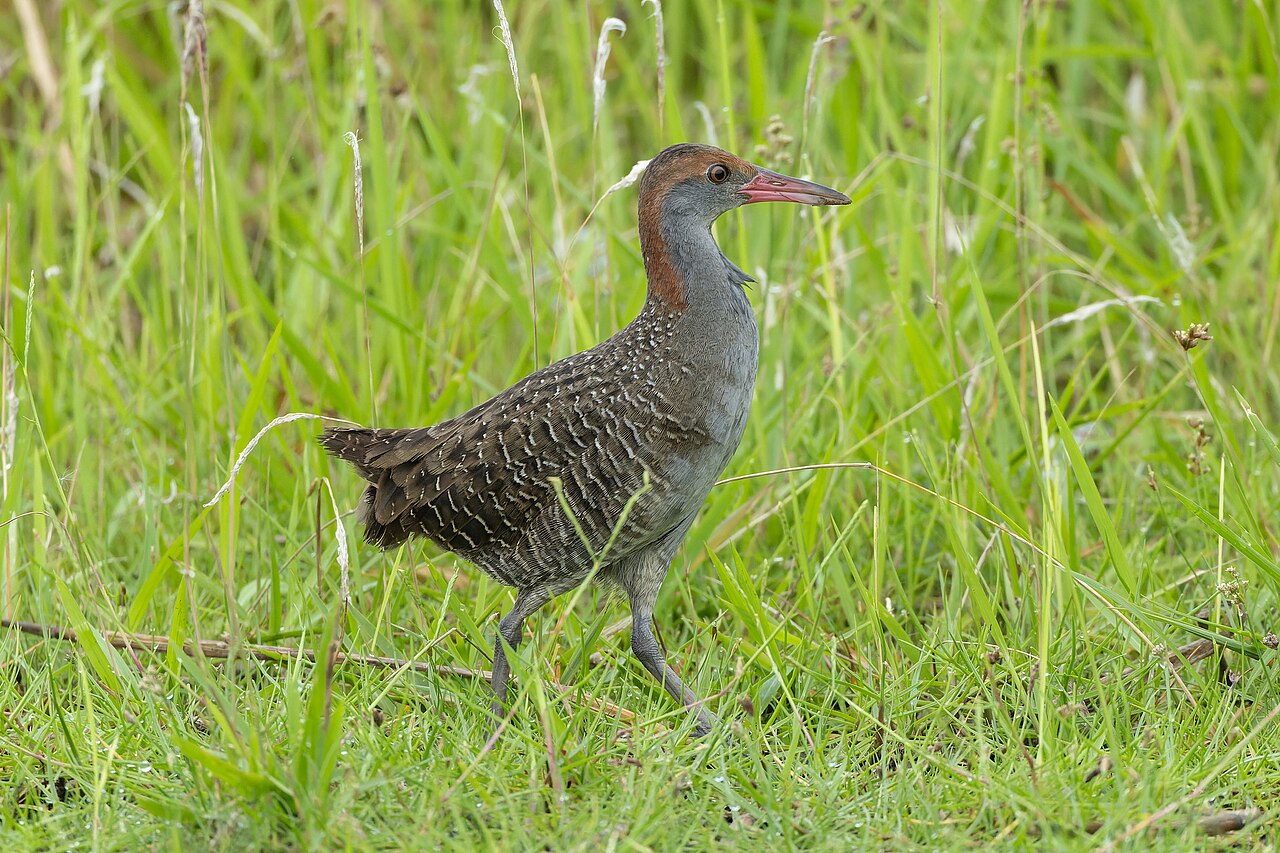
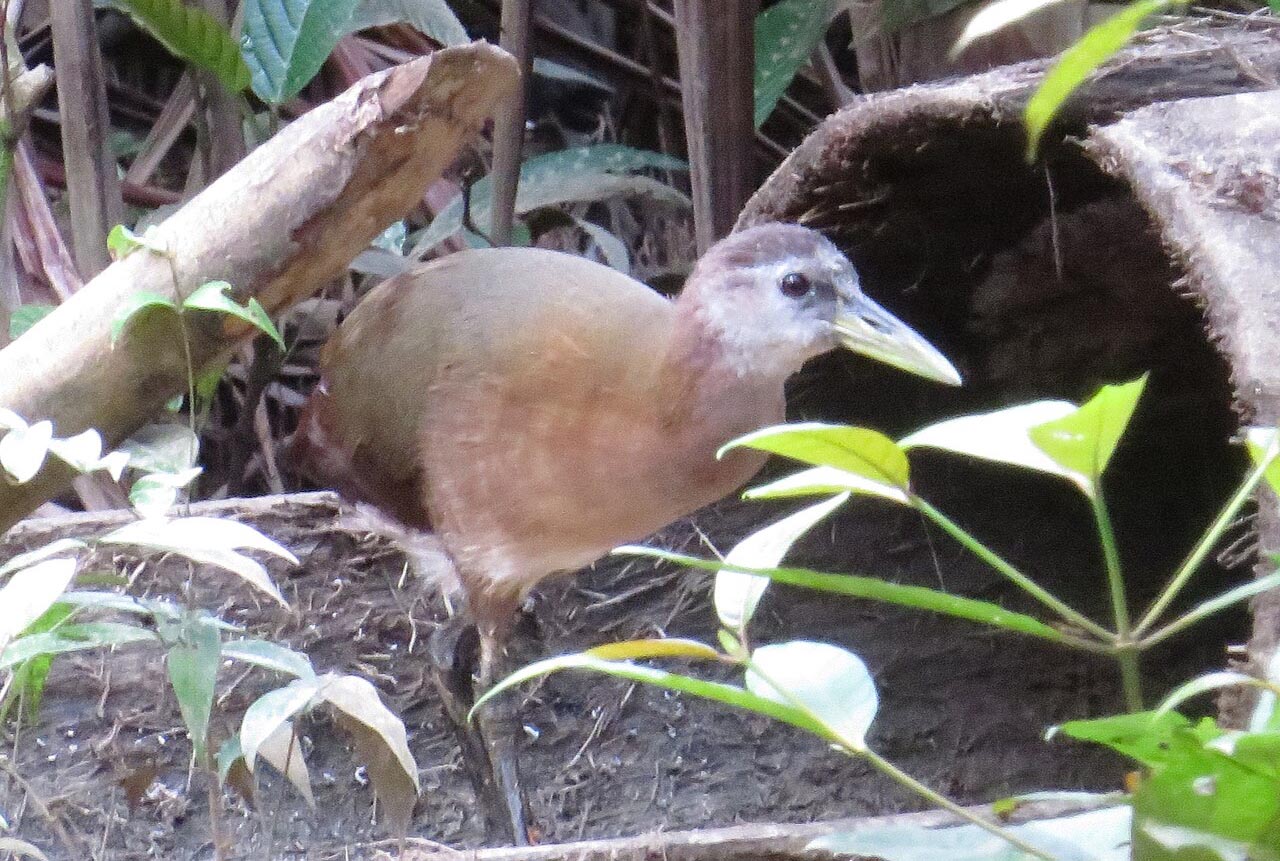
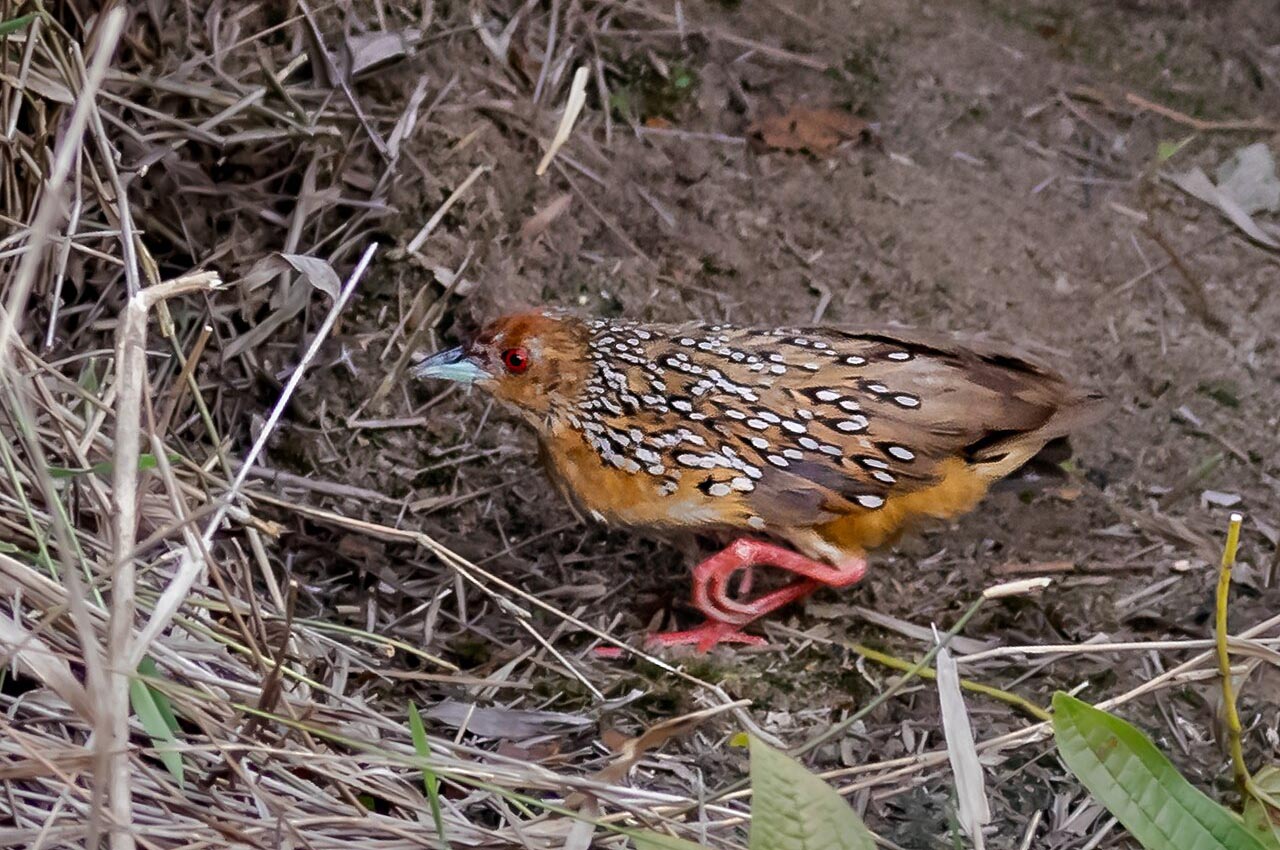
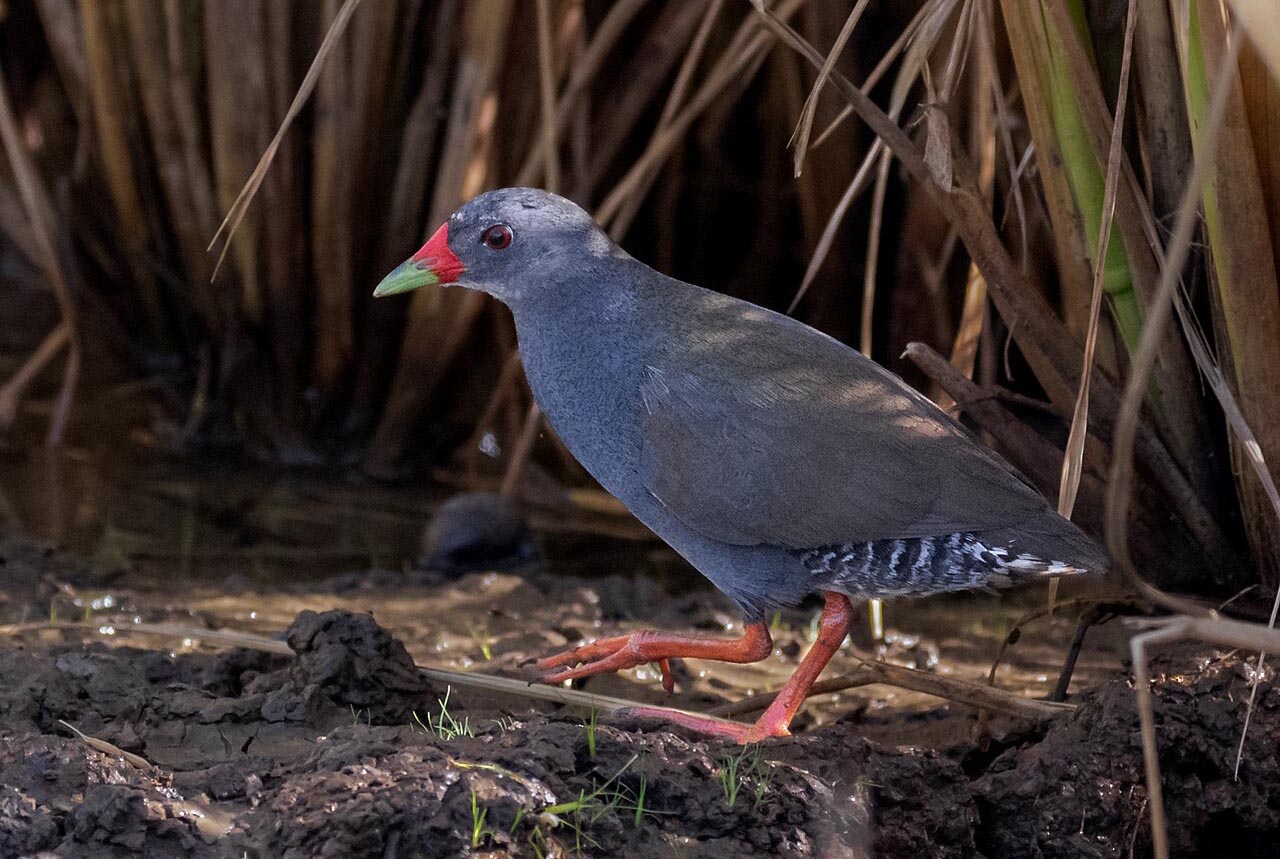
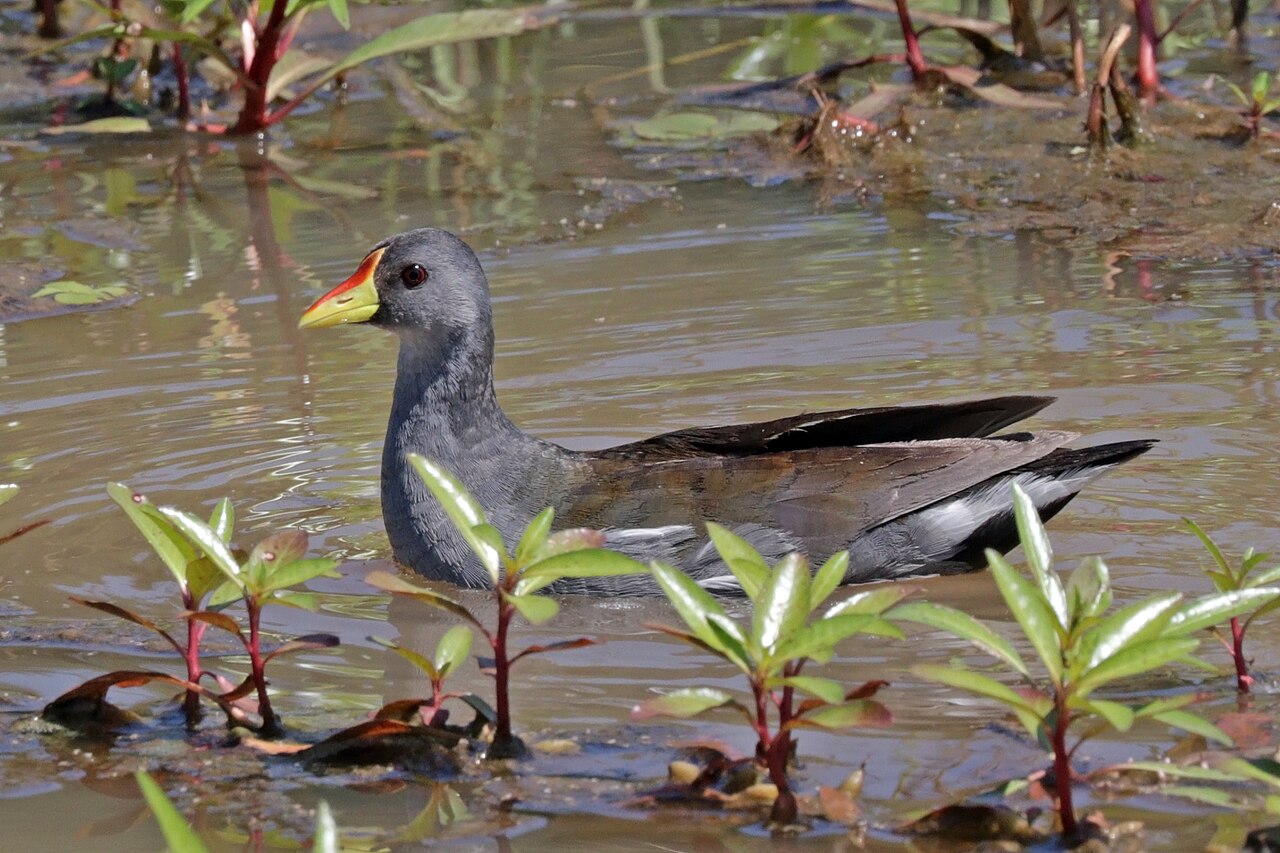
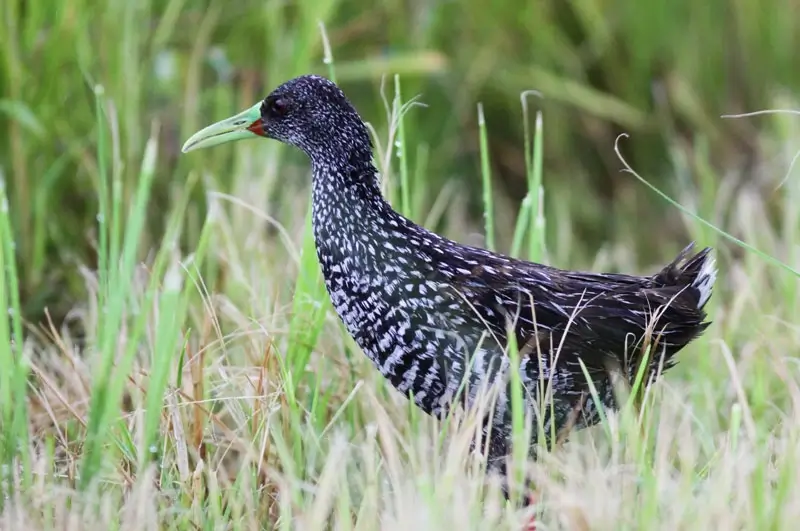
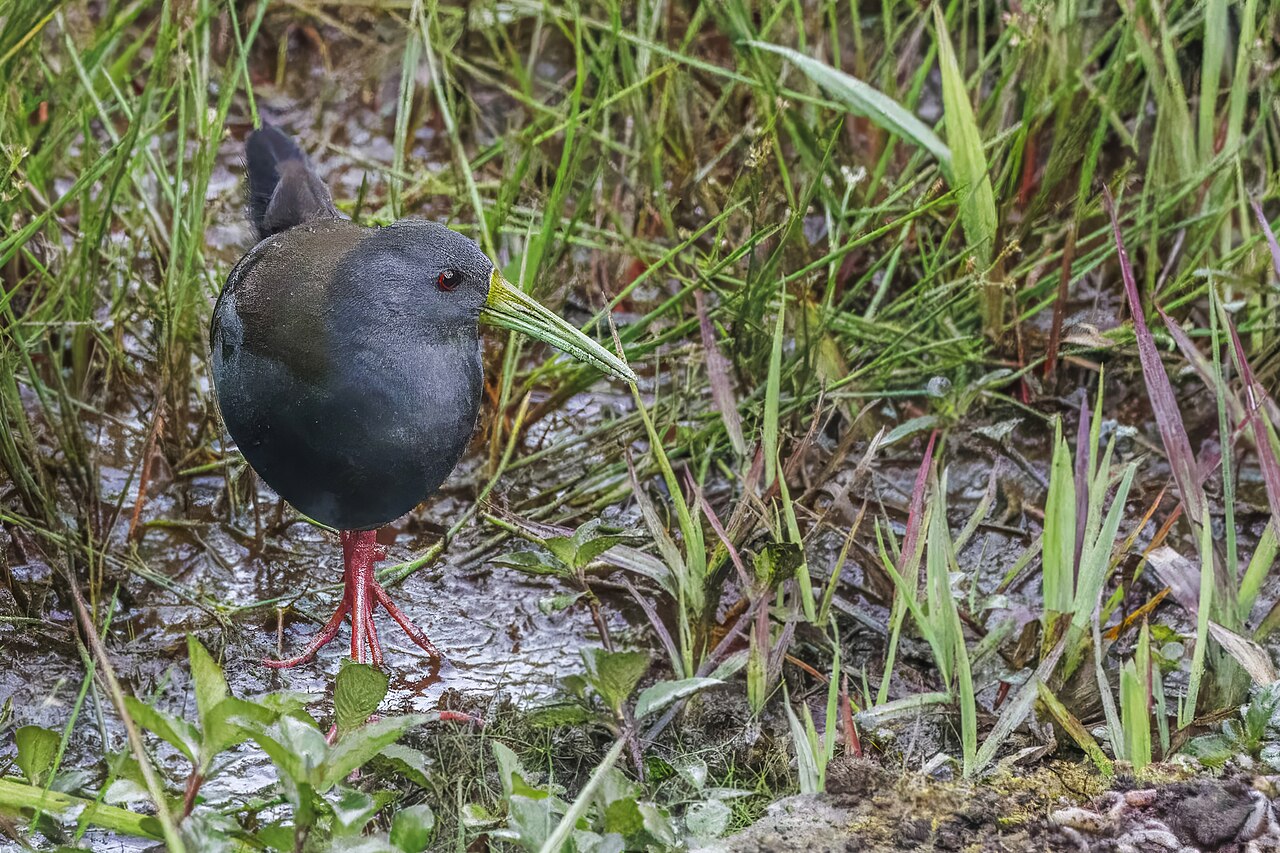
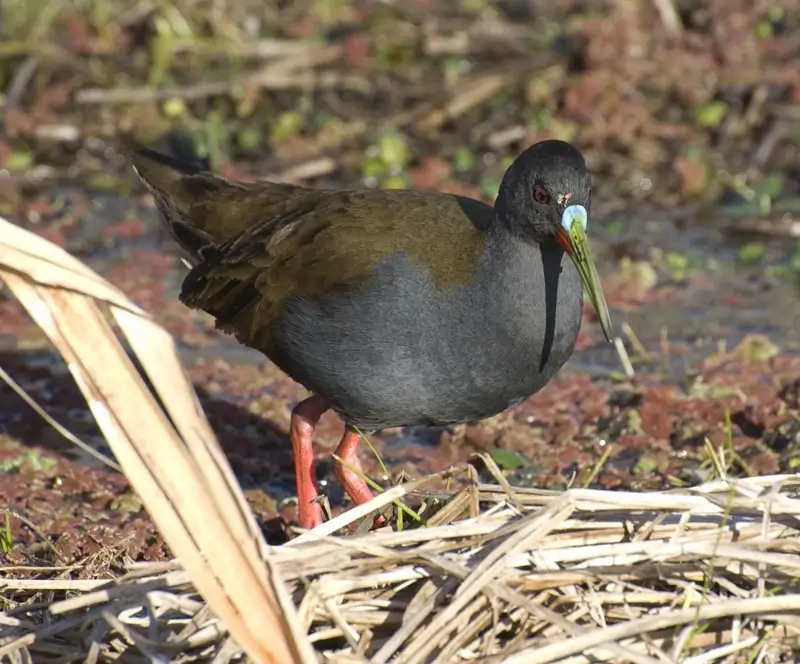
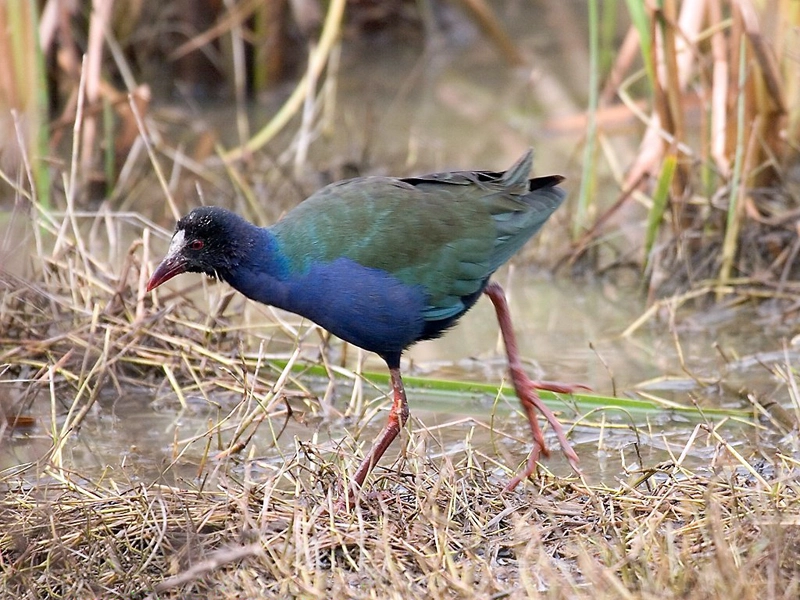
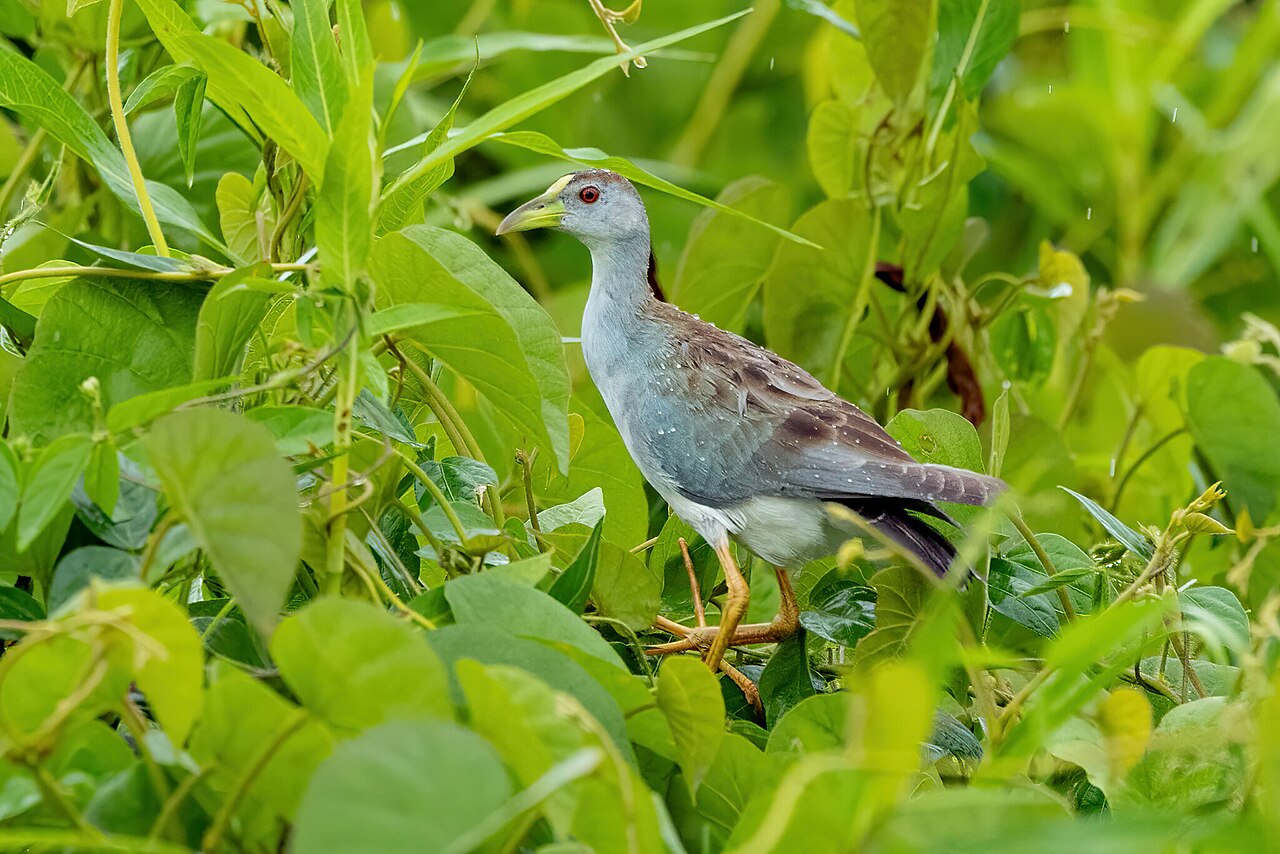
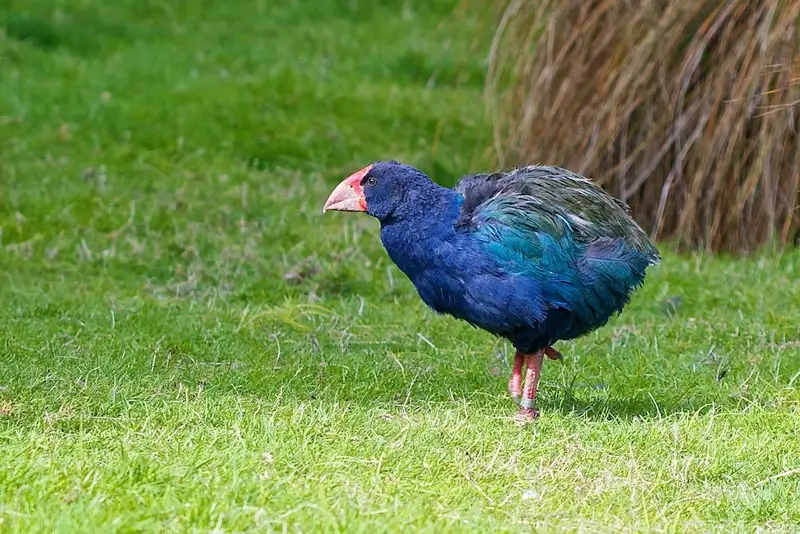
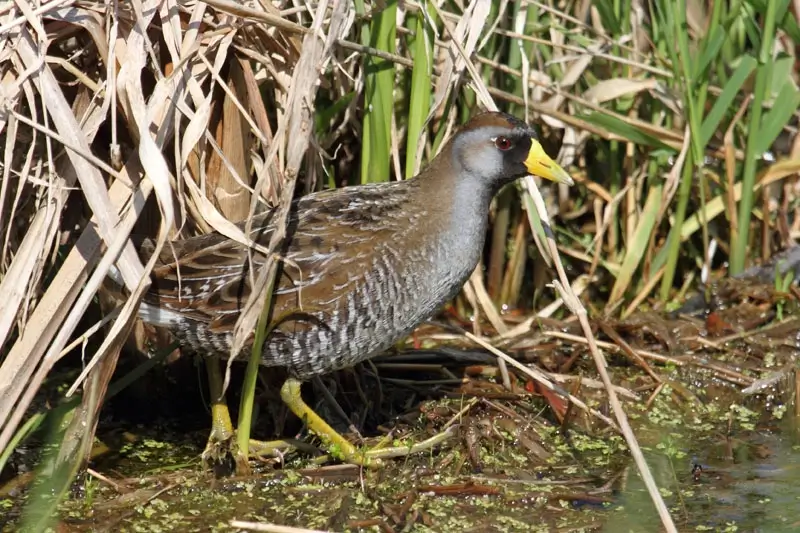
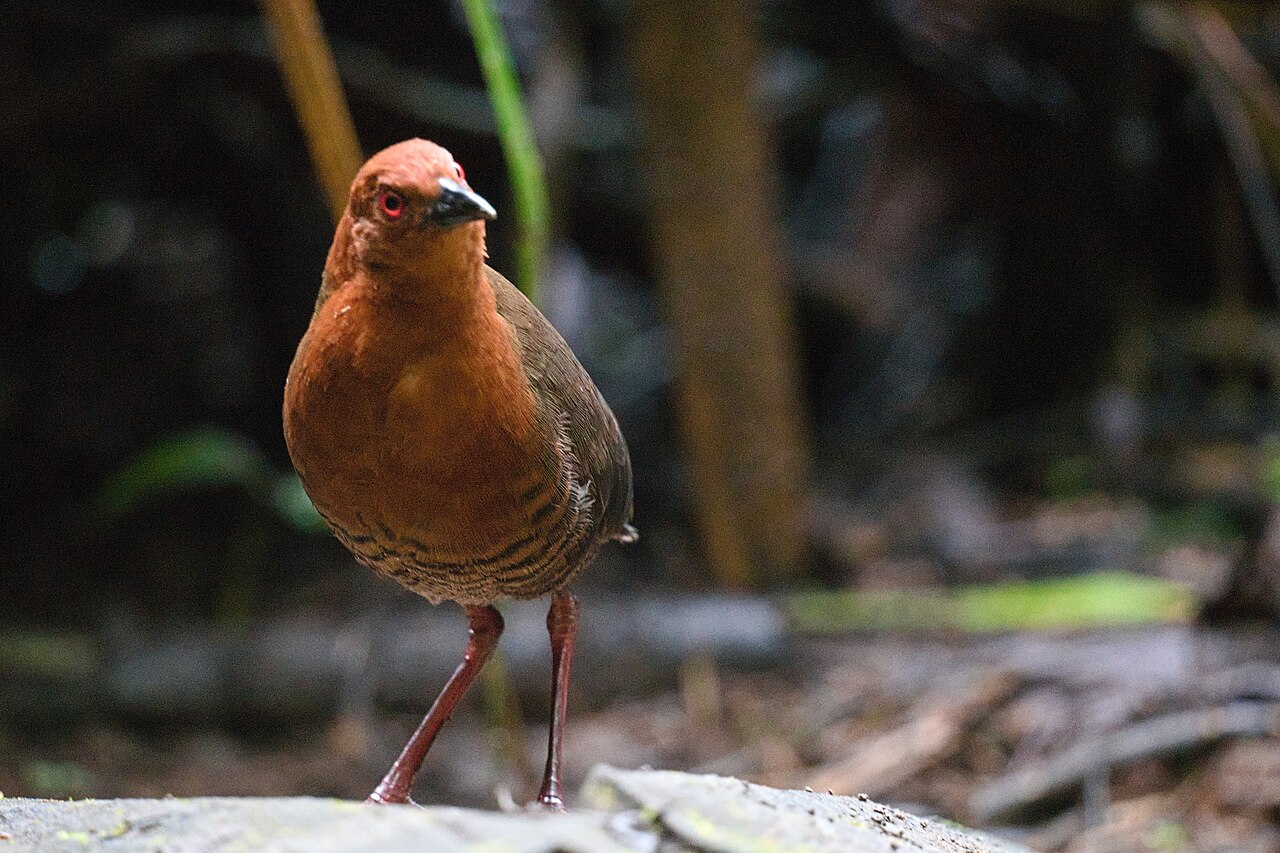
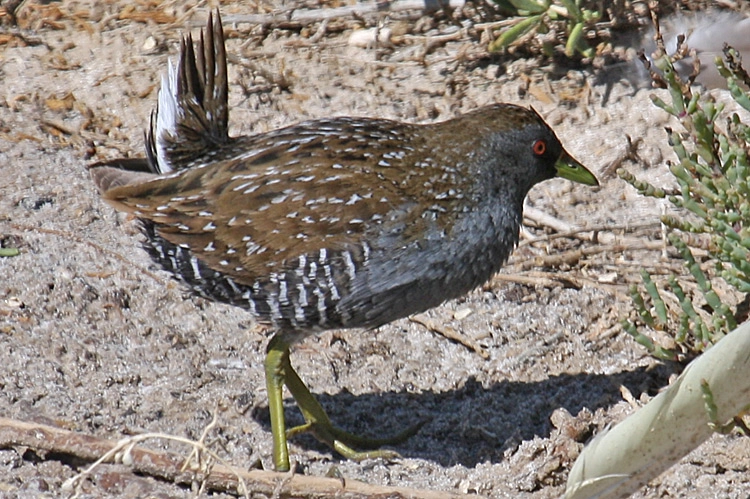
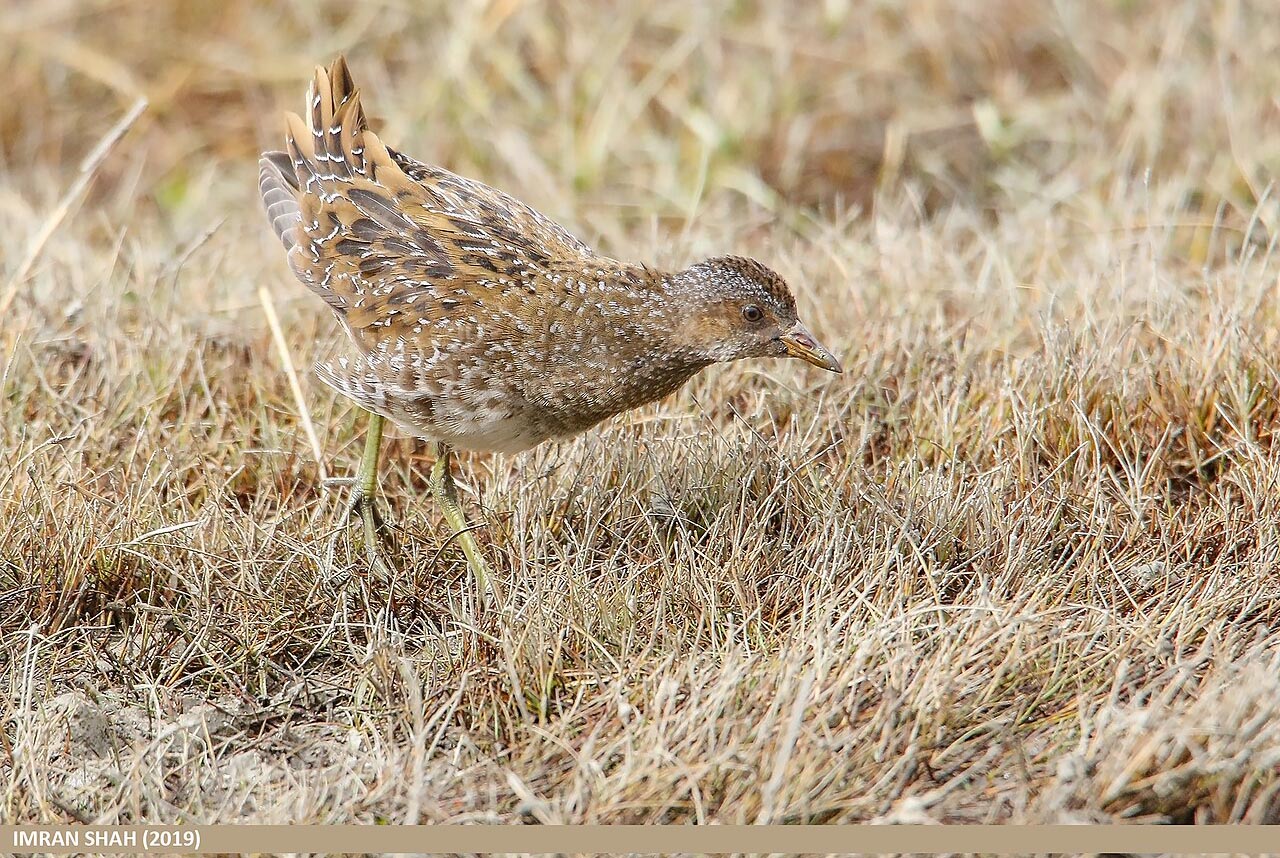
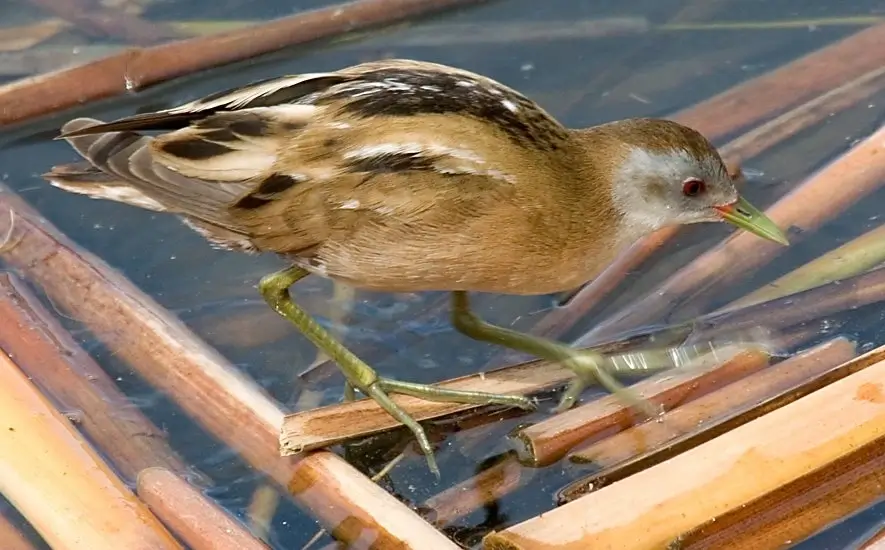
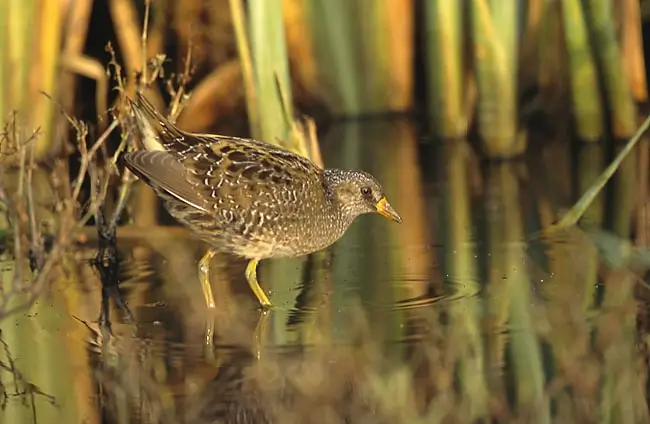
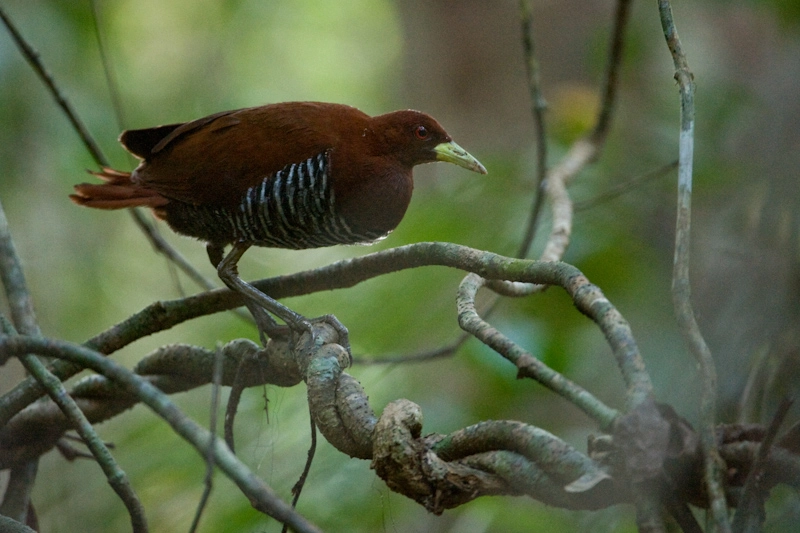
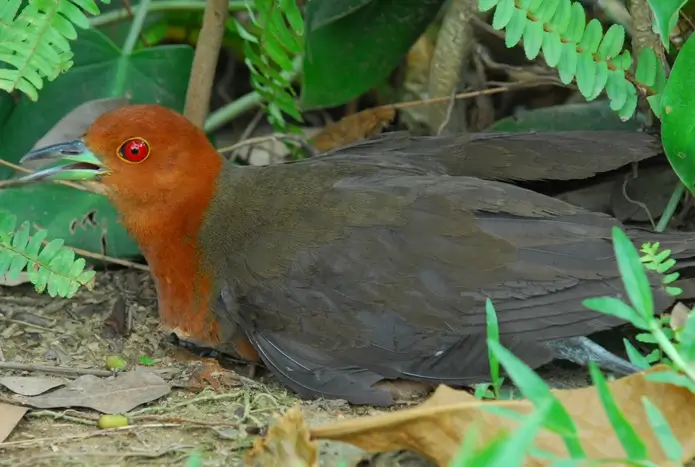
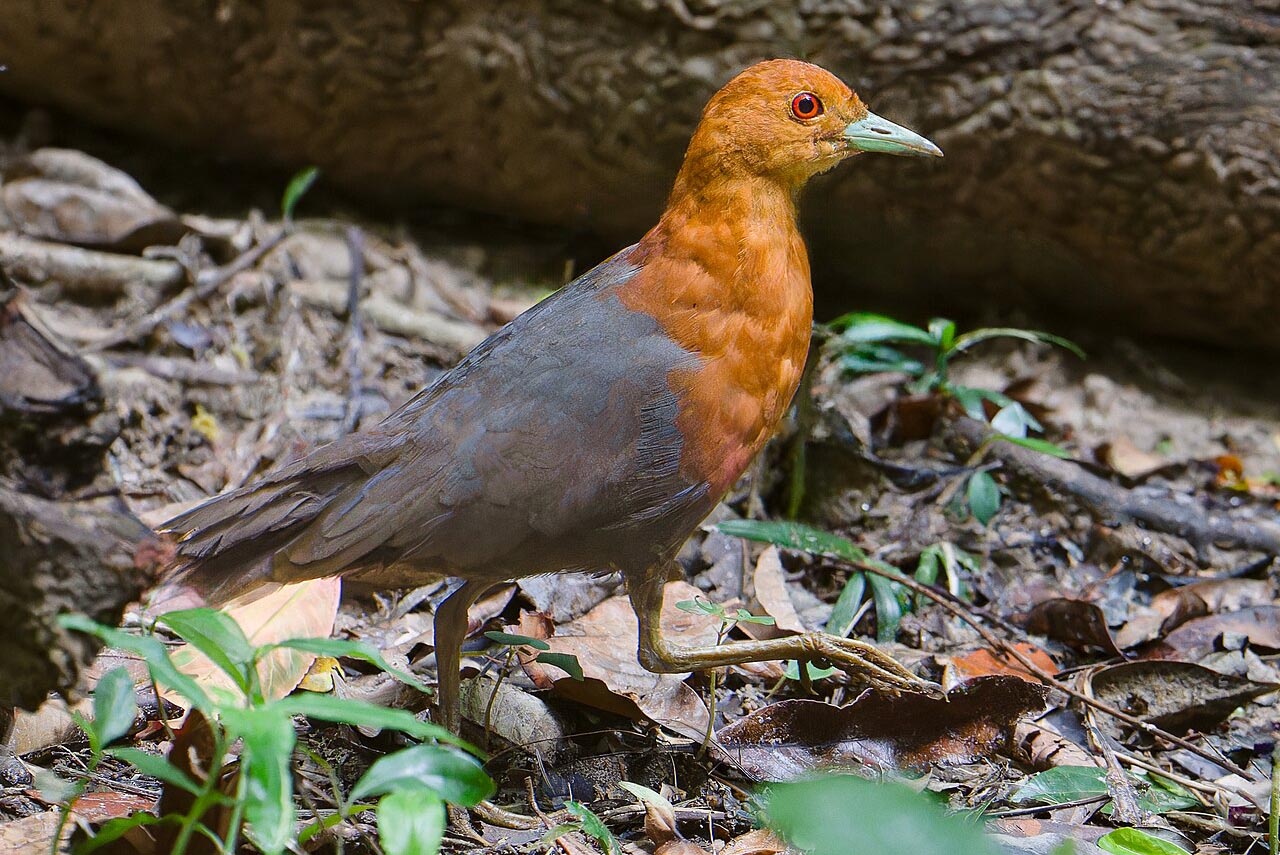
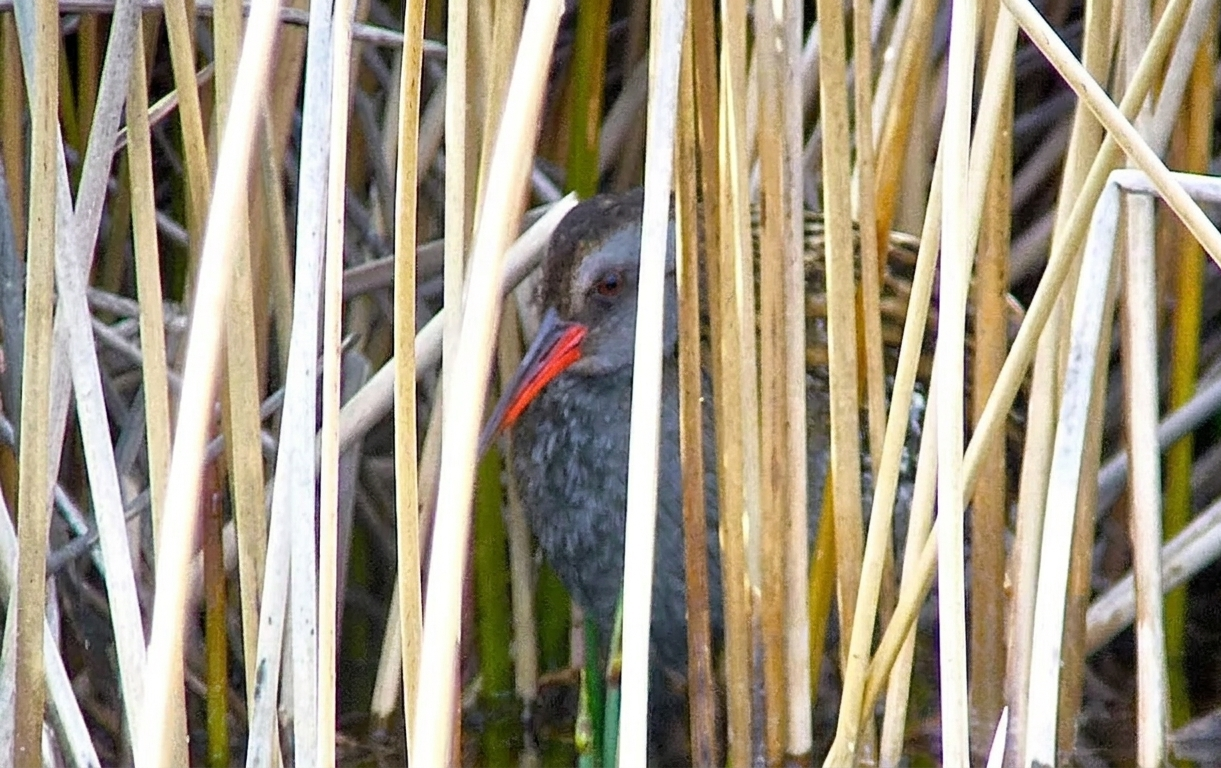
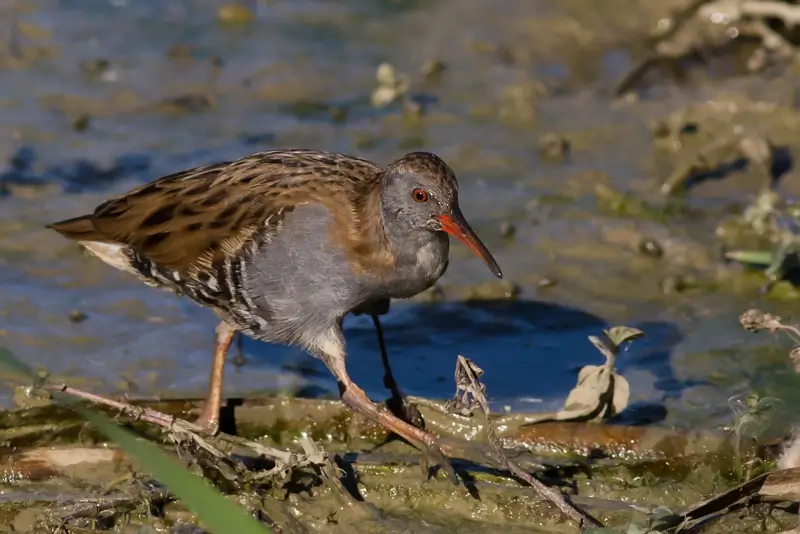
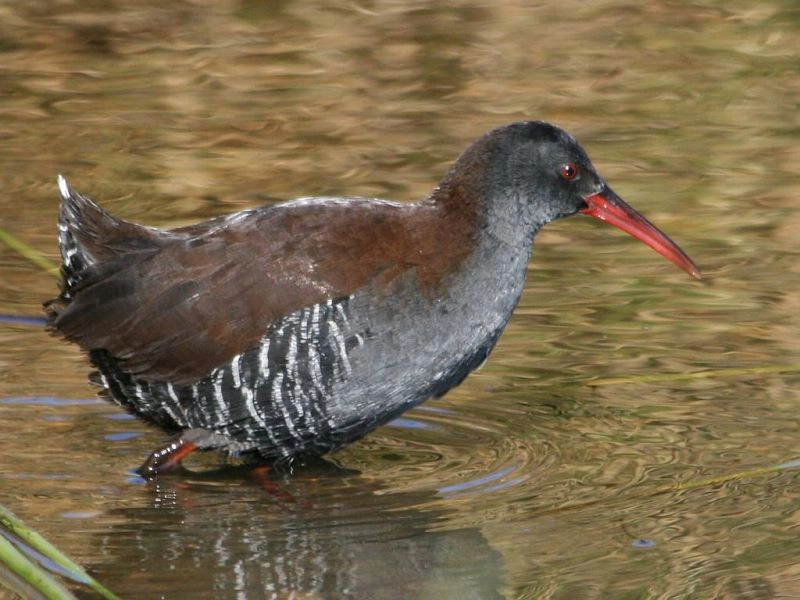
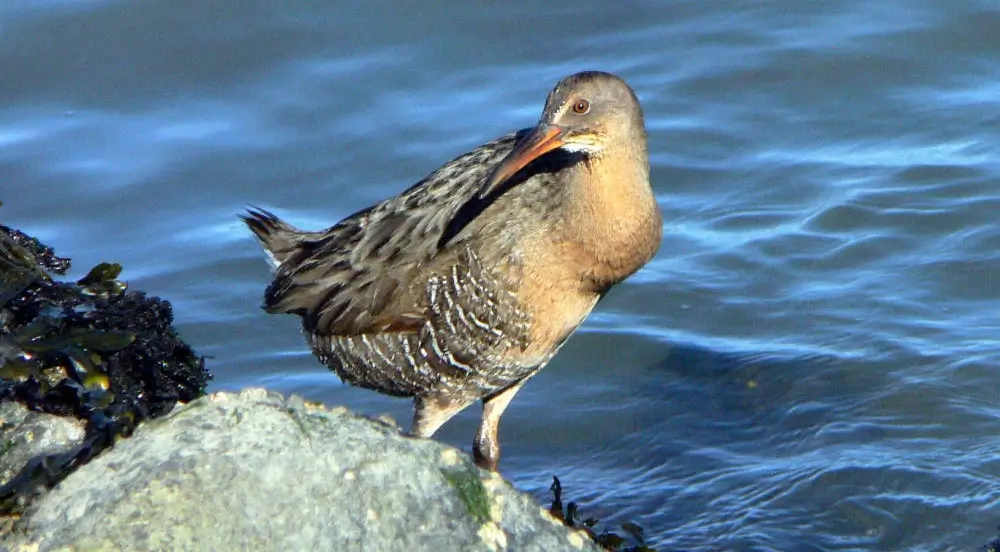
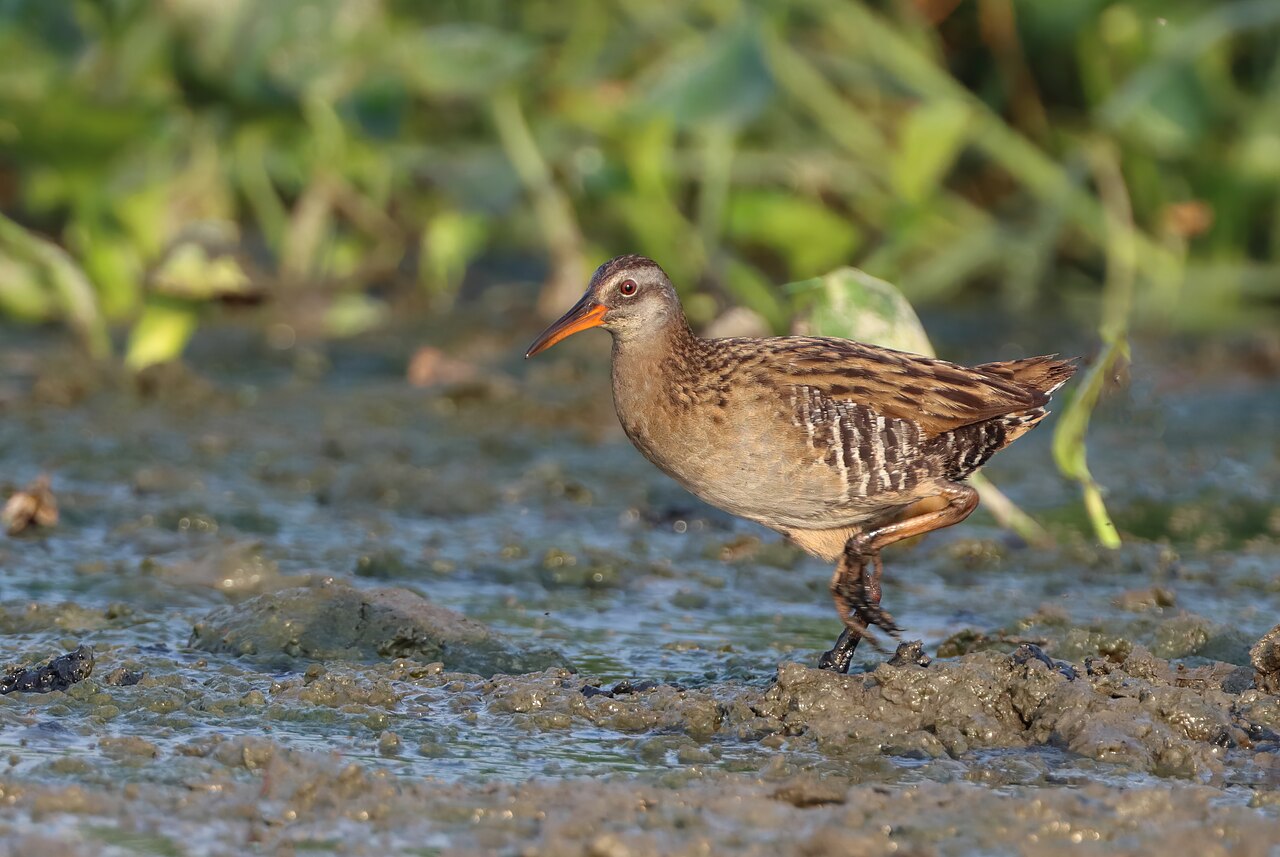
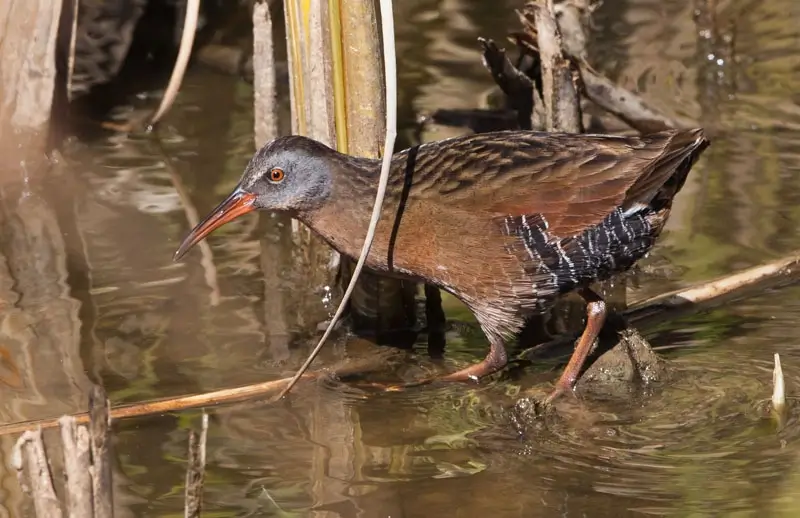
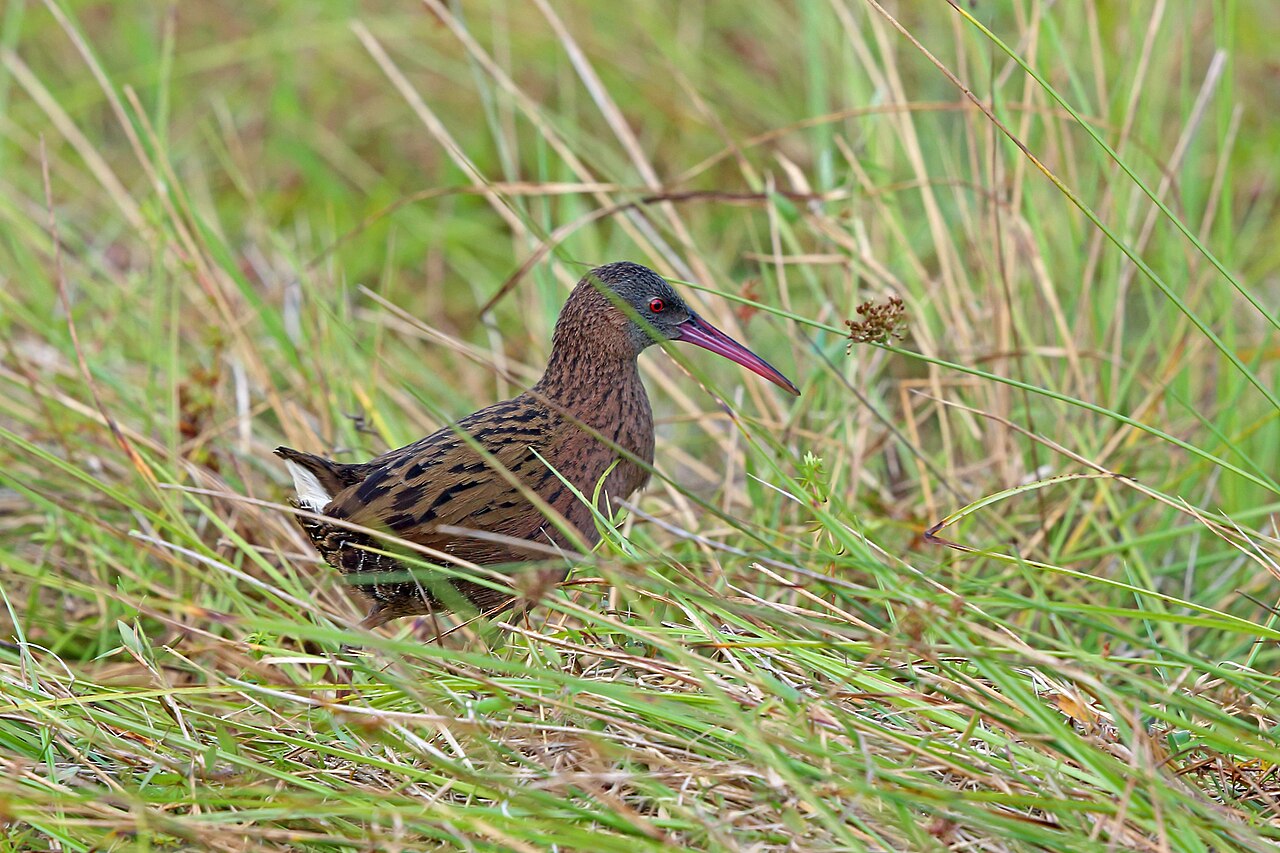
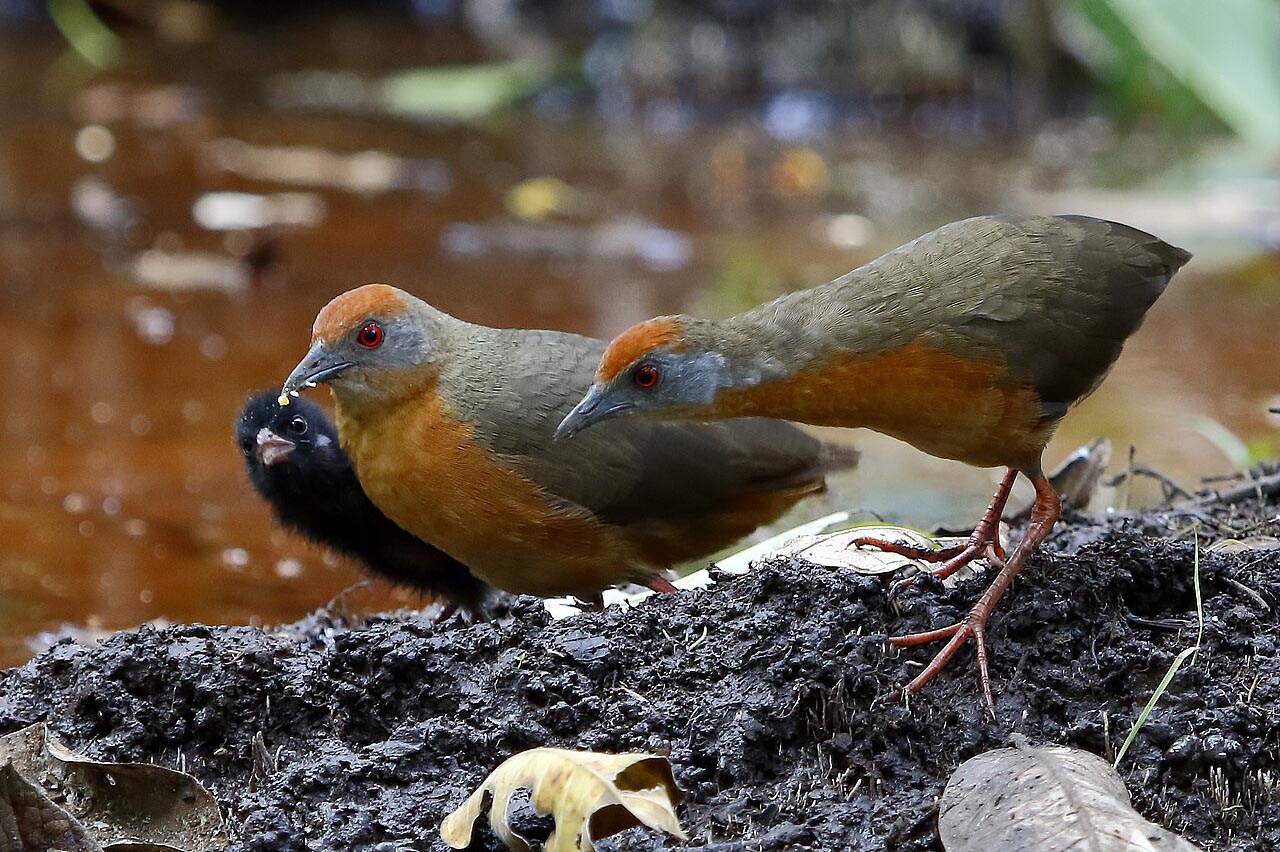
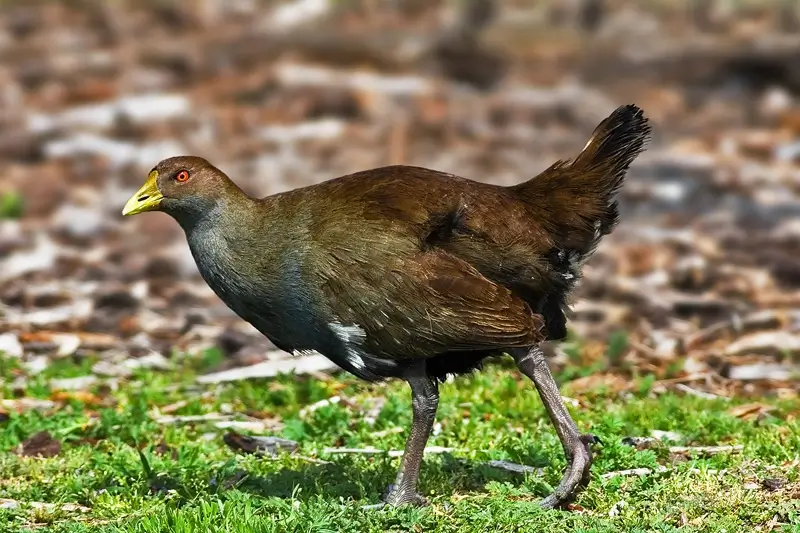
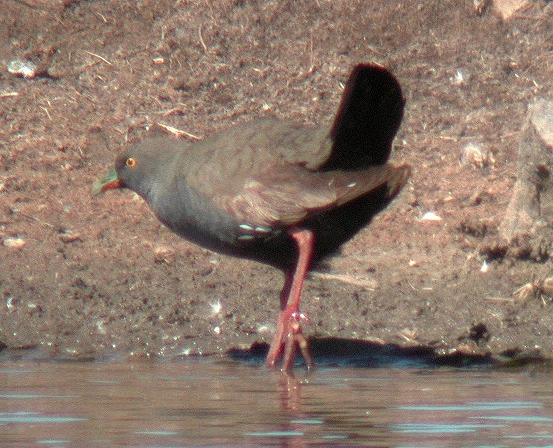
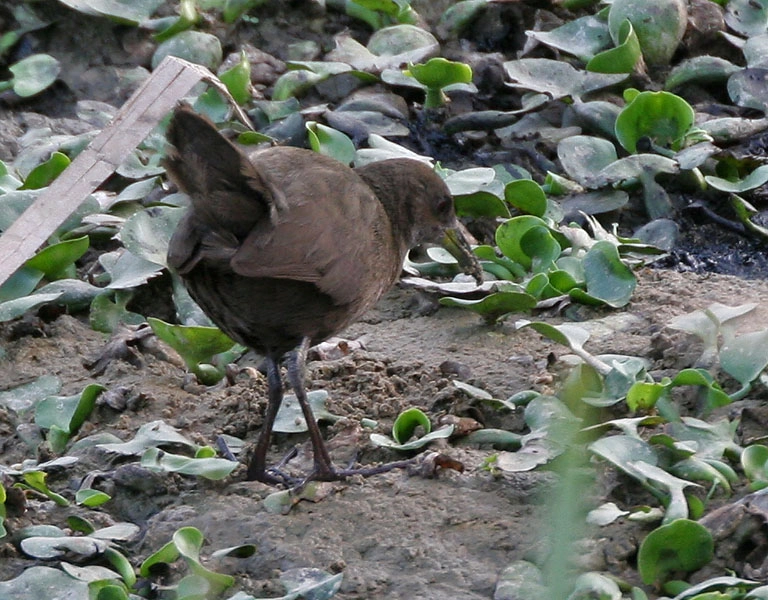
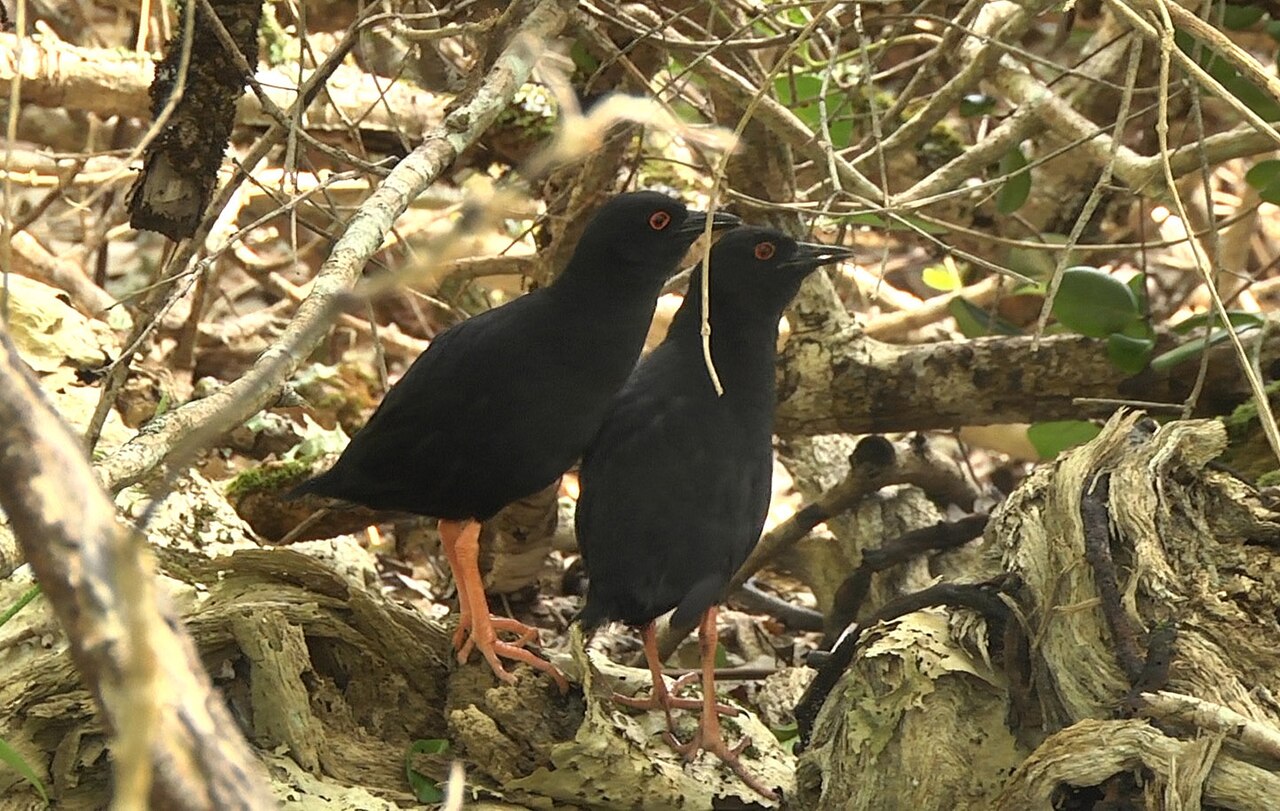
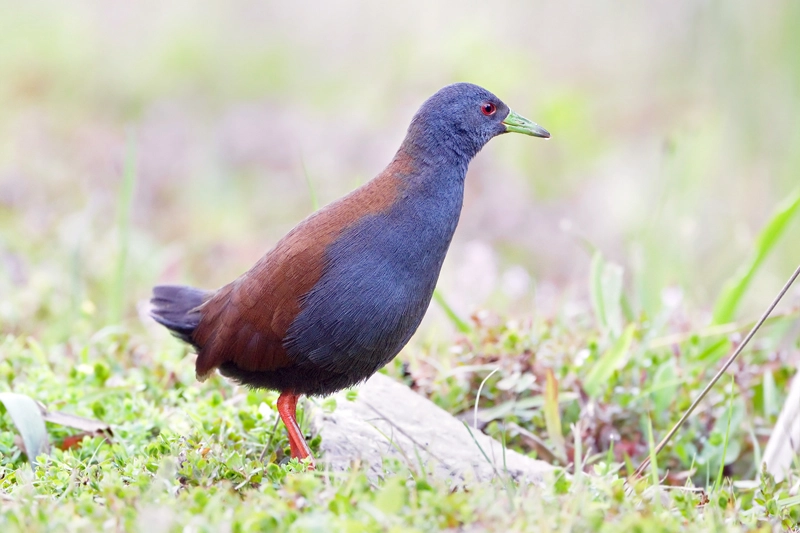
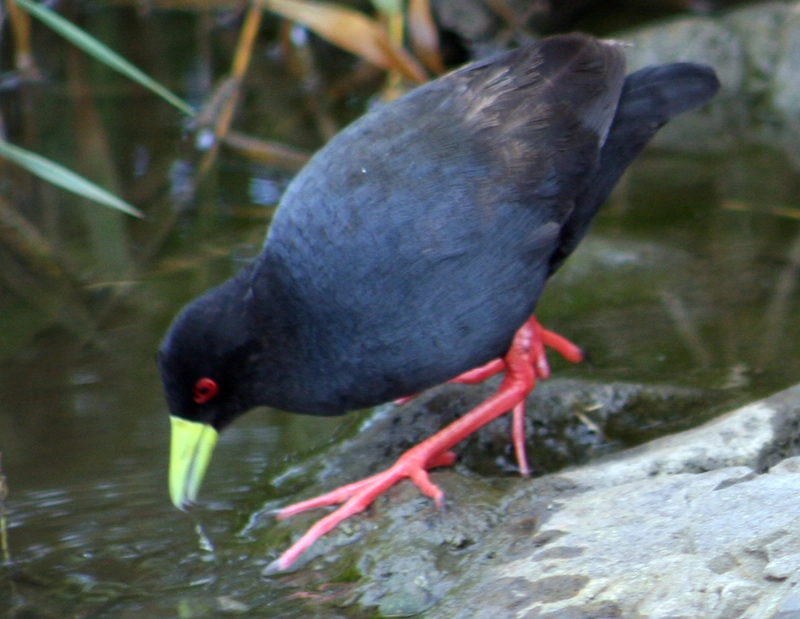
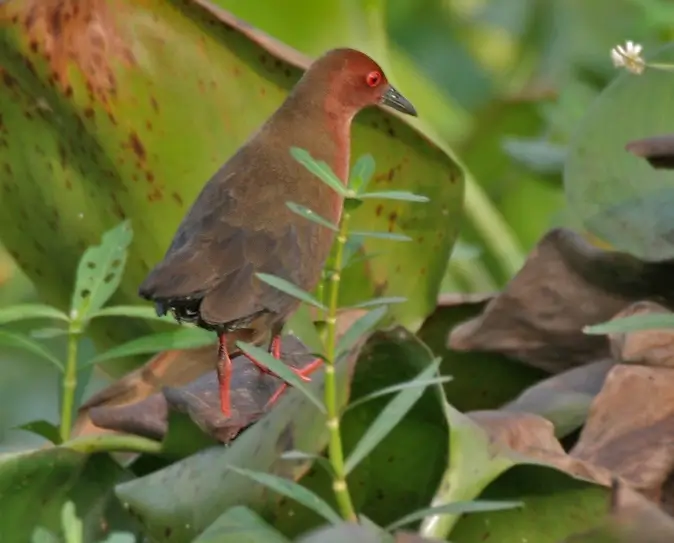
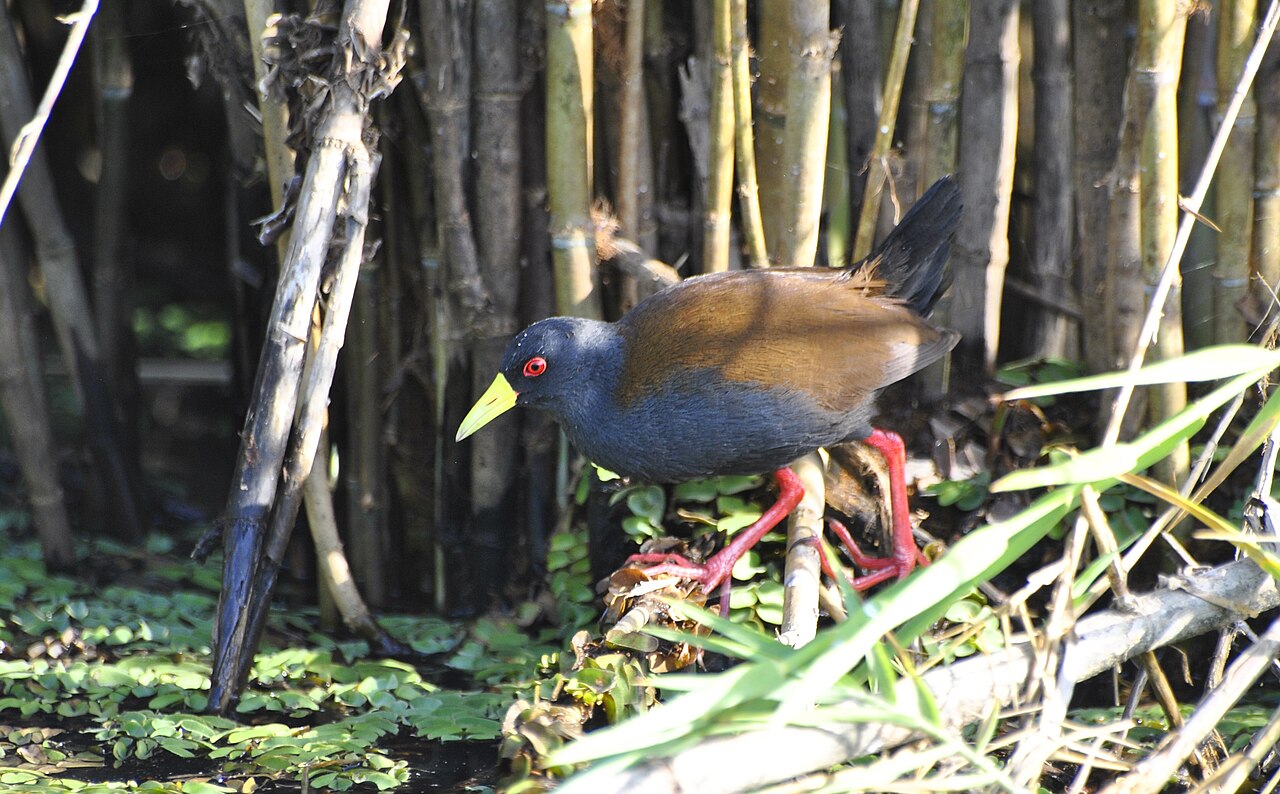
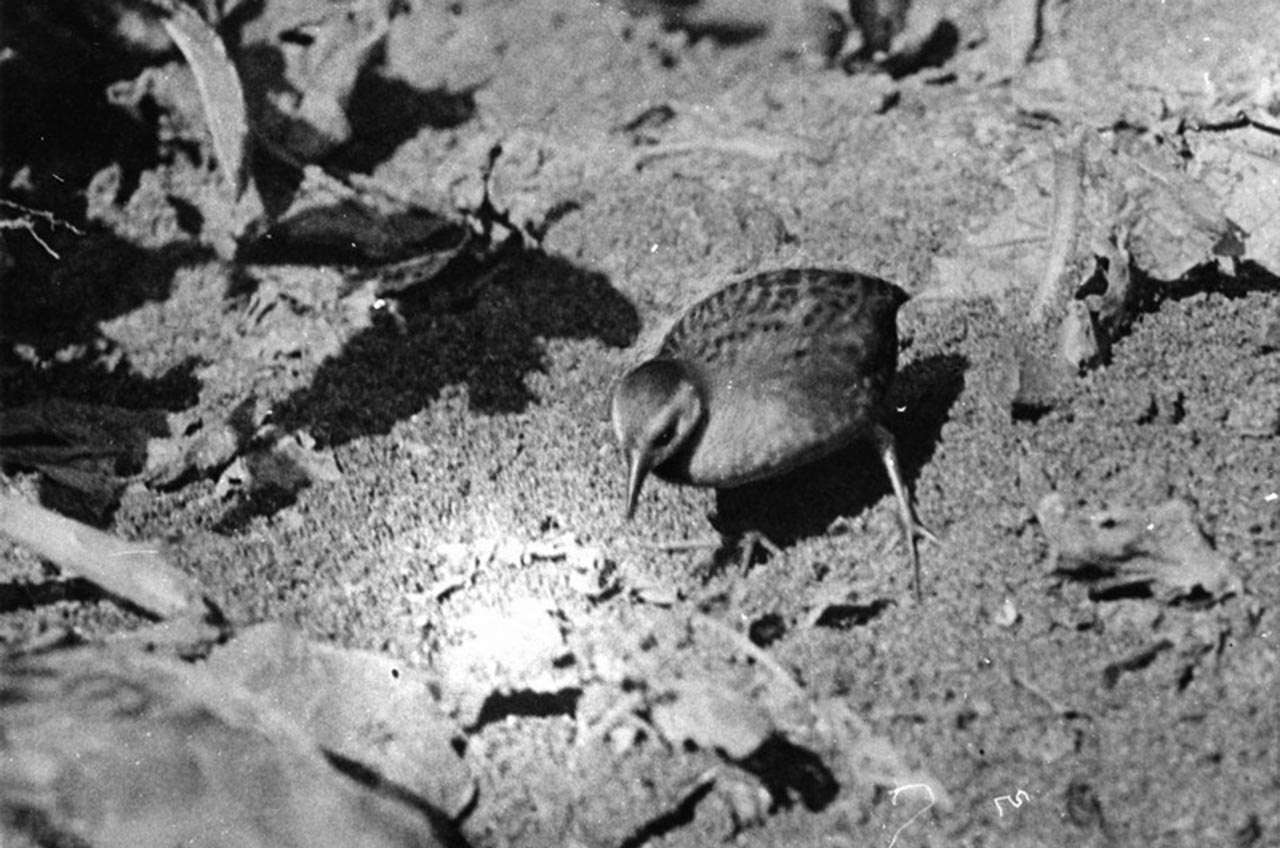
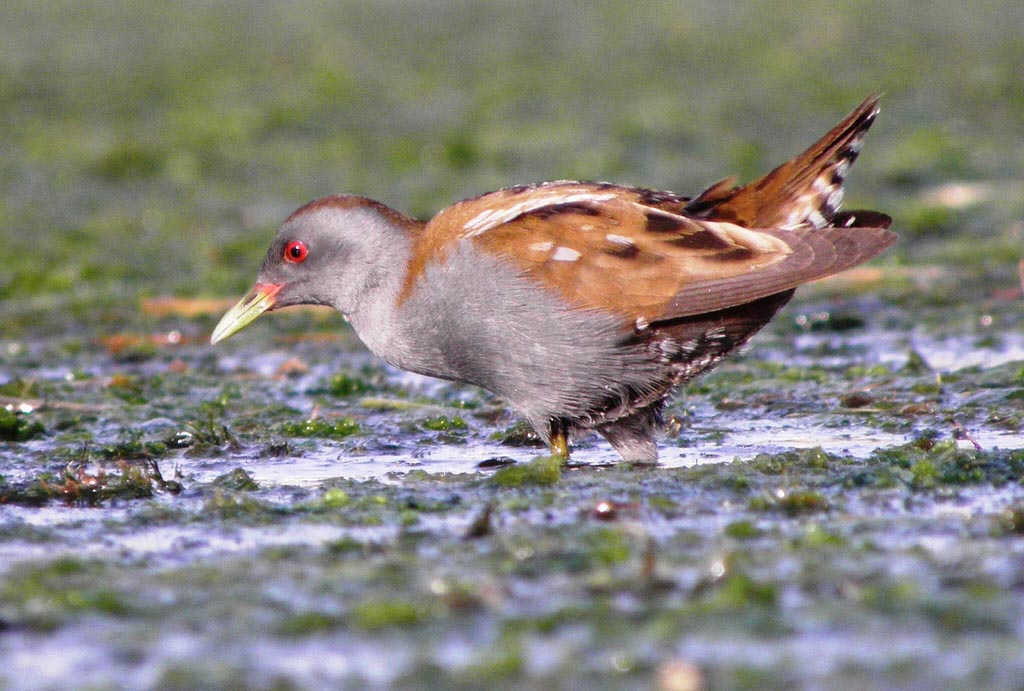
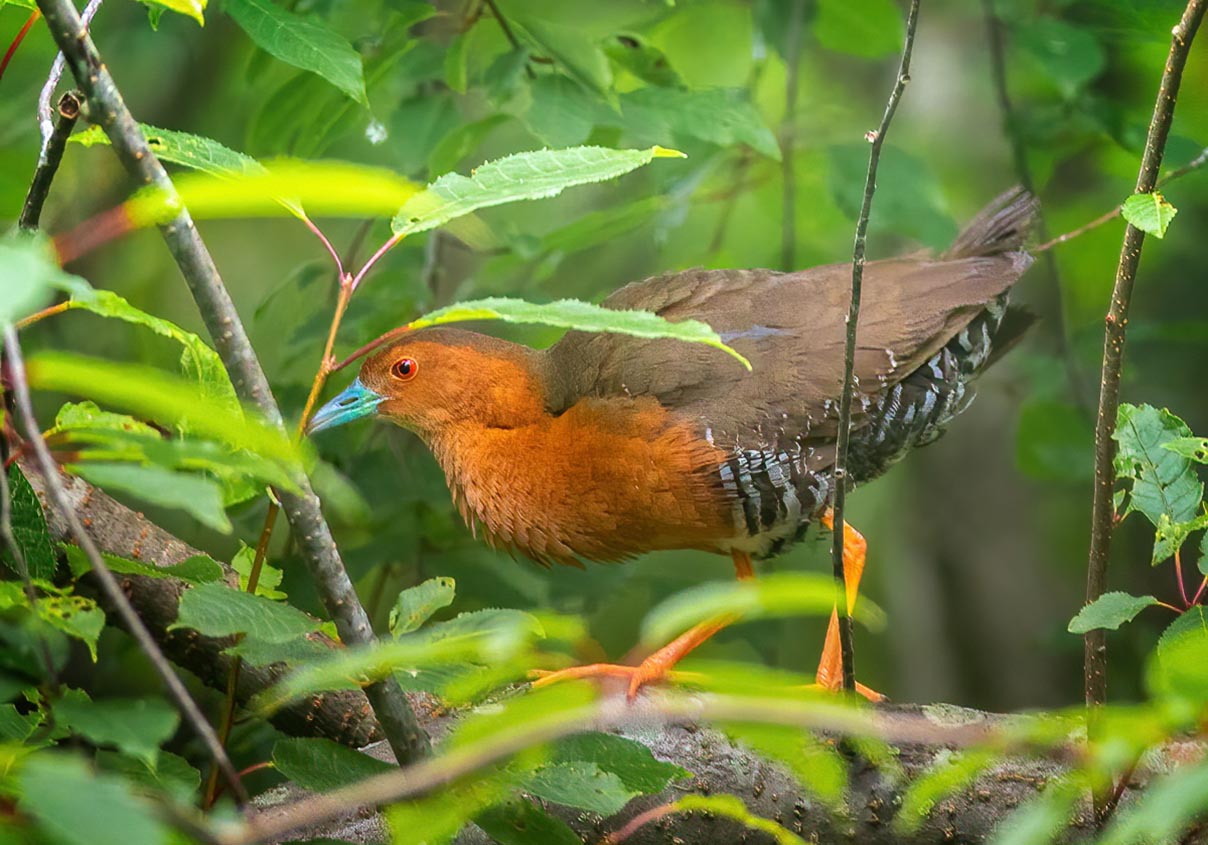
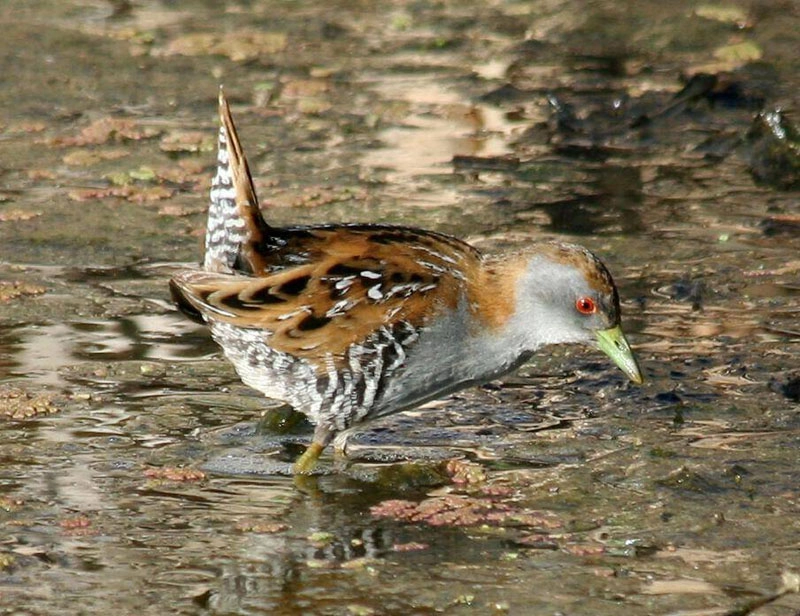
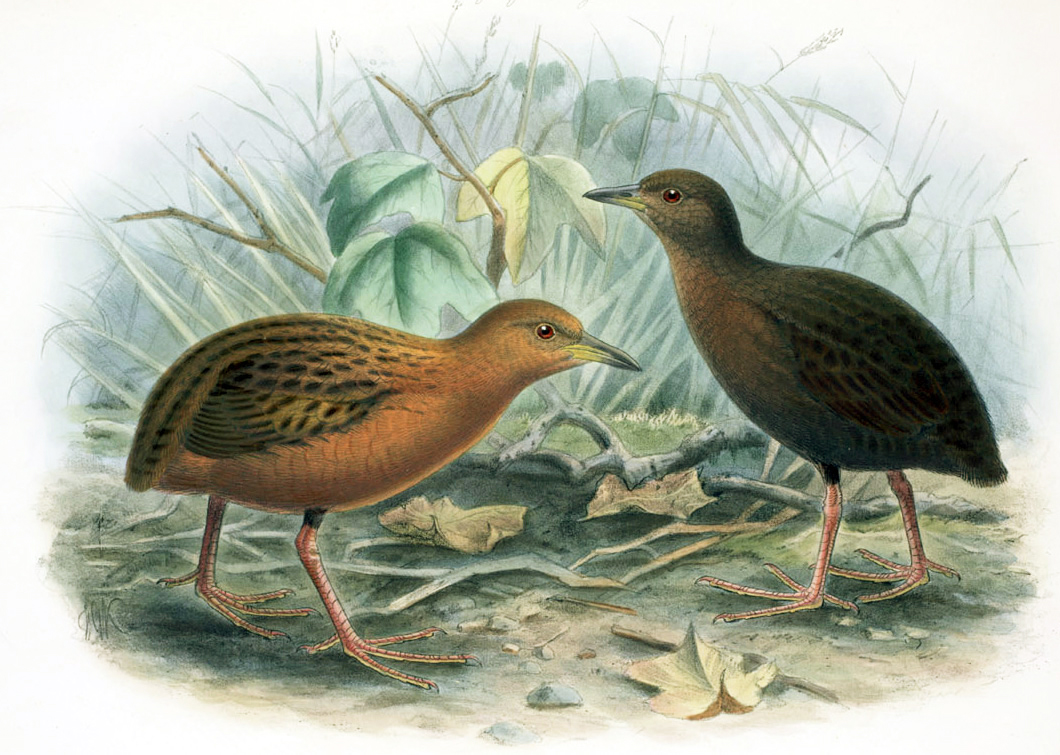
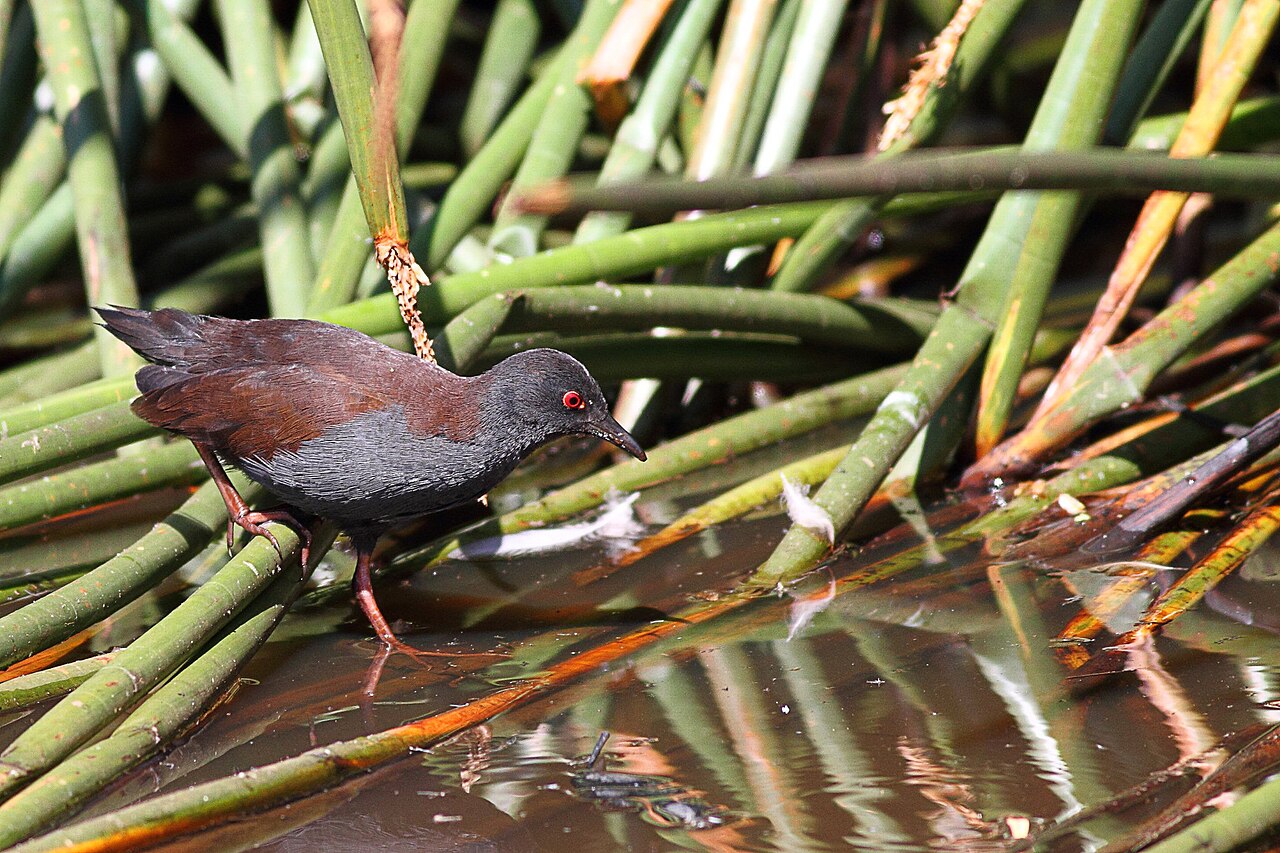
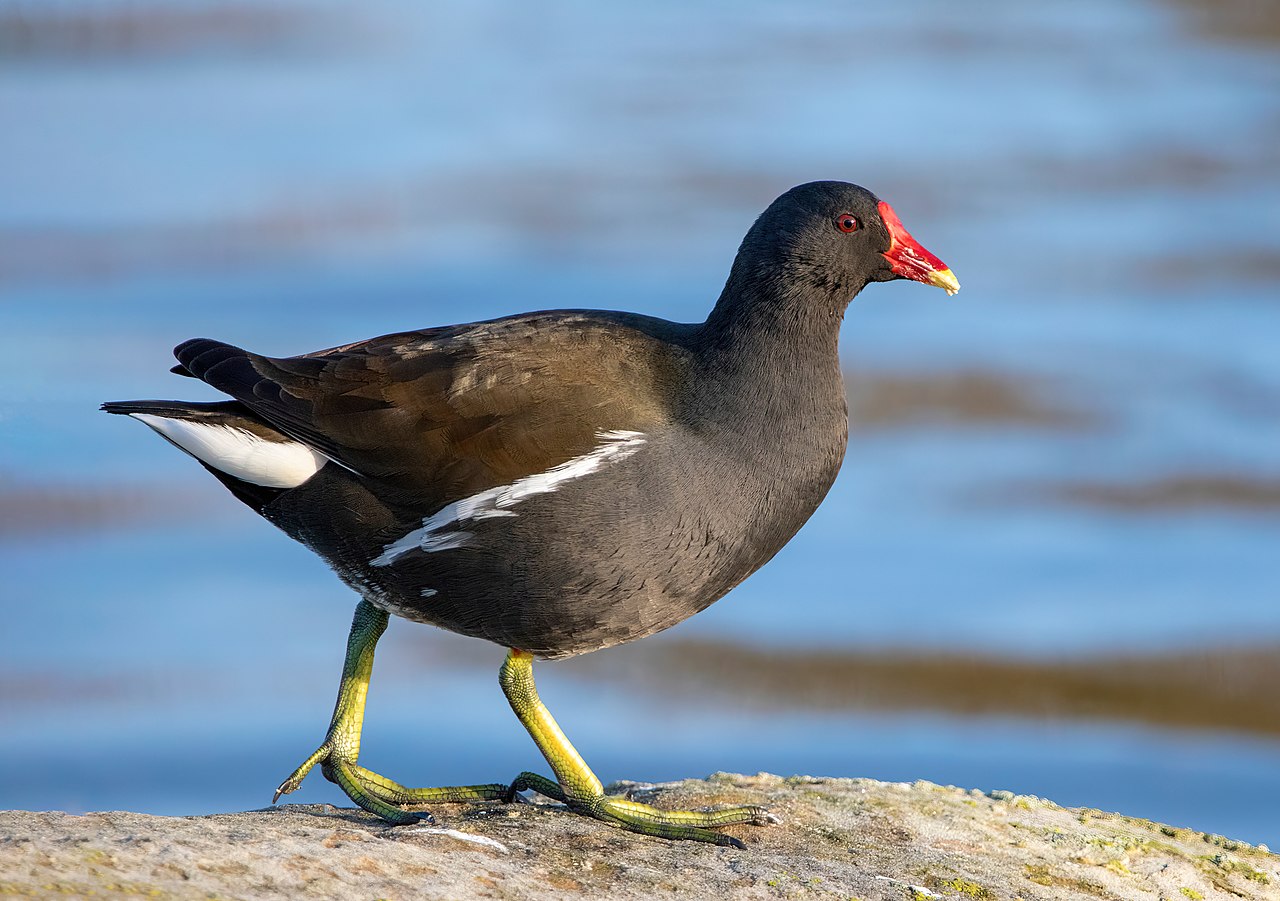
The Rallidae family includes about 150 species of birds. They are found on every continent except Antarctica.
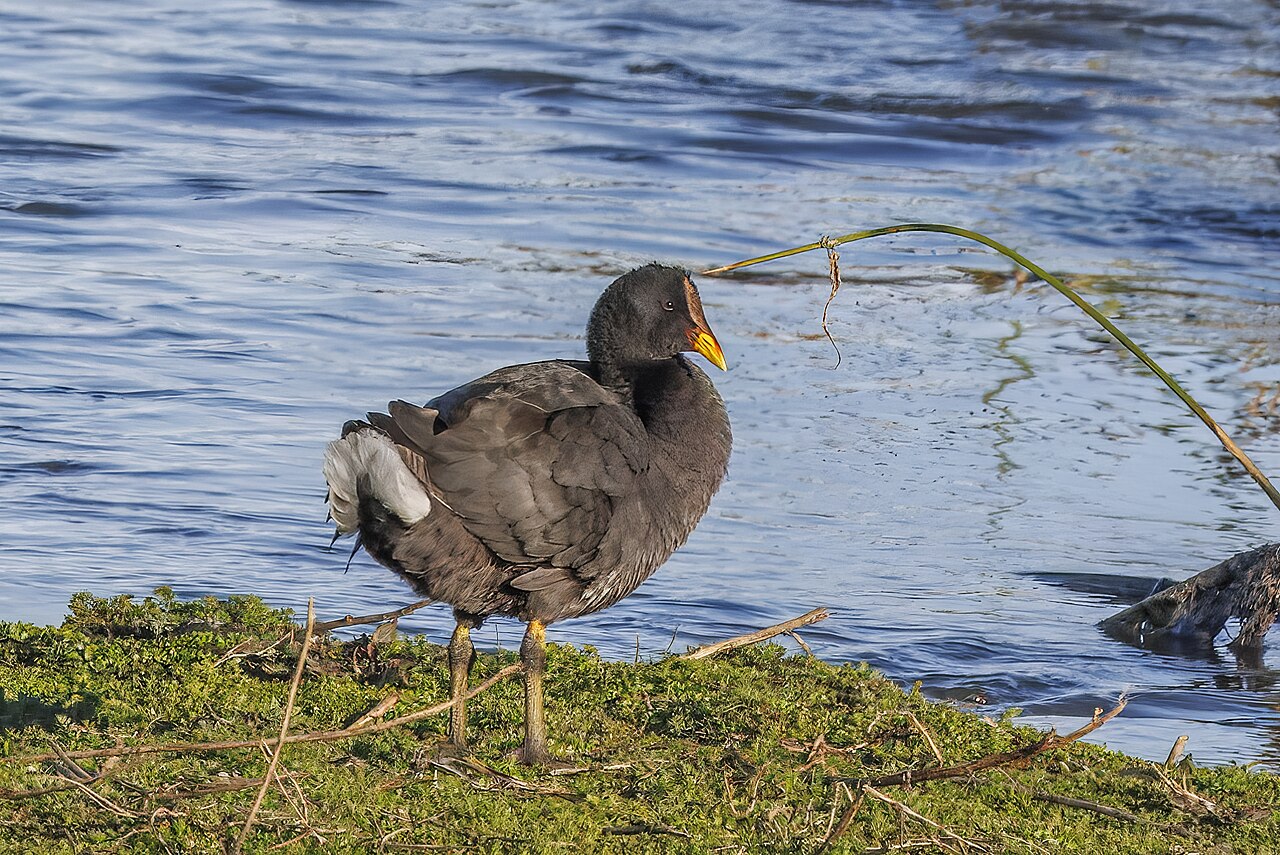
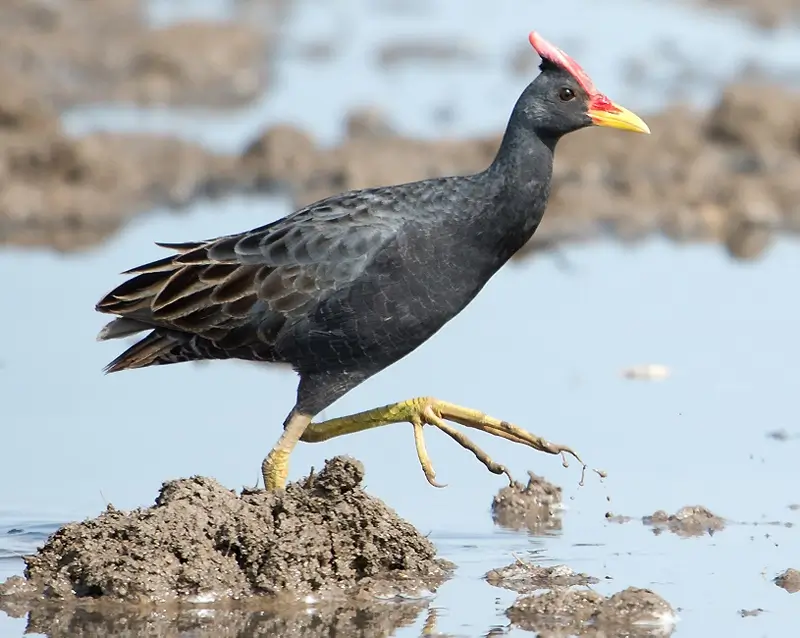
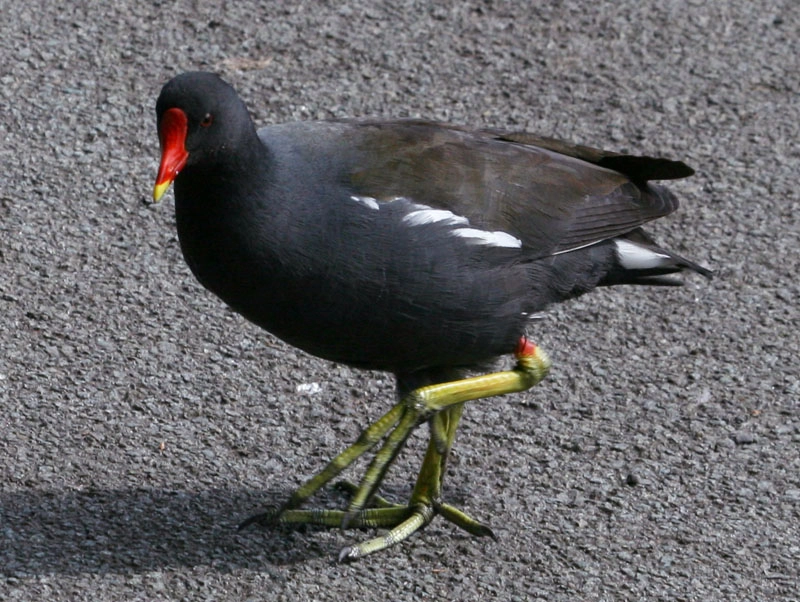
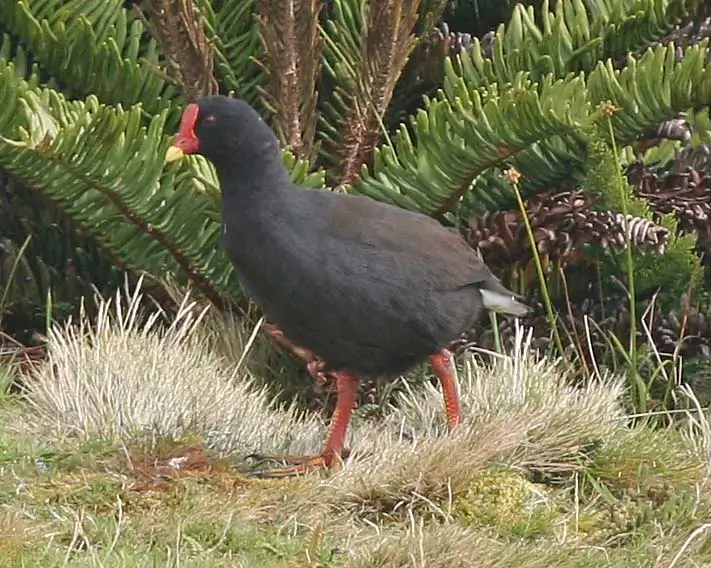
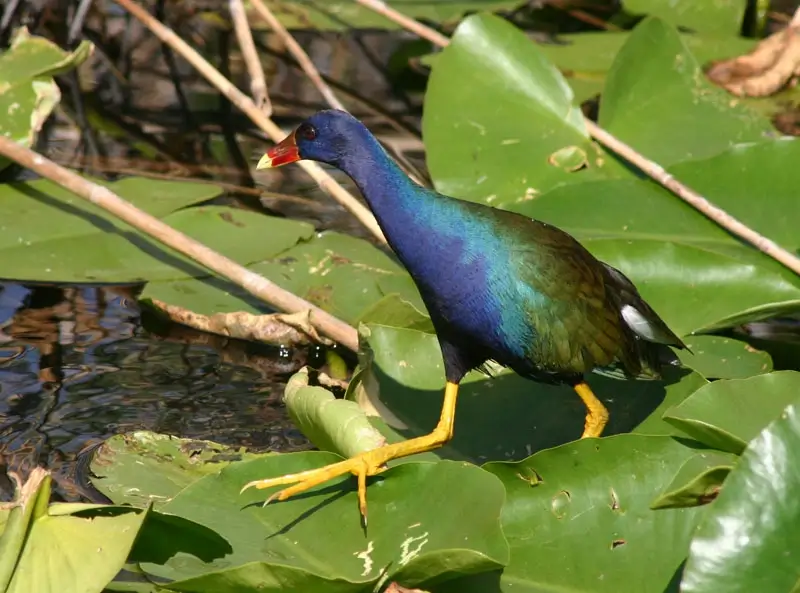
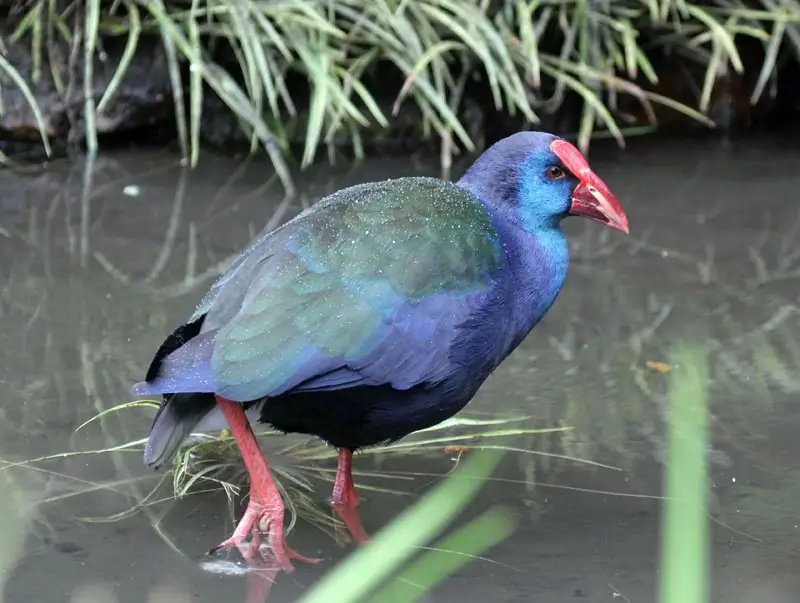
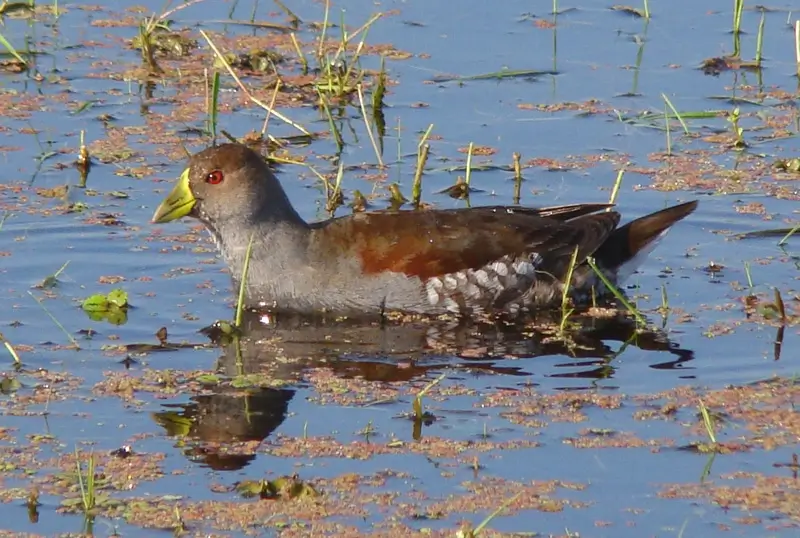
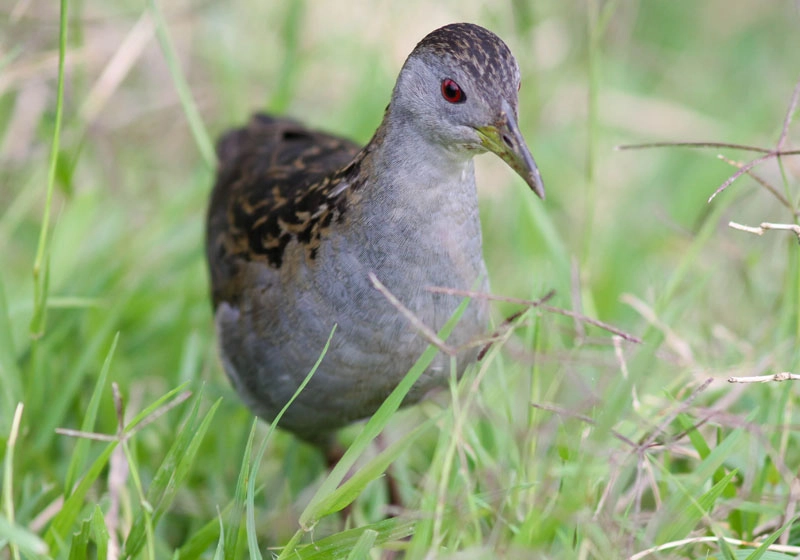
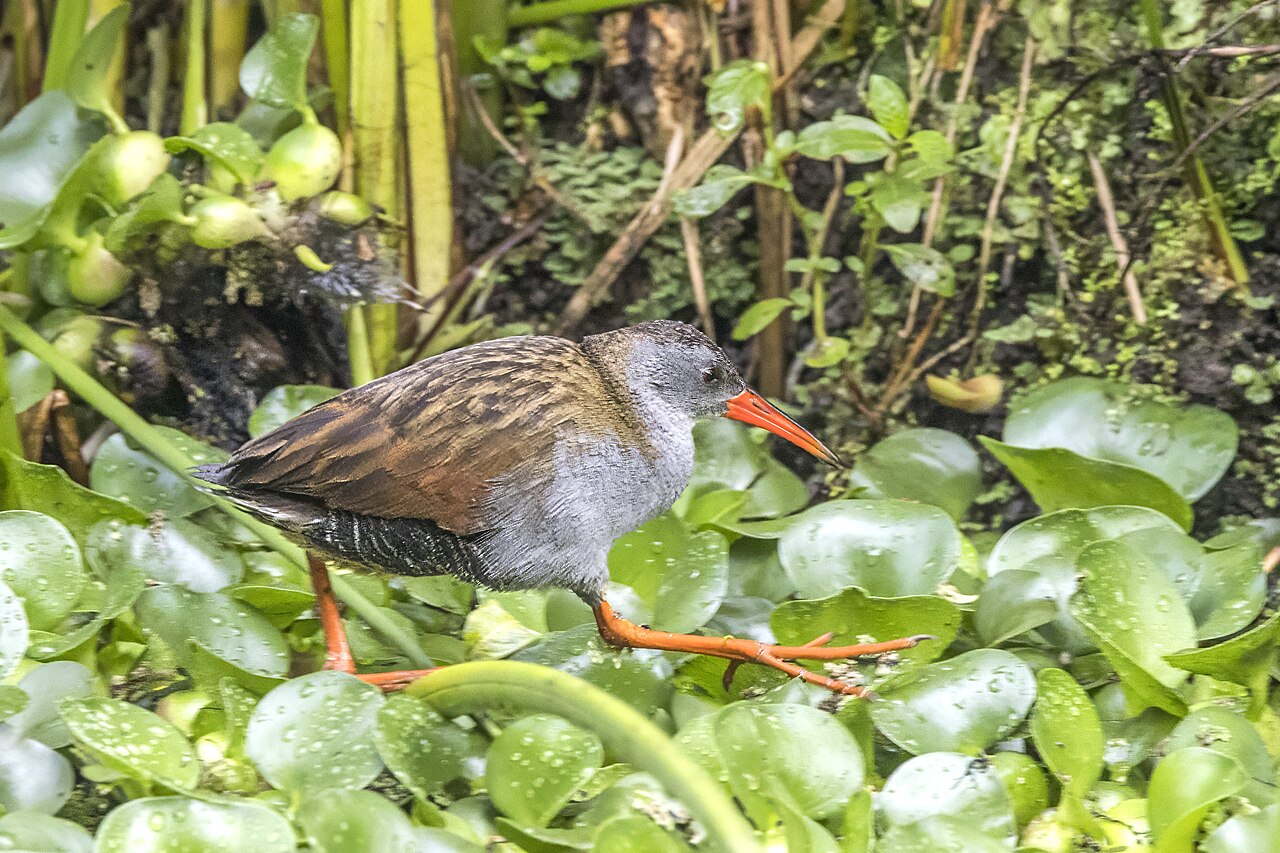
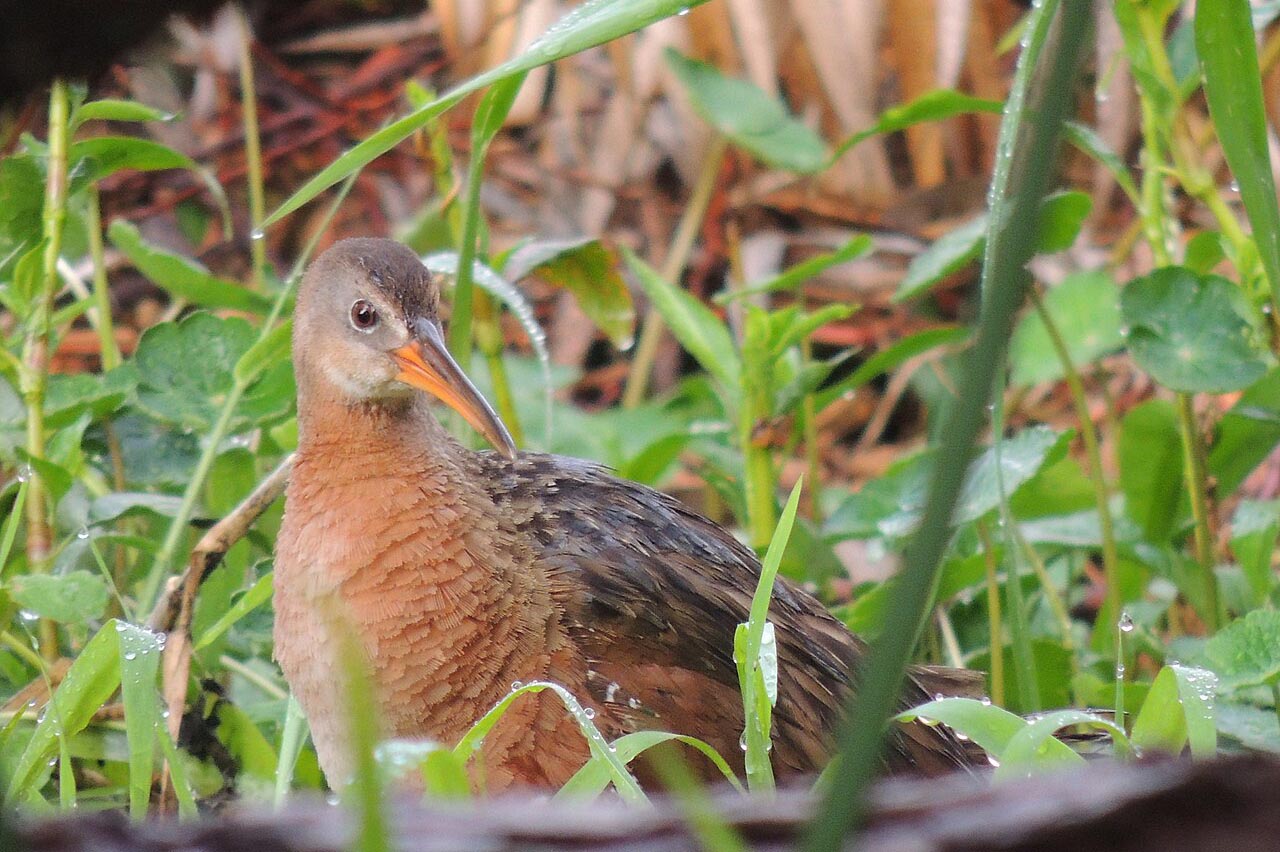
Rails, crakes, coots, gallinules, and moorhens are small to medium-sized birds that usually live in wetlands with thick vegetation around lakes, marshes, swamps, rivers, and ponds.
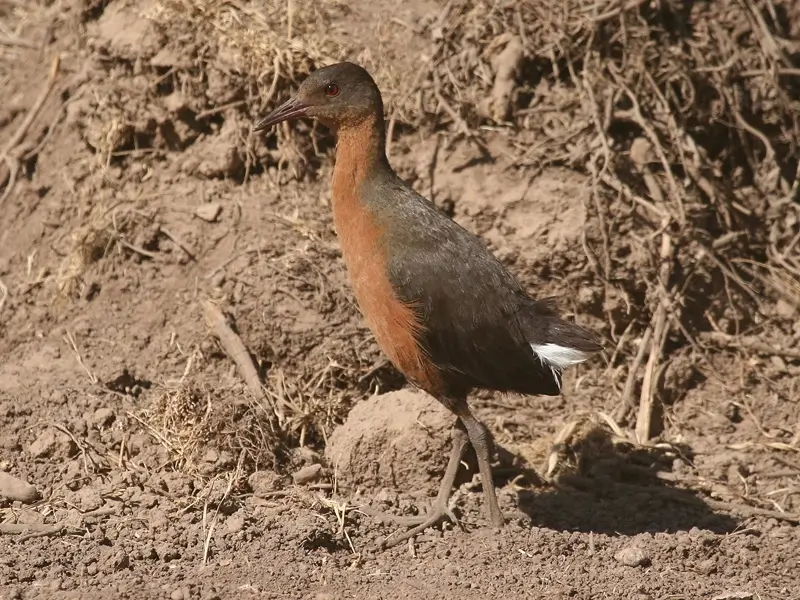
They have long toes that spread out their weight, helping them walk across soft mud and floating plants without sinking. Most have short, rounded wings, plump bodies, and short tails. Although many species can fly, they usually prefer to run or hide in dense vegetation when threatened. In most species, males and females look very similar.
Rallidae birds eat a wide variety of foods. Most are omnivores, feeding on insects, worms, snails, crustaceans, small fish, frogs, seeds, berries, roots, and other water plants. Some species eat mostly plants, while others eat more animals, depending on where they live and what food is available.
Most Rallidae birds form pairs during the breeding season, and some species stay with the same mate for several years or longer. They build well-hidden nests in thick vegetation close to the water, using grasses, reeds, and other plant materials.
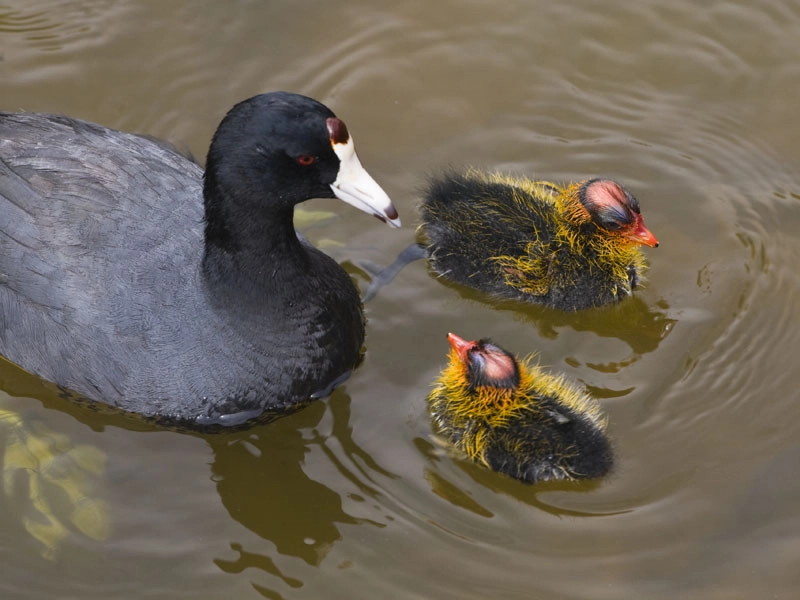
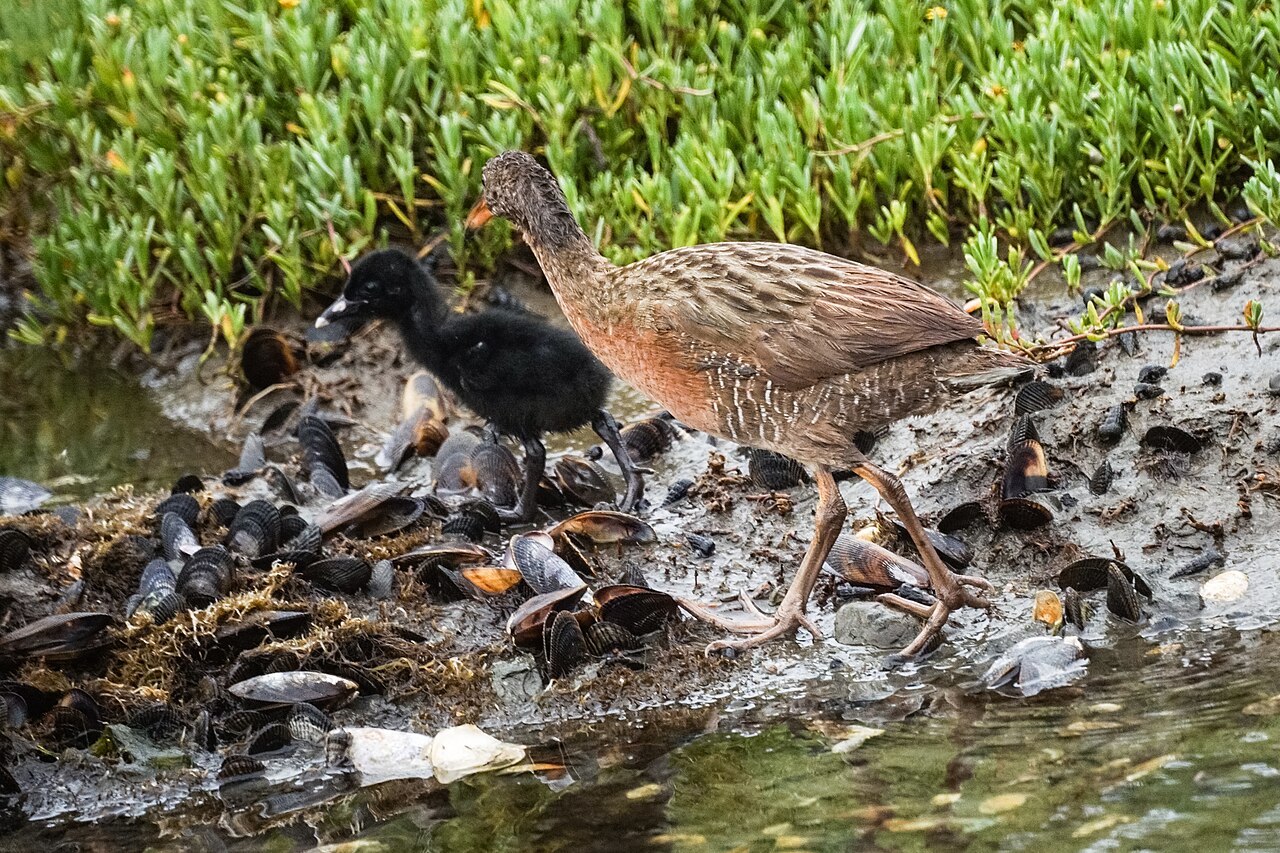
The female usually lays 5–10 eggs. Both parents take turns incubating the eggs, which hatch after about 18–25 days, depending on the species. The chicks are covered with down and leave the nest soon after hatching. They follow their parents through the vegetation, where both adults protect them and help them find food until they can feed themselves.