There are 14 species of birds in the Momotidae family. These colorful birds live in the forests and woodlands of Central and South America.
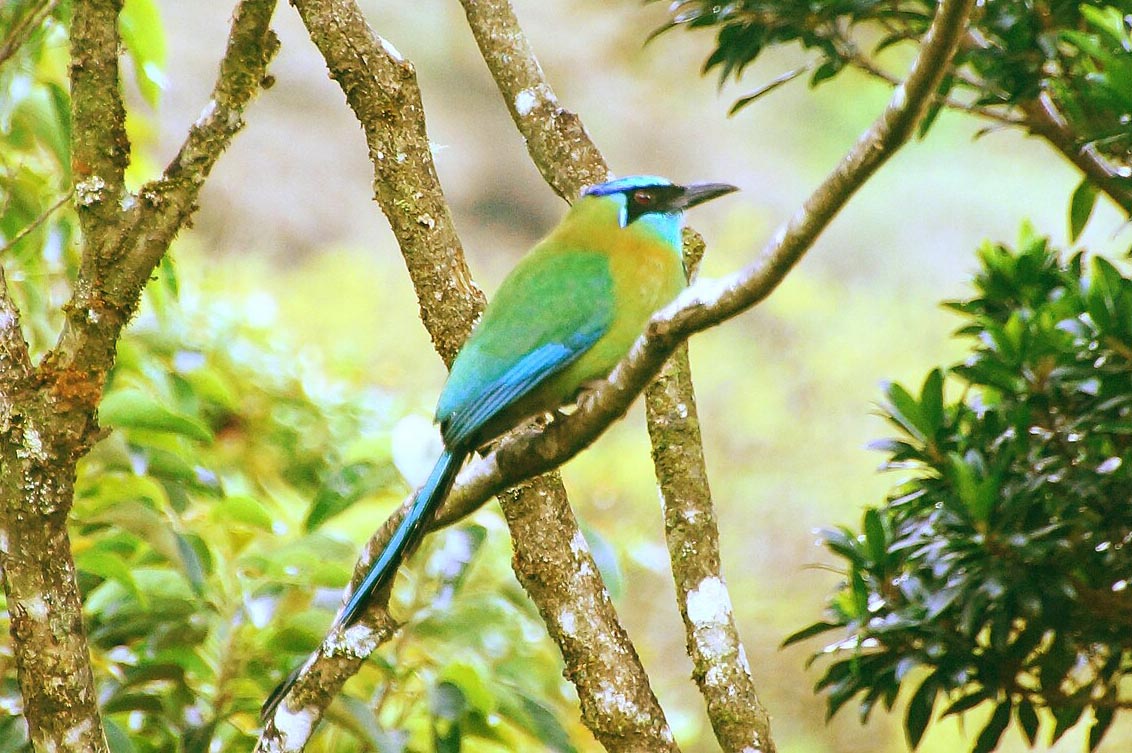
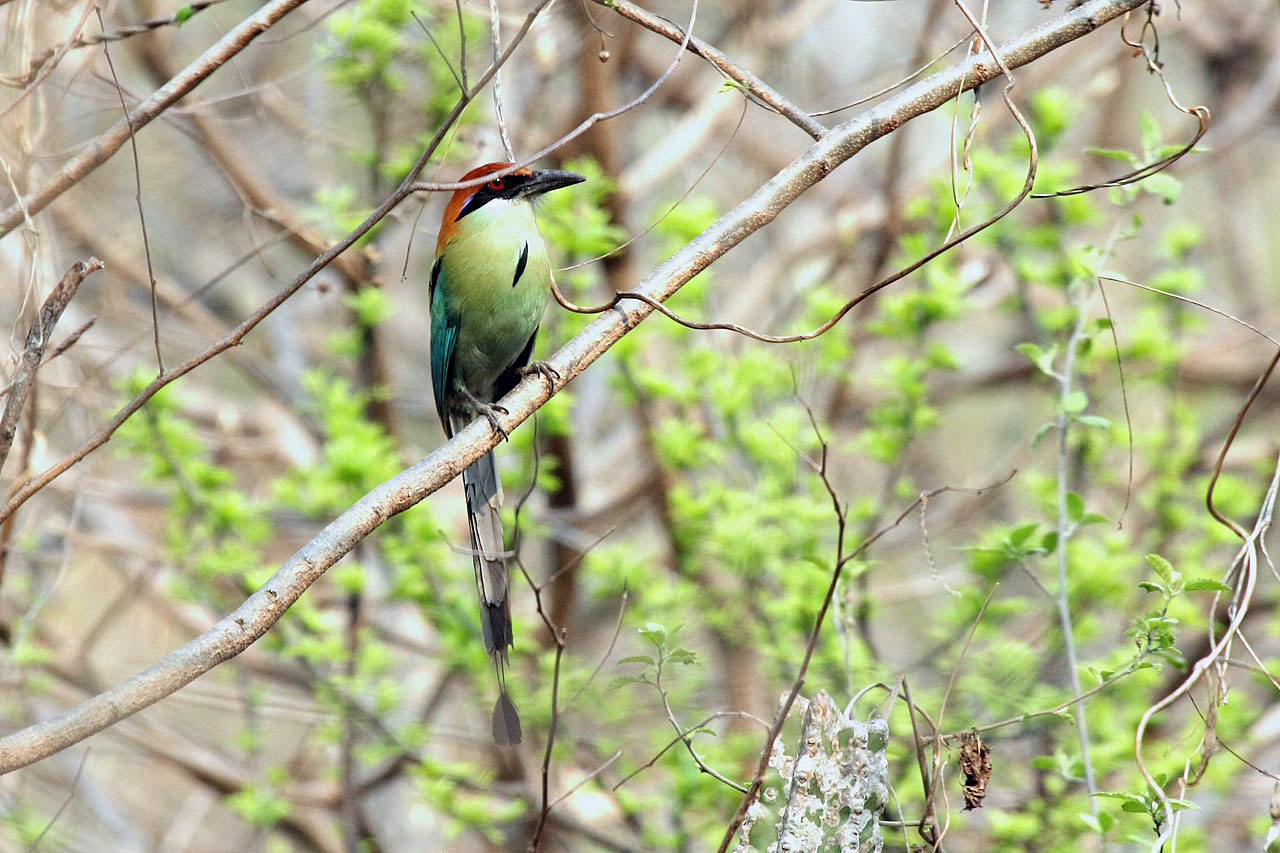
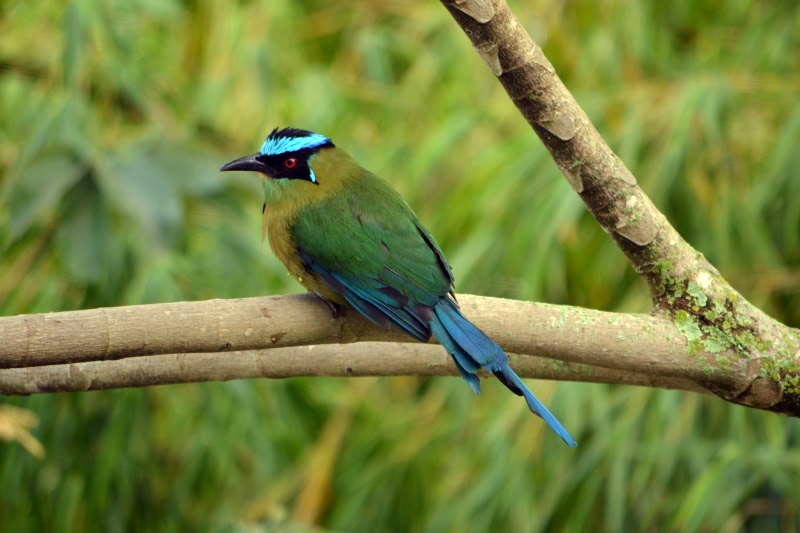
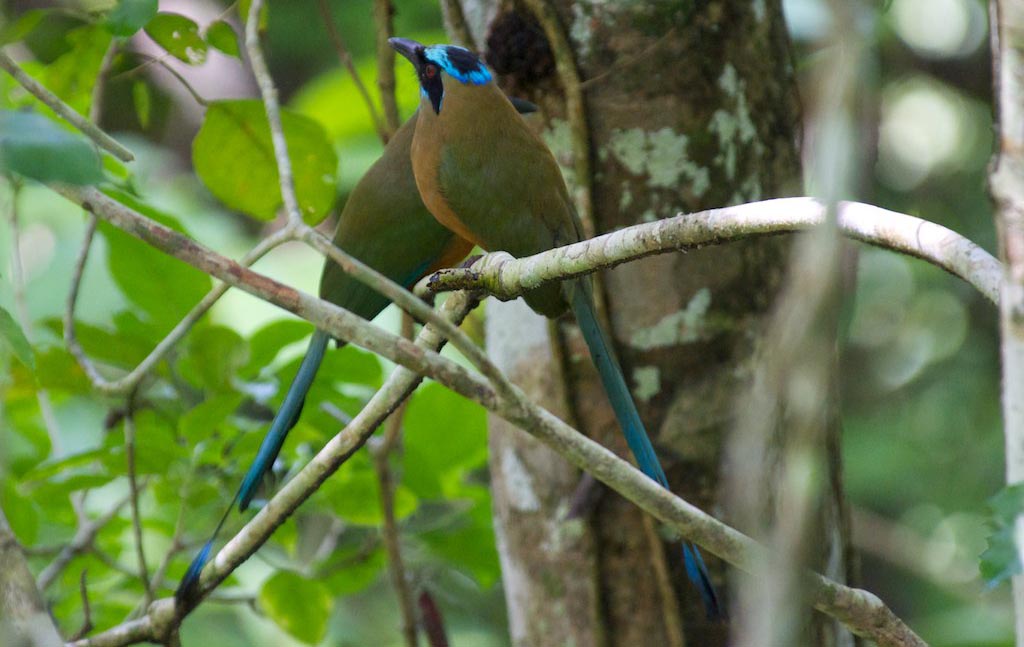
Motmots are about the size of a jay and are easy to recognize by their bright green feathers with blue, black, and reddish-brown markings.
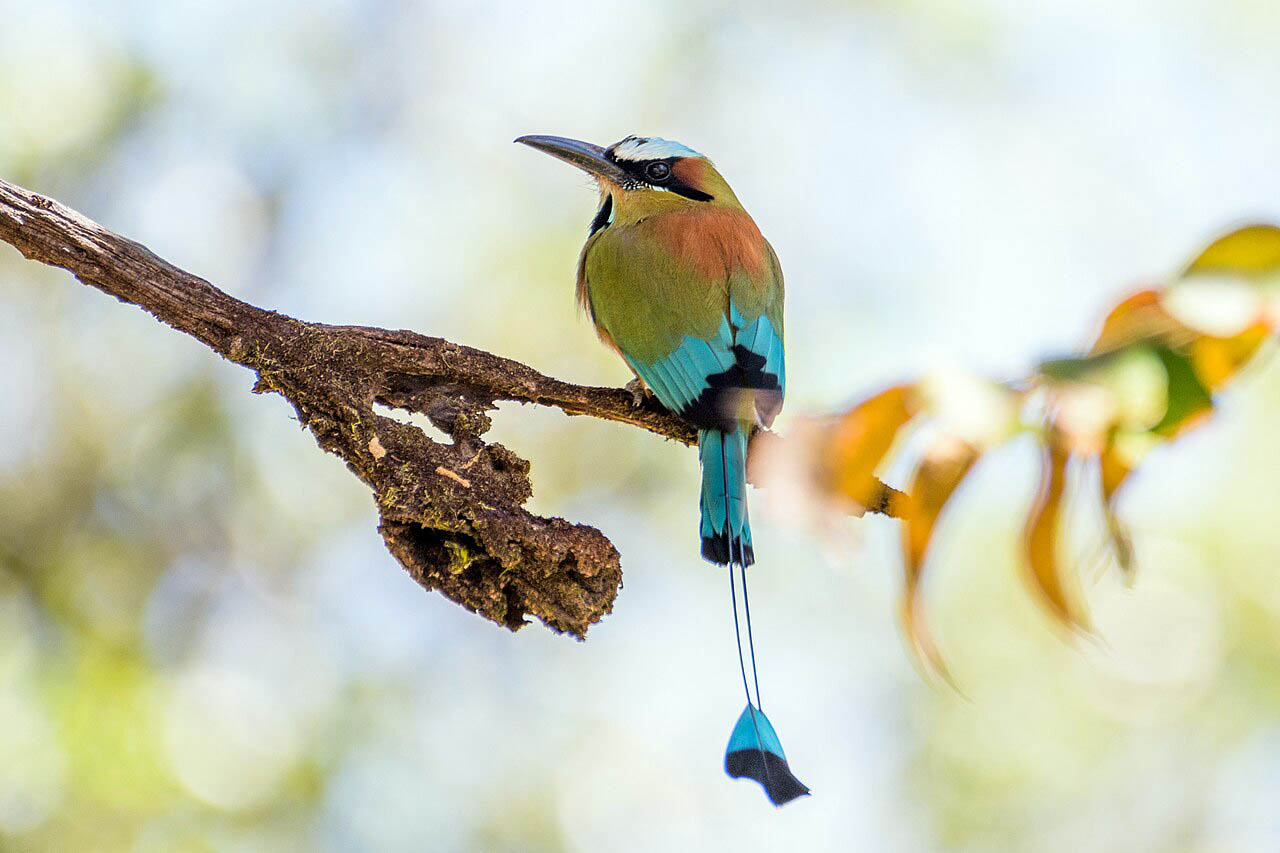
Most motmots have long tails with two extra-long middle feathers. Over time, the barbs on part of these feathers wear away, leaving bare shafts that end in distinctive racquet-shaped tips. The Tody Motmot (Hylomanes momotula) is the only species that does not have this tail shape.
Motmots usually live alone or in pairs, except during the breeding season.
They eat mostly insects, but they also feed on spiders, small lizards, frogs, and fruit. Instead of catching insects in flight, they usually wait on a perch and swoop down to grab prey from the ground or from plants.
Motmots dig nesting tunnels in riverbanks, earthen banks, or embankments, and sometimes nest in caves or rock crevices. The female usually lays 3–4 white eggs. Both parents help incubate the eggs and care for the chicks. Some species nest alone, while others may nest in loose colonies.
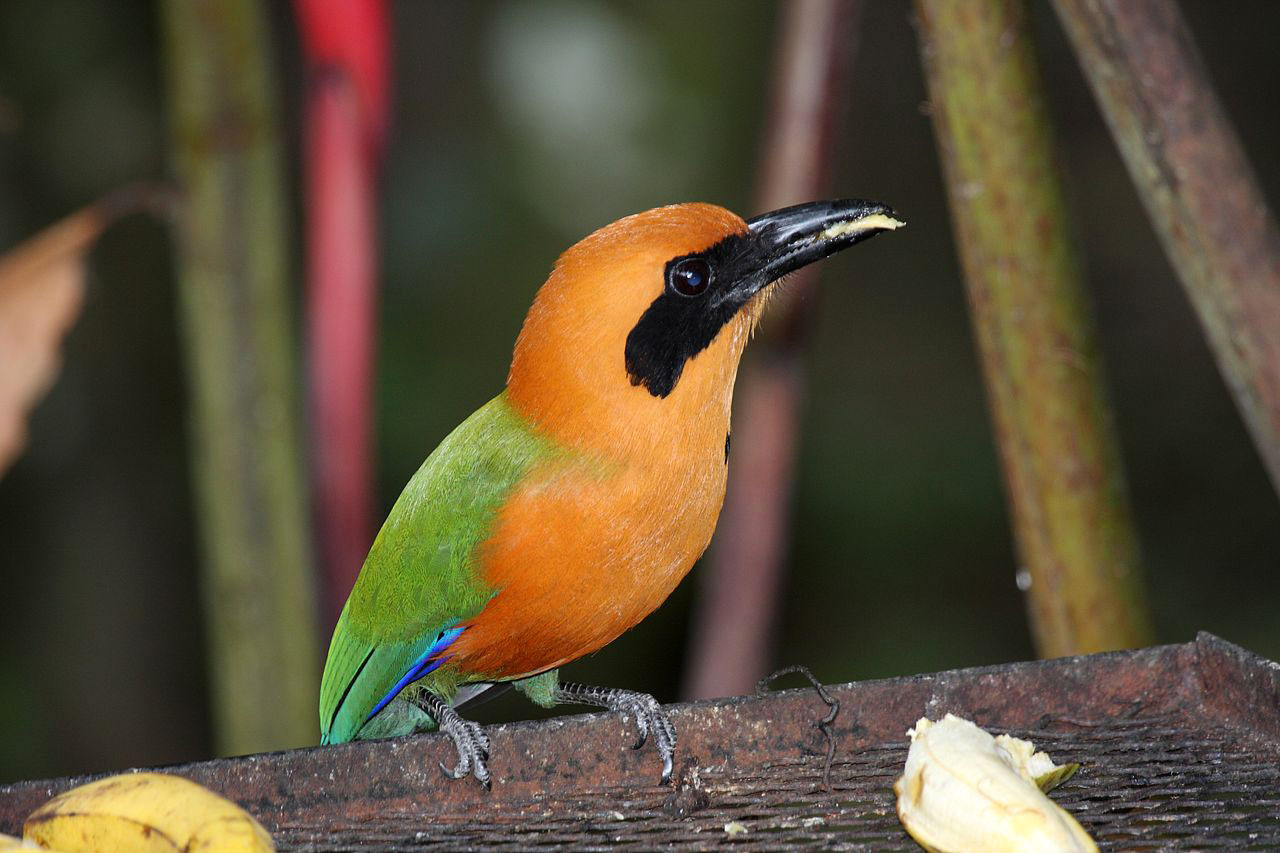
Rufous Motmot (Baryphthengus martii)
The Rufous Motmot is found in Bolivia, Brazil, Colombia, Costa Rica, Ecuador, Honduras, Nicaragua, Panama, and Peru. IUCN Redlist Status: Least Concern
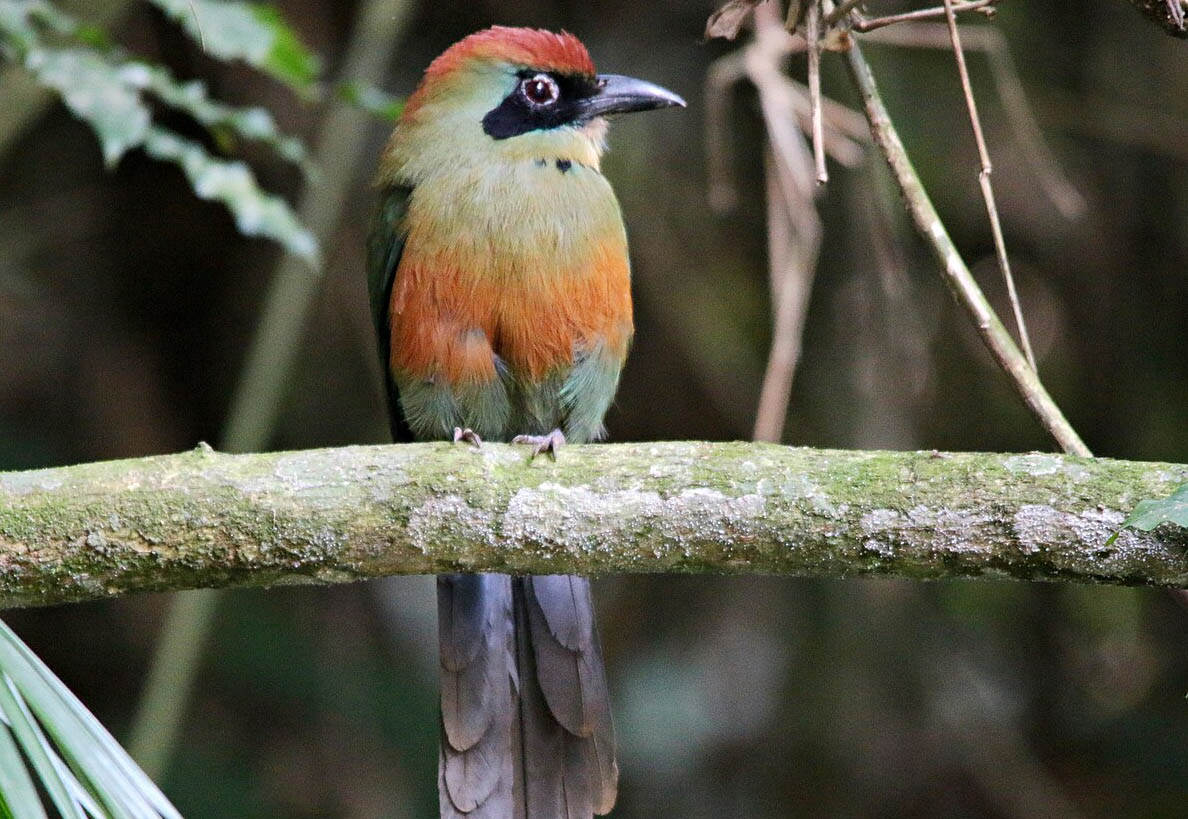
Rufous-capped Motmot (Baryphthengus ruficapillus)
The Rufous-capped Motmot is found in Argentina, Brazil, and Paraguay. IUCN Redlist Status: Least Concern
Keel-billed Motmot (Electron carinatum)
The Keel-billed Motmot is found in Mexico, Belize, Costa Rica, Guatemala, Honduras, and Nicaragua. IUCN Redlist Status: Vulnerable
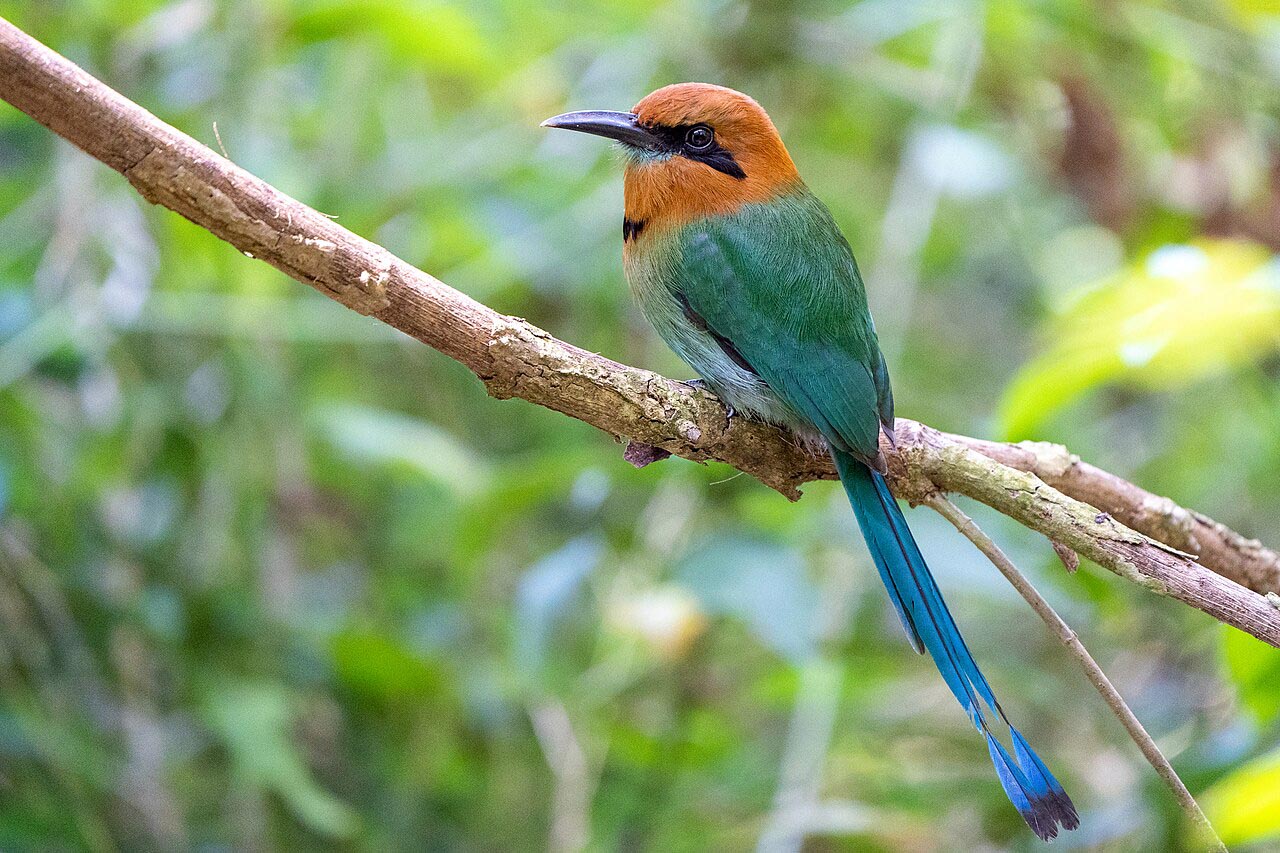
Broad-billed Motmot (Electron platyrhynchum)
The Broad-billed Motmot is found in Bolivia, Brazil, Colombia, Costa Rica, Ecuador, Guatemala, Honduras, Nicaragua, Panama, and Peru. IUCN Redlist Status: Least Concern
Turquoise-browed Motmot (Eumomota superciliosa)
The Turquoise-browed Motmot is found in Mexico, Costa Rica, El Salvador, Guatemala, Honduras, and Nicaragua. IUCN Redlist Status: Least Concern
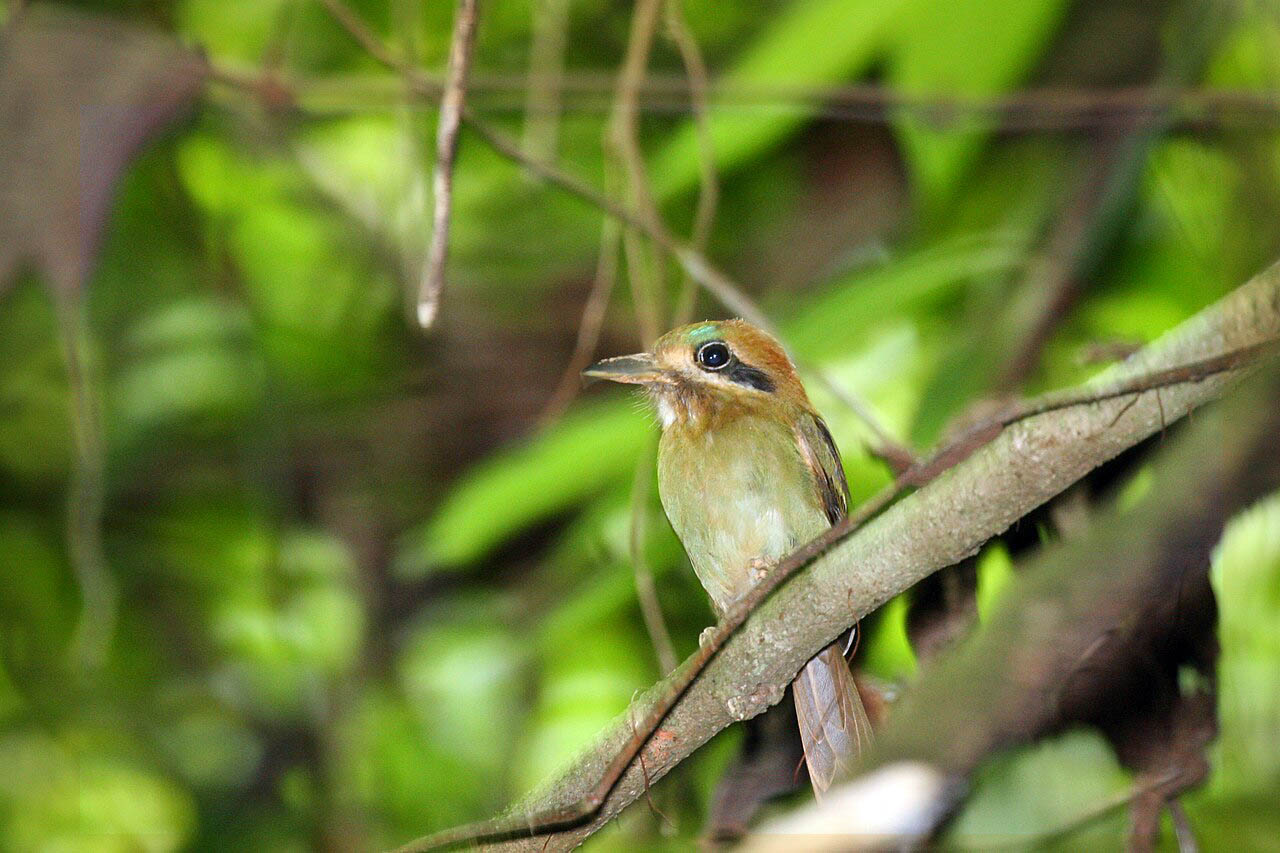
Tody Motmot (Hylomanes momotula)
The Tody Motmot is found in Mexico, Belize, Colombia, Costa Rica, El Salvador, Guatemala, Honduras, Mexico, Nicaragua, and Panama. IUCN Redlist Status: Least Concern
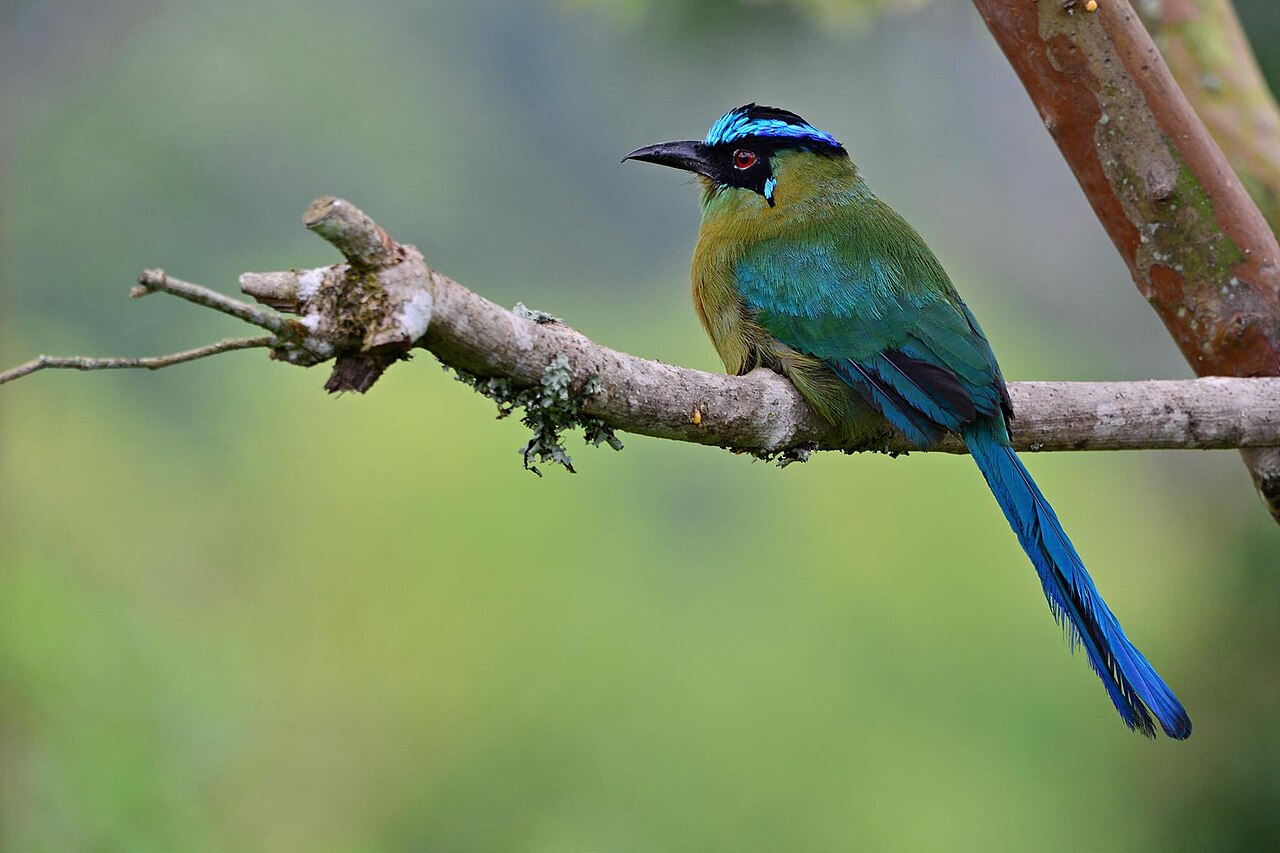
Andean Motmot (Momotus aequatorialis)
The Andean Motmot is found in Bolivia, Colombia, Ecuador, and Peru. IUCN Redlist Status: Least Concern
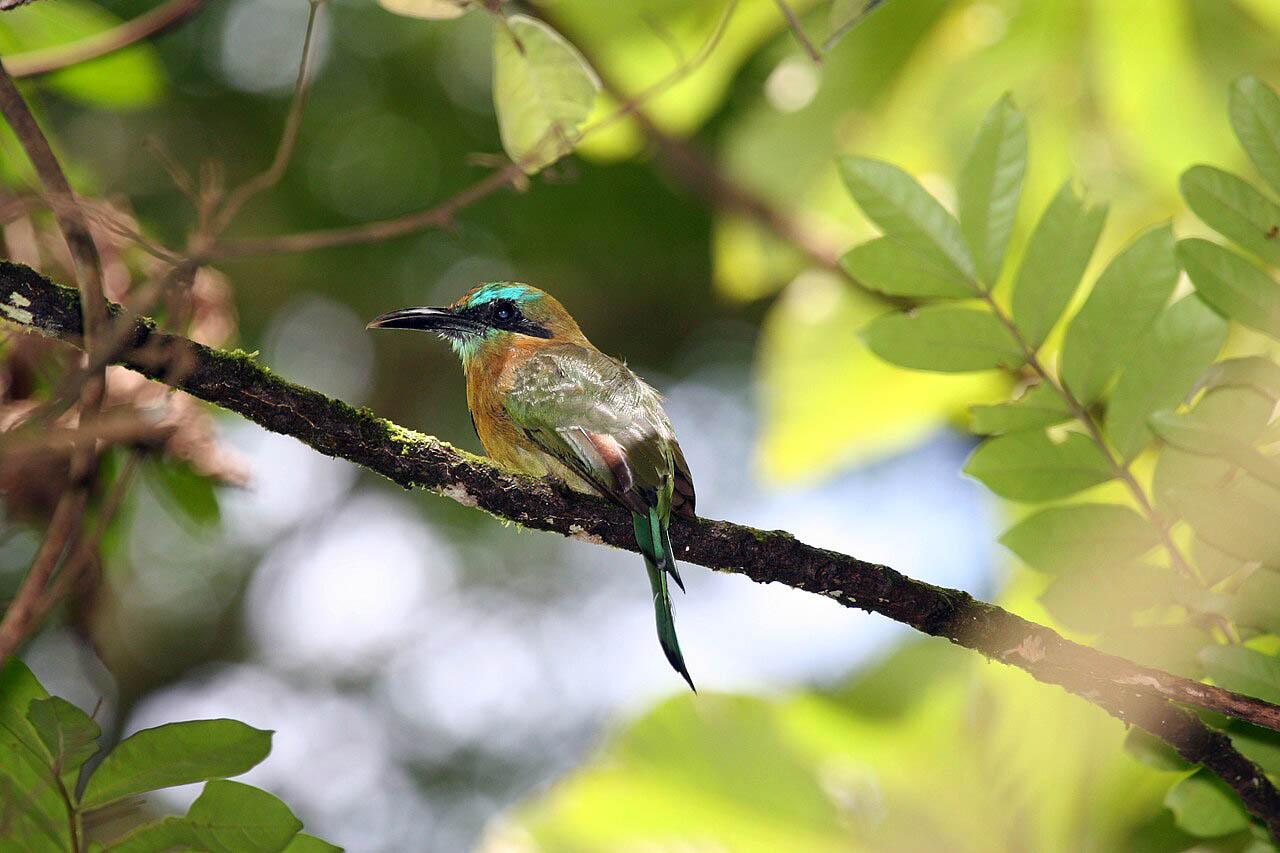
Trinidad Motmot (Momotus bahamensis)
The Trinidad Motmot is found in Trinidad and Tobago. IUCN Redlist Status: Least Concern
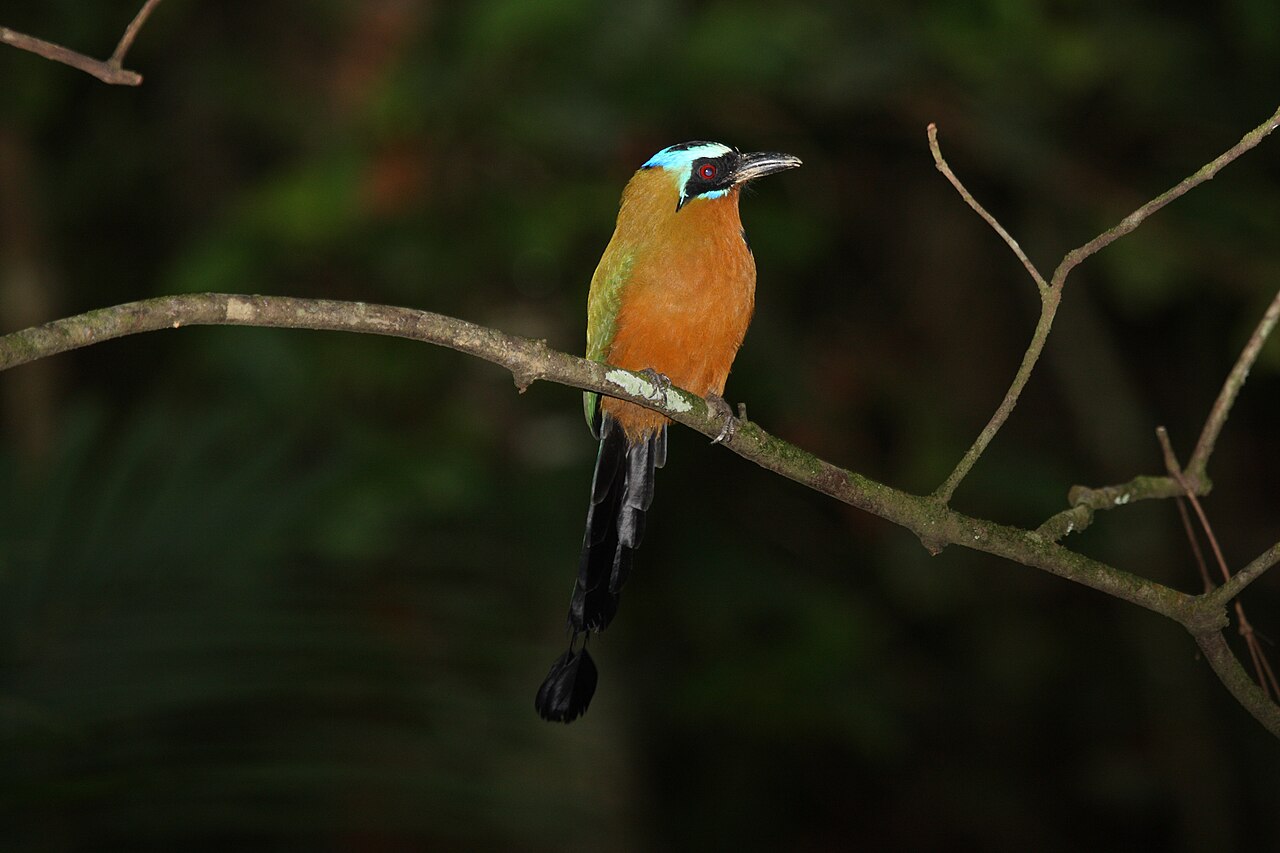
Blue-diademed Motmot (Momotus lessonii)
The Blue-diademed Motmot is found in Belize, Costa Rica, El Salvador, Guatemala, Honduras, Mexico, Nicaragua, and Panama. IUCN Redlist Status: Least Concern
Russet-crowned Motmot (Momotus mexicanus)
The Russet-crowned Motmot is found in Mexico and Guatemala. IUCN Redlist Status: Least Concern
Amazonian Motmot (Momotus momota)
The Amazonian Motmot is found in Argentina, Bolivia, Brazil, Colombia, Ecuador, French Guiana, Guyana, Paraguay, Peru, Suriname, and Venezuela. IUCN Redlist Status: Least Concern
Whooping Motmot (Momotus subrufescens)
The Whooping Motmot is found in Colombia, Ecuador, Panama, Peru, and Venezuela. IUCN Redlist Status: Least Concern