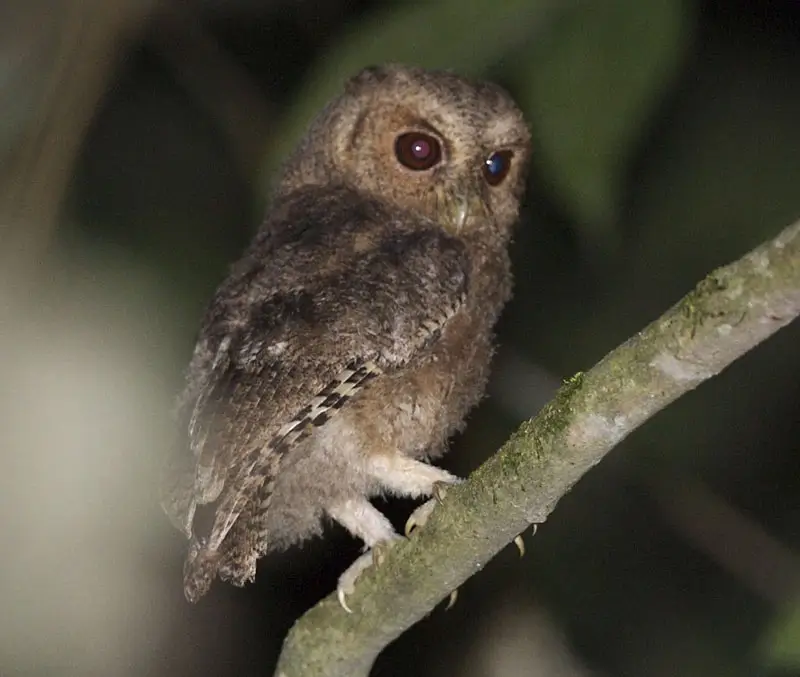
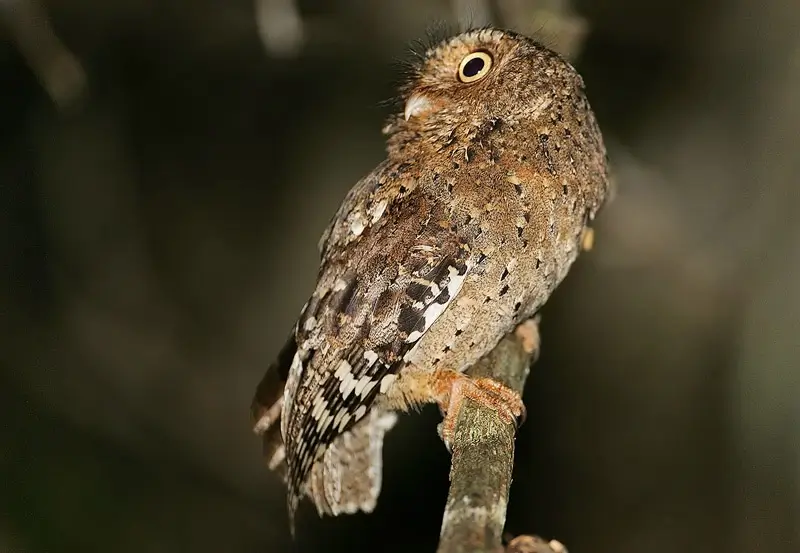
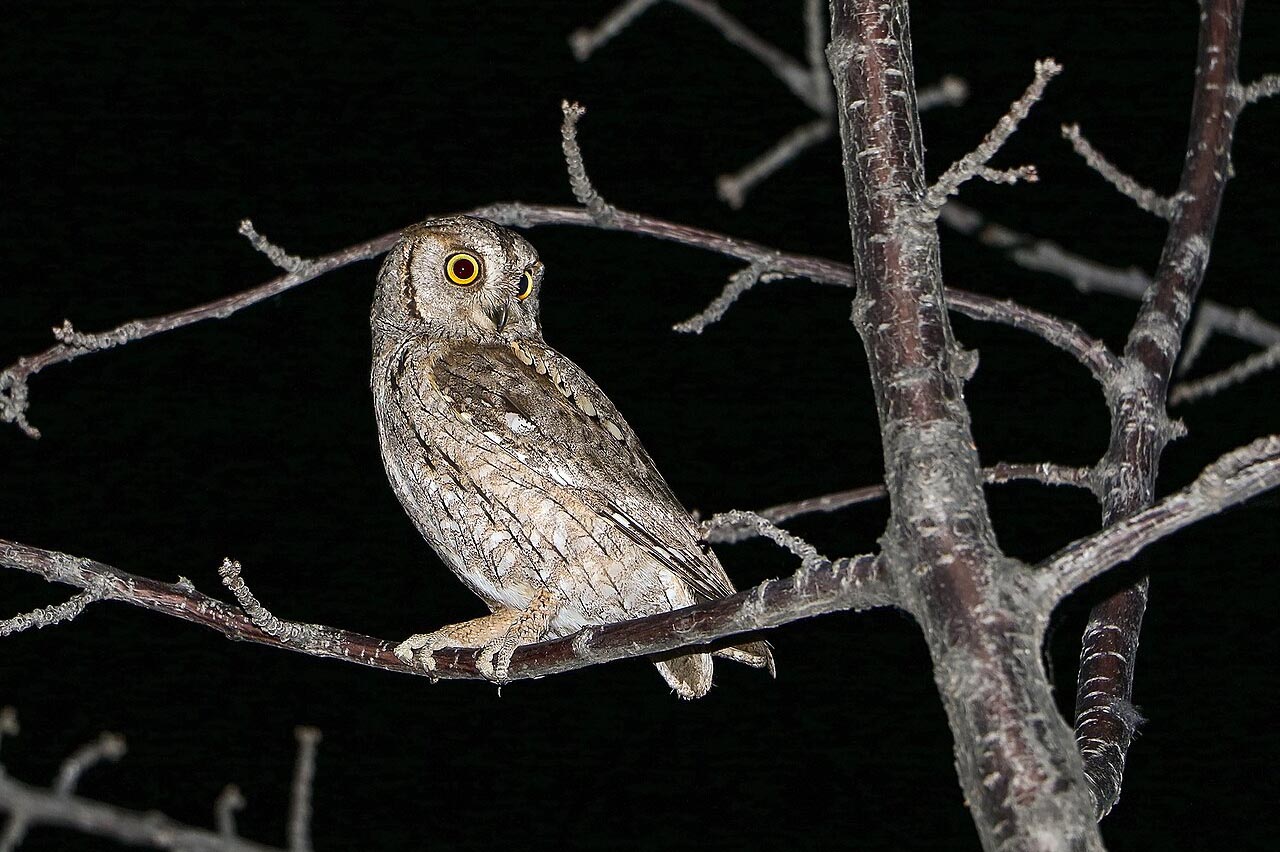
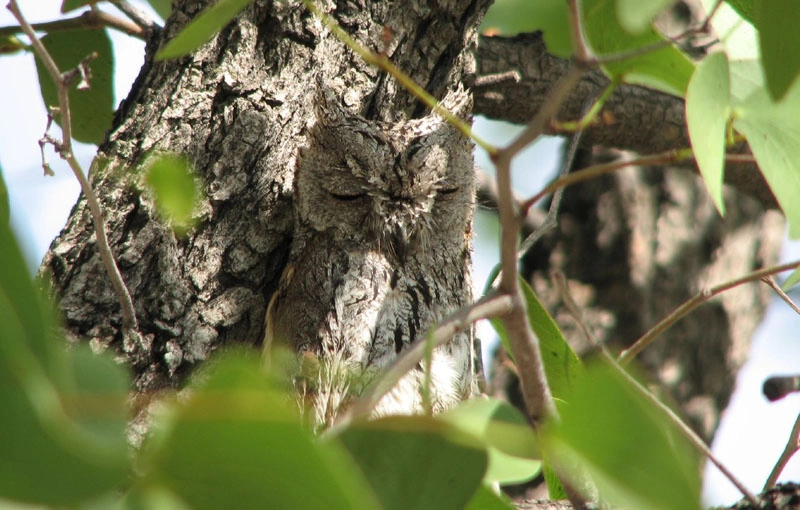
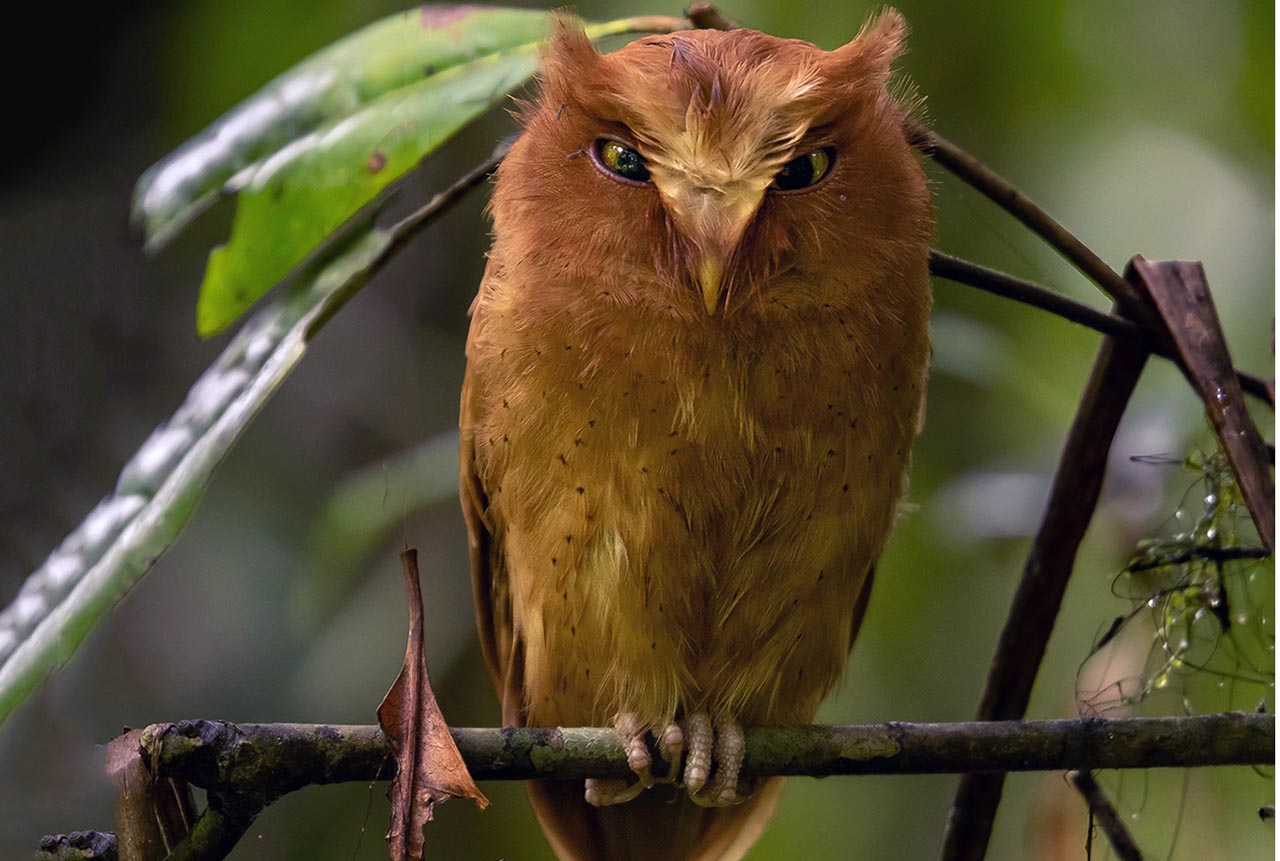
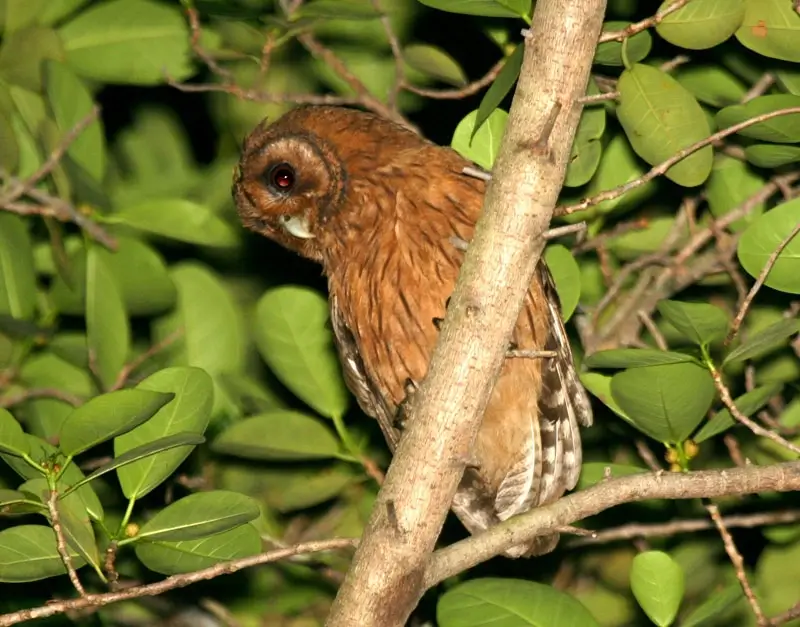
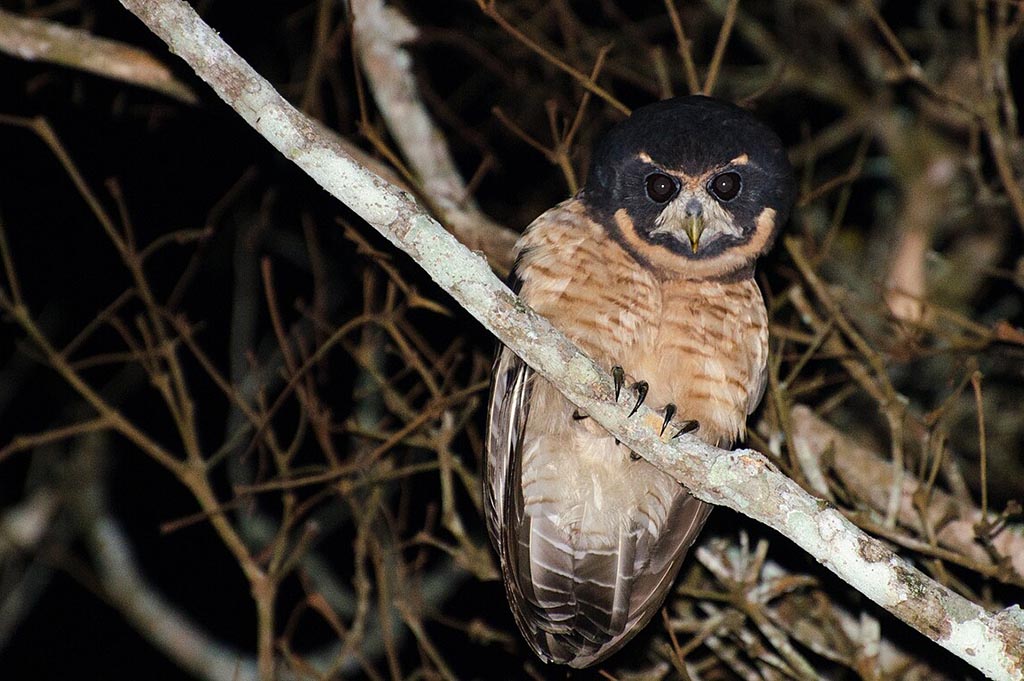
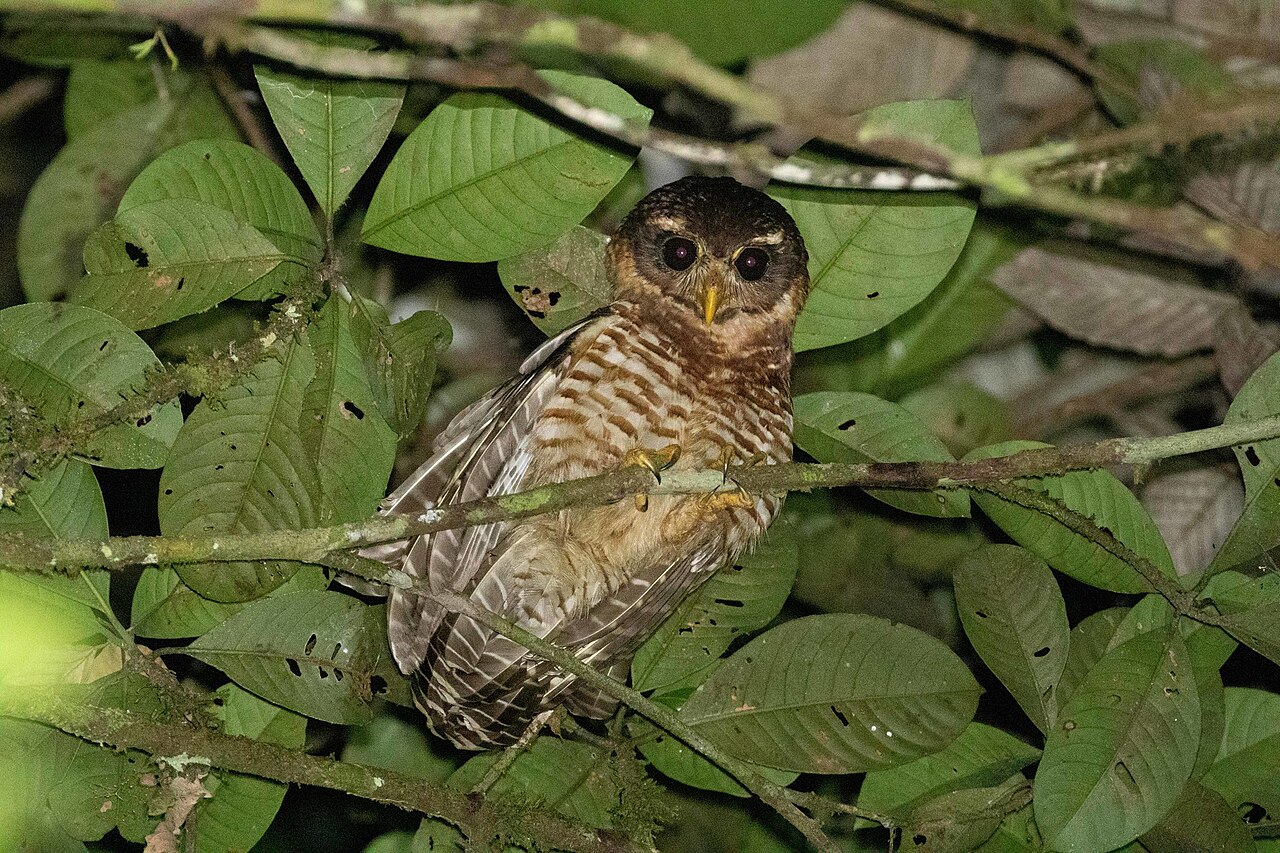
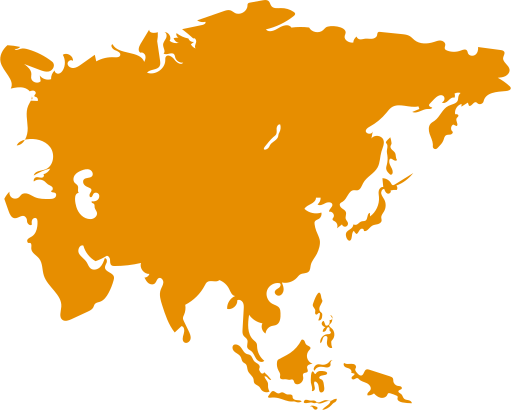
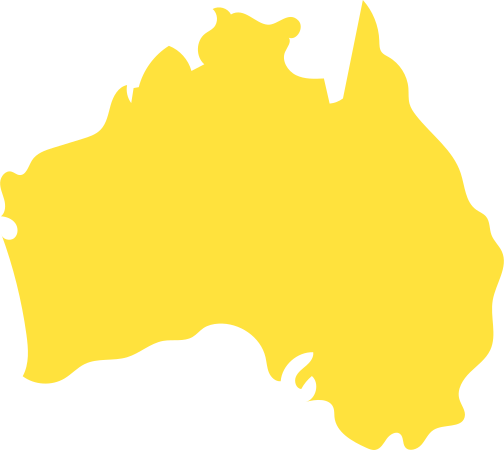
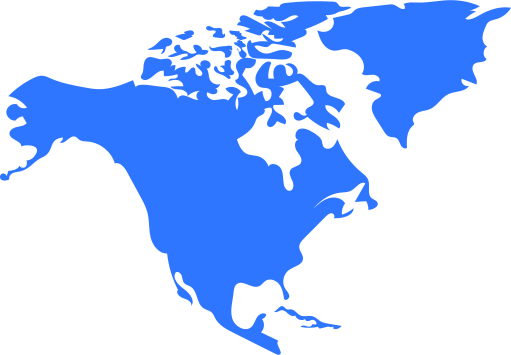
There are around 228 species of owl in this family. They are found in all parts of the world, except Antarctica.
They are found in a variety of habitats.
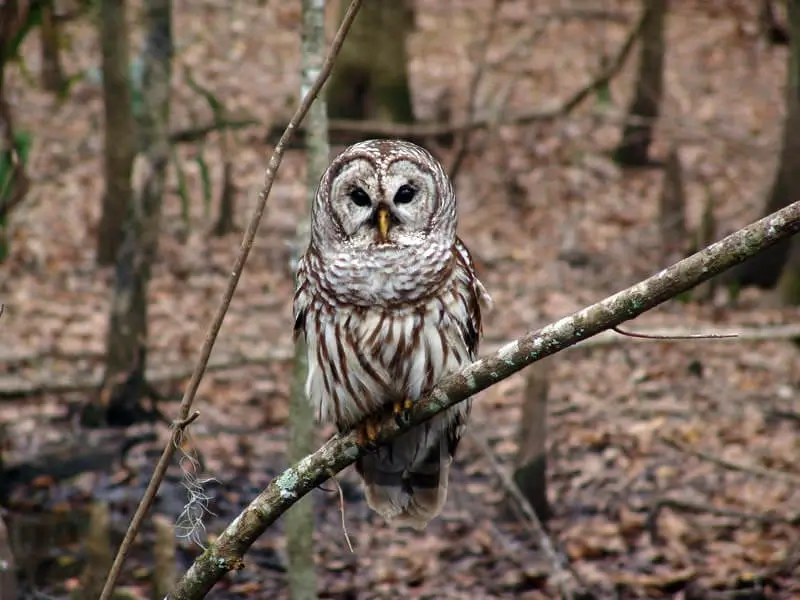
Owls in this family have sharp, hooked bills; large, forward-facing eyes; big heads; round faces; flexible necks; long bodies; sharp talons; and soft, thick feathers.
Many species have feathered legs and feet. Most species are nocturnal; their soft feathers help them fly silently after their prey.
Owls eat small mammals, reptiles, amphibians, birds, eggs, and fish.
Most species have cryptic coloration that helps camouflage them from their prey. Males and females look alike, but males are usually larger. Owls have distinctive vocalizations that range from soft hoots to screeching calls.
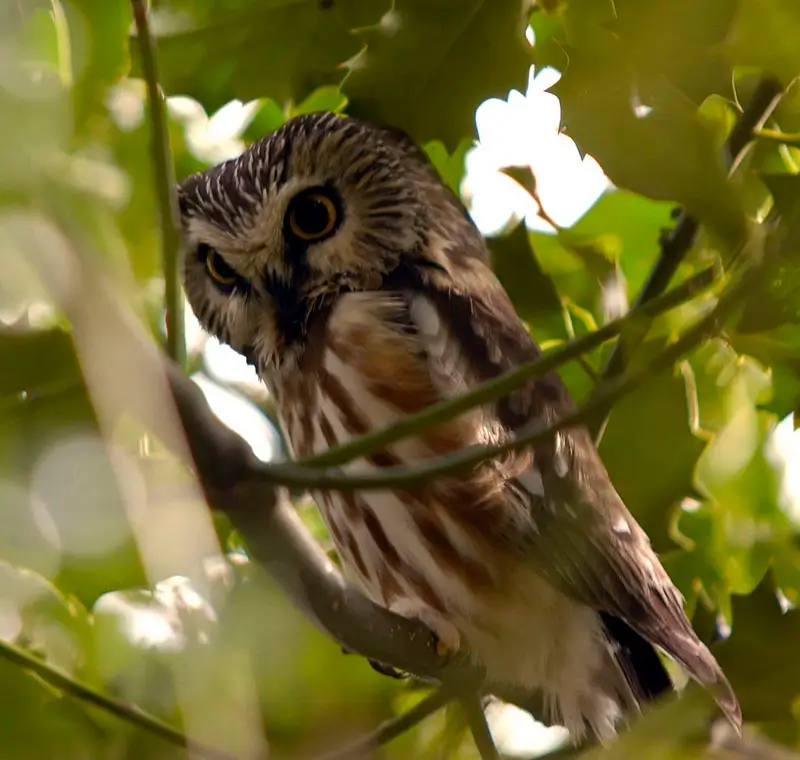
Northern Saw-Whet Owl (Aegolius acadicus)
The northern saw-whet owl is found from Alaska east to Labrador, Canada and south to Mexico and Florida. It breeds in New Hampshire. IUCN Redlist Status: Least Concern
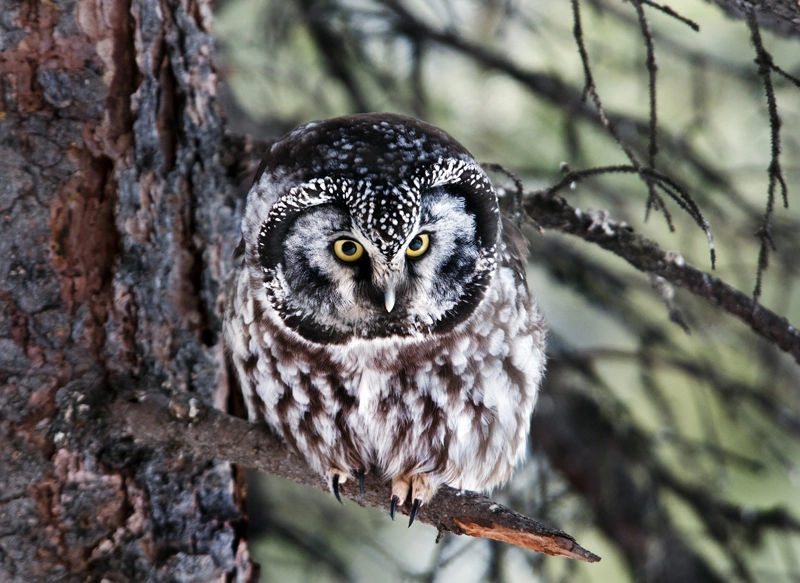
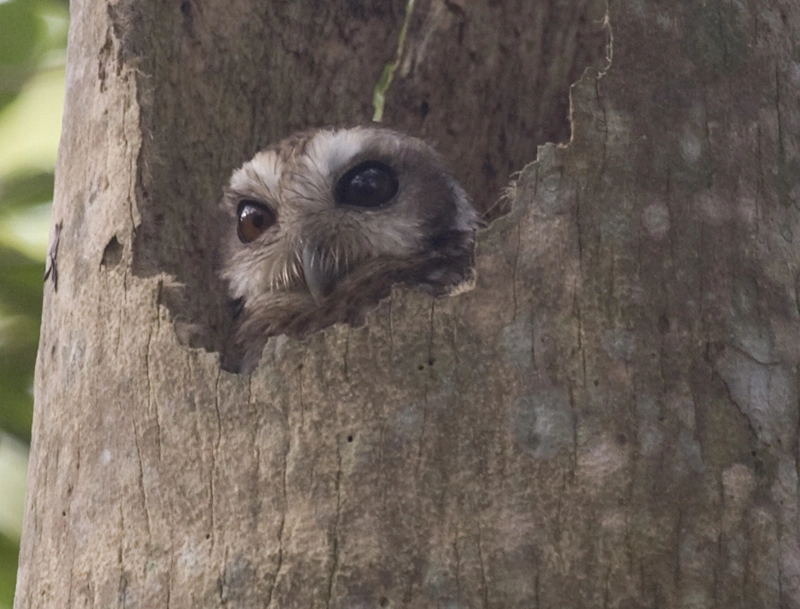
Boreal Owl (Aegolius funereus)
The boreal owl is found in Alaska, Canada, northern Minnesota and mountainous areas in the western U.S. It is occasionally found in New Hampshire and other northern states in the winter. The boreal owl is also found in Eurasia. IUCN Redlist Status: Least Concern
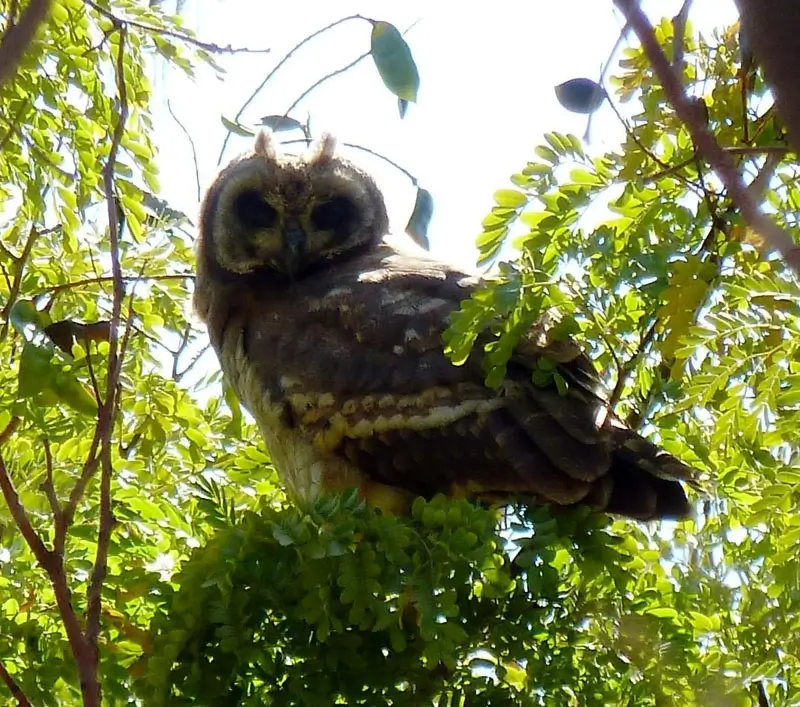
Marsh Owl (Asio capensis)
The marsh owl is found in Benin, Botswana, Burkina Faso, Burundi, Cameroon, Chad, Congo, Ethiopia, Gabon, Gambia, Kenya, Lesotho, Madagascar, Malawi, Mali, Morocco, Mozambique, Namibia, Nigeria, Rwanda, South Africa, Sudan, Swaziland, Tanzania, Uganda, Zambia, and Zimbabwe. IUCN Redlist Status: Least Concern
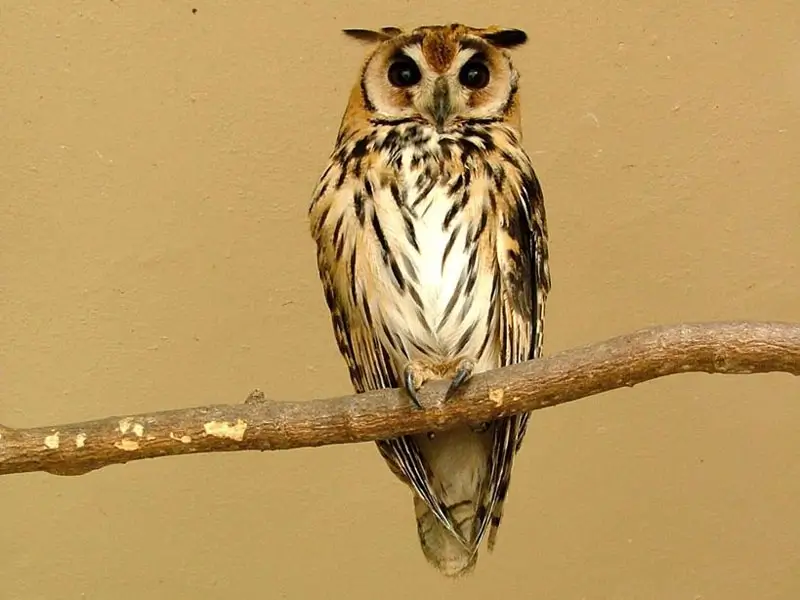
Striped Owl (Asio clamator)
The striped owl is found in Argentina, Belize, Bolivia, Brazil, Colombia, Costa Rica, Ecuador, El Salvador, French Guiana, Guatemala, Guyana, Honduras, Mexico, Nicaragua, Panama, Paraguay, Peru, Suriname, Trinidad and Tobago, Uruguay, and Venezuela. IUCN Redlist Status: Least Concern
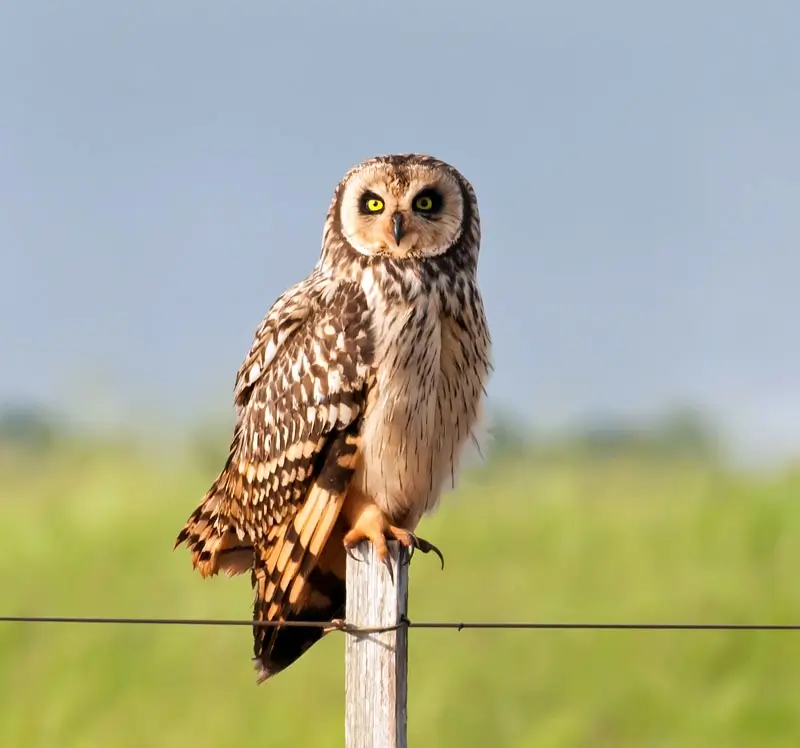
Short-Eared Owl (Asio flammeus)
The short-eared owl is found across most of Canada, the U.S. and Mexico. It is also found in the Caribbean, South America, Europe, Asia, and northern Africa. The short-eared owl breeds in New Hampshire. IUCN Redlist Status: Least Concern
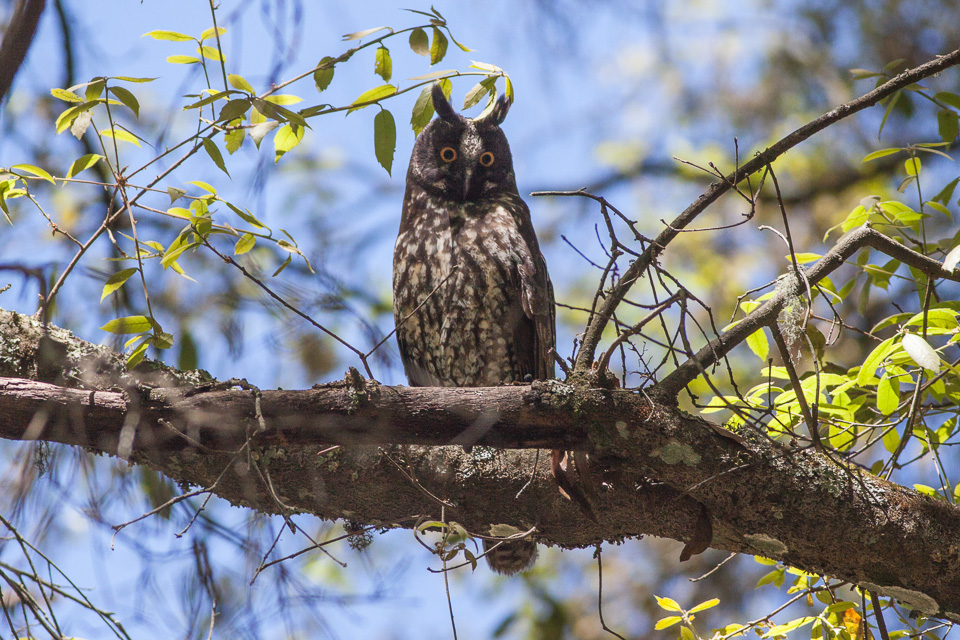
Stygian Owl (Asio stygius)
The stygian is found in Argentina, Belize, Bolivia, Brazil, Colombia, Cuba, the Dominican Republic, Ecuador, Guatemala, Haiti, Honduras, Mexico, Nicaragua, Paraguay, and Venezuela. IUCN Redlist Status: Least Concern
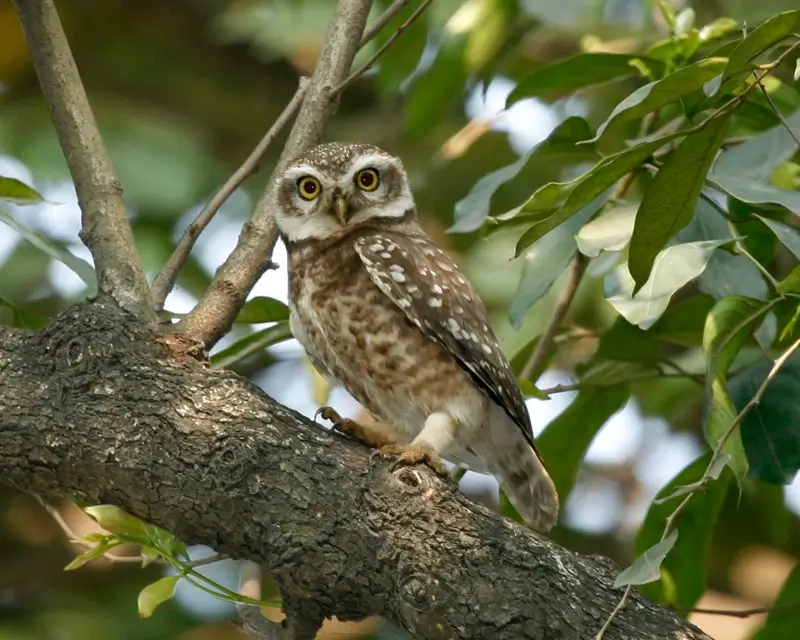
Spotted Owlet (Athene brama)
The spotted owlet is found in Bangladesh, Bhutan, Cambodia, India, Iran, Laos, Myanmar, Nepal, Pakistan, Thailand, and Vietnam. IUCN Redlist Status: Least Concern
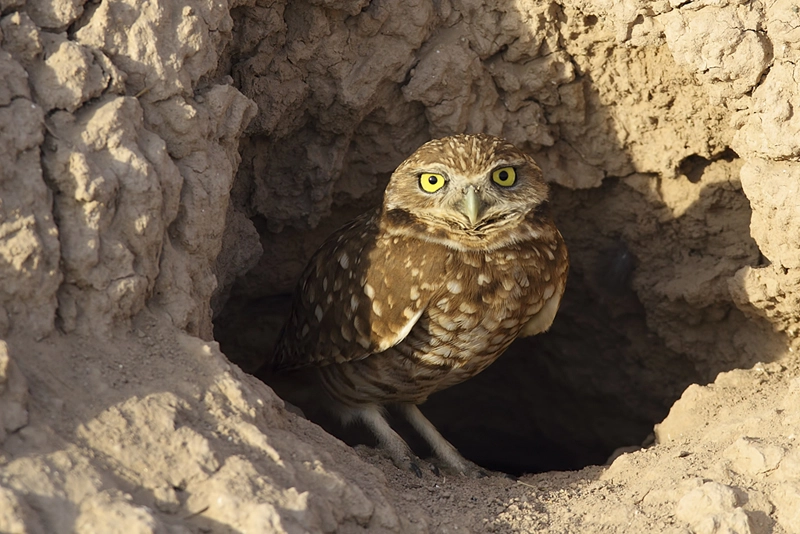
Burrowing Owl (Athene cunicularia)
The burrowing owl nests in burrows in the ground. It is found in the western U.S. and Canada from Washington east to Manitoba, Canada and south to Central America. It is also found in Florida and the Caribbean. IUCN Redlist Status: Least Concern
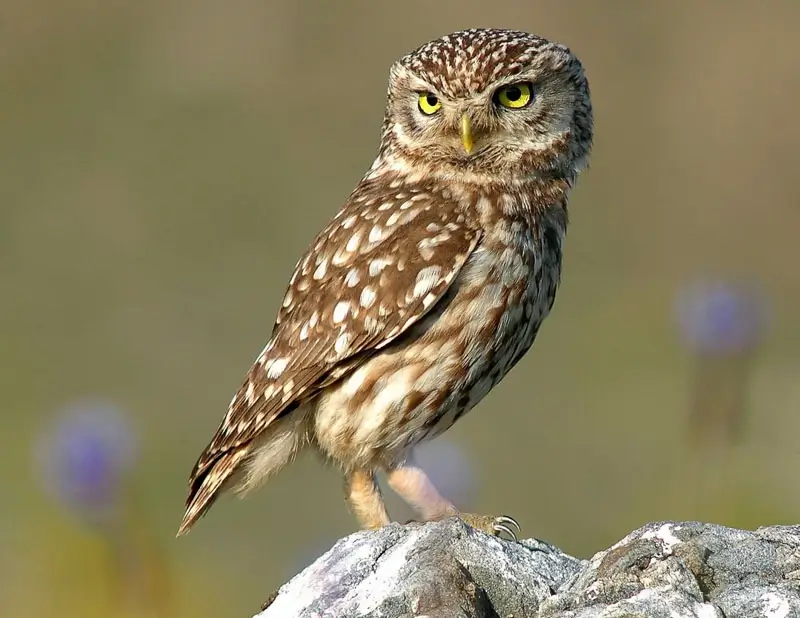
Little Owl (Athene noctua)
The little owl is found in Europe, Asia, and Africa. IUCN Redlist Status: Least Concern
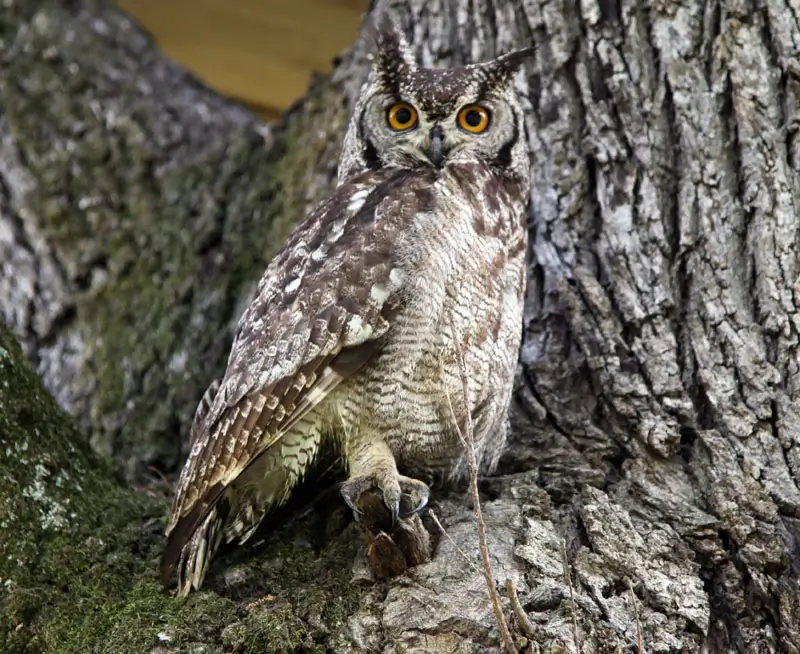
Spotted Eagle-Owl (Bubo africanus)
The spotted eagle-owl is found in Sub-Saharan Africa. IUCN Redlist Status: Least Concern
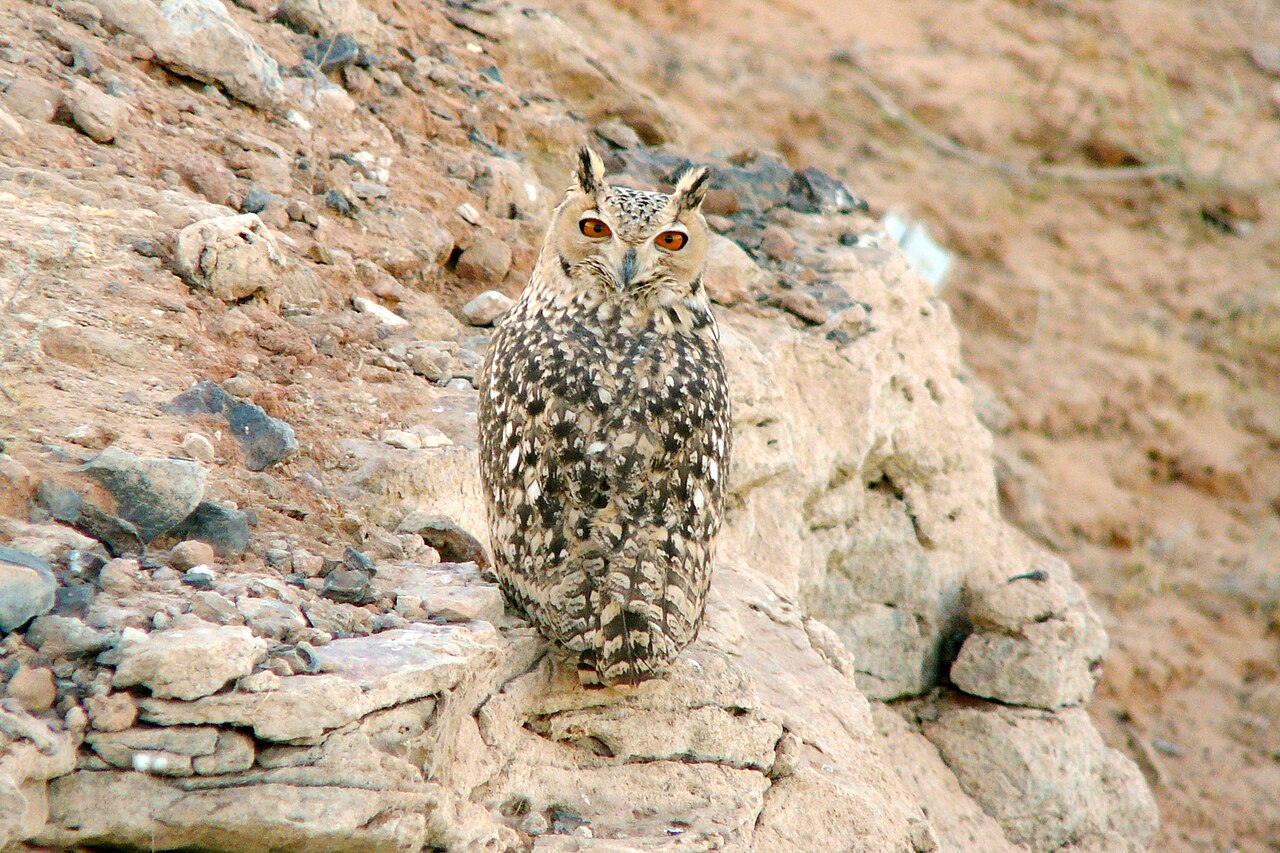
Pharaoh Eagle-Owl (Bubo ascalaphus)
The pharaoh eagle-owl is found in Algeria, Chad, Egypt, Eritrea, Iraq, Israel, Jordan, Kuwait, Libya, Mali, Mauritania, Morocco, Niger, Oman, Qatar, Saudi Arabia, Sudan, Tunisia, United Arab Emirates, and Western Sahara. IUCN Redlist Status: Least Concern
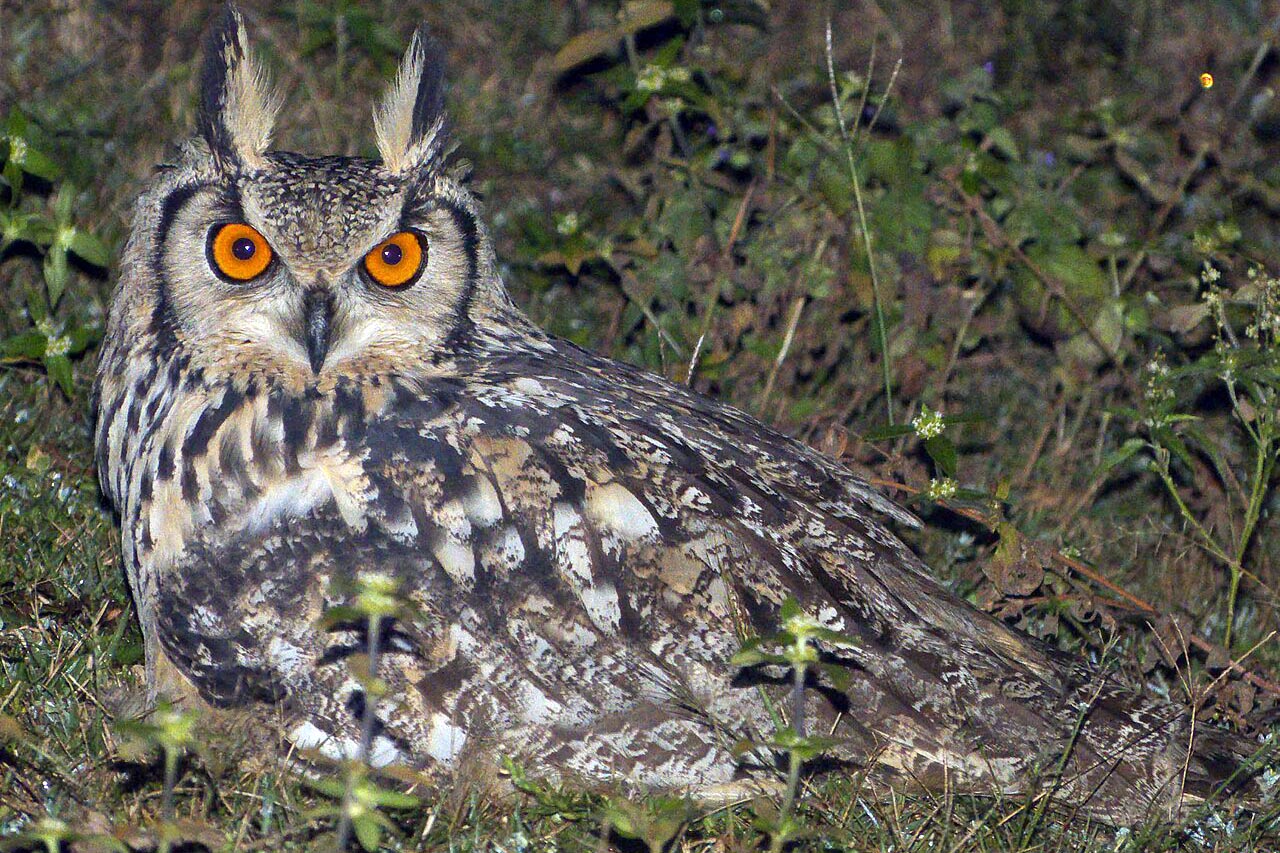
Rock Eagle-Owl (Bubo bengalensis)
The rock eagle-owl is found in India, Nepal, and Pakistan. IUCN Redlist Status: Least Concern
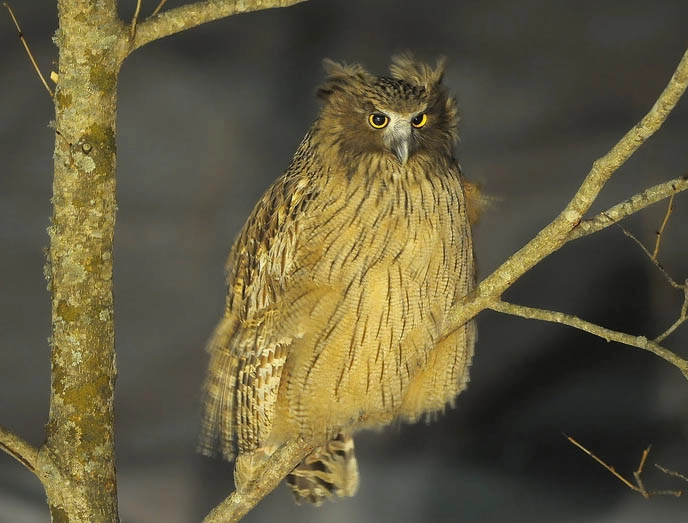
Blakiston's Fish-Owl (Bubo blakistoni)
Blakiston's fish-owl is found in China, Japan, and Russia. IUCN Redlist Status: Endangered
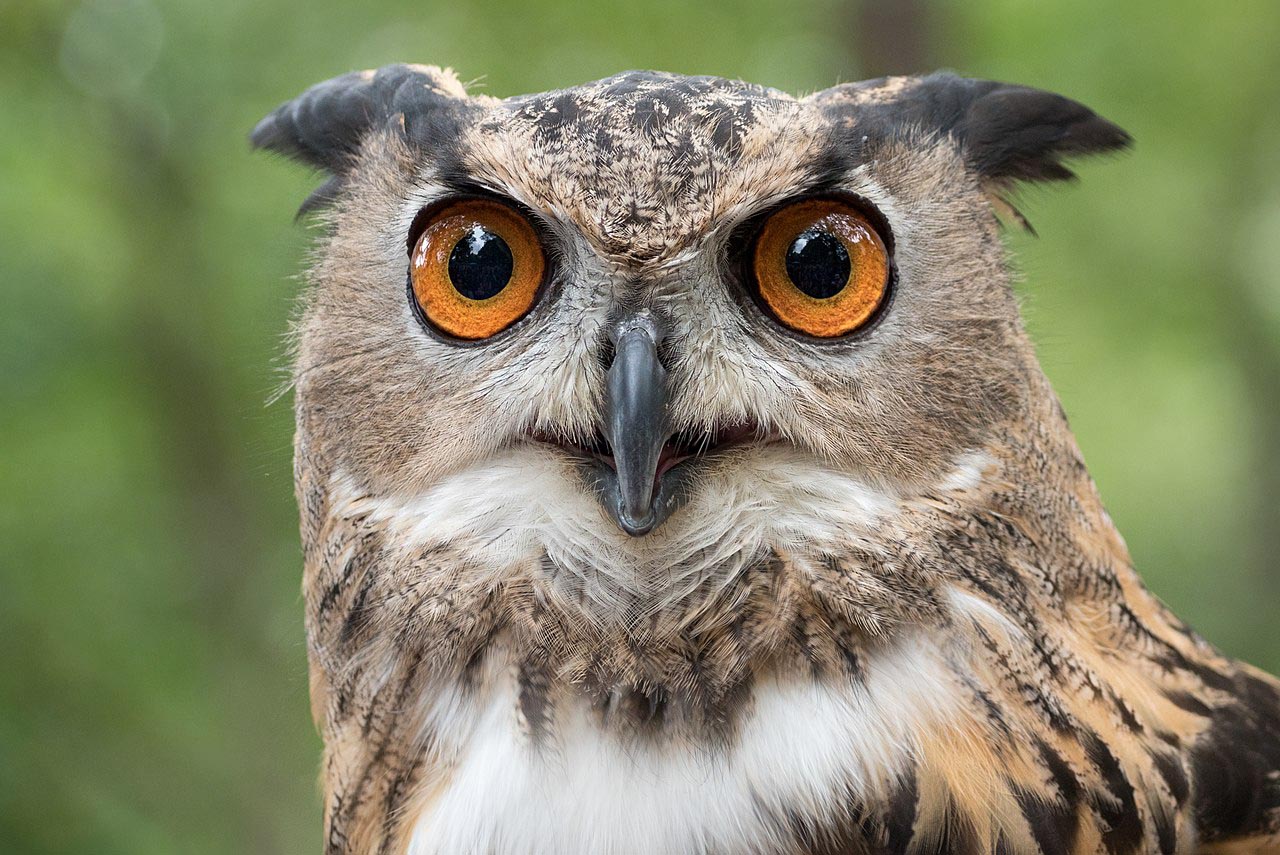
Eurasian Eagle-Owl (Bubo bubo)
The Eurasian eagle-owl is found in Europe and Asia. IUCN Redlist Status: Least Concern
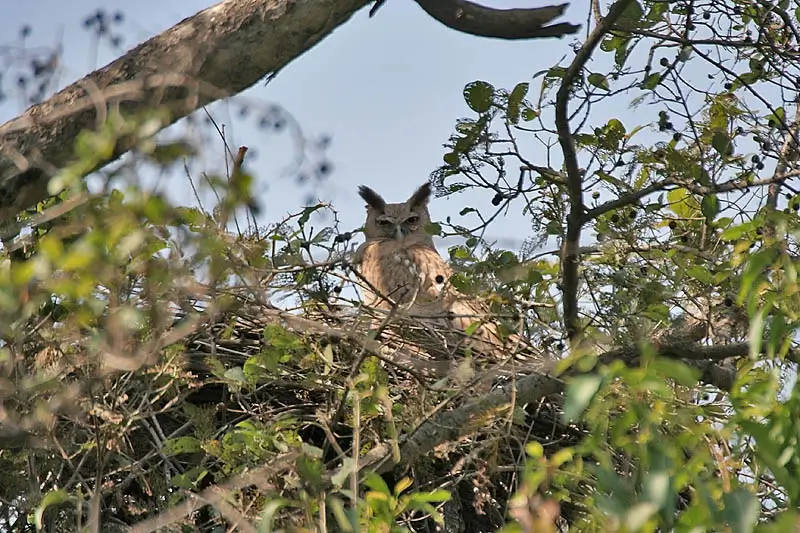
Dusky Eagle-Owl (Bubo coromandus)
The dusky eagle-owl is found in Bangladesh, China, India, Malaysia, Myanmar, Nepal, Pakistan, and Thailand. IUCN Redlist Status: Least Concern
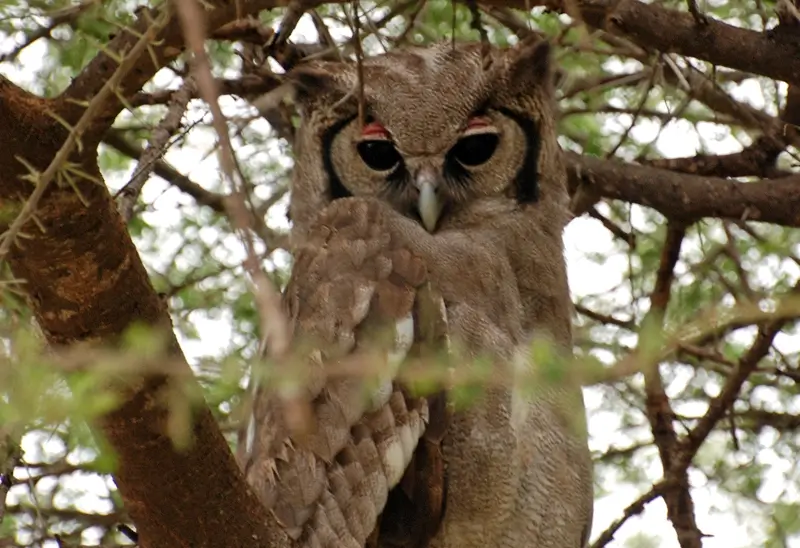
Giant Eagle-Owl (Bubo lacteus)
The giant eagle-owl, also known as Verreaux's eagle-owl r the milky eagle-owl, is found in Sub-Saharan Africa. IUCN Redlist Status: Least Concern
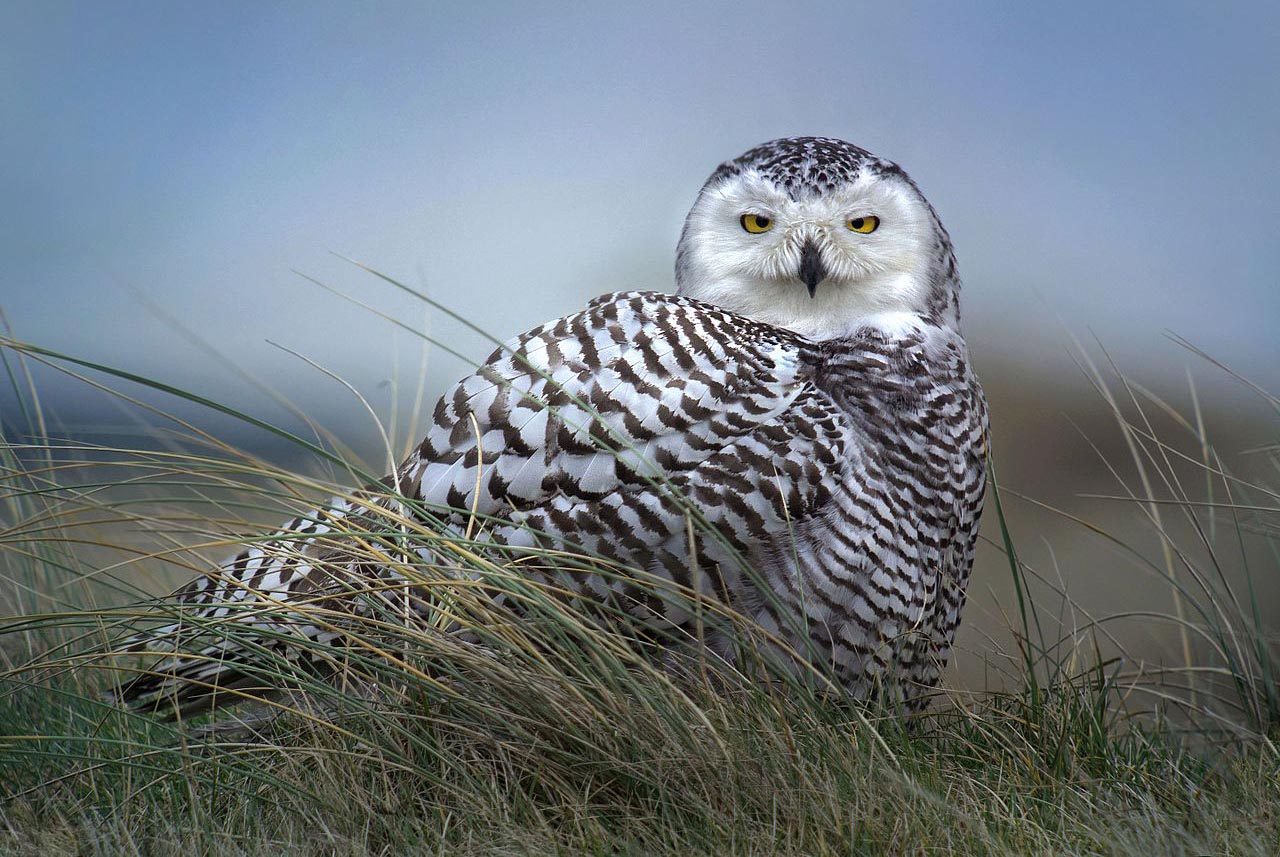
Snowy Owl (Bubo scandiaca)
The snowy owl breeds on the Arctic tundra. in the U.S., it winters from Canada south to Oregon, Oklahoma, and northern Virginia. It is found in New Hampshire, but it does not breed there. IUCN Redlist Status: Vulnerable
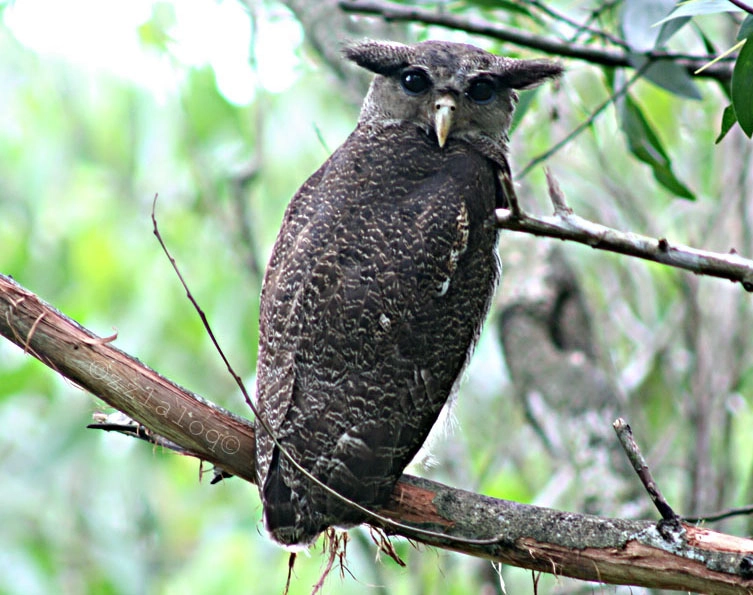
Barred Eagle-Owl (Bubo sumatranus)
The barred eagle-owl is found in Brunei Darussalam, Indonesia, Malaysia, Myanmar, and Thailand. IUCN Redlist Status: Near Threatened
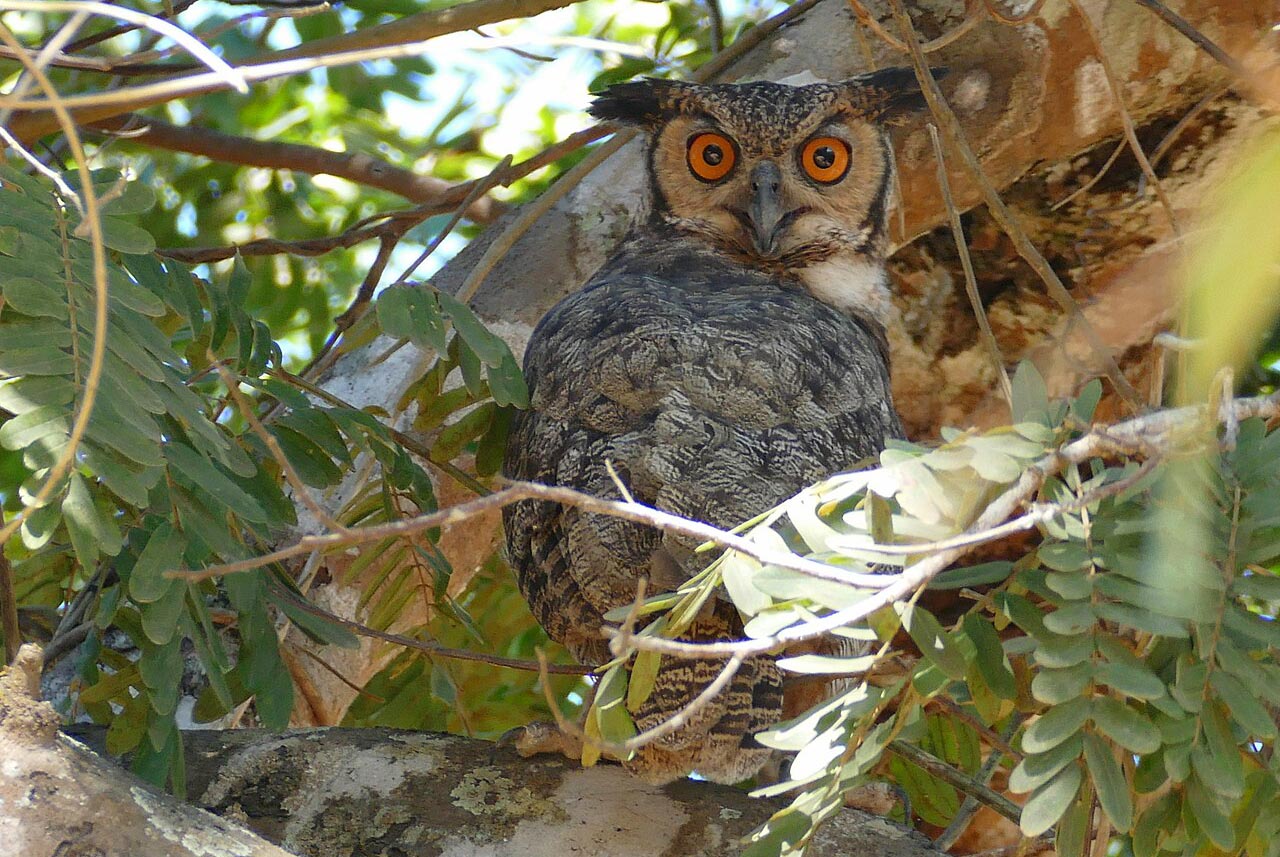
Great Horned Owl (Bubo virginianus)
The great horned owl has a very large range. It is found in forests throughout most of Canada, the United States, and Mexico. It is also found in Central and South America. The great horned owl is found throughout New Hampshire. IUCN Redlist Status: Least Concern
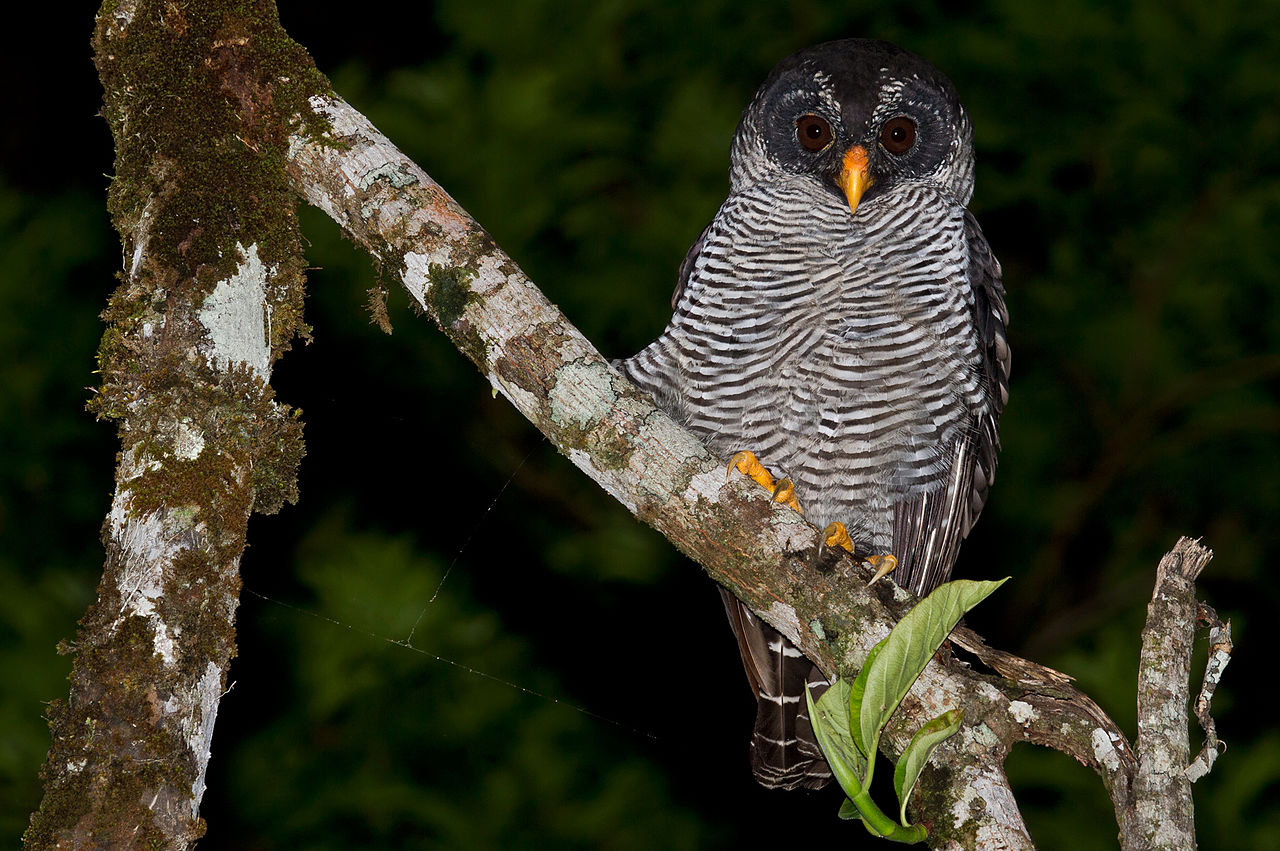
Black-and-White Owl (Ciccaba nigrolineata)
The black-and-white owl is found in Belize, Colombia, Costa Rica, Ecuador, El Salvador, Guatemala, Honduras, Mexico, Nicaragua, Panama, Peru, and Venezuela. IUCN Redlist Status: Least Concern
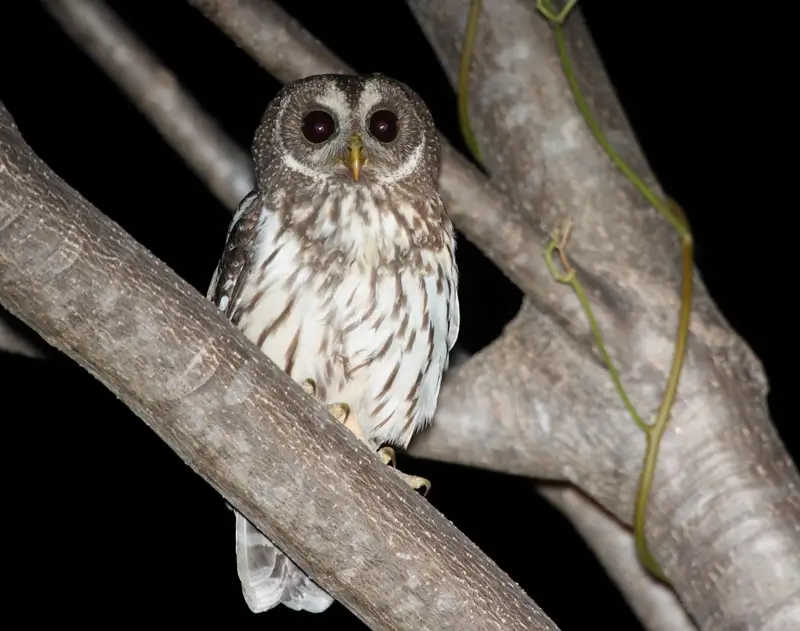
Mottled Owl (Ciccaba virgata)
The mottled owl is found from northern Mexico south to Brazil and Argentina. IUCN Redlist Status: Least Concern
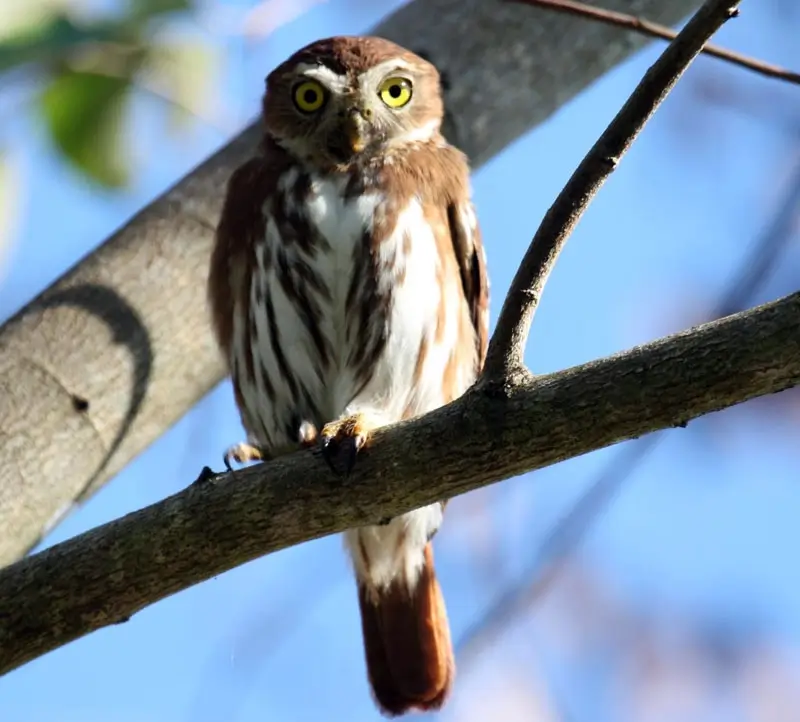
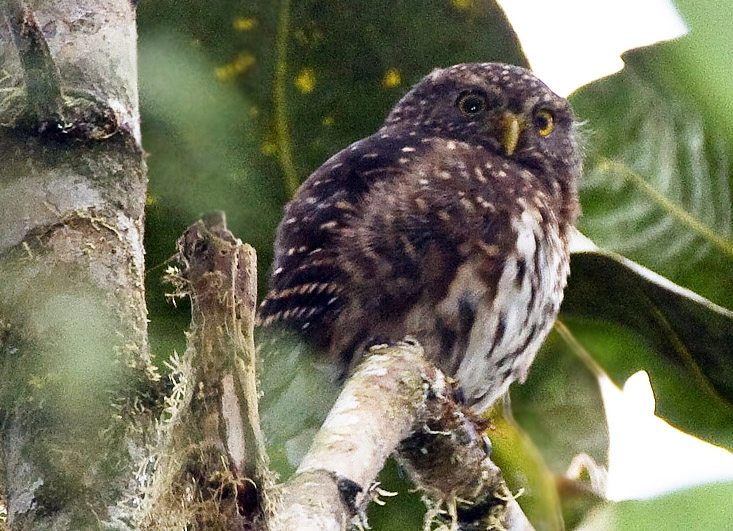
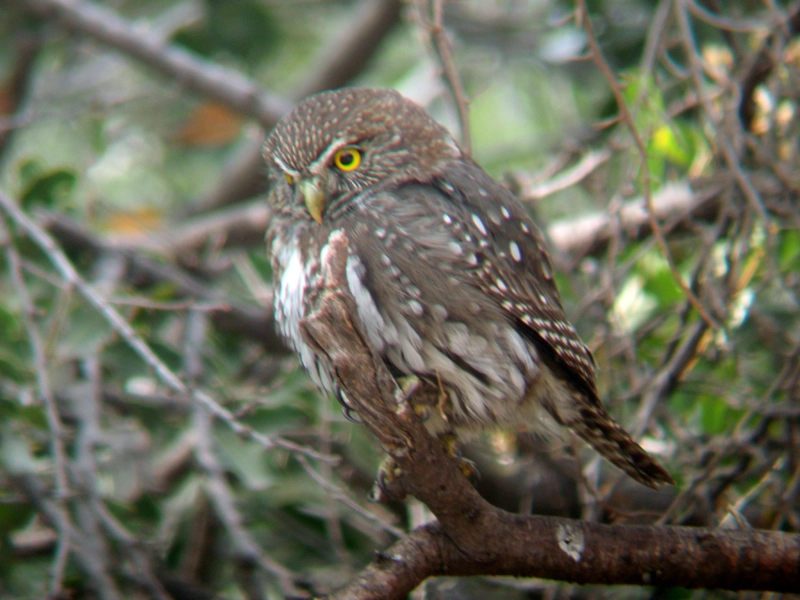
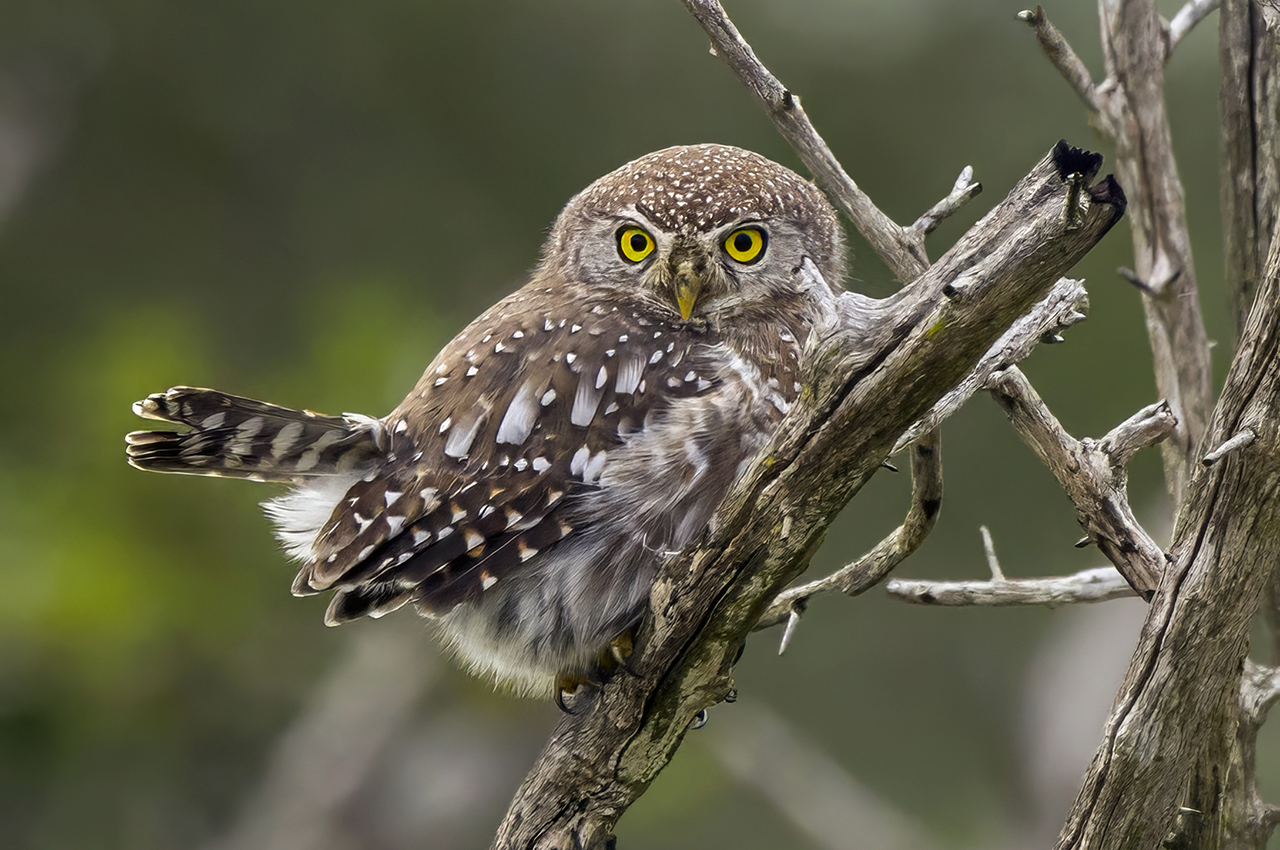
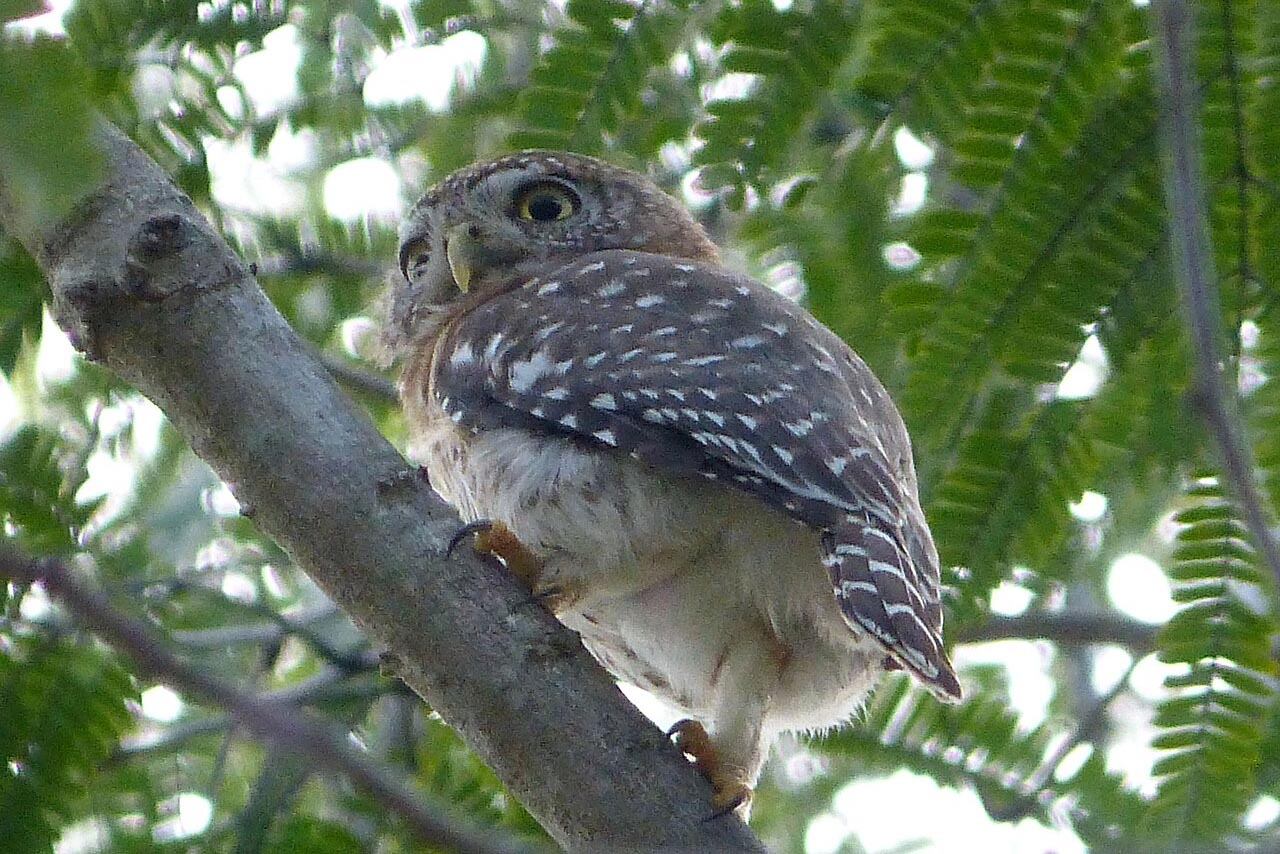
Ferruginous Pygmy-Owl (Glaucidium brasilianum)
The ferruginous pygmy-owl is found in the southwestern United States, Central America, and South America. IUCN Redlist Status: Least Concern
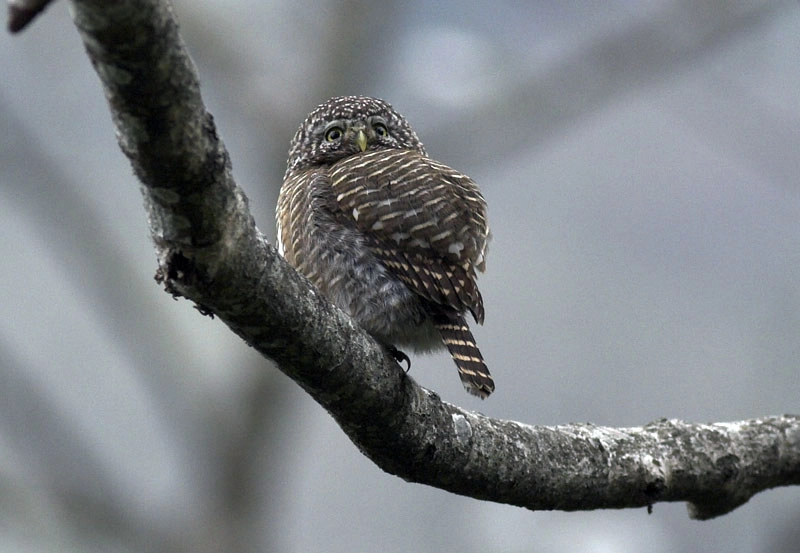
Collared Owlet (Glaucidium brodiei)
The collared owlet is found in Bhutan, Brunei Darussalam, Cambodia, China, India, Indonesia, Laos, Malaysia, Myanmar, Nepal, Pakistan, Taiwan, Thailand, and Vietnam. IUCN Redlist Status: Least Concern
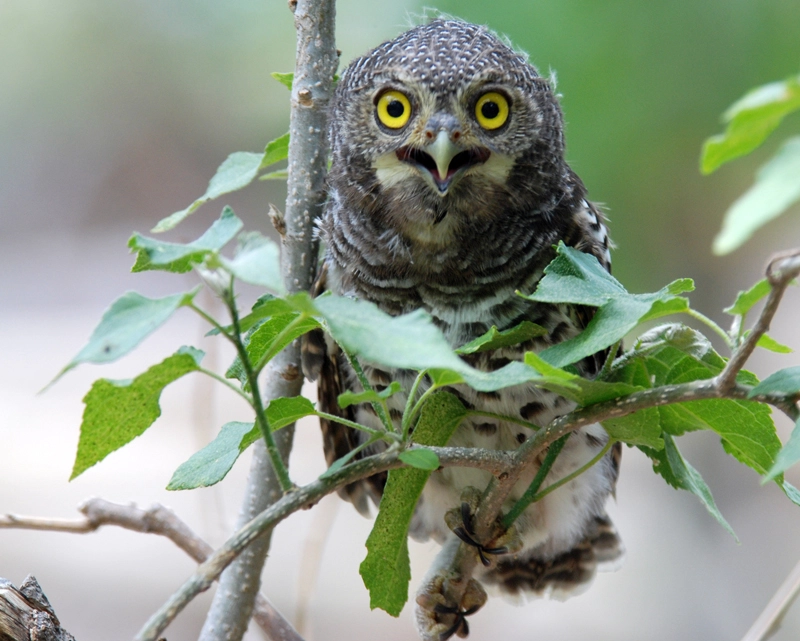
African Barred Owlet (Glaucidium capense)
The African barred owlet is found in Botswana, Congo, Kenya, Malawi, Mozambique, Namibia, Somalia, South Africa, Swaziland, Tanzania, Uganda, Zambia, and Zimbabwe. IUCN Redlist Status: Least Concern
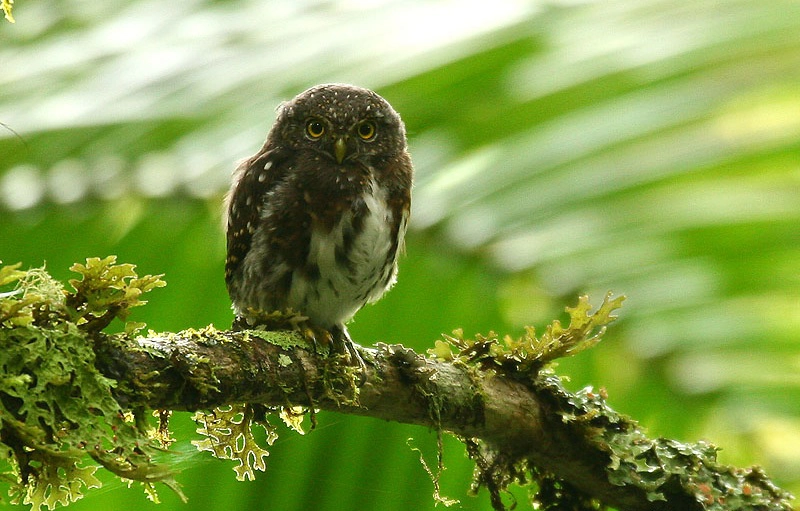
Costa Rican Pygmy-Owl (Glaucidium costaricanum)
The Costa Rican pygmy-owl is found in Costa Rica and Panama. IUCN Redlist Status: Least Concern
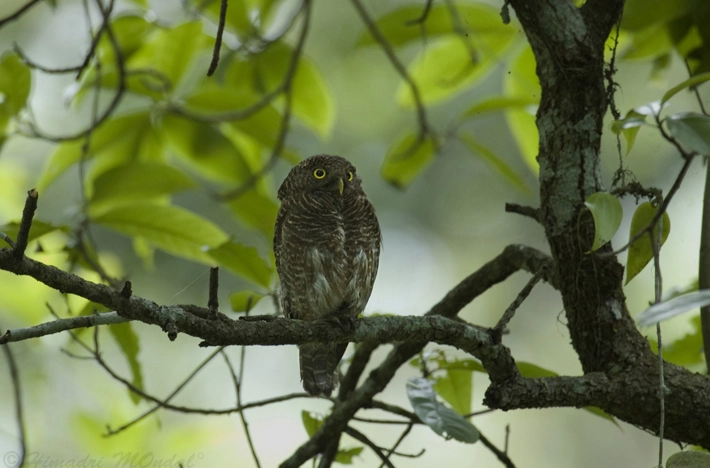
Asian Barred Owlet (Glaucidium cuculoides)
The Asian barred owlet is found in Bangladesh, Bhutan, Cambodia, China, India, Laos, Myanmar, Nepal, Pakistan, Thailand, and Vietnam. IUCN Redlist Status: Least Concern
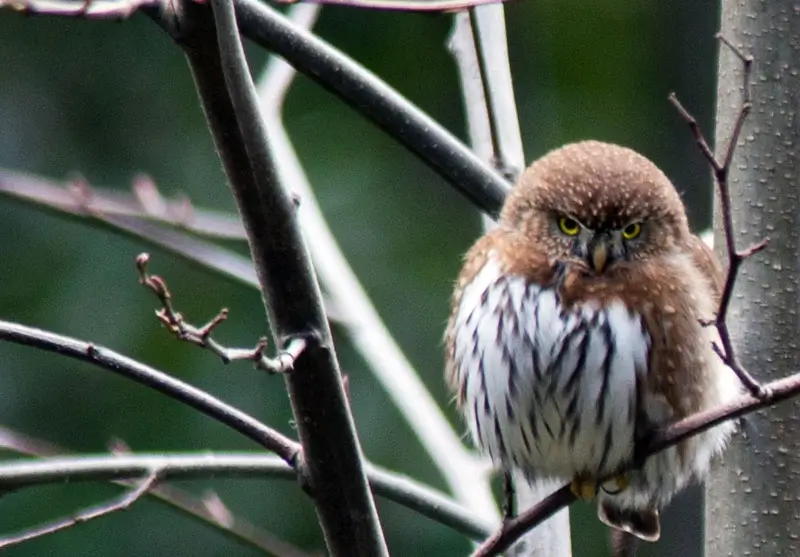
Northern Pygmy-Owl (Glaucidium gnoma)
The northern pygmy-owl is also known as the mountain pygmy owl. It is found on the west coast of North America form Canada to Central America. IUCN Redlist Status: Least Concern
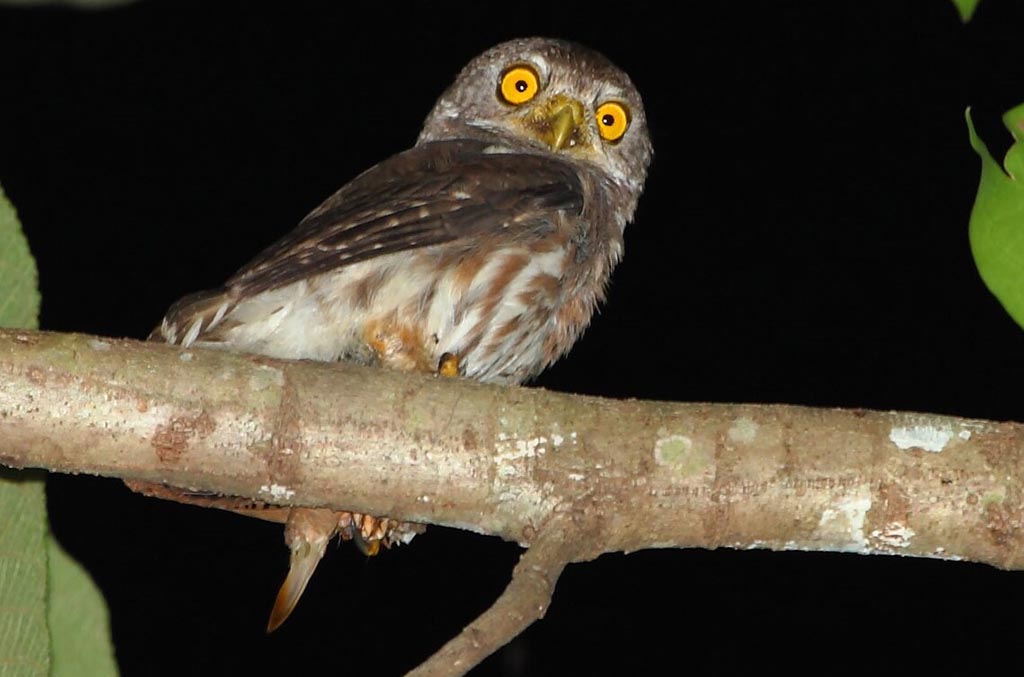
Amazonian Pygmy-Owl (Glaucidium hardyi)
The Amazonian pygmy-owl is found in Bolivia, Brazil, French Guiana, Guyana, Peru, and Venezuela. IUCN Redlist Status: Least Concern
Andean Pygmy-Owl (Glaucidium jardinii)
The Andean pygmy-owl is found in Bolivia, Colombia, Ecuador, Peru, and Venezuela. IUCN Redlist Status: Least Concern
Austral Pygmy-Owl (Glaucidium nana)
The Austral pygmy-owl is found in Argentina and Chile. IUCN Redlist Status: Least Concern
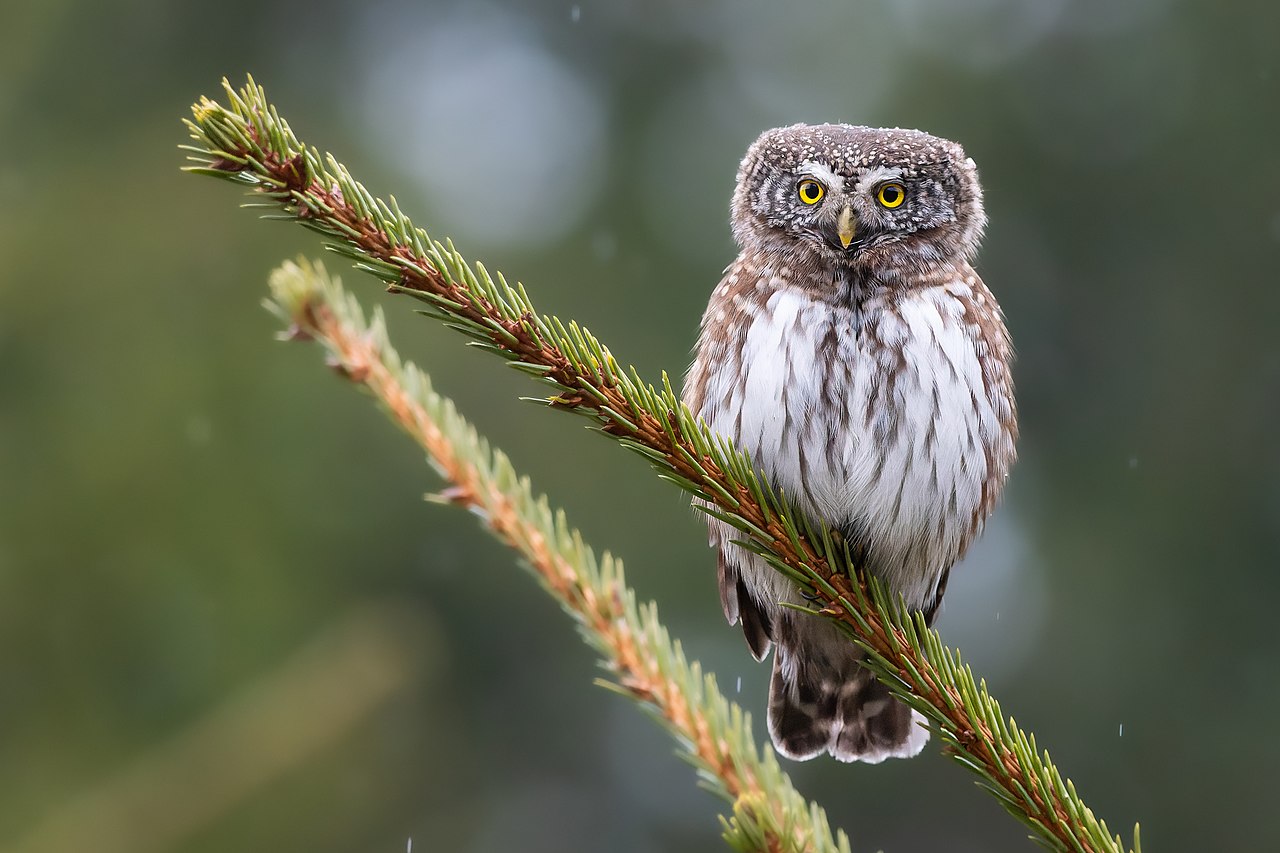
Eurasian Pygmy-Owl (Glaucidium passerinum)
The Eurasian pygmy-owl is found in Europe and Asia. IUCN Redlist Status: Least Concern
Pearl-Spotted Owlet (Glaucidium perlatum)
The pearl-spotted owlet is found in Sub-Saharan Africa. IUCN Redlist Status: Least Concern
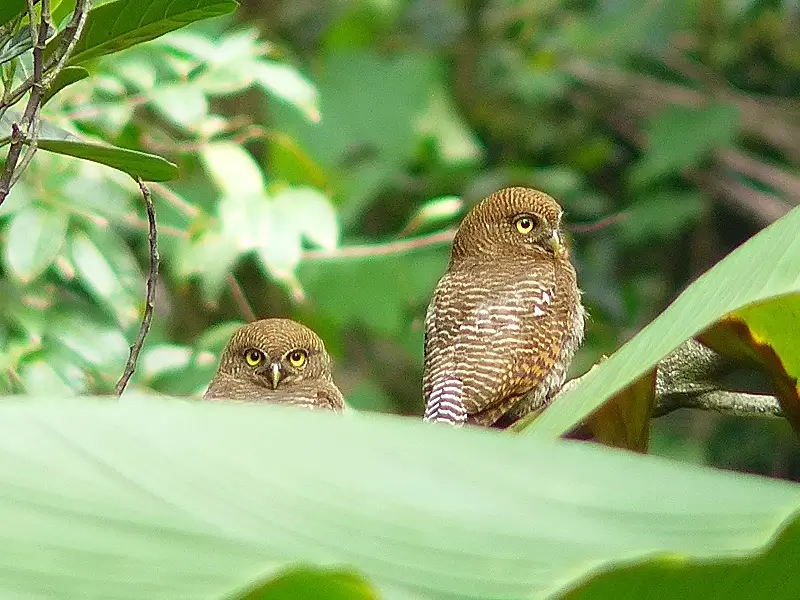
Jungle Owlet (Glaucidium radiatum)
The jungle owlet is found in Bangladesh, Bhutan, India, Myanmar, Nepal, and Sri Lanka. IUCN Redlist Status: Least Concern
Cuban Pygmy-Owl (Glaucidium siju)
The Cuban pygmy-owl is found in Cuba. IUCN Redlist Status: Least Concern
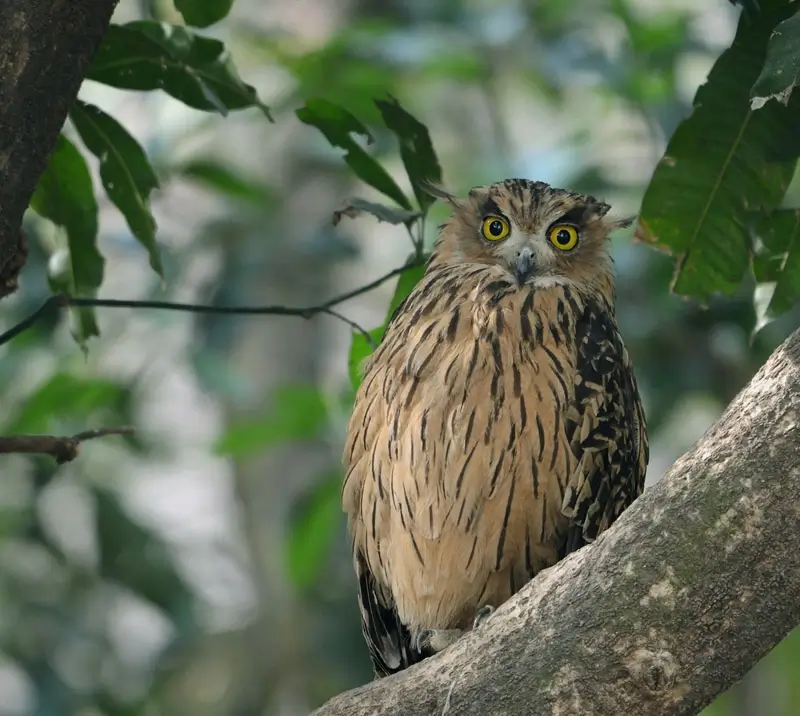
Tawny Fish-Owl (Ketupa flavipes)
The tawny fish-owl is found in Bangladesh, Bhutan, China, India, Laos, Myanmar, Nepal, Taiwan, and Vietnam. IUCN Redlist Status: Least Concern
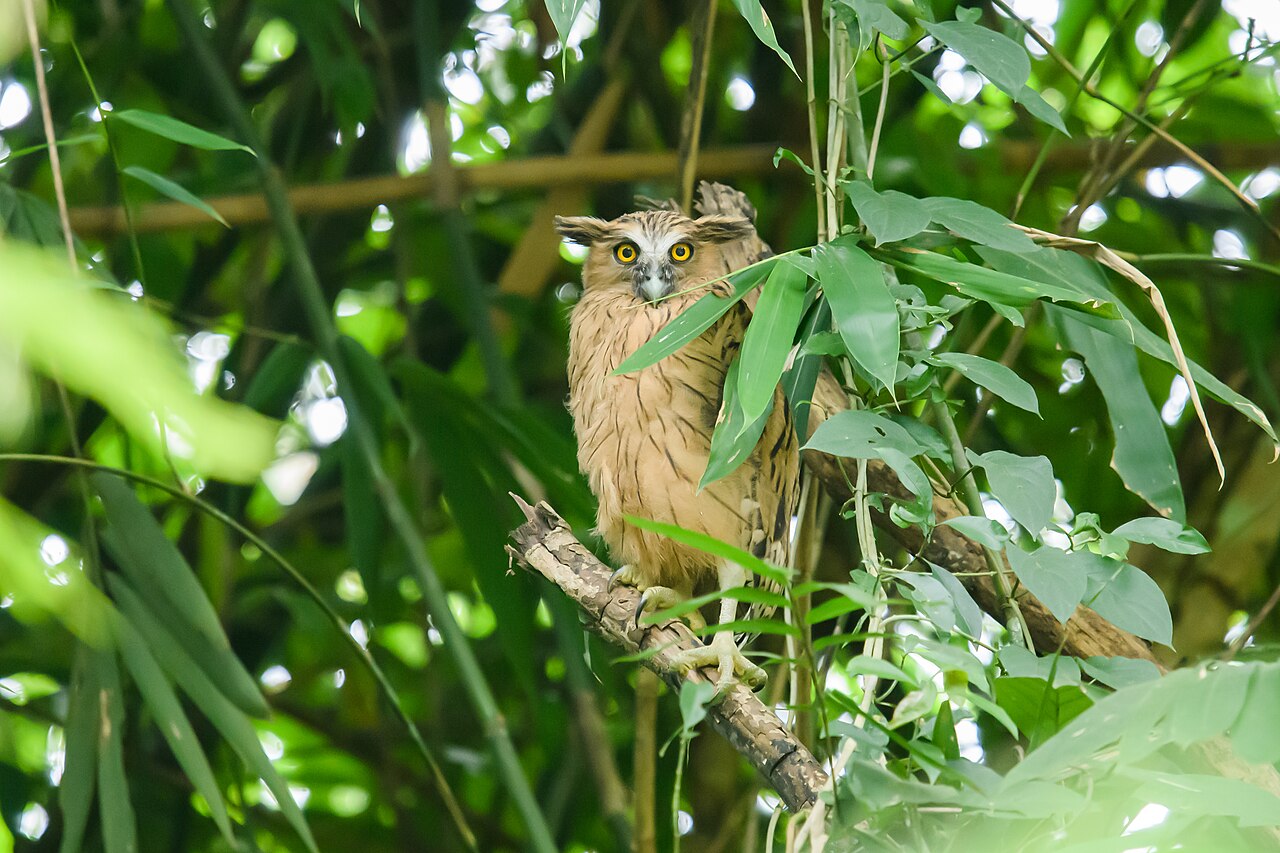
Buffy Fish-Owl (Ketupa ketupu)
The buffy fish-owl is found in Bangladesh, Brunei Darussalam, Cambodia, Indonesia, Laos, Malaysia, Myanmar, Singapore, Thailand, and Vietnam. IUCN Redlist Status: Least Concern
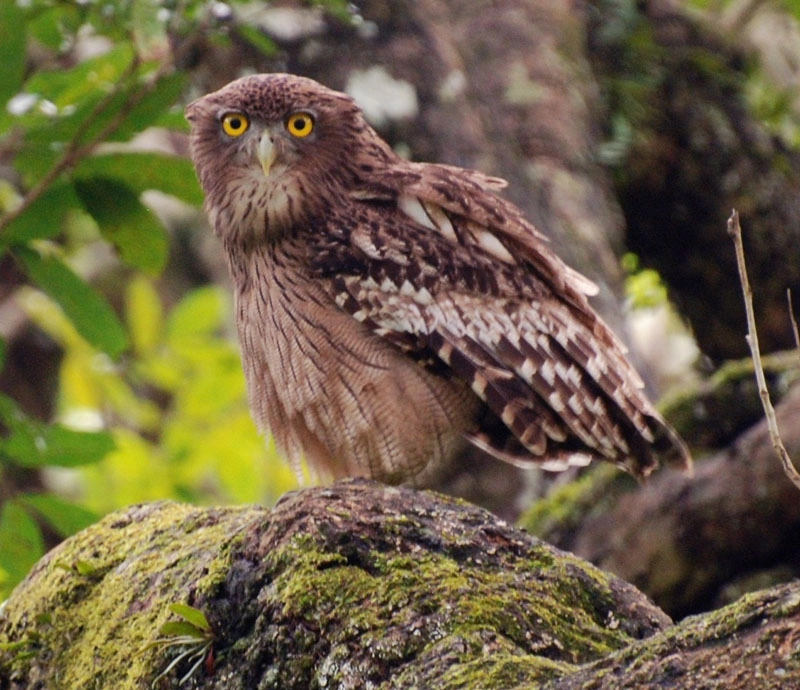
Brown Fish-Owl (Ketupa zeylonensis)
The brown fish-owl is found in Bangladesh, Cambodia, China, Hong Kong, India, Iran, Laos, Malaysia, Myanmar, Nepal, Pakistan, Sri Lanka, Thailand, Türkiye, and Vietnam. IUCN Redlist Status: Least Concern
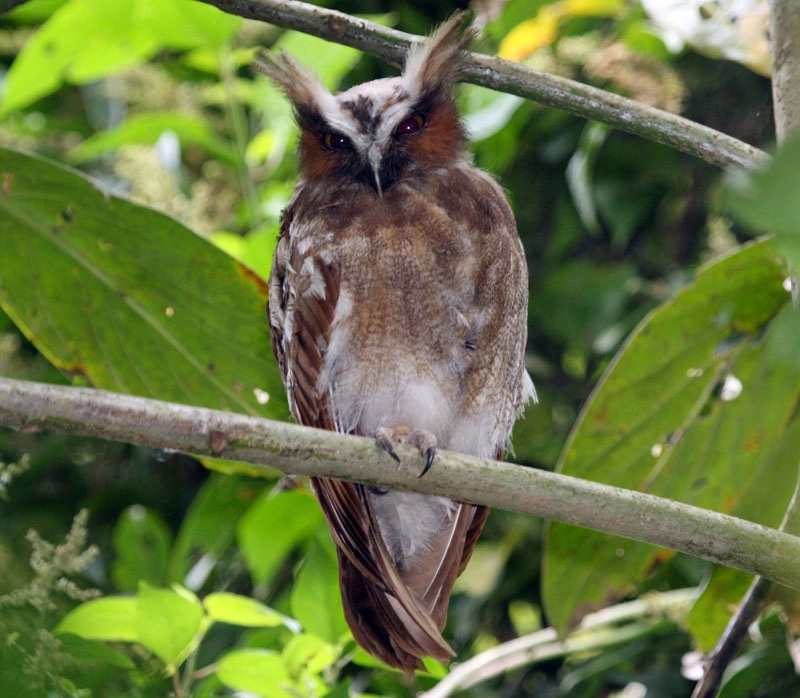
Crested Owl (Lophostrix cristata)
The crested owl is found in Belize, Bolivia, Brazil, Colombia, Costa Rica, Ecuador, El Salvador, French Guiana, Guatemala, Guyana, Honduras, Mexico, Nicaragua, Panama, Peru, Suriname, and Venezuela. IUCN Redlist Status: Least Concern
Bare-Legged Owl (Margarobyas lawrencii)
The bare-legged owl is found in Cuba. IUCN Redlist Status: Least Concern
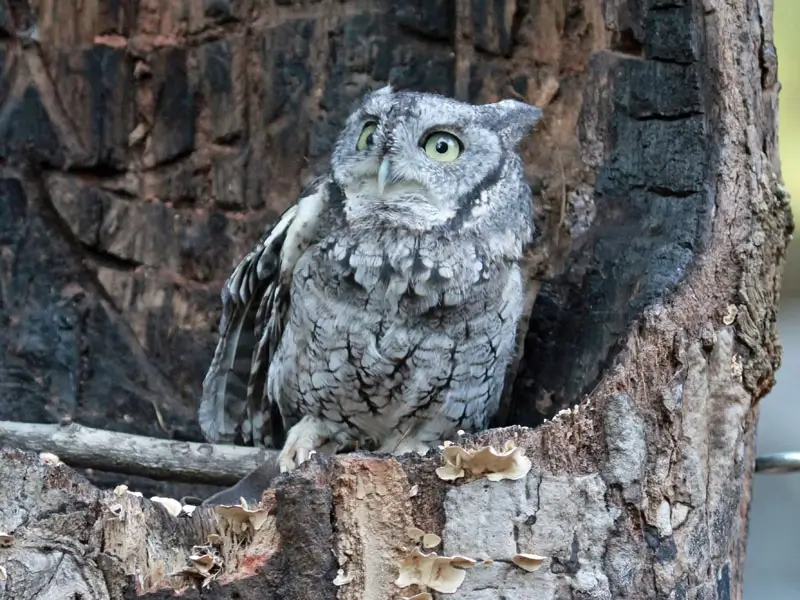
Eastern Screech-Owl (Megascops asio)
The eastern screech-owl is found in the eastern half of the U.S. from the east coast west to Montana, Wyoming, and Texas and south to Mexico. It is also found in parts southern Canada. The eastern screech-owl is found in New Hampshire. IUCN Redlist Status: Least Concern
Black-Capped Screech-Owl (Megascops atricapilla)
The black-capped screech-owl is found in Brazil and Paraguay. IUCN Redlist Status: Least Concern
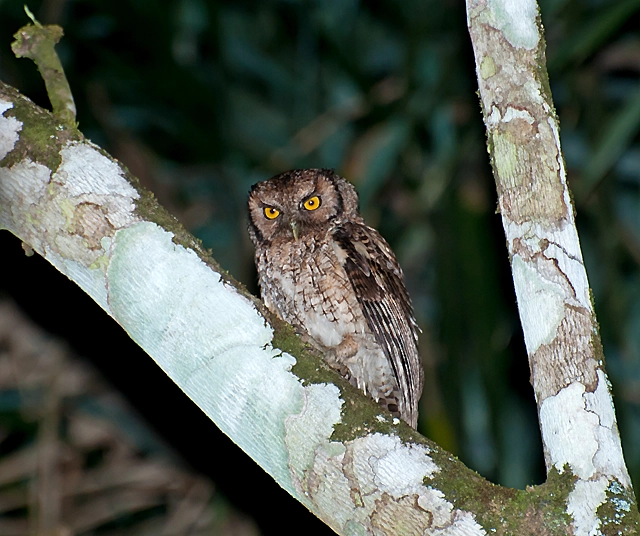
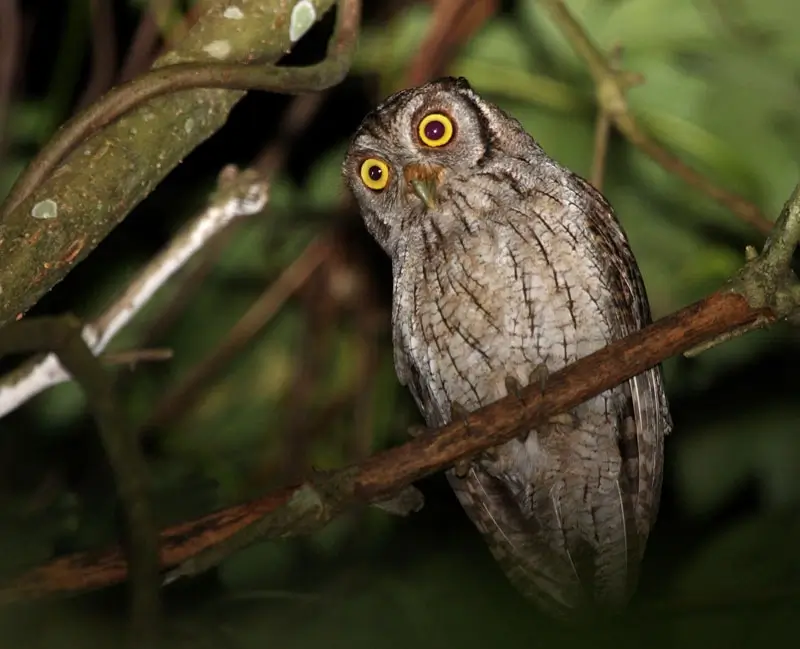
Tropical Screech-Owl (Megascops choliba)
The tropical screech-owl is found in Argentina, Bolivia, Brazil, Colombia, Costa Rica, Ecuador, French Guiana, Guyana, Panama, Paraguay, Peru, Suriname, Trinidad and Tobago, Uruguay, and Venezuela. IUCN Redlist Status: Least Concern
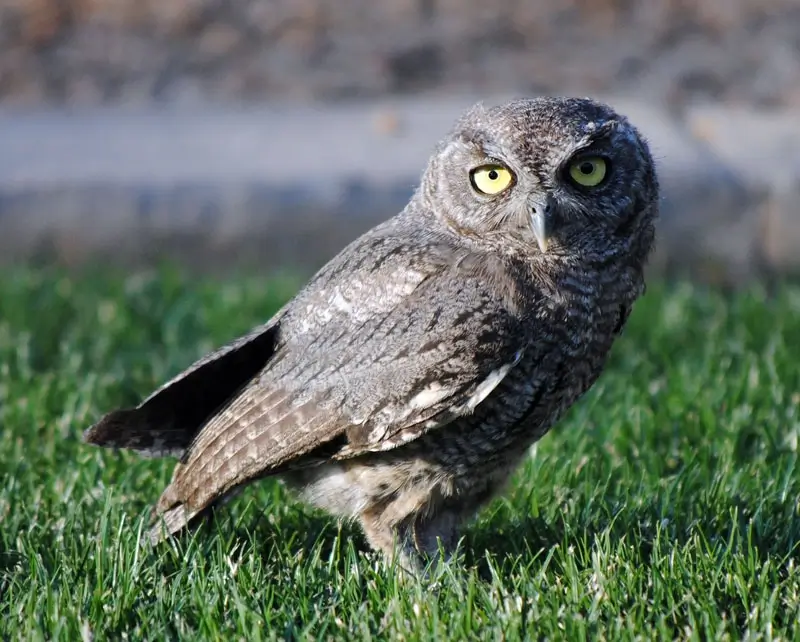
Western Screech-Owl (Megascops kennicottii)
The western screech-owl is found from Alaska south to Mexico and east to Montana, Colorado, New Mexico, and Texas. IUCN Redlist Status: Least Concern
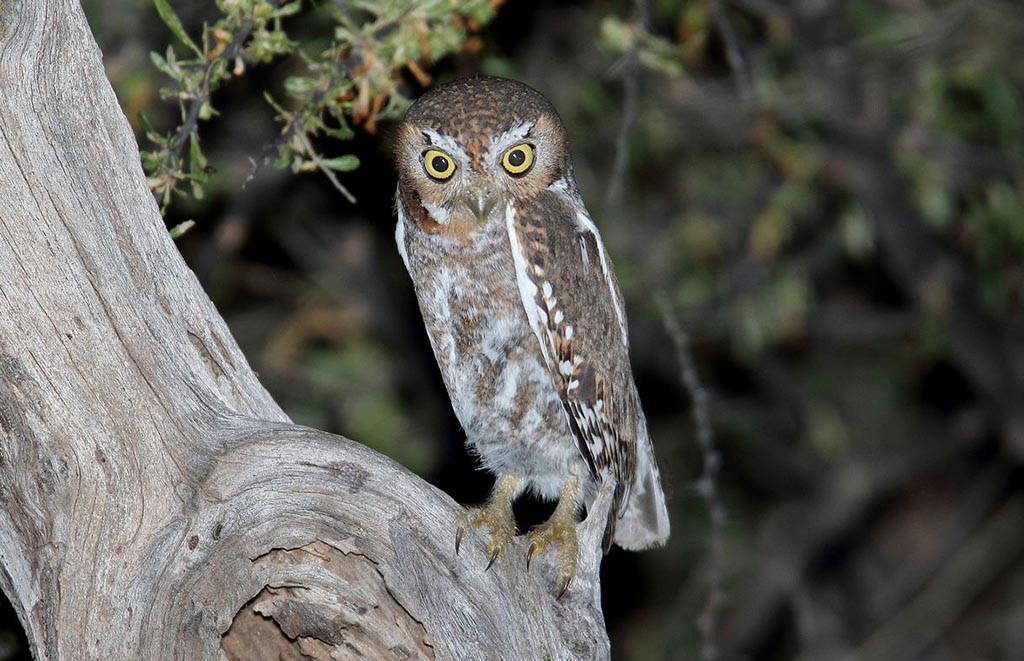
Elf Owl (Micrathene whitneyi)
The elf owl is found in the southwestern United States and Mexico. IUCN Redlist Status: Least Concern
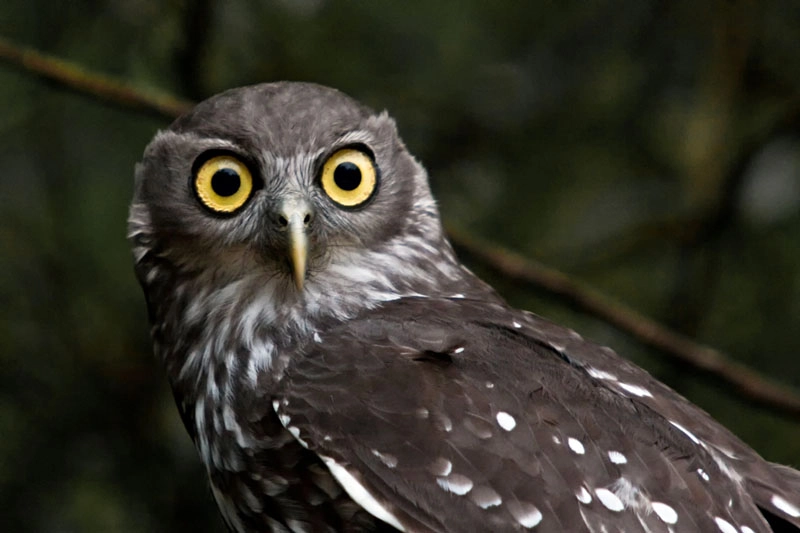
Barking Owl (Ninox connivens)
The barking owl is found in Australia, Indonesia, and Papua New Guinea. IUCN Redlist Status: Least Concern
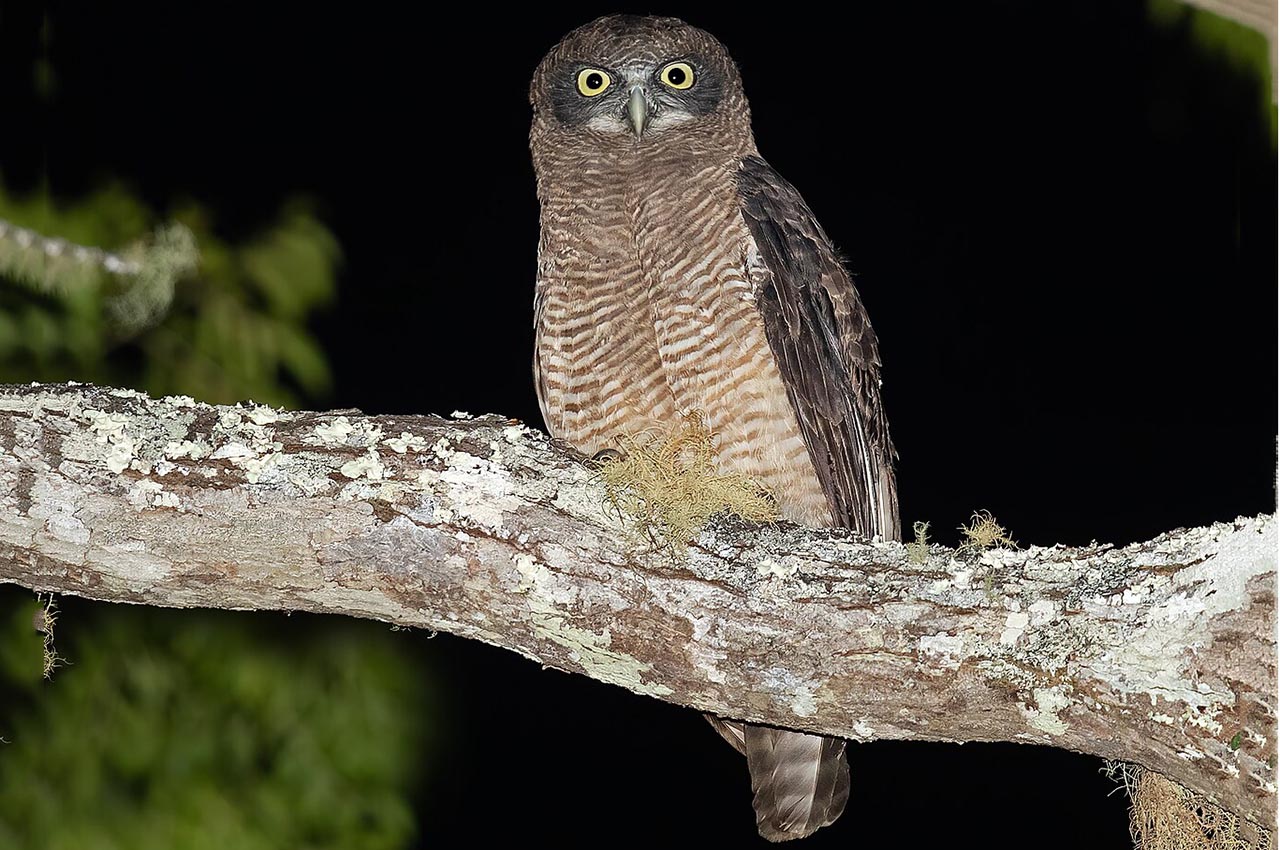
Rufous Owl (Ninox rufa)
The rufous owl is found in Australia, Indonesia, New Zealand, Norfolk Island, Papua New Guinea, and Timor-Leste. IUCN Redlist Status: Least Concern
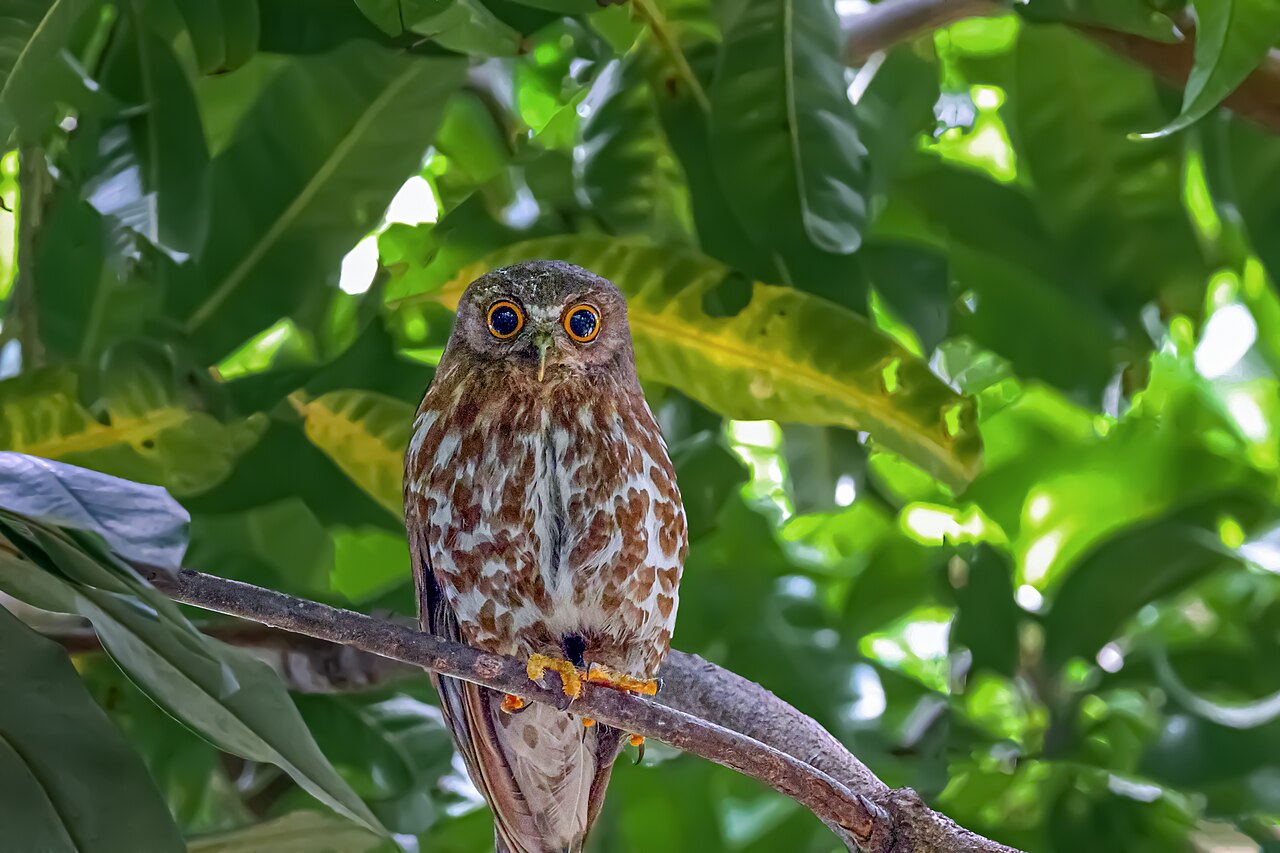
Brown Hawk-Owl (Ninox scutulata)
The brown hawk-owl, also known as the brown boobook, is found in Bangladesh, Bhutan, Brunei Darussalam, Cambodia, China, Hong Kong, India, Indonesia, Japan, North and South Korea, Laos, Malaysia, Myanmar, Nepal, Philippines, Russia, Singapore, Sri Lanka, Taiwan, Thailand, and Vietnam. IUCN Redlist Status: Least Concern
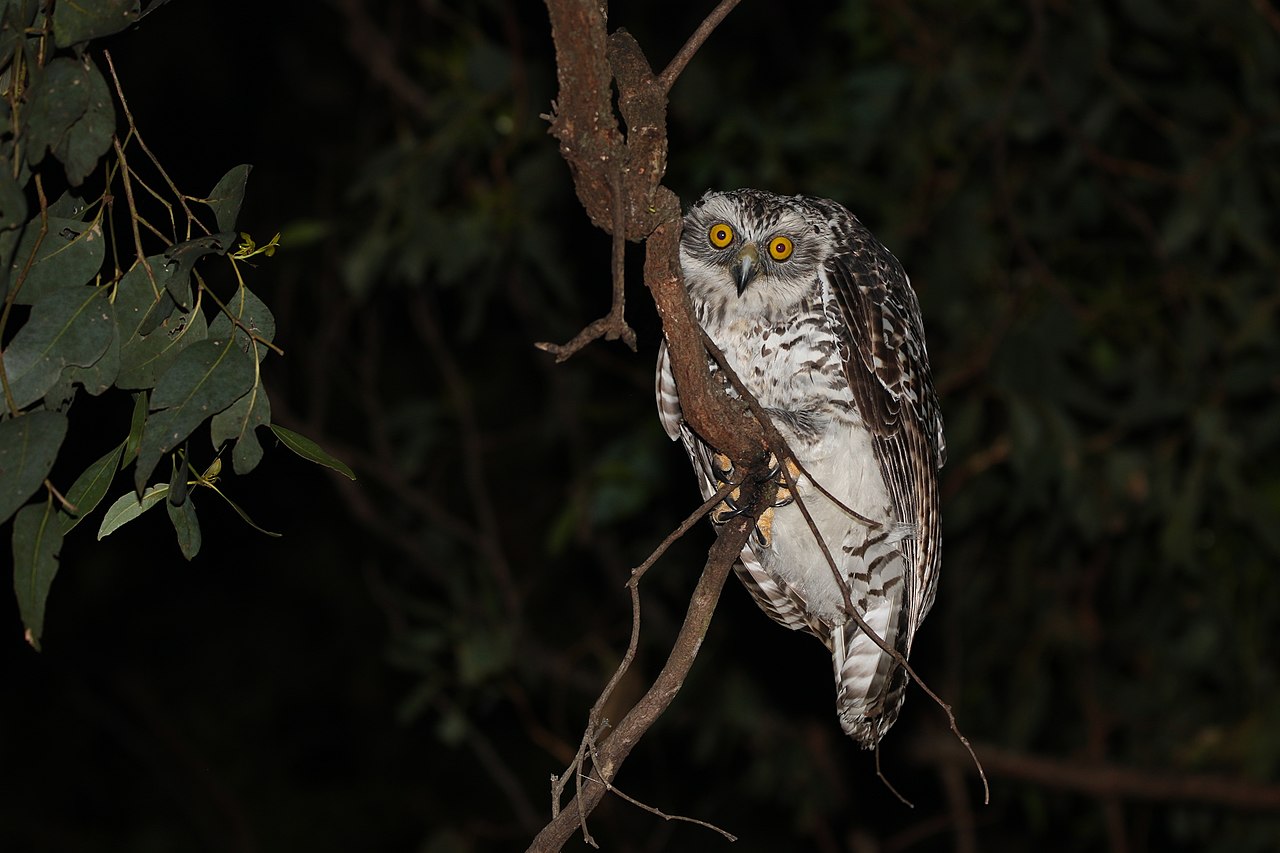
Powerful Owl (Ninox strenua)
The powerful owl is found in eastern Australia. IUCN Redlist Status: Least Concern
Rajah Scops-Owl (Otus brookii)
The Rajah scops-owl is found in Indonesia. IUCN Redlist Status: Least Concern
Sokoke Scops-Owl (Otus ireneae)
The Sokoke scops-owl is a small owl, a little over six inches in height, found in Kenya and Tanzania. IUCN Redlist Status: Endangered
Common Scops-Owl (Otus scops)
The common scops-owl, also known as the Eurasian scops-owl, is found in Africa, Europe, and Asia. IUCN Redlist Status: Least Concern
African Scops-Owl (Otus senegalensis)
The African scops-owl is found in Sub-Saharan Africa. IUCN Redlist Status: Least Concern
Serendib Scops-Owl (Otus thilohoffmanni)
The Serendib scops-owl is found in Sri Lanka. IUCN Redlist Status: Endangered
Jamaican Owl (Pseudoscops grammicus)
The Jamaican owl is found in Jamaica. IUCN Redlist Status: Least Concern
Tawny-Browed Owl (Pulsatrix koeniswaldiana)
The tawny-browed owl is found in Argentina, Brazil, and Paraguay. IUCN Redlist Status: Least Concern
Band-Bellied Owl (Pulsatrix melanota)
The band-bellied owl is found in Bolivia, Colombia, Ecuador, and Peru. IUCN Redlist Status: Least Concern
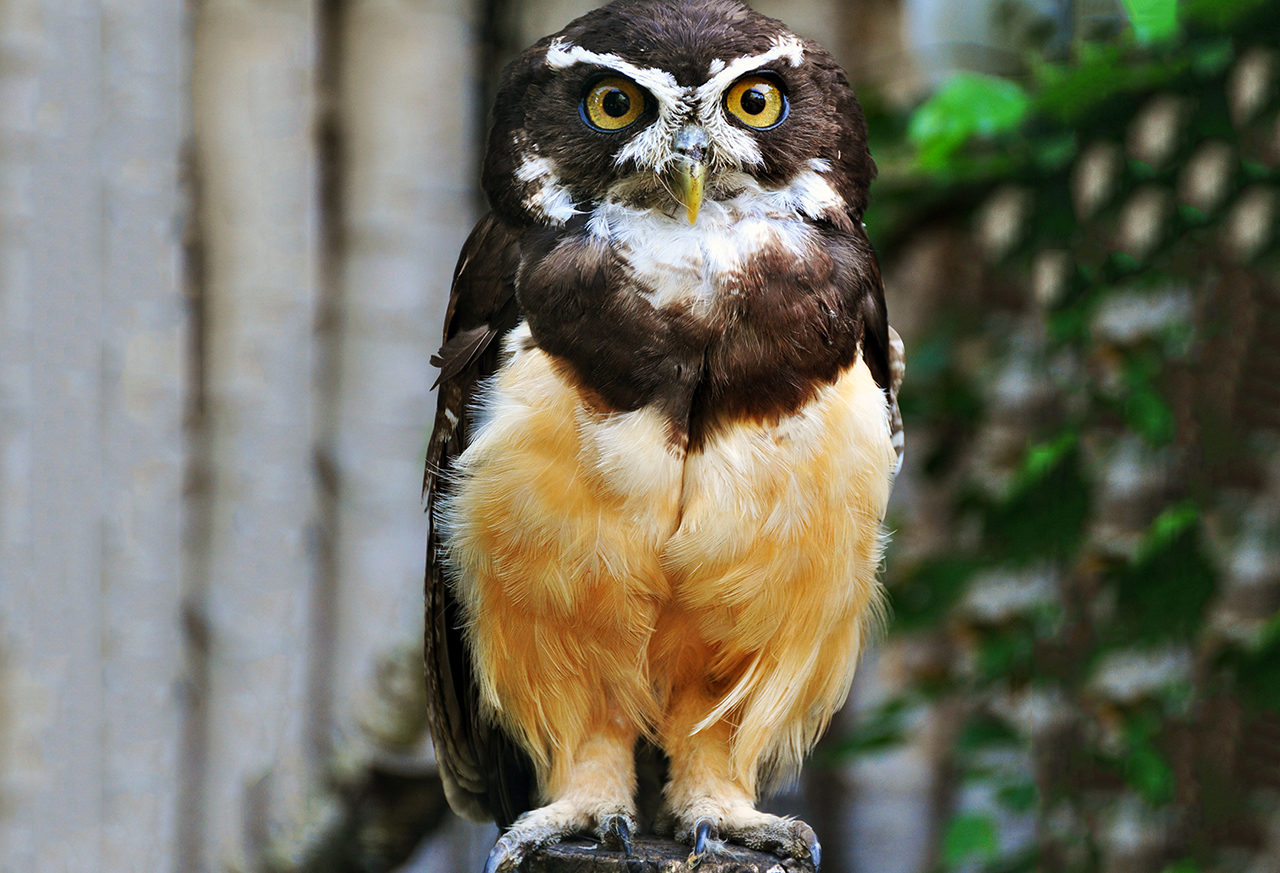
Spectacled Owl (Pulsatrix perspicillata)
The spectacled owl is found in Argentina, Belize, Bolivia, Brazil, Colombia, Costa Rica, Ecuador, El Salvador, French Guiana, Guatemala, Guyana, Honduras, Mexico, Nicaragua, Panama, Paraguay, Peru, Suriname, Trinidad and Tobago, and Venezuela. IUCN Redlist Status: Least Concern
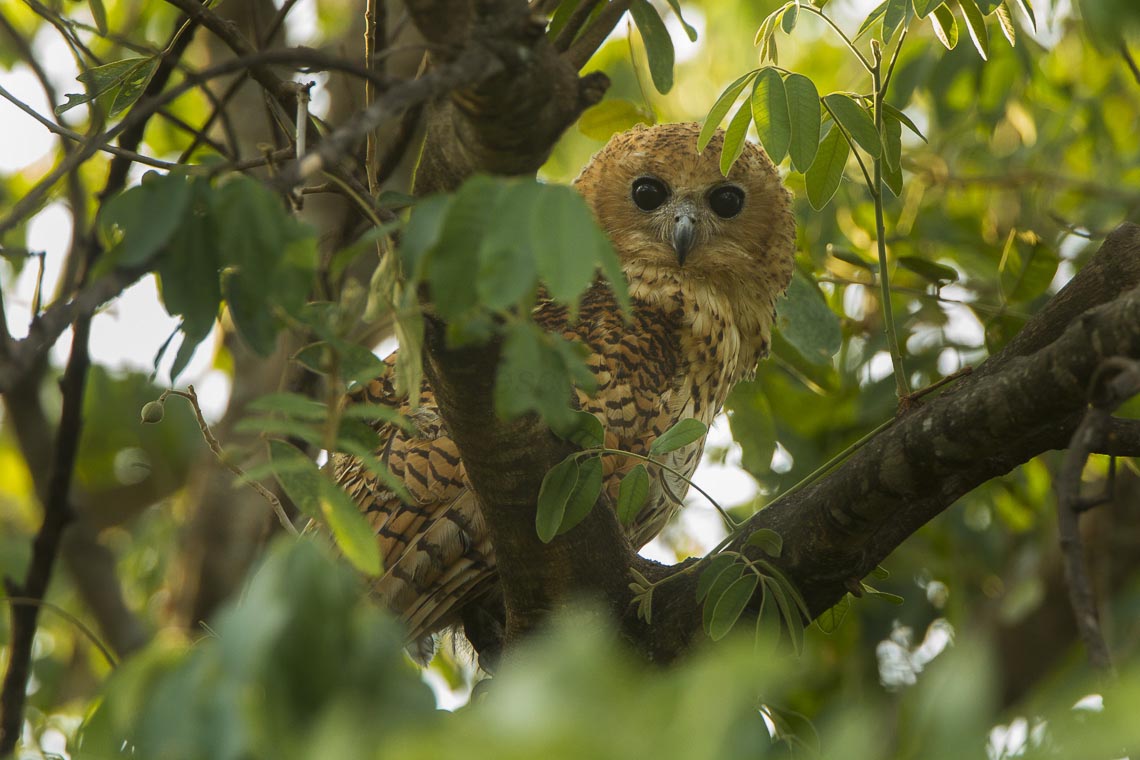
Pel's Fishing-Owl (Scotopelia peli)
The Pel's fishing-owl is found in Sub-Saharan Africa. IUCN Redlist Status: Least Concern
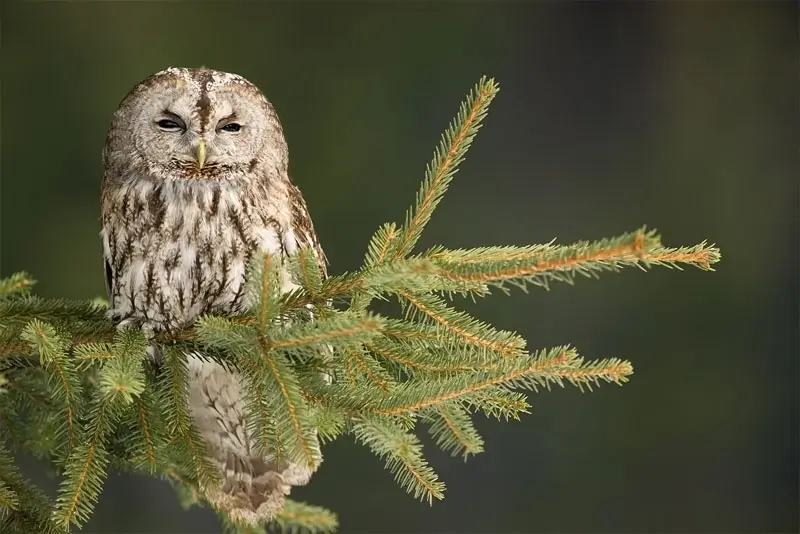
Tawny Owl (Strix aluco)
The tawny owl is found in Europe, Asia, and Africa. IUCN Redlist Status: Least Concern
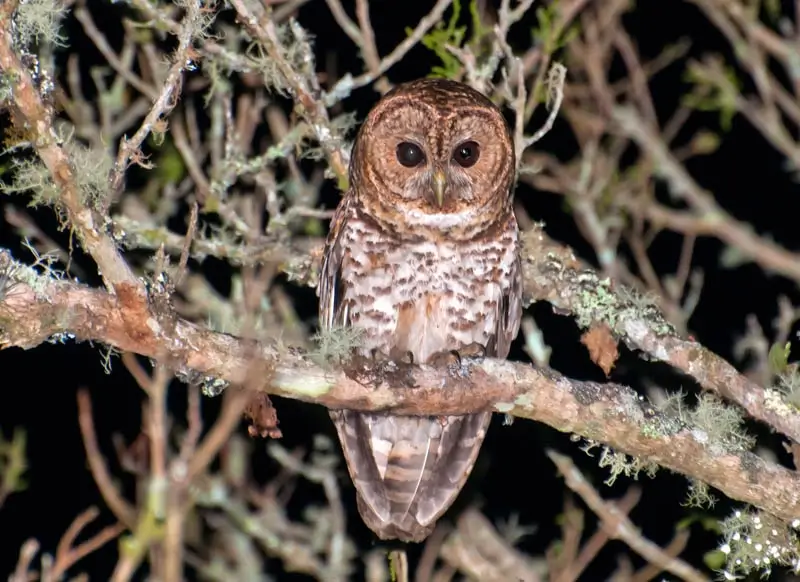
Rusty-Barred Owl (Strix hylophila)
The rusty-barred owl is found in Europe, Asia, and Africa. IUCN Redlist Status: Least Concern
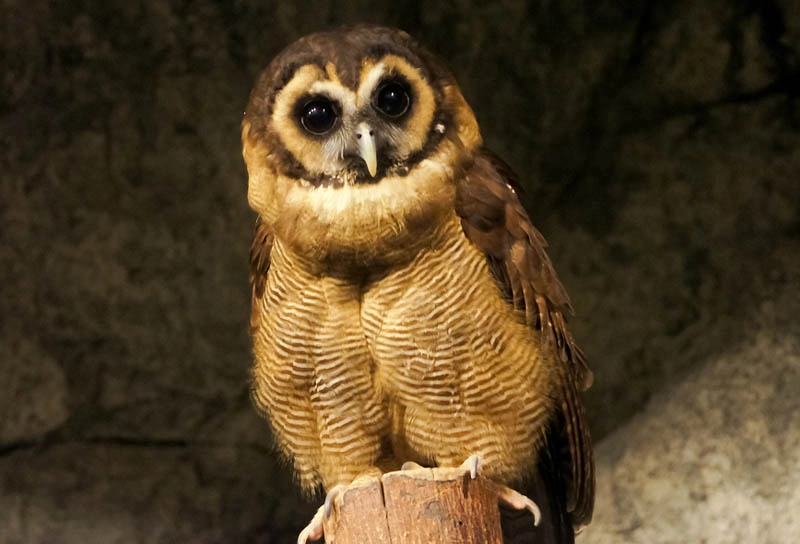
Brown Wood-Owl (Strix leptogrammica)
The brown wood-owl is found in Bangladesh, Bhutan, Brunei Darussalam, Cambodia, China, India, Indonesia, Laos, Malaysia, Myanmar, Nepal, Sri Lanka, Taiwan, Thailand, and Vietnam. IUCN Redlist Status: Least Concern
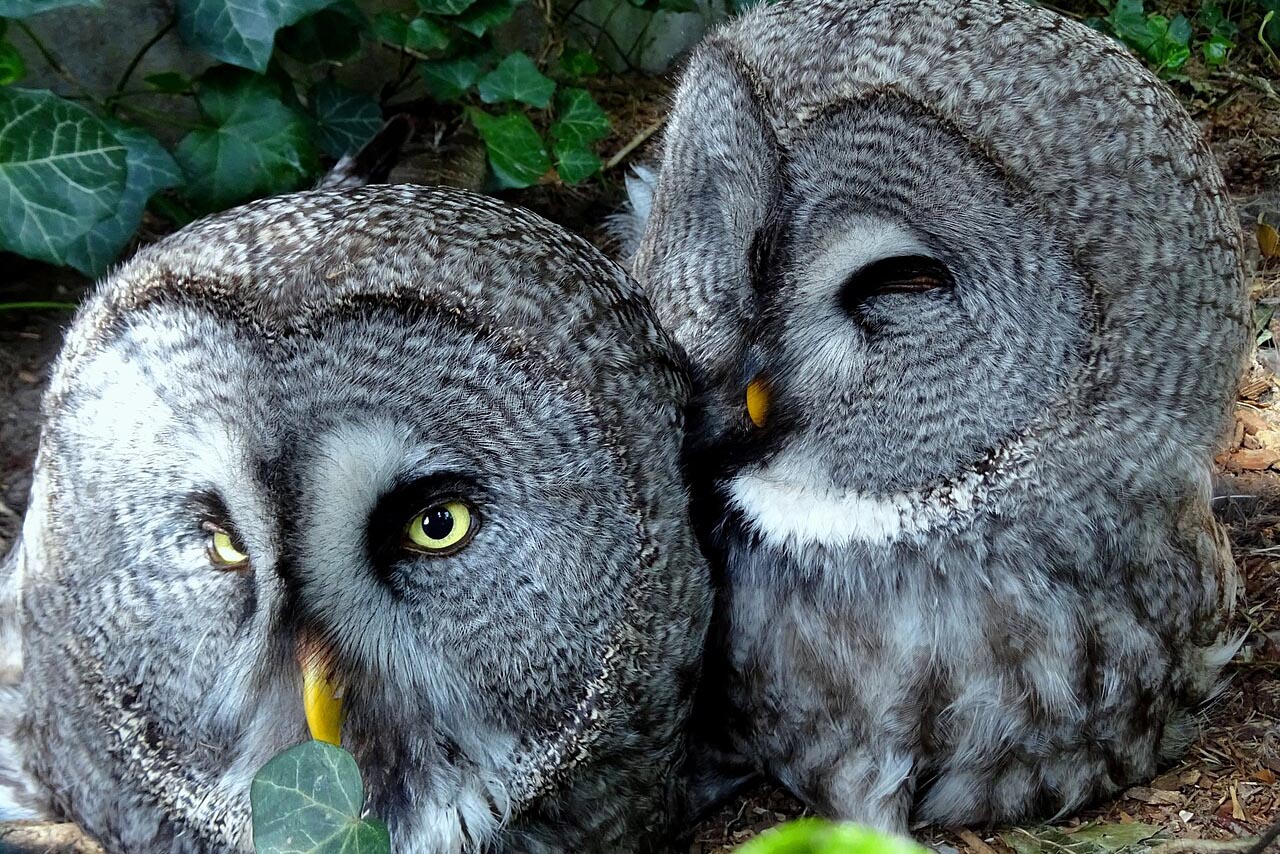
Great Gray Owl (Strix nebulosa)
The great gray owl is found in boreal forests in North America and Eurasia. In North America, it is found from Alaska east to Ontario and south to Washington, Oregon, California, Utah, Nevada, Idaho, Montana, Wyoming, and northern Minnesota and Wisconsin. it is an occasional vagrant in New England, including in New Hampshire. IUCN Redlist Status: Least Concern
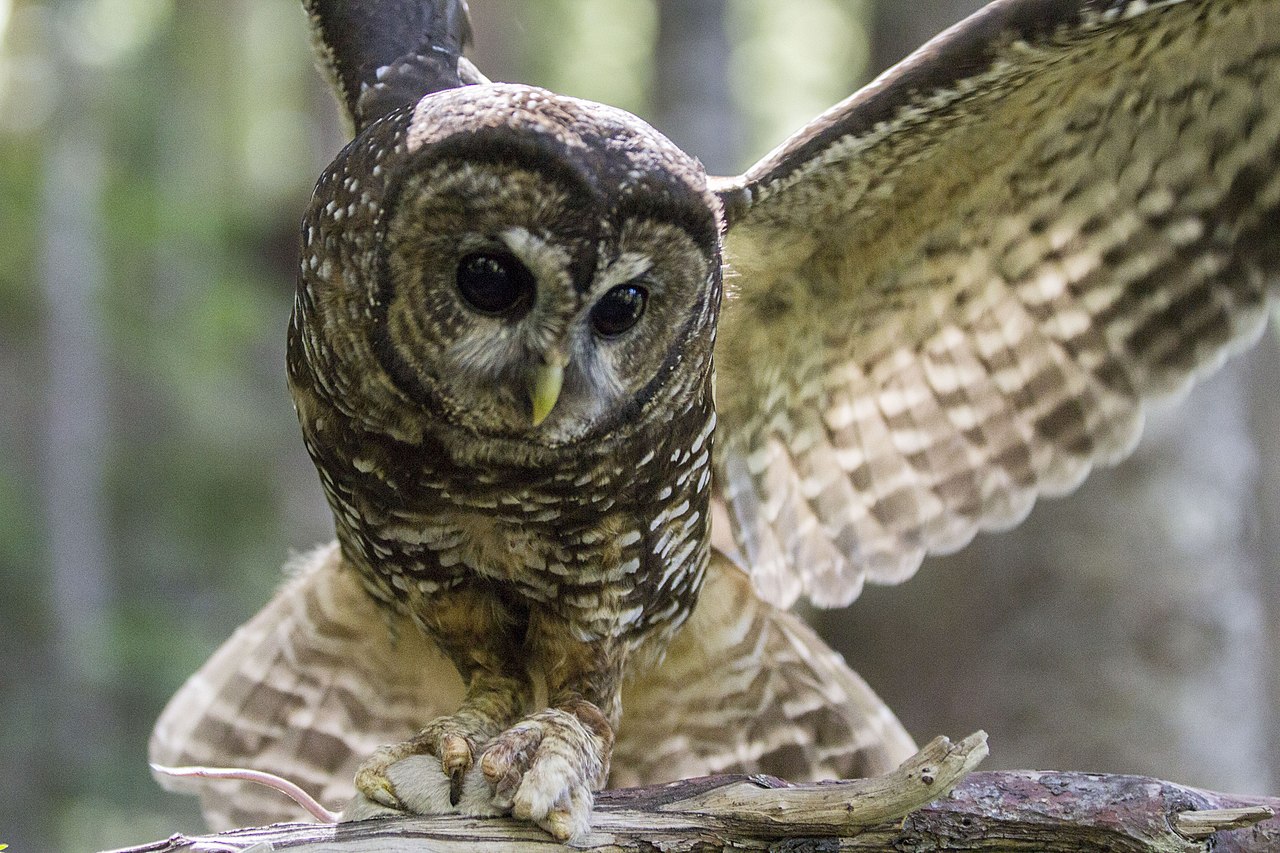
Spotted Owl (Strix occidentalis)
The spotted owl is found in old-growth forests in British Columbia, Washington, Oregon, and California. The spotted owl is also found in Utah, Colorado, New Mexico, Arizona, and Texas south into Mexico. The spotted owl is a threatened species in the U.S. IUCN Redlist Status: Near Threatened
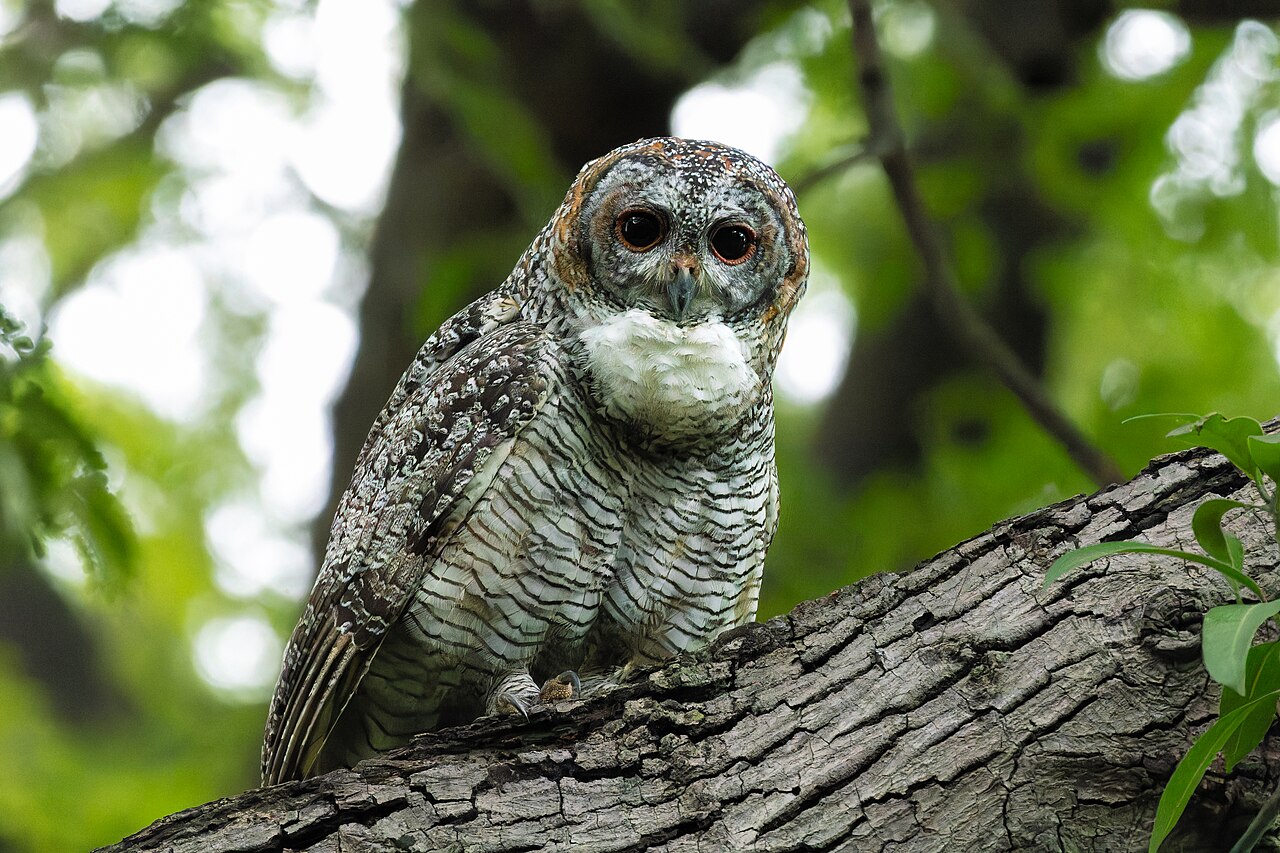
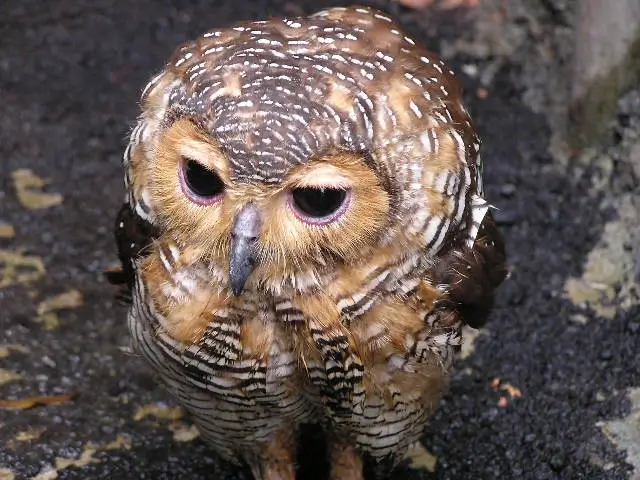
Mottled Wood-Owl (Strix ocellata)
The mottled wood-owl is found in India. IUCN Redlist Status: Least Concern
Spotted Wood-Owl (Strix seloputo)
The spotted wood-owl is found in Cambodia, Indonesia, Malaysia, Myanmar, the Philippines, Singapore, Thailand, Vietnam. IUCN Redlist Status: Least Concern
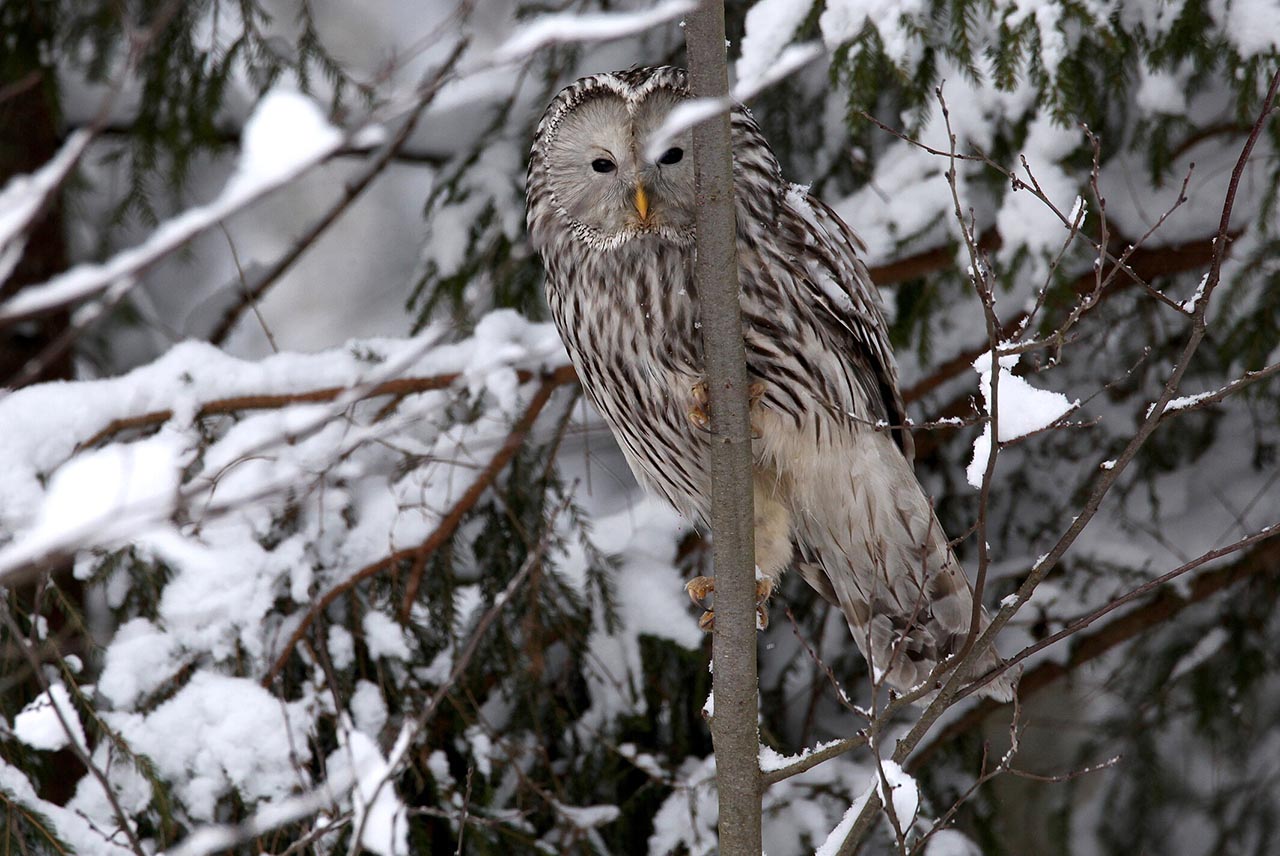
Ural Owl (Strix uralensis)
The Ural owl is found in Europe and Asia. IUCN Redlist Status: Least Concern
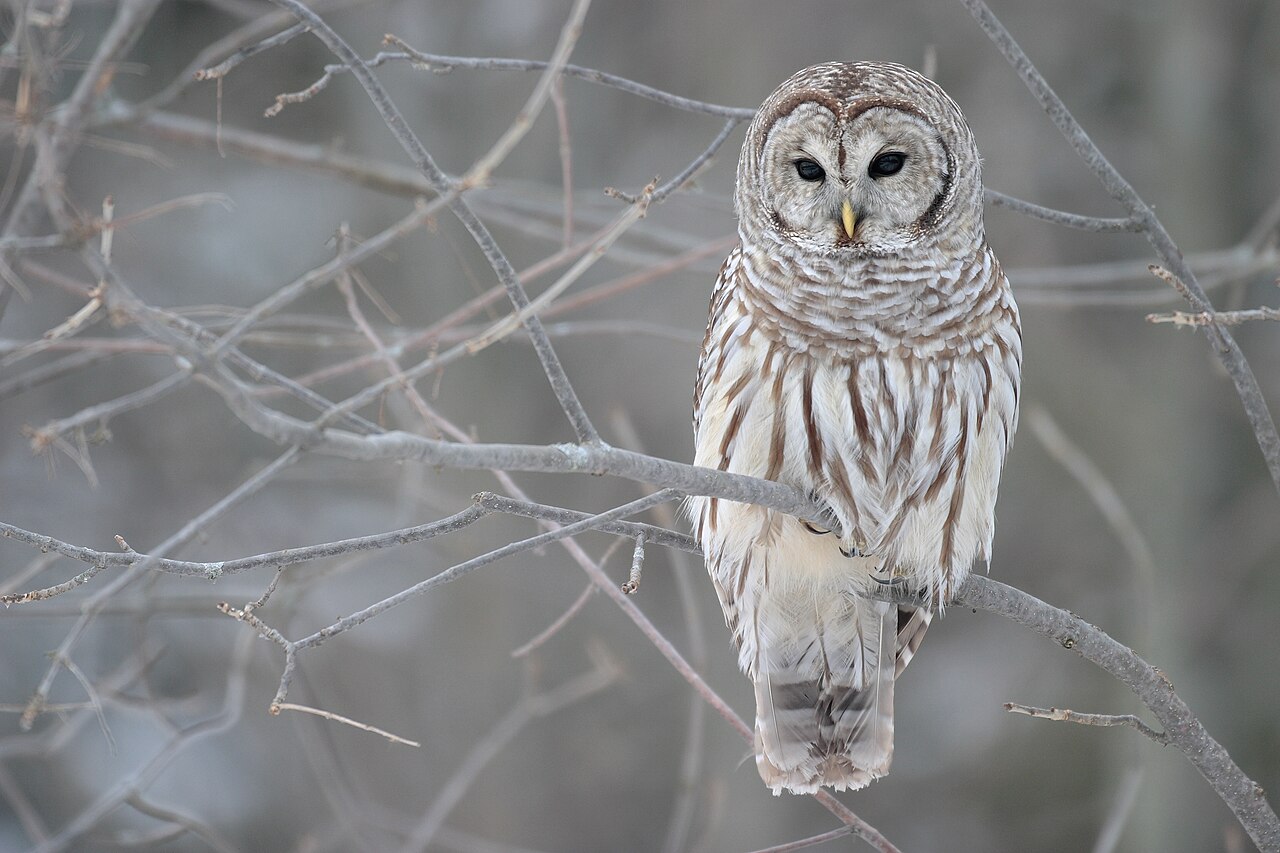
Barred Owl (Strix varia)
The barred owl is found in the eastern U.S. and southern Canada. It is also found in Washington, Oregon, Idaho, and Montana. The barred owl breeds in New Hampshire. IUCN Redlist Status: Least Concern
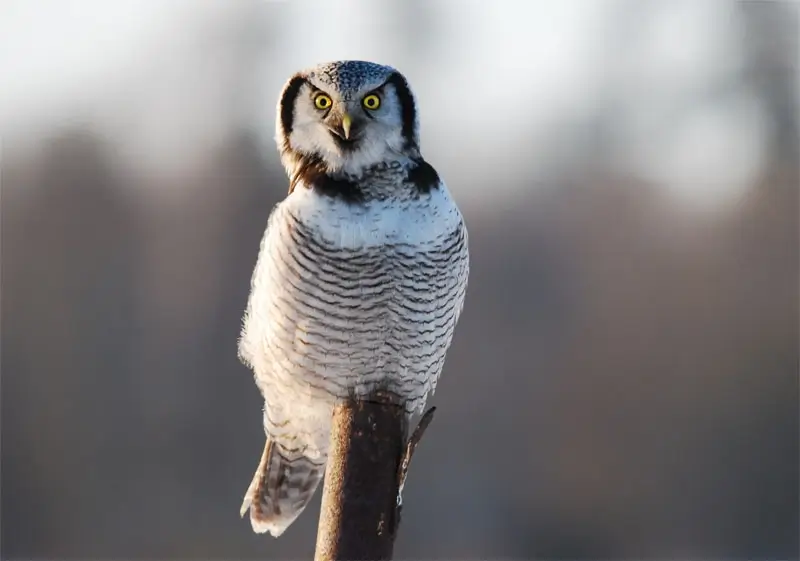
Northern Hawk-Owl (Surnia ulula)
The northern hawk-owl is found from northern Alaska, through lower and middle Canada, and along the northern regions of the United States. It is also found in northern Russia and Scandinavia. The northern hawk-owl can be a vagrant in New Hampshire, but it does not breed there. IUCN Redlist Status: Least Concern
Owls in this family, like the barred owl, have sharp, hooked bills; large, forward-facing eyes; big heads; round faces; flexible necks; long bodies; sharp talons; and soft, thick feathers.