Students will:
Brainstorm jobs that people have in the community. Discuss with the students how those jobs are important to the health of the community. What skills are needed to perform the jobs? What tools and resources do people who do those jobs need? How many of those jobs are in the community? What people do they depend on to do their jobs, and what factors might impact their ability to do their jobs?
ANIMAL NICHES
Have students create a list of animals found in a specific habitat or ecosystem, such as a forest, desert, ocean, or wetland. Next, ask students to identify the ecological niche, or “job,” each animal has in its community. Students should think about how the animal survives and interacts with other organisms in its environment.
Students should answer questions such as:
After completing their research, students can share their findings with the class through a short presentation, poster, or graphic organizer.
HUMAN NICHES
Have students interview an adult about their job or career. Students should ask questions similar to those used in the previous activity to explore the person’s “niche” in their workplace or community.
Possible interview questions include:
After the interview, students can write a short job profile summarizing the information they gathered.
Nature journal
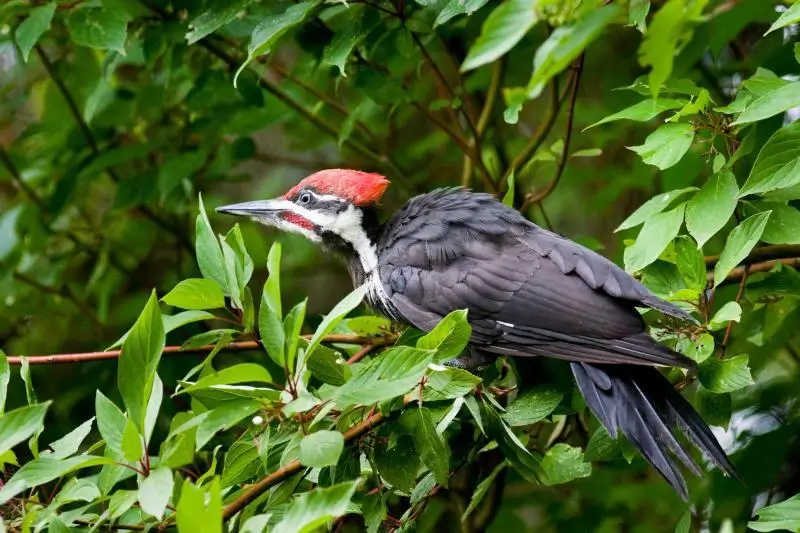
Take a nature walk with your students and have them observe plants and animals in their environment. Ask students to record the role, or niche, each organism plays in its community. For example, grass helps hold soil in place and provides food and shelter for animals. Squirrels spread seeds, and woodpeckers help control insect populations by eating insects.
When students return to the classroom, have each student choose one organism they observed. Then ask them to describe the organism’s niche to the class without naming it. See if the rest of the class can identify the organism based on the clues about its role in the ecosystem.
Support for NatureWorks is provided by: