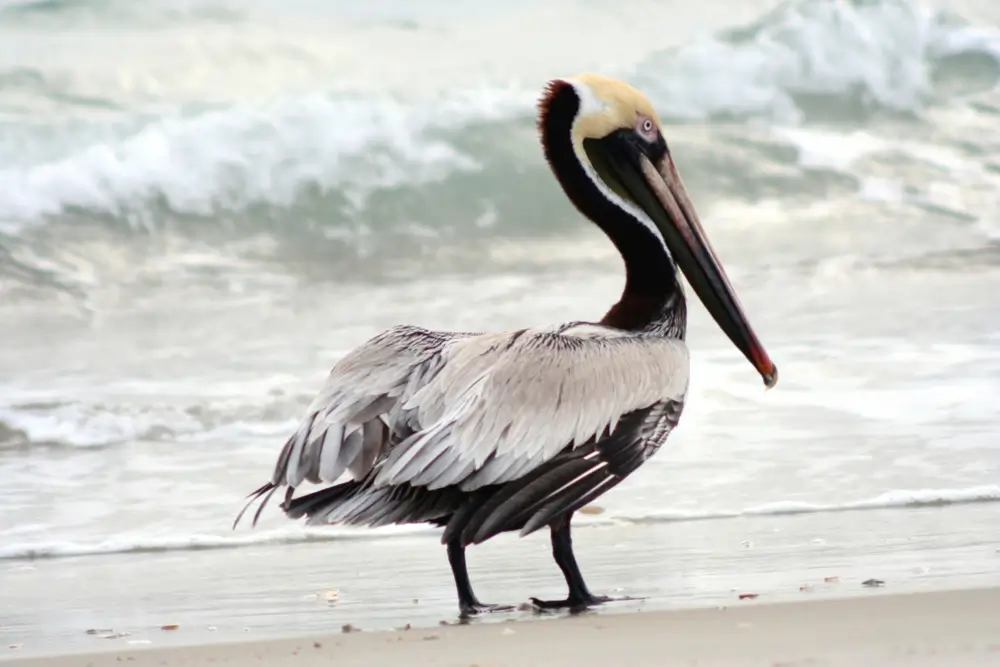
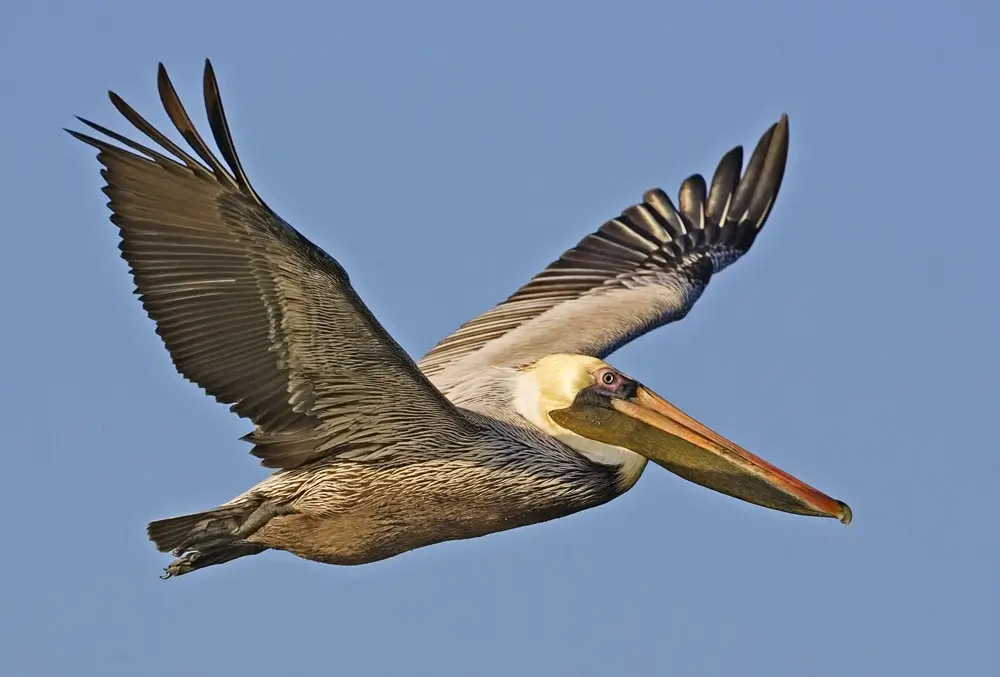
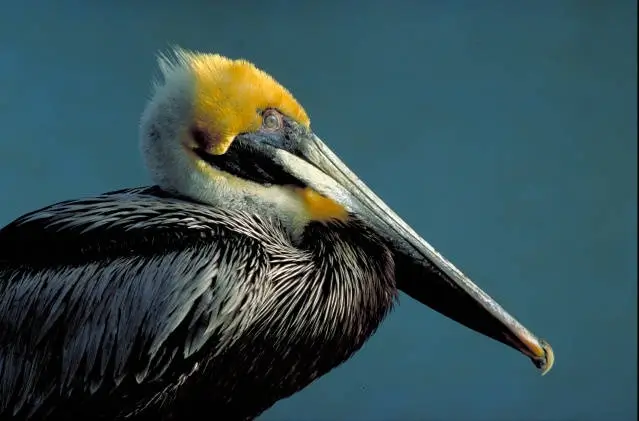
The brown pelican is about 3.3-4.5 feet(1-1.4 m) tall with a wingspan of around 6.6 feet (2 m).
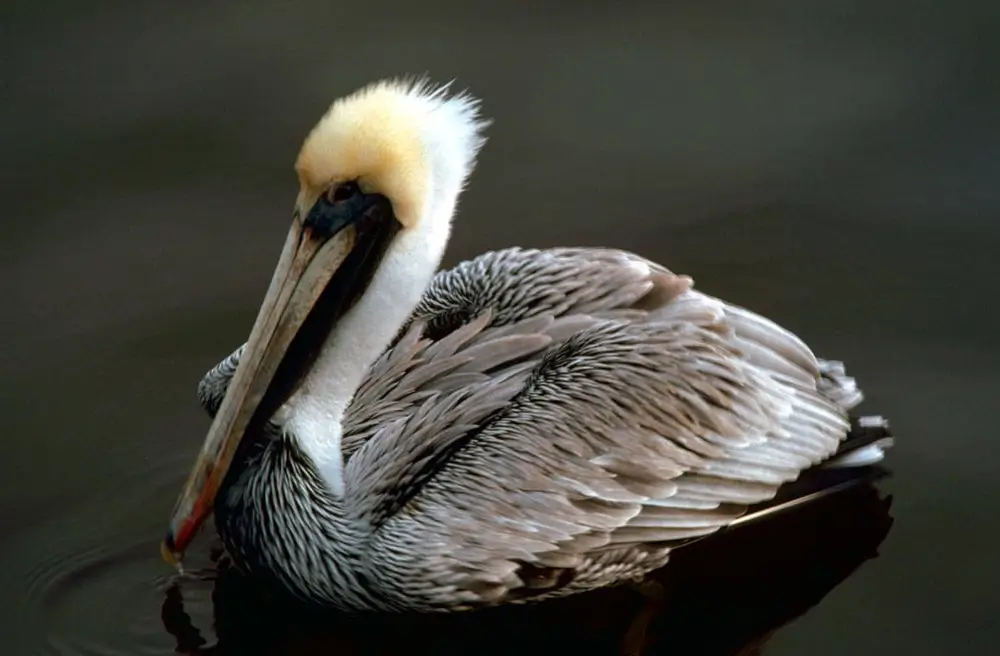
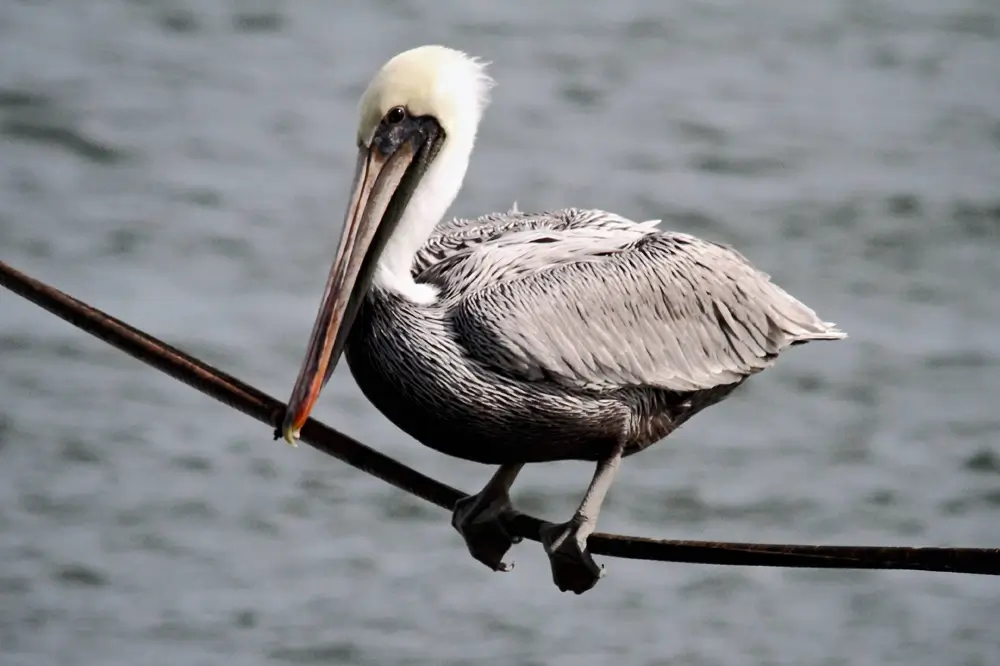
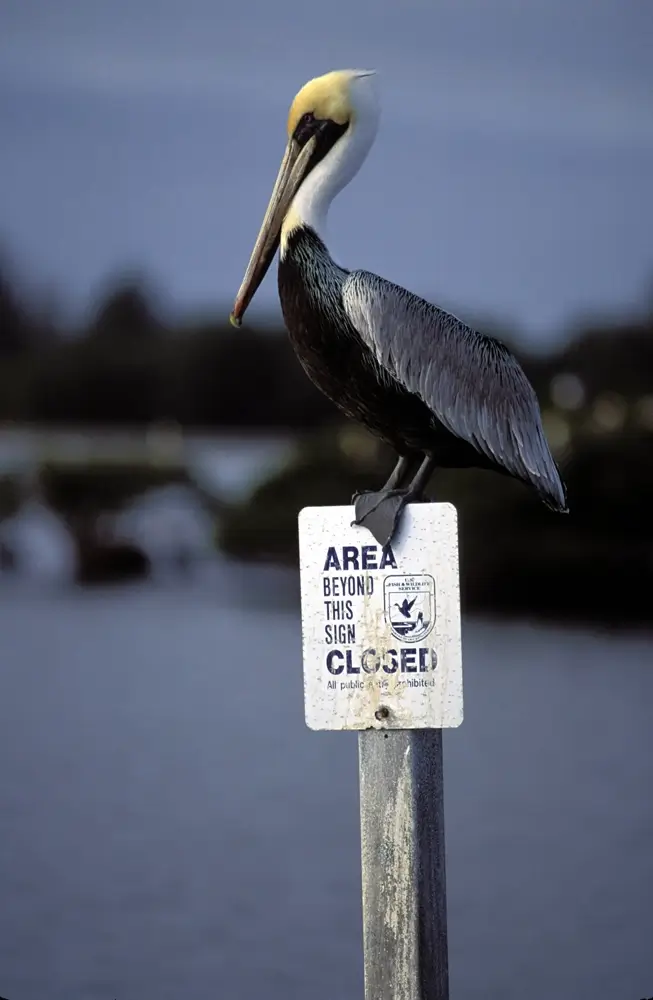
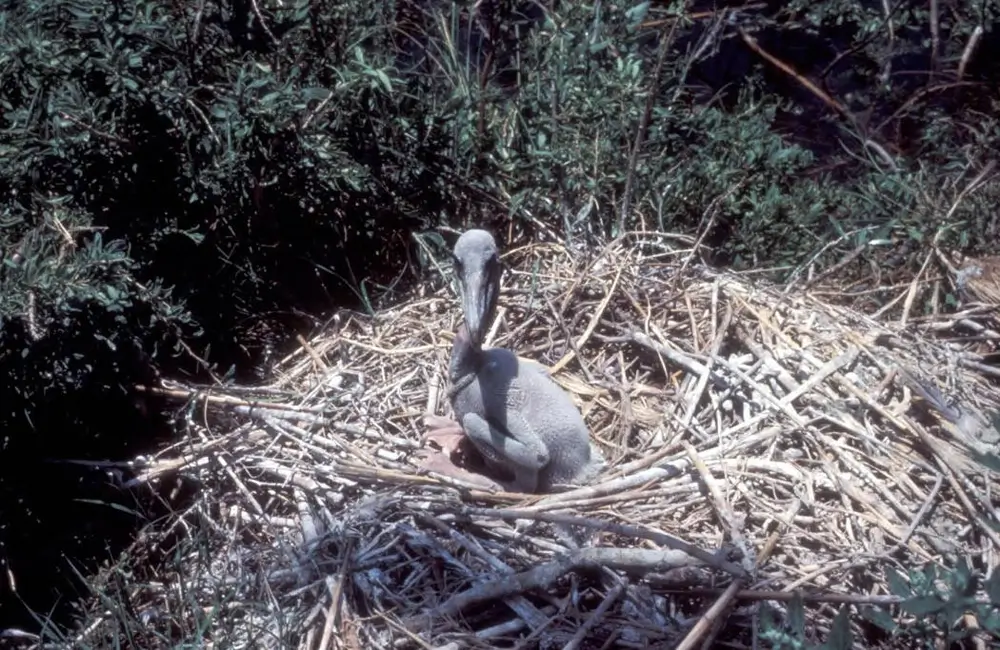
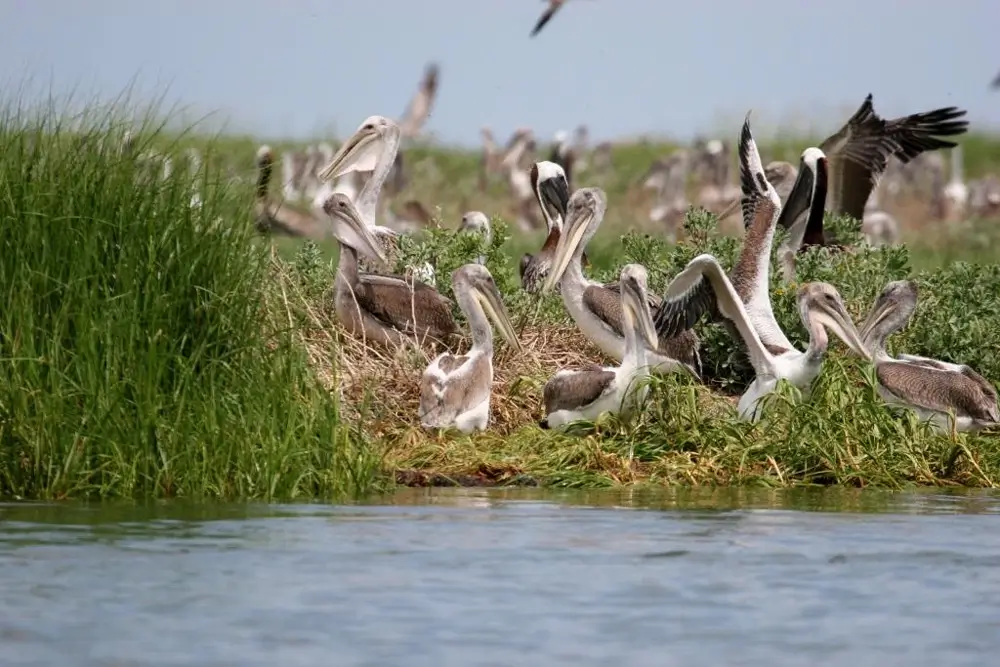
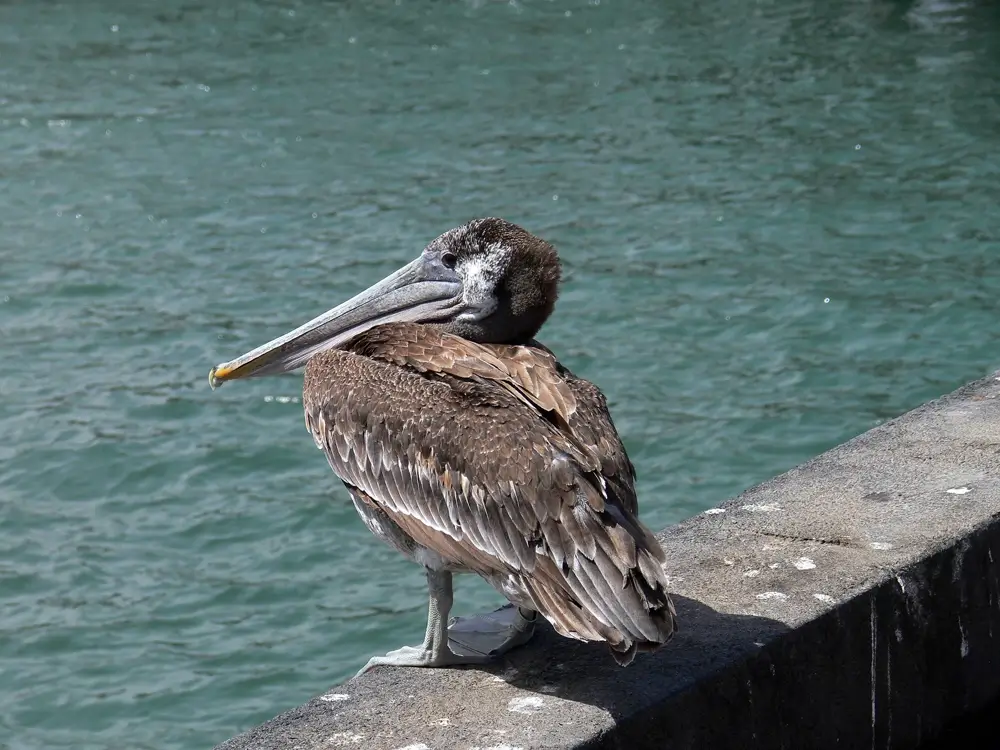
It has a brown-and-gray body and a white head with a light-brown crown. Its neck is dark brown during the breeding season. Young pelicans are all brown.
The brown pelican has a long gray bill with a large gular pouch (throat pouch). This pouch can stretch to hold two to three times more than its stomach can hold—about 3 gallons (11.4 liters) of fish and water.
Males and females look the same.
Habitat
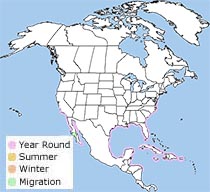
The brown pelican is found in coastal areas, usually around sandy beaches and lagoons*. It is also found around waterfronts and marinas.
* A lagoon is shallow water separated from the sea by land.
Diet
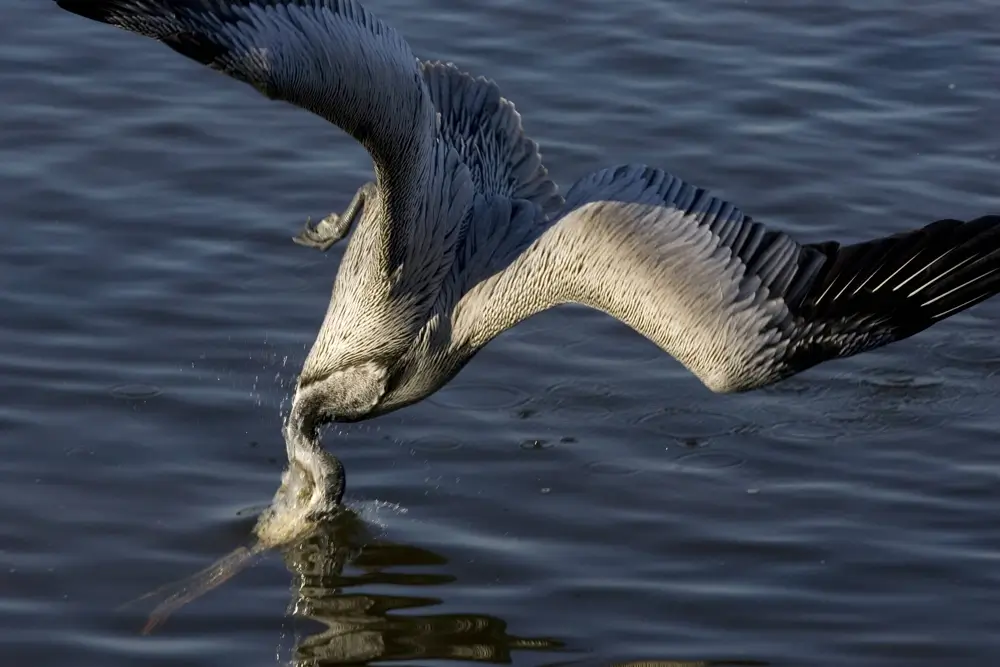
The brown pelican is a plunge diver. It drops from the air with its wings partly folded and dives into the water to catch its prey. It is the only species of pelican that does this.
It uses its bill and pouch like a net. It scoops up fish and water. It strains out the water from the sides of its bill, tips its head back, and swallows the fish it caught.
It doesn’t carry fish in its pouch; it only uses the pouch to scoop up fish. Sometimes gulls will try to steal fish from the pelican’s pouch. In fact, they even perch on the pelican’s head and wait for just the right moment to grab a fish.
The male brown pelican selects a nesting site and then tries to attract a female with a series of head movements. Once a female chooses a male, he brings her sticks, reeds, and grass for the nest. The female sways her head, accepts the materials, and weaves them into the nest. It can take more than a week to complete the nest, which may be built on the ground, in a tree, or in a bush.
A few days after the nest is finished, the female lays 2–3 eggs. Both parents take turns incubating the eggs and caring for the chicks. The eggs are kept warm in an unusual way: the pelican covers them with its webbed feet to help regulate their temperature.
The chicks hatch after about a month. For the first 10 days after hatching, the parents leave regurgitated (swallowed and brought back up) food on the bottom of the nest for the chicks to eat. After that, the chicks eat regurgitated food directly from their parents’ bills.
If the nest is on the ground, it may be a simple scrape (shallow depression), or it may be made of sticks, reeds, and grass, like a tree nest. The chicks hop out of the nest and walk around outside of it when they are about a month old. If the nest is in a tree, the chicks leave the nest when they are 2-3 months old.
The brown pelican has a lifespan of 15-30 years in the wild
Behavior
Pelicans live in flocks made up of males and females.
In flight, they glide in a V formation or in a straight line, with their necks folded against their shoulders.
Did You Know?
The brown pelican was an endangered species in the U.S. from 1970 until 2009. Its population dropped dramatically due to the use of the pesticide DDT. DDT was banned in 1972, and its population has recovered.