

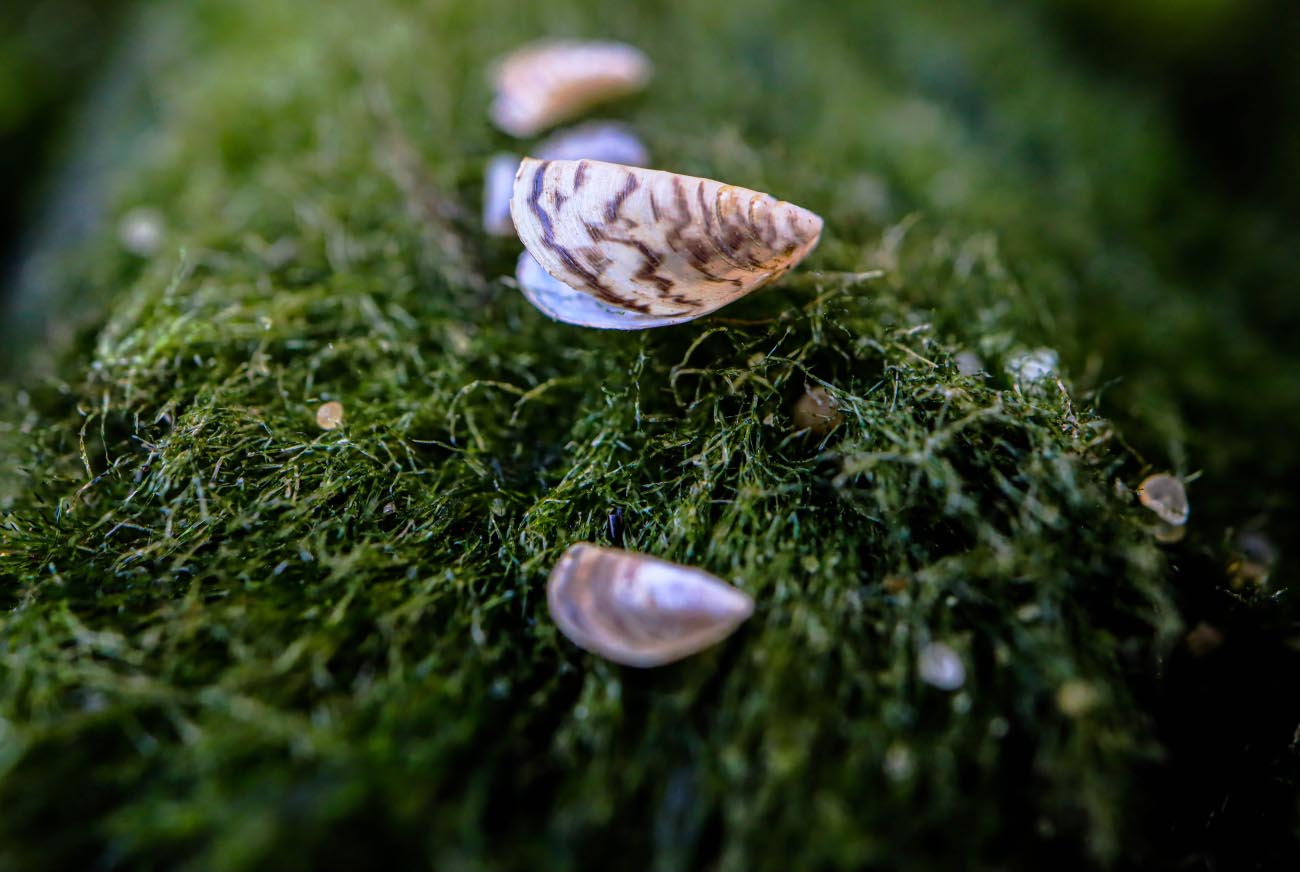
Boats can bring invasive species, like the zebra mussel and milfoil, into waterways.
URBAN DEVELOPMENT – As human populations grow, more land is used for cities, homes, and businesses. This process, called urban sprawl, replaces natural habitats with buildings and roads. The remaining natural areas often become smaller and separated, making it harder for animals to find food, mates, and safe places to live.
ROAD BUILDING – Roads are built for farming, logging, mining, and travel. However, they can break habitats into smaller pieces, a process called habitat fragmentation. This makes it harder for wildlife—especially large animals like bears or moose—to survive. Roads can also increase animal deaths from vehicle collisions and can allow pollutants like oil, salt, and chemicals to wash into nearby rivers and lakes.
WATER DEVELOPMENT – Humans change rivers and wetlands by building dams, redirecting water for irrigation, and controlling floods. These changes can alter water temperature, reduce oxygen levels, and disrupt the natural movement of nutrients and sediment.
Wetlands and river ecosystems are especially sensitive because many species depend on steady water flow to survive.
POLLUTION – Air, water, and soil pollution can damage habitats far from where the pollution started. Examples include sulfur compounds that cause acid rain, and chemicals such as mercury and pesticides that harm wildlife. Some pollutants, such as PCBs and mercury, can build up in food chains and affect the nervous and reproductive systems of animals.
One well-known example is the pesticide DDT, which was banned in the United States in 1972 after it caused thin eggshells in birds like the peregrine falcon, the bald eagle, and the osprey, leading to population declines. Many of these species have recovered since the ban.
RECREATION – Outdoor activities can also affect habitats. Off-road vehicles may damage soil and vegetation, and boats can spread invasive species—non-native organisms that harm local ecosystems.
For example, invasive zebra mussels have spread widely in North American waterways, changing ecosystems and clogging water systems.
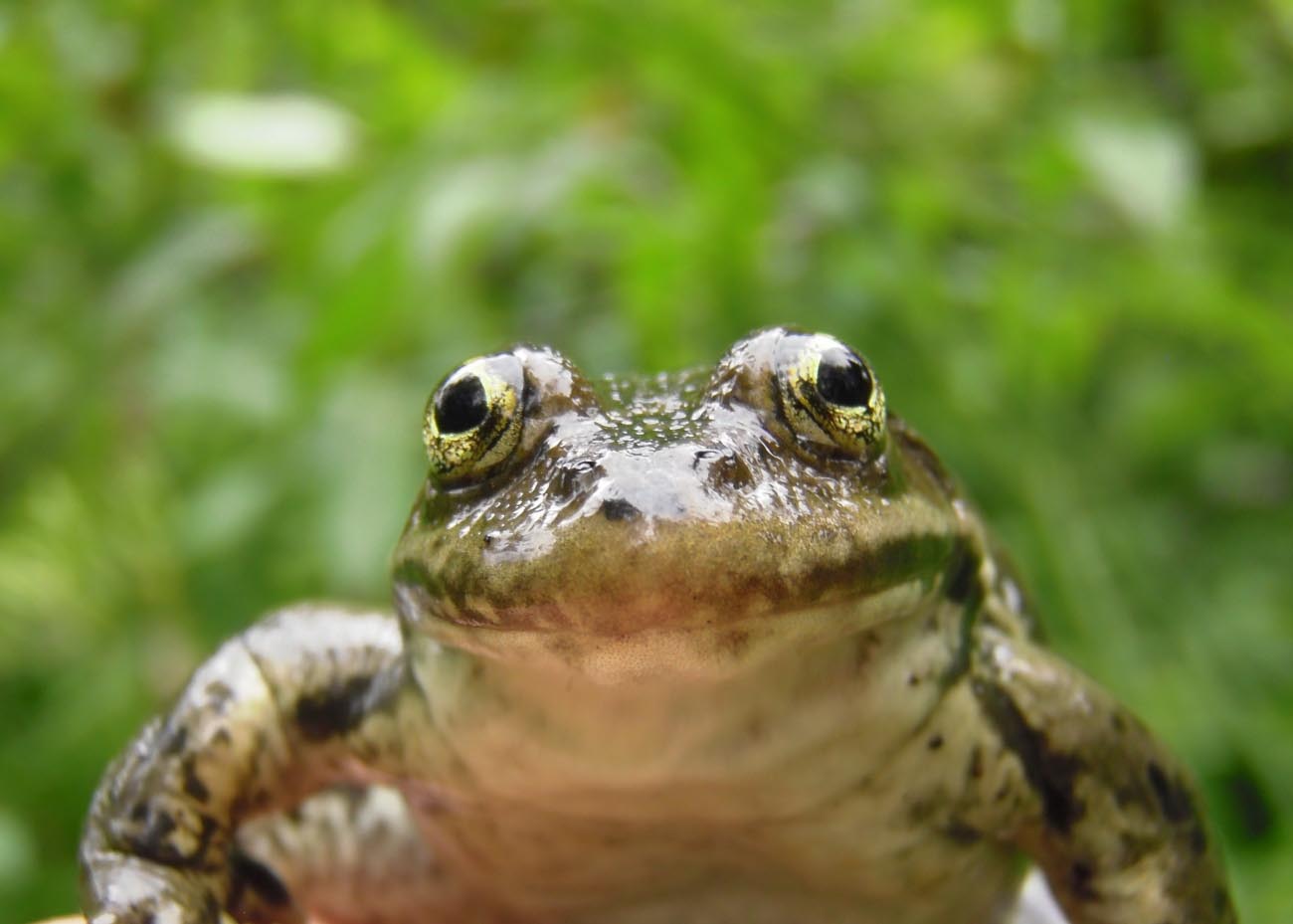
Habitat loss is a threat to the Columbia spotted frog, which is being considered for listing as an endangered species.
Human activity is changing natural habitats all over the world. Scientists warn that large areas of relatively untouched land are being affected by roads, cities, farming, and resource extraction. While exact predictions vary by study and method, research consistently shows that by mid-century, most of Earth’s land will be influenced in some way by human activity such as development, agriculture, mining, or infrastructure.
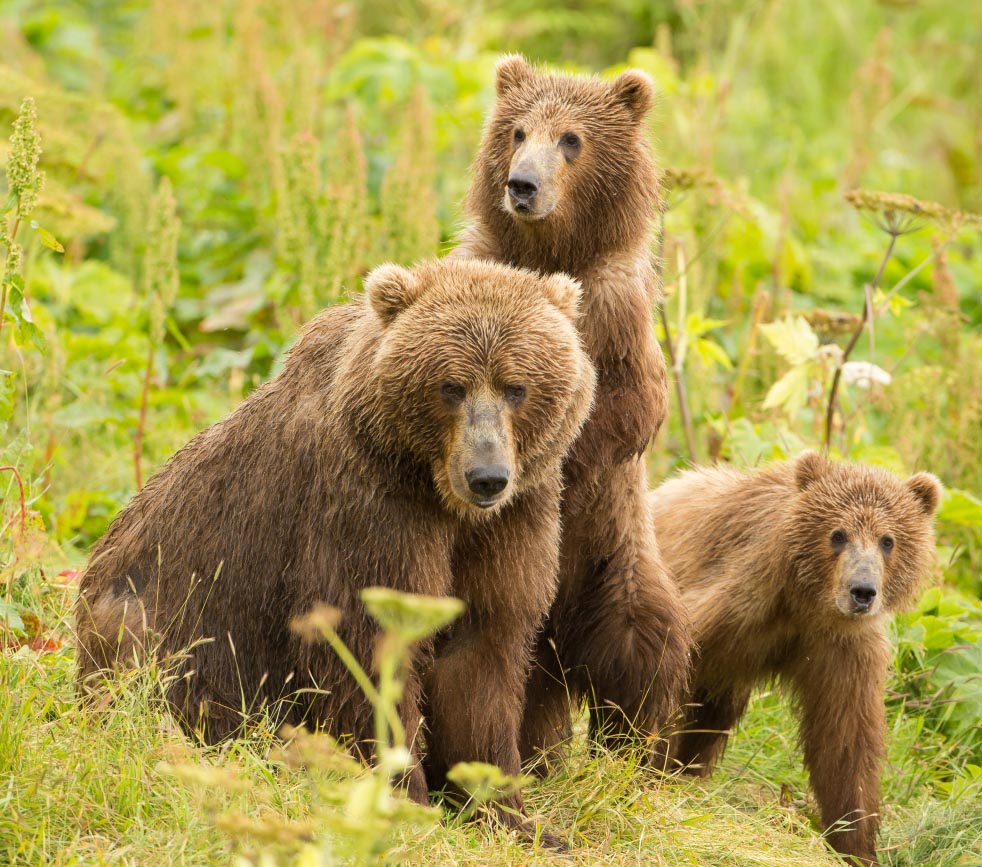
Kodiak brown bear family in Alaska.
Habitat fragmentation is also a major threat to wildlife. It happens when large natural areas are broken into smaller pieces, or “islands,” of habitat by roads, buildings, farms, or other human development.
Some large animals, such as mountain lions, moose, and brown bears, need large home ranges to find food, mates, and shelter. When their habitat is divided into smaller sections, it becomes harder for them to survive. As a result, many animal populations decline.
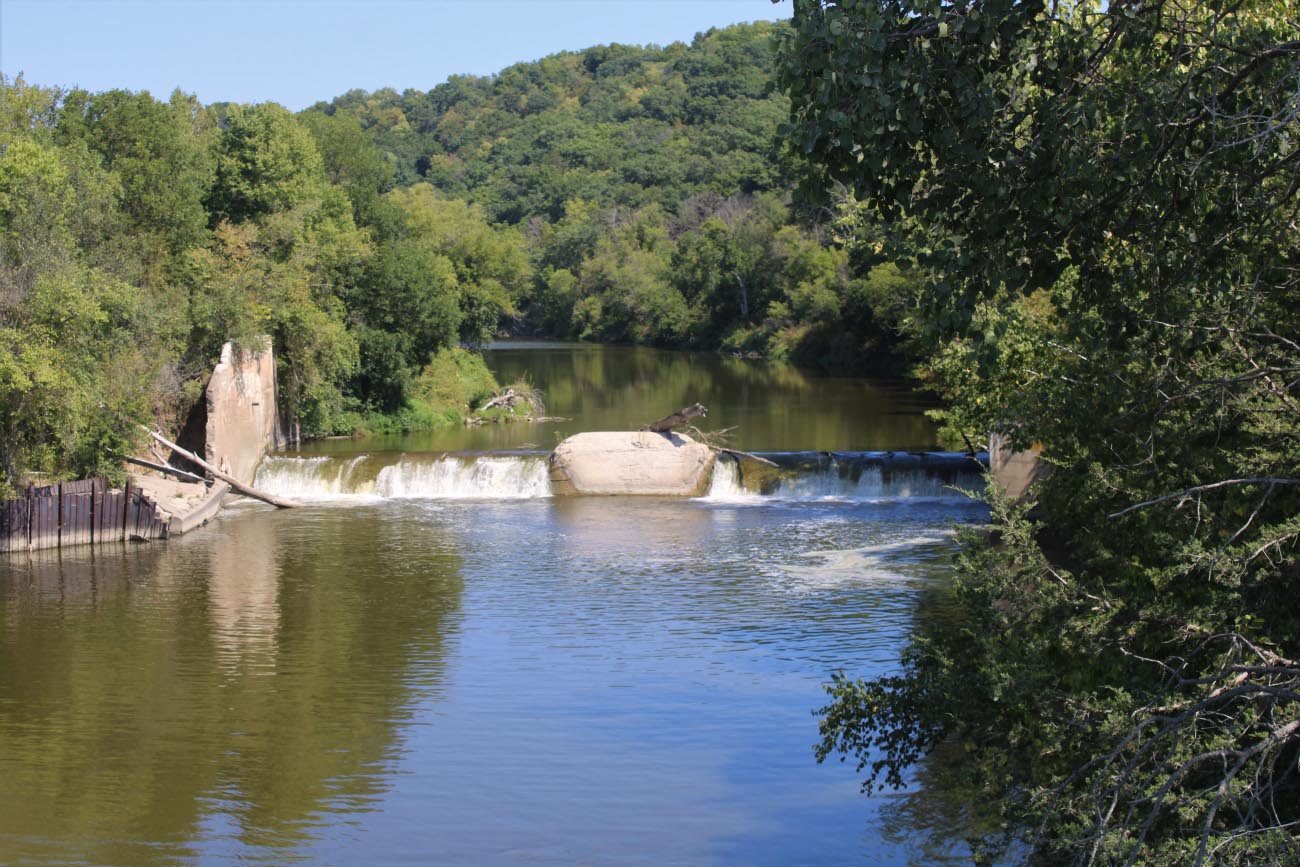
Dams can cut off the natural flow of a river and impact wildlife.
Modern technology and large-scale development have increased the speed of habitat destruction. Today, activities such as building cities, roads, mines, dams, and farms can change or damage natural environments much faster than in the past.
Scientists agree that humans have already altered a large portion of Earth’s land. In fact, roughly three-quarters of the planet’s land surface has been significantly affected by human activity, and many habitats are now fragmented or degraded. This does not mean all of this land is completely “destroyed,” but it does mean it has been changed in ways that can make it harder for wildlife to survive.
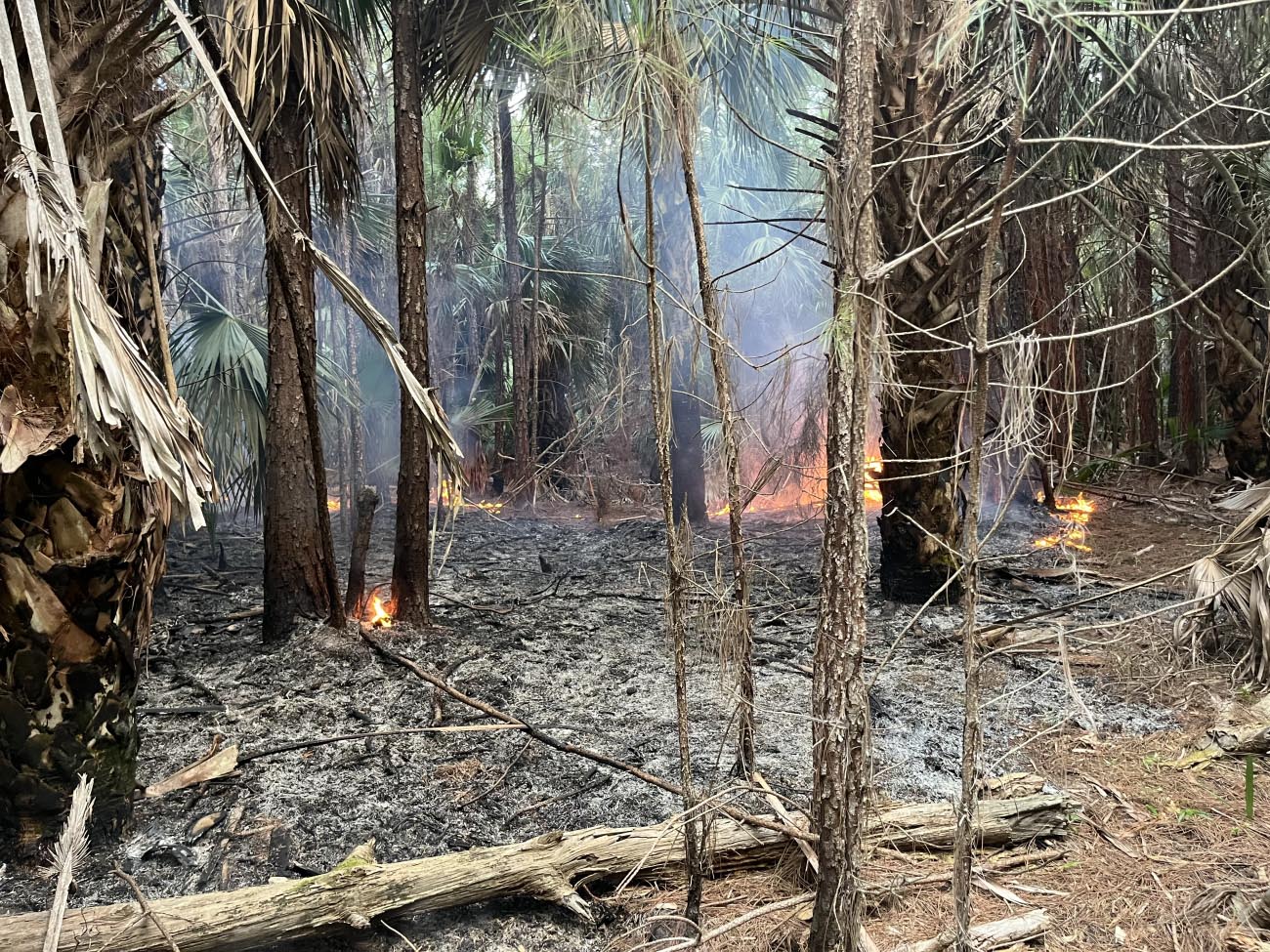
Forest fires can destroy and rejuninate a habitat.
Fire Destruction
Fires can cause serious damage to tropical rainforests, which are not naturally adapted to frequent burning. Unlike some forests and grasslands, tropical rainforests stay very wet and rarely experience natural fires. When fires do occur—often started by humans during logging or land clearing—they can destroy plants, animals, and important habitats very quickly.
Large rainforest fires also release huge amounts of carbon dioxide into the atmosphere, which can contribute to climate change and may affect weather patterns around the world in ways scientists are still studying.
Fire Suppression
Fire is an important natural part of many ecosystems. In some forests and grasslands, periodic fires help recycle nutrients back into the soil, making it easier for new plants to grow. Certain plants, such as lodgepole pine trees, even depend on heat from fire to open their cones and release seeds. Fires can also clear away dead plants and overcrowded vegetation, giving other species room to grow and thrive.
Completely preventing all fires, called fire suppression, can sometimes create problems. Over time, dead leaves, branches, and other plant material build up on the ground. This extra fuel can lead to larger, hotter, and more dangerous wildfires. Fire suppression has also contributed to the decline of ecosystems that depend on regular fires, including grasslands, savannas, pine barrens, and open forests
Learn more about habitats with Junior Naturalist Patrice as she looks at how all living things need a habitat where their needs can be met. Patrice joins Senior Naturalist Dave Erler as they look at how the Squam Lakes Natural Science Center has created an artificial habitat in its aviary.
Then take an up-close look at the common loon and its habitat, and Stevie and Taylor help biologist Kathy Wohlfort float a loon raft. VIEW NOW
