

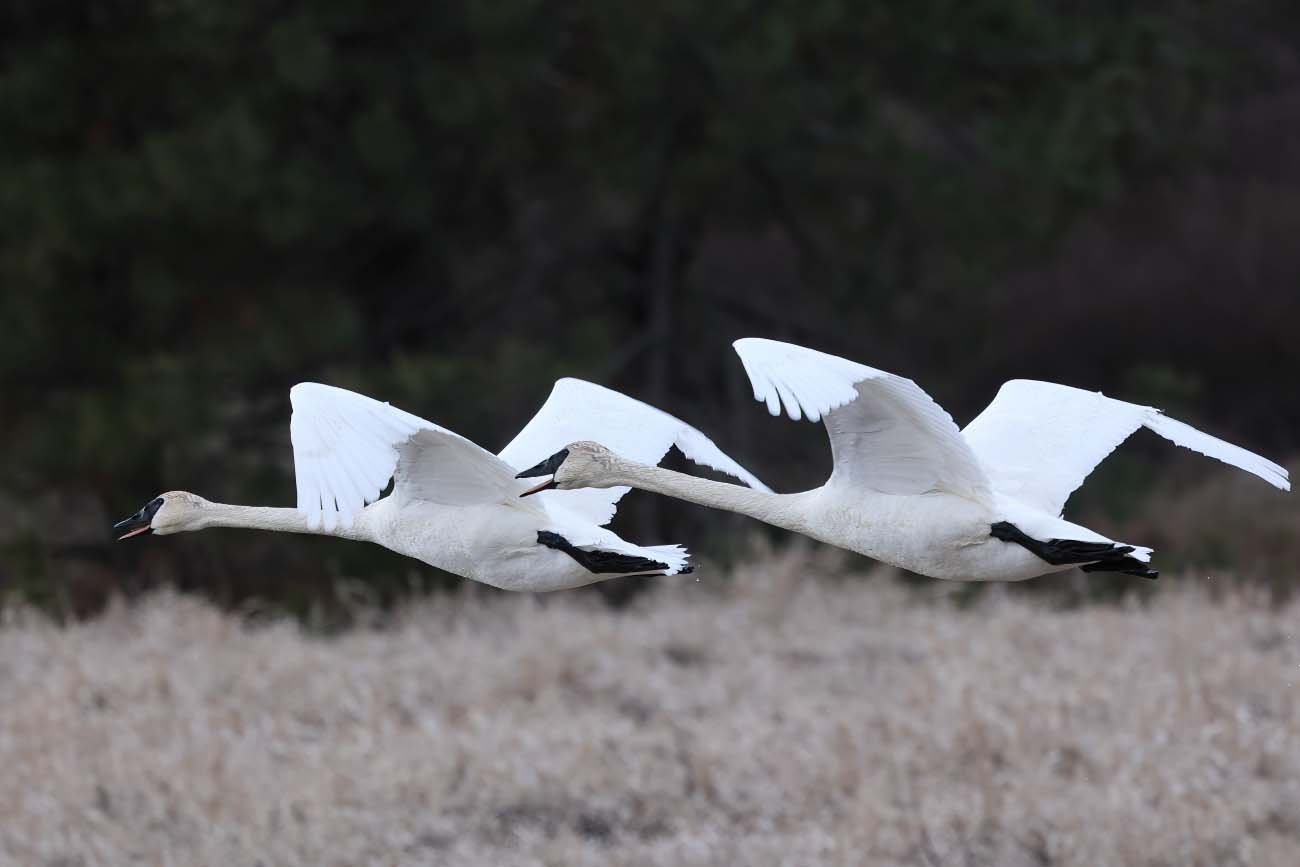
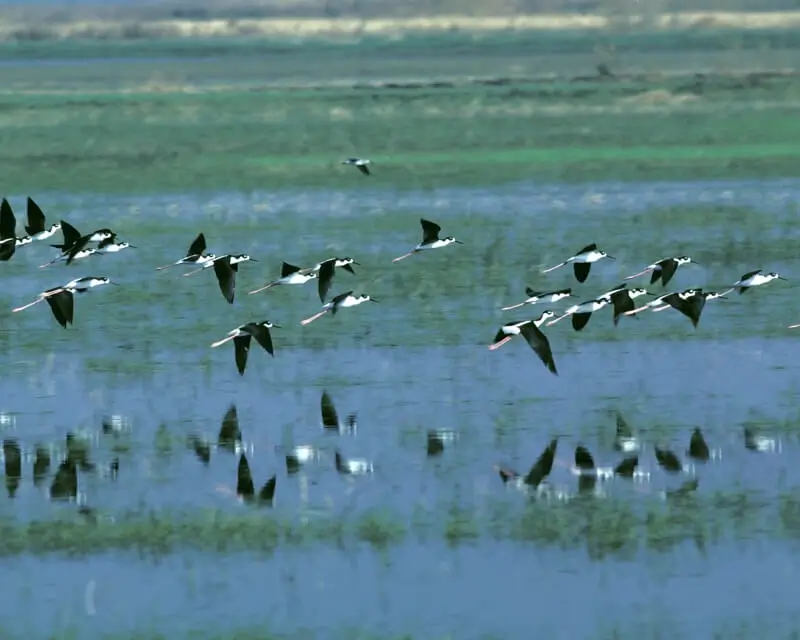
Scientists aren't really sure exactly how some animals figure out how to get to where they are going.
Scientists are still learning exactly how animals find their way during migration. Researchers think that many species use a combination of navigation tools rather than just one method.
Some animals use landmarks, such as rivers, coastlines, and mountain ranges, to guide their movement. Others rely on the Sun’s position during the day and the stars at night to help them stay on course. Many species may also rely on their sense of smell, which can help them recognize familiar routes or locate specific places.
In addition, some animals appear to detect the Earth’s magnetic field, which may act like a built-in compass. This is called magnetoreception.
Even though scientists do not fully understand all the details, they do know that migration is a behavioral adaptation that has evolved. It helps animals find food, reproduce, and survive in changing environments.
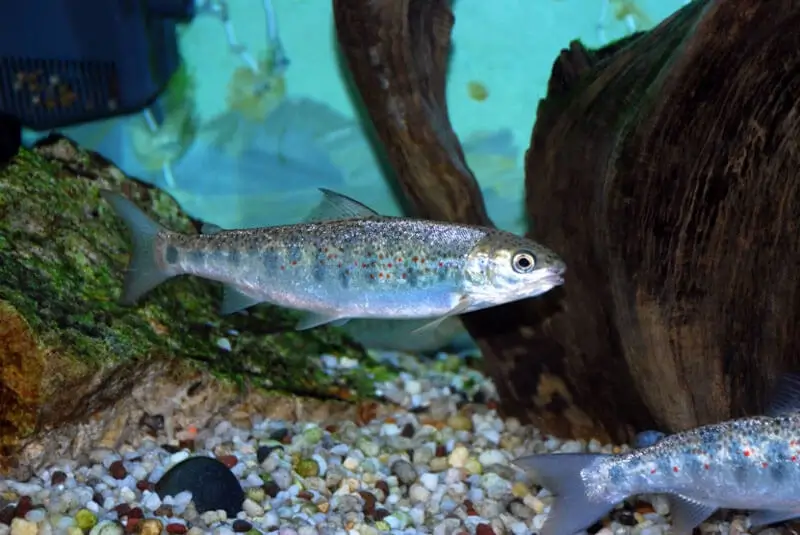
The Atlantic Salmon begins its life in a river and migrates downstream to the ocean.
Some animals travel relatively short distances to find food or more favorable living or breeding conditions. Most animals that migrate do so to find
food or more livable conditions. Some animals migrate to breed.
The Atlantic Salmon begins its life in a river and migrates downstream to the ocean. After several years, it heads back upstream to lay eggs and begin the cycle all over again.
Some crustaceans also migrate for breeding. In many crab species, females move into shallow coastal waters to mate and lay their eggs, then they return to deeper ocean waters.
Frogs and toads often move very short distances to breeding ponds and lakes to lay their eggs. Some sea turtles, like the loggerhead, return year after year to the same sandy beach on which they hatched to lay their eggs.
Sometimes animals migrate to find a place to hibernate. Little brown bats live in trees in warm months, then in cold weather, they migrate to caves where it is warmer.
