


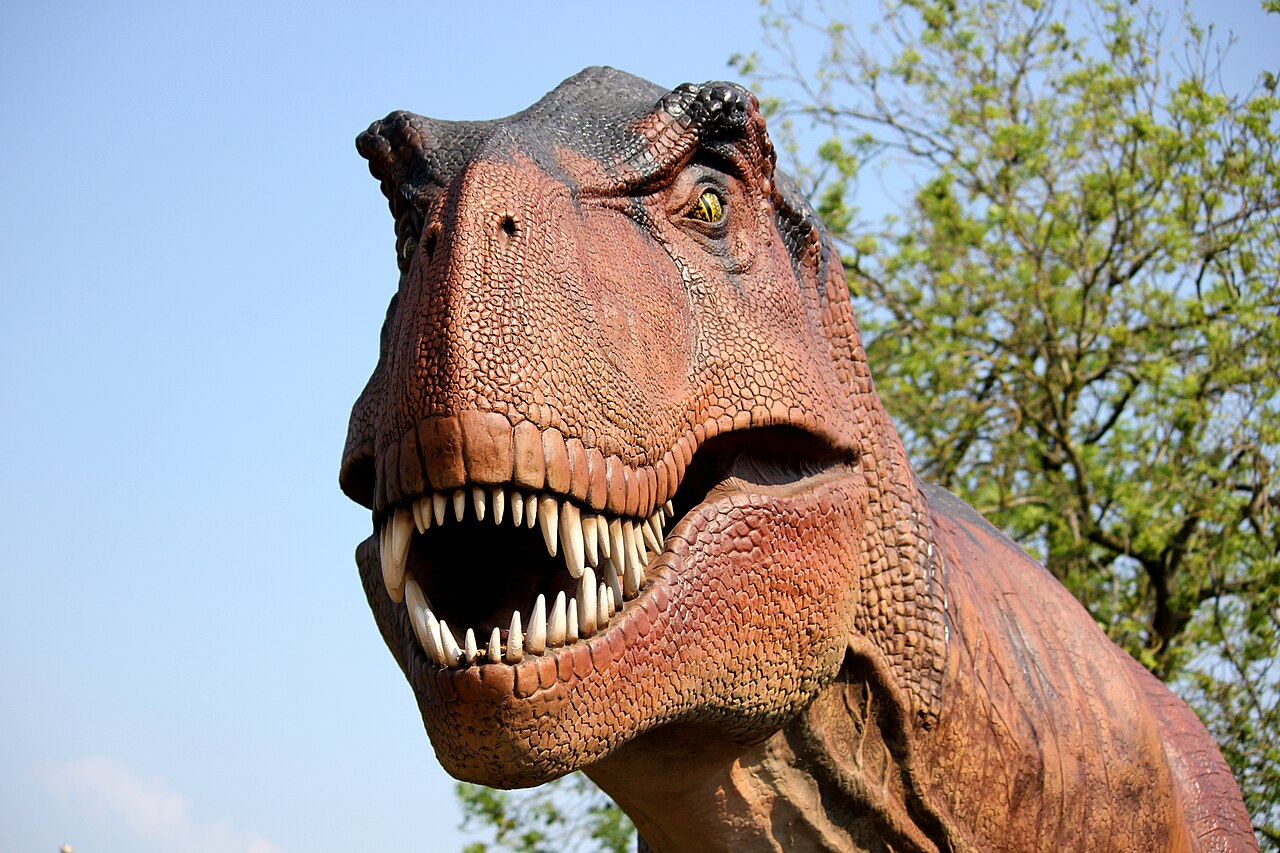
Scientists believe non-avian dinosaurs went extinct about 66 million years ago after an asteroid impact caused drastic climate changes.
Animals and plants have always faced the challenge of survival, and scientists estimate that more than two-thirds of all species that have ever lived are now extinct. Extinction is a natural part of Earth’s history, but it does not happen at a steady pace.
In the past, extinctions were caused by natural factors such as climate shifts, competition for food and space, and sudden events like volcanic eruptions or asteroid impacts. One of the most well-known events happened about 66 million years ago, when an asteroid hit Earth. The impact caused massive environmental changes, including blocked sunlight and global cooling, which led to the extinction of non-avian dinosaurs and many other species.
Today, human activity is the major cause of extinction. As the human population grows, natural habitats are being cleared for farming, cities, roads, and industry. Pollution and climate change also make it harder for many species to survive.
Scientists estimate that species are now disappearing hundreds of times faster than the natural background rate. This means that biodiversity is being lost at an unusually fast pace compared to most of Earth’s history.
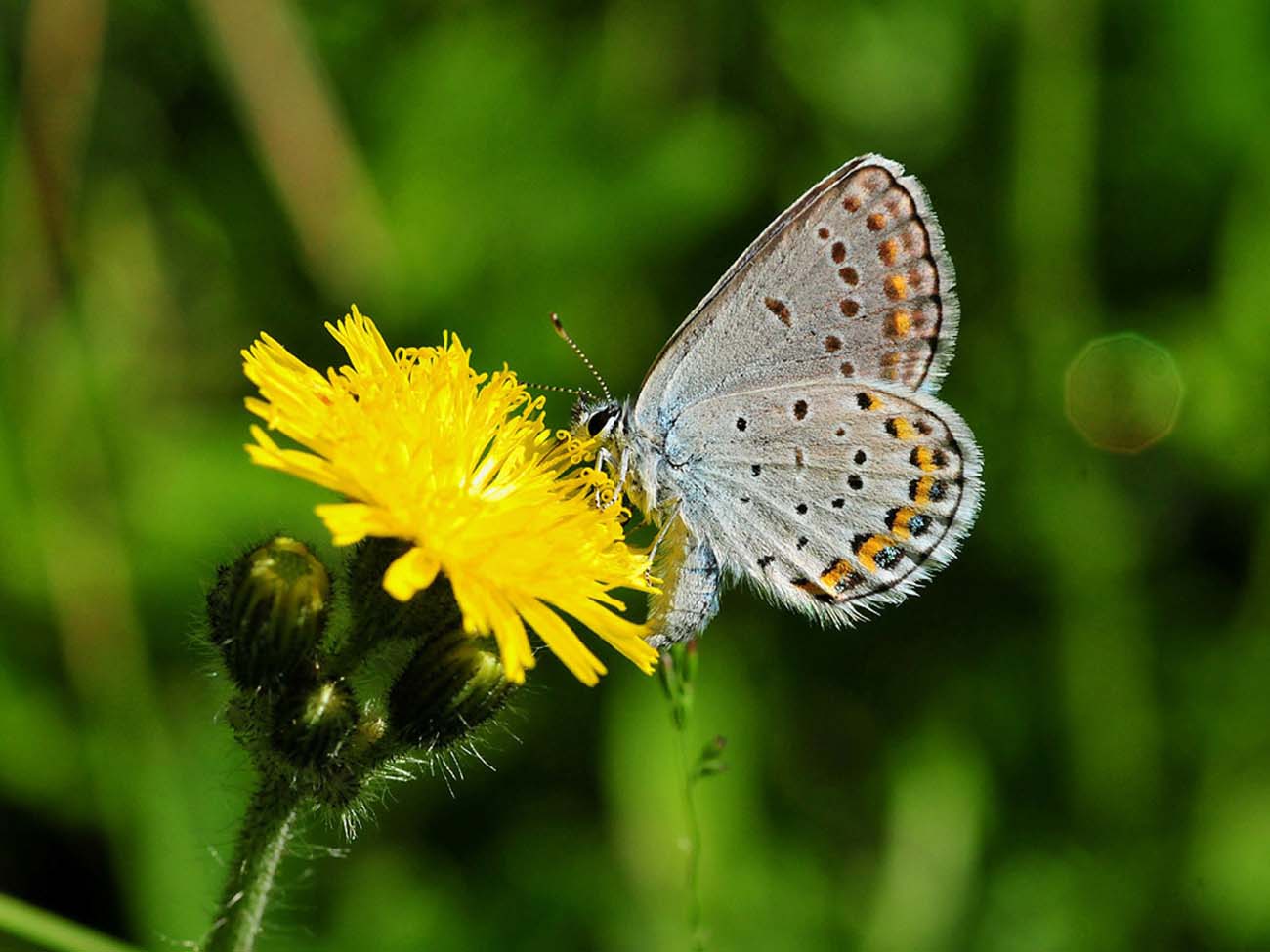
Some animals, like the Karner blue butterfly, are endangered because they need very special environments to survive.
The Karner blue butterfly is endangered because it depends on a very specific habitat to survive.
Its survival is tied almost completely to one plant: wild lupine. Wild lupine grows in sandy soils in pine and oak barrens in parts of the northeastern and midwestern United States. It is the only known food source for Karner blue caterpillars.
Karner blue butterflies lay their eggs on wild lupine plants. When the eggs hatch, the caterpillars eat the leaves. Without wild lupine, the butterfly cannot complete its life cycle.
Wild lupine grows best in open areas that are sometimes cleared by natural wildfires. These fires help prevent larger plants like maple and aspen from taking over and shading out lupine. However, because people now often prevent wildfires, forests become too shaded for lupine to thrive. Pesticides and habitat loss have also reduced lupine populations.
As wild lupine has become less common, Karner blue butterfly numbers have dropped dramatically—by about 99% in recent decades.
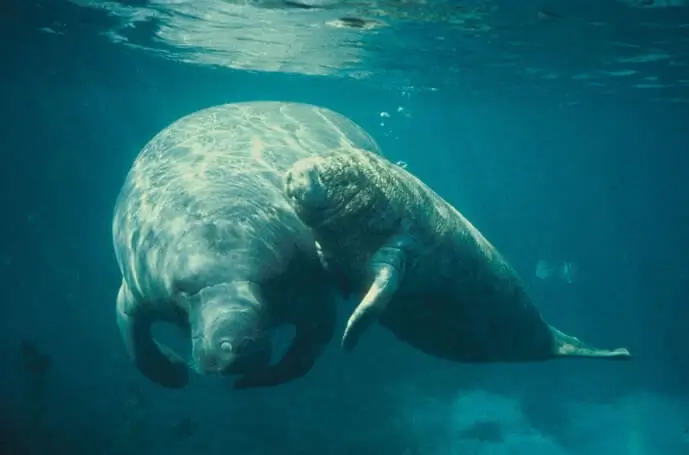
Manatees need warm water to survive.
Some animals are endangered because of a combination of natural challenges and human activities.
The West Indian manatee is an endangered aquatic mammal that lives in rivers, estuaries, coastal canals, and warm coastal bays.
Manatees need warm water to survive because they cannot tolerate cold temperatures. In winter, they concentrate in warm-water environments in southern Florida. In warmer months, they may migrate along the southeastern U.S. coast, including parts of Florida, Georgia, and sometimes neighboring states, following warm shallow waters and vegetation.
Manatees can be harmed or killed if they become trapped in cold water during sudden temperature drops or fail to reach warm-water areas in time.
Each year, hundreds of manatees die, with major causes including boat strikes, habitat loss, and entanglement in fishing gear.
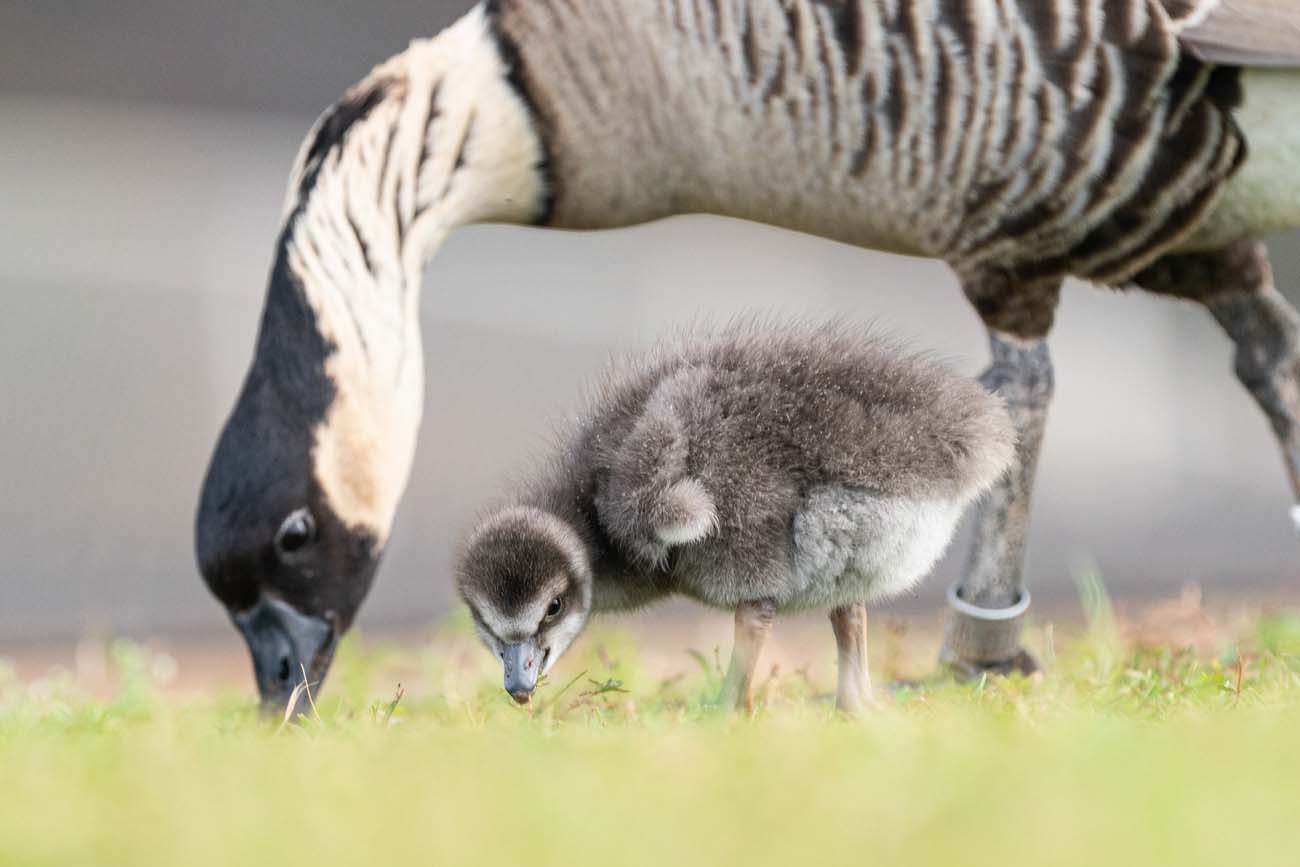
A male Nēnē goose feeds with a chick.
Some animals become endangered because non-native (invasive) species are introduced into their habitats and disrupt the ecosystem.
In Hawaii, the Nēnē goose has been greatly affected by the mongoose. The mongoose was brought to Hawaii in the 1800s by sugar plantation owners to control rats in sugarcane fields. However, this plan did not work well because rats are mostly active at night, while mongooses hunt during the day.
Instead, mongooses began eating other animals, including the eggs and chicks of ground-nesting birds like the Nēnē goose. Since the nene nests on the ground, its young are easy targets for predators.
The Nēnē once lived across all the Hawaiian Islands, but its population dropped sharply due to hunting, habitat loss, and introduced predators. At one point, it nearly went extinct. Today, it is listed as a federally threatened species.
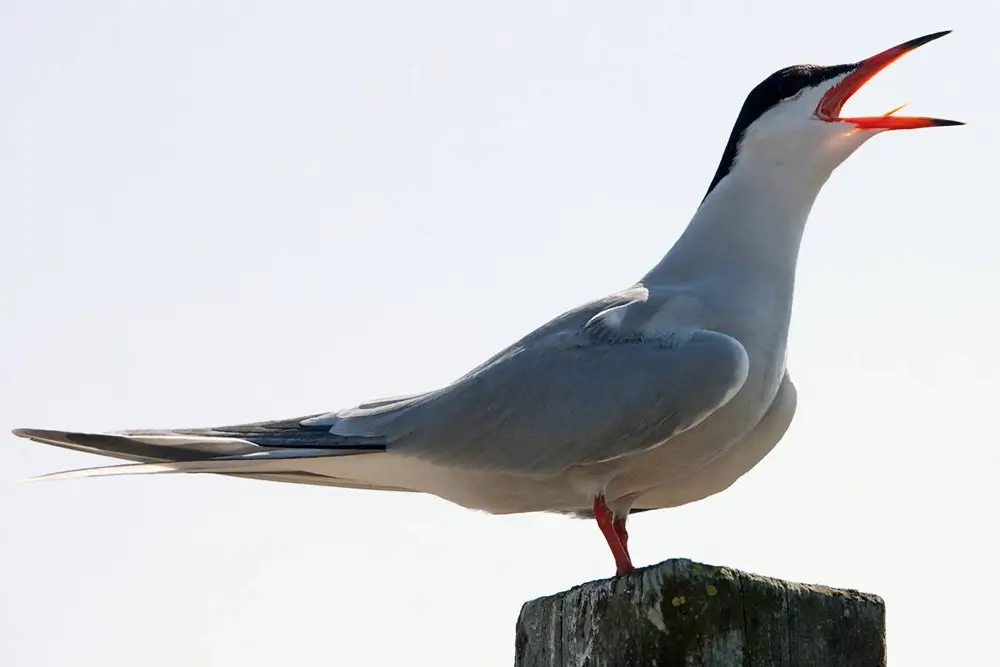
In New Hampshire, the common tern nests on the Isles of Shoals.
Animals can become endangered for many reasons, and those reasons can change over time.
In New Hampshire, common terns nest on the Isles of Shoals. These islands are a good nesting place because there are no land mammals that naturally prey on the birds, and the surrounding ocean provides plenty of fish for food.
However, conditions have not always stayed ideal. When European settlers arrived in the 1600s, they used the Isles of Shoals for fishing camps and later lived there year-round. They brought animals such as cats and dogs, which preyed on tern eggs and chicks. Livestock like cows and horses also damaged nesting areas. People also disturbed nests and collected eggs. Even with these pressures, the tern population remained fairly stable for a time.
In the late 1800s and early 1900s, feathers were very fashionable, especially on ladies’ hats. The feathers of birds like the great blue heron, the snowy egret, and the common tern were especially valued. The feather trade almost led to the extinction of a number of native North American birds. In 1918, the United States Congress passed the Migratory Bird Treaty Act, which protected migratory birds and their nesting sites, and the bird populations began to recover.
Later, in the mid-1900s, a new problem appeared. Growing human activity, including landfills, fishing waste, and food scraps, attracted large numbers of gulls. These gulls competed with terns for nesting space and also ate tern eggs and chicks. By the early 1950s, common terns had disappeared from the Isles of Shoals.
Recovery efforts began in 1997, led by the Audubon Society of New Hampshire and the New Hampshire Fish and Game Department. They created protected nesting areas on White and Seavey Islands using decoys to attract terns and methods like noise and disturbance to keep gulls away. The project worked: only a few pairs nested at first, but today there are more than 2,500 nesting pairs in the area. Other tern species, such as roseate terns and Arctic terns, have also begun nesting there again.
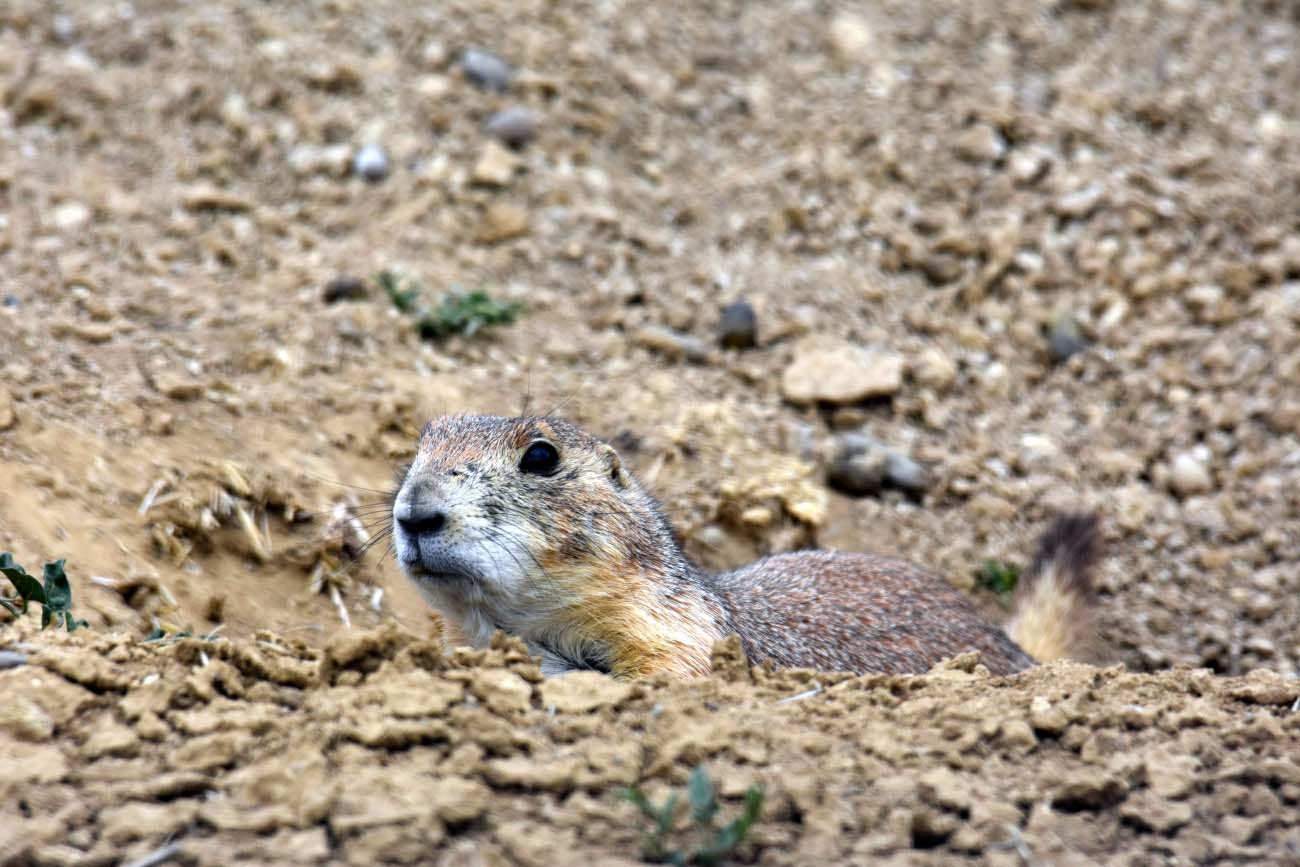
Prairie dogs need open grasslands to dig their burrows, but much of their habitat has been reduced or fragmented.
Human activity has affected prairie animals. One major change has been the conversion of grasslands into farms and cities. When prairie land is plowed for crops like corn and wheat, animals lose their homes and food sources. For example, prairie dogs need open grasslands to dig their burrows, but much of their habitat has been reduced or fragmented. Hunting also played a role in the past—huge numbers of American bison were killed in the 1800s, which nearly wiped out their populations.
Natural factors also affect prairie animal populations. Weather patterns such as droughts can reduce the amount of grass available to grazing animals like the pronghorn and American bison. Fires, which naturally occur in prairies, can temporarily destroy habitat but also help new grass grow, which benefits grazers in the long run. Predators like coyotes help keep populations balanced by hunting smaller animals such as rodents.
Some species have been especially affected by changes in the prairie ecosystem. The black-footed ferret, for example, depends almost entirely on prairie dogs for food and shelter. As prairie dog populations declined, black-footed ferrets became one of the rarest mammals in North America. Conservation efforts are now helping restore some of these species and protect remaining prairie habitats.
Overall, prairie ecosystems are shaped by a mix of human actions and natural events. While humans have reduced and changed much of the prairie landscape, conservation programs and protected areas are helping many species recover. Understanding these impacts is important for protecting the remaining grasslands and the animals that depend on them.