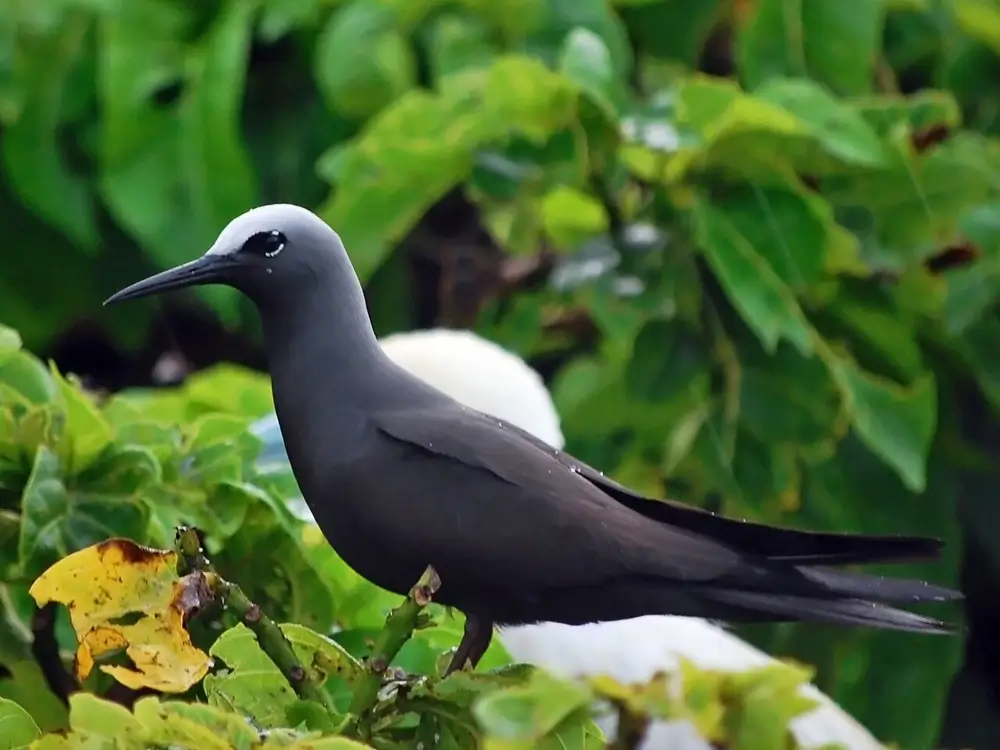
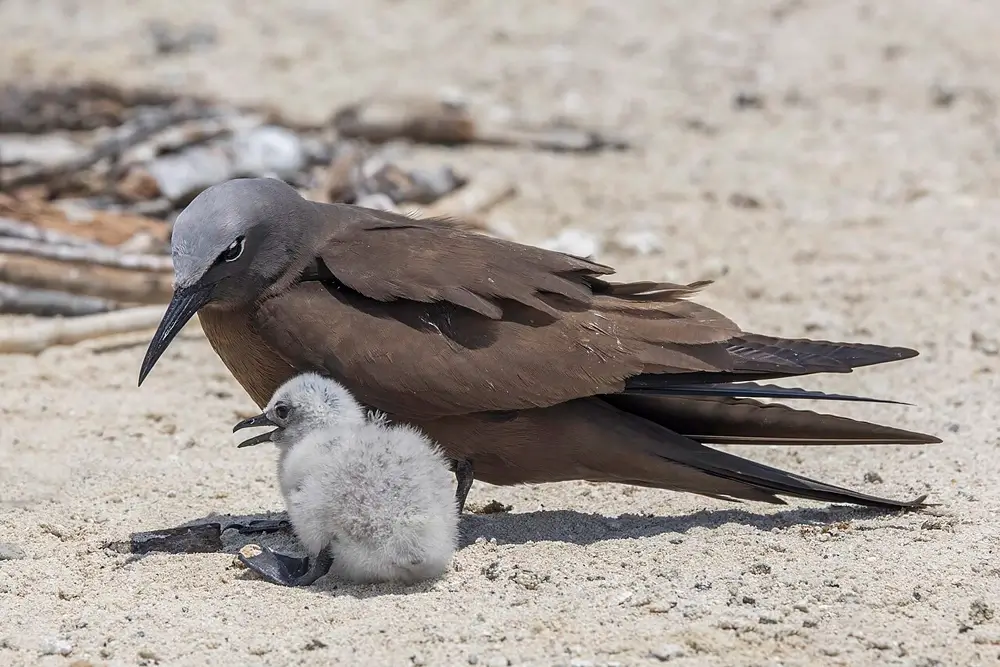
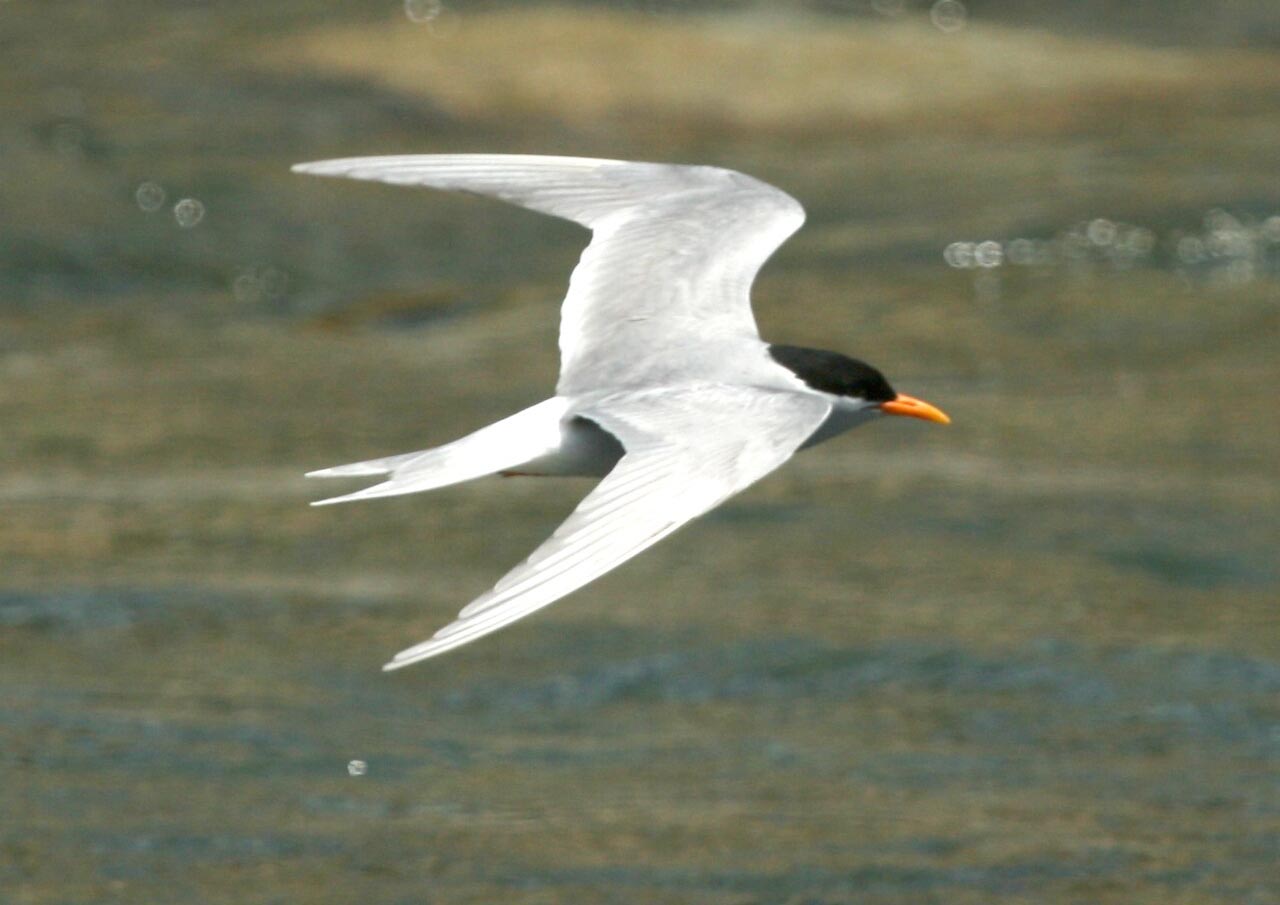
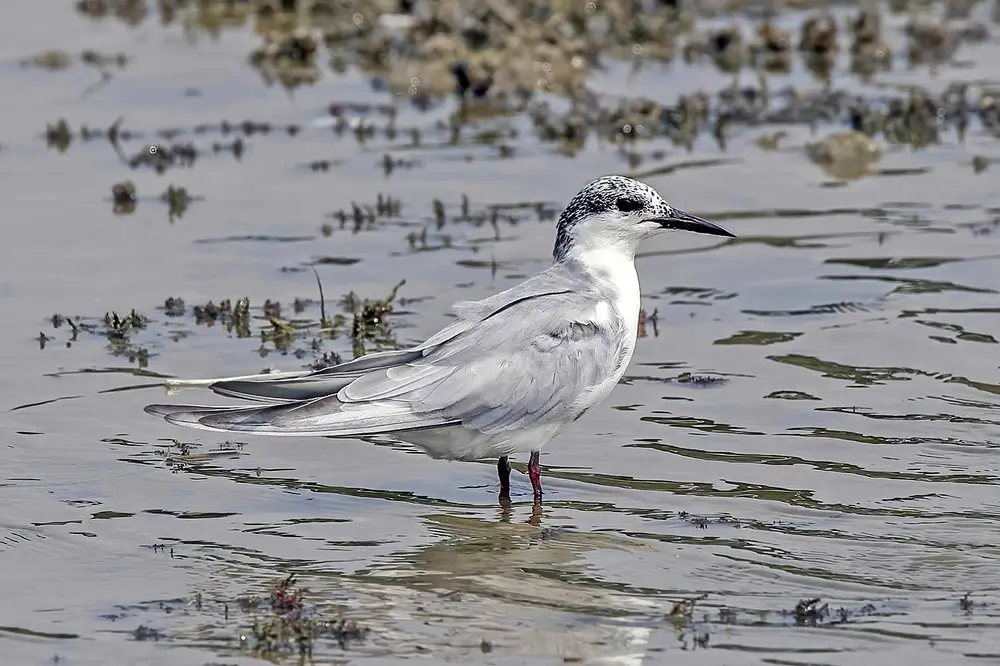
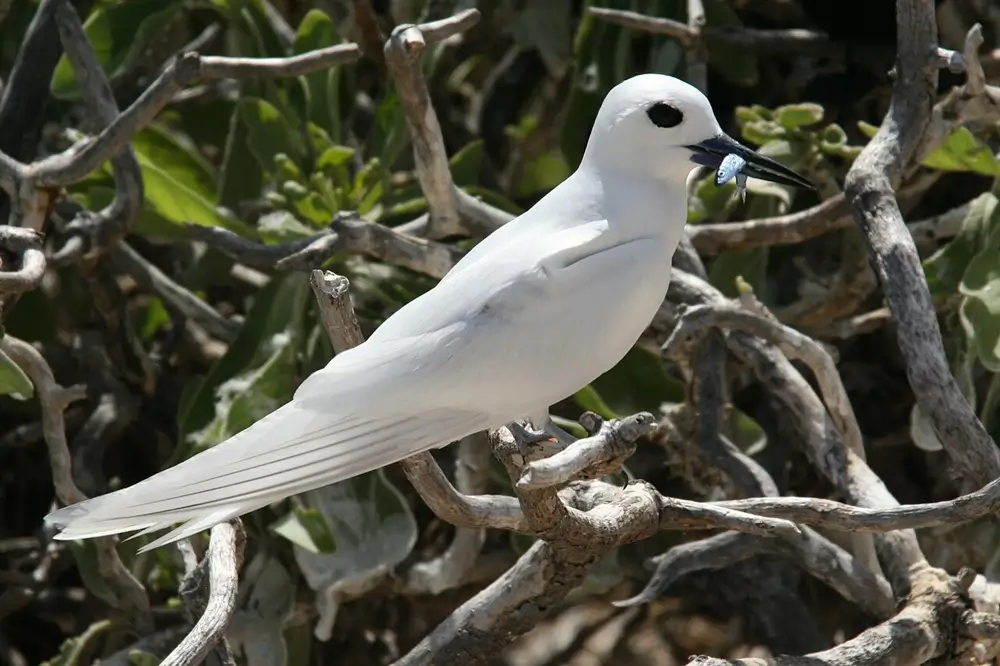
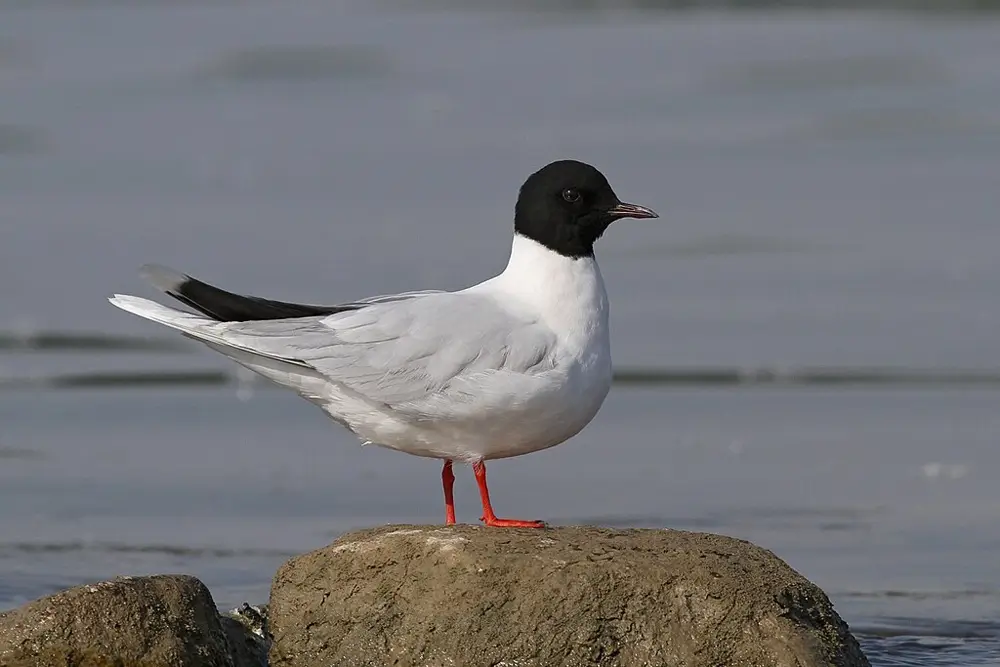
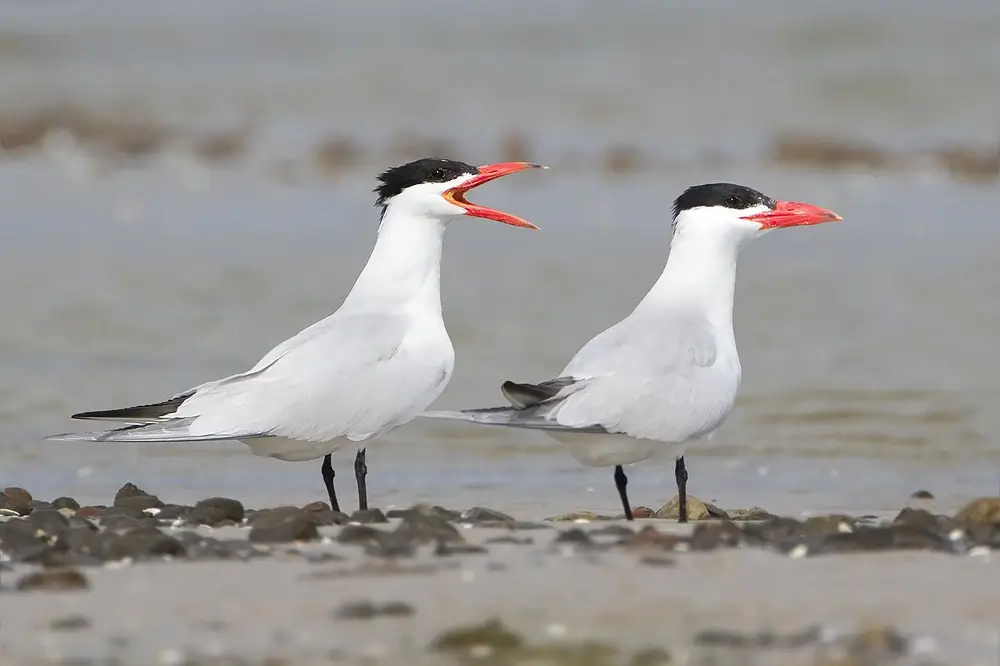
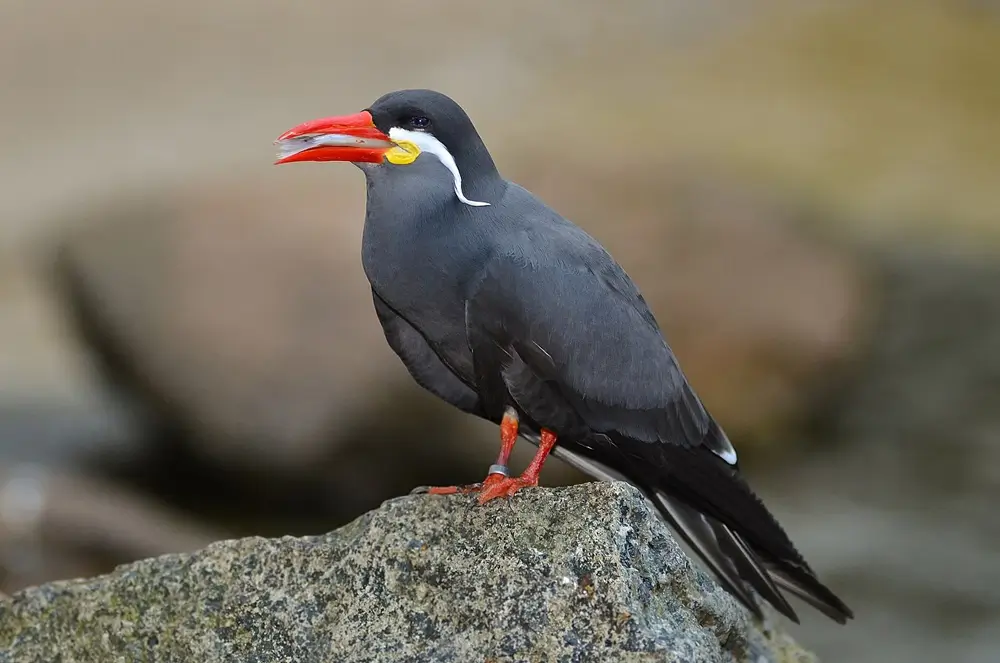
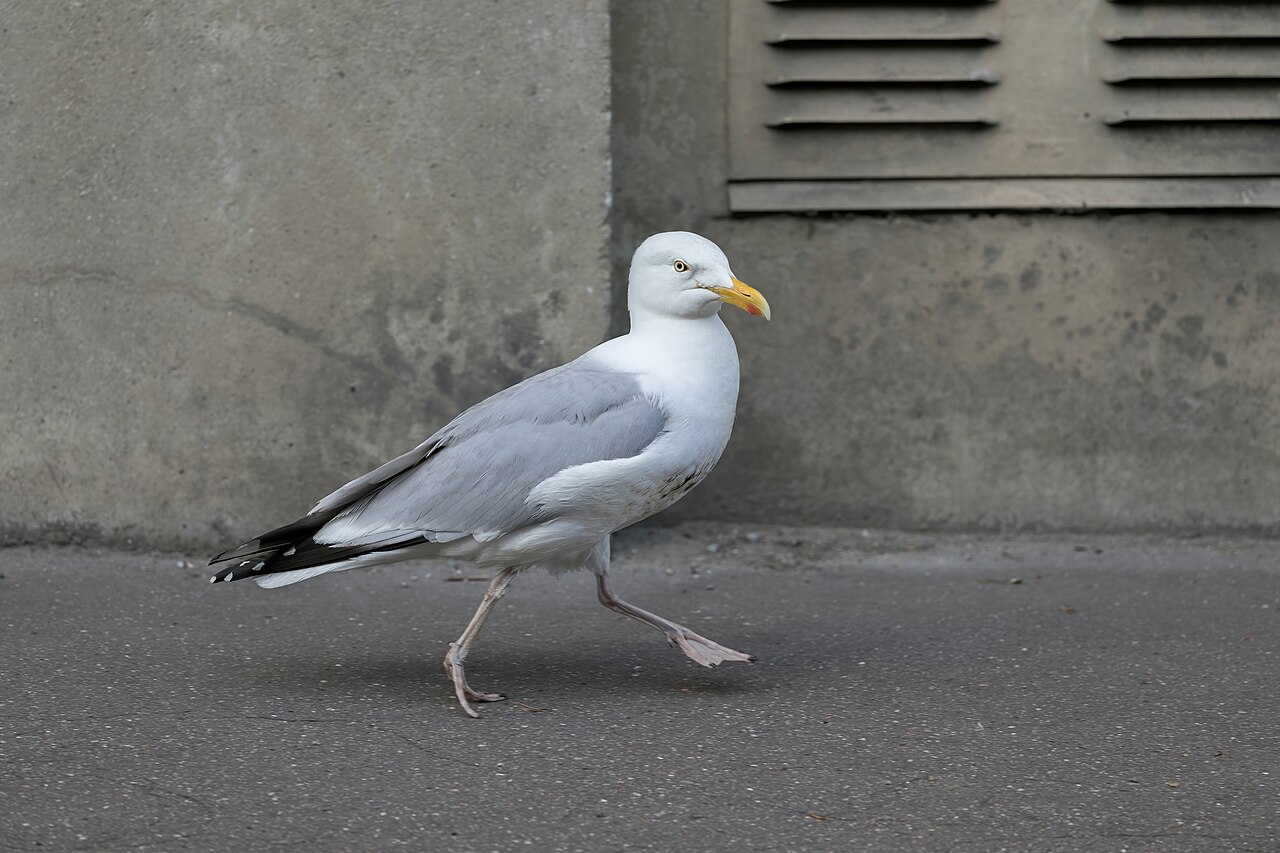
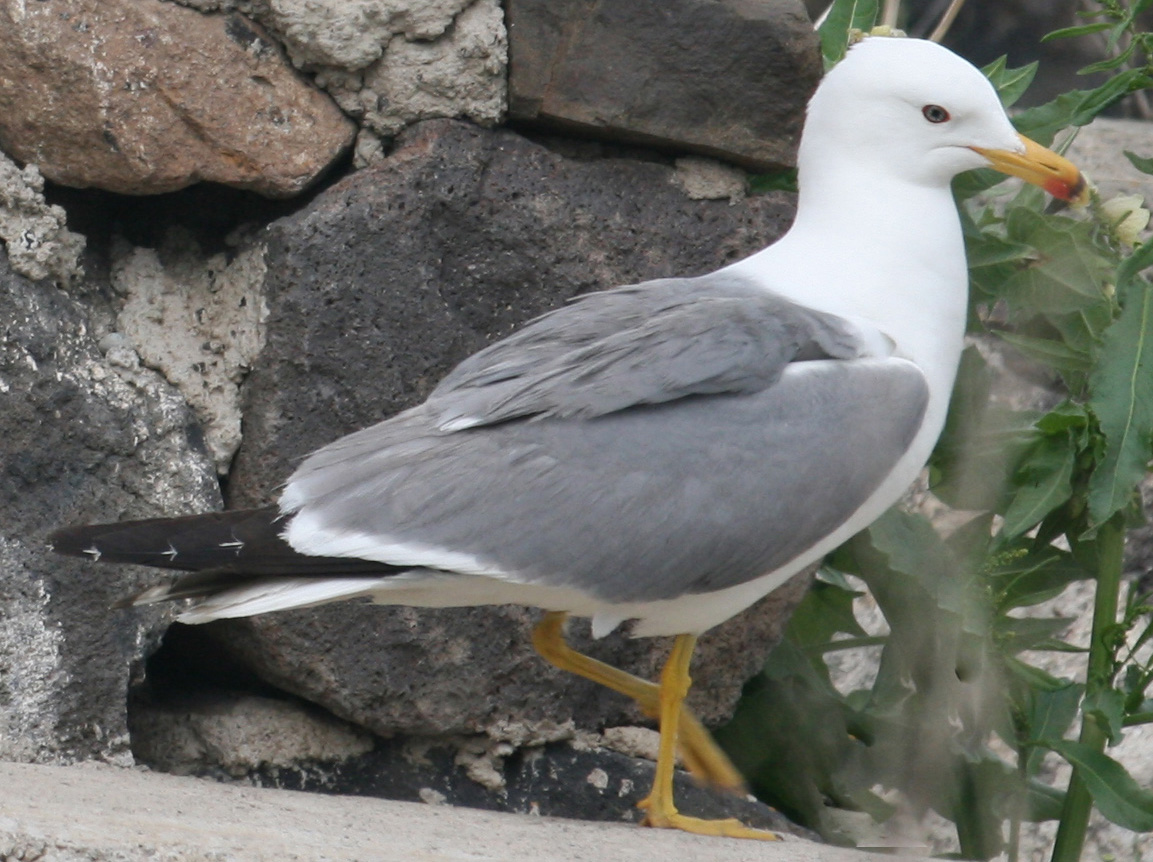
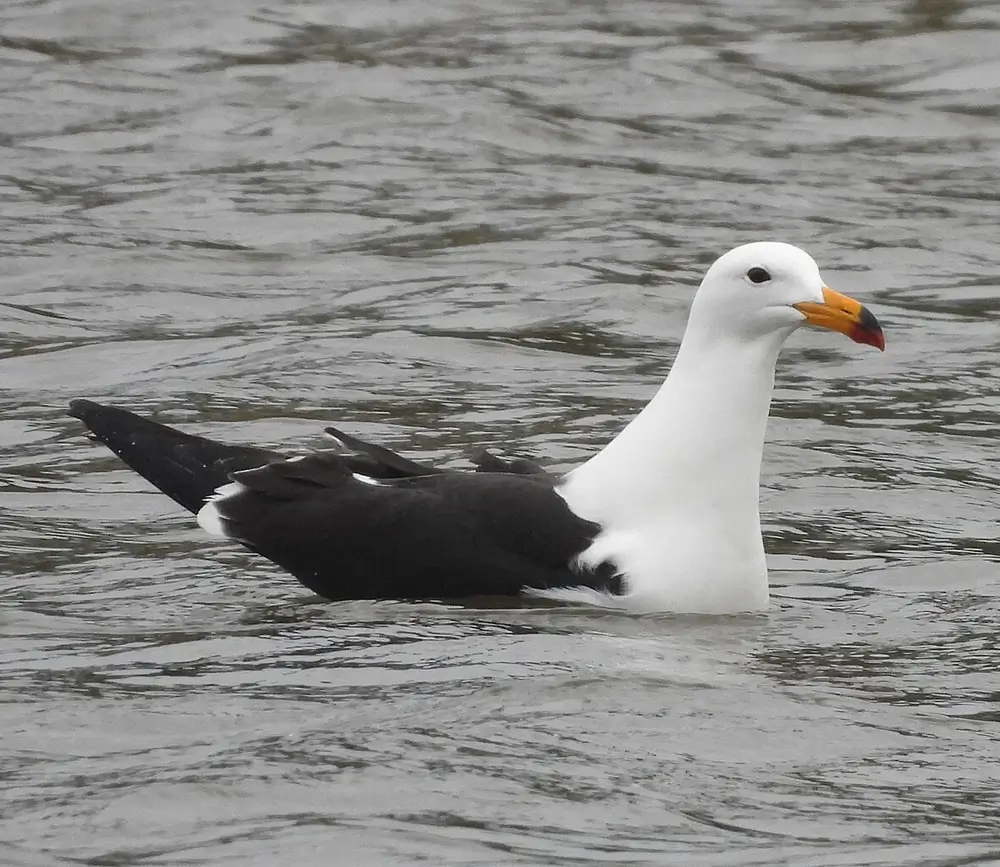
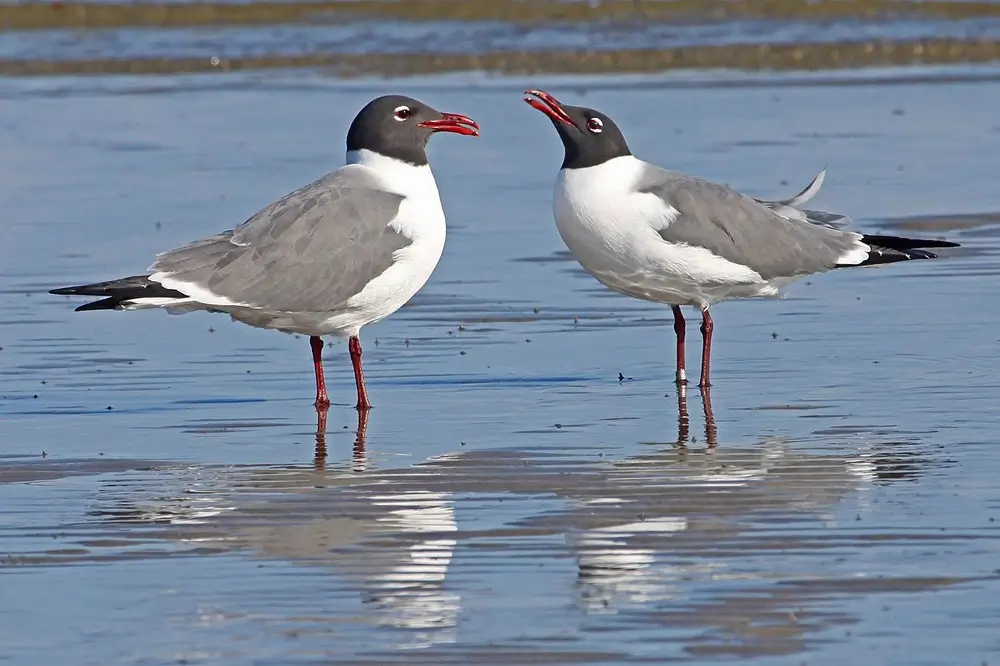
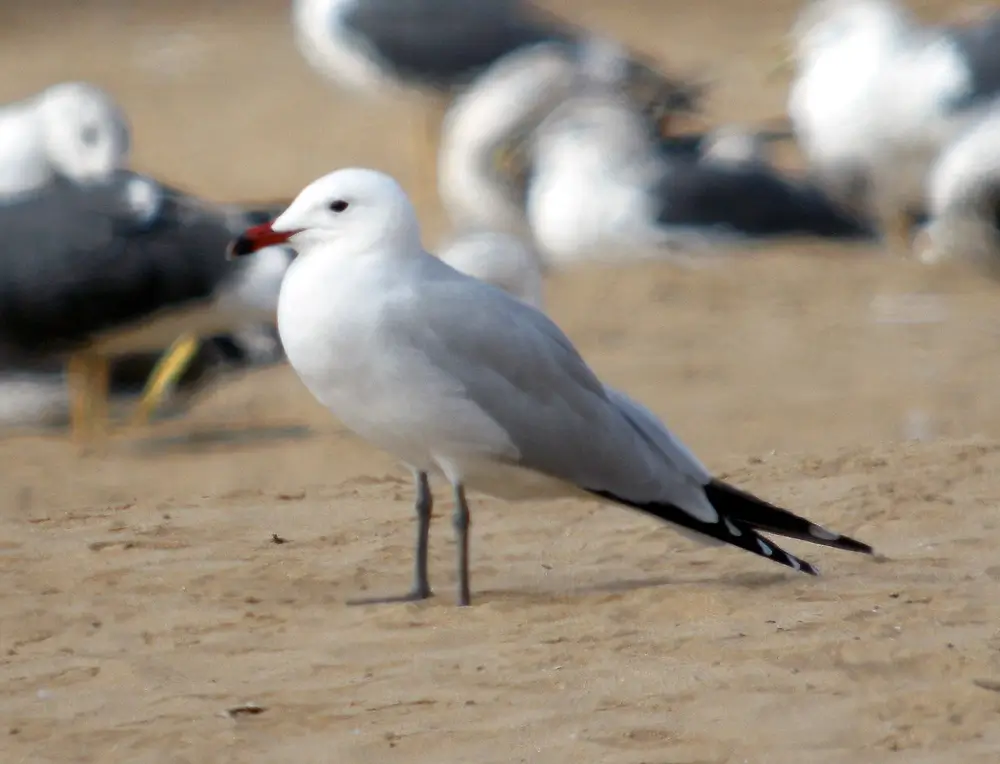
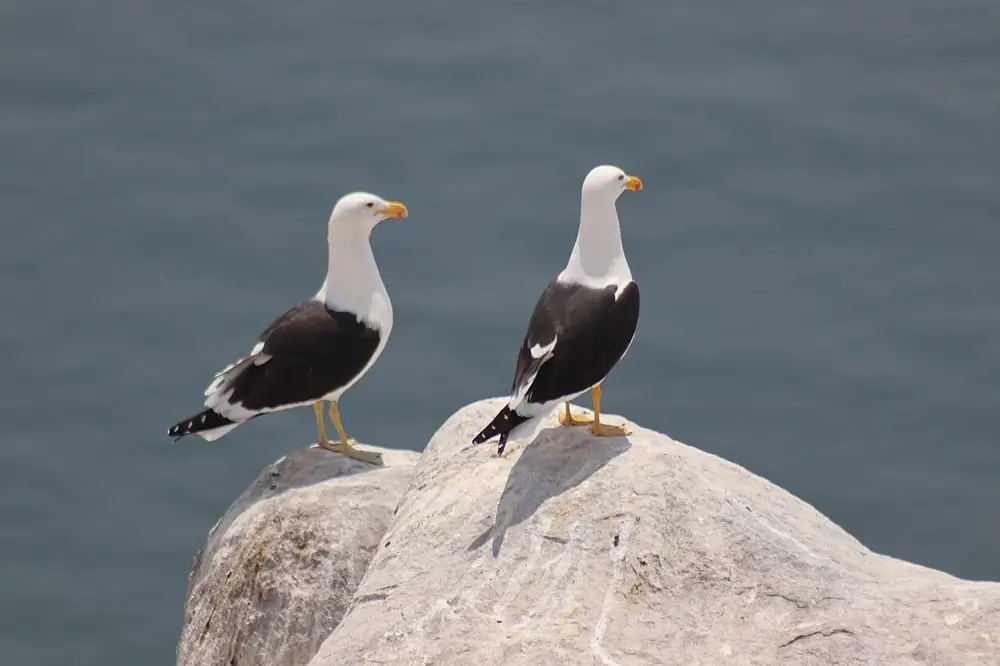
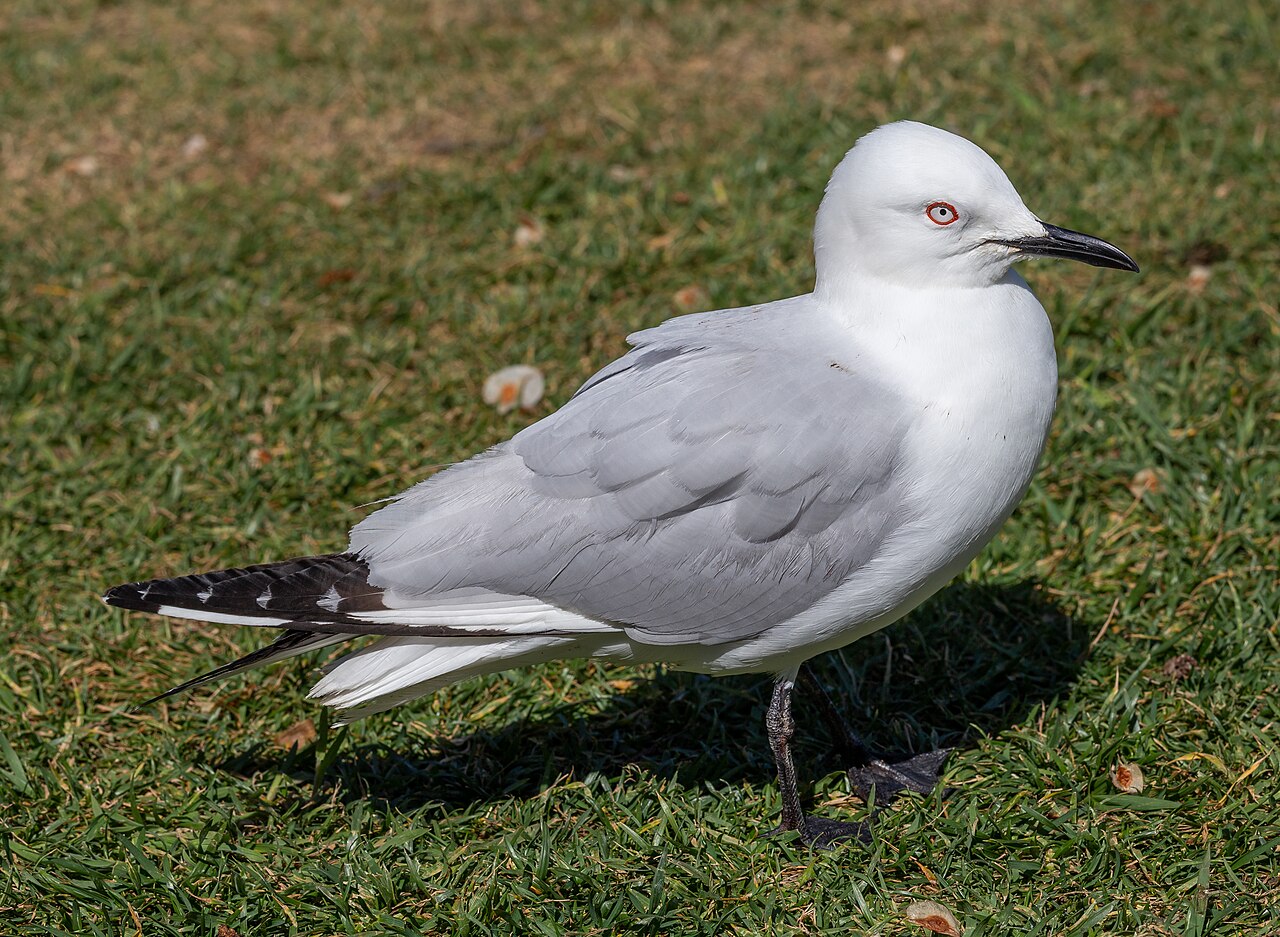
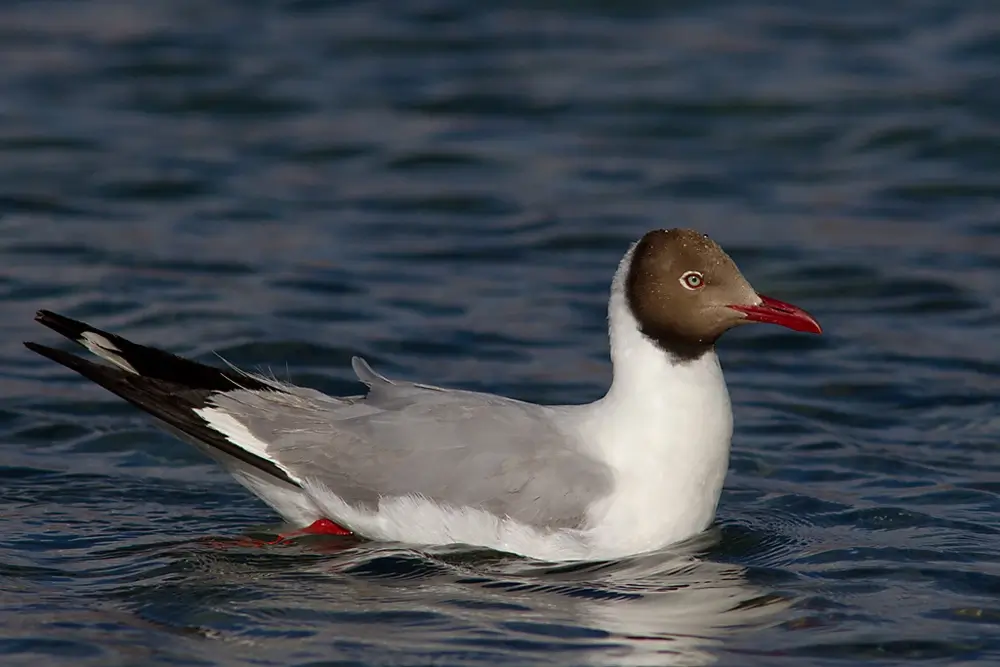
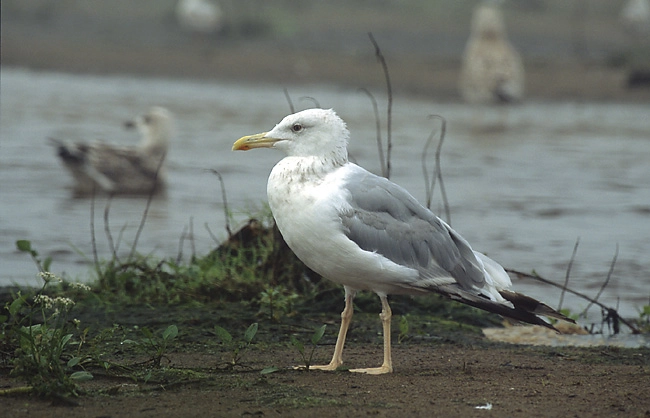
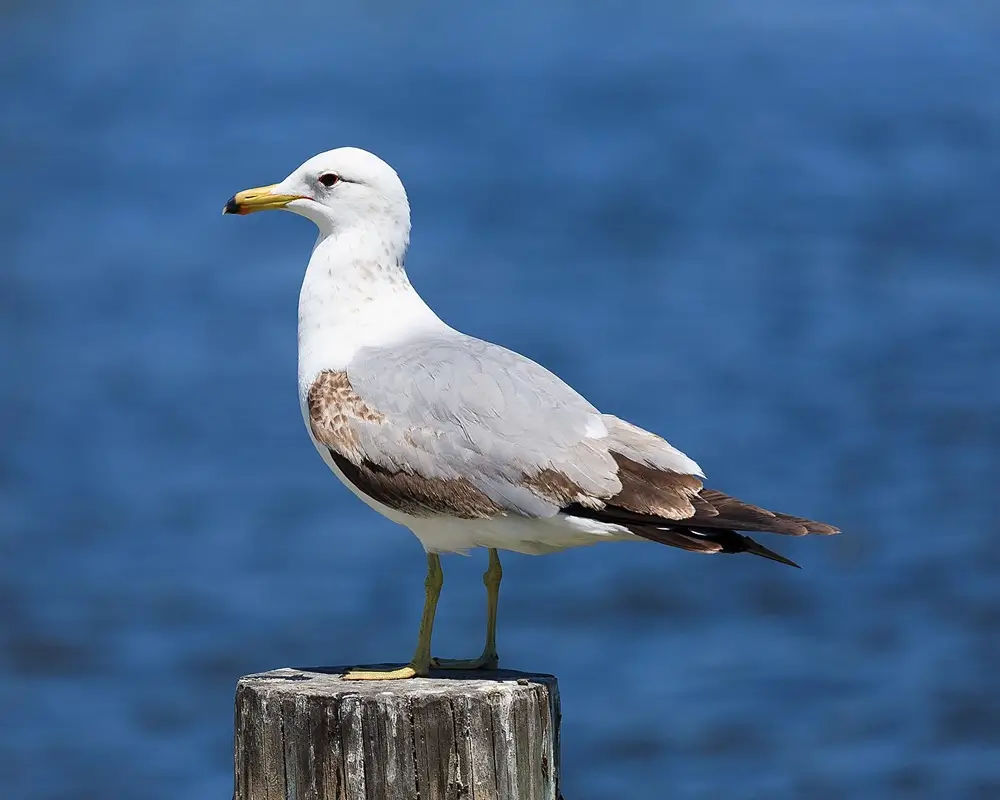
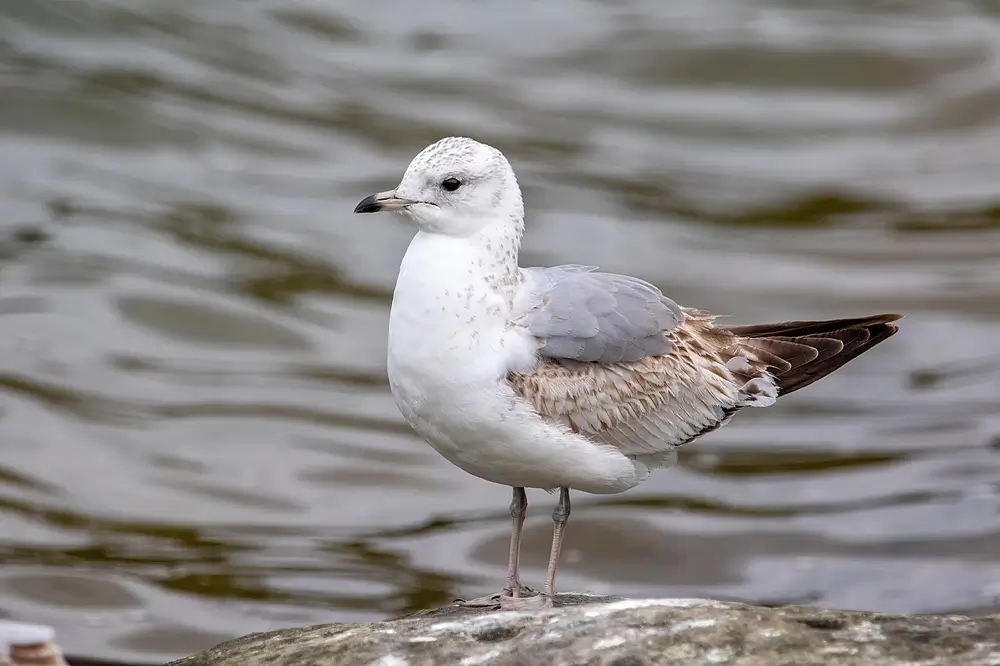
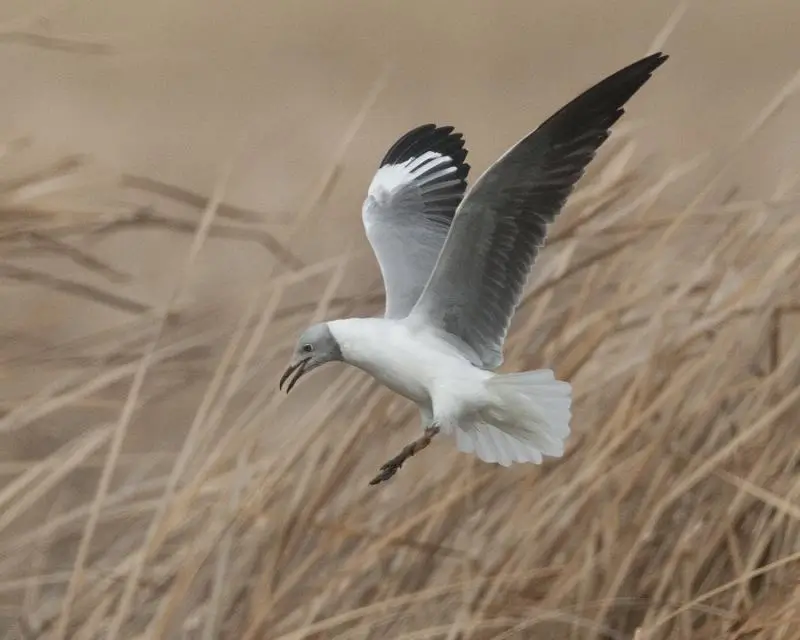
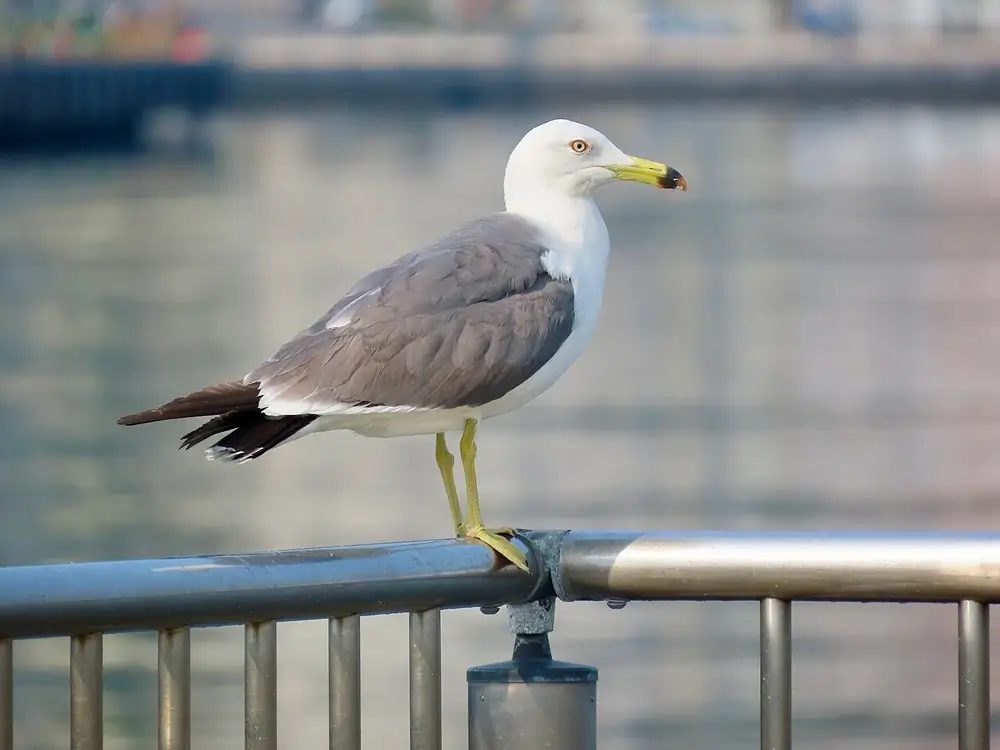
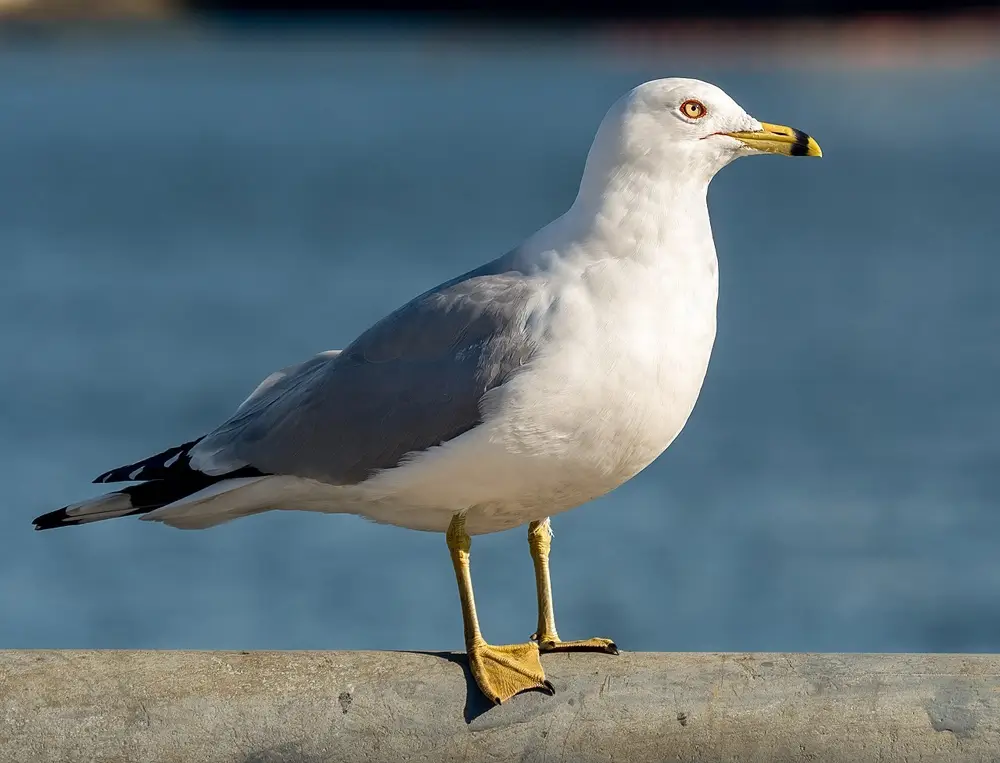
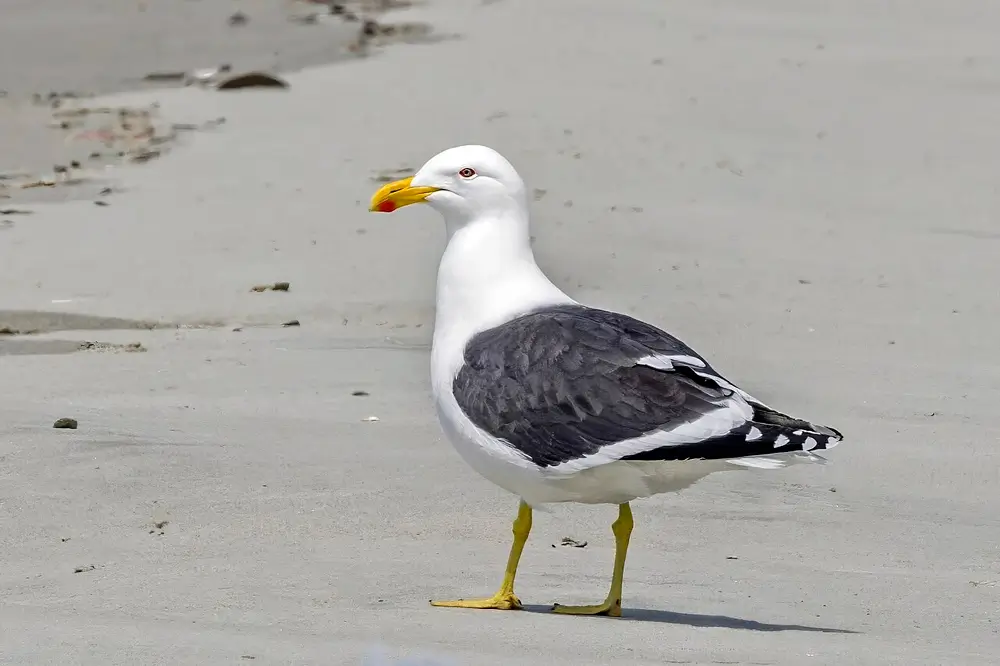
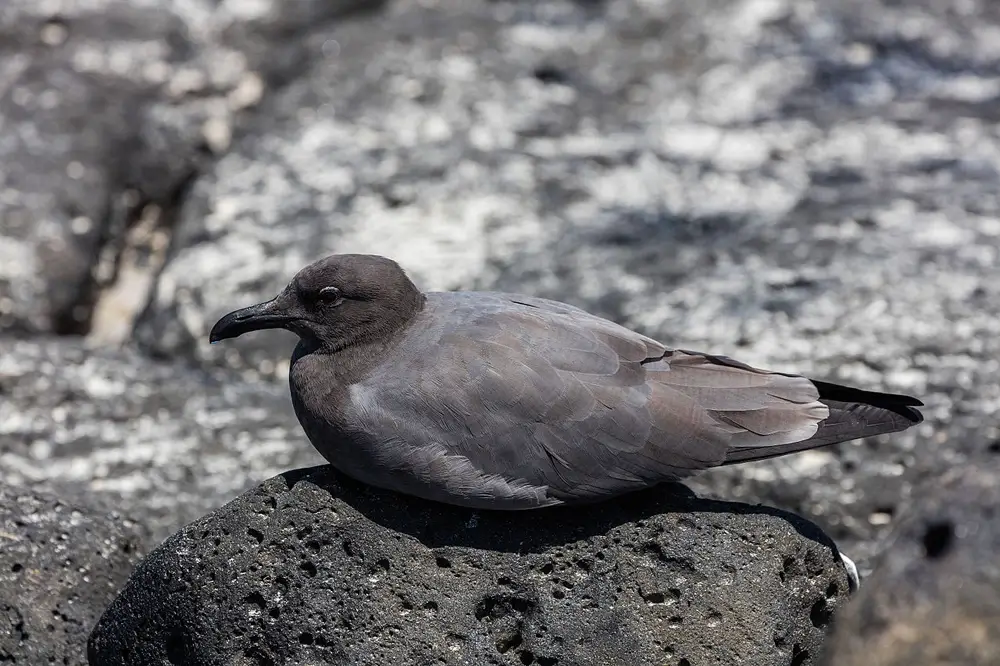
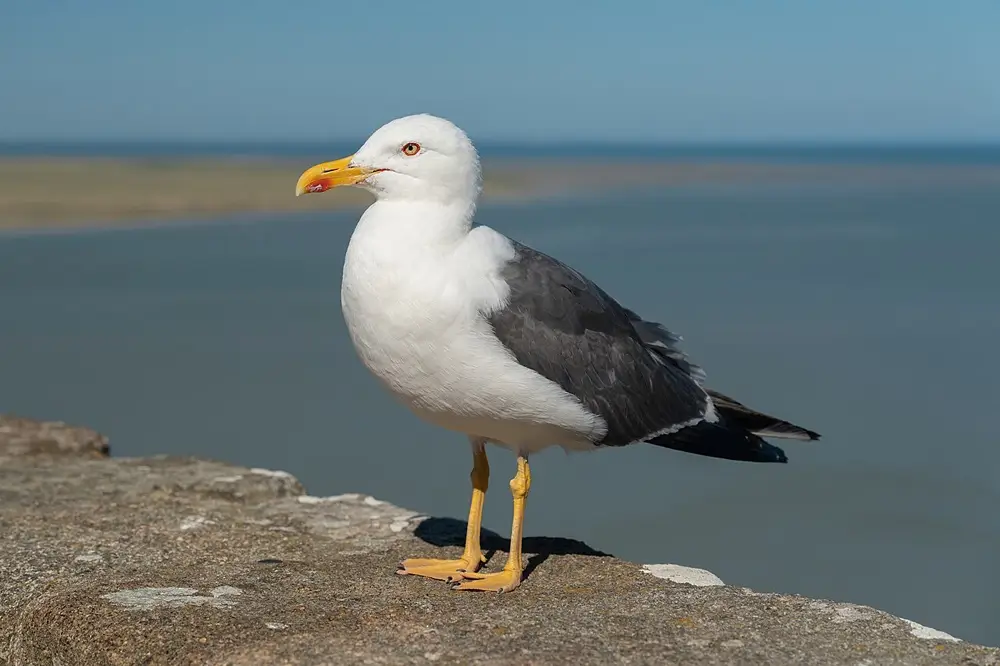
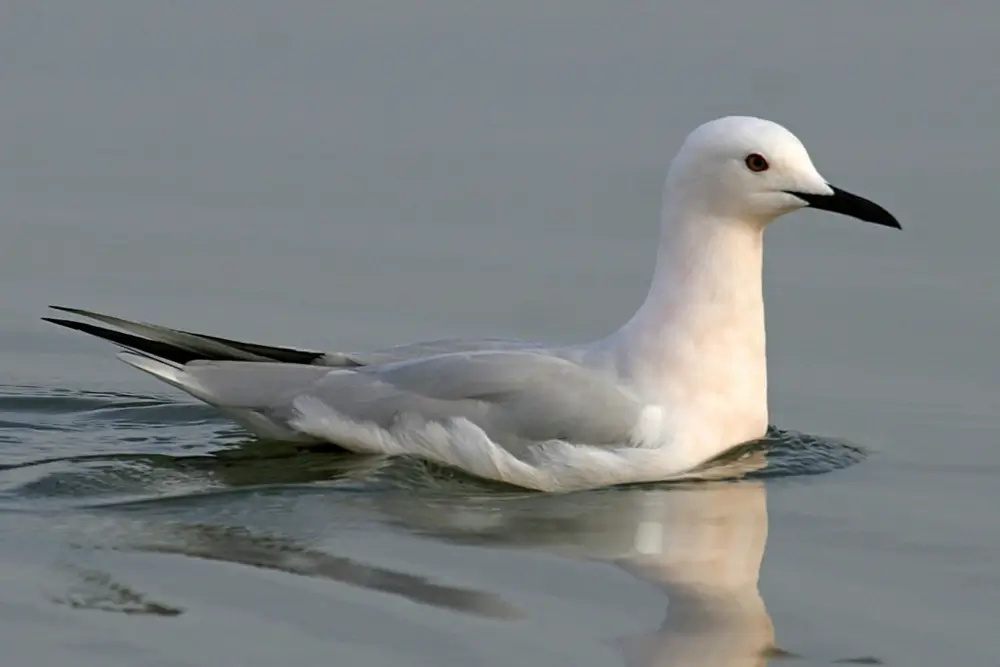
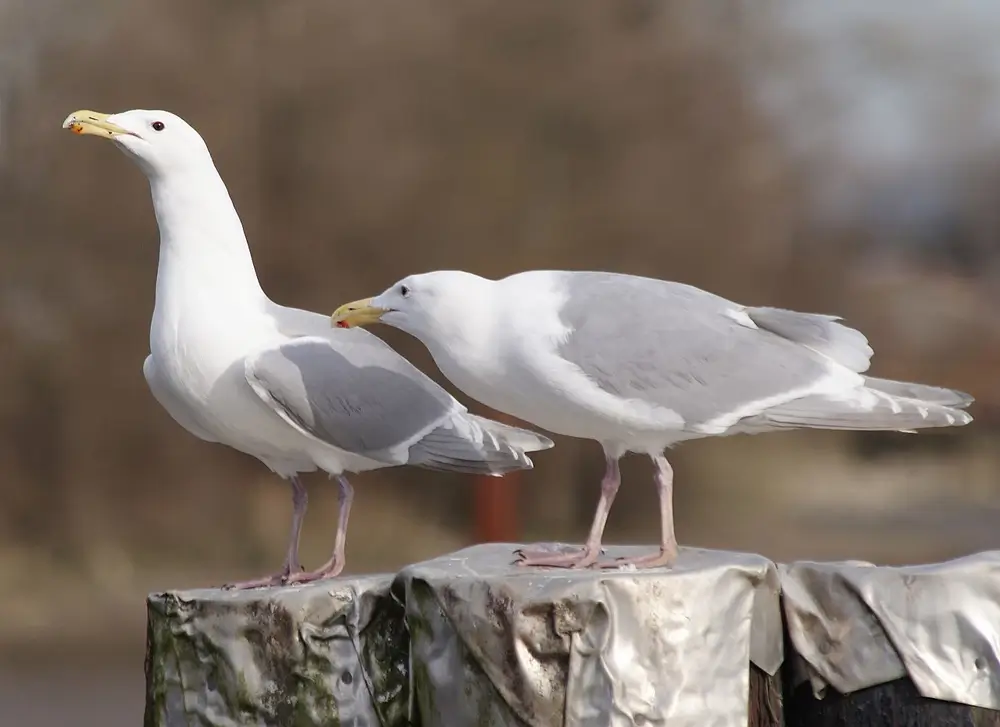
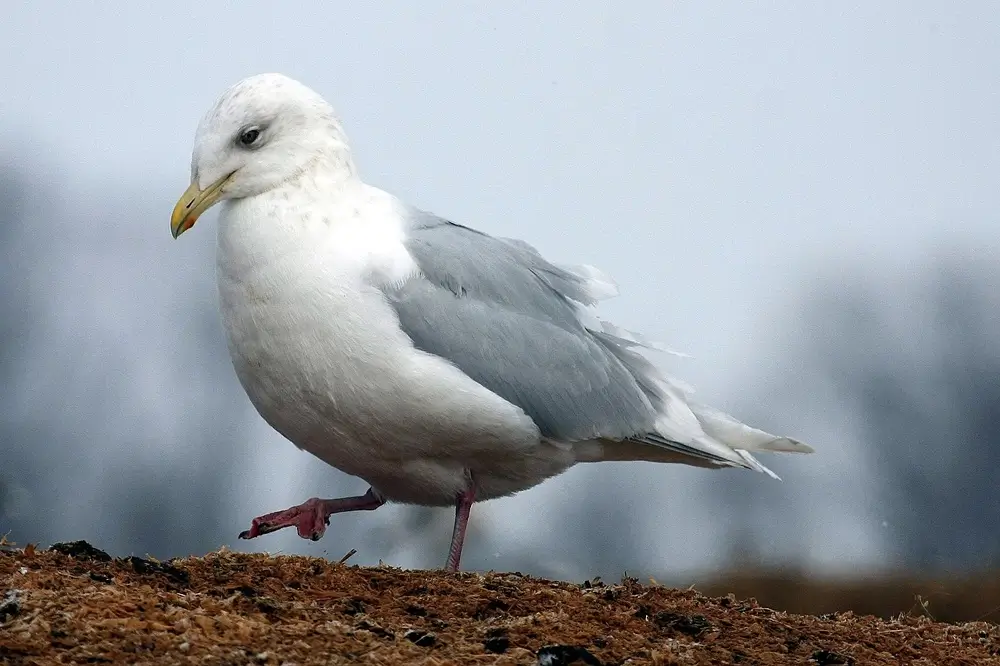
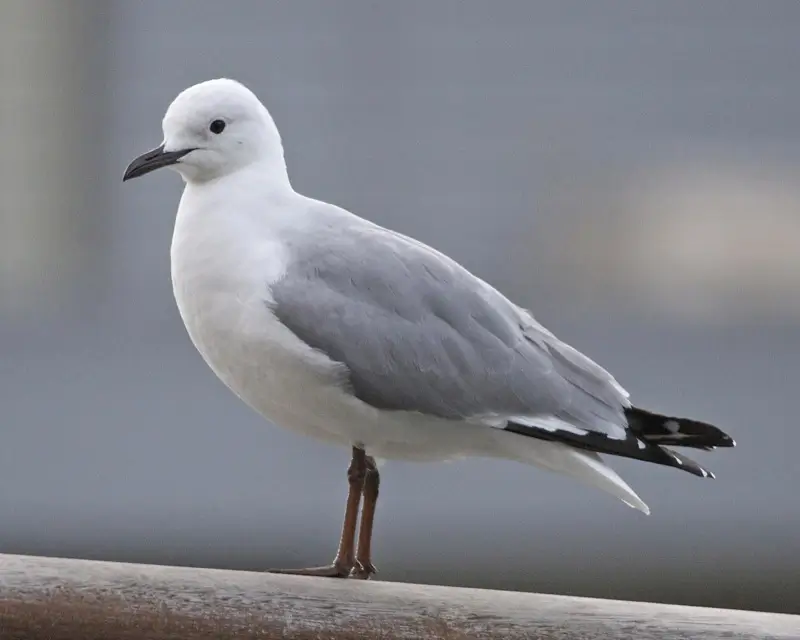
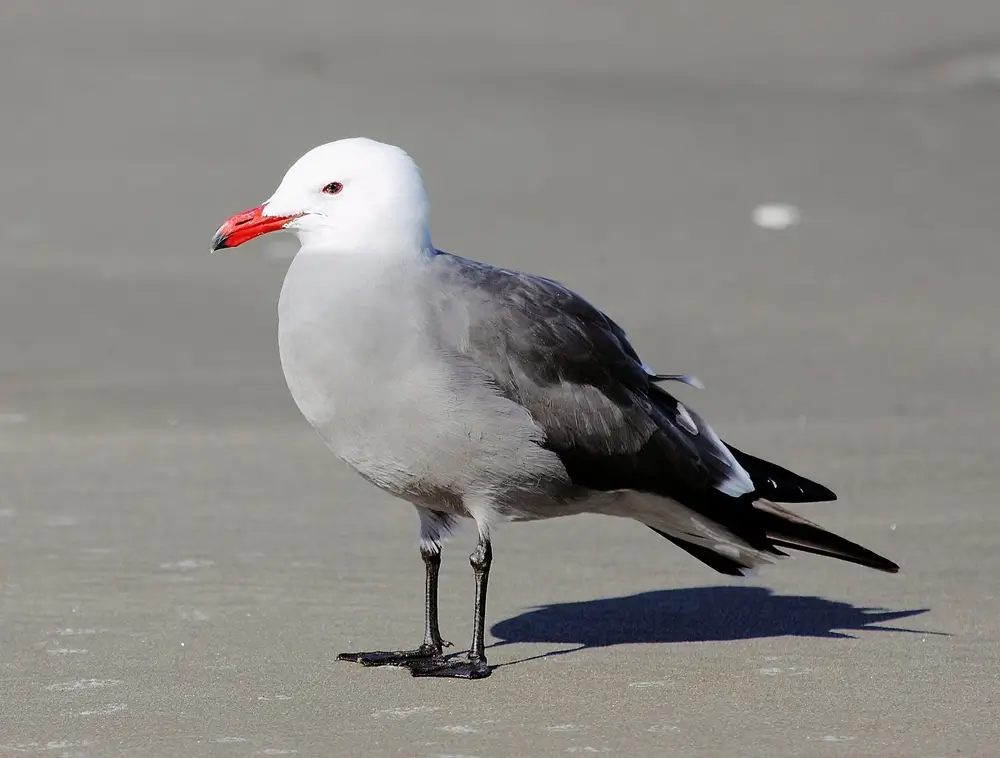
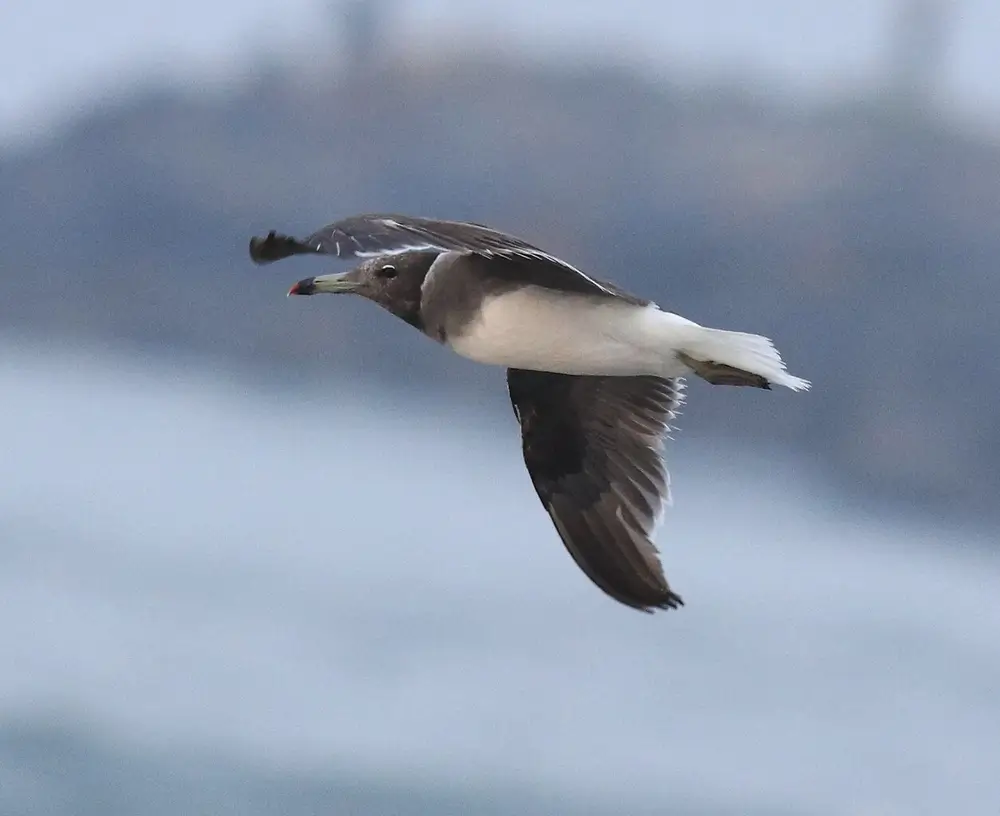
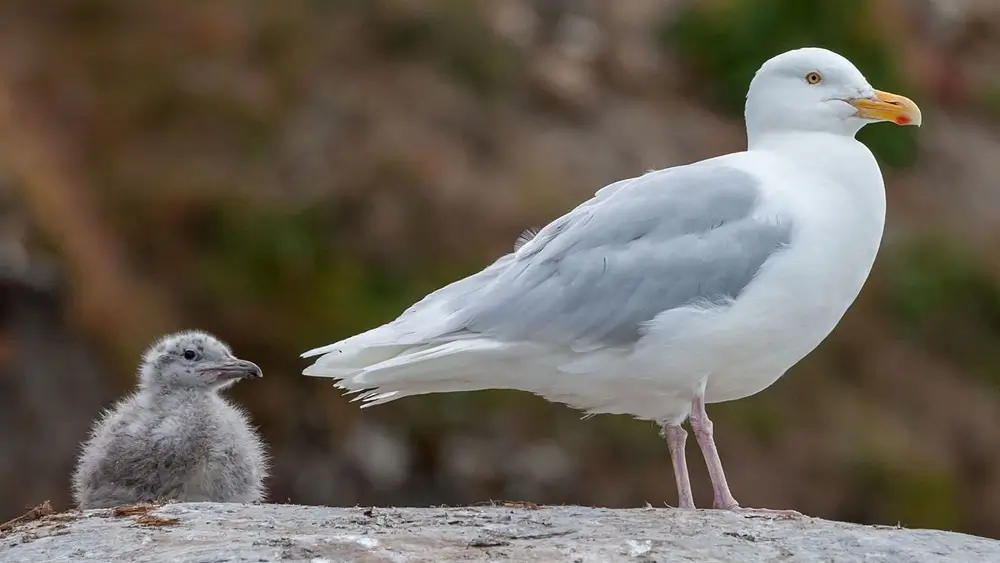
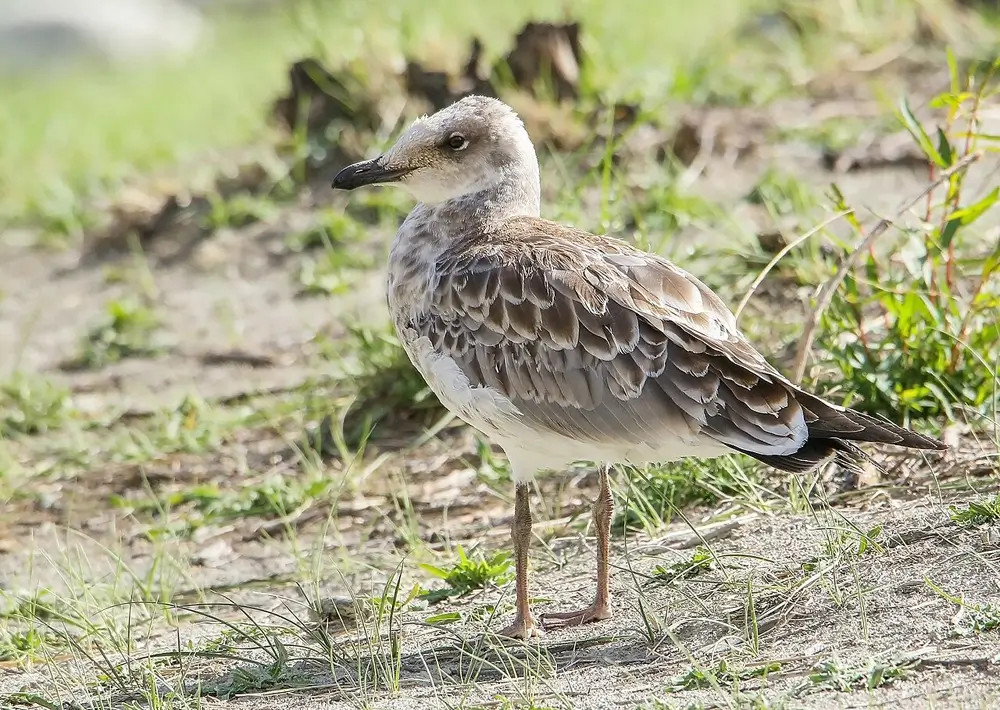
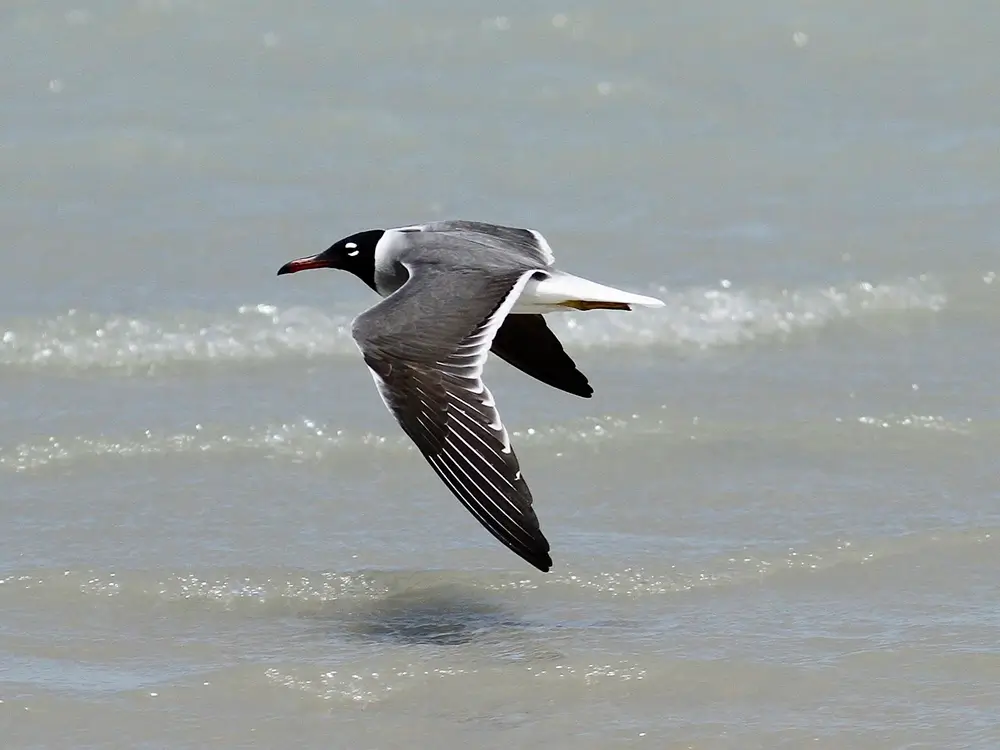
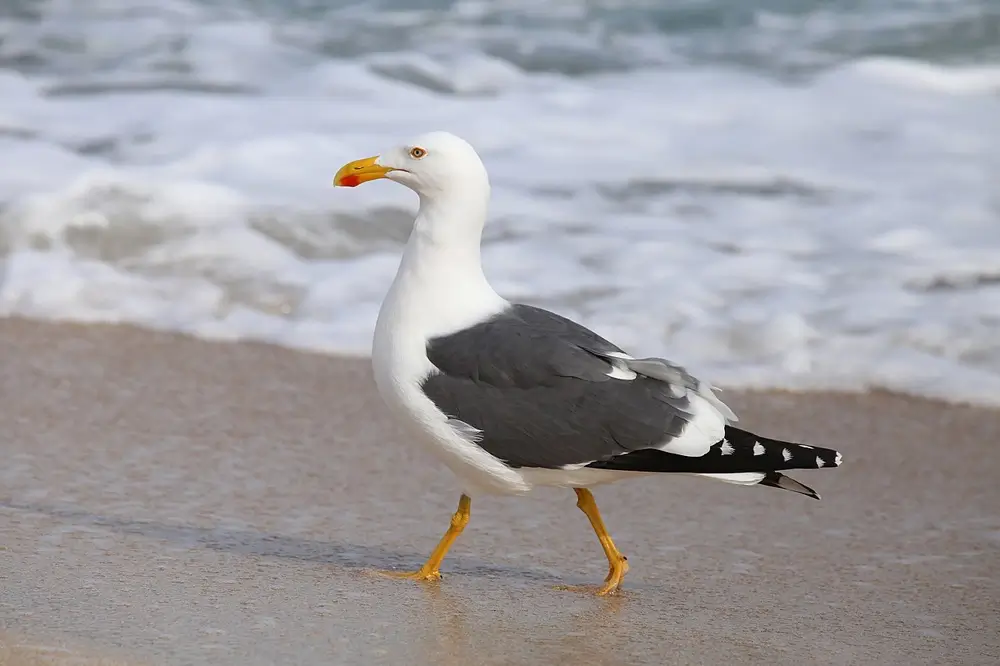
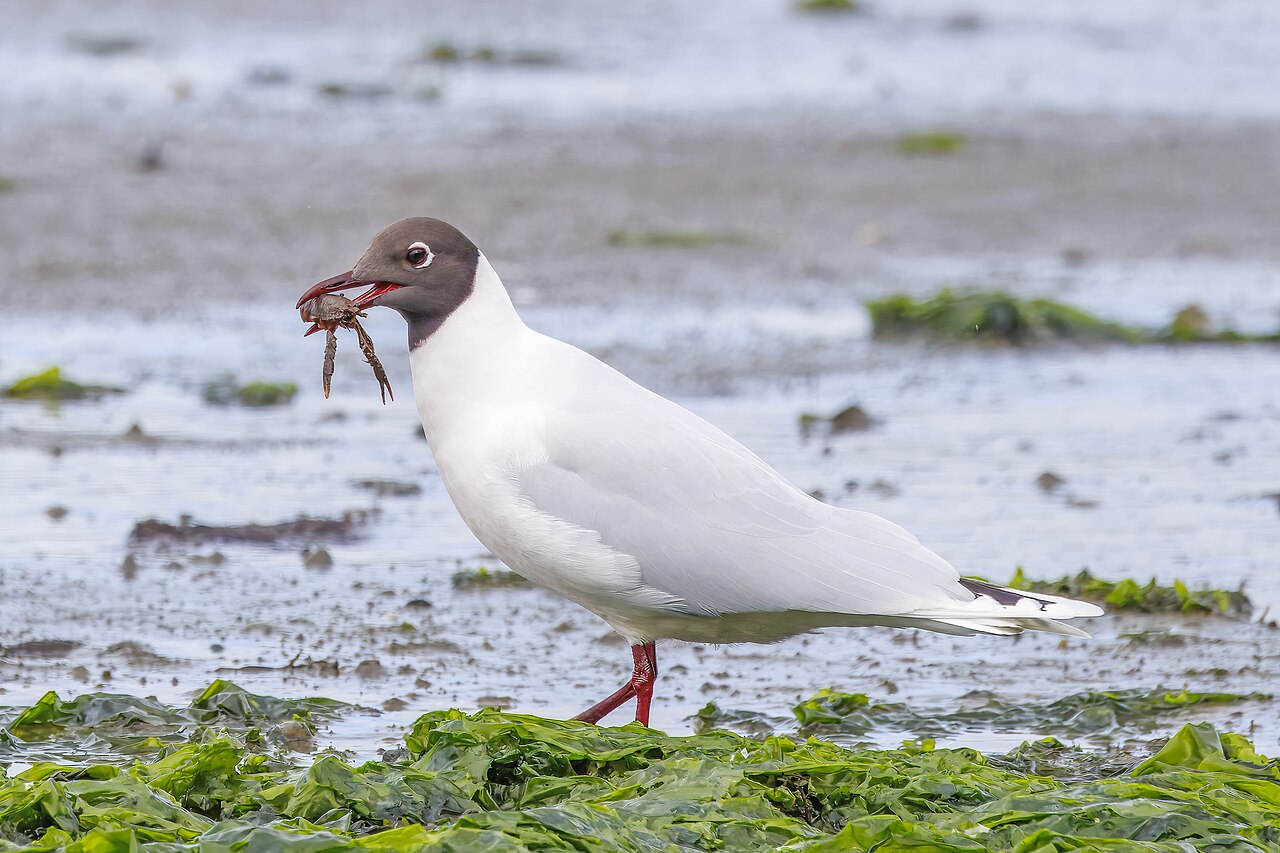
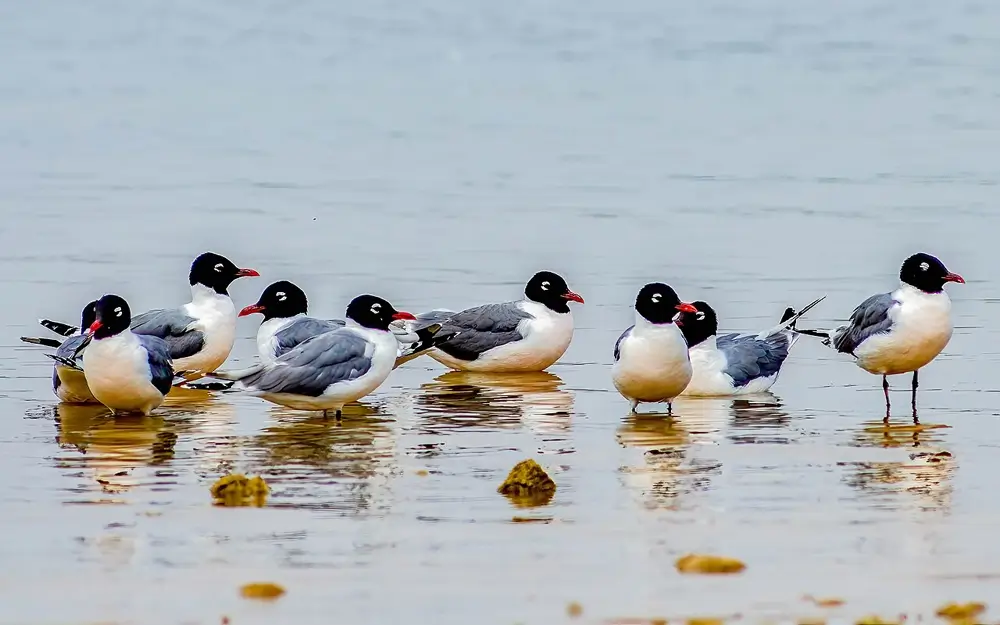
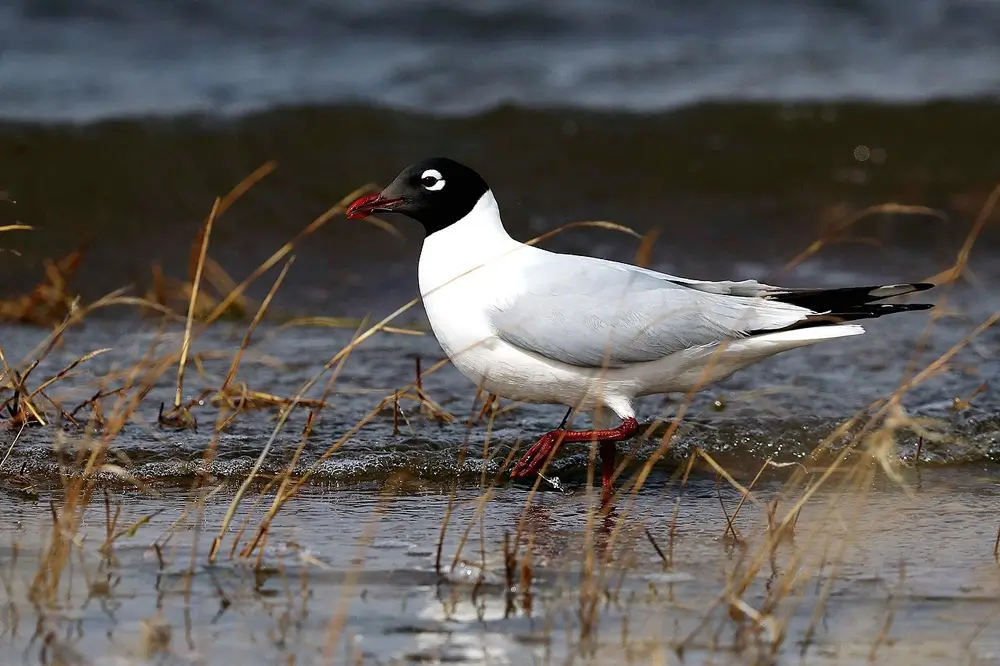
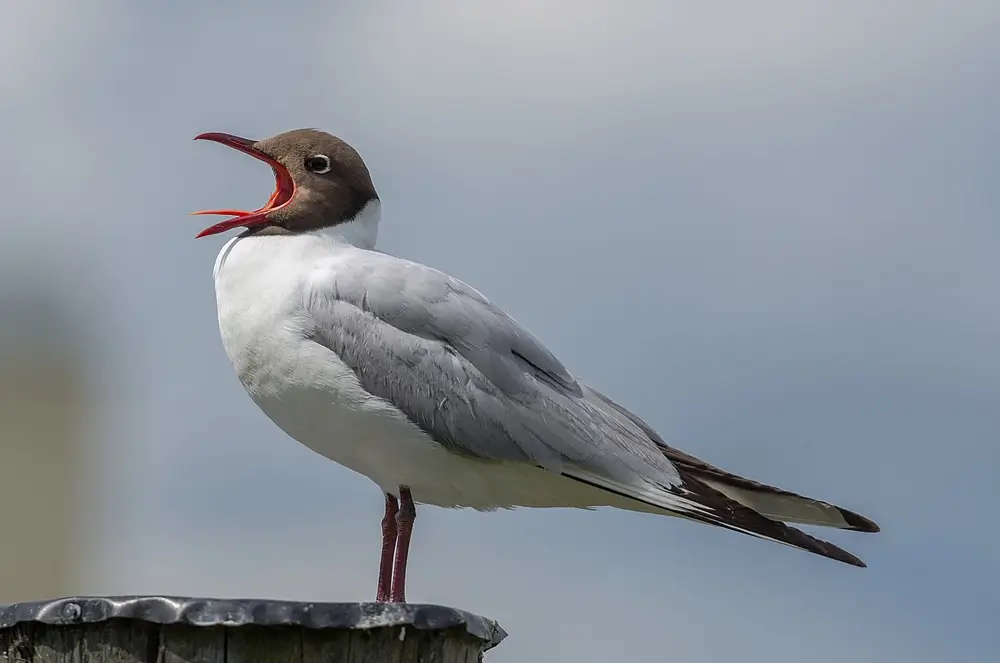
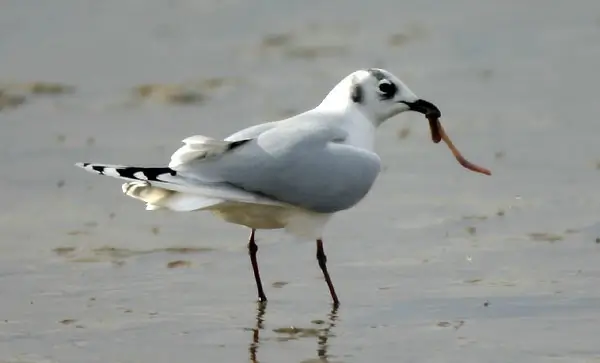
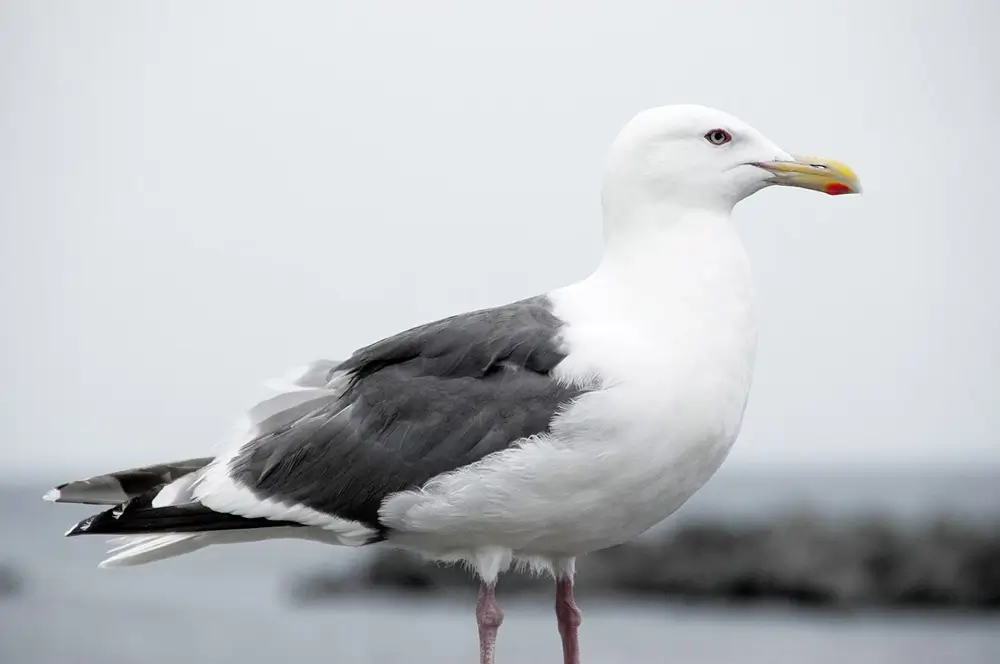
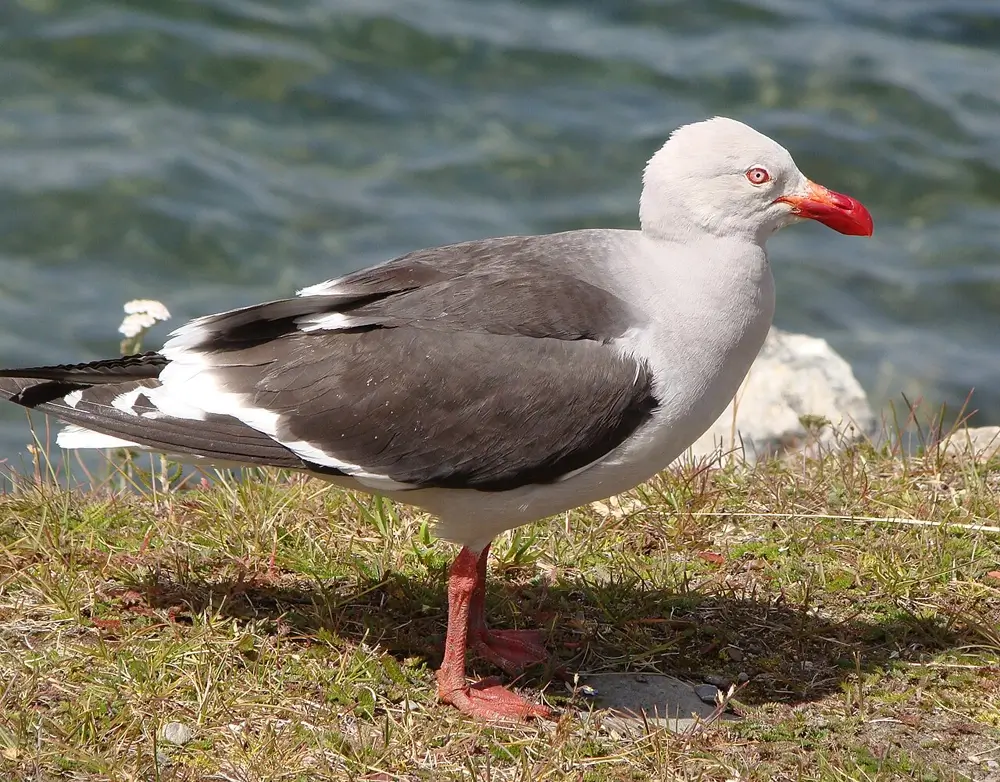
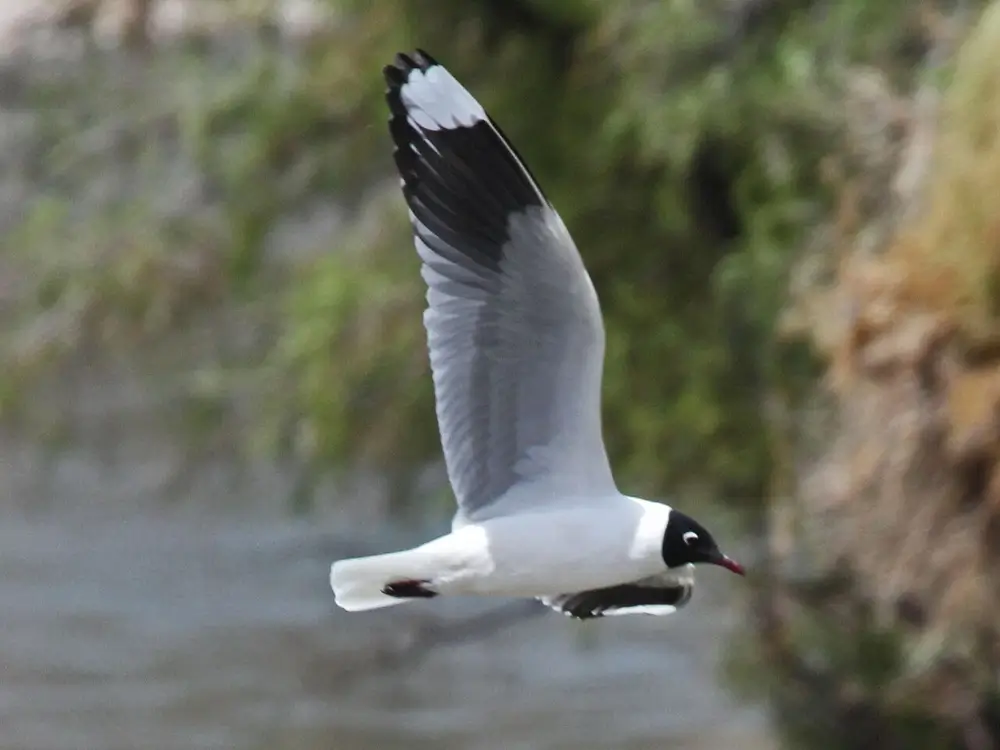
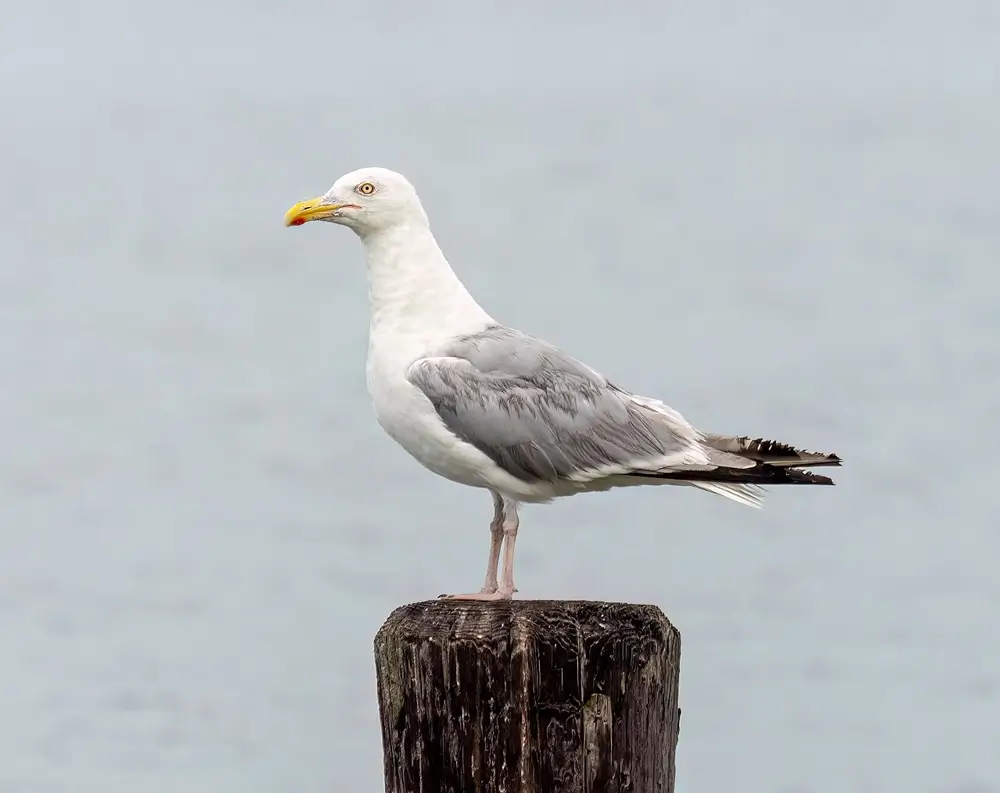
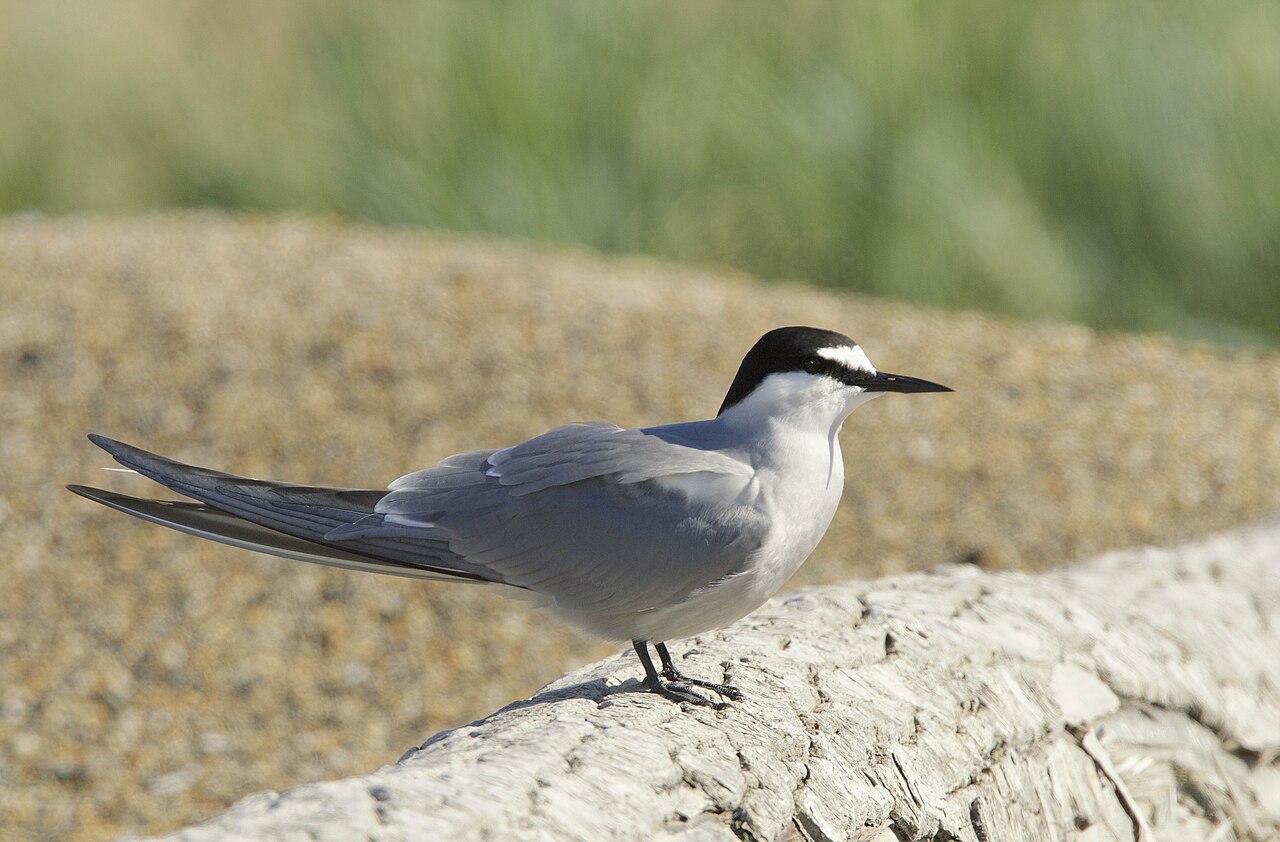
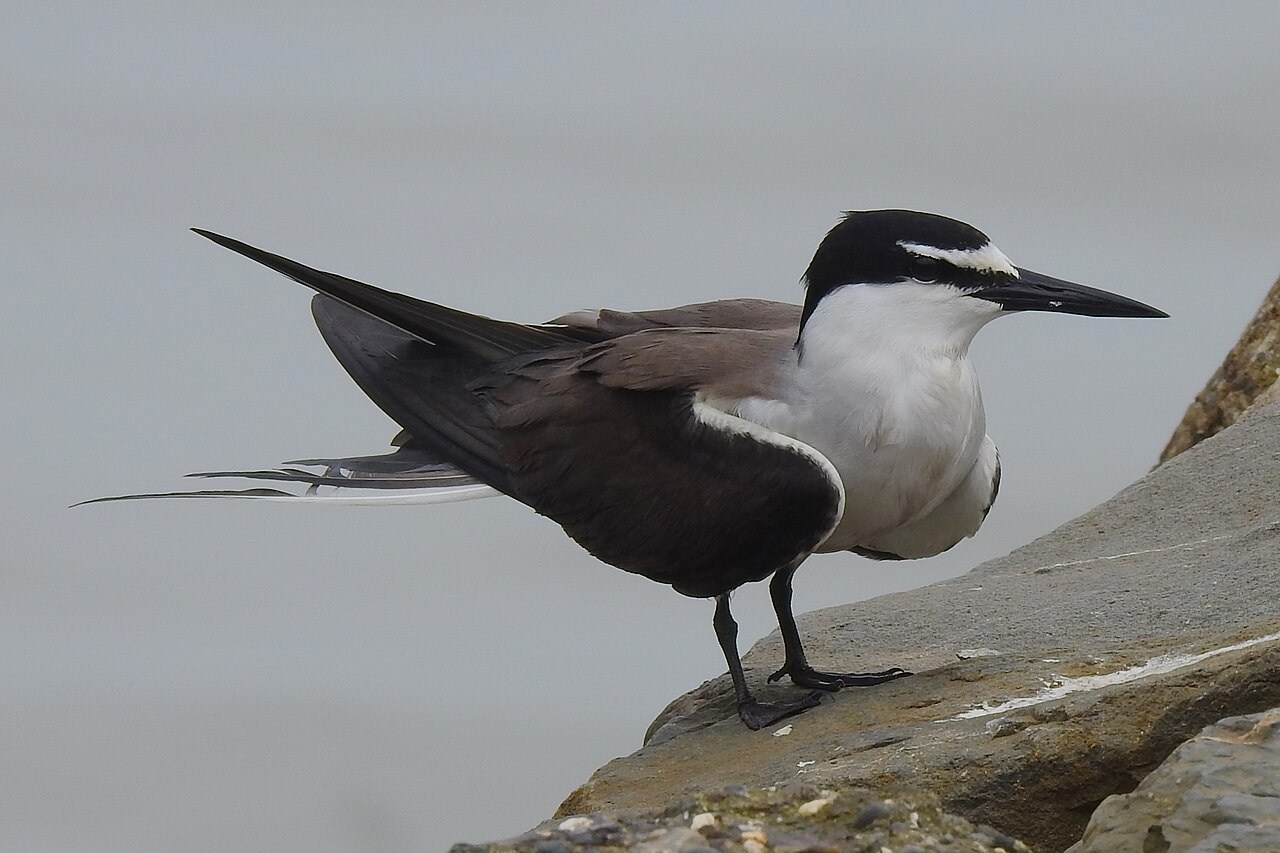
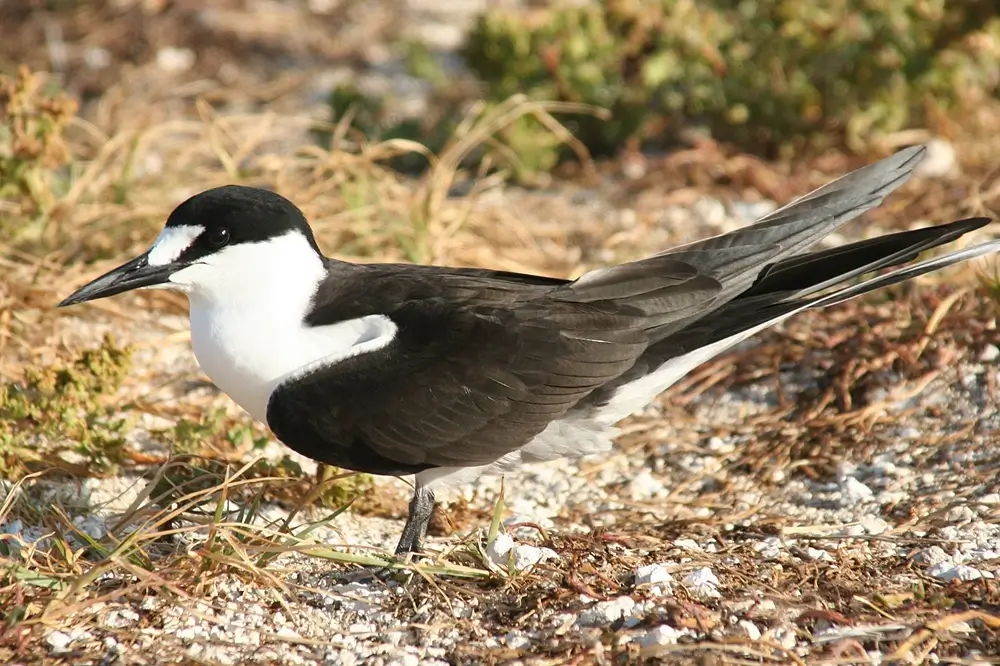
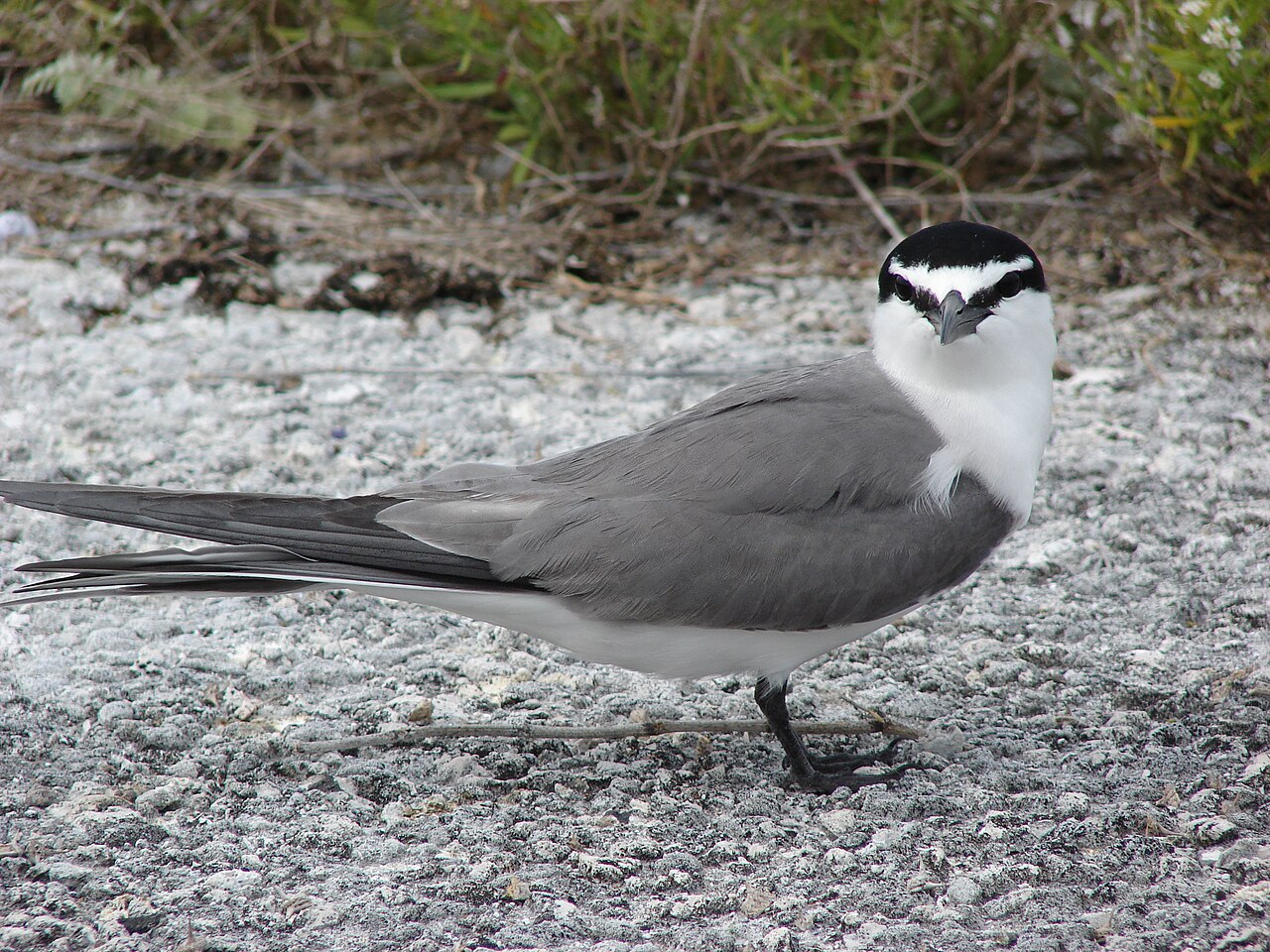
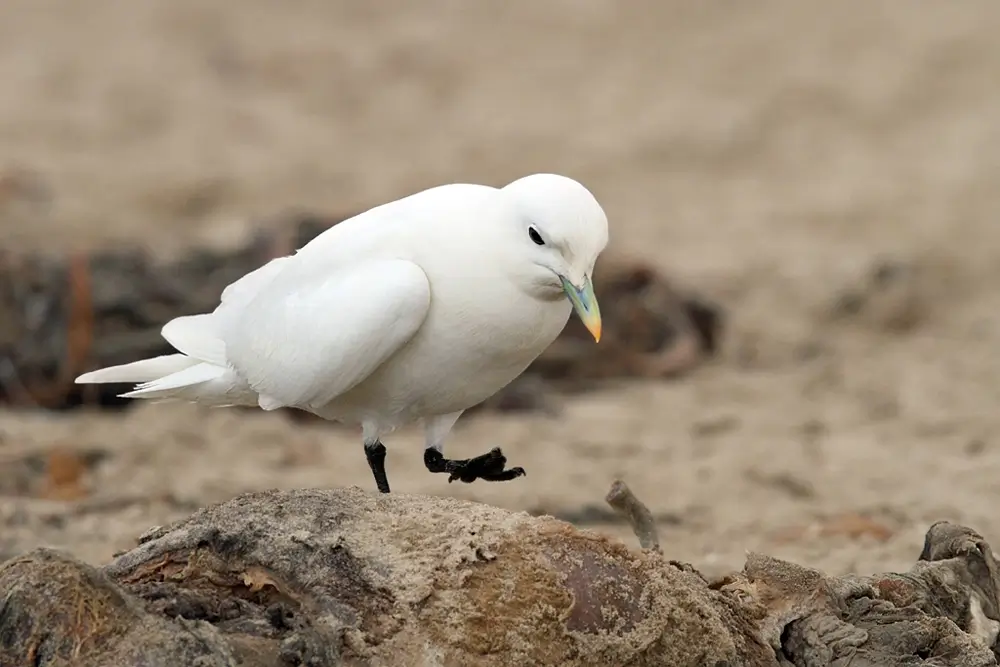
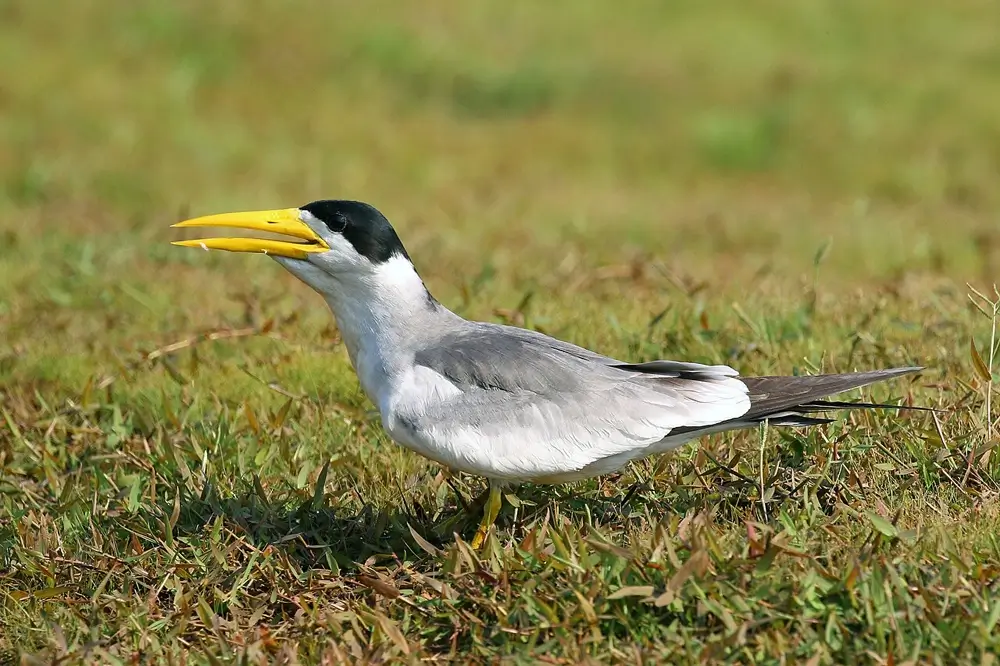
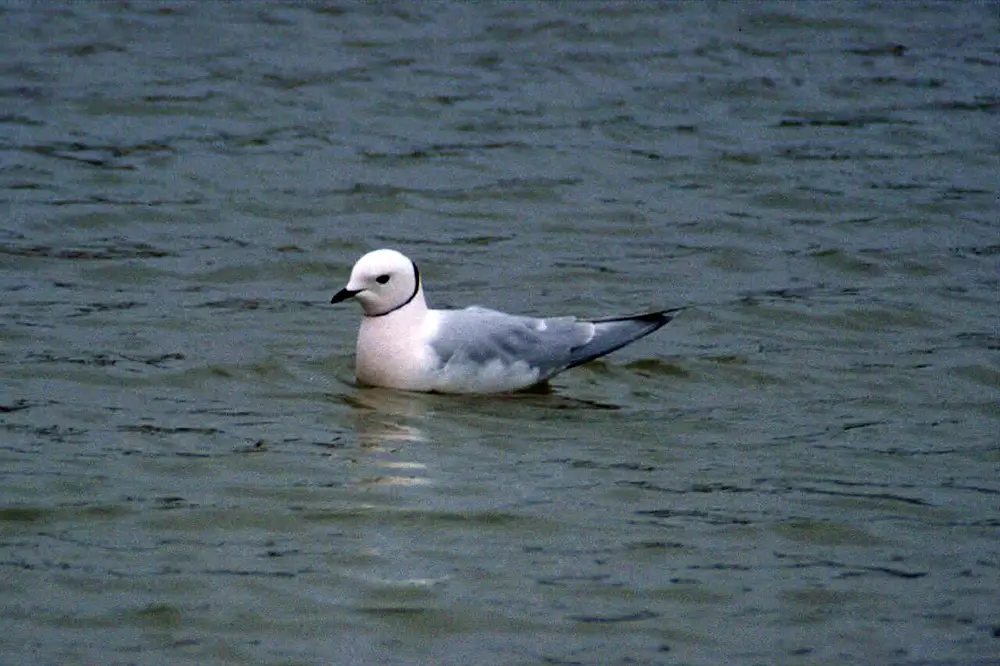
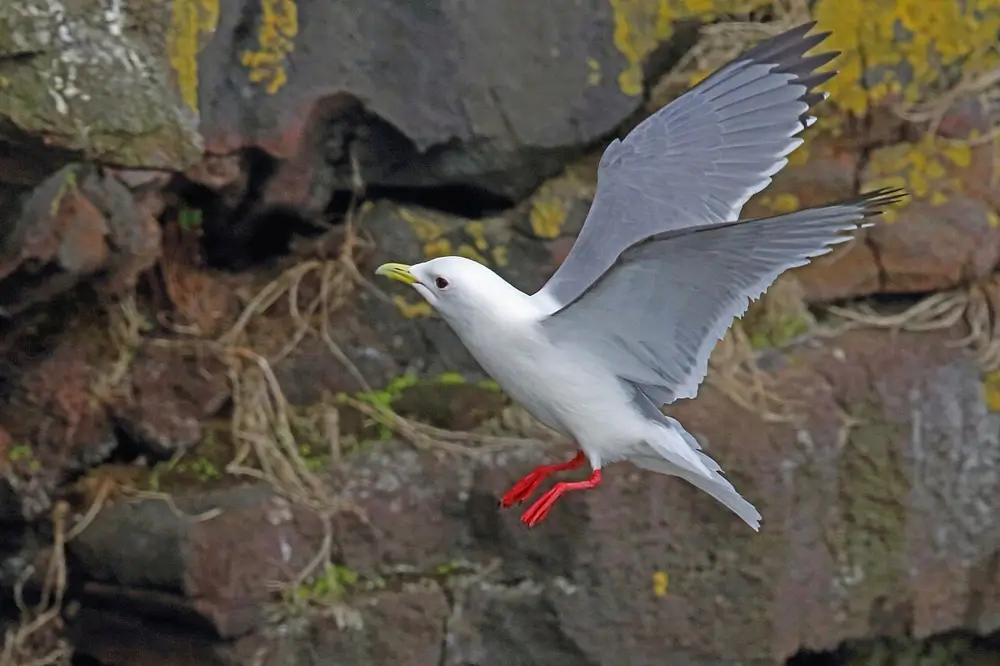
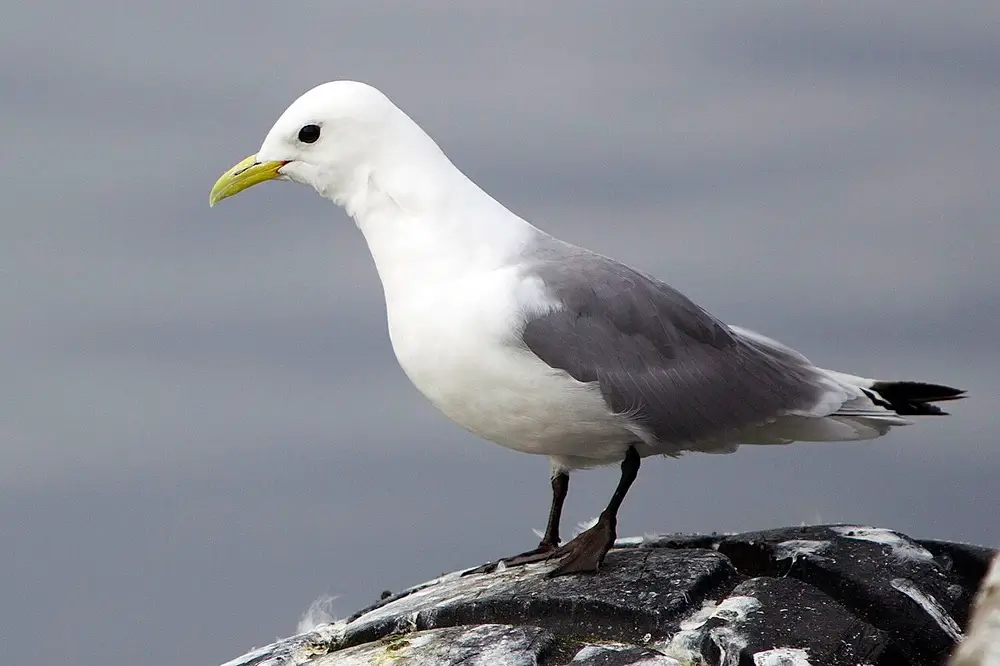
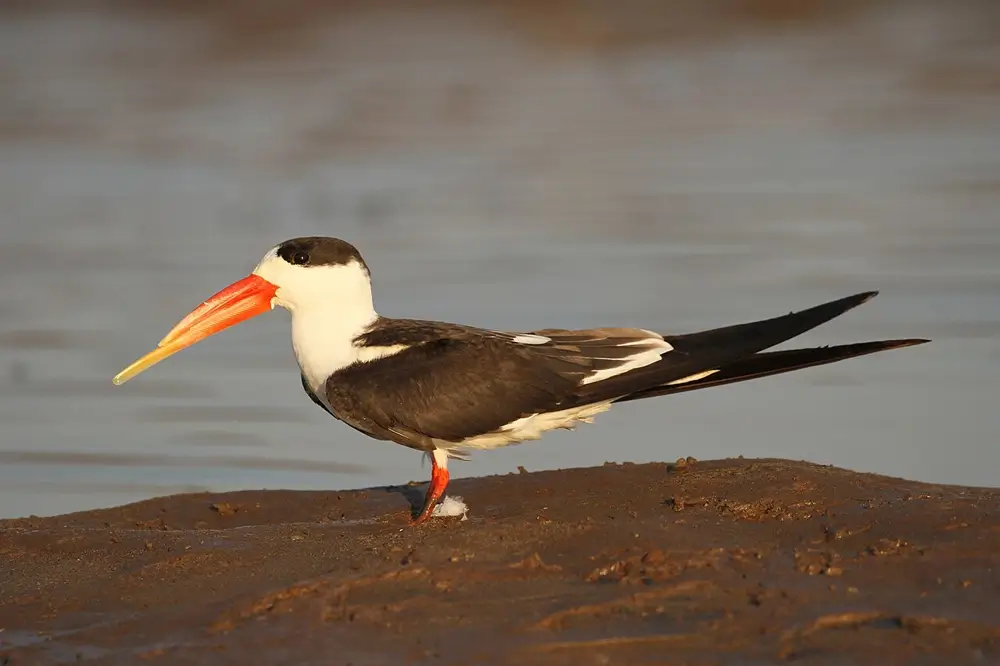
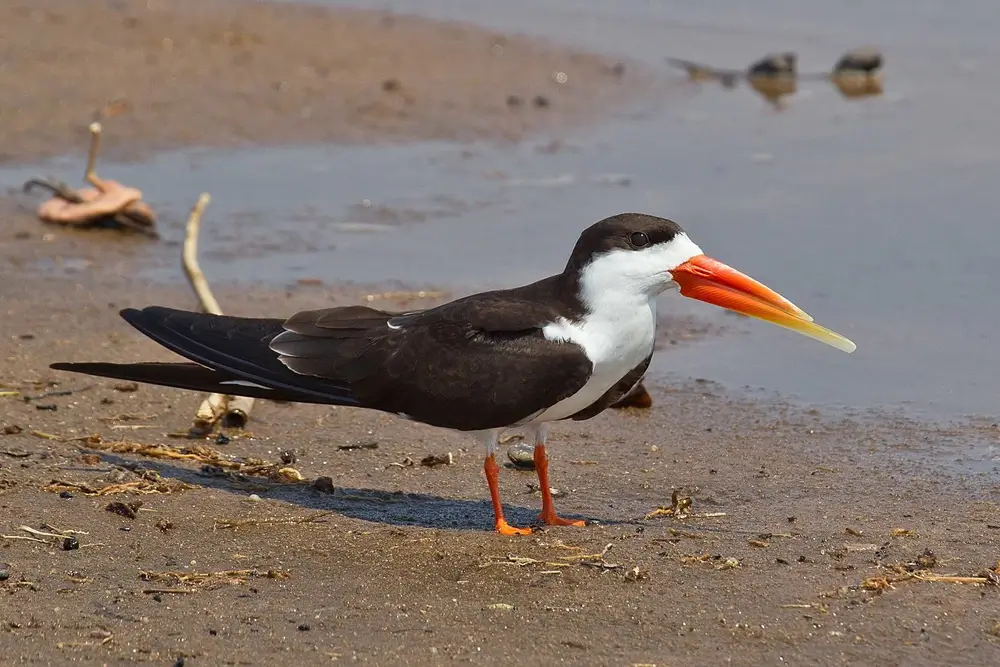
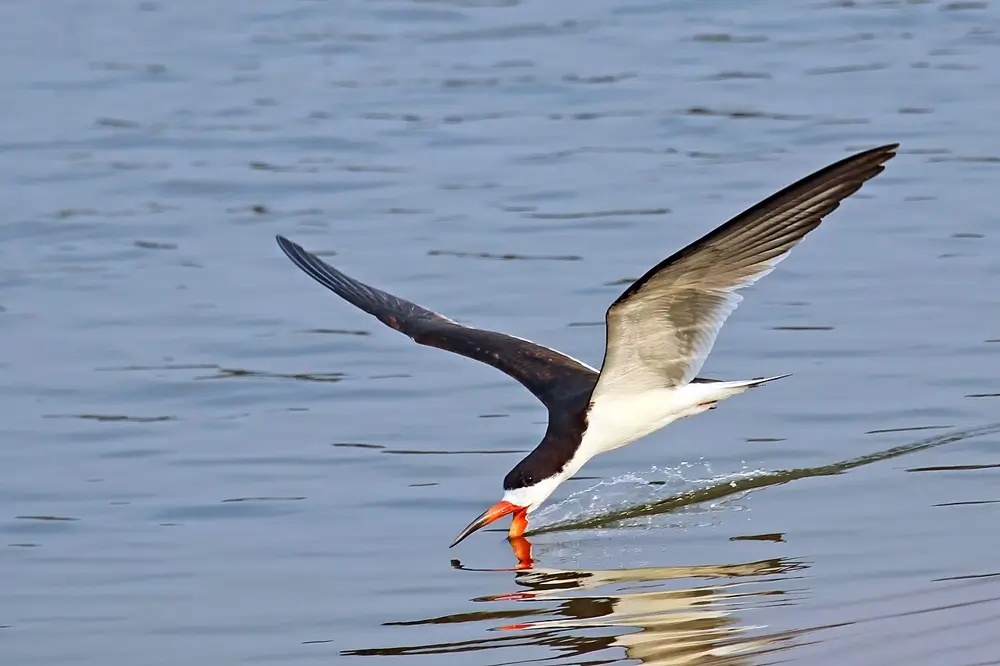
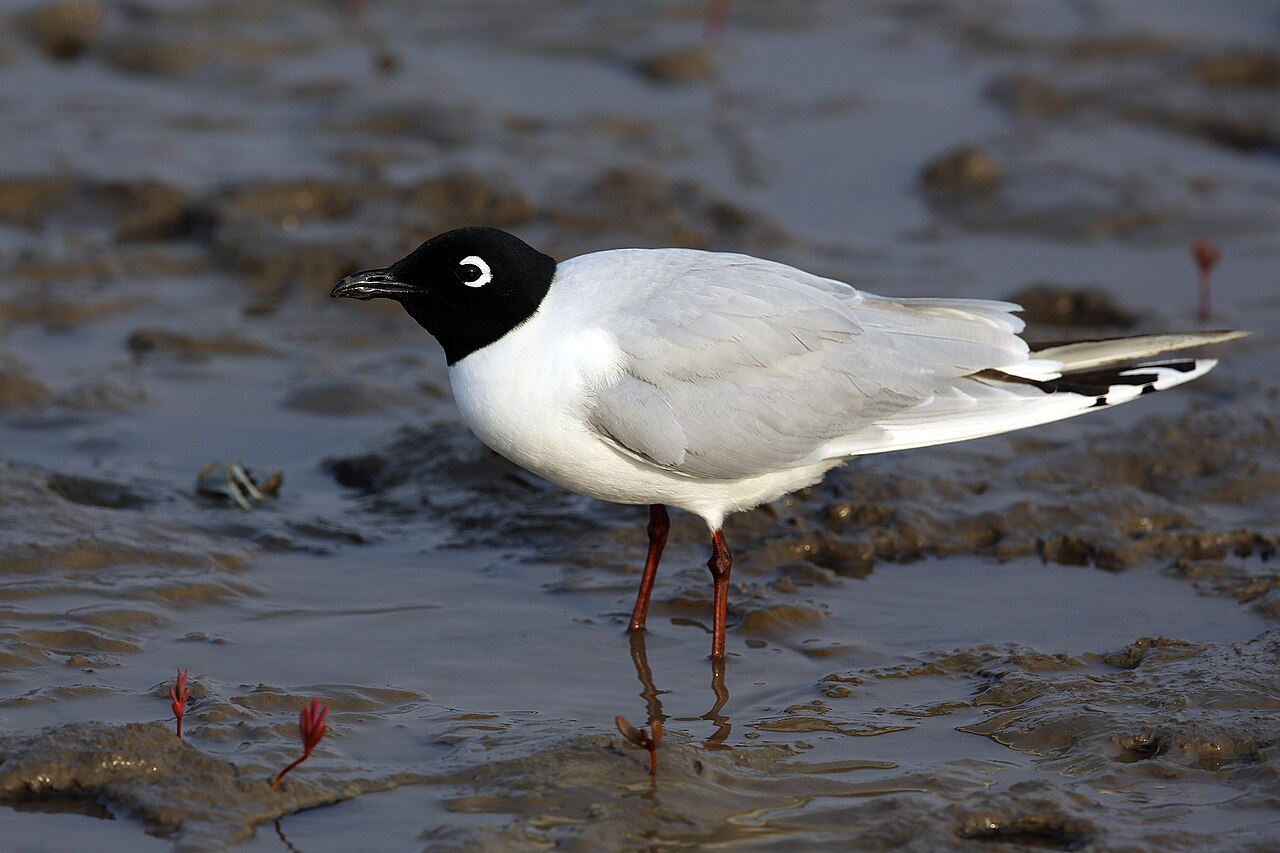
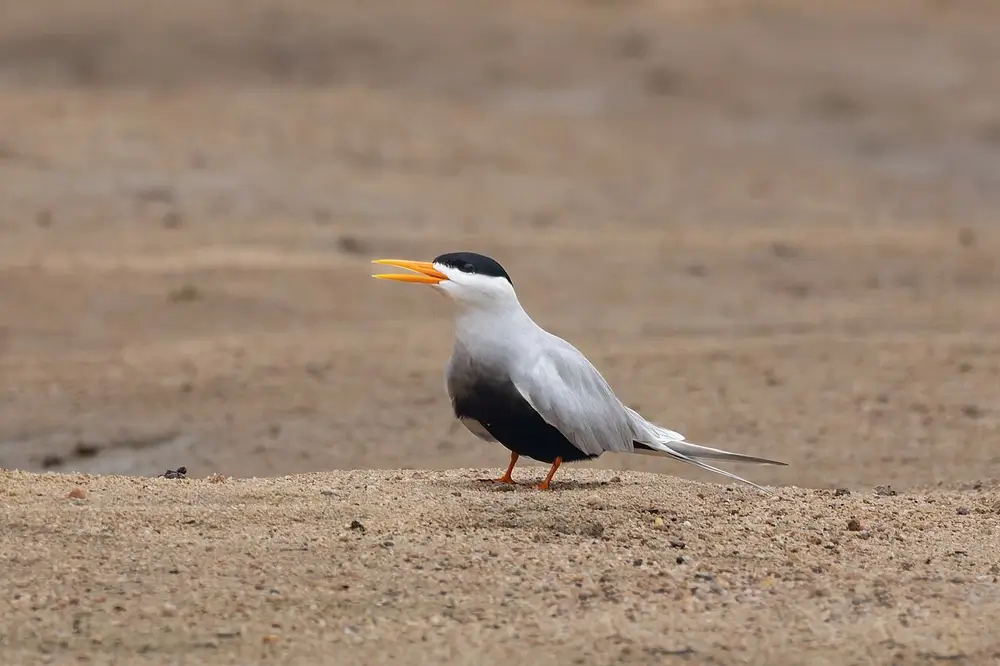
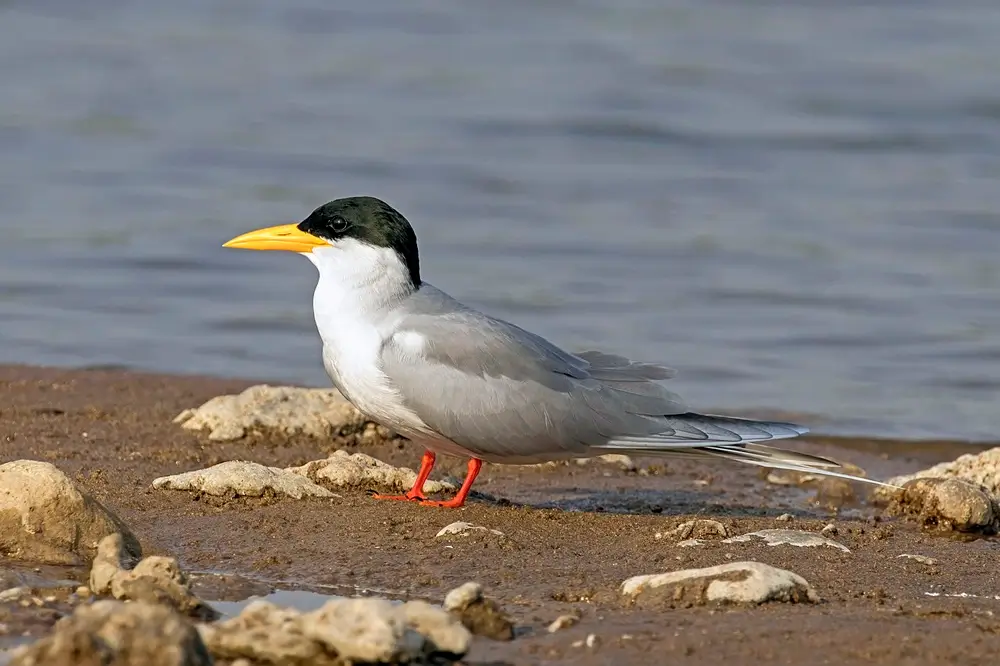
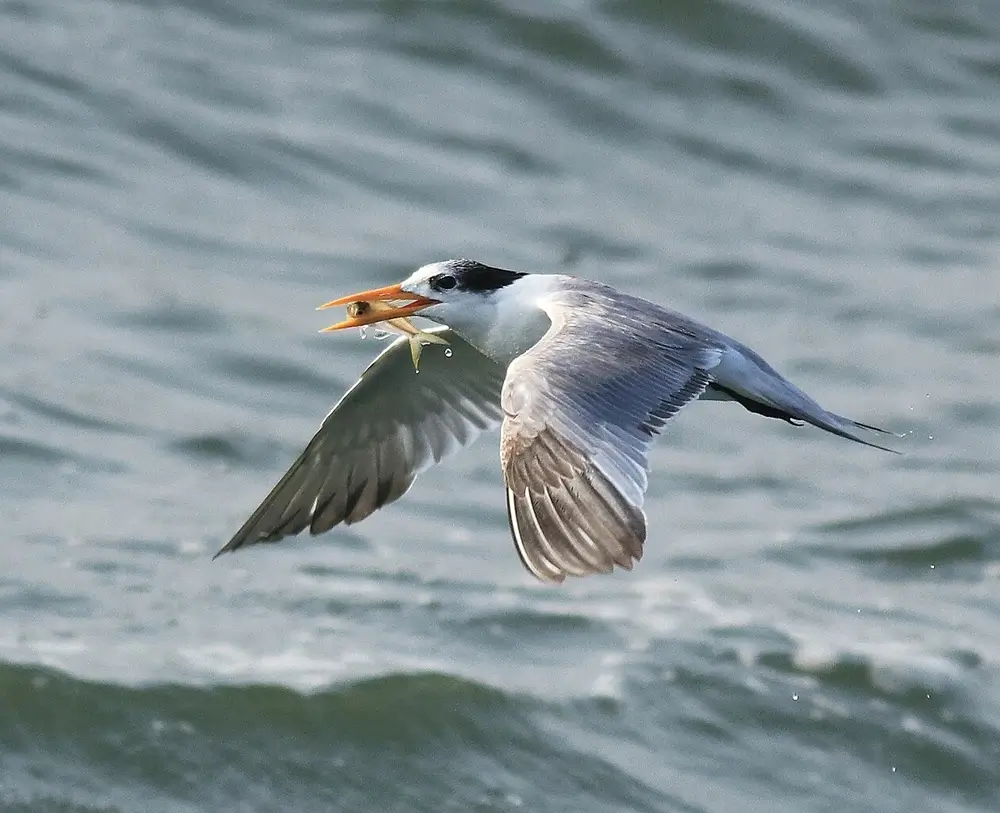
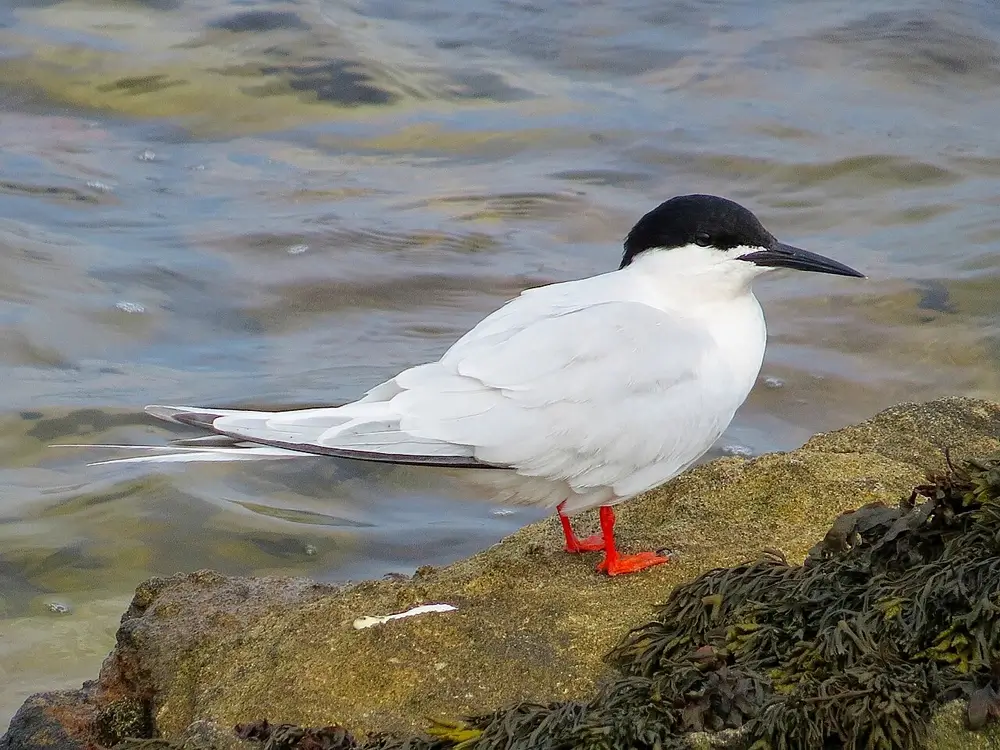
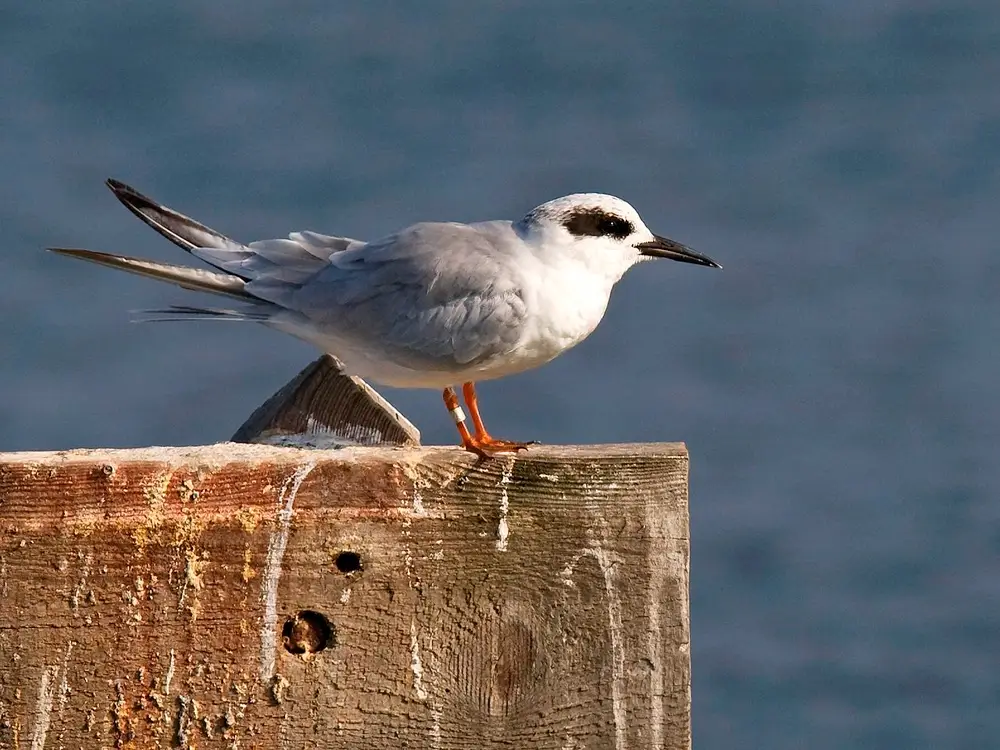
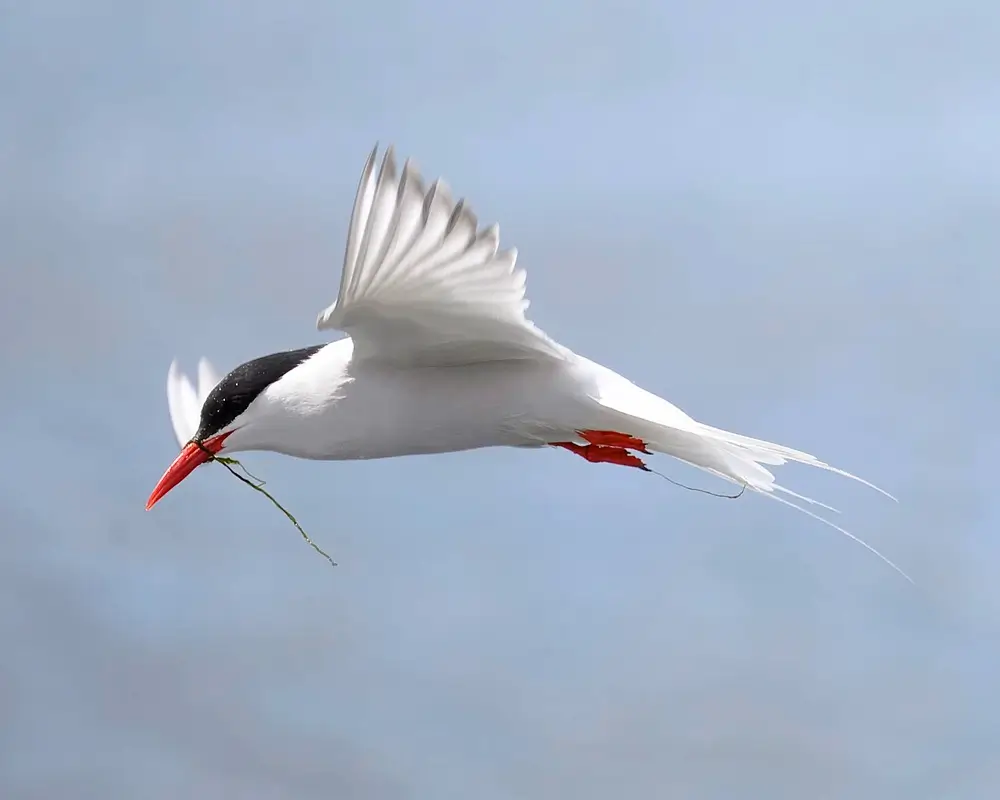
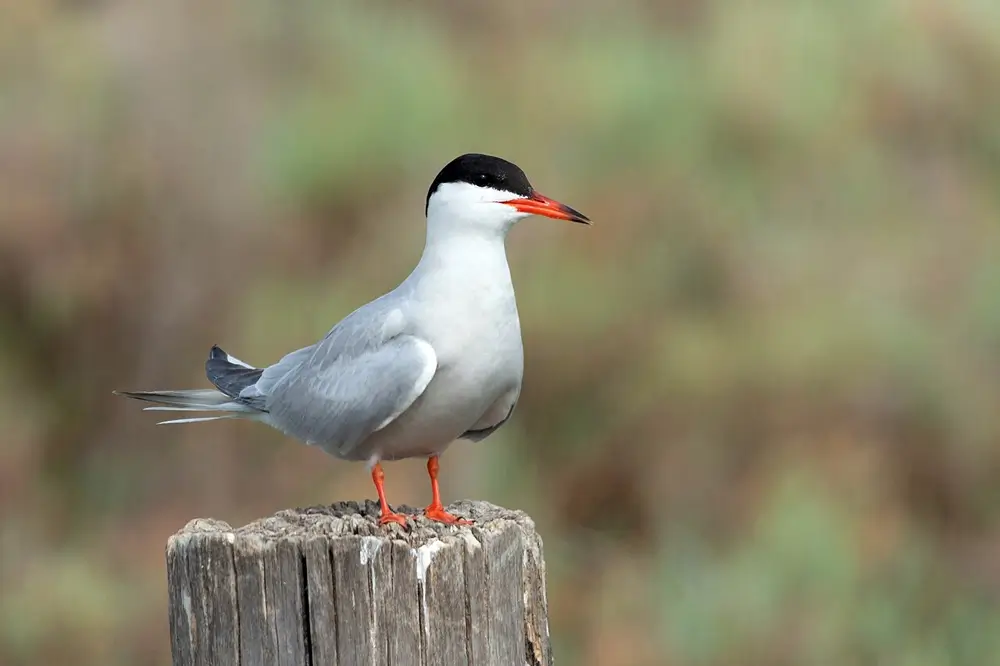
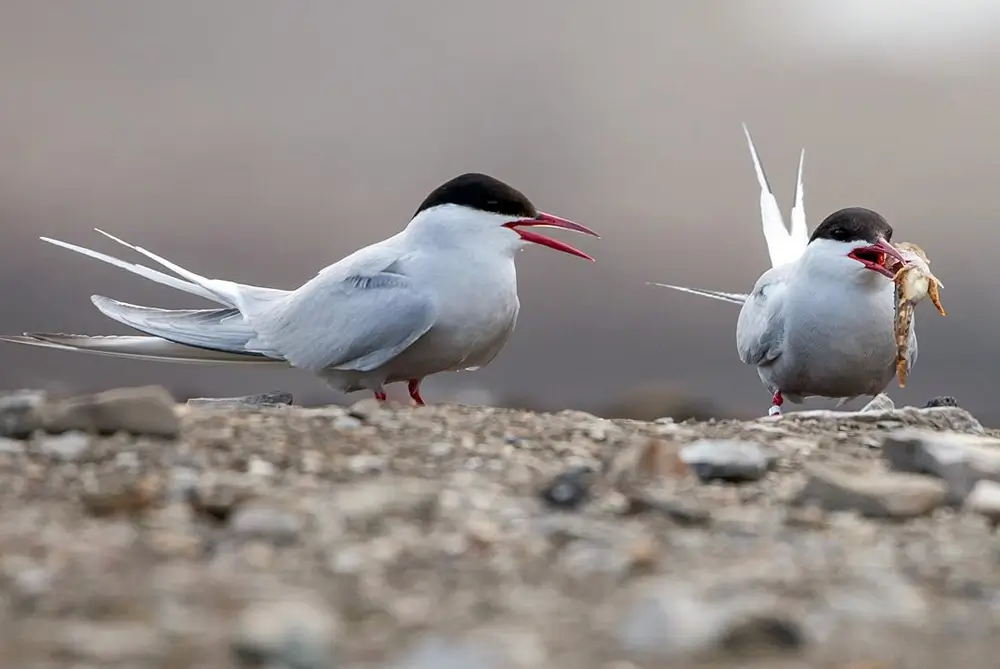
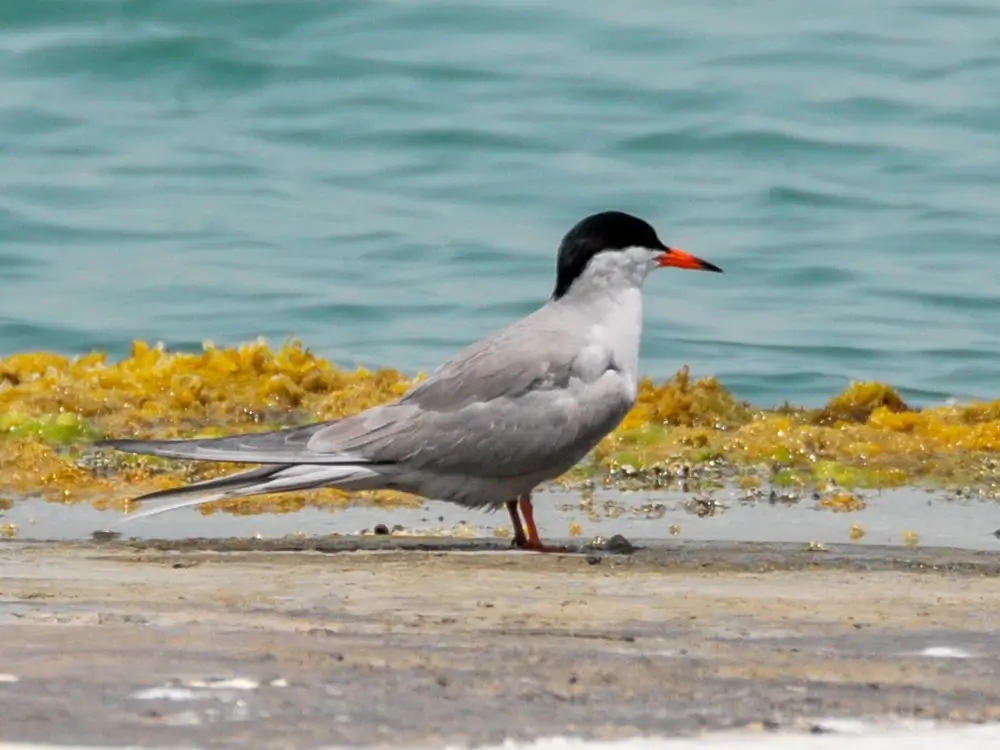
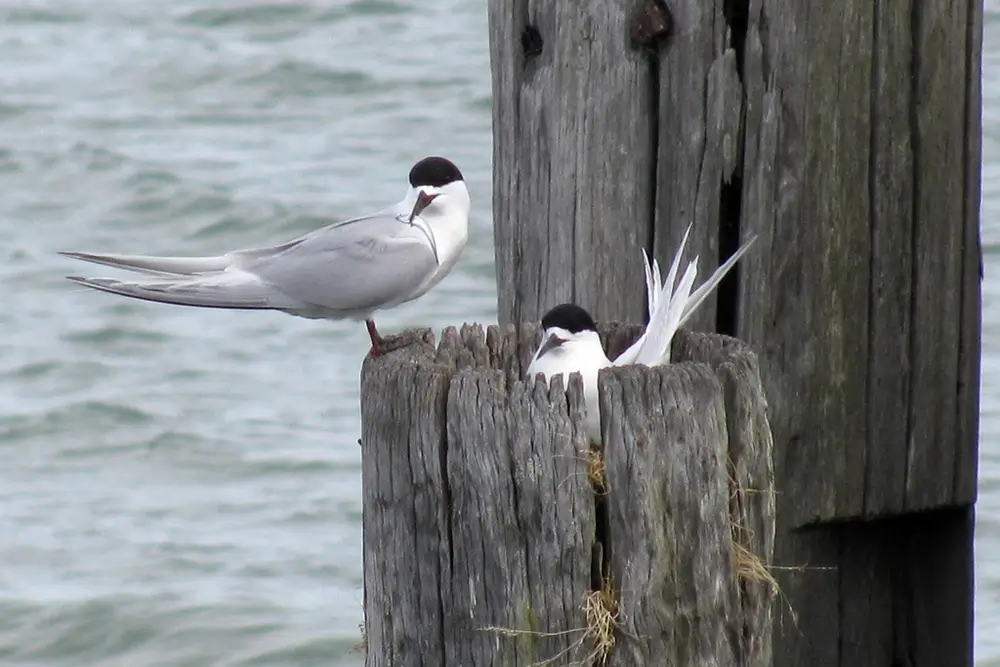
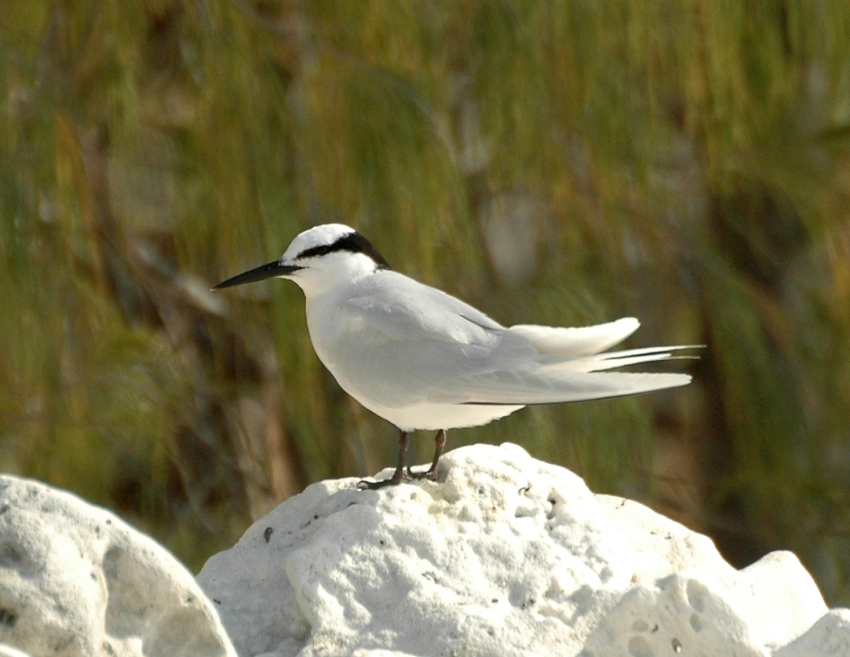
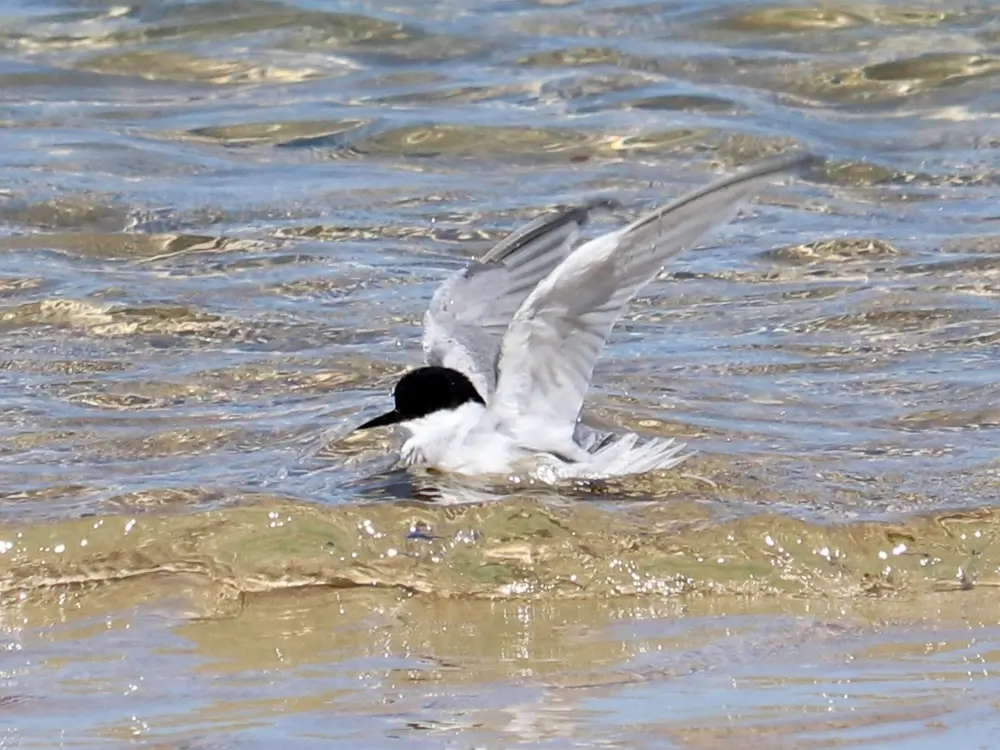
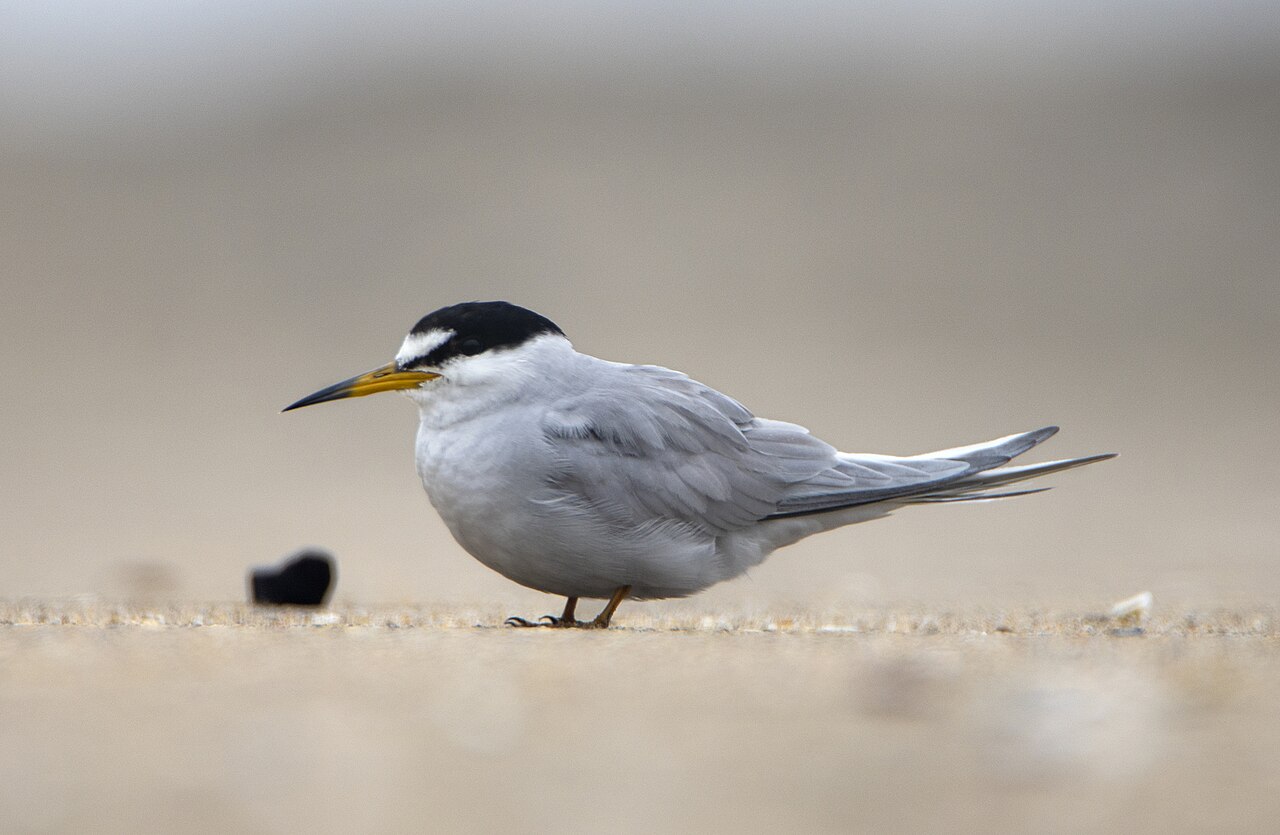
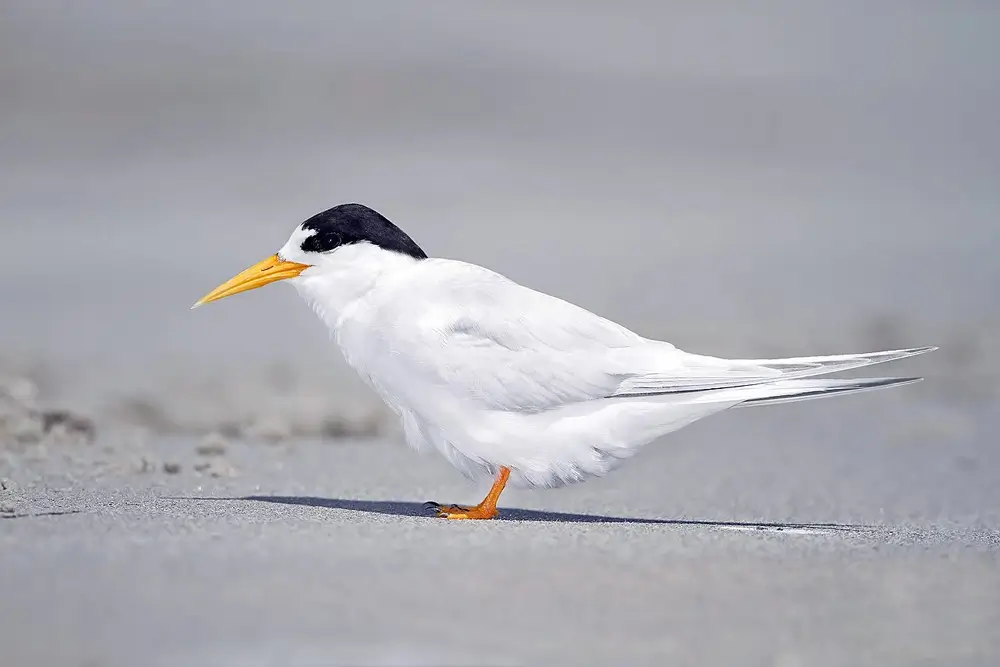
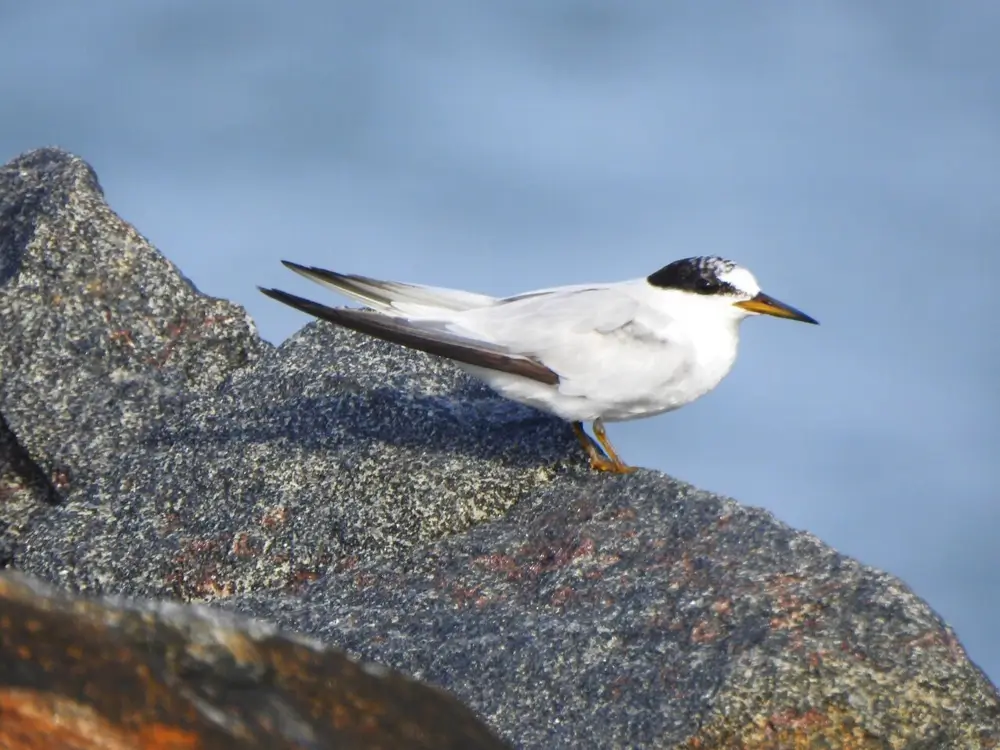
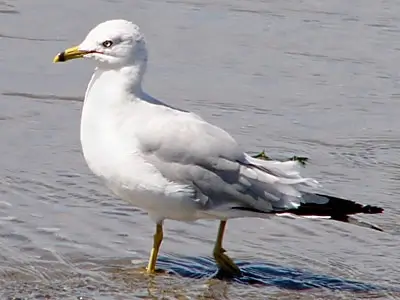
There are about 105 species in this family of seabirds, which includes gulls, terns, skimmers, and noddies. They are found along coastlines, lakes, rivers, and wetlands throughout the world, from the Arctic to Antarctica.
Many species spend much of their lives near shore, but some are highly pelagic, meaning they live far out at sea and return to land mainly to breed and raise their young.
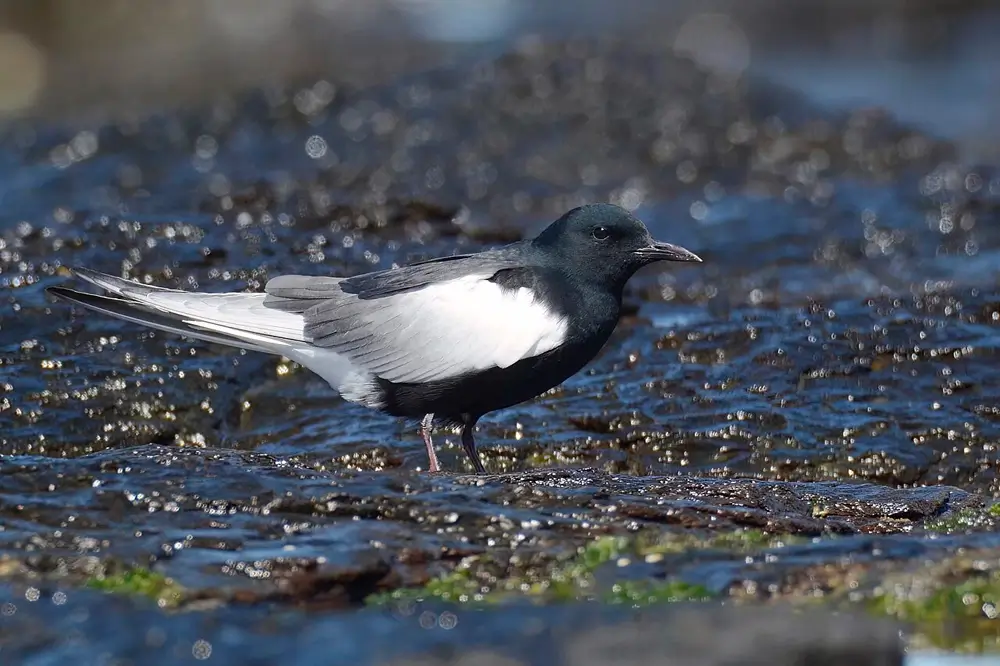
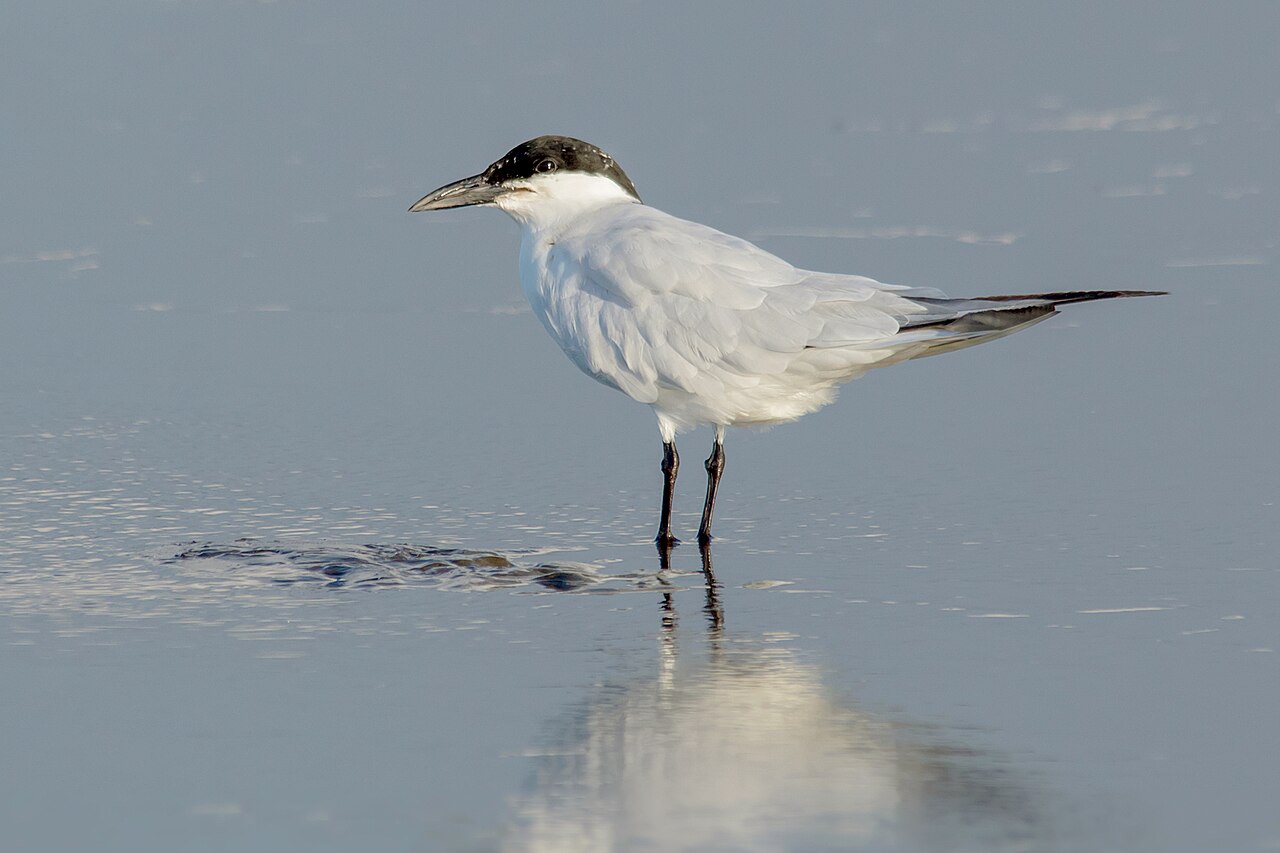
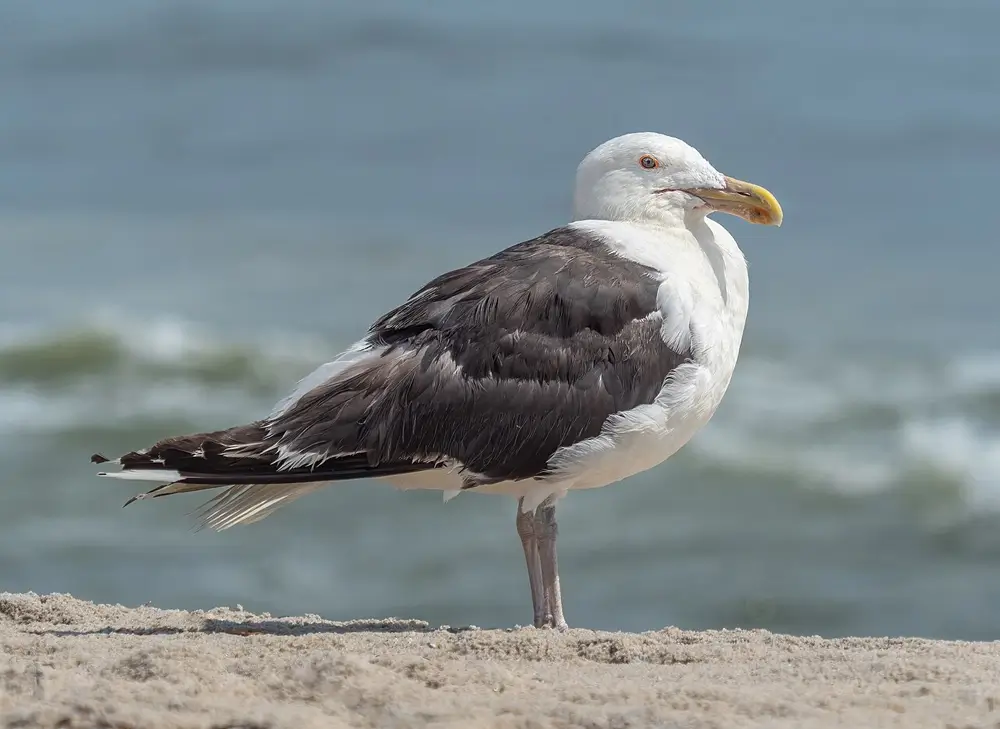
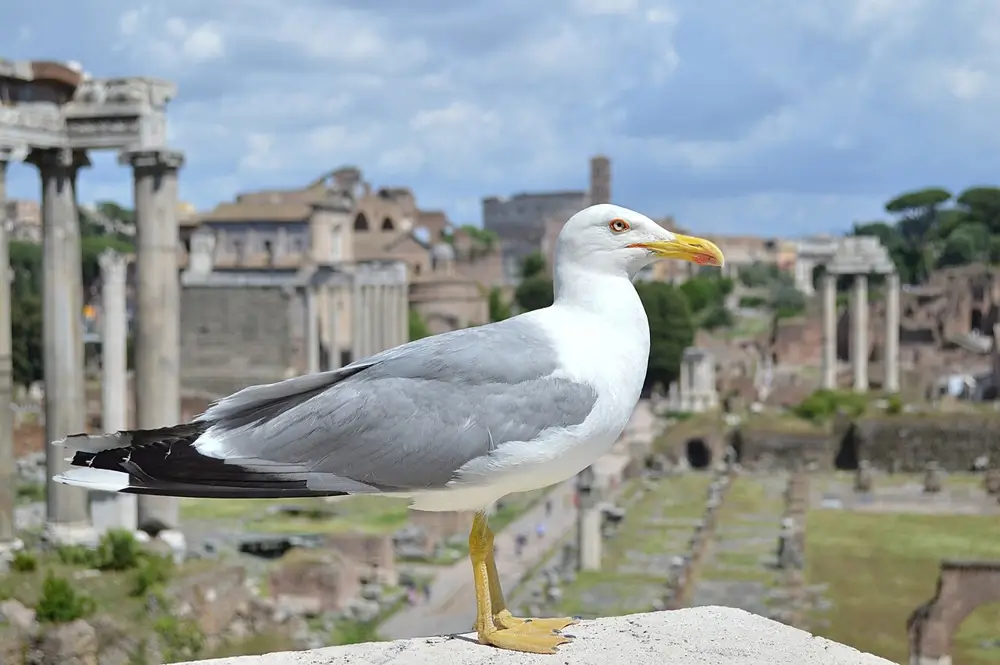
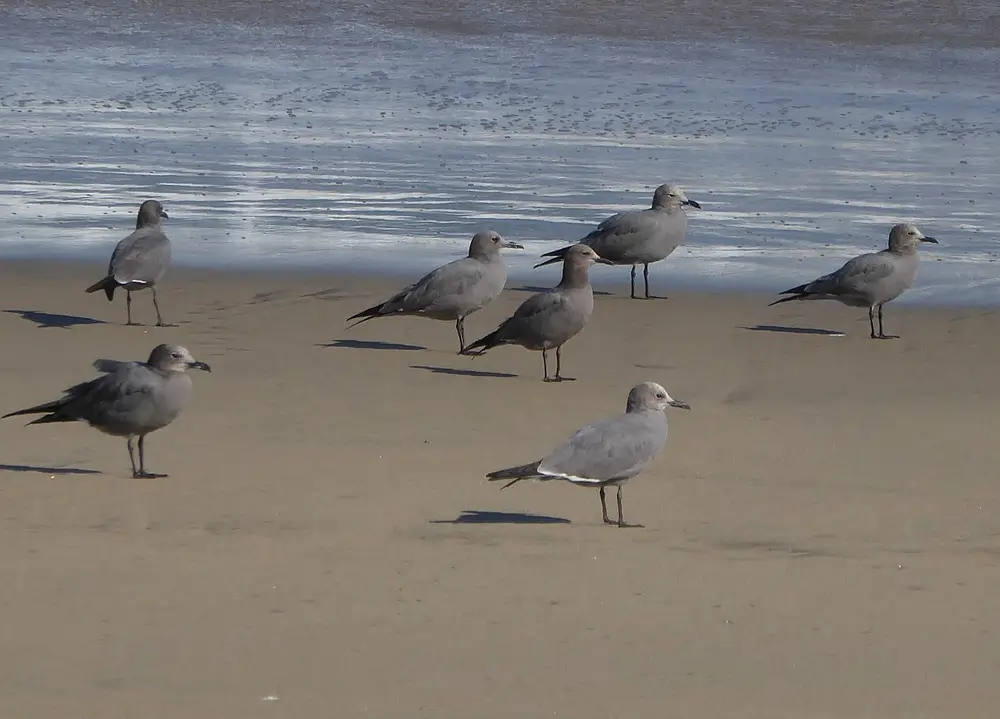
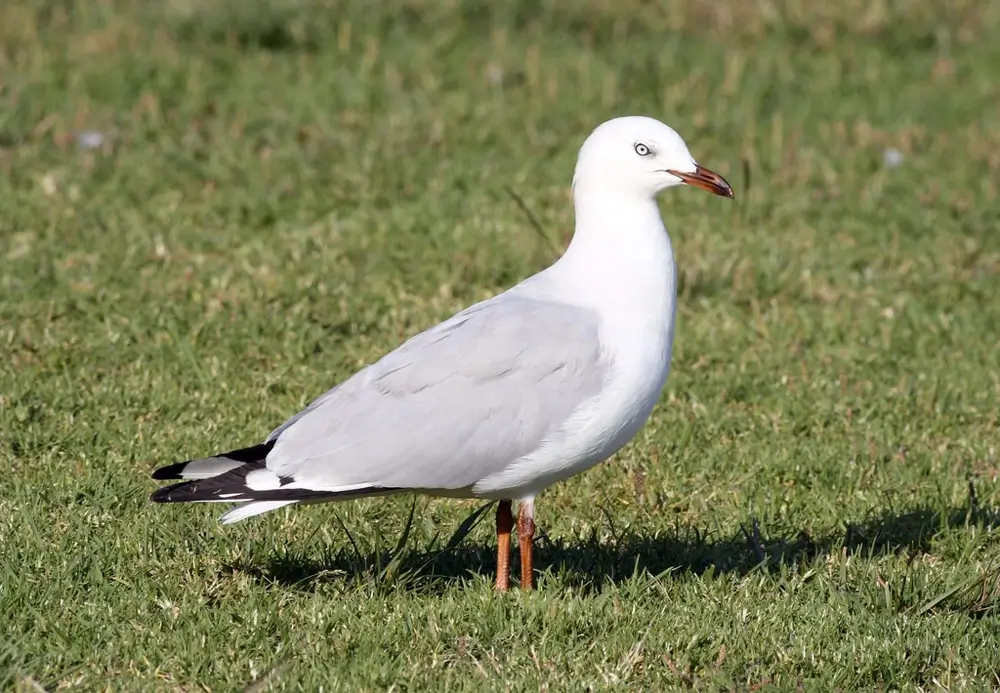
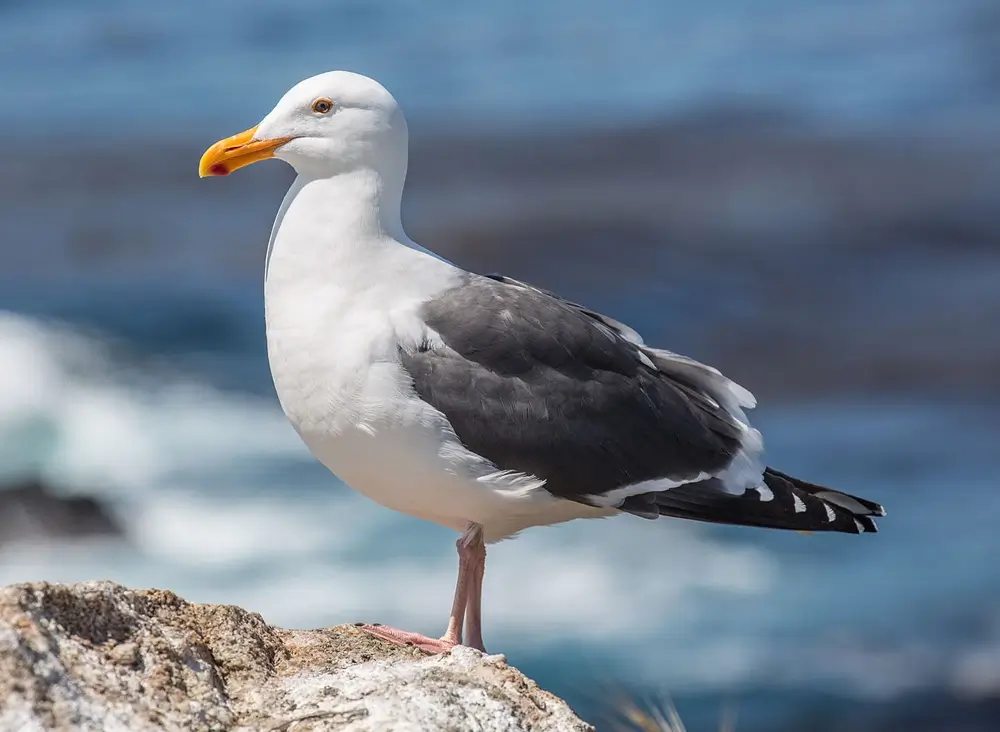
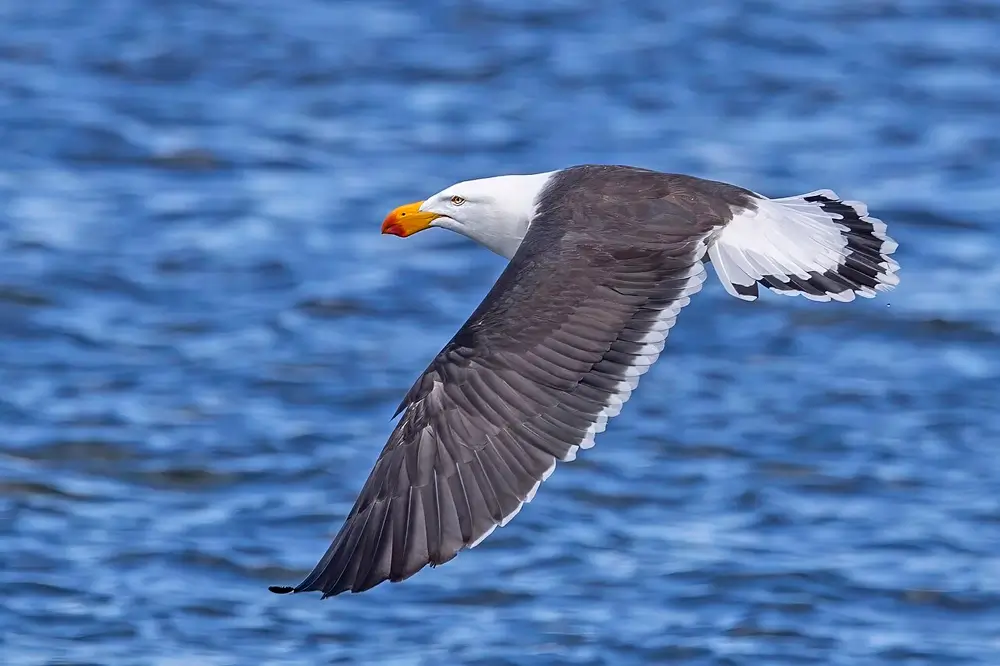
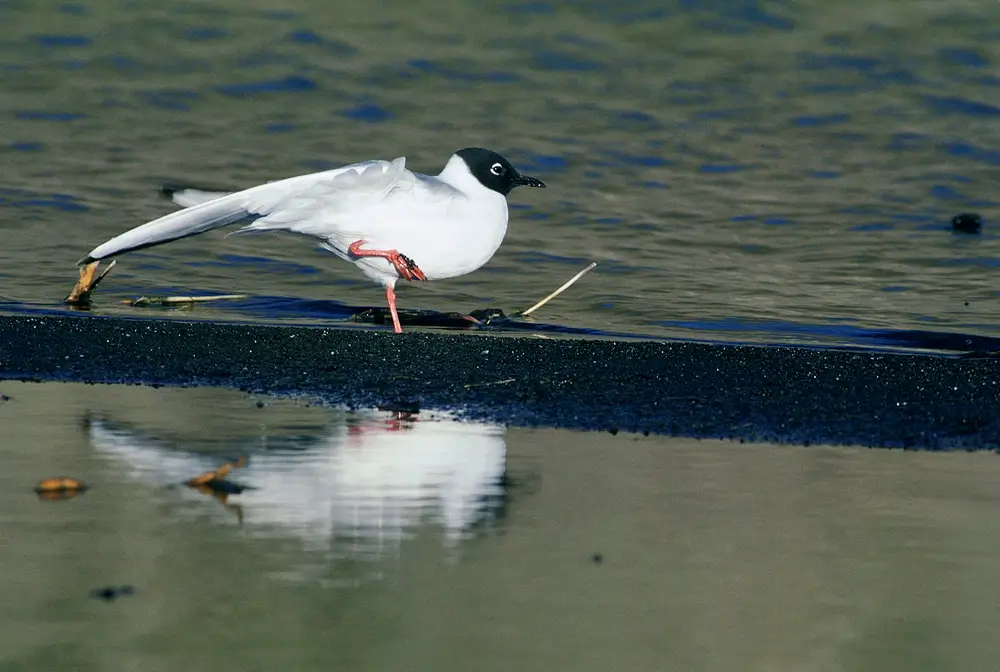
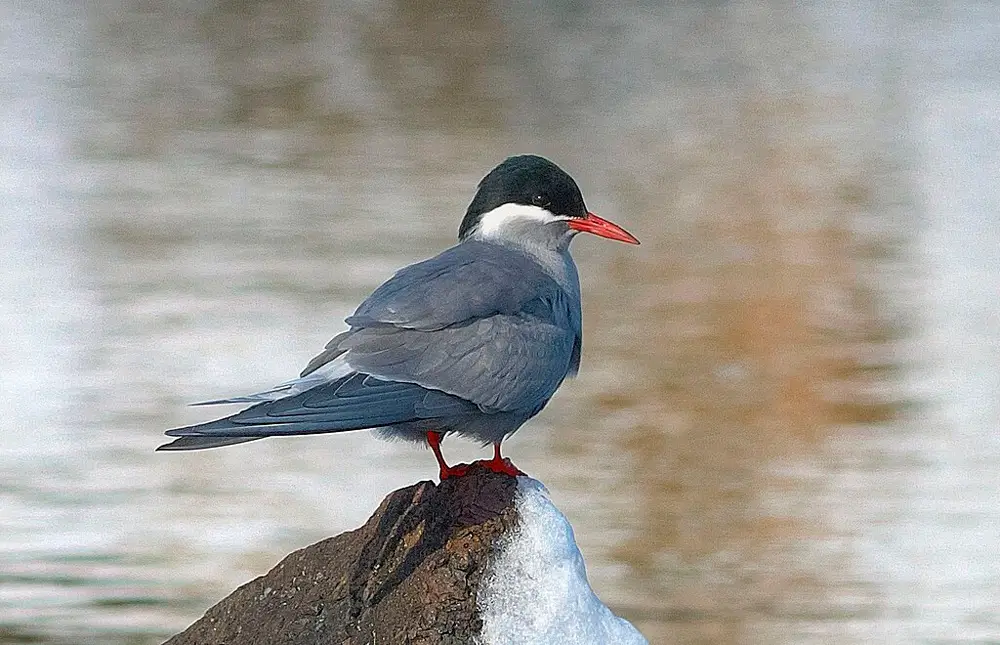
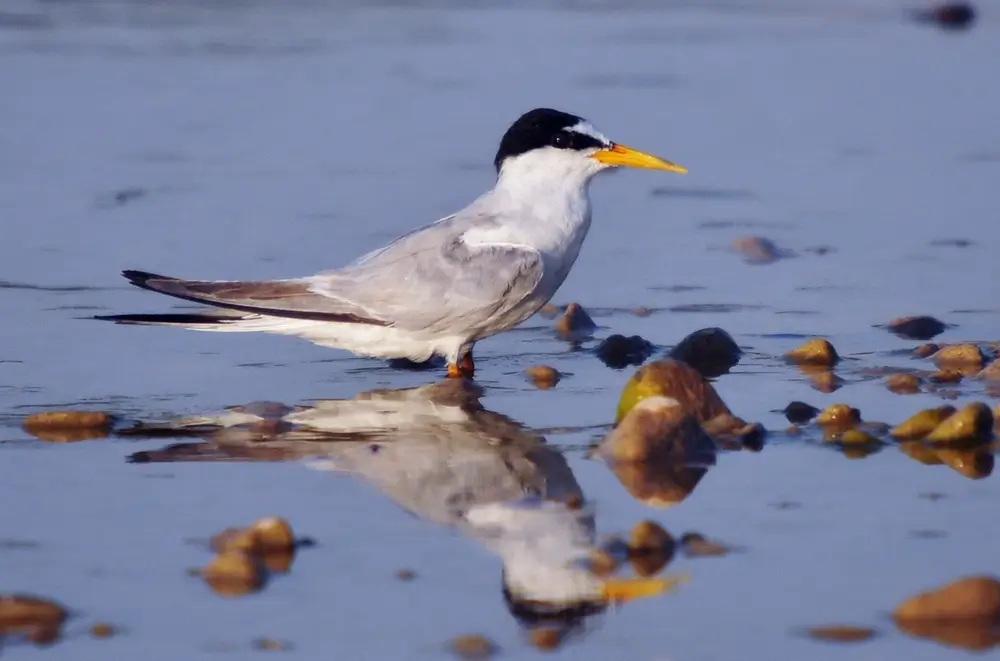
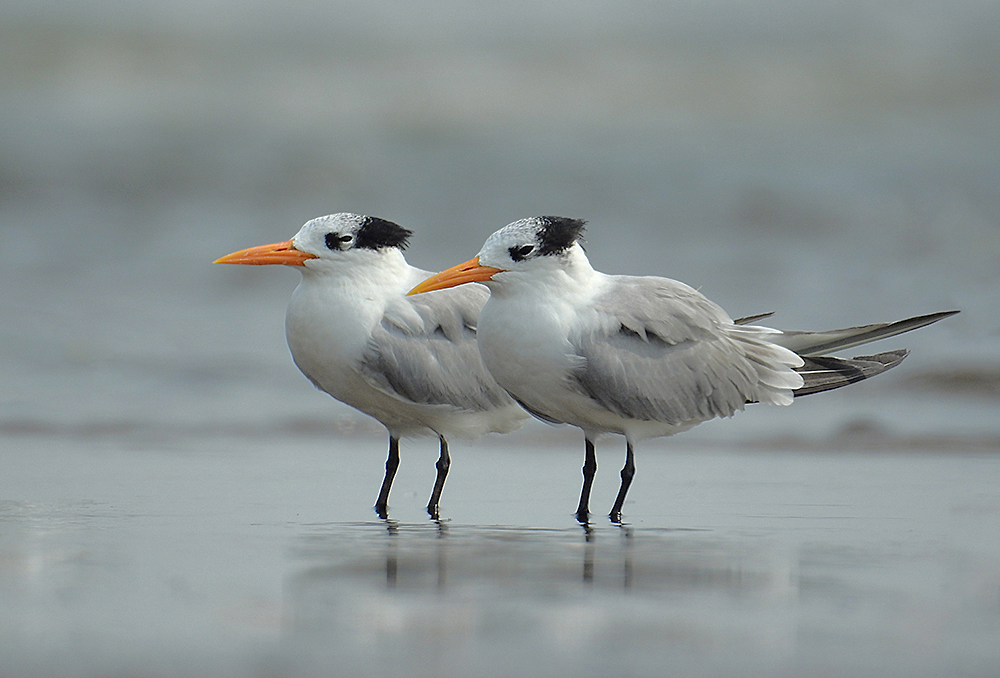
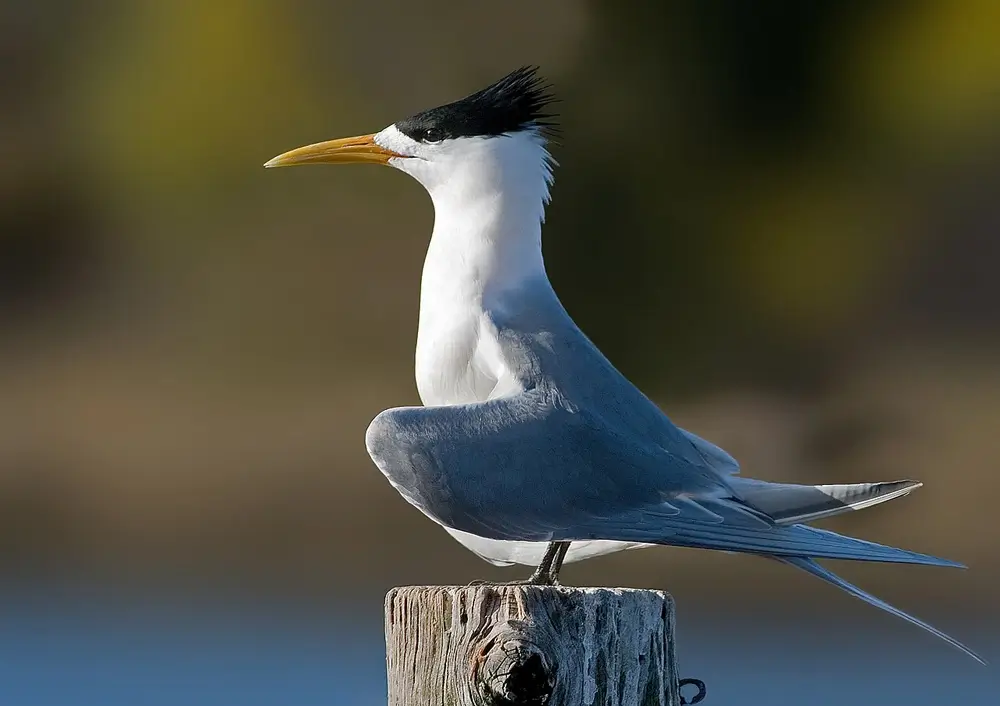
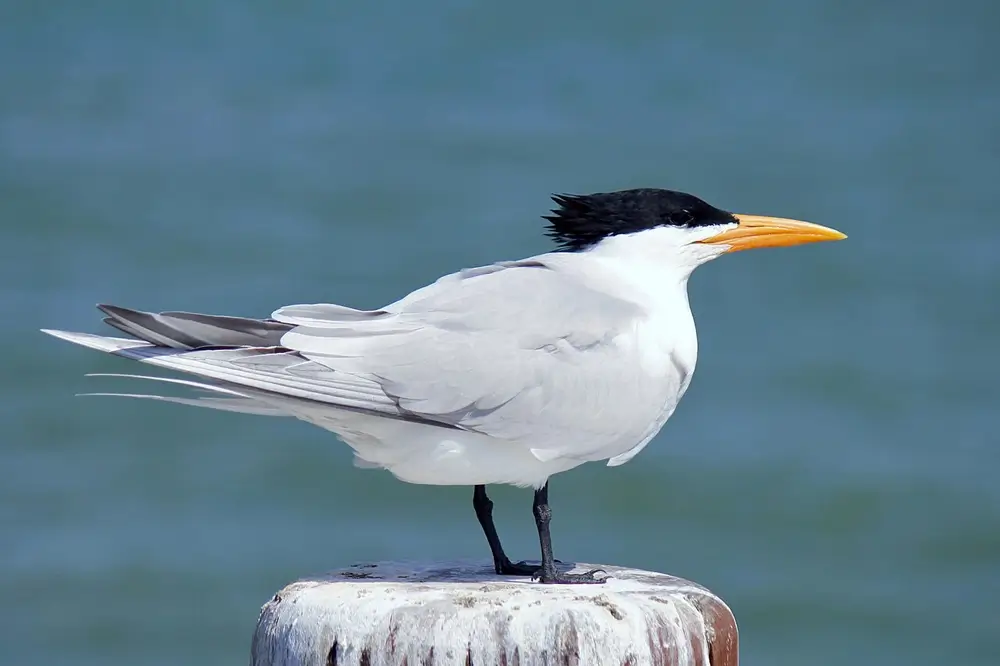
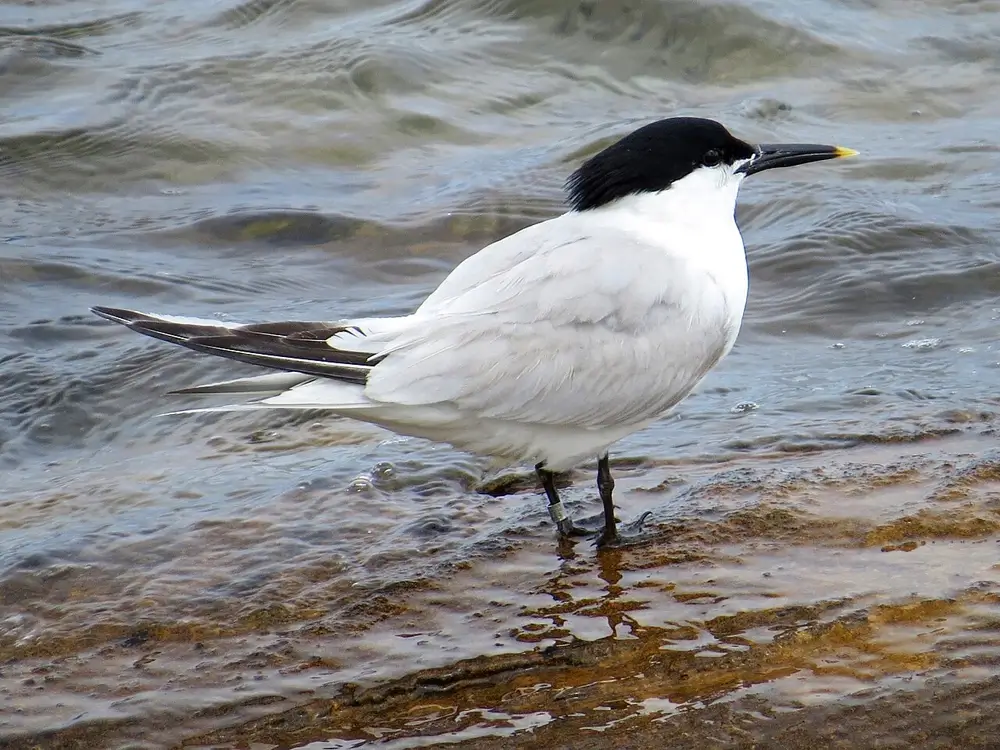
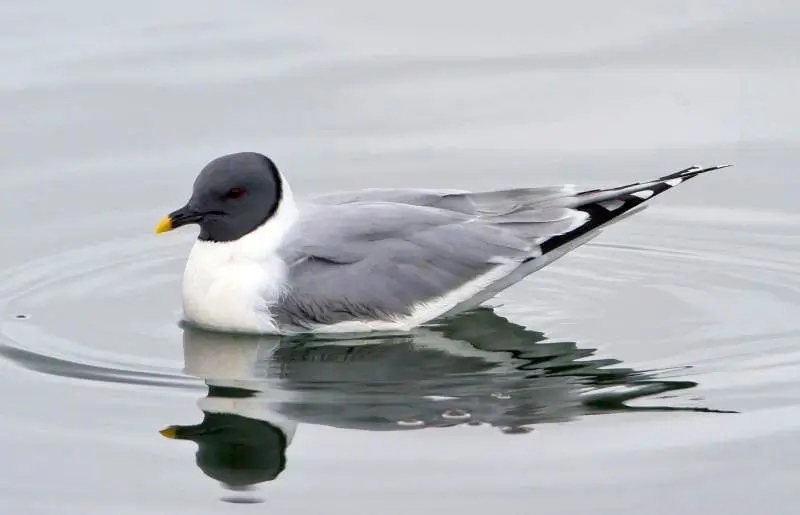
Birds in this family are generally medium-sized and are usually white, gray, or black, often with contrasting markings on the head, wings, or back. They have streamlined bodies, relatively short legs, webbed feet, and strong bills adapted for catching and eating a variety of foods.
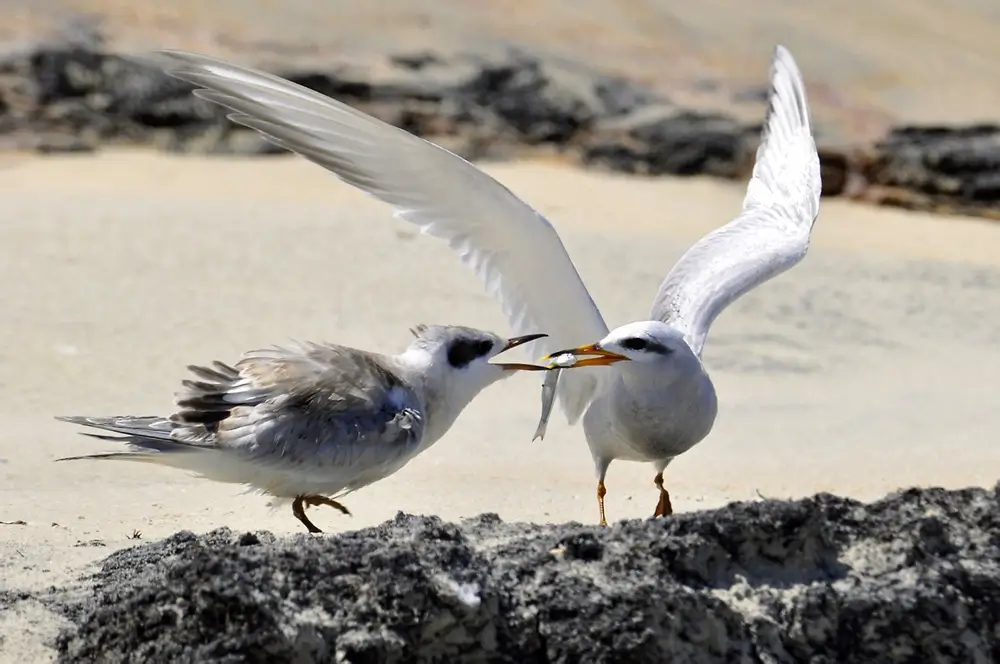
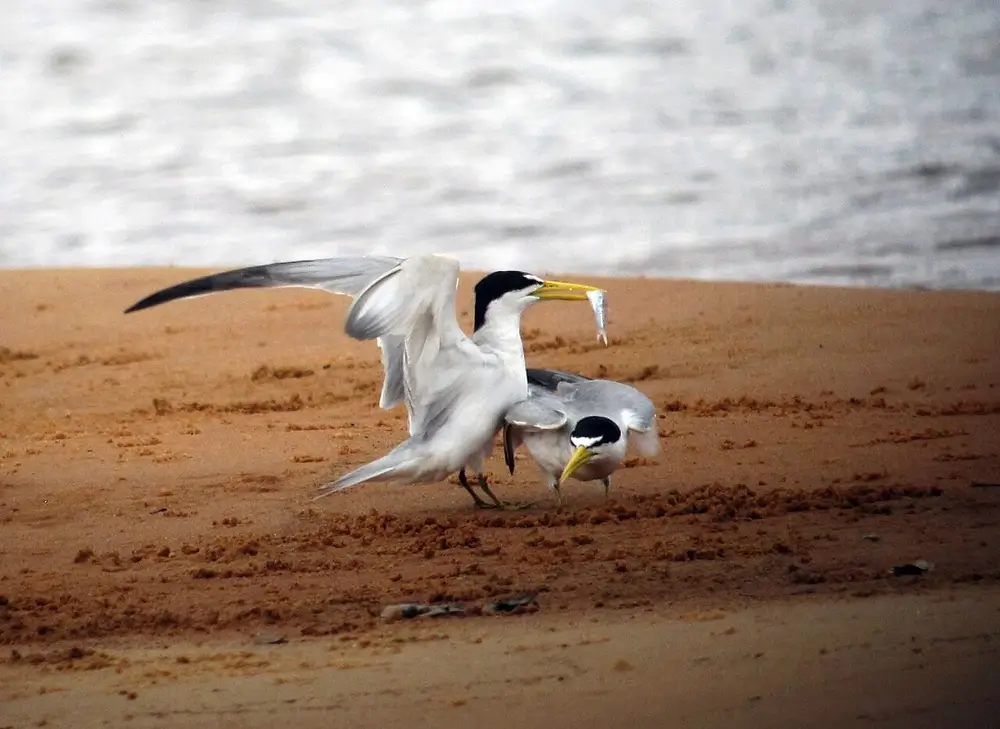
Most species are opportunistic feeders. Fish and aquatic invertebrates make up a large part of their diet, but they may also eat insects, crustaceans, worms, eggs, carrion (dead animals), and even plant material. Some species catch fish by diving into the water, while others pick food from the surface or forage along beaches and mudflats.
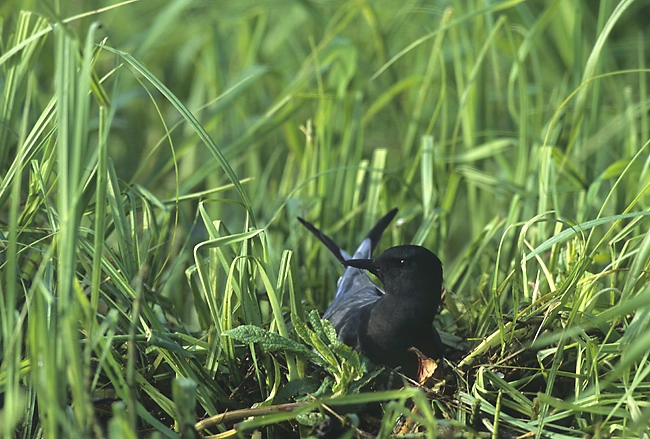
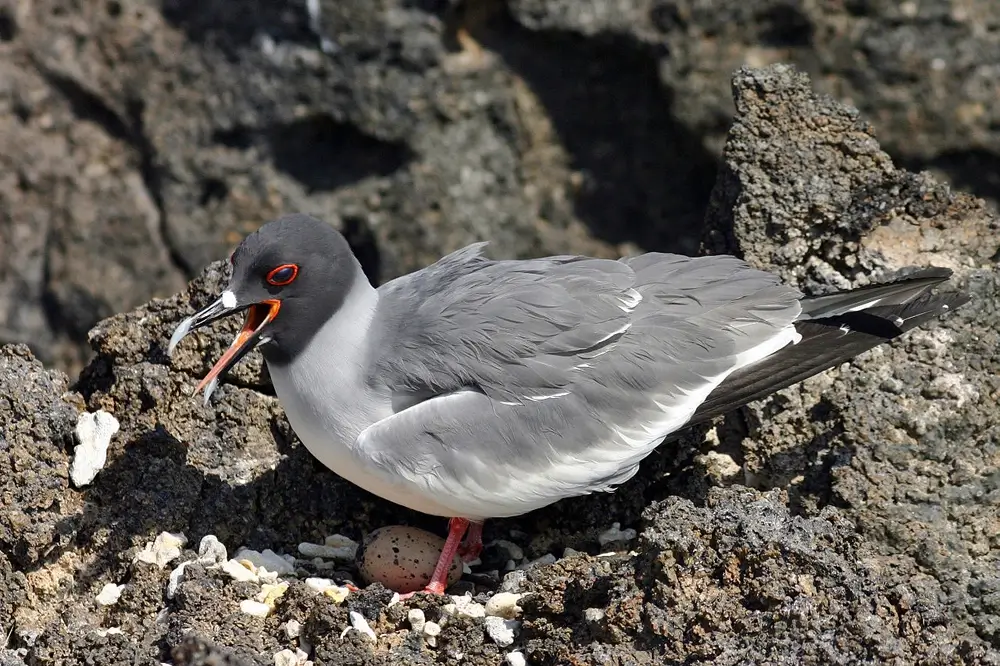
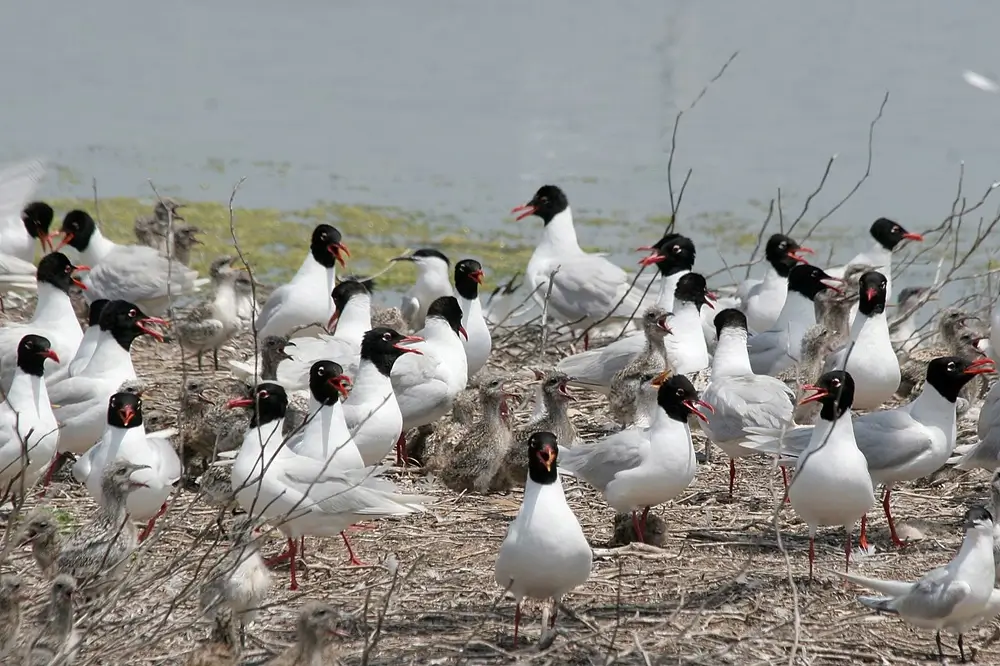
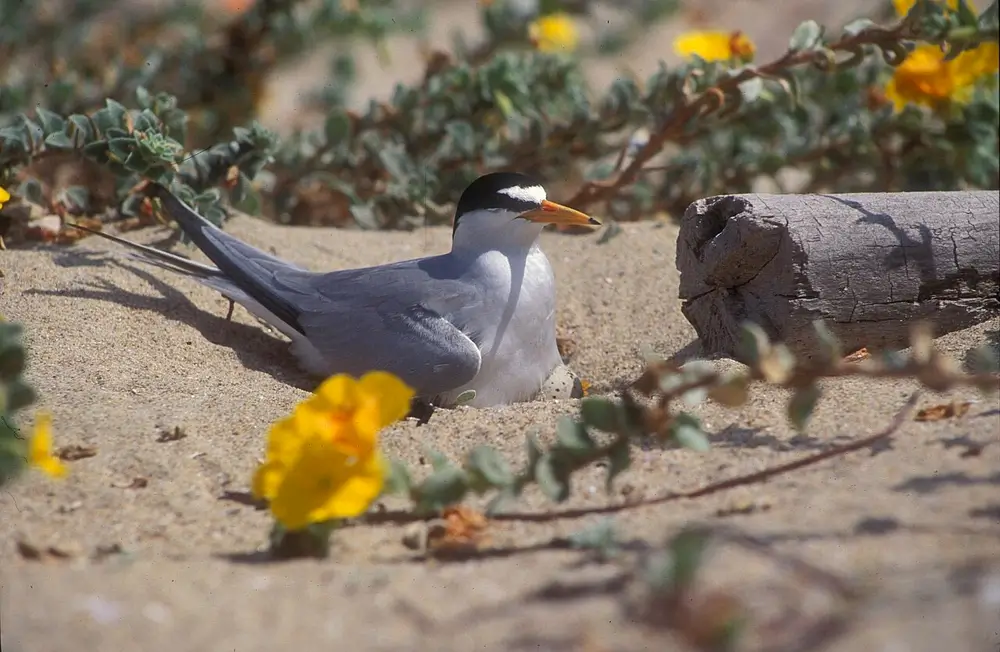
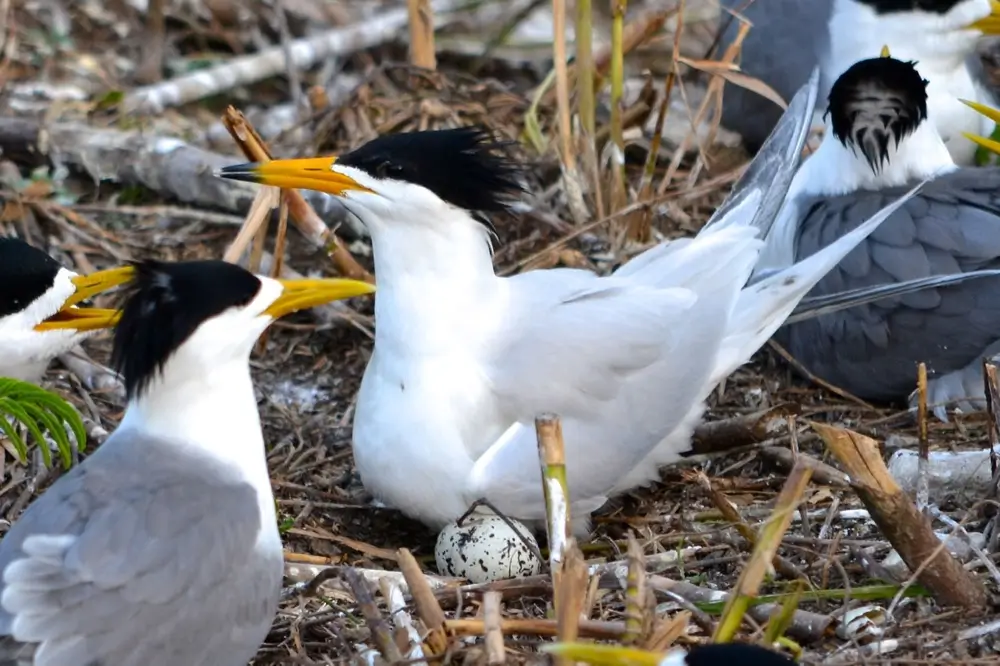
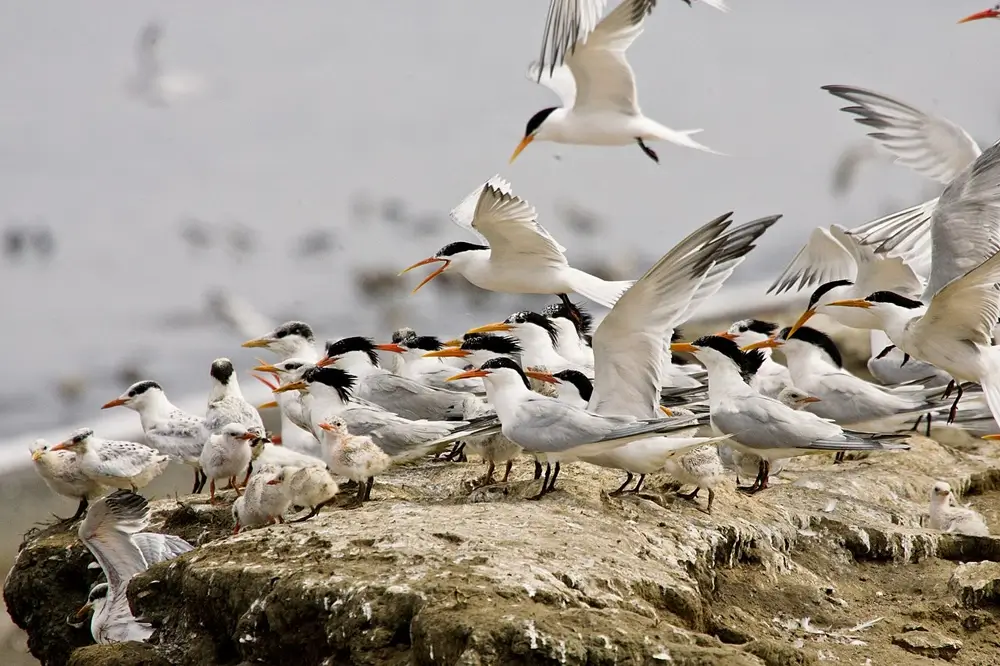
Most species nest in colonies, sometimes numbering thousands of birds. Their nests are usually simple scrapes on the ground, although some species nest on cliffs, islands, or in vegetation.
Both parents typically help incubate the eggs and care for the chicks. Many species are highly social and communicate with a variety of calls and displays.