Rodentia is the largest order of mammals. There are over 2,000 species of rodents, making up about 40% of all mammal species.
Rodents live on every continent except Antarctica, and they are not native to New Zealand and some remote ocean islands.
They are found in a variety of habitats, including rainforests, deserts, swamps, tundra, coniferous and deciduous forests, and grasslands.
They range in size from the smallest of mice to the pig-sized Capybara. Most species are omnivores, but some species are herbivores. Some species, like chipmunks and hamsters, have pouches on the sides of their mouths for storing food. Some species, like squirrels, spend most of their time in trees, while other species, like beavers, spend a lot of time in the water.
All rodents have one thing in common: they have specialized teeth for gnawing. They have a pair of sharp, chisel-like upper and lower incisors that are continuously growing. The front of the incisors is covered with thick protective layers of enamel. The back side of the incisors has no enamel. As rodents gnaw their food, the back side of their incisors wears away. This keeps the edges of their incisors nice and sharp.
They don’t have canine teeth, so there is a gap between their incisors and their molars. This gap makes it easier for them to gnaw with their incisors.
RODENTIA FAMILIES
Abrocomidae (chinchilla rats)
Aplodontidae (Mountain Beaver)
Anomaluridae (scaly-tailed squirrels)
Bathyergidae (African mole-rats)
Calomyscidae (mouse-like hamsters)
Capromyidae (West Indian hutias)
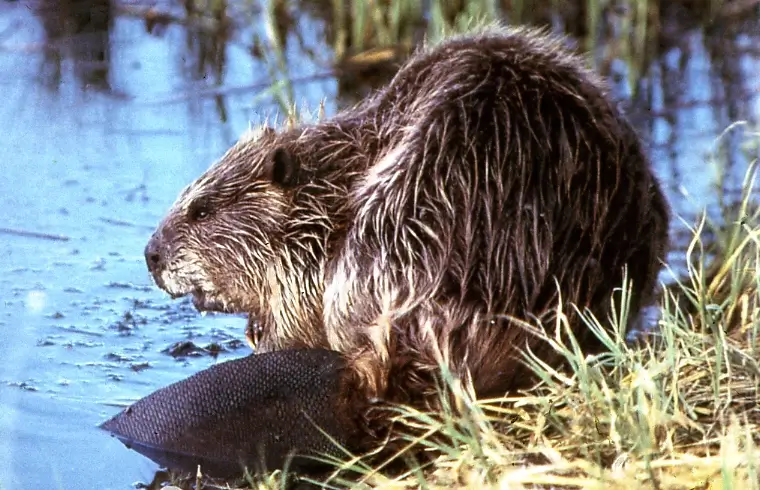
Castoridae (beavers)
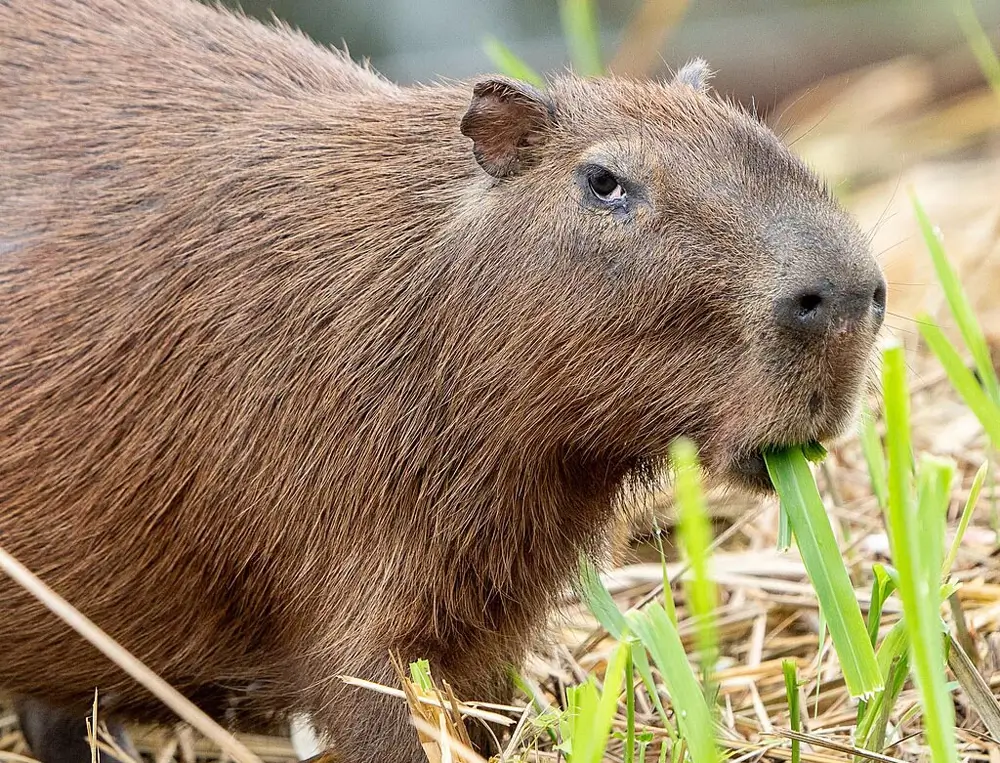
Caviidae (guinea pigs, cavies, capybaras)
Chinchillidae (chinchillas, viscachas)
Cricetidae (hamsters, voles, lemmings, New World rats and mice)
Ctenodactylidae (gundis)
Ctenomyidae (tuco-tucos)
Cuniculidae (pacas)
Dasyproctidae (agoutis)
Dinomyidae (Pacarana)
Dipodidae (jerboas, jumping mice)
Echimyidae (spiny rats)
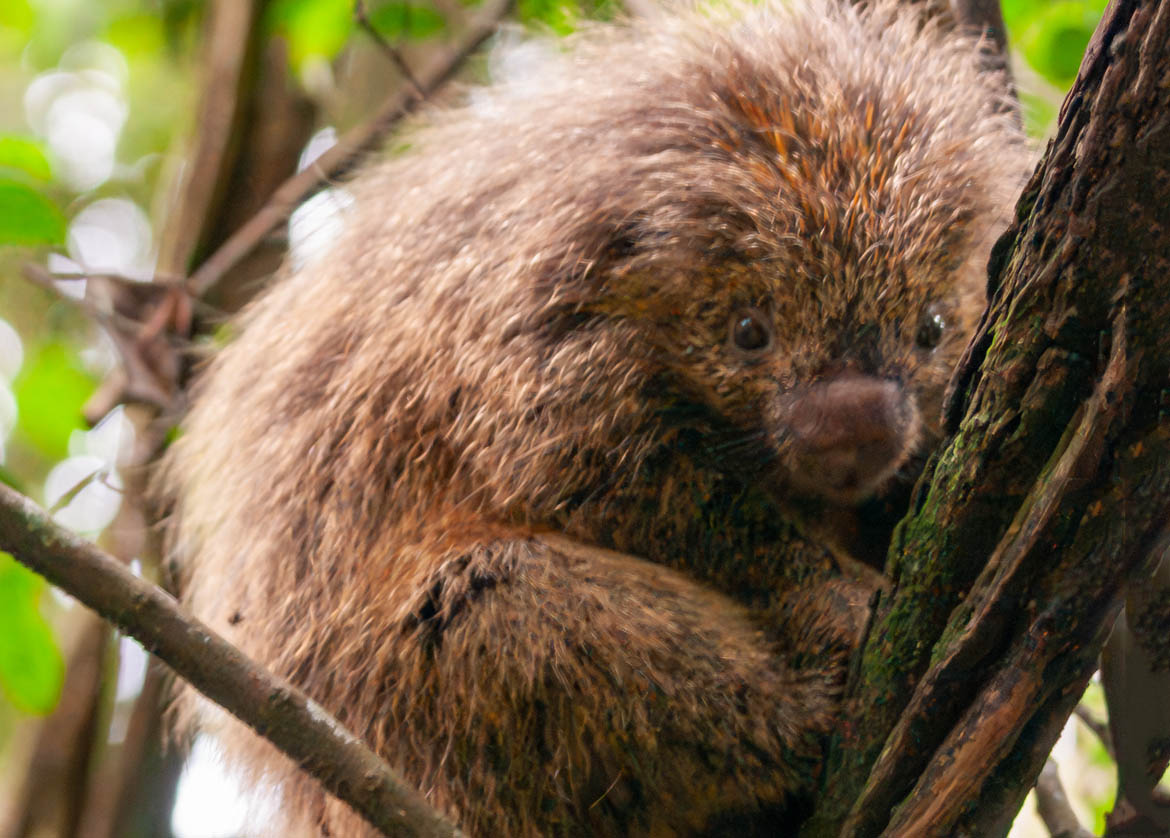
Erethizontidae (New World porcupines)
Geomyidae (pocket gophers)
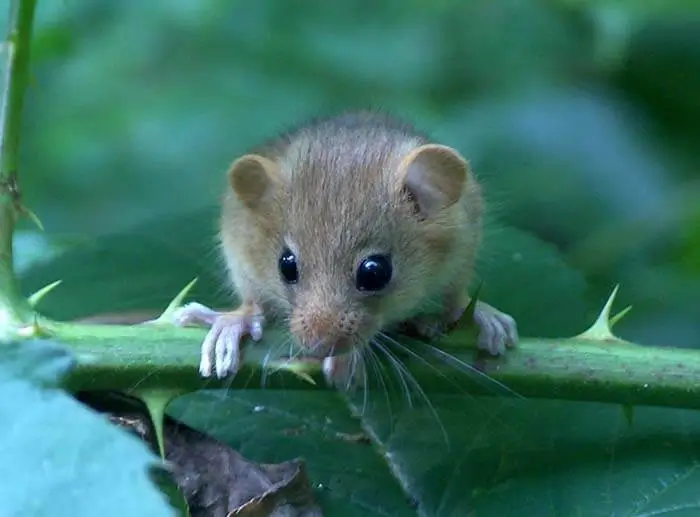
Gliridae (dormice, hazel mice)
Heteromyidae (kangaroo rats, pocket mice)
Hystricidae (Old World porcupines)
Myocastoridae (nutrias)
Muridae (Old World mice and rats, gerbils)
Nesomyidae (African and Malagasy mice and rats)
Octodontidae (degus, rock rats, viscacha rats)
Pedetidae (springhares)
Petromuridae (Dassie Rat)
Platacanthomyidae (Malabar Spiny Tree Mouse, Chinese Dormouse)
Sciuridae (squirrels, chipmunks, marmots, prairie dogs)
Spalacidae (blind mole rats, bamboo rats)
Thryonomyidae (cane rats)