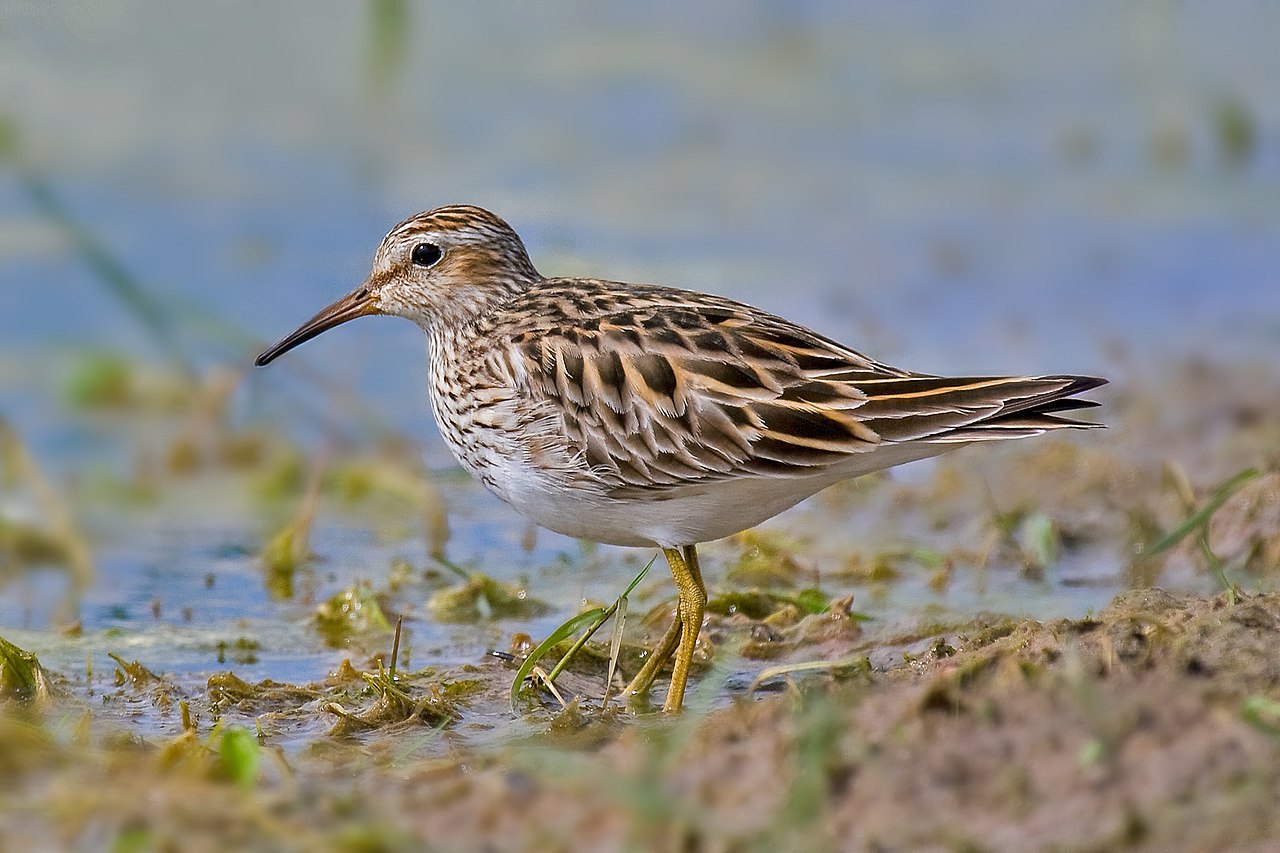
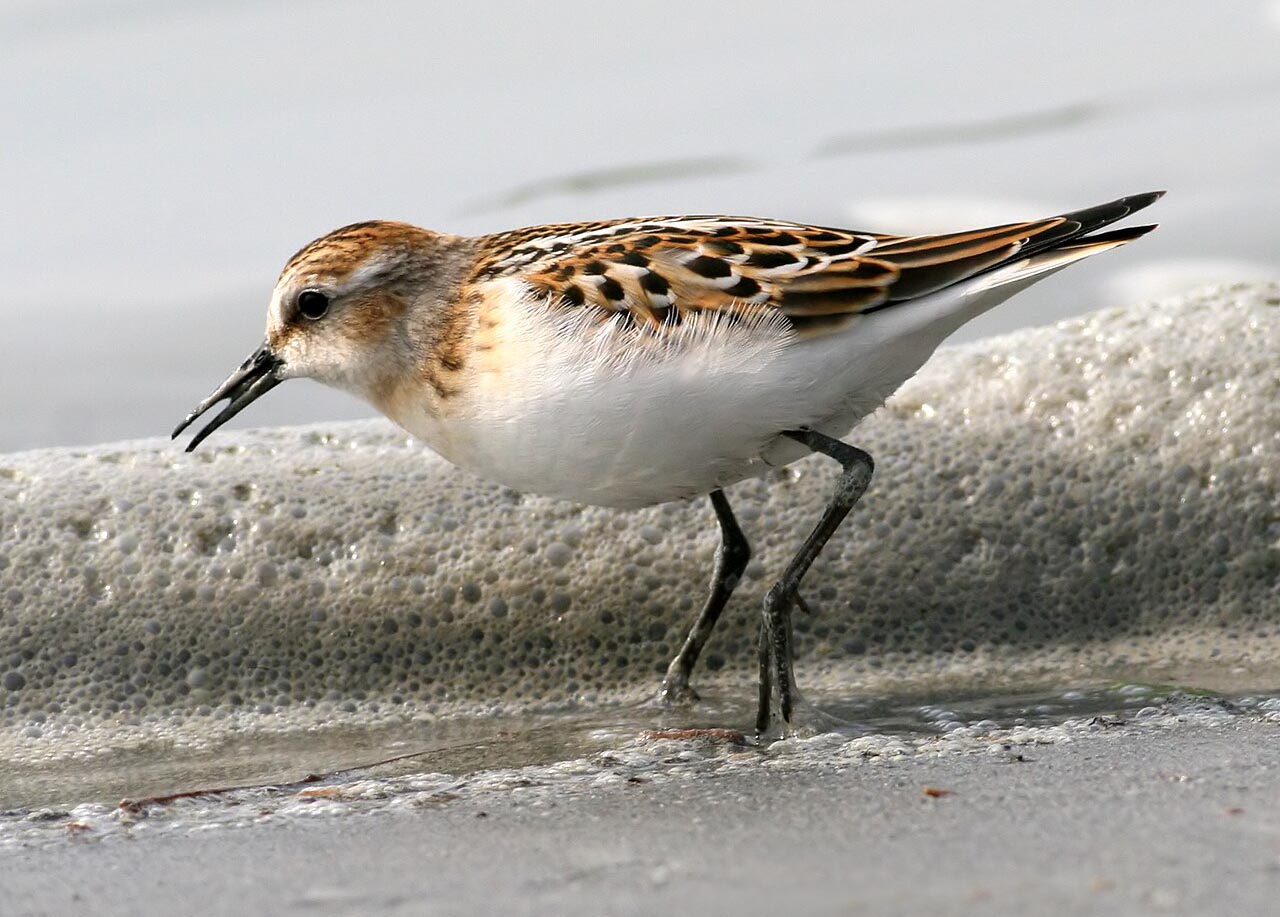
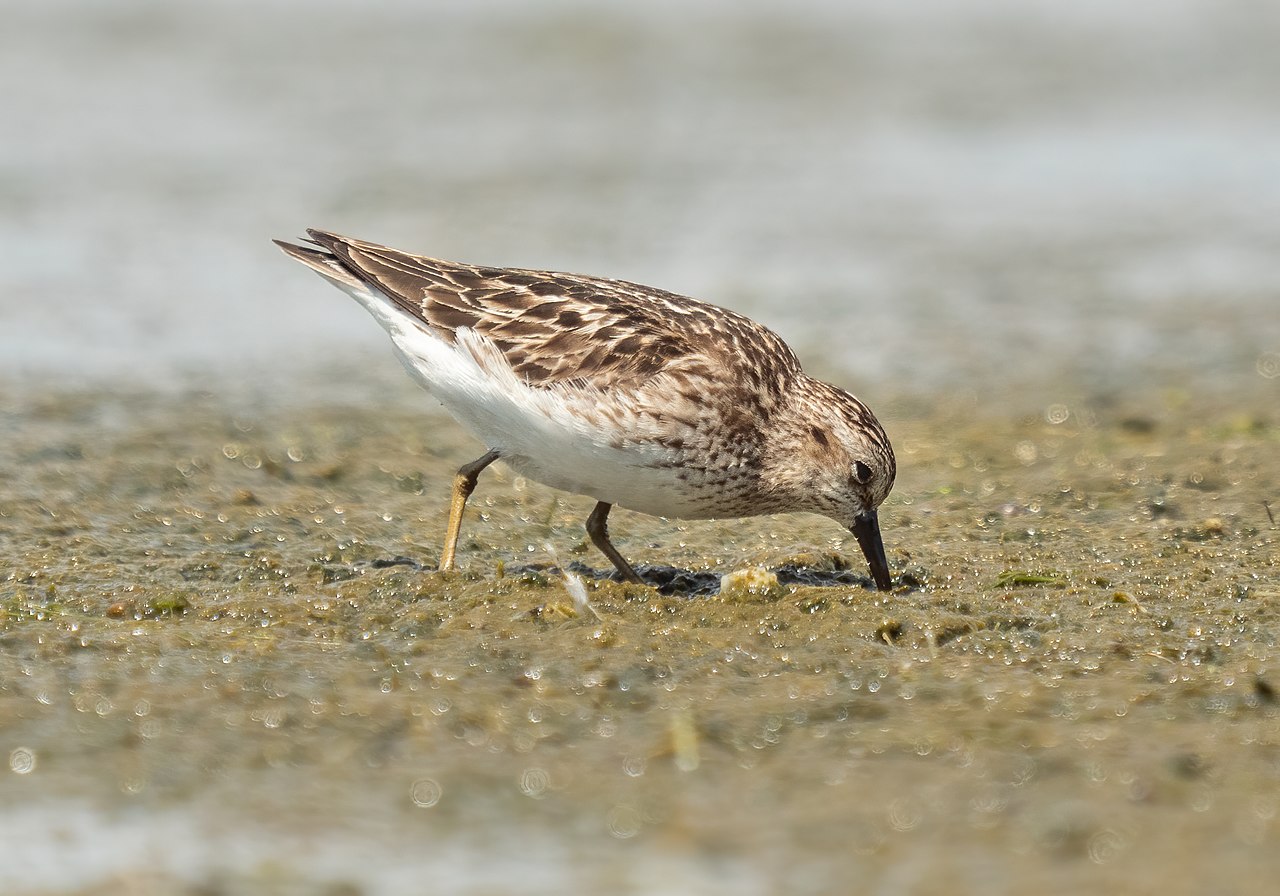
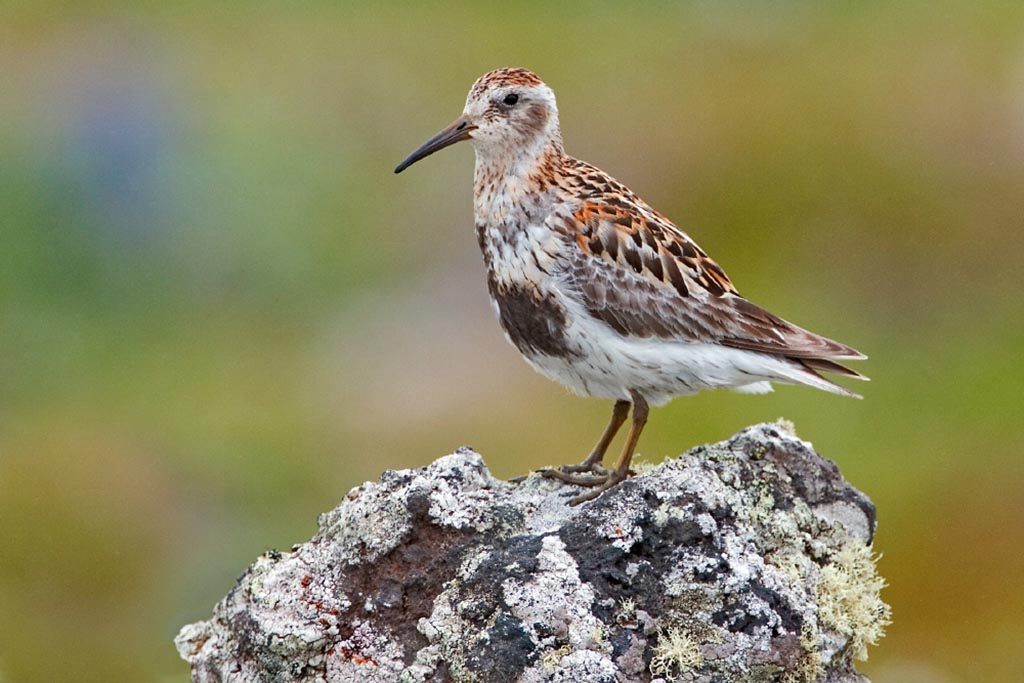
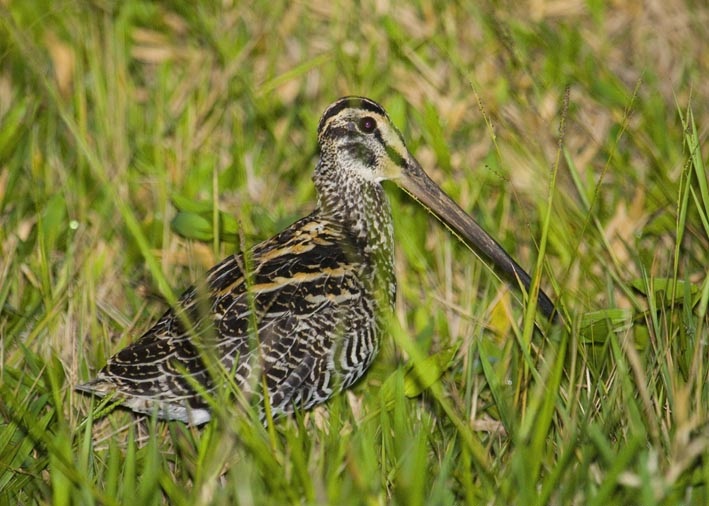
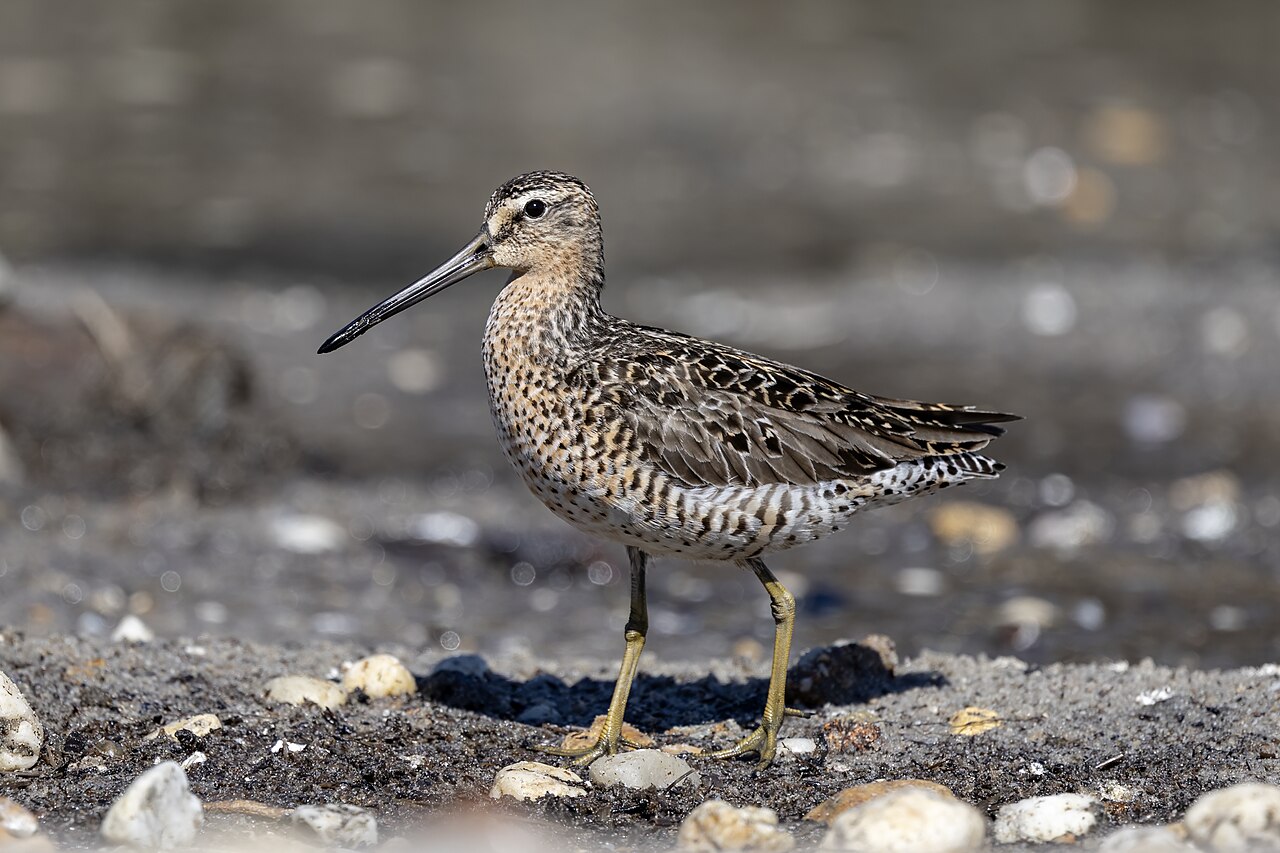
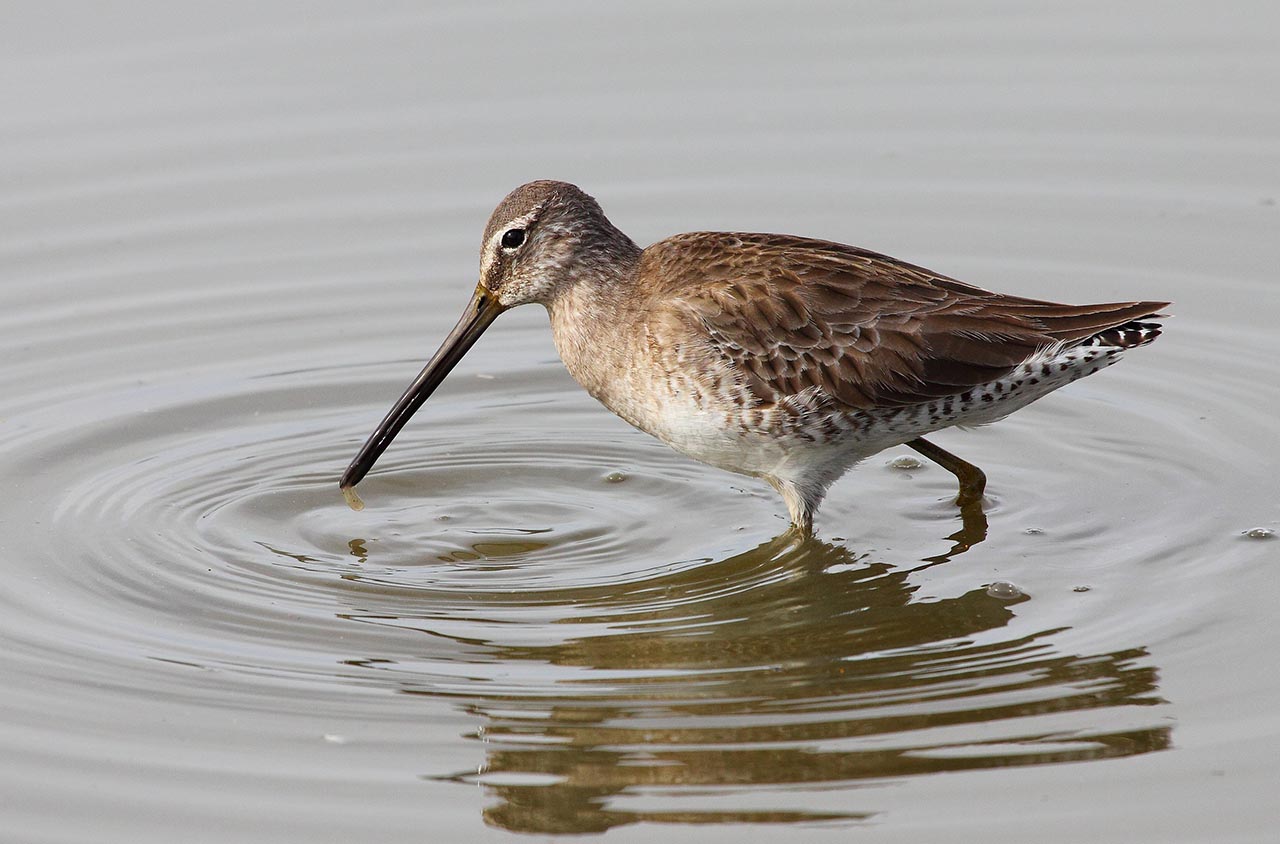
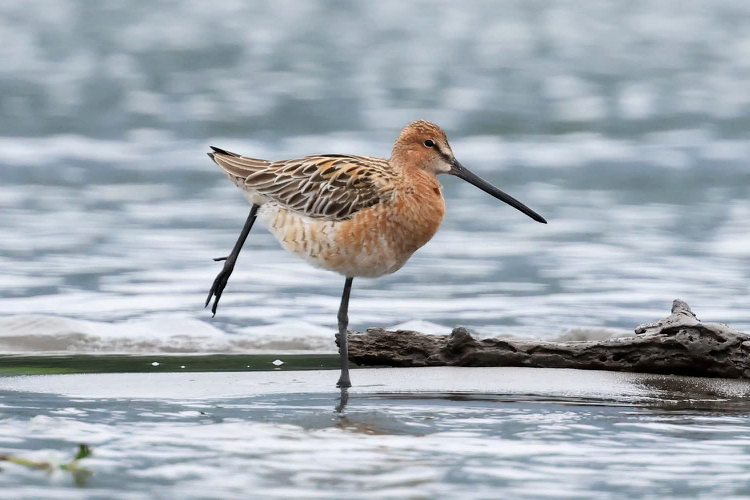
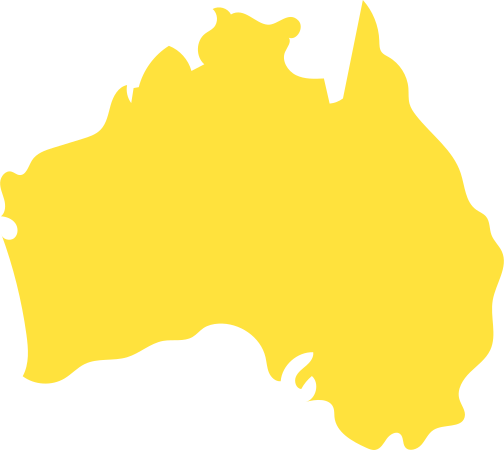
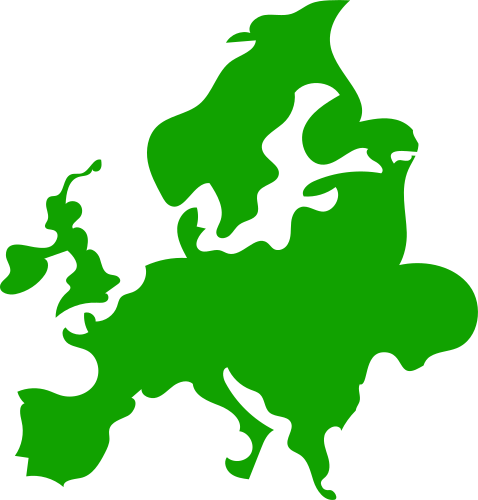
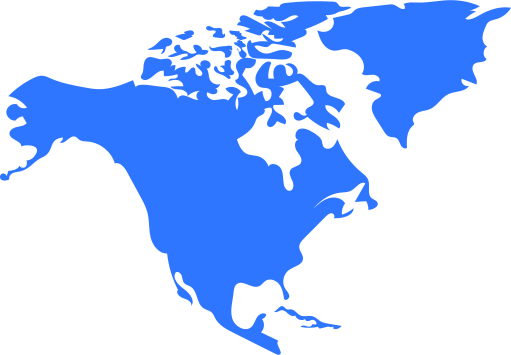
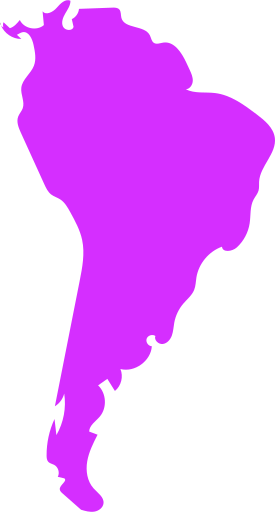
There are about 97 species in this family of birds. They are most commonly found along shorelines, mudflats, beaches, and wetlands around the world. However, some species, such as the Upland Sandpiper(Bartramia longicauda), live in open grasslands instead of near water.
These birds are found on every continent except Antarctica. Many species breed in northern regions, including the Arctic and subarctic, during the summer and migrate long distances to warmer coastal and inland areas during the winter.
They usually have rounded heads, medium to long legs, and straight or slightly curved, pointed bills. Their body shape is well adapted for walking through mud or grass and searching for food.
Most species feed on small invertebrates such as worms, insects, crustaceans, and mollusks. They use their bills to probe into soil, sand, or shallow water to find food. Their plumage is often brown, gray, and white, which helps them blend into their surroundings.
Their young are precocial, and chicks can leave the nest soon after hatching and begin feeding themselves within a short time, although parents may still protect and care for them.
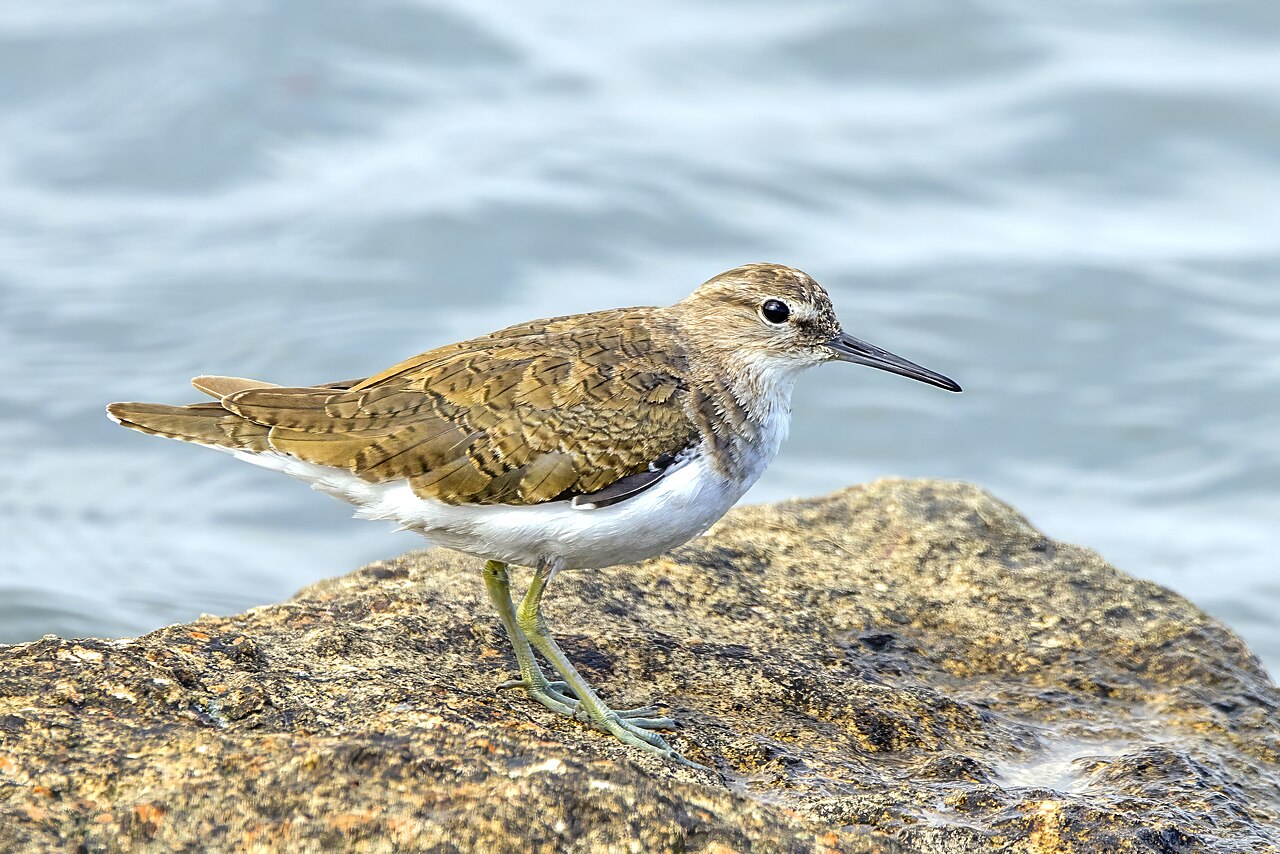
Common Sandpiper (Actitis hypoleucos)
The Common Sandpiper is found in Europe,Asia, Africa, and Australia. IUCN Redlist Status; Least Concern
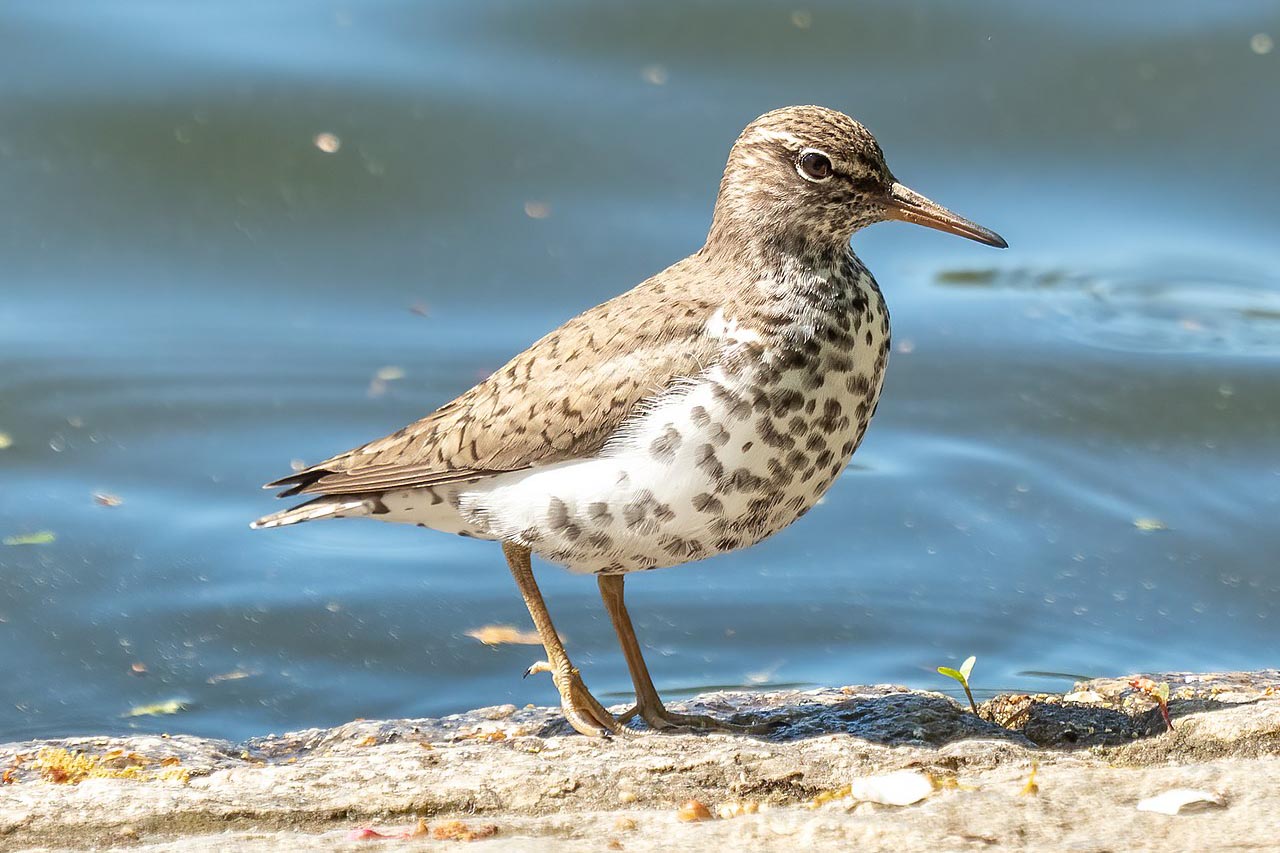
Spotted Sandpiper (Actitis macularius)
The Spotted Sandpiper breeds across most of Canada and the United States, including New Hampshire. It winters along the the Pacific Coast in the west. In the east, it winters along the Atlantic Coast of the southern United States south to South America. IUCN Redlist Status: Least Concern
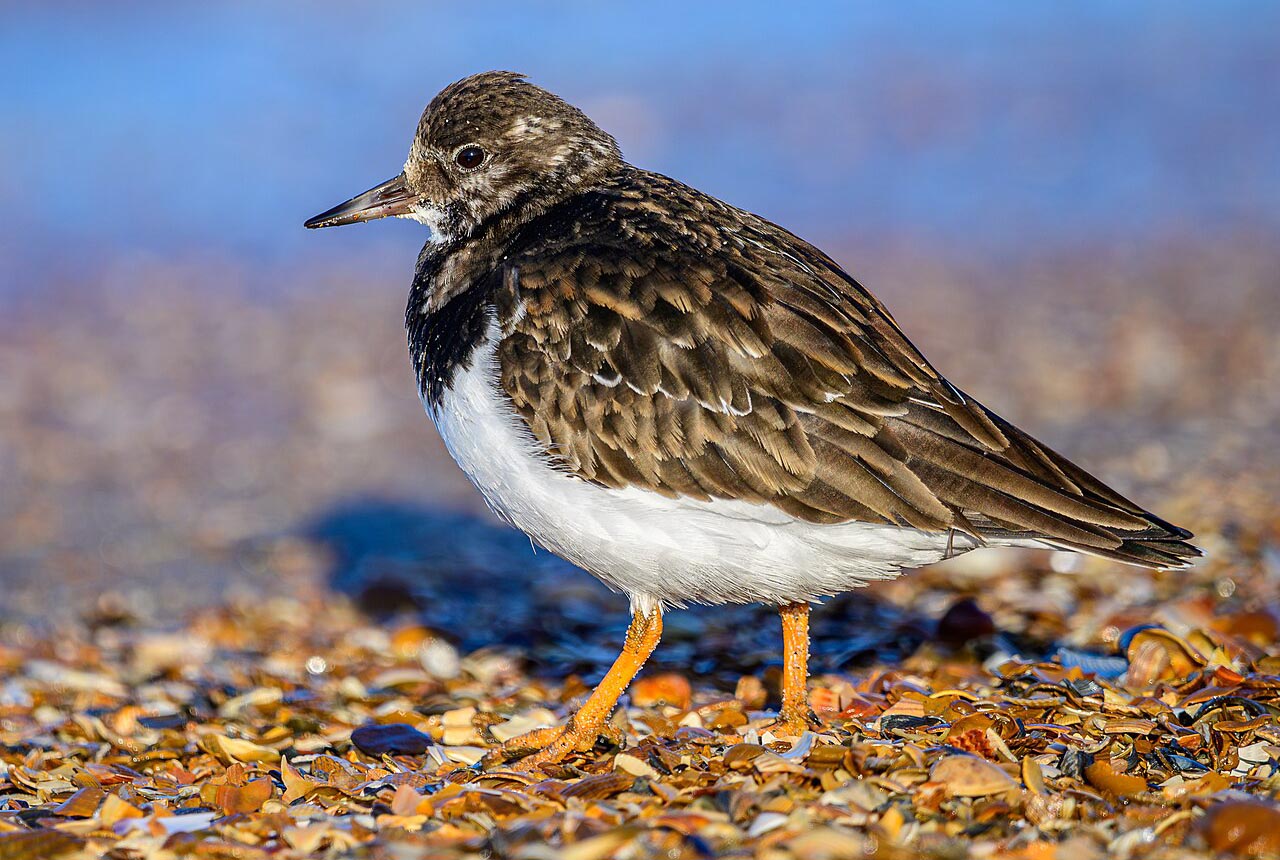
Ruddy Turnstone (Arenaria interpres)
The Ruddy Turnstone breeds along the coastline from western Alaska east to Greenland. The ruddy turnstone also breeds in arctic regions of Europe and Asia. It winters along the Pacific and Atlantic Coasts from Oregon and Connecticut south to South America. It also winters on the Gulf Coast. It can be found in New Hampshire during migration. IUCN Redlist Status: Near Threatened
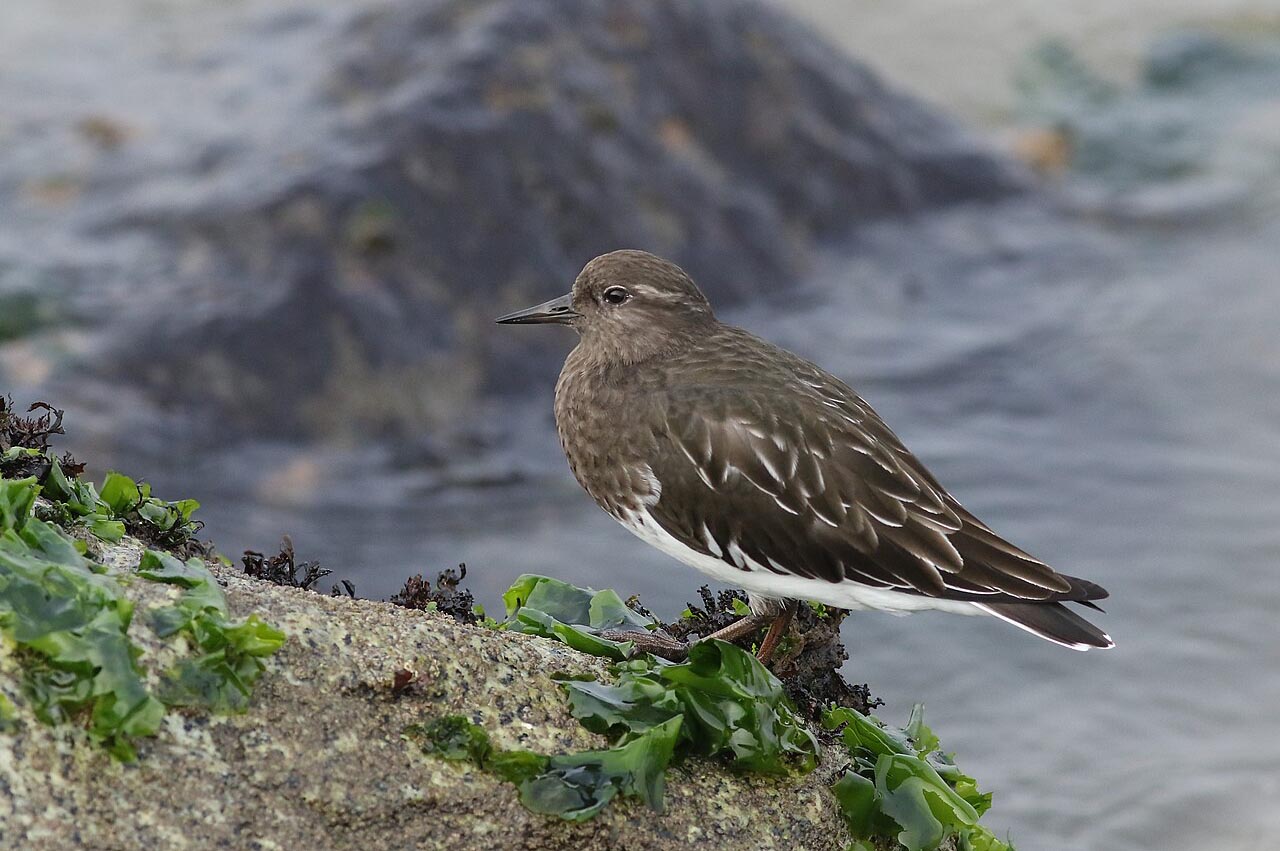
Black Turnstone (Arenaria melanocephala)
The Black Turnstone breeds along the coastline of Alaska. In the winter, the black turnstone is found along the Pacific Coast from Alaska to Baja California. IUCN Redlist Status: Least Concern
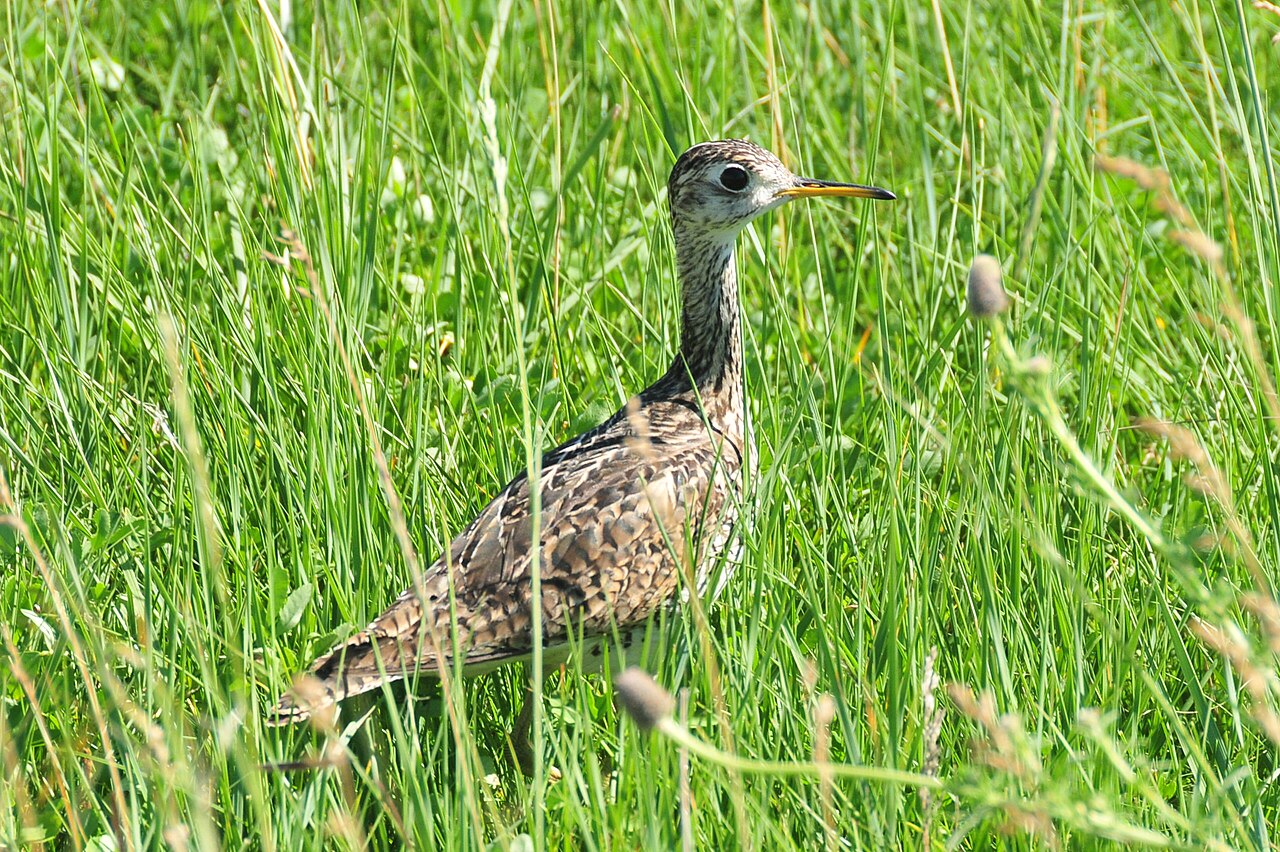
Upland Sandpiper (Bartramia longicauda)
The Upland Sandpiper breeds from Alaska east to New Brunswick, Canada and south to northeastern Oregon, Oklahoma, and Virginia. It winters on the pampas (prairie) of southern South America from Brazil to Argentina. The upland sandpiper can be found at the Pease airfield in Portsmouth and Newington. It is an endangered species in New Hampshire. IUCN Redlist Status: Least Concern
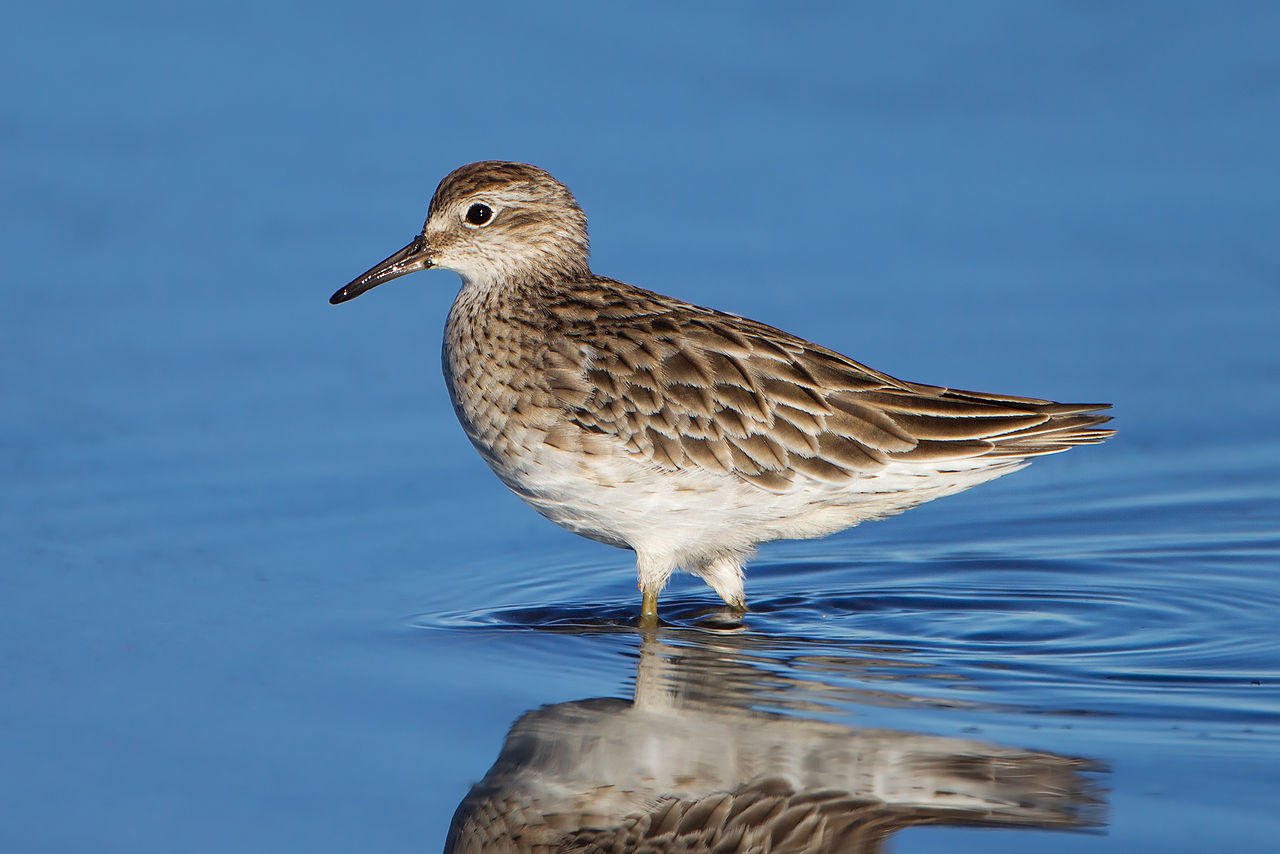
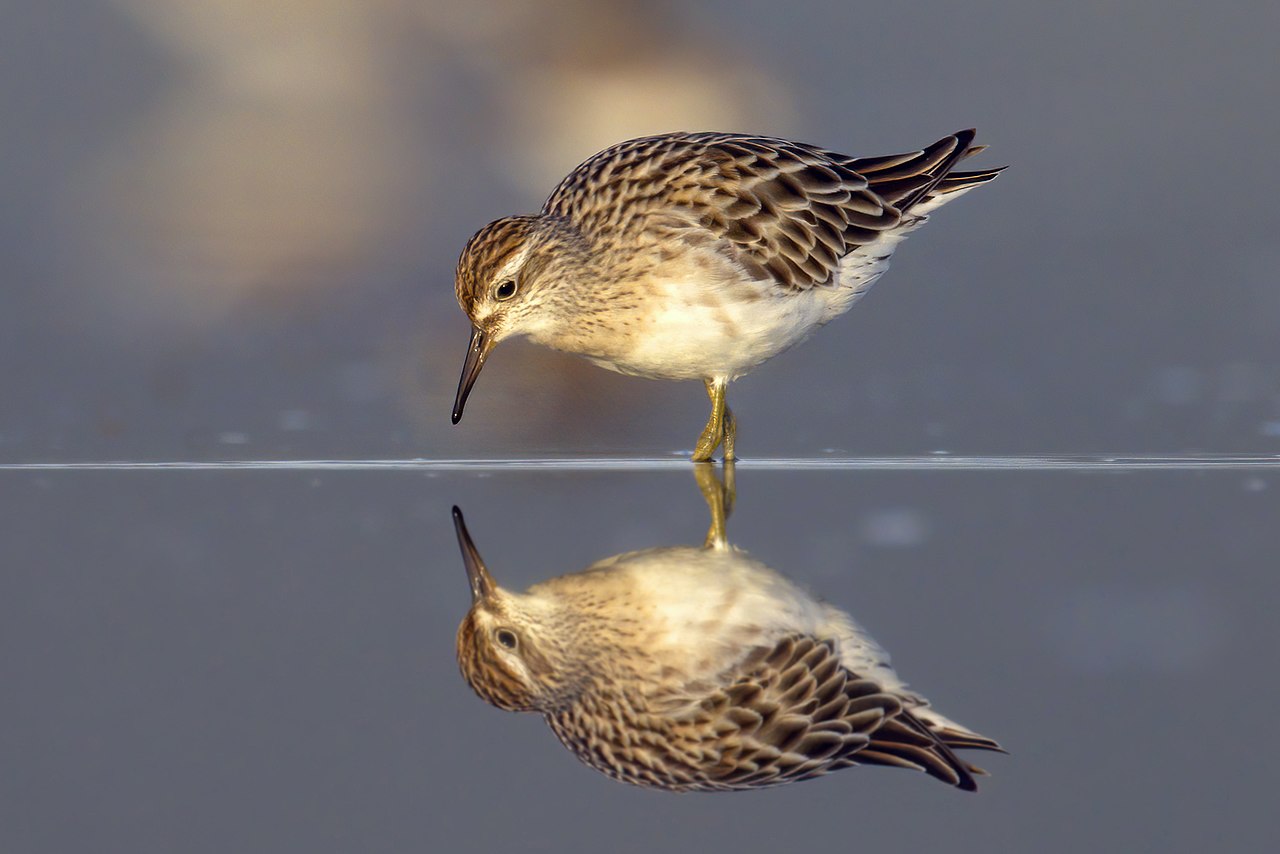
Sharp-tailed Sandpiper (Calidris acuminata)
The Sharp-tailed Sandpiper breeds on the Siberian tundra and winters in Australia and New Zealand. Migrating birds appear in Alaska and in small numbers along the West Coast in the fall and, less often, inland and on the East Coast. IUCN Redlist Status: Vulerable
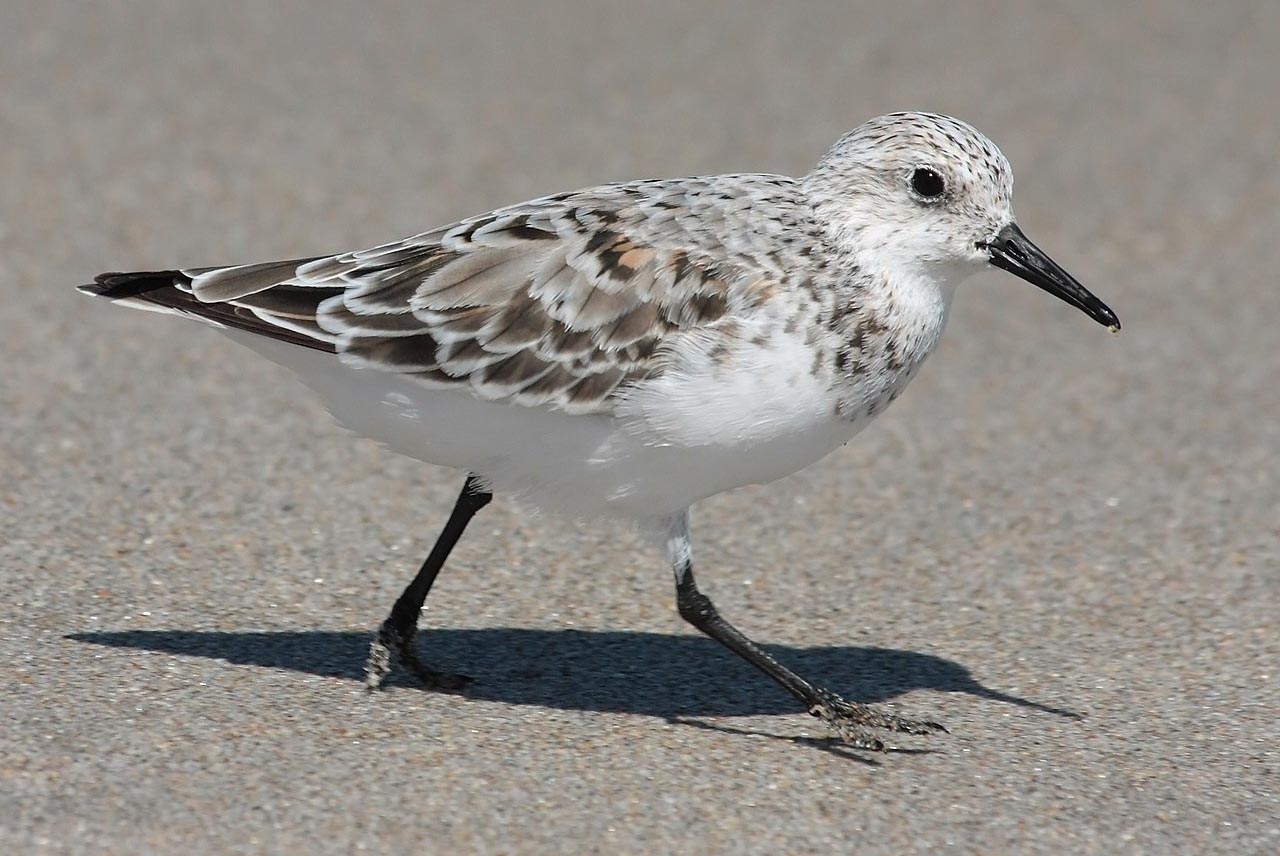
Sanderling (Calidris alba)
The Sanderling breeds on the high arctic tundra of Alaska and northern Canada. It winters along the coast from British Columbia and Massachusetts south to South America. It is also found in Europe and Asia. It is found in New Hampshire during migration. IUCN Redlist Status: Least Concern
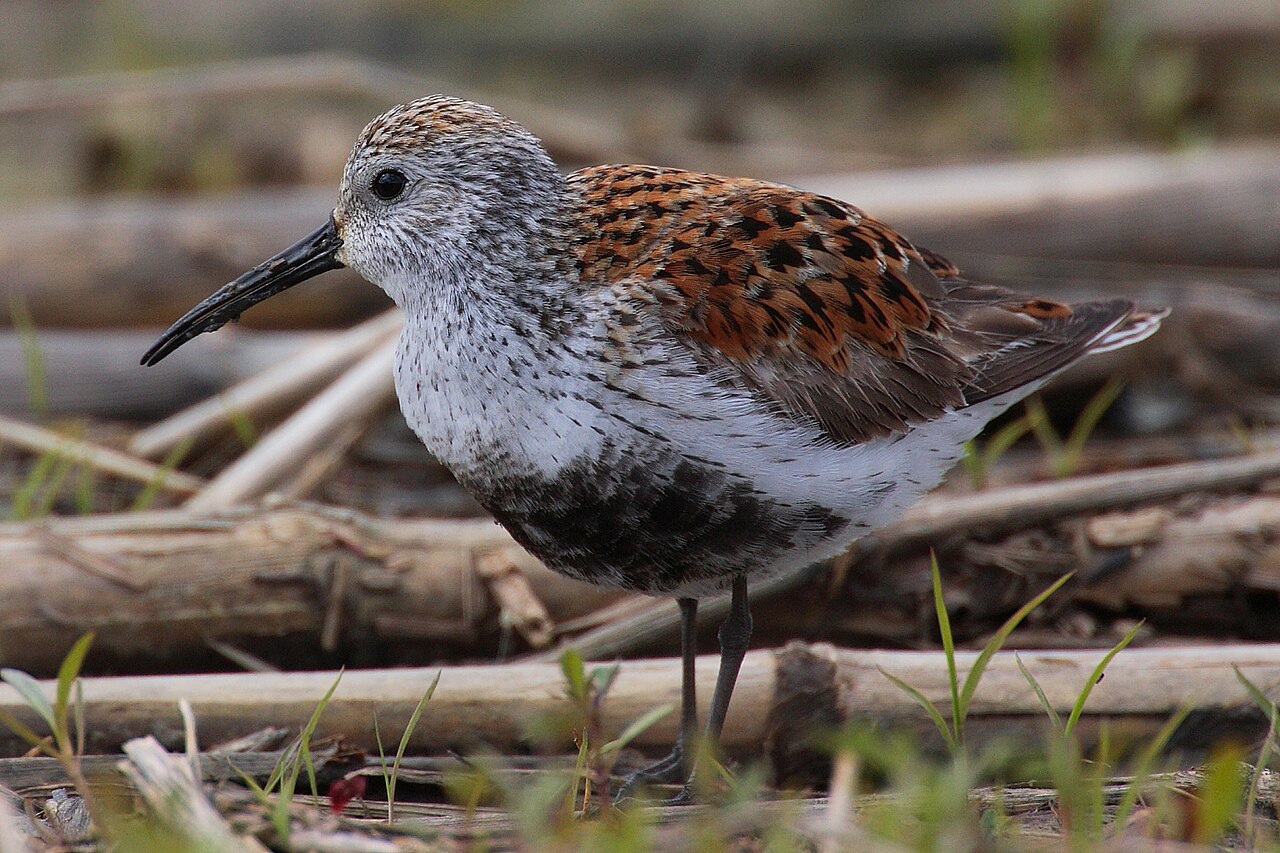
Dunlin (Calidris alpina)
The Dunlin breeds from western and northern Alaska east to the Hudson Bay. It winters along the coast from southern Alaska and Massachusetts south to Mexico. It is also found in northern Europe and Asia. It can be found in New Hampshire during migration. IUCN Redlist Status: Least Concern
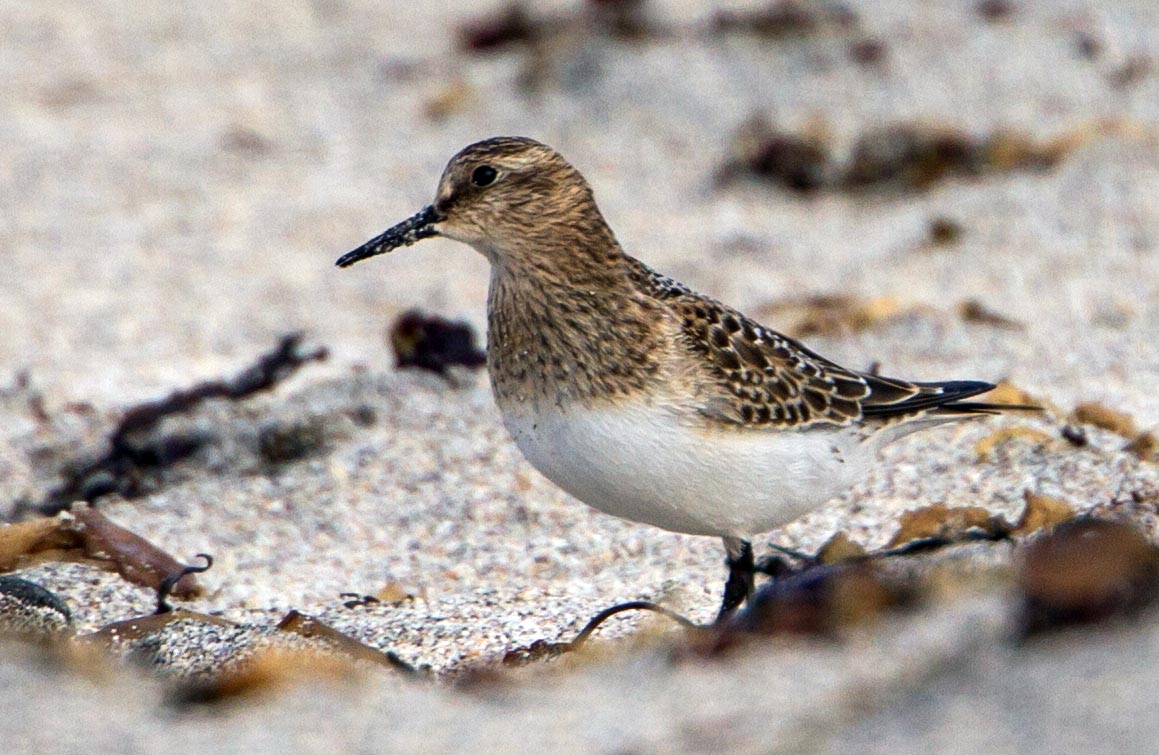
Baird's Sandpiper (Calidris bairdii)
Baird's Sandpiper breeds in the arctic regions of Alaska and Canada. It migrates through the Great Plains and winters in South America. In the fall, small numbers of Baird's sandpipers can be found on the Atlantic Coast, including in New Hampshire. It is also found in Iceland, Greenland and Siberia. IUCN Redlist Status: Least Concern
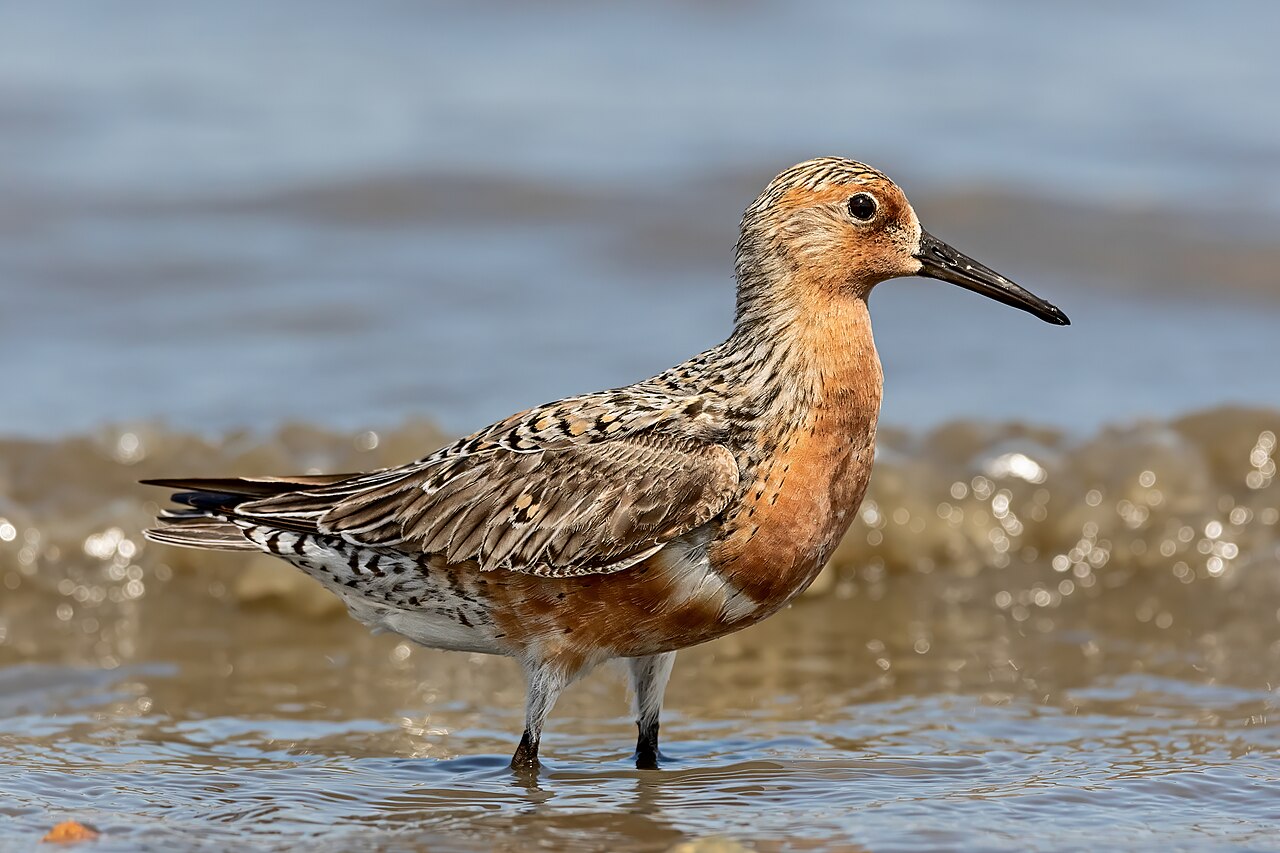
Red Knot (Calidris canutus)
The Red Knot breeds on islands in northern Canada and Alaska. It winters along both the Pacific and Atlantic coasts from California and Massachusetts south to South America. The red knot is also found in Europe and Asia. It is found in New Hampshire. IUCN Redlist Status: Near Threatened
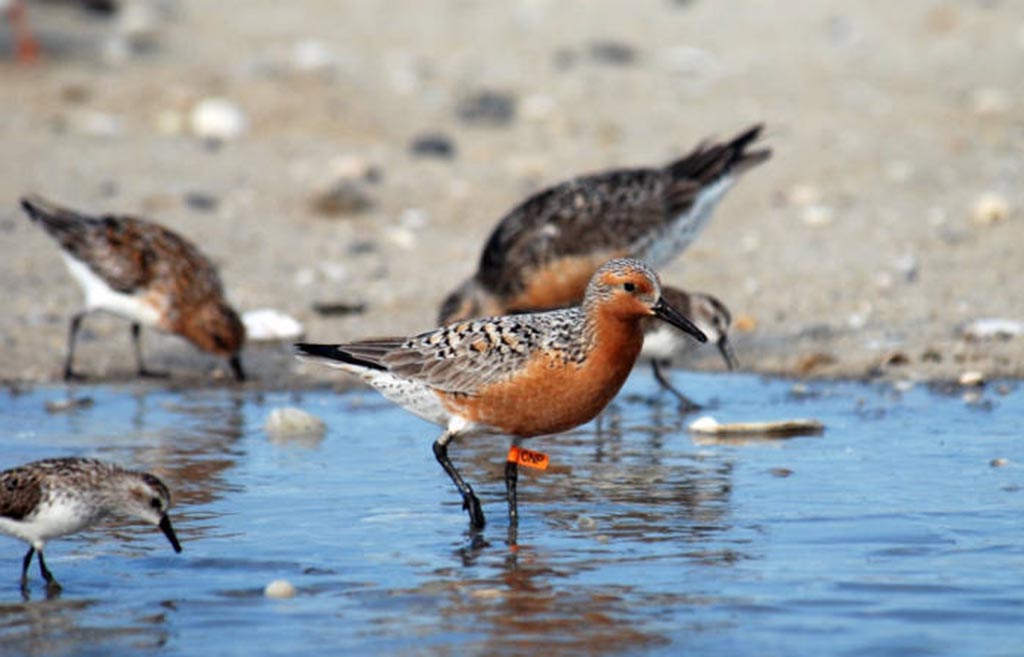
Rufa Red Knot (Calidris canutus rufa)
The Rufa Red Knot (Calidris canutus rufa), a subspecies of the red knot, is found in the eastern U.S. It suffered a major population decline in the 2000s and is now a threatened species in the U.S. It is found in New Hampshire.
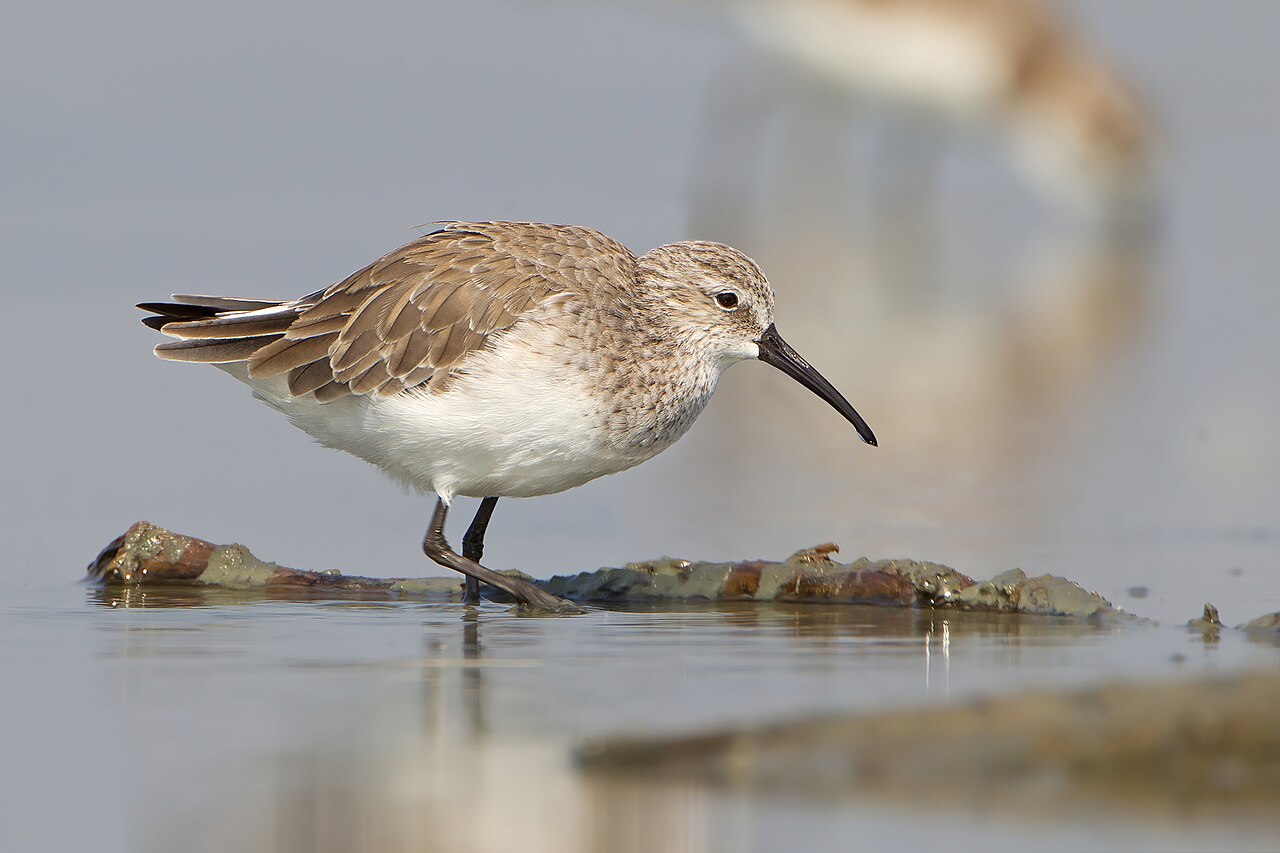
Curlew Sandpiper (Calidris ferruginea)
The Curlew Sandpiper is found in the Arctic, Asia, Europe,Africa, and Australia and surounding isands. The Curlew Sandpiper is found in the Arctic, Asia, Europe, Africa, and Australia and surrounding islands. IUCN Redlist Status: Vulnerable
White-rumped Sandpiper (Calidris fuscicollis)
The White-rumped Sandpiper breeds across extreme northern Alaska and Canada. It migrates through eastern and central Canada and the eastern and central United States. It winters in extreme southern South America. It can be found in ew Jampshire during migration. IUCN Redlist Status: Vulnerable
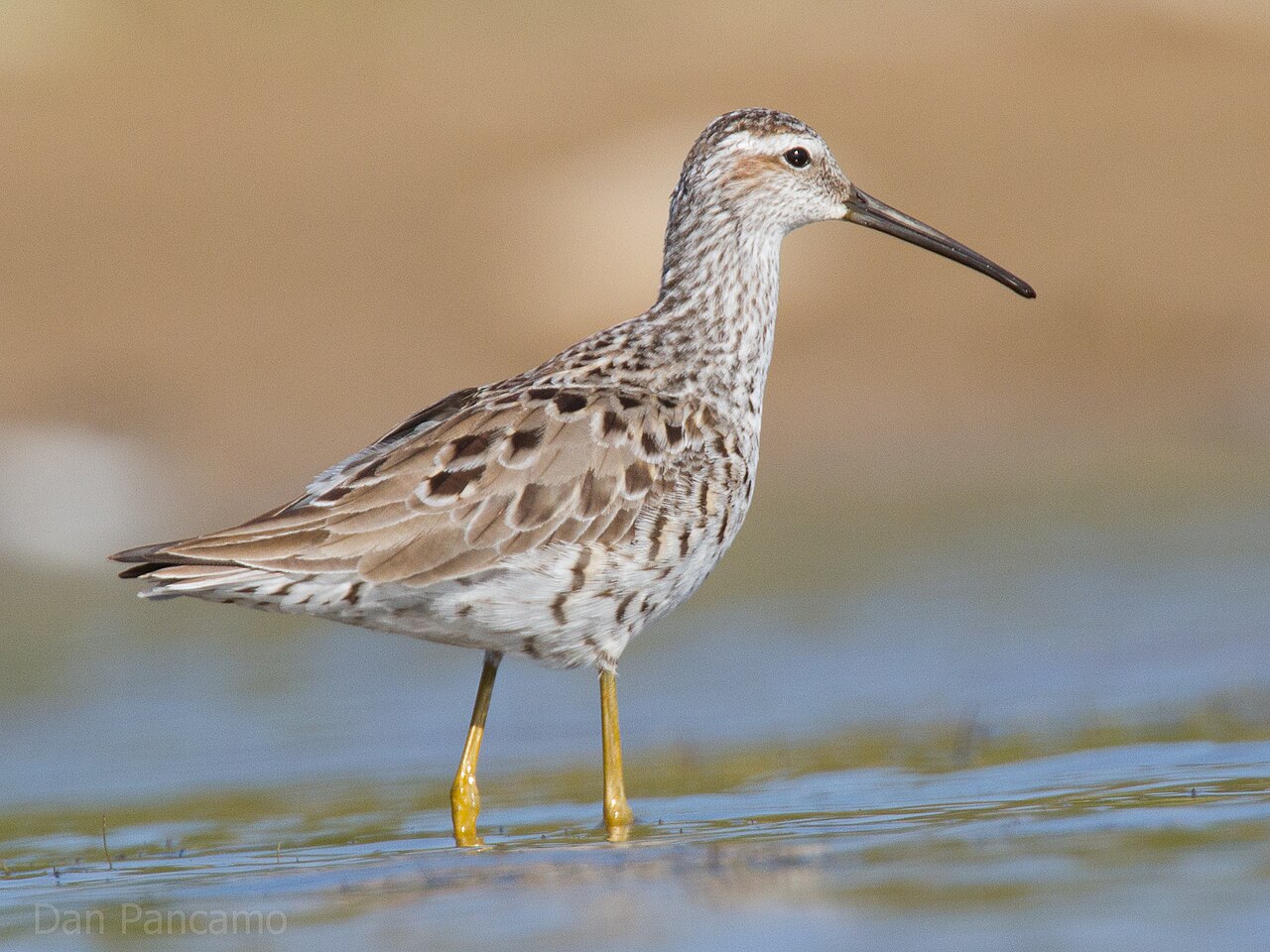
Stilt Sandpiper (Calidris himantopus)
The Stilt Sandpiper is found in Canada, the U.S., the Caribbean, Mexico, Central America, and South America. IUCN Redlist Status: Near Threatened
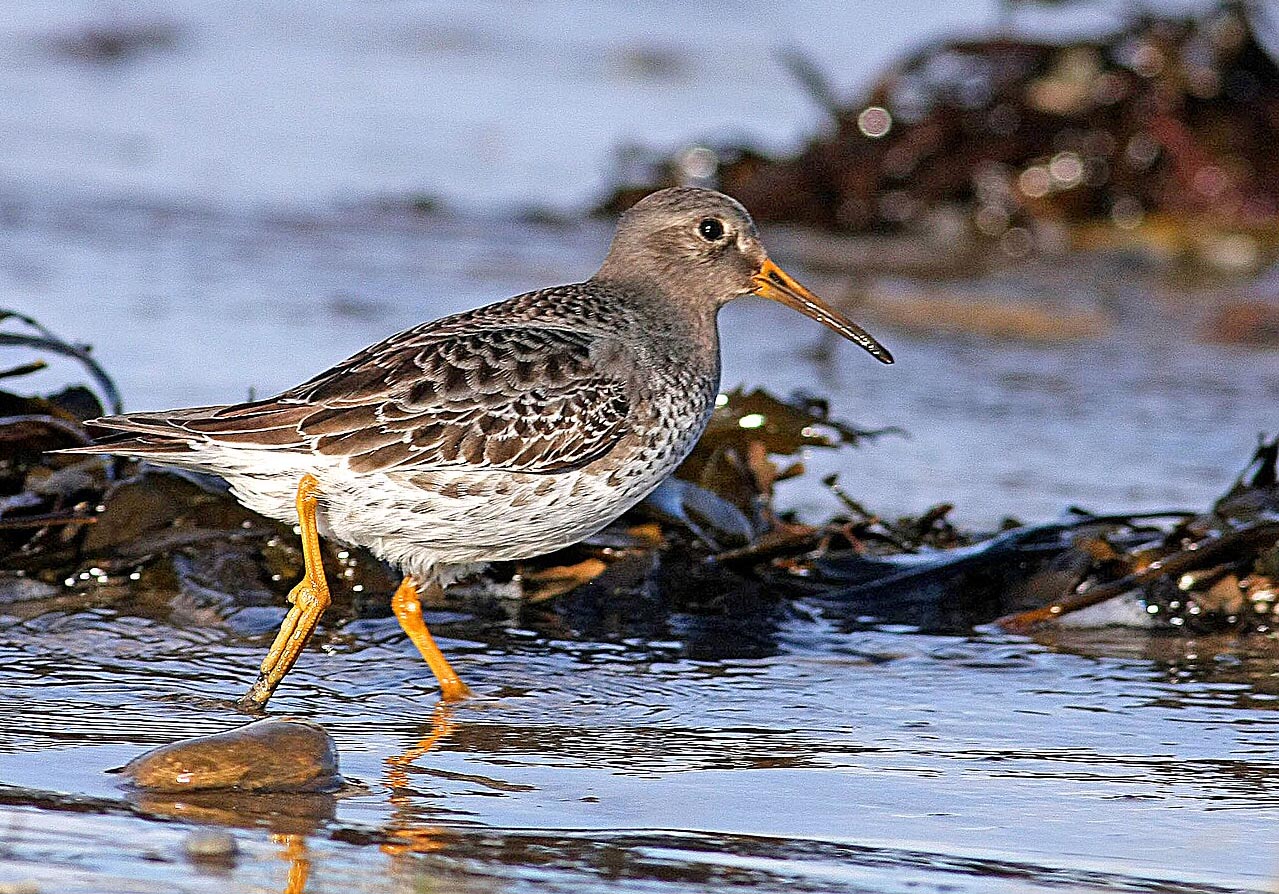
Purple Sandpiper (Calidris maritima)
The Purple Sandpiper breeds in the high Arctic (northern Canada, Greenland, Iceland, and Russia) and winters along cold, rocky North Atlantic coasts in northeastern North America and western Europe, rarely venturing far inland or into warmer regions. It can be found in New Hampshire. IUCN Redlist Status: Least Concern
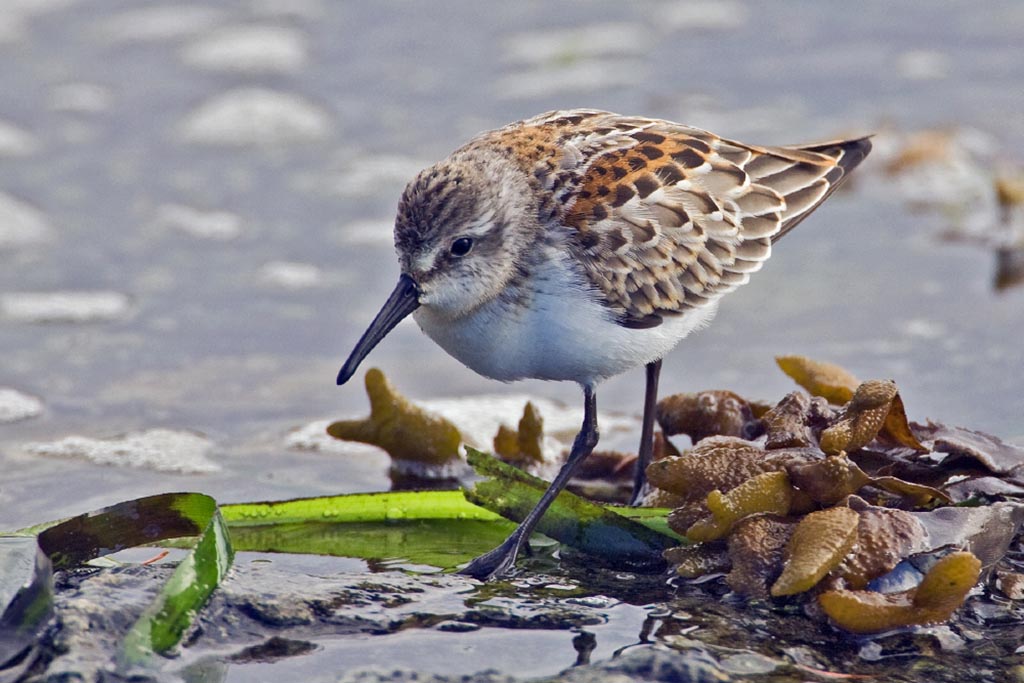
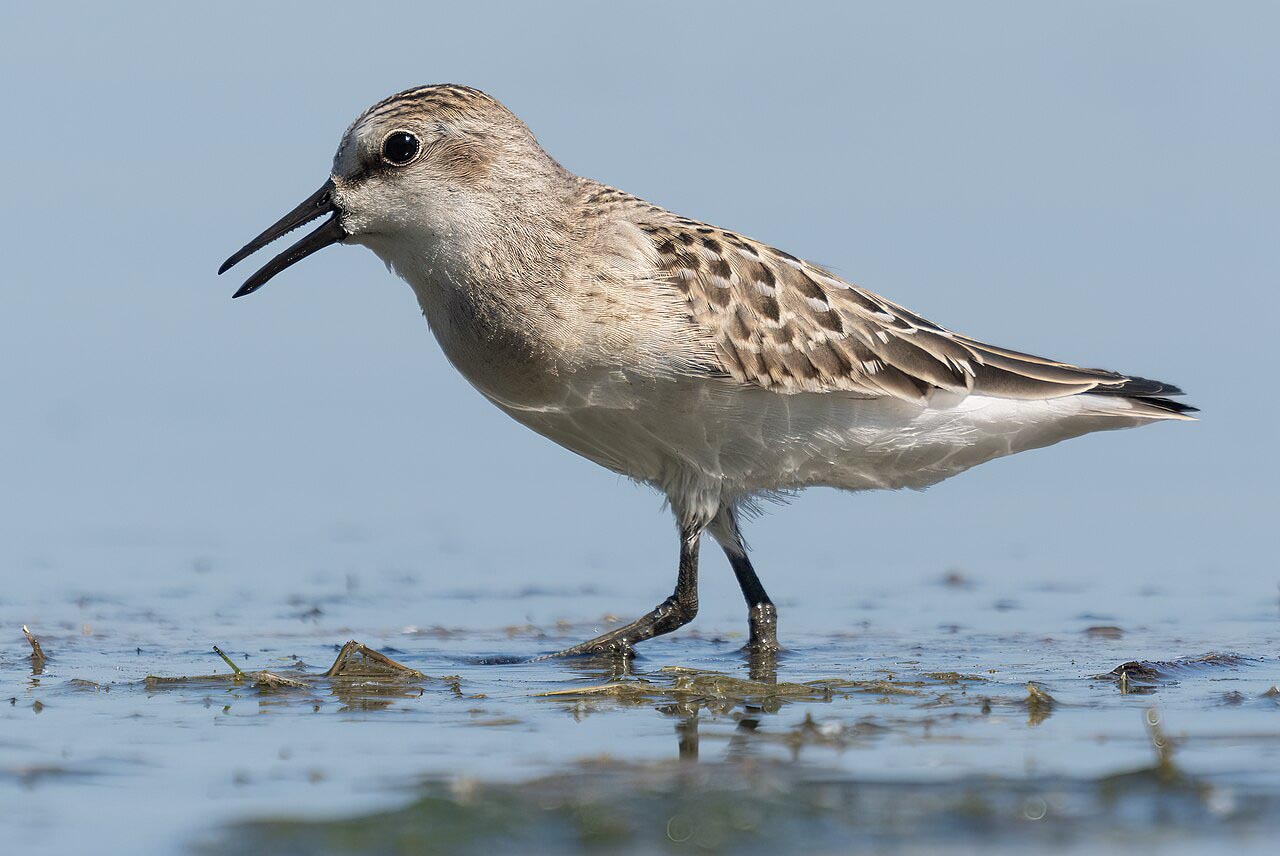
Western Sandpiper (Calidris mauri)
The Western Sandpiper breeds in western Alaska and winters along the Pacific Coast from Oregon to Peru, along the Atlantic Coast from New Jersey south to South America, and along the Gulf Coast. IUCN Redlist Status: Least Concern
Pectoral Sandpiper (Calidris melanotos)
The Pectoral Sandpiper breeds in the Arctic regions of North America from Alaska east to the Hudson Bay. It migrates along the Atlantic and Pacific coasts and in the interior United States. It winters in South America. It can be found in New Hampshire during migration. IUCN Redlist Status: Least Concern
Little Stint (Calidris minuta)
The Little Stint is found in Europe, Africa, and Asia. IUCN Redlist Status: Least Concern
Least Sandpiper (Calidris minutilla)
The Least Sandpiper breeds from Alaska east to Newfoundland, Canada. It winters along the Pacific Coast from California south to South America and on the Atlantic Coast from New Jersey south to South America. It is also found in inland areas in the Southeast and the Southwest. It is found in New Hampshire. IUCN Redlist Status: Near Threatened
Rock Sandpiper (Calidris ptilocnemis)
The Rock Sandpiper breeds in western Alaska. It winters along the southern Alaska coast south to northern California. IUCN Redlist Status: Least Concern
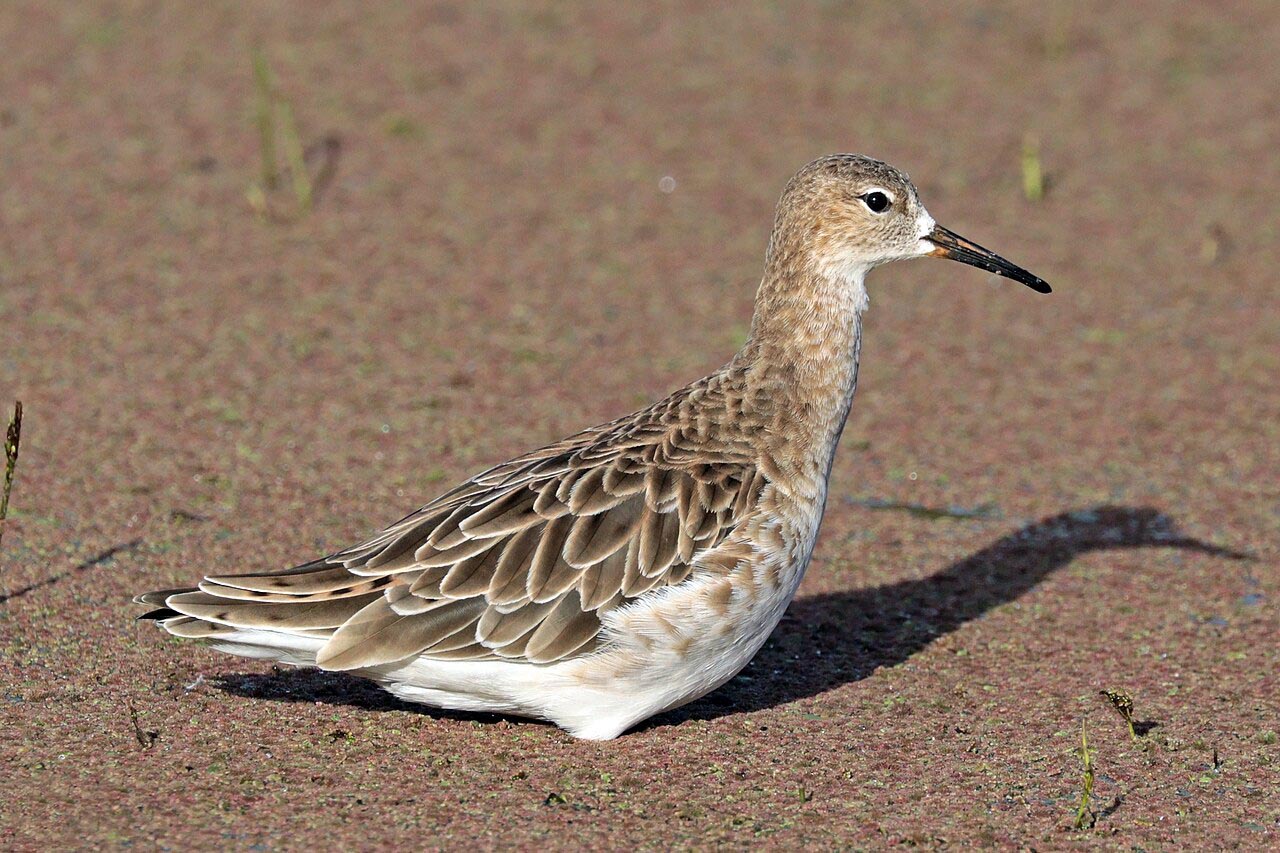
Ruff (Calidris pugnax)
The Ruff is found in Europe, Africa, and Asia. IUCN Redlist Status: Least Concern
Semipalmated Sandpiper (Calidris pusilla)
The Semipalmated Sandpiper breeds in northern Alaska and Canada south to the Hudson Bay. It migrates through the eastern and central states and winters in South America and the Caribbean. It can be found in New Hampshire during migration. IUCN Redlist Status: Near Threatened
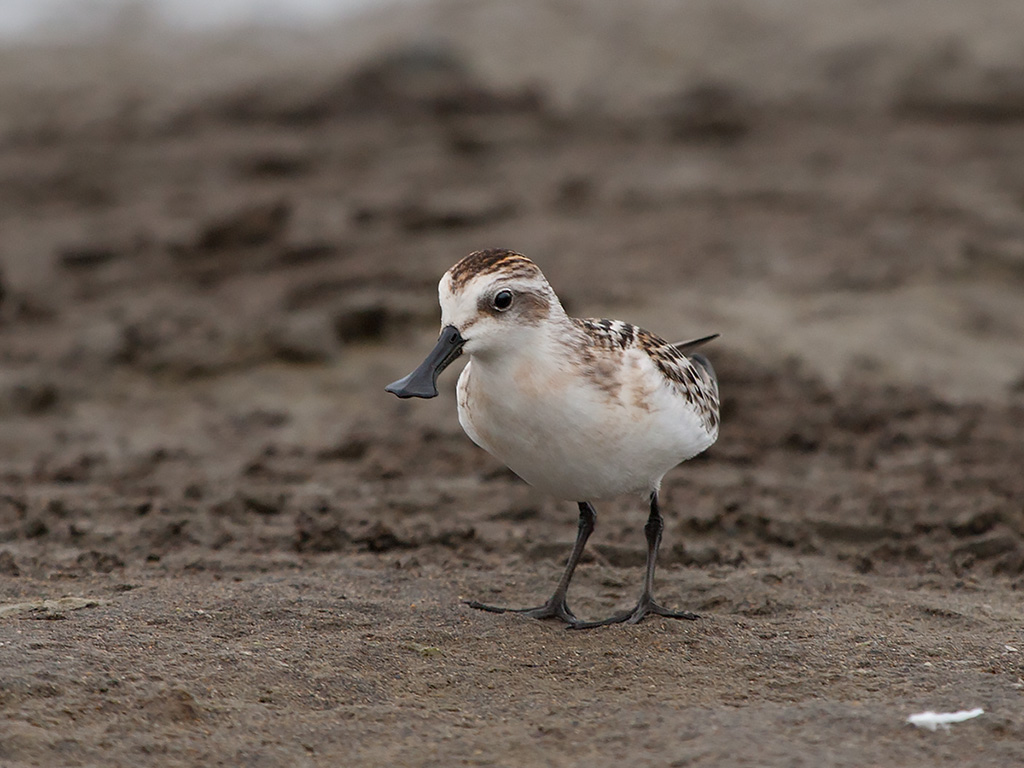
Spoon-billed Sandpiper (Calidris pygmaea)
The Spoon-billed Sandpiper breeds in northeastern Russia and migrates to winter in coastal wetlands of Southeast and East Asia, mainly from Bangladesh to southern China. IUCN Redlist Status: Critically Endangered
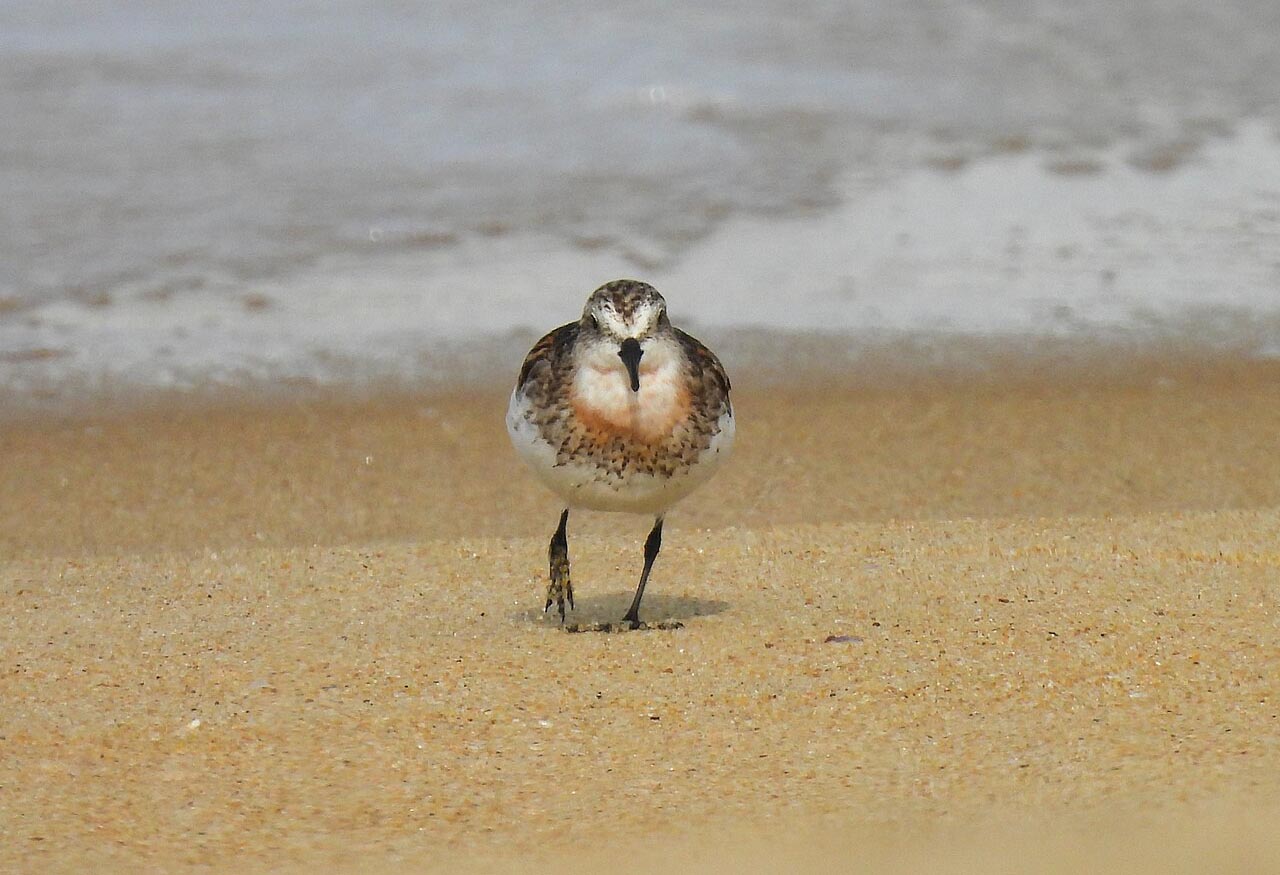
Red-necked Stint (Calidris ruficollis)
The Red-necked Stint breeds in northern and northeastern Russia and winters from eastern India and Southeast Asia through the western Pacific to Australia and New Zealand. IUCN Redlist Status: Near Threatened
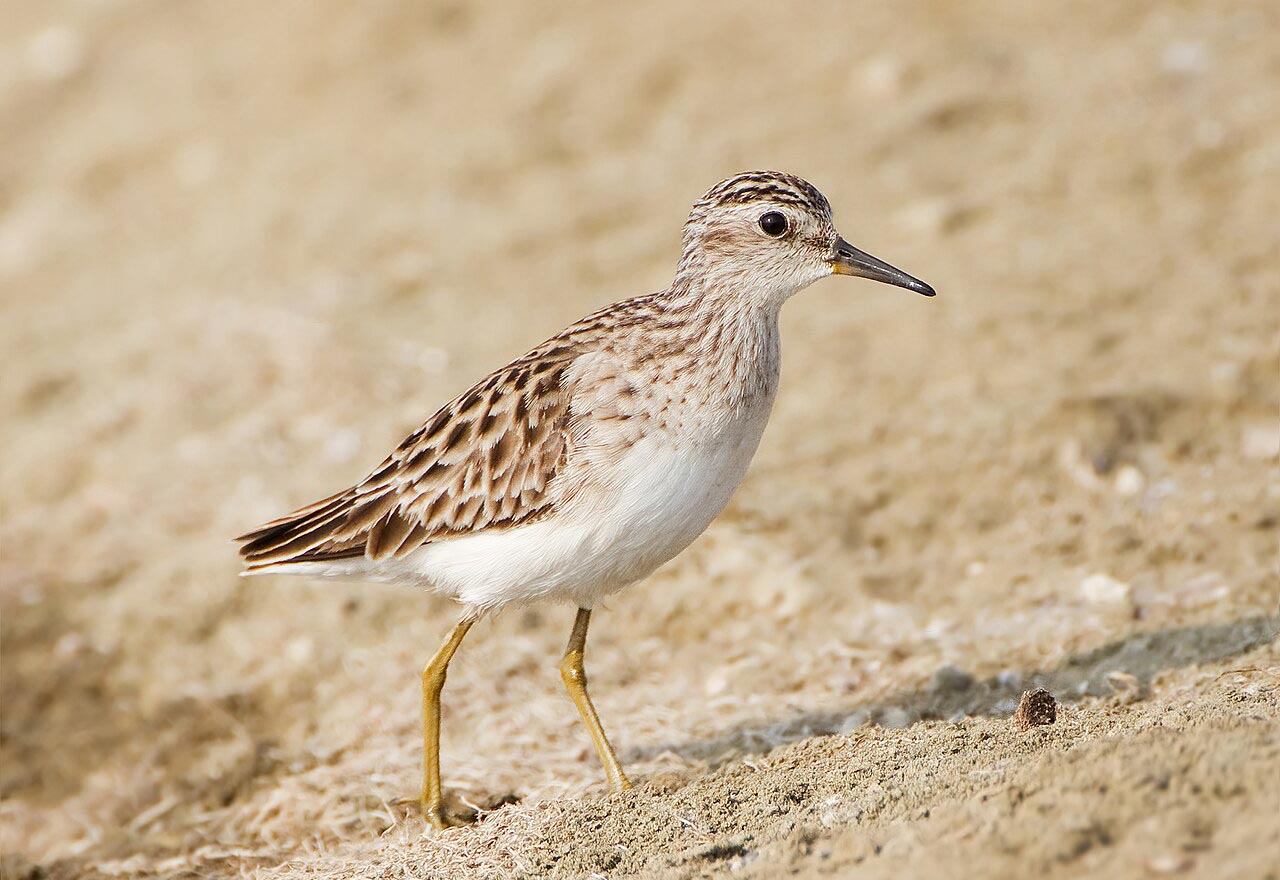
Long-toed Stint (Calidris subminuta)
The Long-toed Stint breeds in northeastern Siberia and winters across South and Southeast Asia to Indonesia, New Guinea, and northern Australia. IUCN Redlist Status: Least Concern
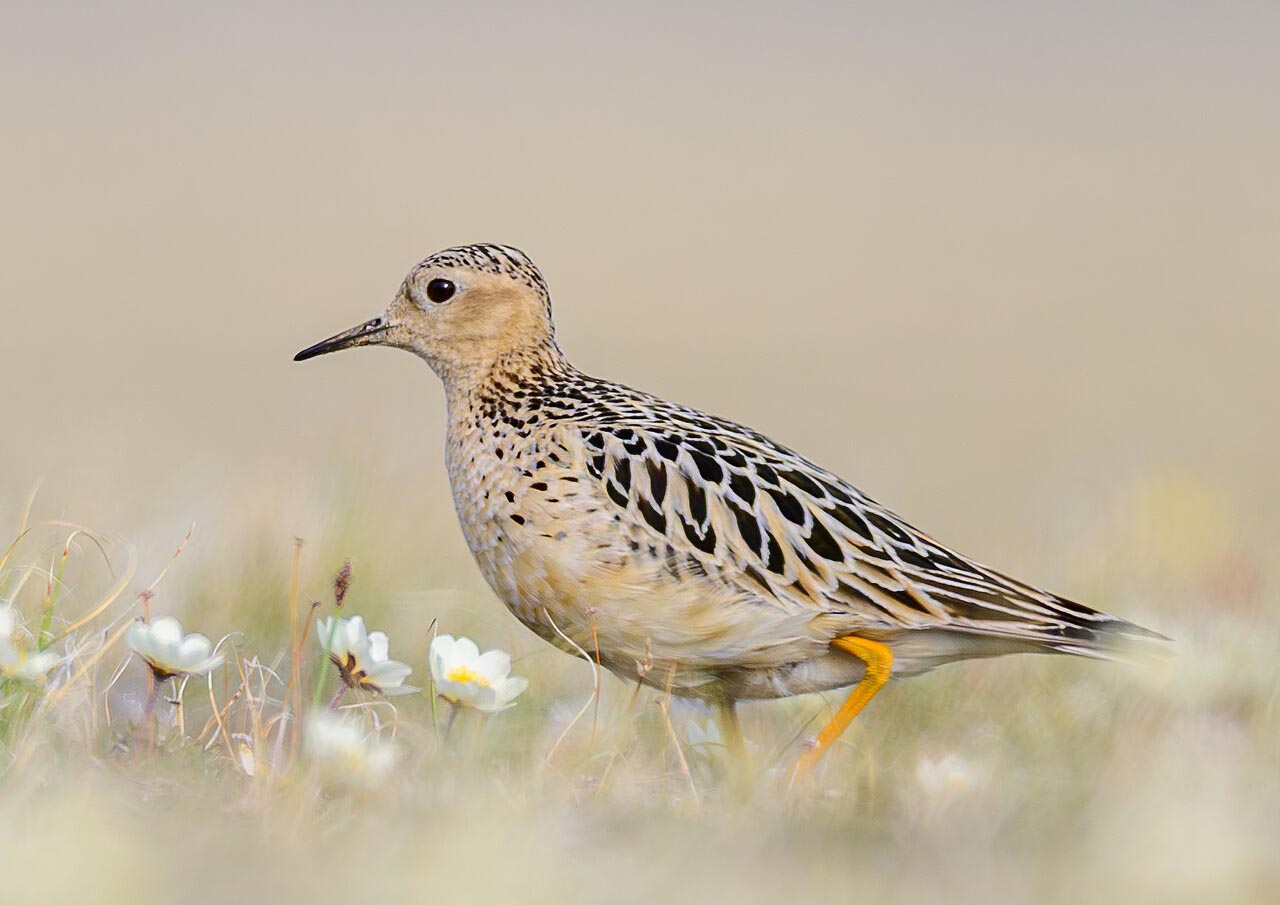
Buff-breasted Sandpiper (Calidris subruficollis)
The Buff-breasted Sandpiper breeds in the high Arctic tundra of northwestern Canada and Alaska. IUCN Redlist Status: Vulnerable
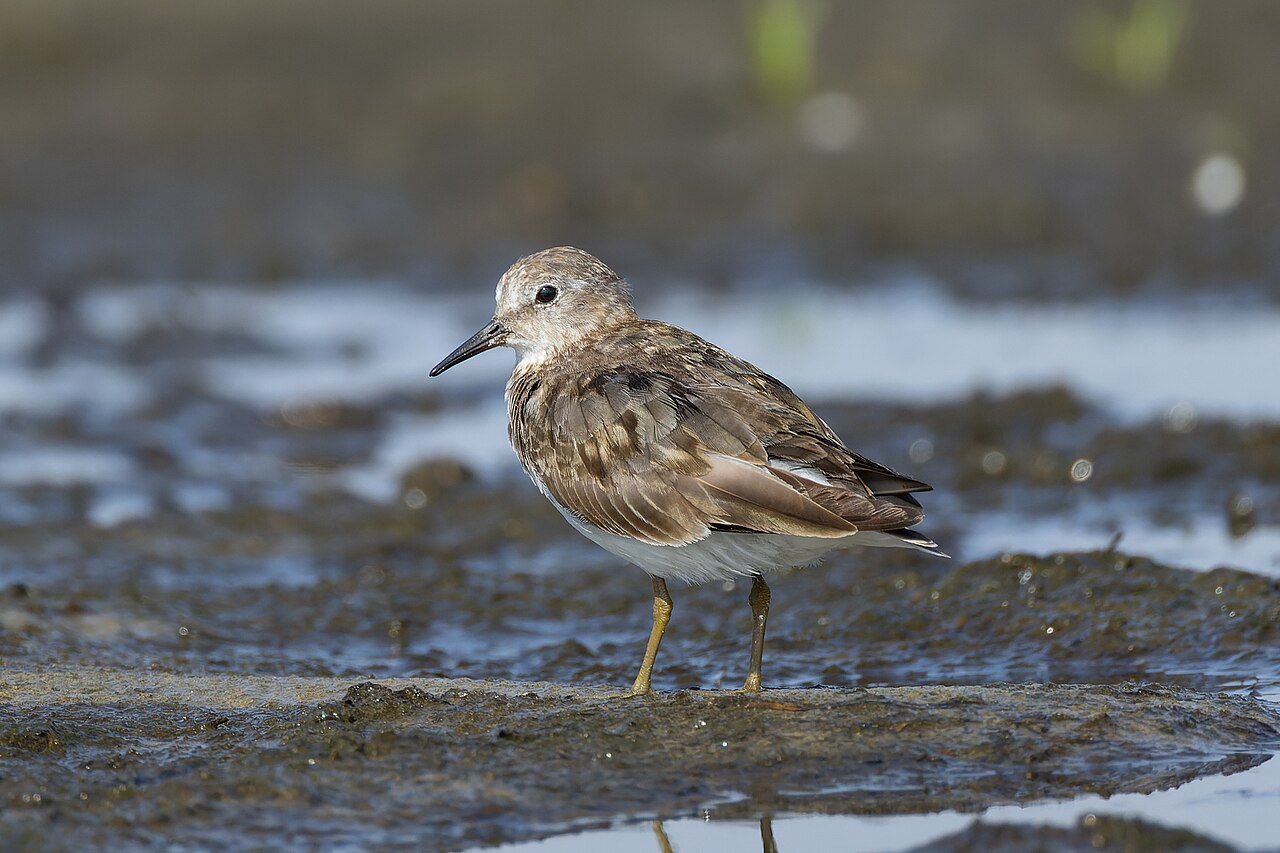
Temminck's Stint (Calidris temminckii)
Temminck's Stint is found in Asia, Africa, and Europe. IUCN Redlist Status: Least Concern
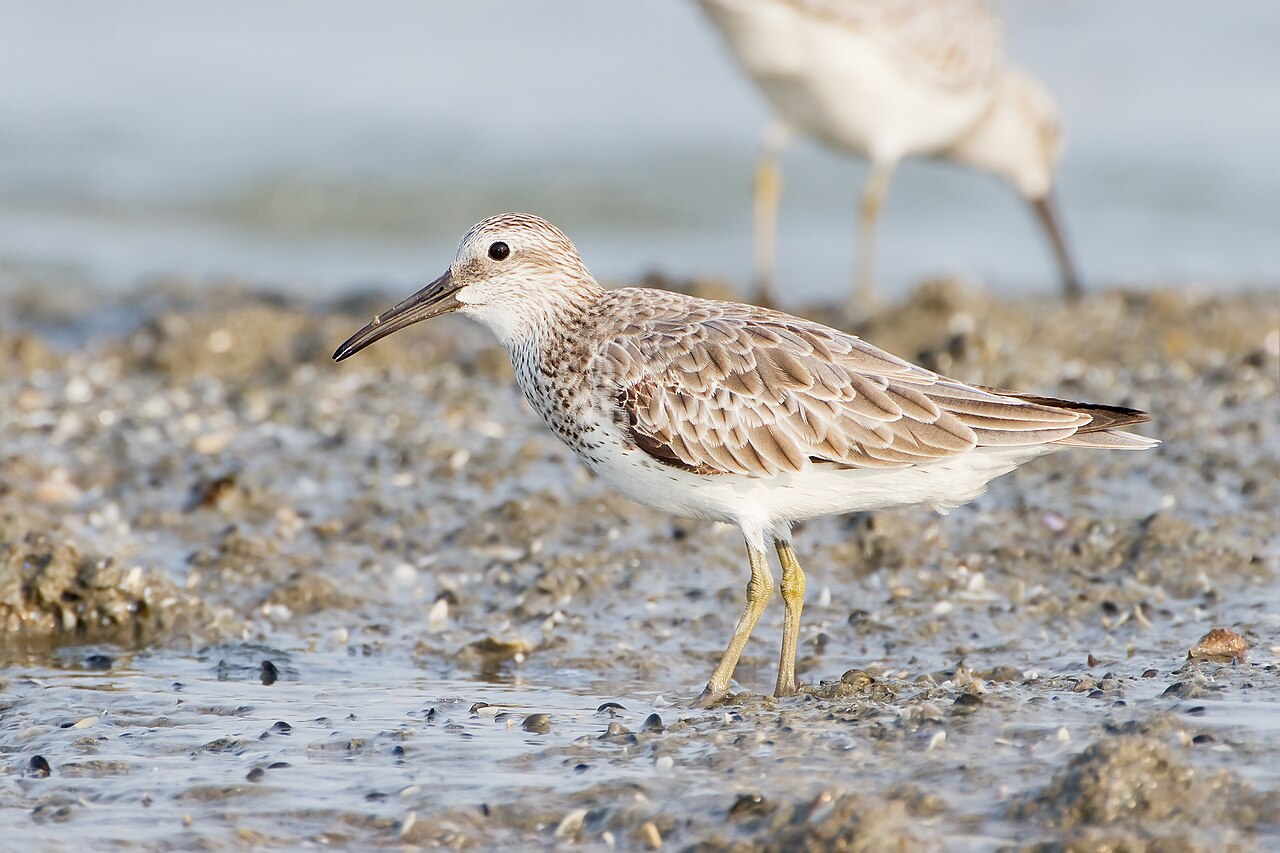
Great Knot (Calidris tenuirostris)
The Great Knot ibreeds in Siberia and winters in Australia. IUCN Redlist Status: Endangered
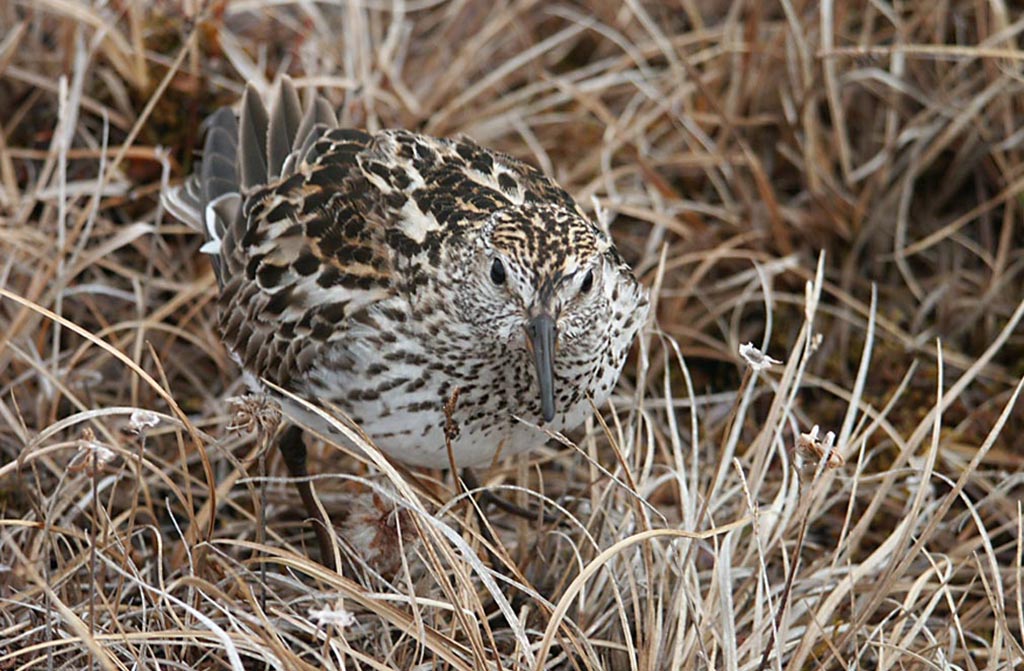
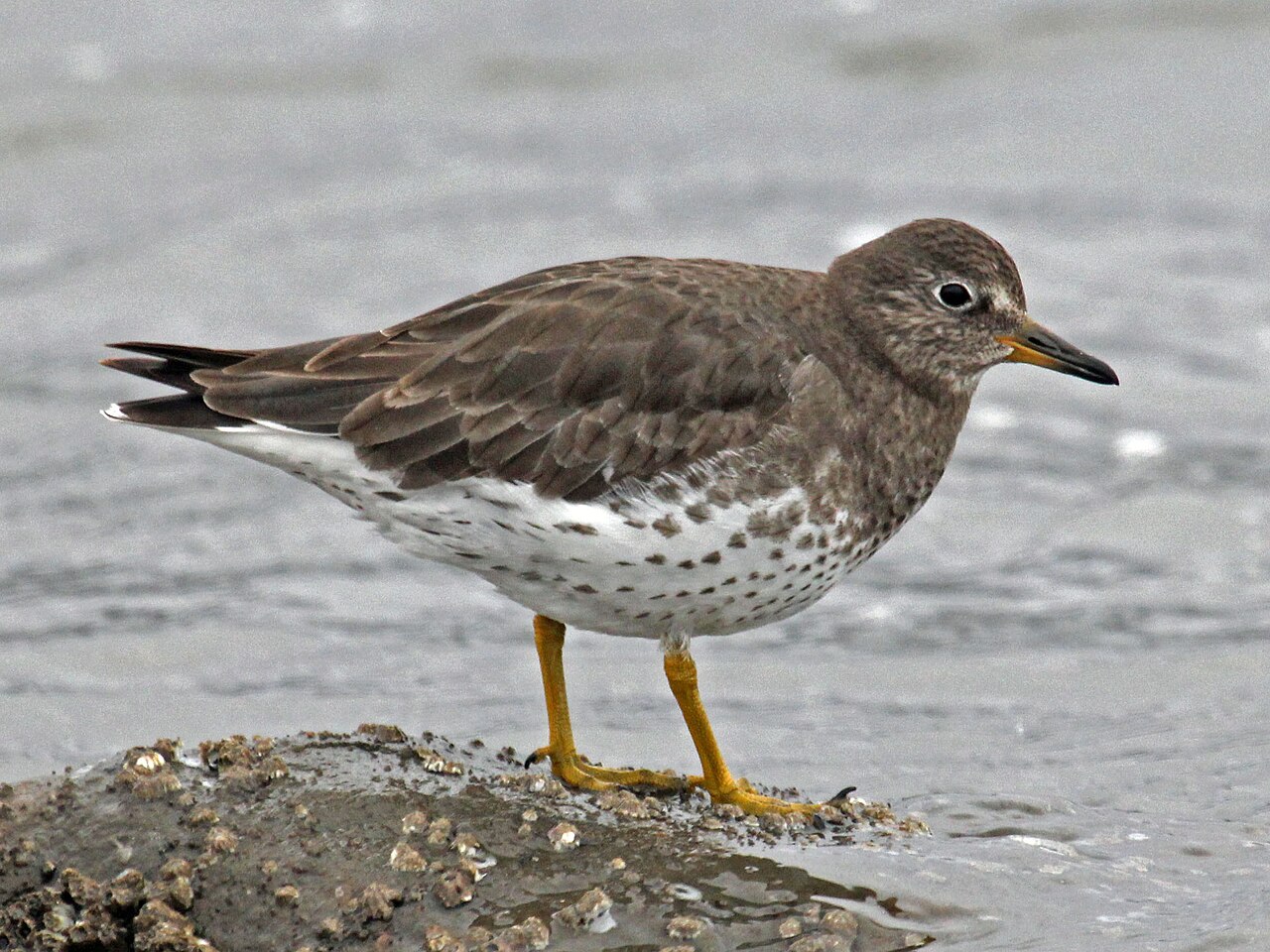
Surfbird (Calidris virgata)
The Surfbird breeds in alpine tundra in Alaska and the Yukon, and winters along rocky Pacific coastlines from Alaska to southern South America. IUCN Redlist Status: Least ConcernThe Surfbird is found in
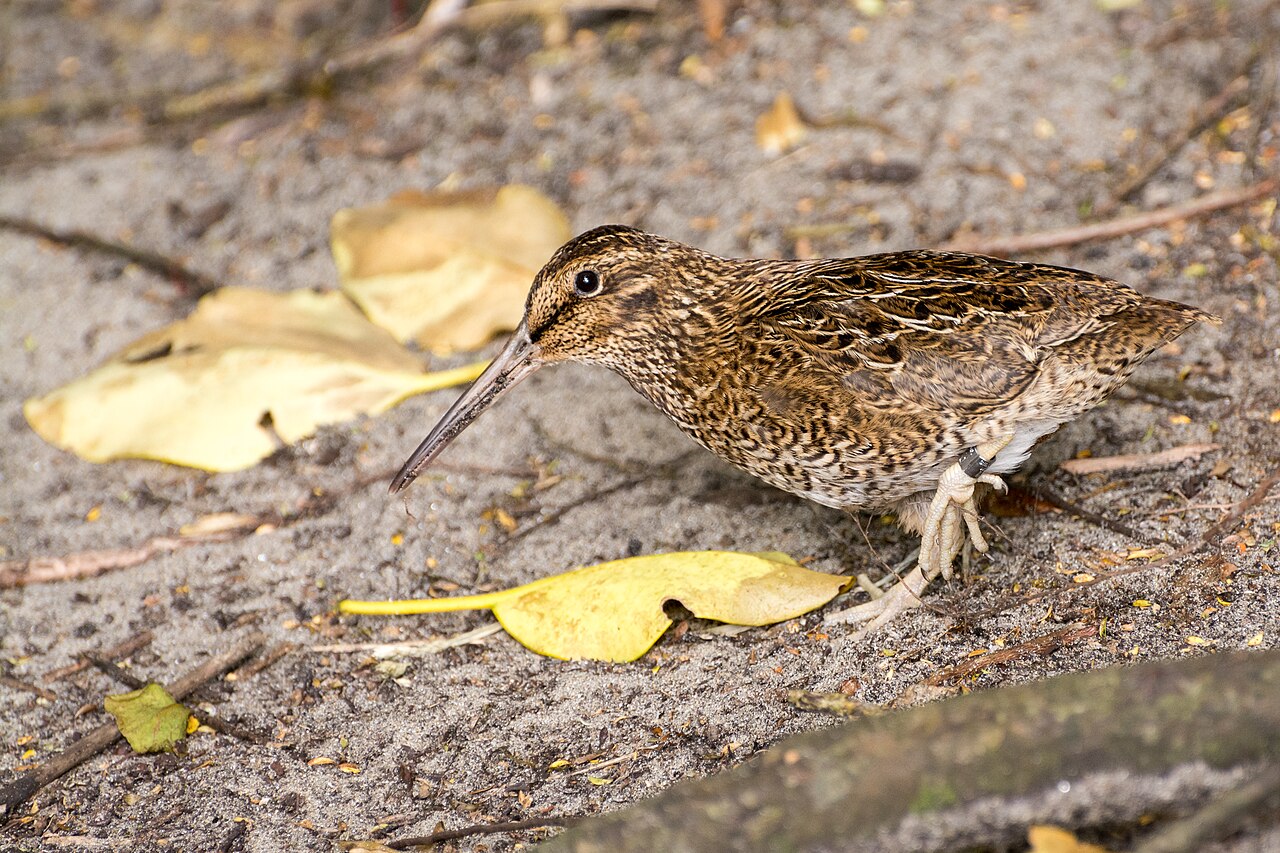
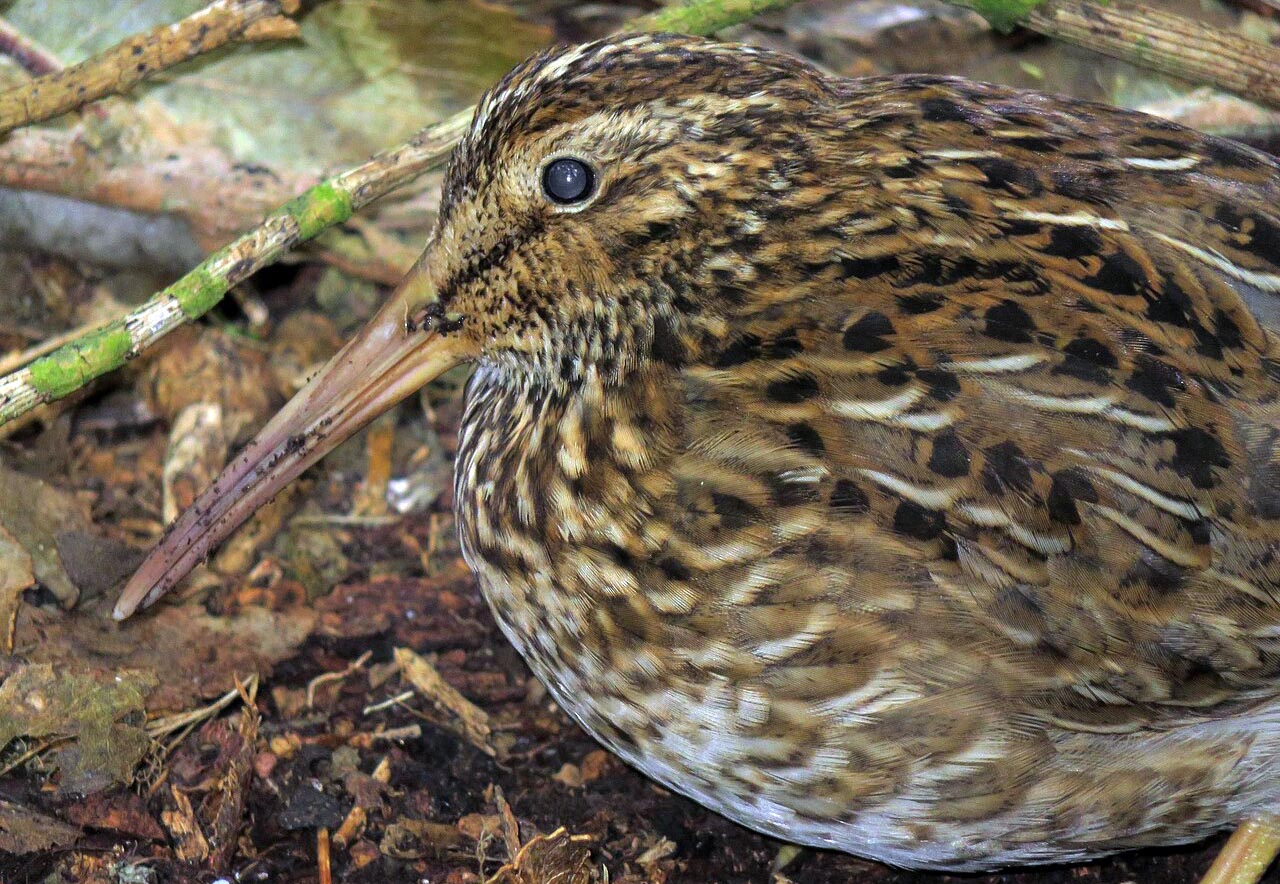
Auckland Snipe (Coenocorypha aucklandica)
The Auckland Snipe is found in New Zealand. IUCN Redlist Status: Near Threatened
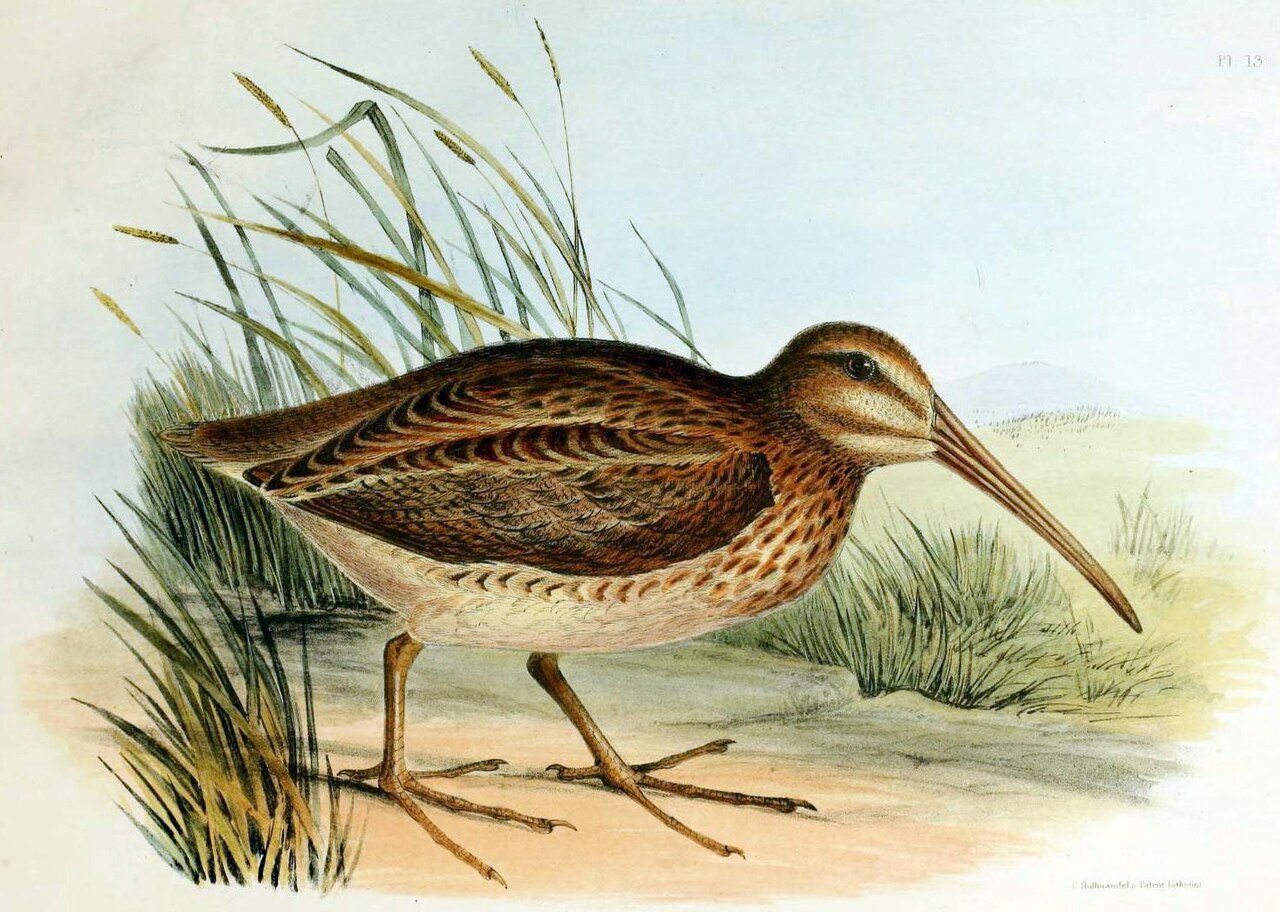
North Island Snipe (Coenocorypha barrierensis)
The North Island Snipe is only known from a single specimen found in New Zealand in 1870. IUCN Redlist Status: Extinct
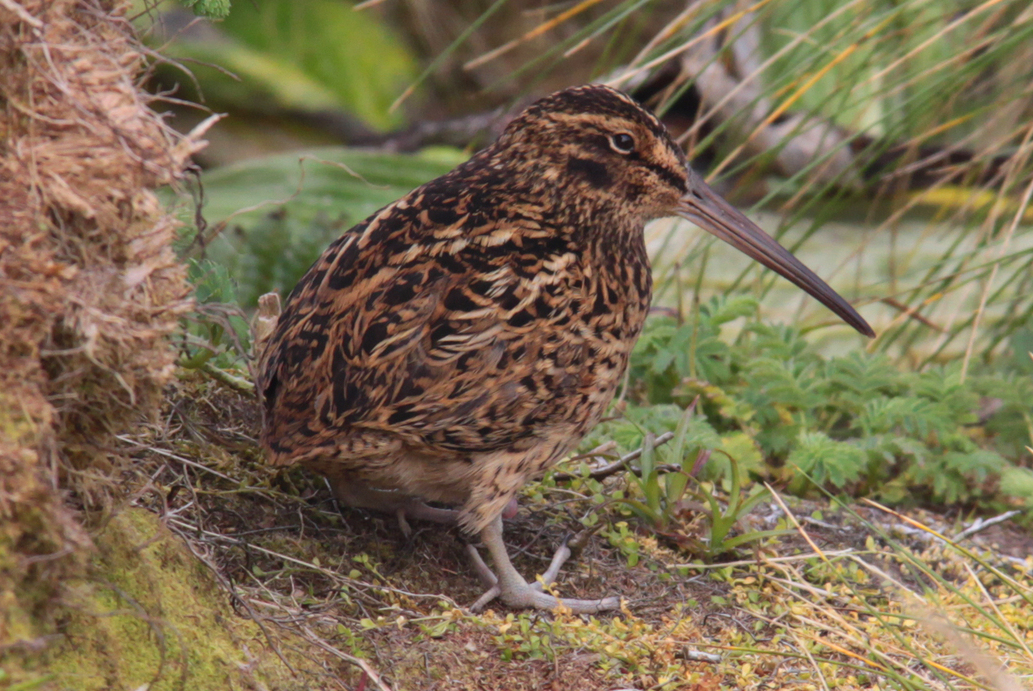
Snares Island Snipe (Coenocorypha huegeli)
Snare's Island Snipe is found in New Zealand. IUCN Redlist Status: Near Threatened
Chatham Islands Snipe (Coenocorypha pusilla)
The Chatham Islands Snipe is found in New Zealand. IUCN Redlist Status: Vulnerable
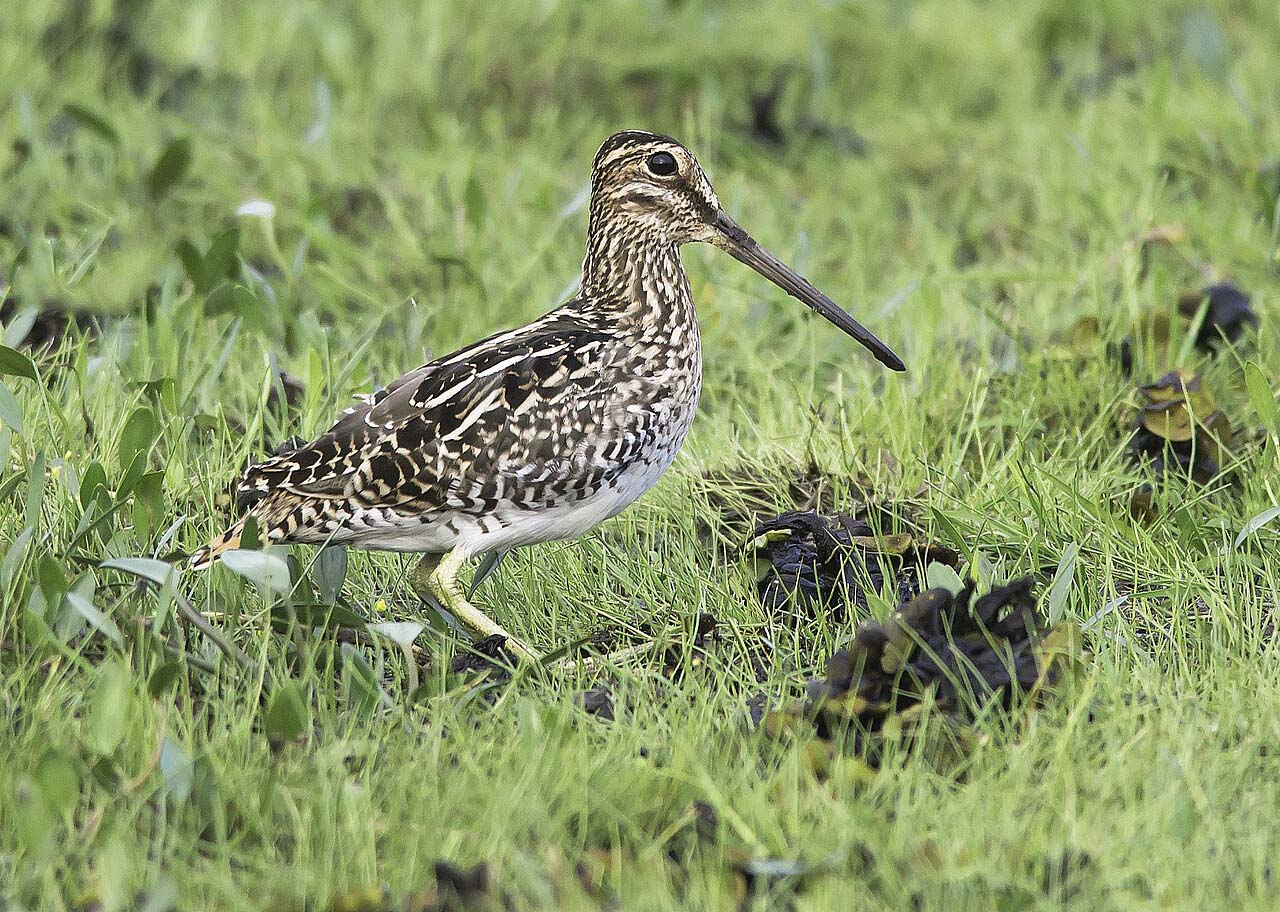
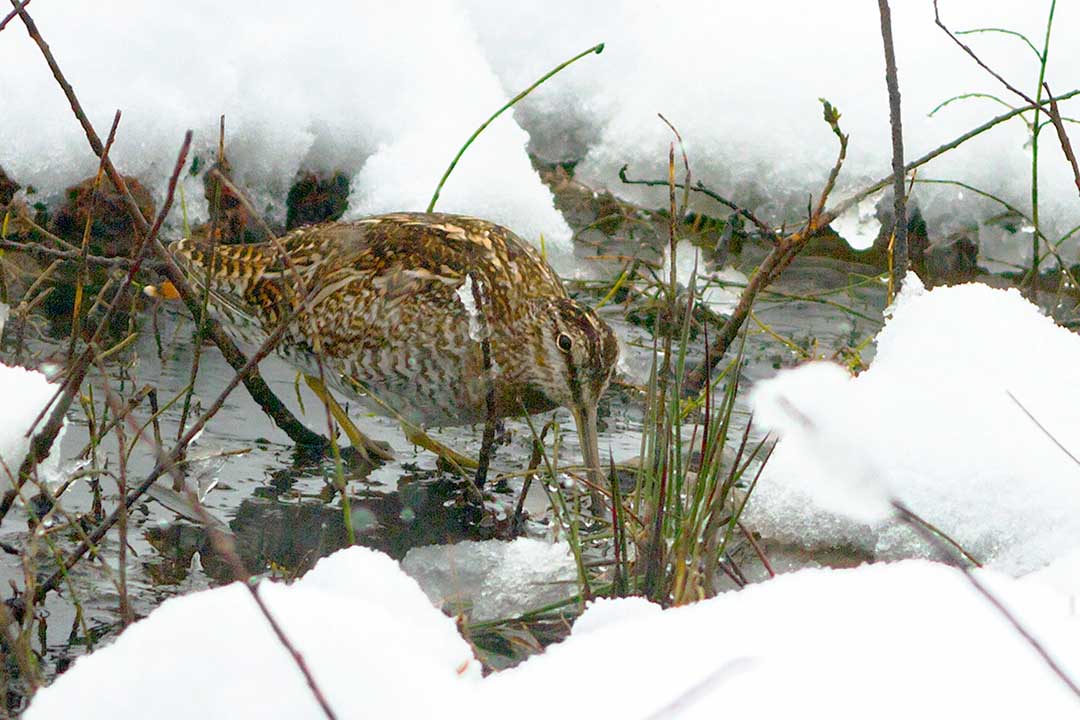
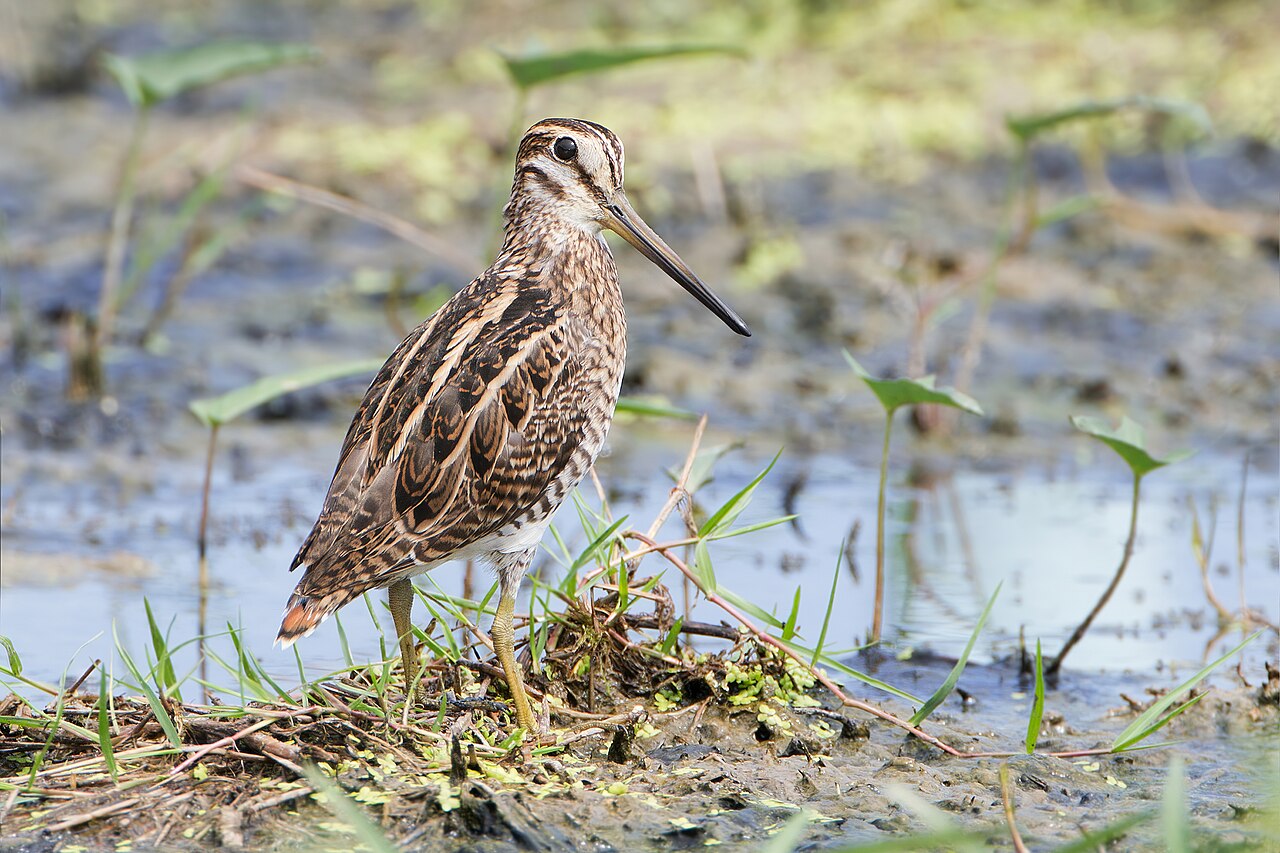
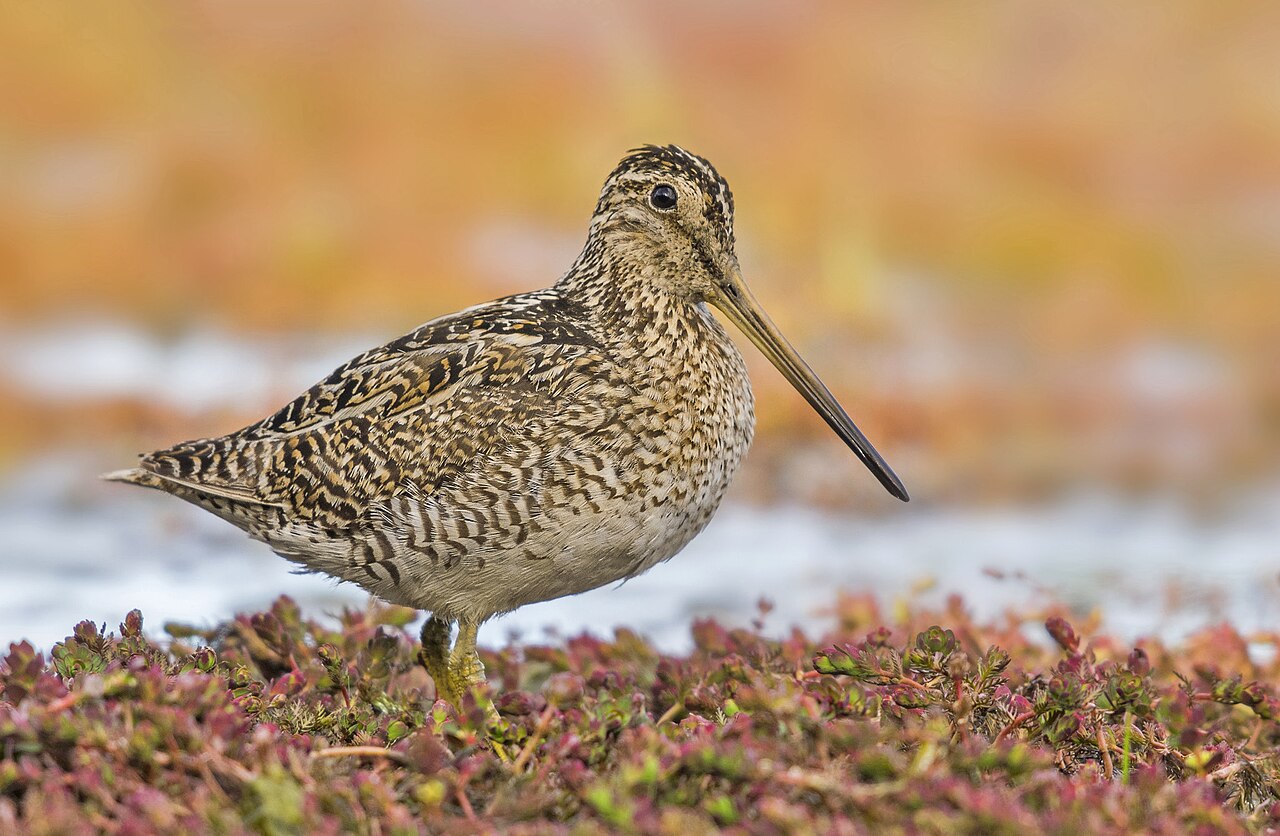
Puna Snipe (Gallinago andina)
The Puna Snipe is found in Argentina, Bolivia, Chile, Ecuador, and Peru. IUCN Redlist Status: Least Concern
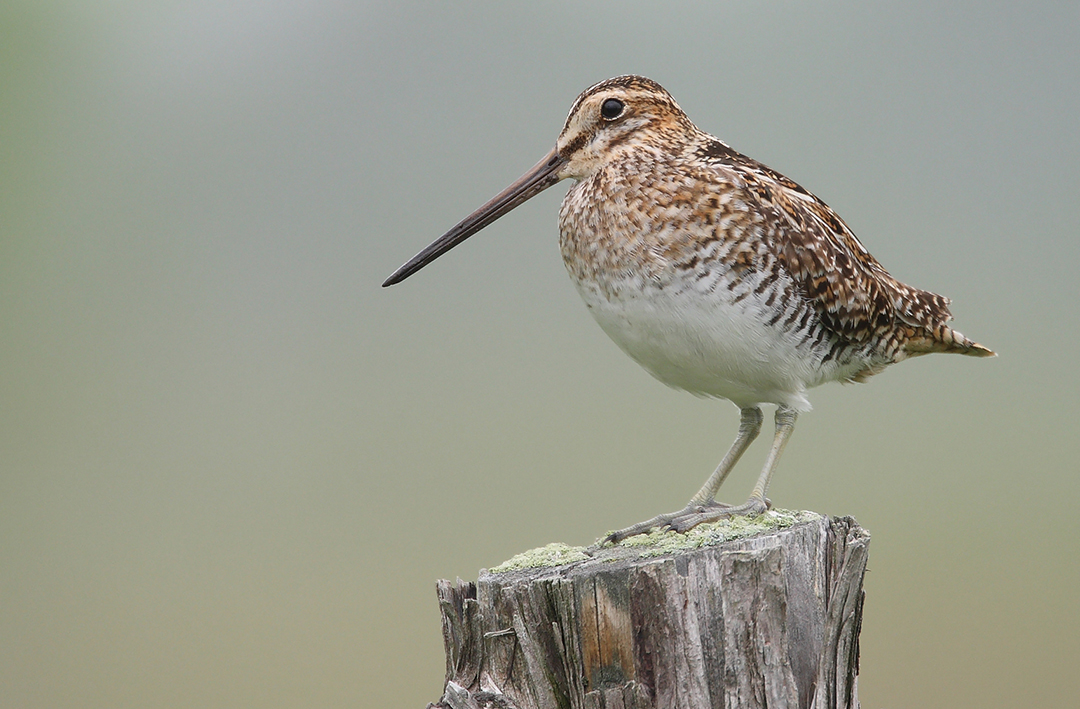
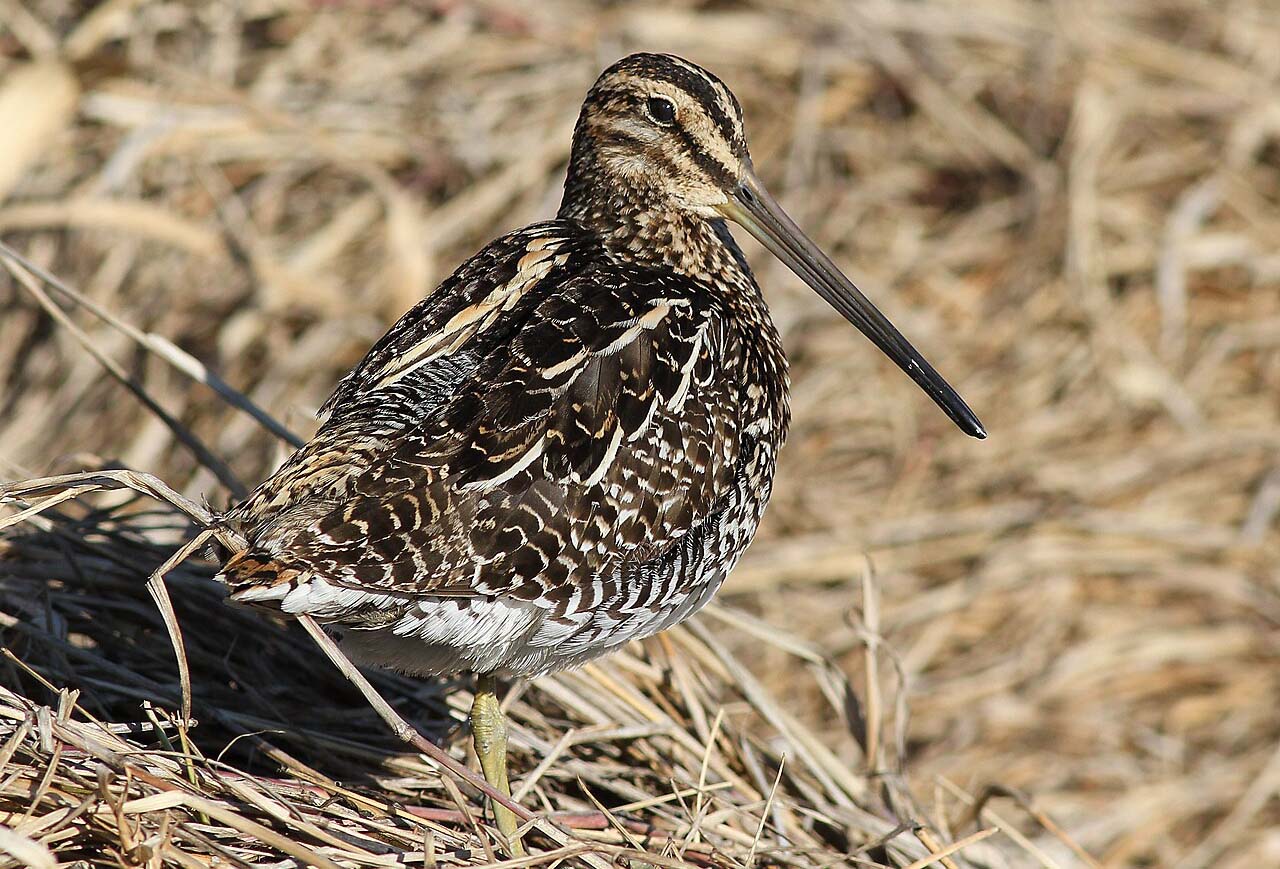
Wilson's Snipe (Gallinago delicata)
Wilson’s snipe breeds from Alaska to Newfoundland, south to the mid-United States. It winters north from northern South America to British Columbia, the northern Gulf states, and Virginia. IUCN Redlist Status: Least Concern
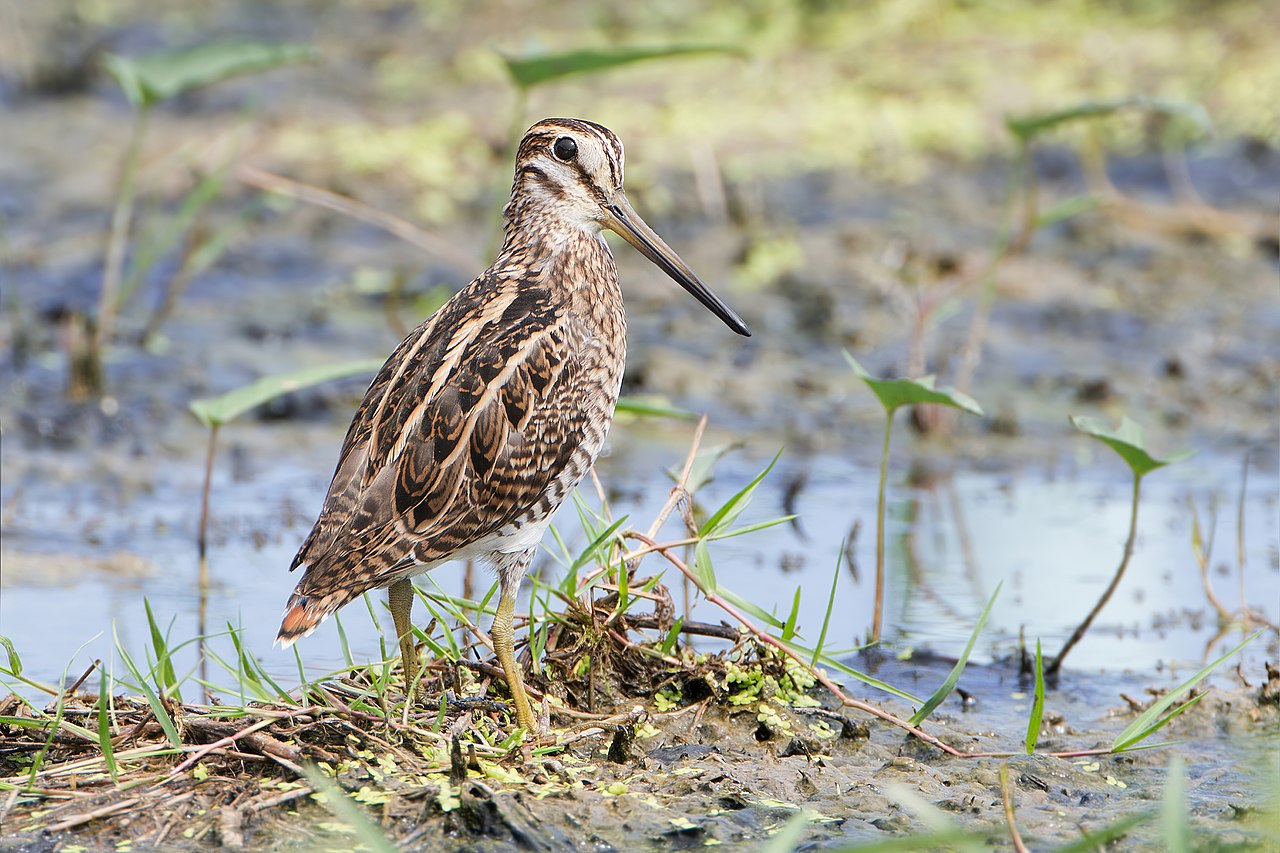
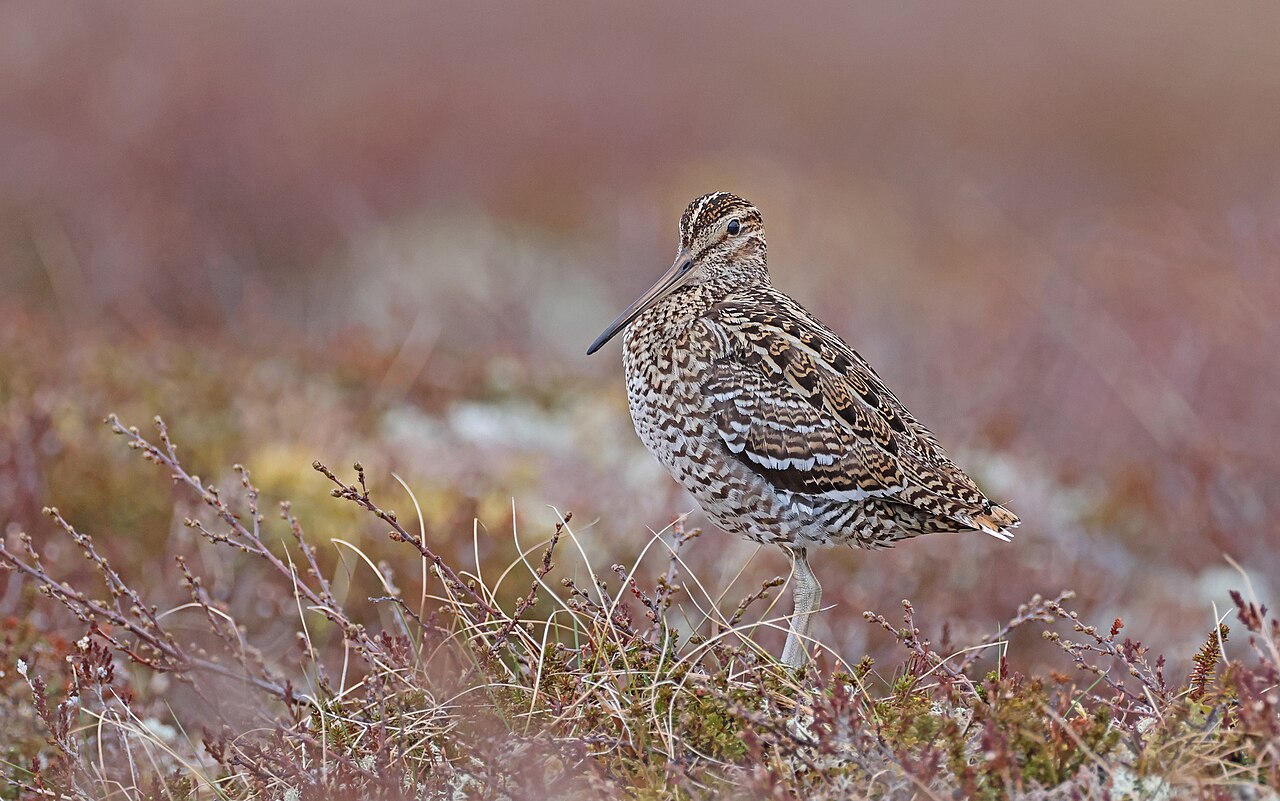
Common Snipe (Gallinago gallinago)
The Common Snipe breeds from Alaska to Newfoundland south to the mid-United States. It winters north from northern South America to British Columbia , the northern Gulf states and Virginia. It is also found in Europe, Northern Africa, and Asia. It is found in New Hampshire. IUCN Redlist Status: Least Concern
Latham's Snipe (Gallinago hardwickii)
Latham's Snipe Latham's Snipe breeds in northern Japan and on nearby islands of far eastern Russia. IUCN Redlist Status: Near Threatened
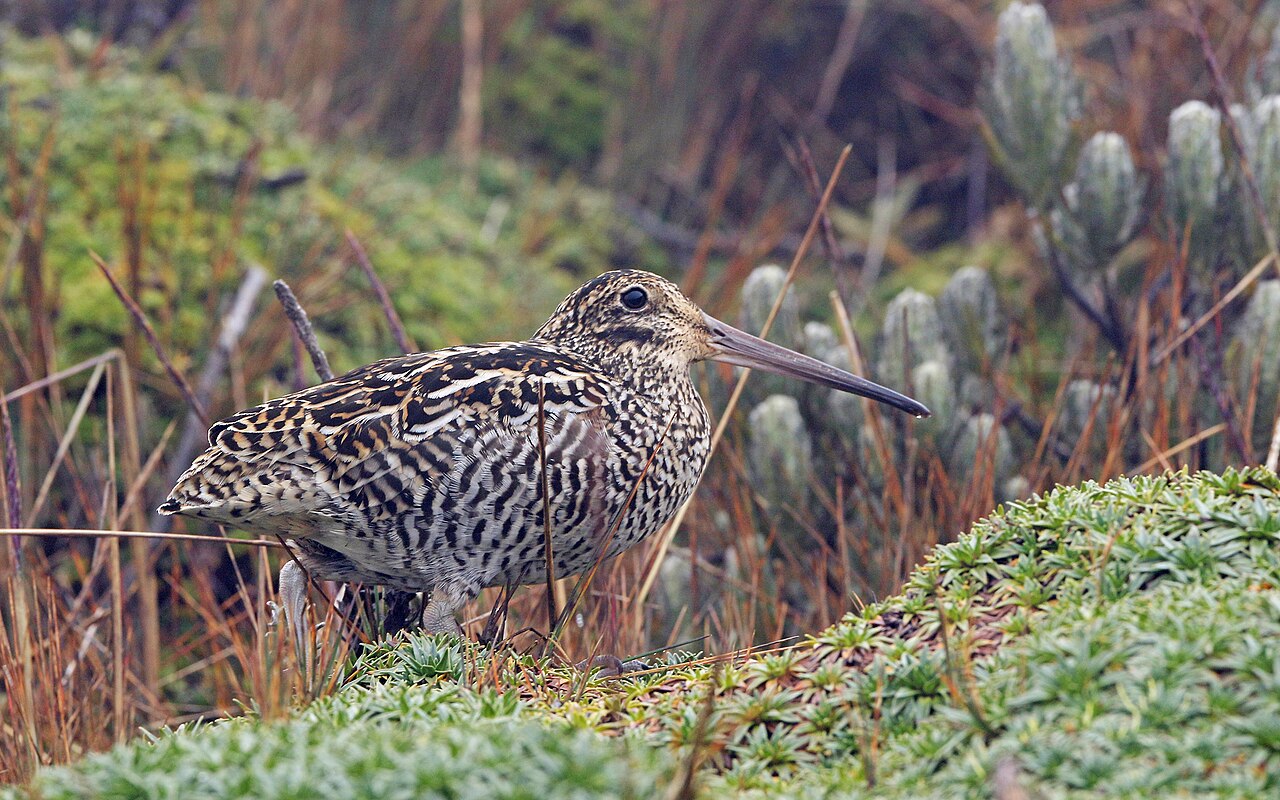
Andean Snipe (Gallinago jamesoni)
The Andean Snipe, also known as Jameson’s Snipe, is found in the Andes in Bolivia, Colombia, Ecuador, Peru, and Venezuela. IUCN Redlist Status: Least Concern
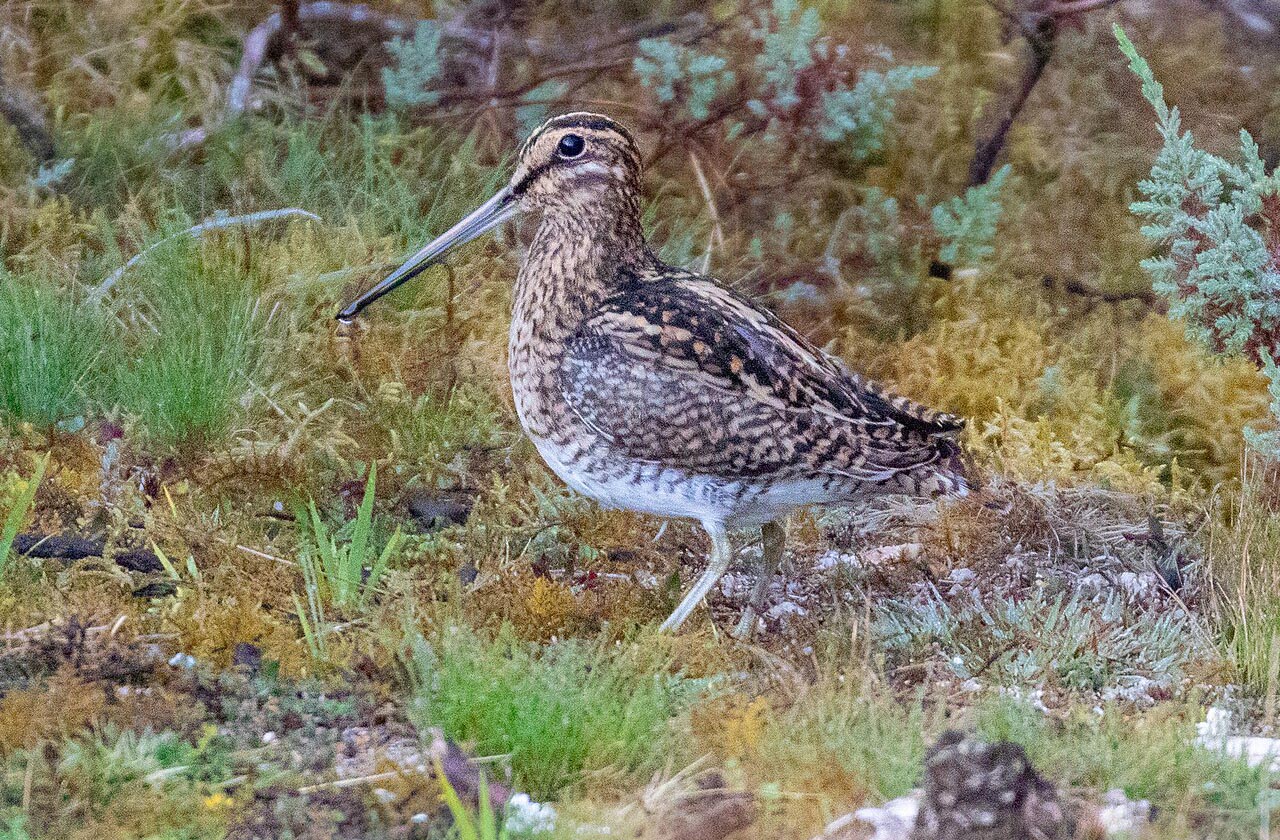
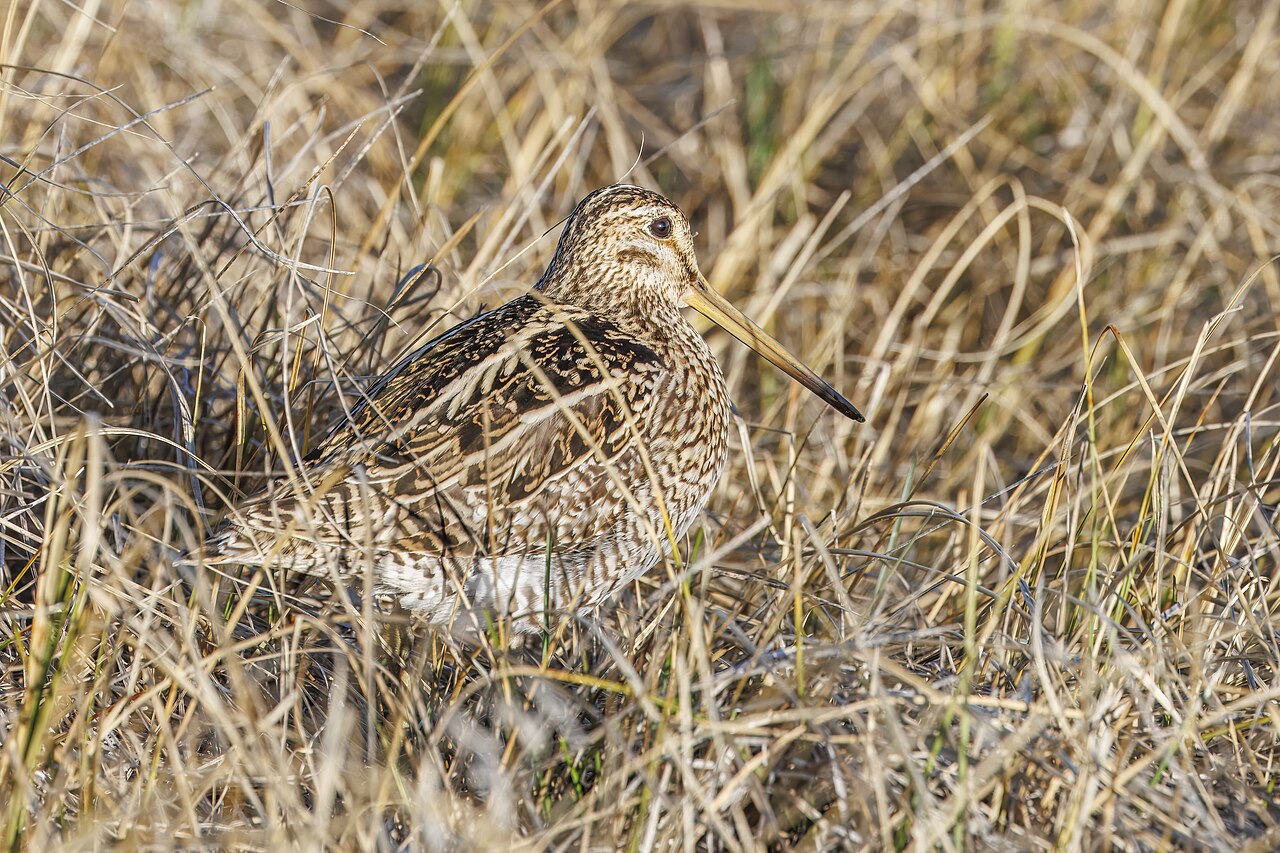
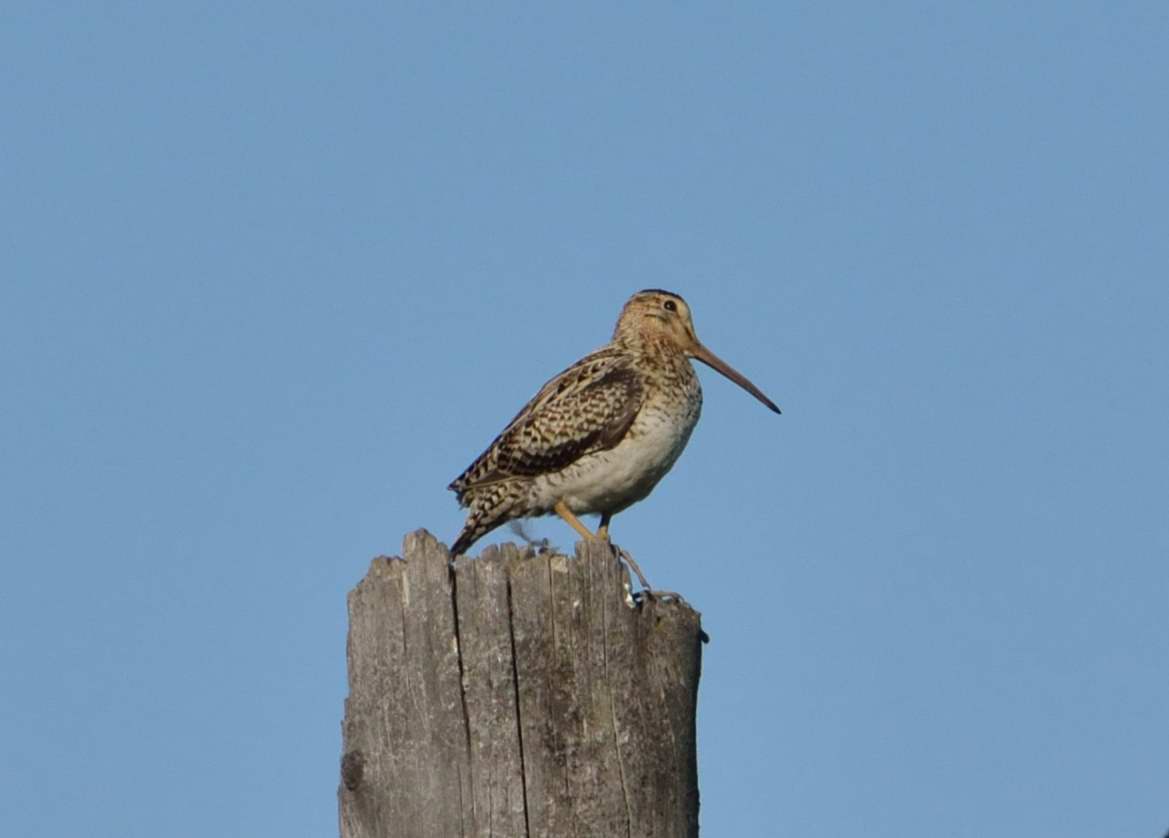
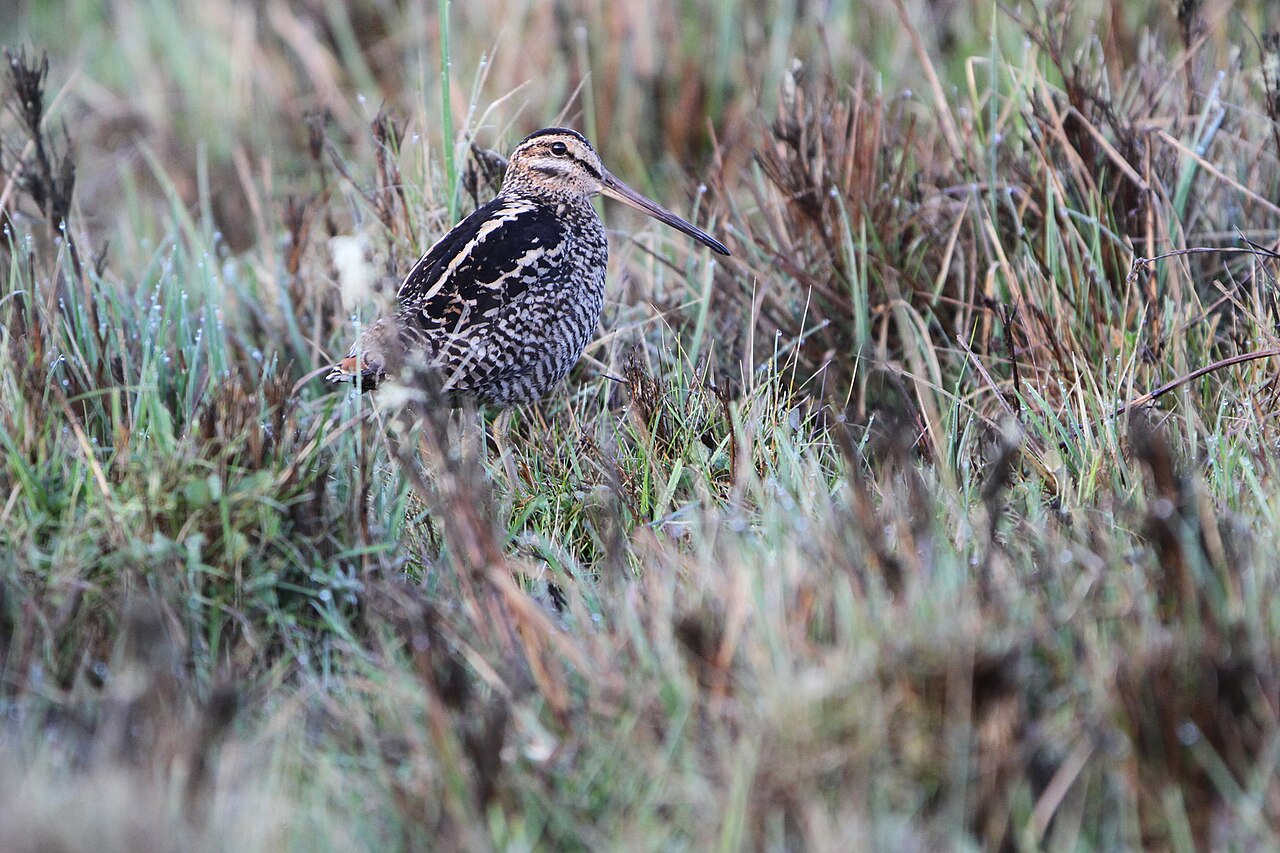
Magellanic Snipe (Gallinago magellanica)
The Magellanic Snipe is found in Argentina, Chile, and the Falkland Islands. IUCN Redlist Status: Least Concern
Great Snipe (Gallinago media)
The Great Snipe is found in Europe, Asia, and Africa. IUCN Redlist Status: Near Threatened
Swinhoe's Snipe (Gallinago megala)
Swinhoe's Snipe is found in Asia and Australia. IUCN Redlist Status: Least Concern
Wood Snipe (Gallinago nemoricola)
The Wood Snipe is found in Bangladesh, Laos, Thailand, Viet Nam, Bhutan, China, India, Myanmar, and Nepal. IUCN Redlist Status: Vulnerable
African Snipe (Gallinago nigripennis)
The African Snipe is found in Angola, Botswana, Burundi, The Democratic Republic of the Congo, Eritrea, Eswatini, Ethiopia, Kenya, Lesotho, Malawi, Mozambique, Namibia, Rwanda, South Sudan, Sudan, Tanzania, Uganda, Zimbabwe, South Africa, and Zambia. IUCN Redlist Status: Least Concern
Noble Snipe (Gallinago nobilis)
The Noble Snipe is found in Colombia, Ecuador, Peru, and Venezuela. IUCN Redlist Status: Near Threatened
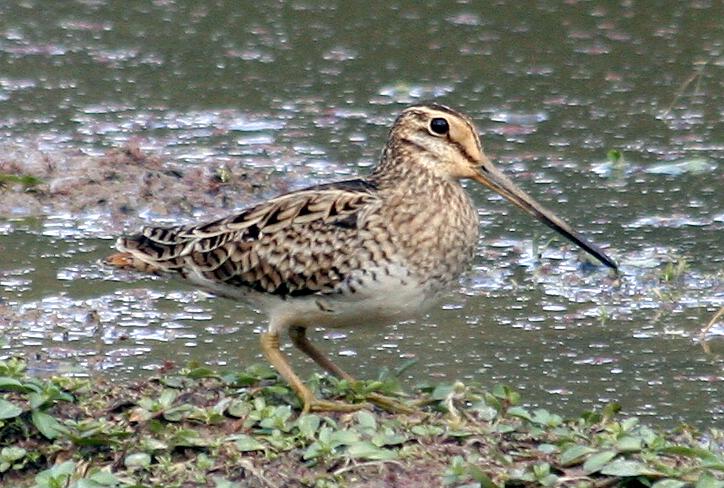
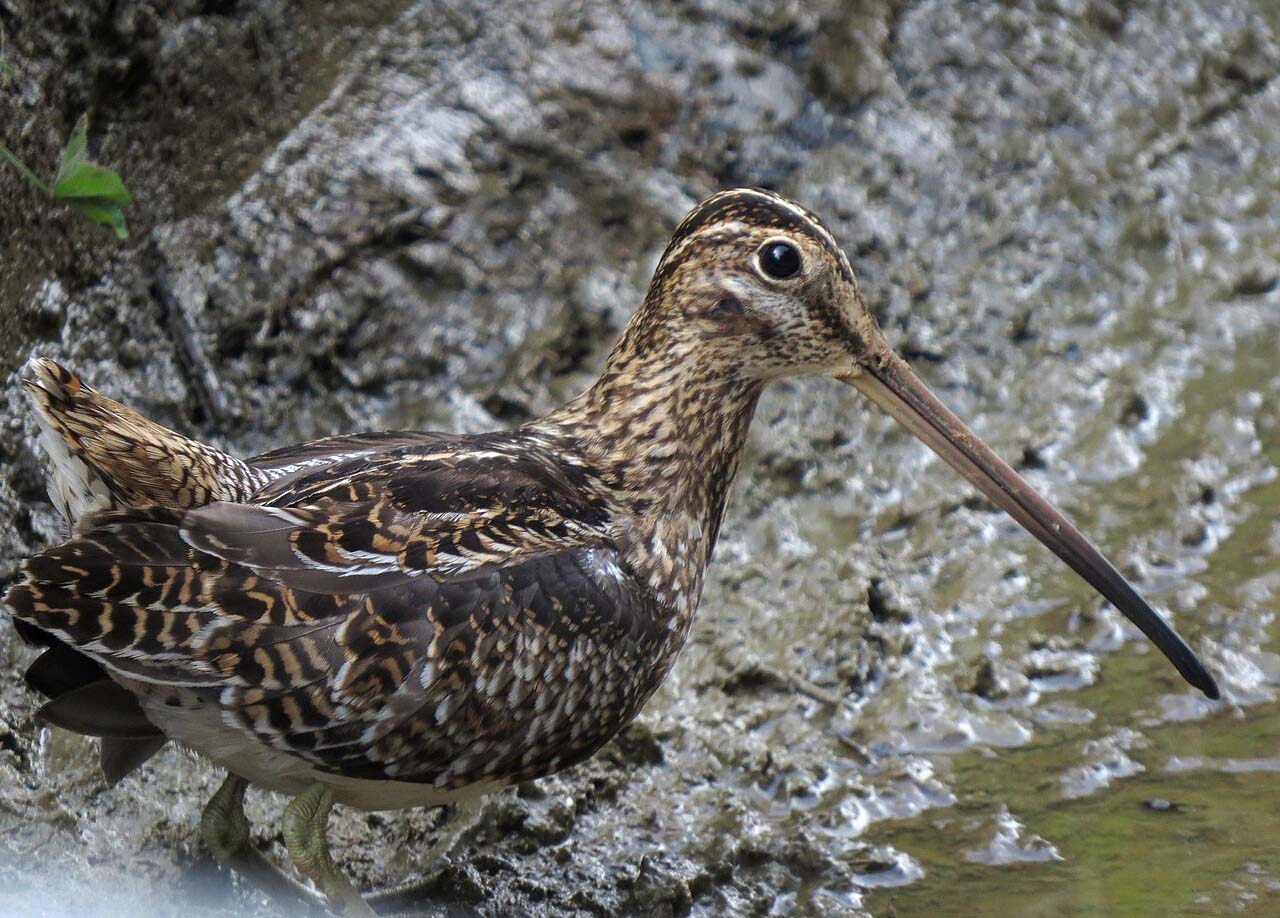
South American Snipe (Gallinago paraguaiae)
The South American Snipe is found in Argentina, Bolivia, Brazil, Colombia, Ecuador, French Guiana, Guyana, Paraguay, Peru, Suriname, Trinidad and Tobago, Uruguay, and Venezuela. IUCN Redlist Status: Least Concern
Solitary Snipe (Gallinago solitaria)
The Solitary Snipe is found in Asia. IUCN Redlist Status: Least Concern
Pin-tailed Snipe (Gallinago stenura)
The Pin-tailed Snipe is found in Eastern Europe and Asia. IUCN Redlist Status: Least Concern
Fuegian Snipe (Gallinago stricklandii)
The Fuegian Snipe is found in Argentina and Chile. IUCN Redlist Status: Near Threatened
Giant Snipe (Gallinago undulata)
The Giant Snipe is found in Brazil, Colombia, French Guiana, Guyana, Paraguay, Suriname, Venezuela, and Bolivia. IUCN Redlist Status: Least Concern
Short-billed Dowitcher (Limnodromus griseus)
The Short-billed Dowitcher breeds in Alaska and Canada and is found from Canada and Alaska south to South America. IUCN Redlist Status: Vulnerable
Long-billed Dowitcher (Limnodromus scolopaceus)
The Long-billed Dowitcher breeds in western Alaska and northwestern Canada. It winters along the Atlantic and Pacific coasts from Washington and Virginia south to Mexico. It can be seen in New Hampshire during migration. IUCN Redlist Status: Near Threatened
Asian Dowitcher (Limnodromus semipalmatus)
The Asian Dowitcher is found in much of Asia. IUCN Redlist Status: Near Threatened
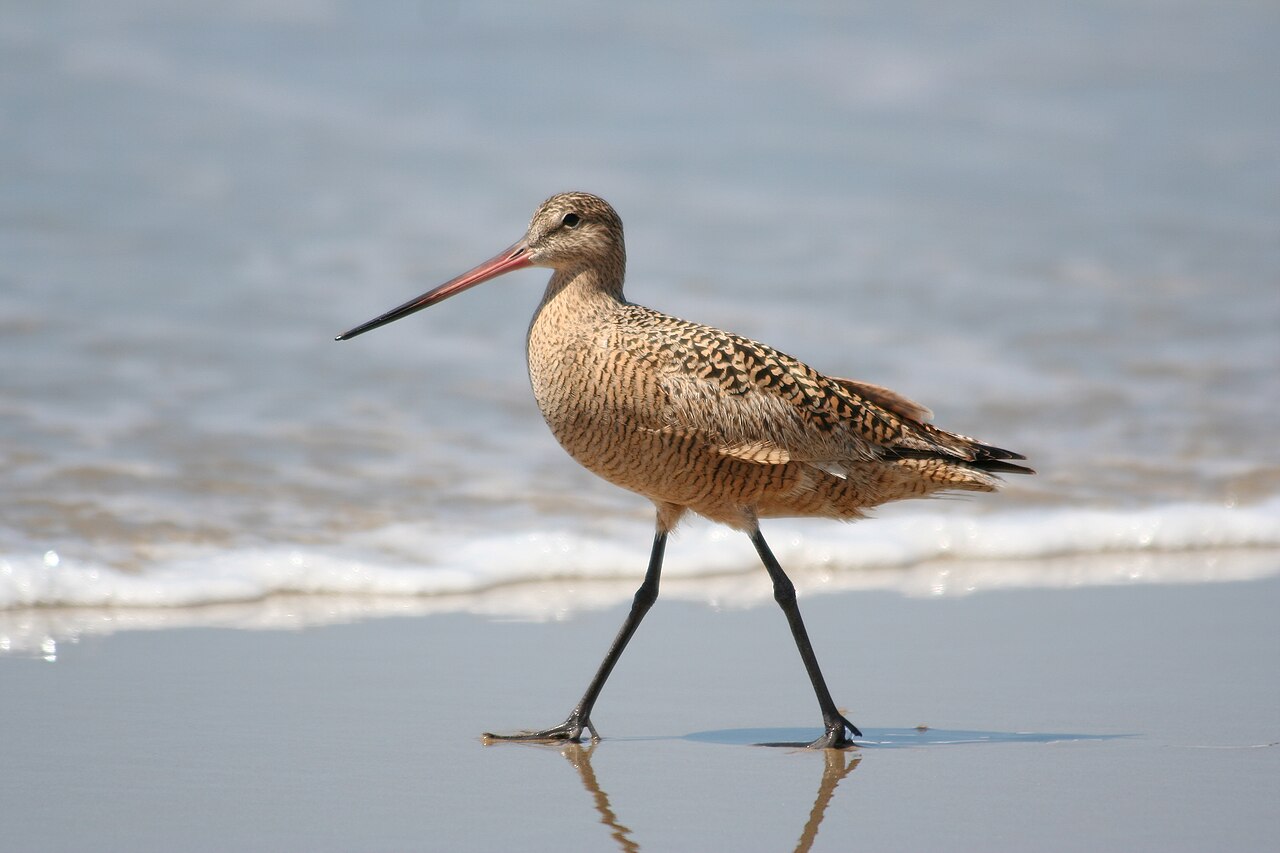
Marbled Godwit (Limosa fedoa)
The Marbled Godwit breeds in the grasslands and prairies of central North America, from Alberta and Manitoba south to Montana, the Dakotas, Nebraska, and Minnesota. It winters along the Pacific, Gulf, and southern Atlantic coasts of North America. IUCN Redlist Status: Vulnerable
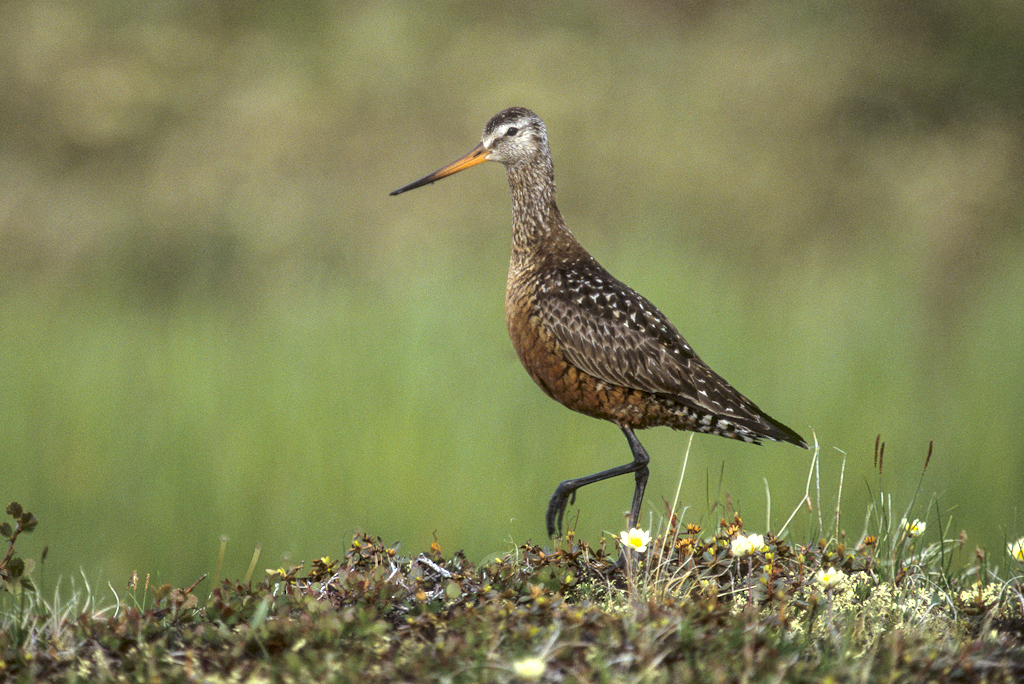
Hudsonian Godwit (Limosa haemastica)
The Hudsonian Godwit breeds in northern Canada and Alaska and migrates to South America. IUCN Redlist Status: Vulnerable
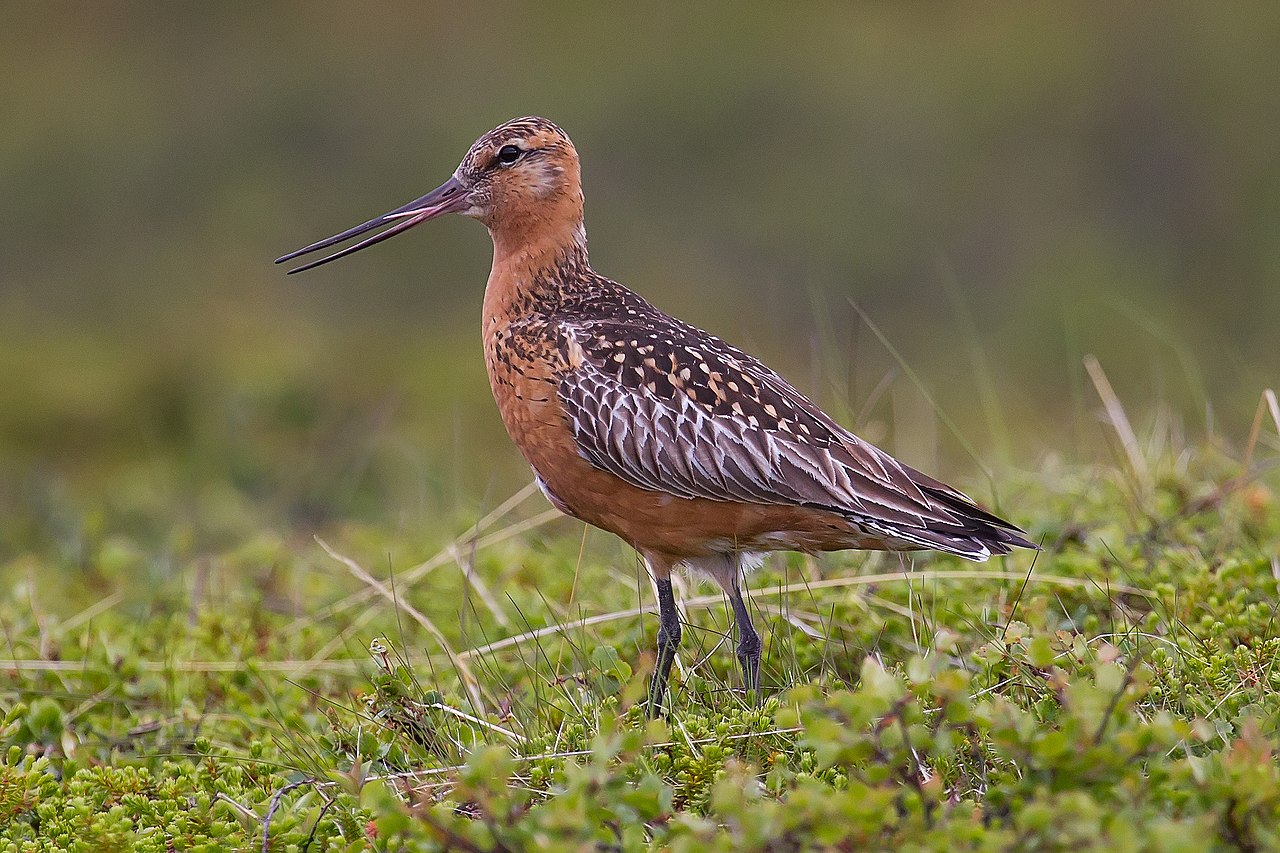
Bar-tailed Godwit (Limosa lapponica)
The Bar-tailed Godwit breeds in northwestern Alaska and northern Europe and Asia. The bar-tailed godwit is a long-distance migrator. It winters in Southeast Asia, Australia, and New Zealand. It is occasionally seen on the Atlantic and Pacific coasts of the United States. IUCN Redlist Status: Near Threatened
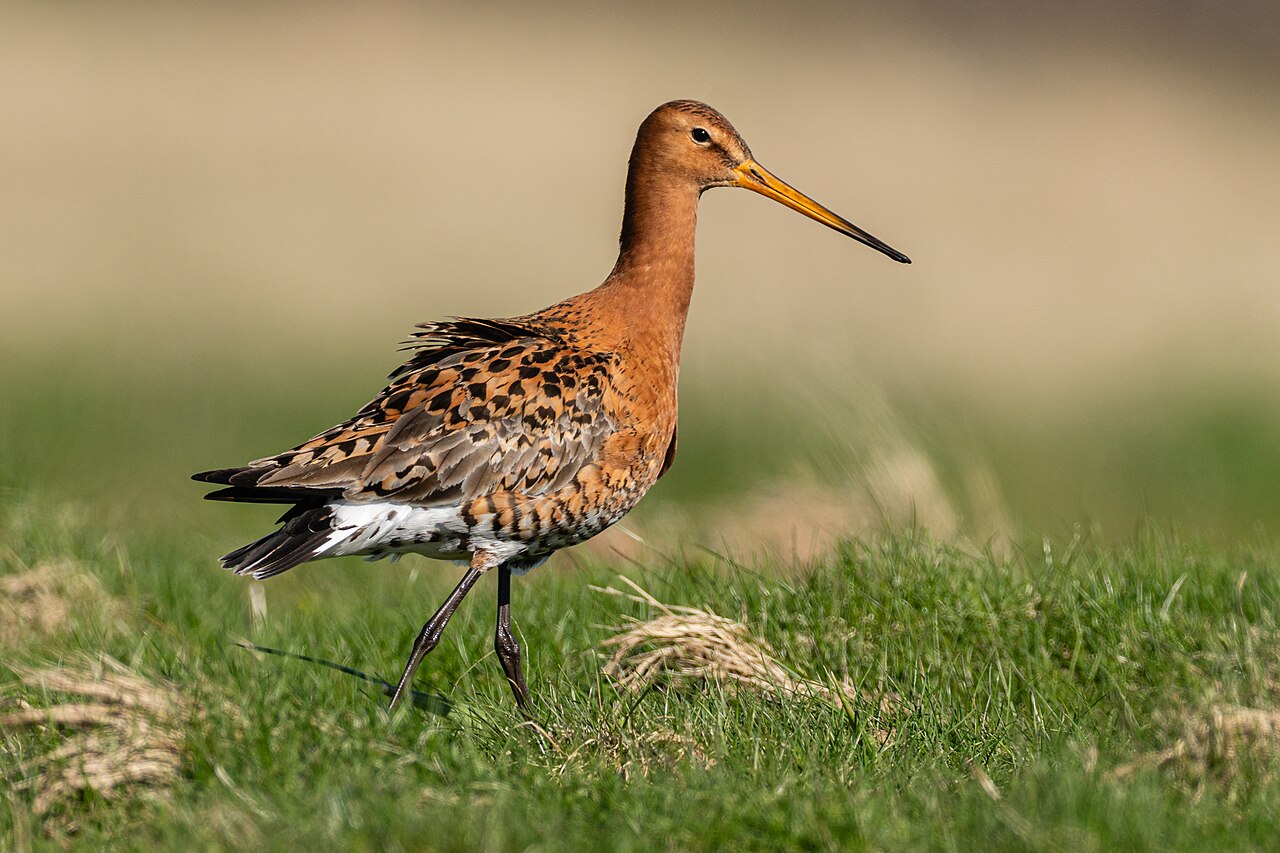
Black-tailed Godwit (Limosa limosa)
The Black-tailed Godwit is found in Europe, Africa, Asia, and Australia. IUCN Redlist Status: Near Threatened
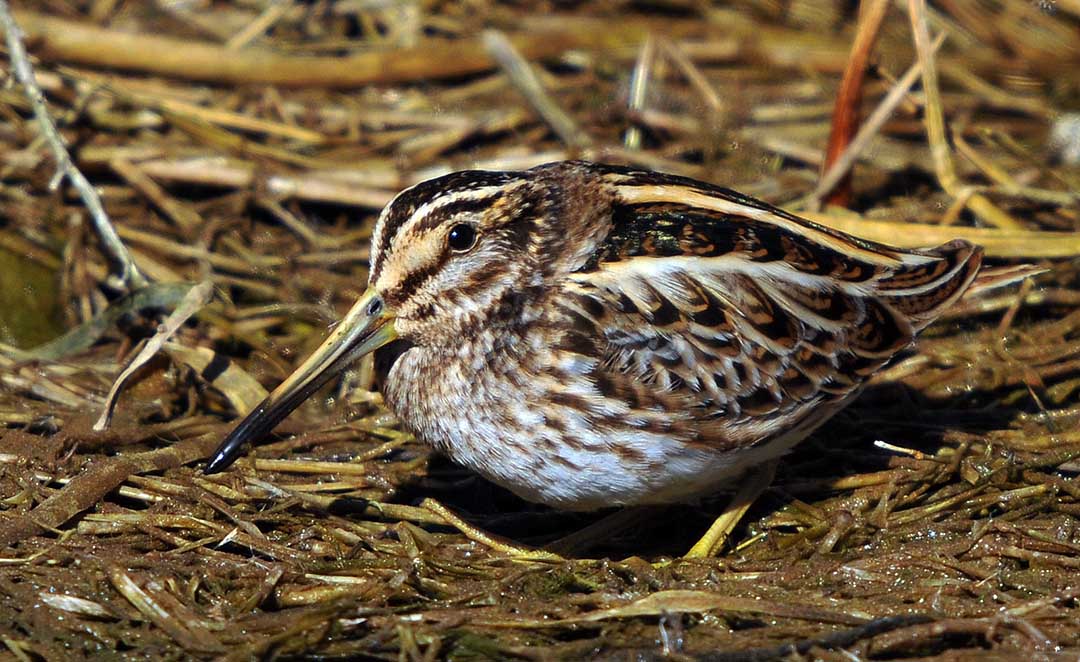
Jack Snipe (Lymnocryptes minimus)
The Jack Snipe is found in Europe, Asia, and Africa. IUCN Redlist Status: Least Concern
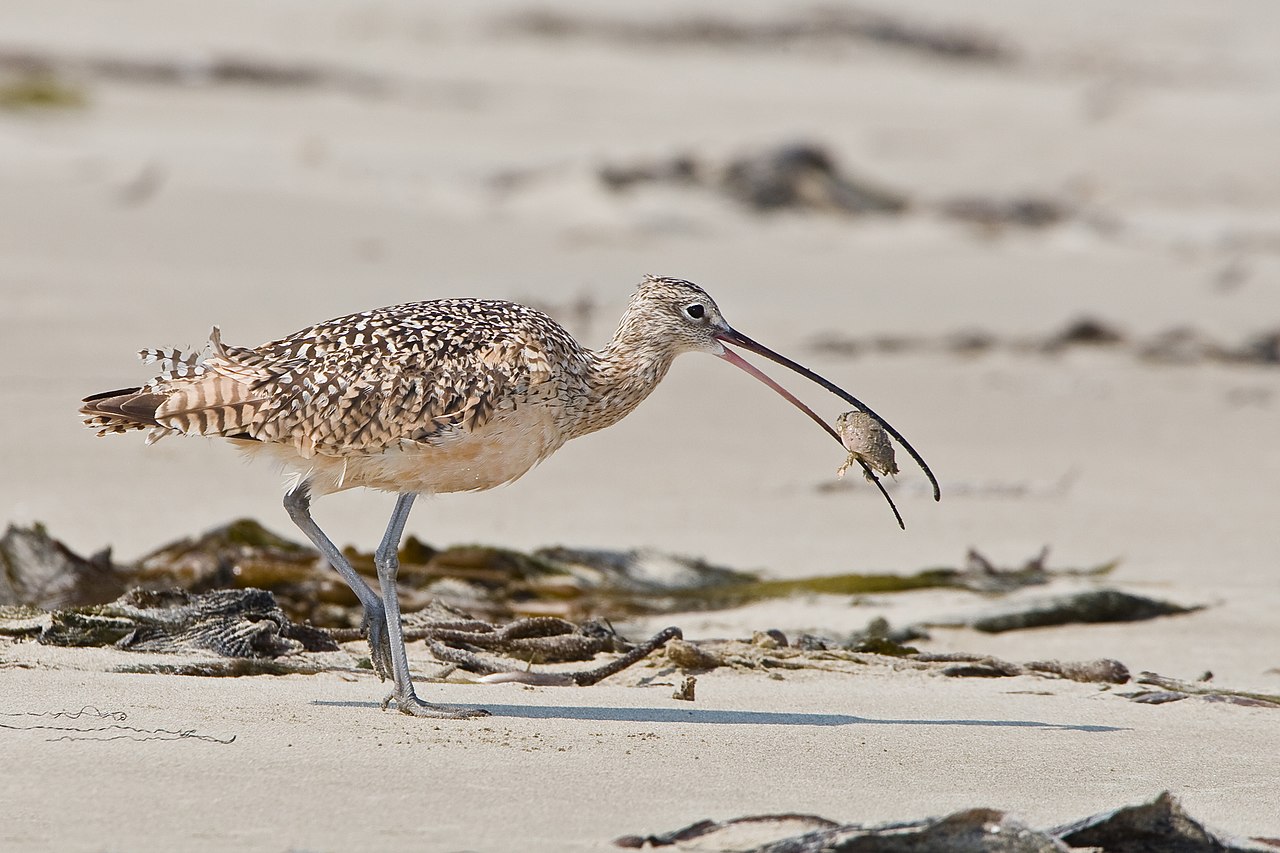
Long-billed Curlew (Numenius americanus)
The Long-billed Curlew breeds from southern Canada to northern California, Utah, northern New Mexico, and Texas. The long-billed curlew is a neo-tropical migrator. It winters in Mexico and Central America. IUCN Redlist Status: Least Concern
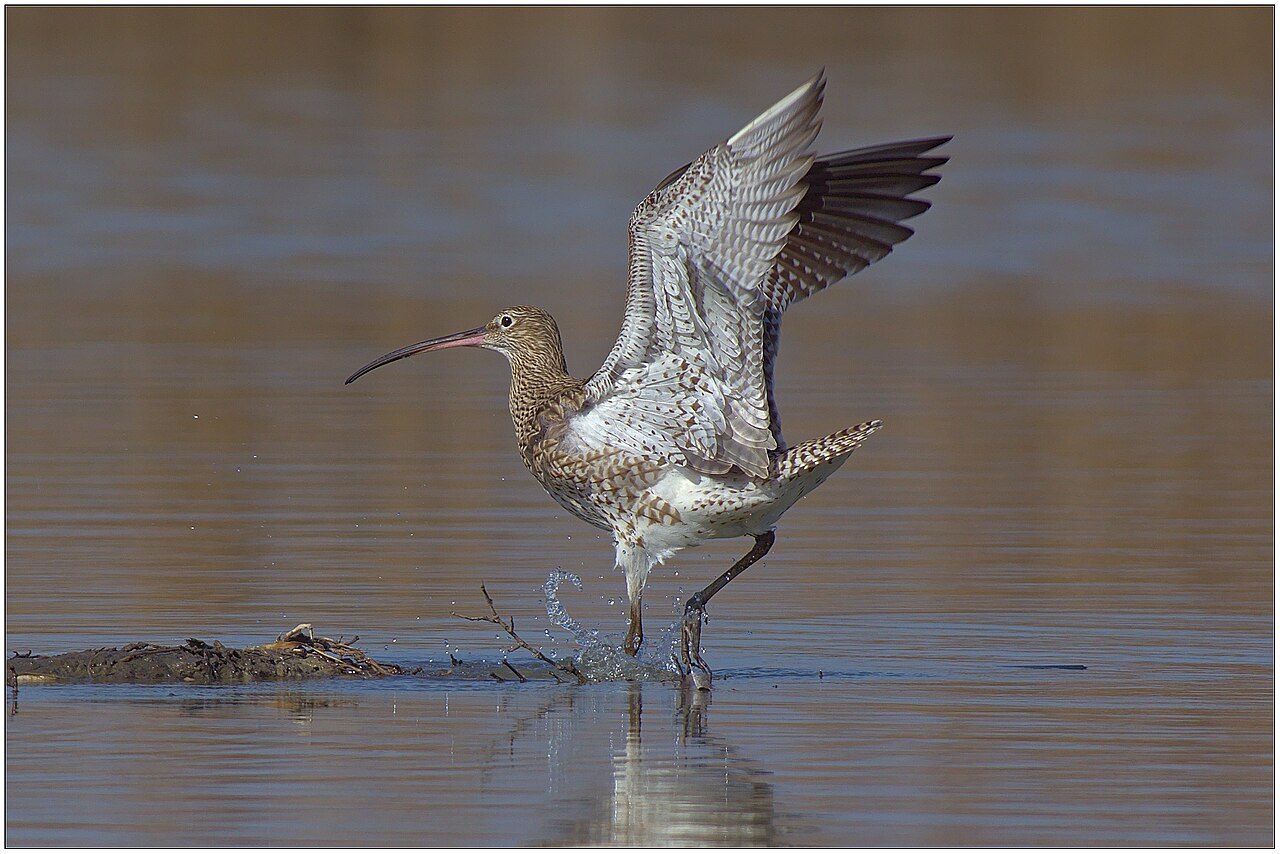
Eurasian Curlew (Numenius arquata)
The Eurasian Curlew is found in Europe, Asia, and Africa. IUCN Redlist Status: Near Threatened
Eskimo Curlew (Numenius borealis)
The last confirmed sighting of the Eskimo Curlew was in 1963. It breeds in Northern Canada and winters in South America. During its migration, it could be found in New Hampshire. IUCN Redlist Status: Critically Endangered
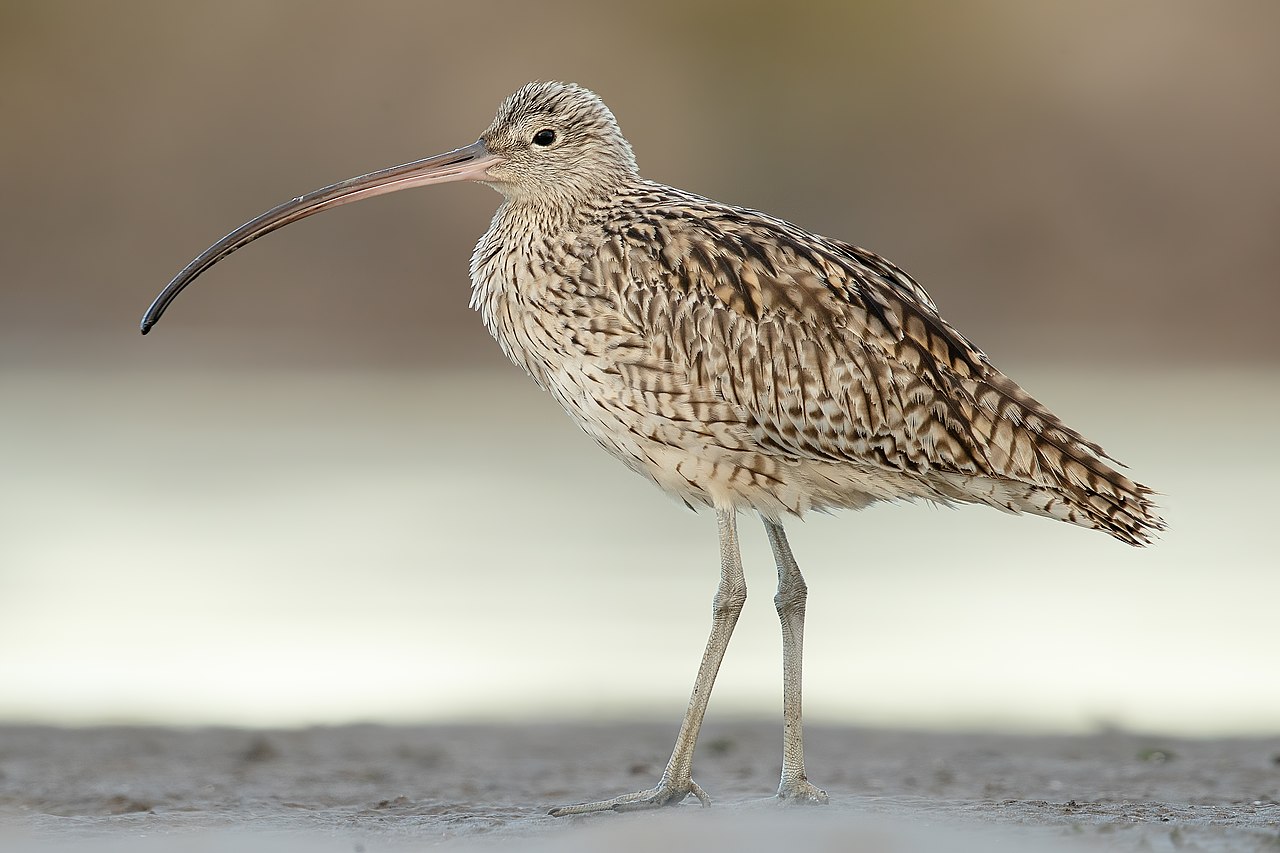
Far Eastern Curlew (Numenius madagascariensis)
The Far Eastern Curlew breeds in northeastern Asia, including eastern Russia, northeastern China, and Mongolia. It migrates south to spend the nonbreeding season mainly in Australia, with smaller numbers wintering in New Zealand and parts of Southeast Asia. IUCN Red List Status: Endangered.
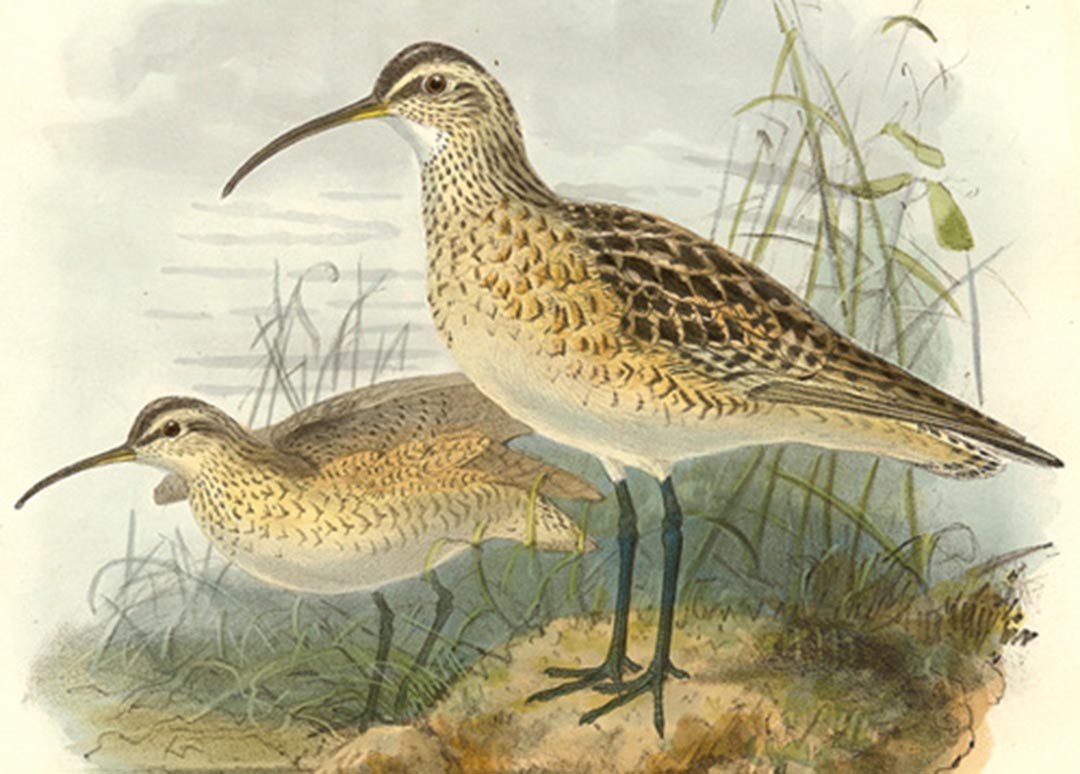
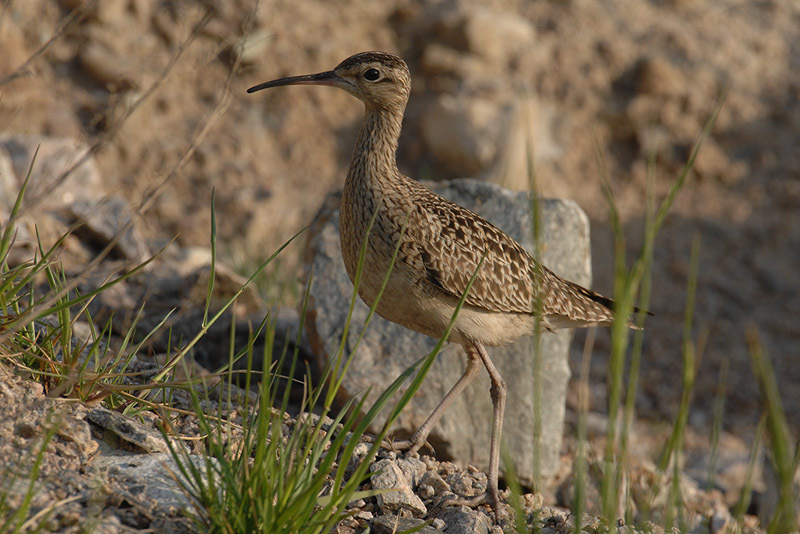
Little Curlew (Numenius minutus)
The Little Curlew breeds in northeastern Siberia and migrates to Australia. IUCN Redlist Status: Least Concern
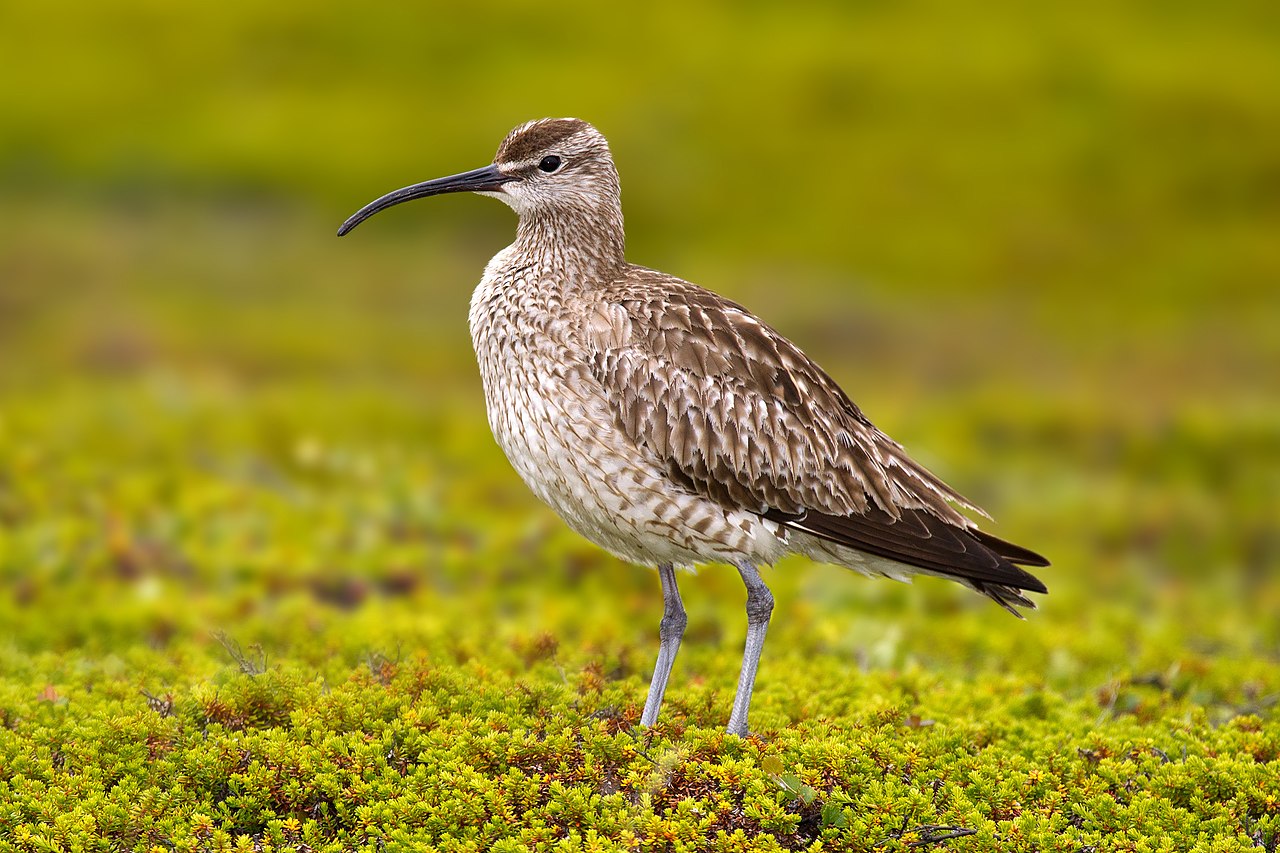
Whimbrel (Numenius phaeopus)
The Whimbrel breeds on the tundra in Alaska and Canada east to the Hudson Bay. It migrates south along both the Pacific and Atlantic coasts and winters on the southern coasts of the United States south to South America. The Whimbrel is also found in Eurasia. It can be found in New Hampshire during migration. IUCN Redlist Status: Least Concern
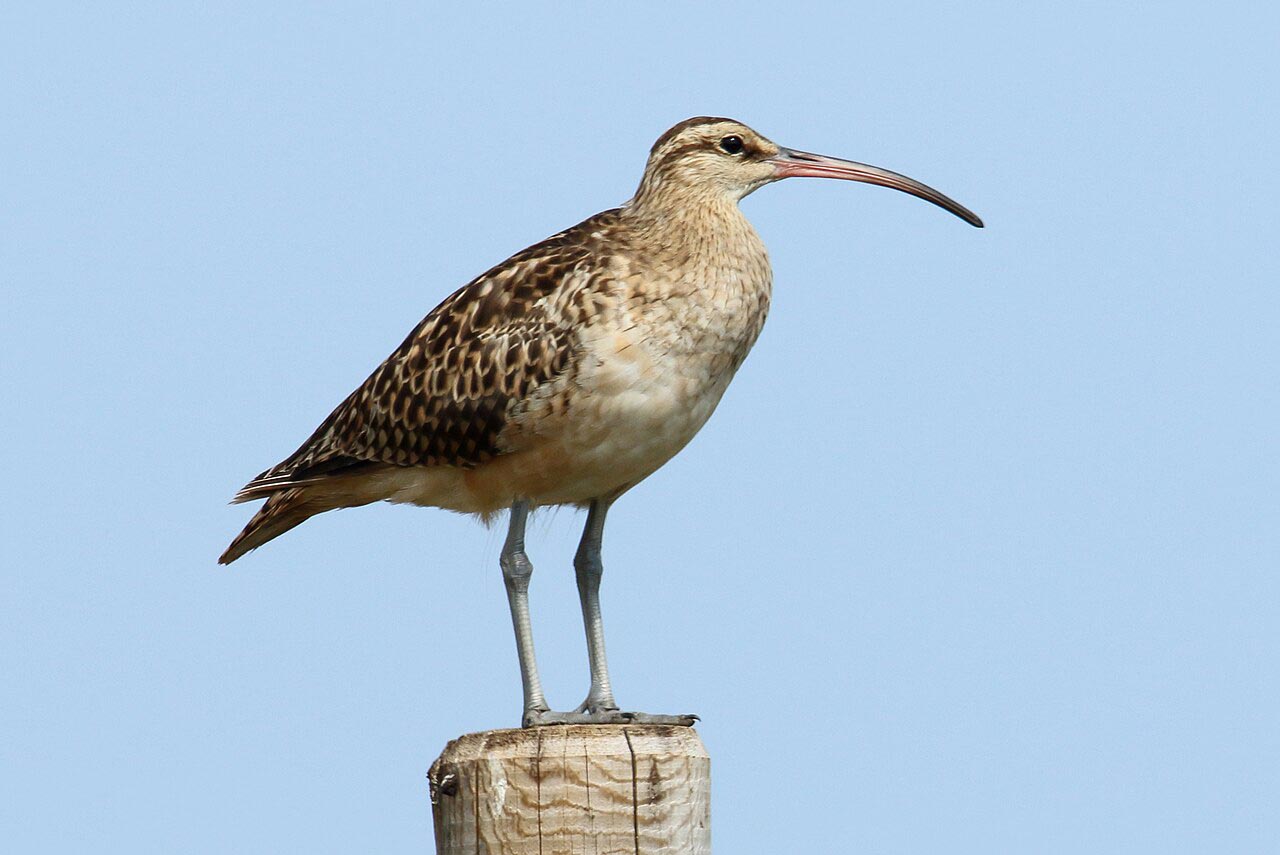
Bristle-thighed Curlew (Numenius tahitiensis)
The Bristle-thighed Curlew breeds in western Alaska. It winters in Hawaii and other South Pacific Islands including Samoa, Micronesia, Fiji, and French Polynesia. IUCN Redlist Status: Near Threatened
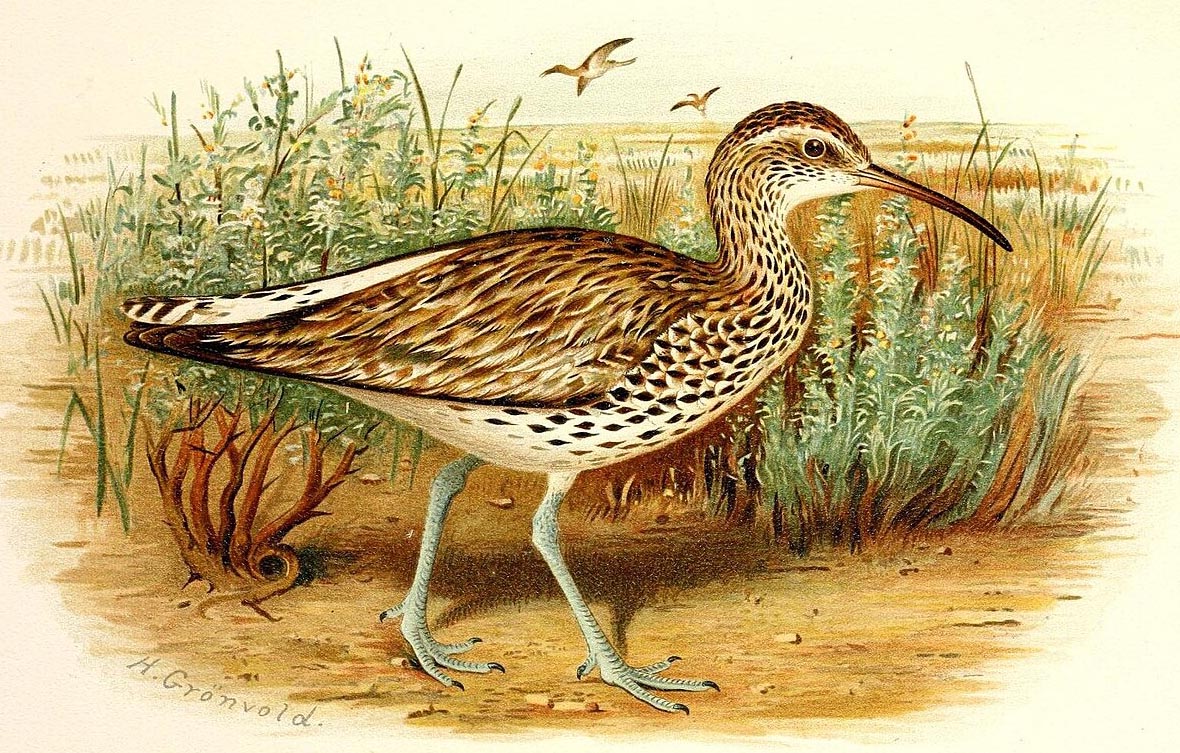
Slender-billed Curlew (Numenius tenuirostris)
The Slender-billed Curlew was once found in parts of Europe, Asia, North Africa, and the Middle East. The last confirmed sighting was in Morocco in 1995. It was officially declared extinct in 2024. IUCN Red List Status: Extinct.
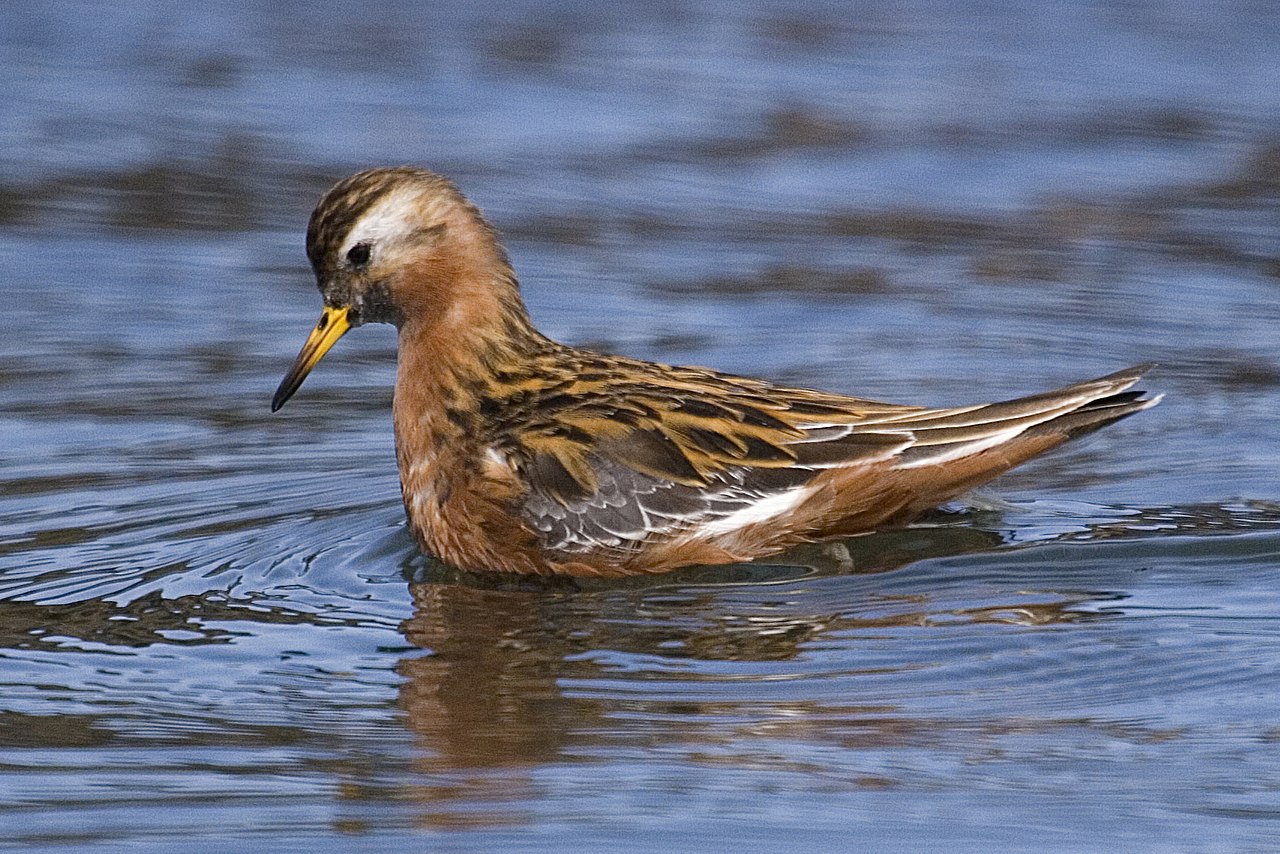
Red Phalarope (Phalaropus fulicaria)
The Red Phalarope breeds in the Arctic regions of Alaska and northern Canada. It migrates off the Atlantic and Pacific coasts. Severe storms can sometimes bring them inland. It winters at sea in flocks off the Atlantic, Gulf, and Pacific coasts south to South America. The red phalarope can be found in New Hampshire during migration. IUCN Redlist Status: Least Concern
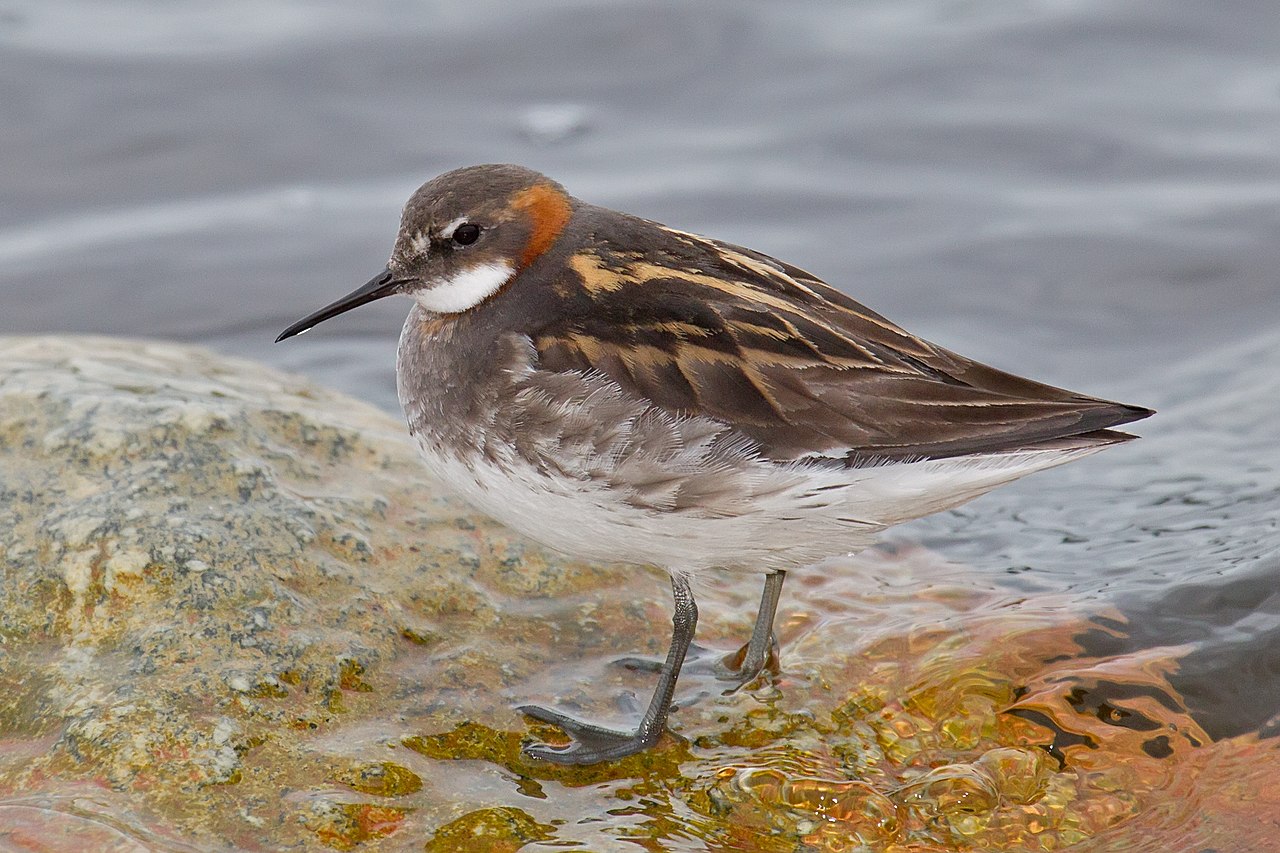
Red-necked Phalarope (Phalaropus lobatus)
The Red-necked Phalarope breeds in Alaska and northern Canada. It migrates off of the Atlantic and Pacific coasts. It winters at sea in flocks off the coast of South America. It can be found in New Hampshire during migration. IUCN Redlist Status: Least Concern
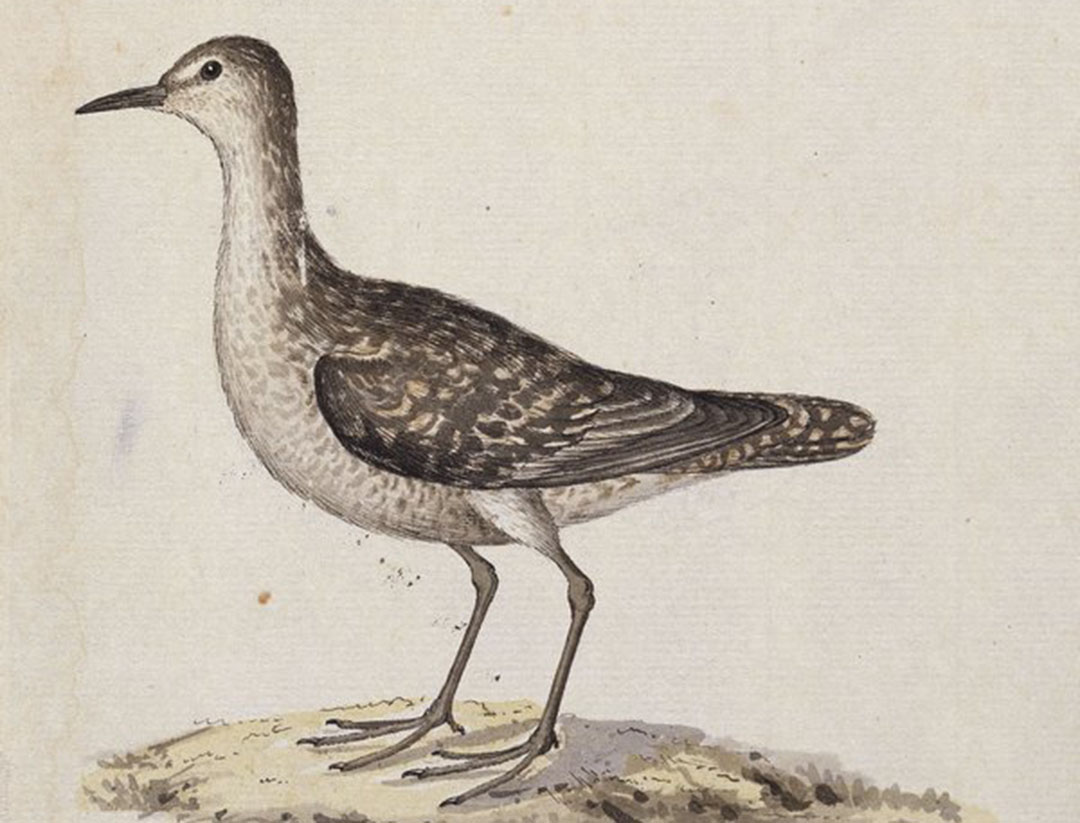
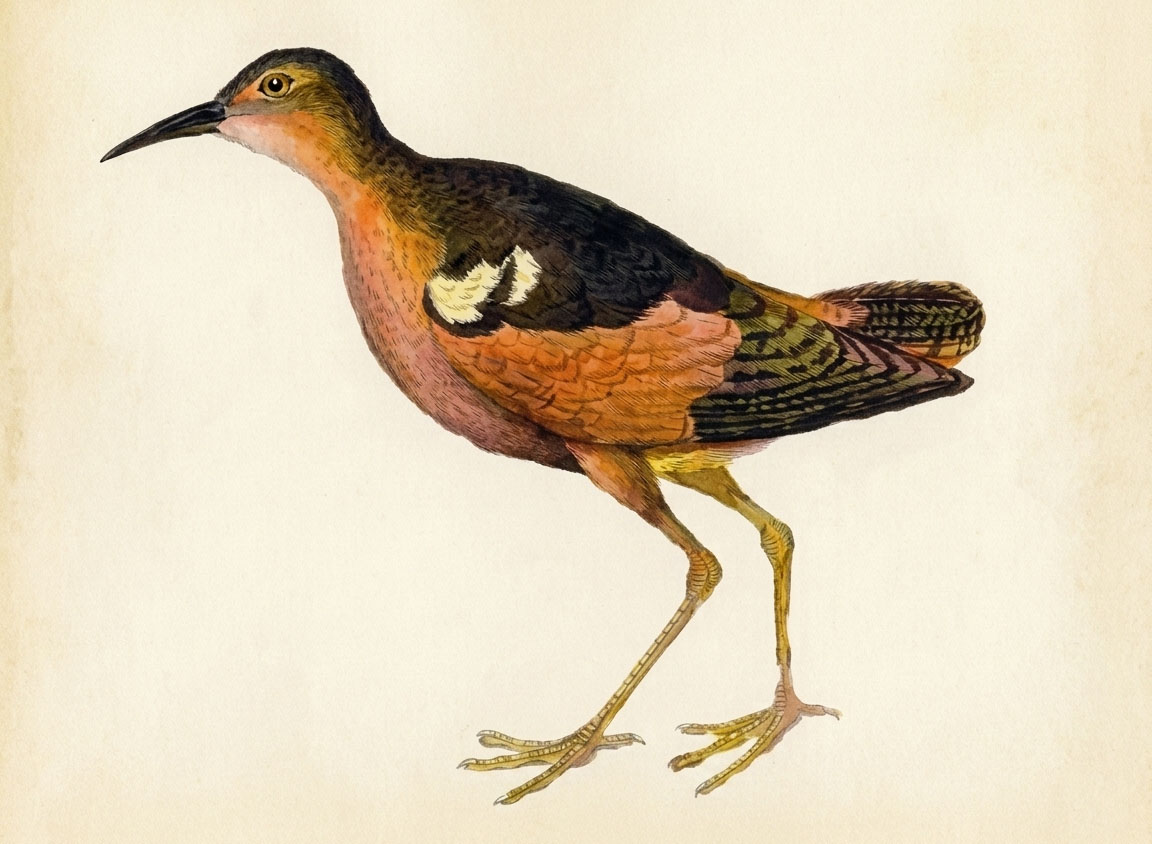
Christmas Sandpiper (Prosobonia cancellata)
The Christmas Sandpiper was only found on Kiritimati (Christmas Island) in the Republic of Kiribati in the central Pacific Ocean. It was last recorded during Captain James Cook's voyage in 1777–1778 and became extinct sometime in the early 1800s. IUCN Red List Status: Extinct
Moorea Sandpiper (Prosobonia ellisi)
The Moorea Sandpiper was once found on the island of Moorea in French Polynesia. It is known to history solely from records taken during Captain James Cook's third voyage in 1777. IUCN Redlist Status: Extinct
Tahiti Sandpiper (Prosobonia leucoptera)
Tahiti Sandpiper was once found in French Polynesia. IUCN Redlist Status: Extinct
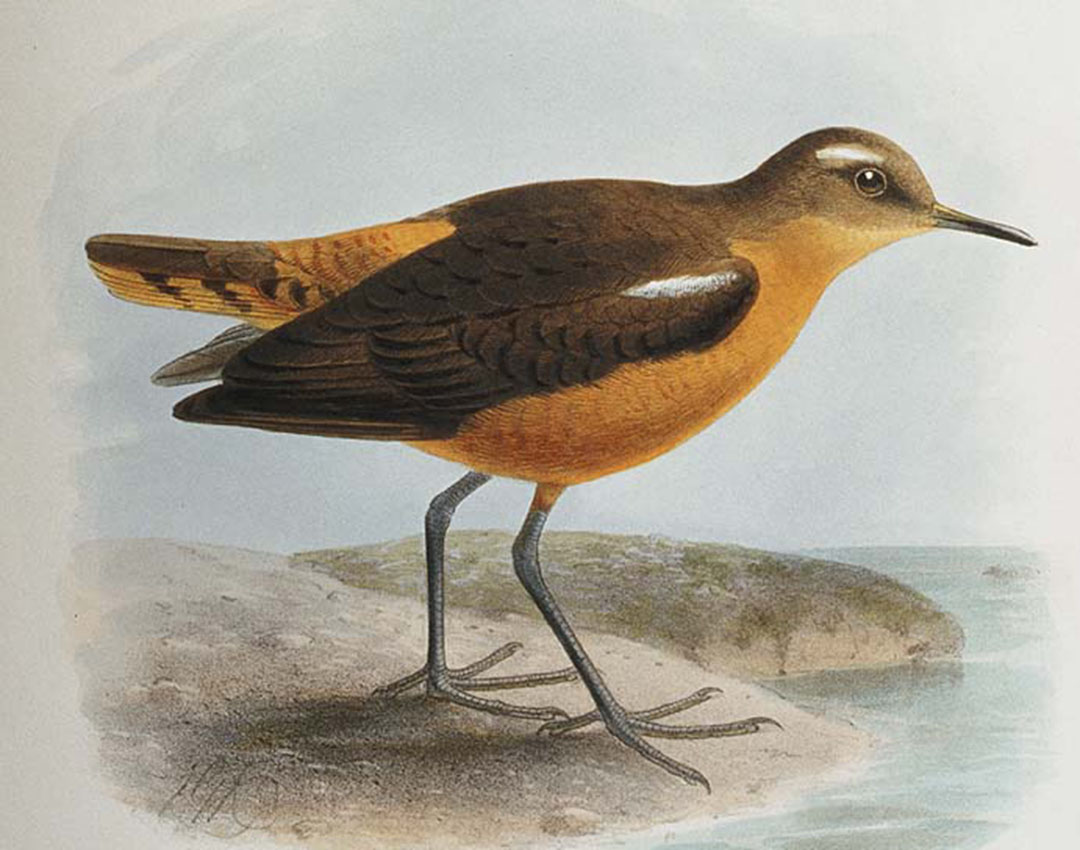
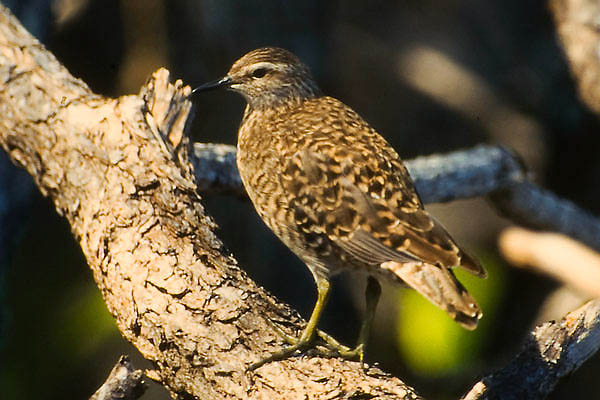
Tuamotu Sandpiper (Prosobonia parvirostris)
The Tuamotu Sandpiper is found in French Polynesia. IUCN Redlist Status: Endangered
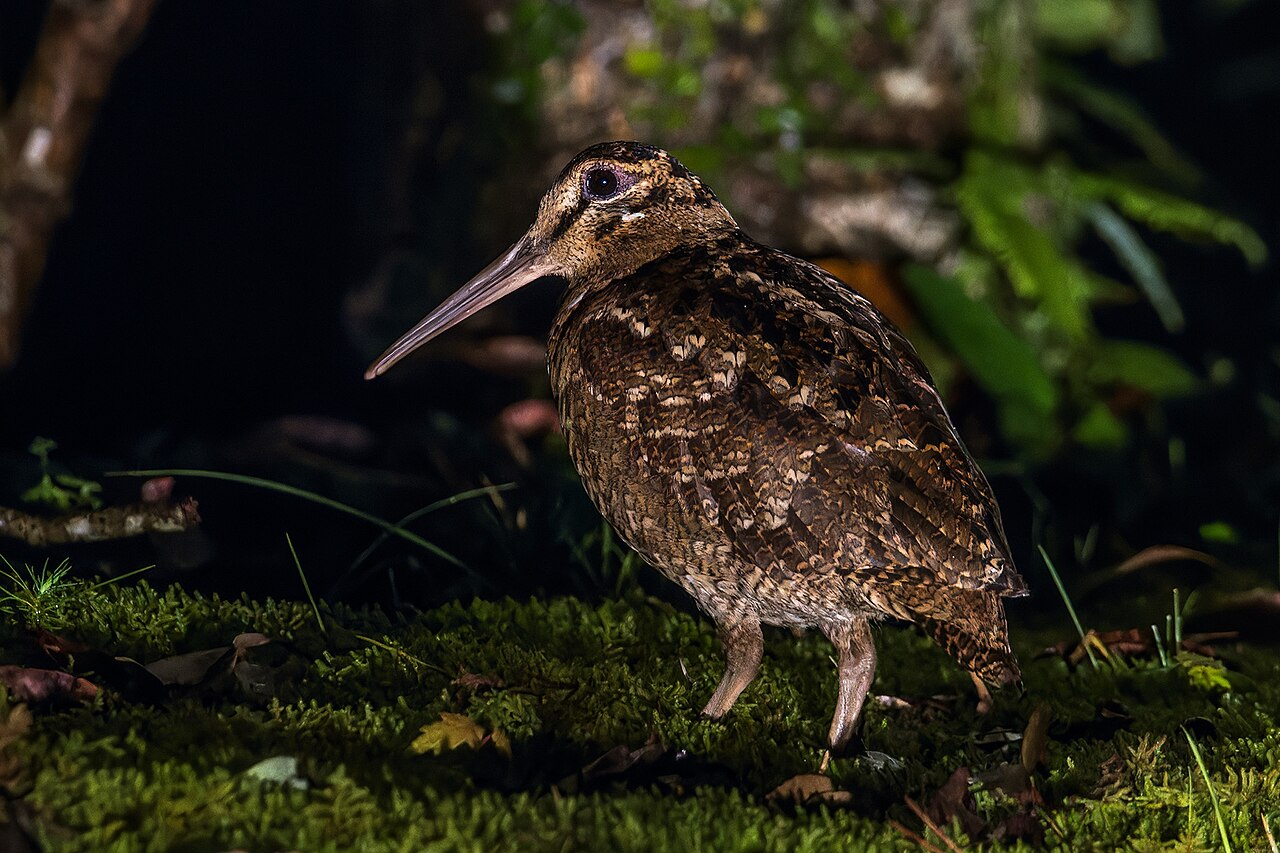
Bukidnon Woodcock ( Scolopax bukidnonensis)
Bukidnon Woodcock is found in the Philippines. IUCN Redlist Status: Least Concern
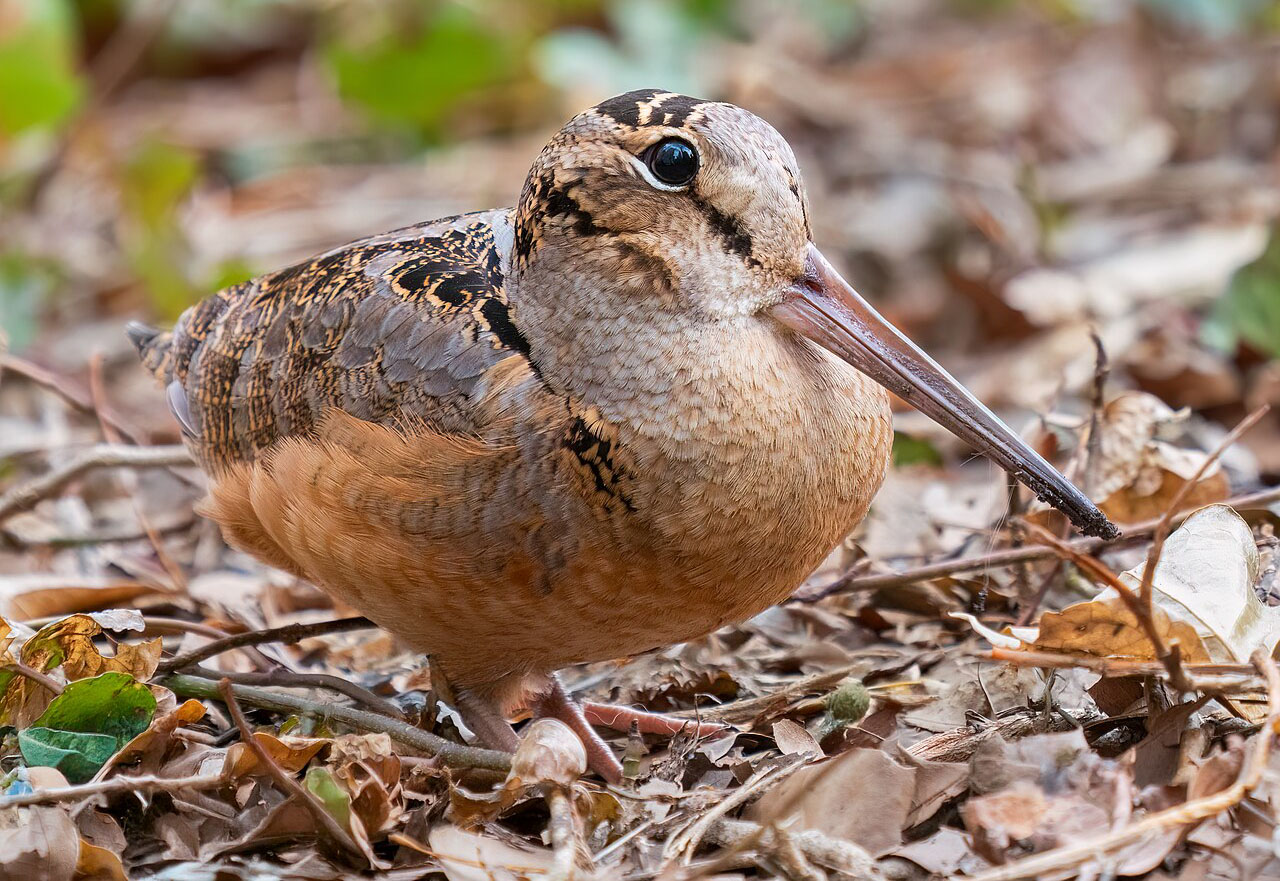
American Woodcock (Scolopax celebensis)
The American woodcock is found from southeastern Manitoba, Canada east to Newfoundland, Canada, and south to Texas and Florida. IUCN Redlist Status: Least Concern
Amami Woodcock (Scolopax mira)
The Amami Woodcock is found in Japan. IUCN Redlist Status: Near Threatened
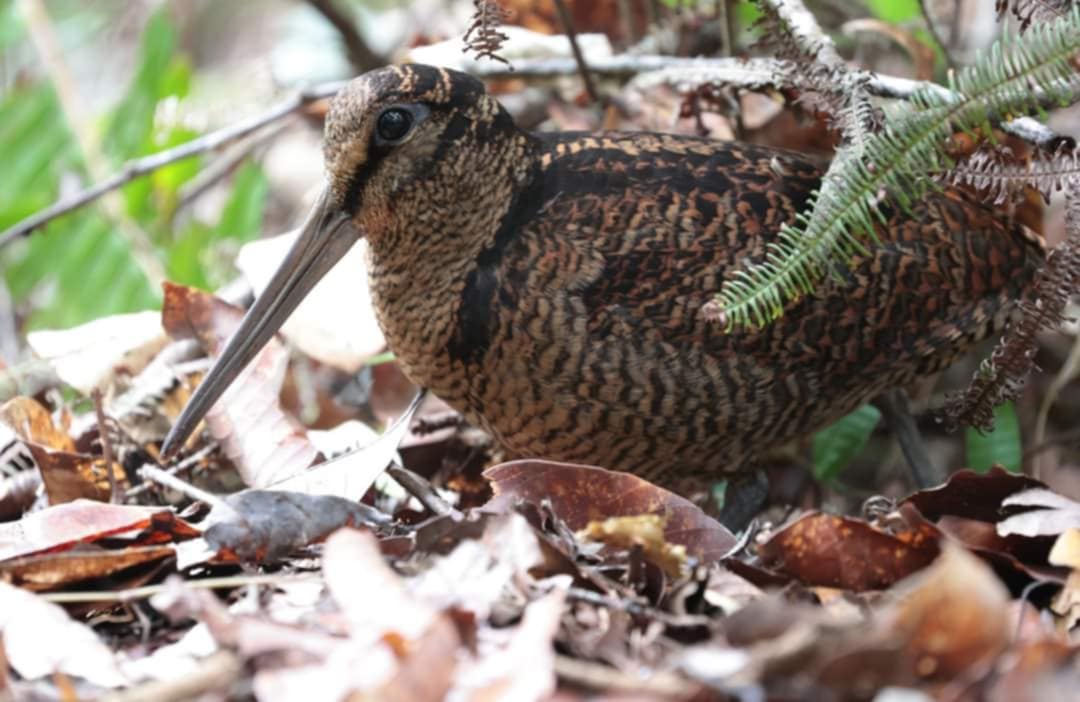
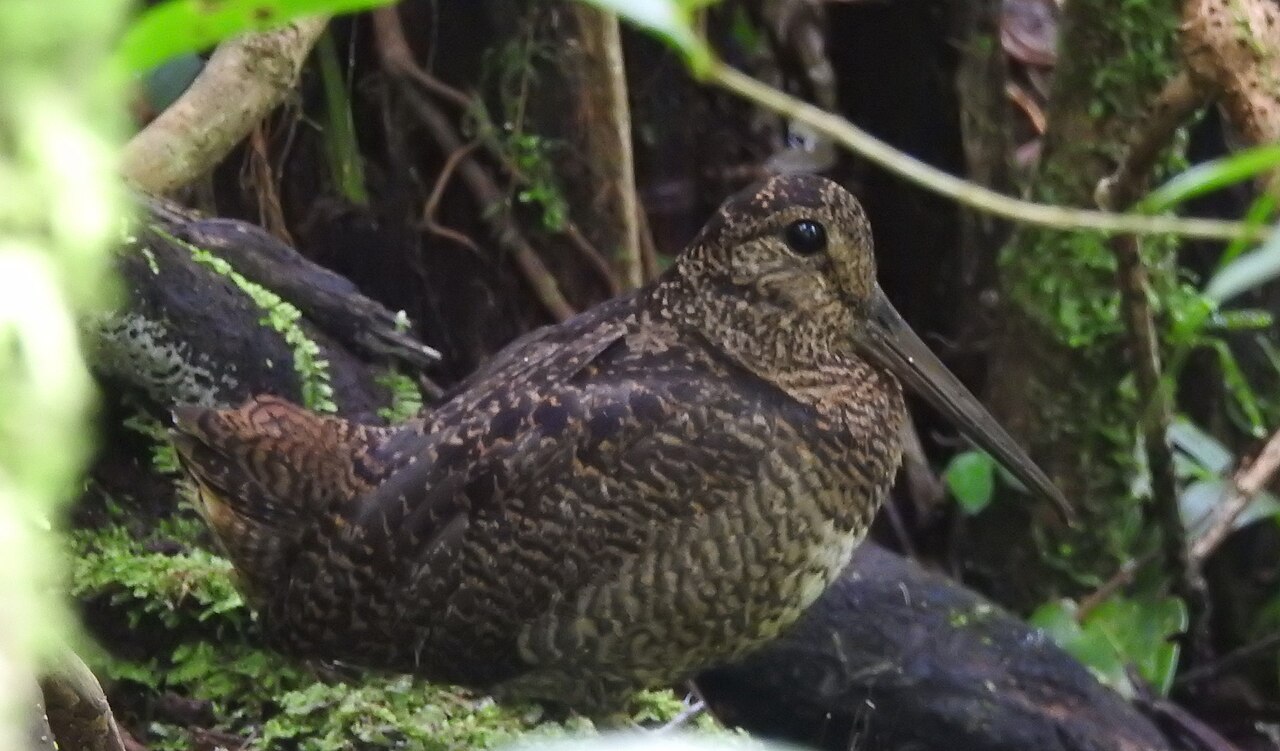
Javan Woodcock (Scolopax saturata)
The Javan Woodcock is found in Indonesia. IUCN Redlist Status: Near Threatened
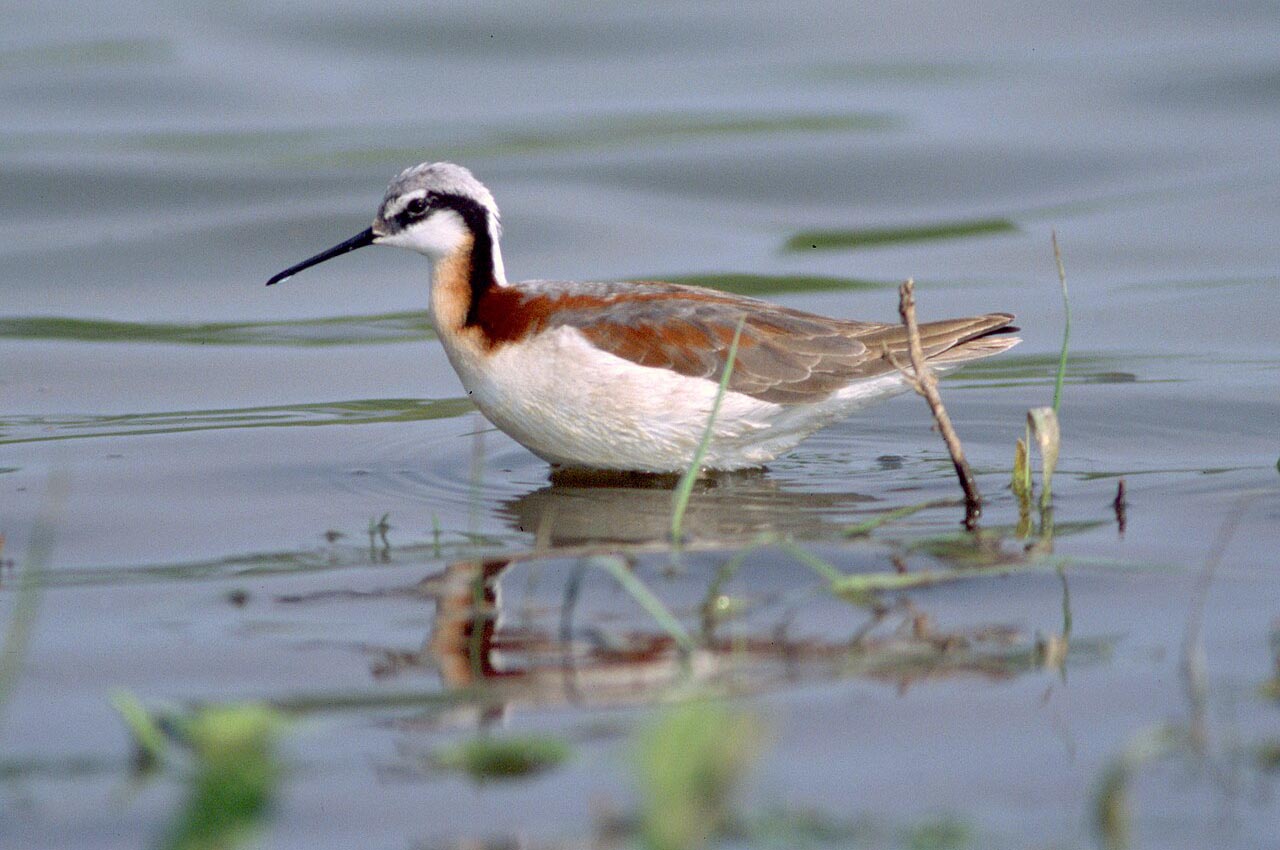
Wilson's Phalarope (Steganopus tricolor)
Wilson's Phalarope breeds across central and western North America. In the United States they are found from California east to Minnesota. Wilson's phalarope winters in South America. IUCN Redlist Status: Least Concern
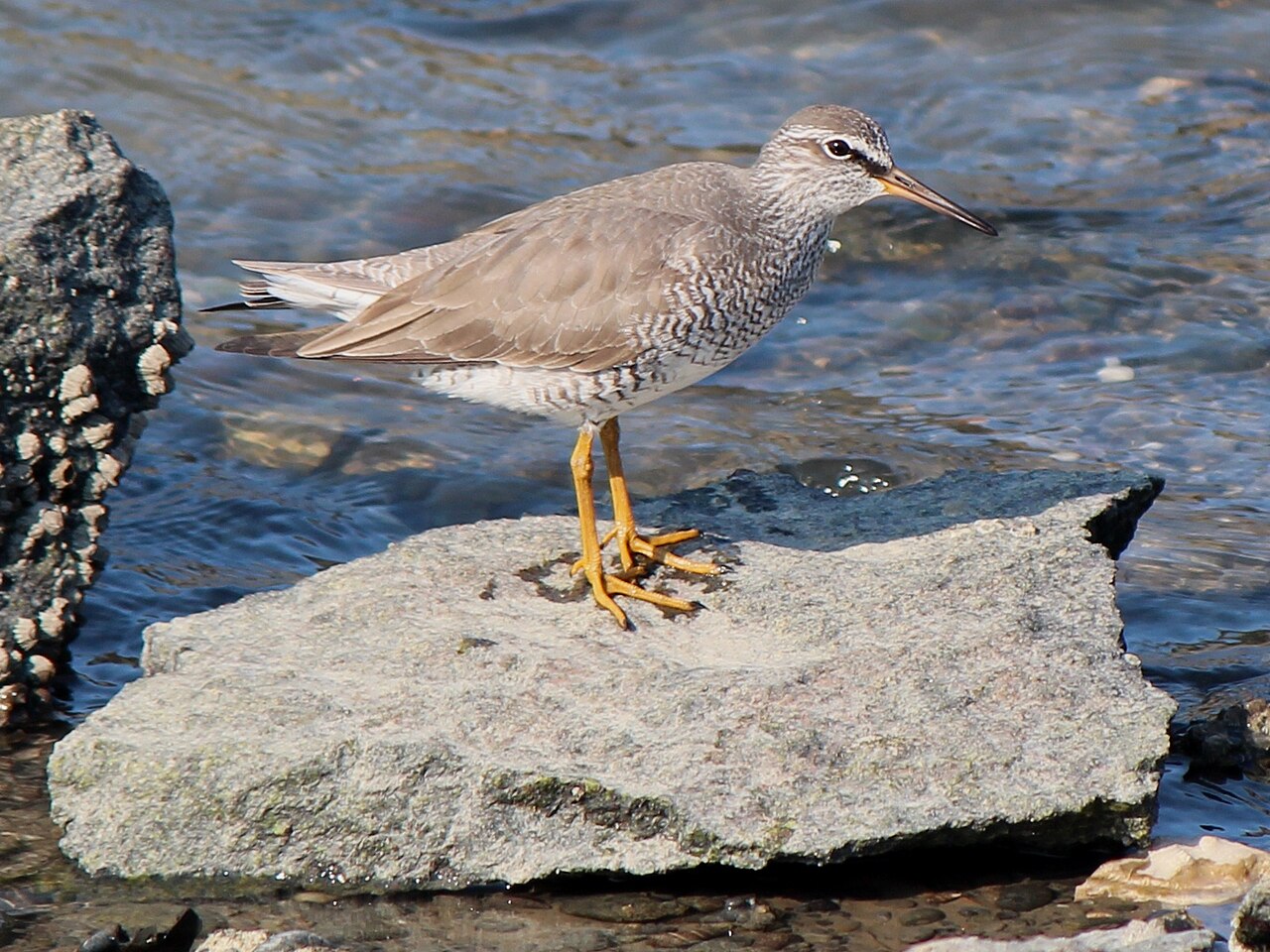
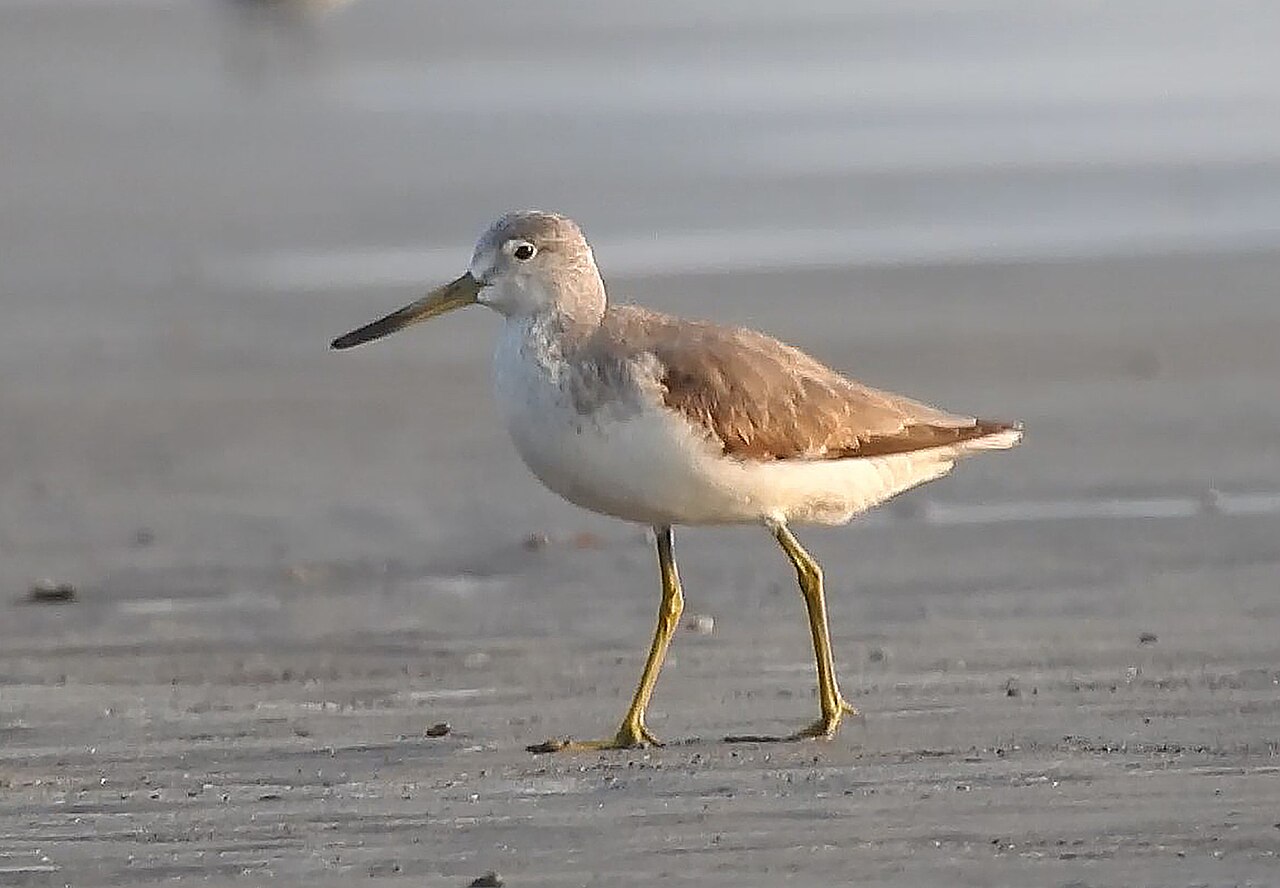
Gray-tailed Tattler (Tringa brevipes)
The Gray-tailed Tattler breeds in eastern Siberia and migrates south to spend the nonbreeding season in Australia, New Zealand, and islands across the western Pacific. IUCN Redlist Status: Least Concern
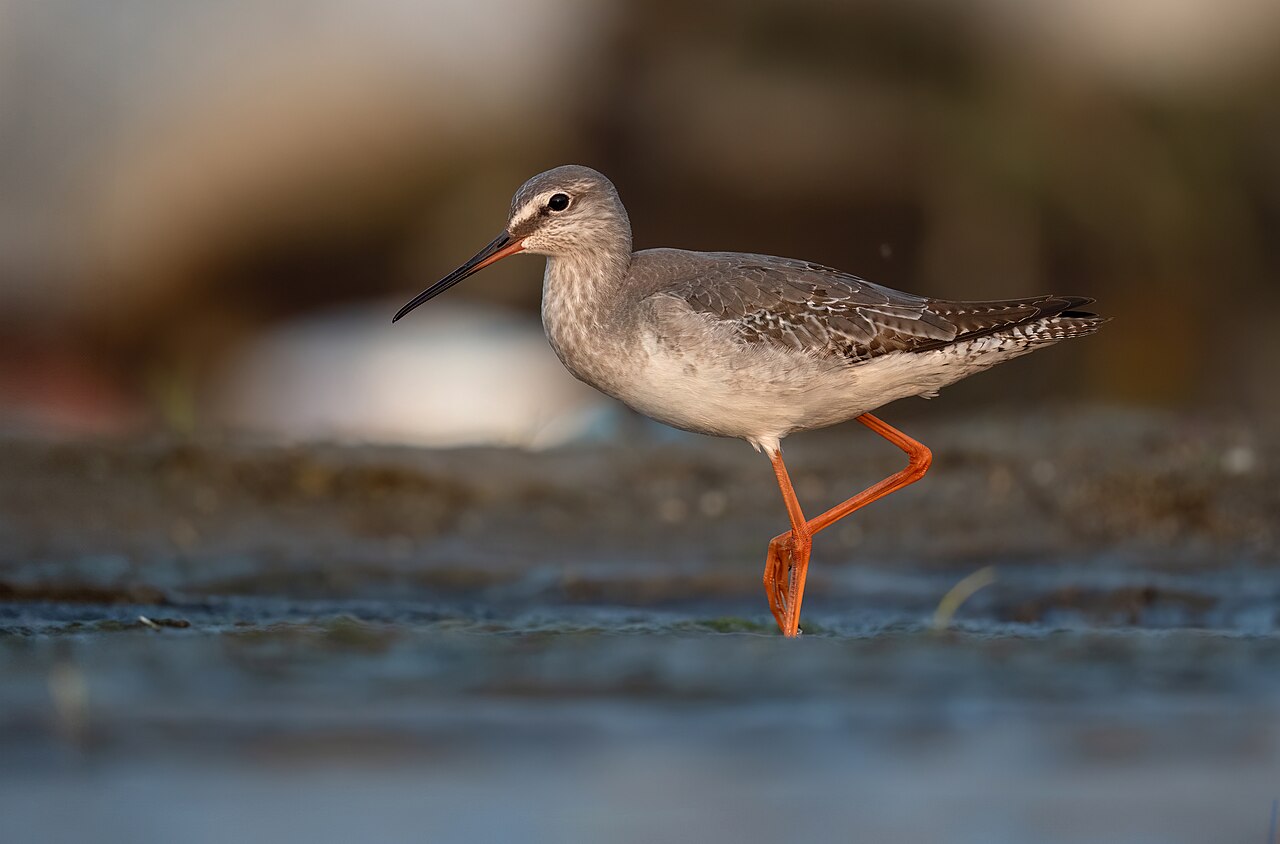
Spotted Redshank (Tringa erythropus)
The Spotted Redshank is found in Europe, Asia, and Africa. IUCN Redlist Status: Least Concern
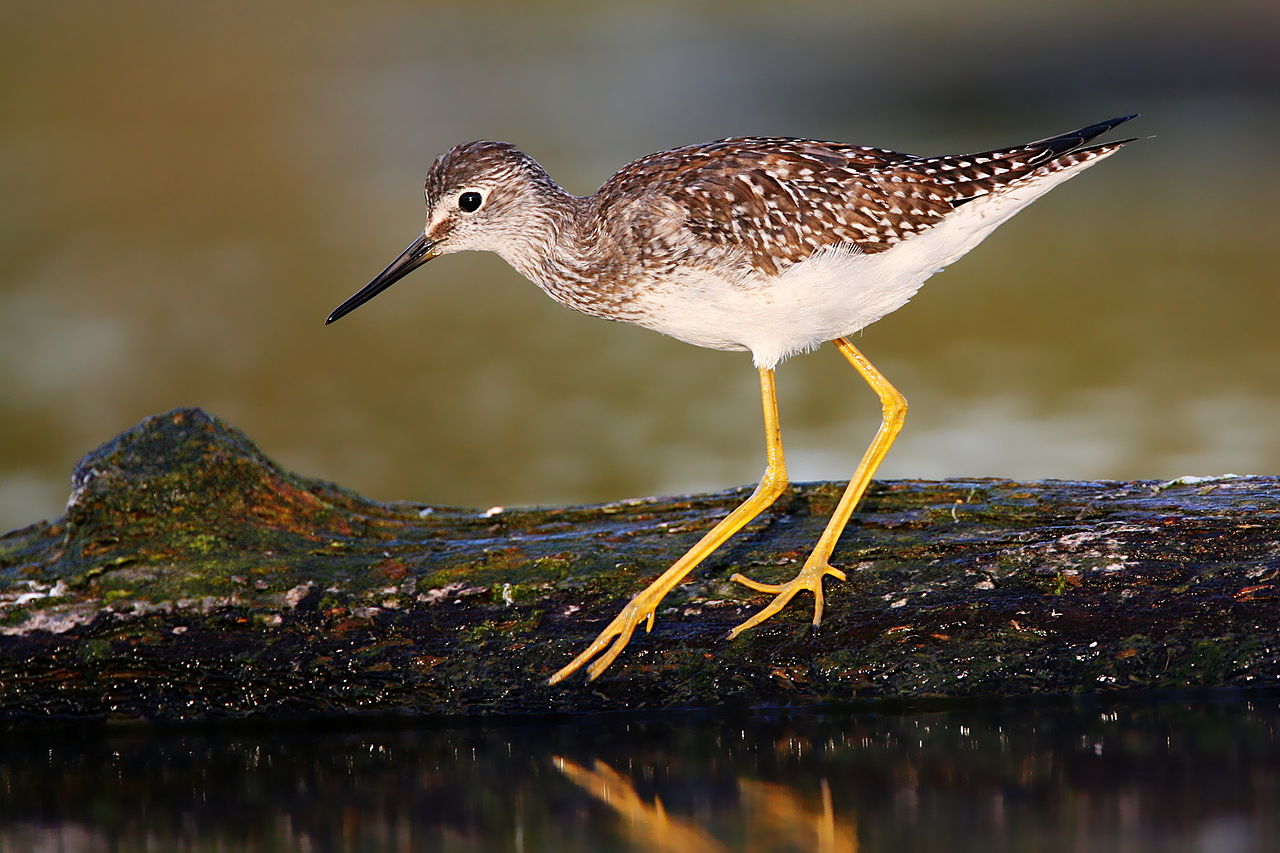
Lesser Yellowlegs (Tringa flavipes)
The Lesser Yellowlegs breeds across Alaska and northern Canada eastward to western Quebec and it winters in the southern United States southward to southern South America and northward along the coasts to southern central California and New Jersey. It can be found in New Hampshire during migration. IUCN Redlist Status: Vulnerable
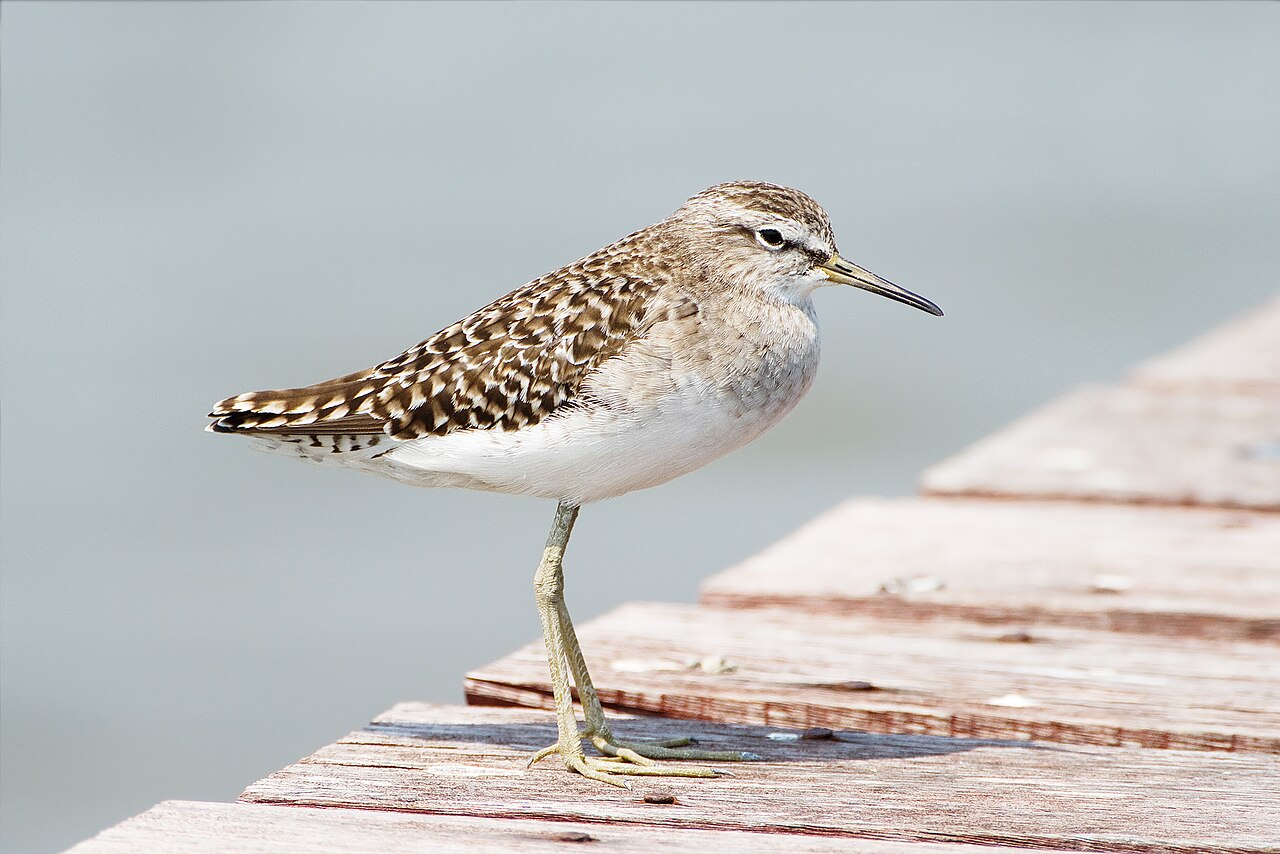
Wood Sandpiper (Tringa glareola)
The Wood Sandpiper is found in Europe, Asia, Africa, and Australia. IUCN Redlist Status: Least Concern
Spotted Greenshank (Tringa guttifer)
The Spotted Greenshank breeds in eastern Russia and winters in South-East Asia. IUCN Red List Status: Endangered
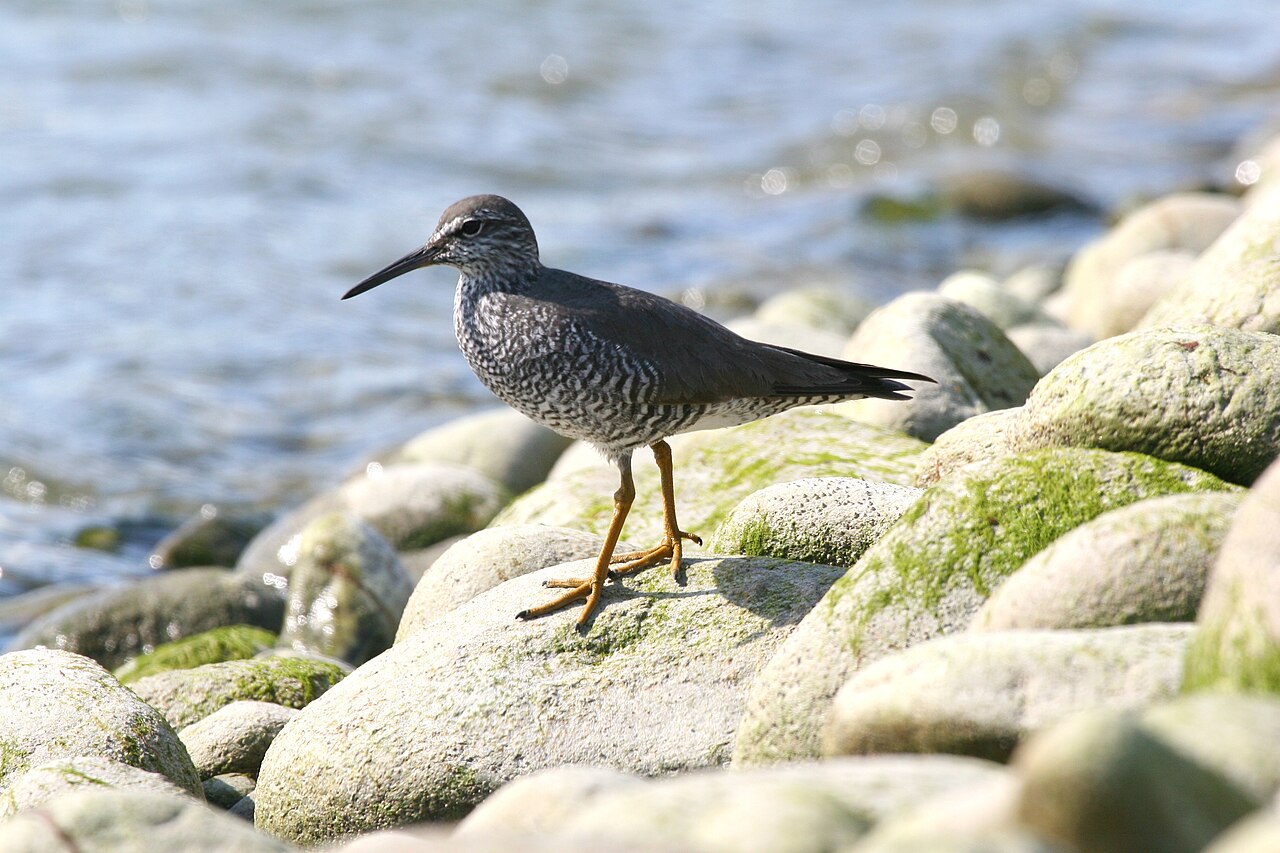
Wandering Tattler (Tringa incana)
The Wandering Tattler breeds in Alaska and northwestern Canada and spends the winter along rocky Pacific coasts and islands across the Pacific Ocean. IUCN Redlist Status: Least Concern.
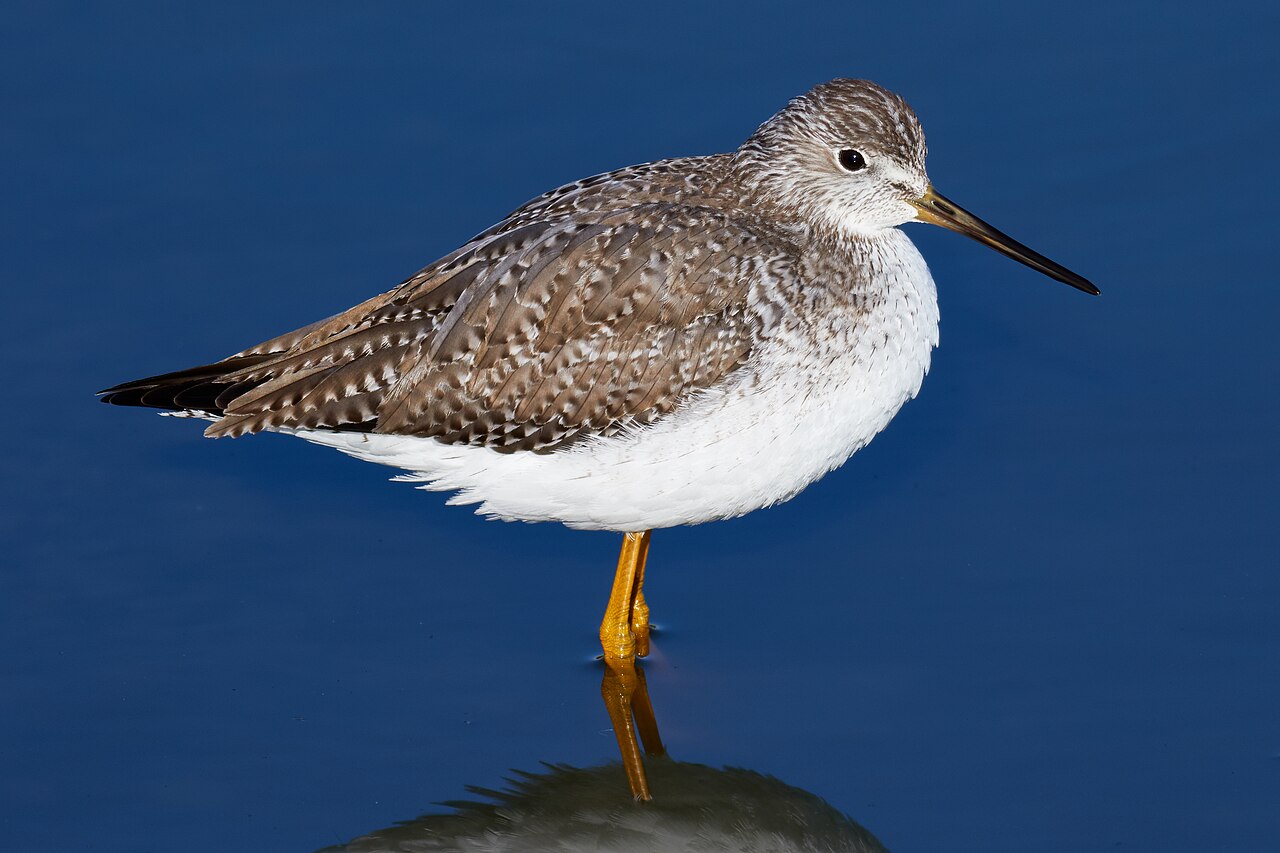
Greater Yellowlegs (Tringa melanoleuca)
The Greater Yellowlegs breeds from south-central Alaska east to Newfoundland. It winters on the Pacific coast from Washington south, on the Atlantic coast from Virginia south, and along the Gulf Coast. It can be found in New Hampshire during migration, IUCN Redlist Status: Near Threatened
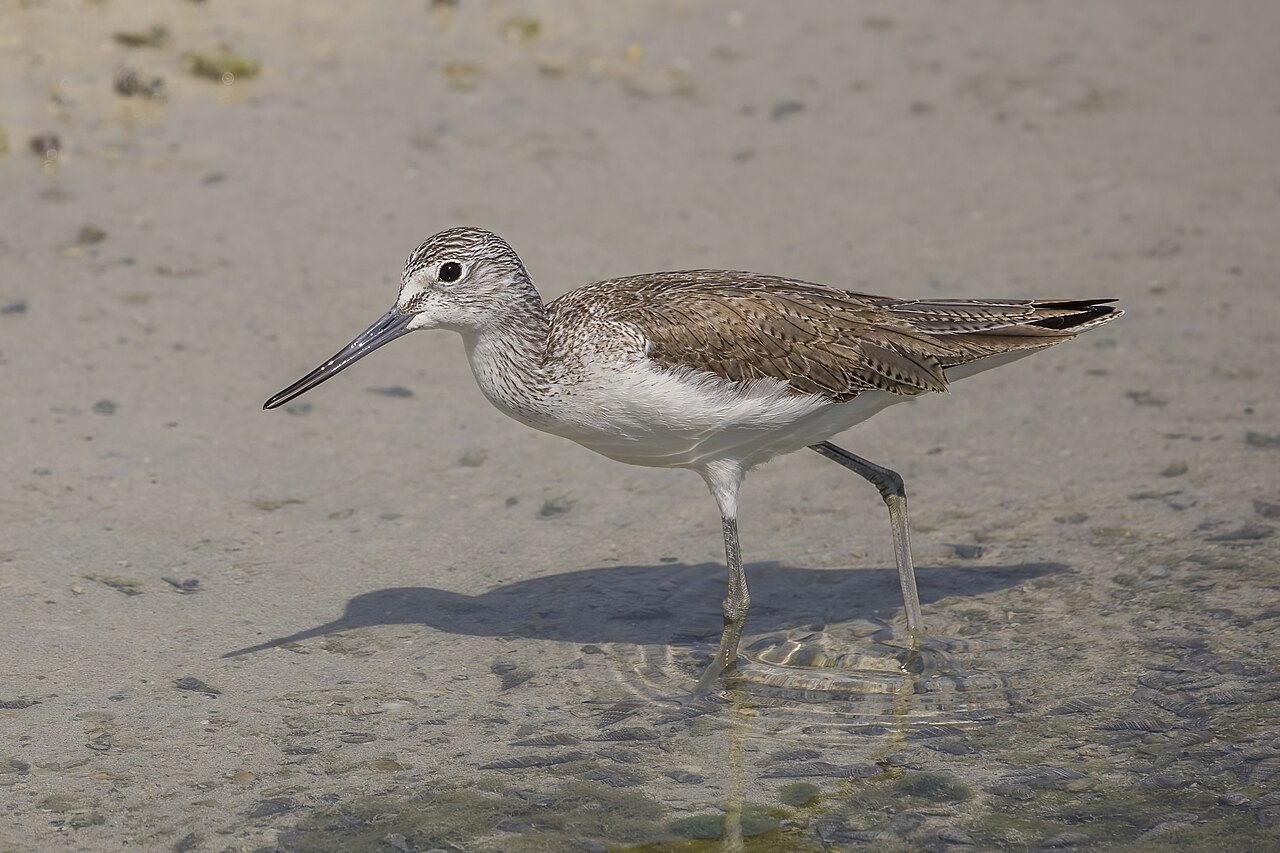
Common Greenshank (Tringa nebularia)
The Common Greenshank is found in Europe, Asia, Africa, and Australia. IUCN Redlist Status: Least Concern
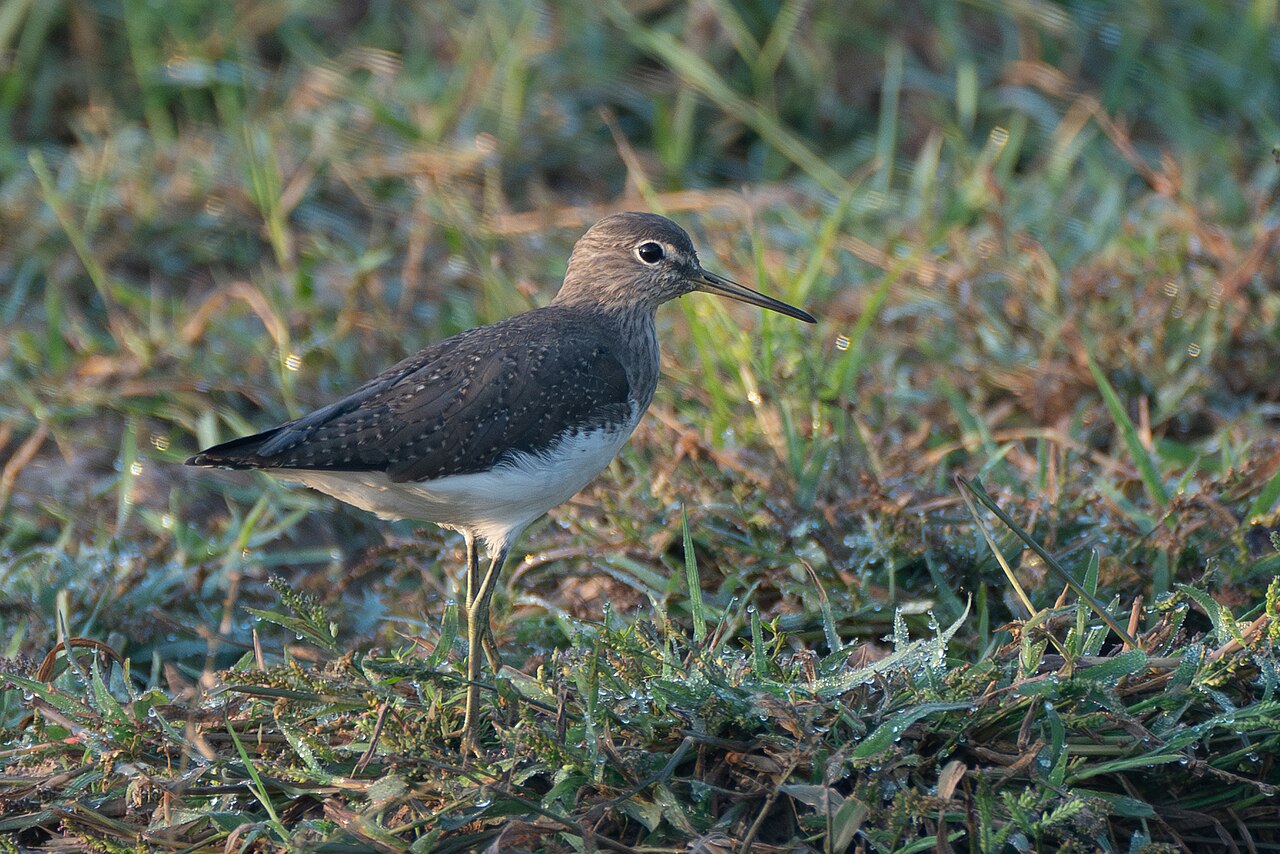
Green Sandpiper (Tringa ochropus)
The Green Sandpiper is found in Europe, Asia, and Africa. IUCN Redlist Status: Least Concern
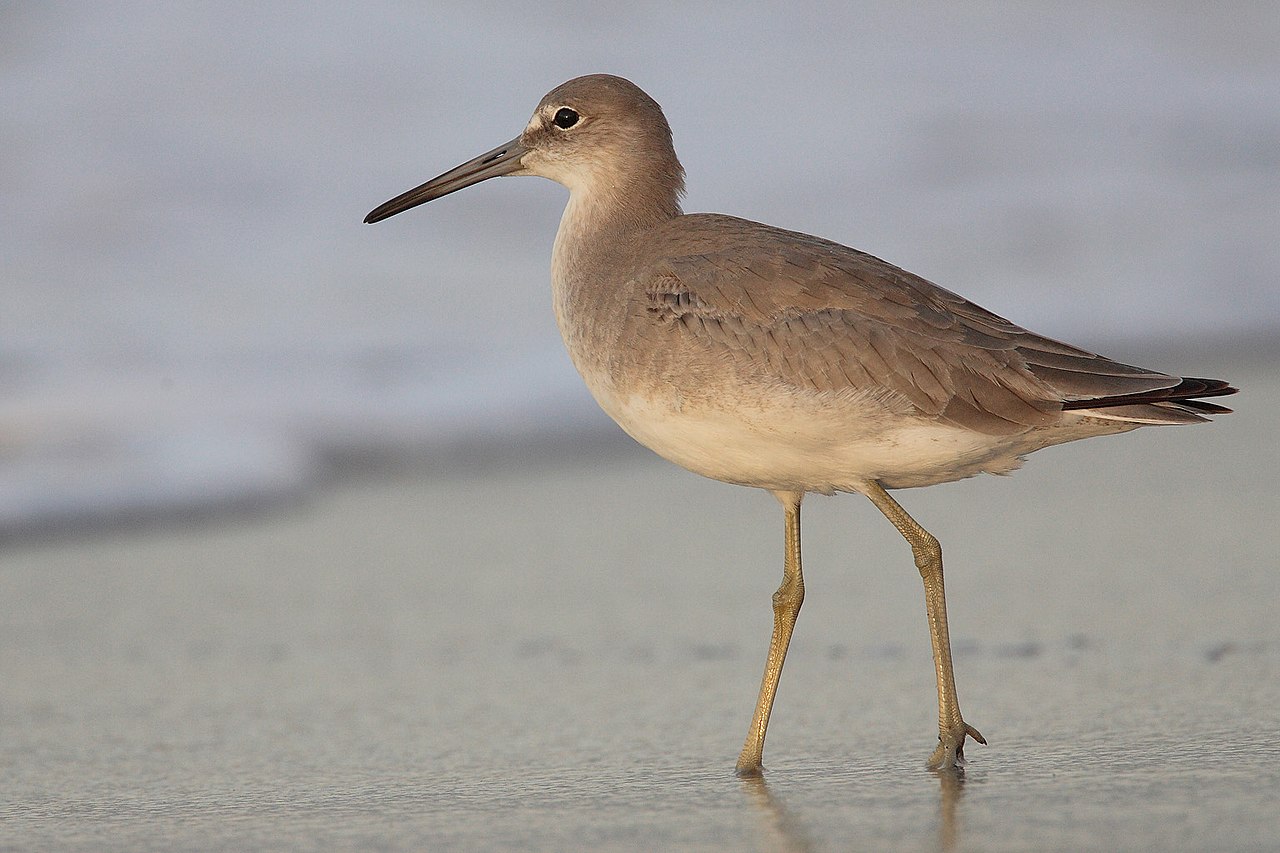
Willet (Tringa semipalmata)
The Willet breeds from central Canada to northeastern California and Nevada and along the Atlantic and Gulf Coasts south from Nova Scotia. It winters along the Pacific Coast from Oregon south and along the Atlantic Coast from North Carolina southward to northern South America. It can be found in New Hampshire. IUCN Redlist Status: Least Concern
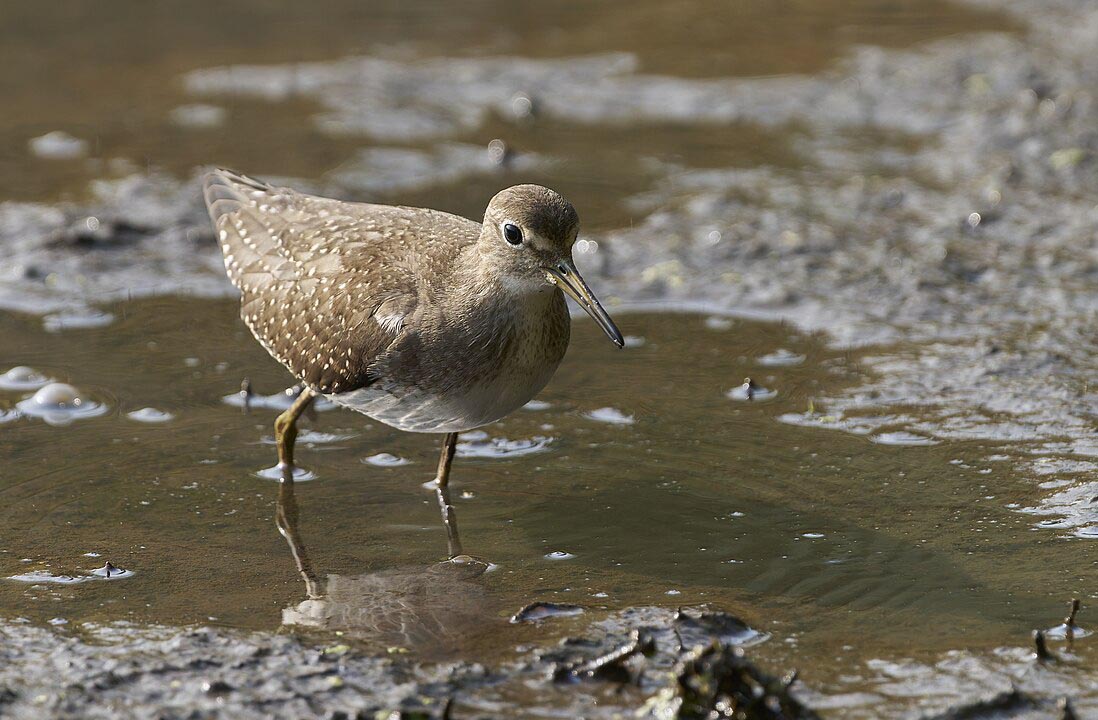
Solitary Sandpiper (Tringa solitaria)
The Solitary Sandpiper breeds across Alaska and Canada. It migrates along the Atlantic Coast and the interior of the United States. It winters from southern Texas south to the Caribbean, Central America, and South America. The solitary sandpiper is truly solitary - it migrates alone, not in flocks. It can be found in New Hampshire during migration. IUCN Redlist Status: Least Concern
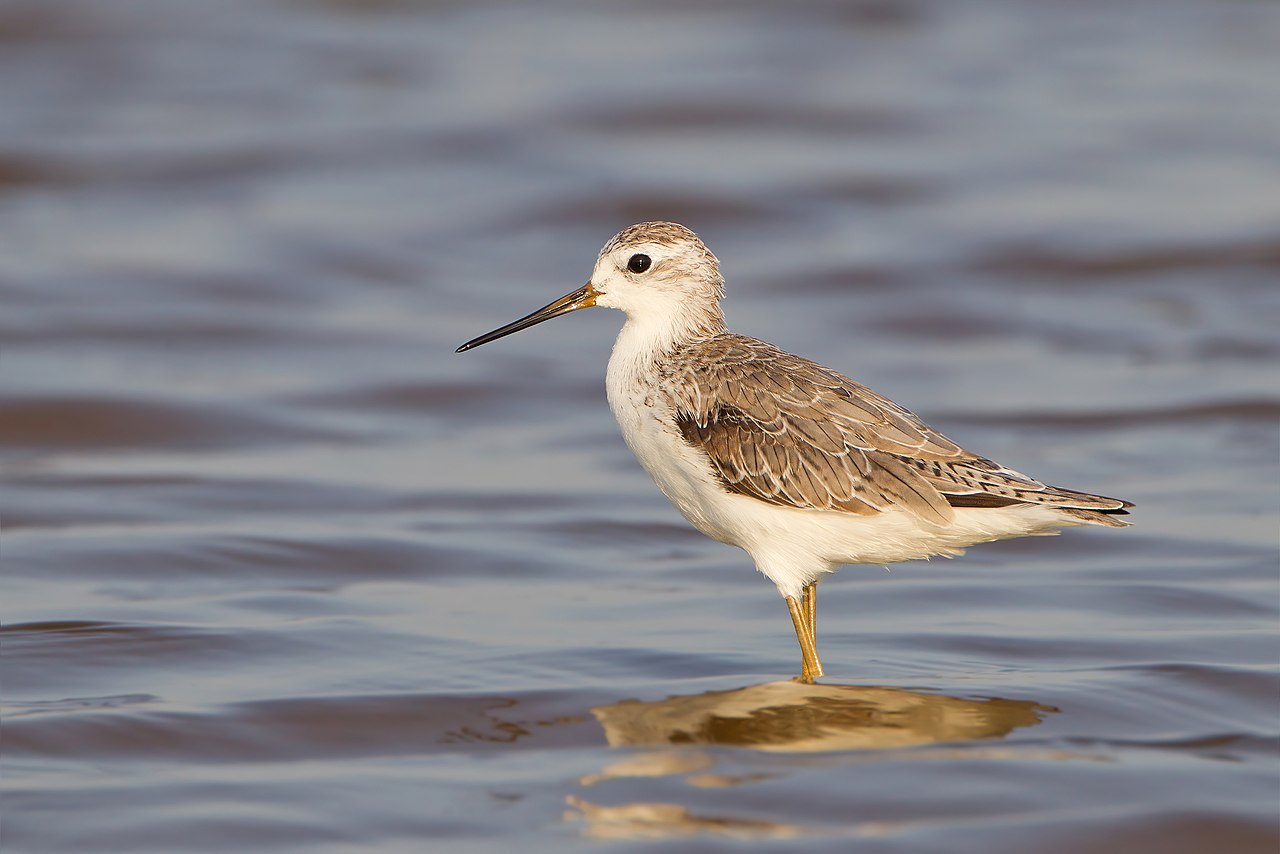
Marsh Sandpiper (Tringa stagnatilis)
The Marsh Sandpiper is found in Europe, Asia, Africa, and Australia. IUCN Redlist Status: Least Concern
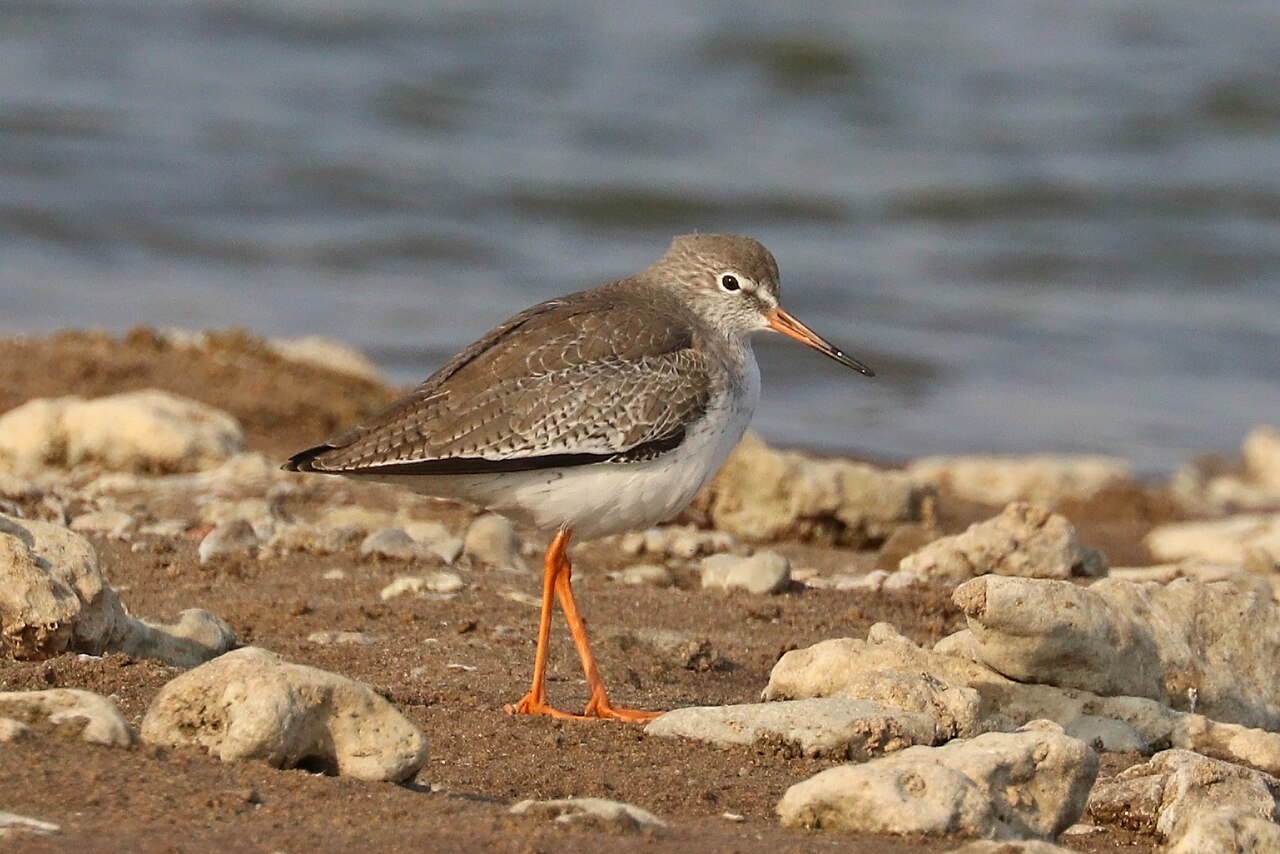
Common Redshank (Tringa totanus)
The Common Redshank is found in Europe, Asia, Africa, and Australia. IUCN Redlist: Least Concern
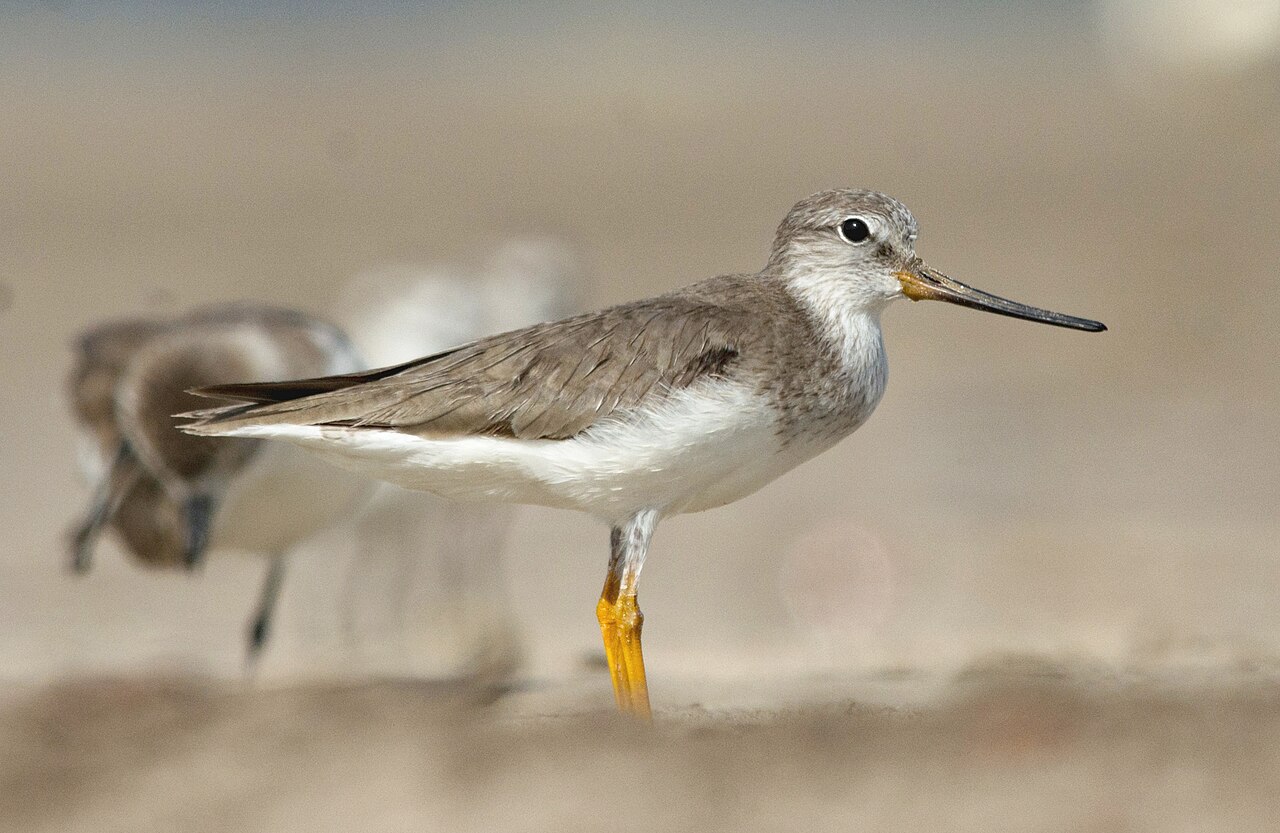
Terek Sandpiper (Xenus cinereus)
The Terek Sandpiper is found in Europe and Asia. IUCN Redlist: Least Concern