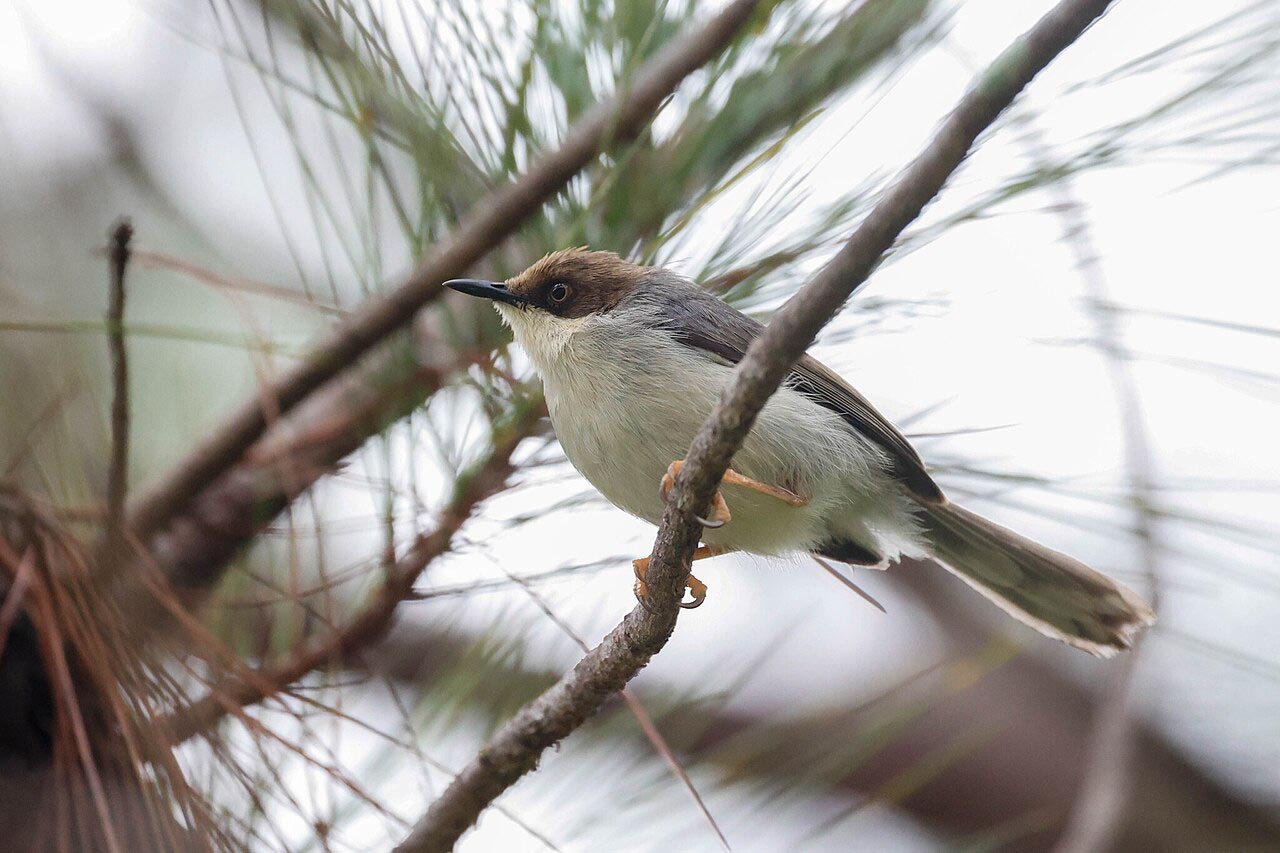
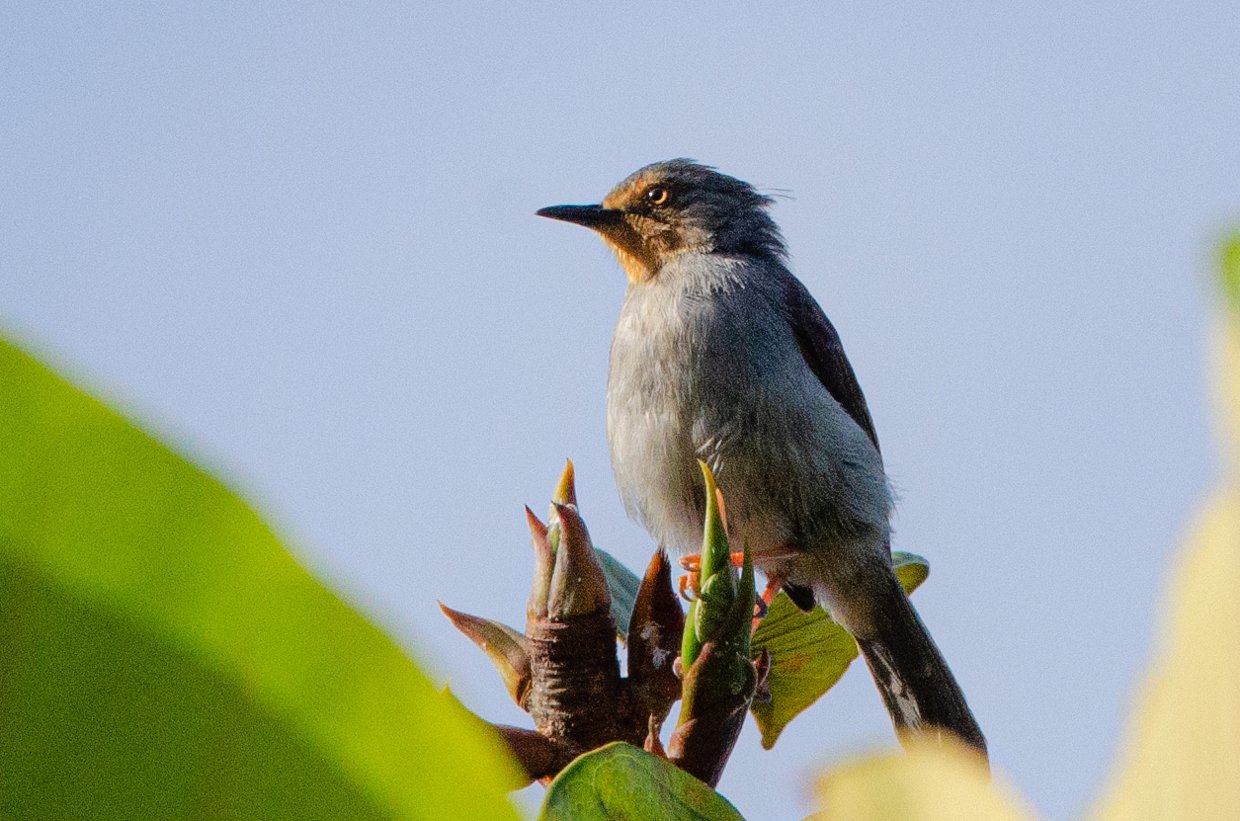
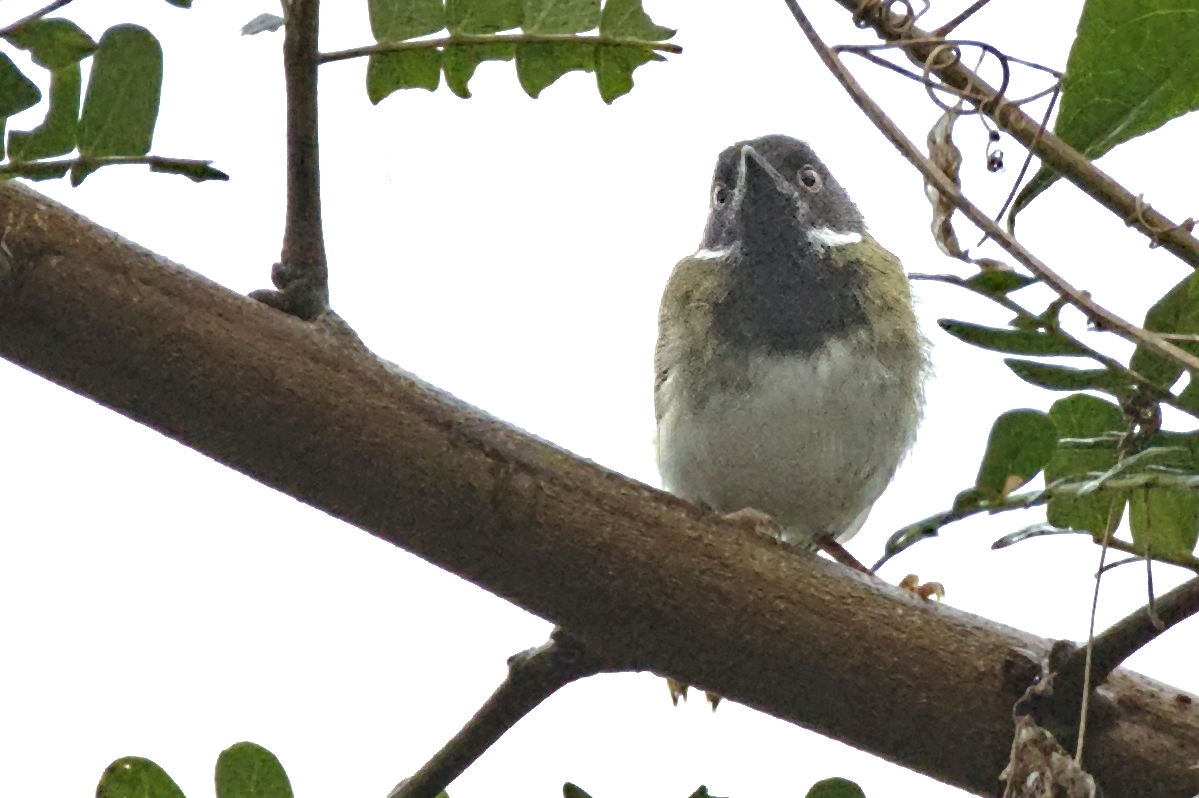
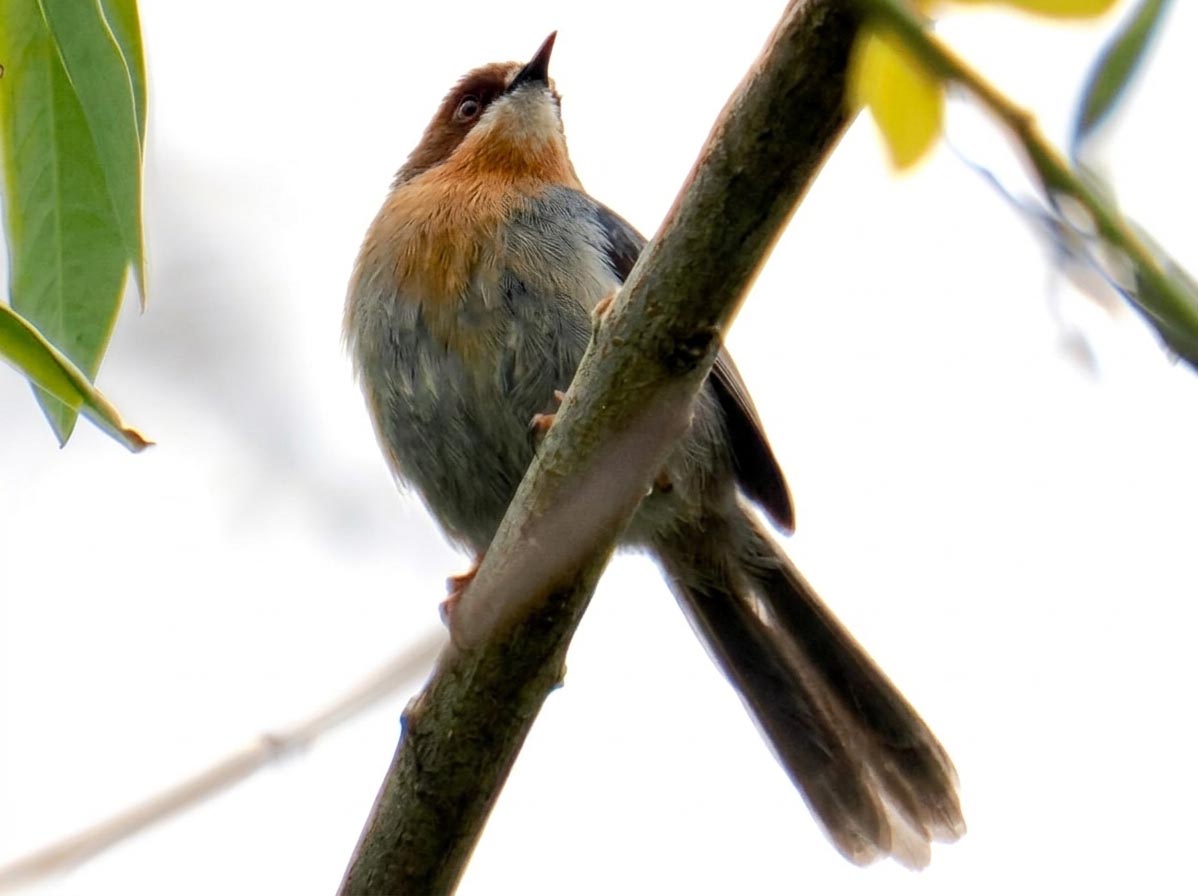
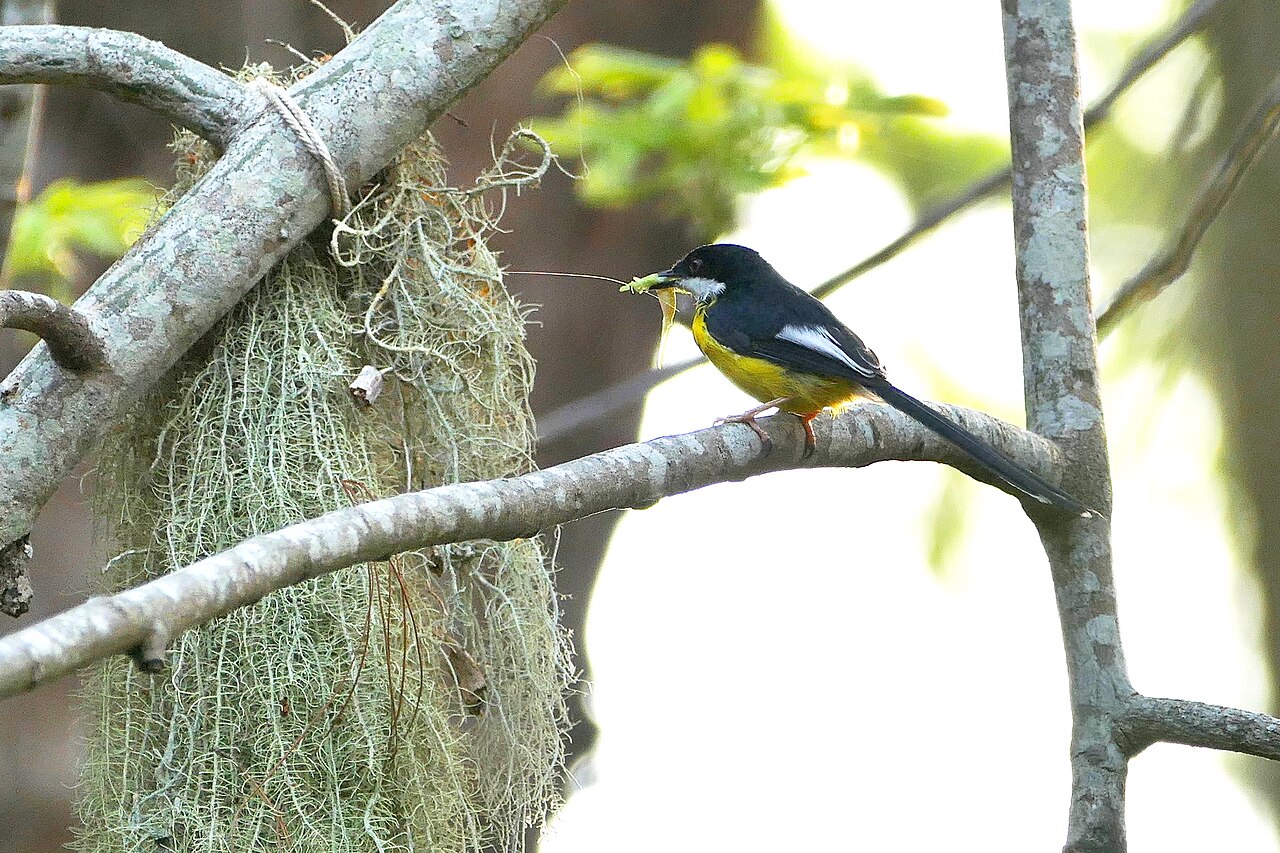
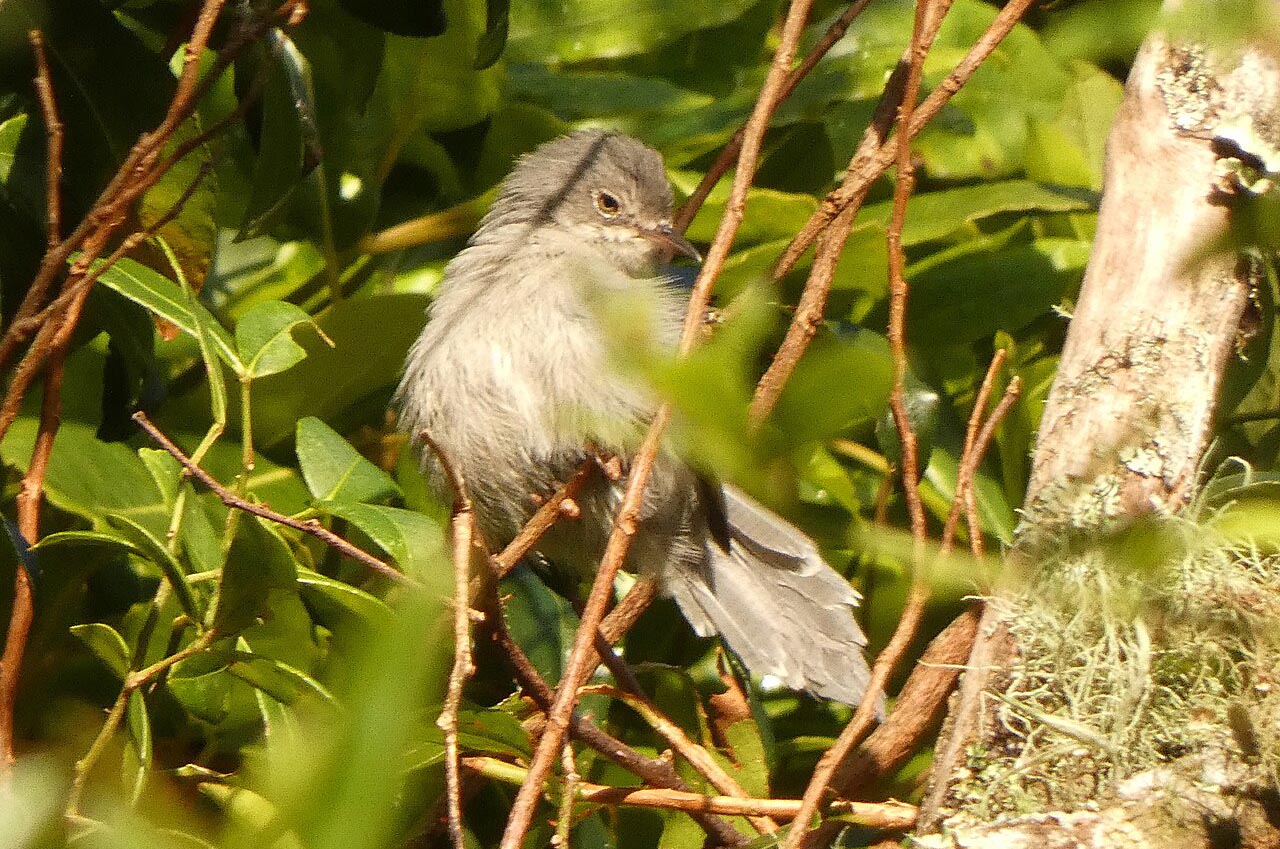
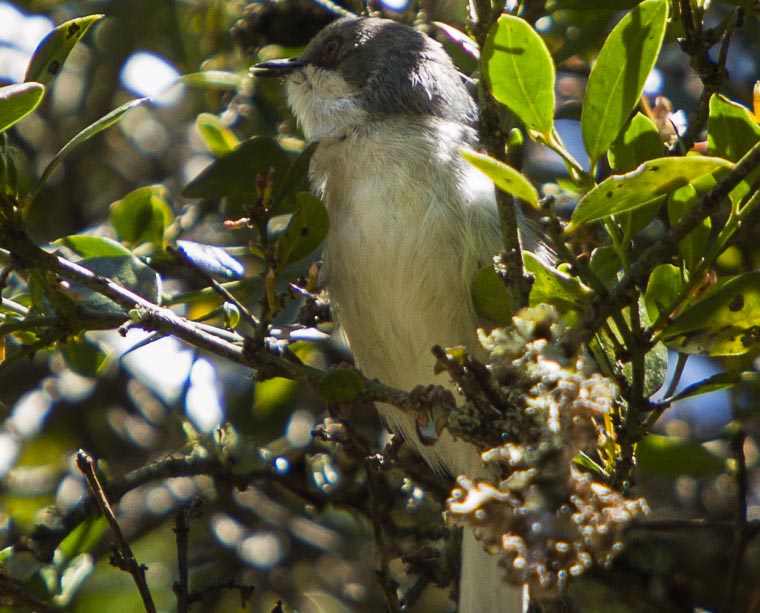
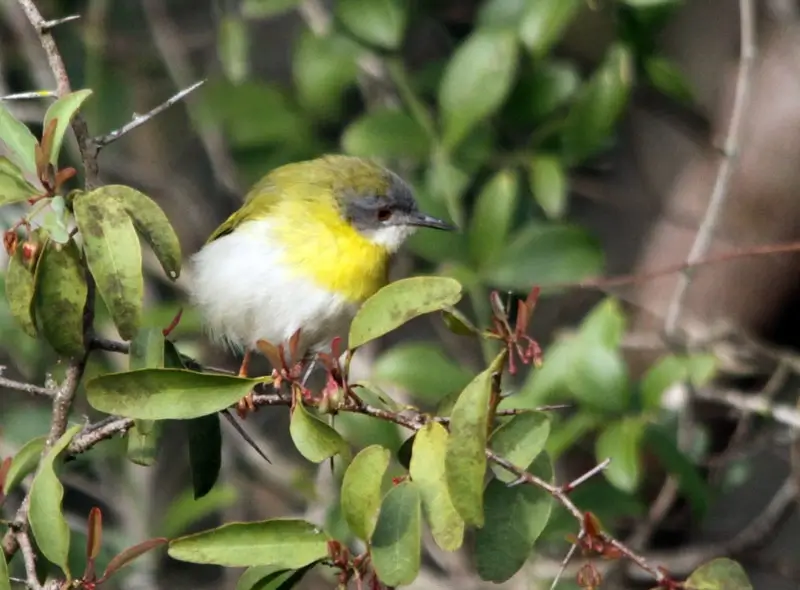
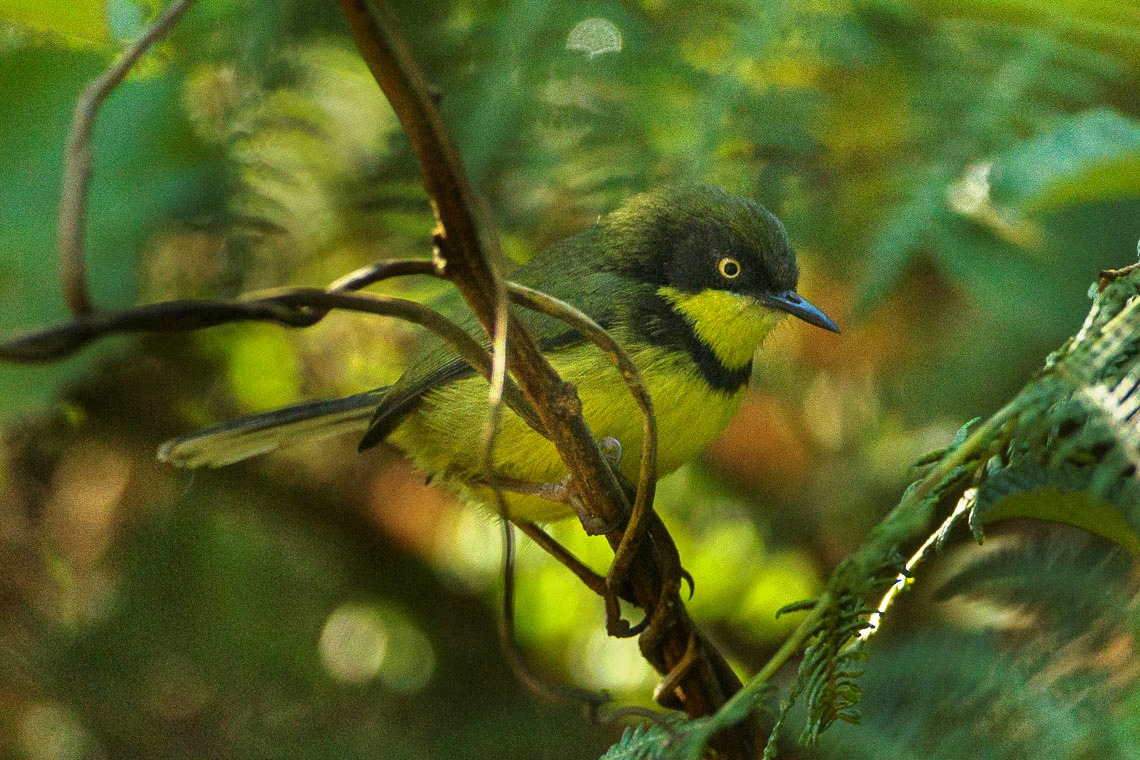
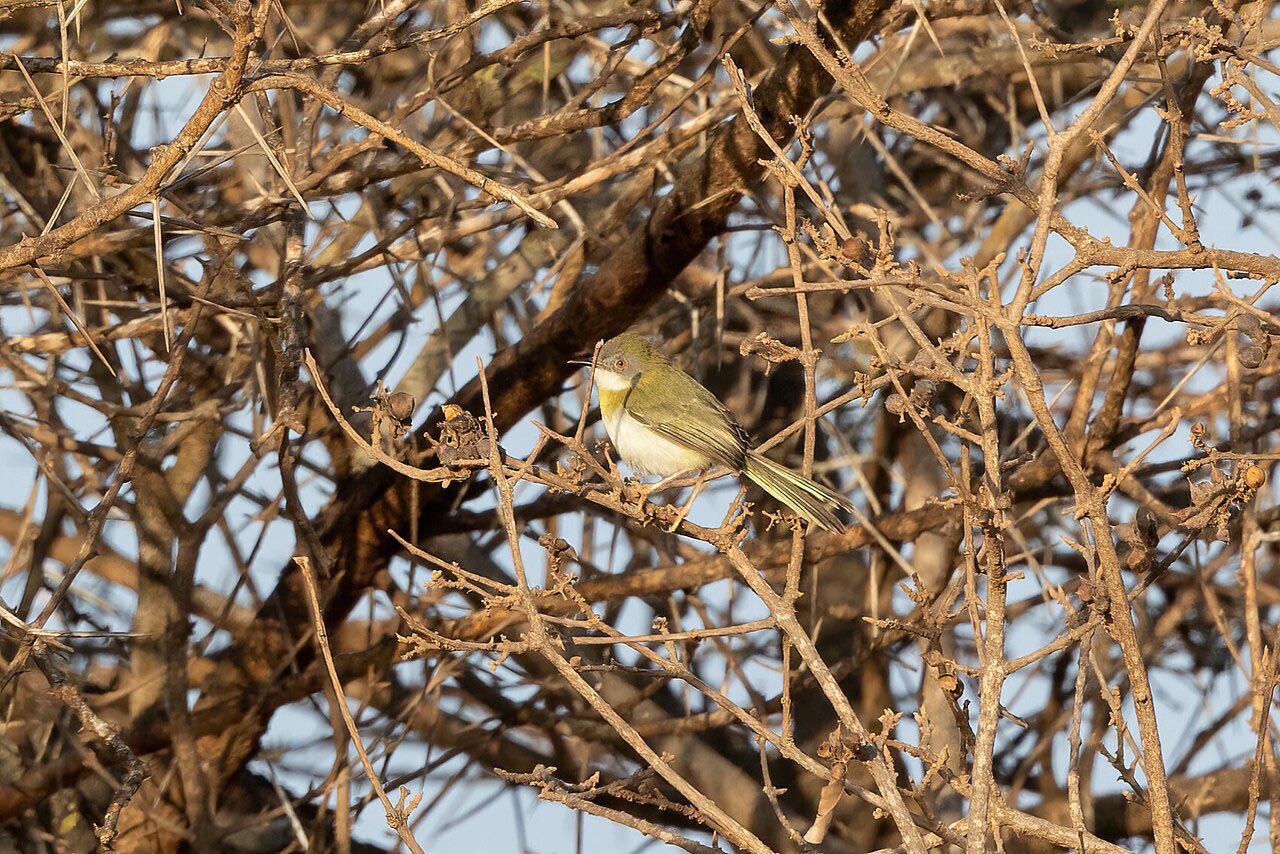
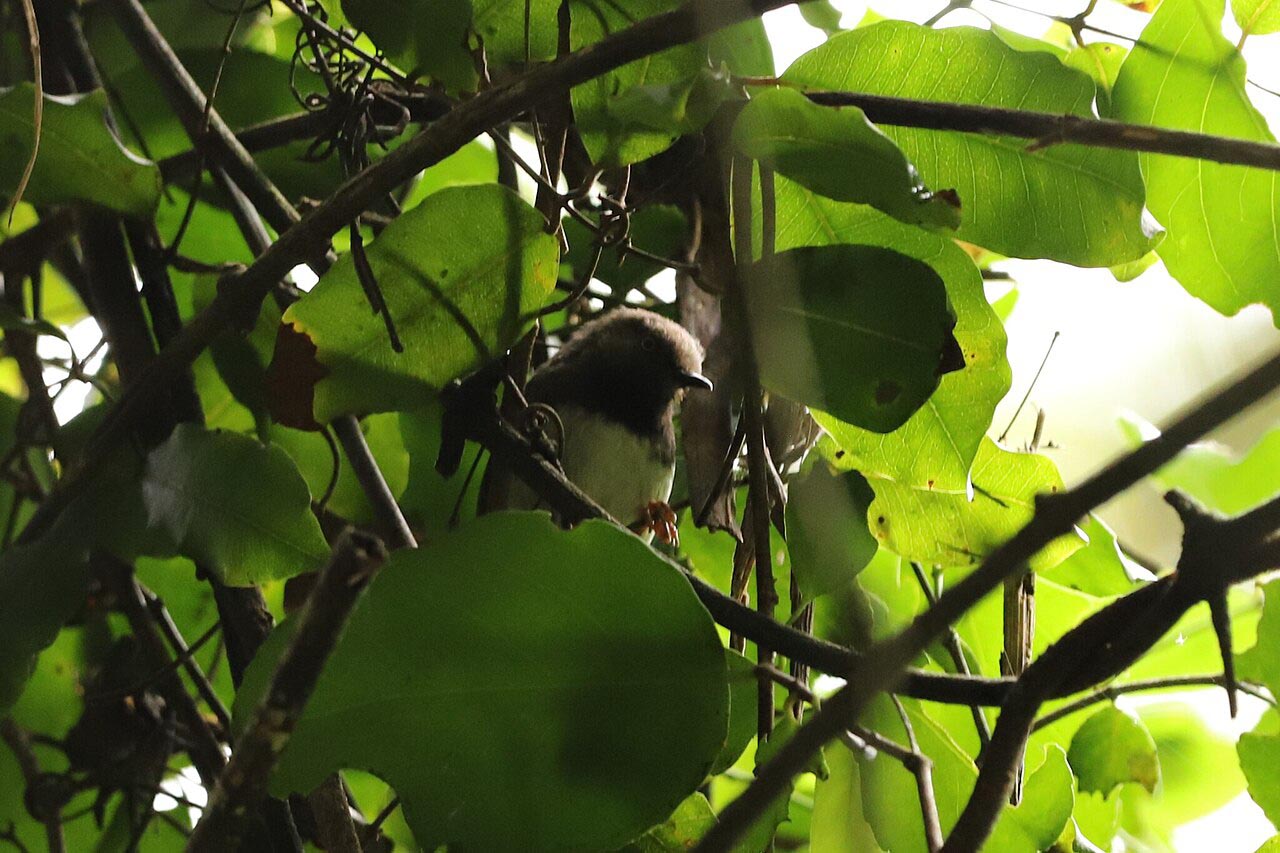
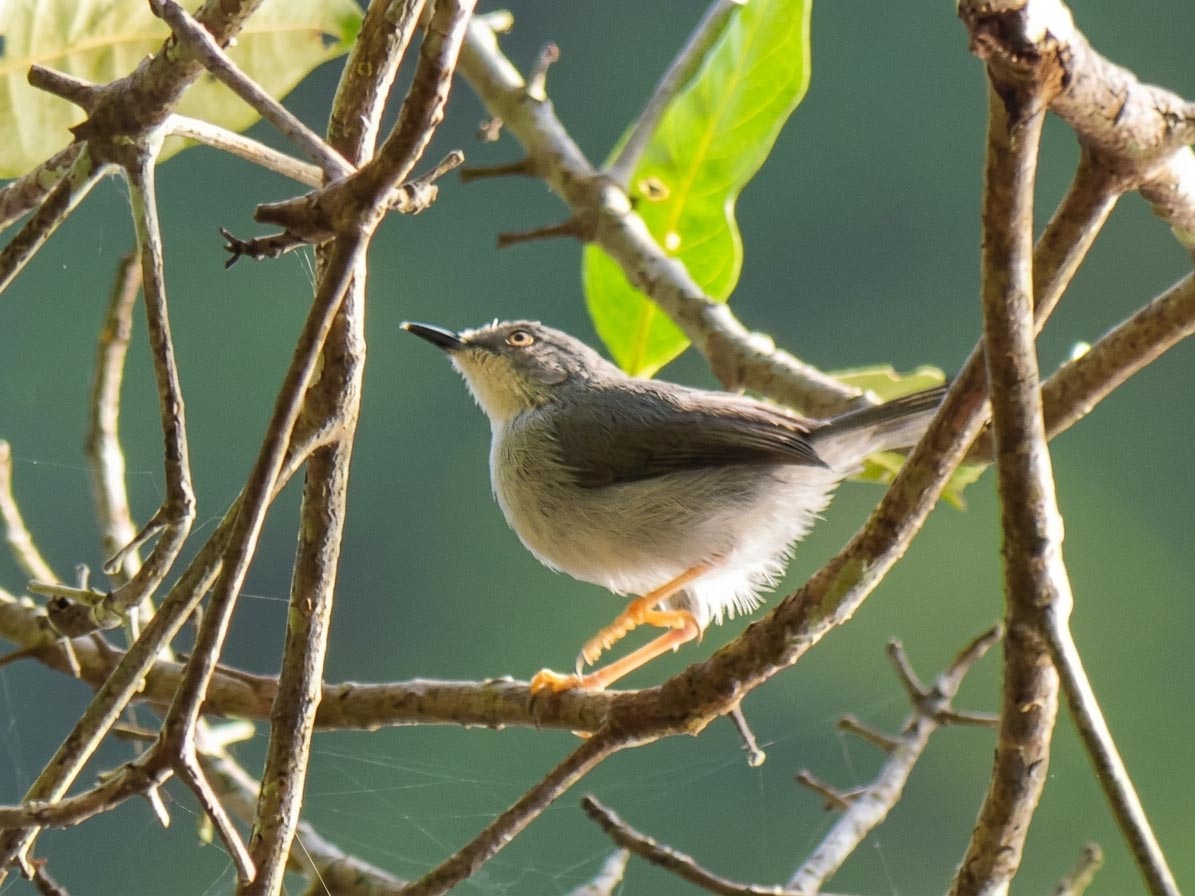
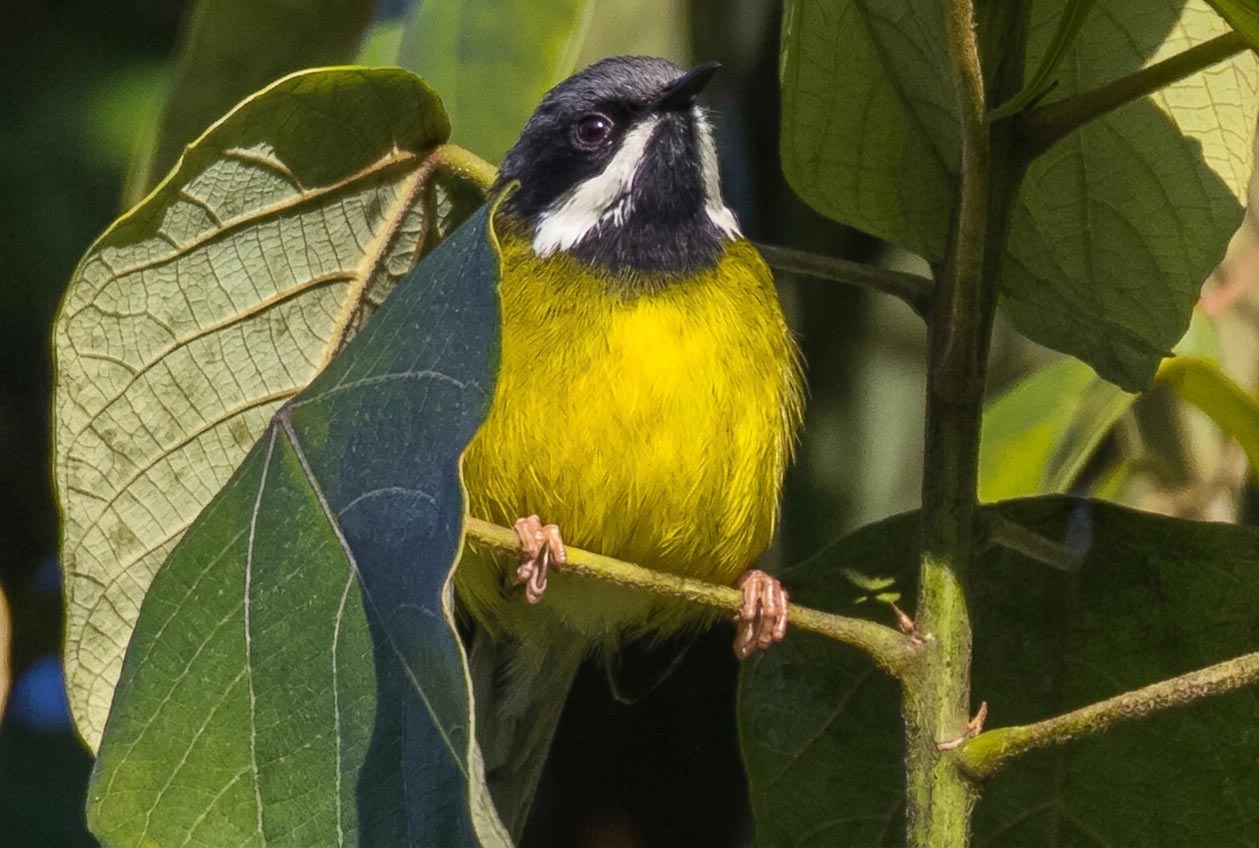
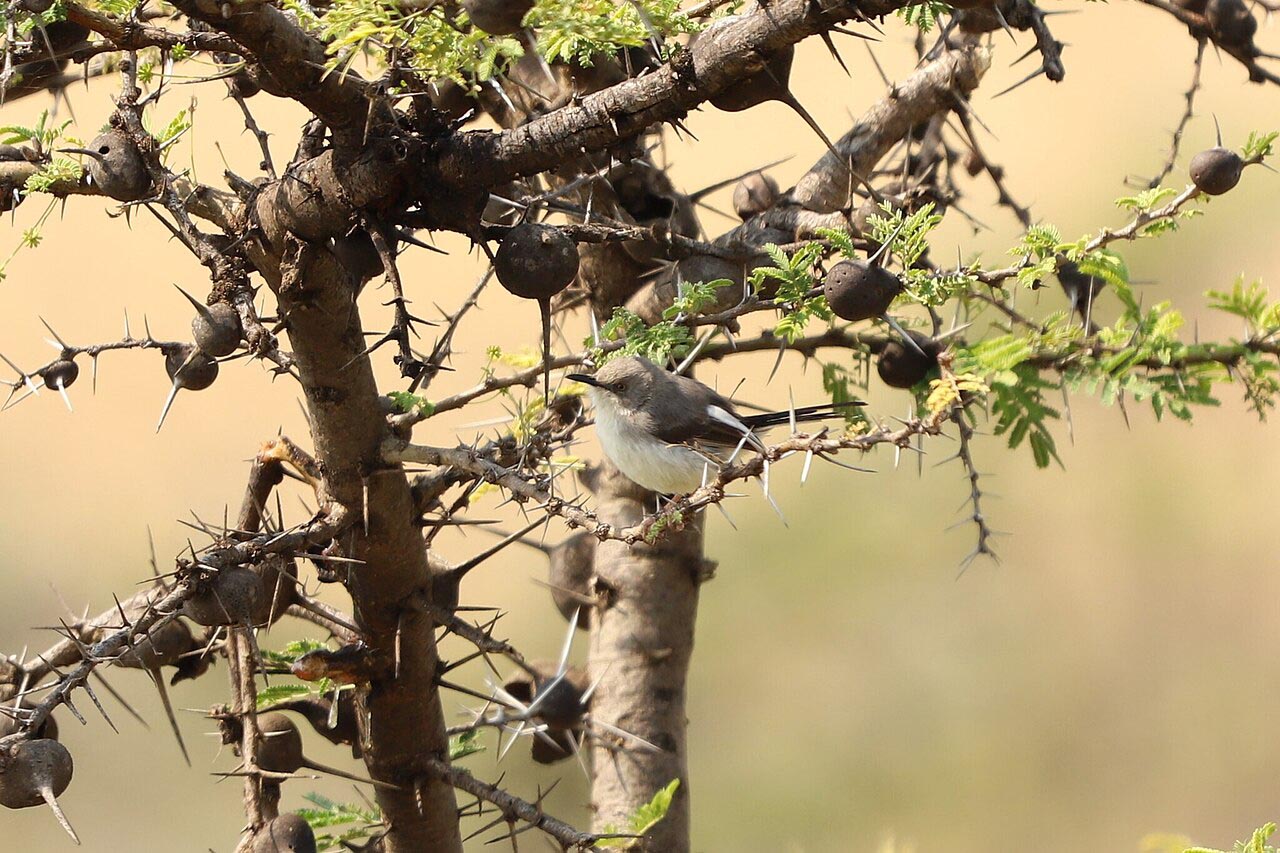
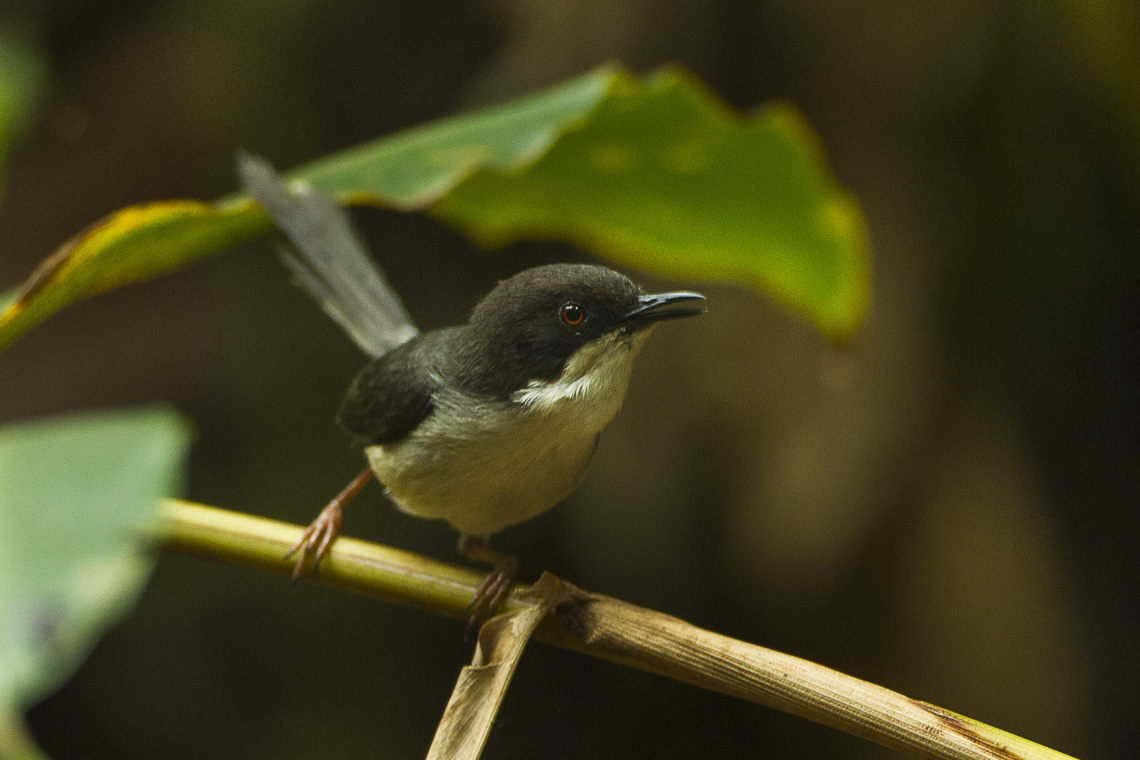
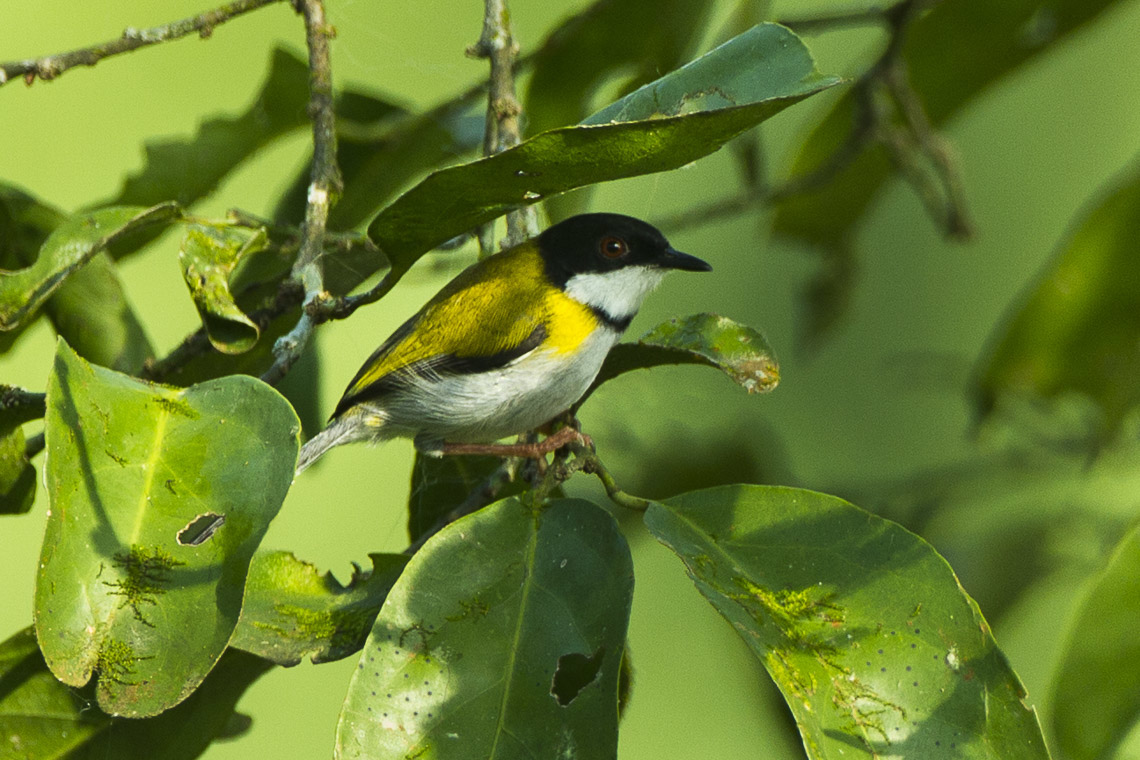
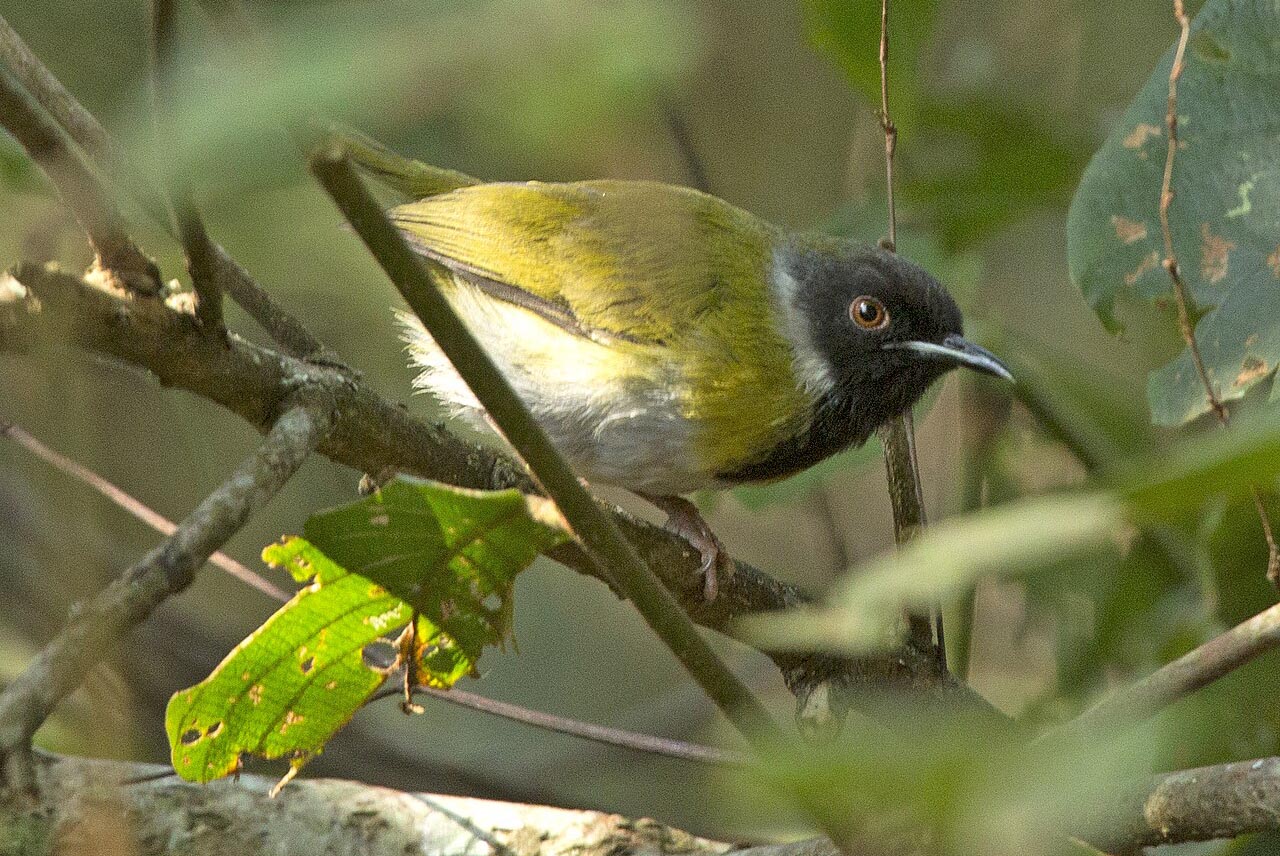
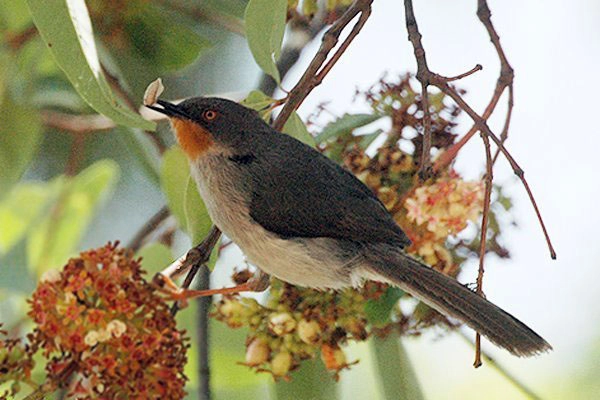
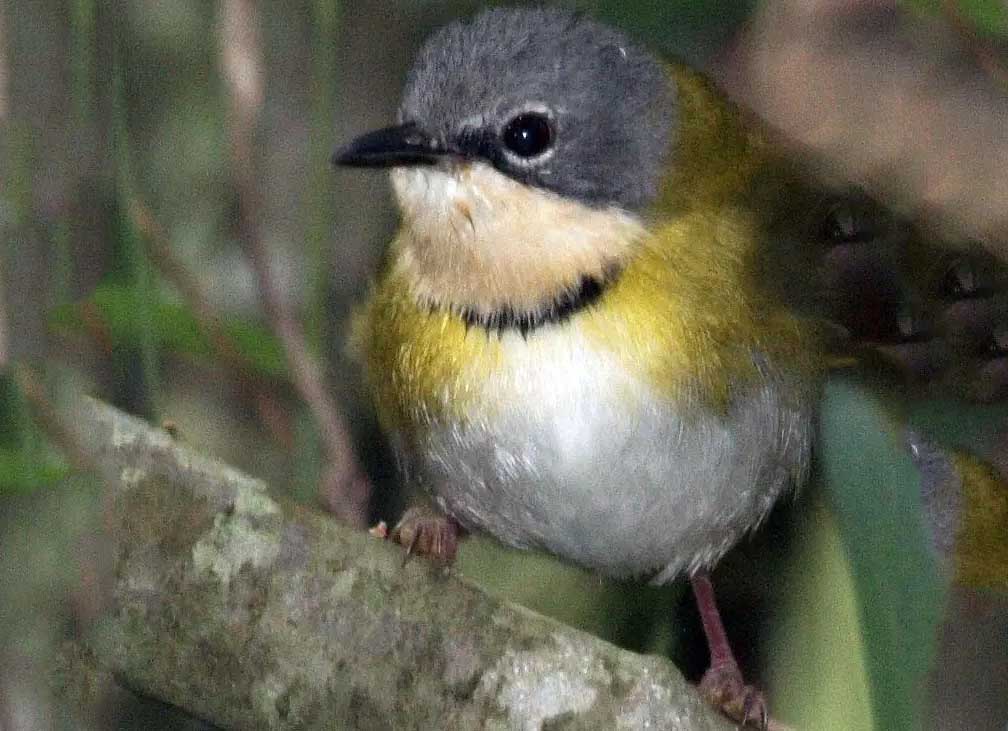
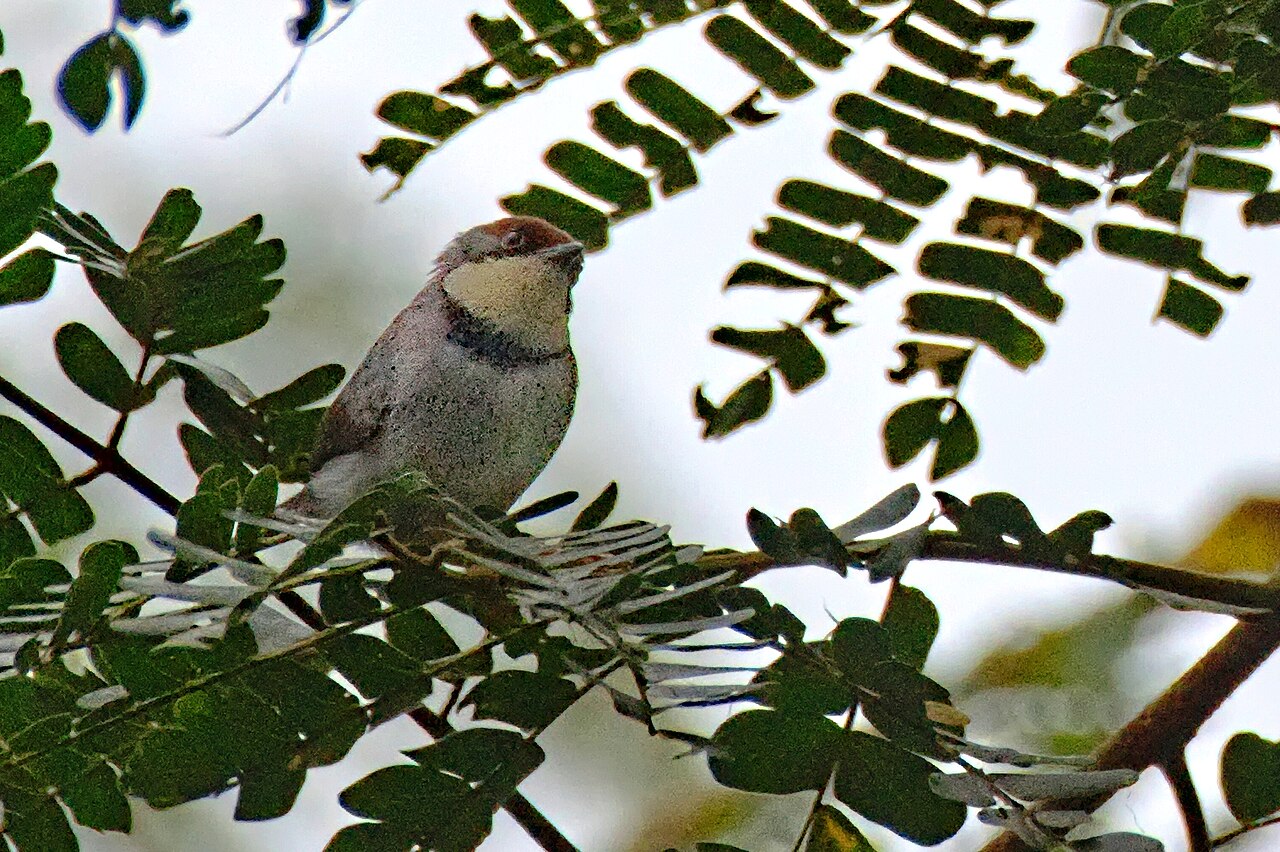
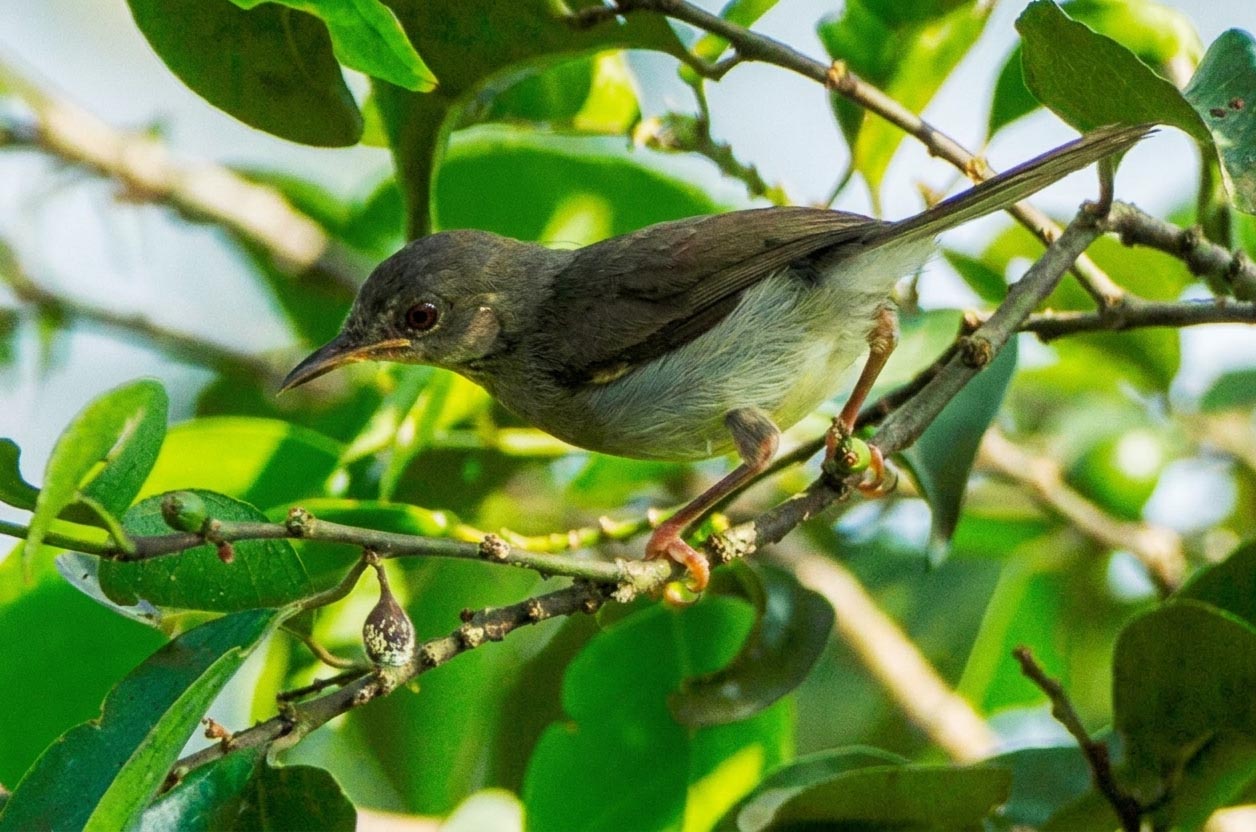
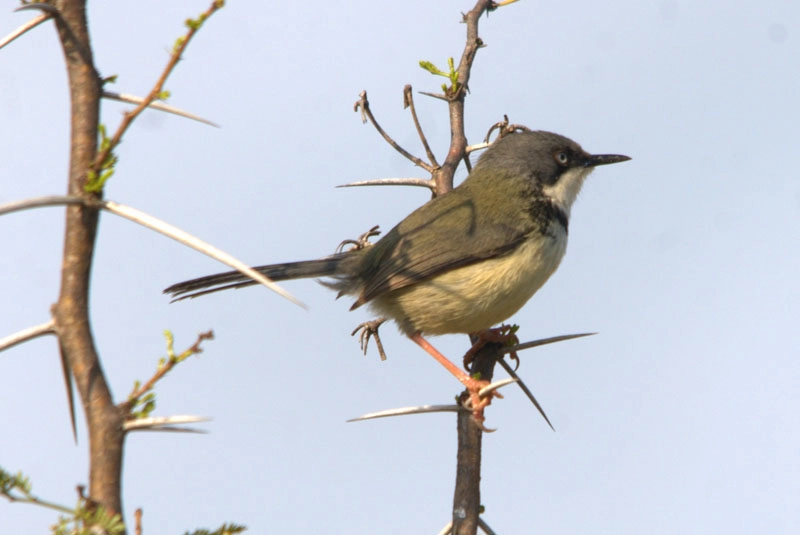
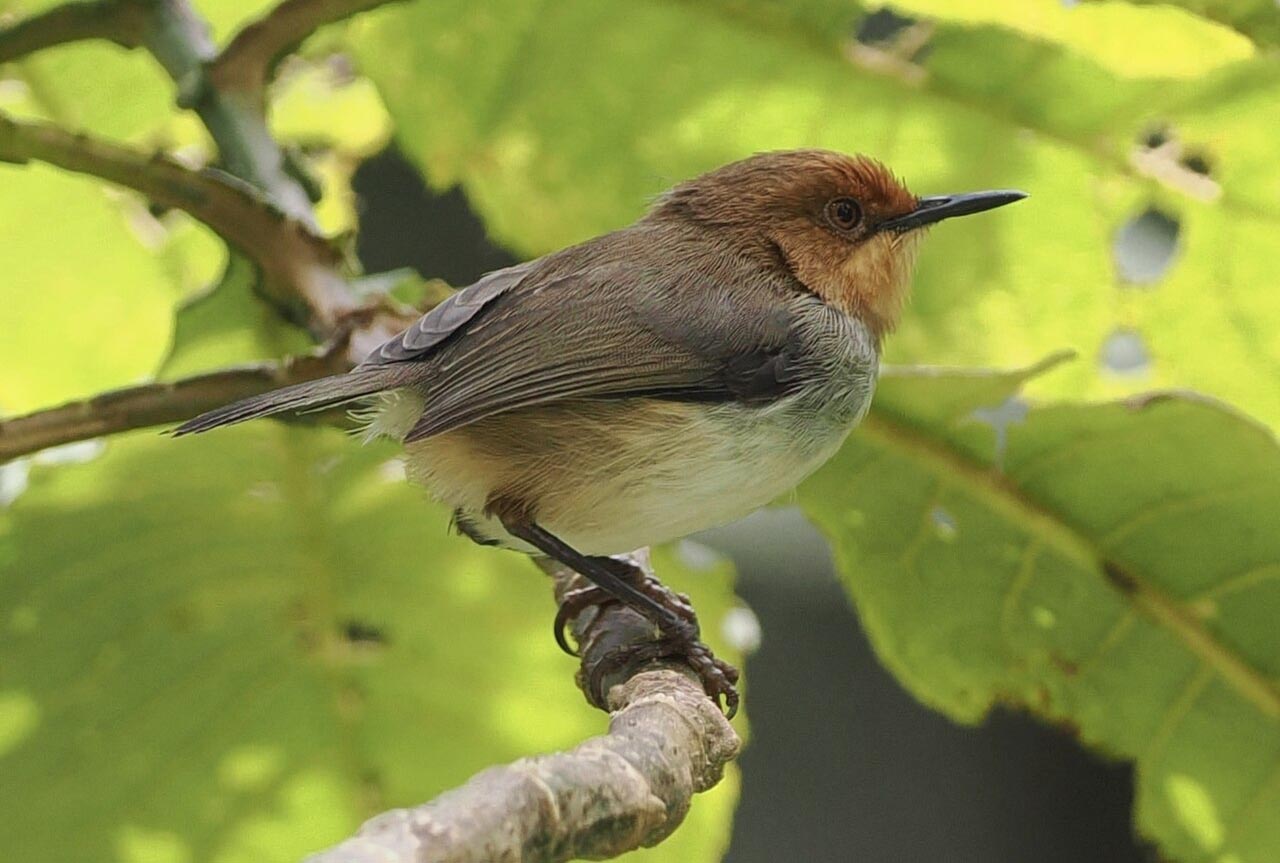
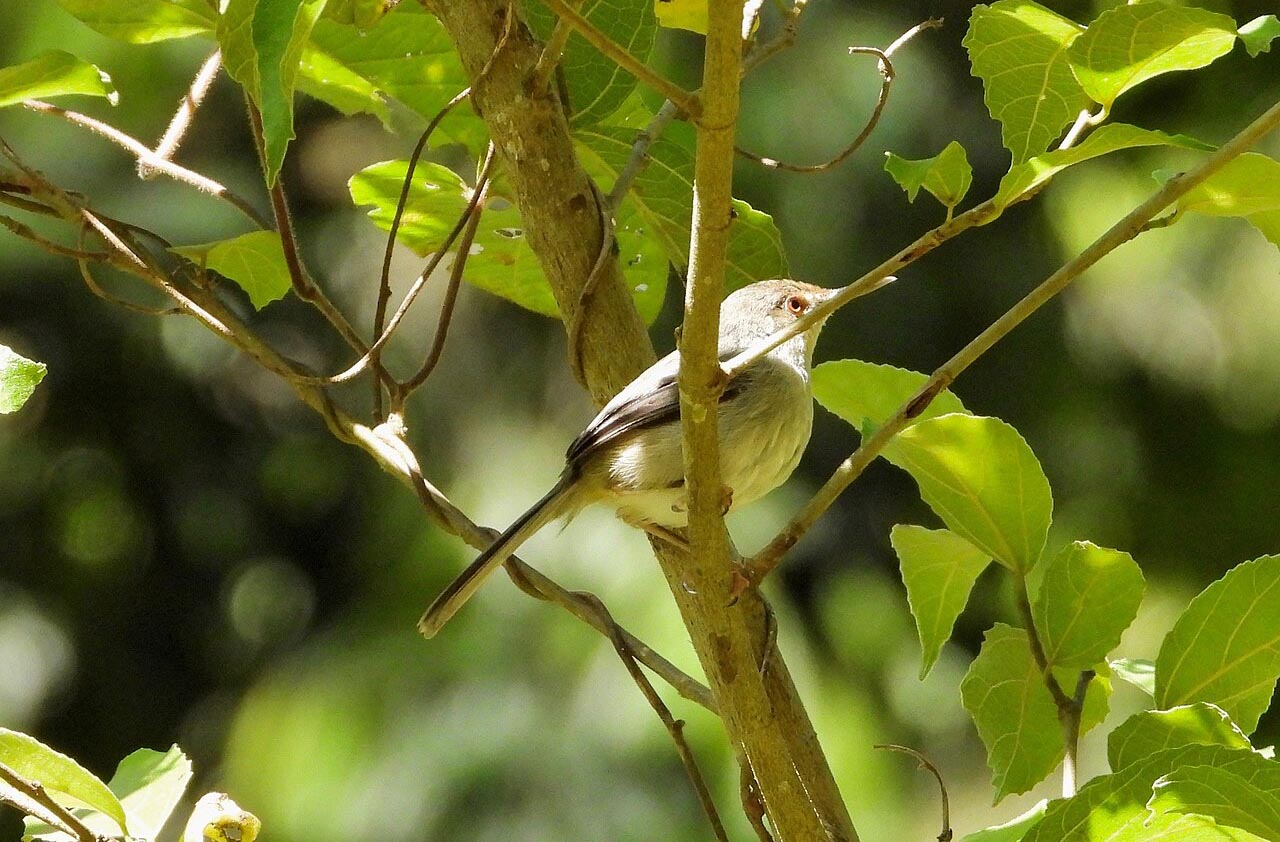
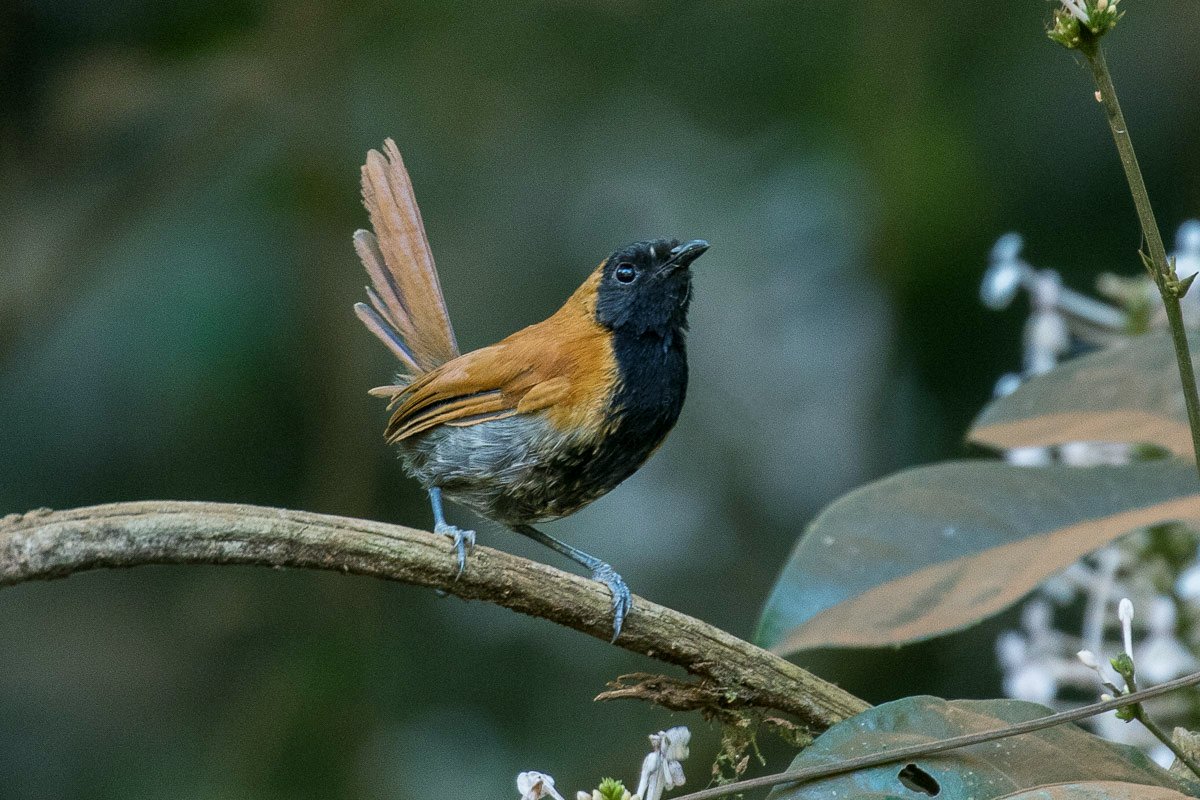
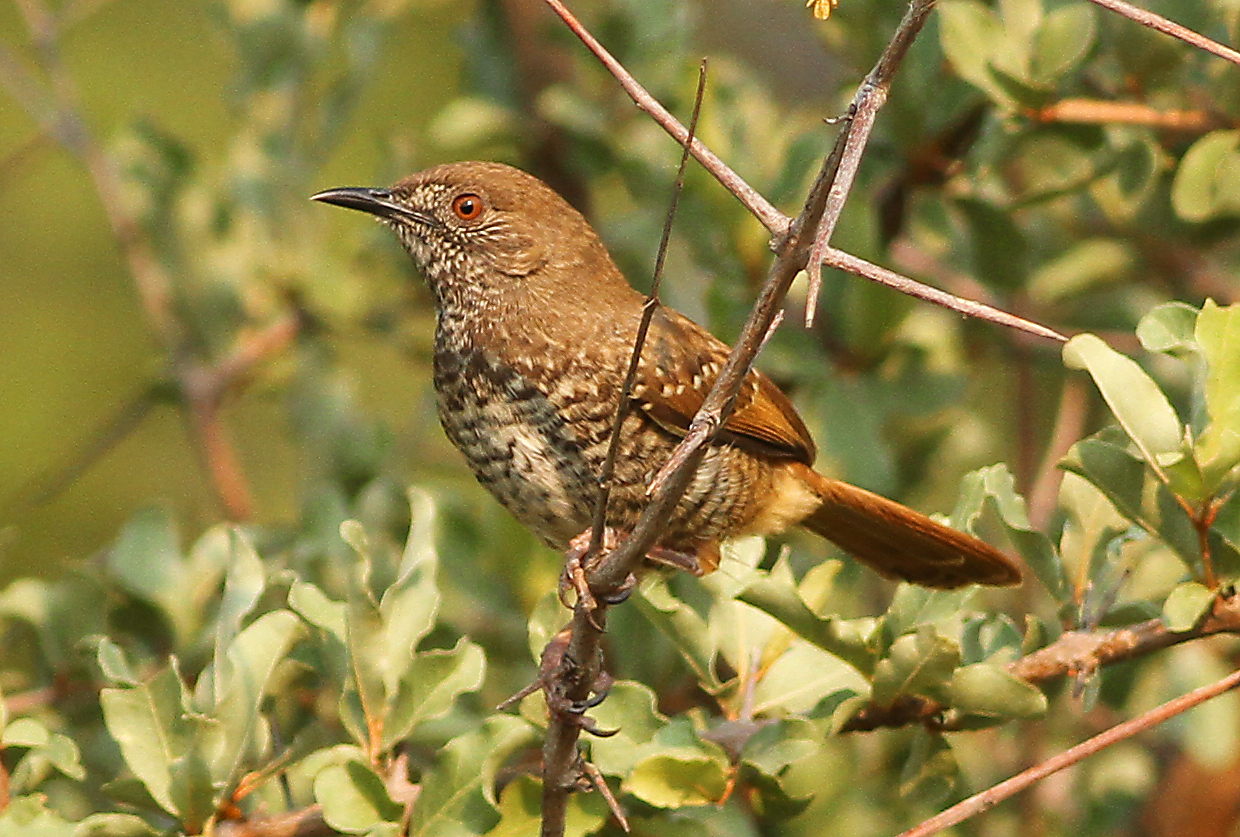
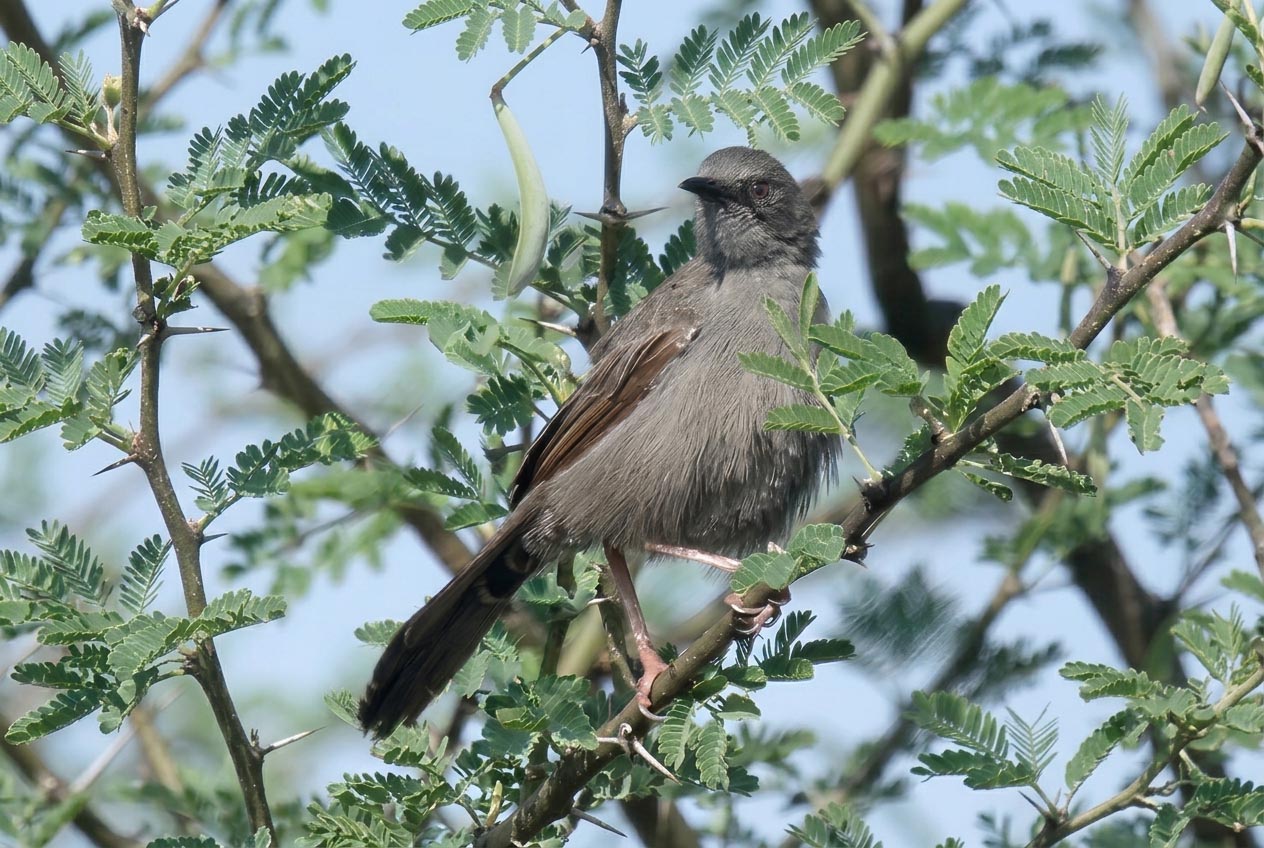
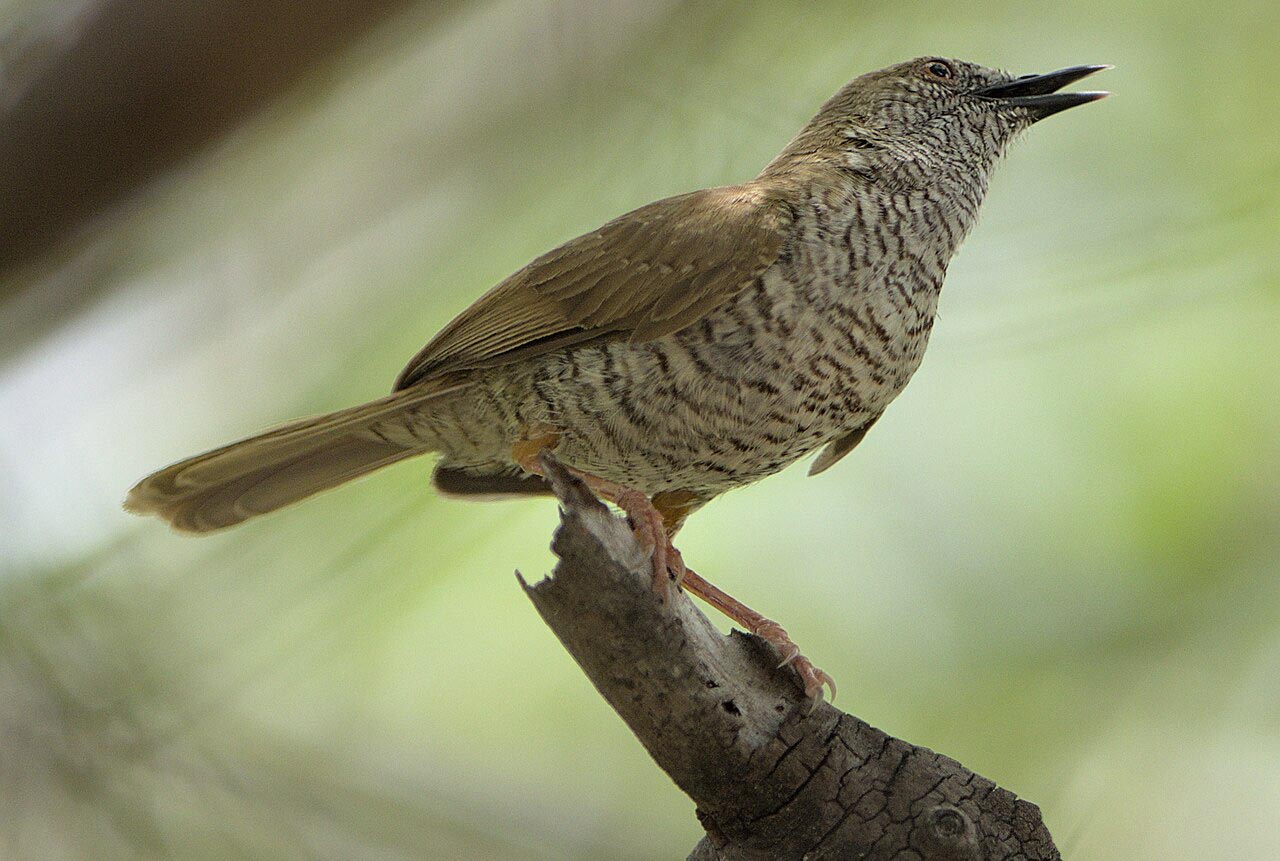
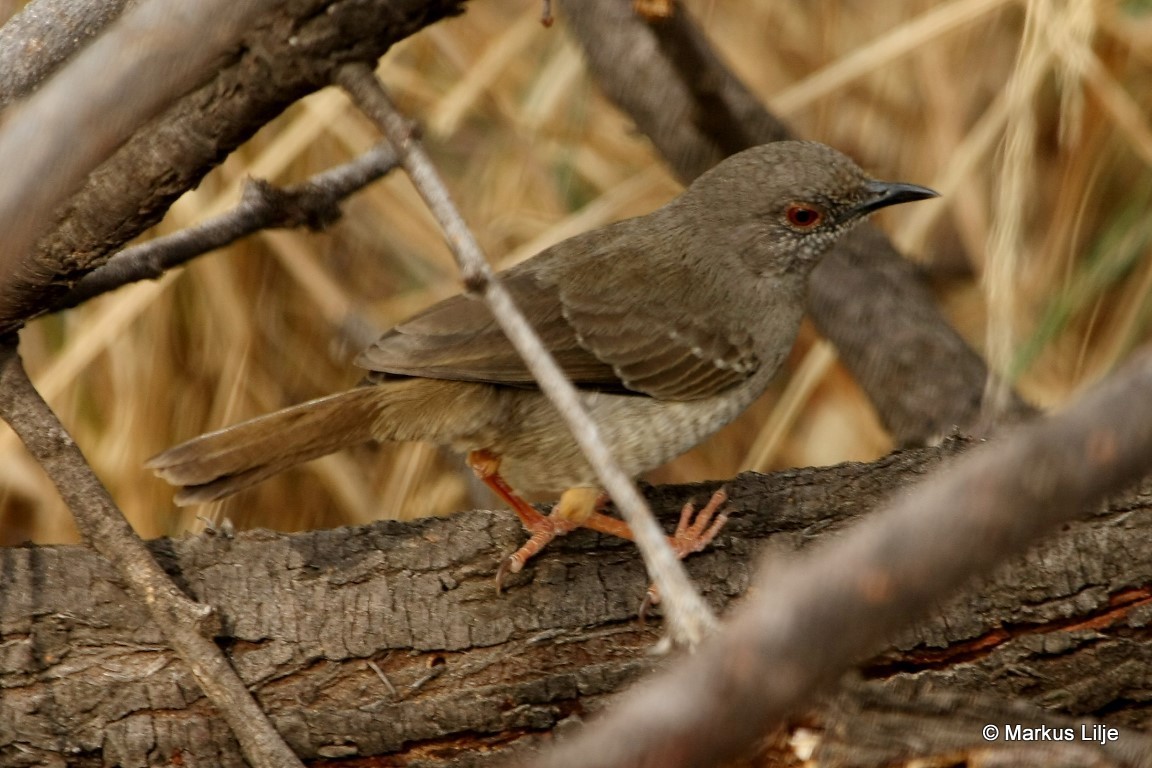
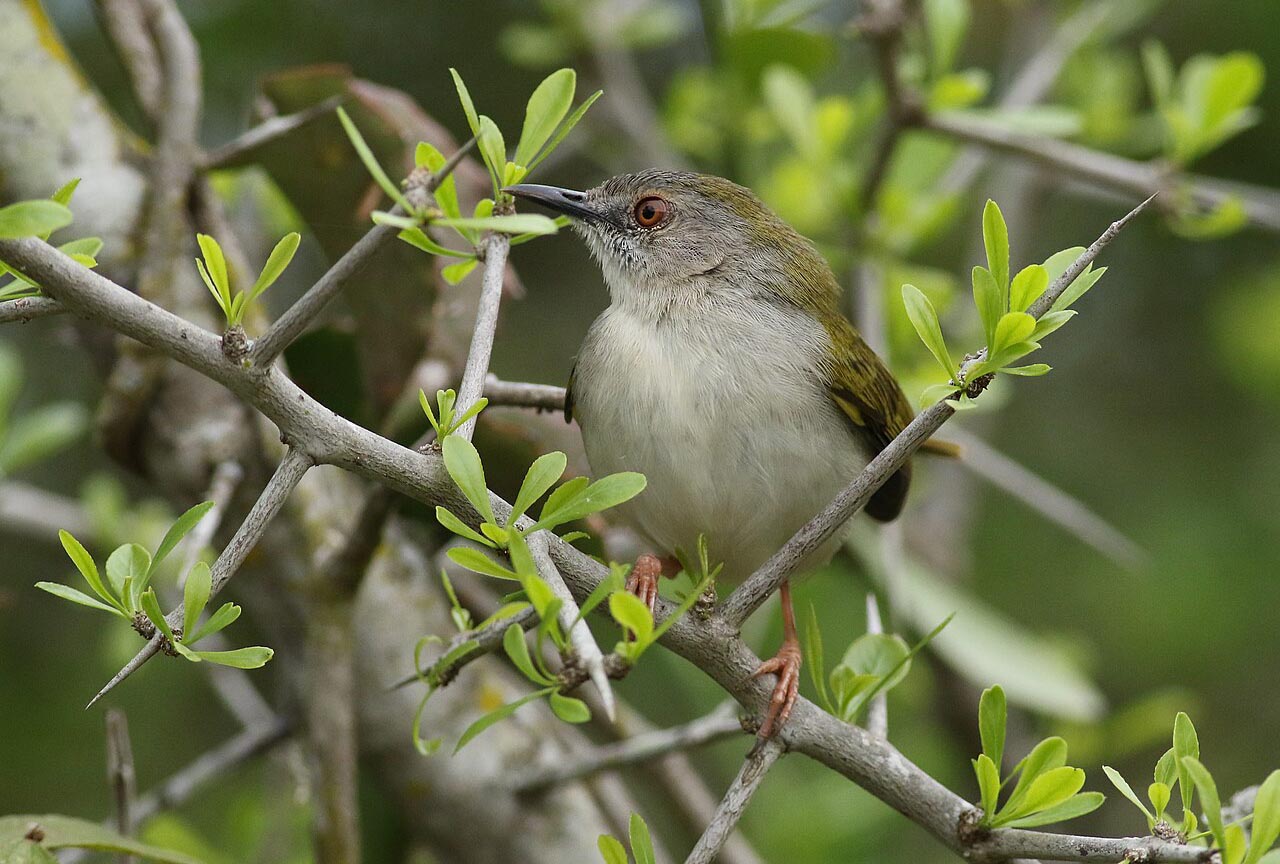
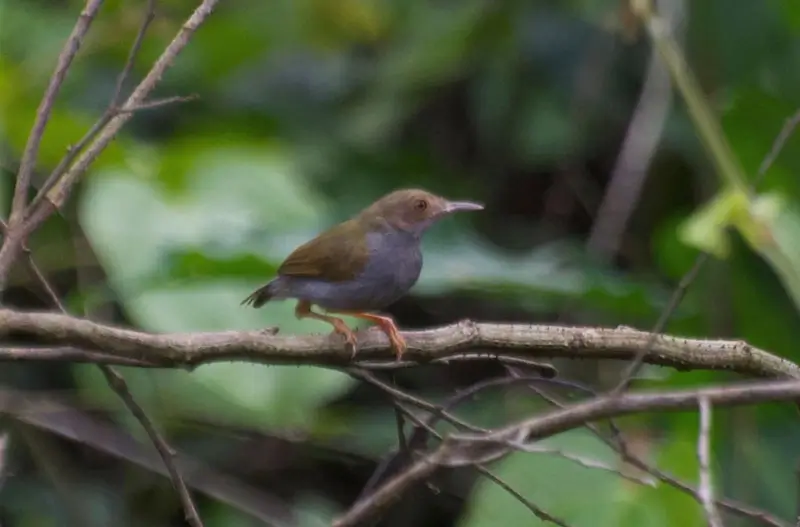
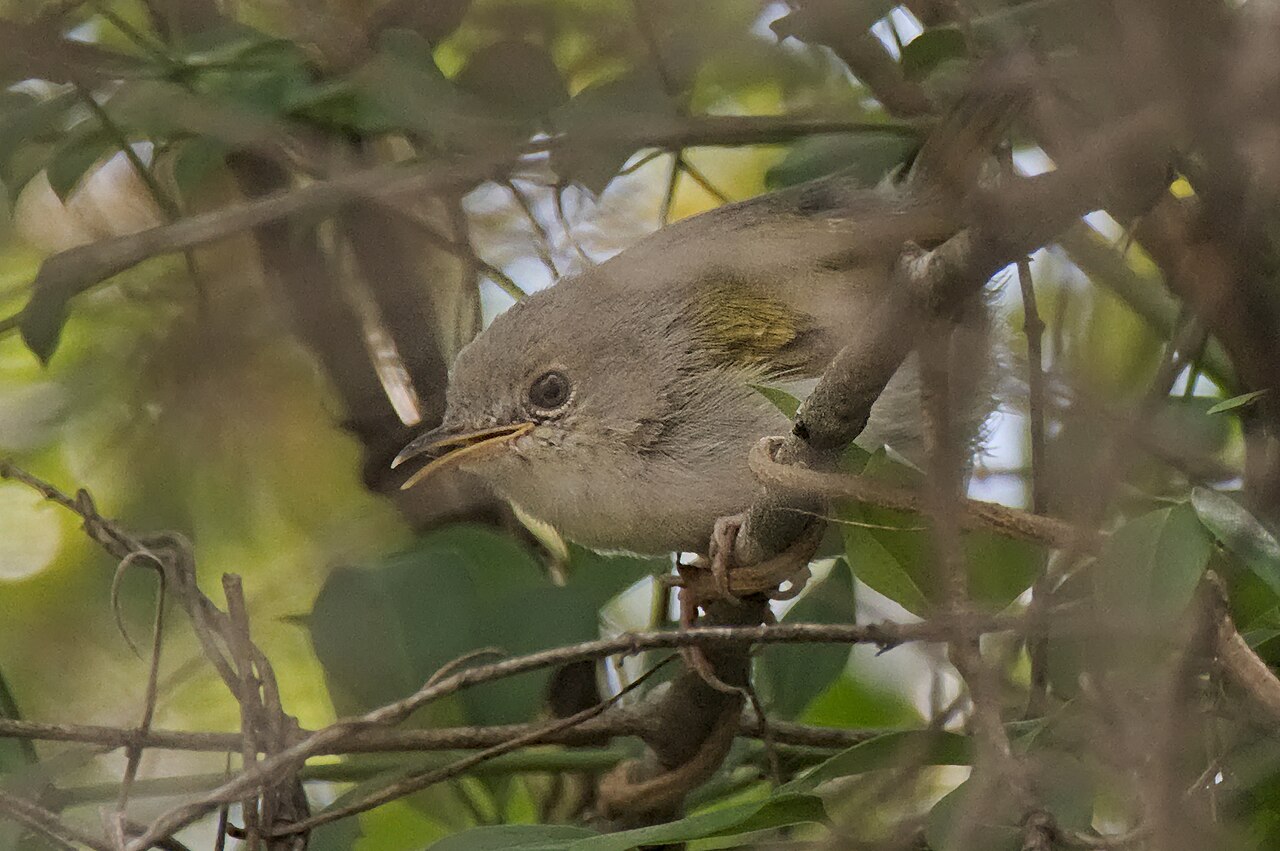
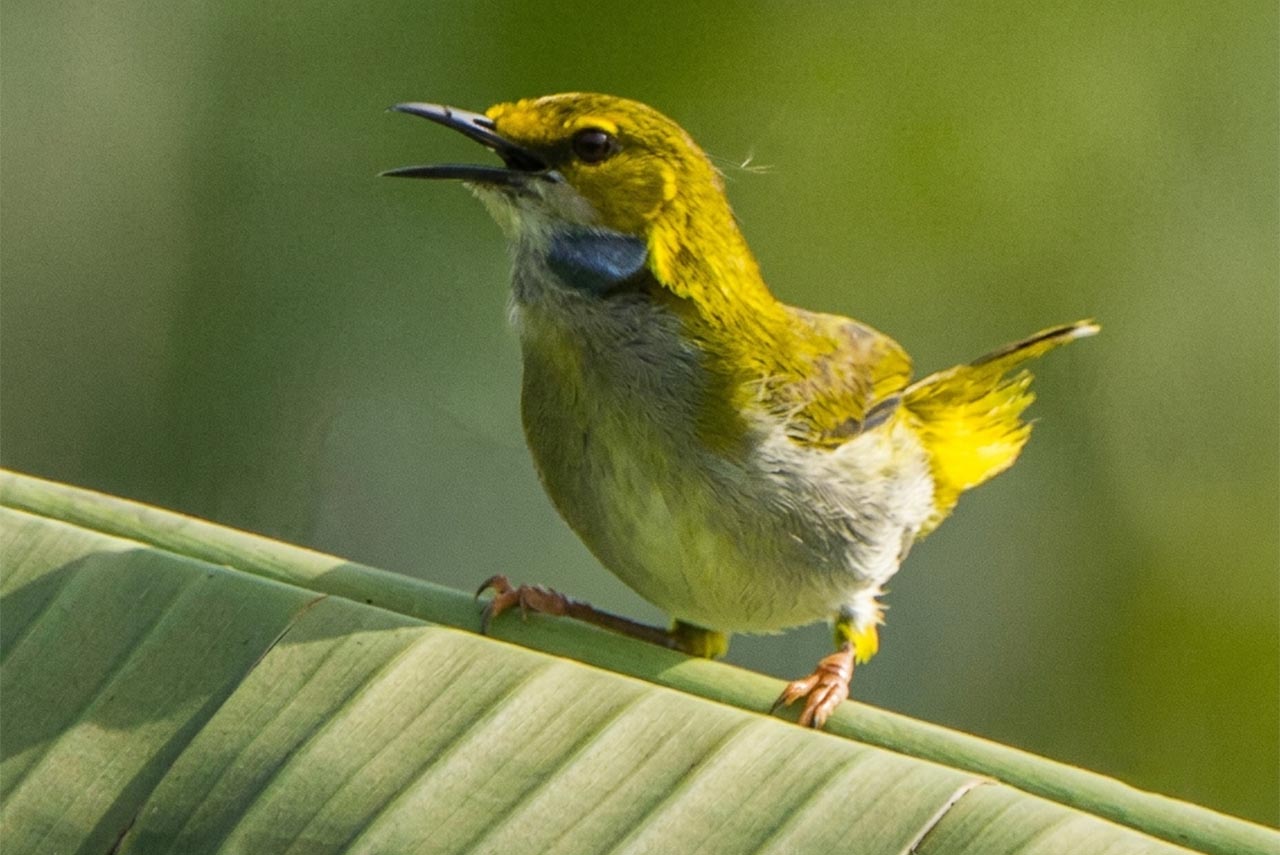
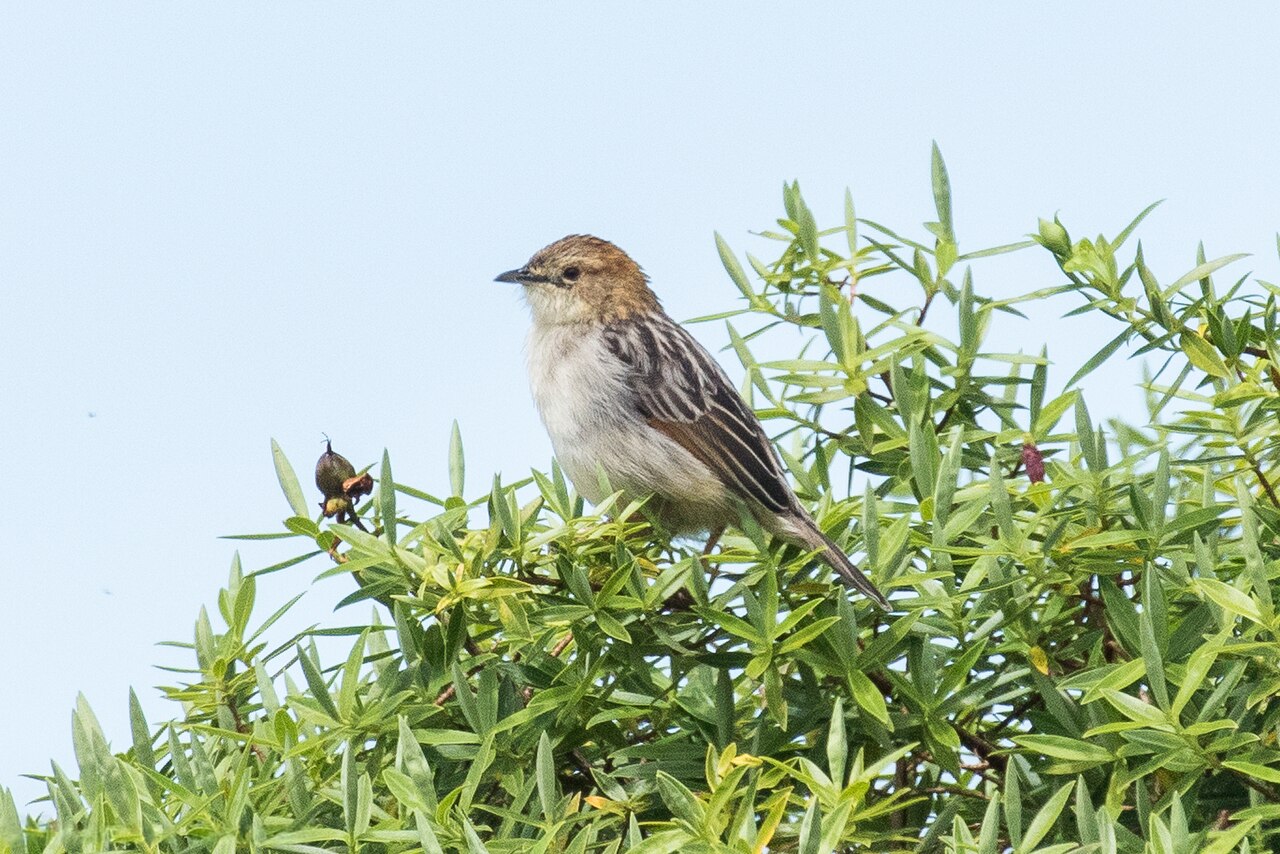
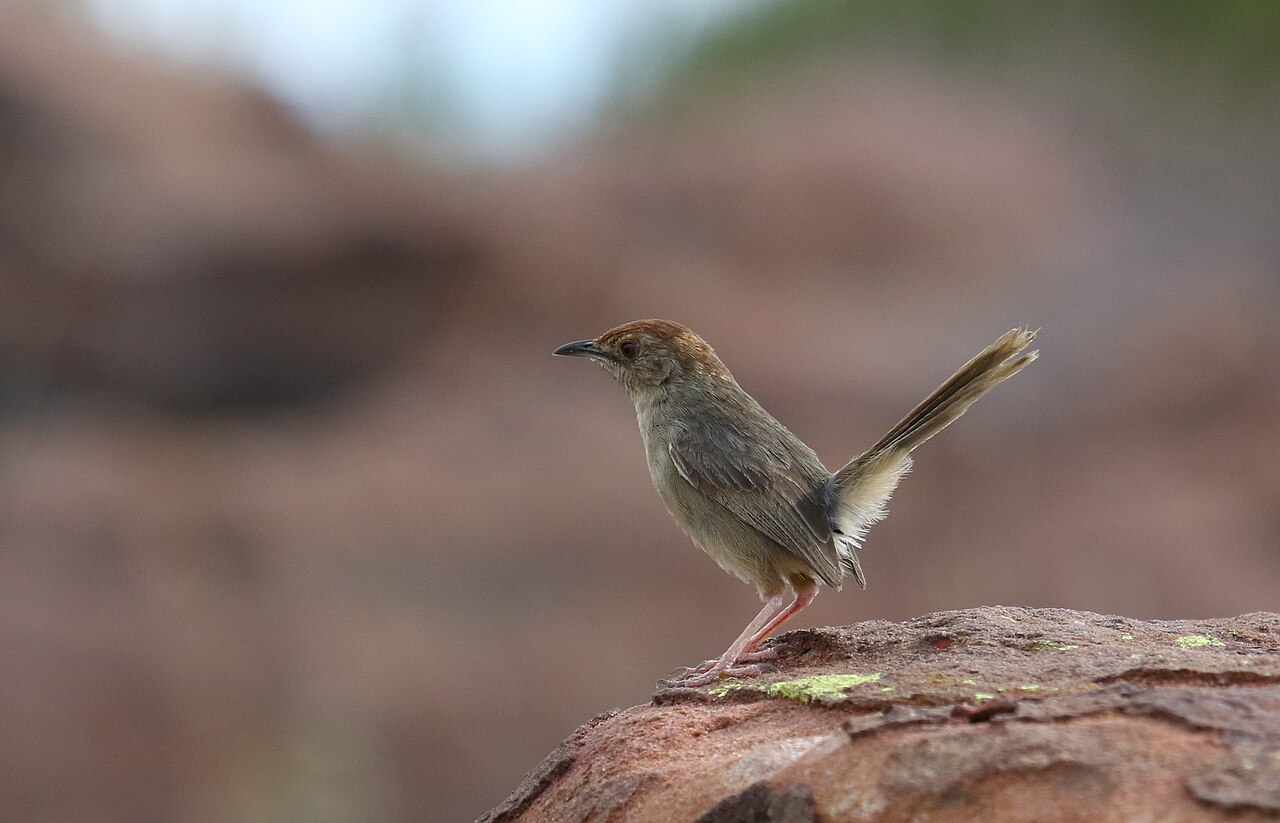
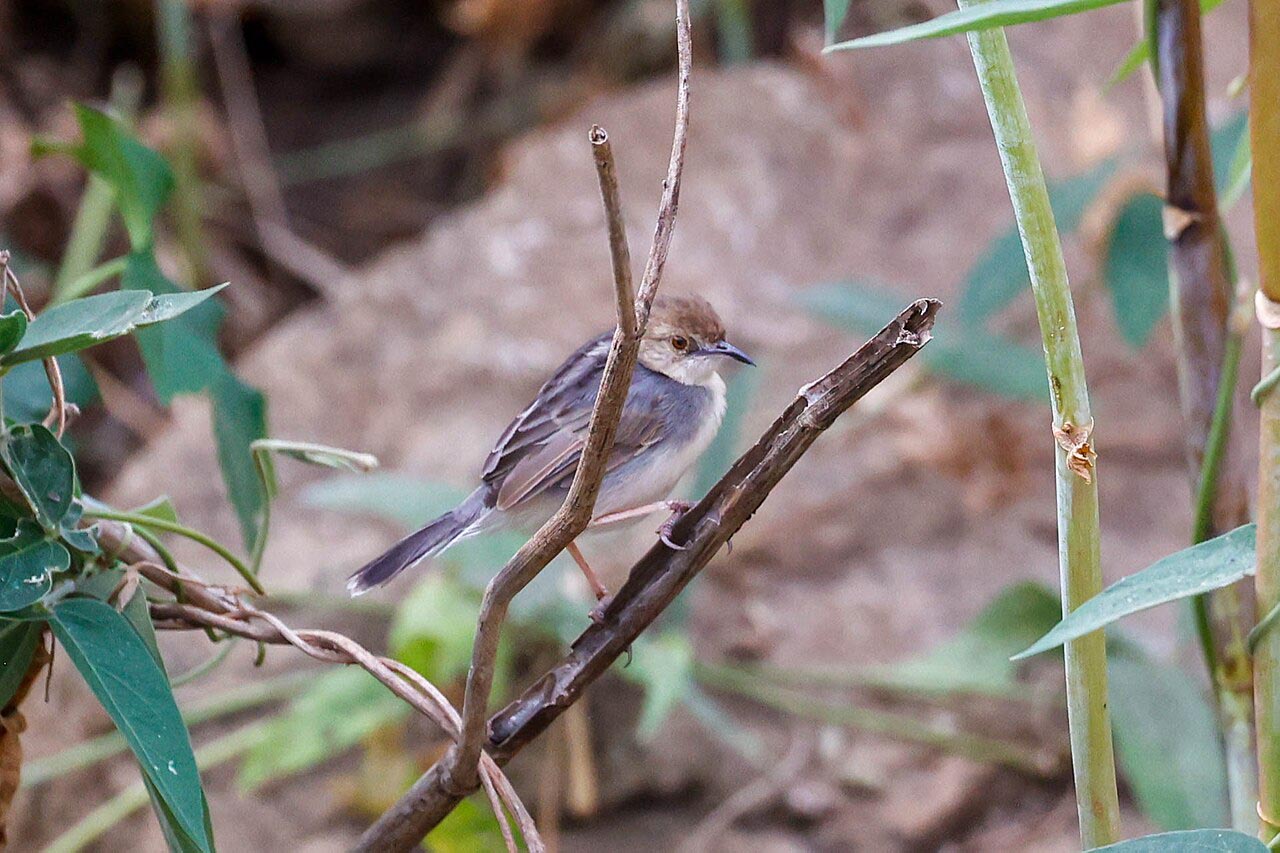
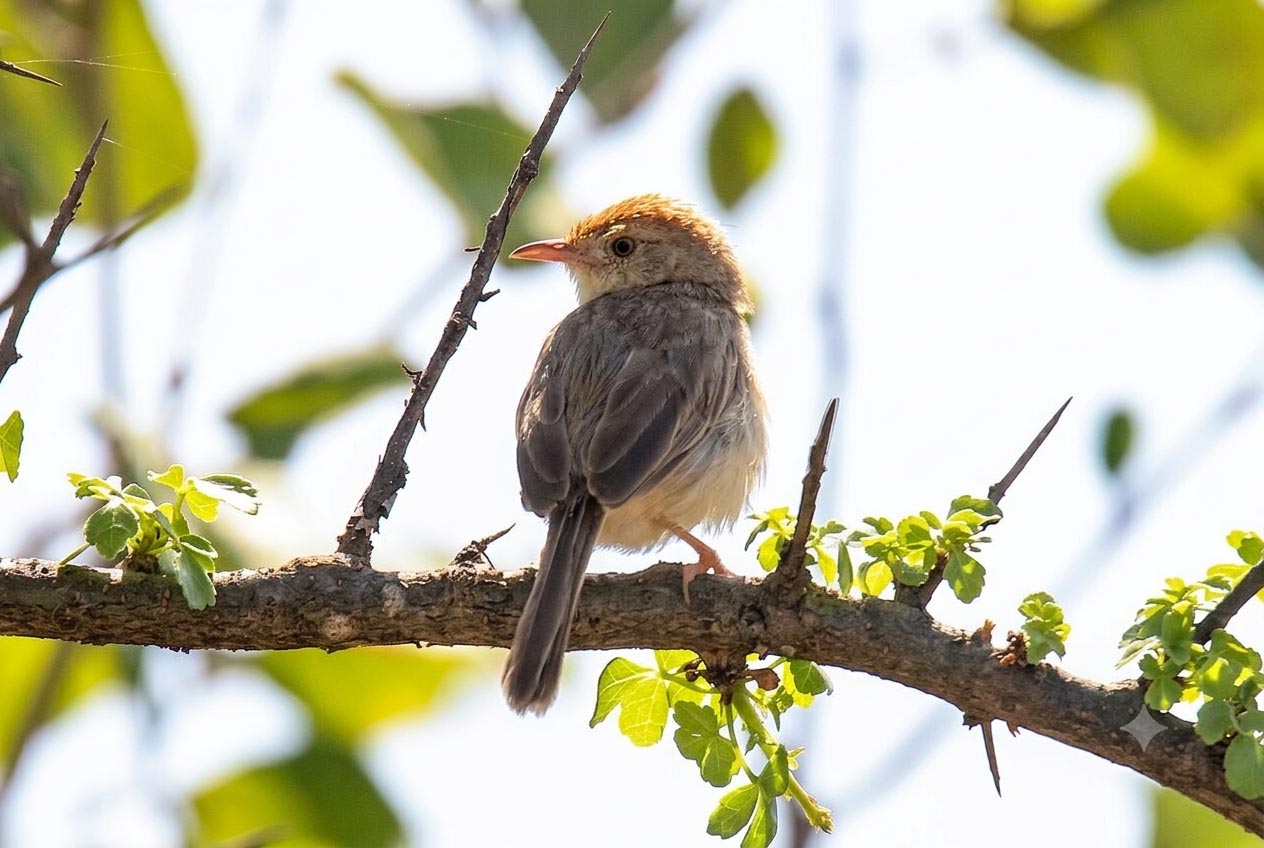
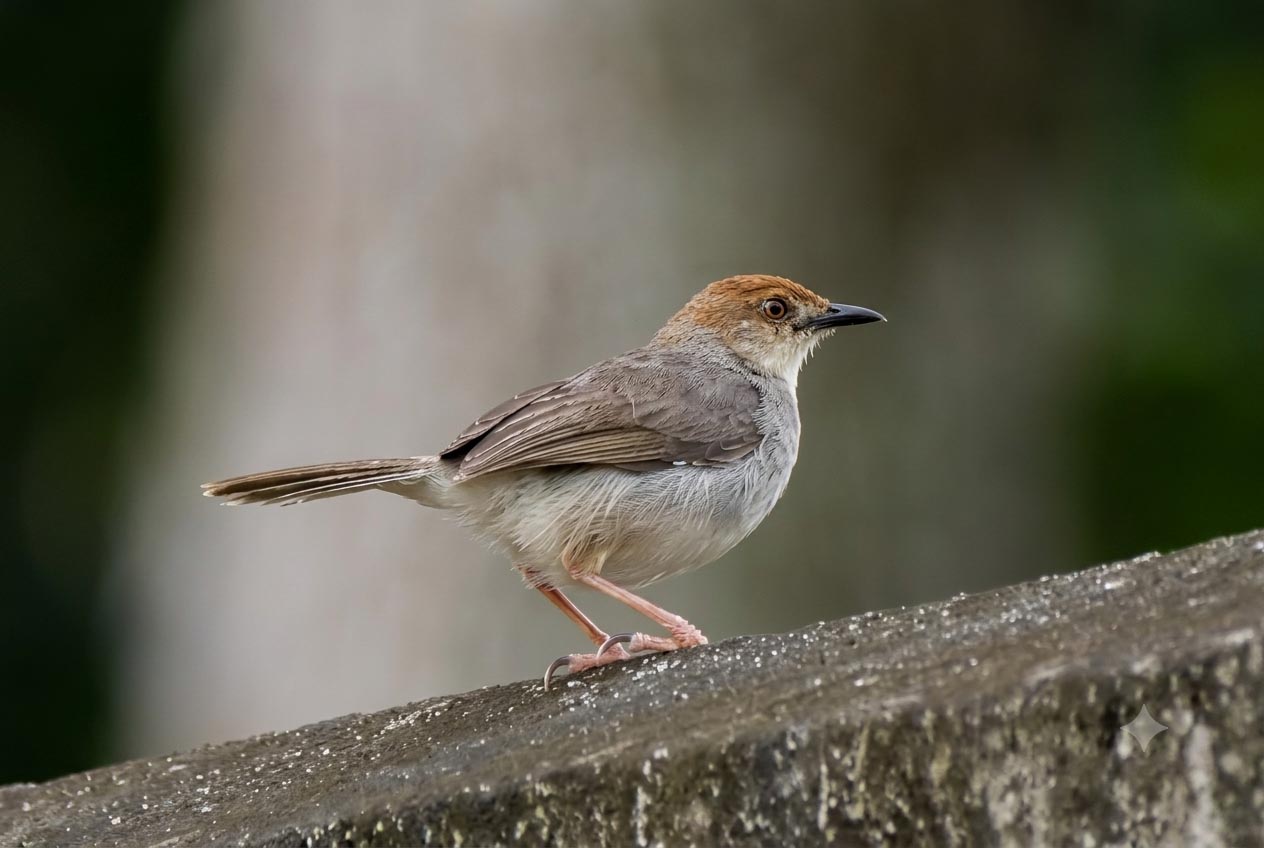
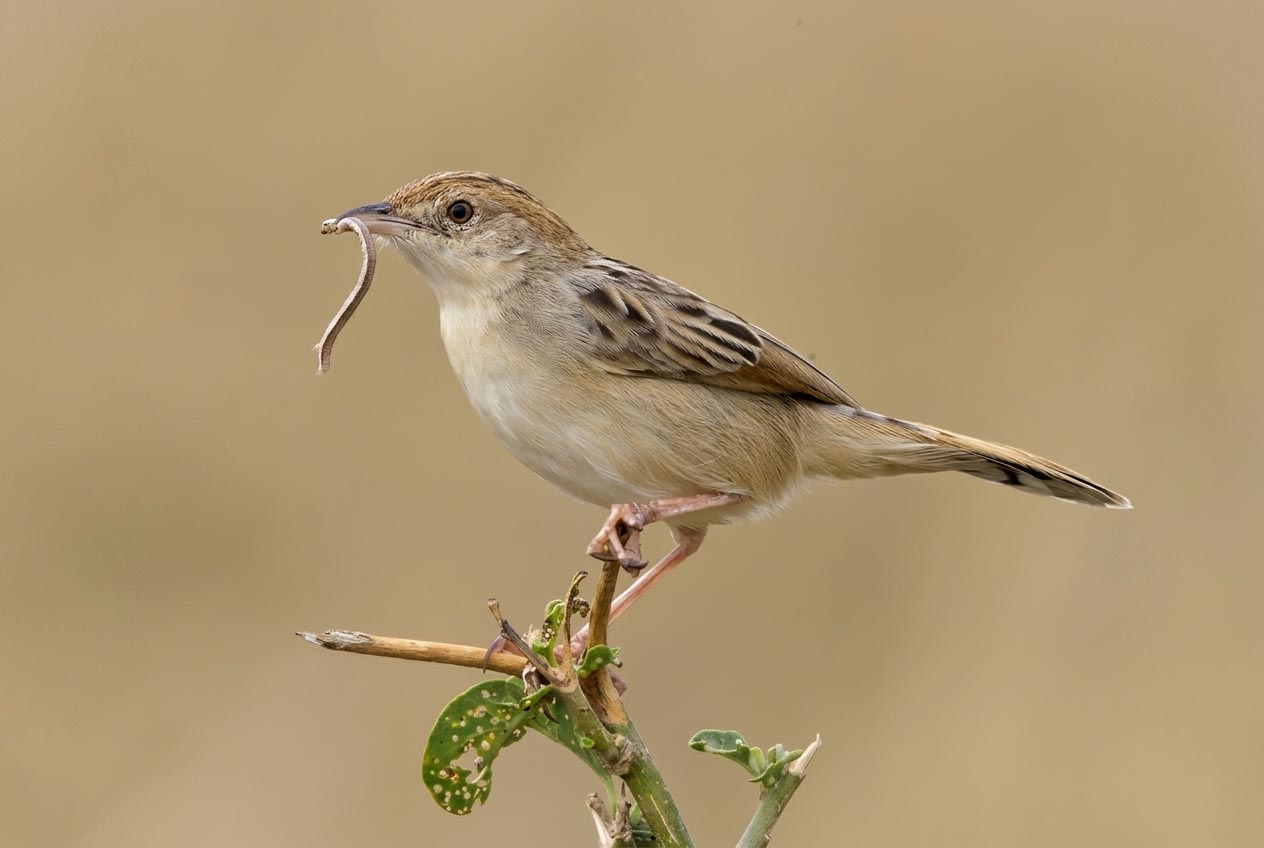
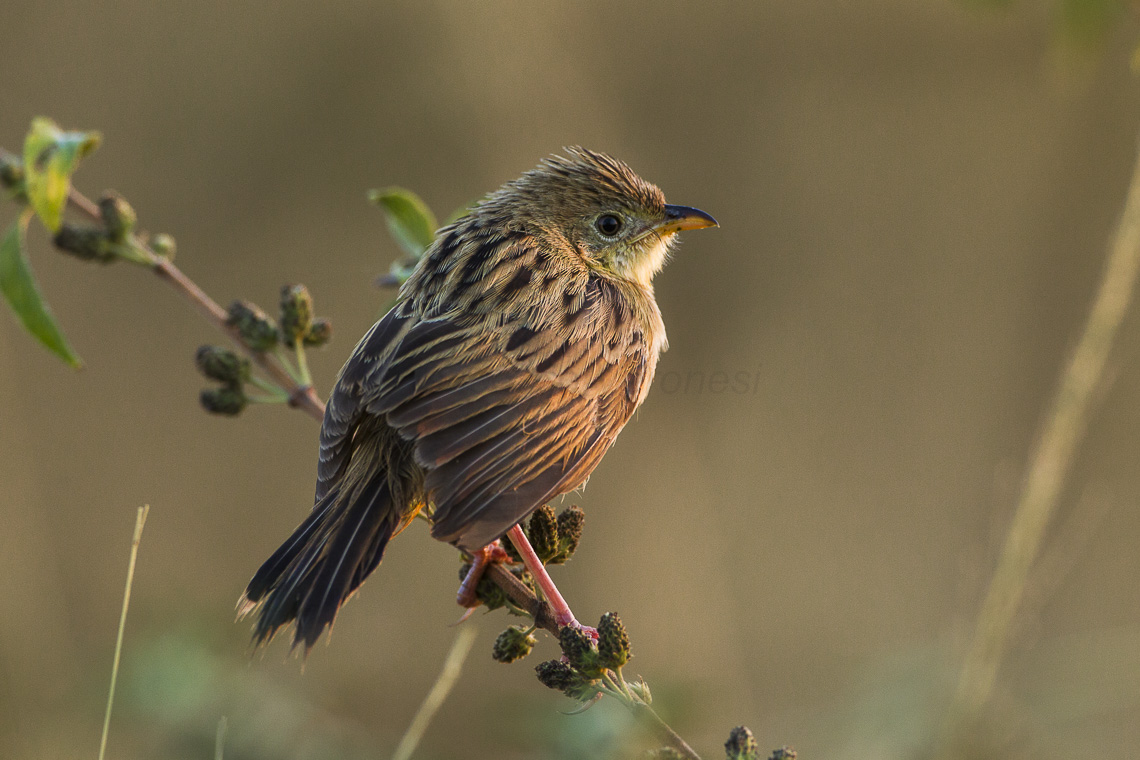
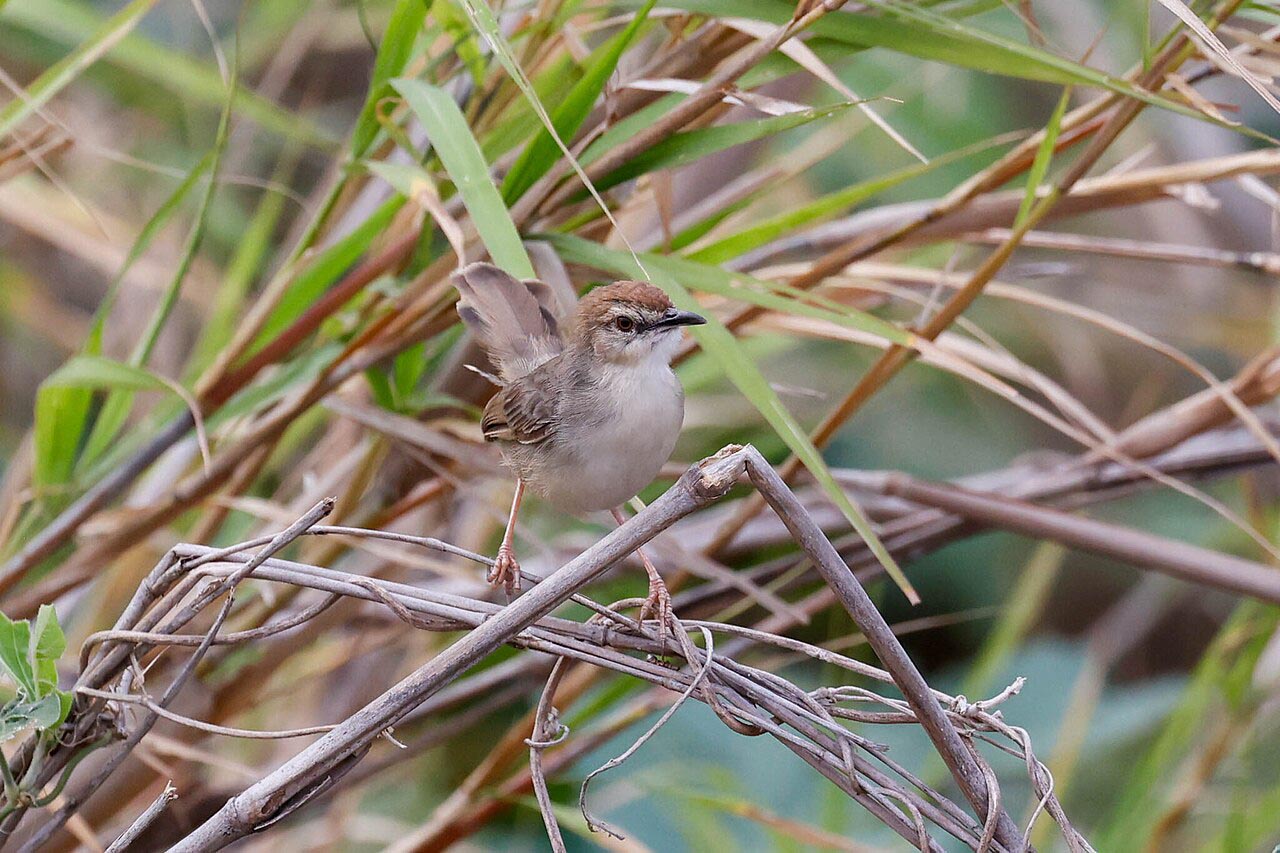
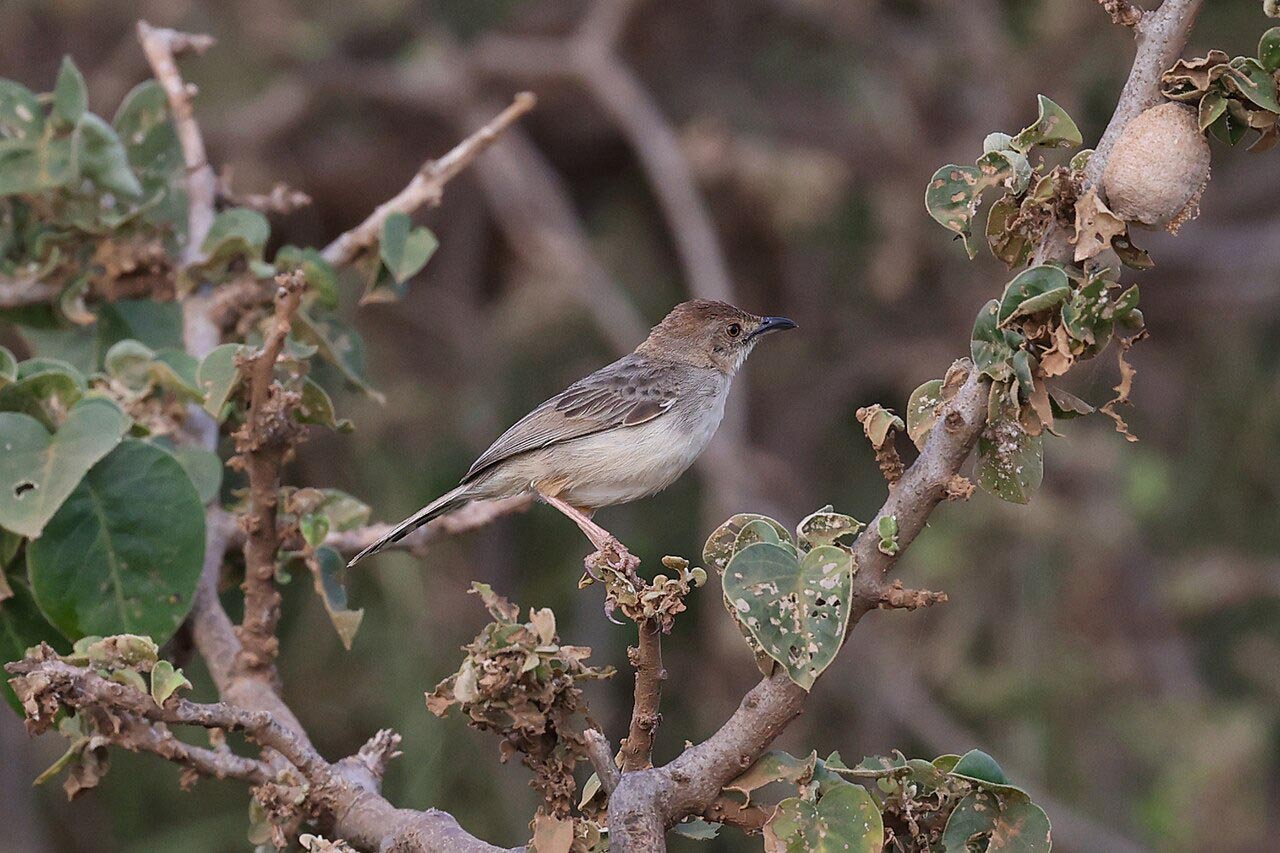
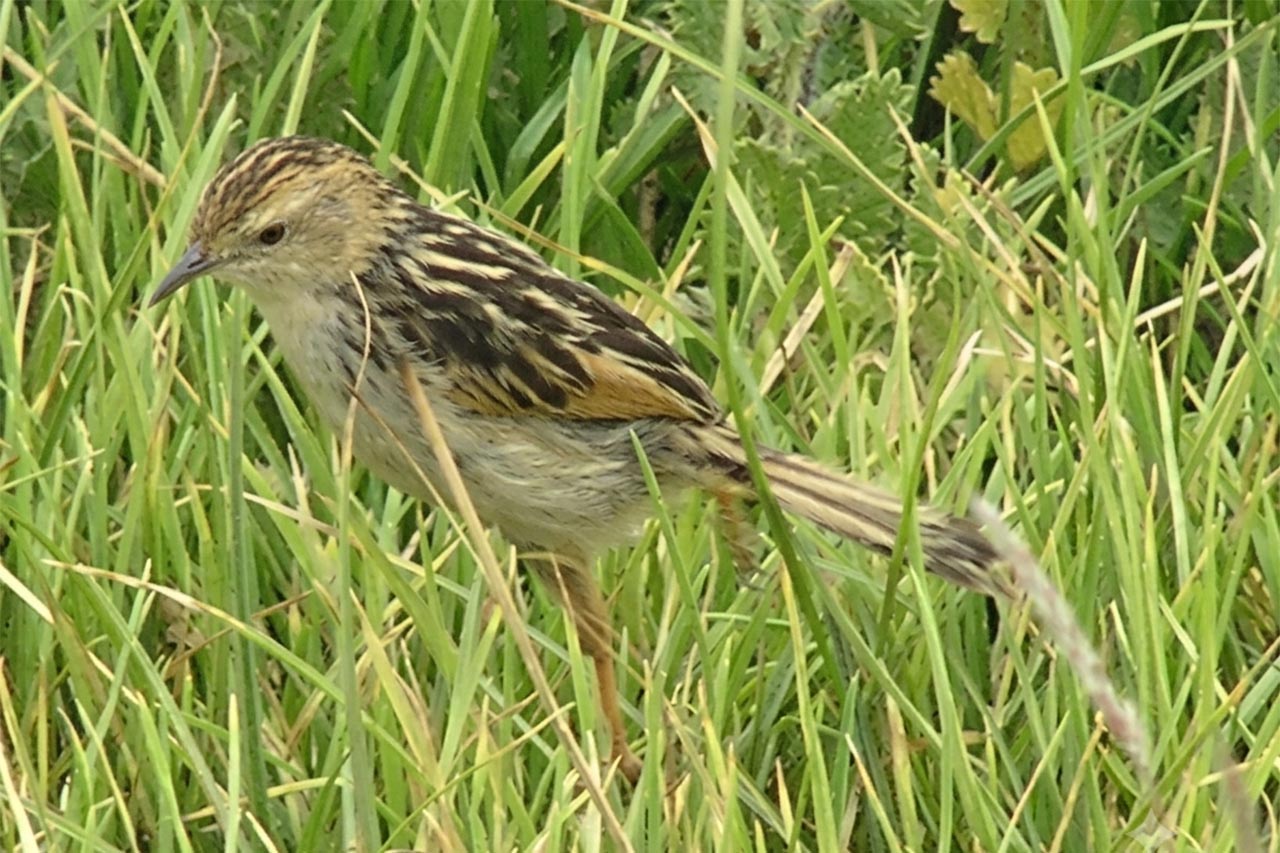
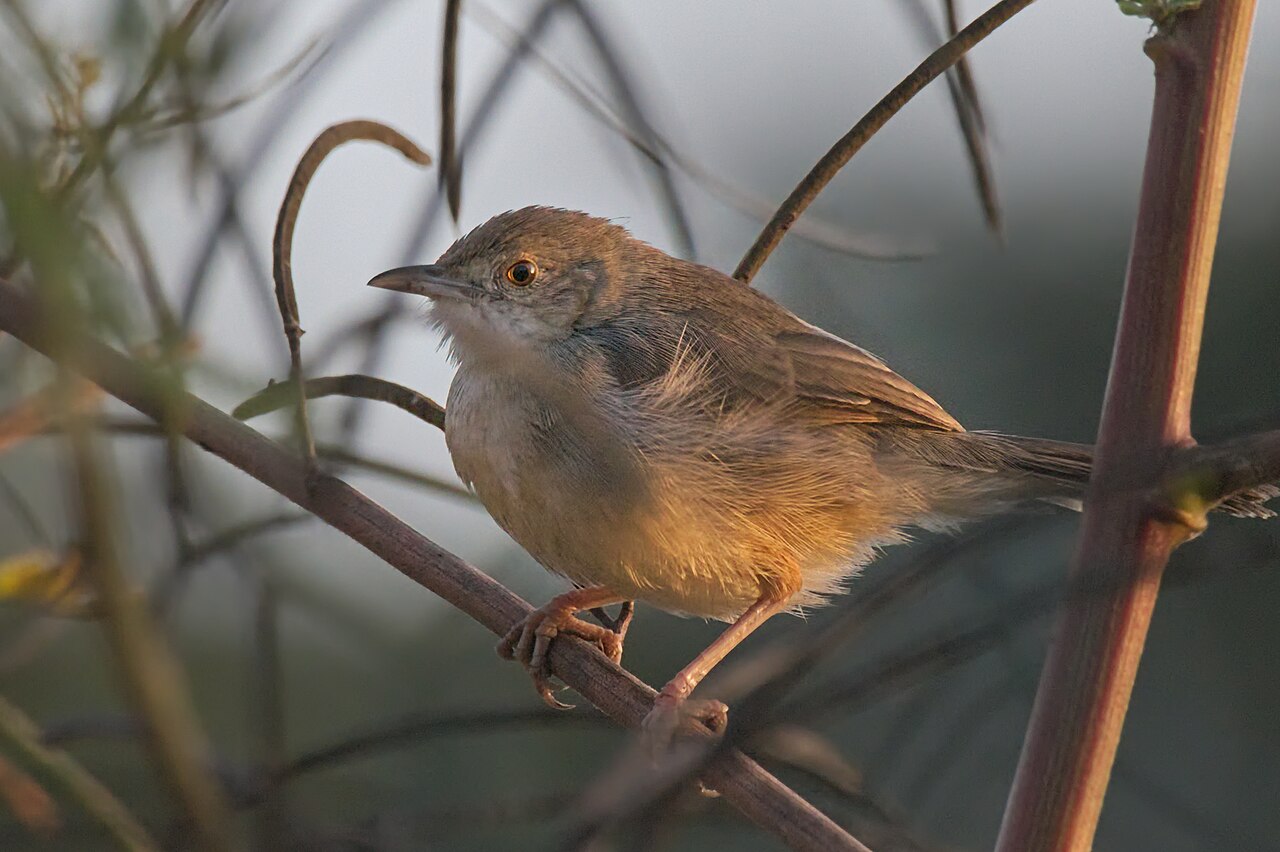
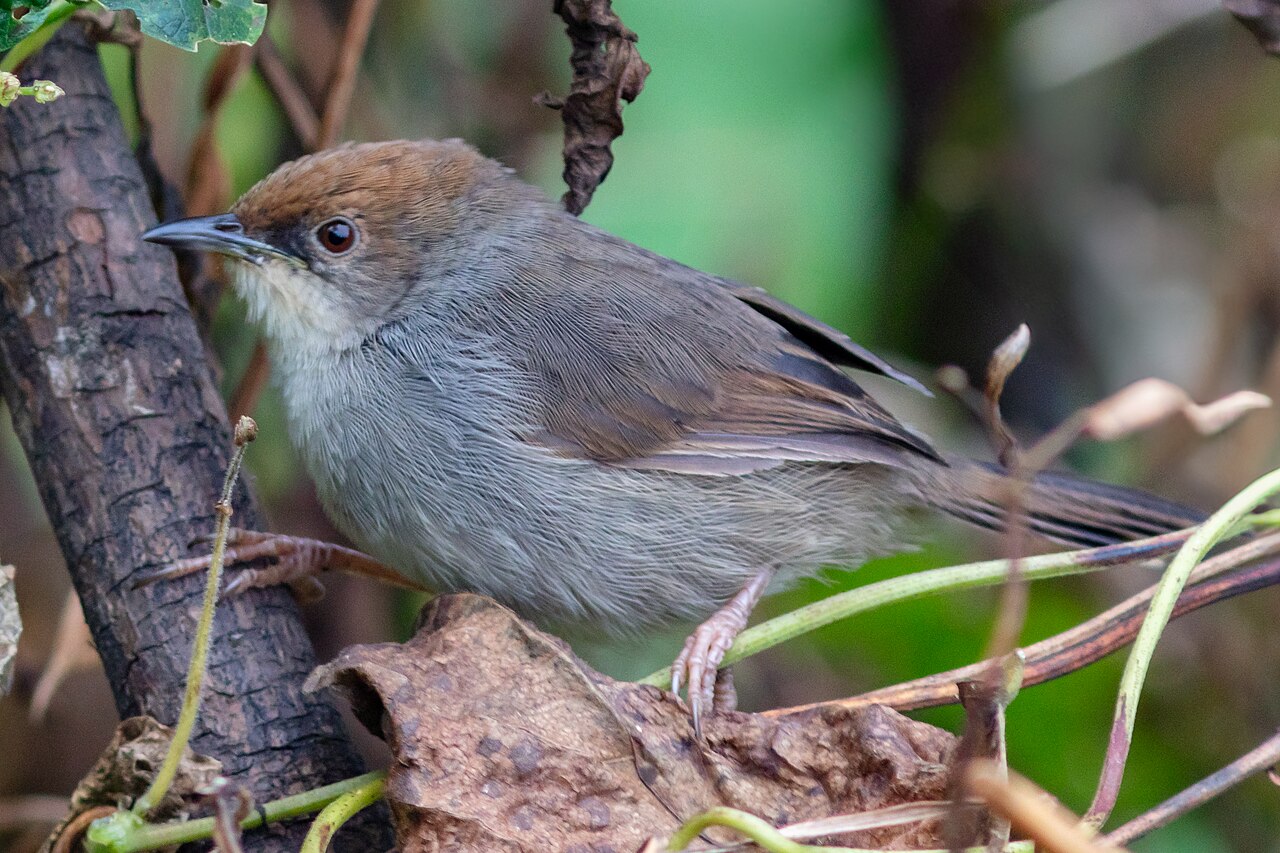
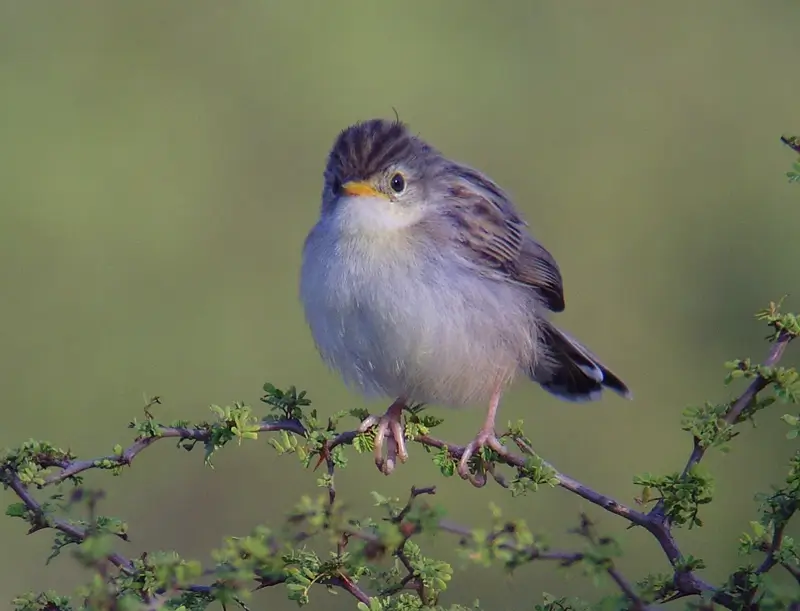
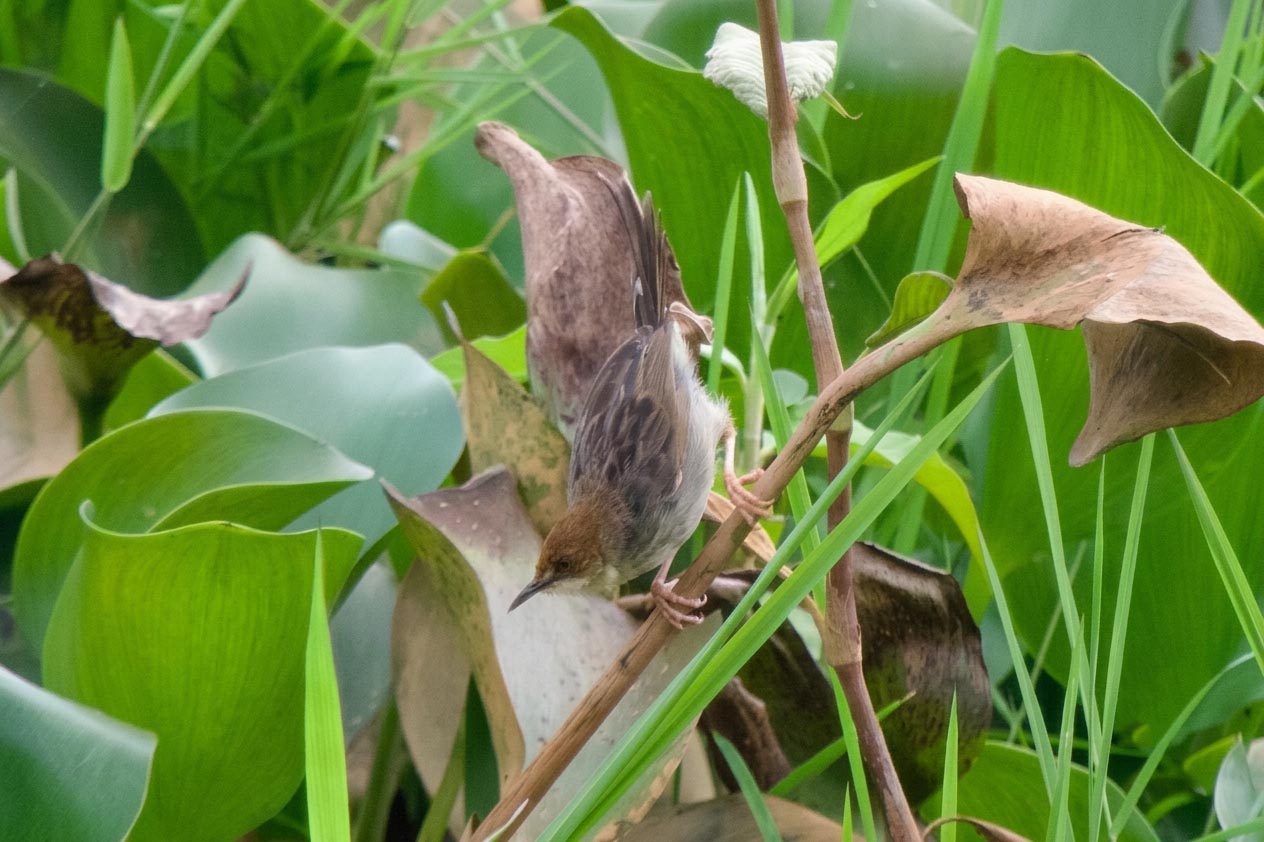
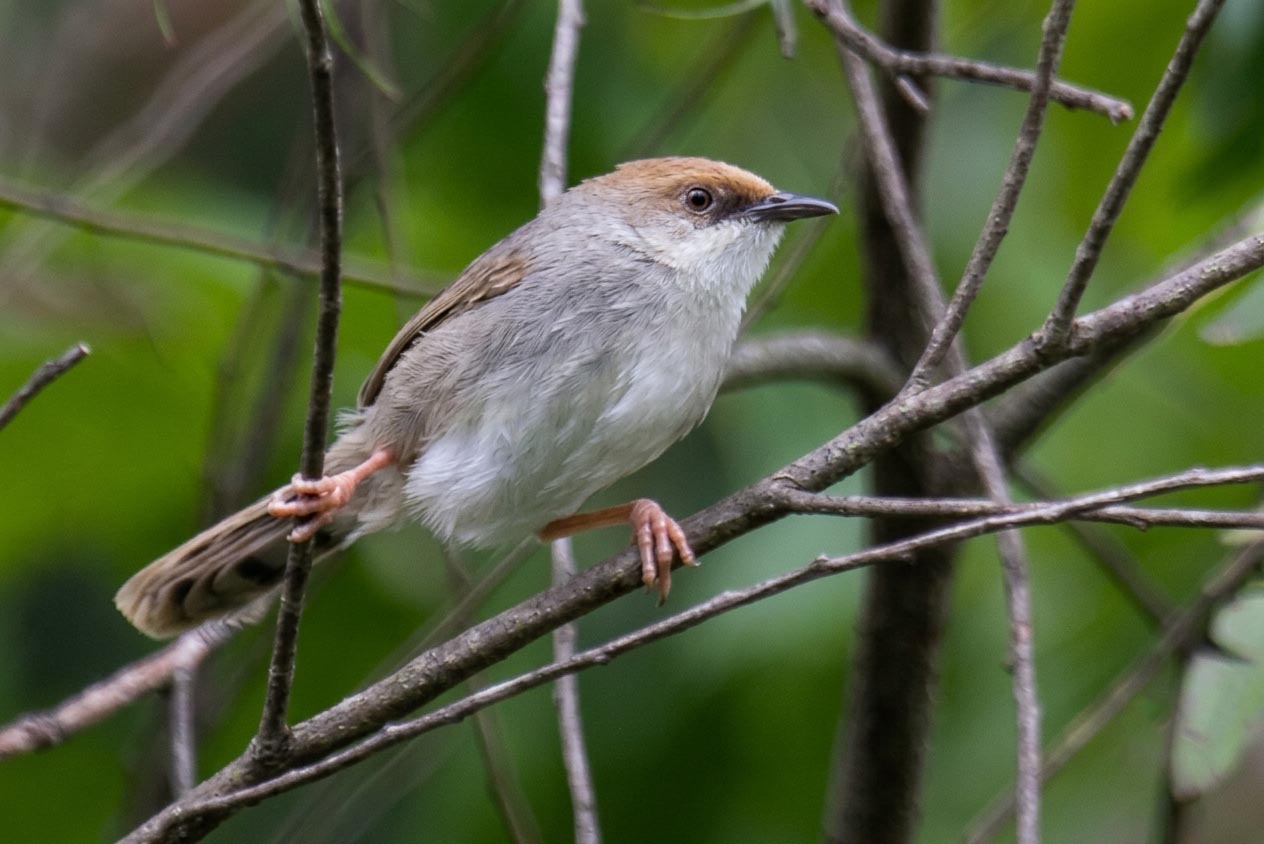
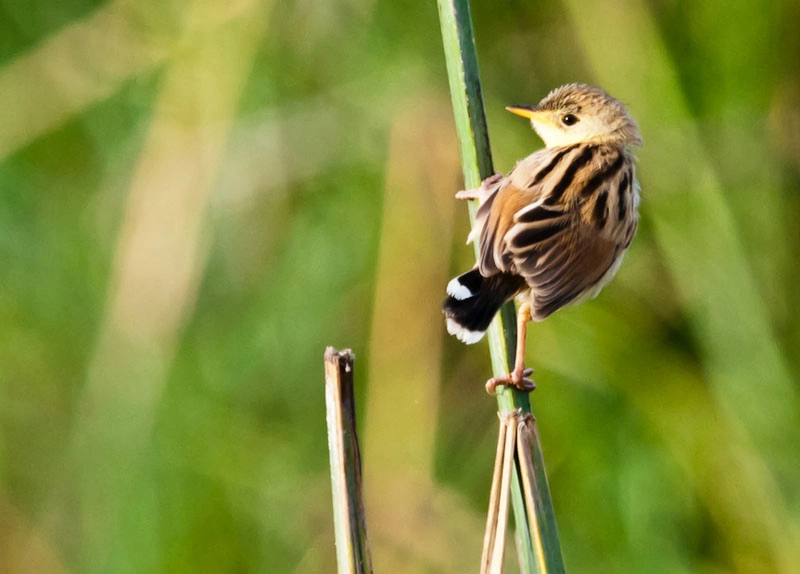
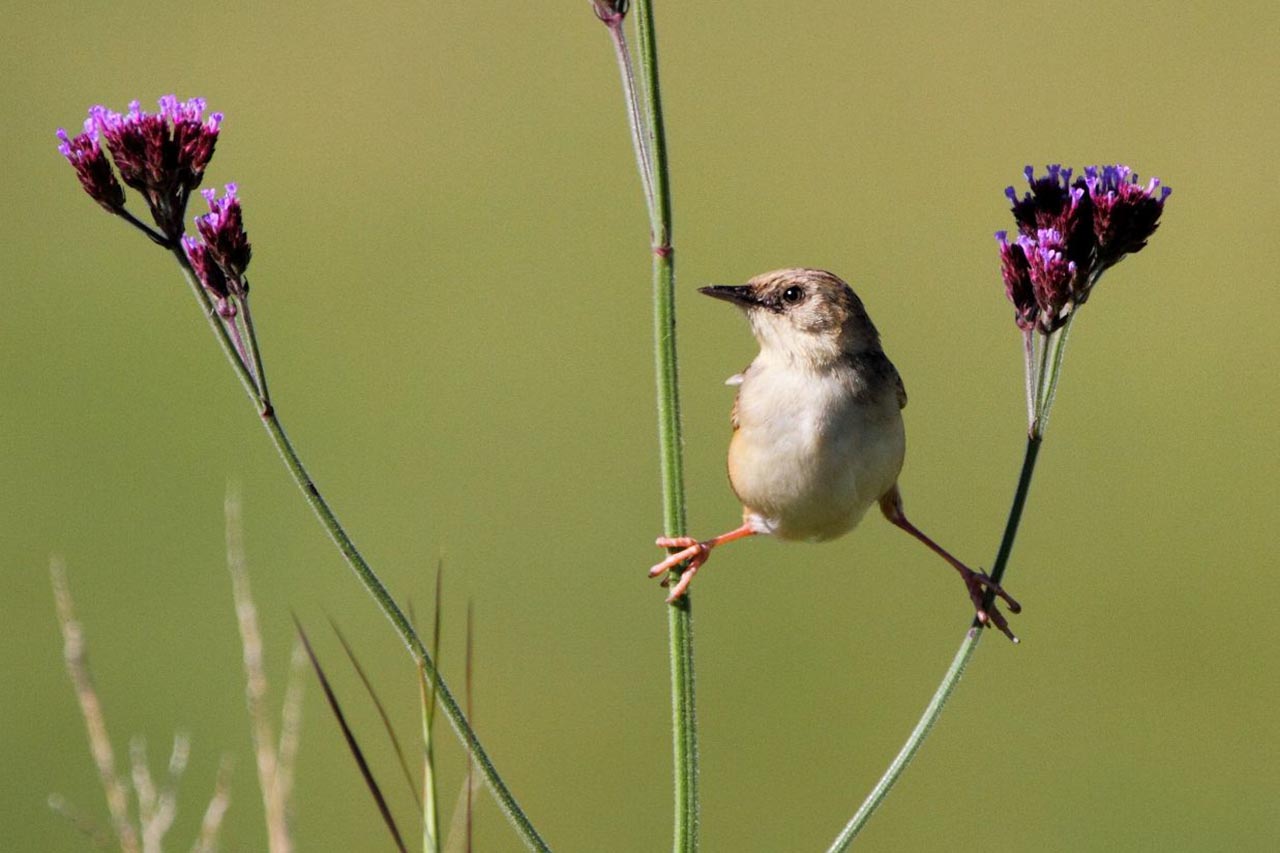
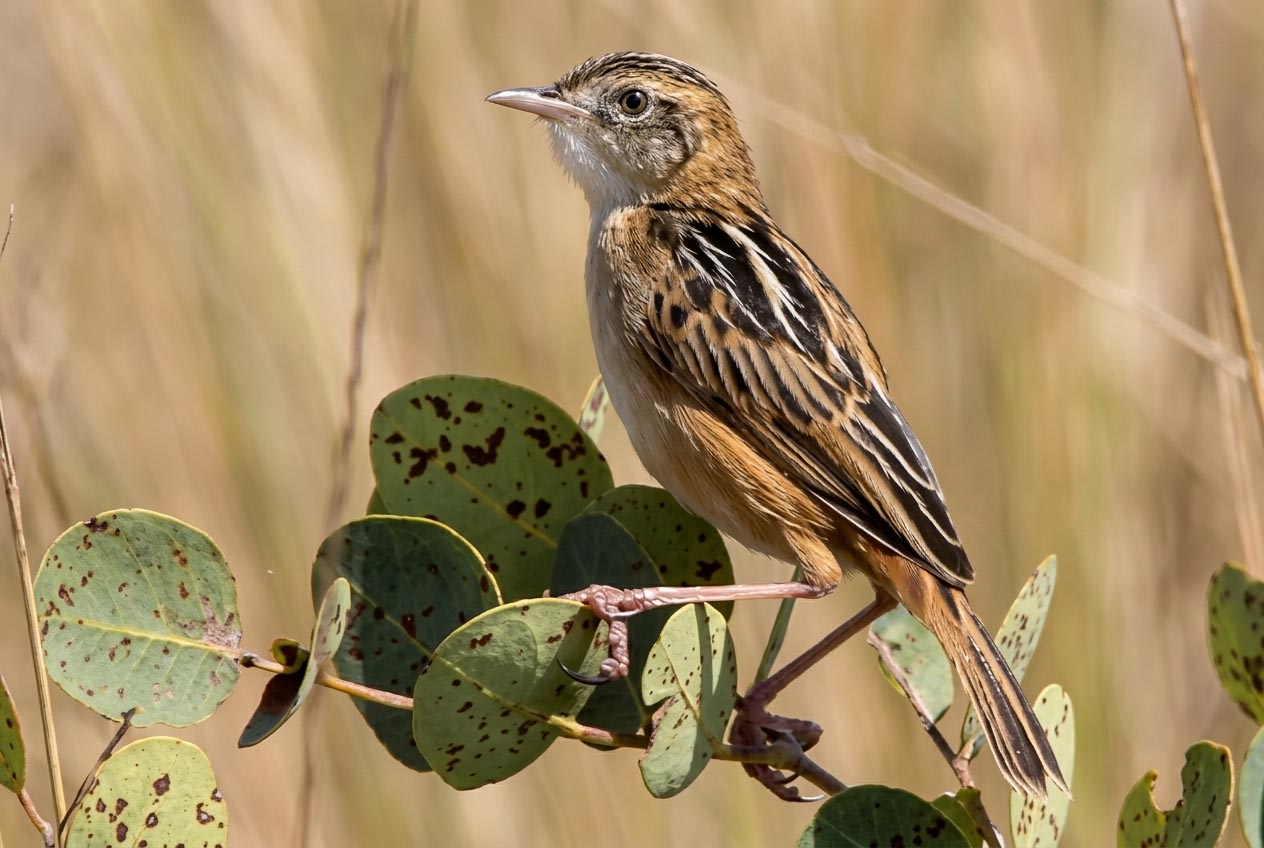
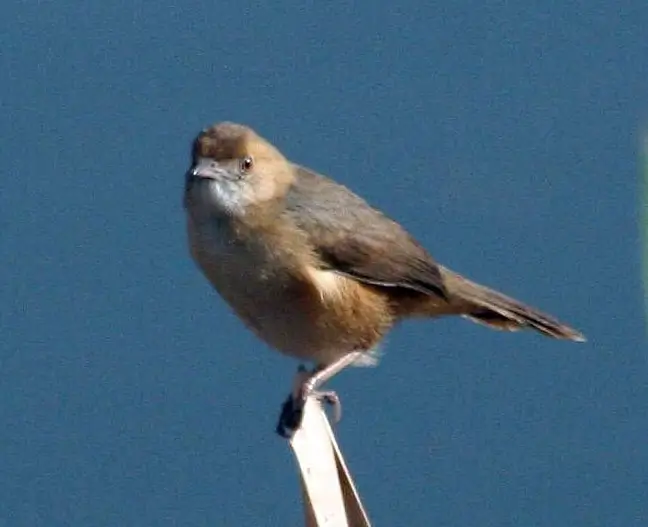
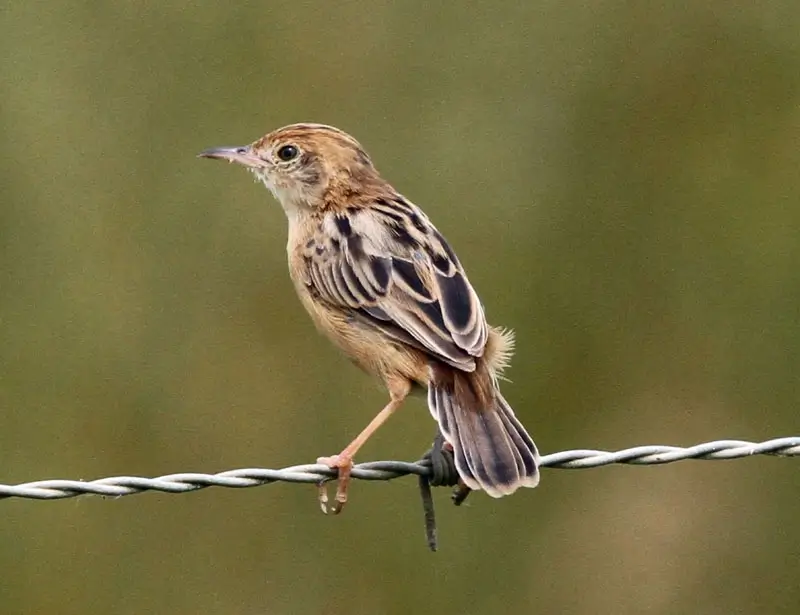
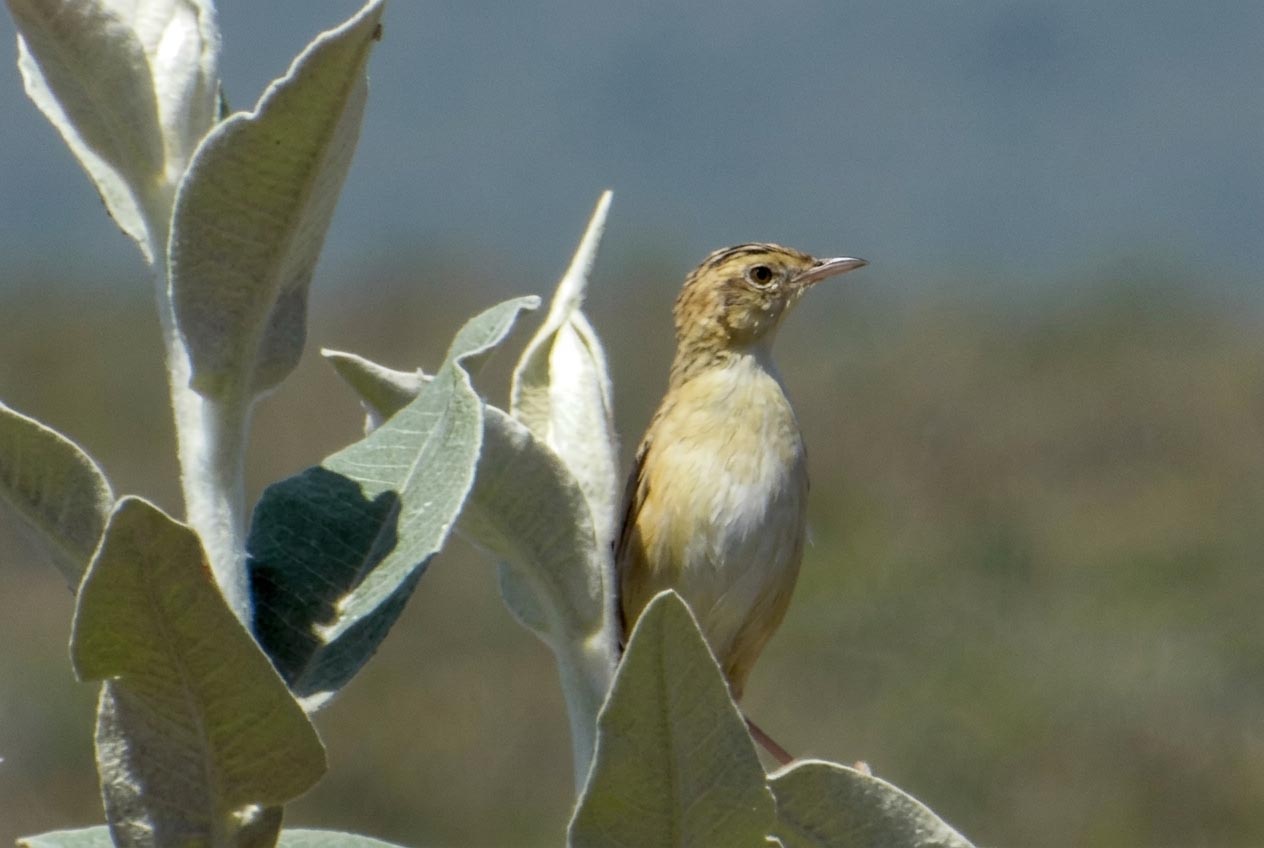
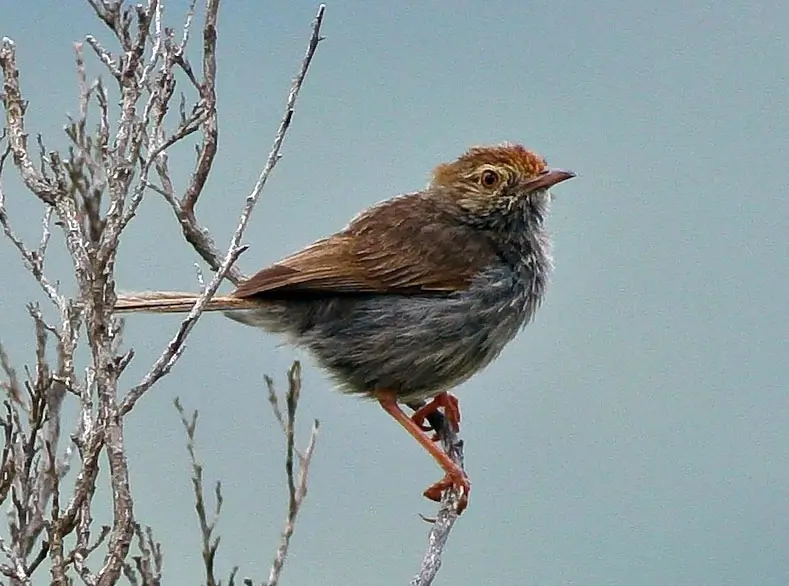
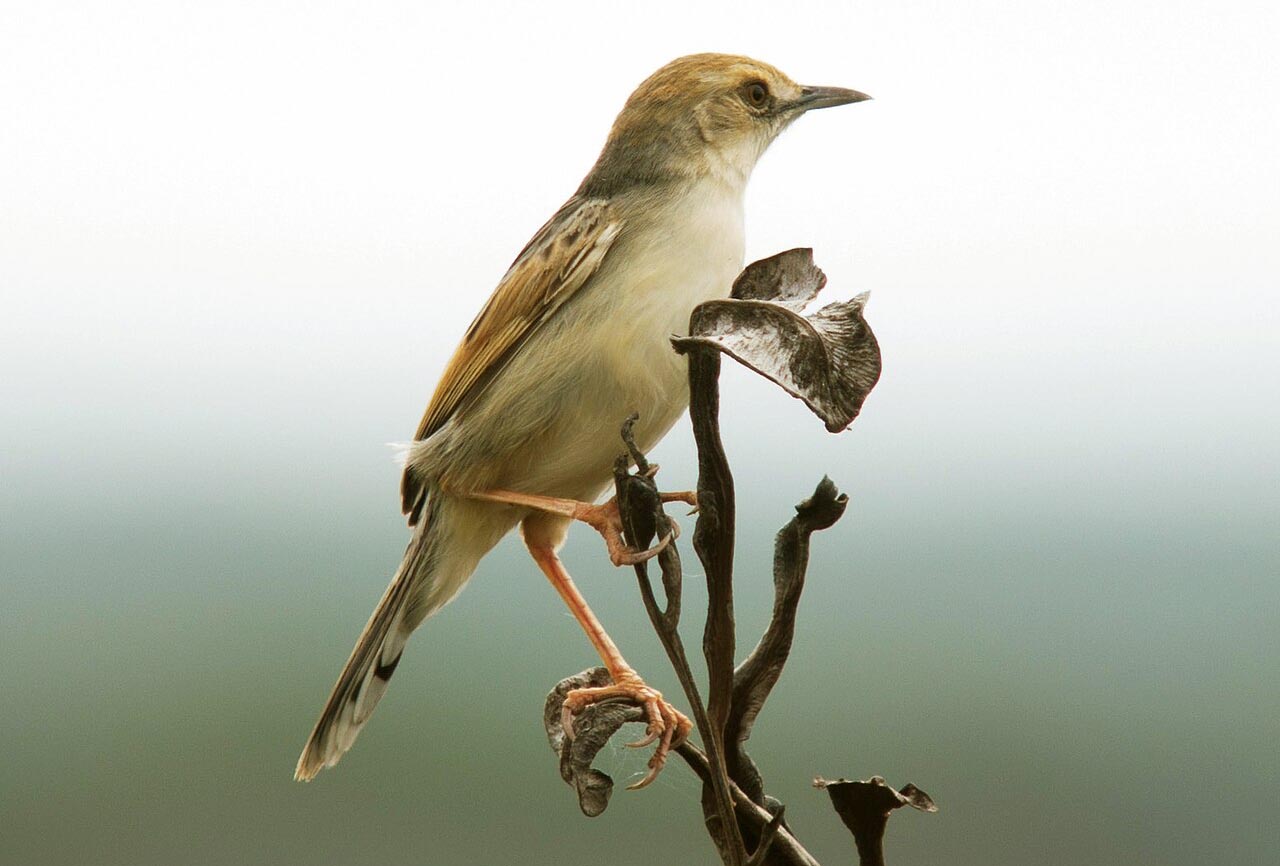
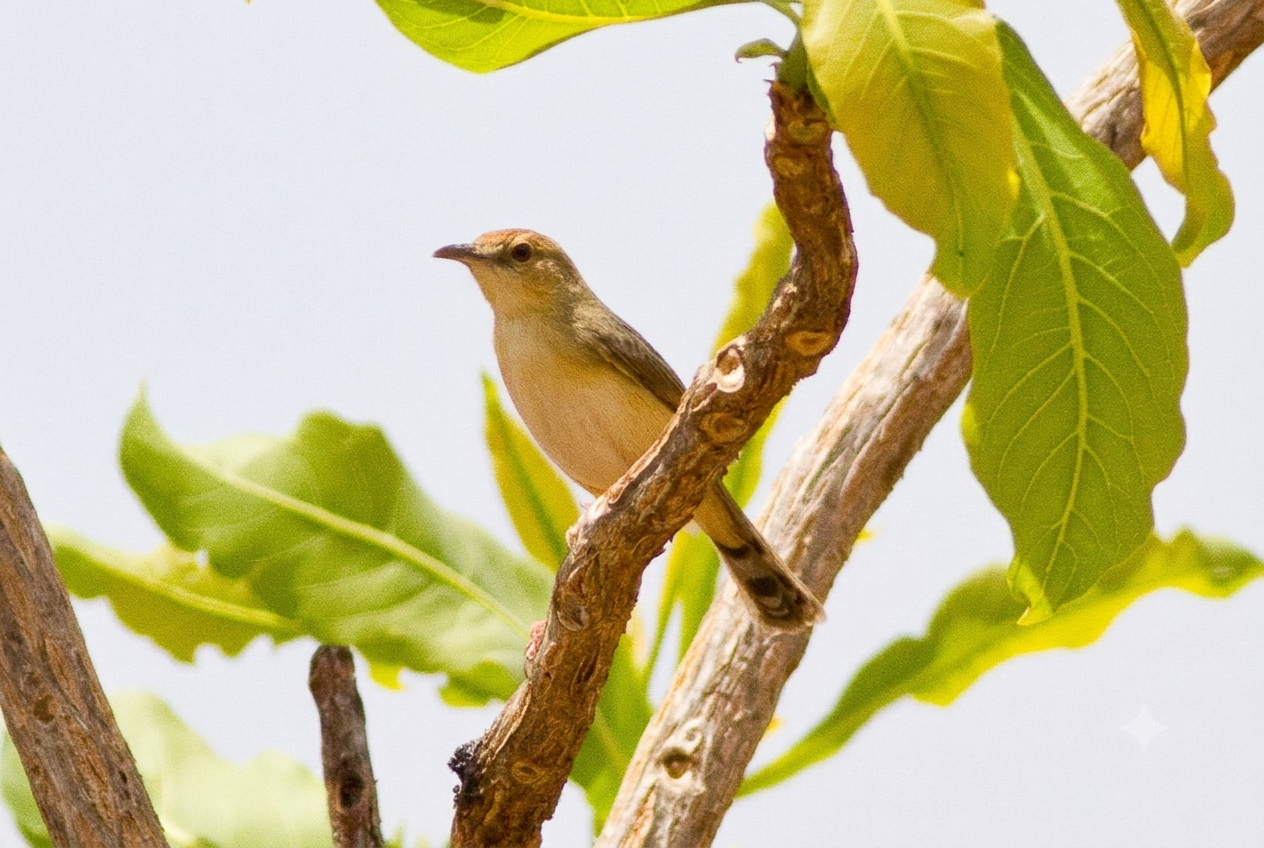
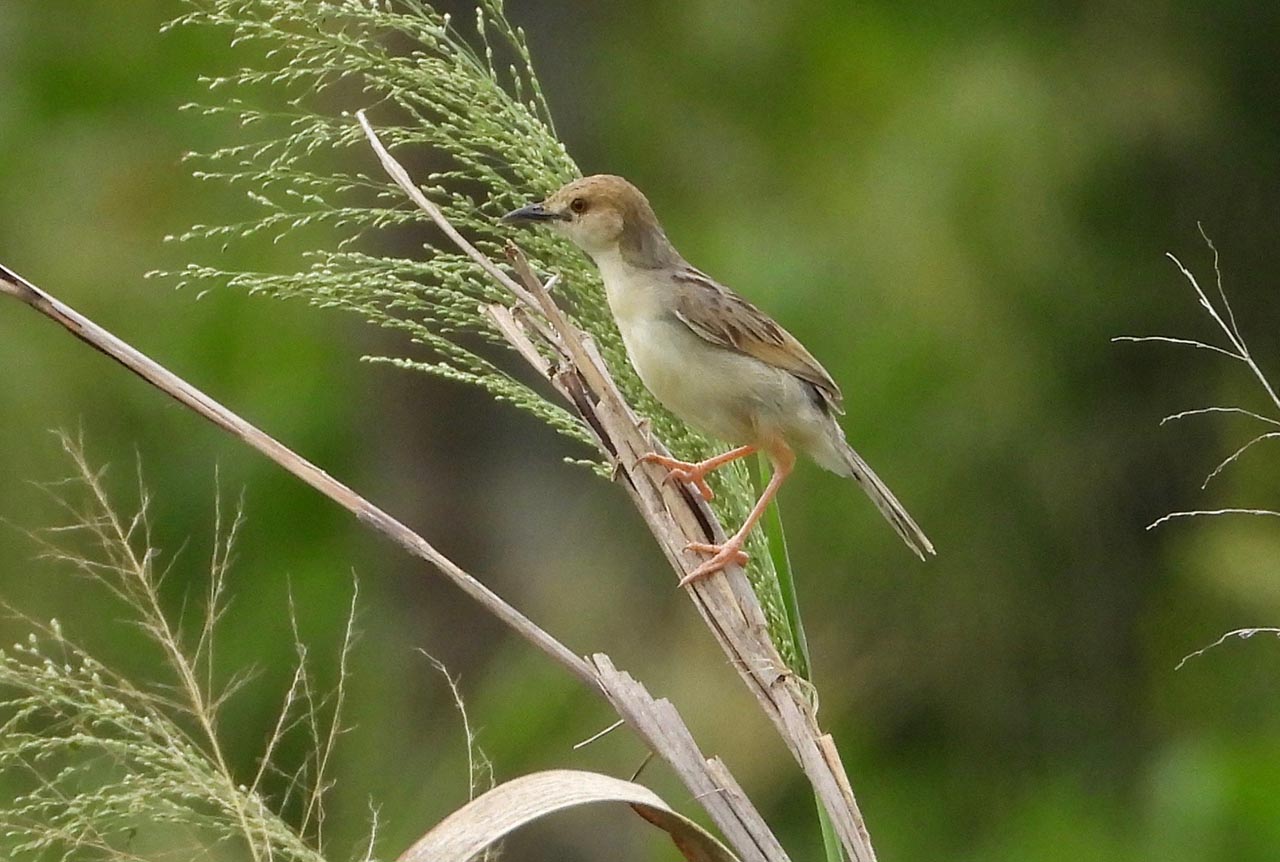
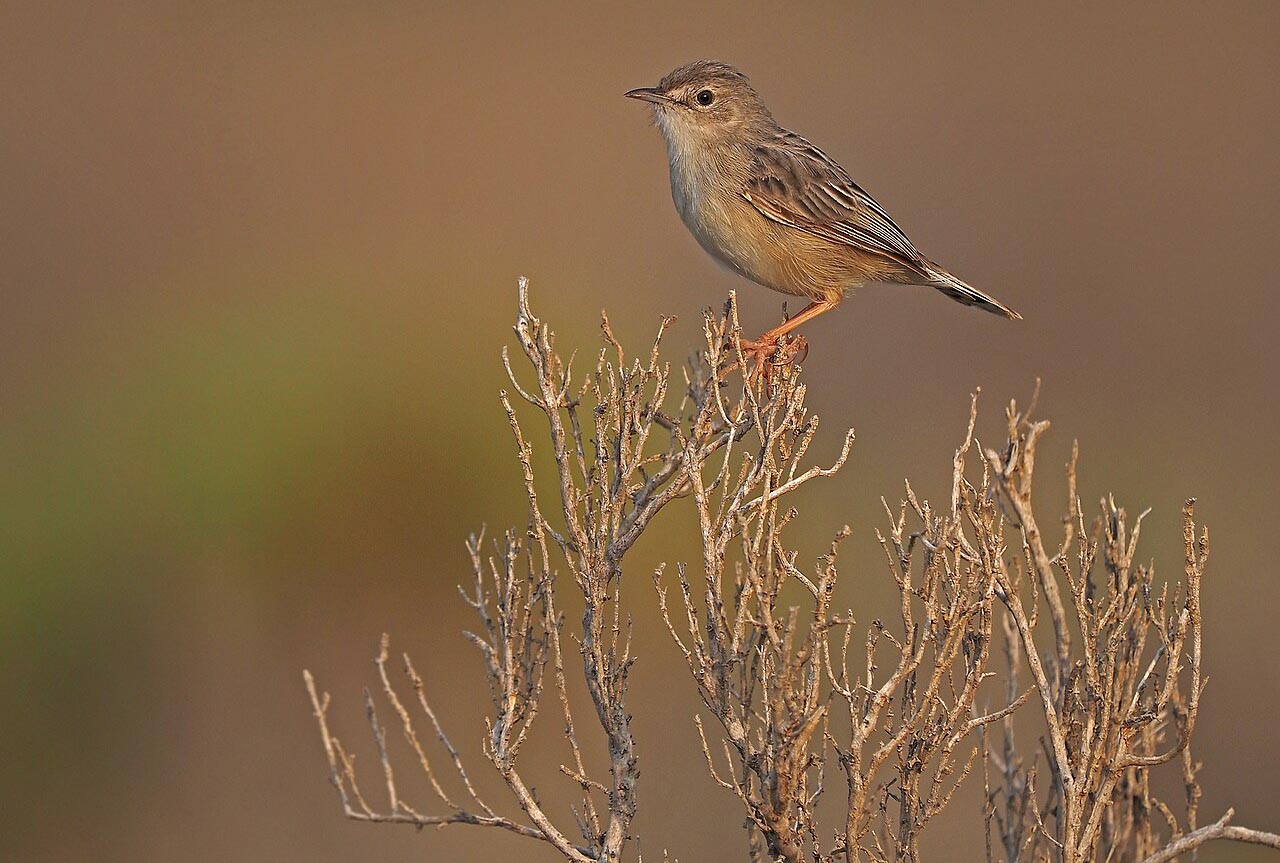
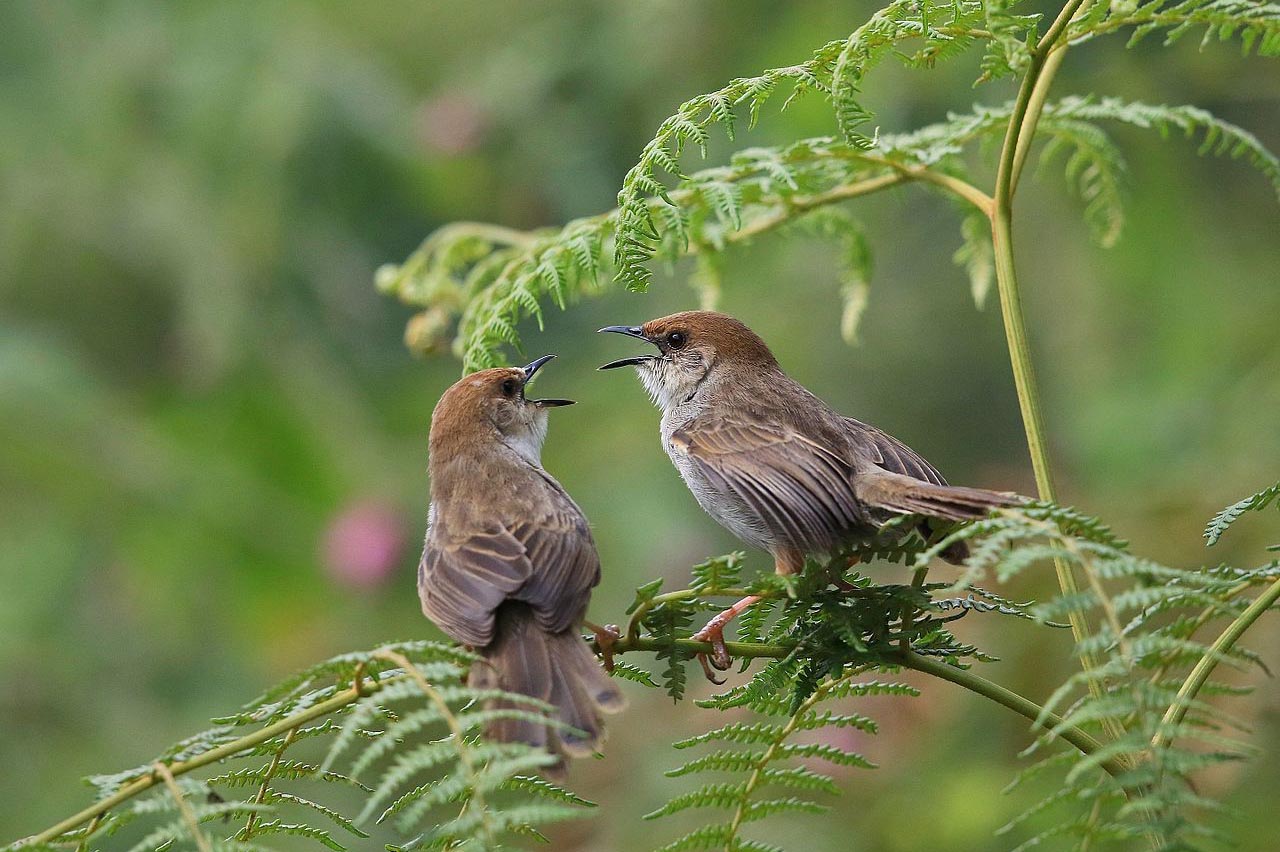
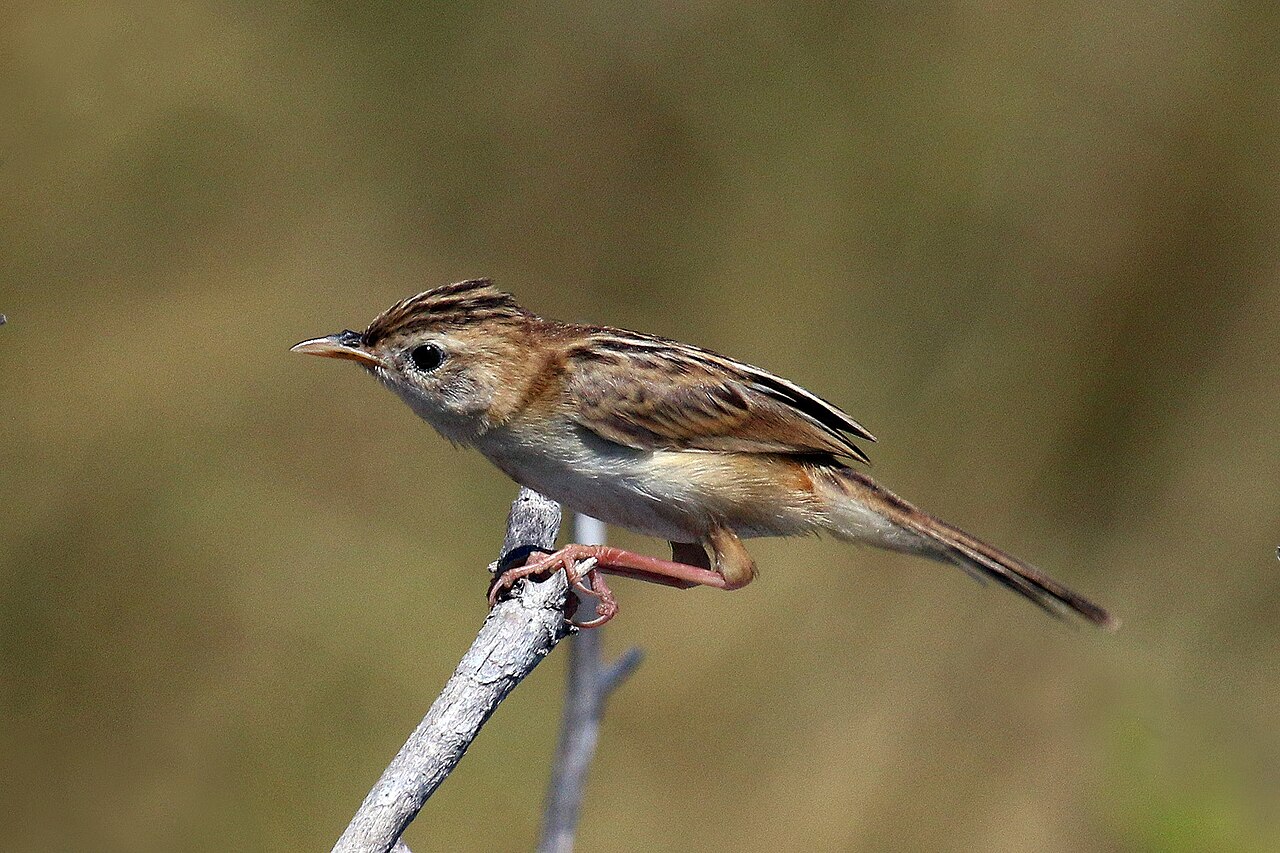
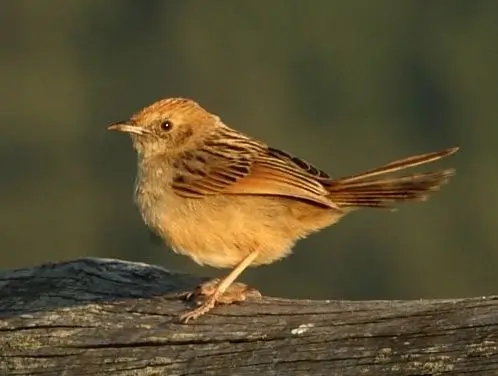
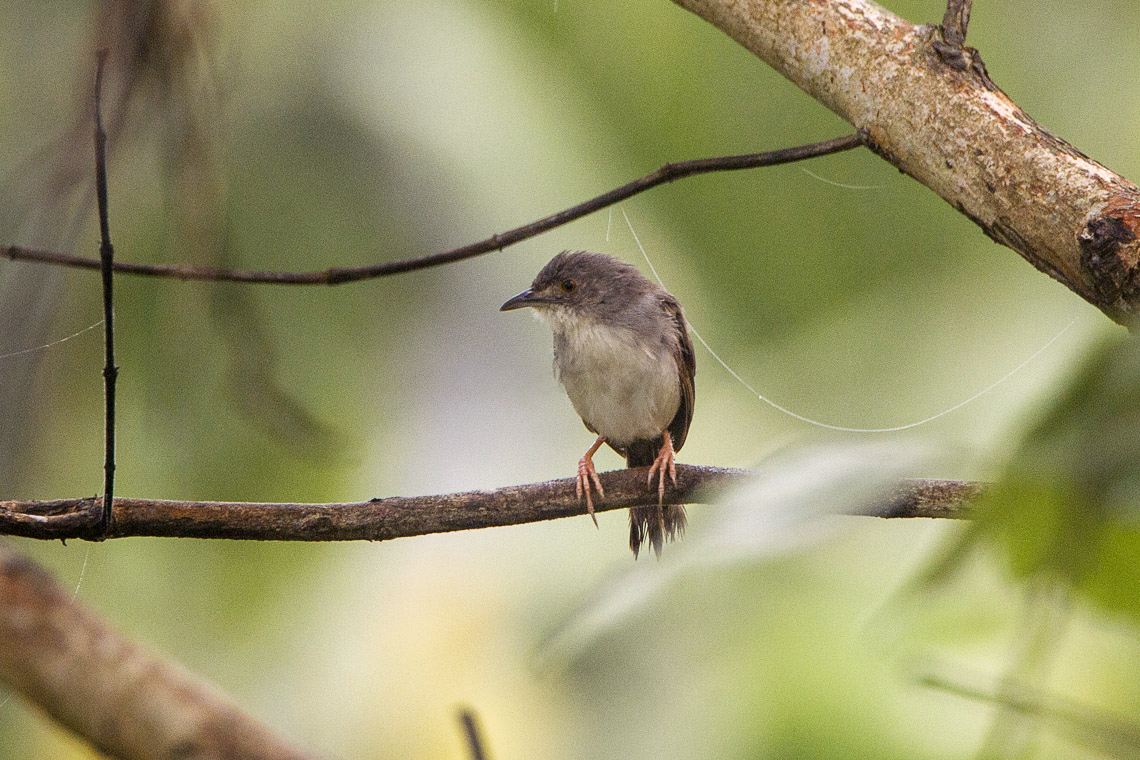
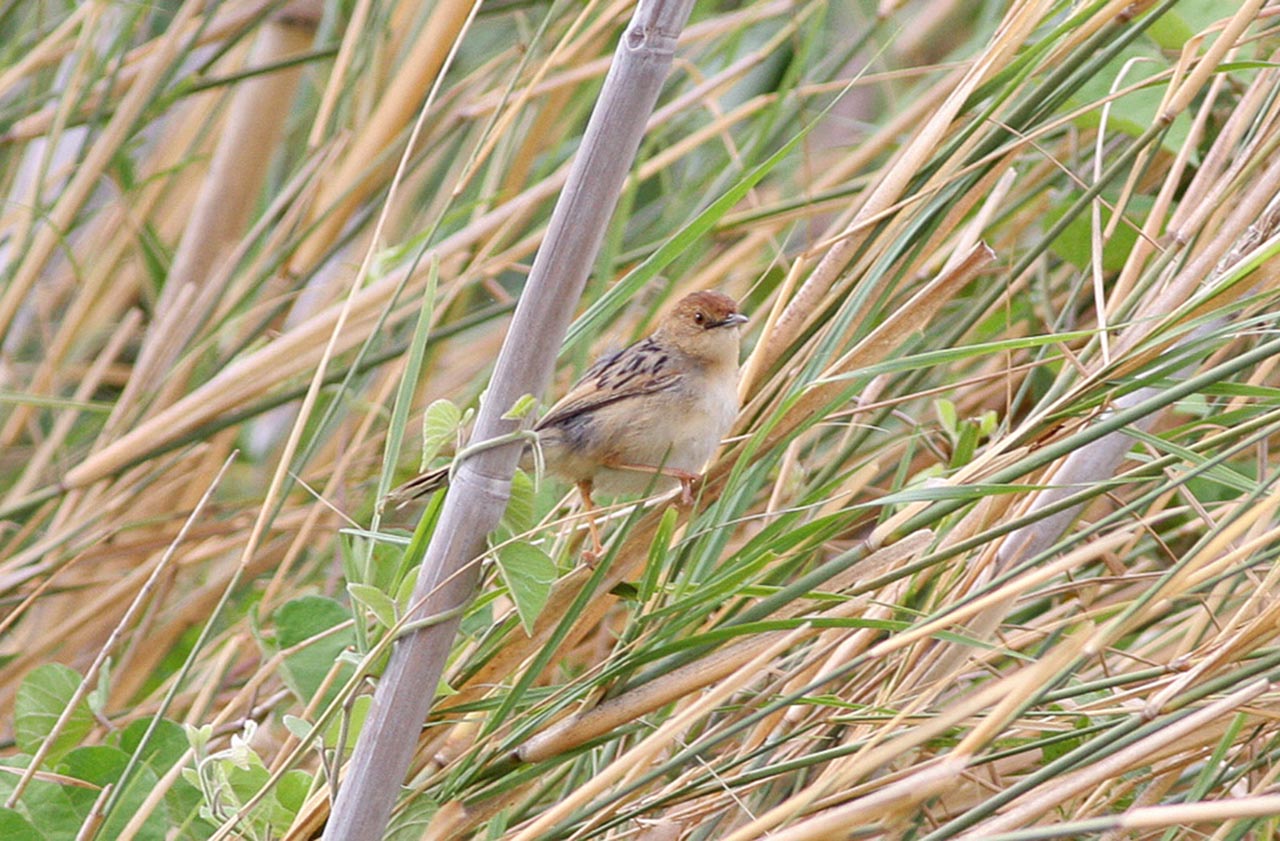
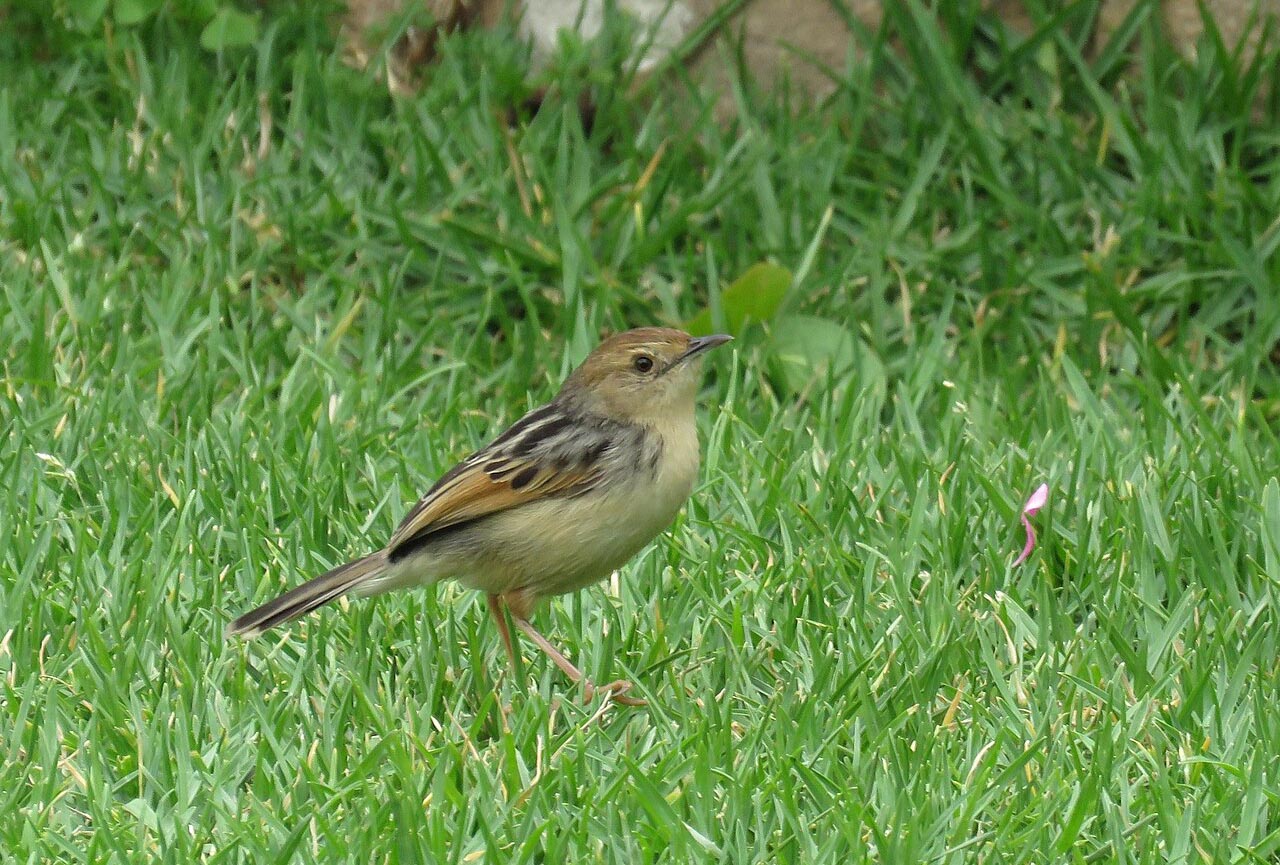
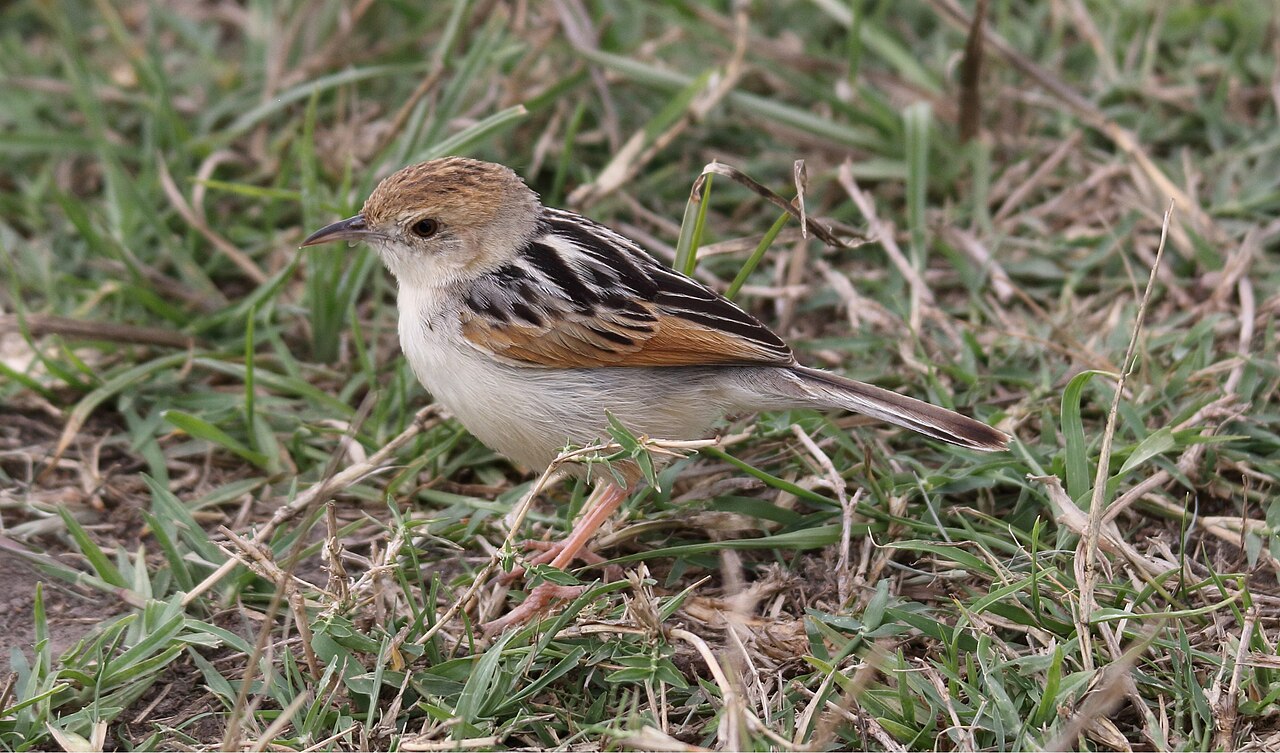
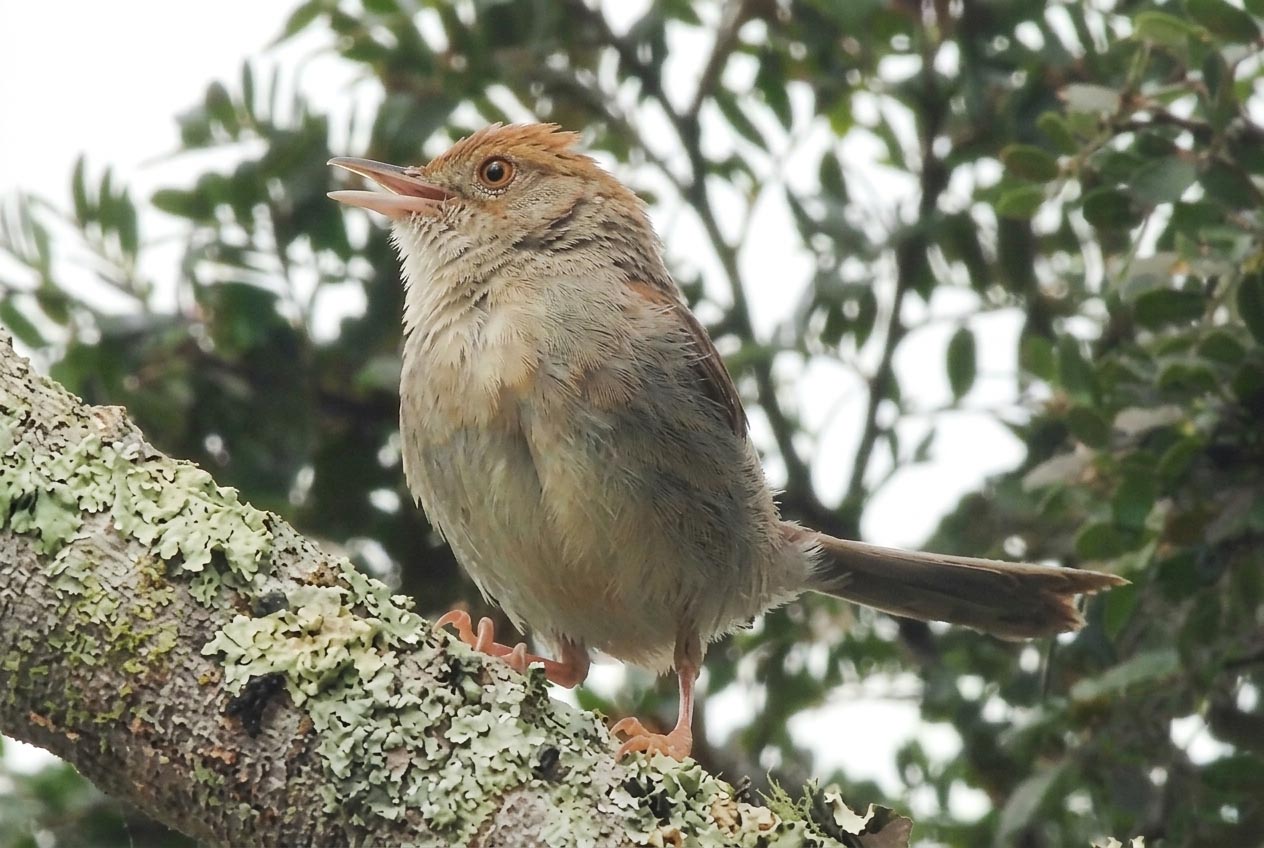
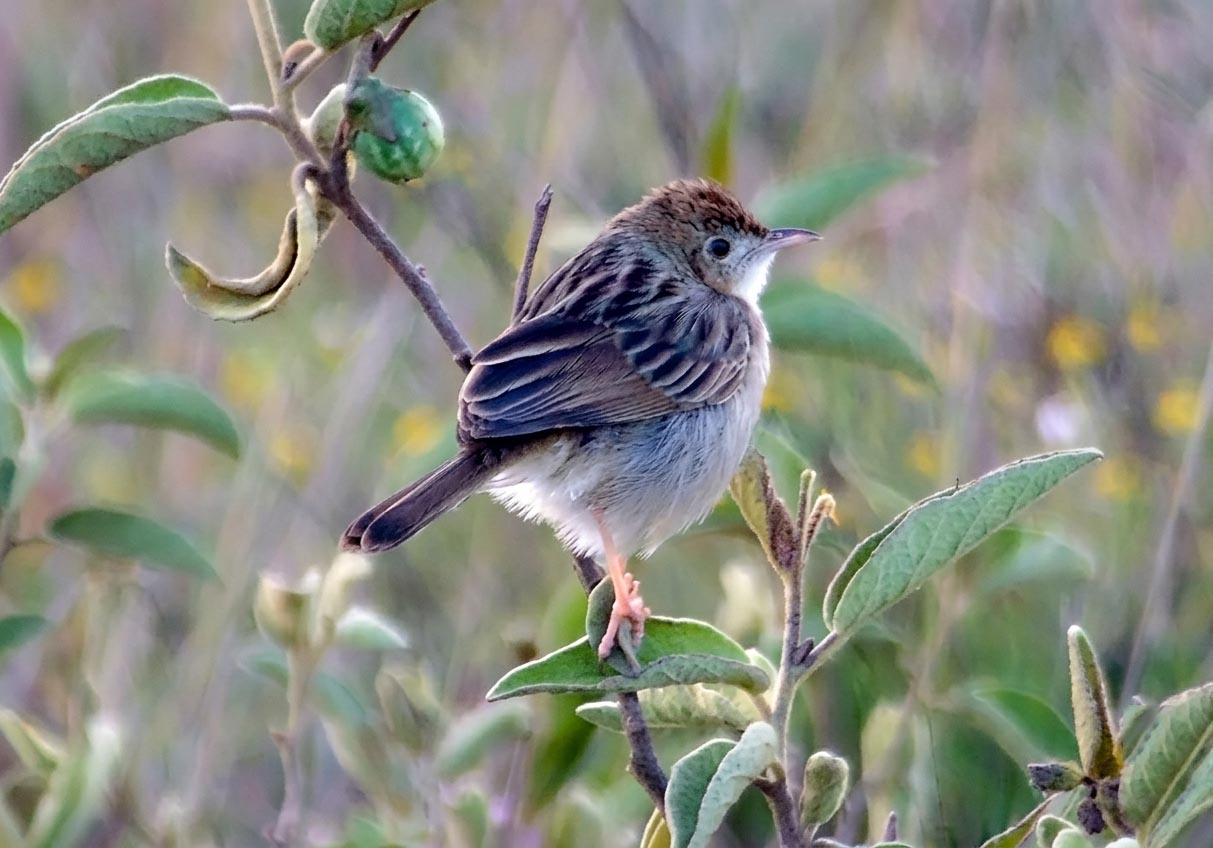
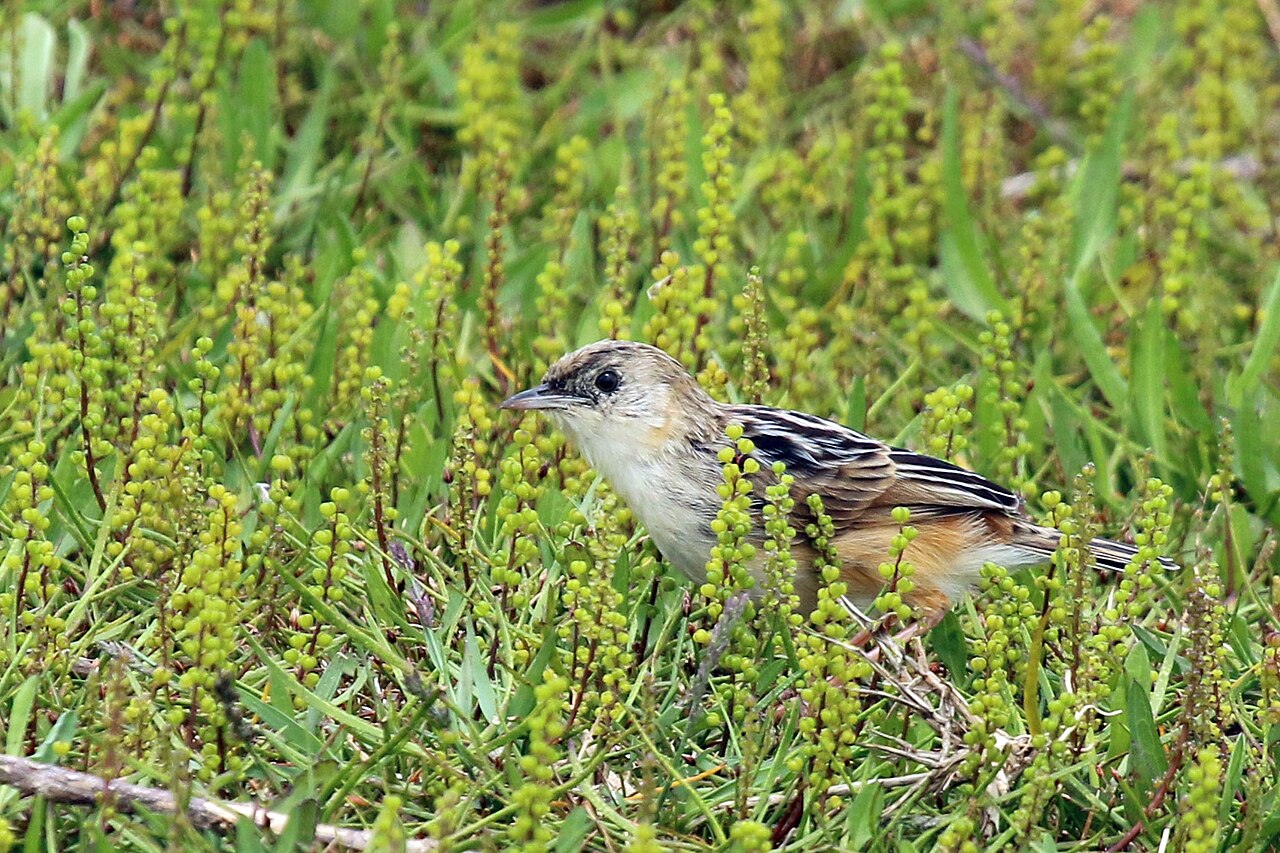
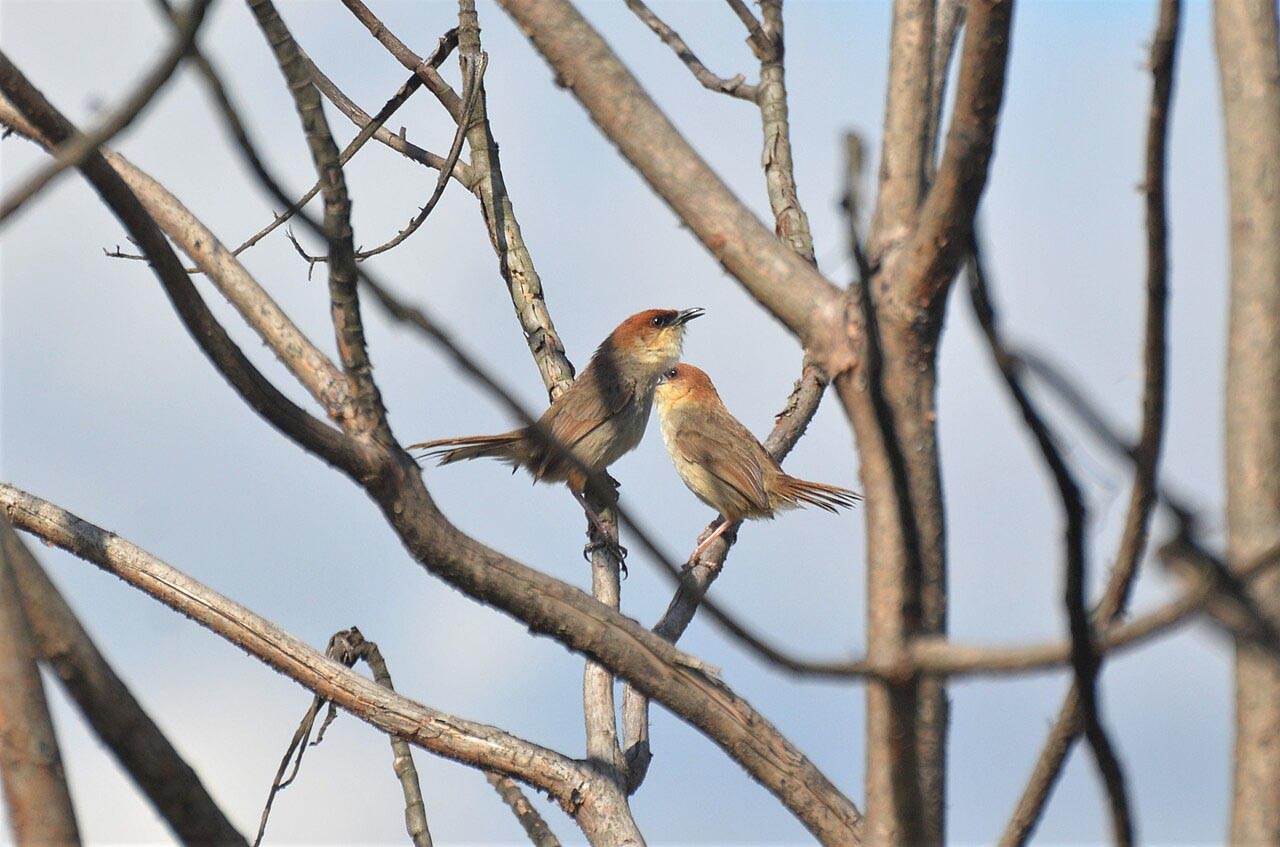
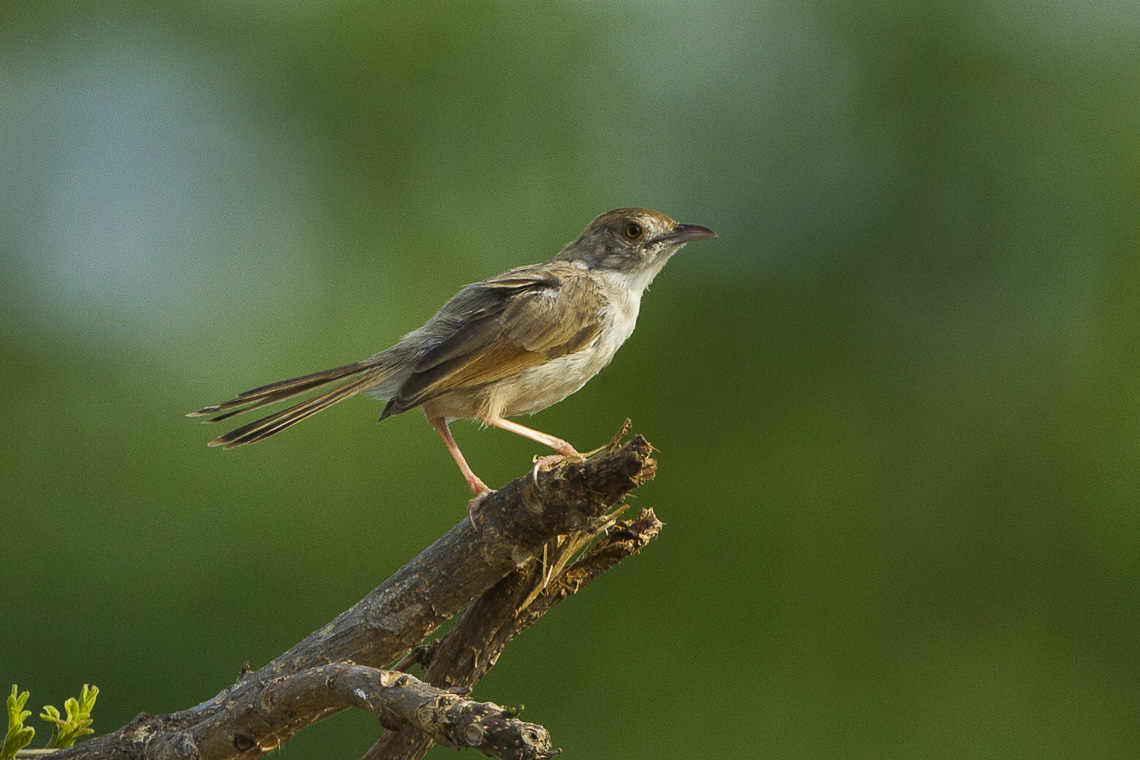
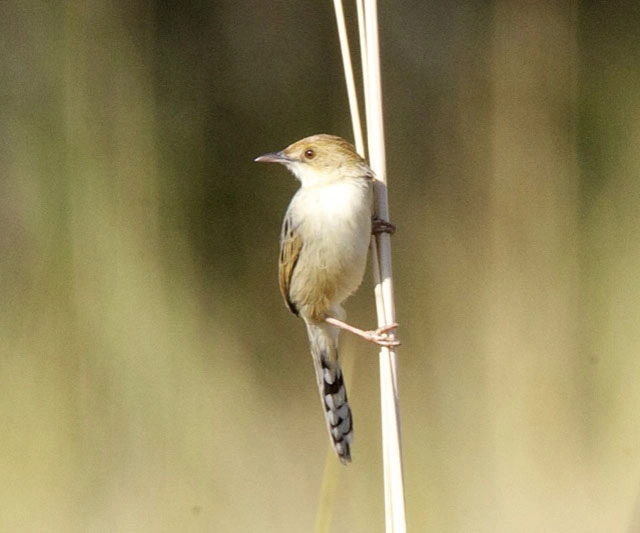
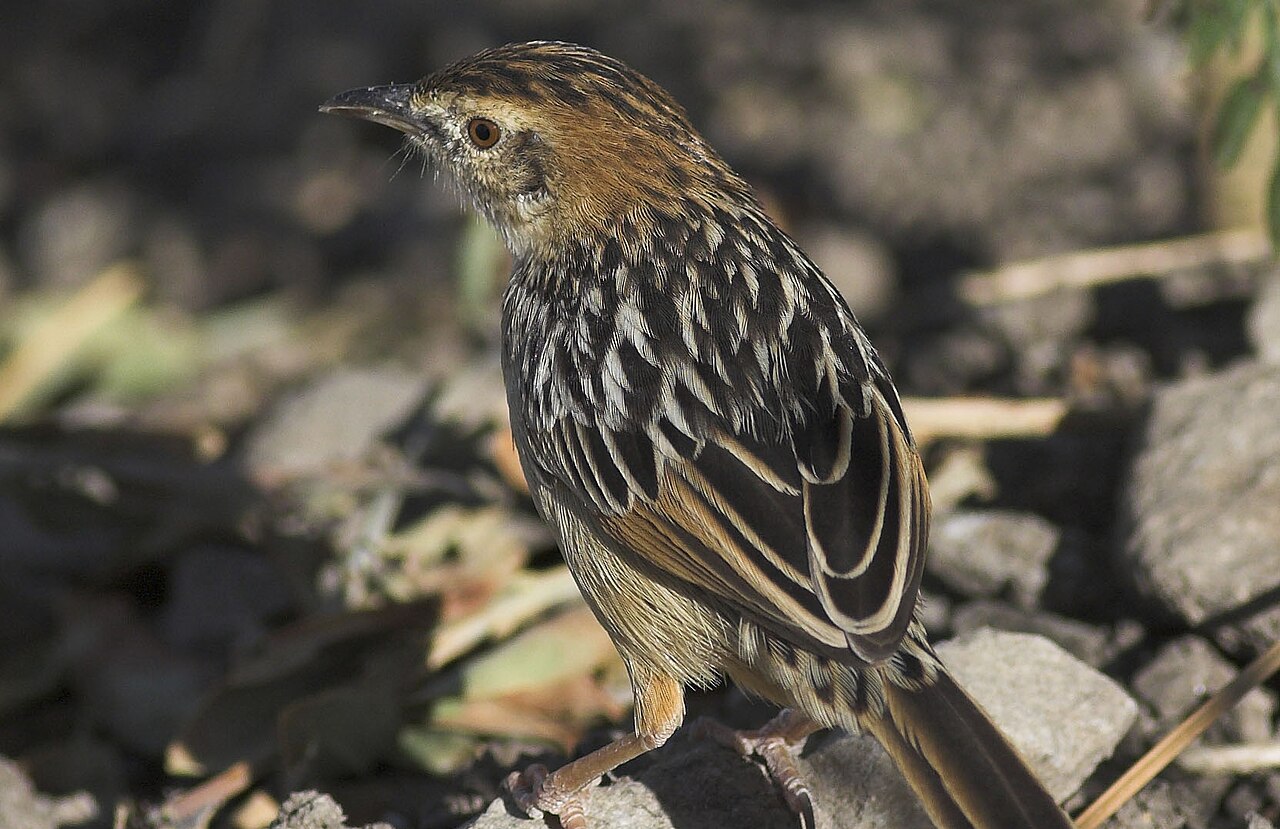
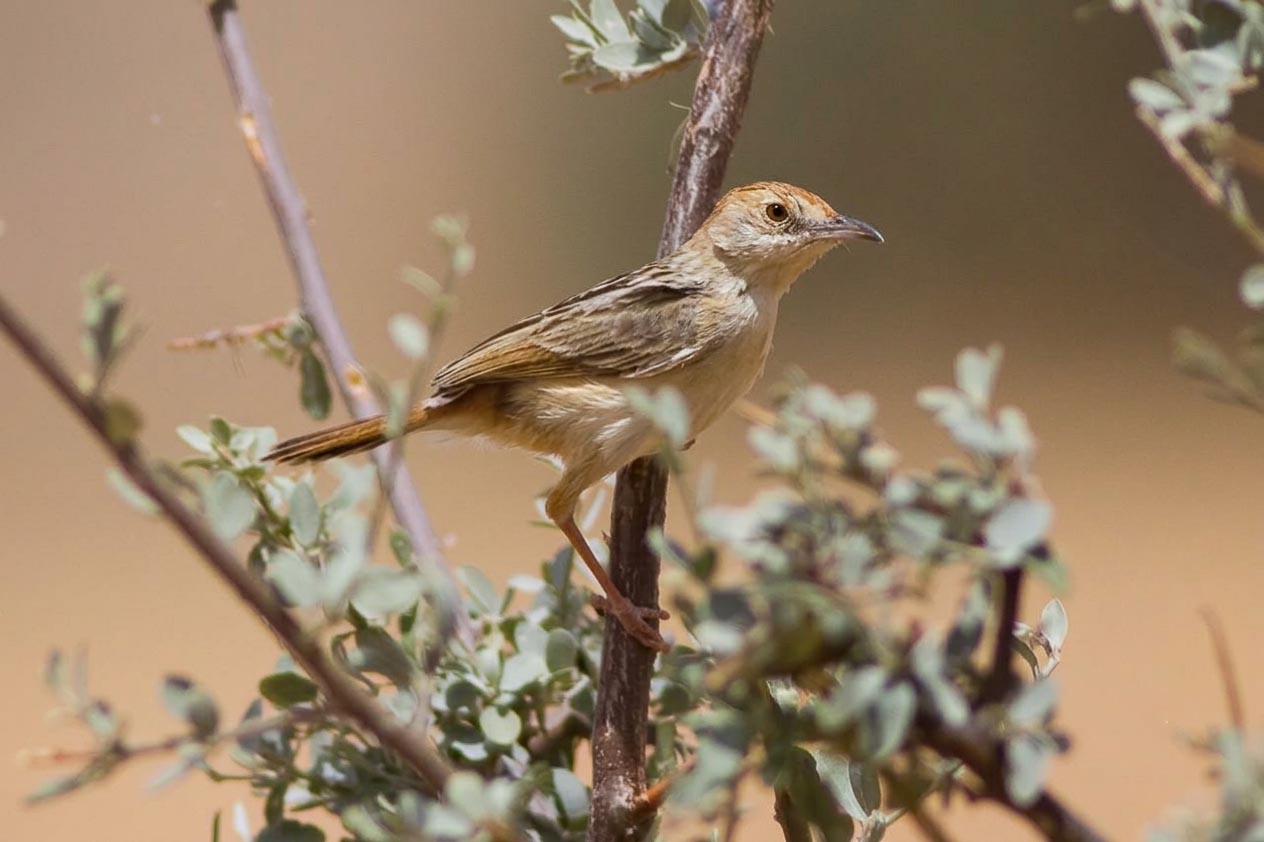
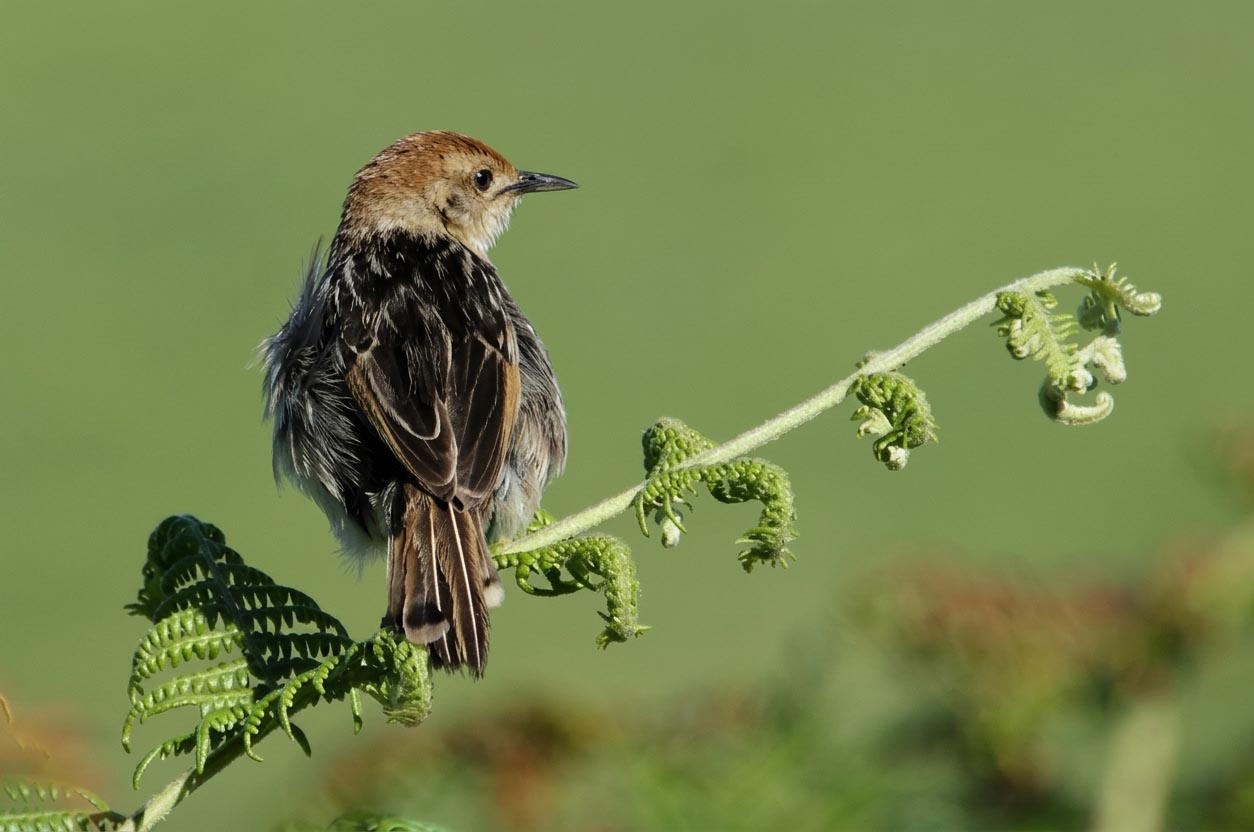
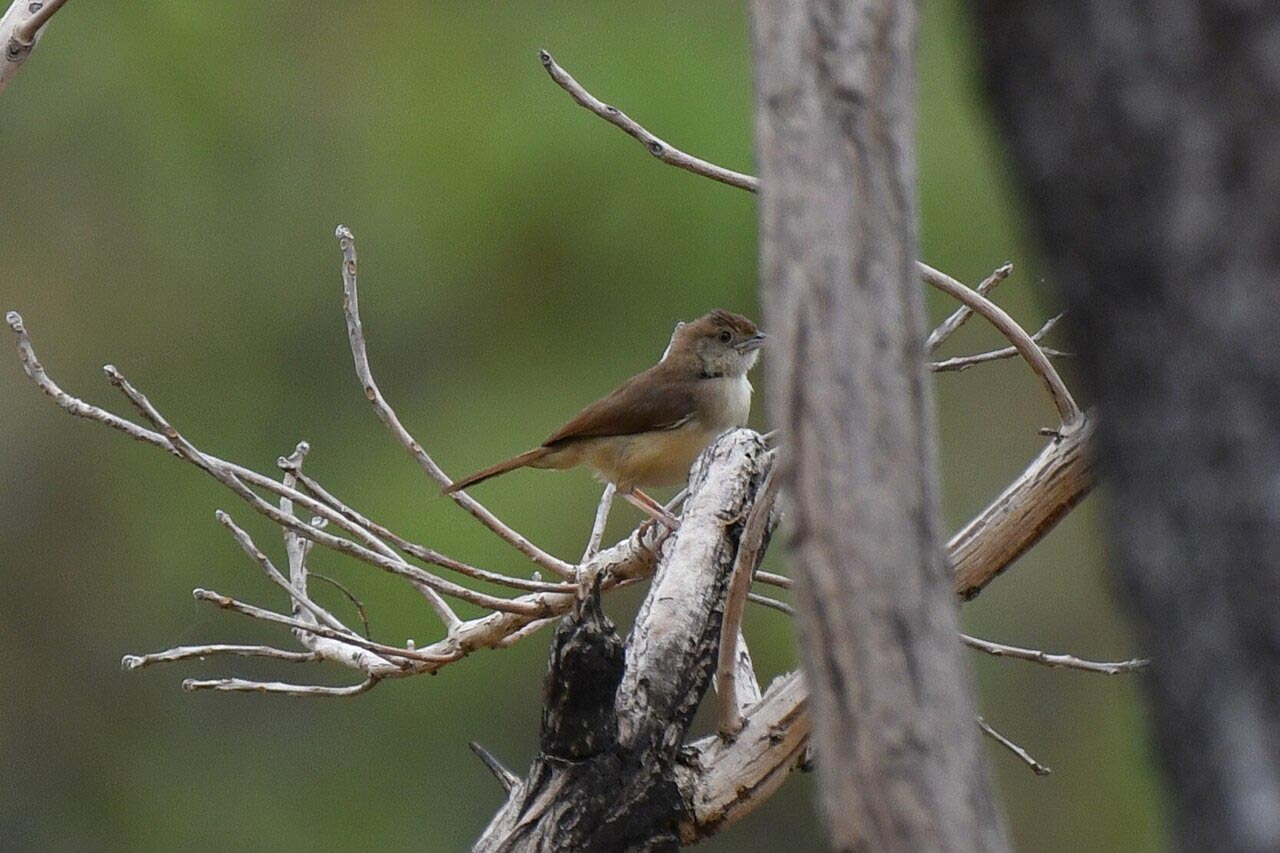
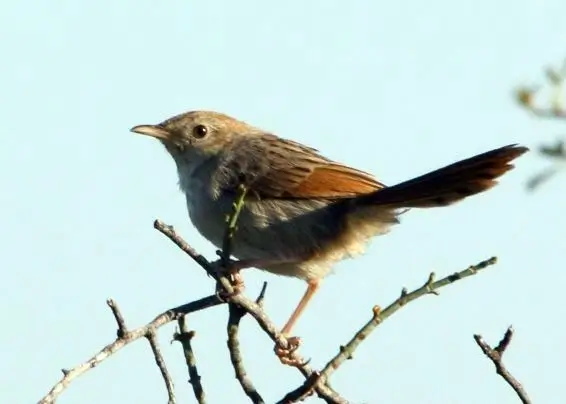
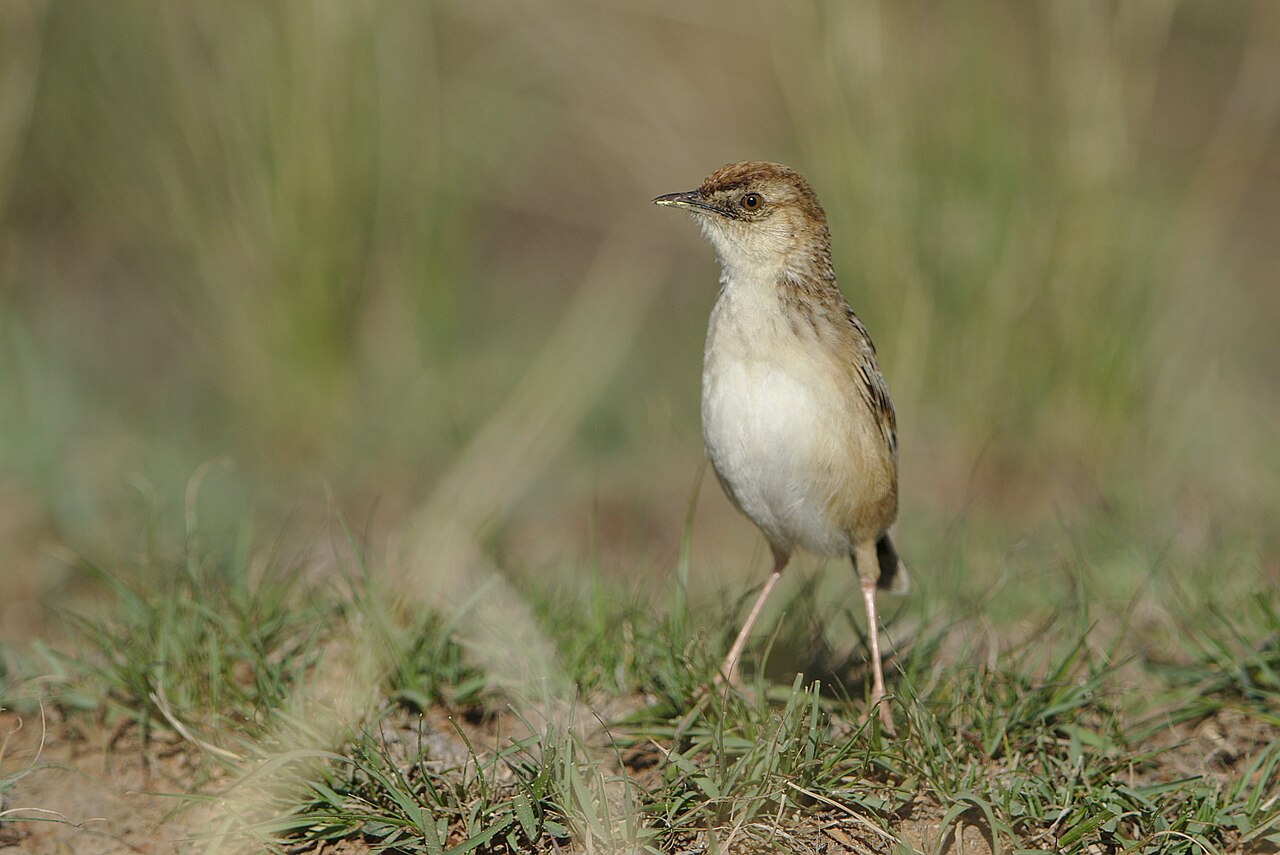
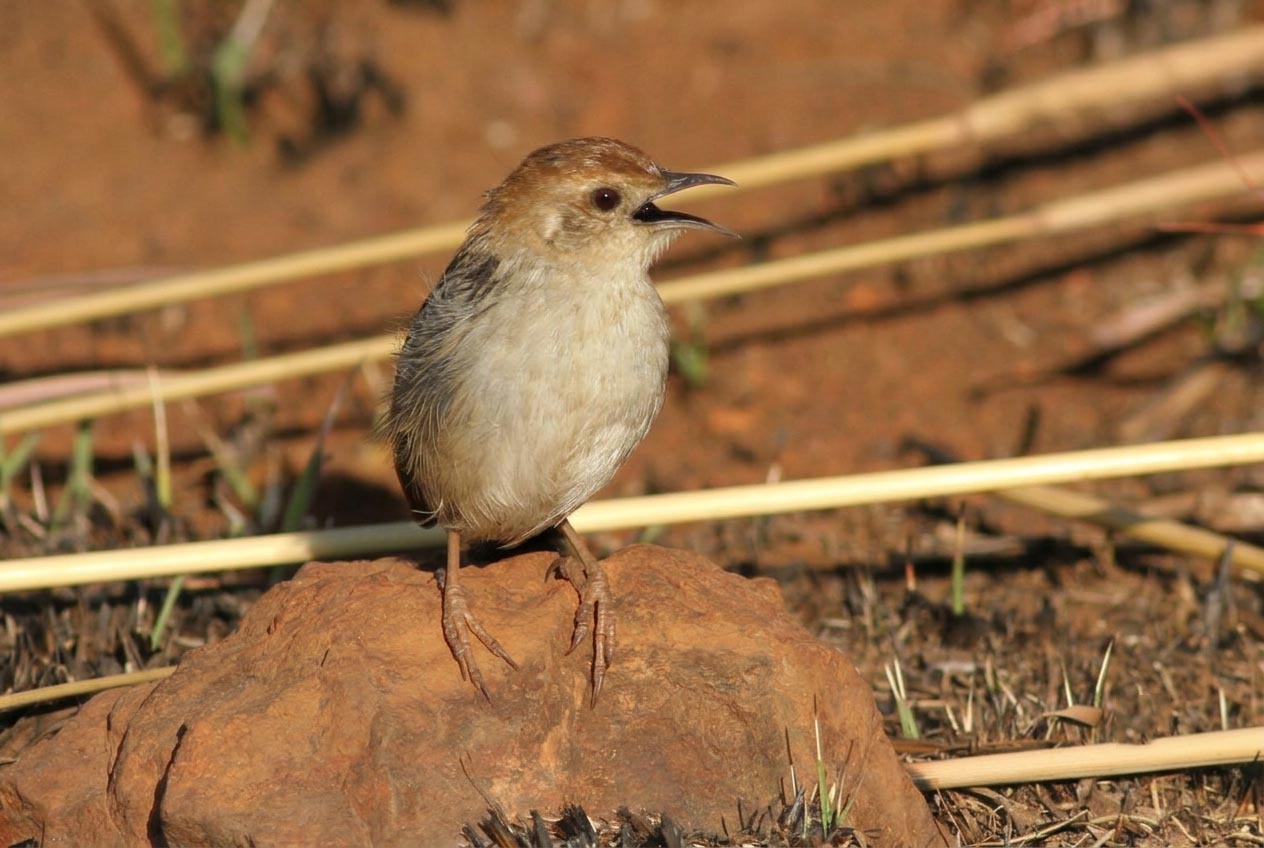
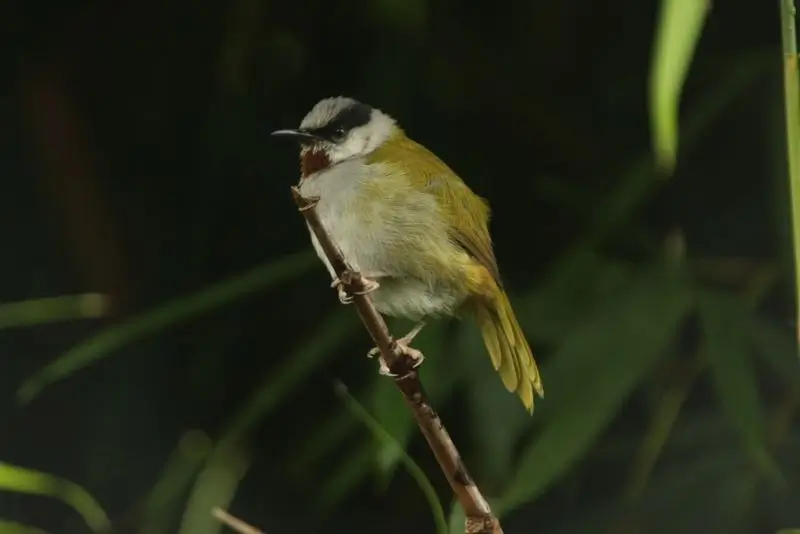
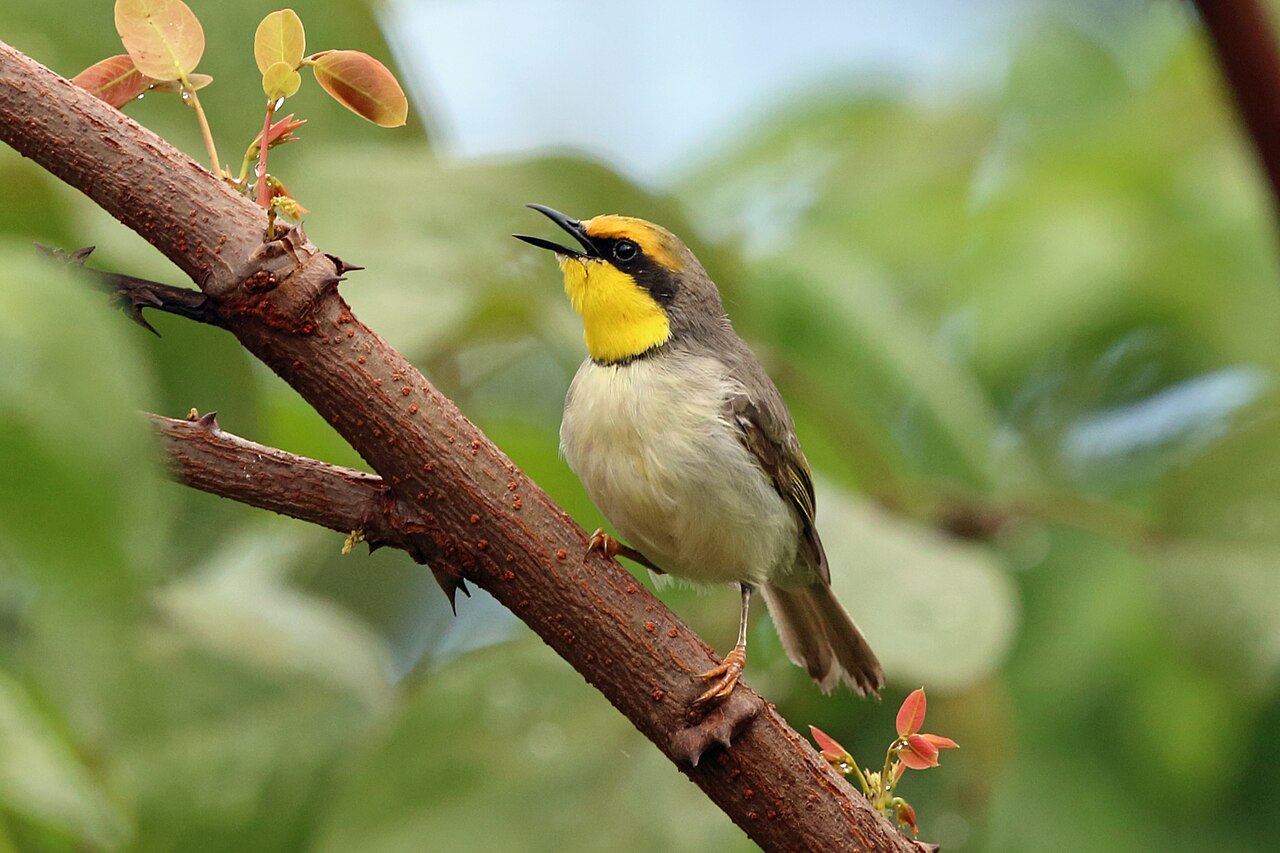
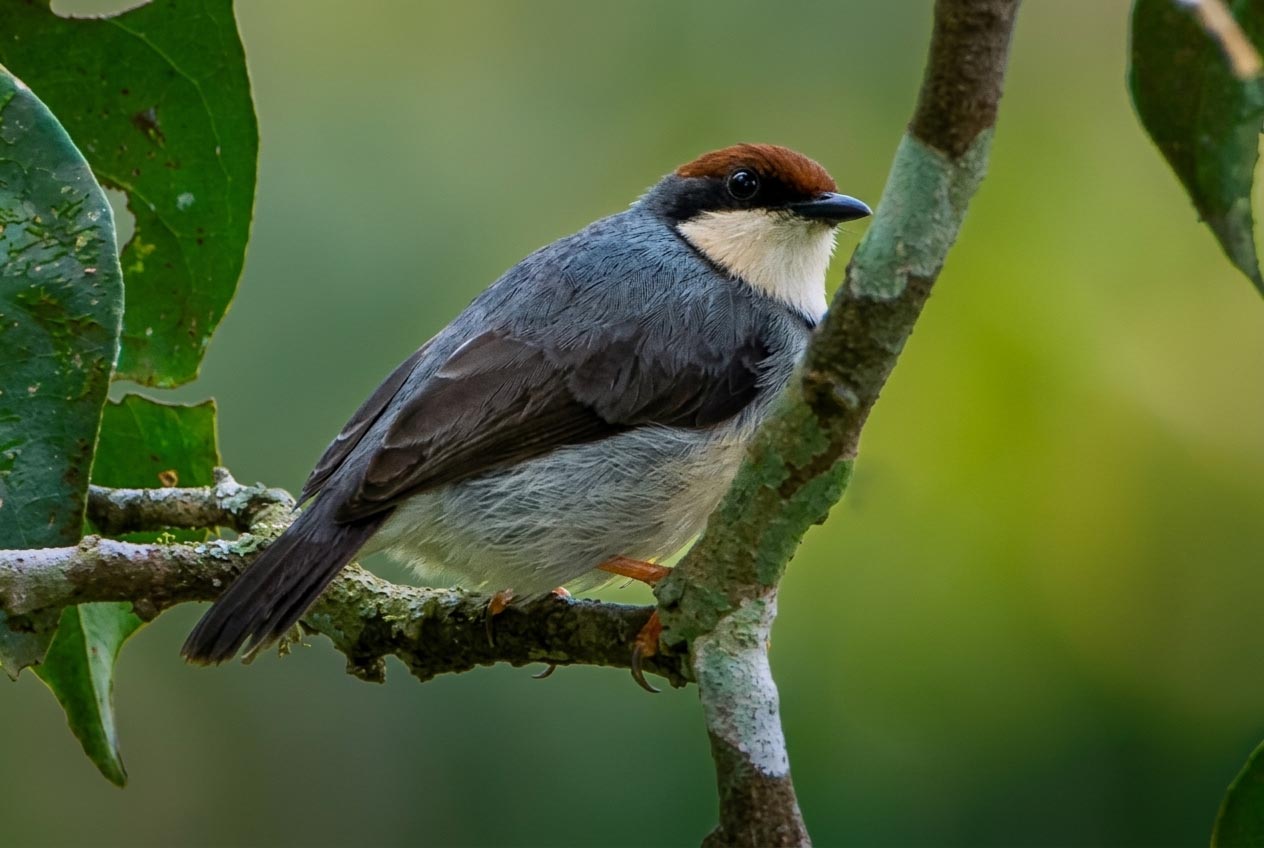
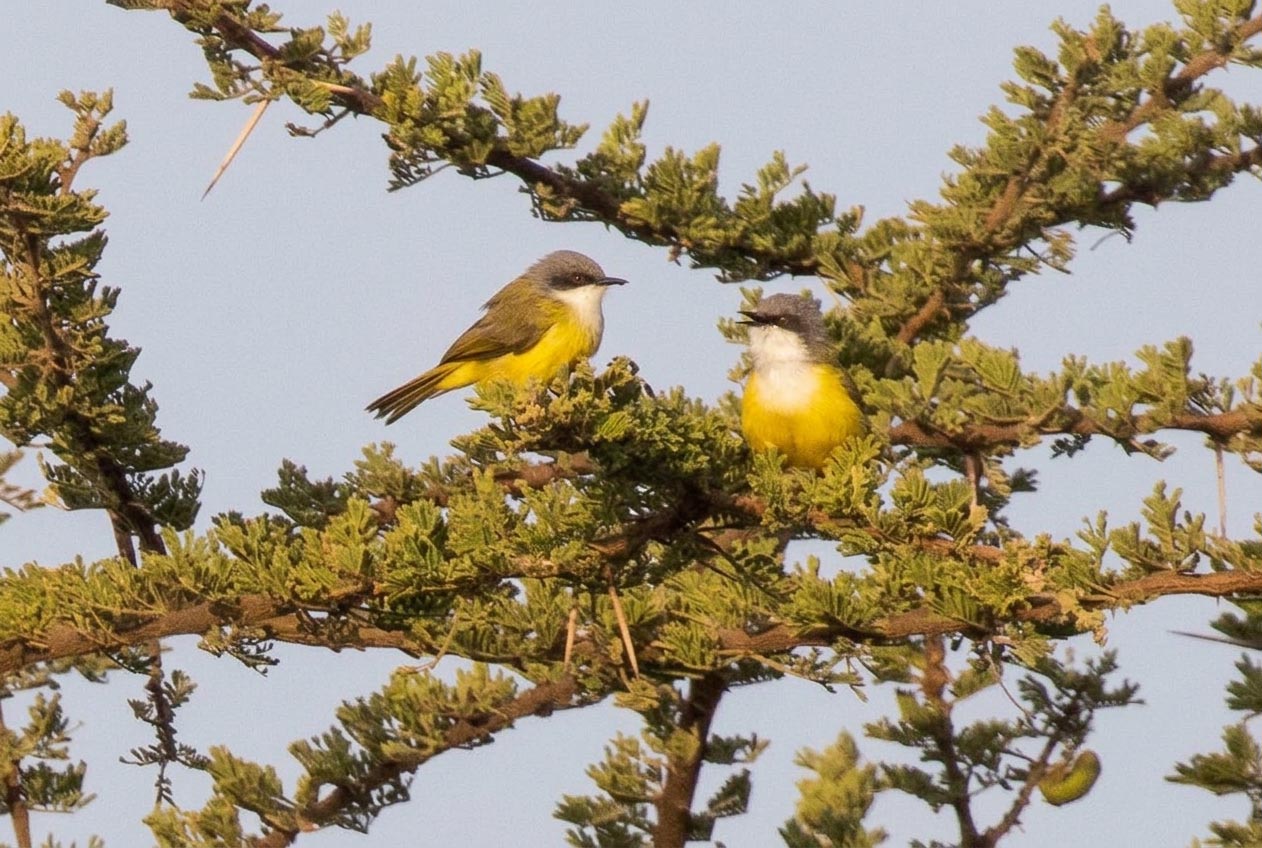
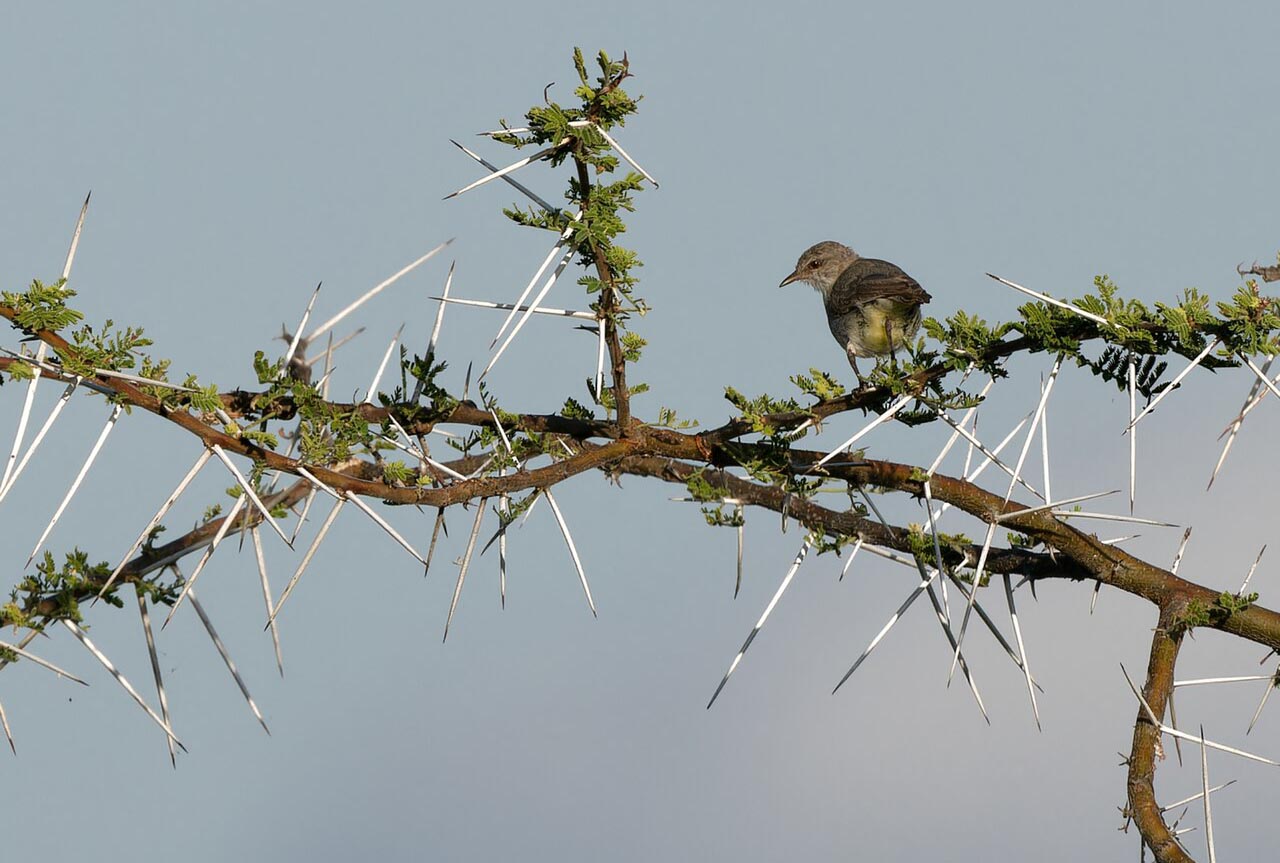
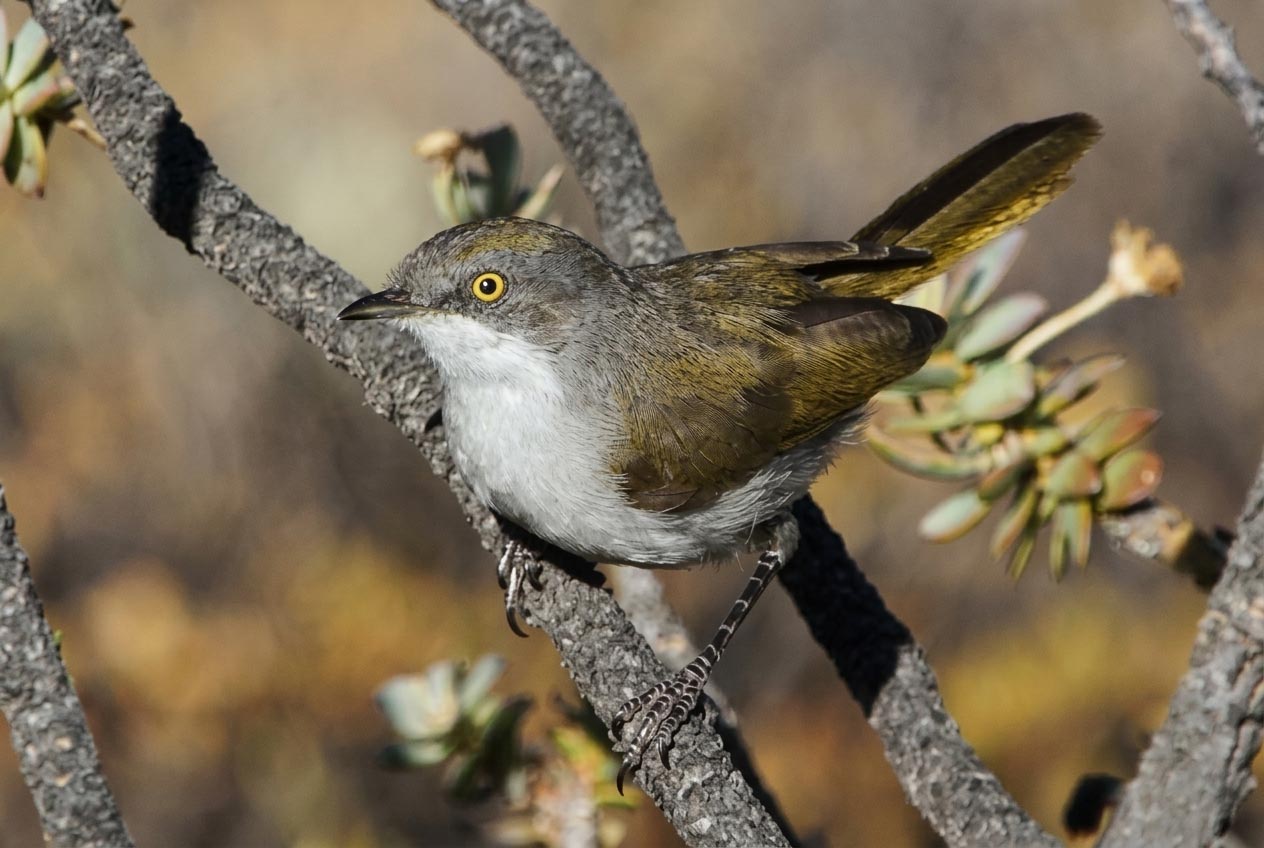
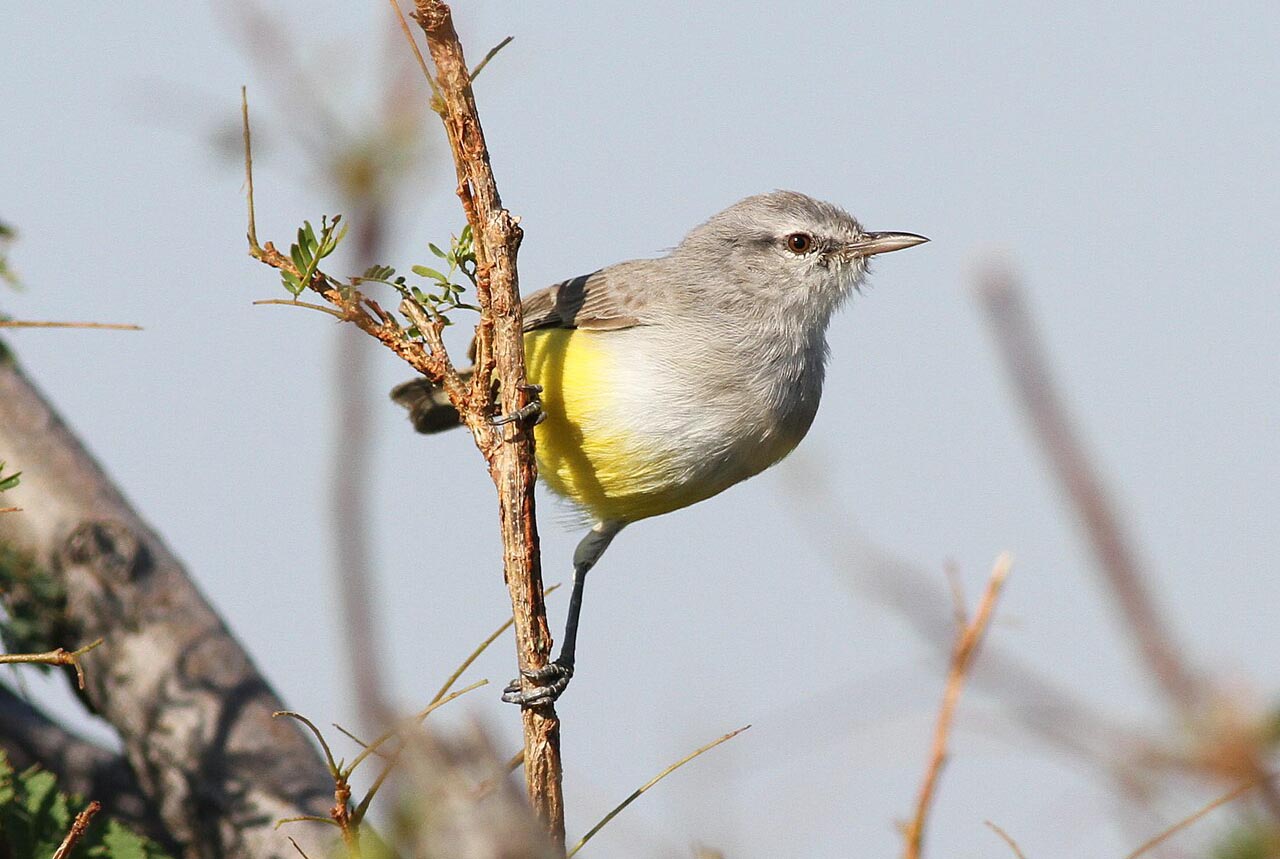
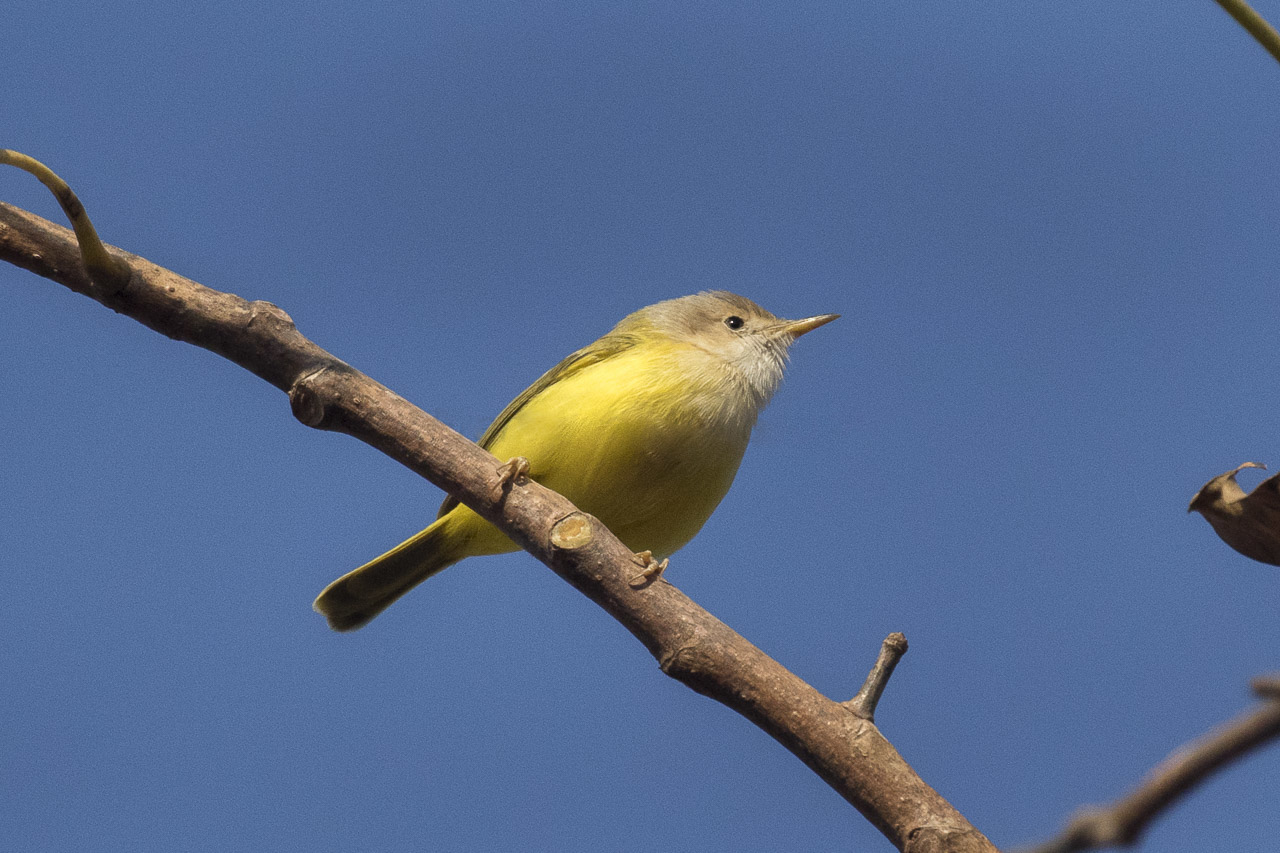
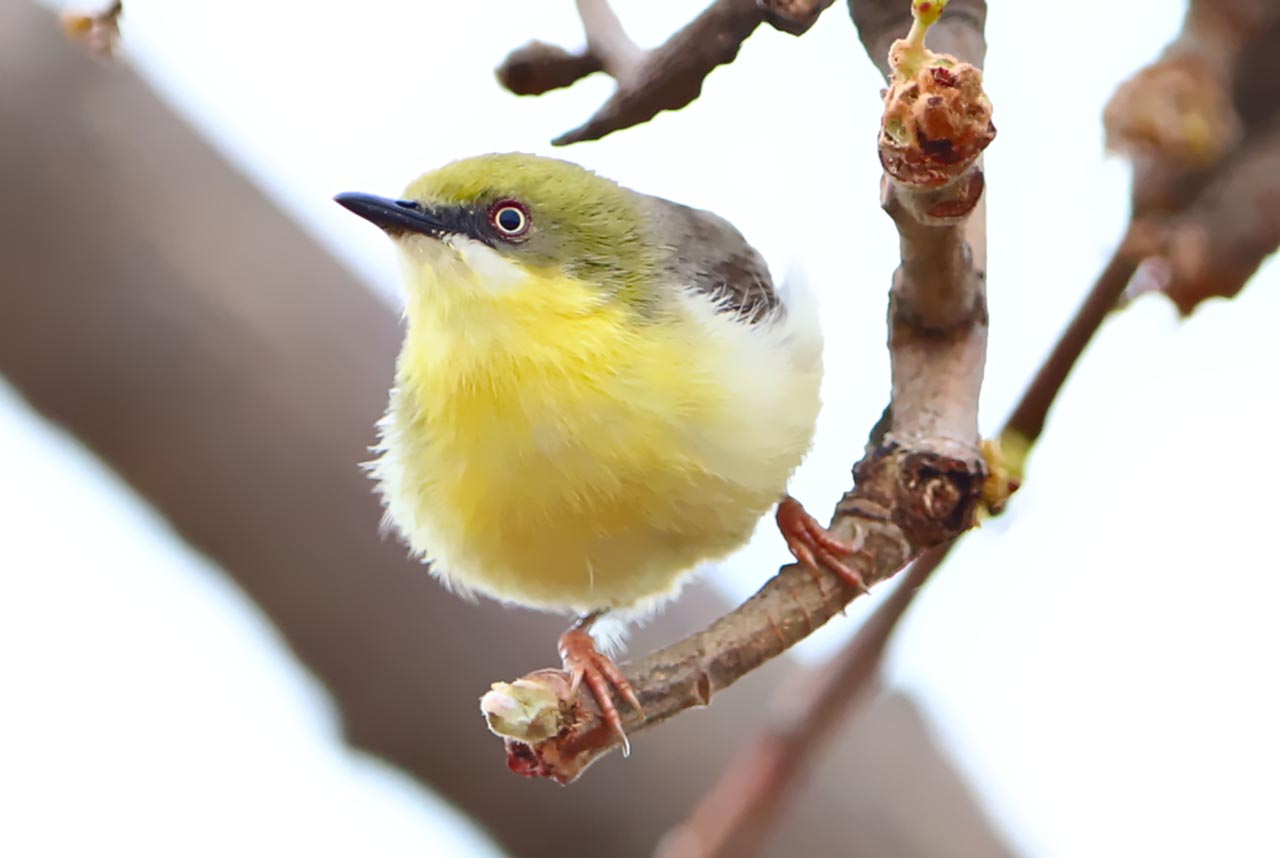
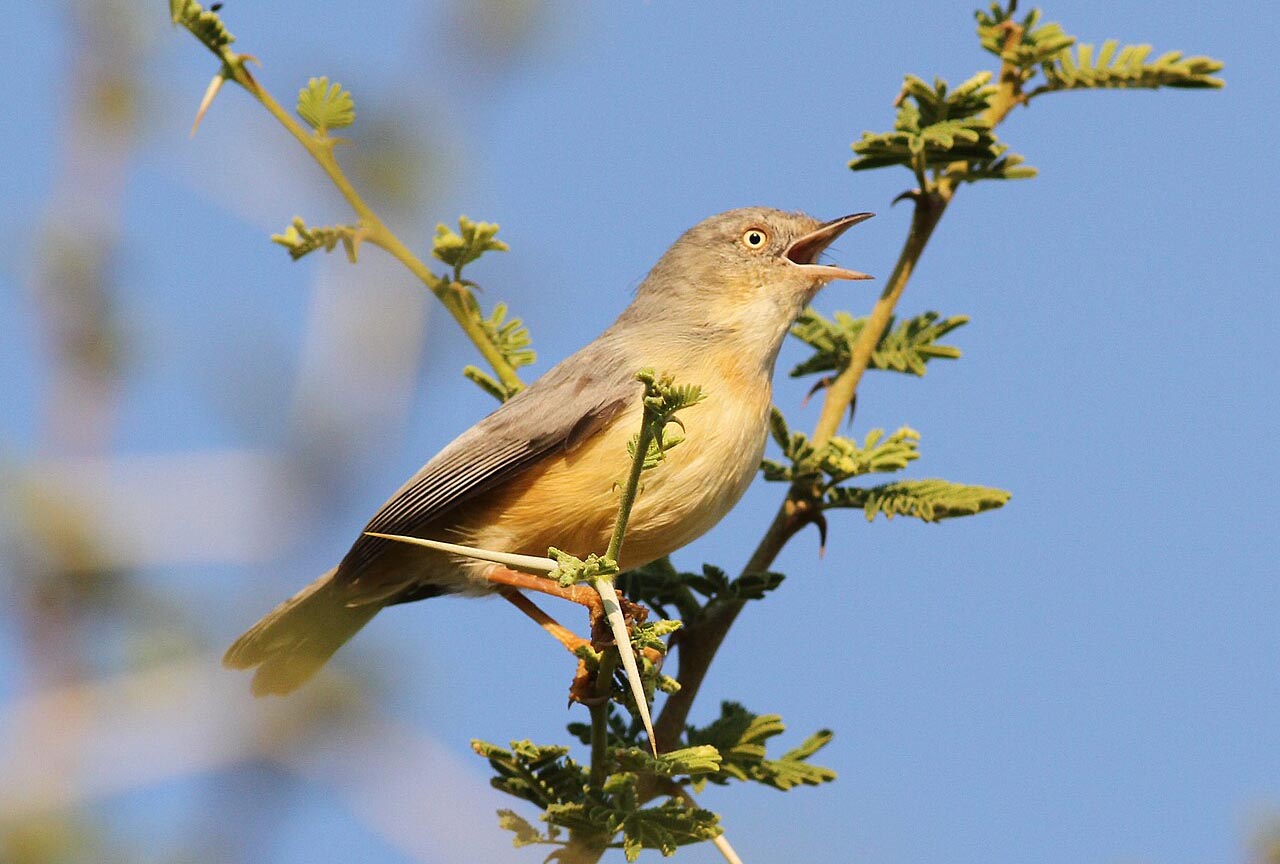
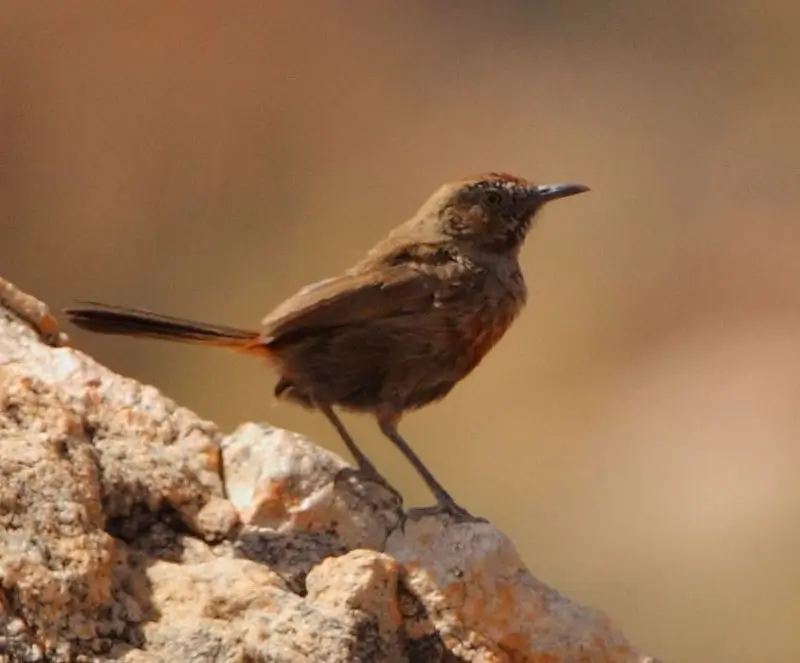
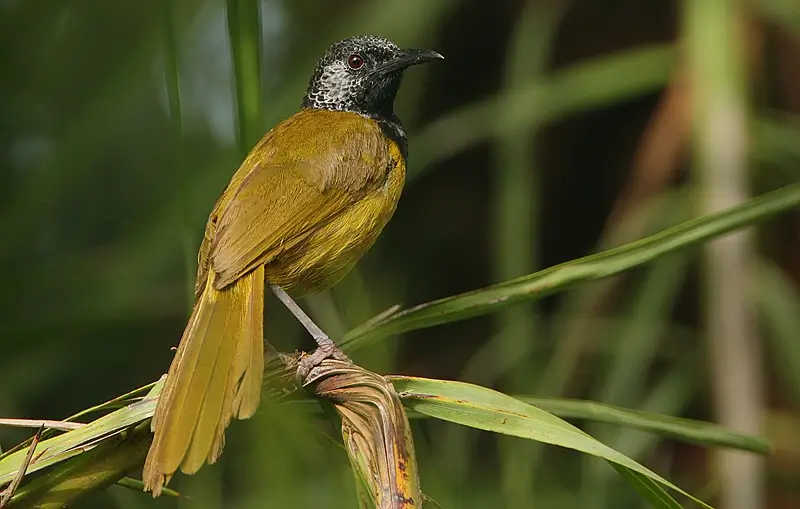
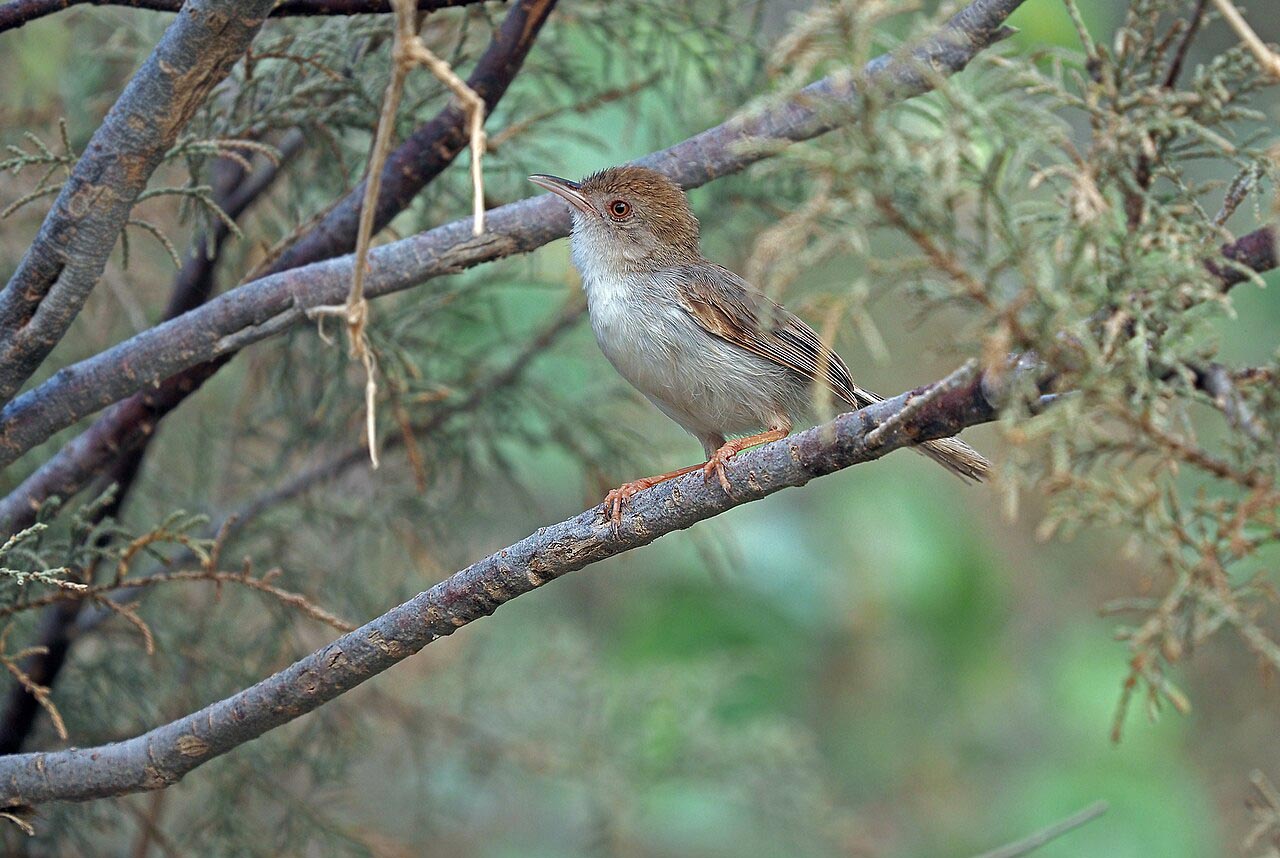
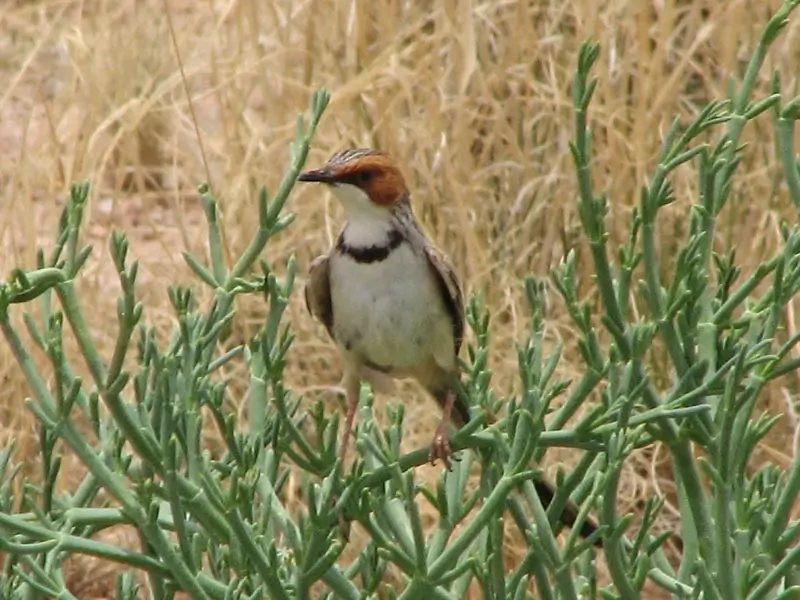
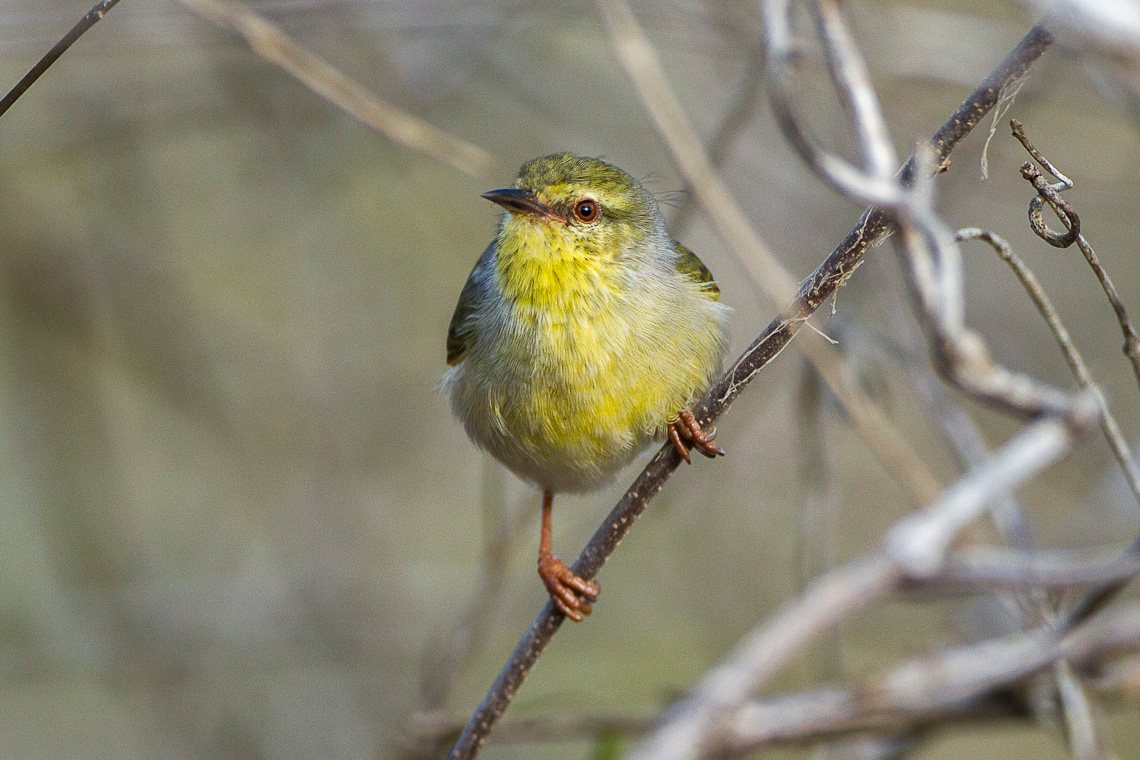
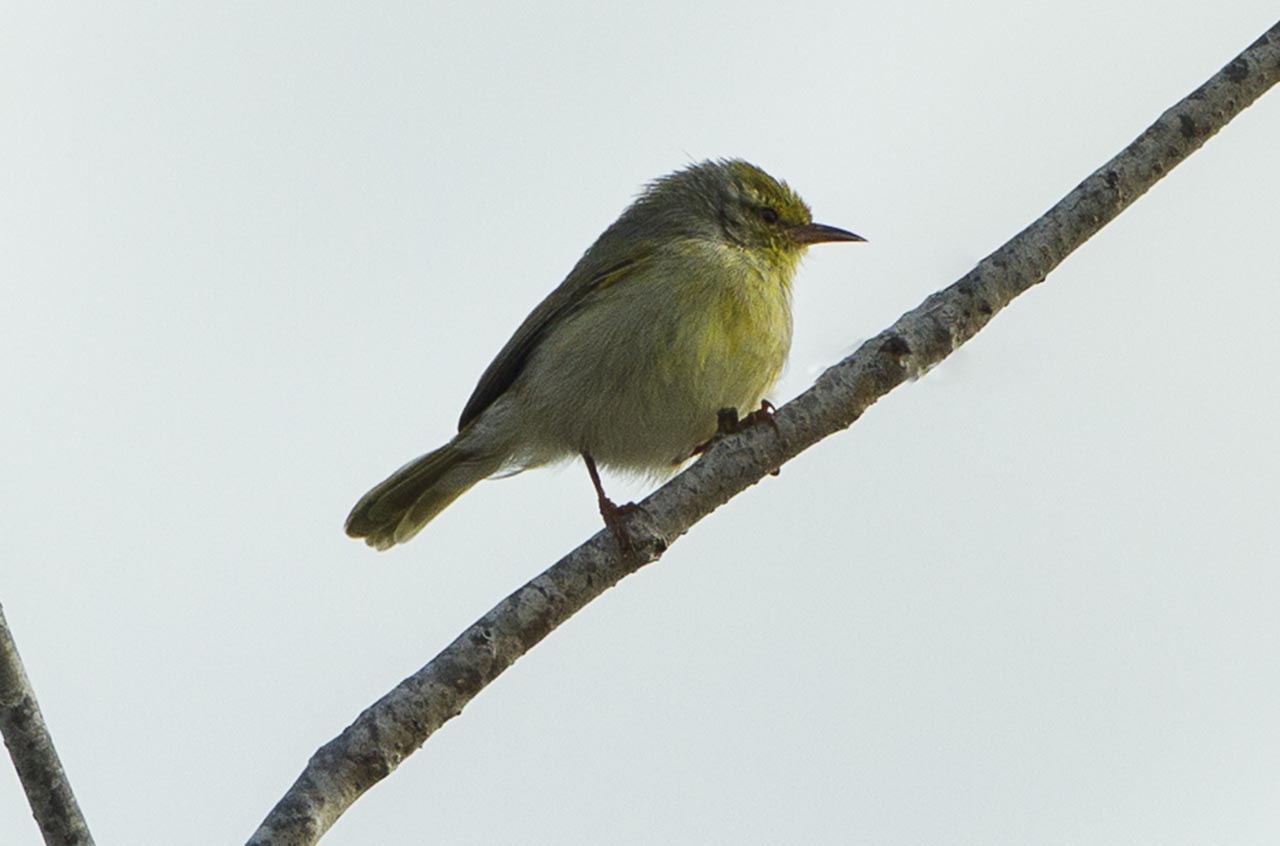
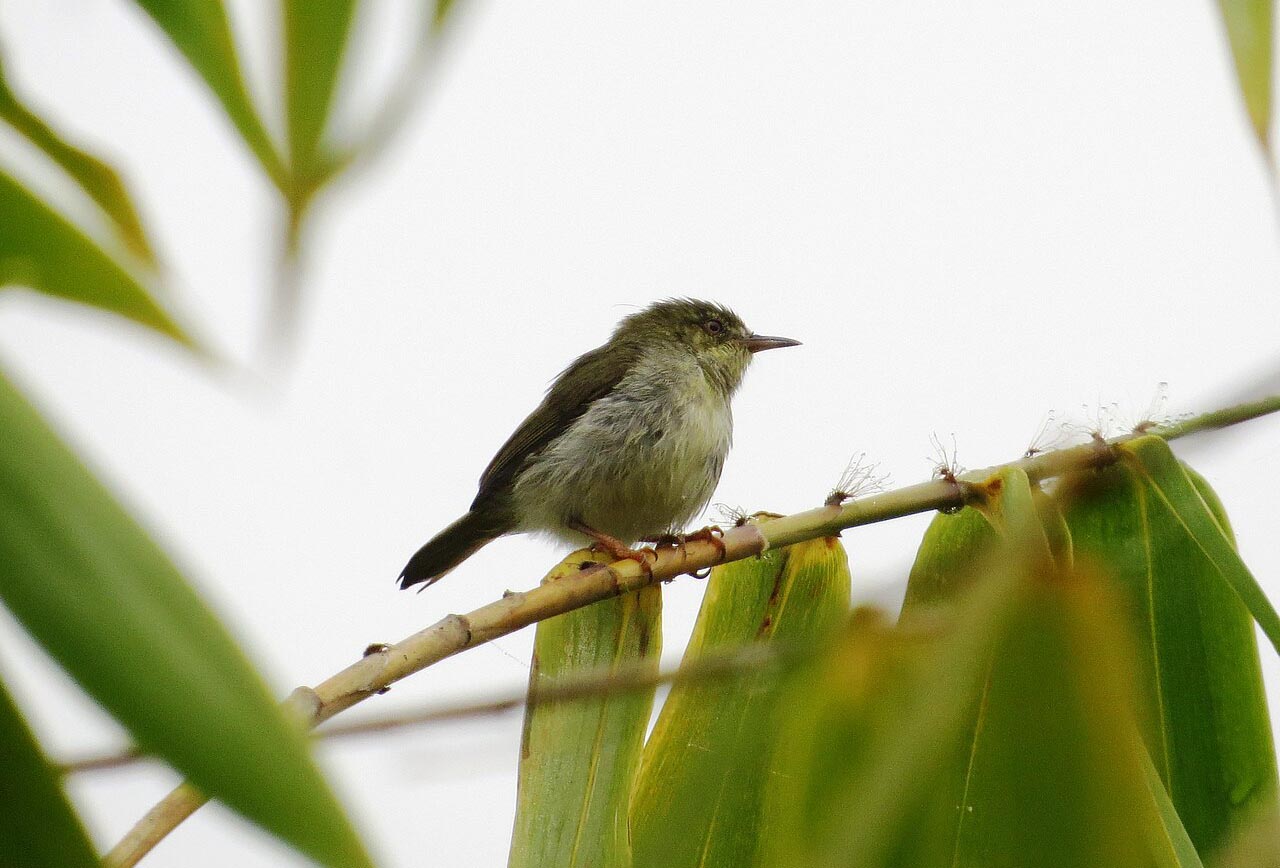
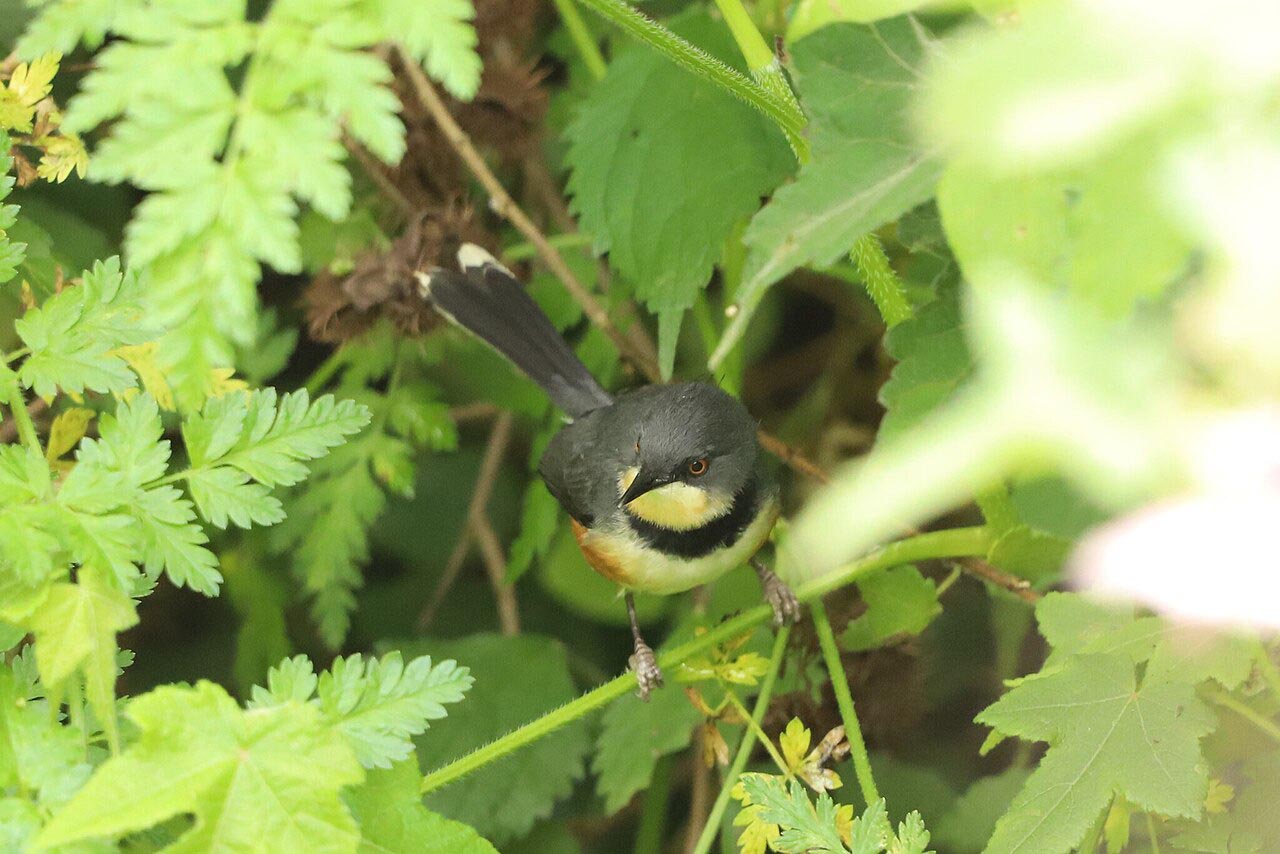
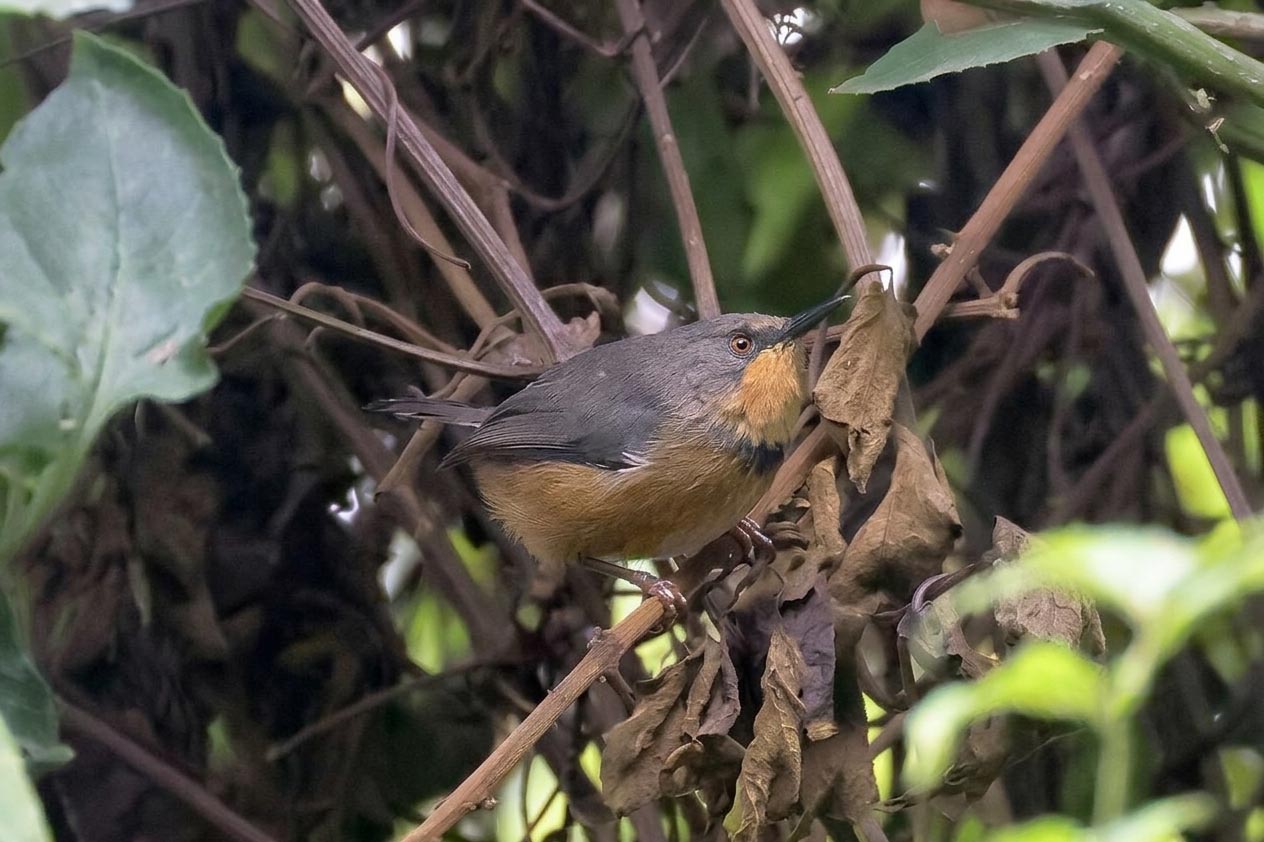
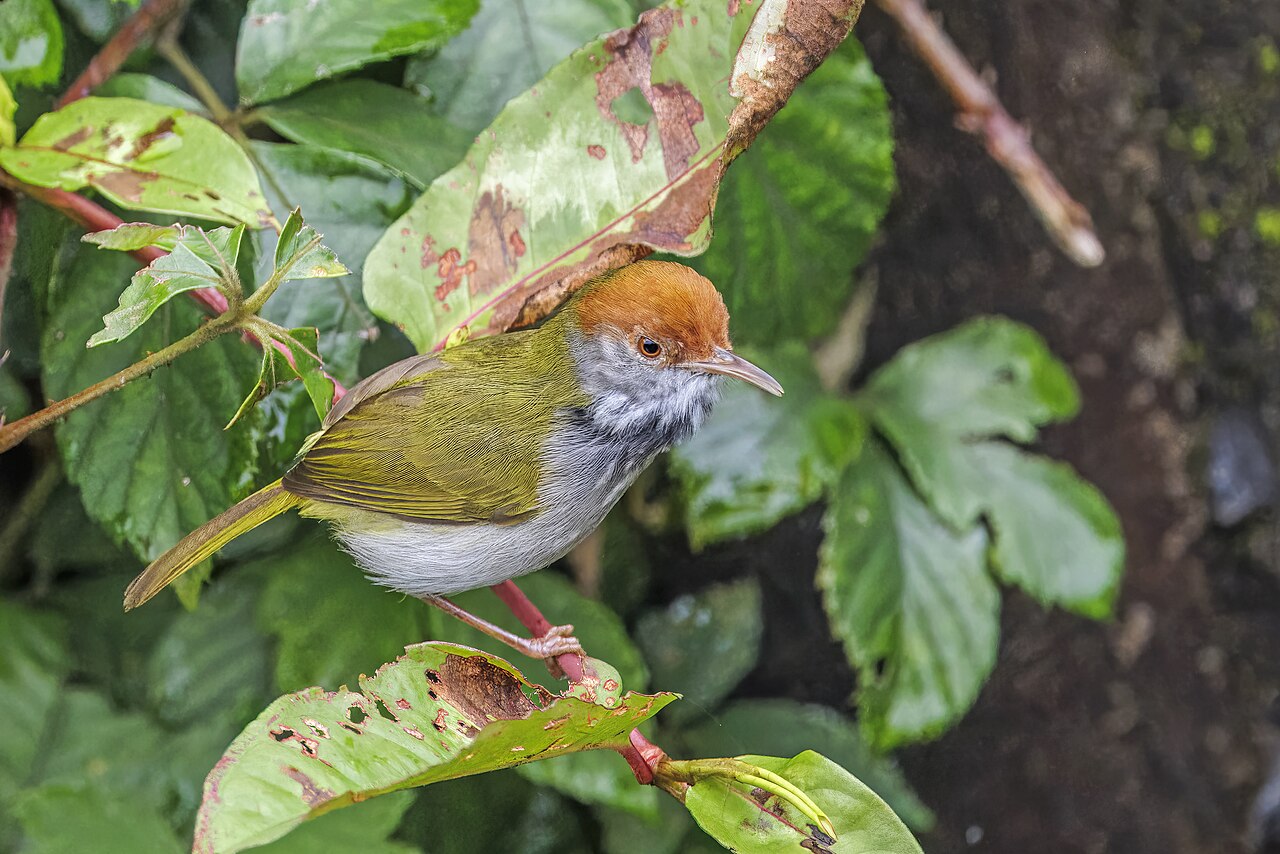
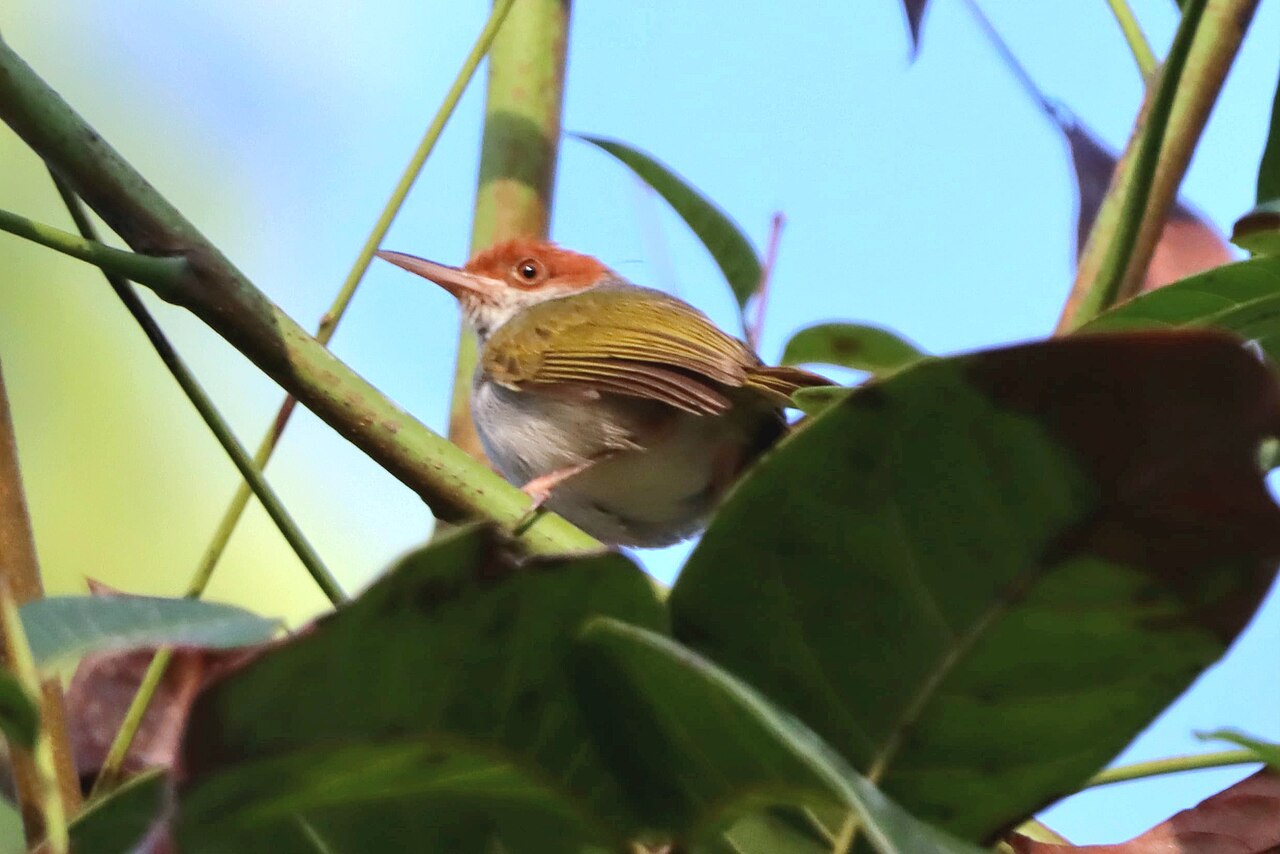
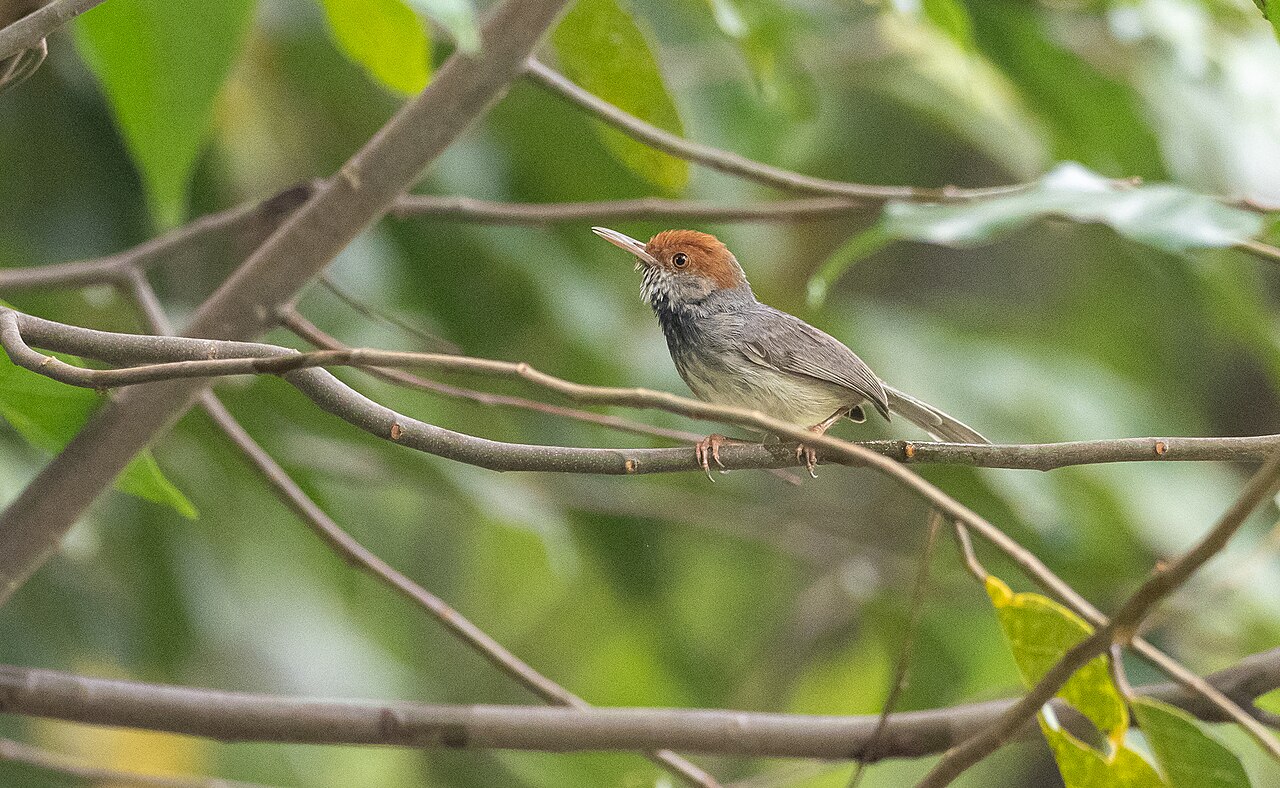
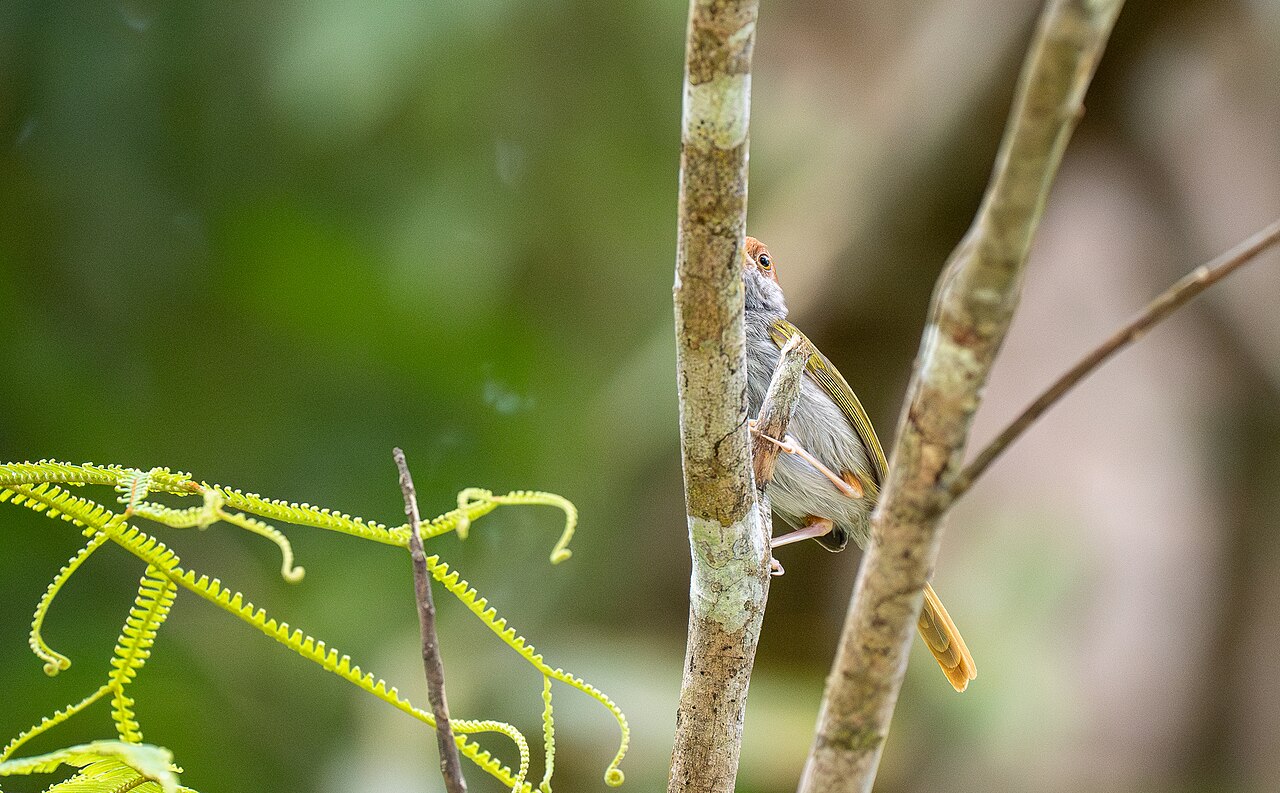
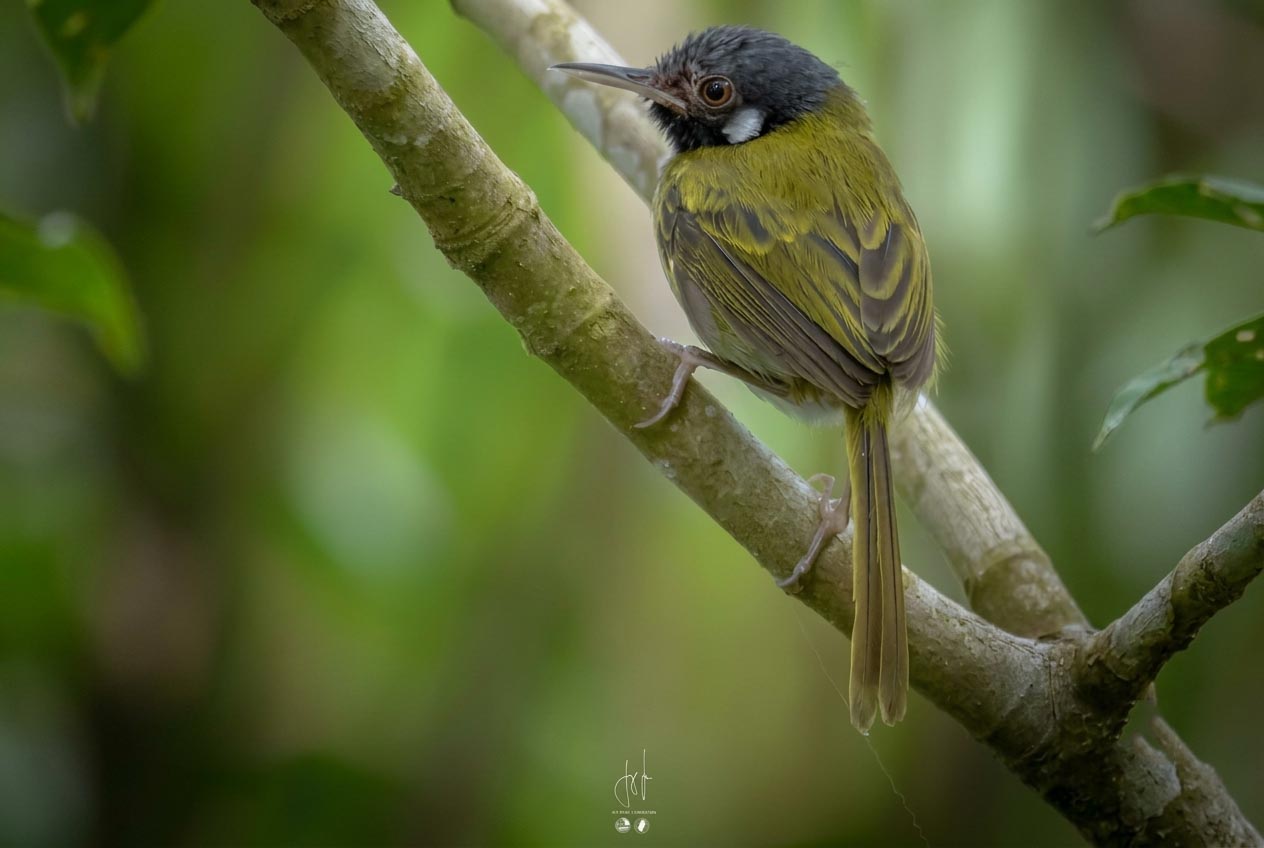
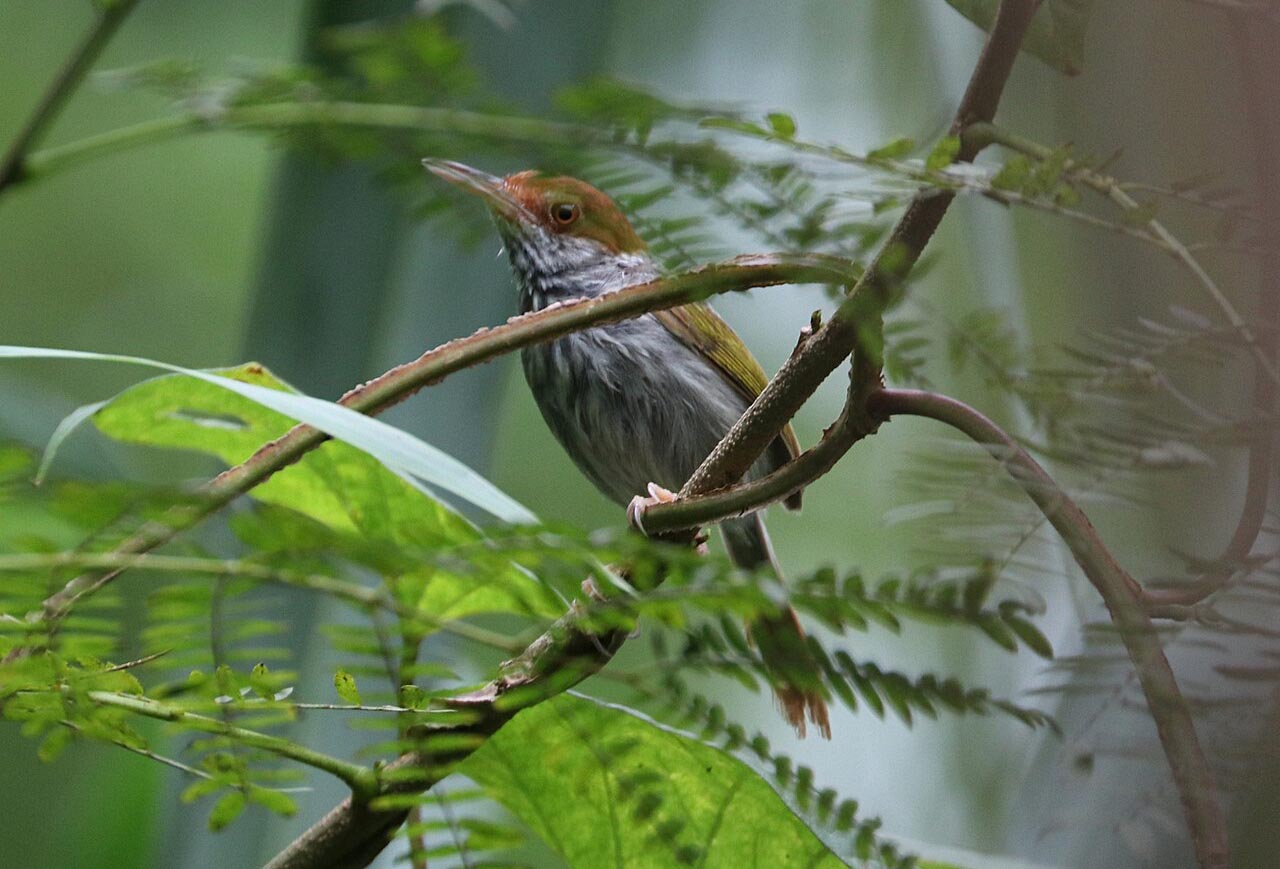
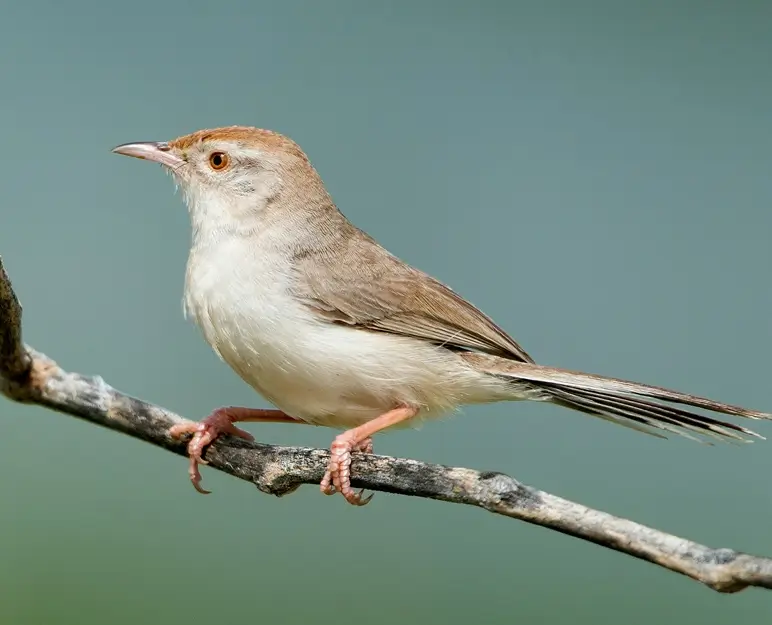
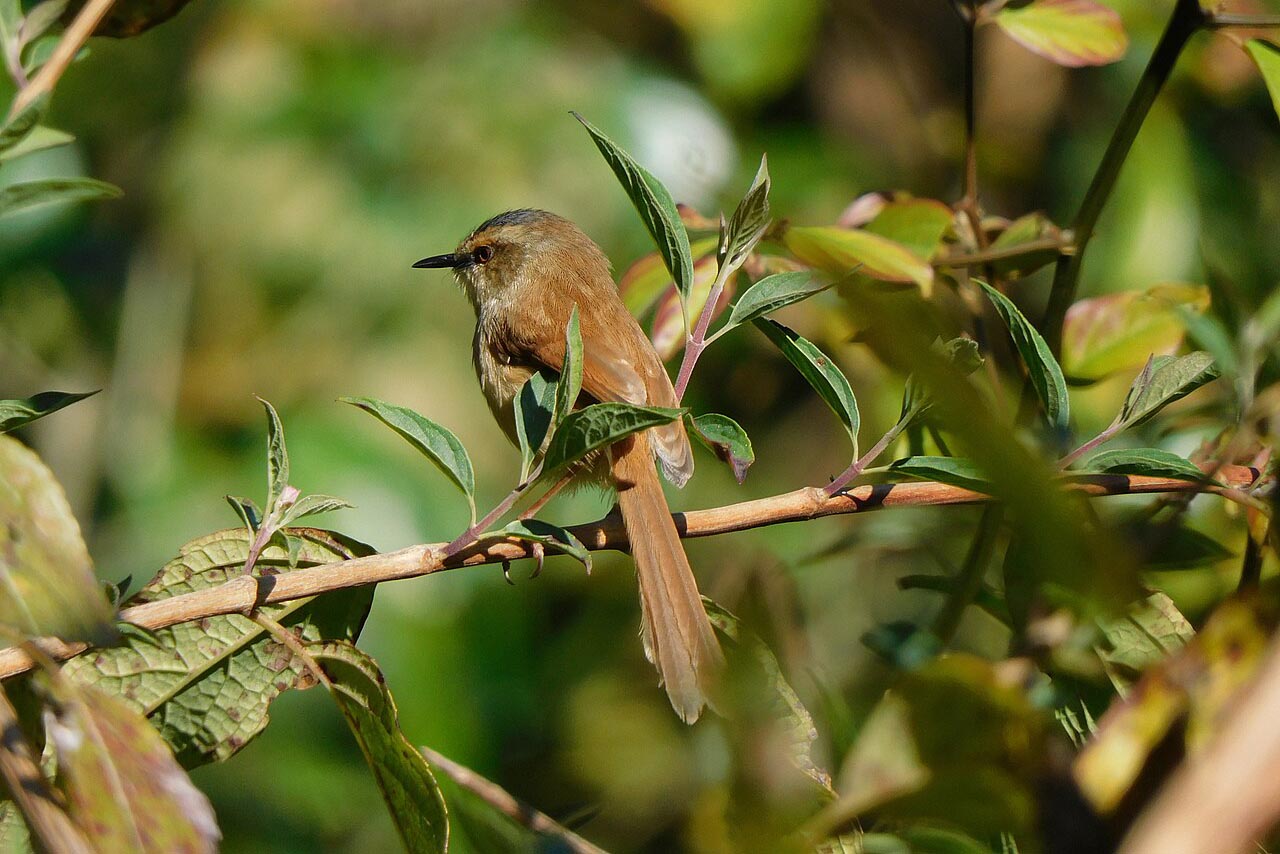
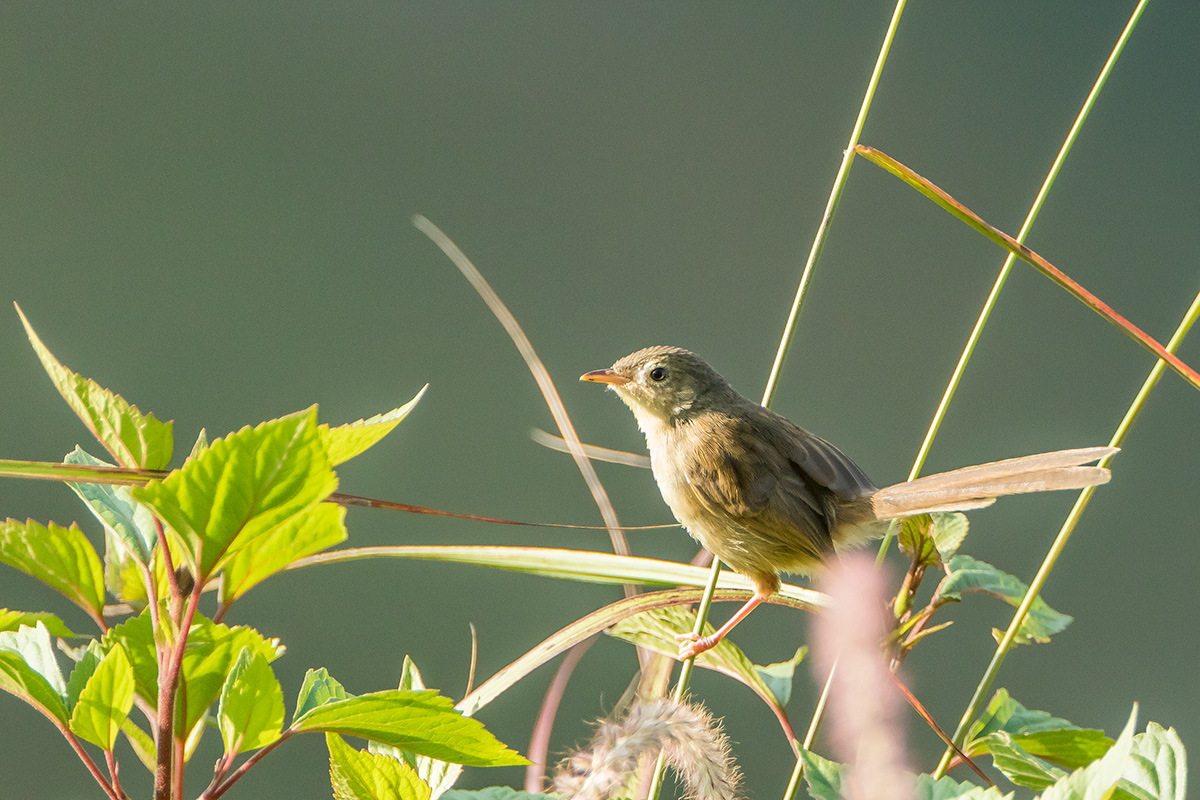
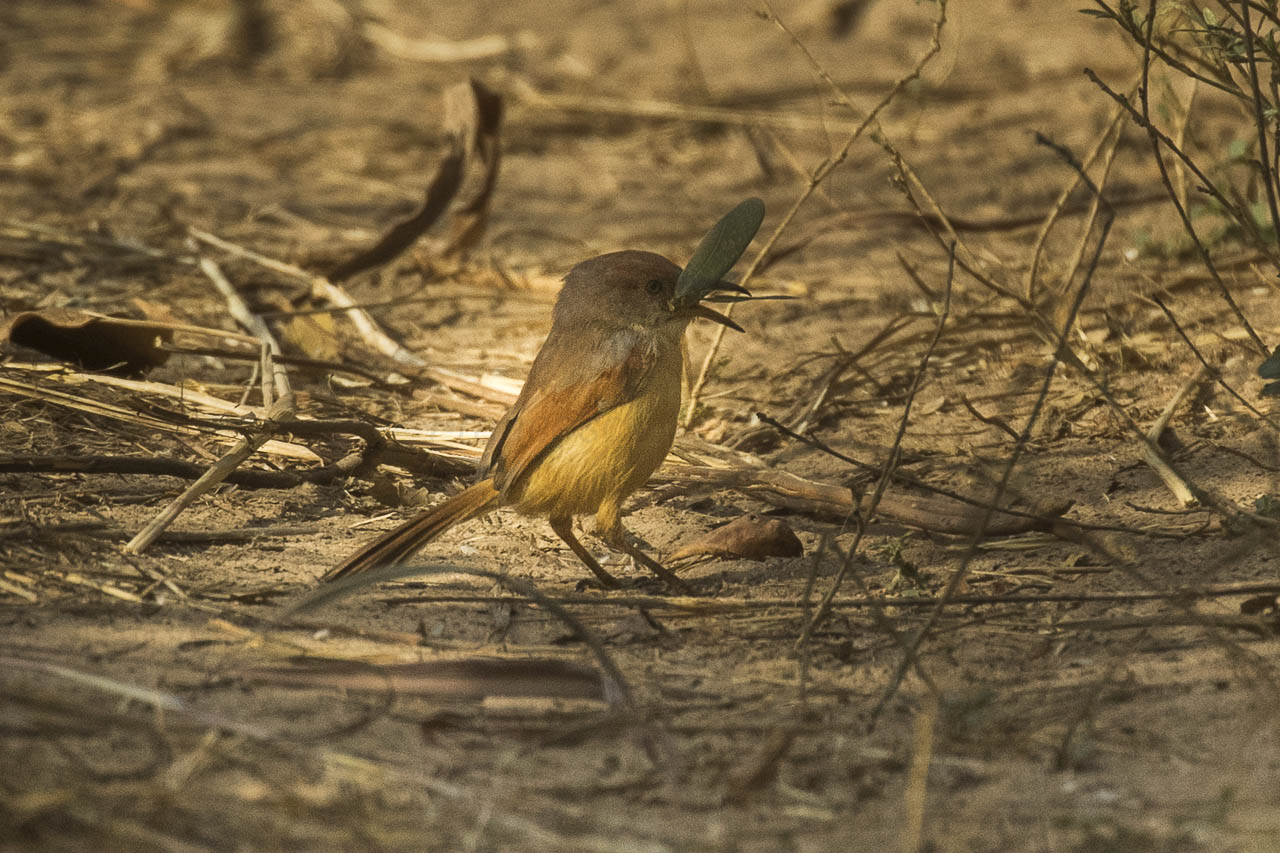
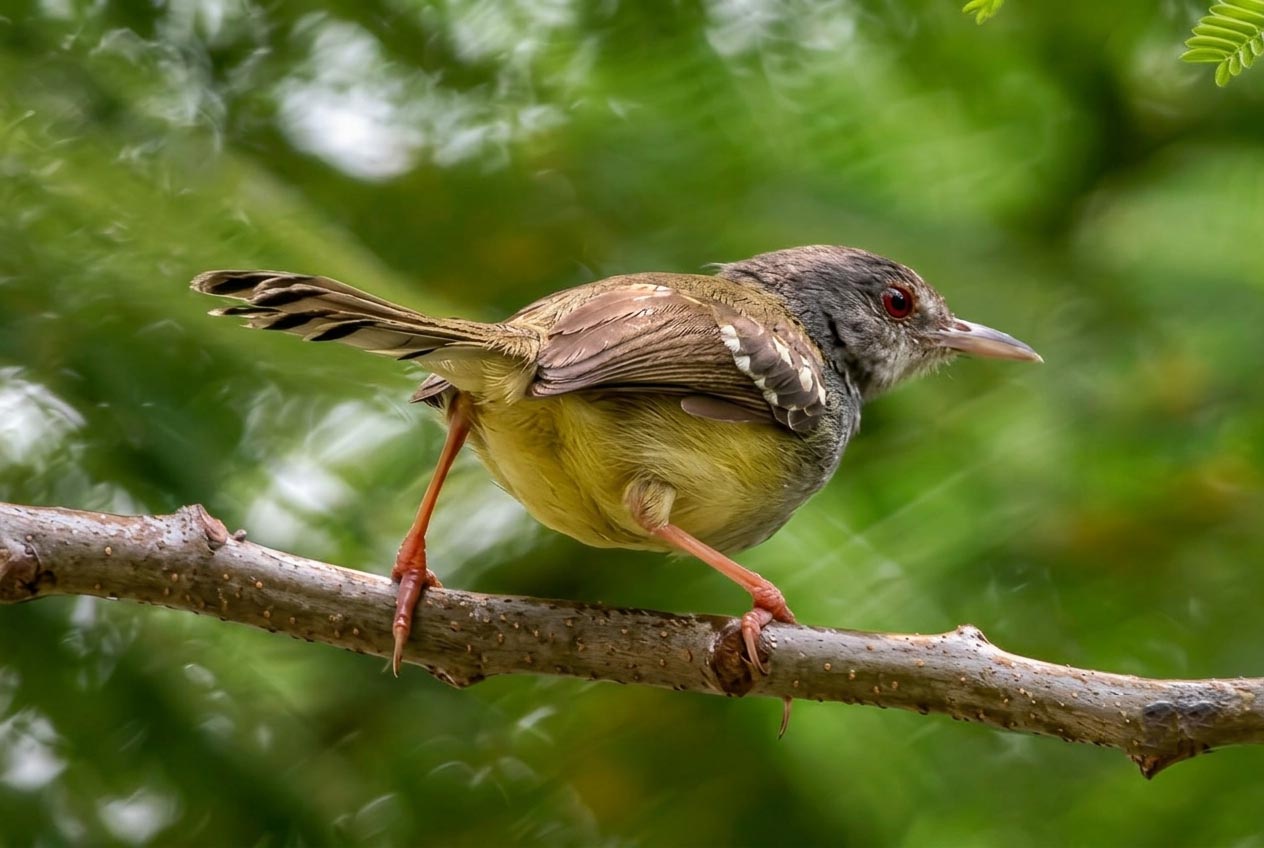
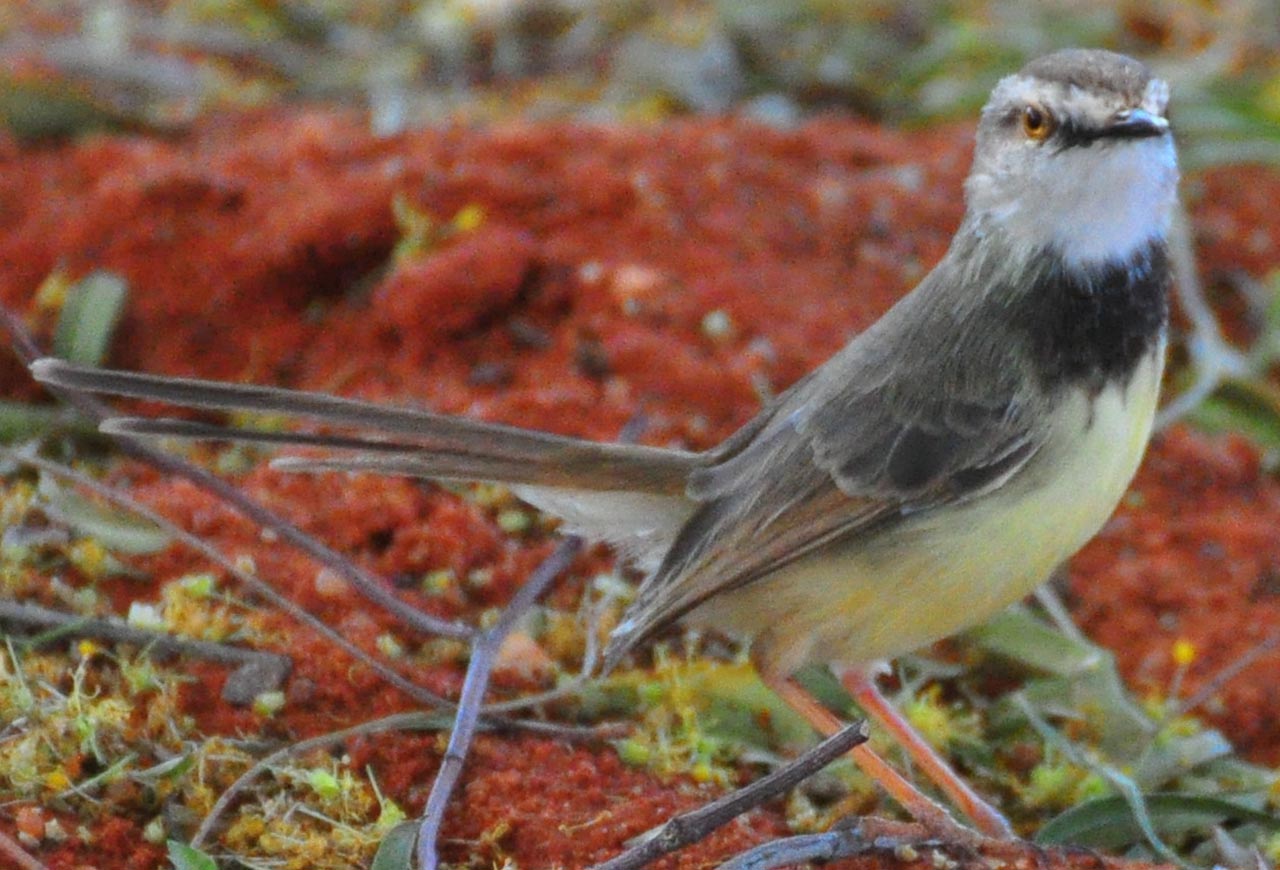
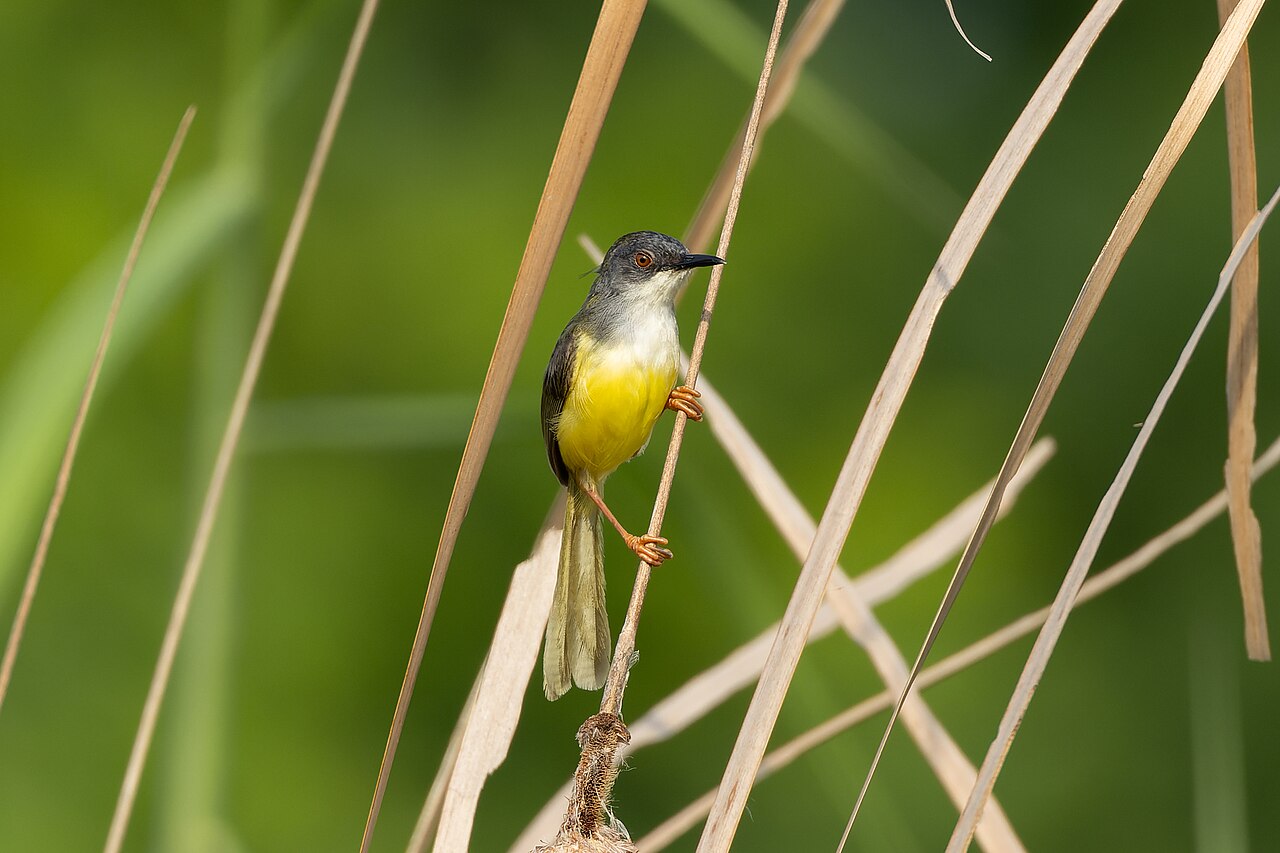
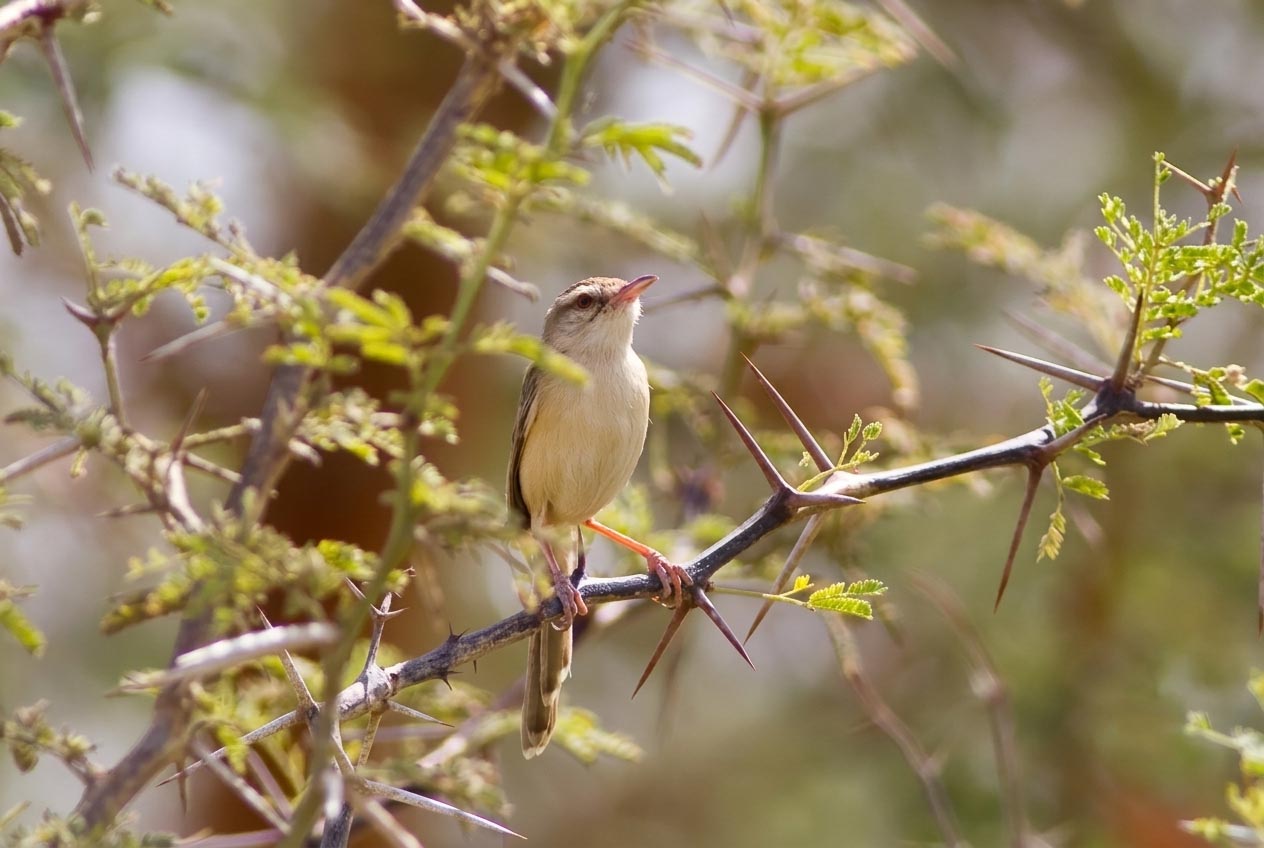
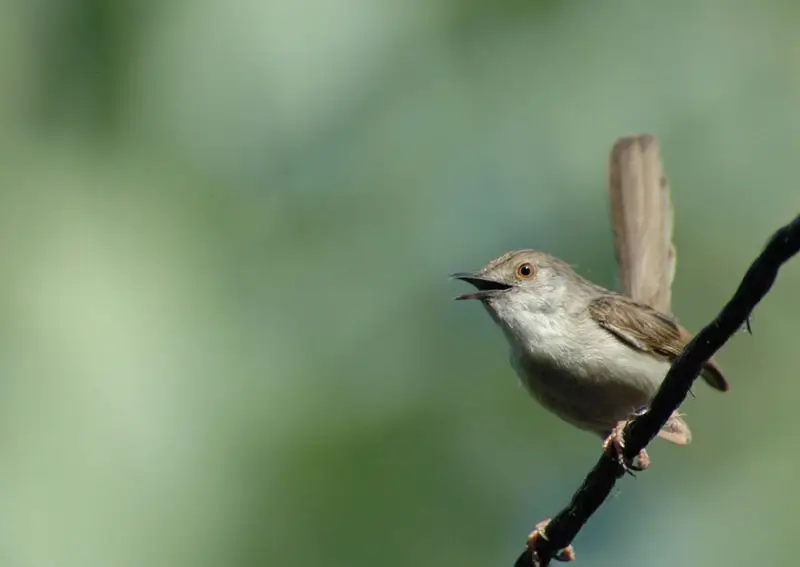
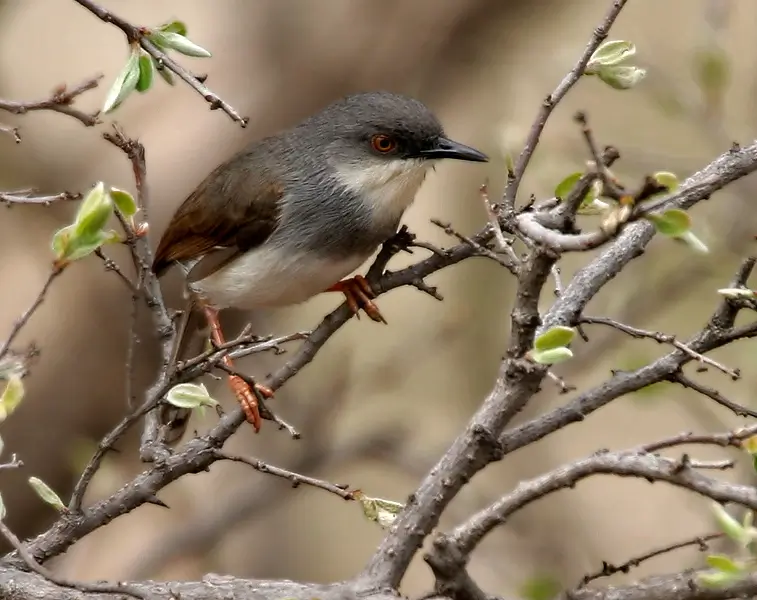
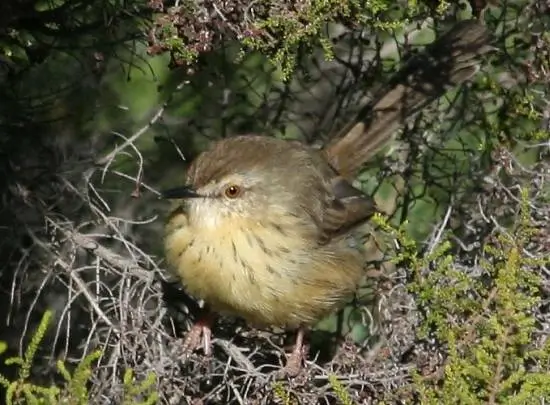
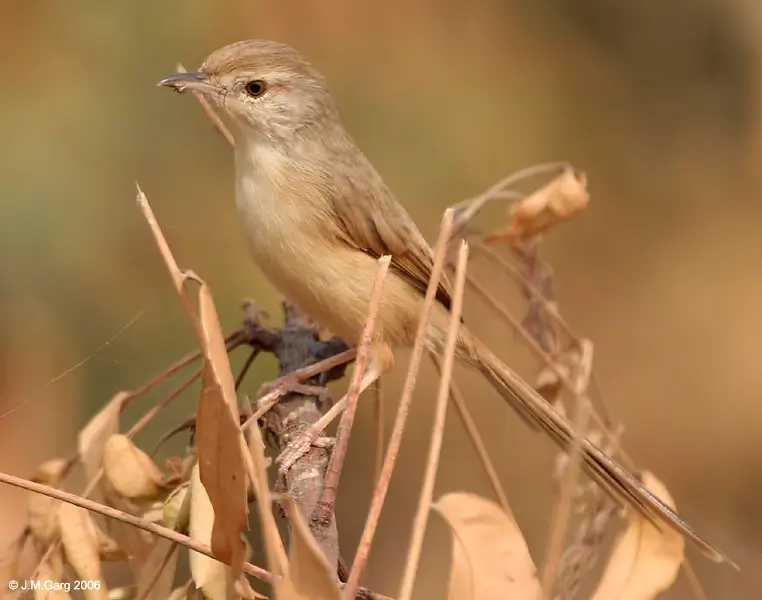
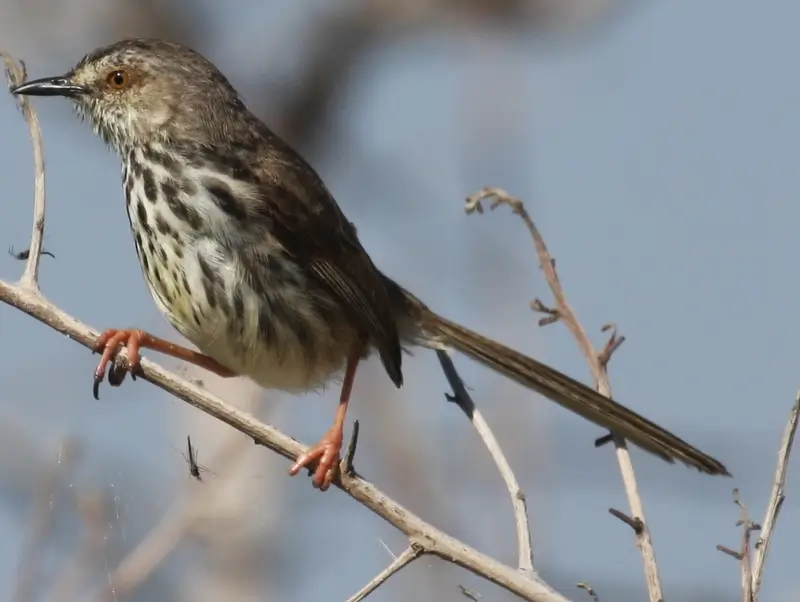
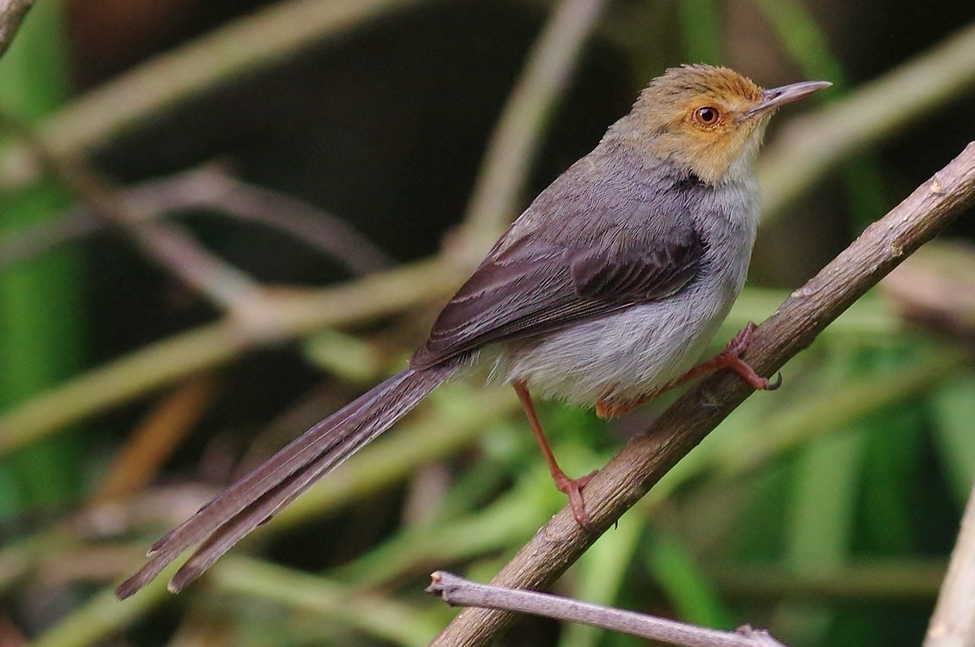
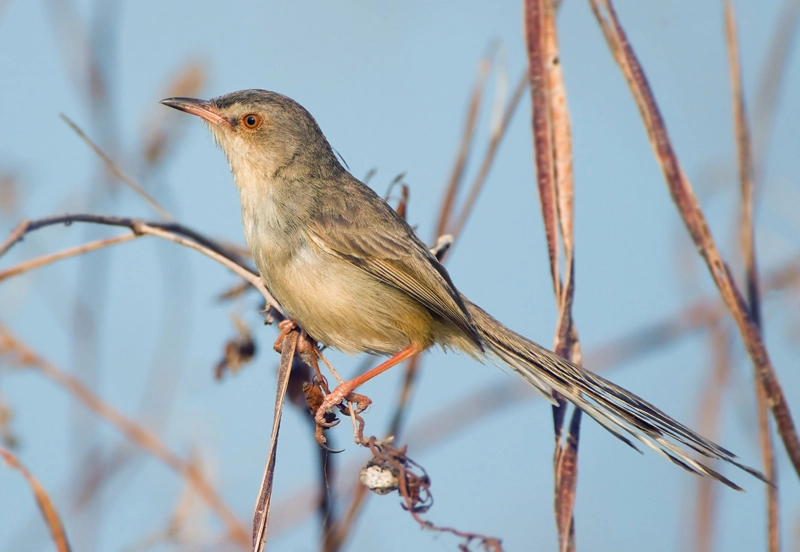
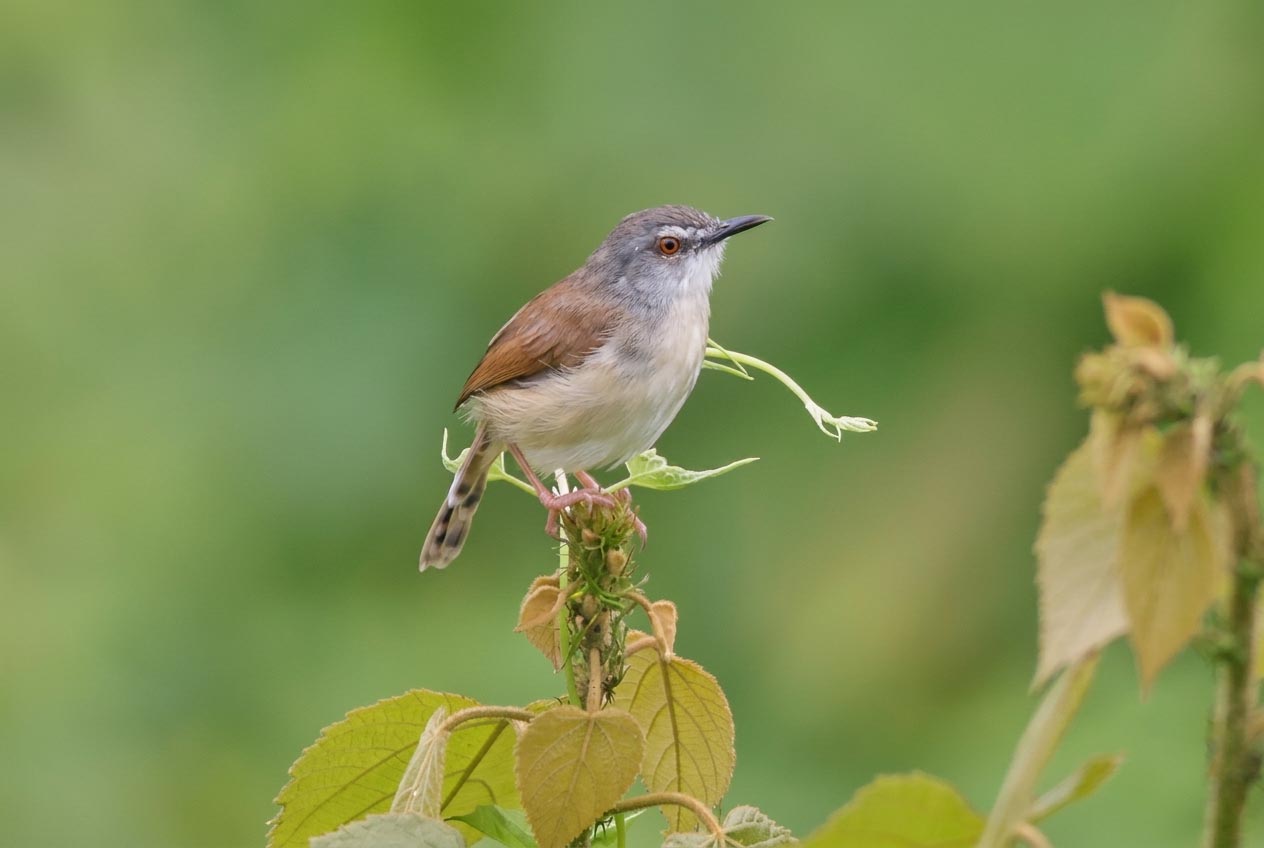
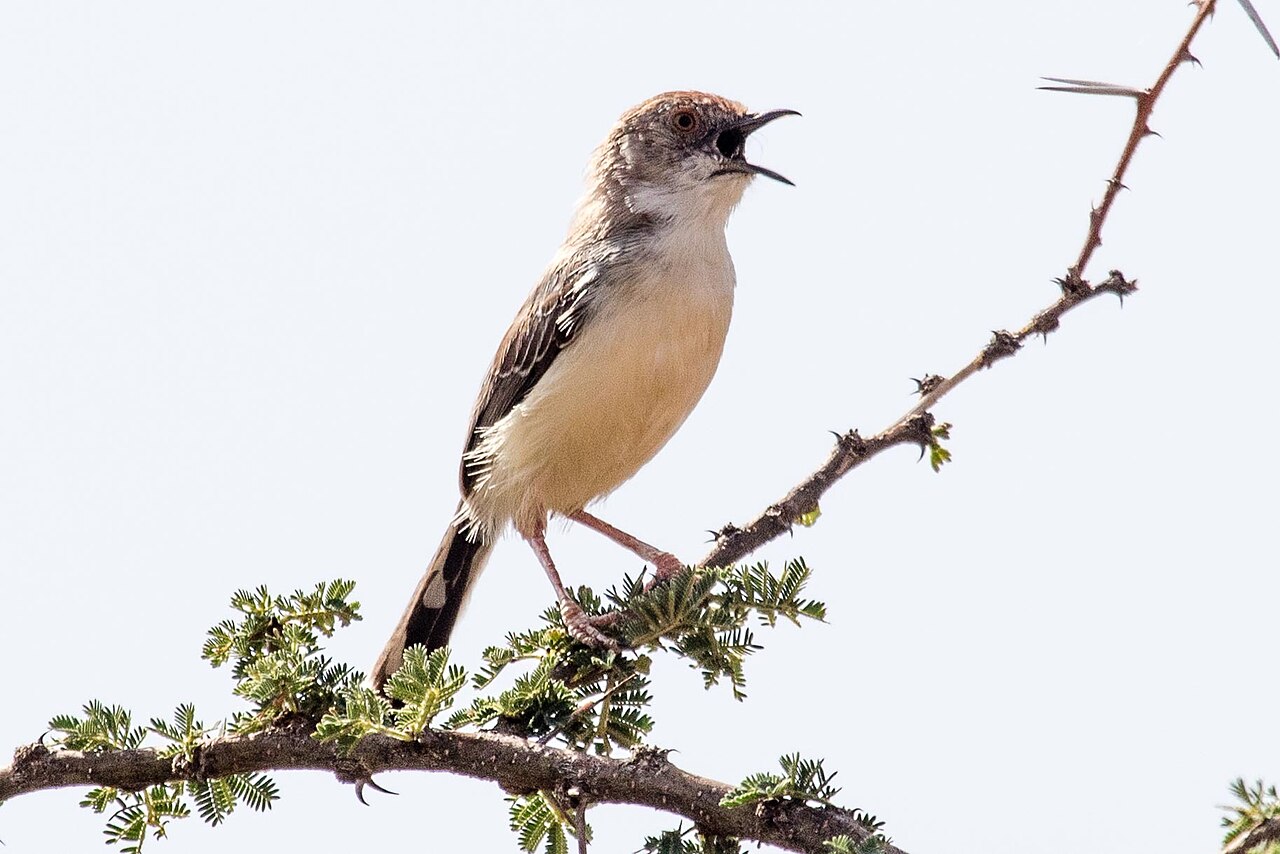
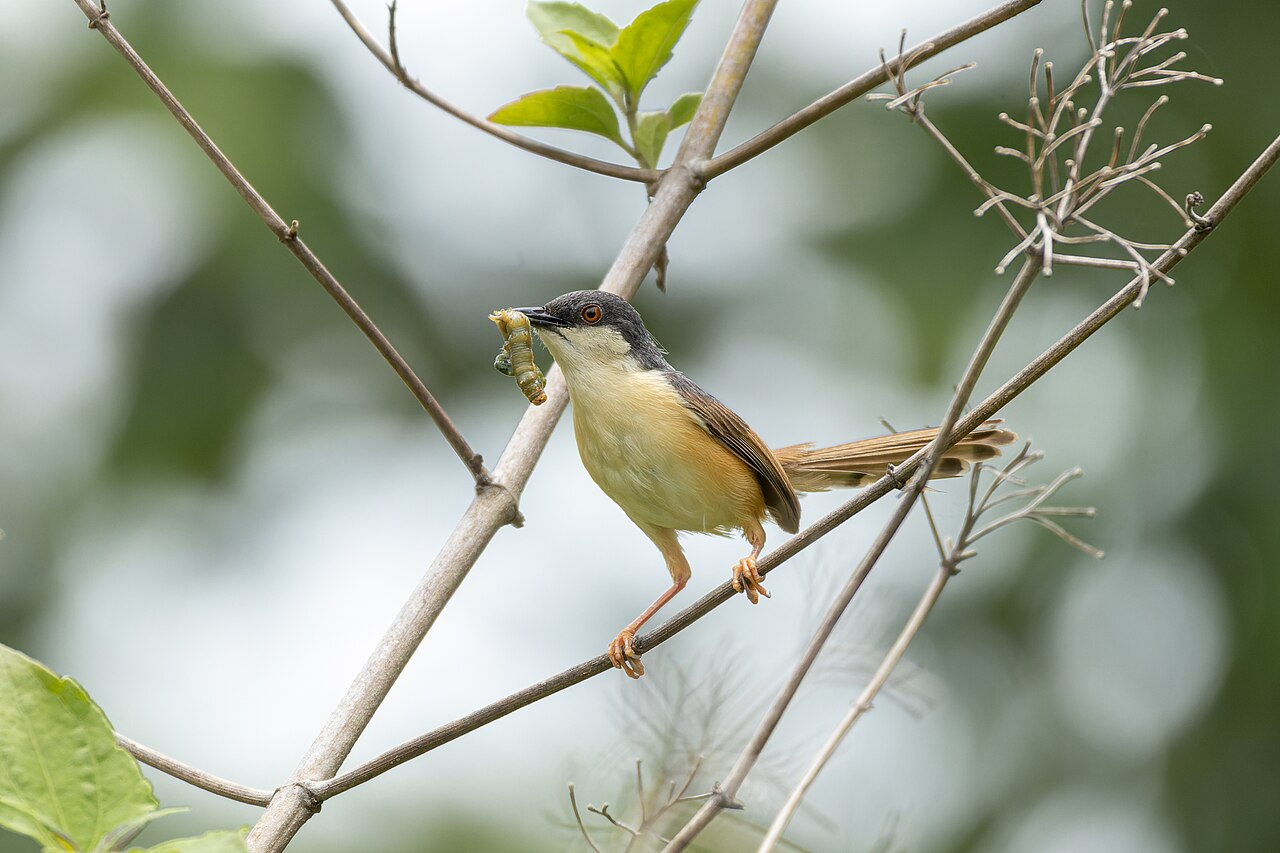
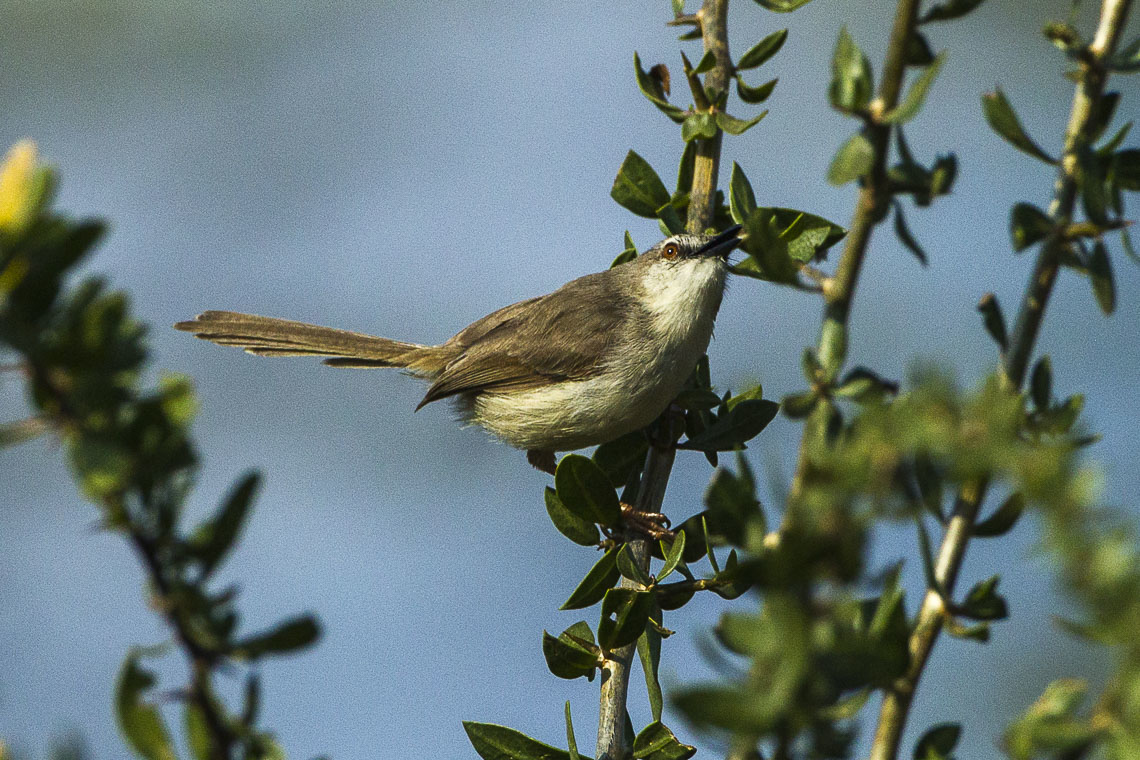
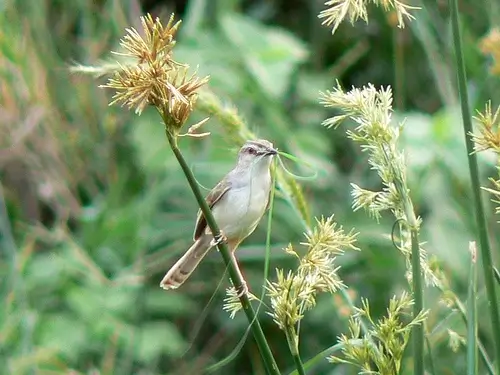
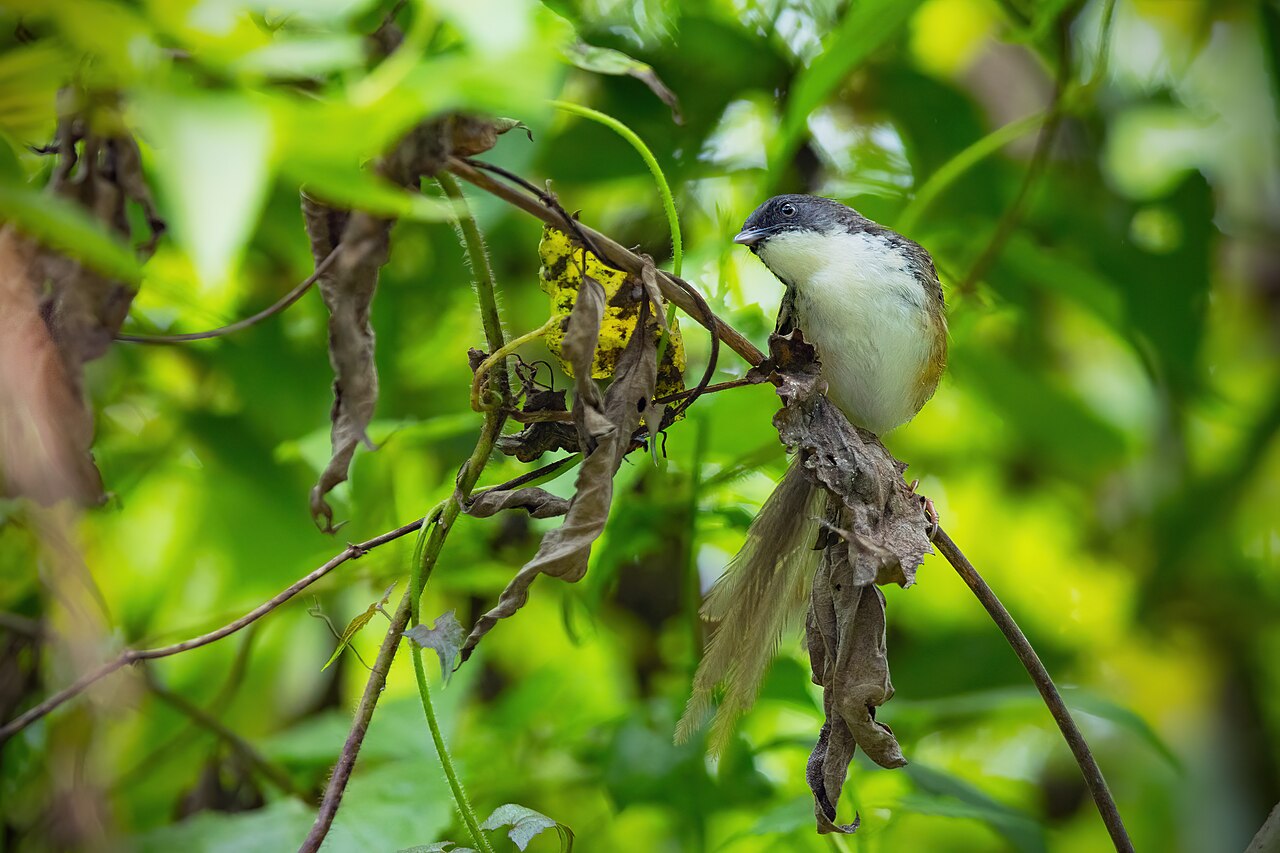
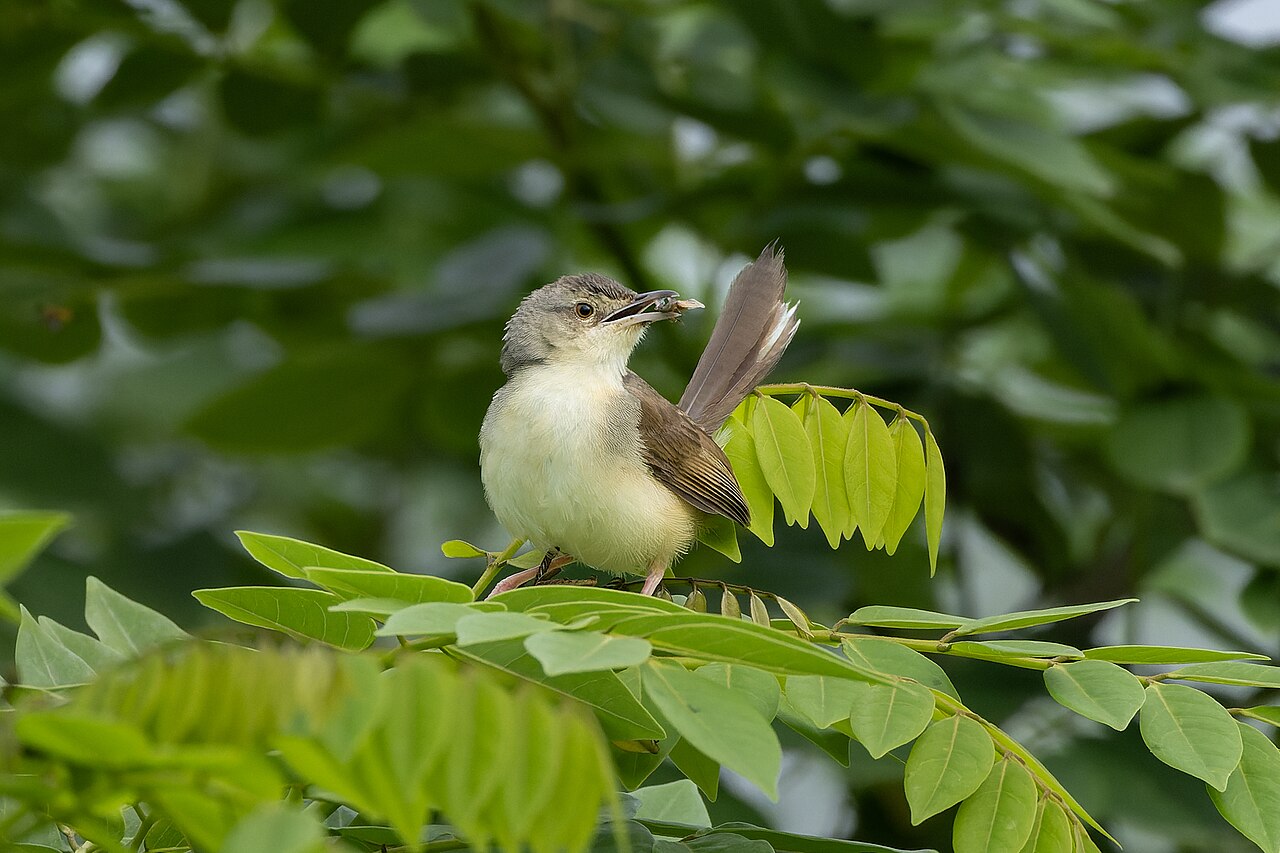
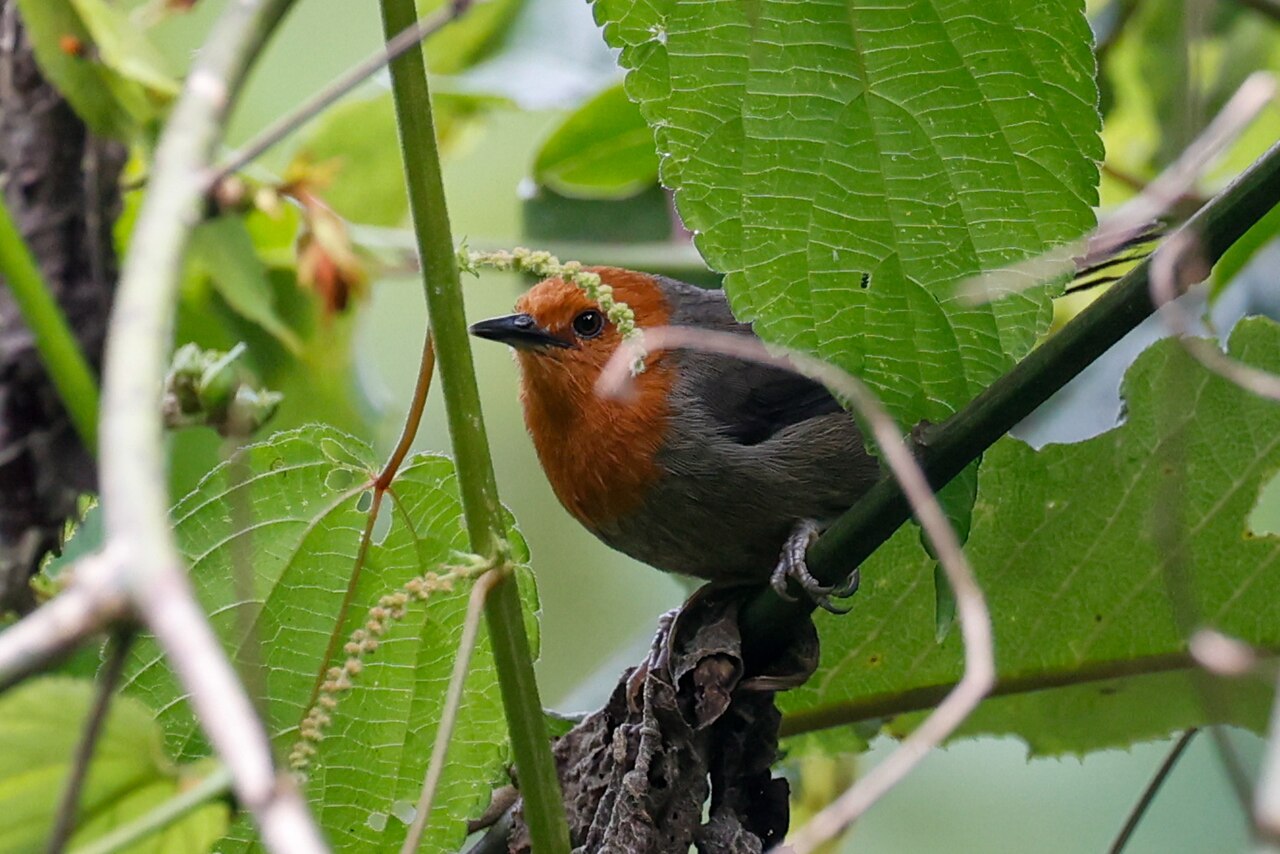
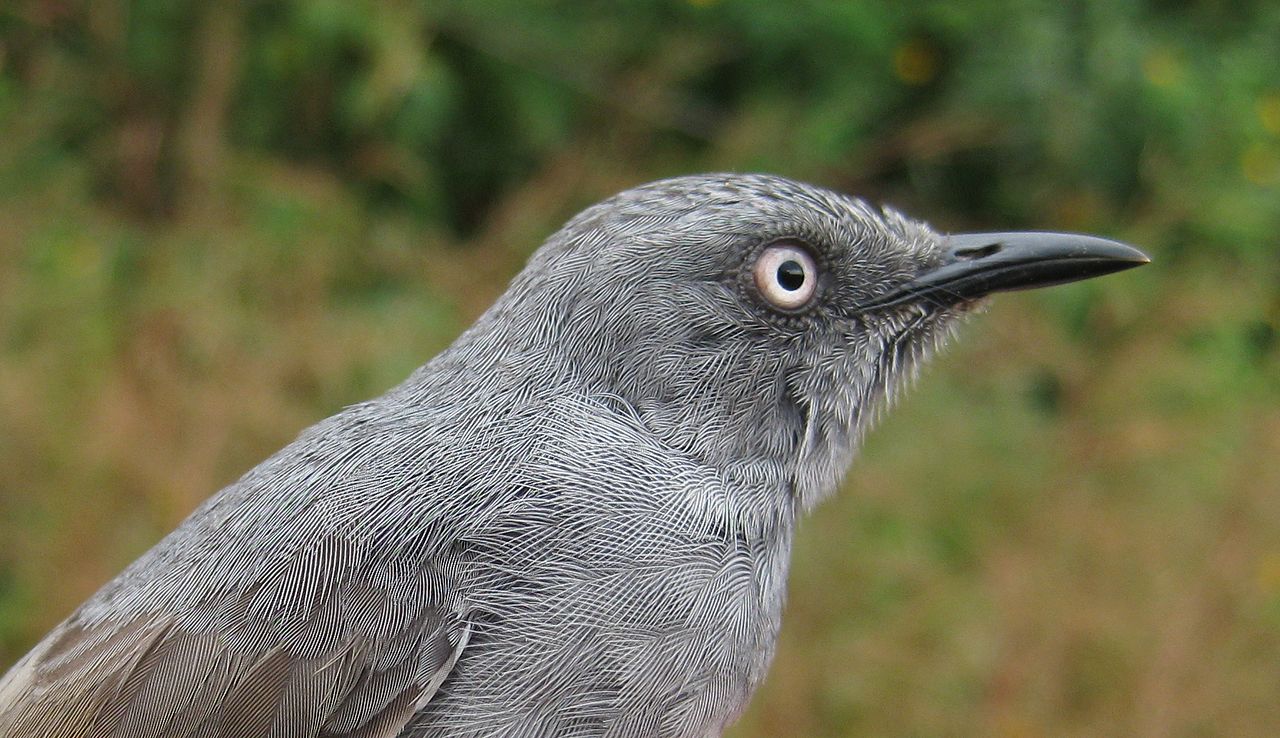
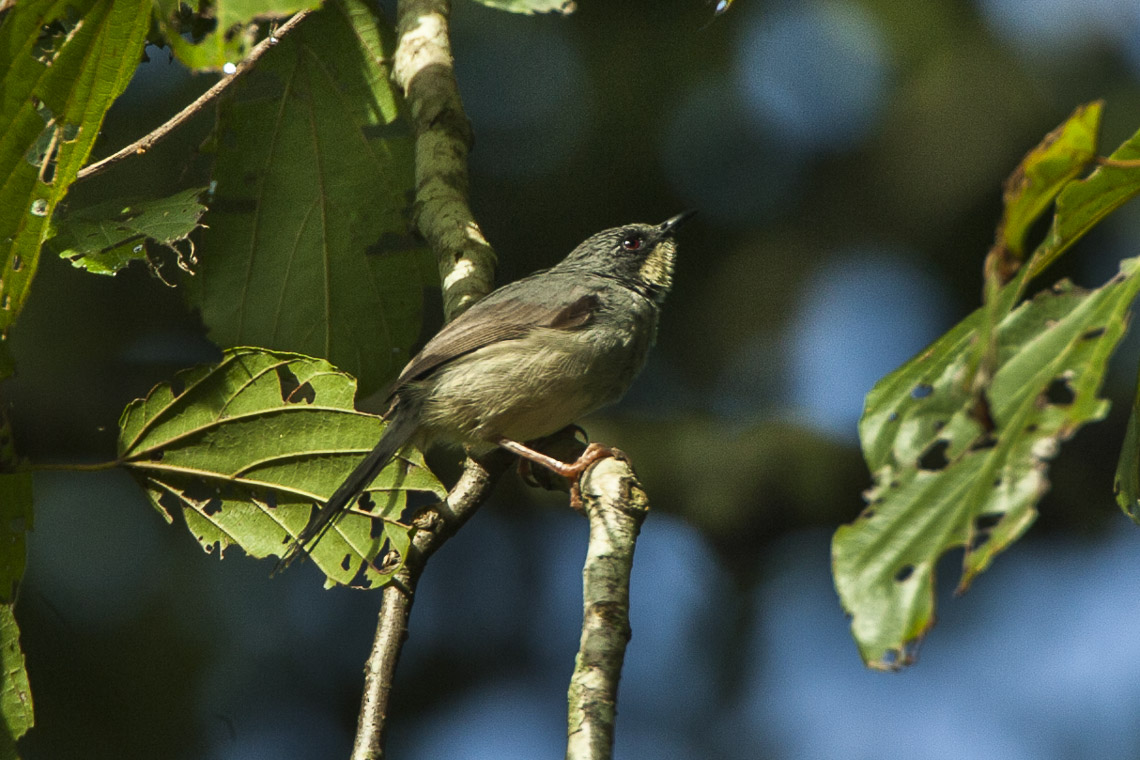
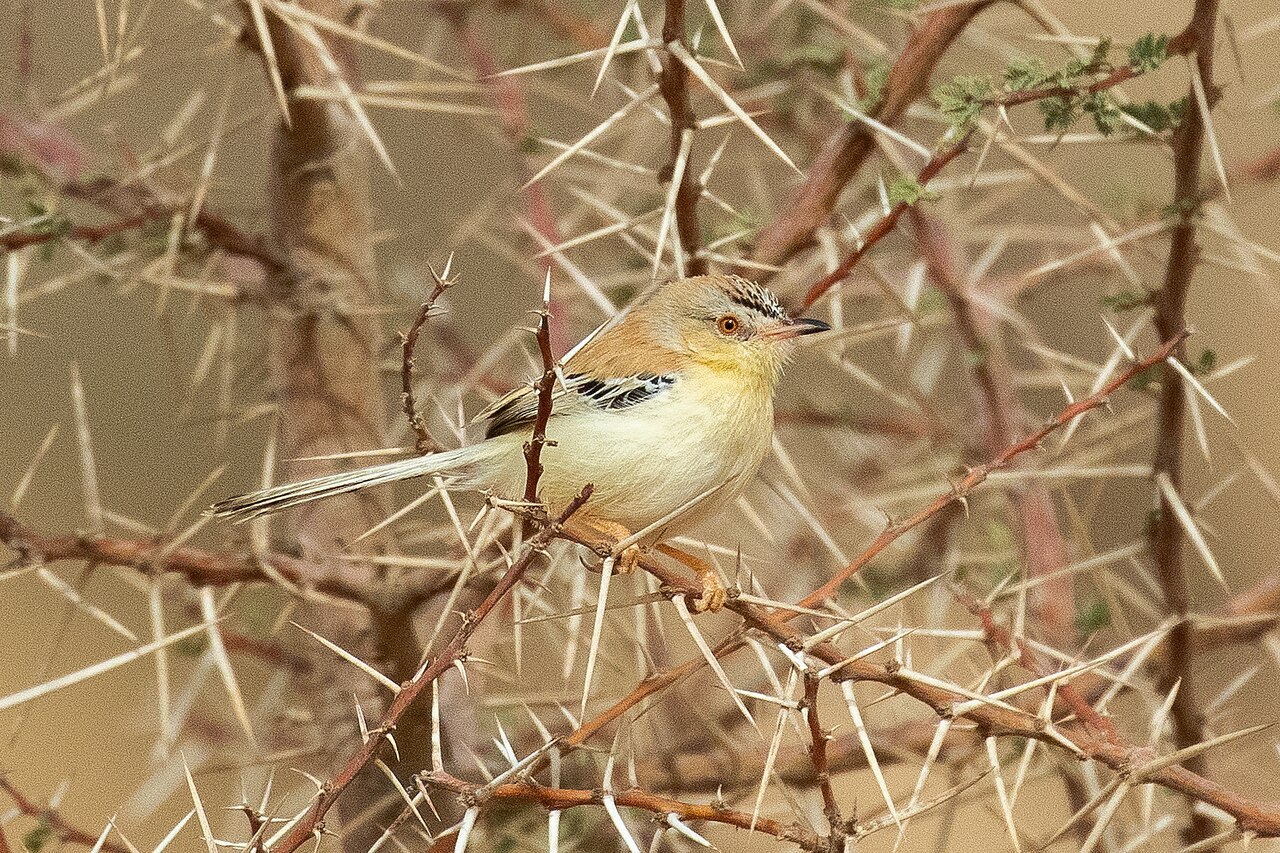
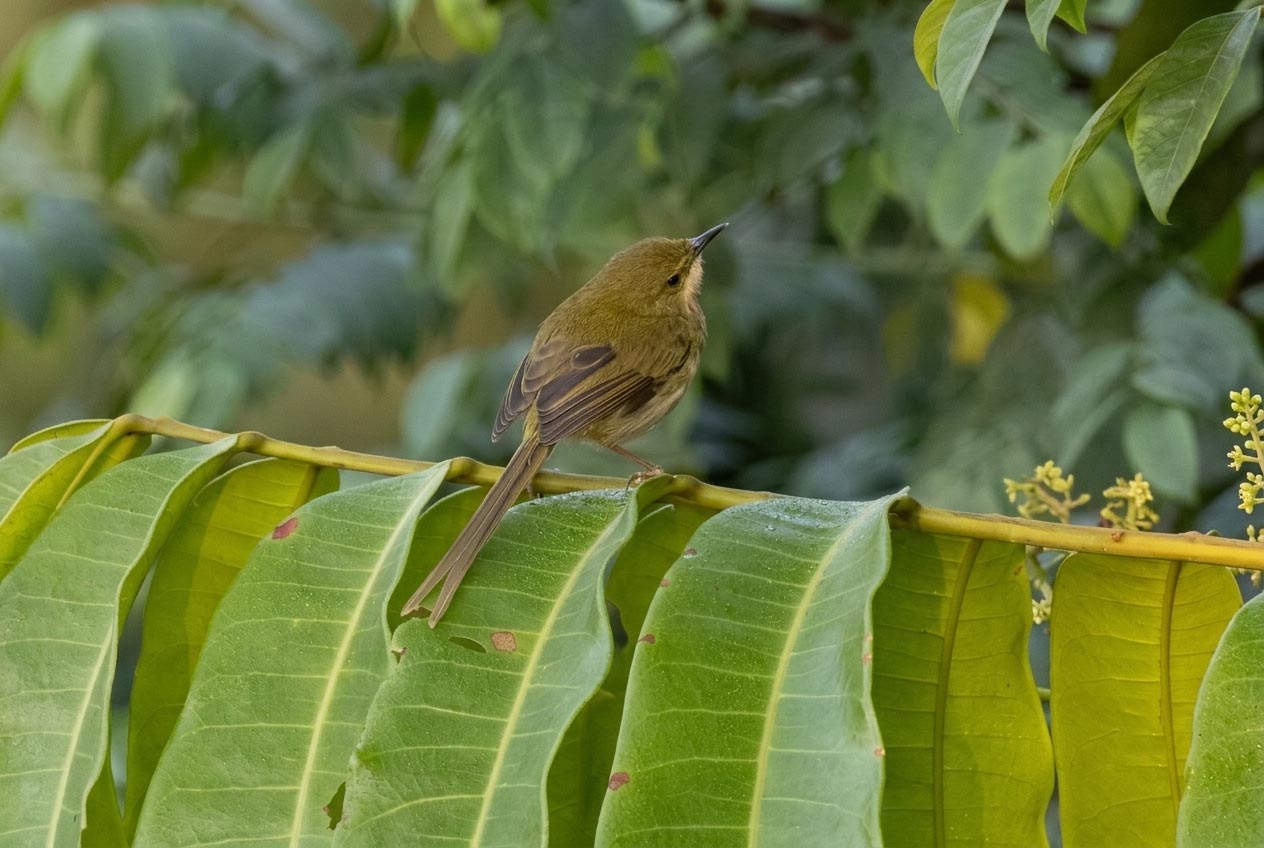
There are around 164 species of small songbirds in the Cisticolidae family. Birds in this family are known as cisticolas, prinias, tailorbirds, and related species. Most species are found in Africa, but others live in Asia and Australia. The Zitting Cisticola (Cisticola juncidis) is the only species in this family that regularly occurs in parts of Europe.
Cisticolidae birds live in many different habitats, including grasslands, wetlands, scrublands, forests, and deserts. Many species prefer areas with tall grasses or thick vegetation, where they can hide from predators and build their nests. They are generally small birds with short, rounded wings, long tails, and slender, pointed bills.
Most cisticolas and their relatives have brown, gray, or tan feathers that help them blend into grasses and shrubs. This camouflage makes them harder for predators to see while they search for food or protect their nests. Some species have brighter colors or patterns, especially during the breeding season.
These birds mainly eat insects and other small invertebrates, such as caterpillars, beetles, flies, and spiders. Some species also eat seeds and plant material. They usually find food by moving through grasses and shrubs, picking insects from leaves, stems, and flowers.
Cisticolidae birds are known for their loud songs and complex calls. Male birds use their songs to attract mates and defend their territories from other males. Many species build unusual nests woven from grass, leaves, and plant fibers. Some tailorbirds sew leaves together using plant fibers or spider silk to create a protected nesting area. Most species lay several eggs and raise their chicks in nests that are carefully hidden among vegetation.