NatureWorks Episodes

Discover the natural world and the connections that make nature work in this 16-part series for students in grades 3-6. Student host Patrice Forrester and Senior Naturalist Dave Erler of the Squam Lakes Natural Science Center, explore the ways living things interact with the environment. NatureWorks is designed to align with state and national science frameworks and standards and is a great way to introduce young people to the natural sciences.

Each episode is fifteen minutes long and consists of five distinct segments.

  • An instructional section, which covers basic concepts like habitat, adaptation and biomes.
  • A interactive Q&A segment featuring Sr. Naturalist Dave Erler and Jr. Naturalist Patrice exploring the show topics in greater detail.
  • A close-up segment focusing on an particular animal or plant that explores the basic concept presented in the first segment in greater detail.
  • An Outdoor Trek featuring student reports with individuals who work with the natural world in a variety of professions.
  • A review which sums up material presented in the program.

Episode 1

Junior Naturalist Patrice looks at how plants and animals are adapted to their environment. Patrice and Senior Naturalist Dave Erler observe the unique adaptations of the opossum. We take up-close look at the beaver. Cody and Octave visit the New England Aquarium’s critical care ward and learn how they are treating Kemp’s Ridley sea turtles that have washed ashore on Cape Cod, Massachusetts.

Episode 2

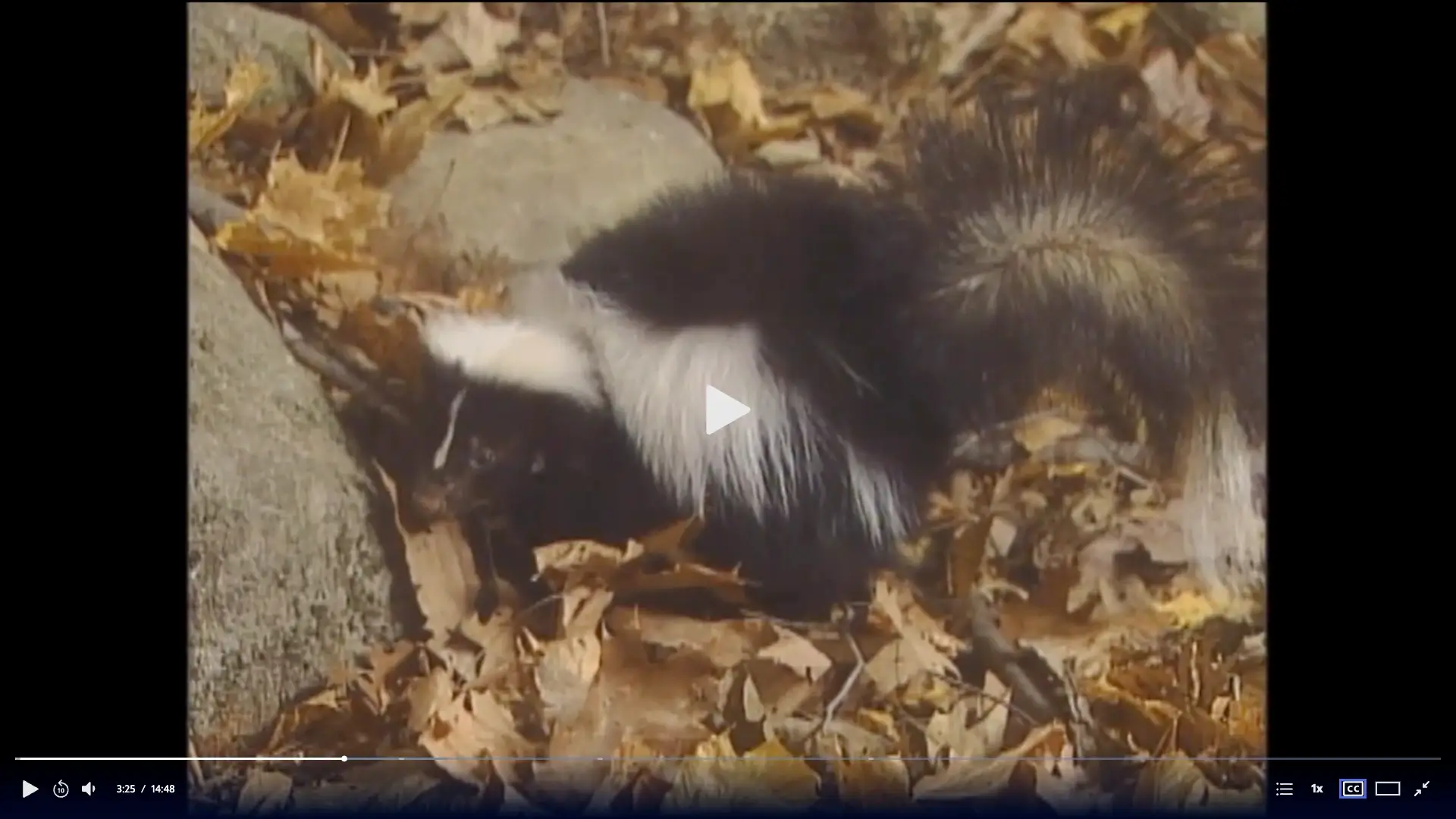
Junior Naturalist Patrice explains how coloration is a structural adaptation that helps animals and plants survive in their environment. She joins Senior Naturalist Dave Erler to examine the coloration of the great horned owl. We take an up-close look at the skunk. Von and Marrissa visit with wildlife photographer John Green and learn how color plays a role in photography.

Episode 3

Junior Naturalist Patrice looks at how animals communicate with visual, auditory, chemical, and tactile signals. Patrice and Senior Naturalist Dave Erler, look at the red fox and how it communicates using scent. We take an up-close look at how songbirds communicate. Morissa and Benjamin visit a pond with Herpetologist Tom Tining and learn how frogs communicate.

Episode 4

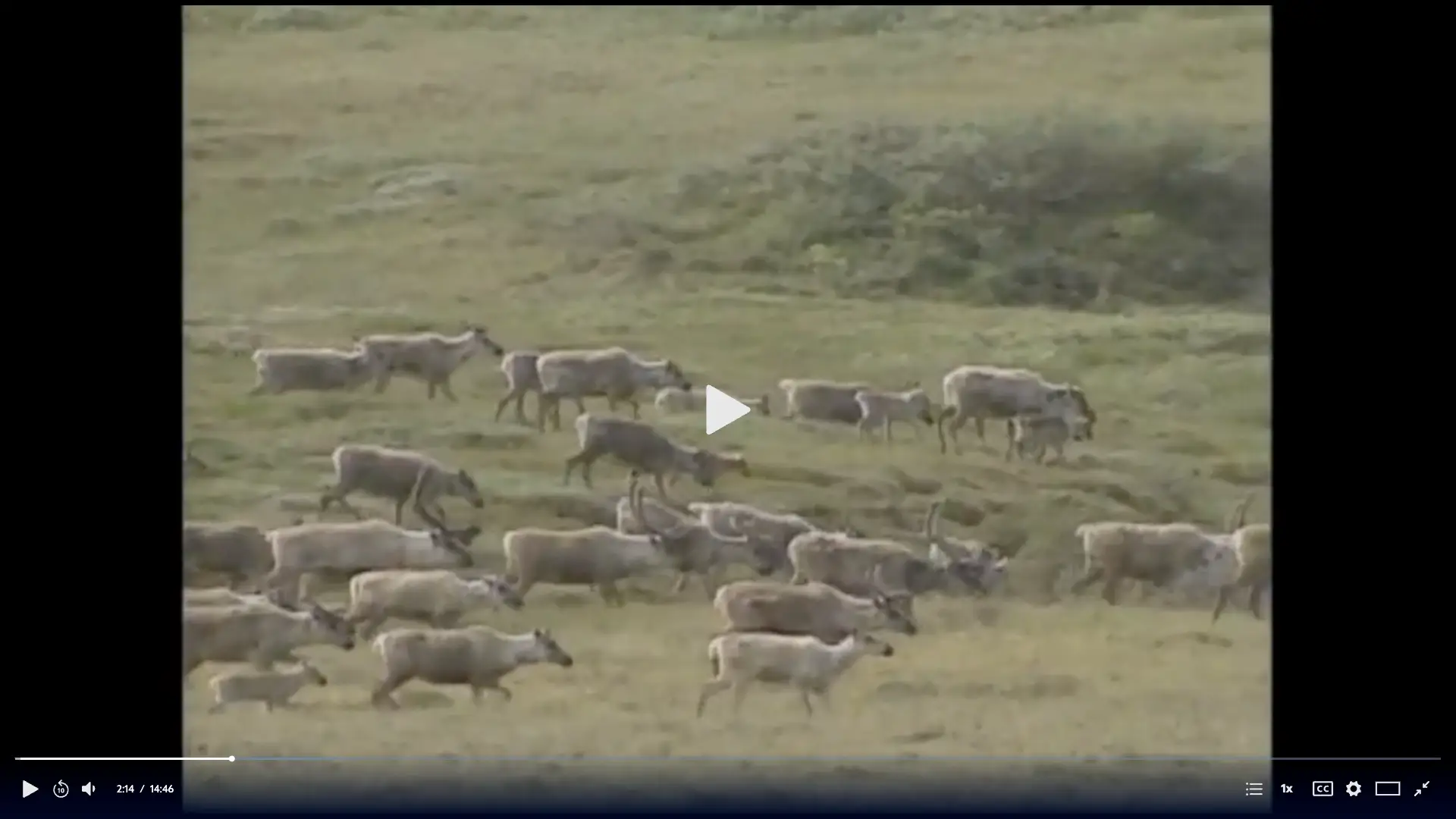
Junior Naturalist Patrice looks at how some animals migrate to find food or a place to hibernate, and how others migrate to mate, give birth, and raise their young. Next, she joins Senior Naturalist Dave Erler to band some birds so they can be tracked as they migrate. We take a closer look at how the three raptors, the broad-winged hawk, the red-tailed hawk and the snowy owl migrate. Finally, Sara and Davis help Iain McCleod of the Audubon Society with his annual hawk count.


Episode 5

This episode opens with Junior Naturalist Patrice looking at how all living things need a habitat where their needs can be met. Next Patrice joins Senior Naturalist Dave Erler as they look at how the Squam Lakes Natural Science Center has created an artificial habitat in its aviary. Then we take an up-close look at the common loon and its habitat. Finally, Stevie and Taylor help biologist Kathy Wohlfort float a loon raft.

Episode 6

Patrice looks at how life in the ocean is organized in layers. Next, Patrice and Dave look at life in a tide pool. Then we take an up-close look at estuaries. Finally, Jessica and Daniel spend the day in an estuary at the Wells Reserve monitoring soft shell clams and green crab experiments with Caitlin Mullen and Lindsay Whitlow.

Episode 7

In the first segment, Patrice looks at life in lakes, streams, and wetlands. Next Patrice and Dave look at a snapping turtle. Then we take an up-close look at wetlands. Finally, Marissa and Benjamin join biologist Beth Malcolm and help inspect the growth of animal and plant life in a wetland environment.

Episode 8

Patrice looks at, tundra, rainforest, grassland, taiga, temperate deciduous forest, and desert biomes. She then joins Dave to learn how the red-tailed hawk is adapted to a variety of habitats. In the third segment, we take an up-close look at the desert. Finally, Laura and Marshall take a hike with David Publicover of the Appalachian Mountain Club and look at the diversity of plant life along the trail.

Episode 9

(producers and herbivores) In the first segment, Patrice looks at how plants make food and at how and plants and plant eating animals depend on each other. Next, she and Dave examine an area and discuss the how the plants found there could provide food for moose and other herbivores. In segment three, we take an up-close look at the moose and its habitat. Finally, Olivia and Michael visit with Professor Brent Loy, who is producing melons that grow more quickly, bigger and sweeter.

Episode 10

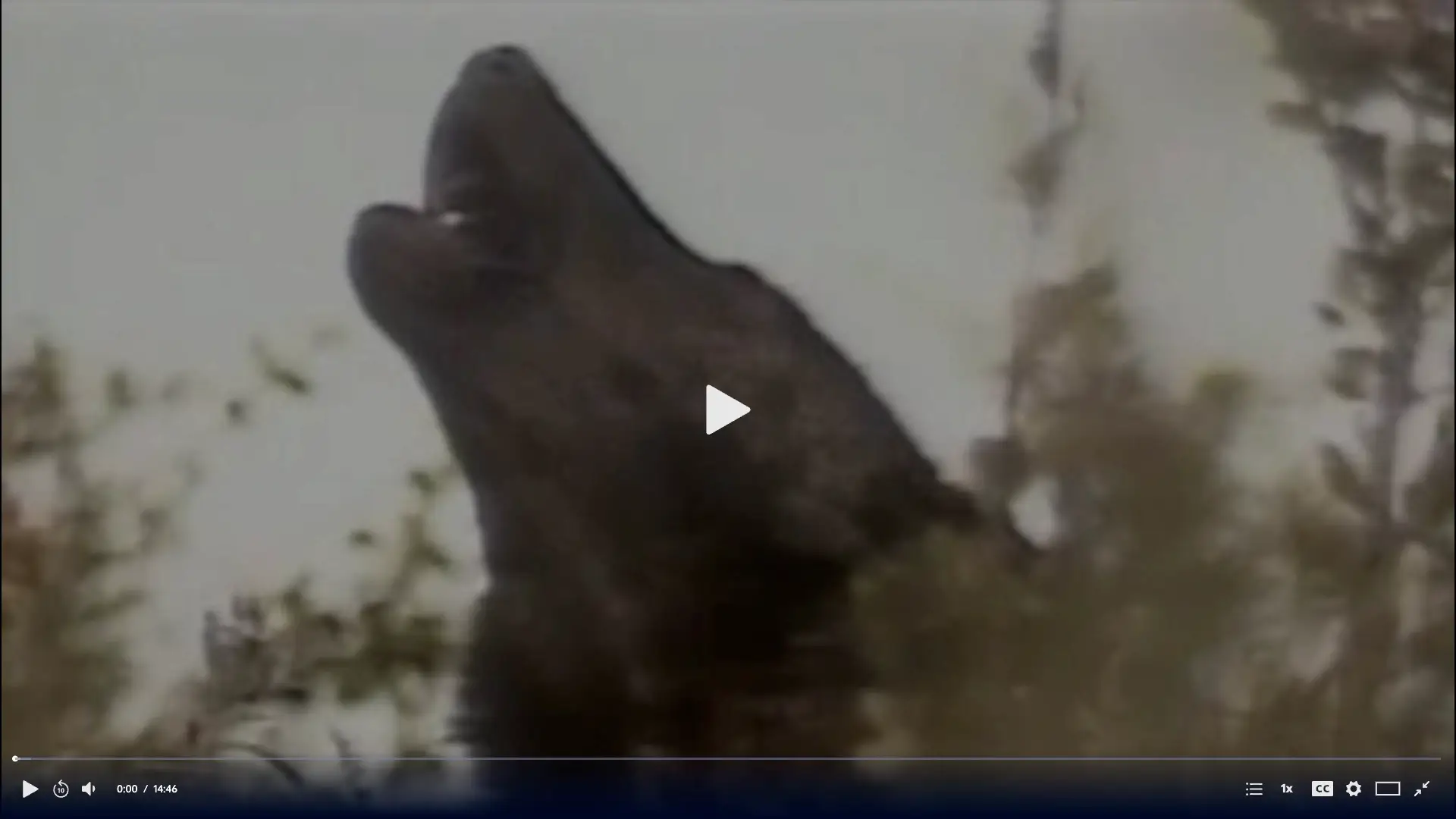
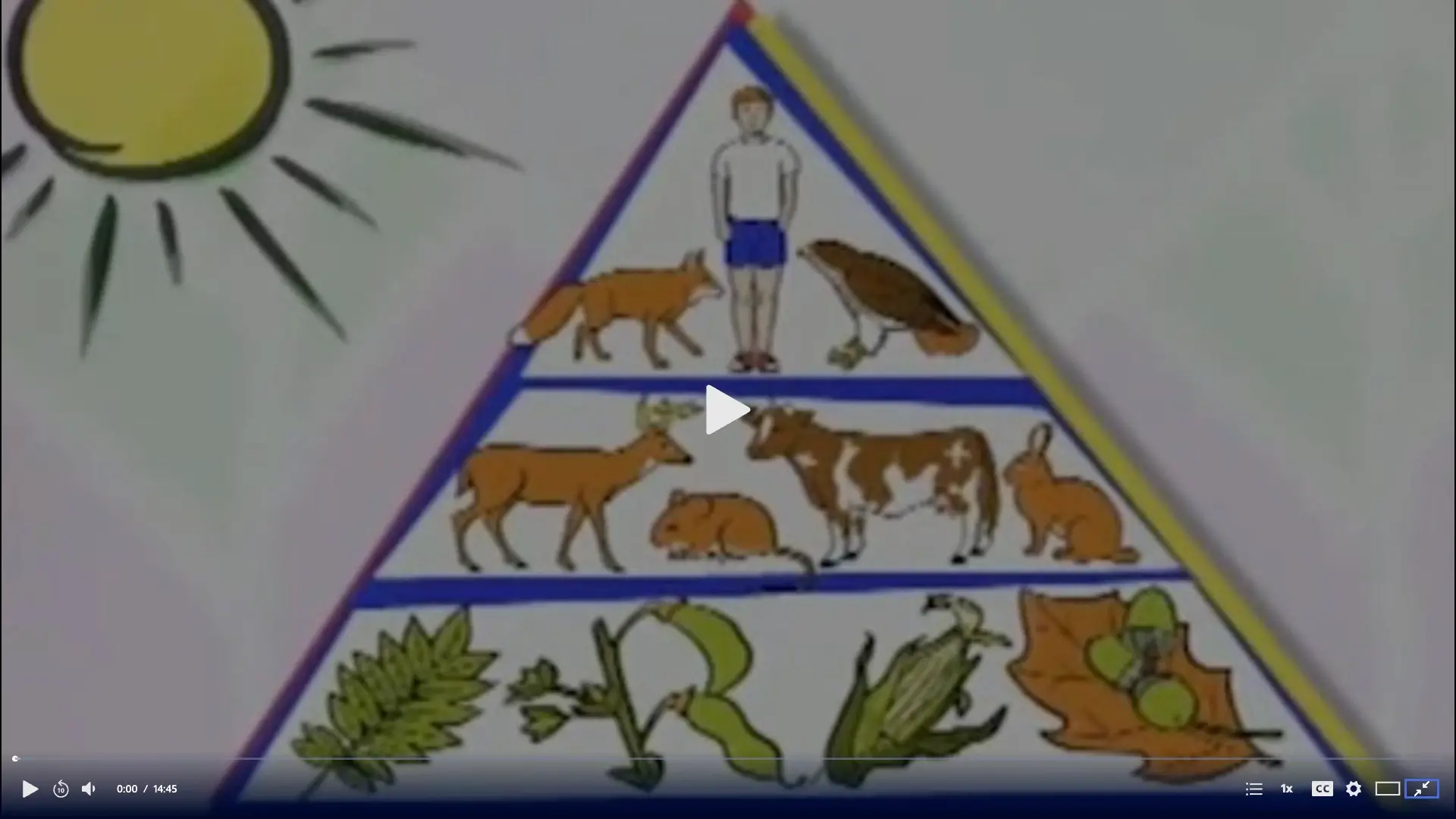
(herbivores and carnivores) In the opening segment, Patrice explains how herbivores and carnivores depend on each other for survival. Next, Patrice joins Dave and learns about an insect eating predator, the brown bat. In the third segment, we take an up-close look at the gray wolf. Finally, Sarah and Cody visit a bat cave with Peter Benson from the Nature Conservancy.

Episode 11

Patrice looks at the important role decomposers and scavengers play in the natural world. She then visits with Dave and they check on the progress of the decomposition of a dead gray squirrel. In the third segment, we take an up-close look at the turkey vulture. Finally, Hawk Mathany and Chris Thayer of the Appalachian Mountain Club show Laura and Marshall just how and what they recycle in the wilderness.

Episode 12

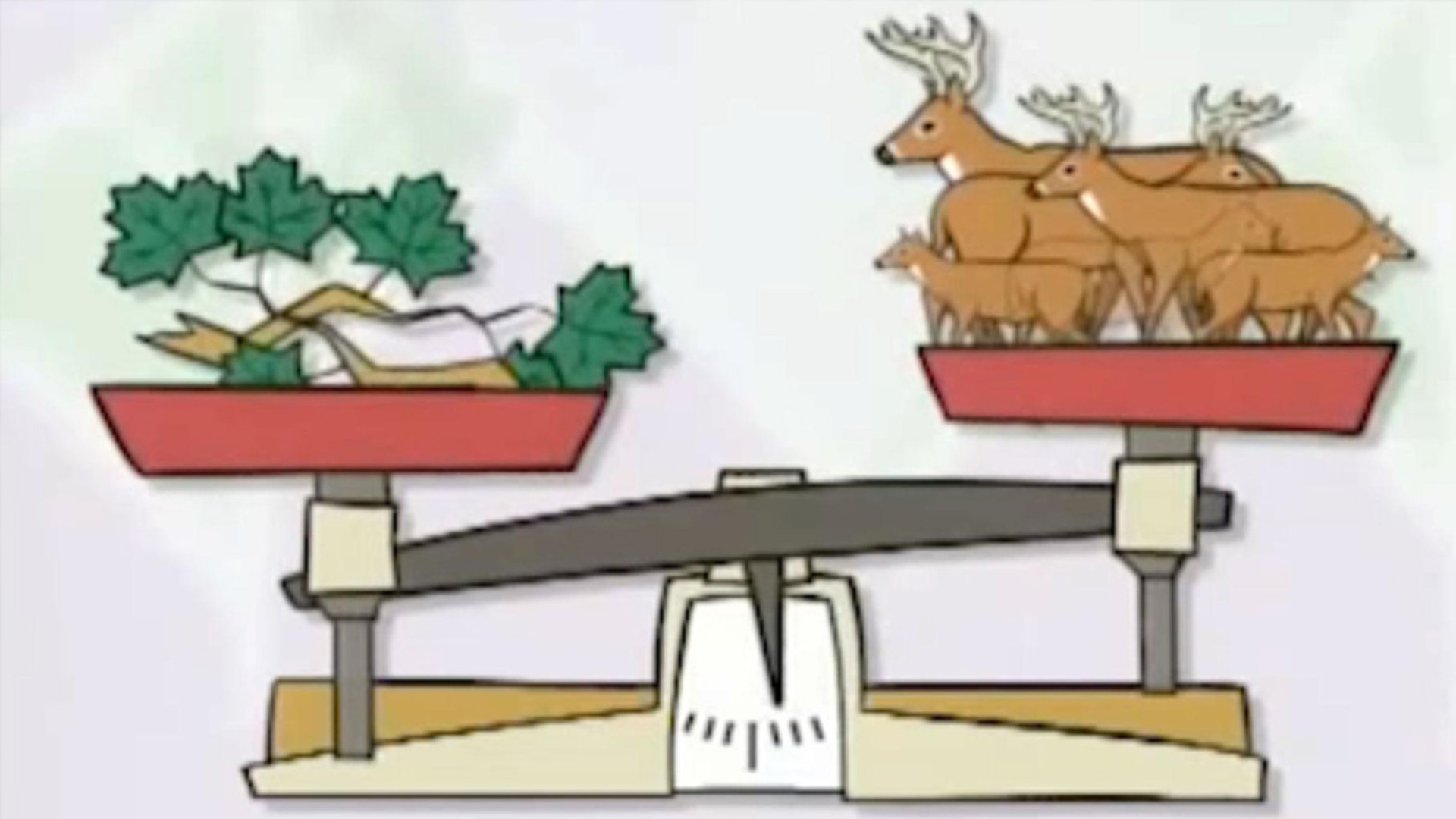
In the opening segment, Patrice looks at population and the limiting factors that can impact it. Next, she visits with Dave and they explore how a variety of factors can impact porcupine populations. The third segment takes an up-close look at the white-tailed deer. And finally, Von and Daniel visit with Professor Peter Pekins from the University of New Hampshire to learn about how he is helping to control deer numbers.

Episode 13

In the first segment, Patrice looks at the wide variety of life found on earth. and the important role species diversity plays in maintaining a health environment. Next she and Dave sweep for insects in a field near the Squam Lakes Natural Science Center and see how many different kinds of insects they can find. In segment three we take an up-close look at life on the forest floor. Finally Morrisa and Octave join Susan Morse of Keeping Track and discover the diversity of animals where she lives by looking for their tracks.

Episode 14

In segment one, Patrice looks at how all organisms have their own role, or niche in their environment. Next, Patrice and Dave look at the niche of the pileated woodpecker. Then we take an up-close look at coral reefs and the niches they fill in the ocean. Finally, Von and Marshall spend the day with conservation officer Joe Giarrusso and learn how he’s trying to control the impact of beavers in urban areas.

Episode 15

In the opening segment, Patrice looks at how invasive species can change an environment. She then joins Dave and they look at the impact milfoil has on aquatic communities. We then take an up-close look at the mute swan. Finally, Emily and Sam visit with Professor Jim Morin and his researchers from the Shoals Marine Lab and learn about an invasive seaweed in the waters off their island.

Episode 16

In segment one, Patrice looks at some of the factors that could endanger plant and animals species. Then she joins Dave to learn about the wood turtle. Next, we take an up-close look at the peregrine falcon. Finally, Sarah and Octave join Susi von Oettigen of the US Fish and Wildlife Service as she monitors the health of dwarf wedge mussels.

View More Episodes!

Wildlife Journal, Junior is designed for the 4-8 classroom. Using segments from the award-winning series Wildlife Journal, produced by New Hampshire PBS and New Hampshire Fish and Game, Wildlife Journal, Junior explores the natural world and New Hampshire wildlife.

NatureWorks was developed and produced by New Hampshire PBS and the Squam Lakes Natural Science Center.

To order NatureWorks videos contact:
Environmental Media Corporation

Major funding for NatureWorks was provided by:
American Honda Foundation

Additional support provided by:

Alice Freeman Muchnic
Alice J. Reen Charitable Trust
Cogswell Benevolent Trust
The Finisterre Fund
Fuller Foundation, Inc.
Greater Piscataqua Community Foundation
Morgridge Family Trust
The Natural Areas Wildlife Fund
Rawson L. Wood

EXTRAS
Overview for Educators

An overview of the series and a look at how to use NatureWorks in the classroom.

Support for NatureWorks Redesign is provided by: