Scientists classify mammals into orders based on shared body features and evolutionary relationships. As new evidence is discovered—especially from DNA studies—scientists sometimes update how these groups are related.
All mammals share three key traits not shared by other animals. They have fur or hair, three middle-ear bones, and mammary glands that produce milk for their young. There are about 5,000 species of mammals, grouped into about 26 orders.
Mammals can be placed into three major groups:
- Monotremes (Monotremata) – egg-laying mammals
- Marsupials (Metatheria) – pouched mammals
- Placental mammals (Eutheria) – most mammal species
MONOTREMES
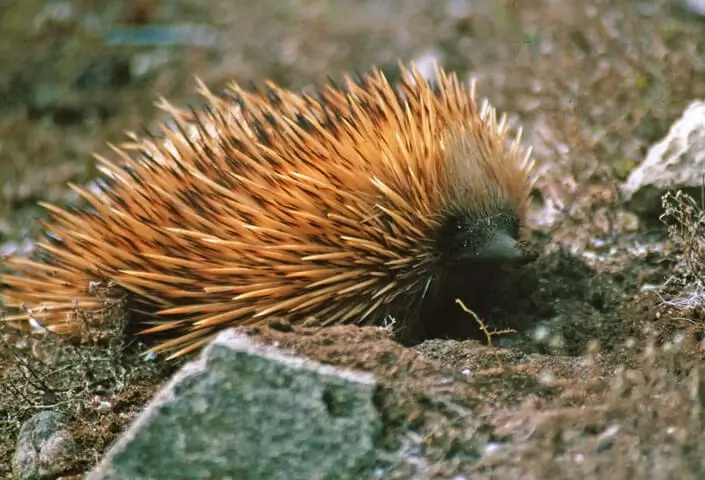
Monotremes (Monotremata) are egg-laying mammals. Monotremes don’t give birth to live young; they lay eggs. Echidnas and Duck-billed Platypus are monotremes. Montremata is the only order in this group.
MARSUPIALS
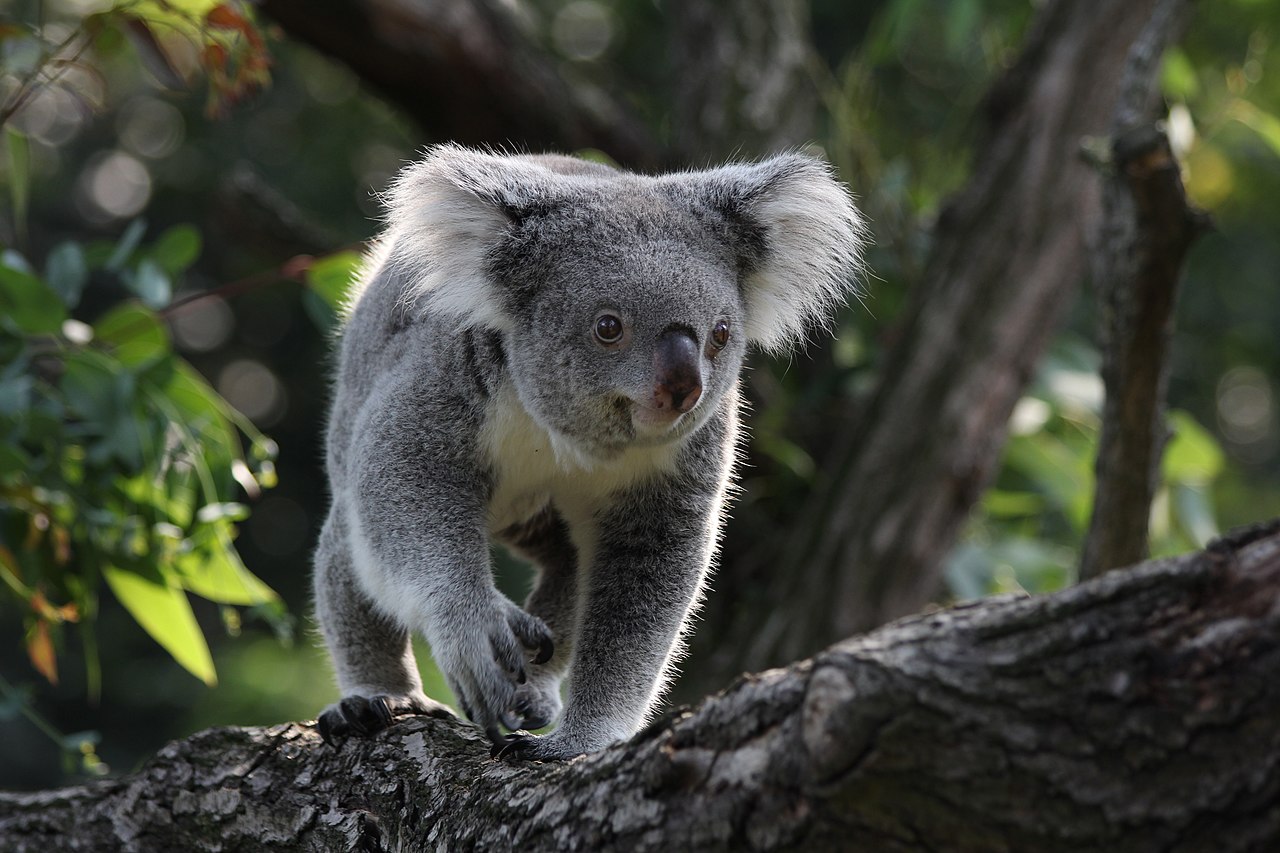
Marsupials (Metatheria) are pouched mammals. Marsupials give birth to very tiny, underdeveloped young that often continue growing in a pouch. Virginia Opossums, Koalas, and Kangaroos are marsupials.
Marsupial Orders
Dasyuromorphia (Tasmanian devils, quolls)
Didelphimorphia (opossums)
Diprotodontia (kangaroos, koalas, wombats, possums)
Microbiotheria (monito del monte)
Notoryctemorphia (marsupial moles)
Paucituberculata (shrew opossums)
Peramelemorphia (bandicoots, bilbies)
PLACENTAL MAMMALS
Placental Mammals (Eutheria) – Most mammals belong to this group. Placental mammals develop inside the mother and are born more fully developed because they receive nourishment through a placenta.
Placental Orders
Afrosoricida (tenrecs, golden moles)
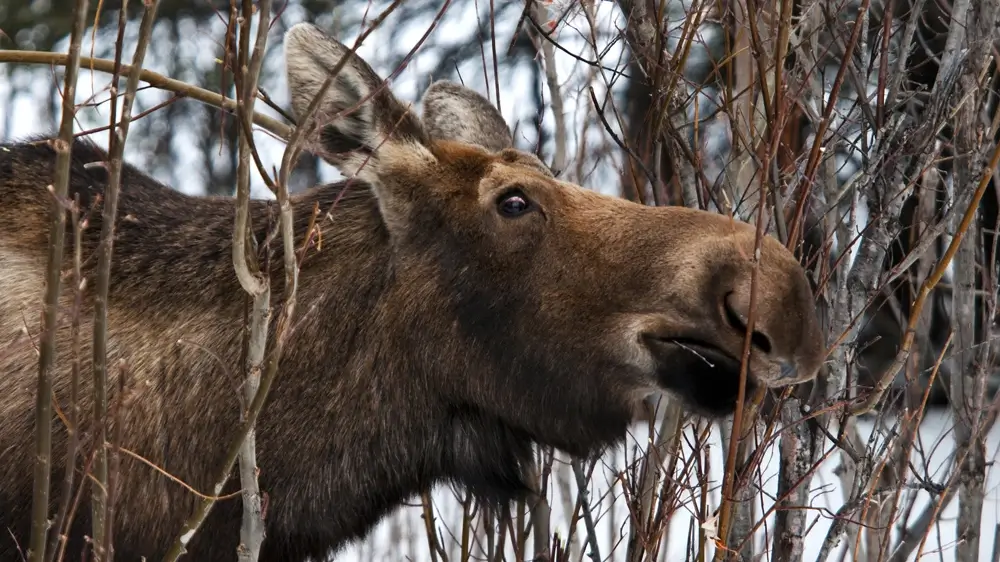
Artiodactyla (deer, pigs, bison, cows, whales, dolphins)
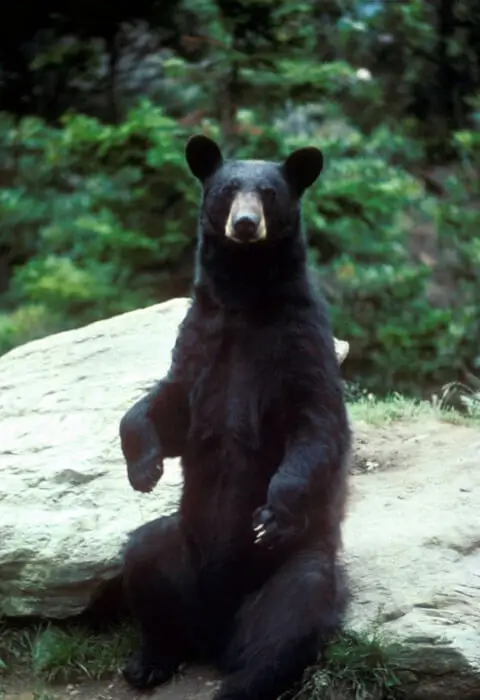
Carnivora (dogs, cats, bears, seals, weasels)
Chiroptera (bats)
Cingulata (armadillos)
Dermoptera (colugos)
Eulipotyphla (moles, shrews, hedgehogs)
Hyracoidea (hyraxes)
Lagomorpha (rabbits, hares, pikas)
Macroscelidea (elephant shrews)
Perissodactyla (hoofed animals, horses, rhinos, tapirs)
Pholidota (pangolins)
Pilosa (sloths and anteaters)
Primates (monkeys, apes, humans, lemurs)
Proboscidea (elephants)
Rodentia (mice, rats, squirrels, beavers)
Scandentia (tree shrews)
Sirenia (manatees and dugongs)
Tubulidentata (aardvarks)
SCIENCE NOTE
Modern DNA research shows that whales and dolphins (Cetacea) evolved from the same ancestors as even-toed hoofed mammals (Artiodactyla). Because of this, many scientists now combine them into one group called Cetartiodactyla.